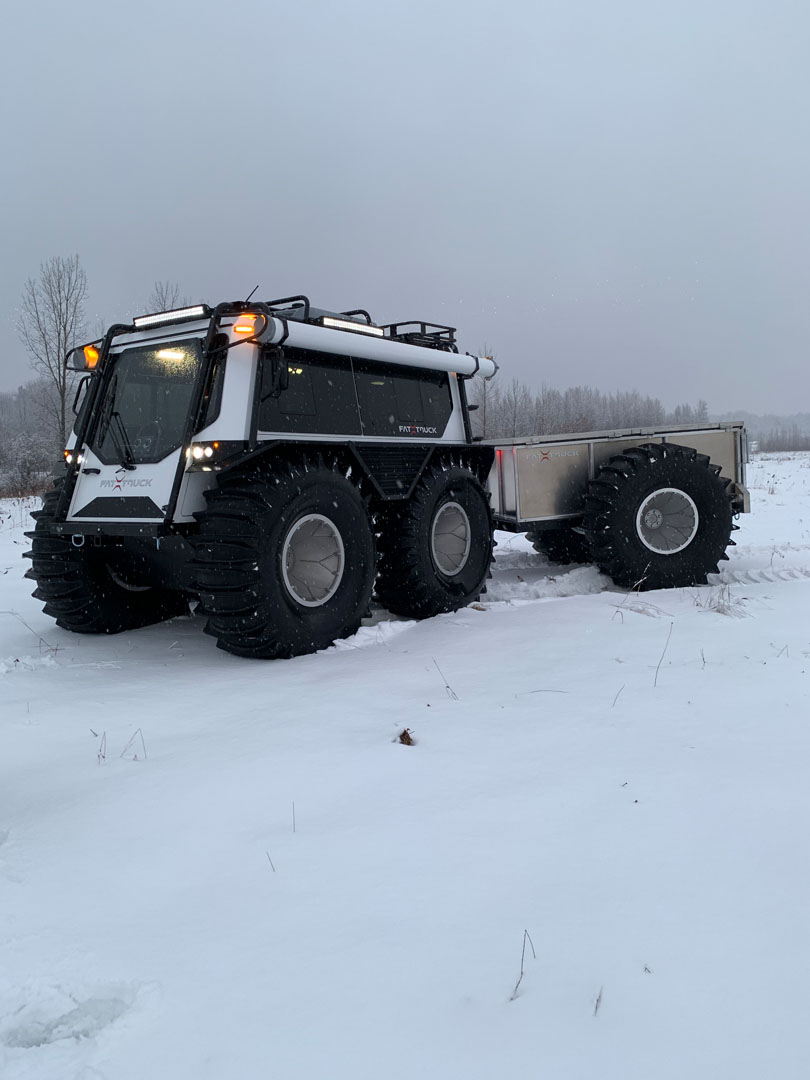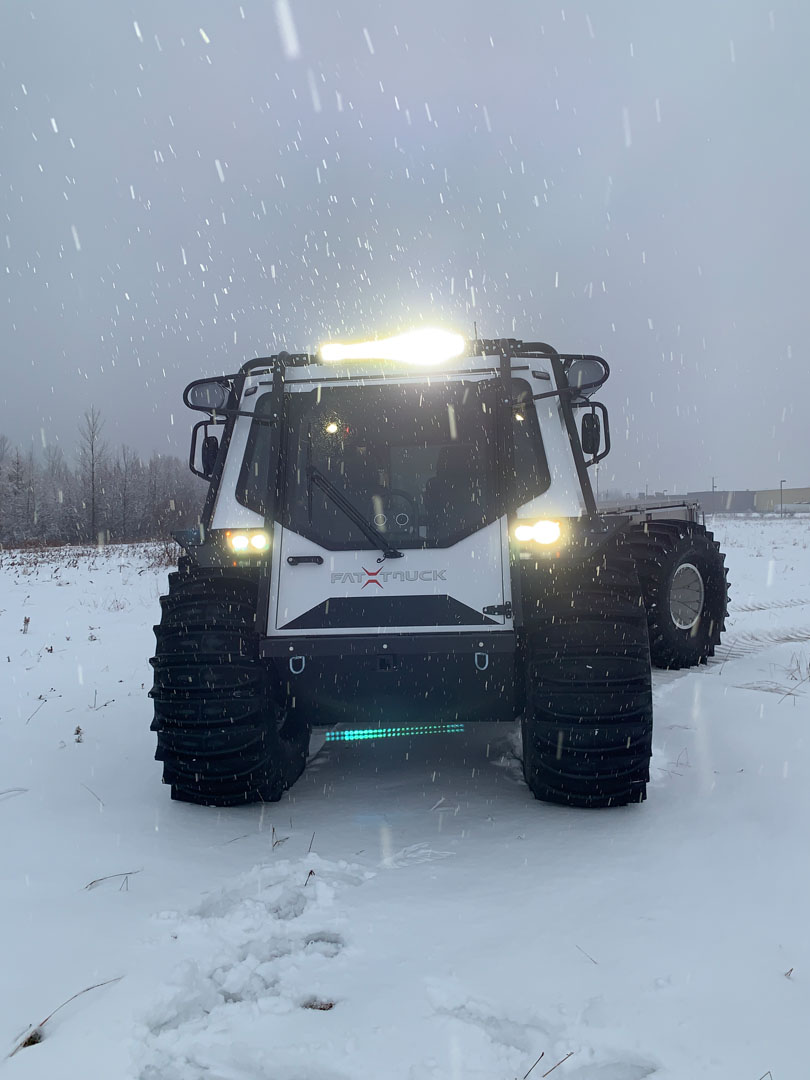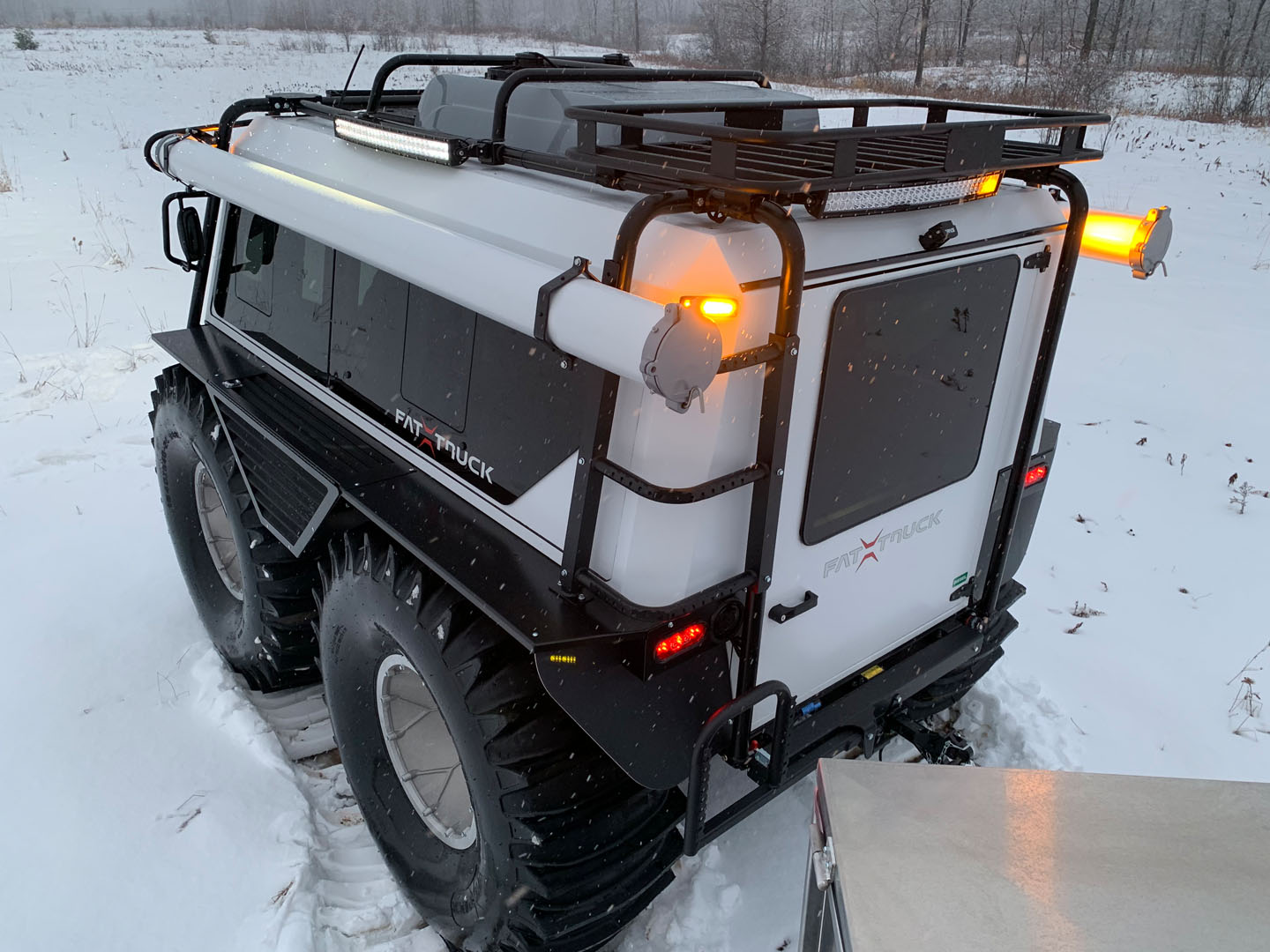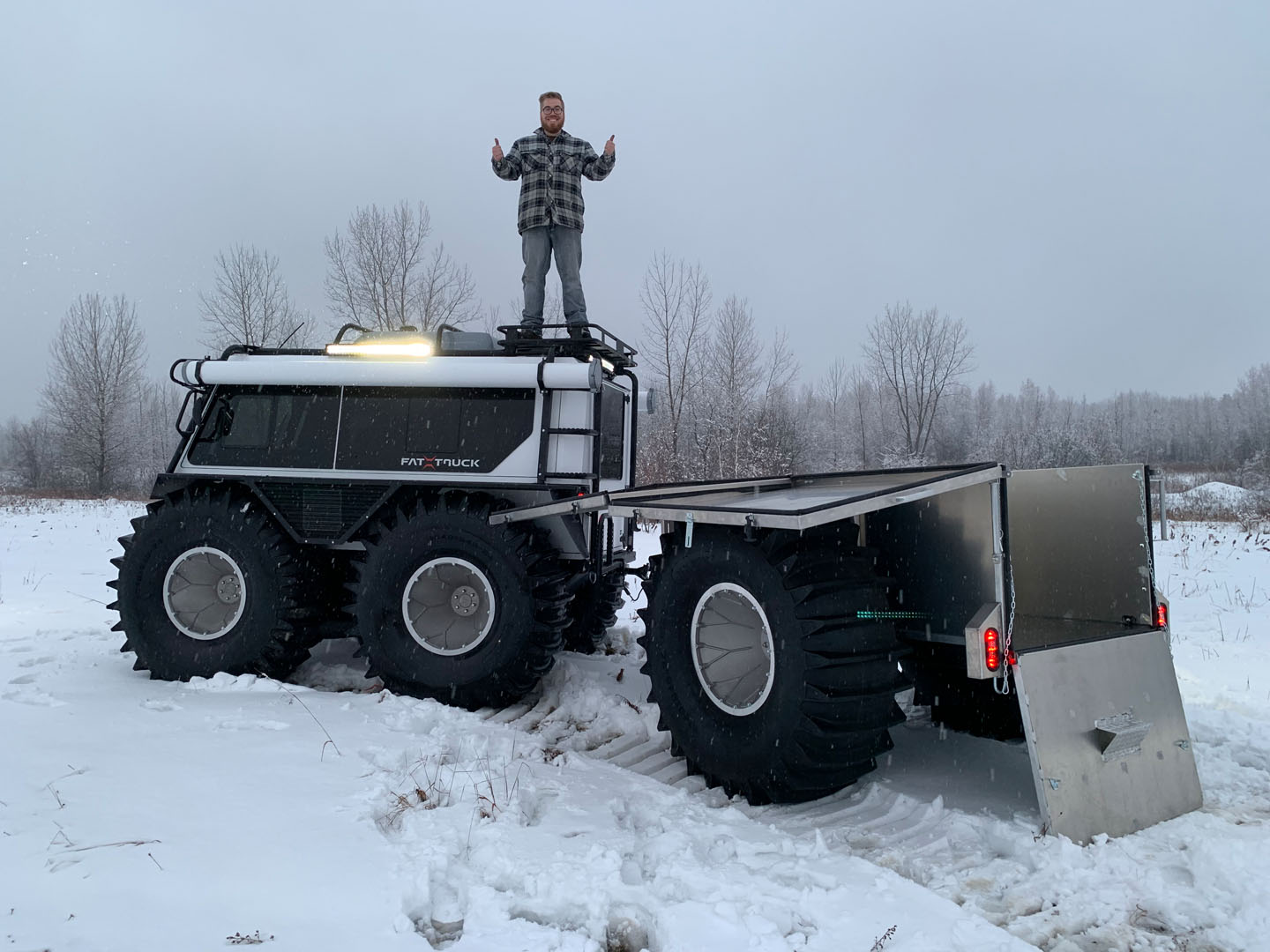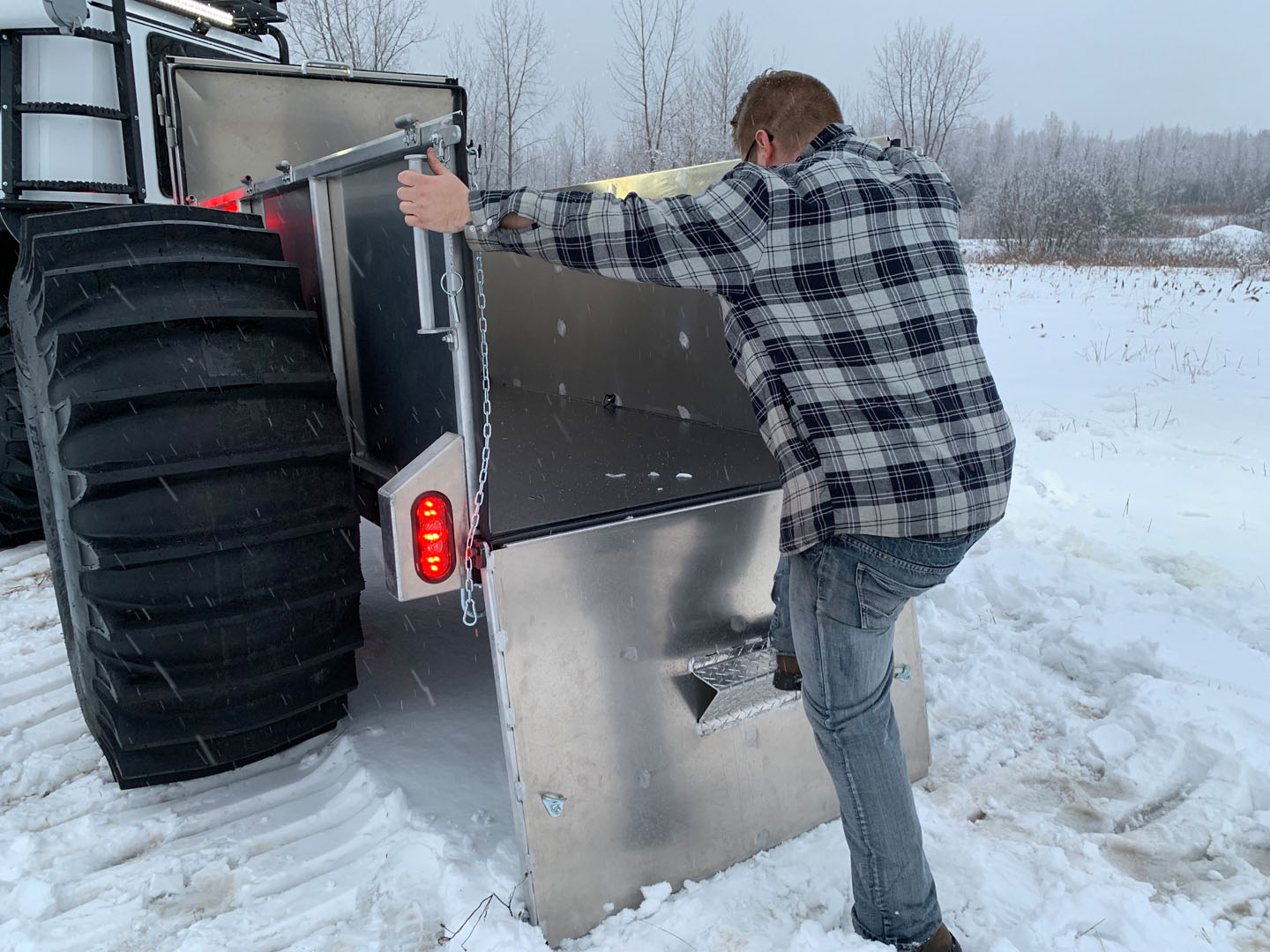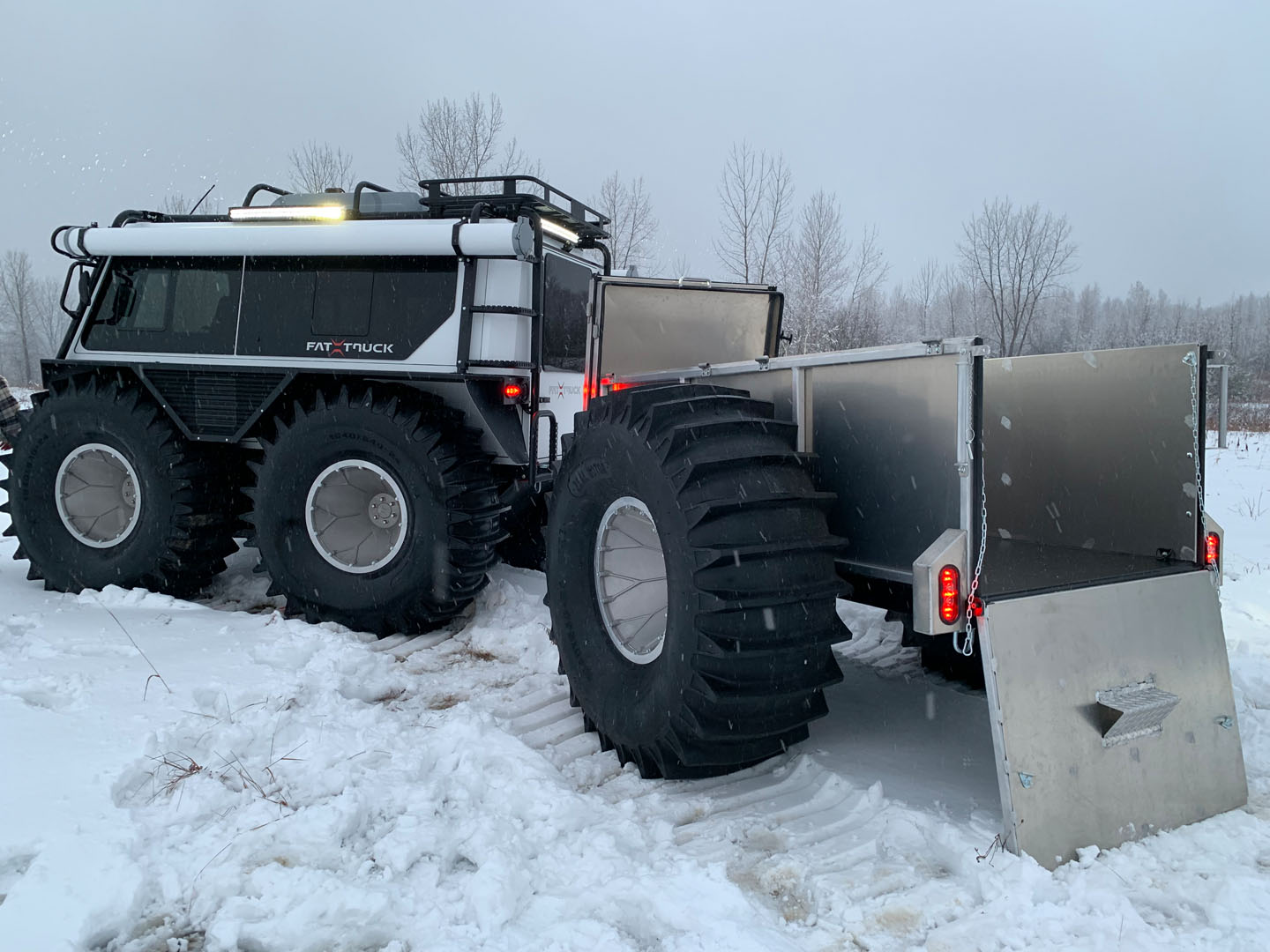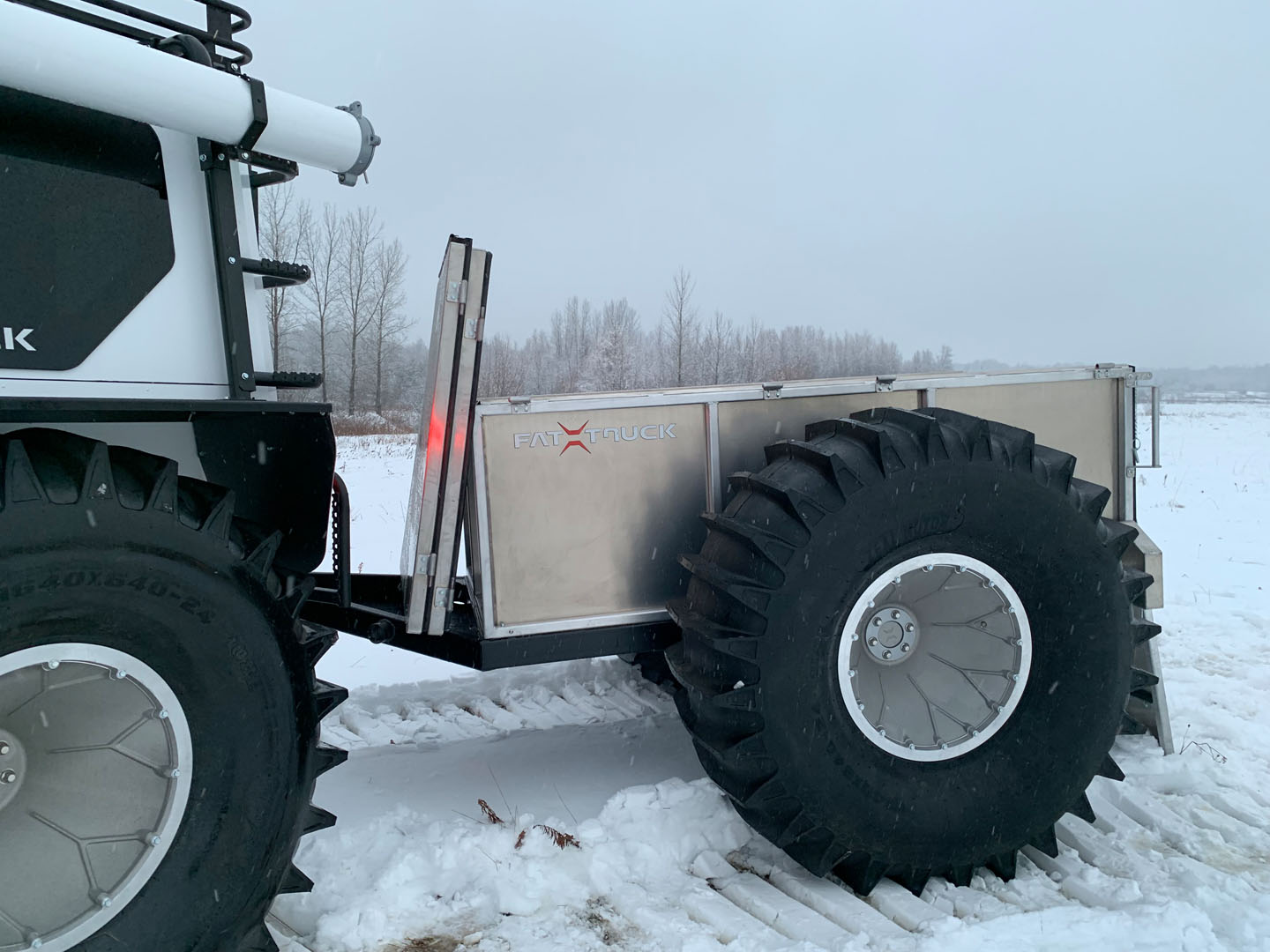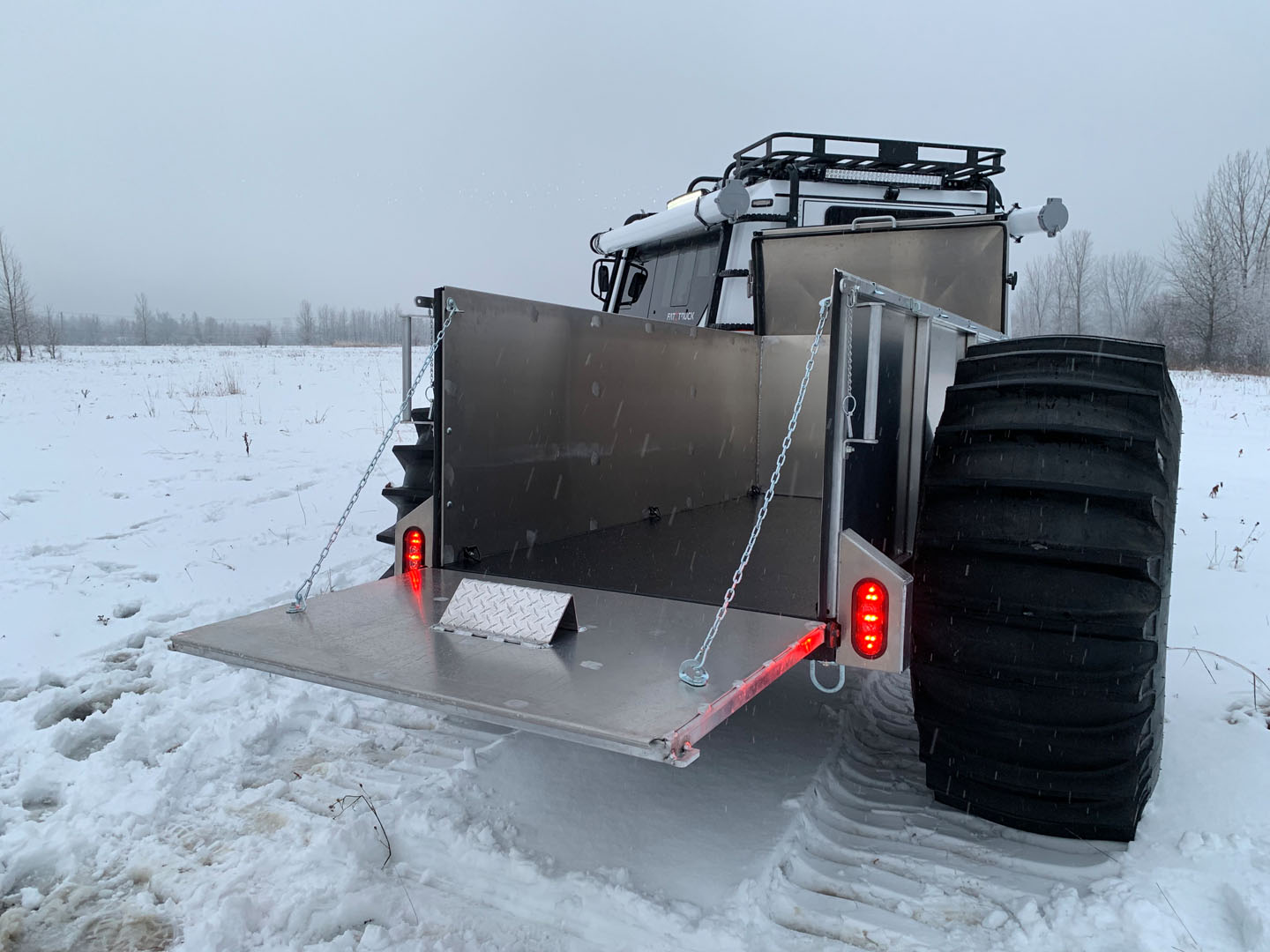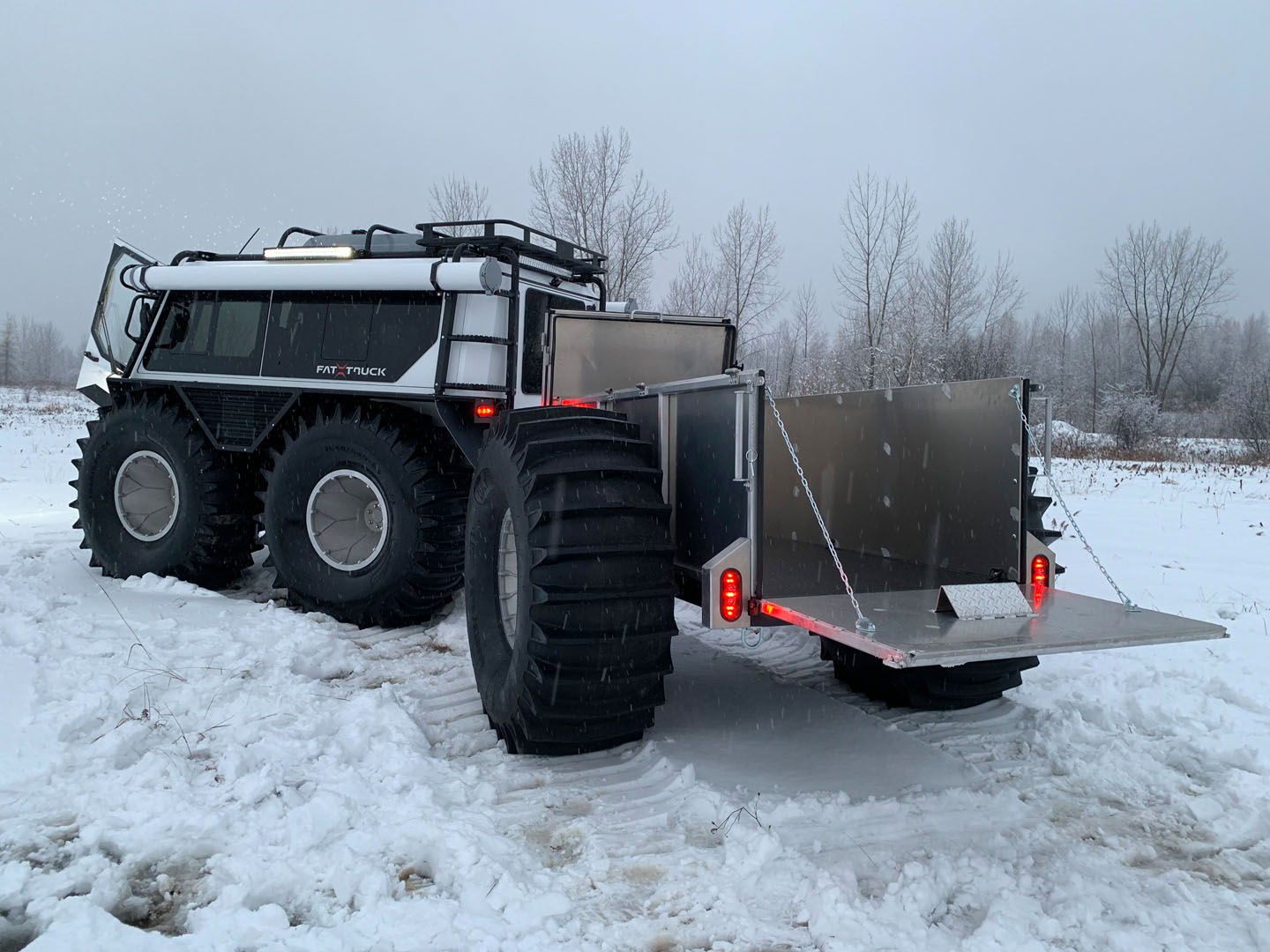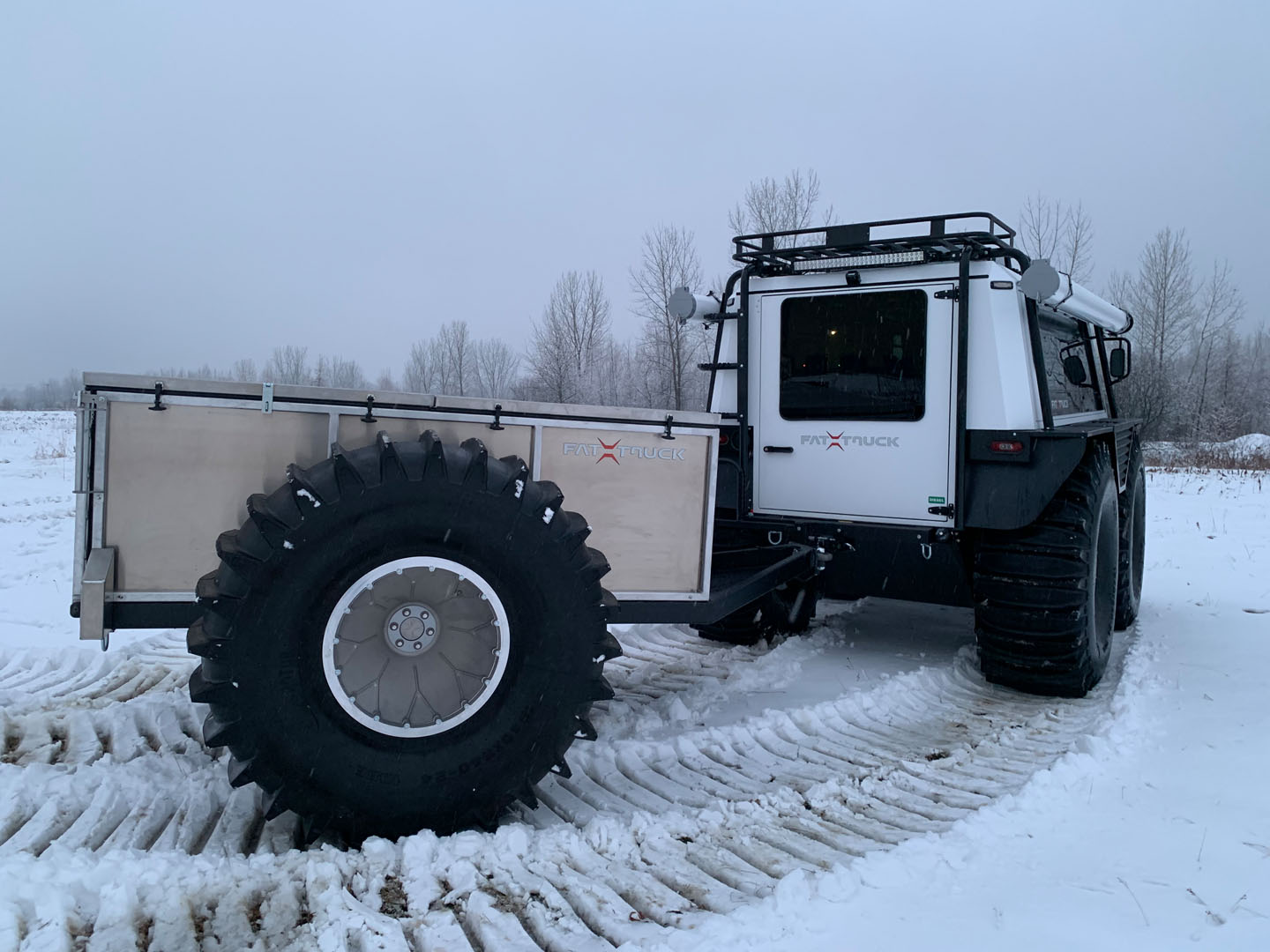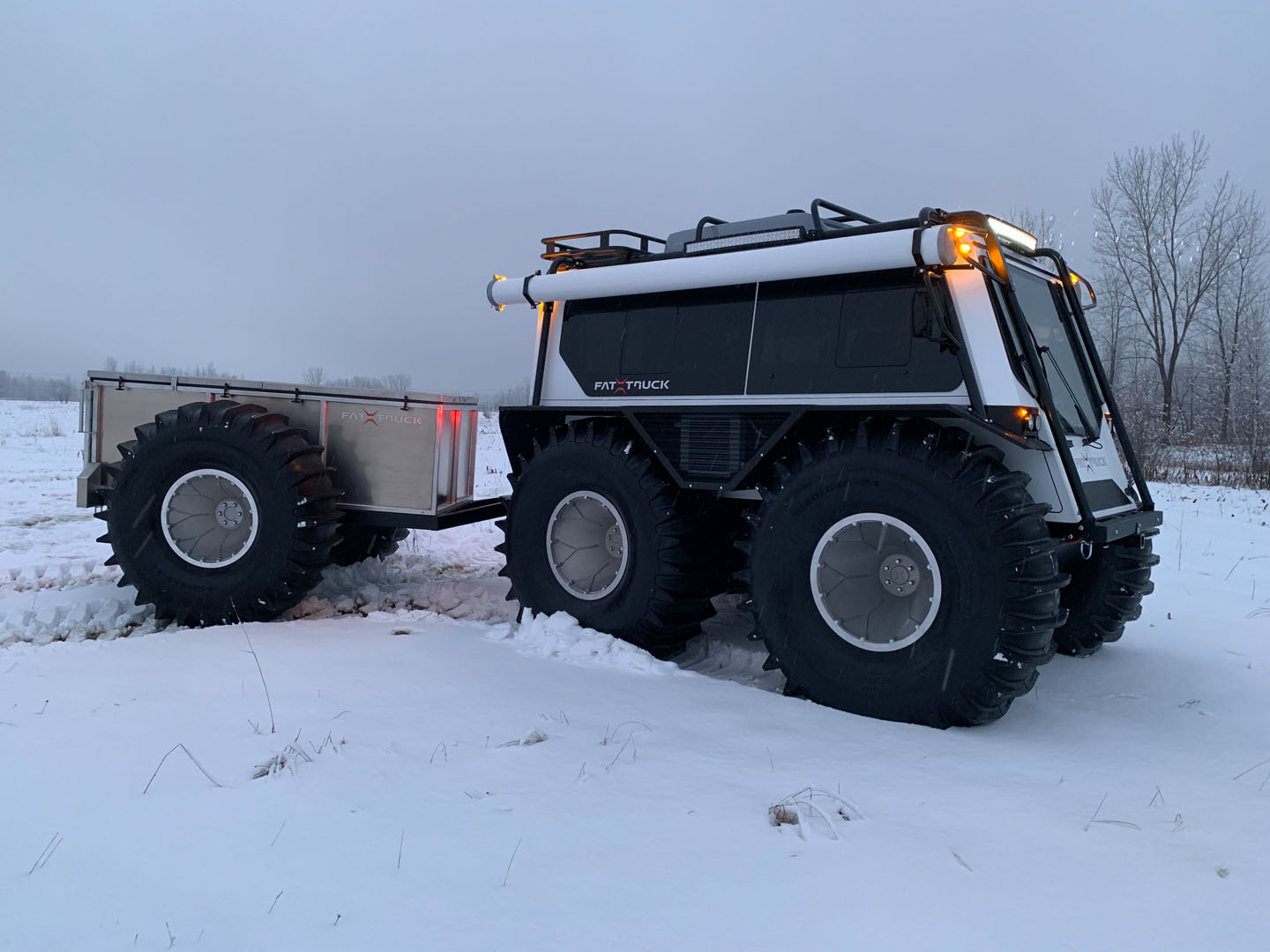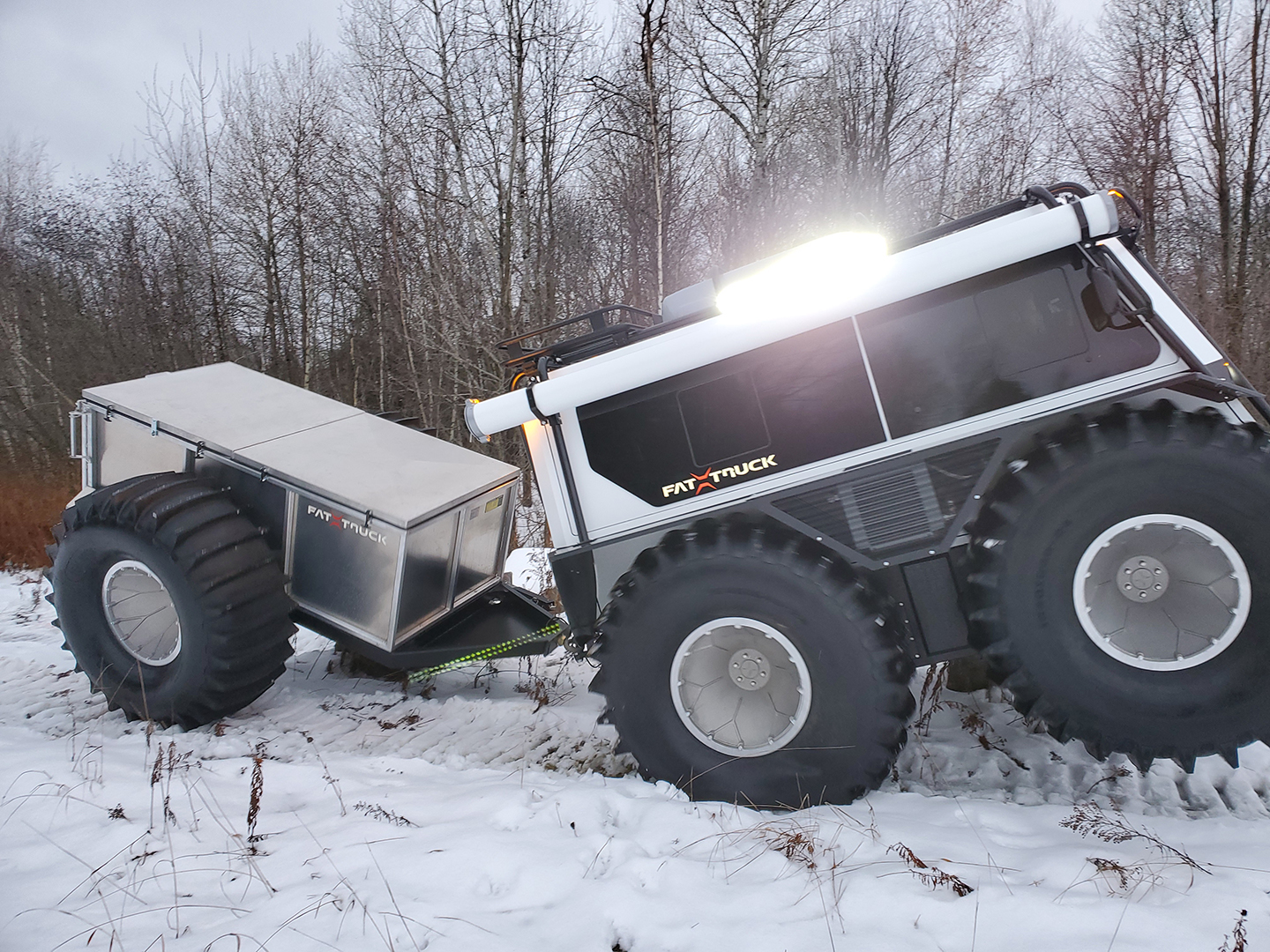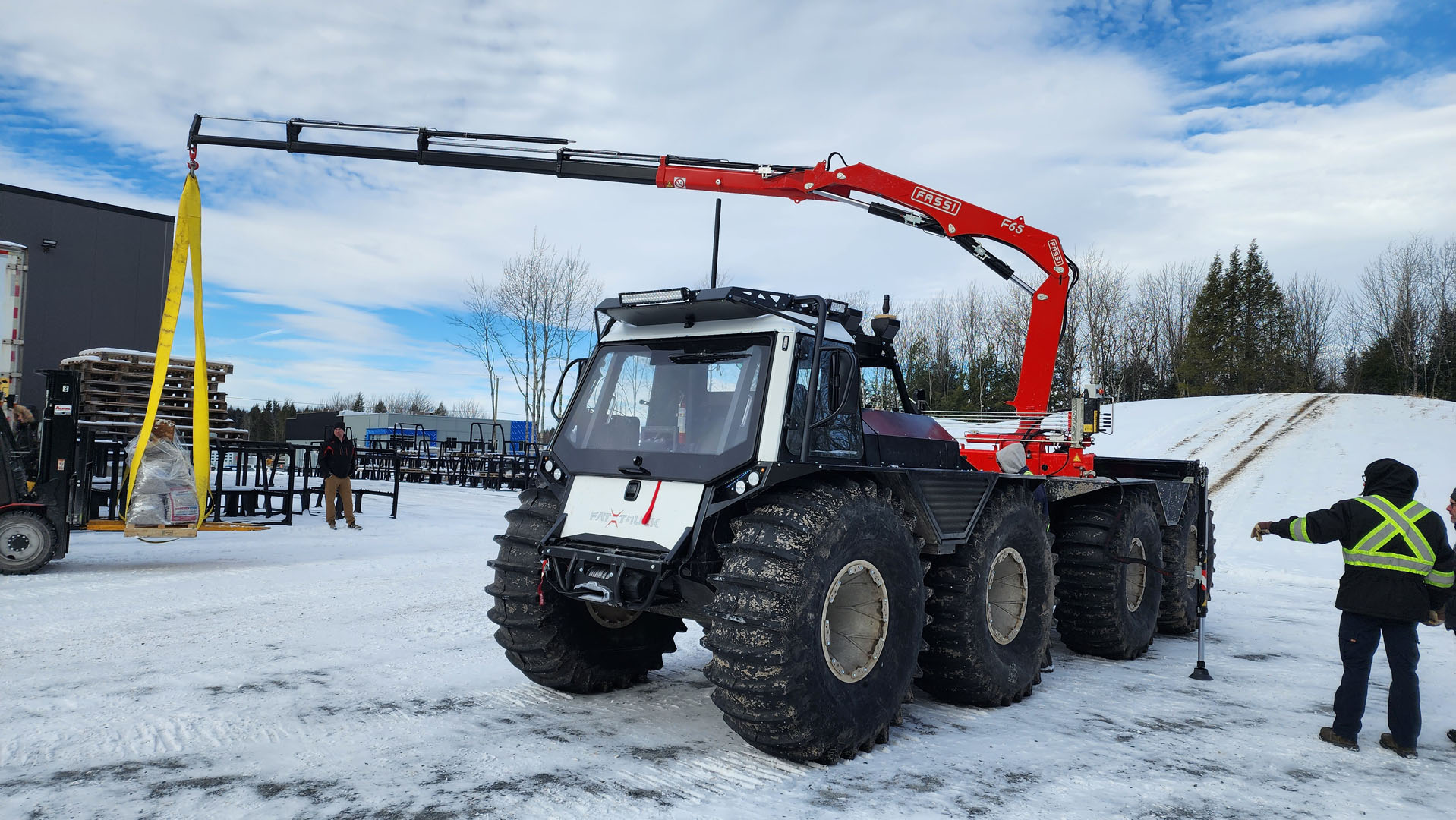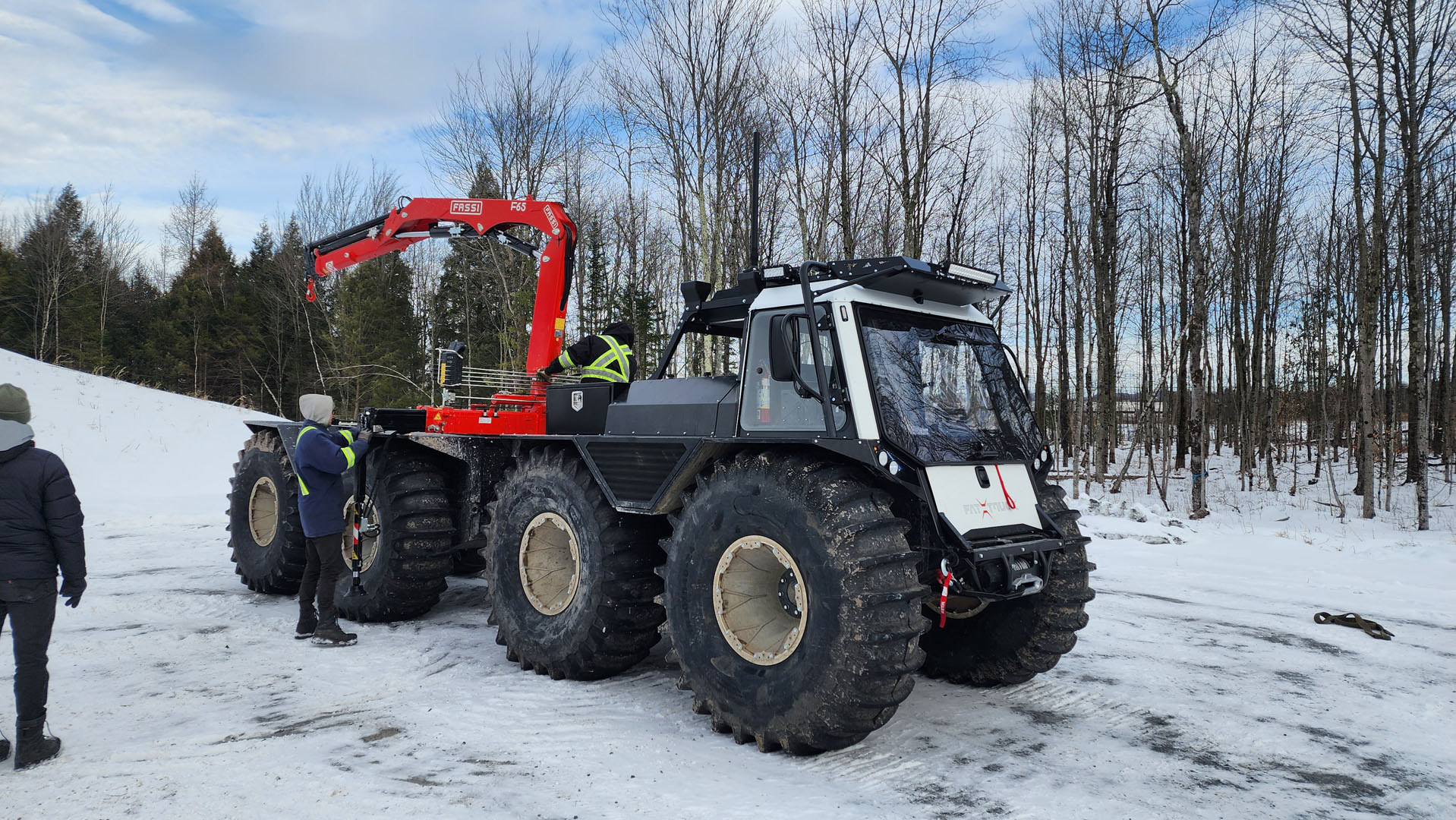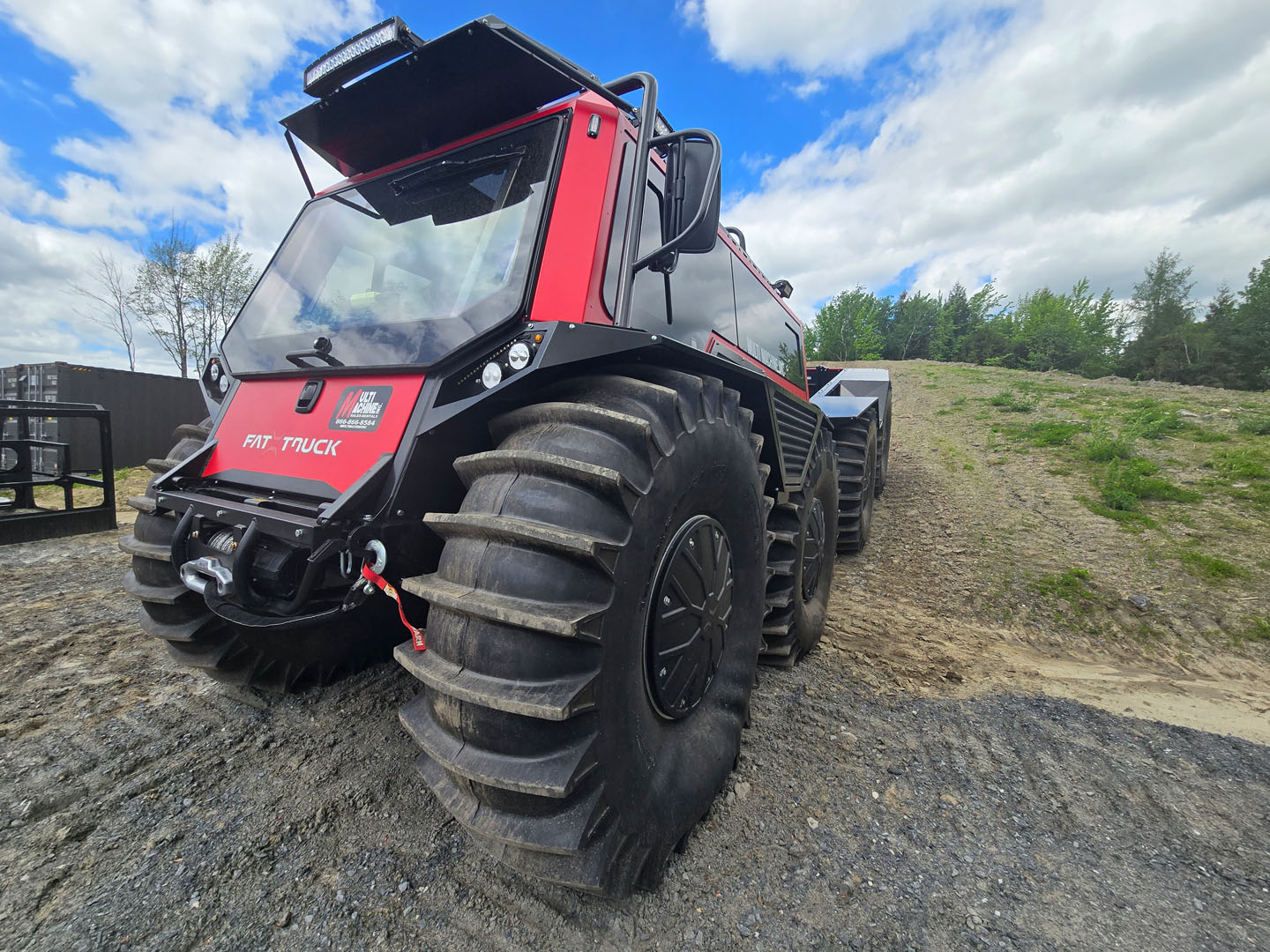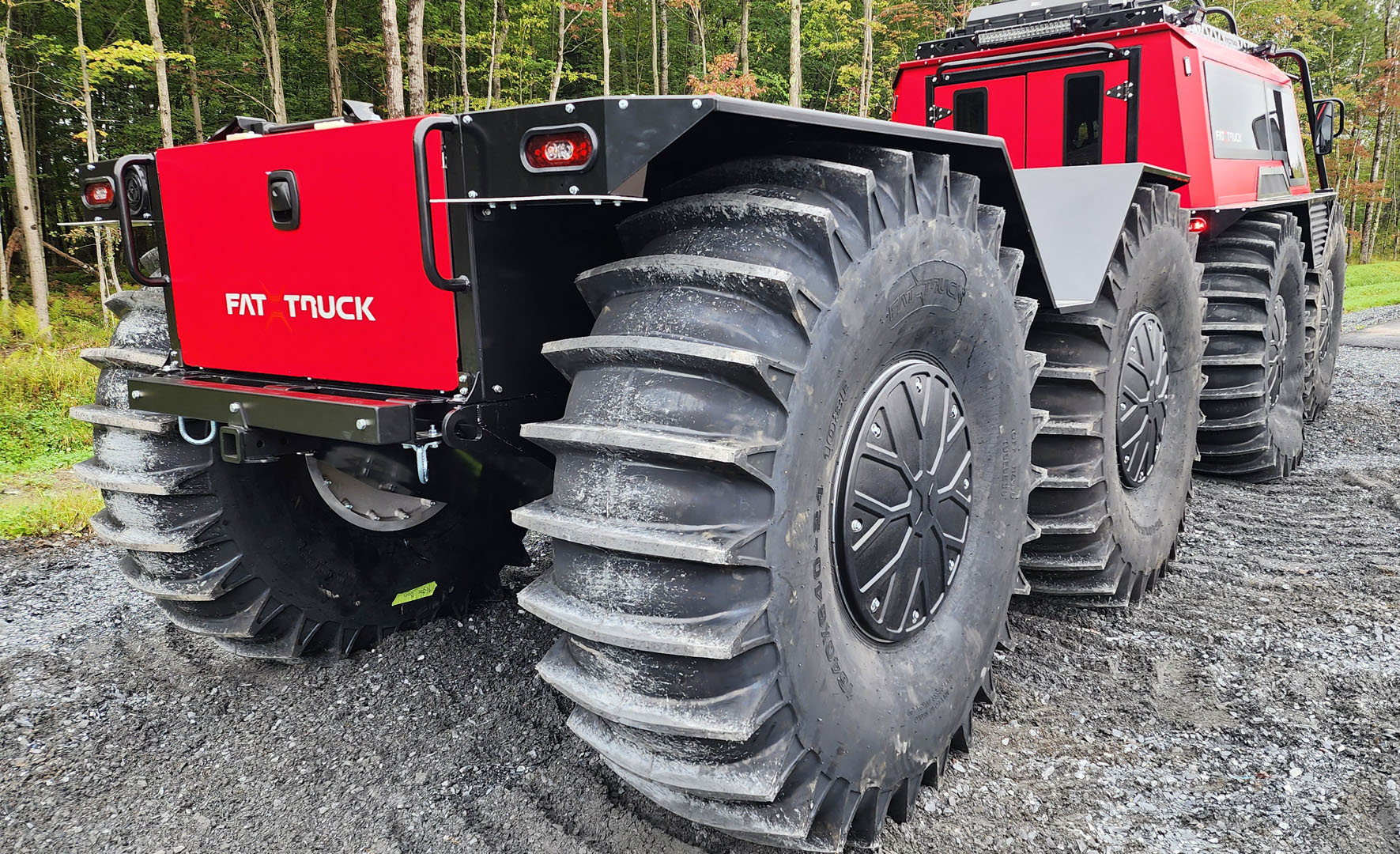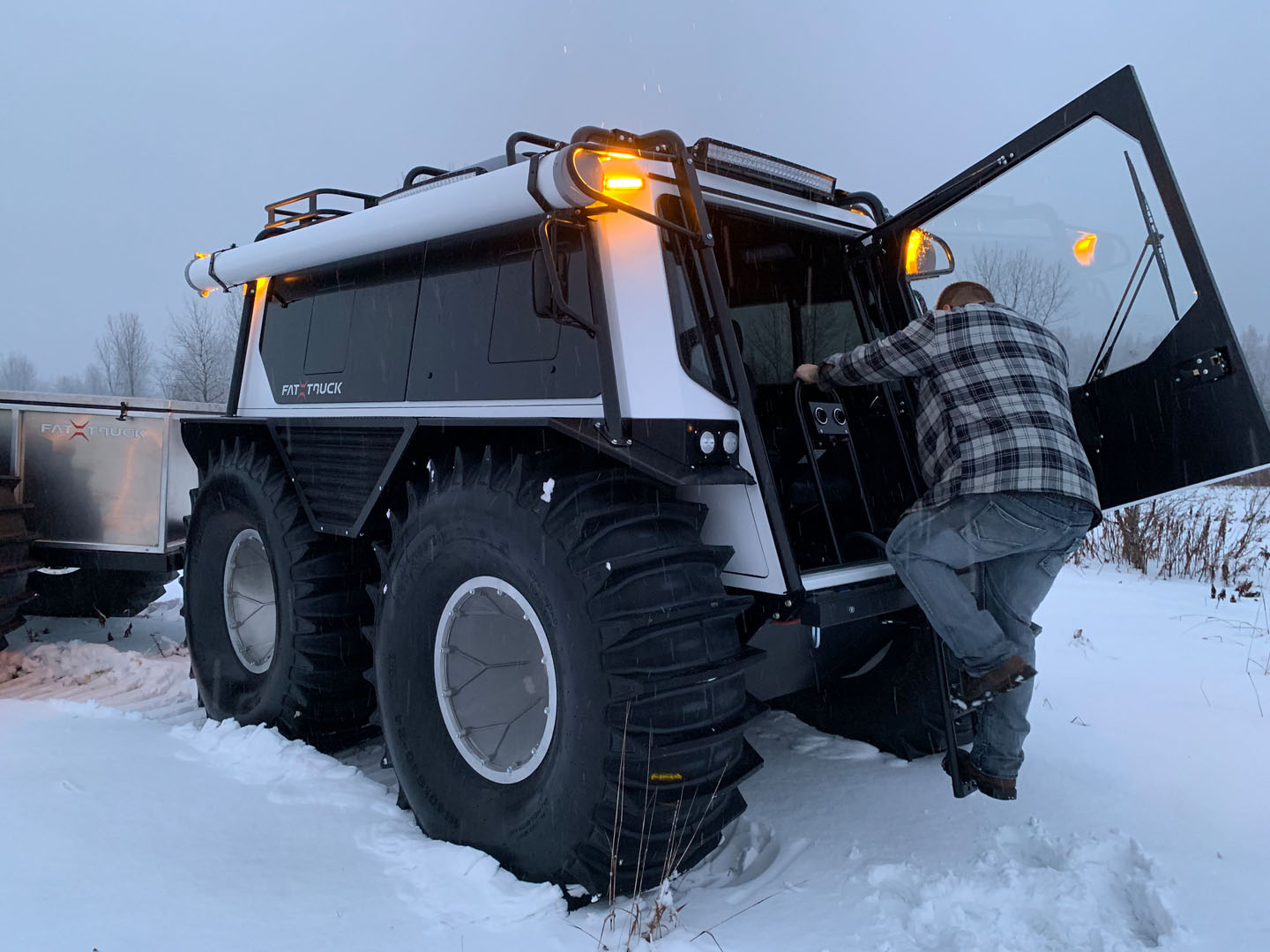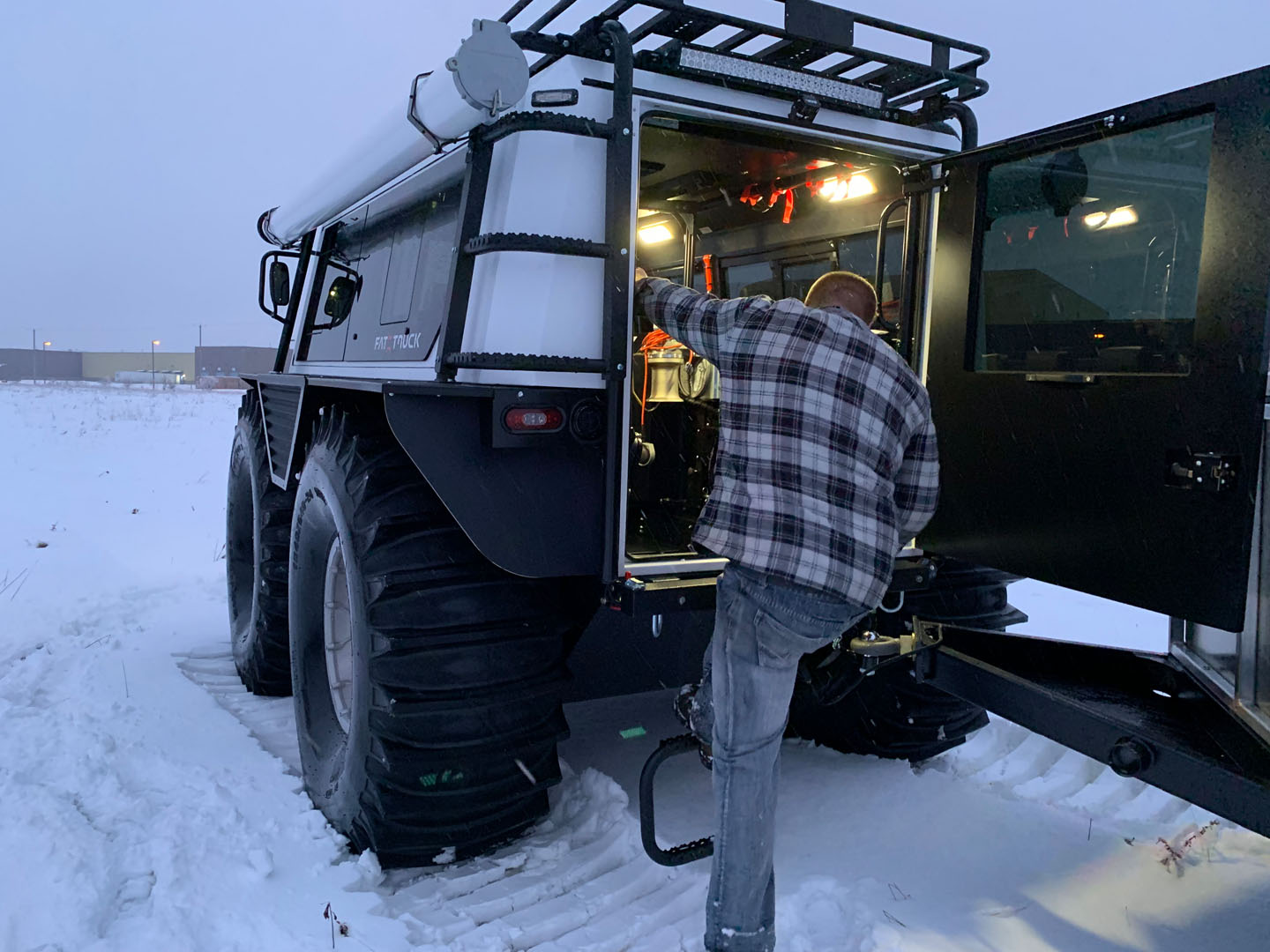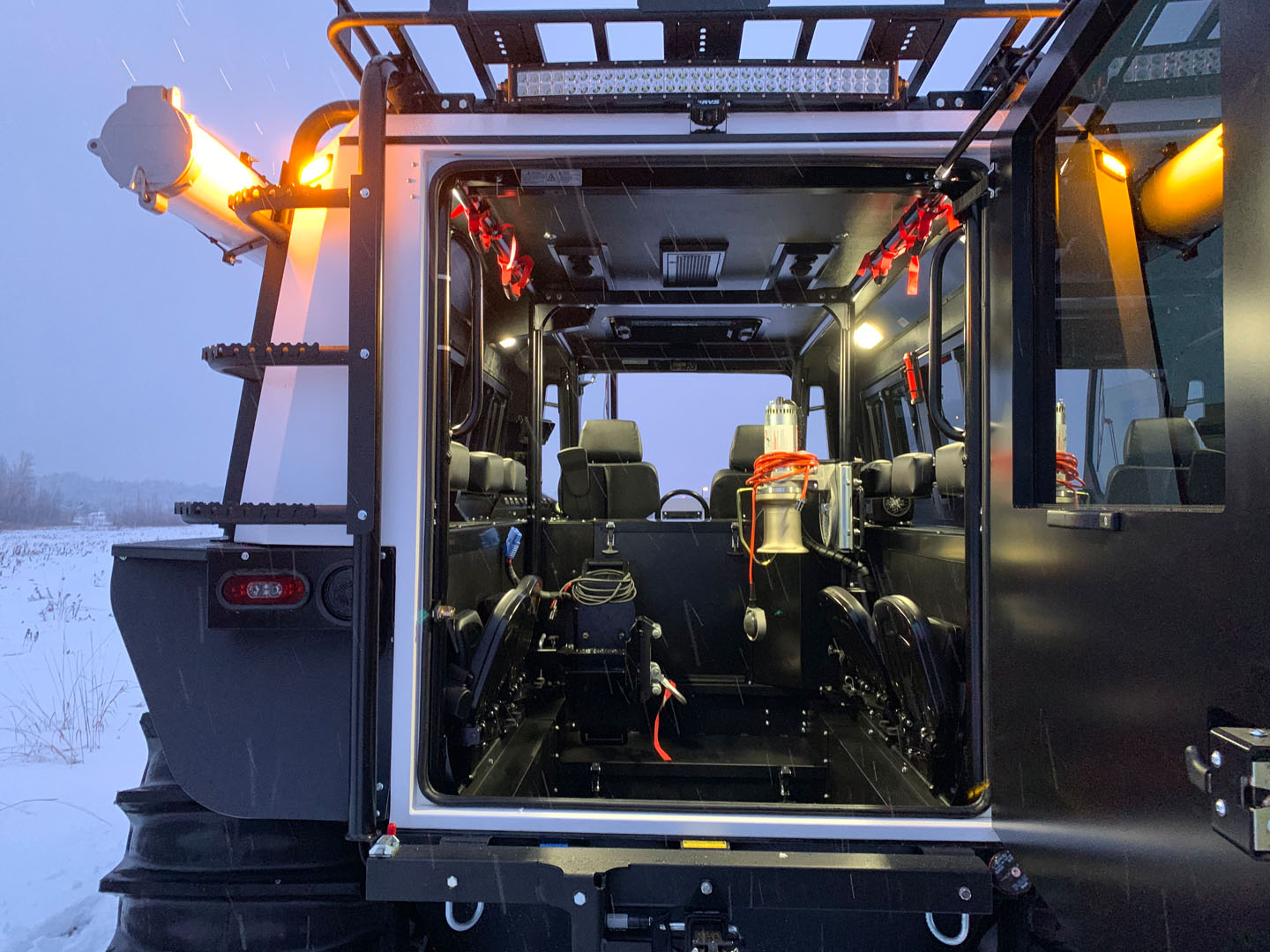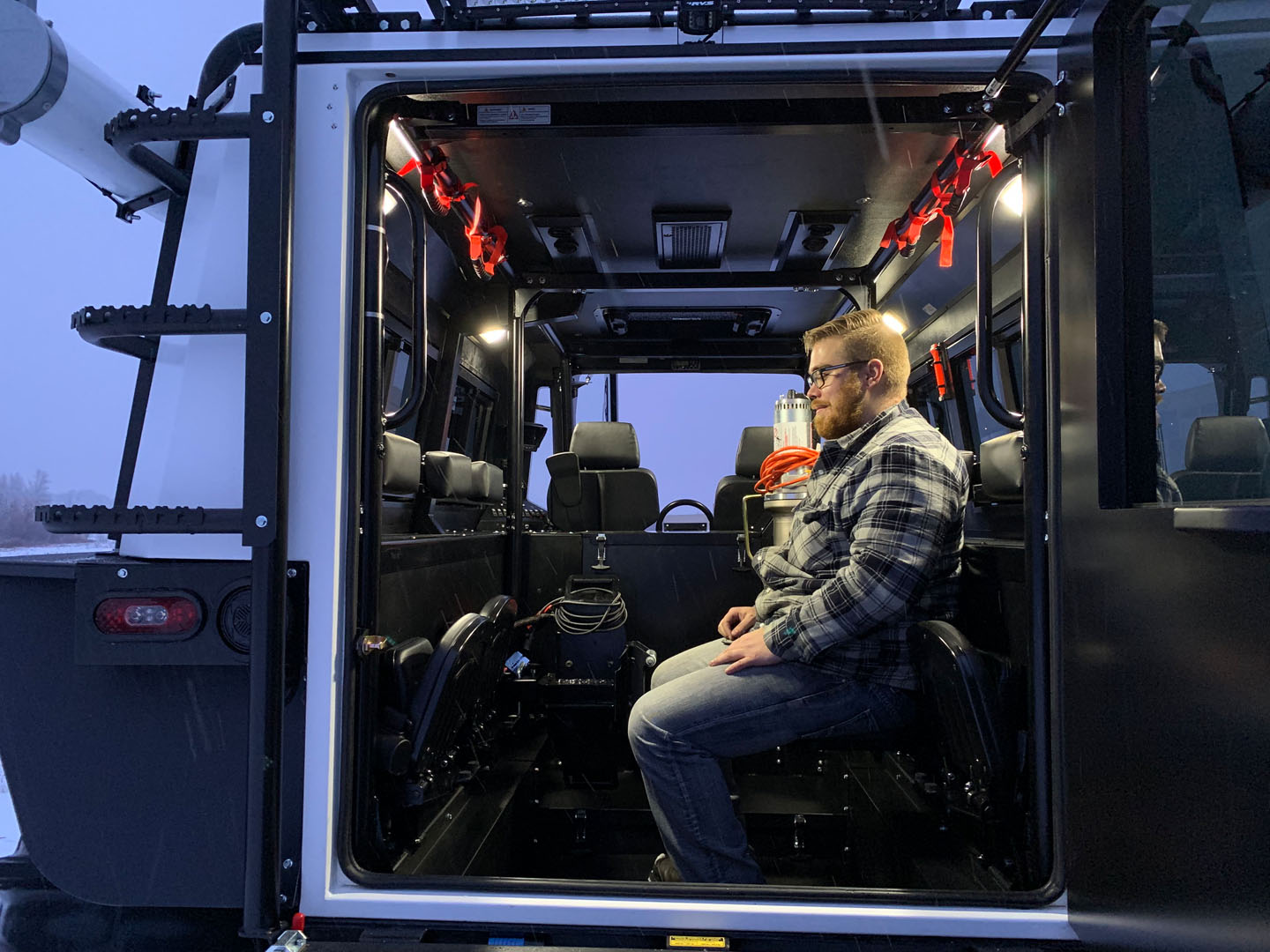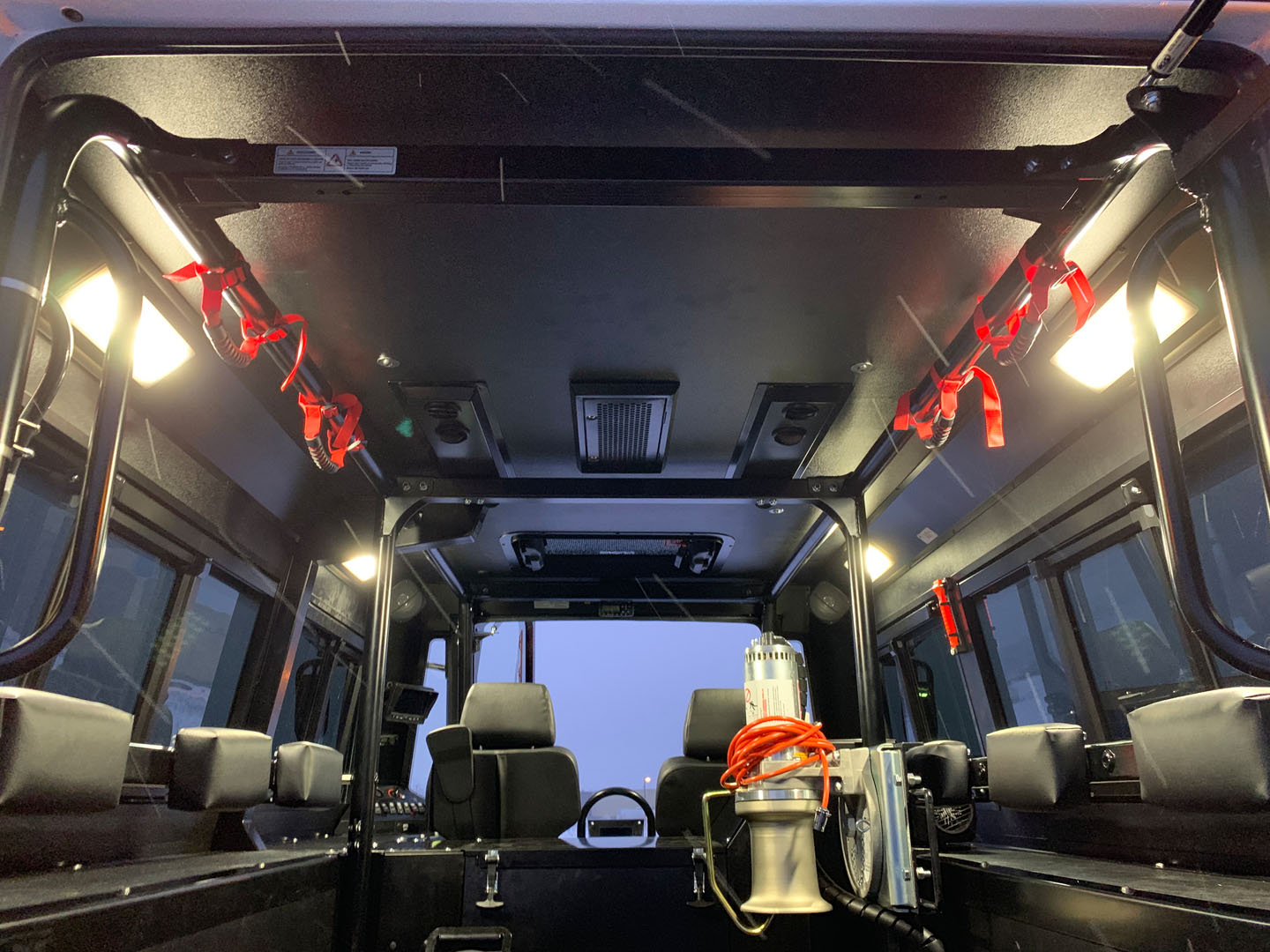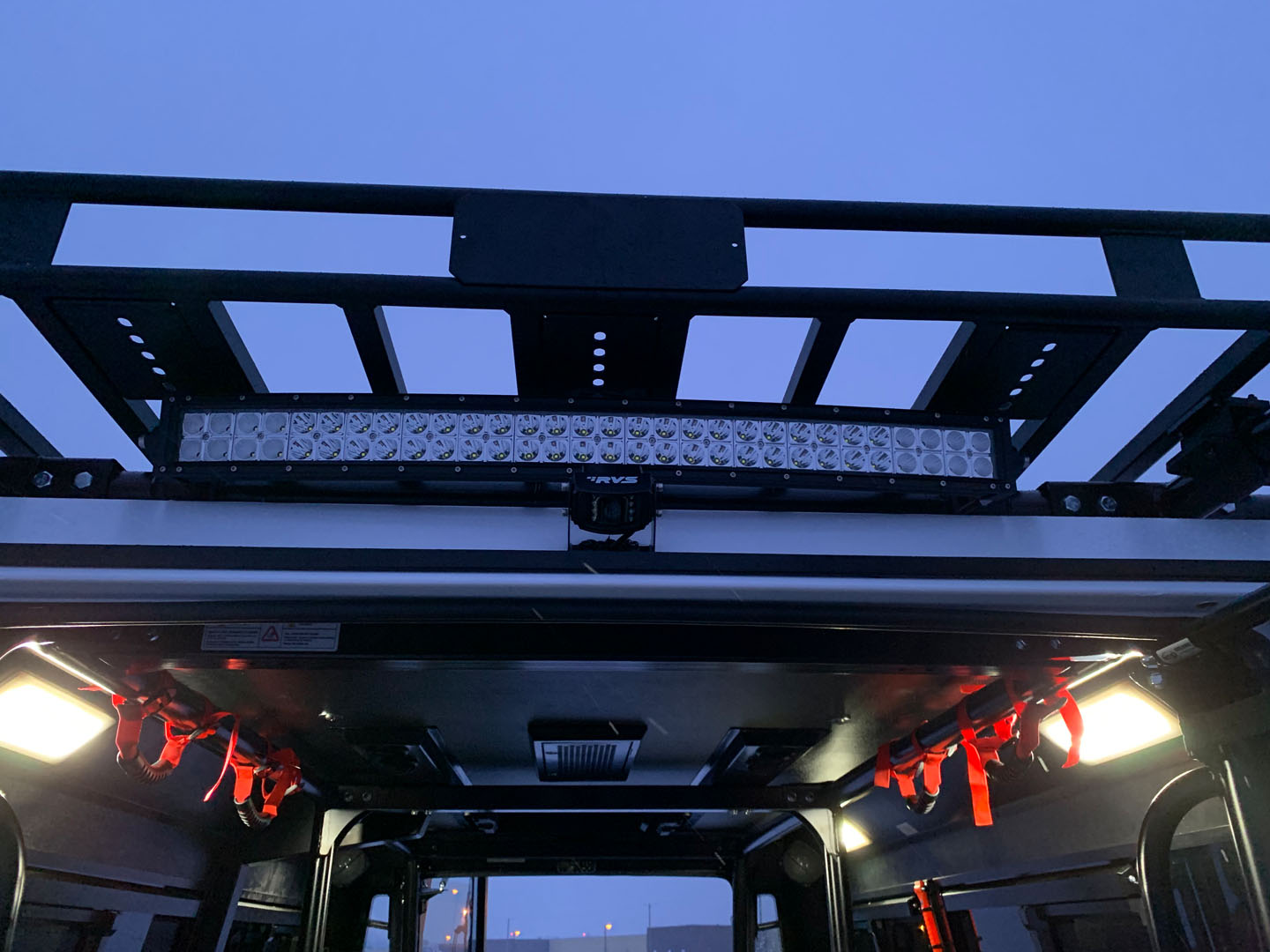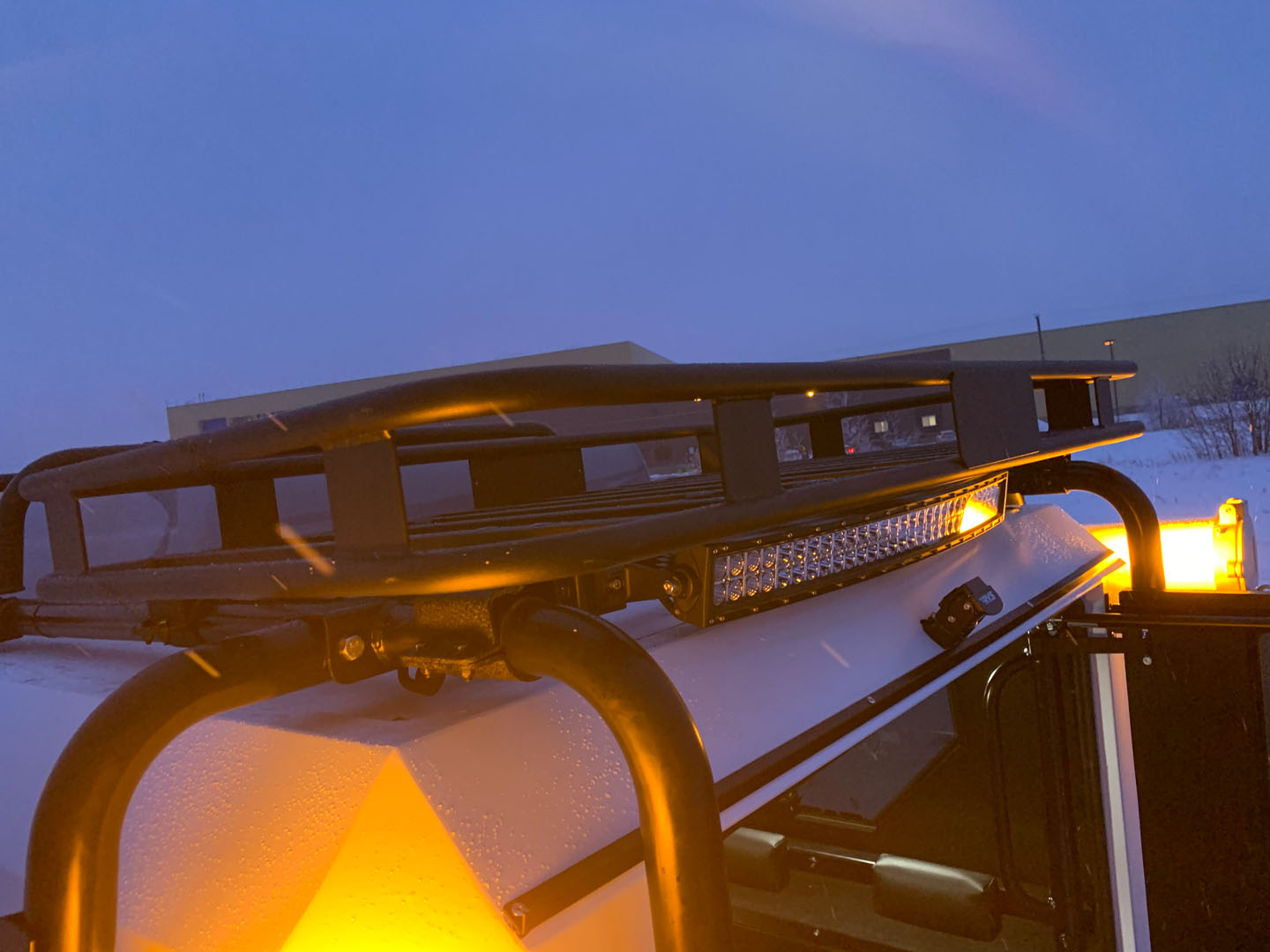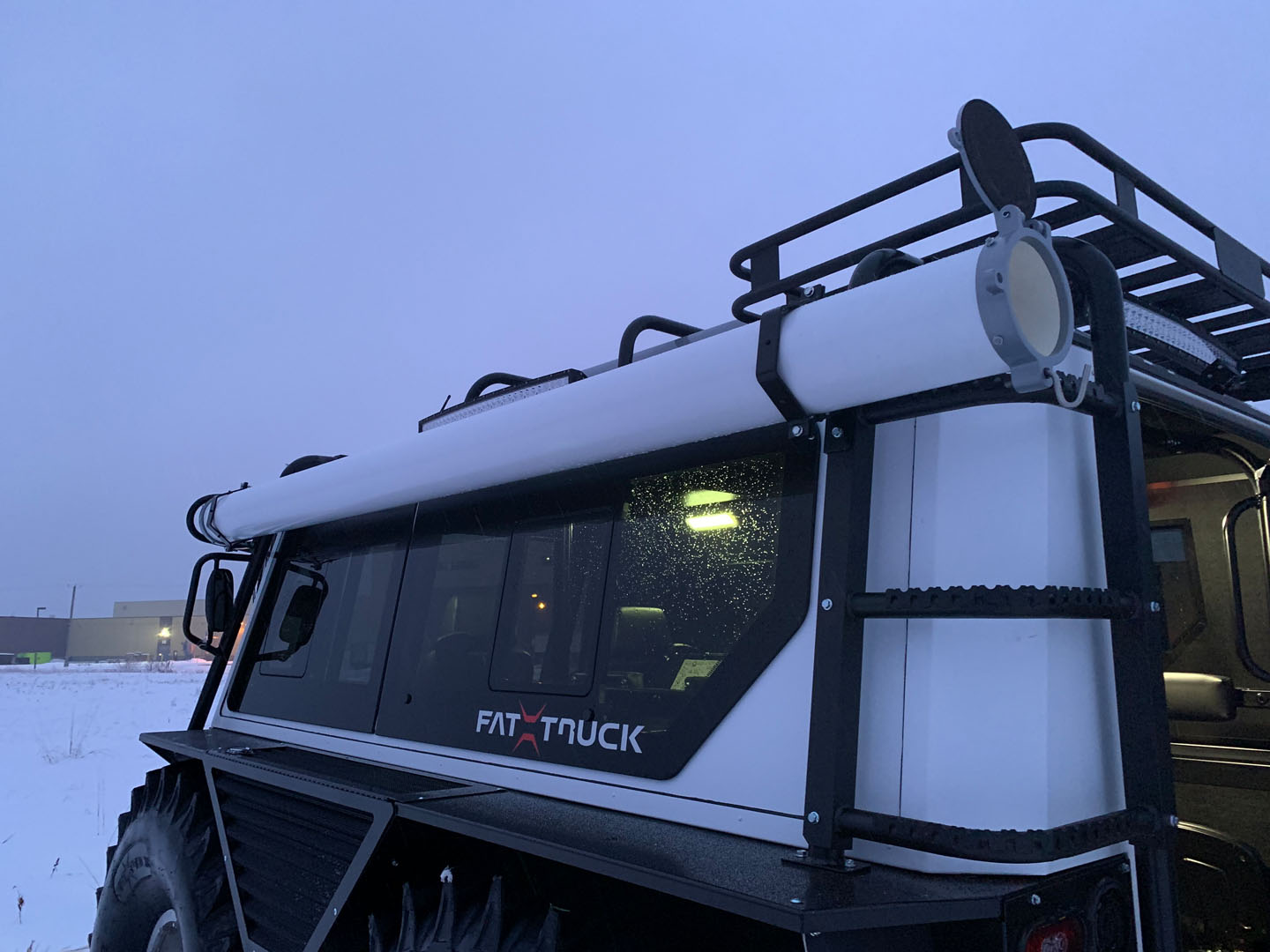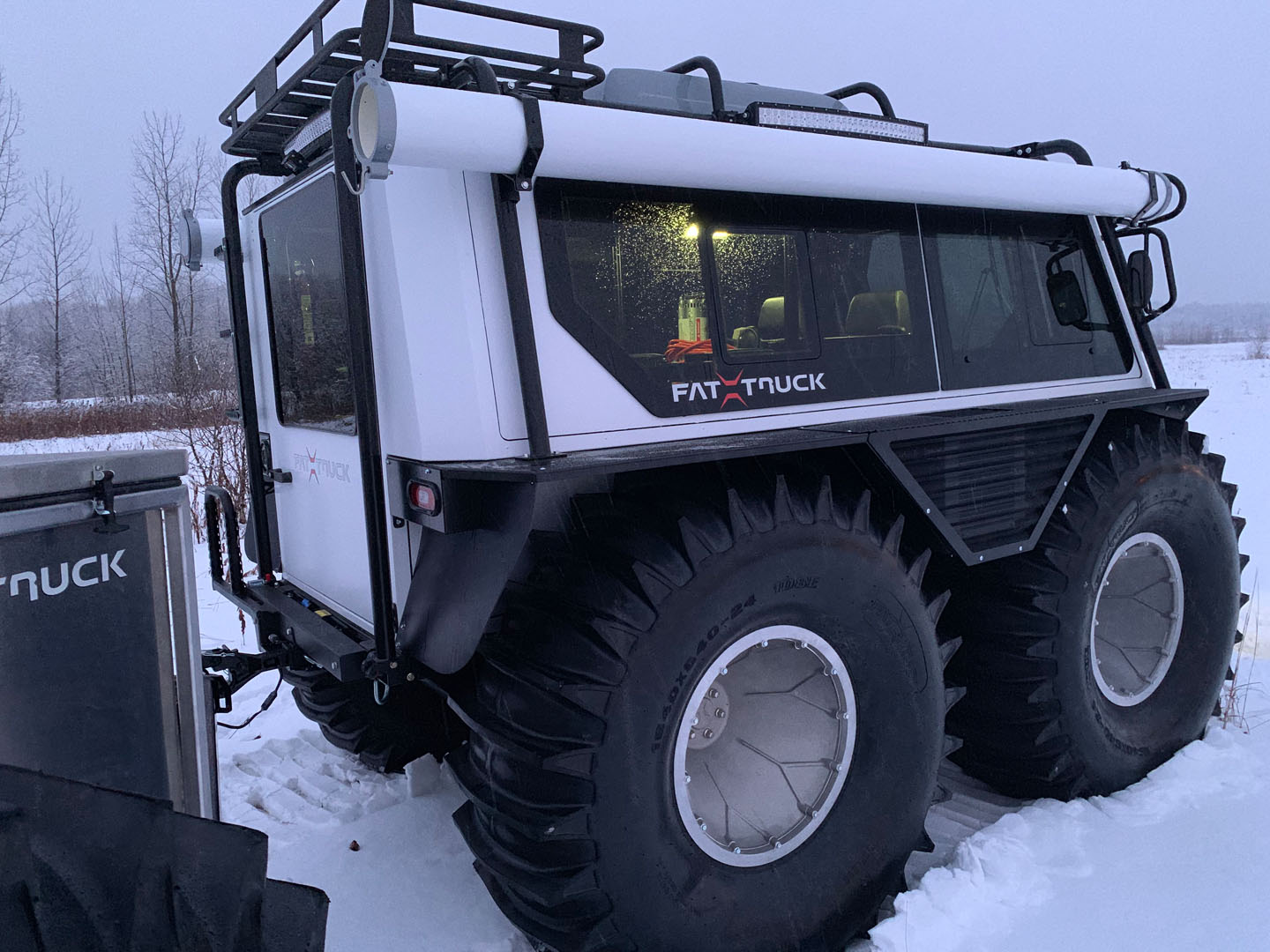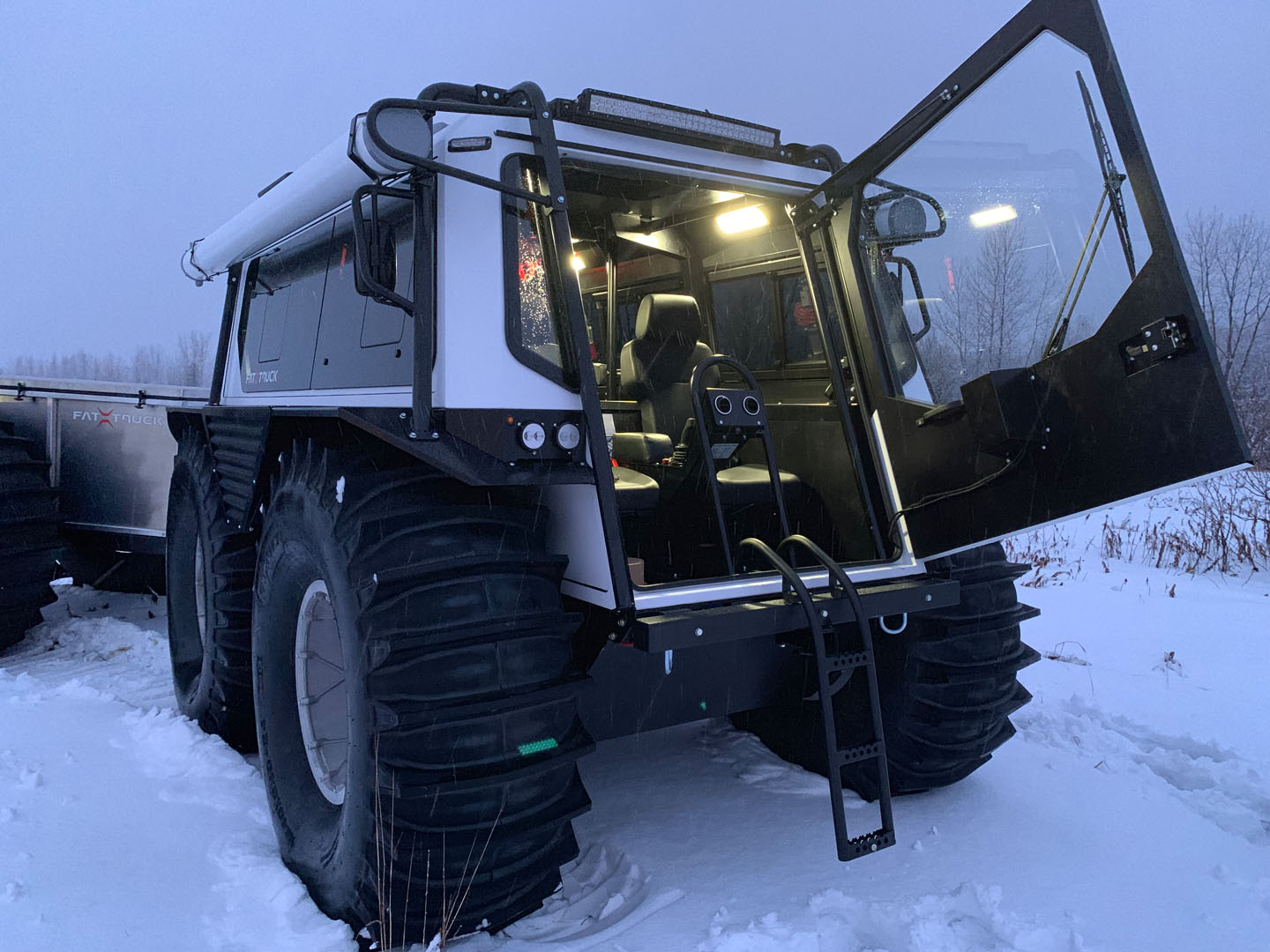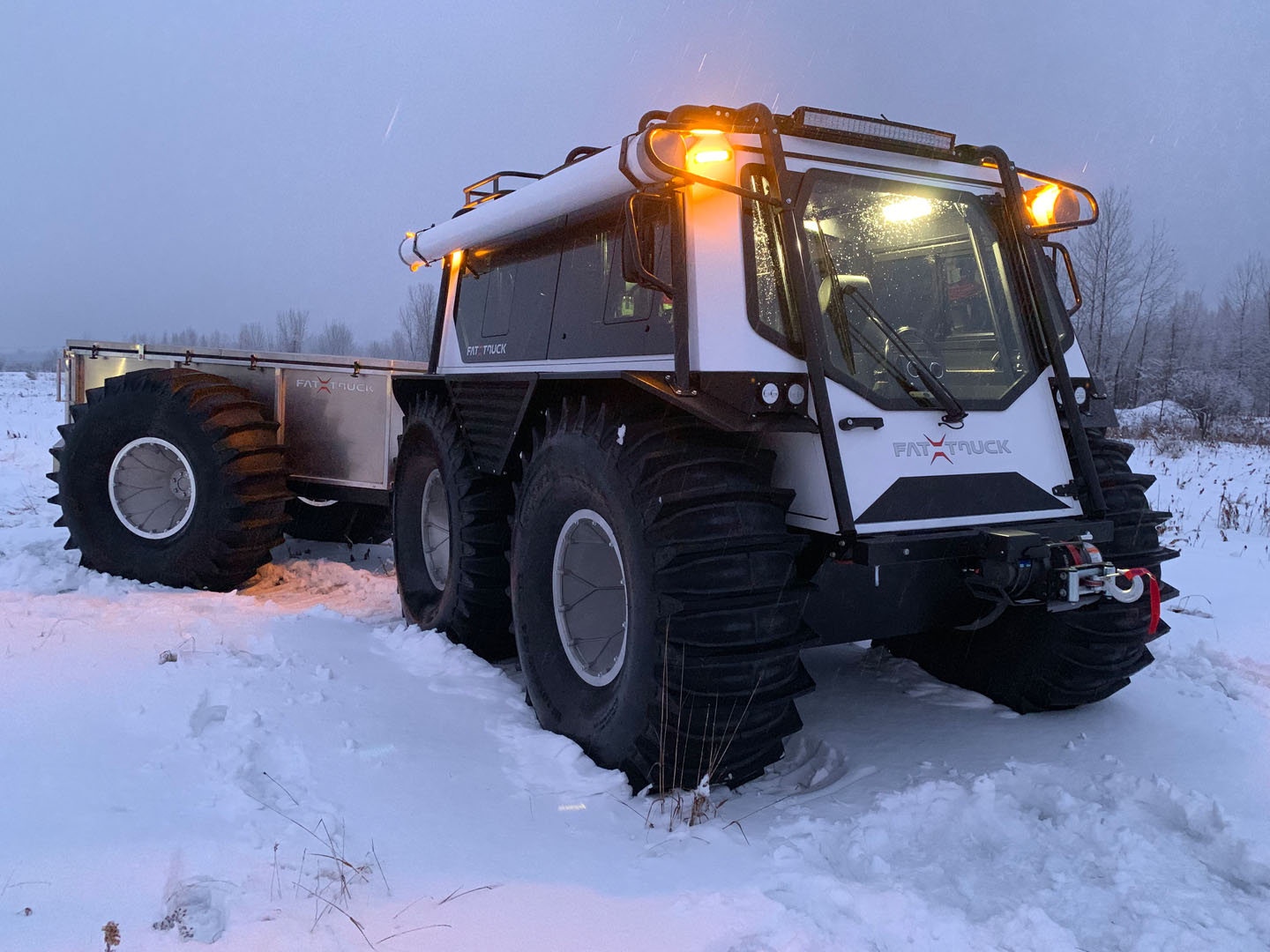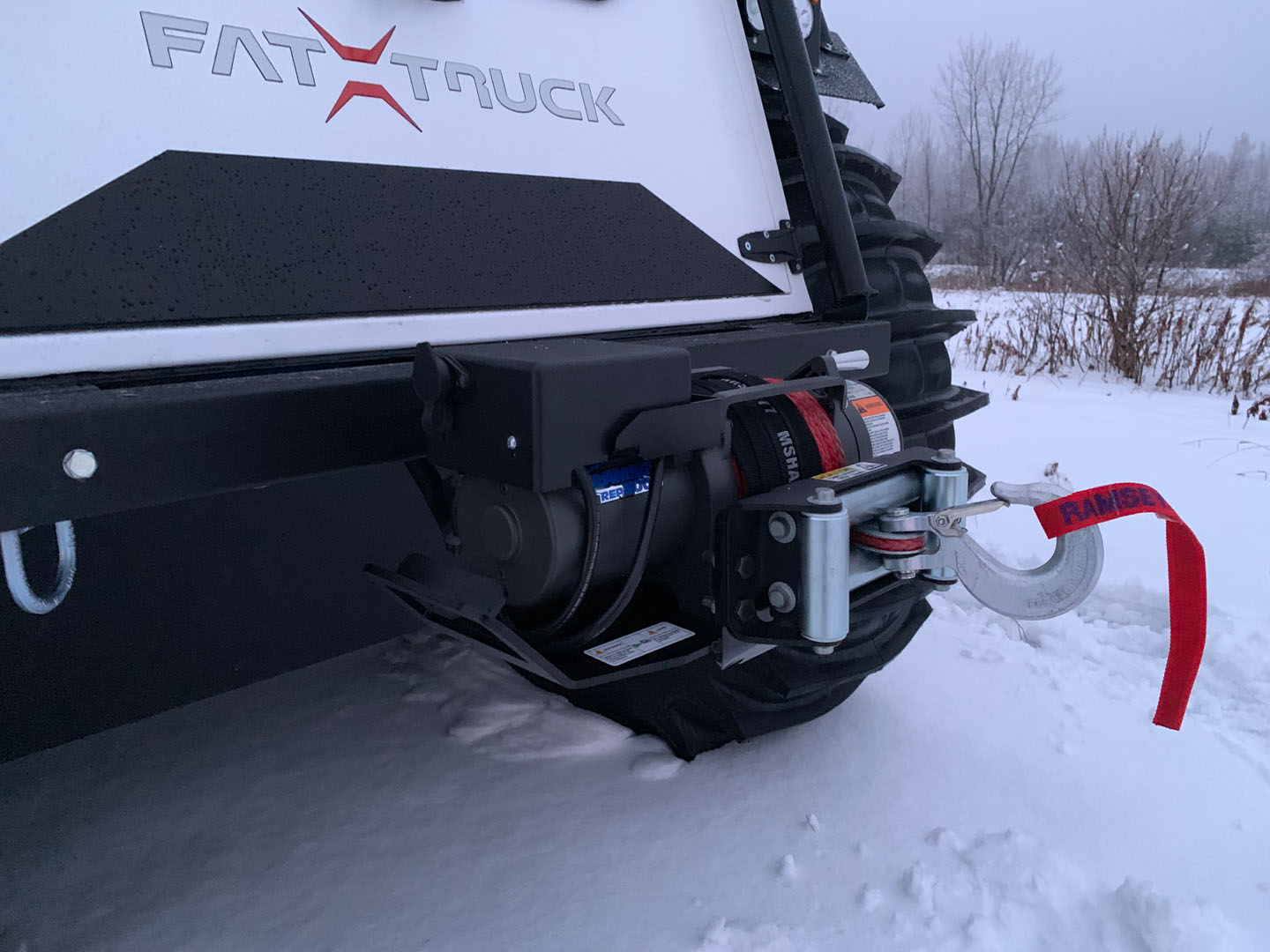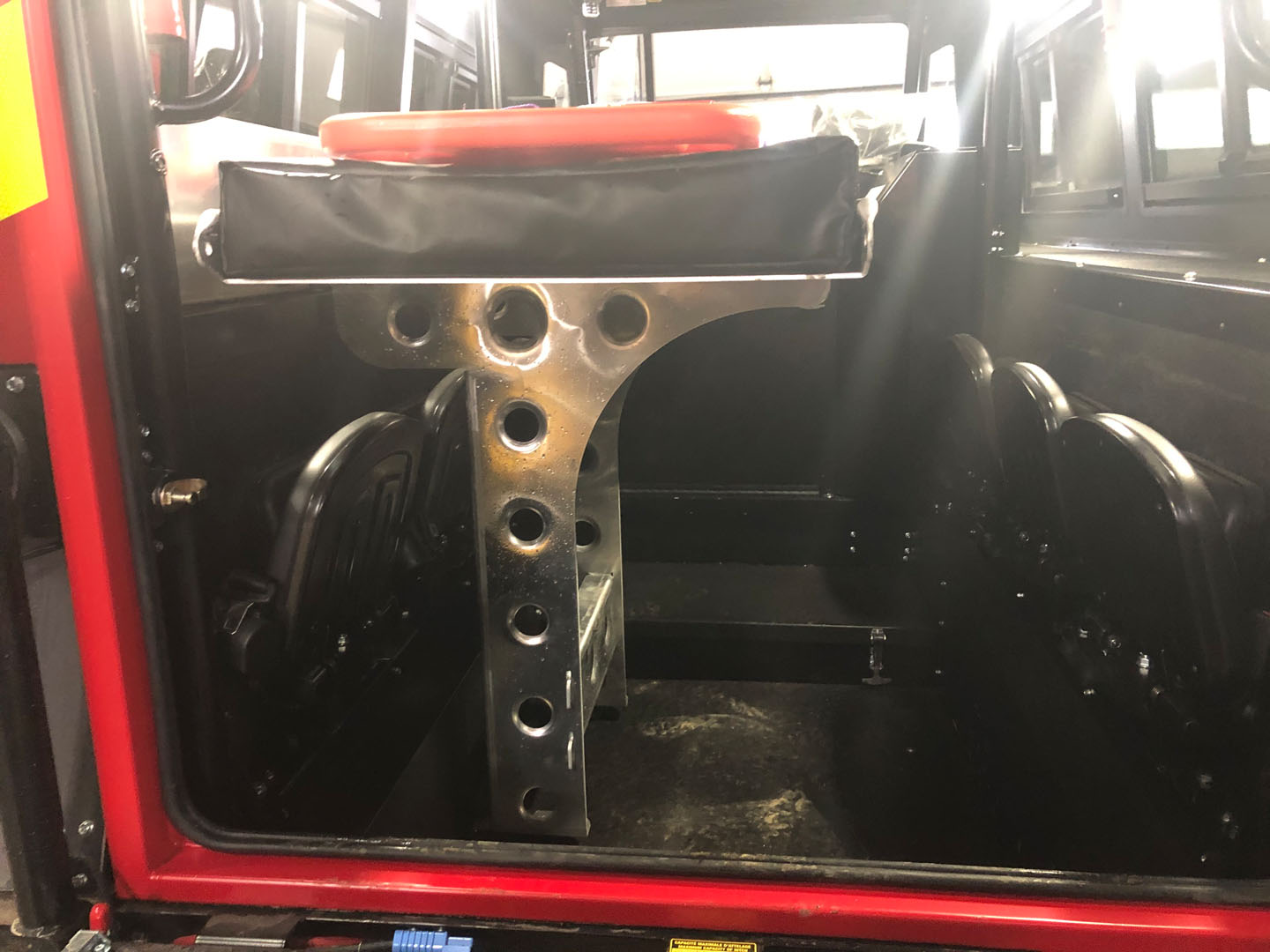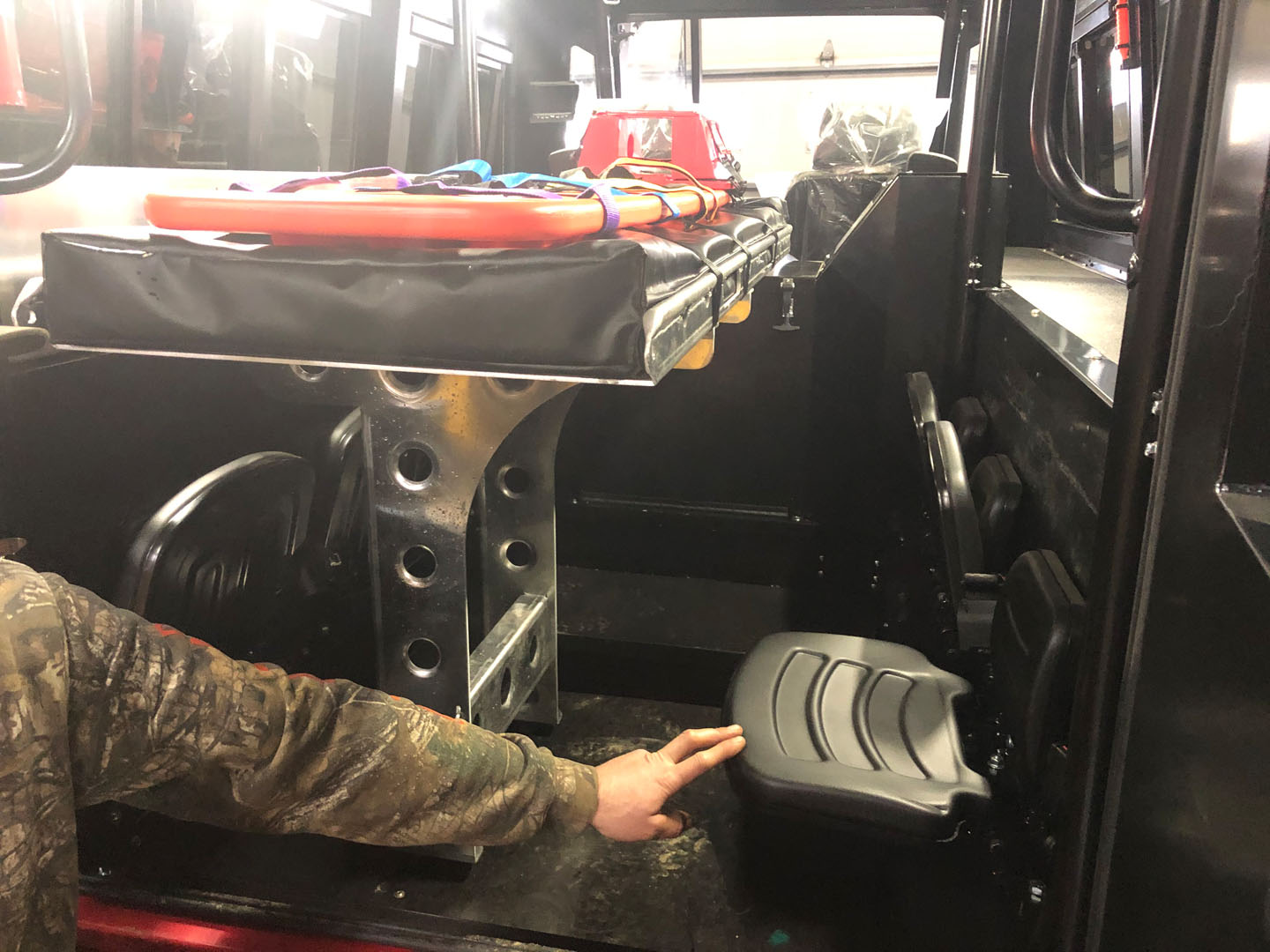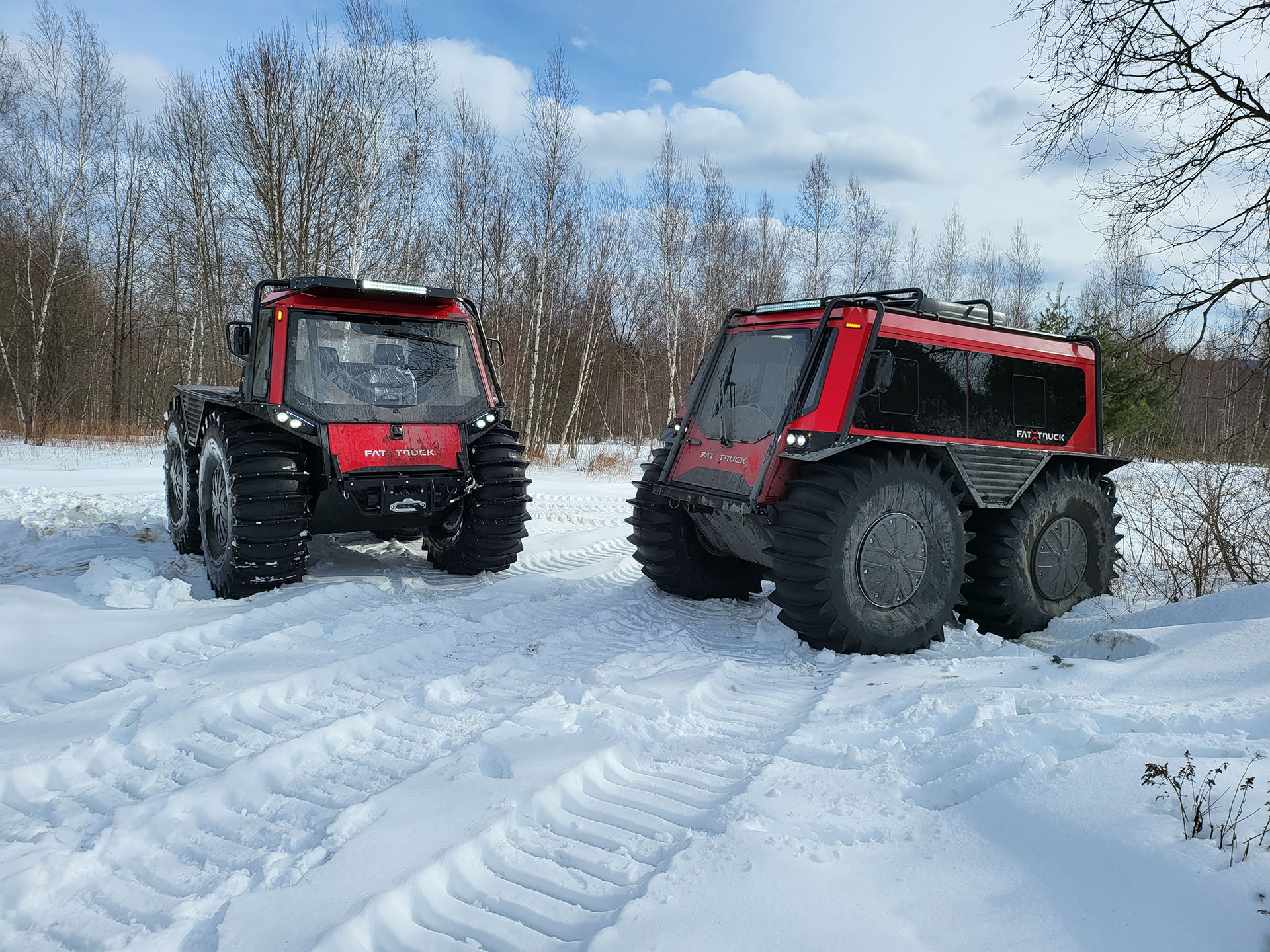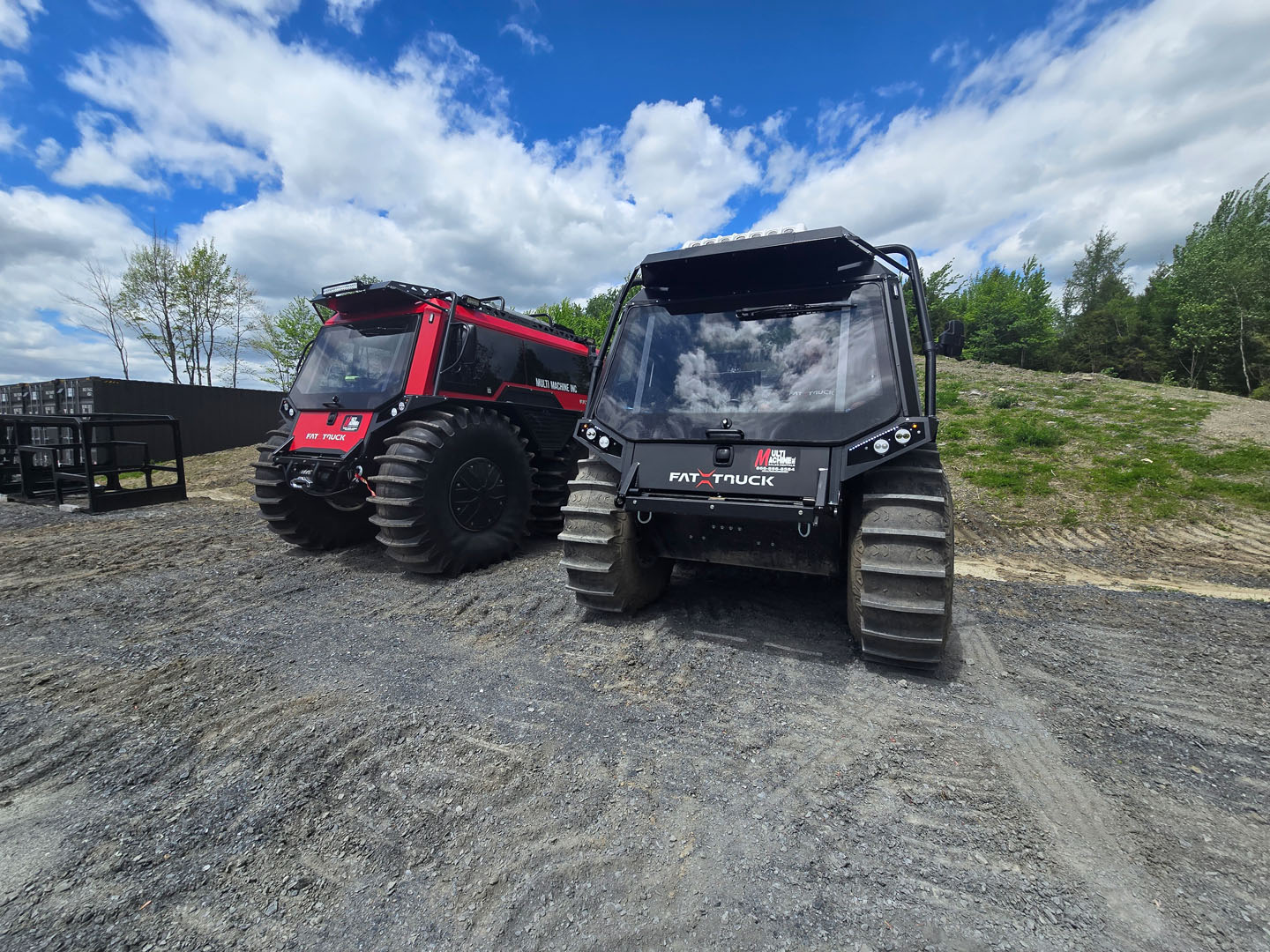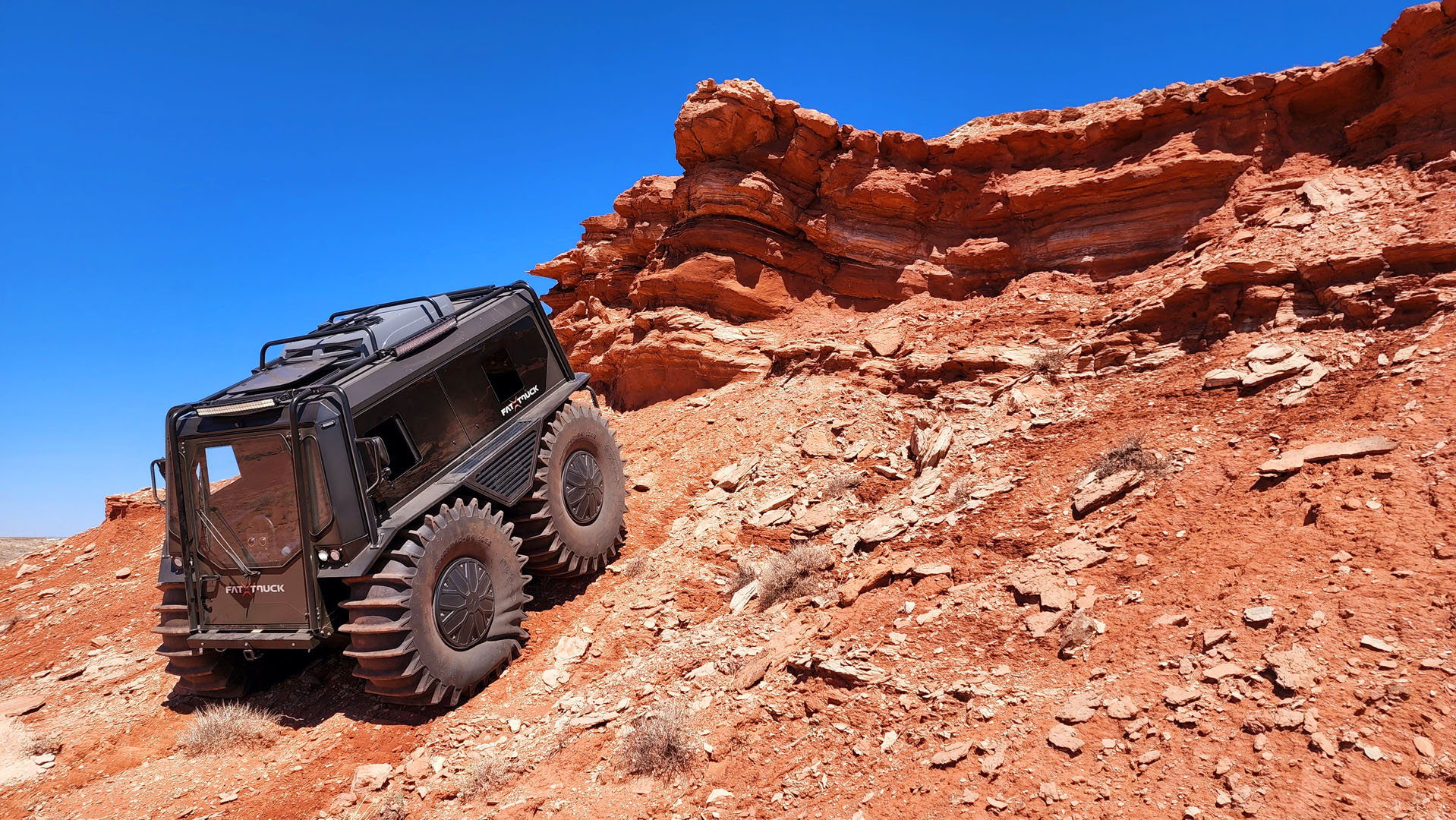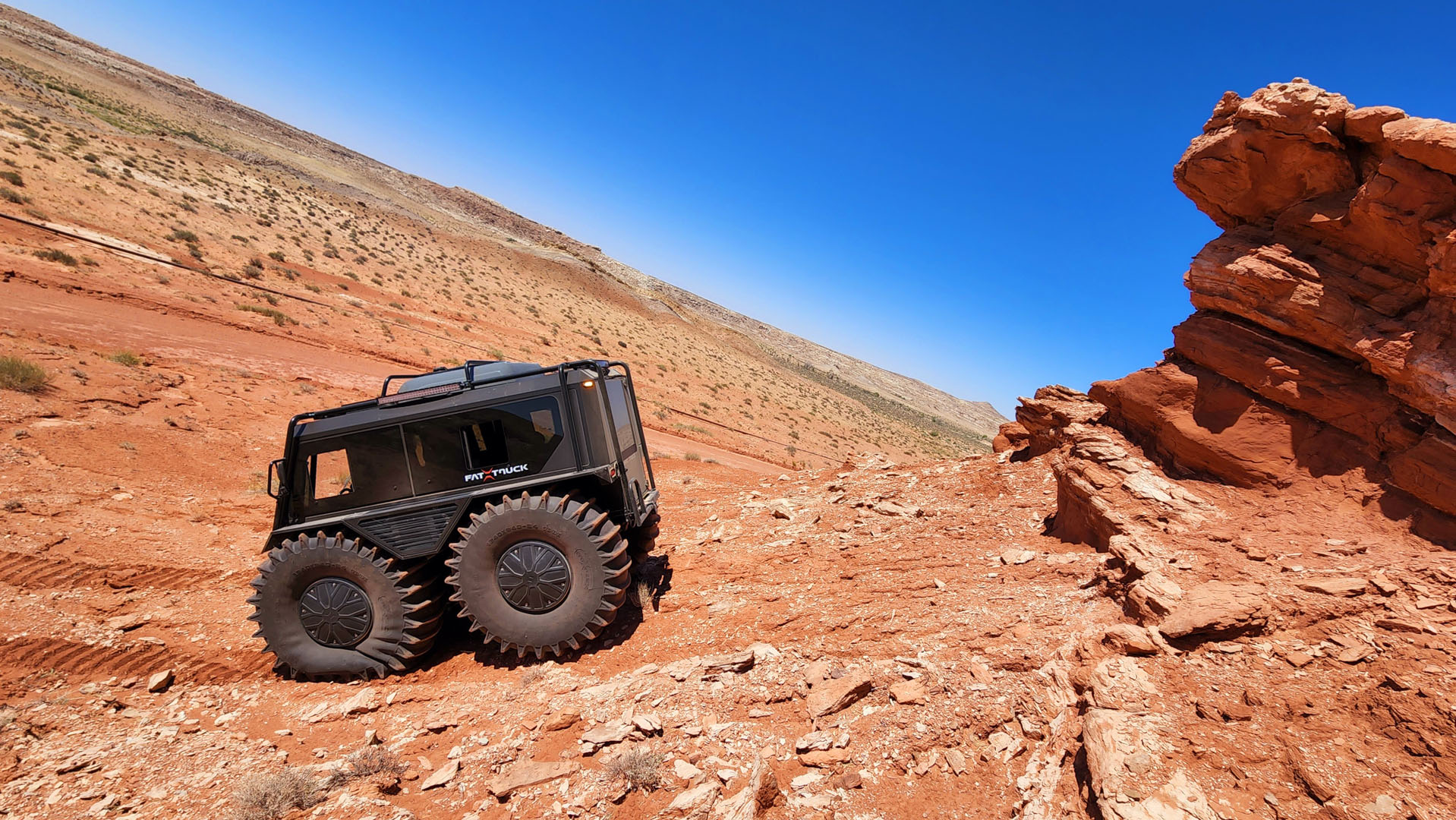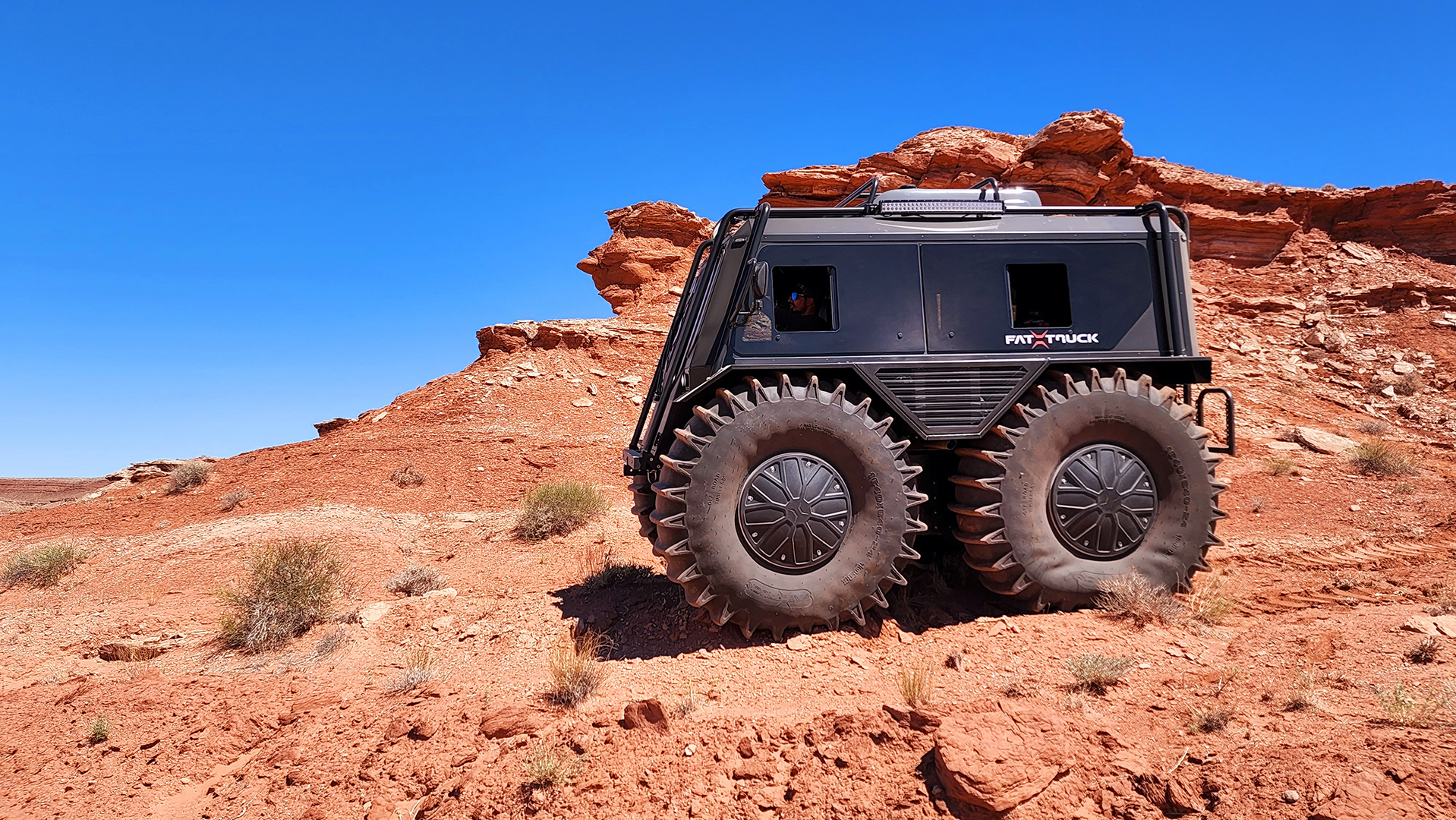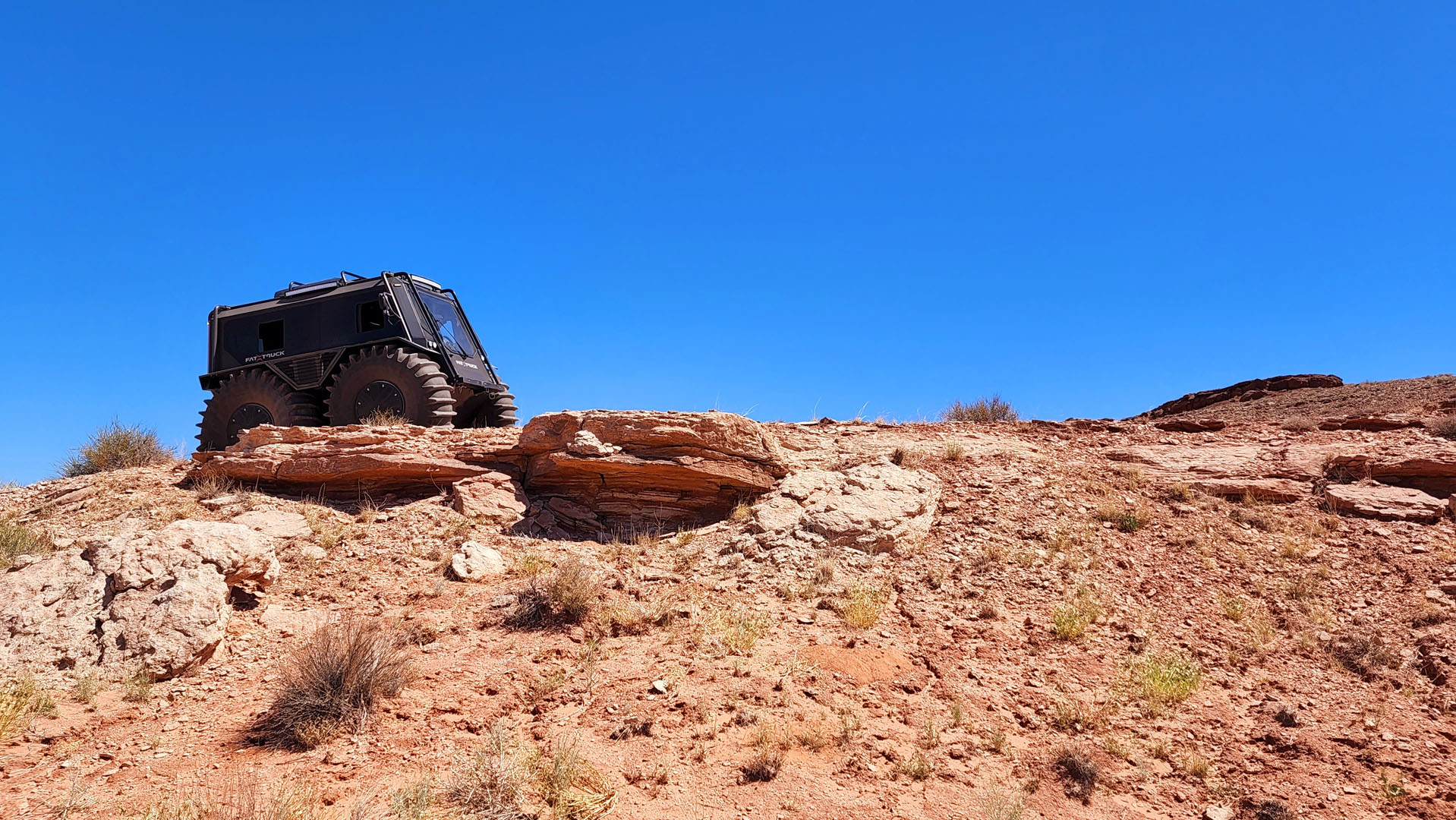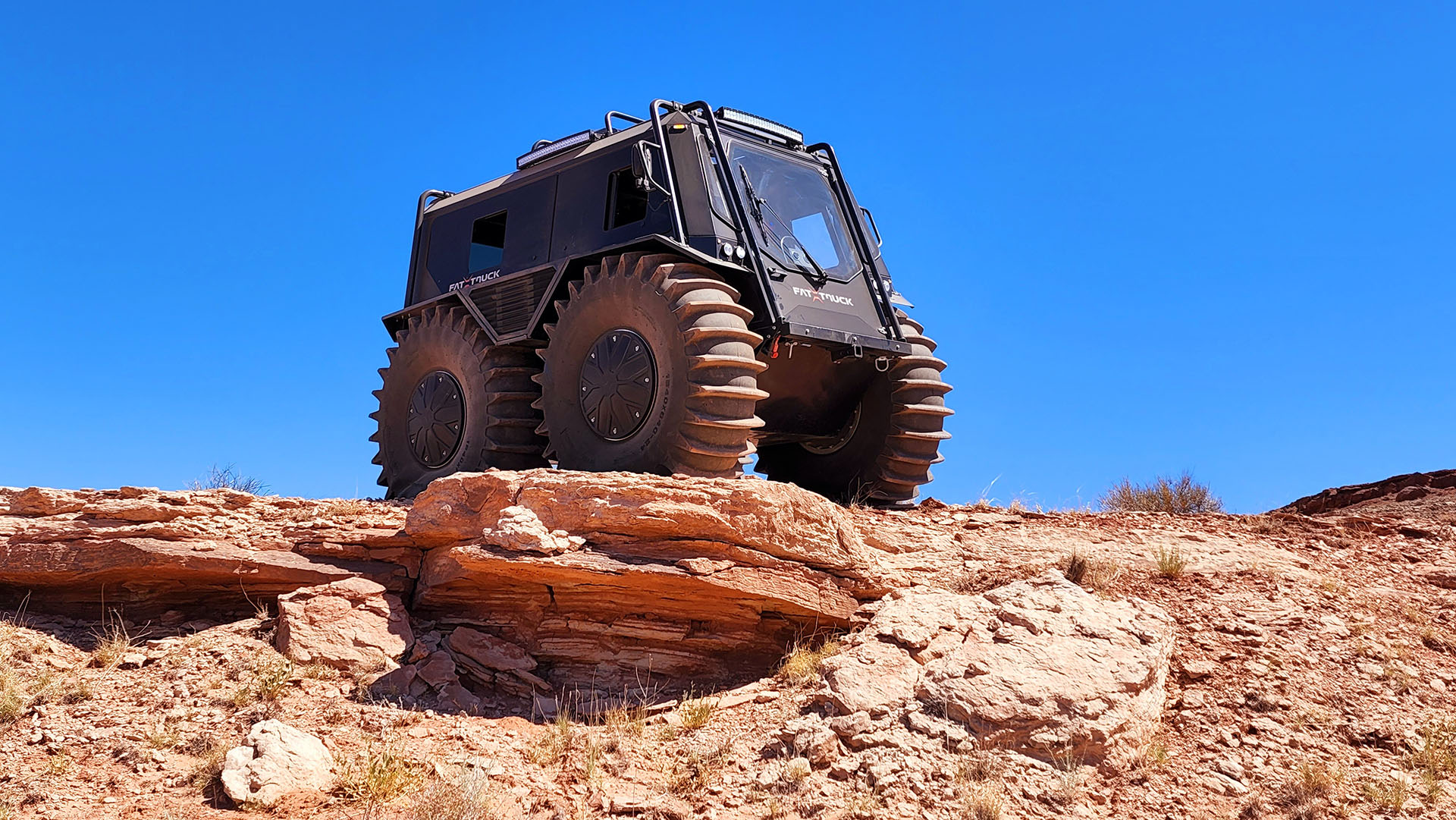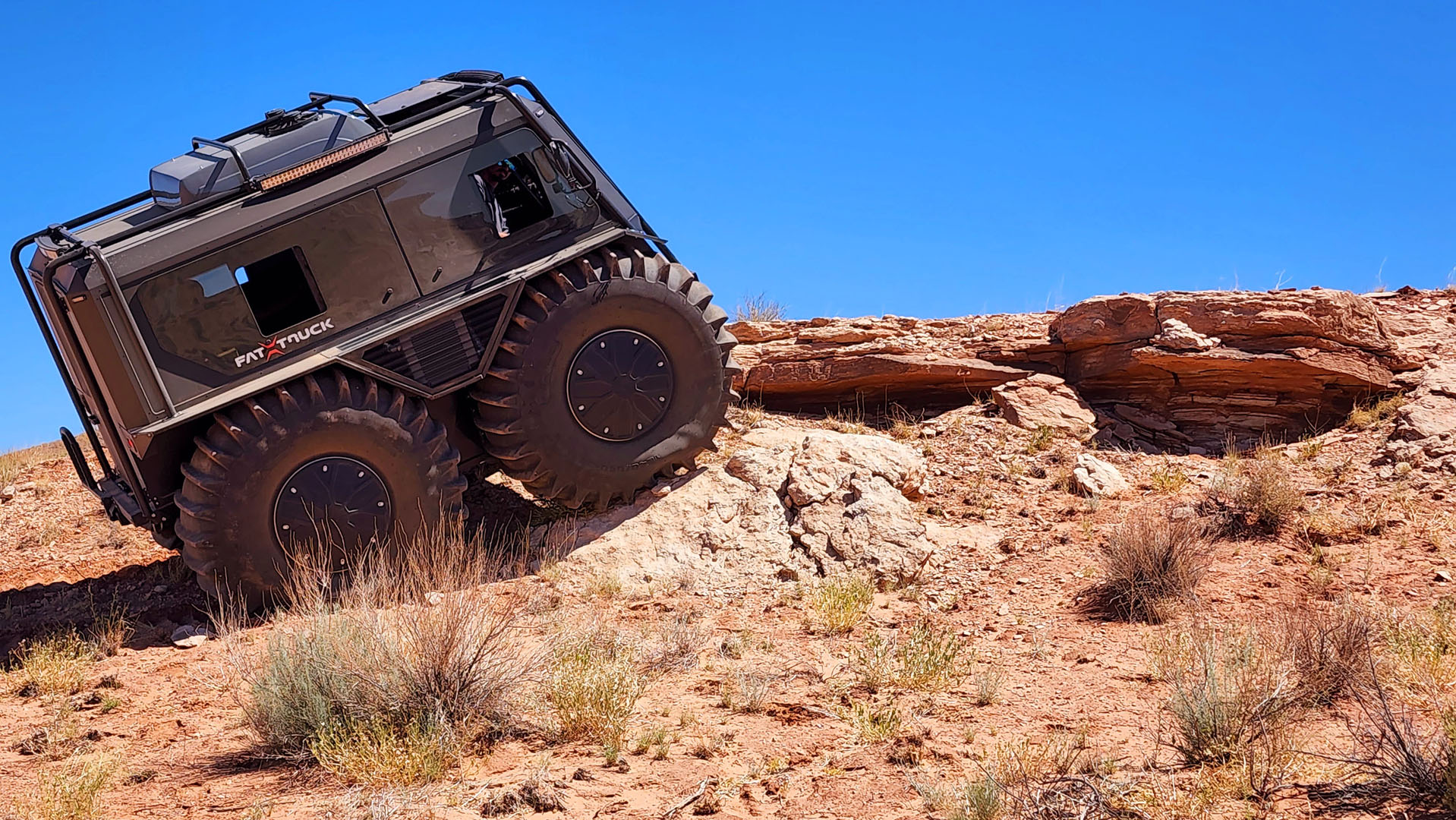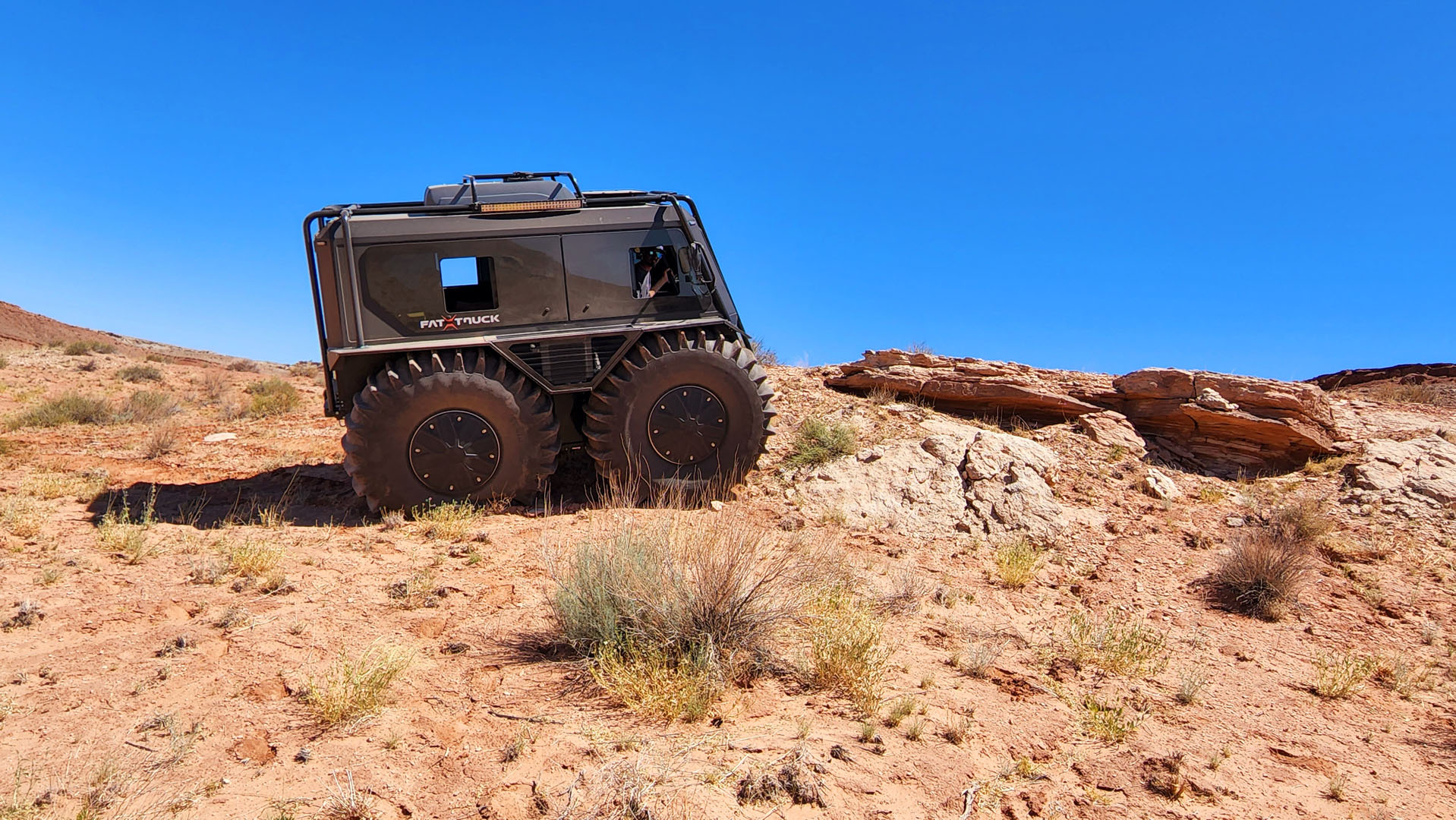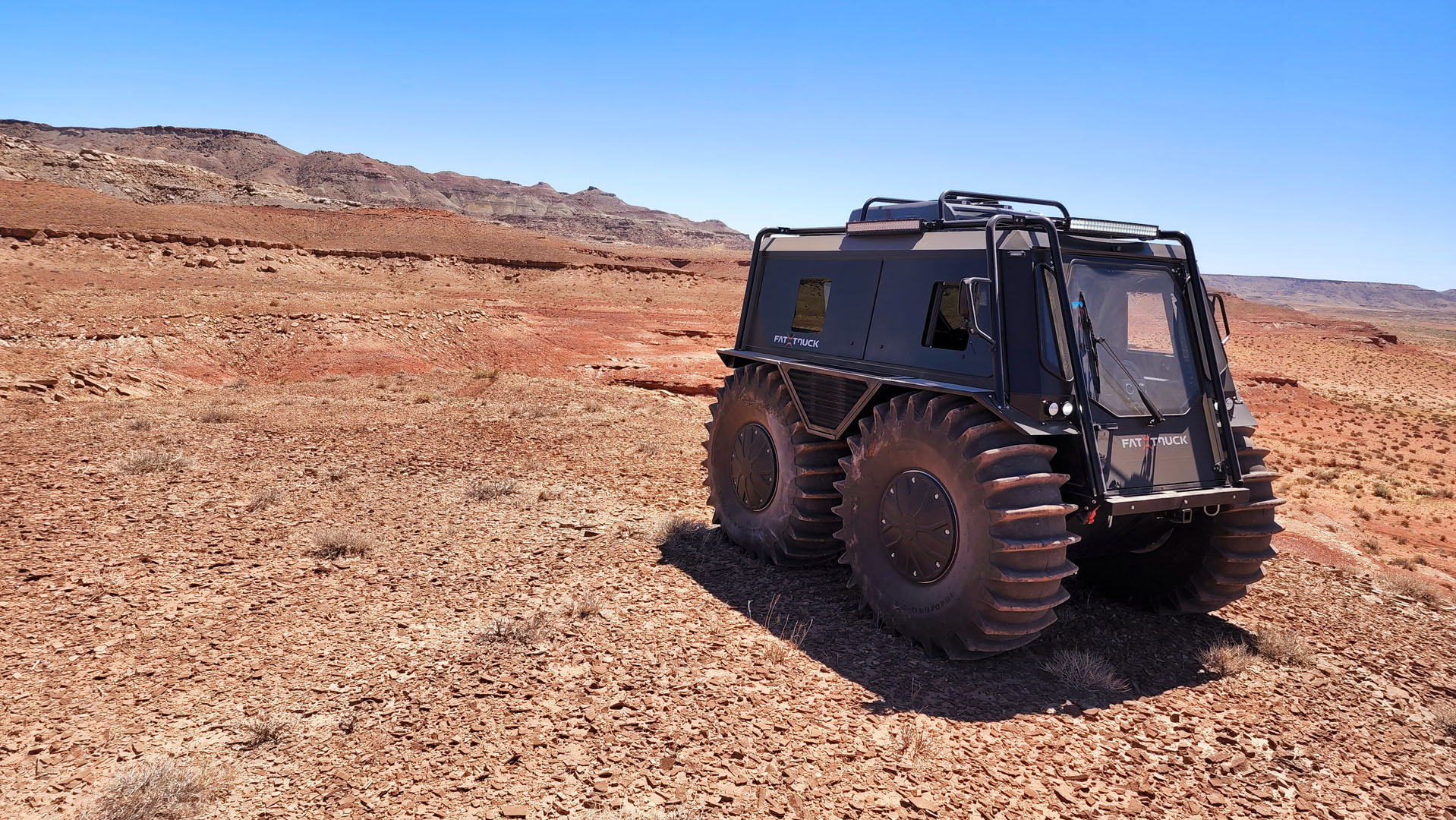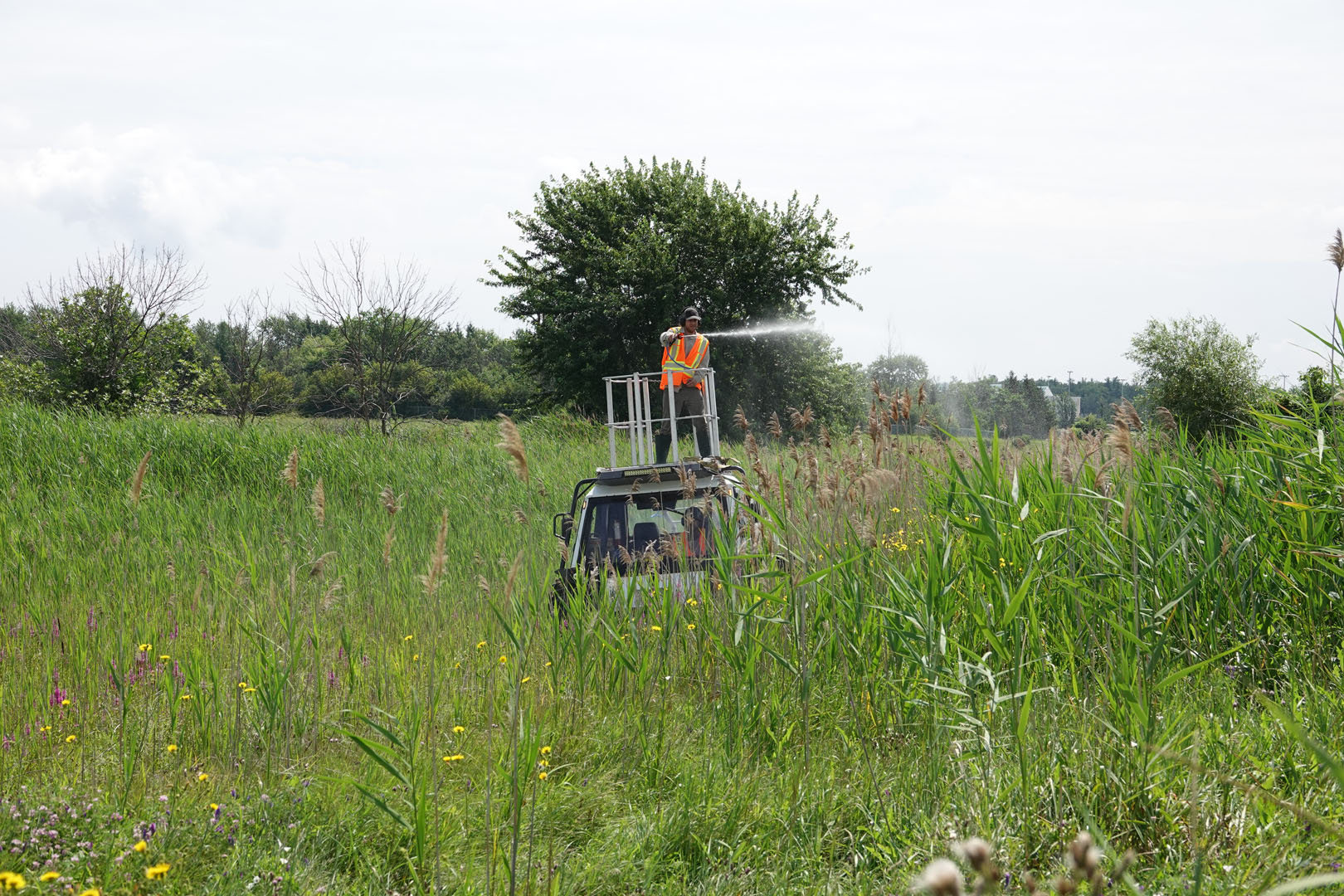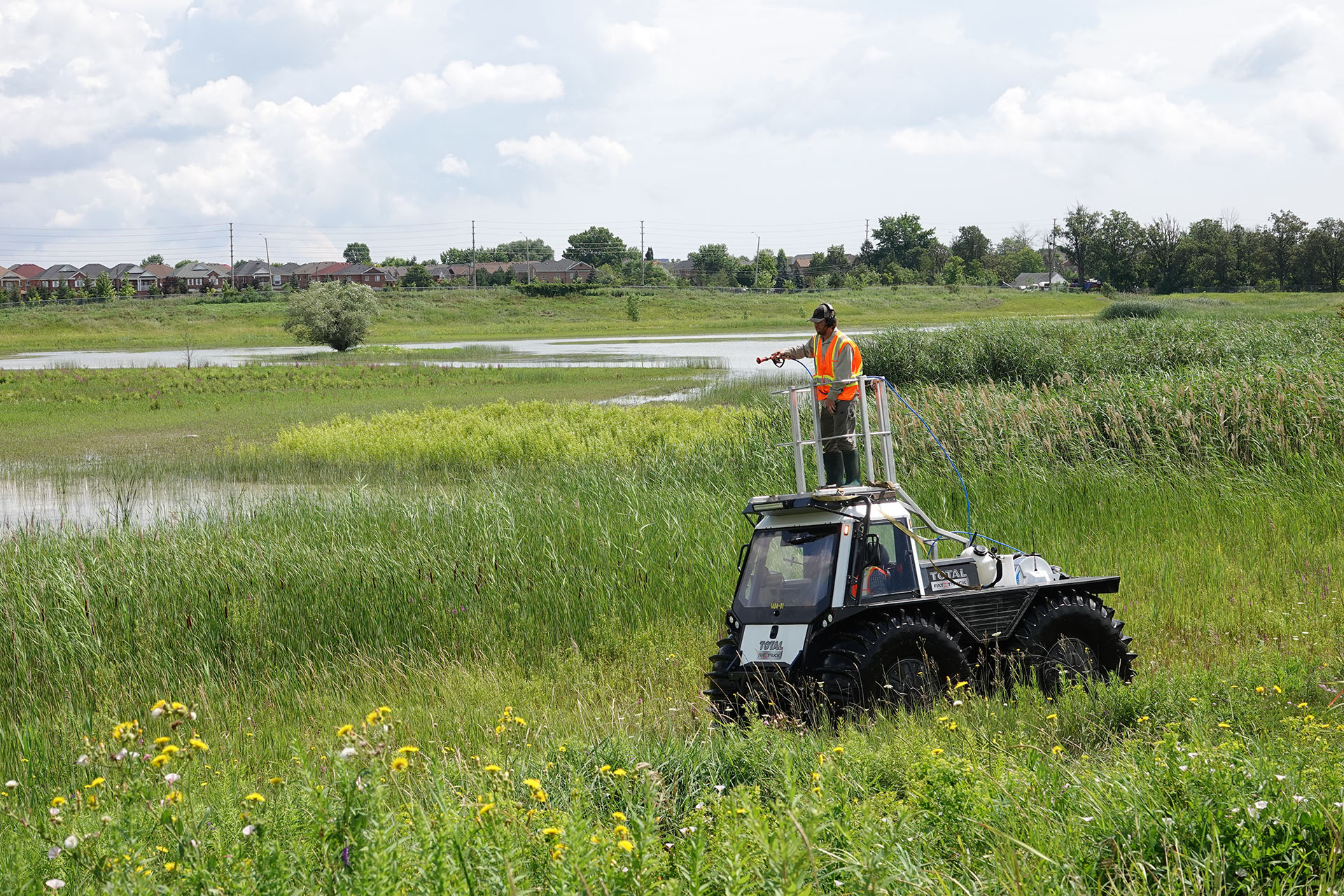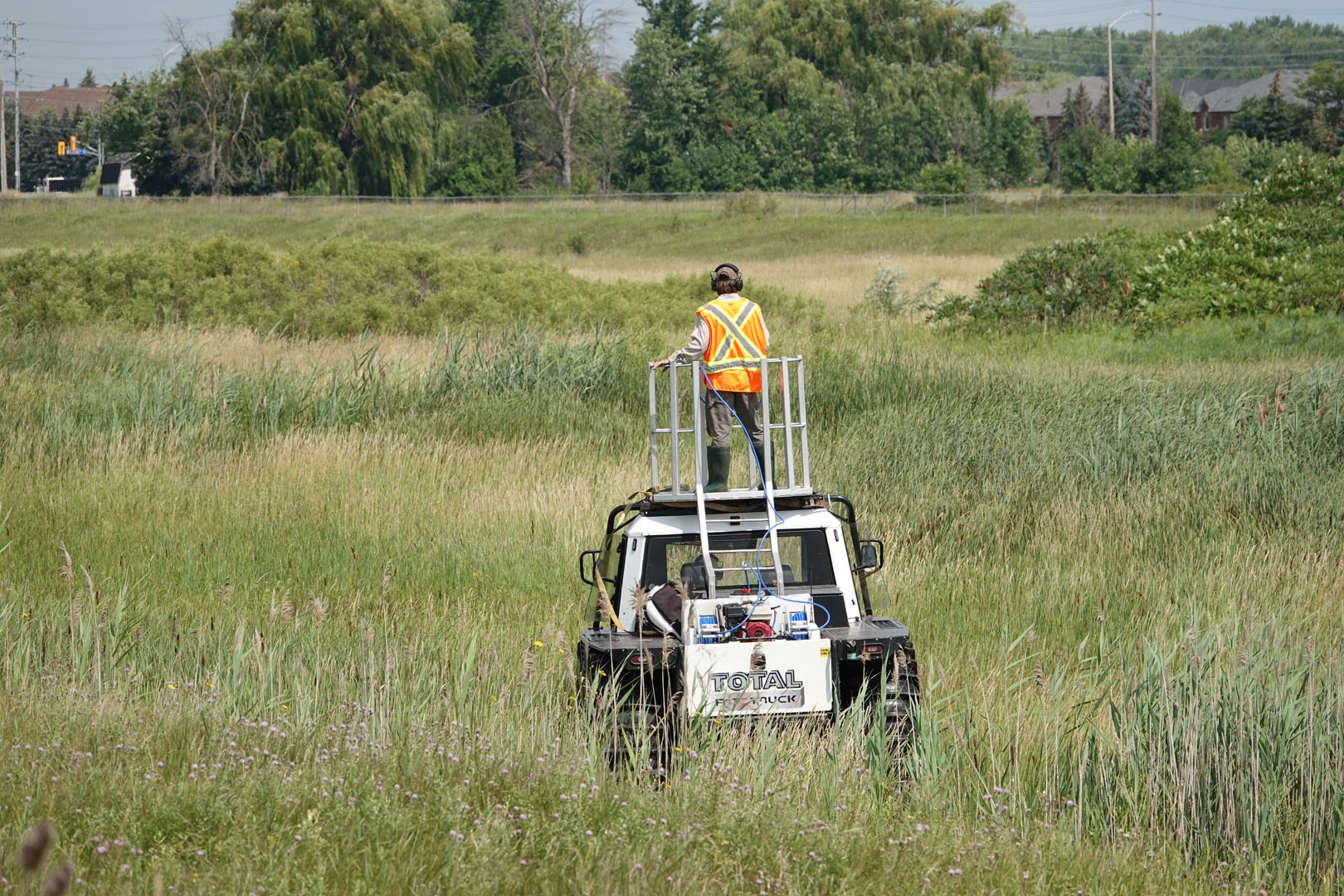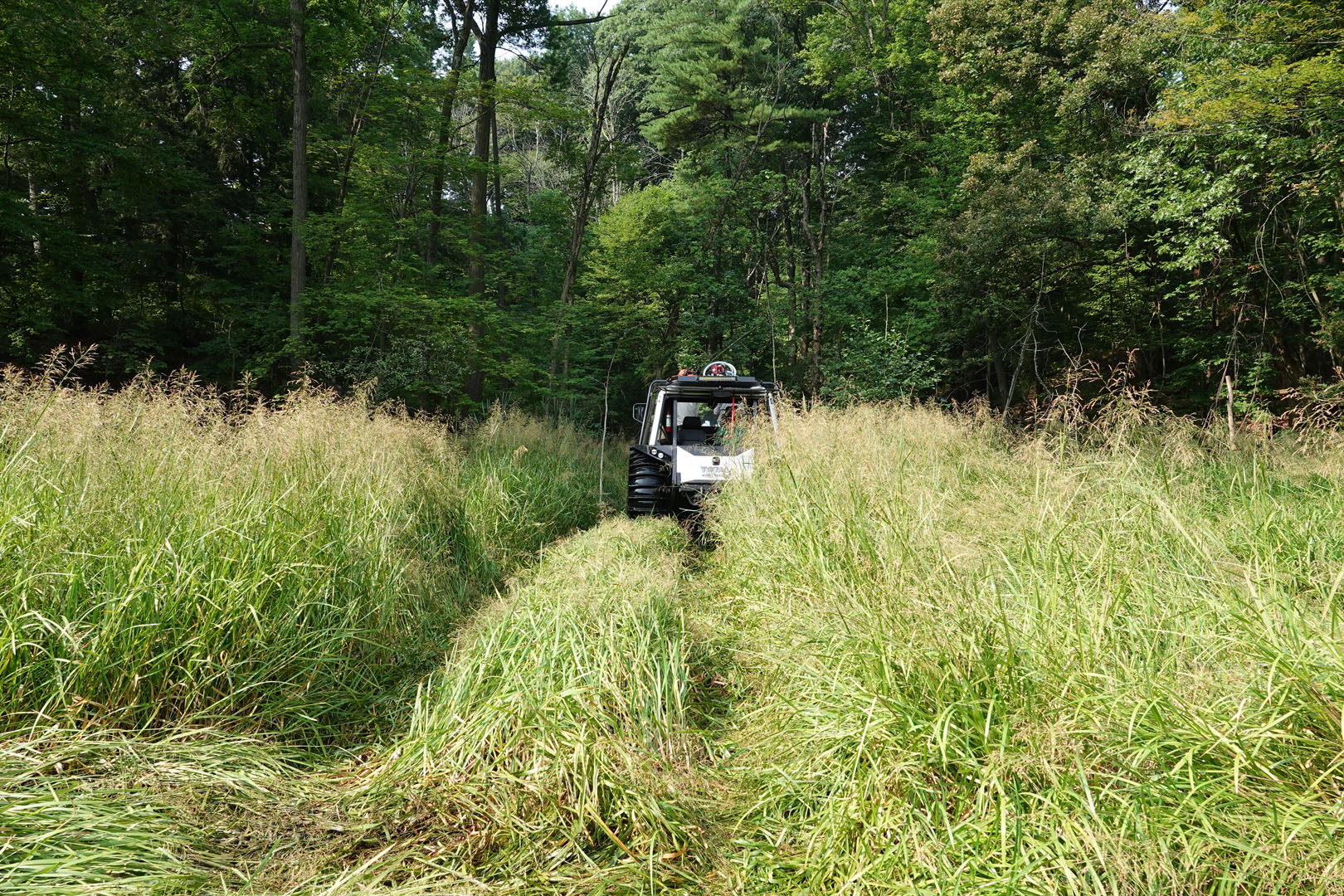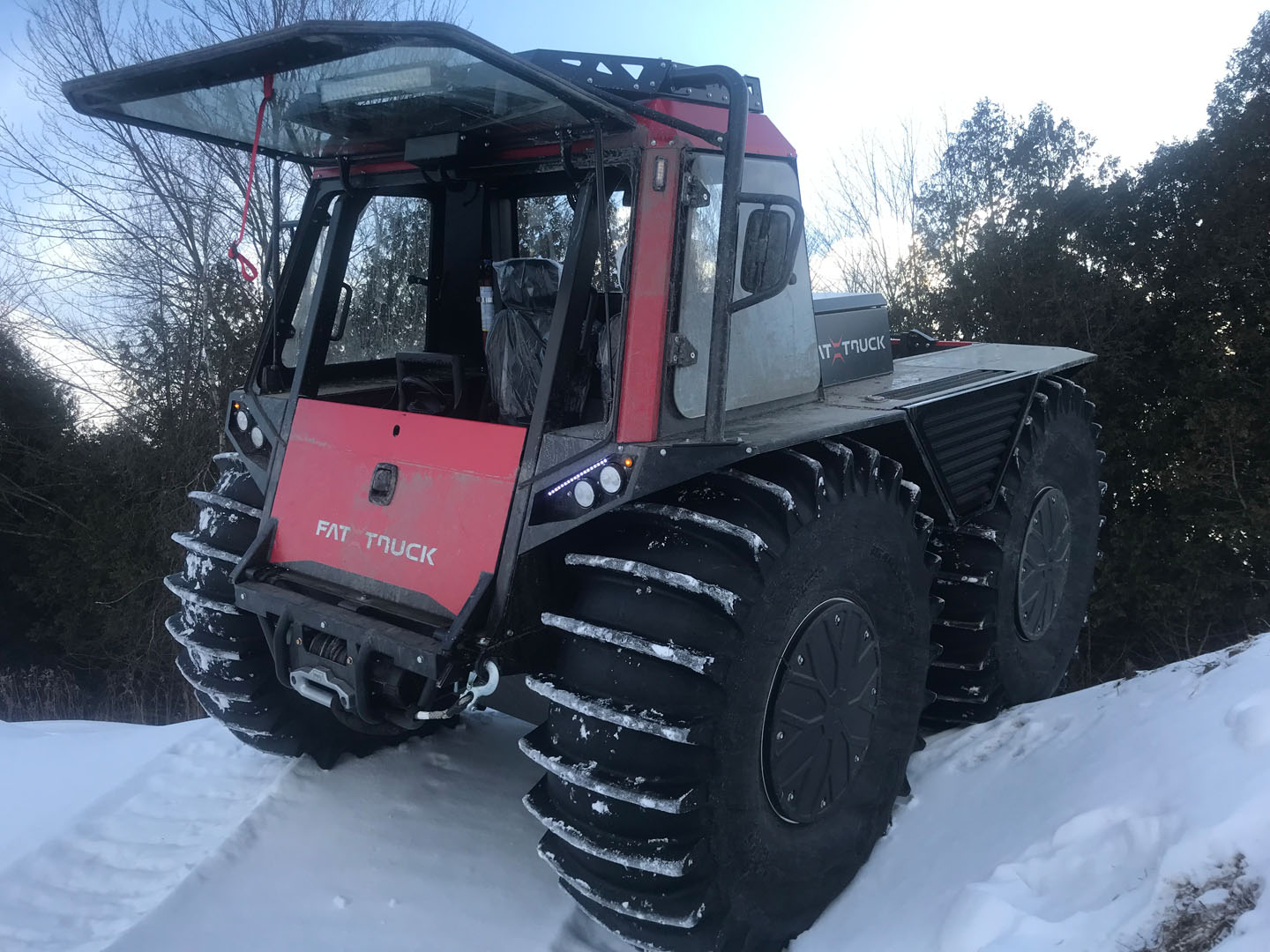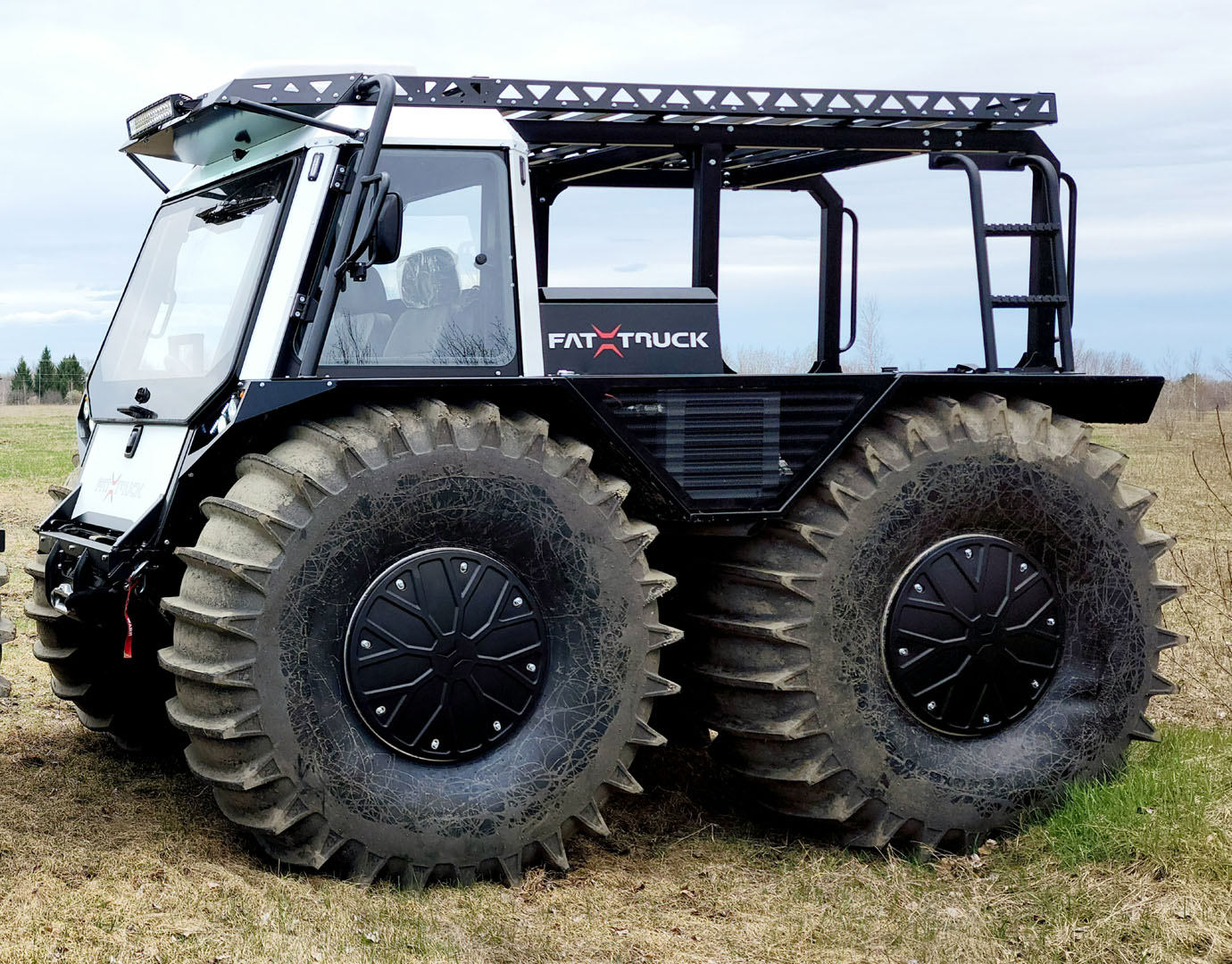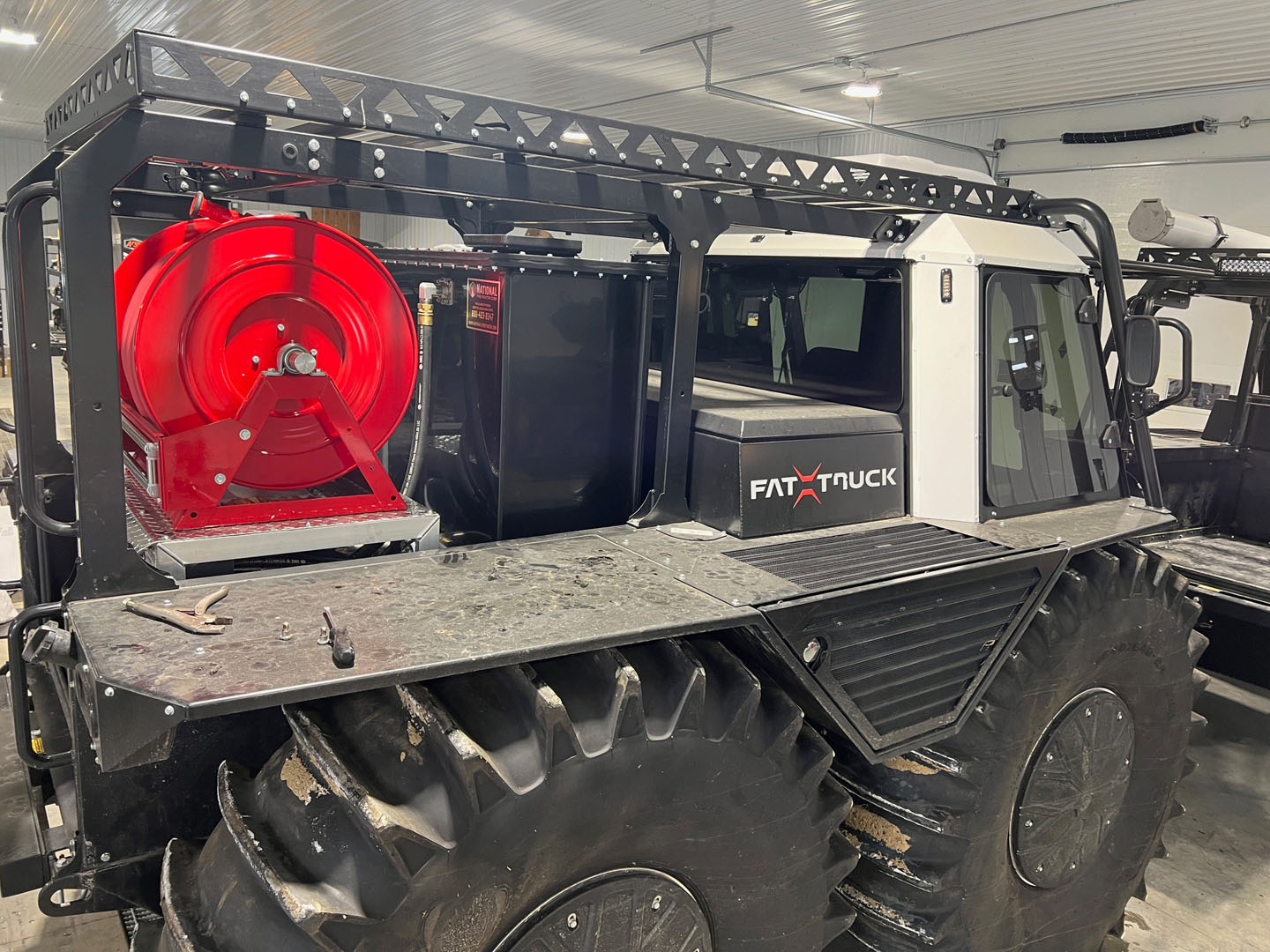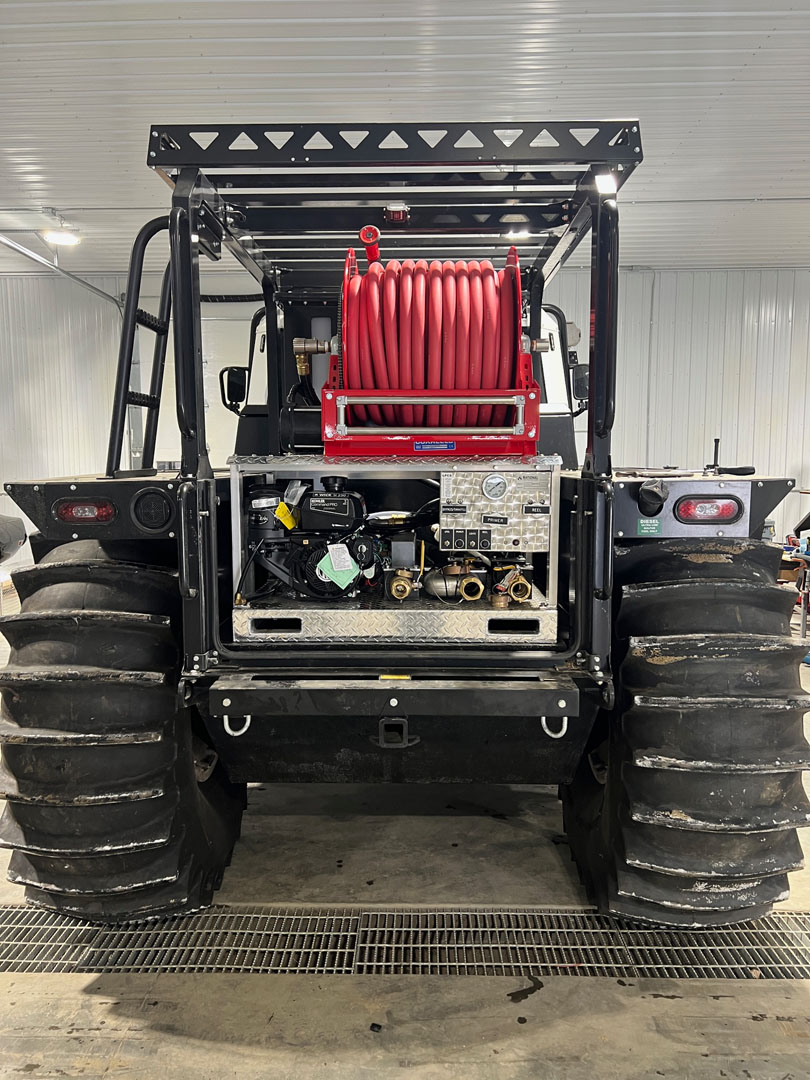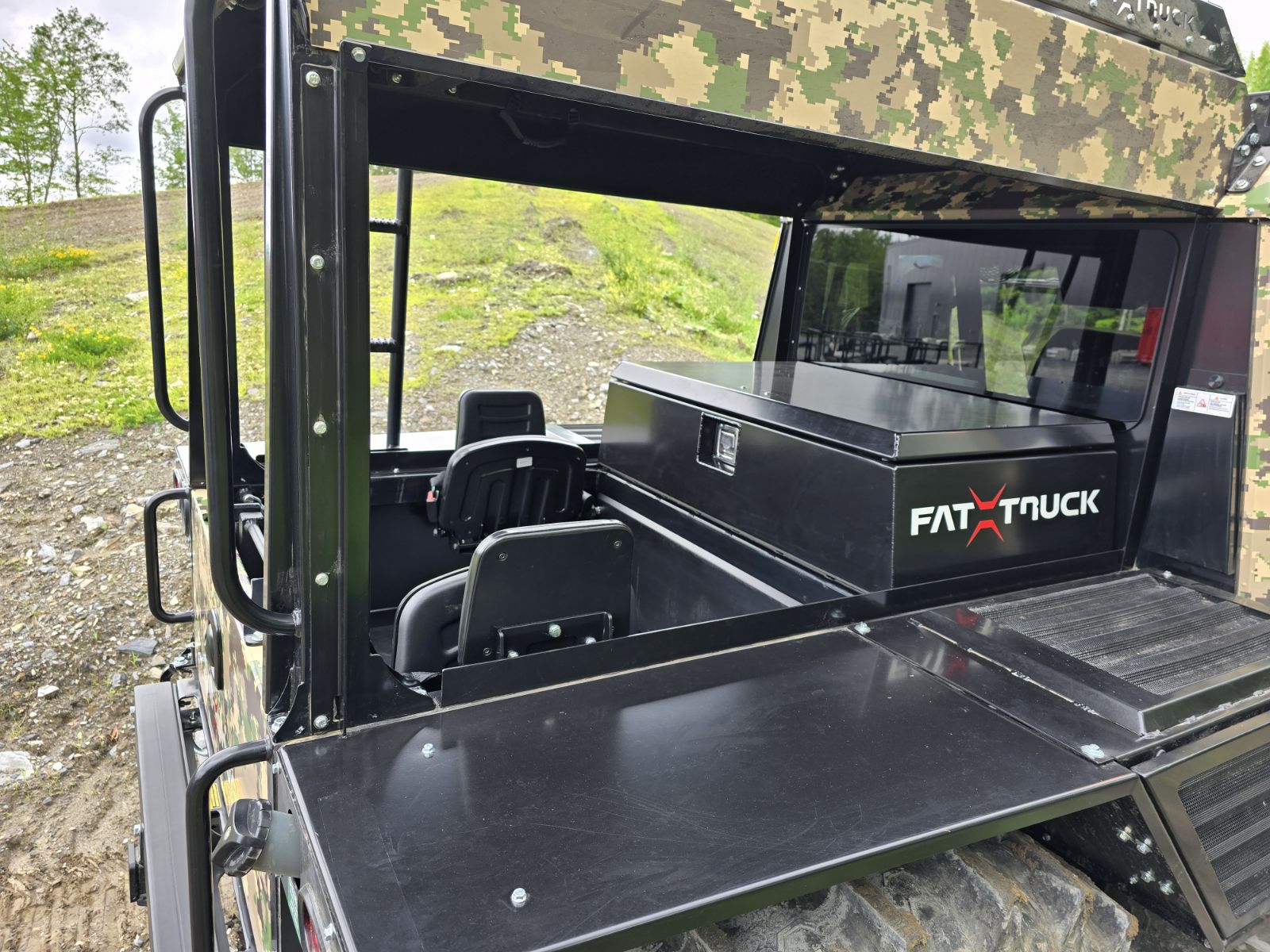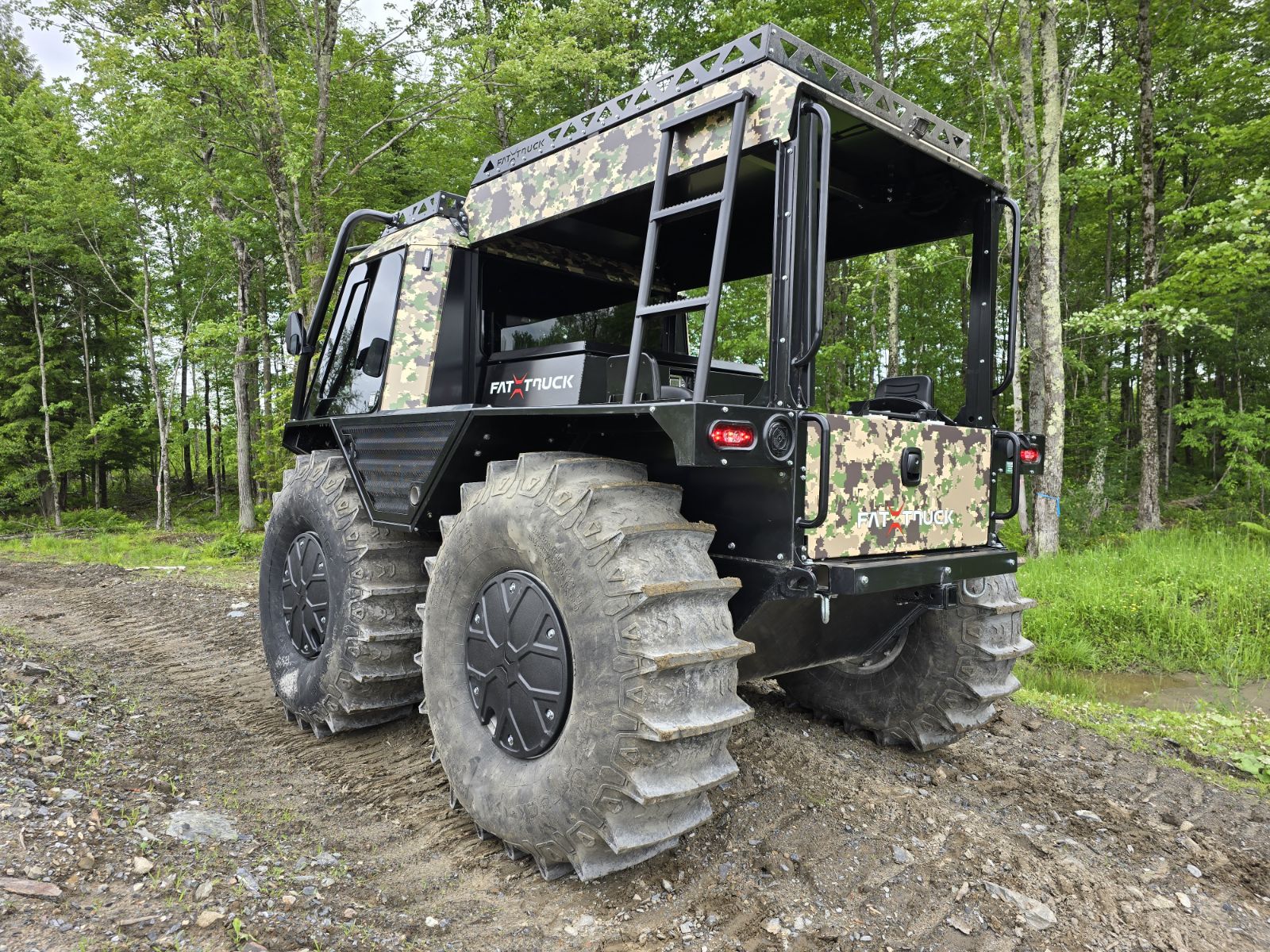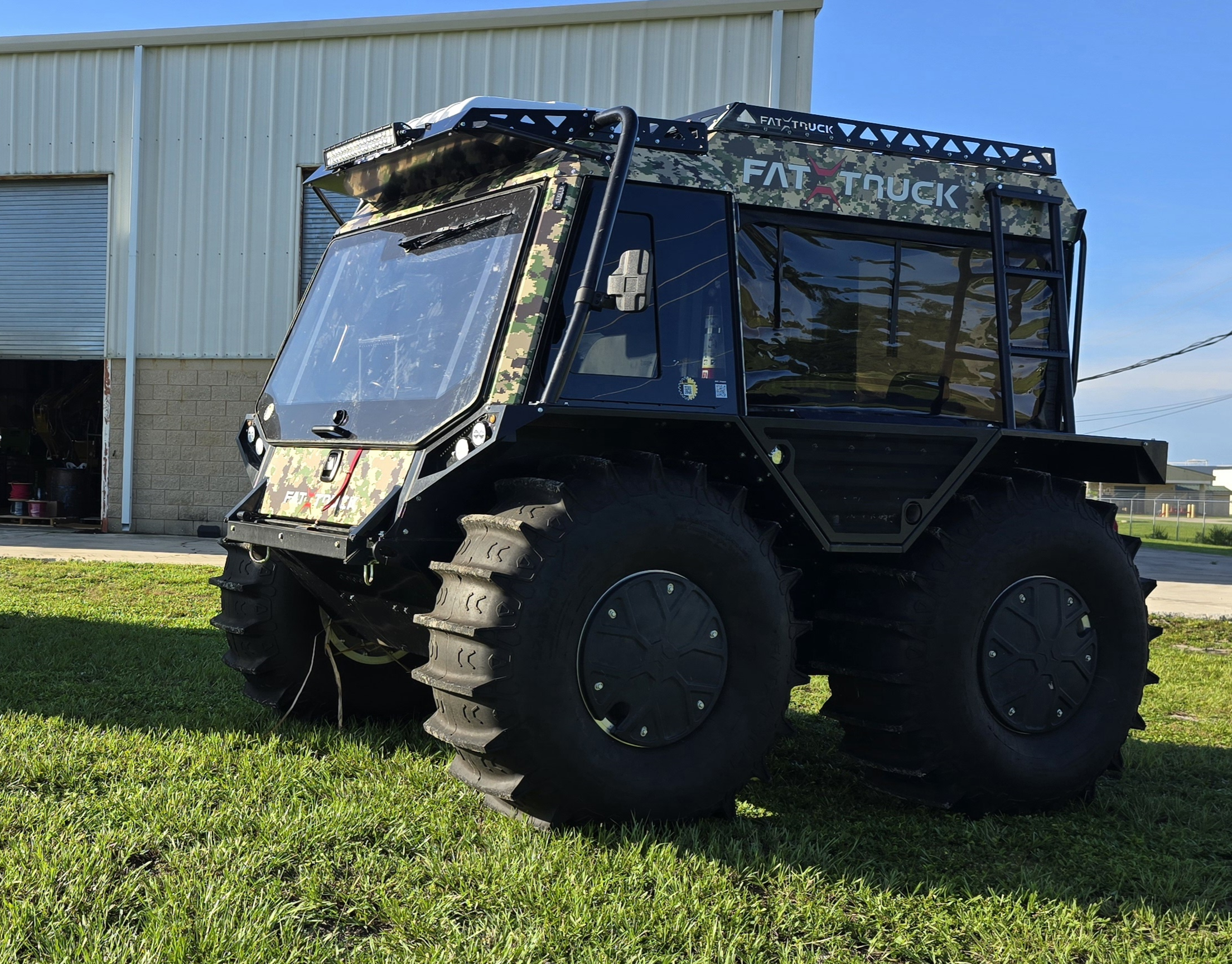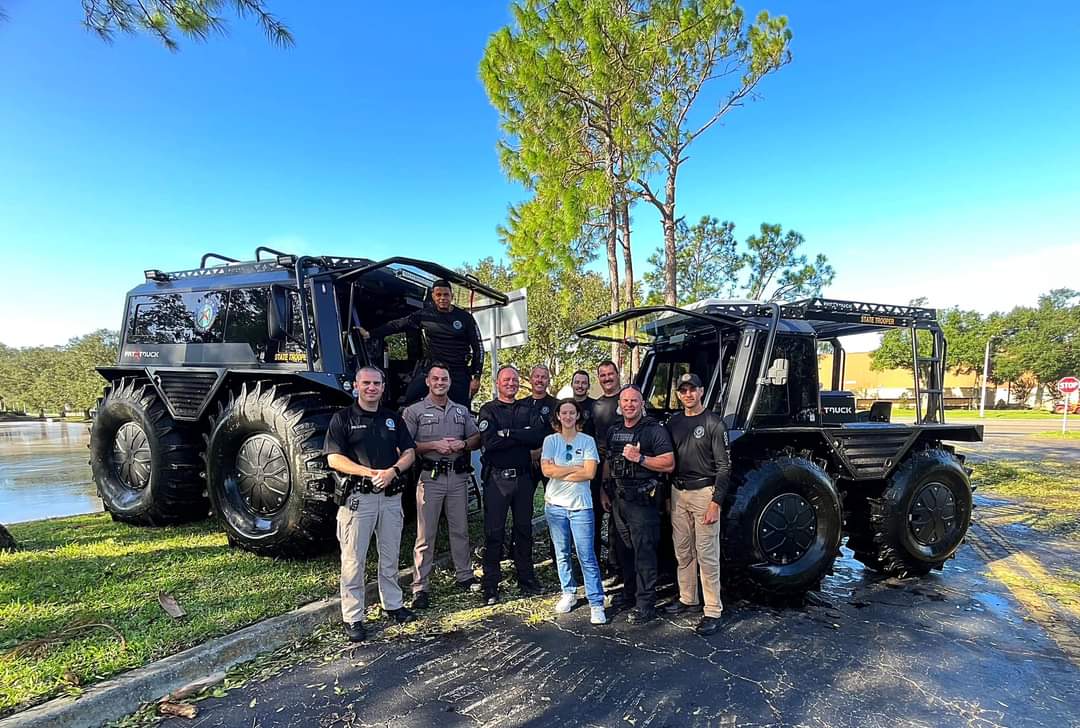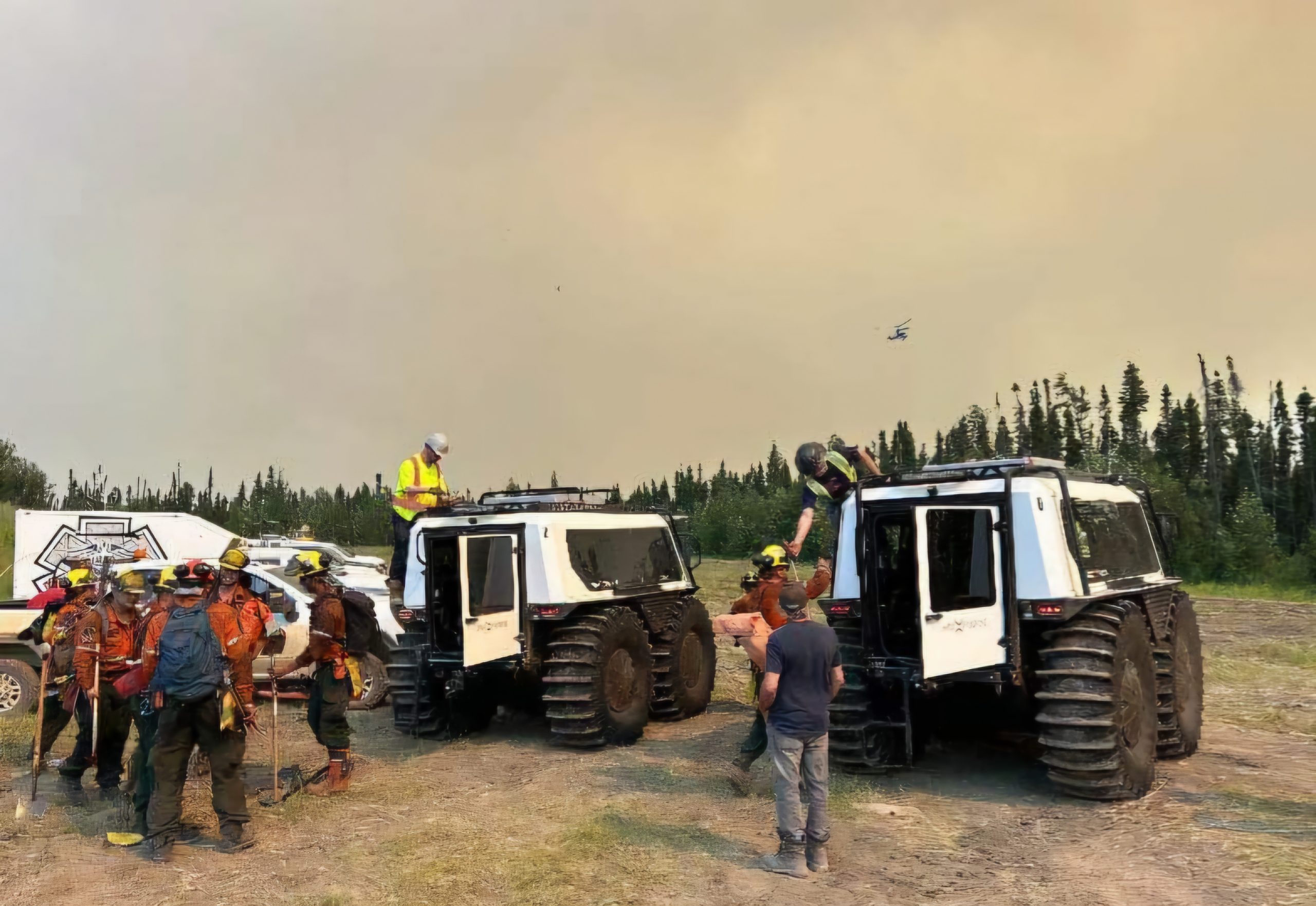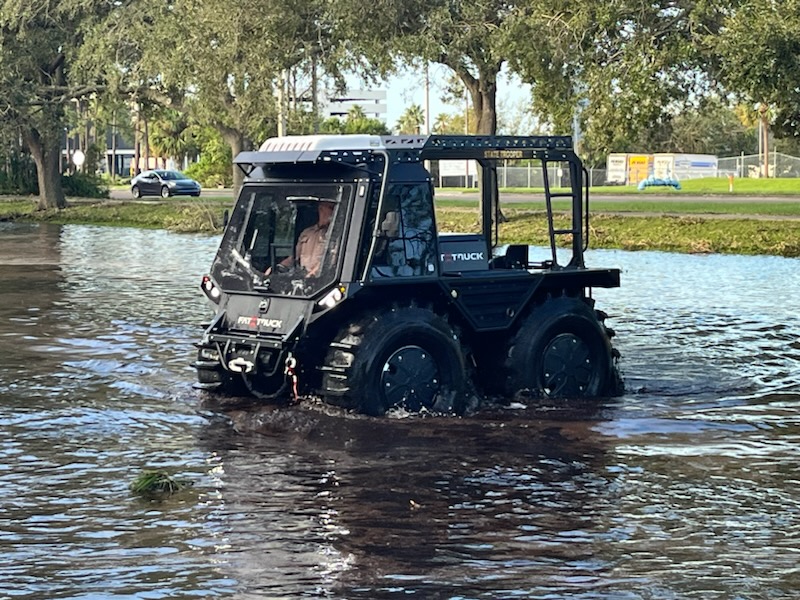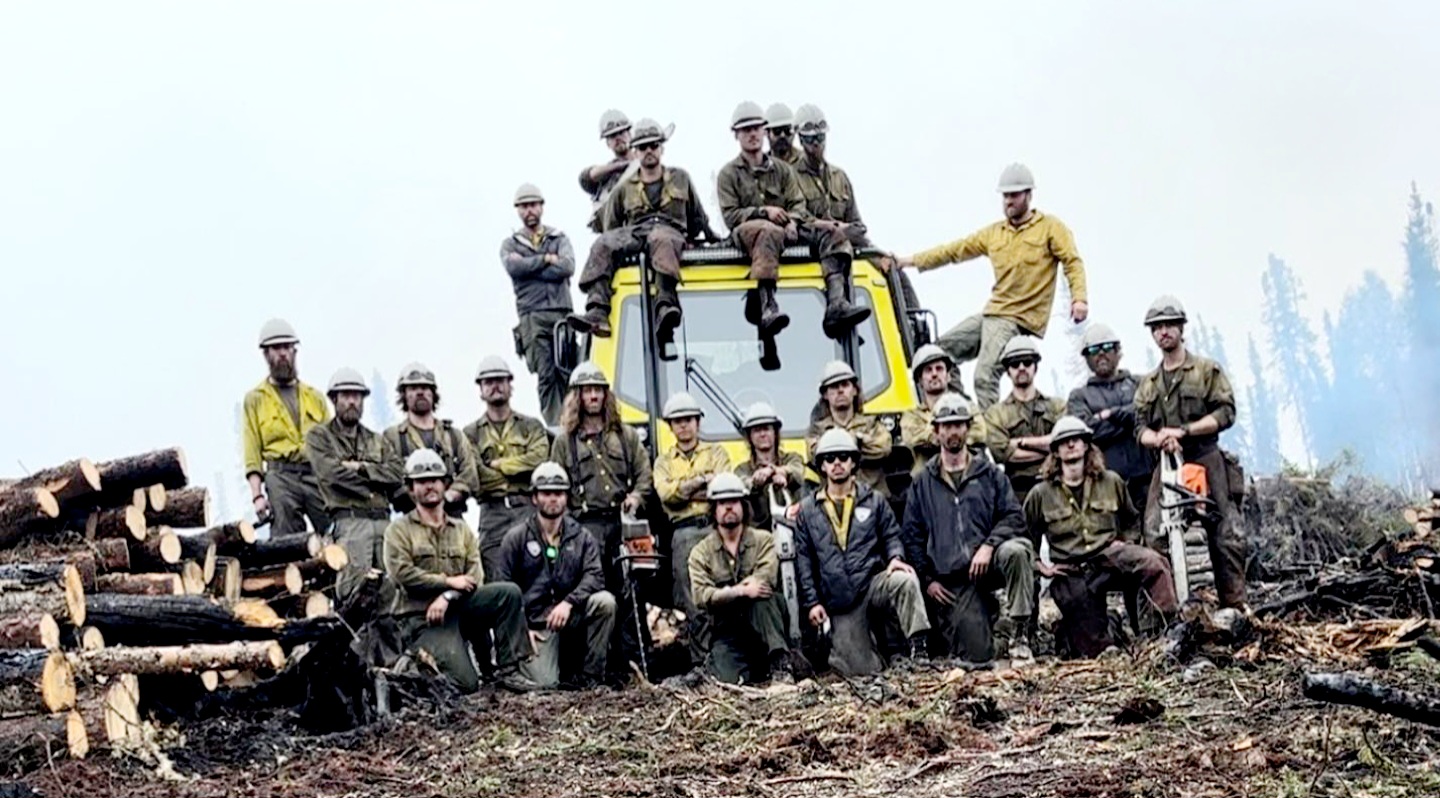
As climate-driven demands and sovereignty priorities converge, dual-purpose equipment becomes a smarter public investment
Governments increasingly face two demands that used to be planned for separately: preparing for climate-driven disasters — floods, wildfires, extreme weather — and strengthening national defense and sovereignty capacity, particularly in the North. What’s becoming clearer is how much overlap exists between the equipment needs of these two priorities, and how much value there is in procurement strategies that recognize that overlap rather than treating them as unrelated budget lines.
Why the same vehicle capabilities serve both missions
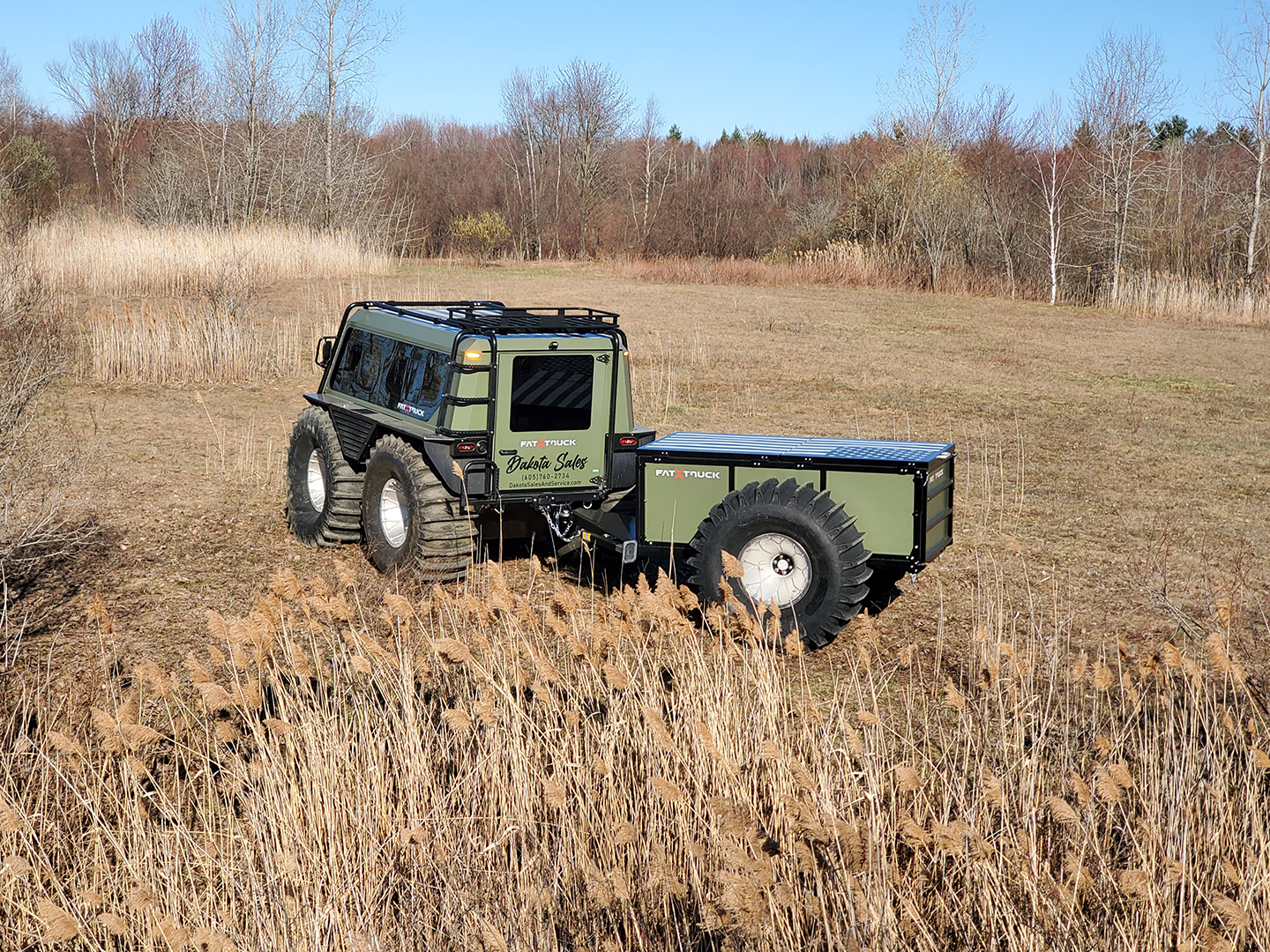
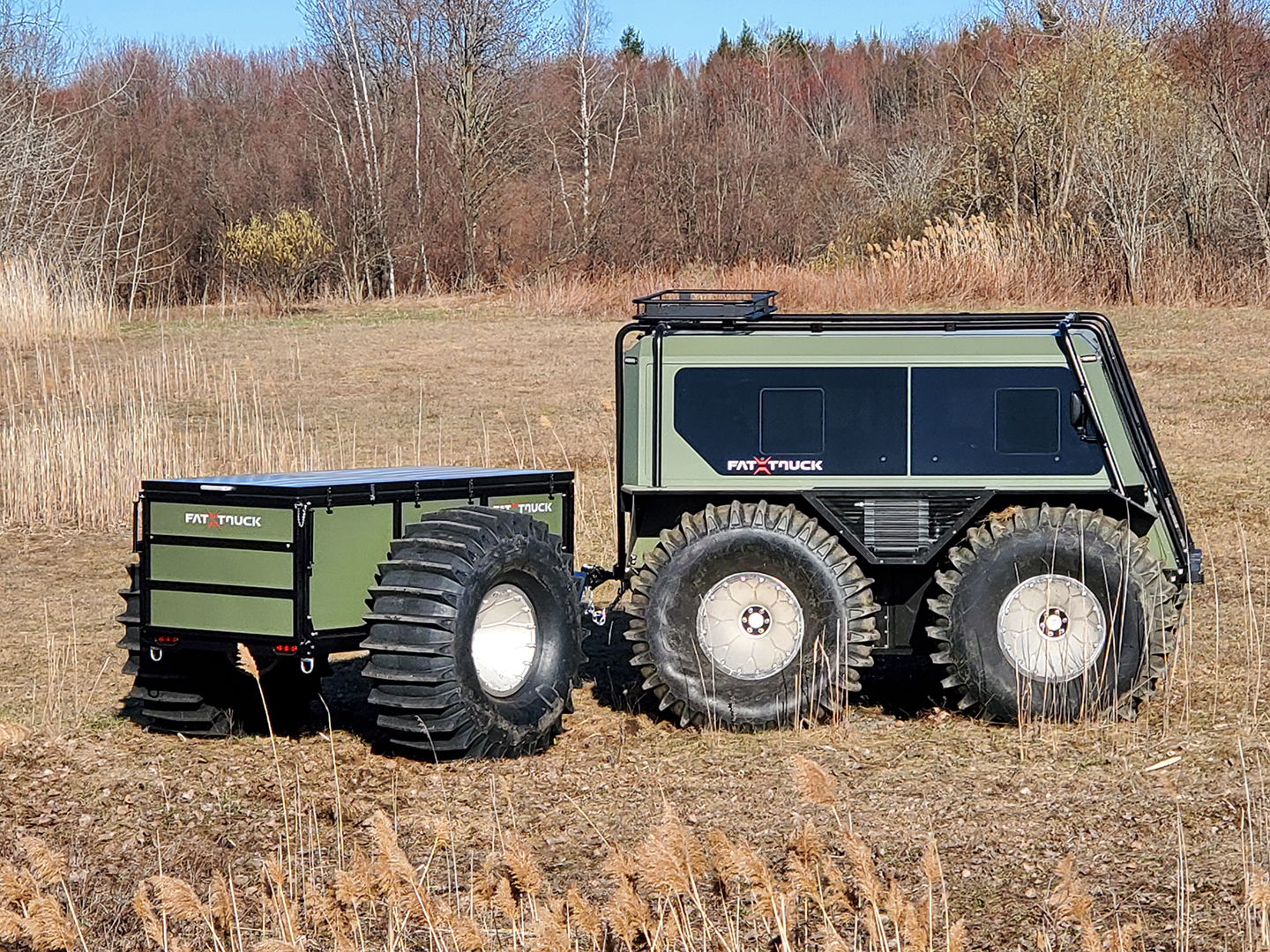
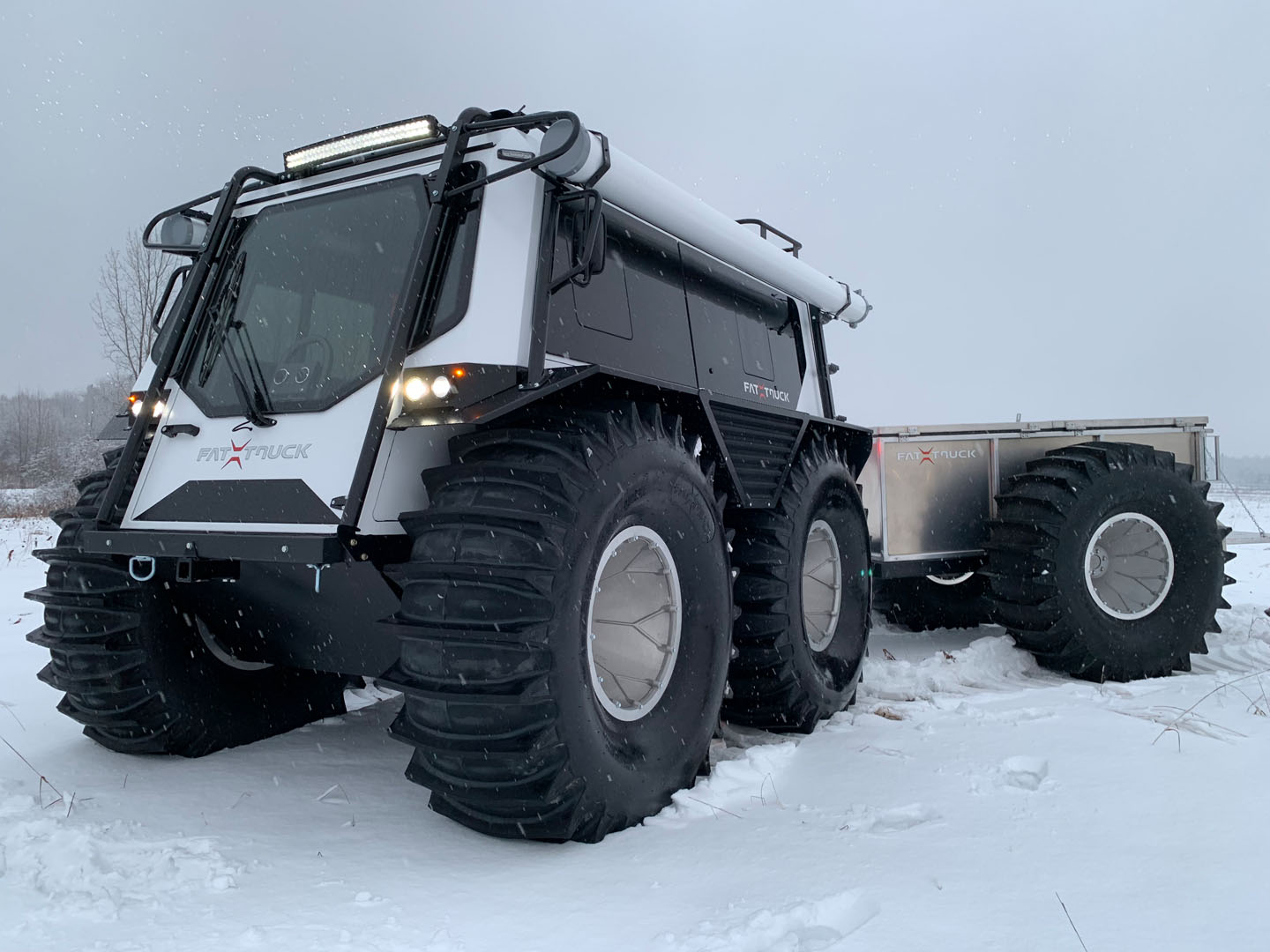
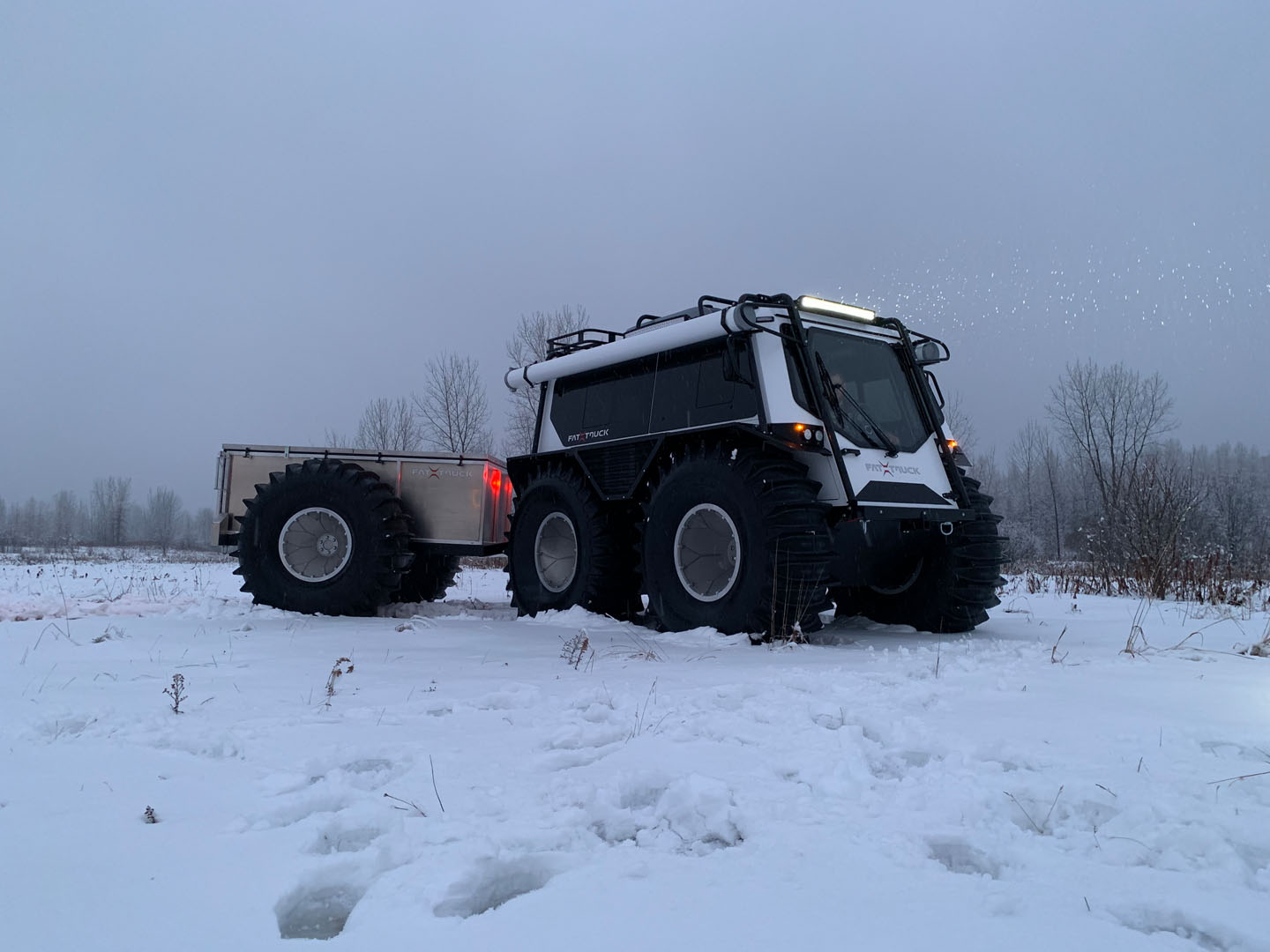
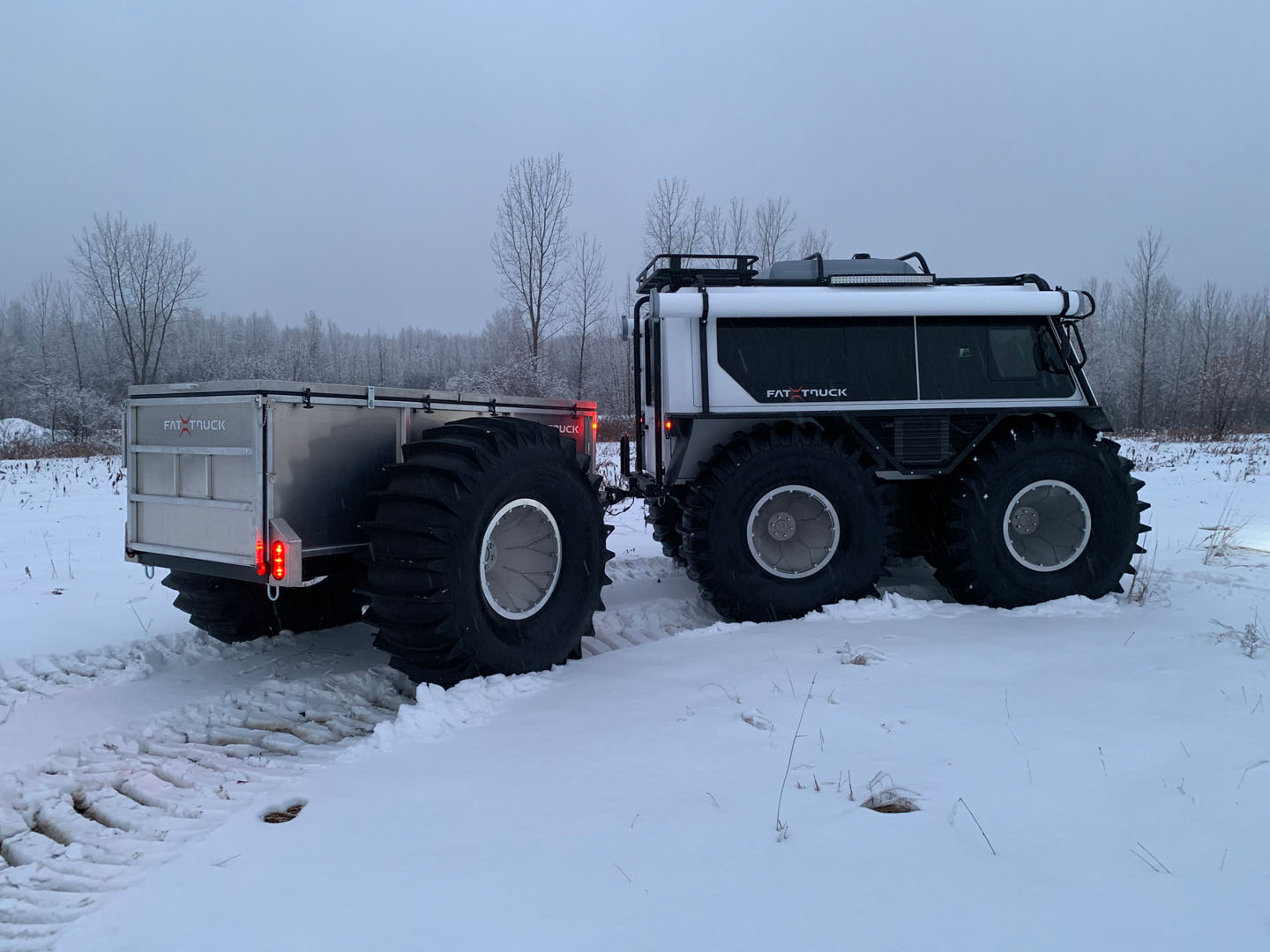
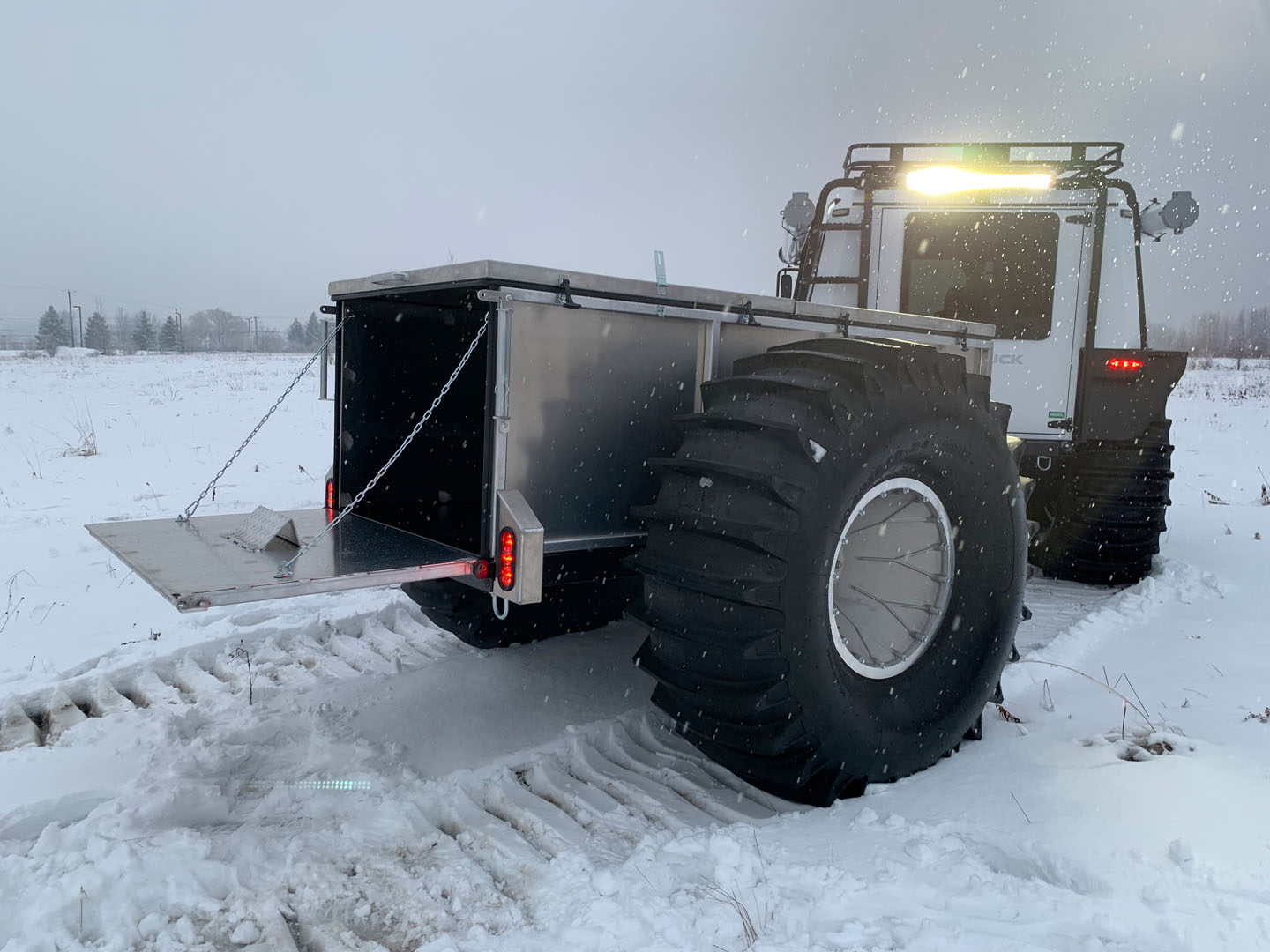
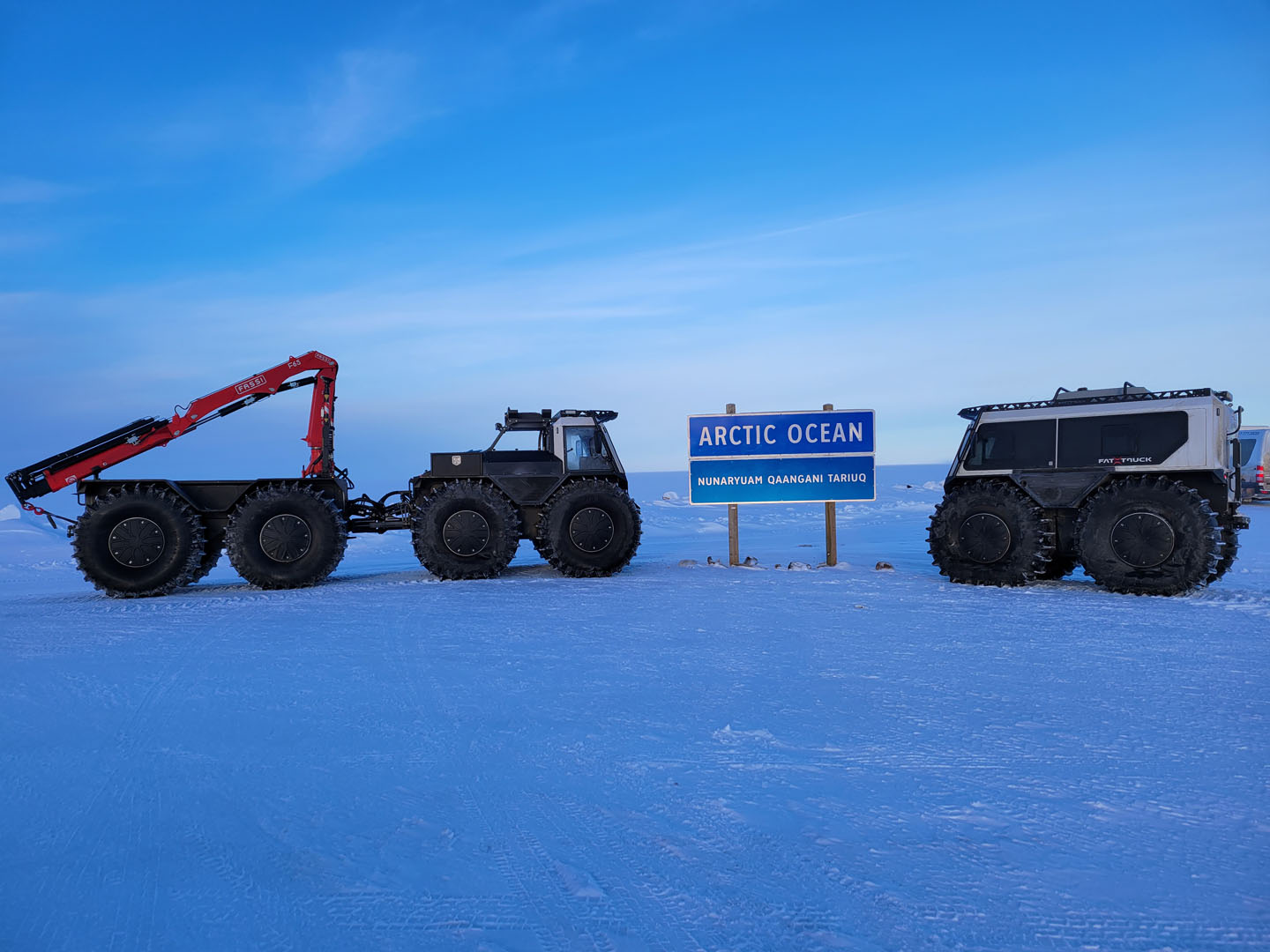
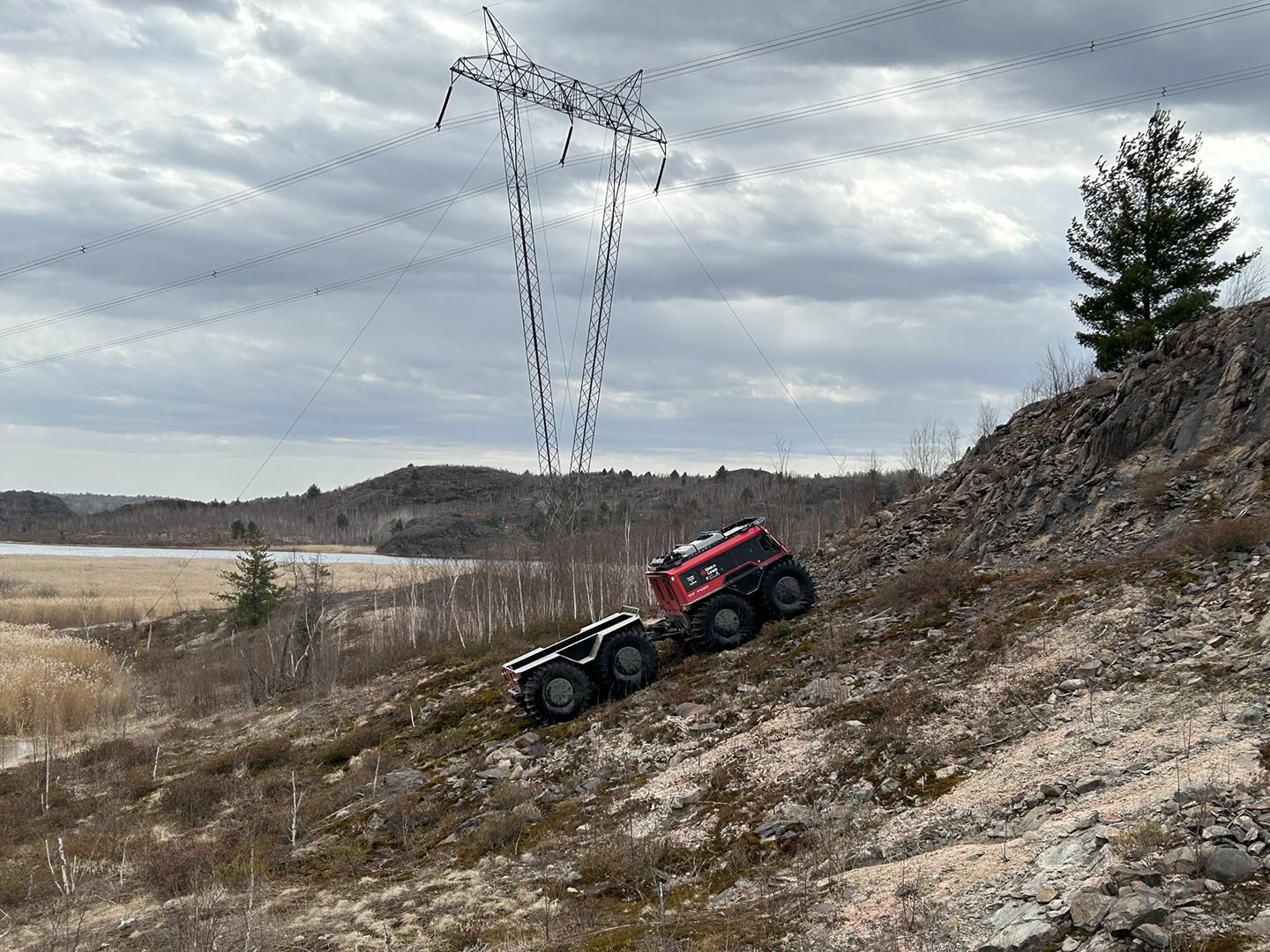
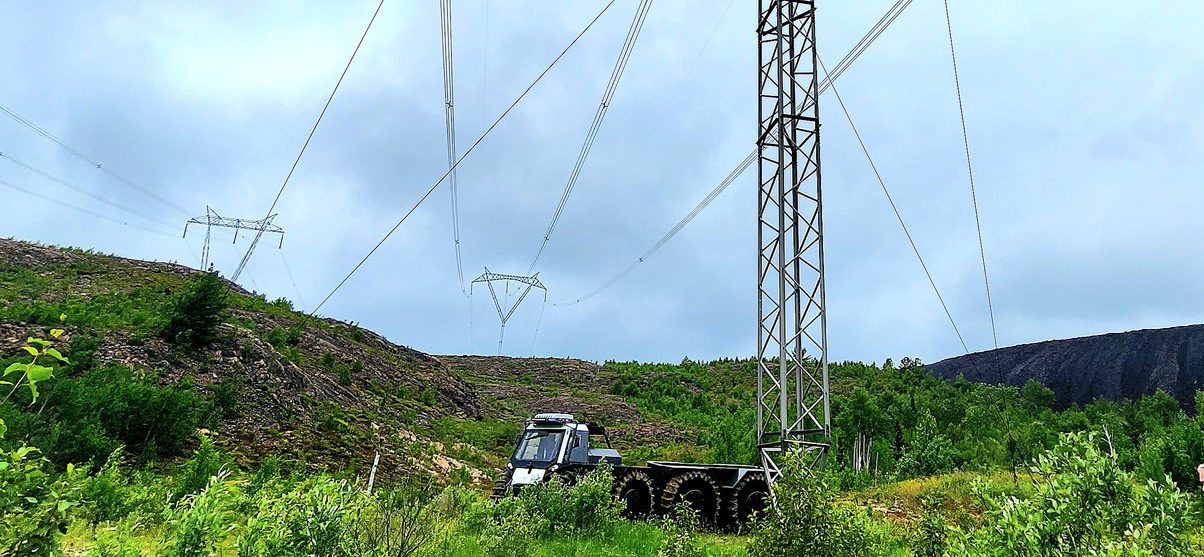
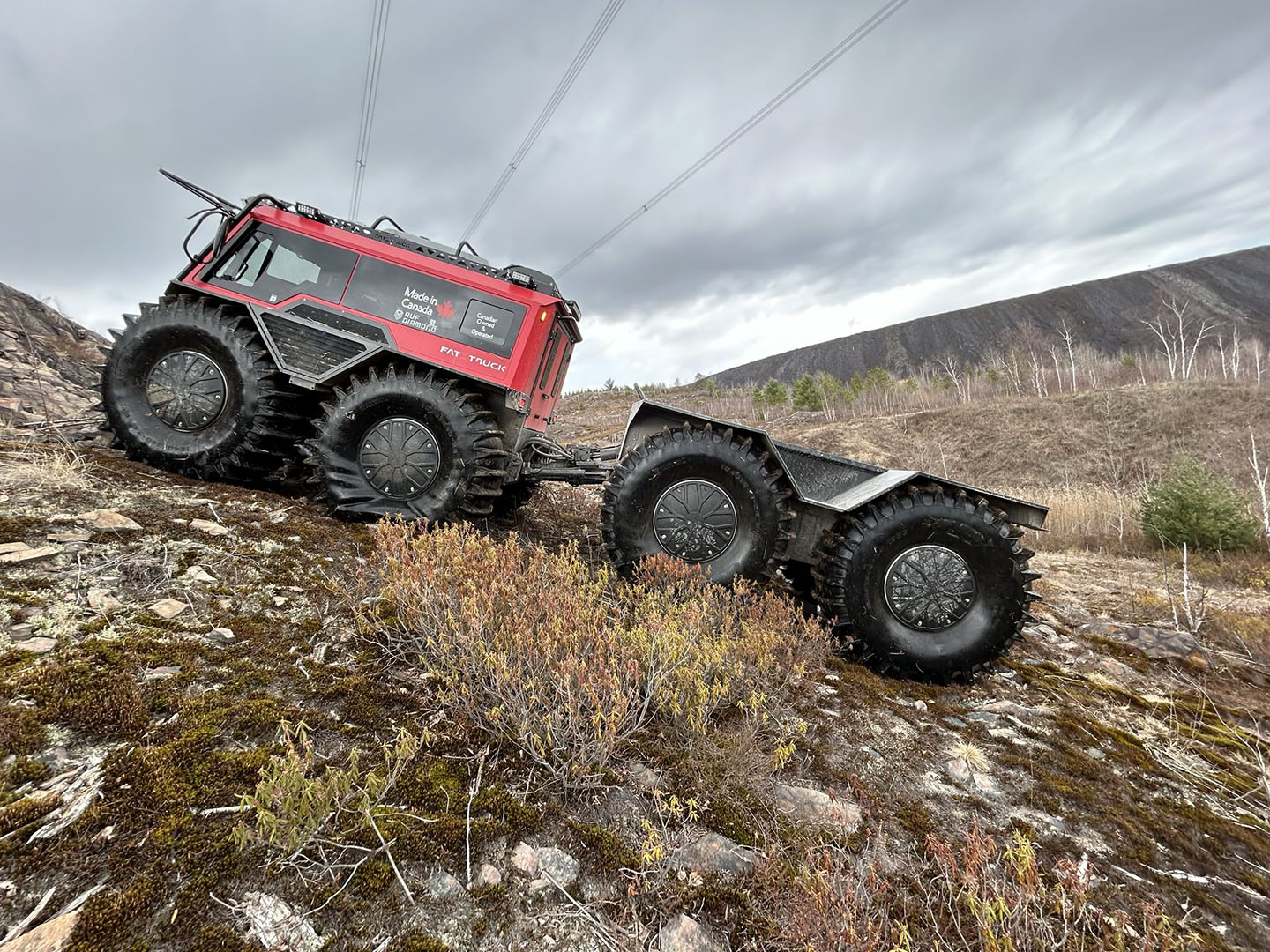
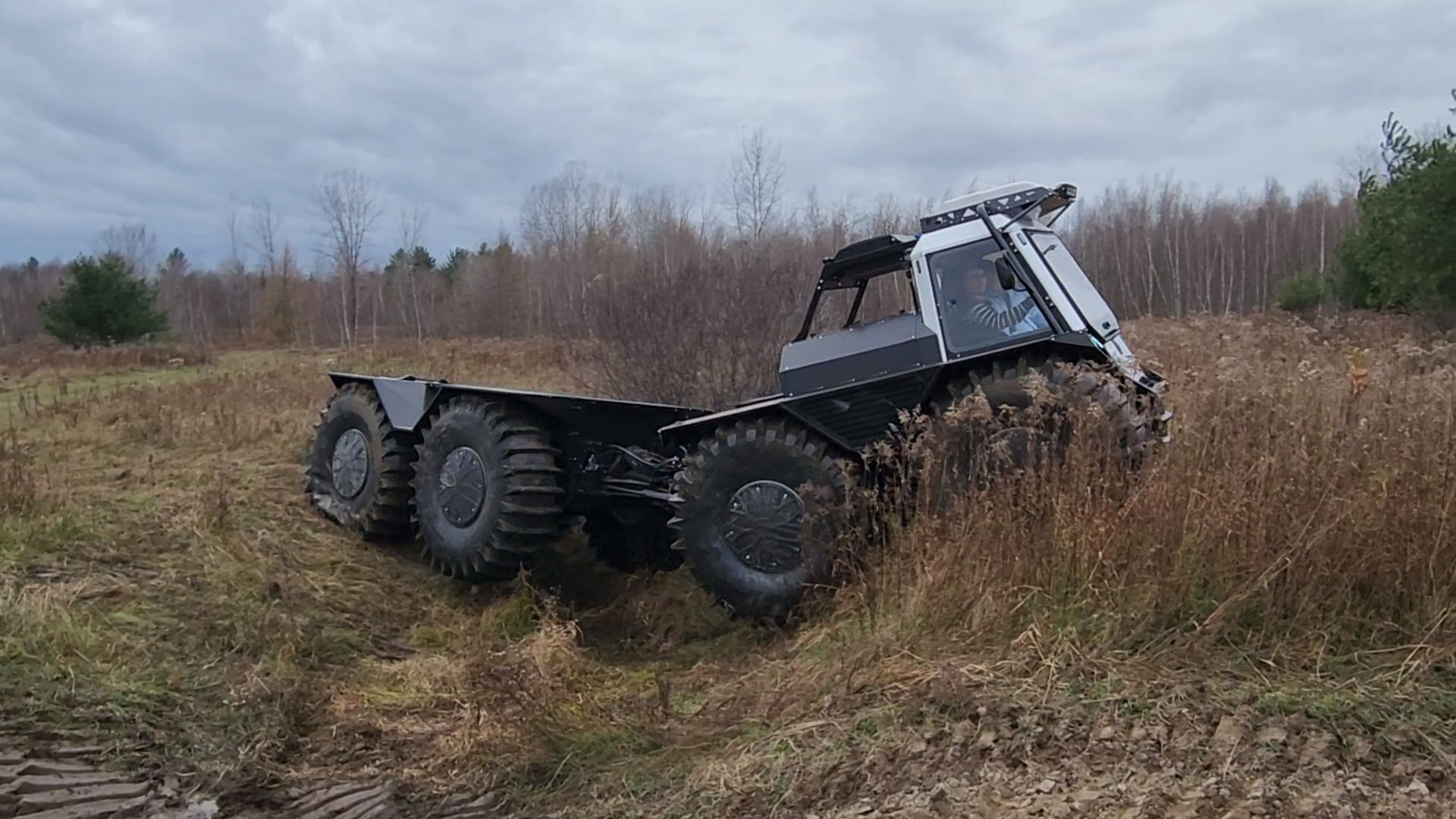
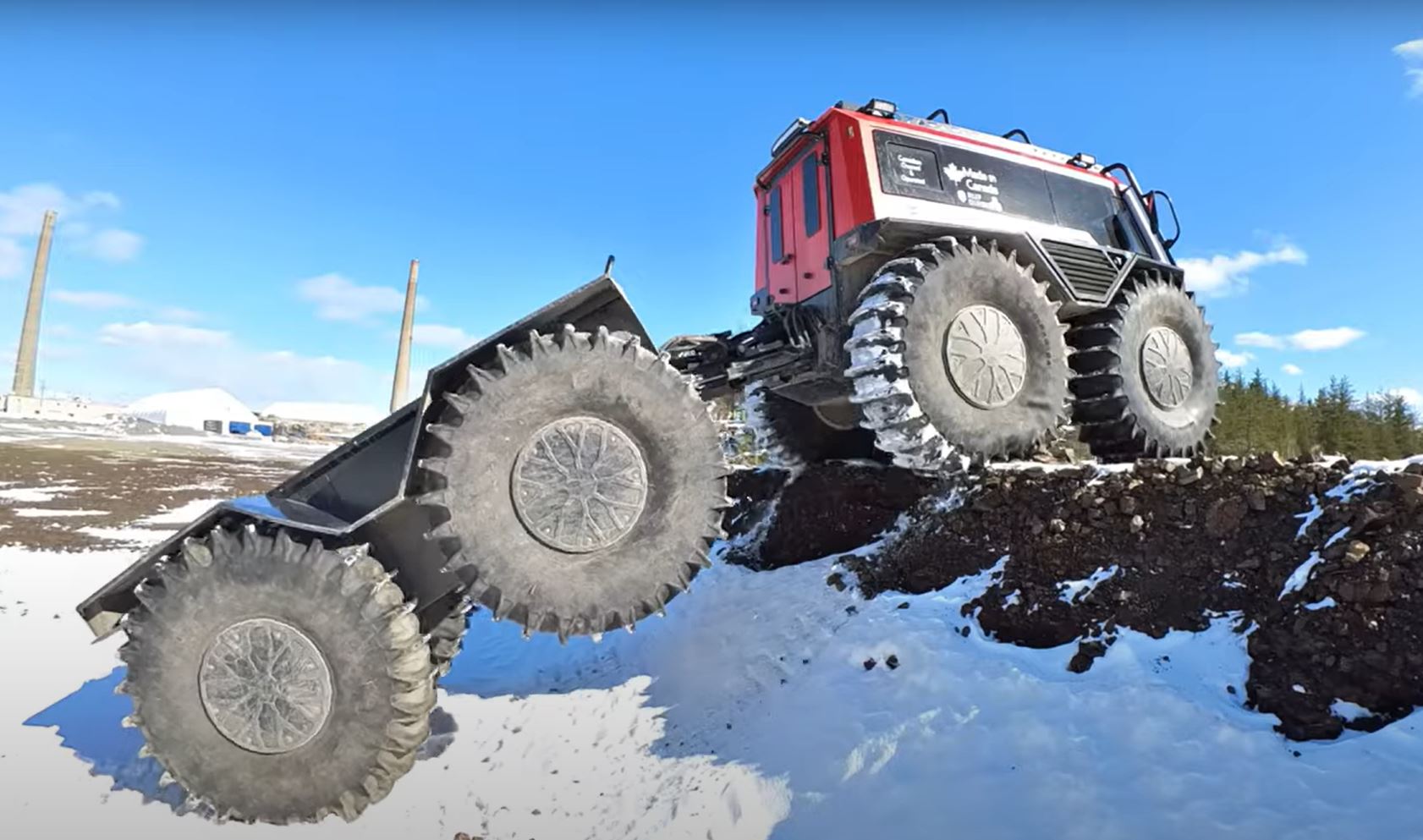
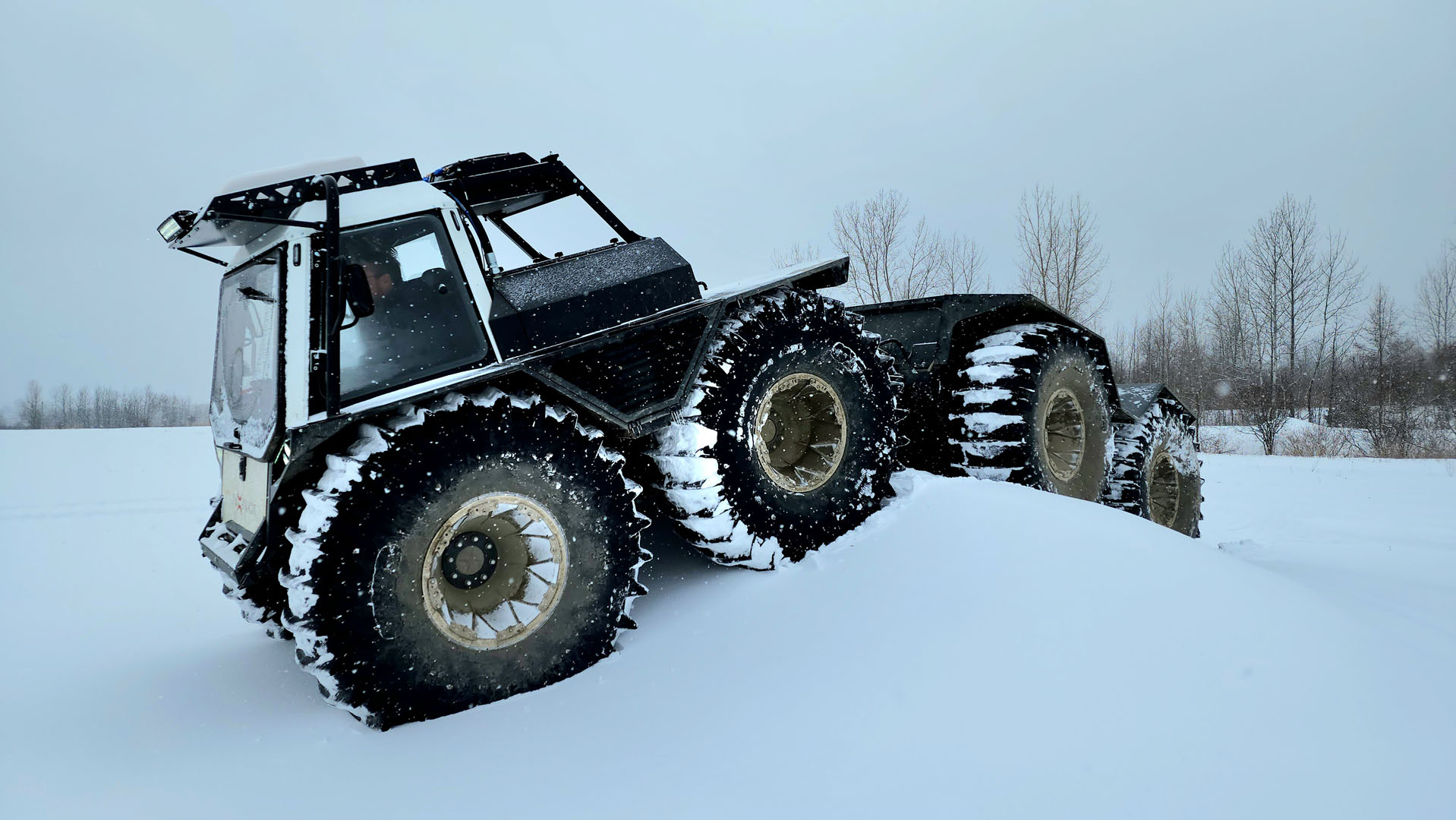
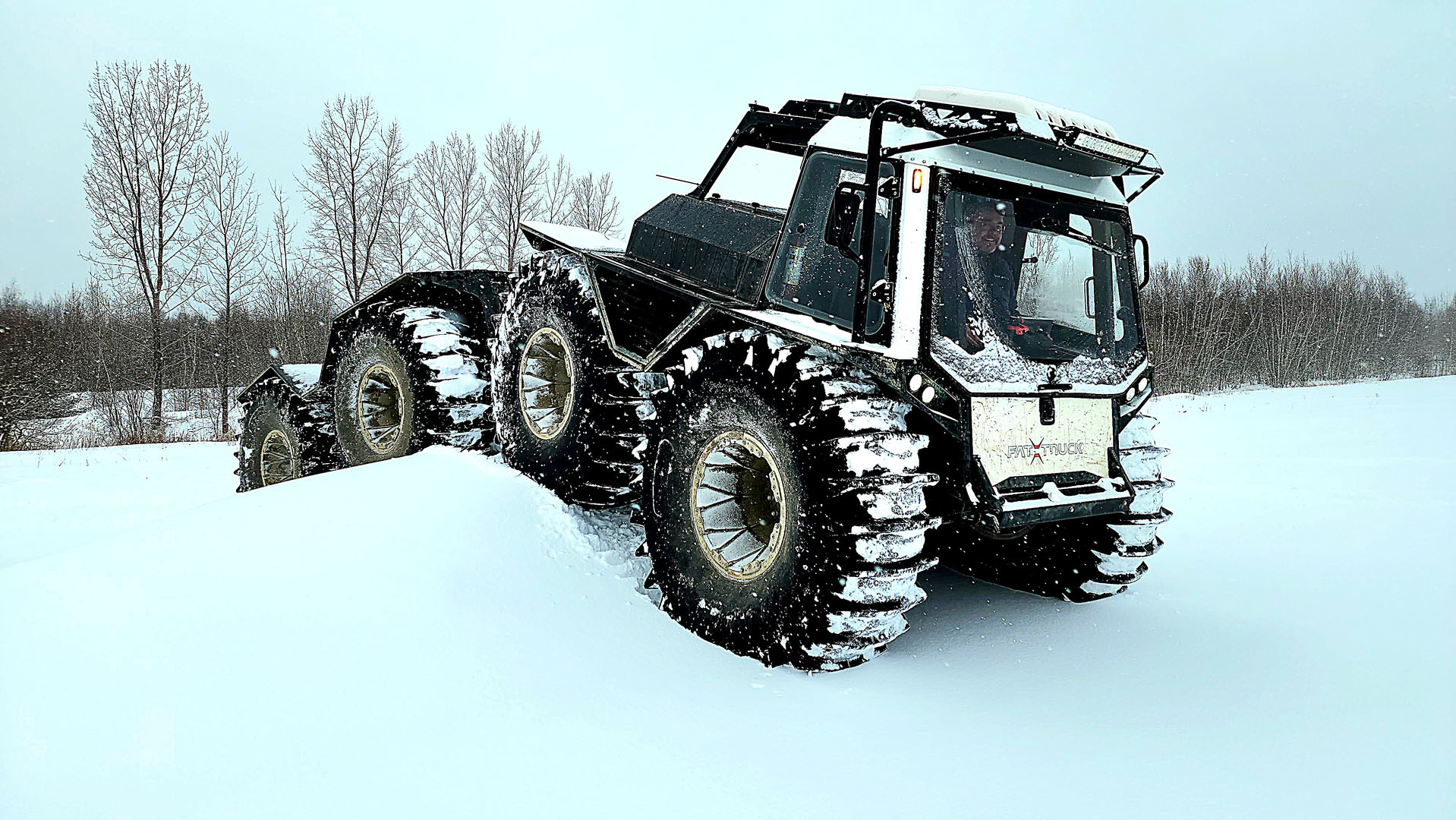
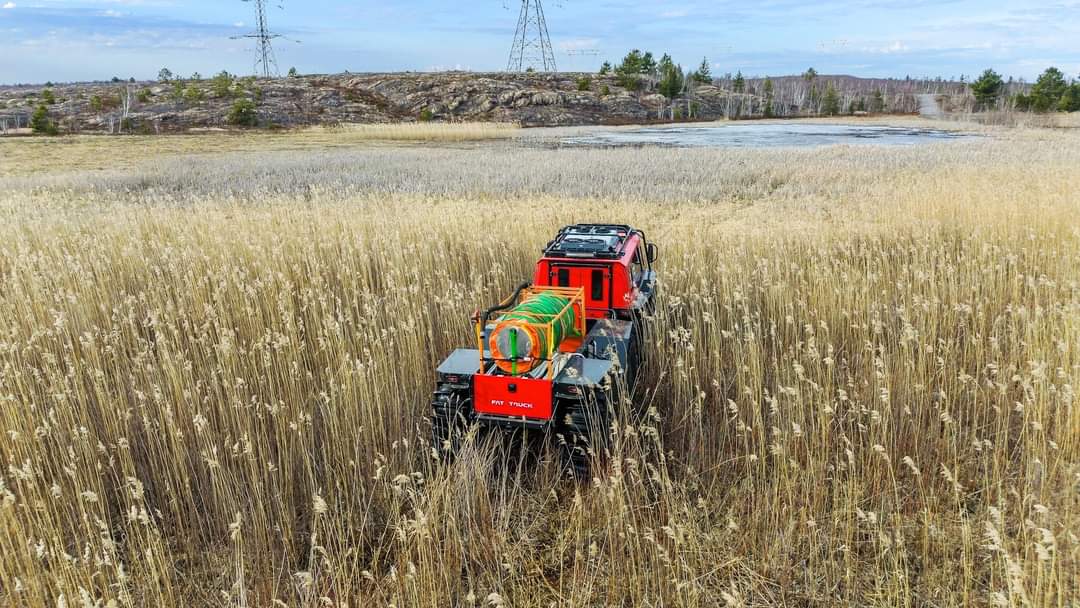
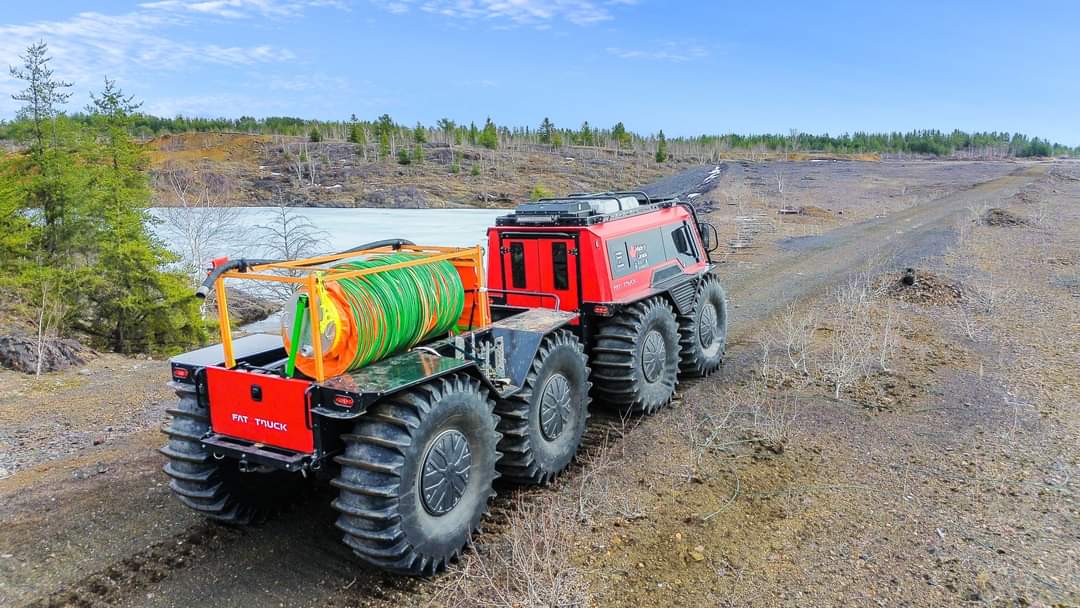
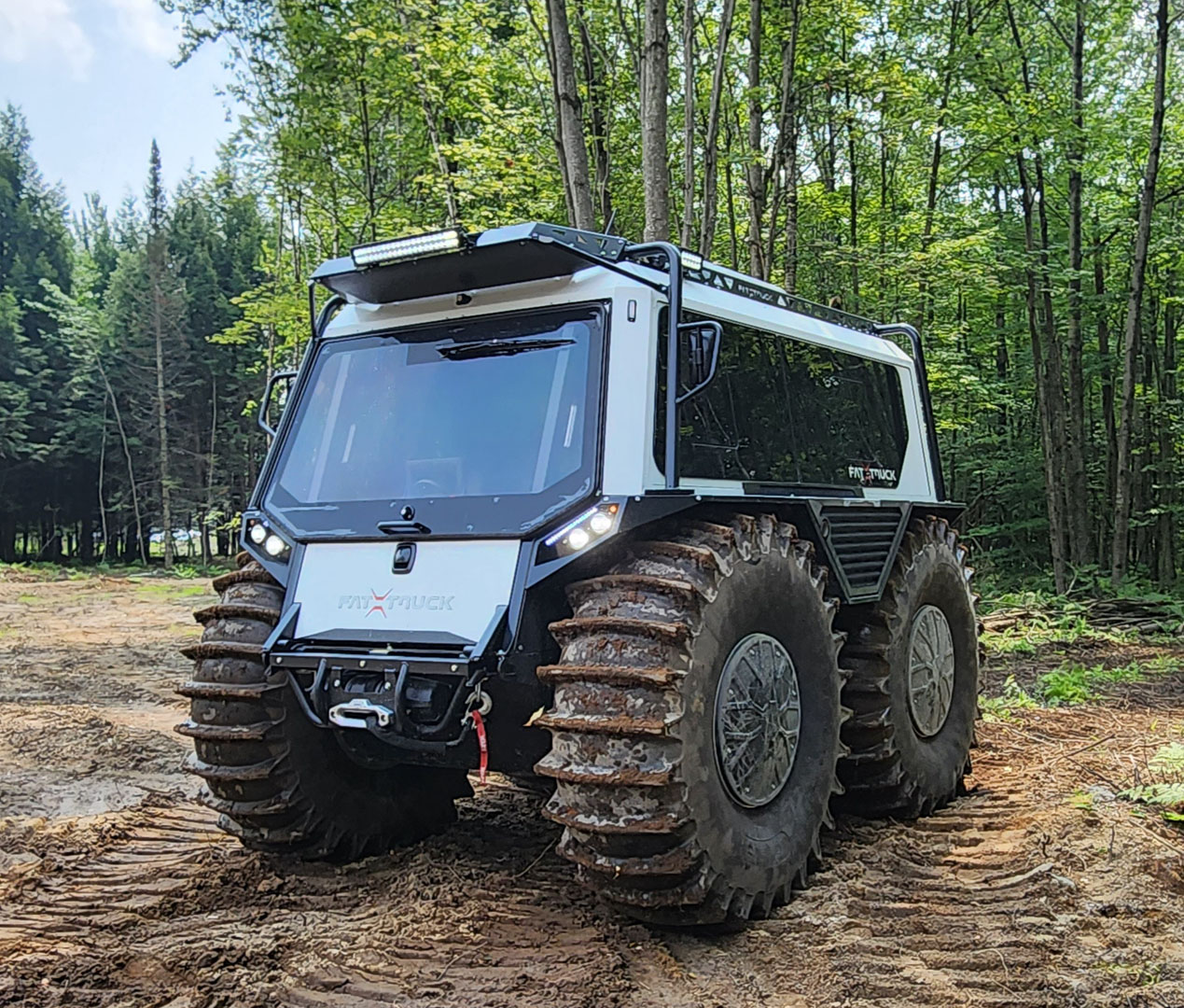
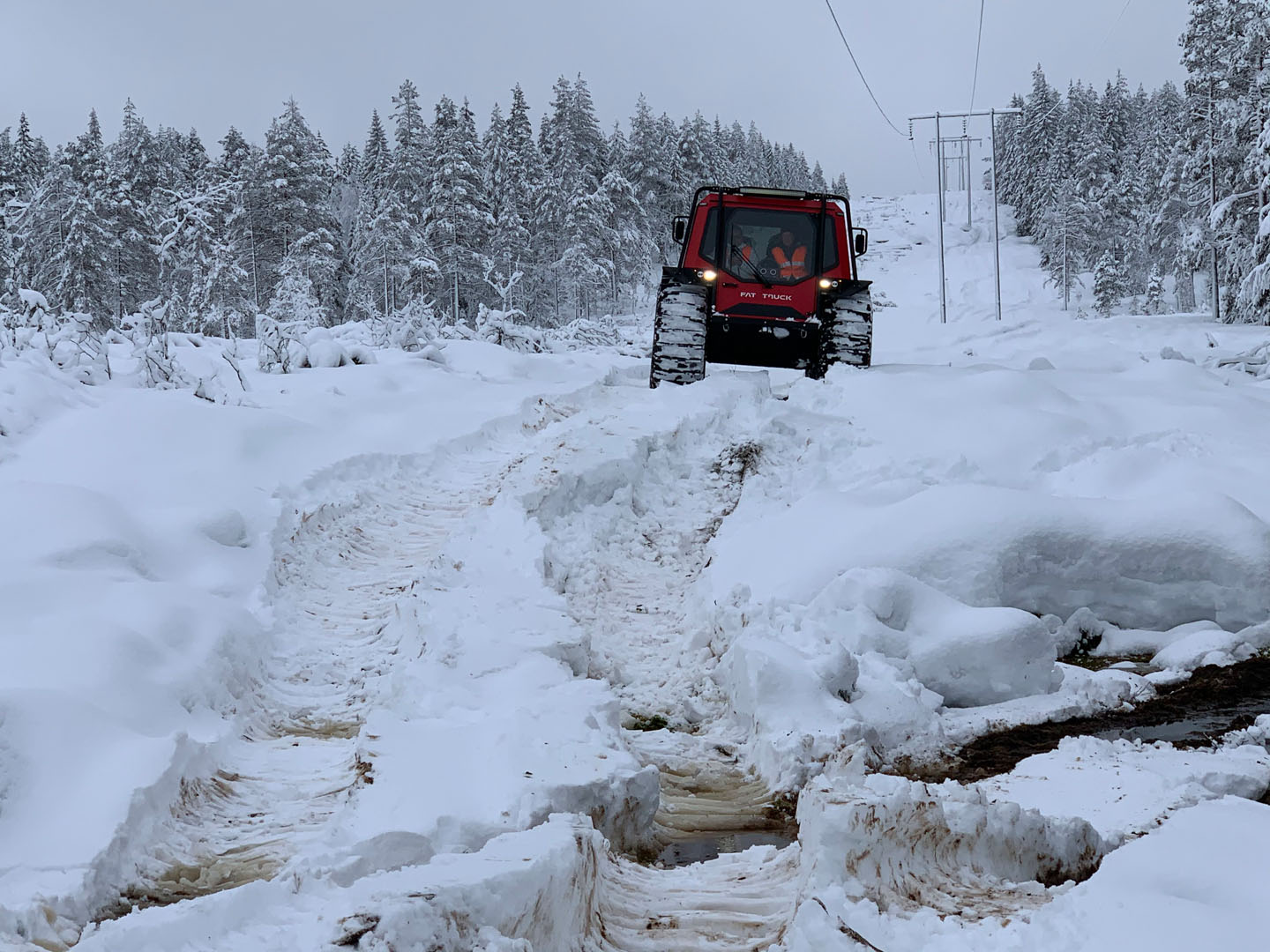
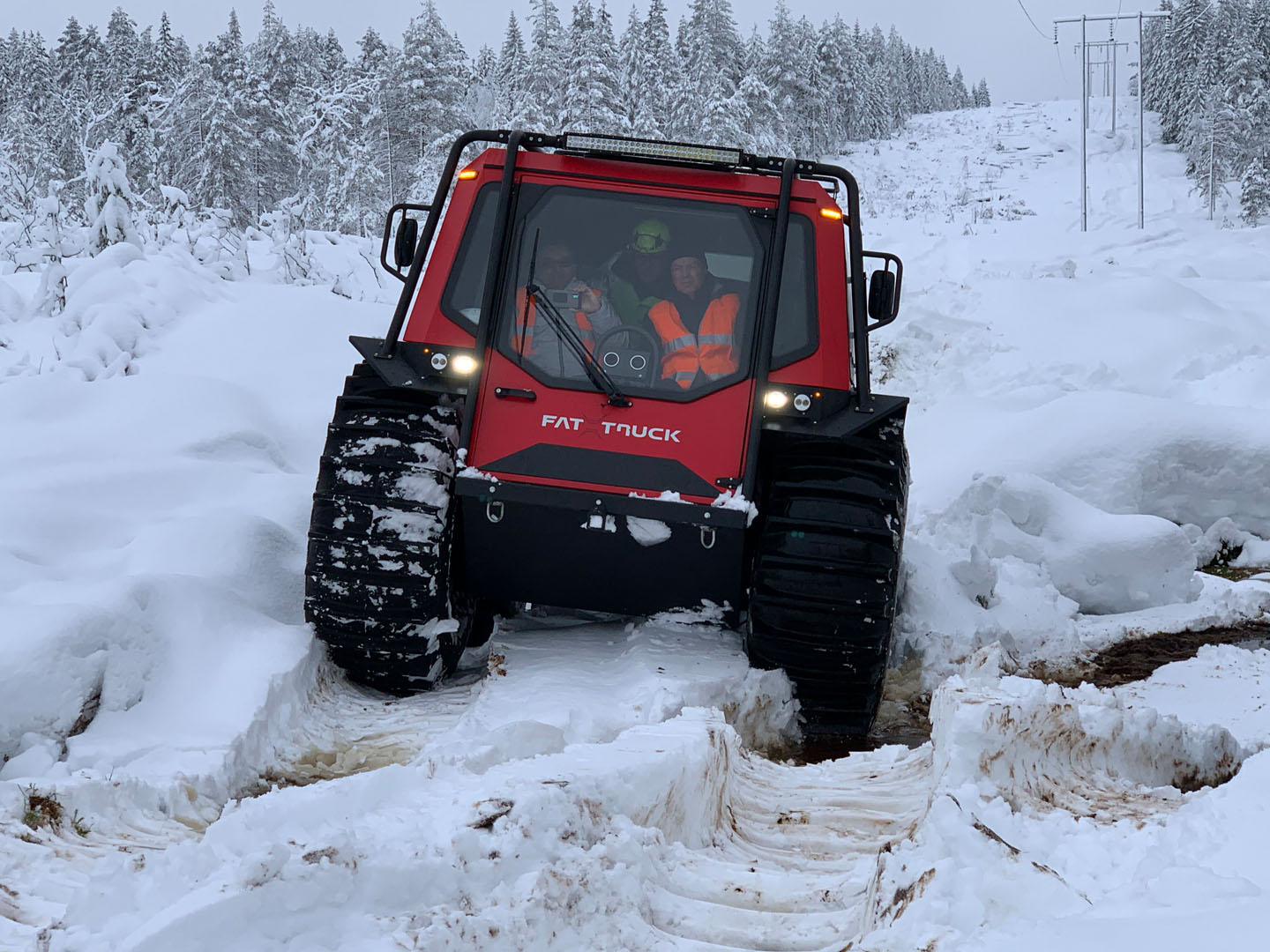
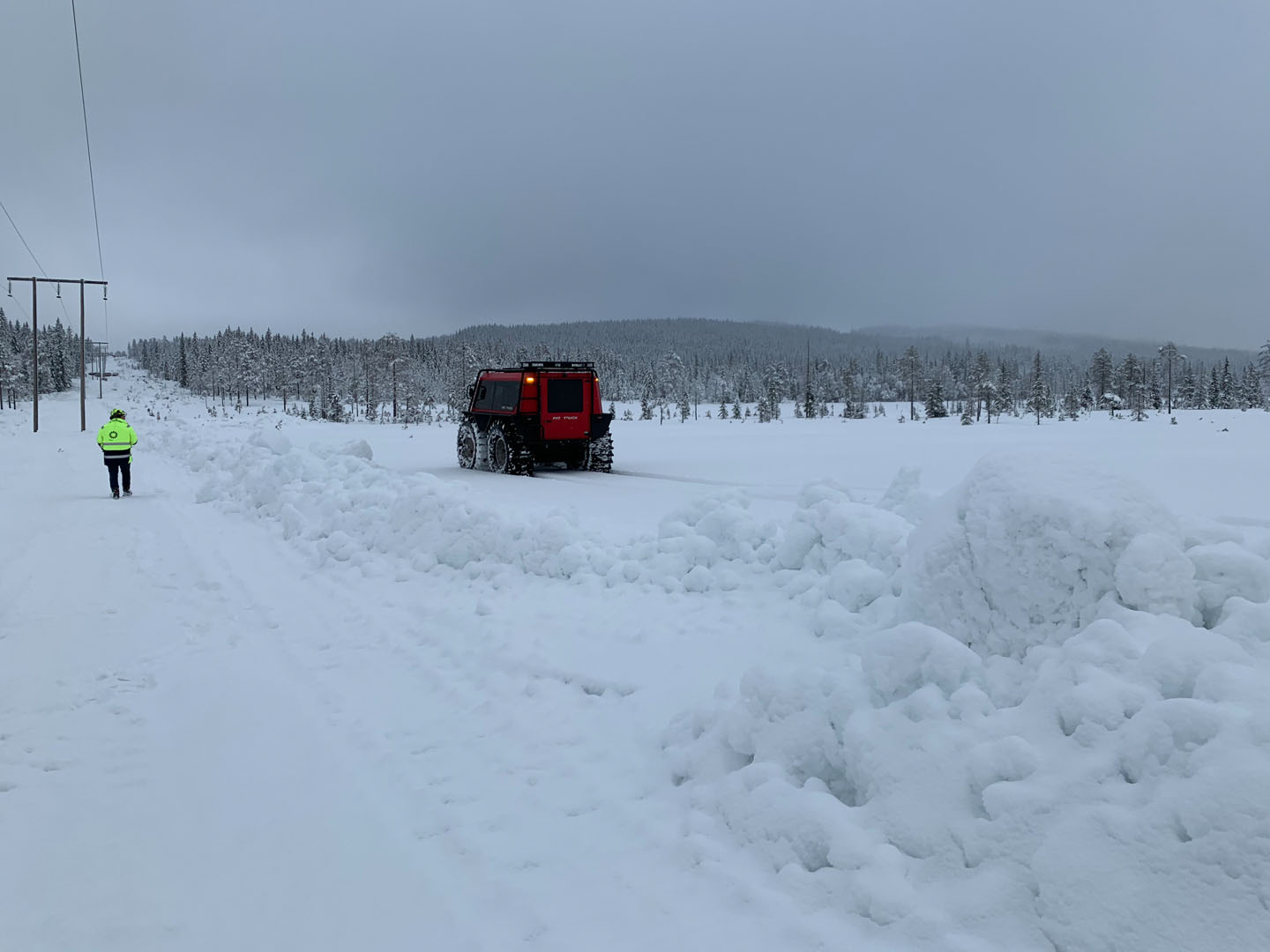
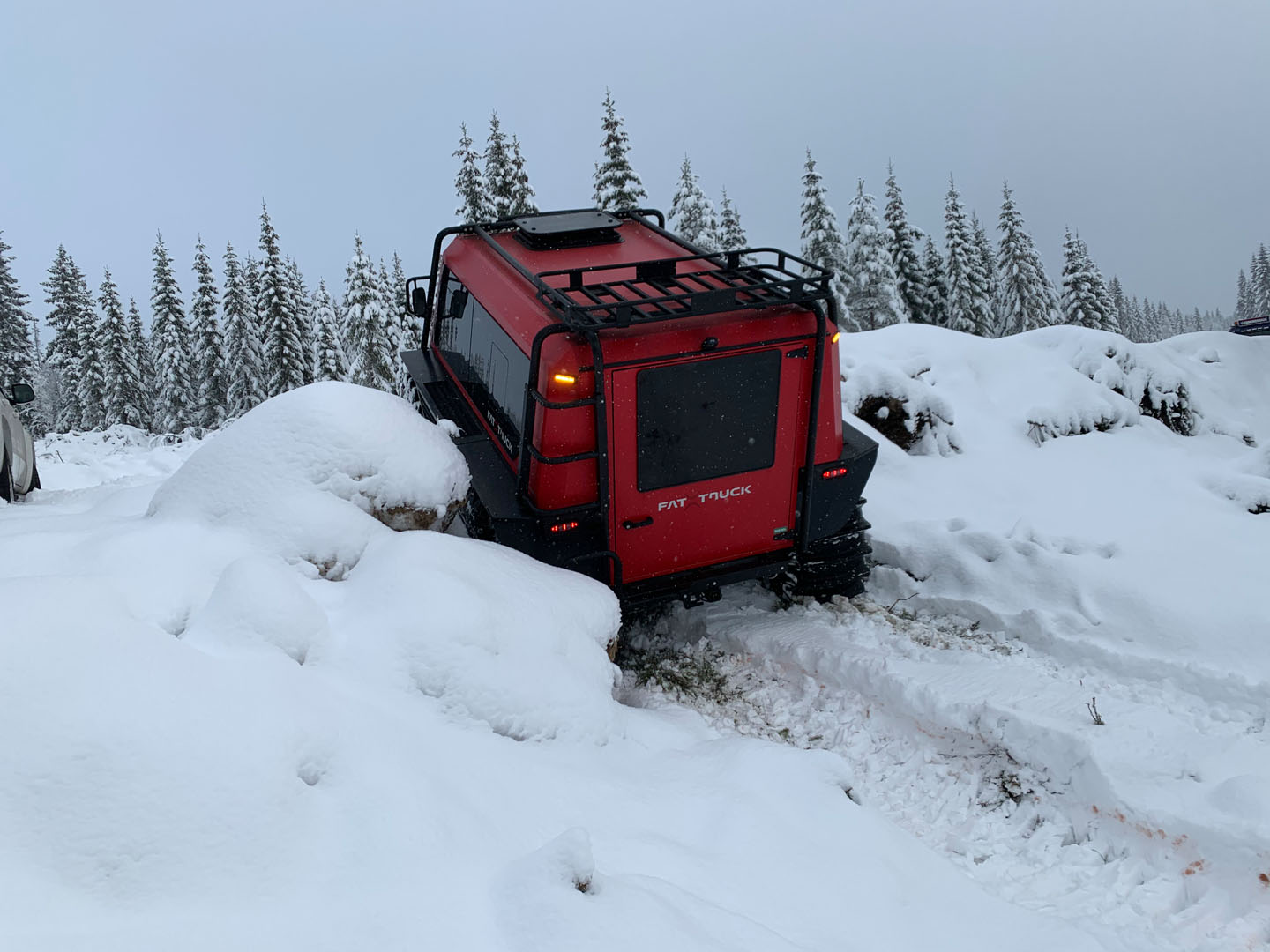
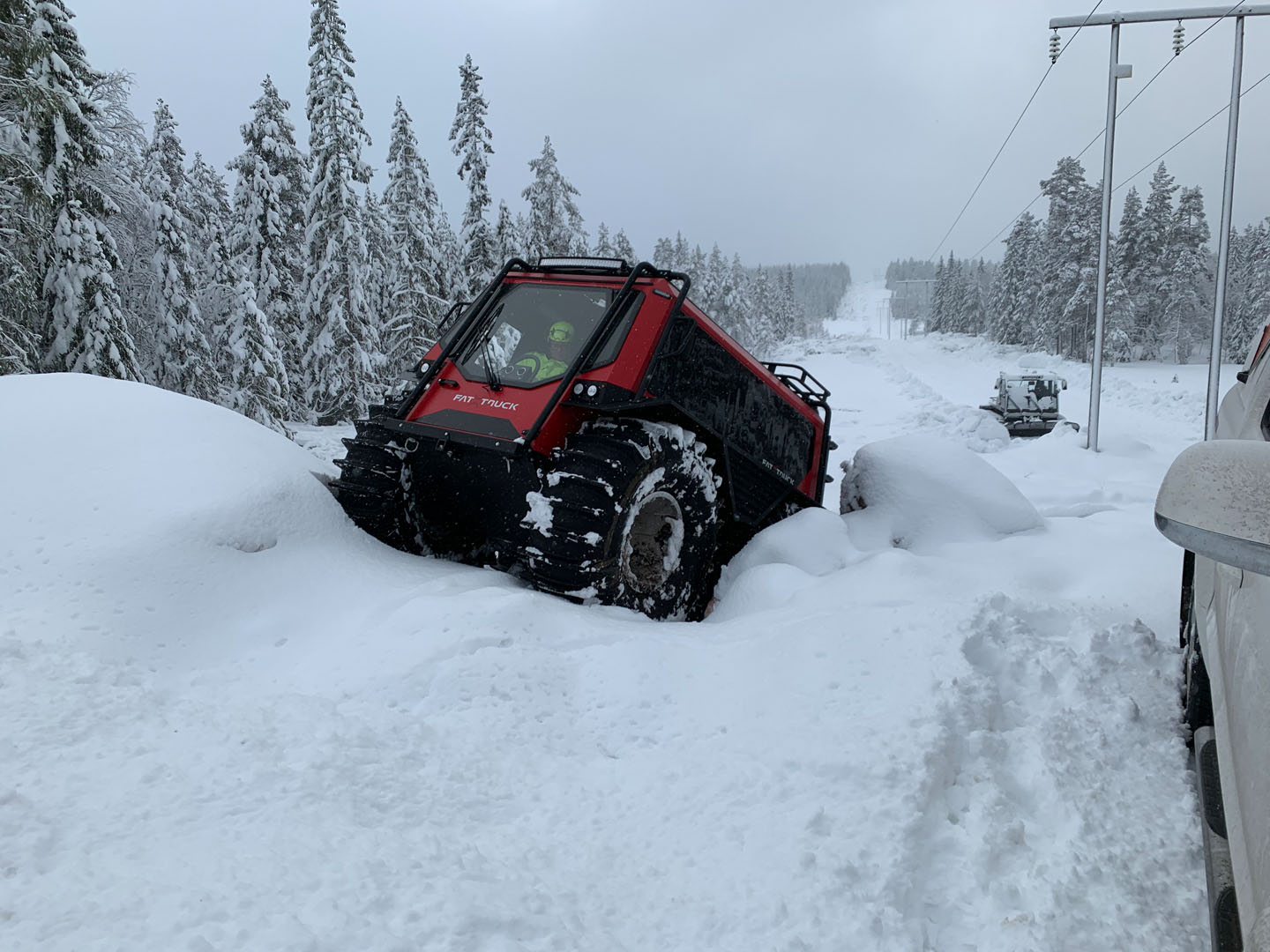
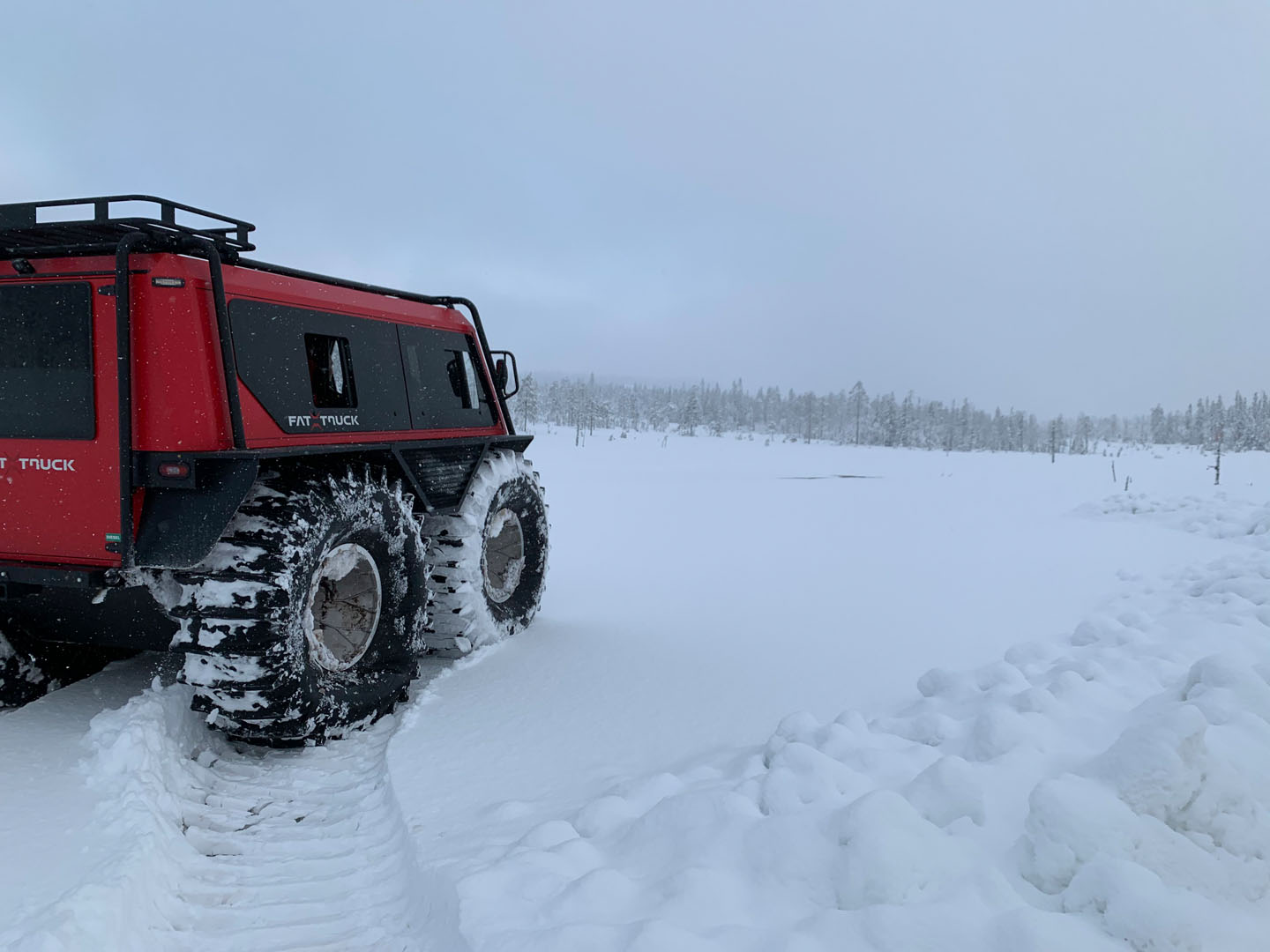
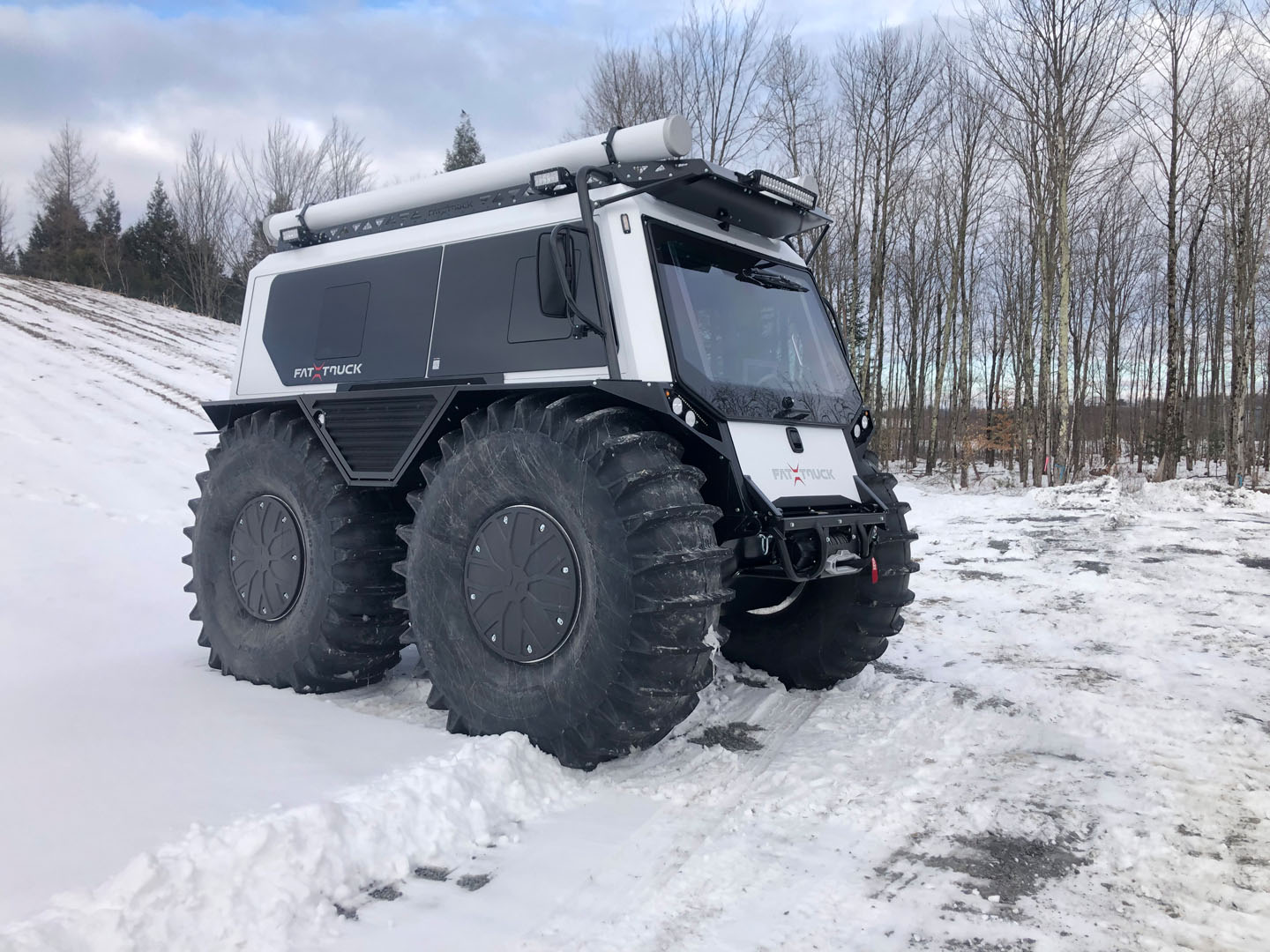
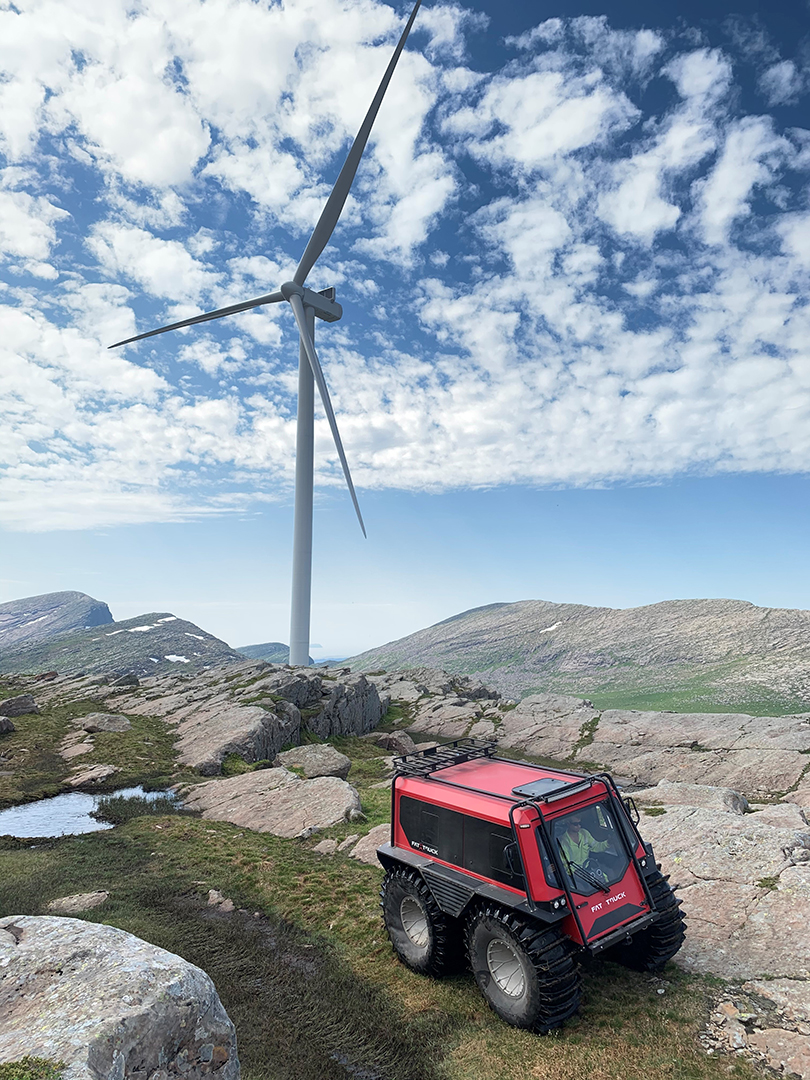
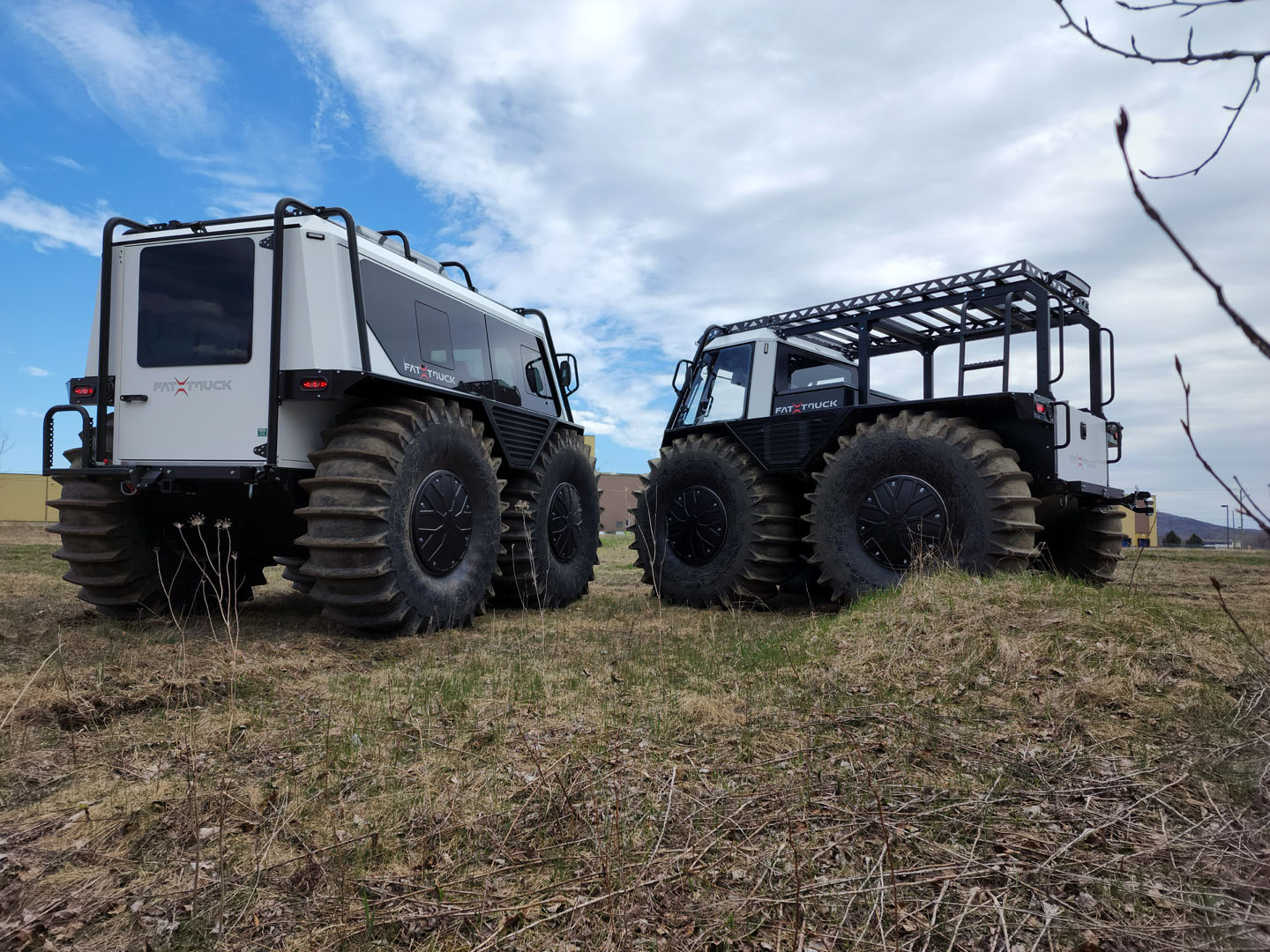
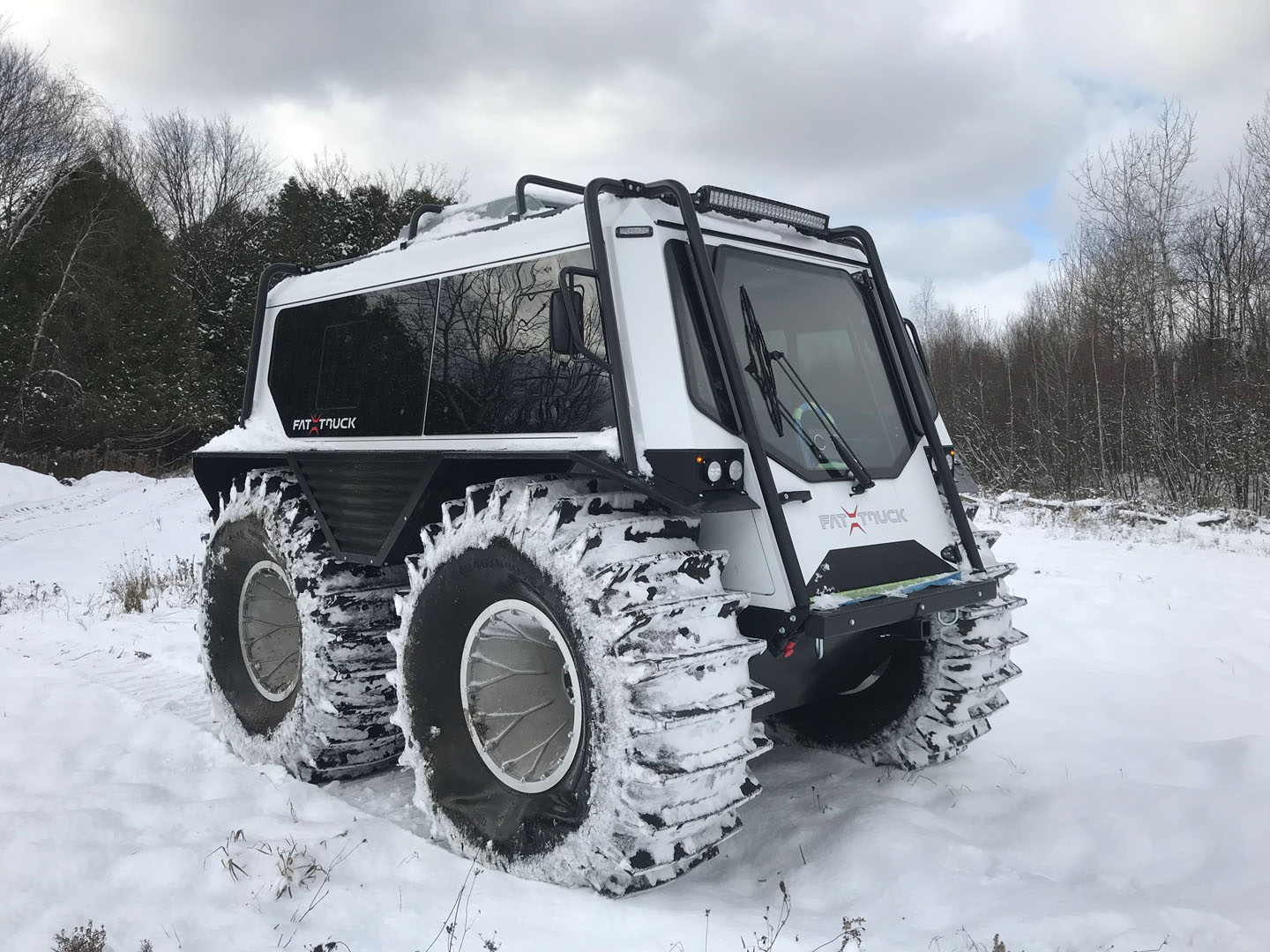
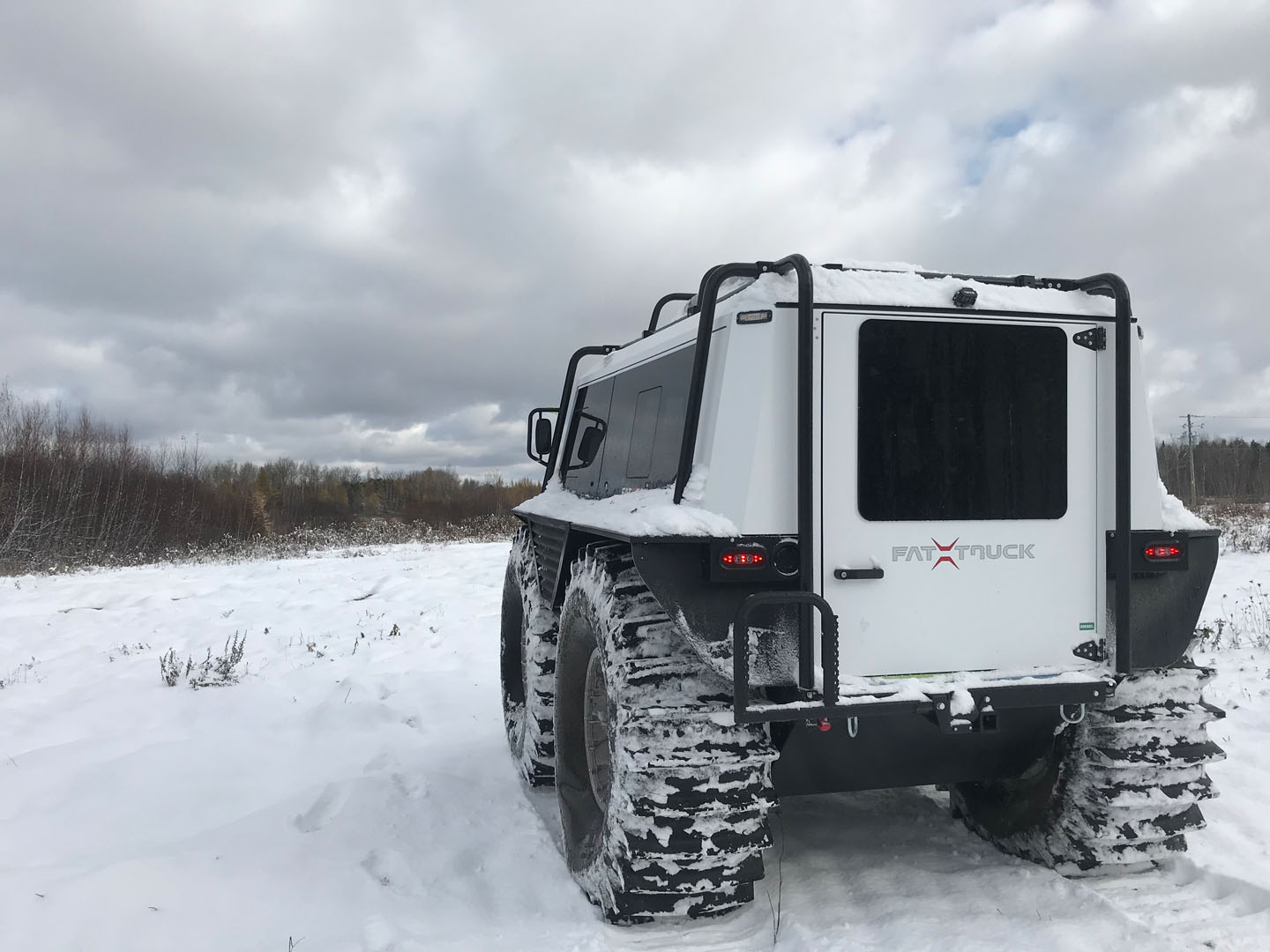
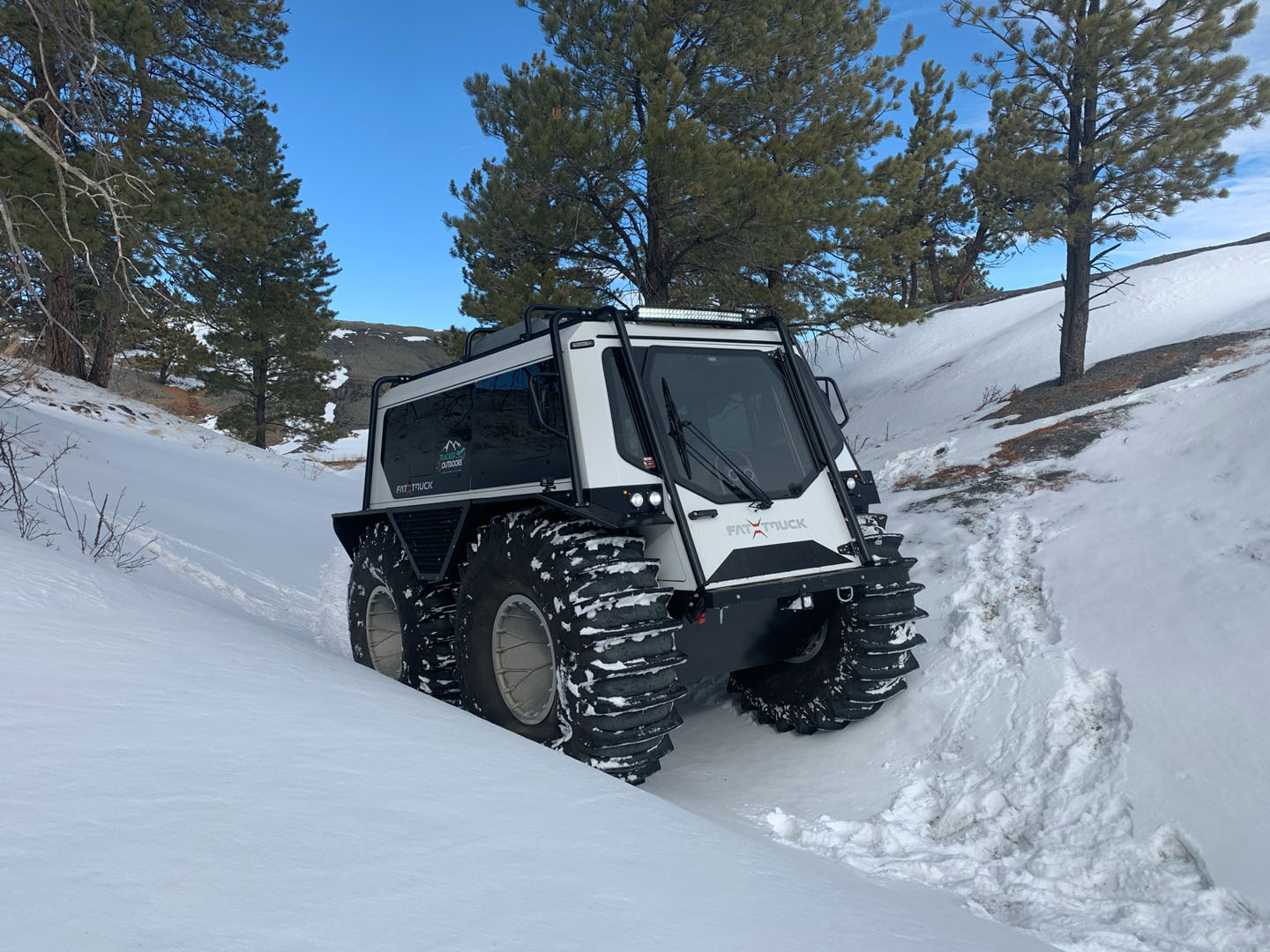
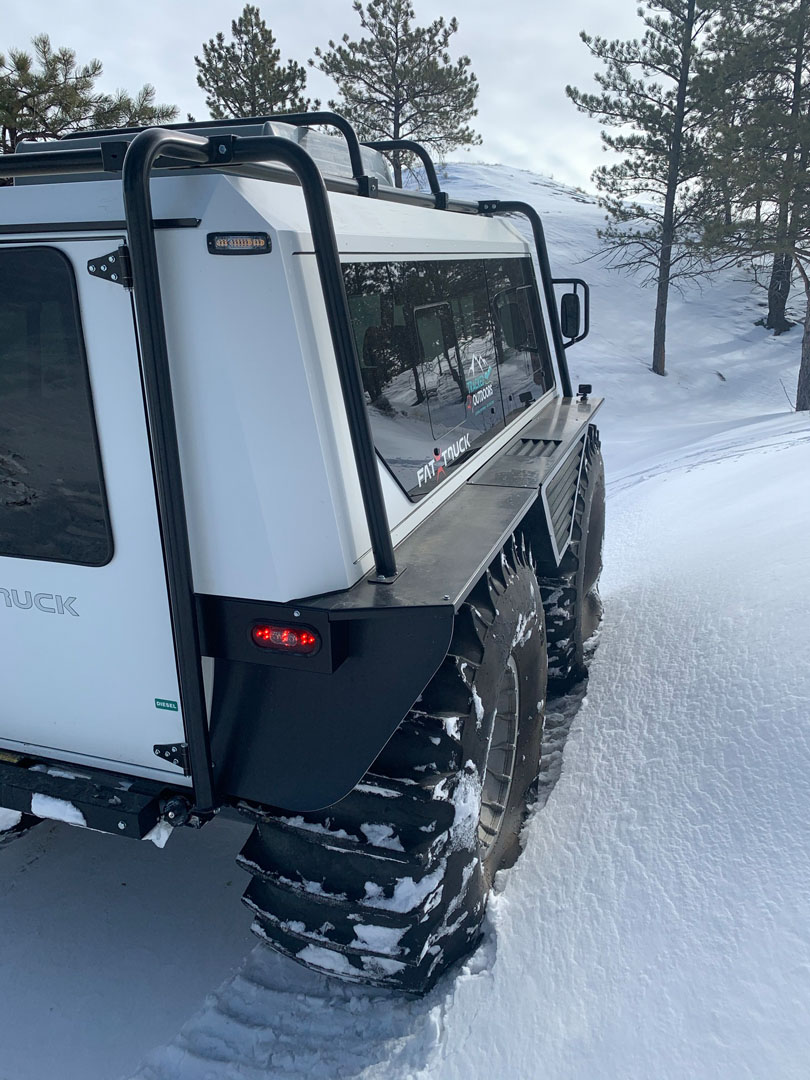
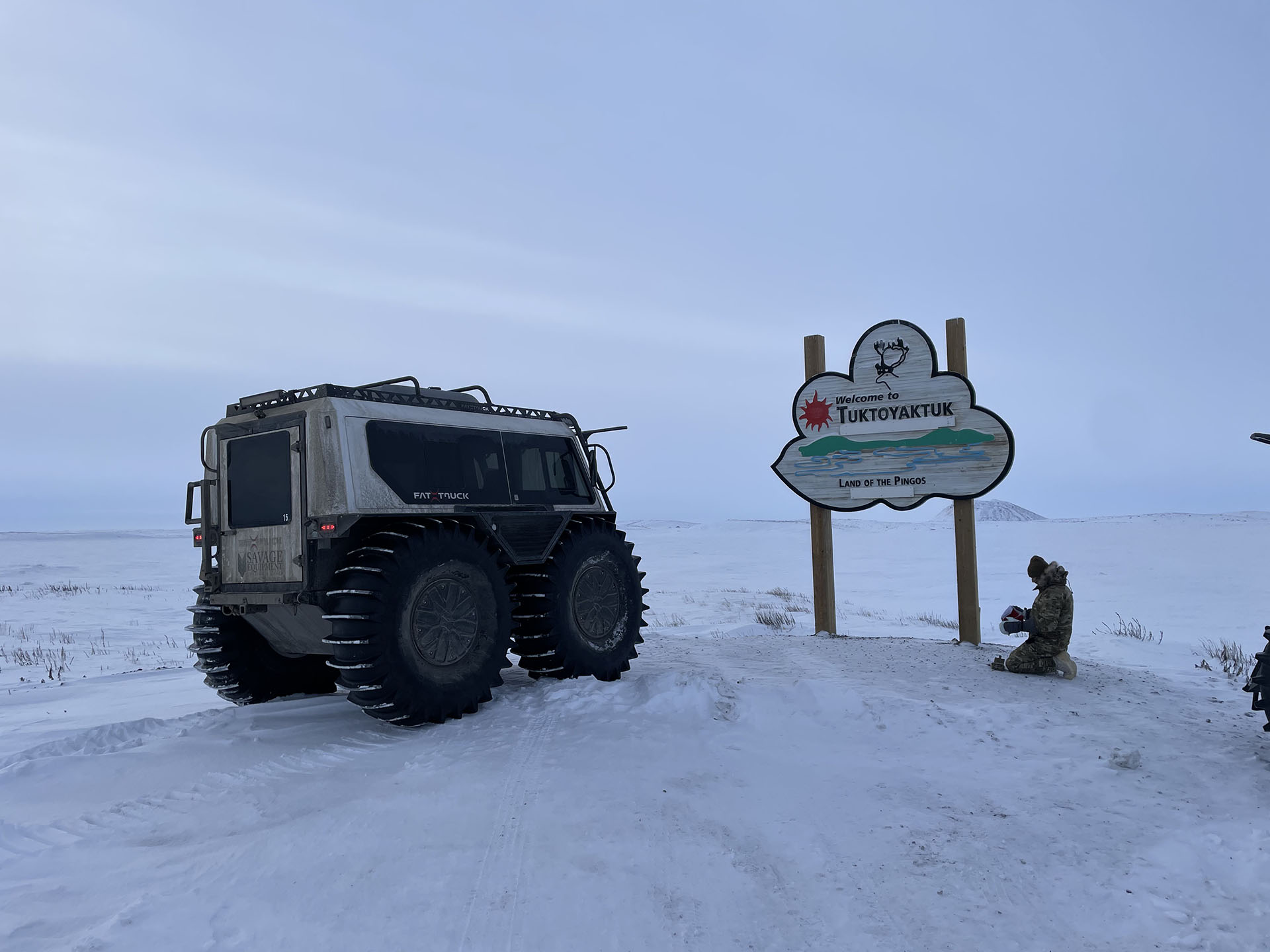
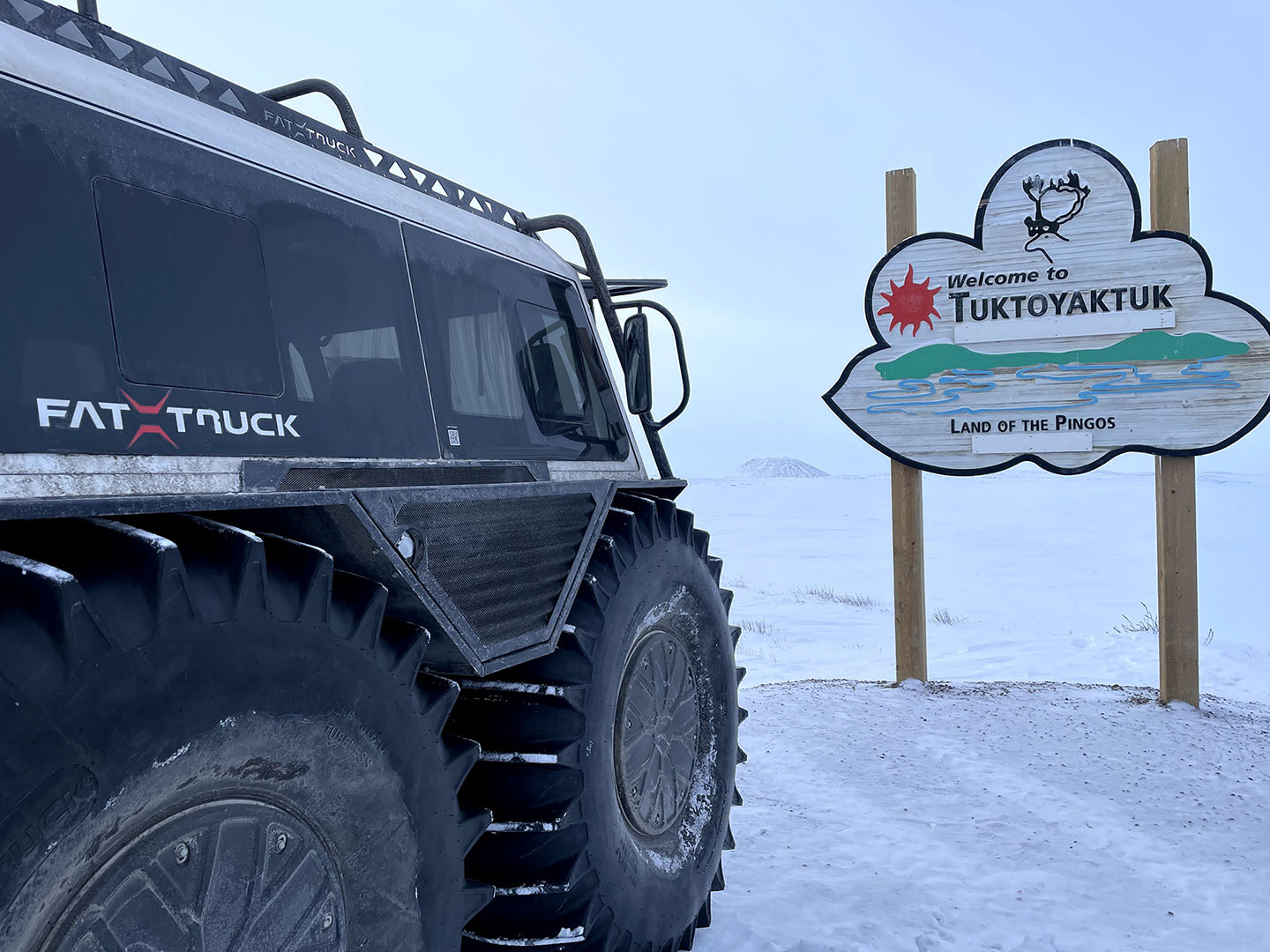
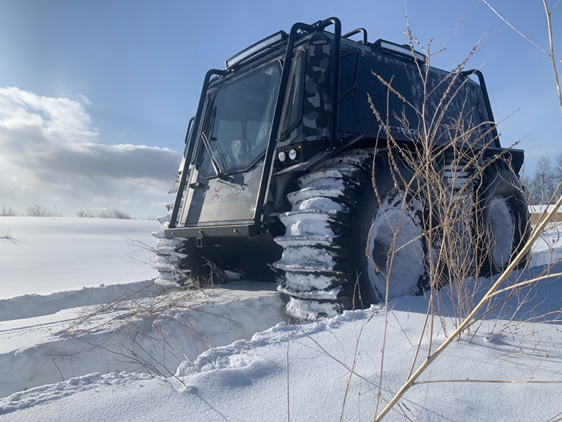
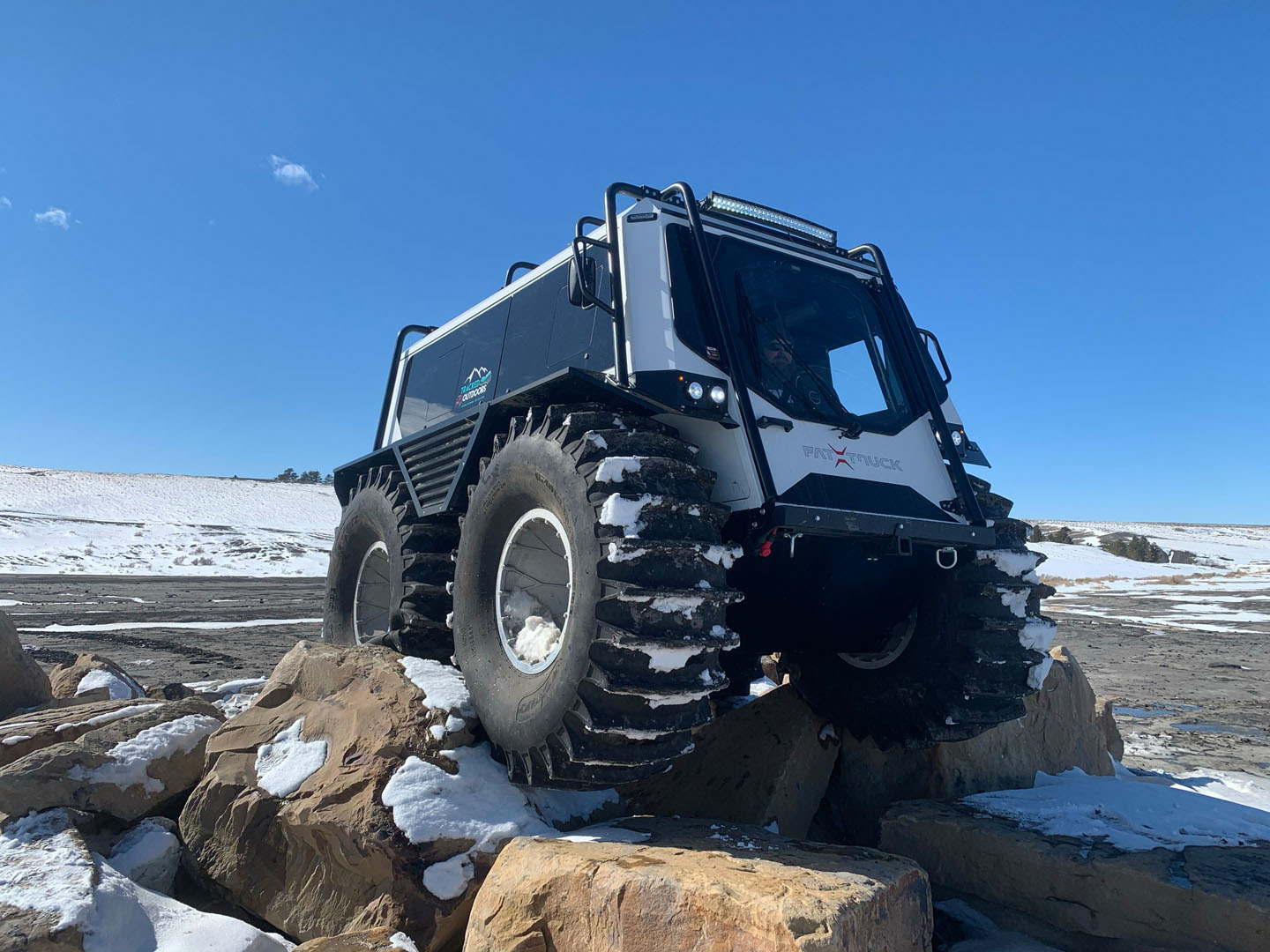
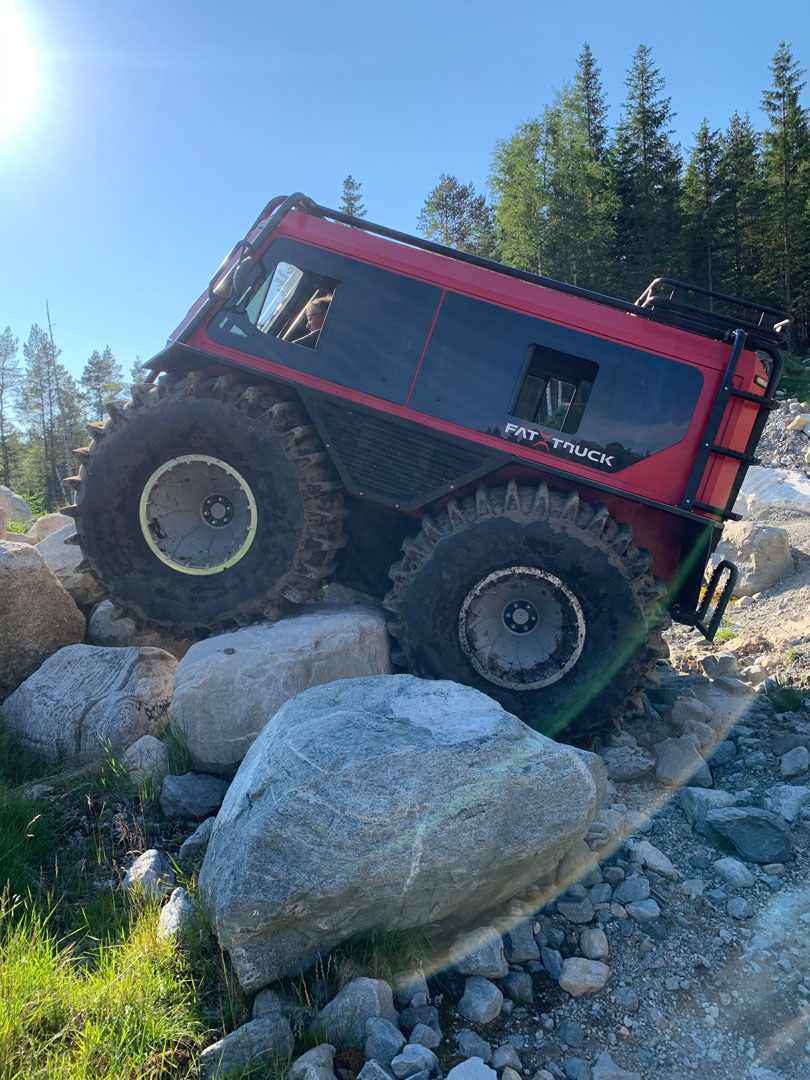
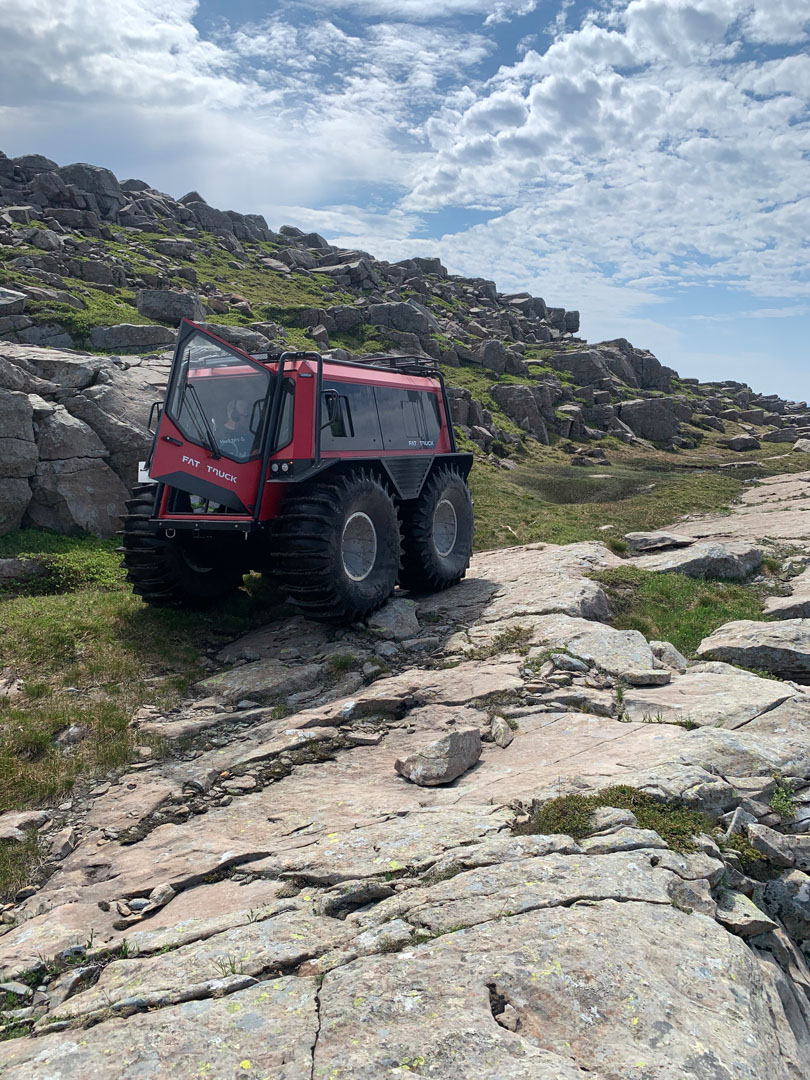
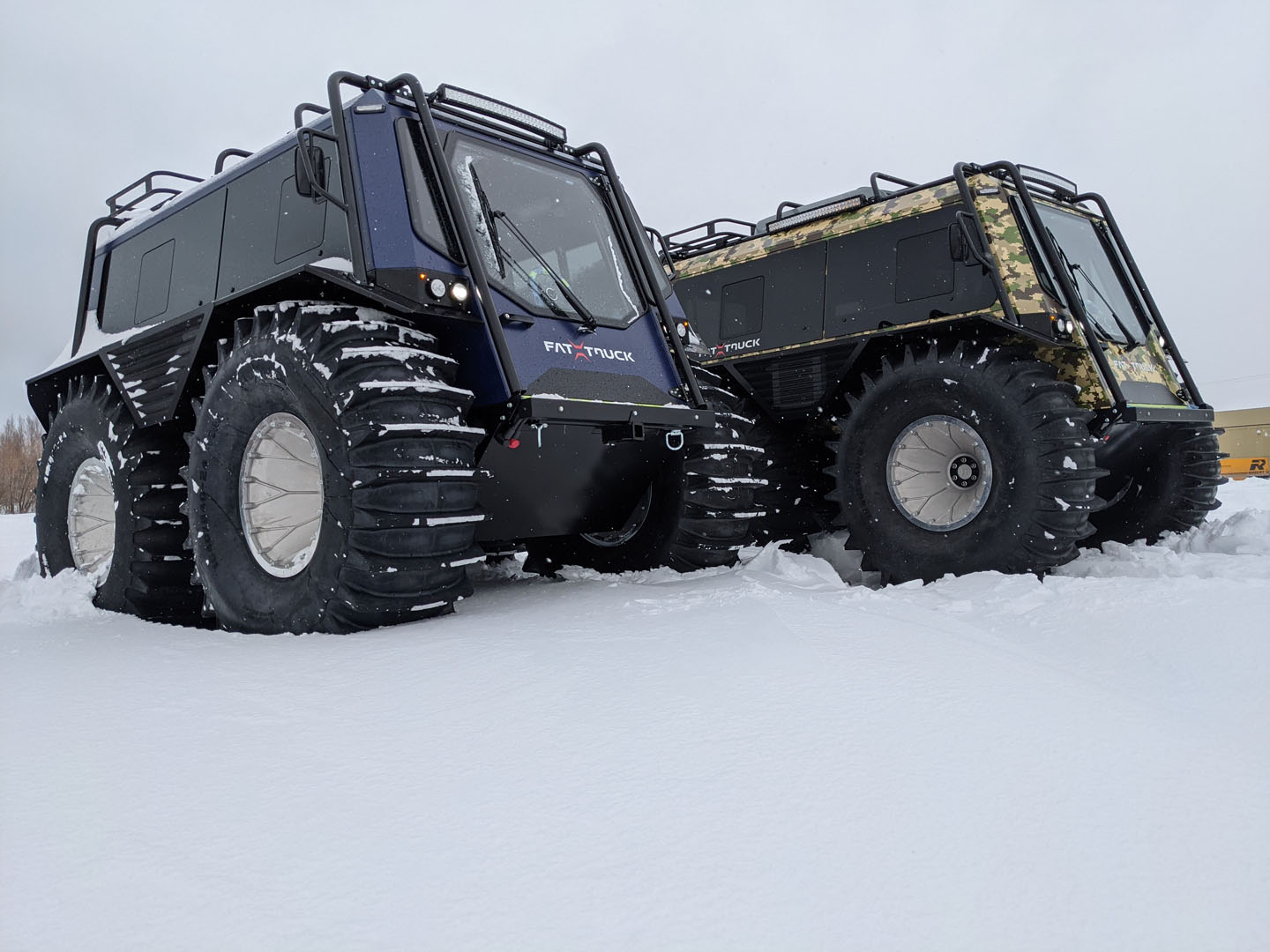
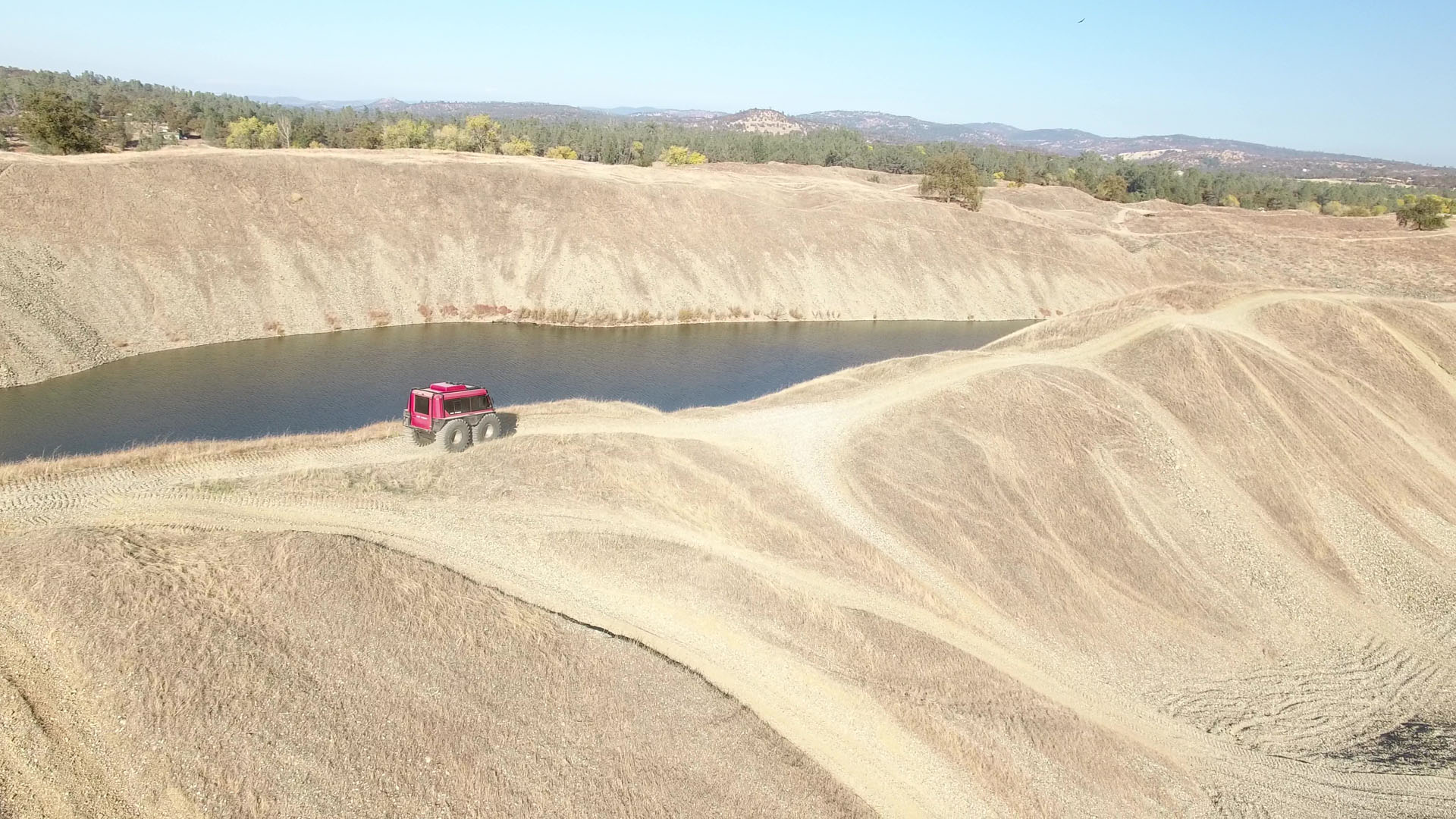
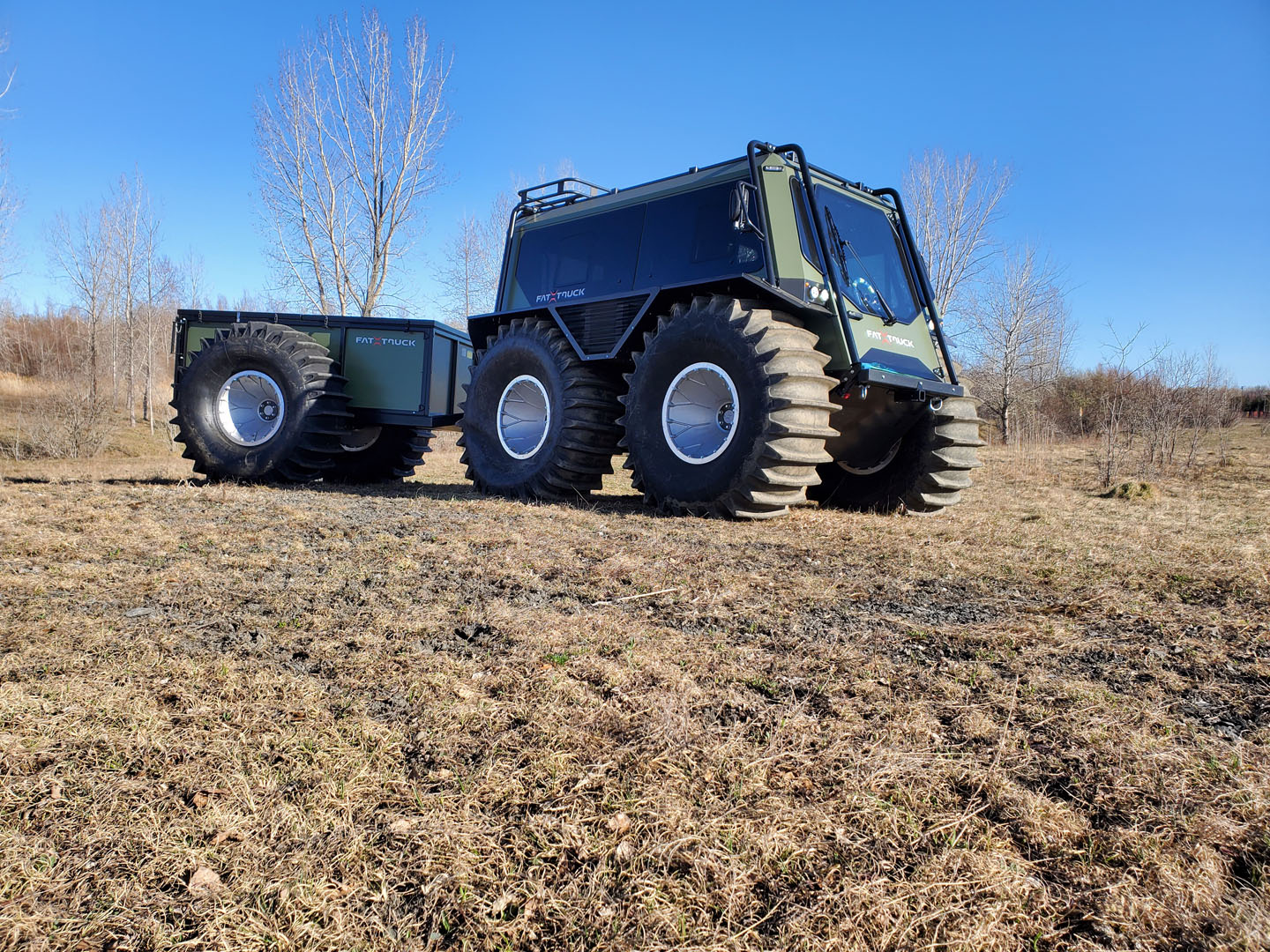
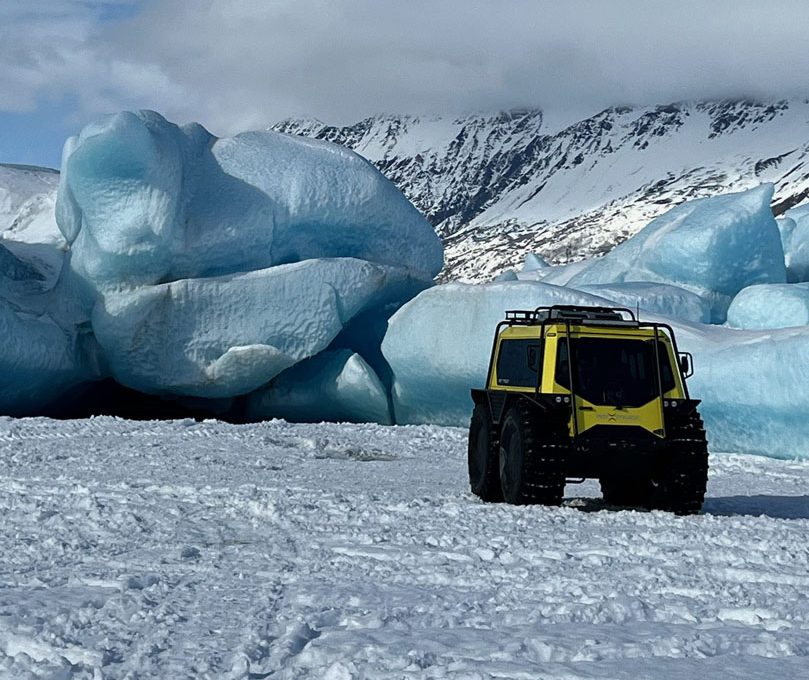
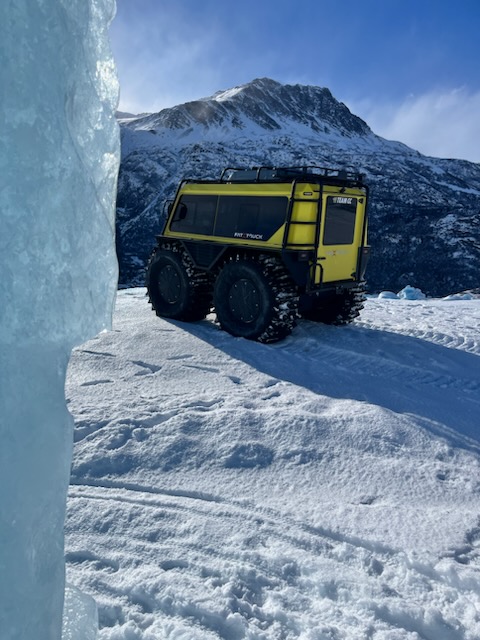
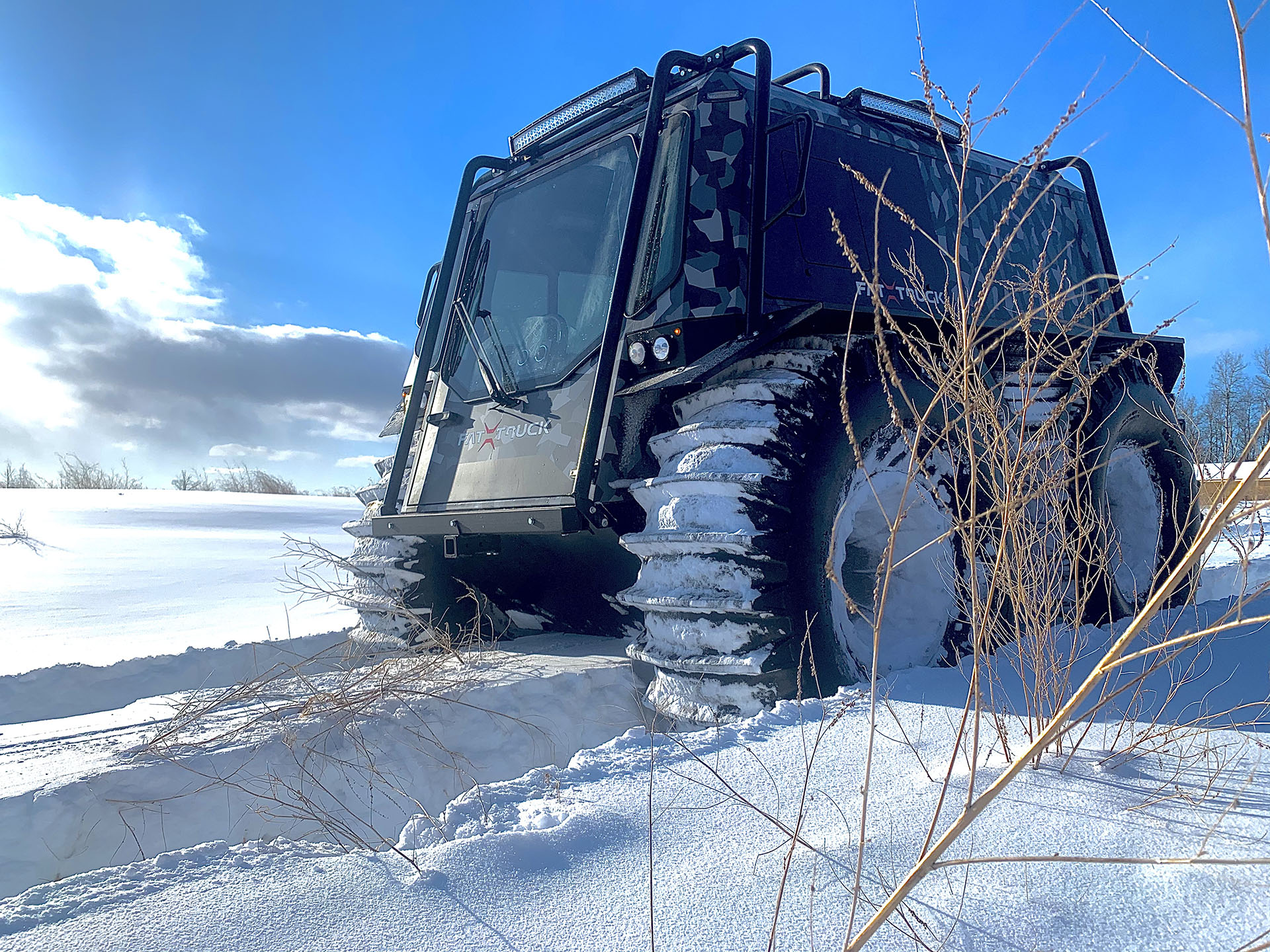
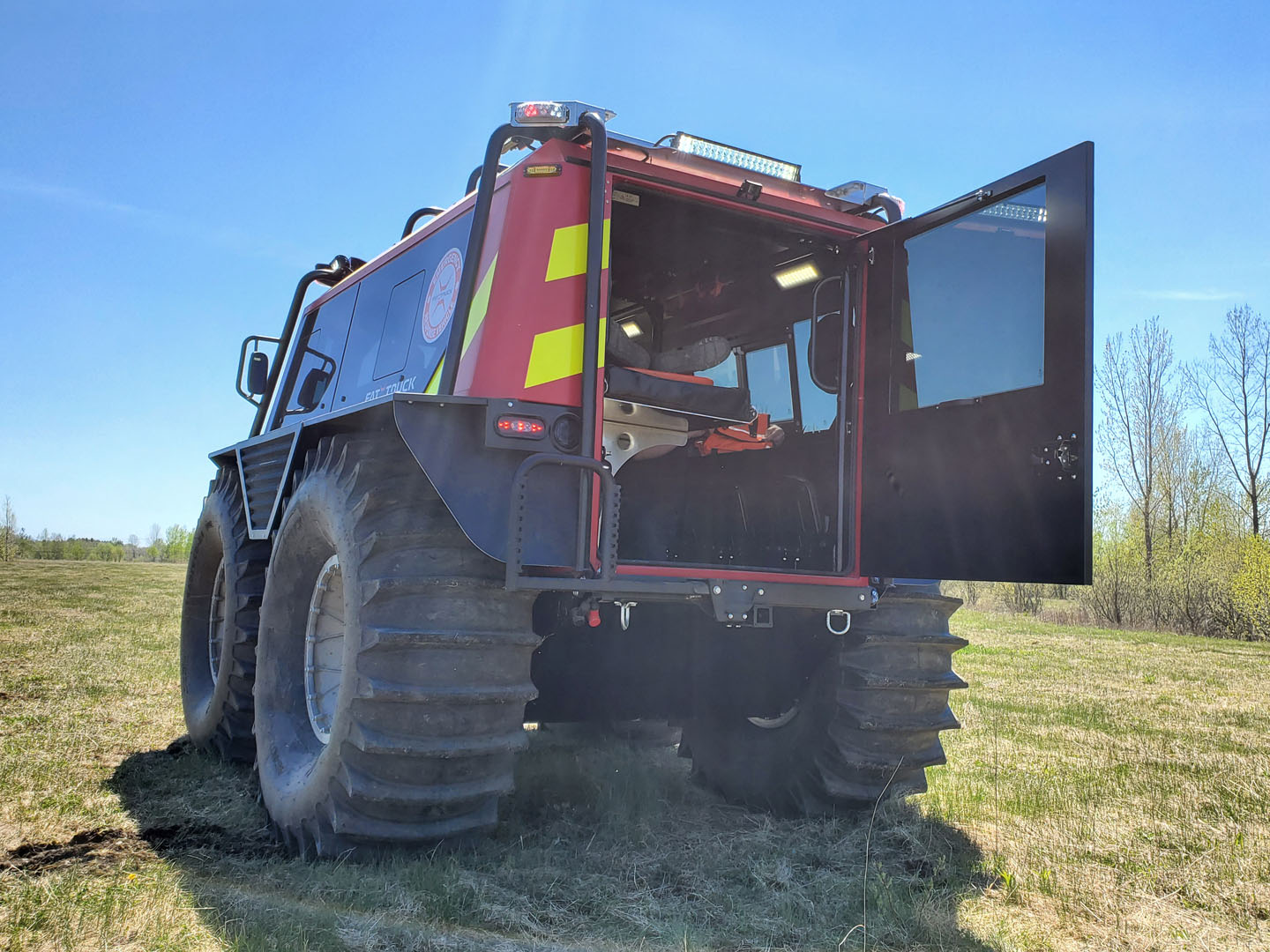
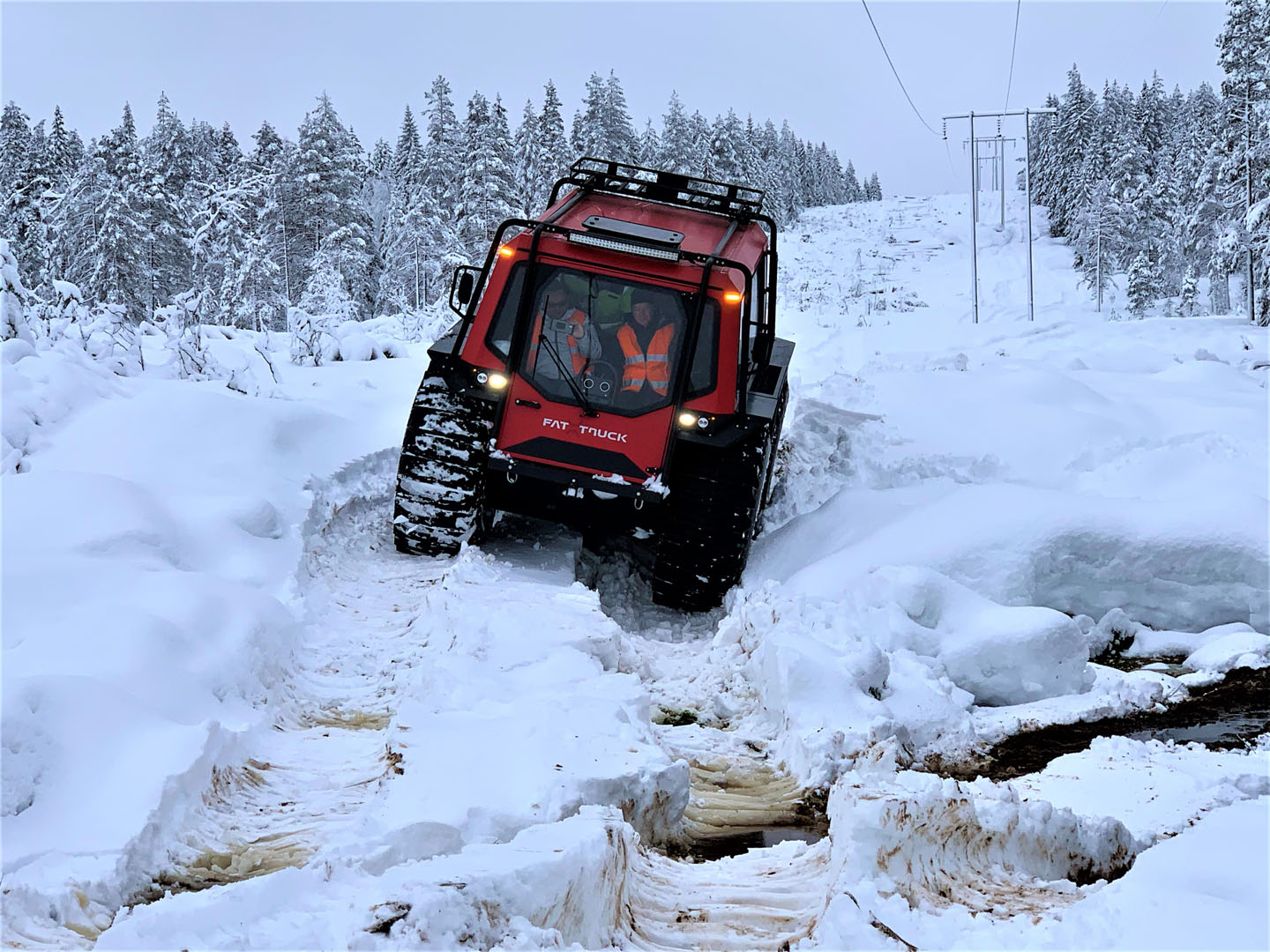
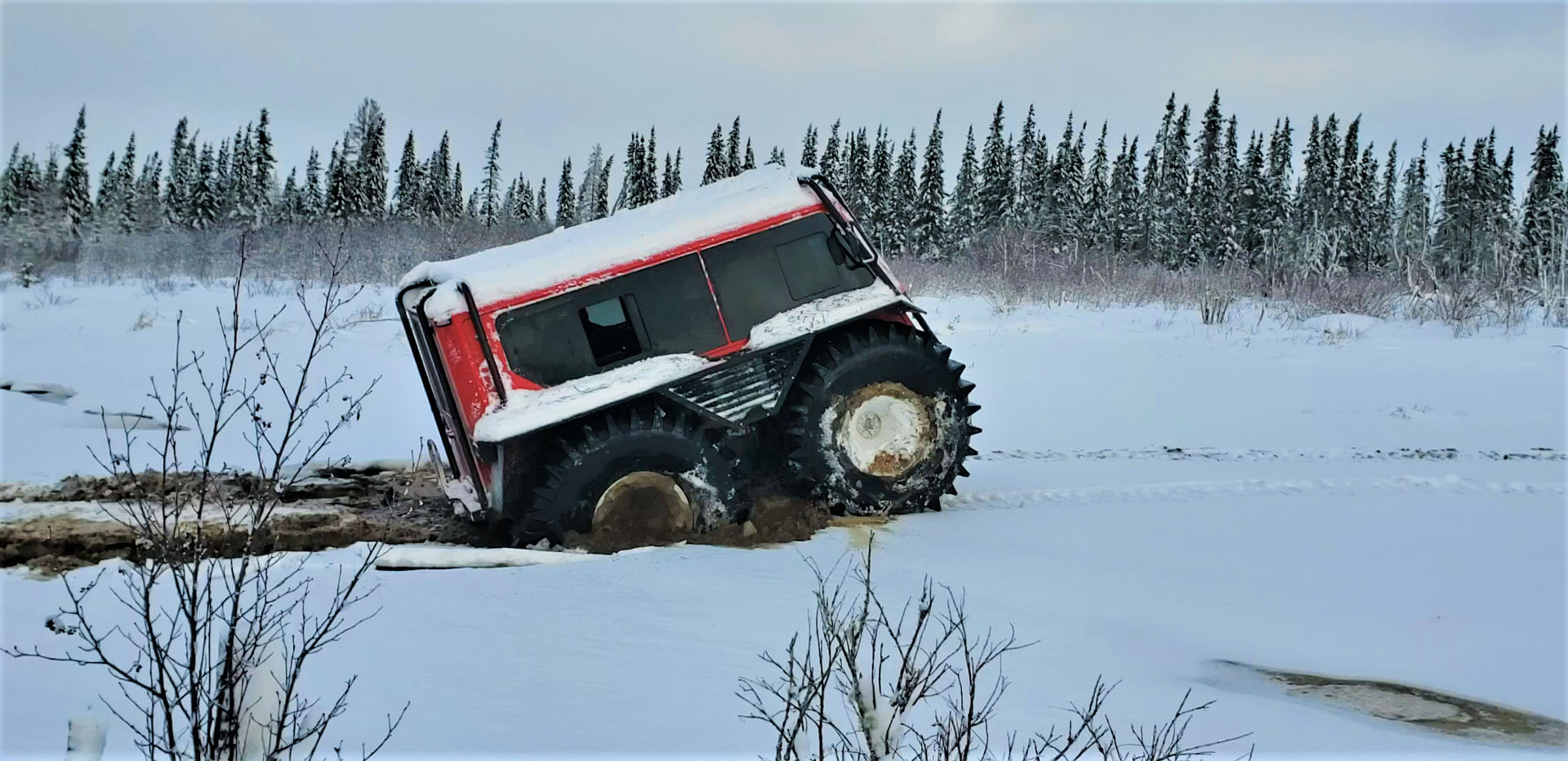
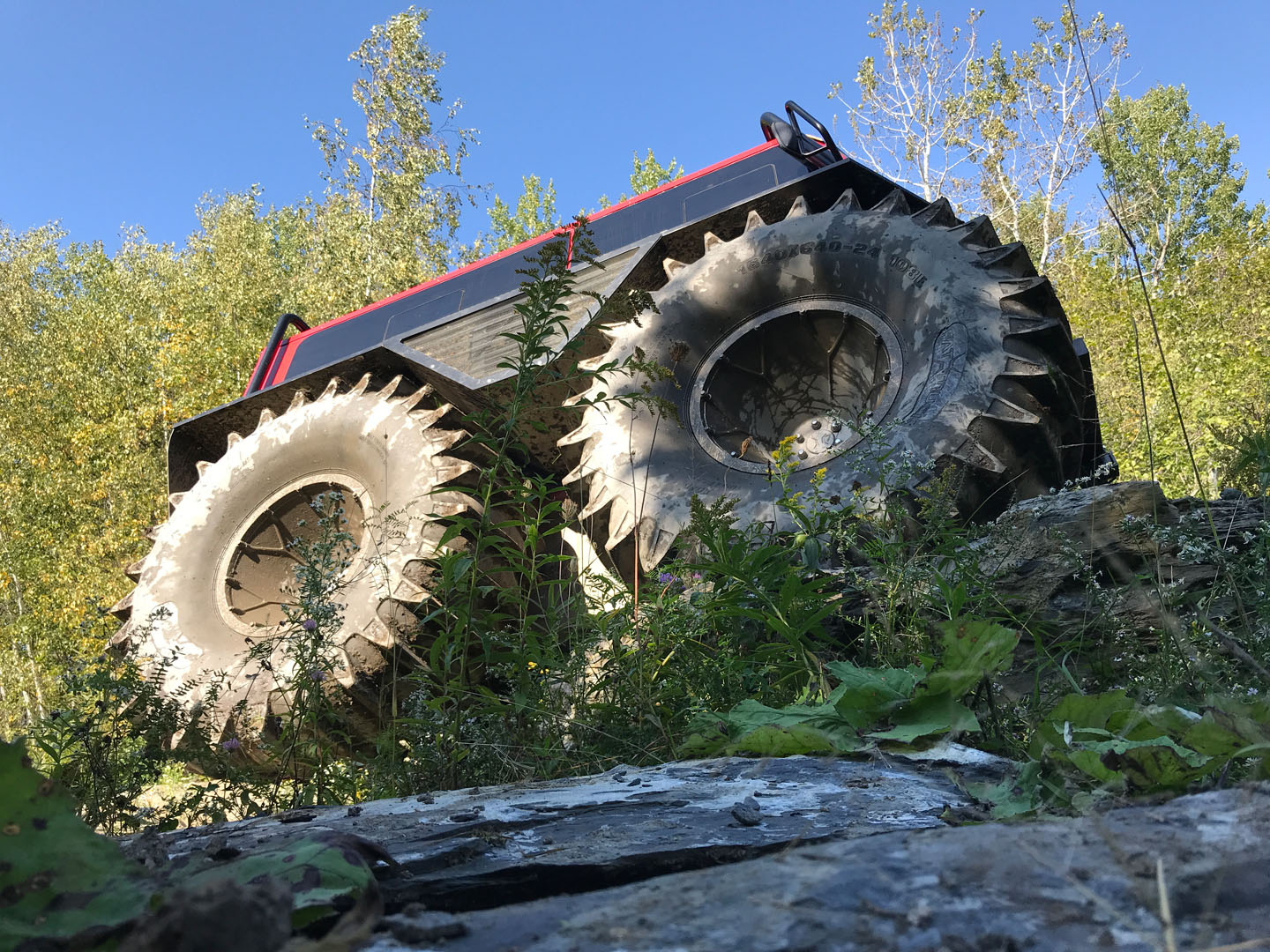
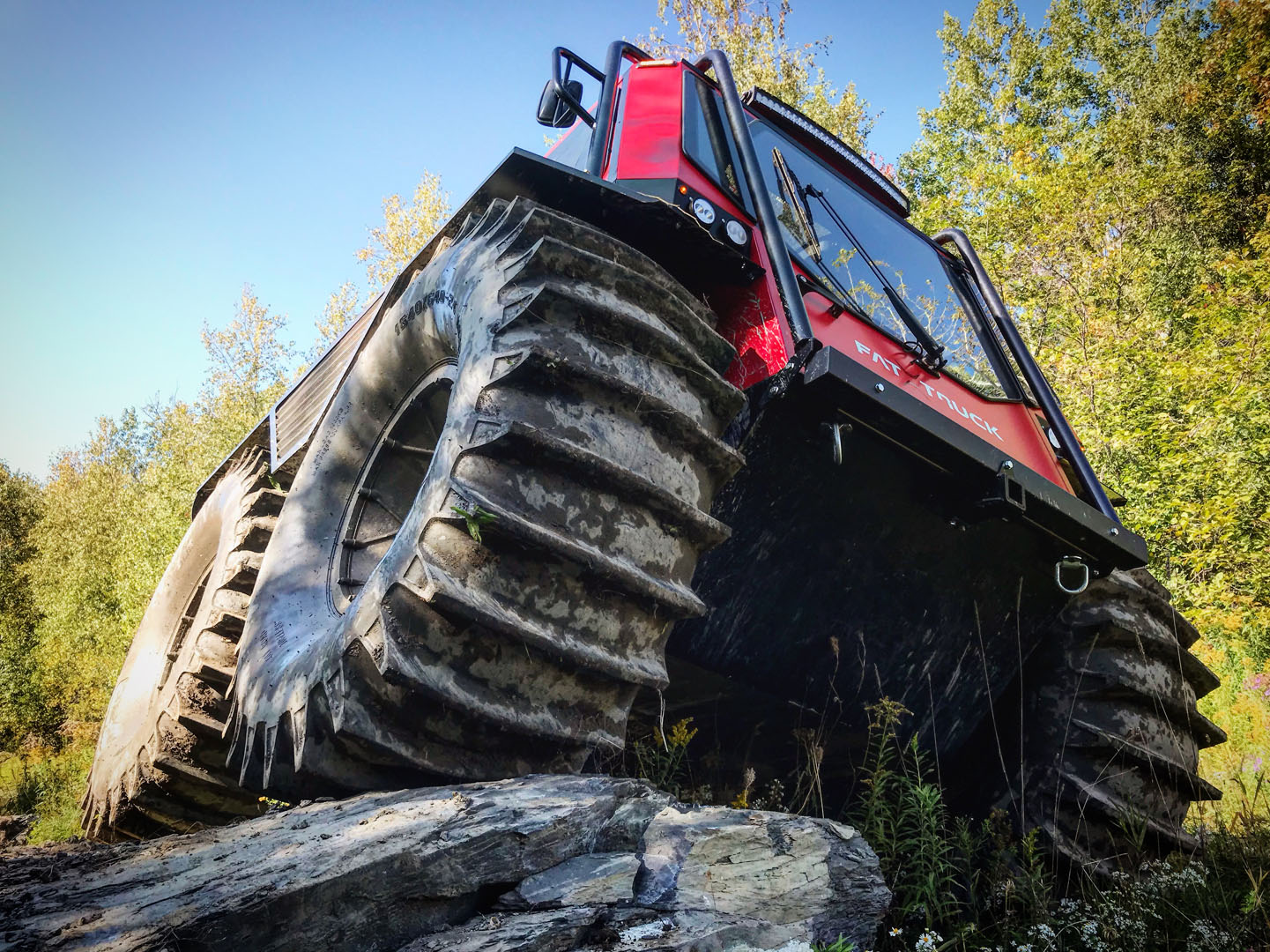
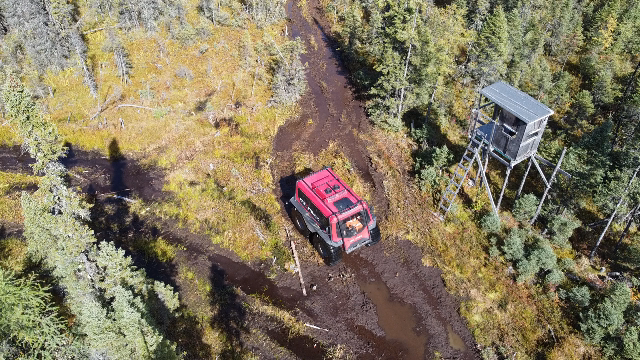
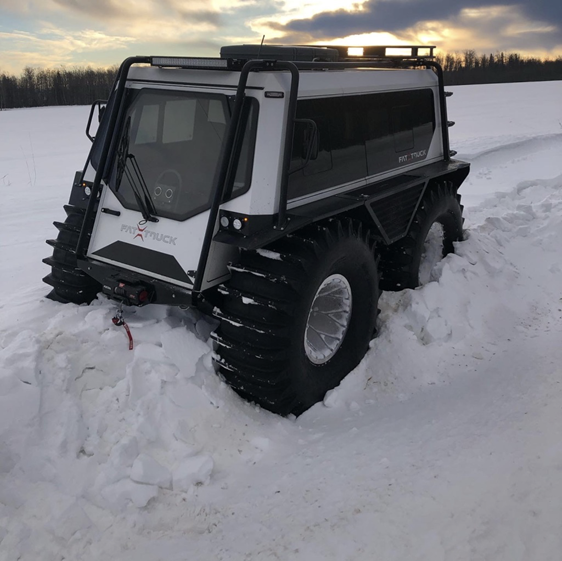
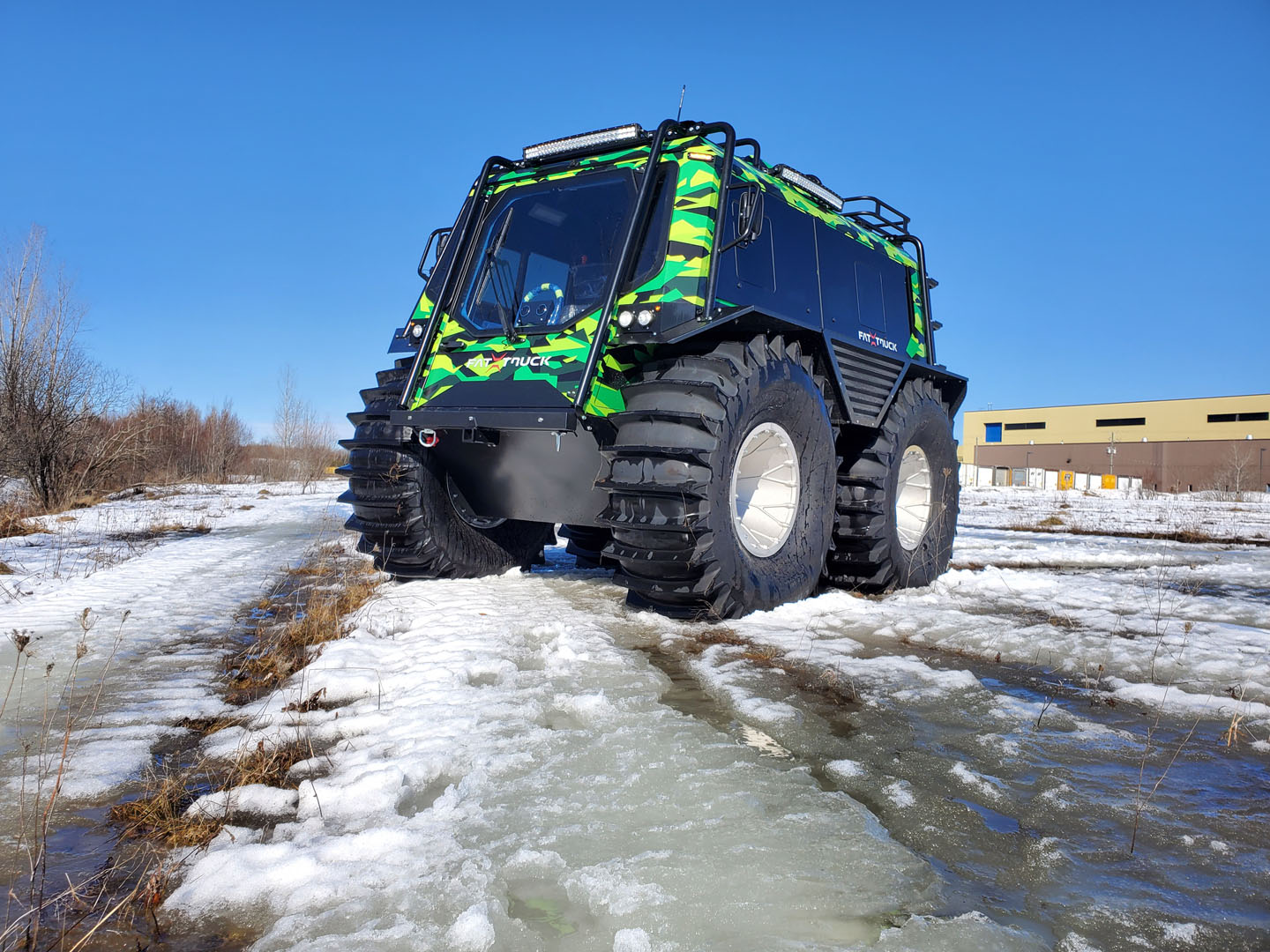
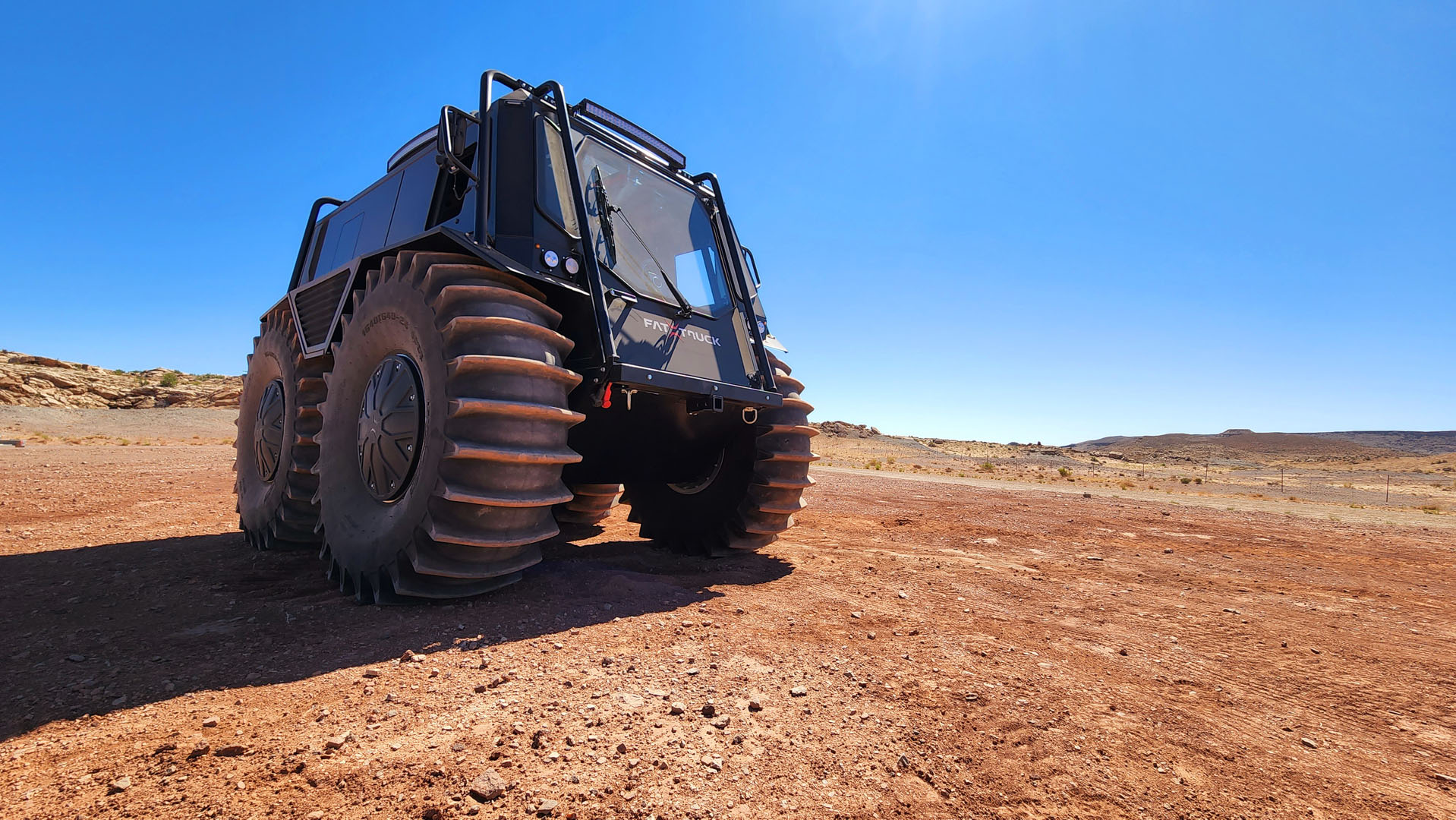
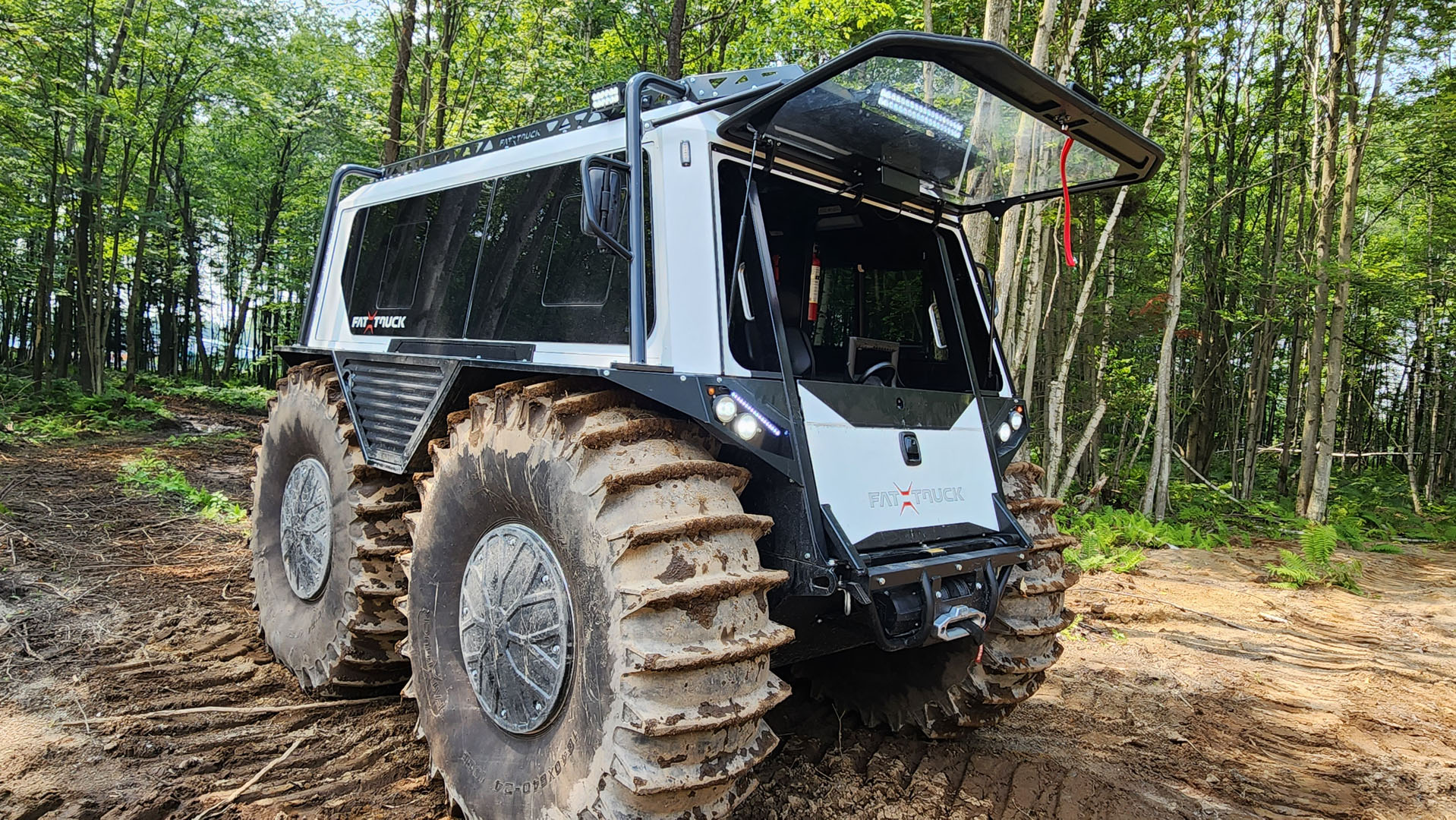
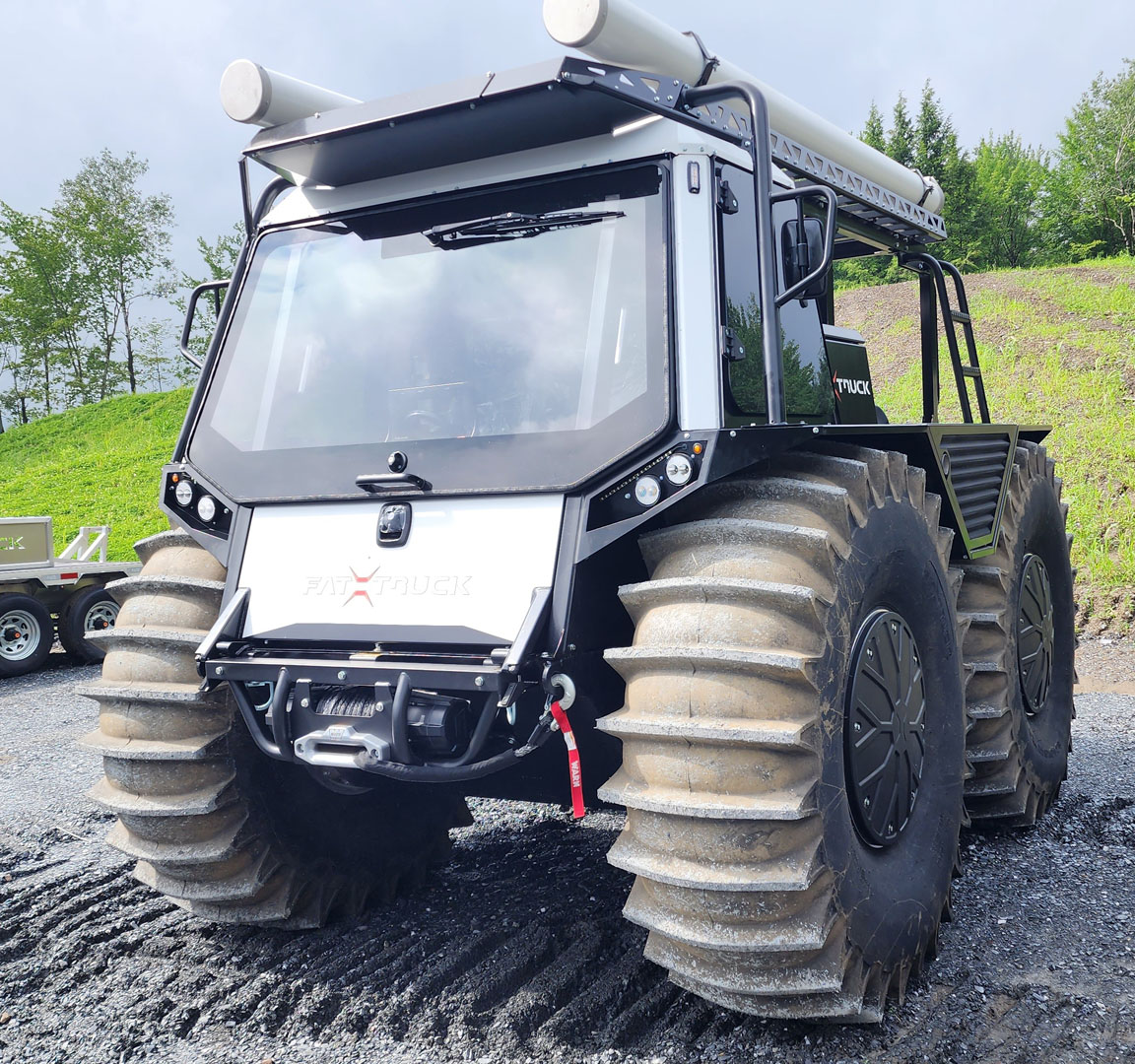
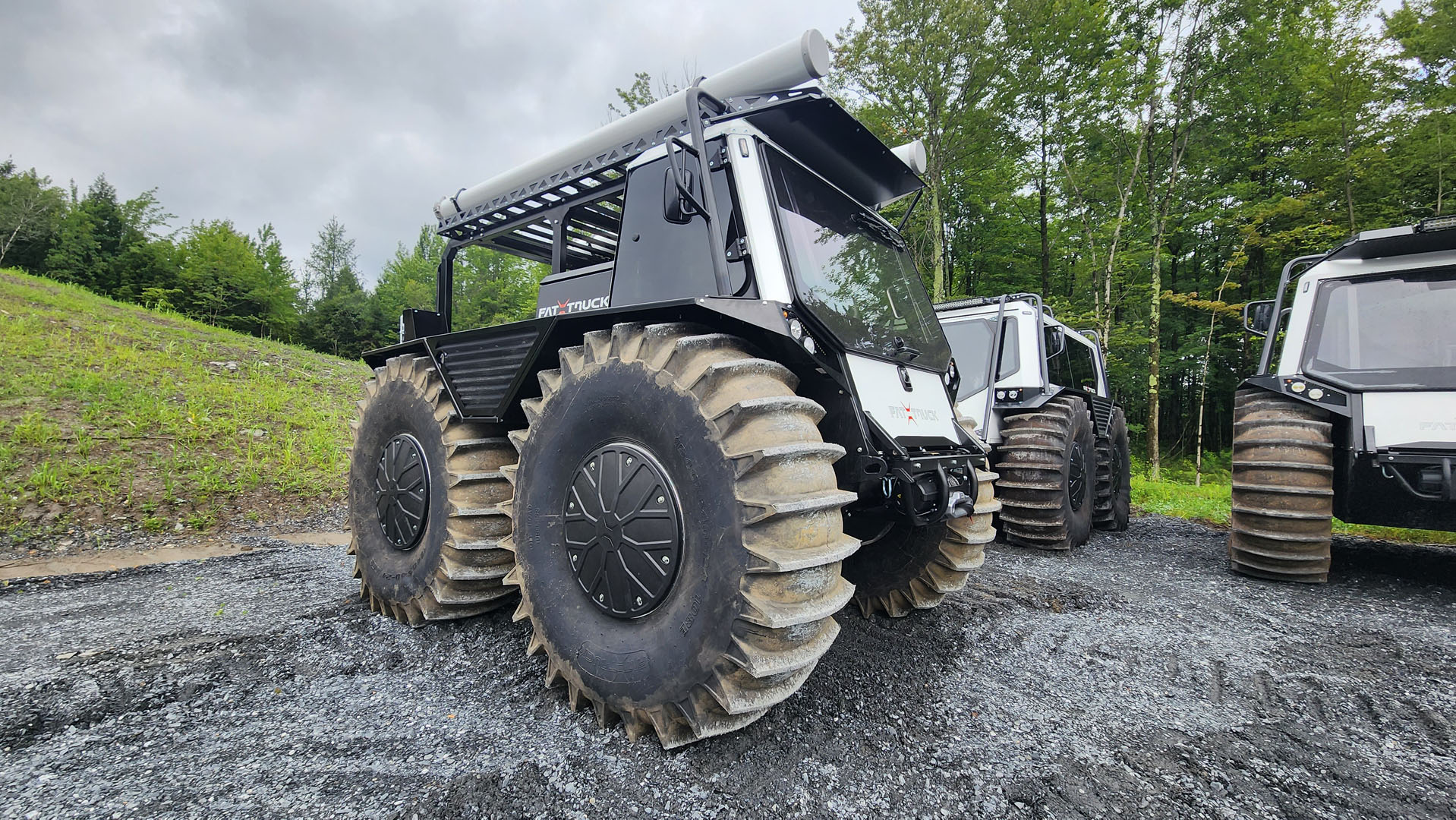
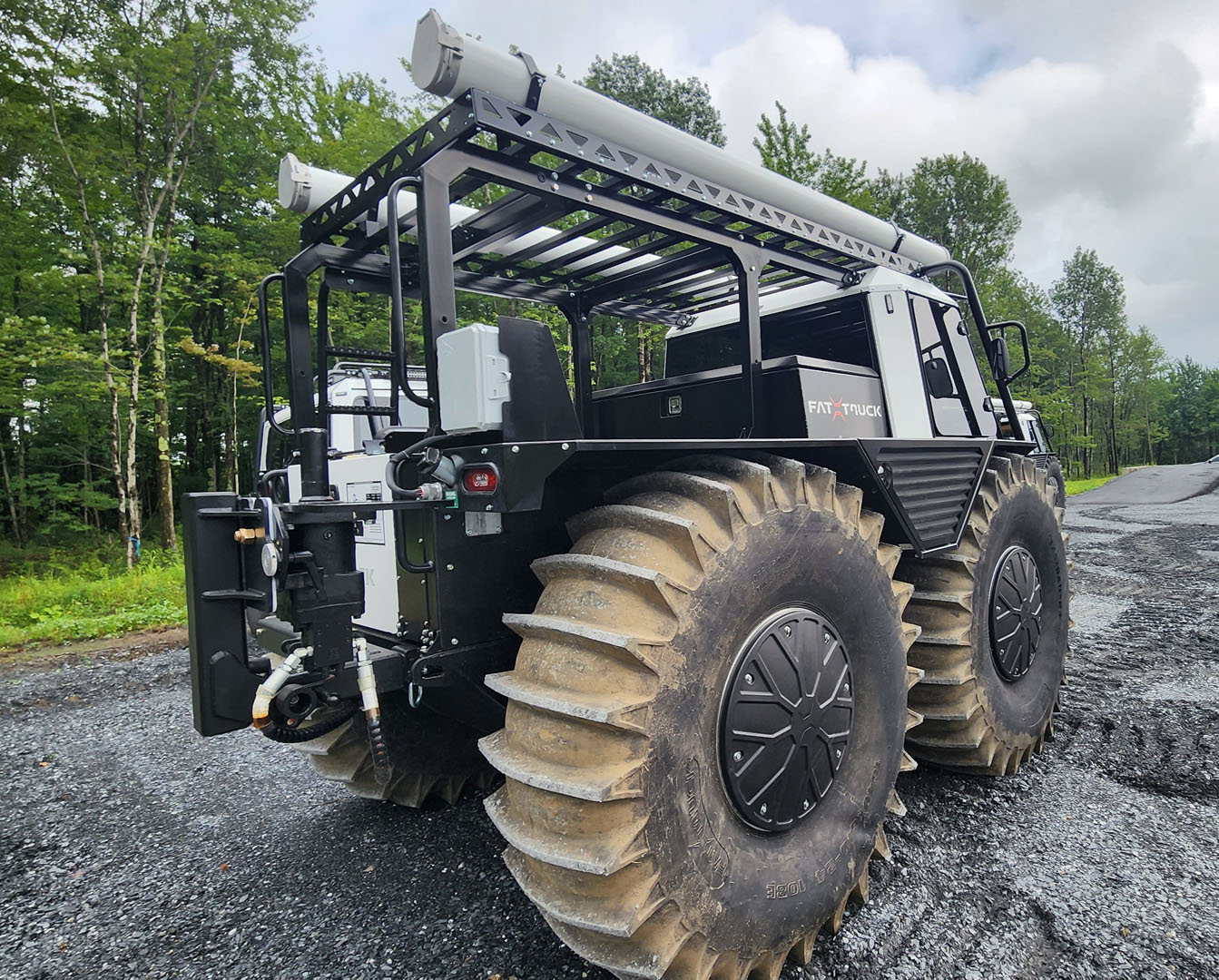
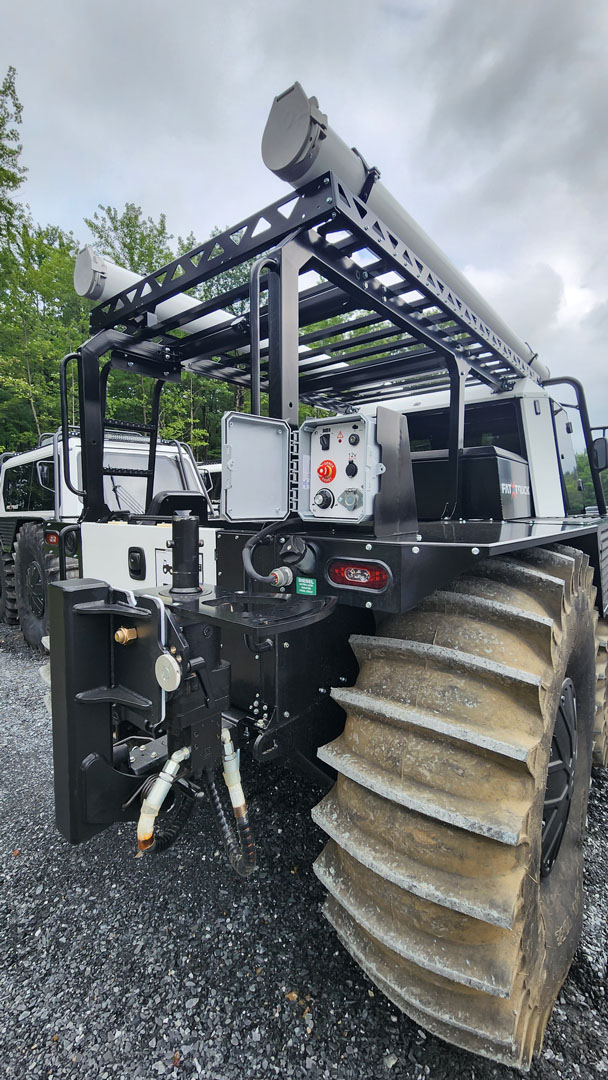
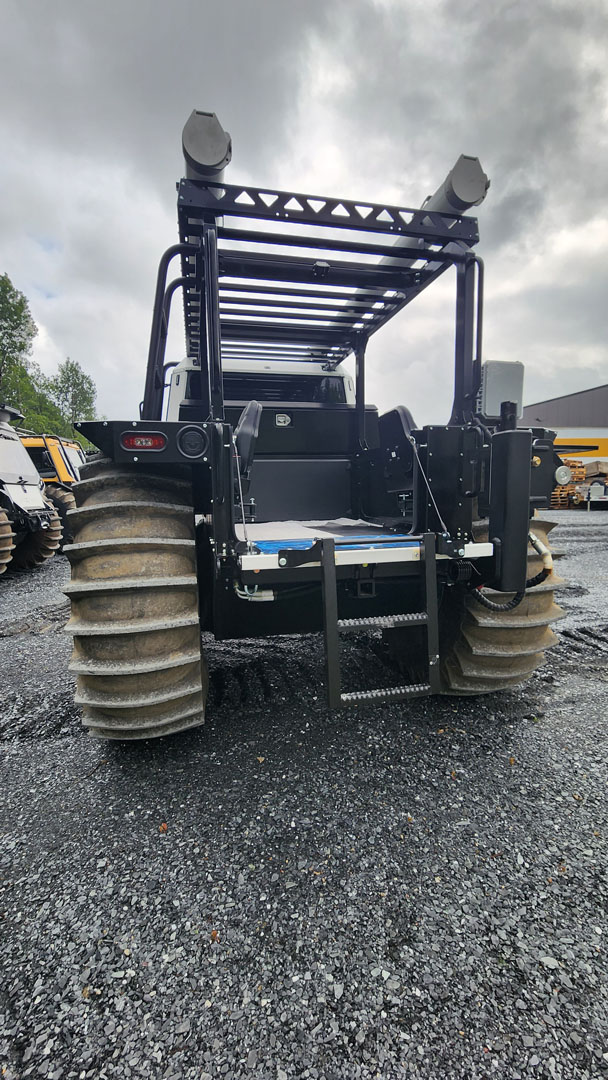
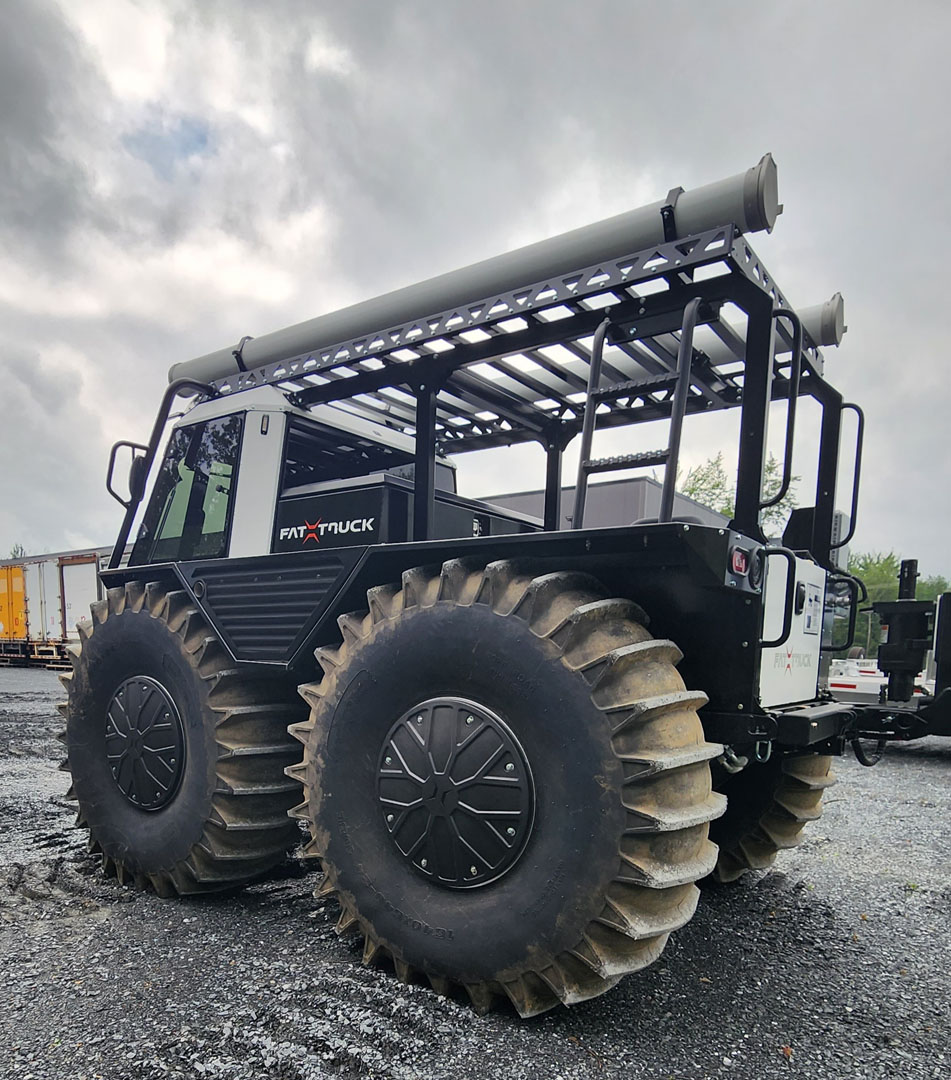
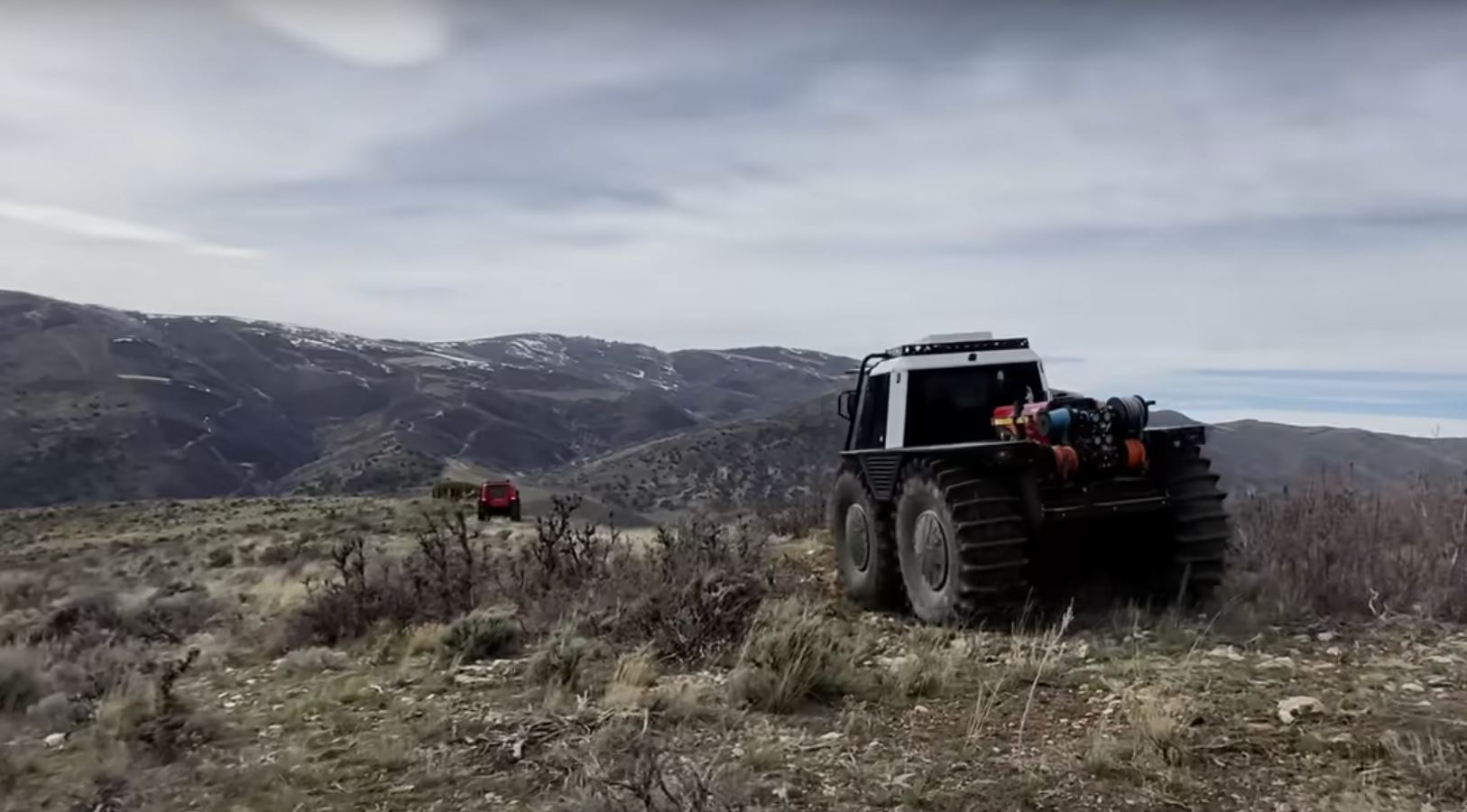
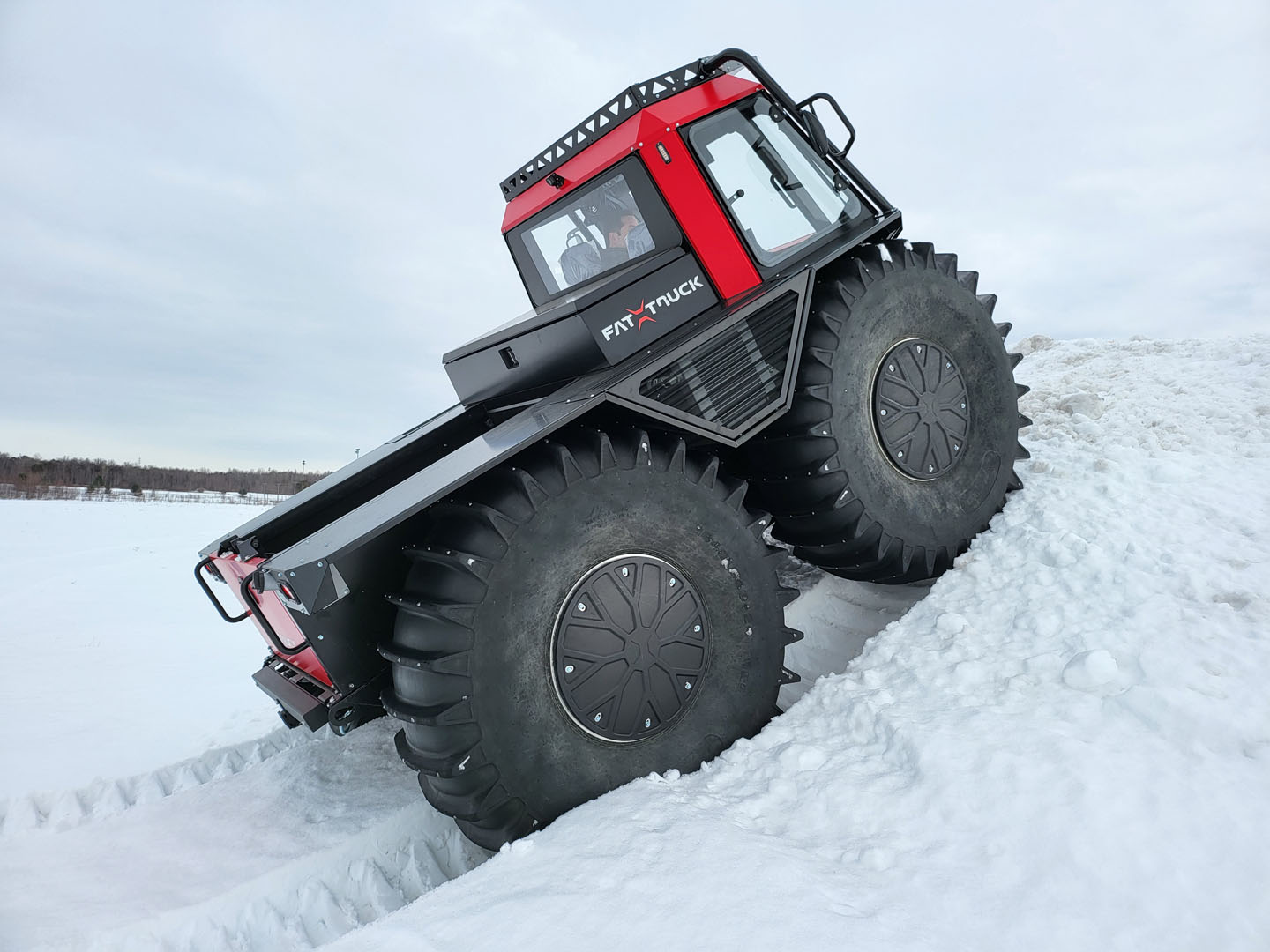
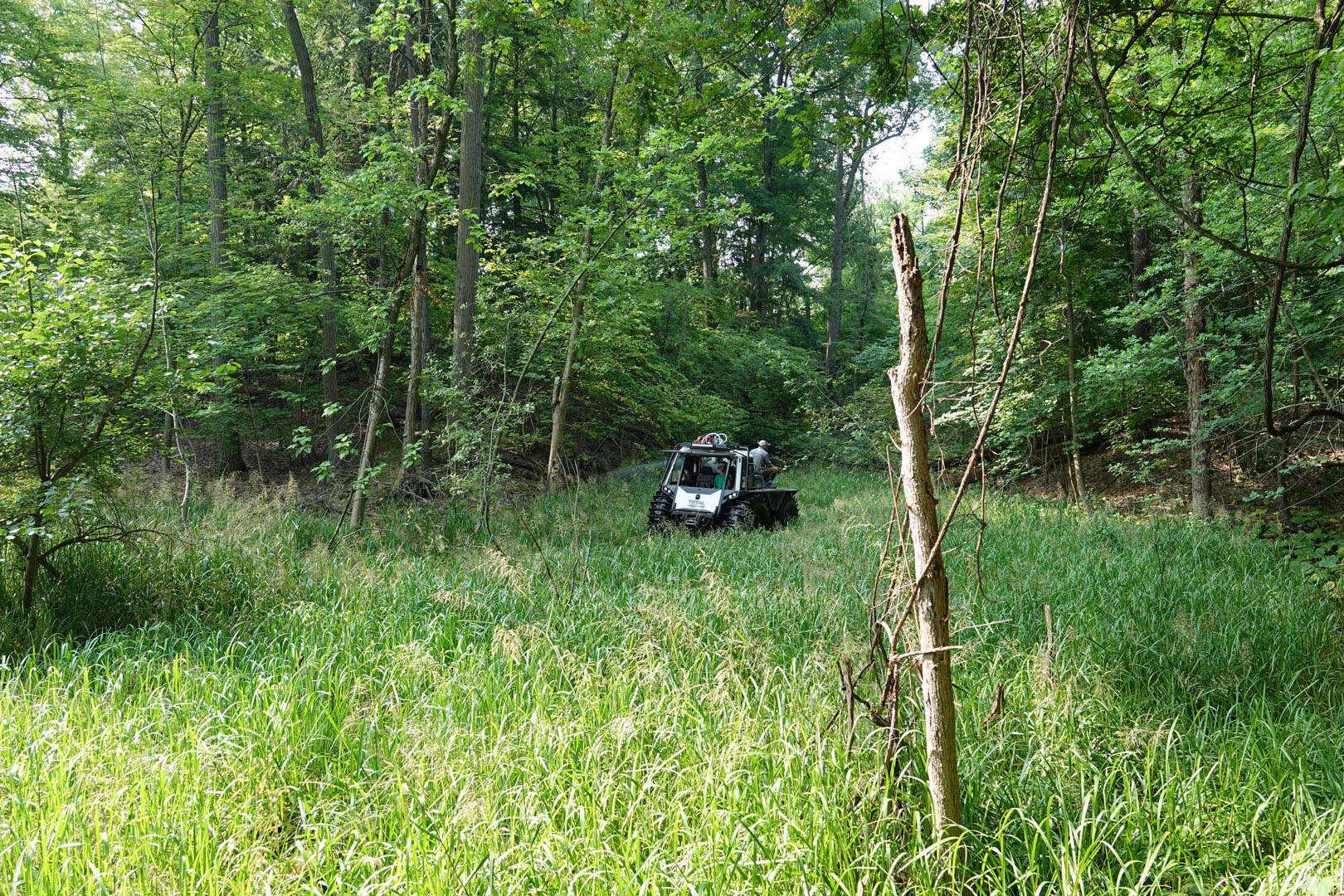
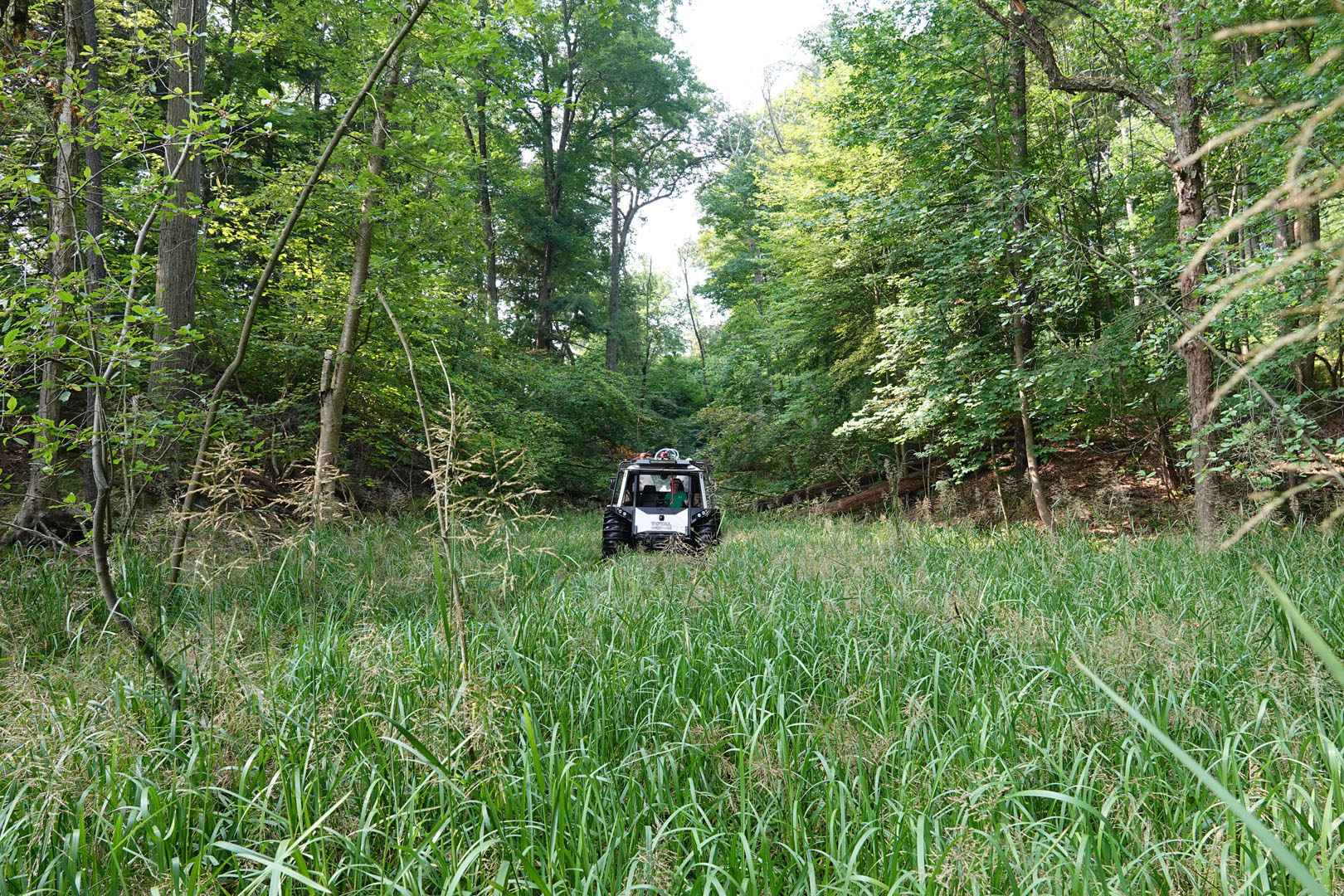
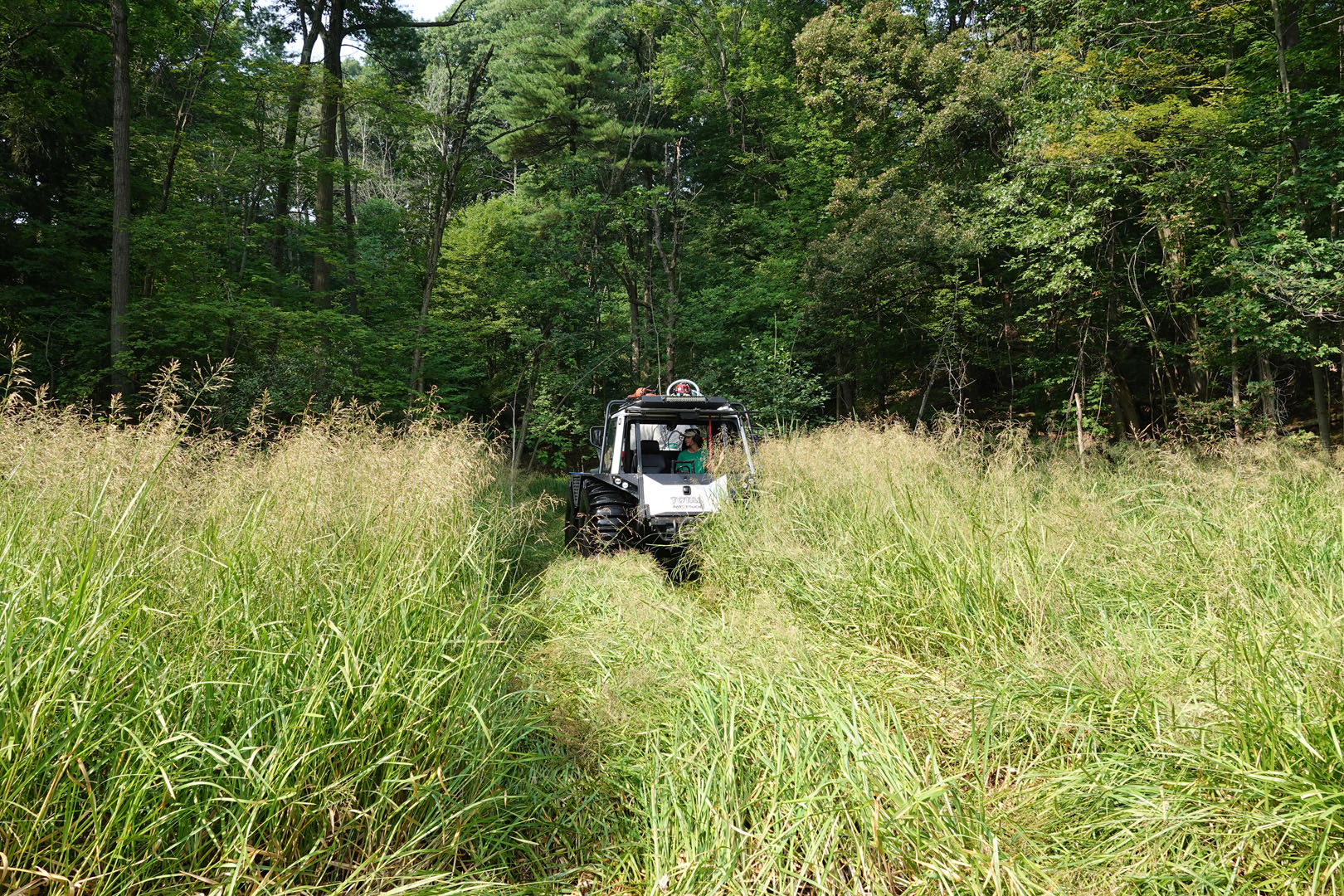
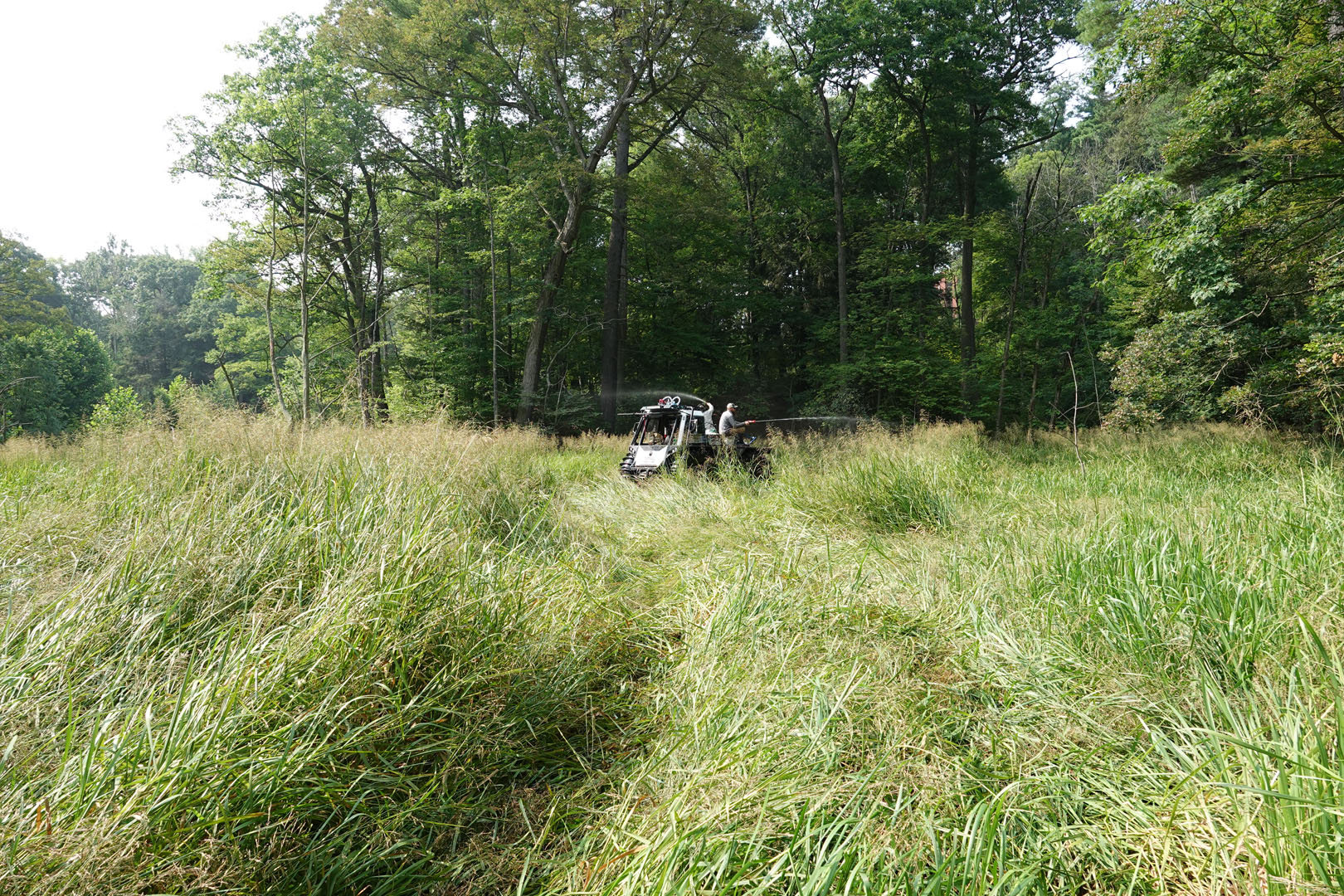
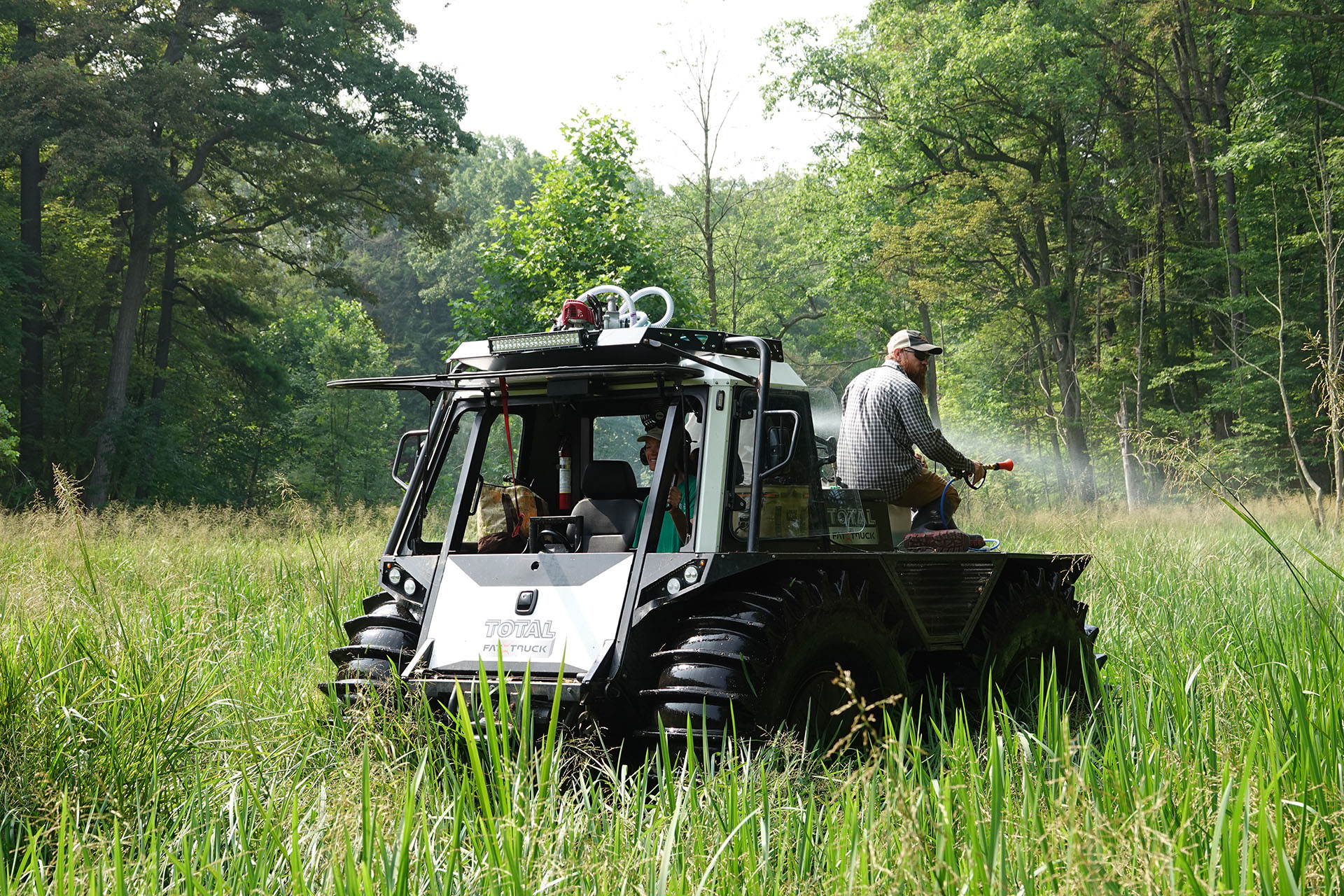
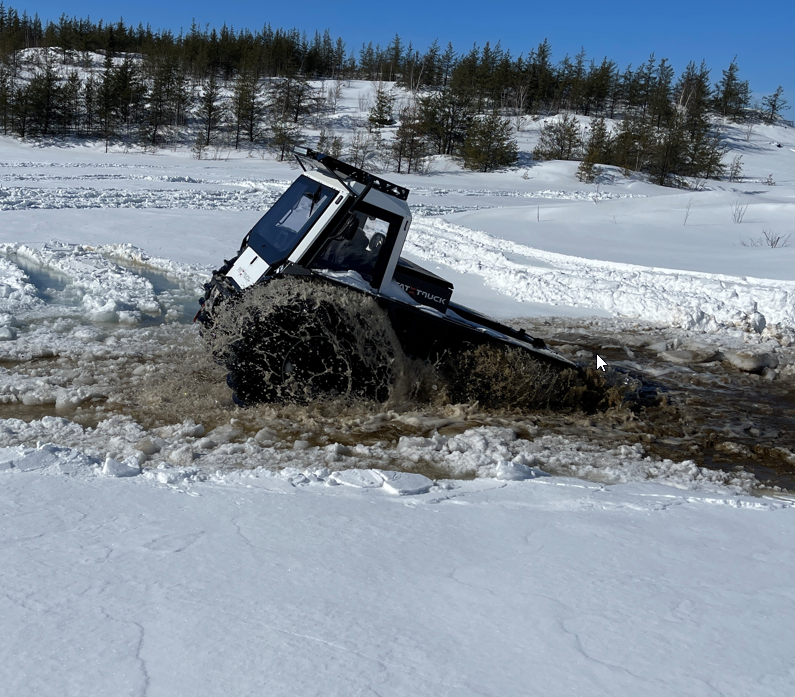
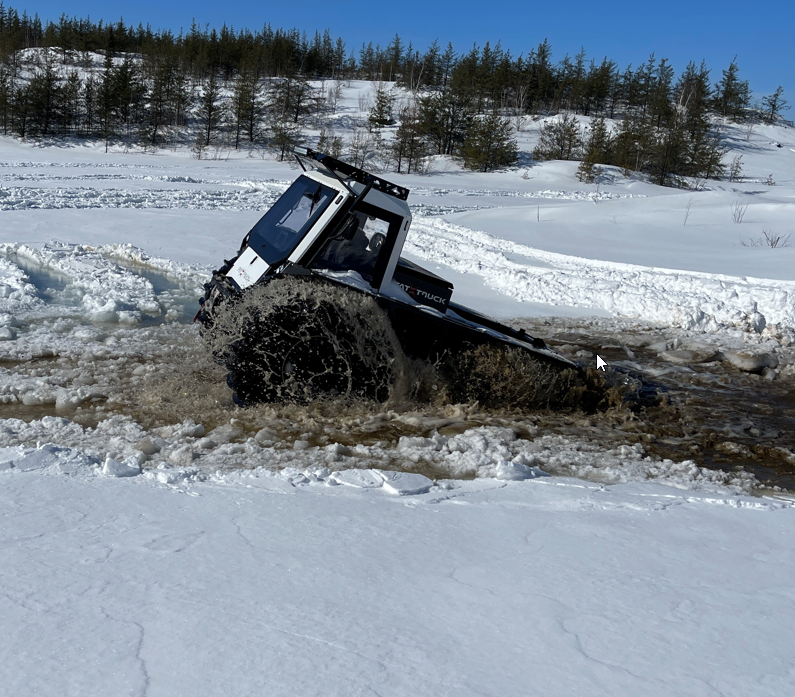
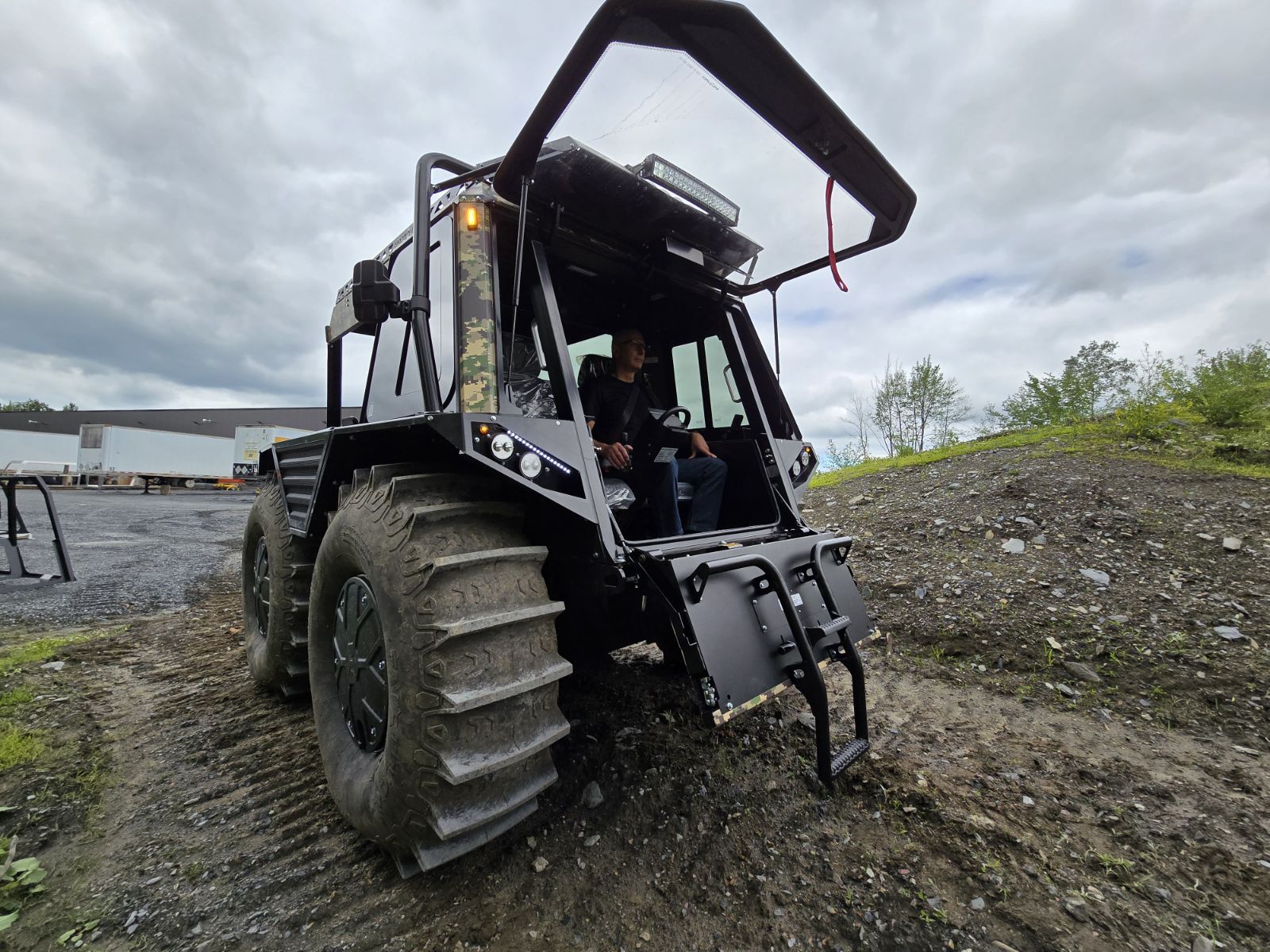
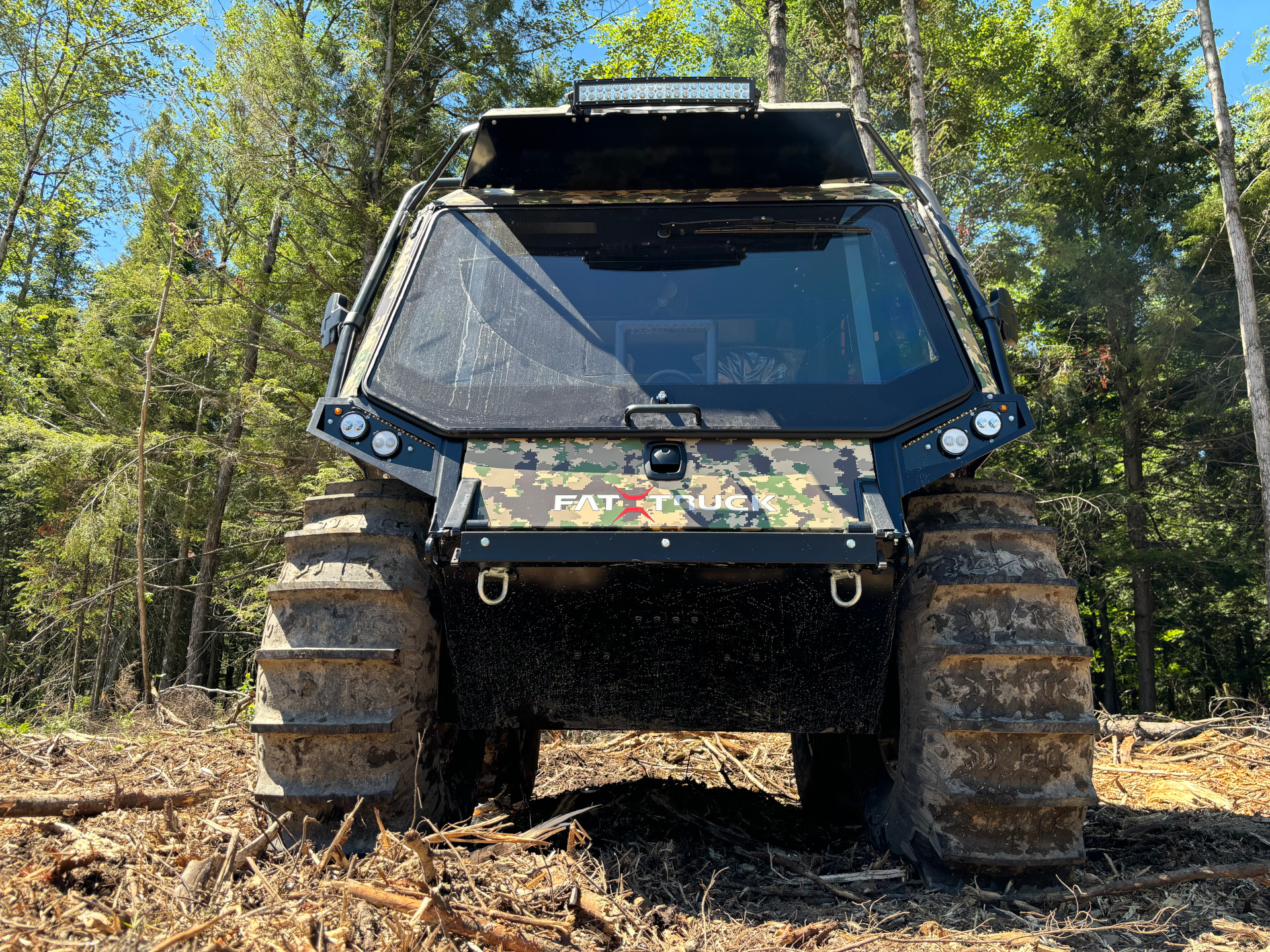
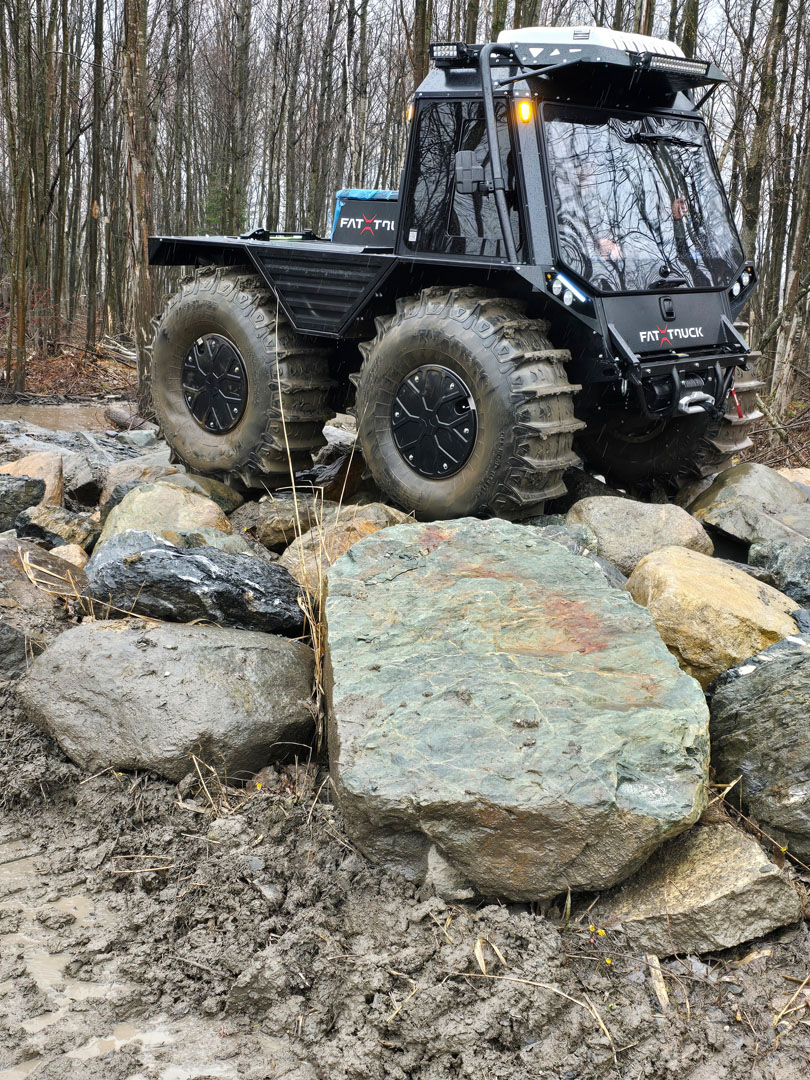
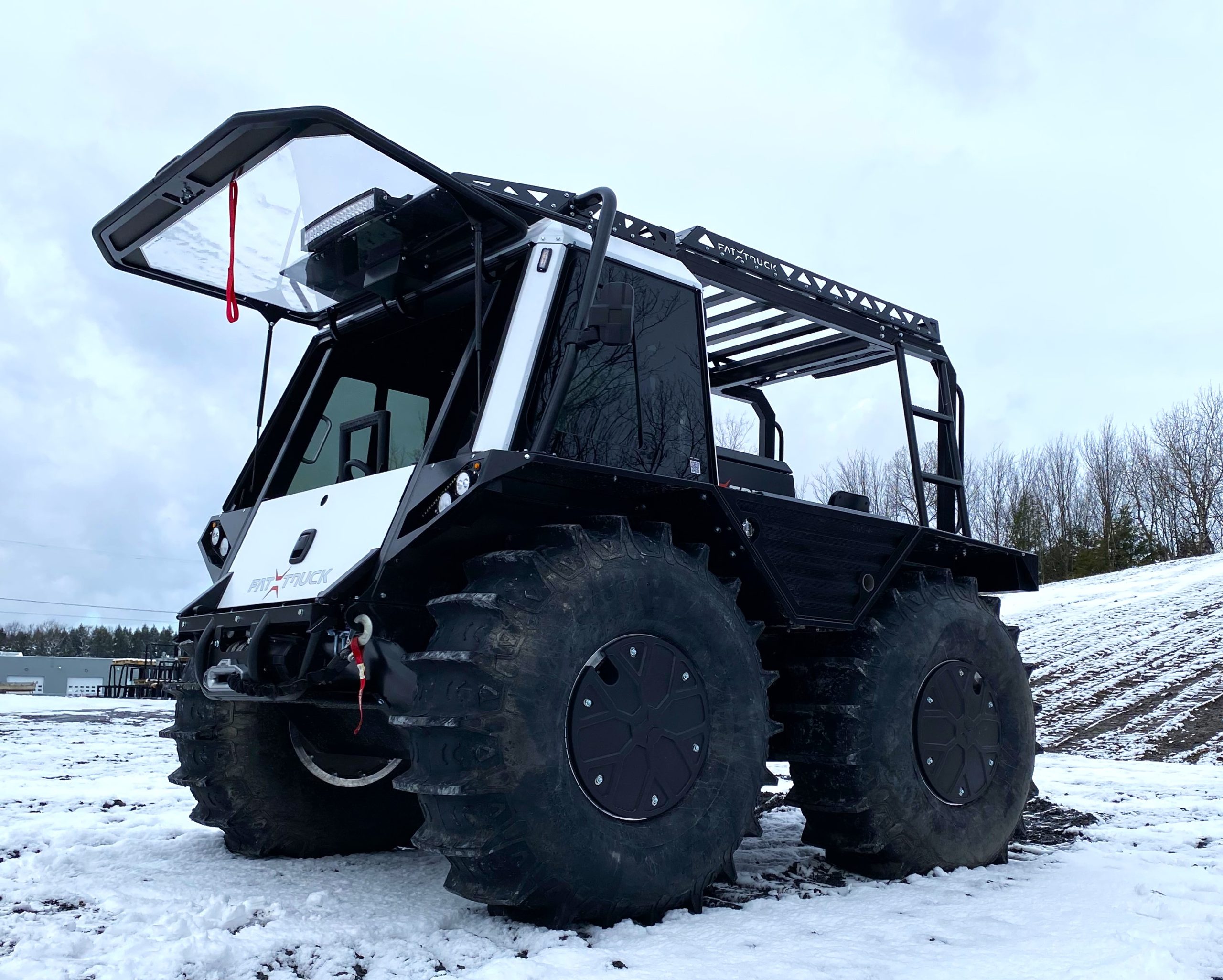
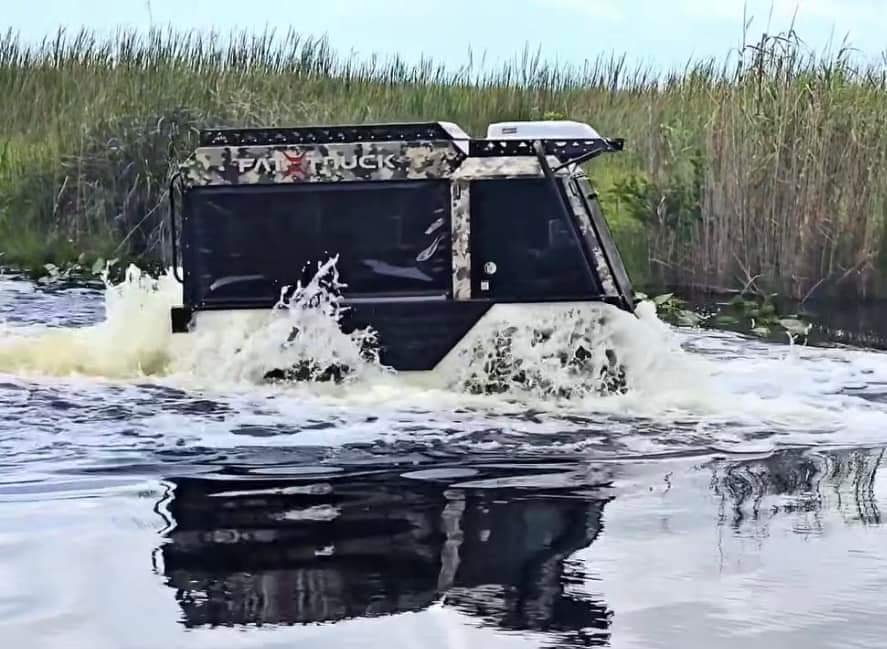
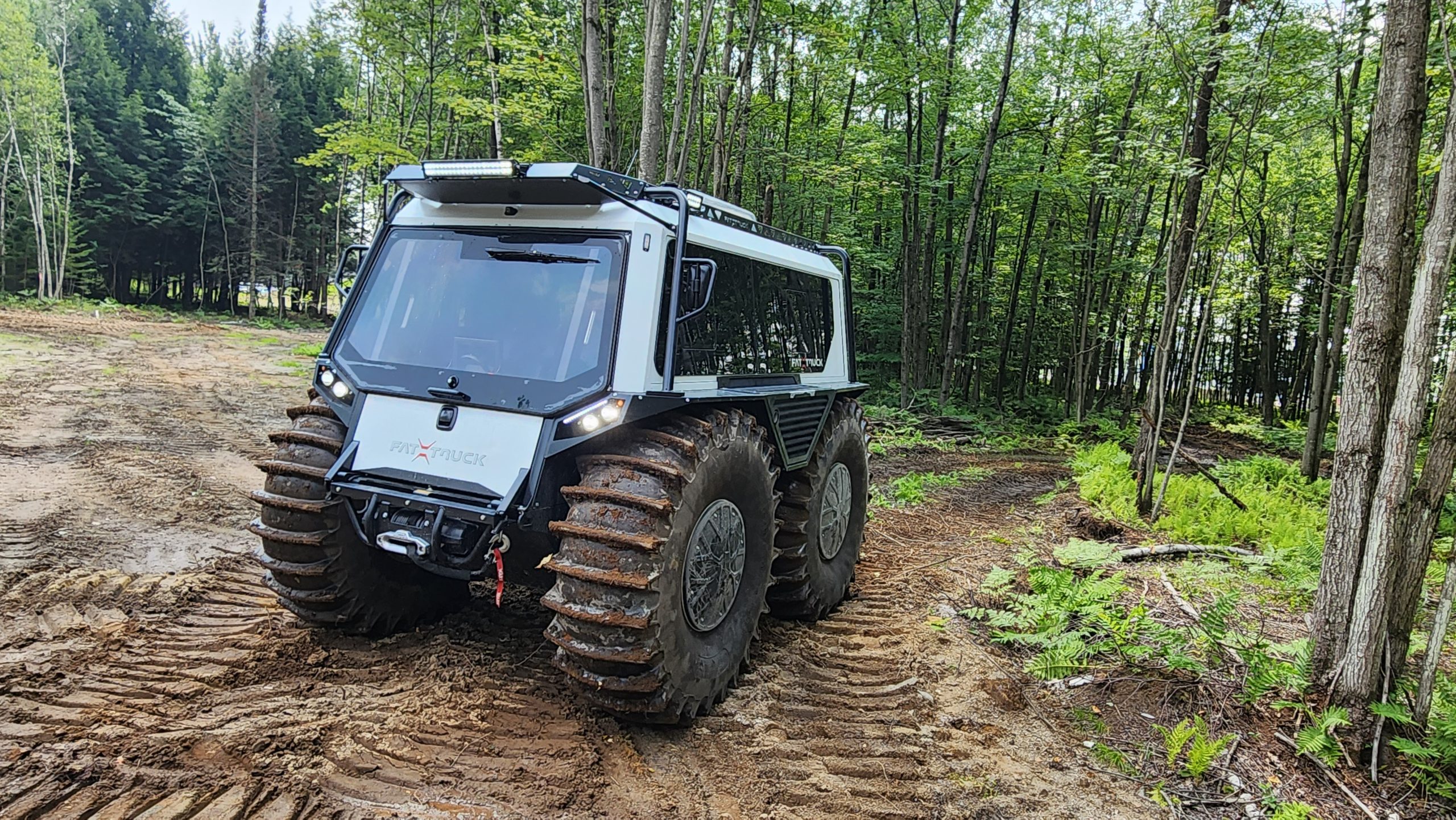
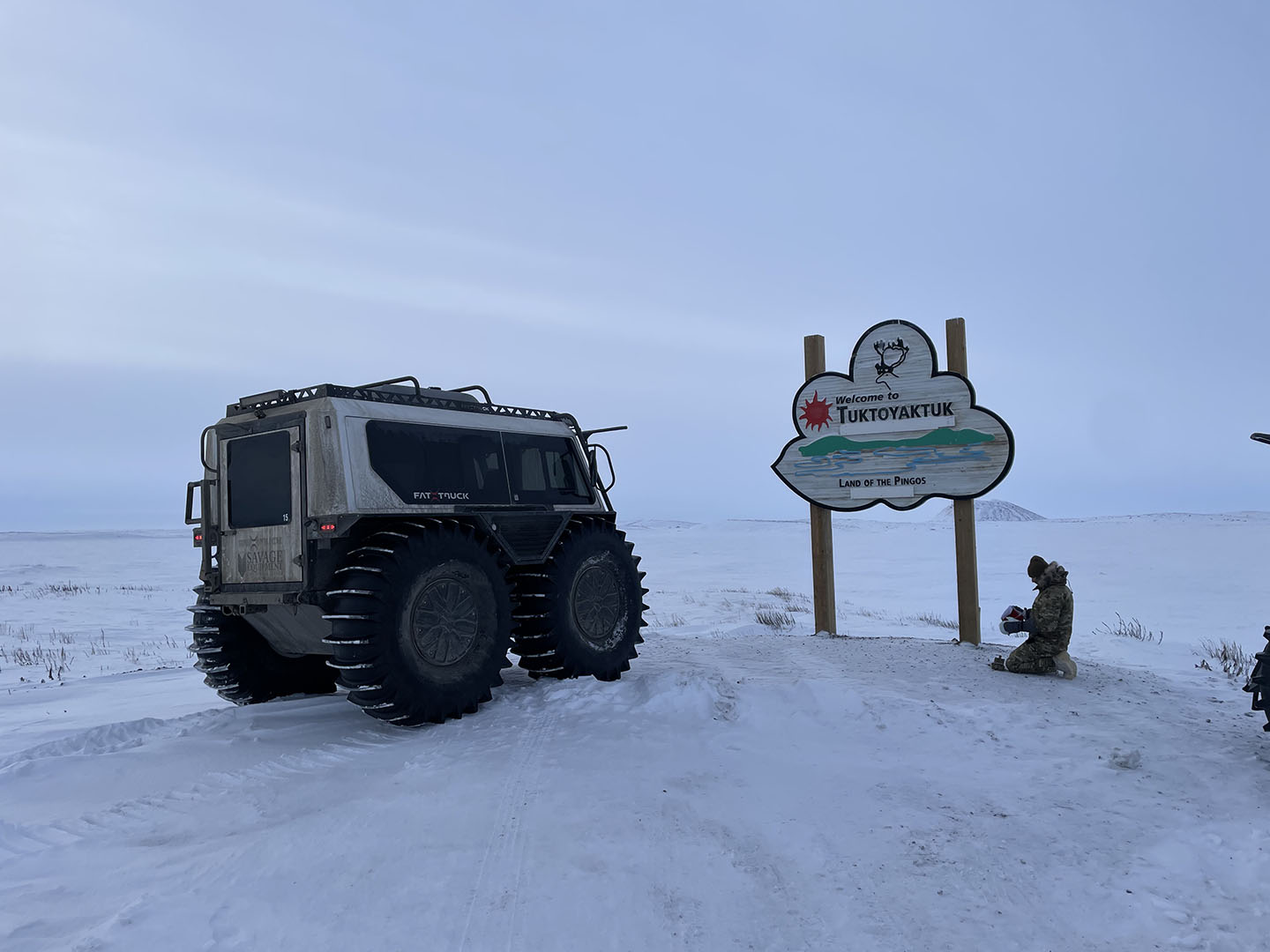
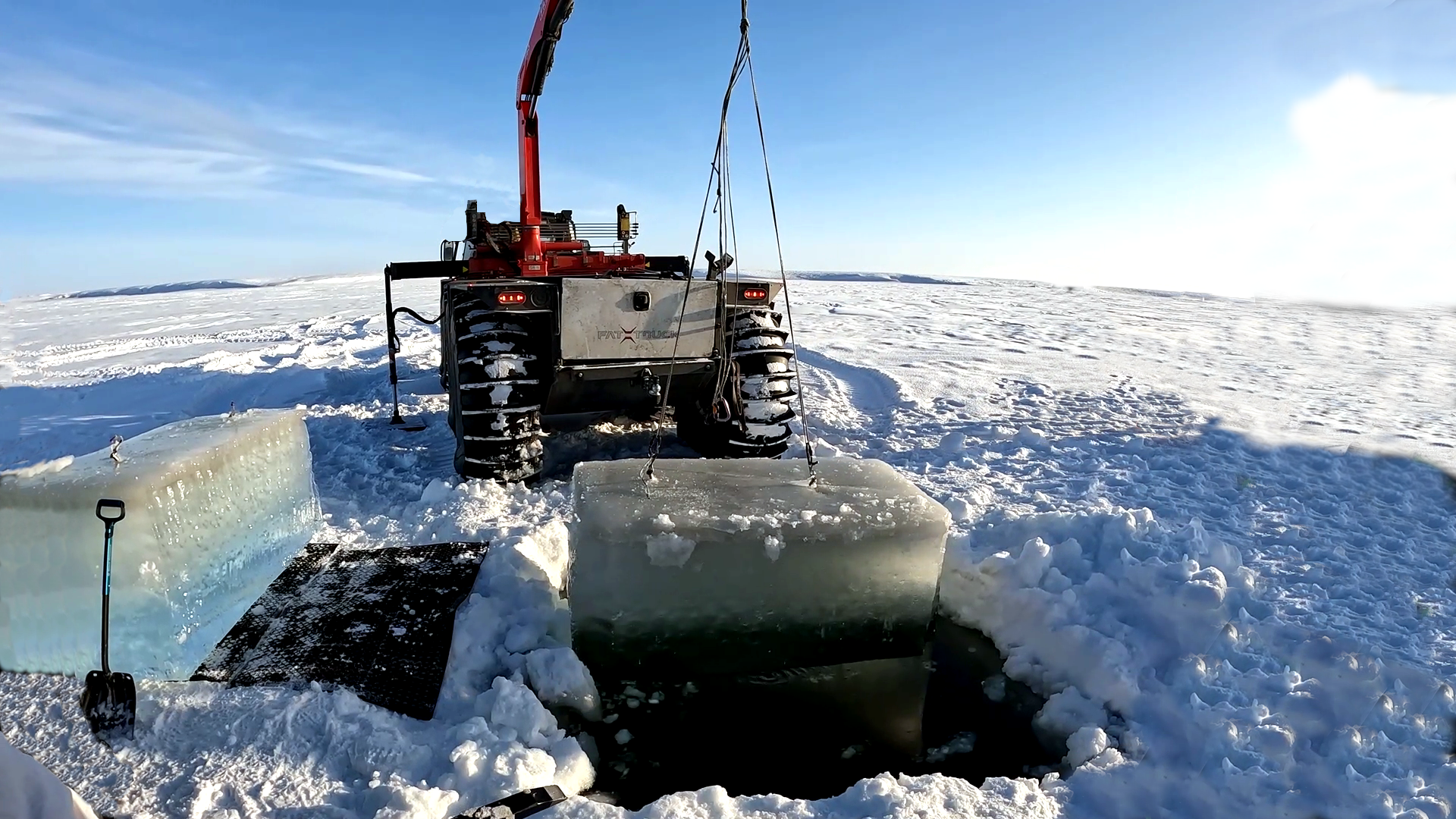
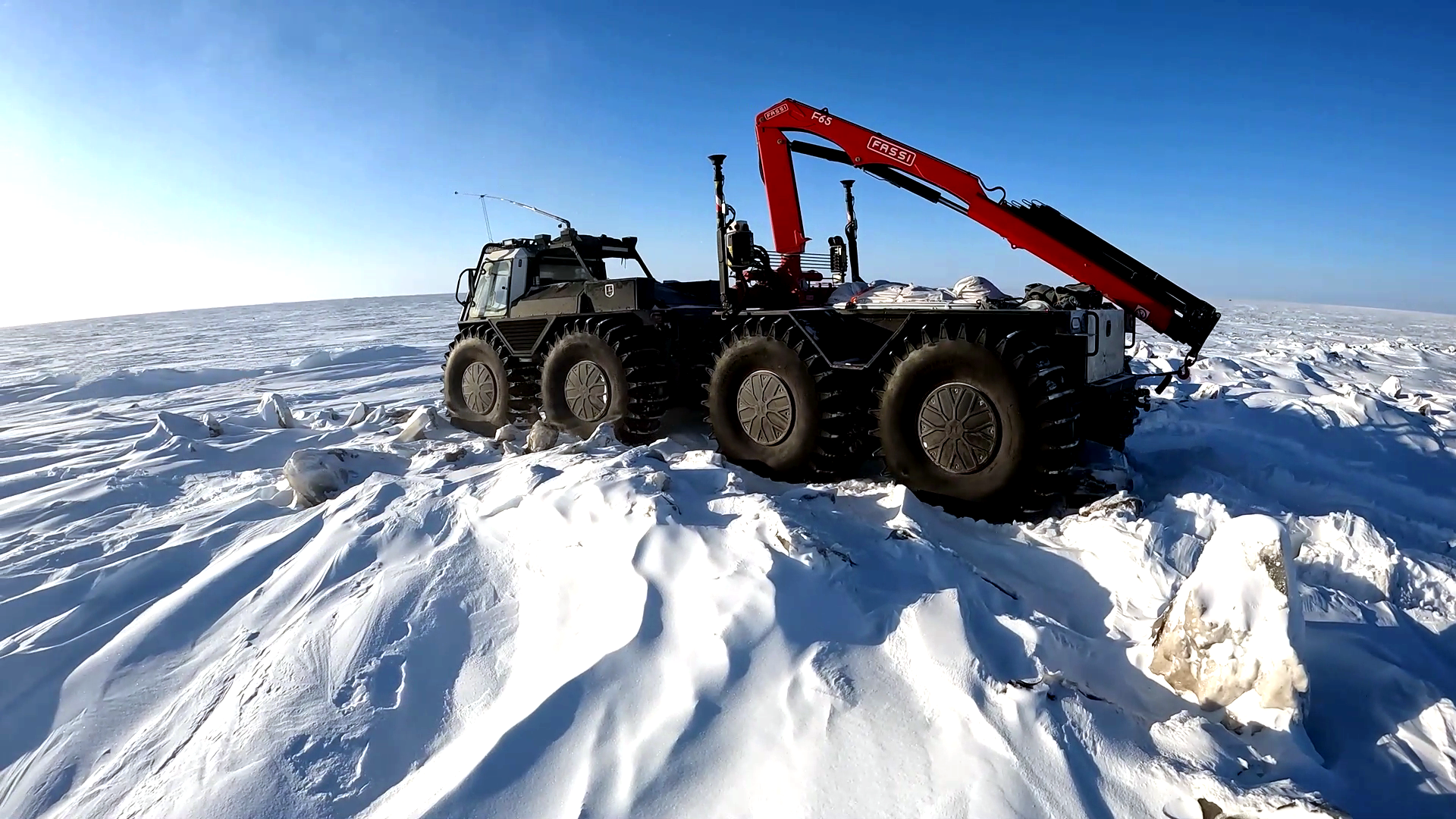
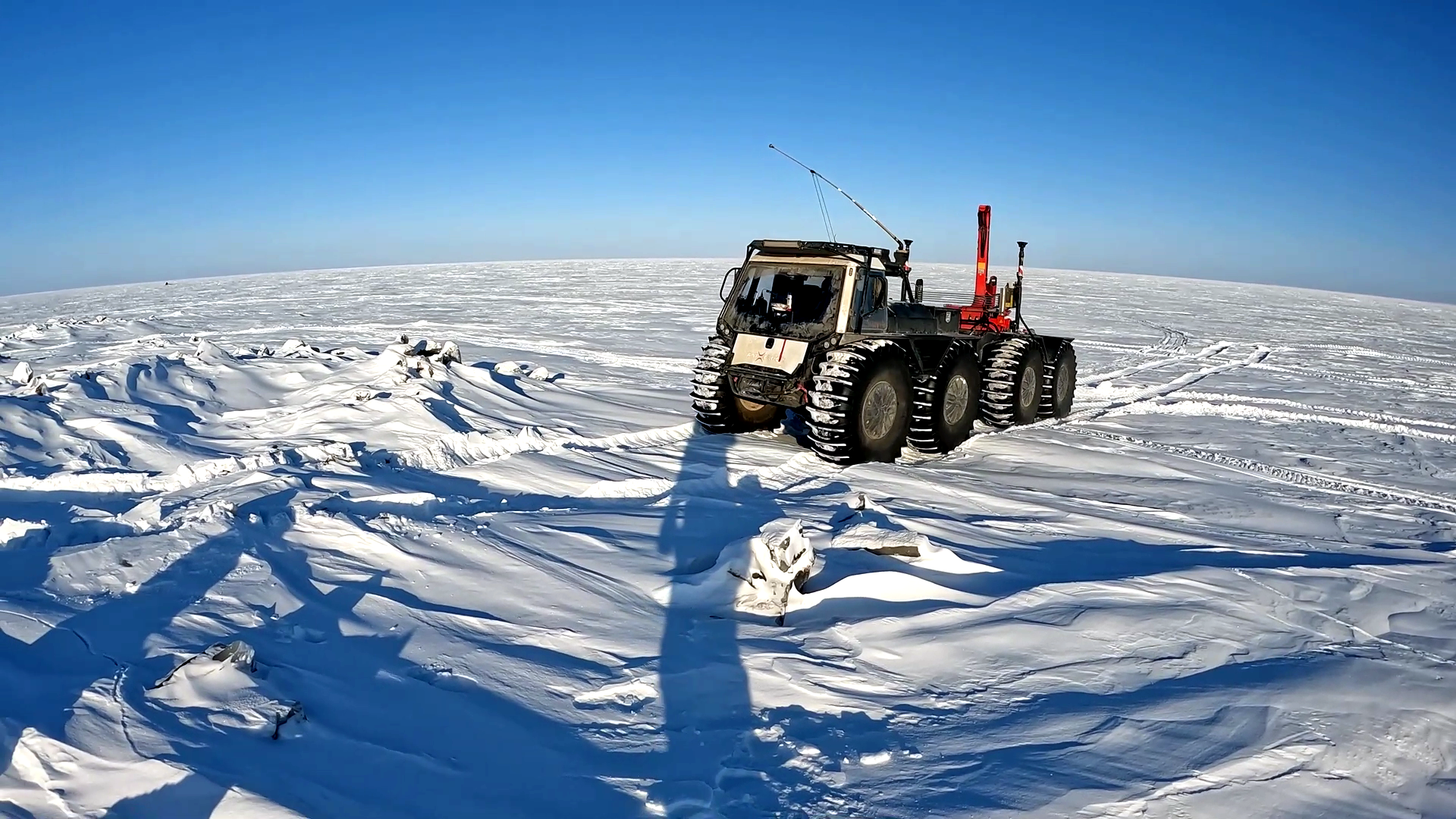
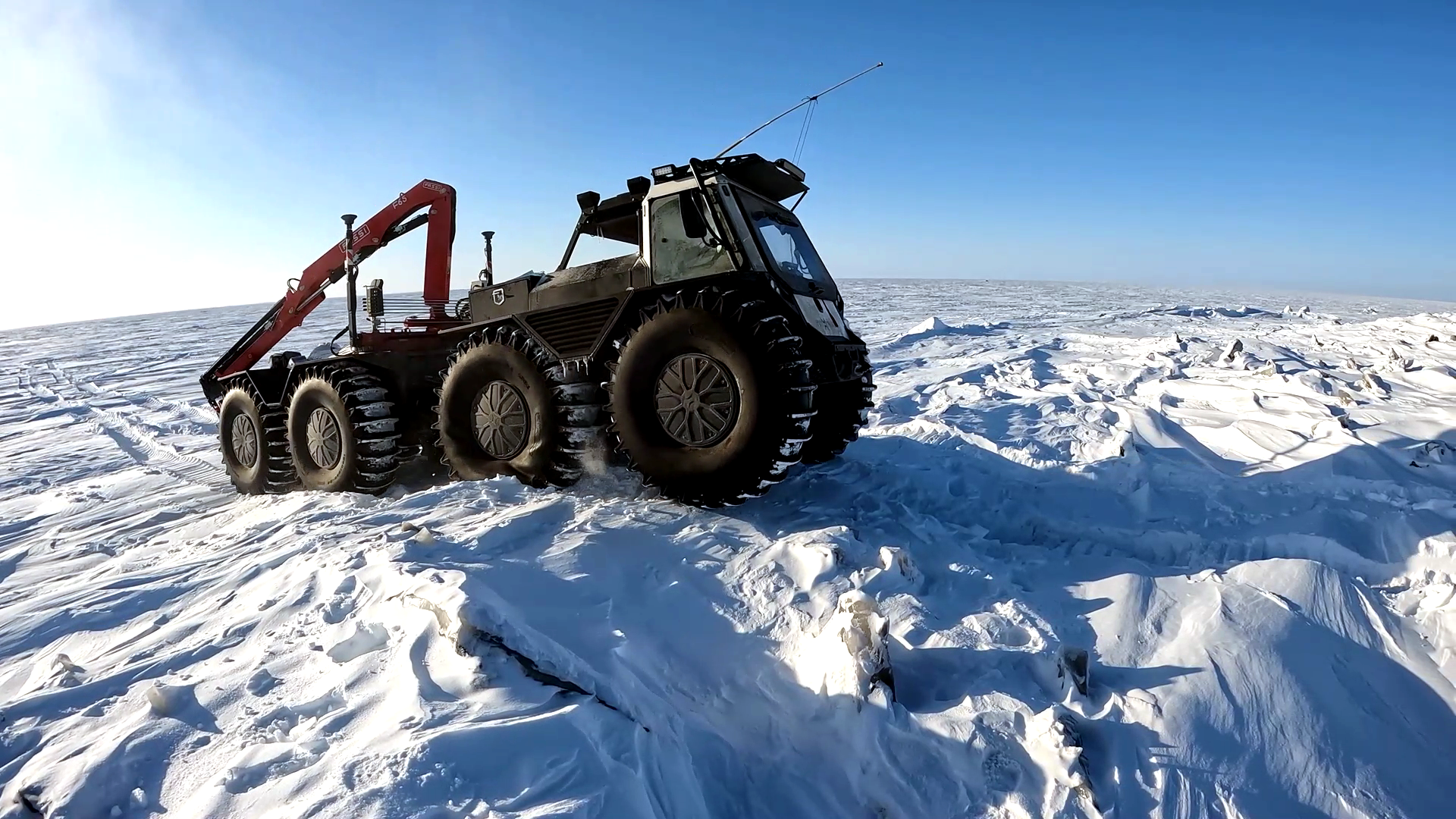
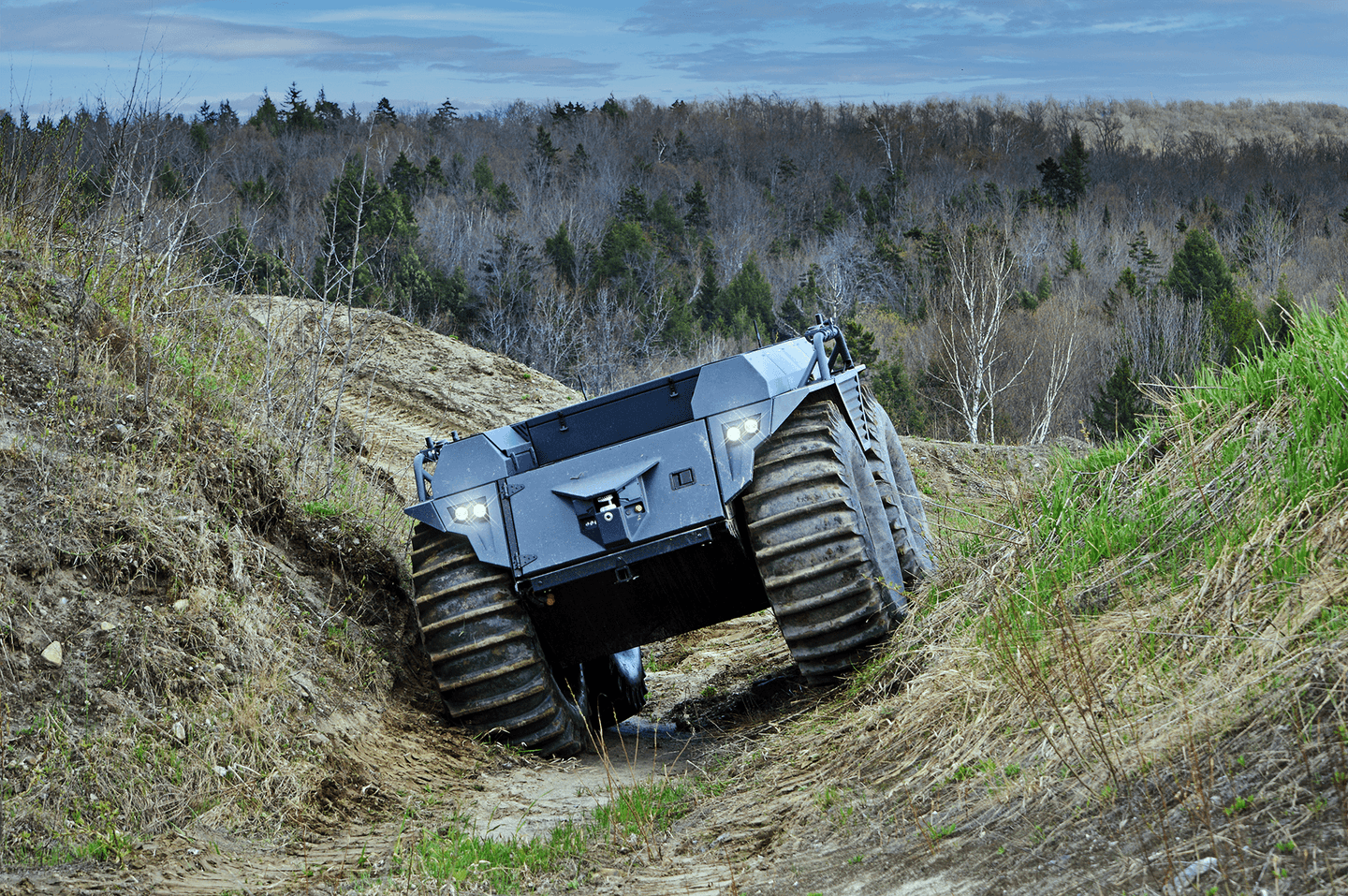
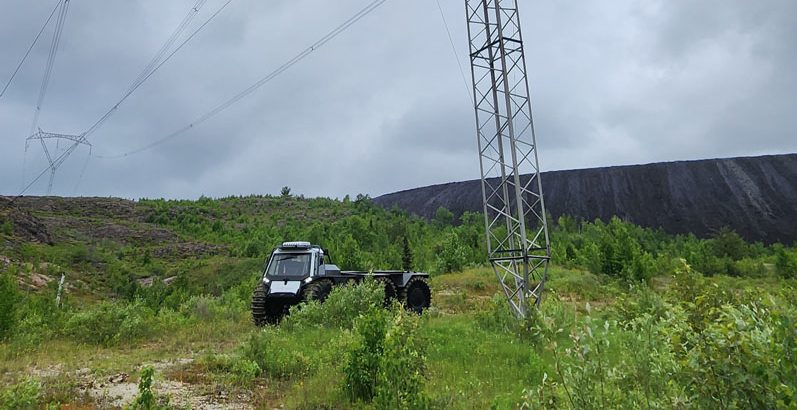
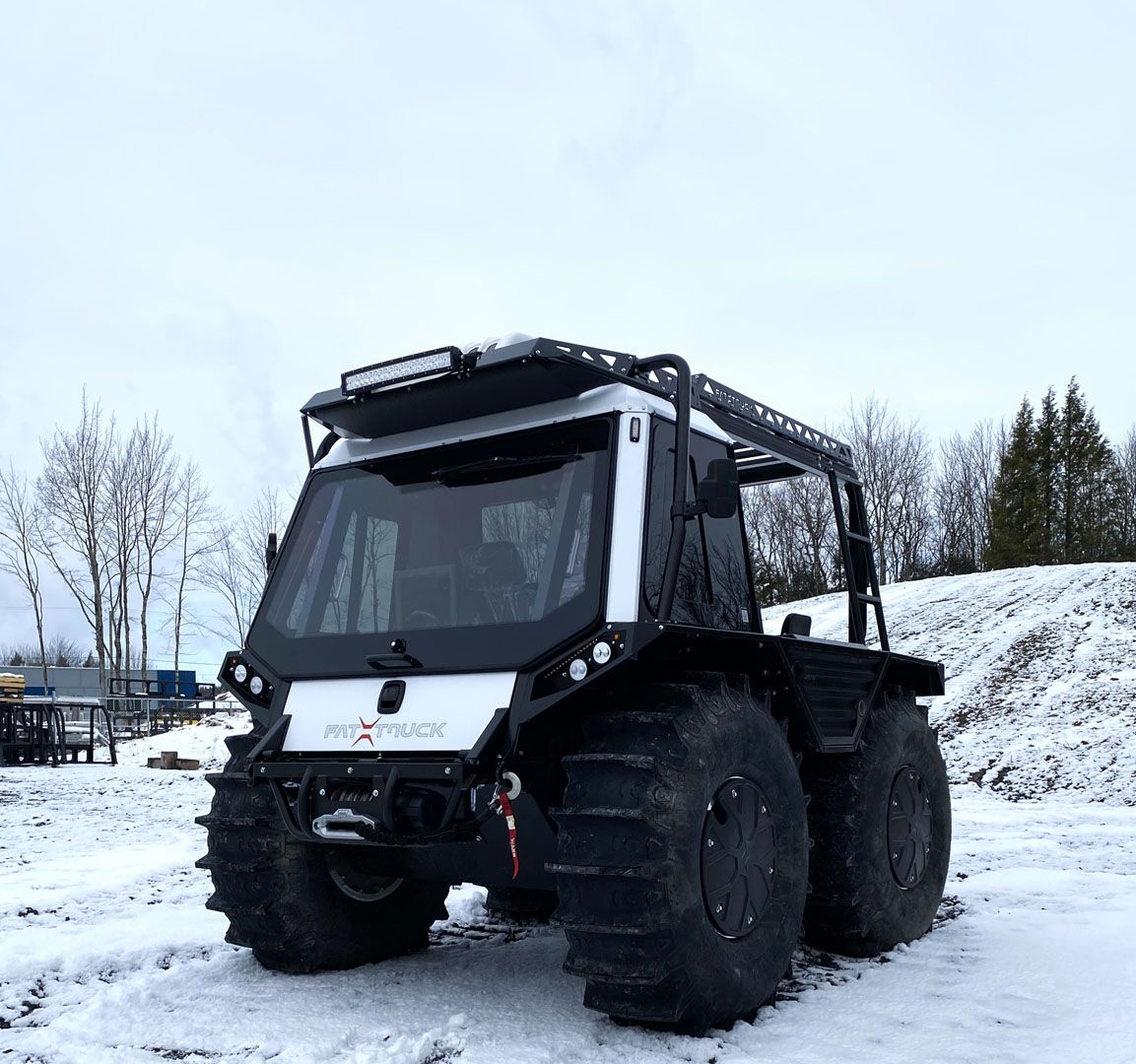
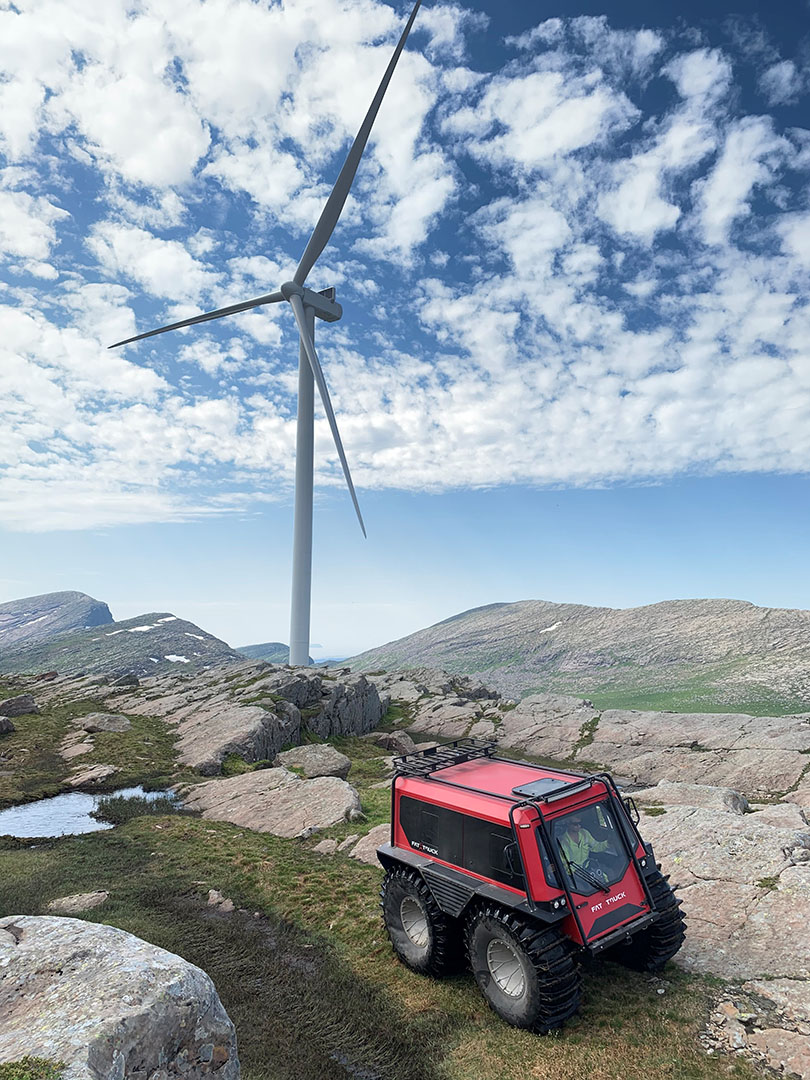
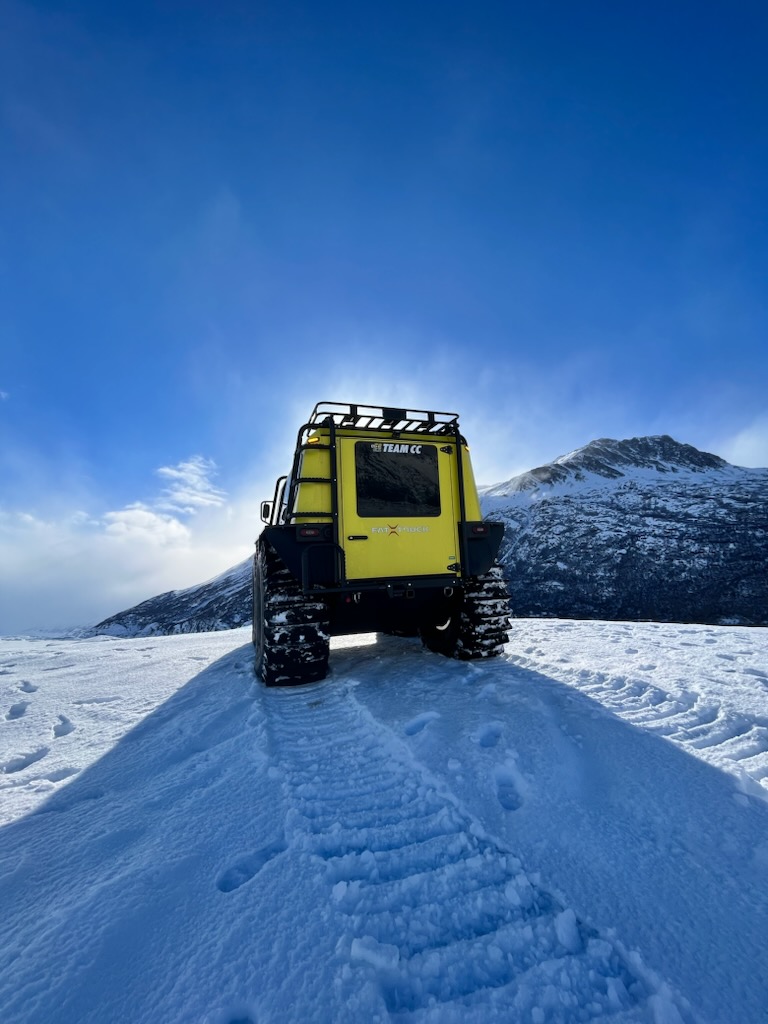
Consider the core requirements for Arctic and Northern operations: extreme cold-weather performance, low ground pressure for sensitive and unpredictable terrain, reliability in remote locations far from conventional supply and maintenance infrastructure, and the ability to operate where roads and conventional infrastructure don’t reach.
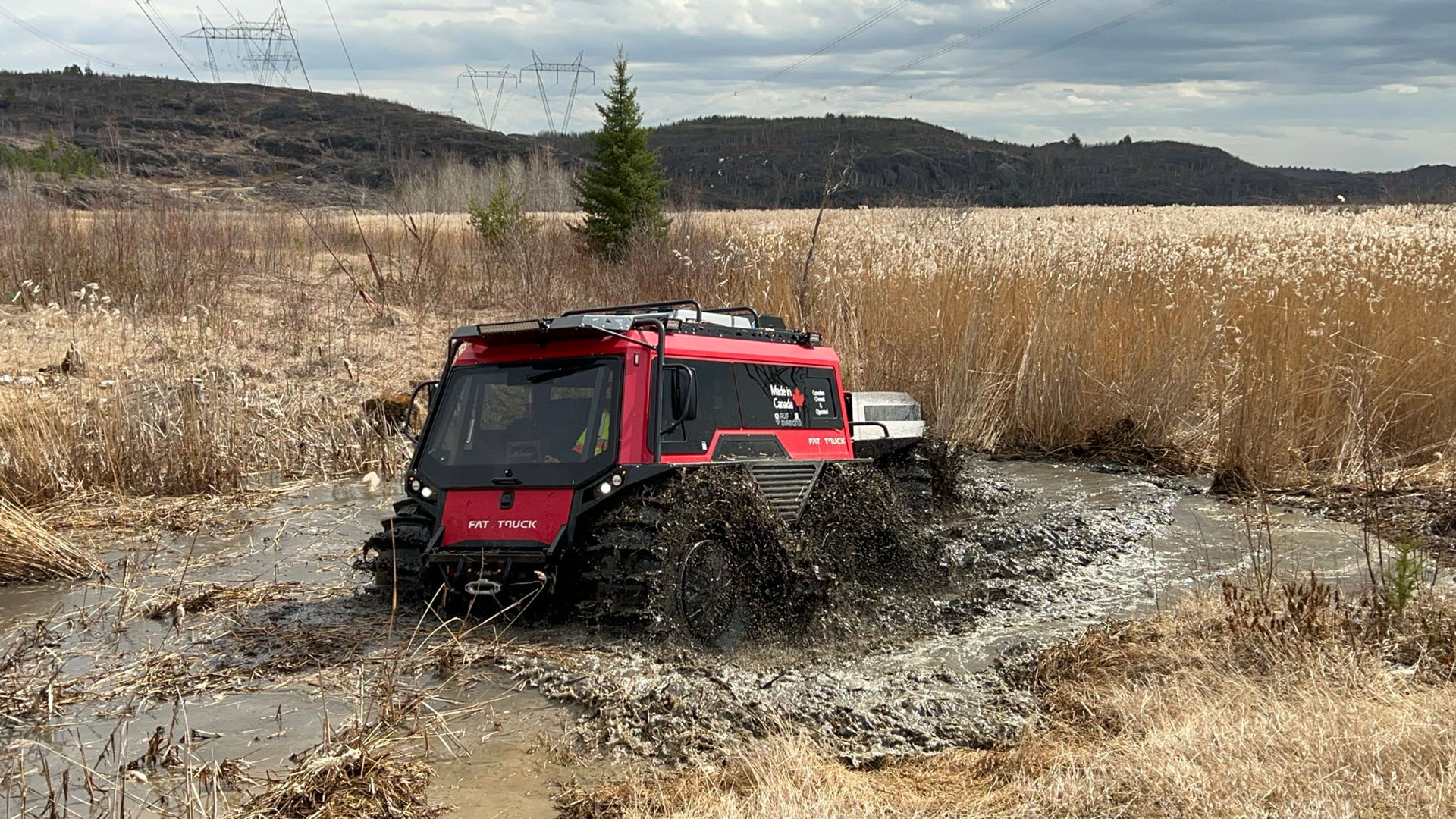
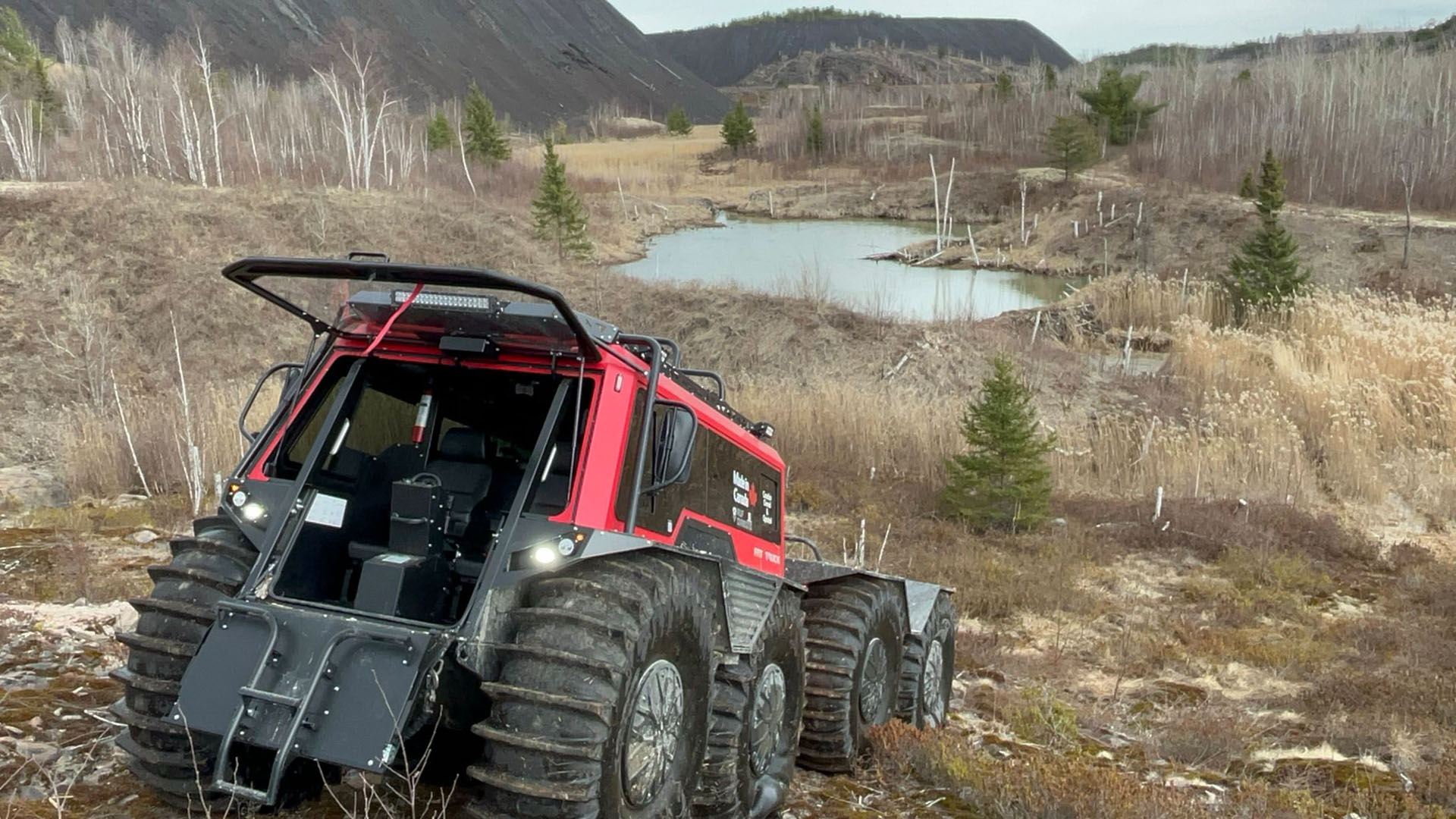
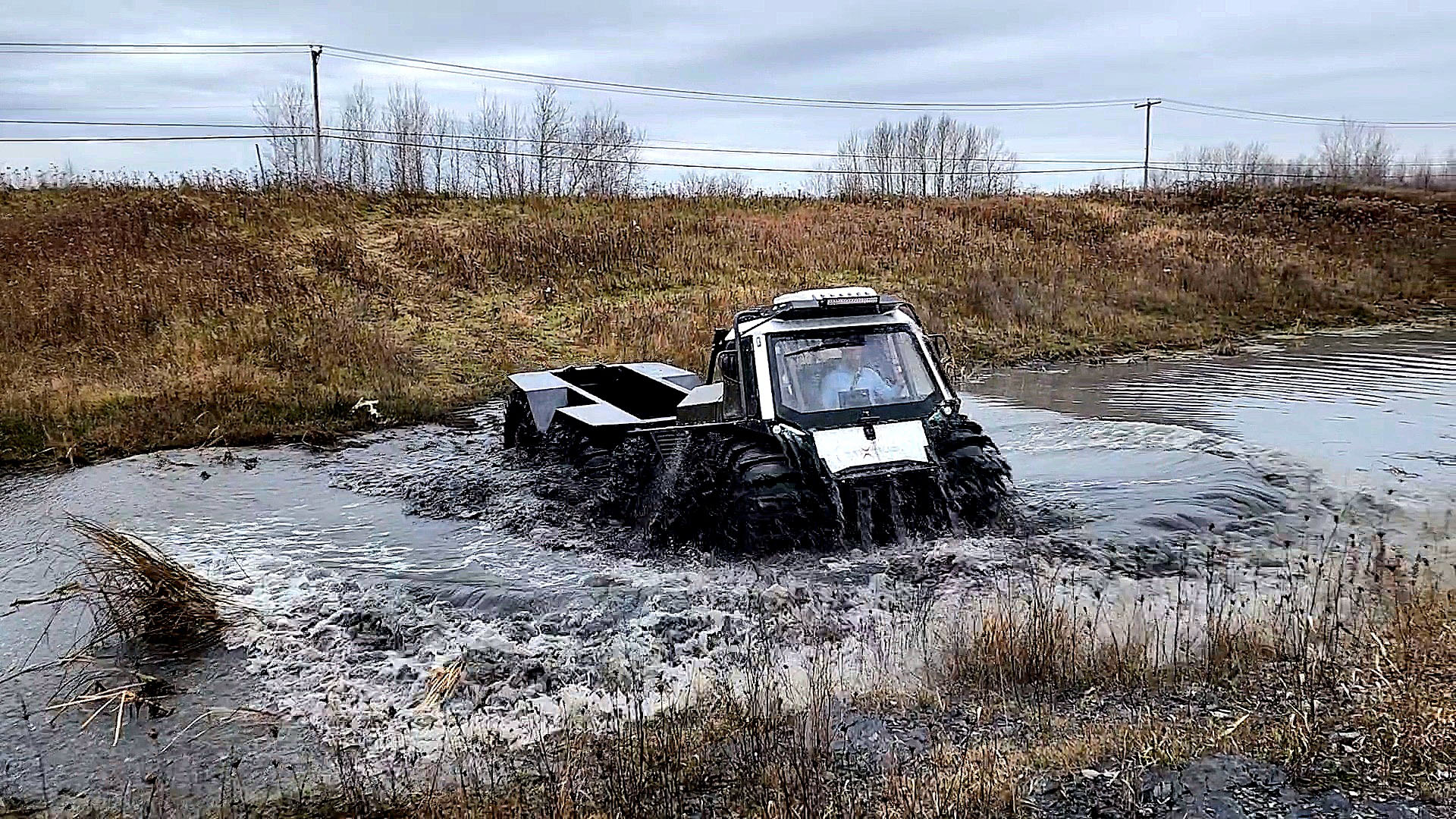
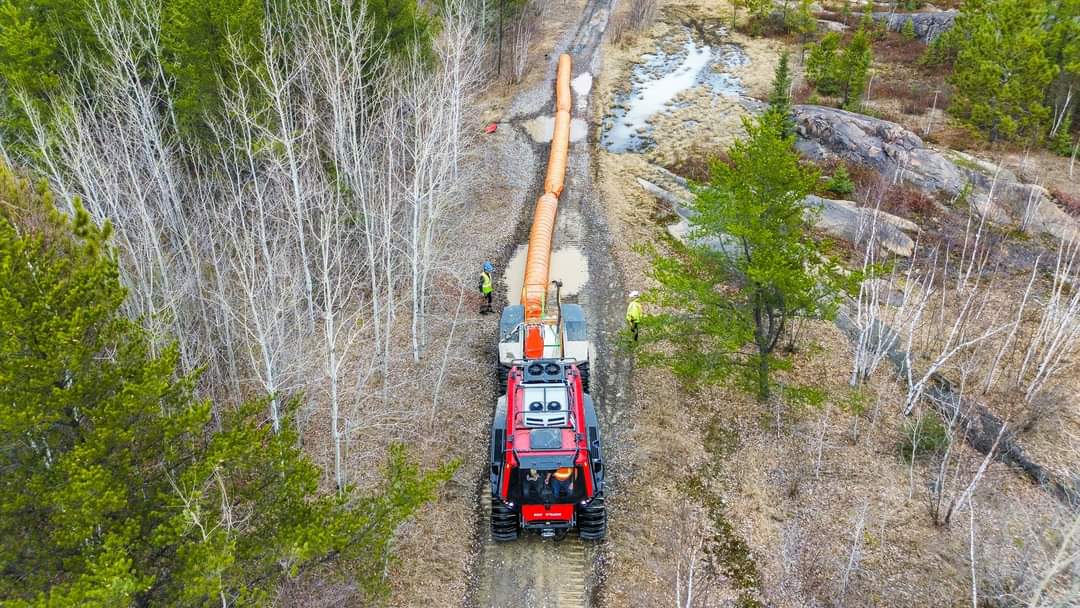
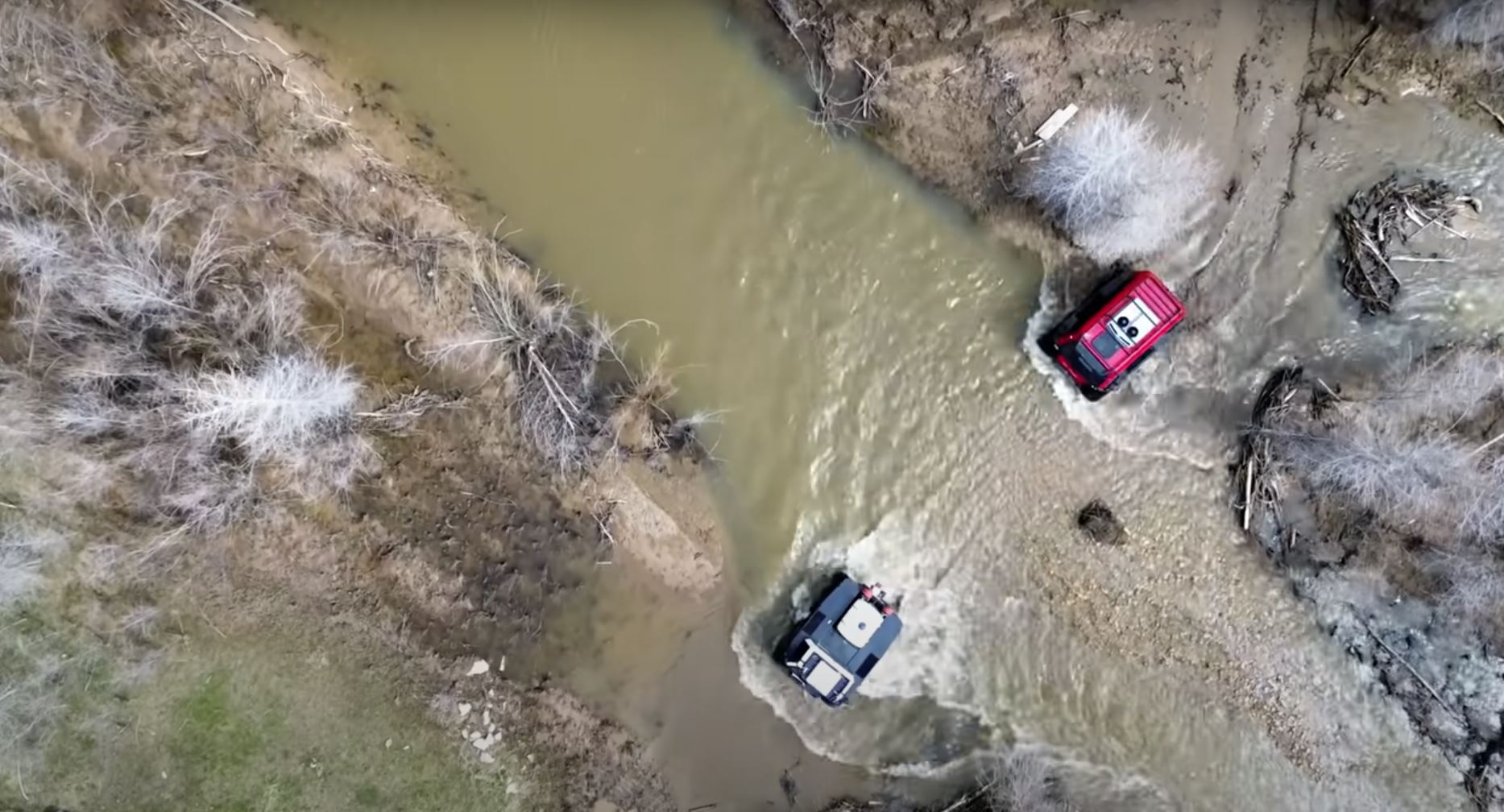
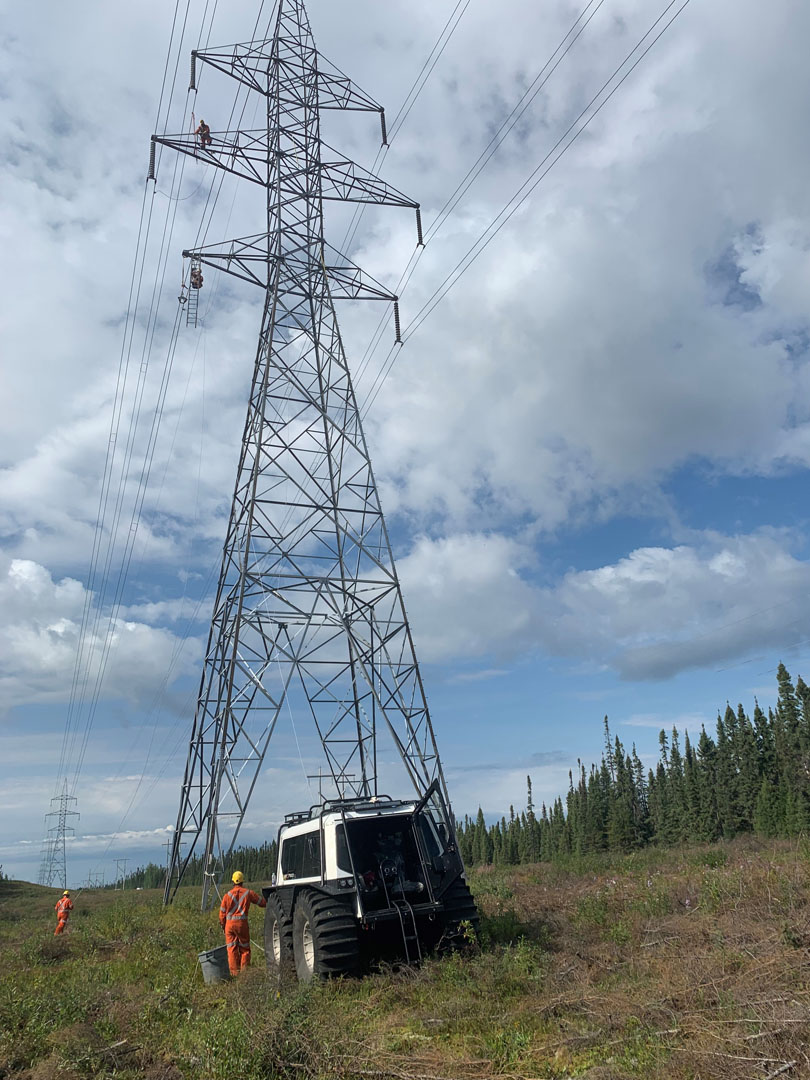
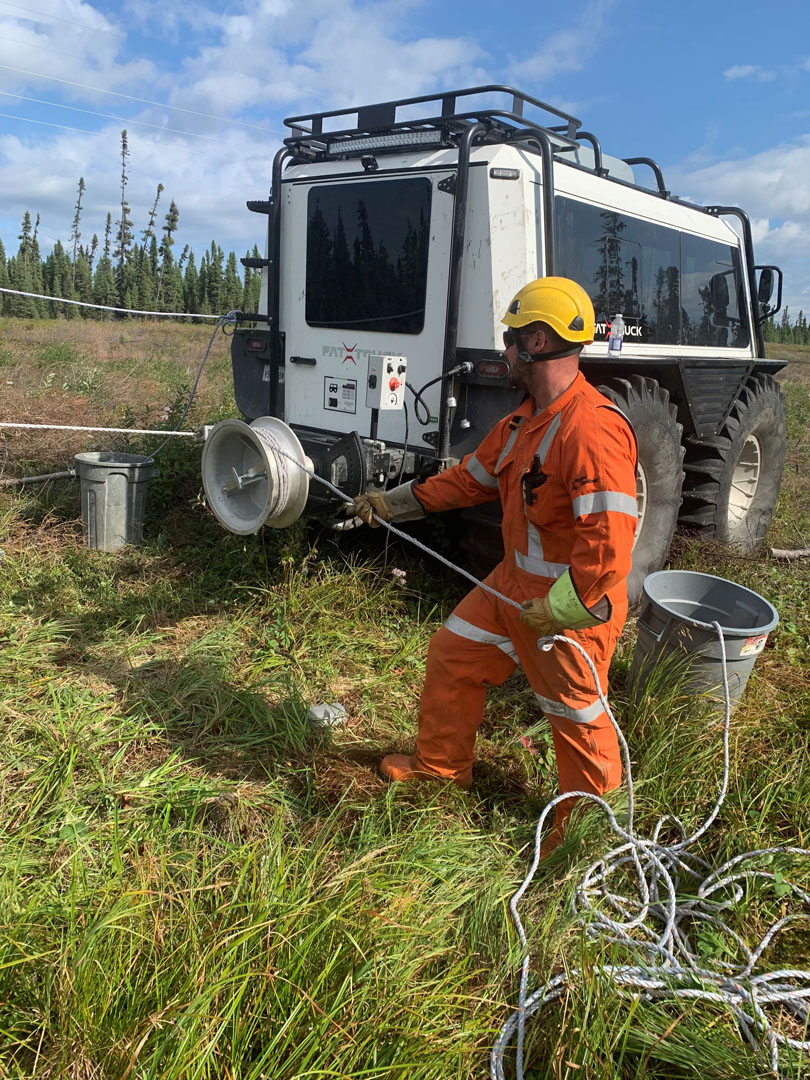
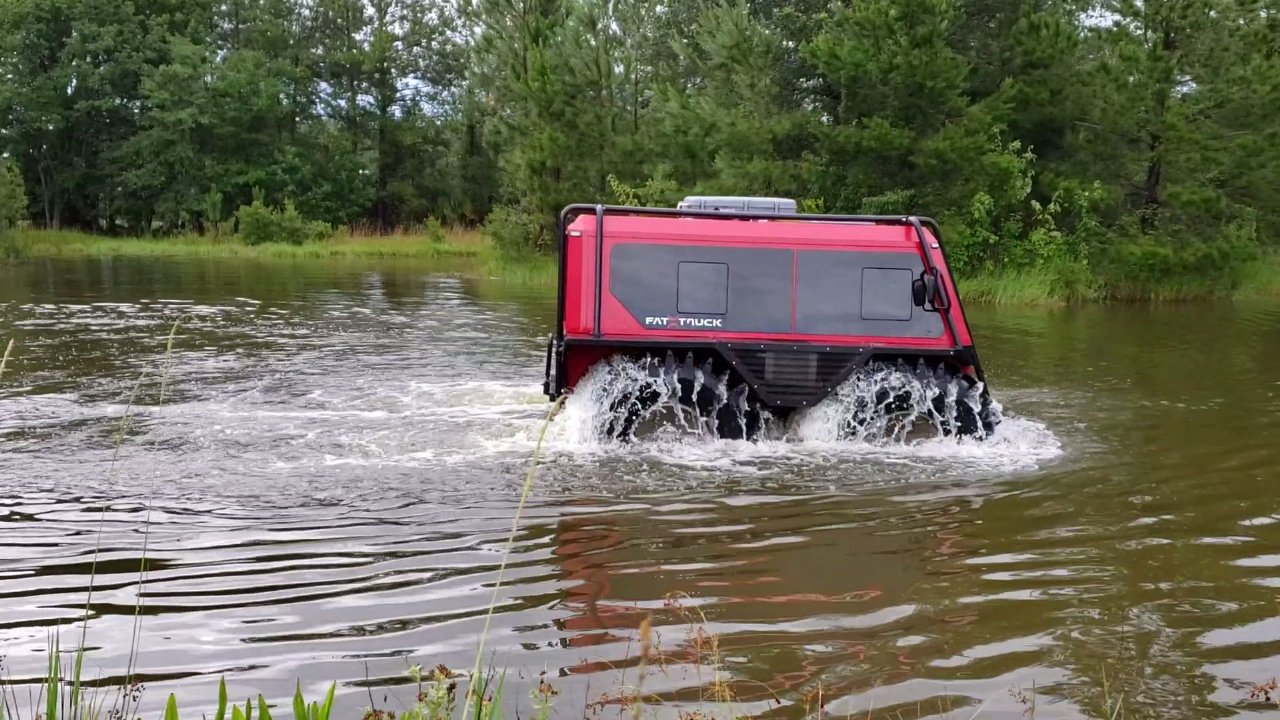
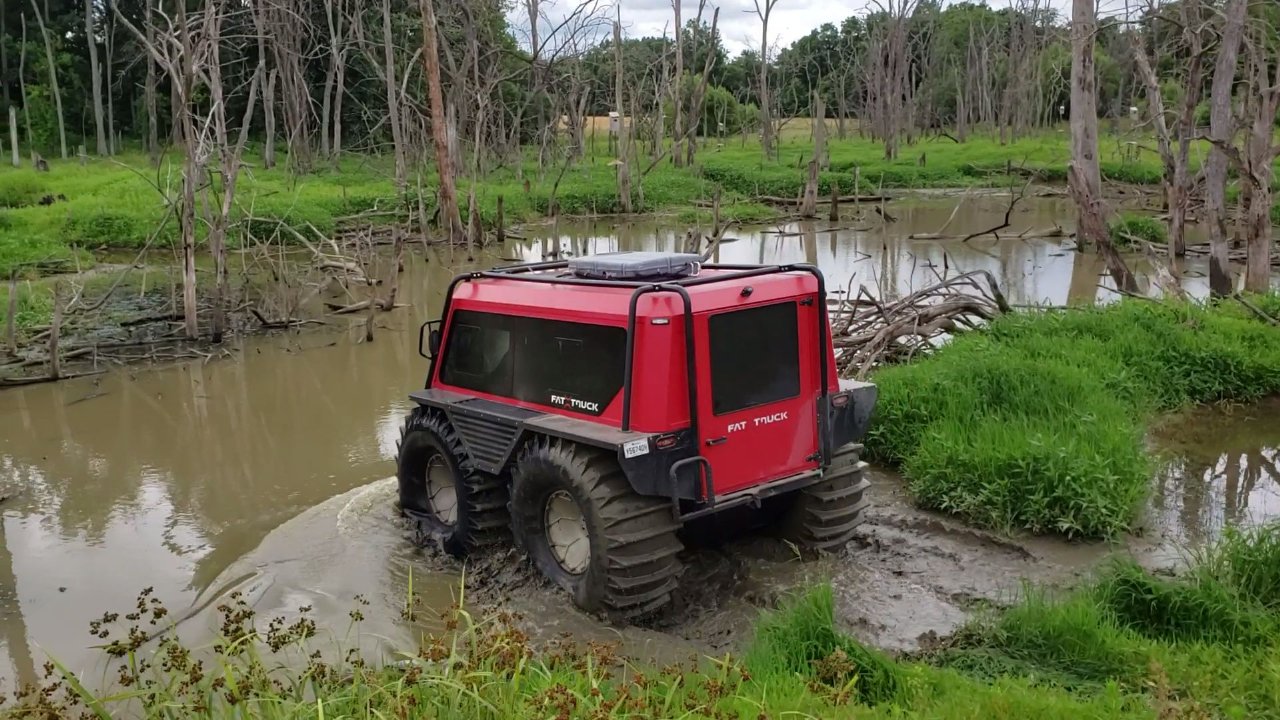
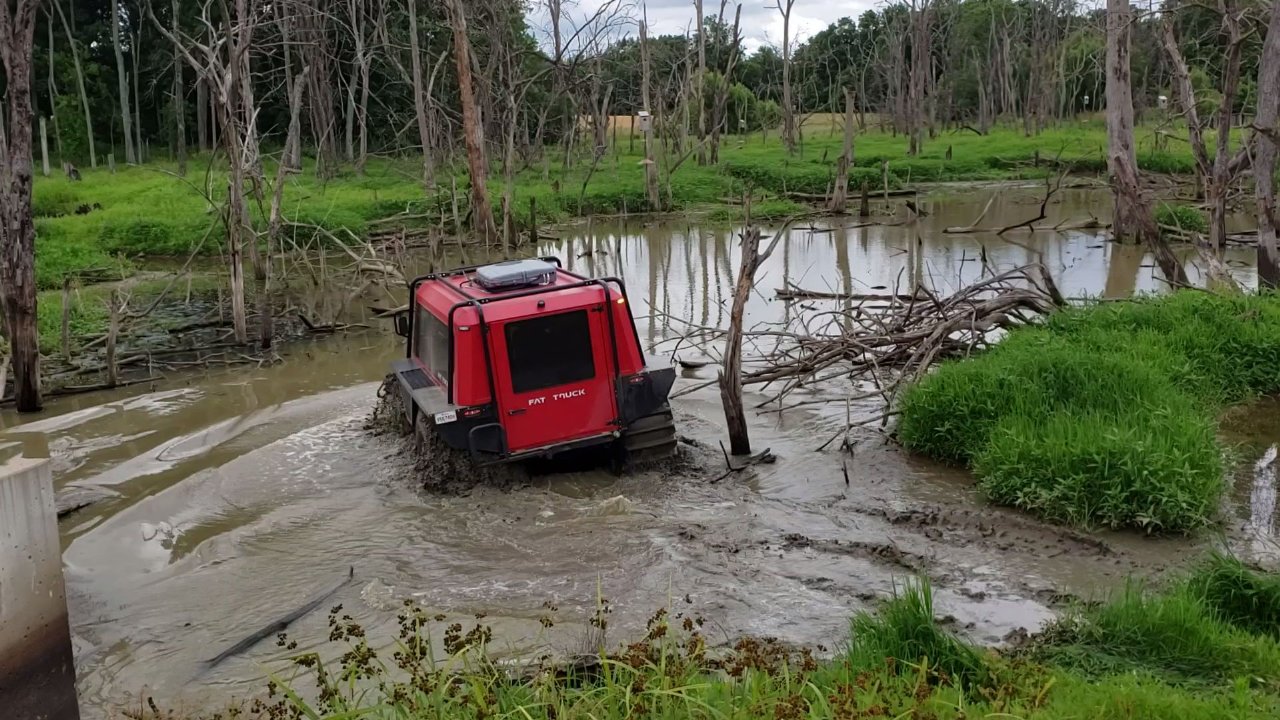
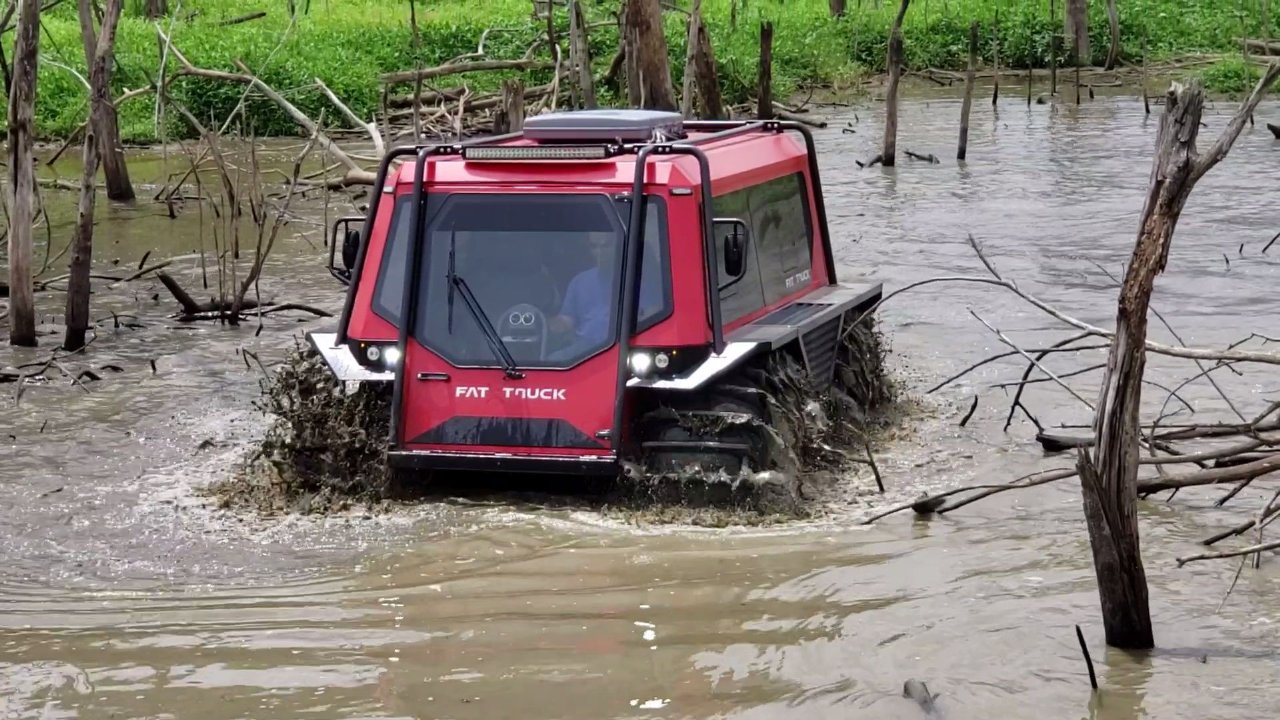
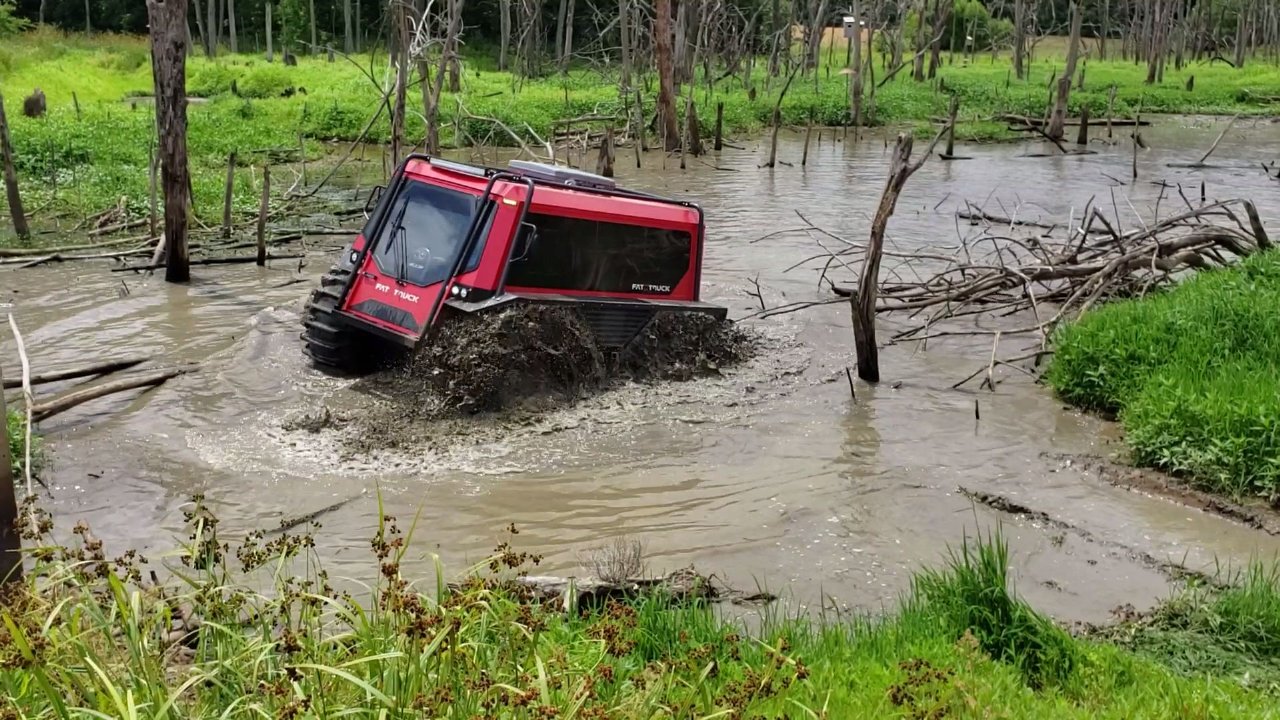
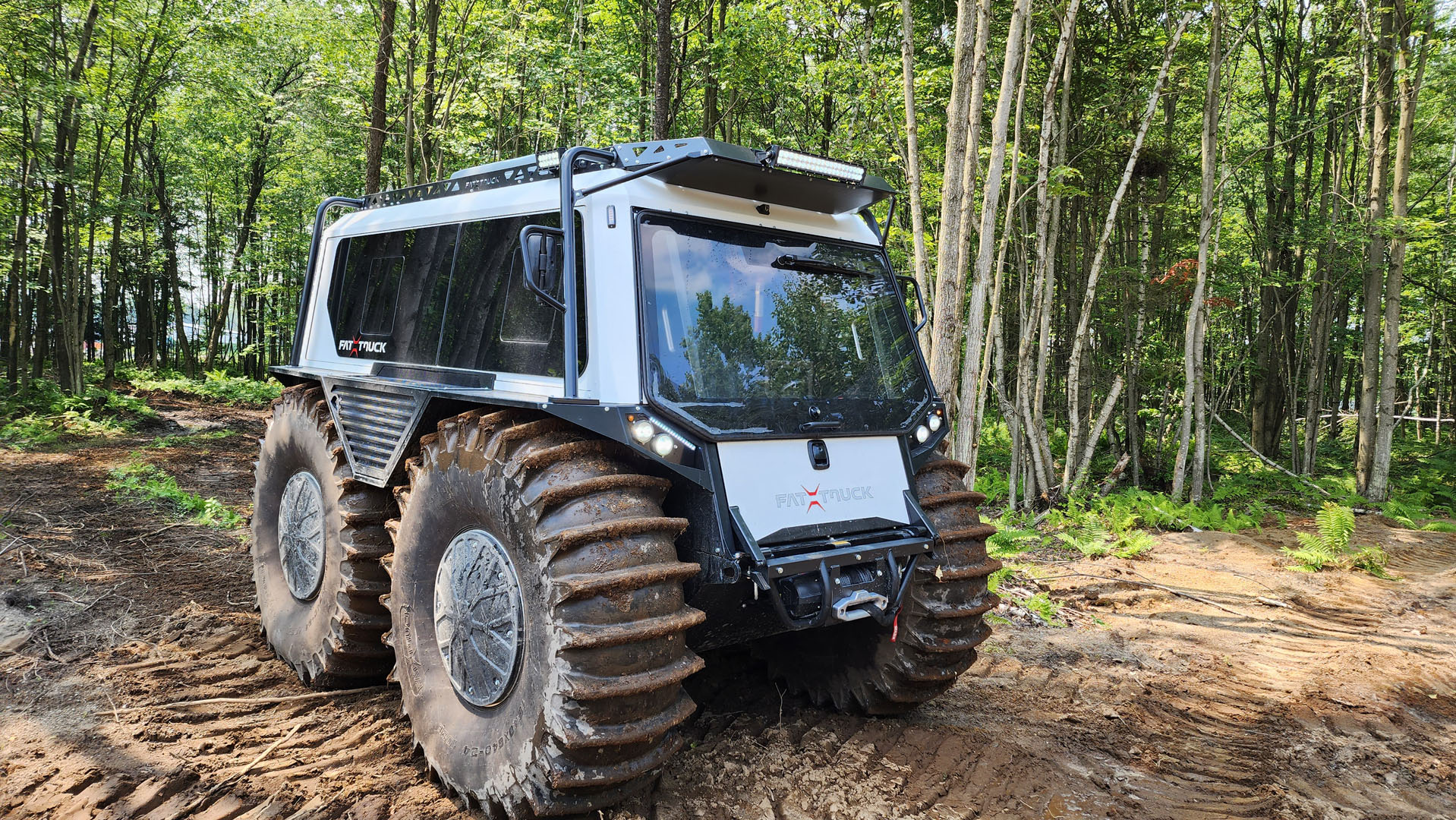
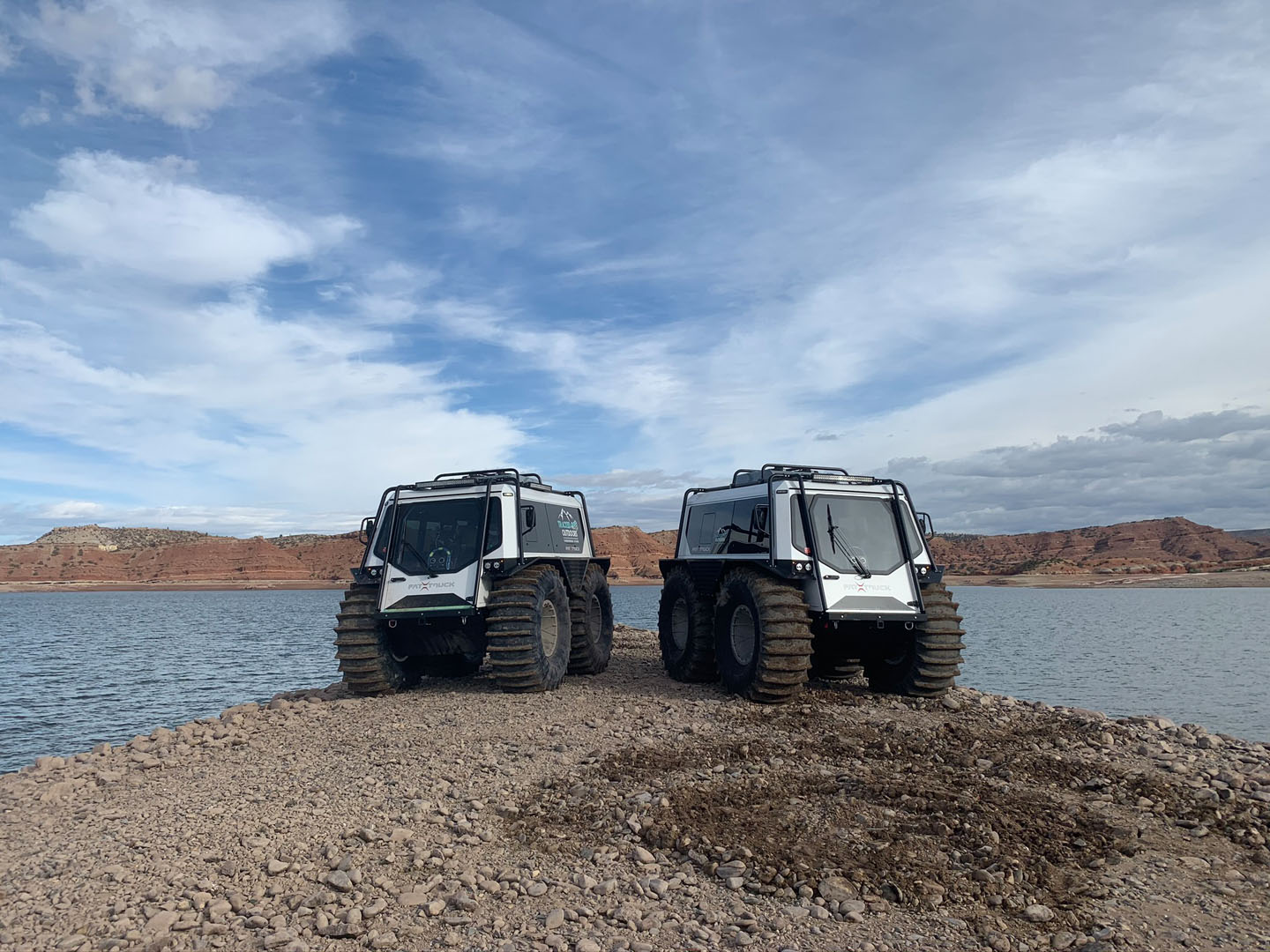
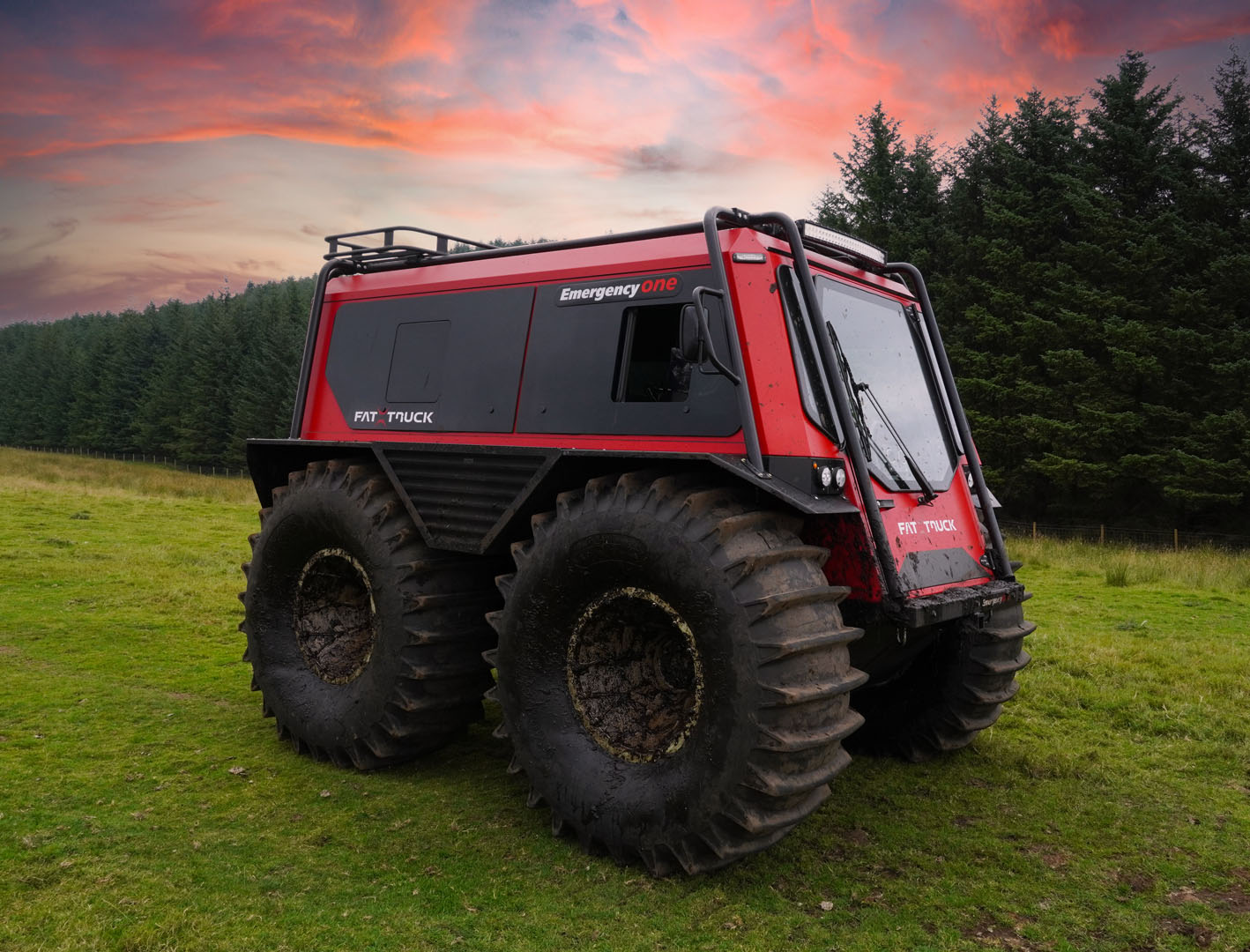
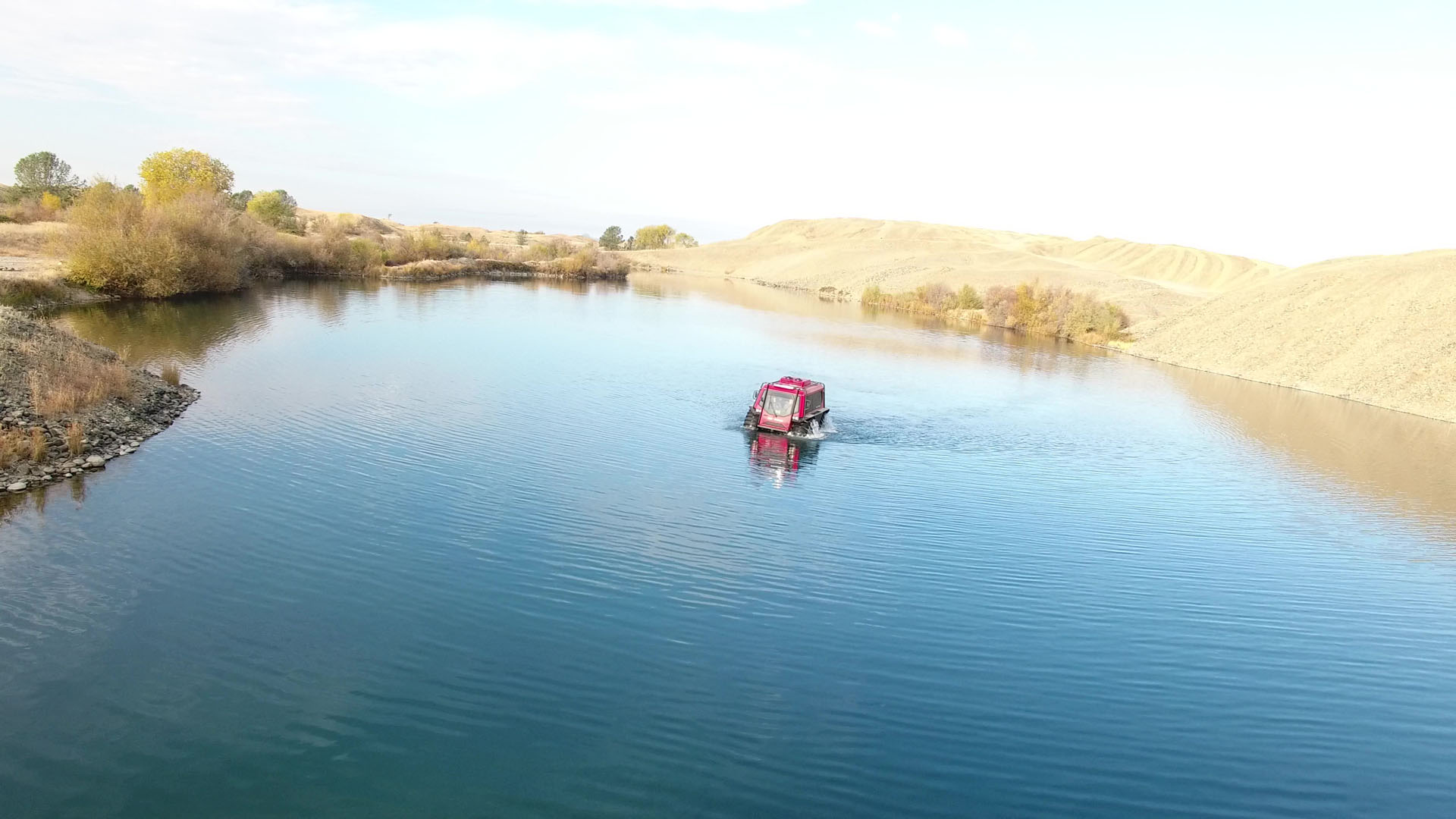
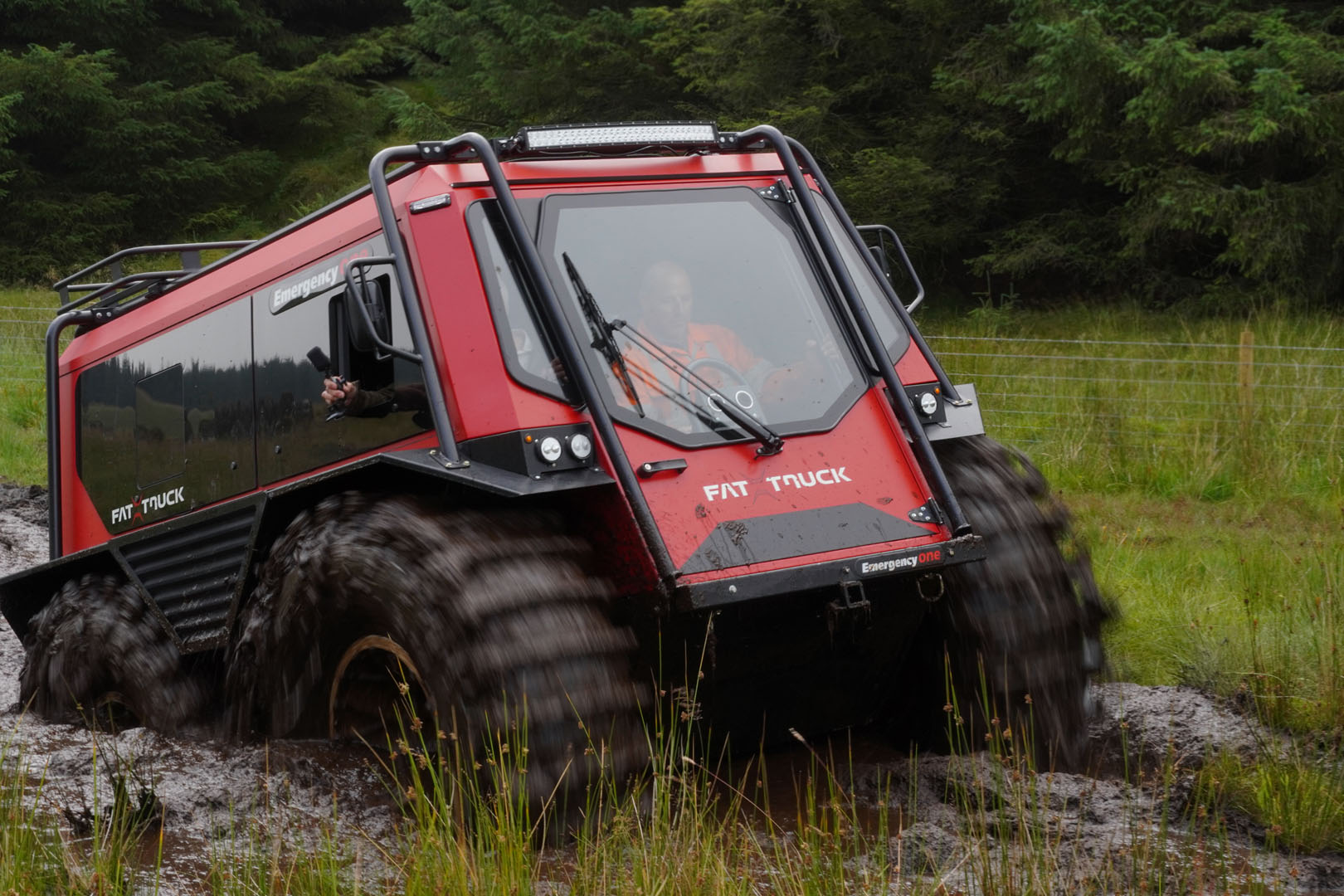
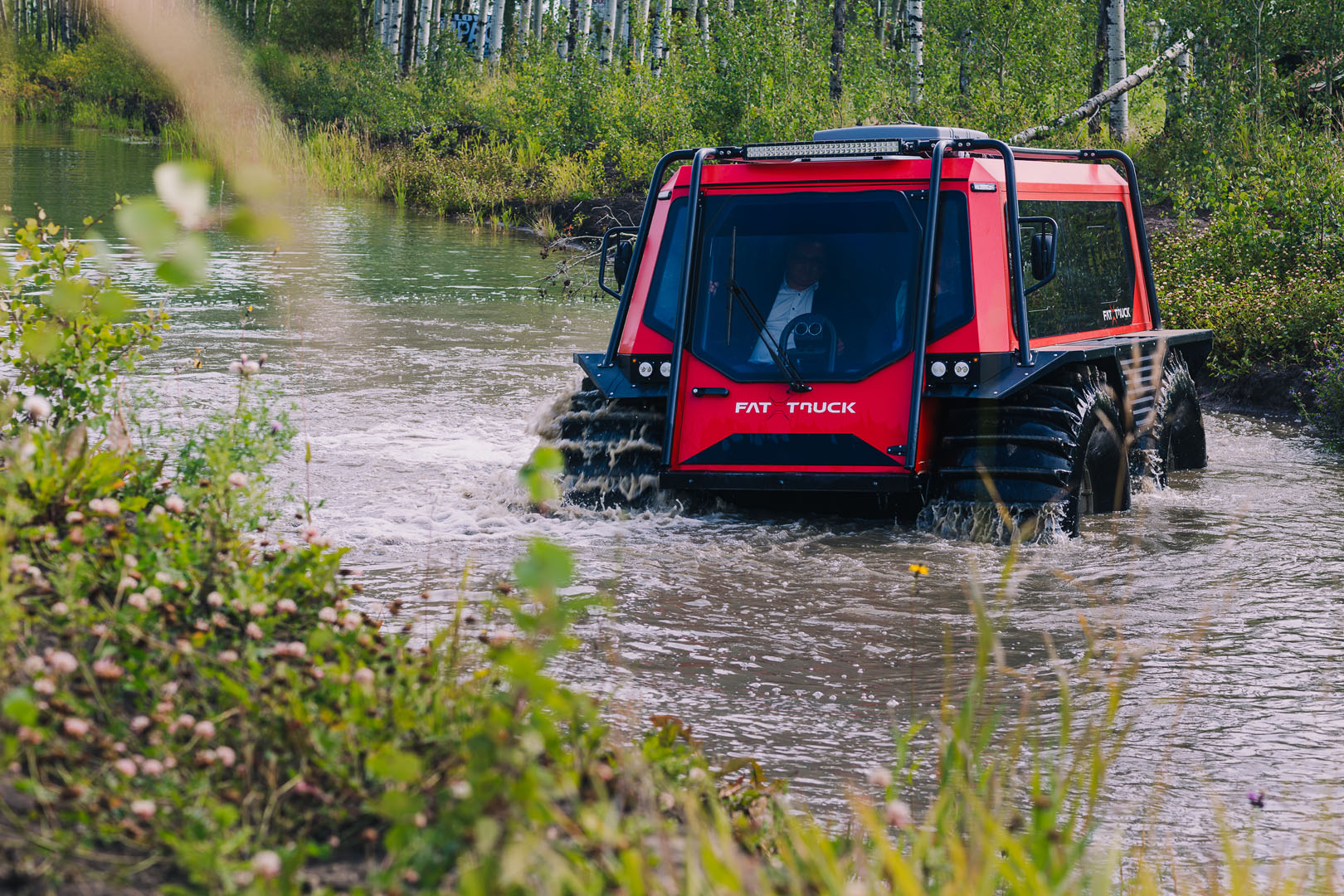
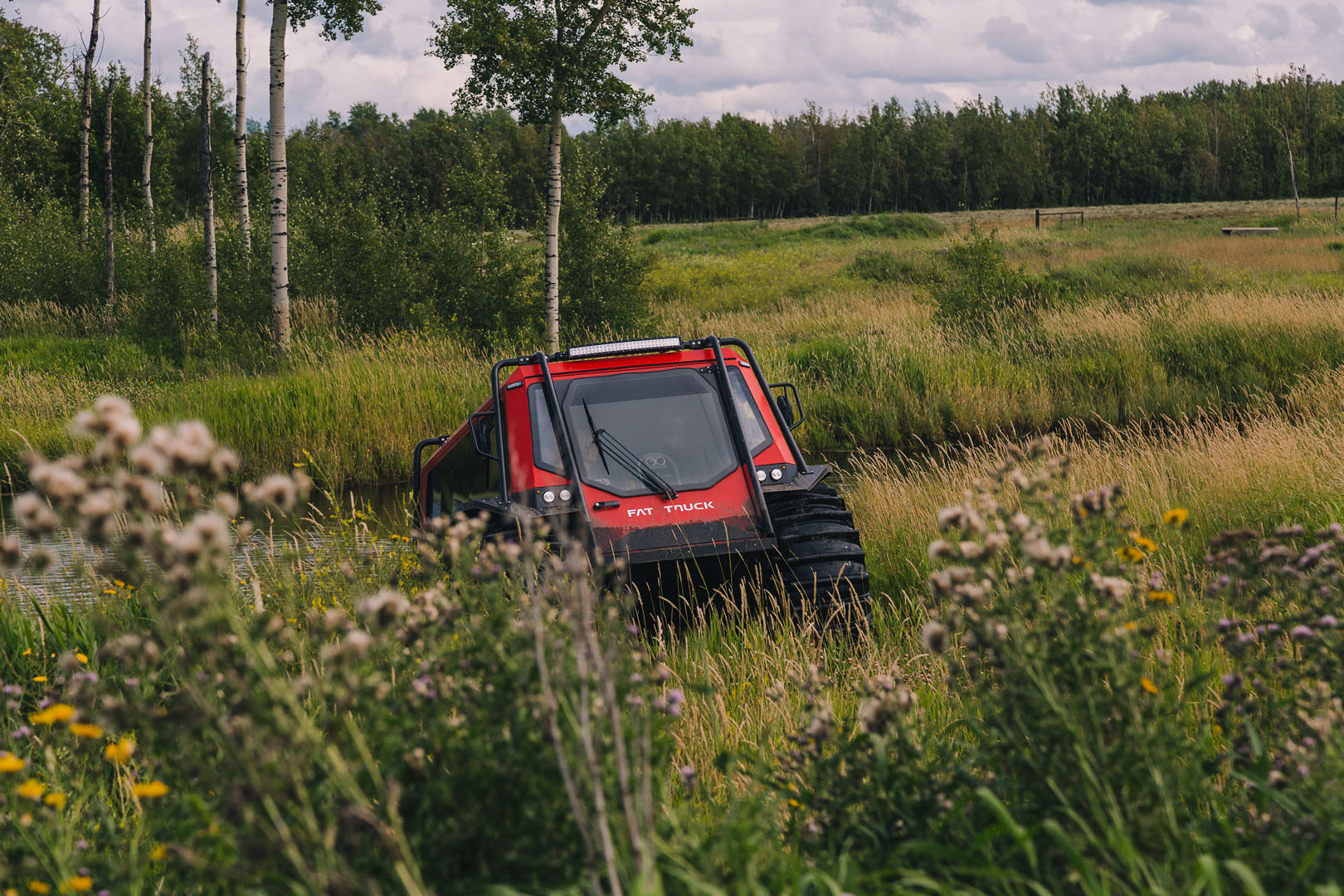
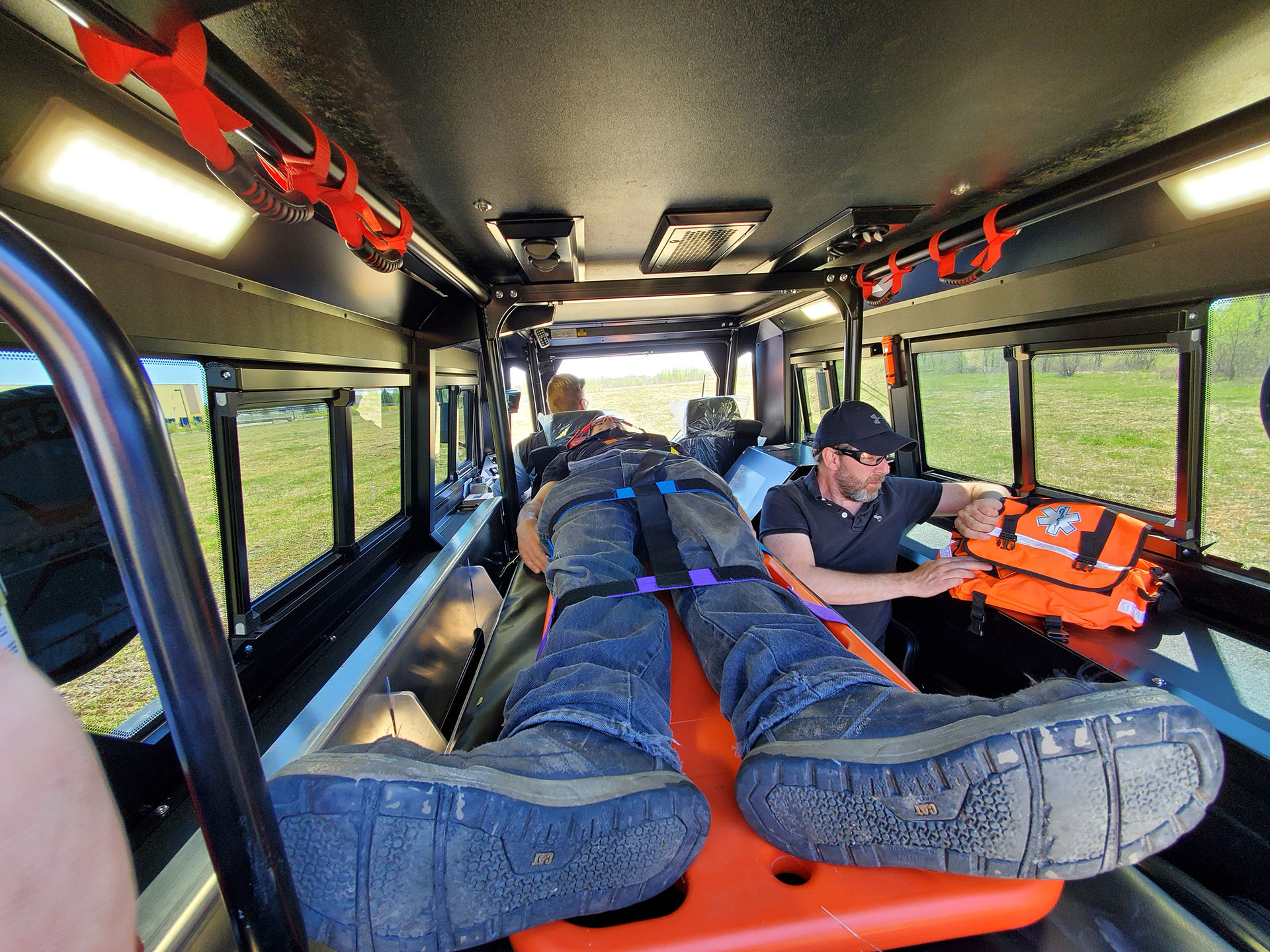
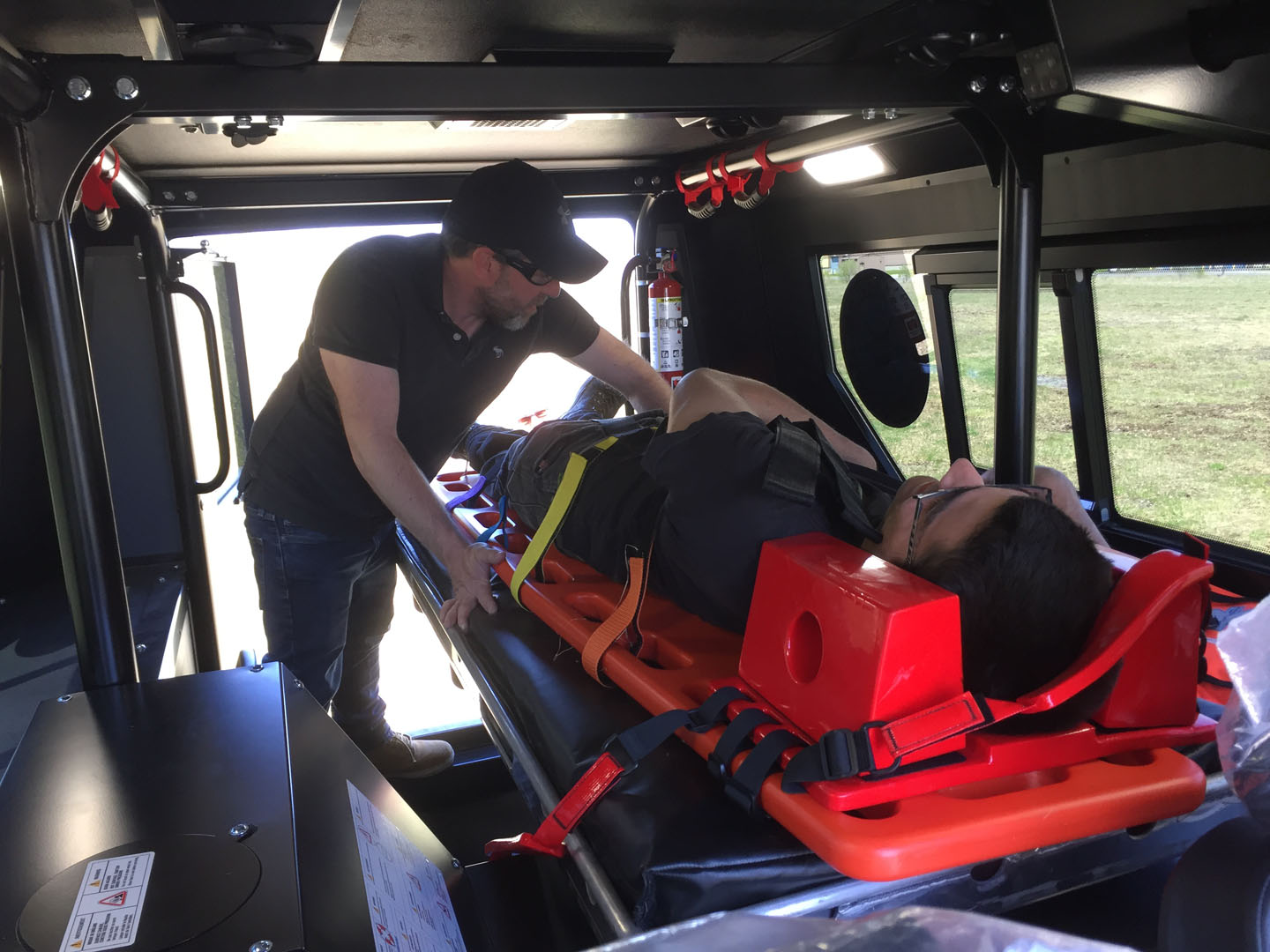
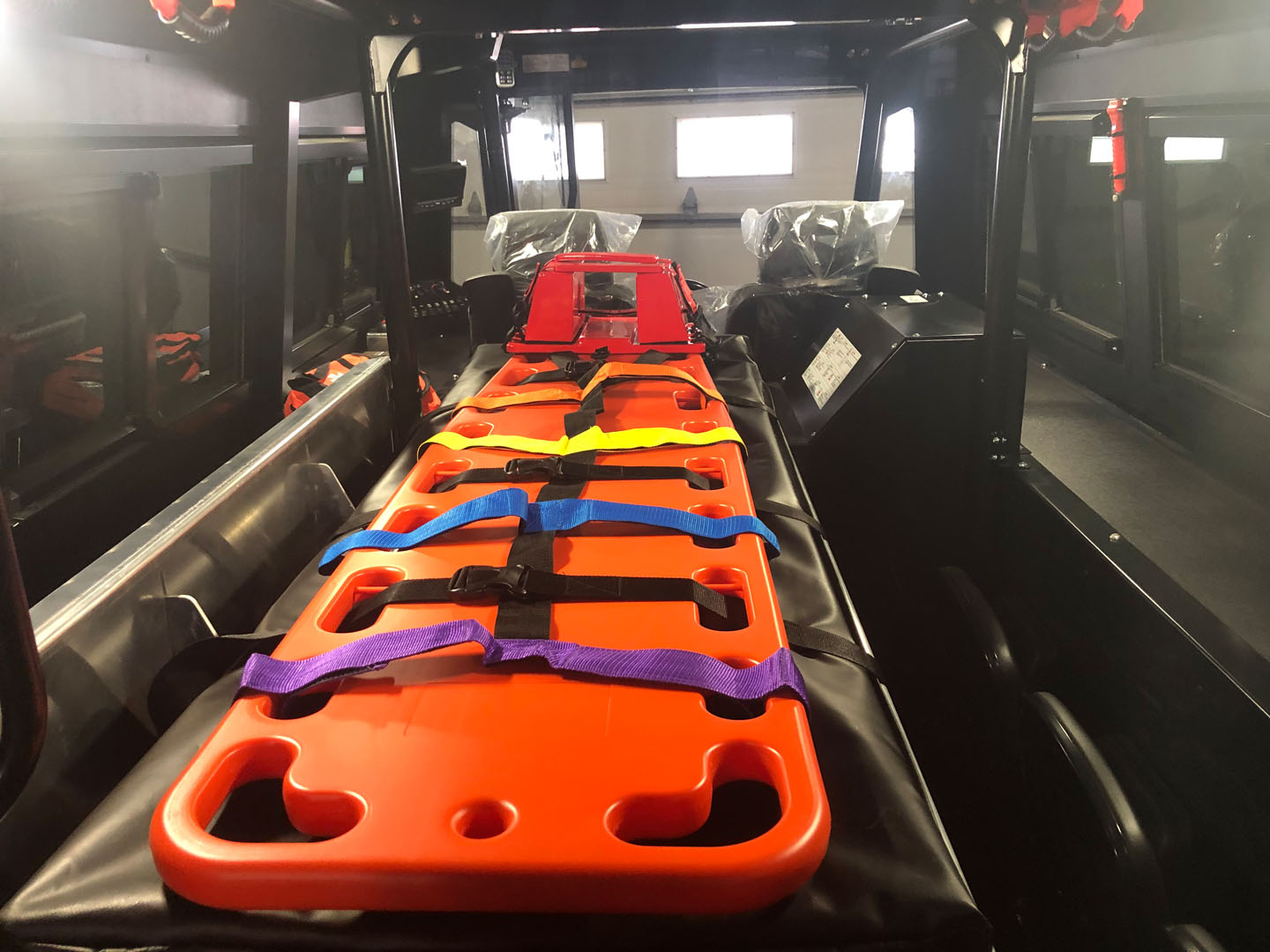
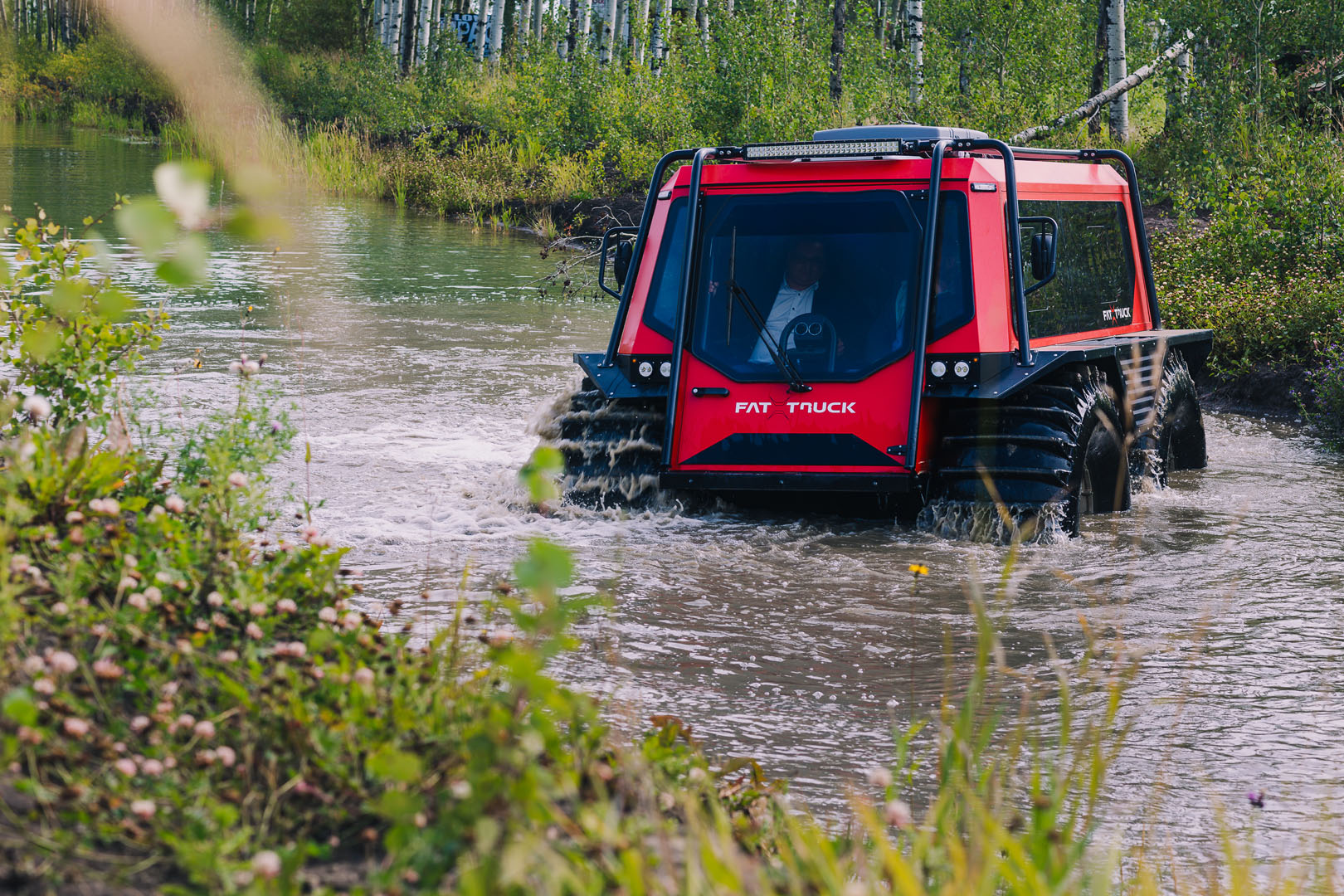
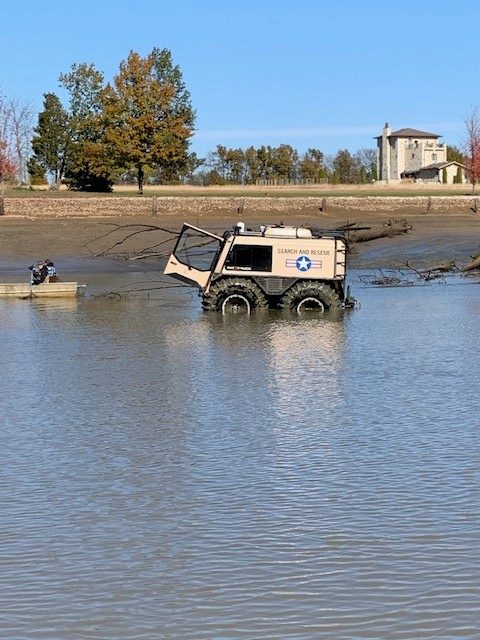
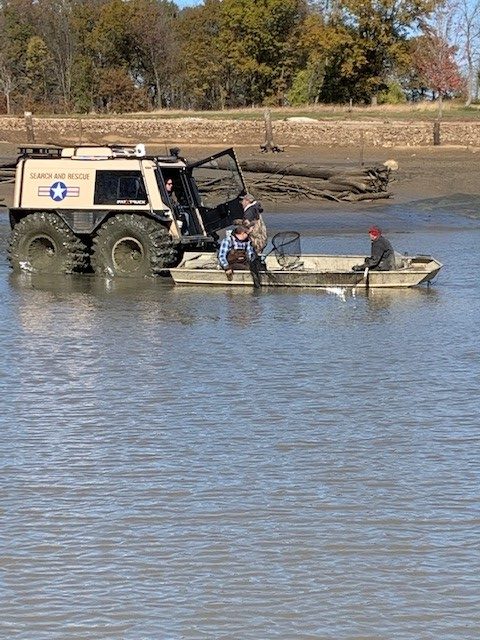
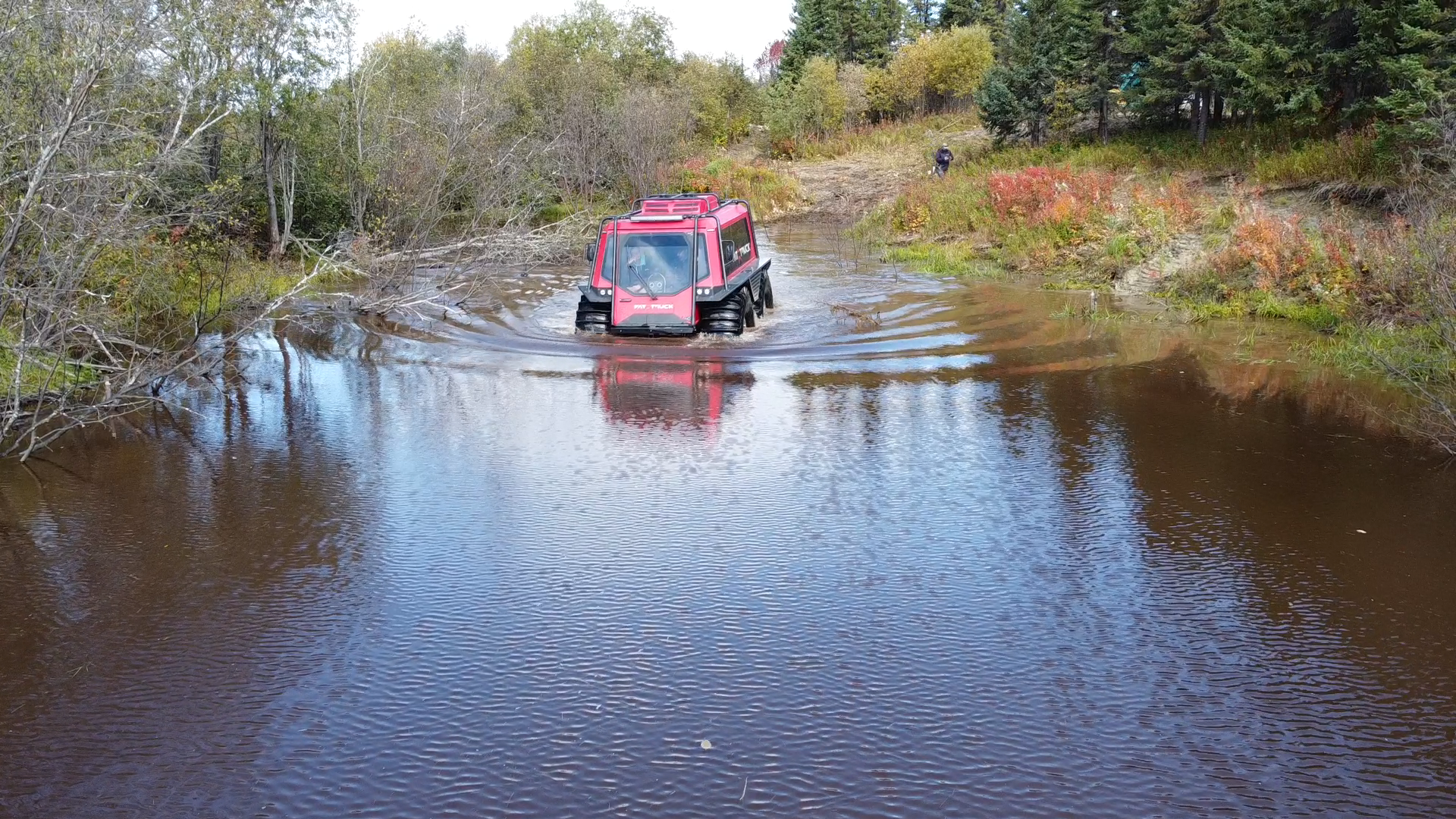
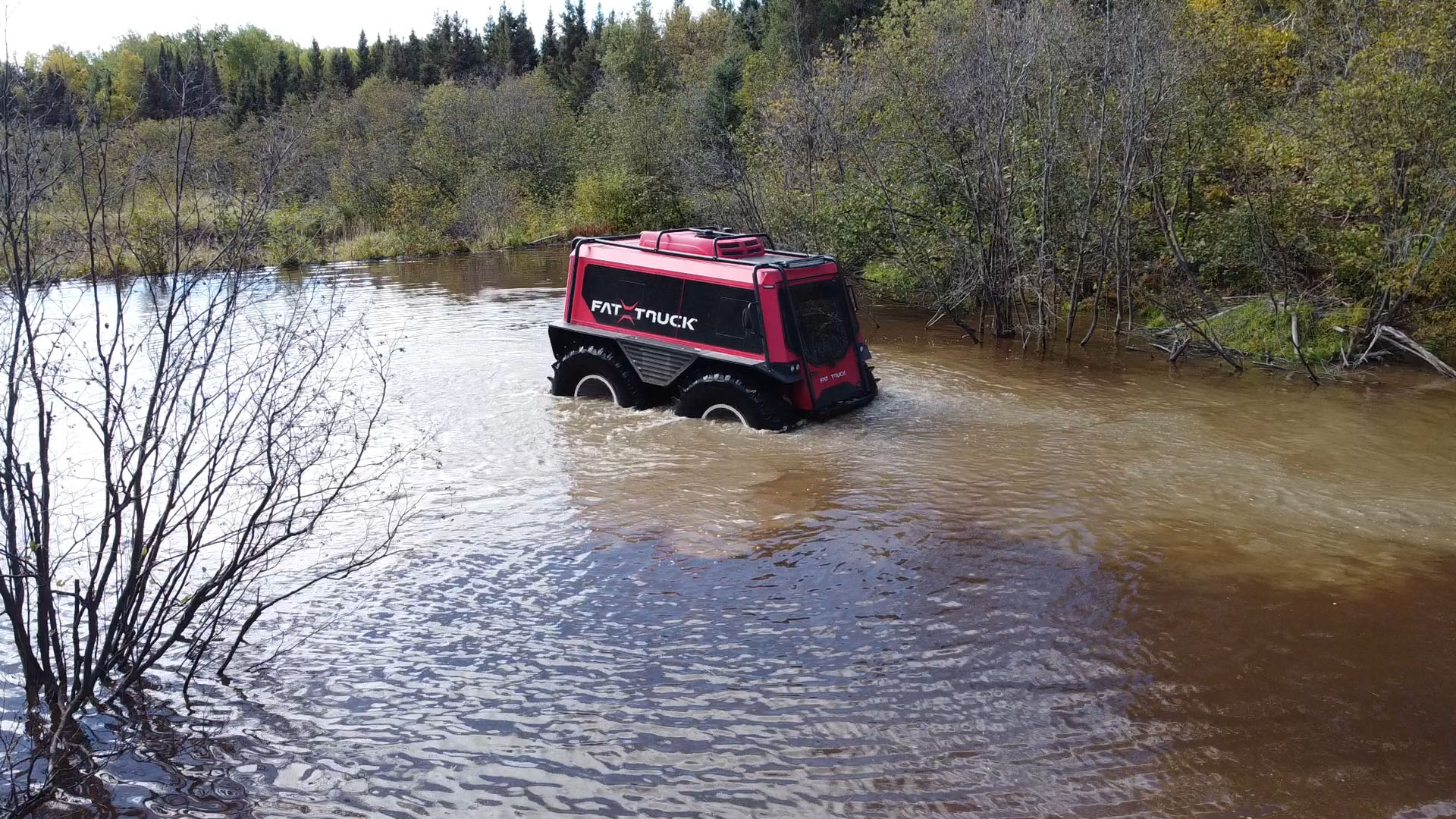
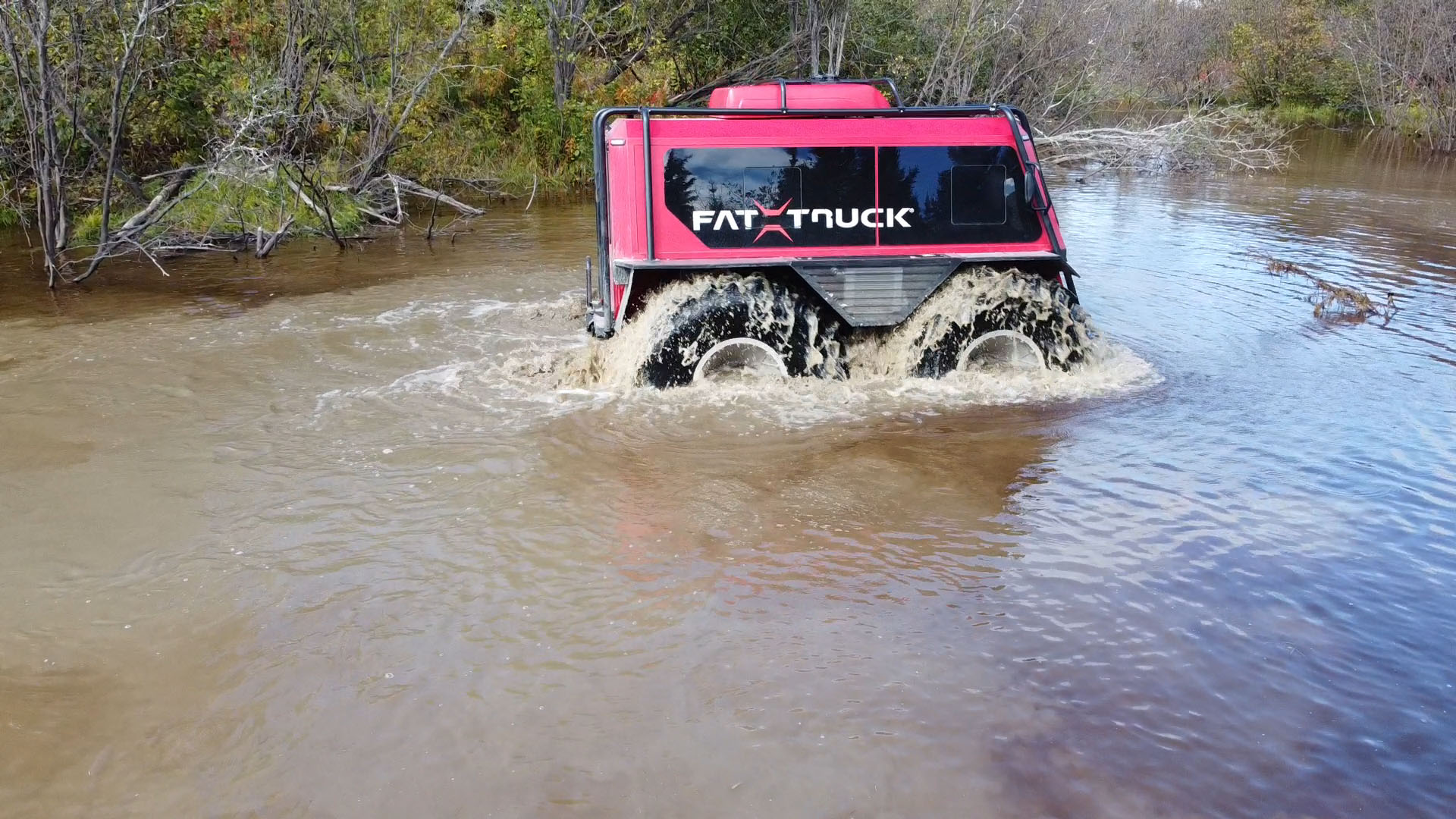
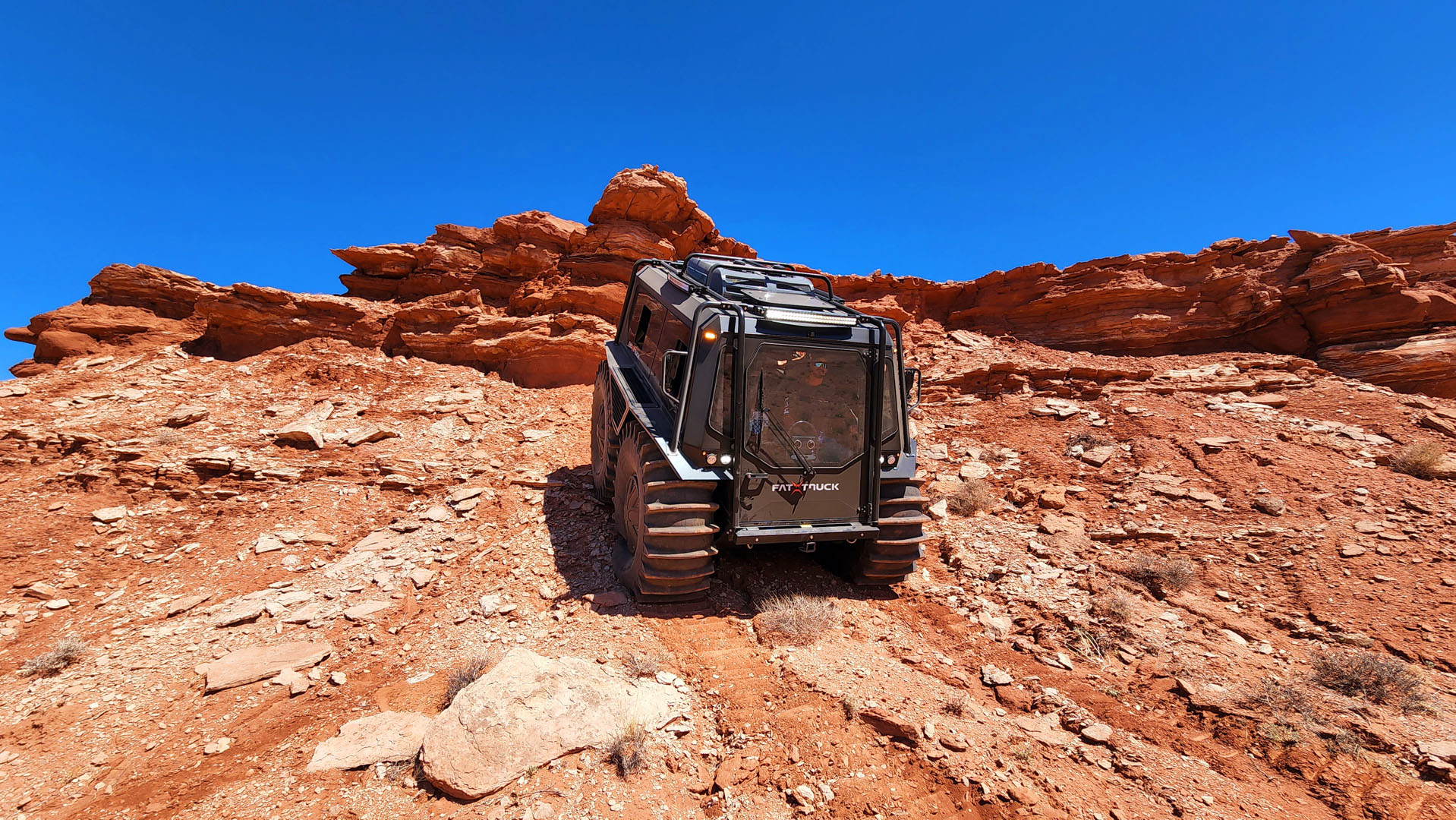
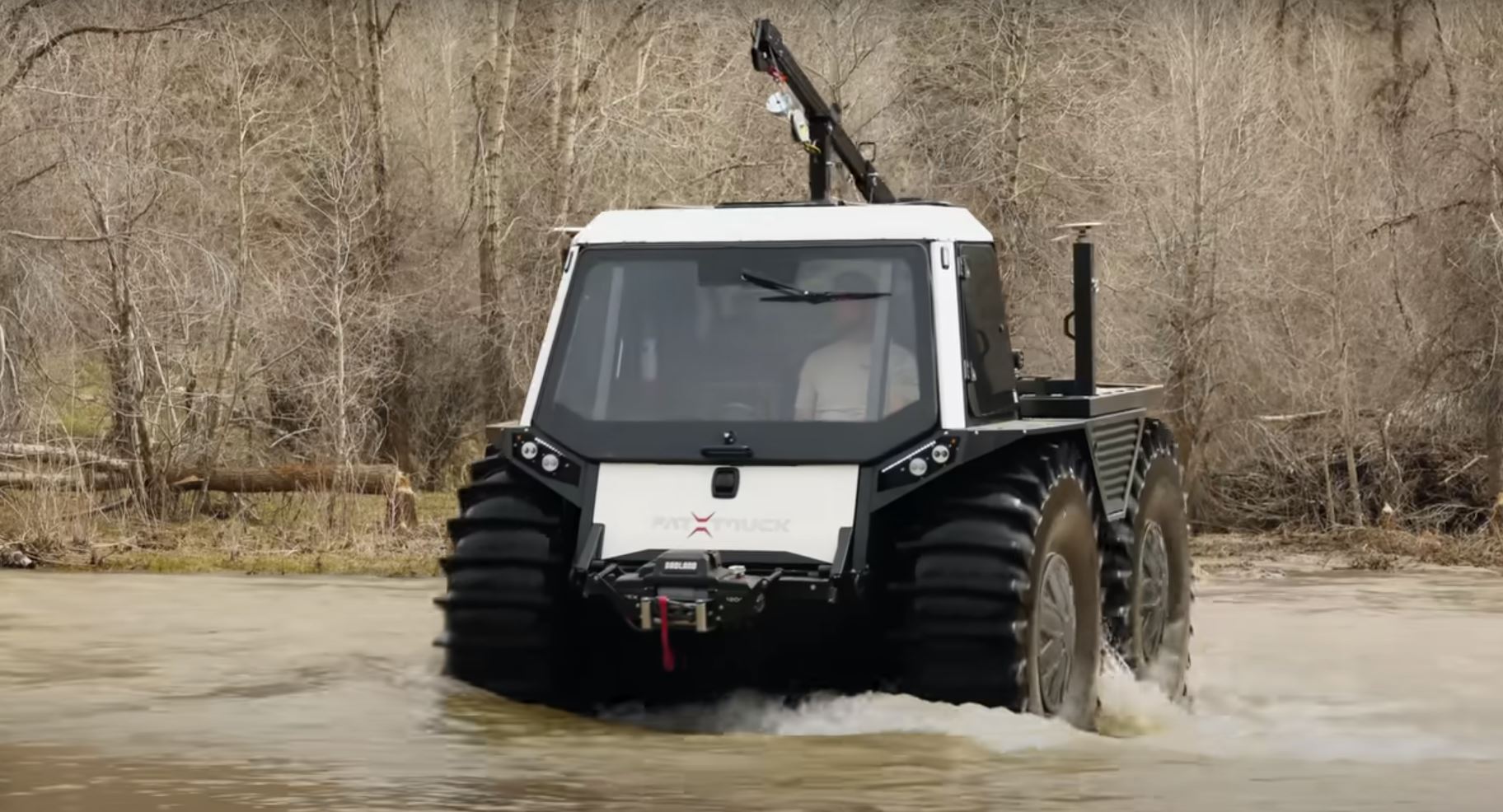
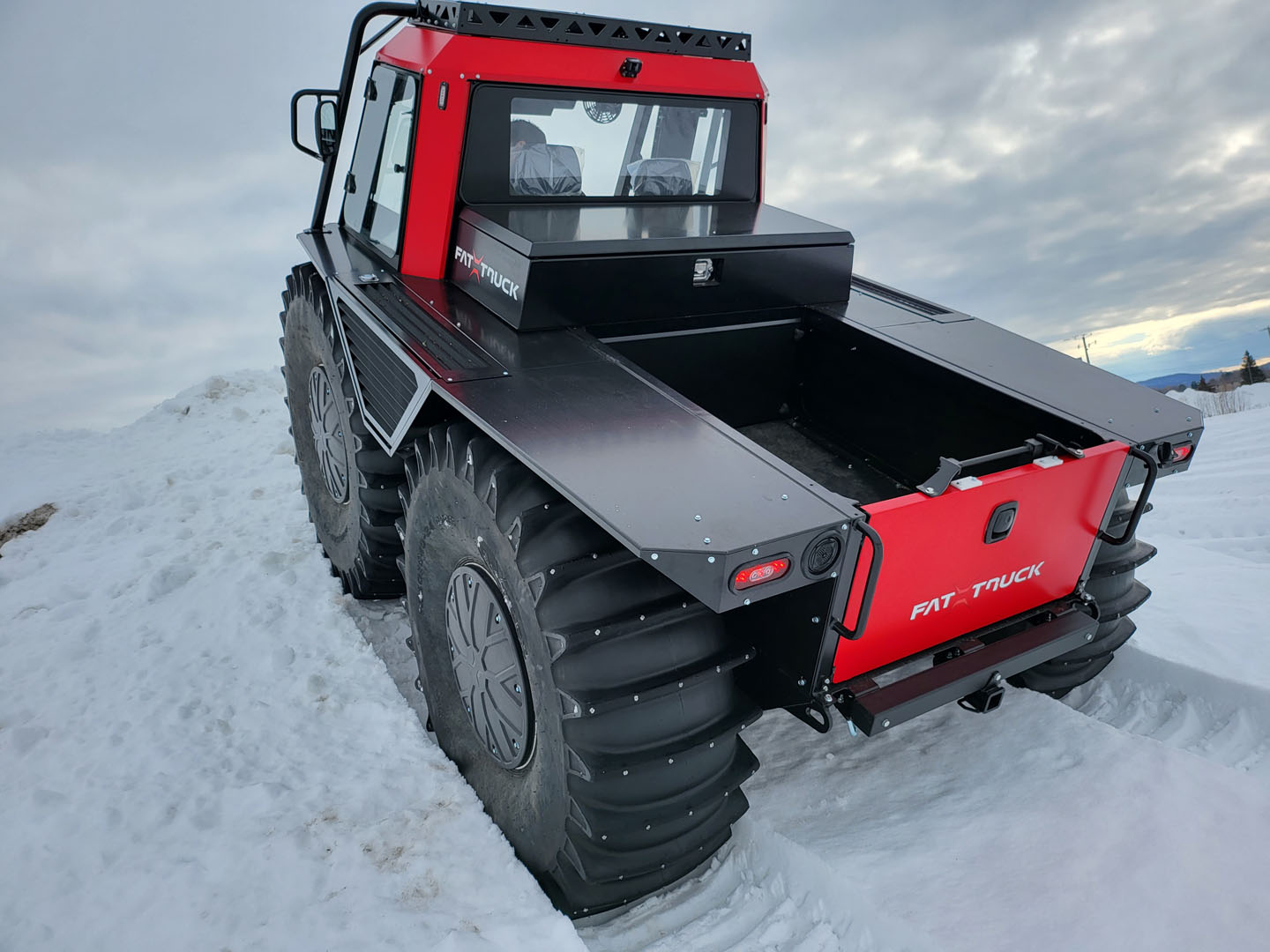
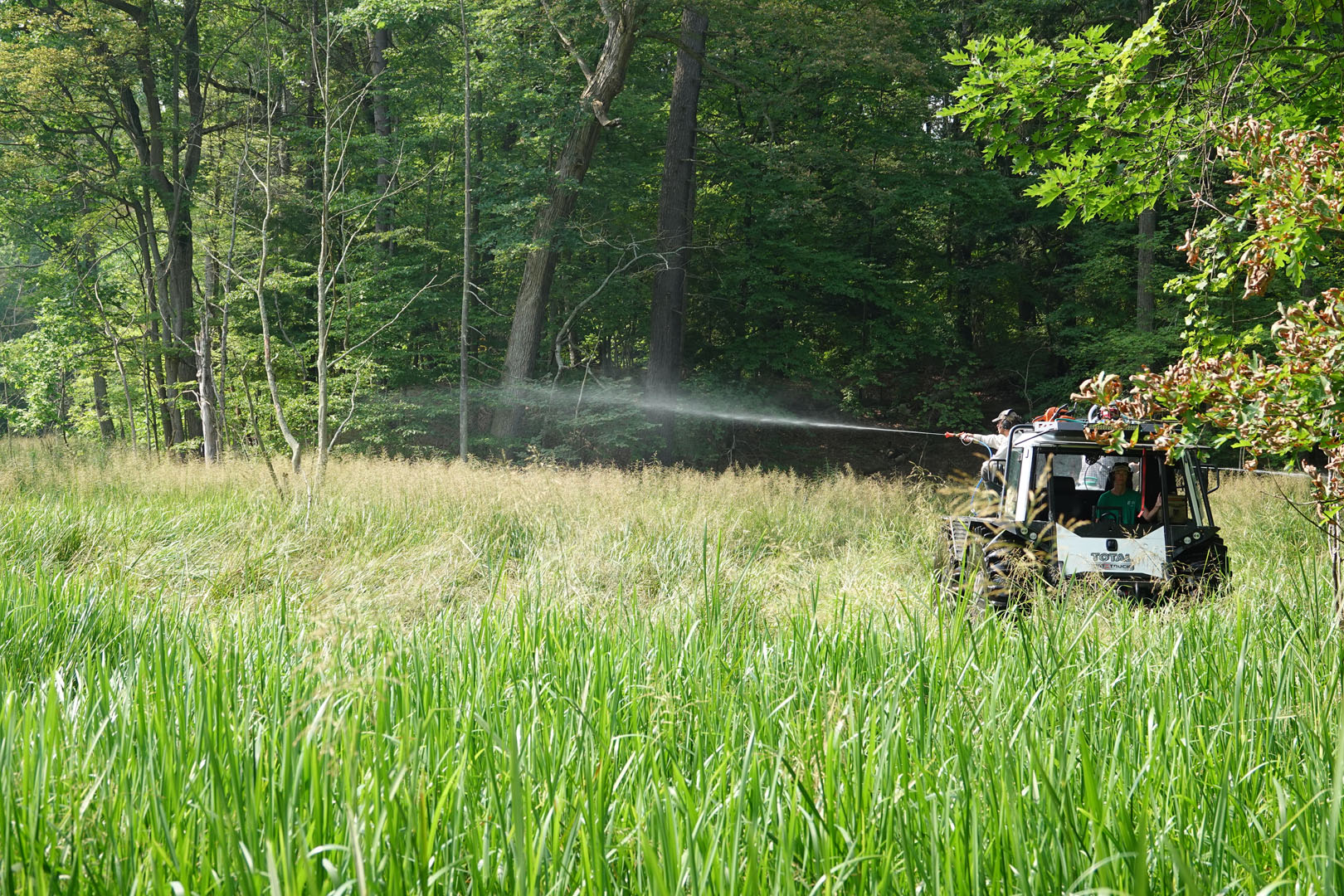
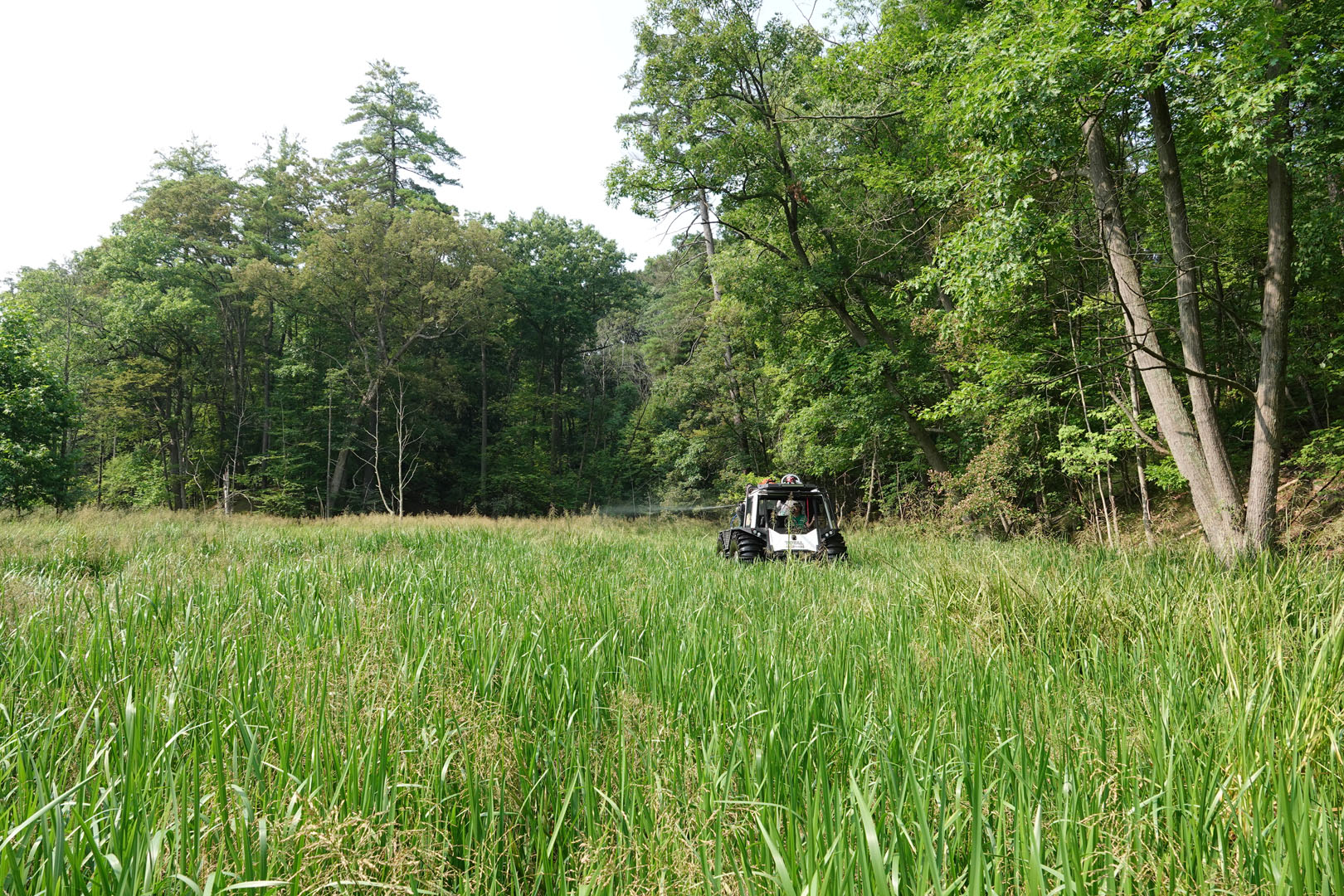
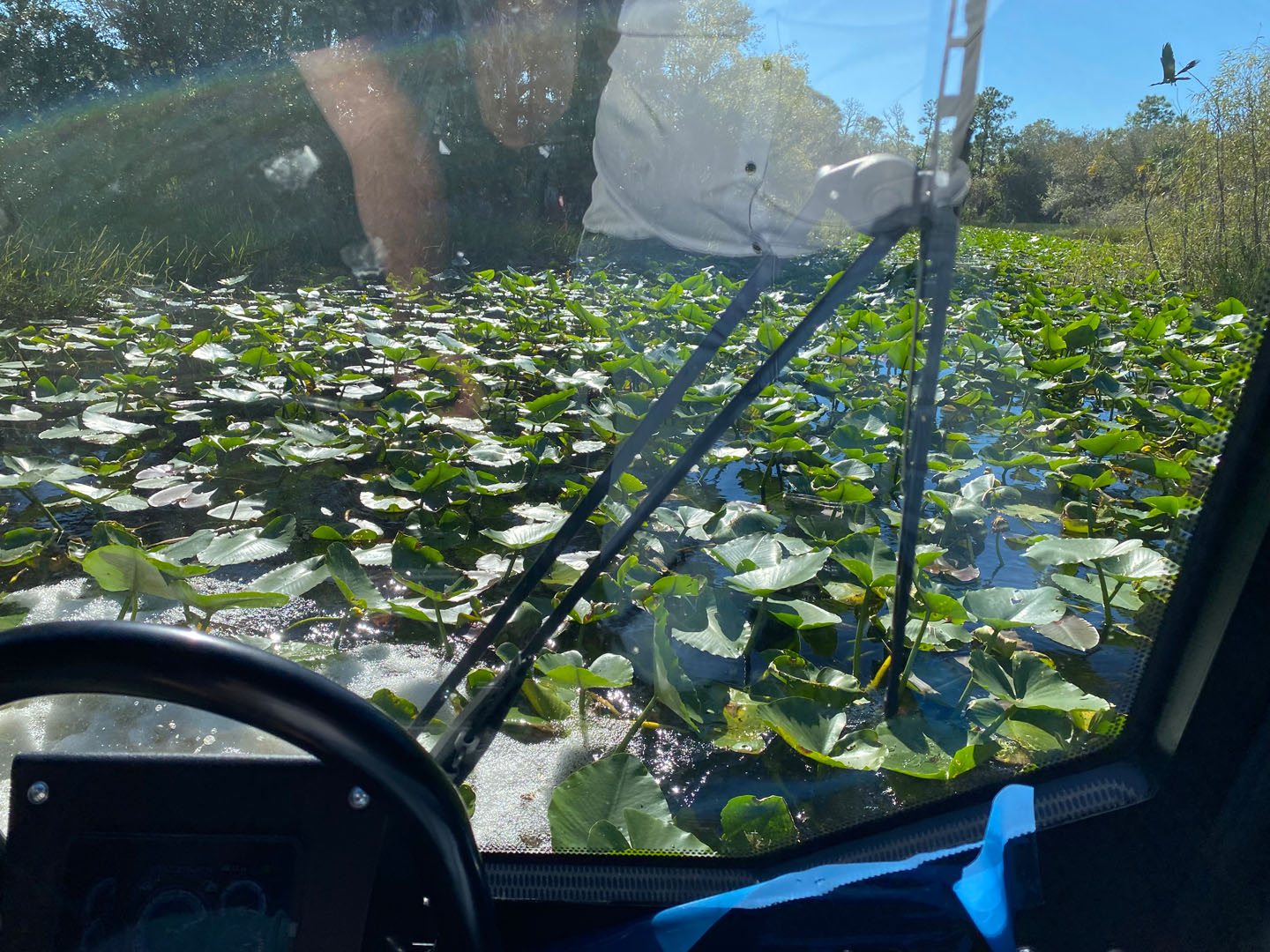
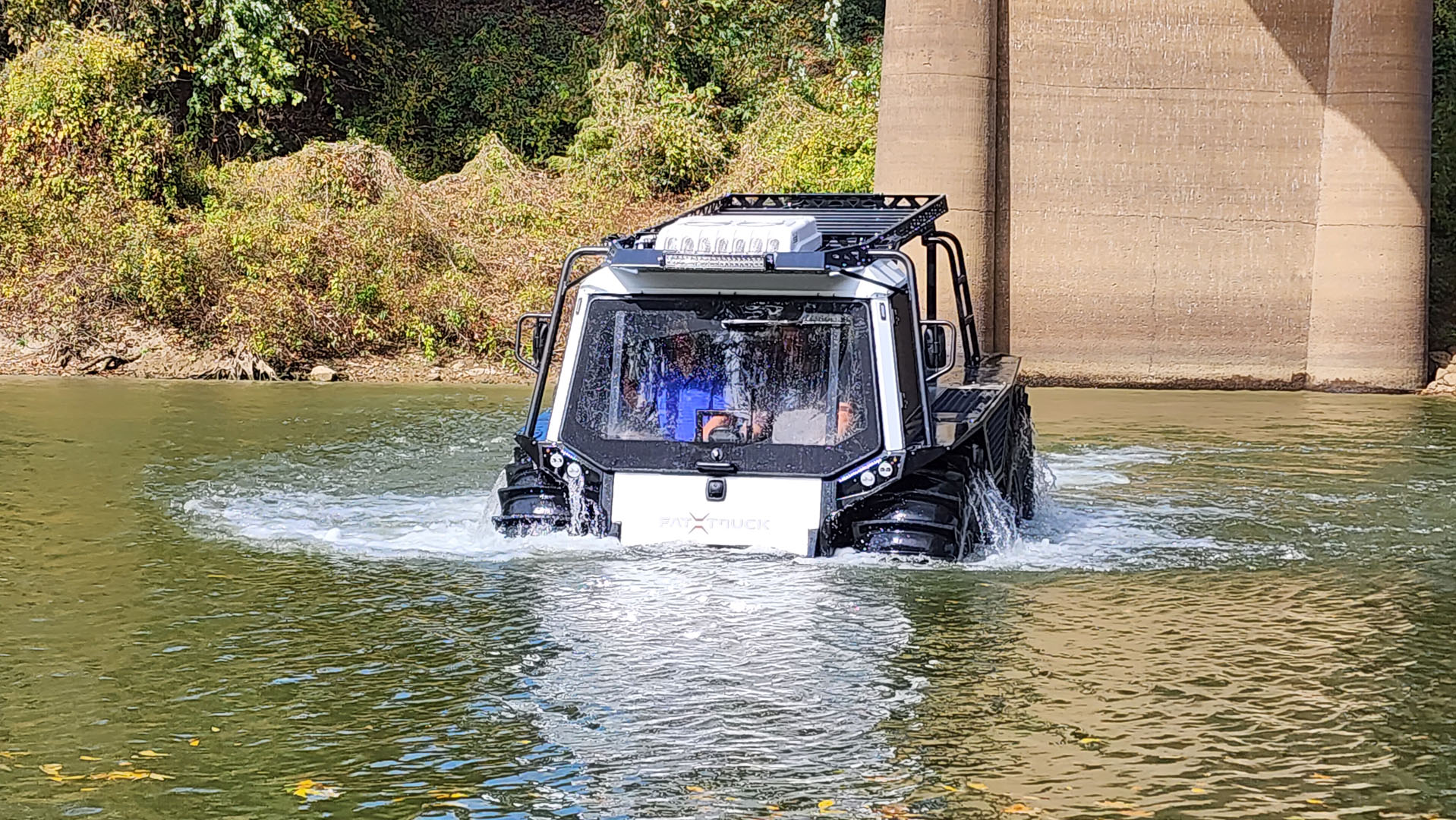
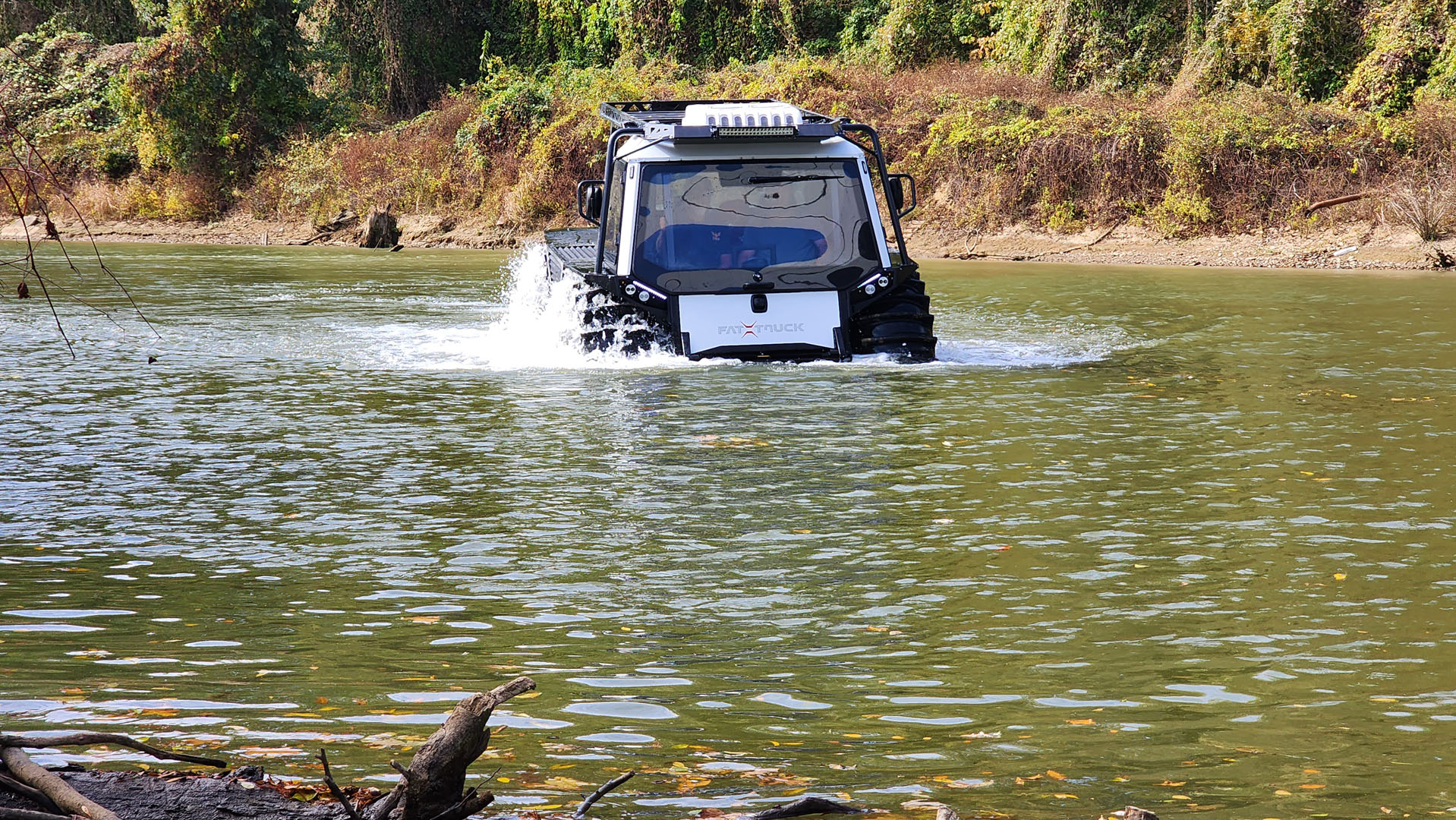
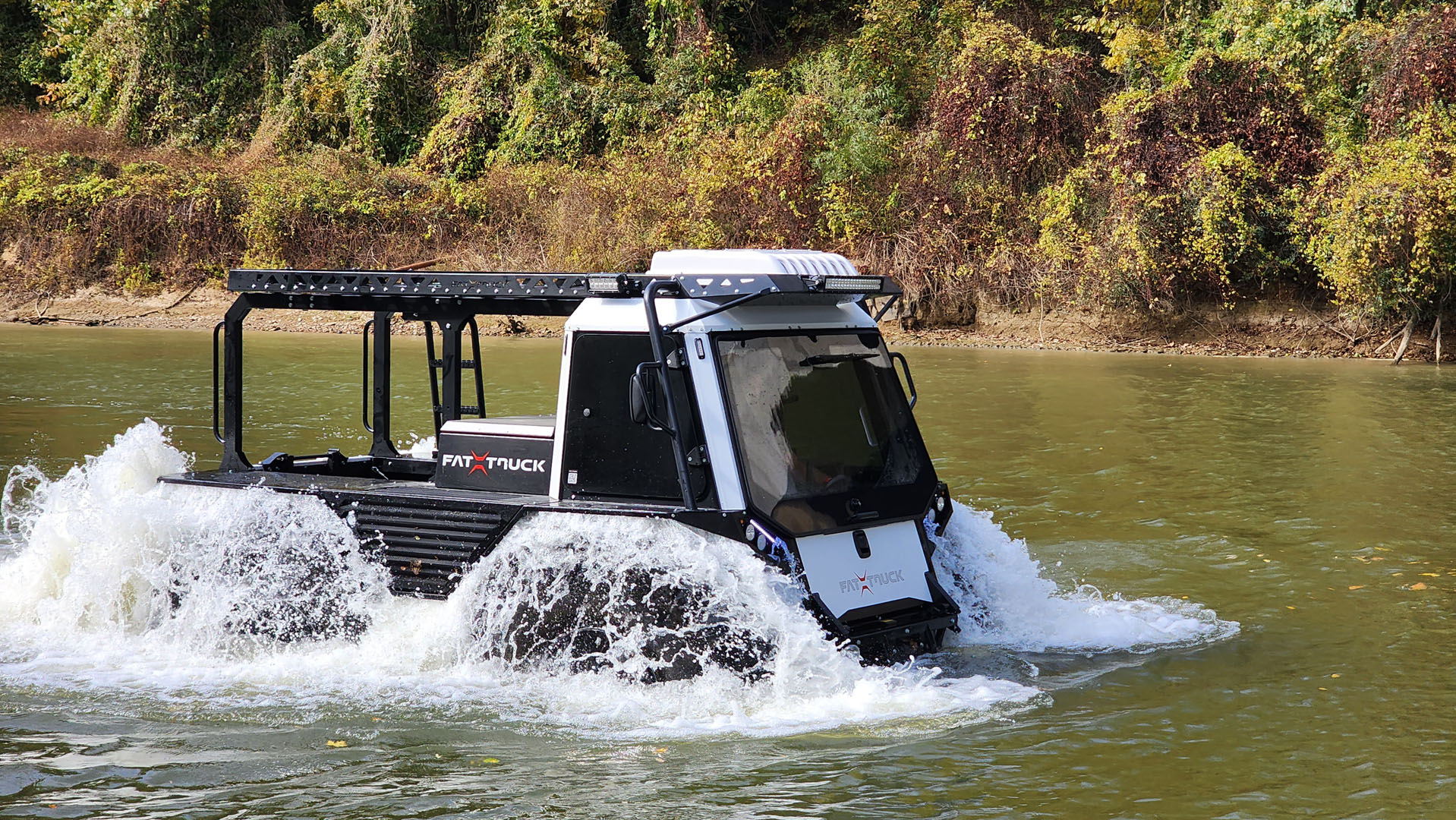
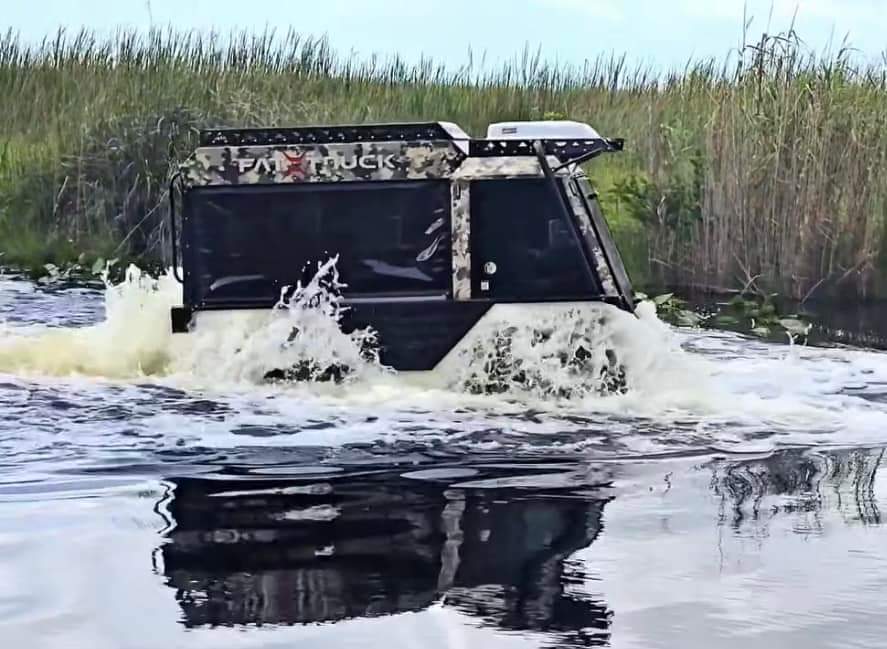
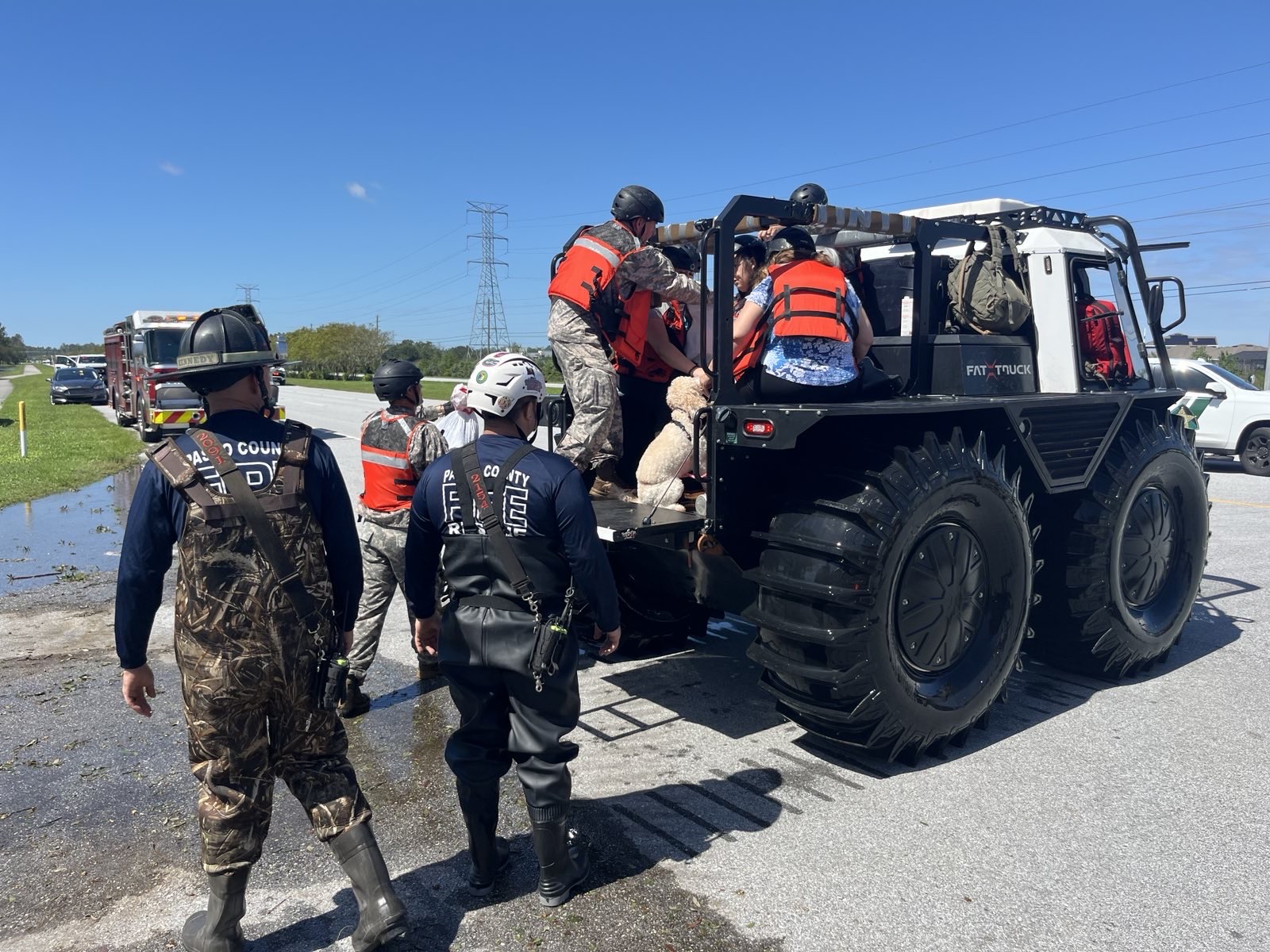
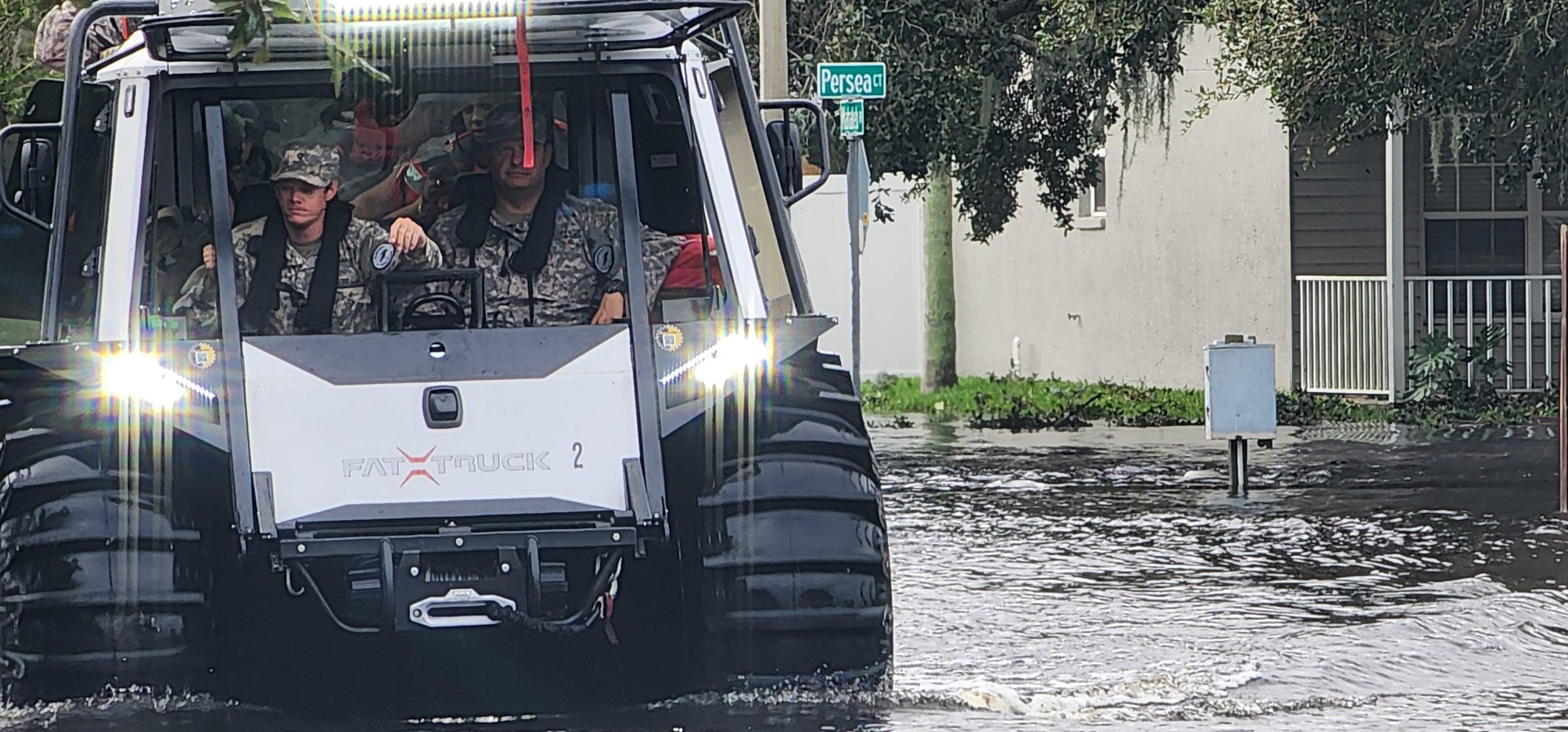
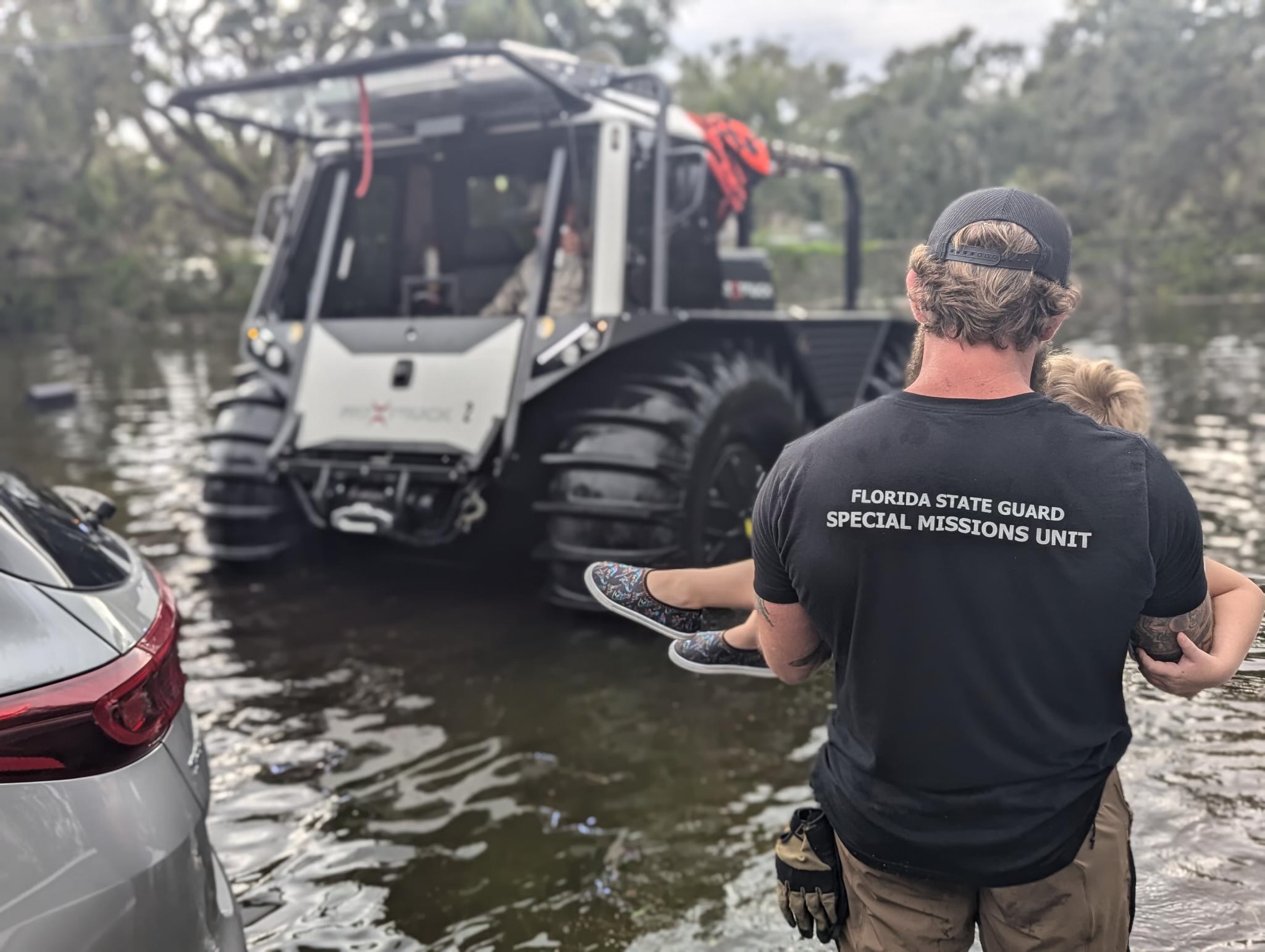
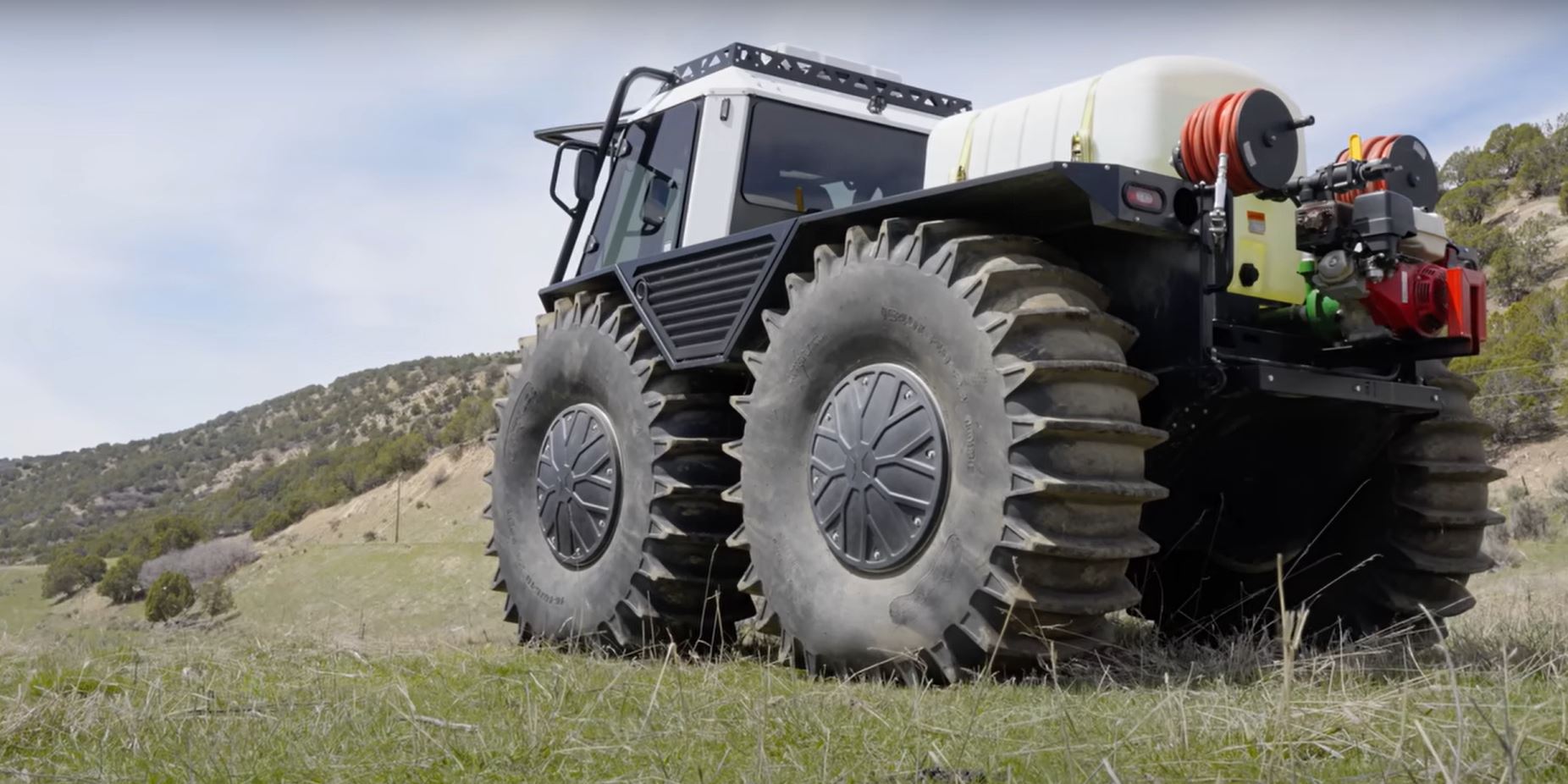
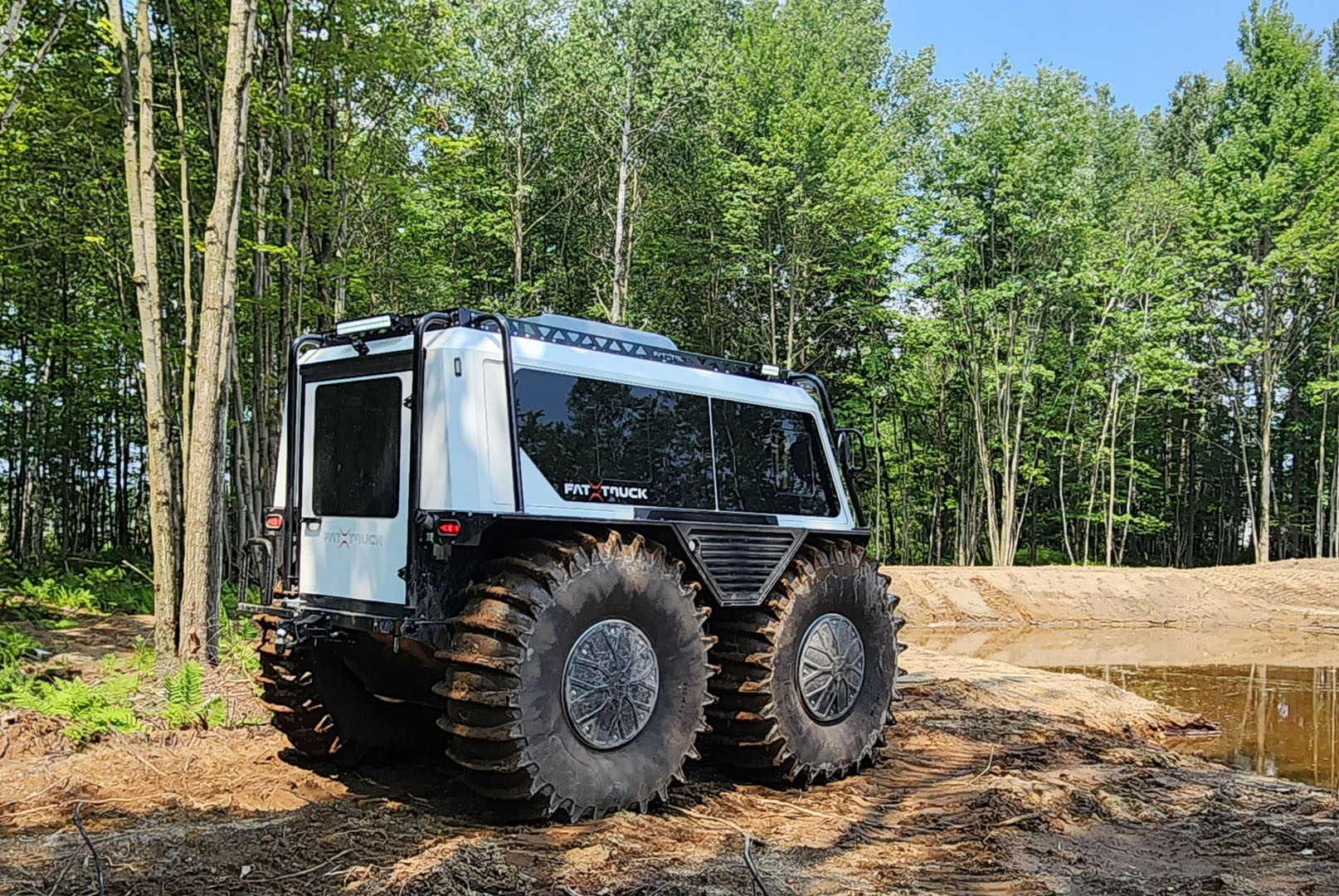
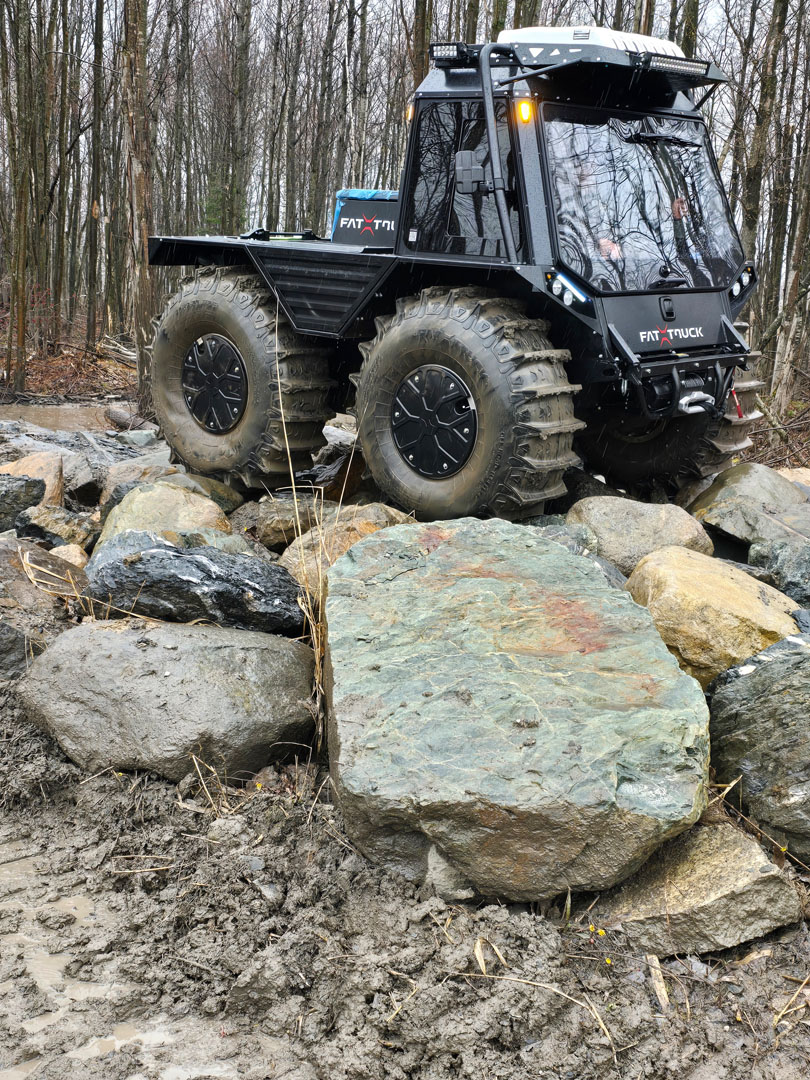
Now consider flood response and disaster relief: the ability to move through areas where roads are impassable, terrain that shifts unpredictably between solid ground and standing water, remote or cut-off communities that need equipment capable of reaching them without conventional road access, and reliability under time pressure when response speed determines outcomes.
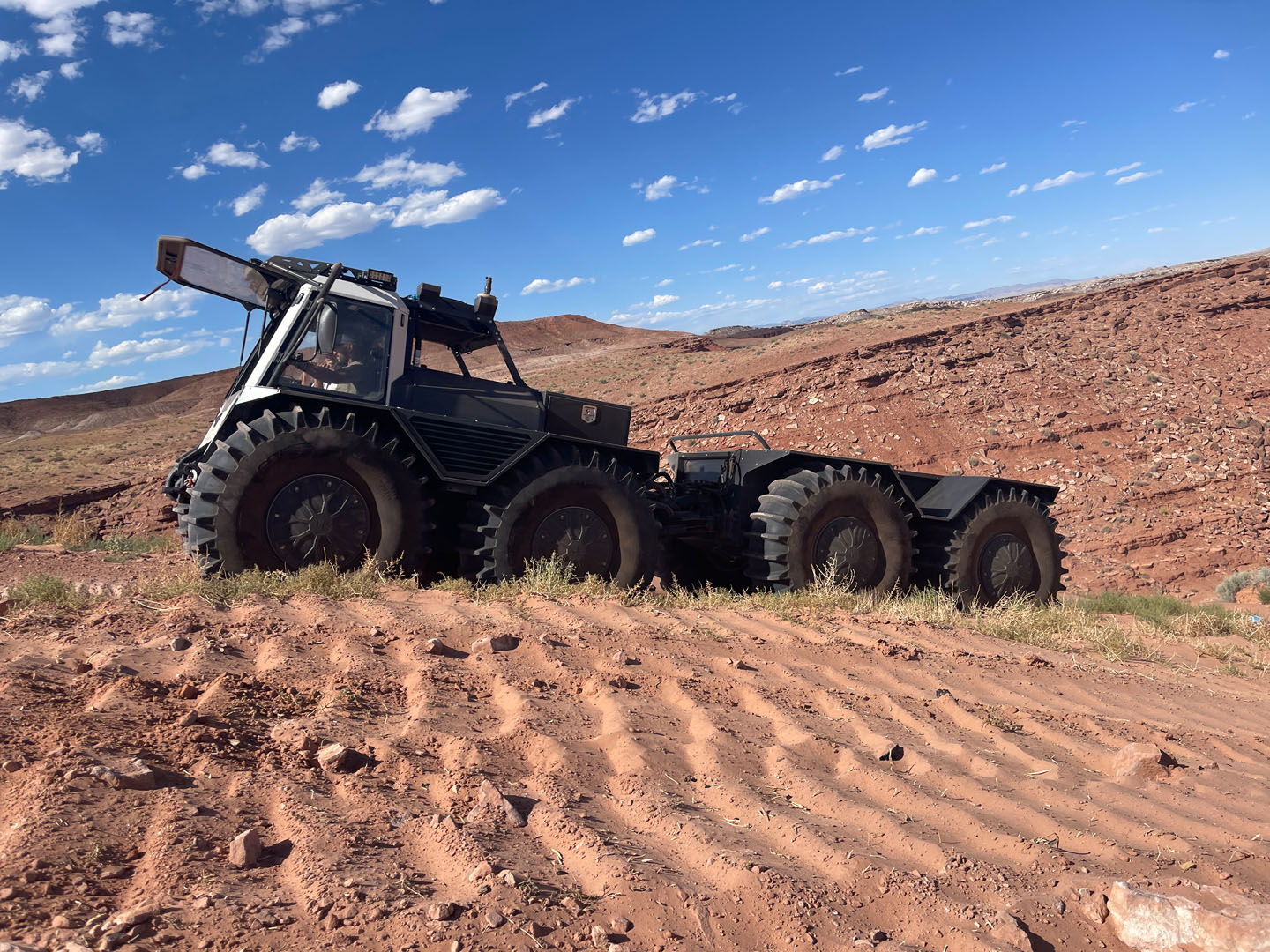
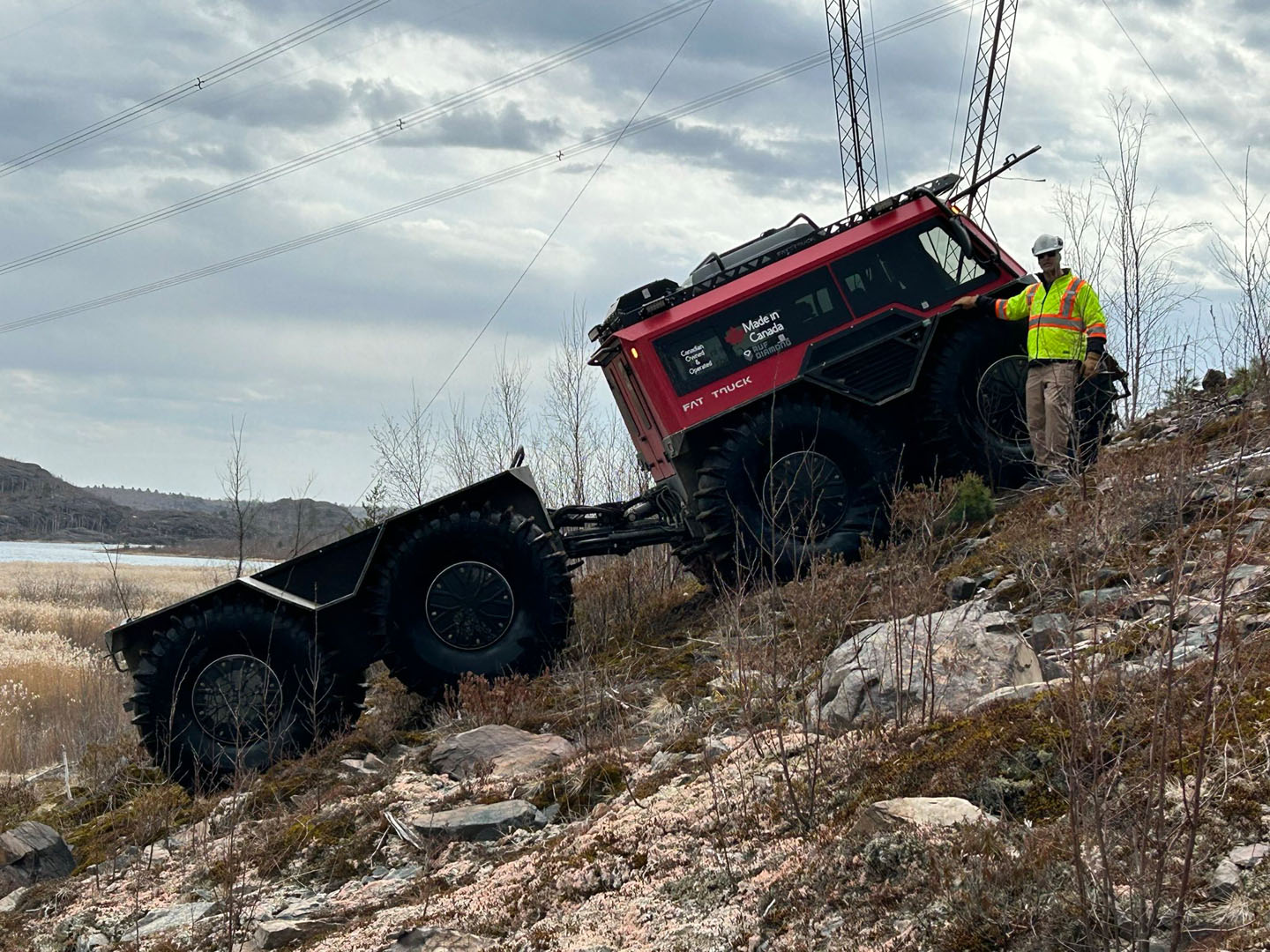
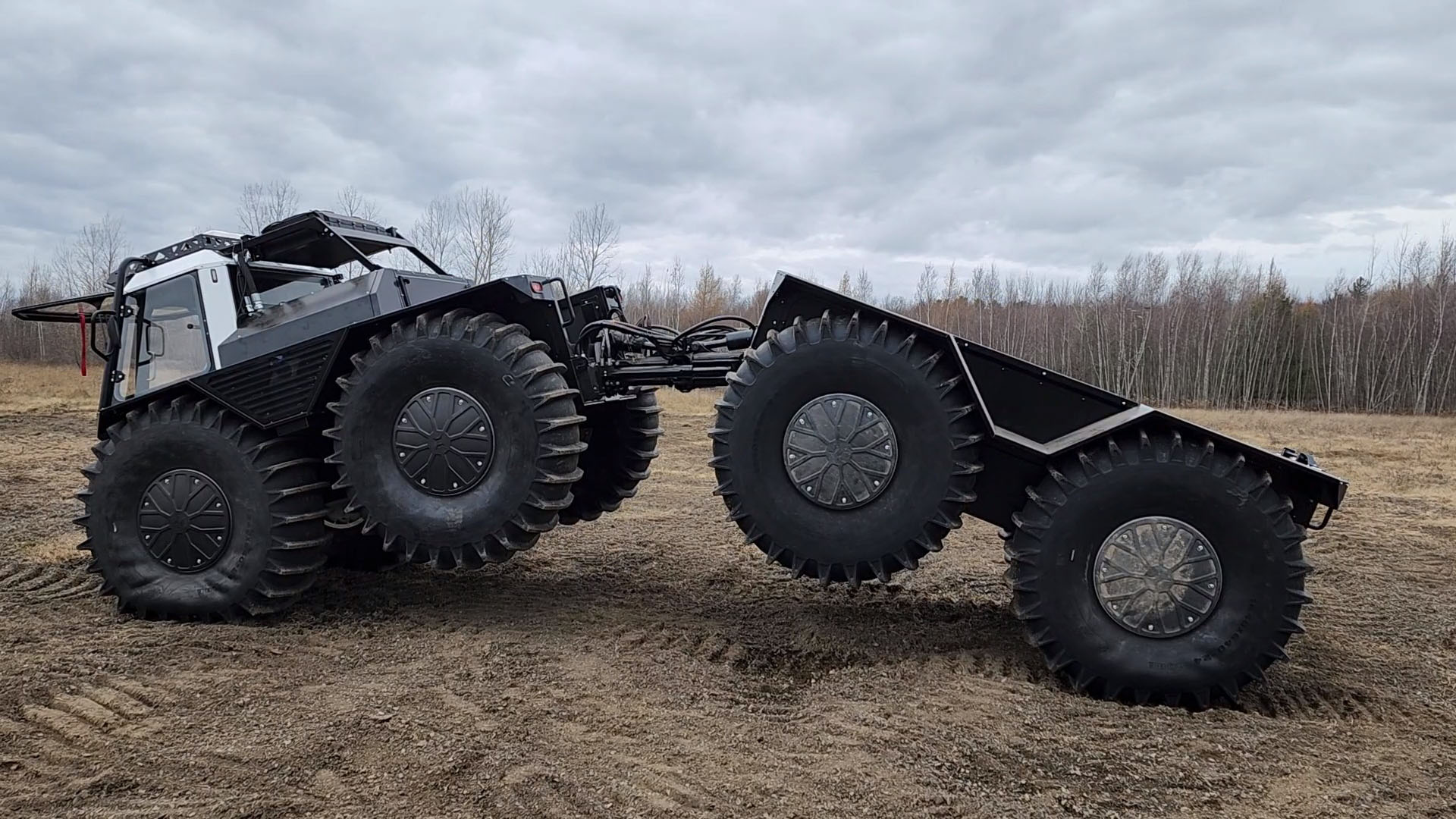
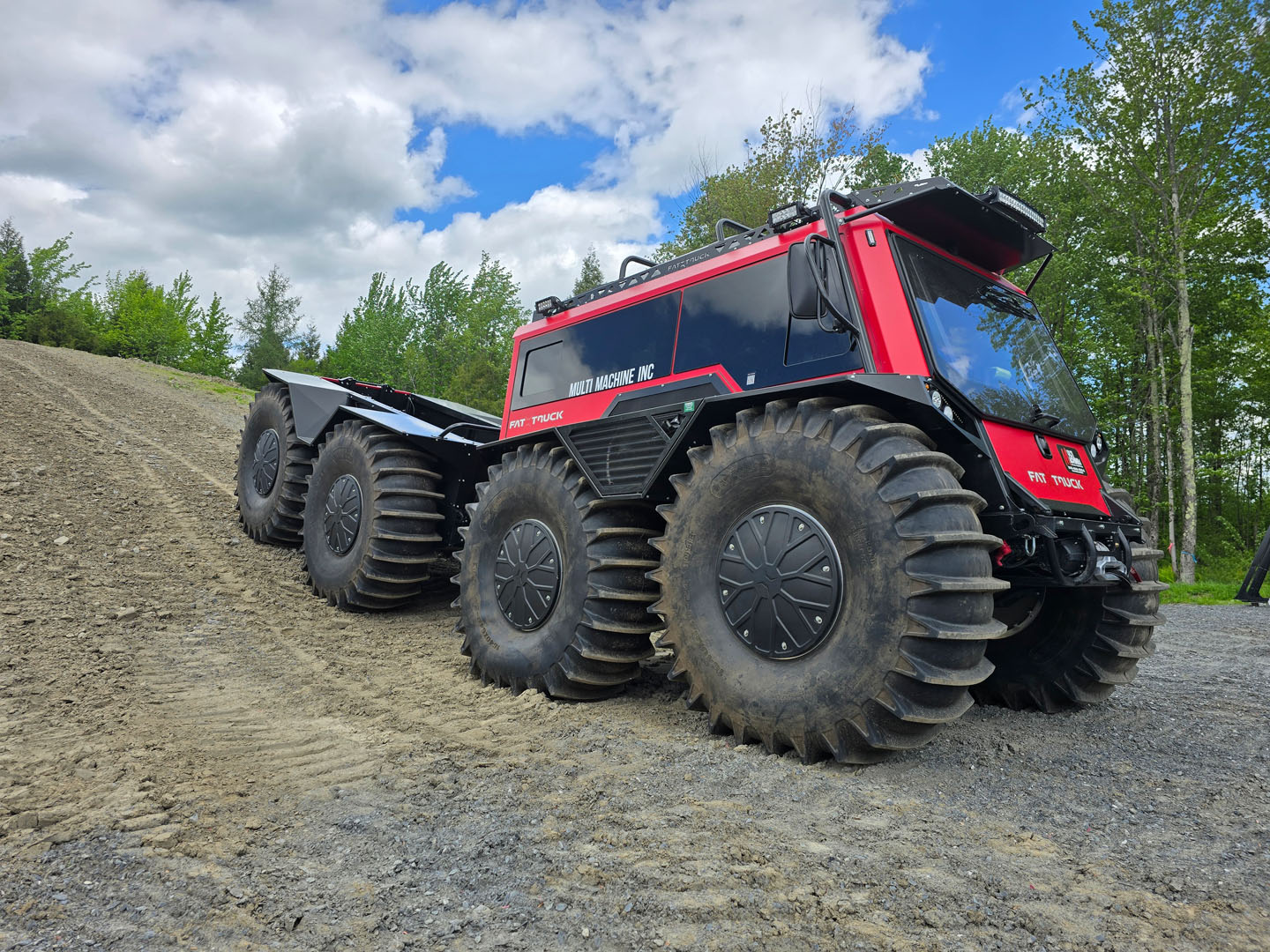
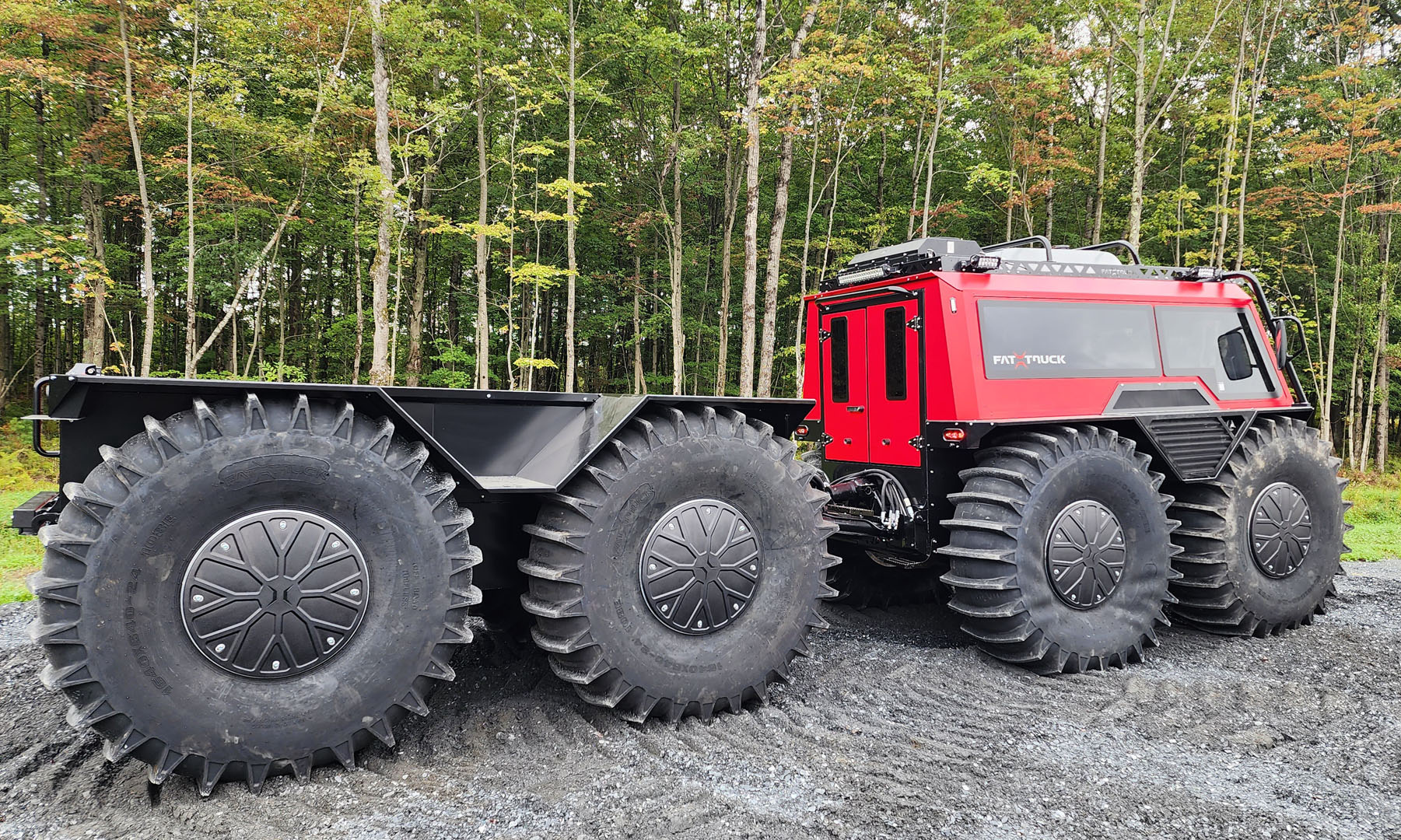
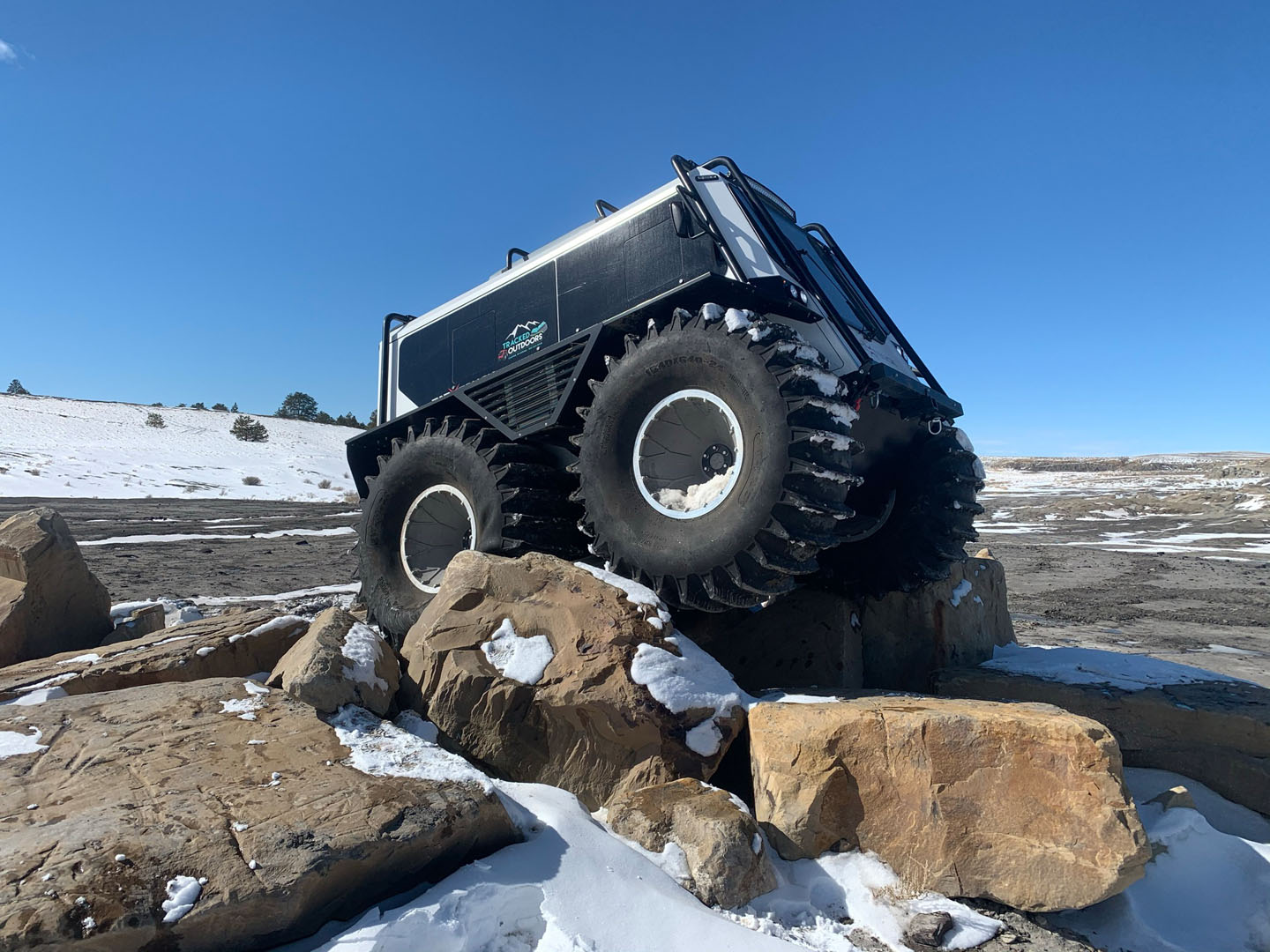
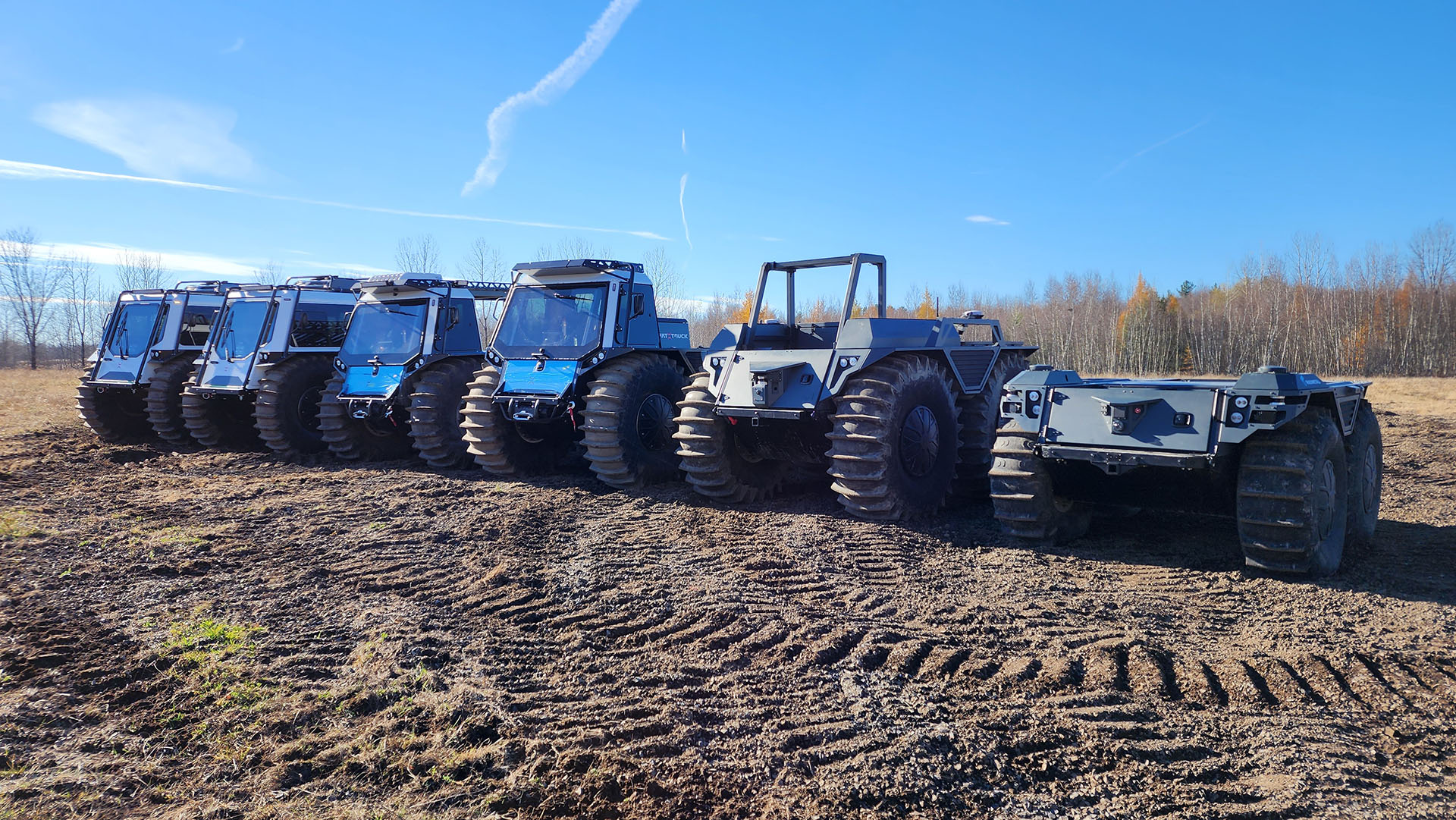
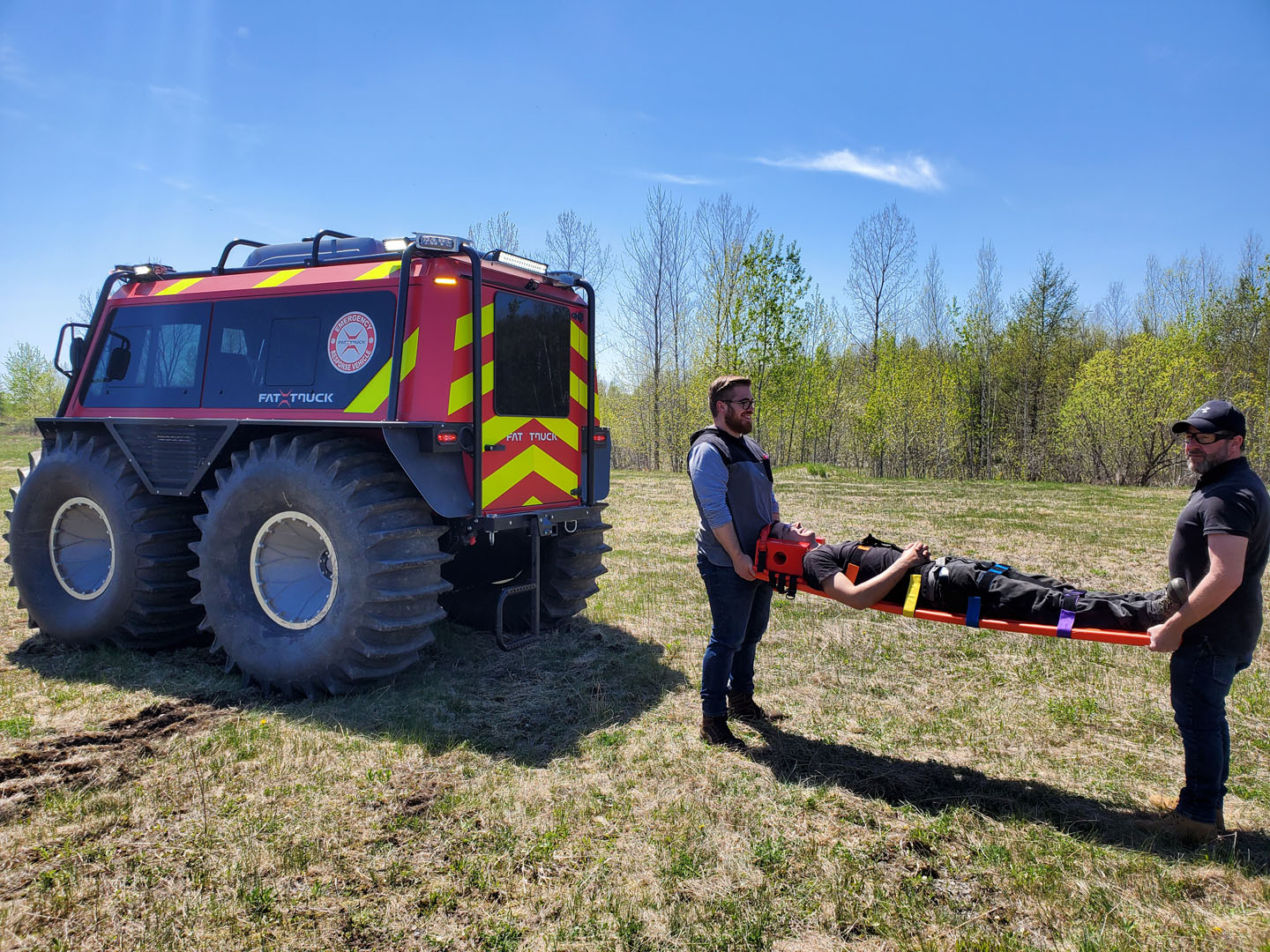
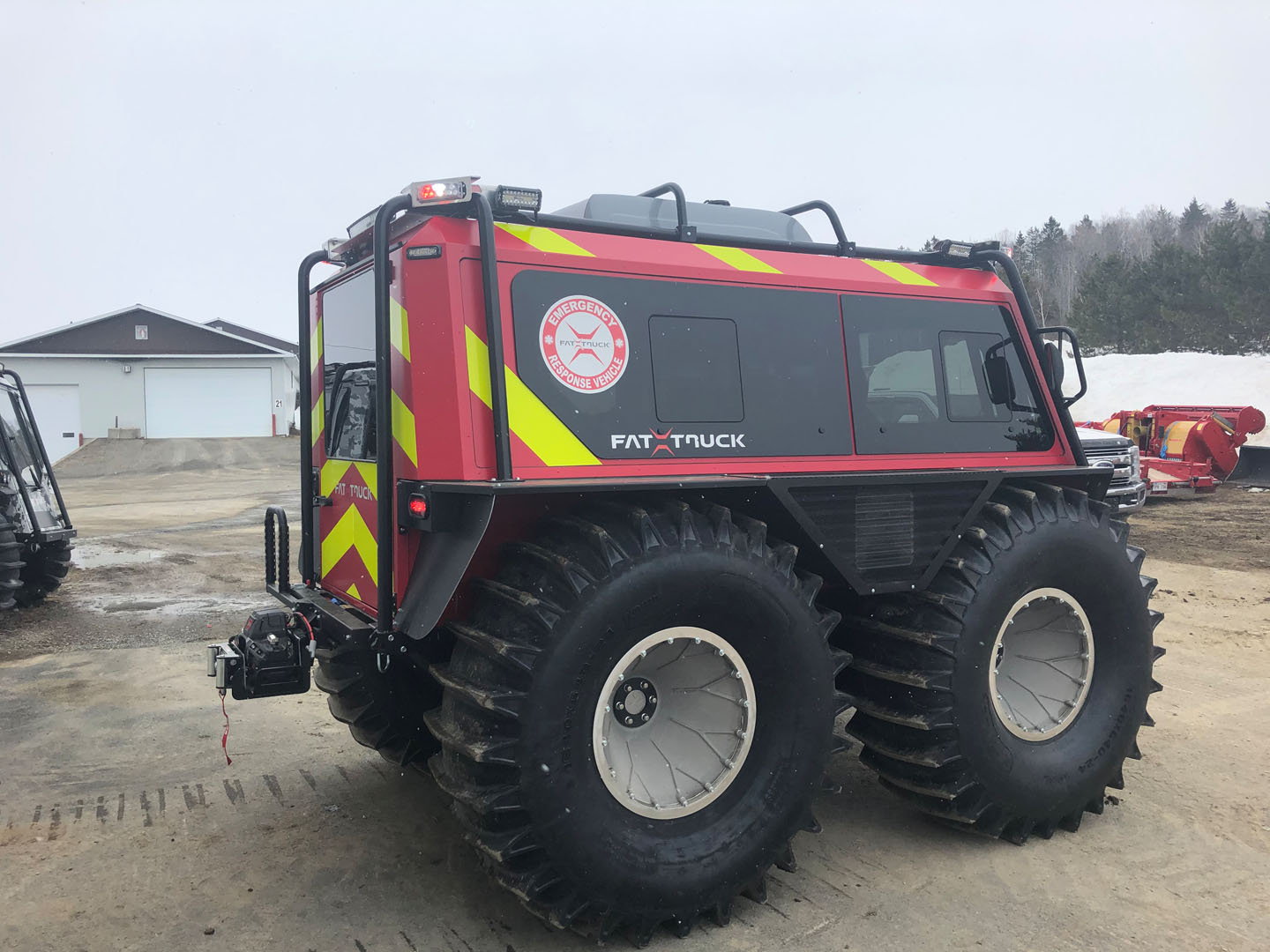
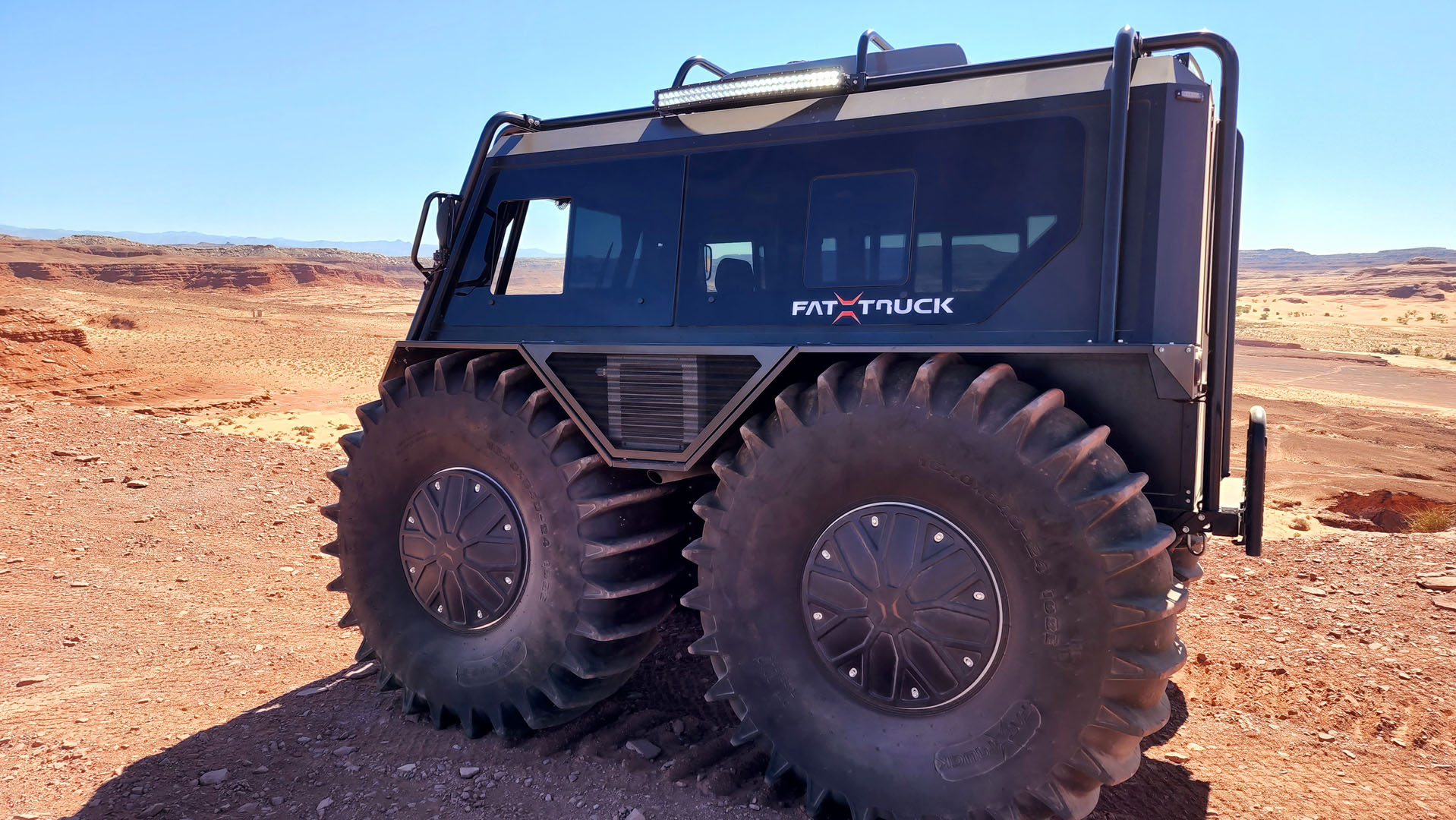
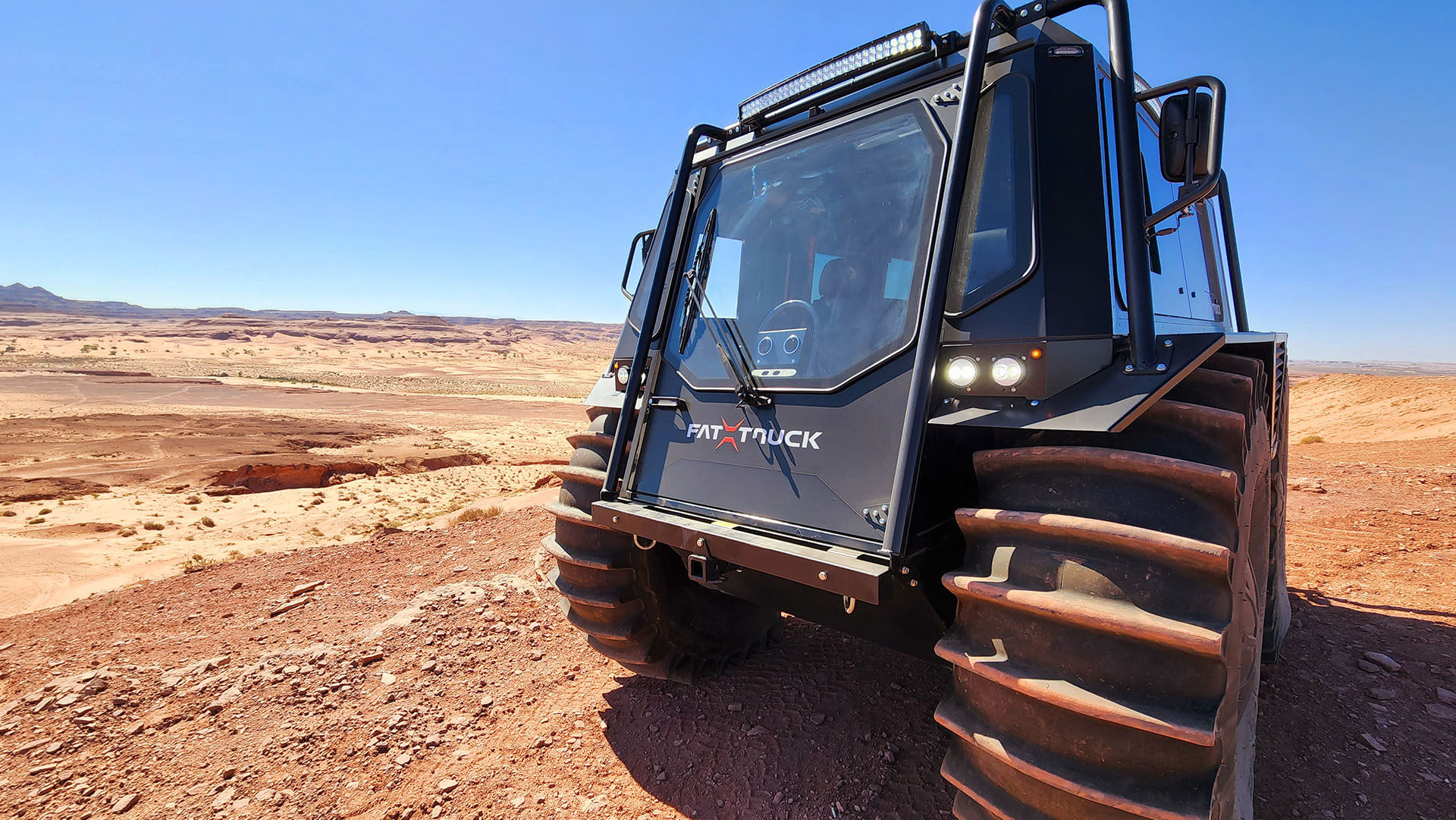
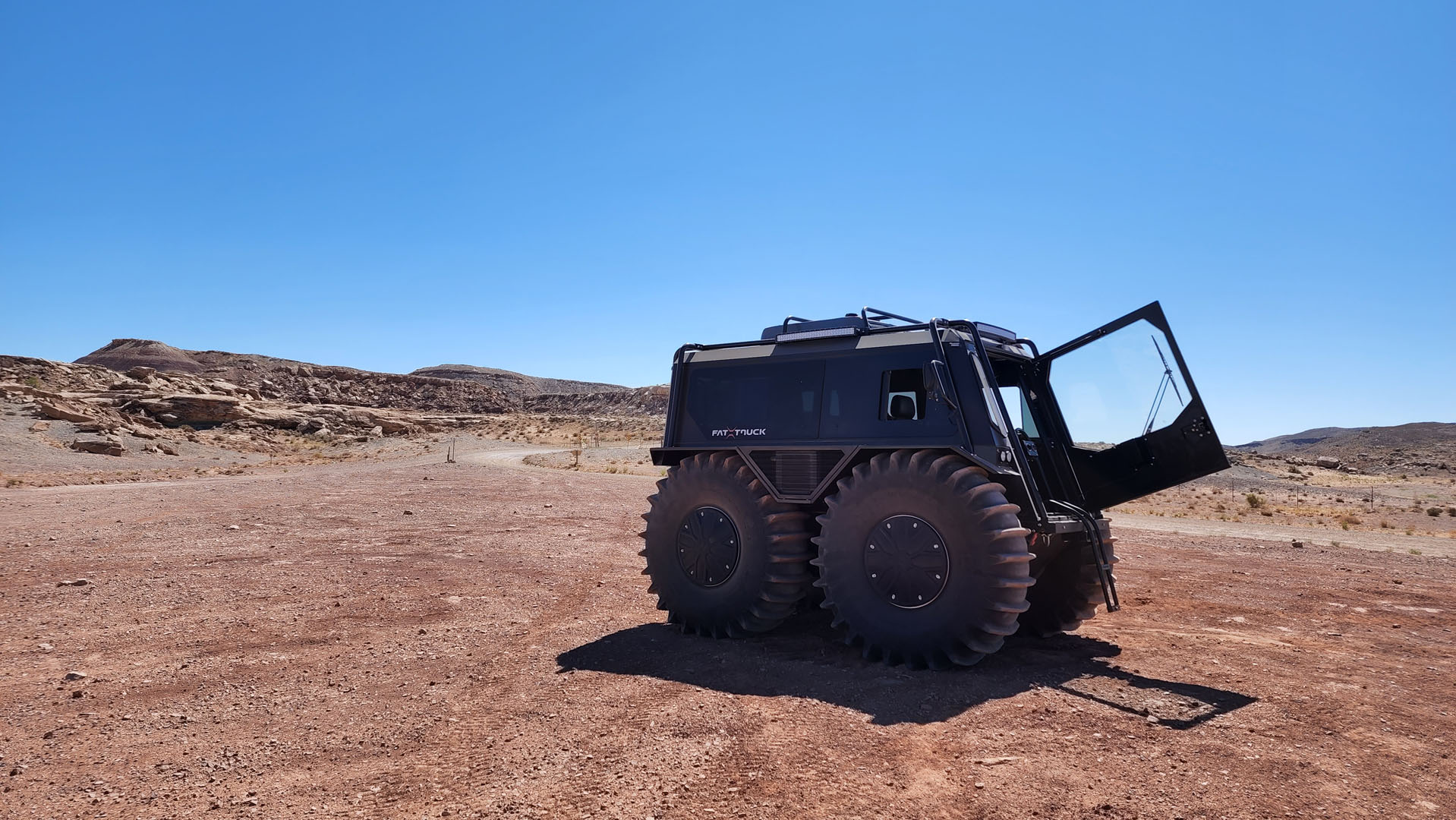
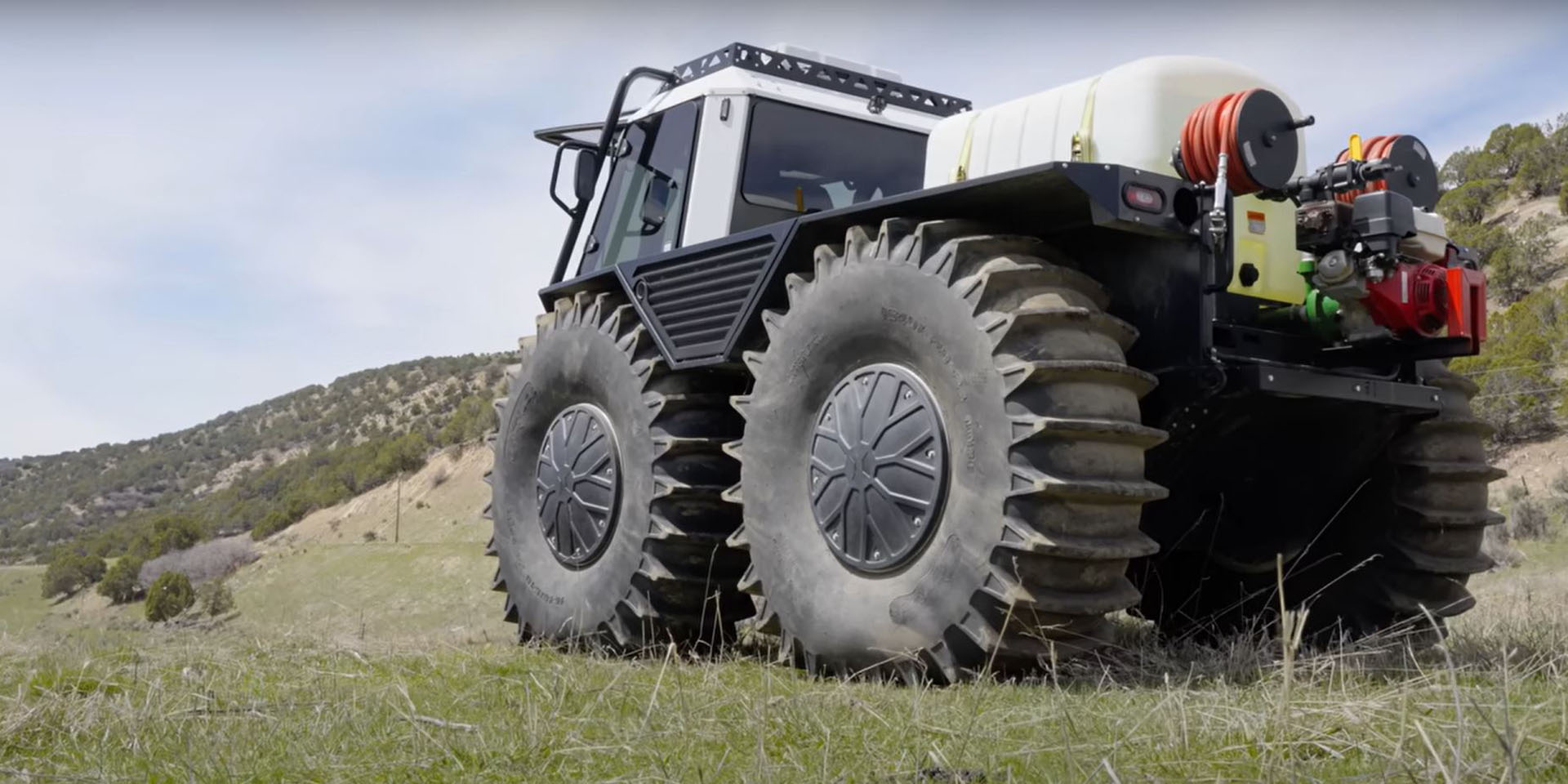
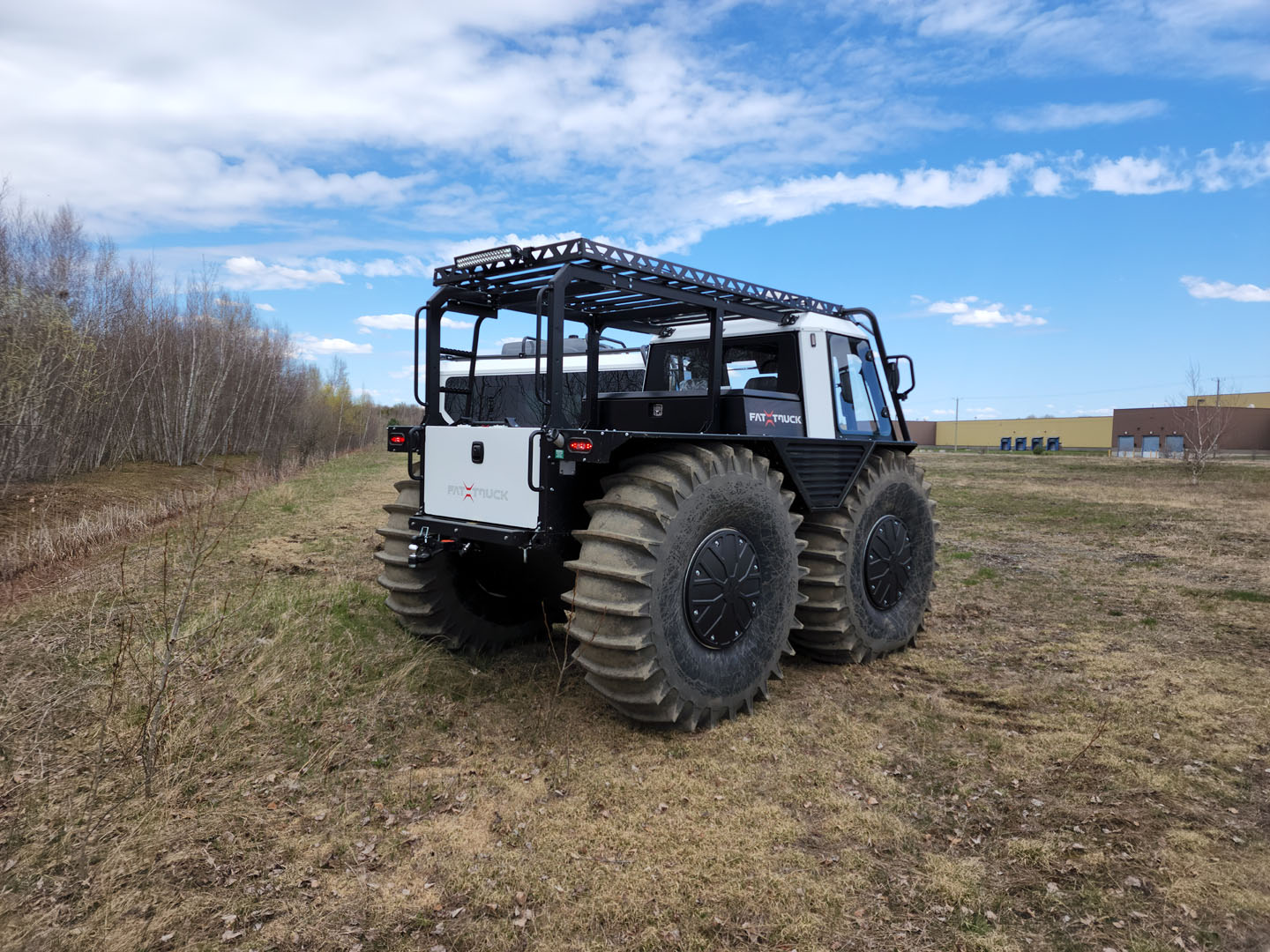
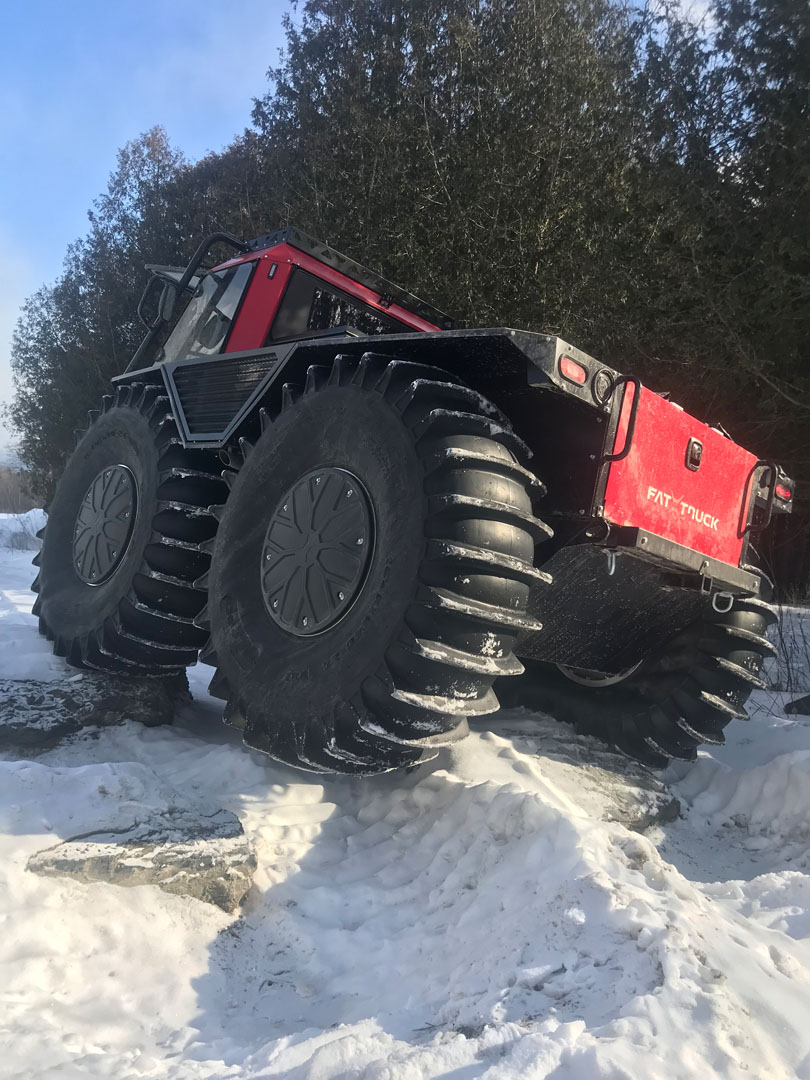
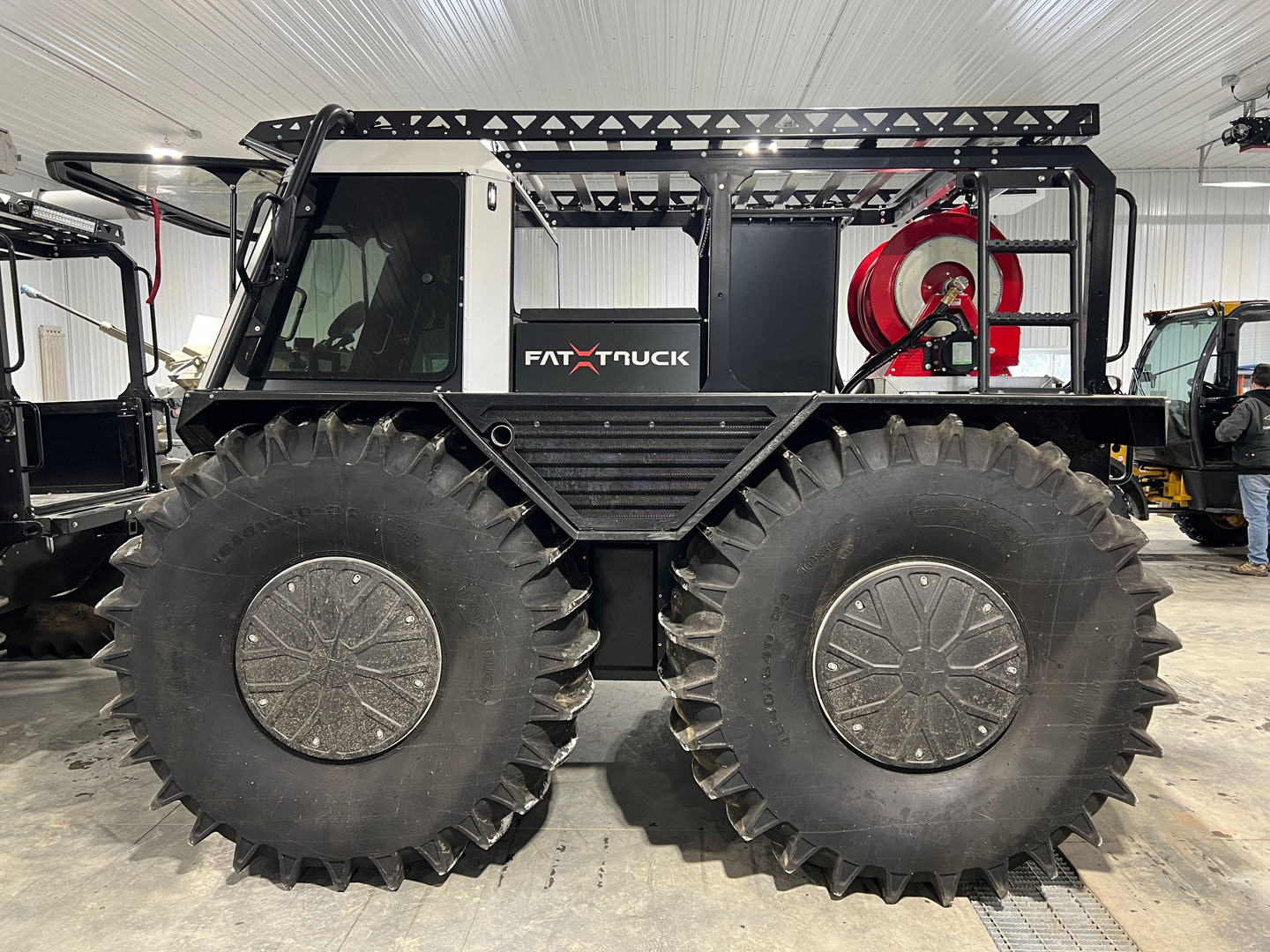
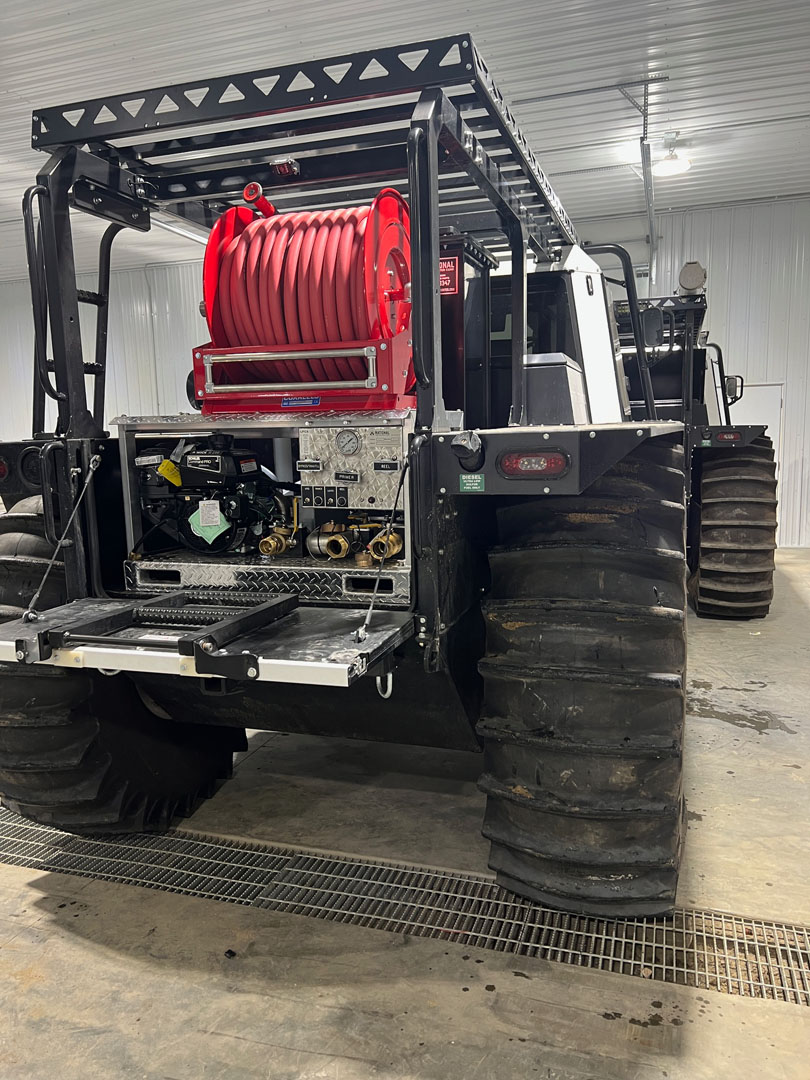
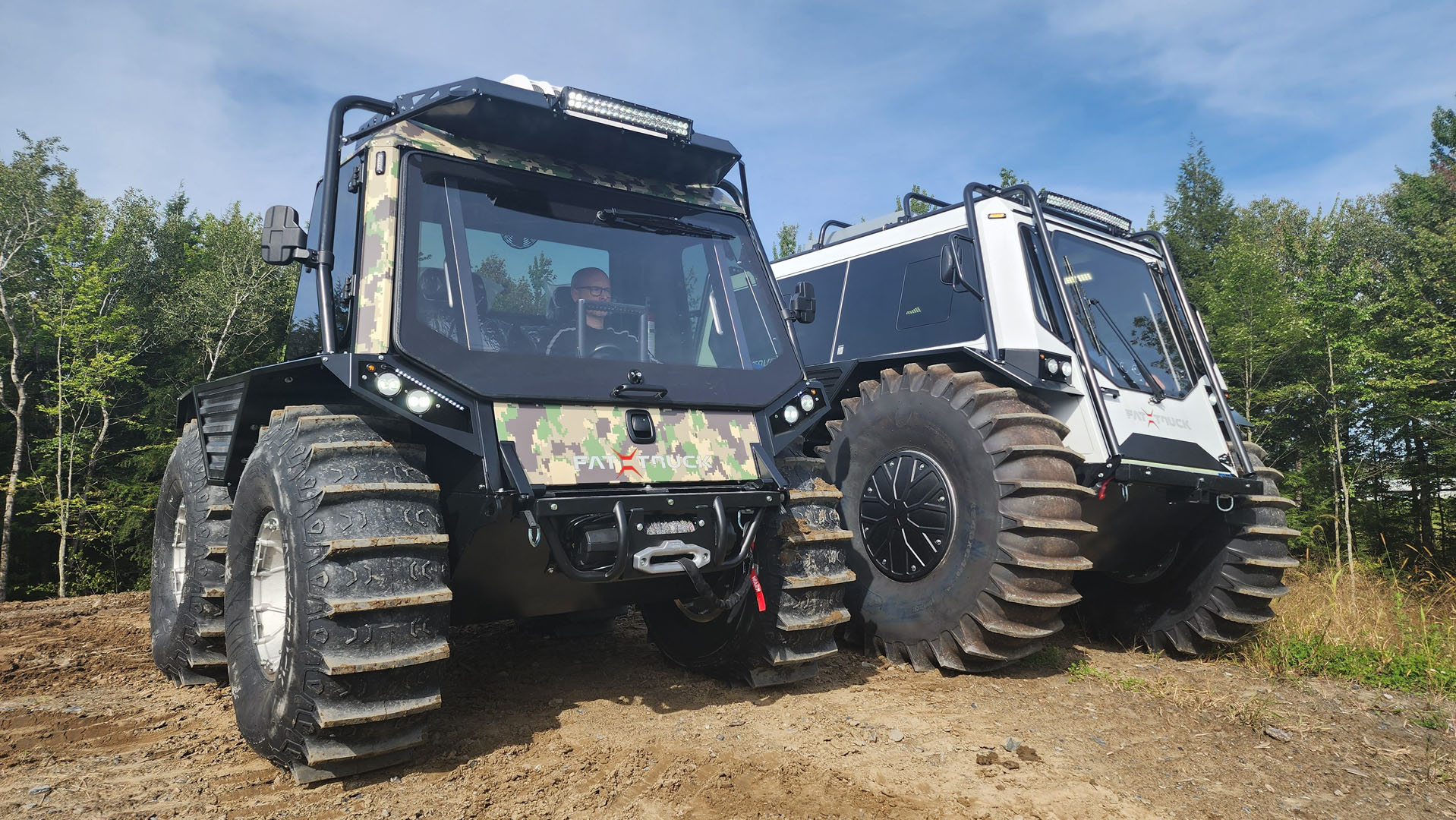
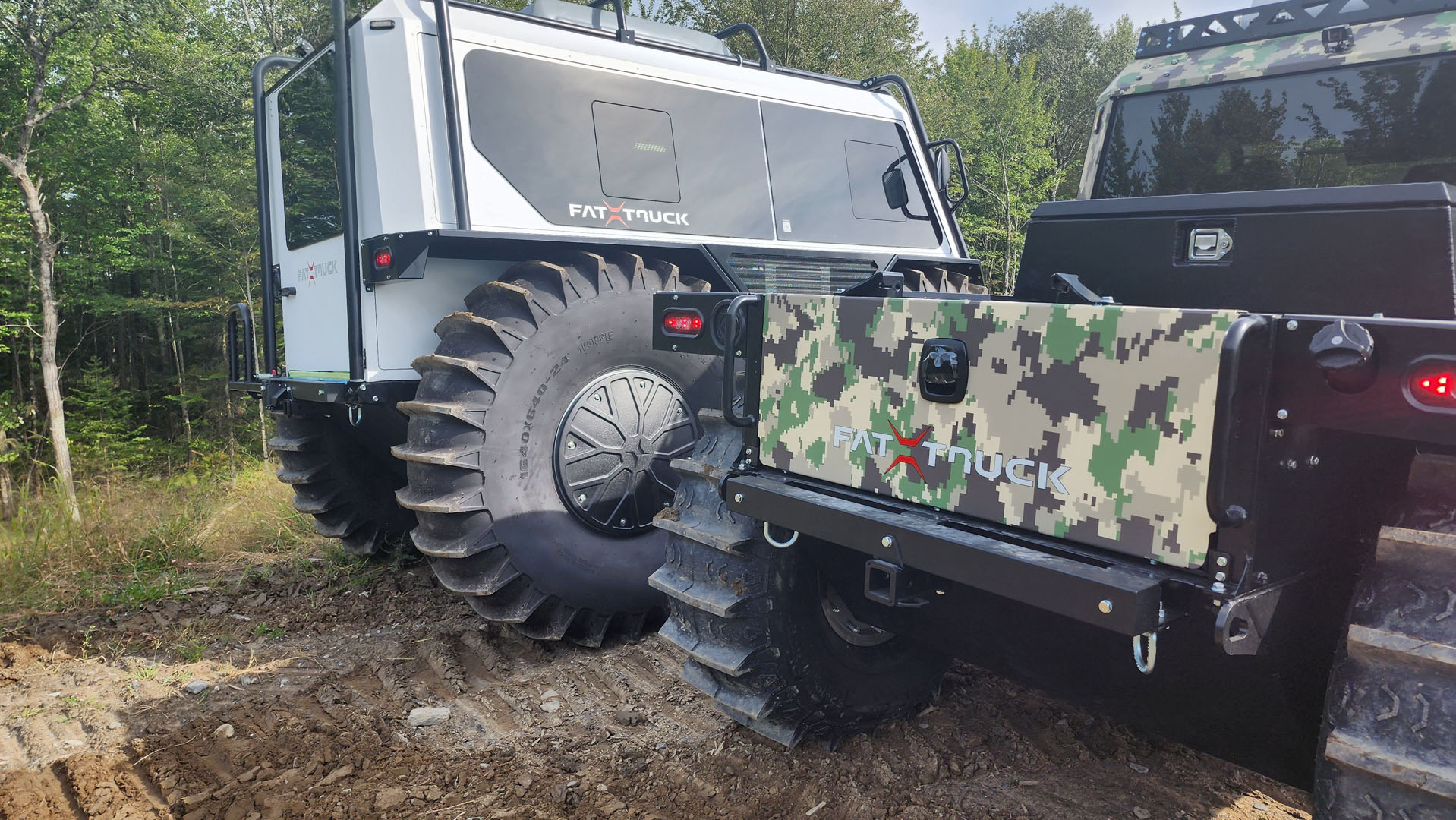
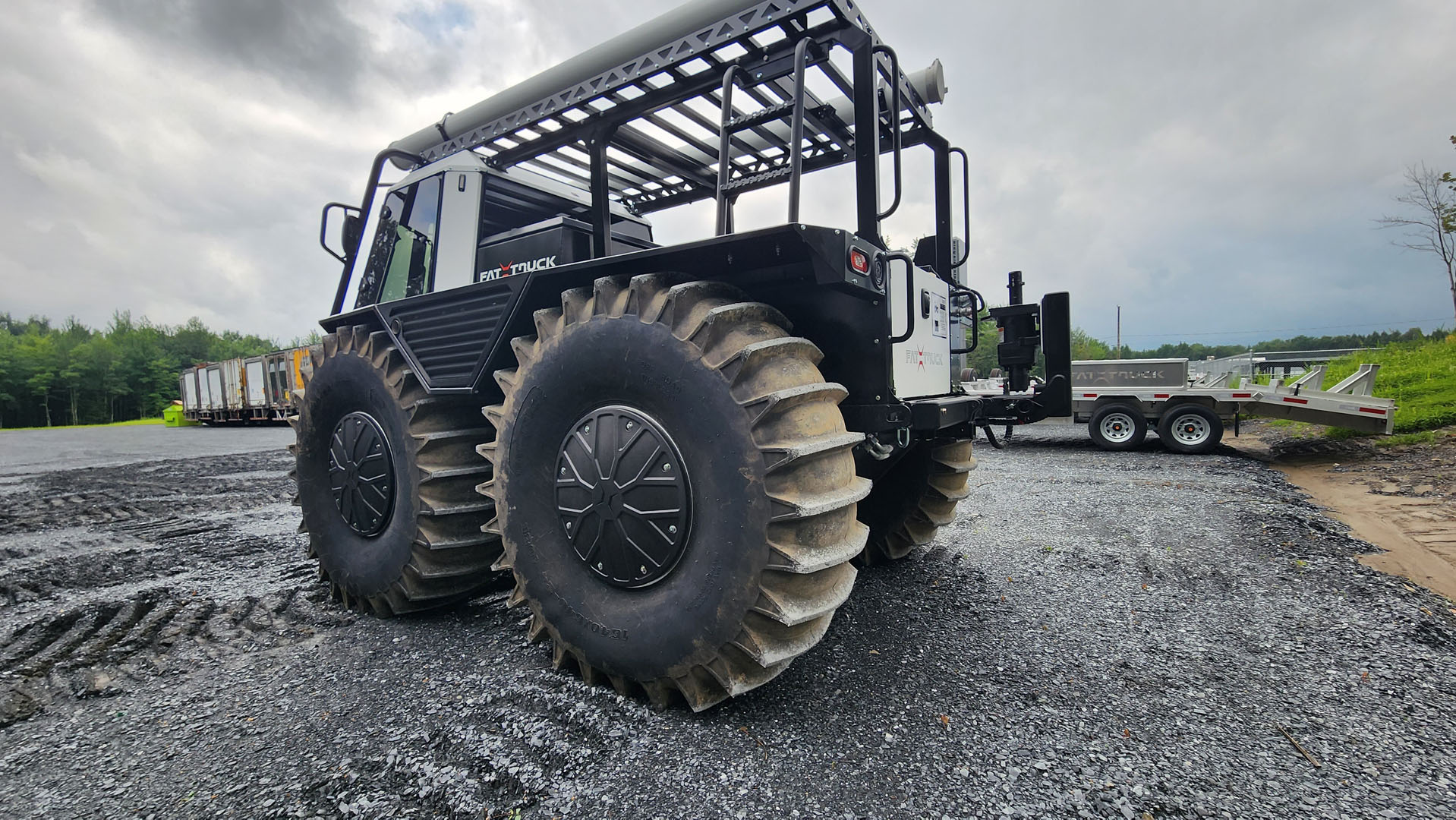
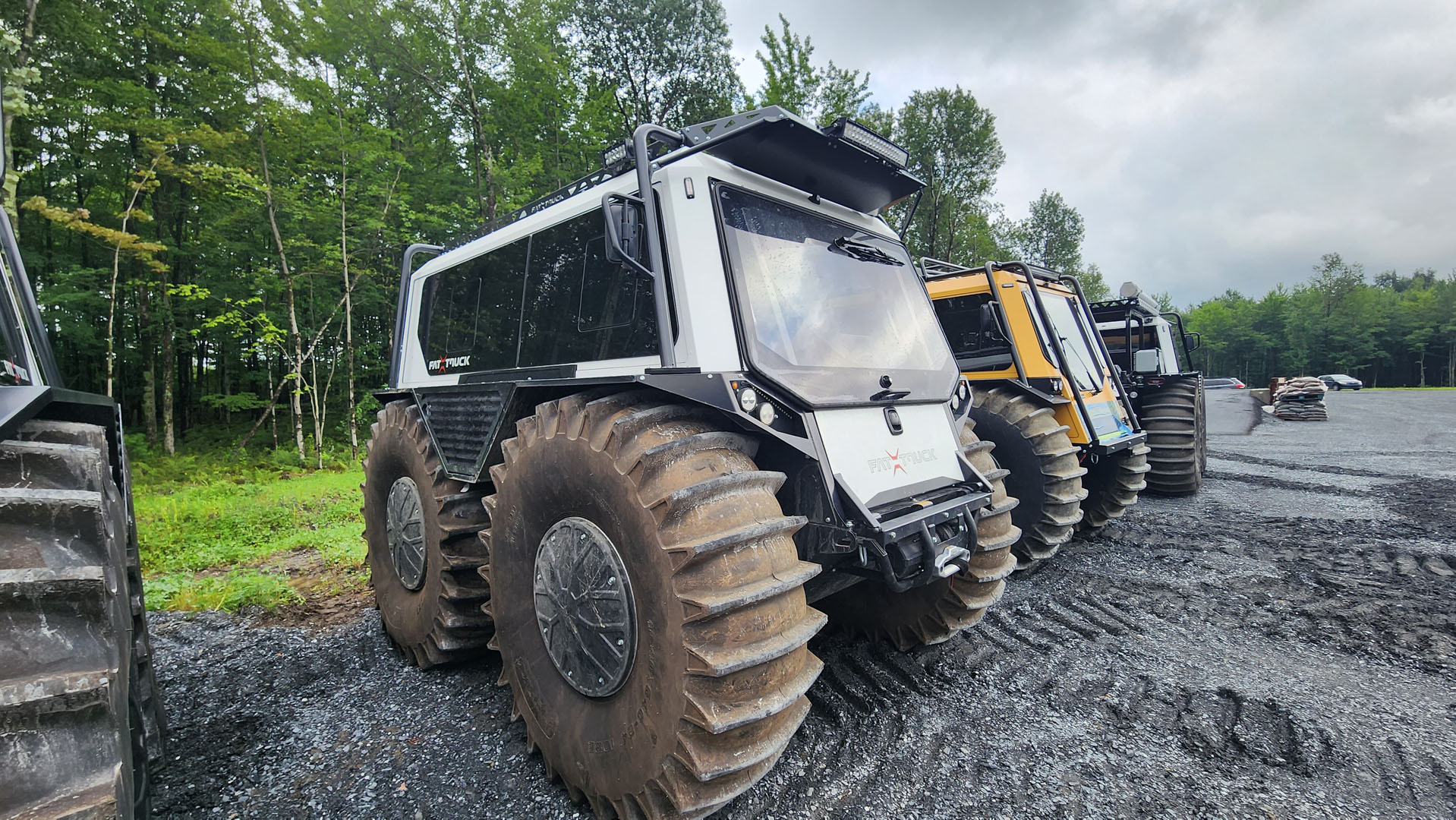
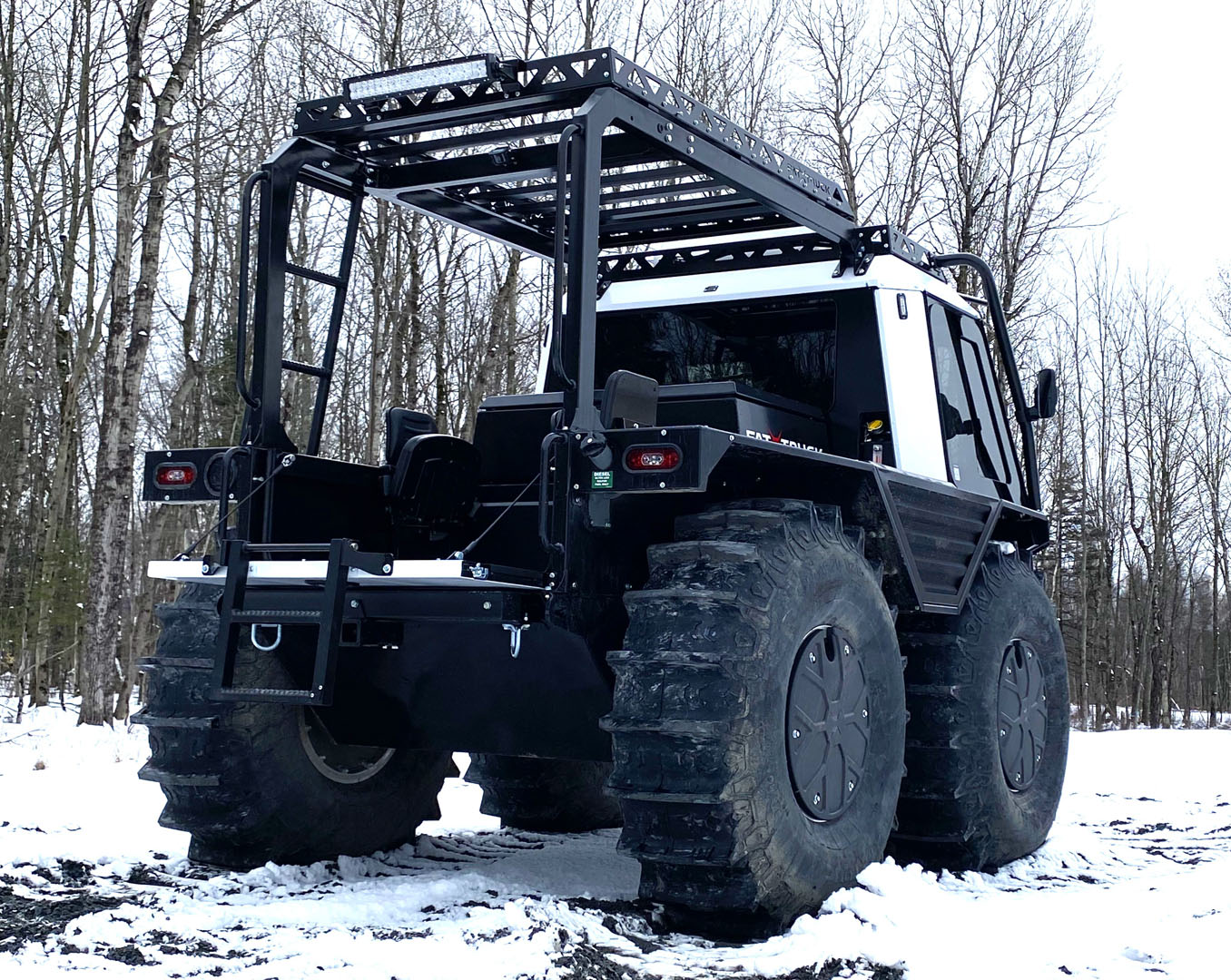
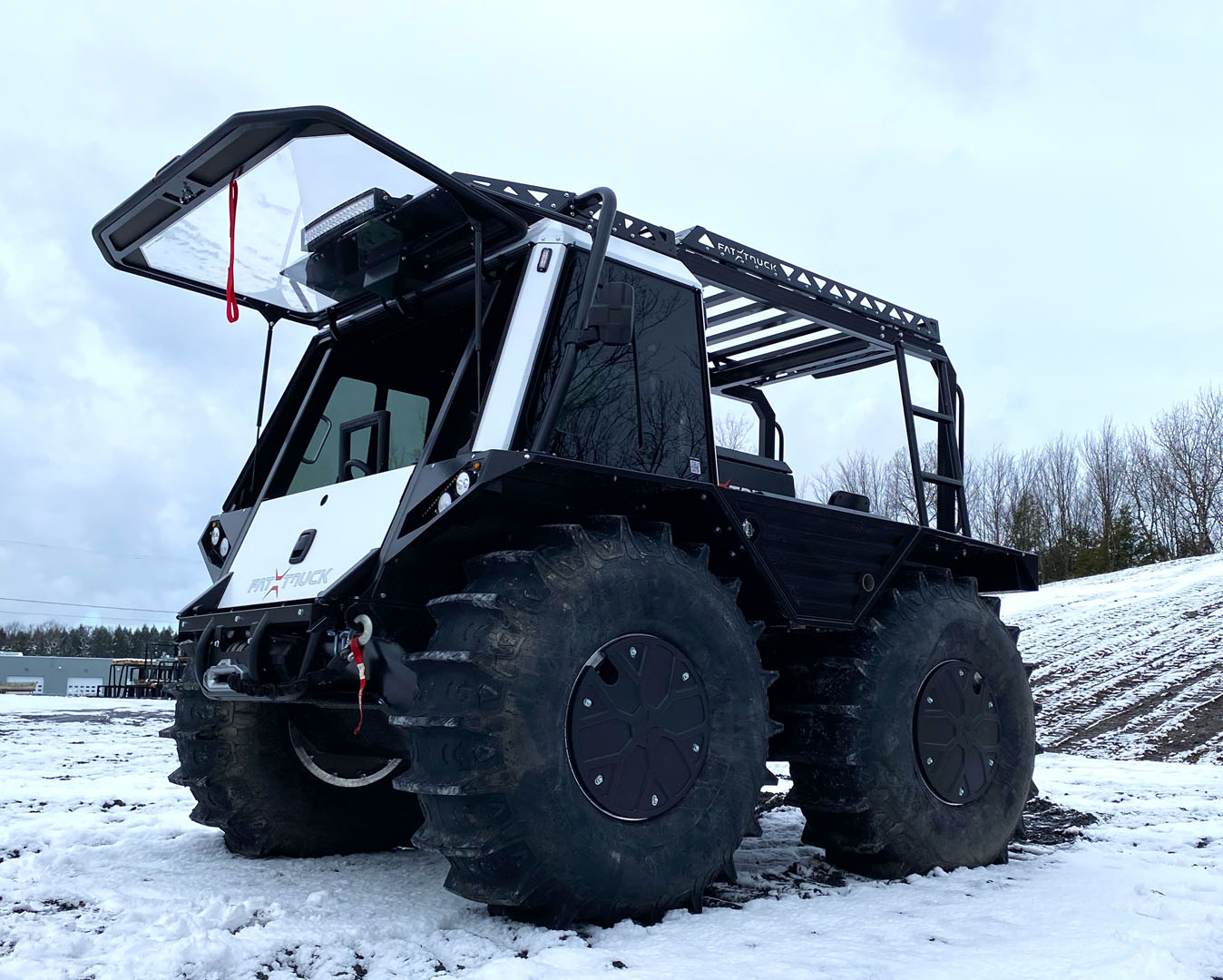
These aren’t two different equipment specifications, they’re substantially the same one, applied to different scenarios. A vehicle engineered for reliable operation in extreme cold, low-traction, and remote conditions is, almost by definition, also well suited to flood response, wildfire-adjacent evacuation support, and disaster access in terrain that conventional emergency vehicles can’t handle.
The public investment case for dual-purpose procurement
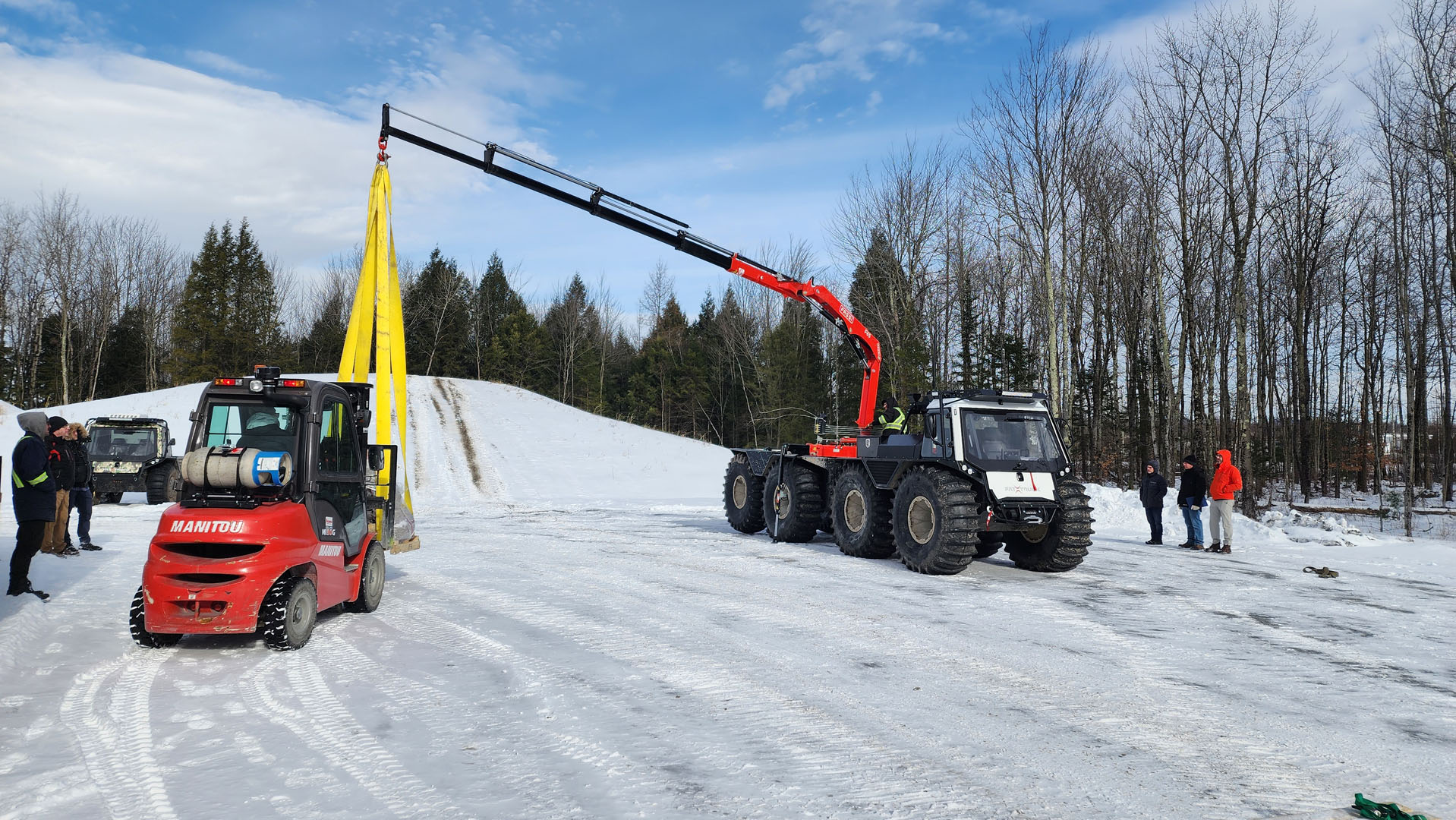
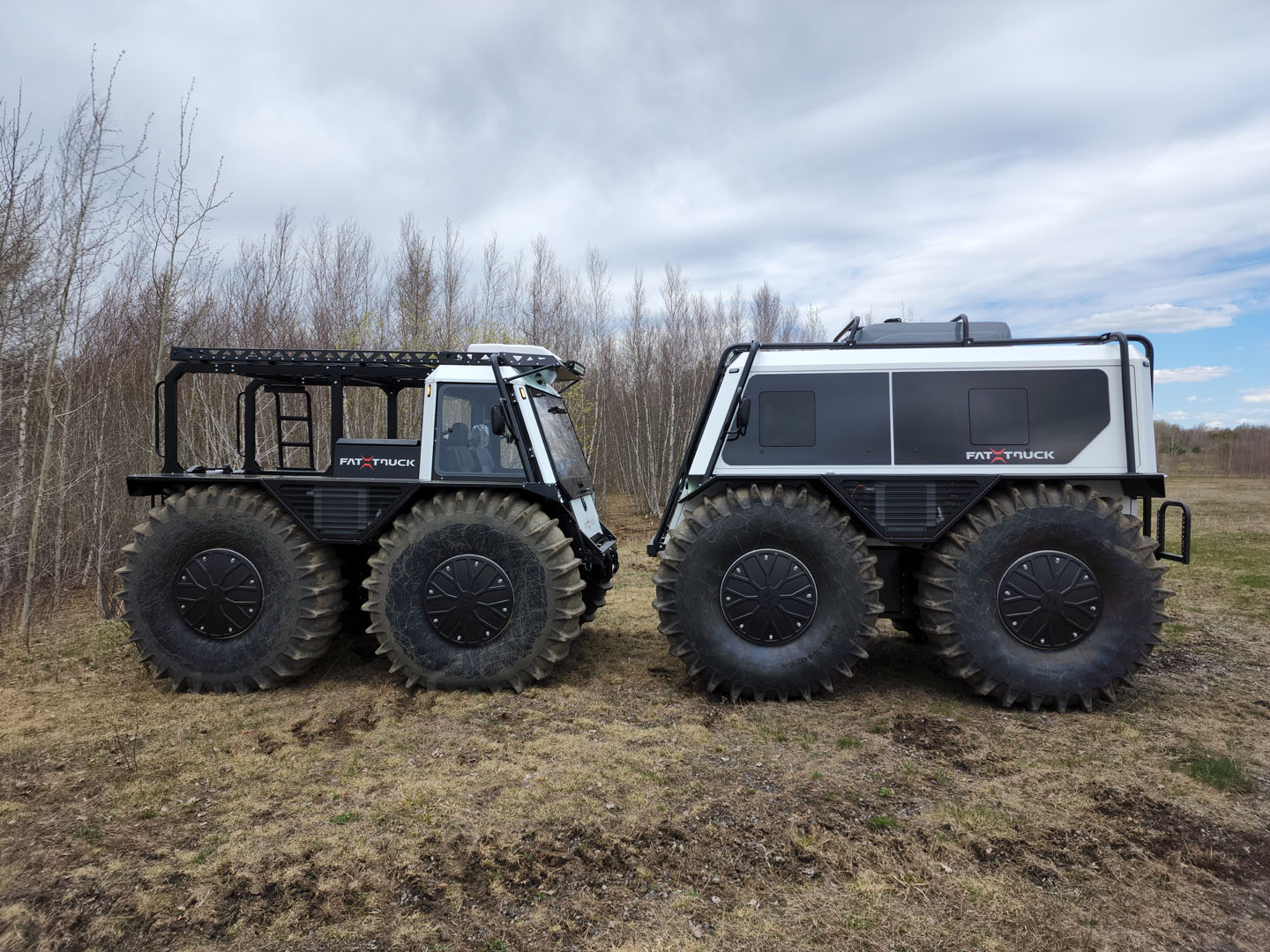
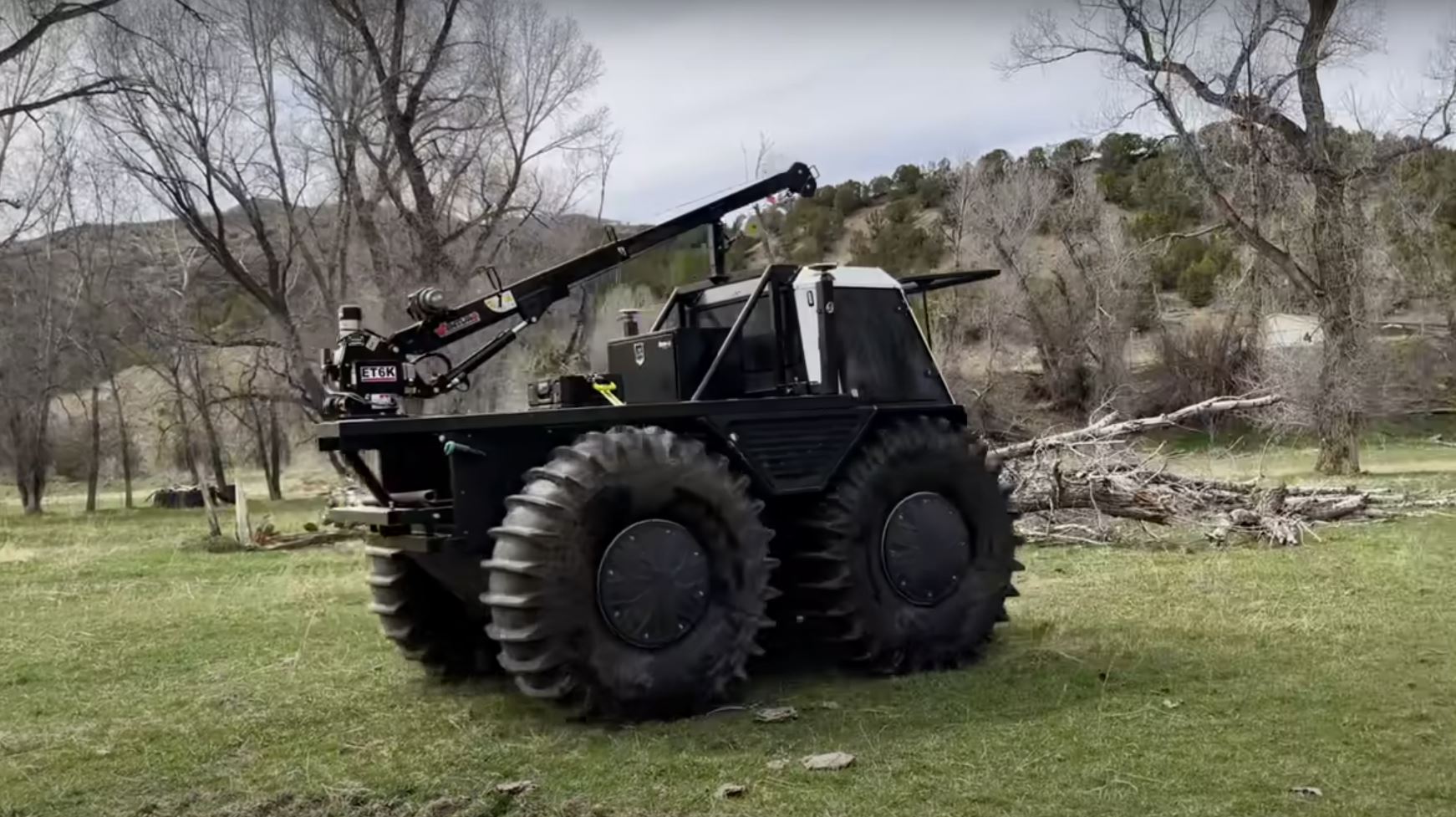
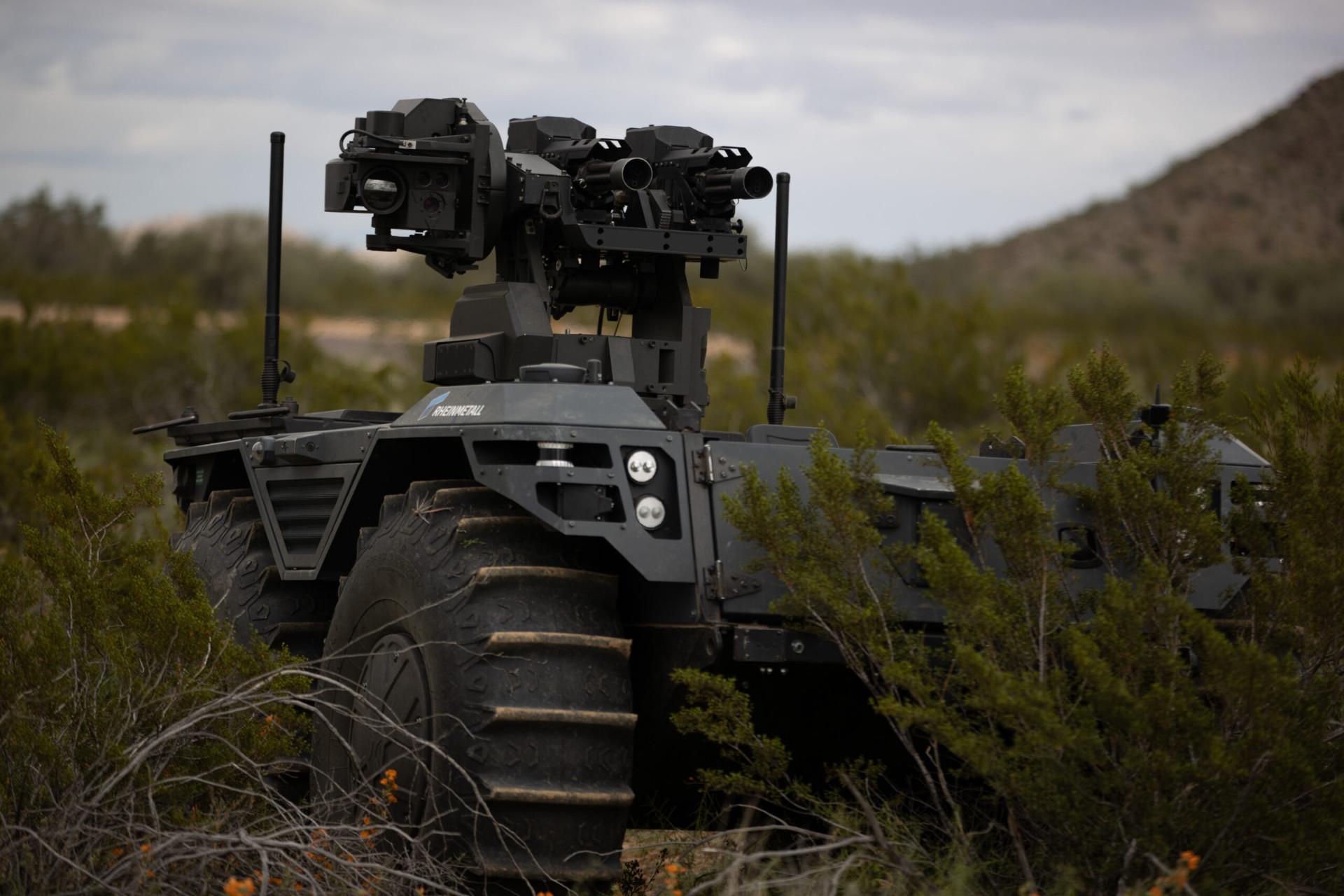
For policymakers balancing competing budget priorities, equipment that serves both defence/sovereignty missions and climate adaptation/emergency response missions offers a more efficient use of public capital than single-purpose procurement. A platform that spends most of the year supporting emergency response, disaster preparedness, or infrastructure access, and can be surged into Arctic patrol or defence support roles when needed, delivers value across a broader set of public priorities than a single-purpose asset sitting idle between deployments.
This is particularly relevant given the scale of Canada’s current investment commitments: over $35 billion in direct federal Arctic investment, alongside billions more in domestic defence capability and equipment procurement. Structuring some portion of that investment around genuinely multi-role platforms (rather than narrowly defence-specific equipment) extends the practical value of that spending into climate adaptation and disaster response readiness that most regions and communities are also actively working to strengthen.
What this looks like in practice
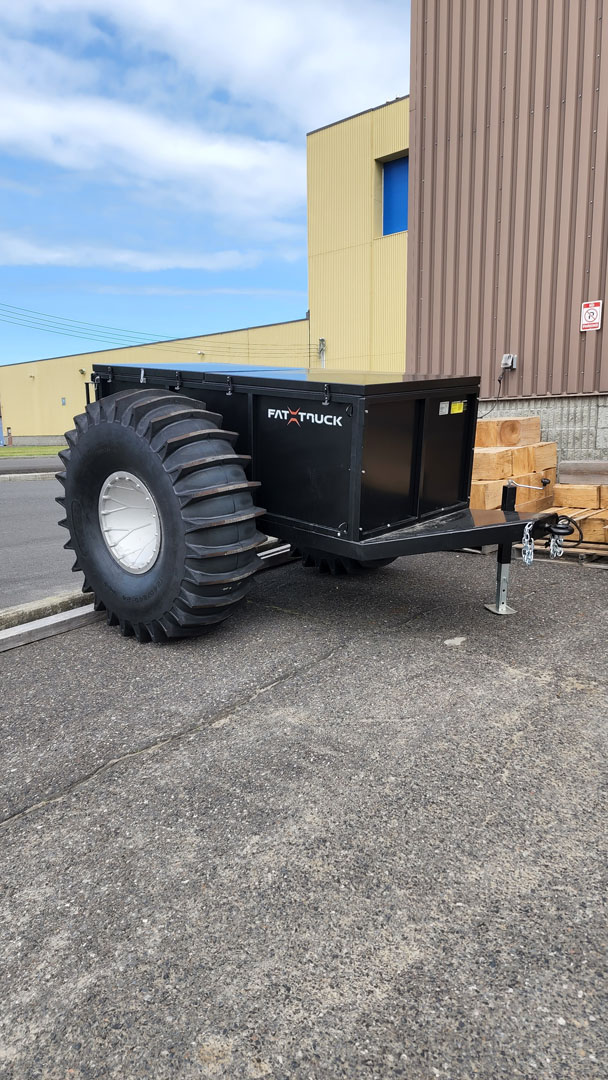
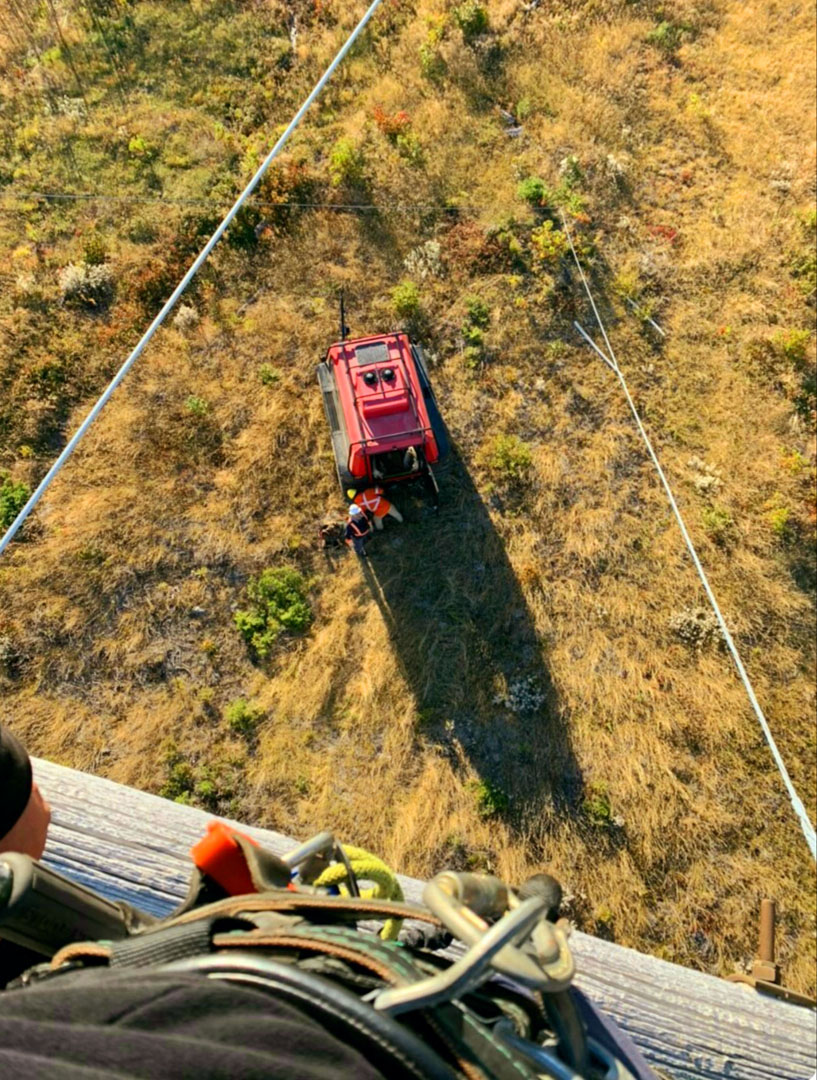
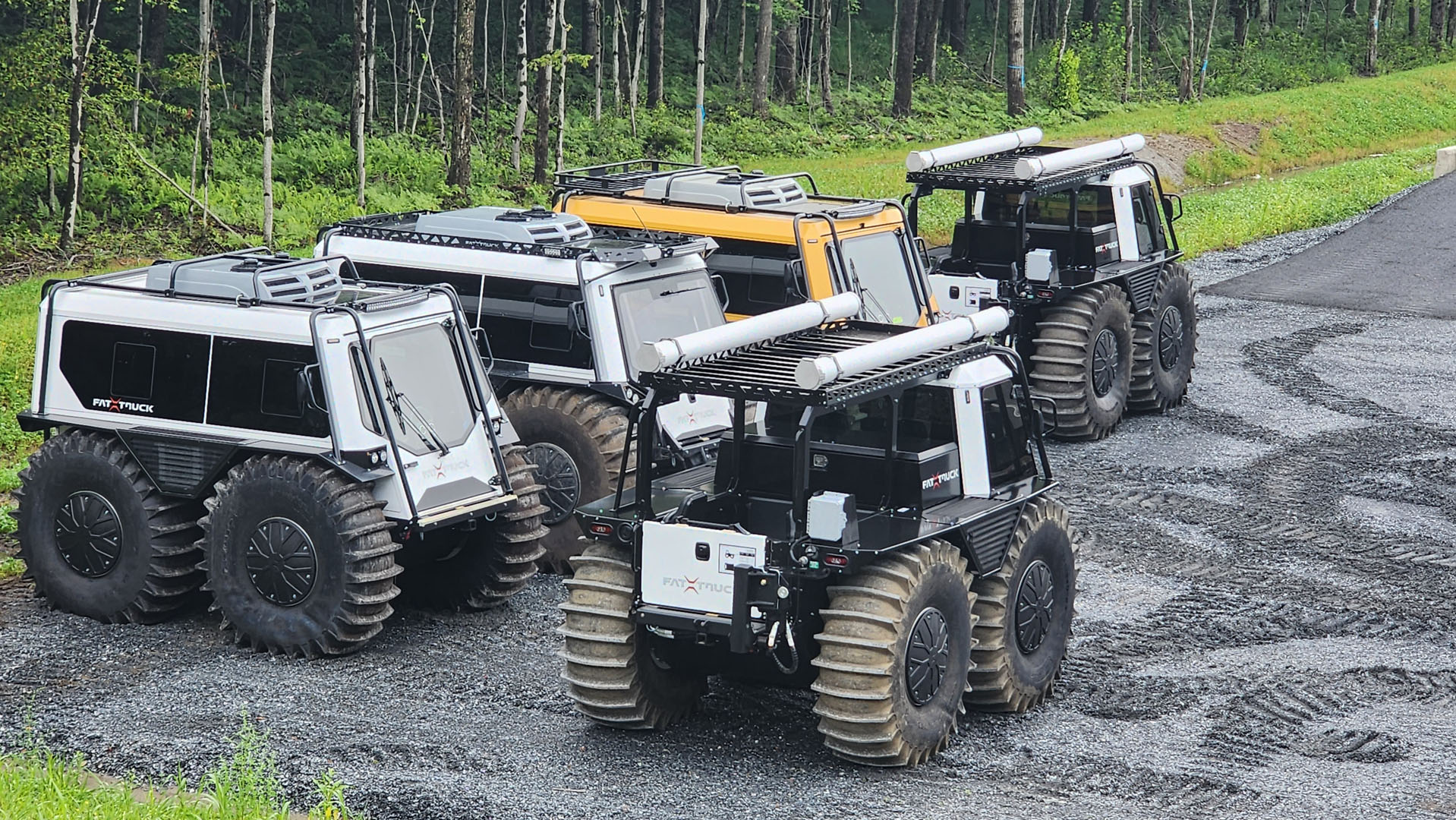
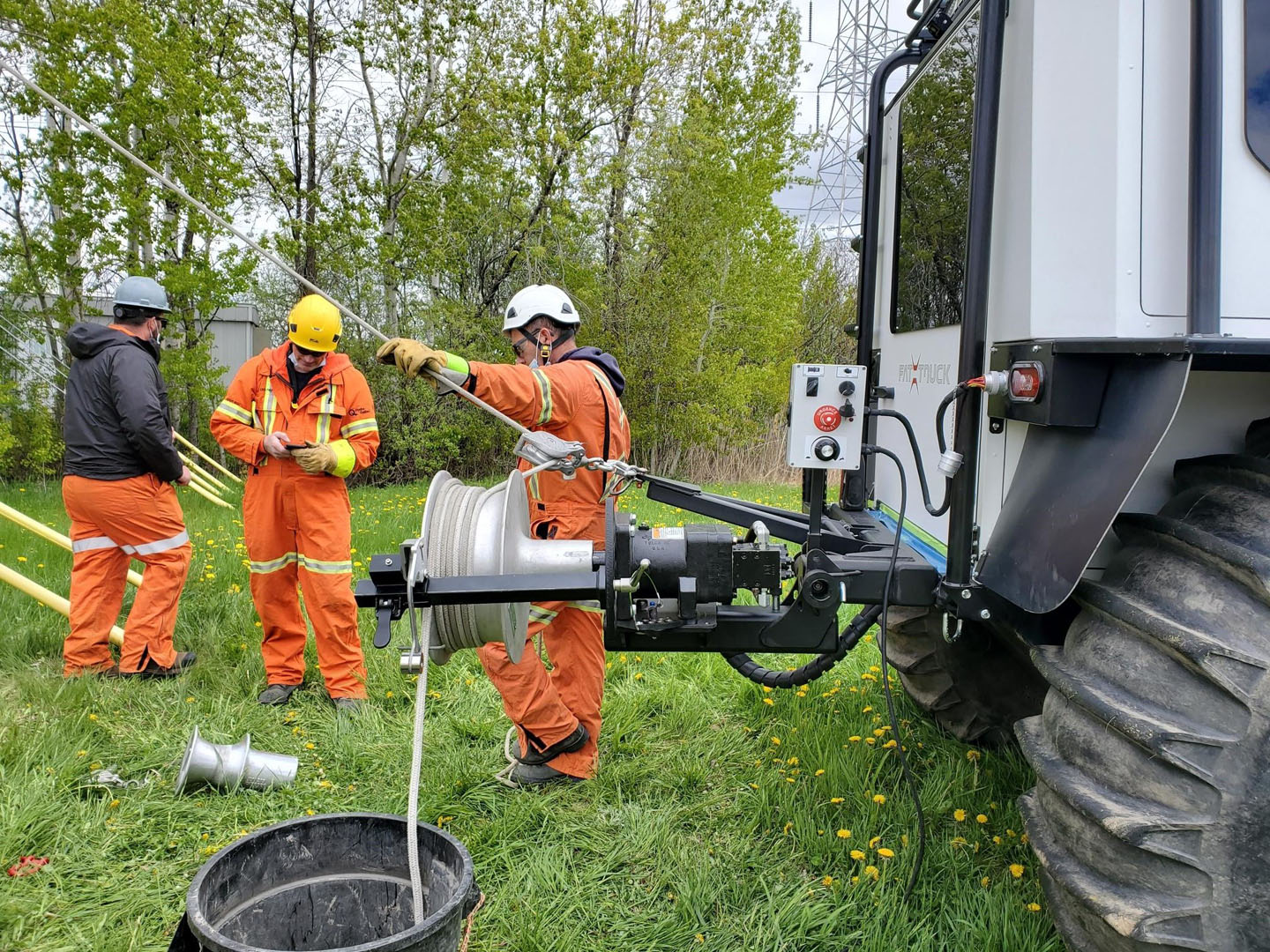
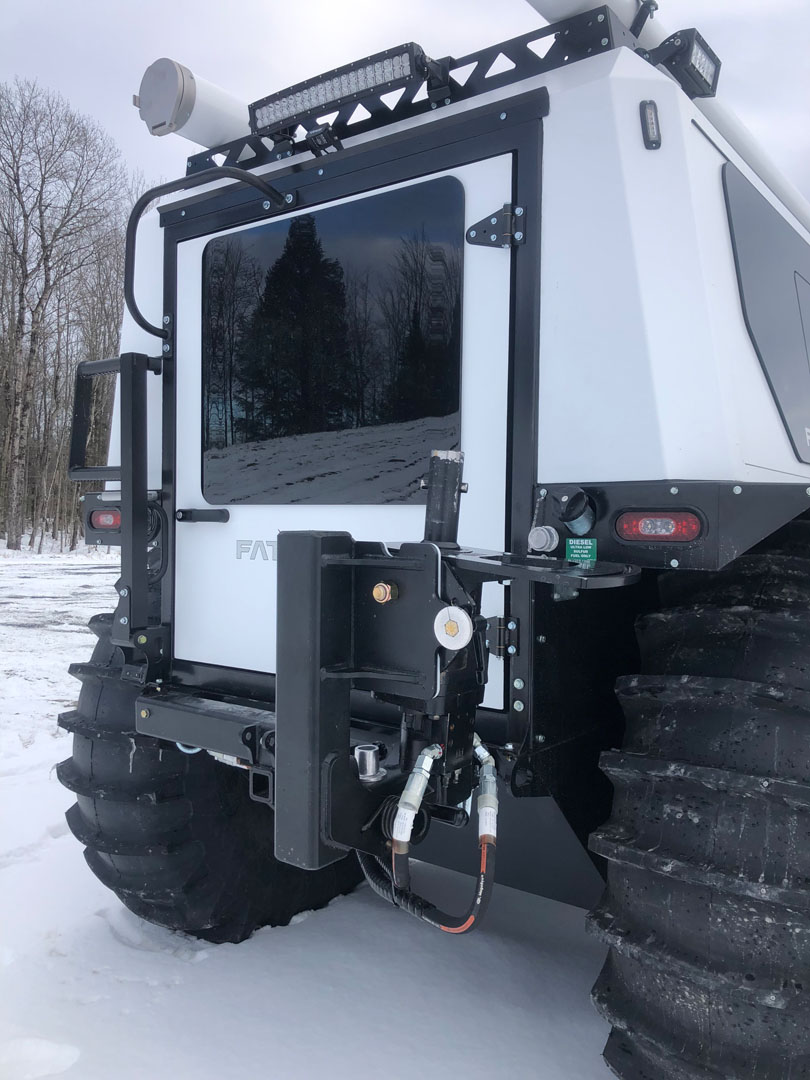
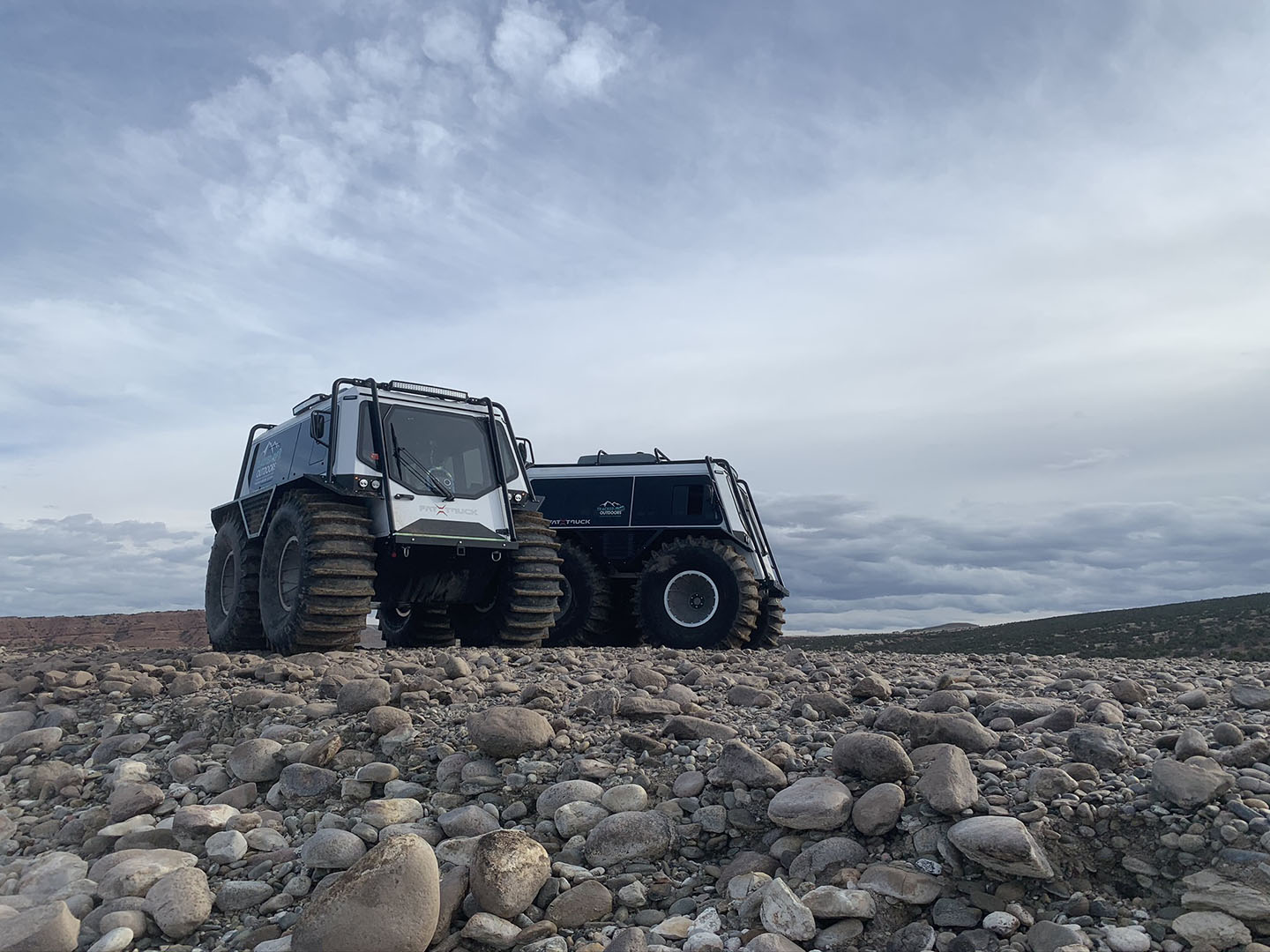
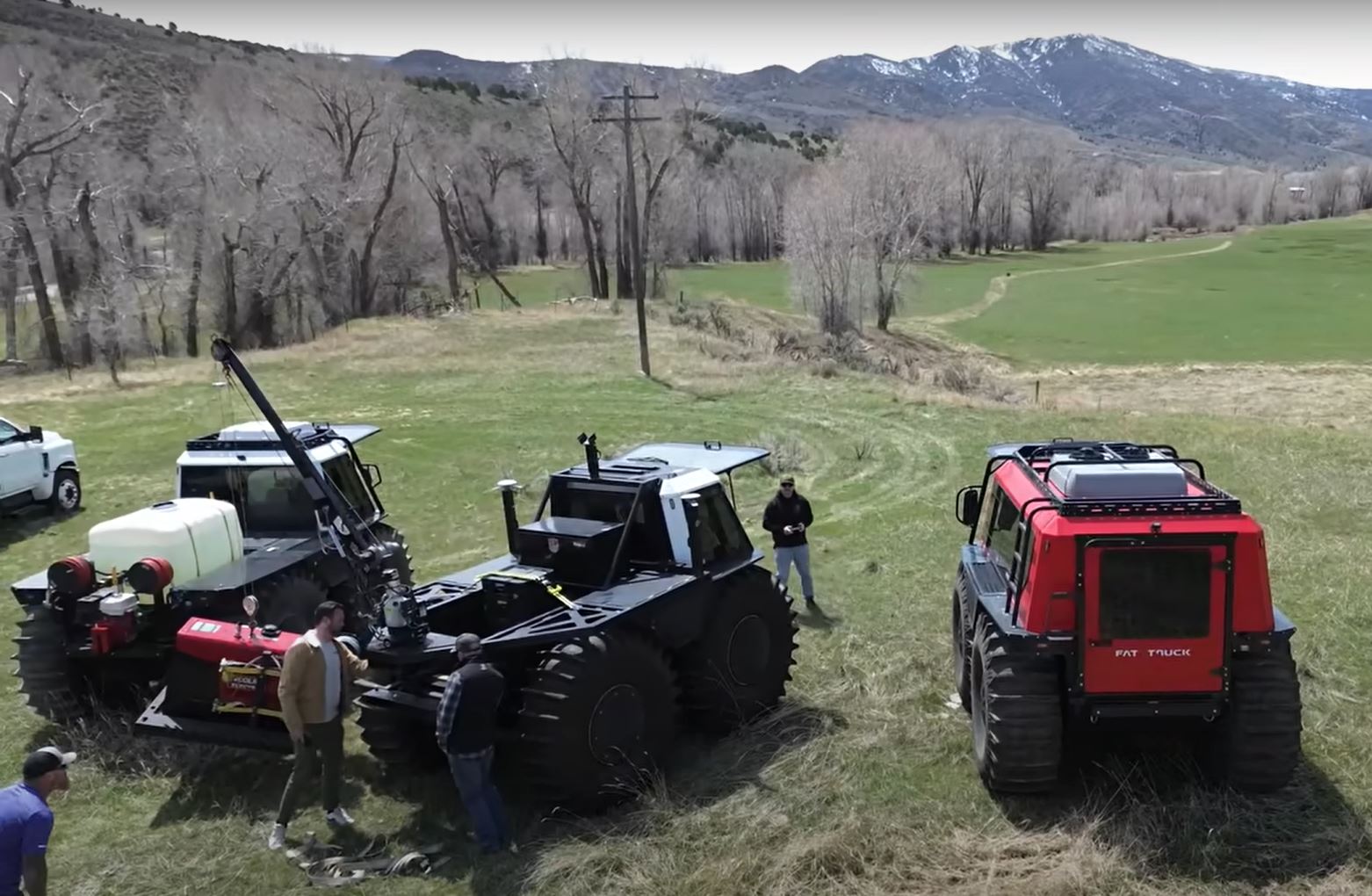
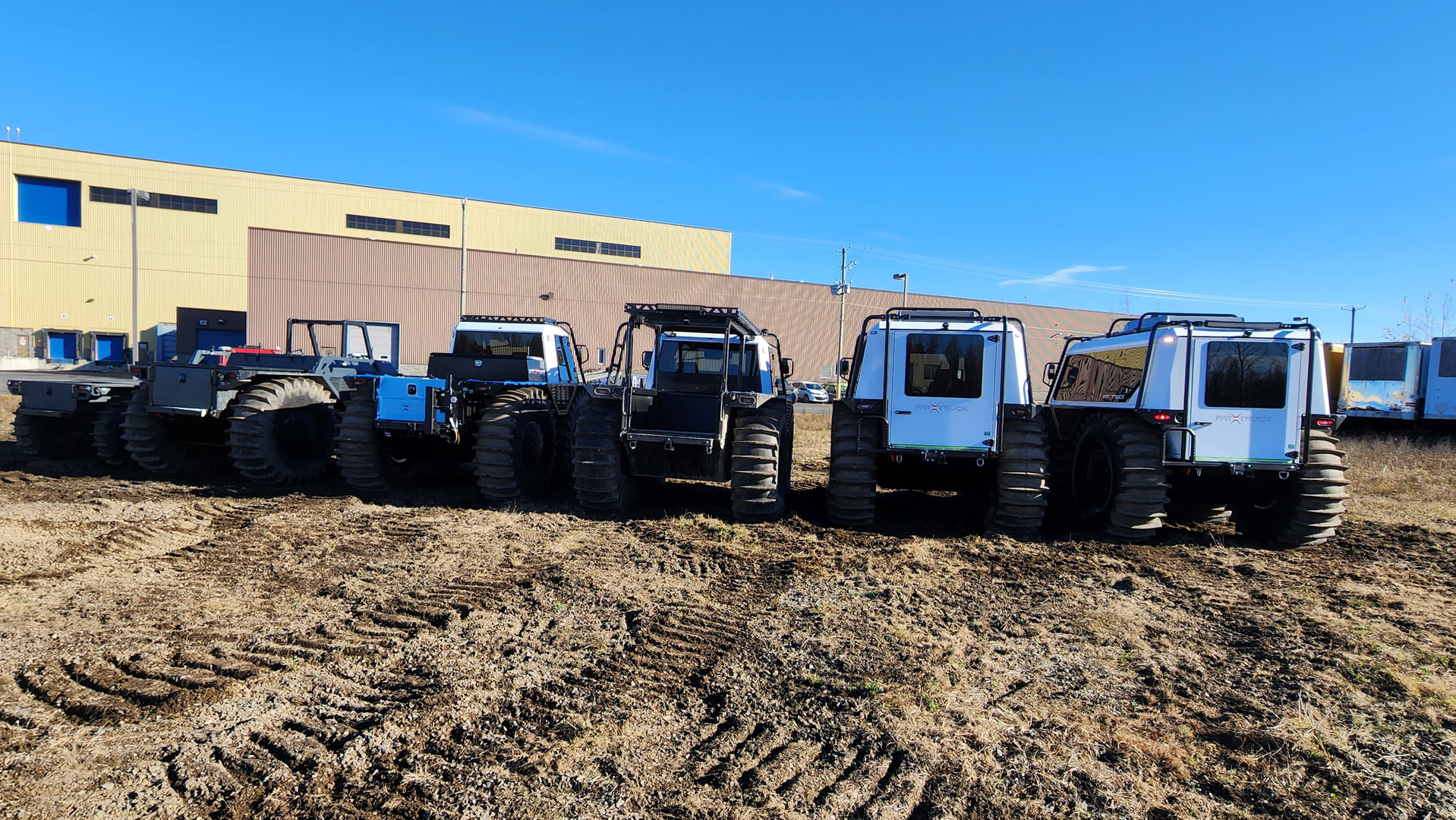
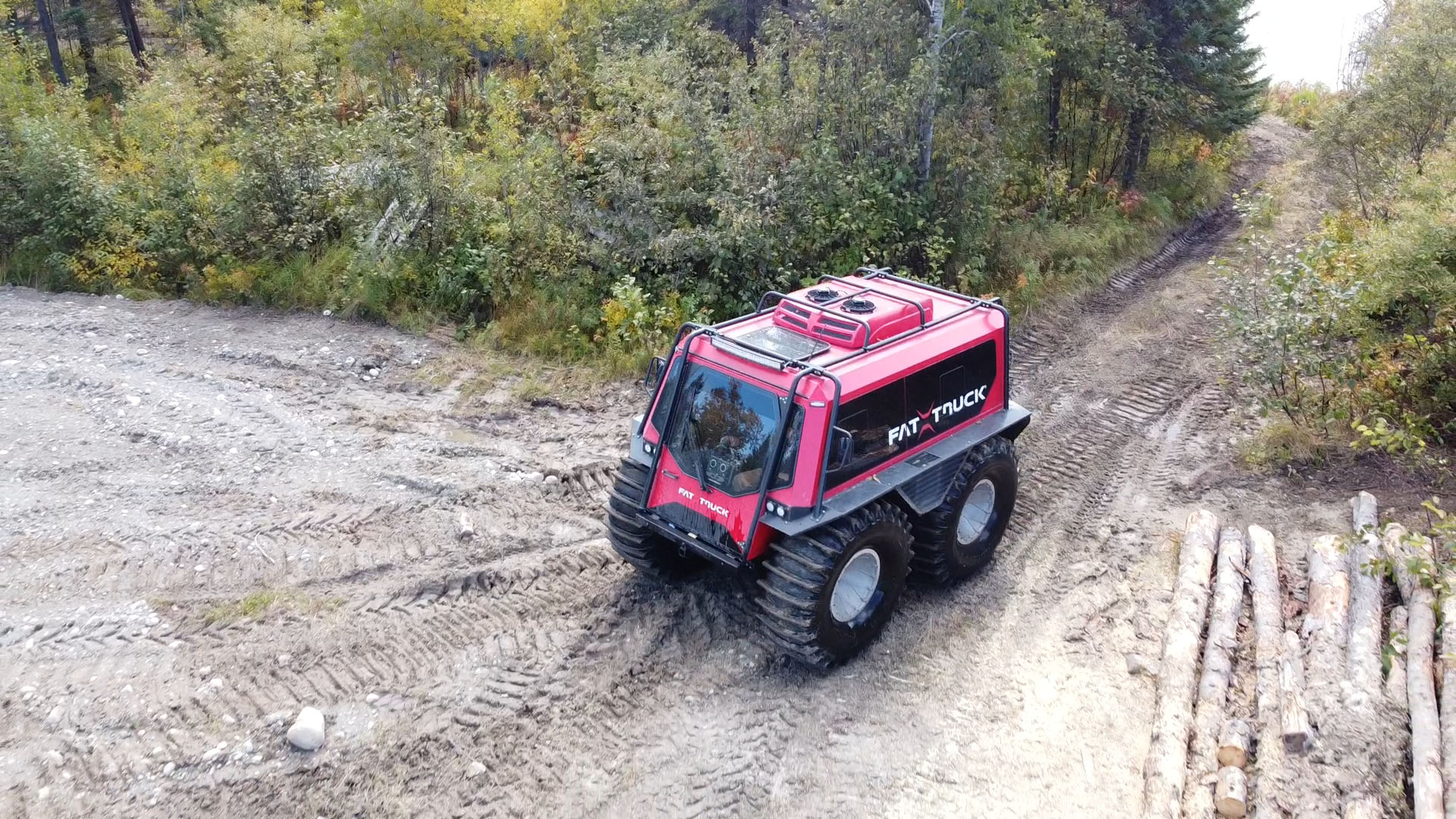
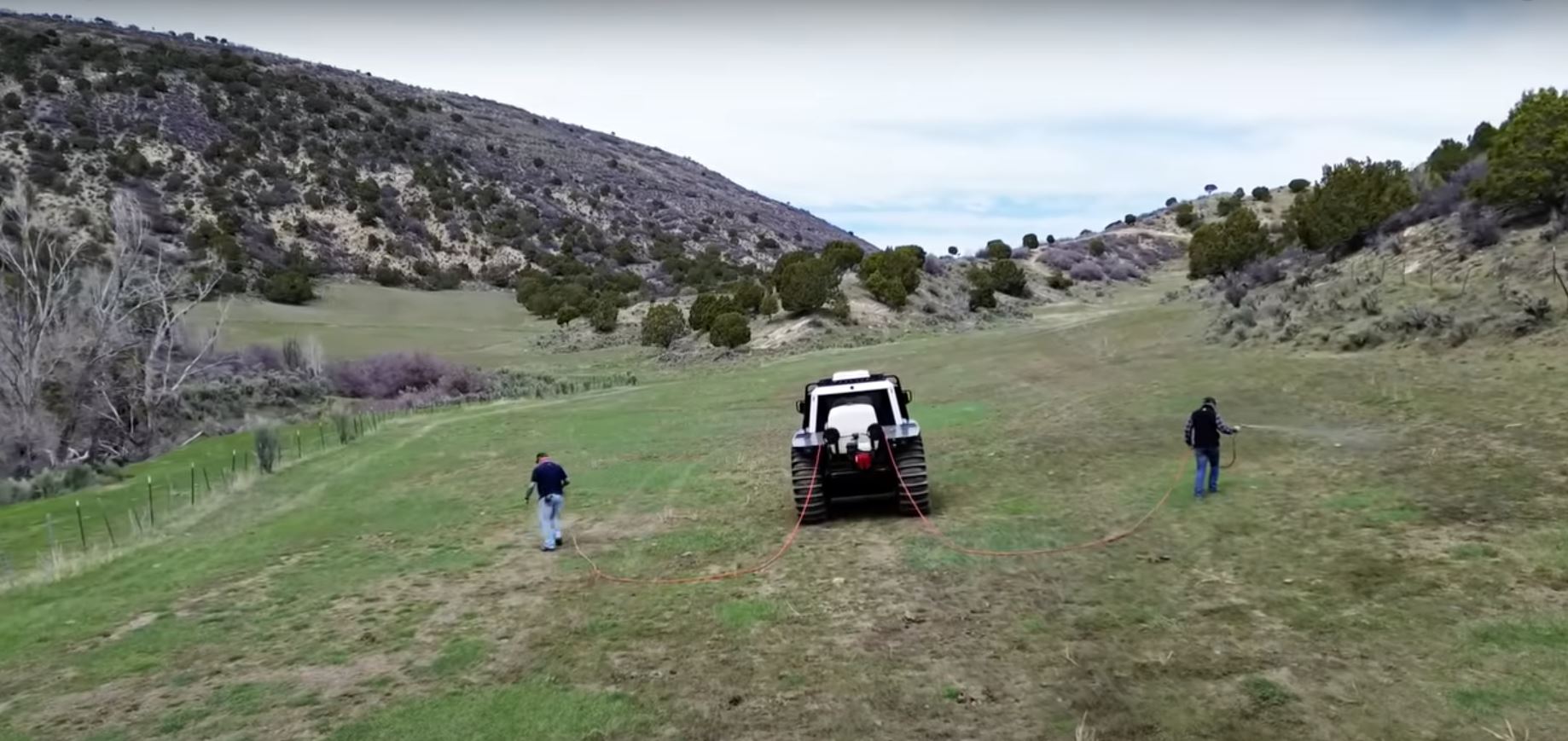
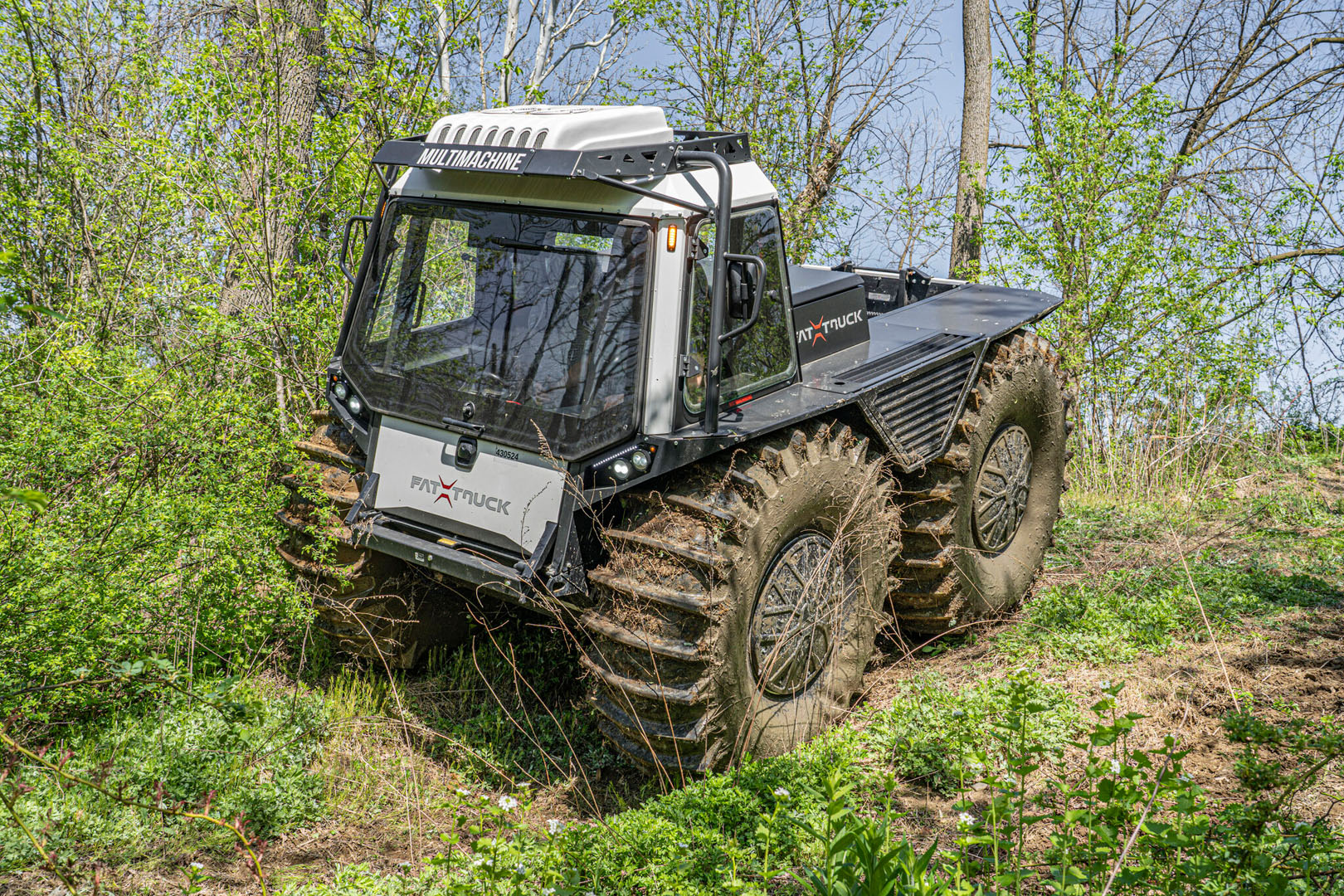
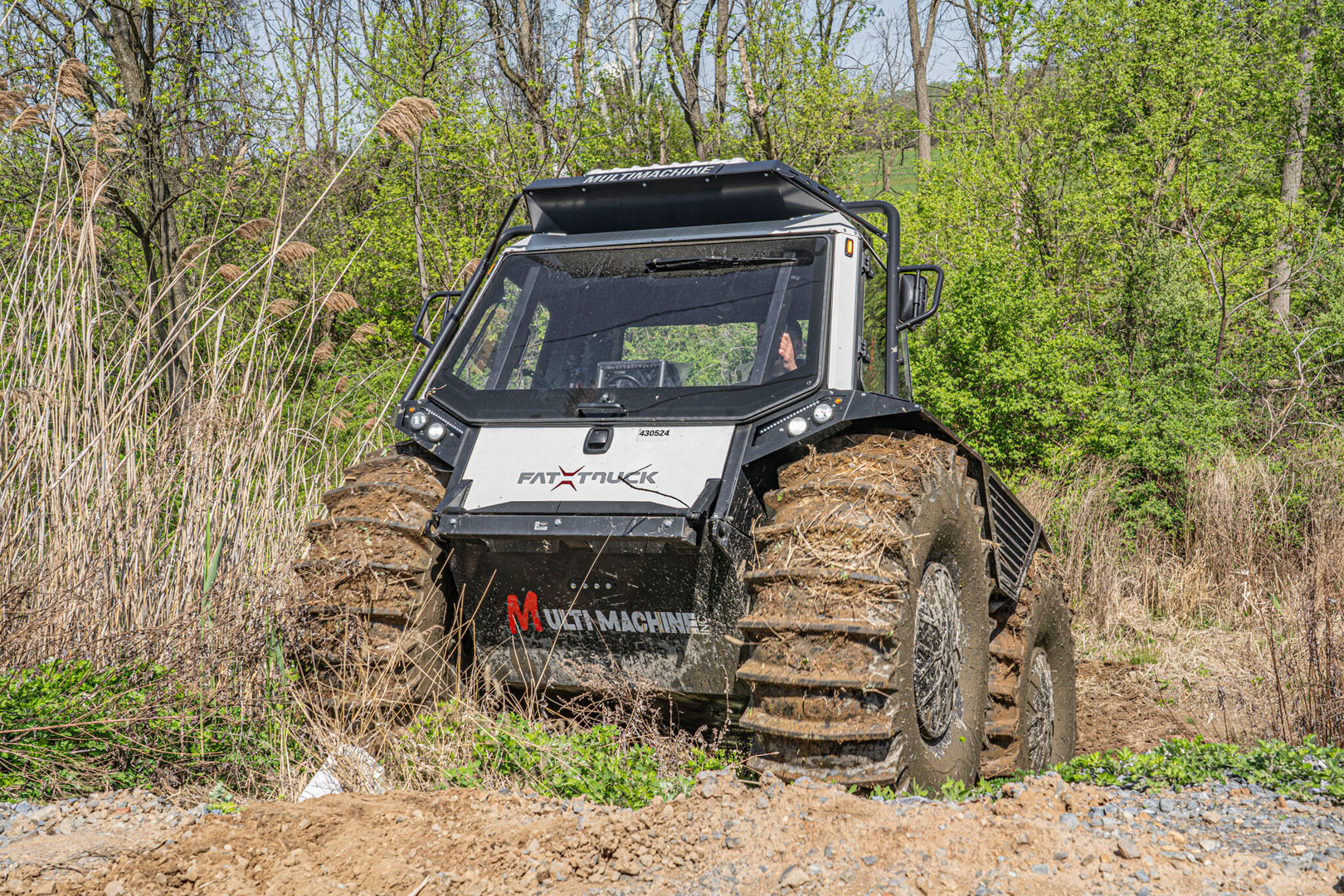
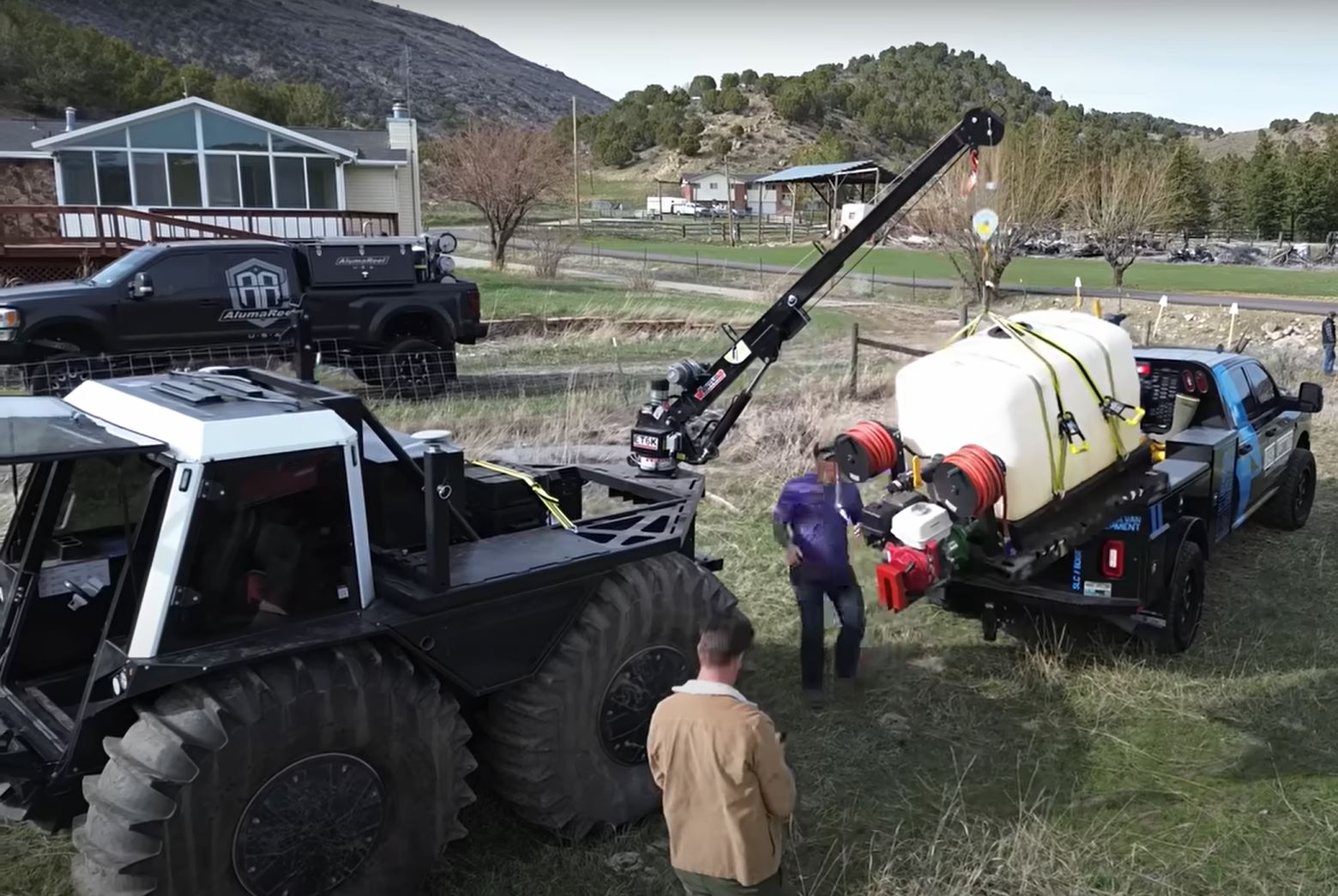
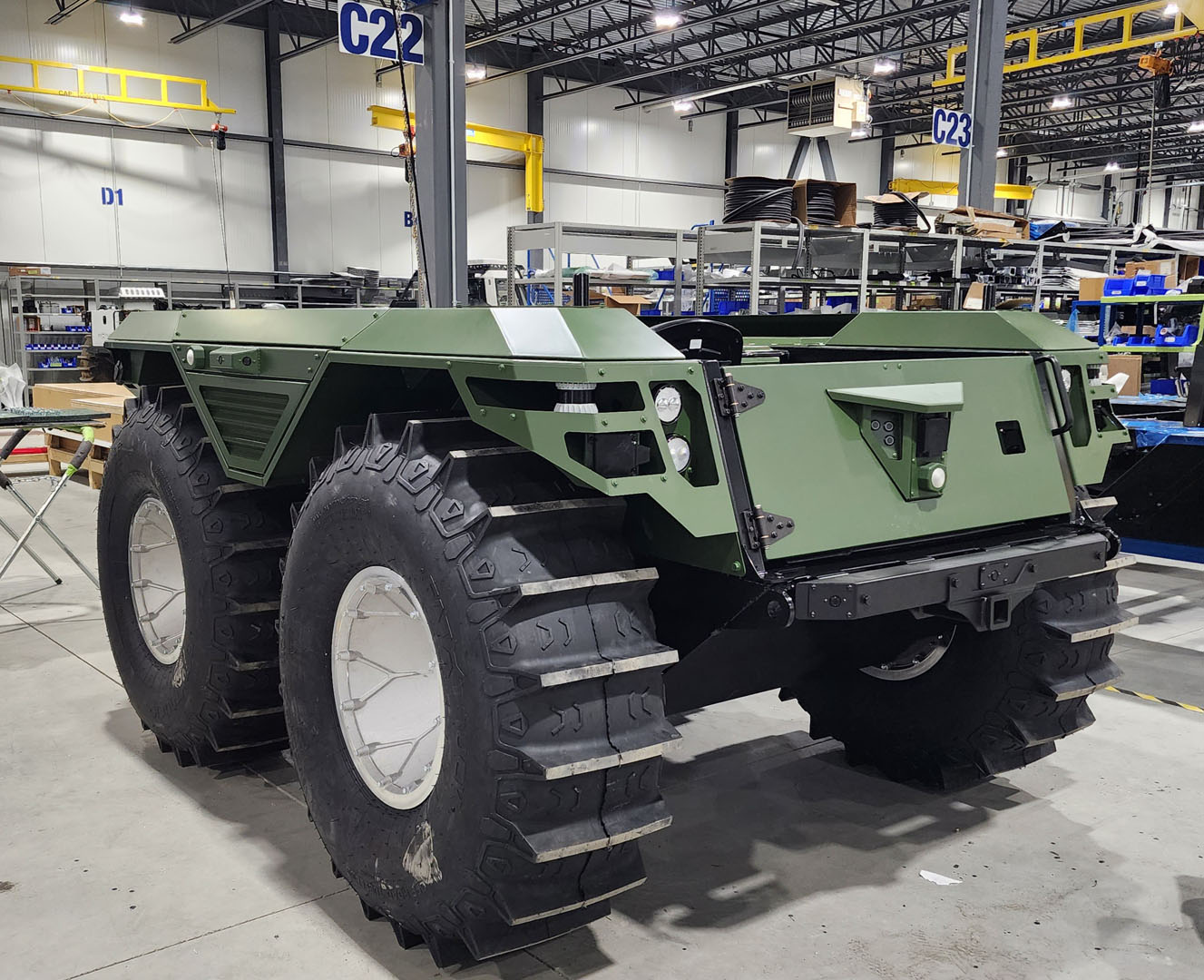
Provinces and territories managing flood risk, wildfire evacuation routes, and increasingly unpredictable seasonal terrain conditions have a growing need for equipment that performs reliably outside conventional road infrastructure. Layering procurement decisions so that emergency response fleets and defence-support fleets can draw from a common pool of multi-role, extreme-terrain-capable vehicles is one practical way to stretch public investment further, without compromising the specialized requirements either mission demands.
The strategic argument, in short
Climate adaptation and sovereignty defence are usually discussed as separate policy conversations, but the equipment needs behind them are converging. Policymakers who recognize that convergence — and structure procurement to take advantage of it — get more resilience, in more contexts, for the same public dollar.
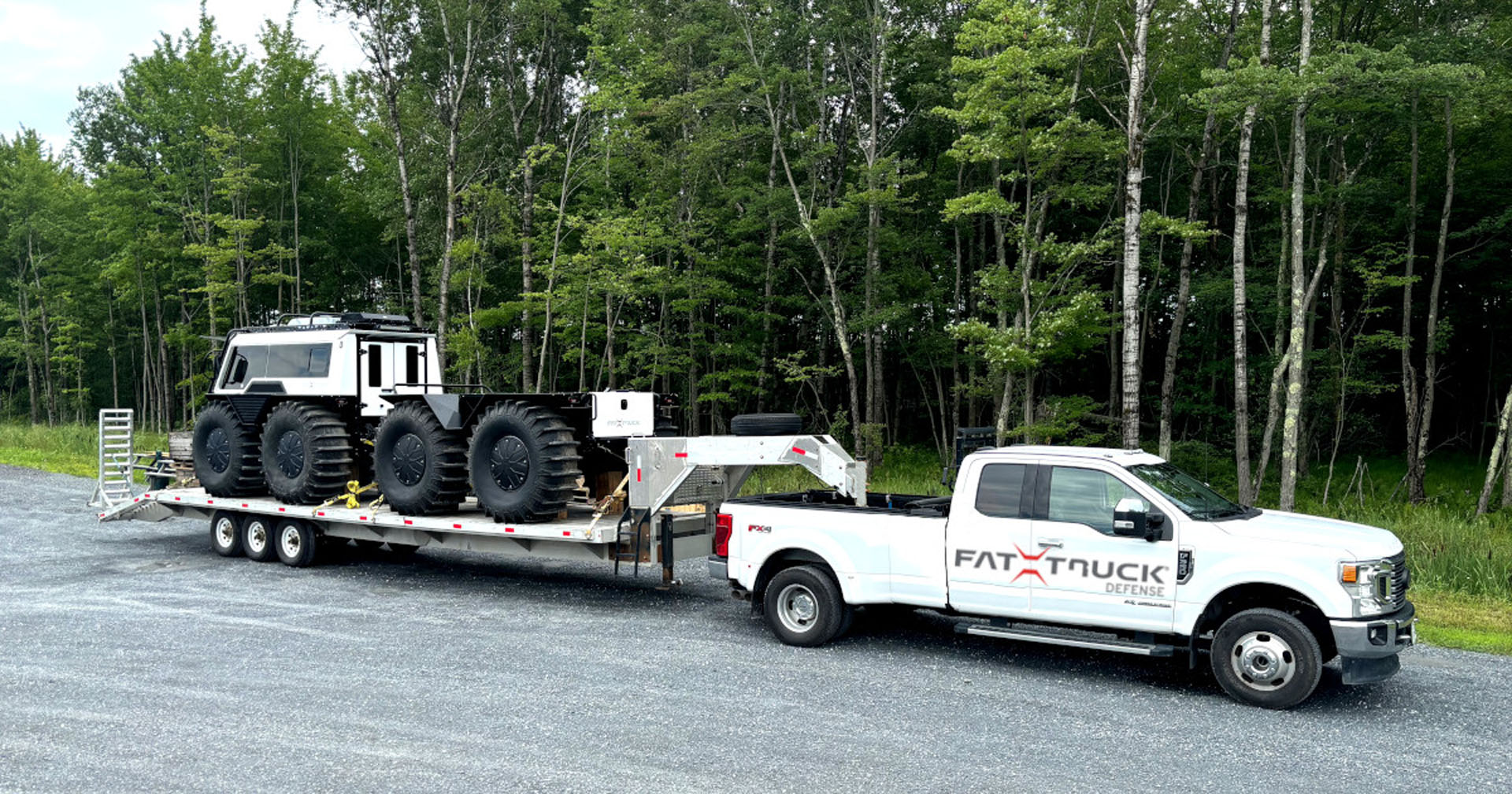
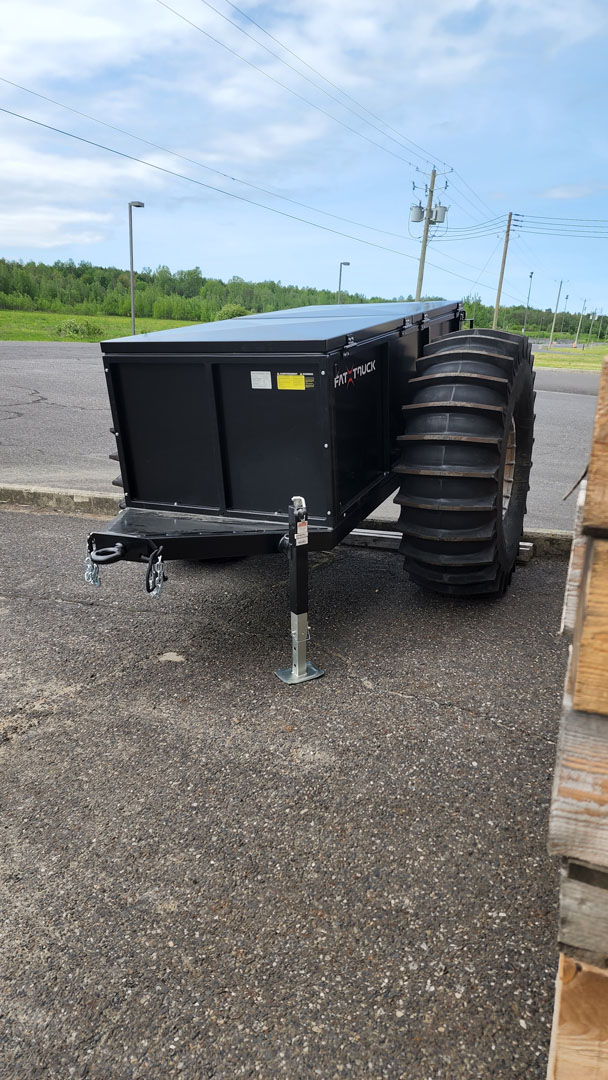
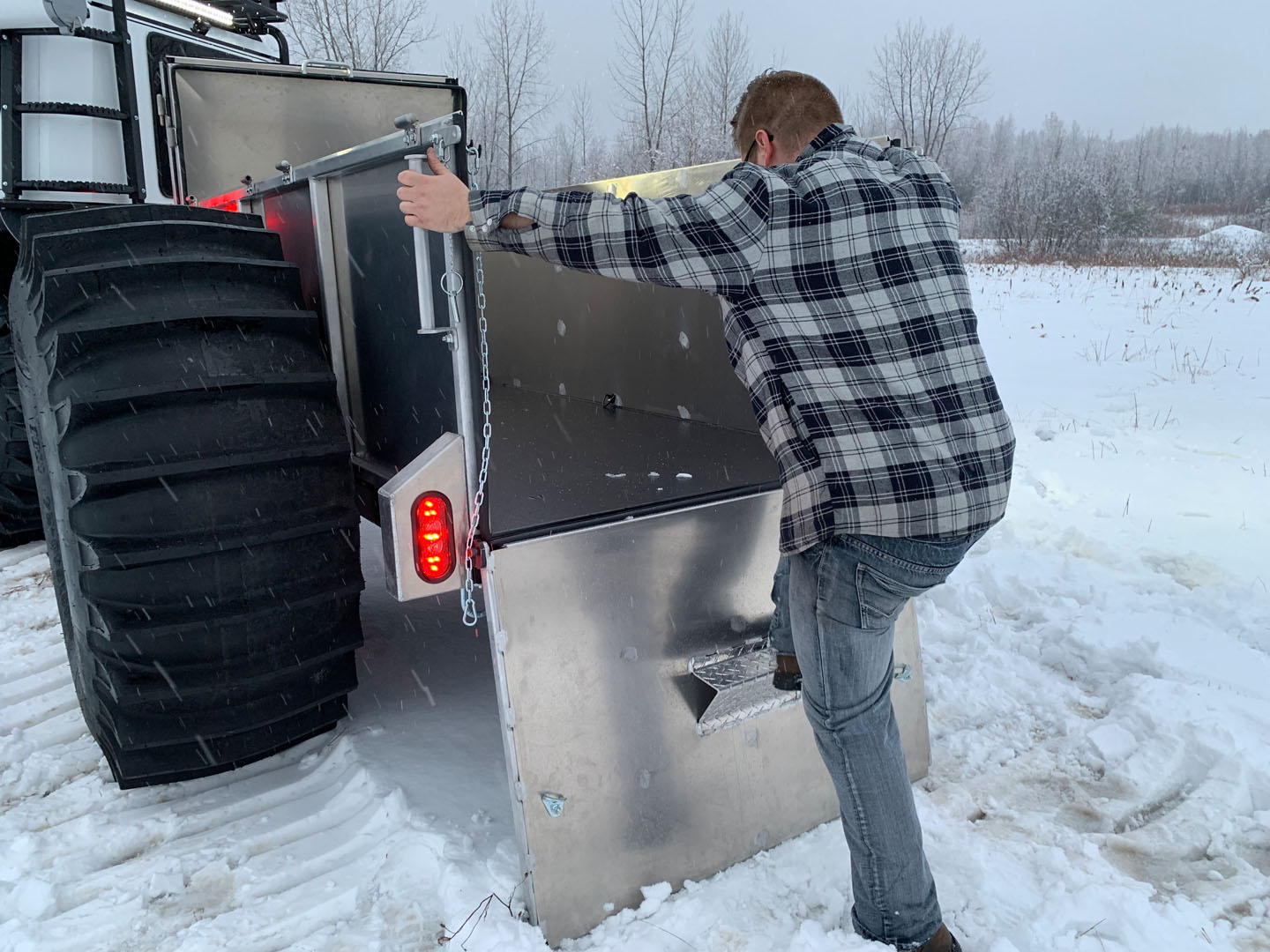
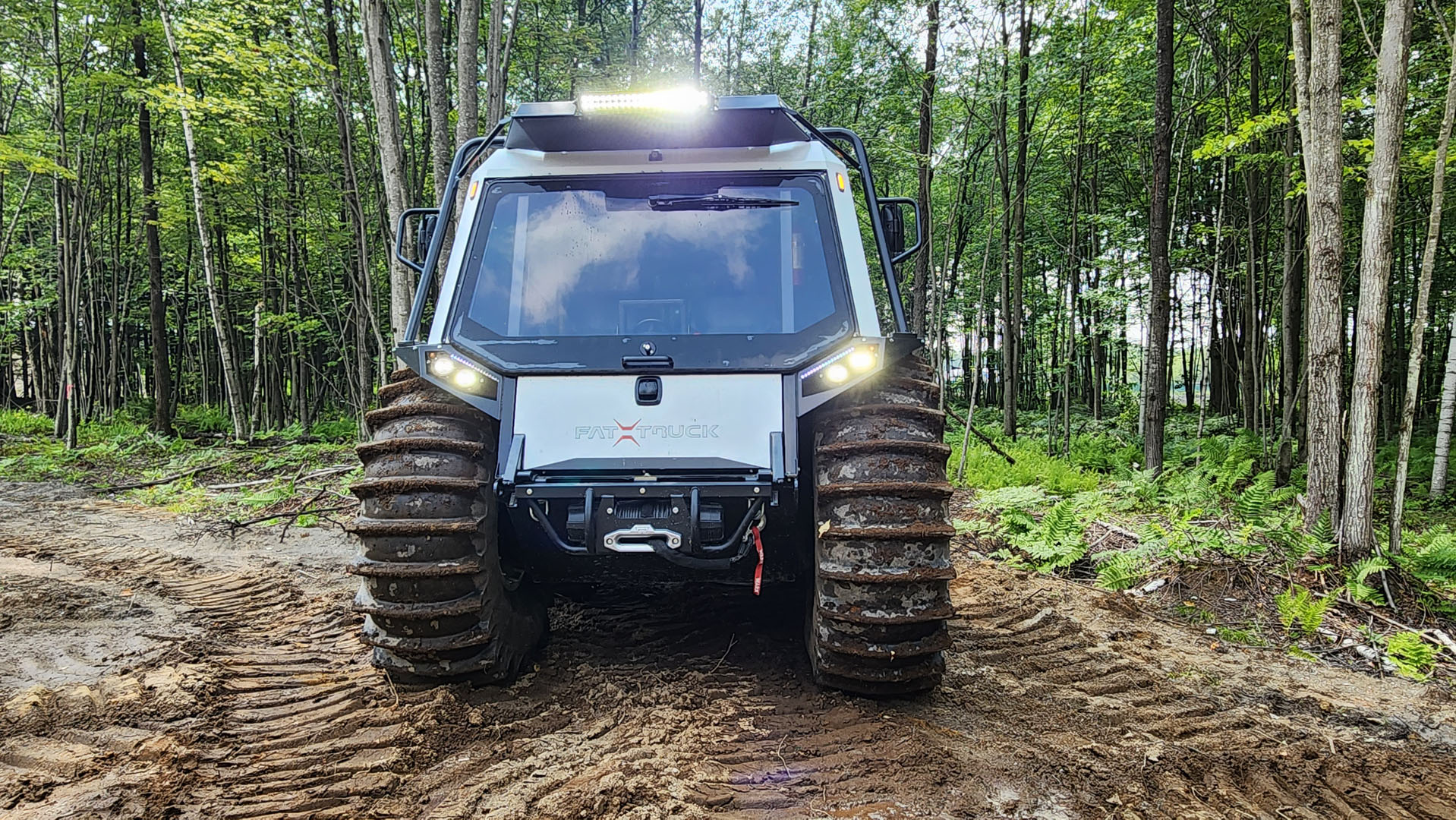
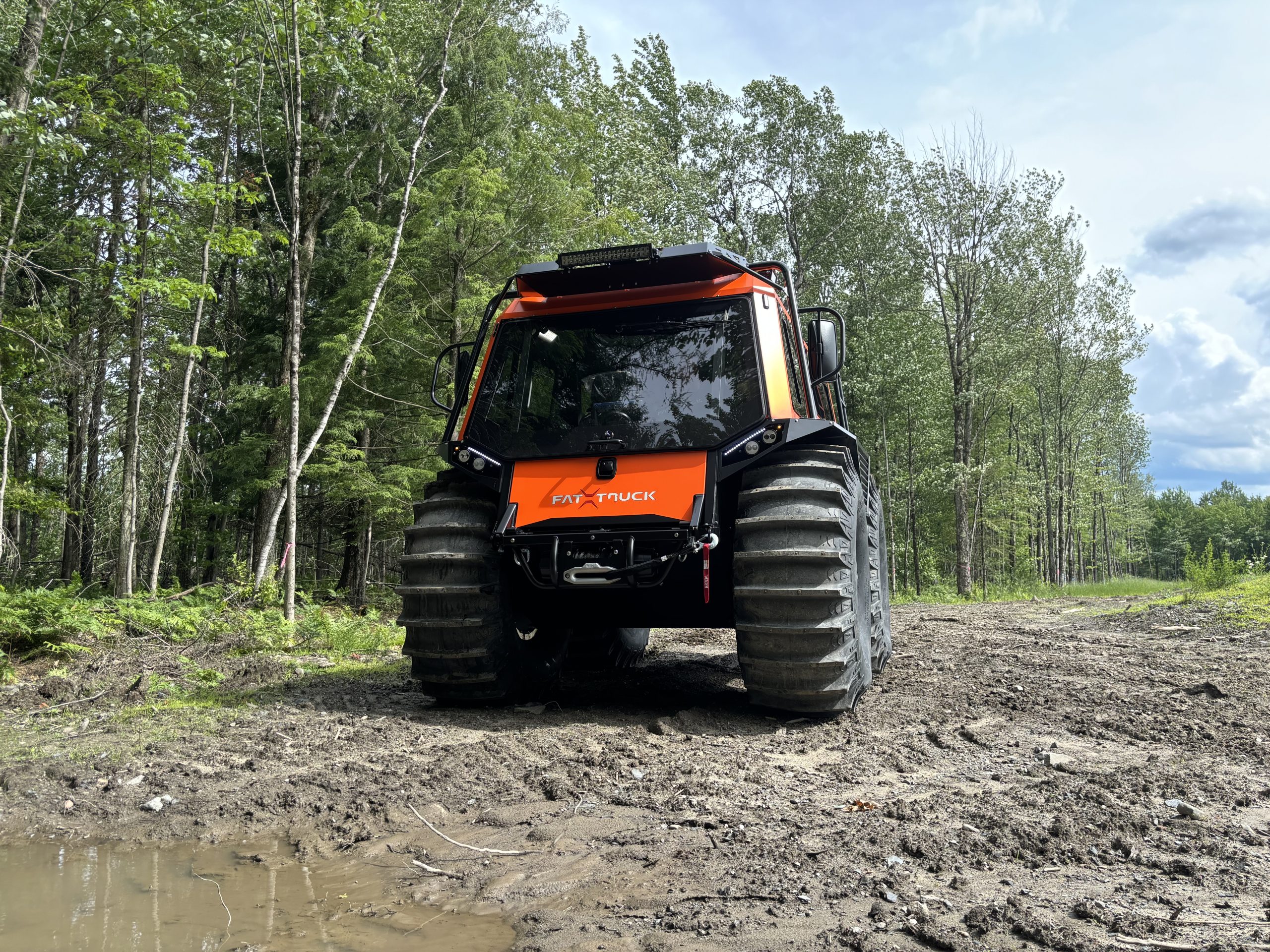
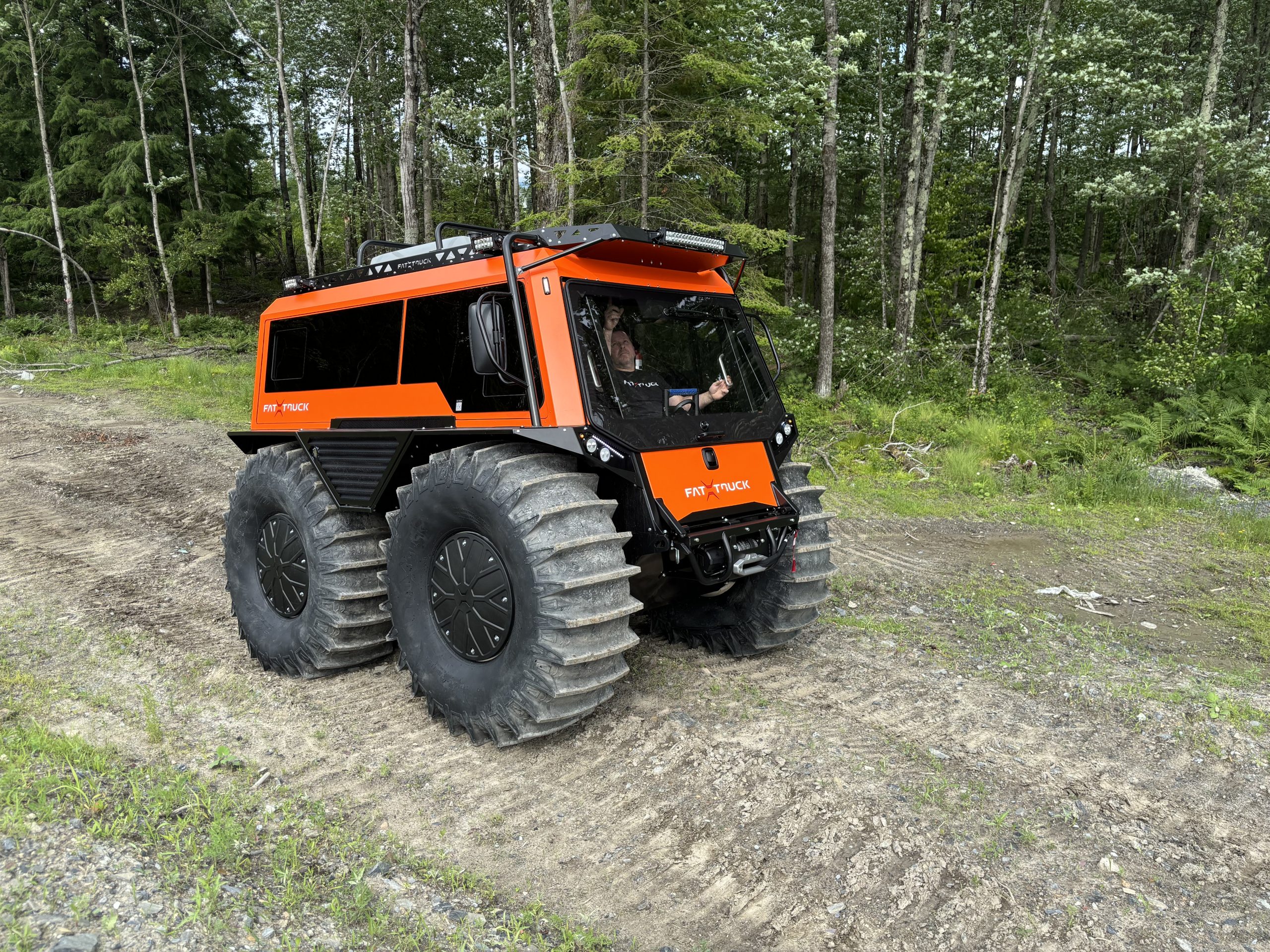
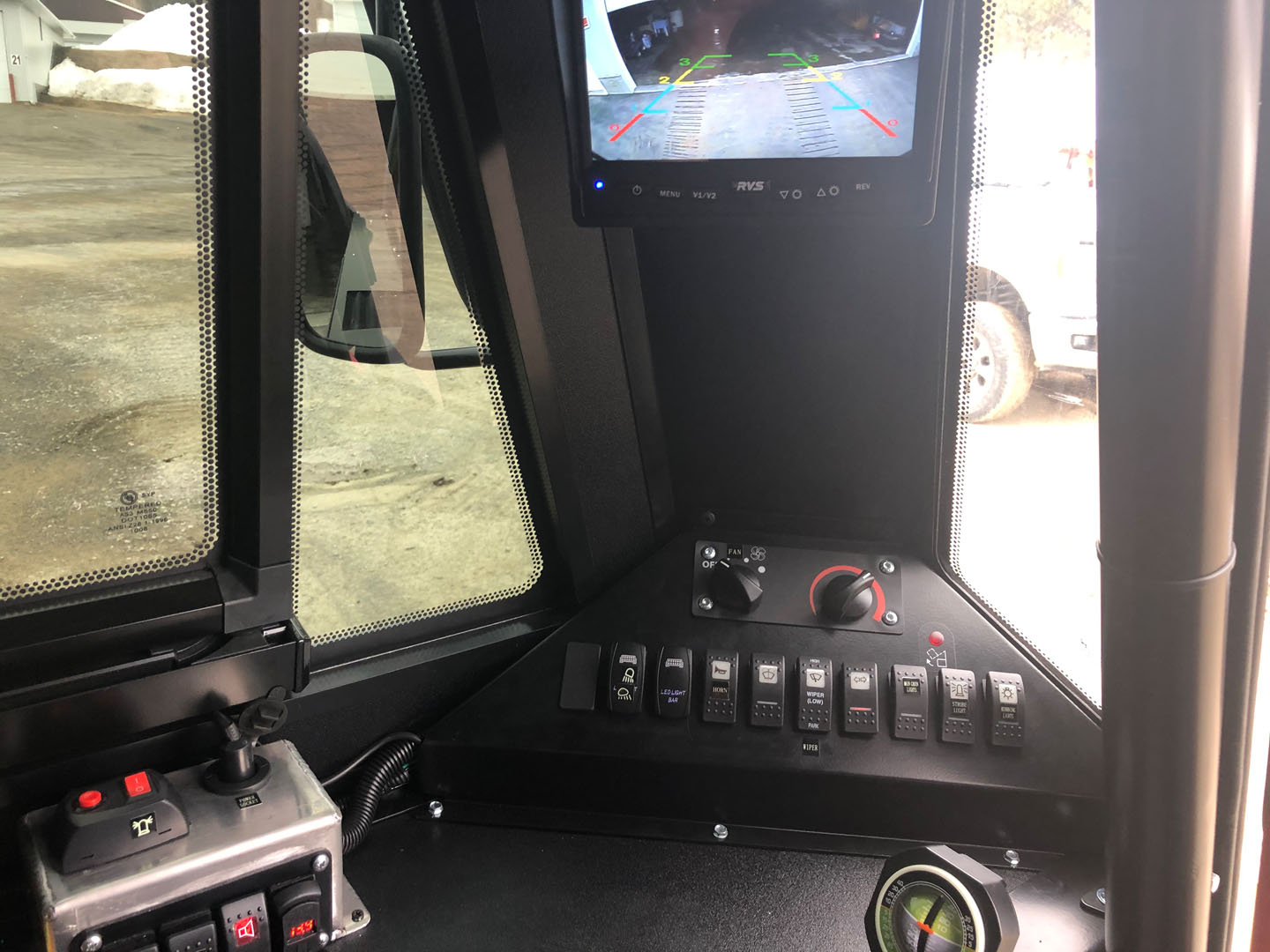
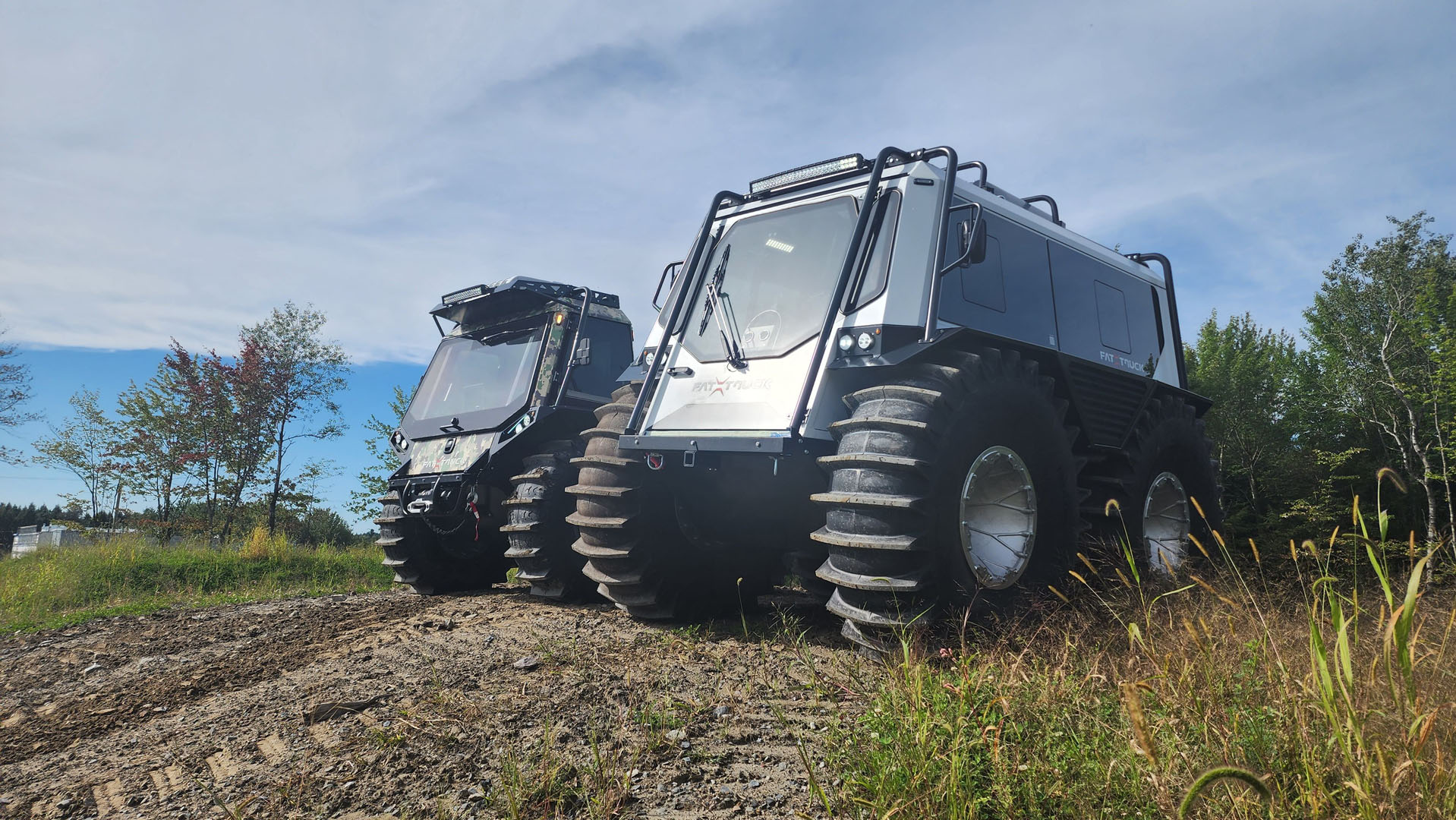
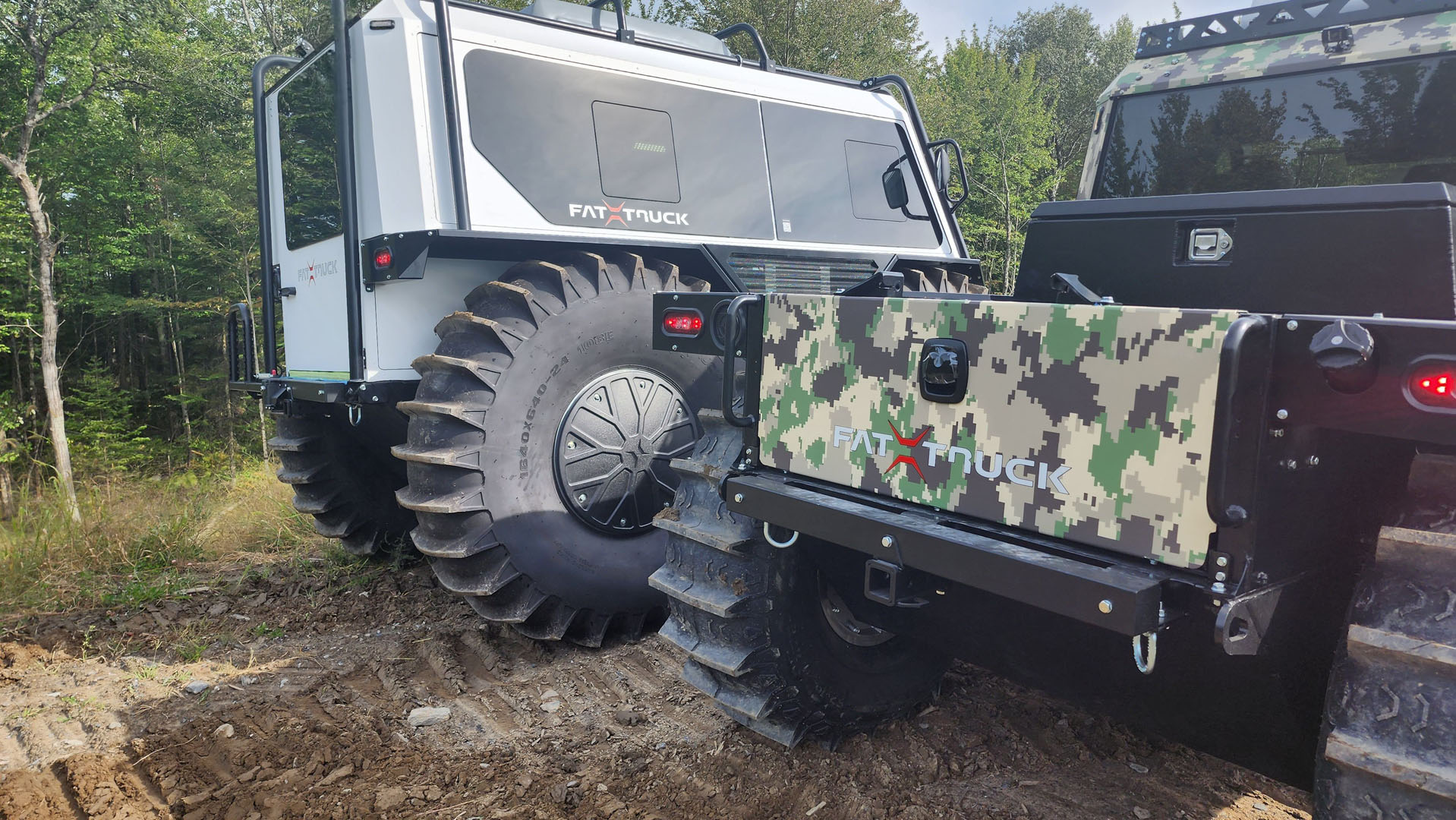
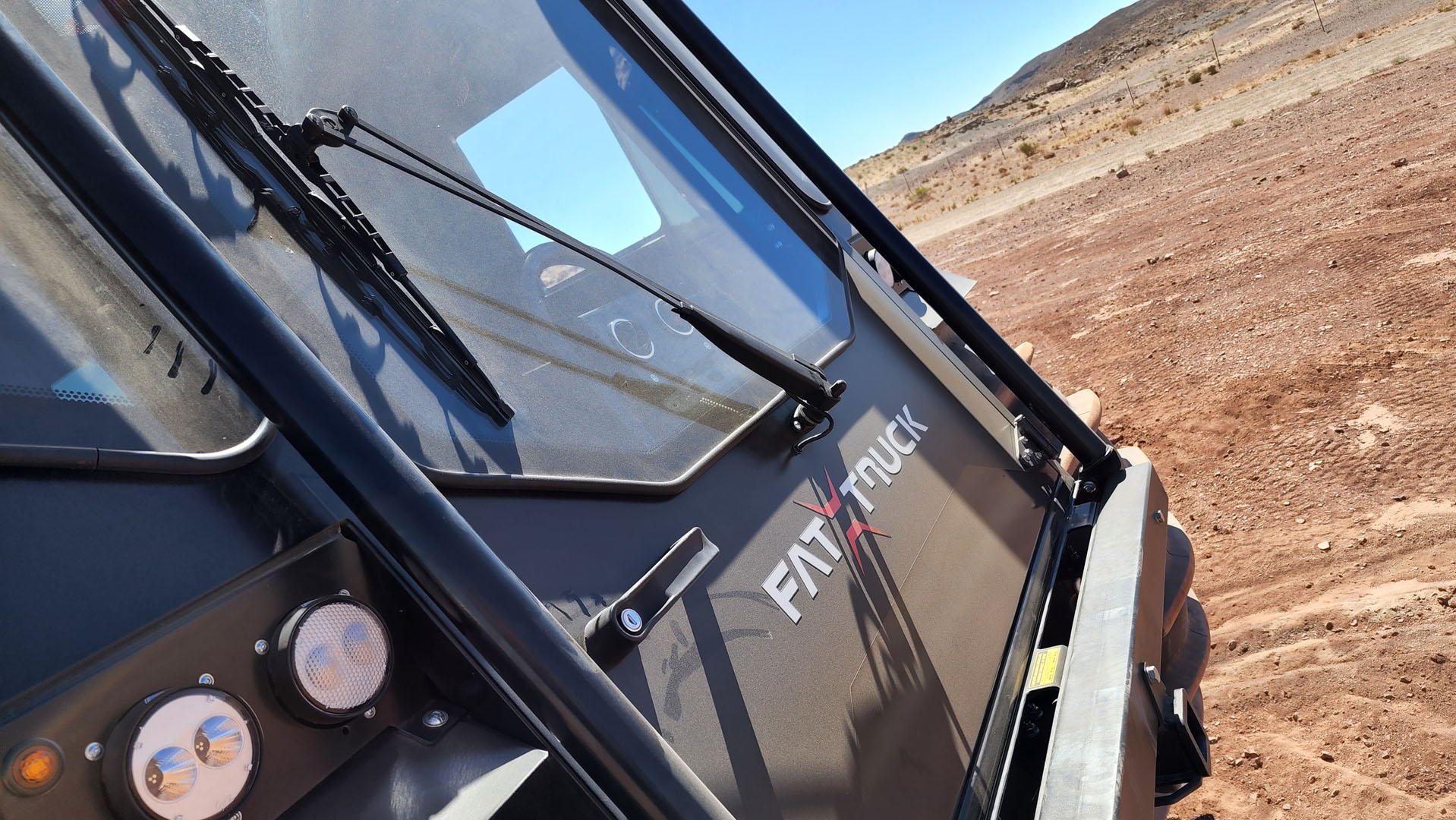
One Platform. Every Mission.
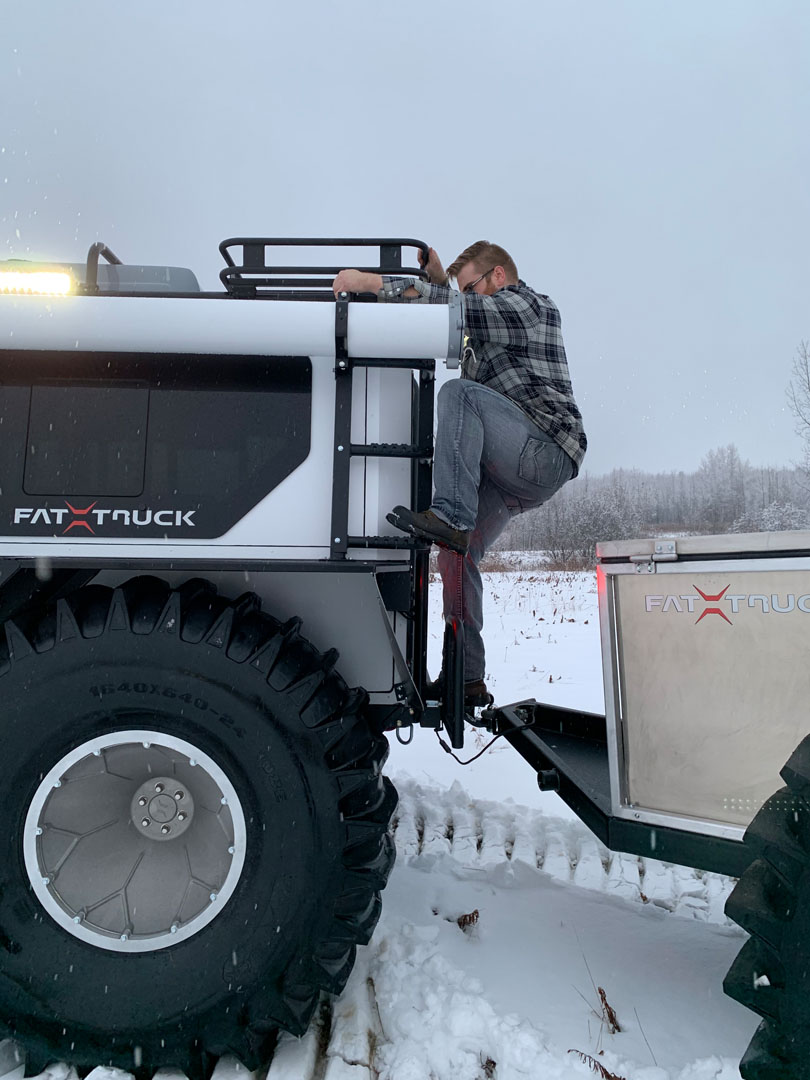
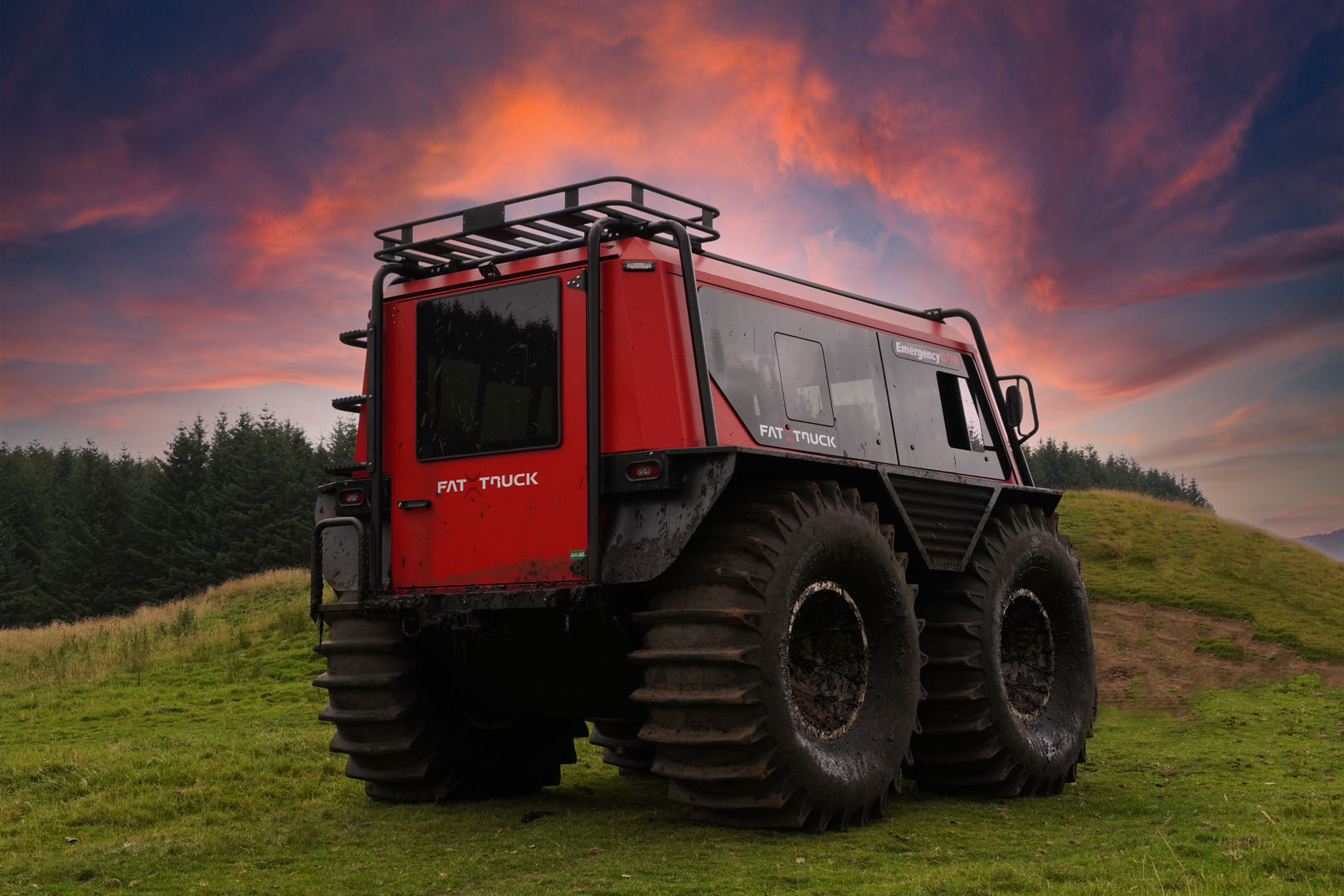
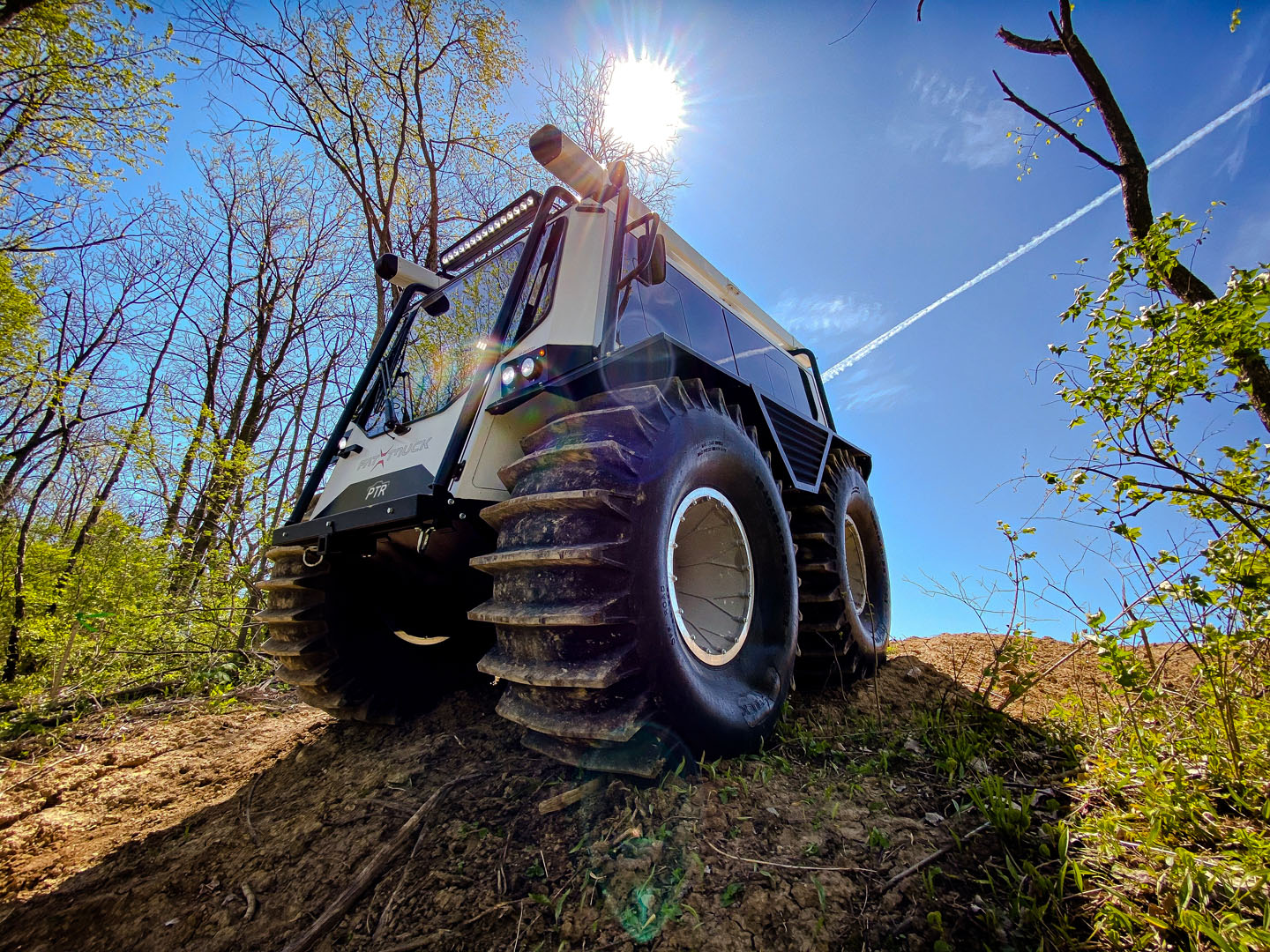
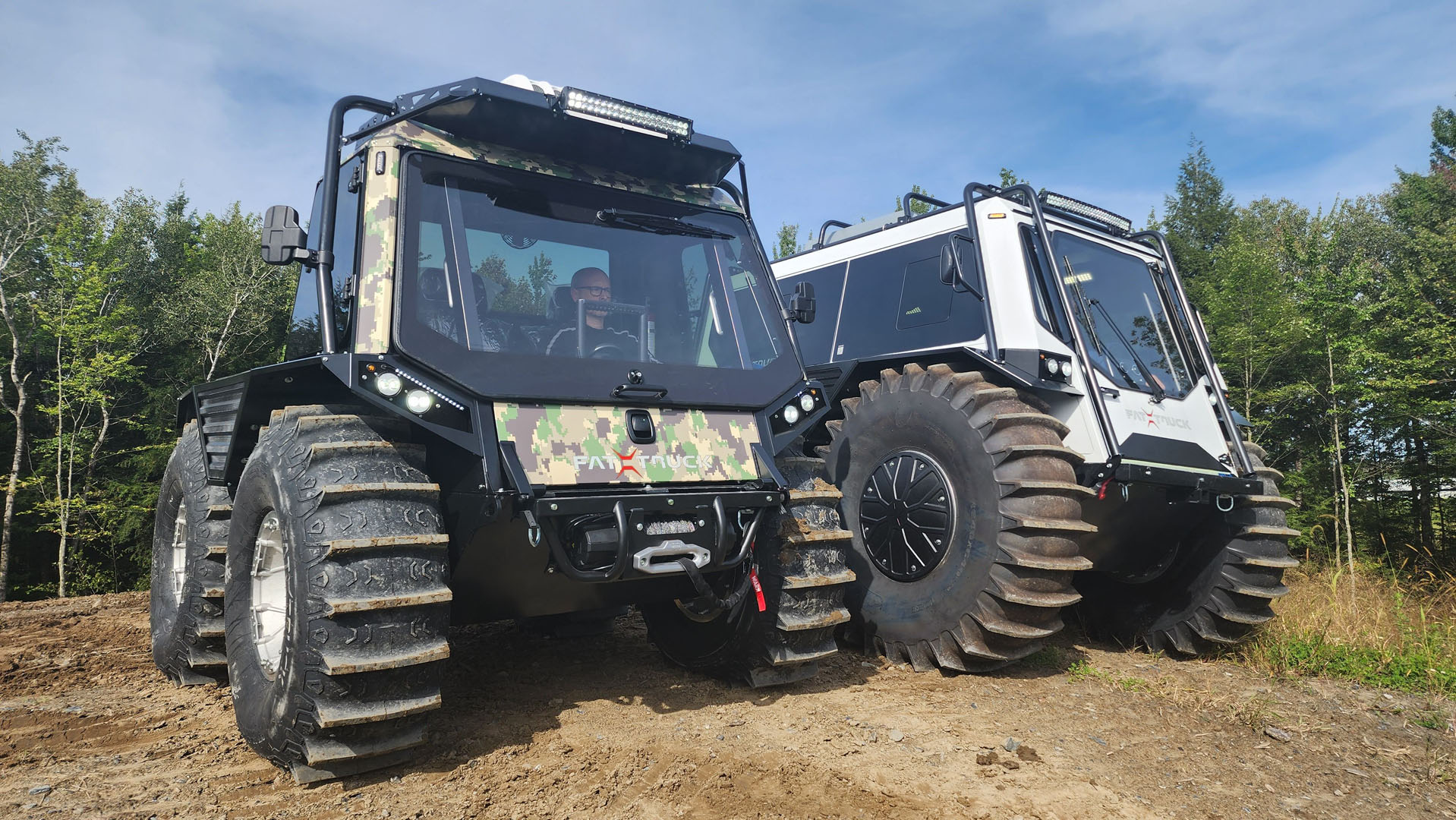
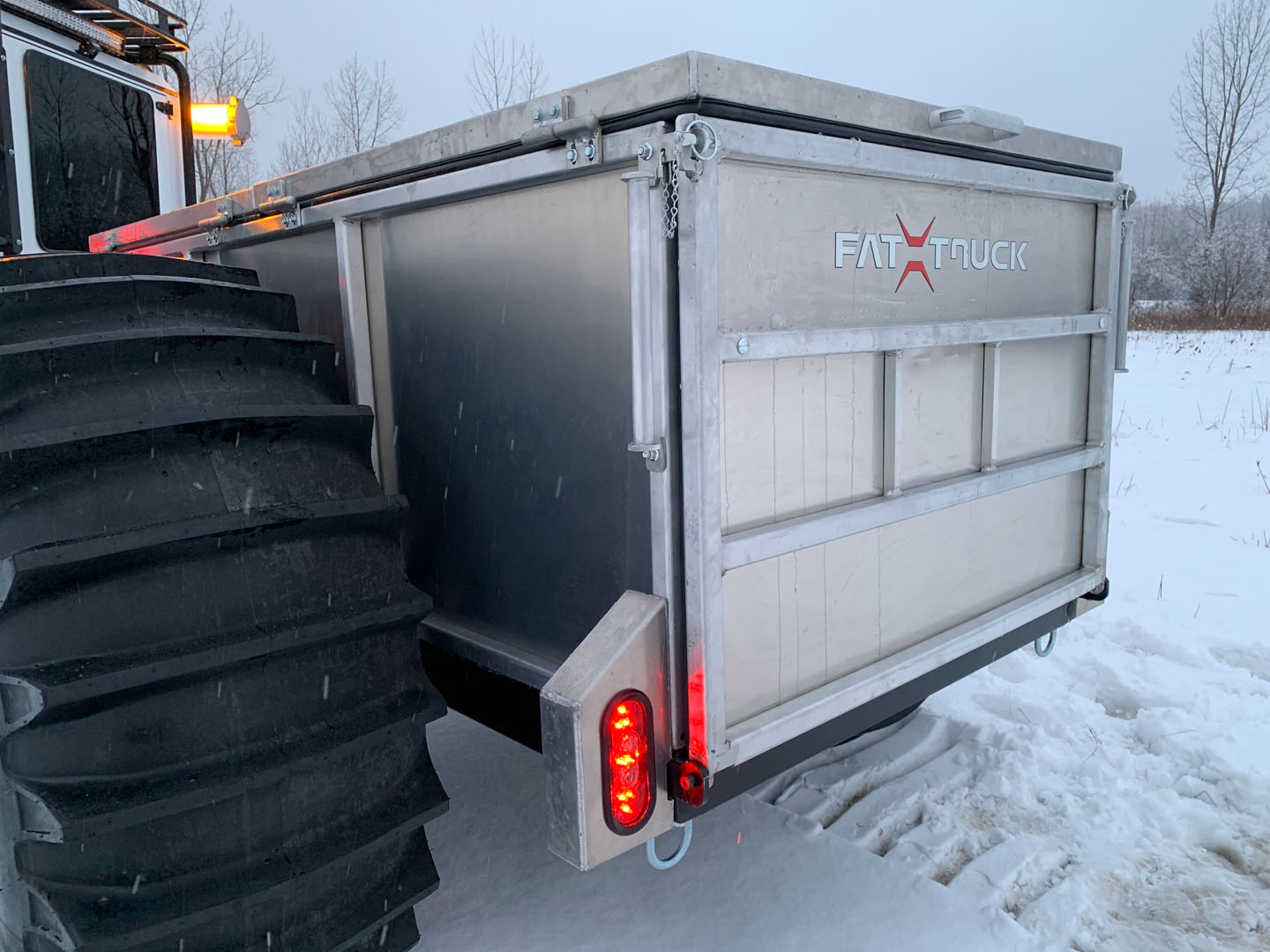
The same low ground pressure and extreme-cold reliability that supports Arctic patrol also gets emergency crews through flood response and disaster access. See the full range of FAT TRUCK® applications.