A data center can go up in a couple of years. The transmission lines, substations, and fiber routes that feed it are built across some of the hardest ground in North America.
Most coverage of the AI boom focuses on chips, servers and the buildings that house them. But a data center is only useful once it’s connected to power and to the network. The work that makes those connections happens far from the construction site: on transmission corridors, substation pads and fiber routes crossing forests, wetlands, farmland and remote terrain.
That’s where the real bottleneck is, and where the right field equipment makes a difference.
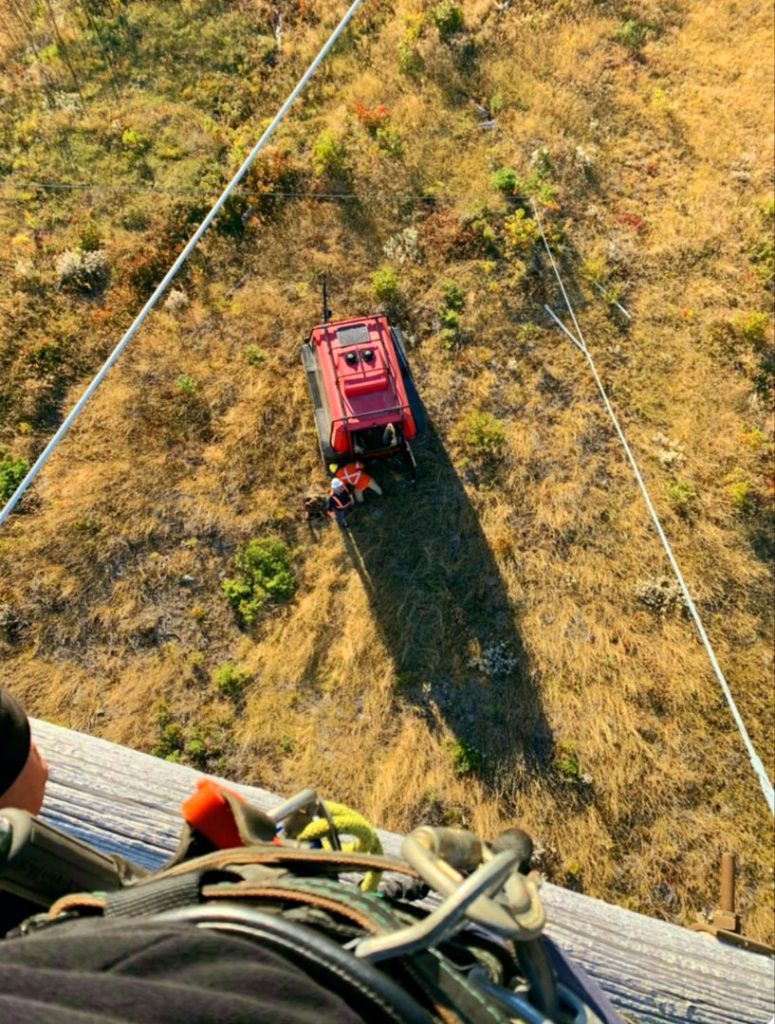
The demand is real, and it’s growing fast
The International Energy Agency projects that data centre electricity consumption will more than double to around 945 TWh by 2030, slightly more than Japan’s total electricity consumption today. In the United States, the IEA expects data centres to account for nearly half of electricity demand growth between now and 2030.
Individual projects are also getting much bigger. According to the IEA, a typical AI-focused data centre consumes as much electricity as 100,000 households, but the largest ones under construction today will consume 20 times as much.
U.S. government research points the same way. Data centers consumed about 4.4% of total U.S. electricity in 2023. A 2025 update from Lawrence Berkeley National Laboratory estimates that data centers could account for 11.8% of total U.S. electricity by 2030, with scenarios ranging between 9.5 and 15.3%.
Across North America, NERC’s latest ten-year outlook forecasts summer peak demand to grow by 224 GW, a more than 69% increase over the previous year’s forecast, with new data centers for artificial intelligence and the digital economy accounting for most of the projected increase. Forecasts vary. One energy consulting firm has argued that NERC’s data center assumptions may be overstated, citing potential double counting and delays in large load interconnections. Either way, the direction is clear: a lot of new load needs a lot of new infrastructure.
The building is fast. The grid connection isn’t.
This is the core problem. While a new data center can be designed and built in two to three years, it is effectively useless unless it can draw power from the grid.
The IEA estimates that unless these risks are addressed, around 20% of planned data centre projects could be at risk of delays. It notes that building new transmission lines can take four to eight years in advanced economies, and wait times for critical grid components such as transformers and cables have doubled in the past three years. NERC reaches a similar conclusion: projections for resource and transmission growth lag what is needed to support new data centers and other large loads.
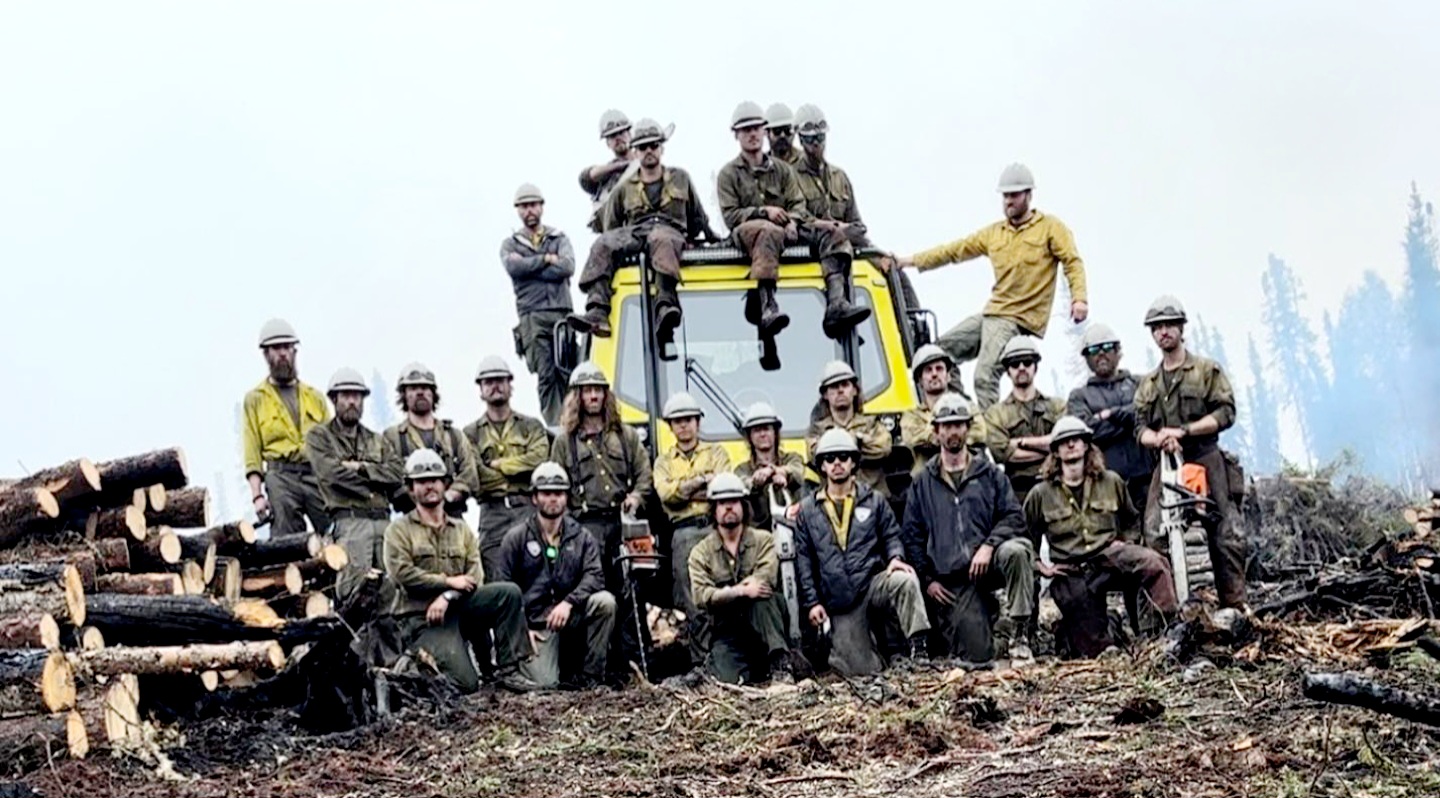
When materials take longer to arrive, time in the field matters more. Crews that can reach structures, stage materials and keep working in bad ground conditions help protect schedules that are already tight.
Transmission lines don’t follow the easy route
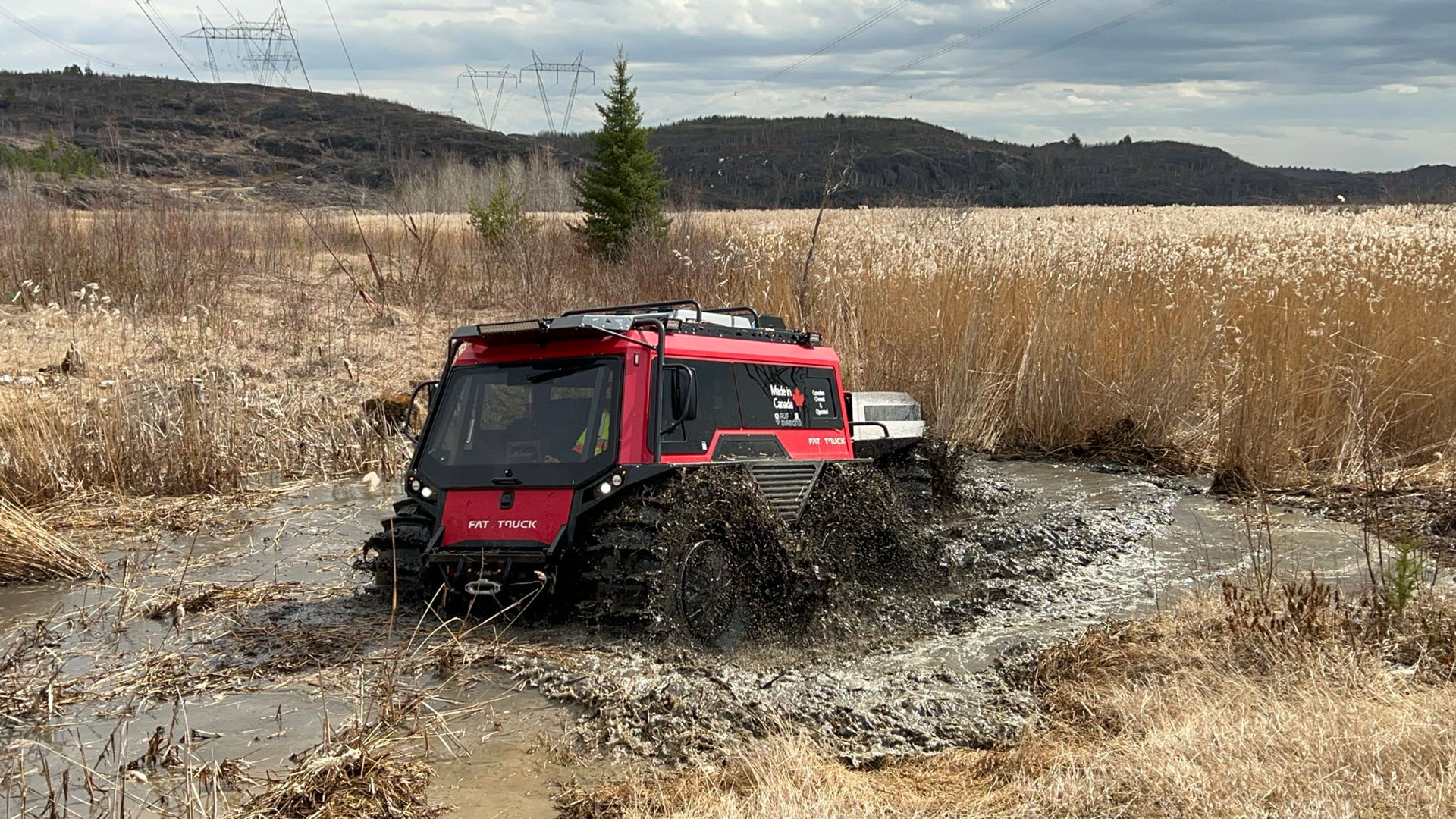
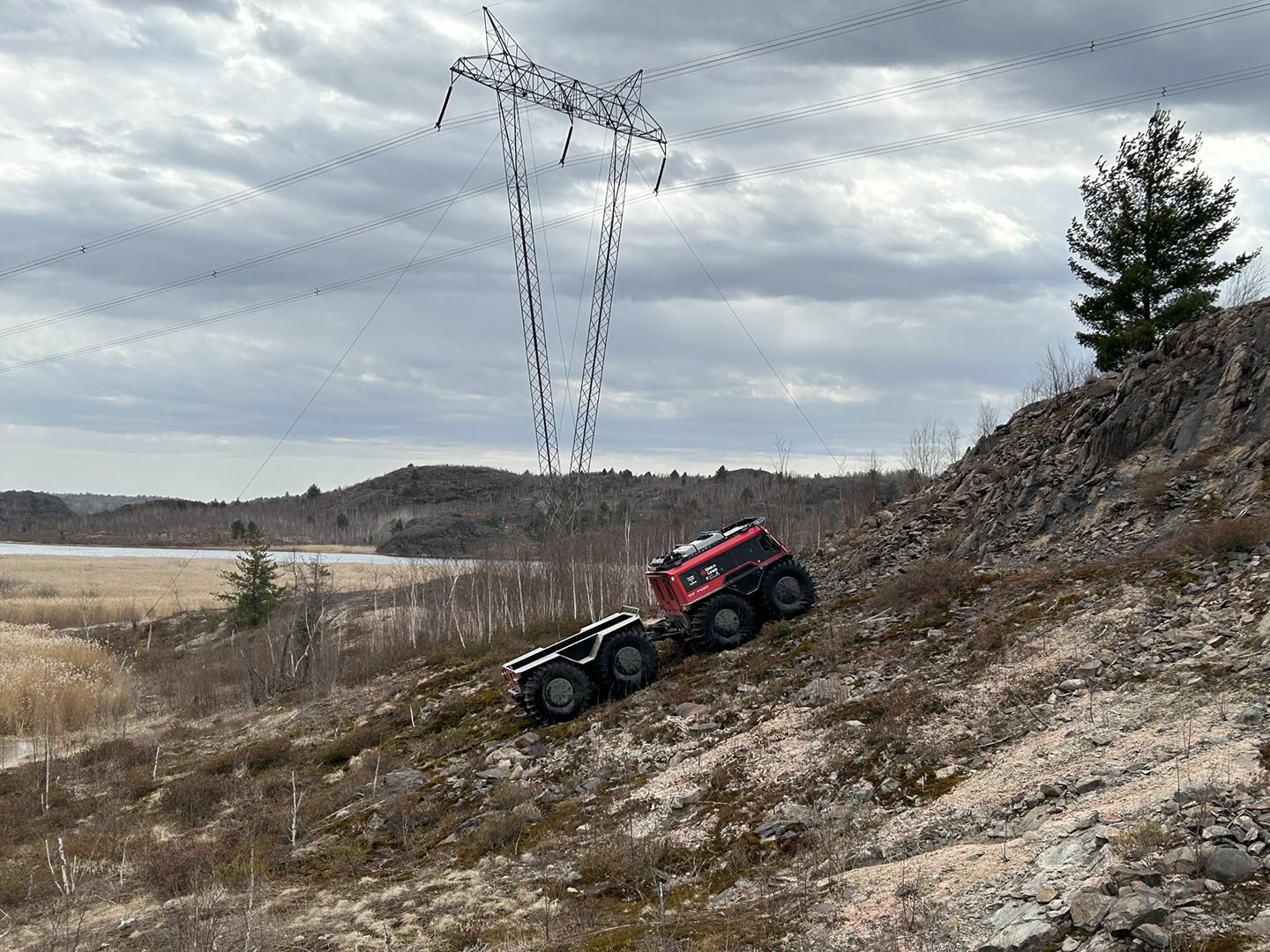
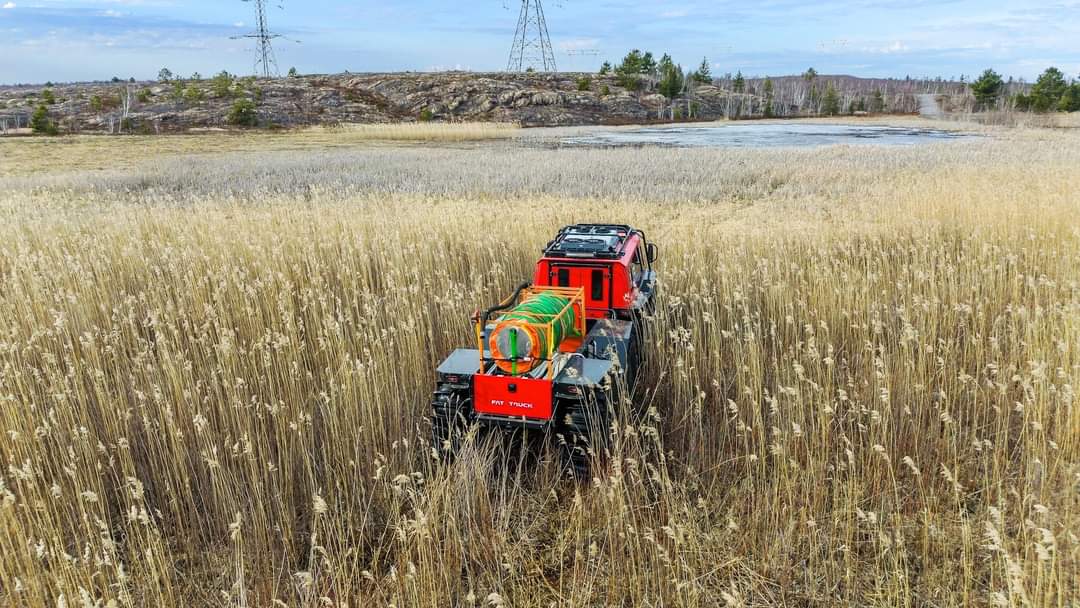
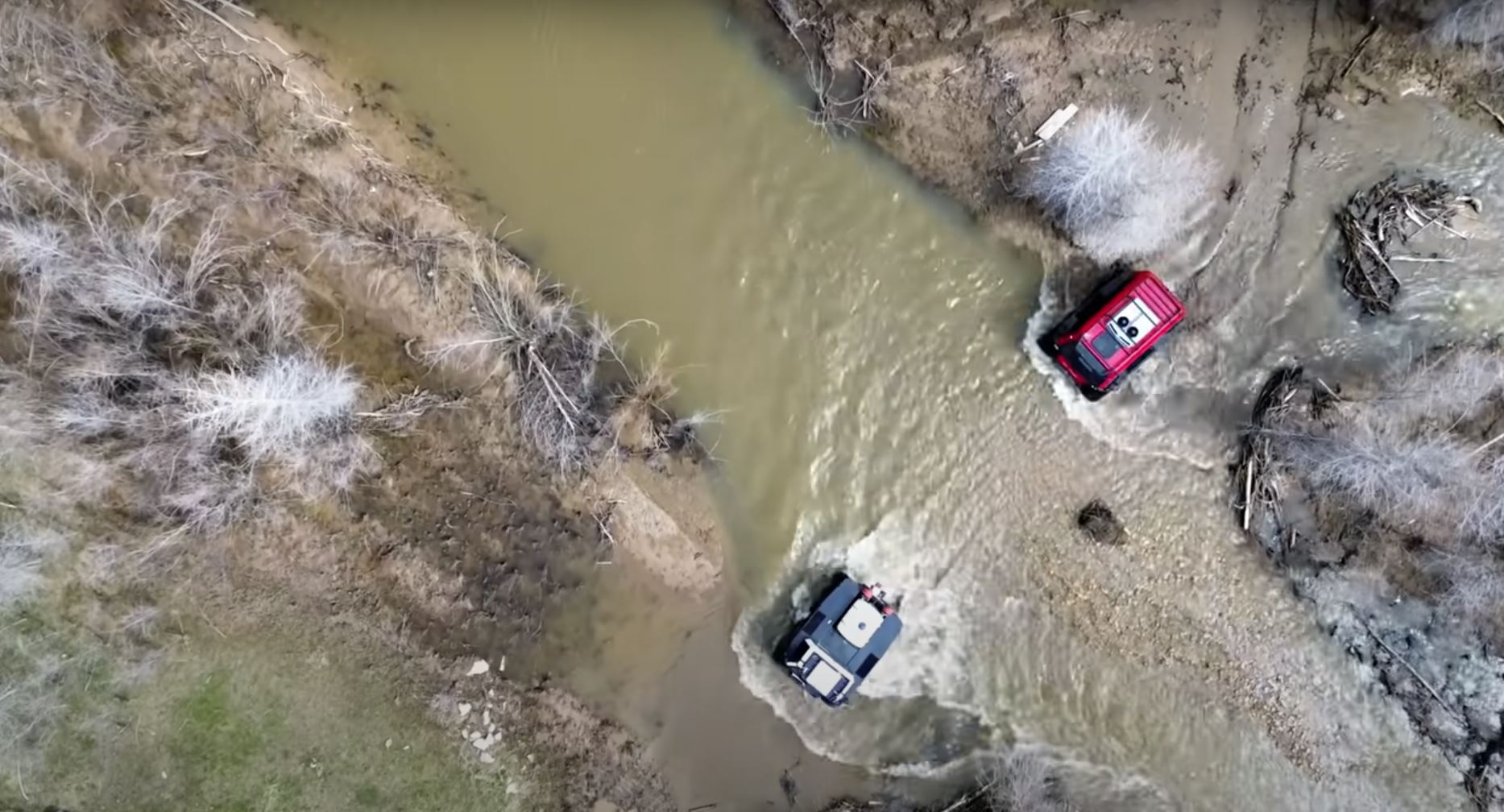
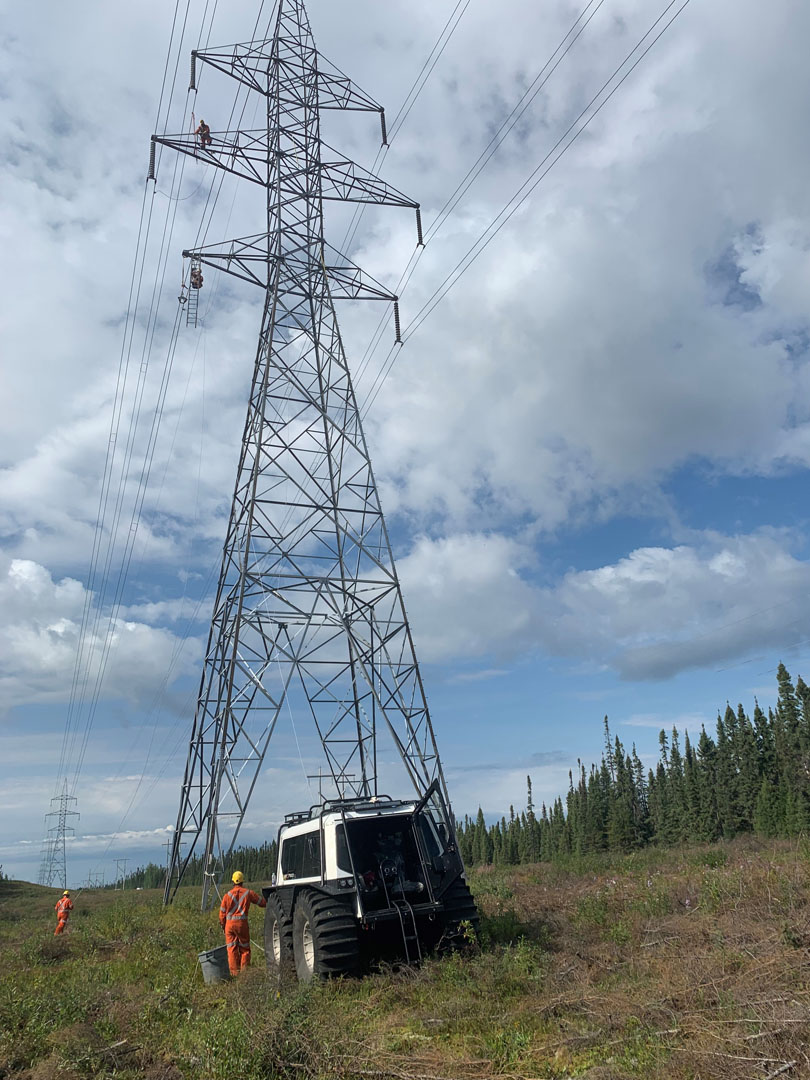
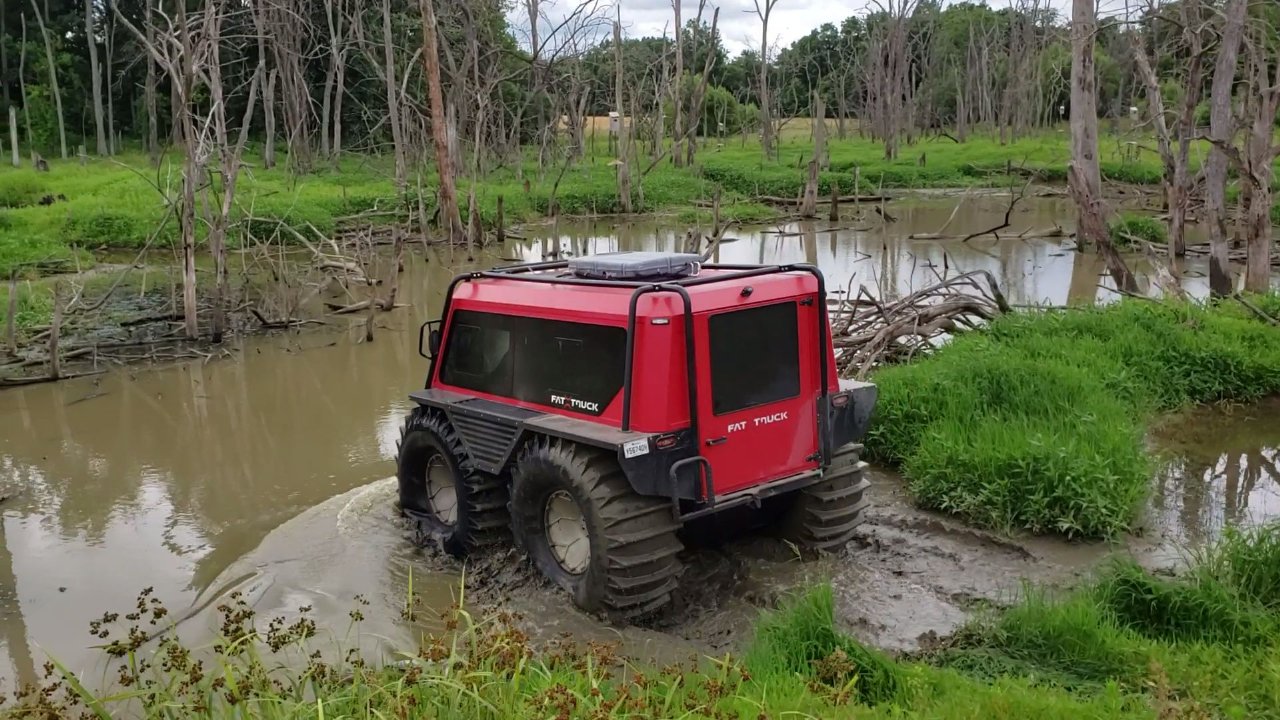
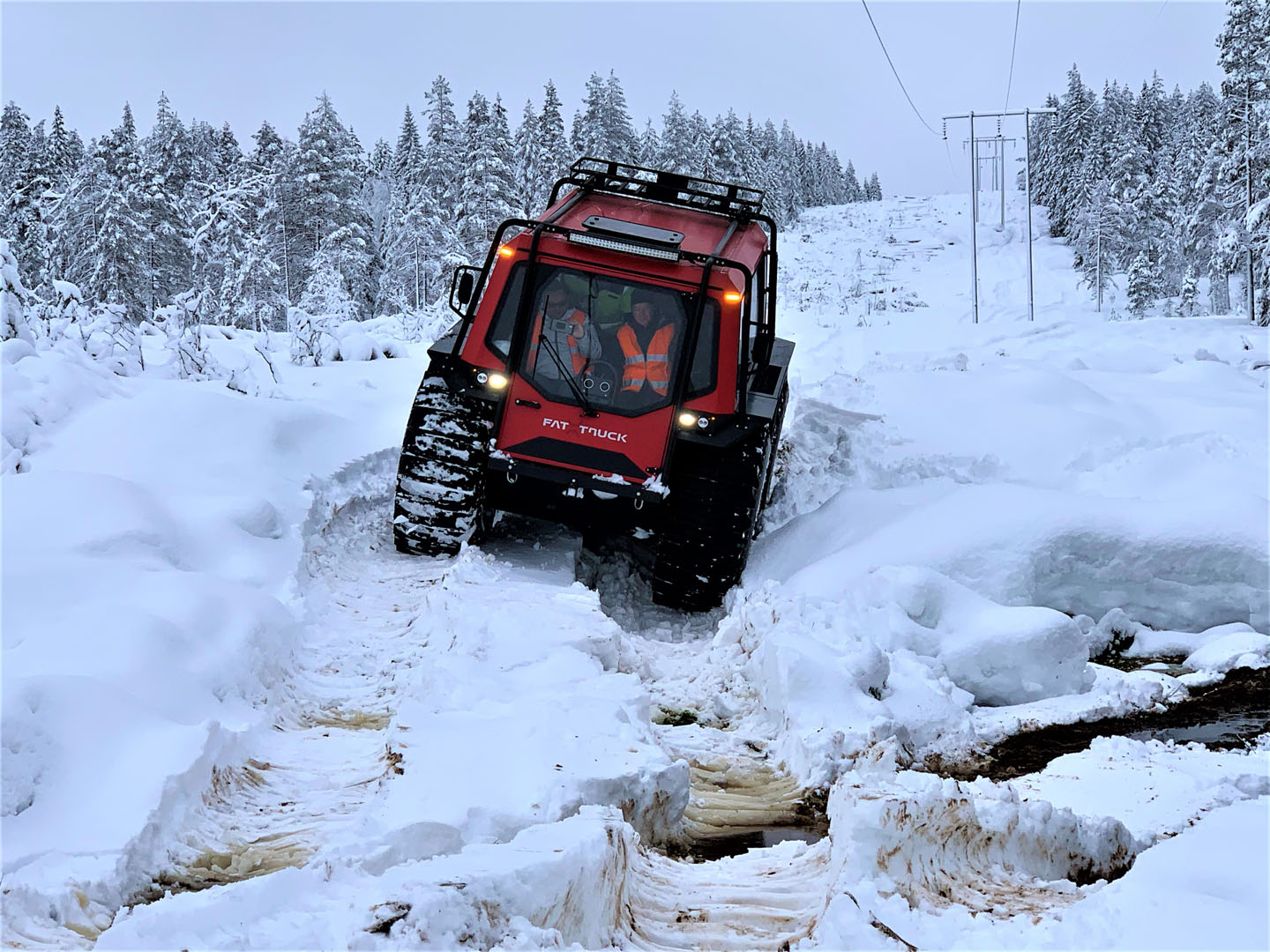
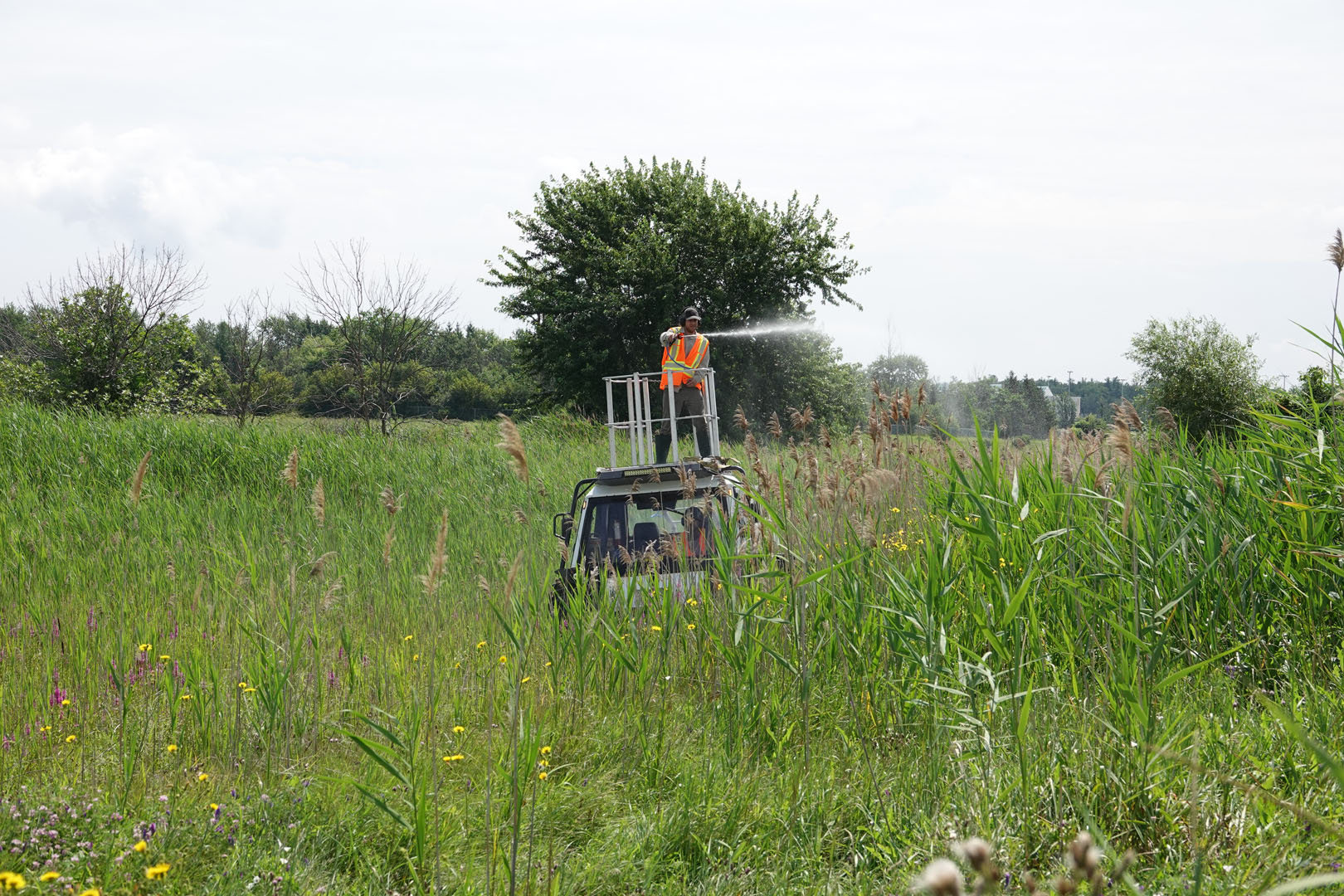
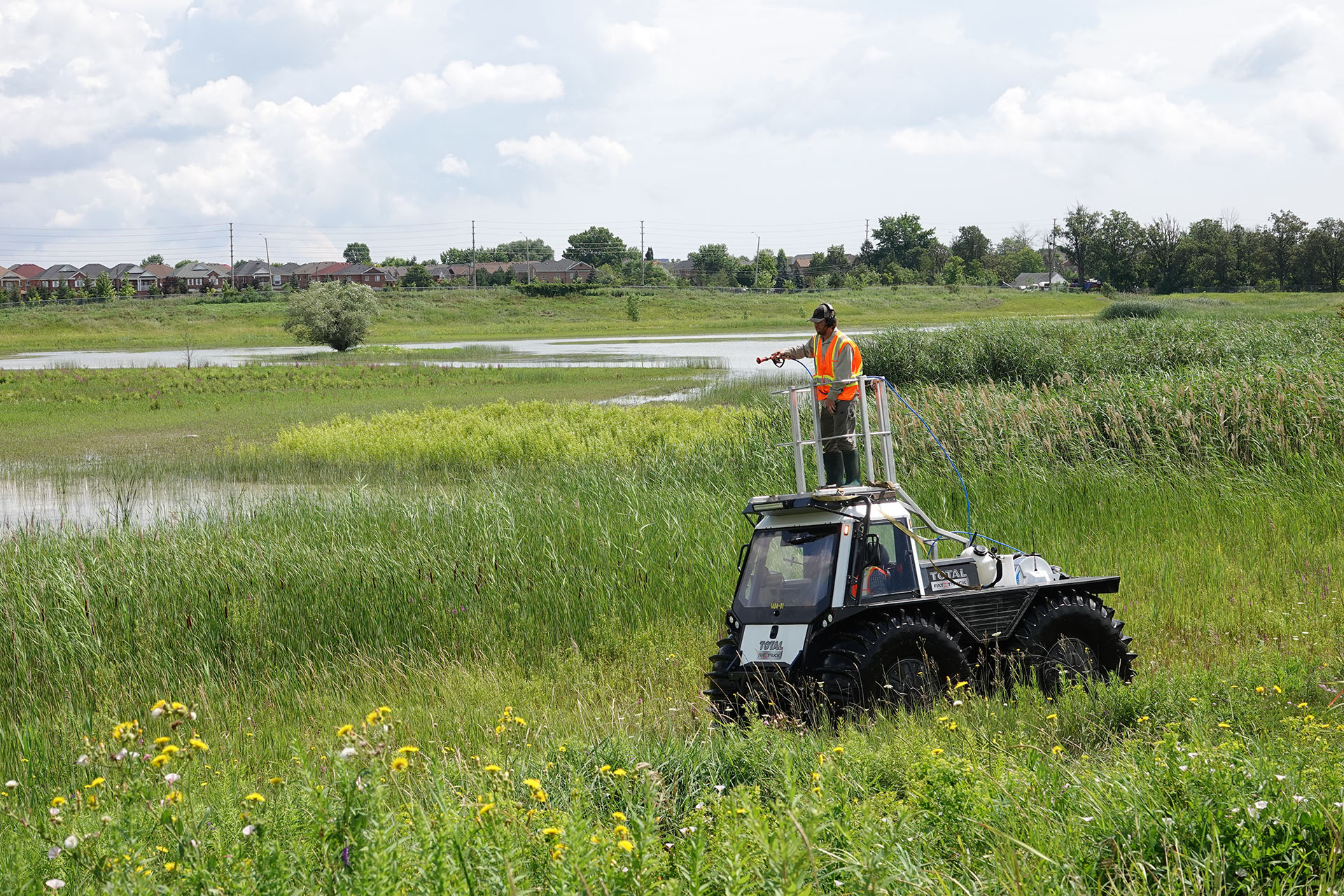
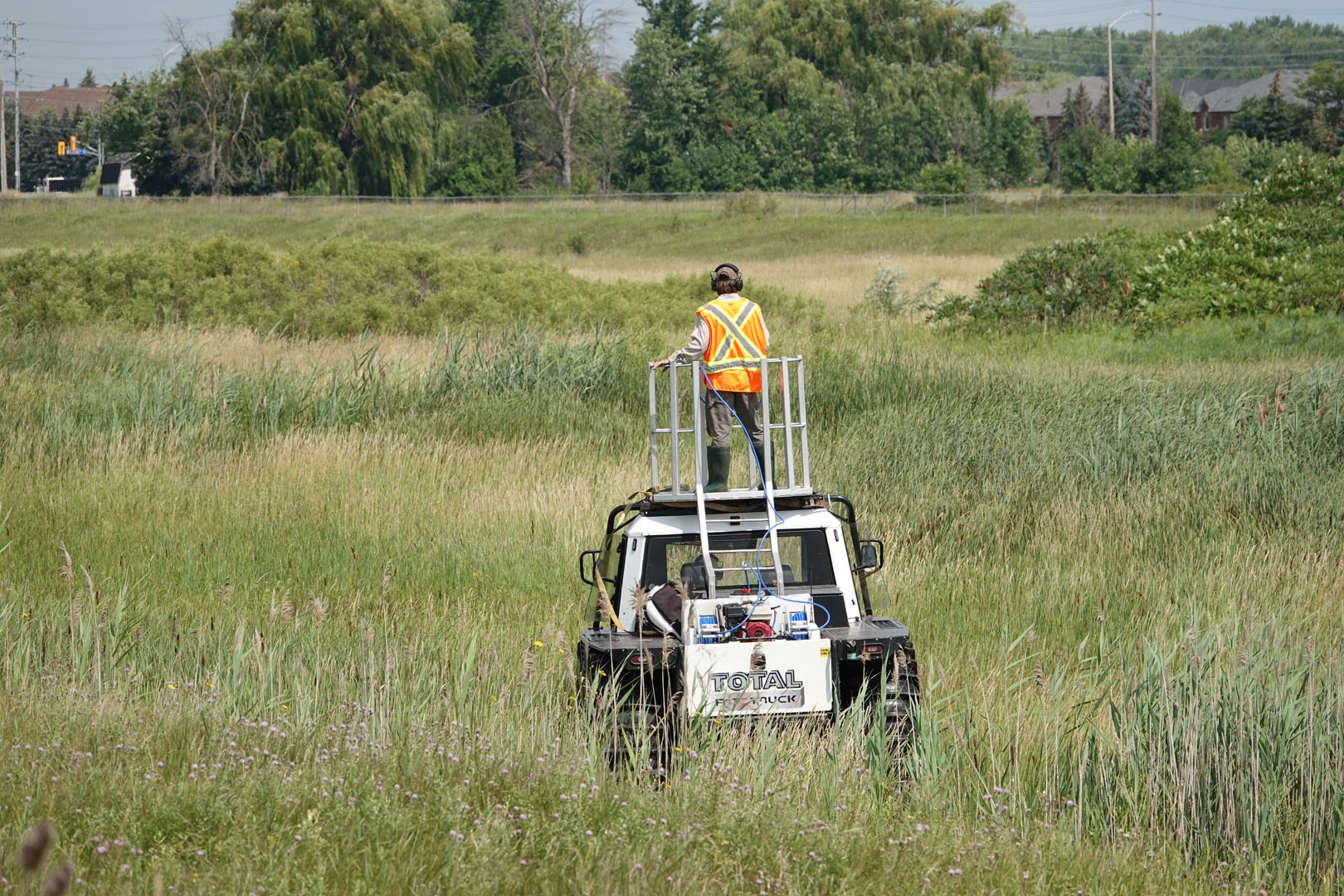
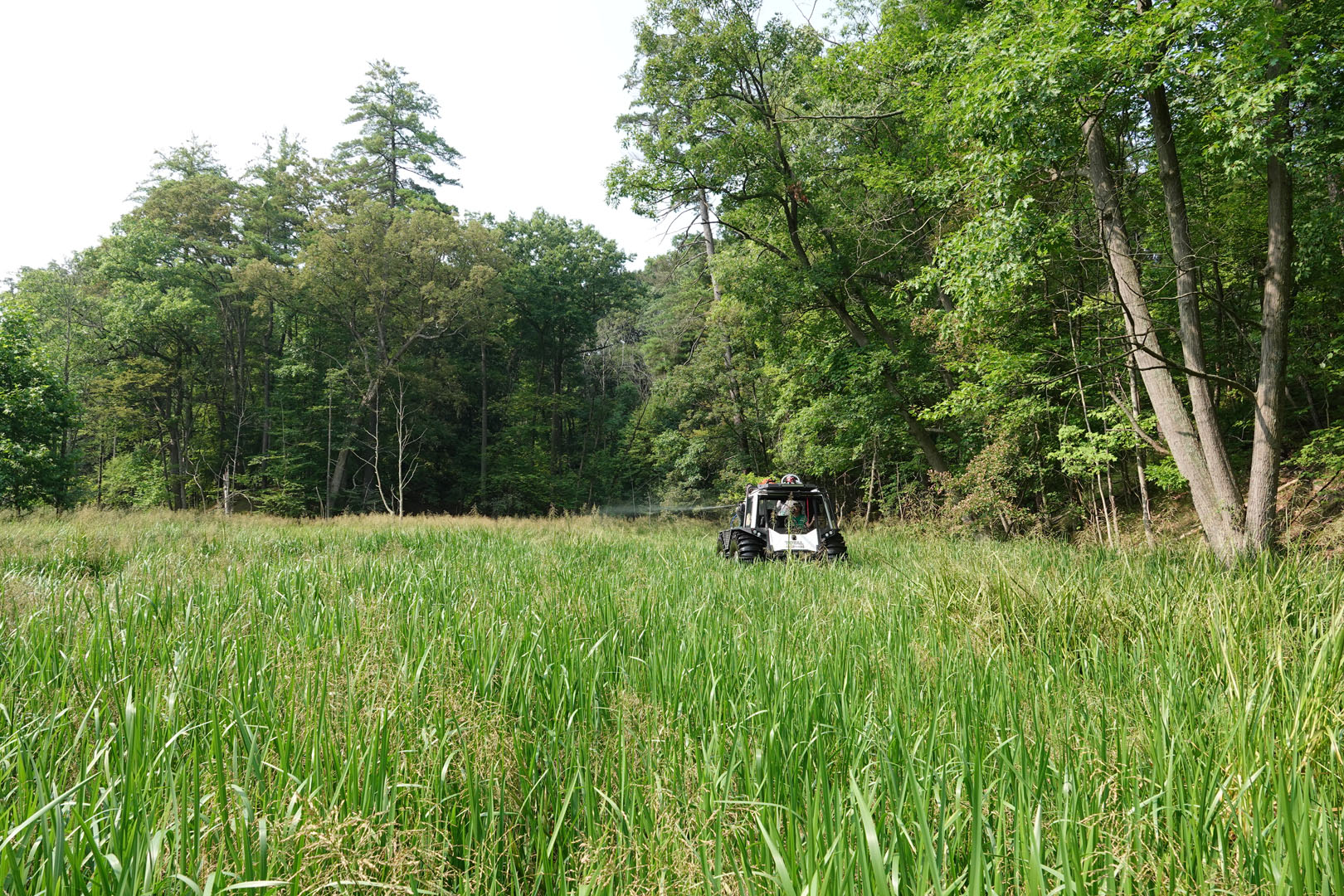
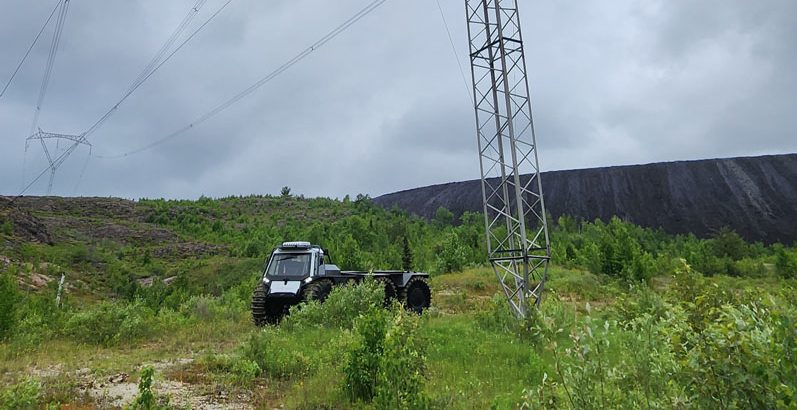
NERC reports 41,000 miles (66,000 km) of transmission (>100 kV) under construction, and much of that mileage doesn’t run along roads. Rights-of-way cross wetlands, bogs, floodplains and soft agricultural ground. On one Minnesota transmission project, about 80% of the line crosses these wetlands, and crews surveying the planned route through the bogs used low-ground-pressure all-terrain vehicles.
Regulators and utilities treat ground disturbance as a real concern. Wisconsin’s Public Service Commission lists construction mats, ice roads, or low ground pressure or tracked equipment among the ways to limit transmission construction impacts. It also recommends mats and wide-track vehicles to spread the distribution of equipment weight in wetlands. One major Northeast utility’s environmental guidance states that equipment operated within wetlands shall have low ground pressure or be placed on timber mats adequate to support it.
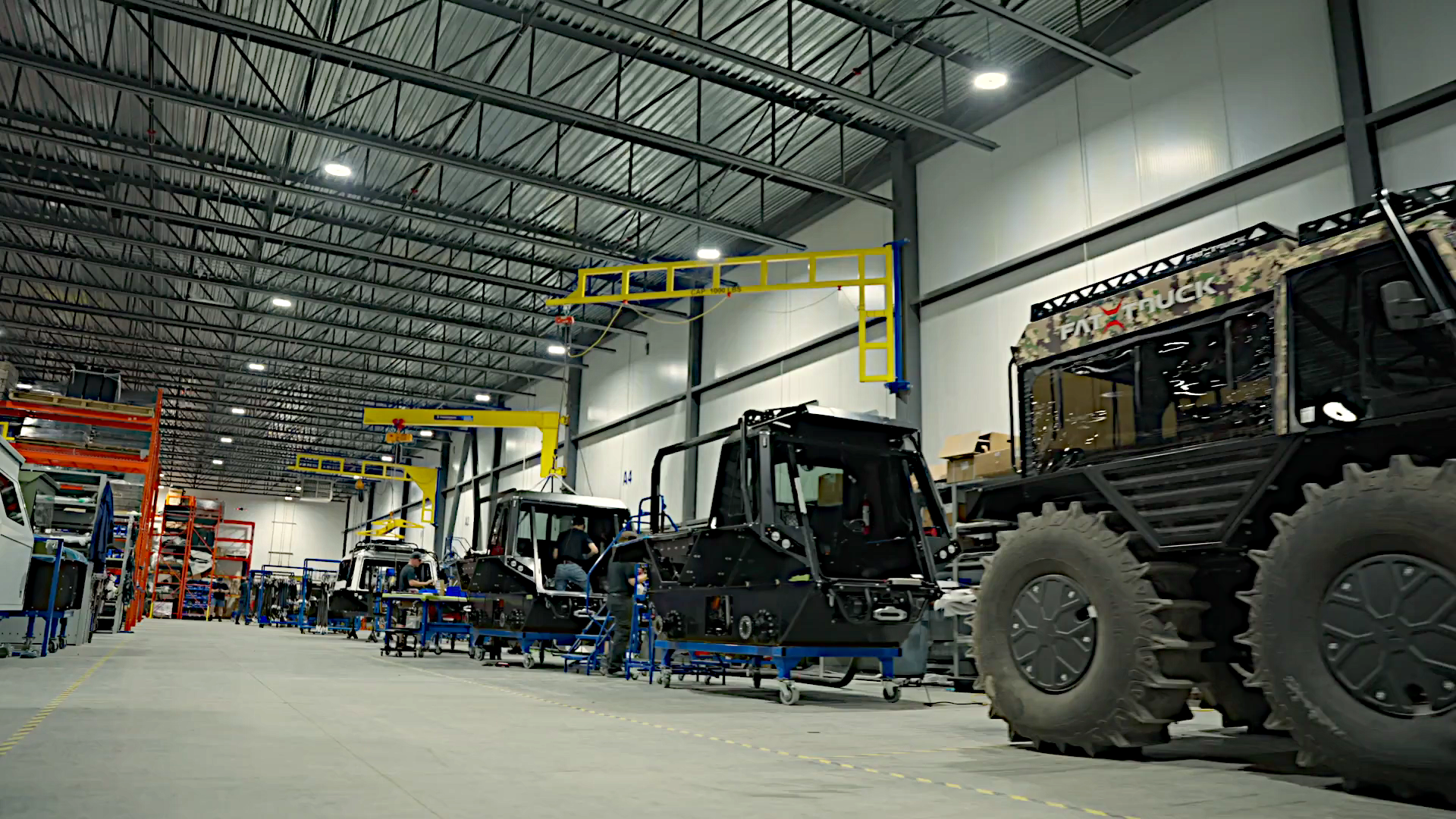
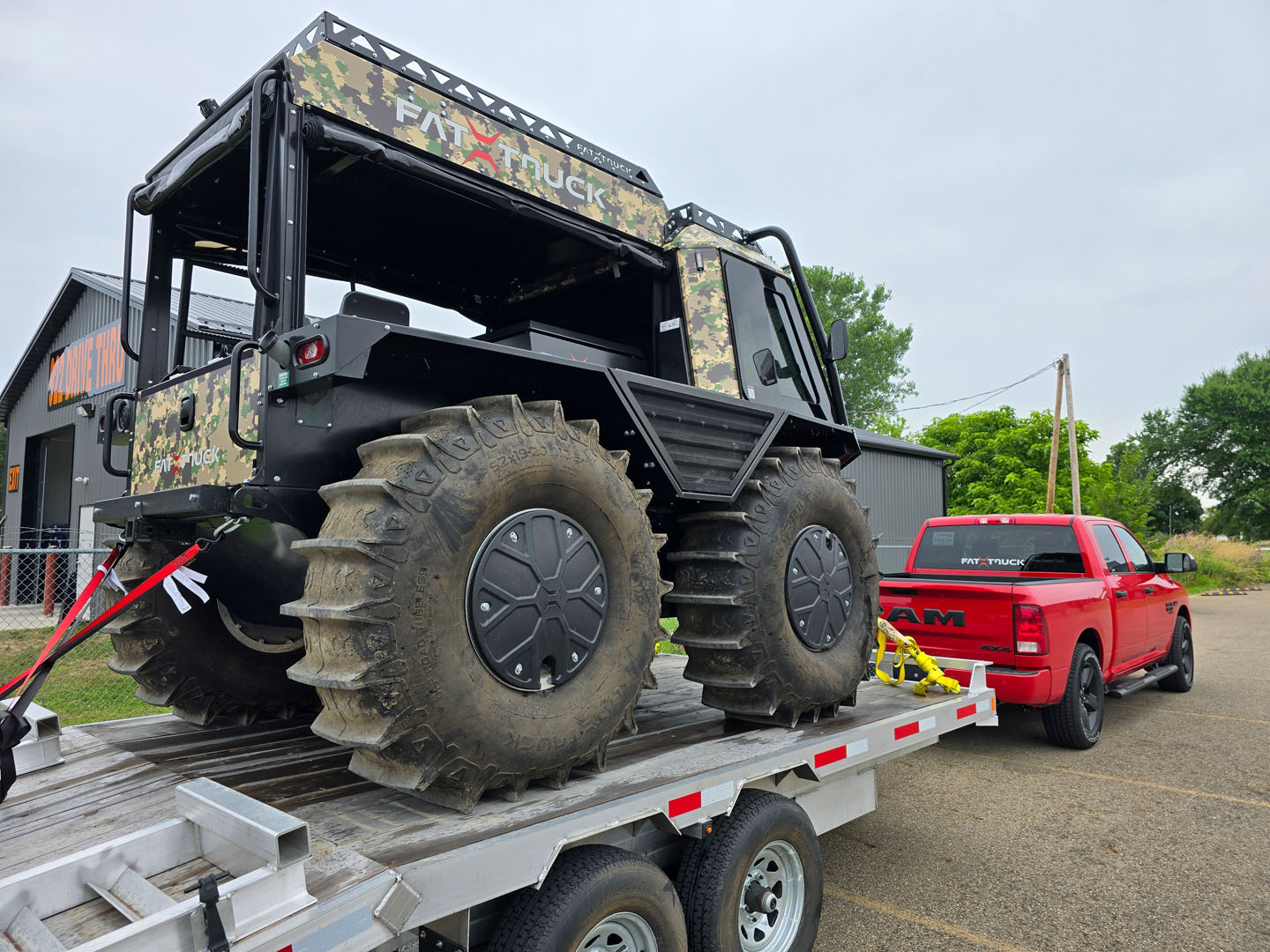
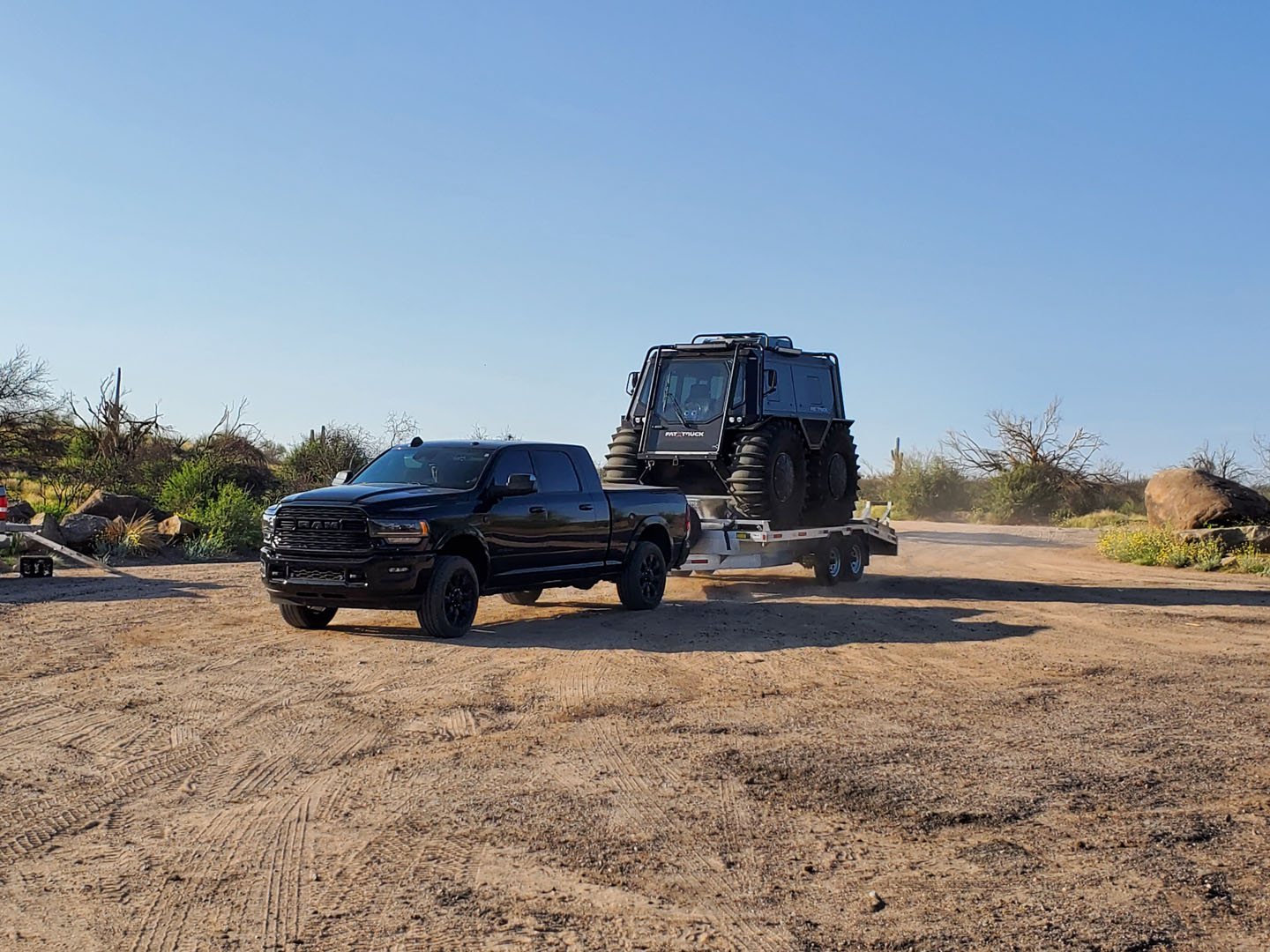
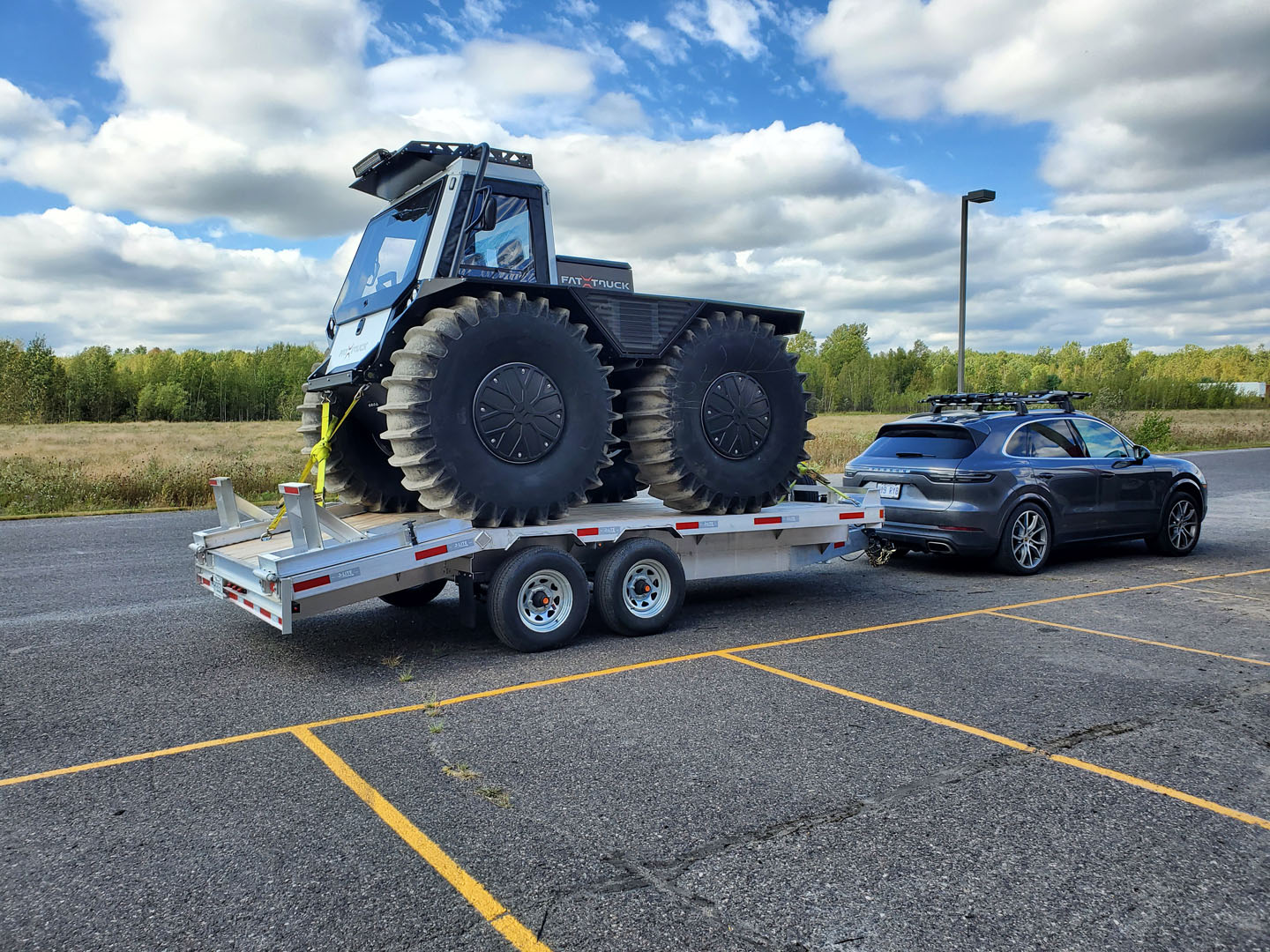
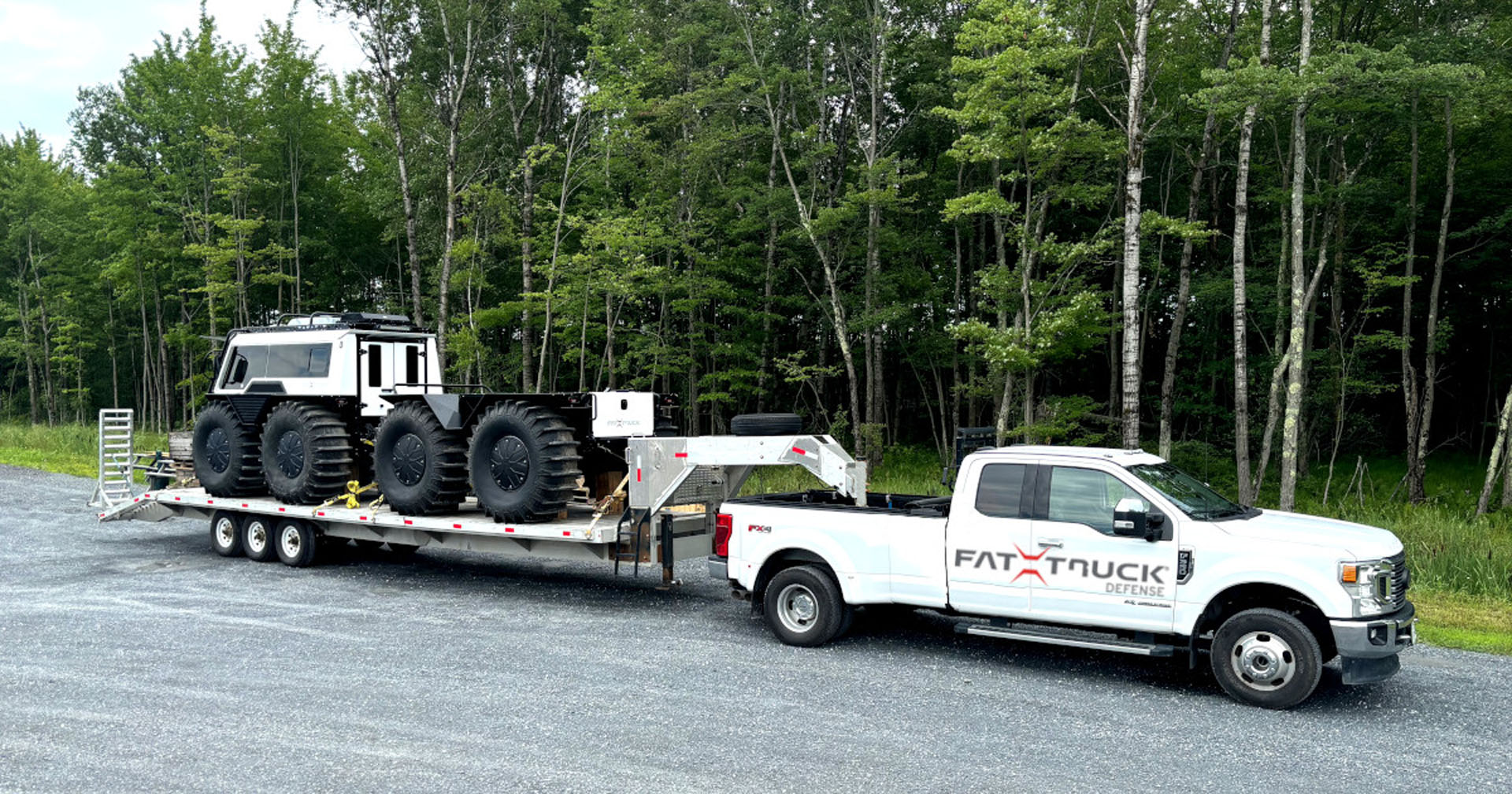
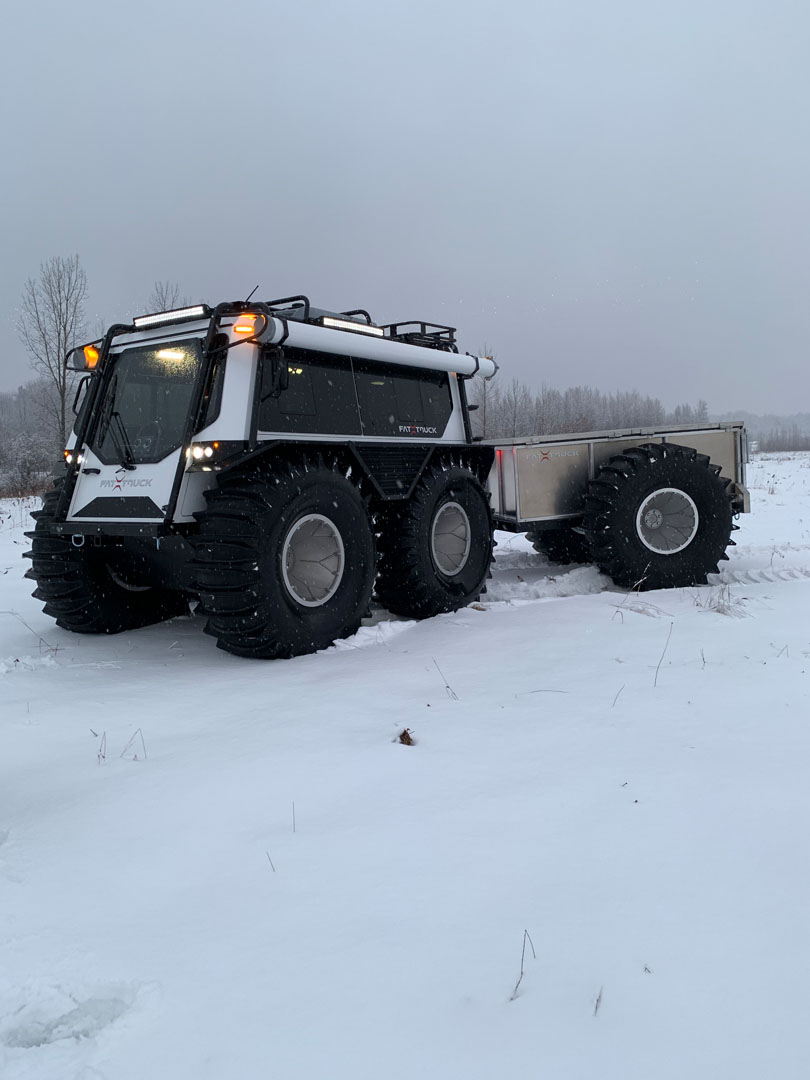
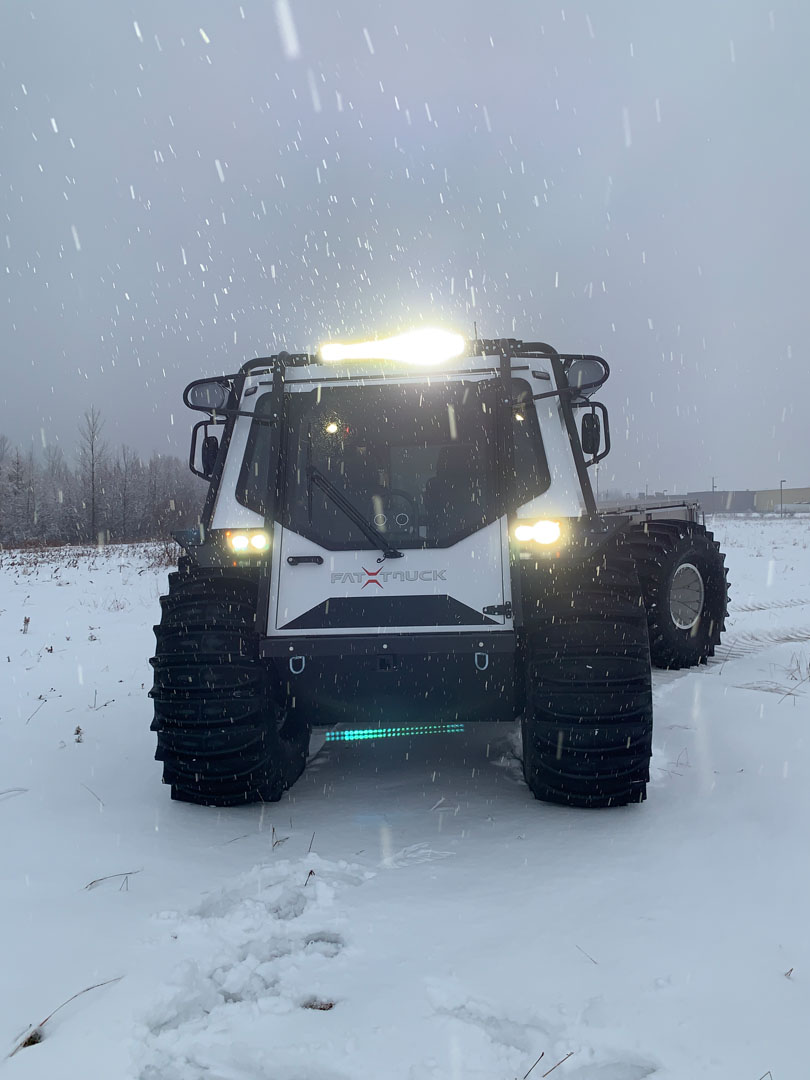
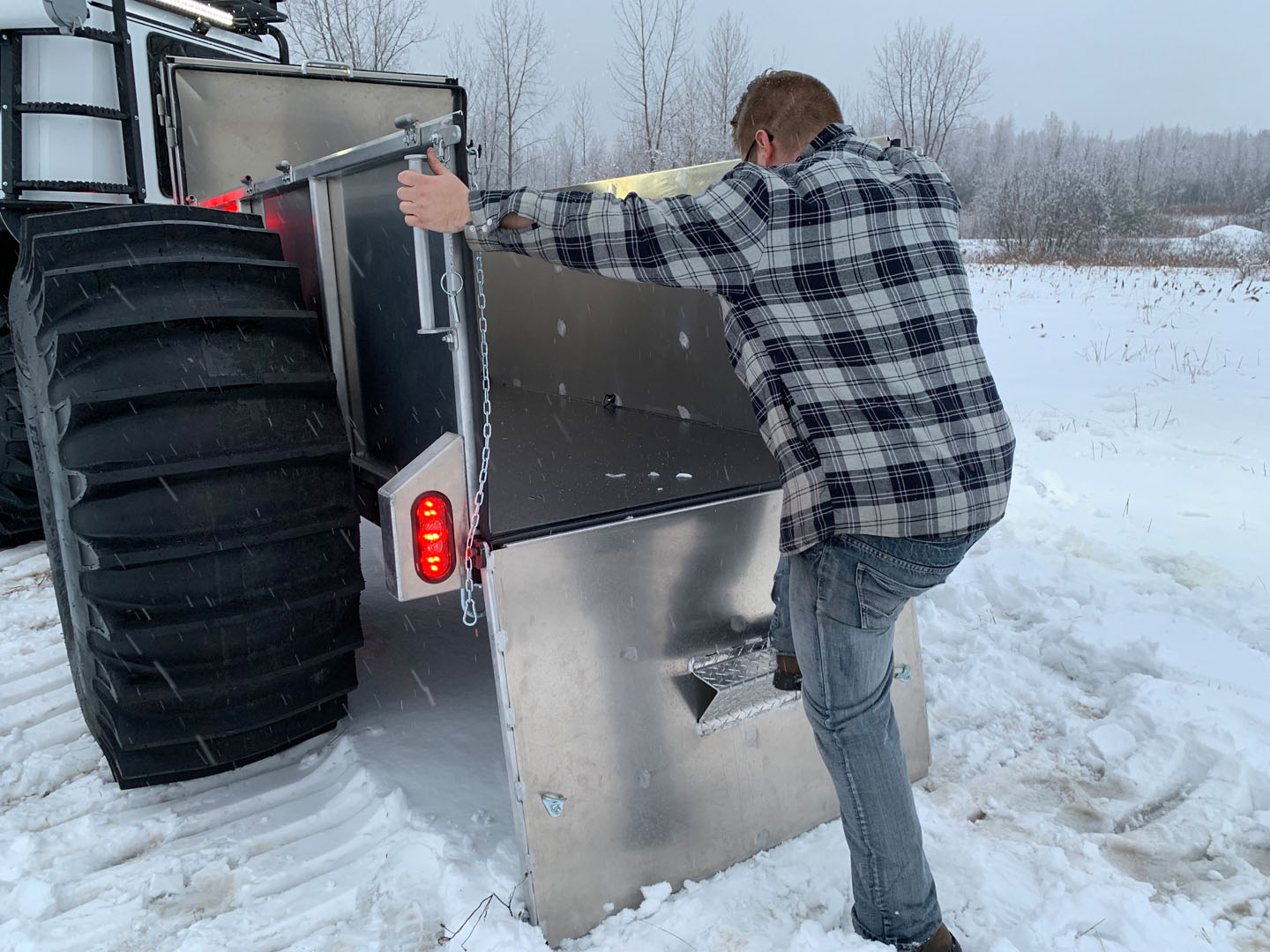
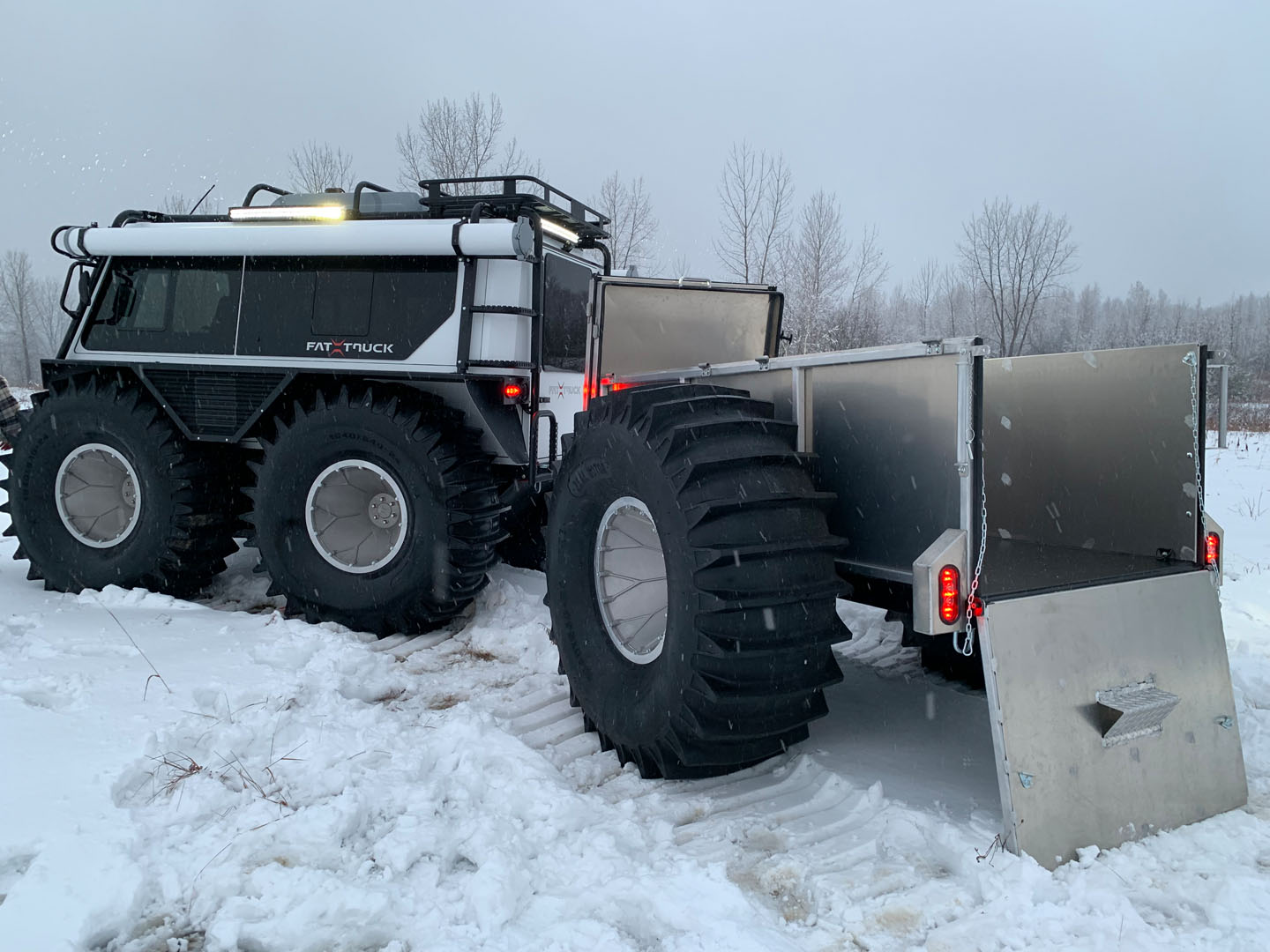
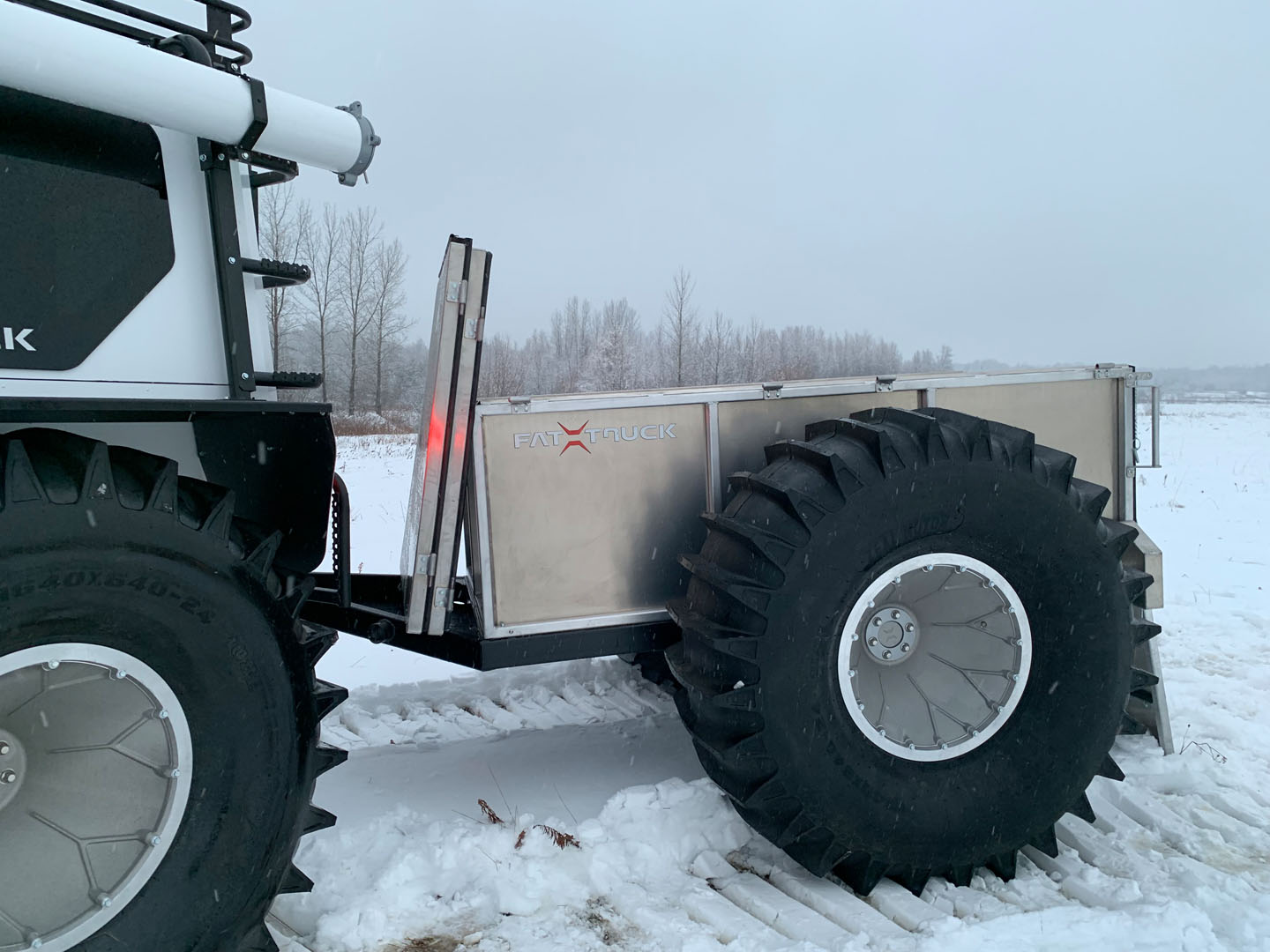
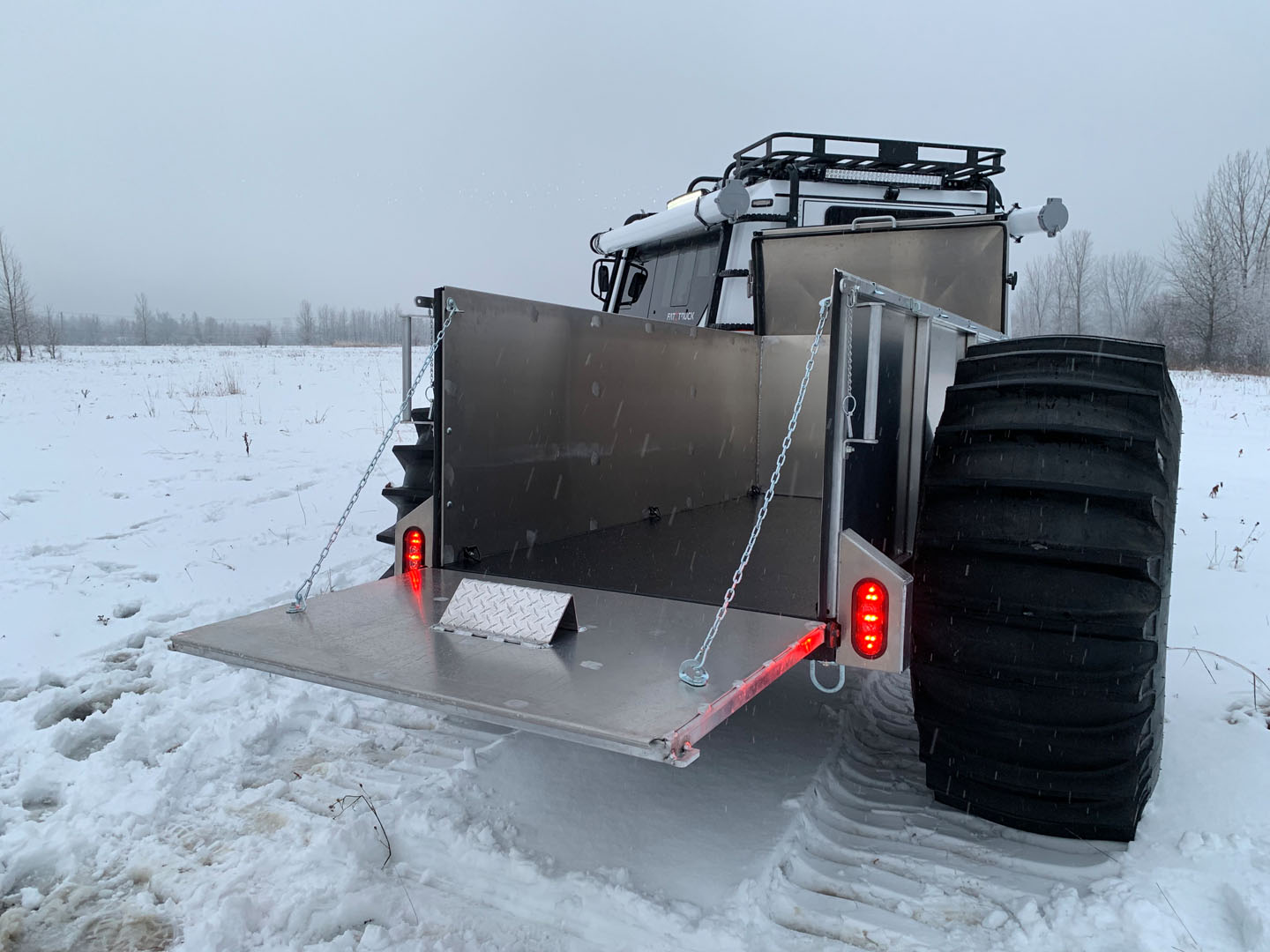
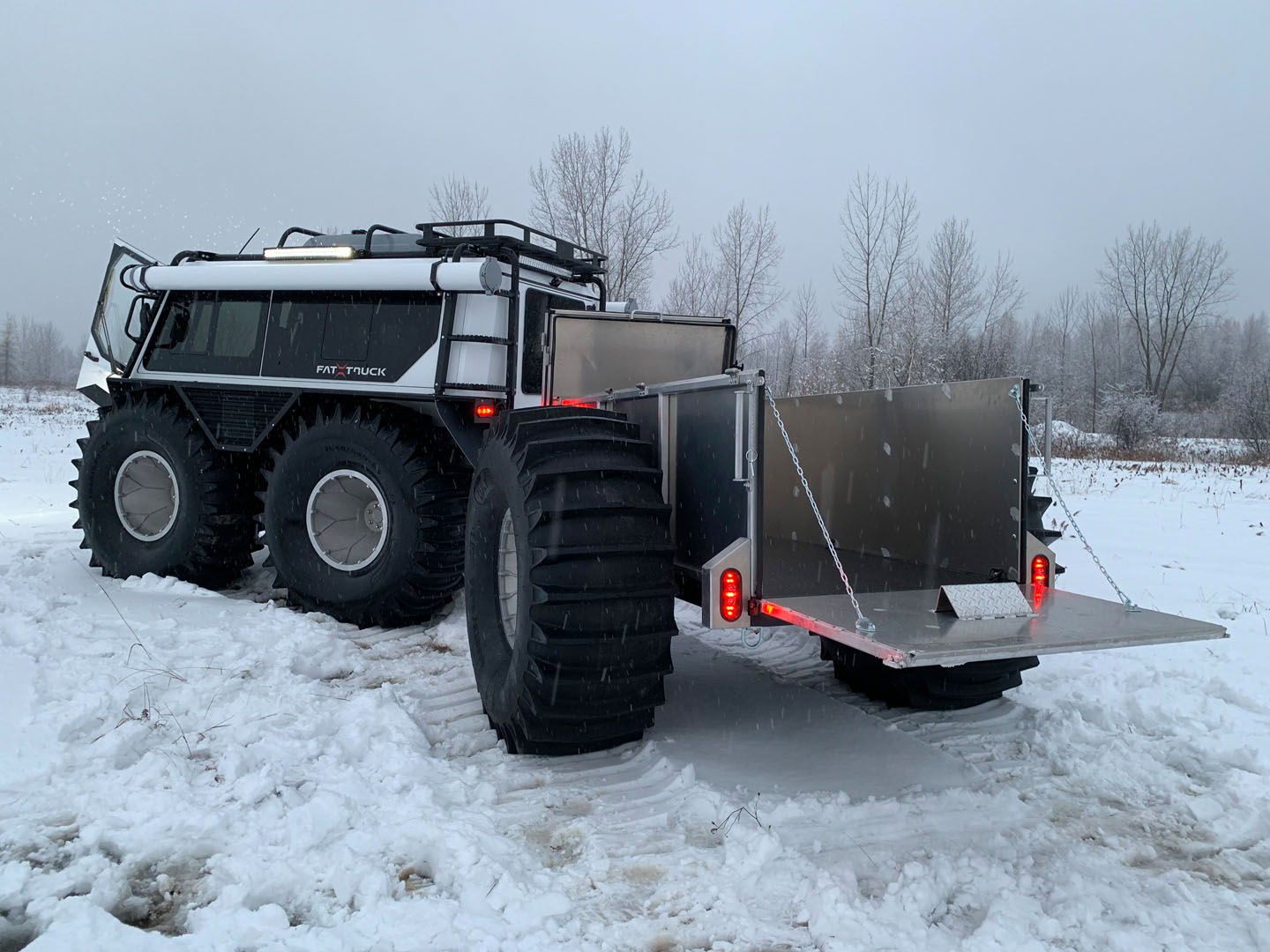
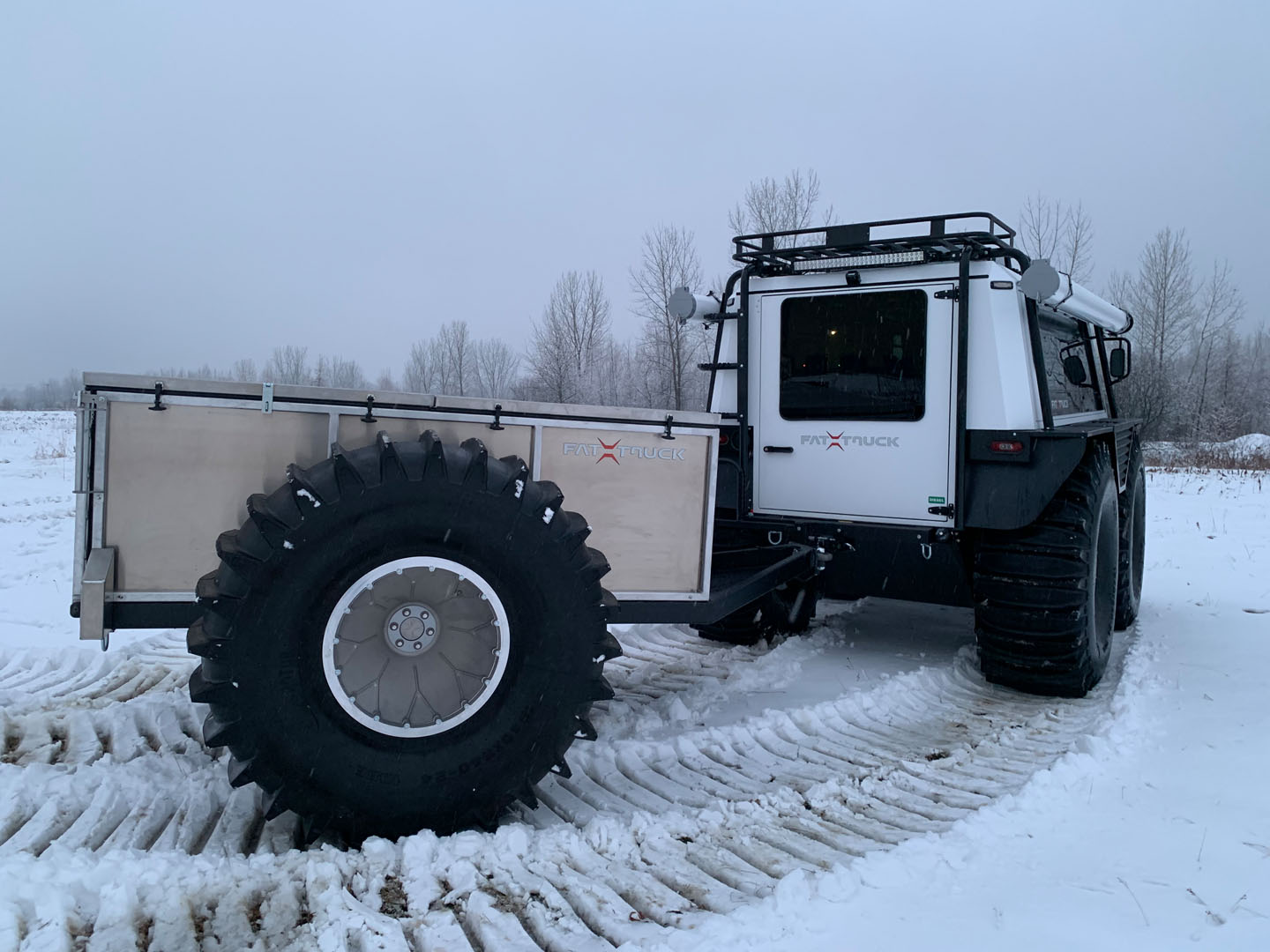
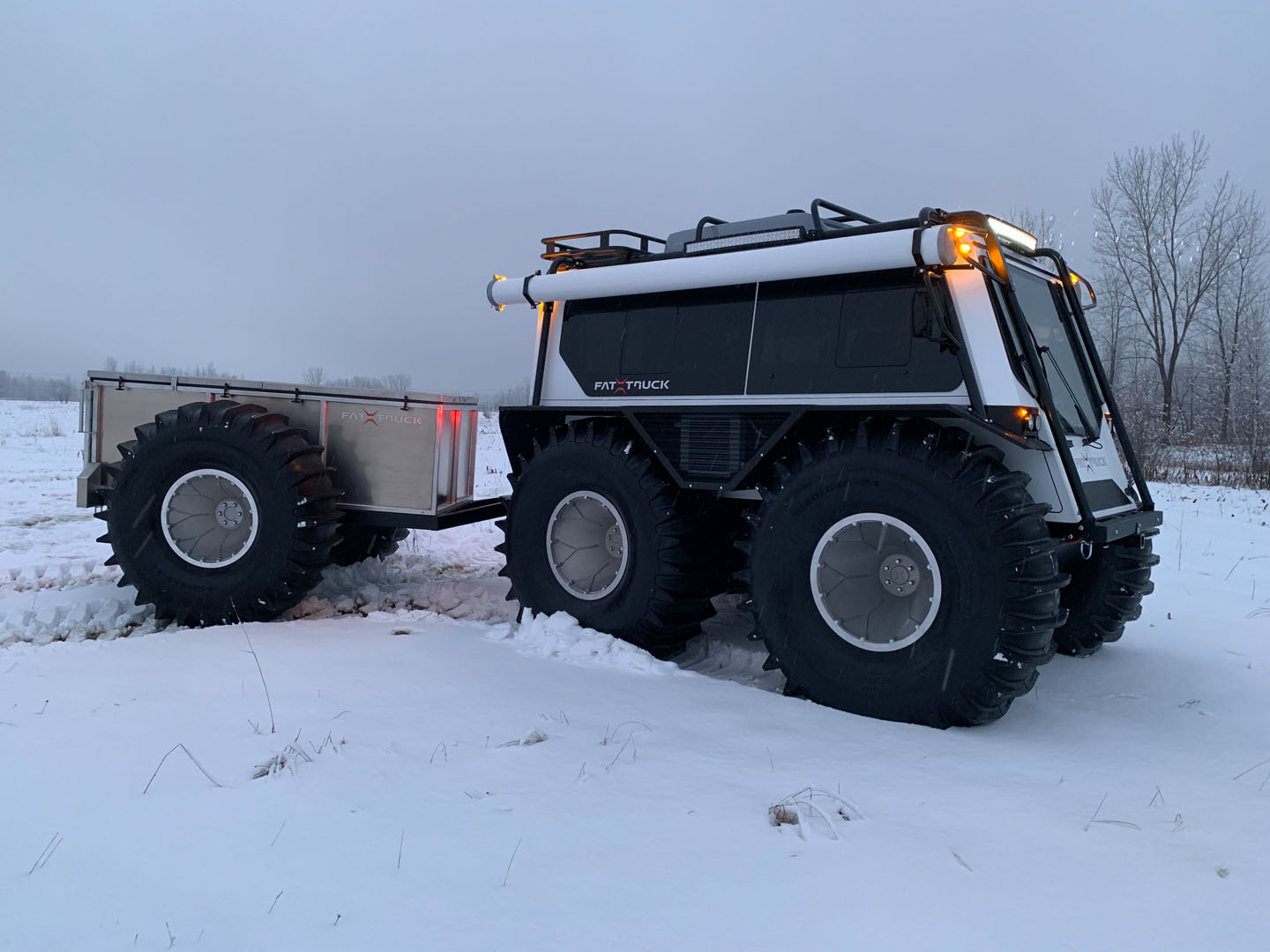
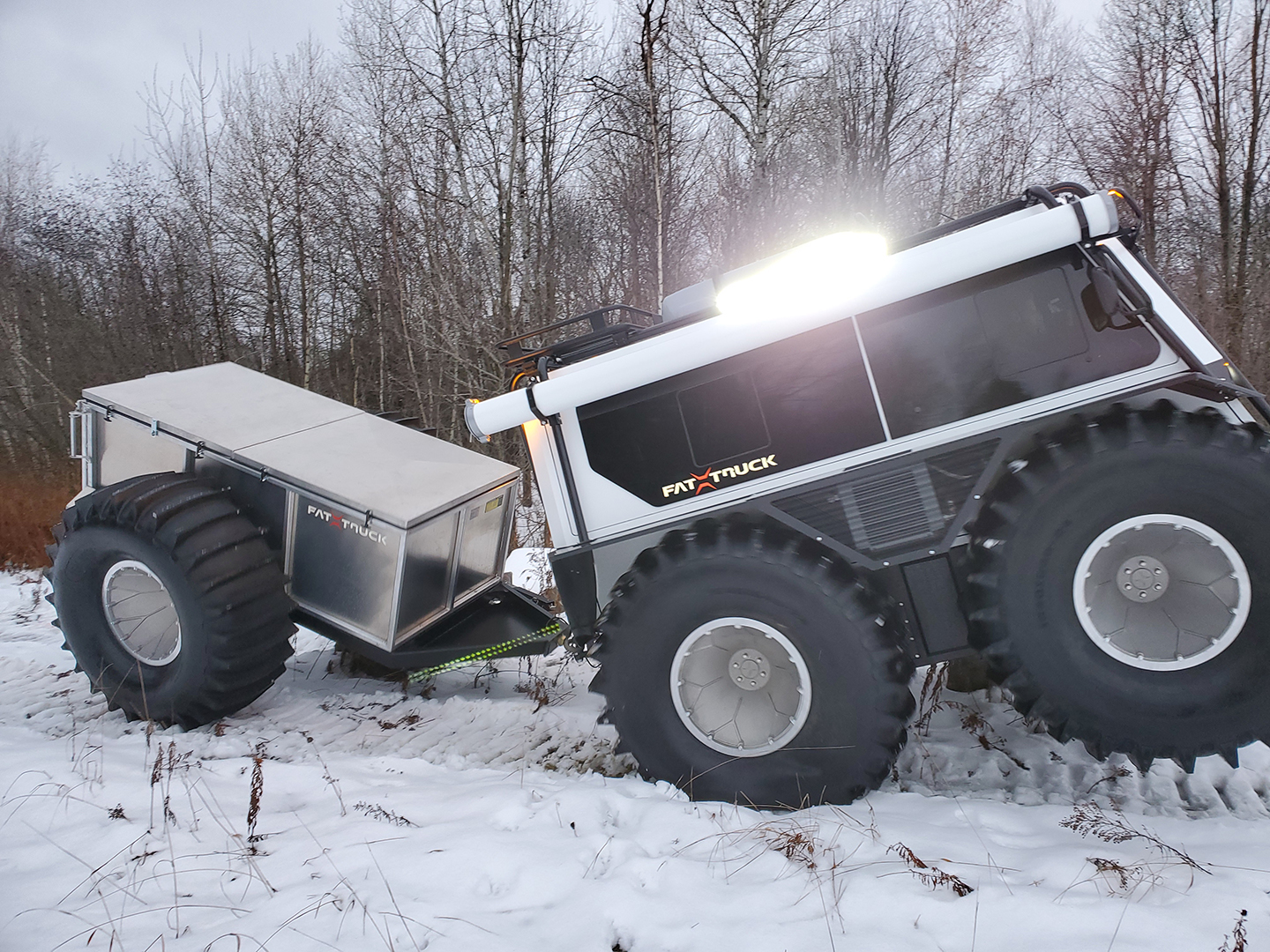
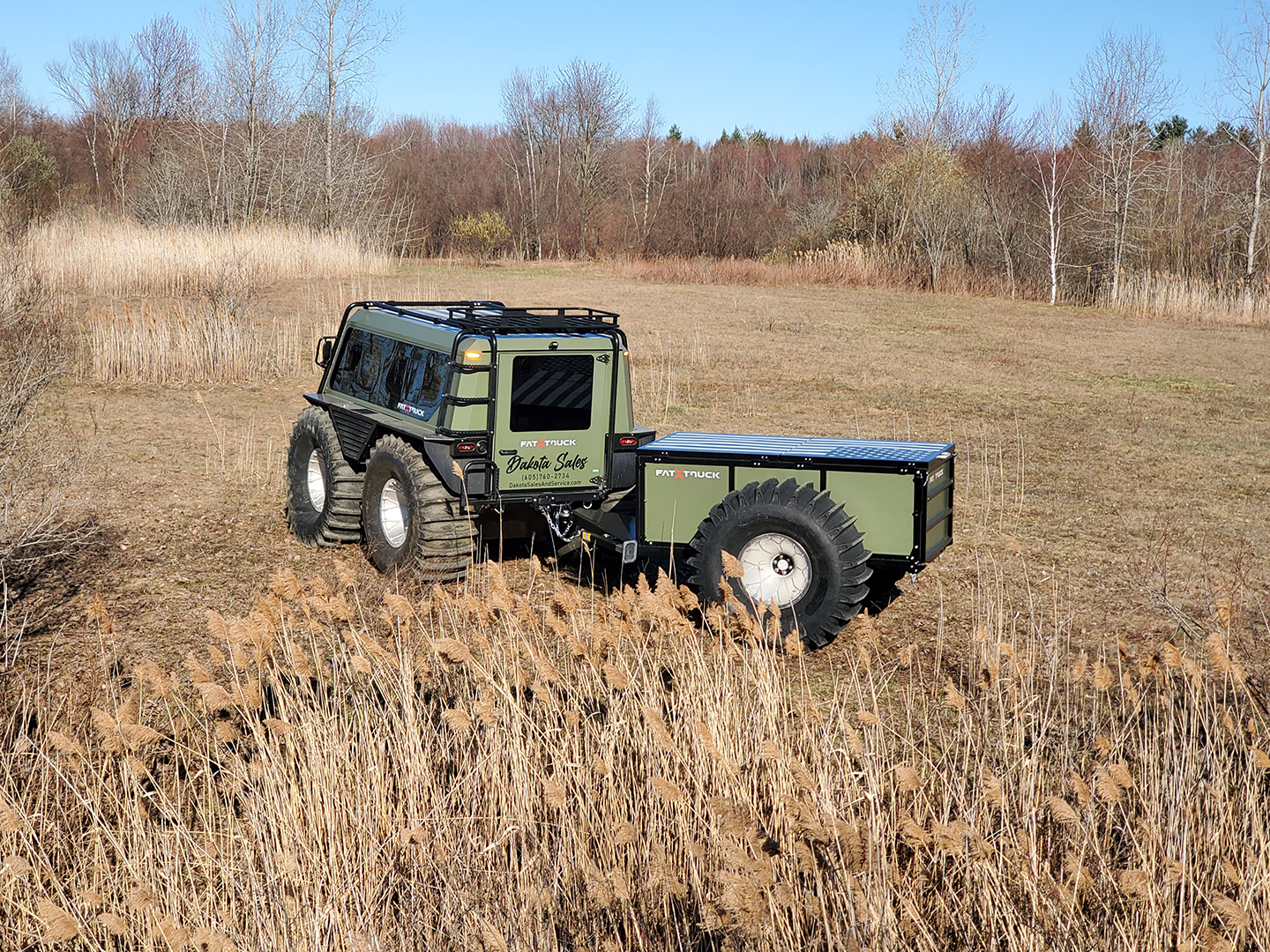
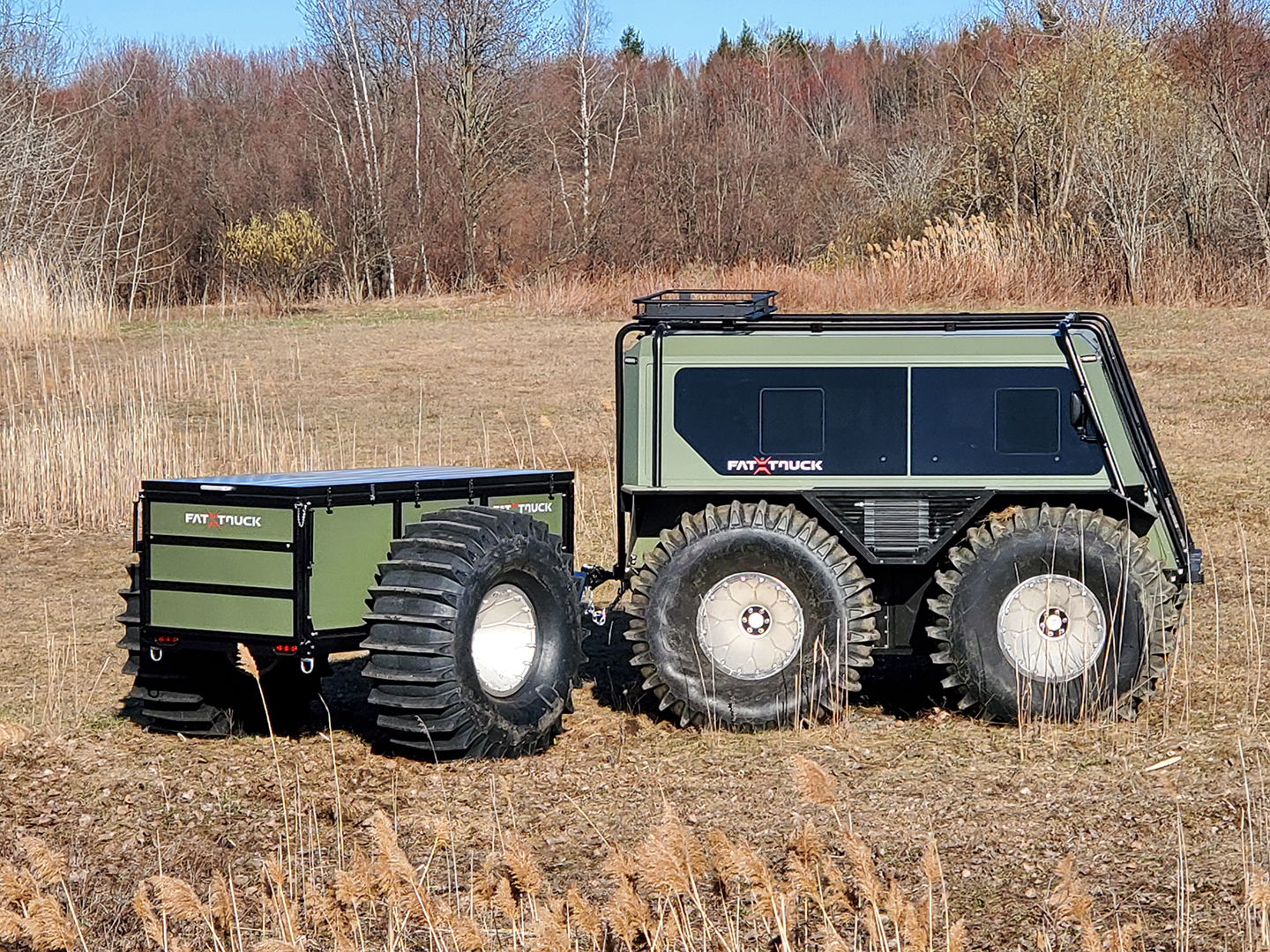
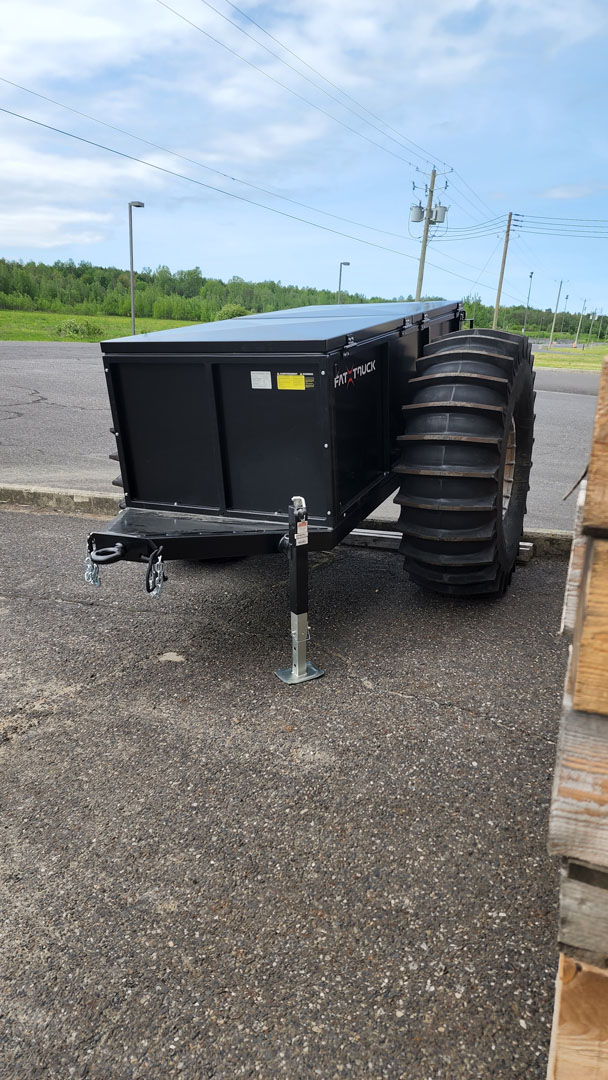
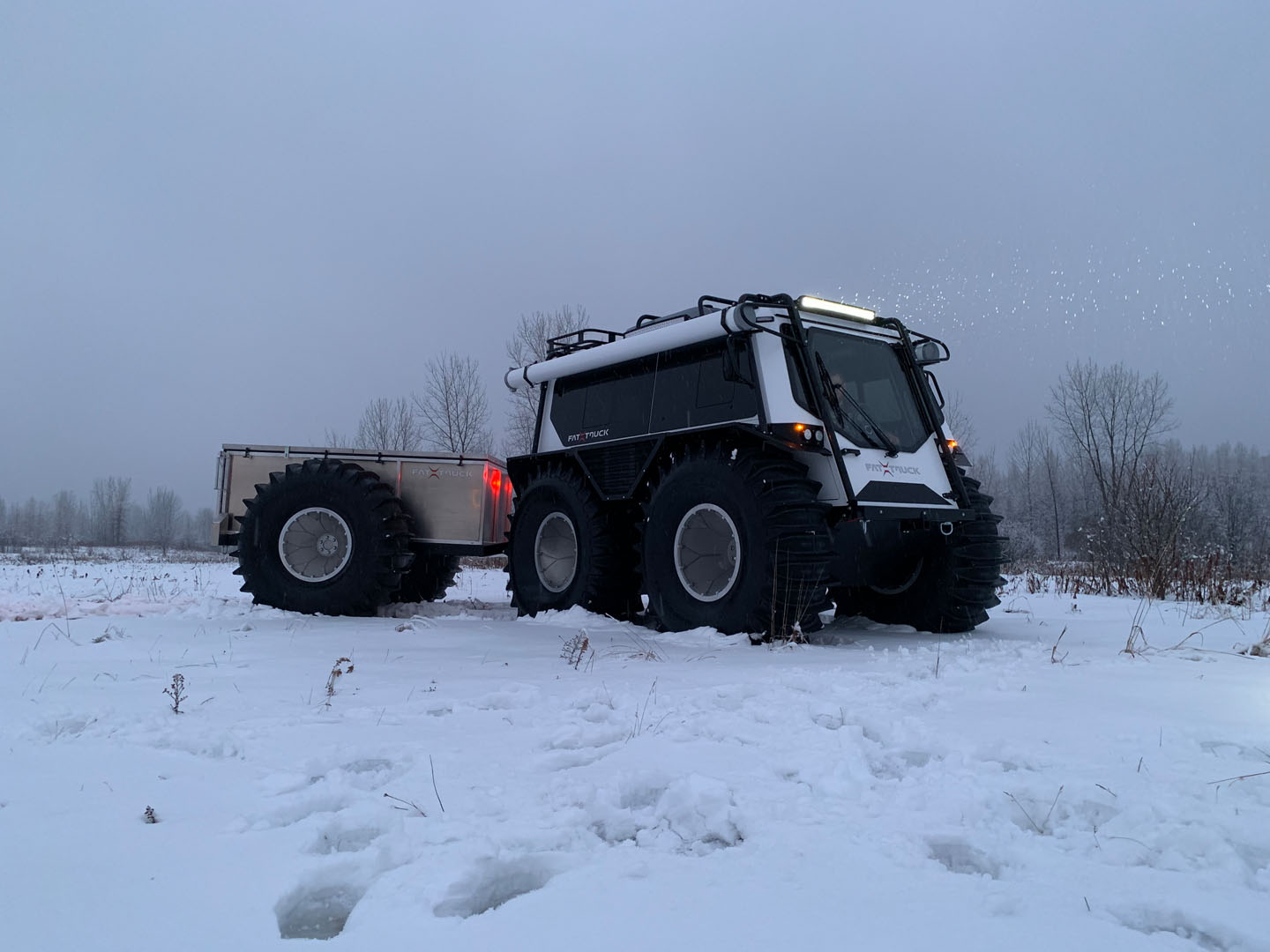
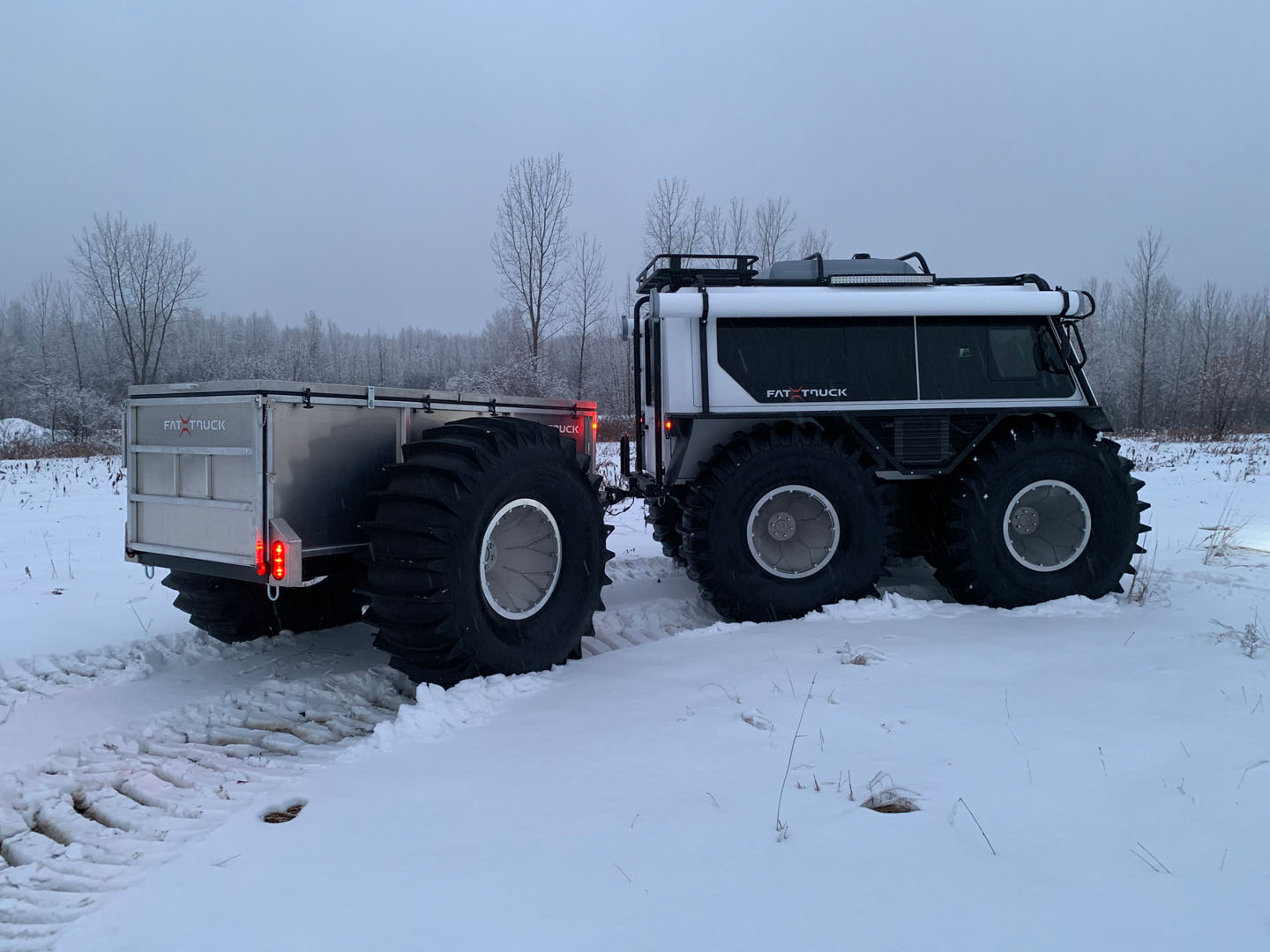
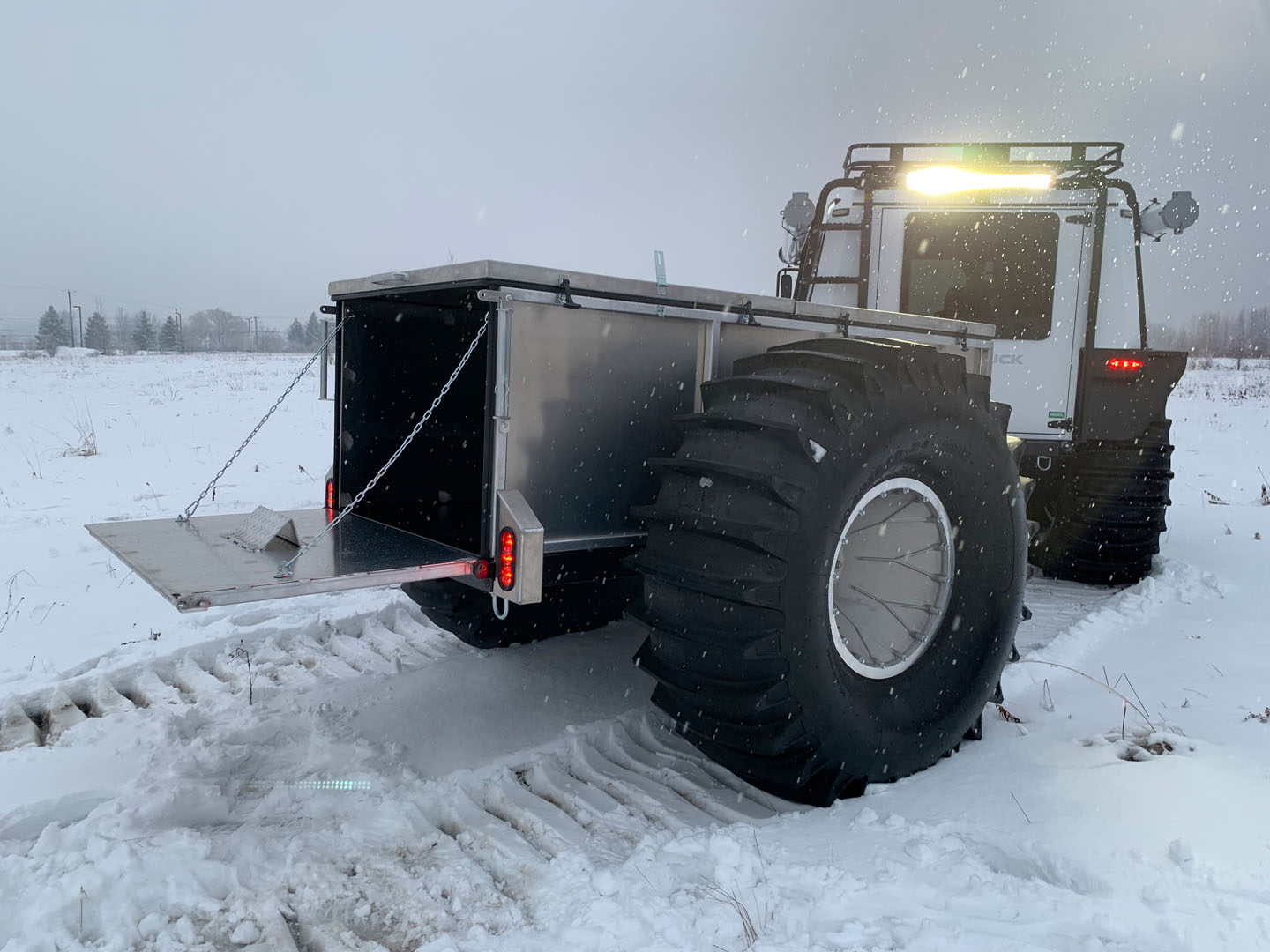
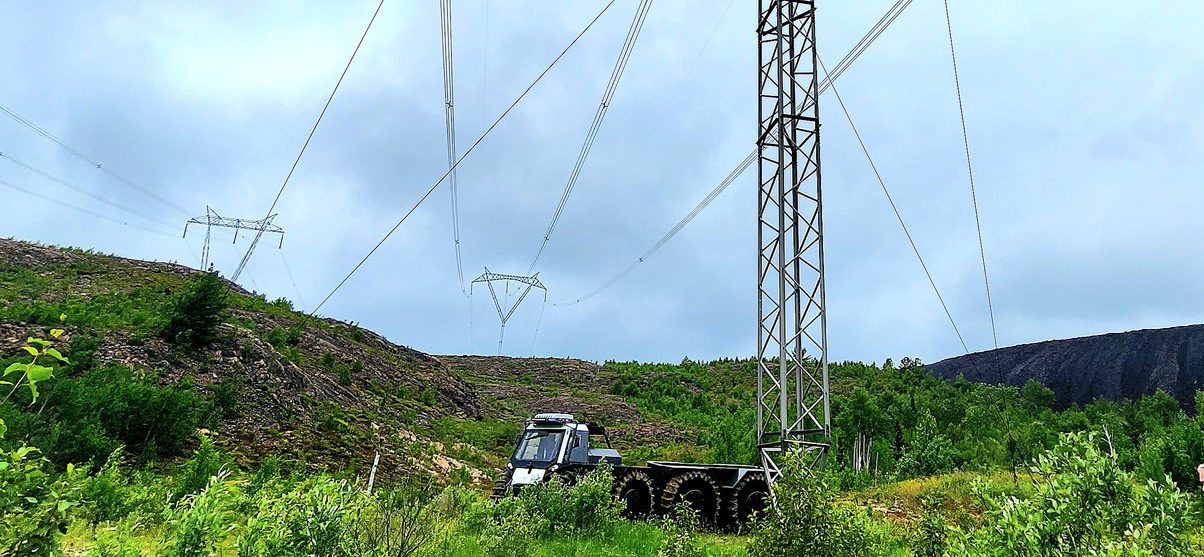
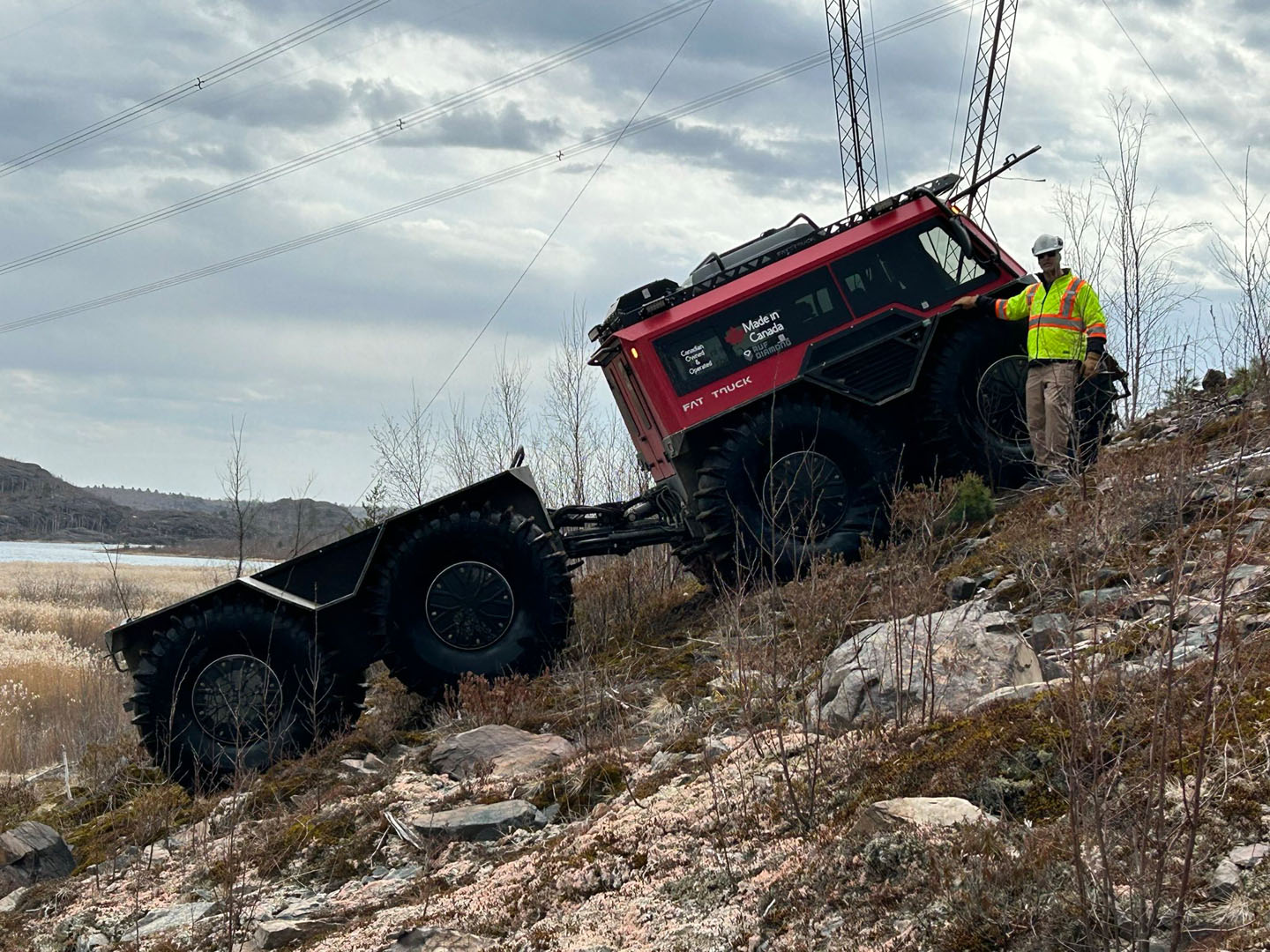
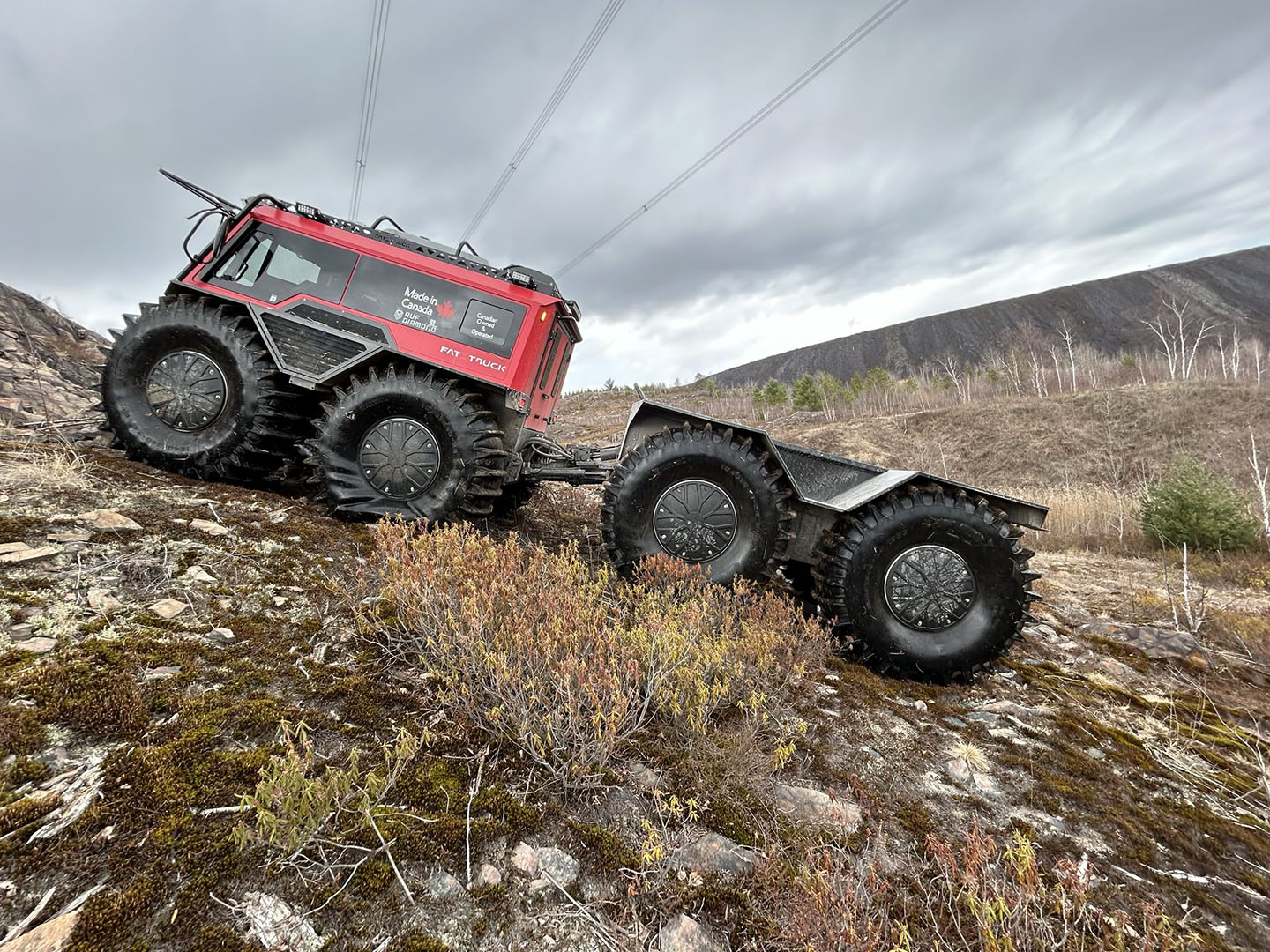
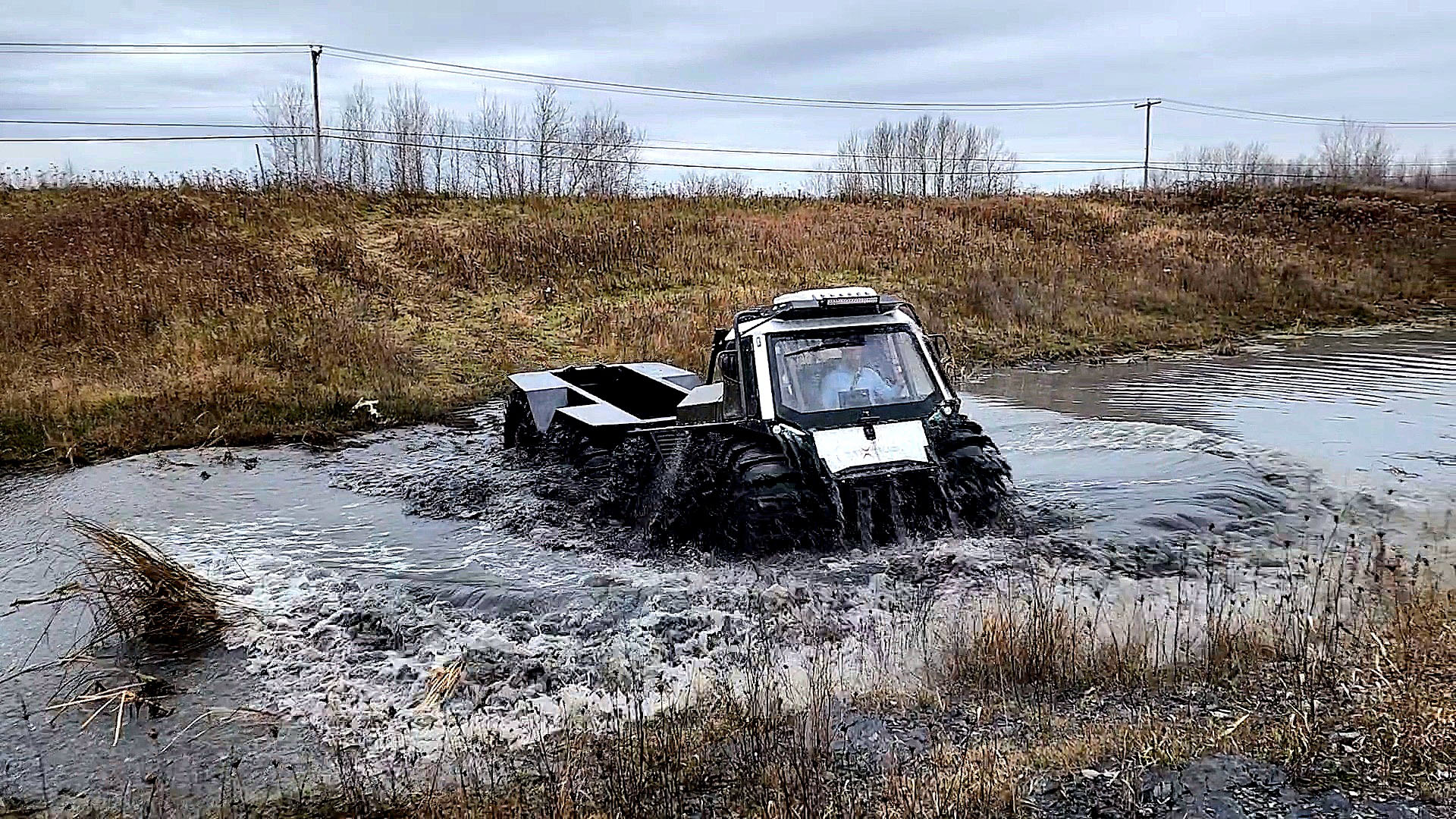
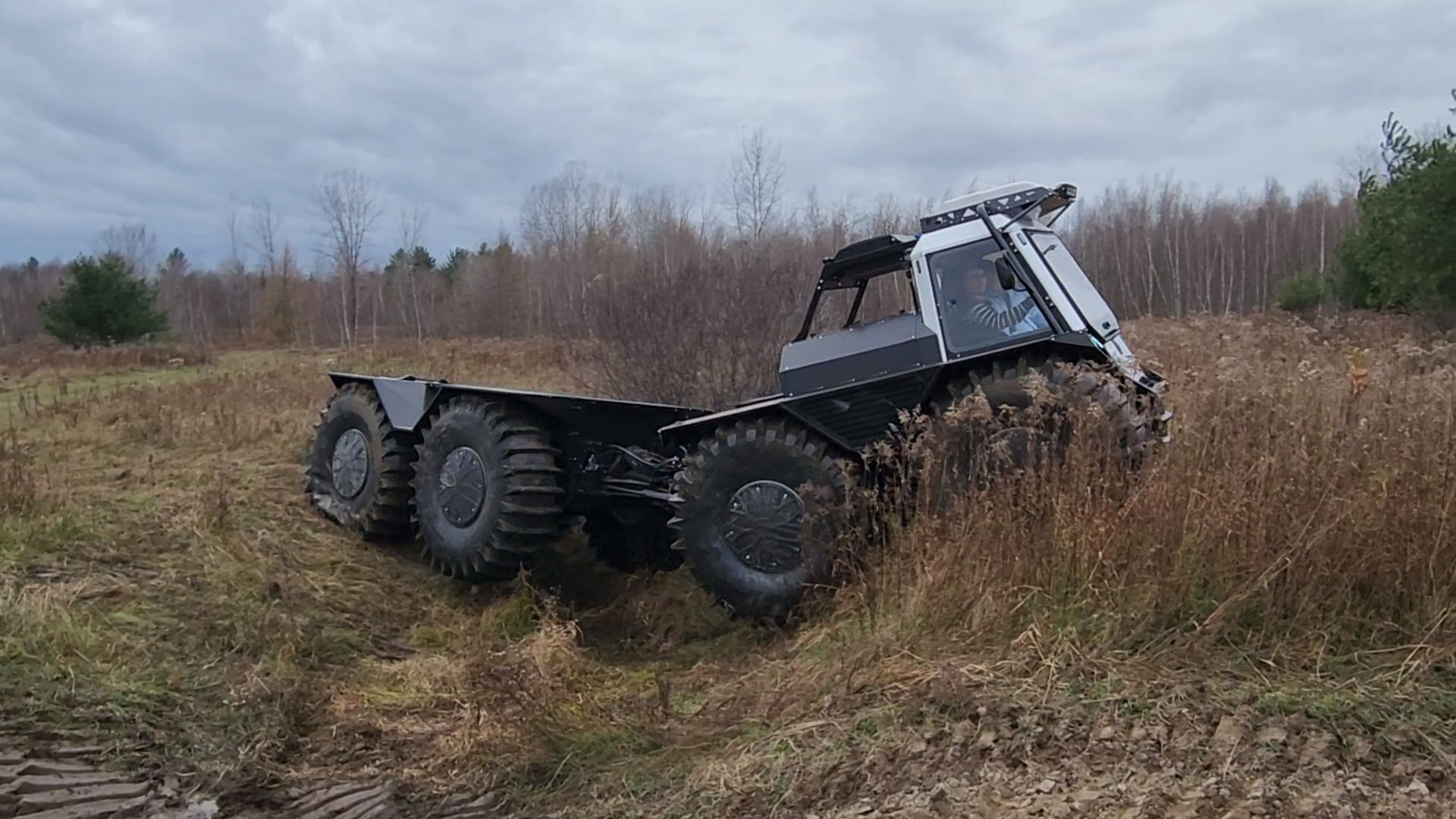
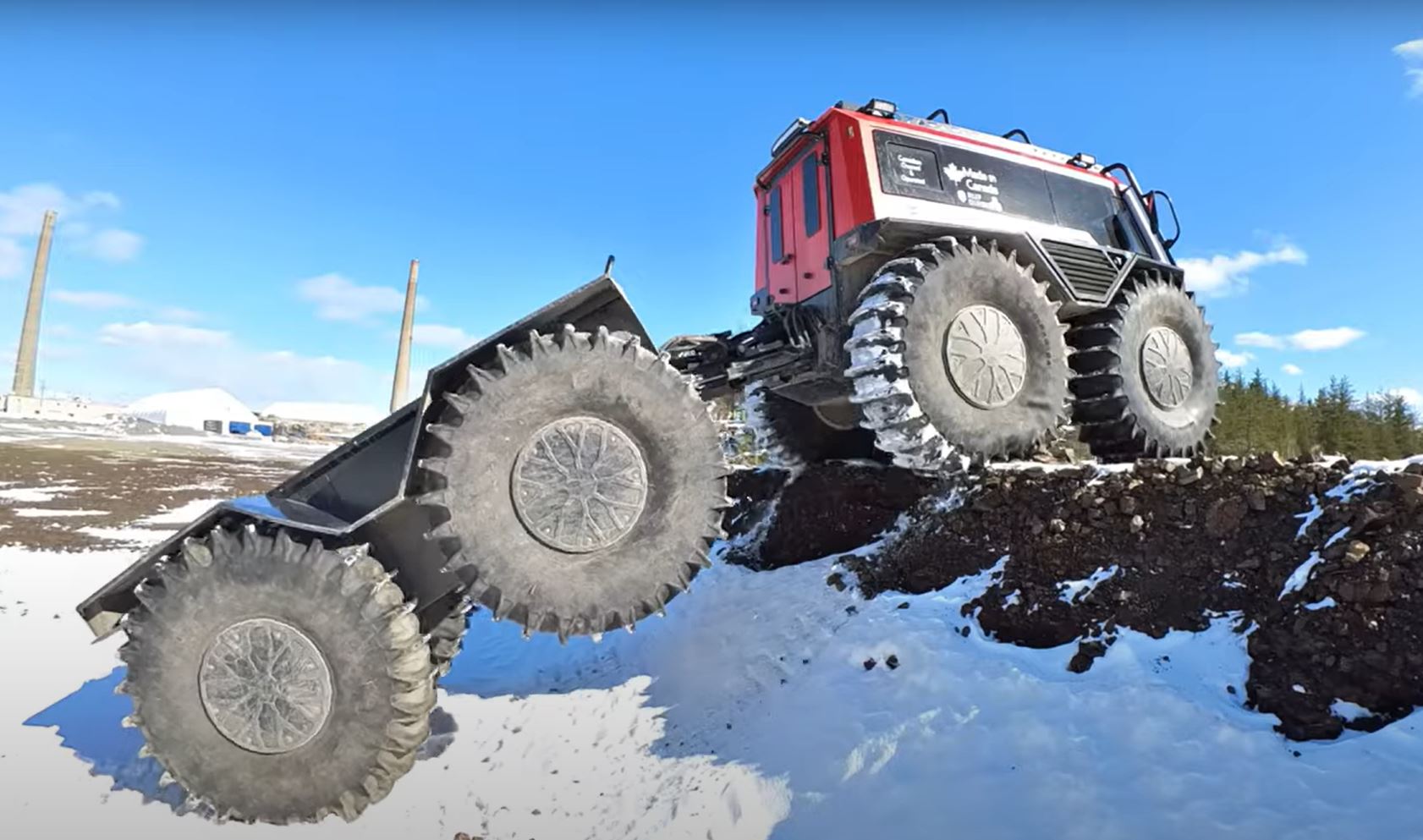
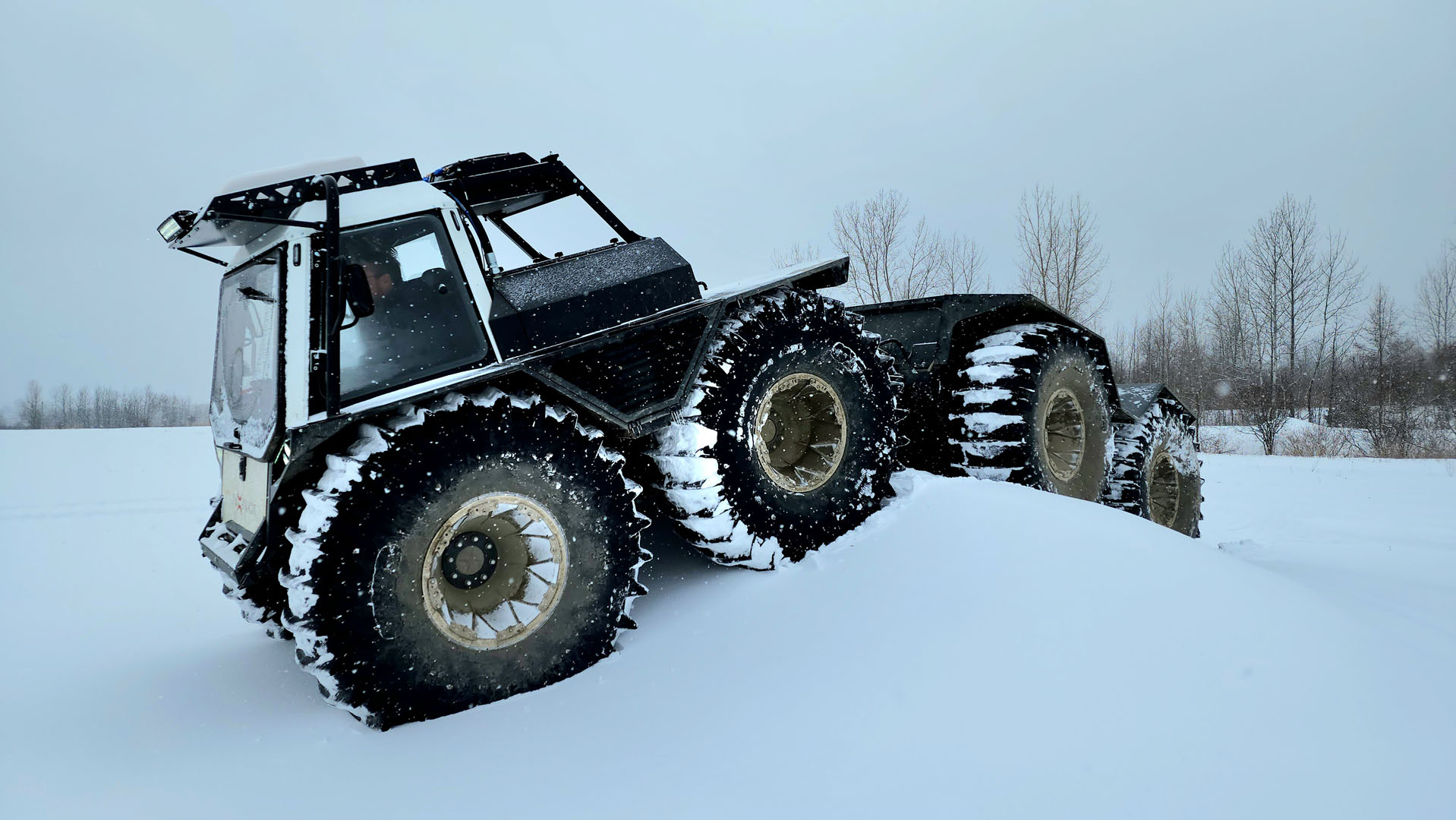
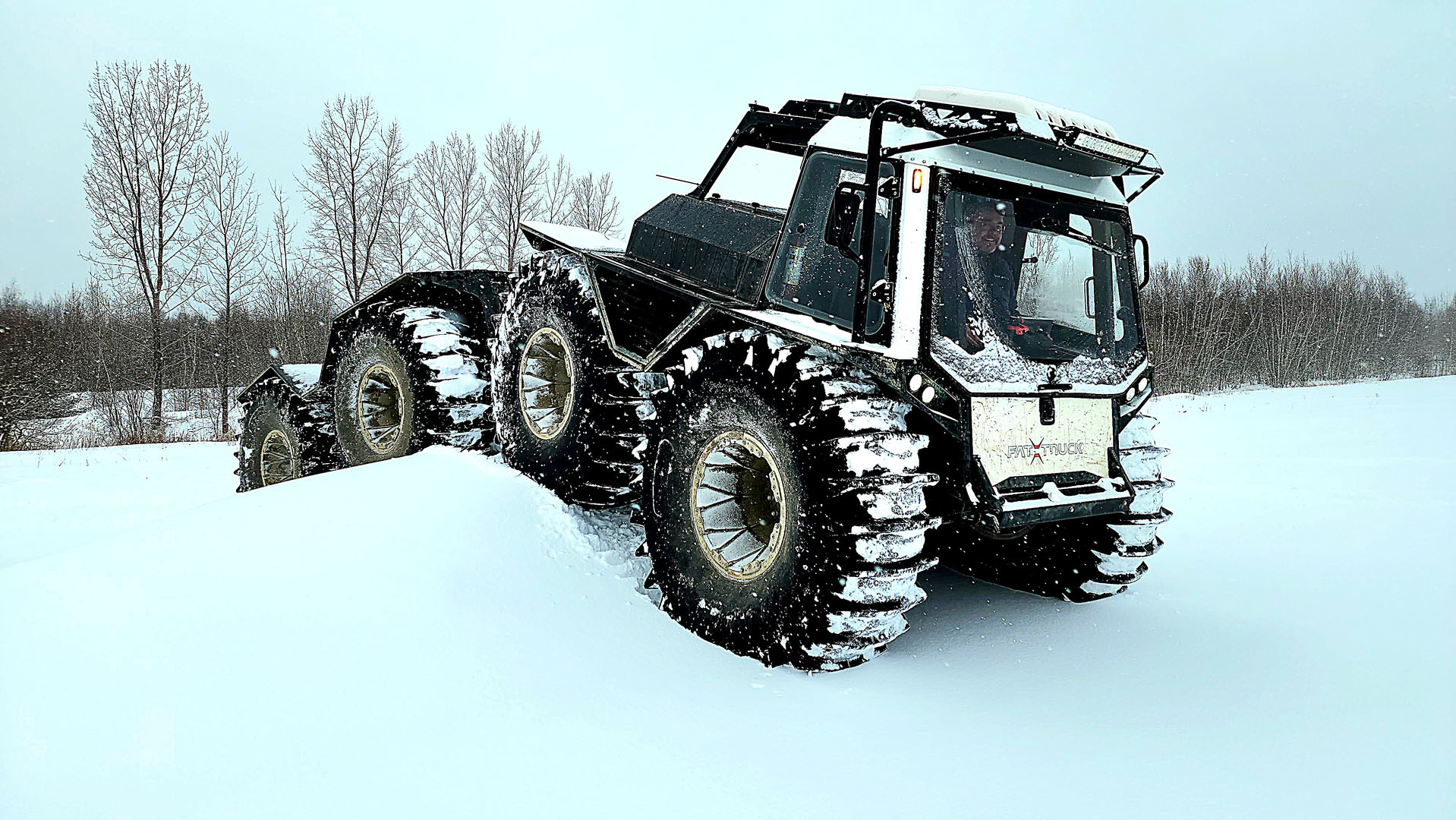
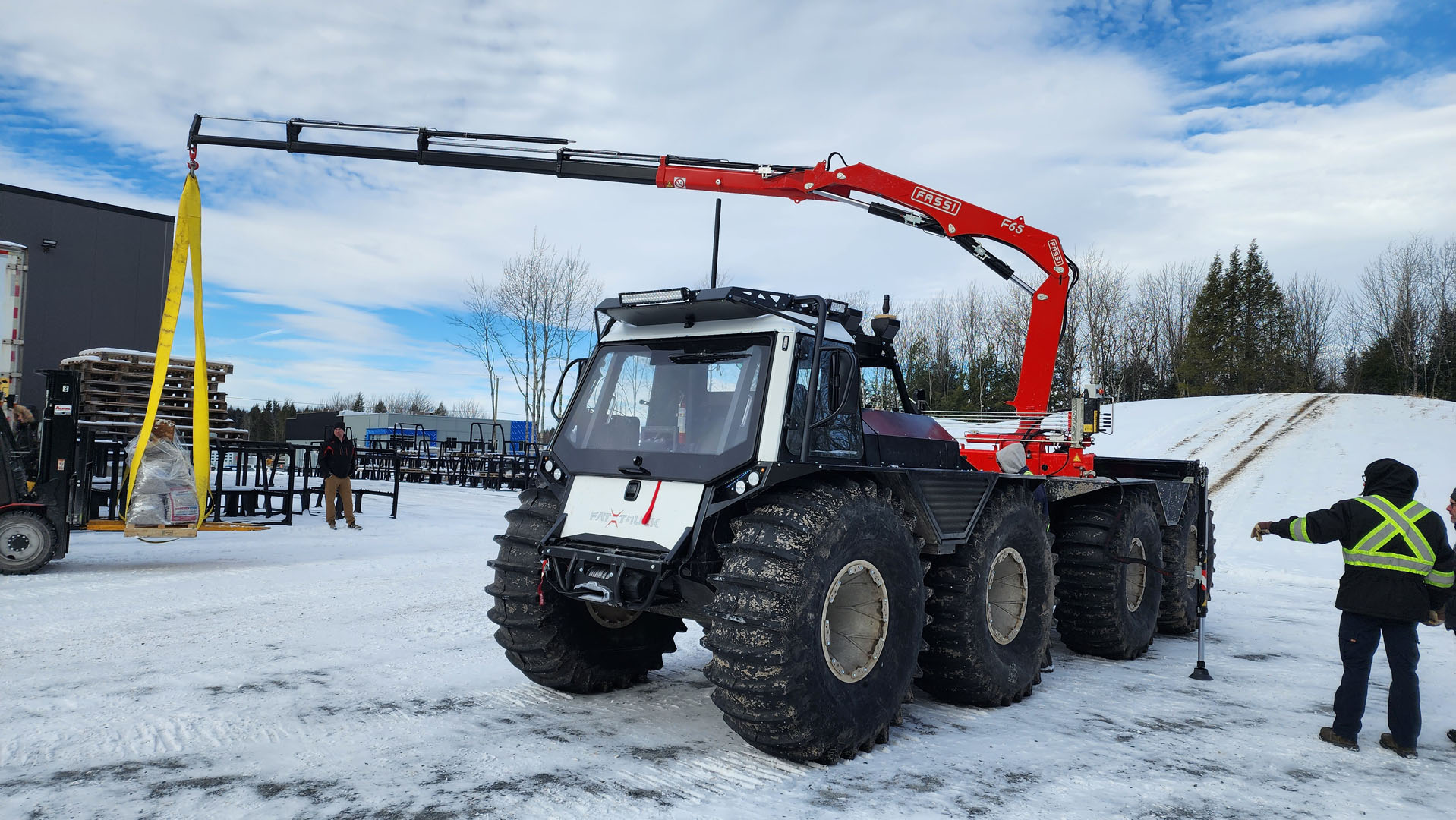
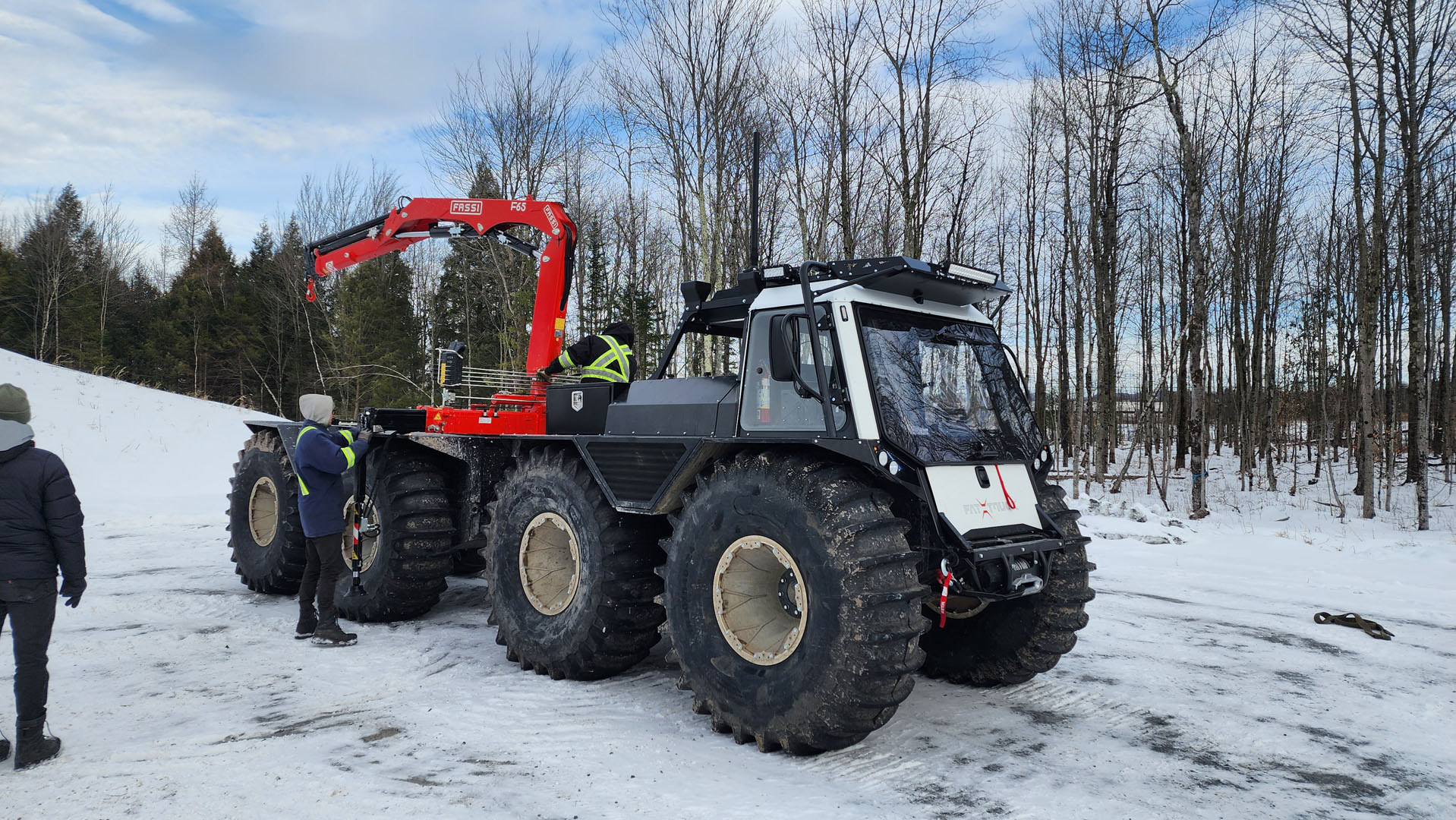
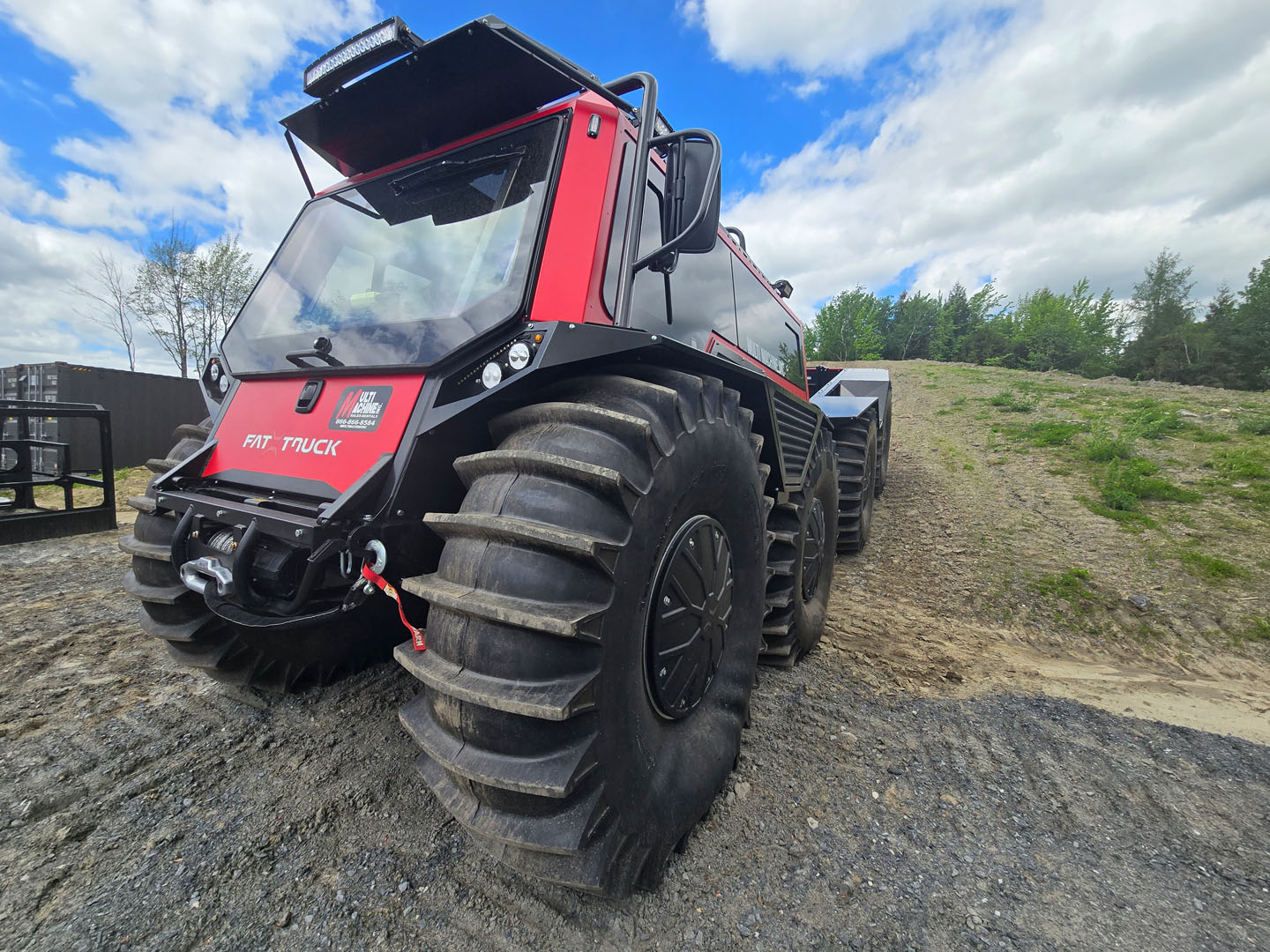
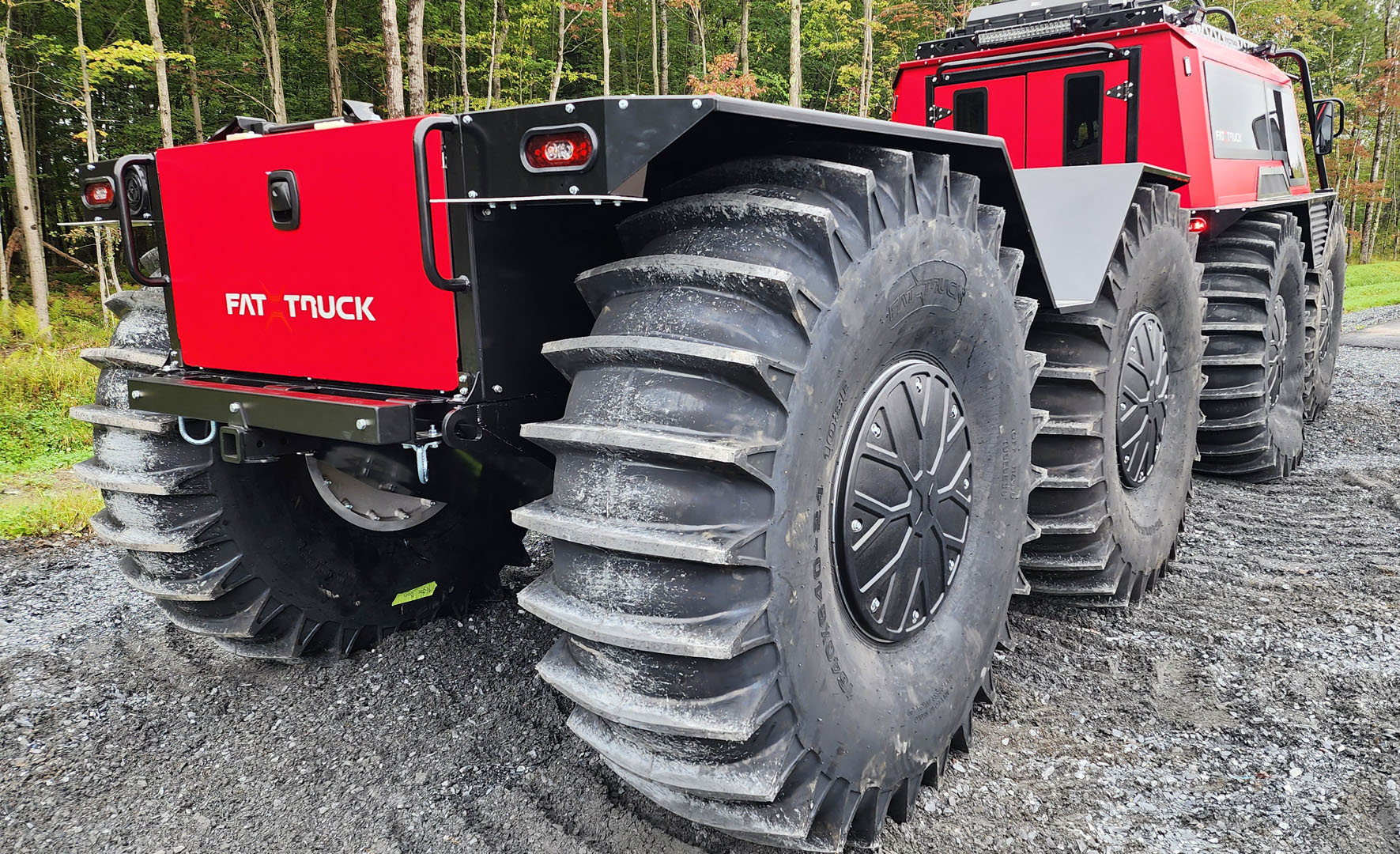
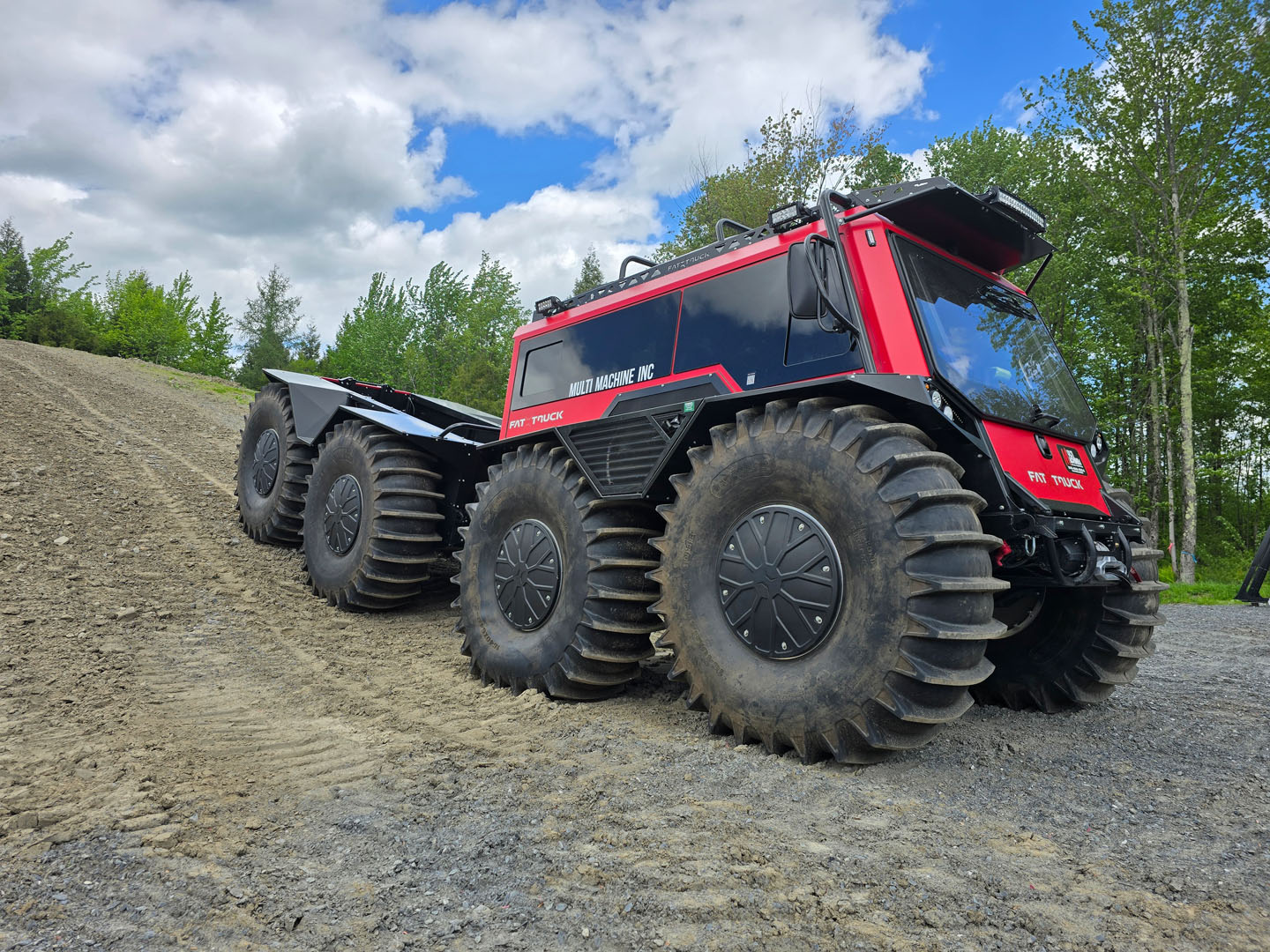
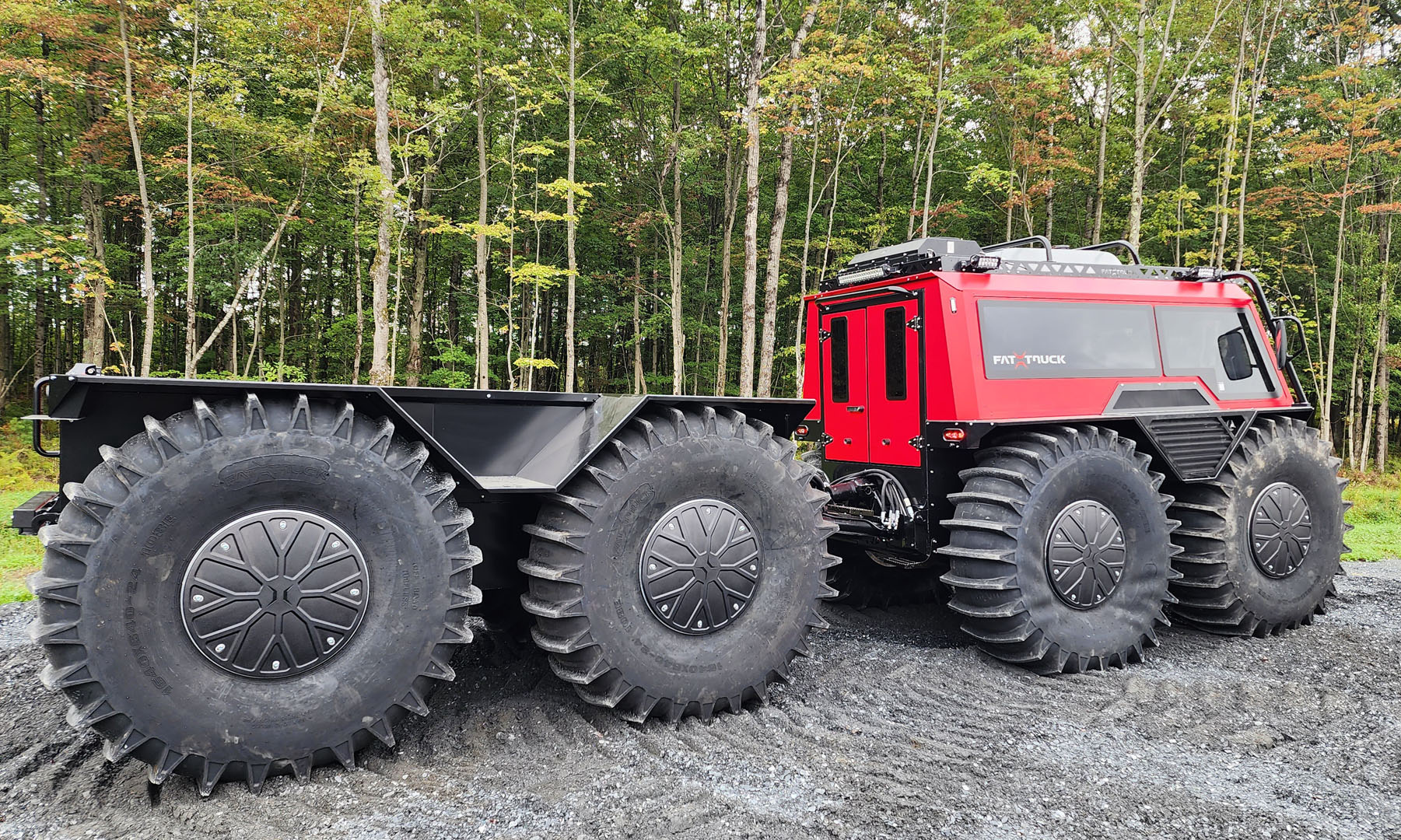
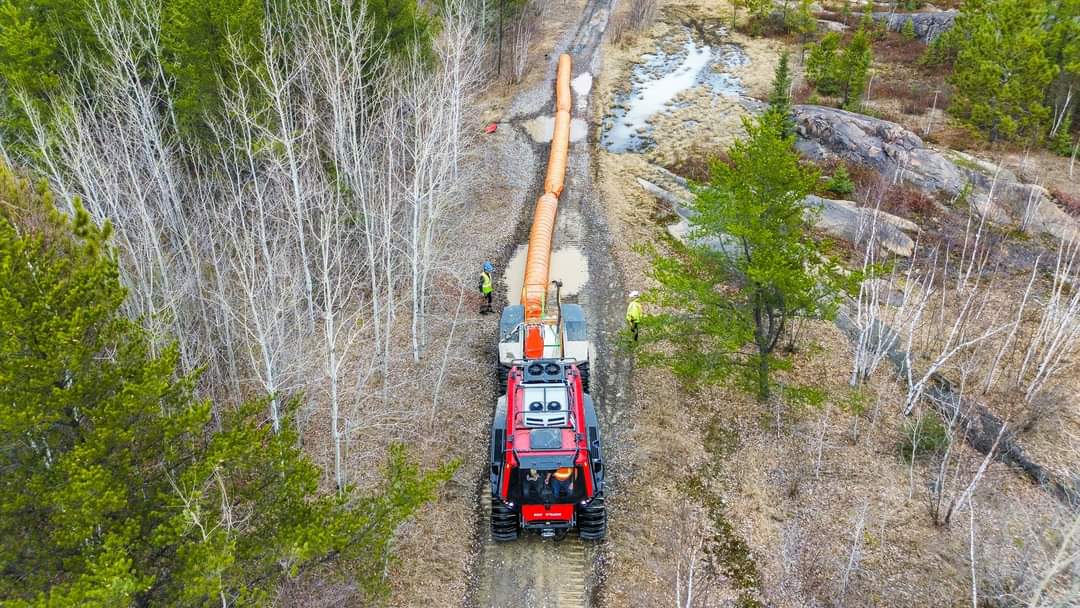
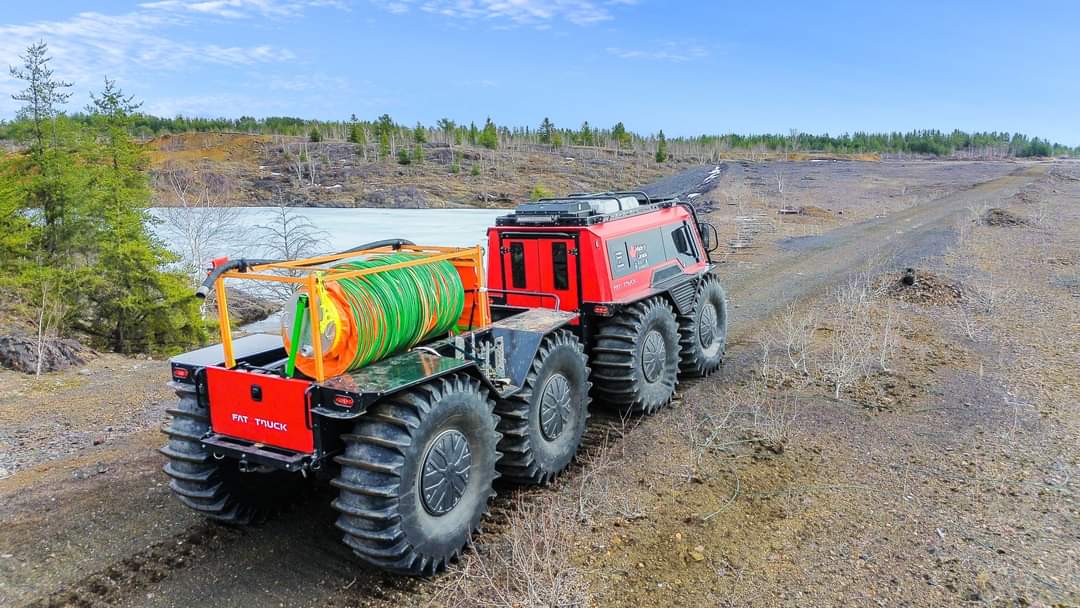
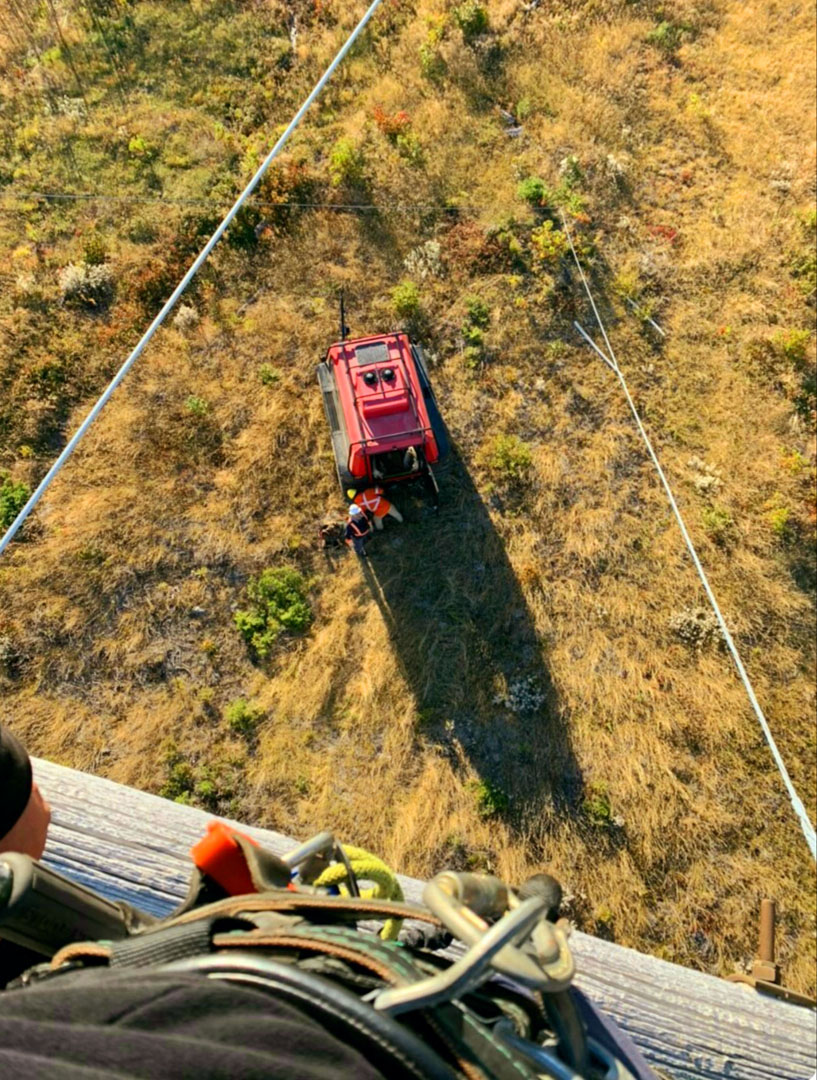
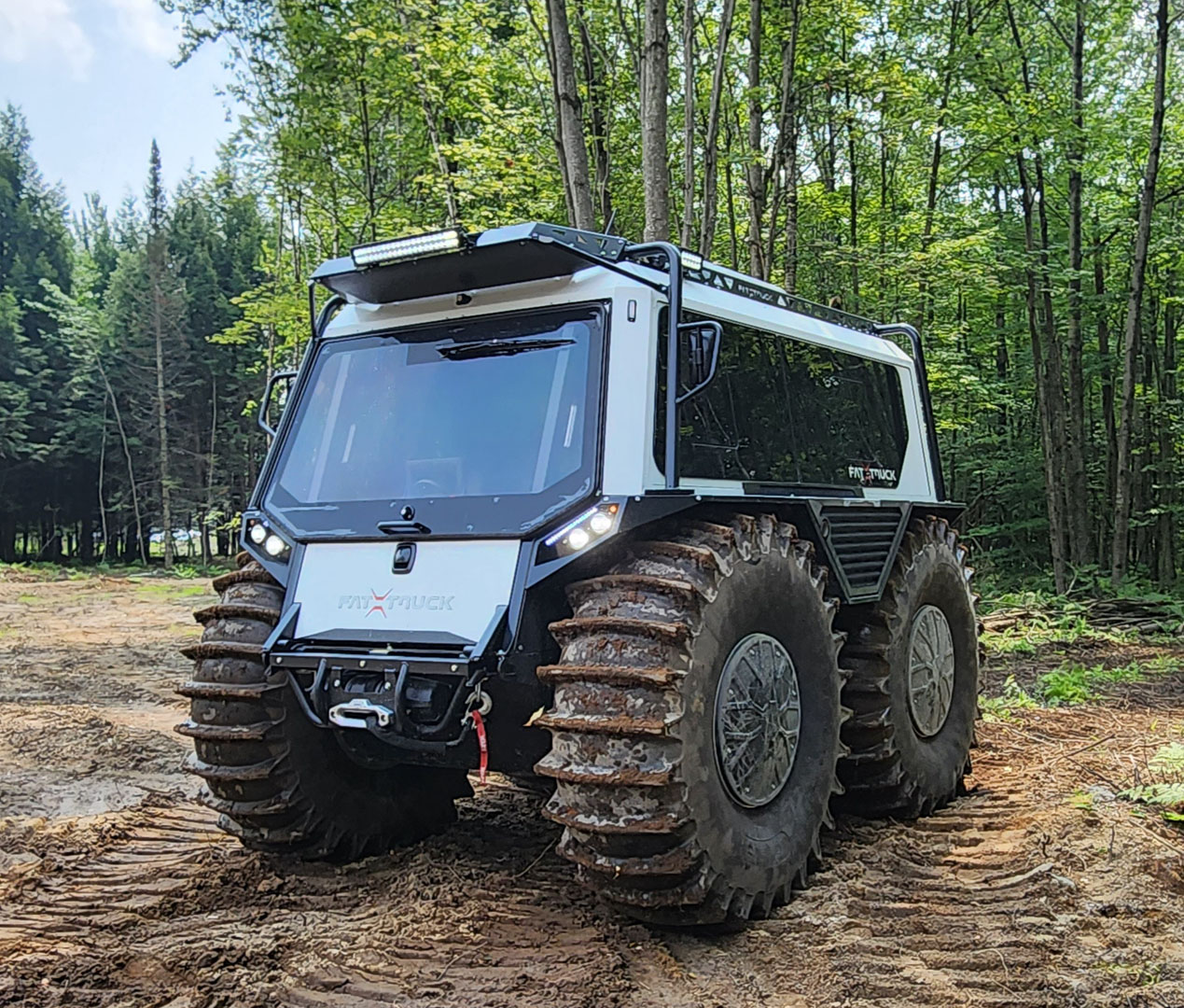
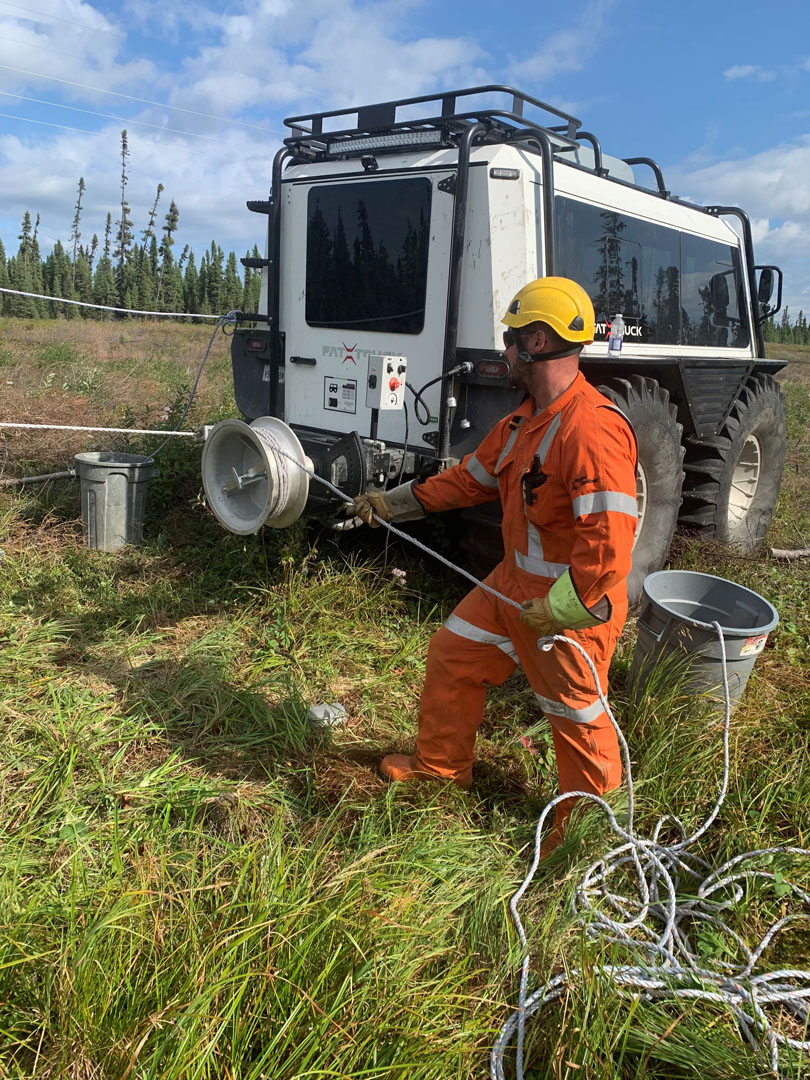
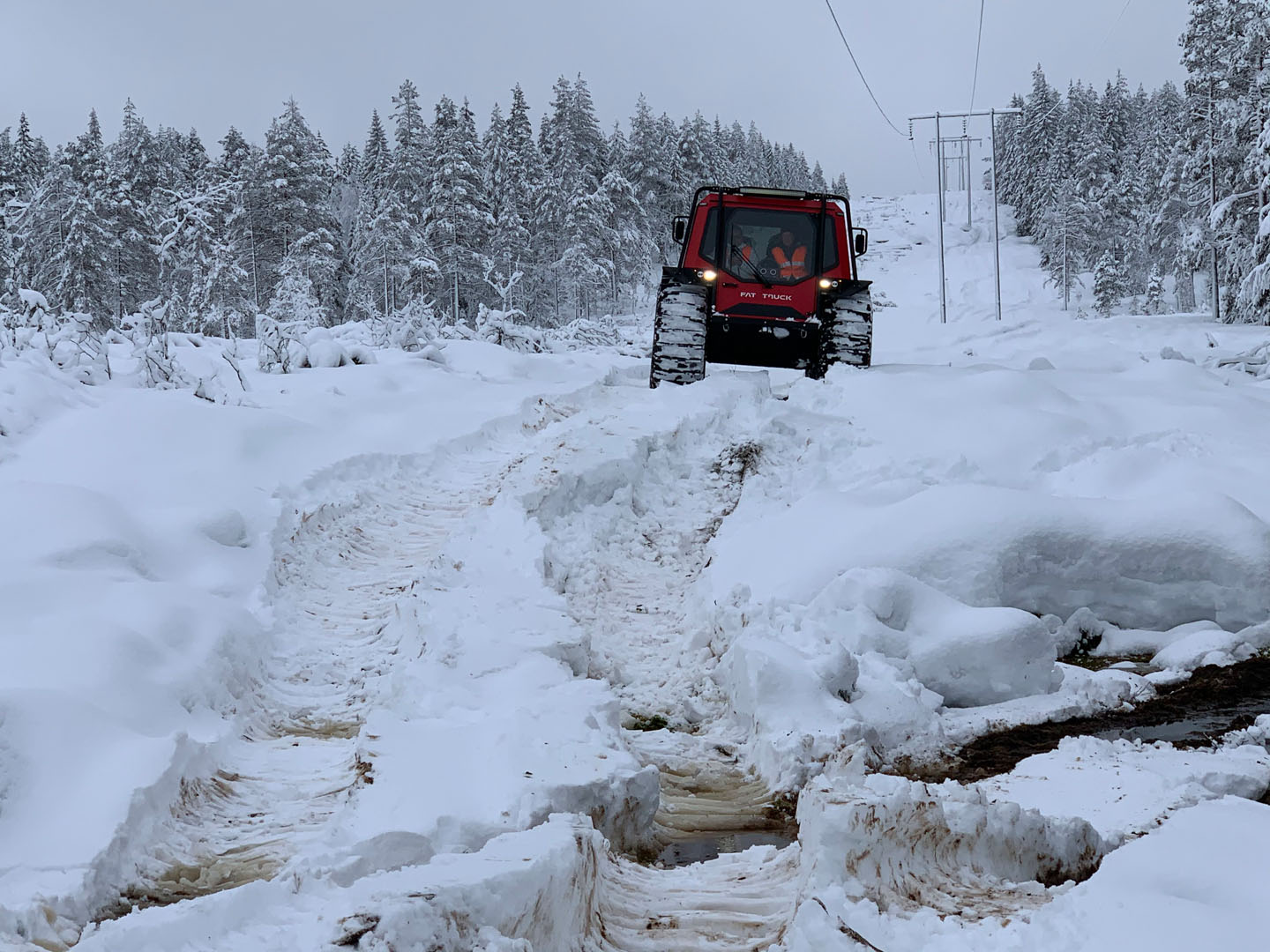
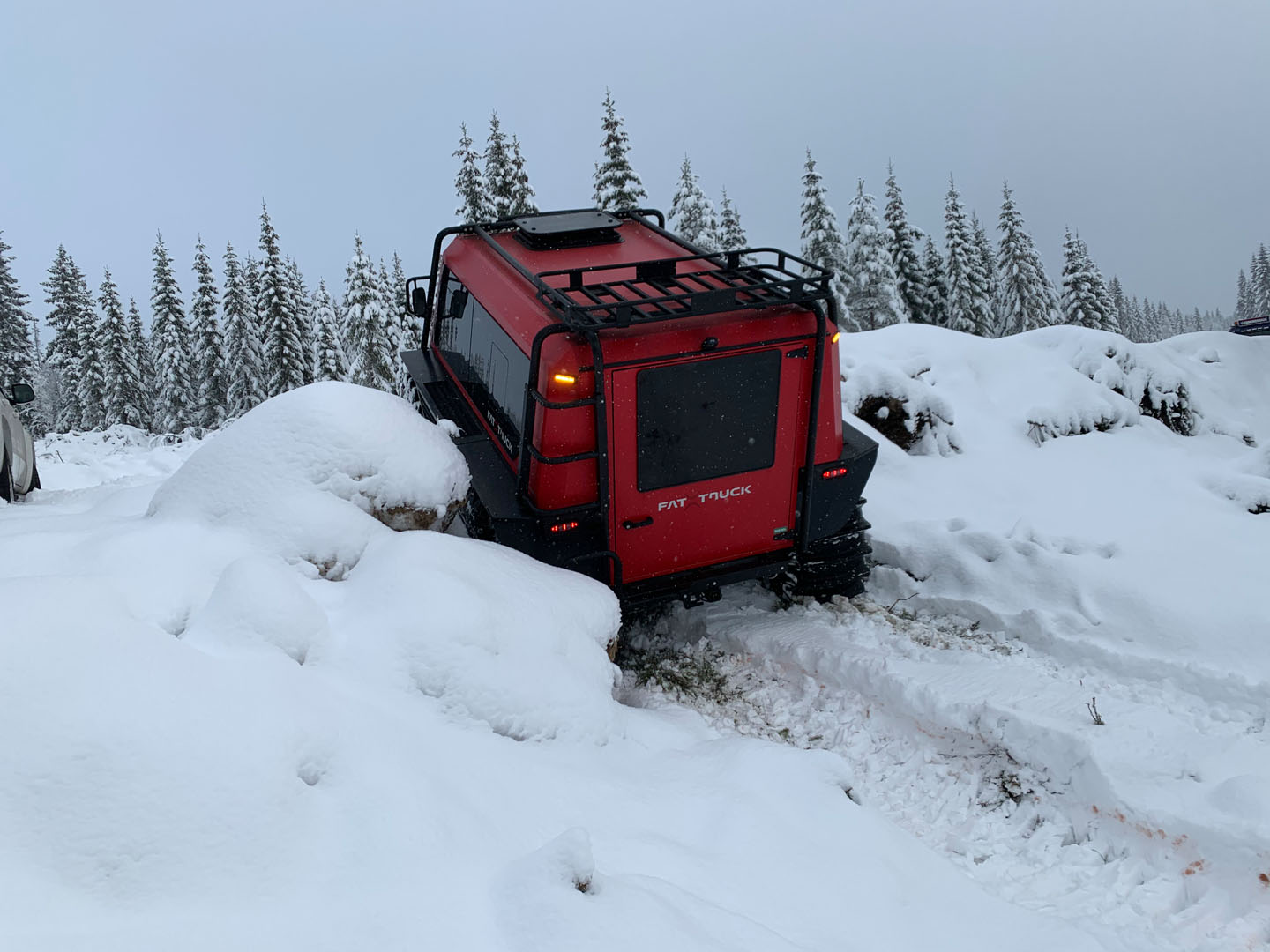
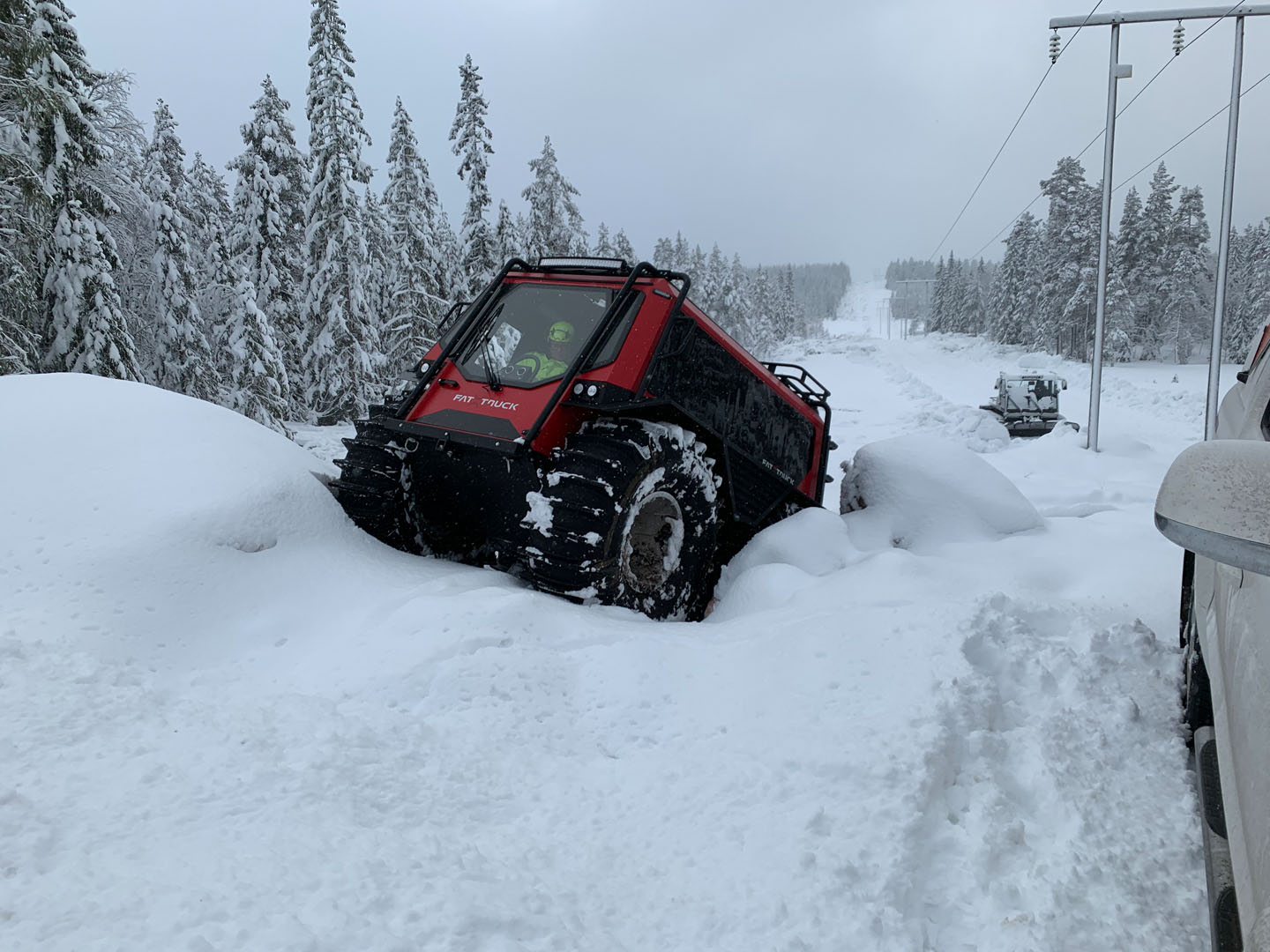
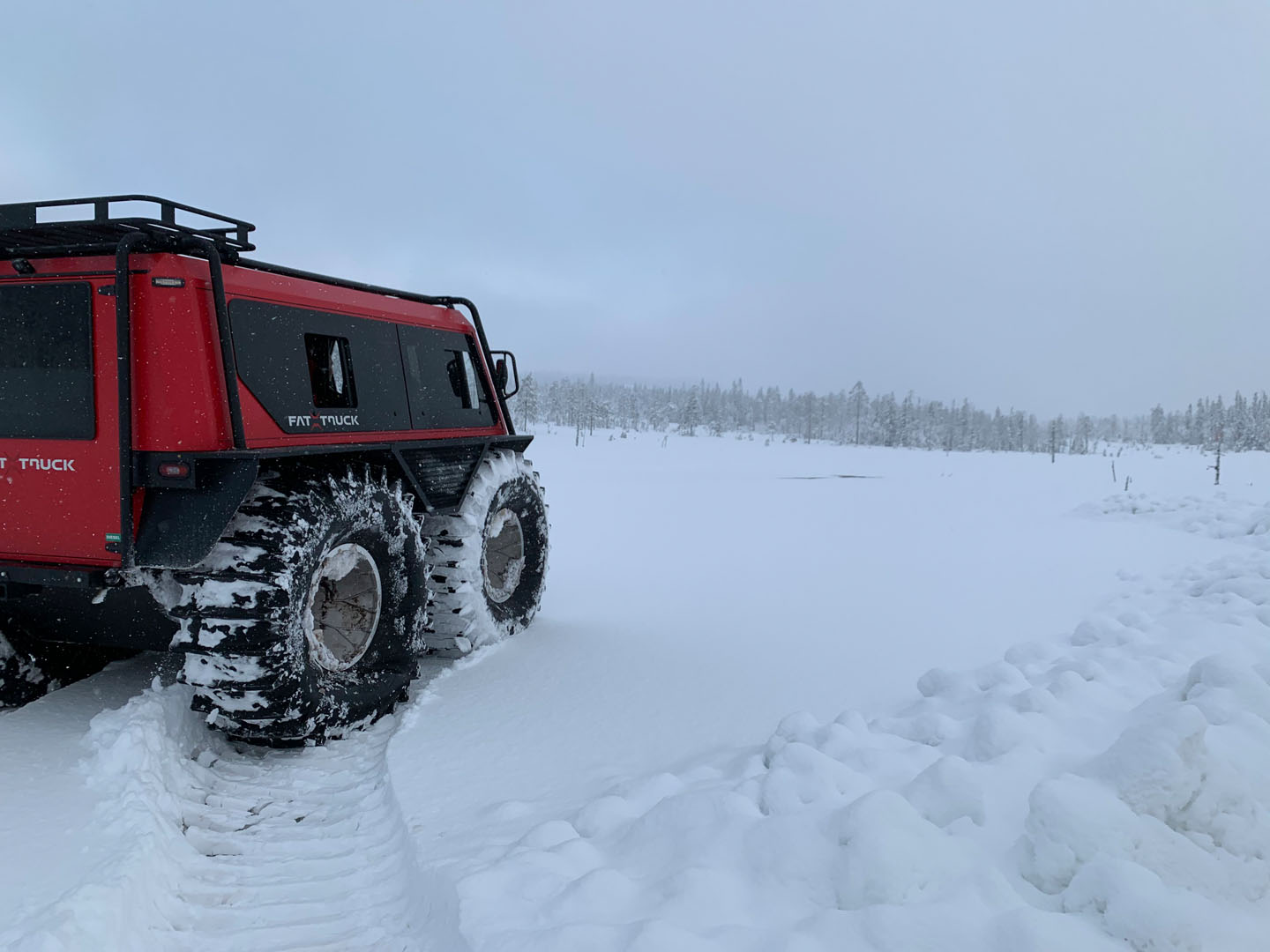
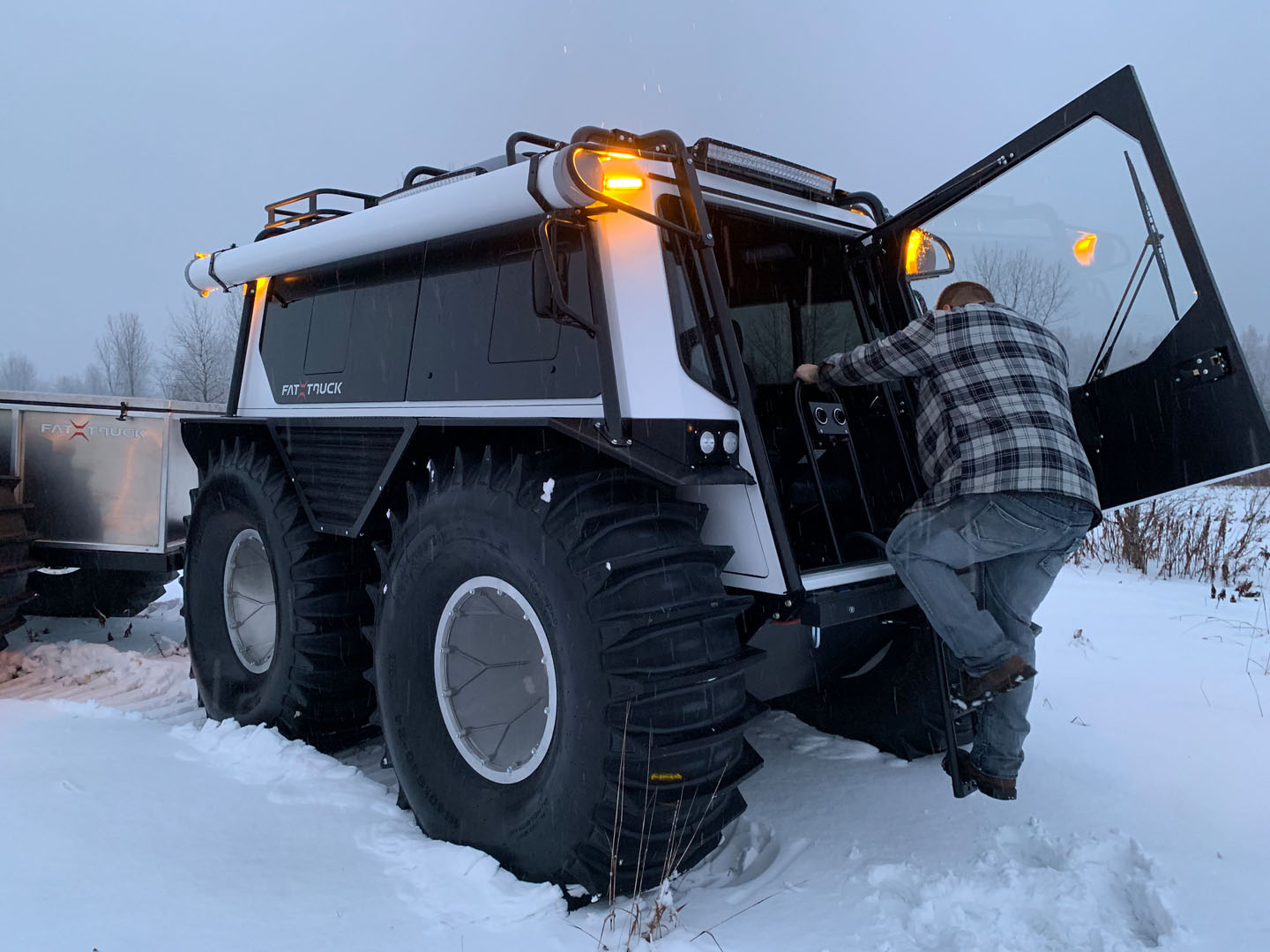
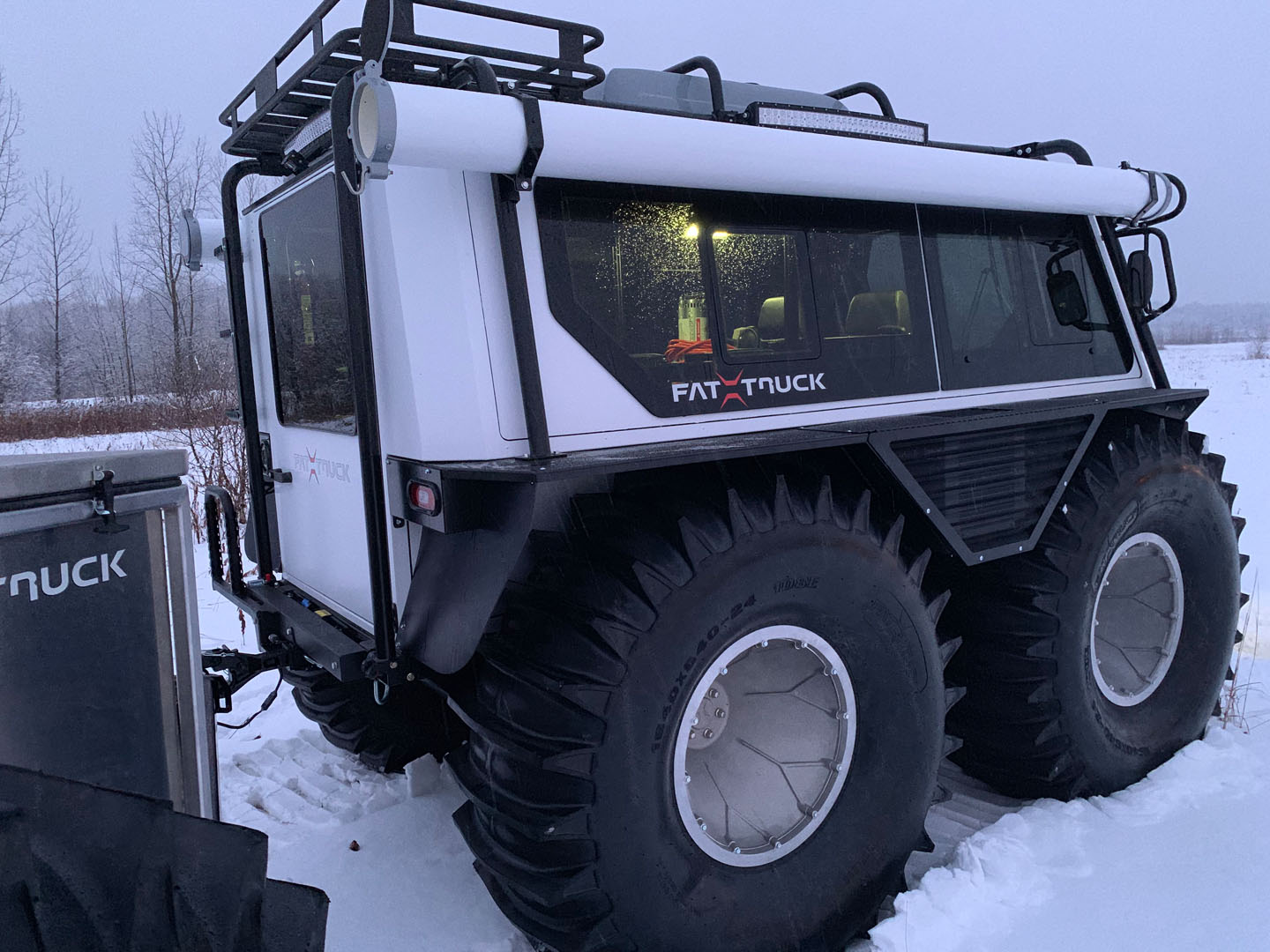
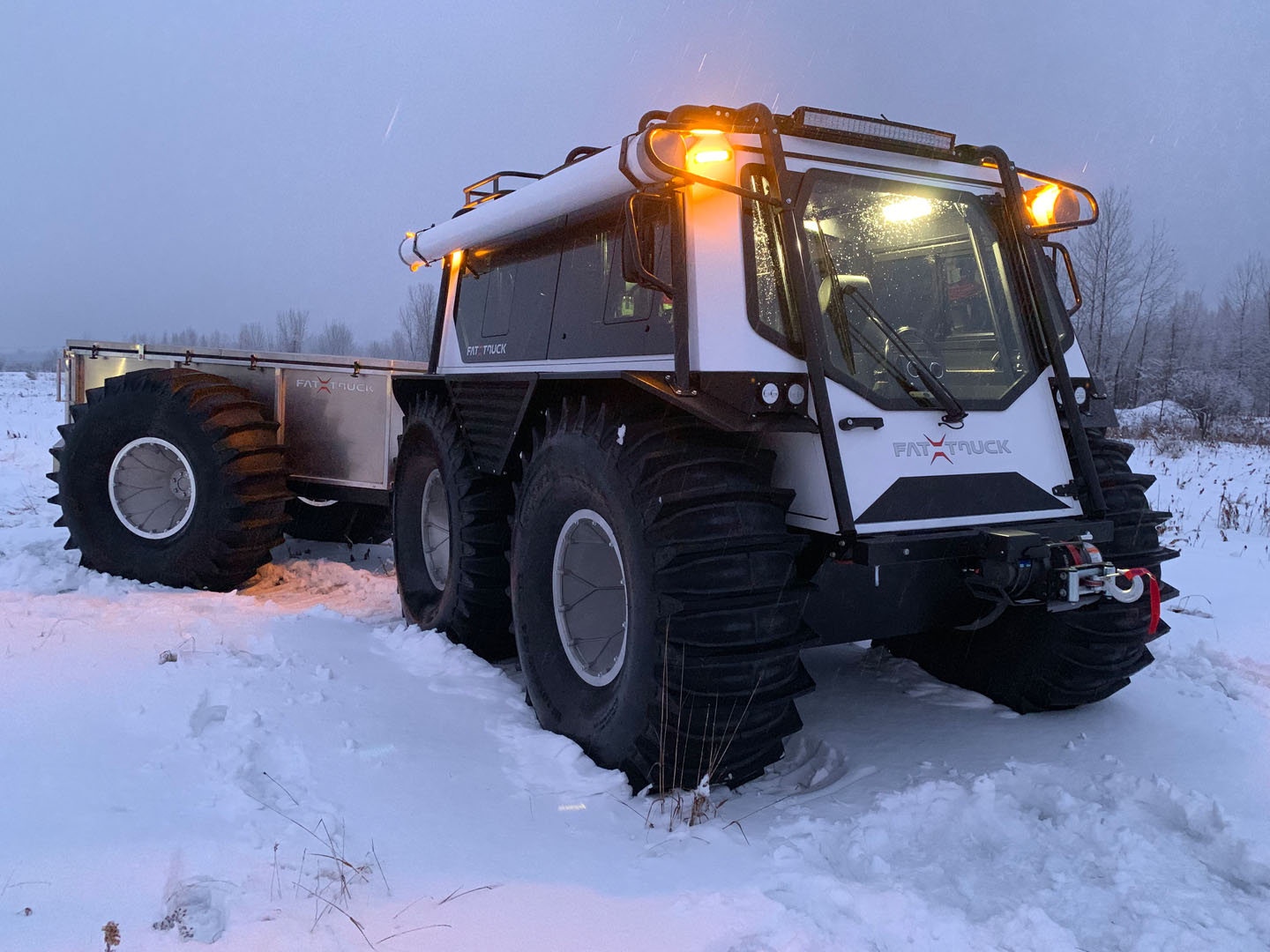
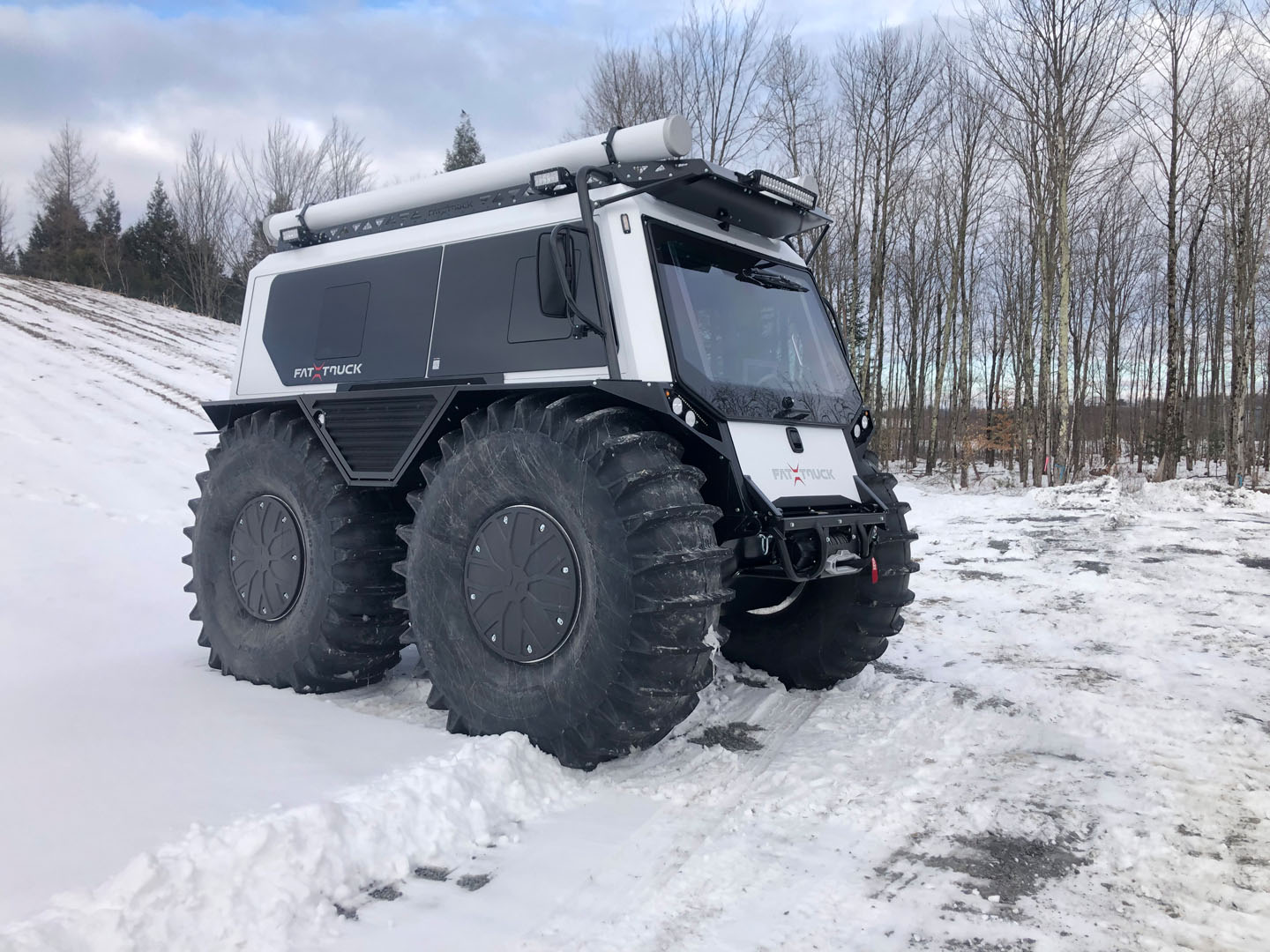
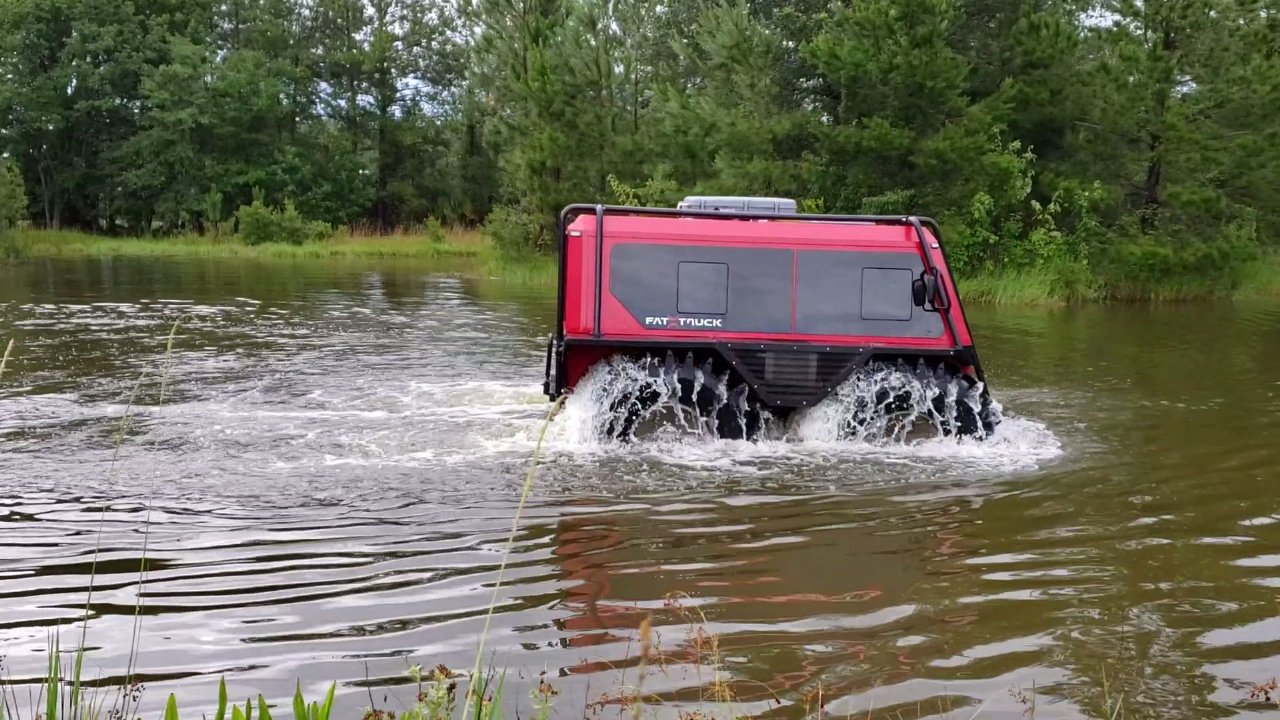
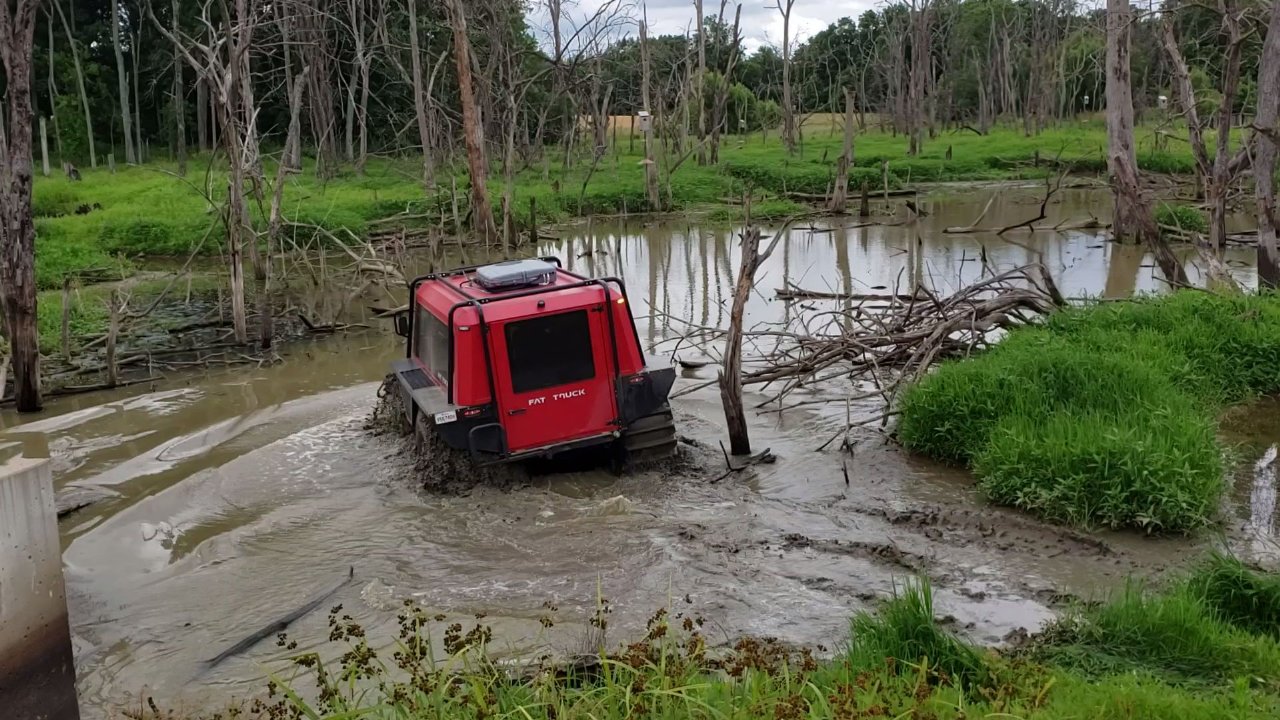
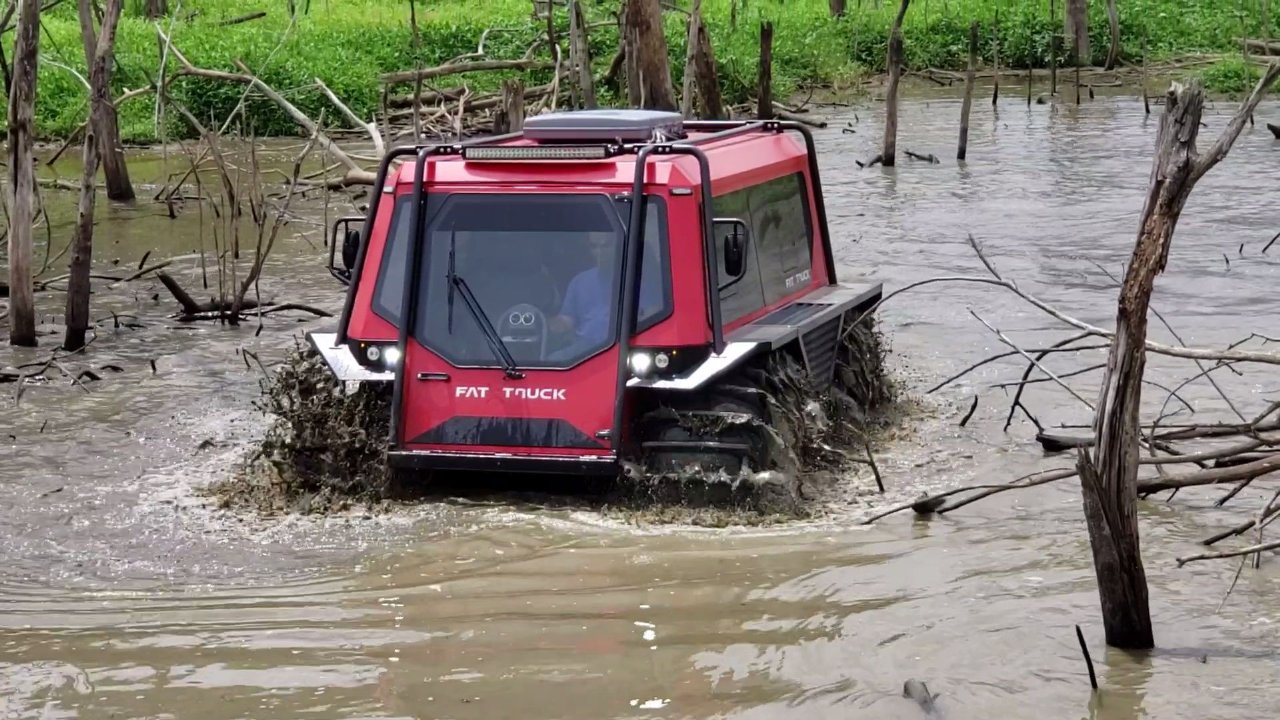
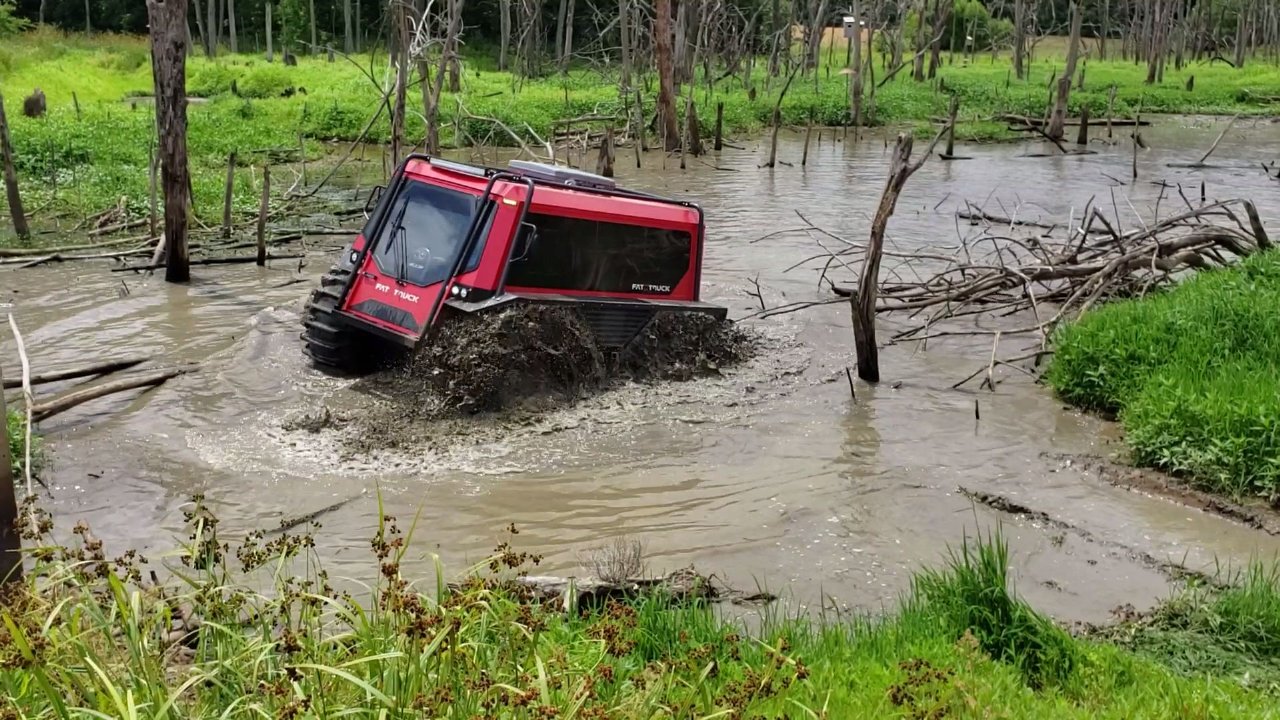
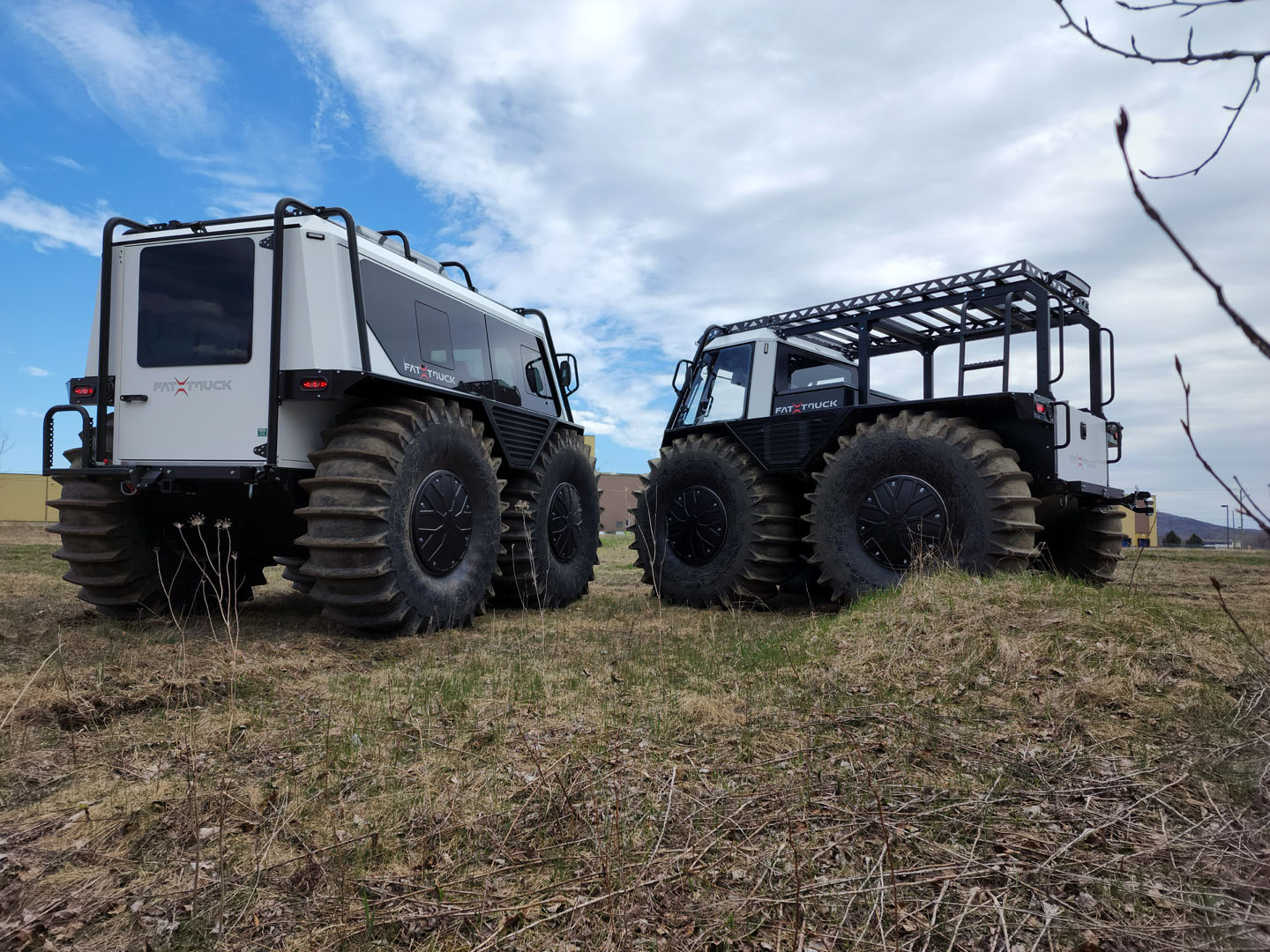
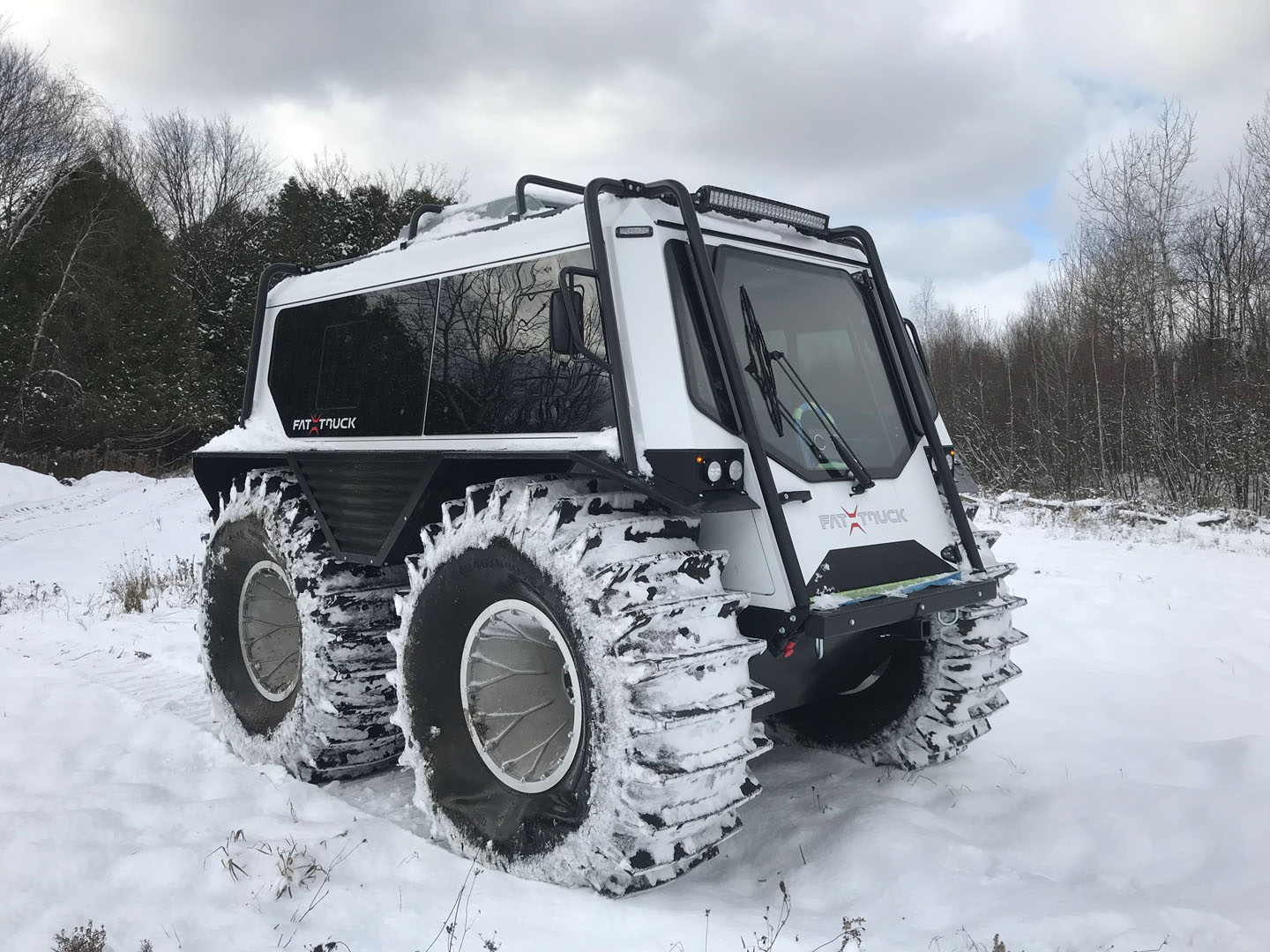
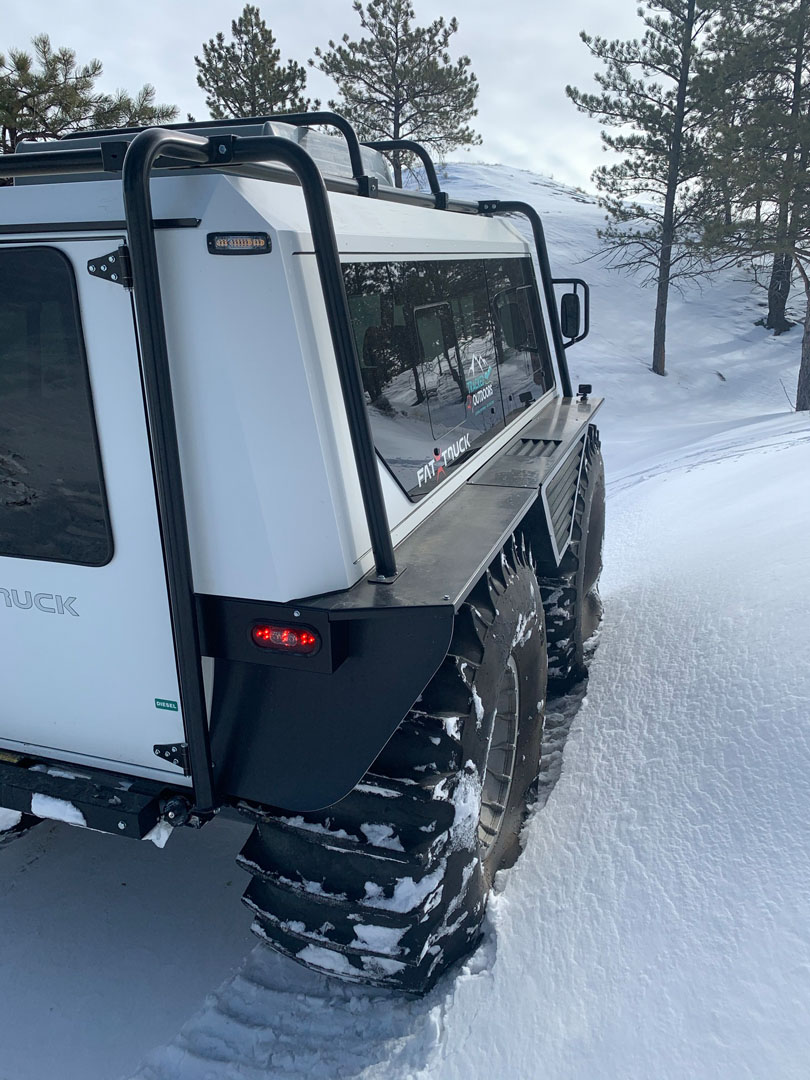
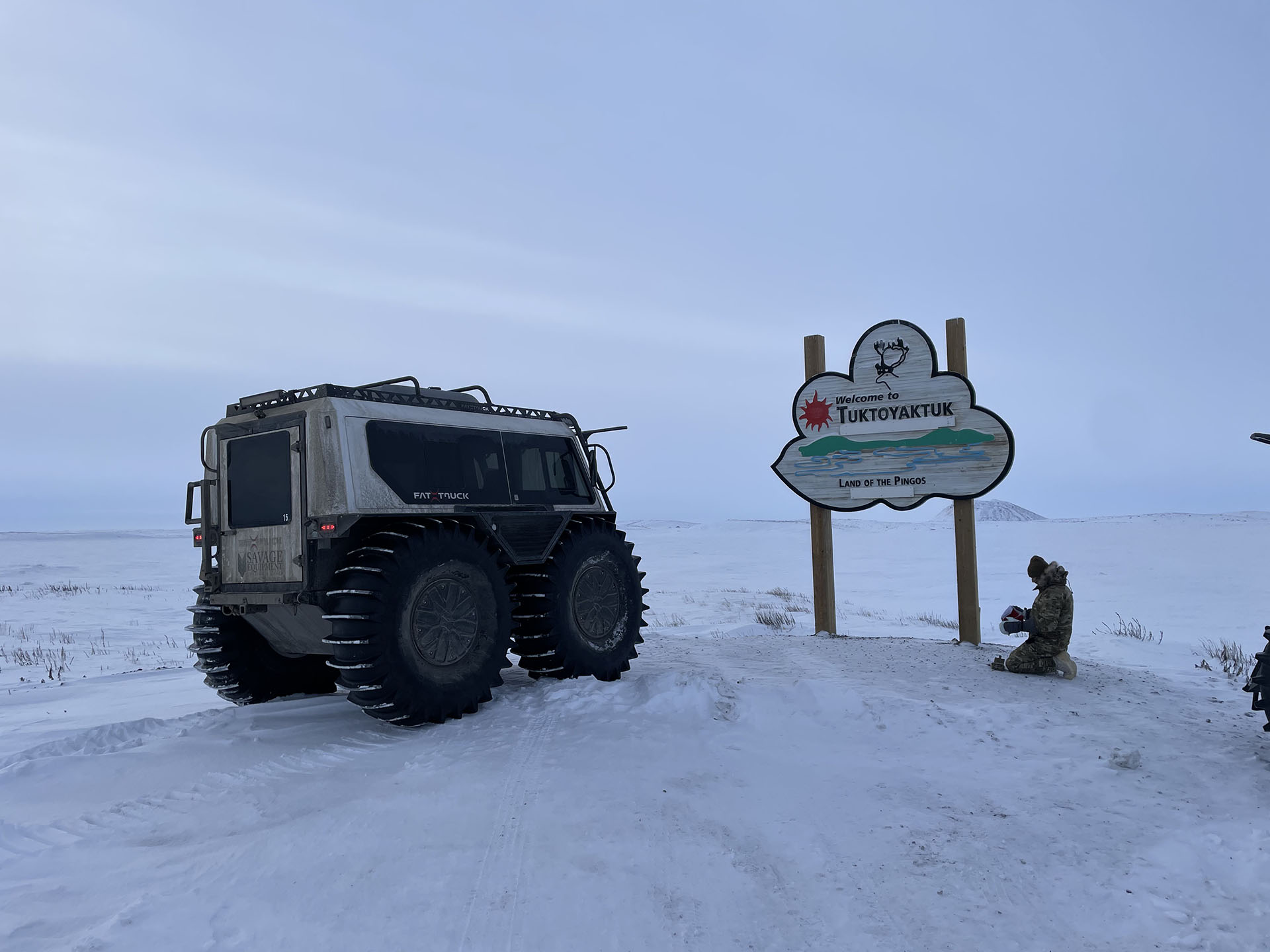
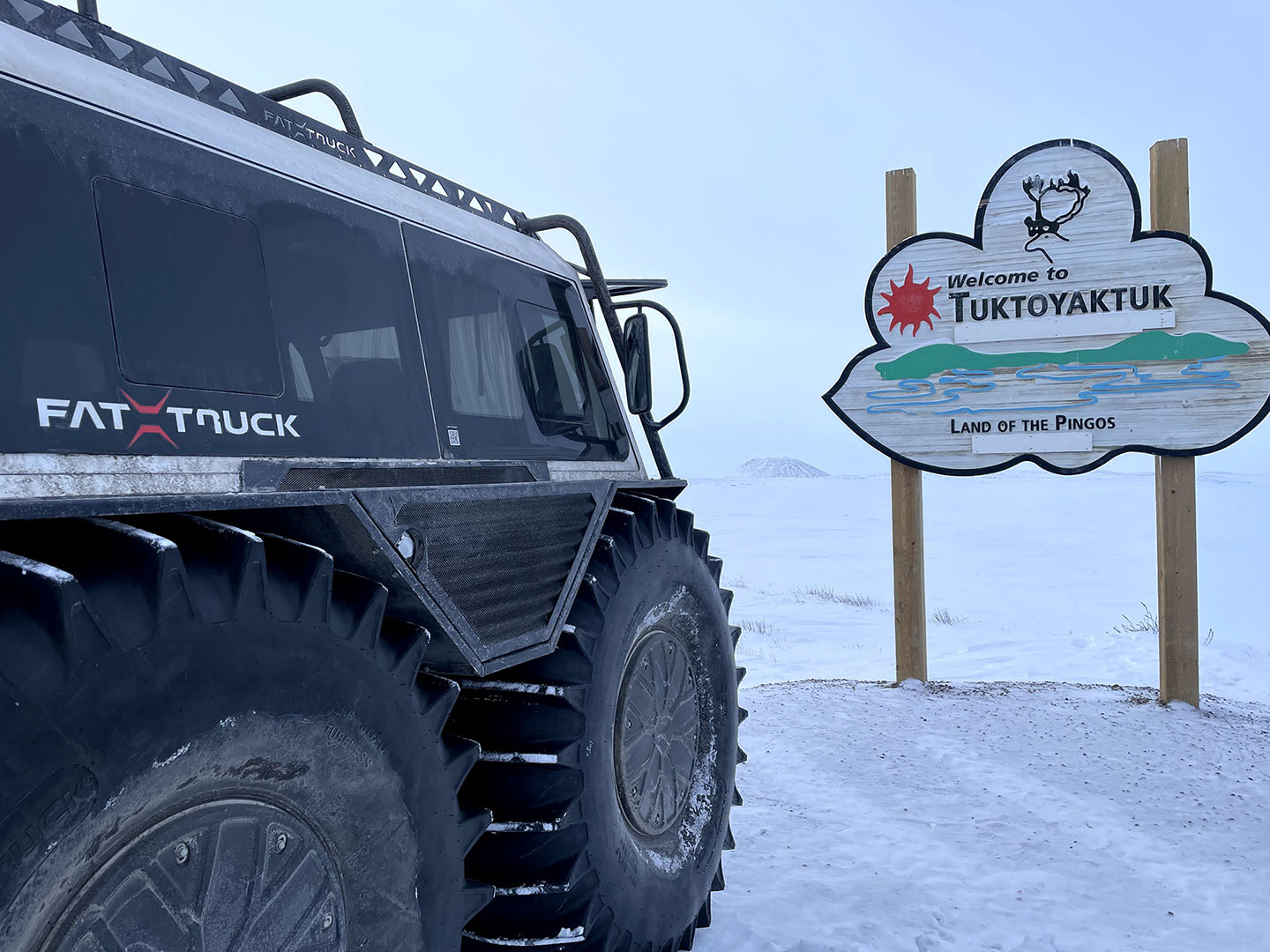
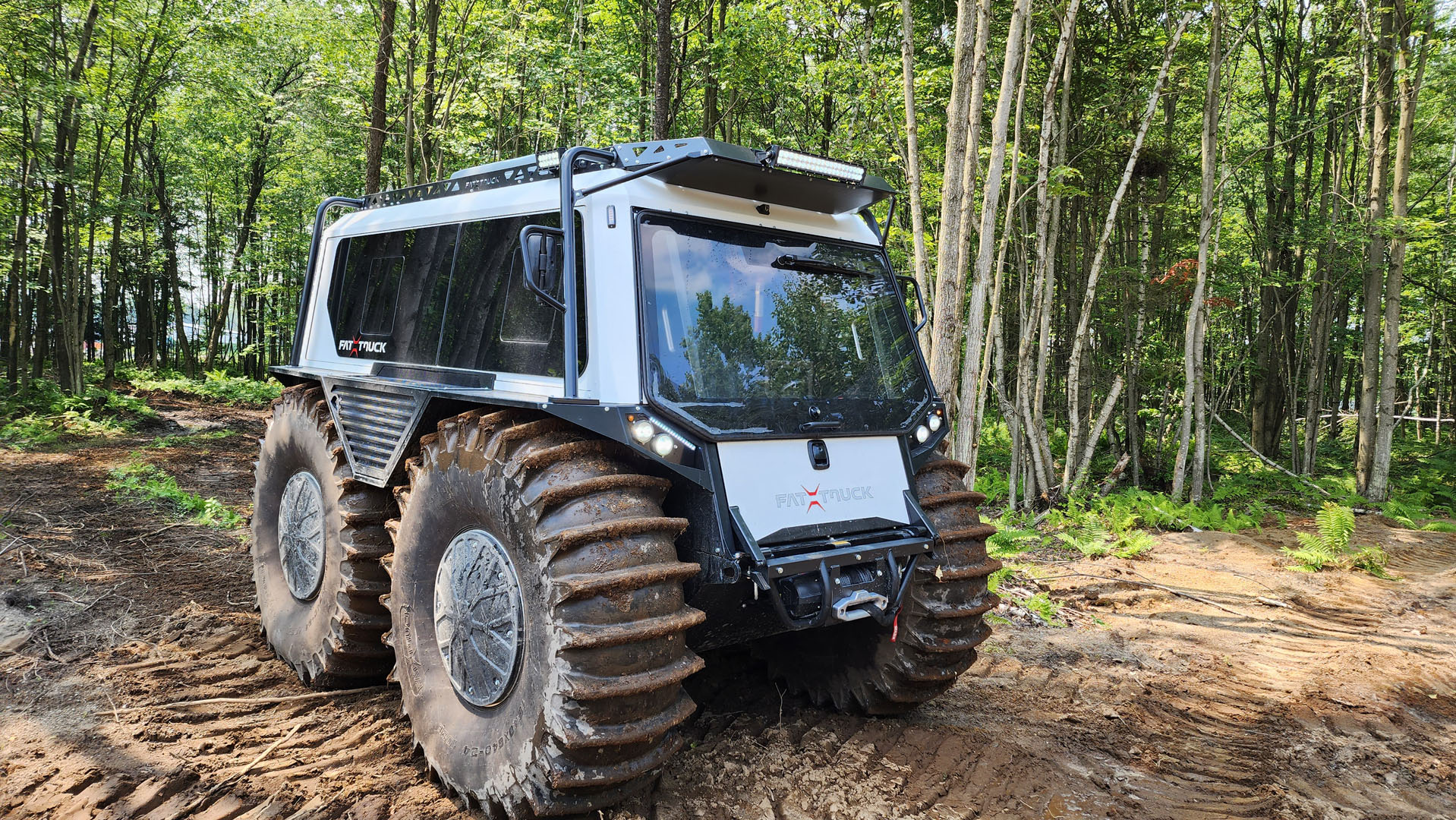
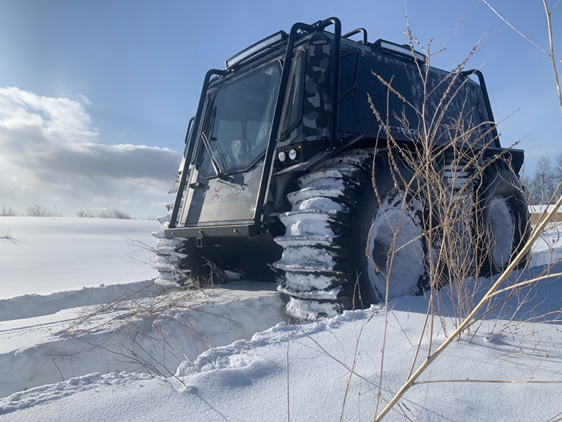
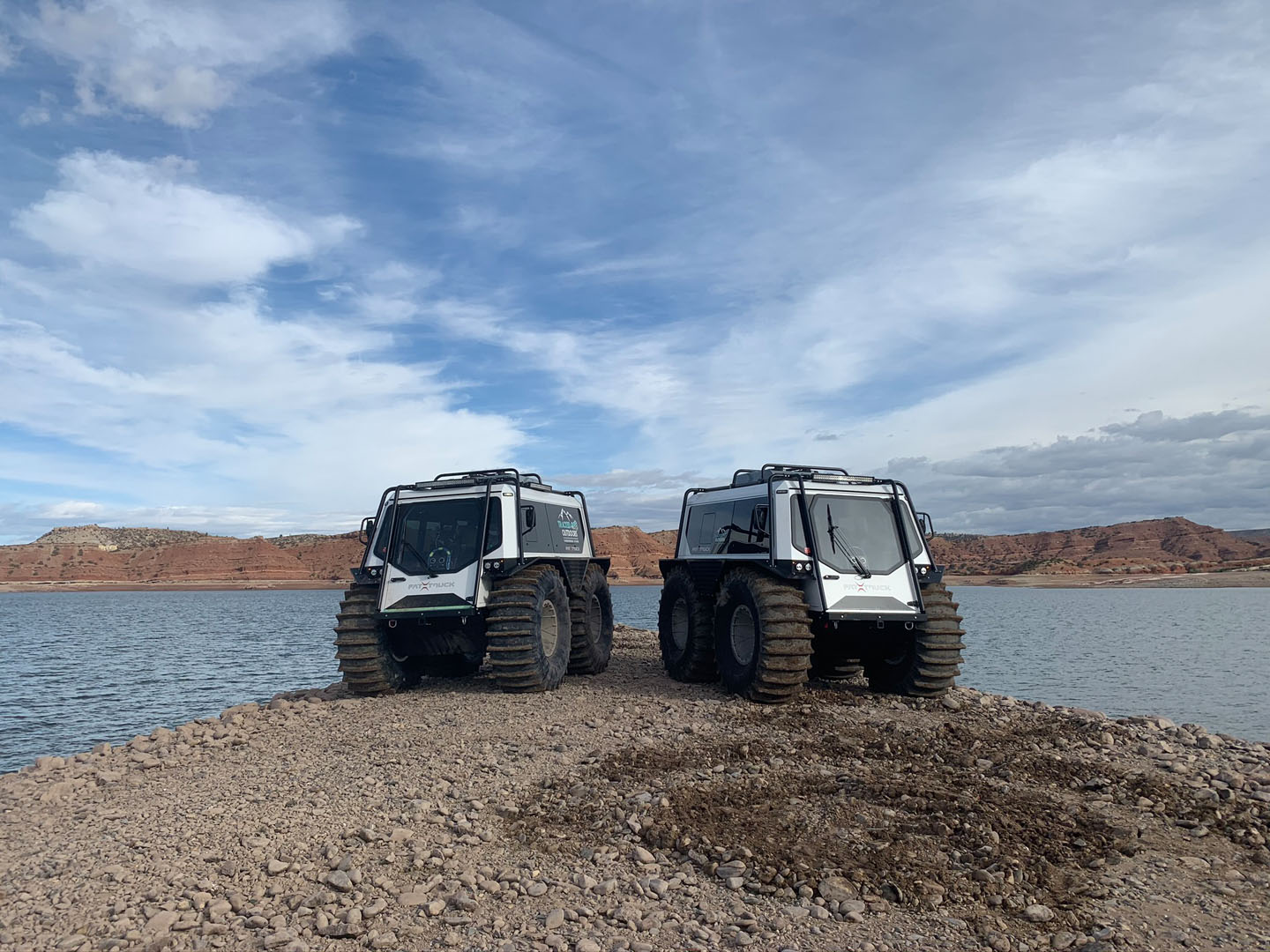
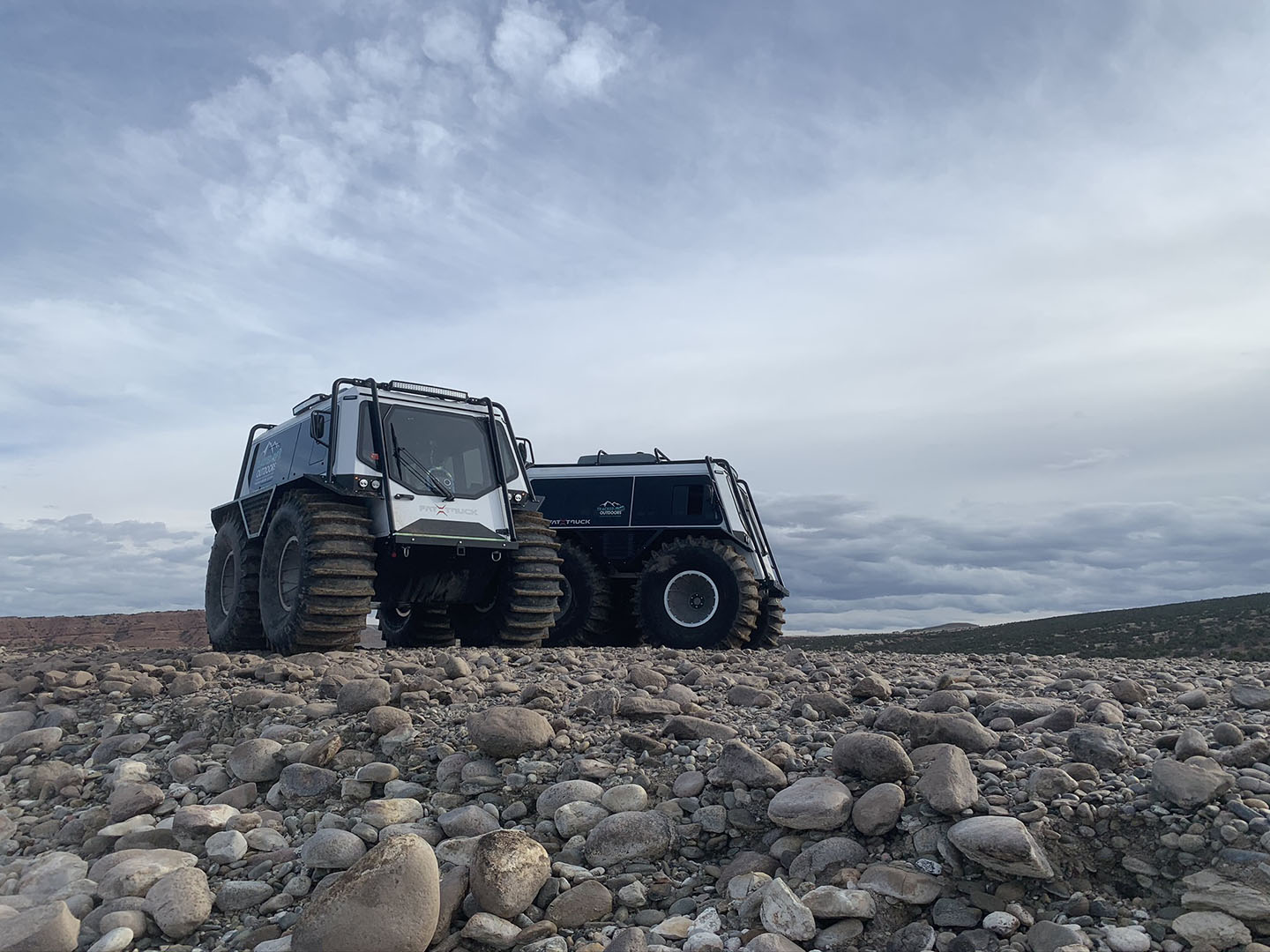
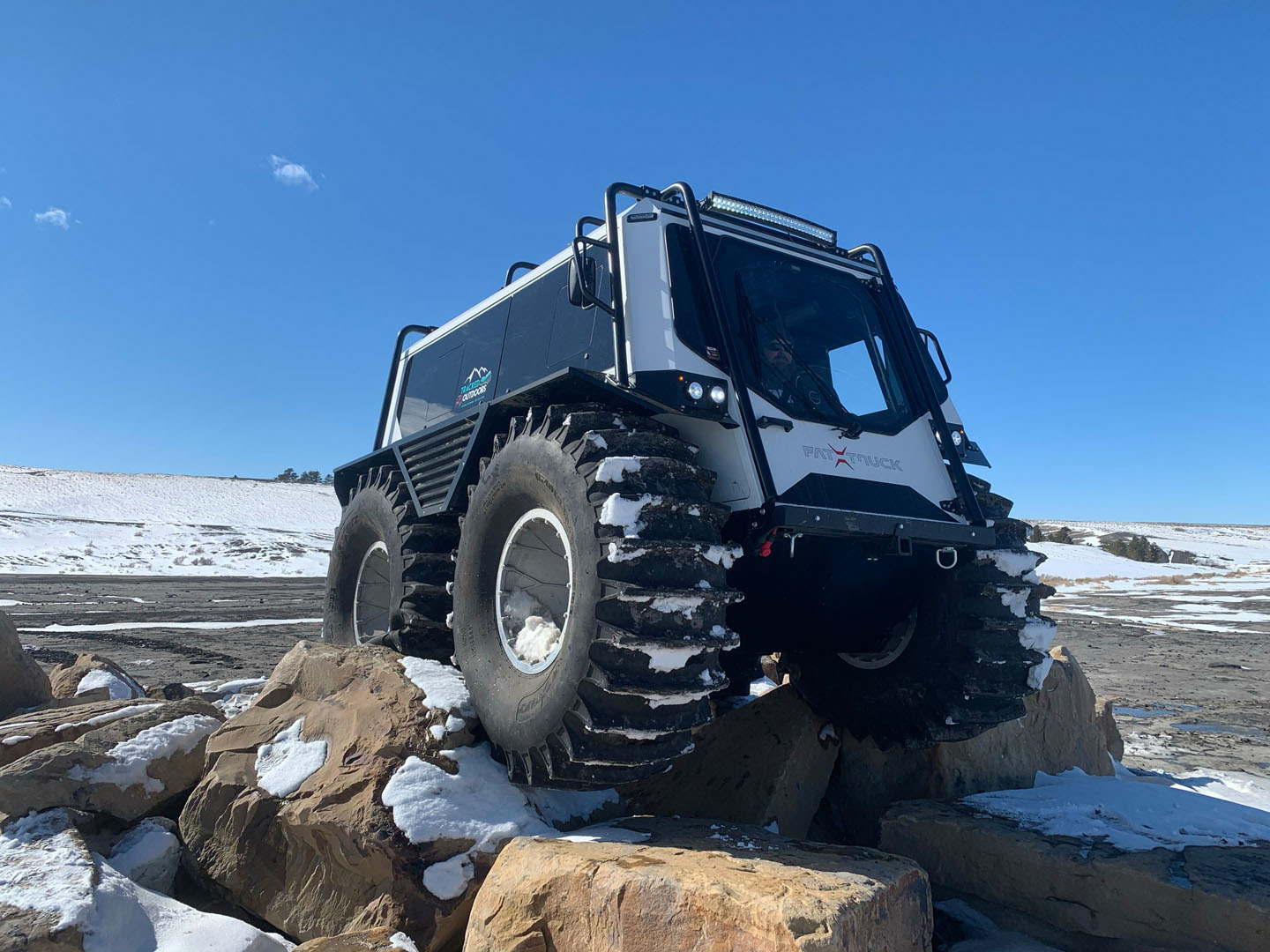
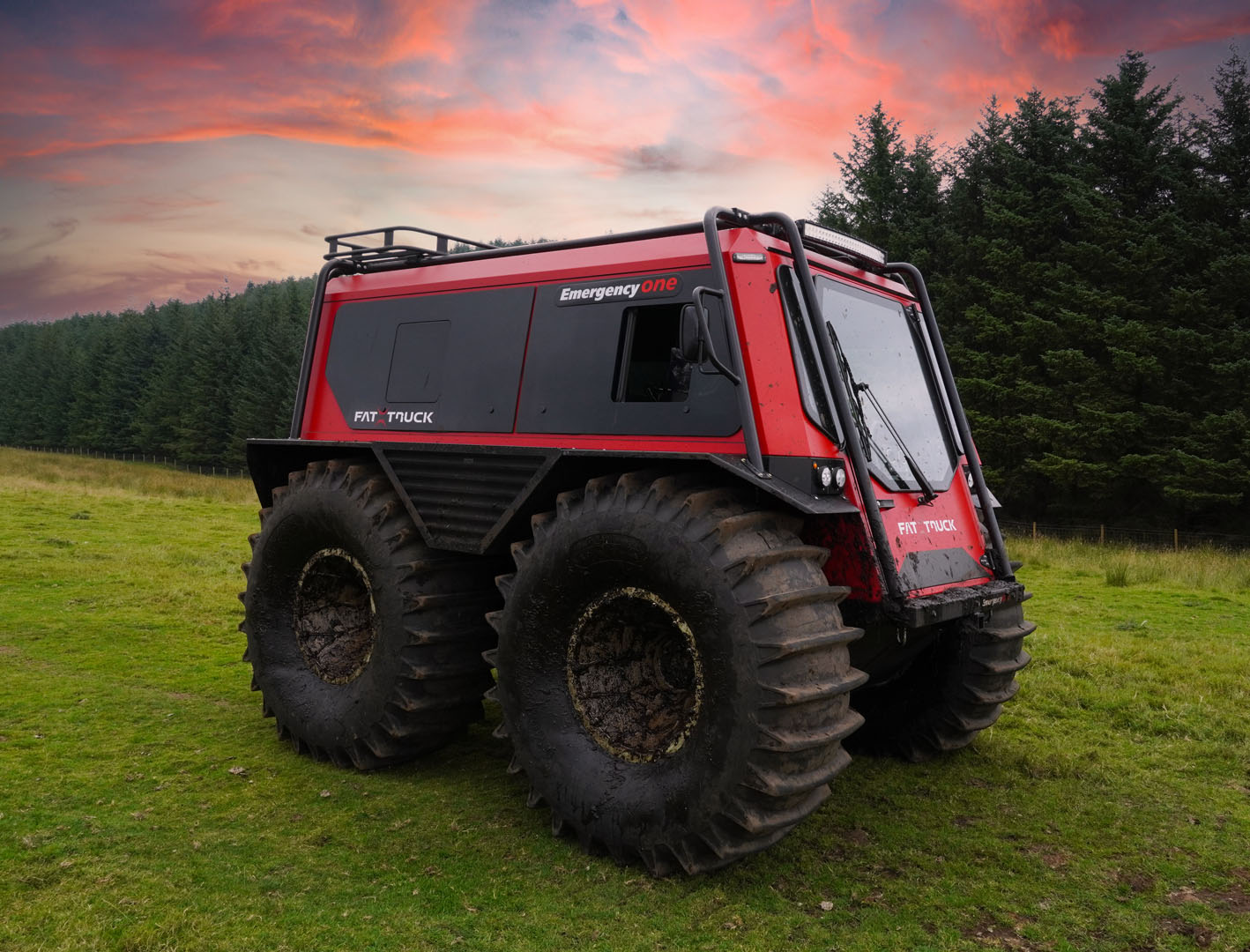
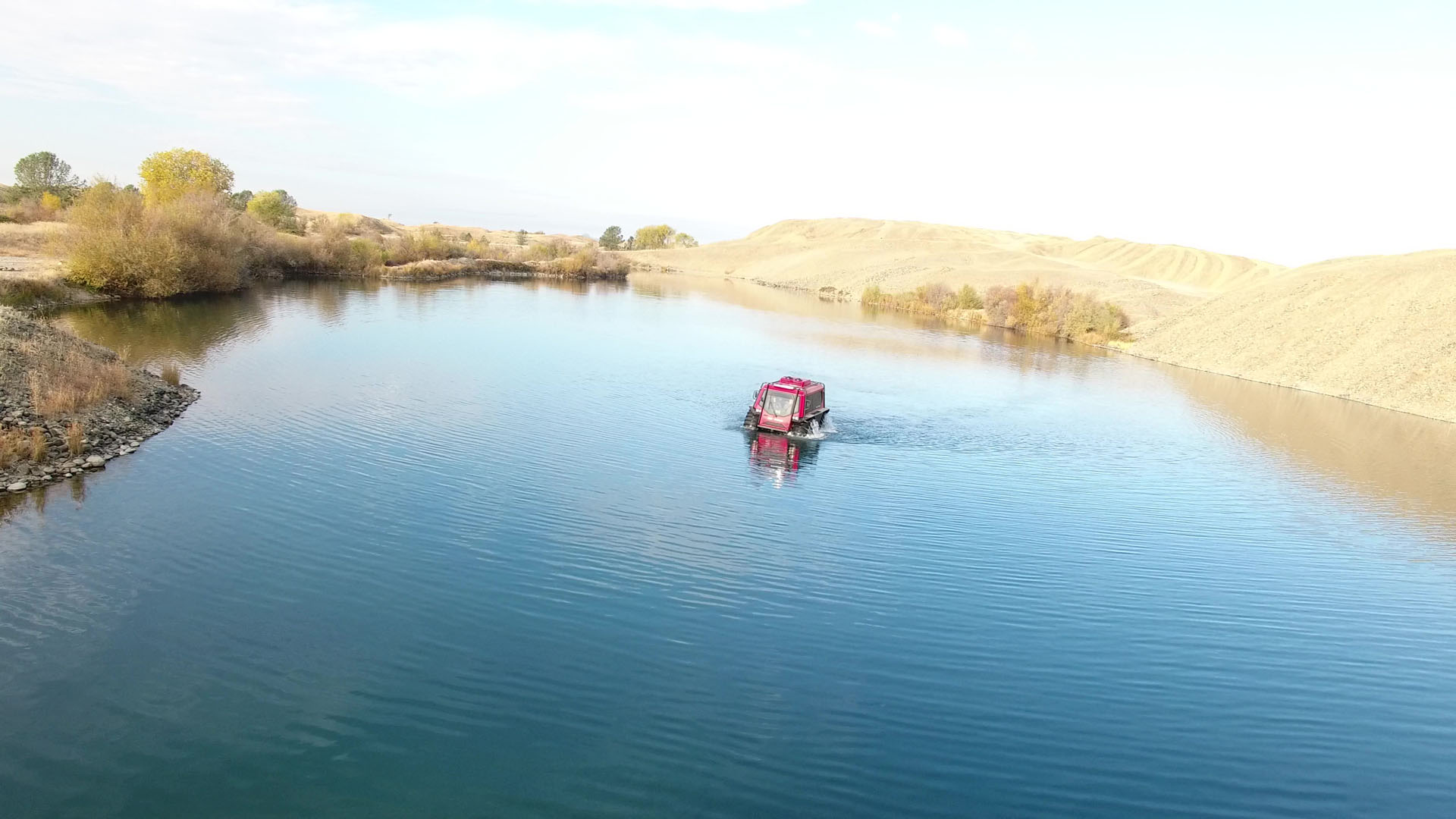
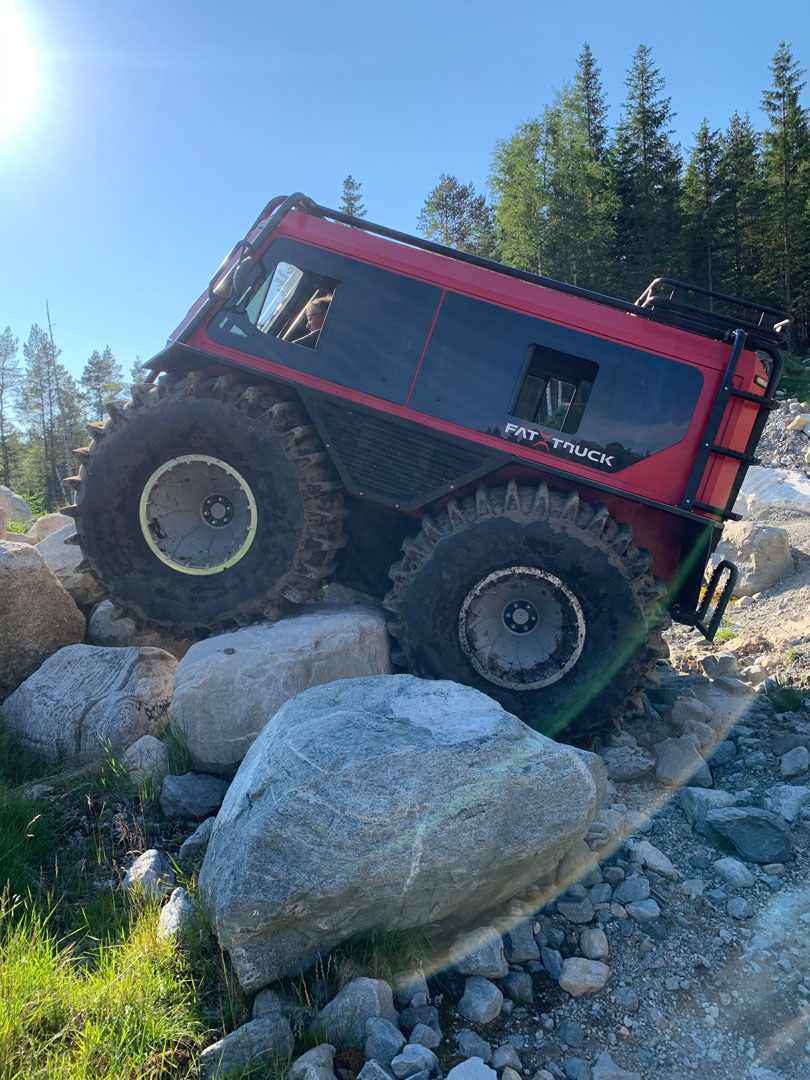
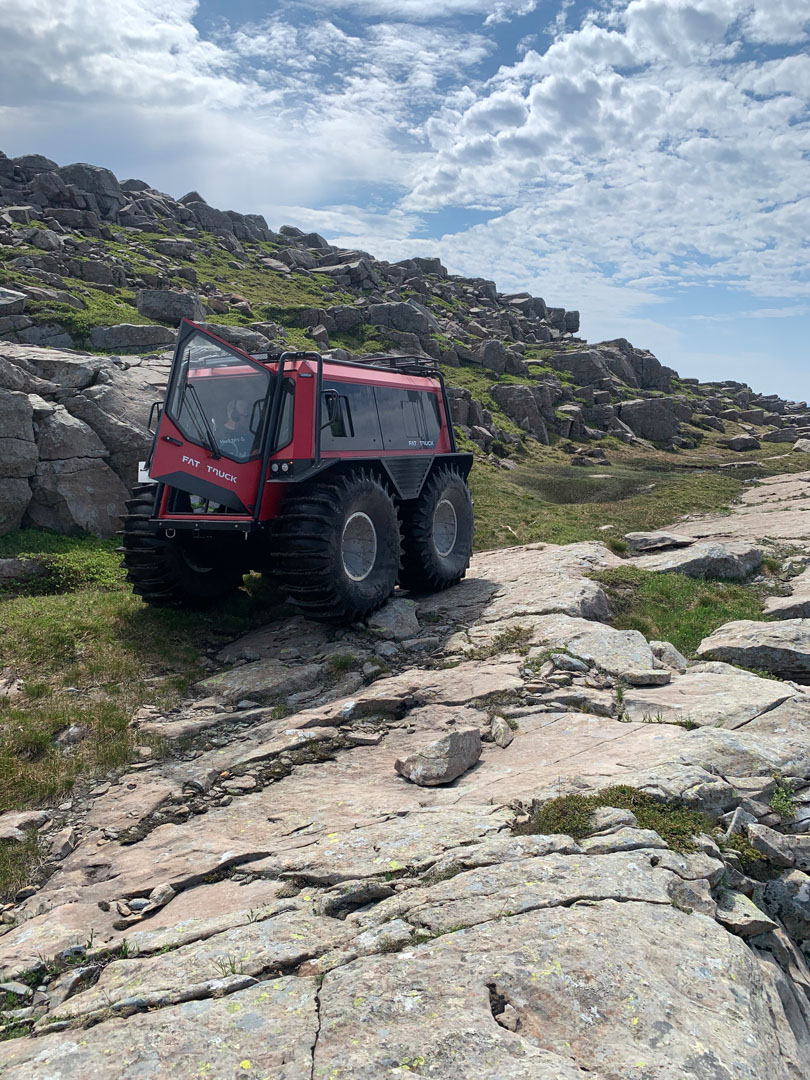
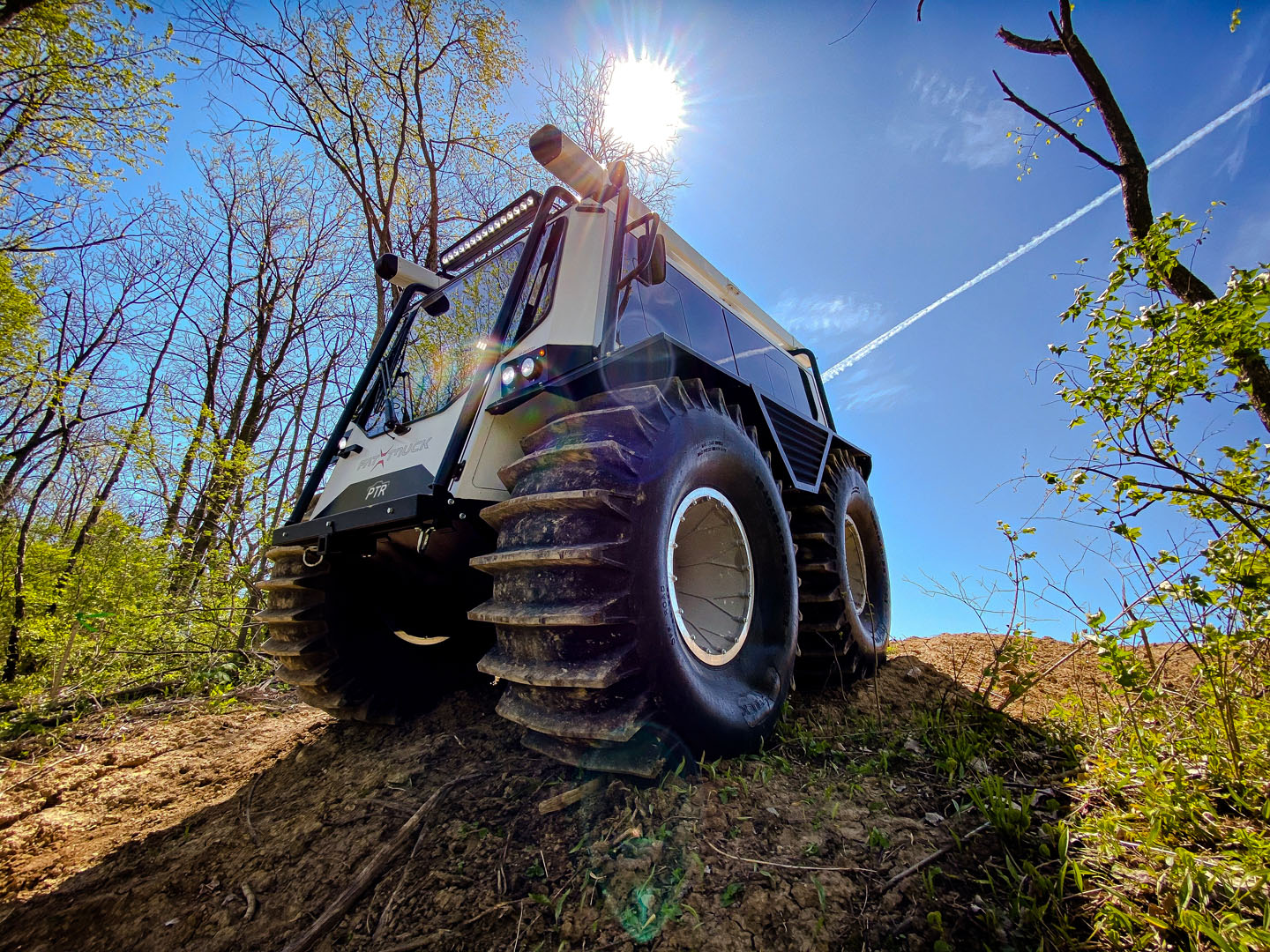
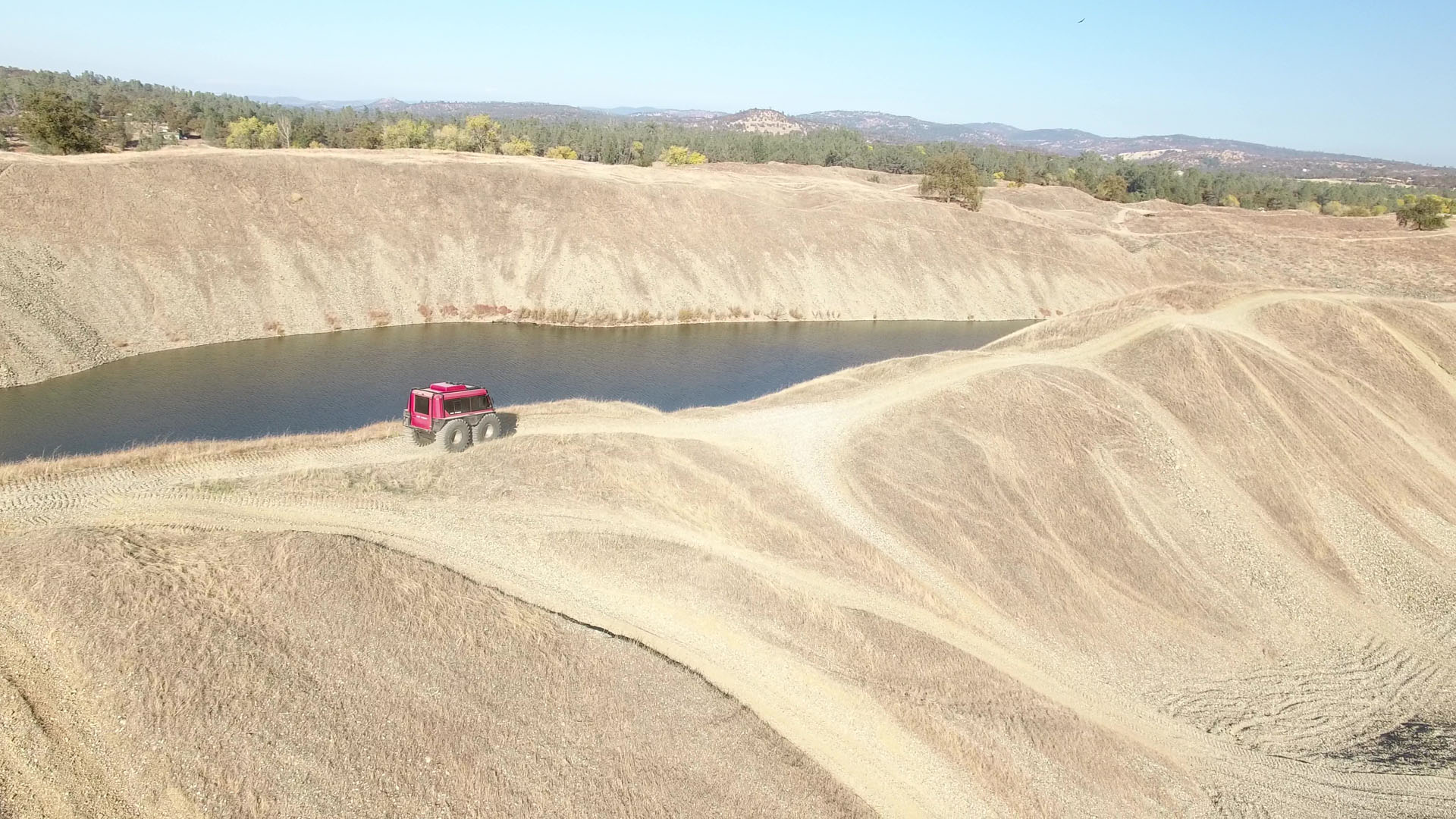
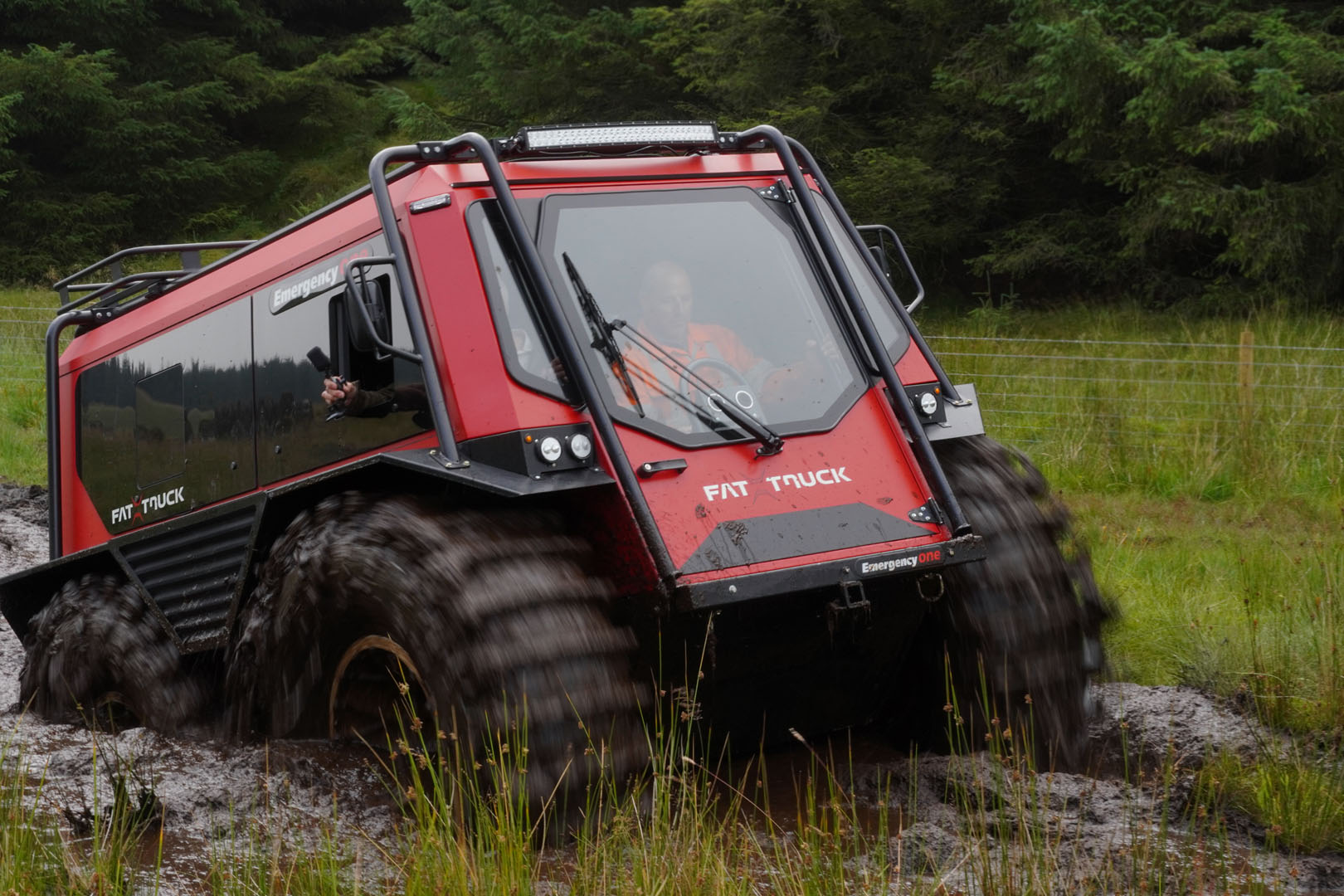
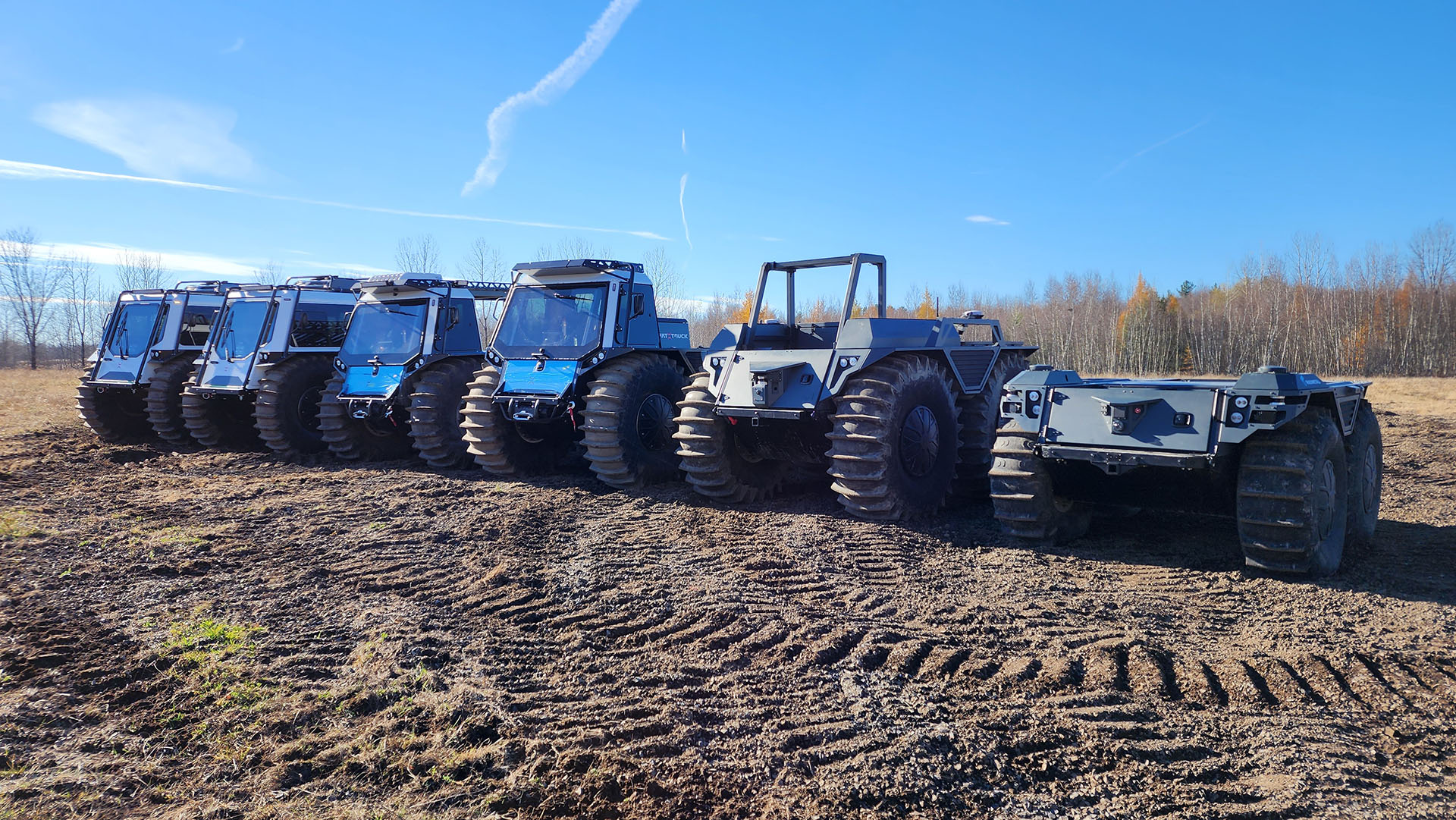
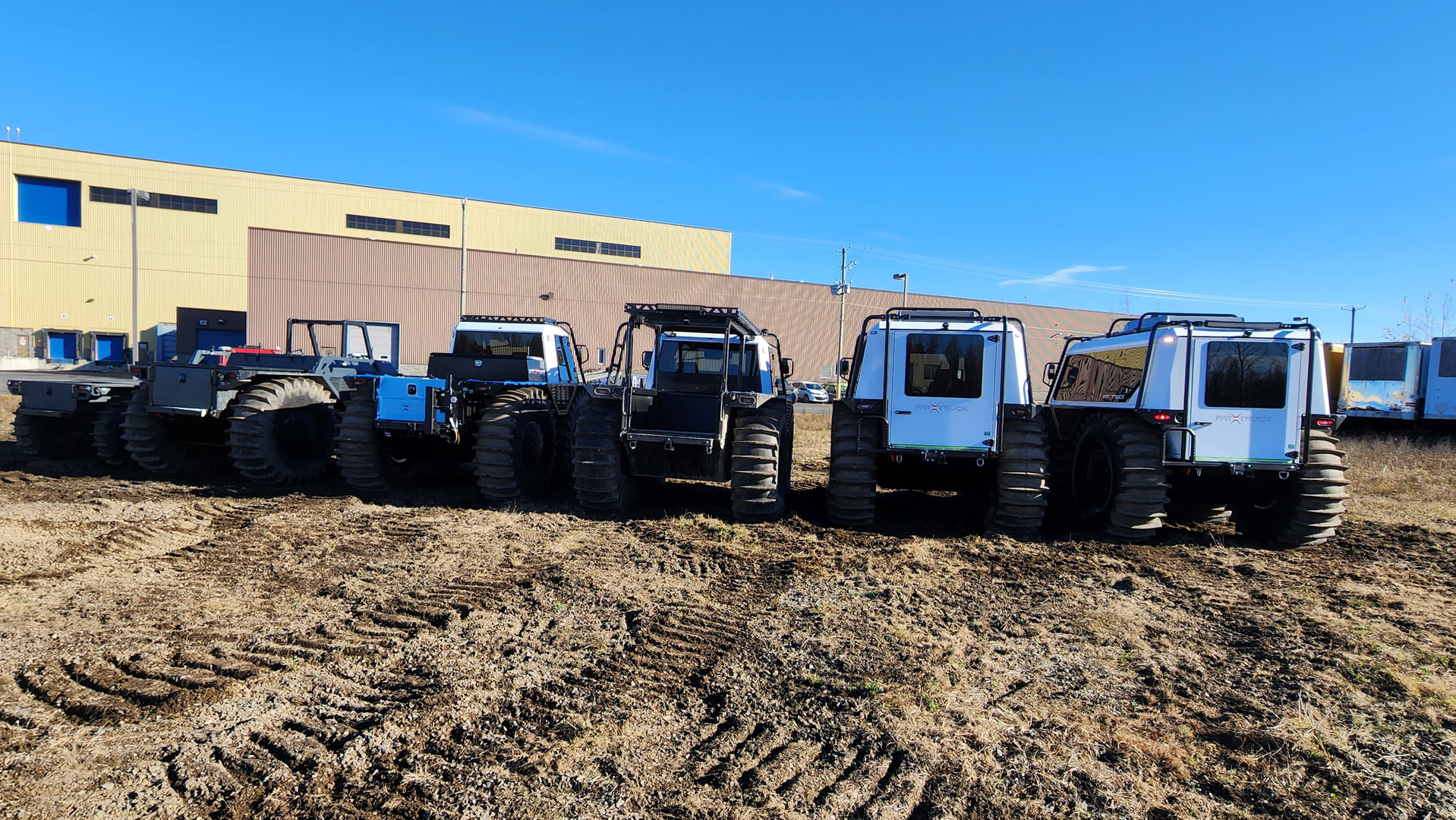
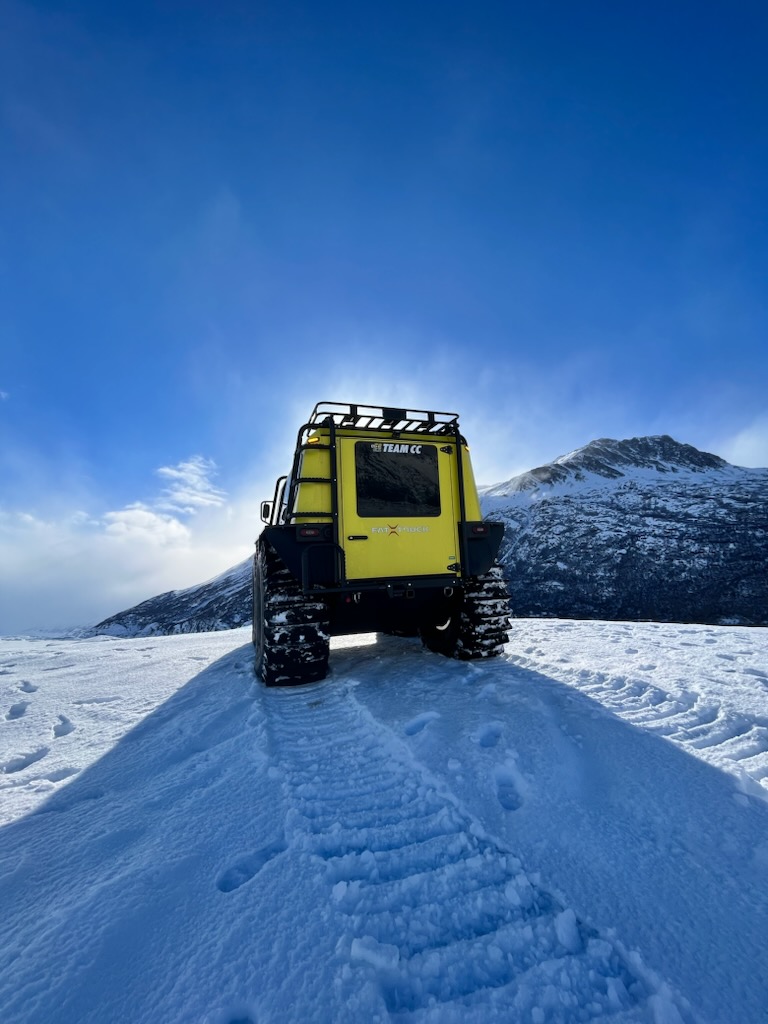
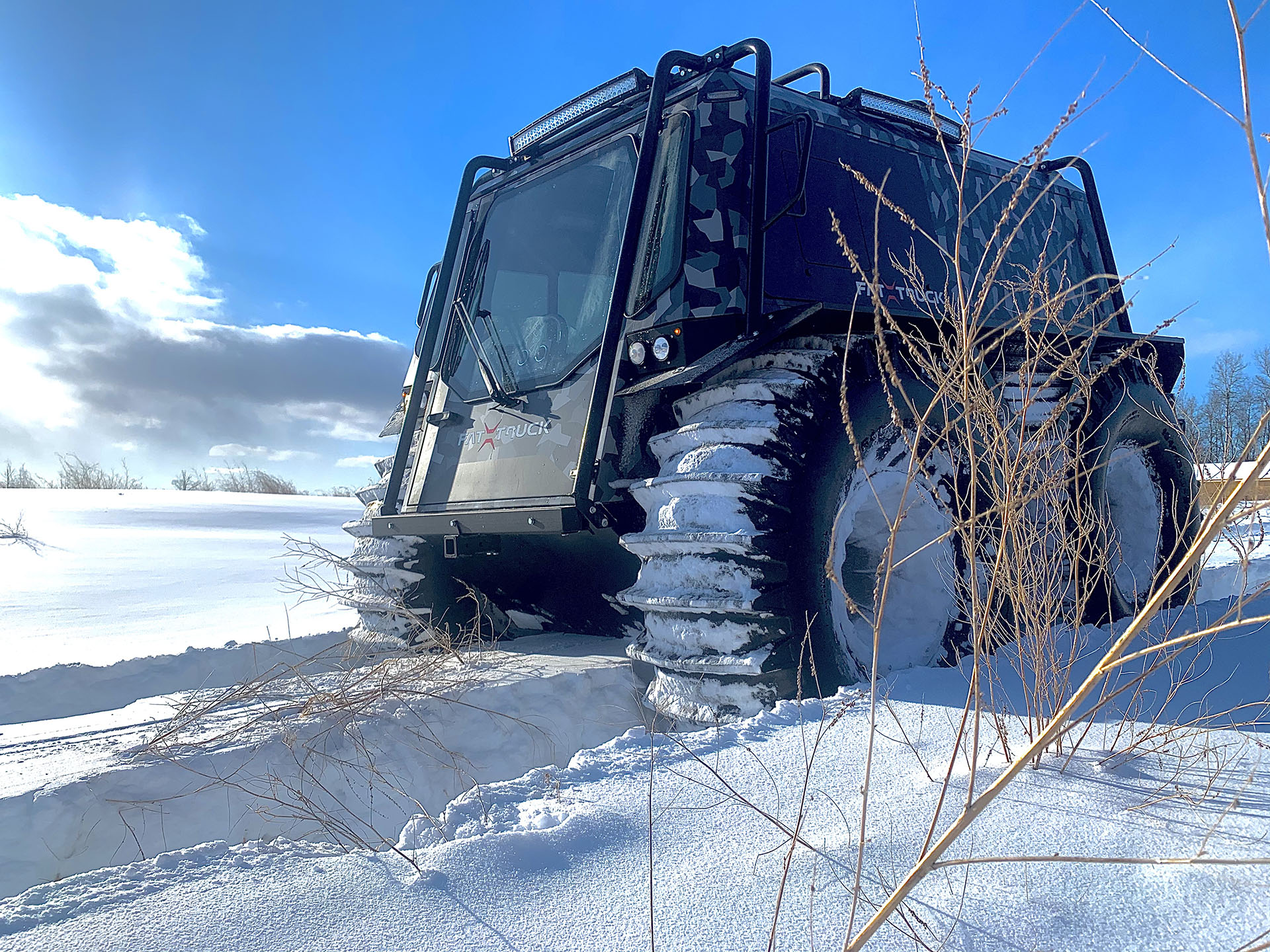
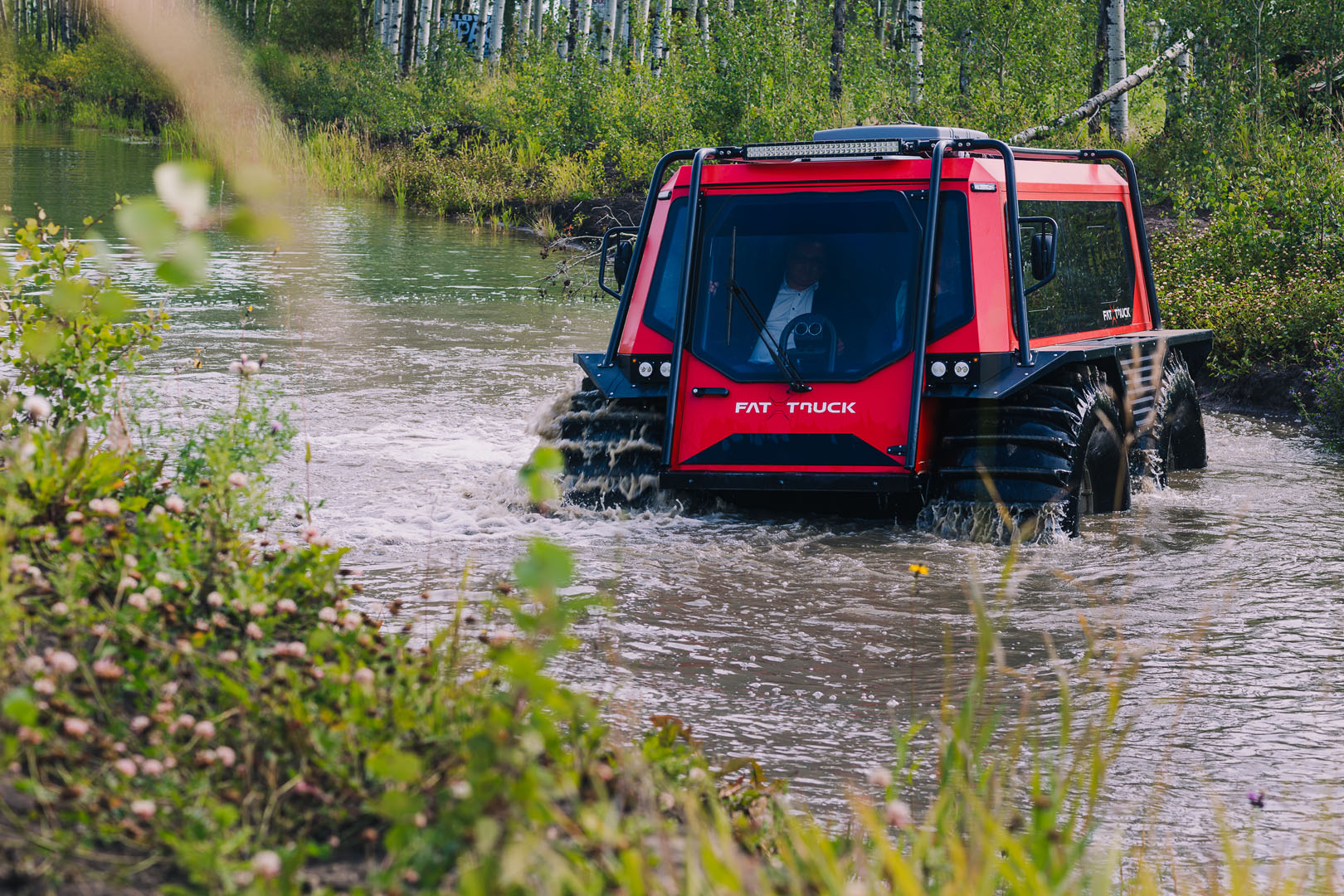
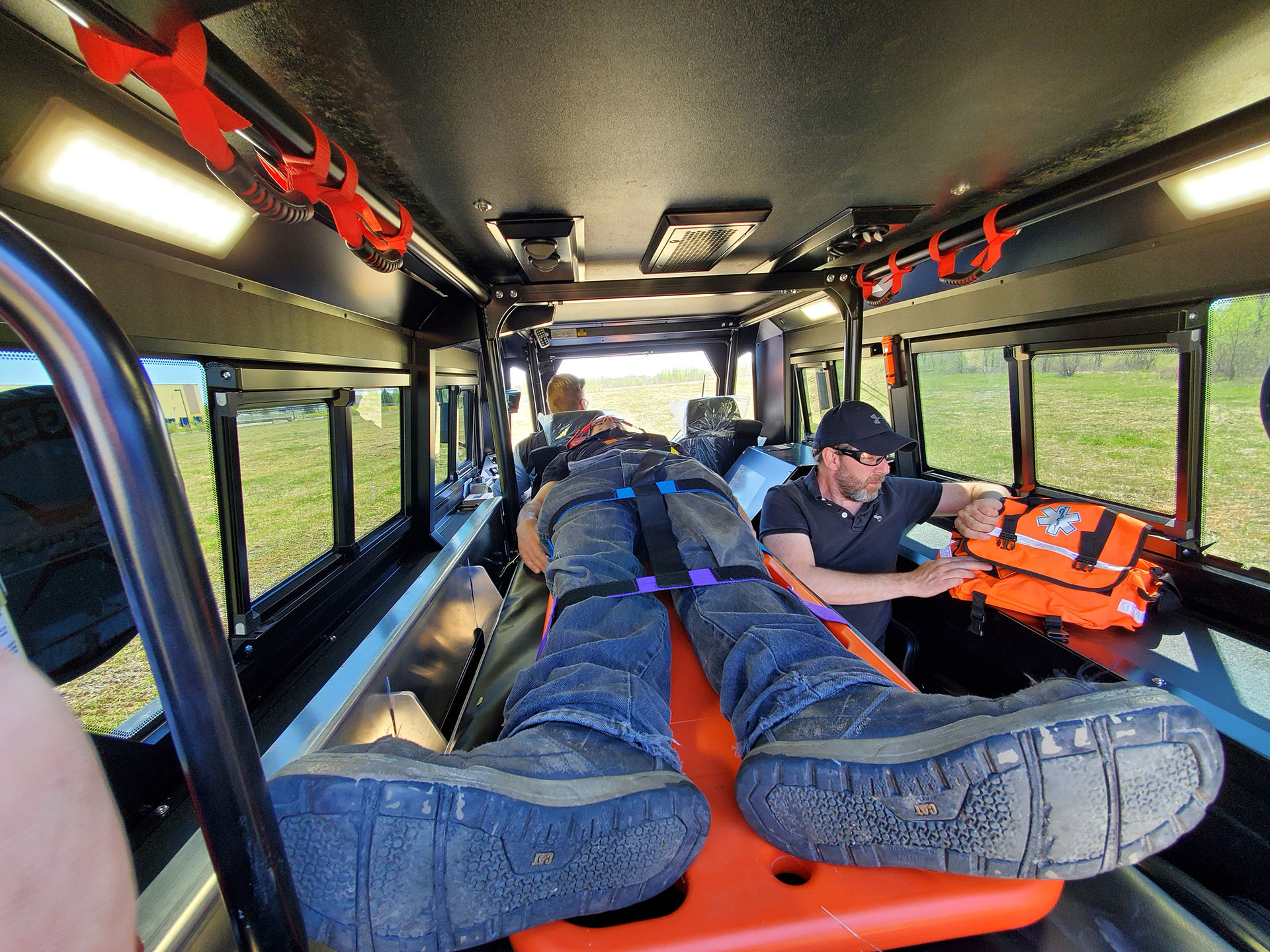
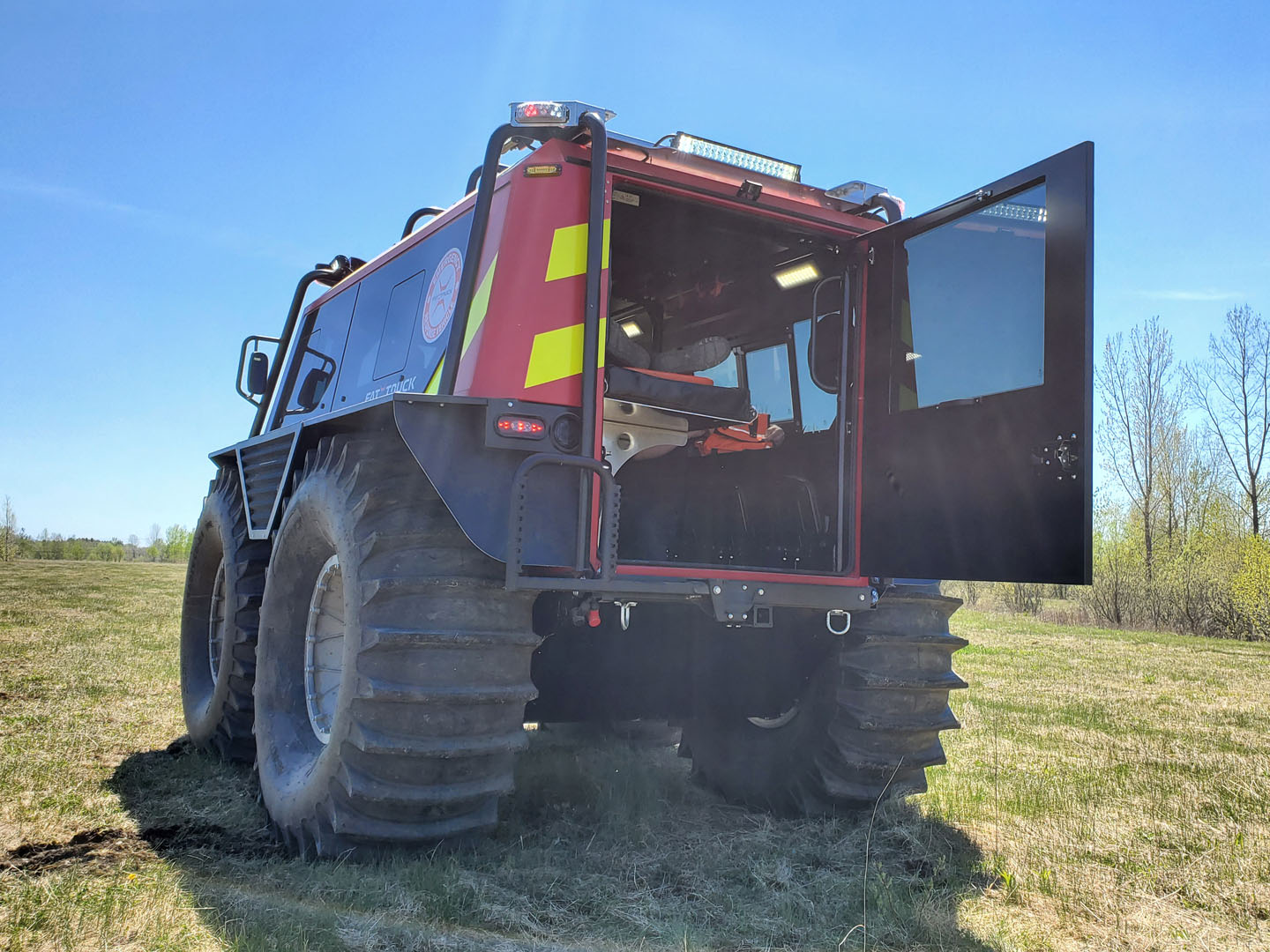
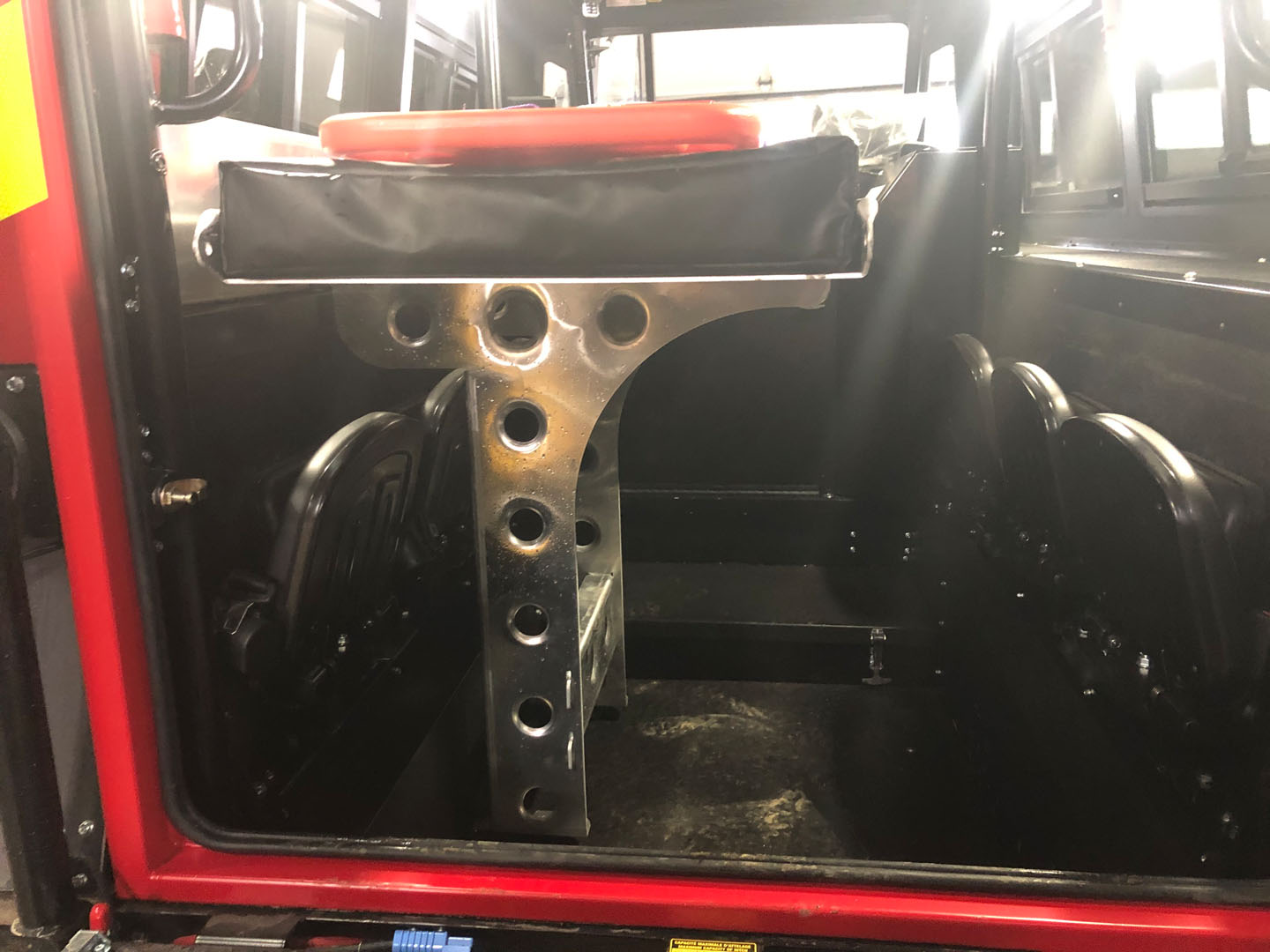
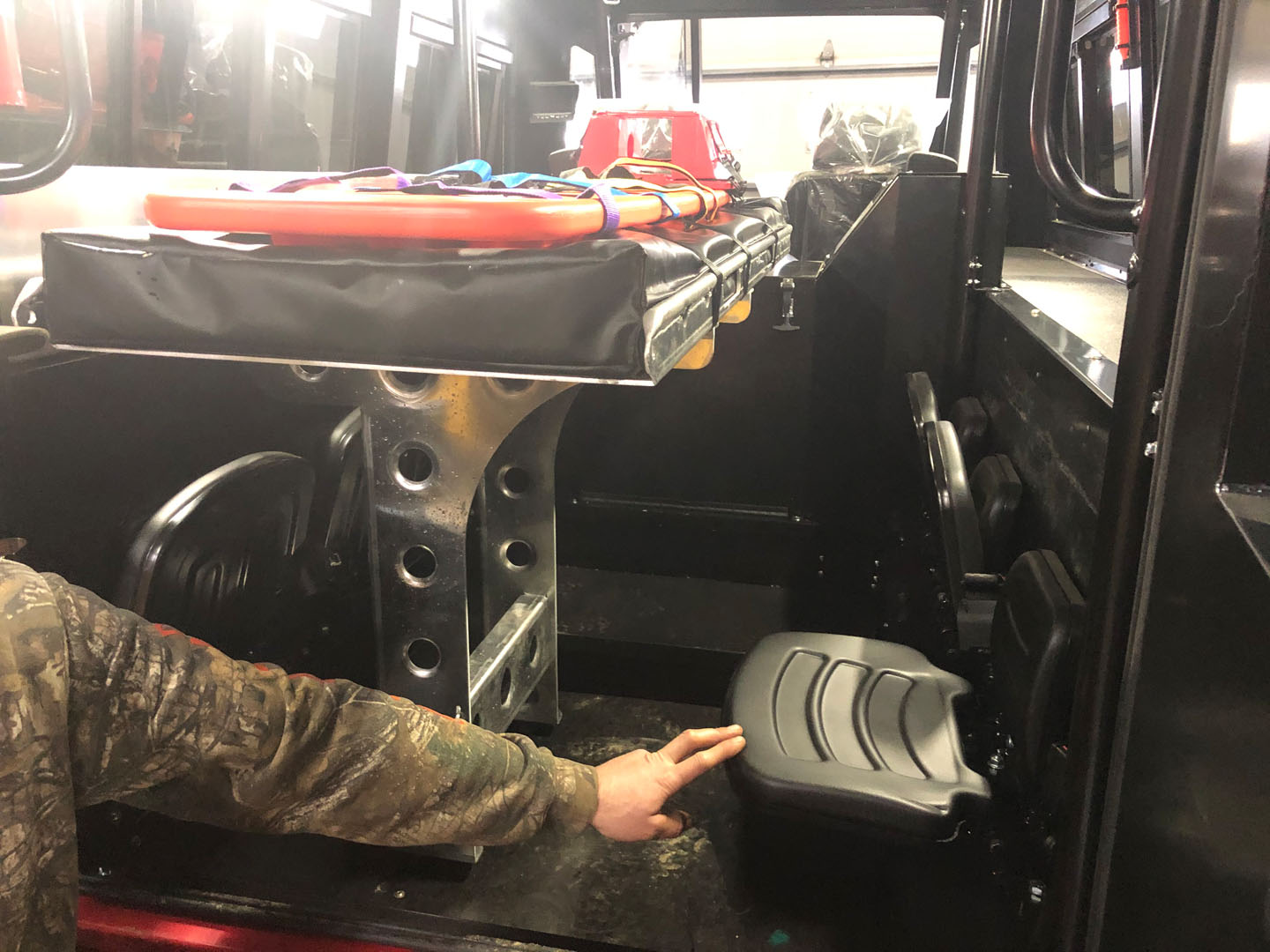
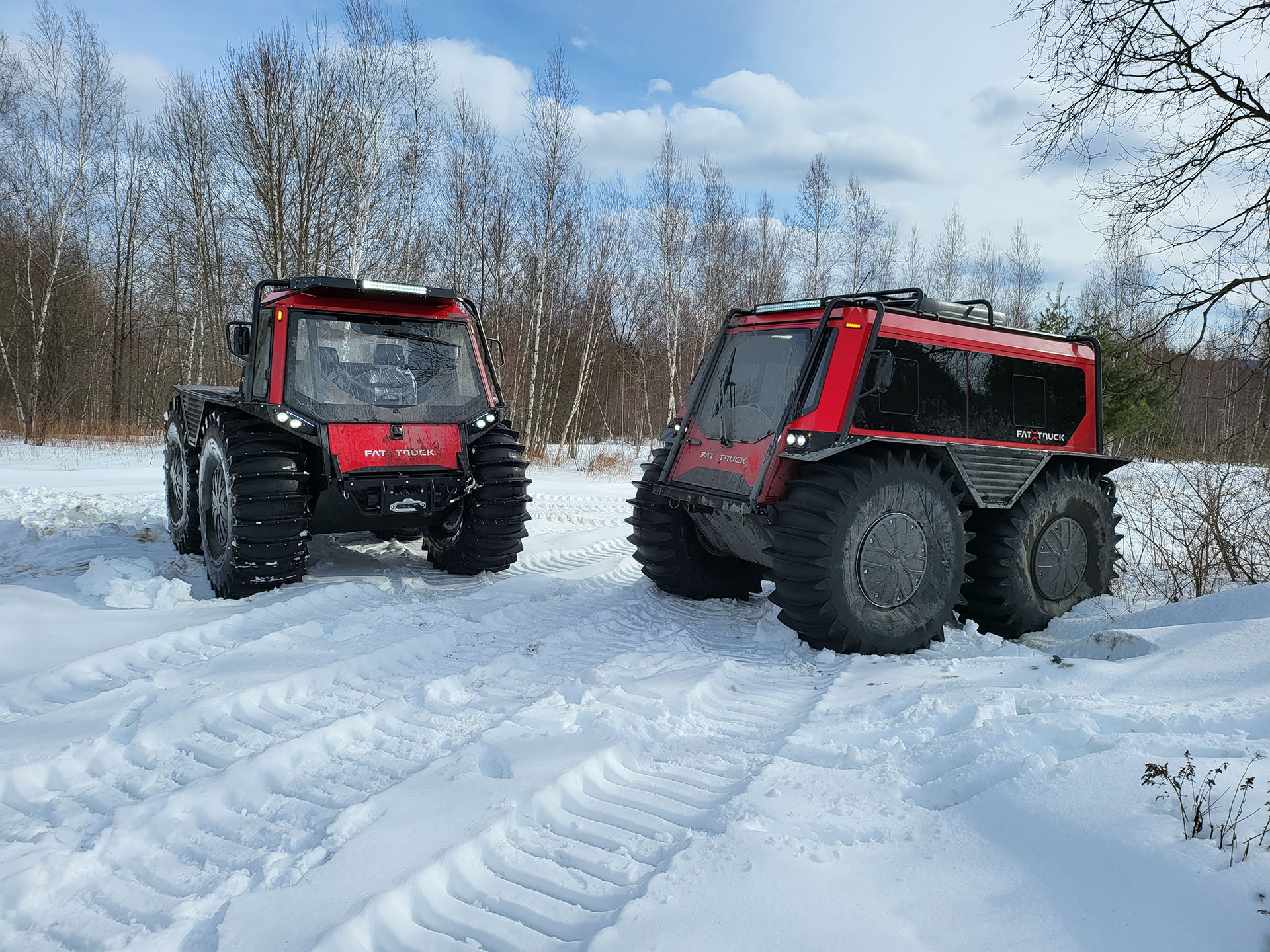
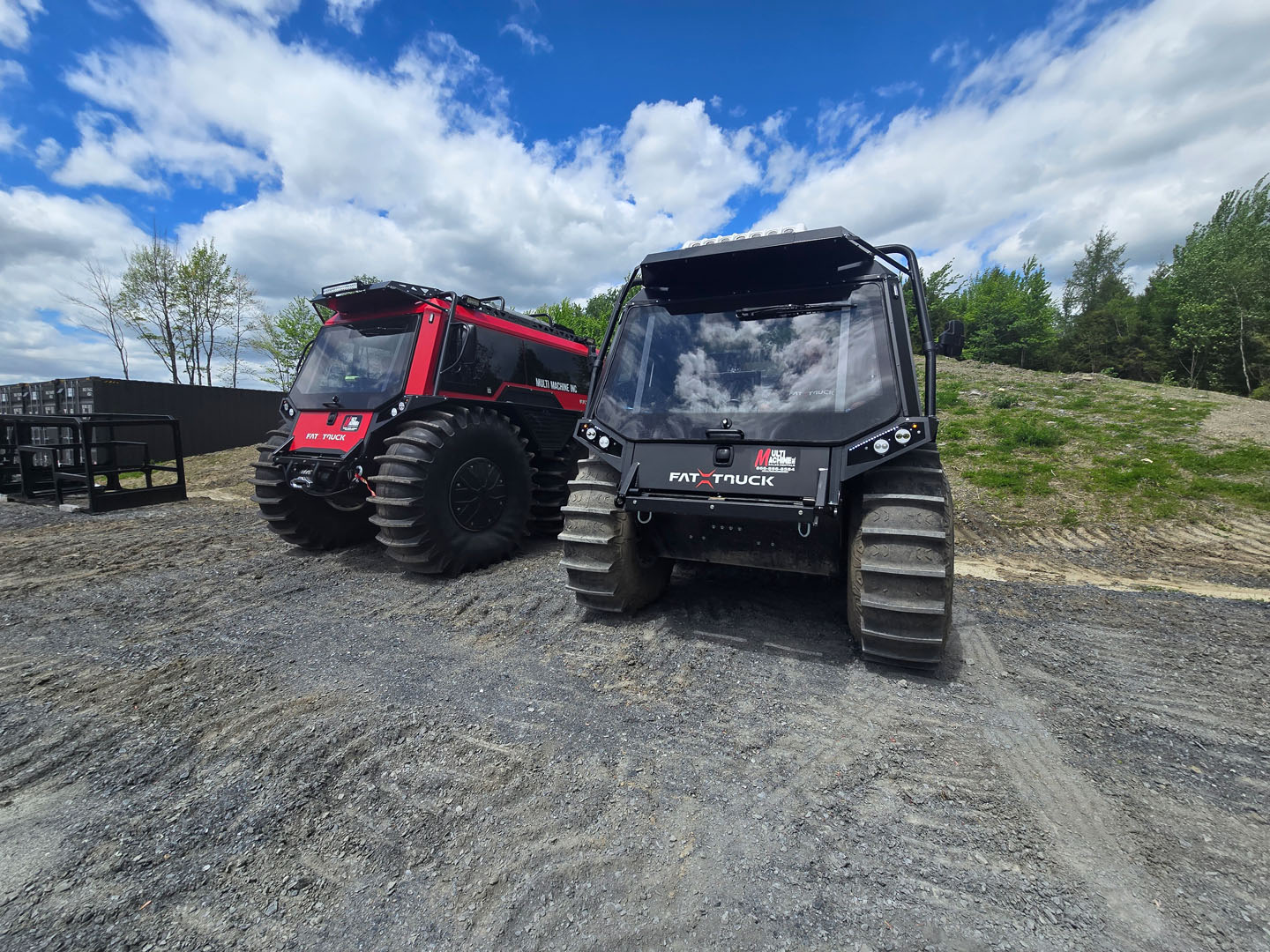
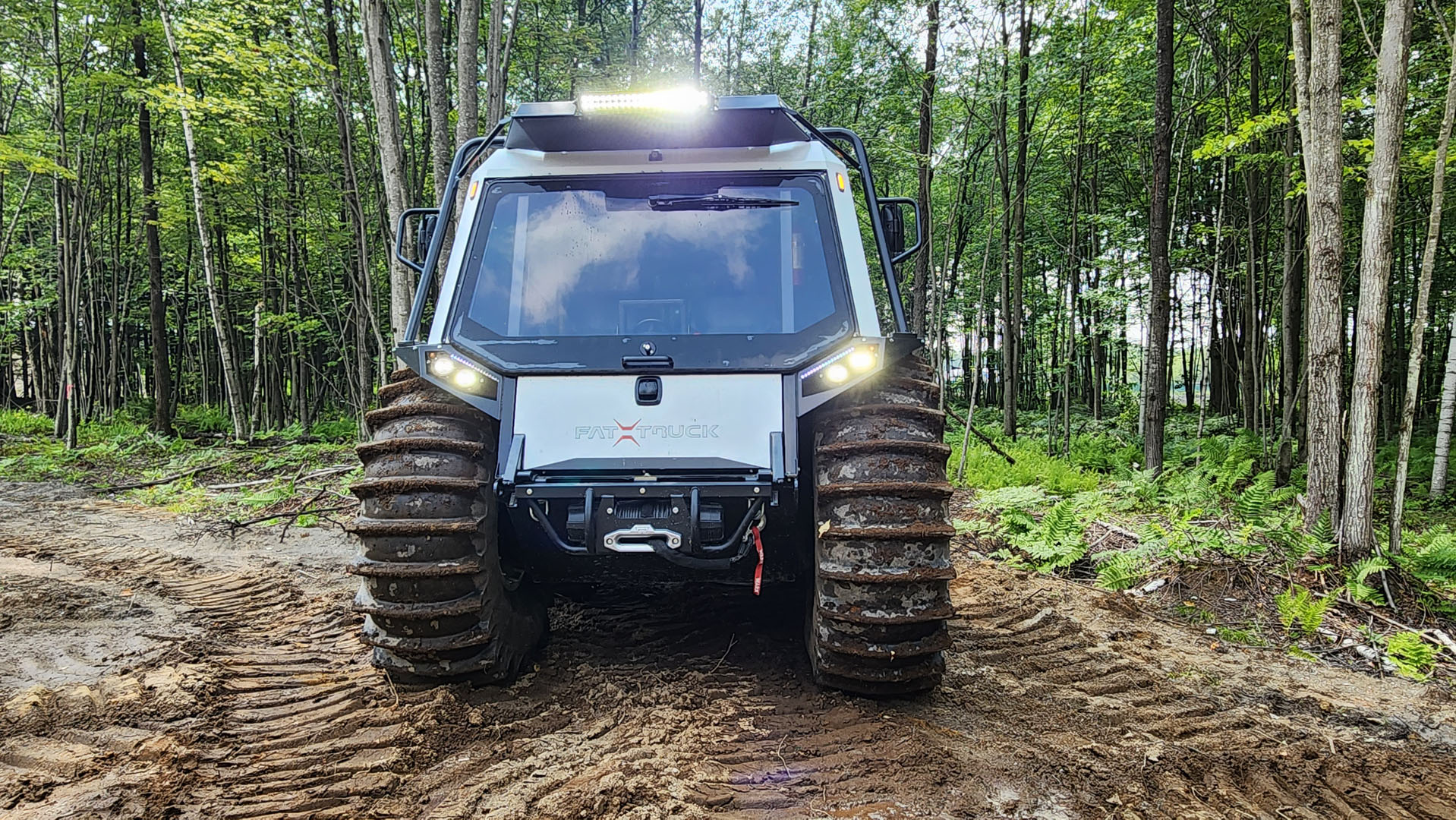
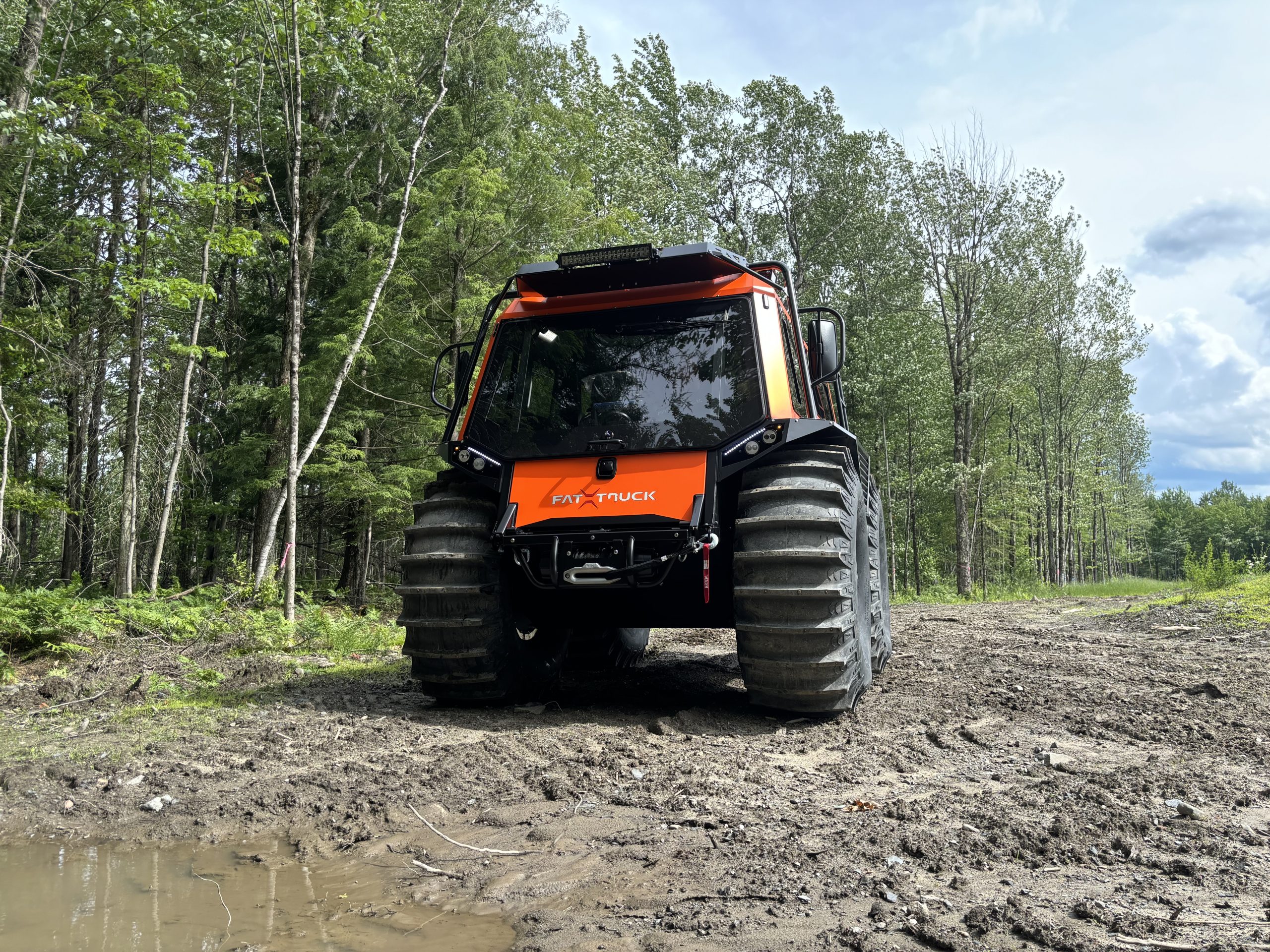
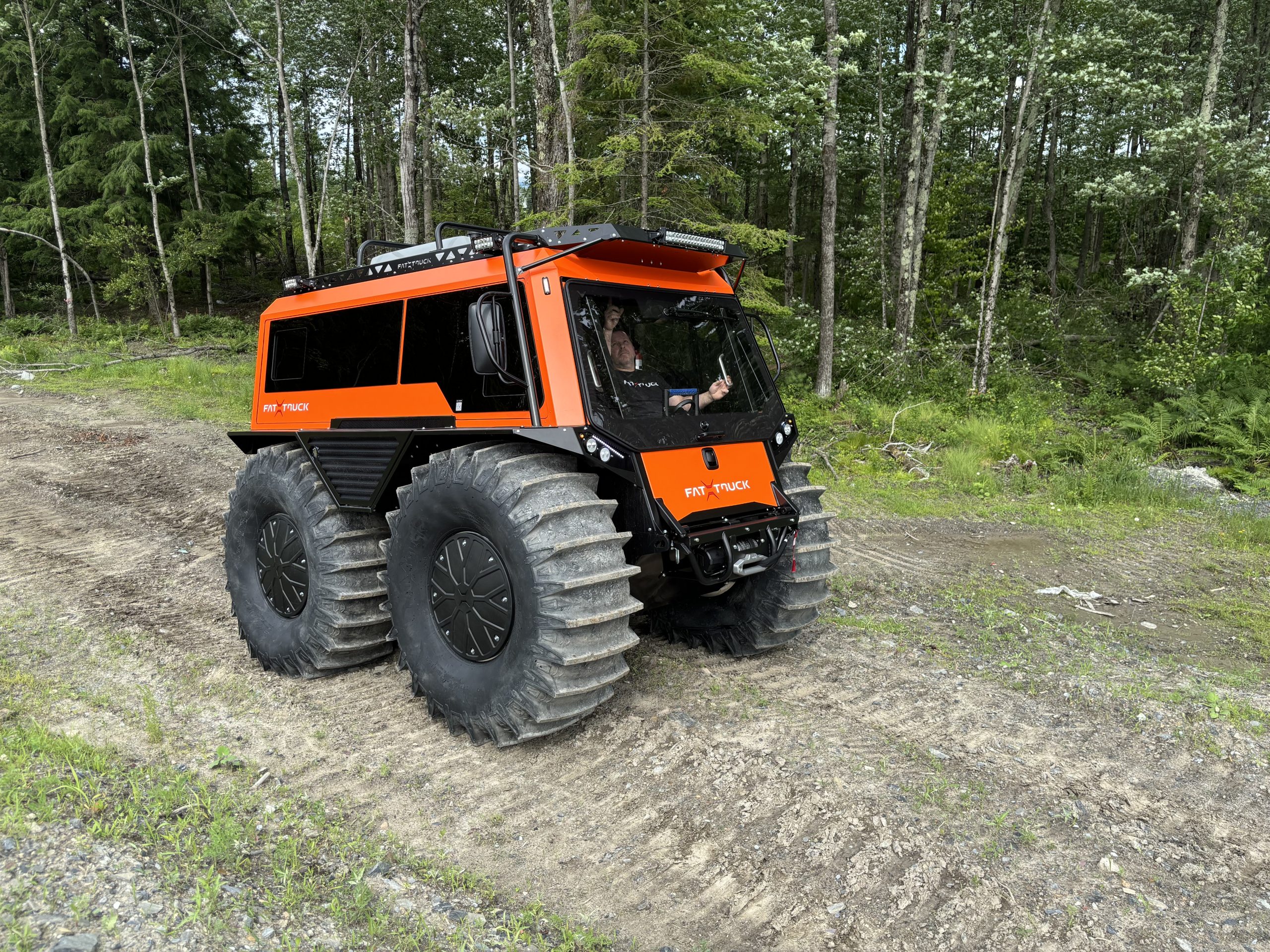
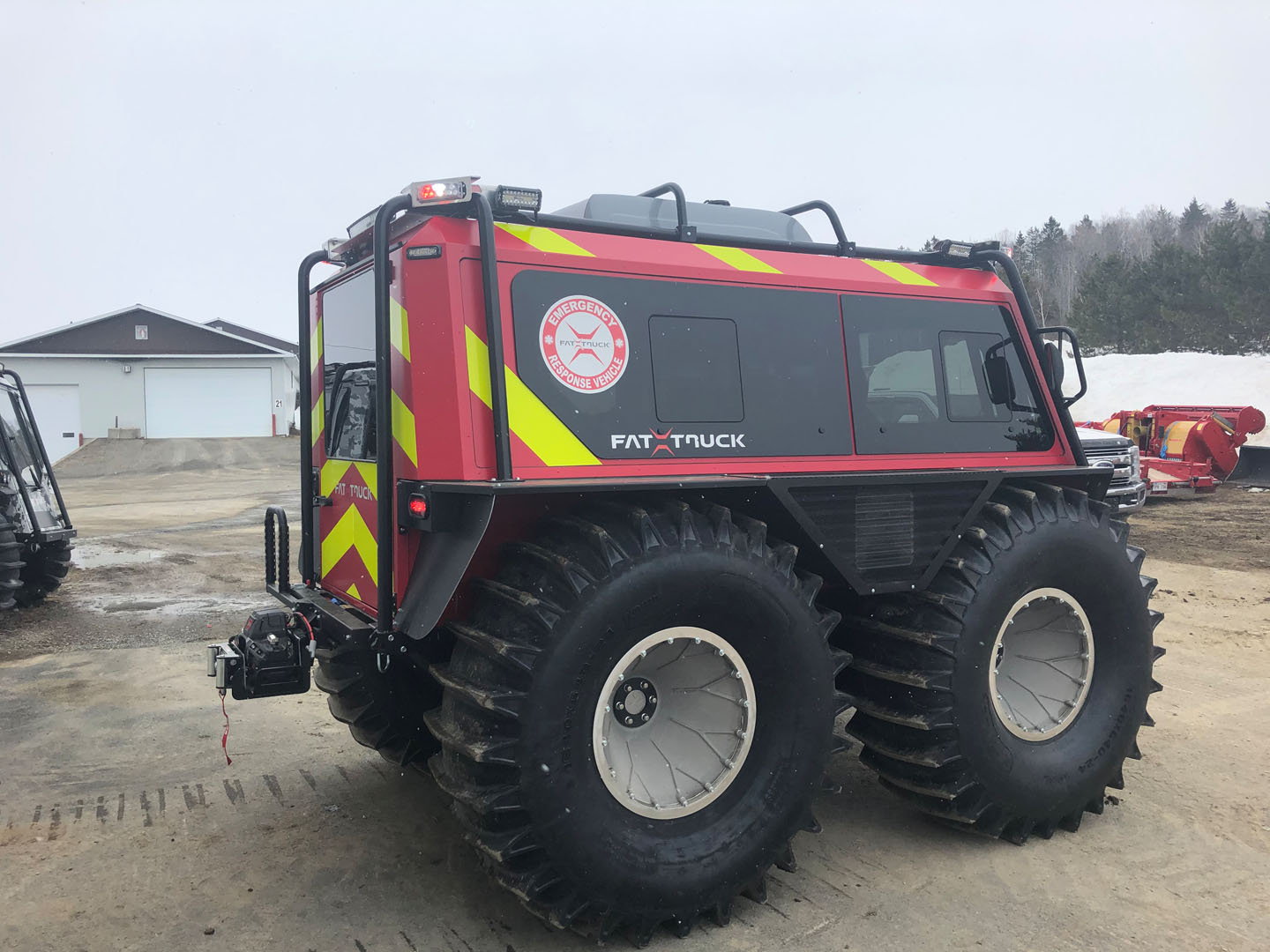
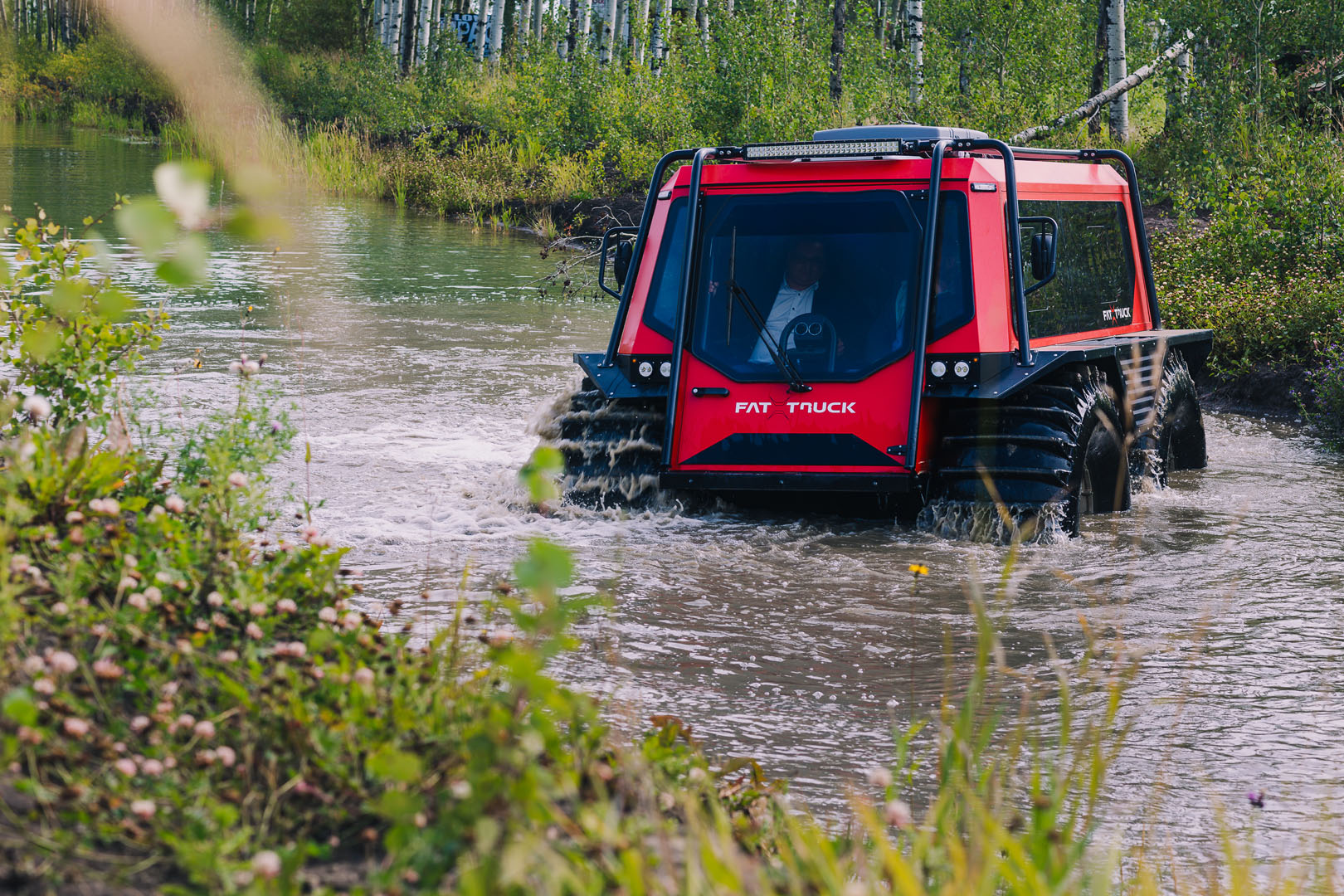
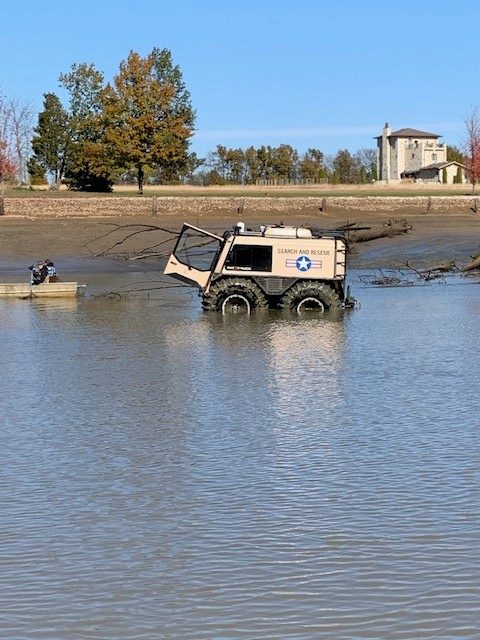
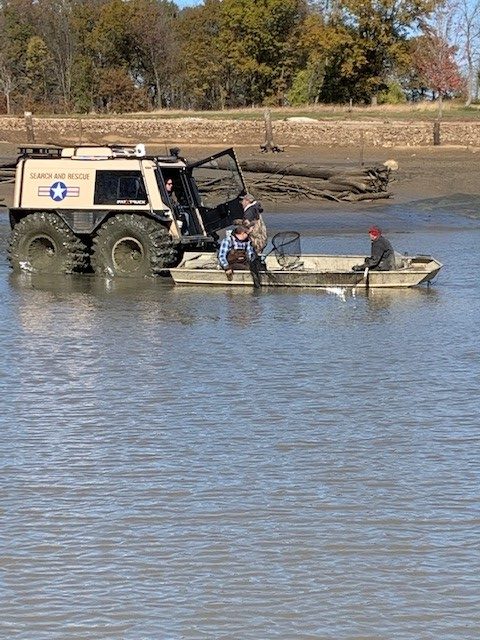
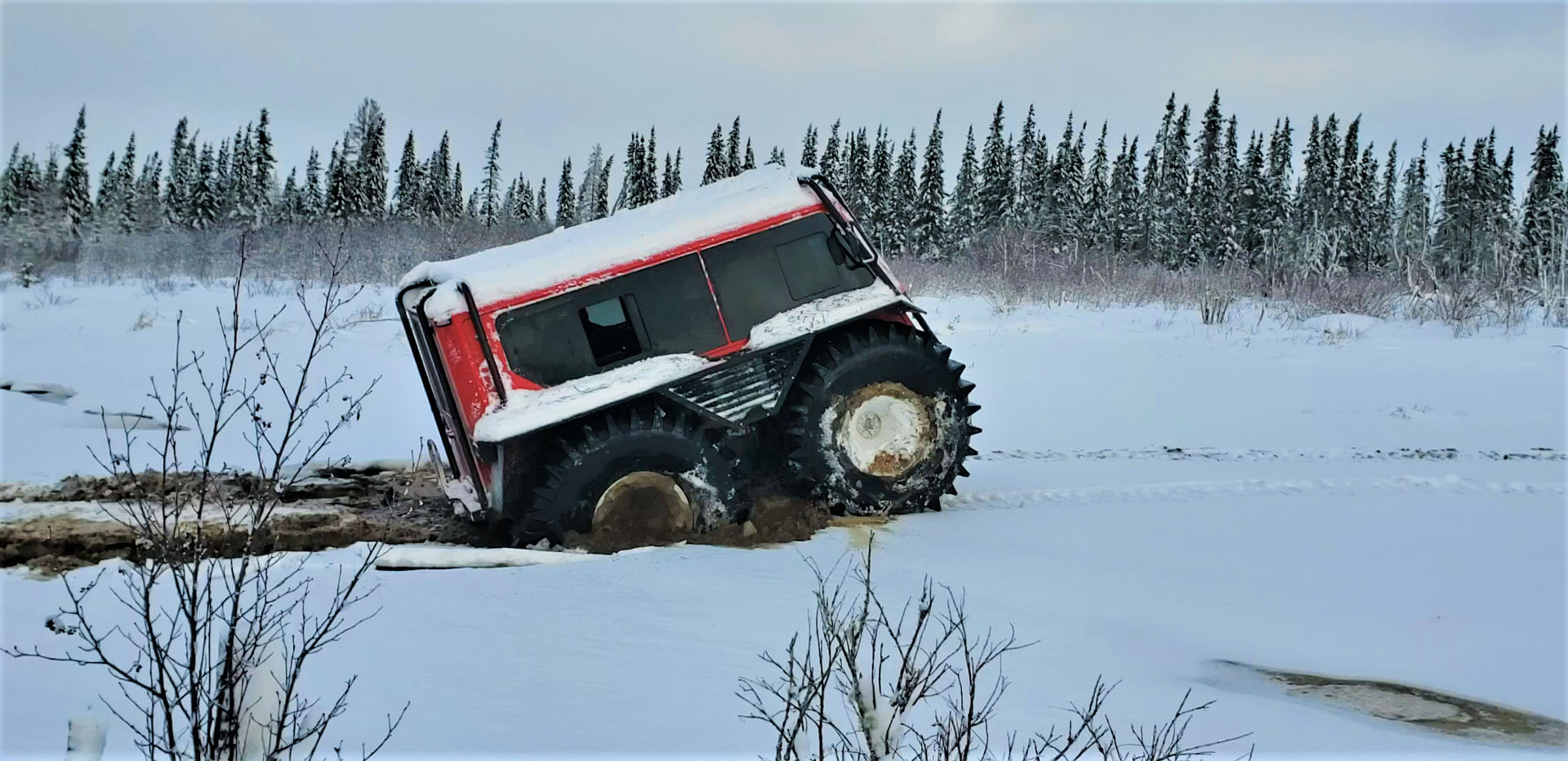
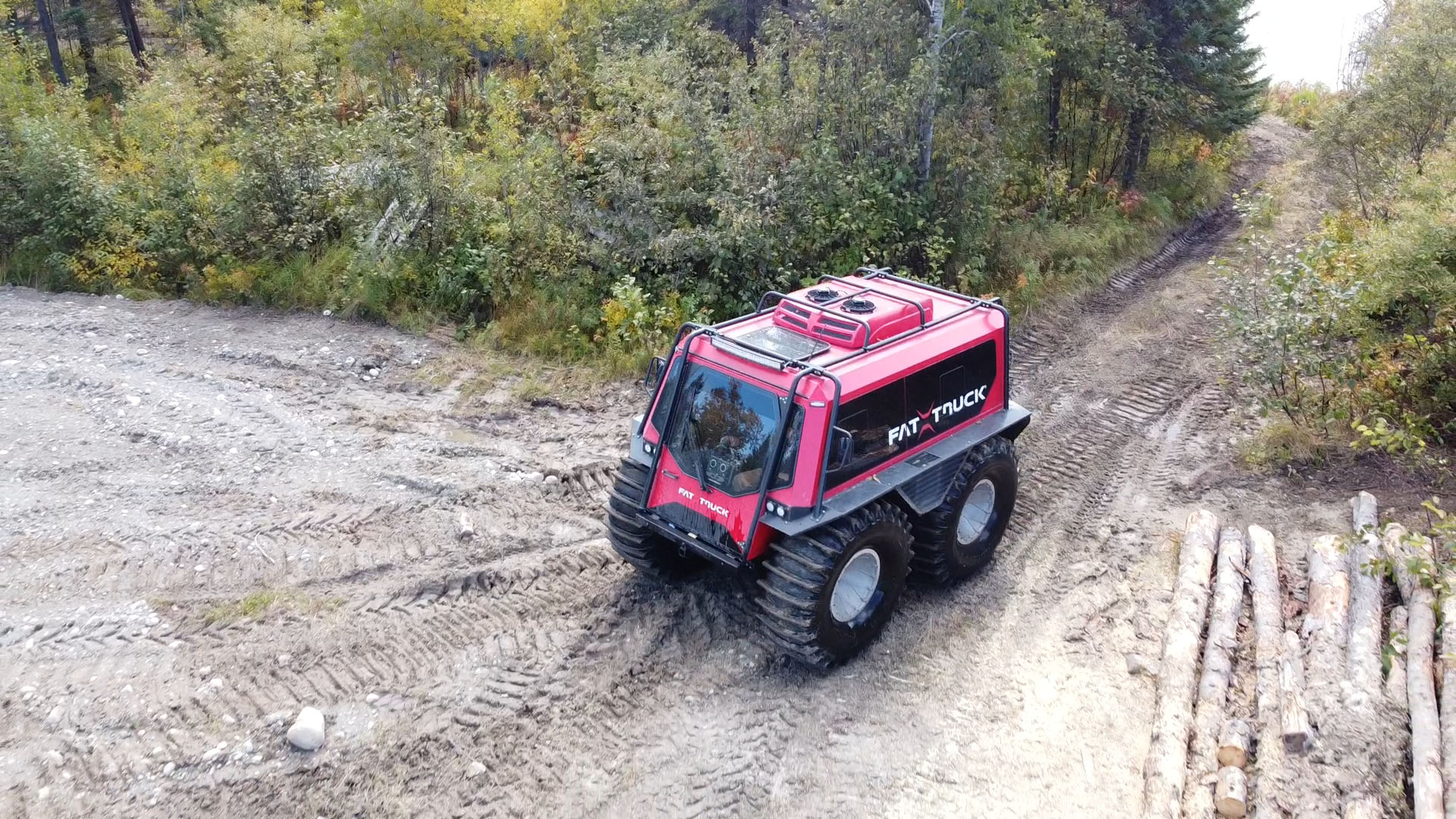
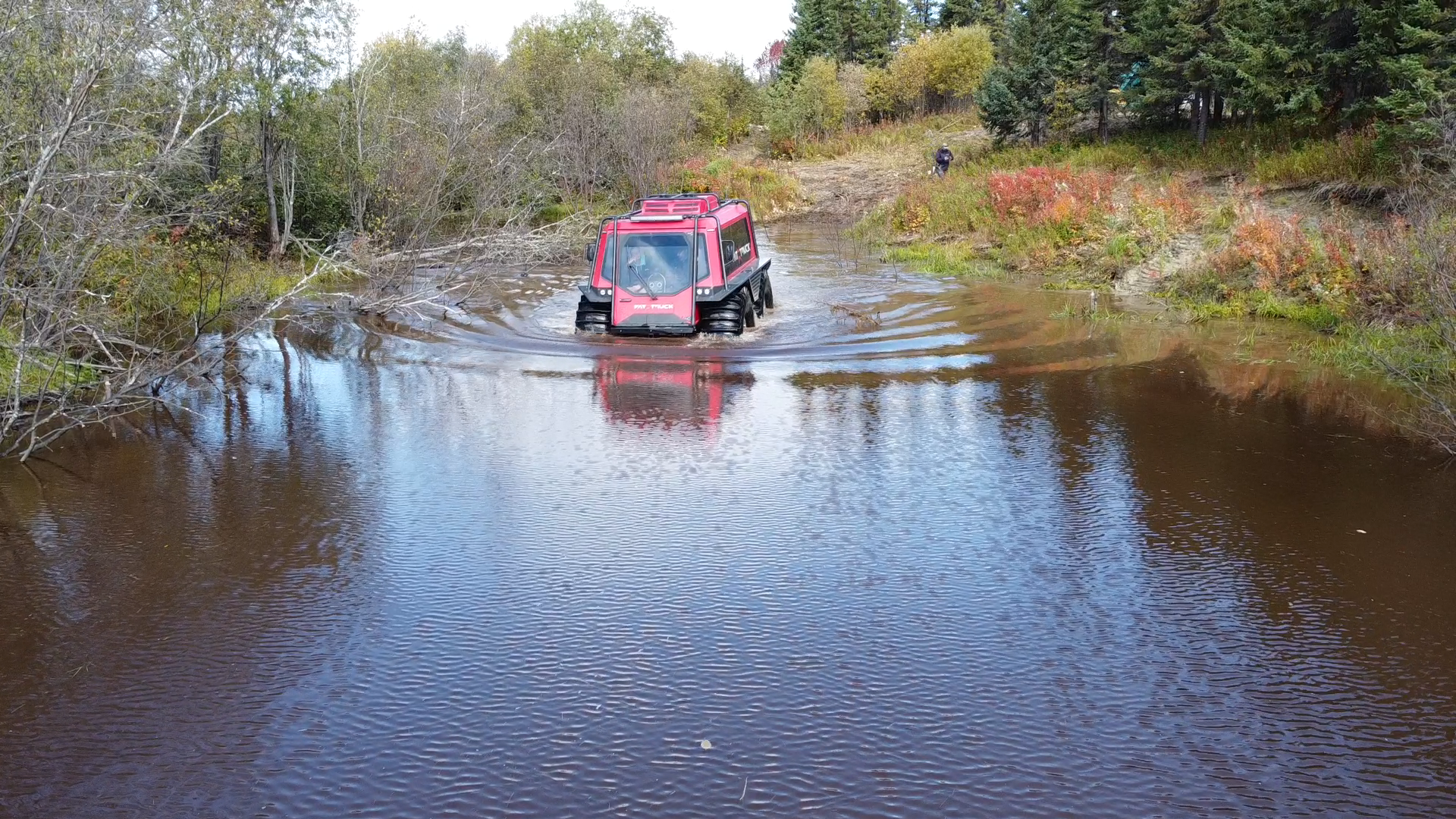
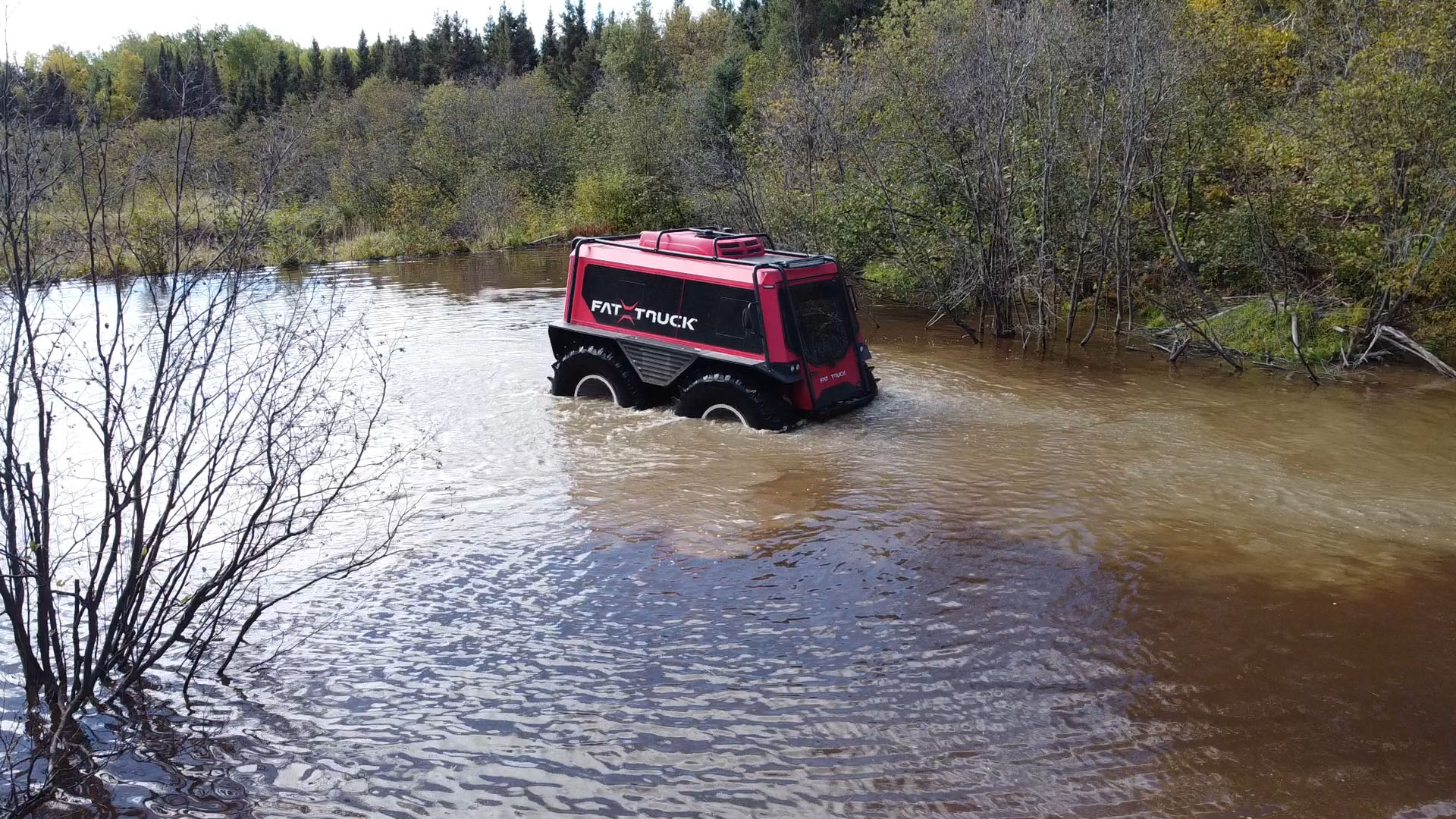
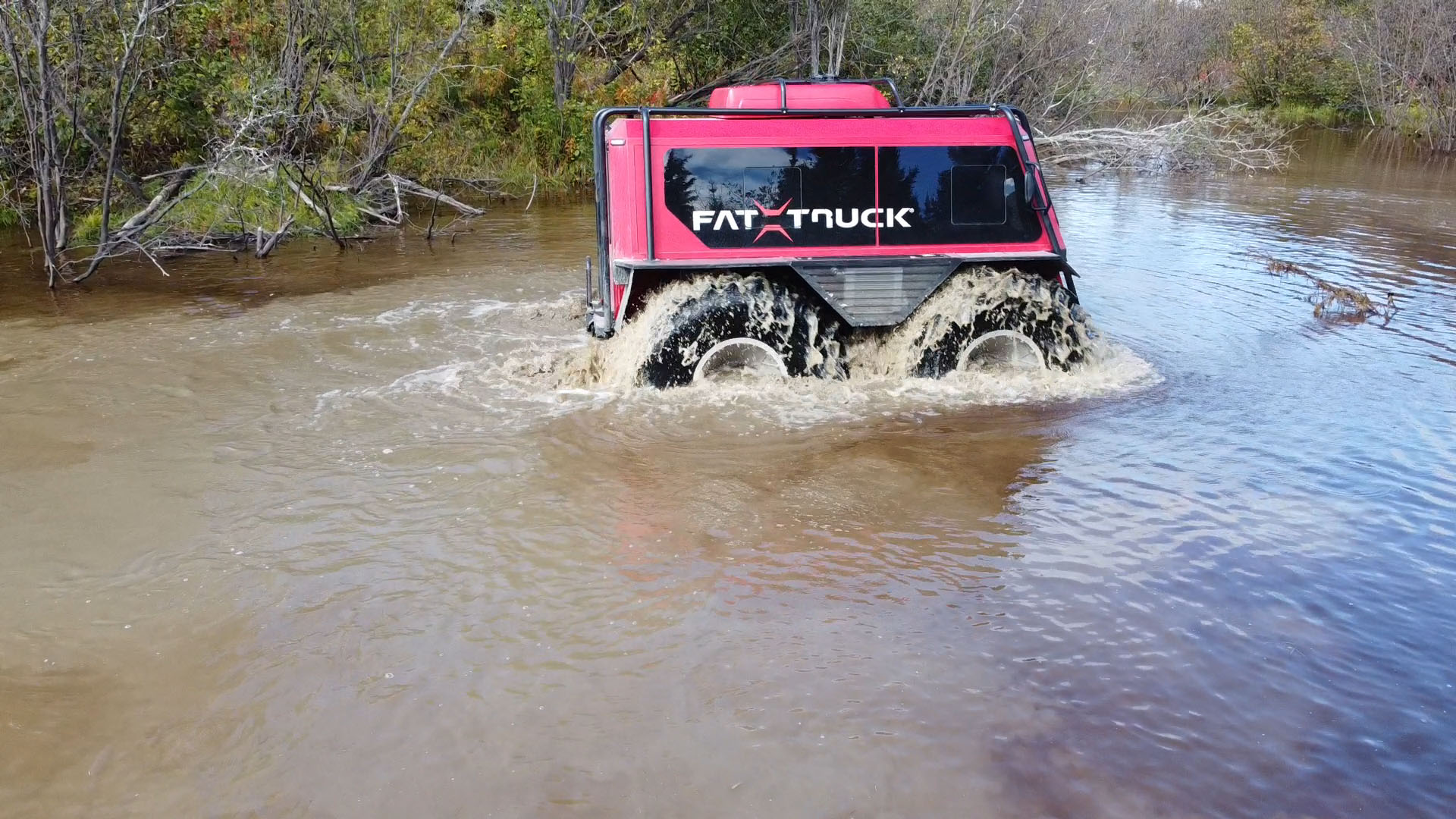
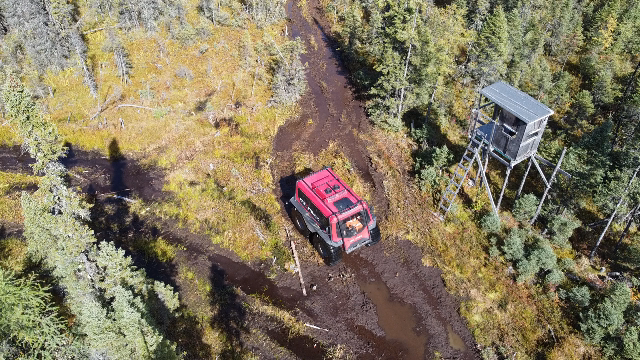
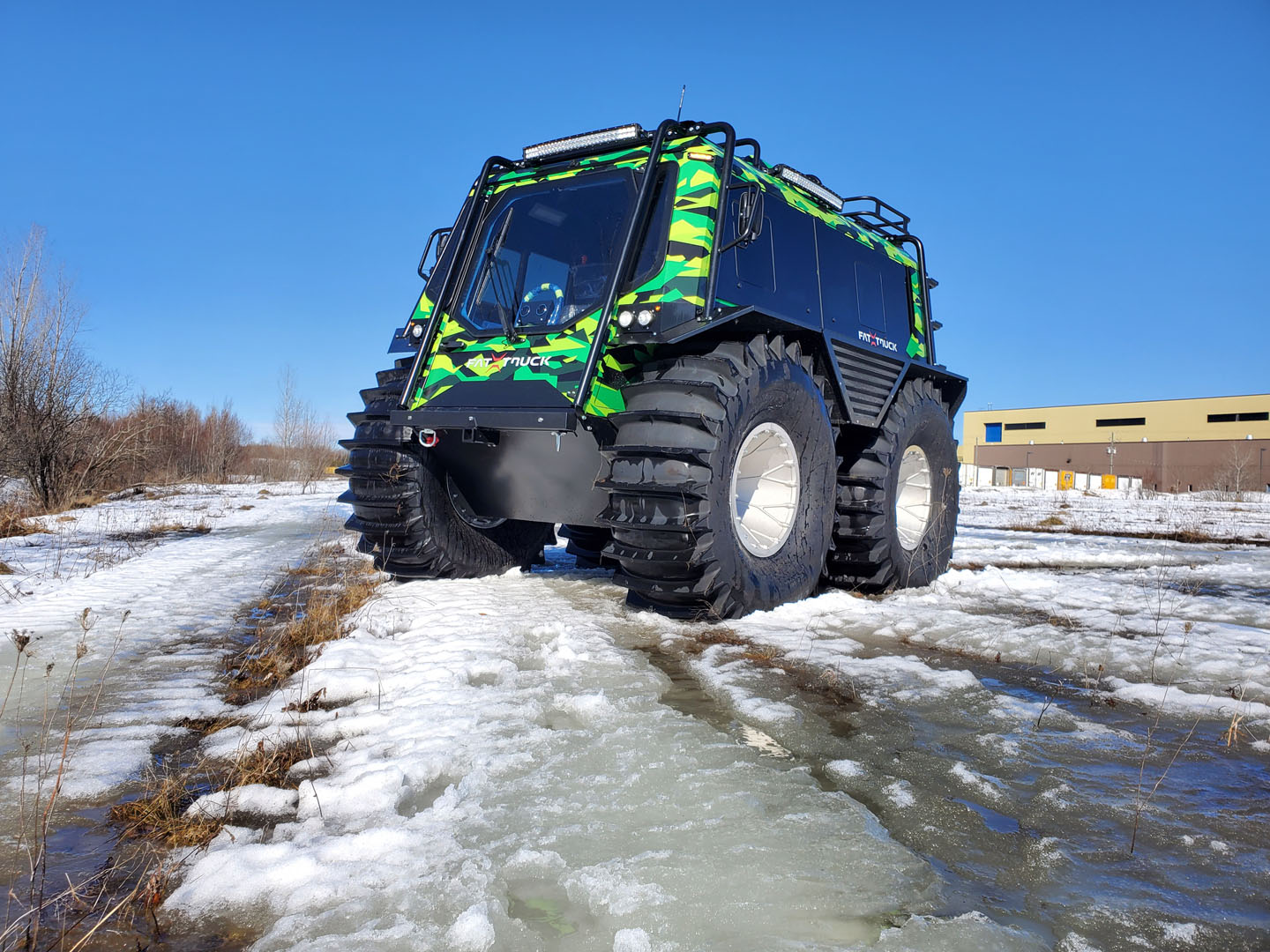
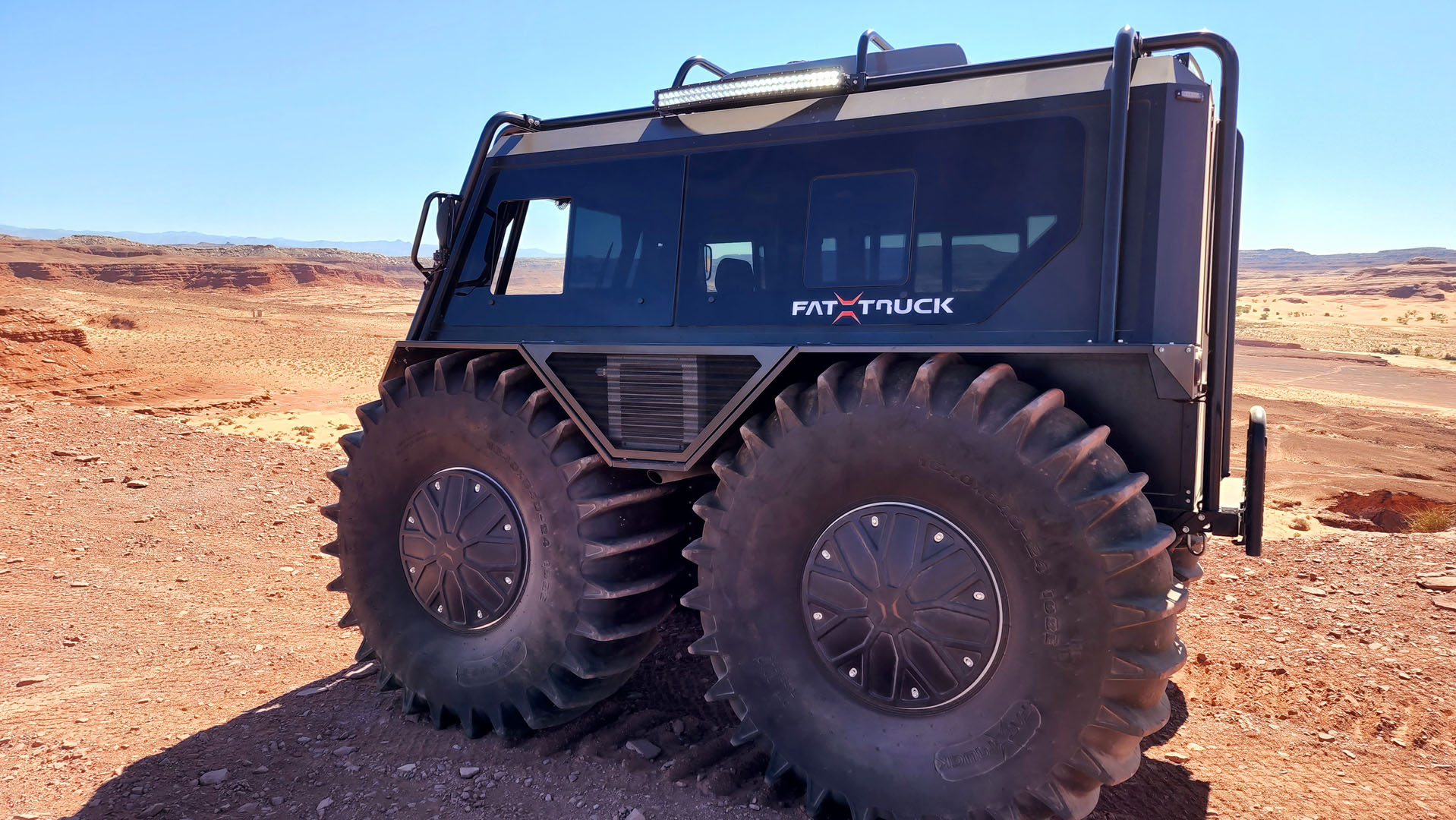
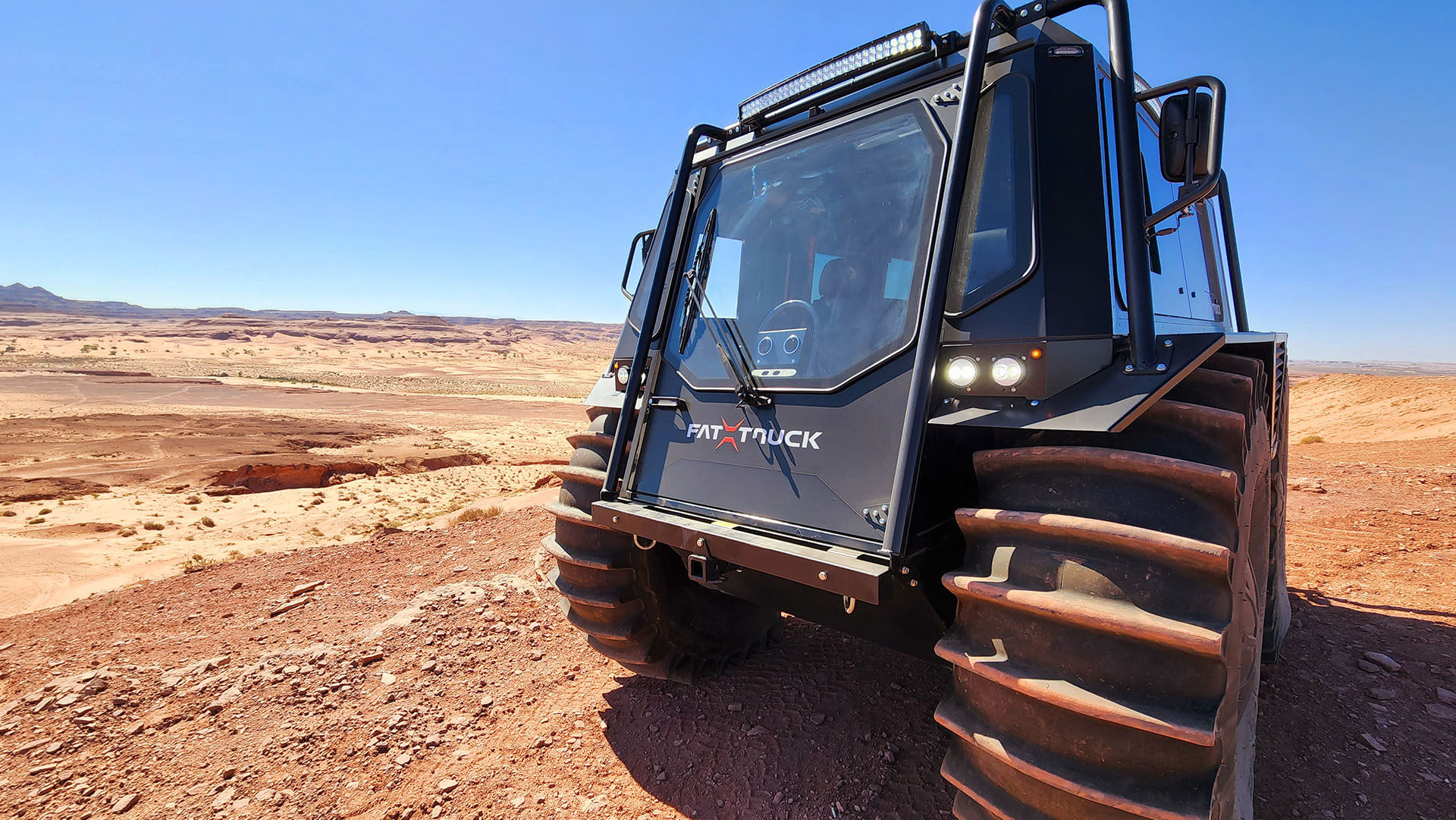
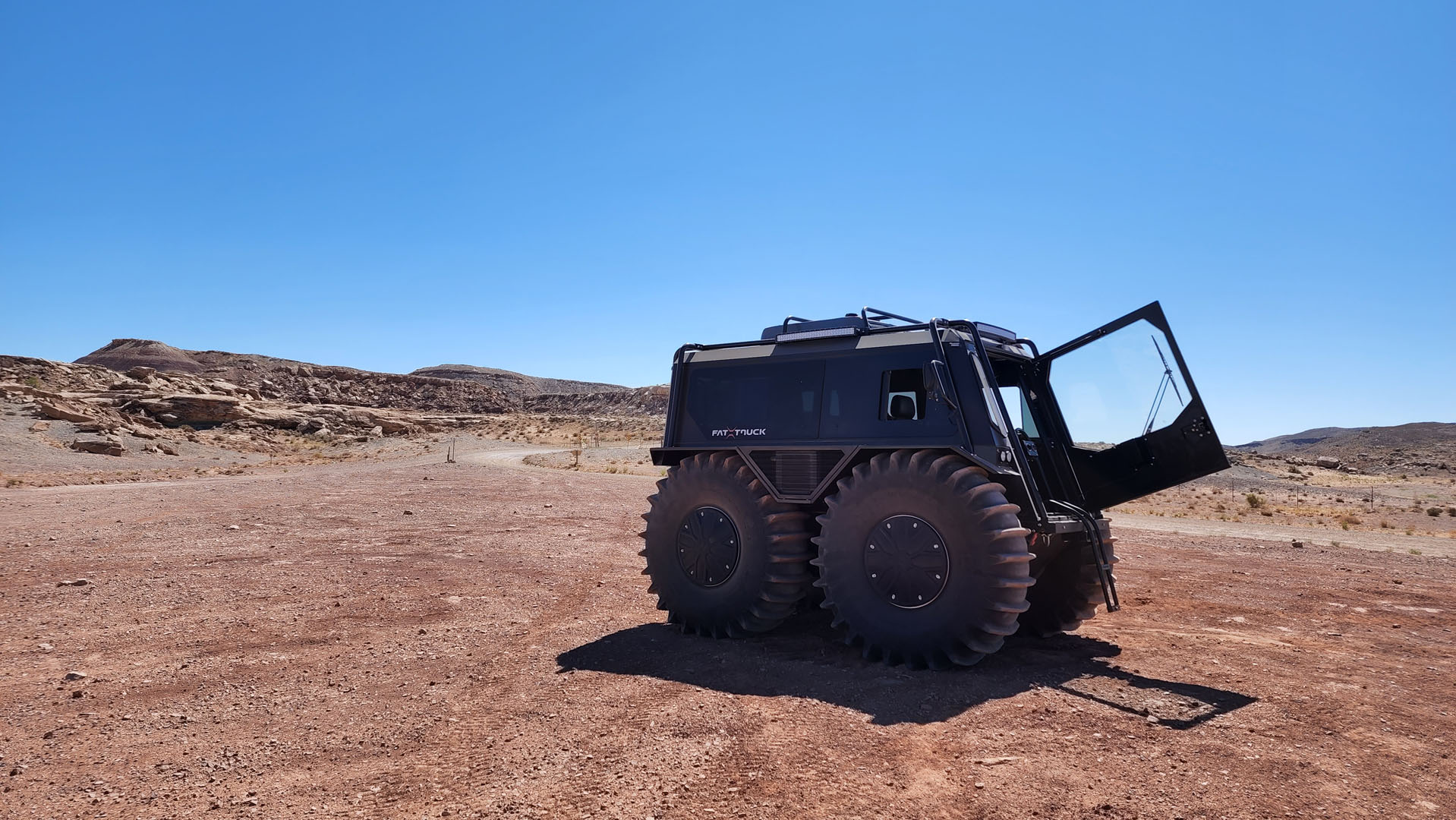
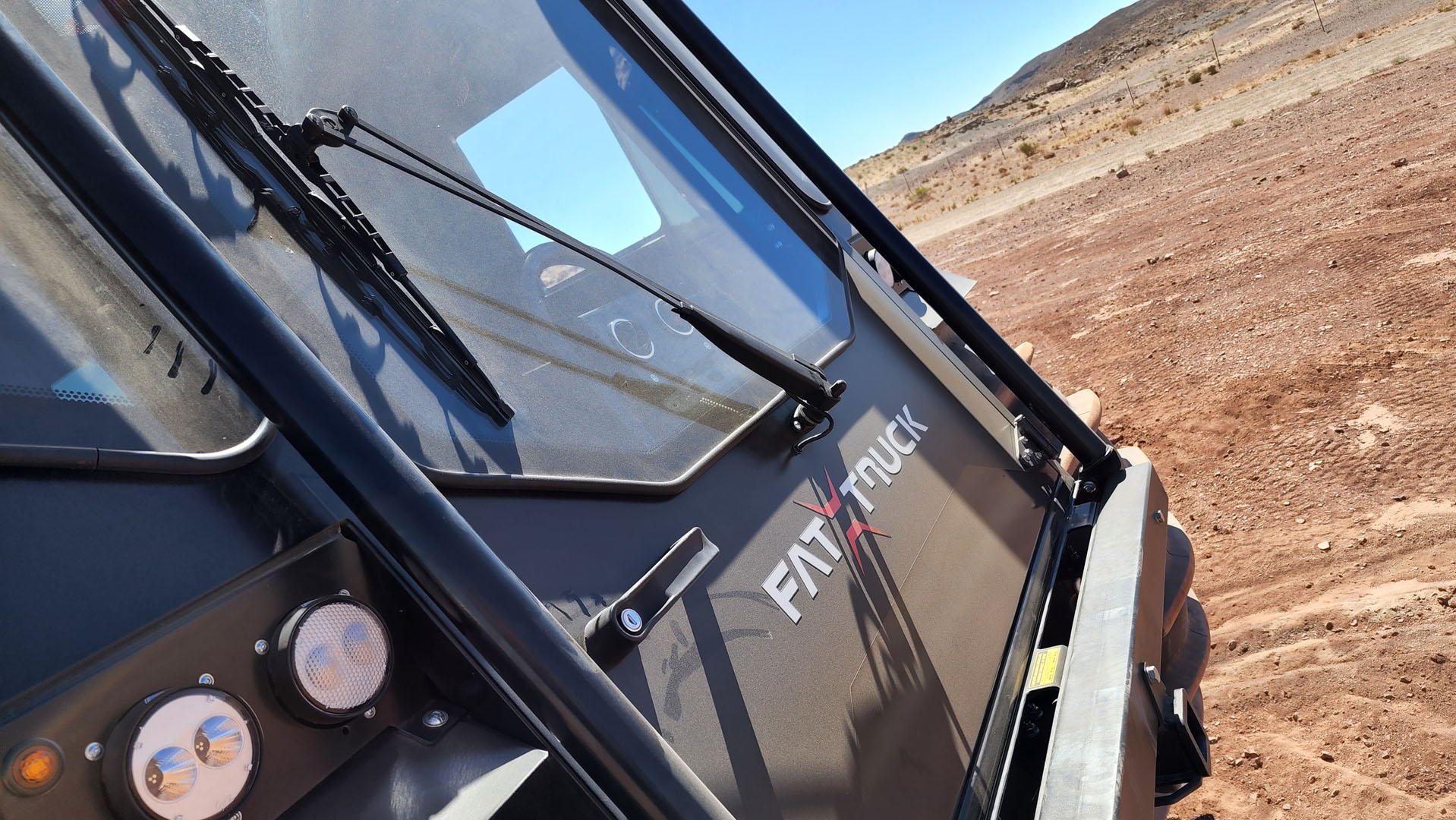
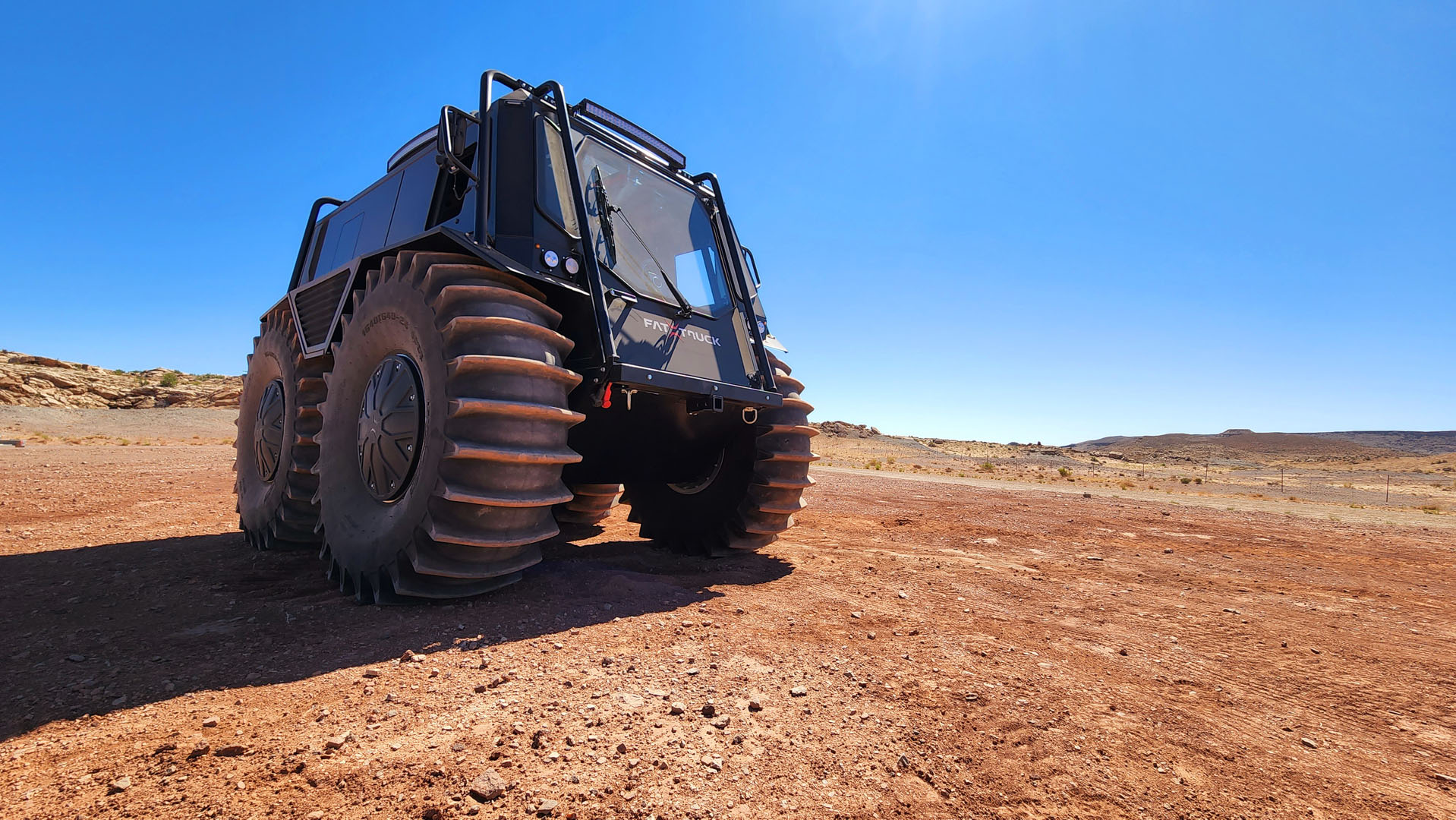
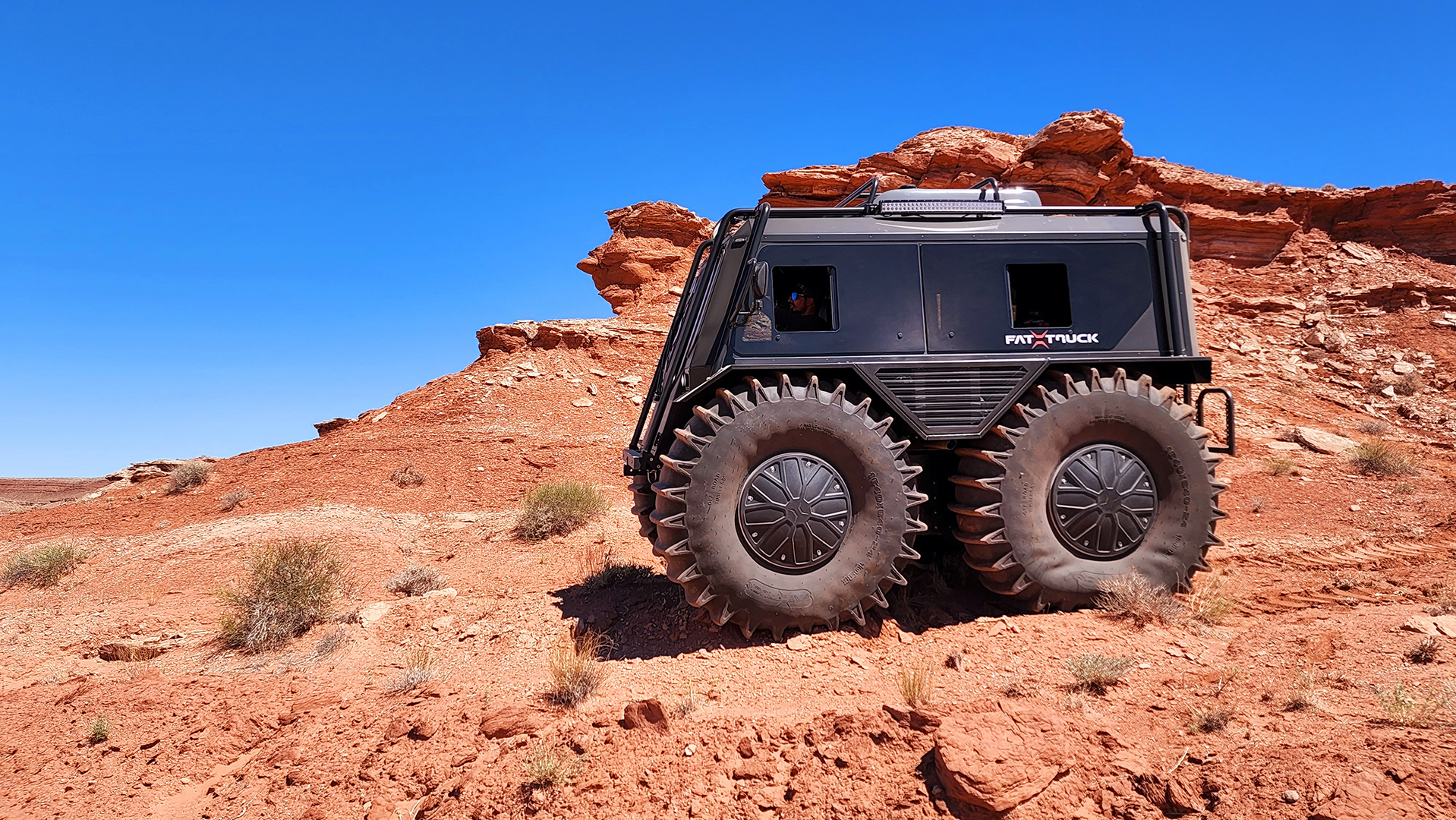
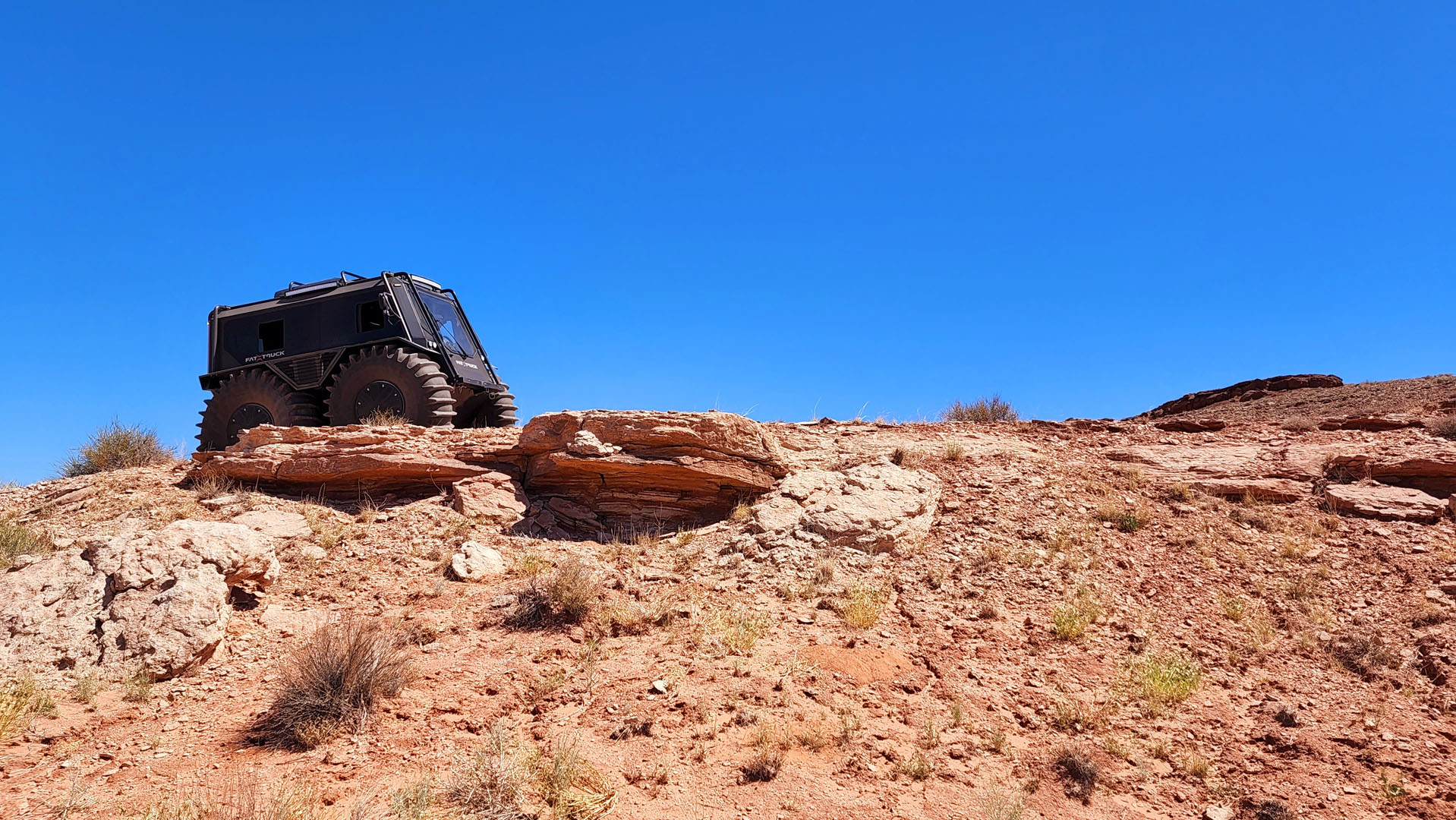
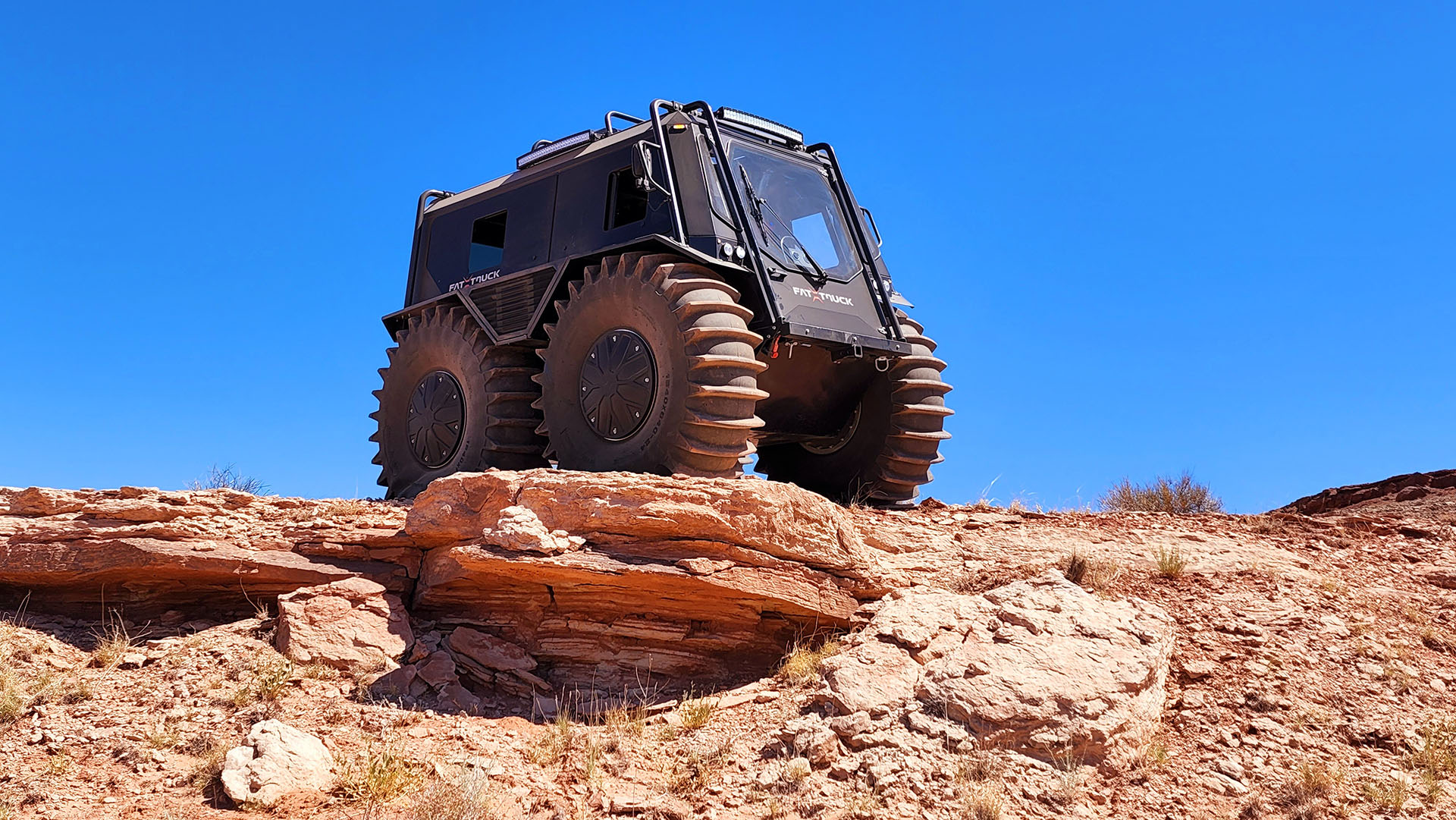
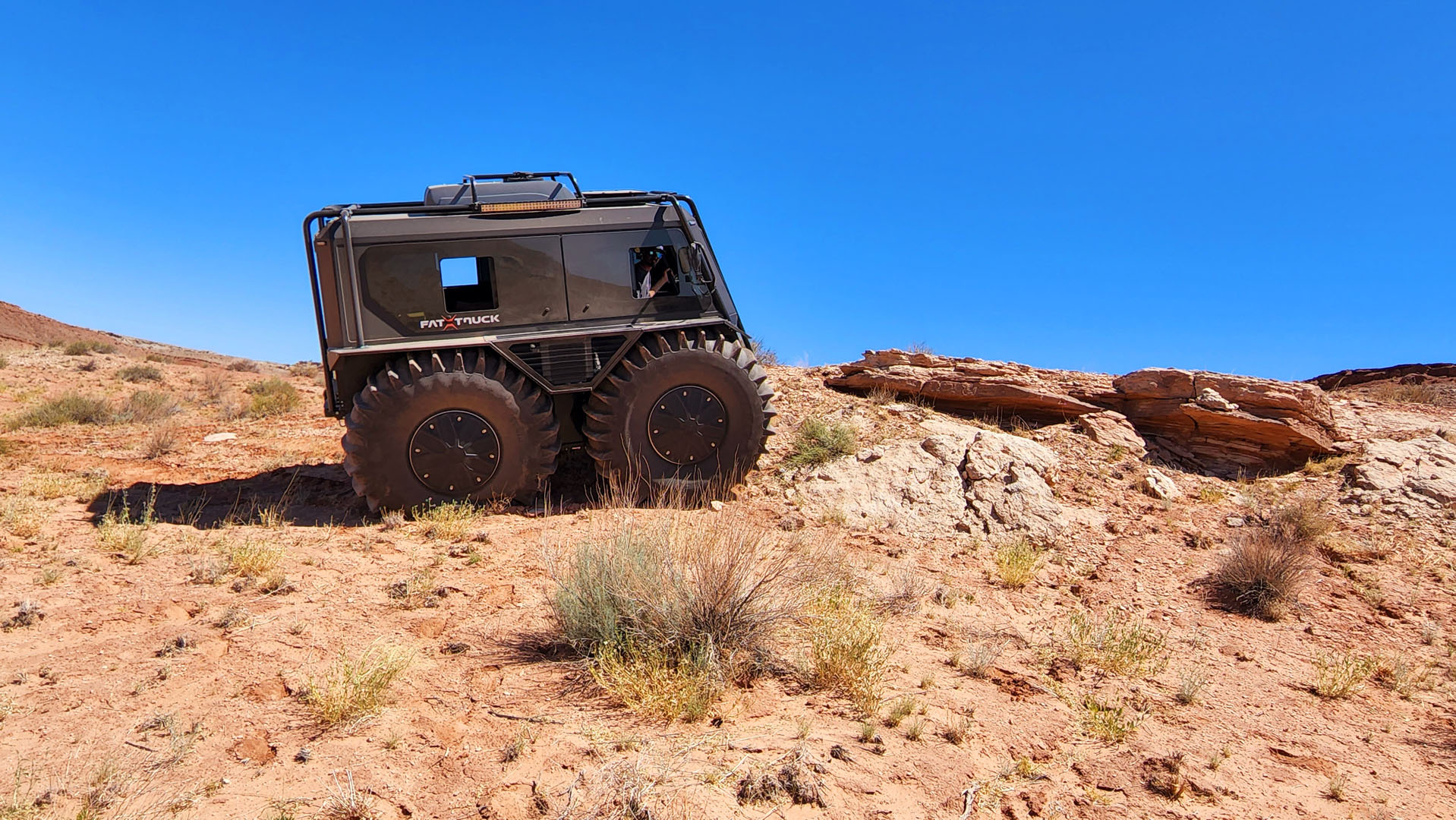
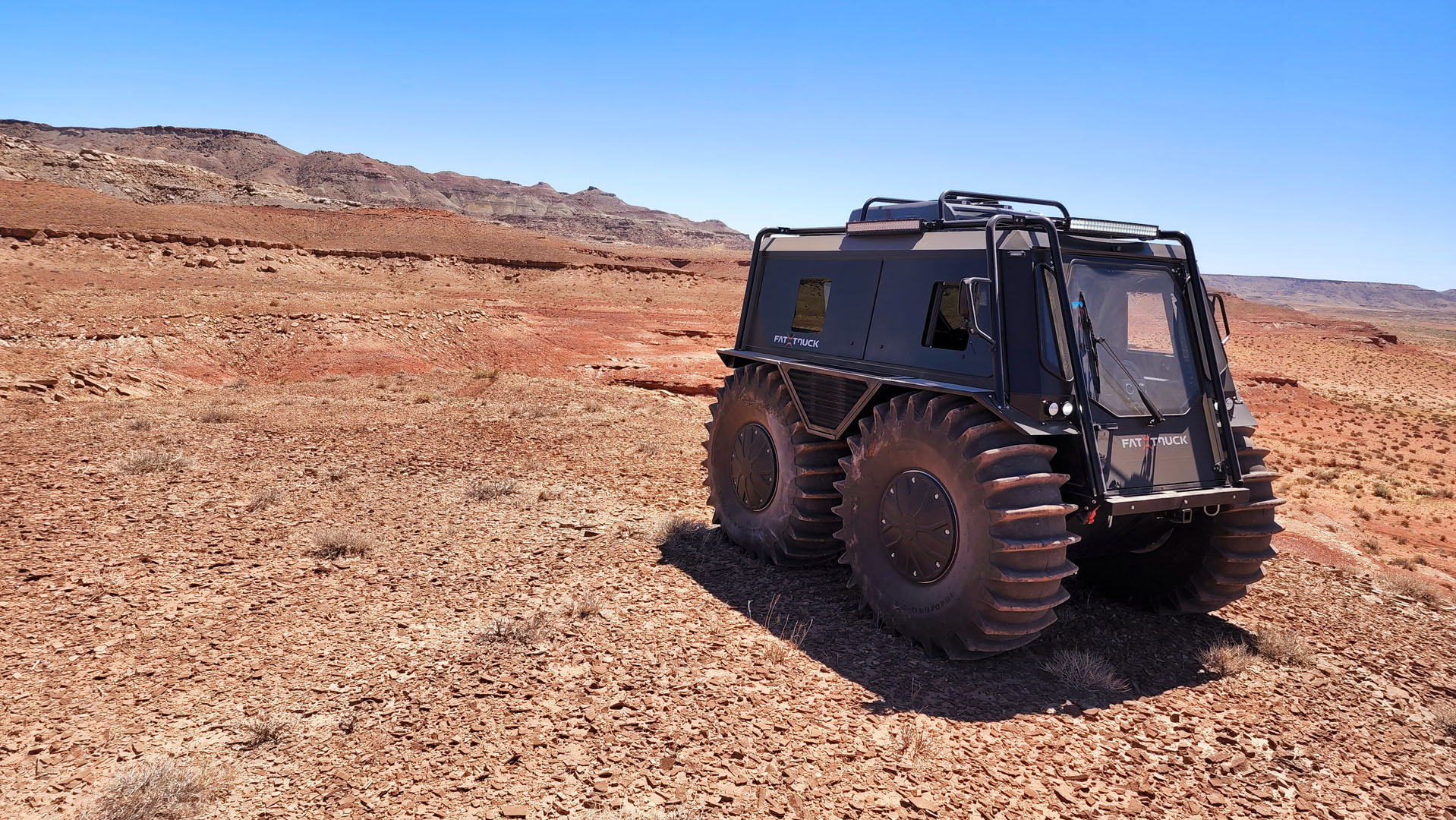
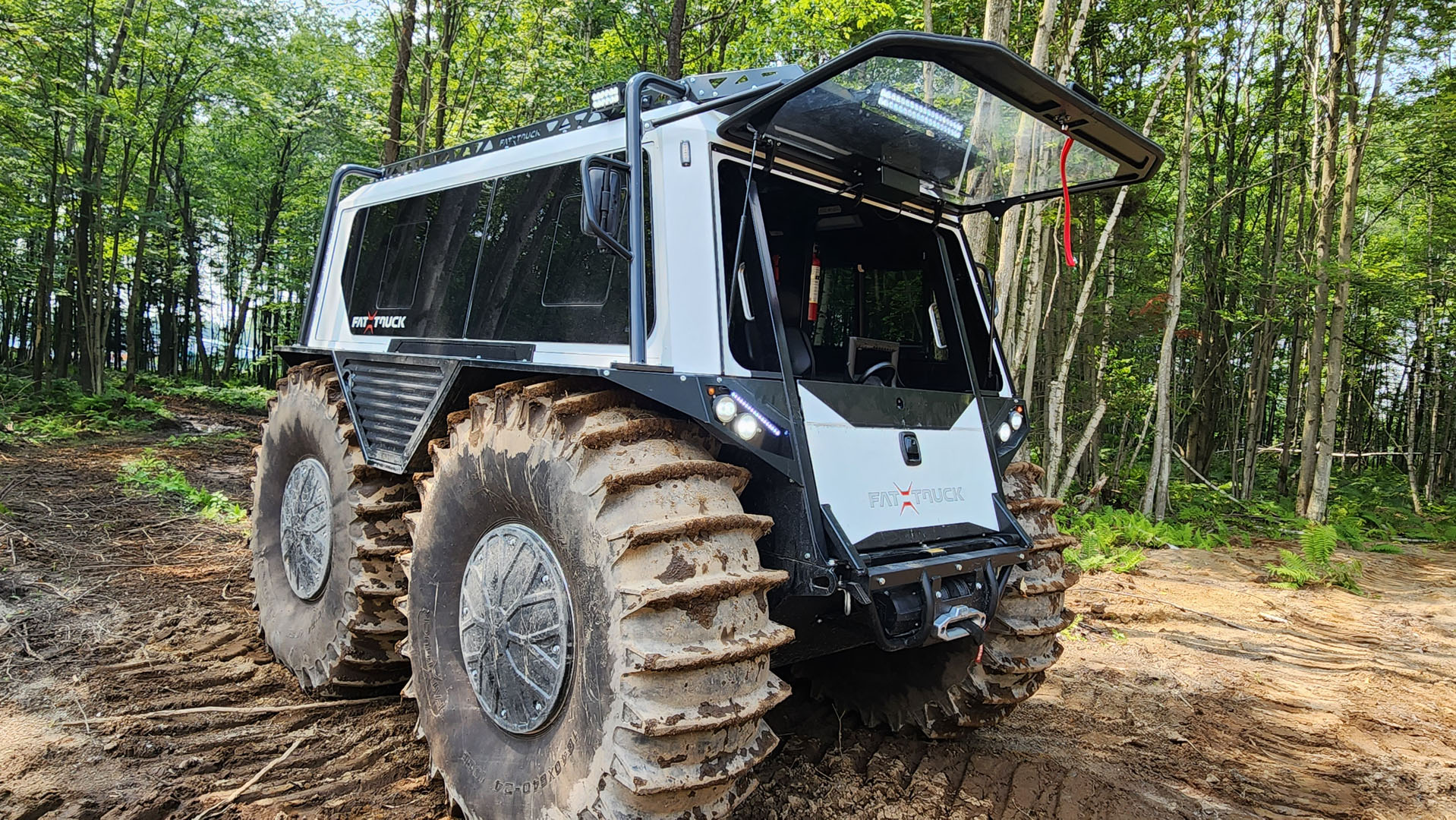
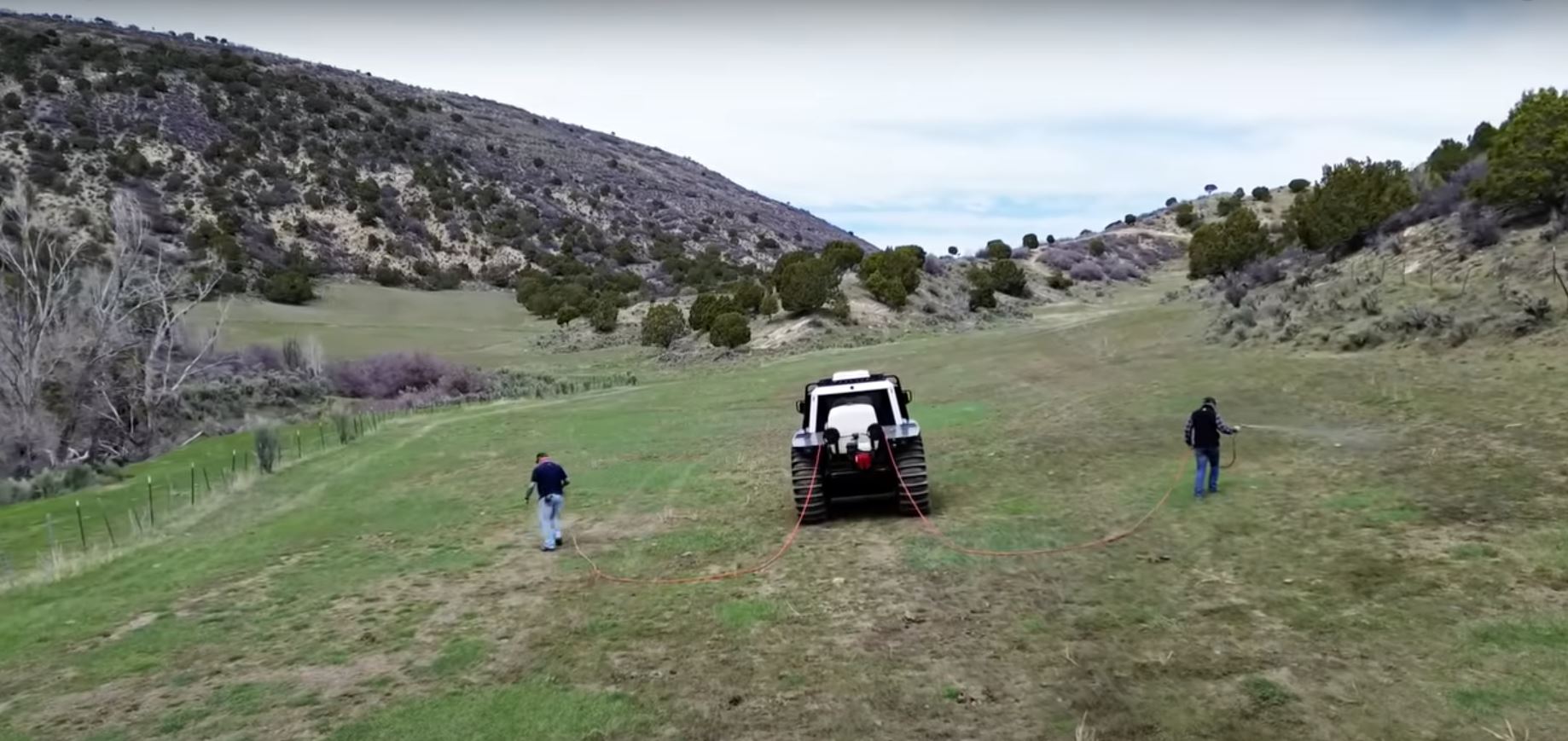
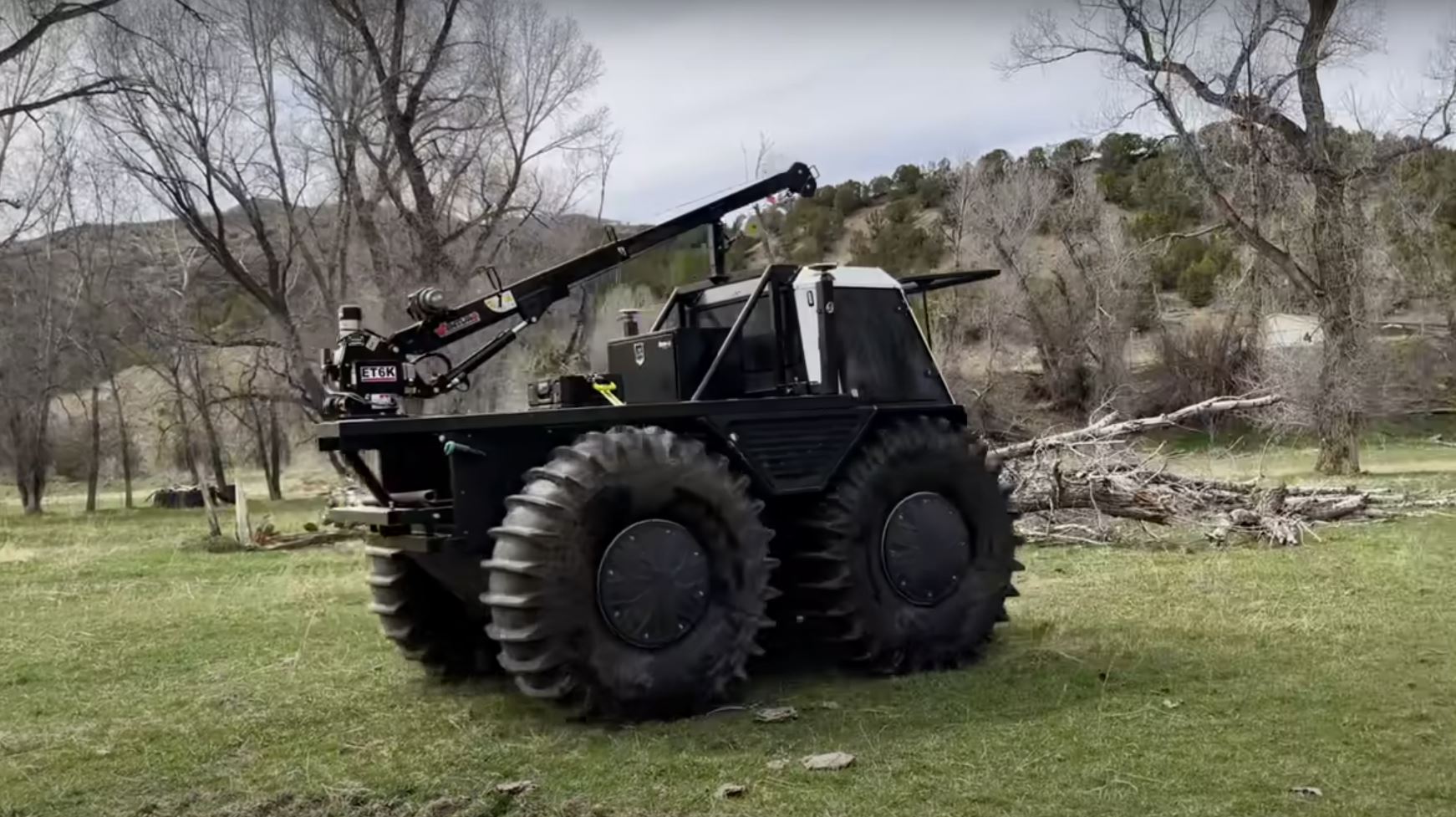
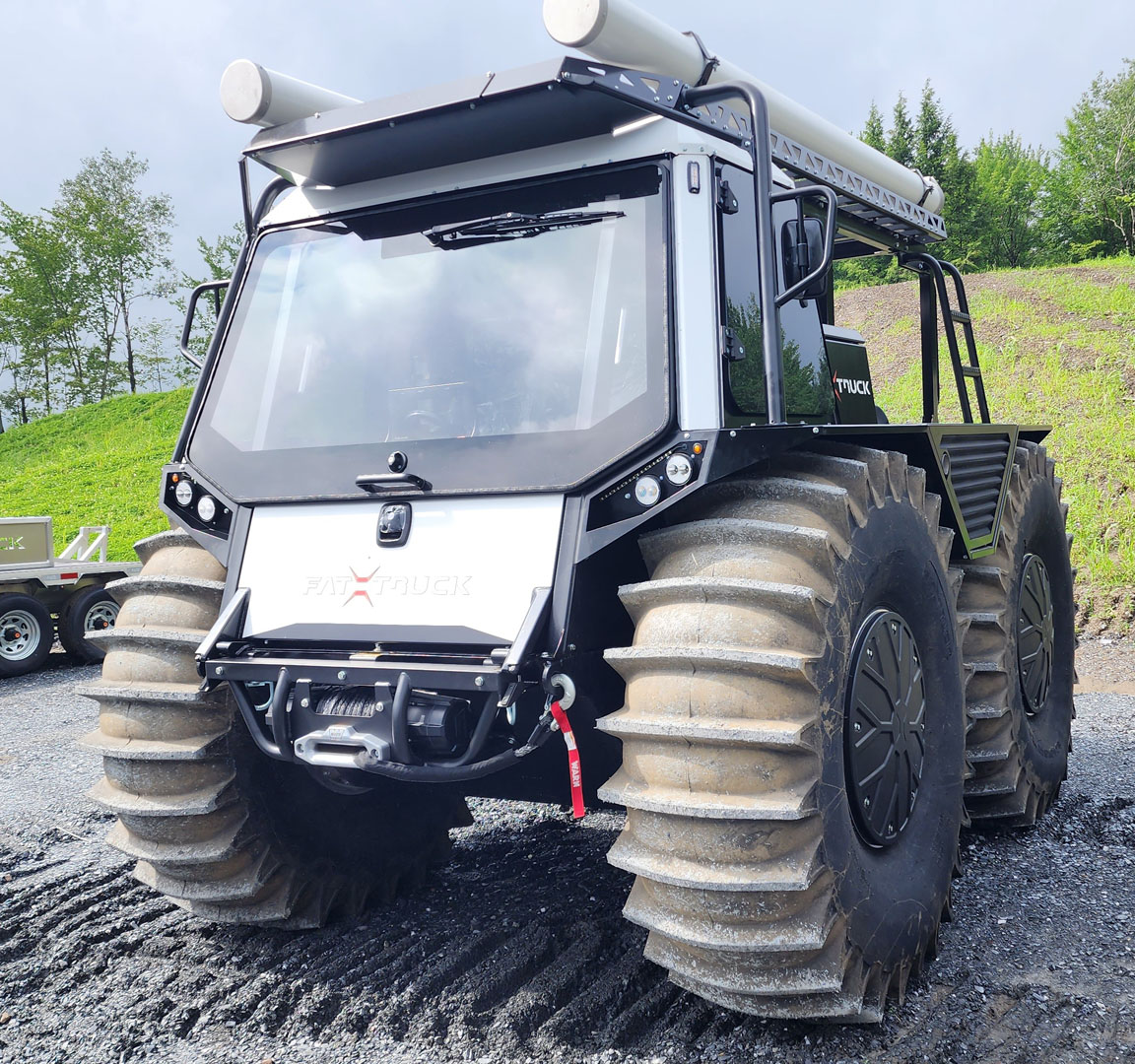
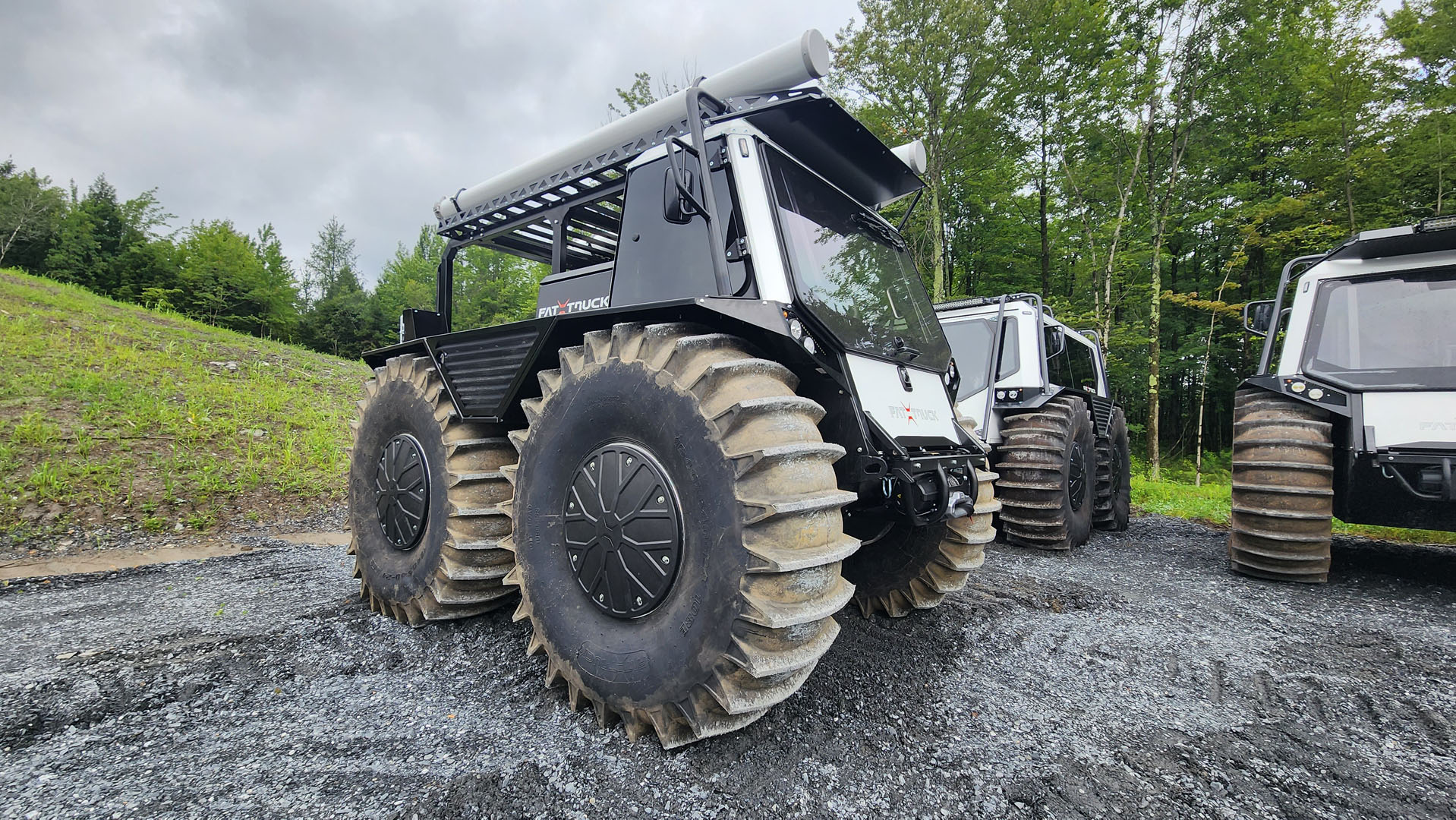
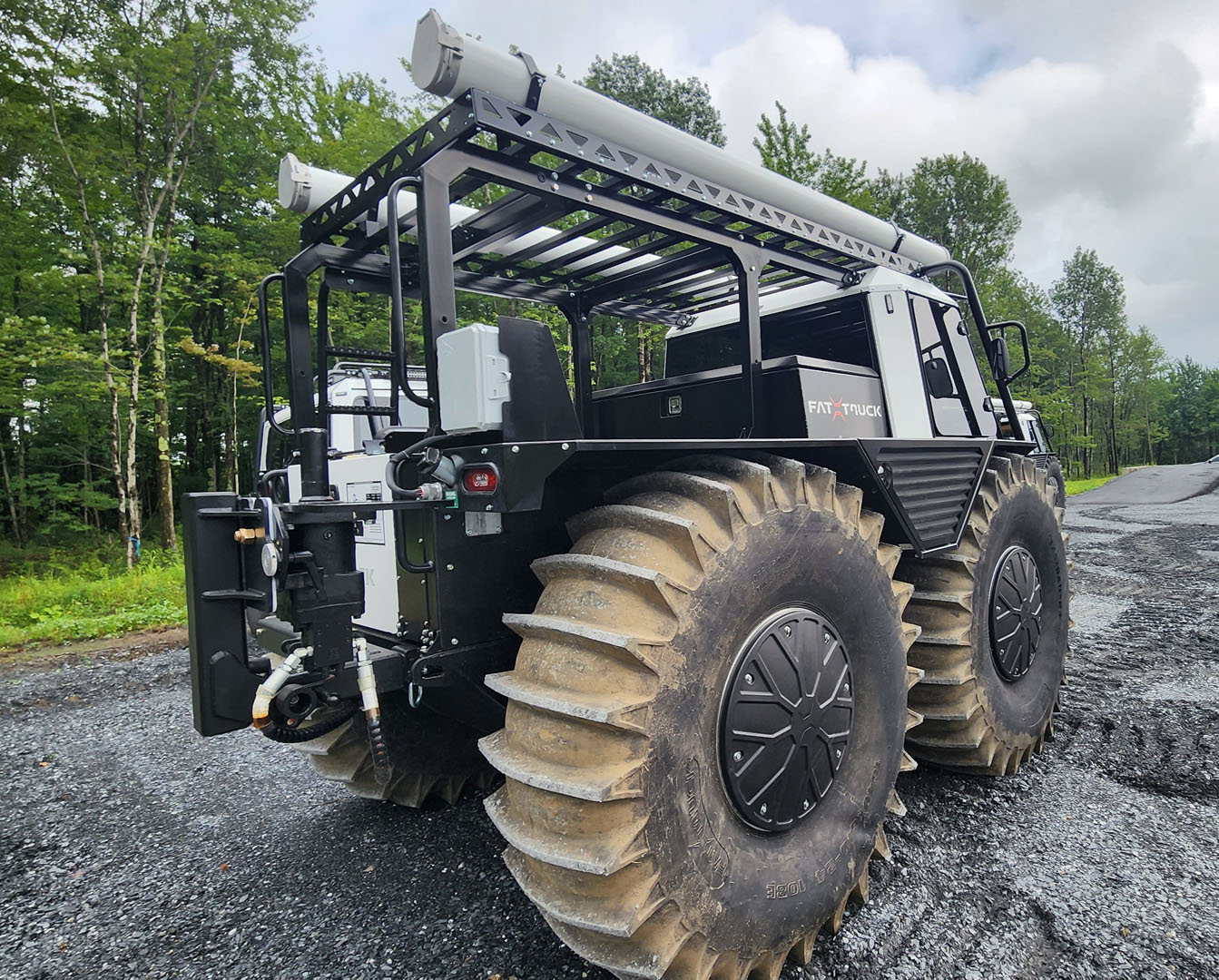
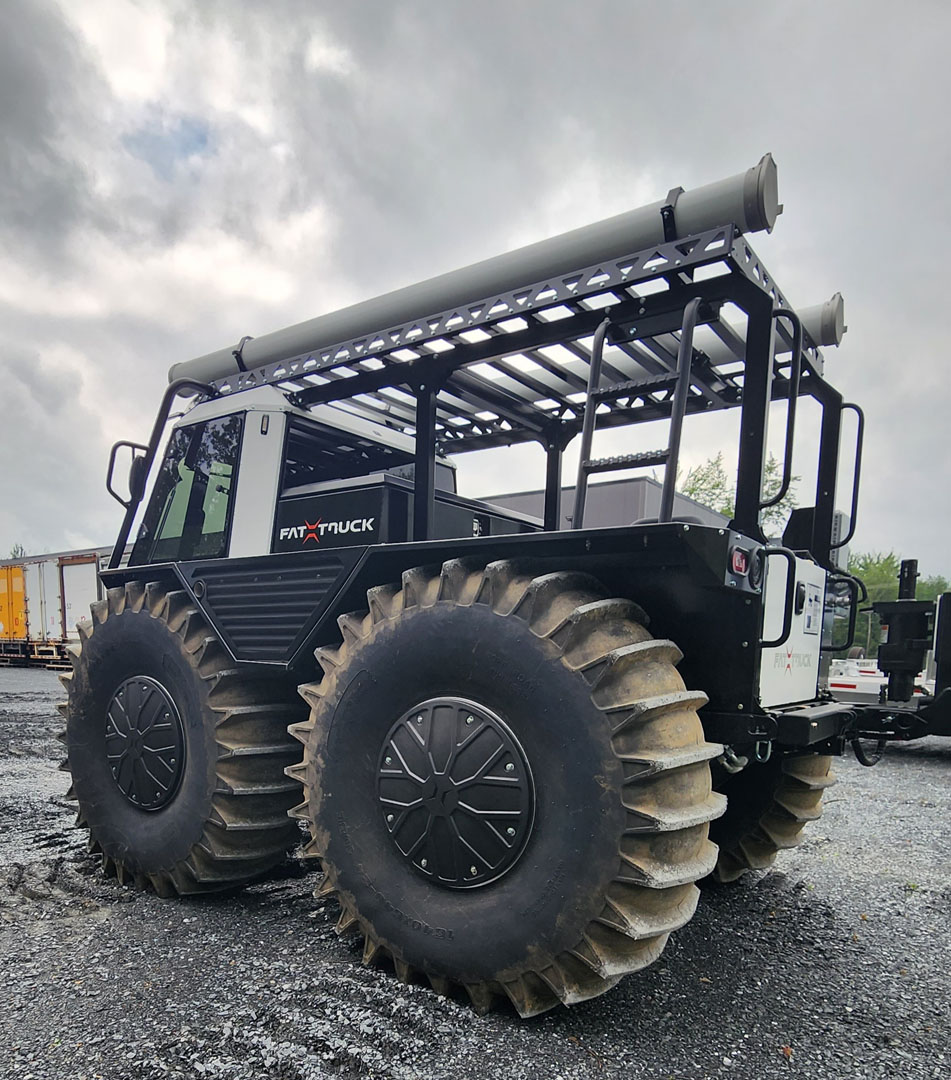
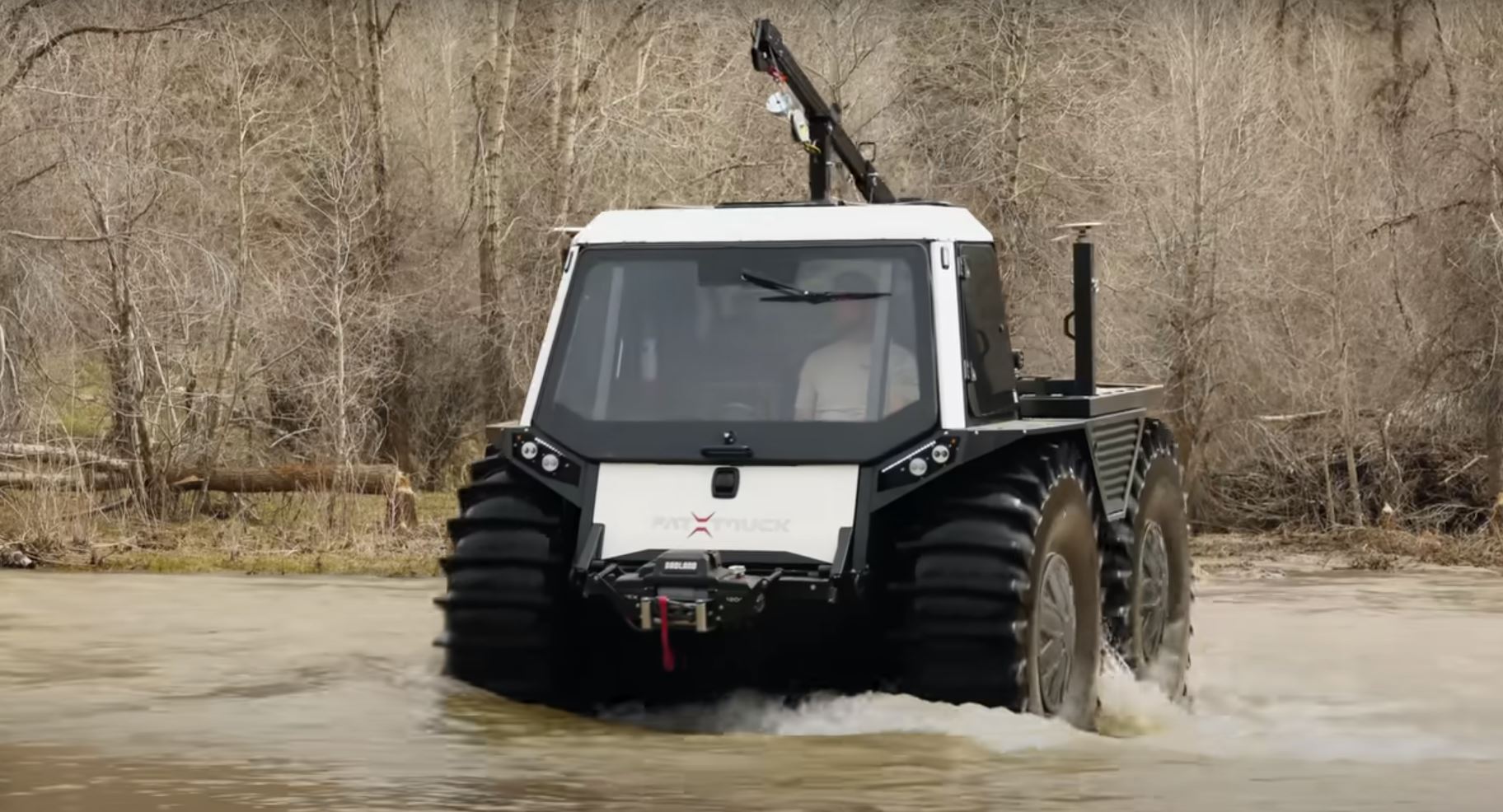
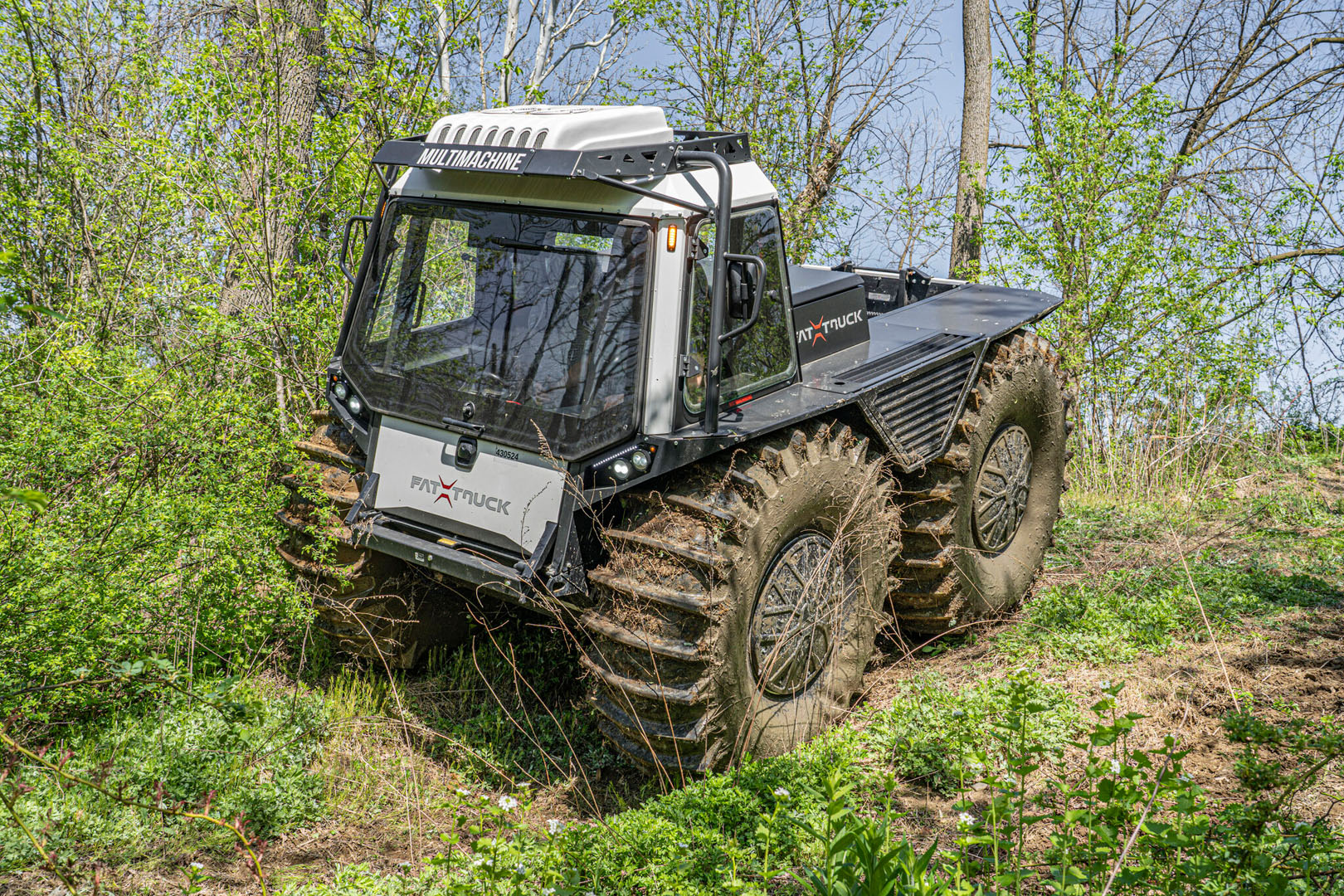
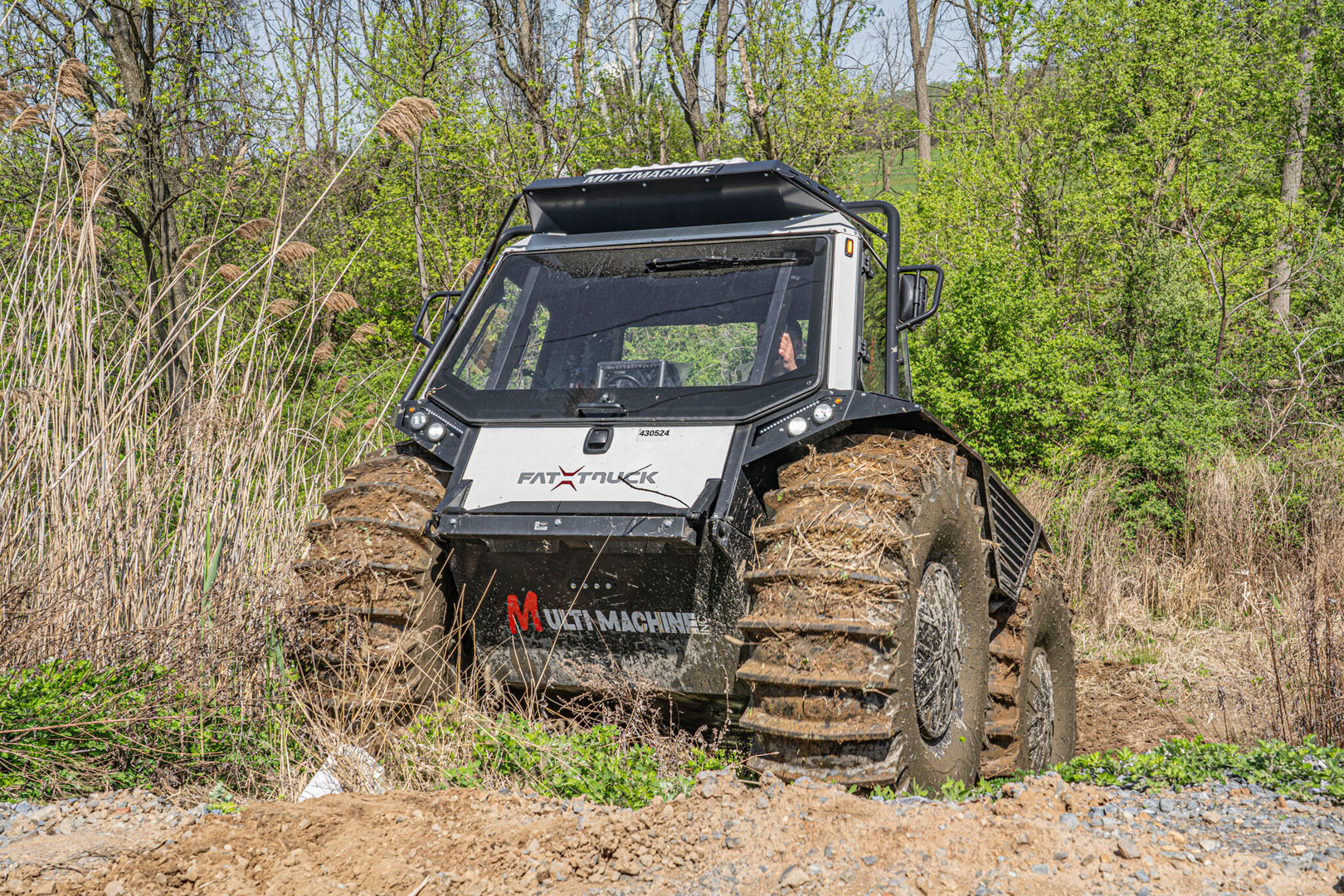
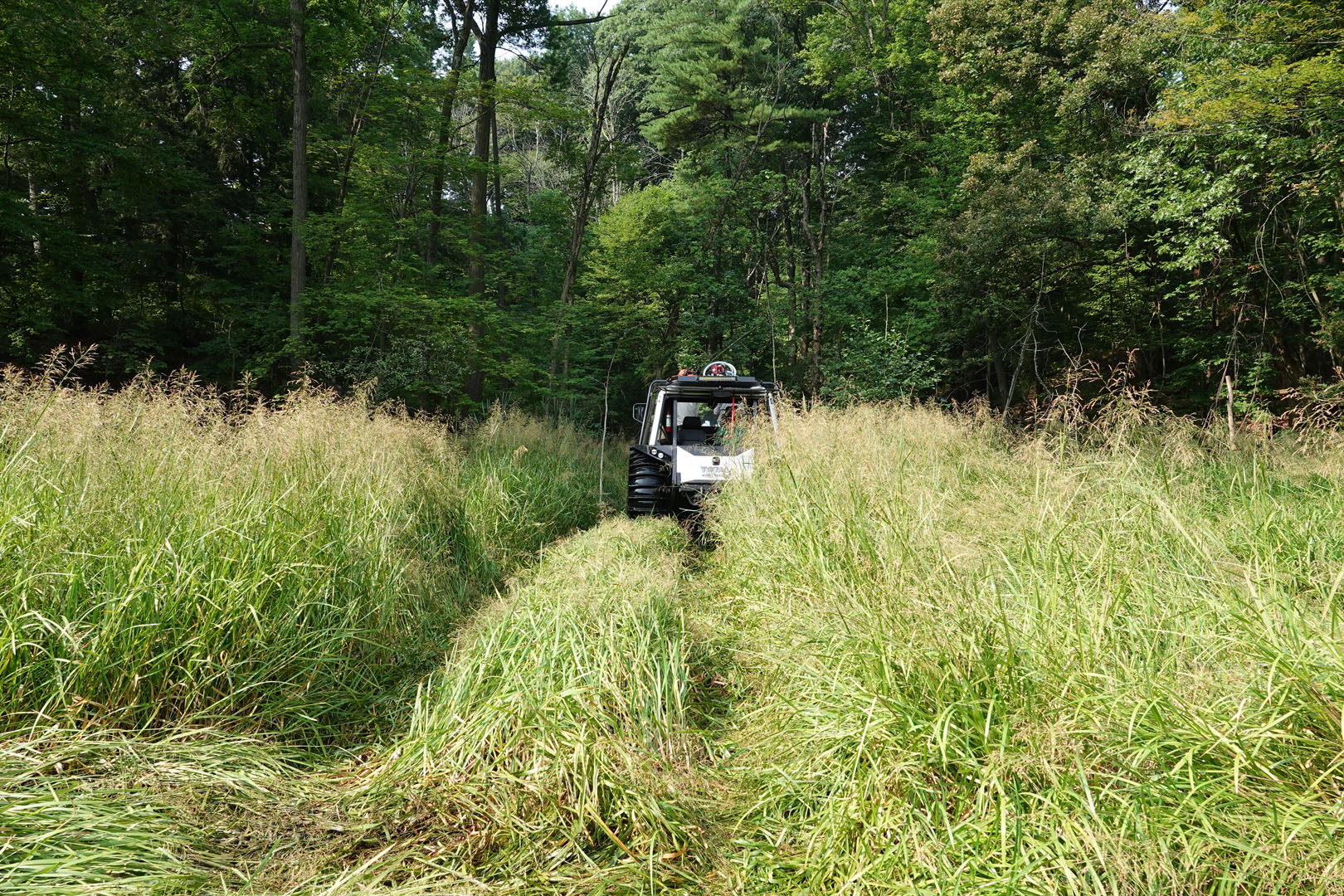
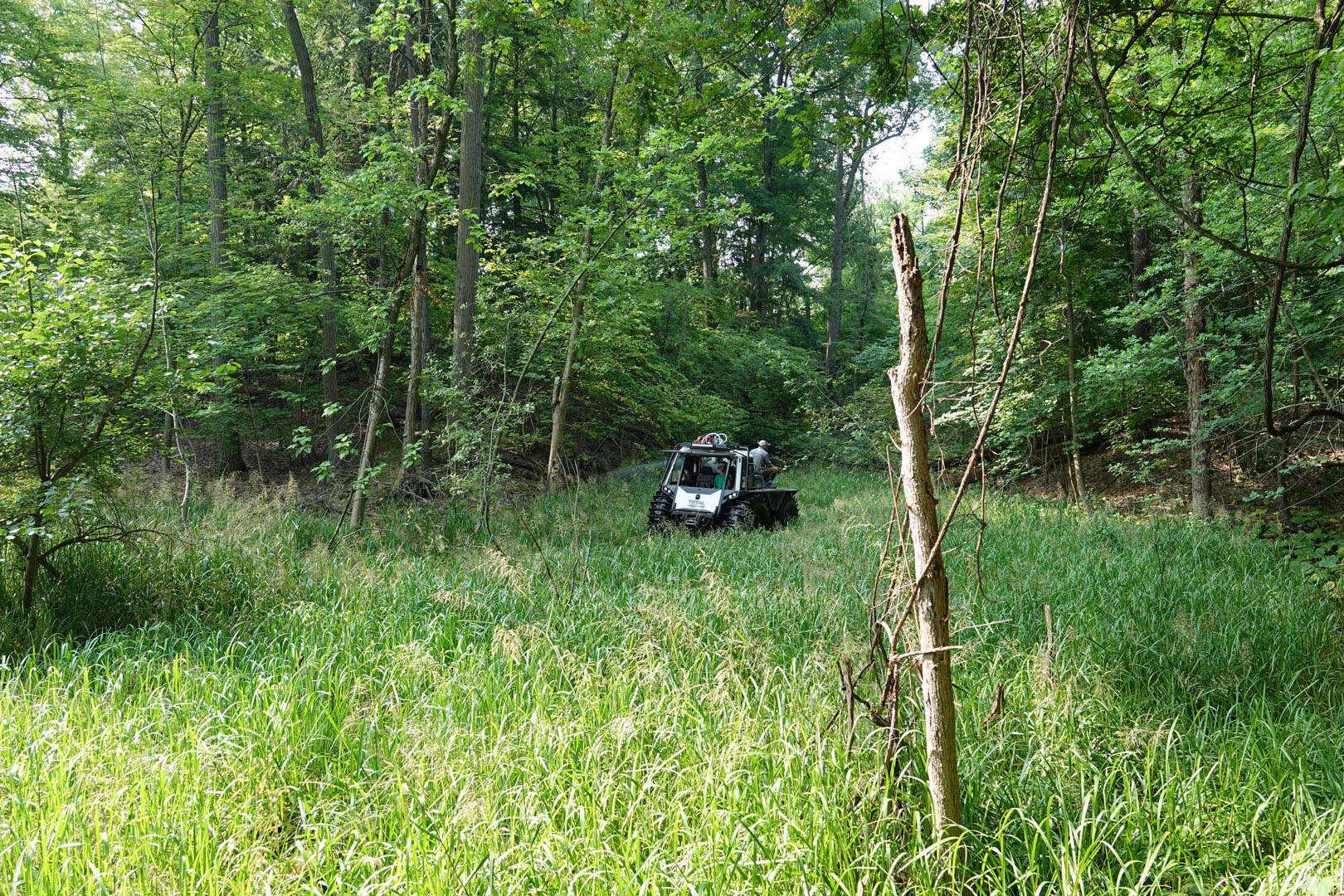
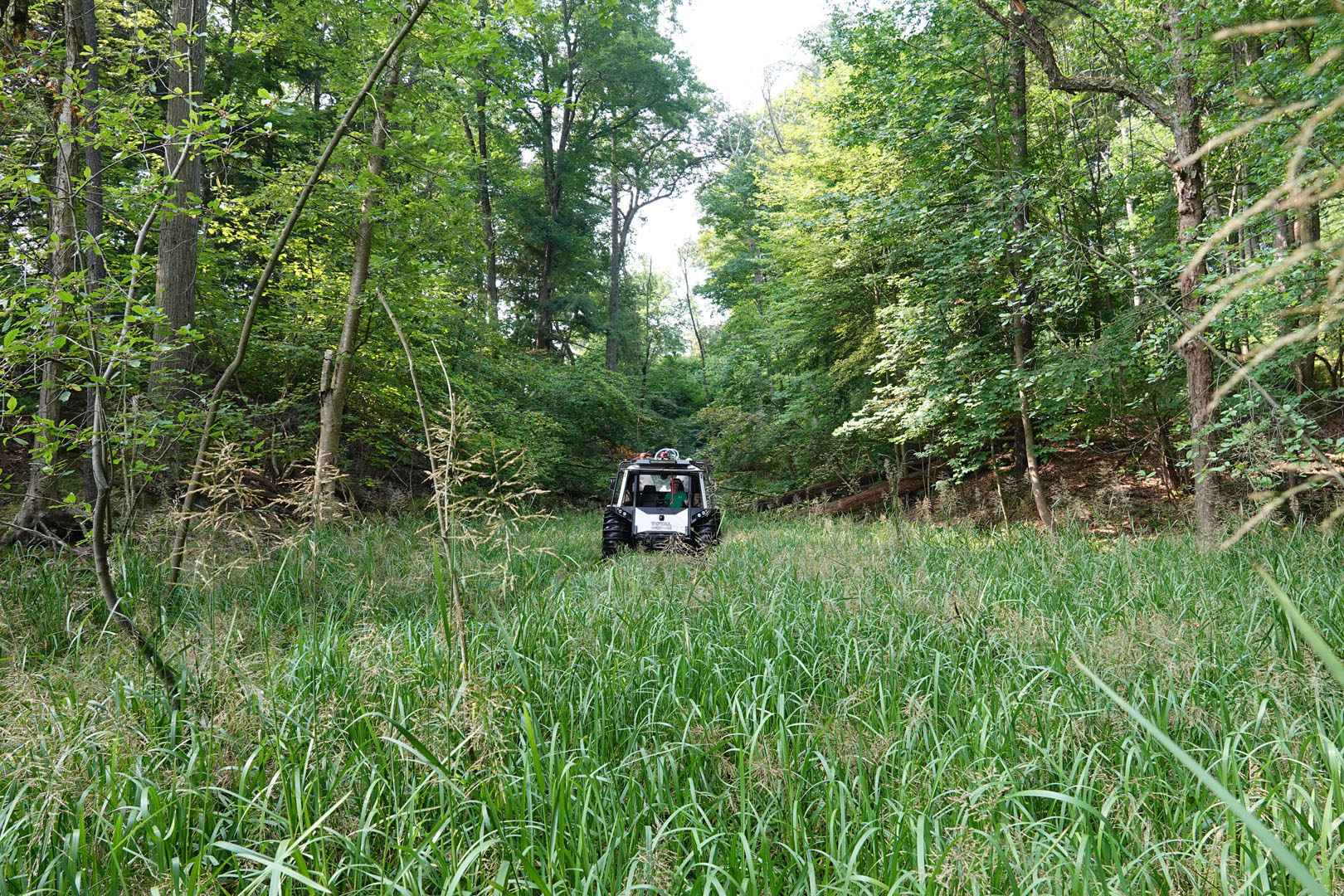
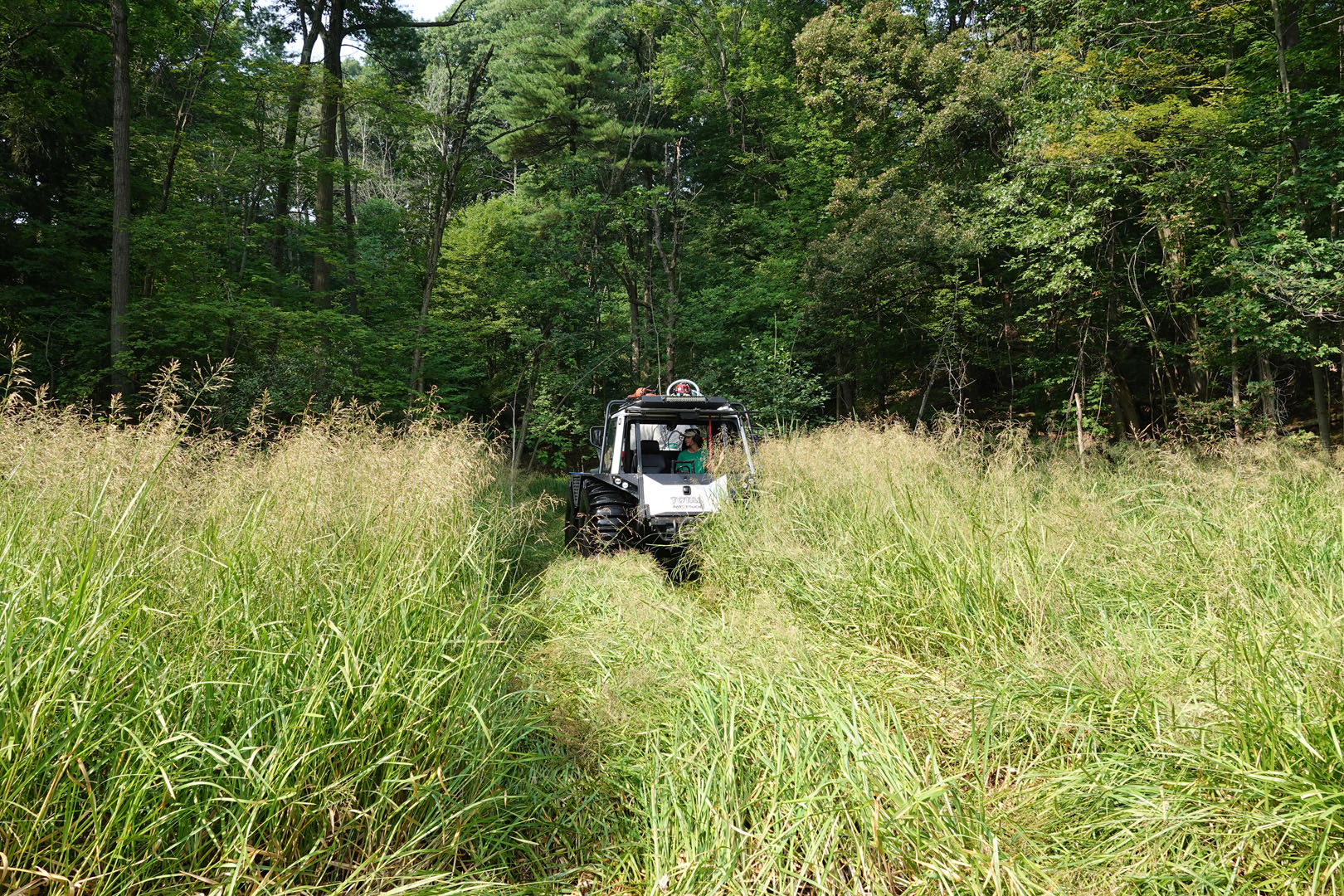
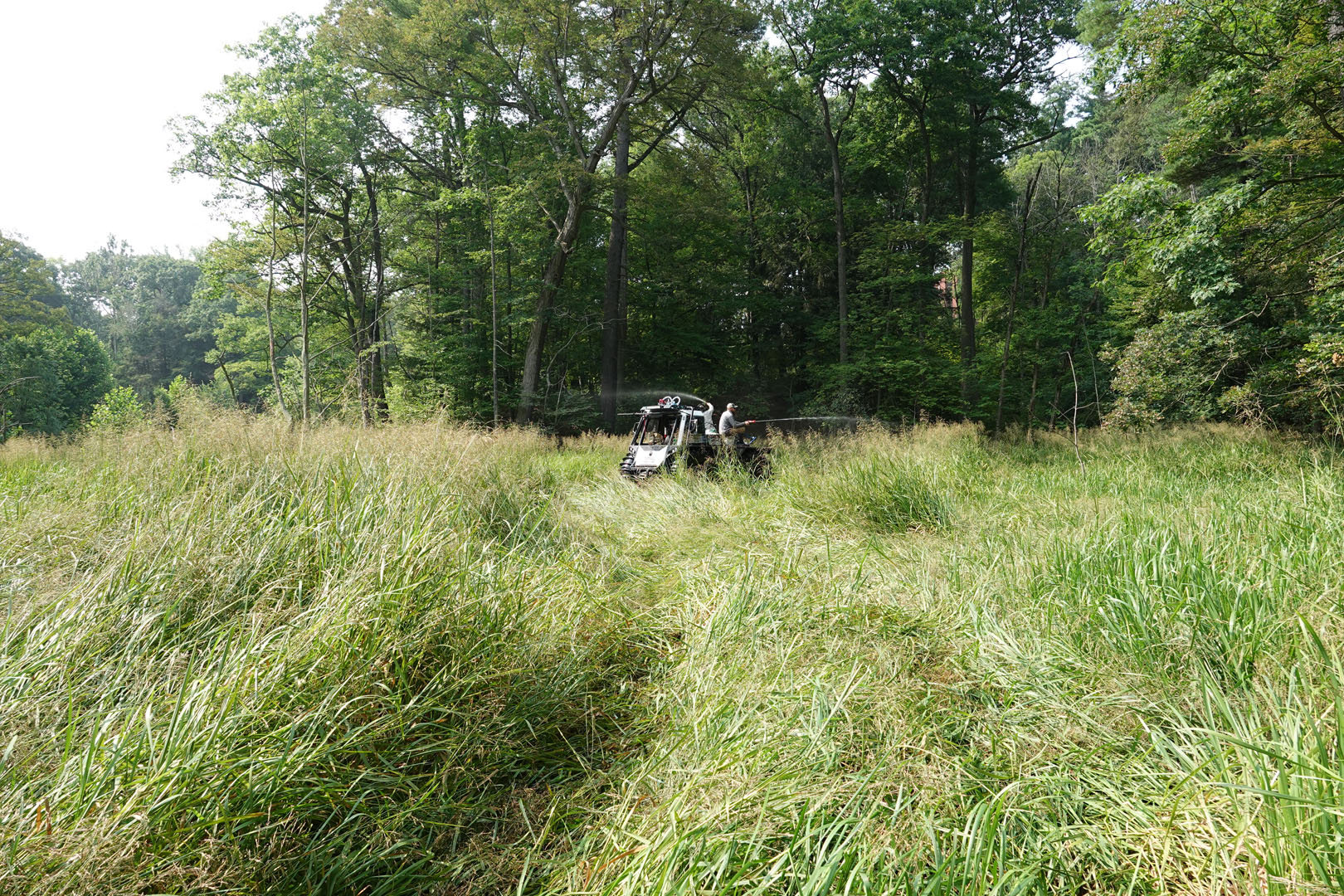
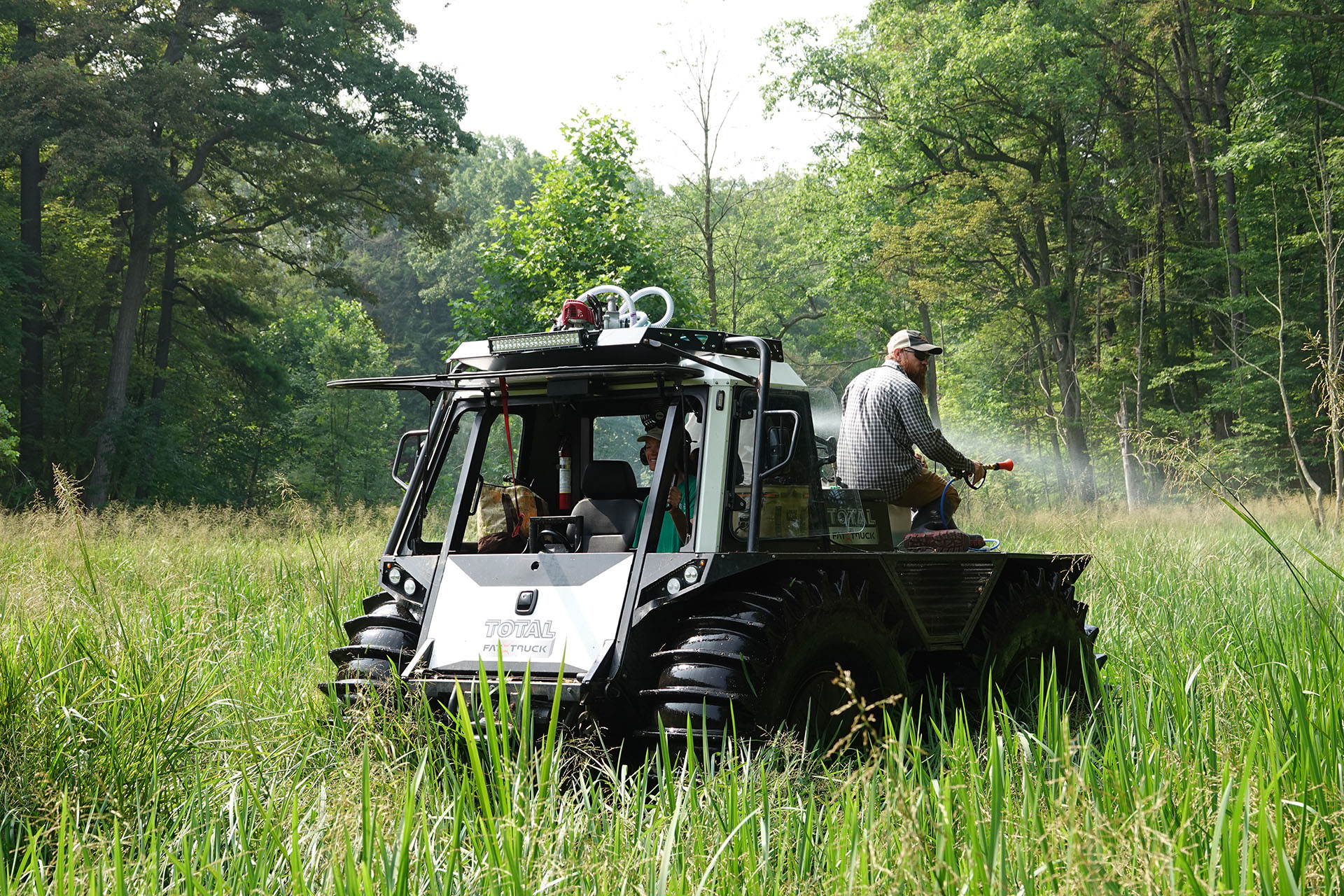
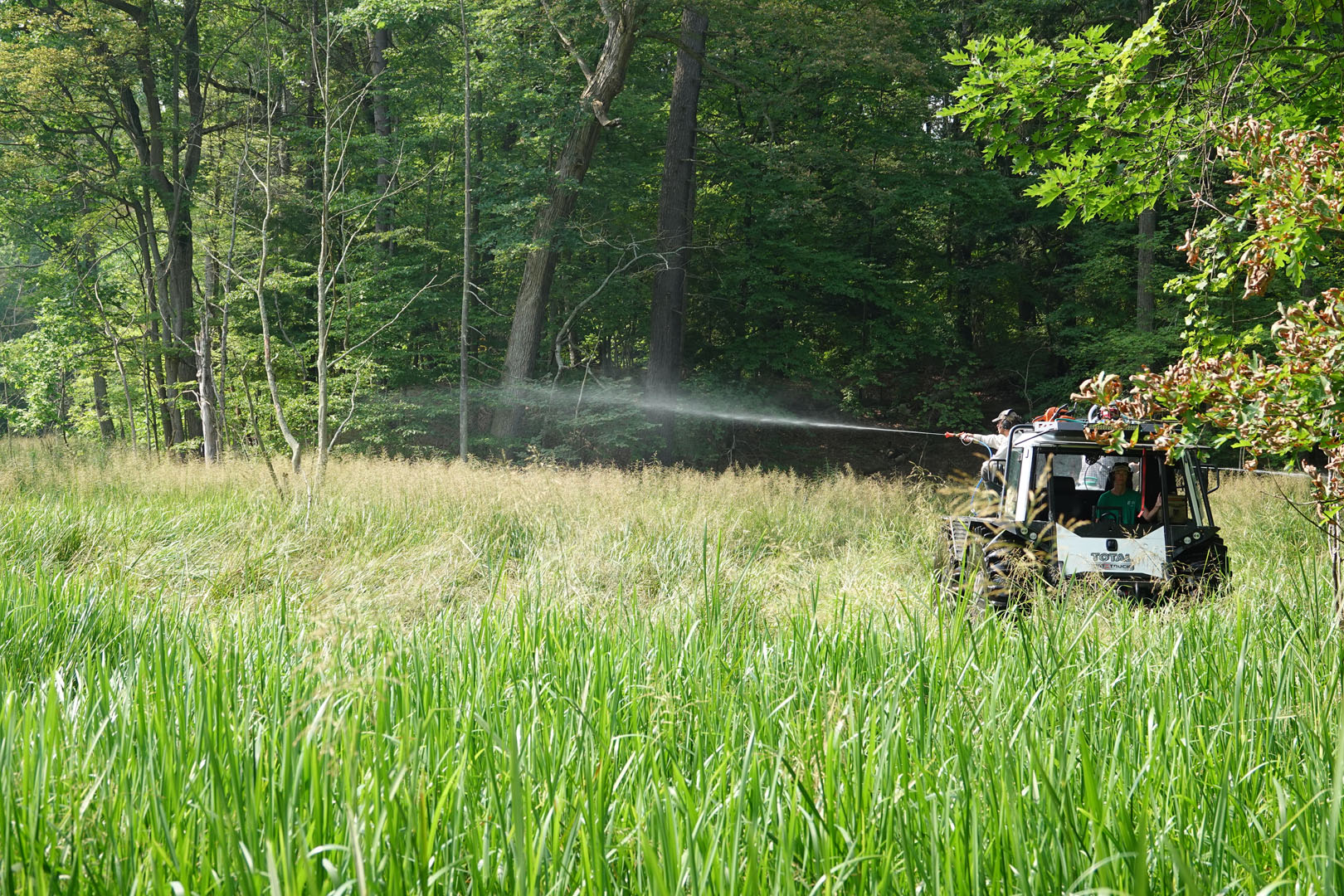
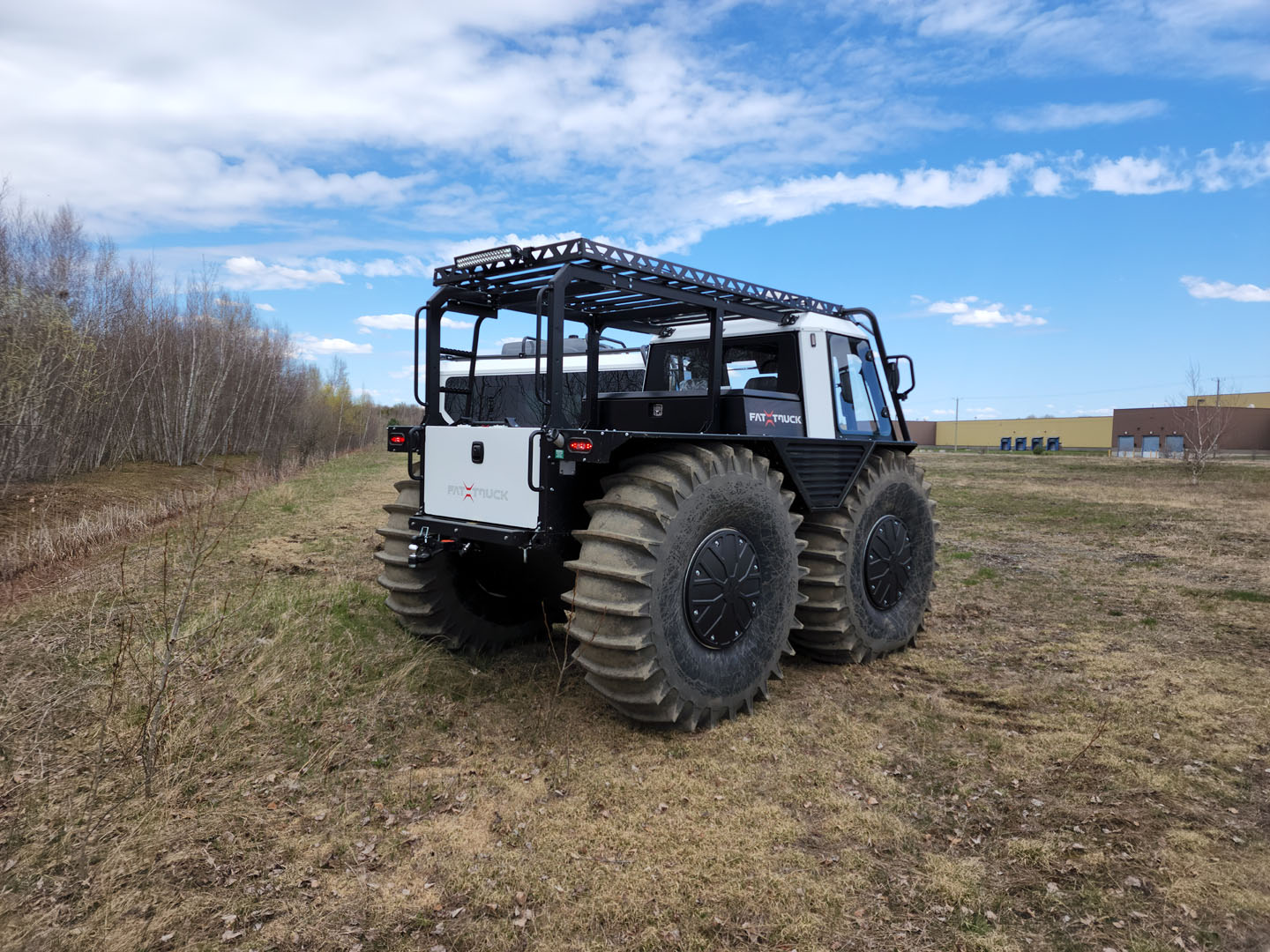
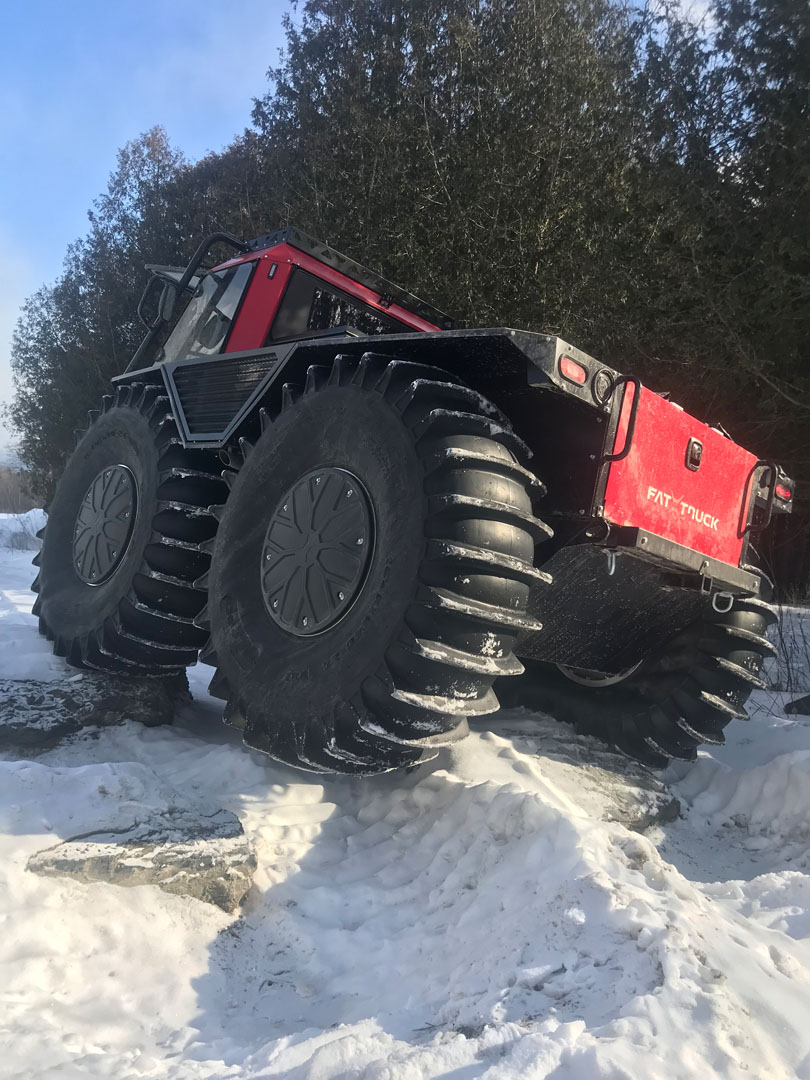
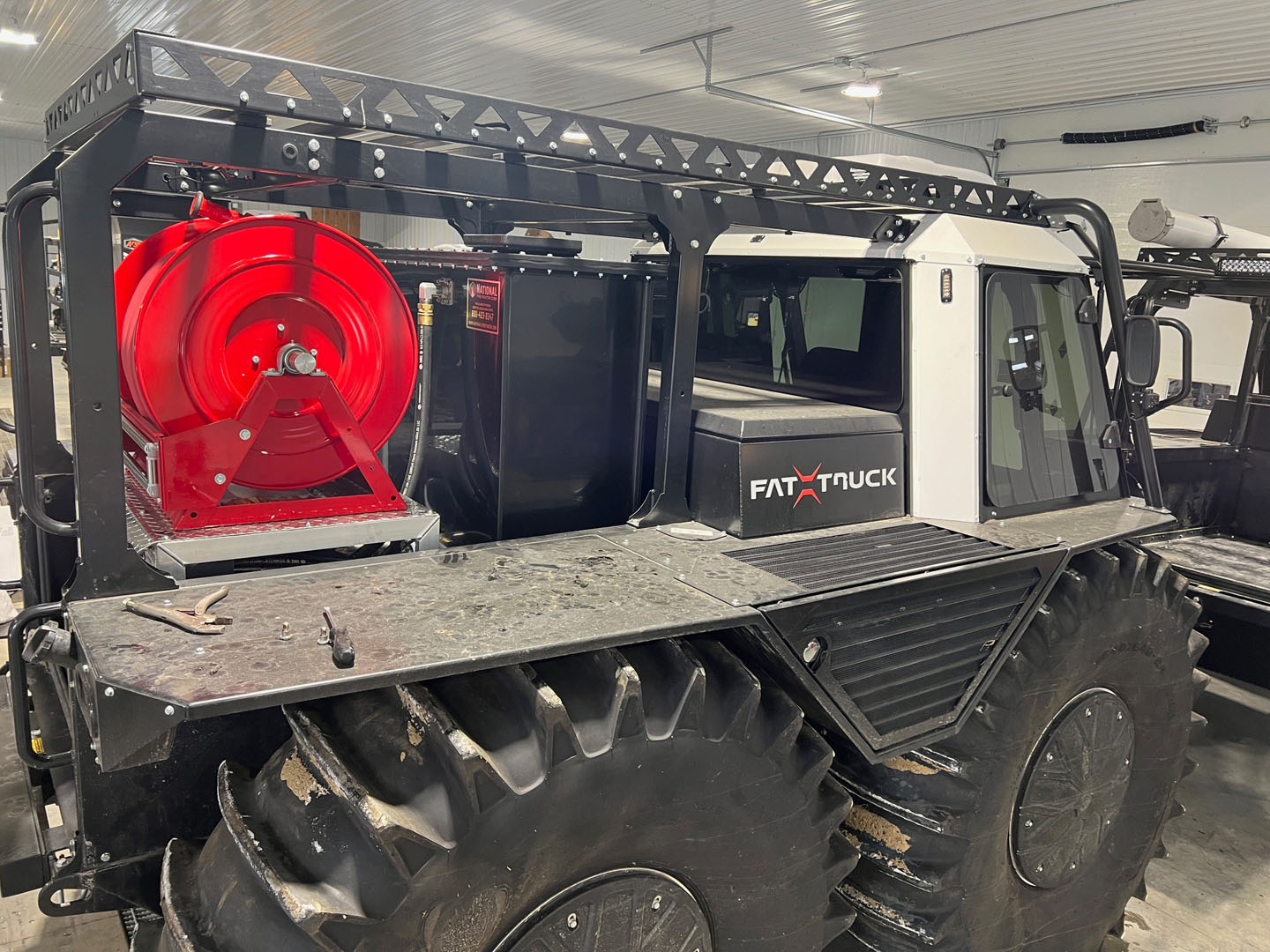
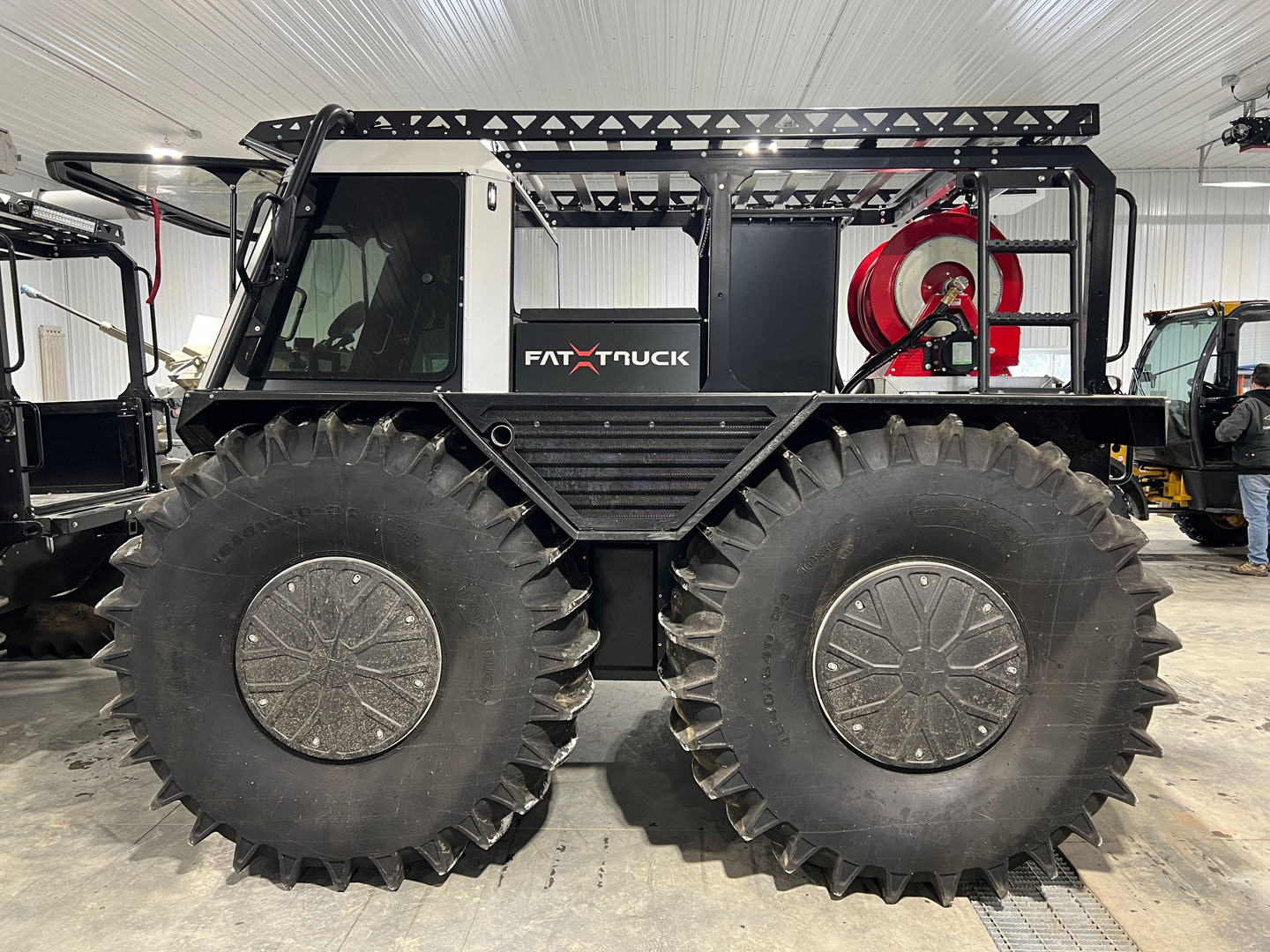
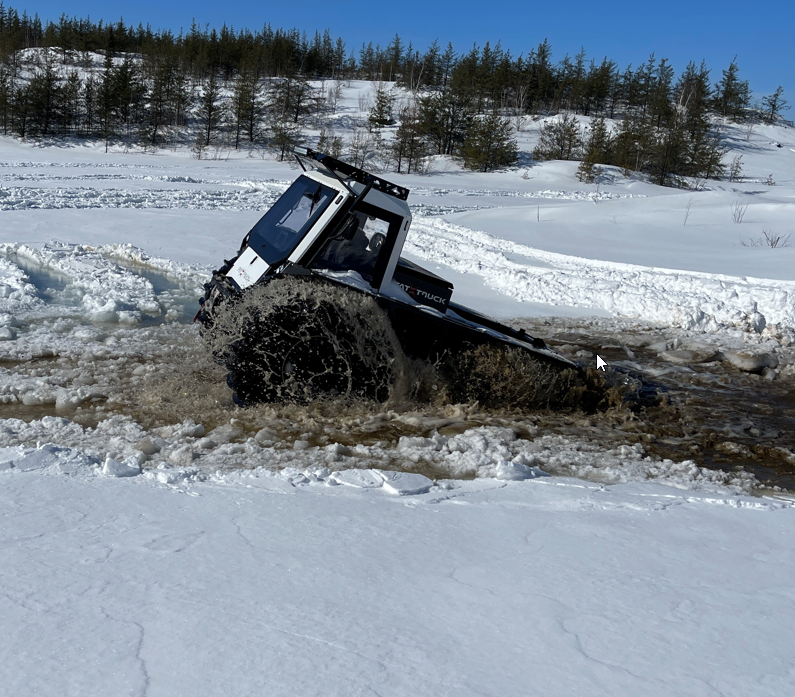
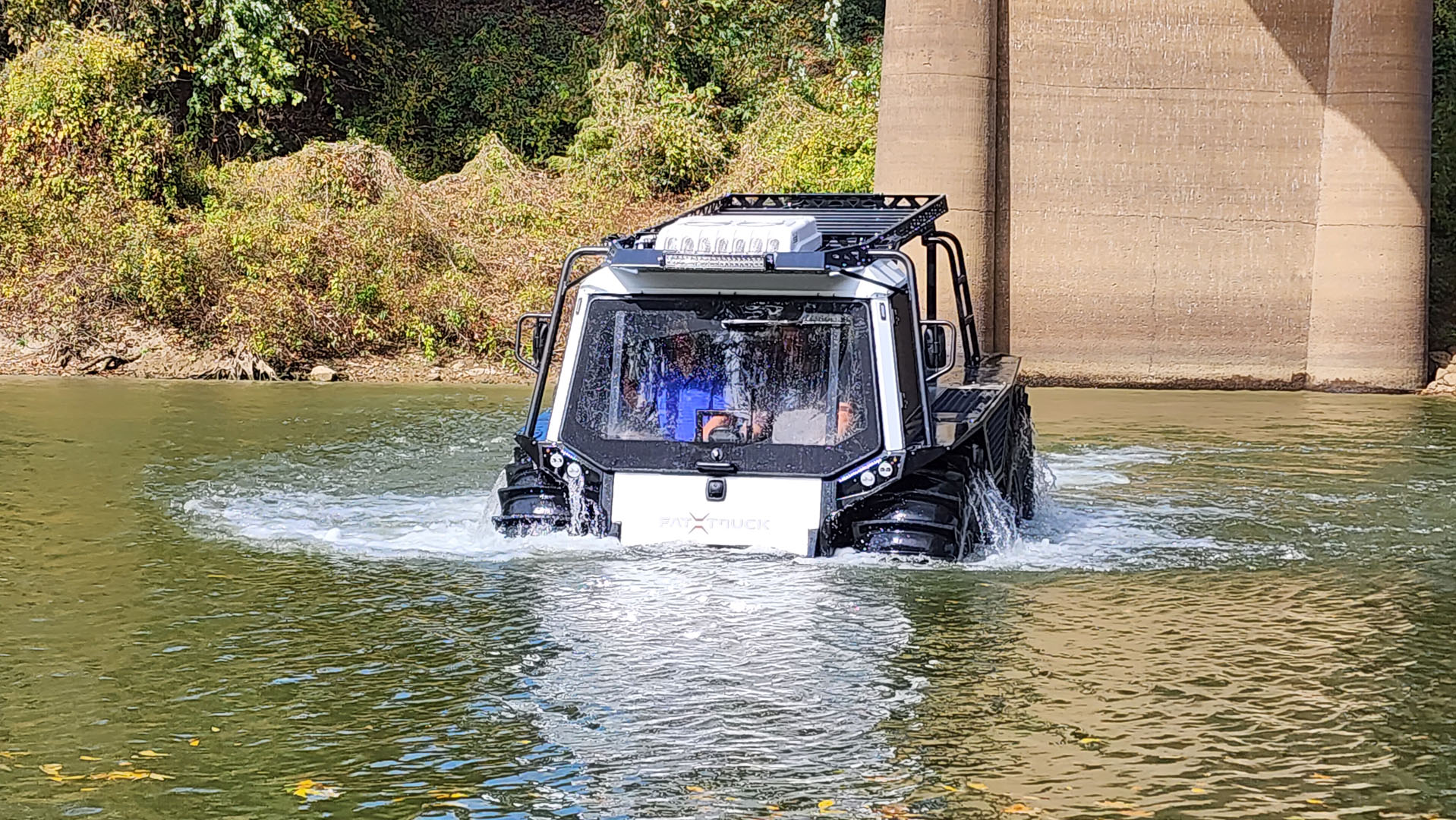
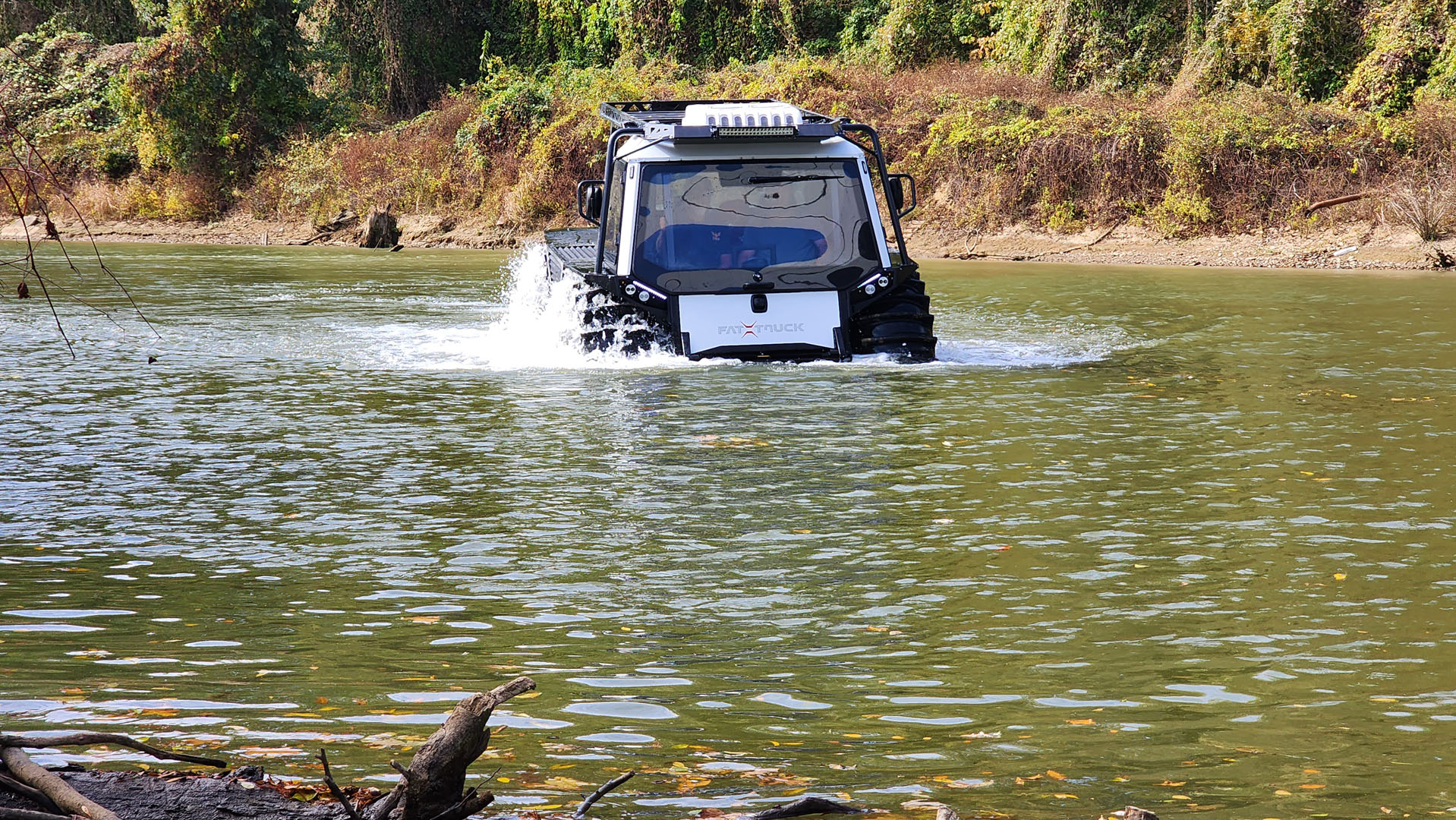
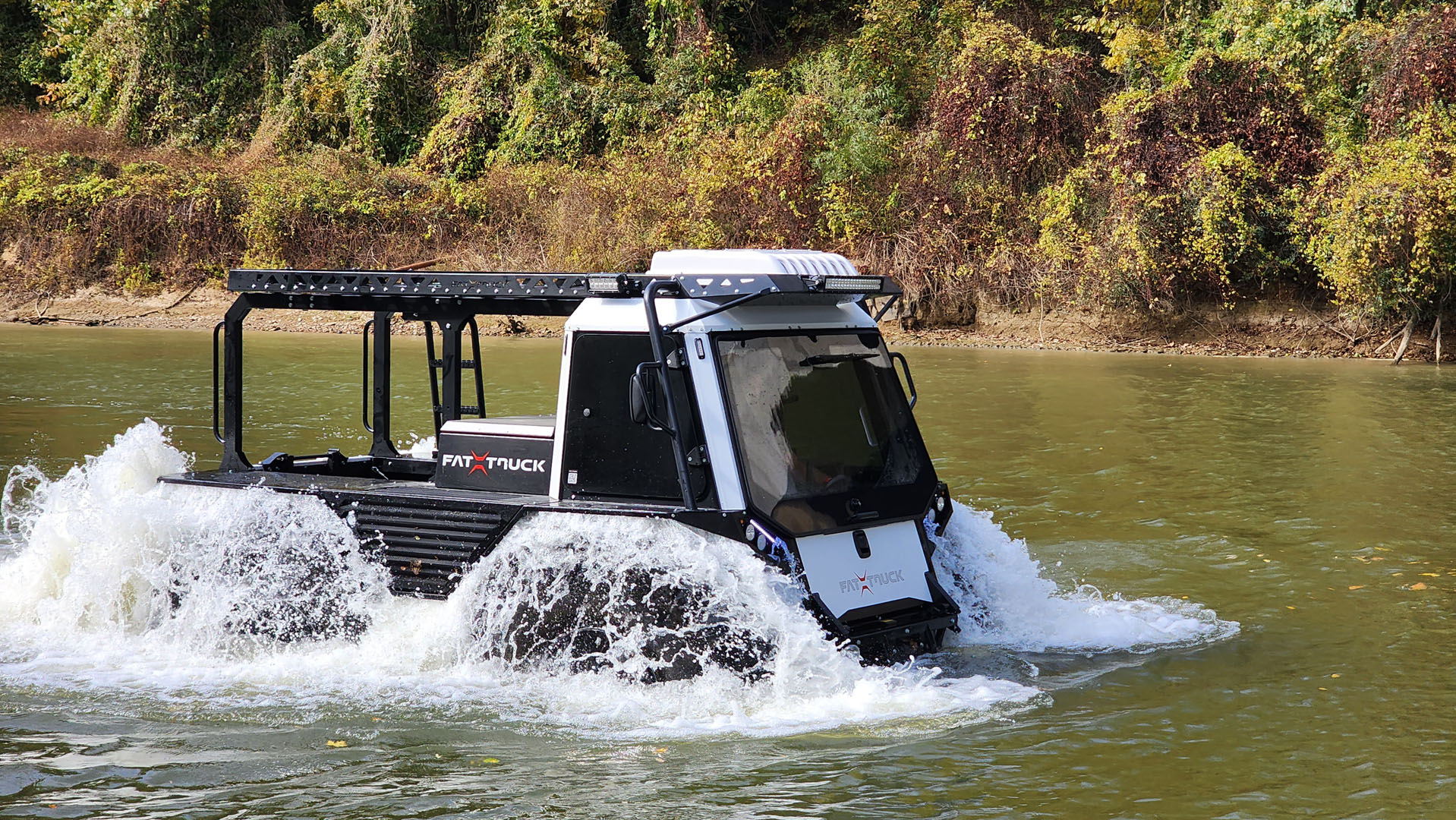
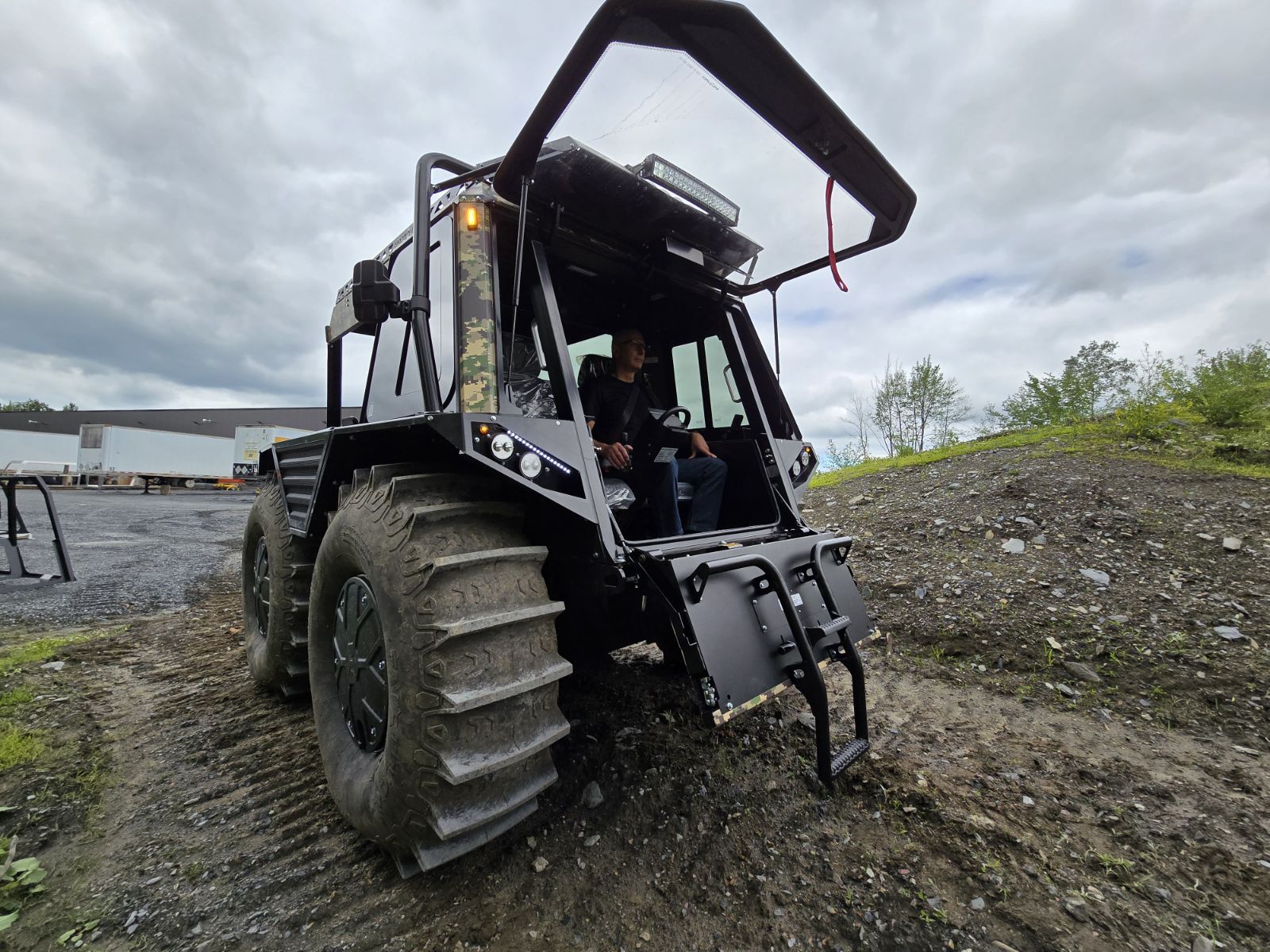
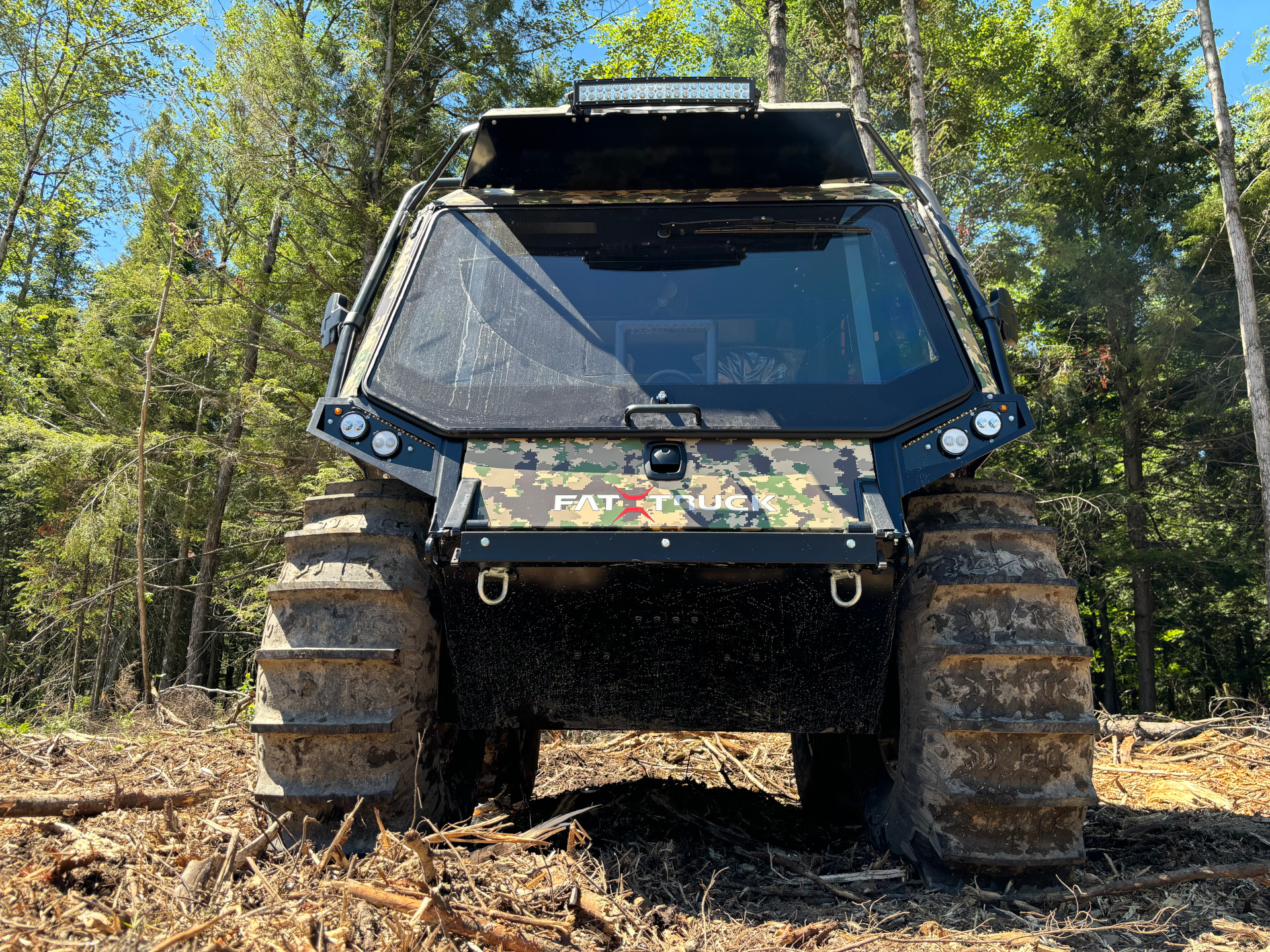
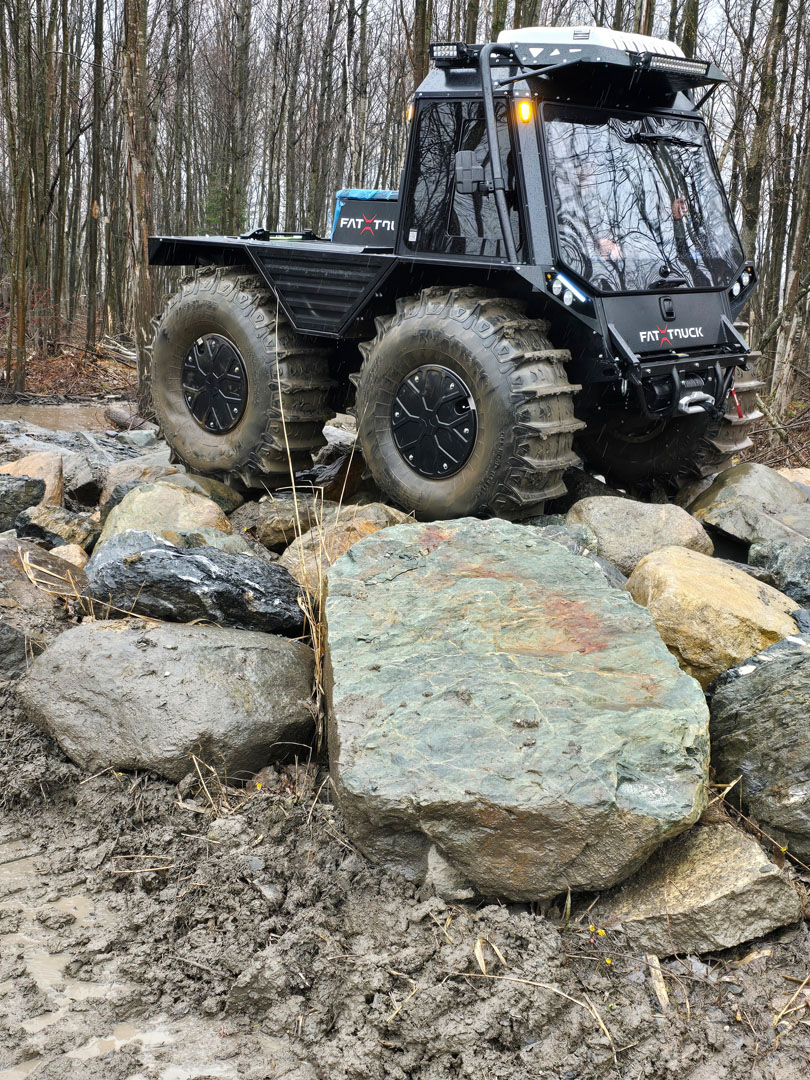
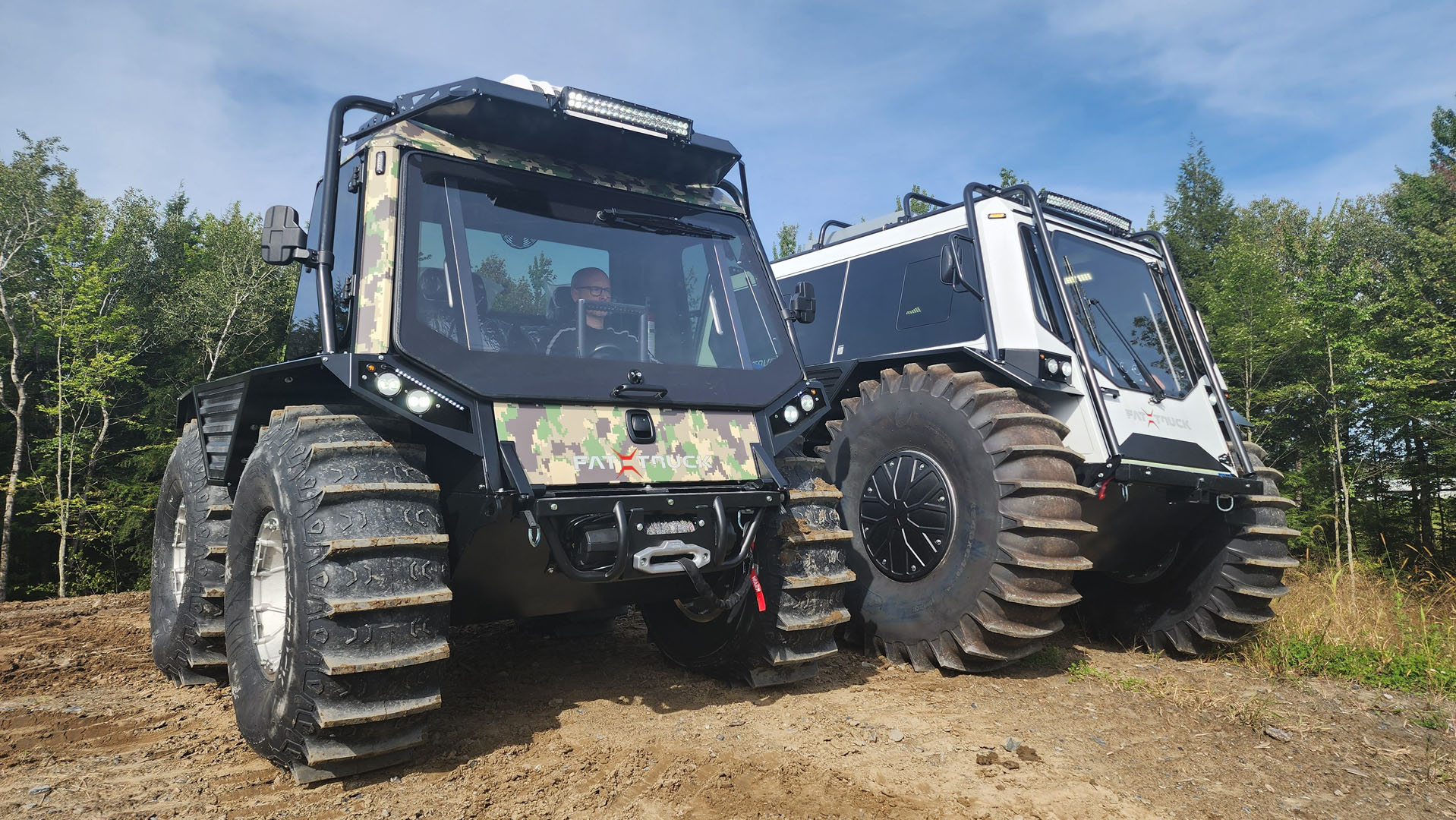
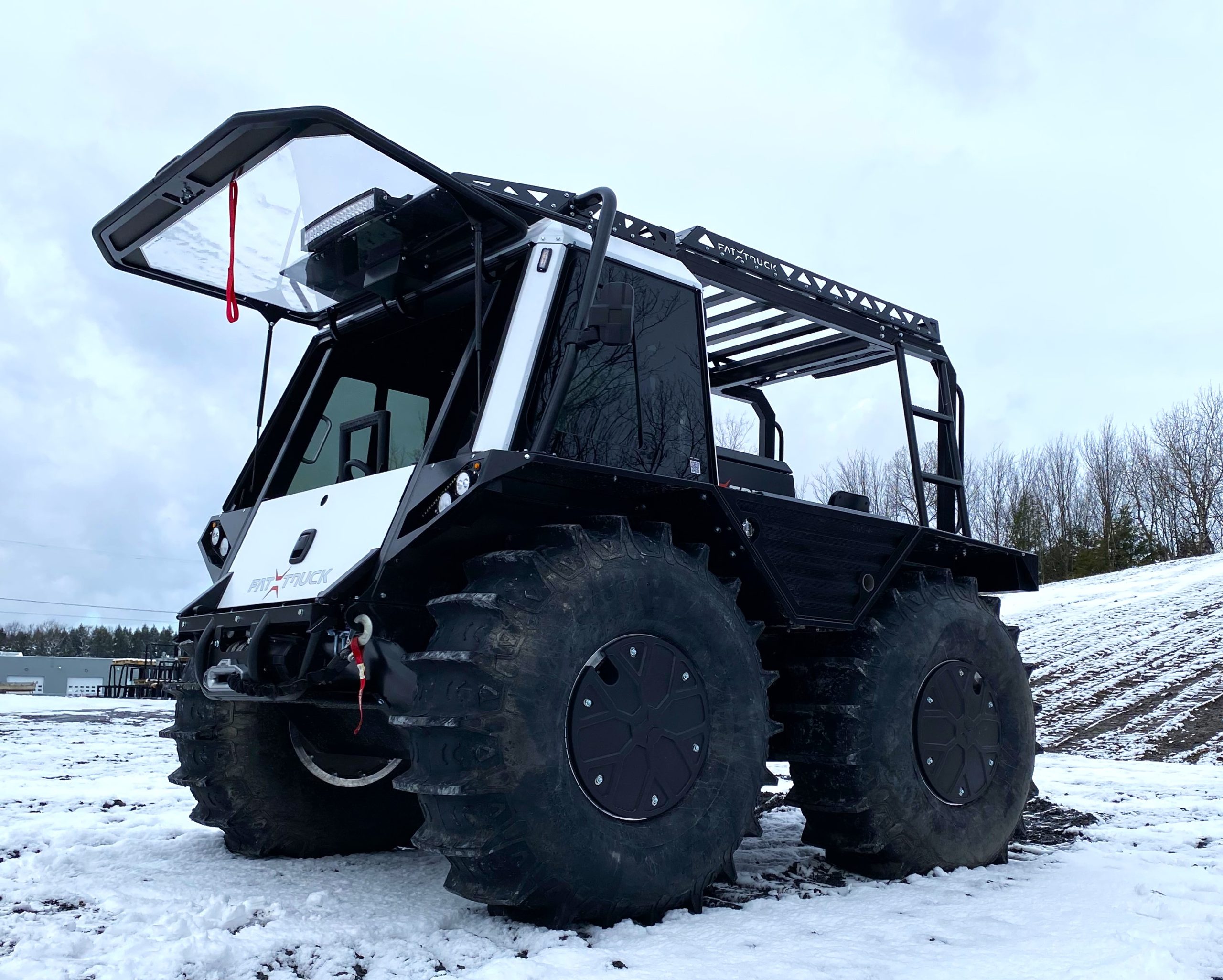
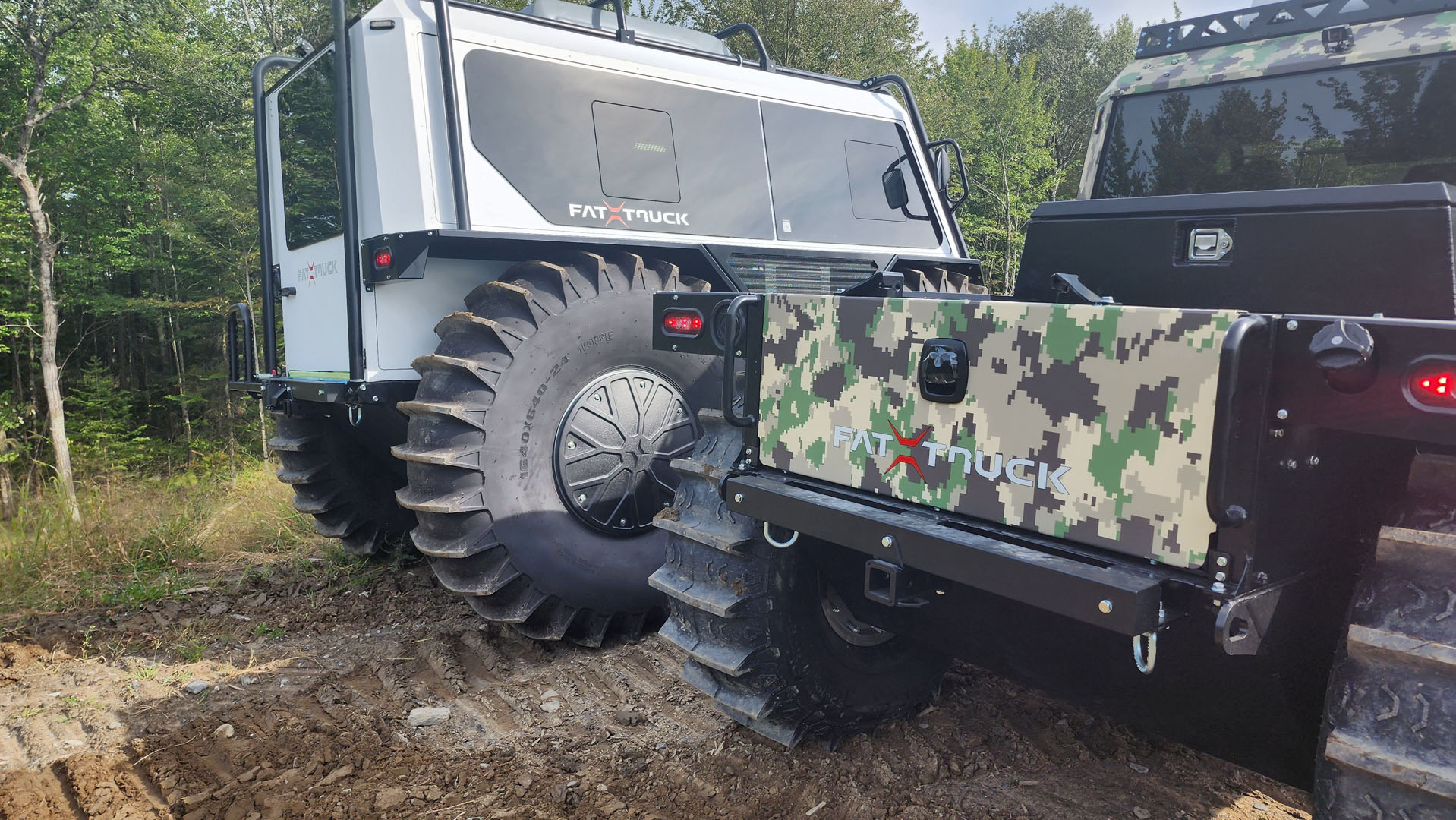
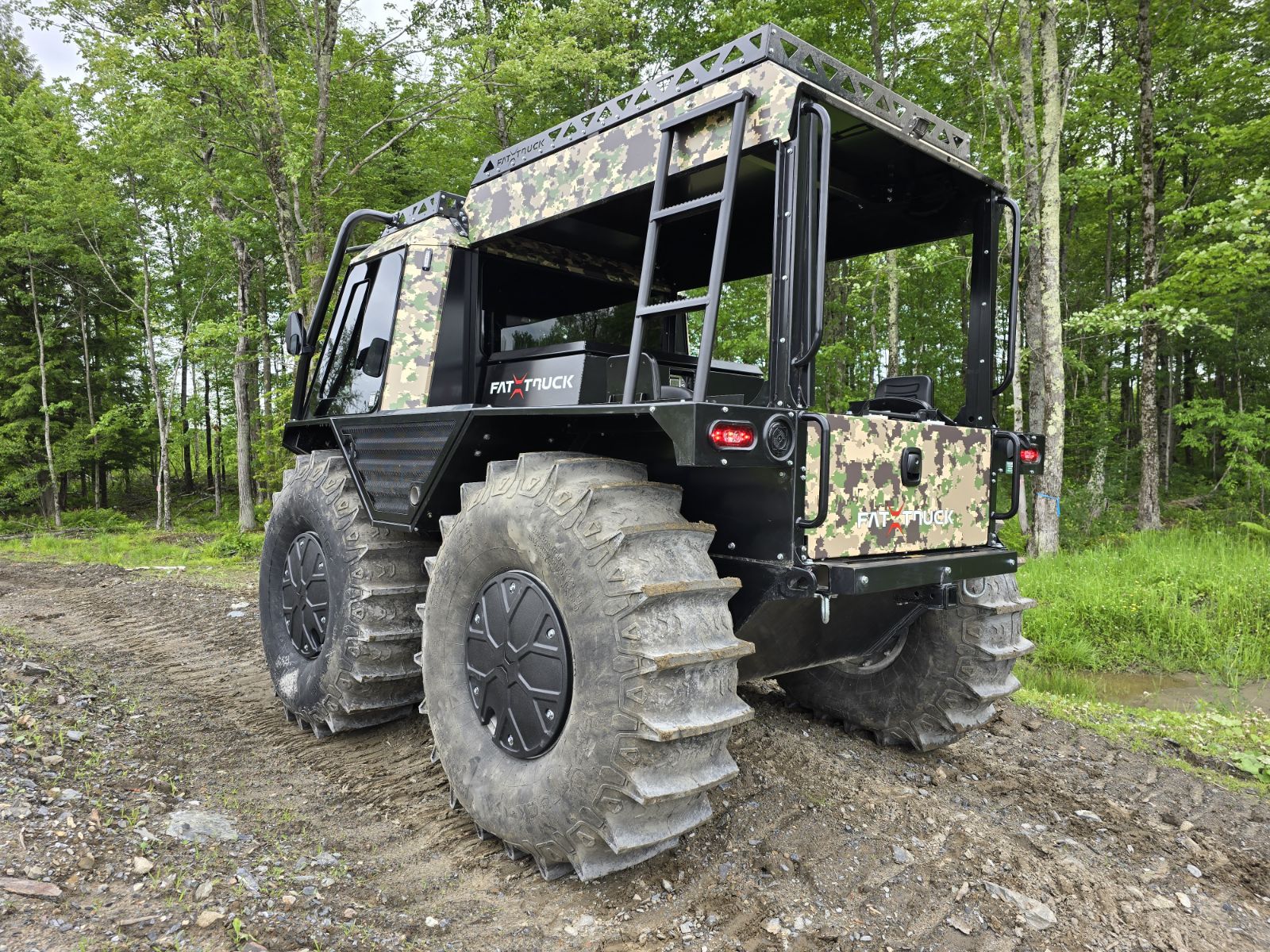
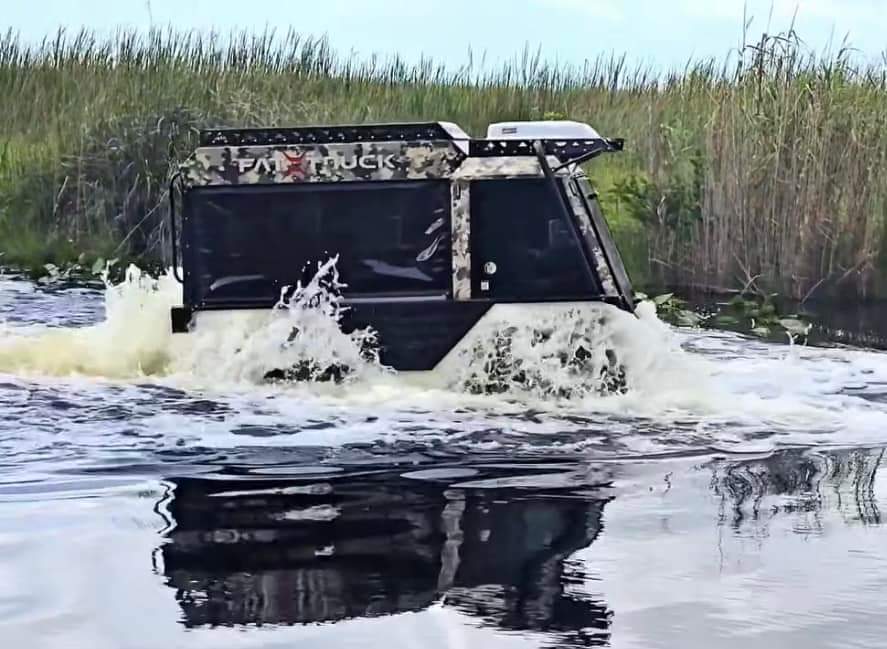
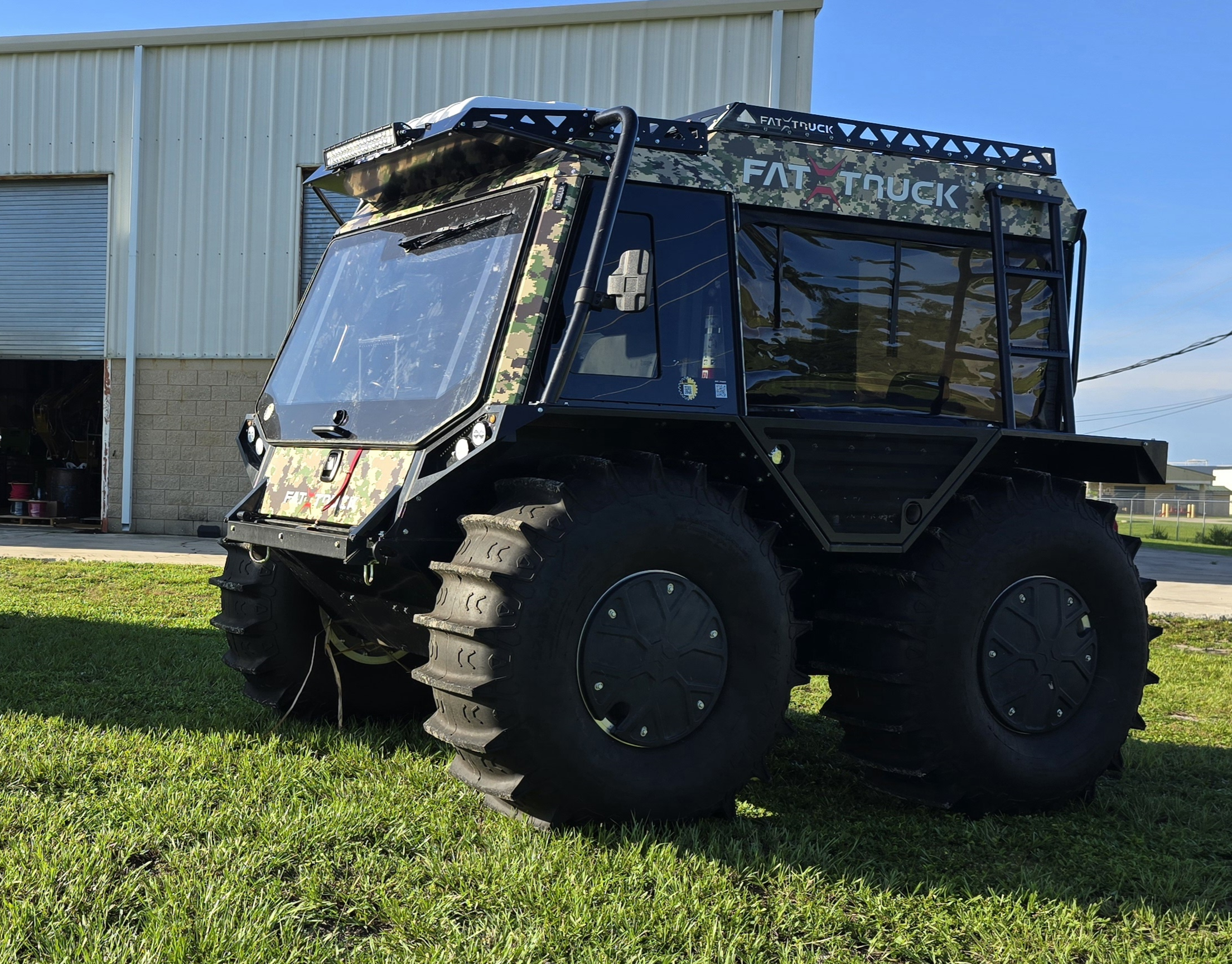
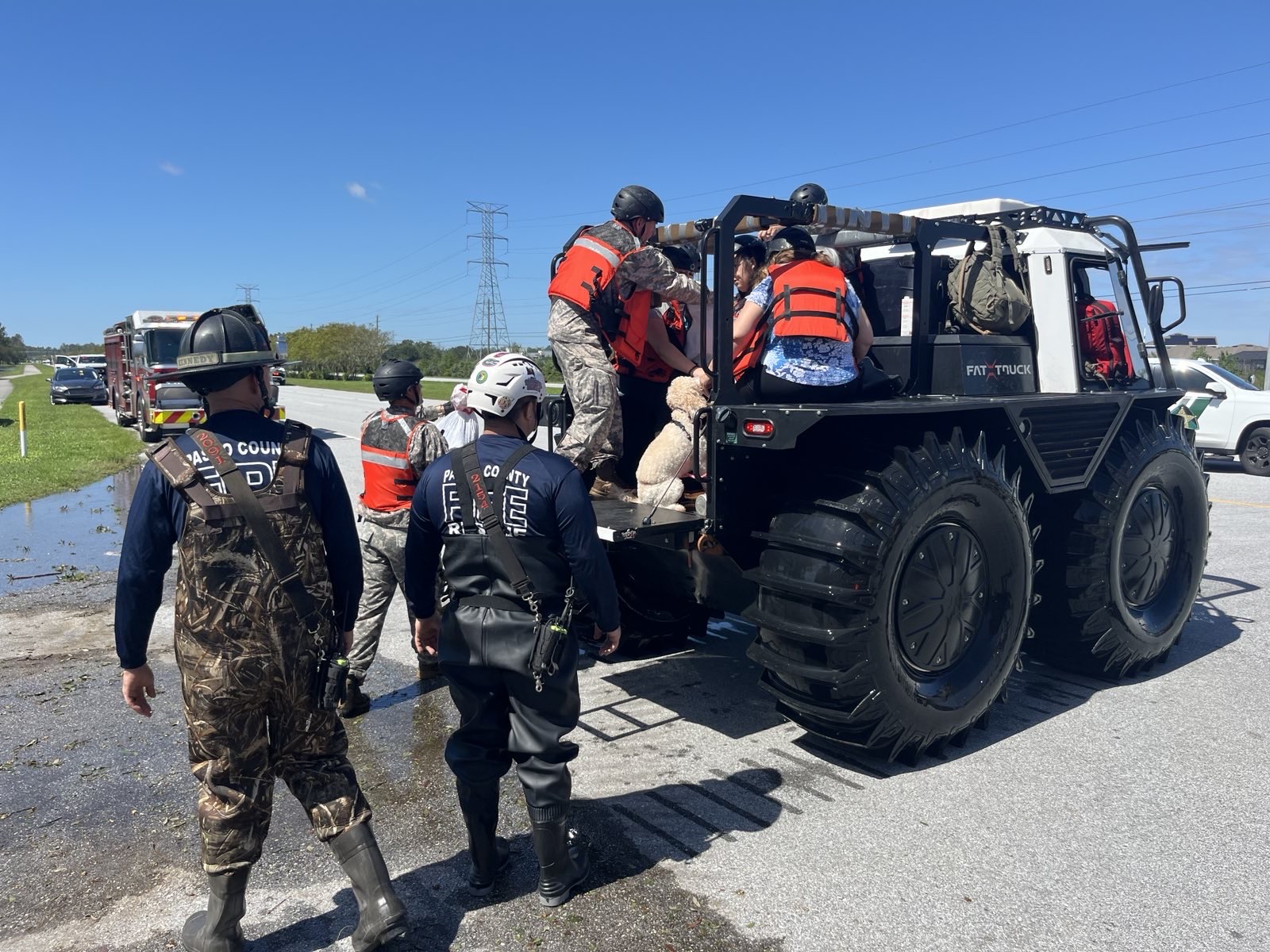
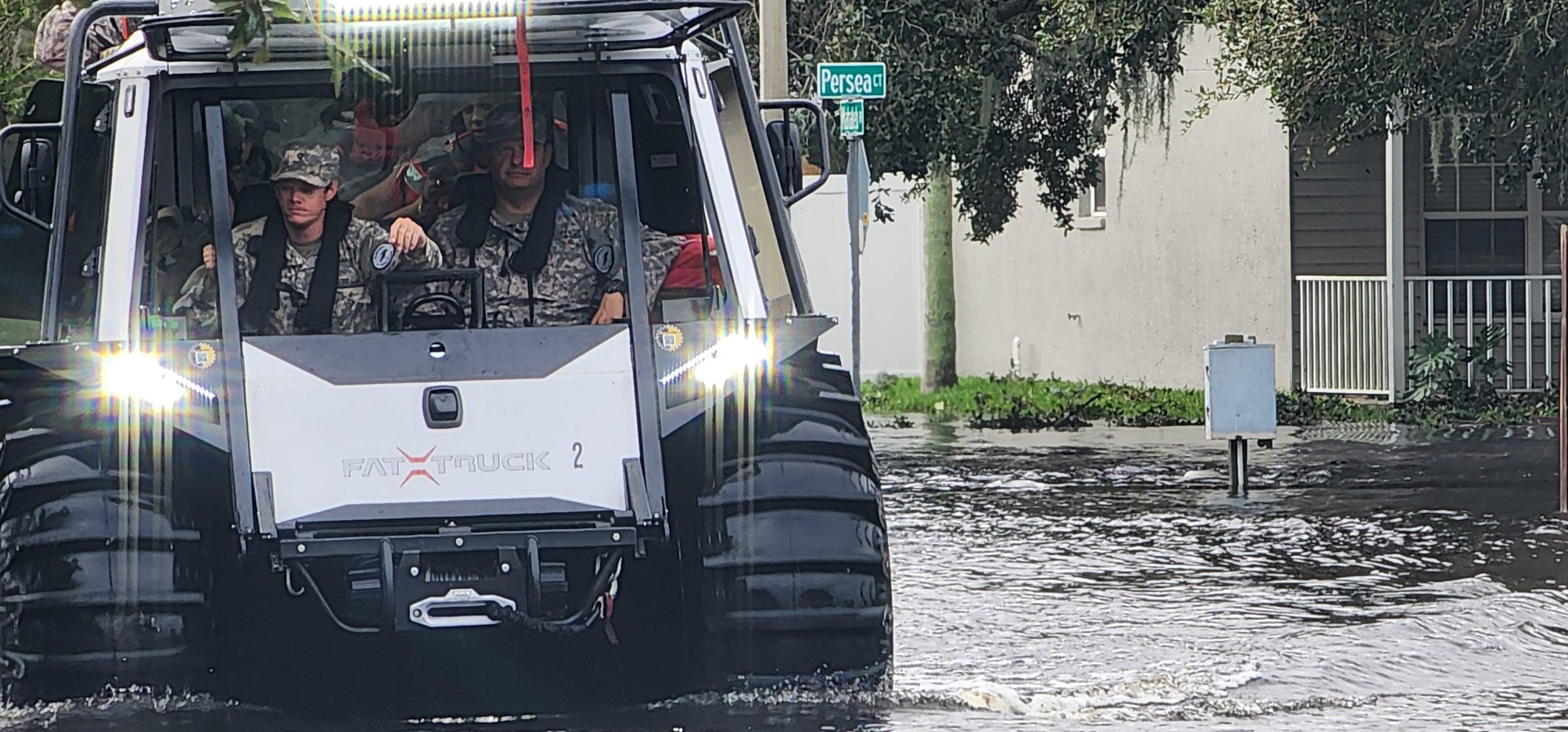
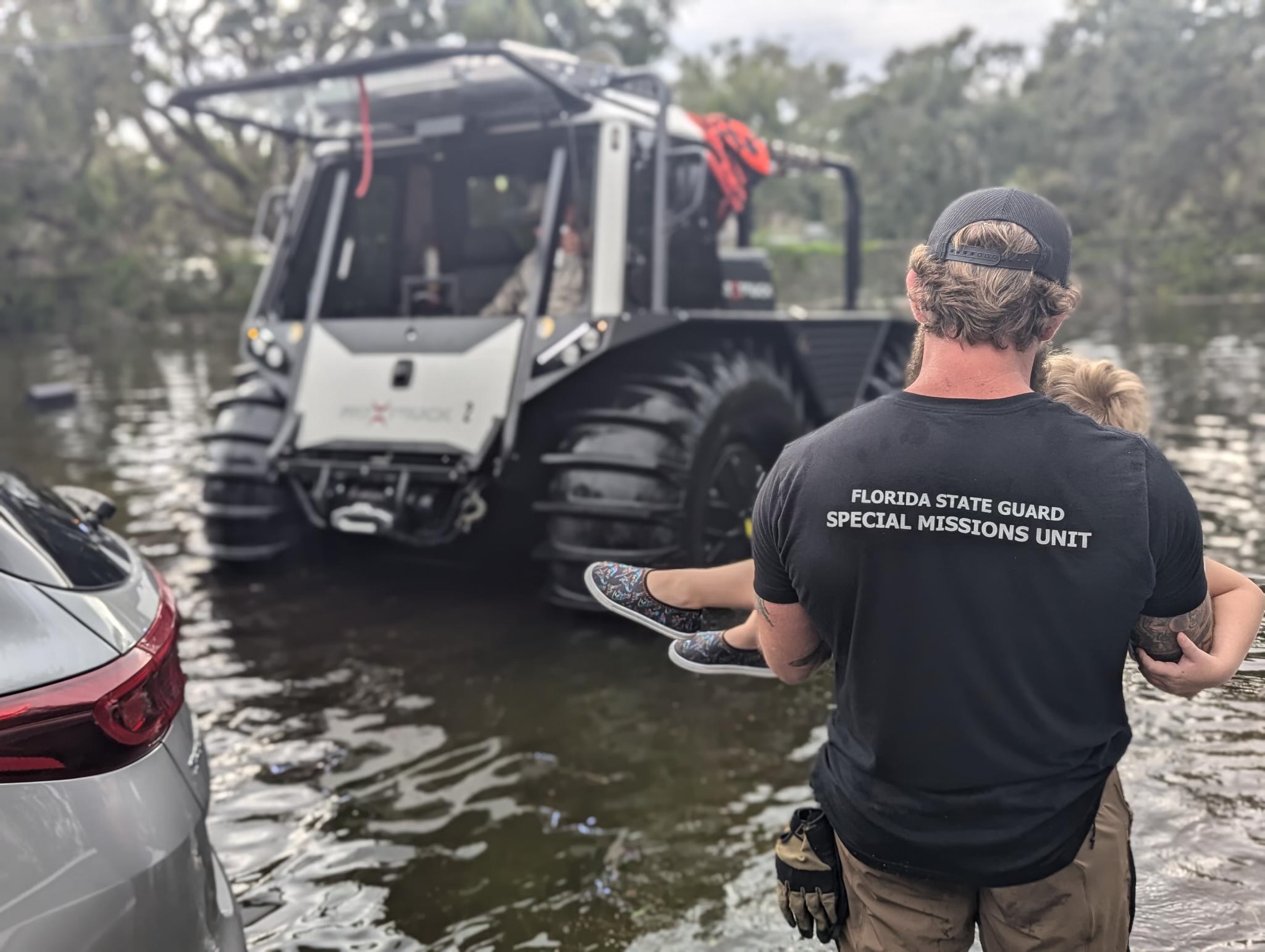
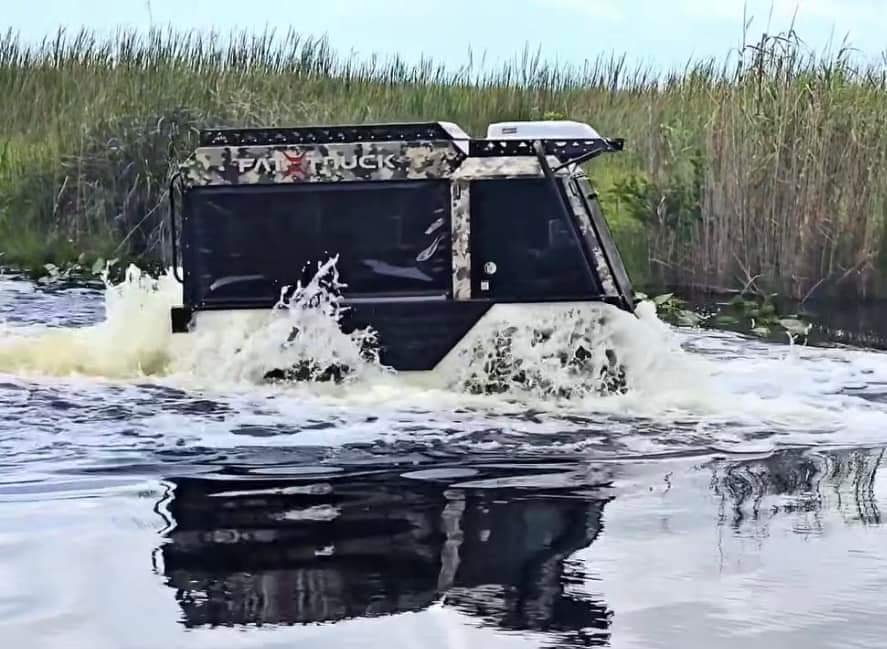
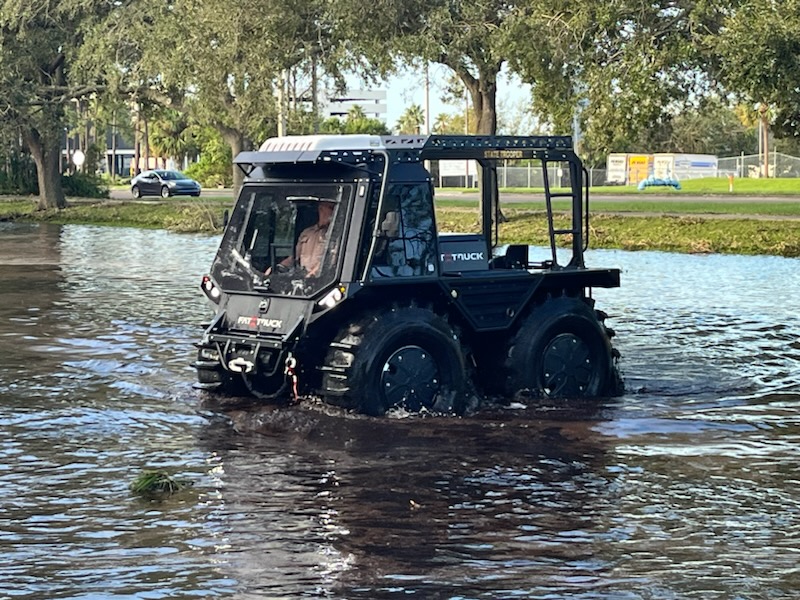
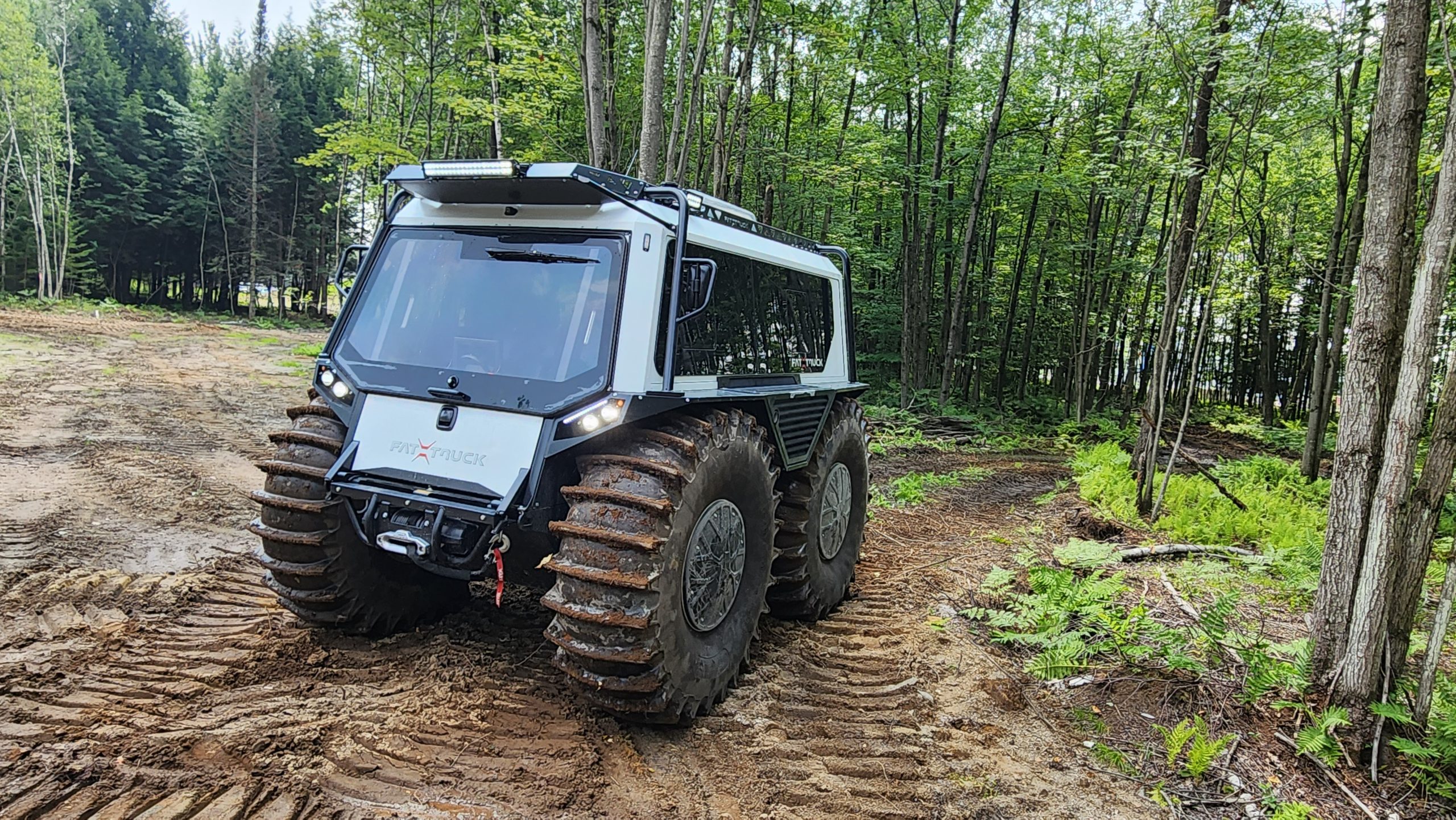
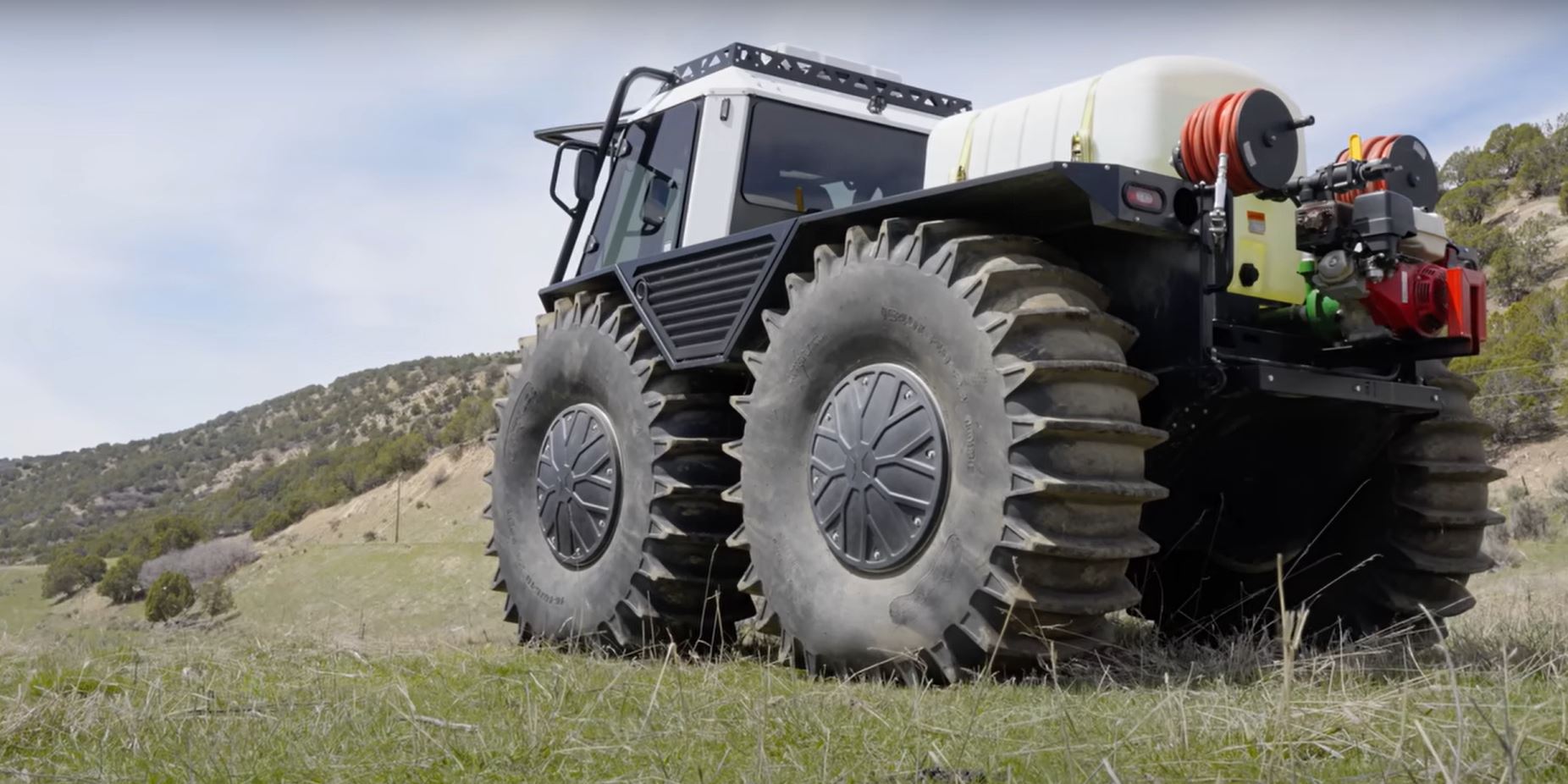
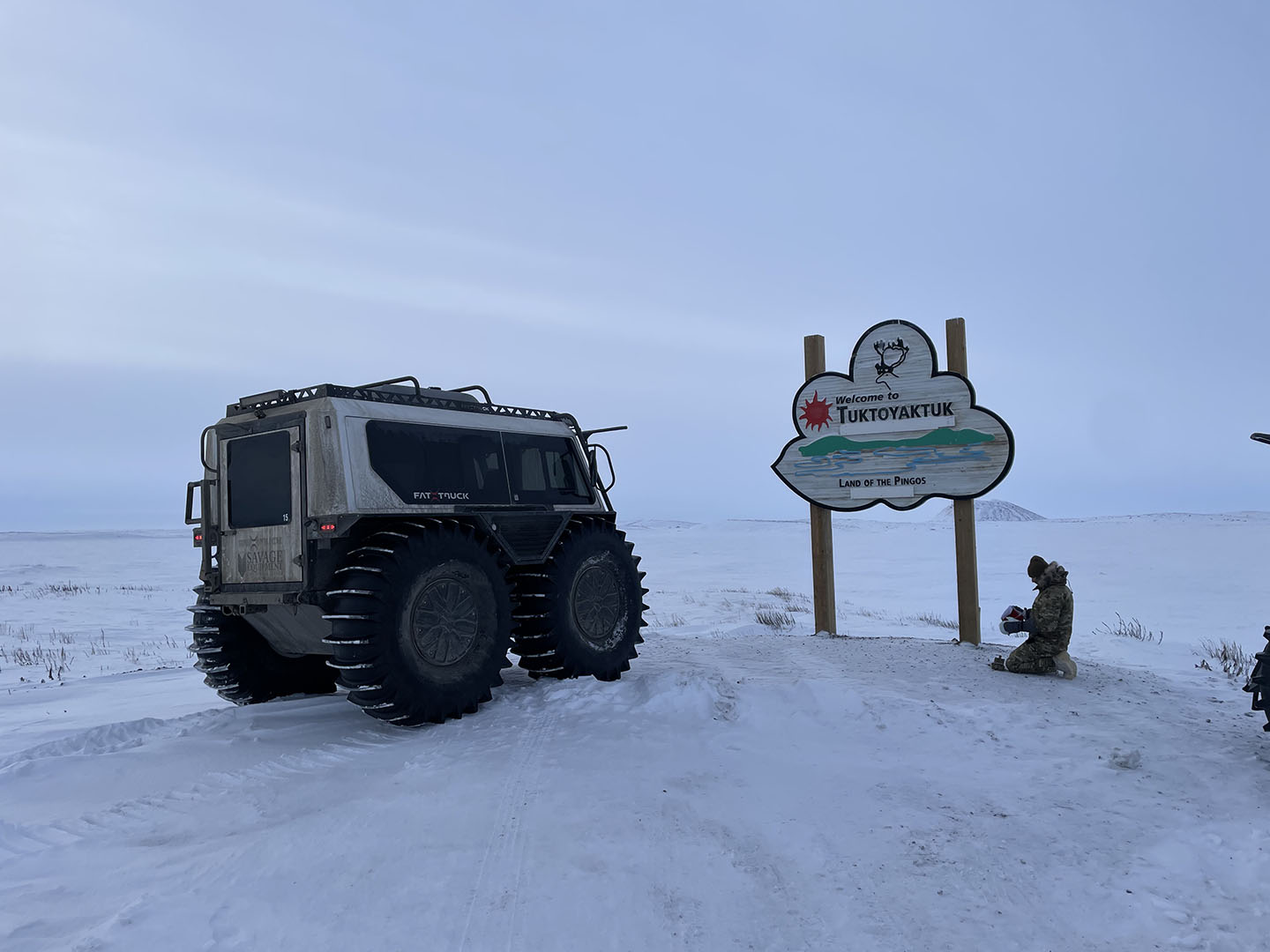
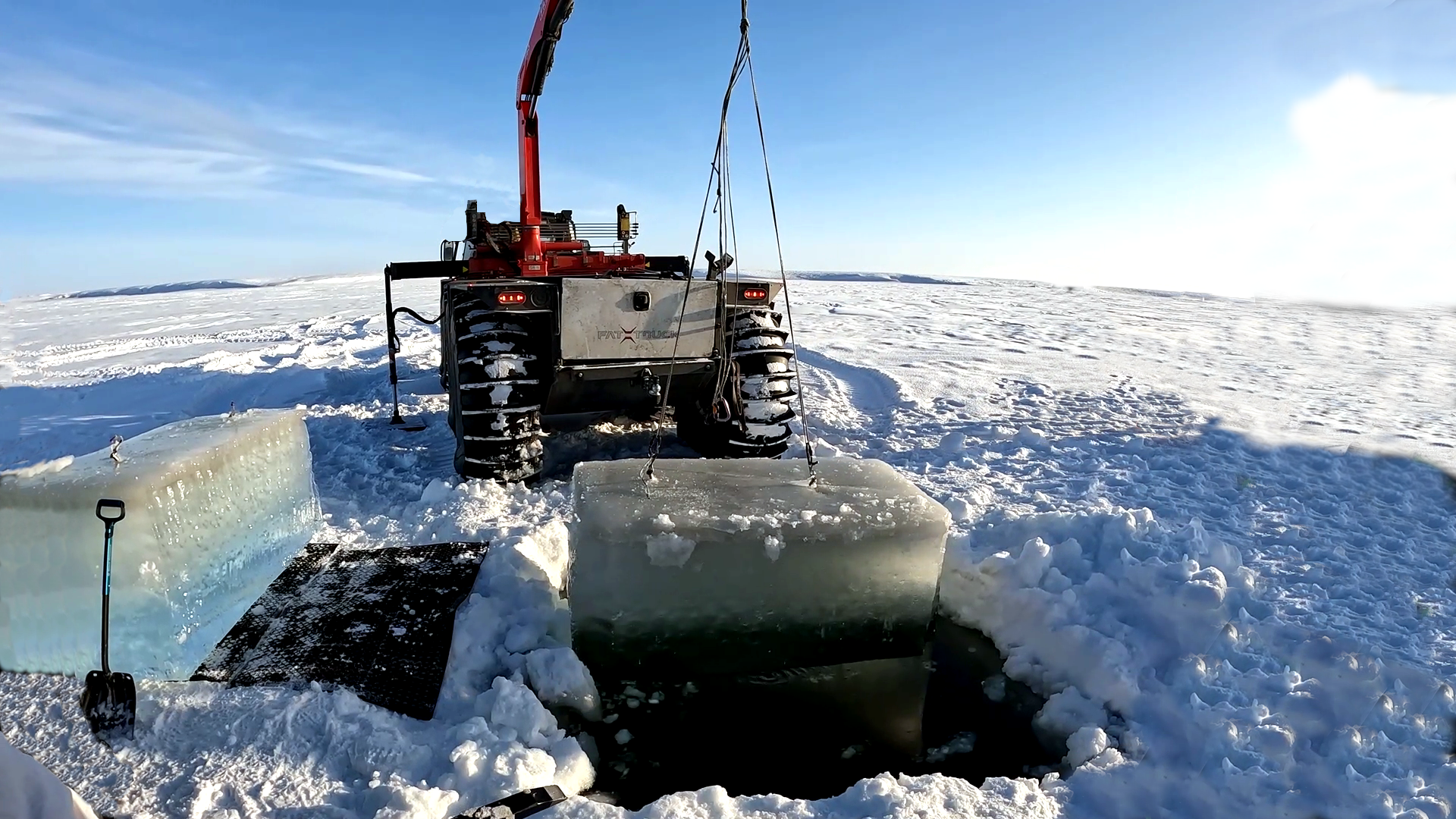
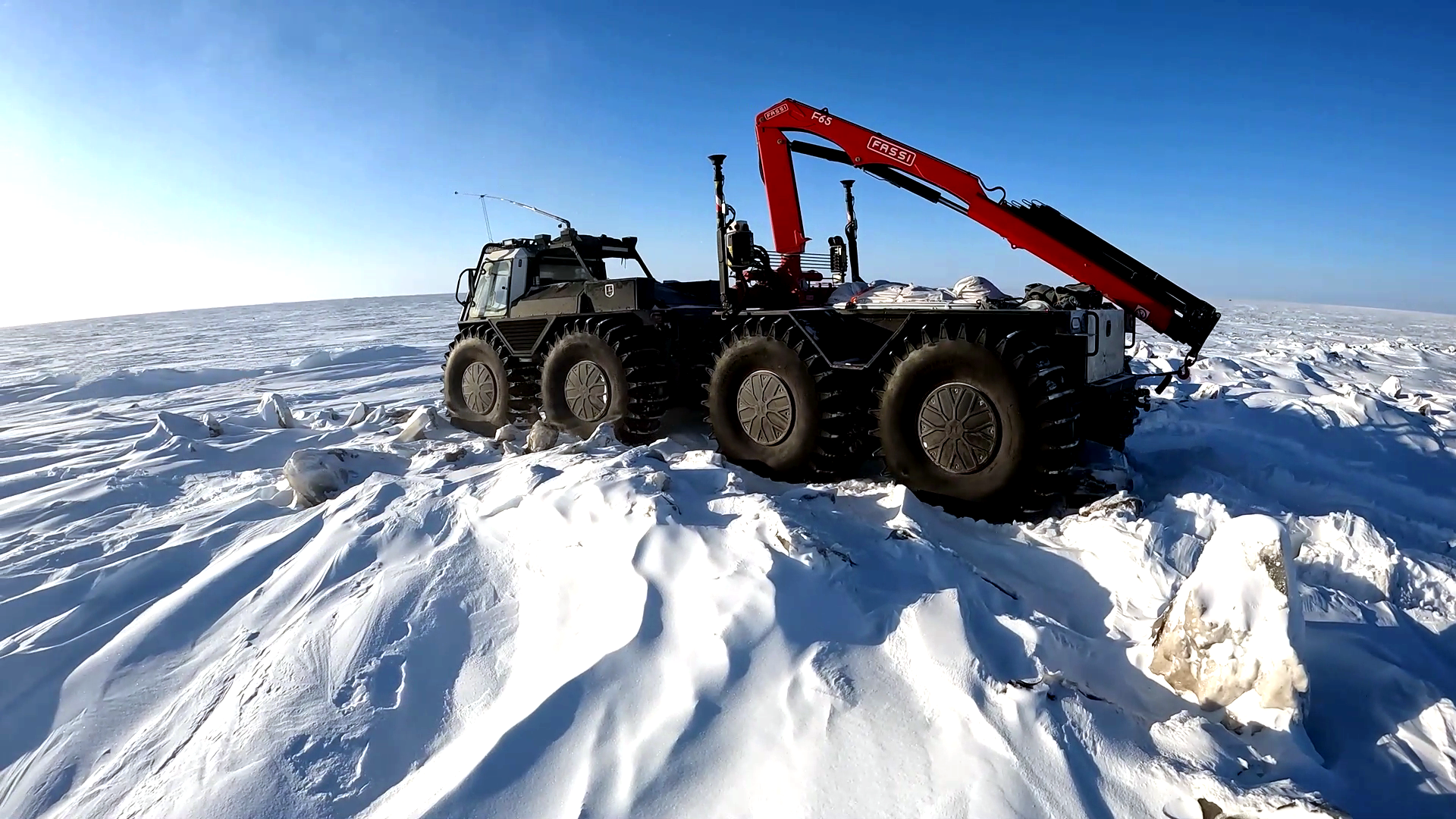
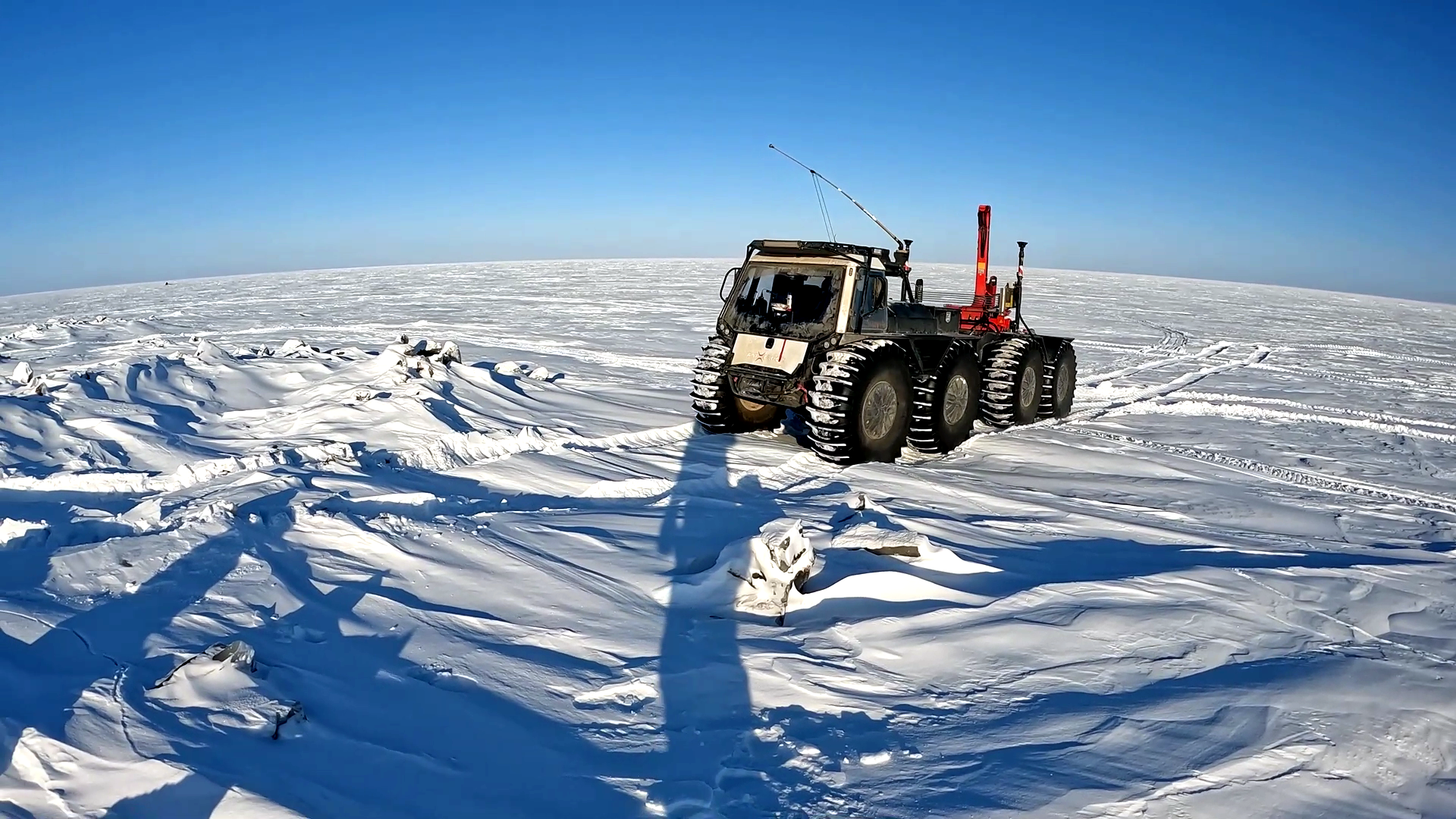
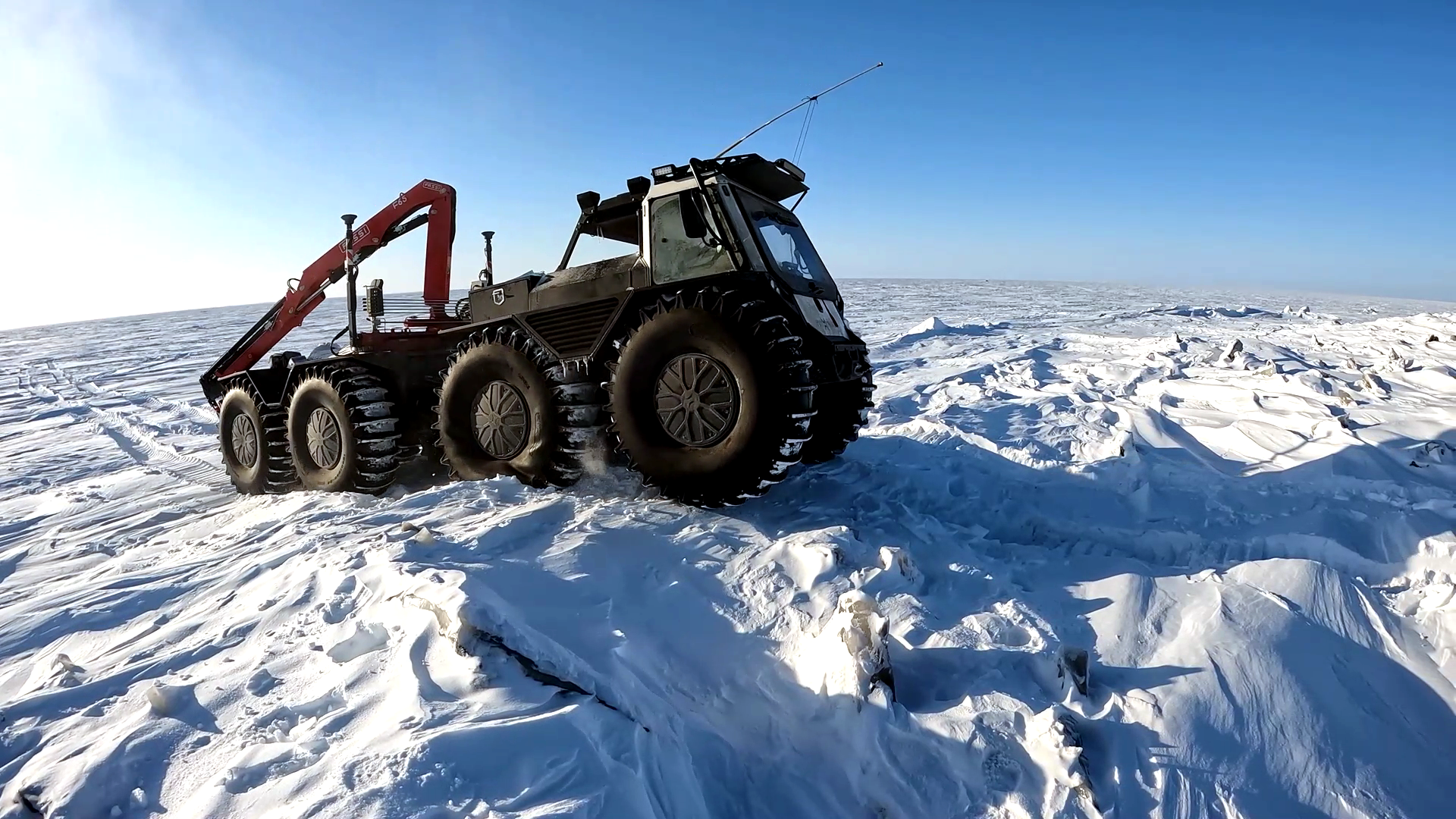
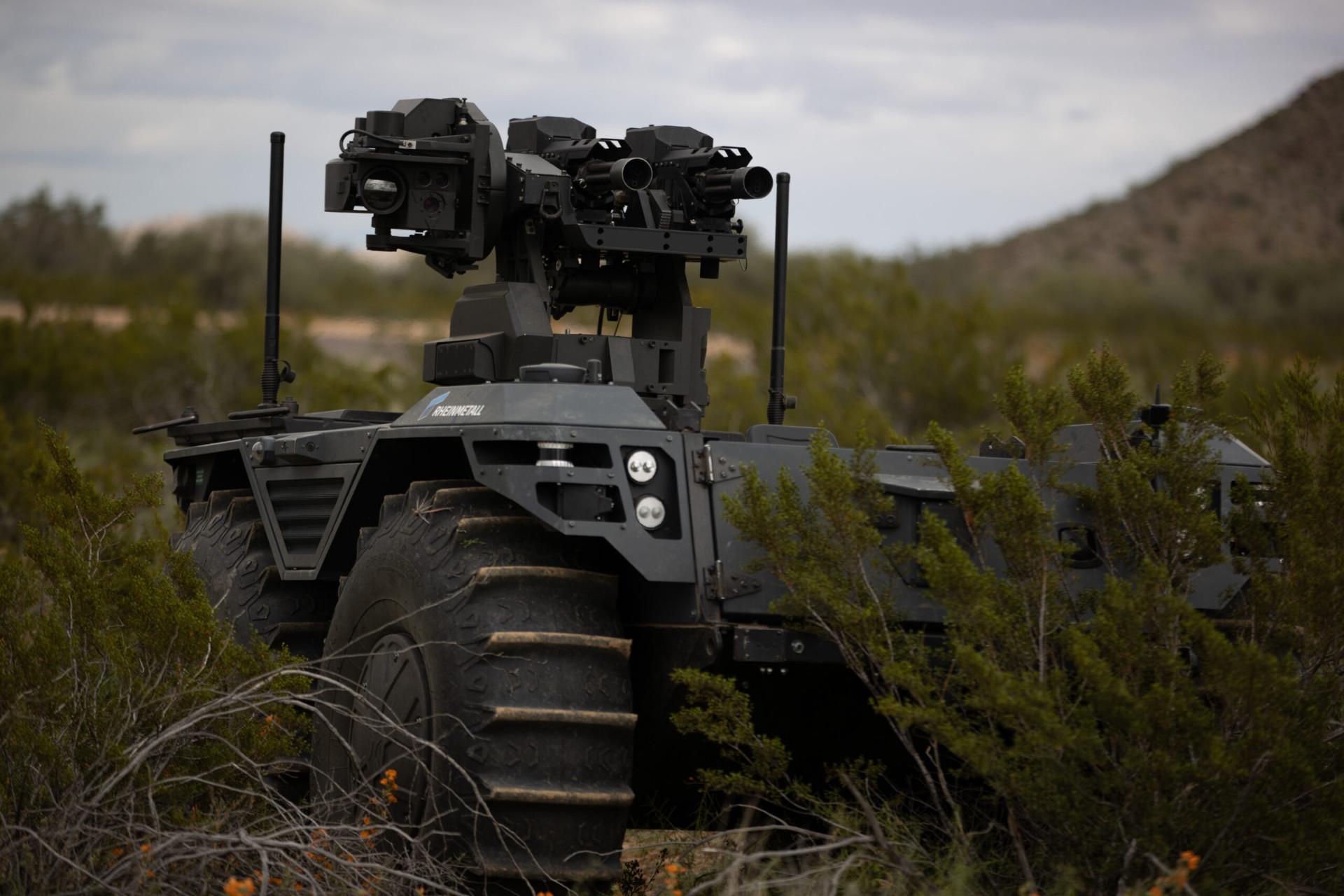
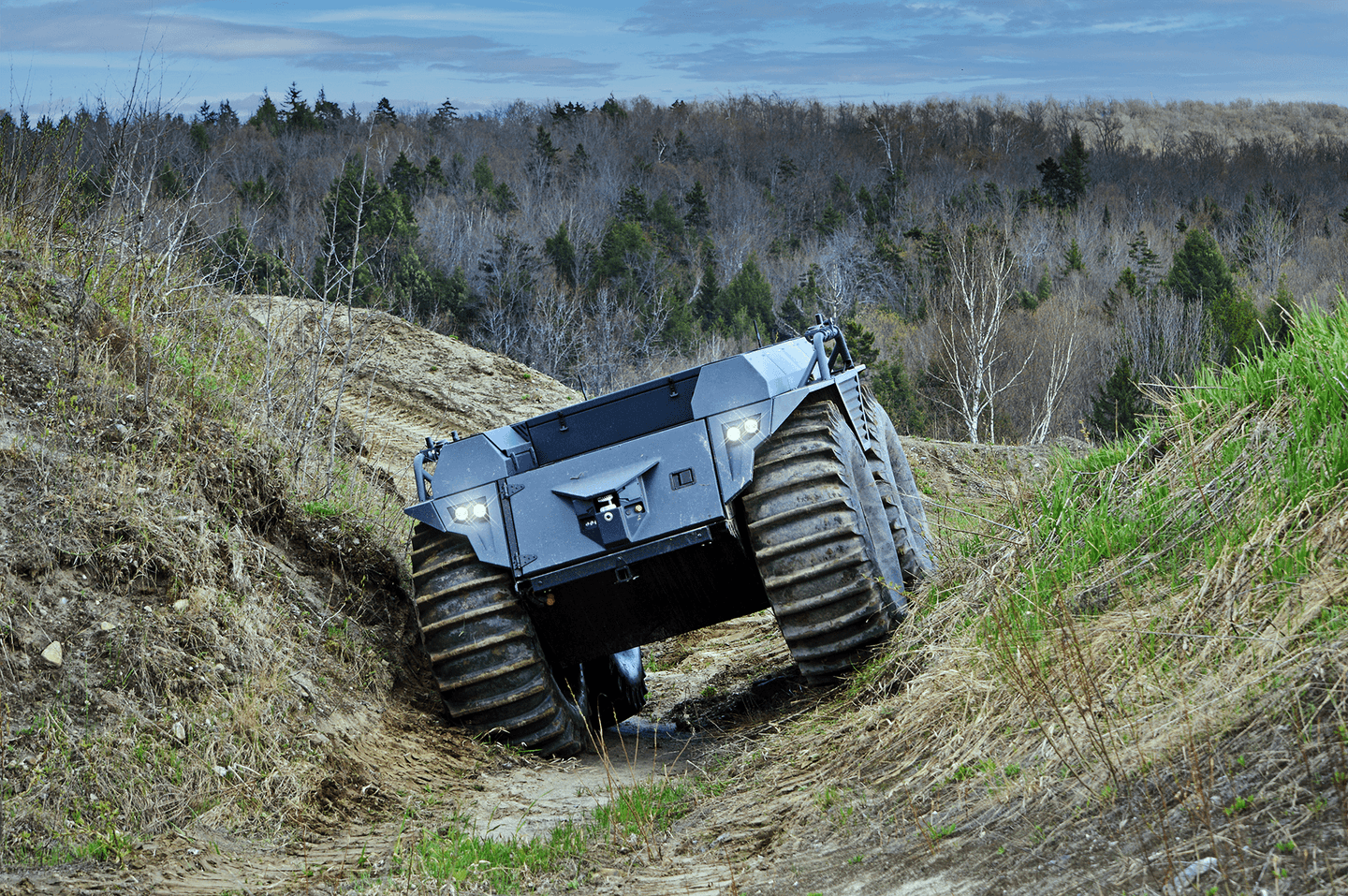
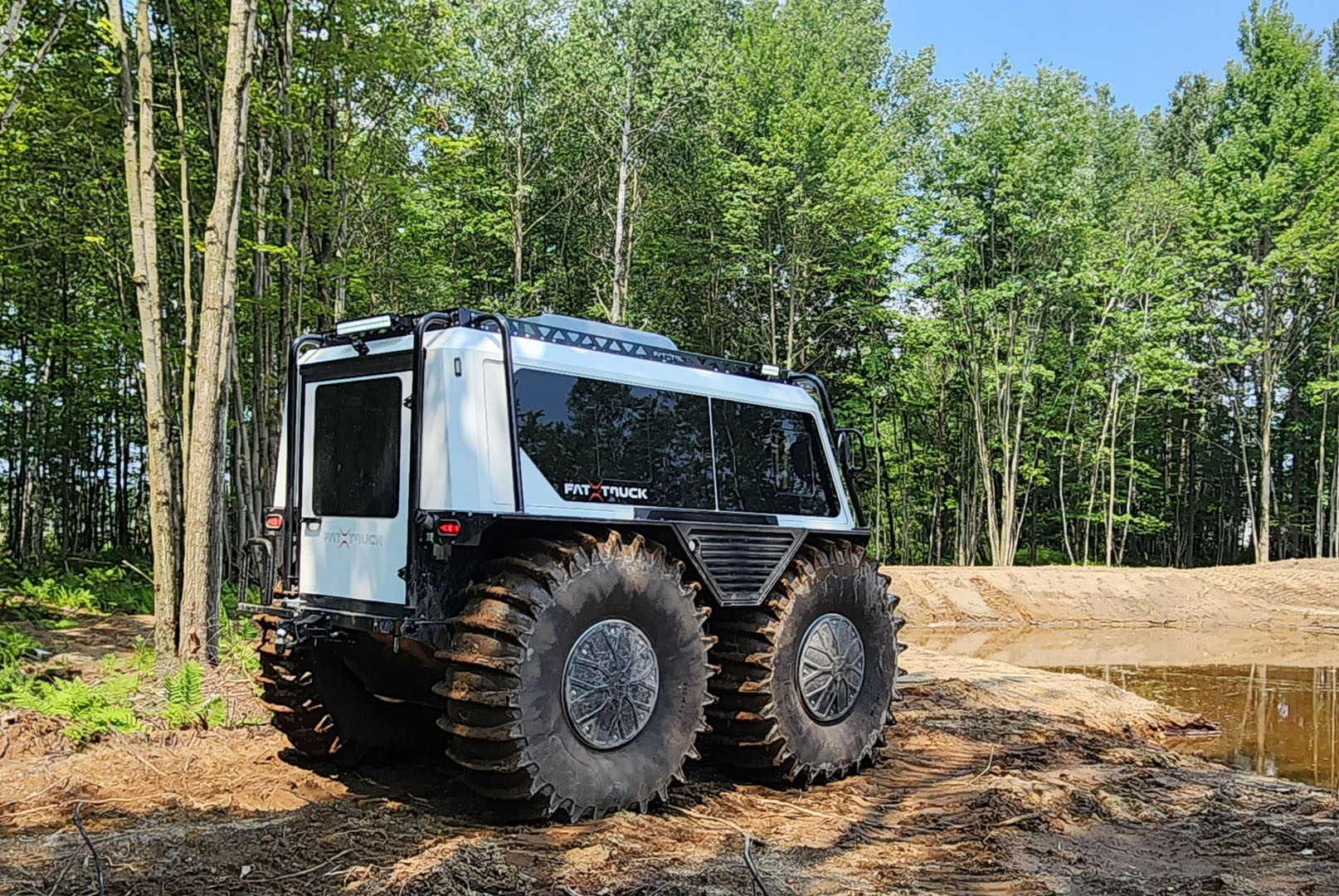
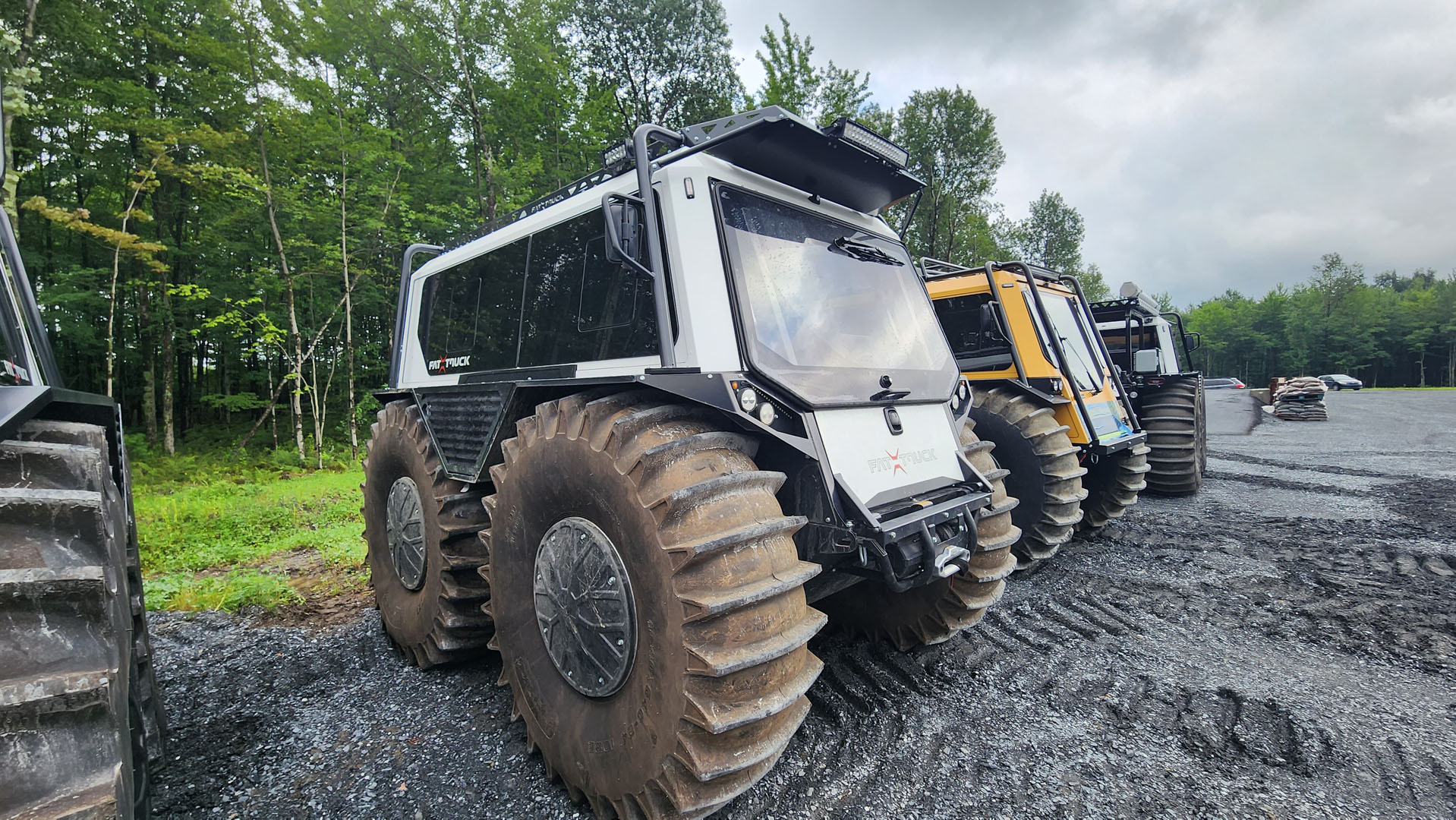
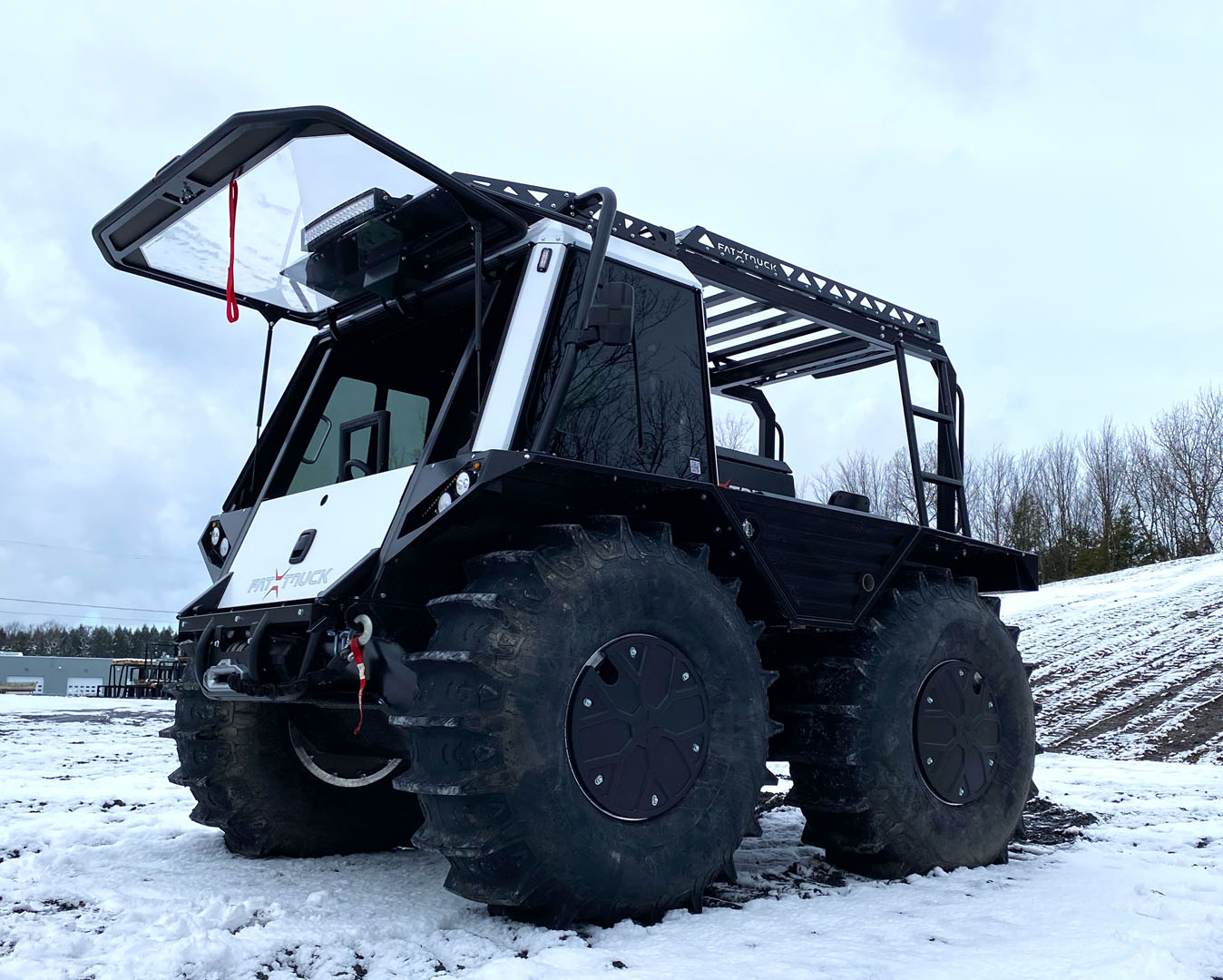
This is the terrain FAT TRUCK® was built for. Heavy foundation and stringing equipment will still need matting in many cases. But much of the daily work on a transmission build is moving people, tools and materials to structure locations: surveying, inspection, hardware delivery, crew rotation and restoration. A low-ground-pressure amphibious vehicle can handle that work in soft, wet and flooded ground.
Fiber: the other lifeline every data center needs
Power is only half the connection. The Fiber Broadband Association projects the U.S. will need a nearly 2X increase in fiber route miles (from 95,000 to 187,000) and a 2.3X increase in fiber miles (from 159 million to 373 million) by 2029. That includes new short interconnections for every new hyperscale data center, averaging 135 route miles of connectivity per site.
Location makes this harder. Many newer data centers are going to be out in the middle of nowhere, and yet they must be connected with fiber, because developers are chasing available power and land. Labor is tight too: the fiber industry’s own estimate is a need for more than 200,000 additional workers in fiber deployment alone.
For telecom contractors, that means long rural routes, splicing and placement crews working away from pavement, and schedules that can’t stop every time the ground turns soft. When skilled crews are scarce, getting them to the work reliably matters as much as anything else on the job.
What this work actually needs from a vehicle
Whether the job is a transmission corridor, a substation expansion or a fiber lateral, the field requirements are similar:
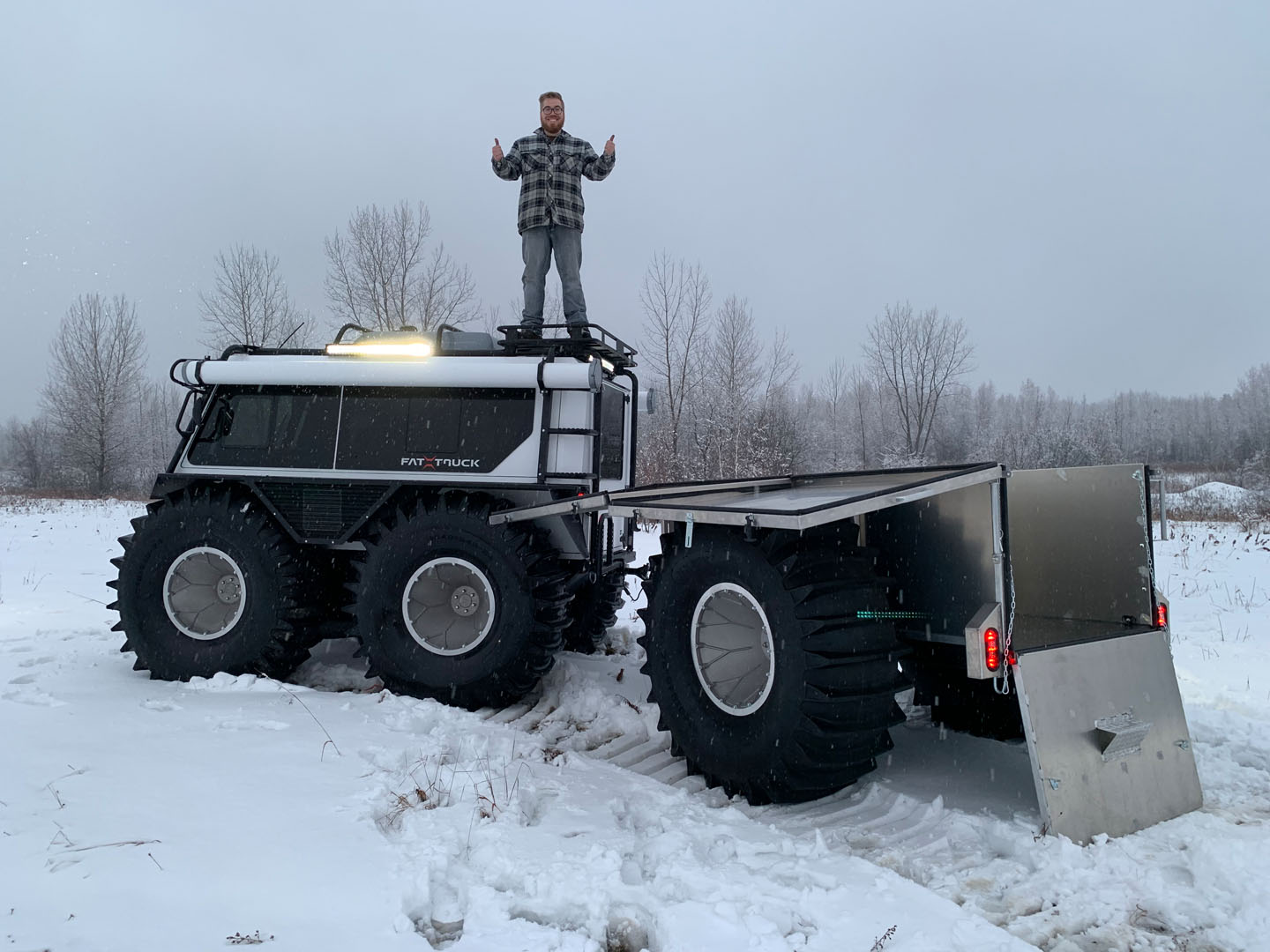
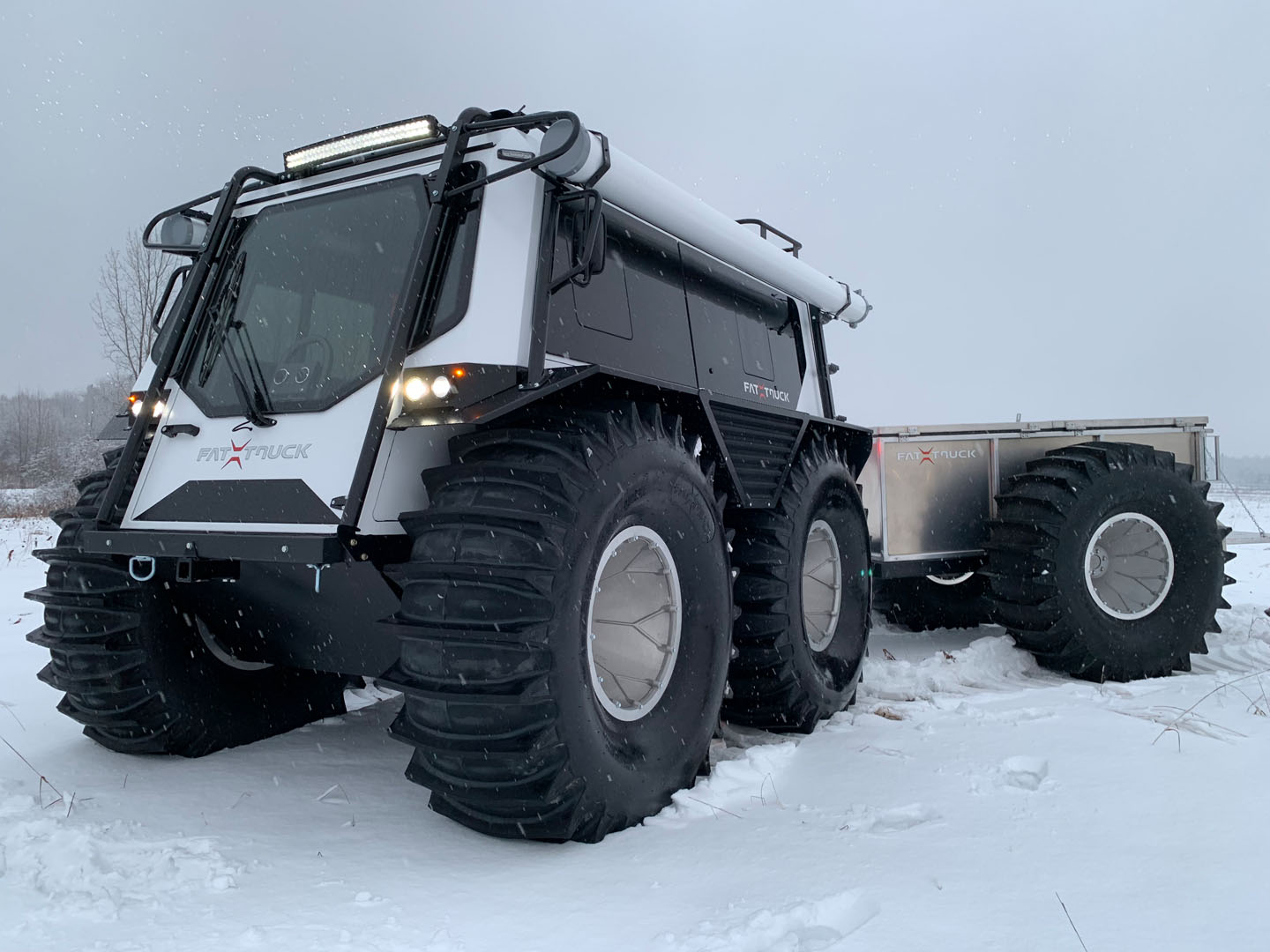
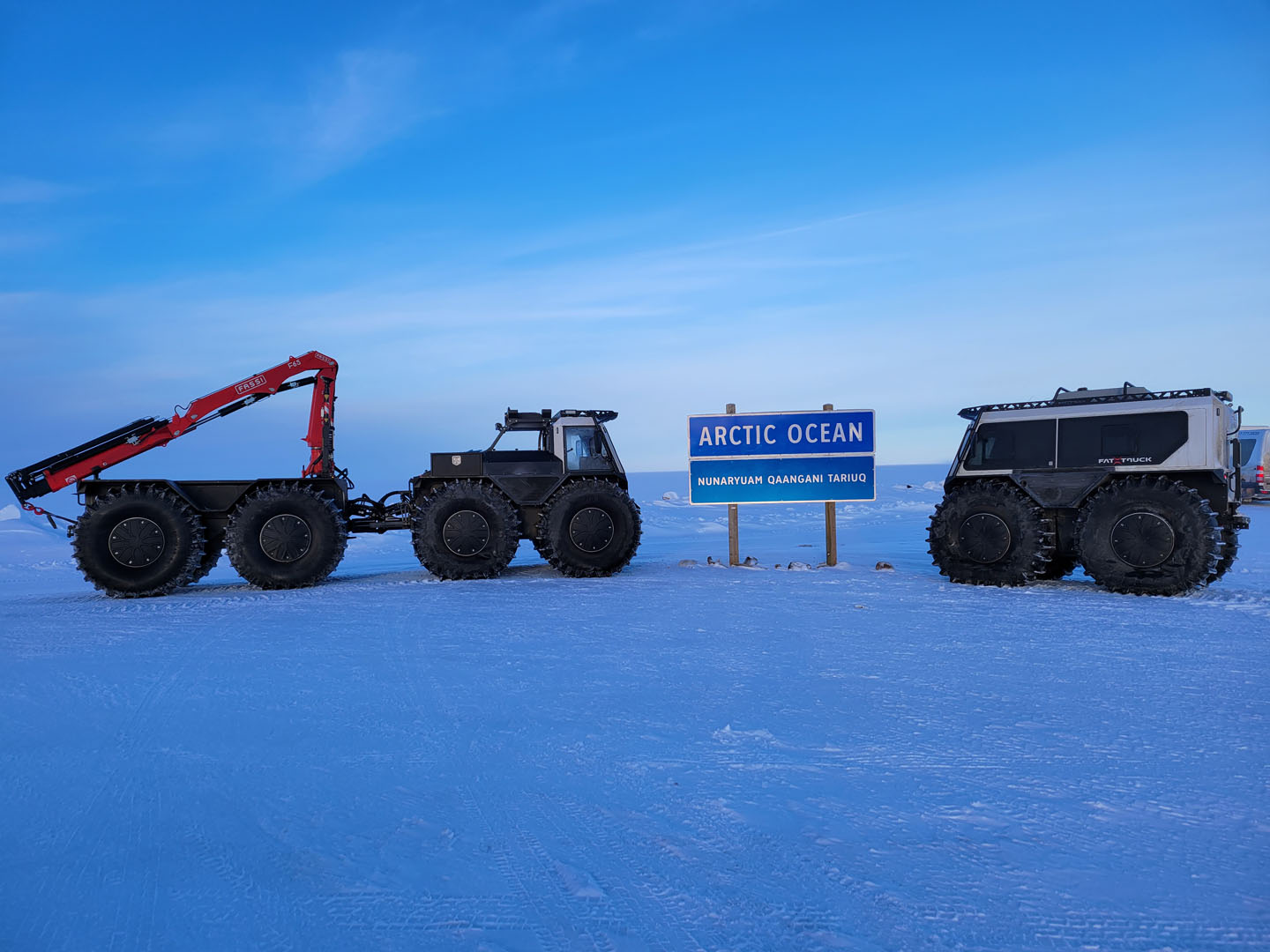
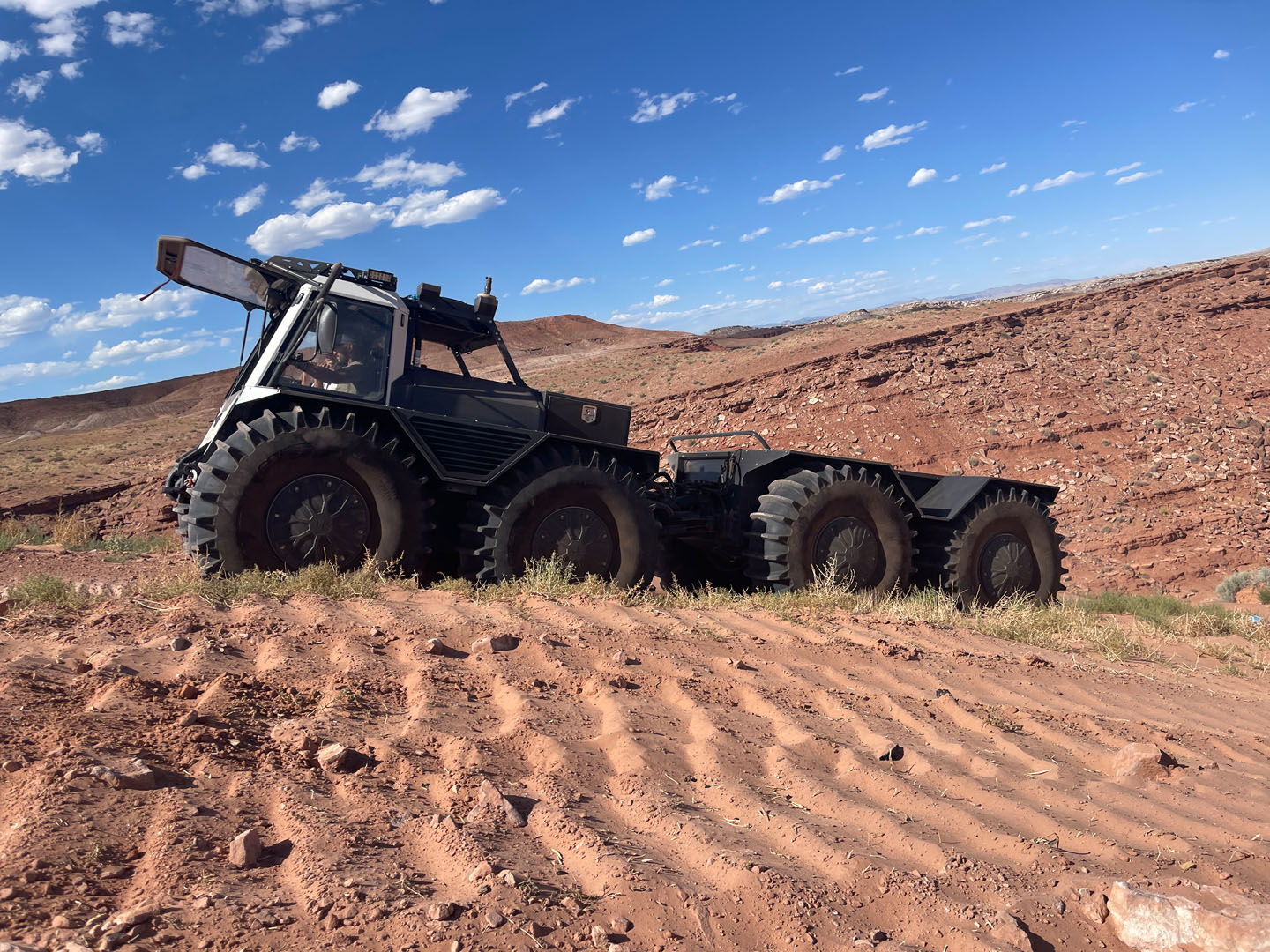
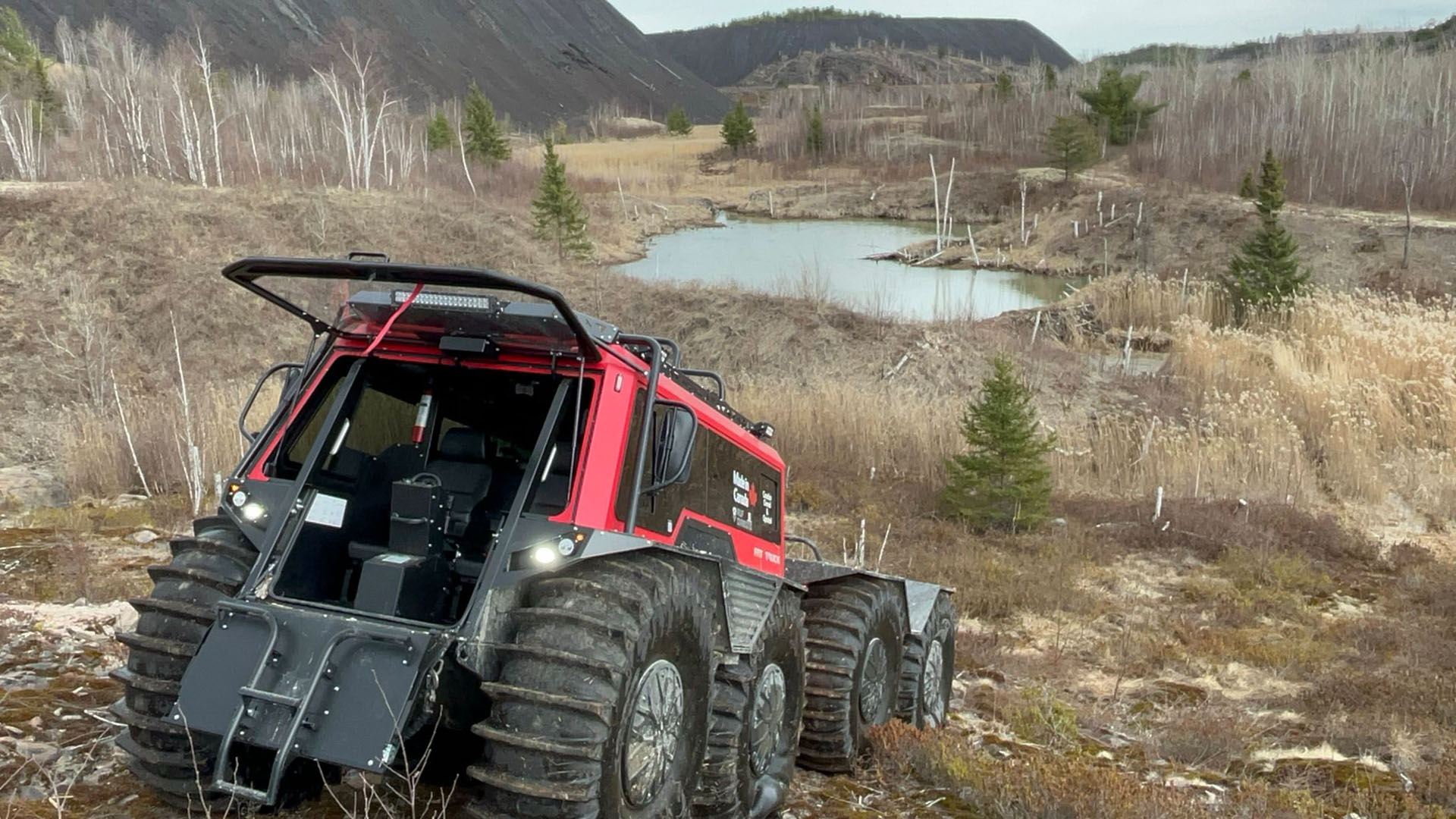
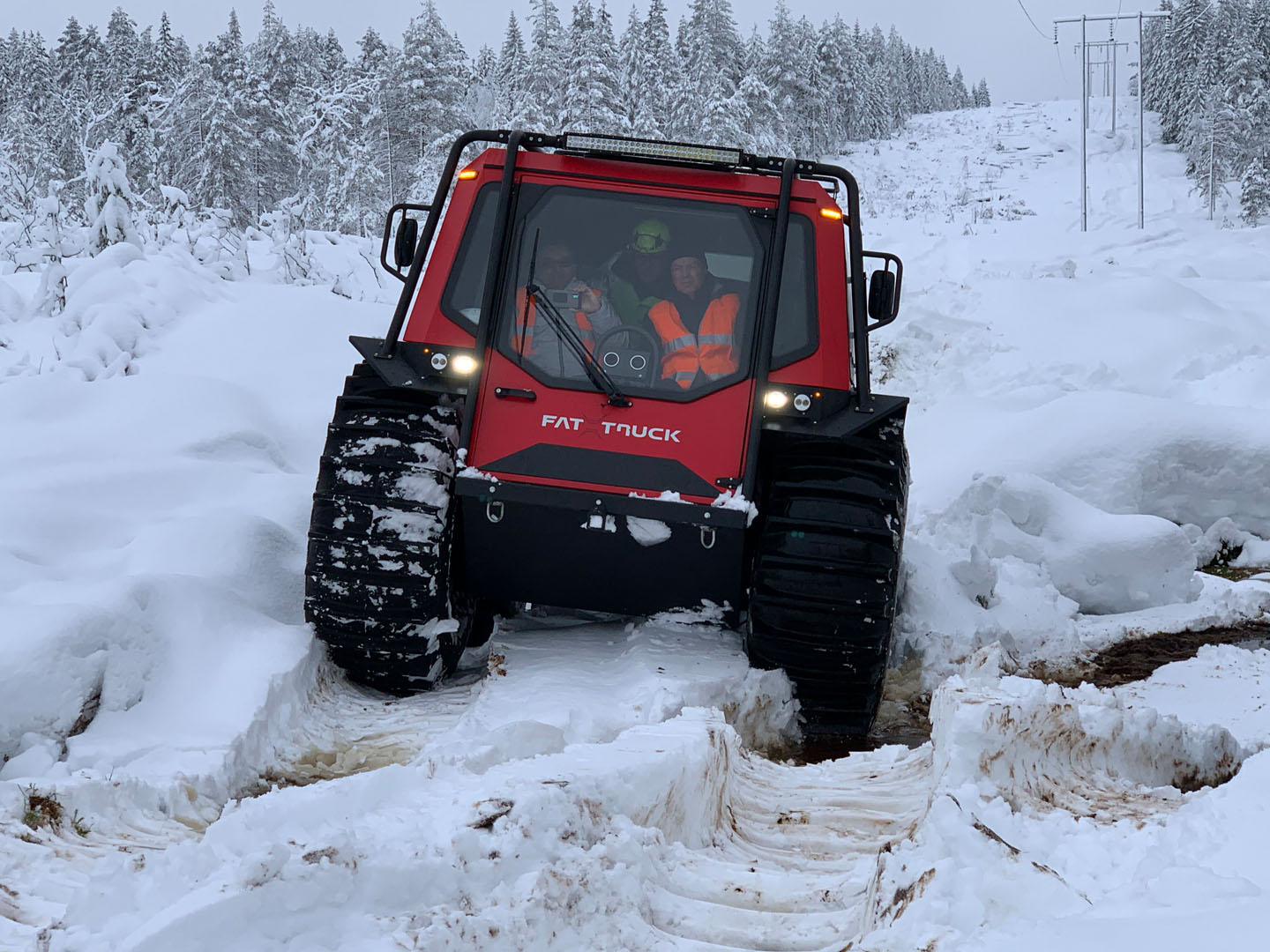
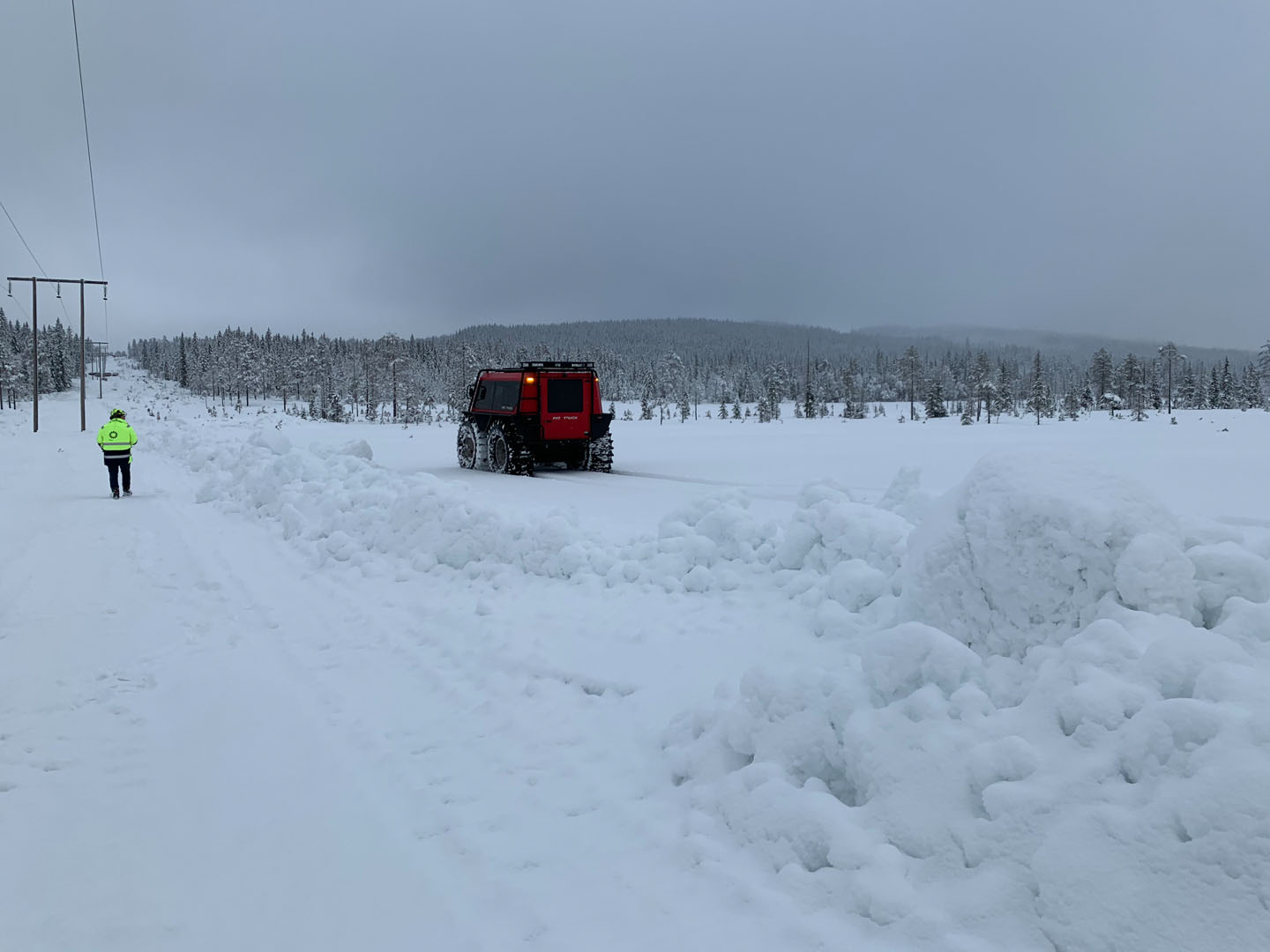
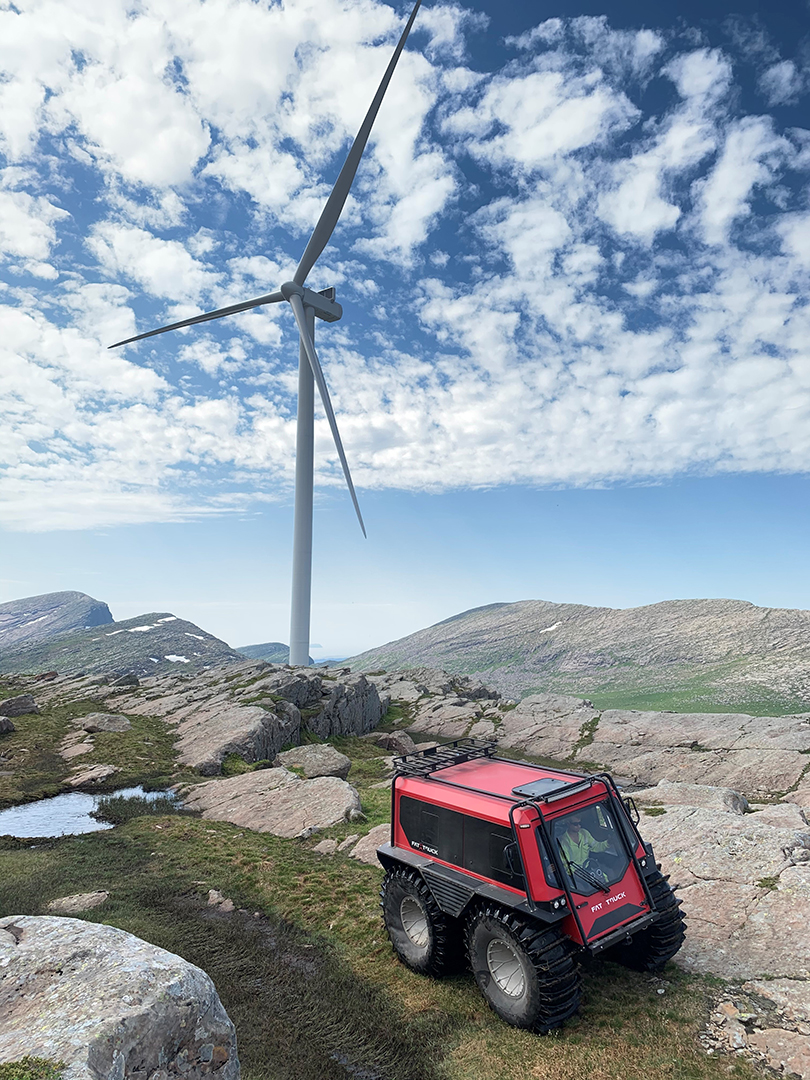
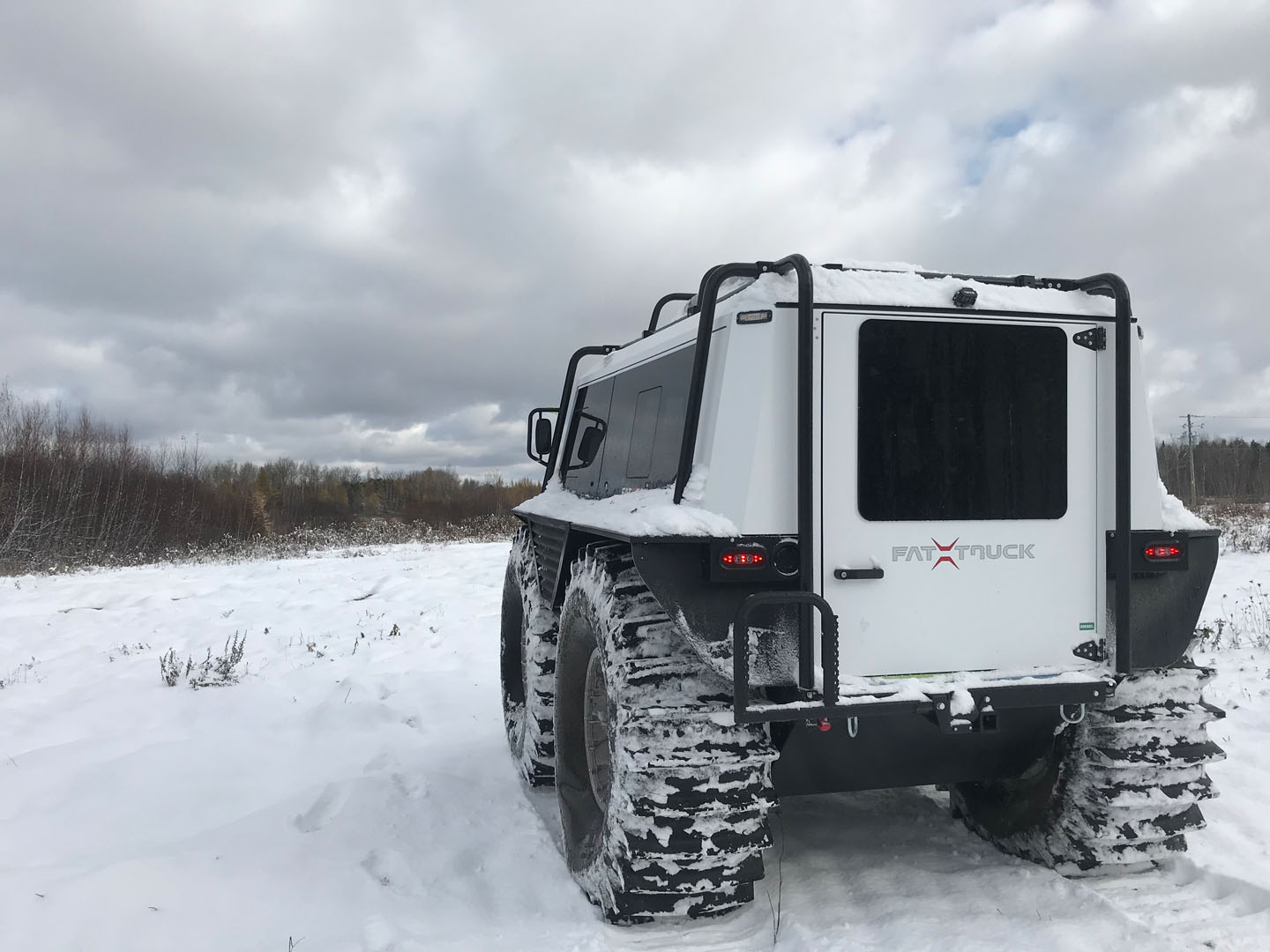
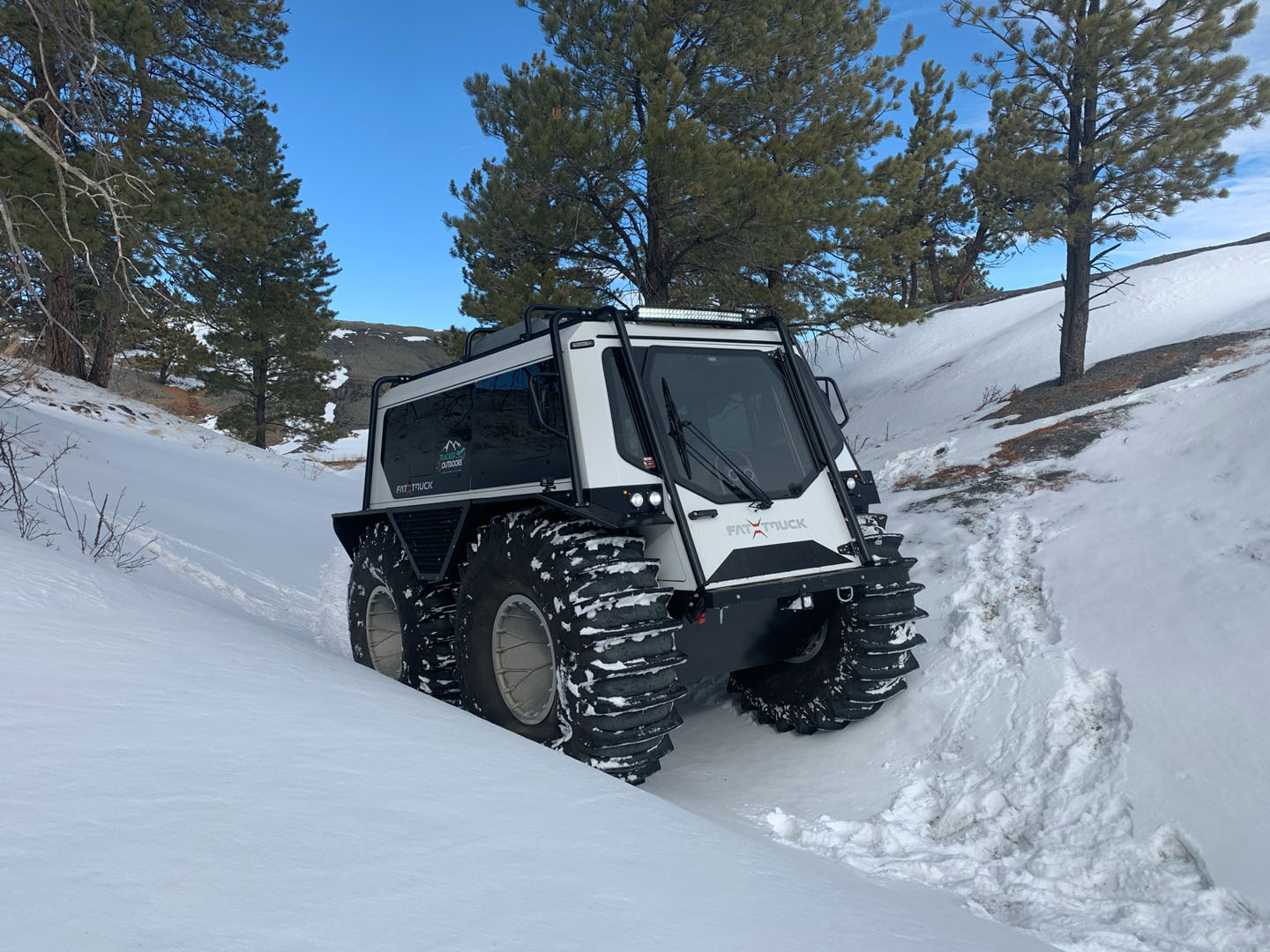
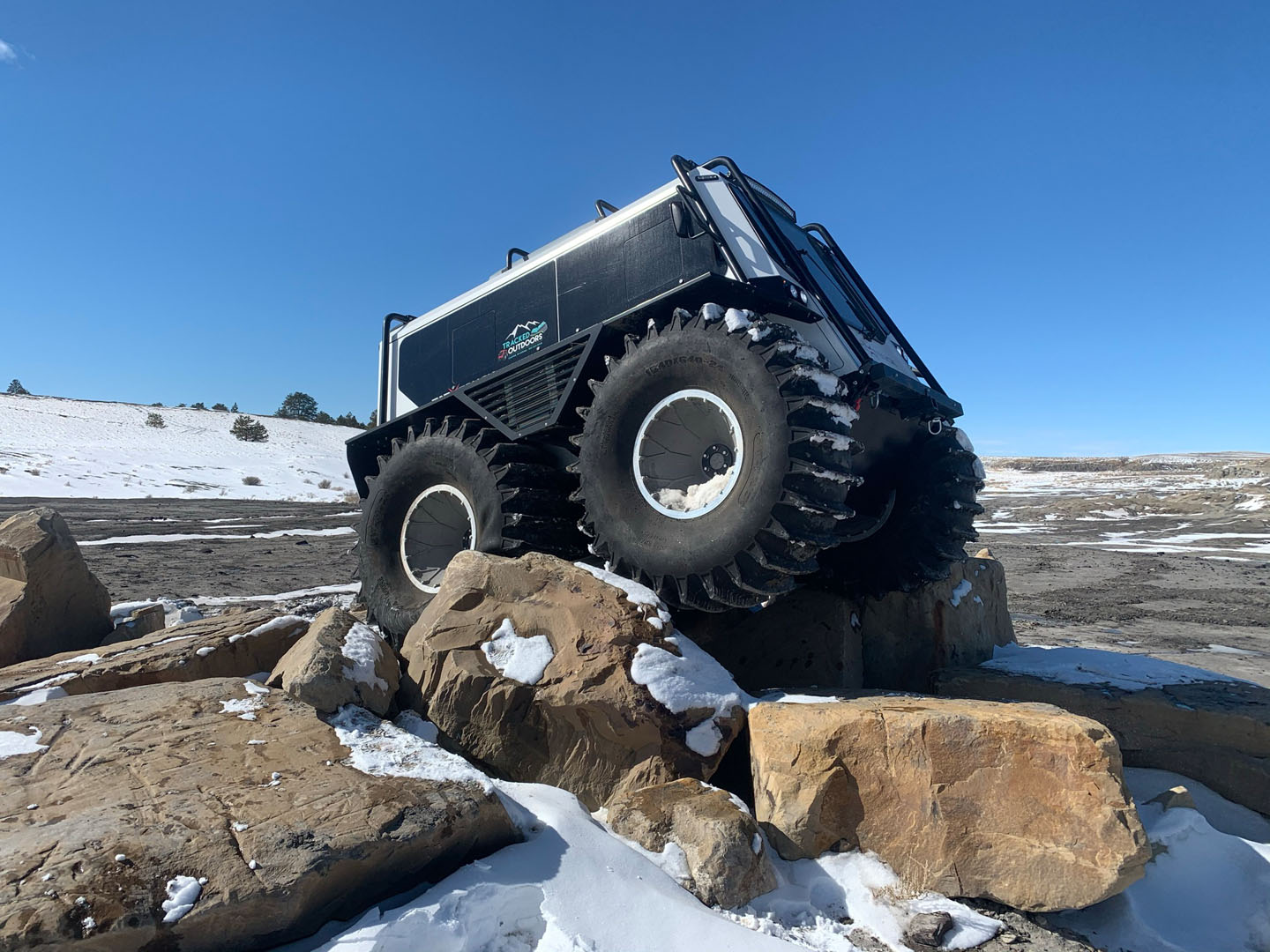
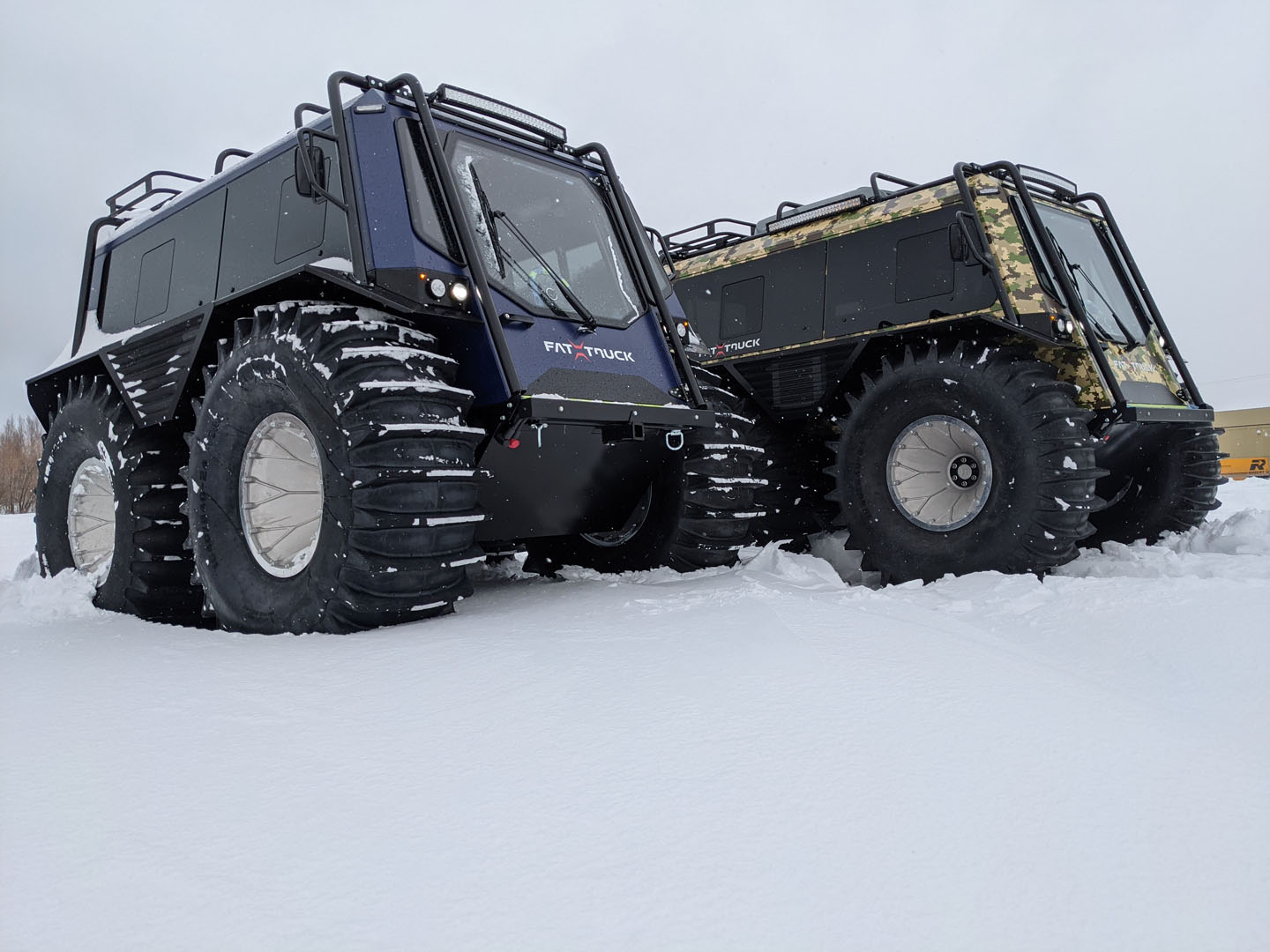
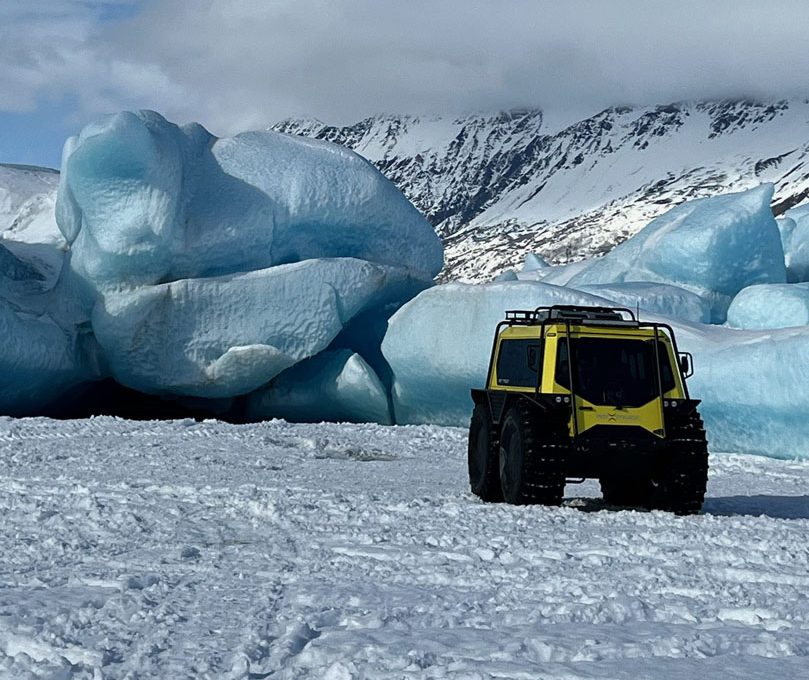
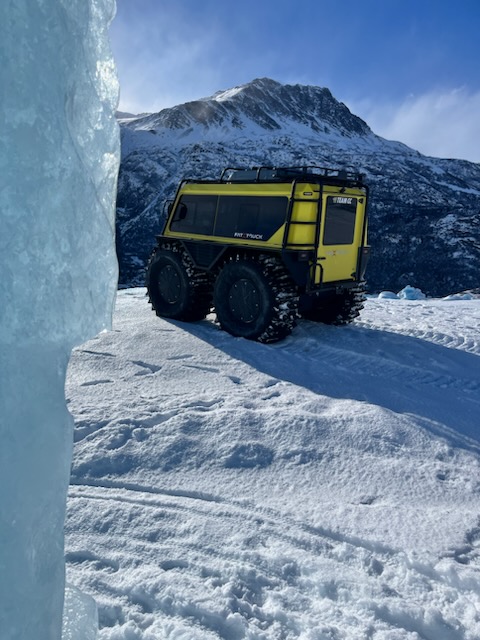
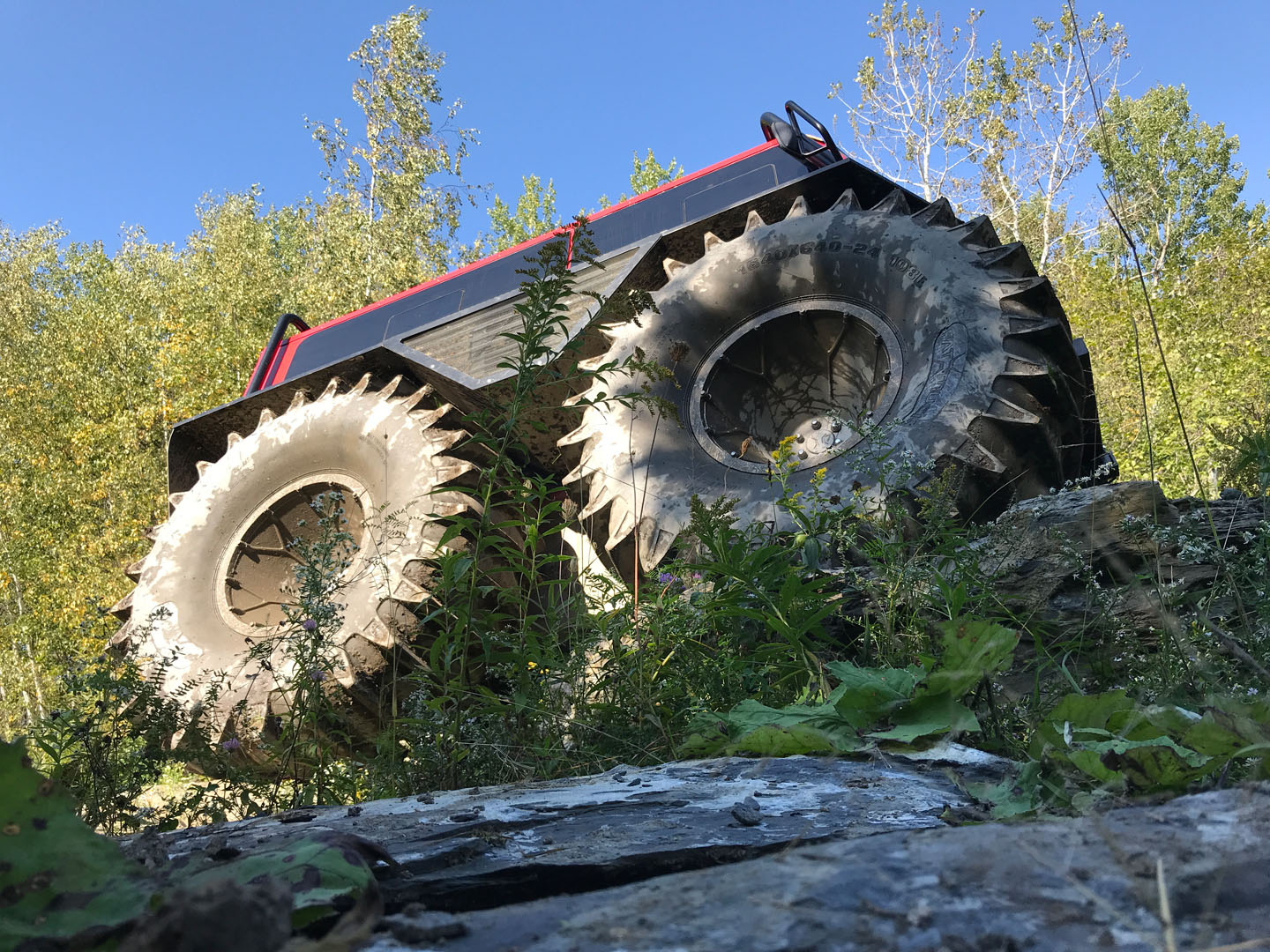
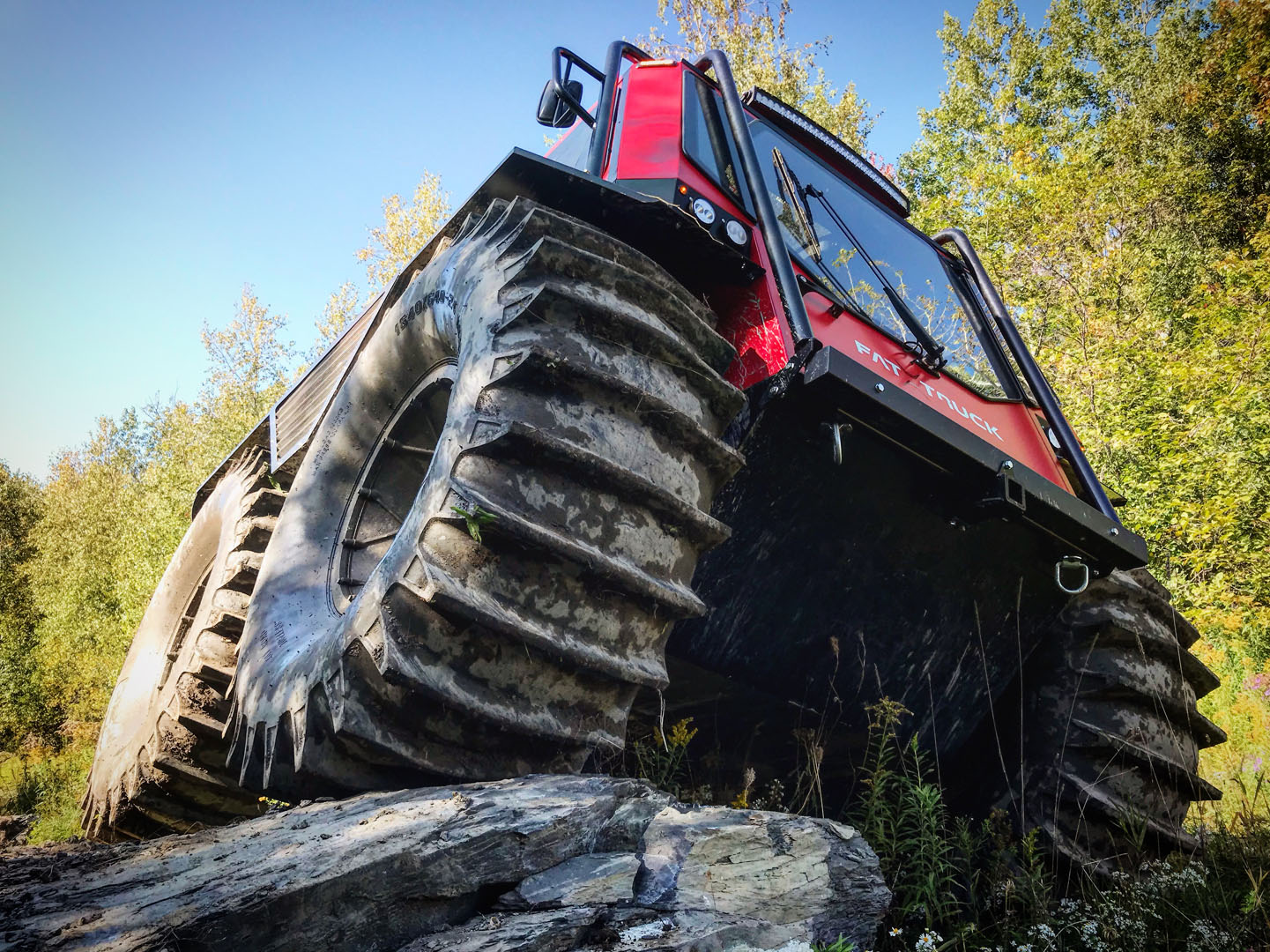
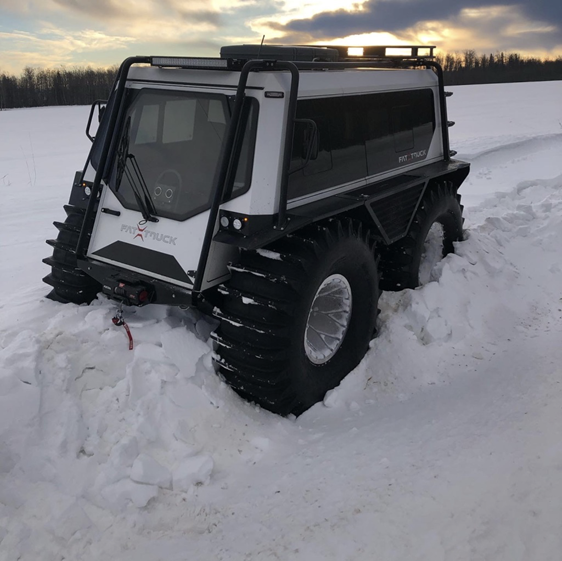
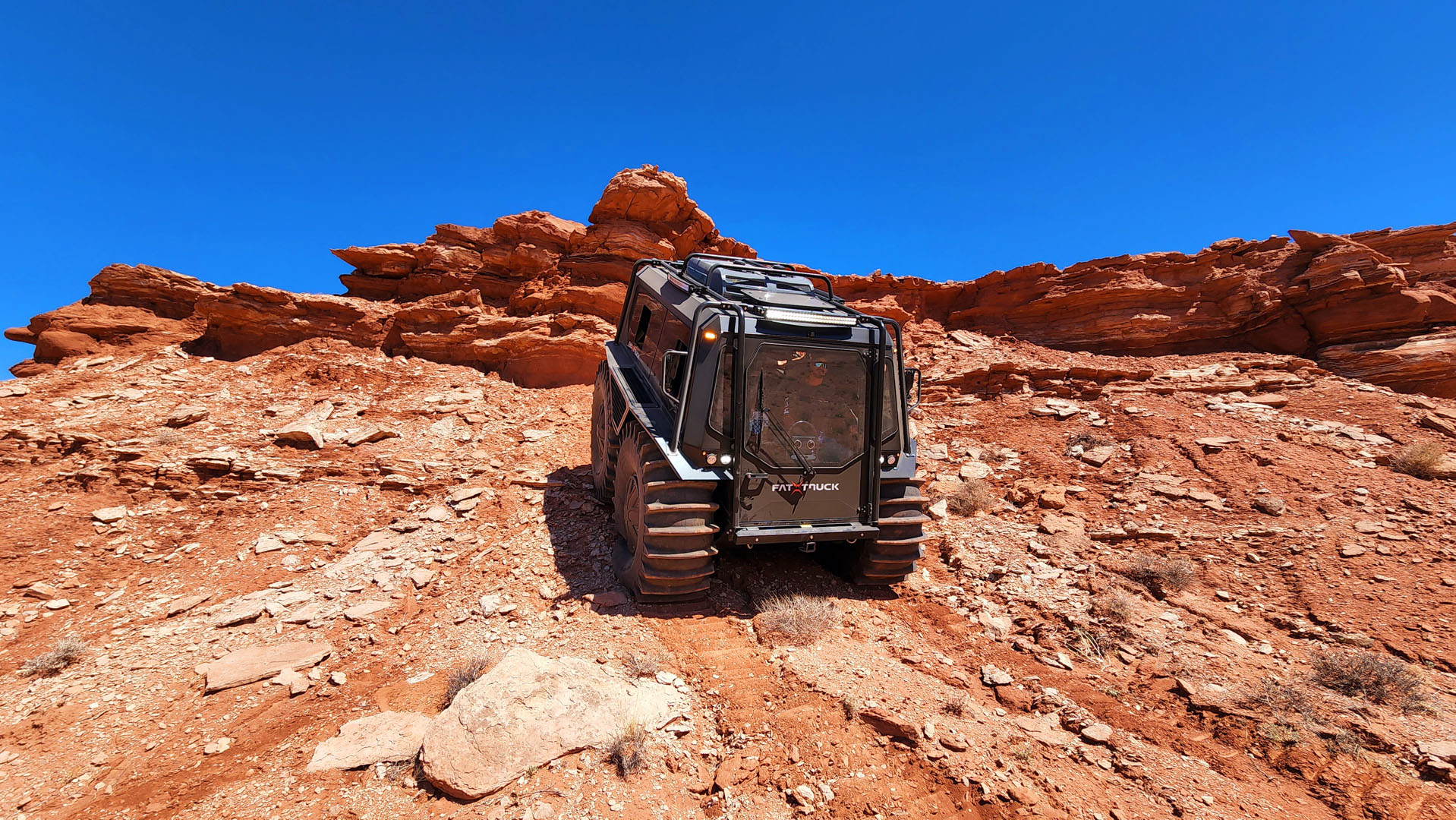
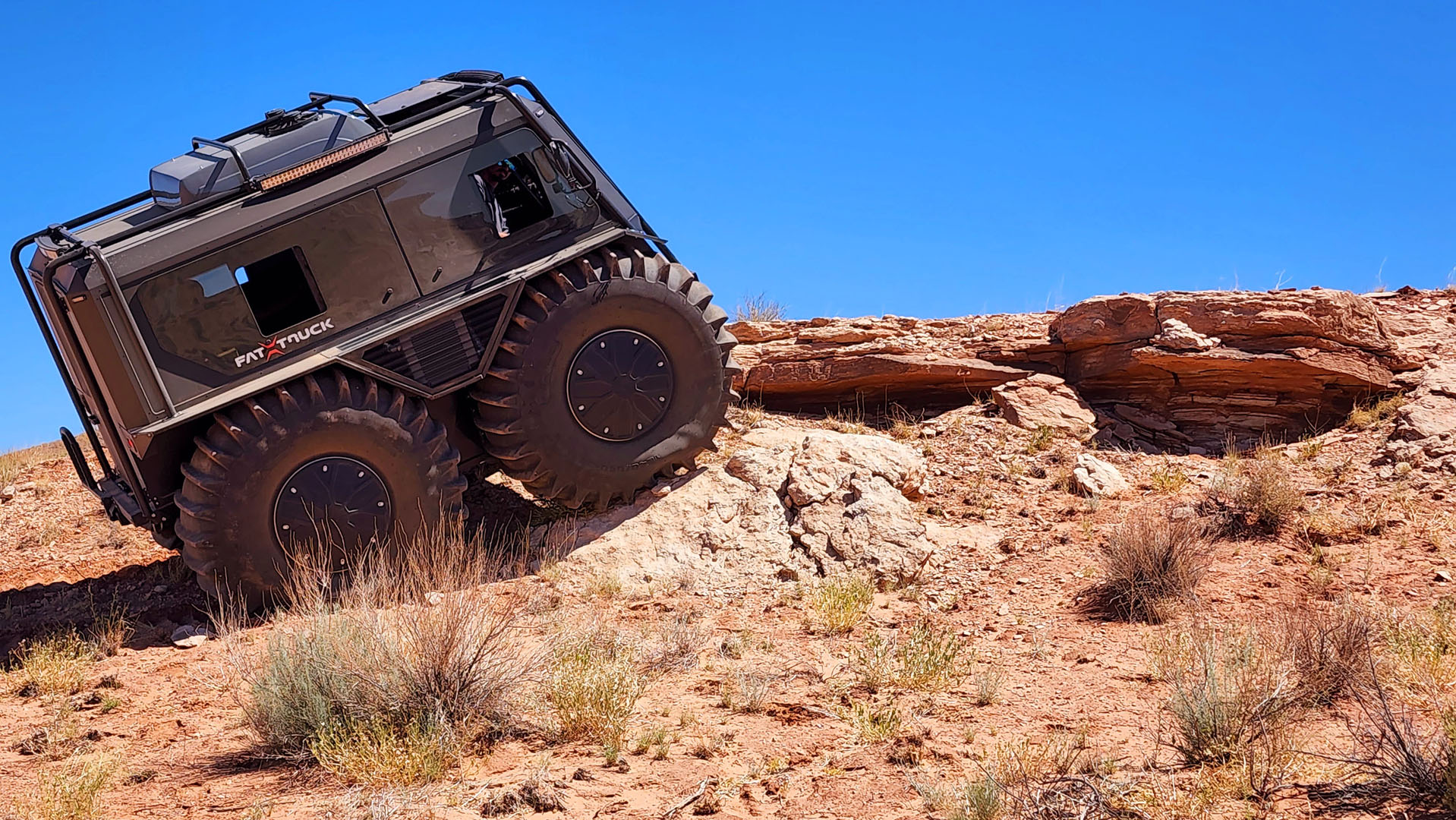
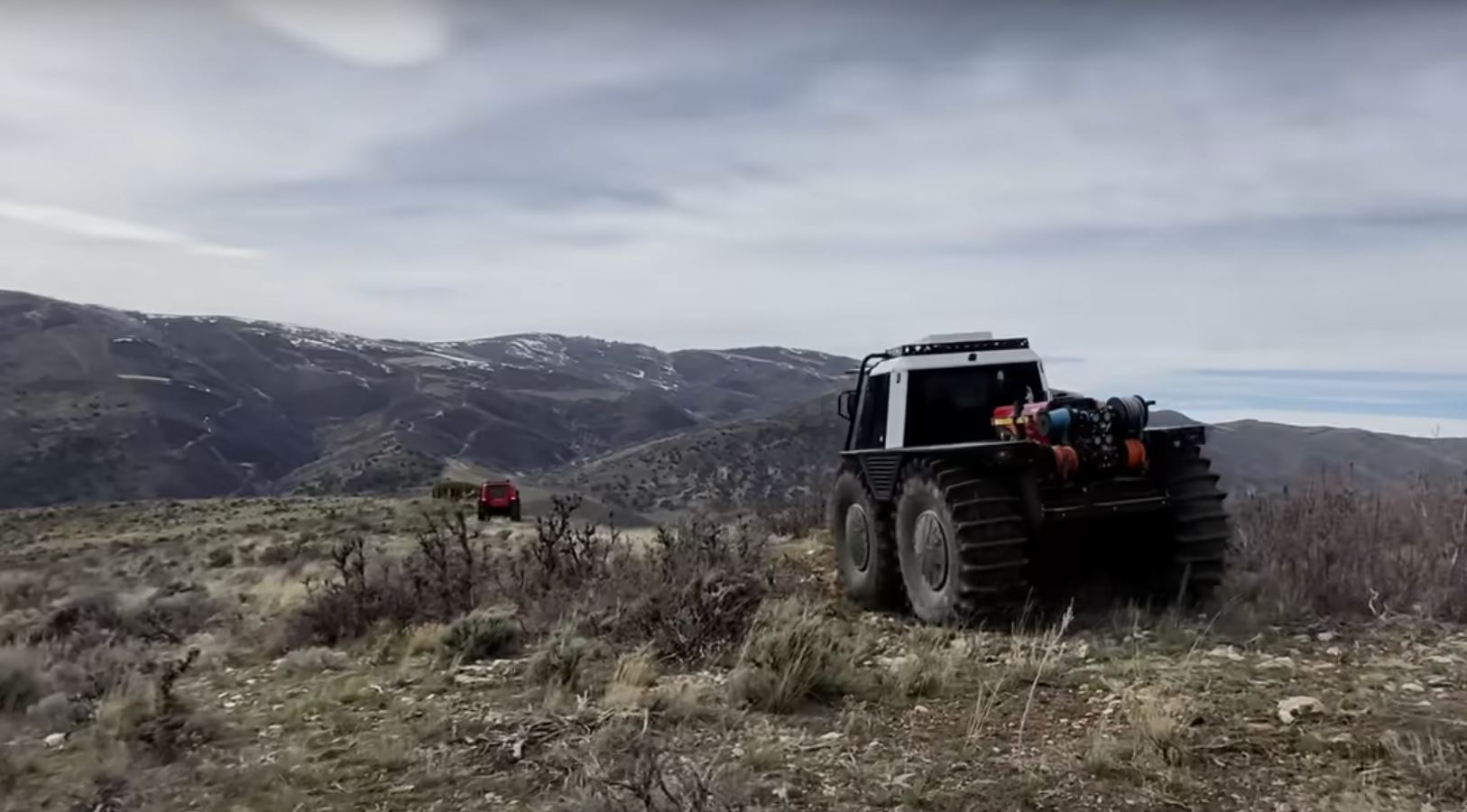
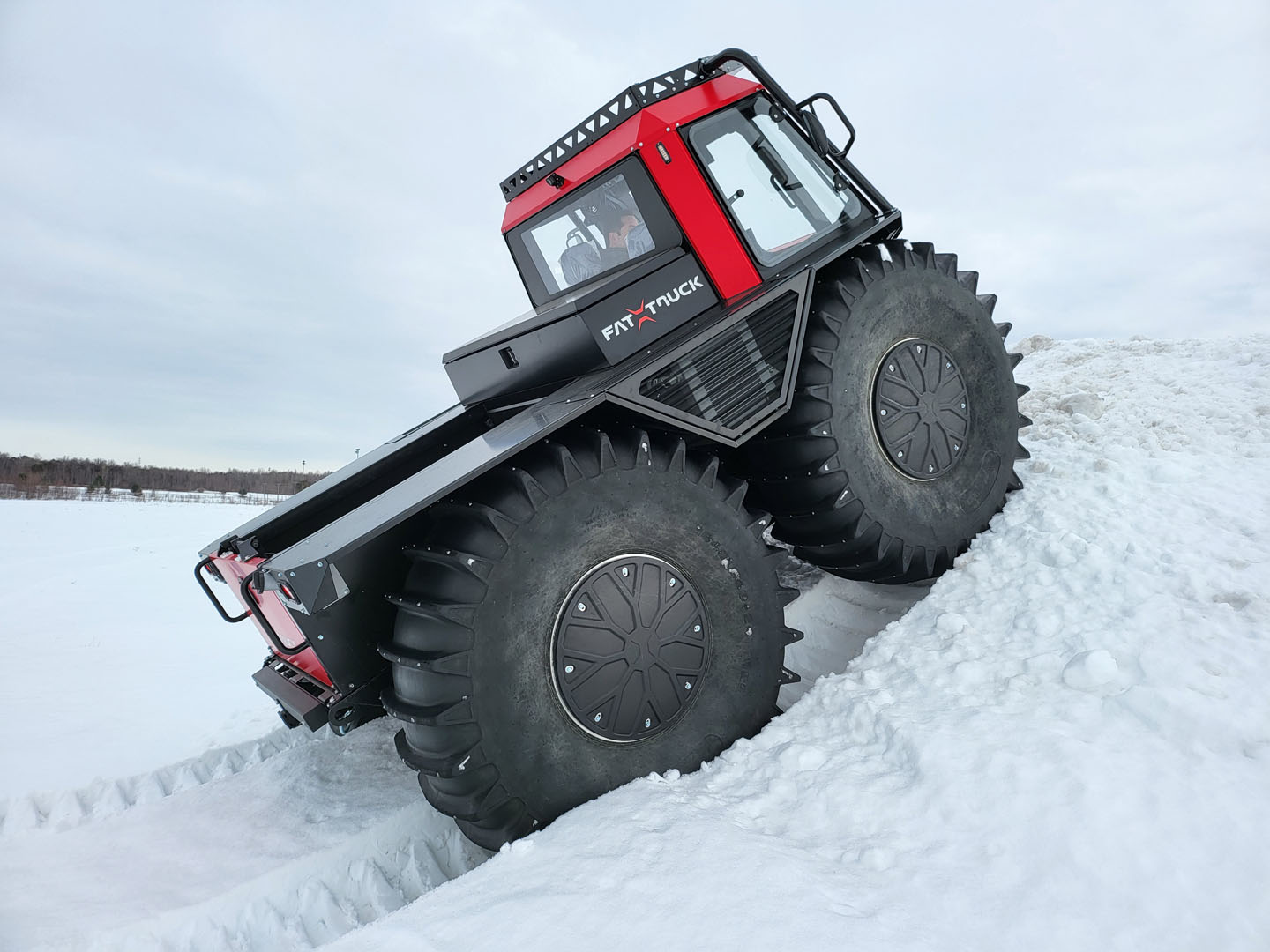
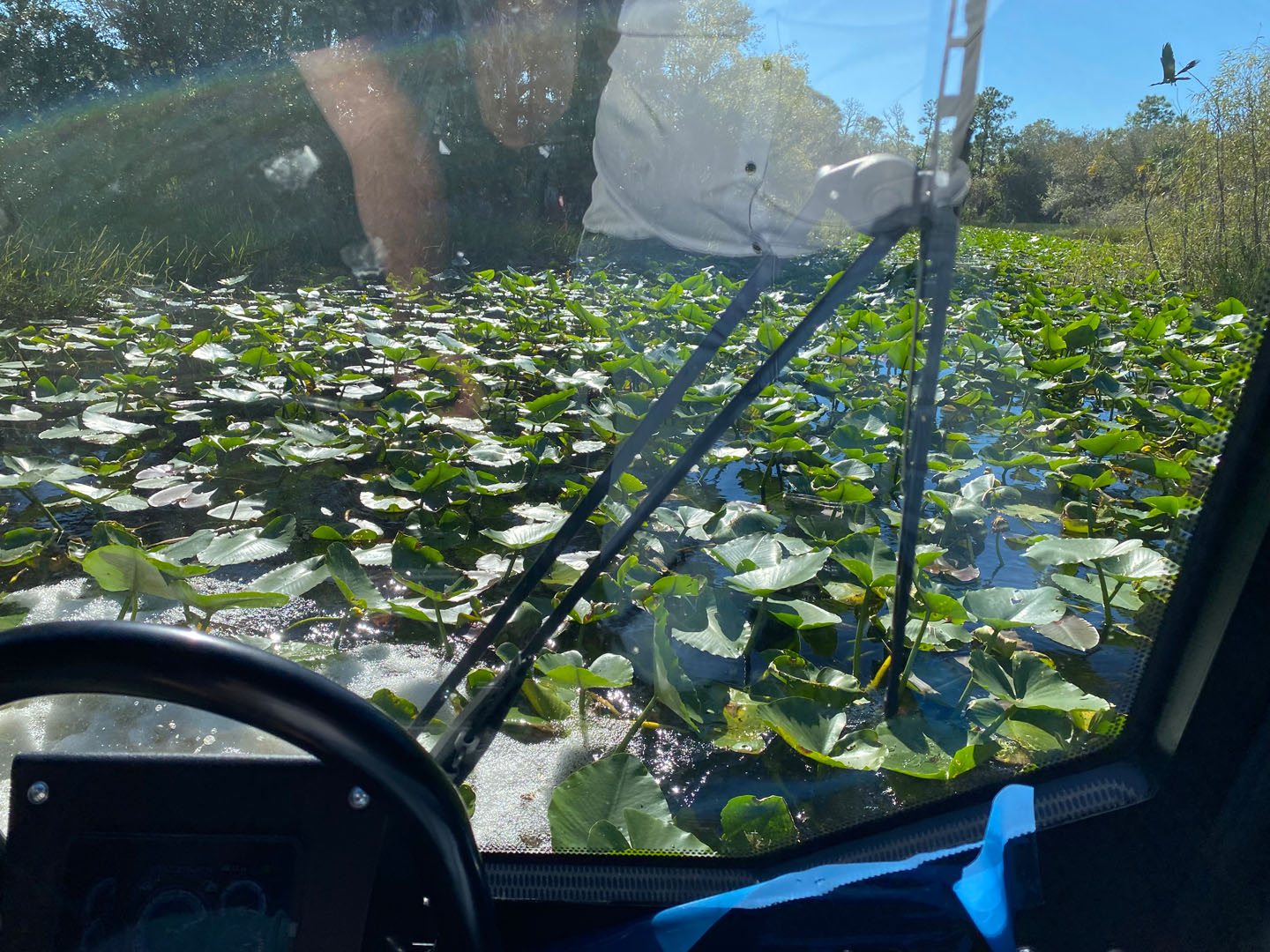
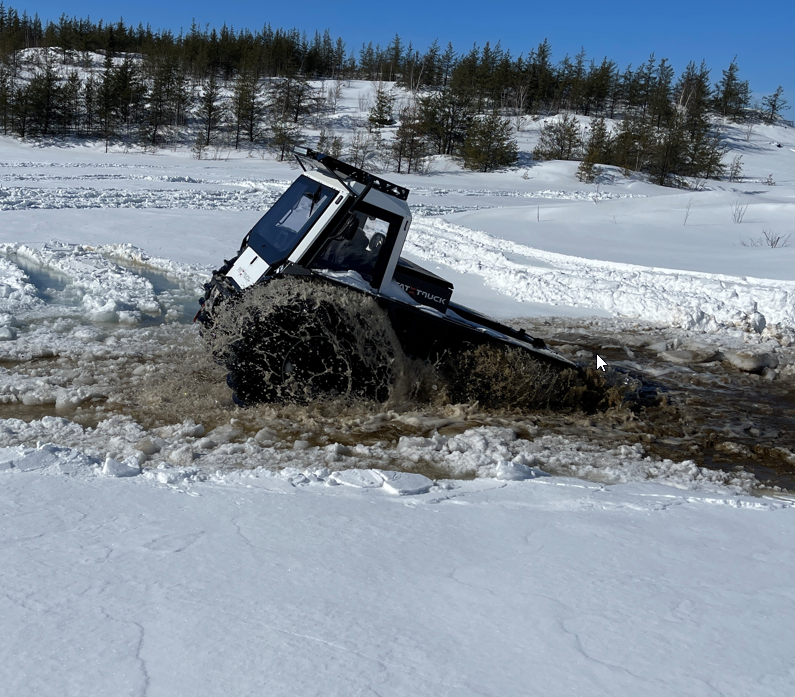
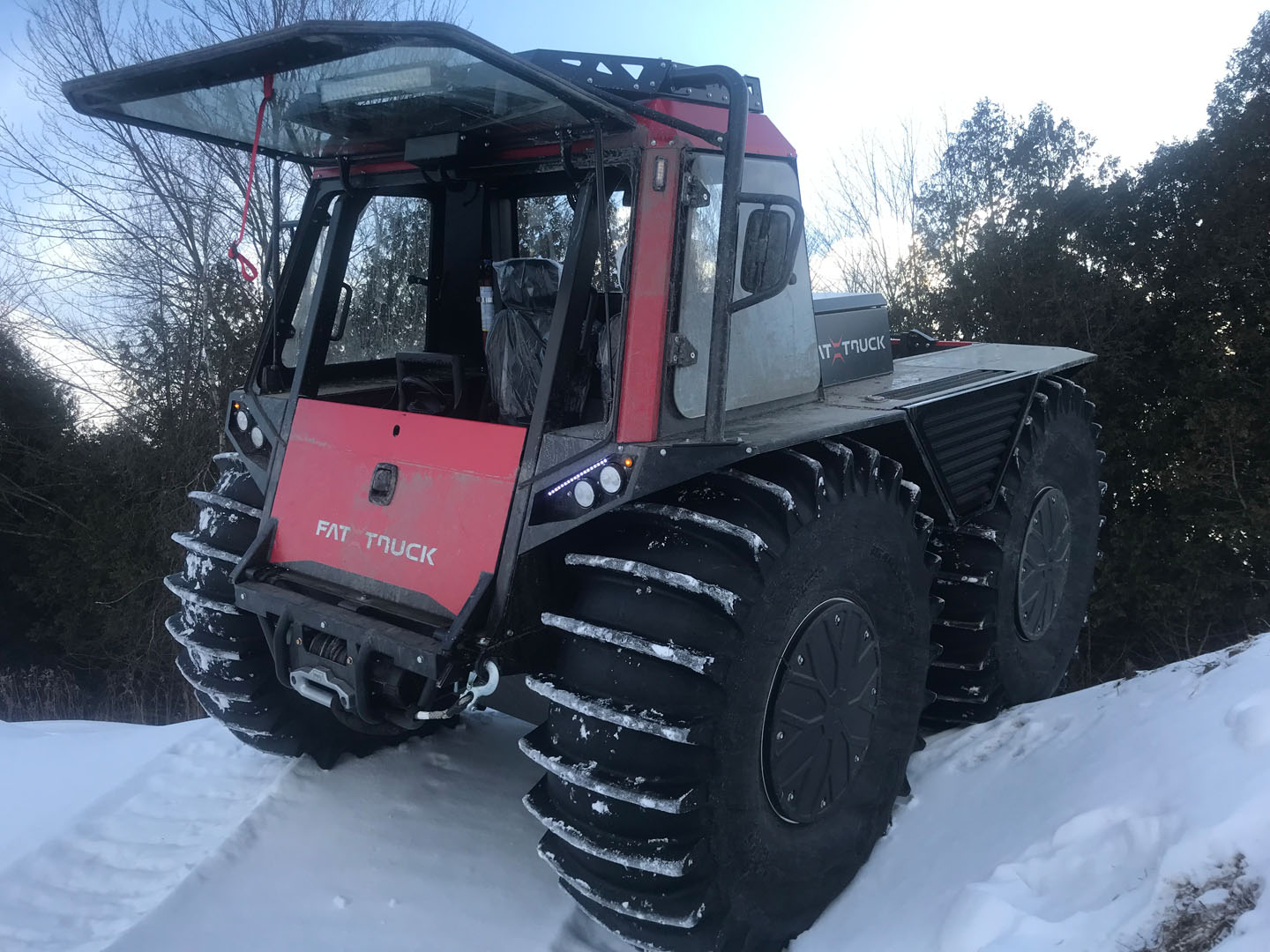
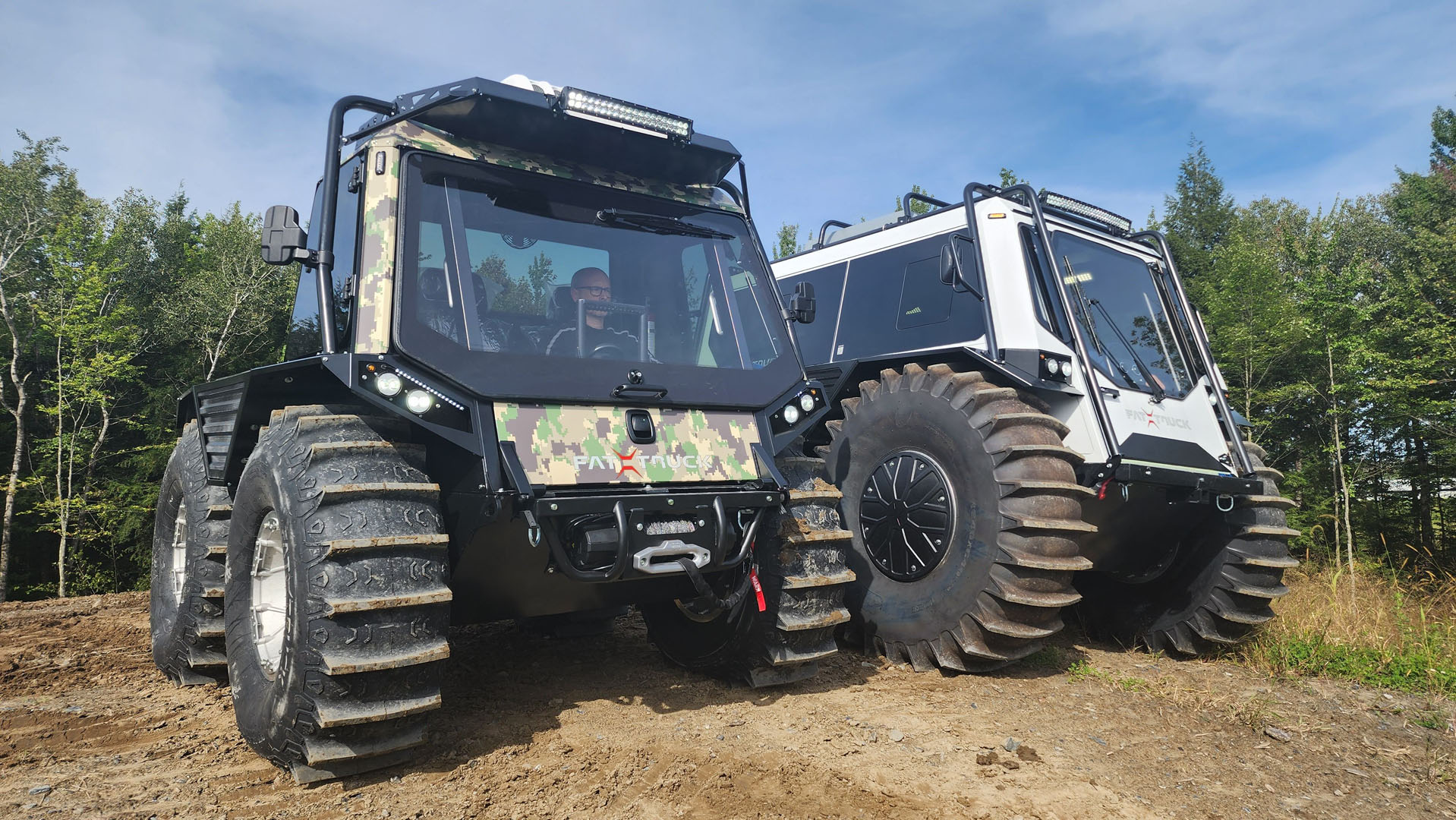
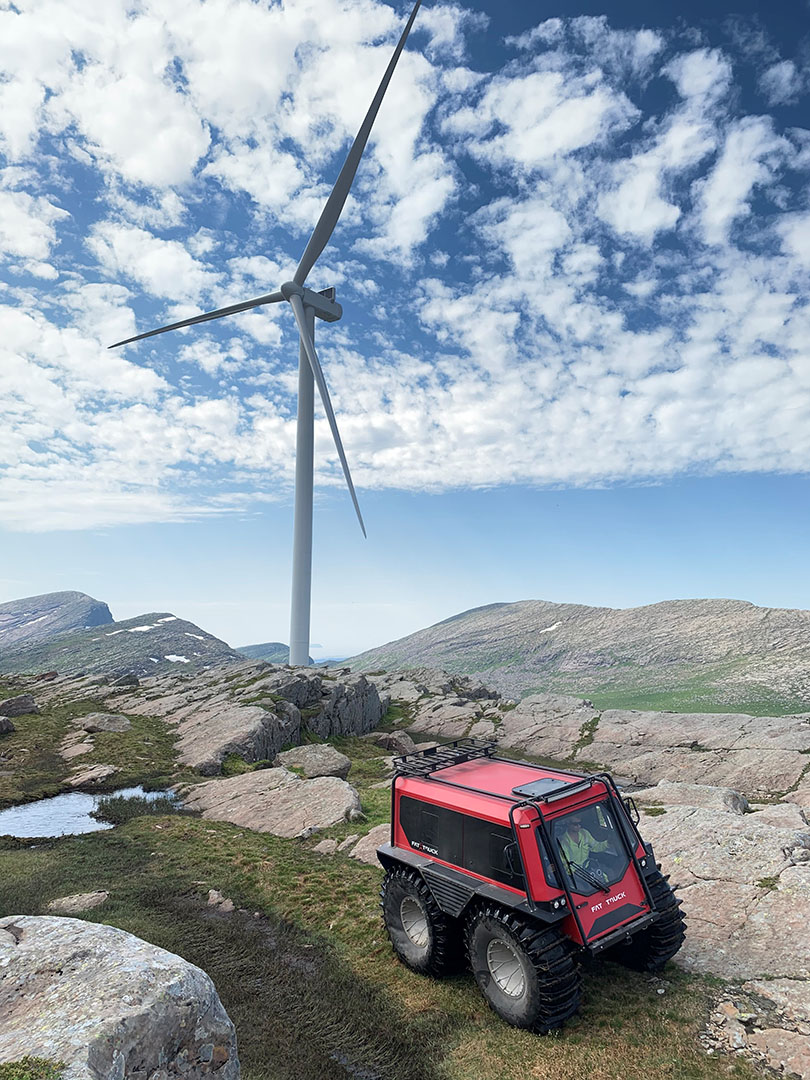
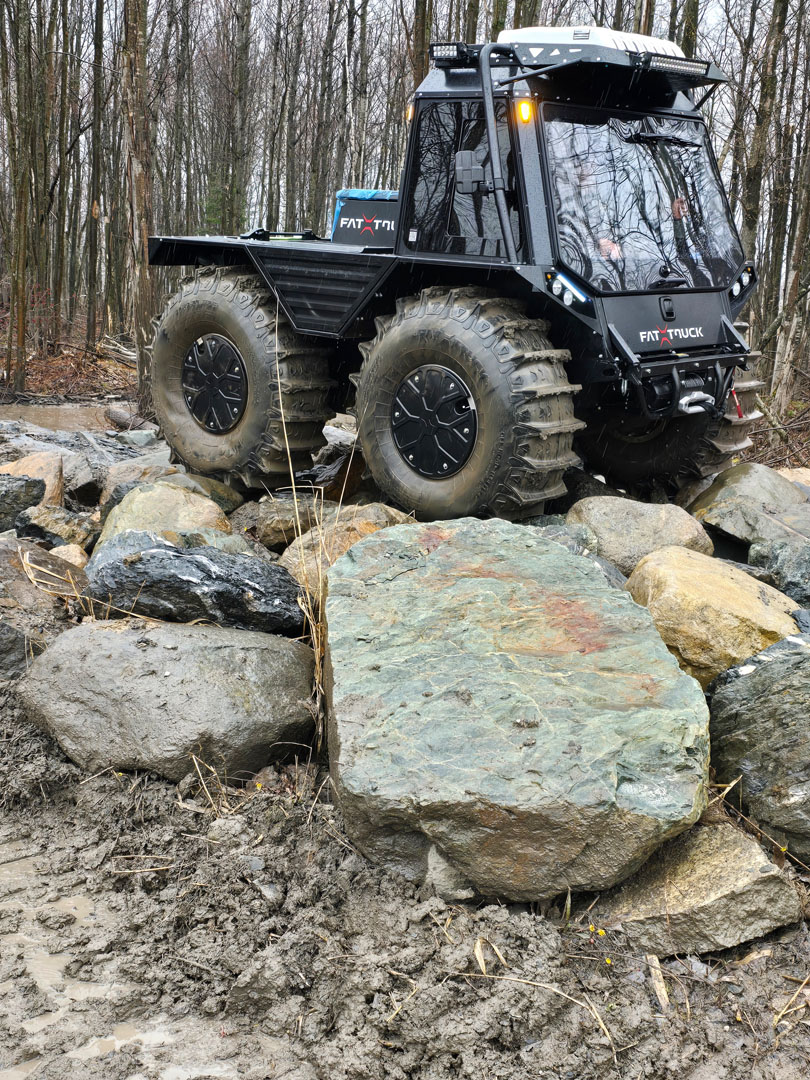
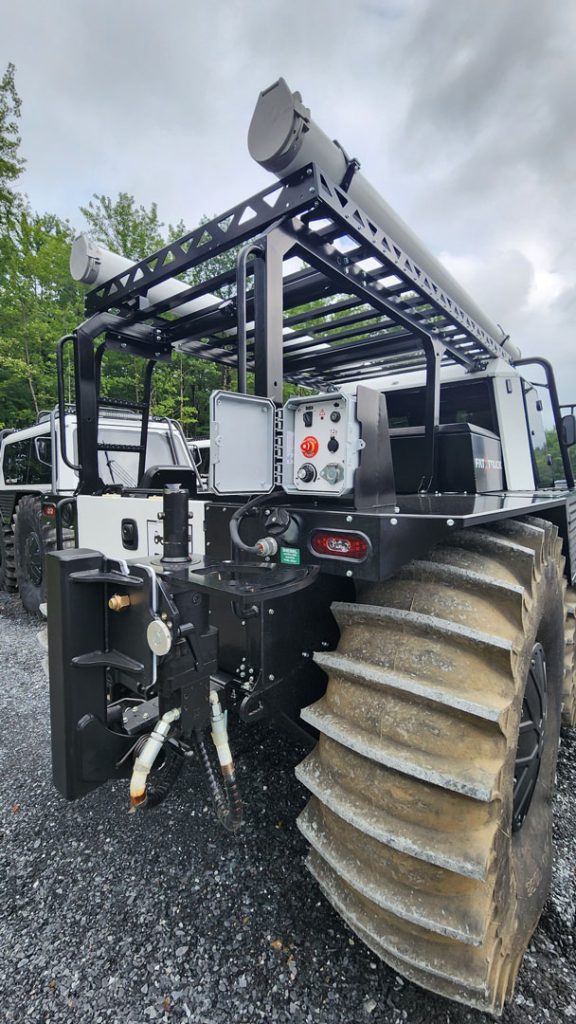
- Access in any condition. FAT TRUCK® is built to get crews through mud, snow, sand, and rocky terrains so that crews can reach power lines, substations, and other infrastructure regardless of the conditions, including ground that is underwater.
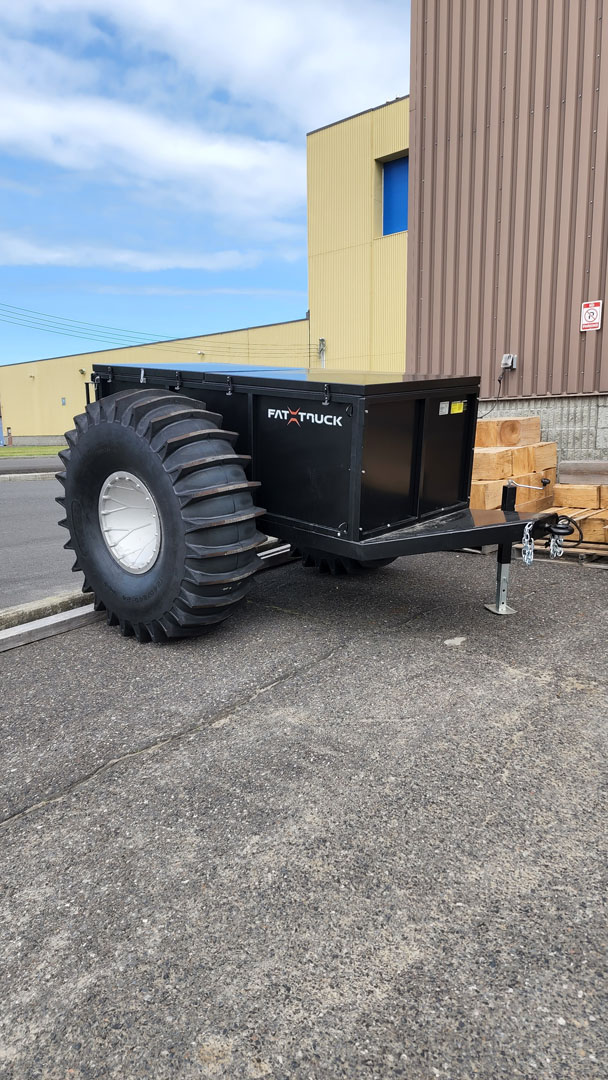
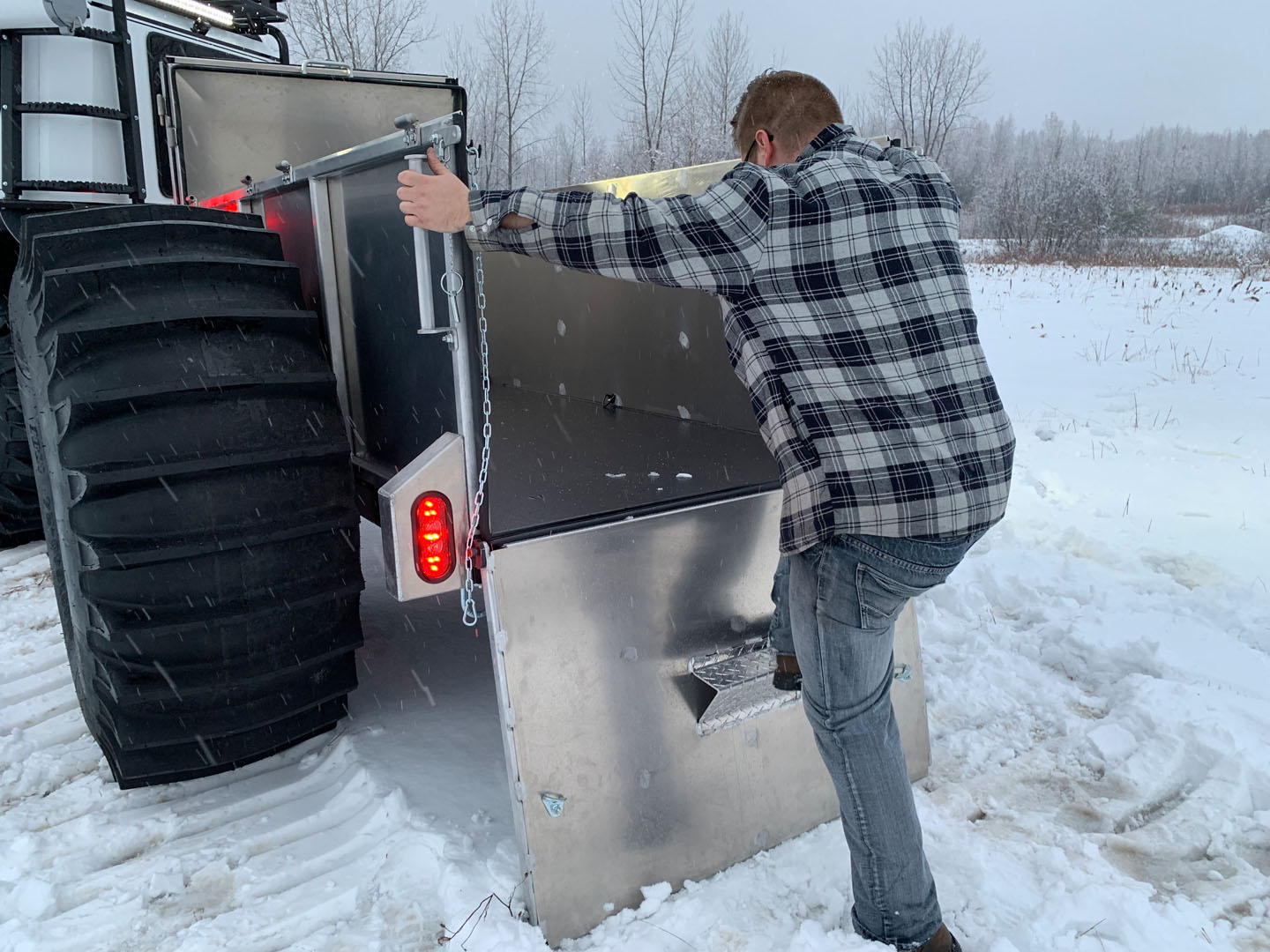
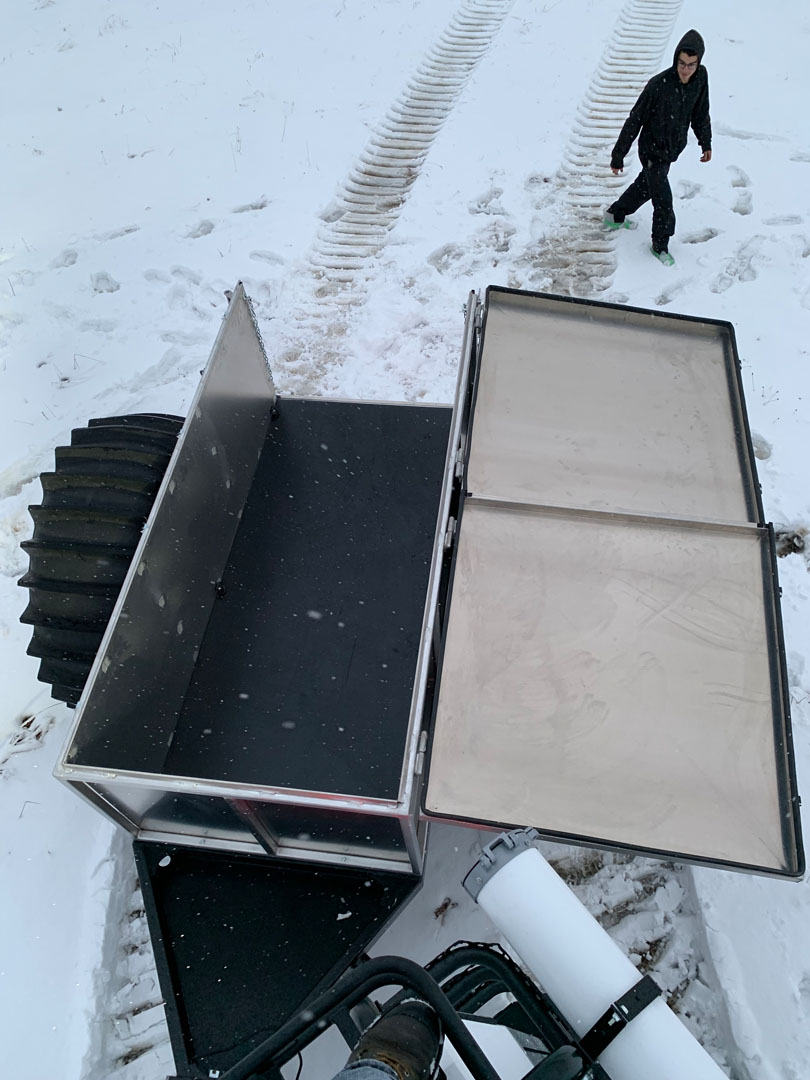
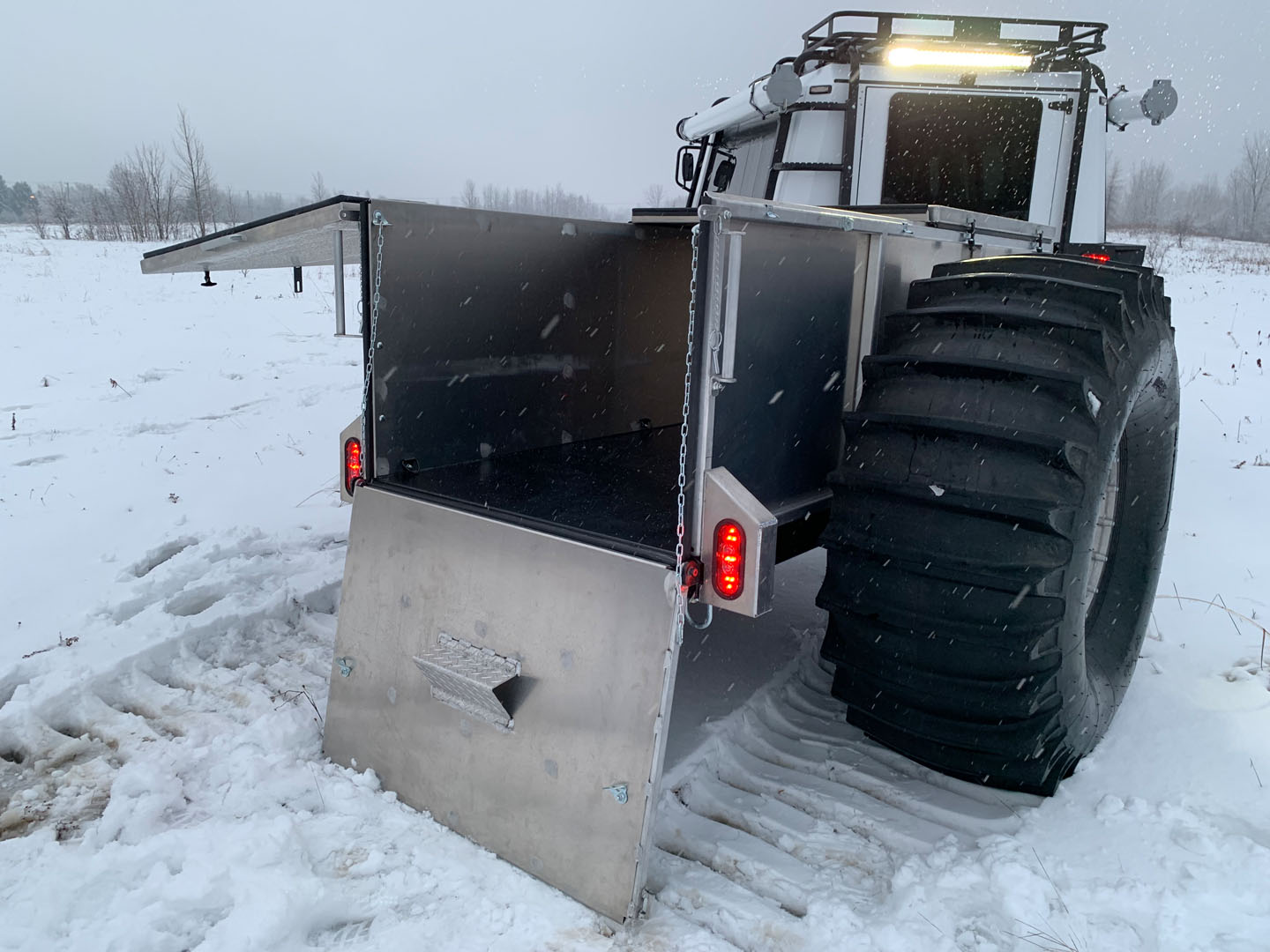
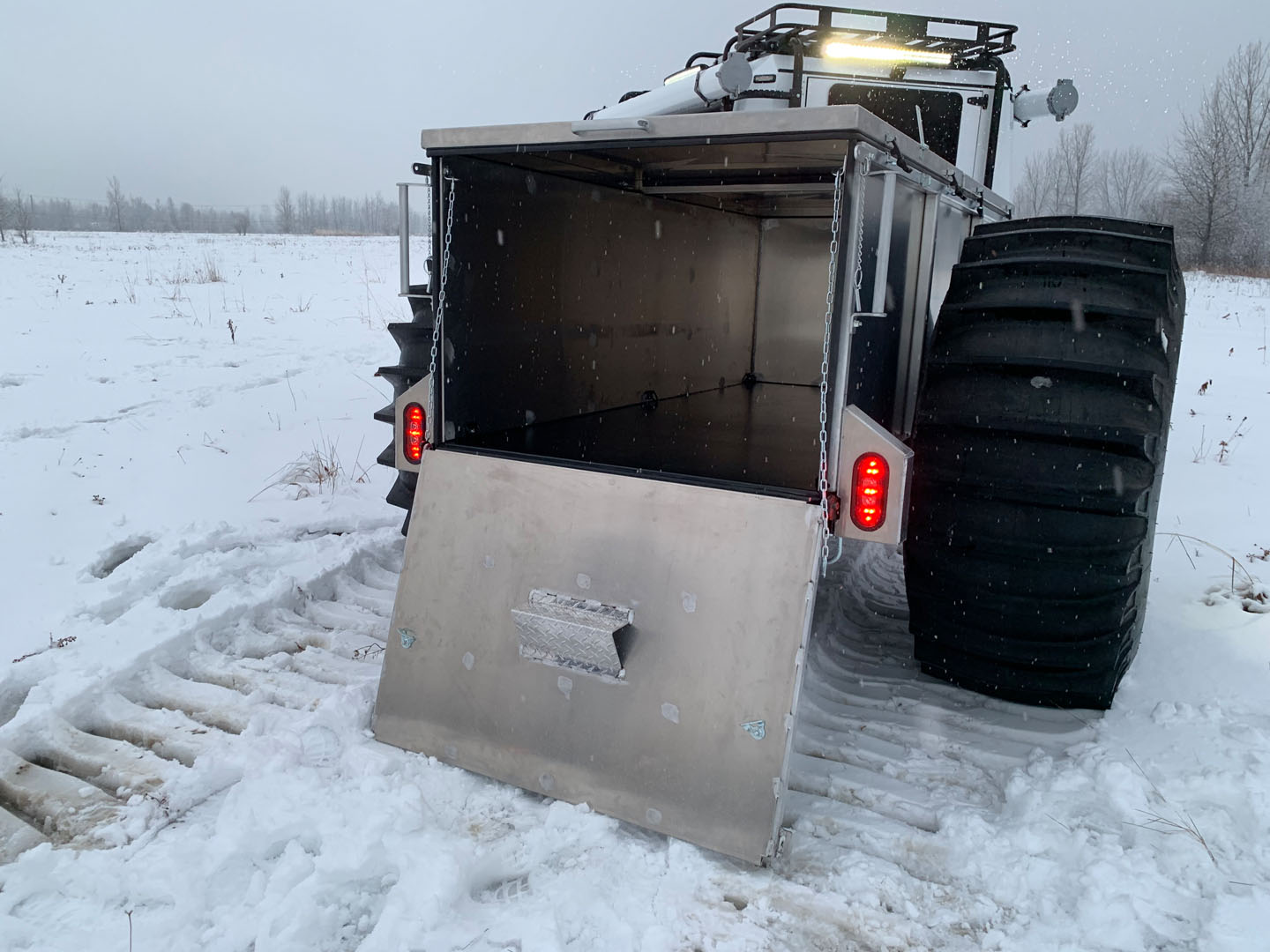
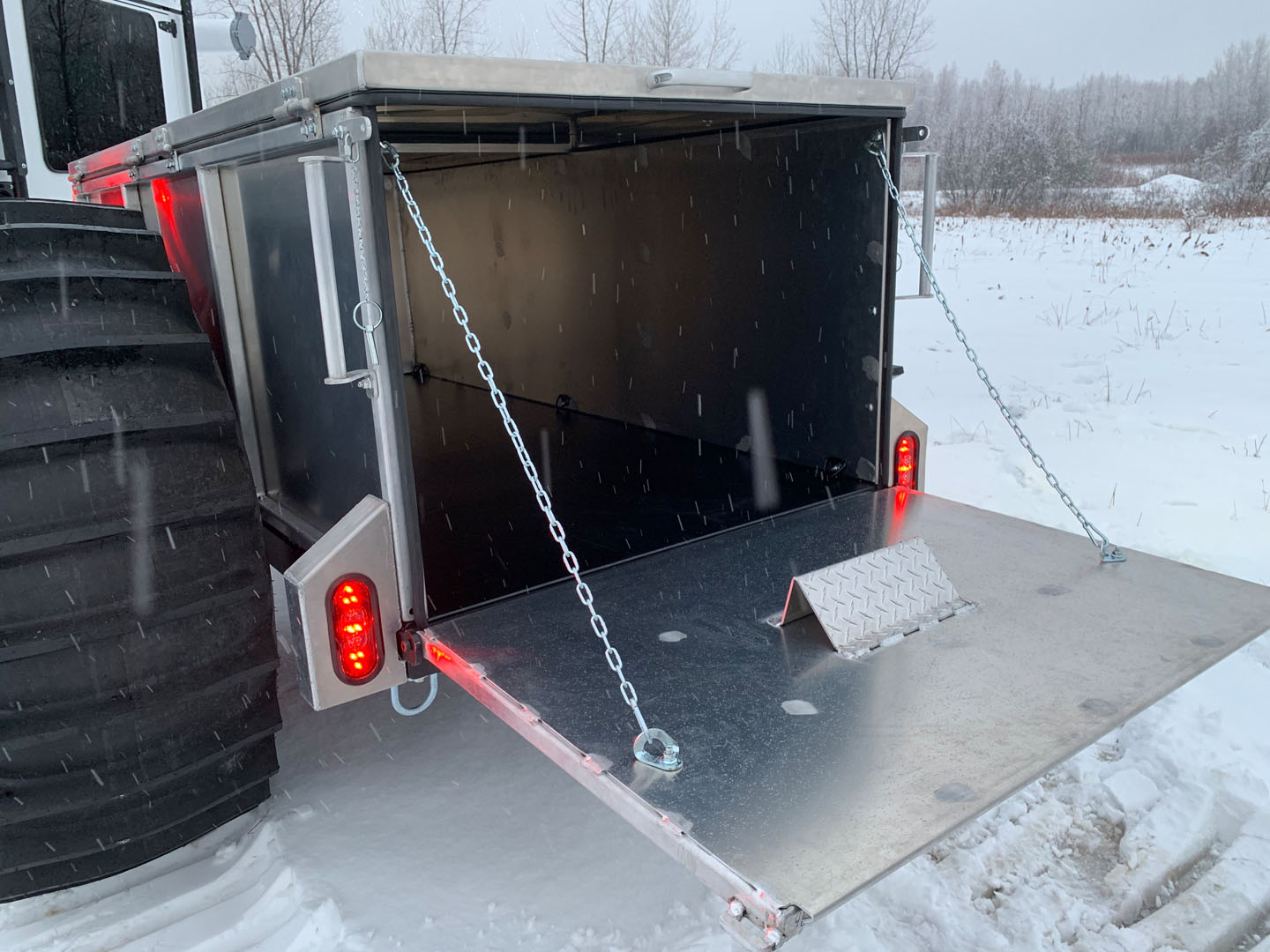
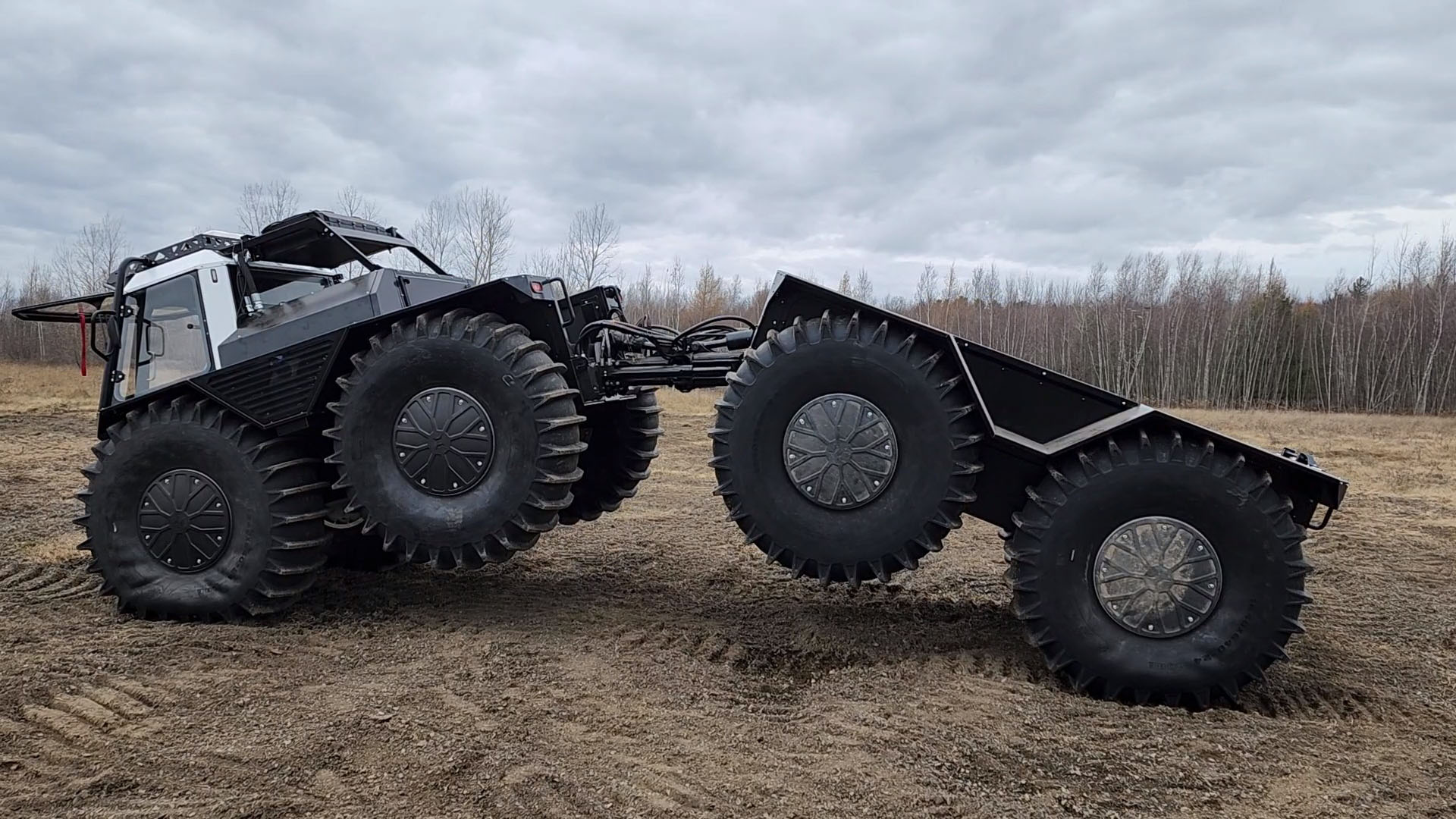
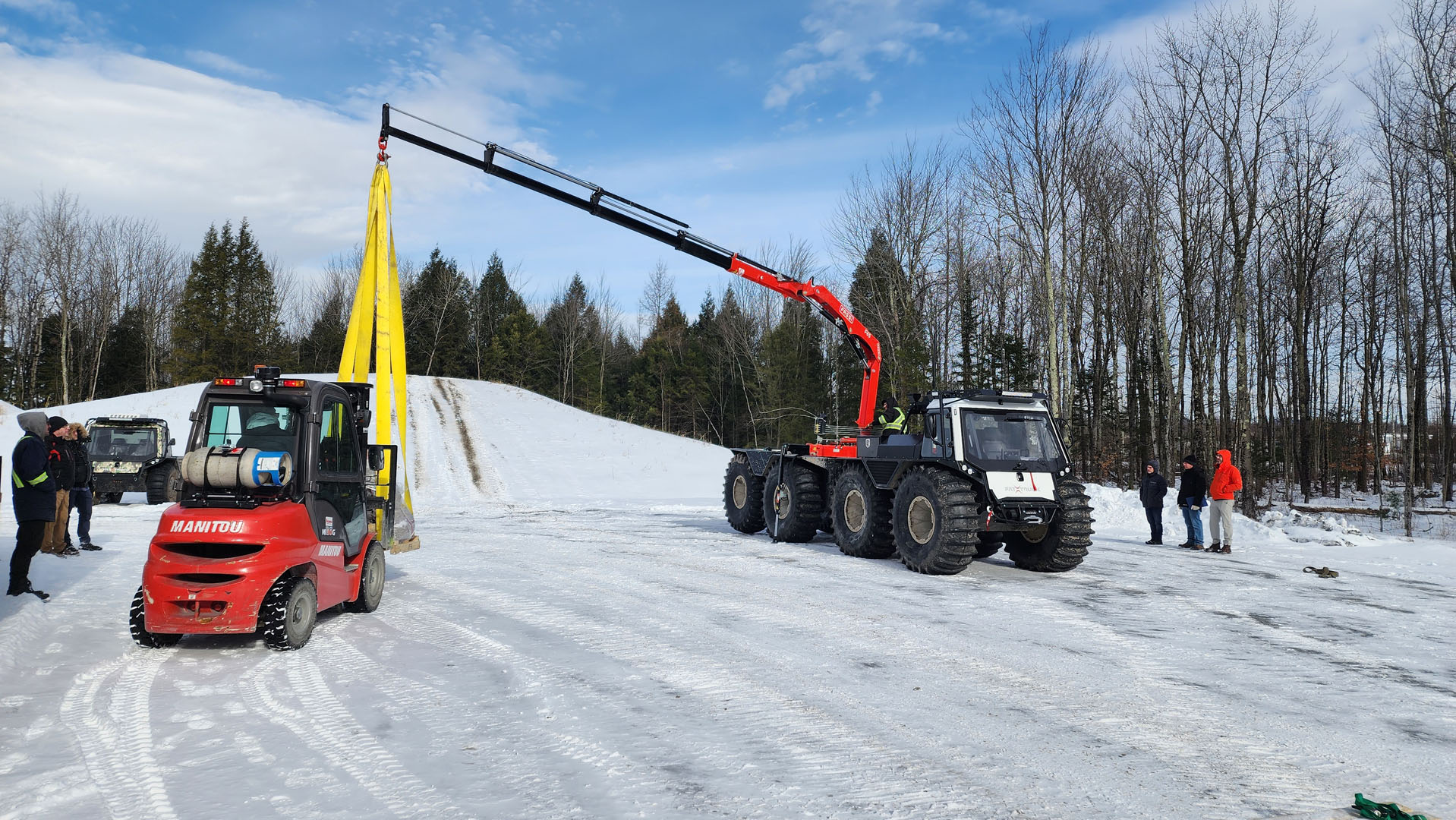
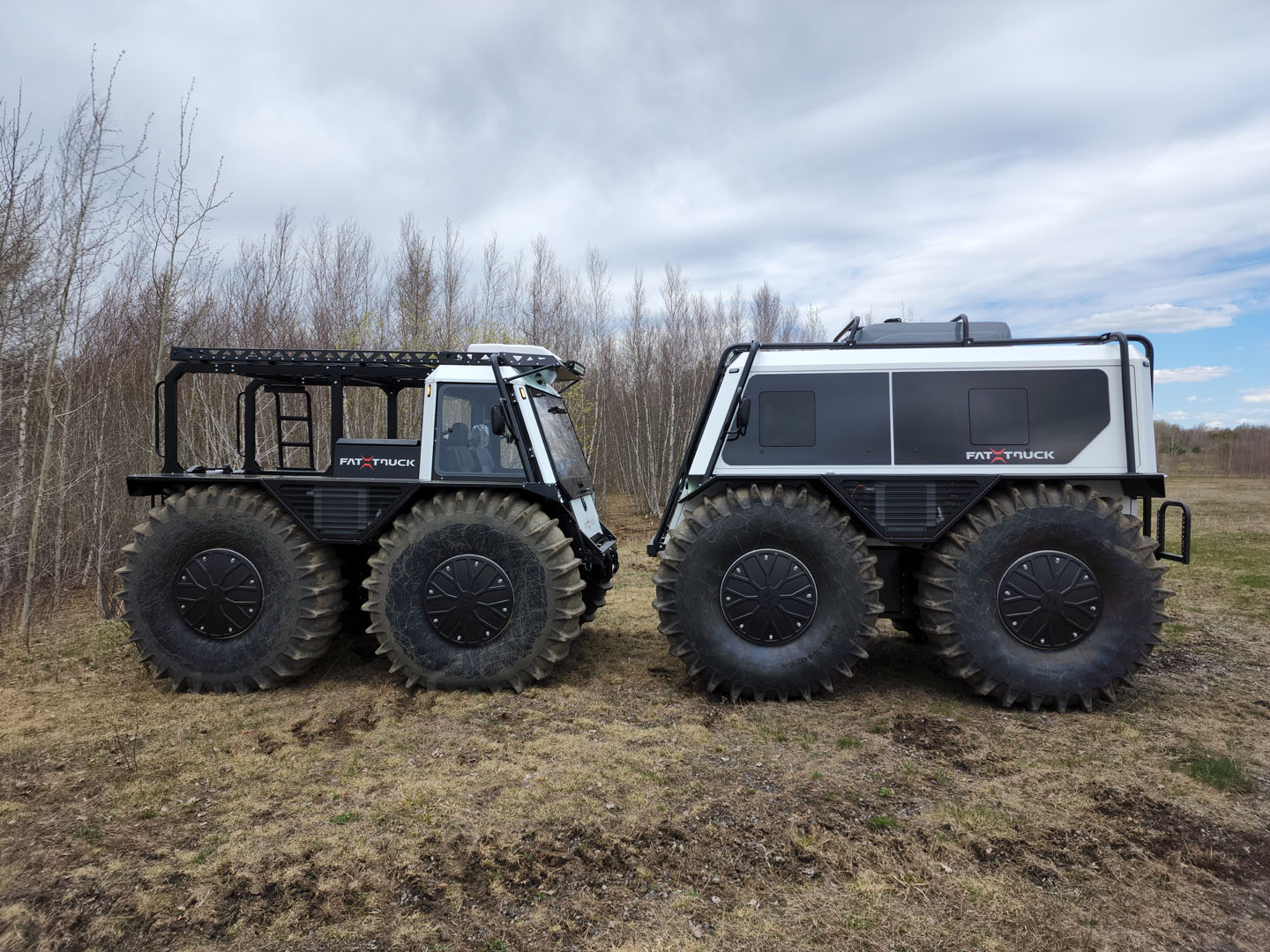
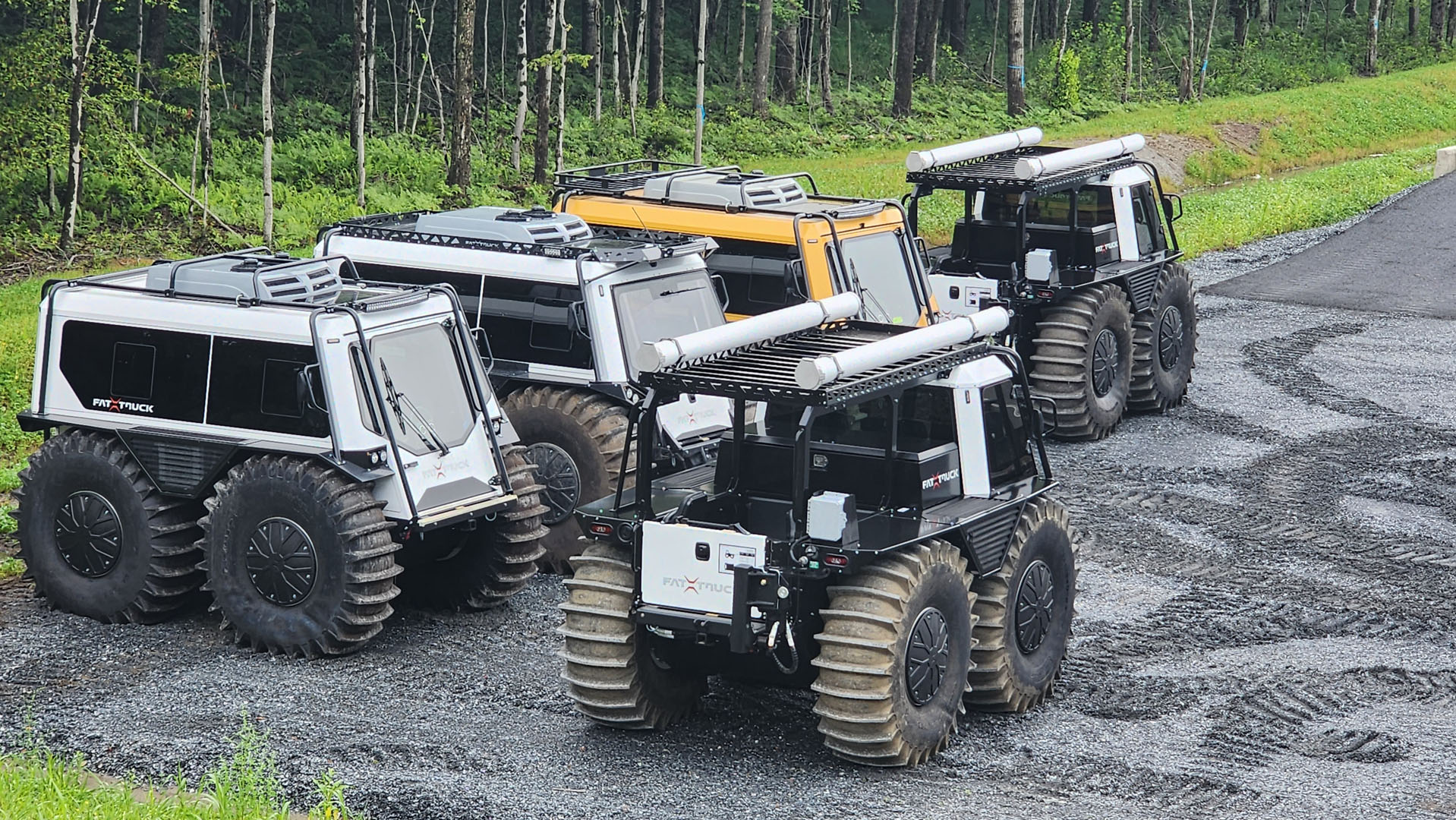
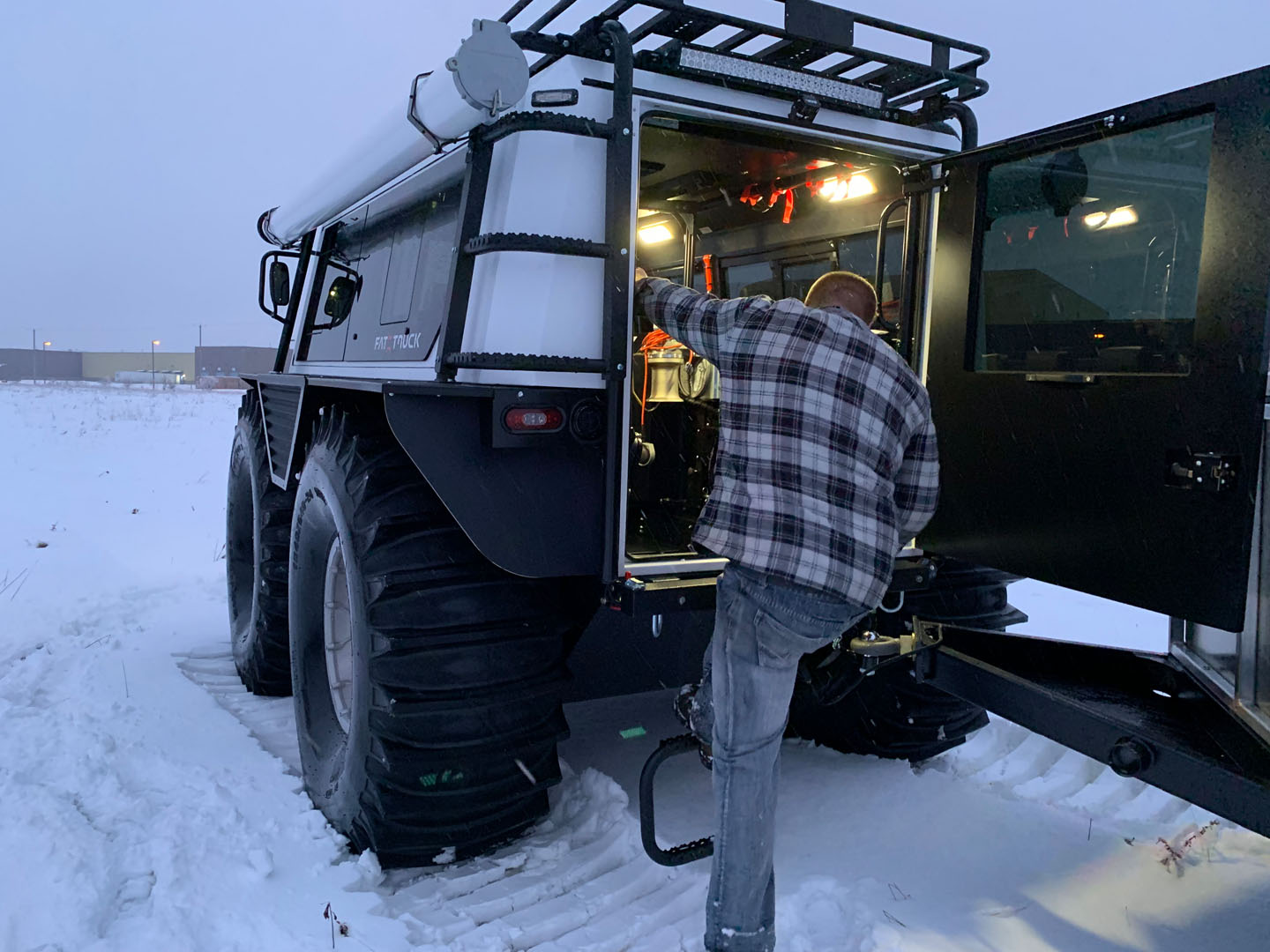
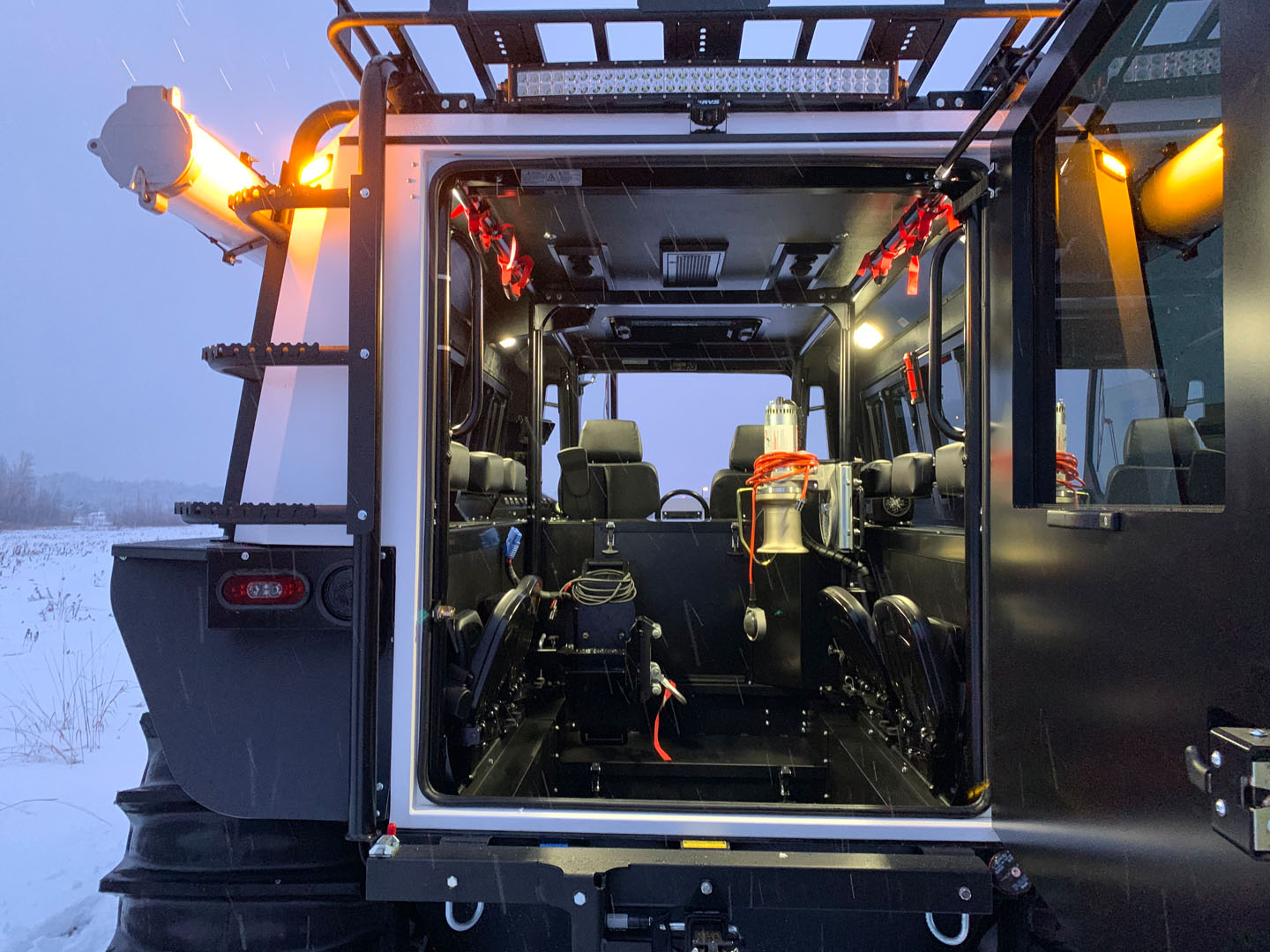
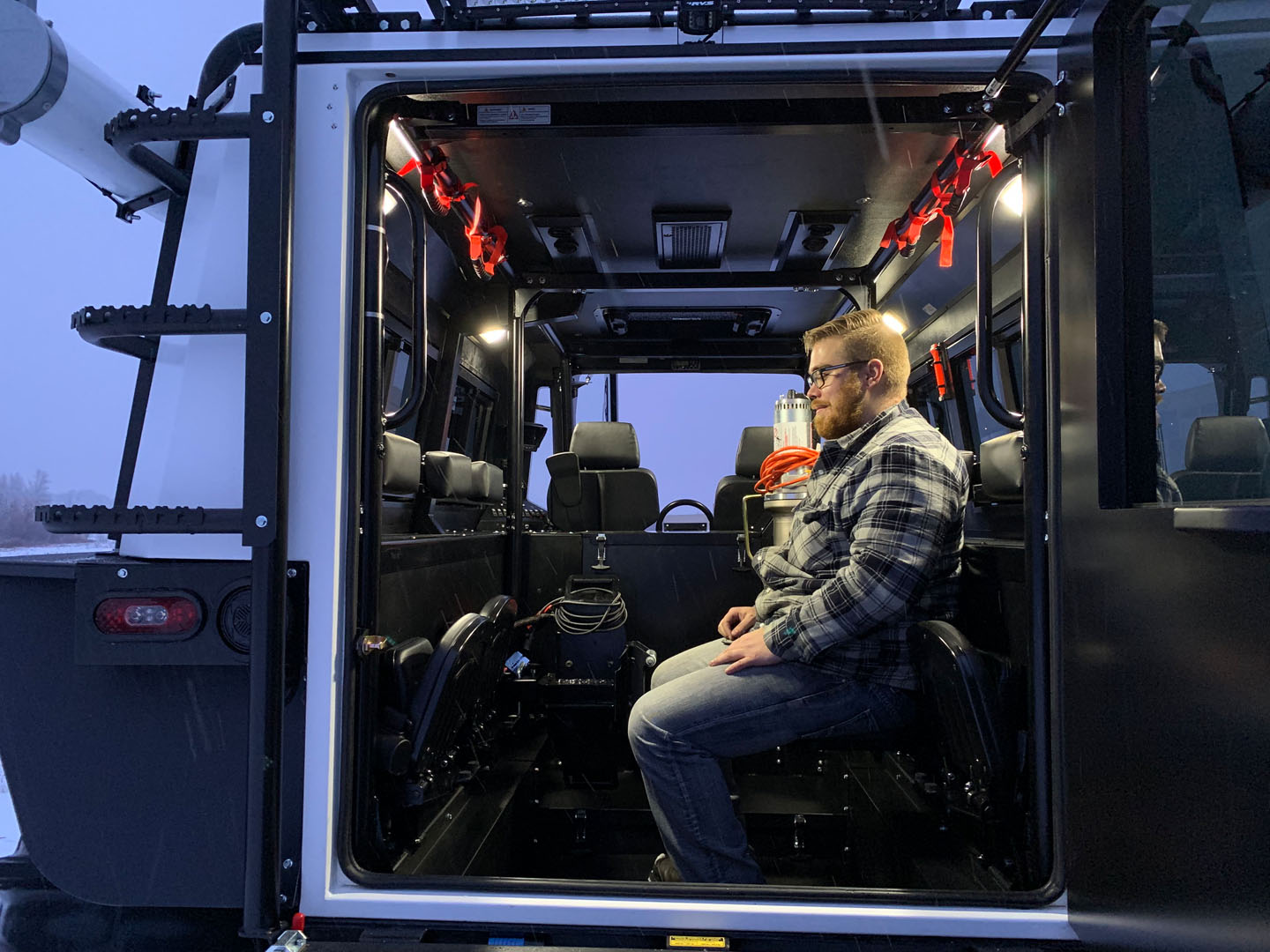
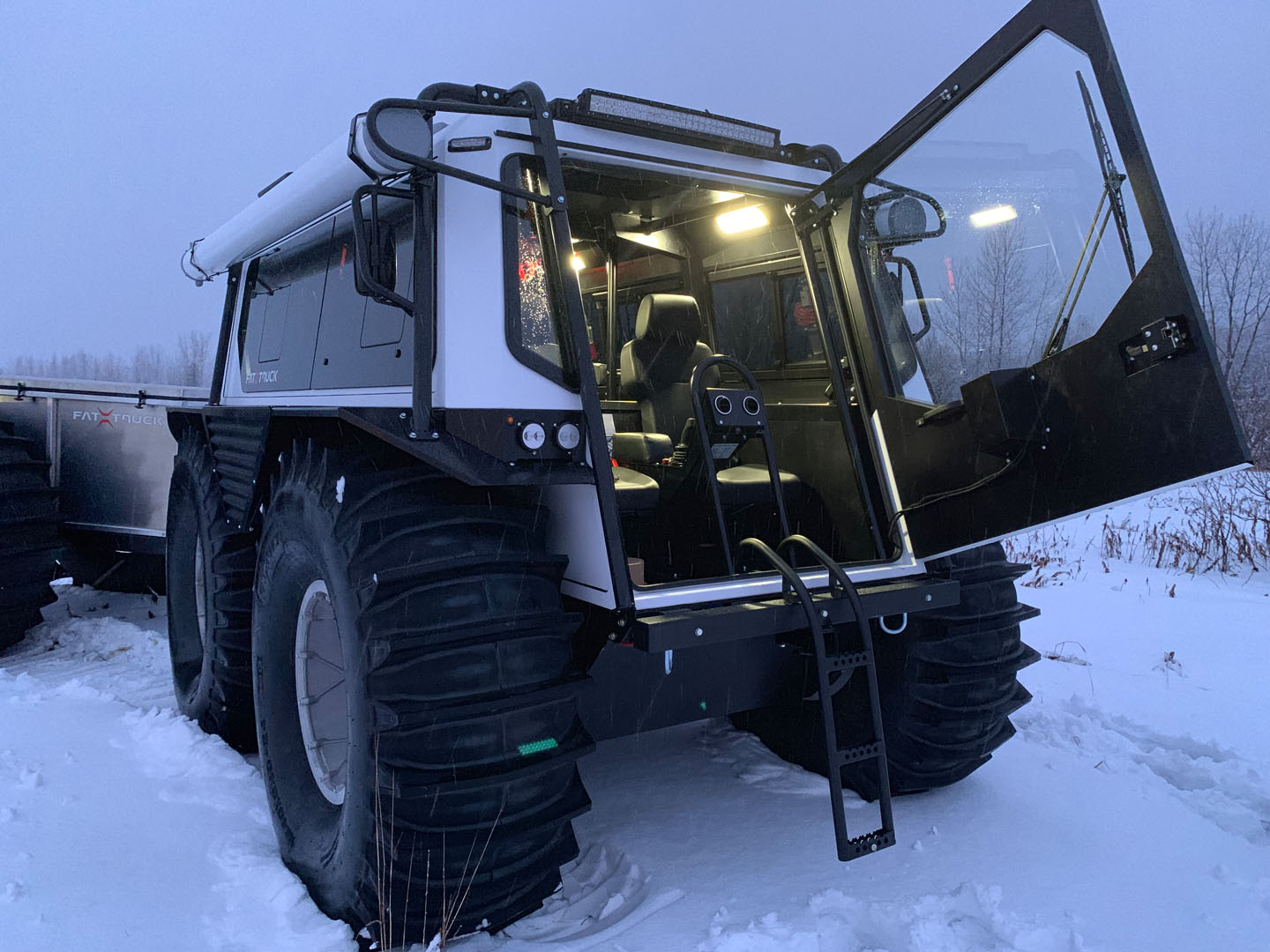
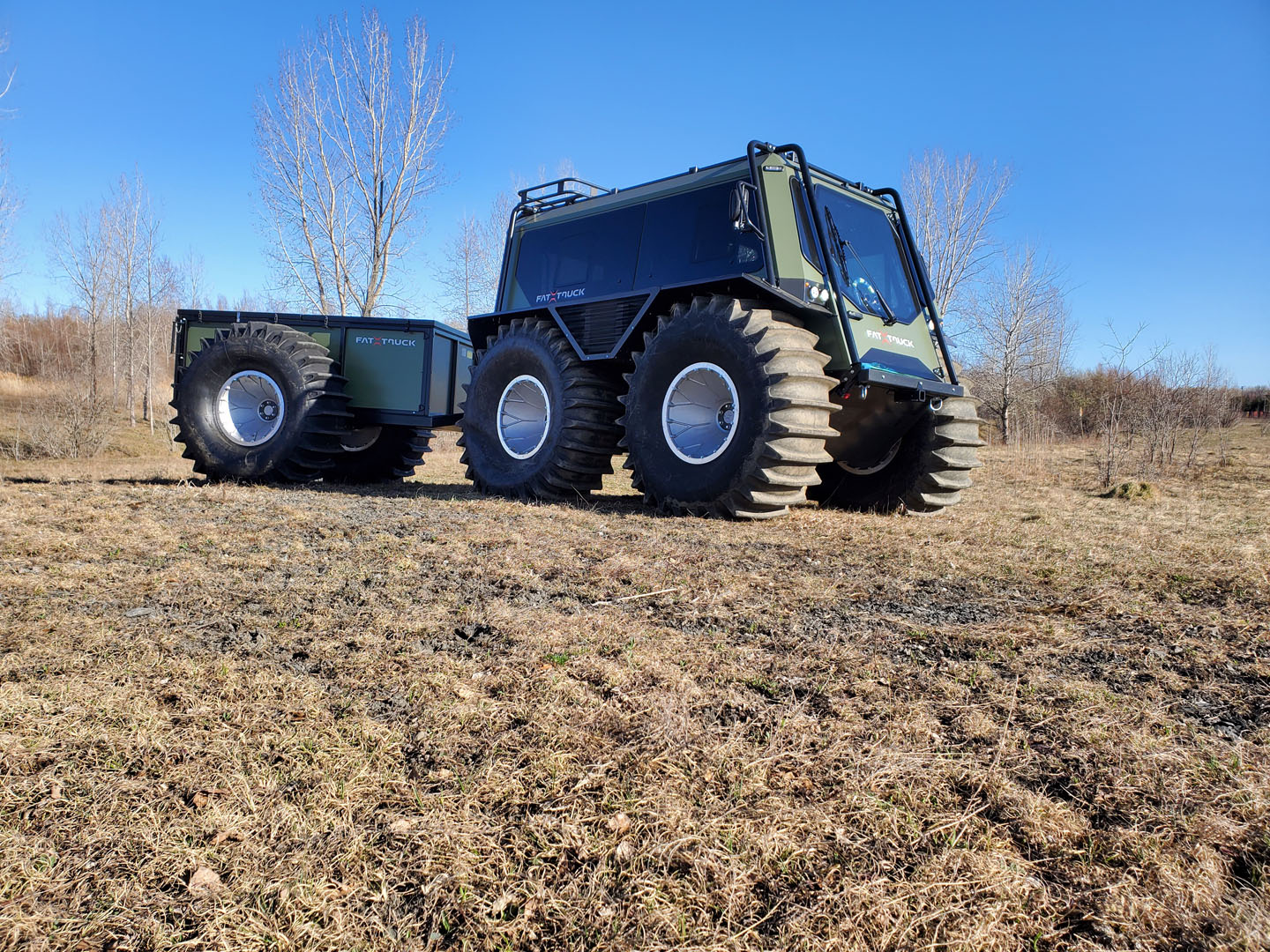
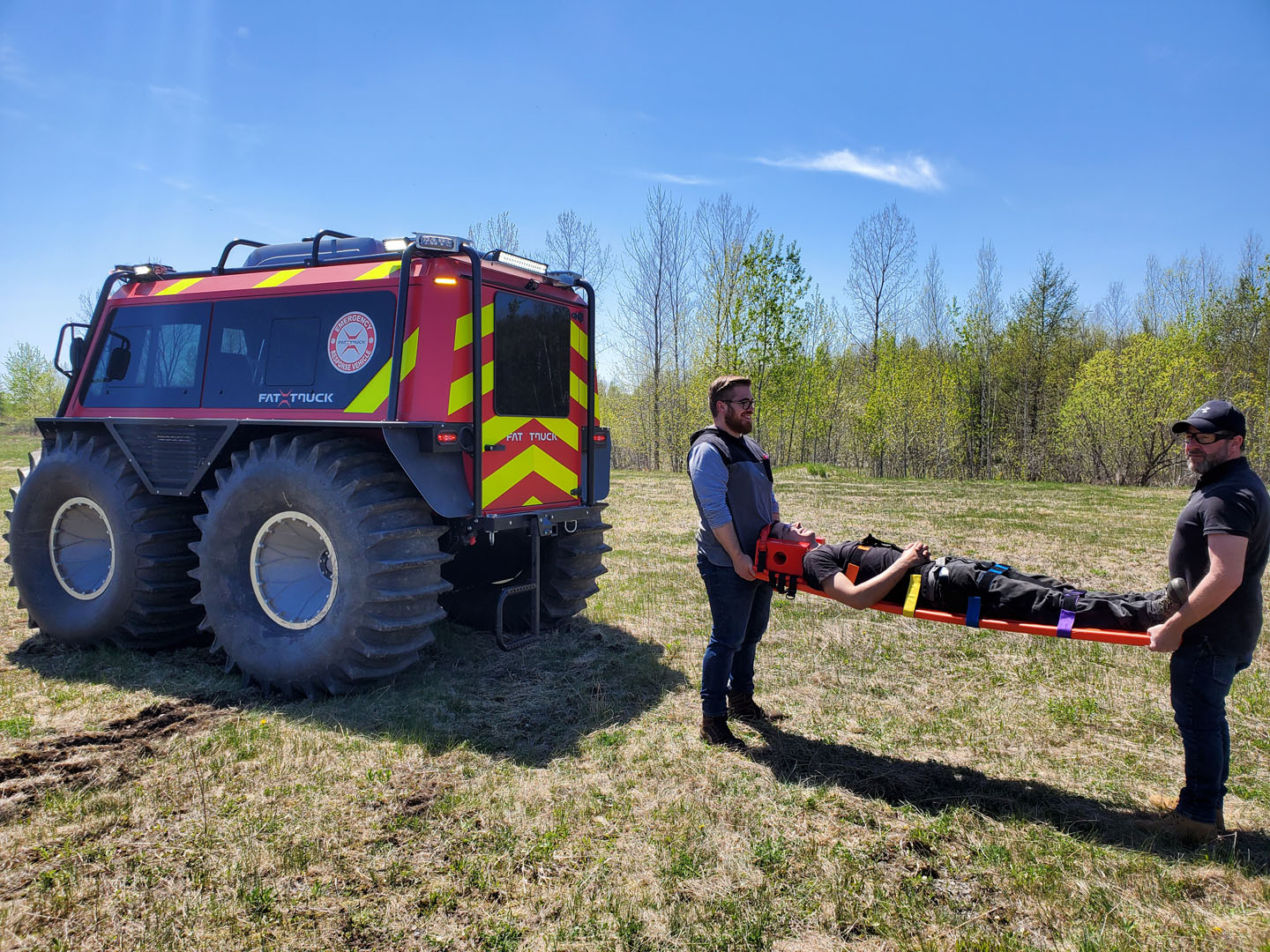
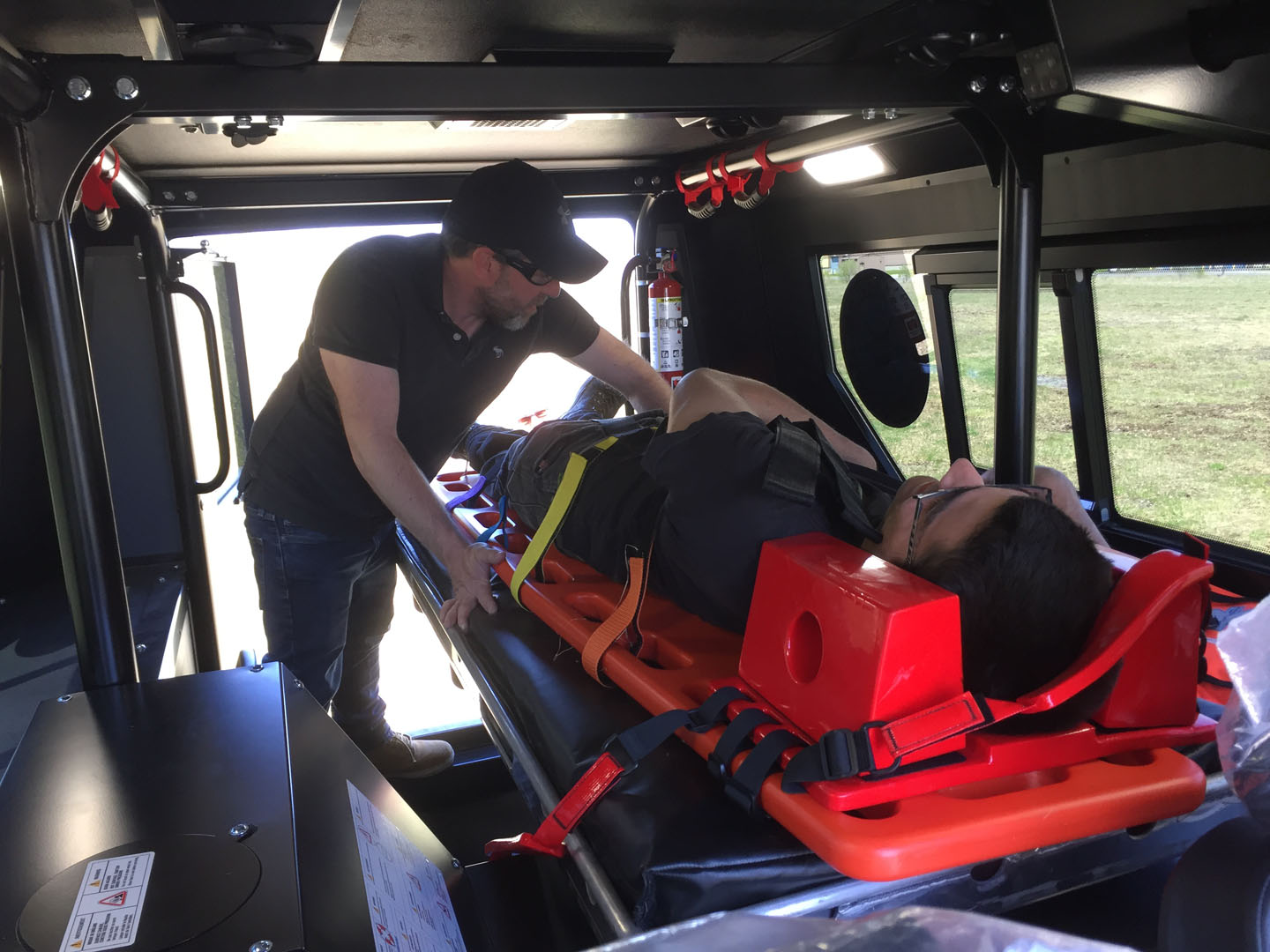
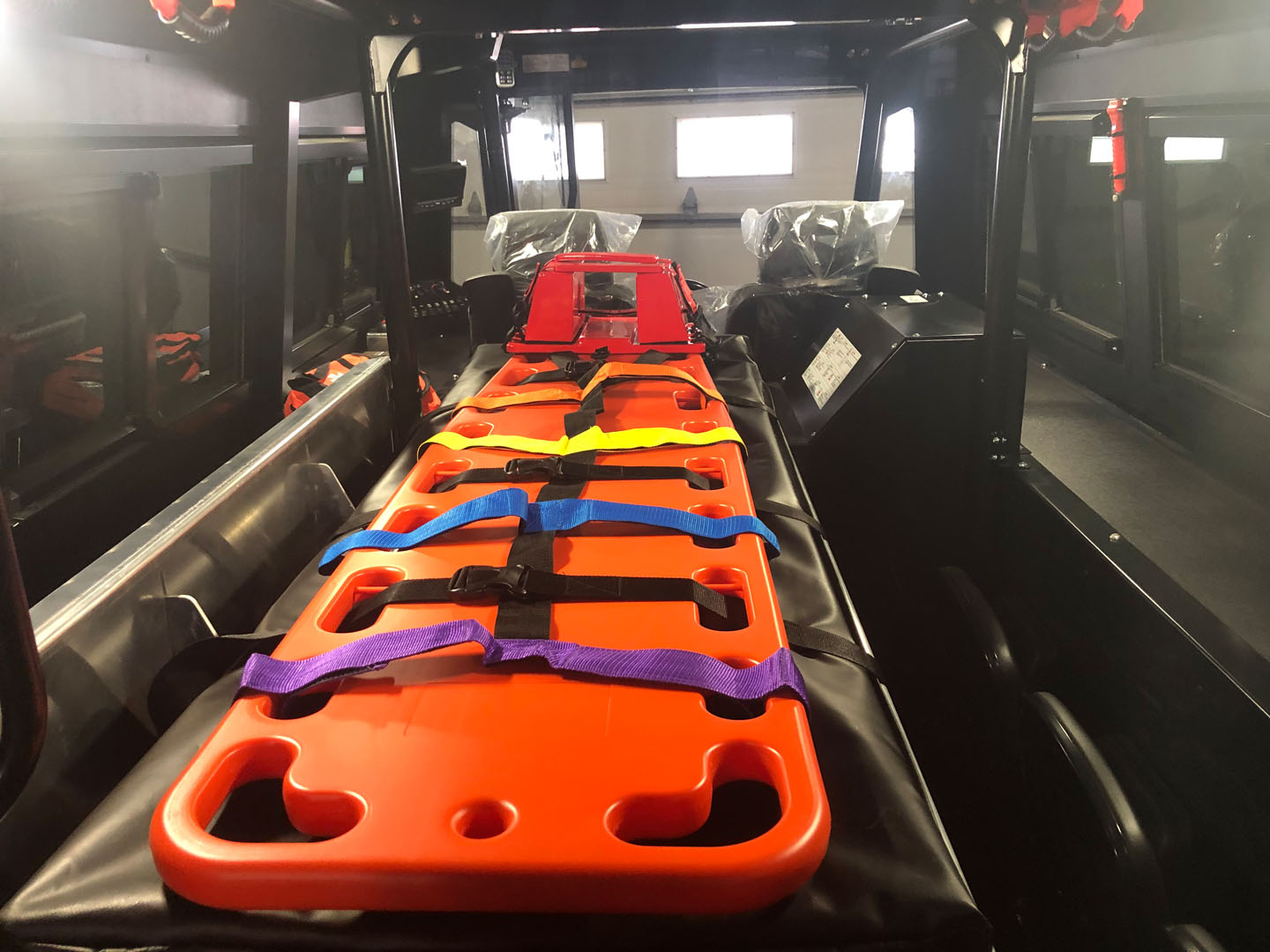
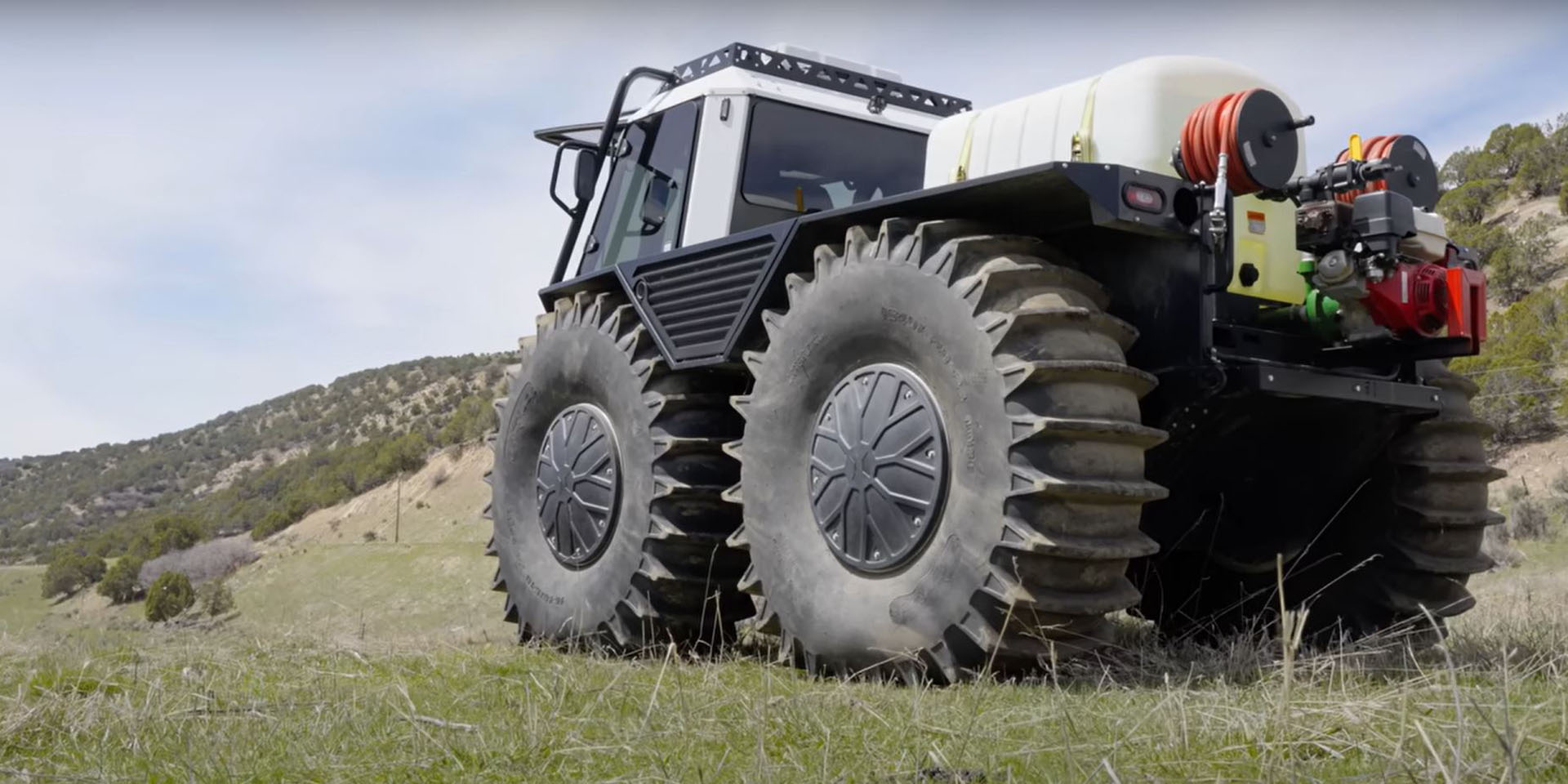
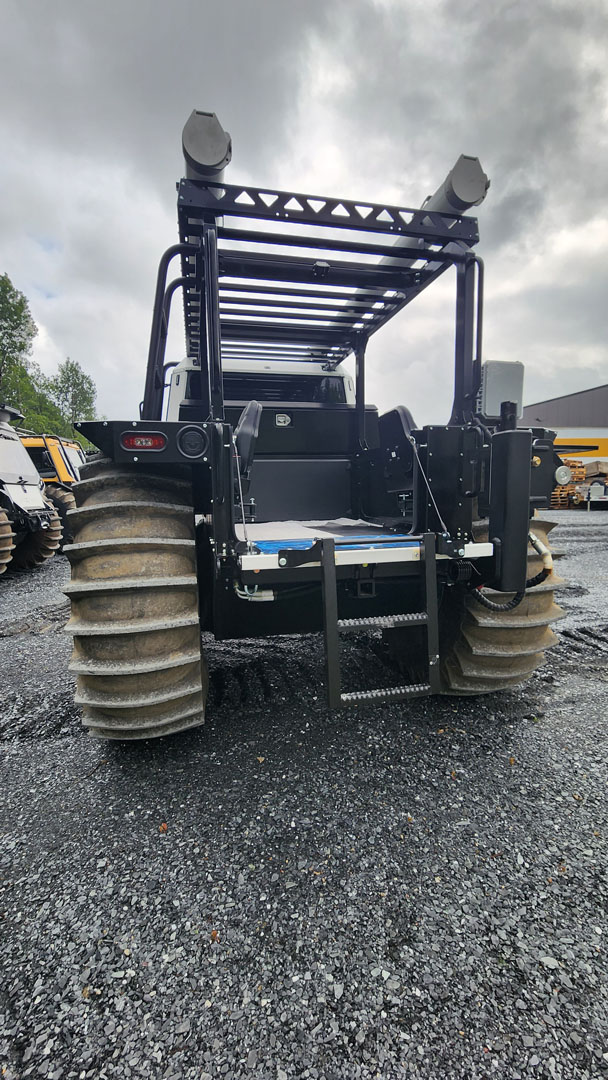
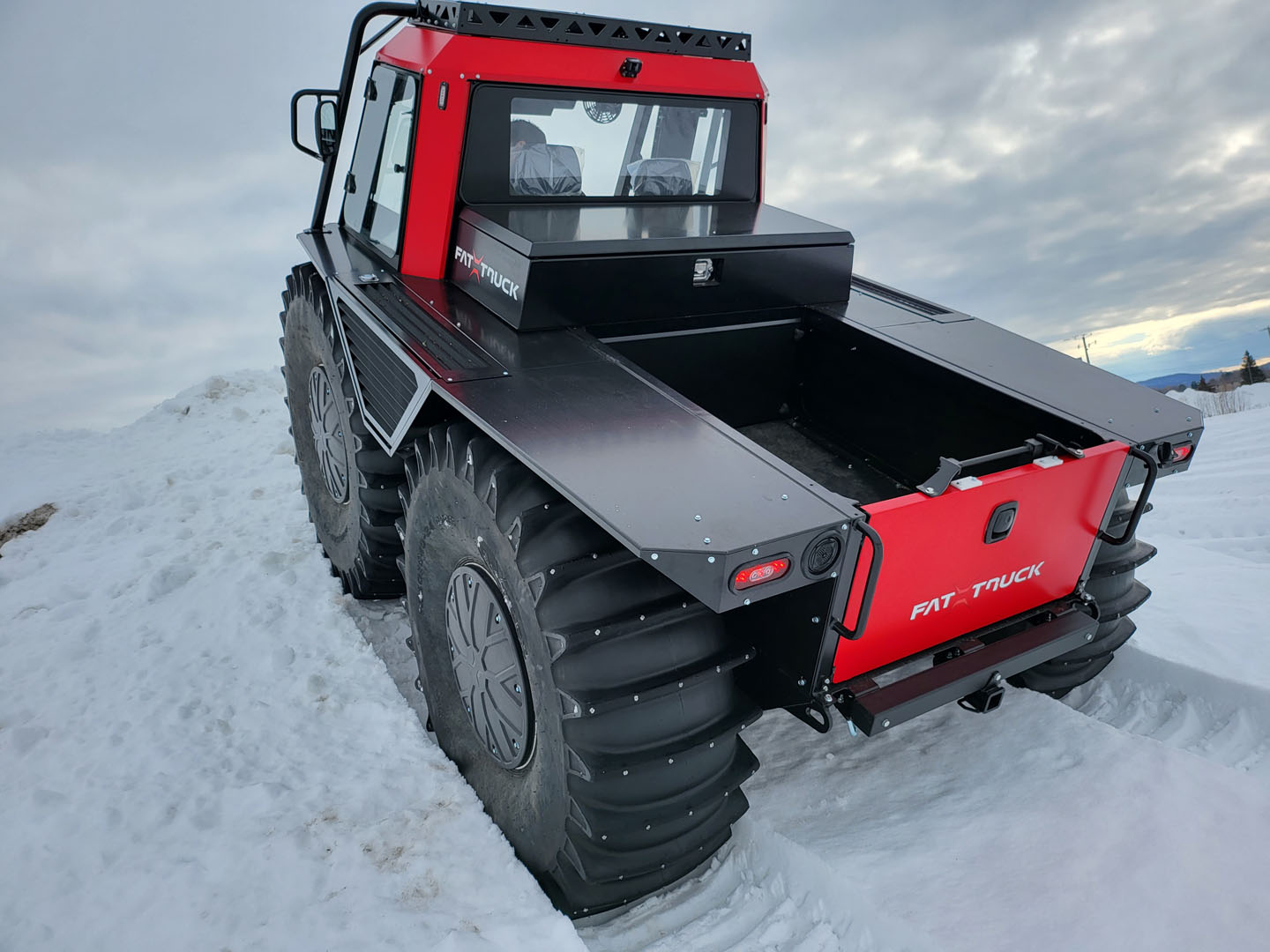
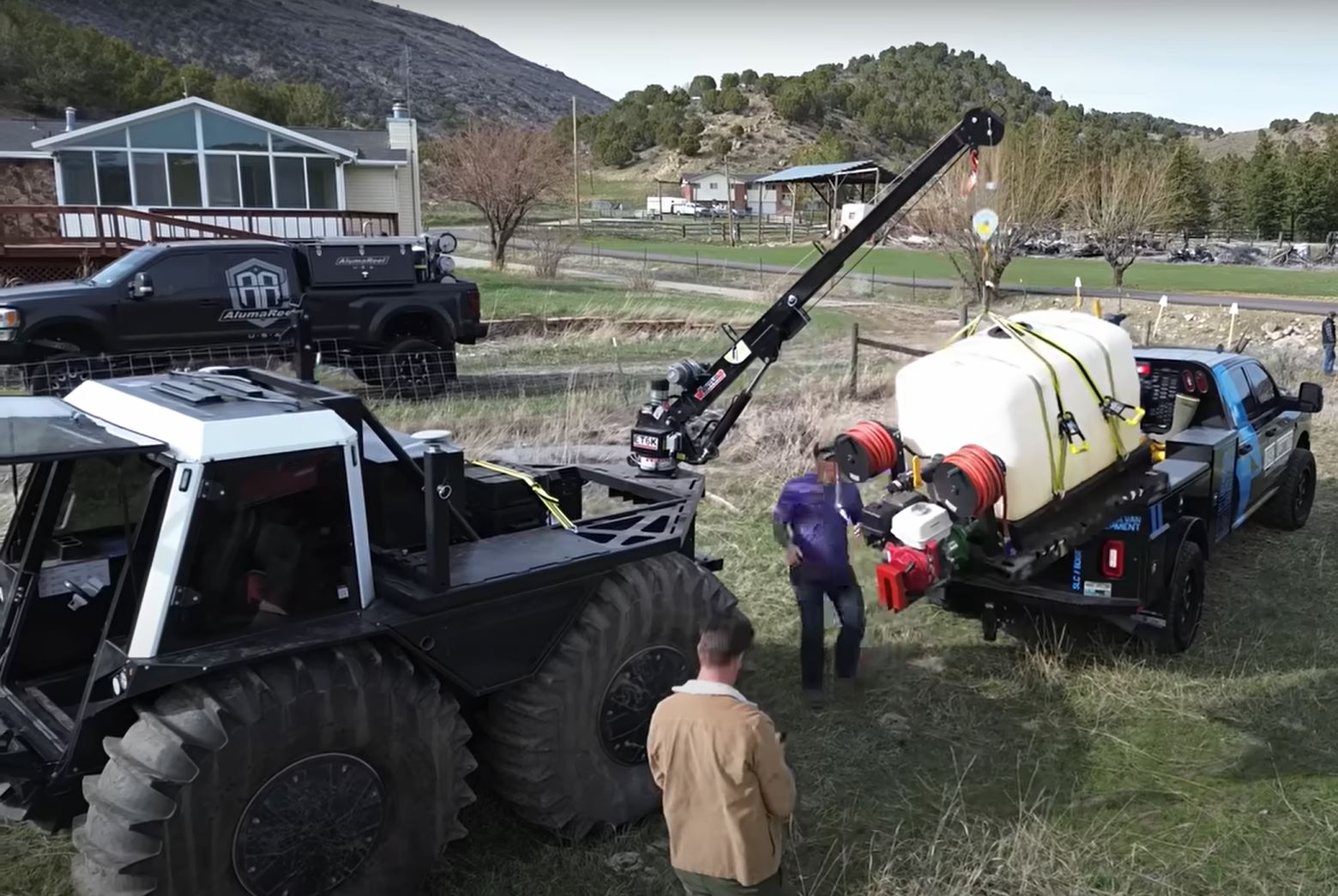
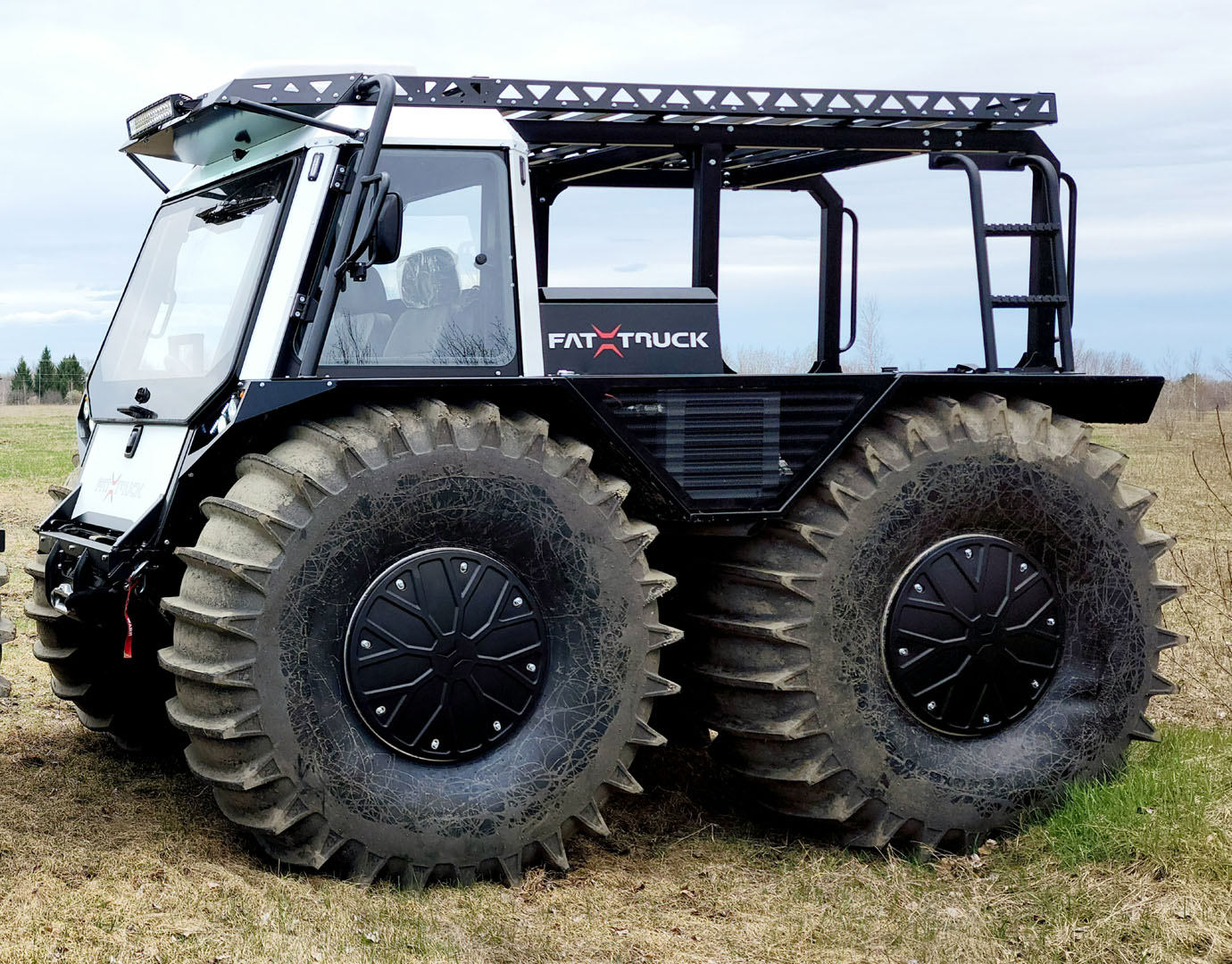
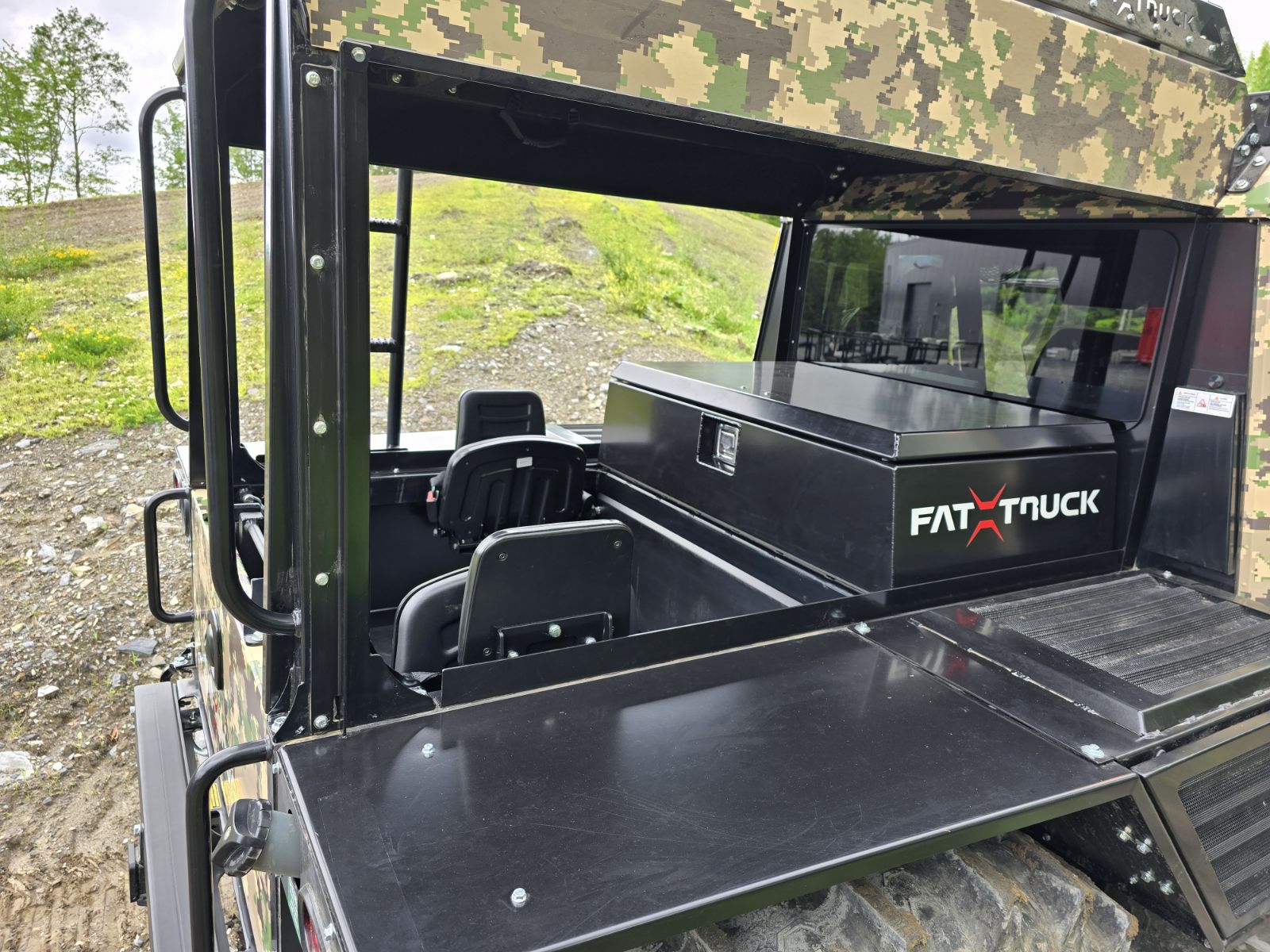
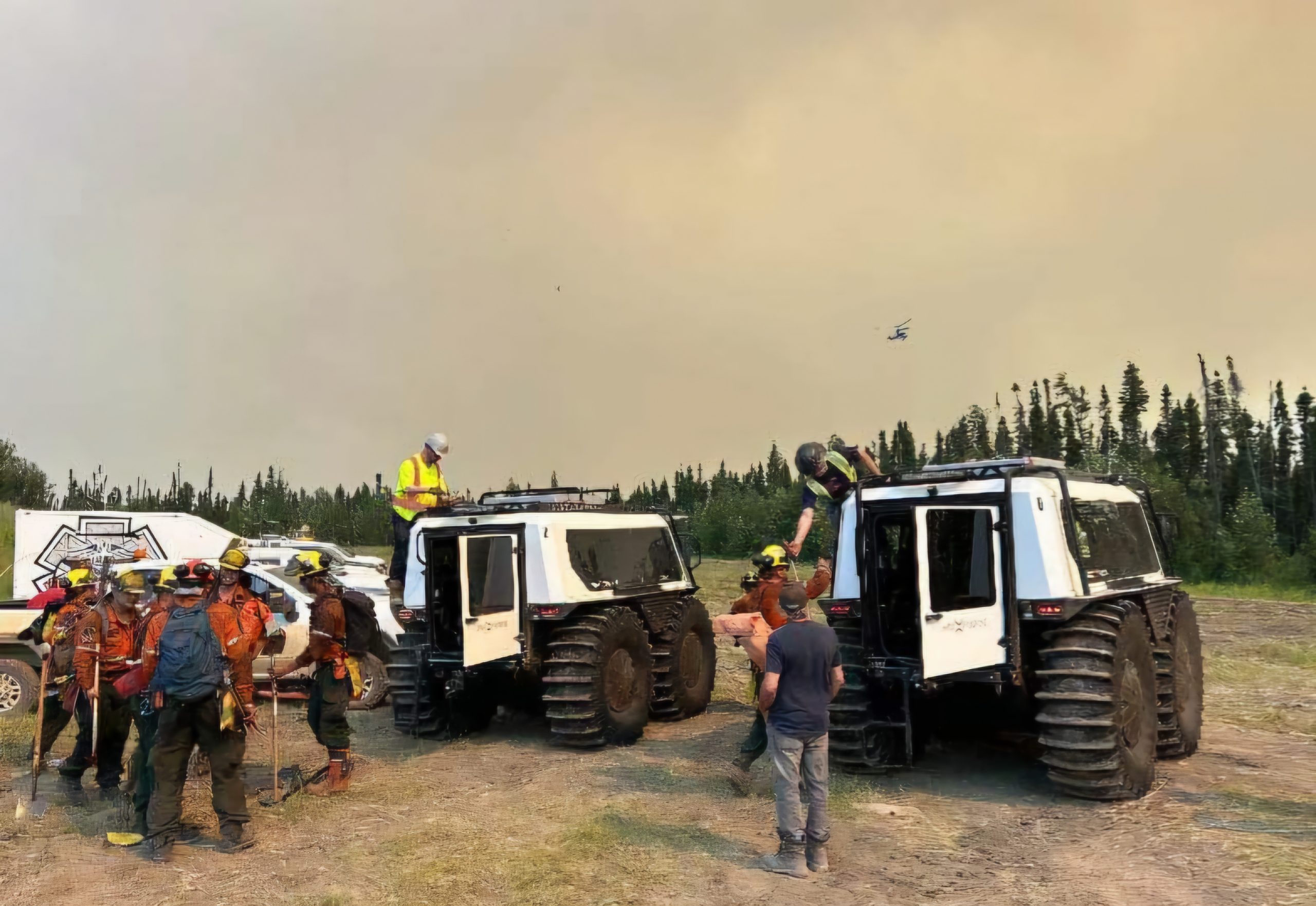
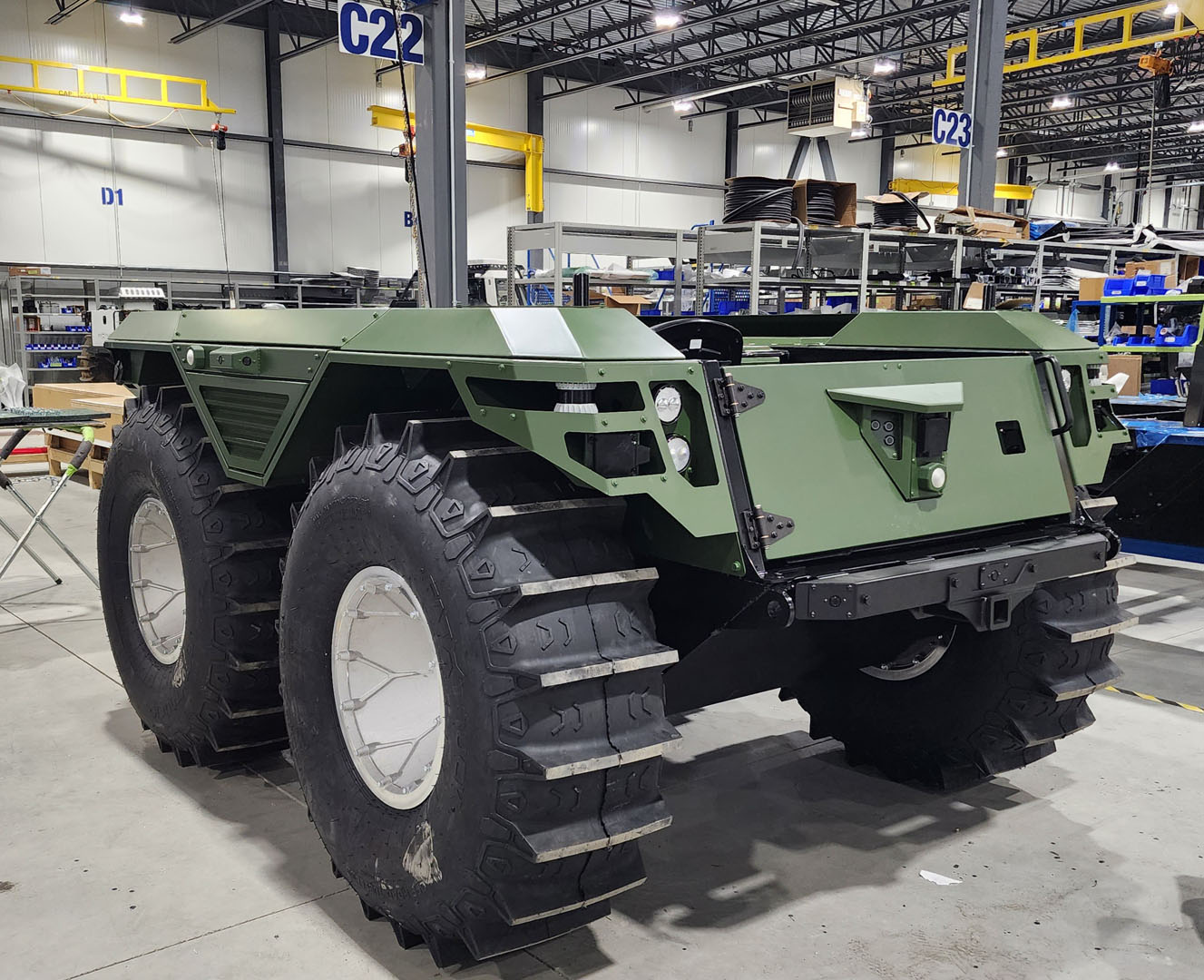
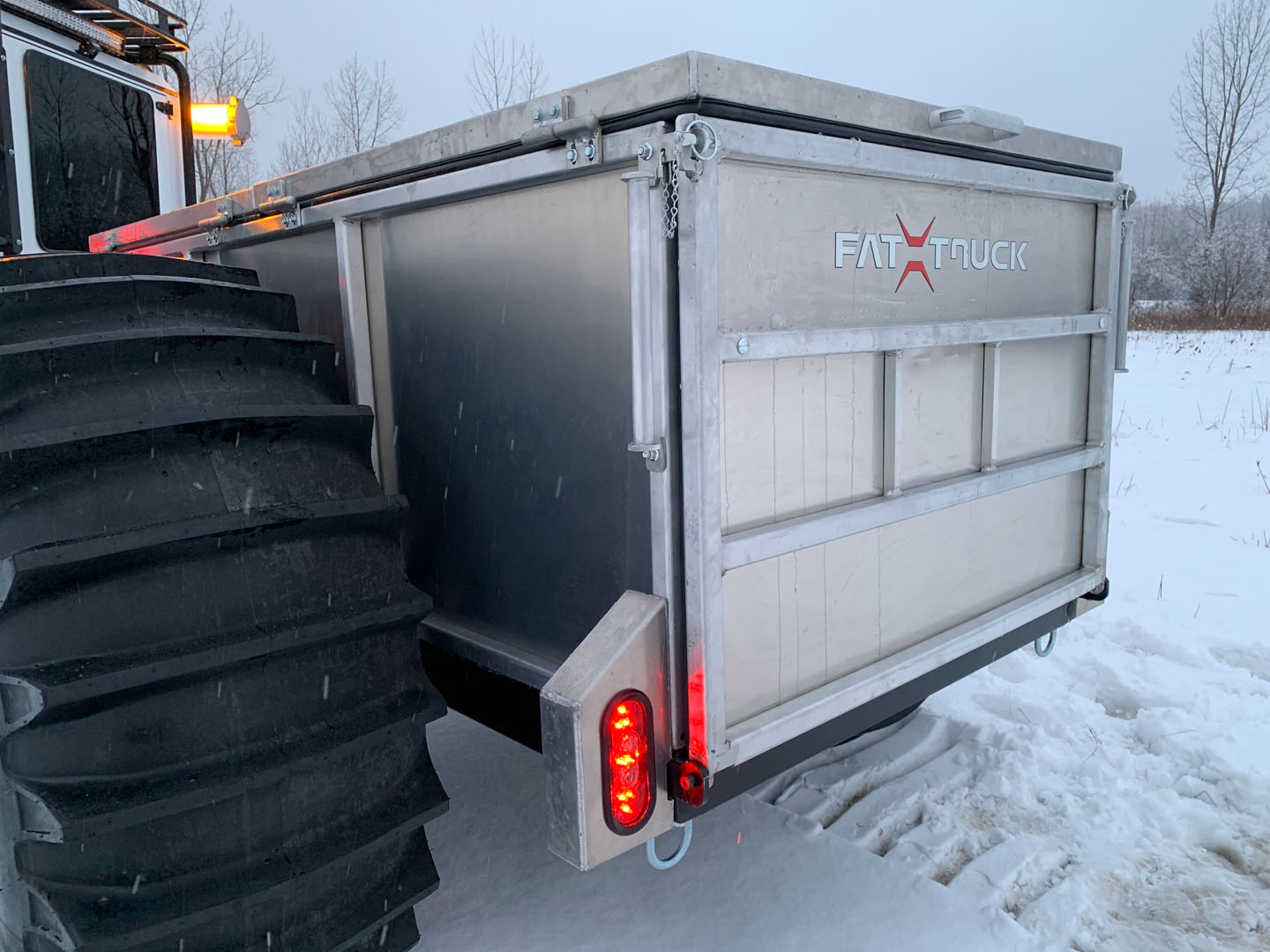
- Crew and material transport in one trip. The vehicle is designed to carry tools, equipment, materials and people, with the goal of minimizing redundant trips, which matters on long corridors where every round trip costs crew hours.
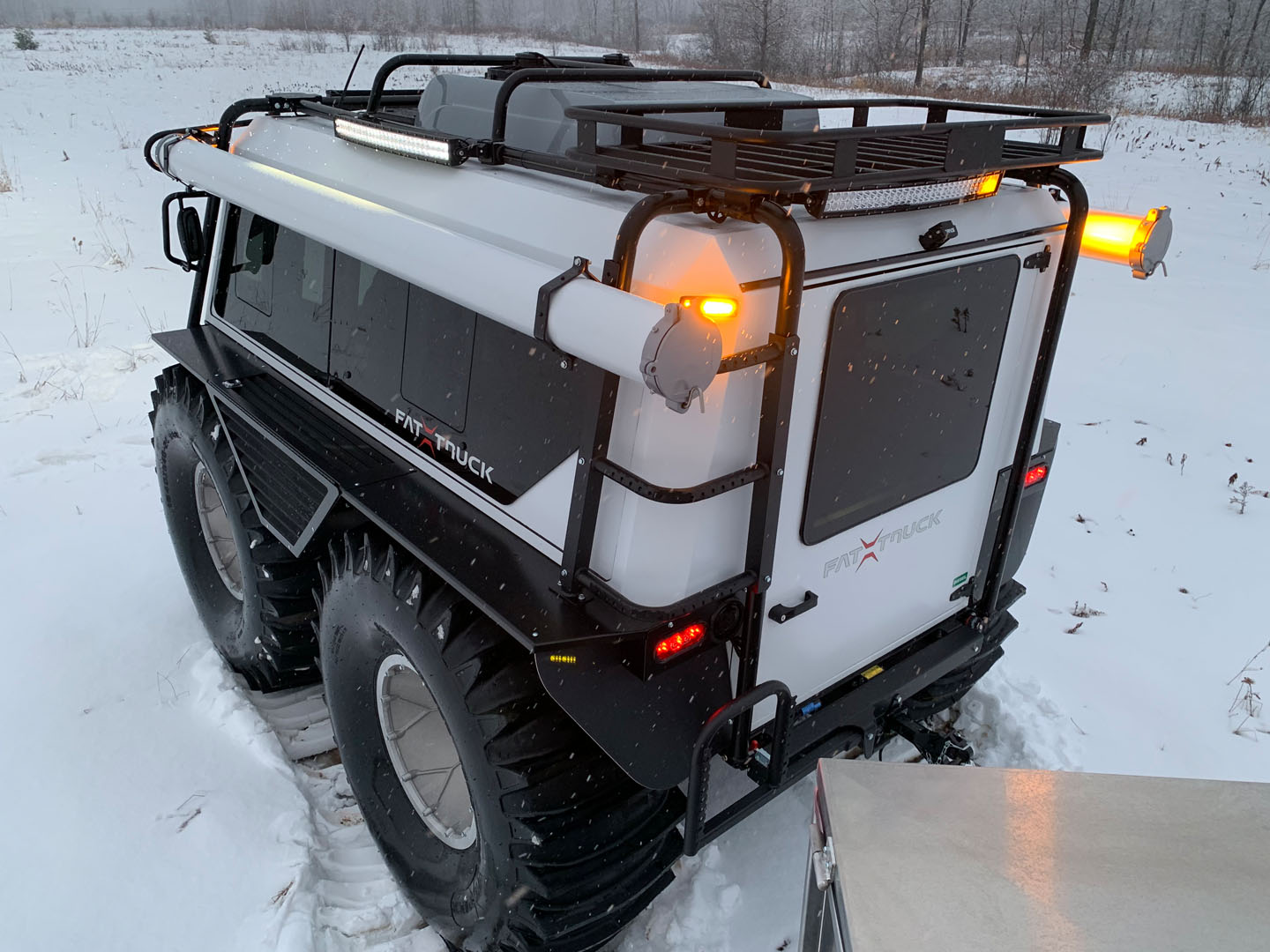
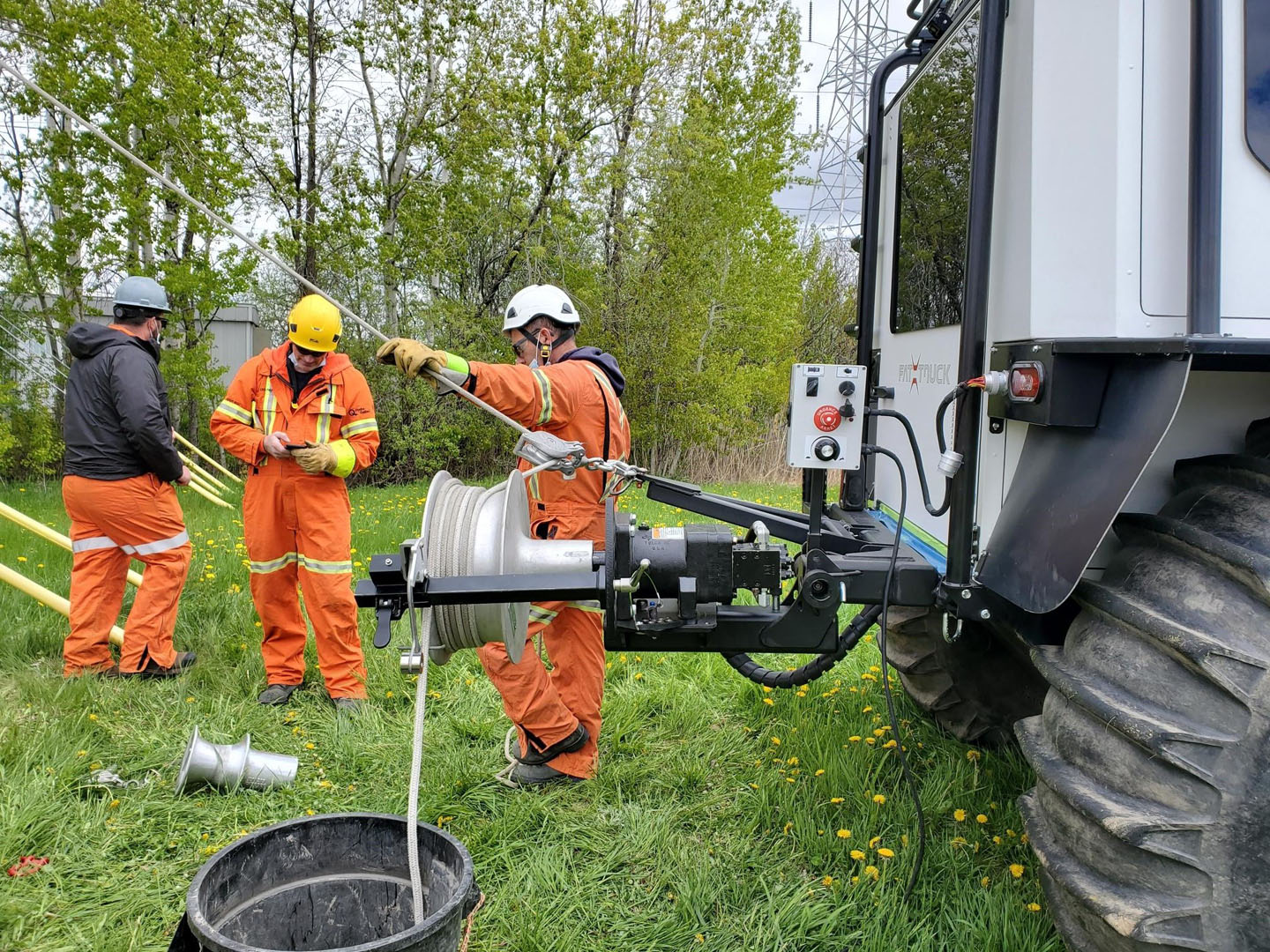
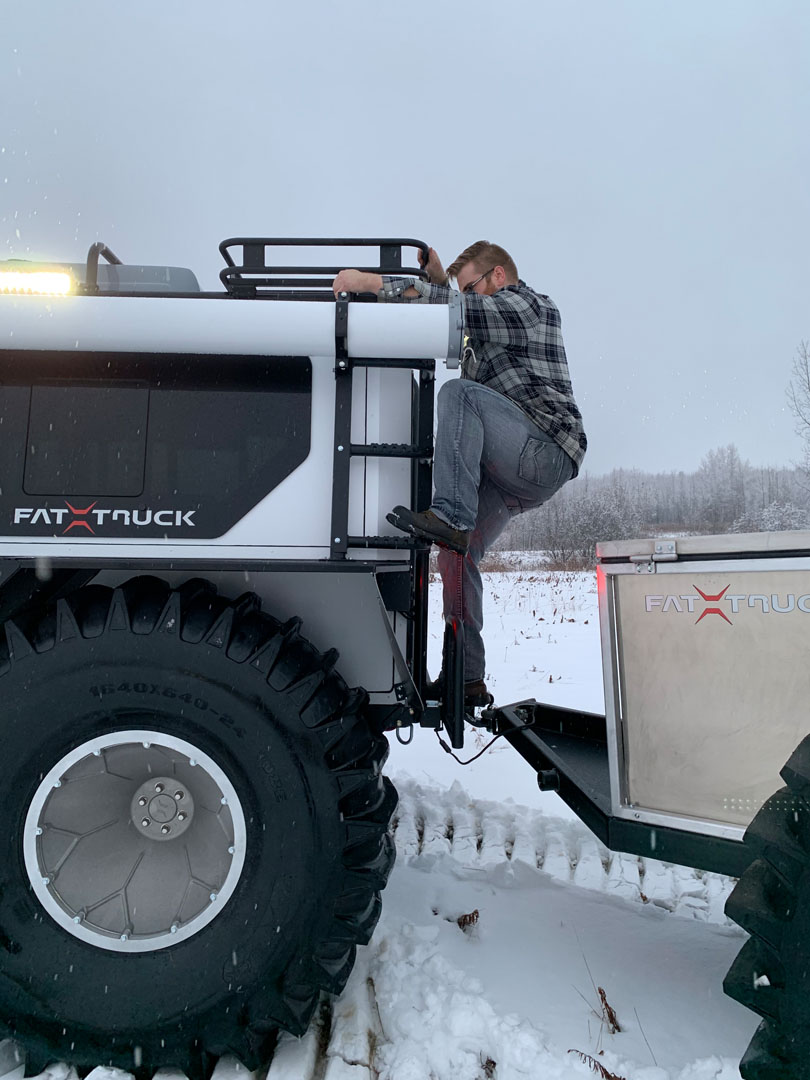
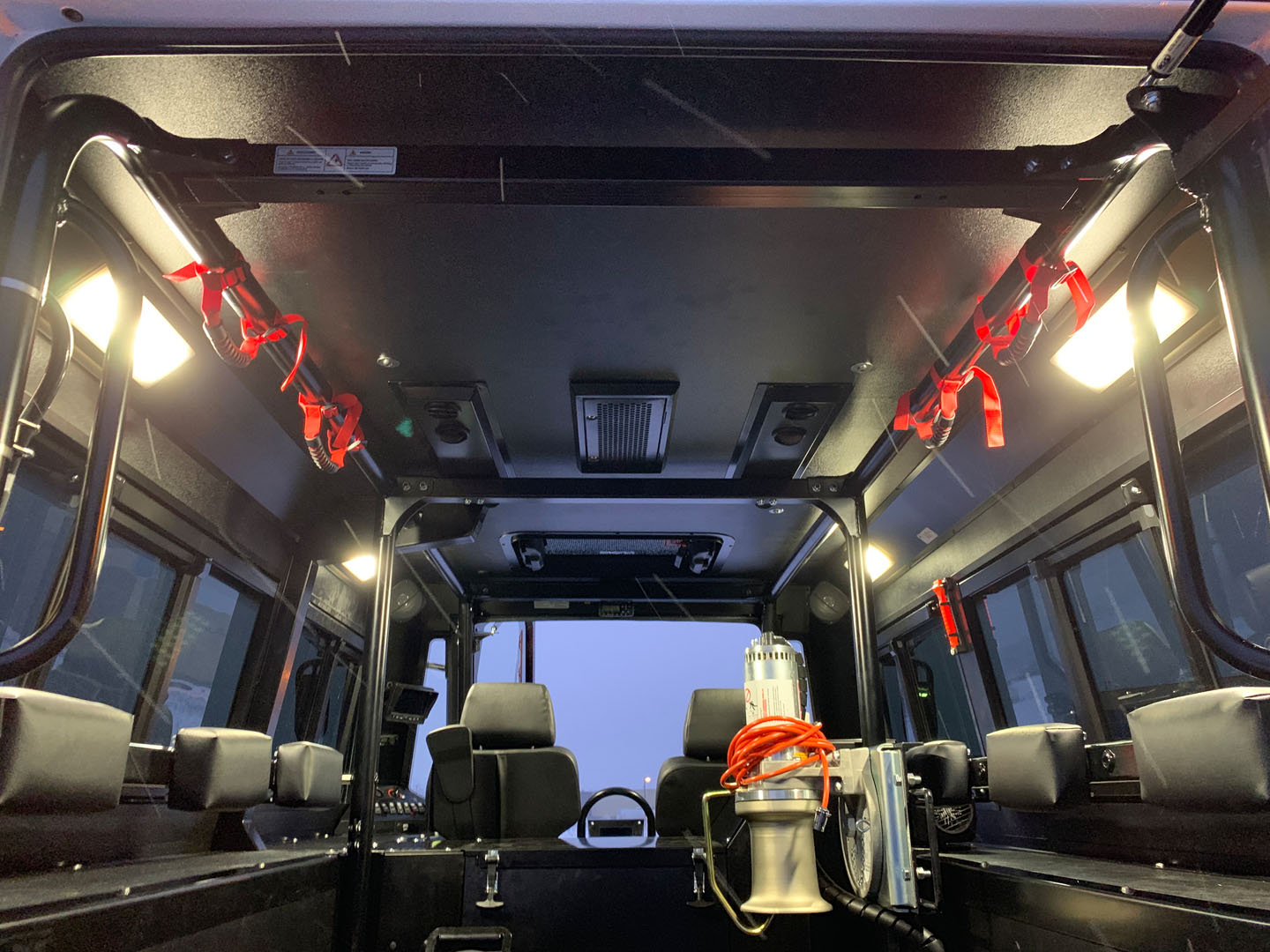
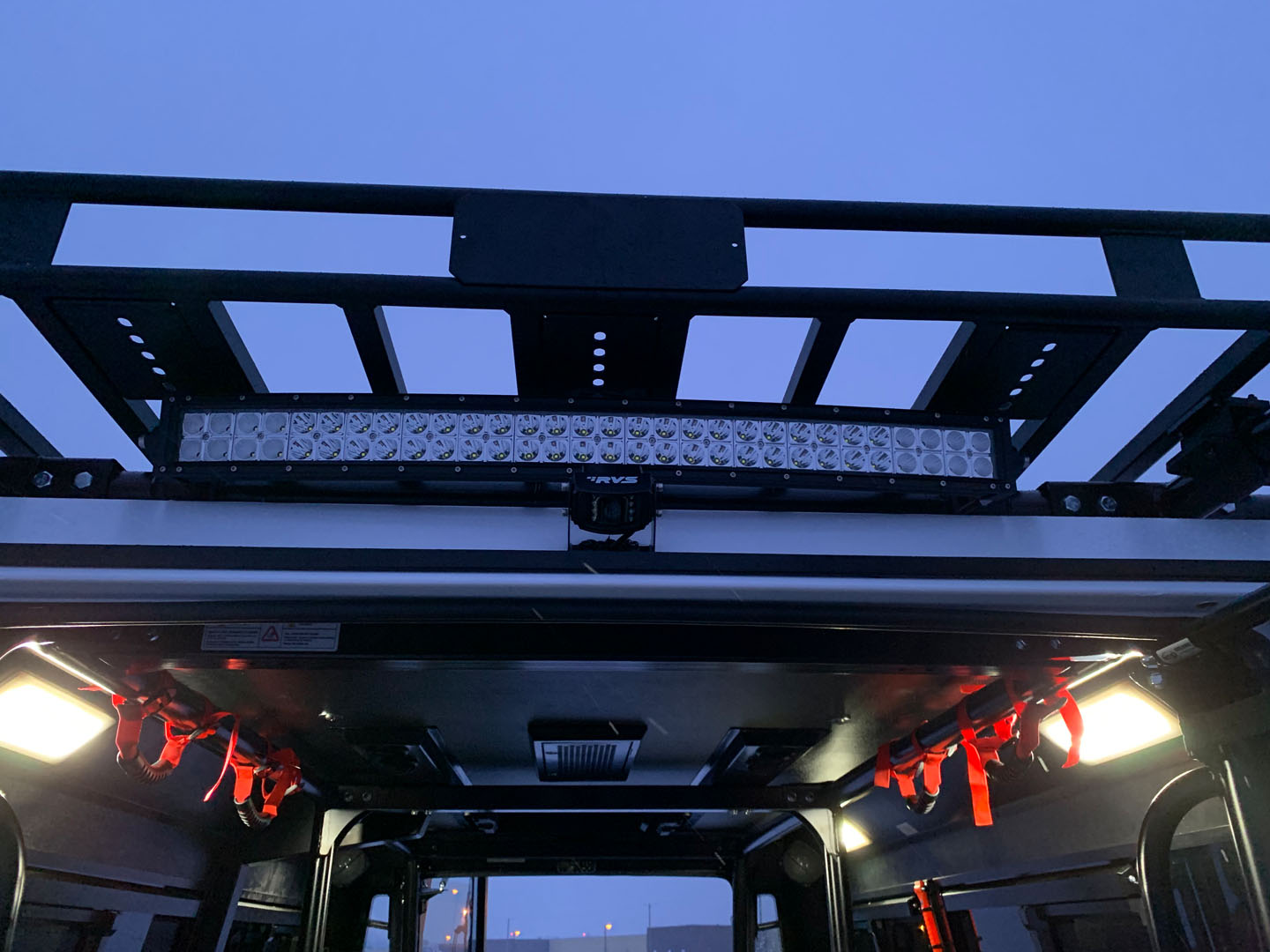
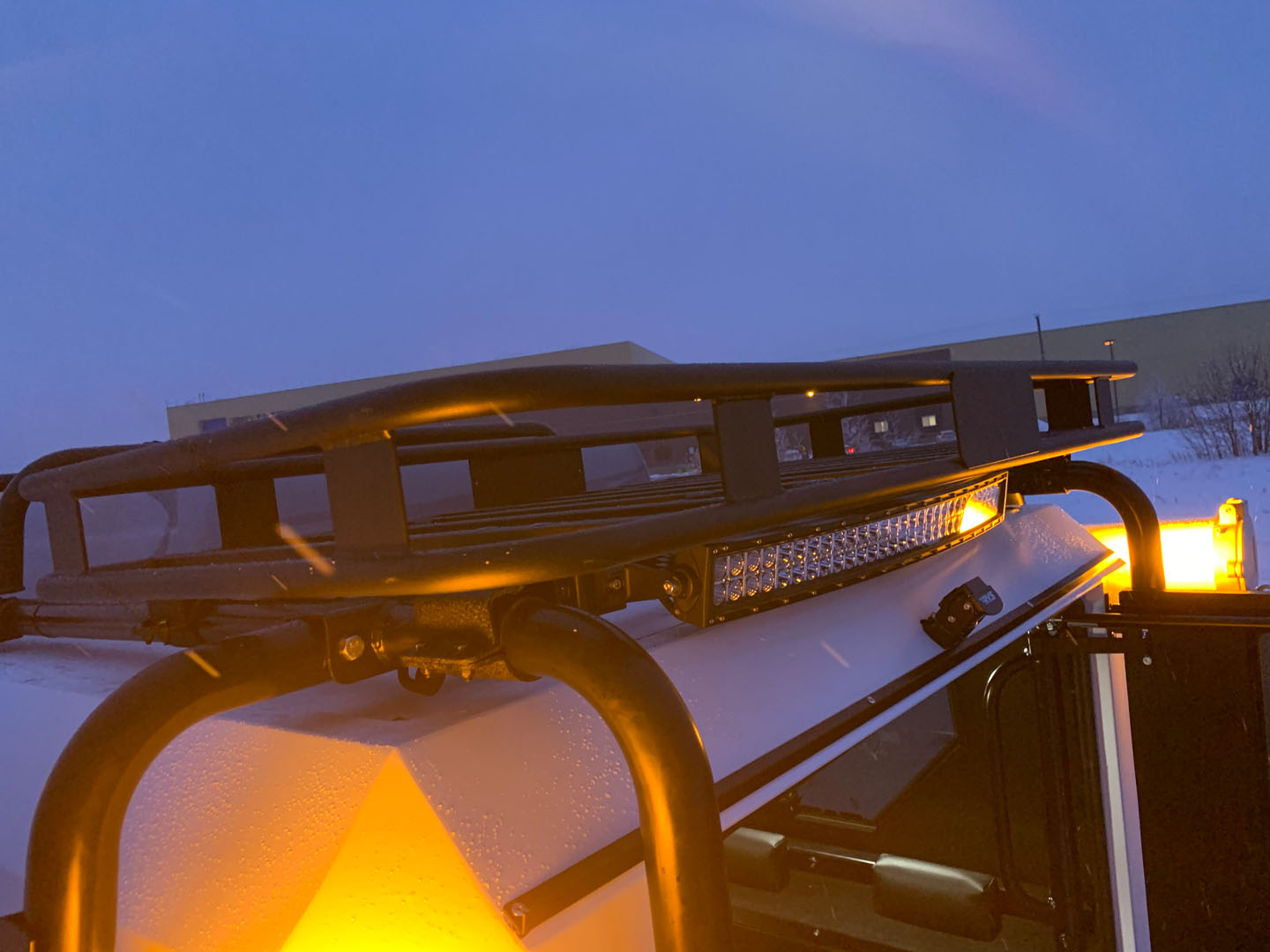
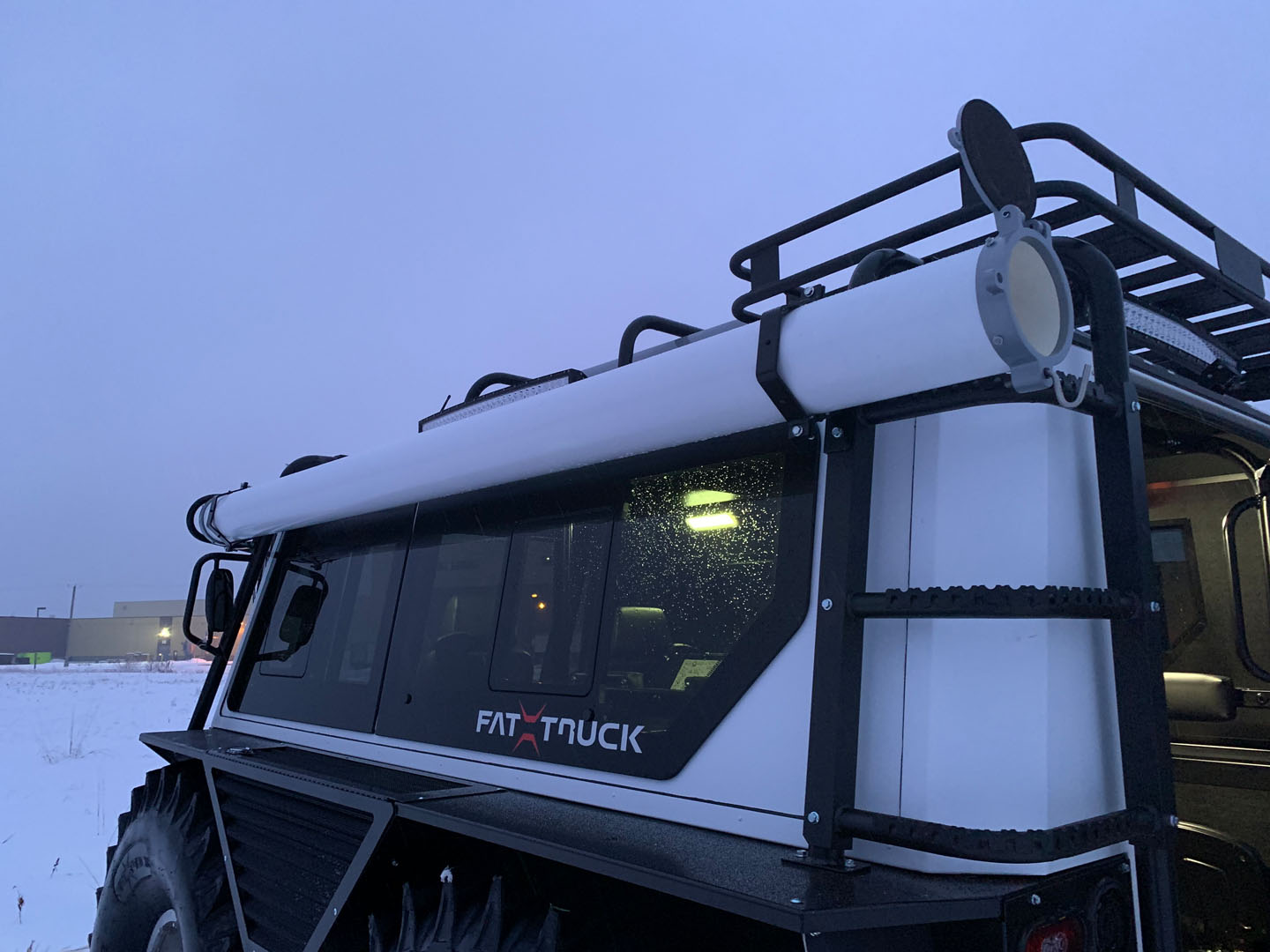
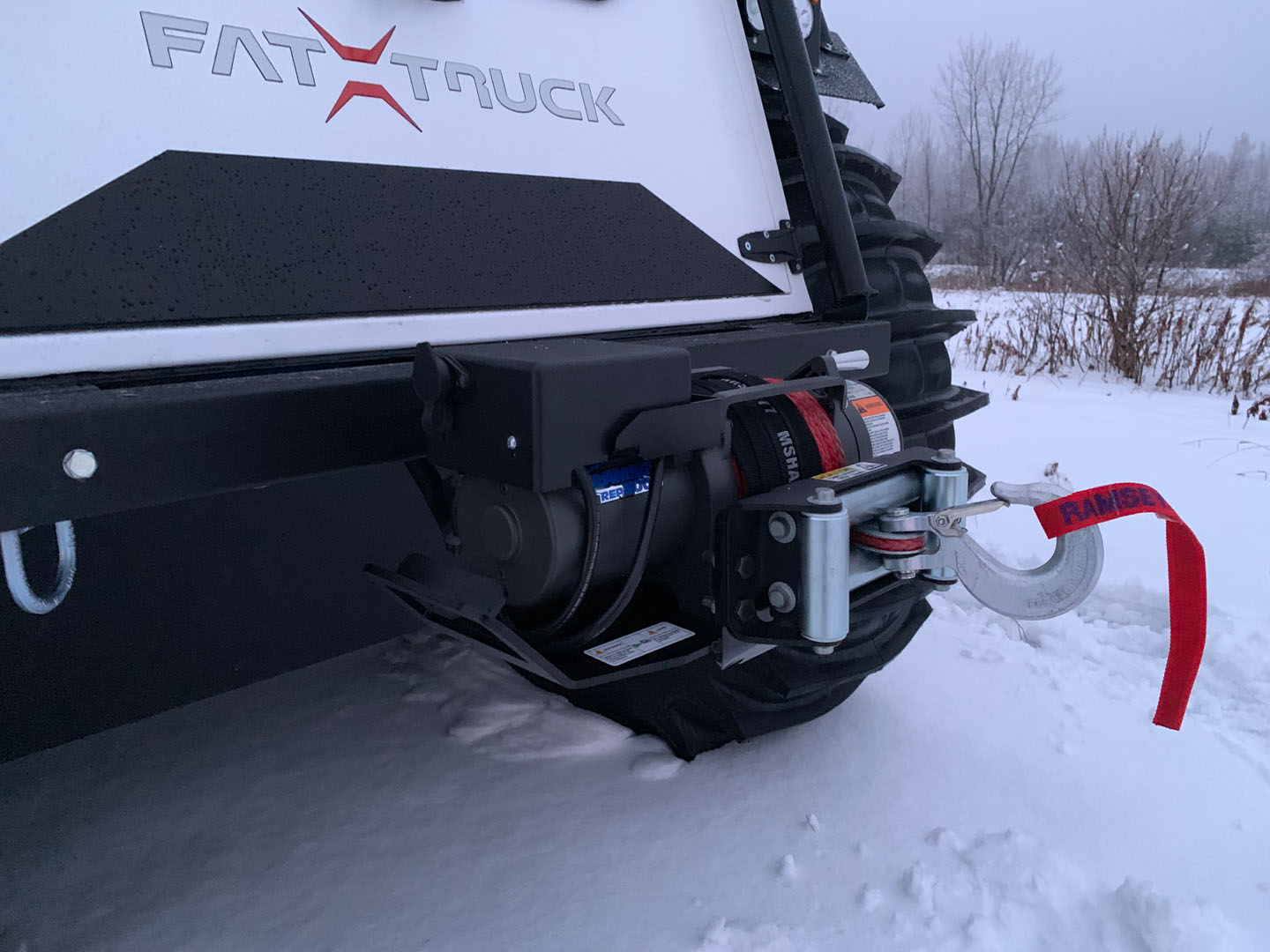
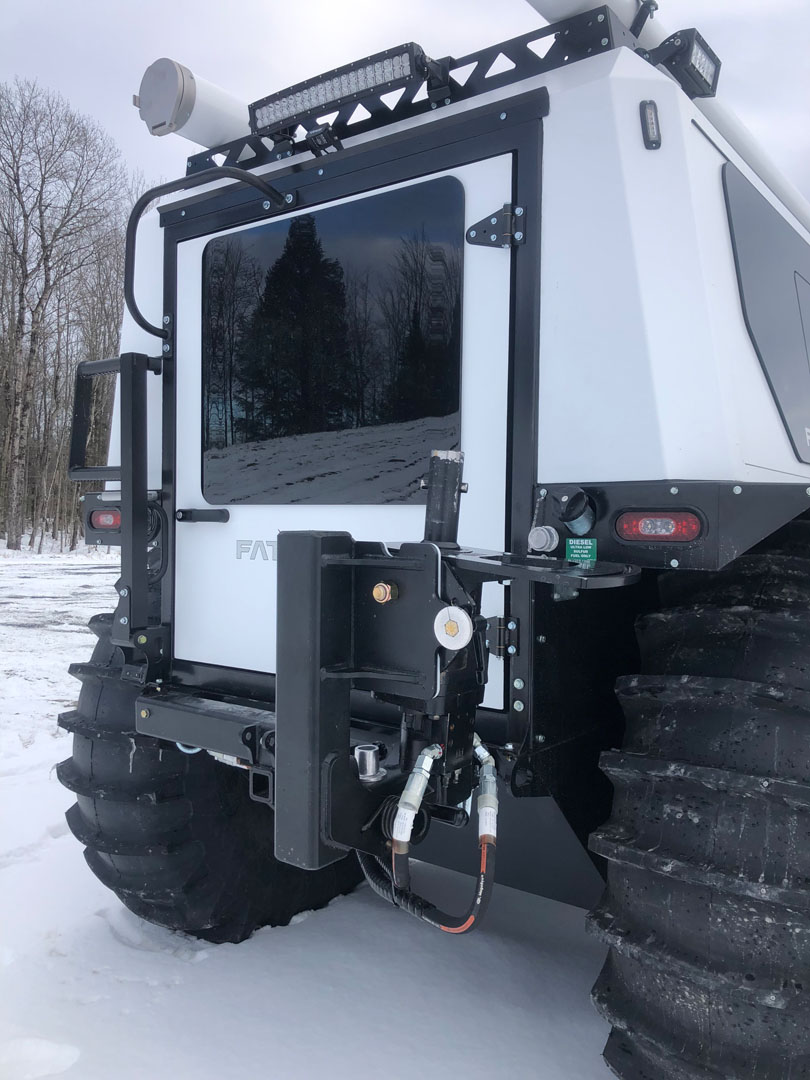
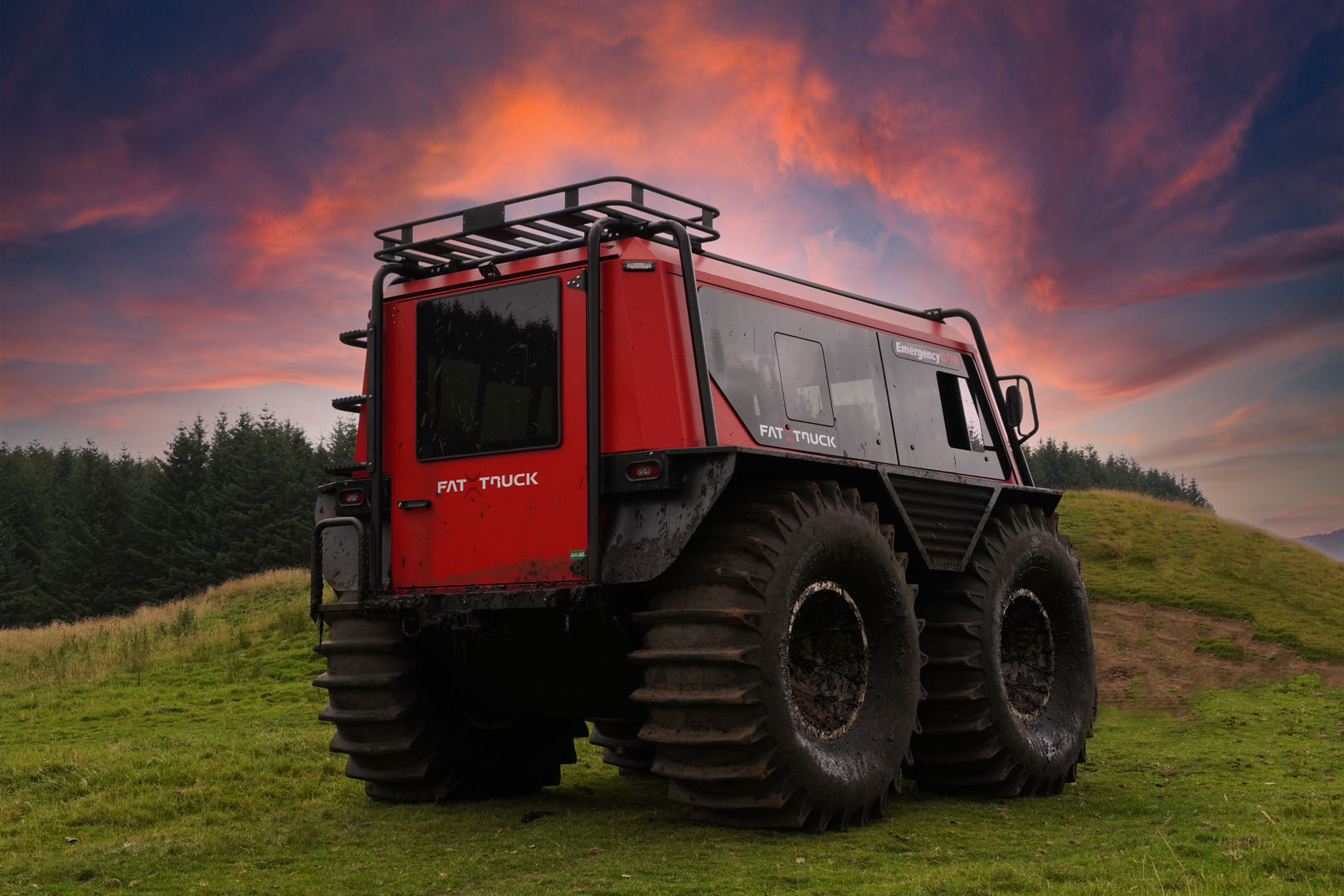
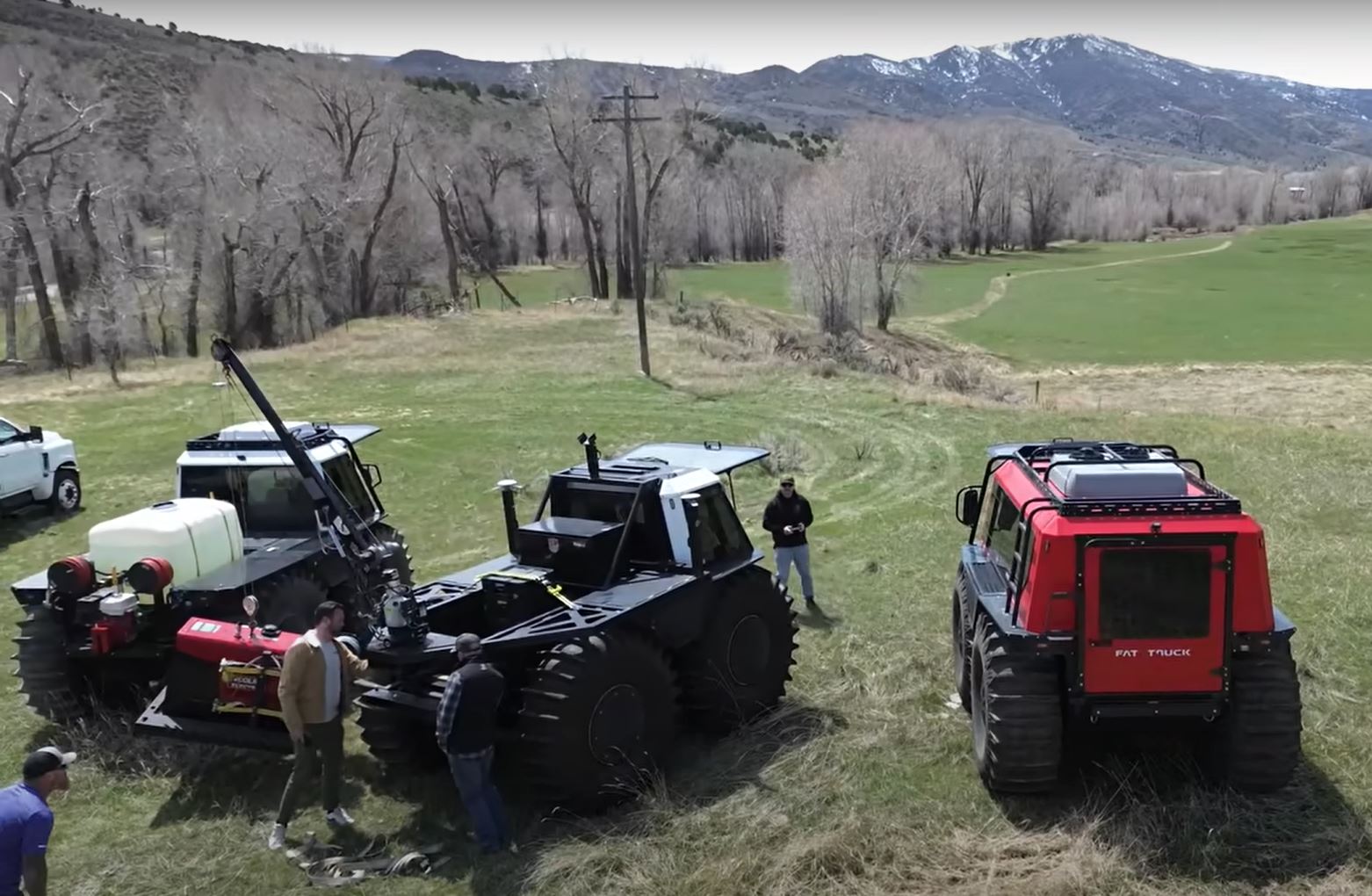
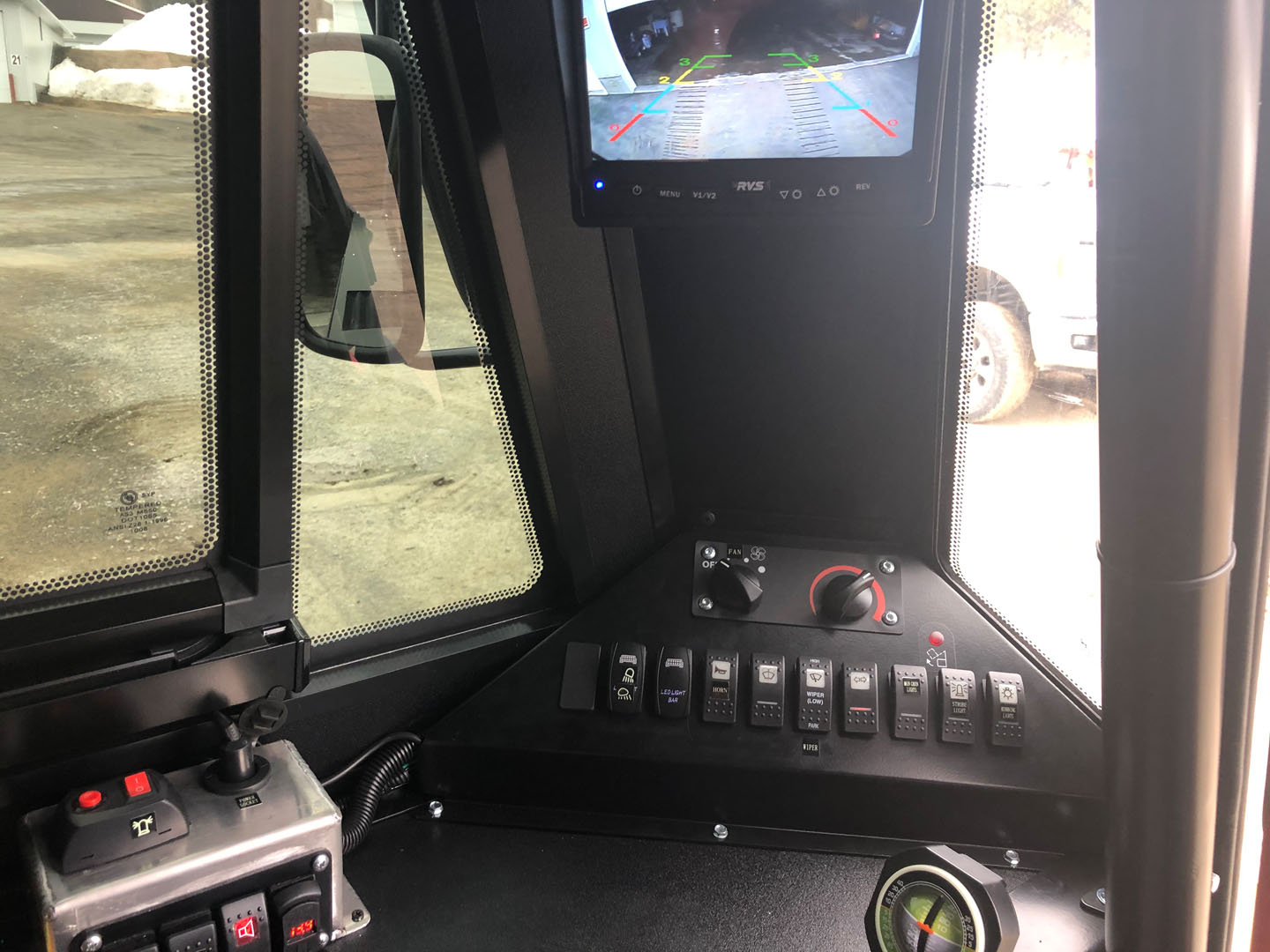
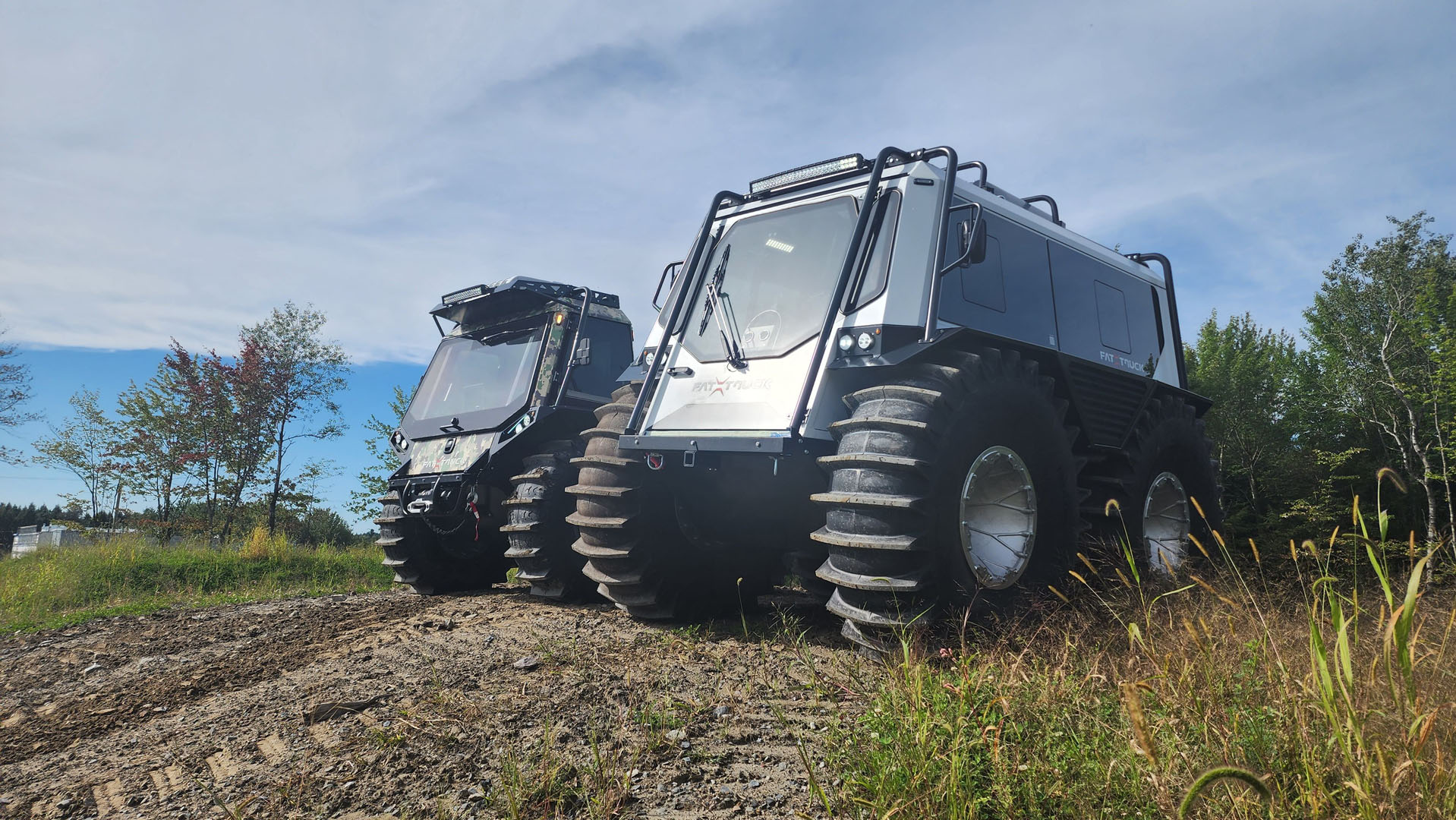
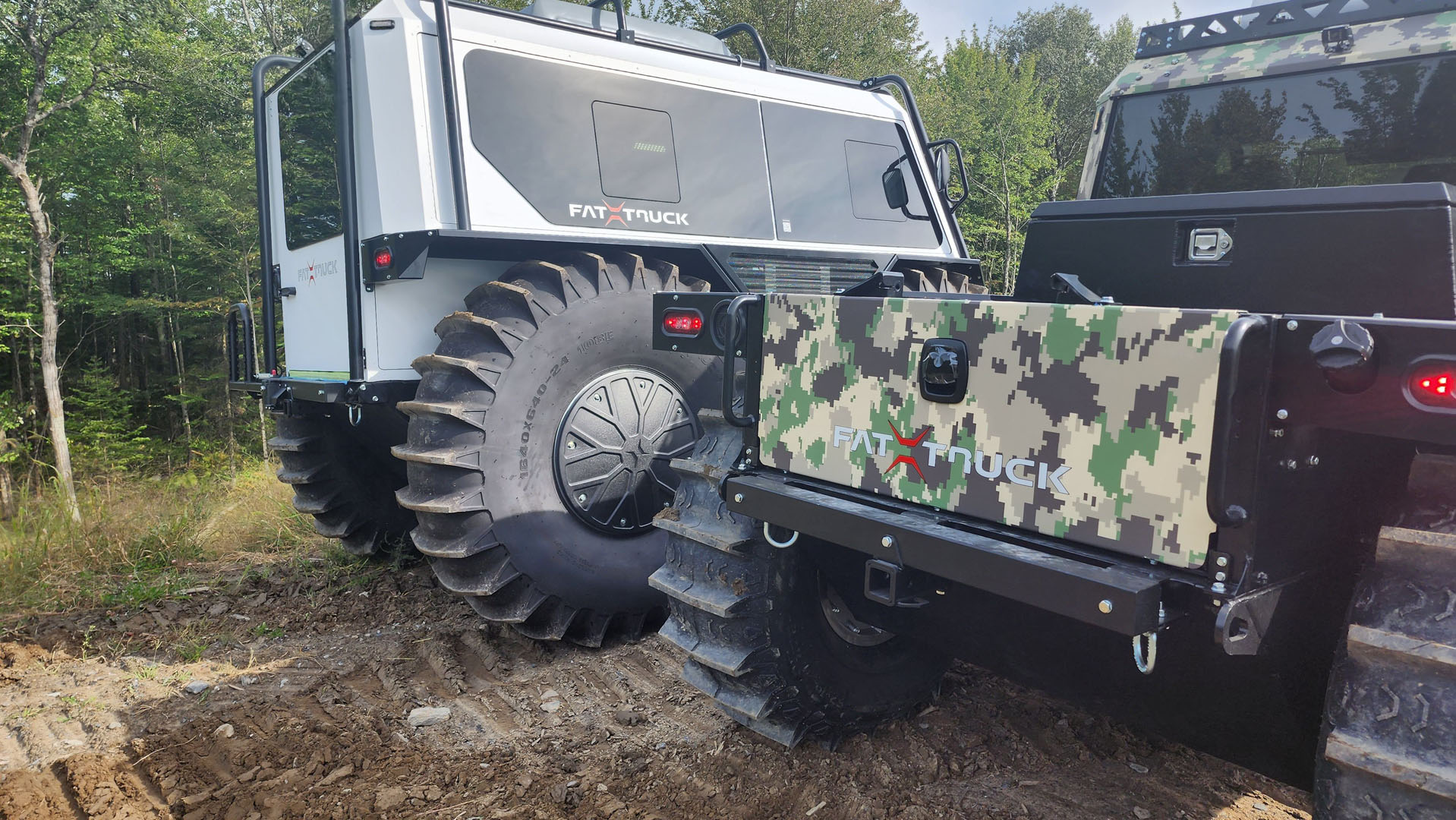
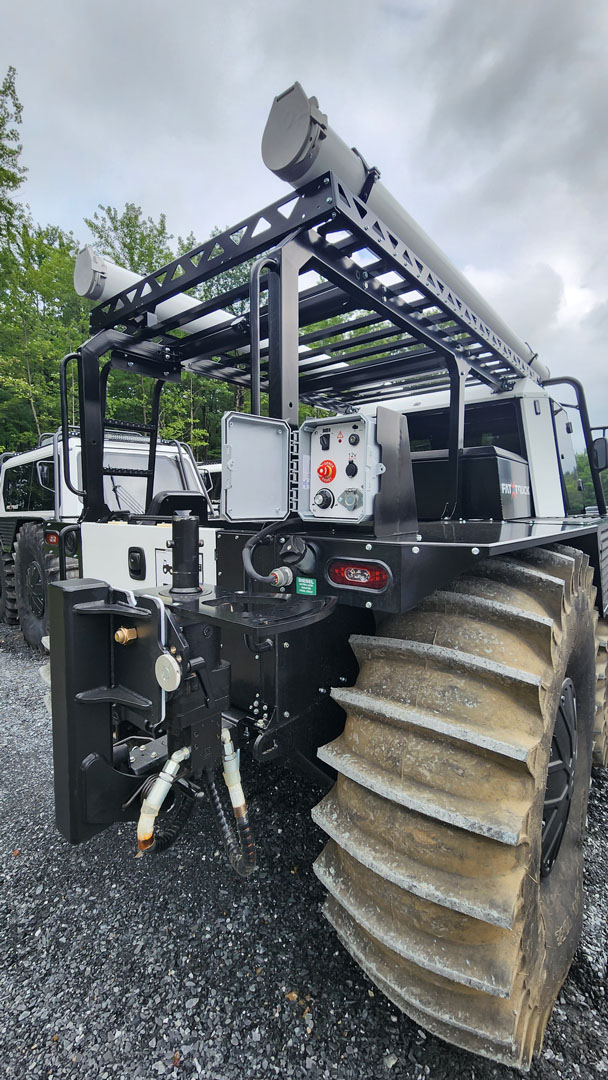
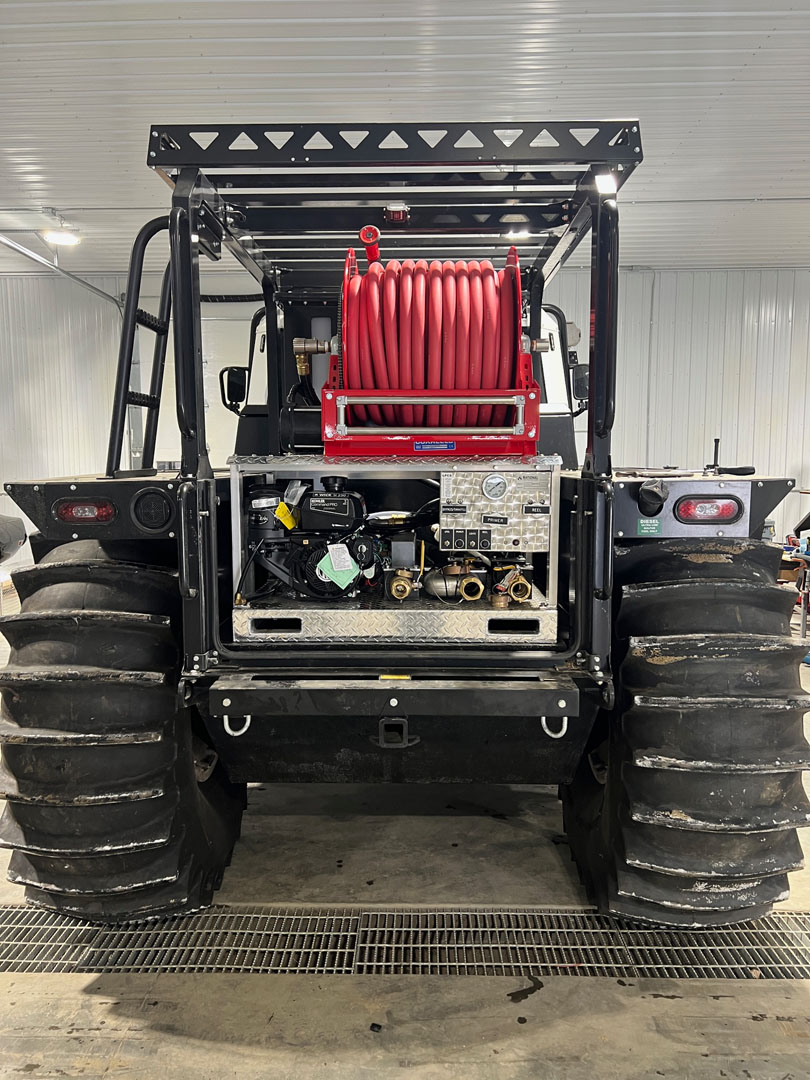
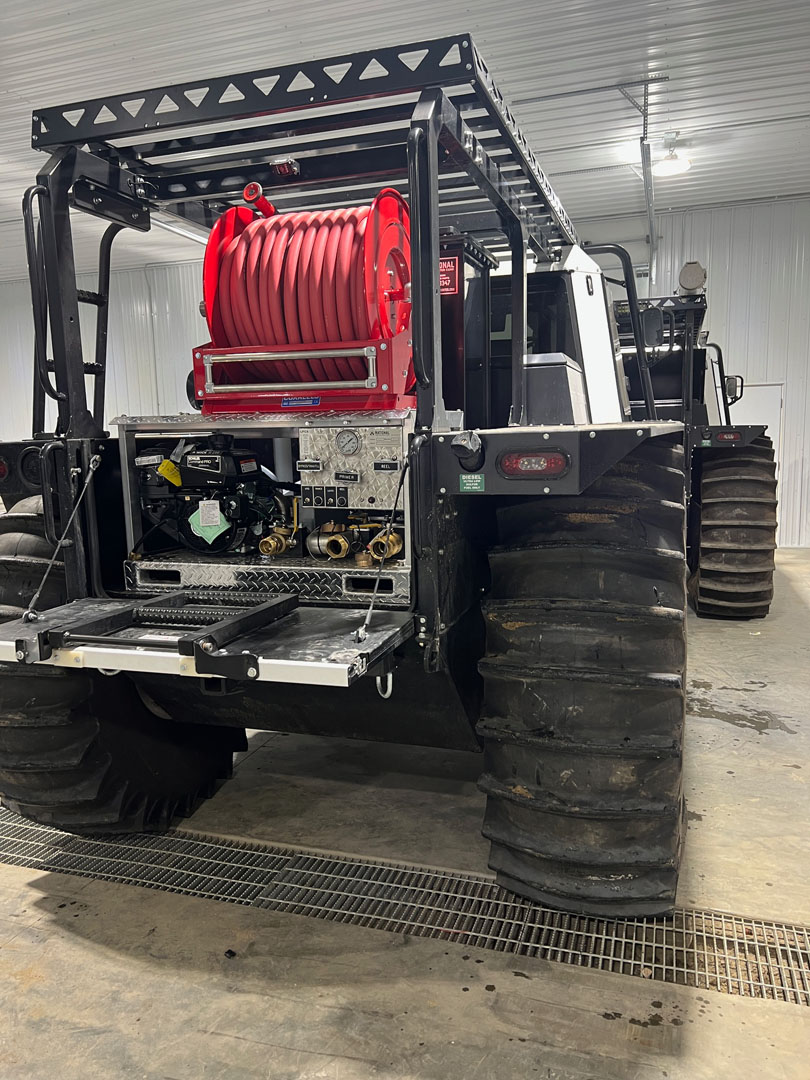
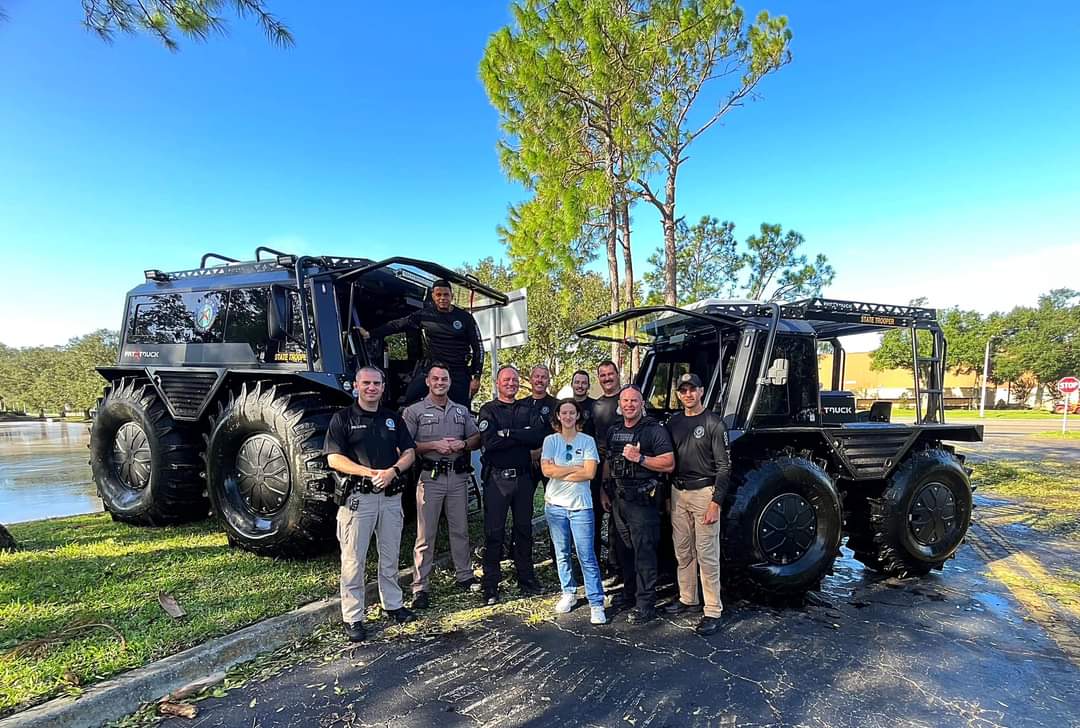
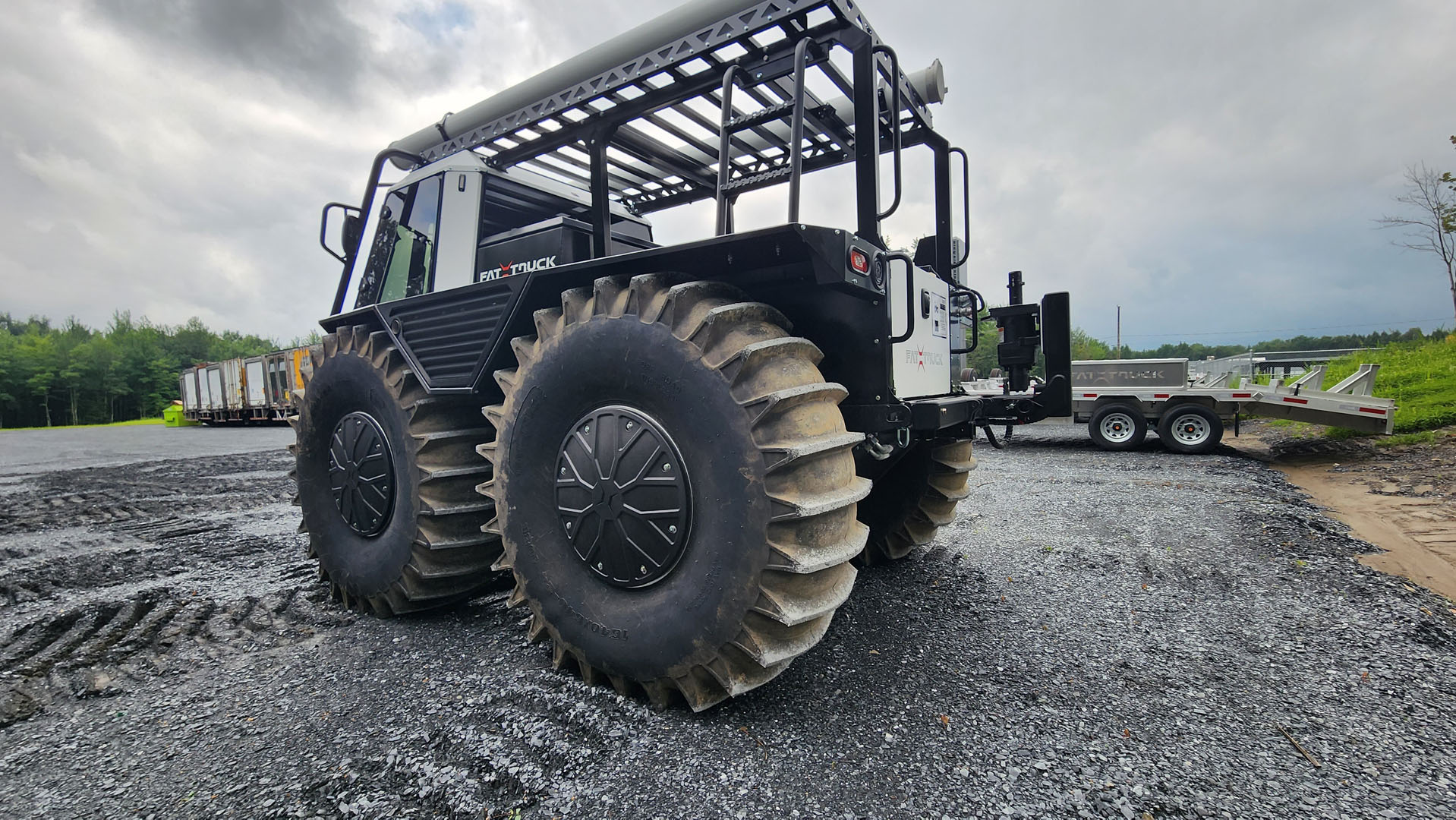
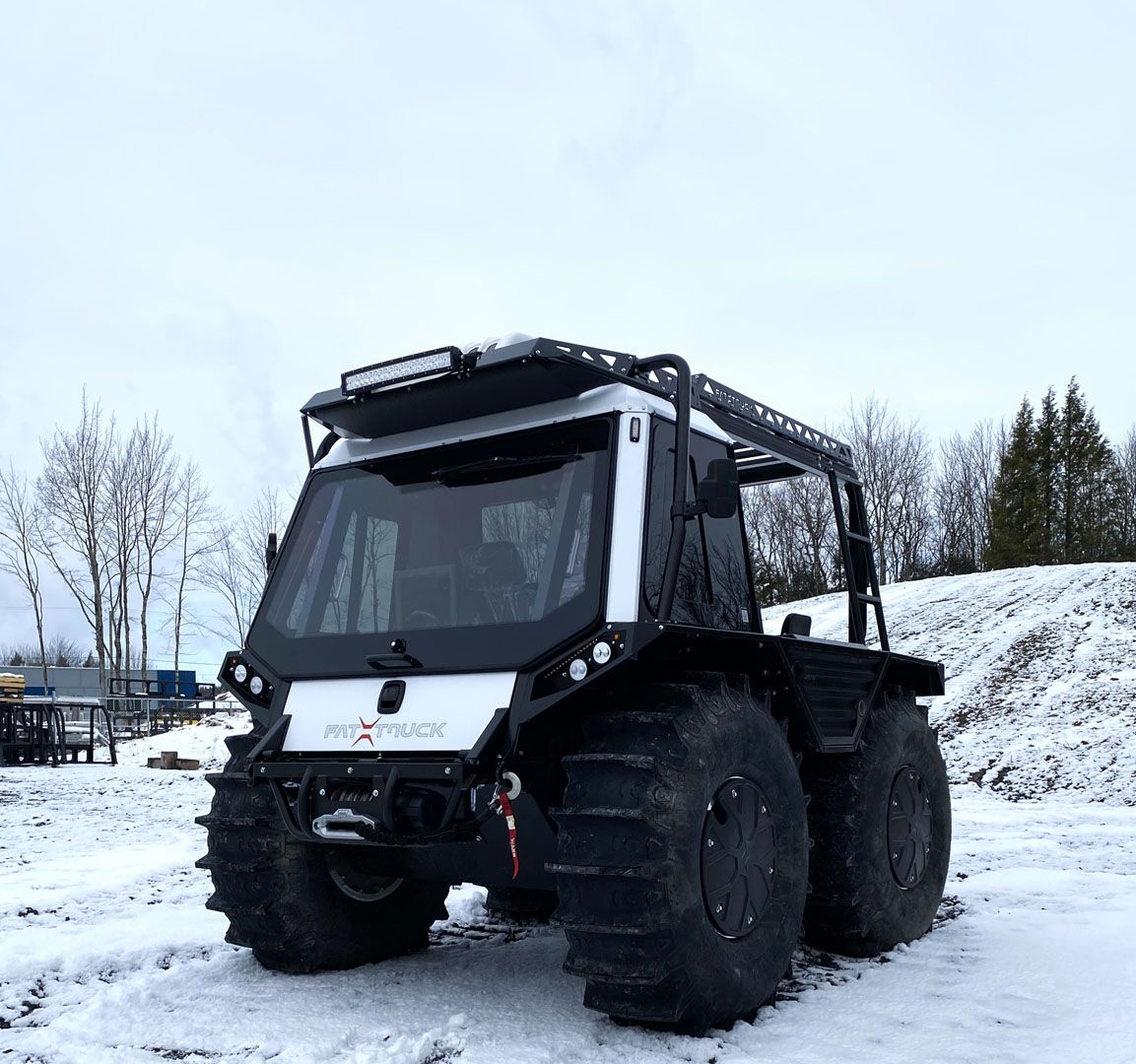
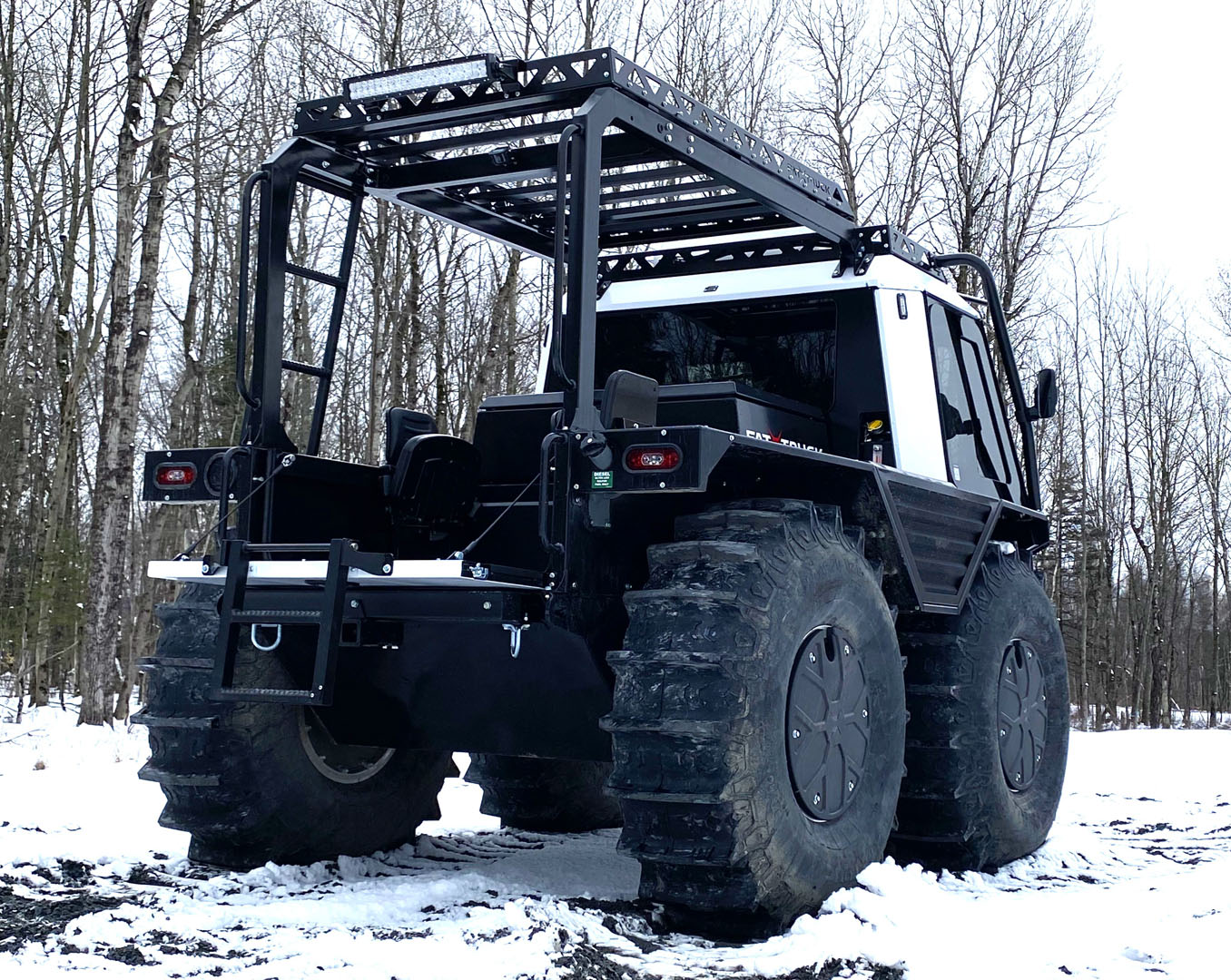
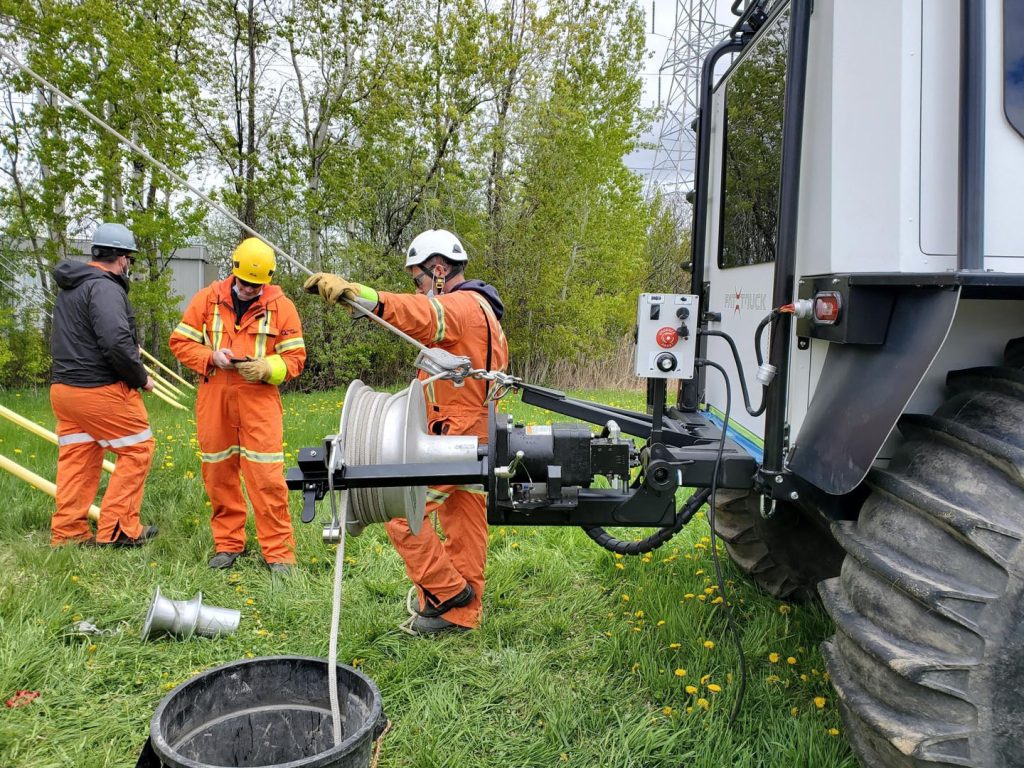
- Utility-ready configurations. Electric utility options include a front winch, rear capstan winch, hot sticks storage tubes, ladder rack, and 4-way backup camera, among others.
- Safety on unstable ground. Built-in features include roll-over protection, automatic brakes and an inclinometer for working on uneven or unstable sites.
- Lighter ground impact. Low ground pressure means less rutting on sensitive routes, which helps keep regulators satisfied and restoration costs down.
The bottleneck is on the ground
The AI buildout is often described as a race for chips and power plants. For the people building it, it’s also a race across wetlands, bogs, farmland and forest to connect those facilities to the grid and the network. The transmission, substation and fiber work behind every new data center is where schedules are won or lost.
Utilities, line contractors and telecom crews taking on that work need equipment that keeps them moving when conventional vehicles can’t.
Sources
Fierce Network on remote data center locations and fiber labor: fierce-network.com/broadband/bead-may-be-big-disappointment-fiber-demand-ai-hot-hot-hot
IEA, Energy and AI (2025): iea.org/reports/energy-and-ai/executive-summary
LBNL, U.S. Data Center Energy Usage Report: 2025 Update (via OSTI): osti.gov/biblio/3374245
DOE announcement of the 2024 LBNL report: energy.gov/articles/doe-releases-new-report-evaluating-increase-electricity-demand-data-centers
NERC, 2025 Long-Term Reliability Assessment: nerc.com/our-work/assessments/long-term-reliability-assessments
Grid Strategies’ critique of NERC (Utility Dive): utilitydive.com/news/nerc-overstates-reliability-risks-ltra-grid-strategies/814292/
Brookings on grid connection timelines: brookings.edu/articles/global-energy-demands-within-the-ai-regulatory-landscape/
Wisconsin PSC transmission impacts brochure: psc.wi.gov/Documents/Brochures/Enviromental%20Impacts%20TL.pdf
T&D World, Minnesota transmission build: tdworld.com/overhead-transmission/article/20973005/challenging-terrain-for-a-transmission-build
Fiber Broadband Association / RVA white paper: fiberbroadband.org/resources/the-underappreciated-need-to-enable-ai-and-data-center-growth-increased-and-more-strategic-fiber-interconnections/
Equip It for the Job Ahead.
Every job site is different. From winches and lighting to crew and cargo configurations, build a FAT TRUCK® ready for wherever the work takes you.