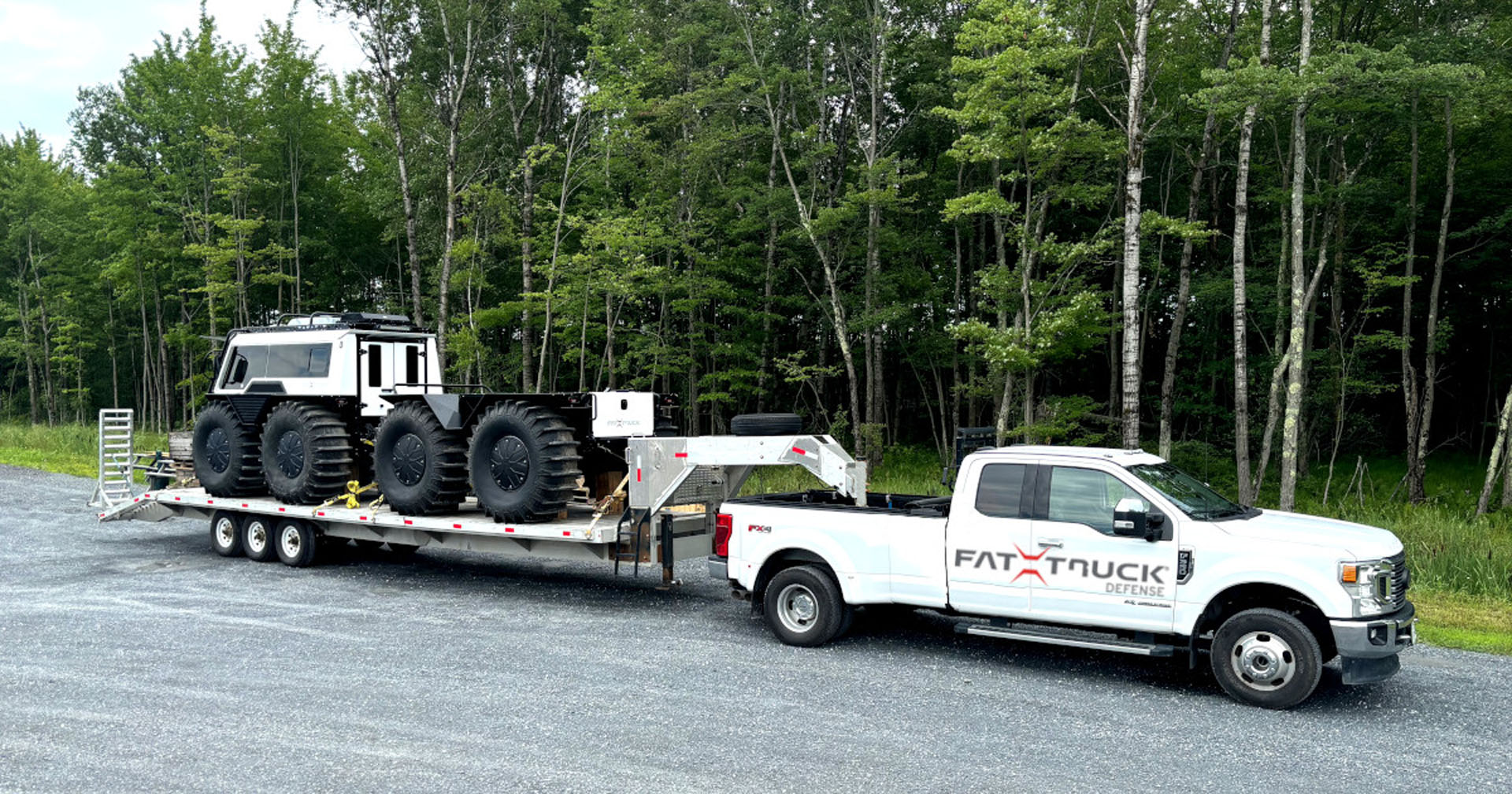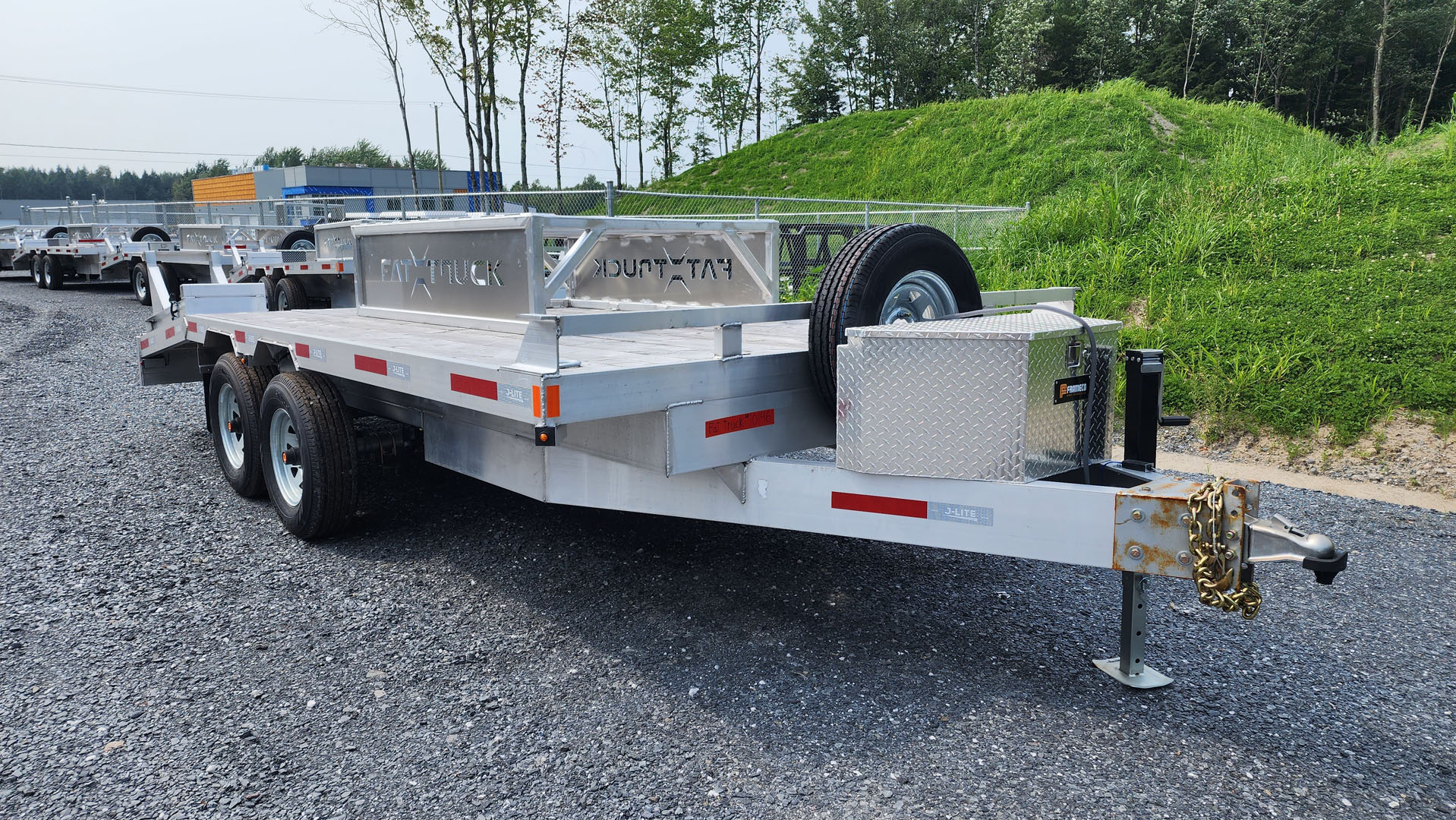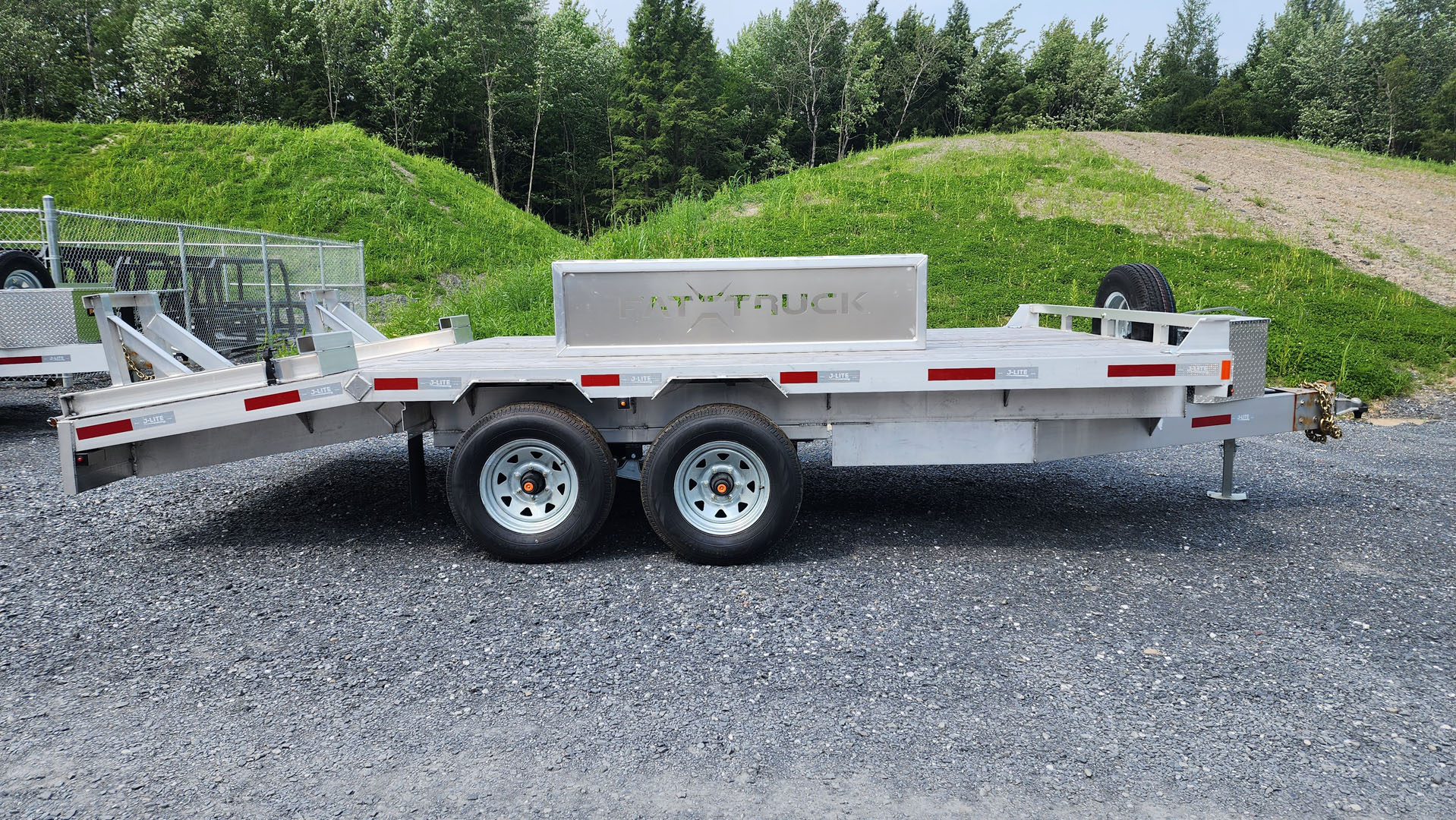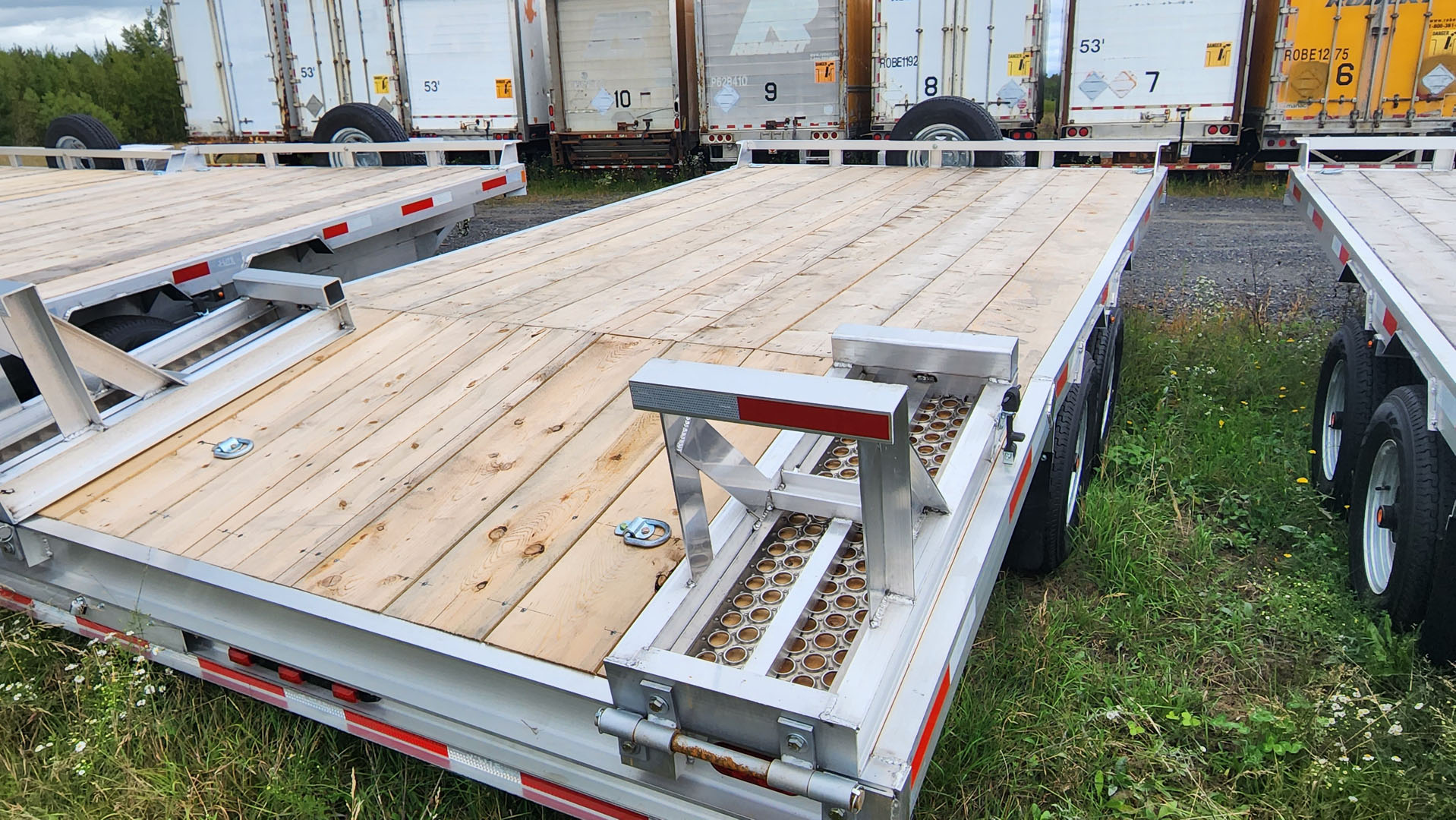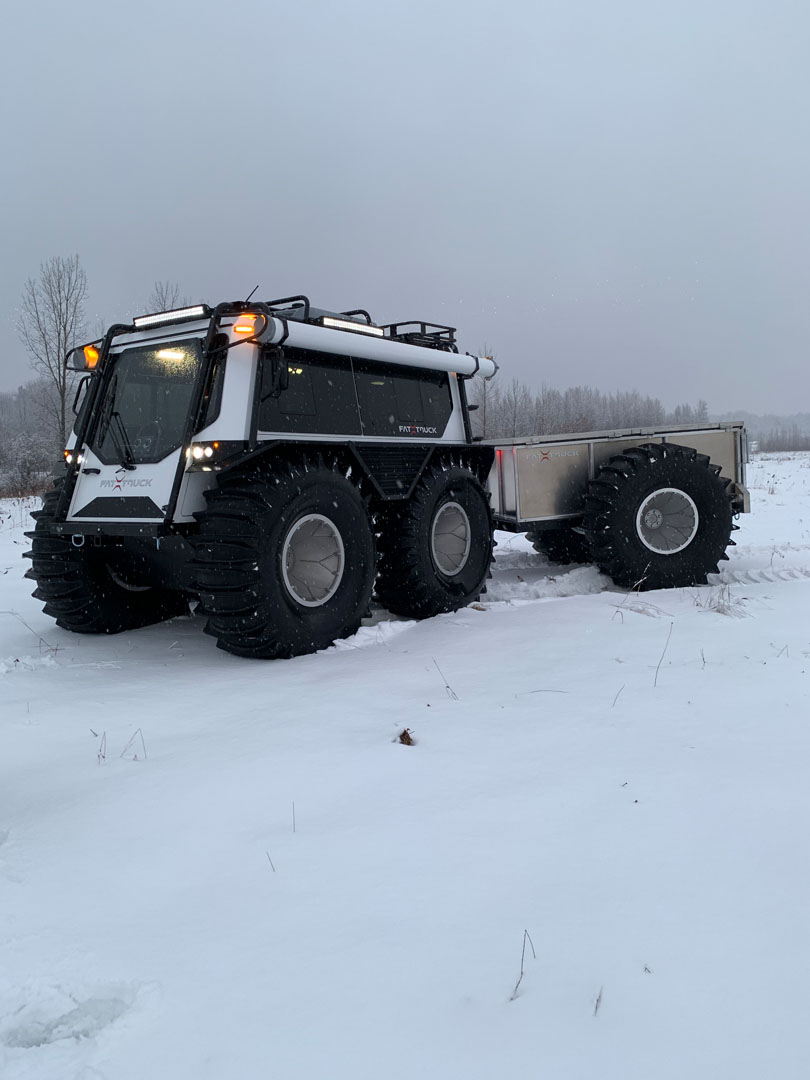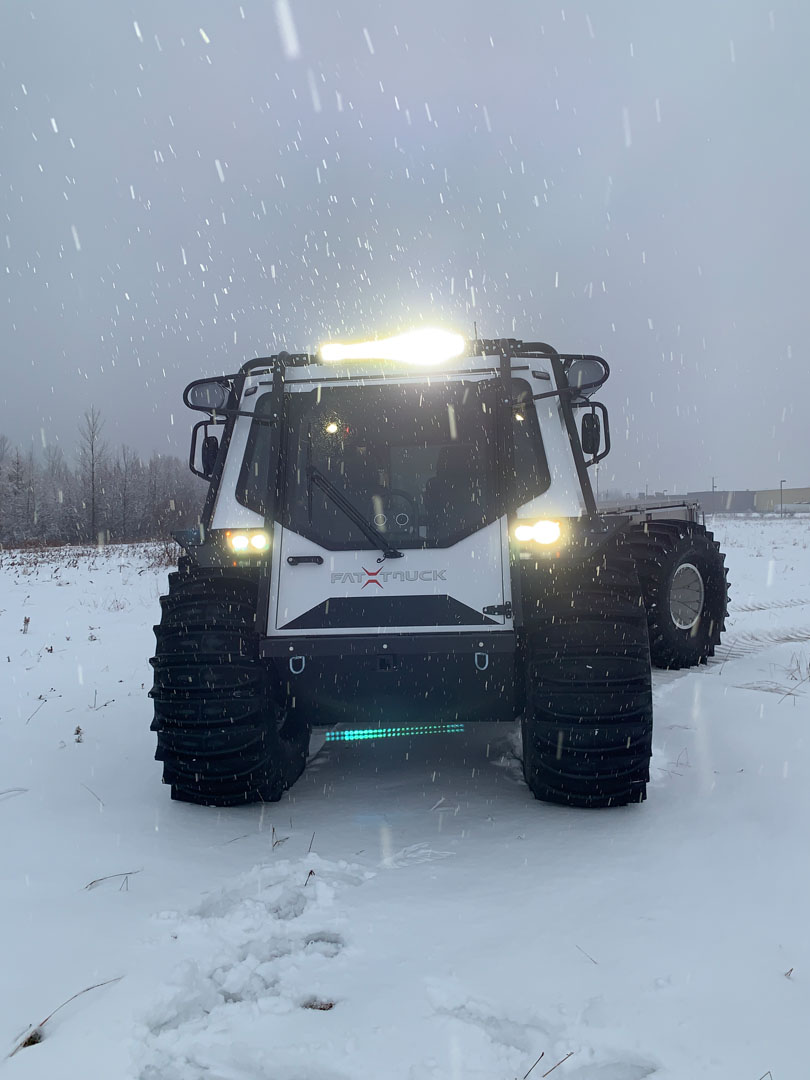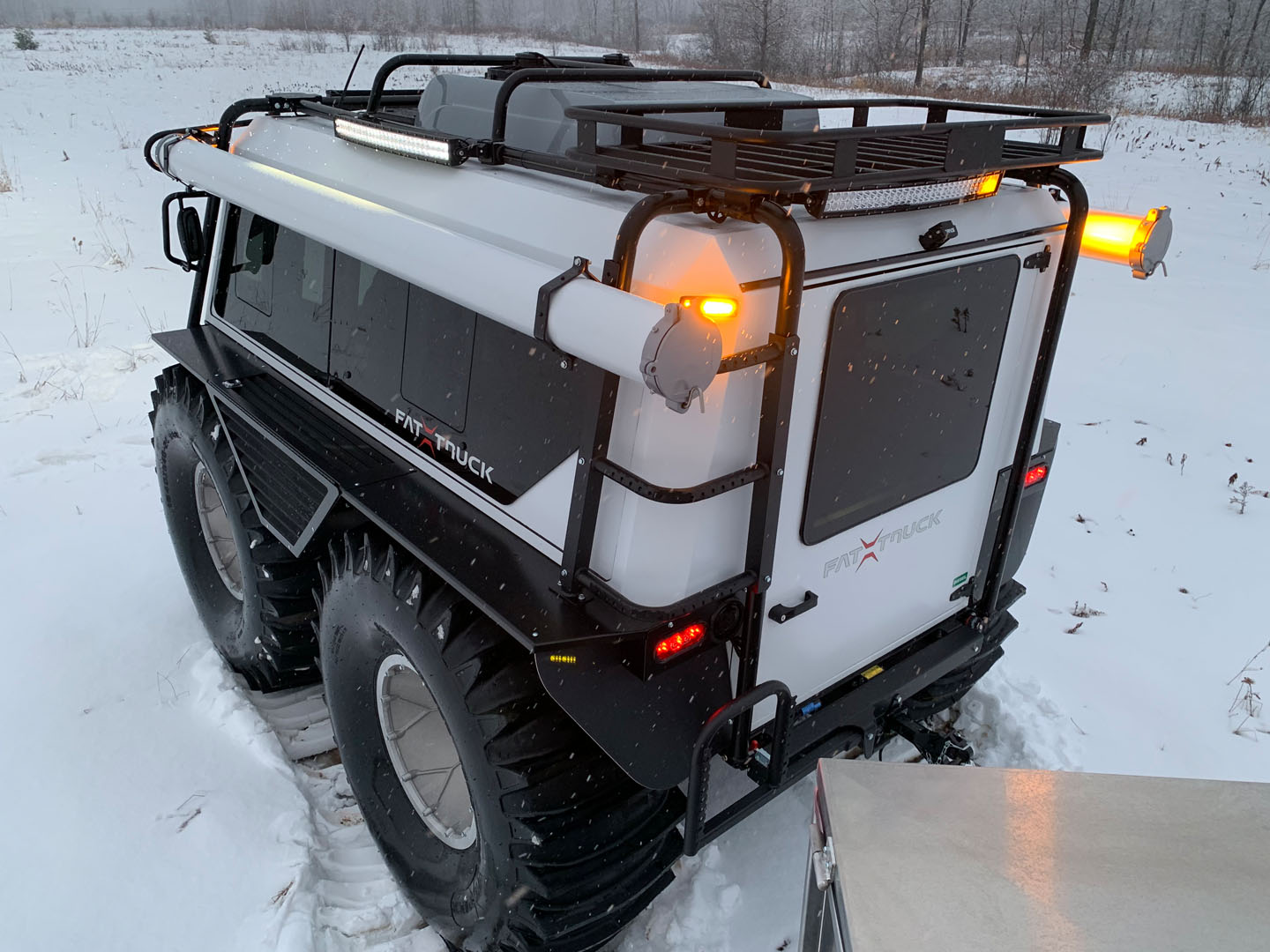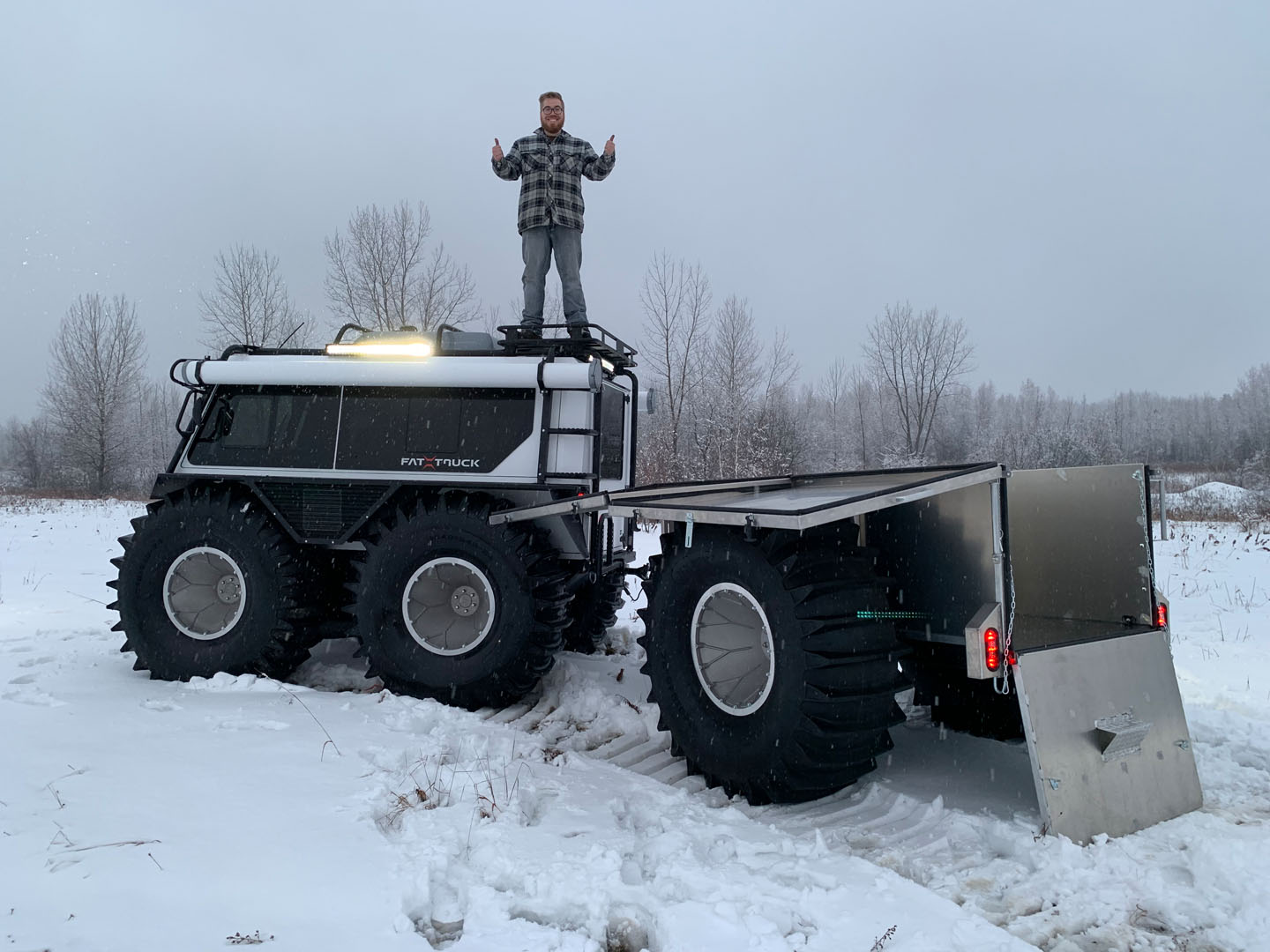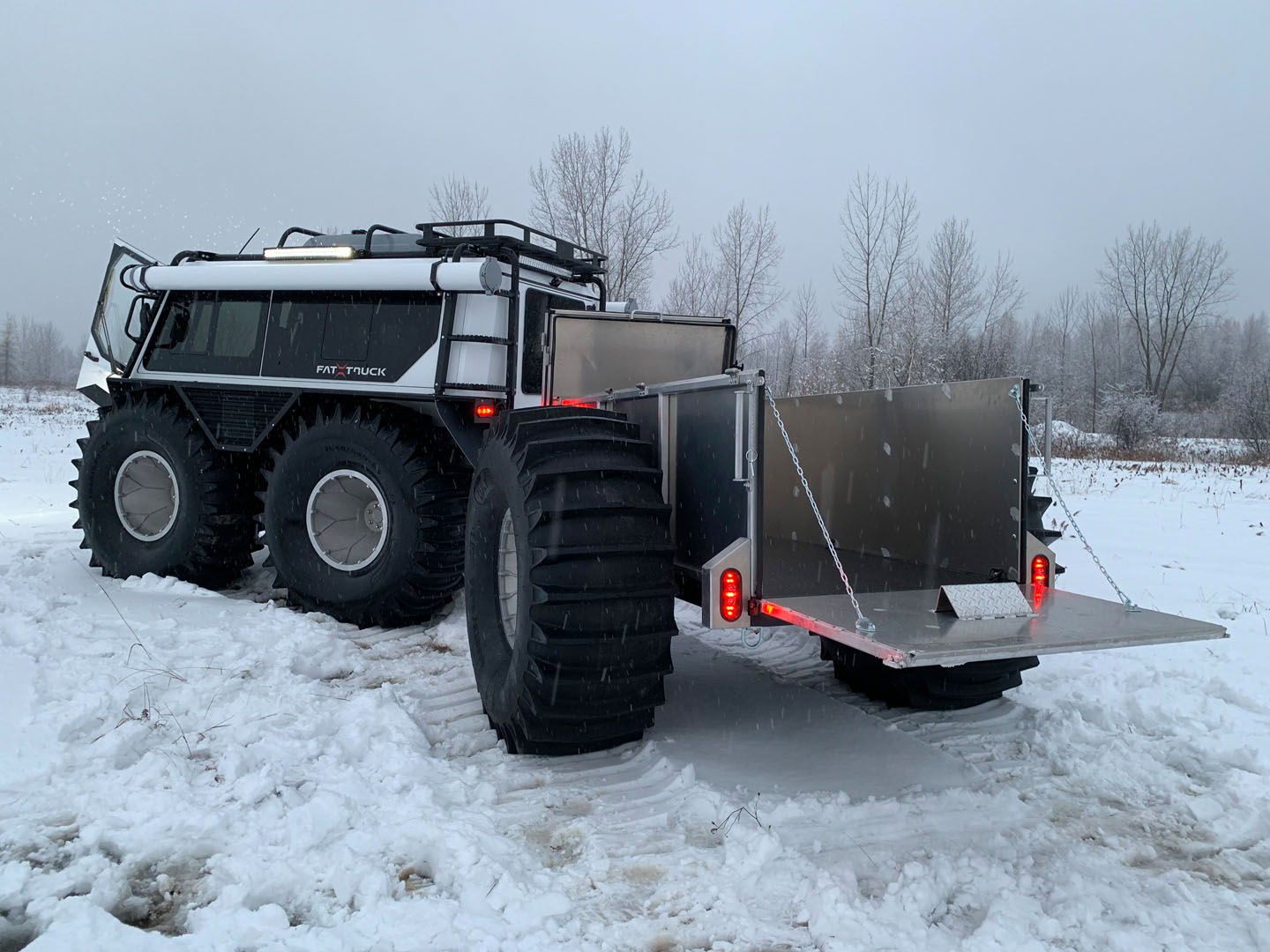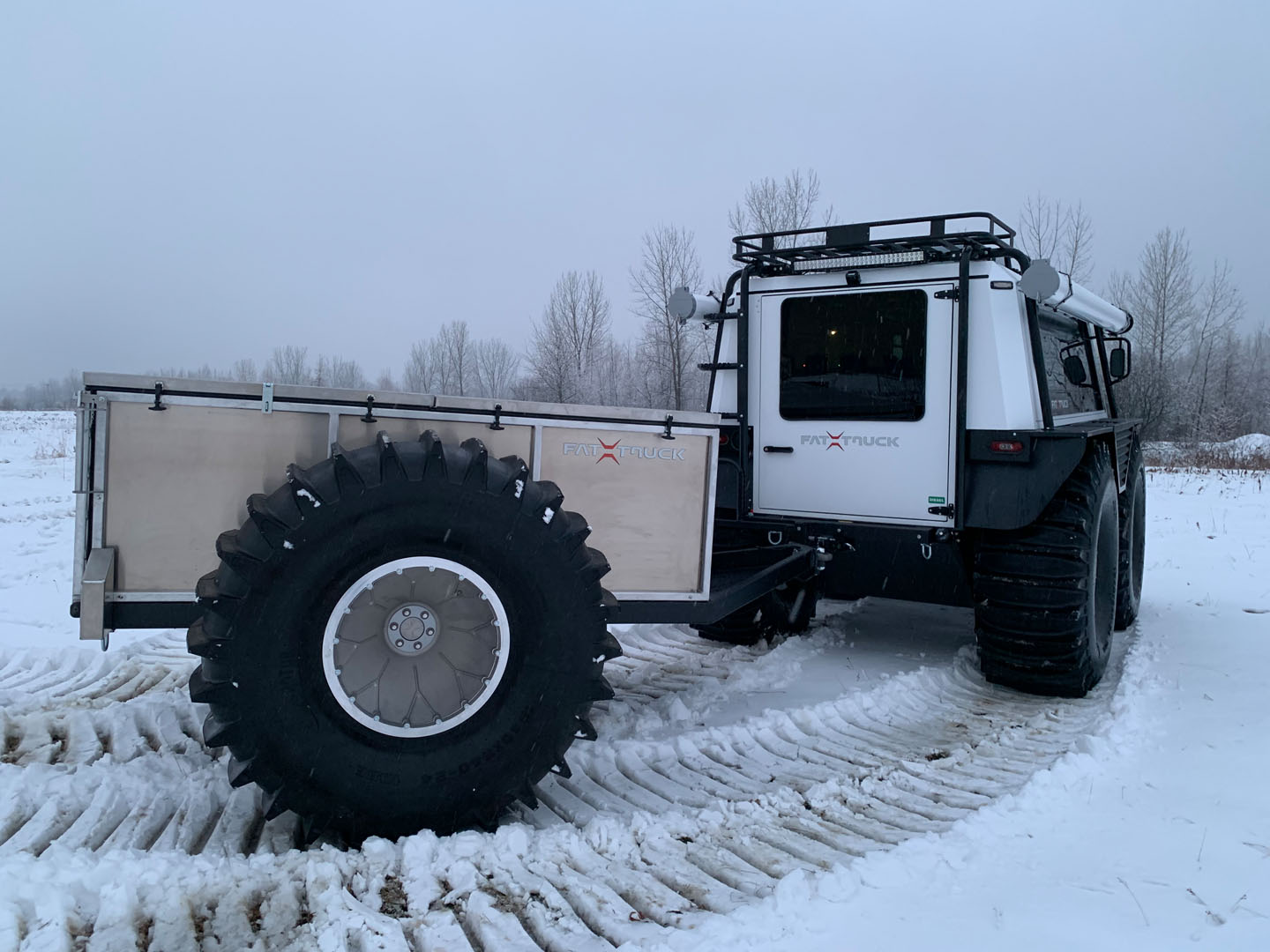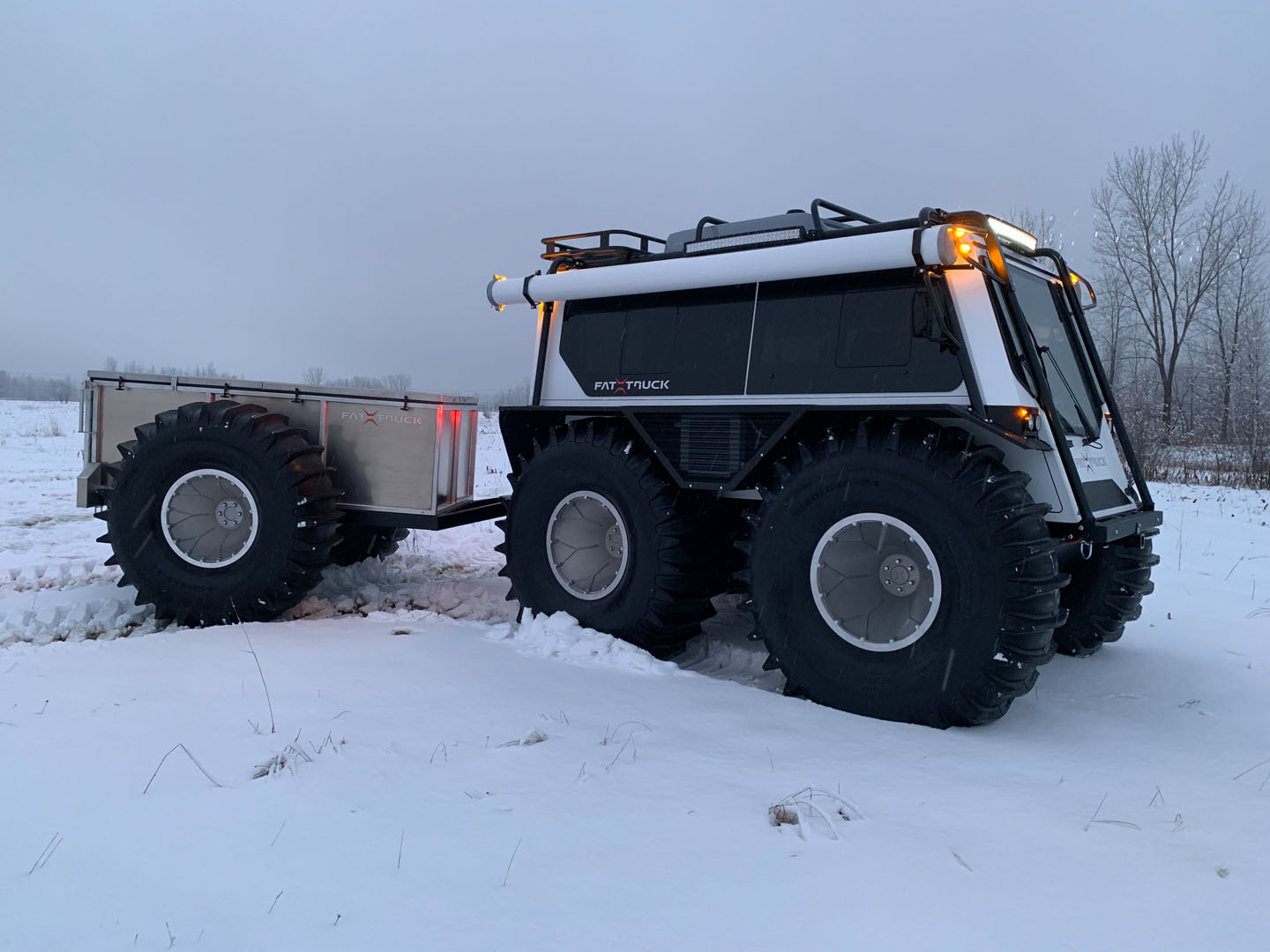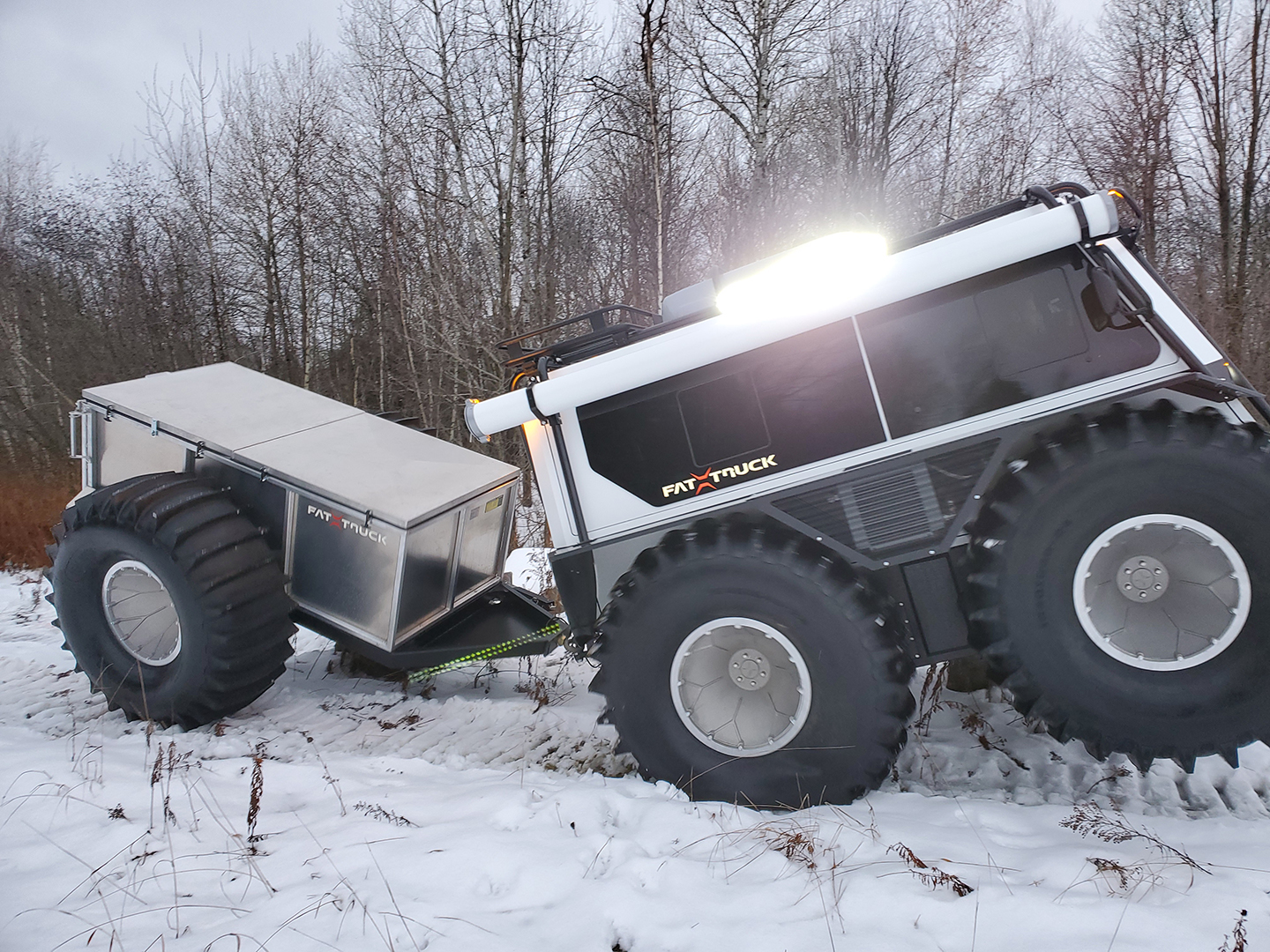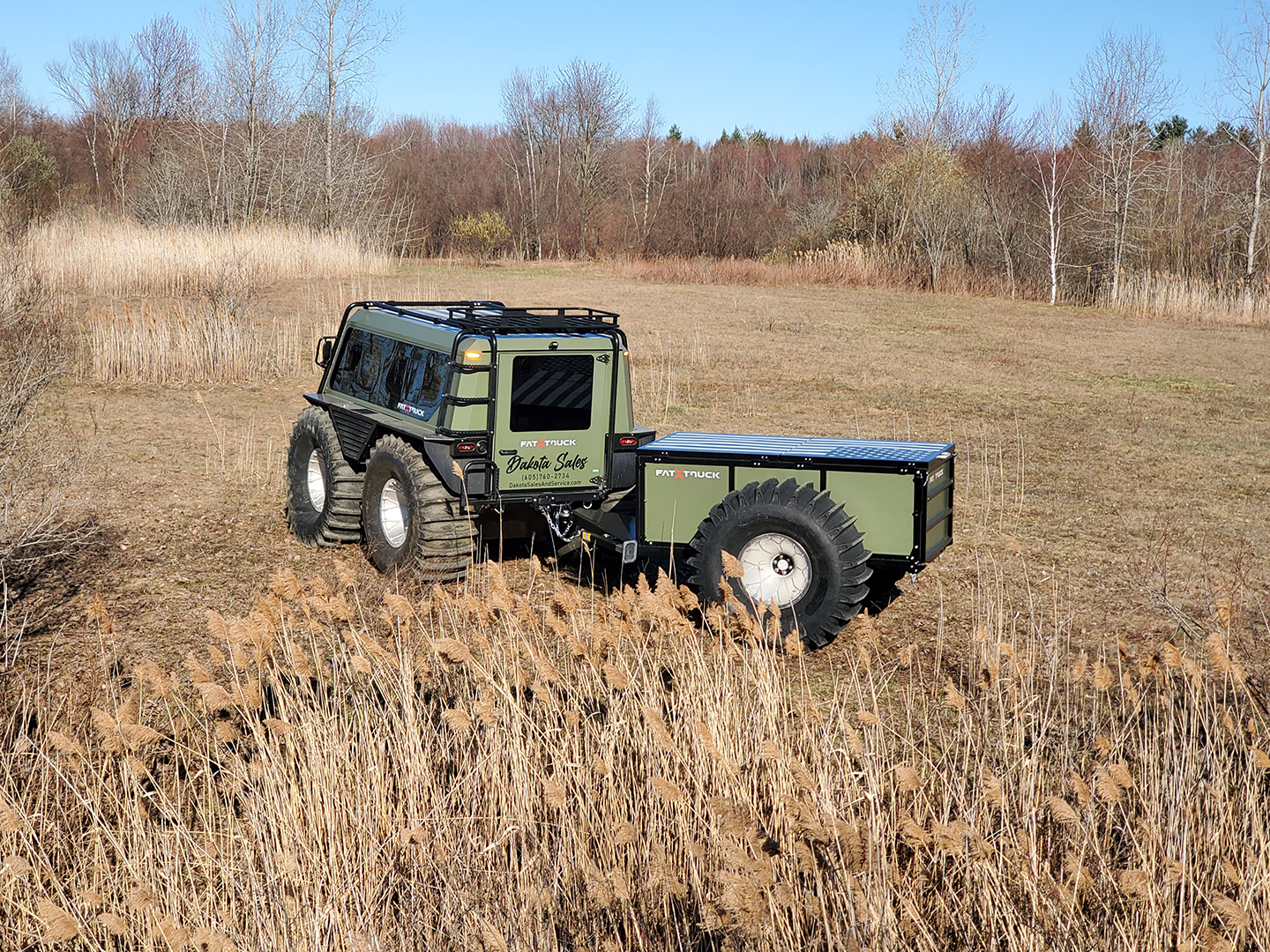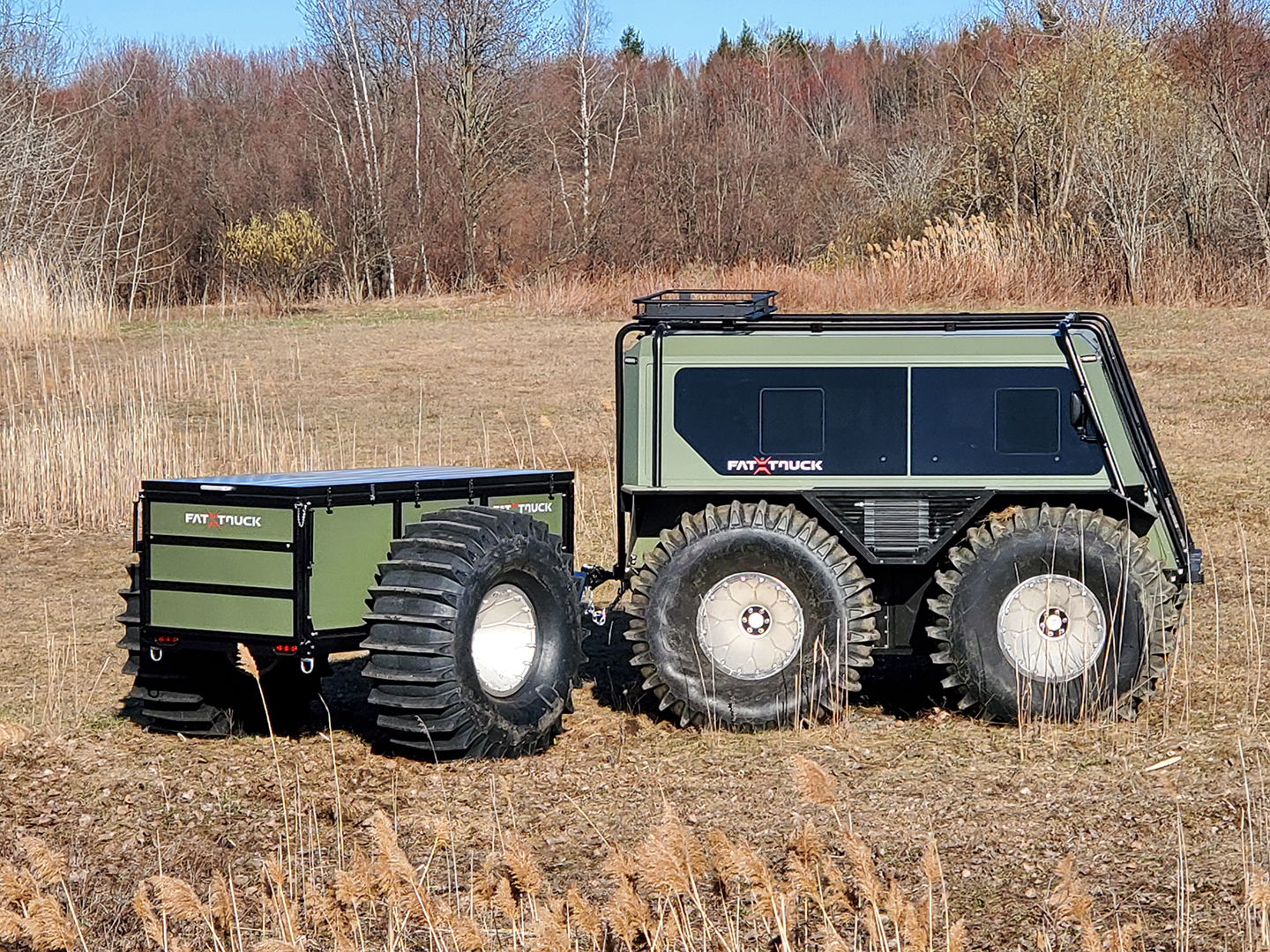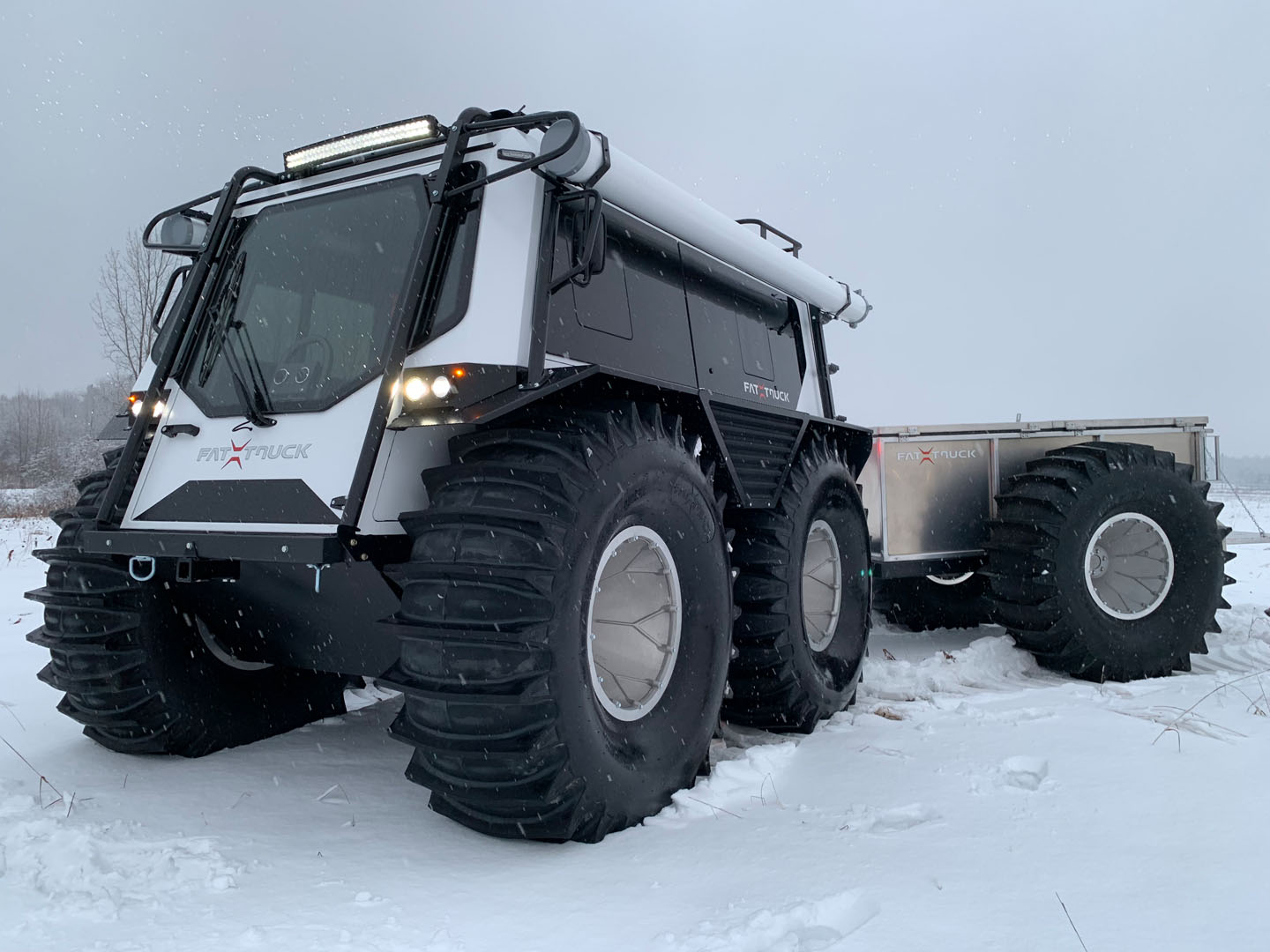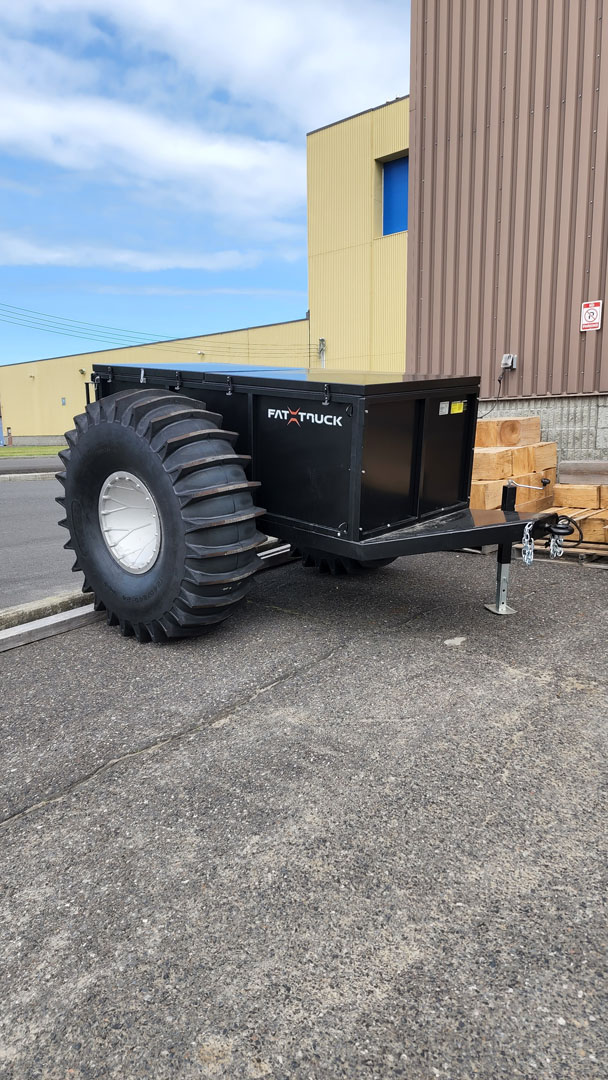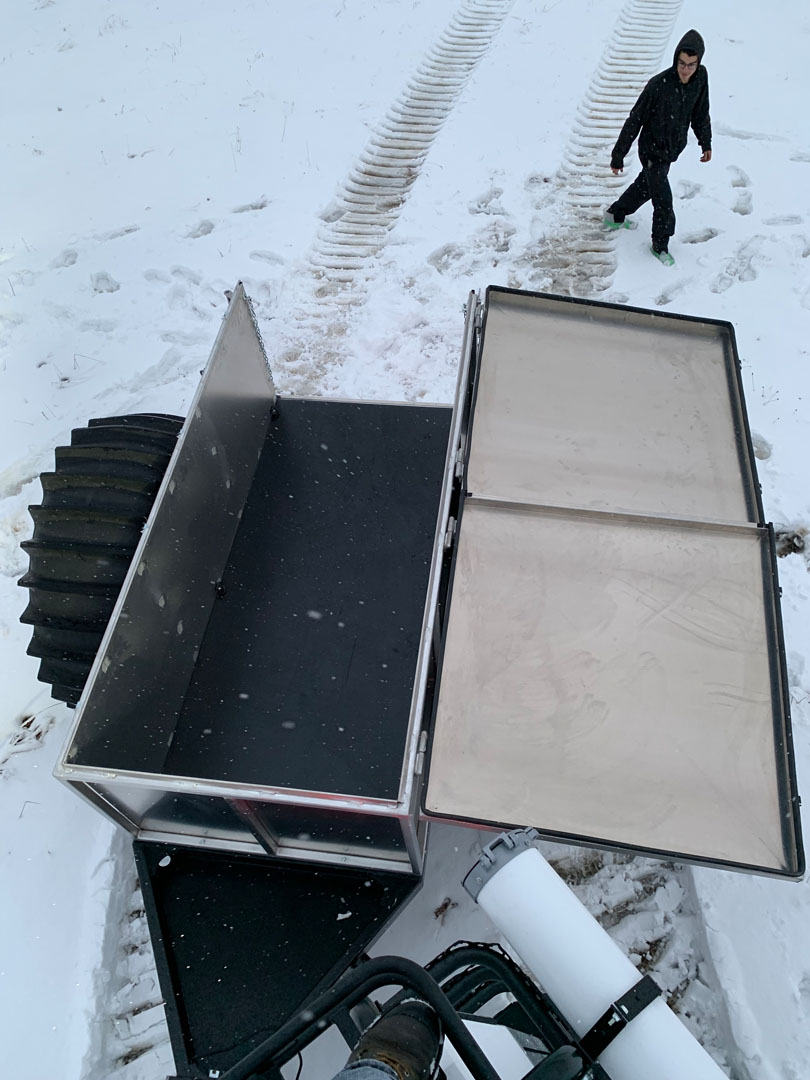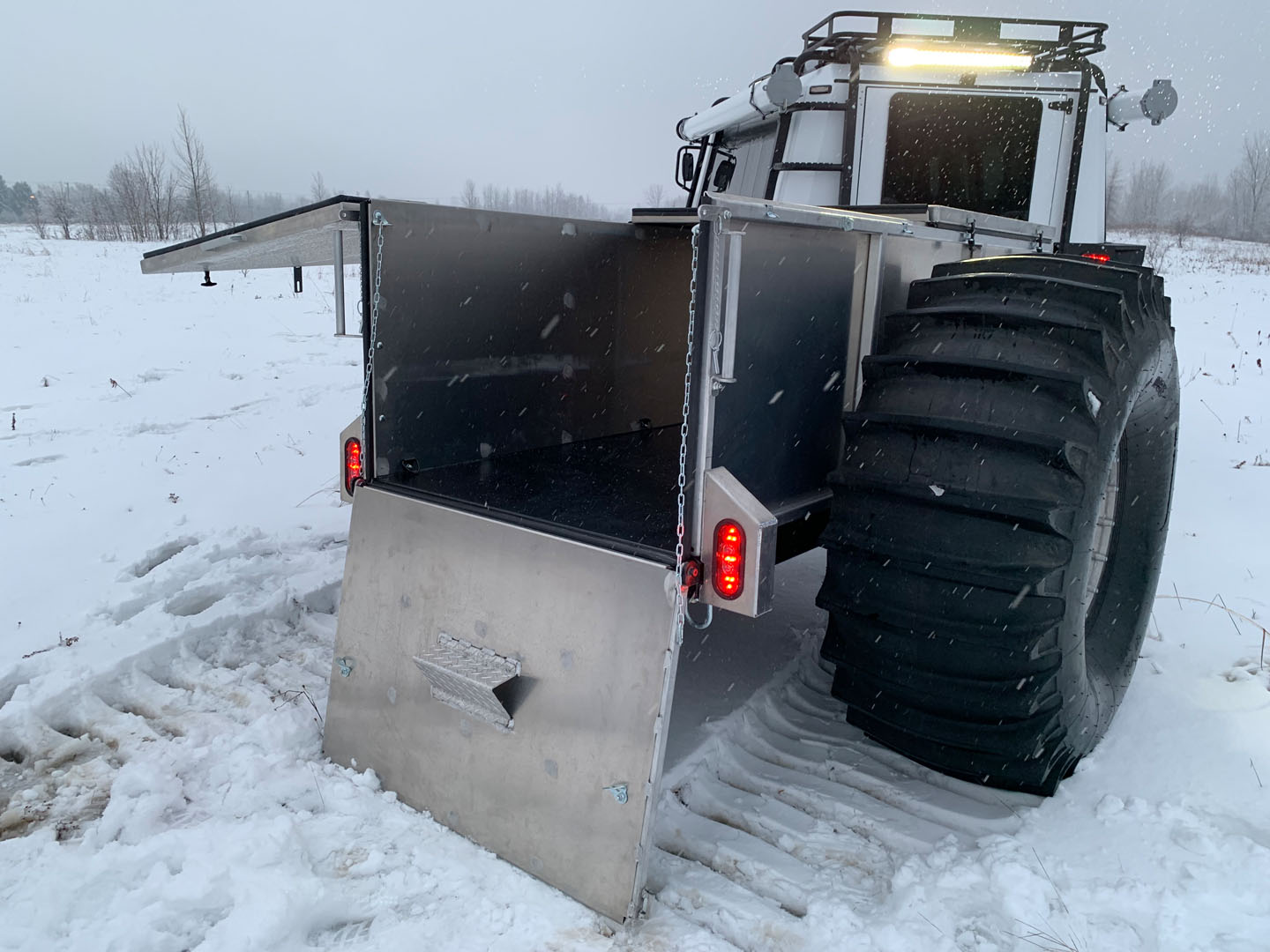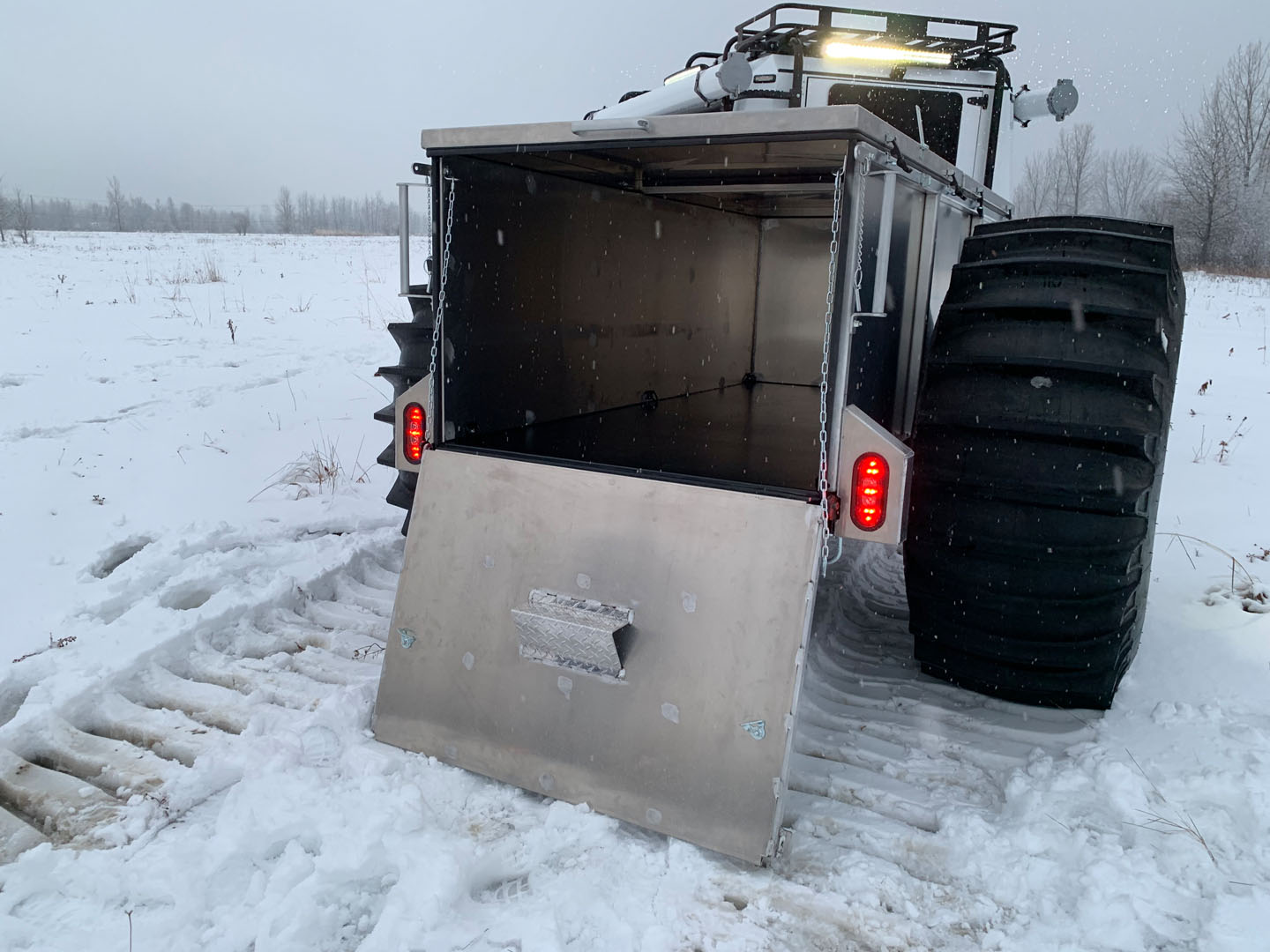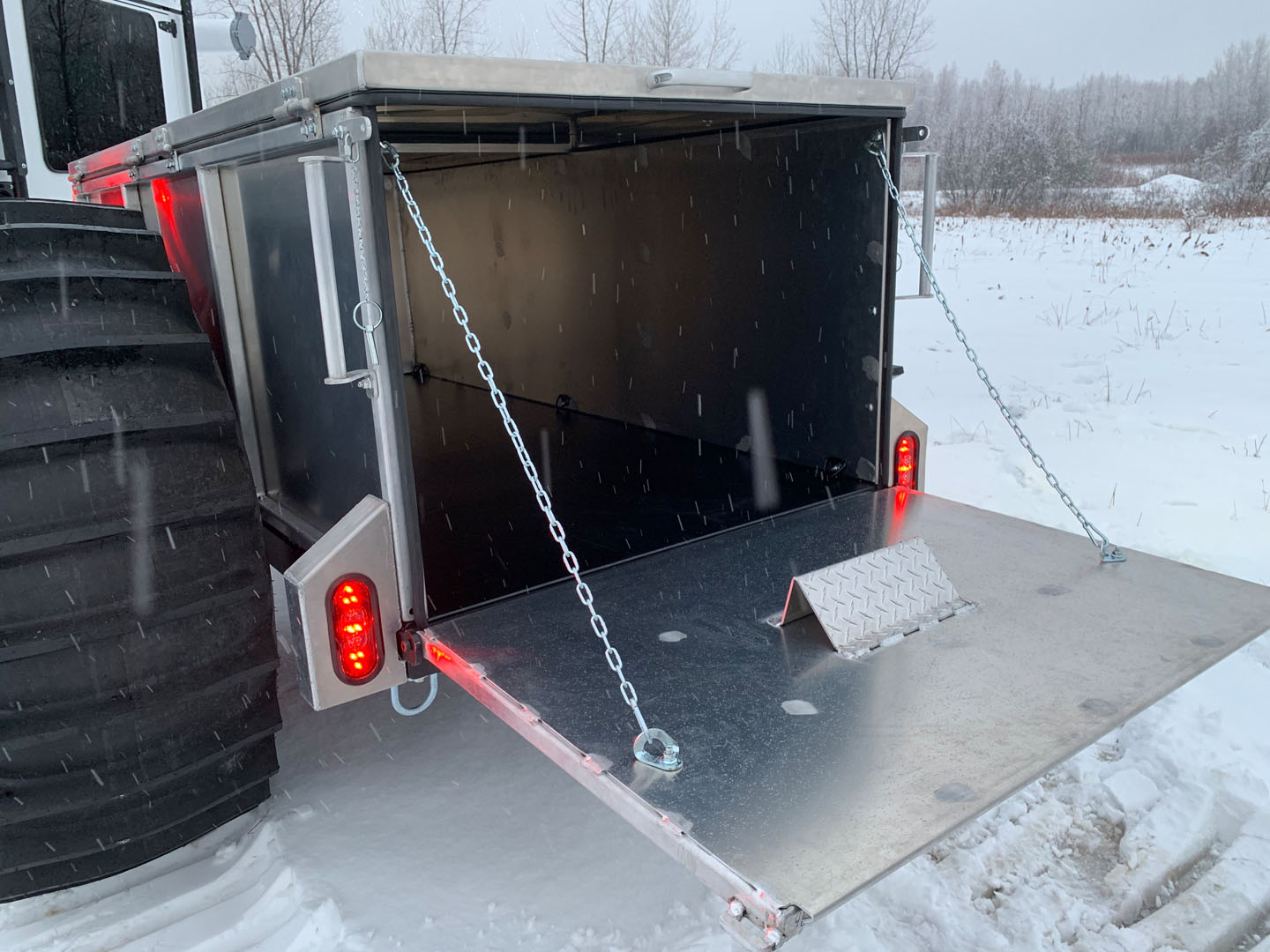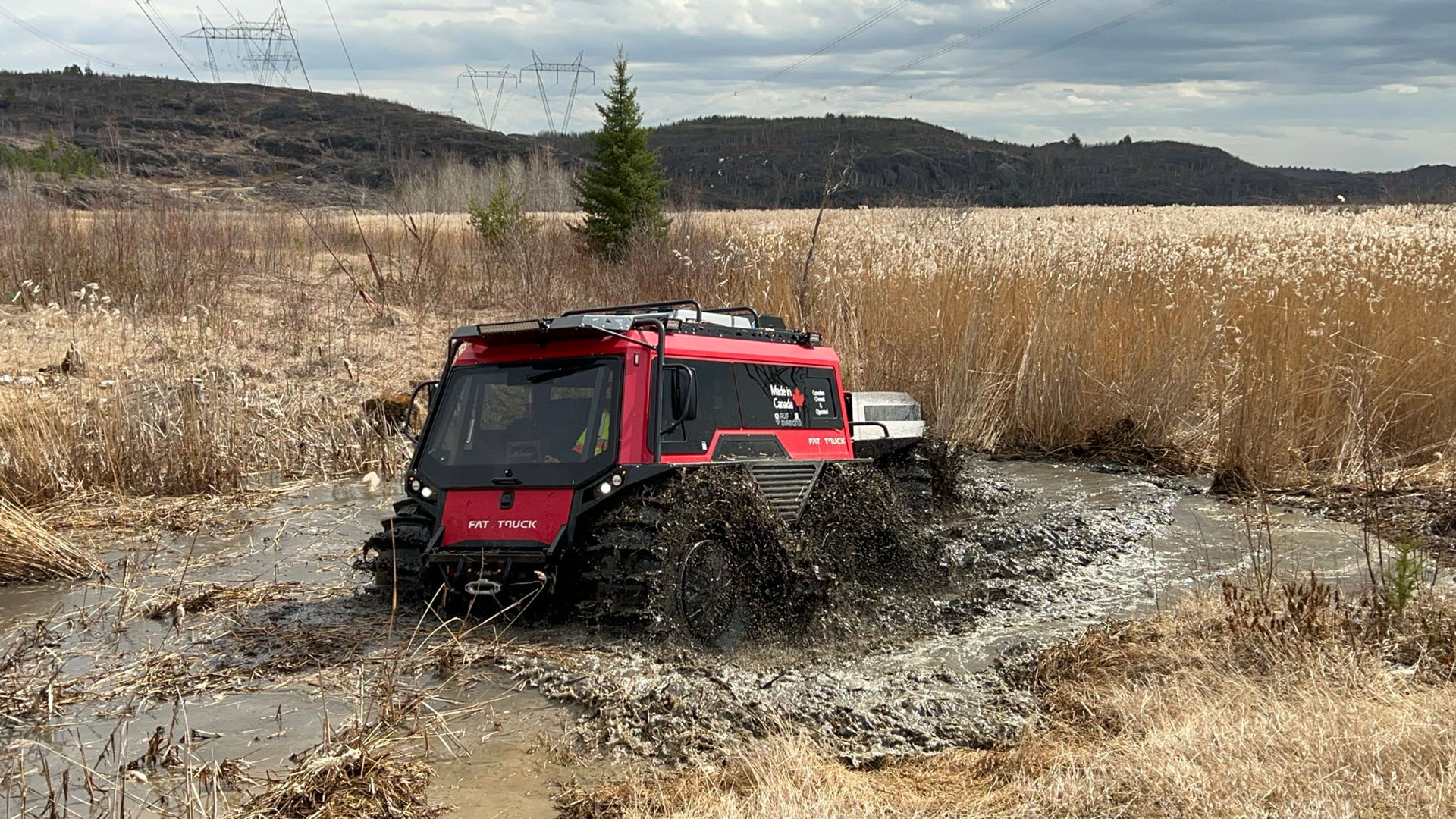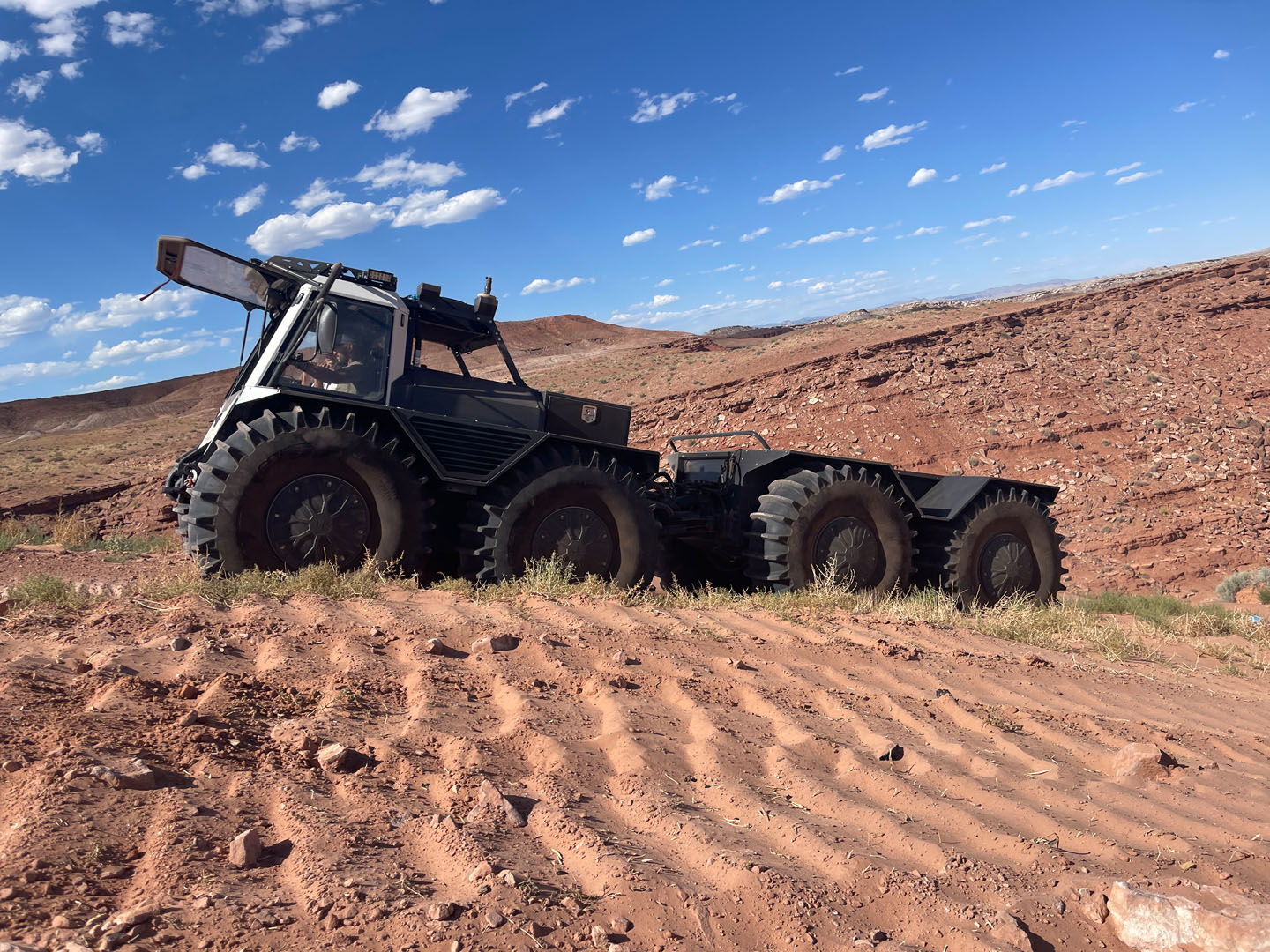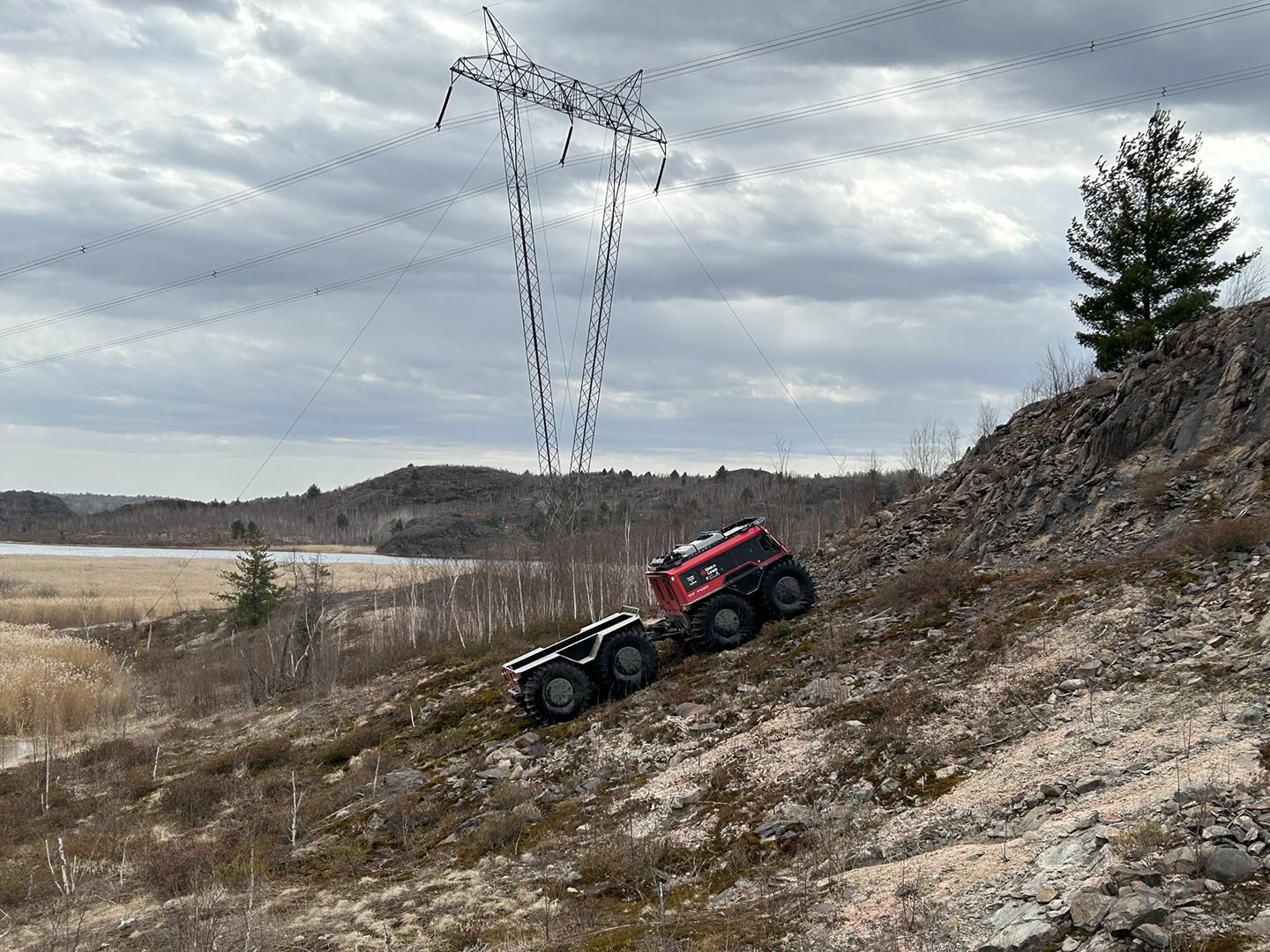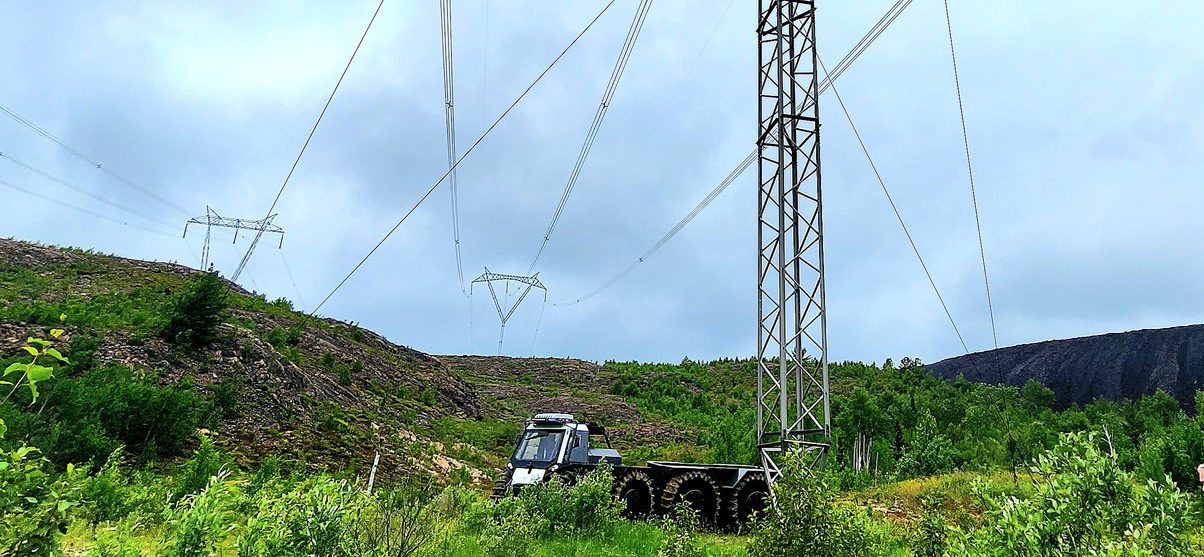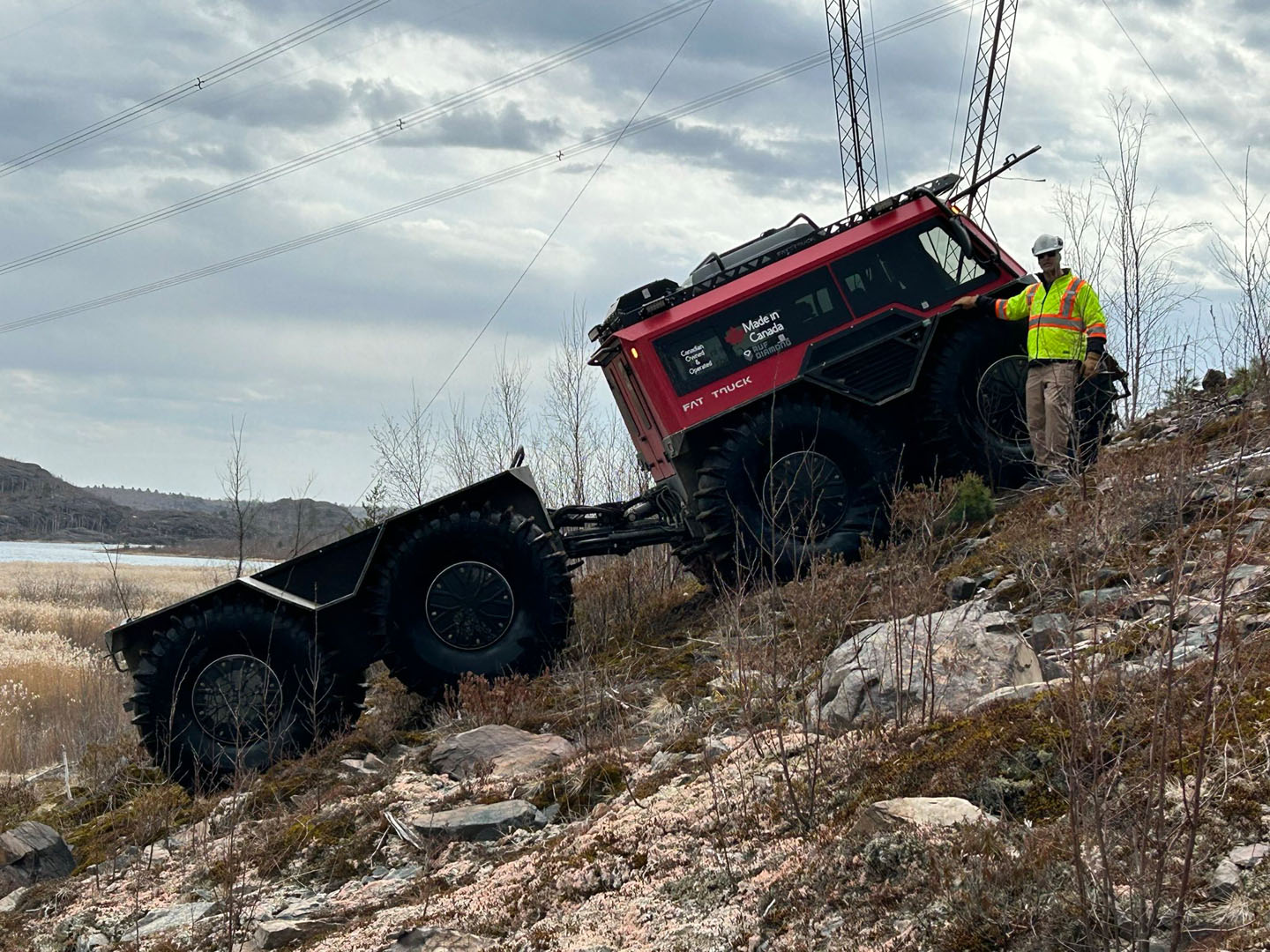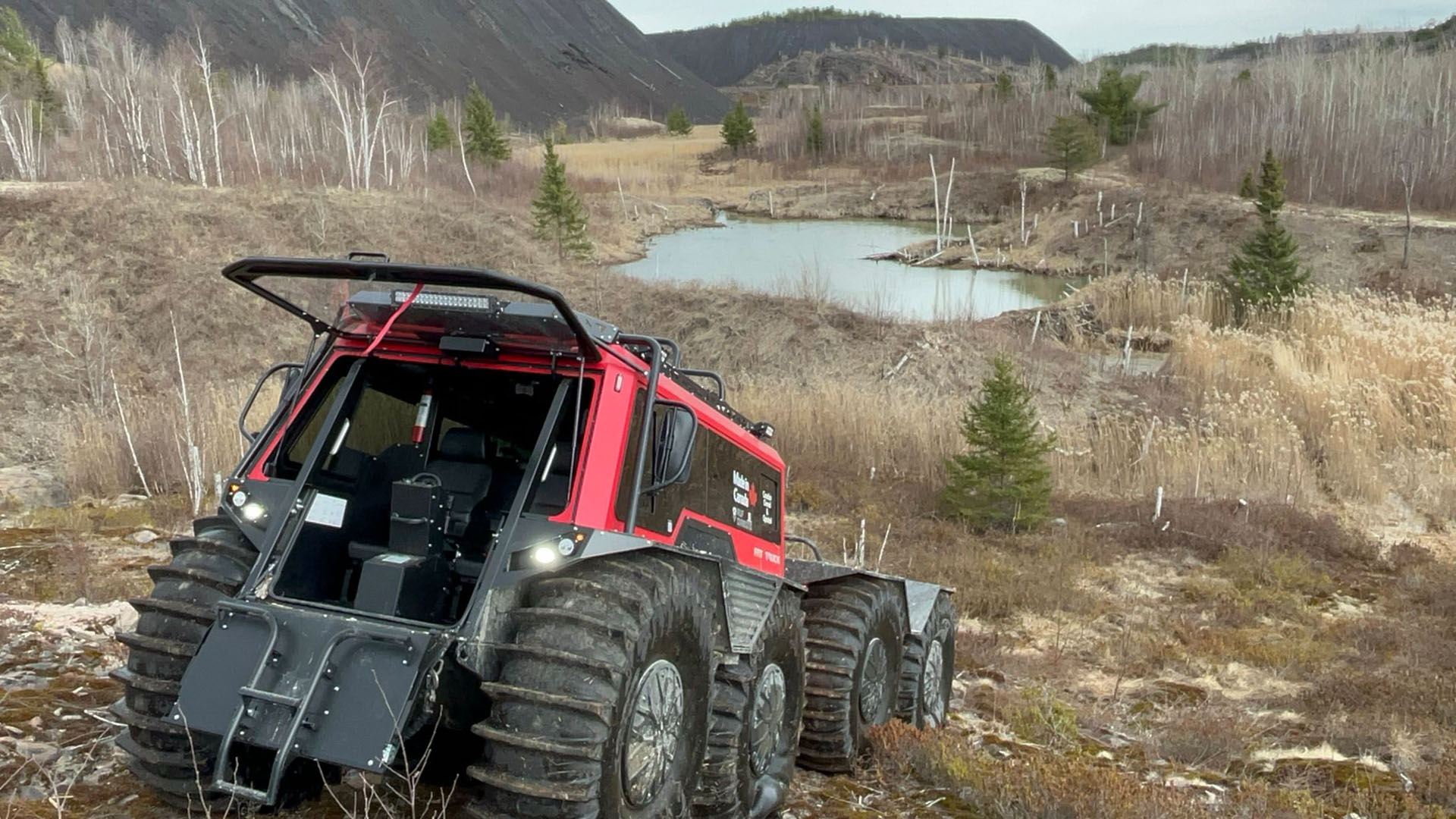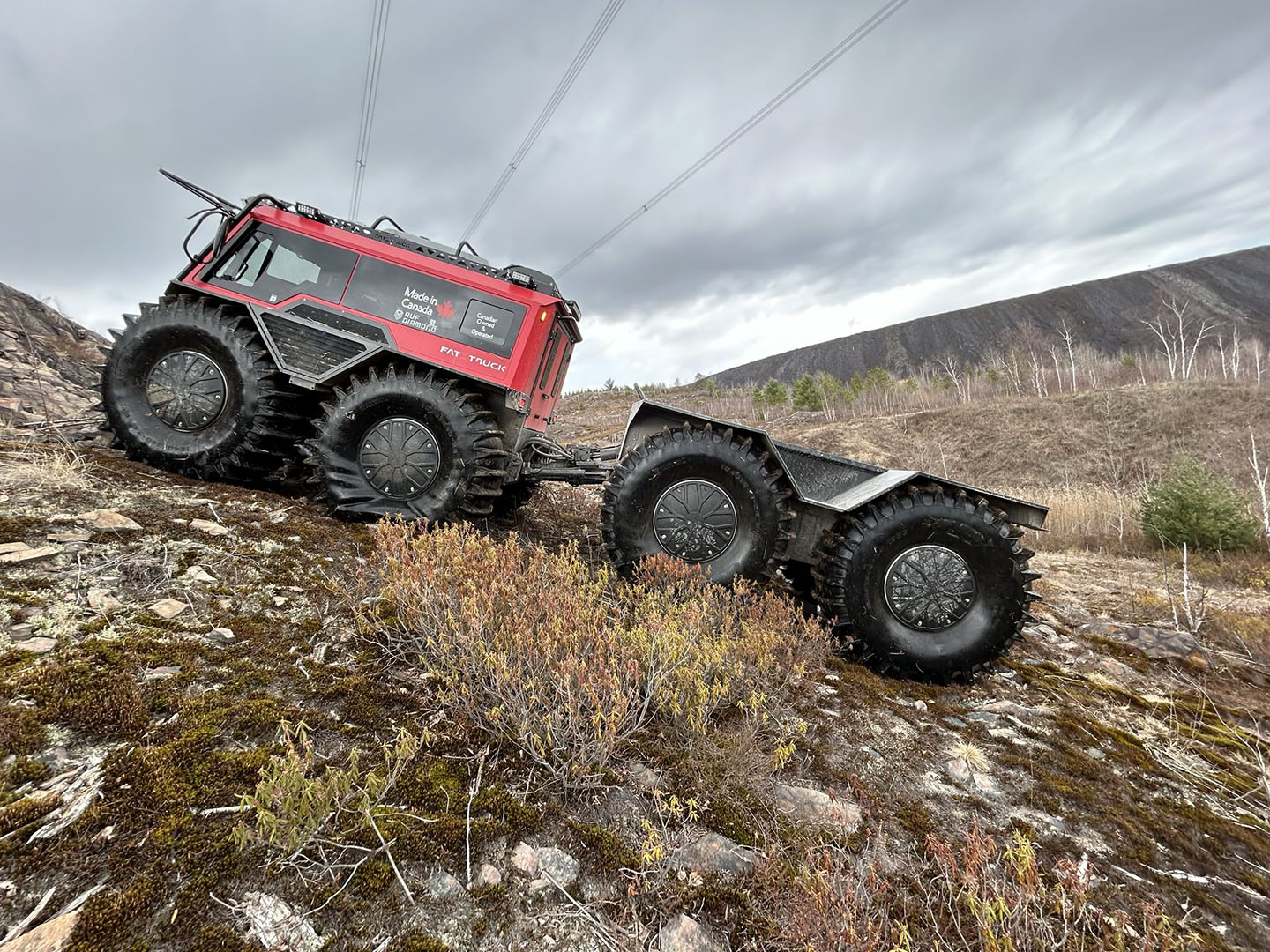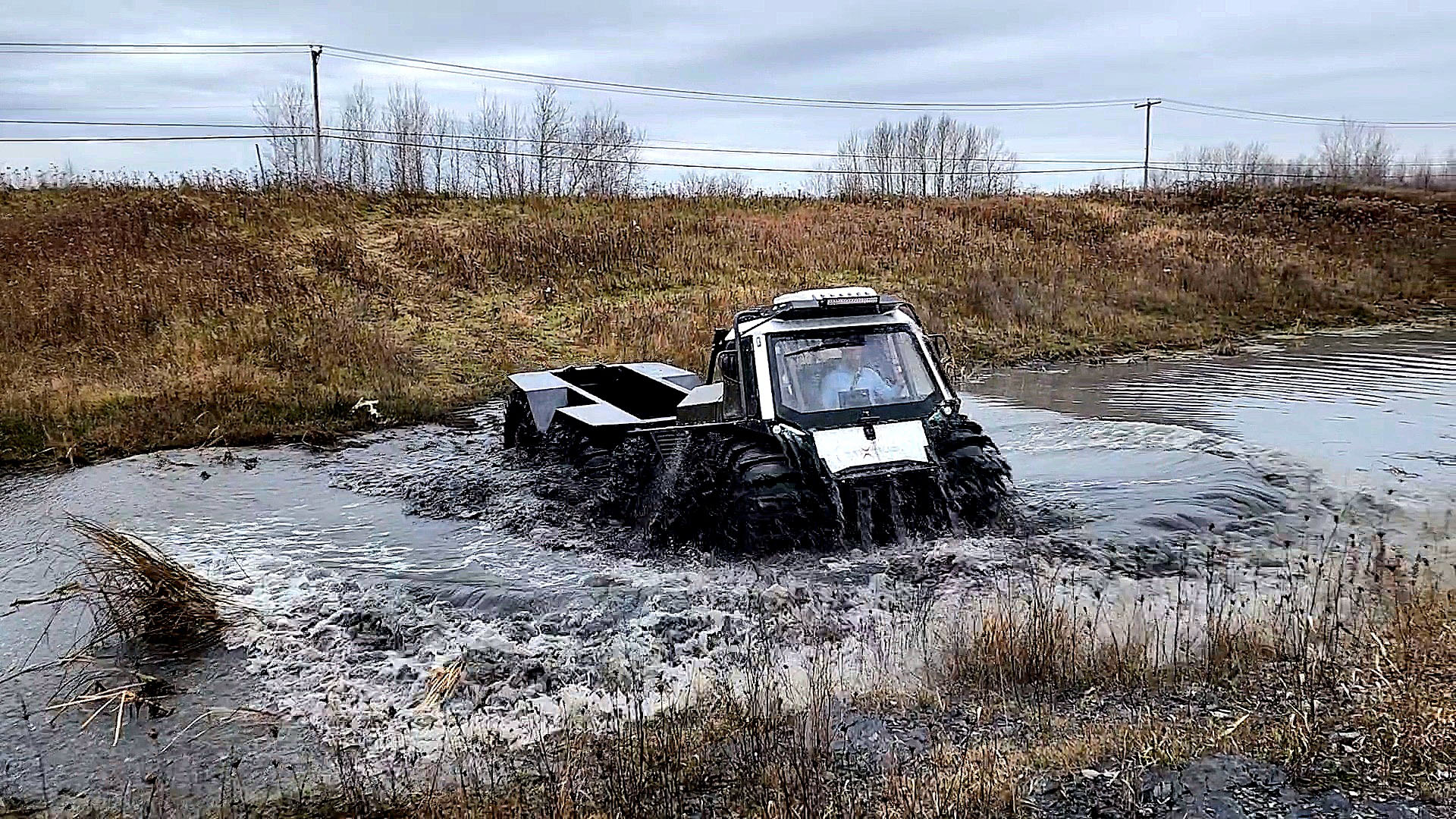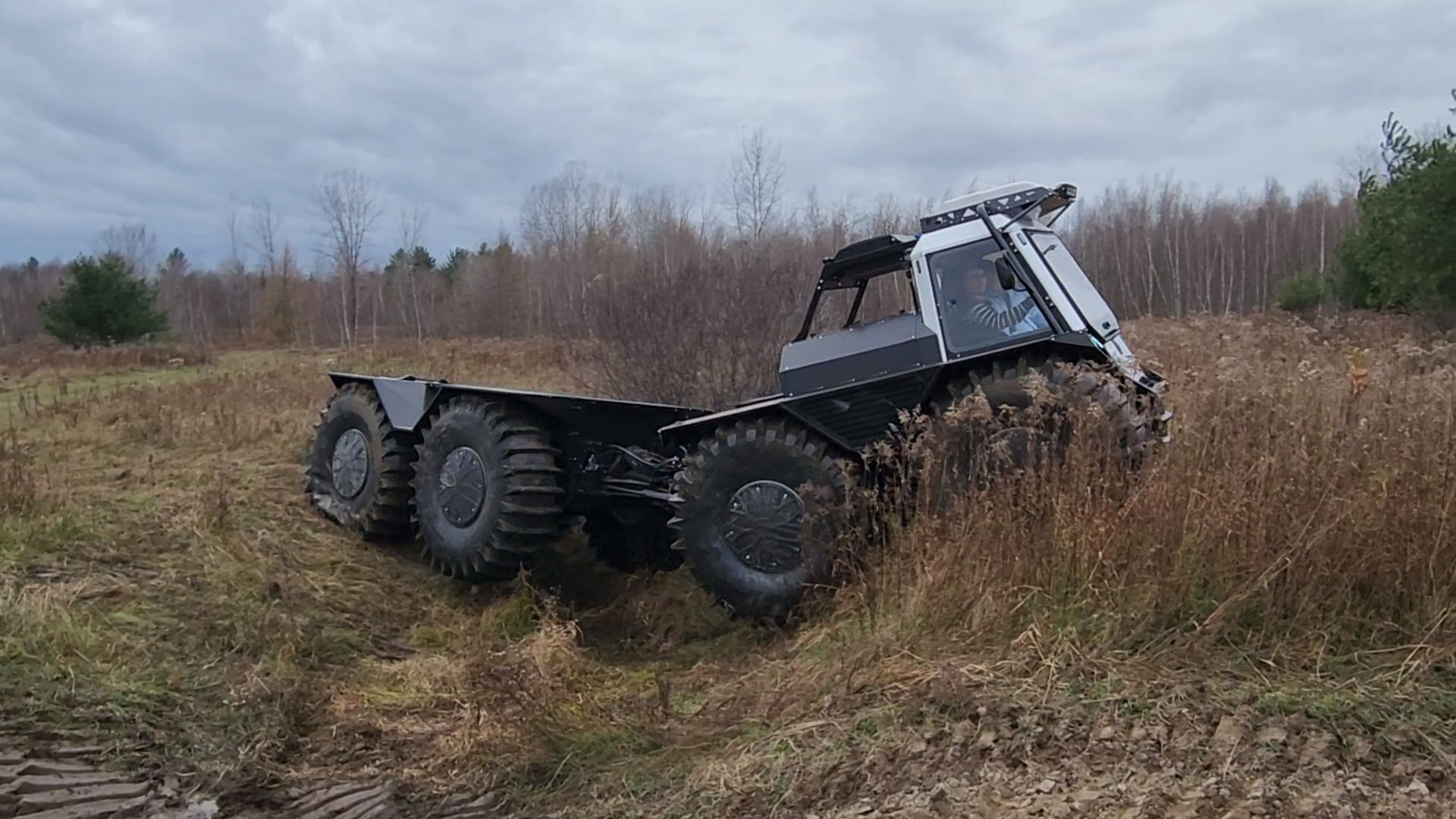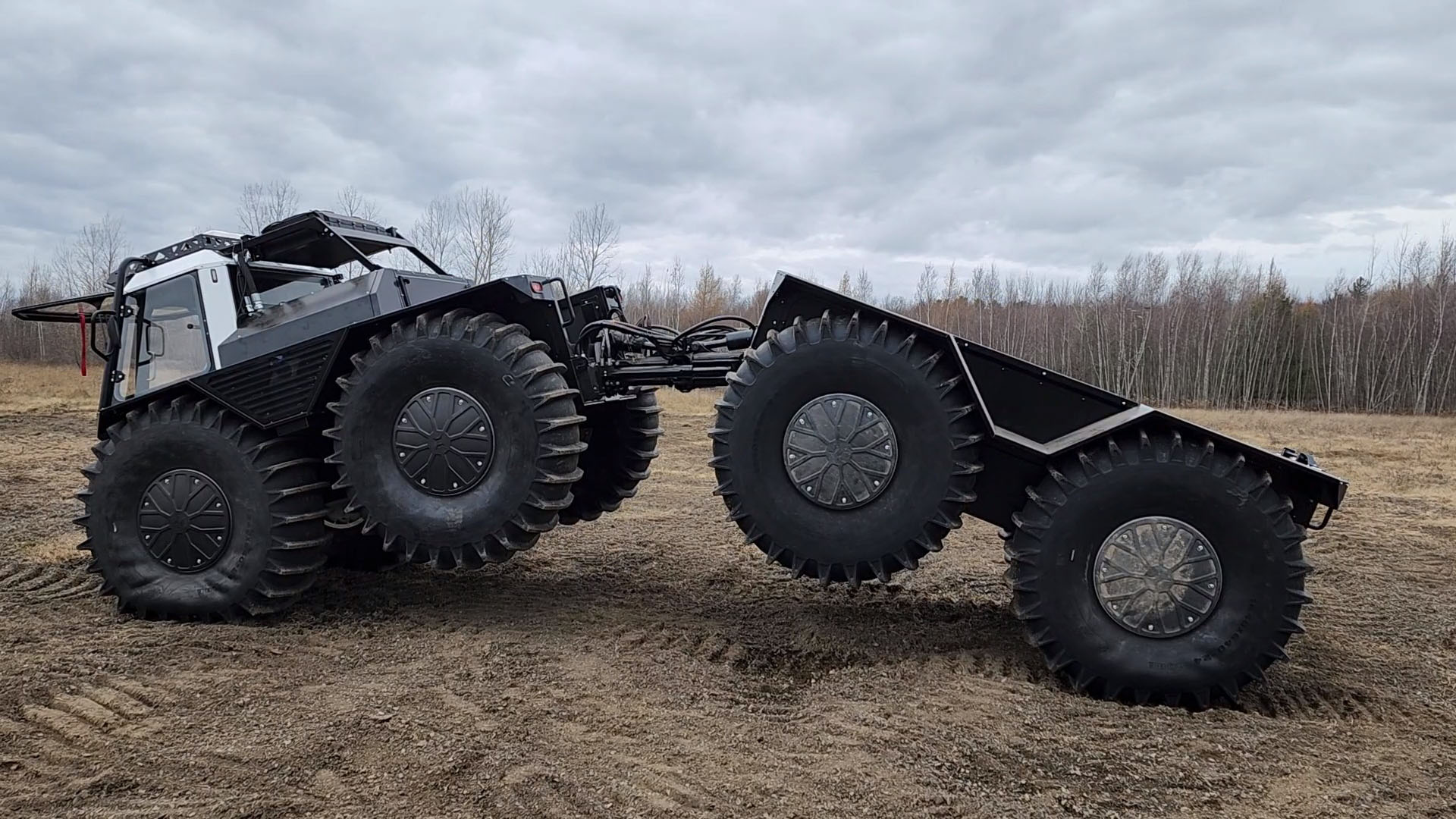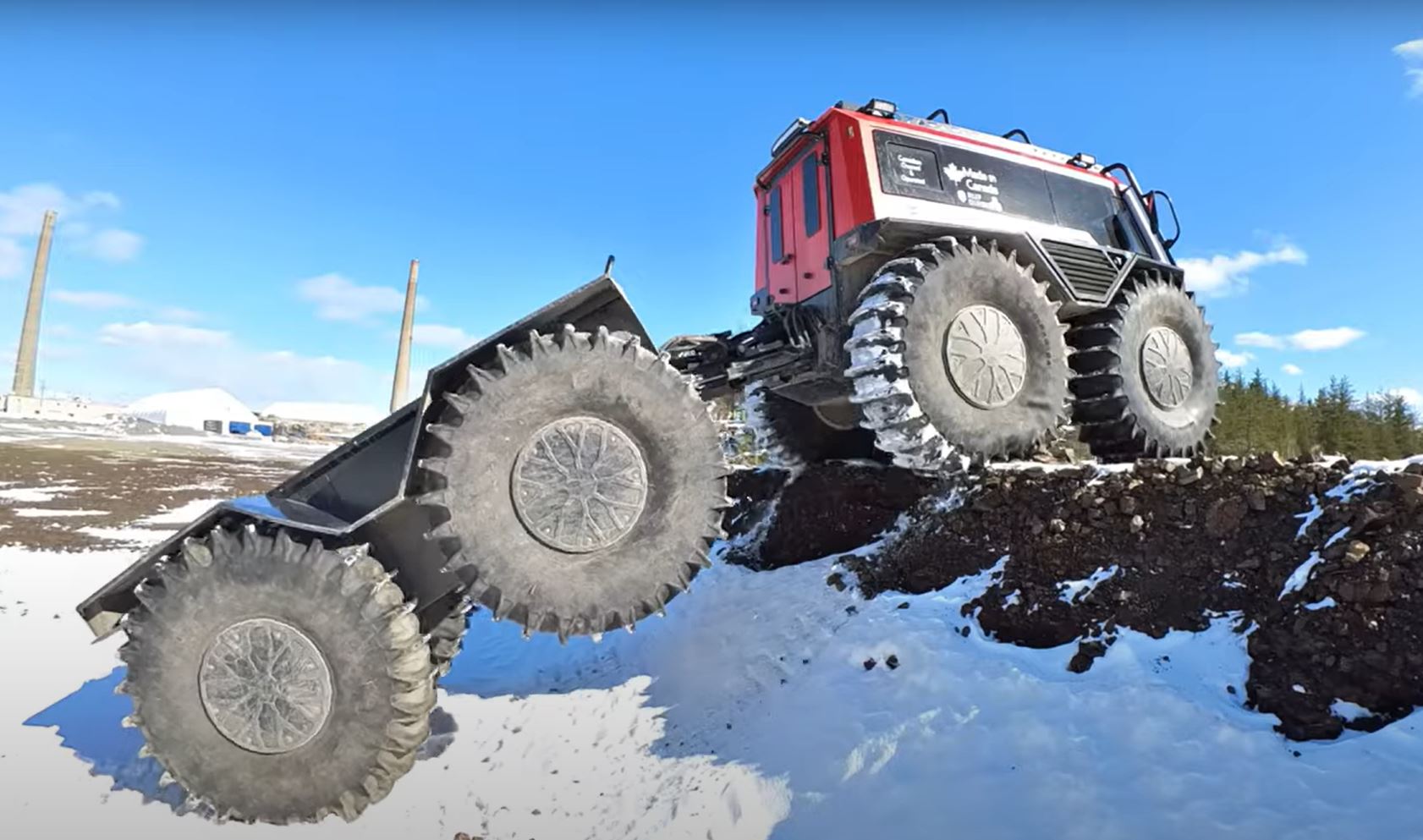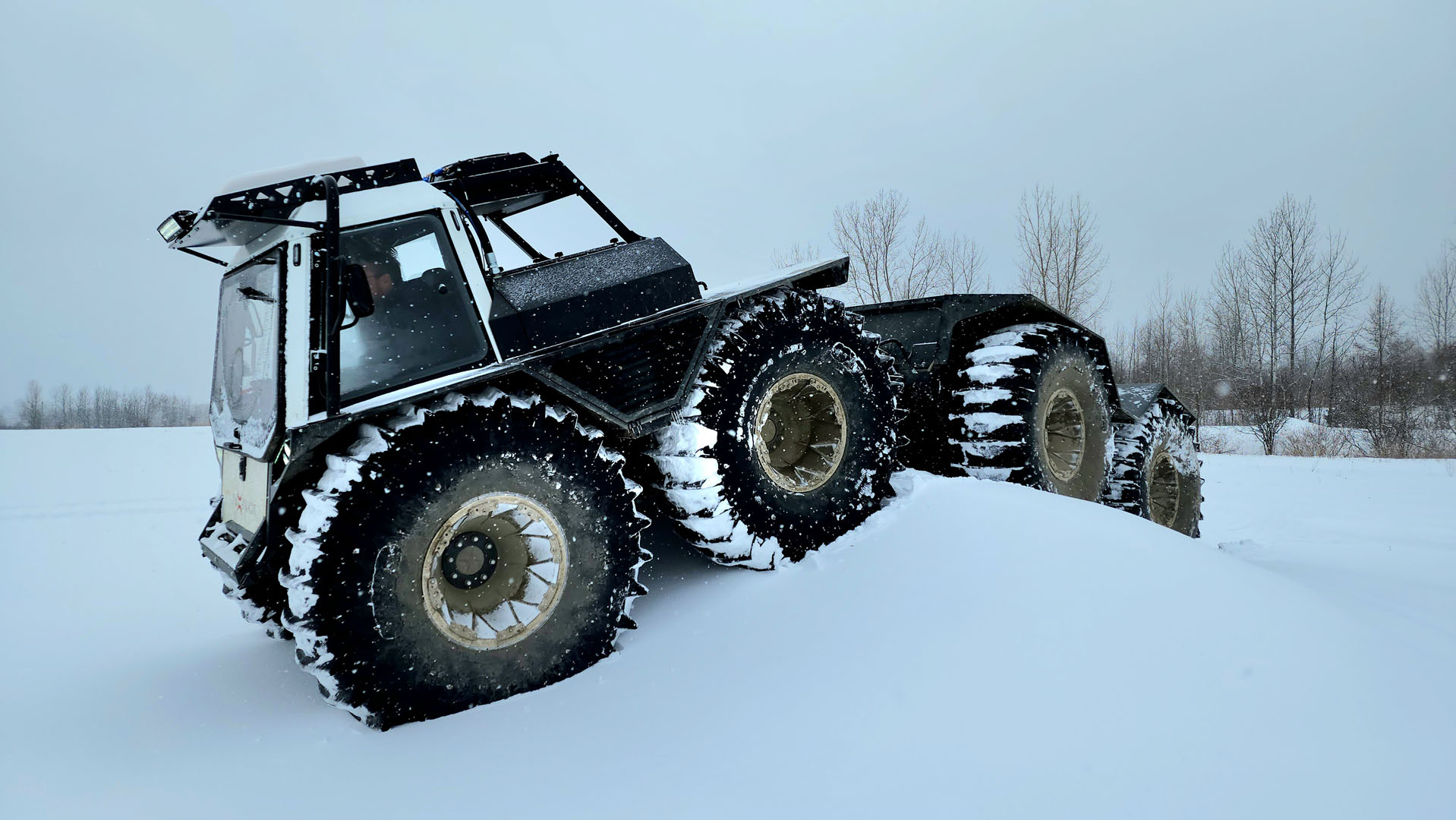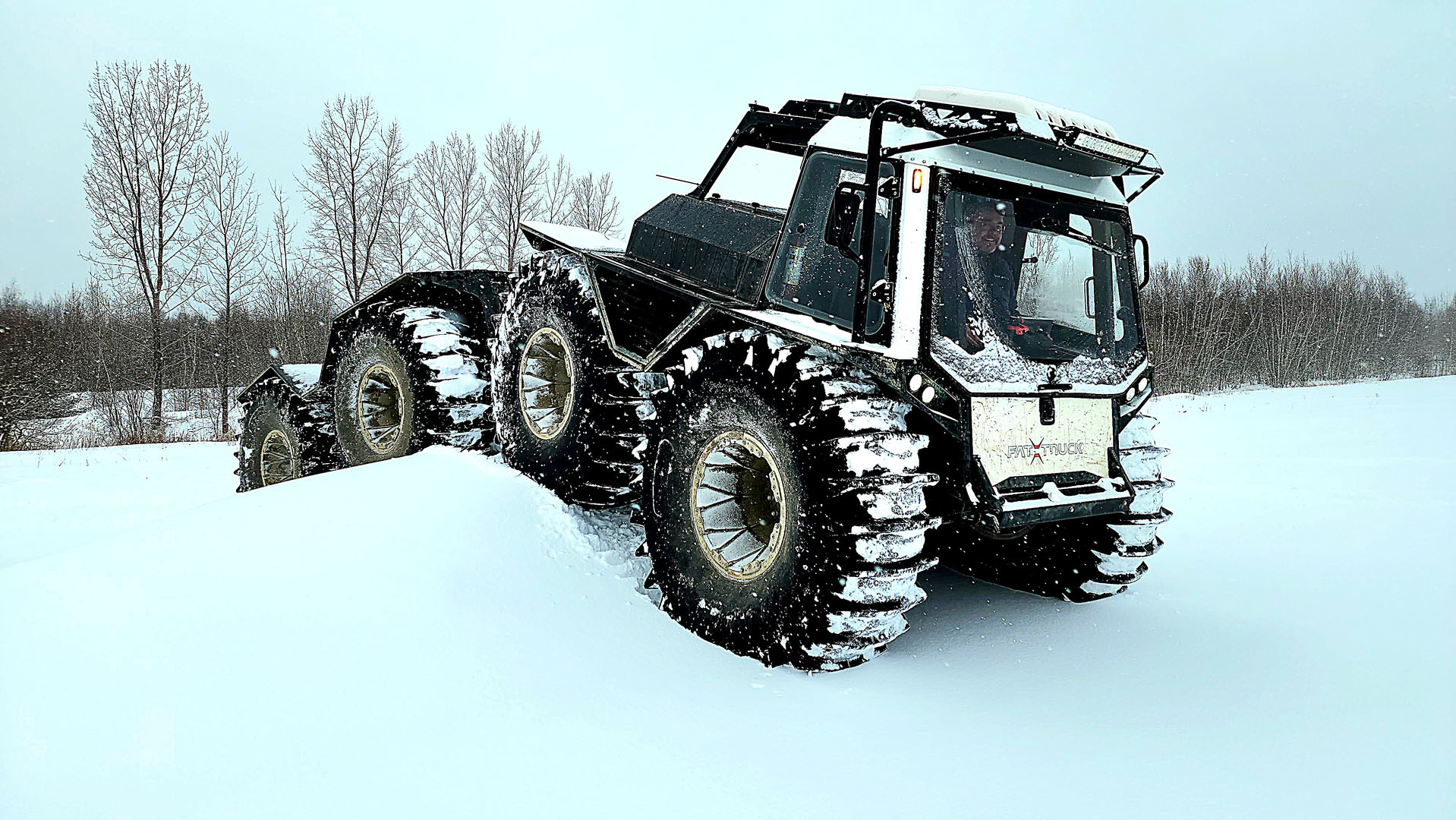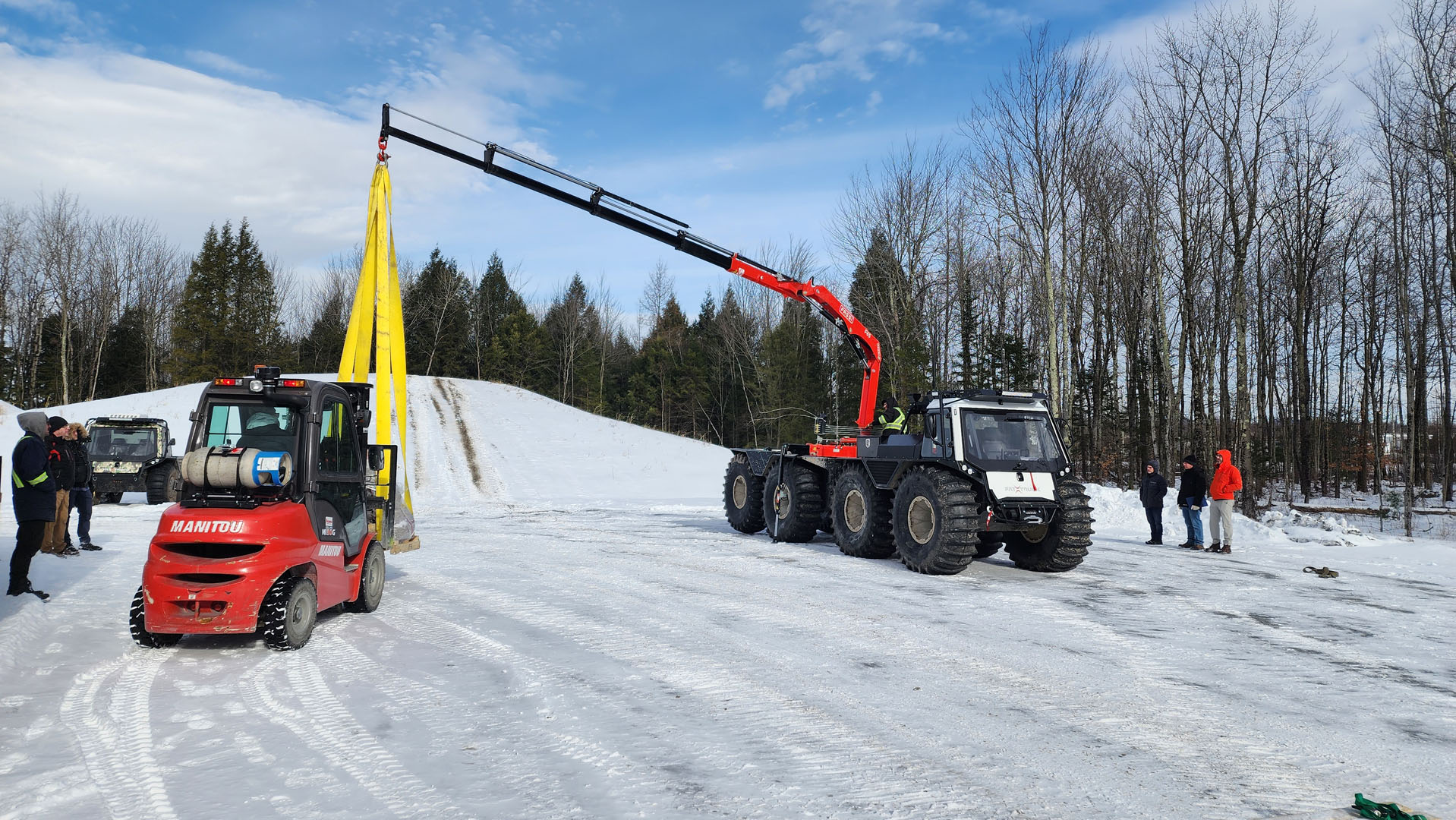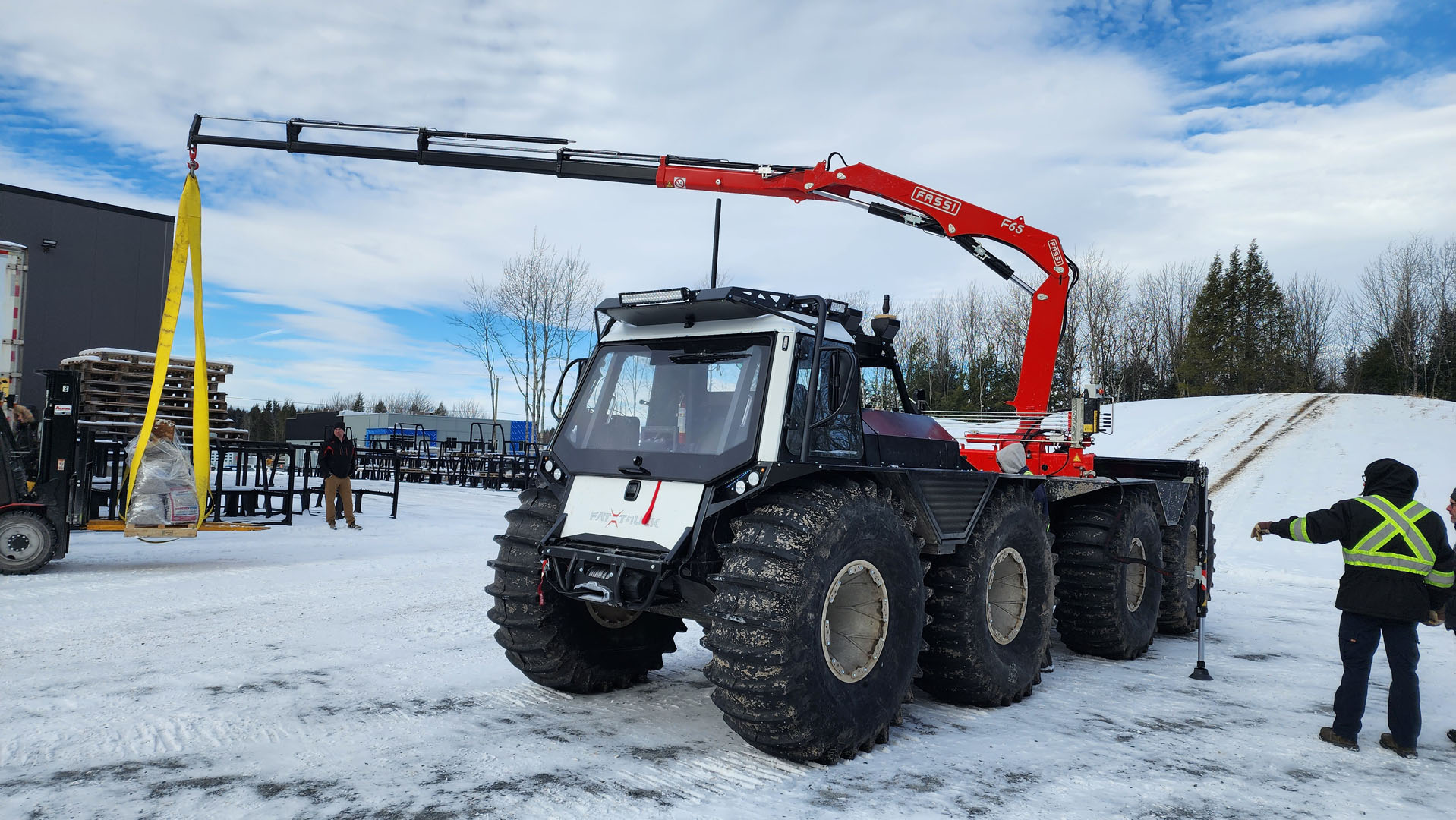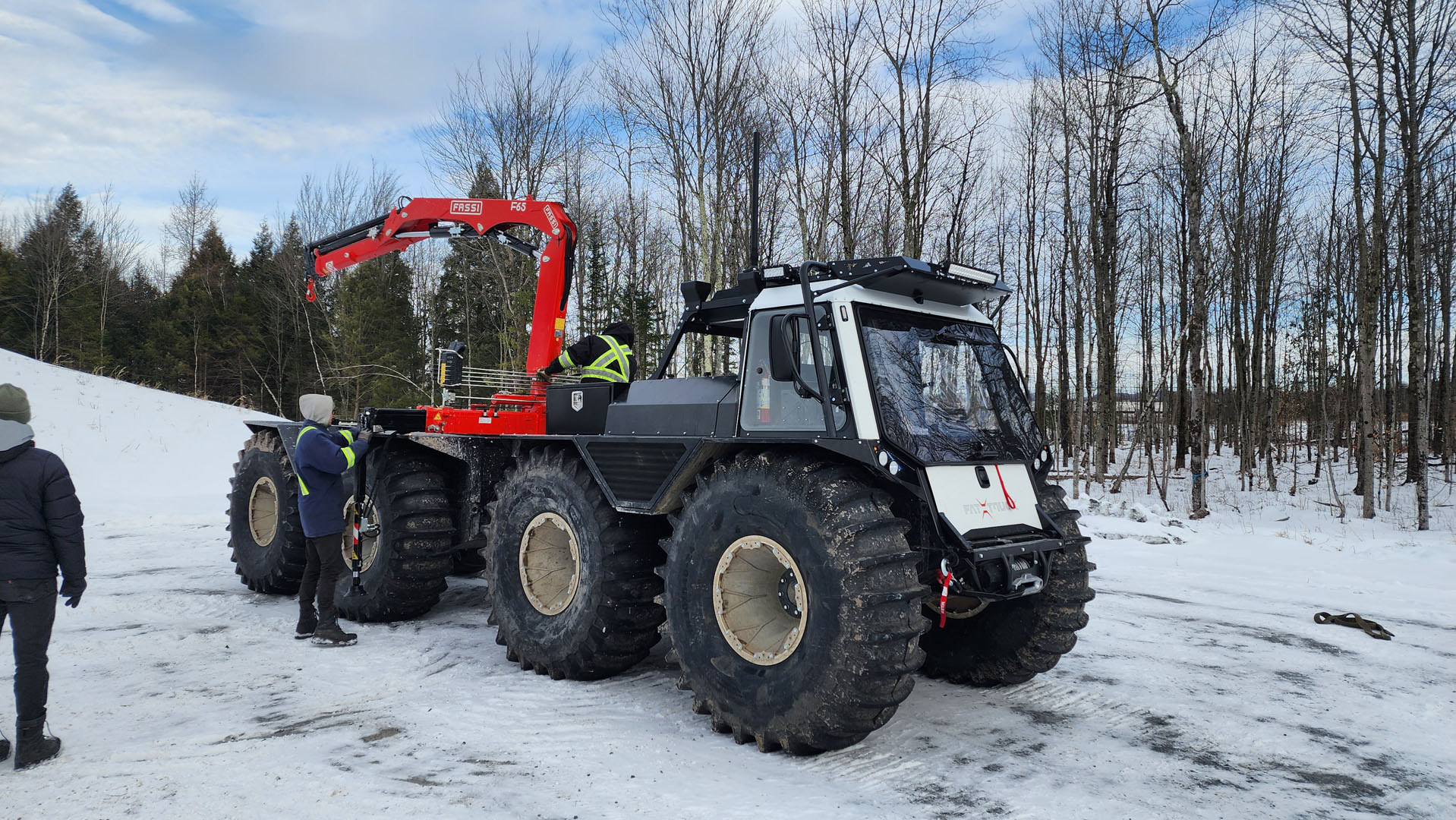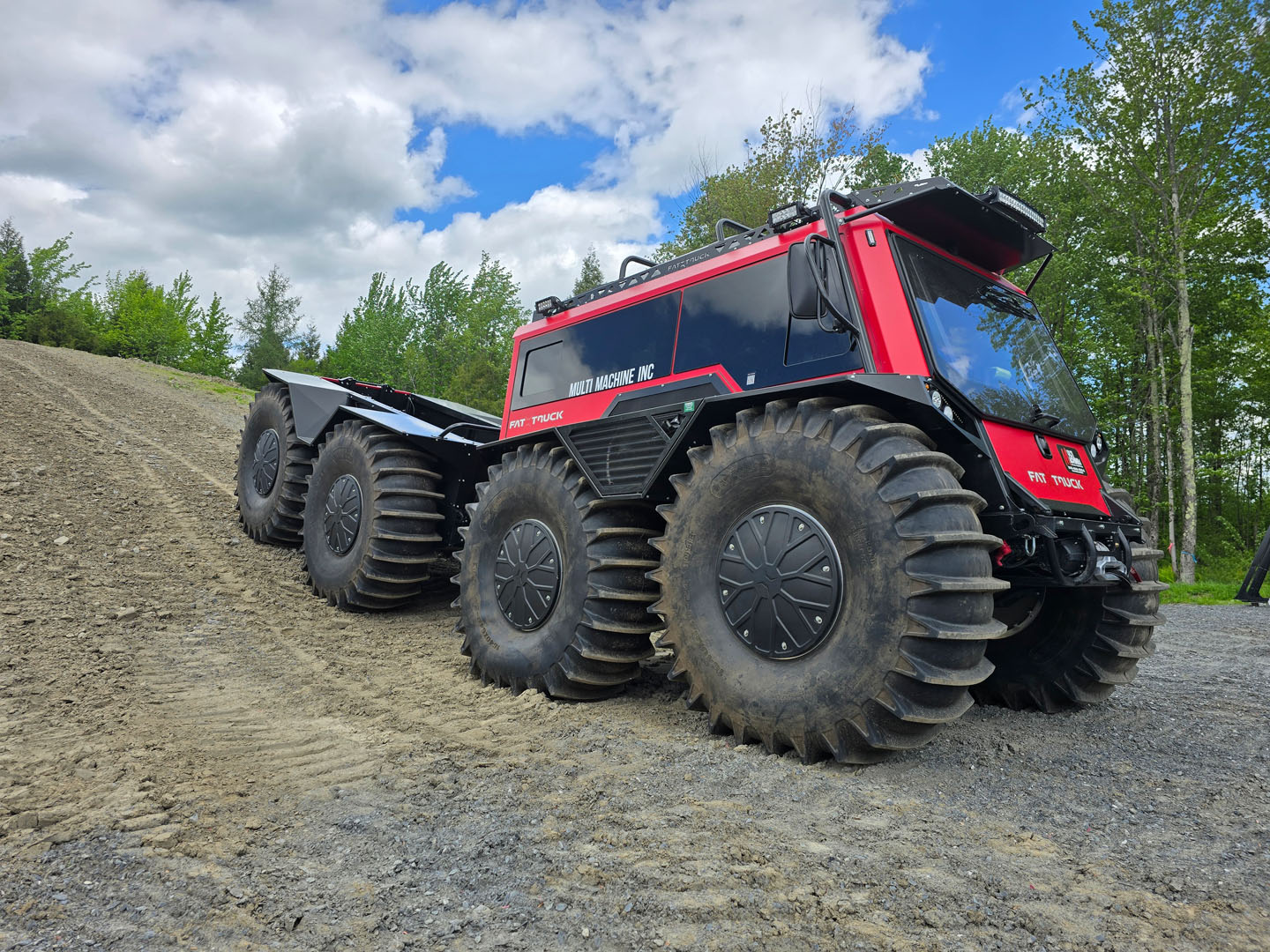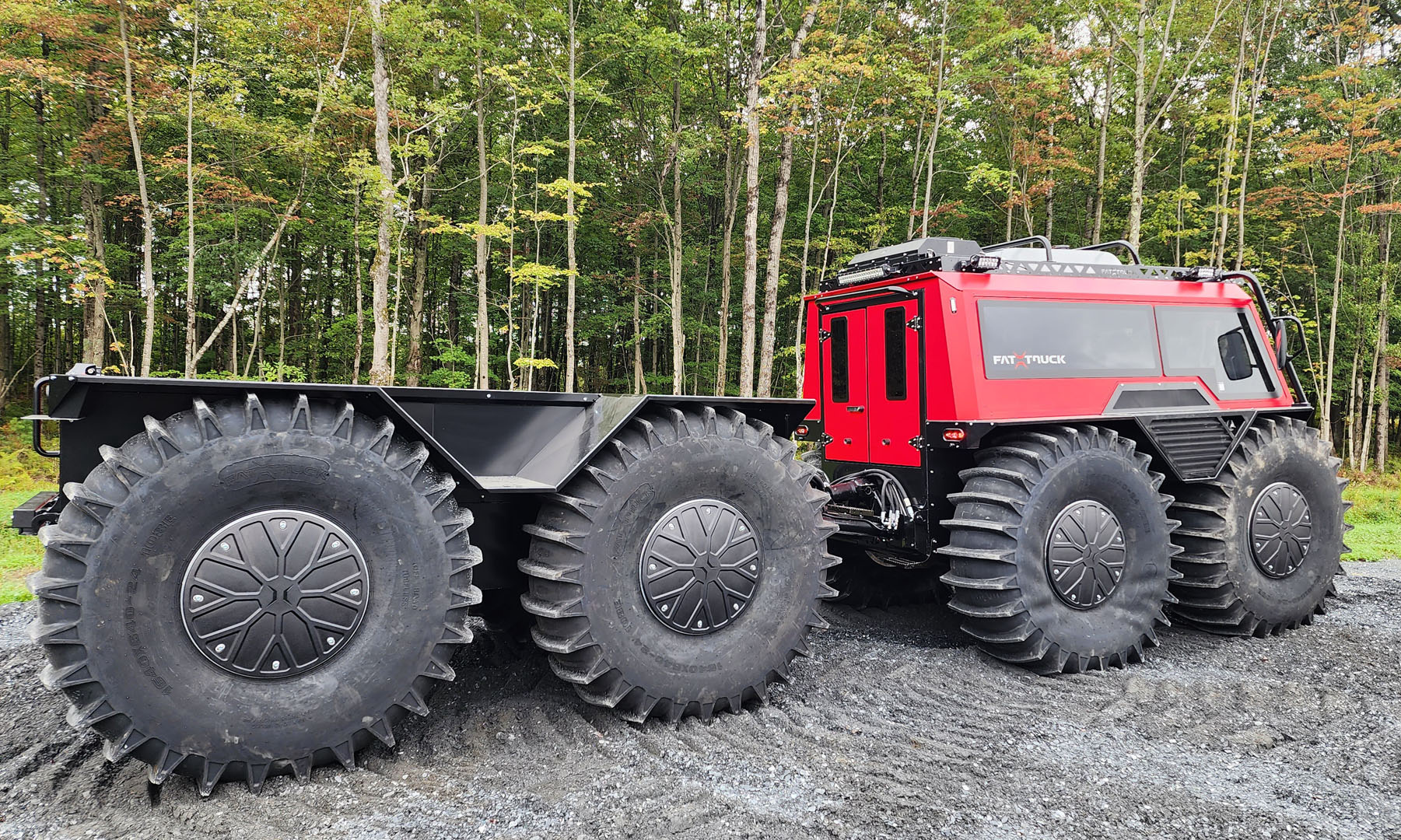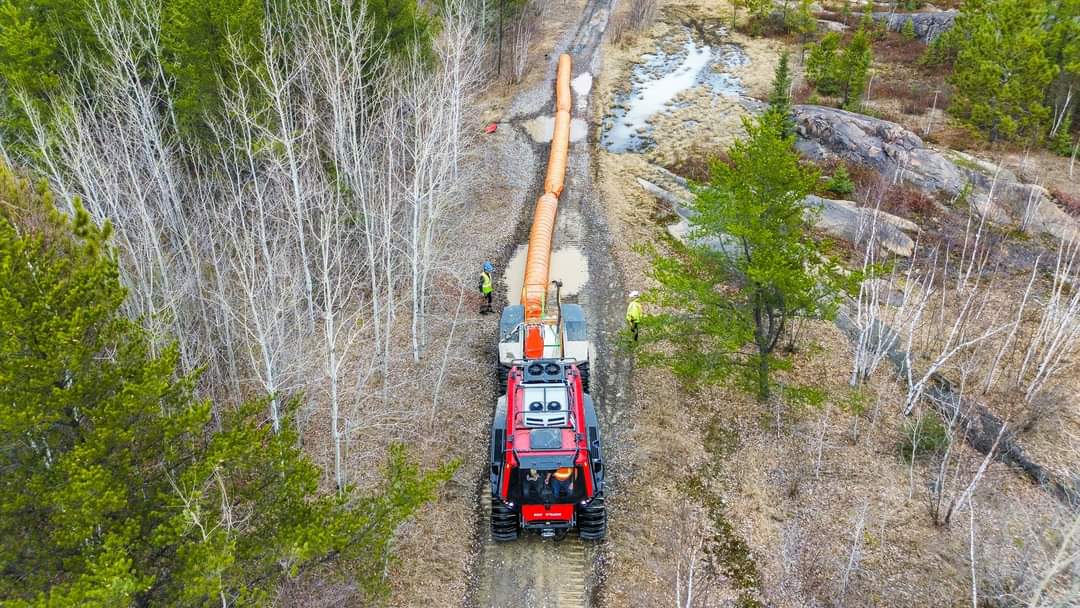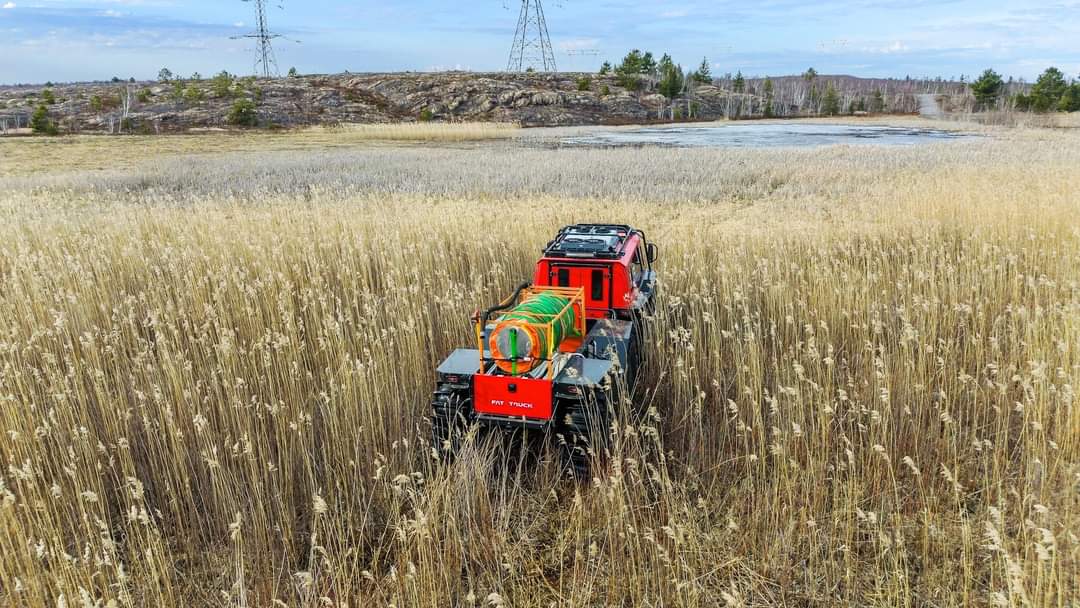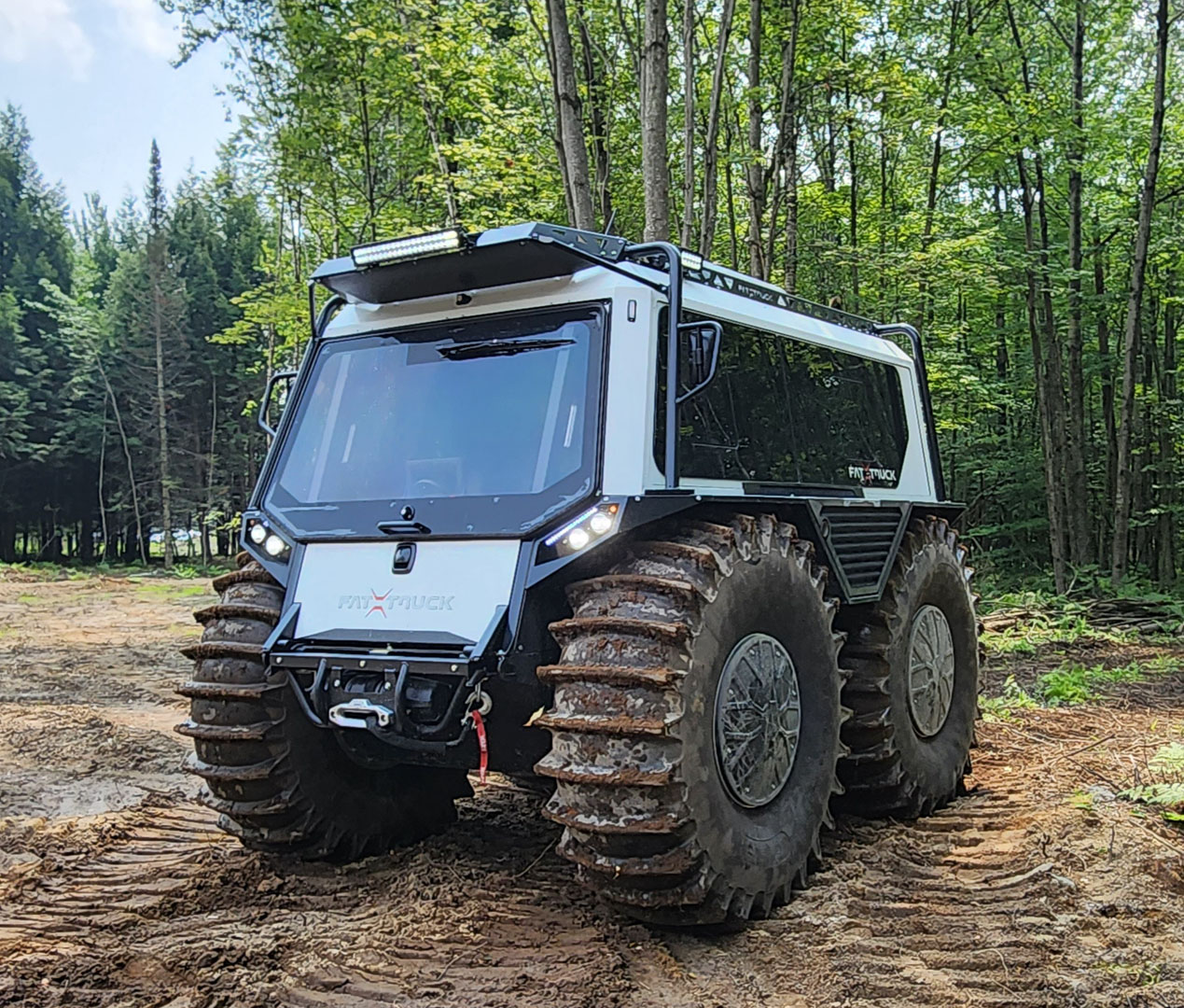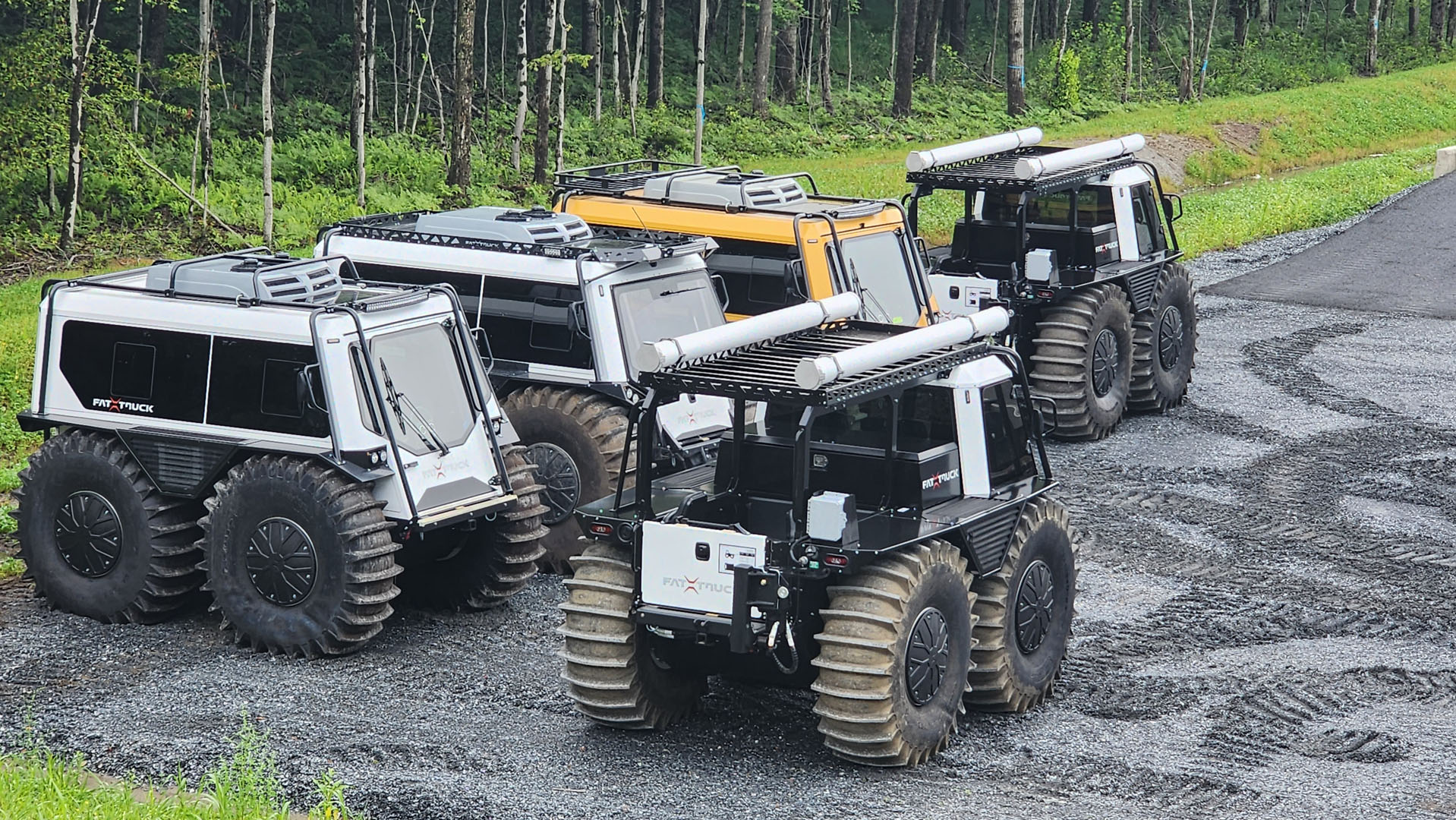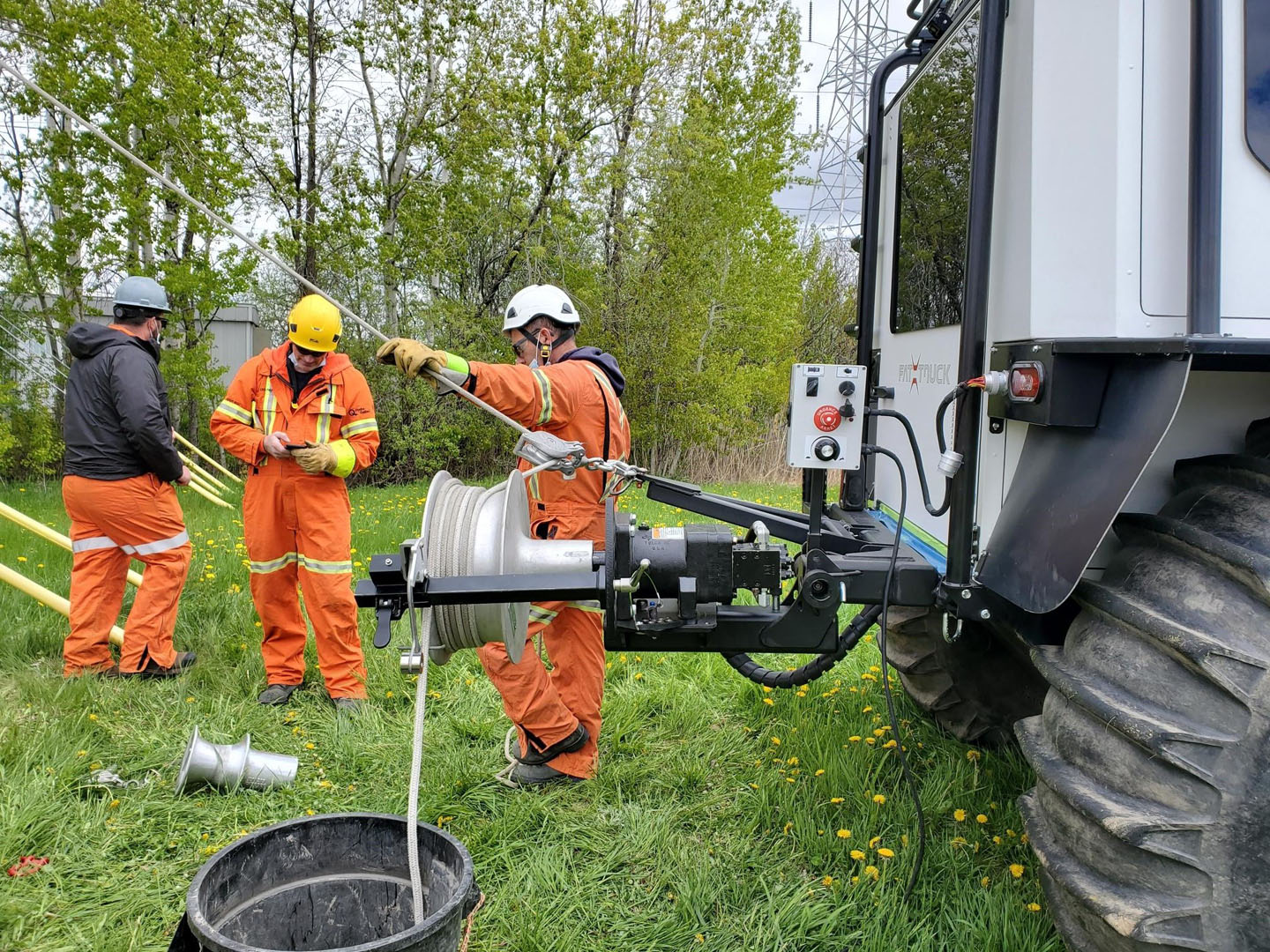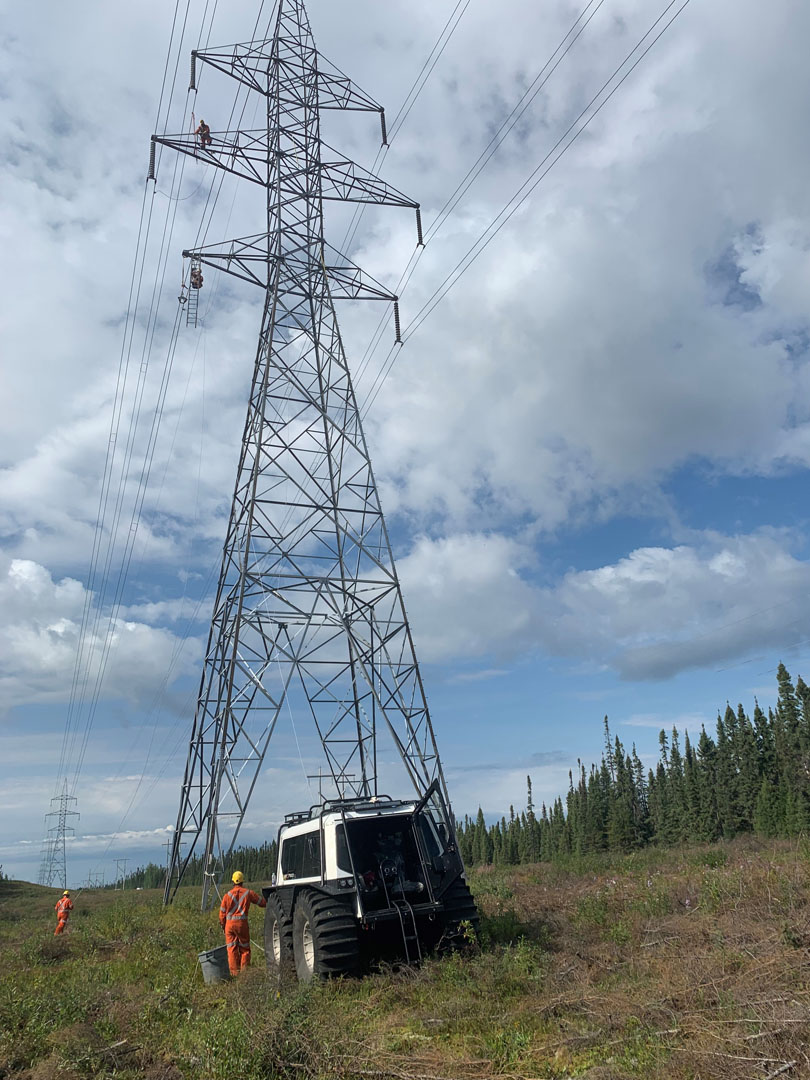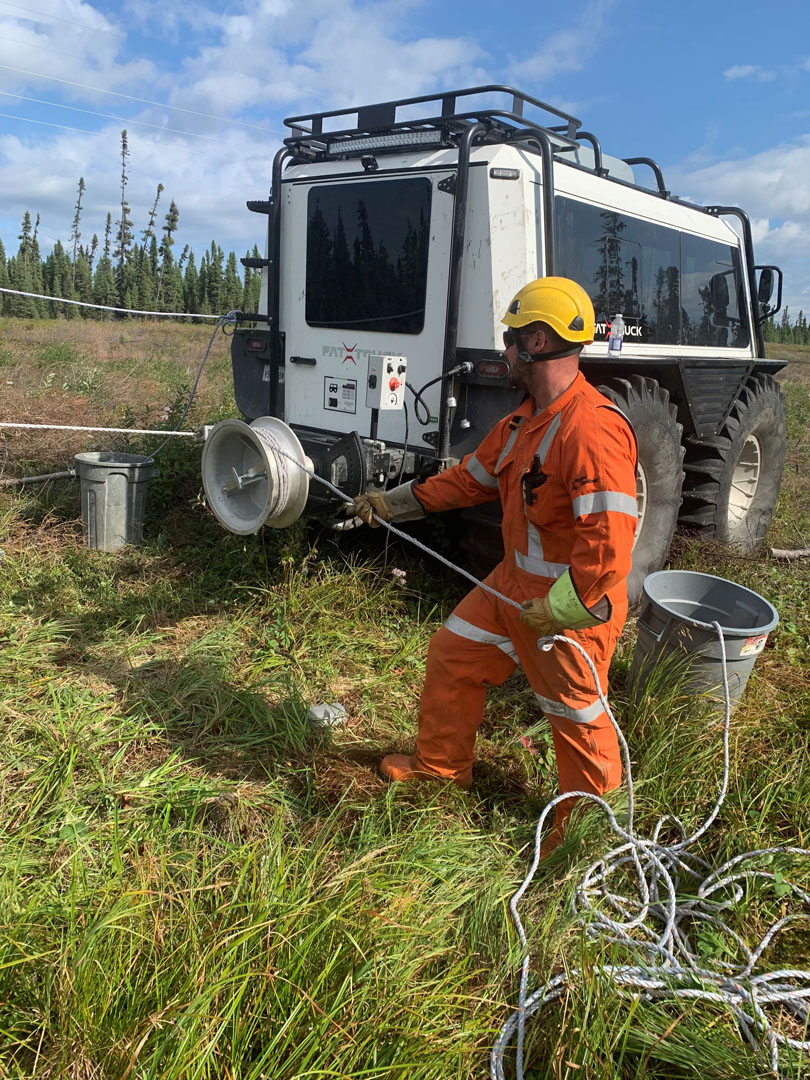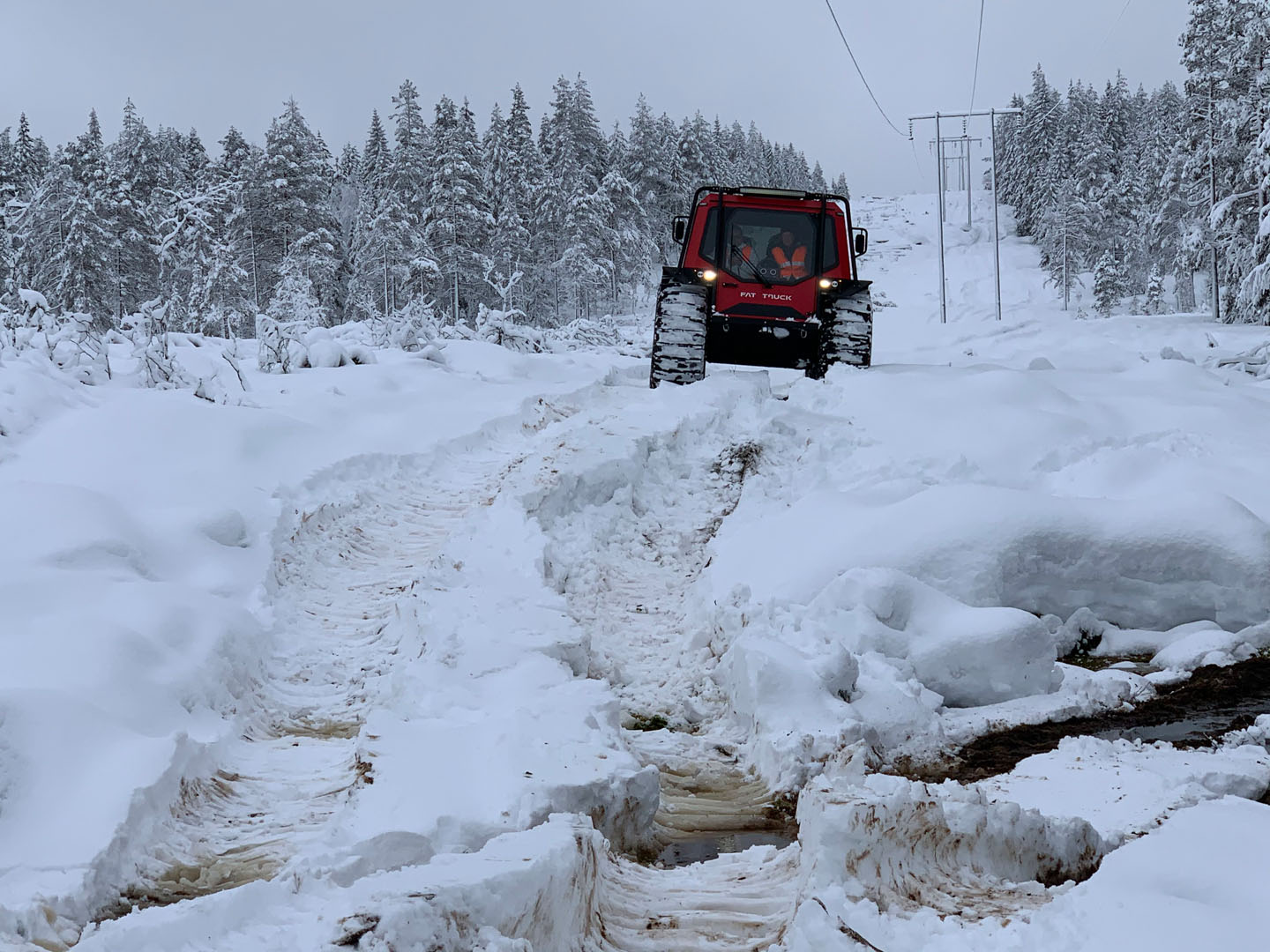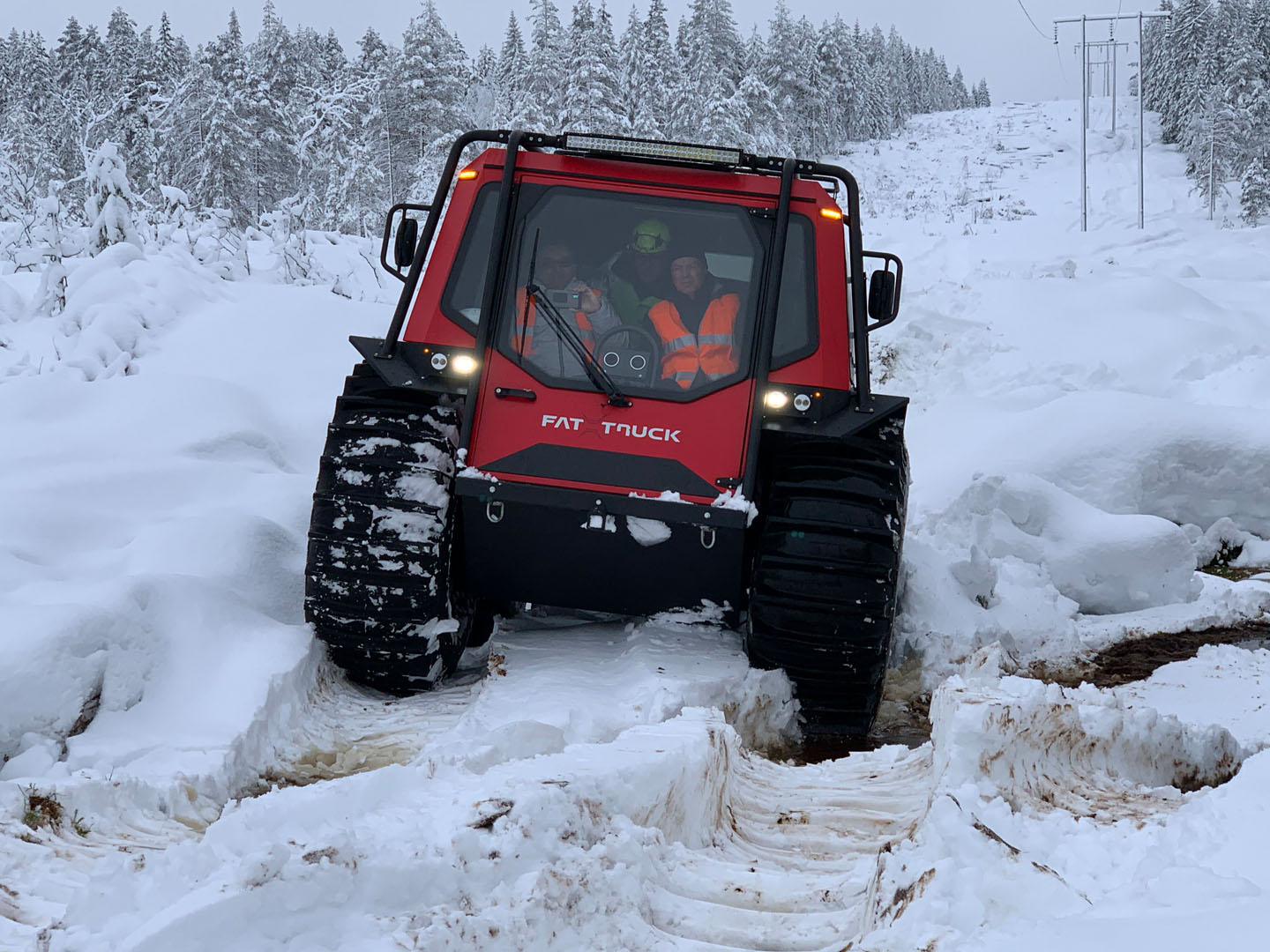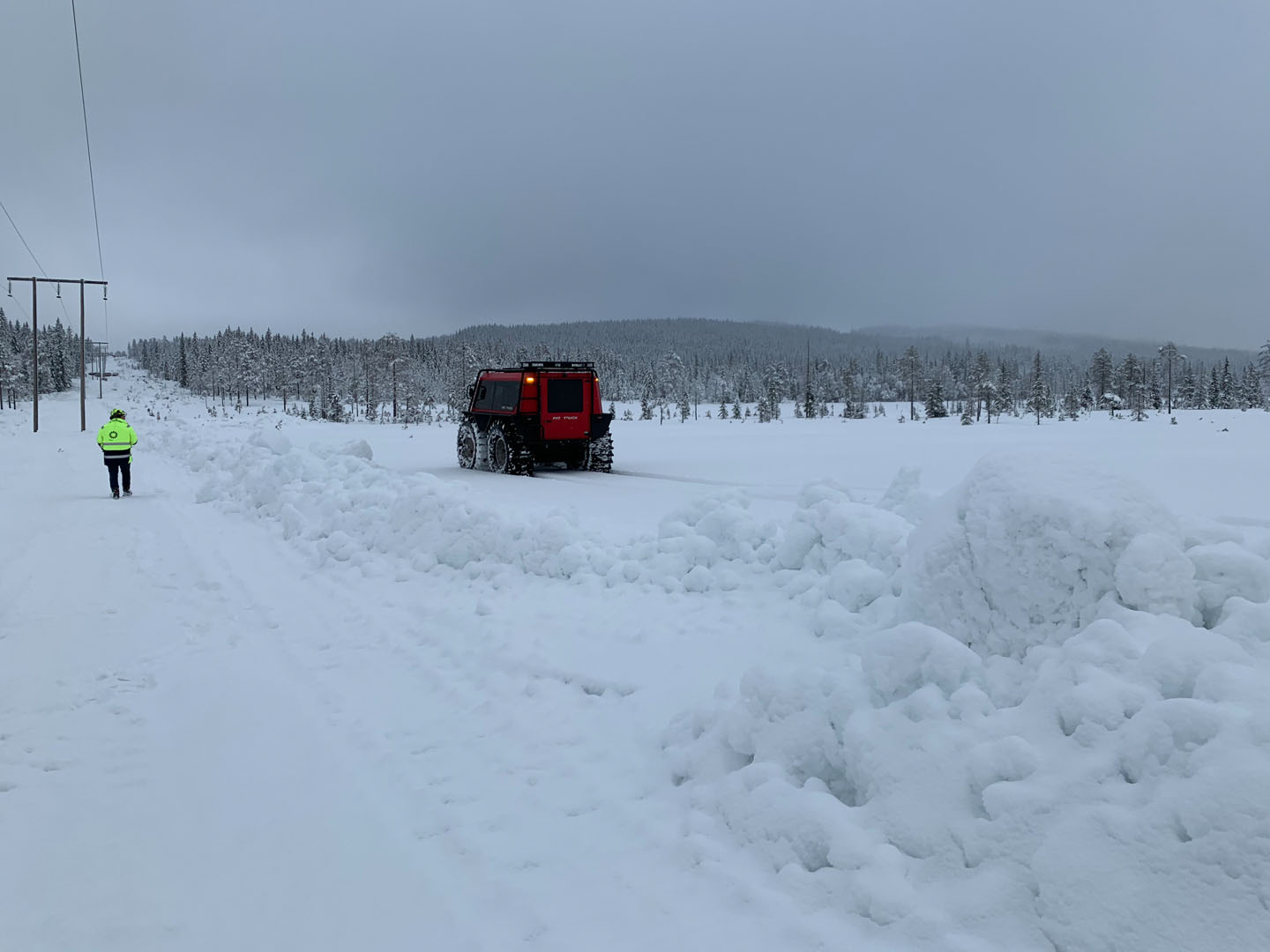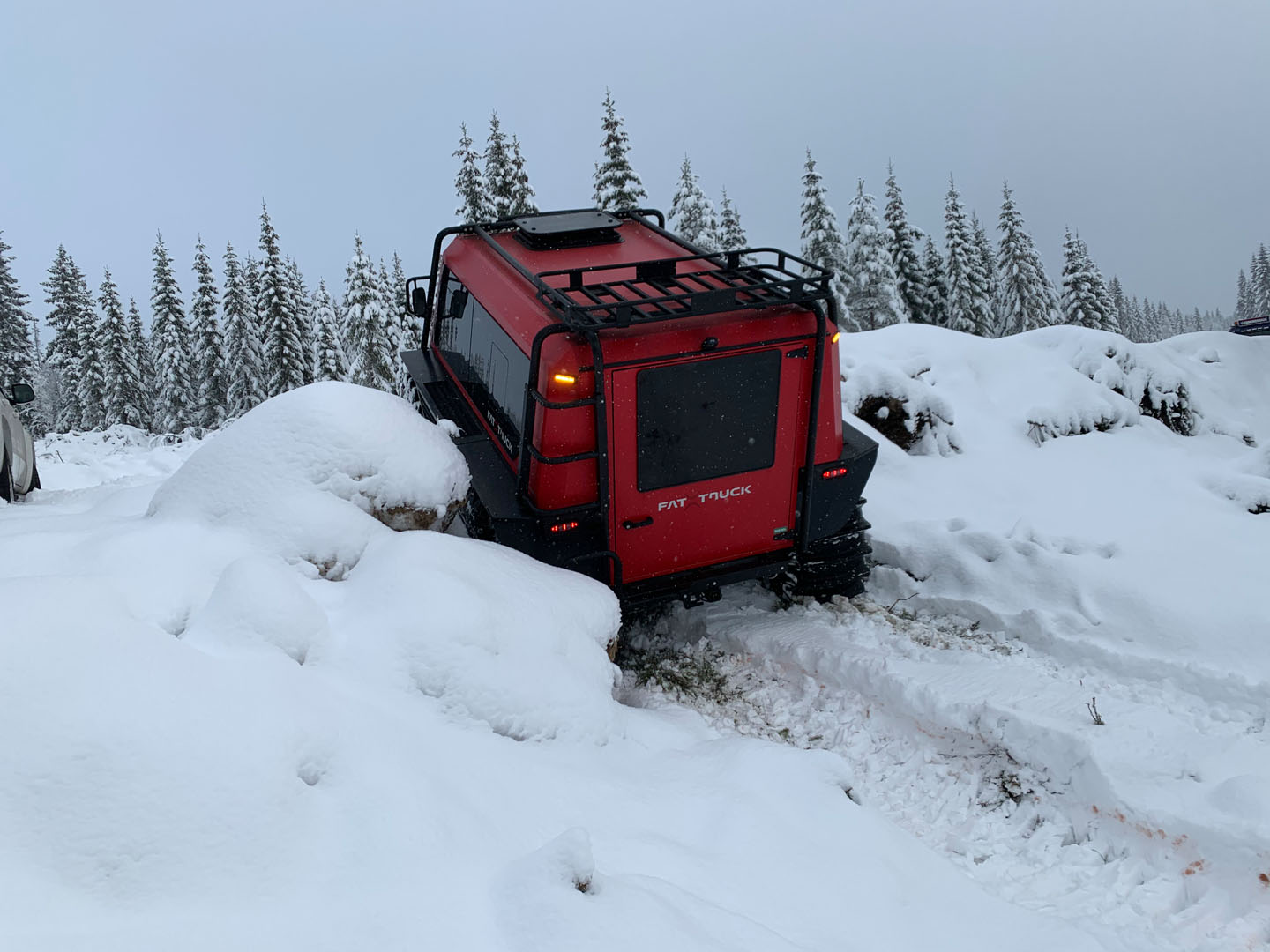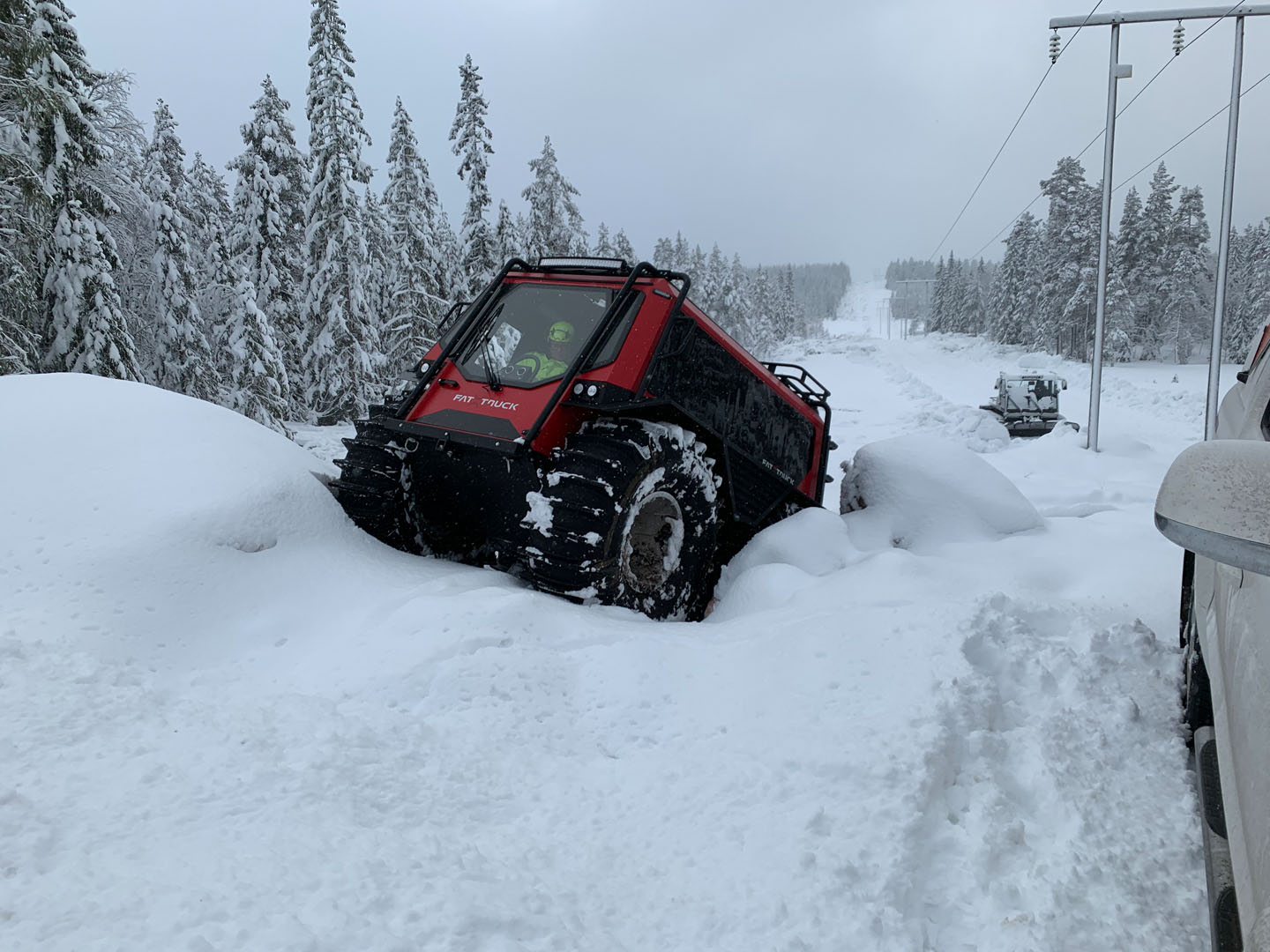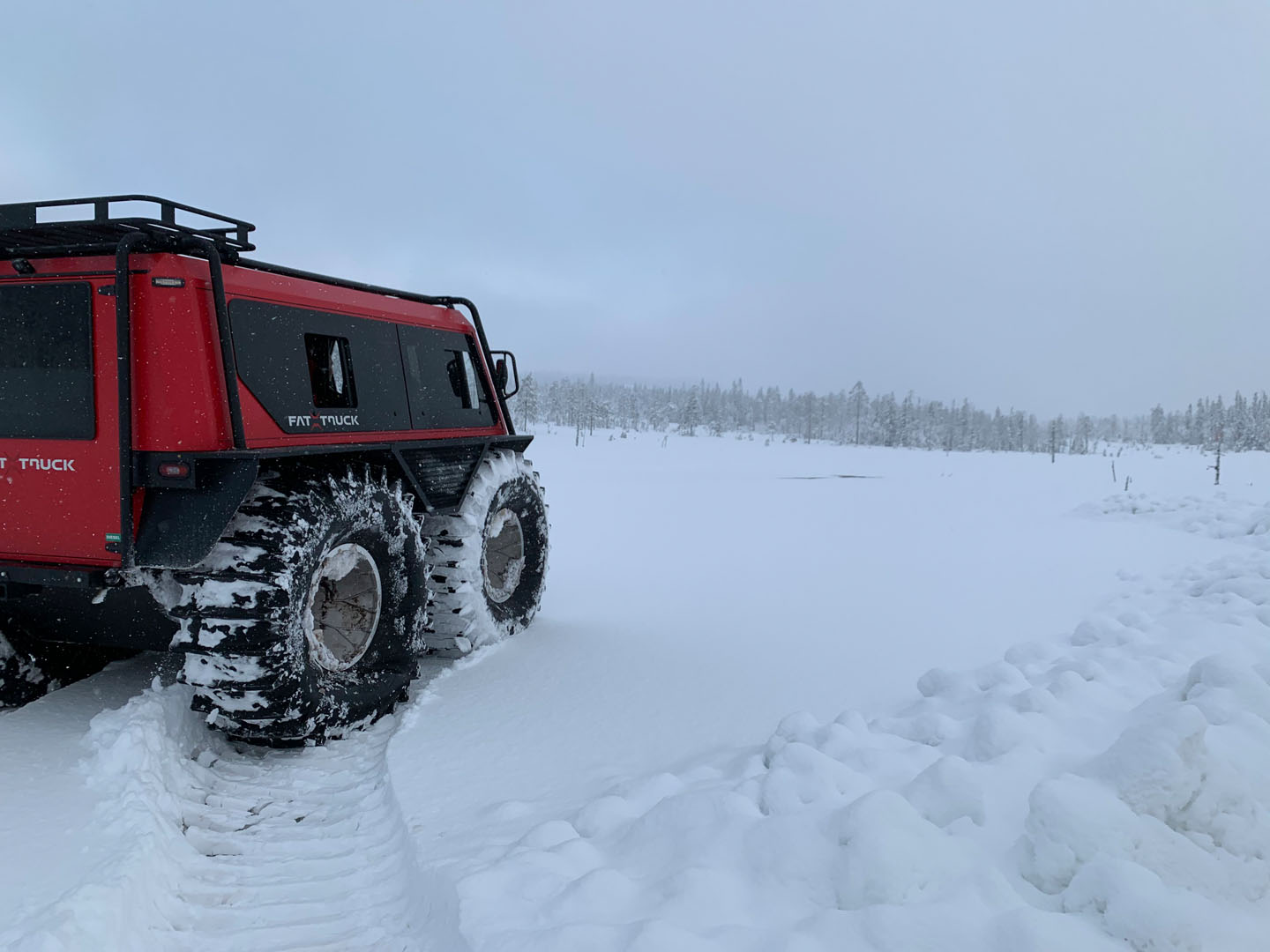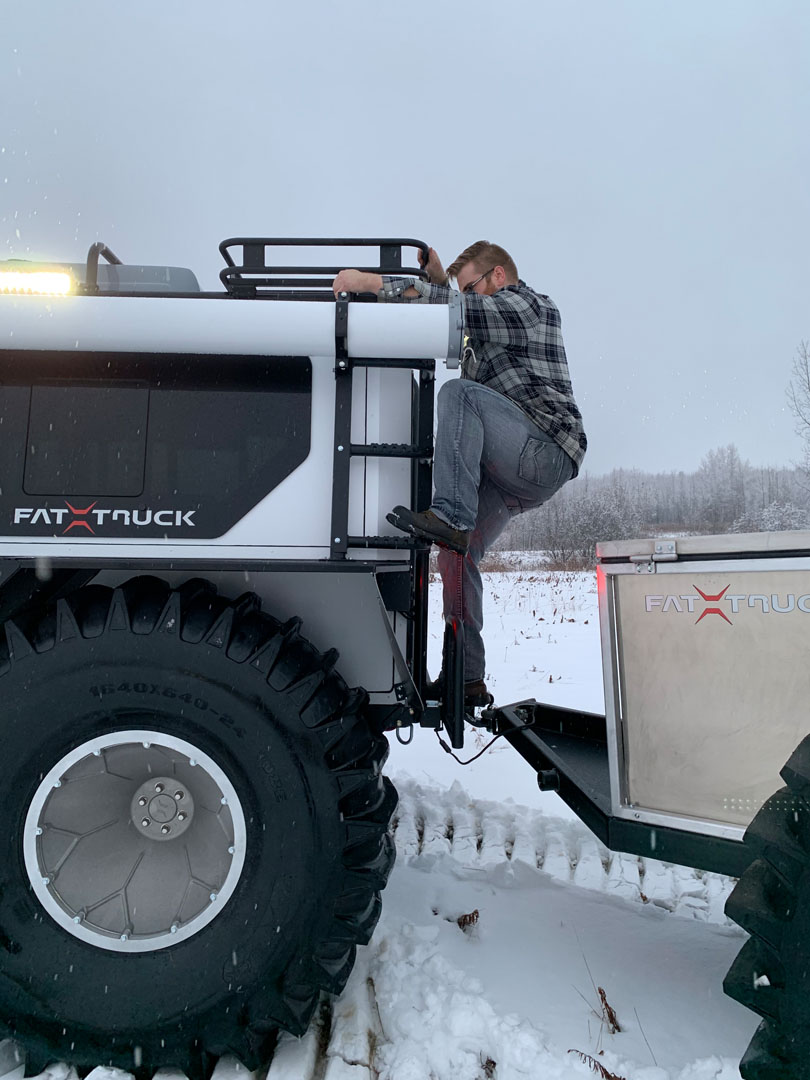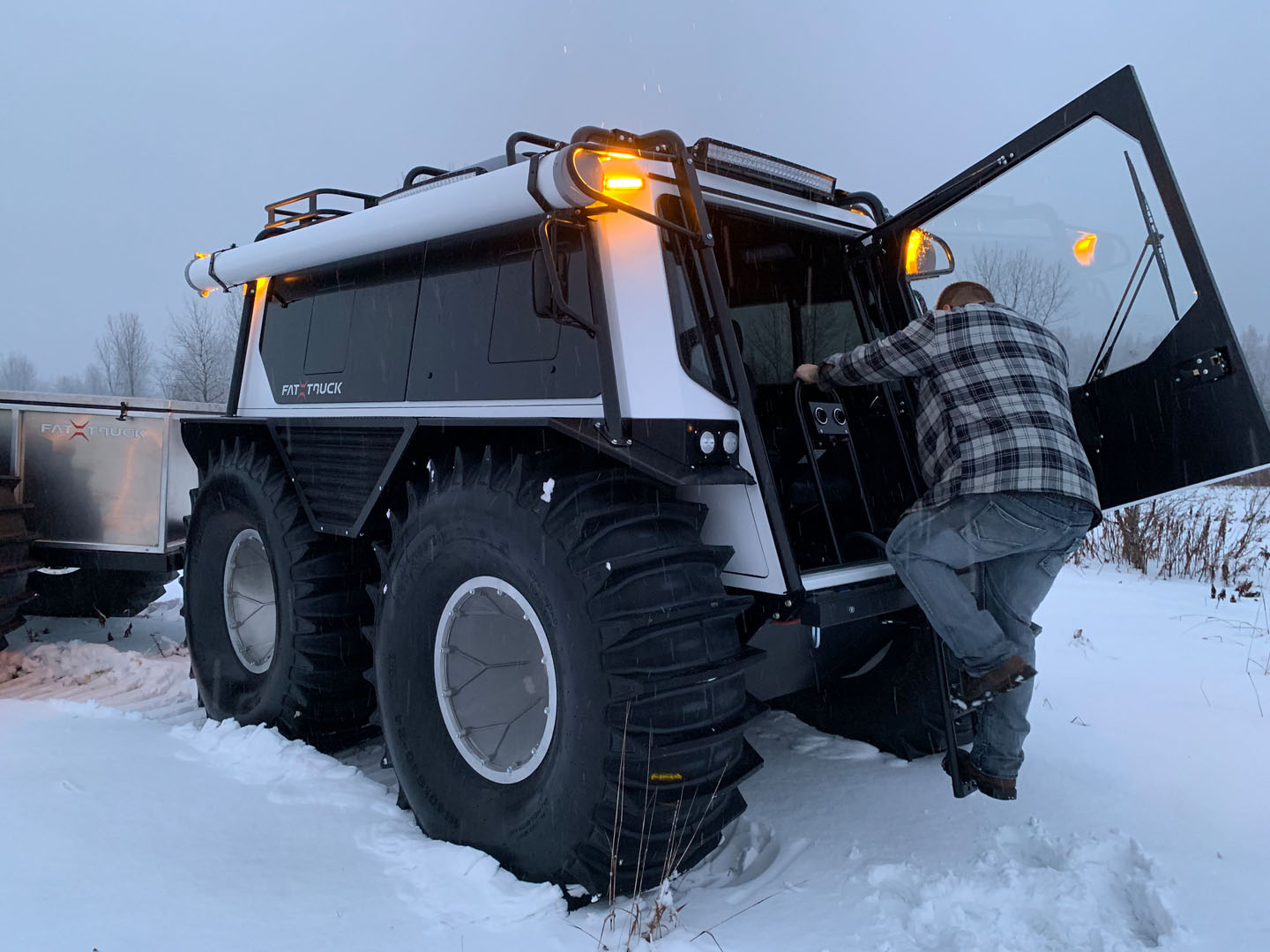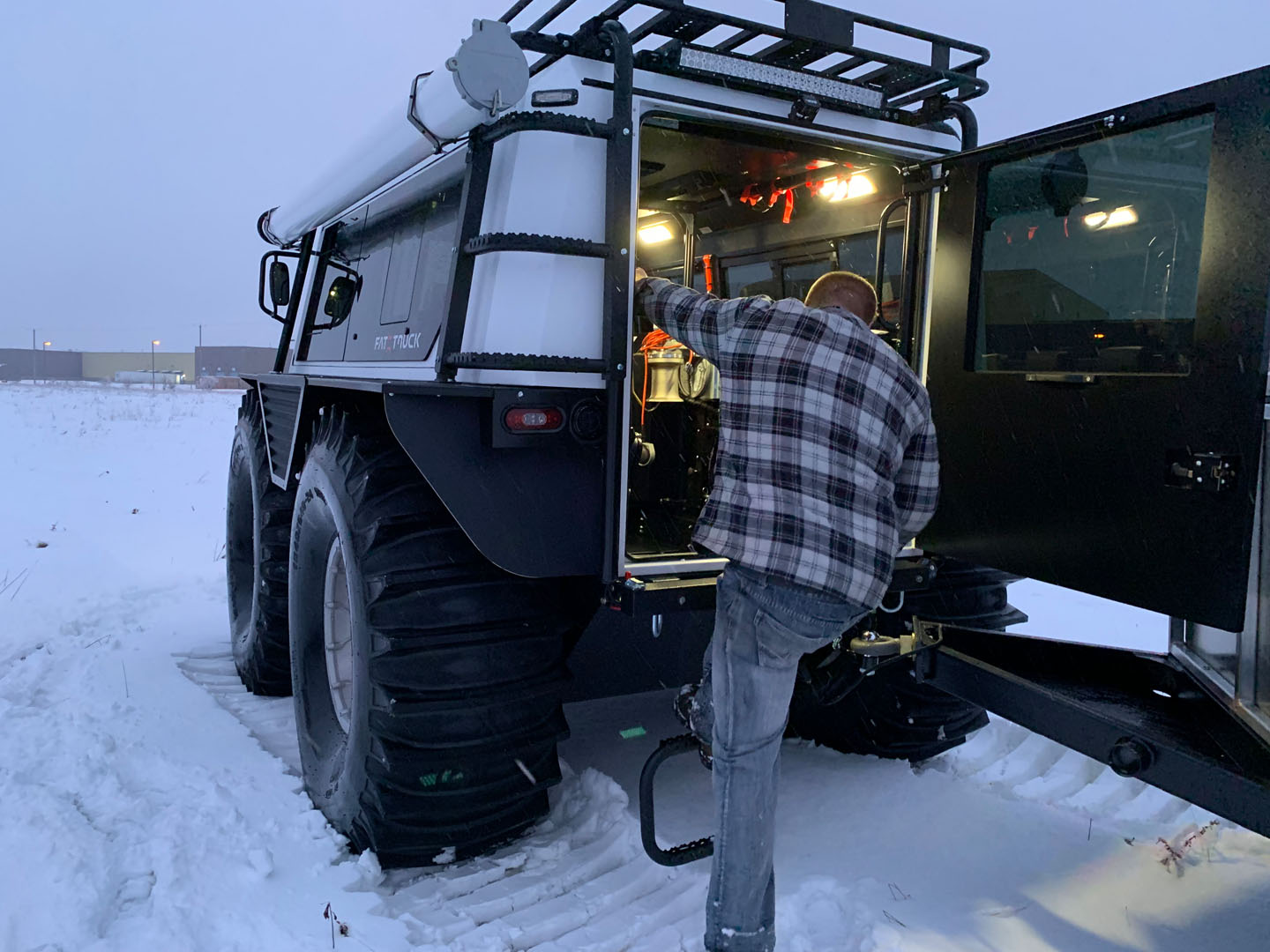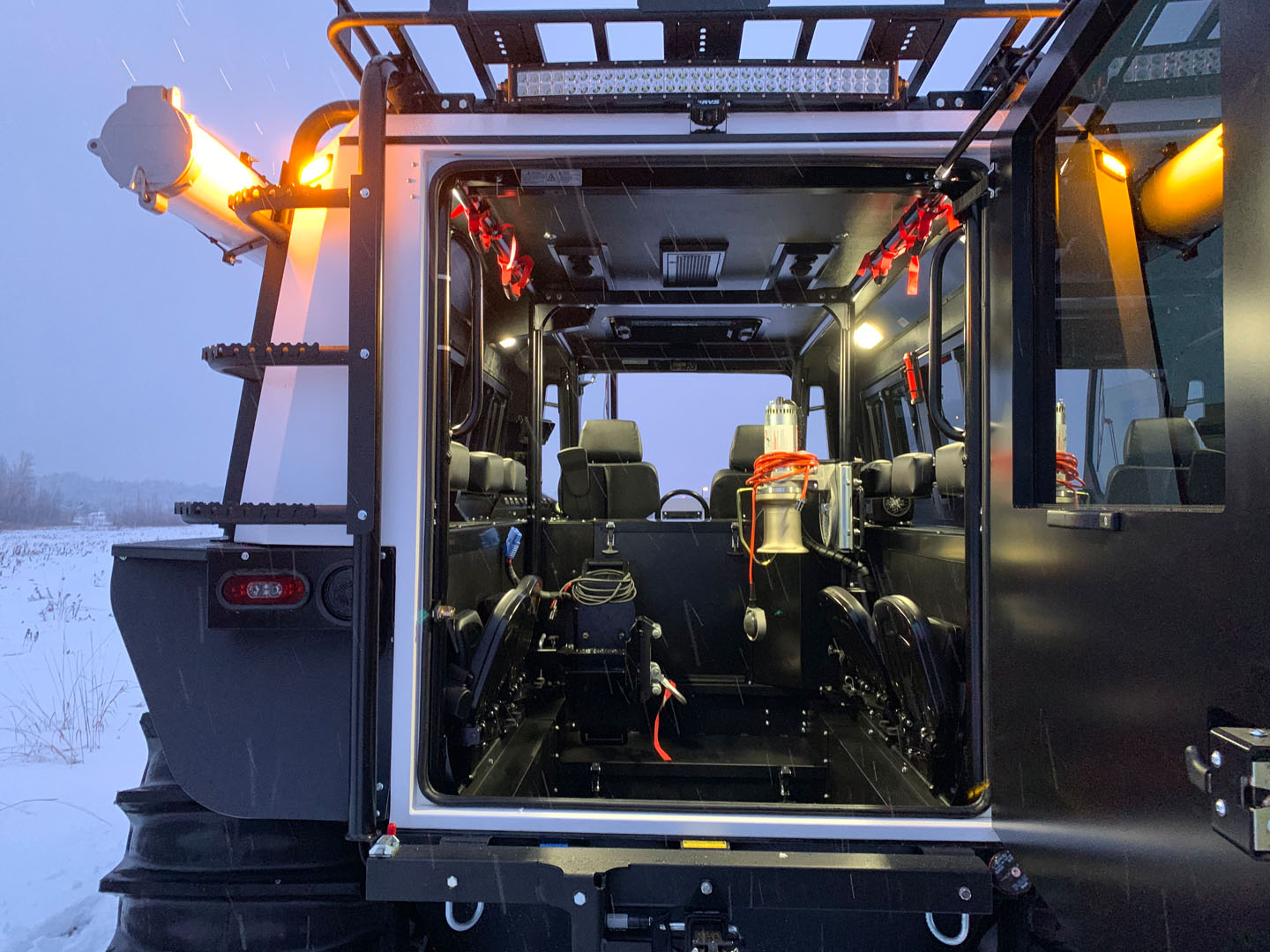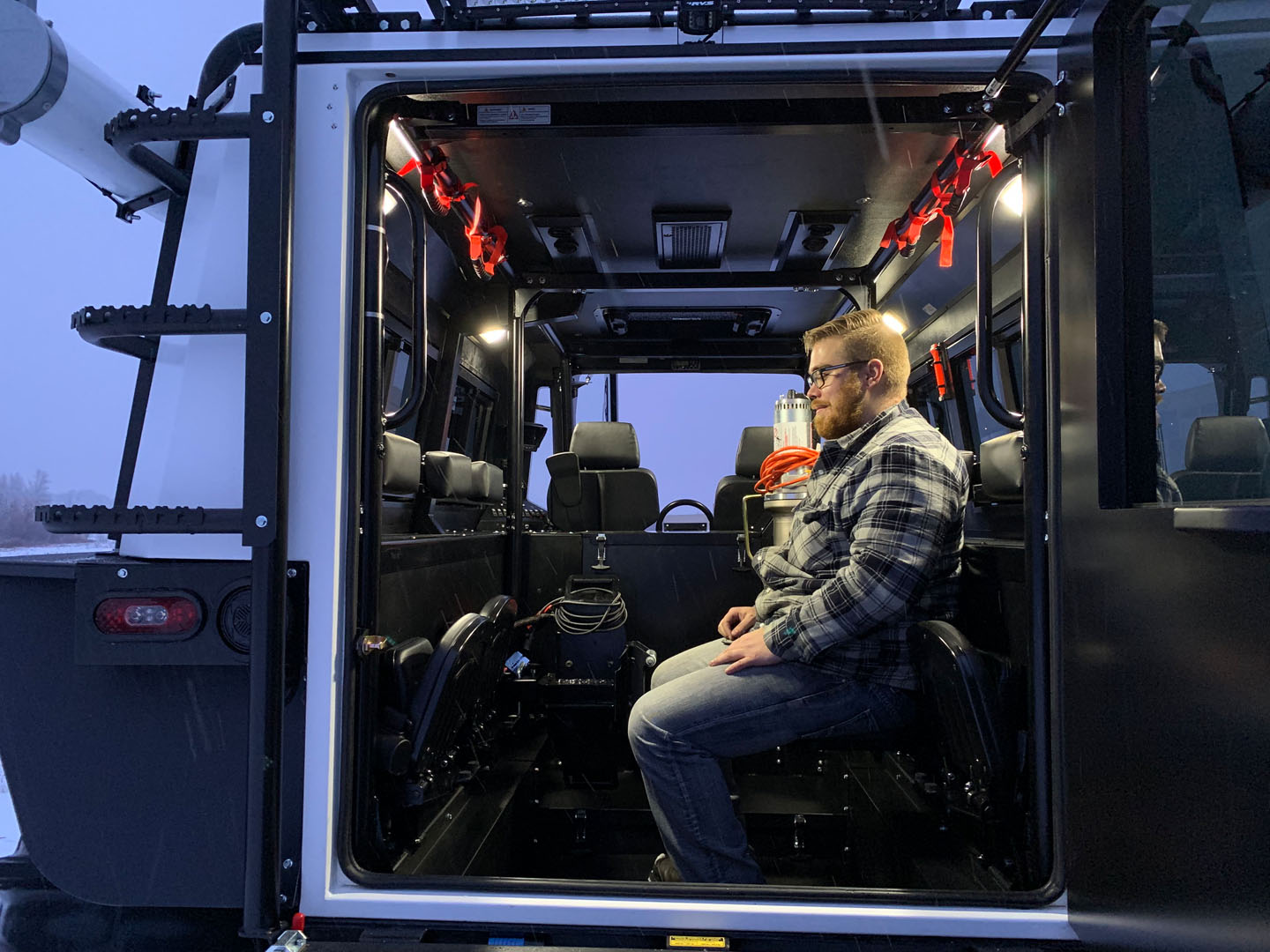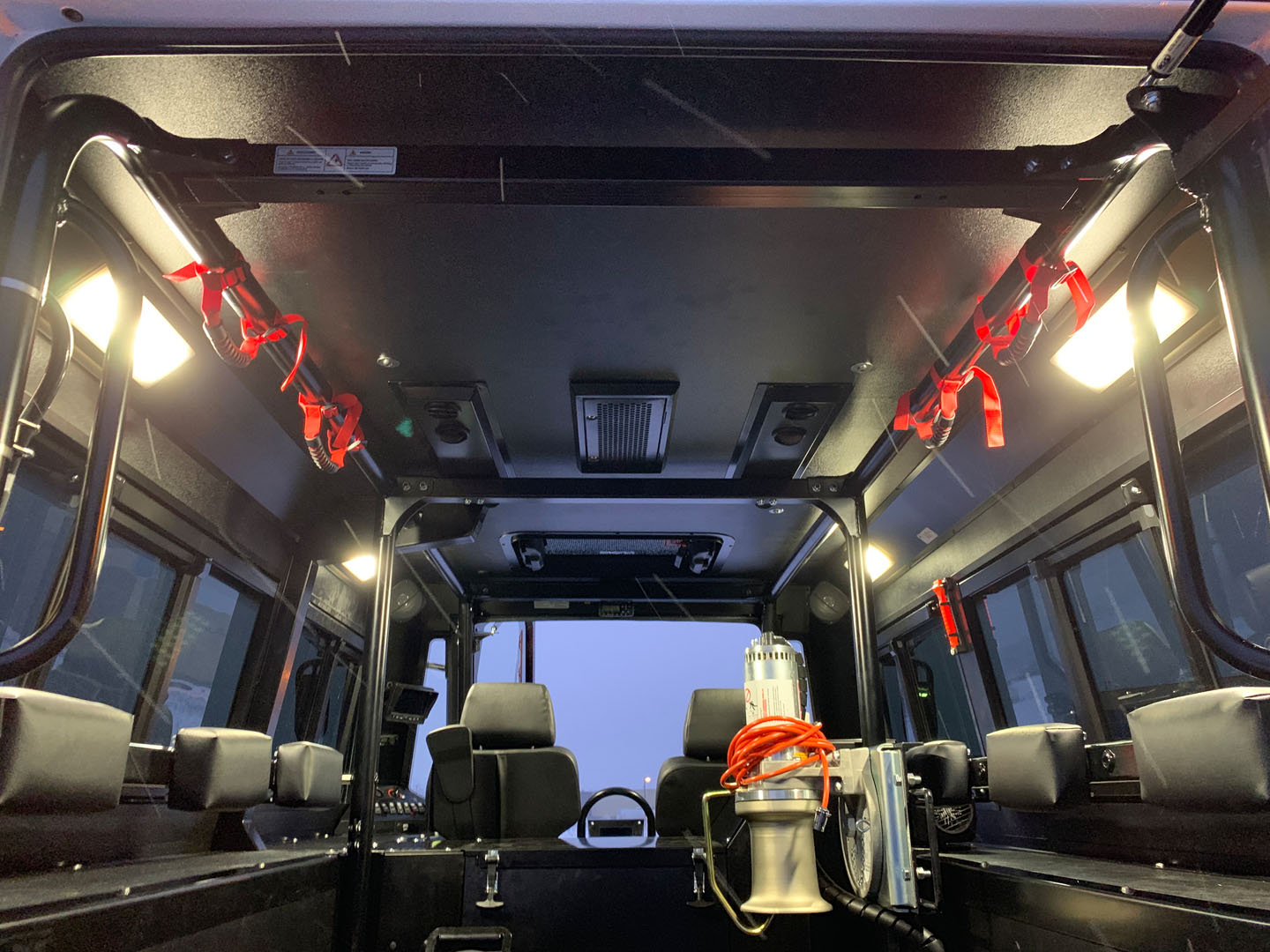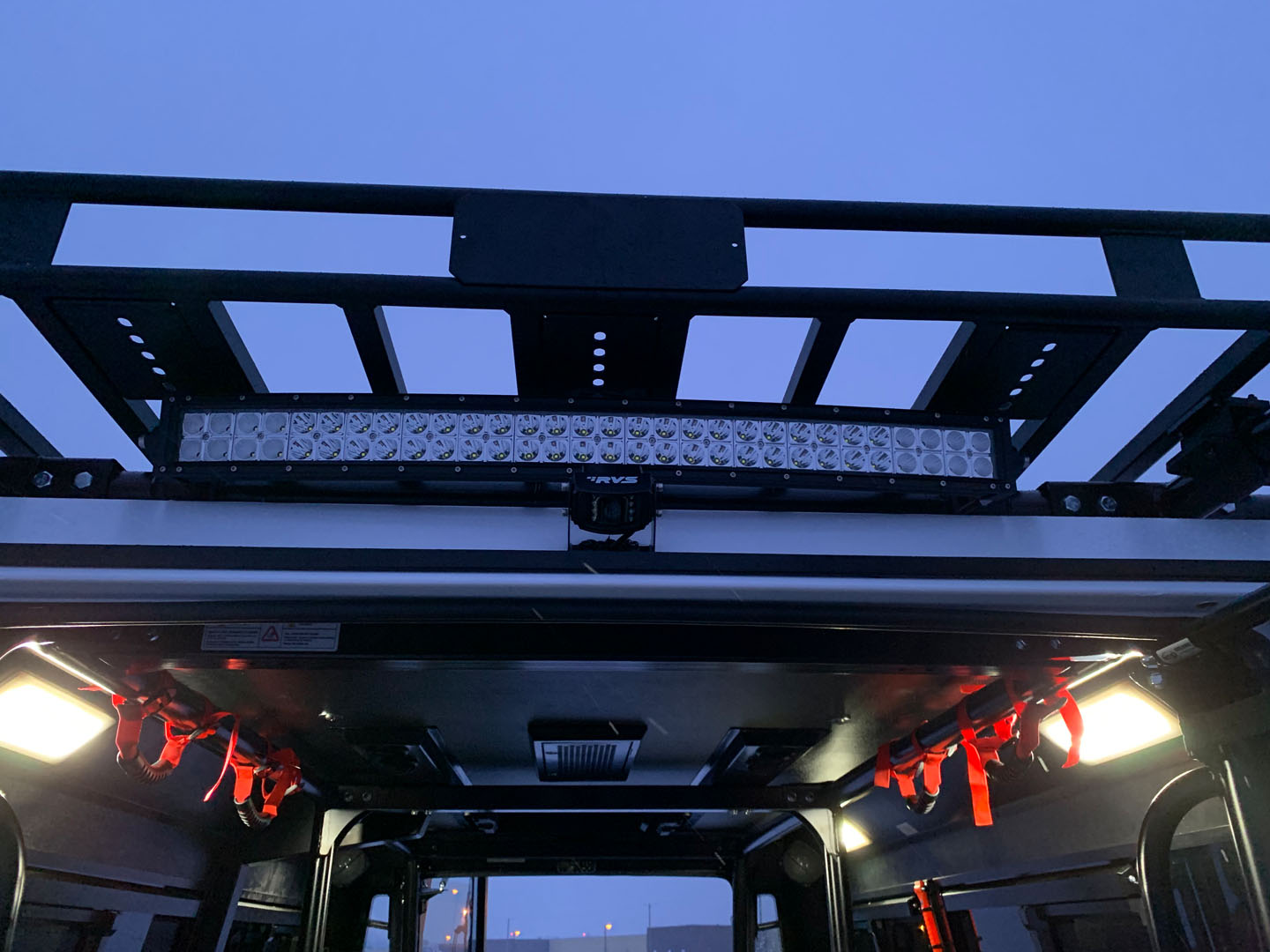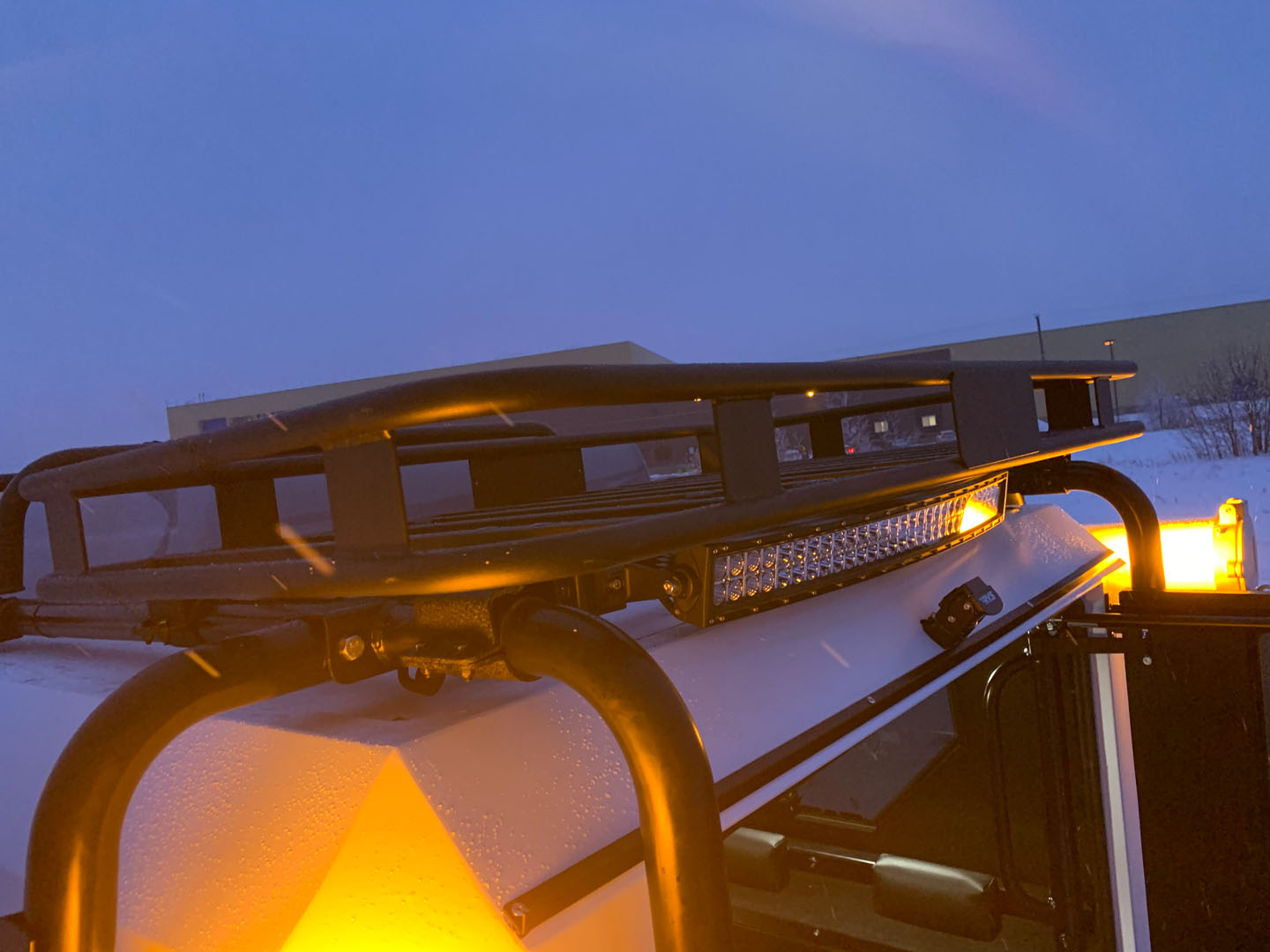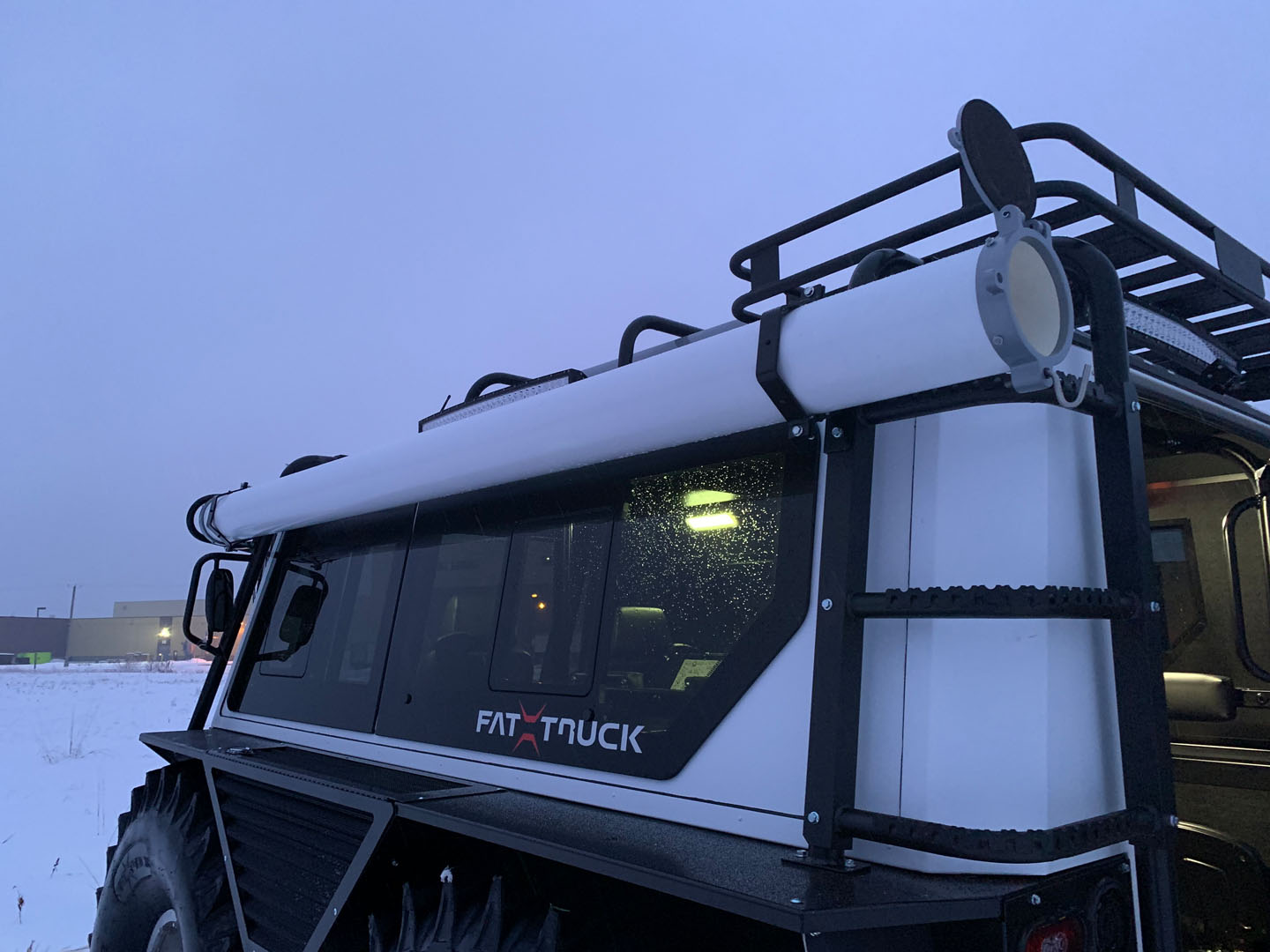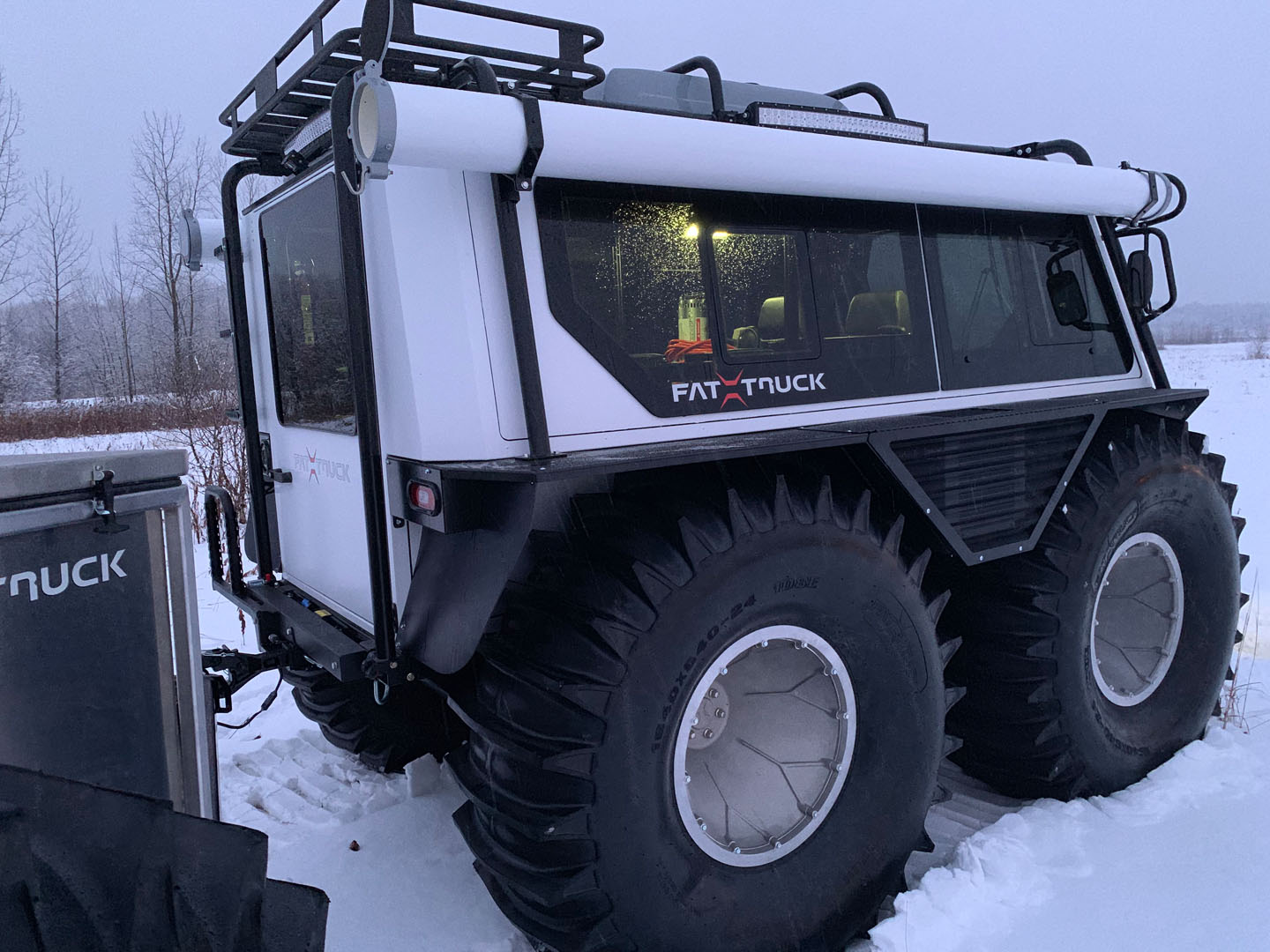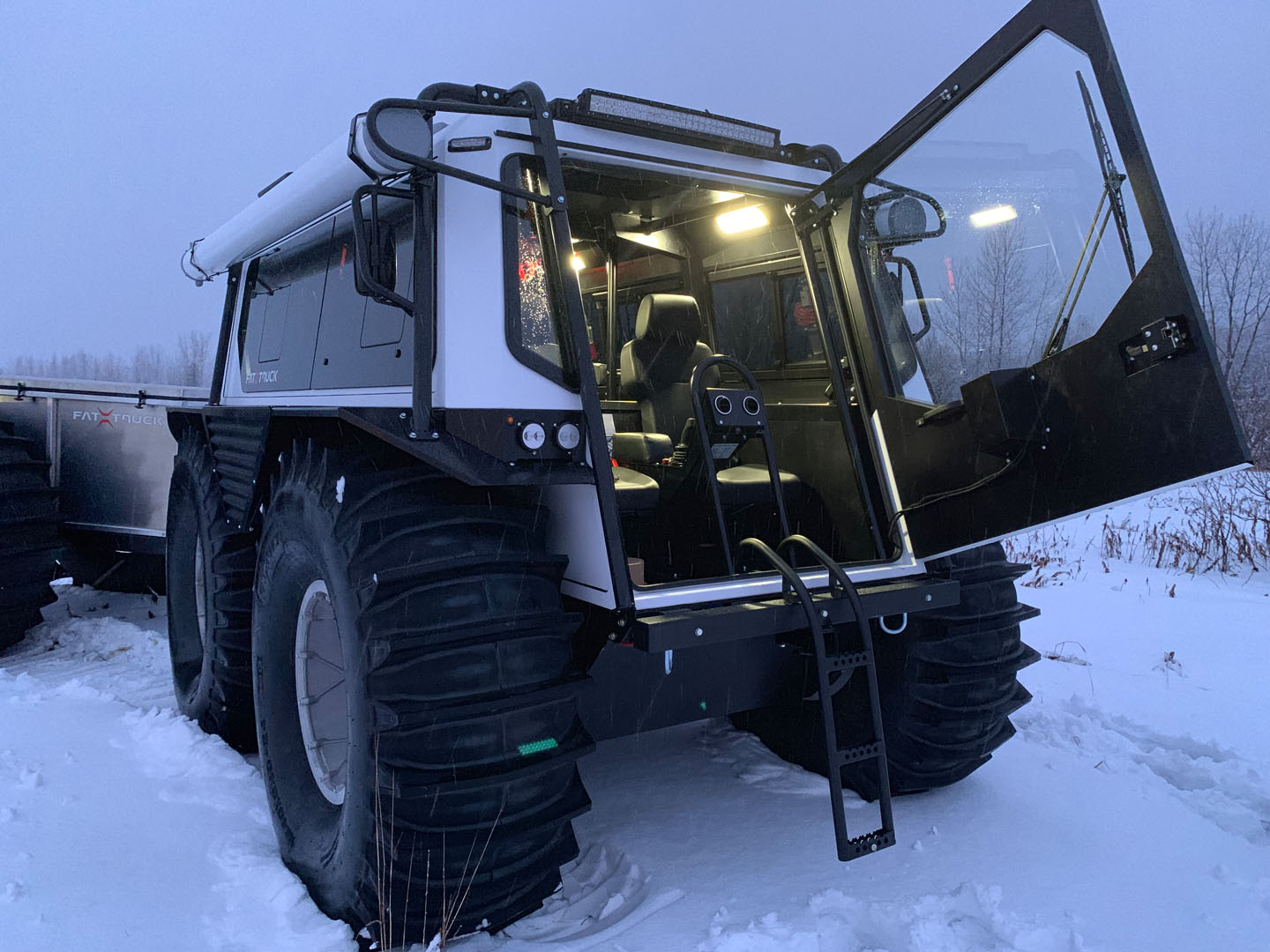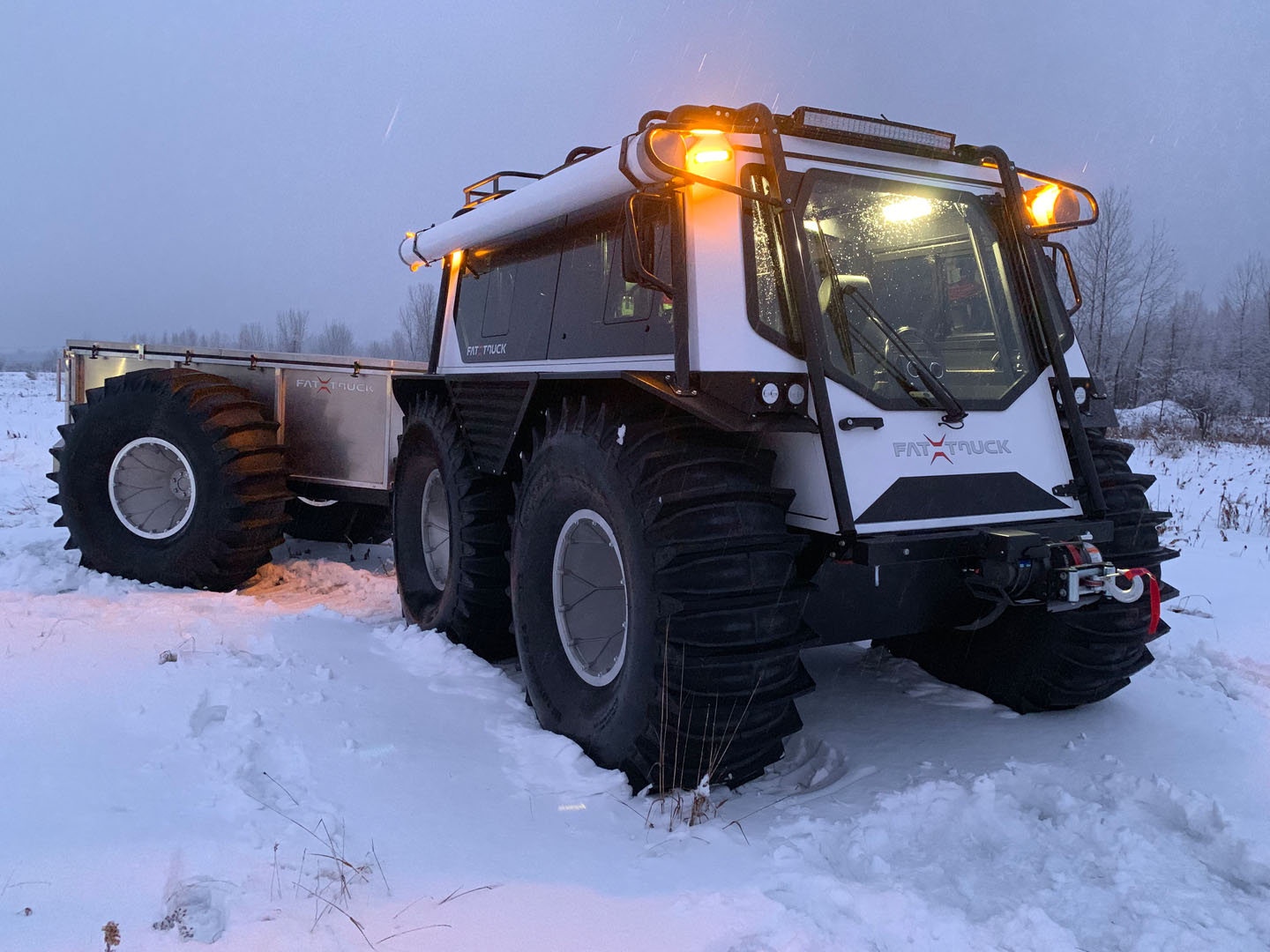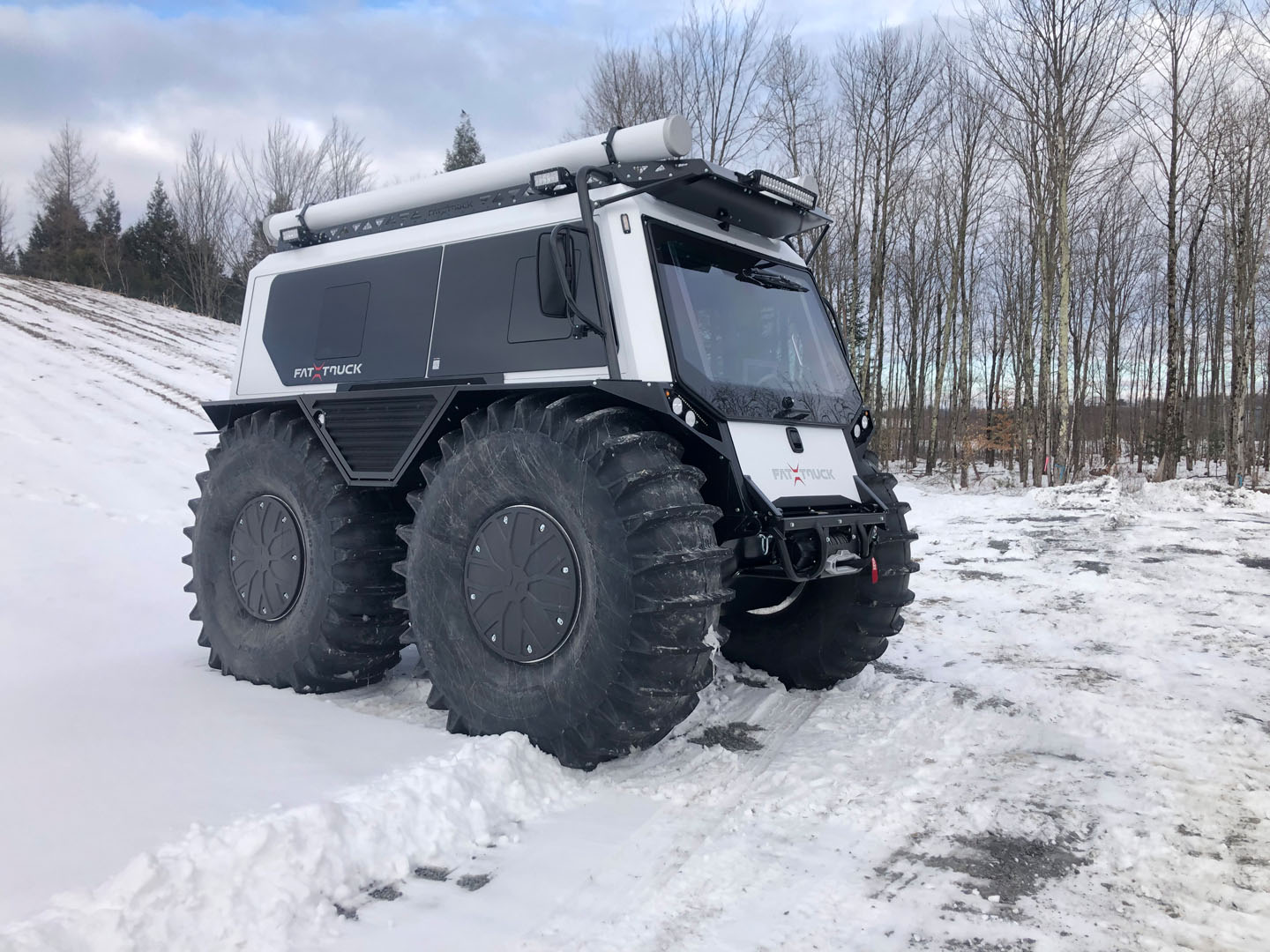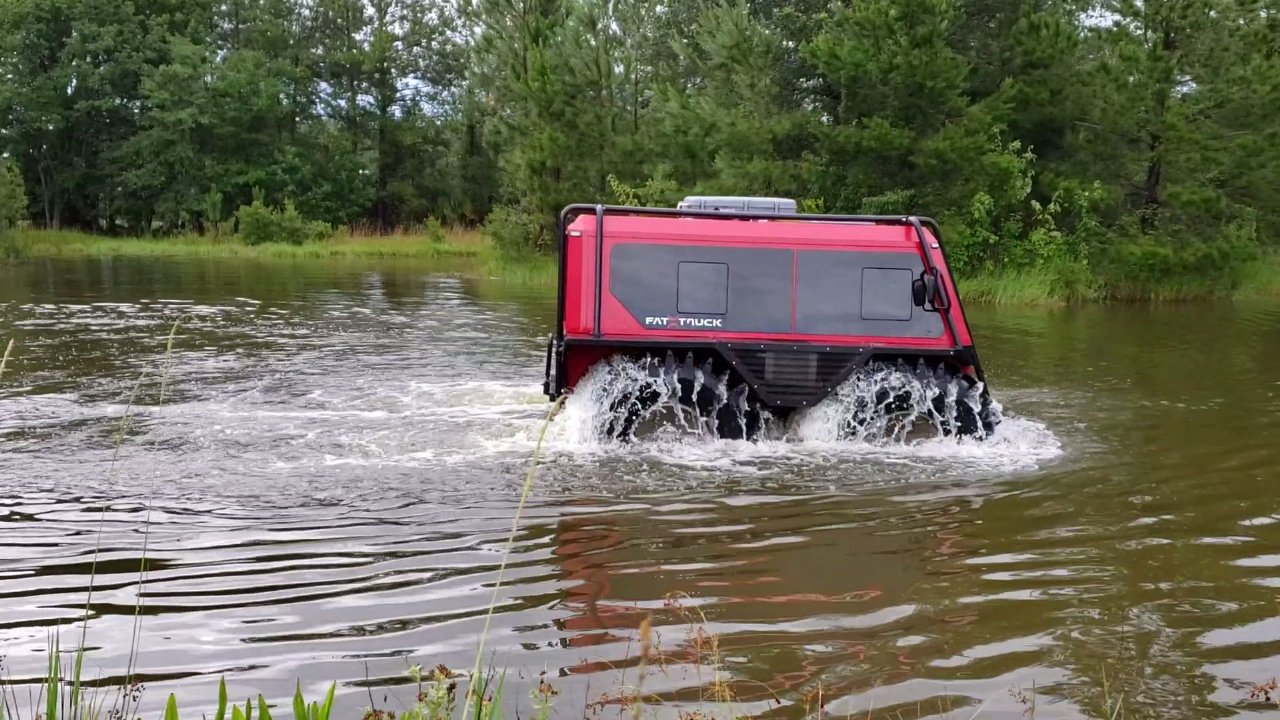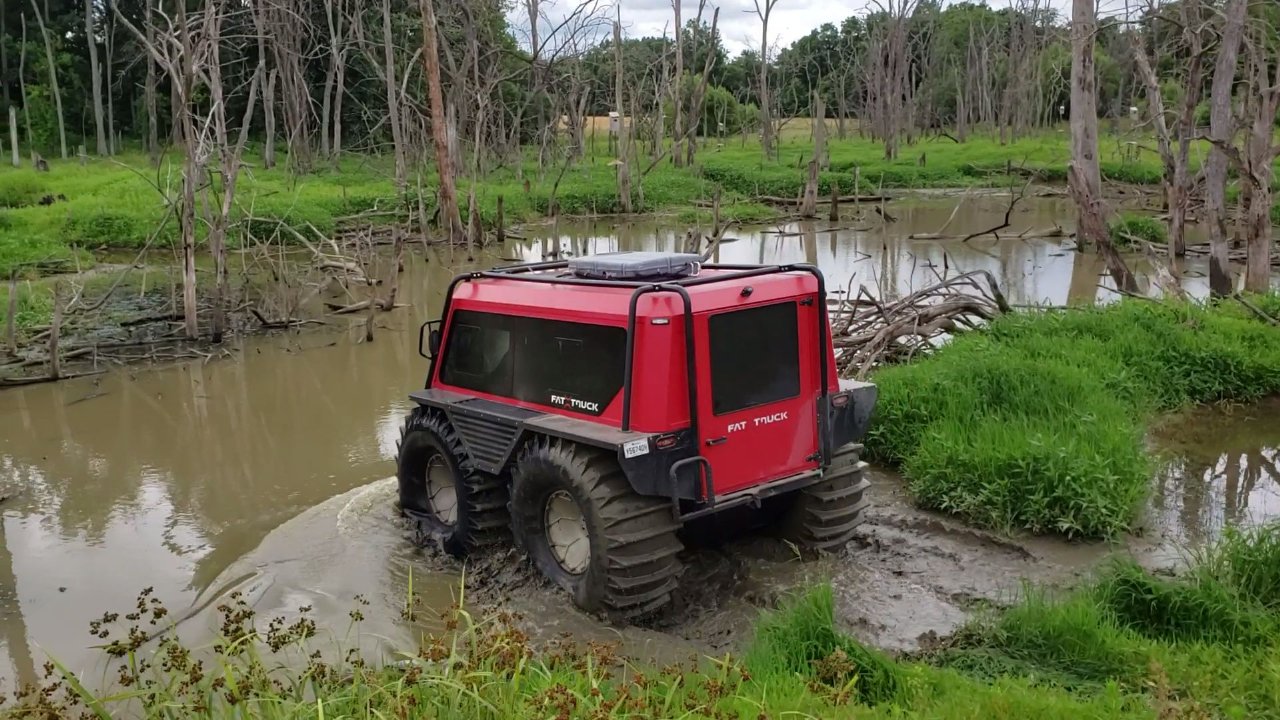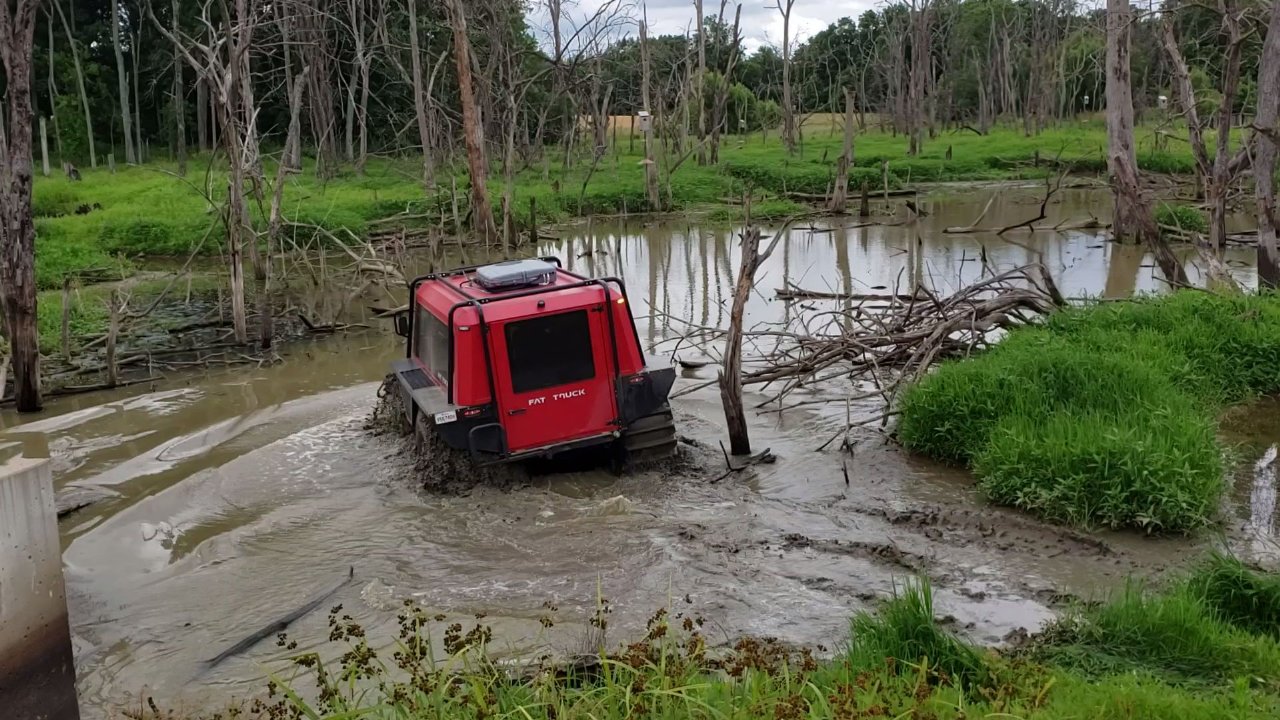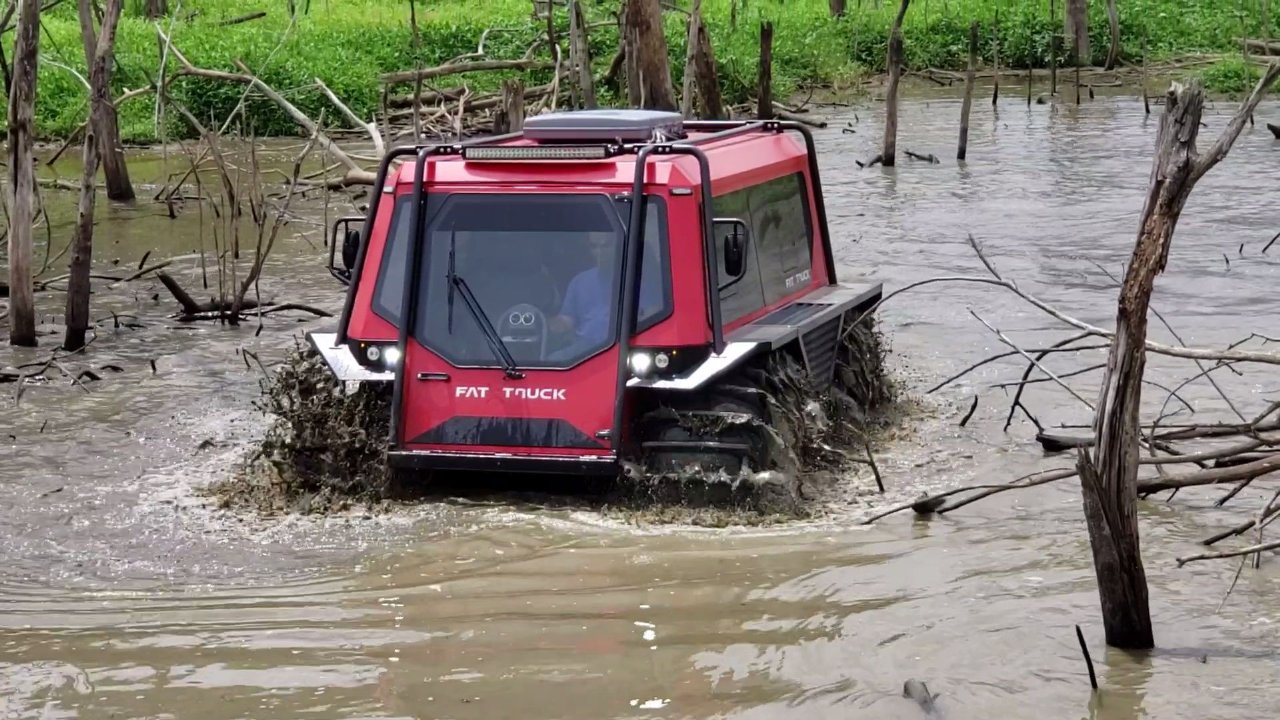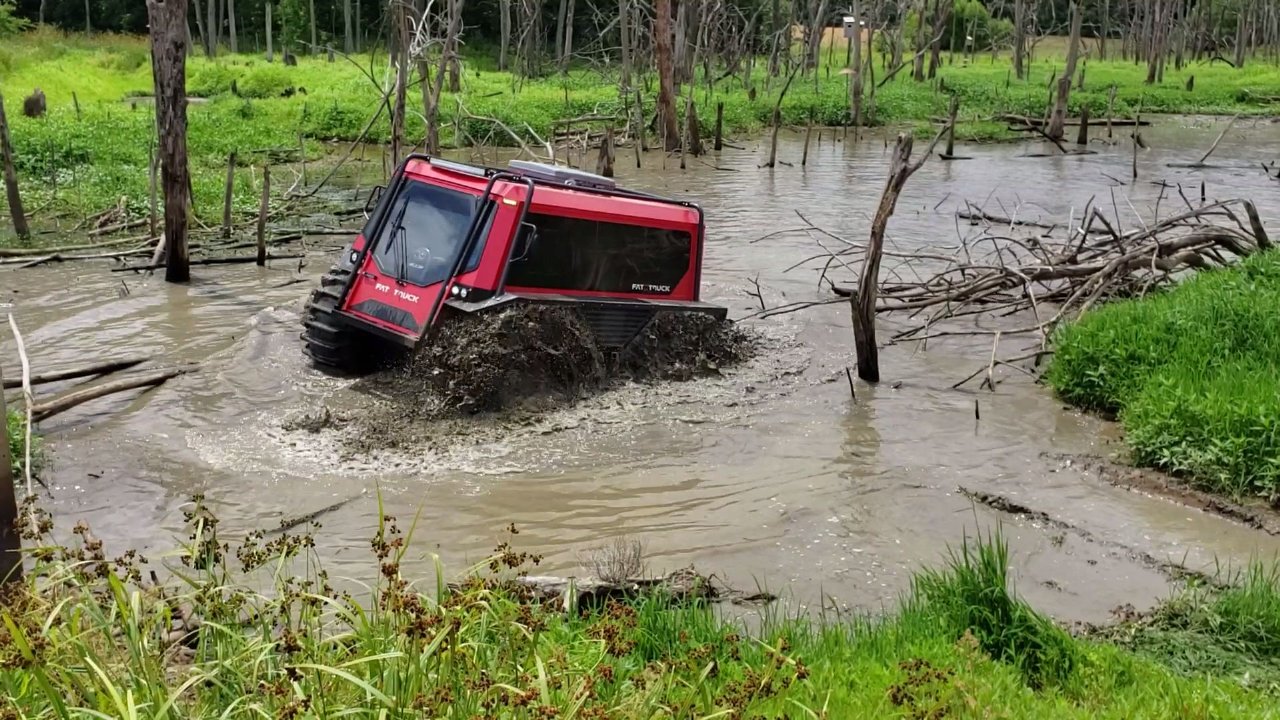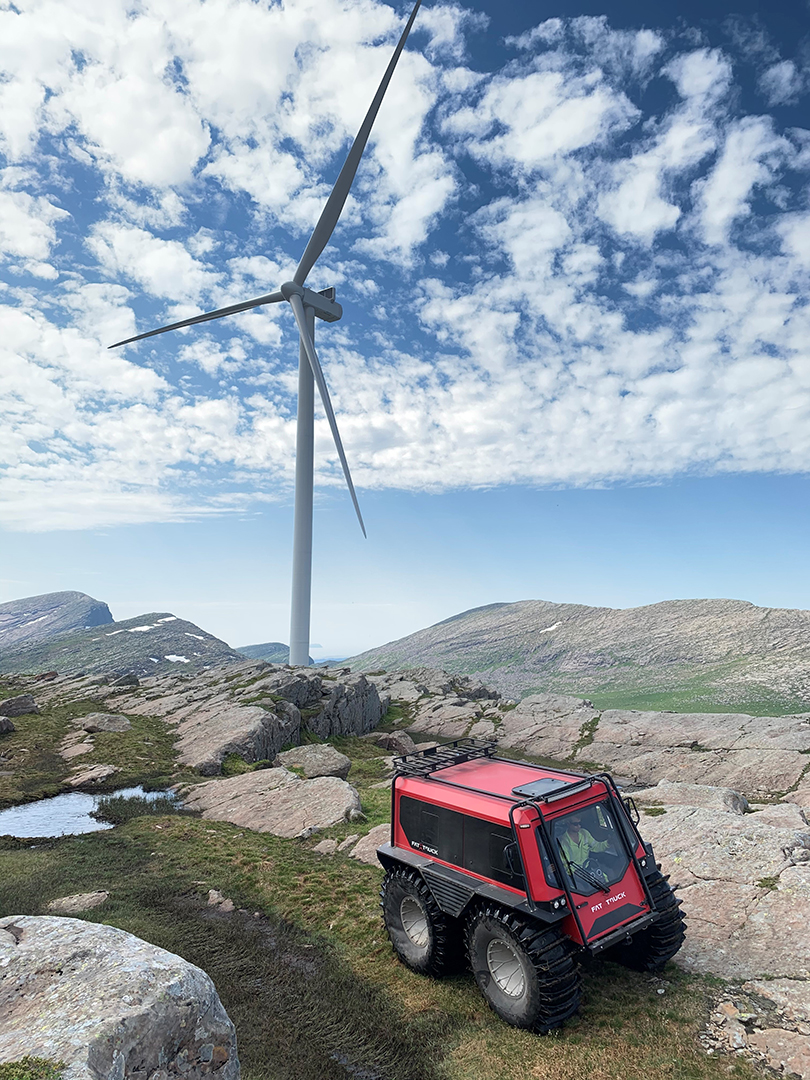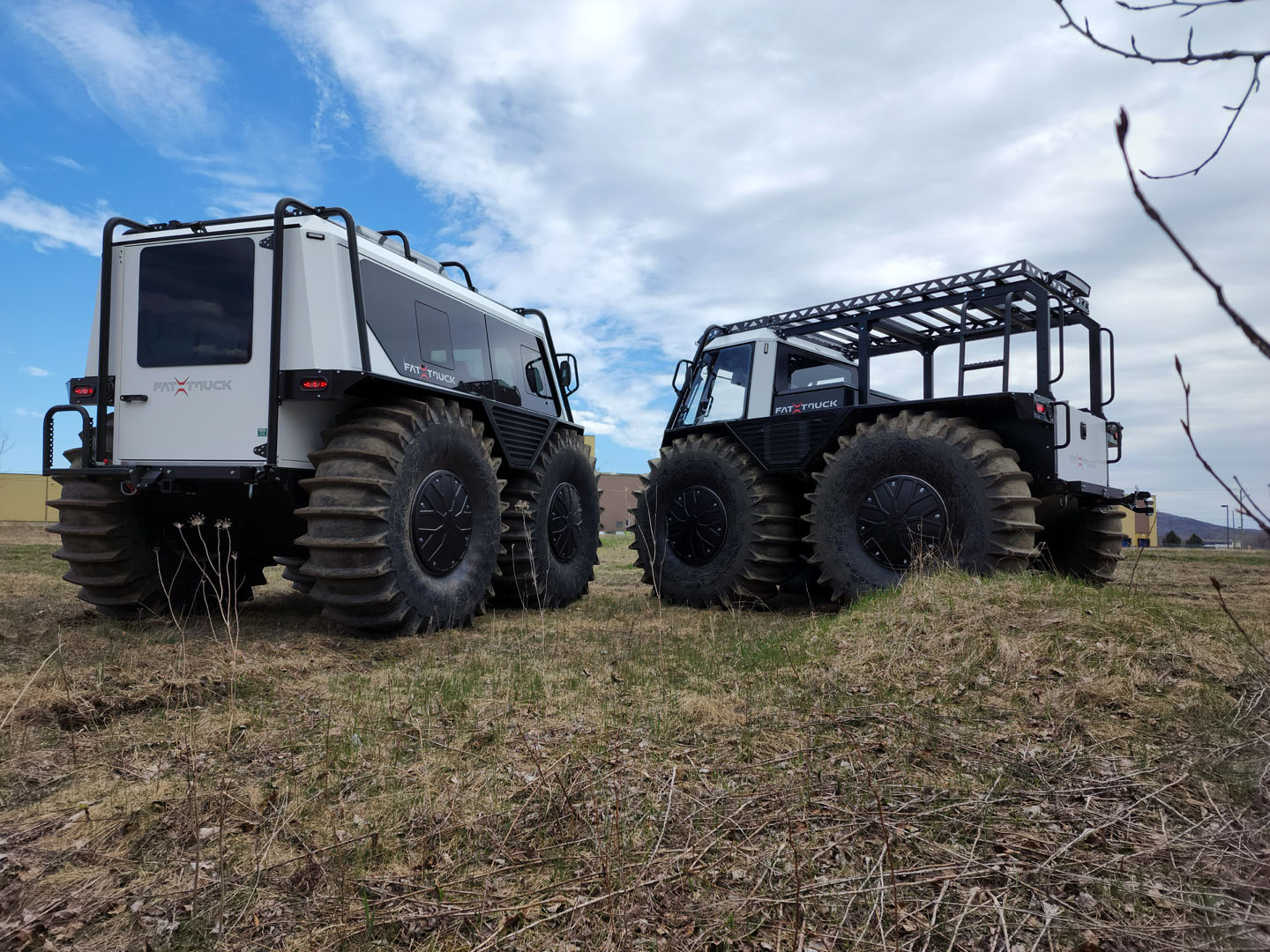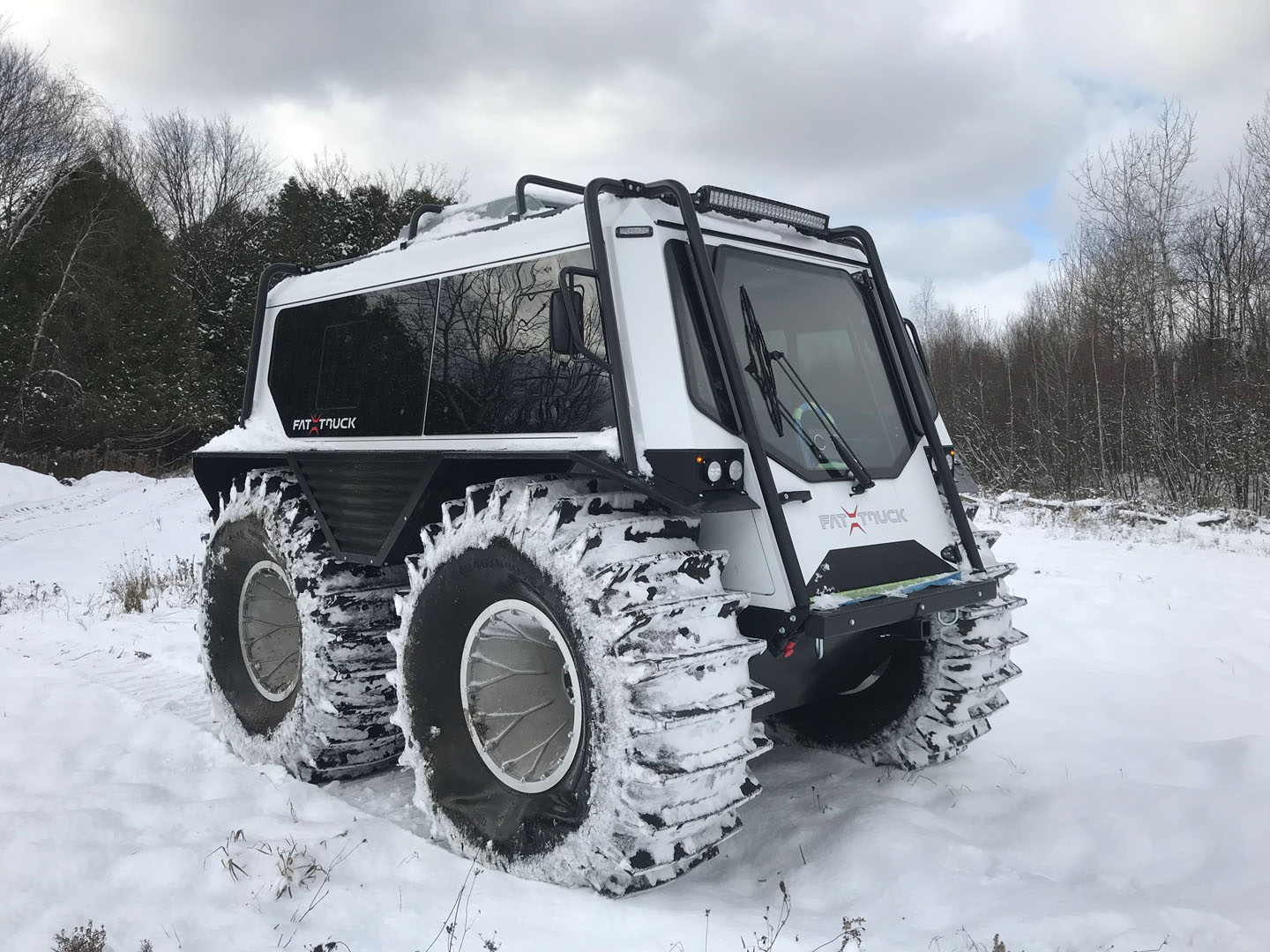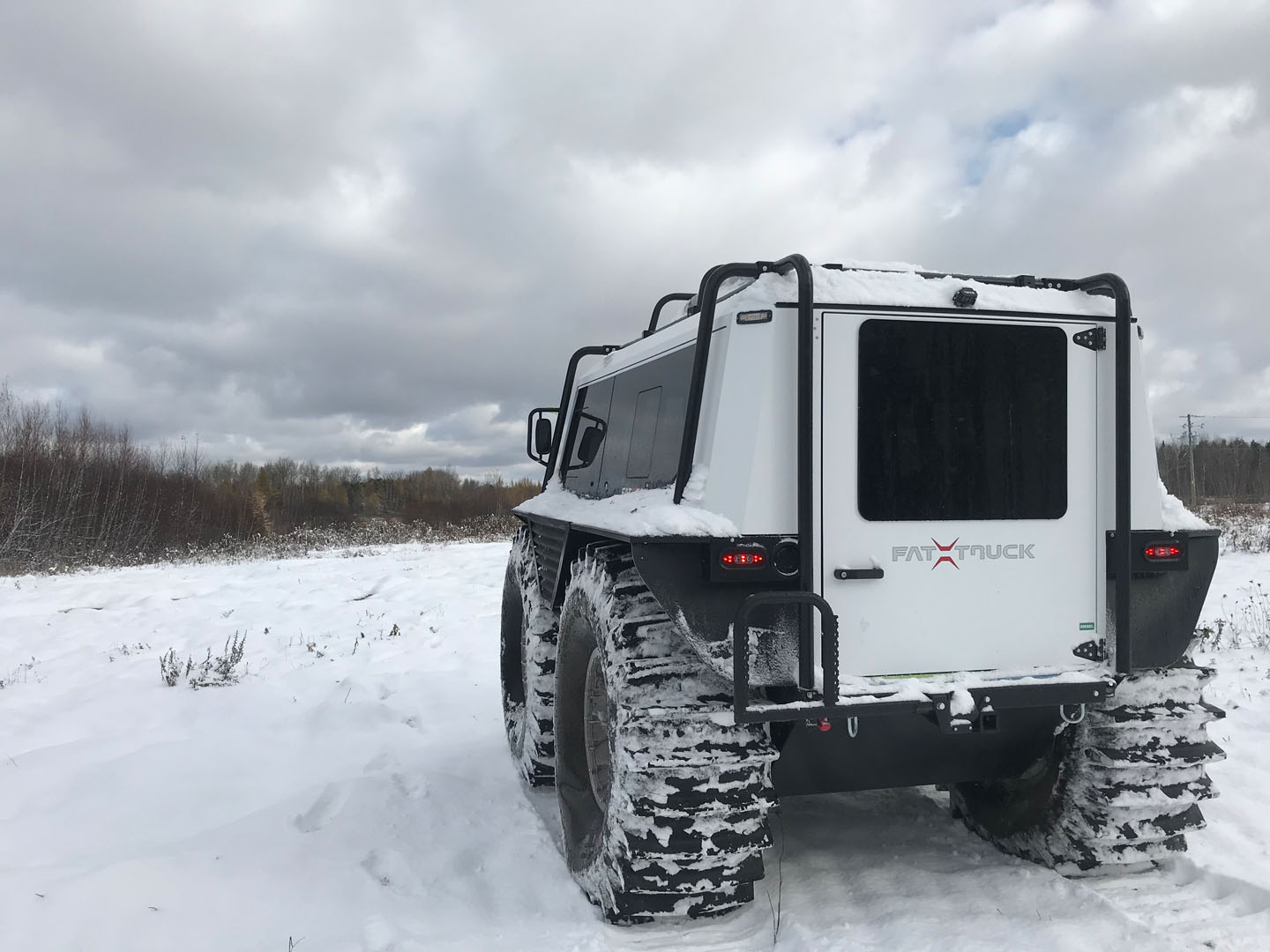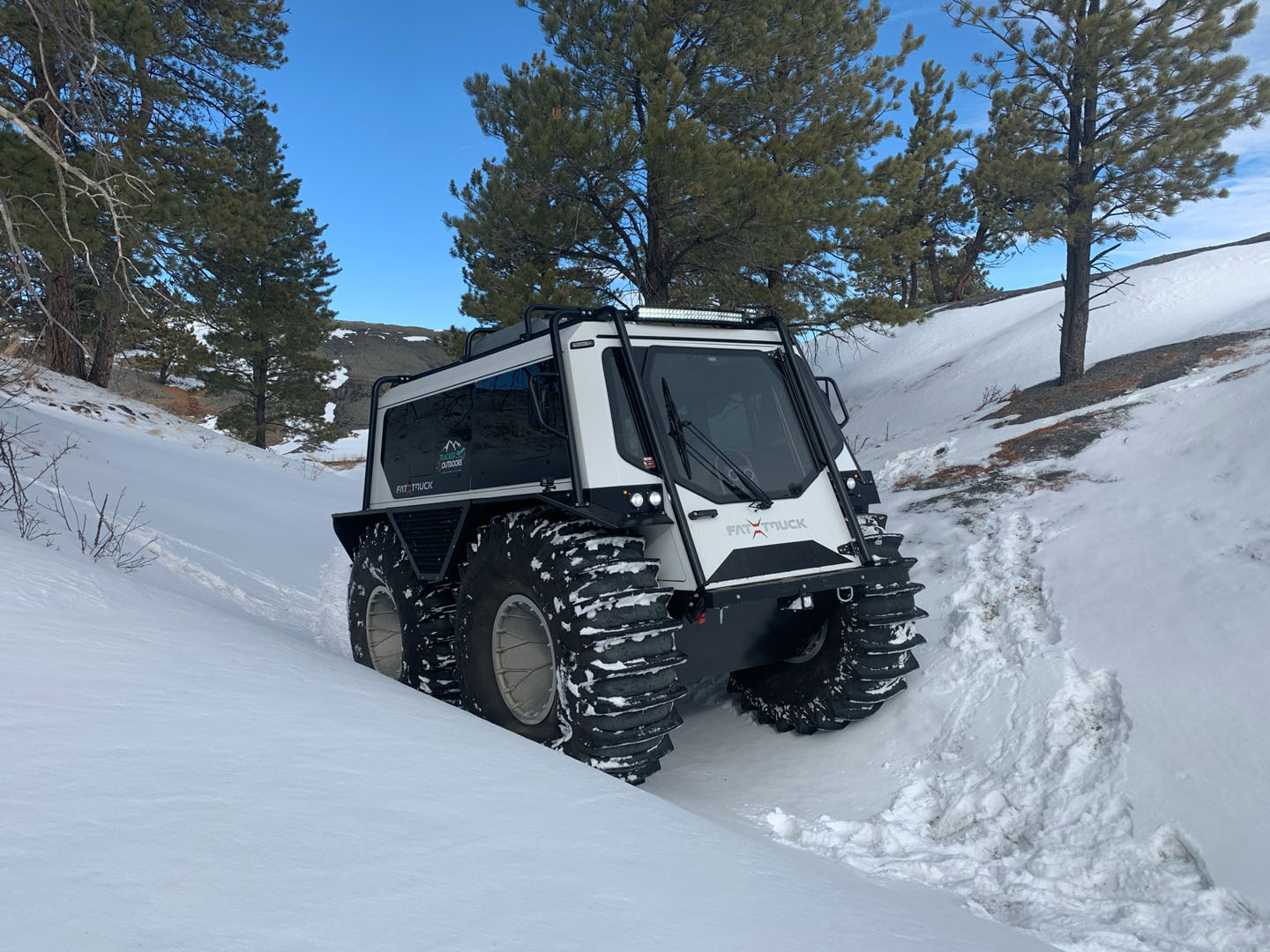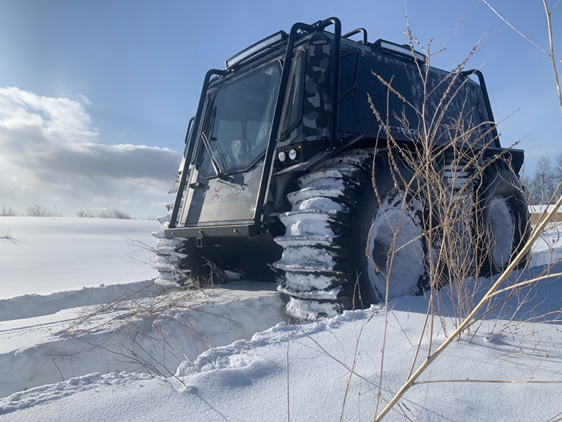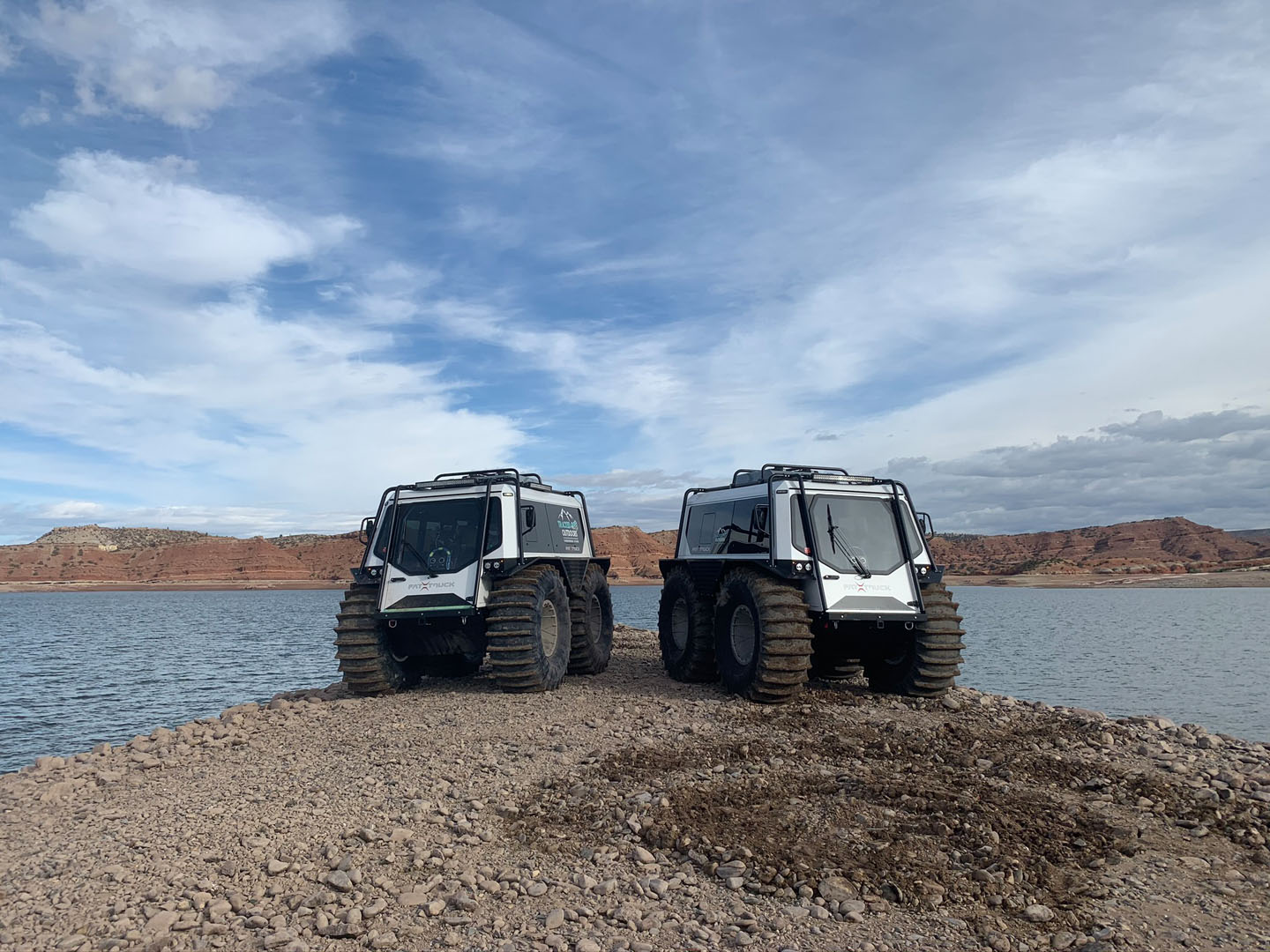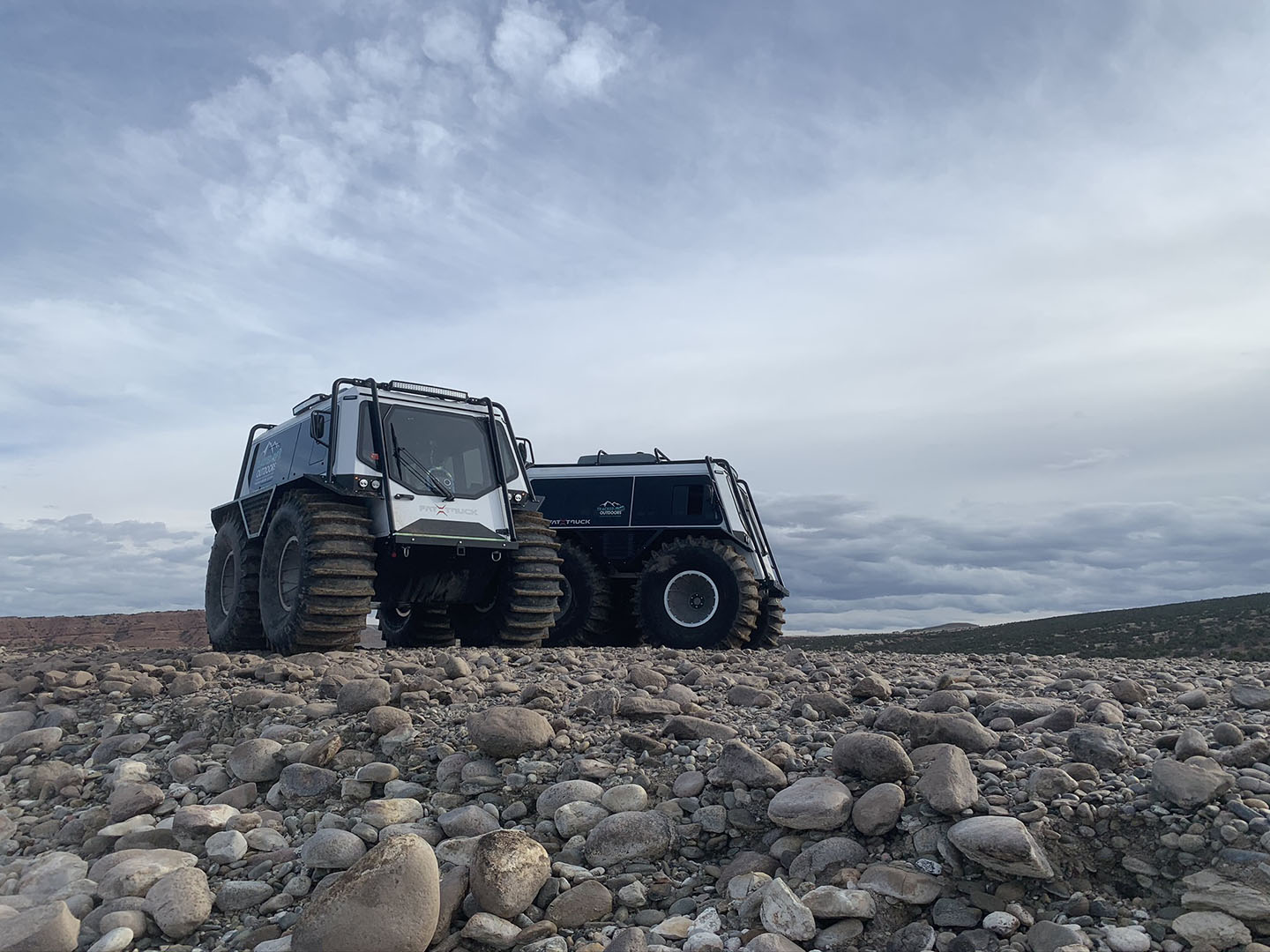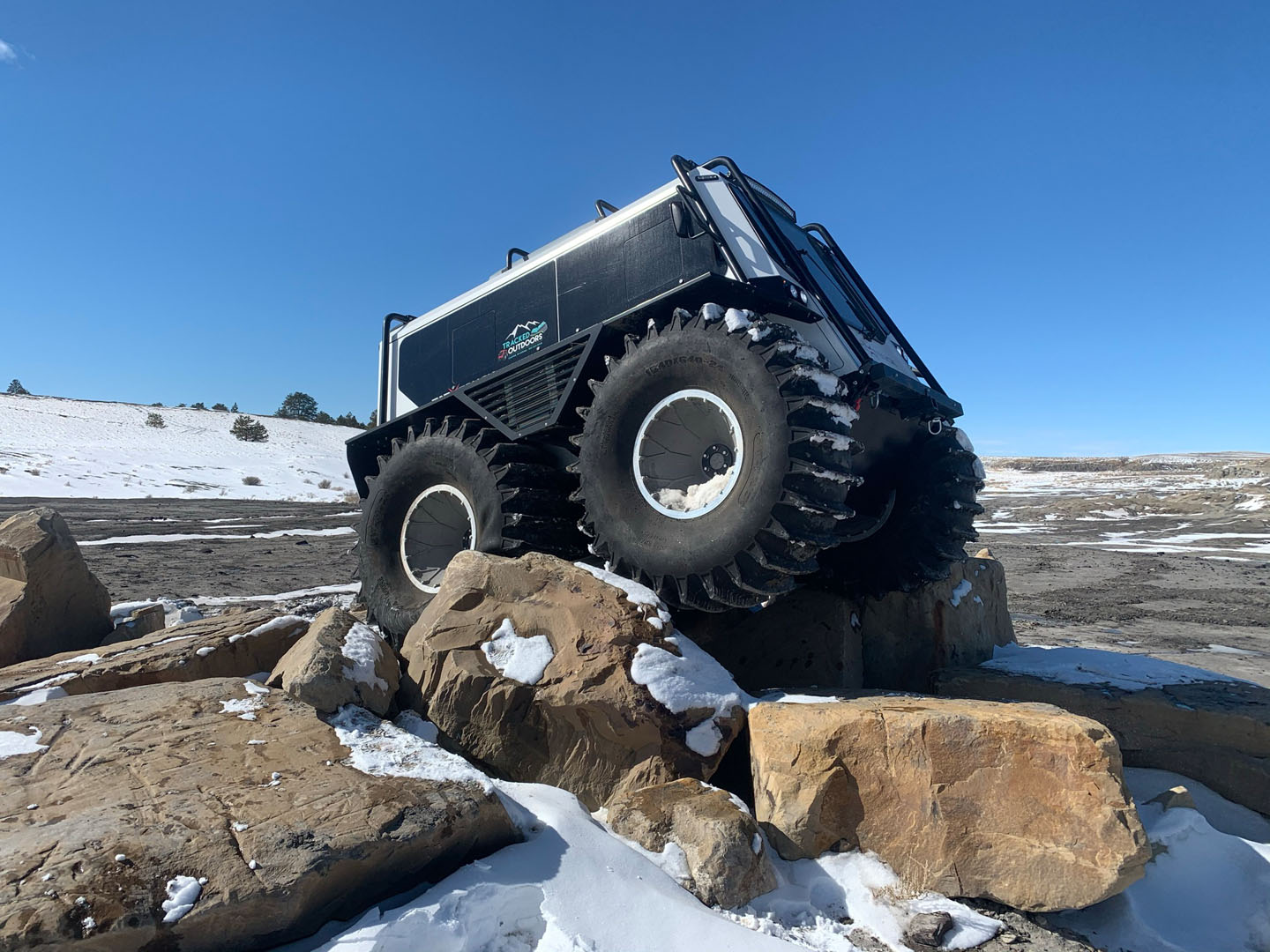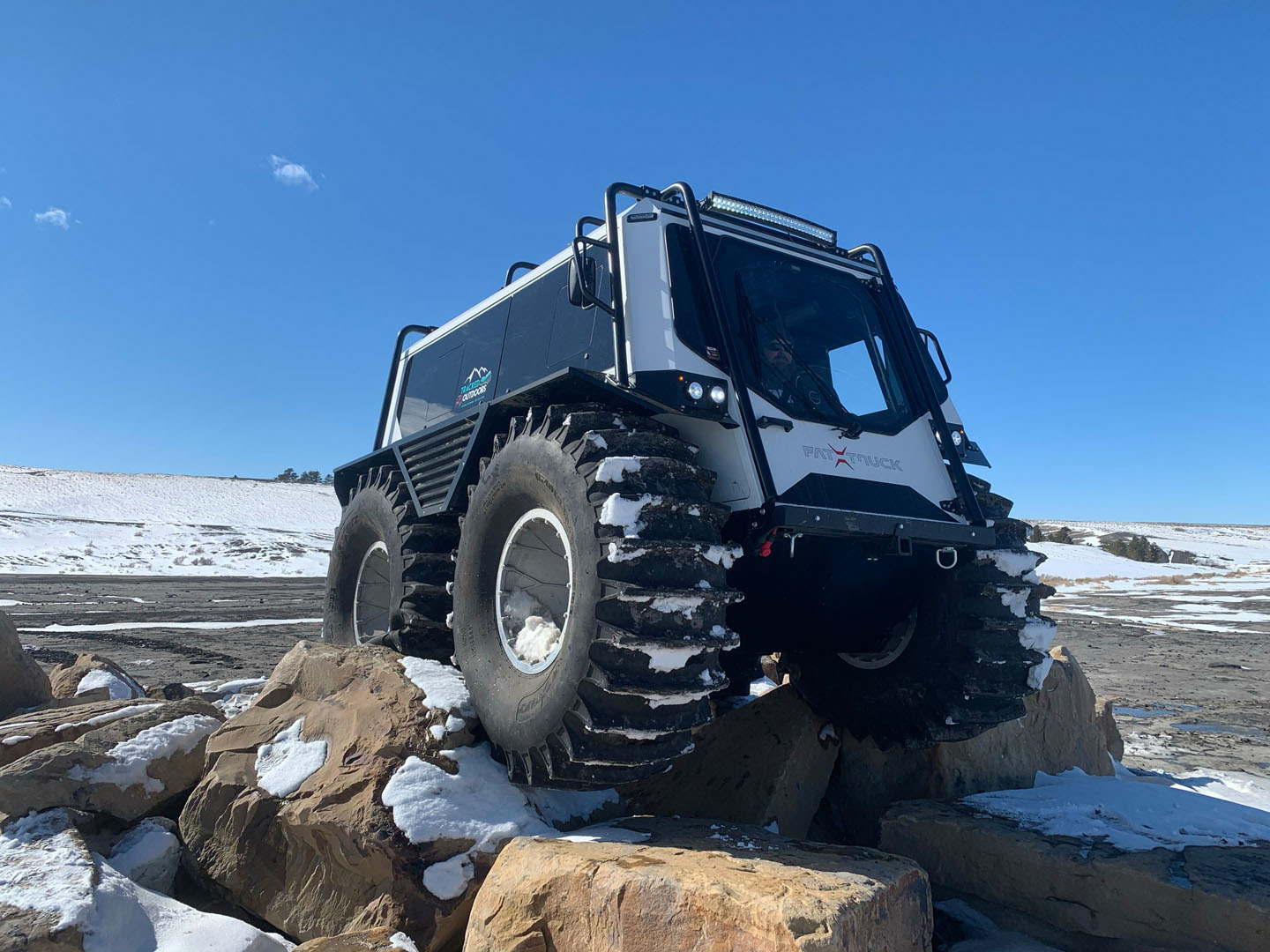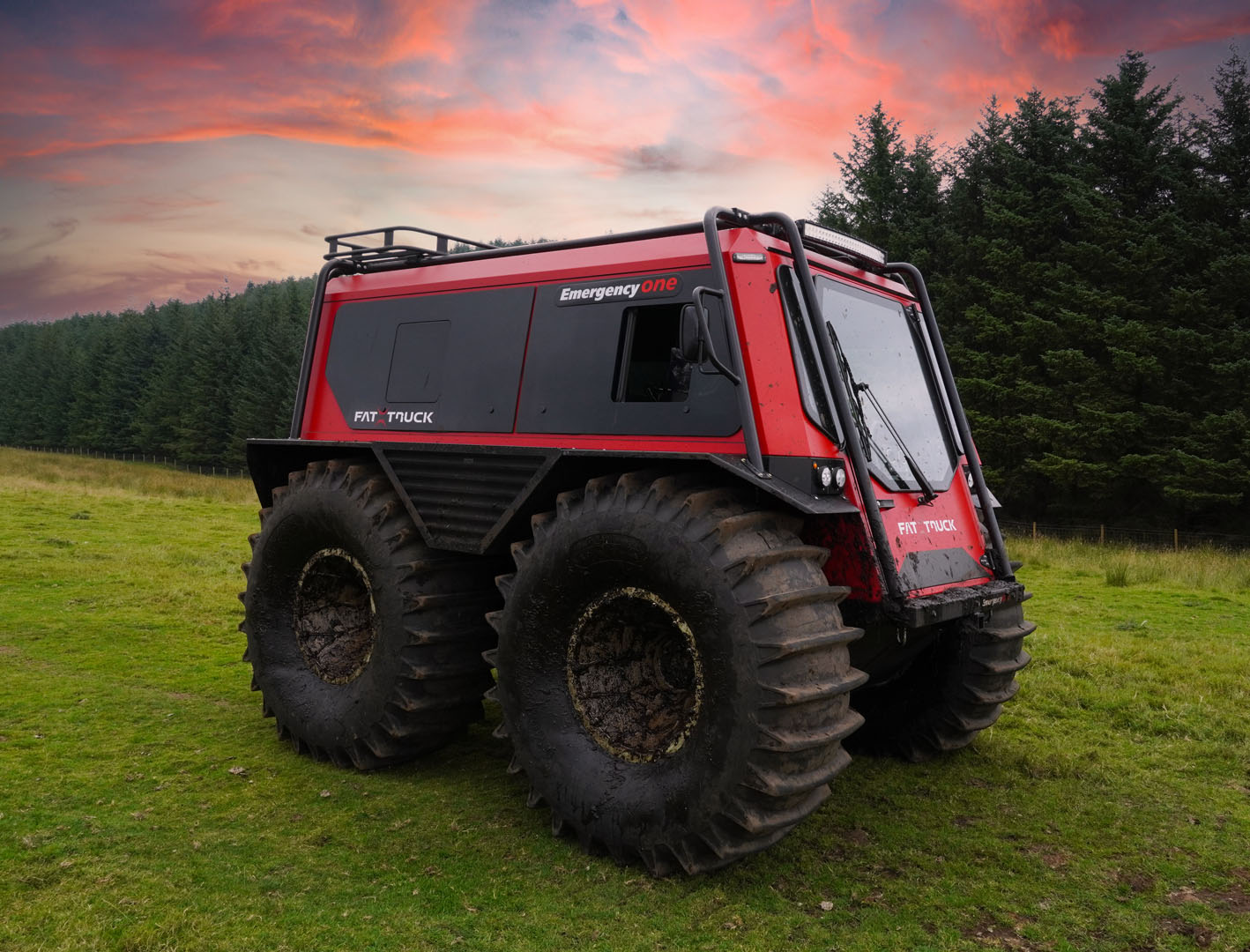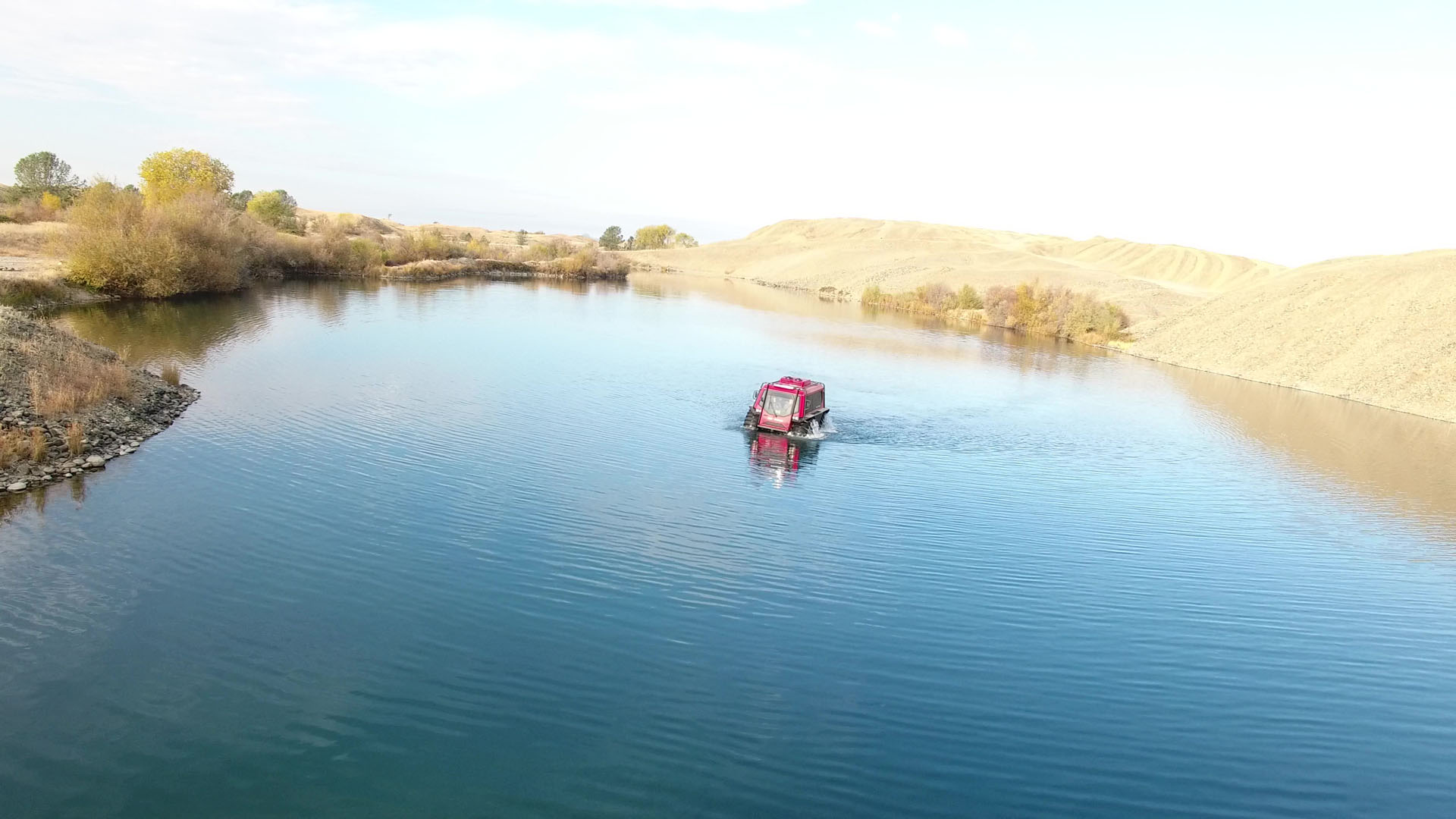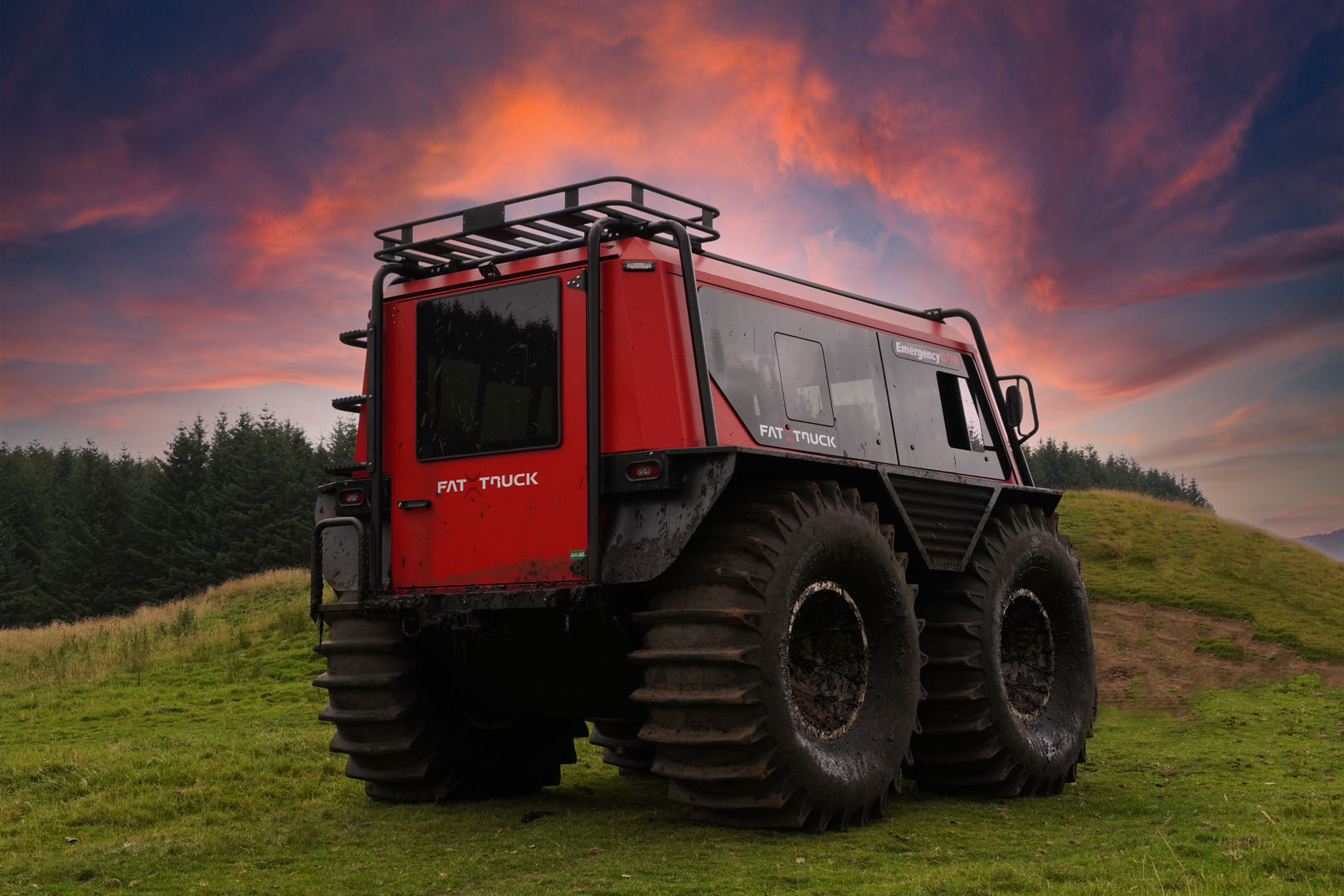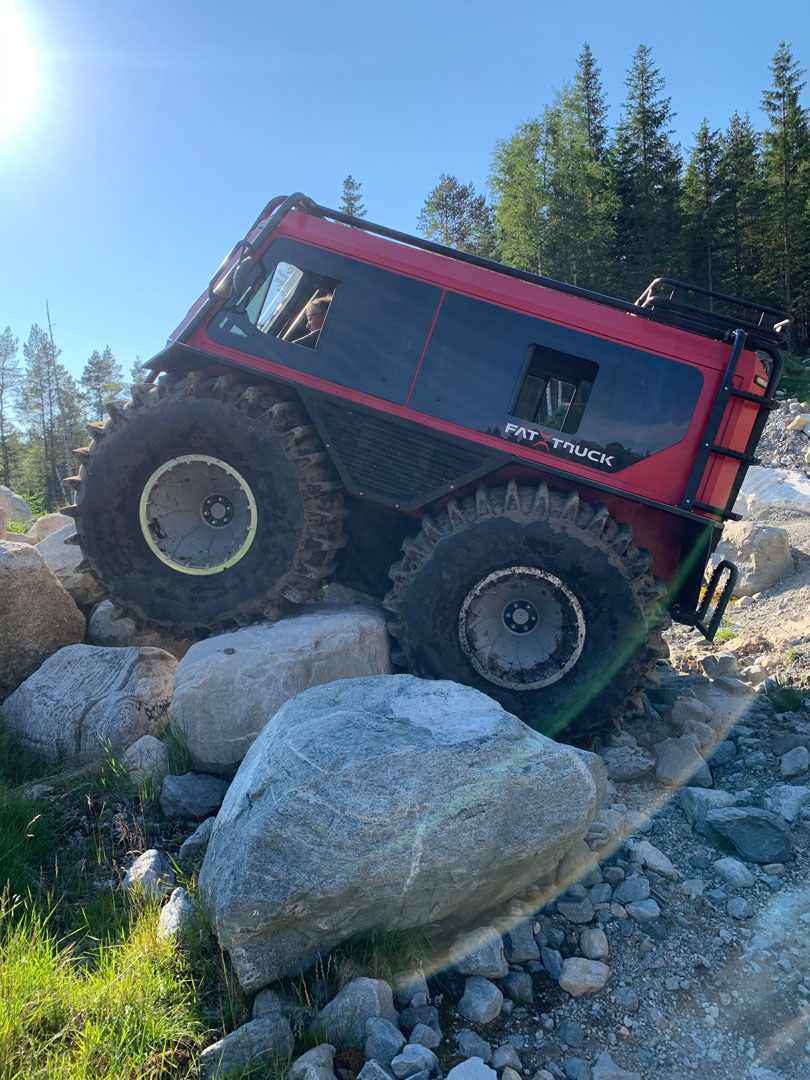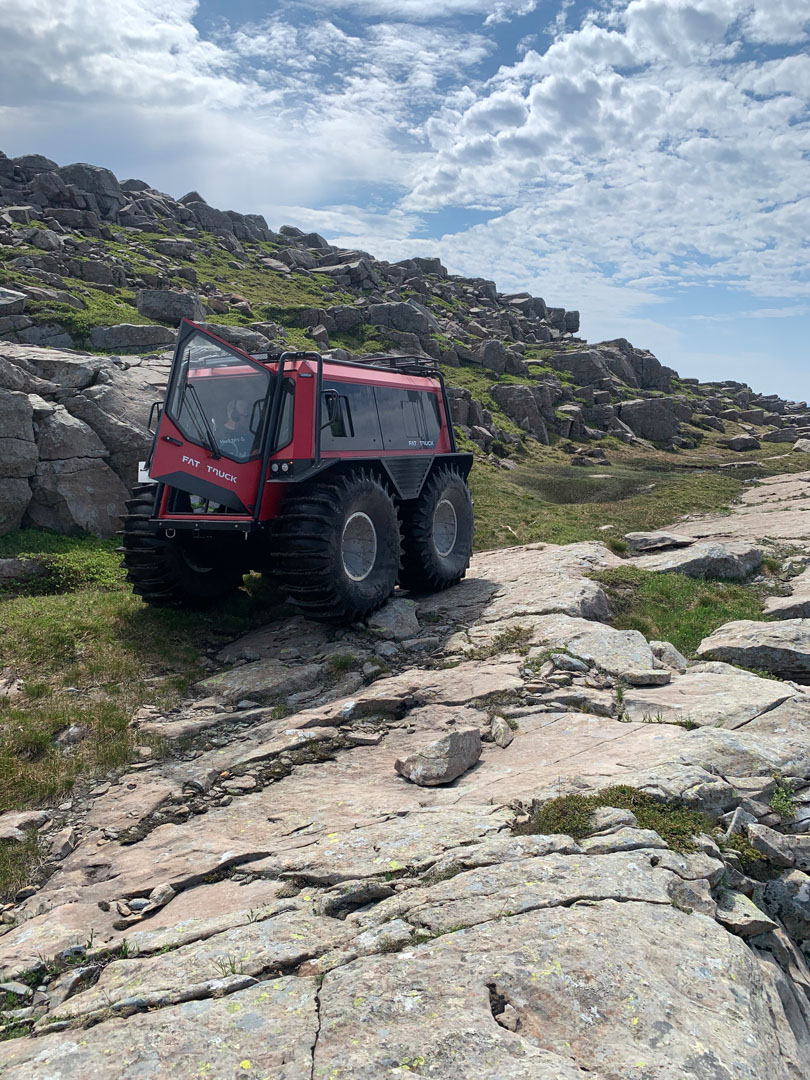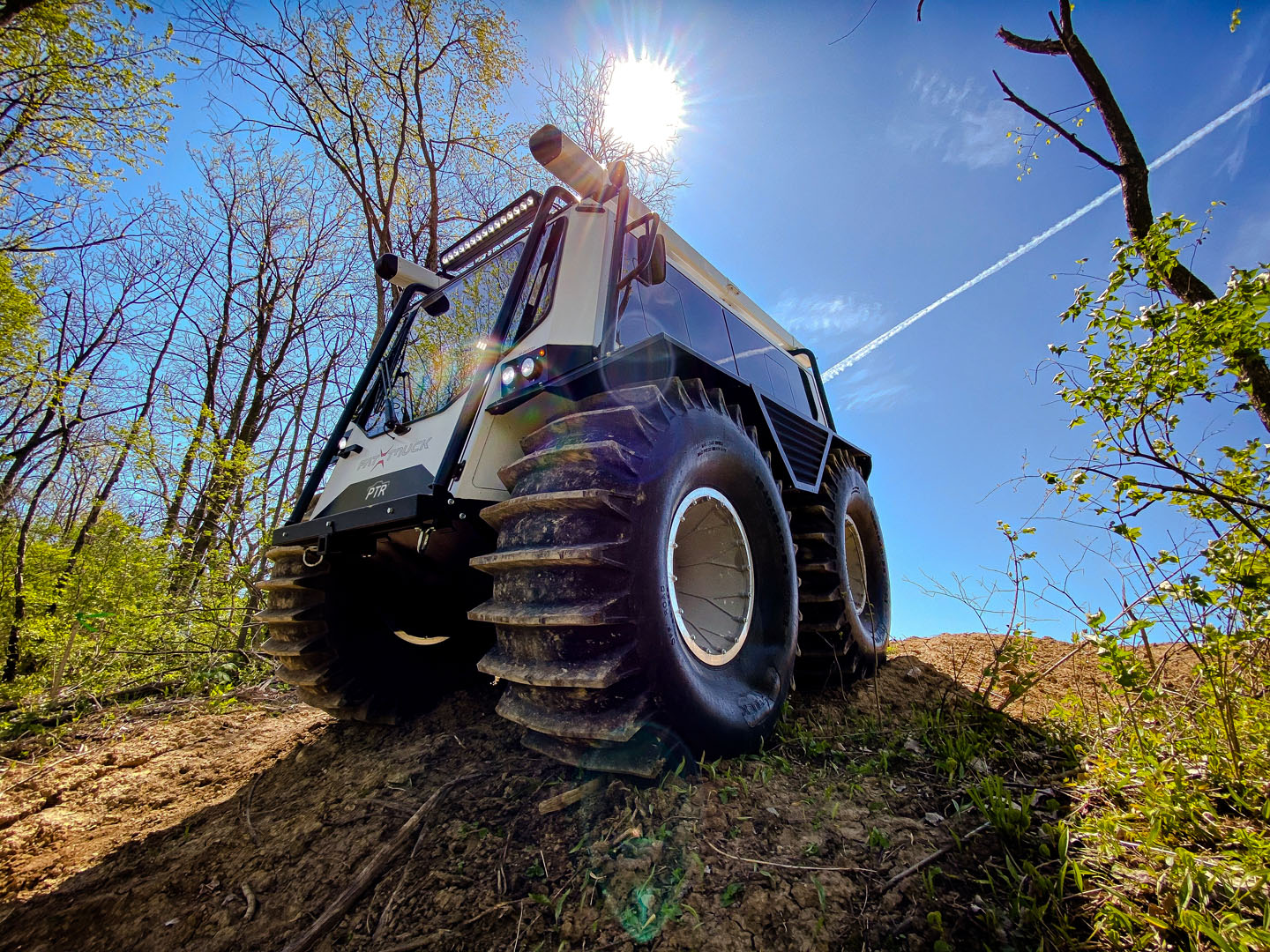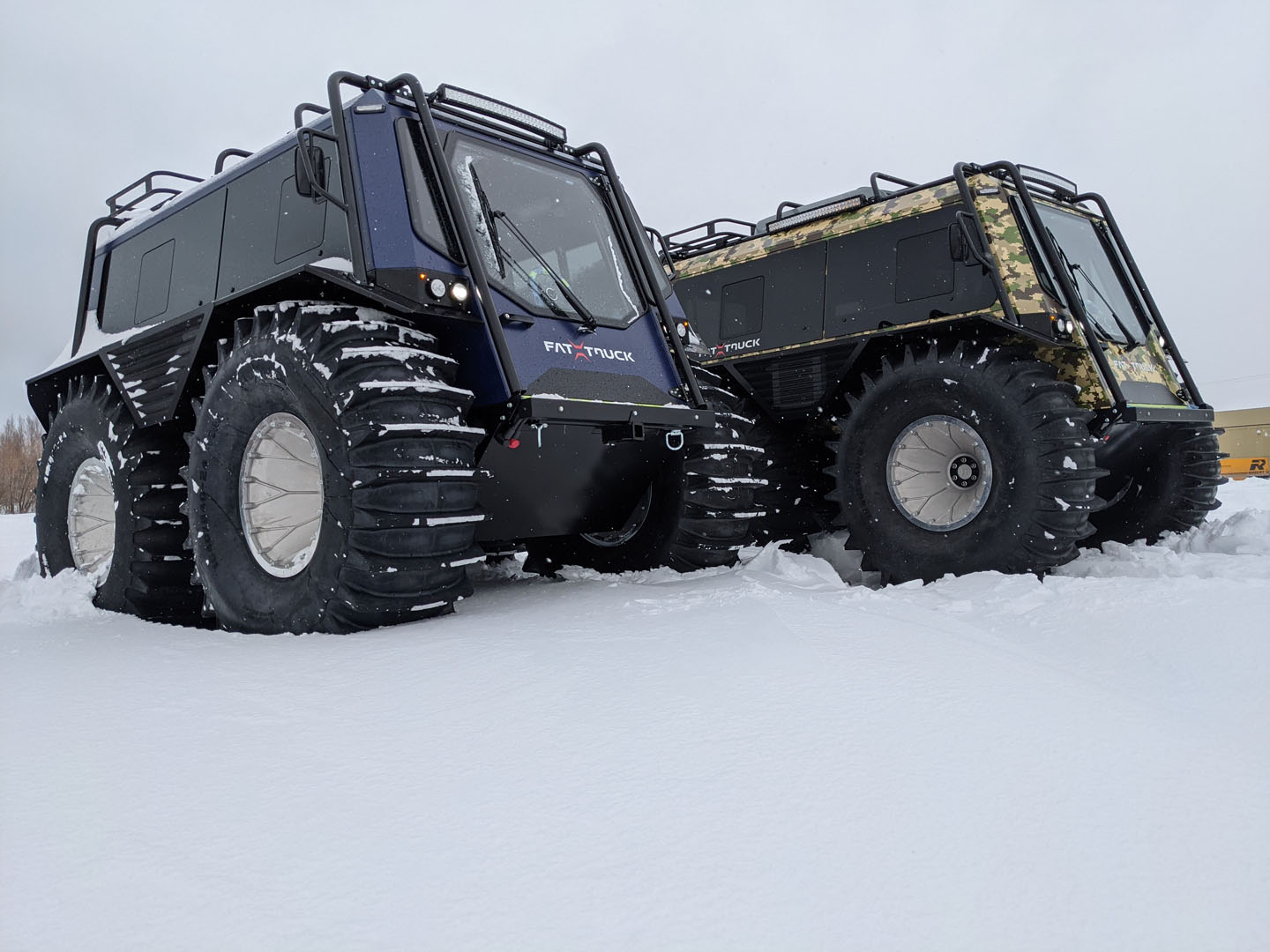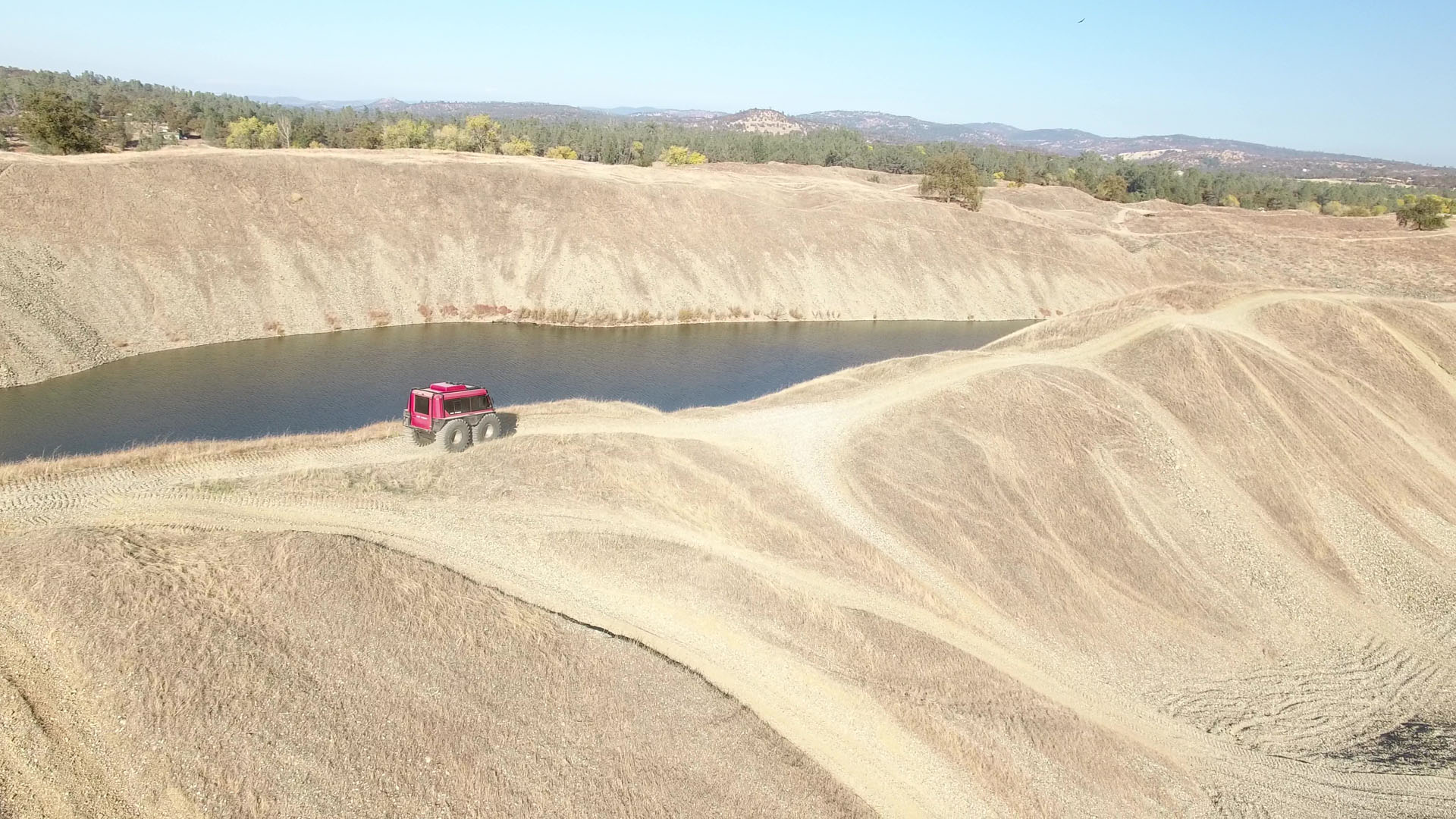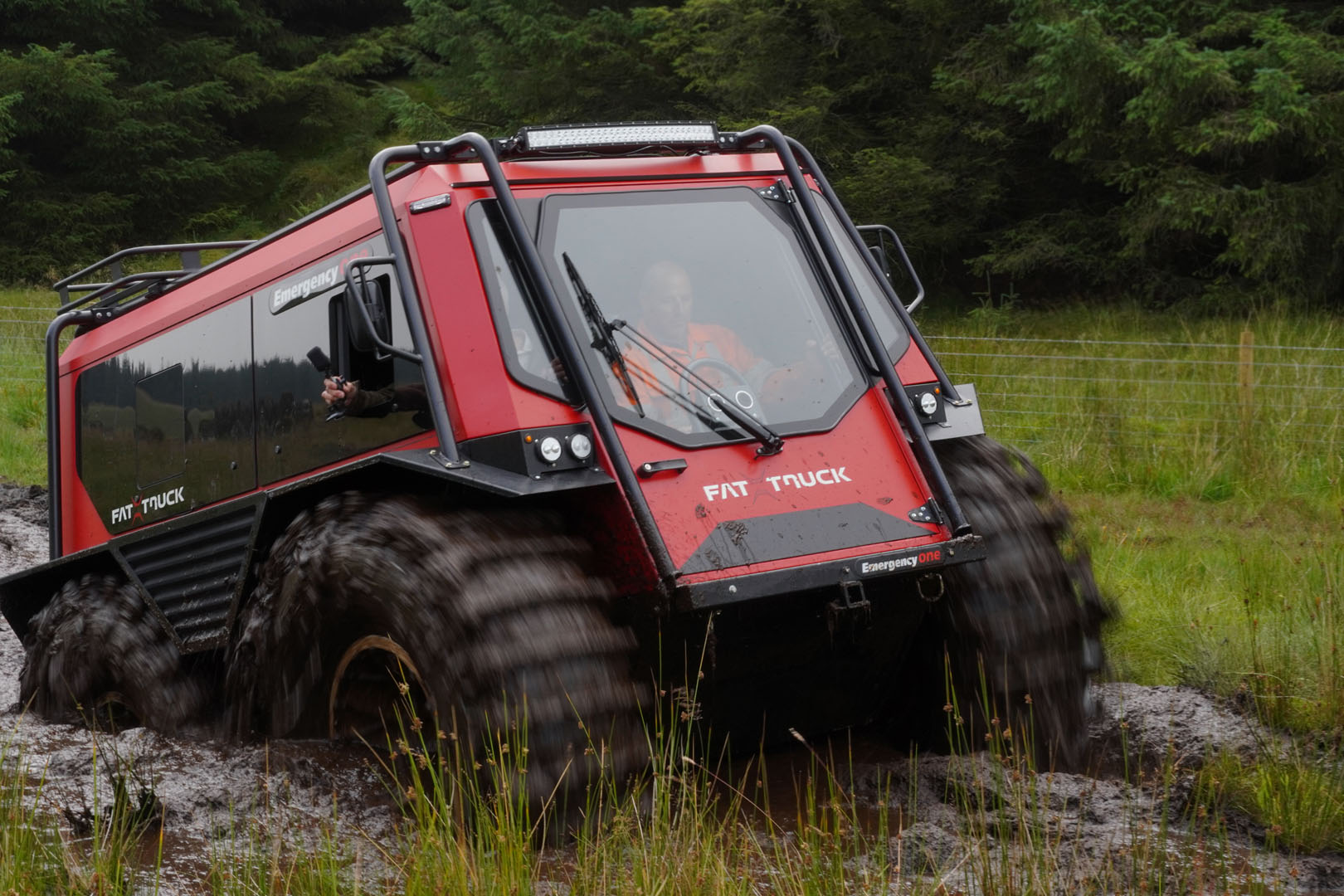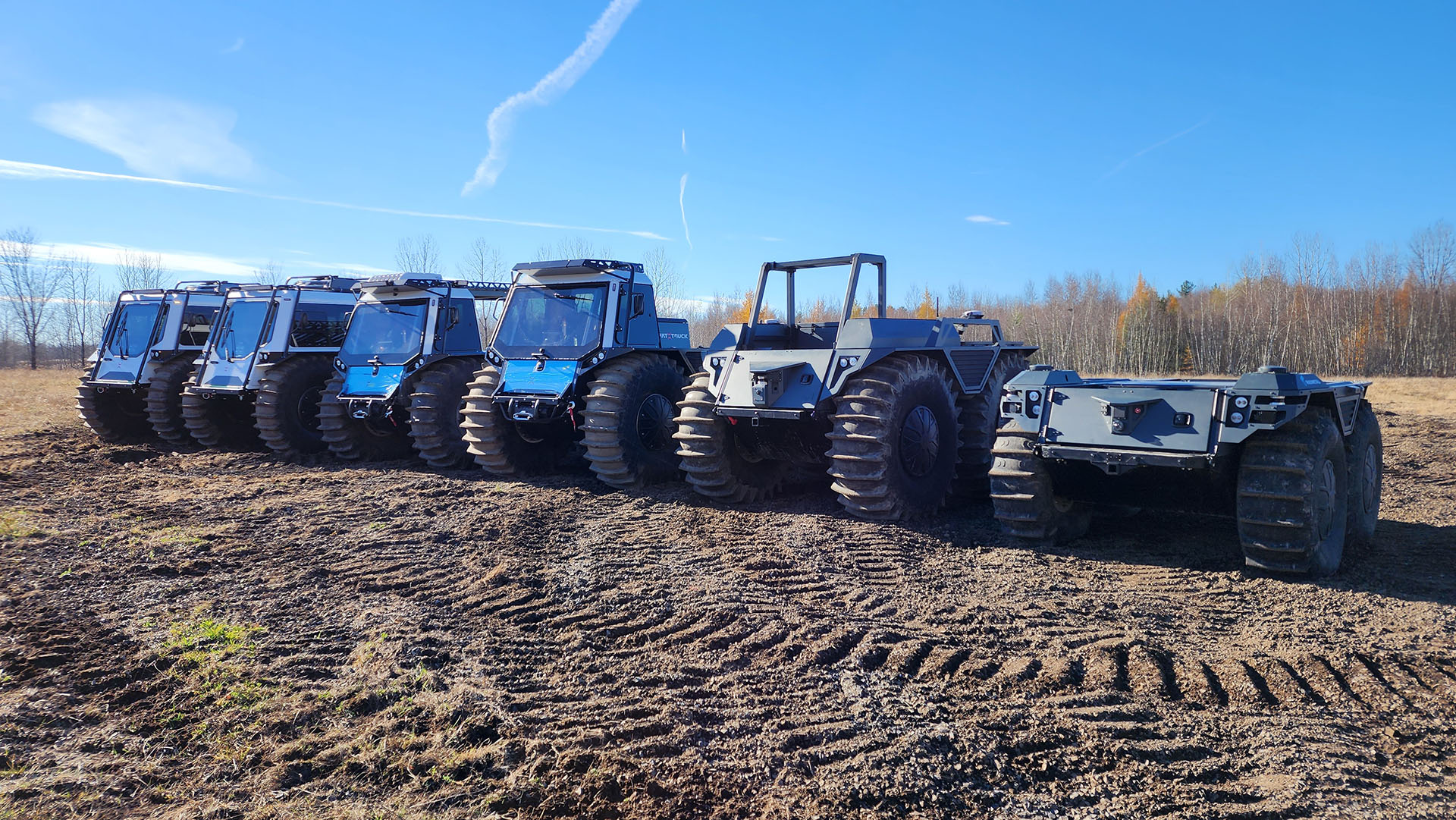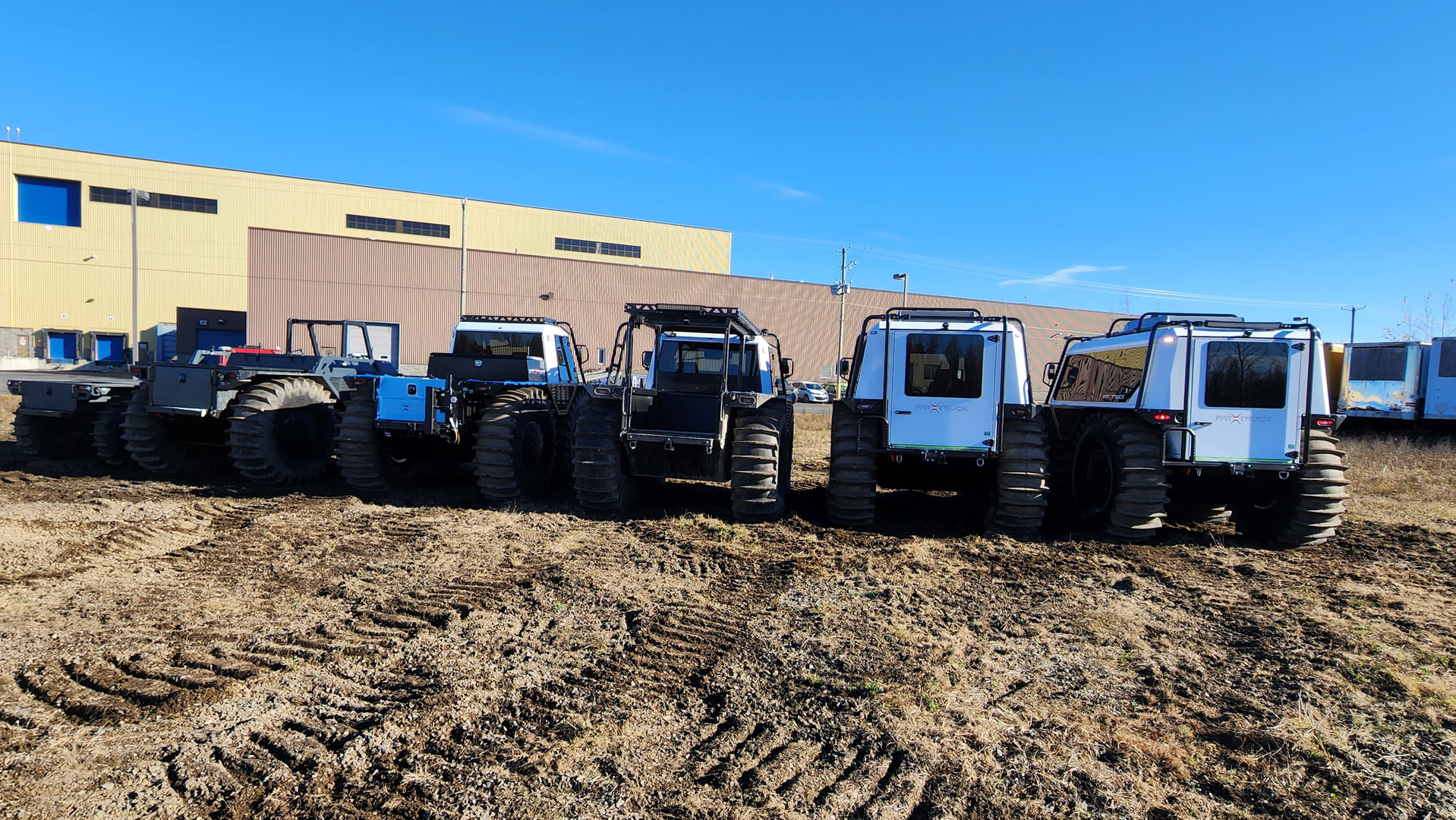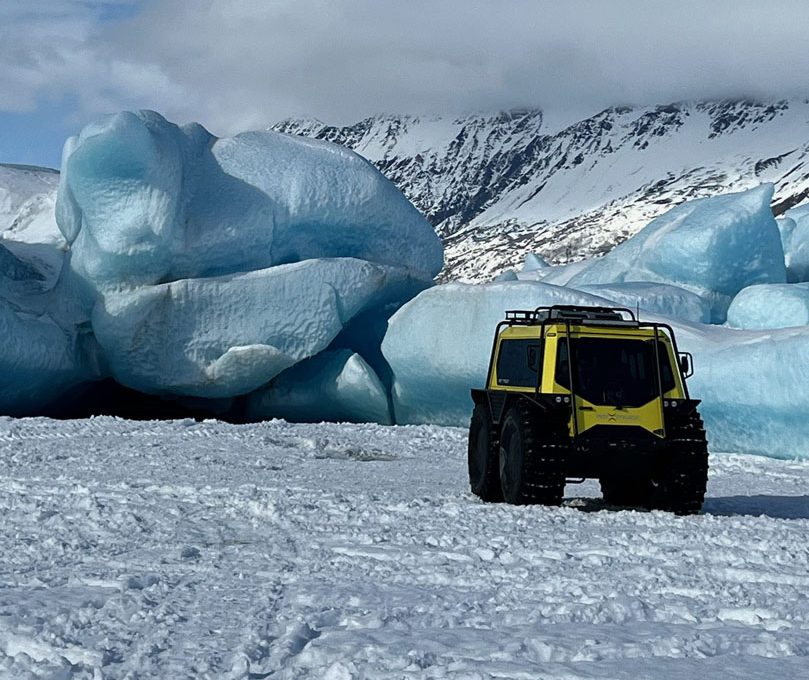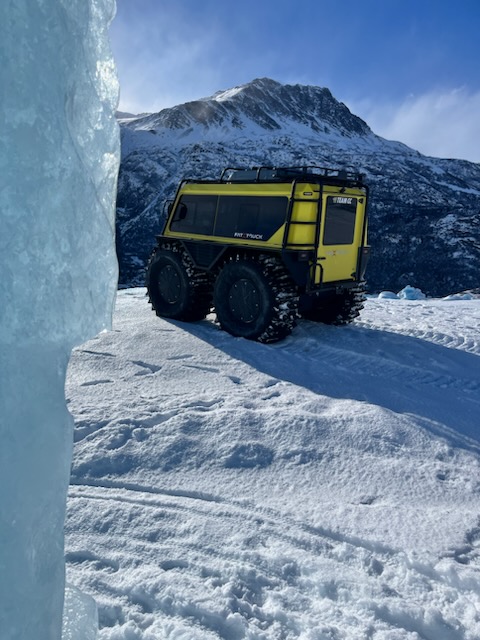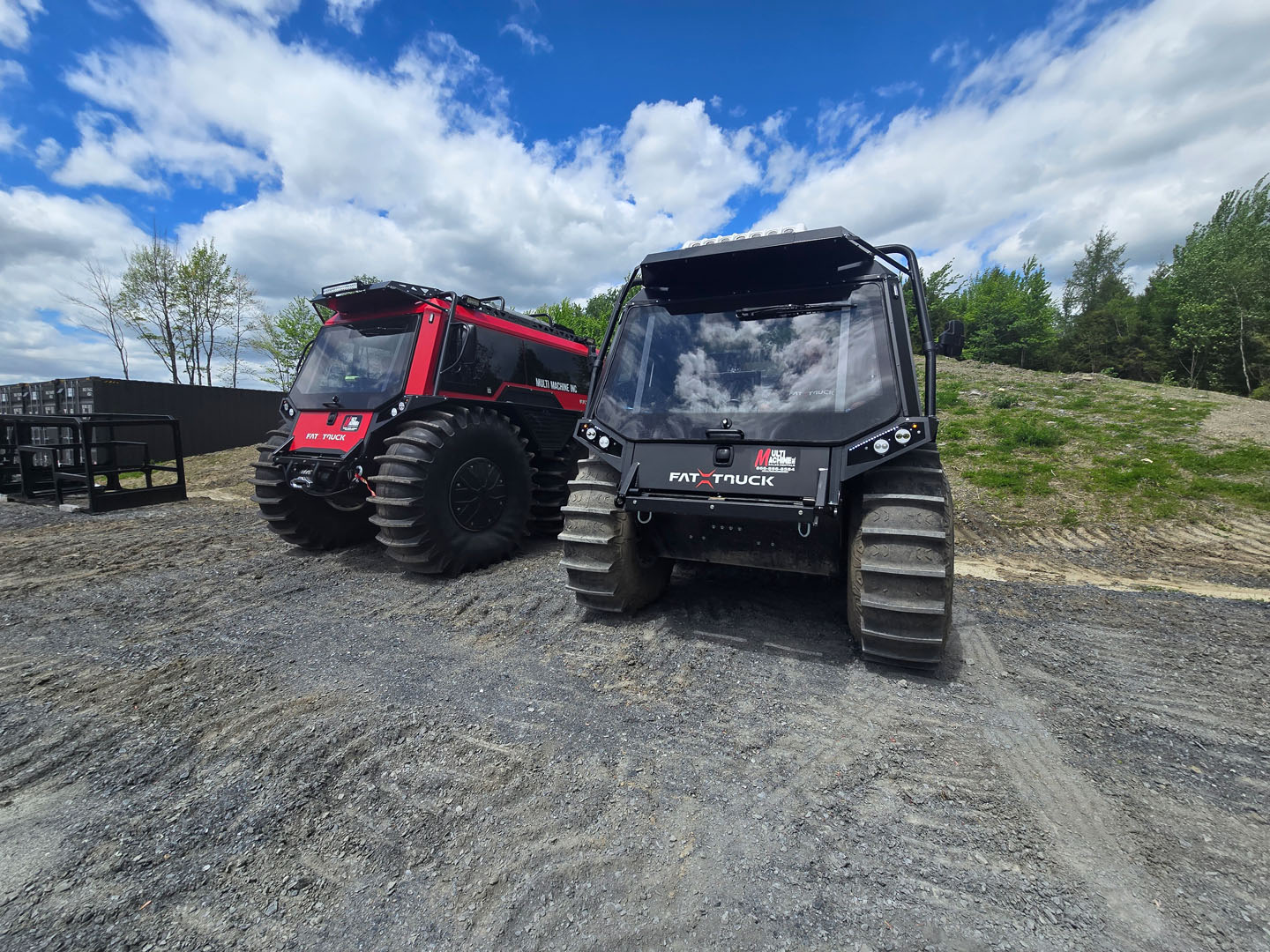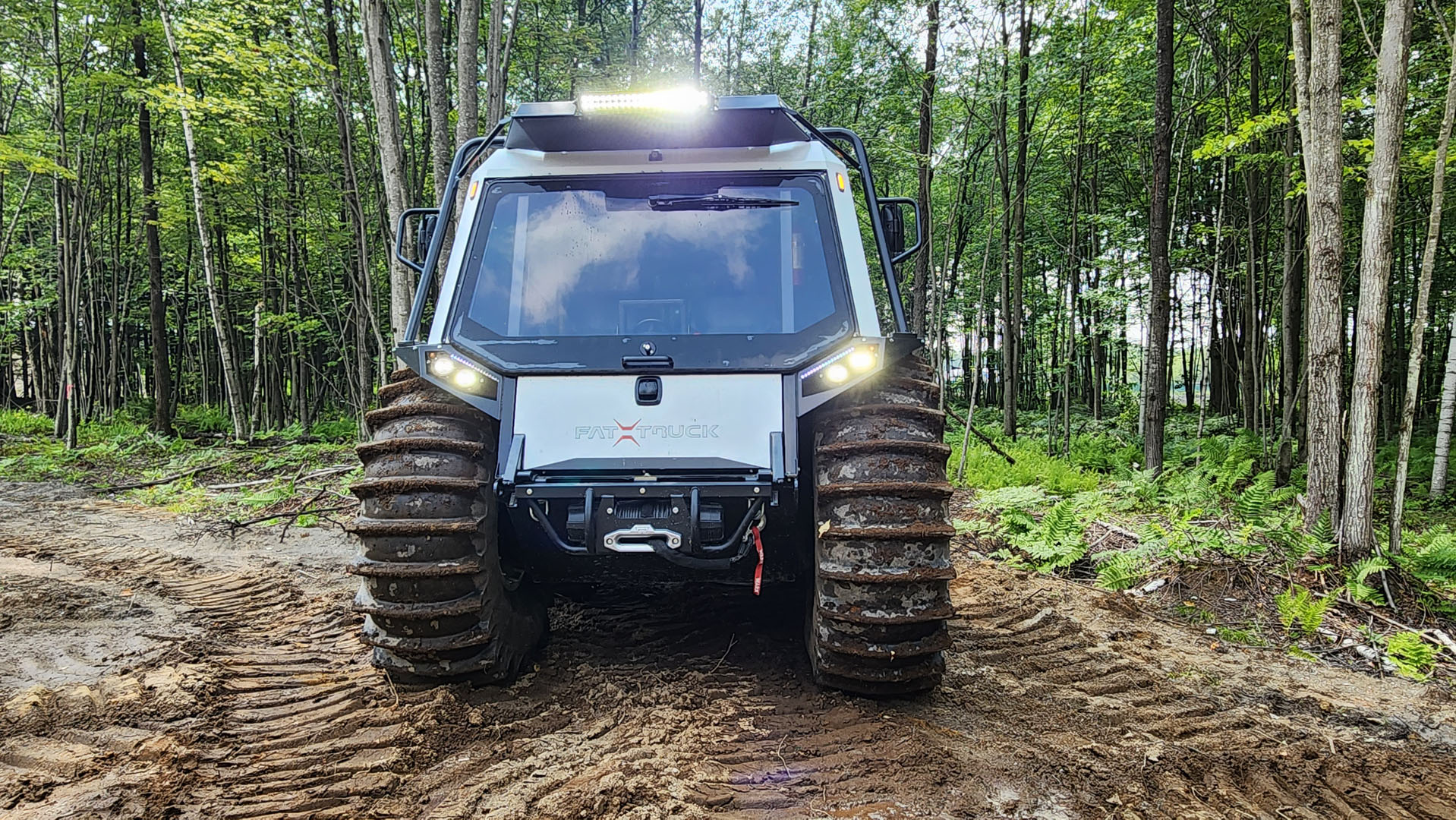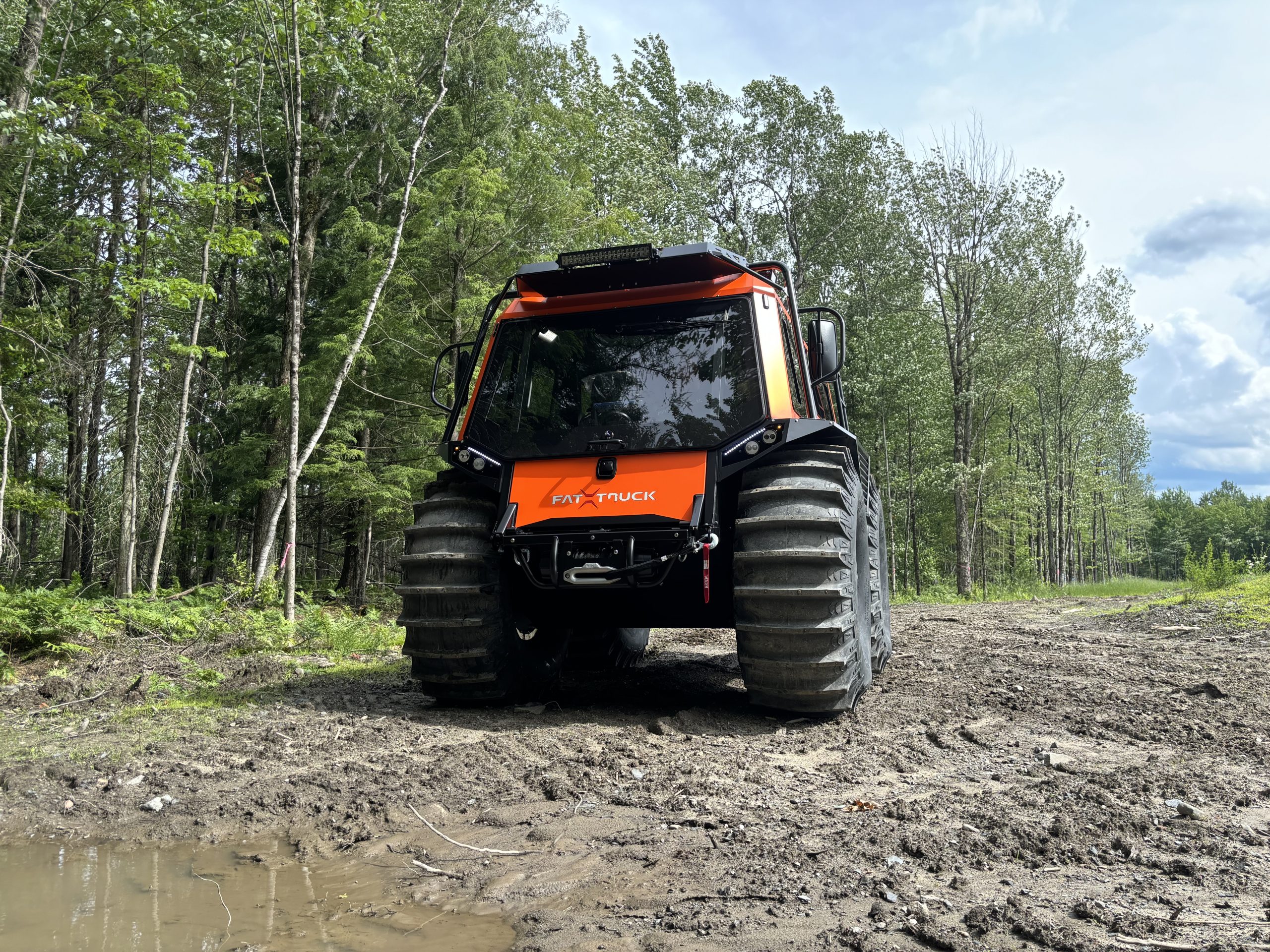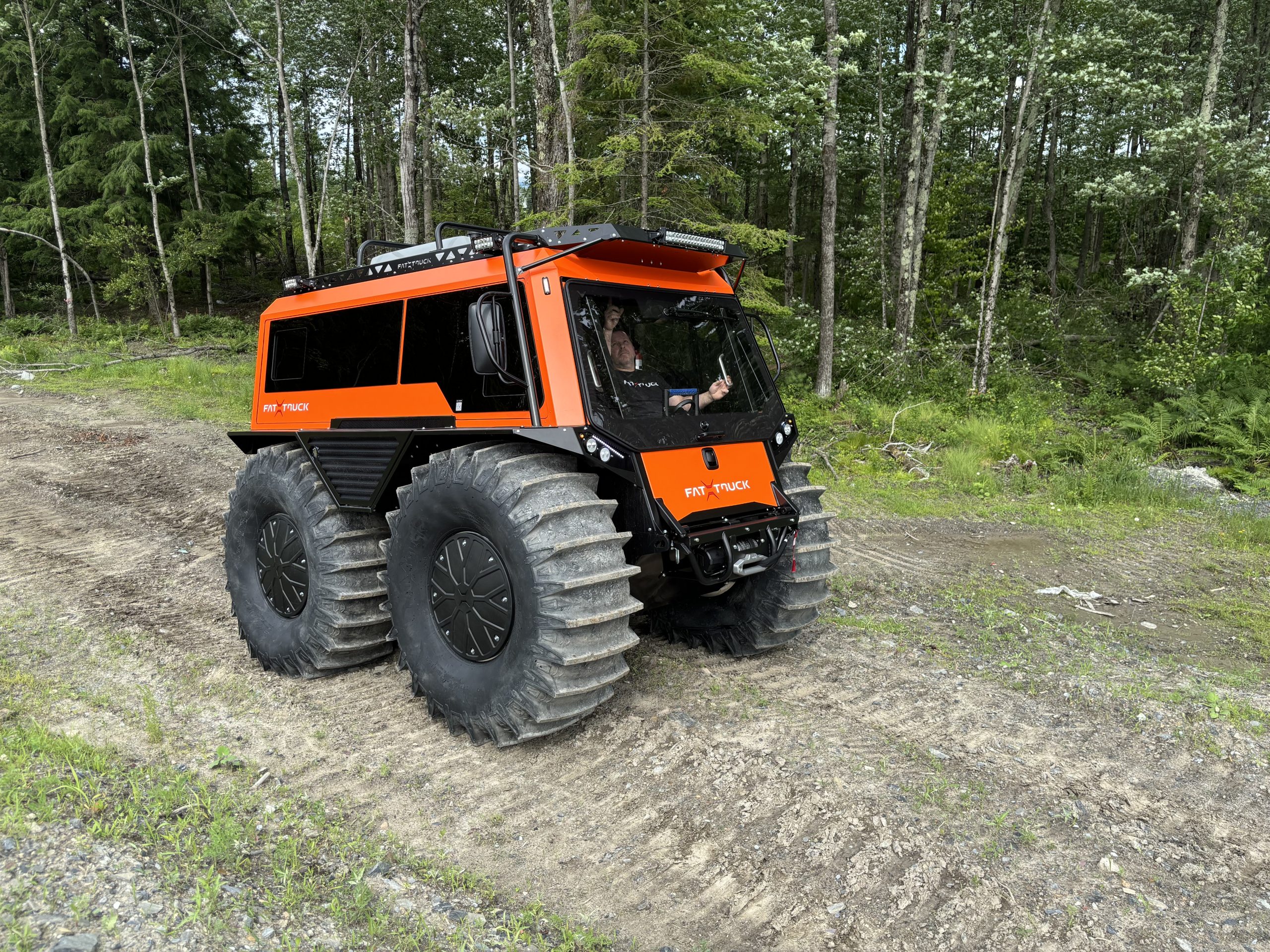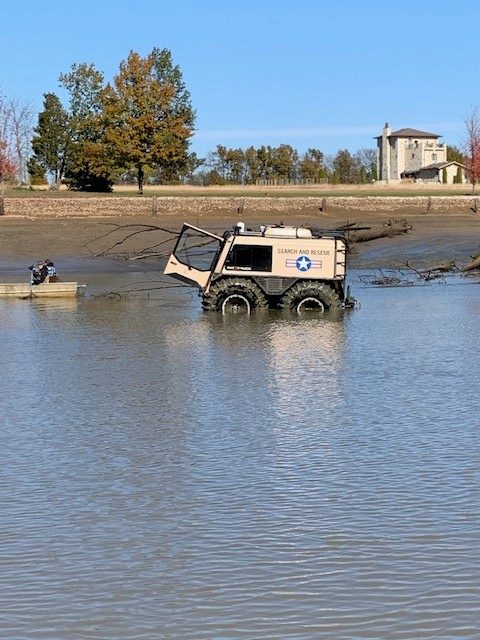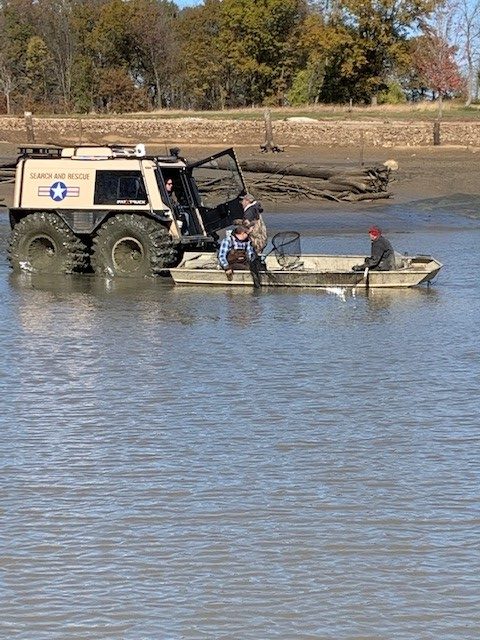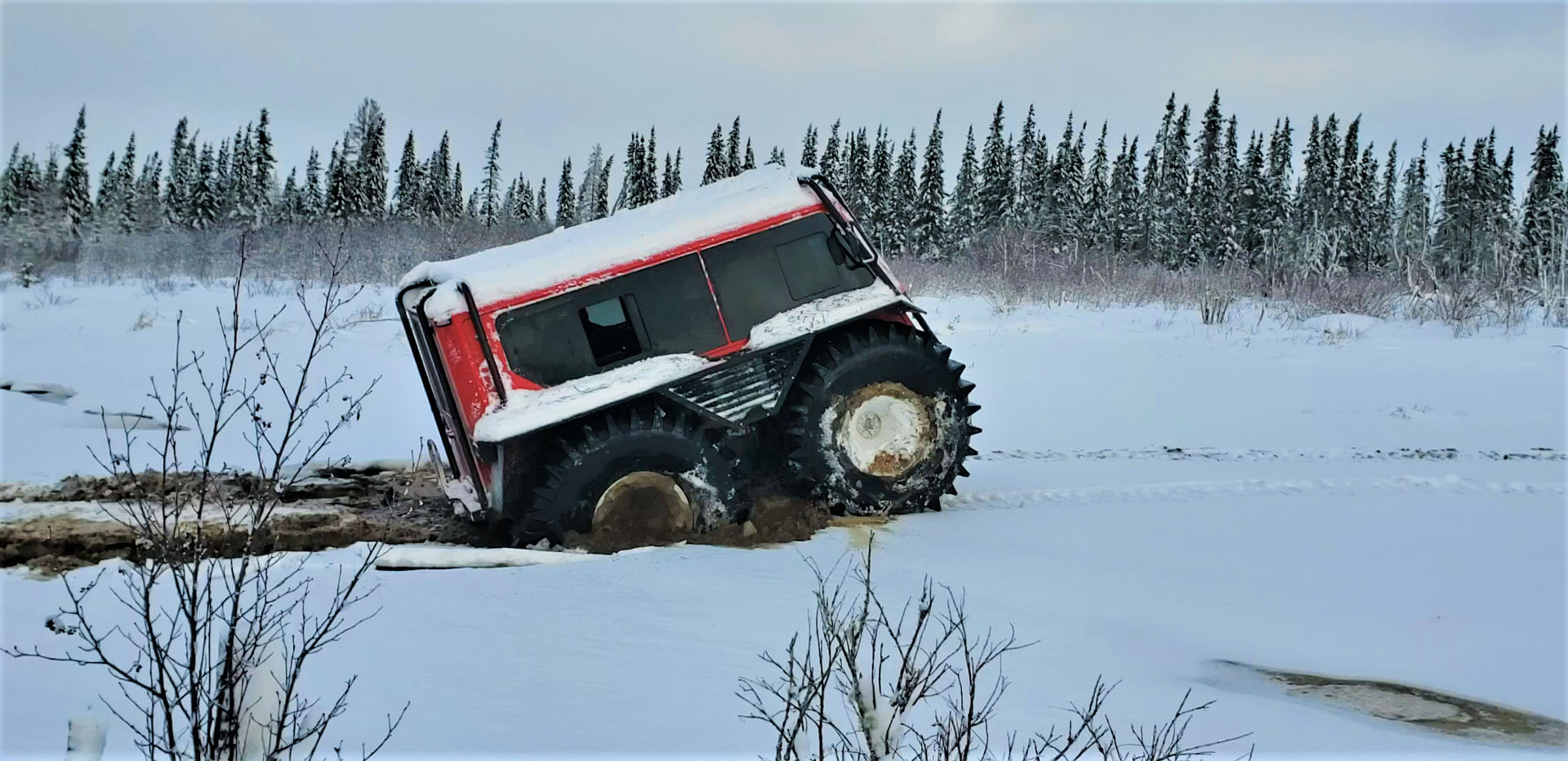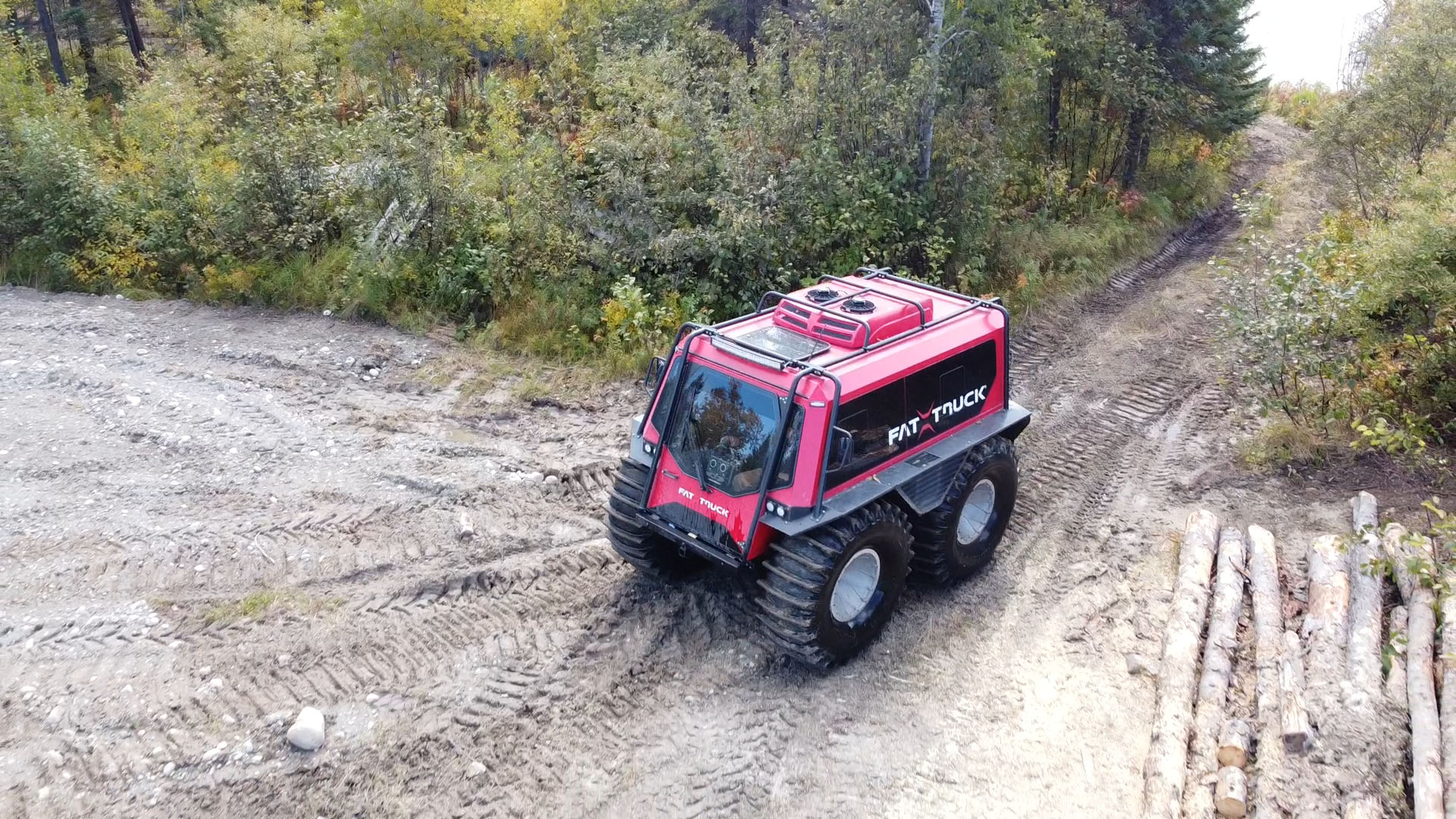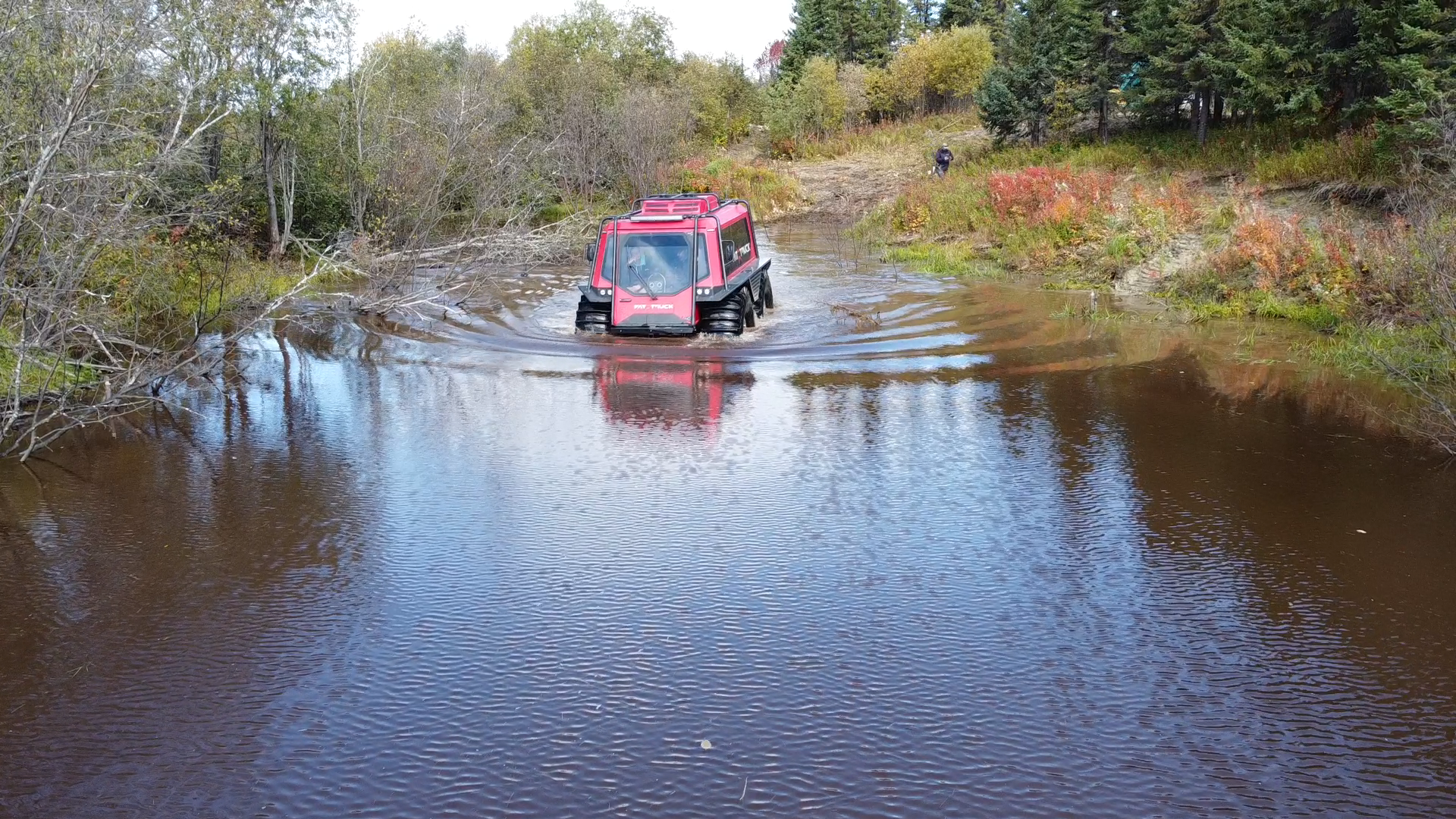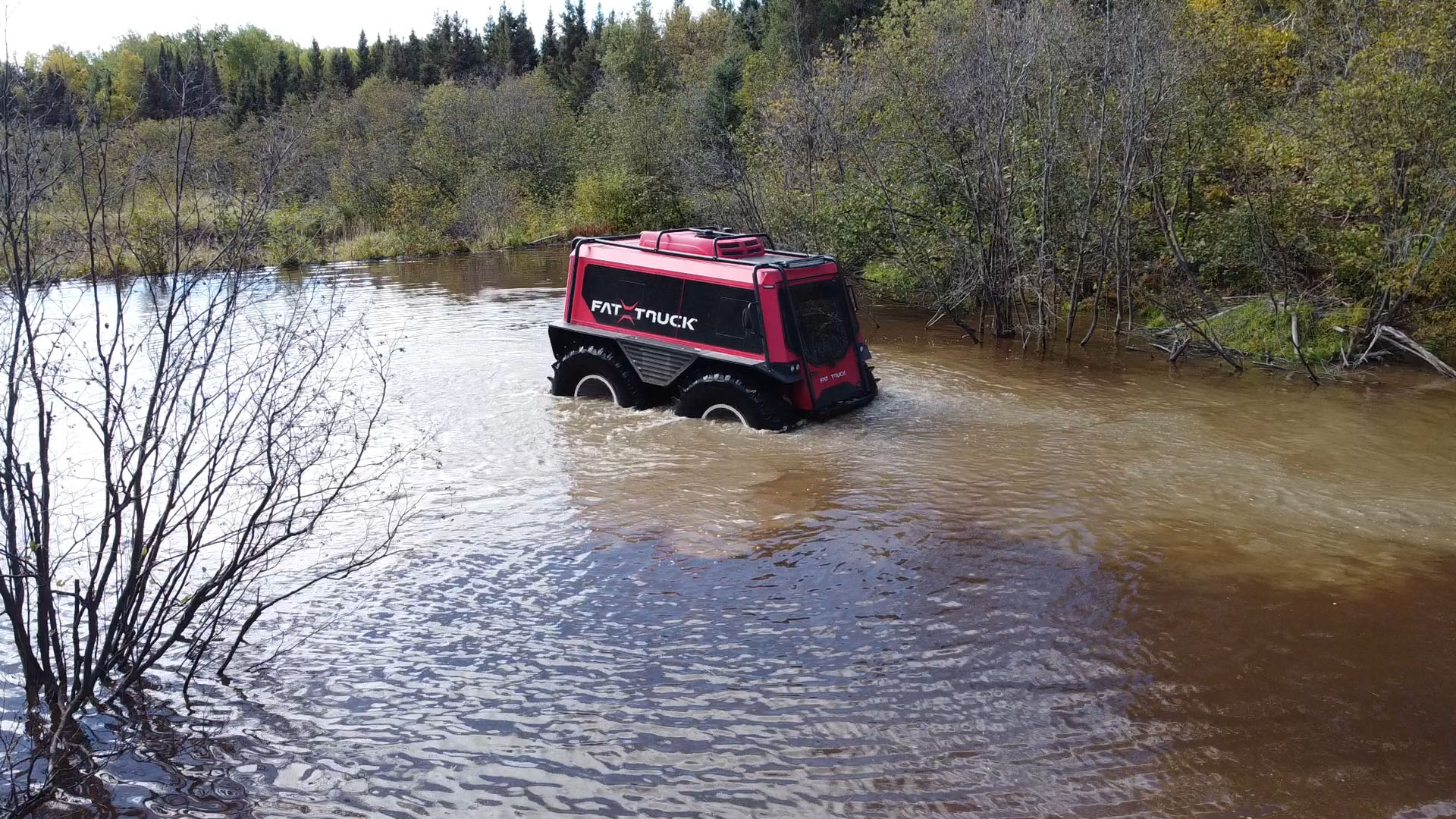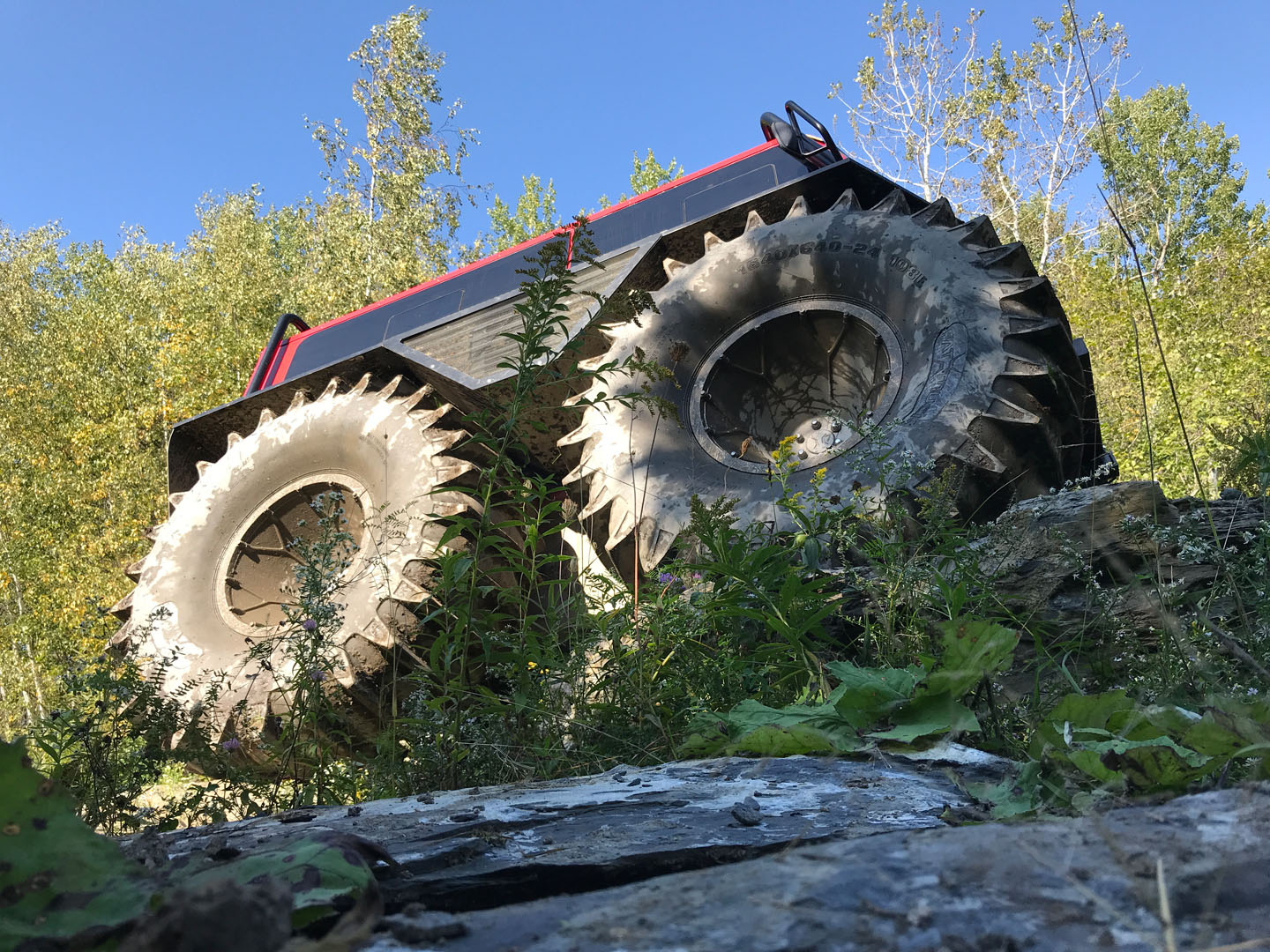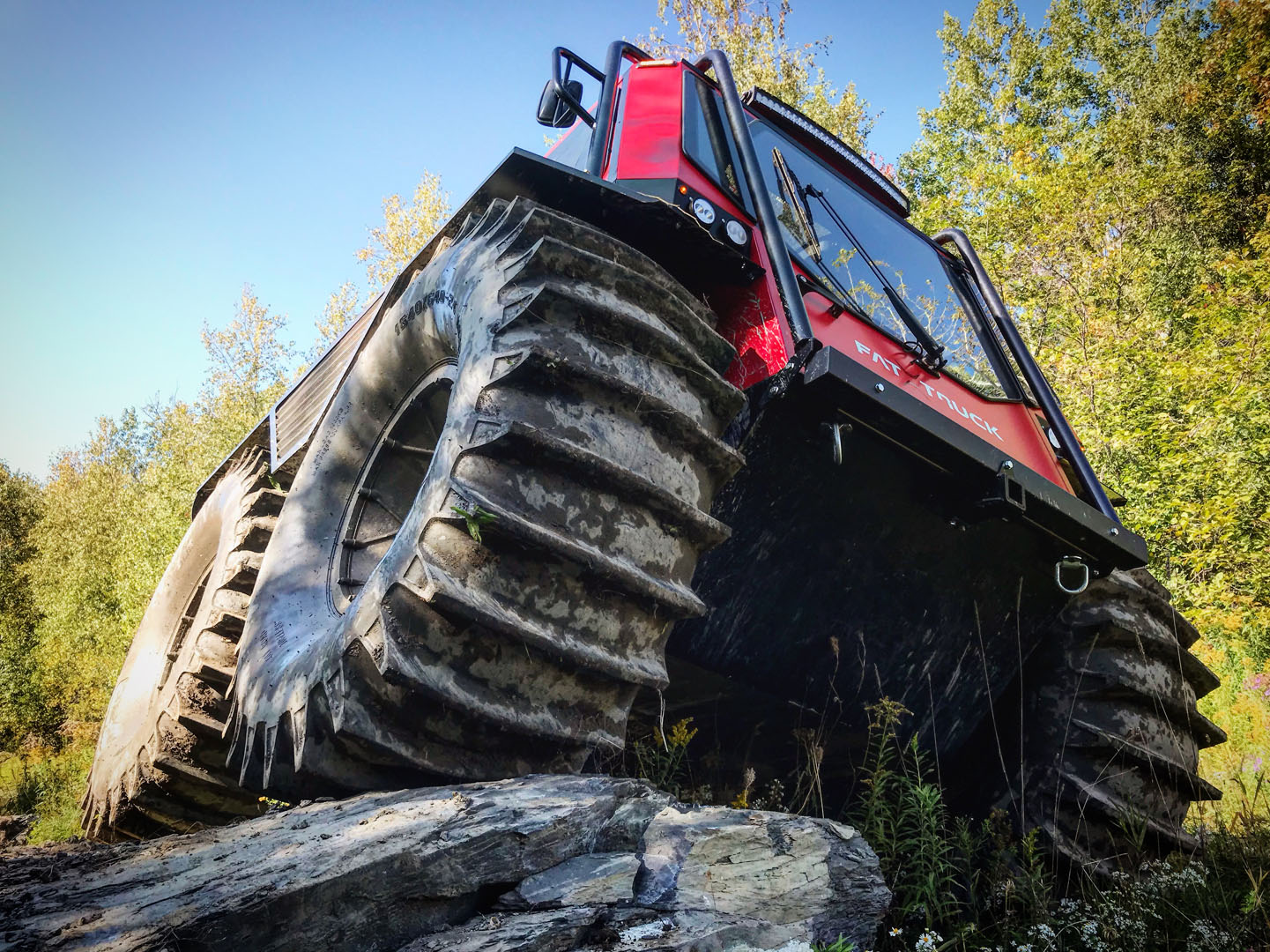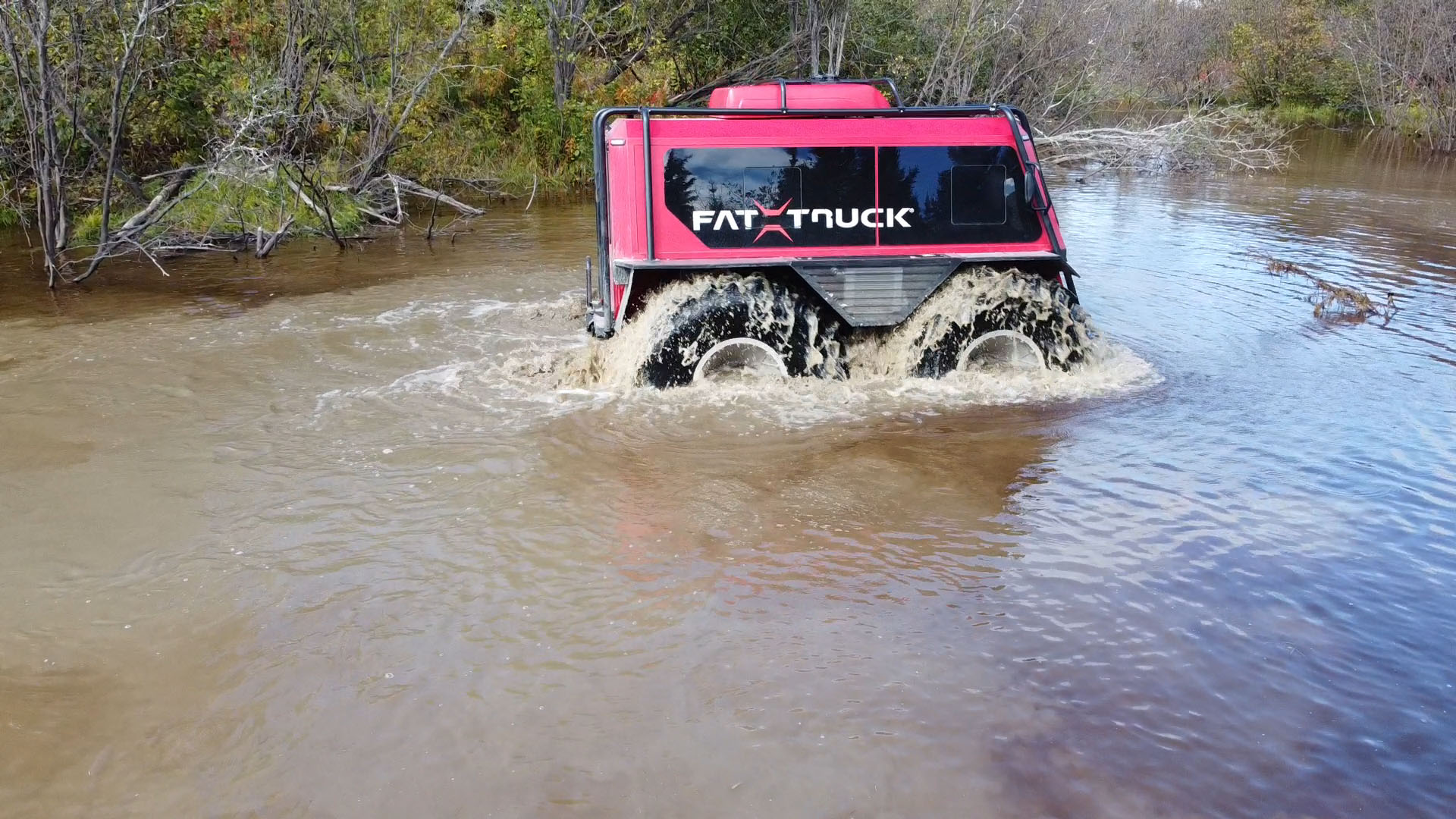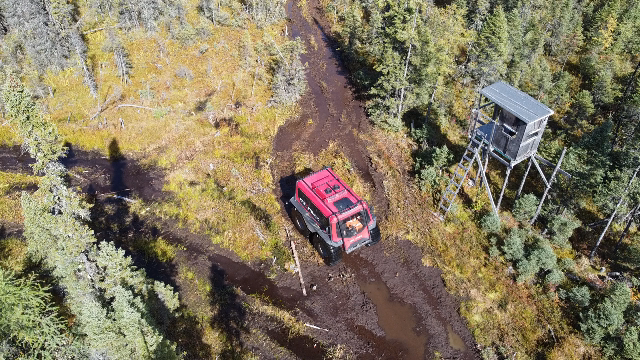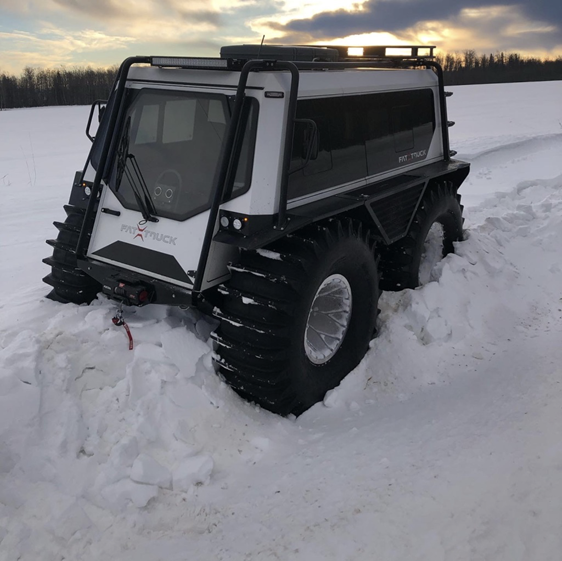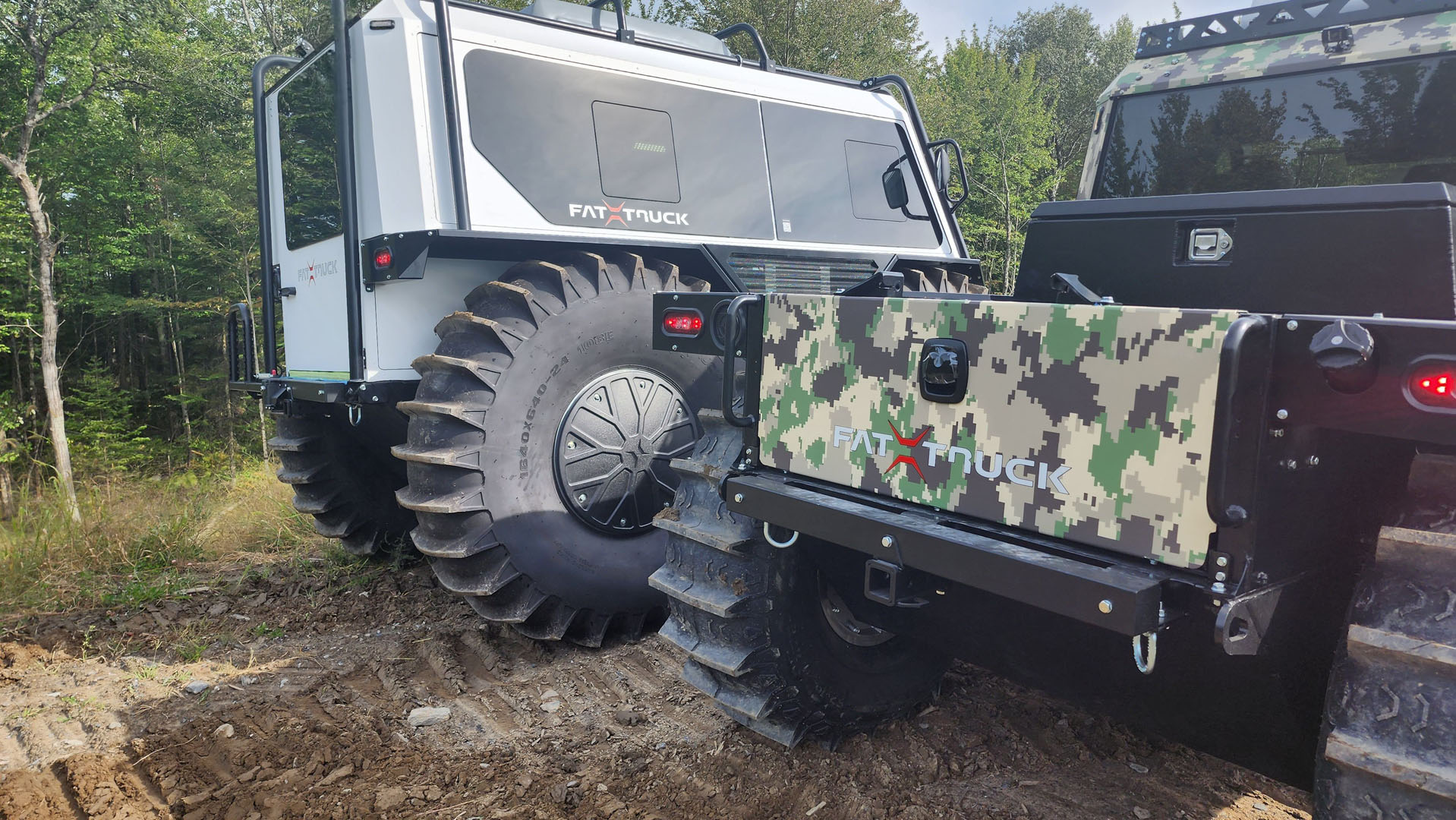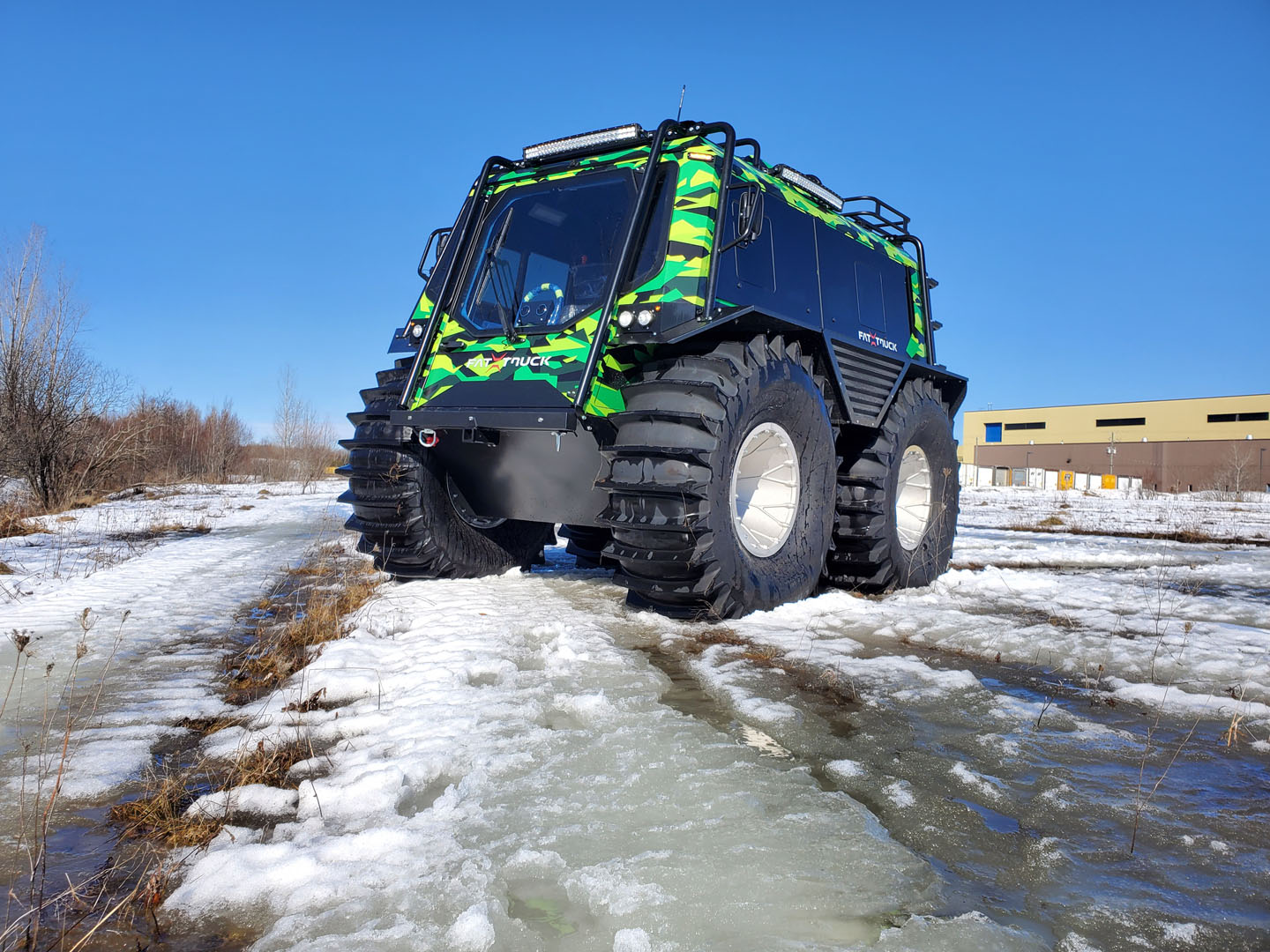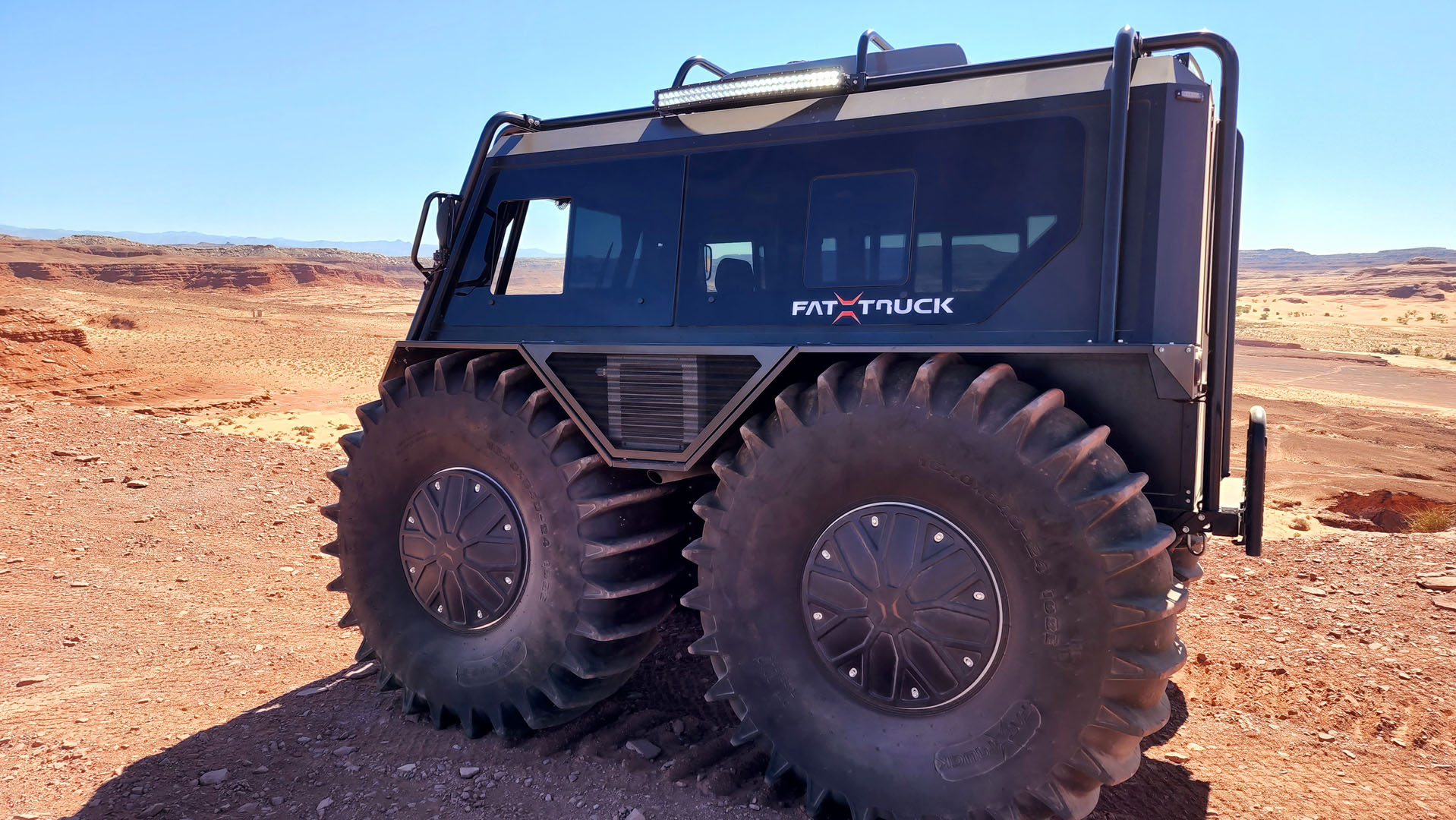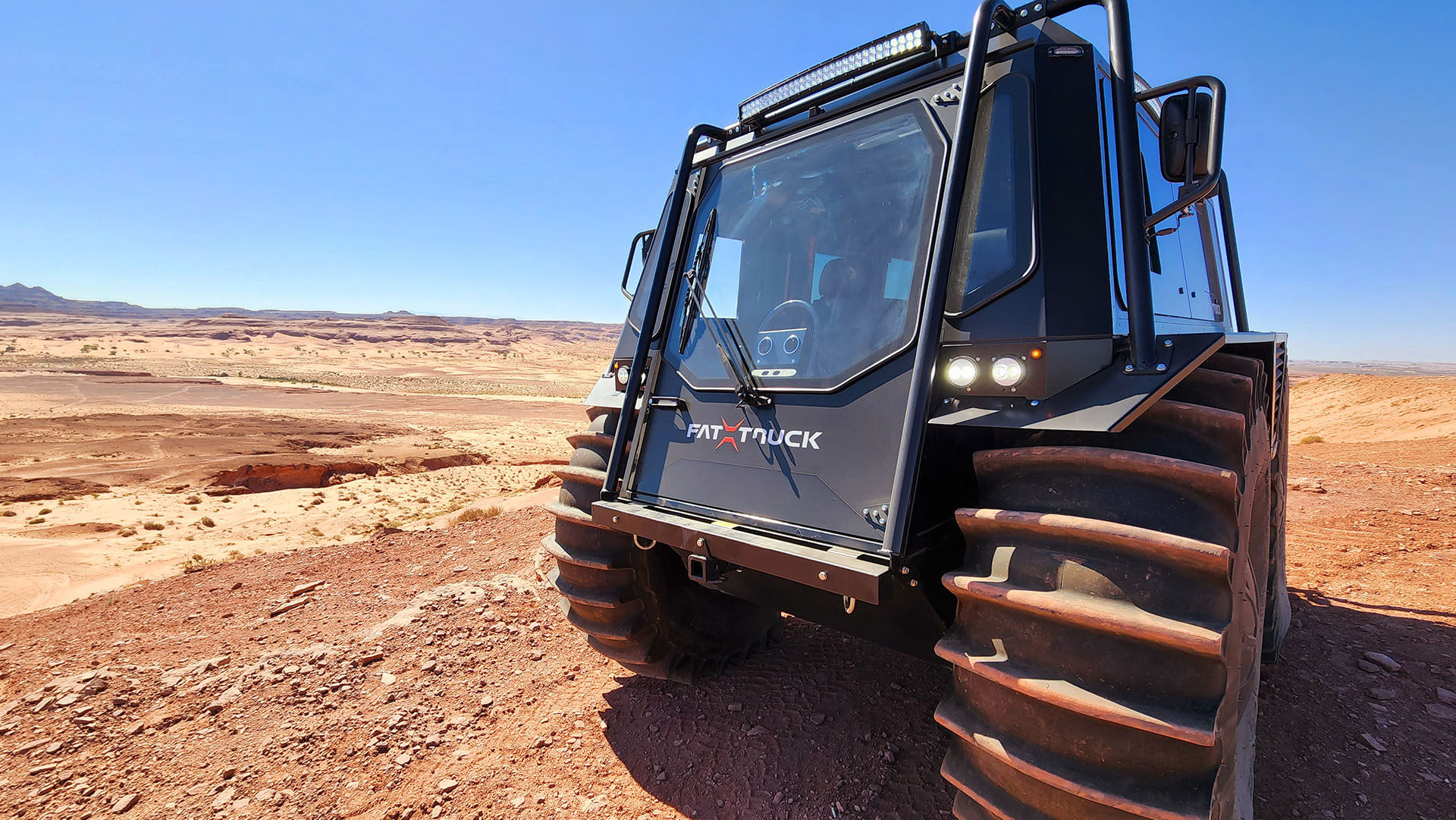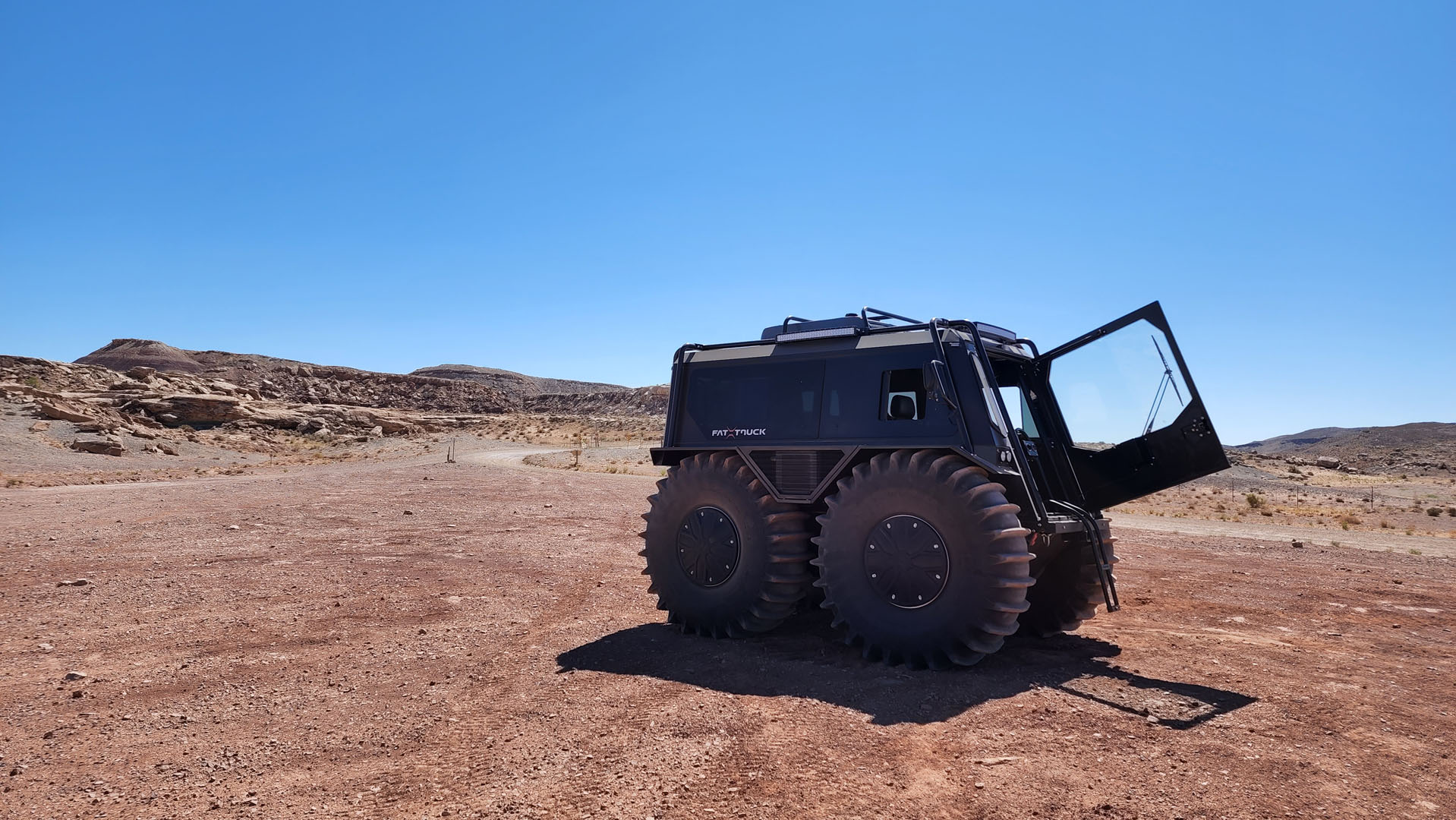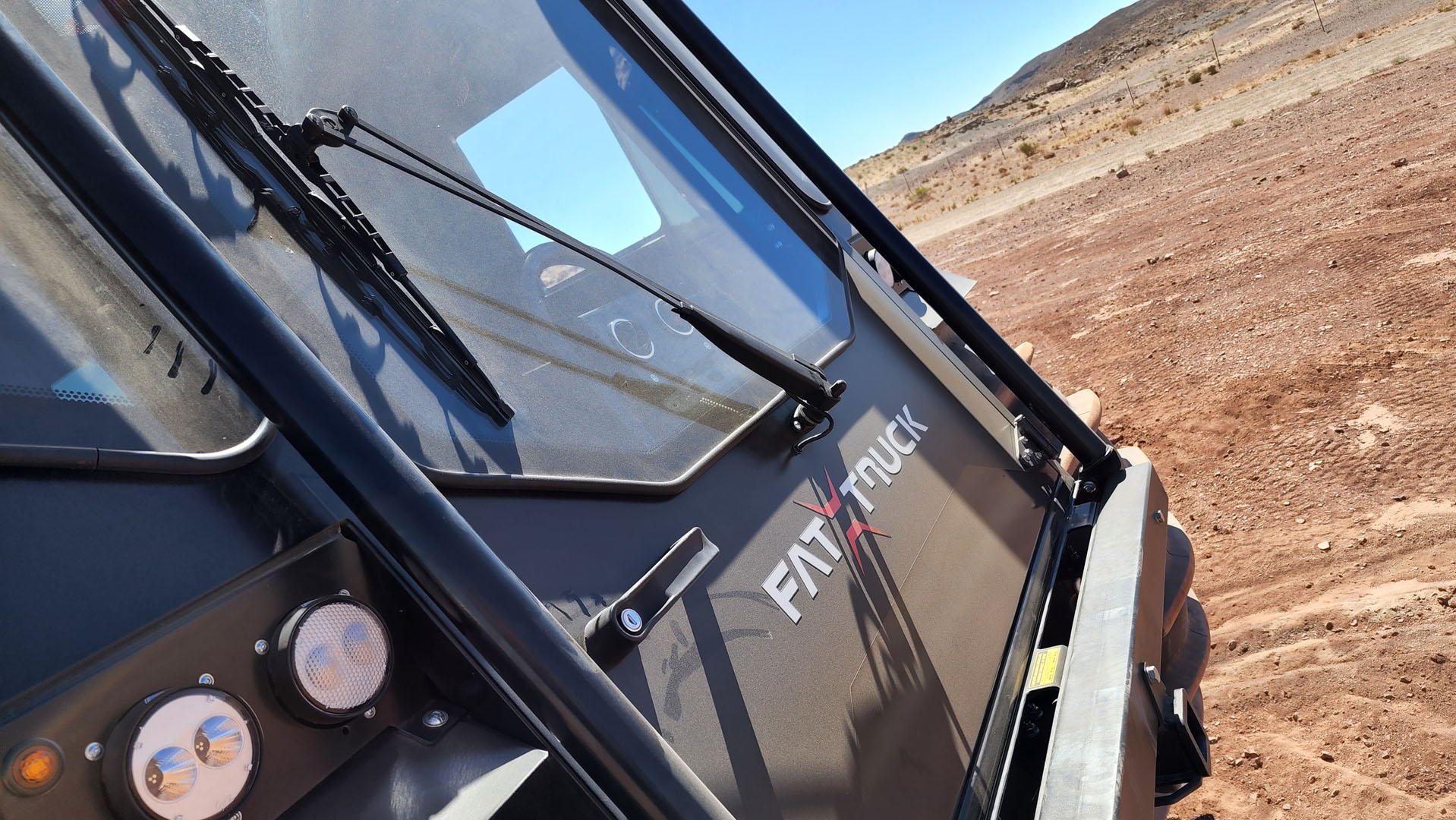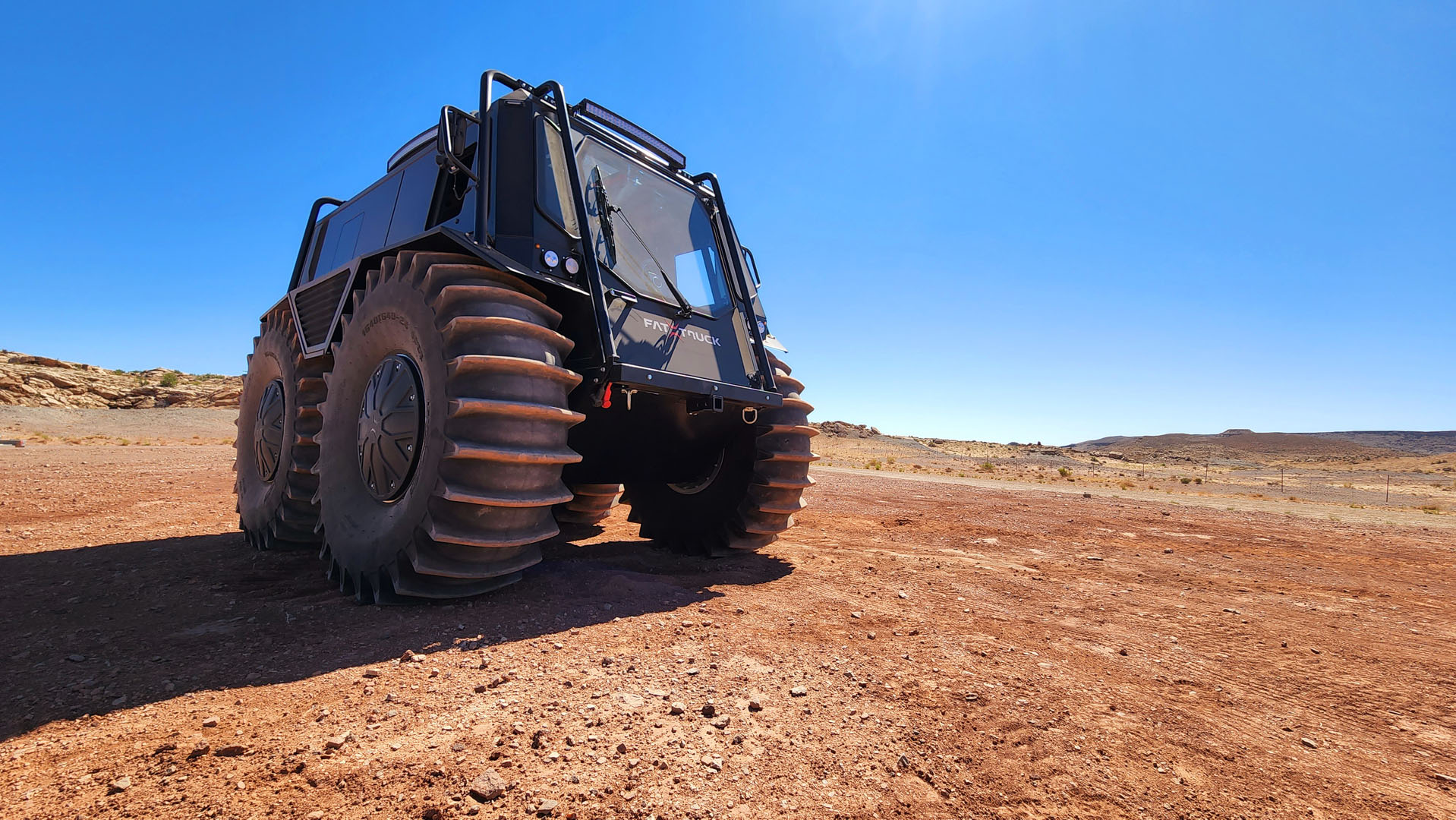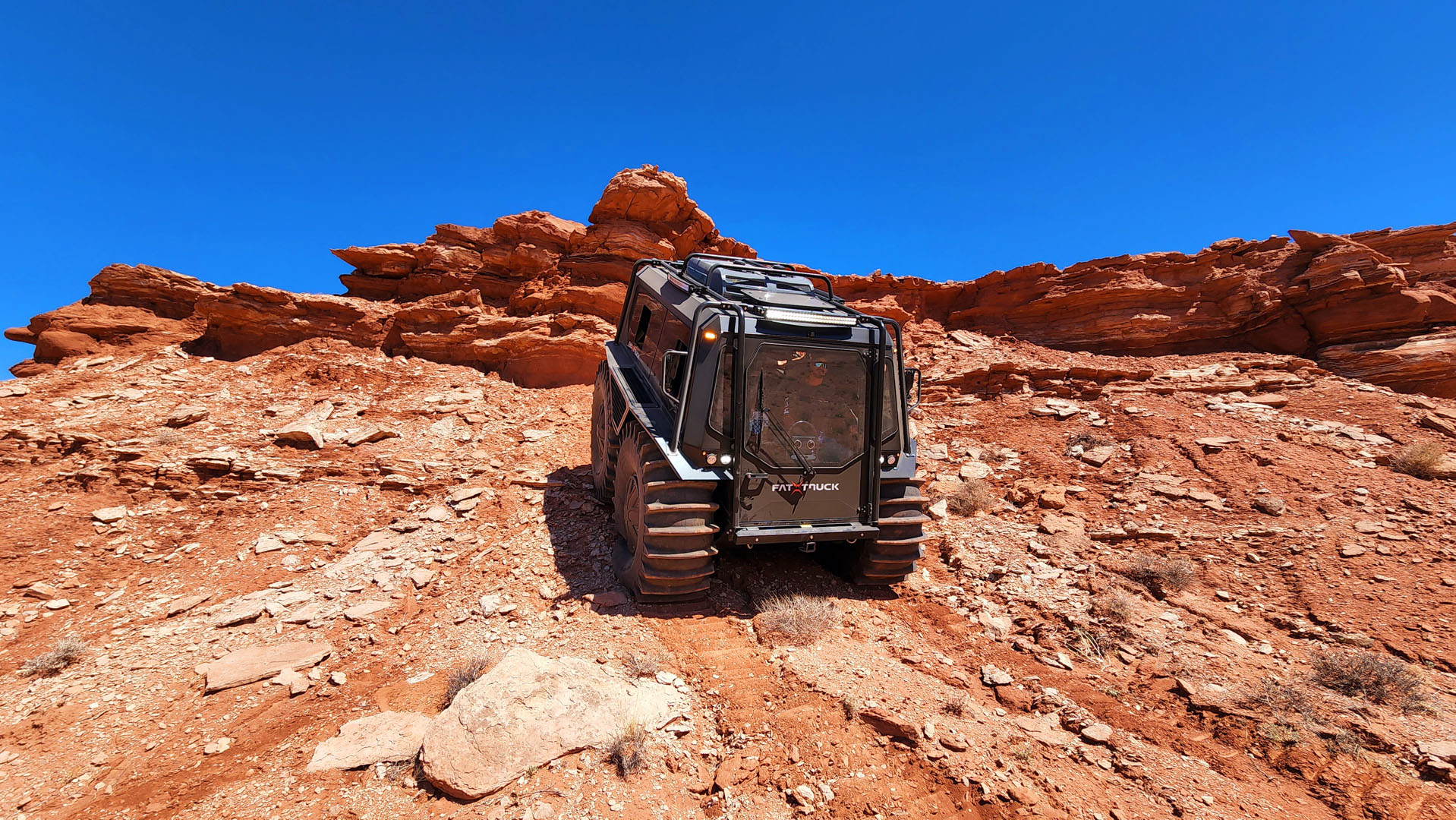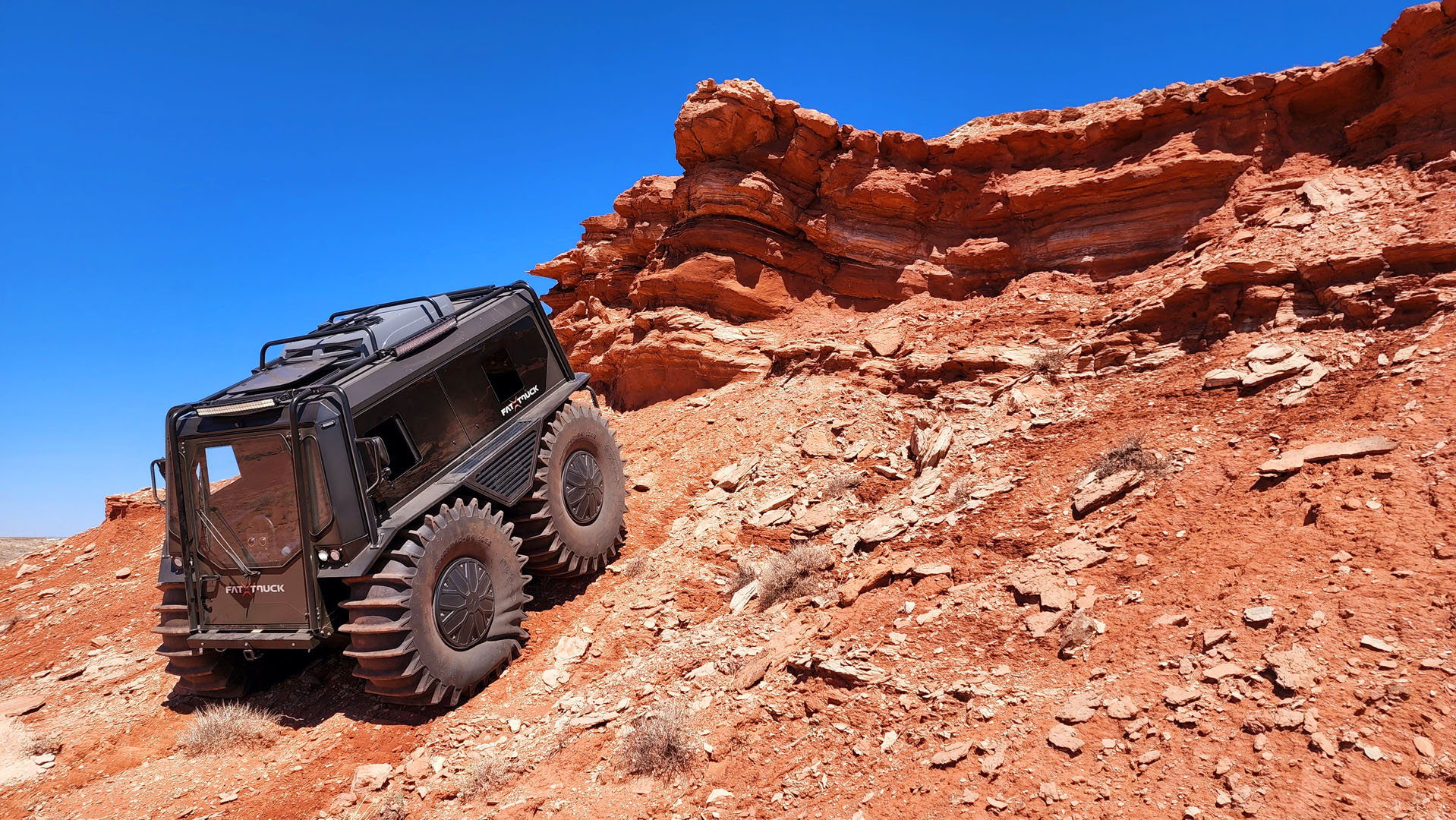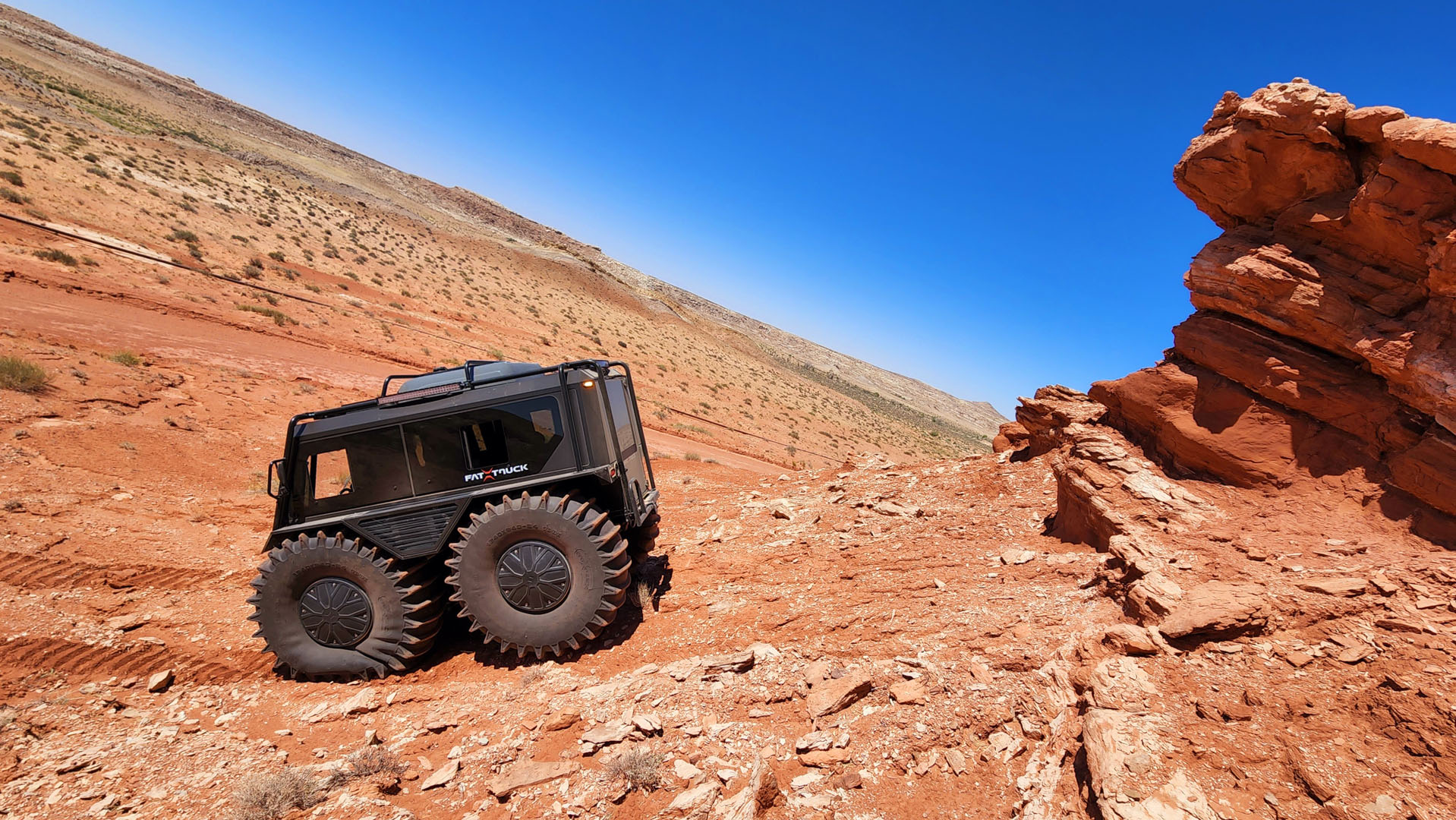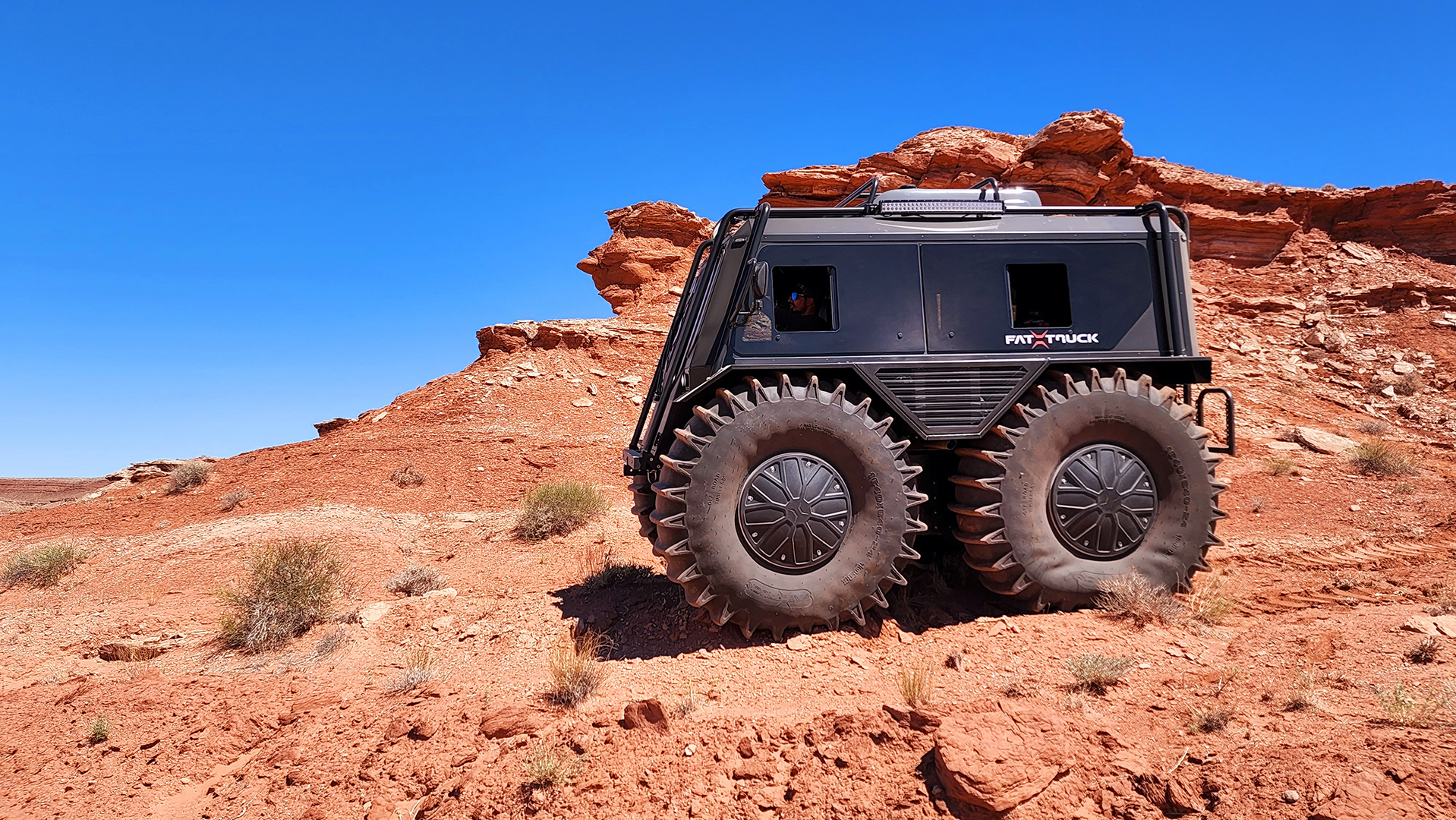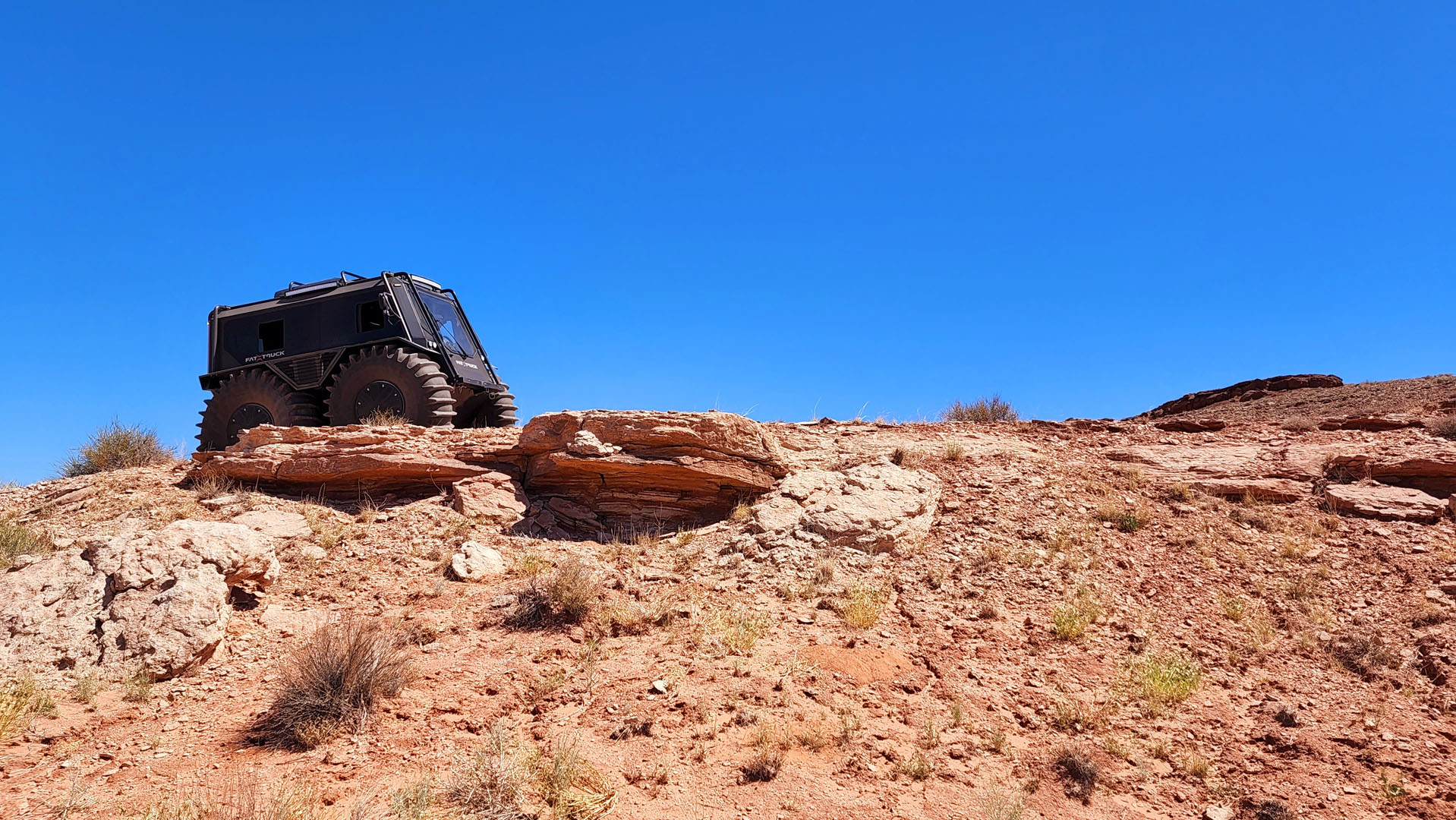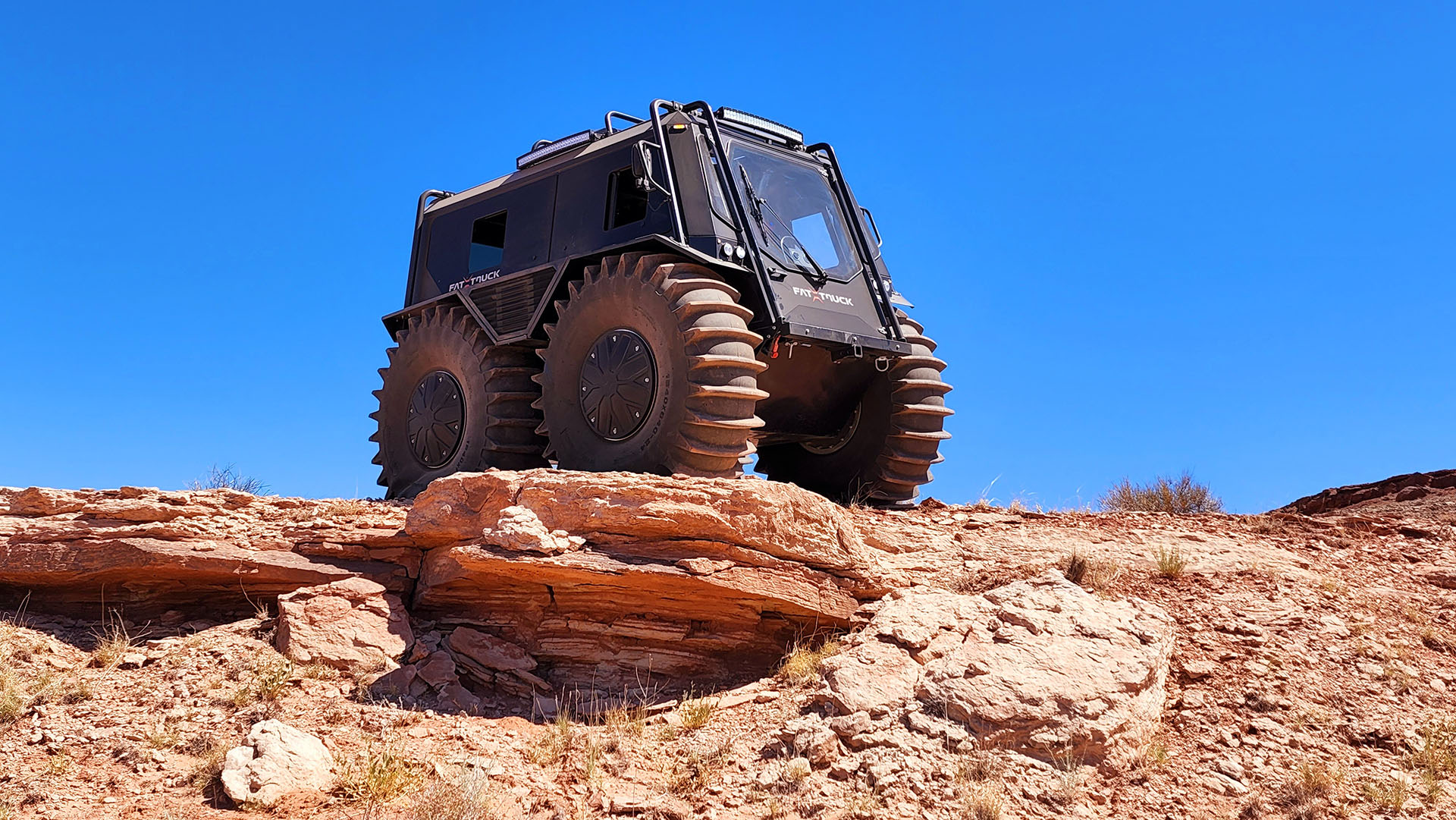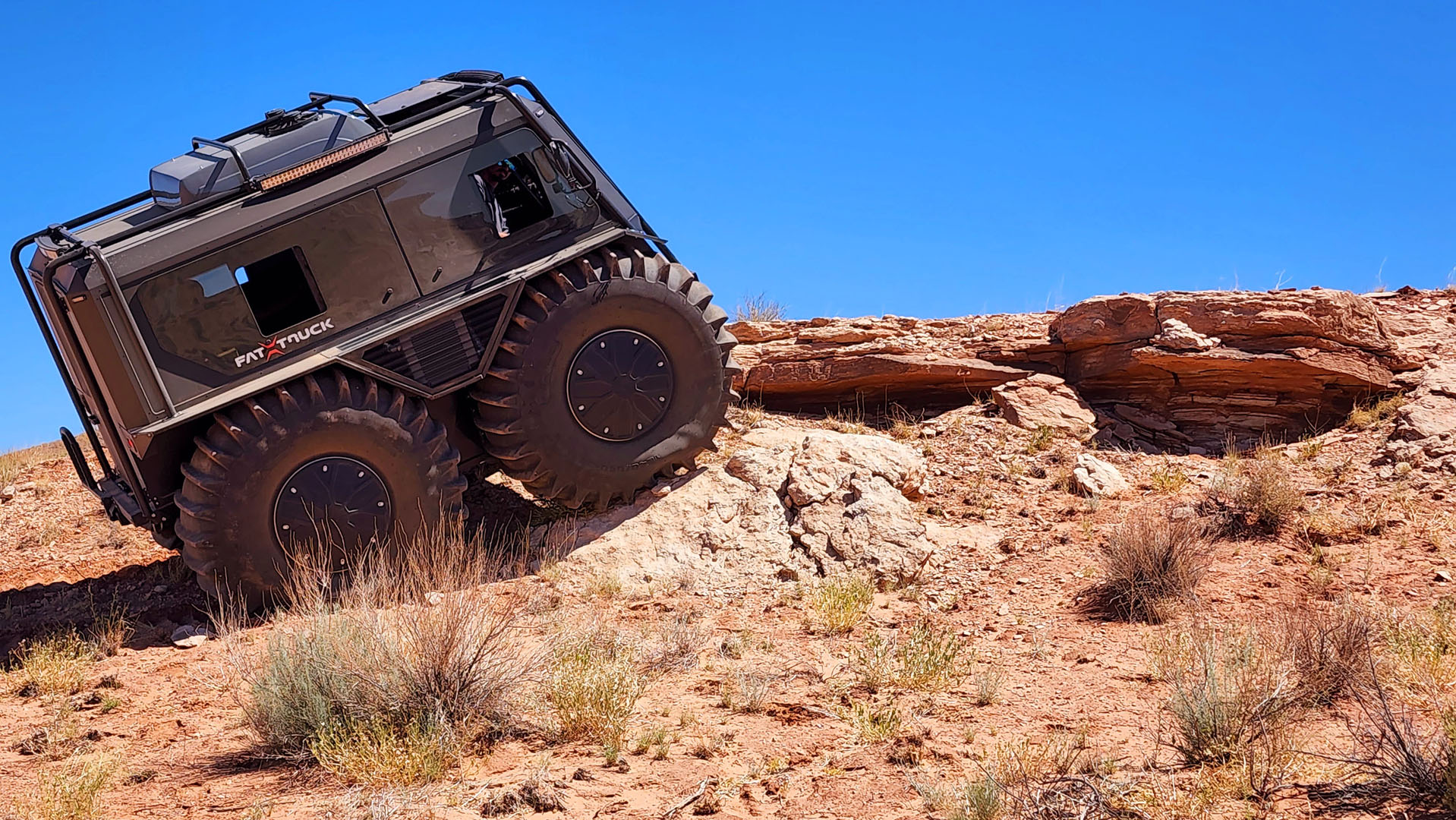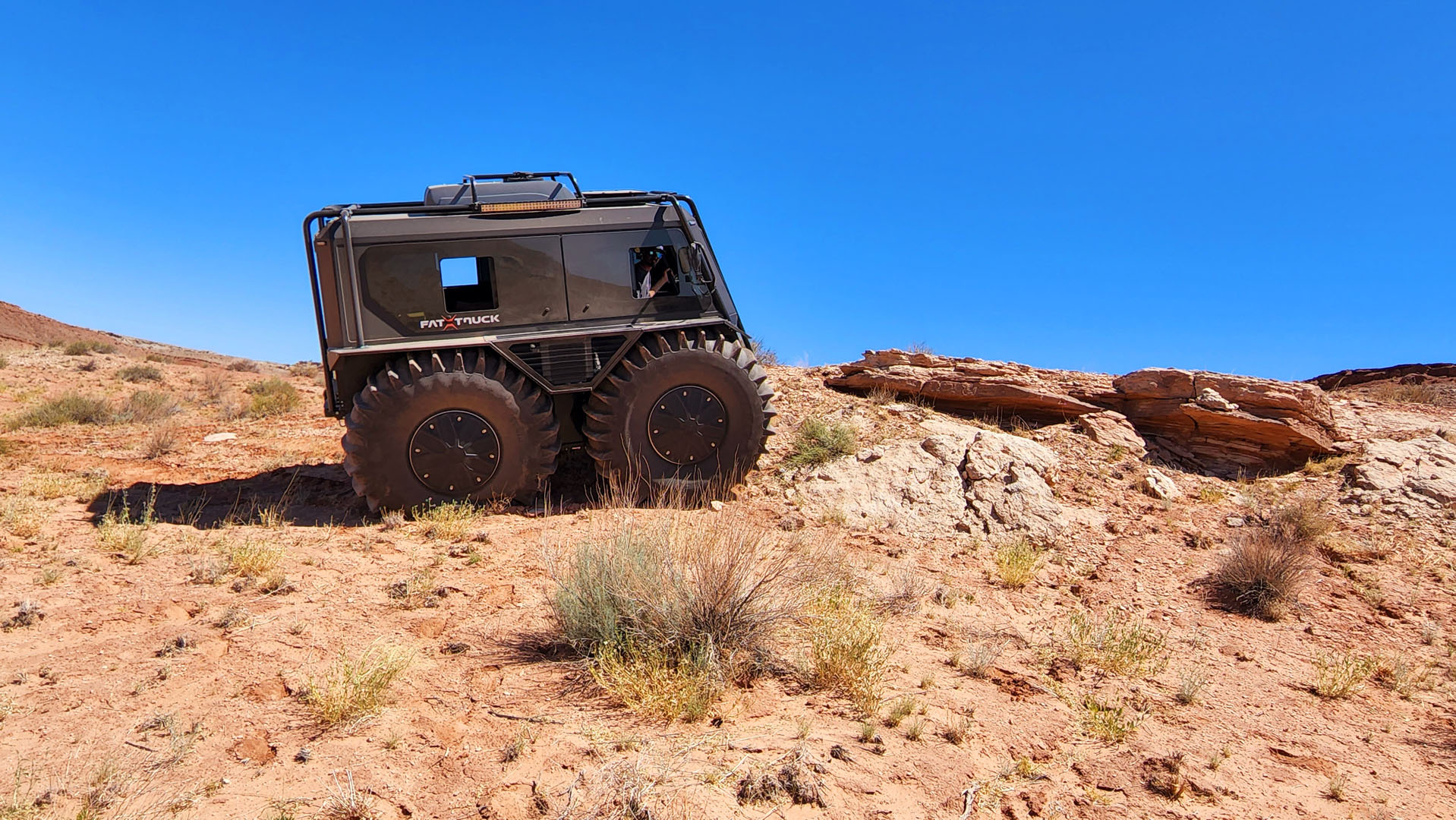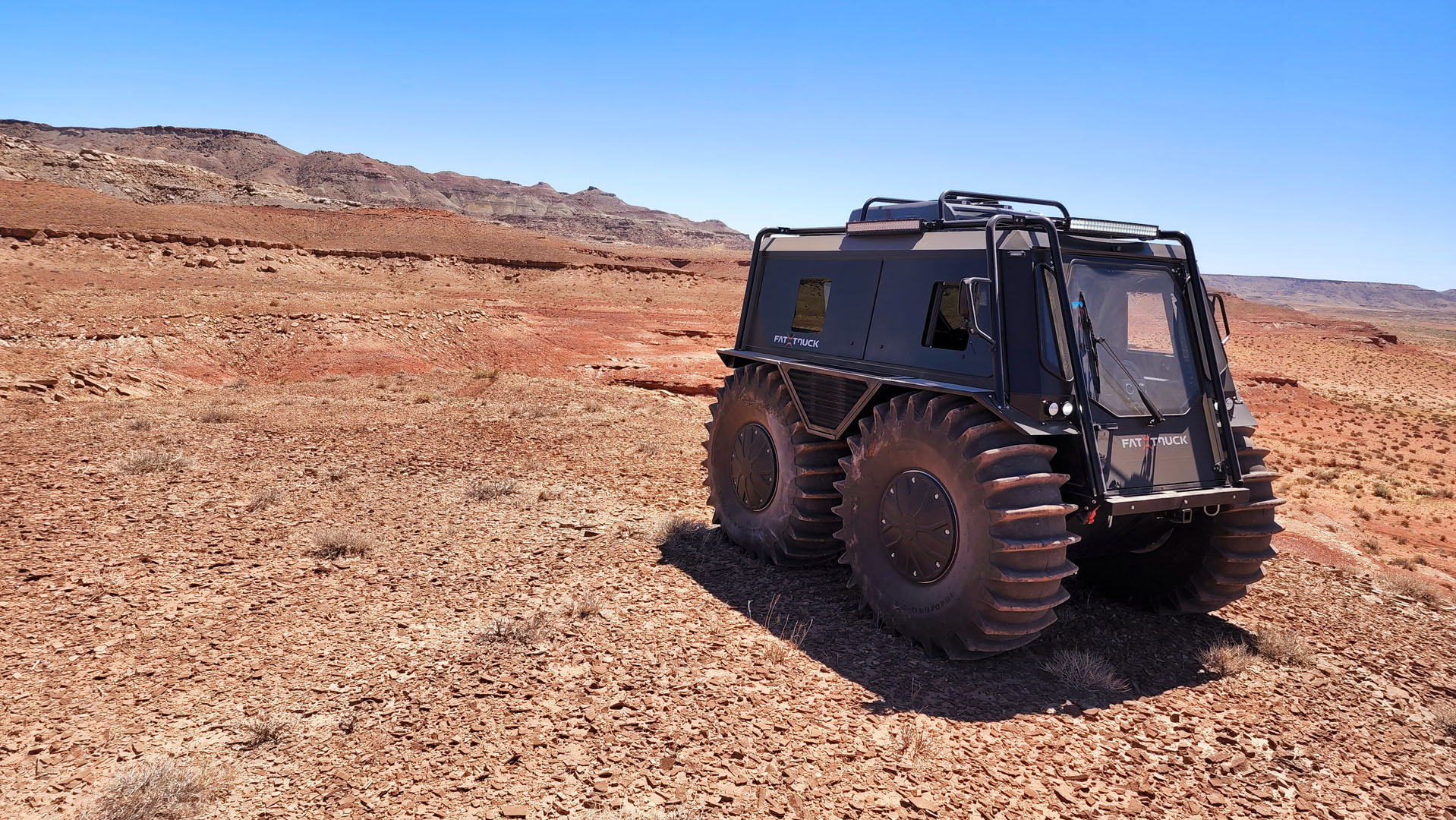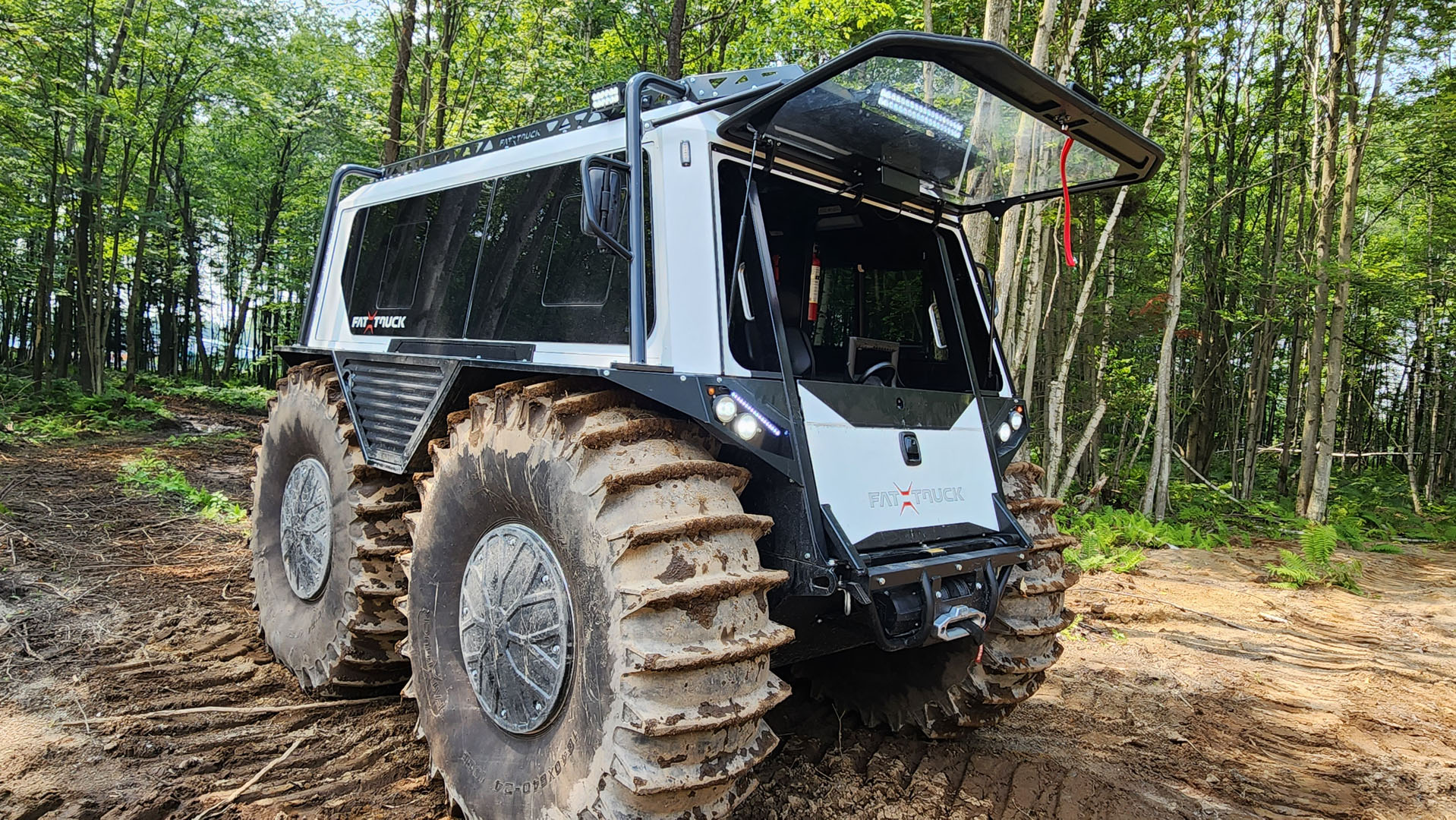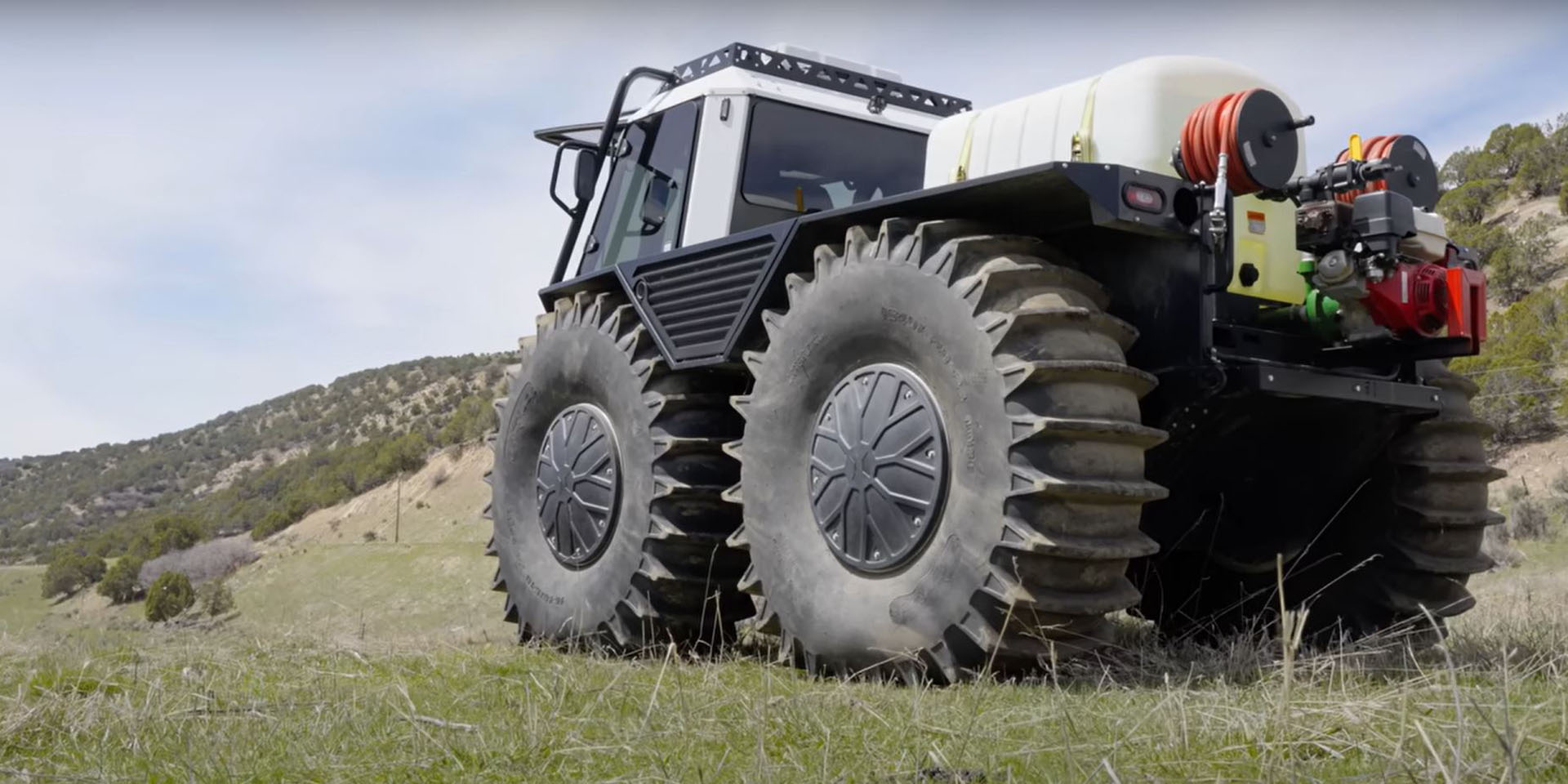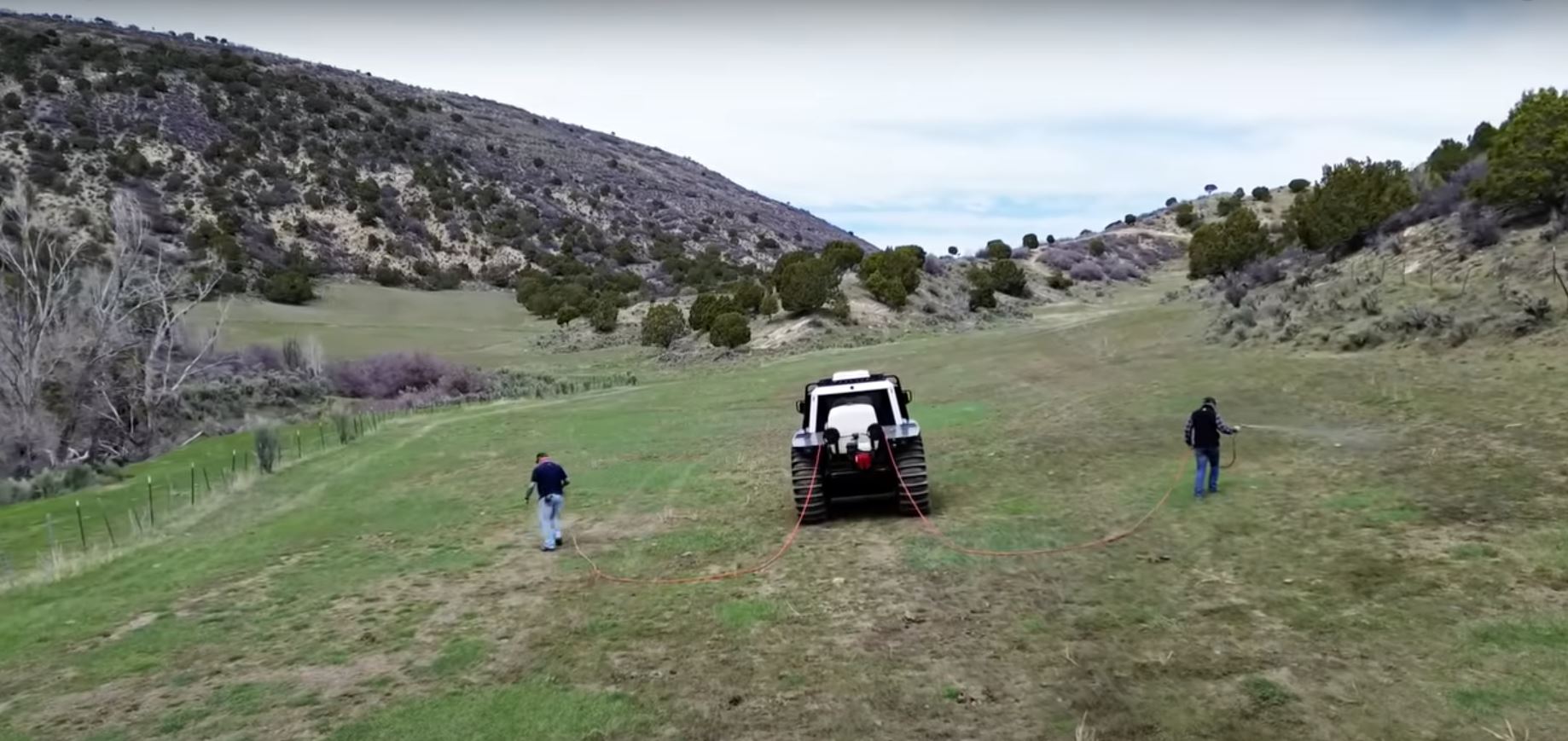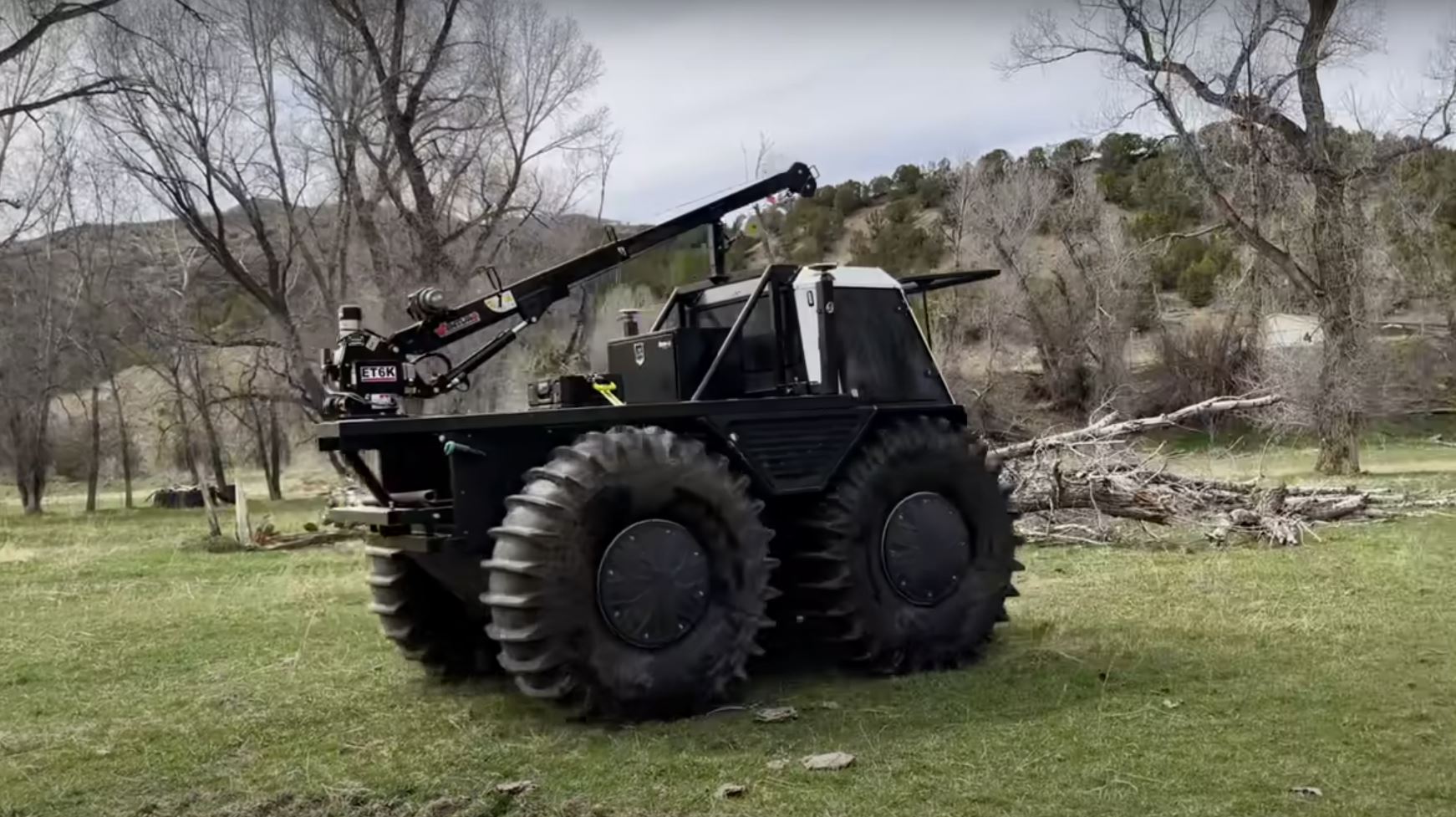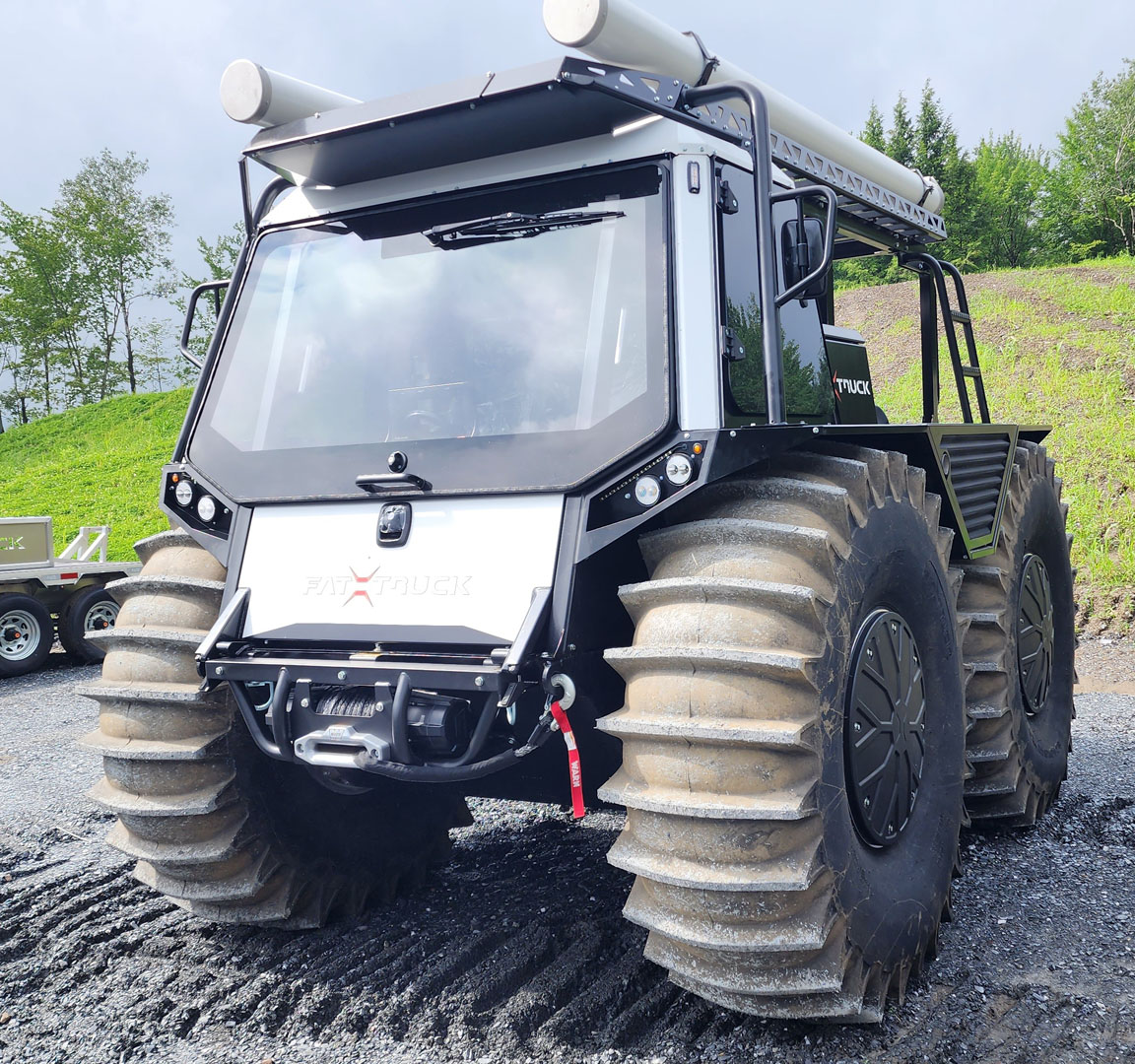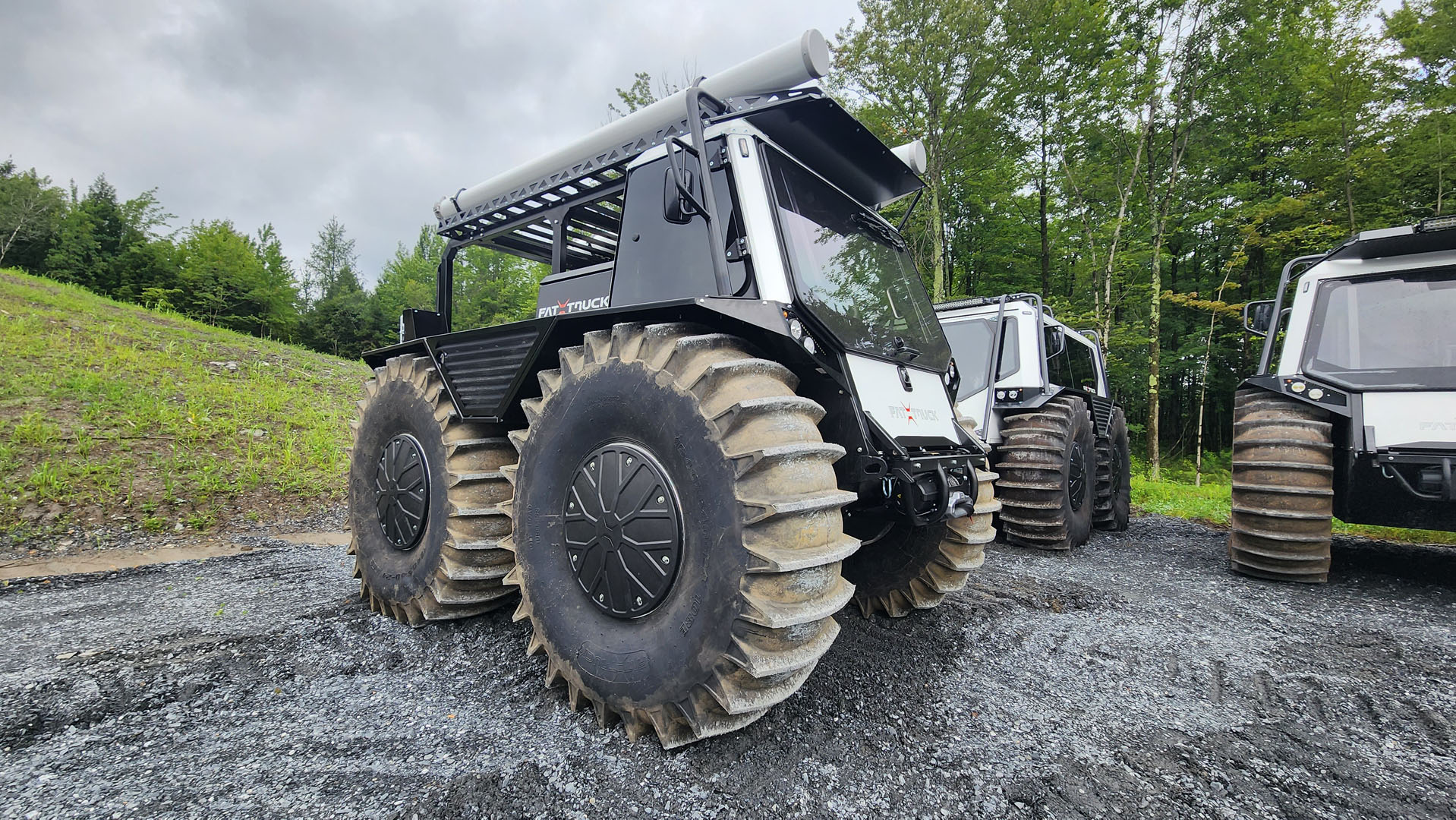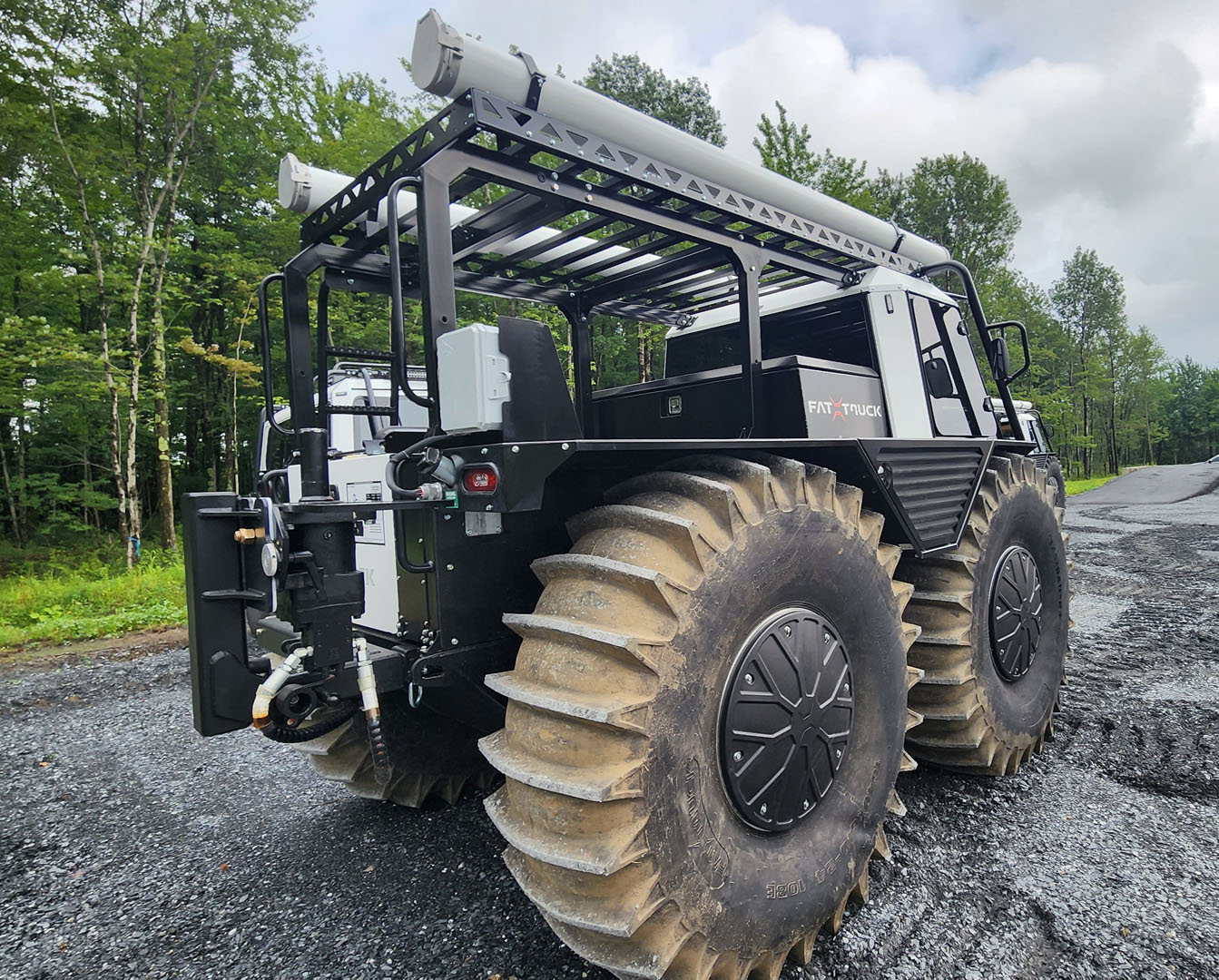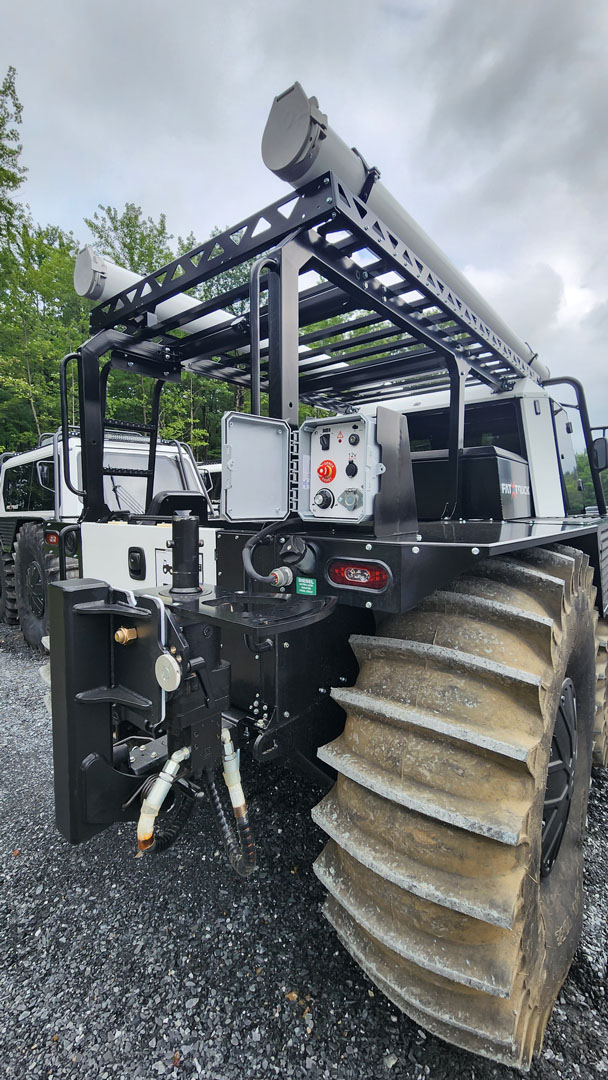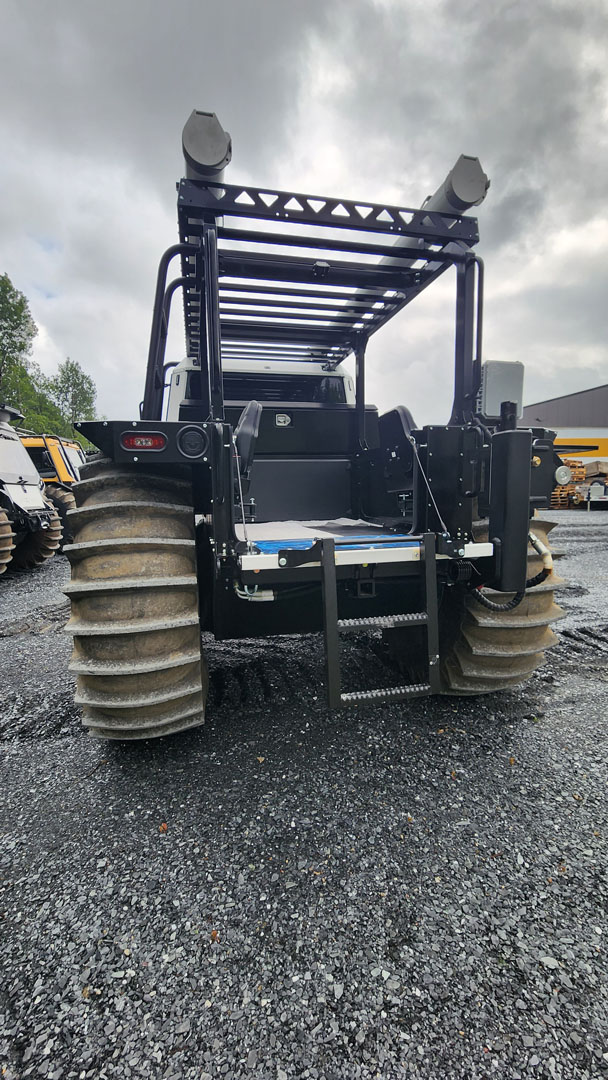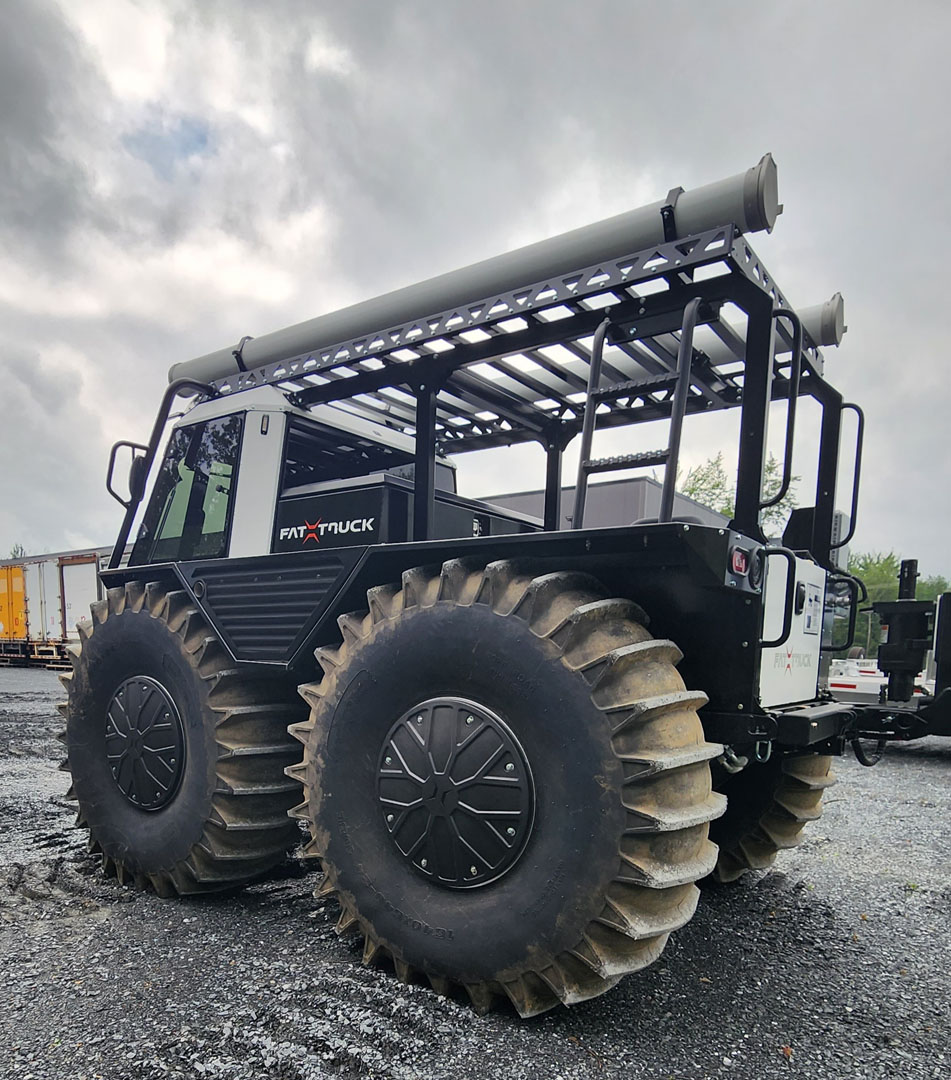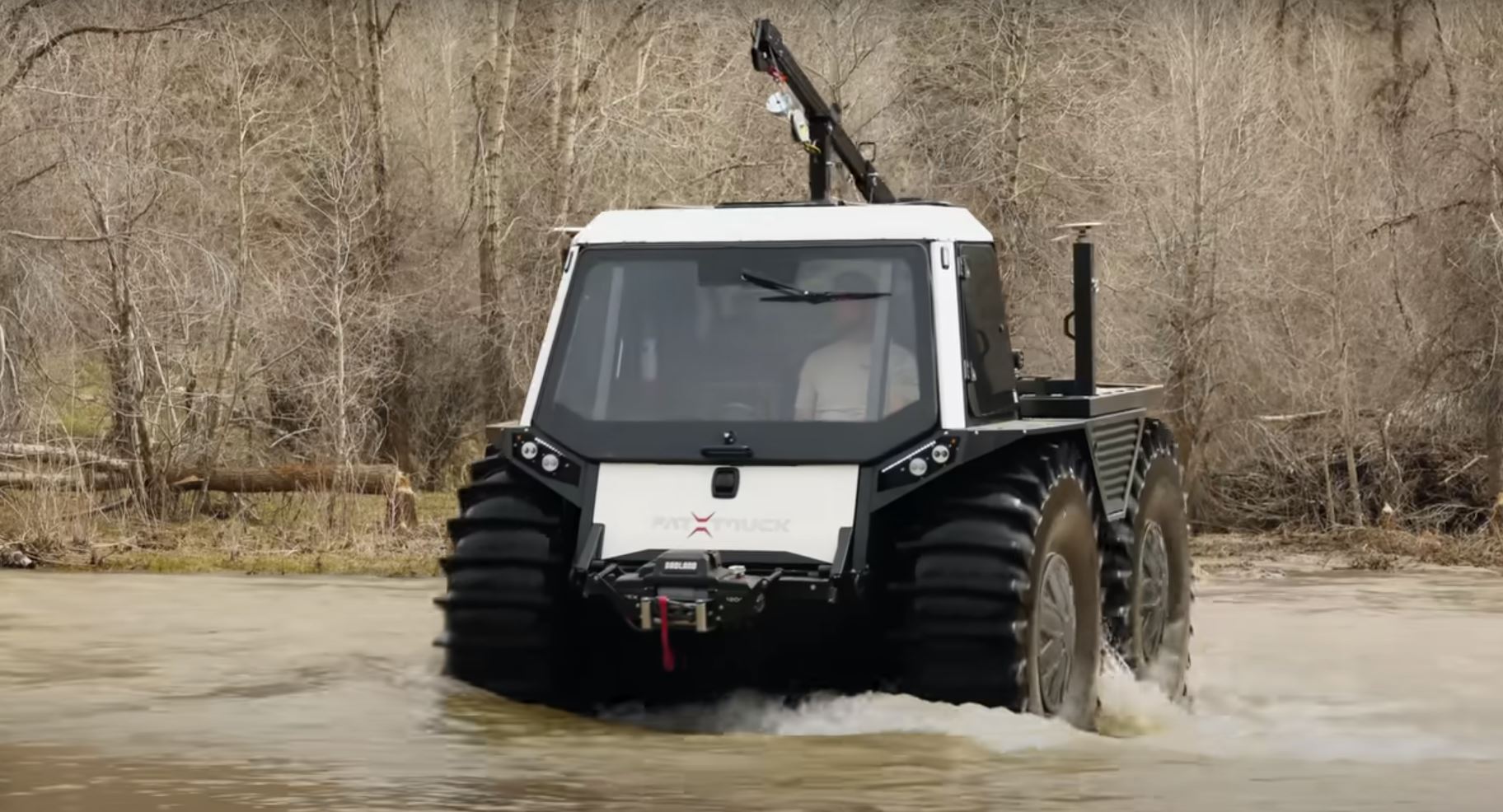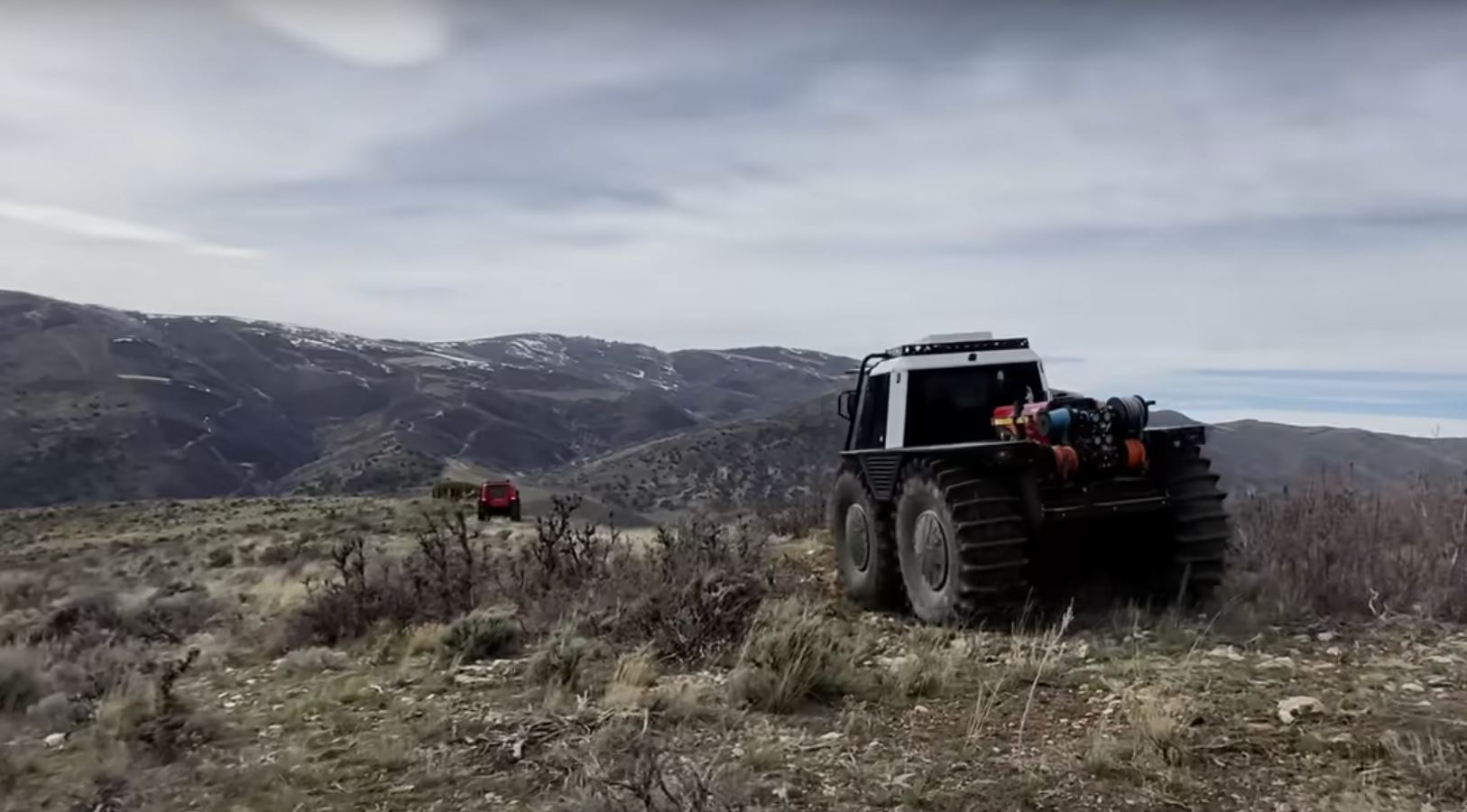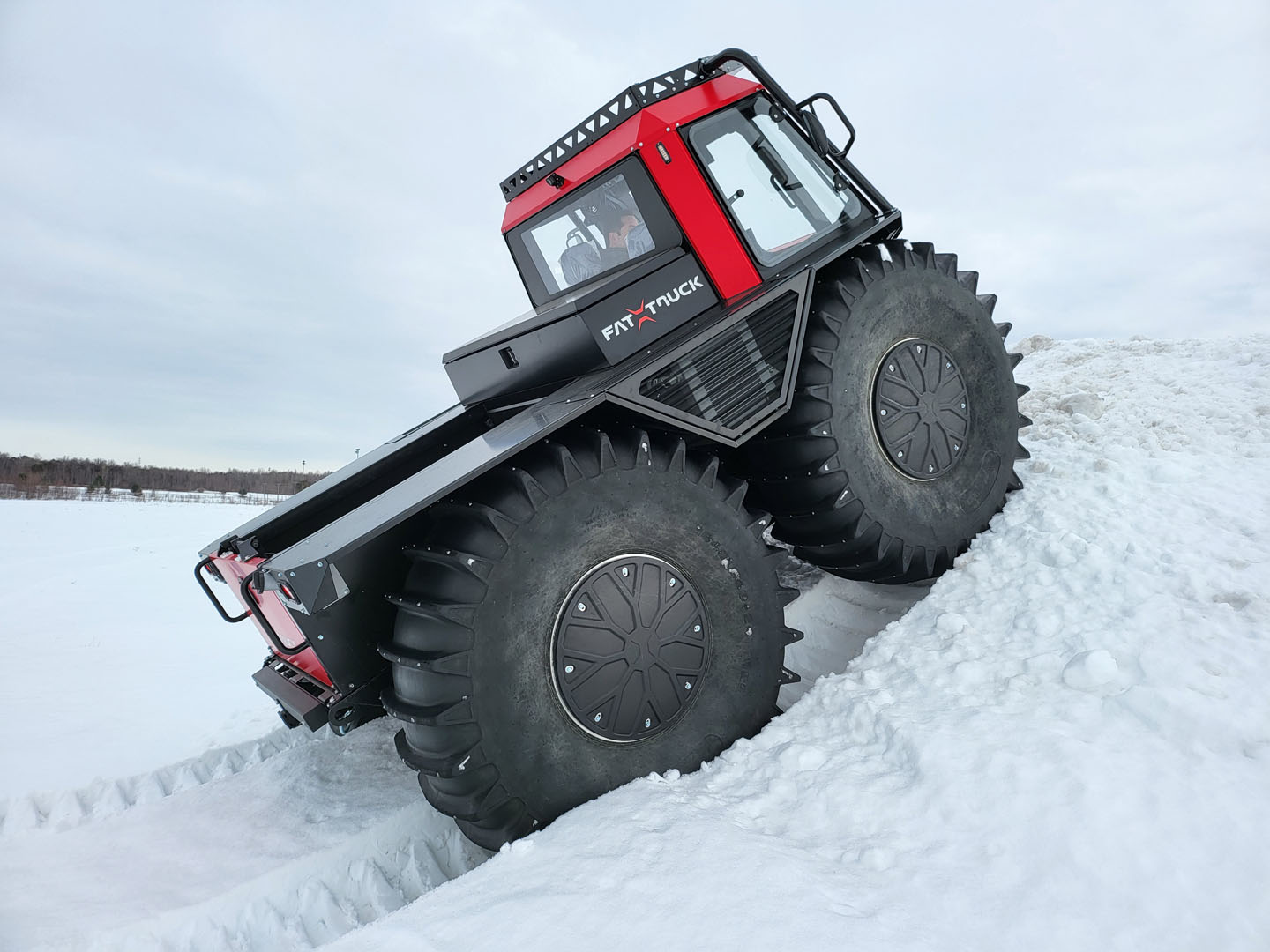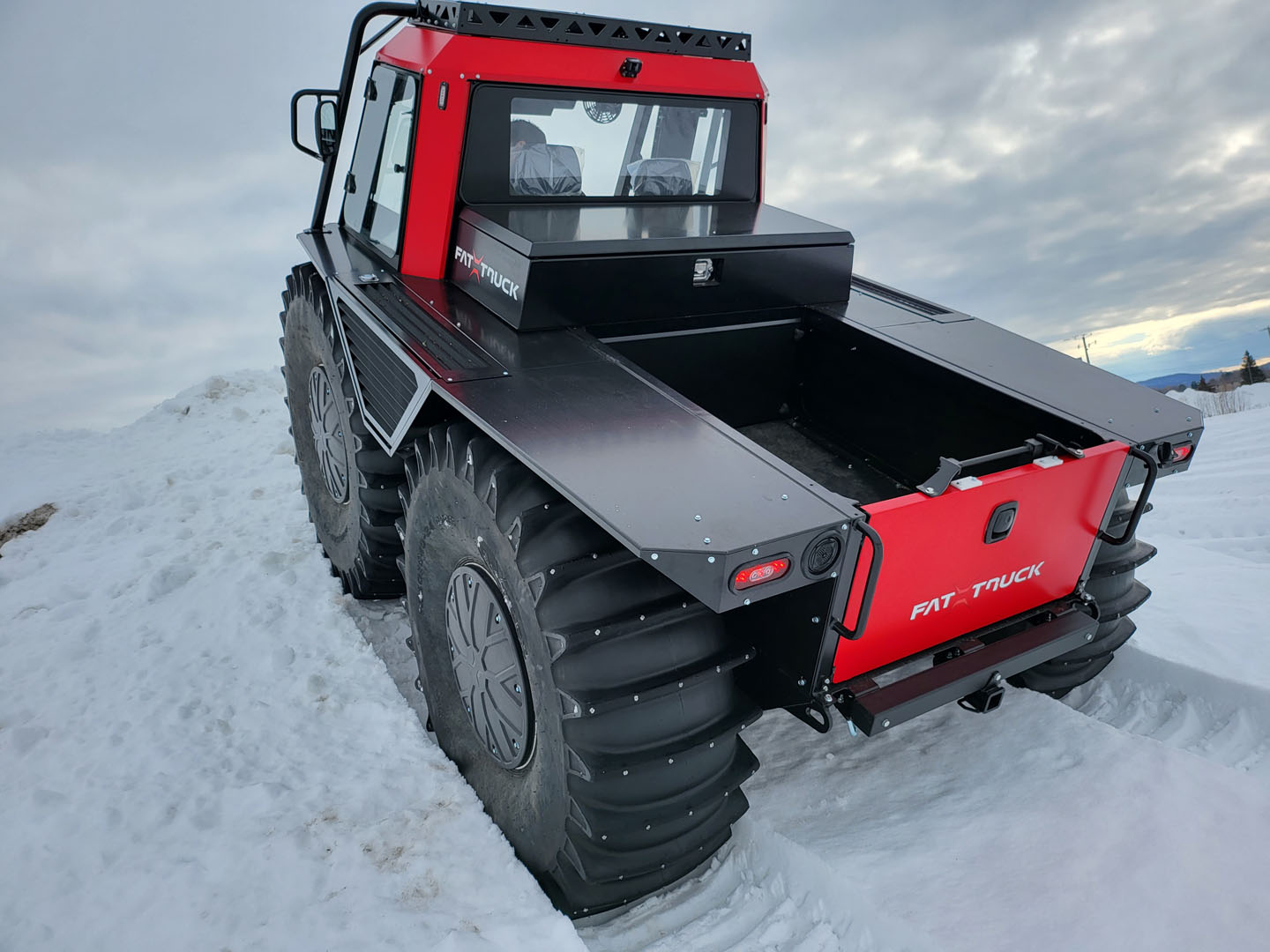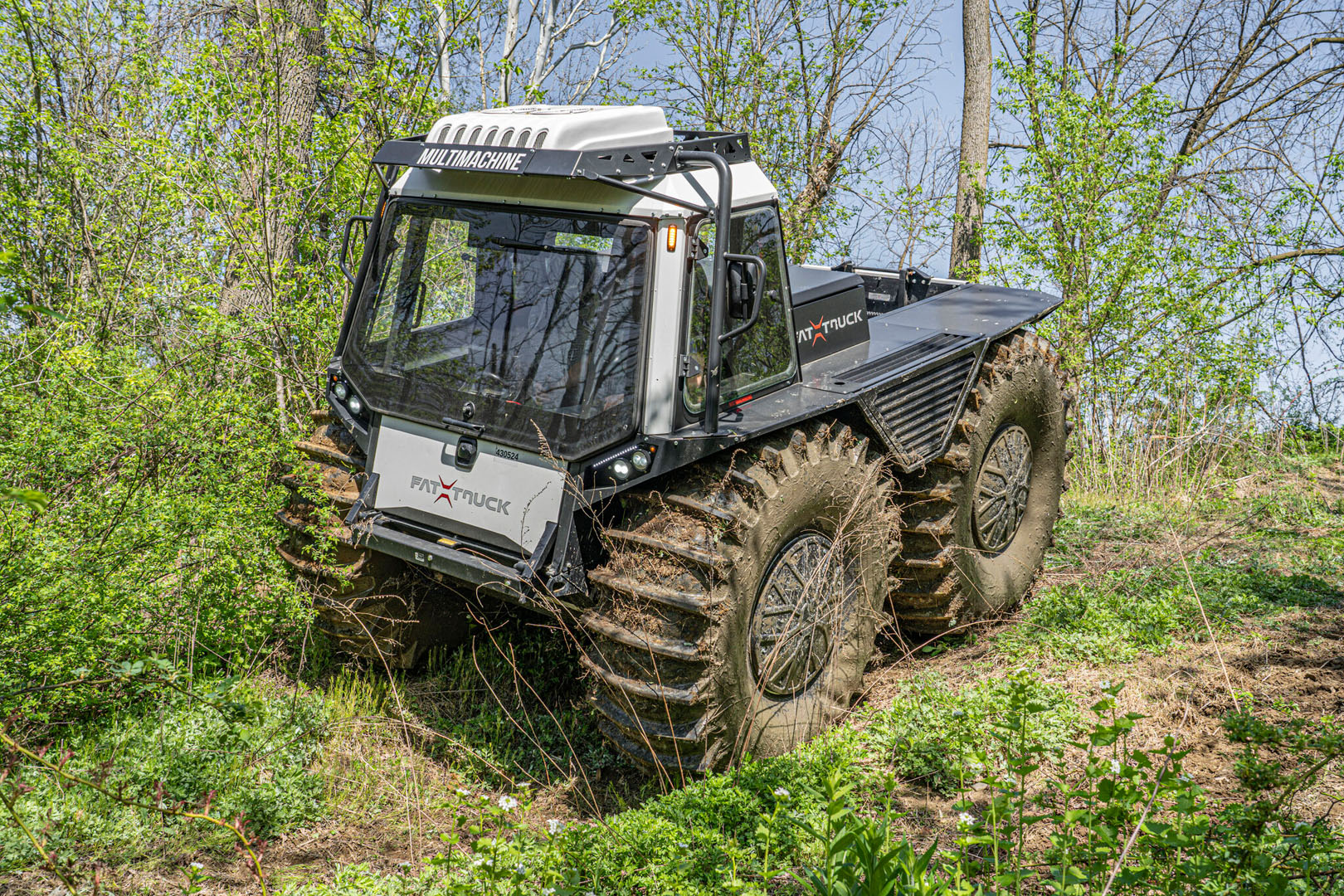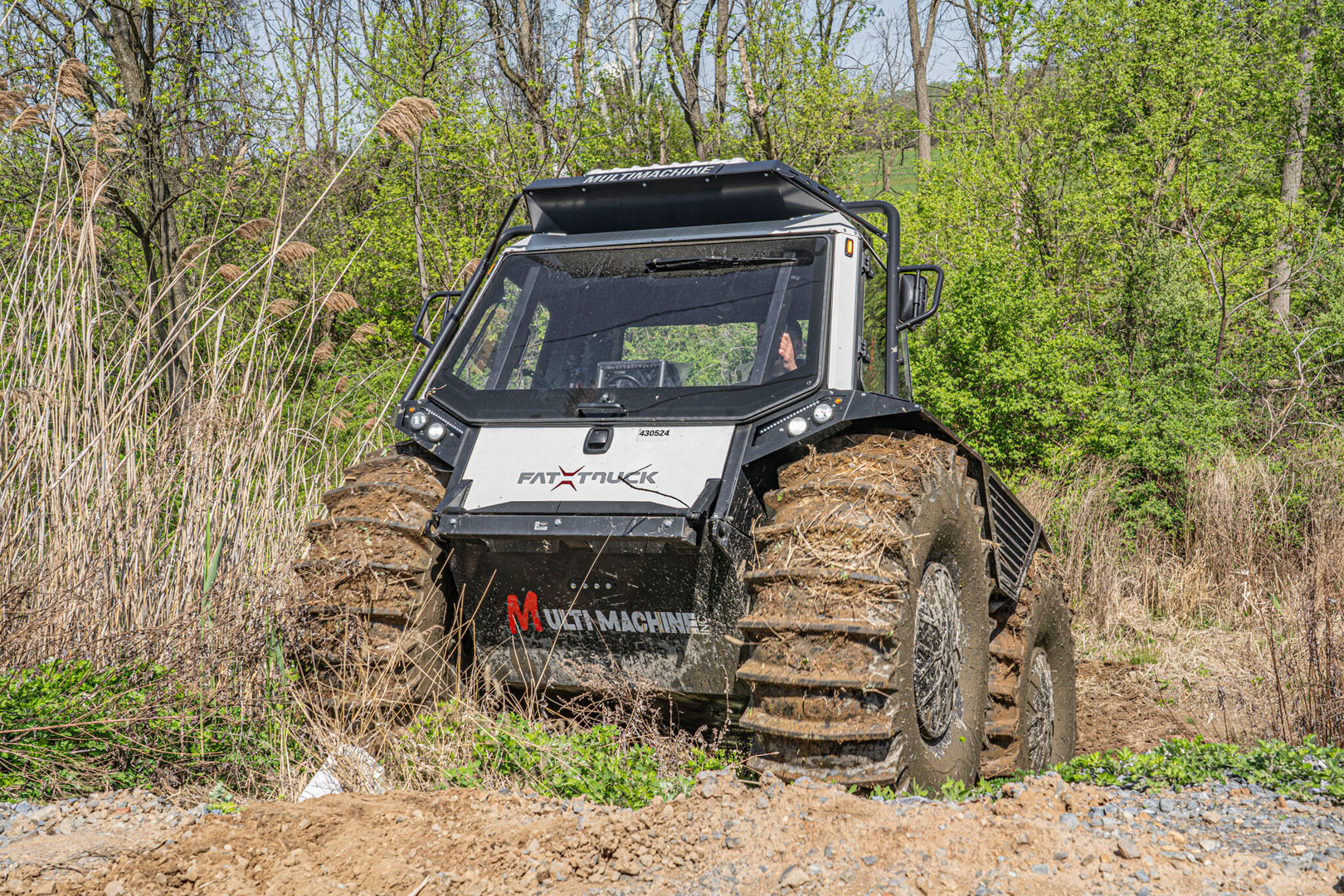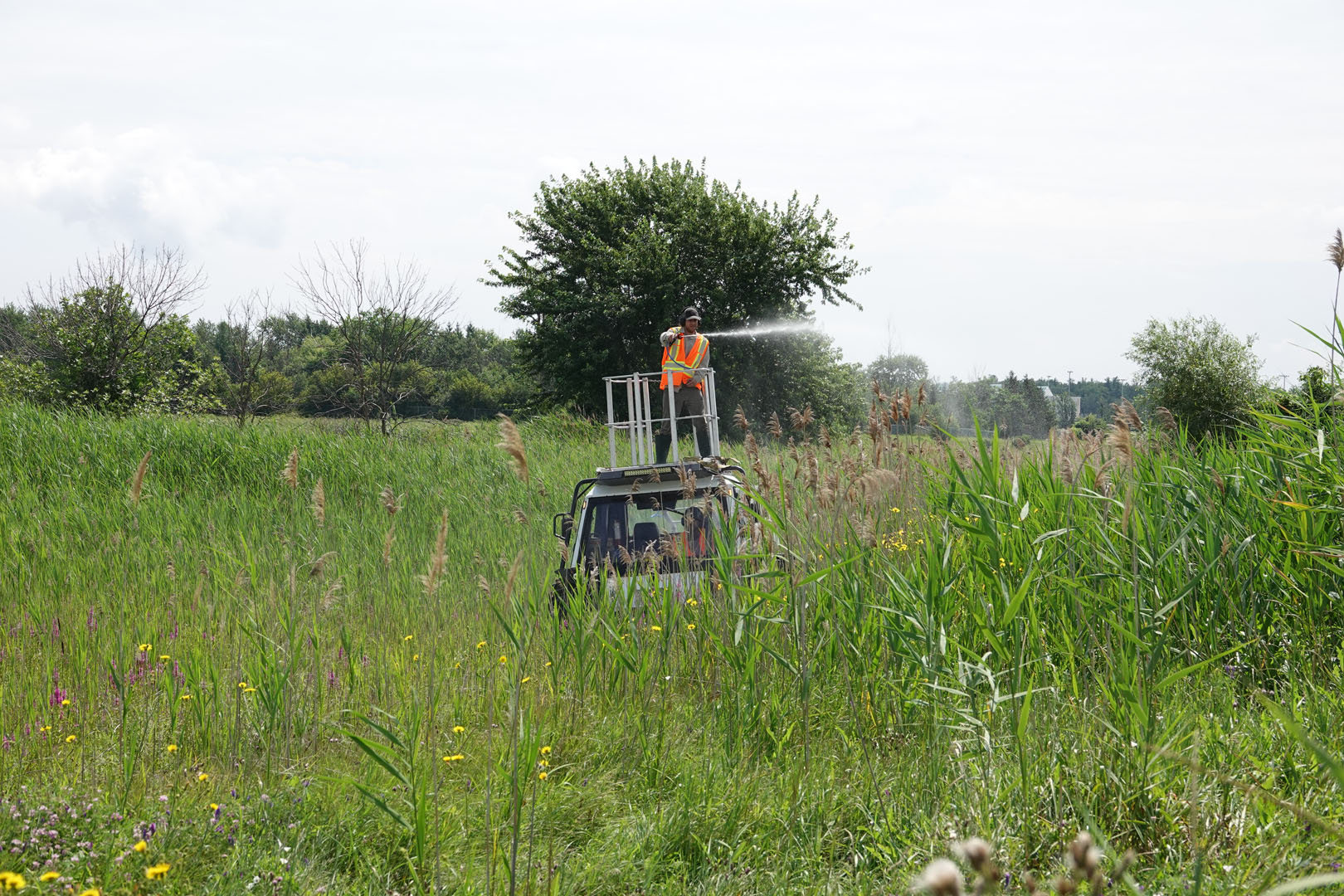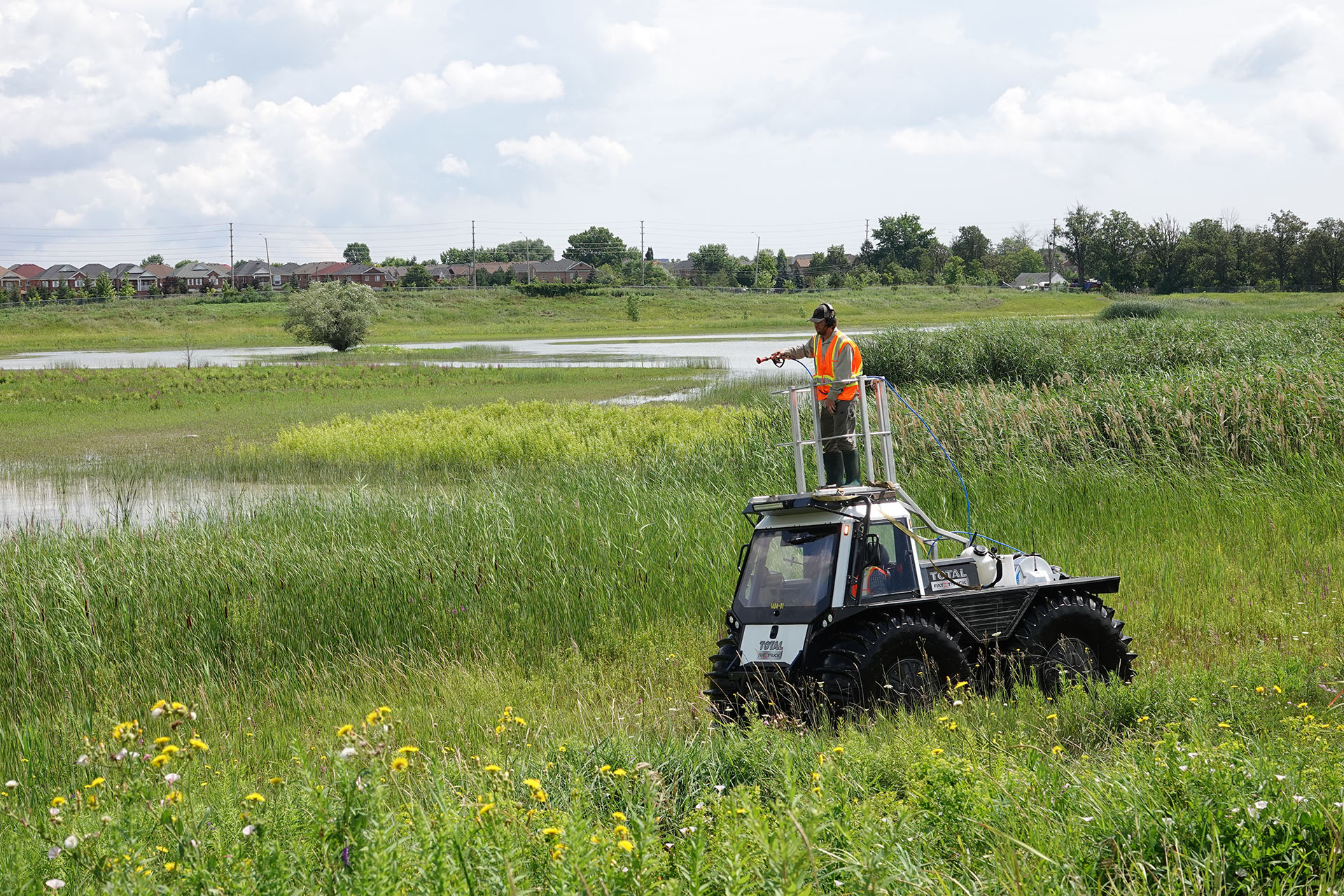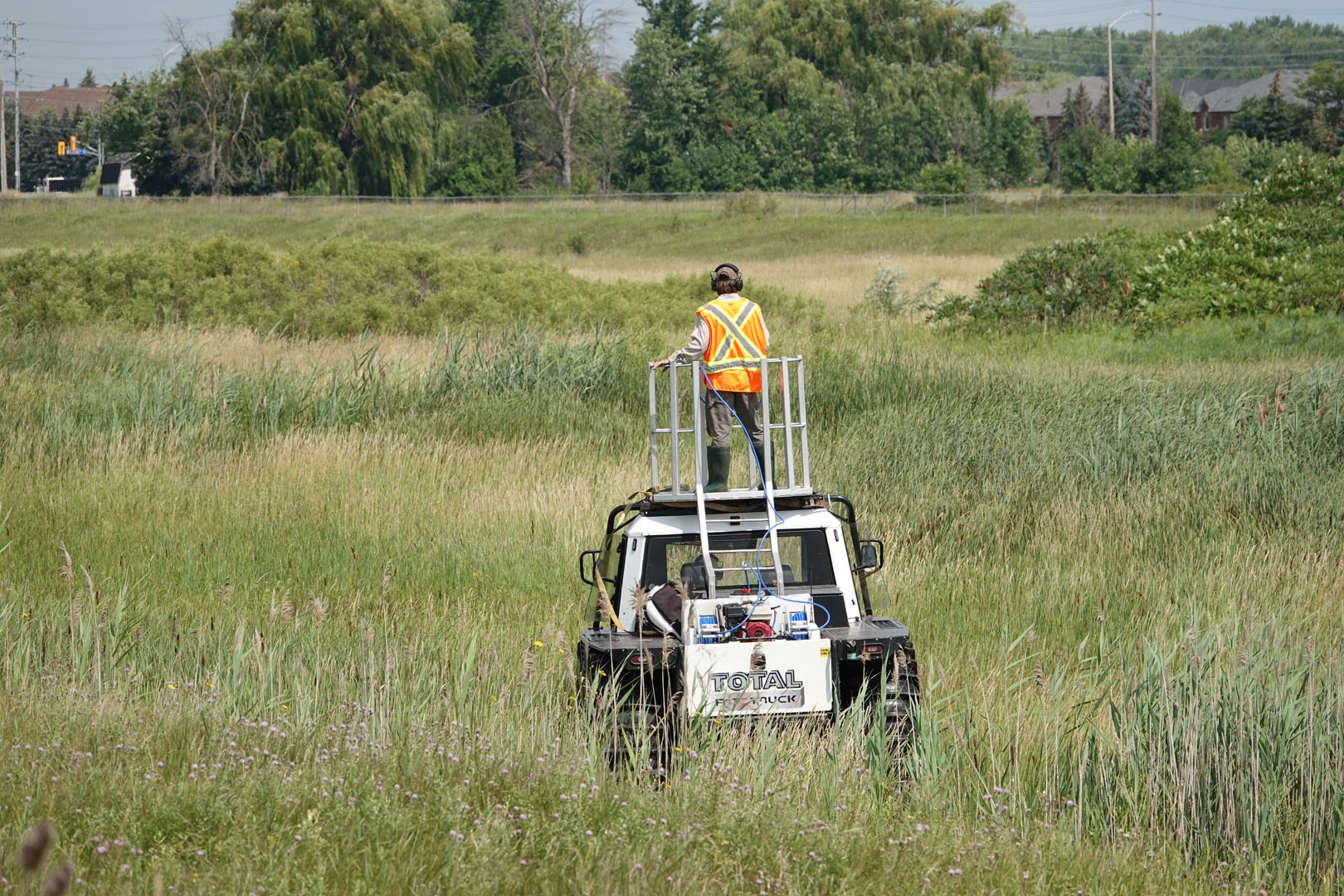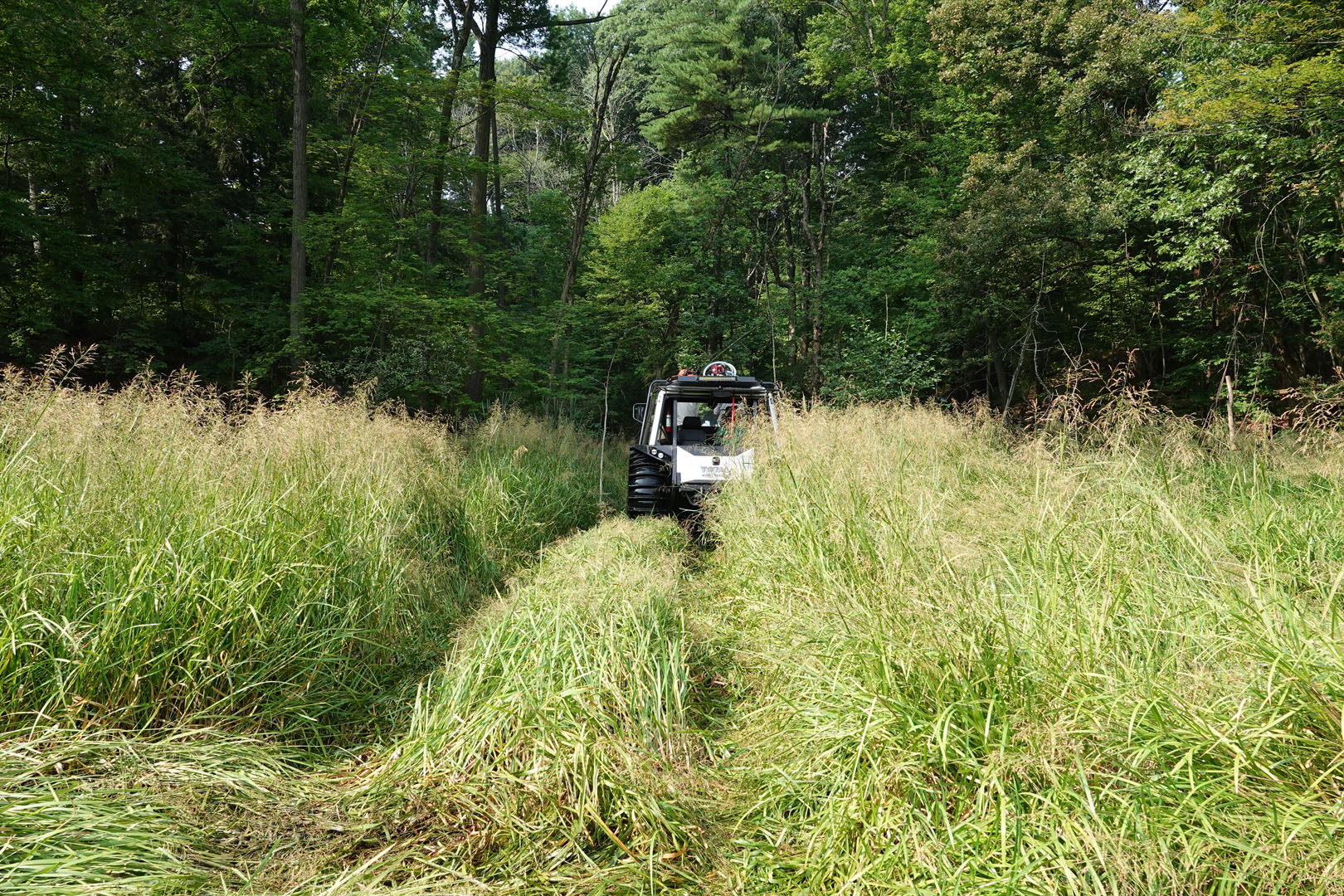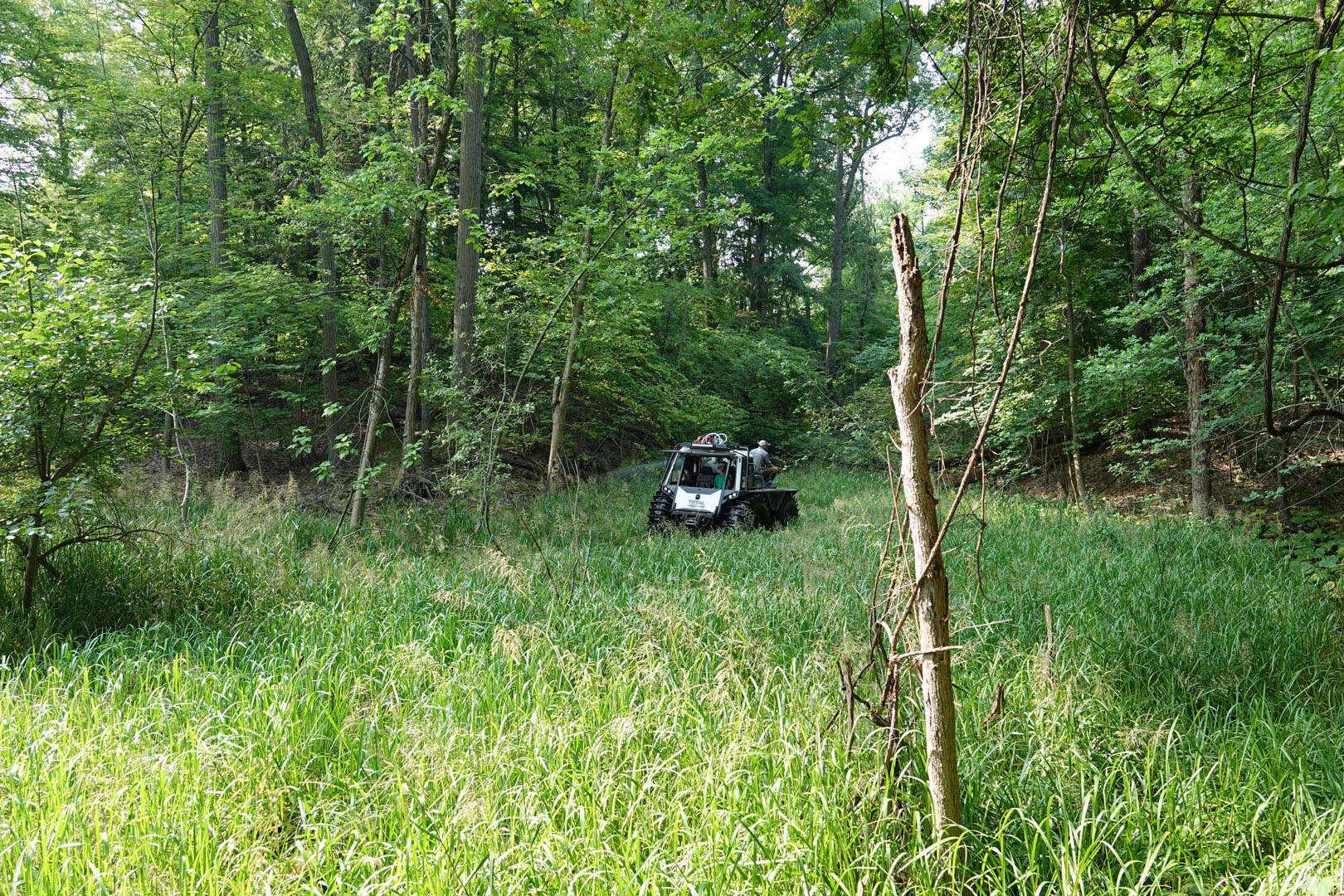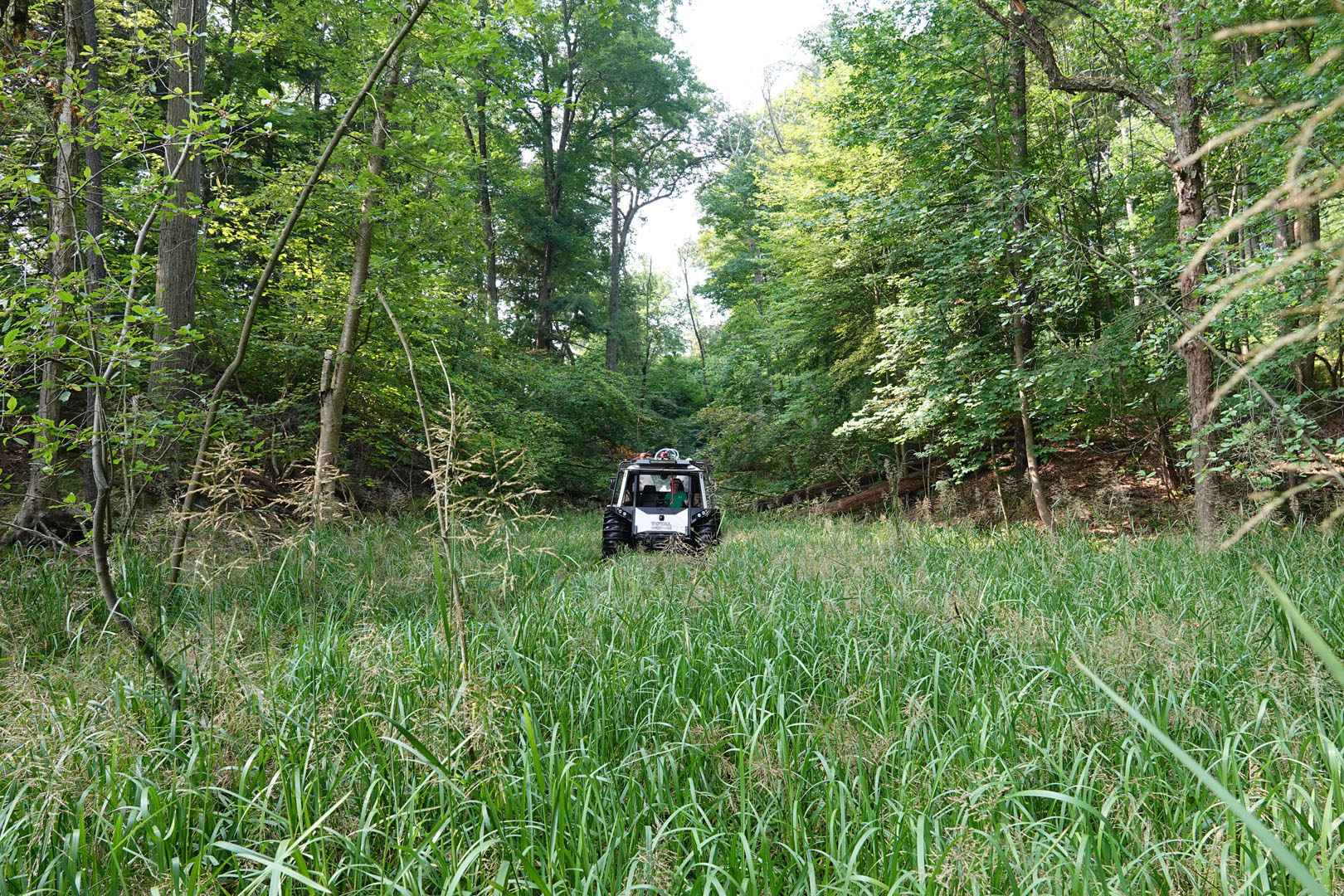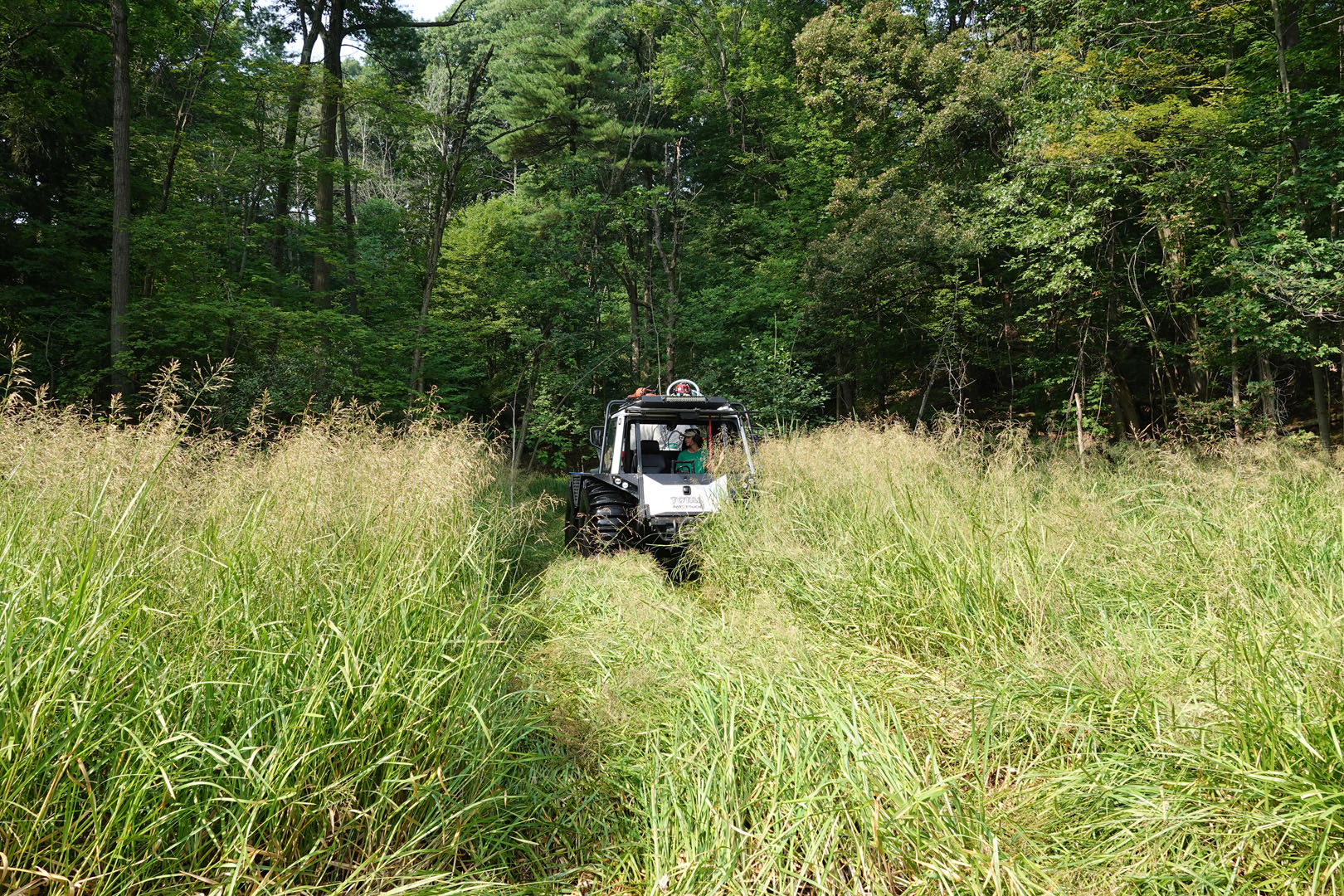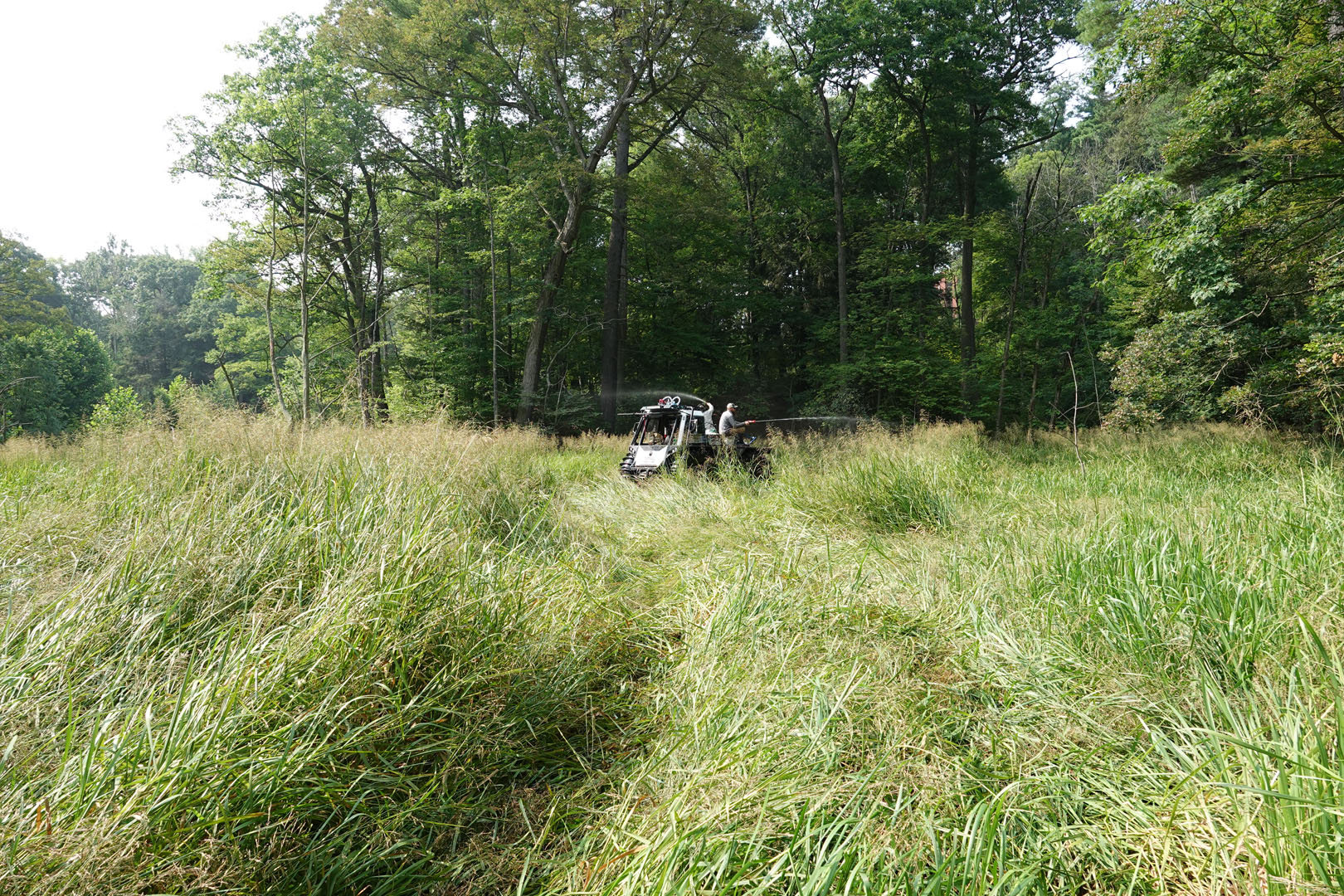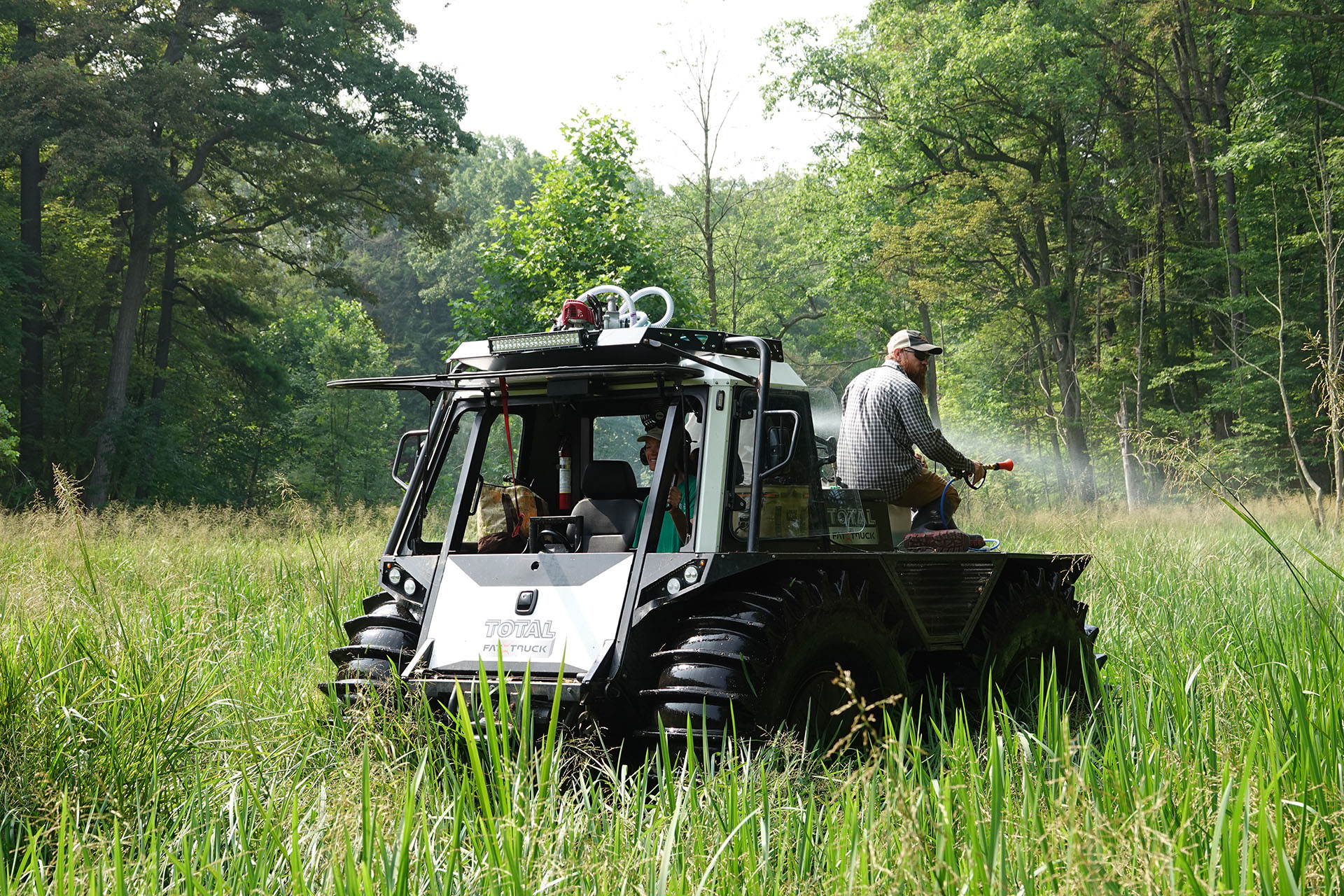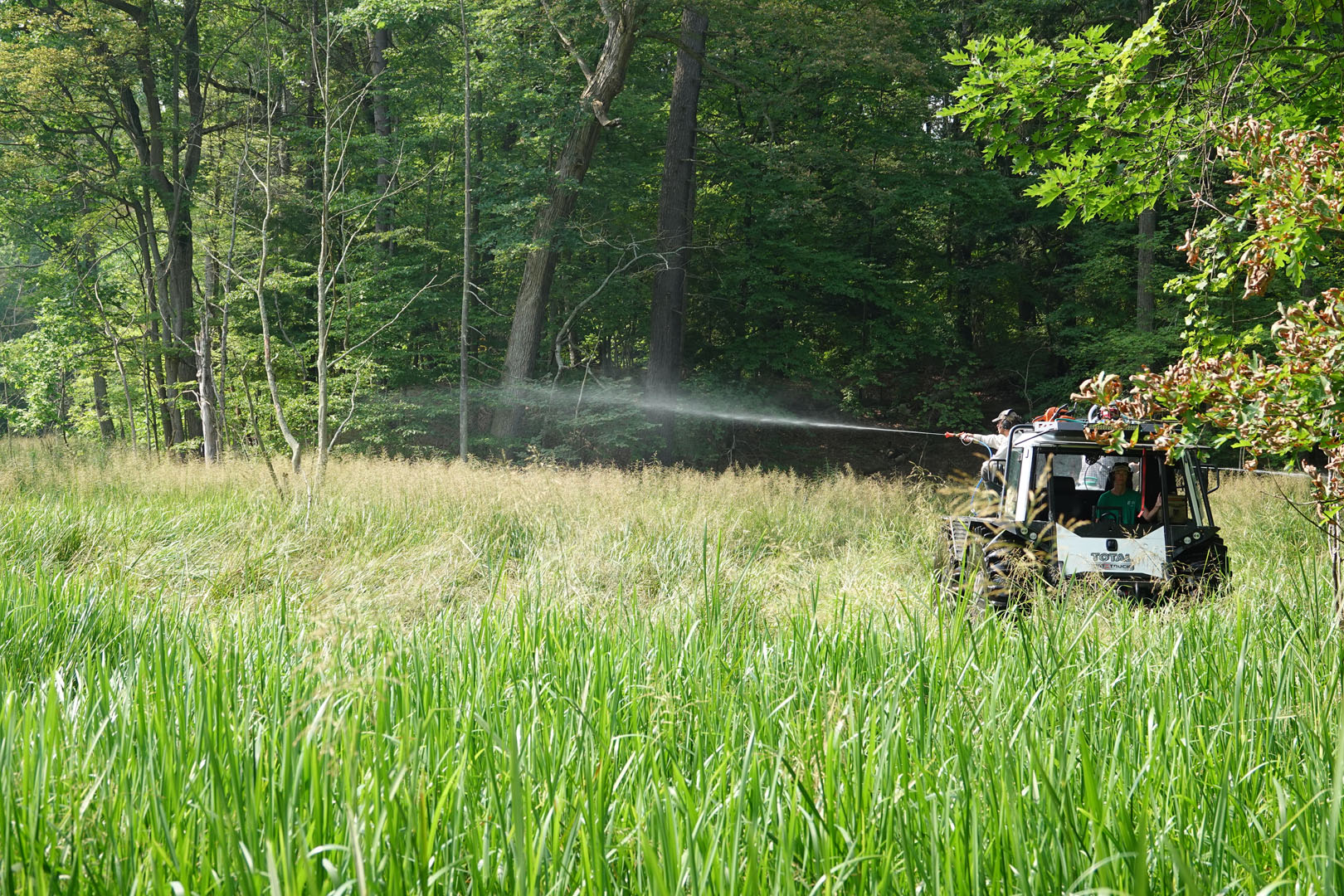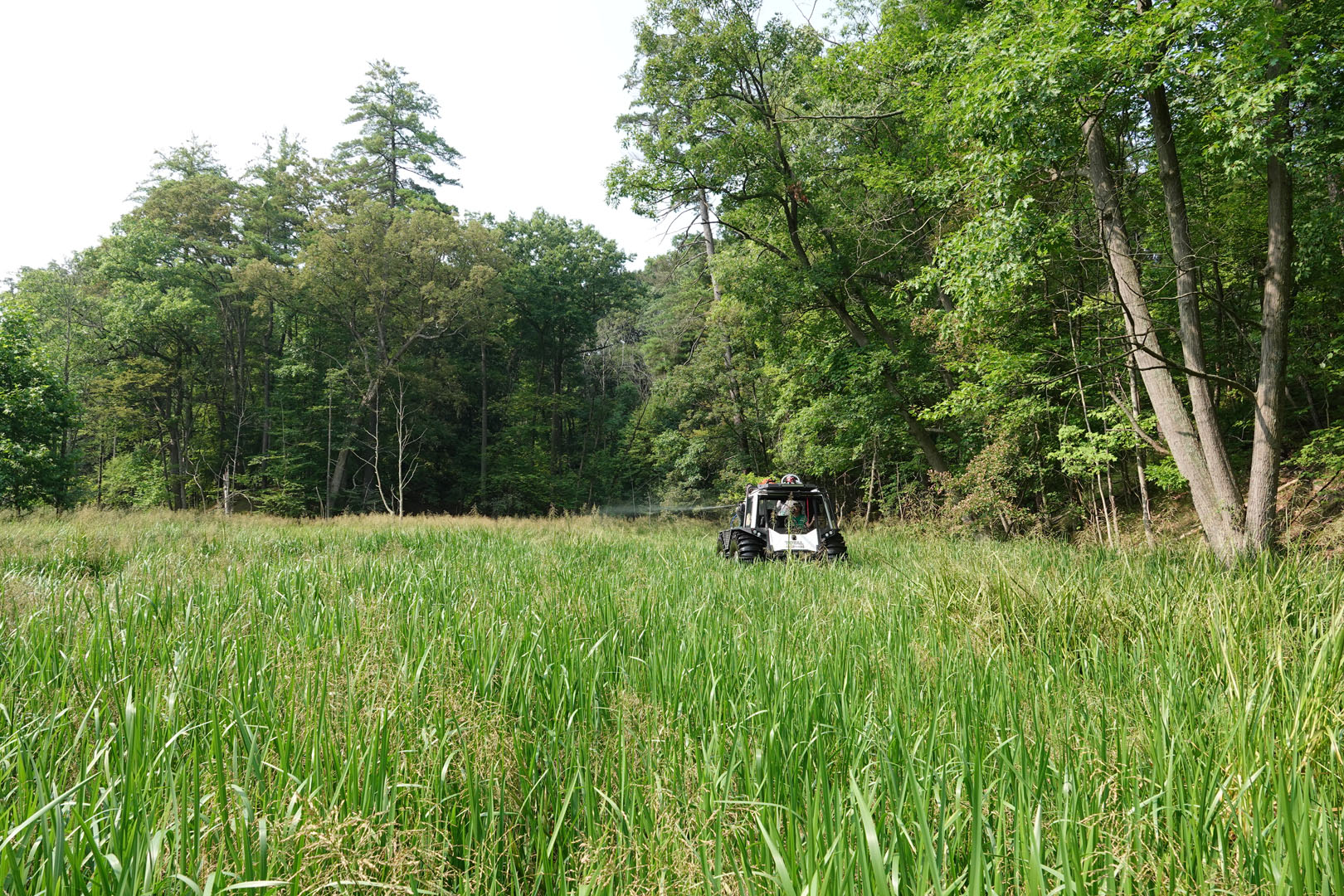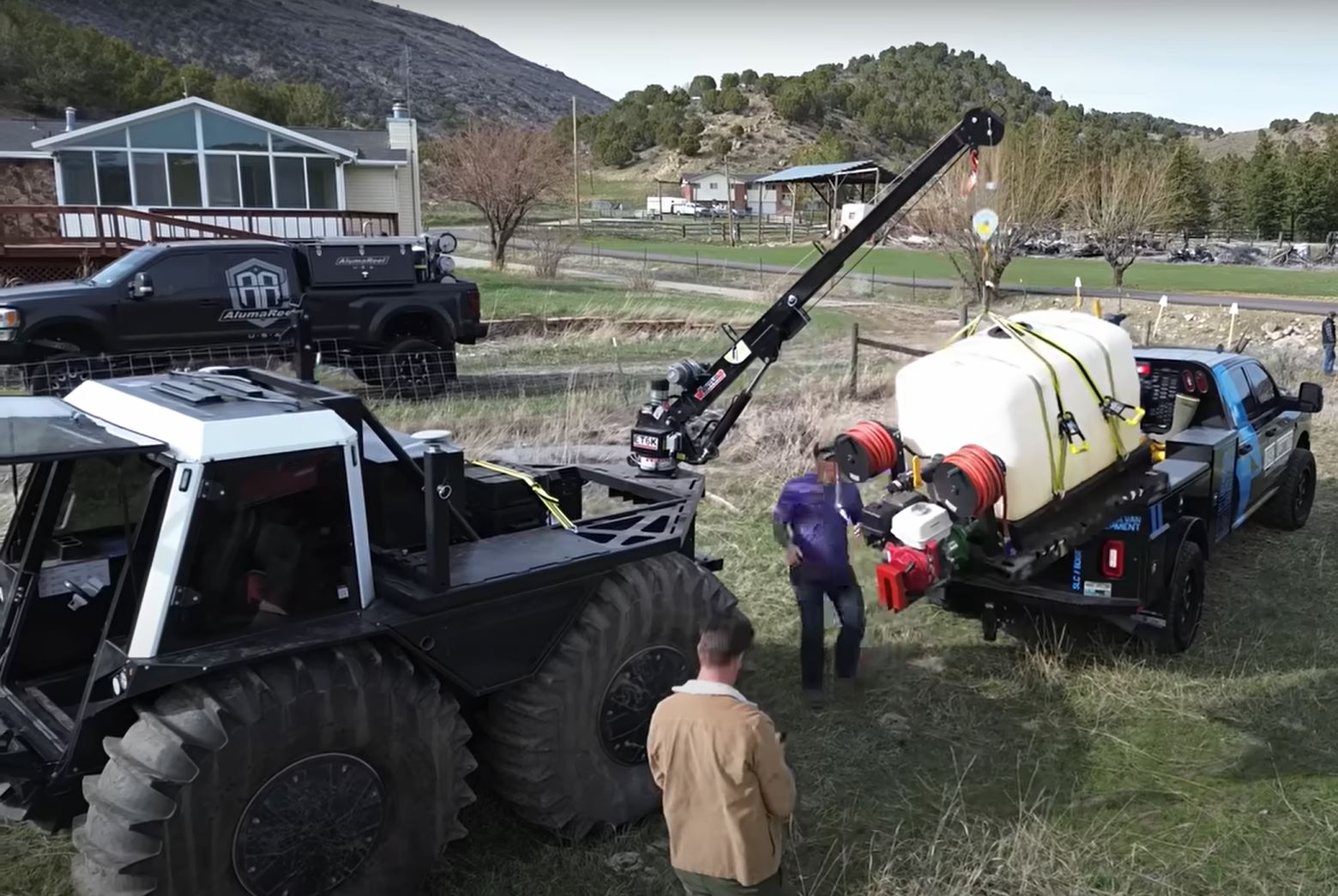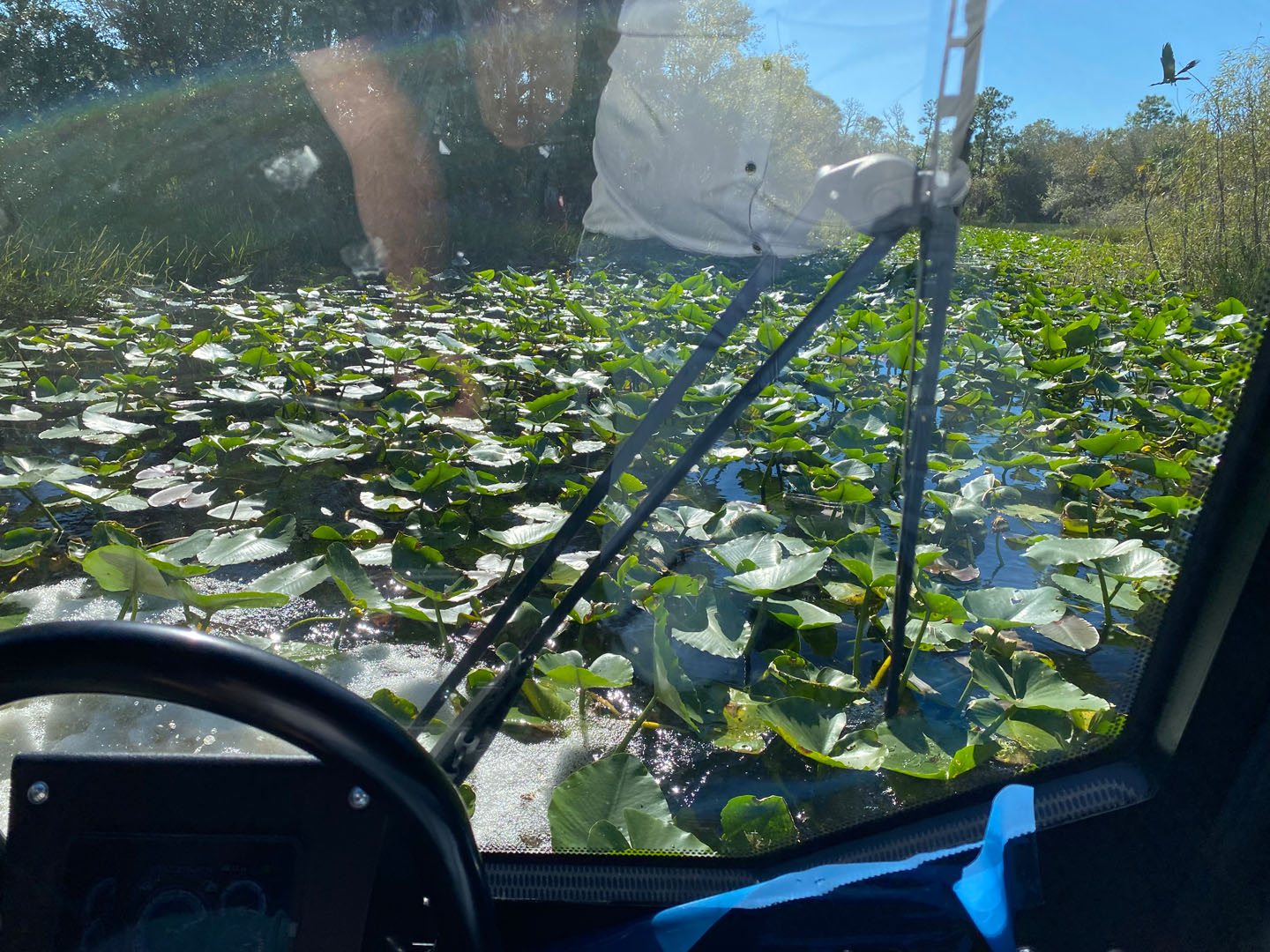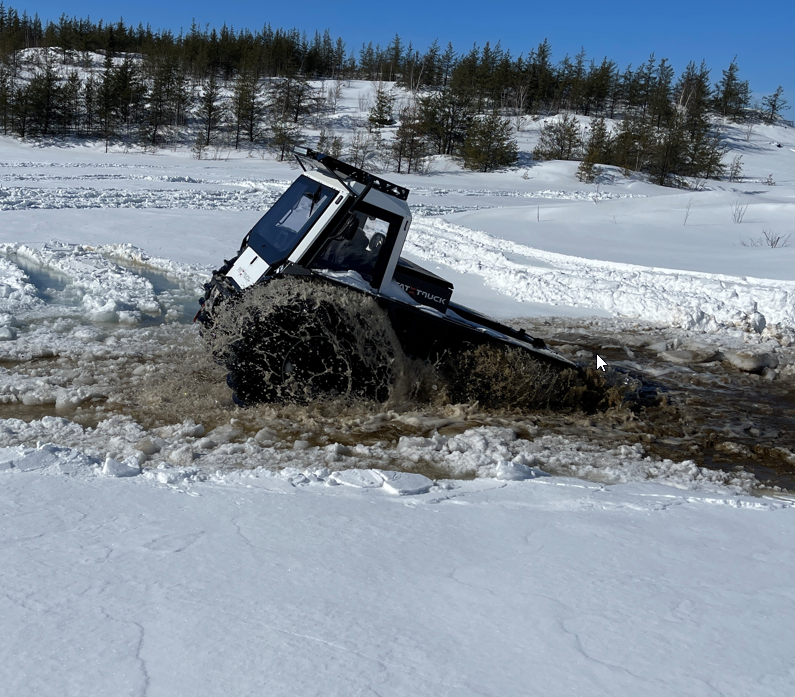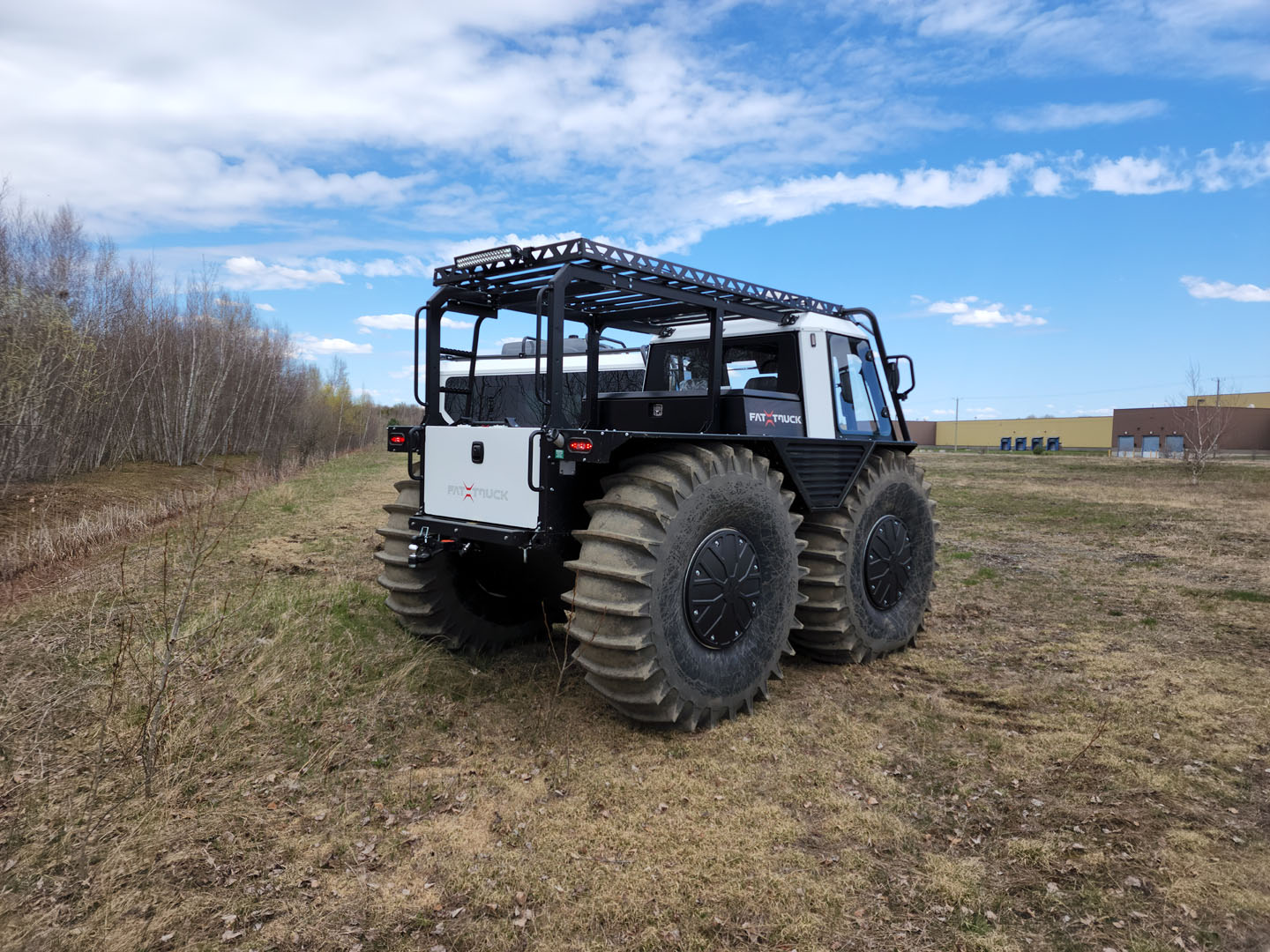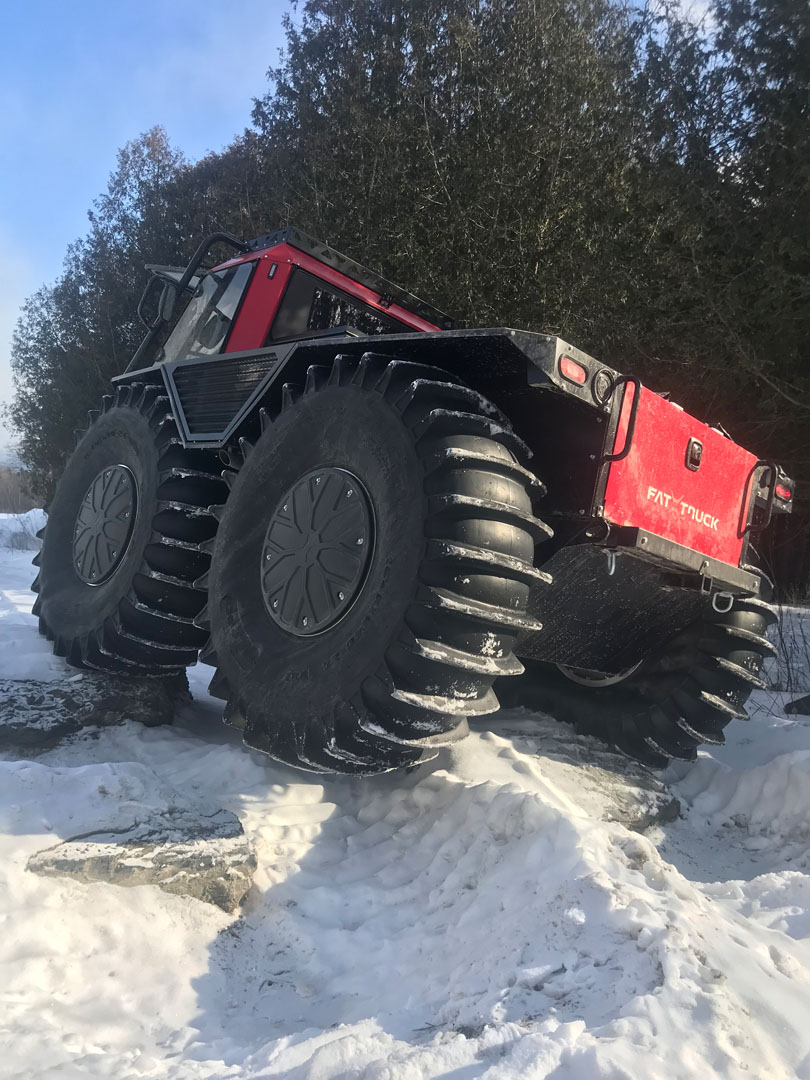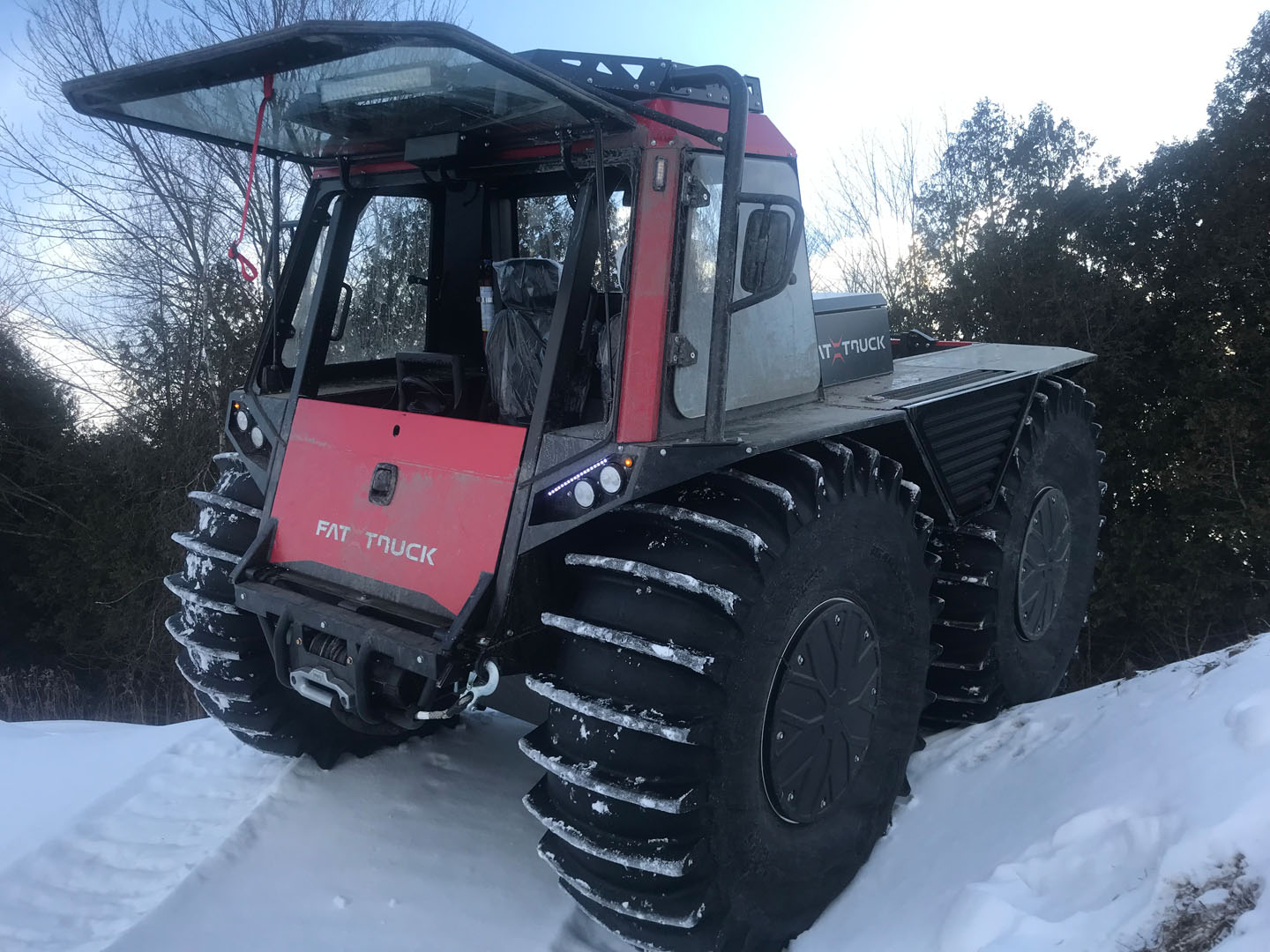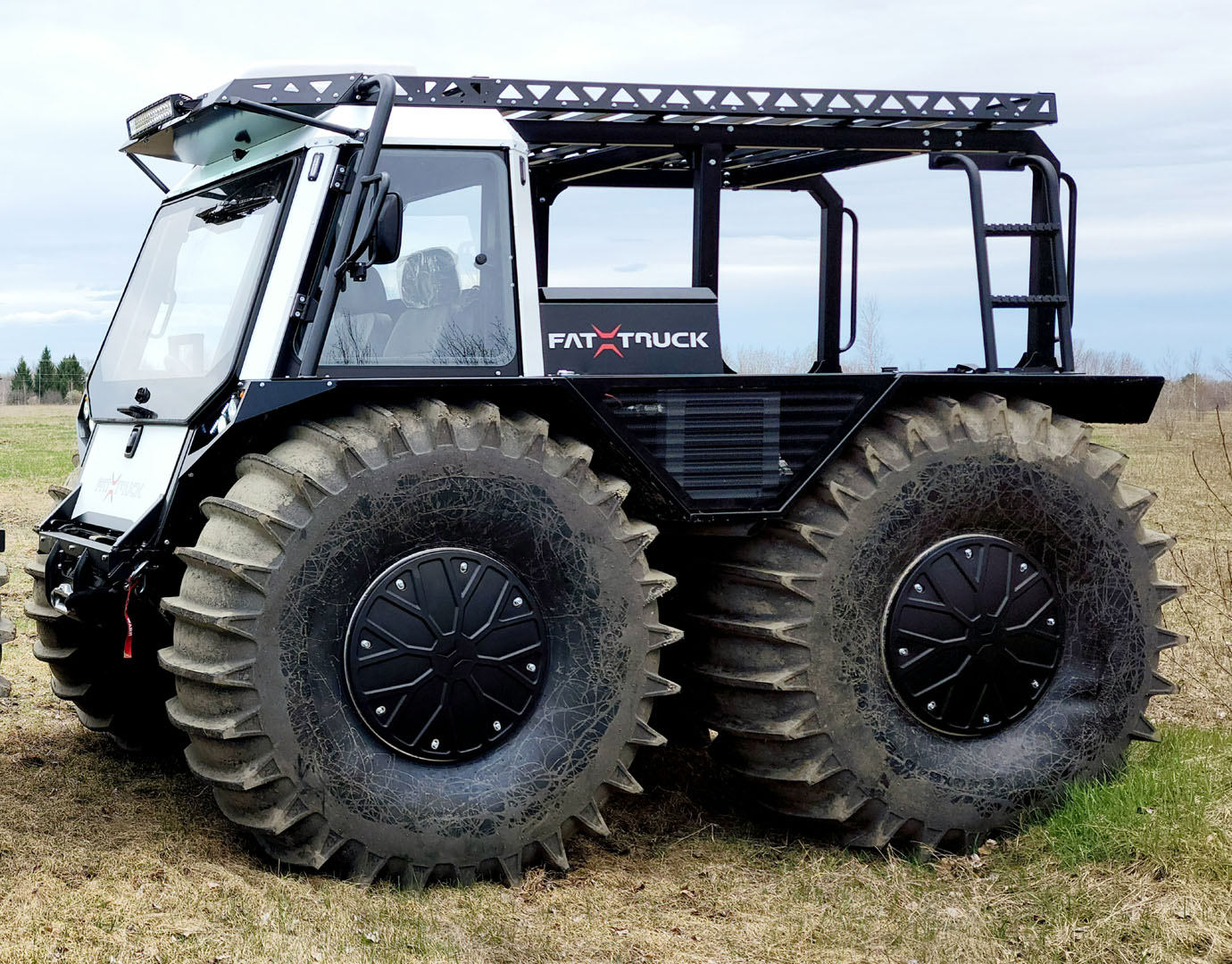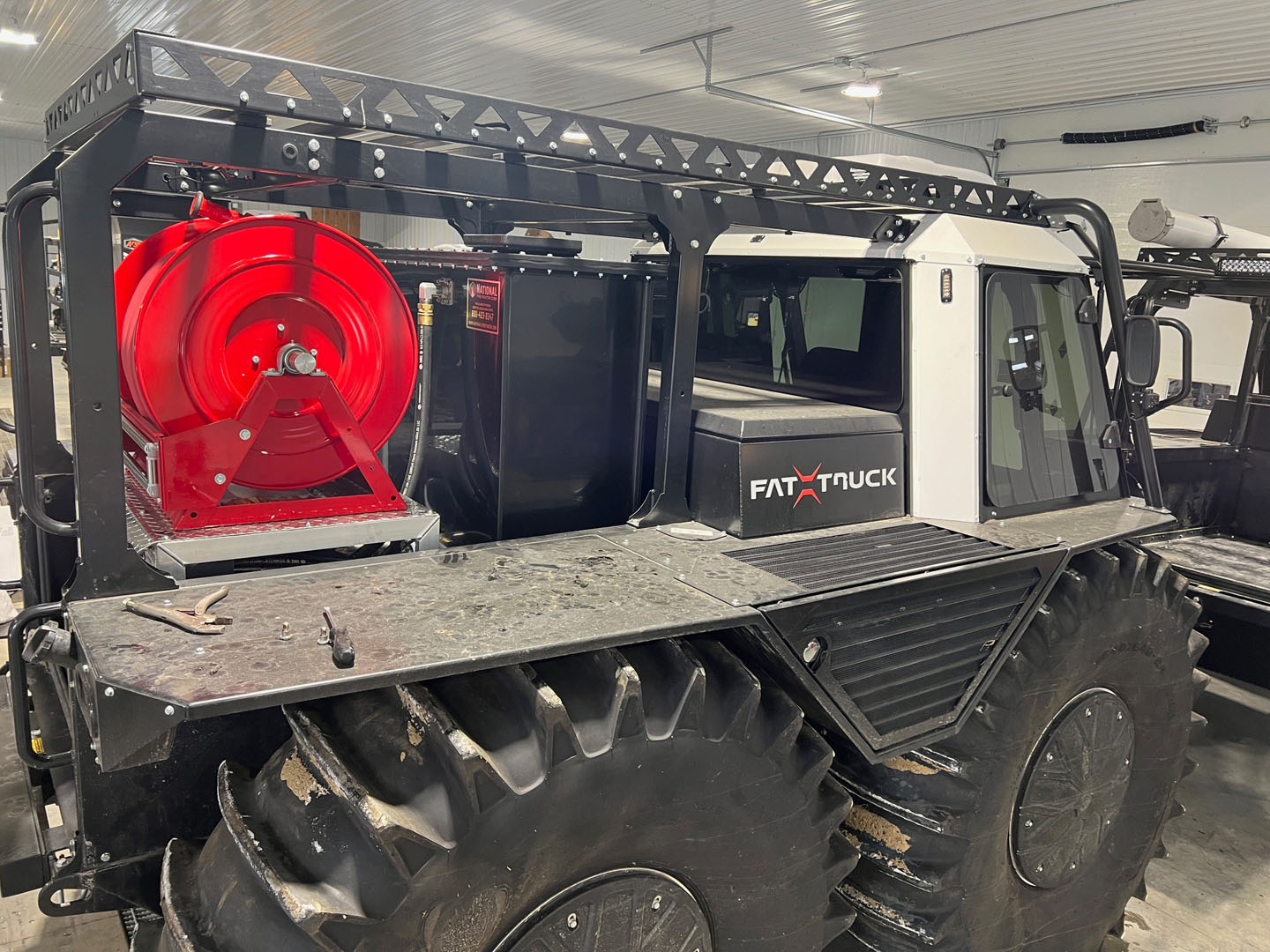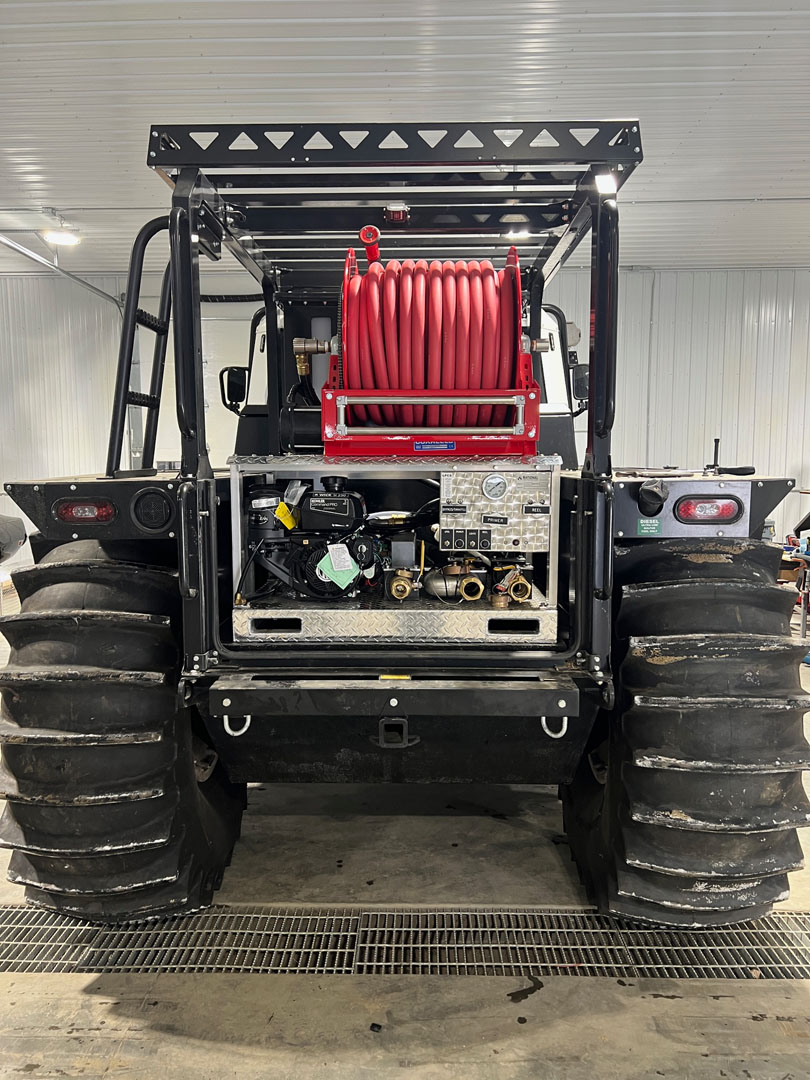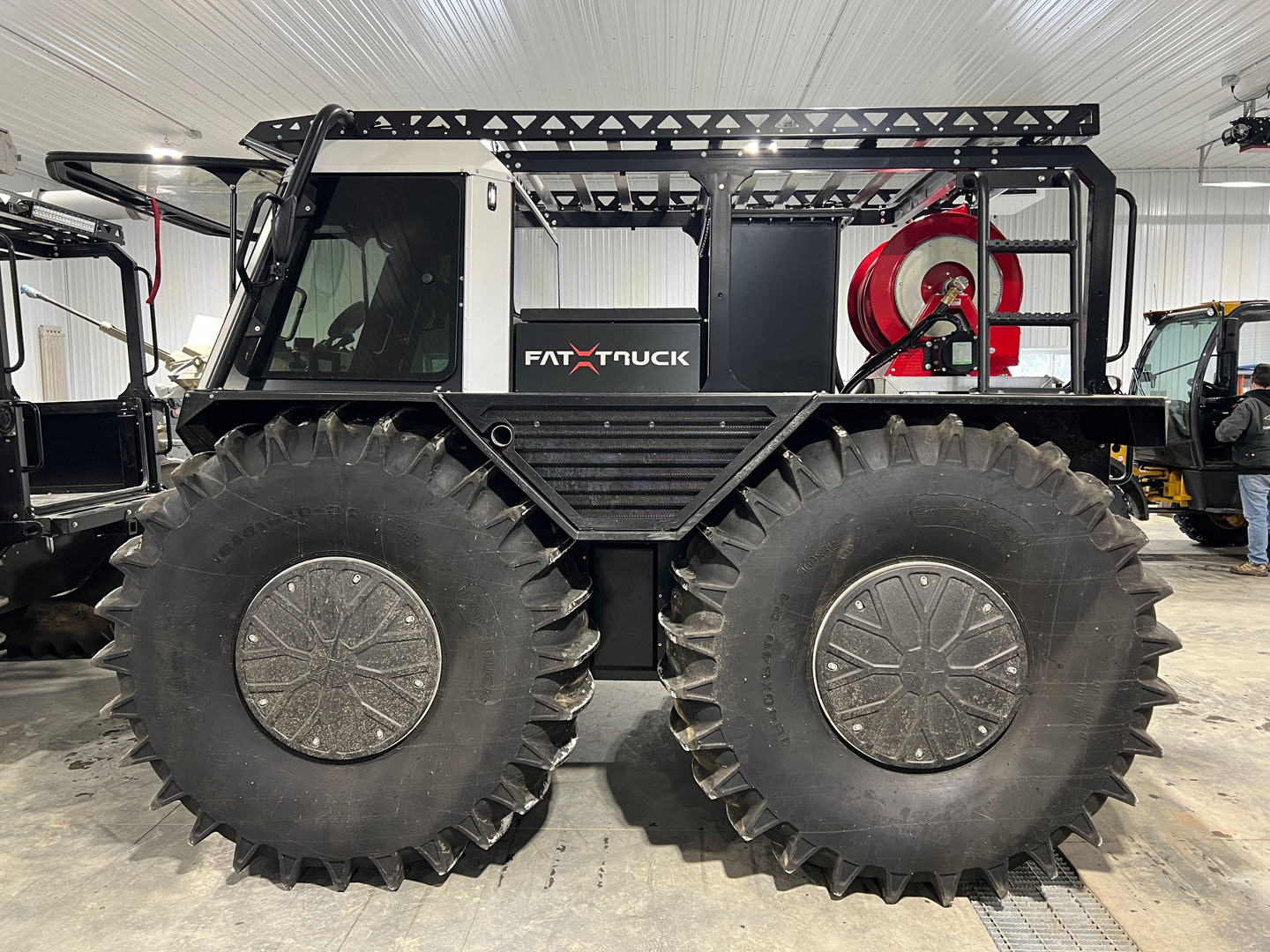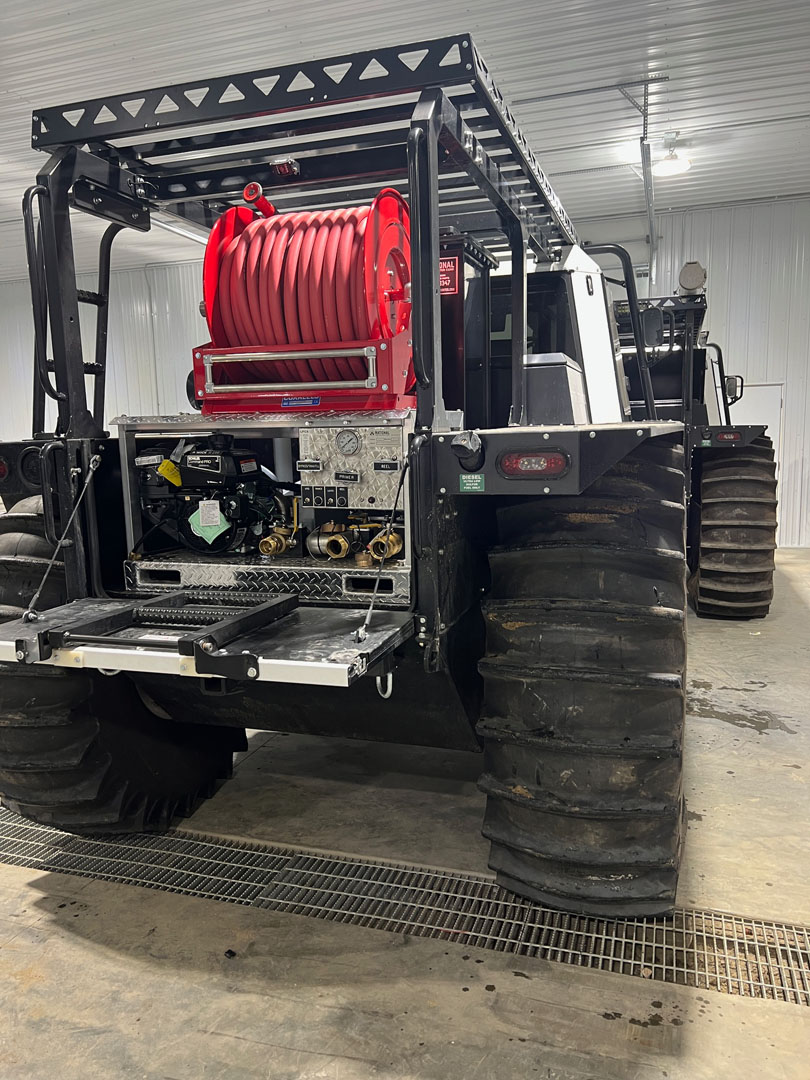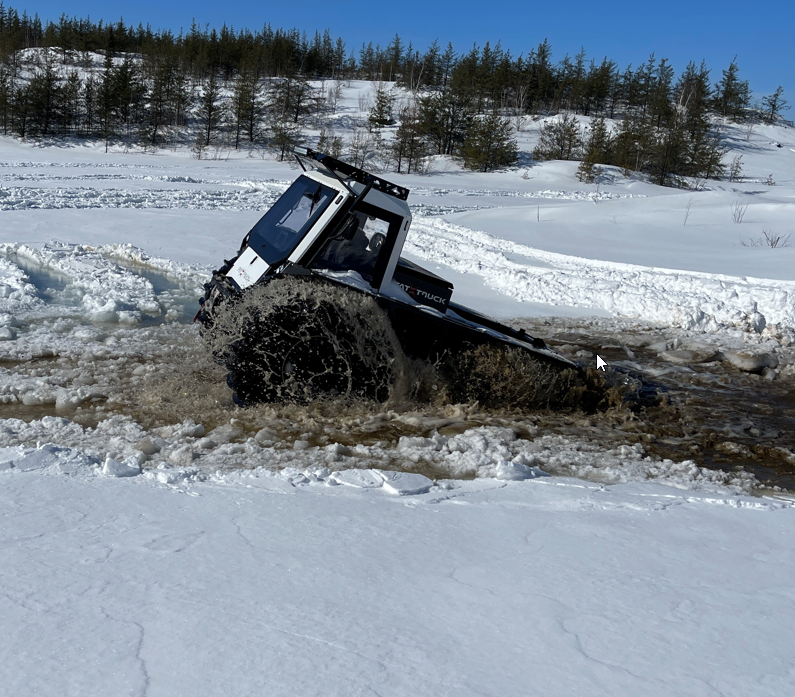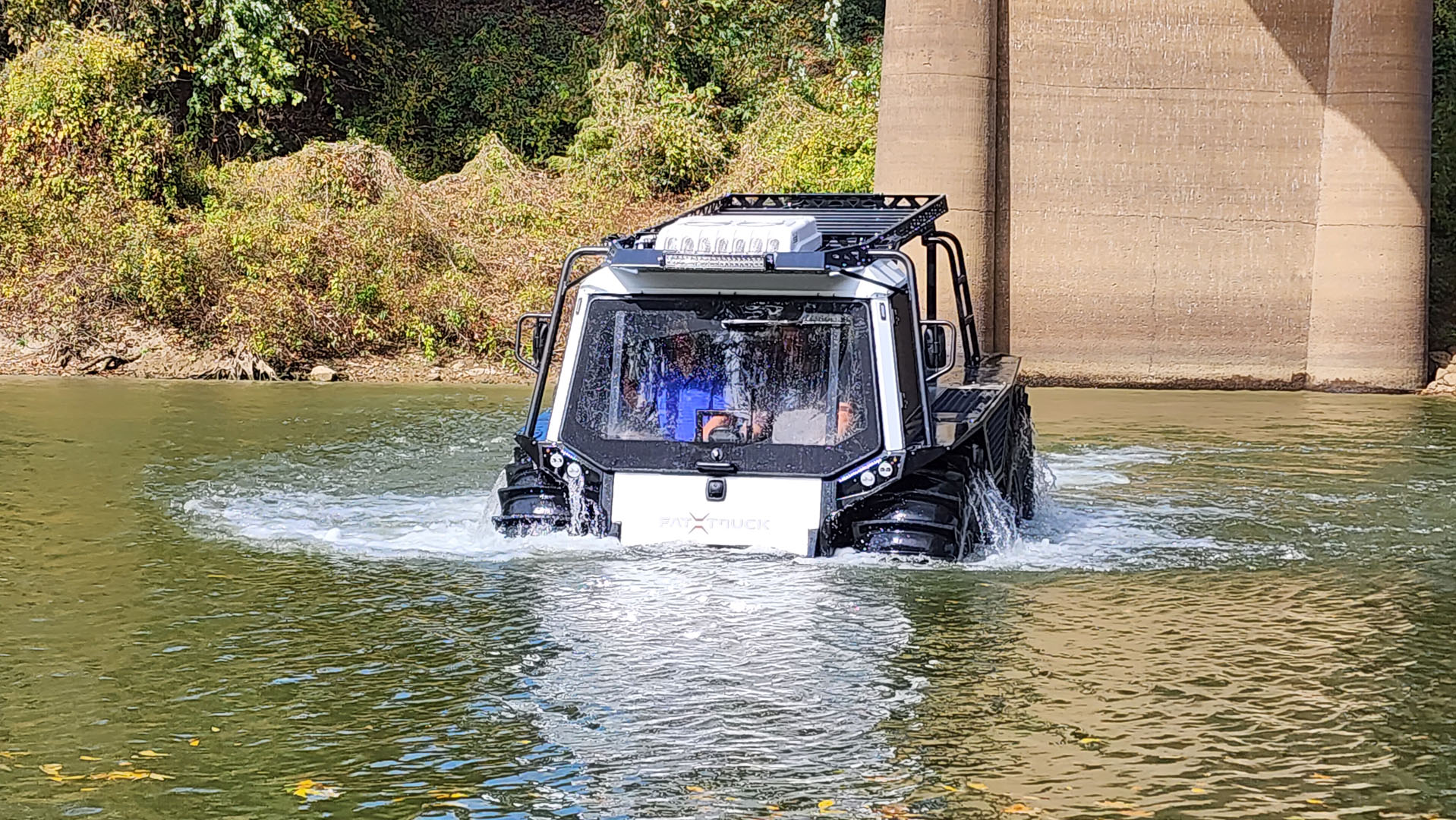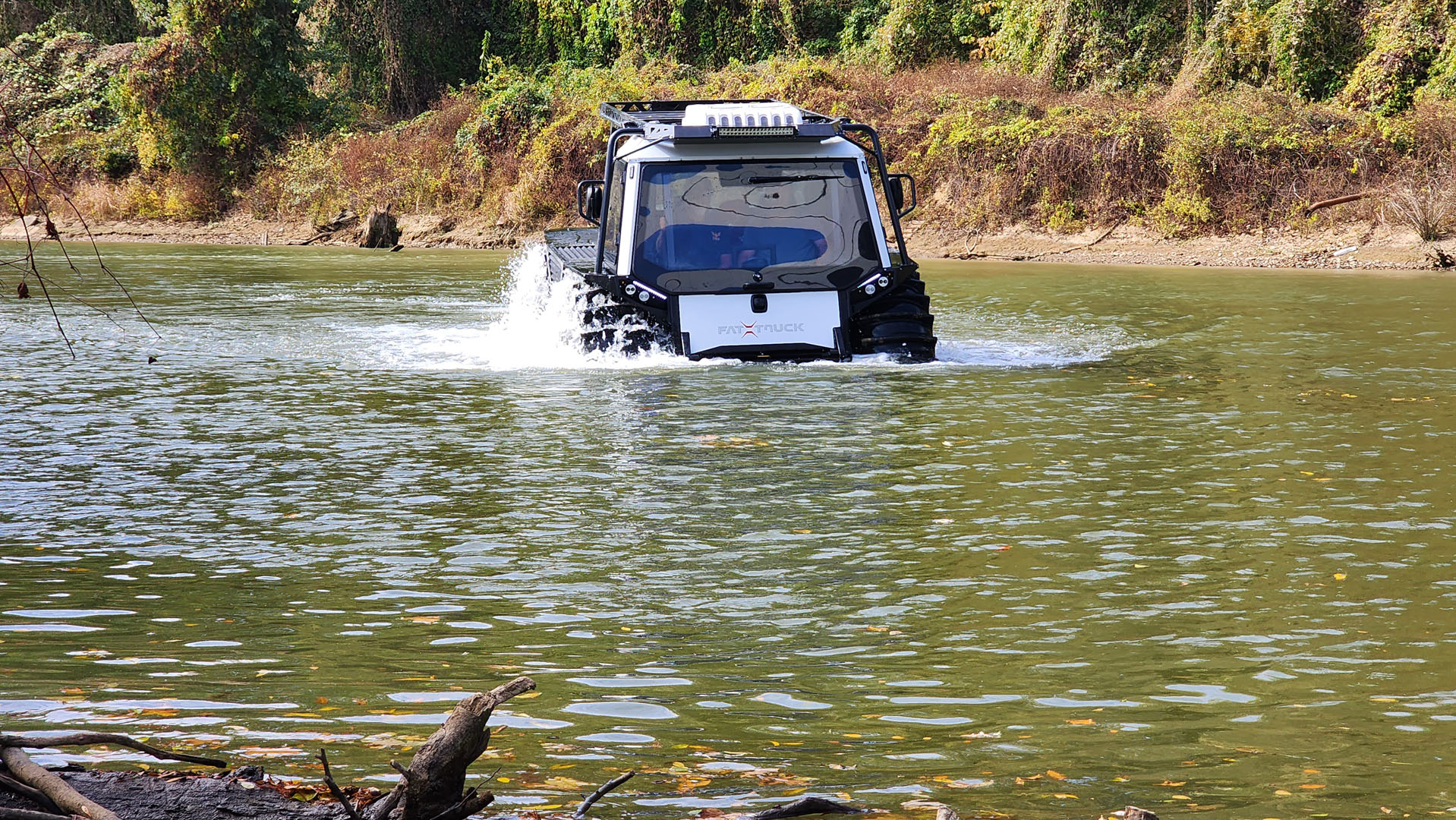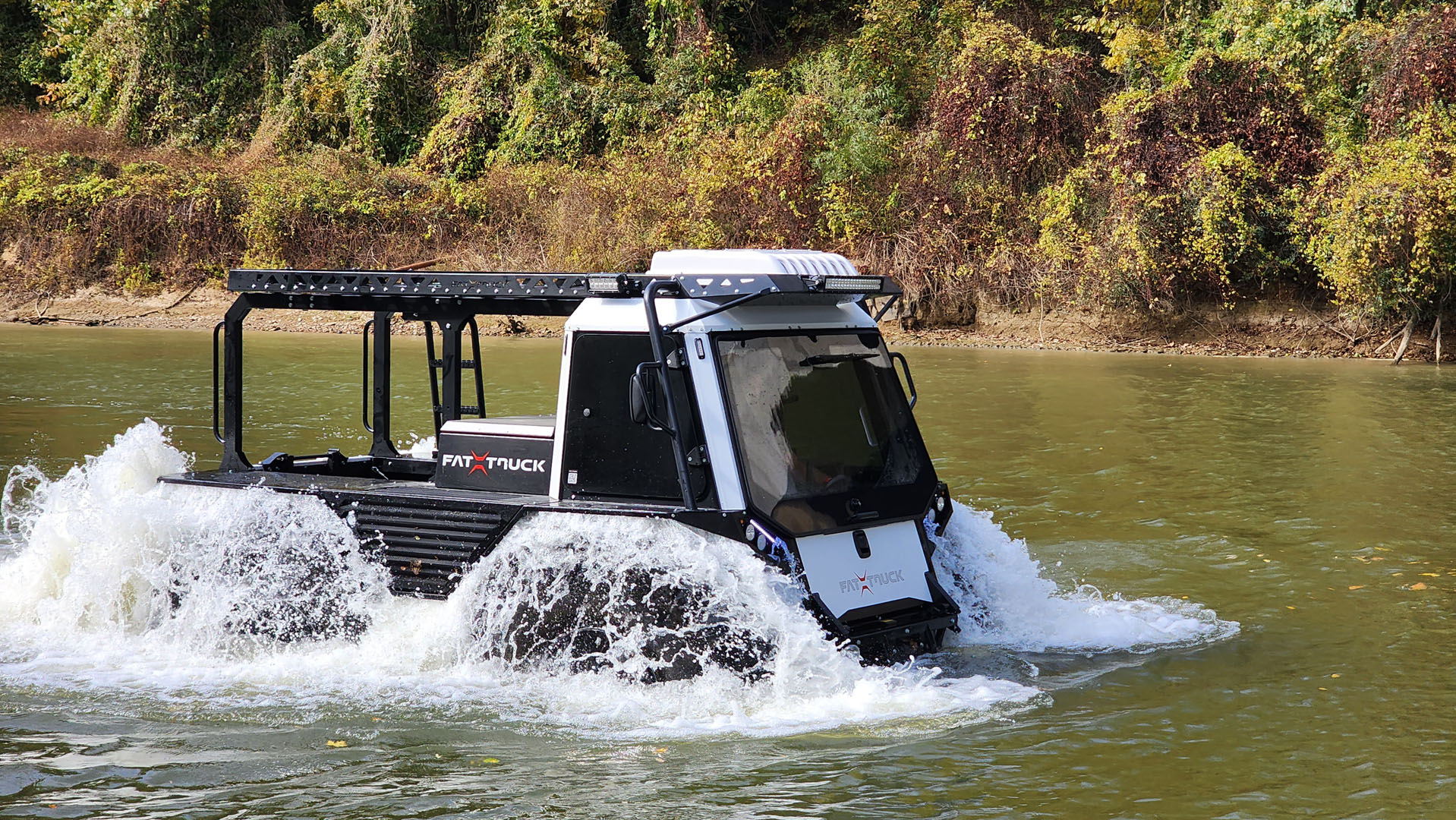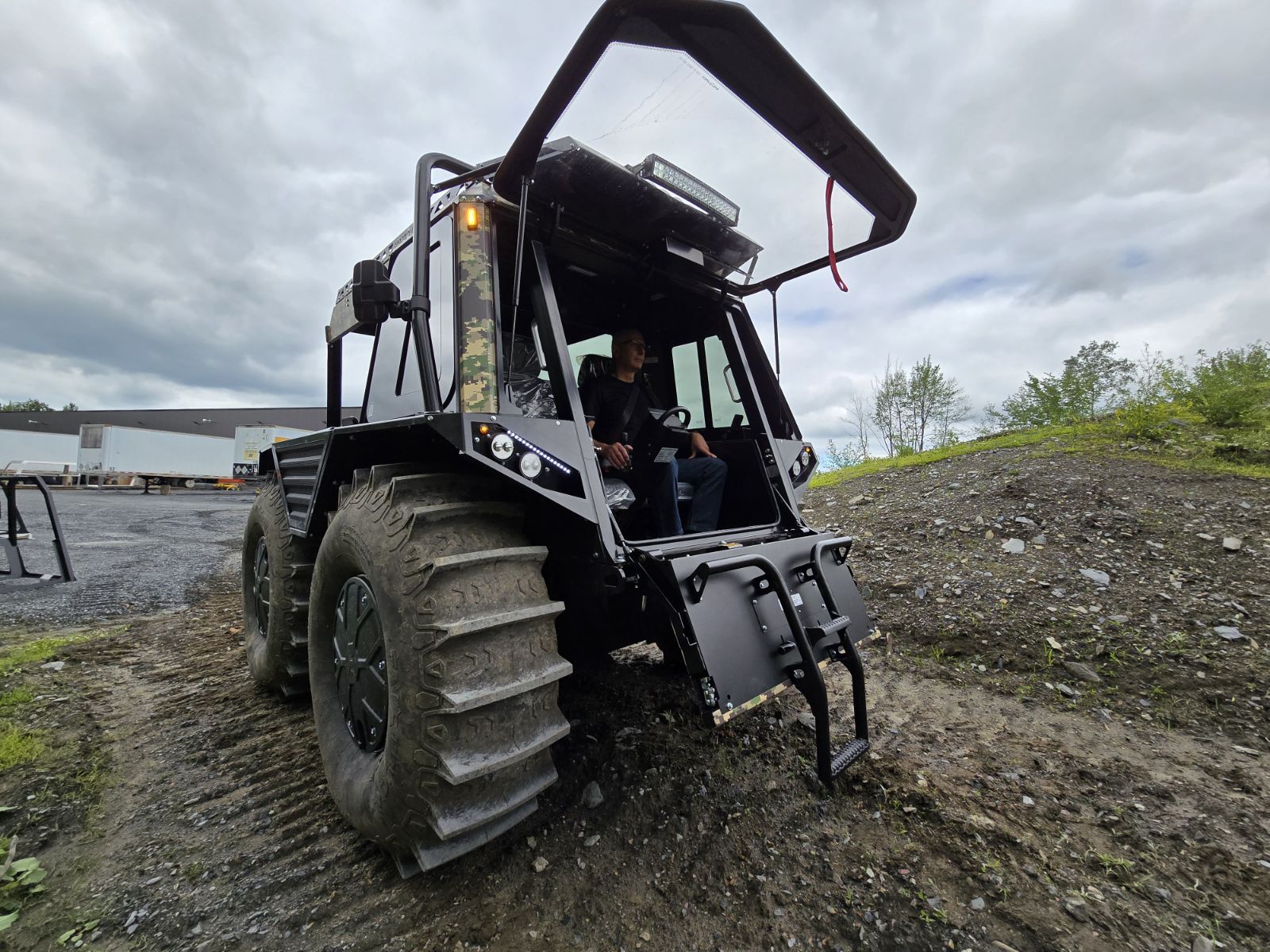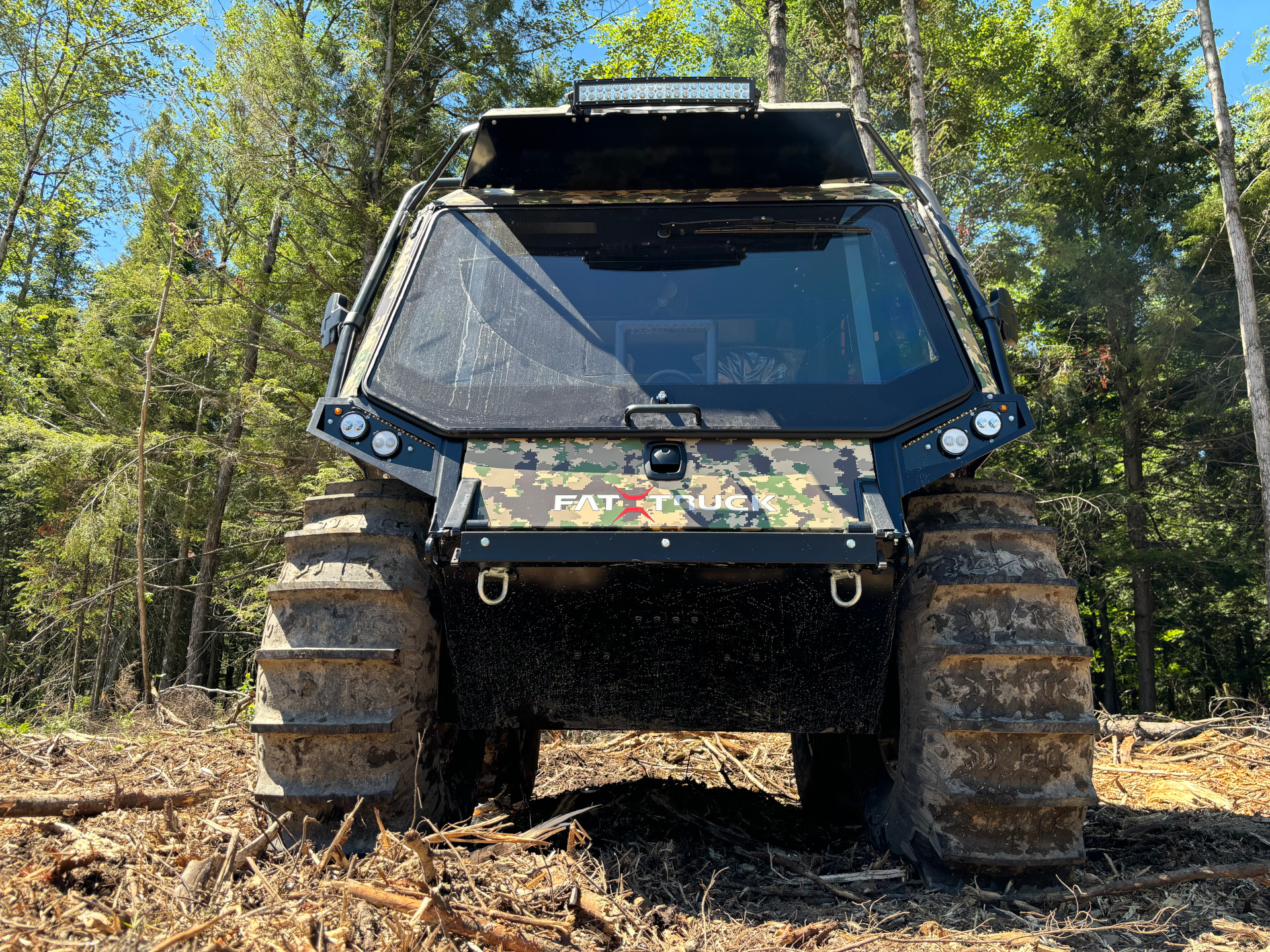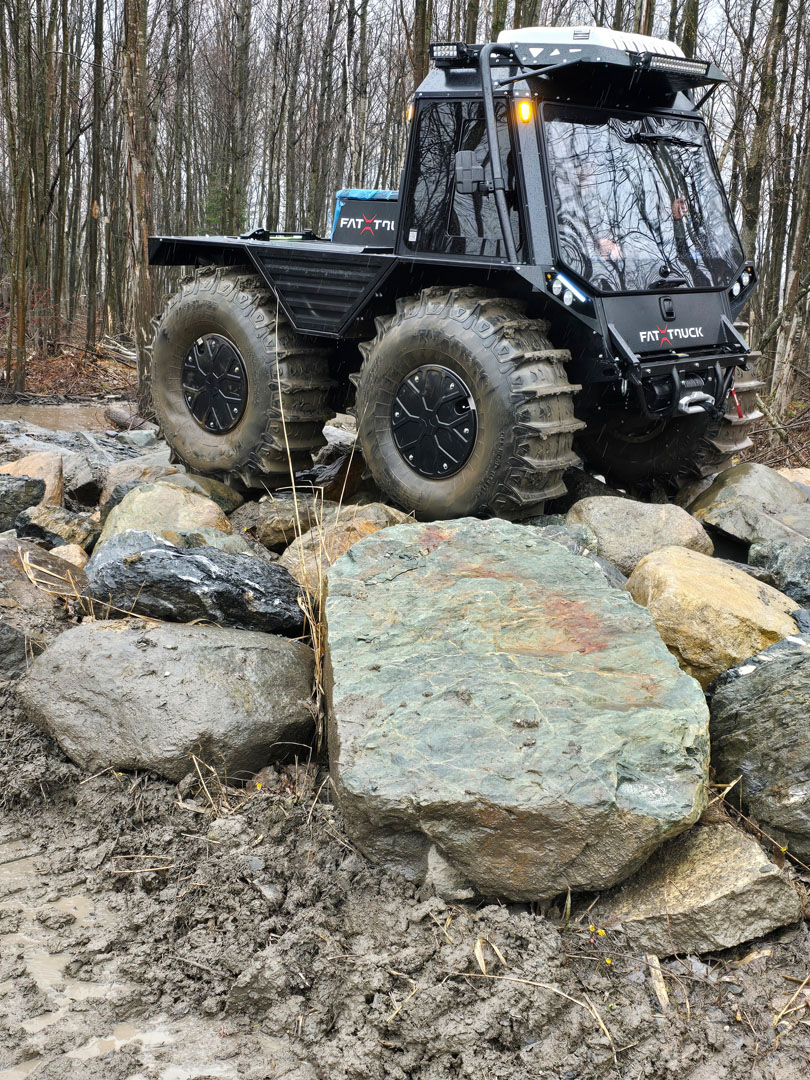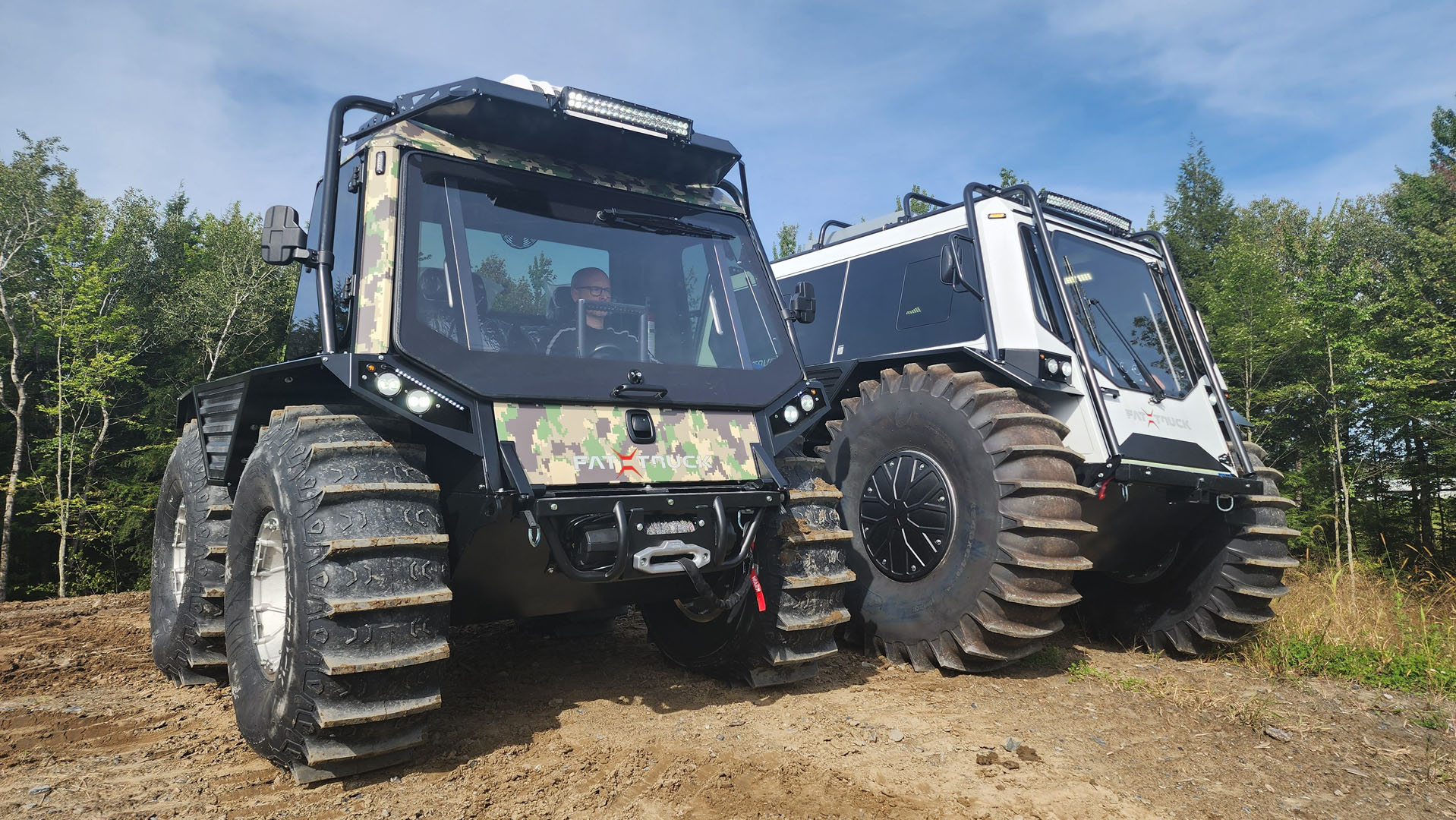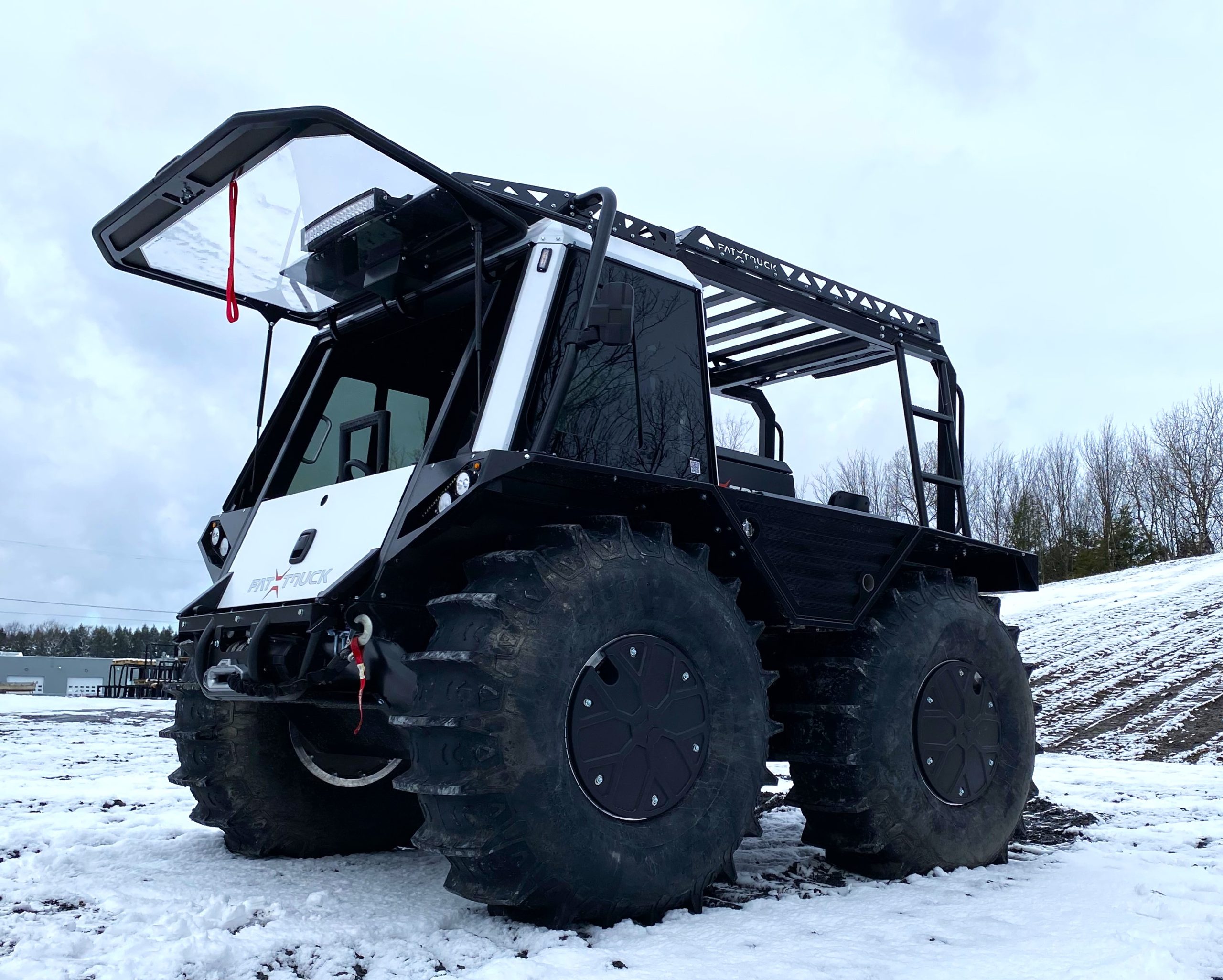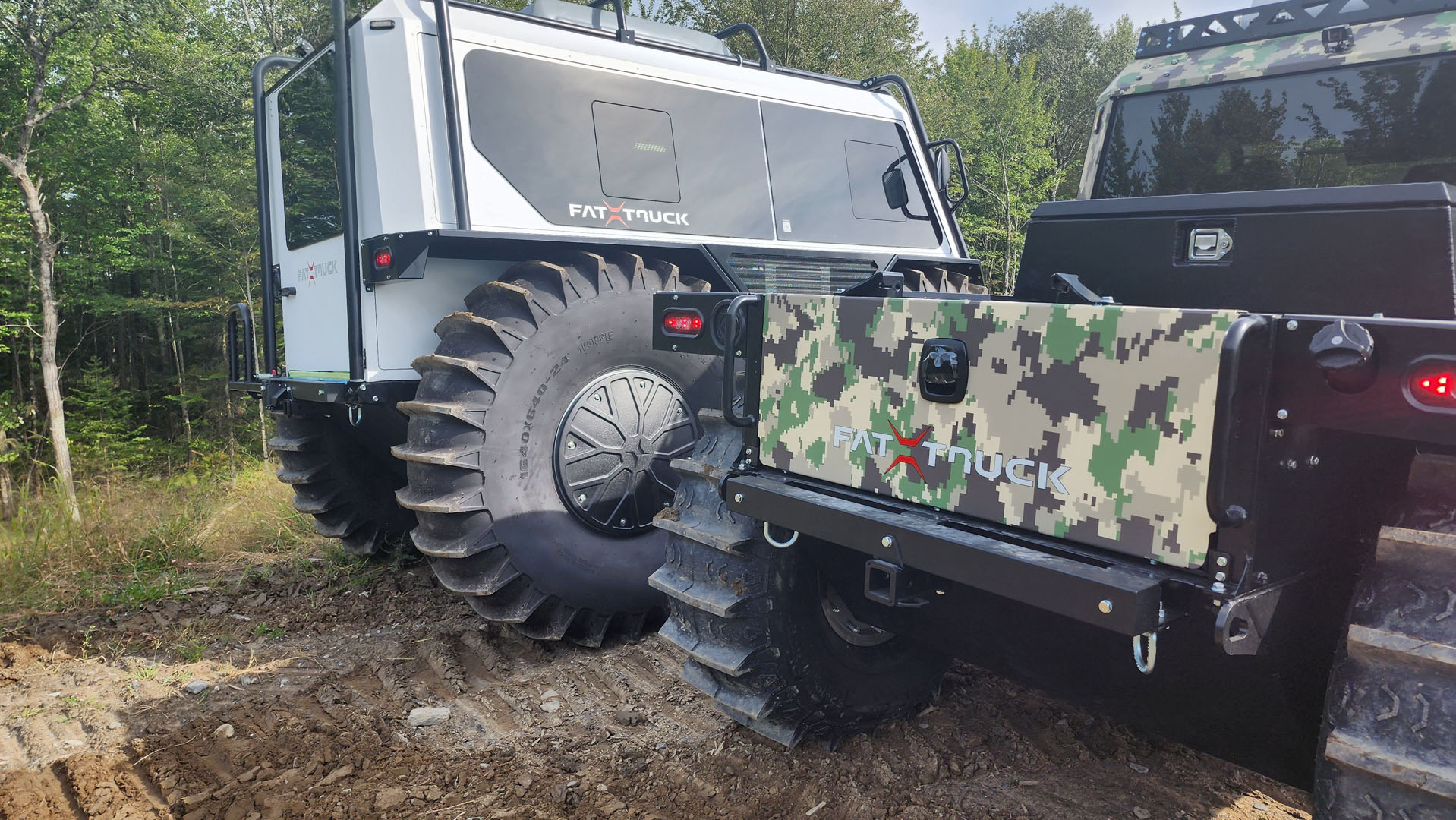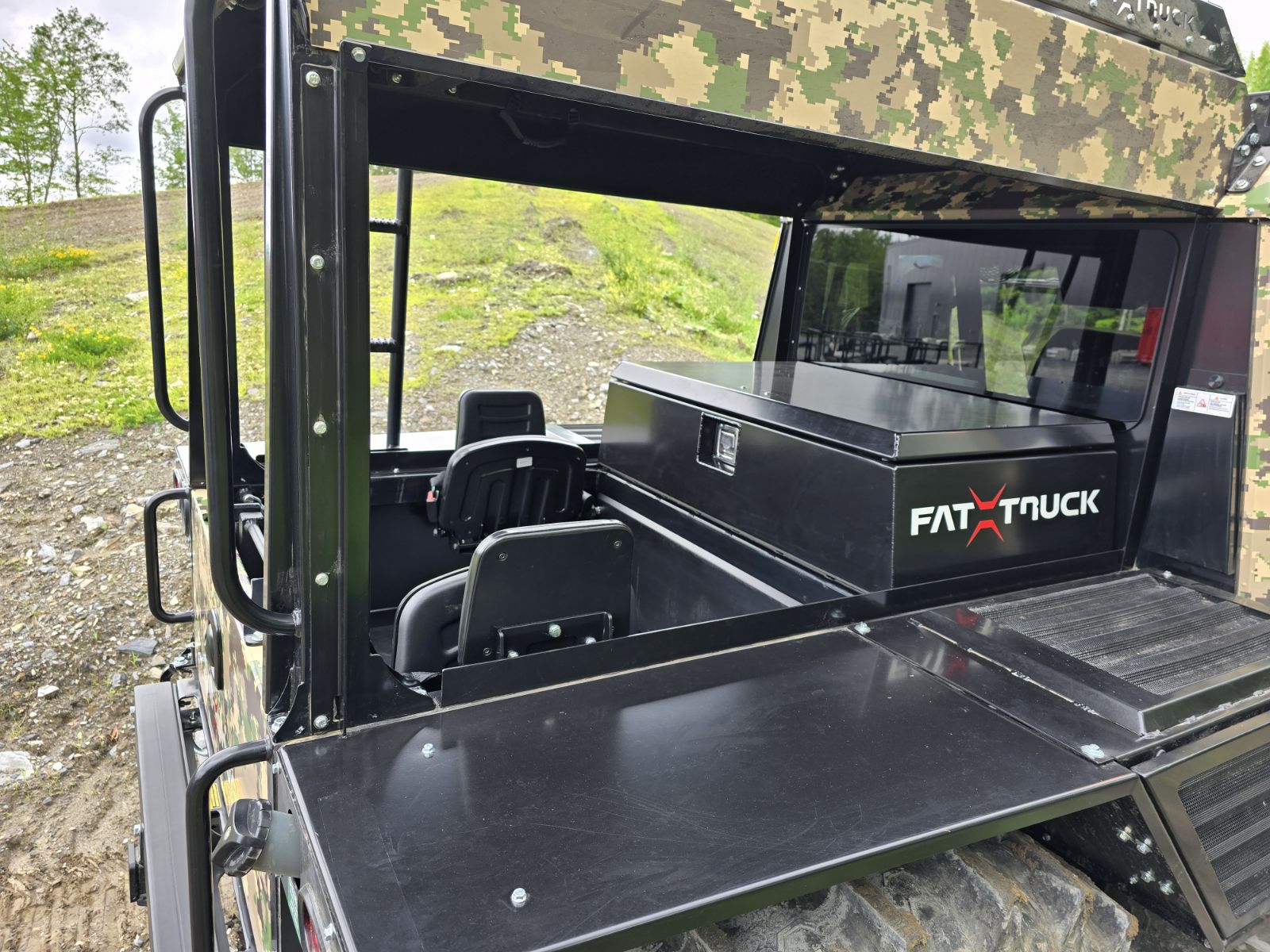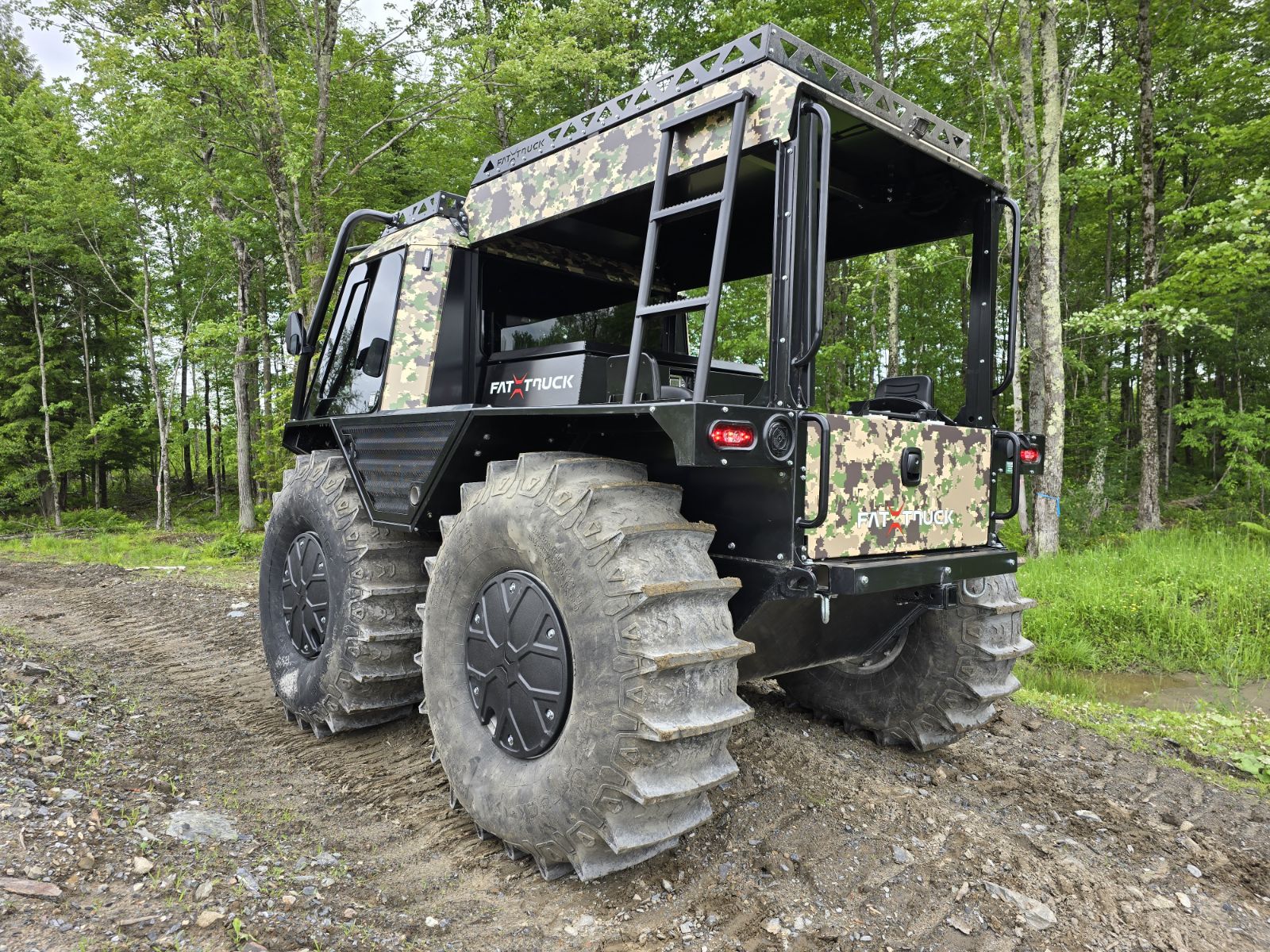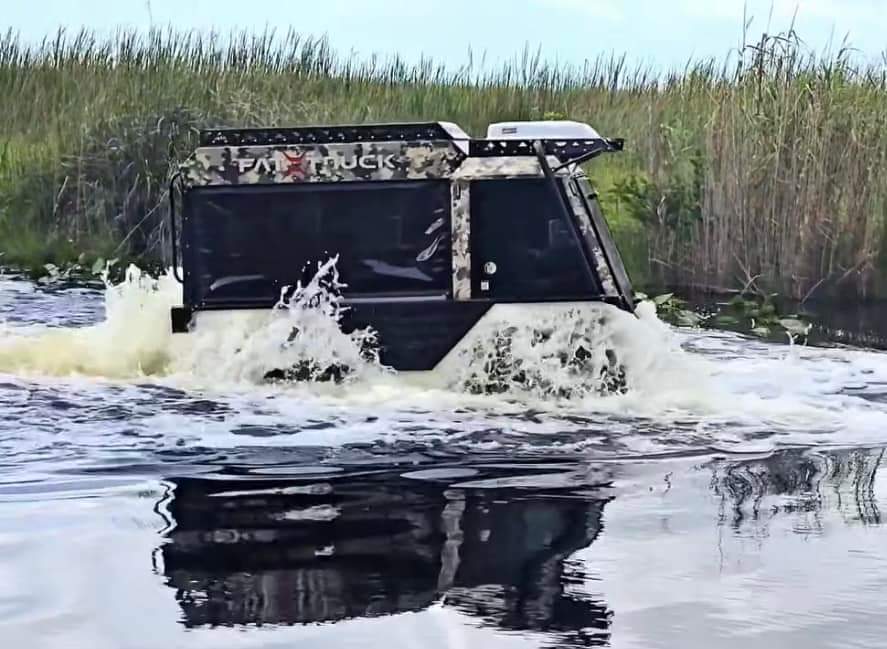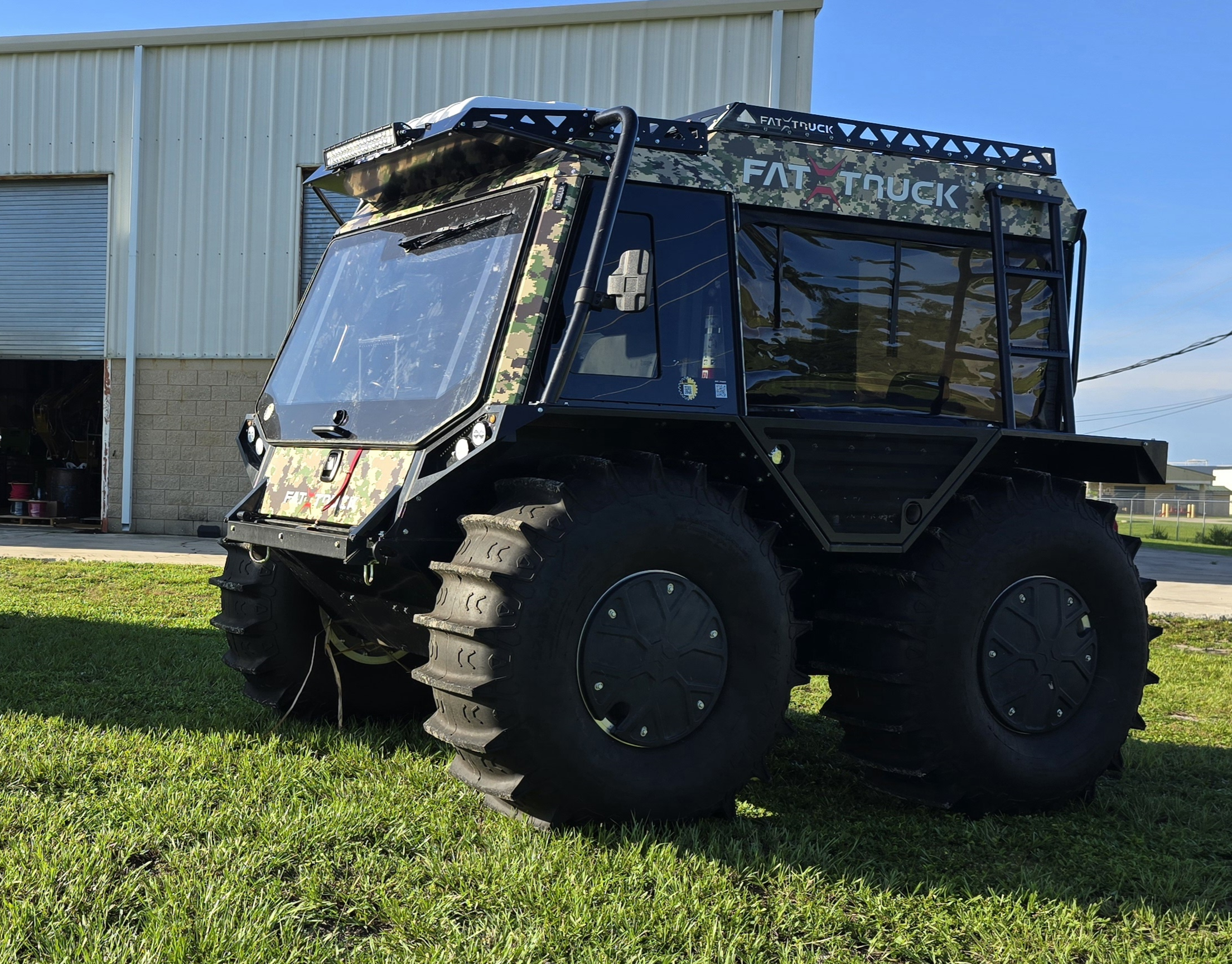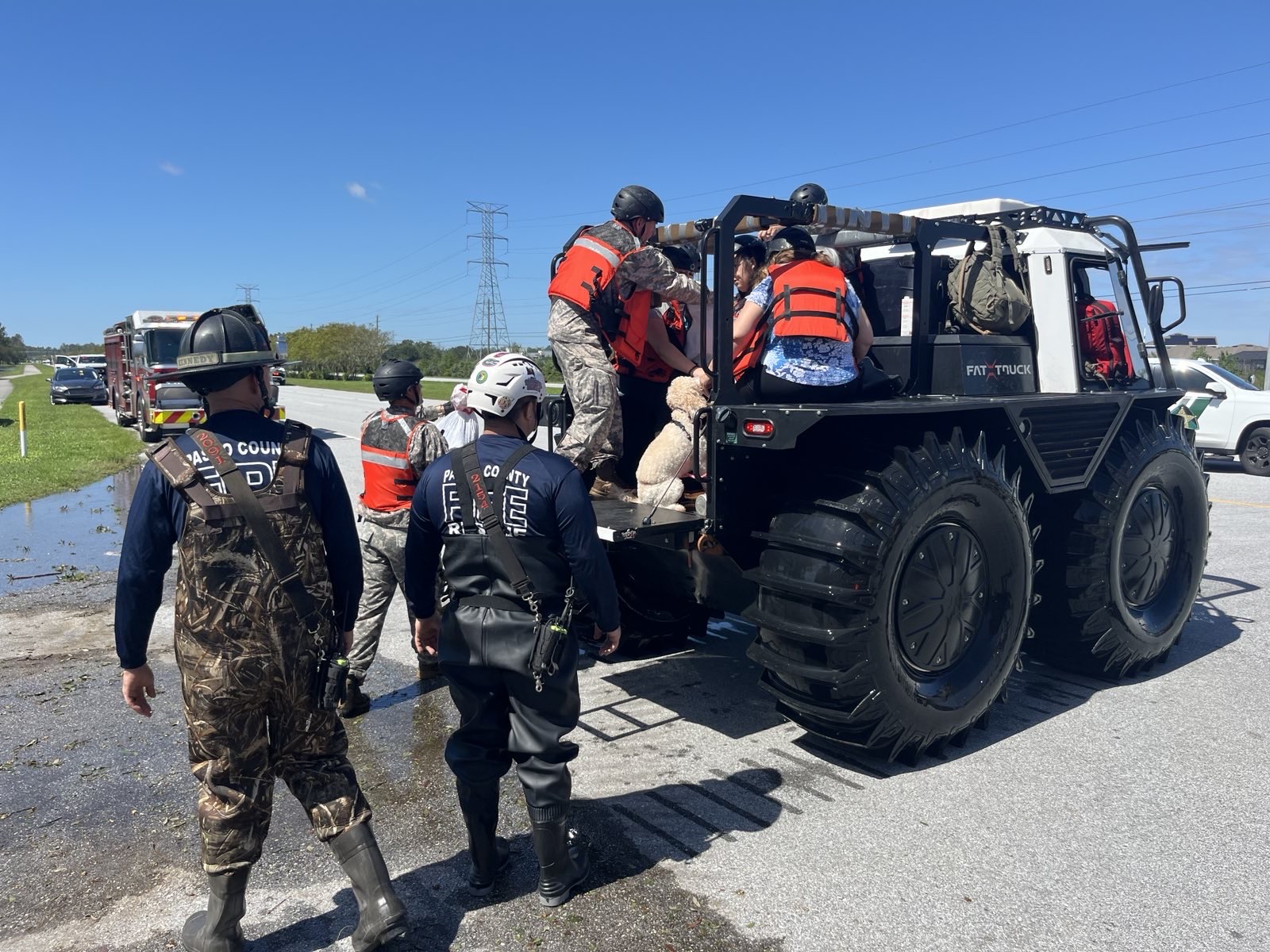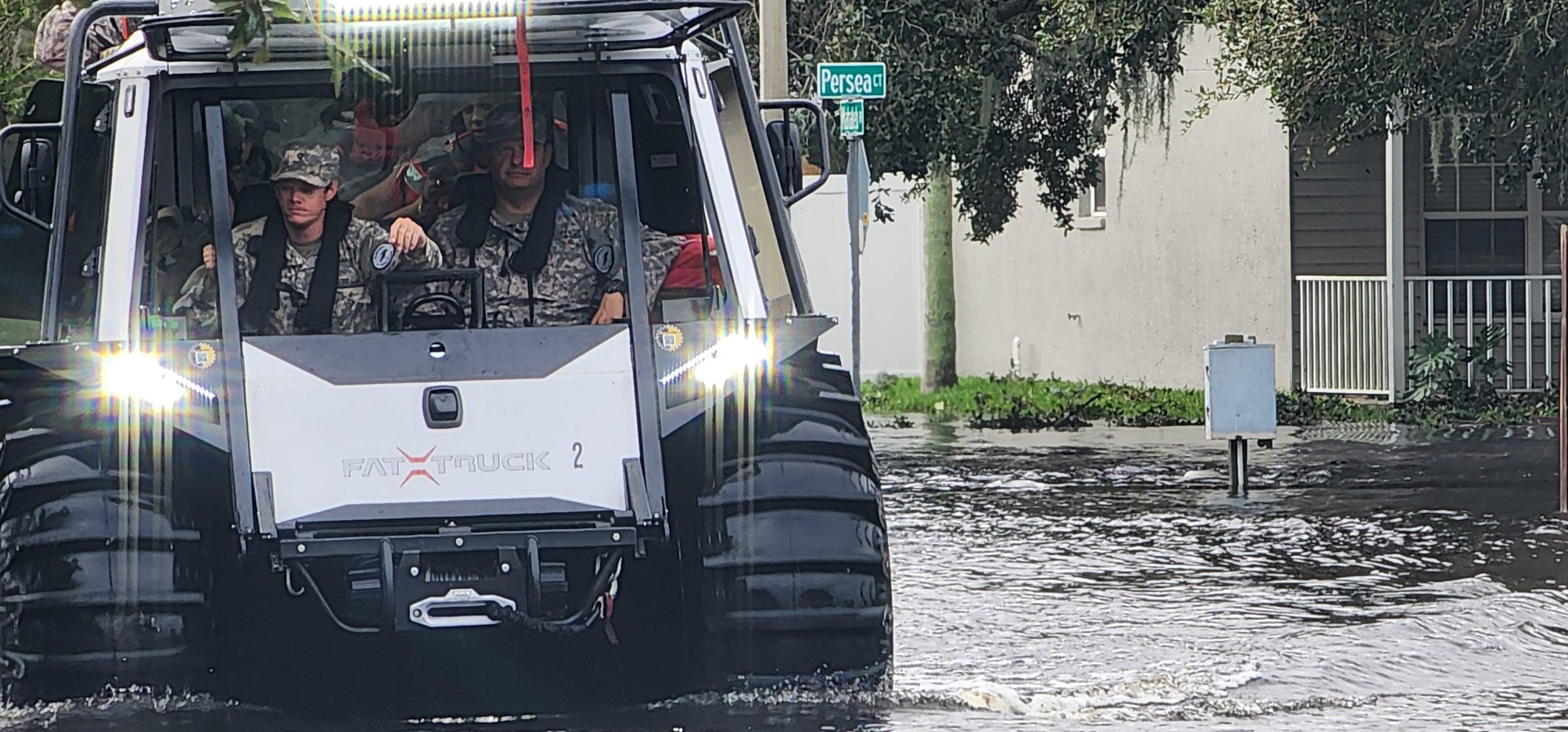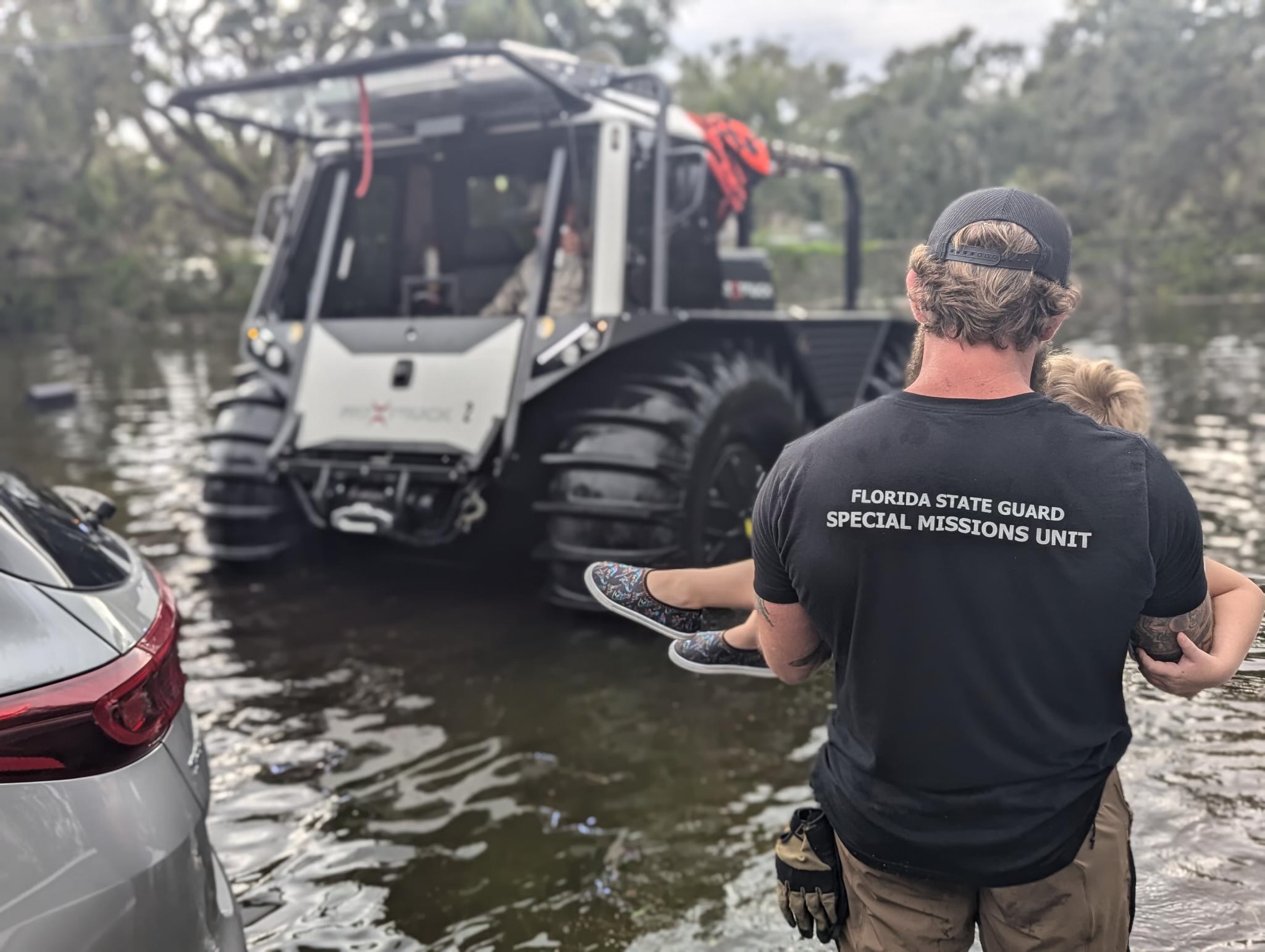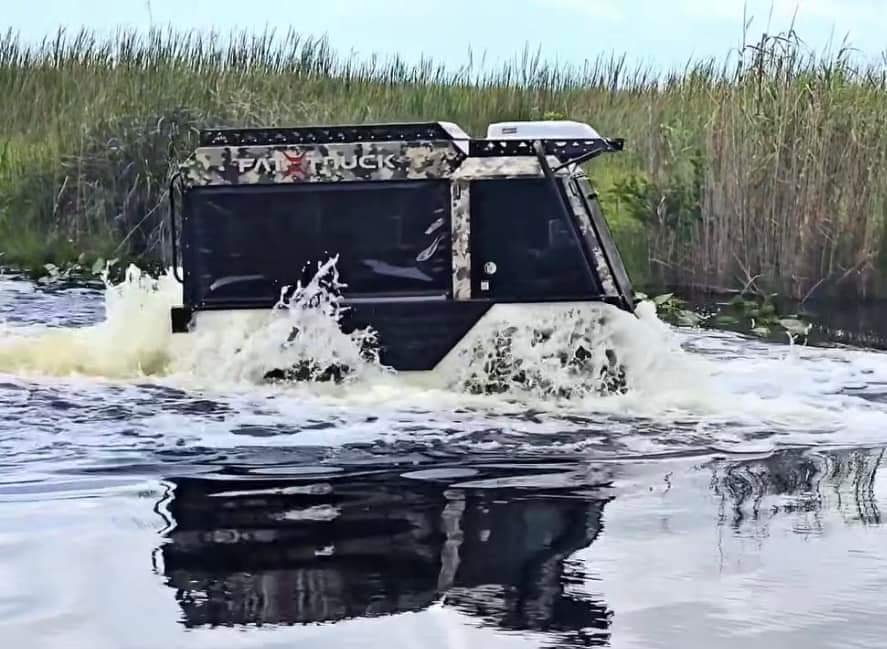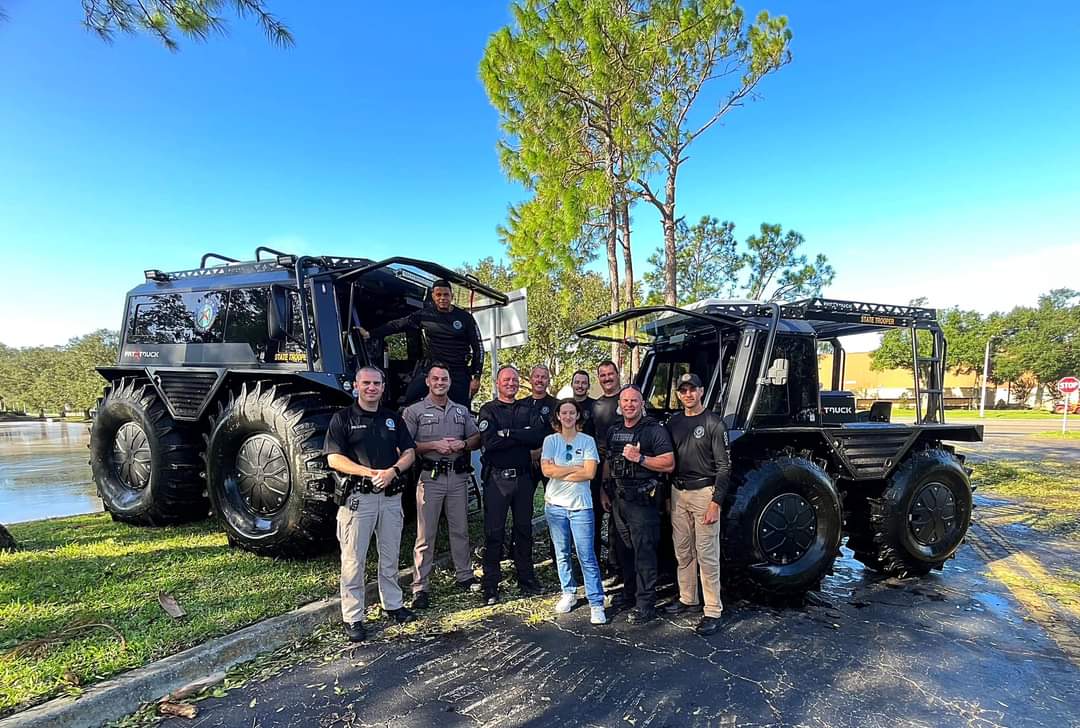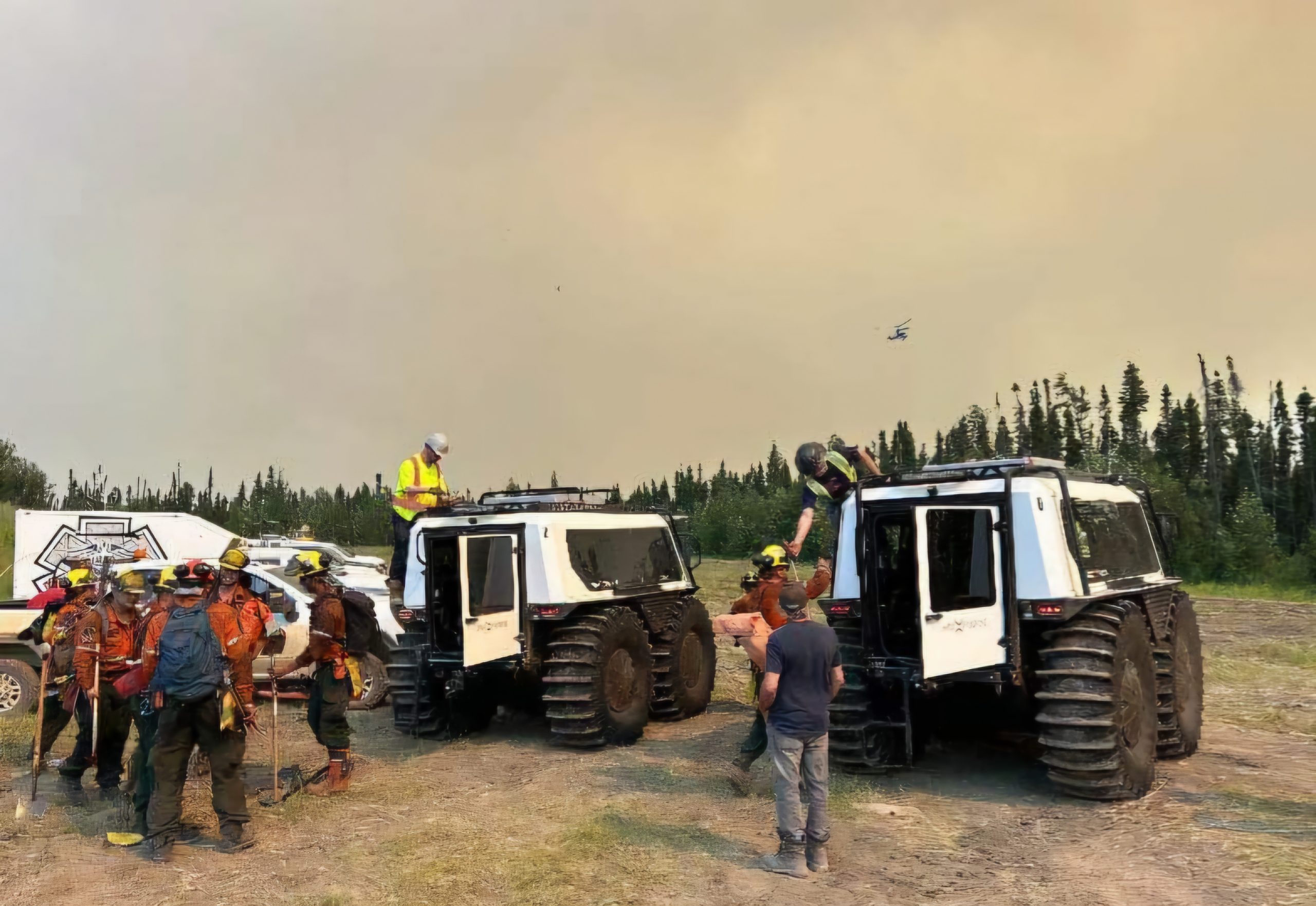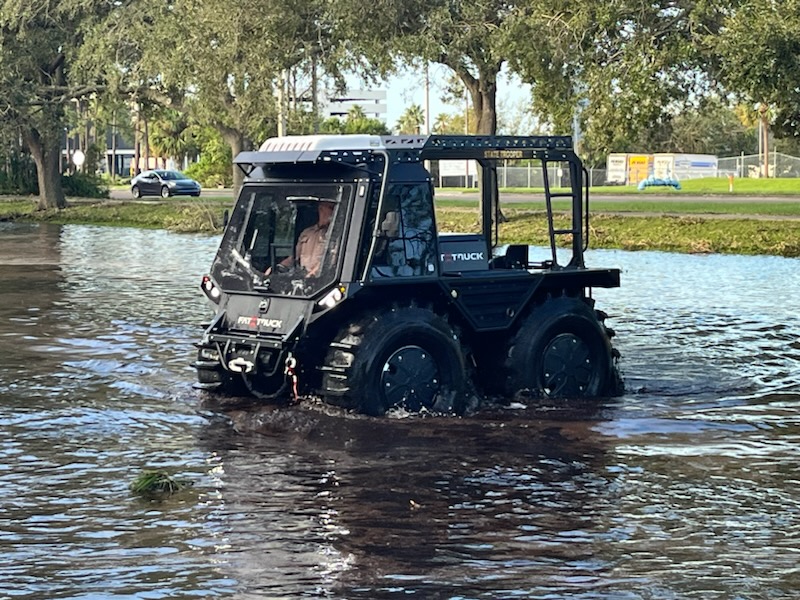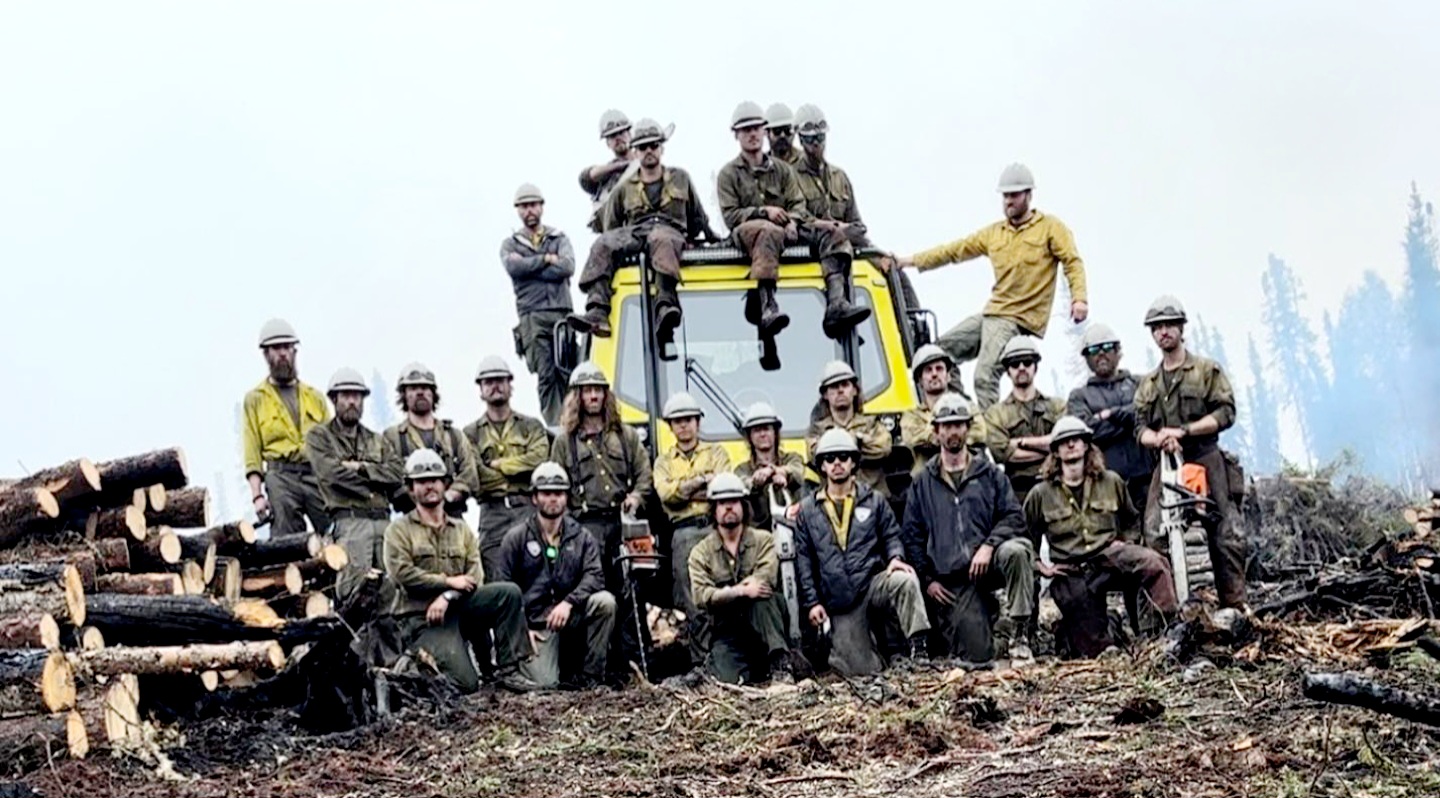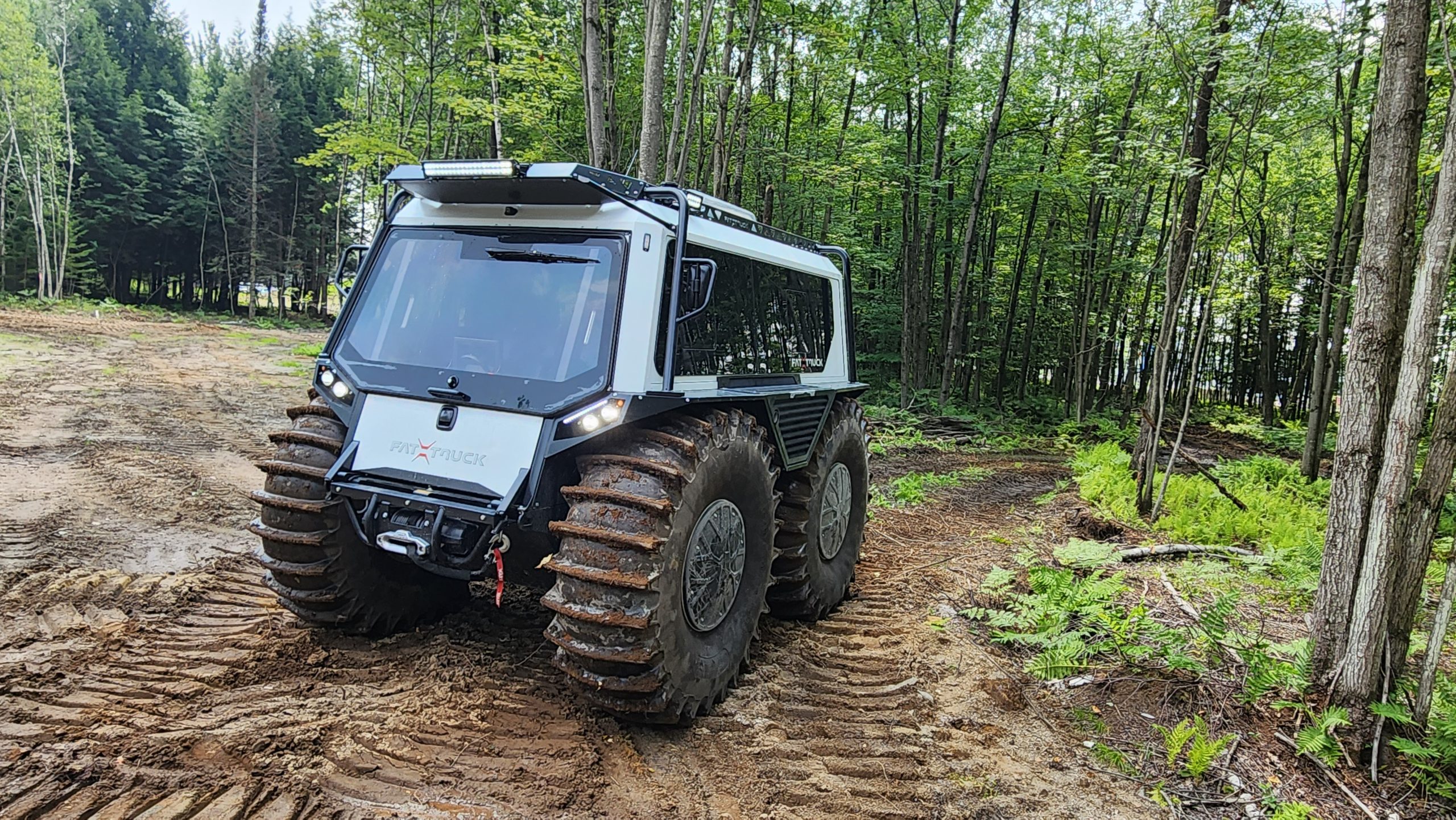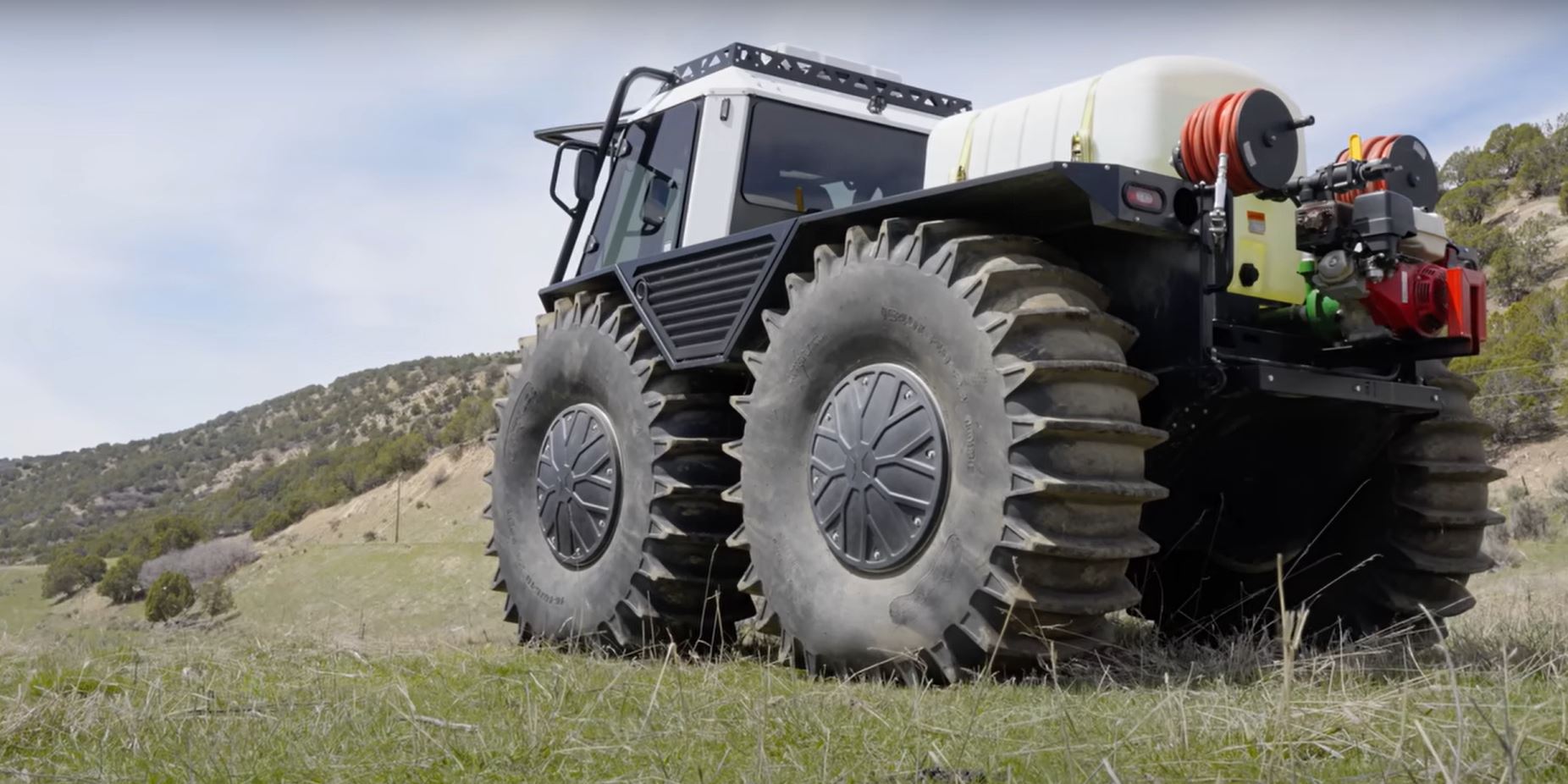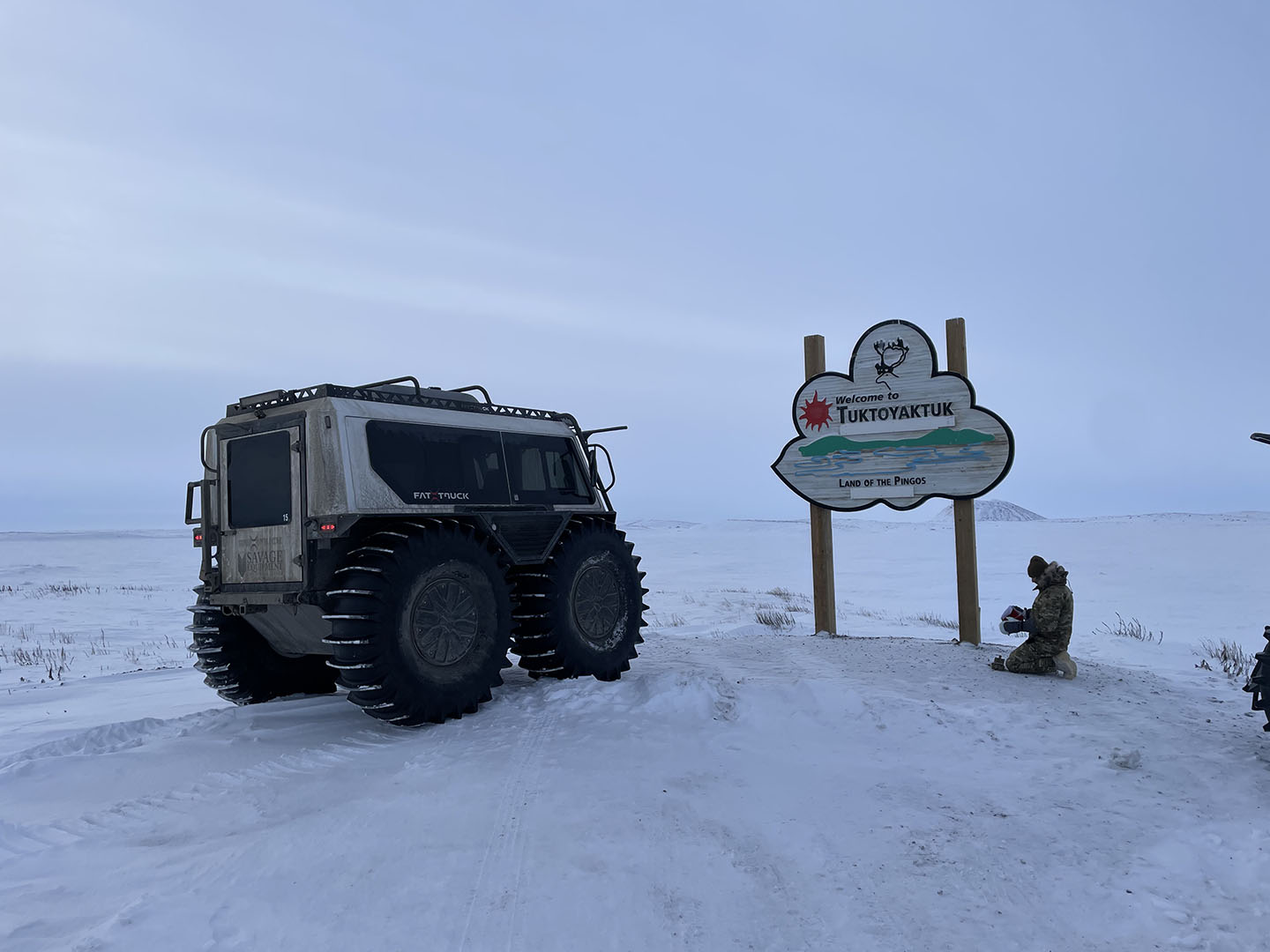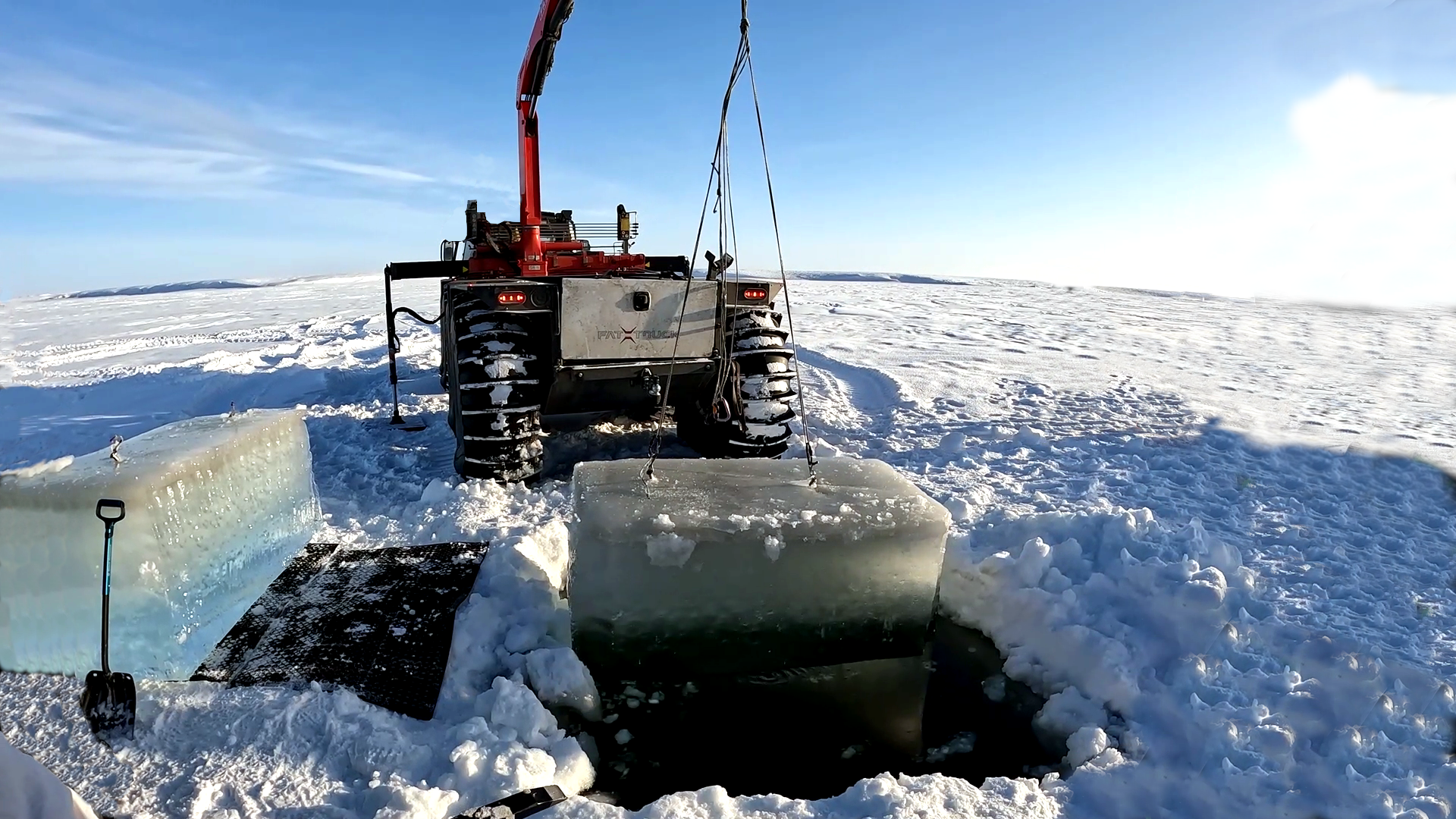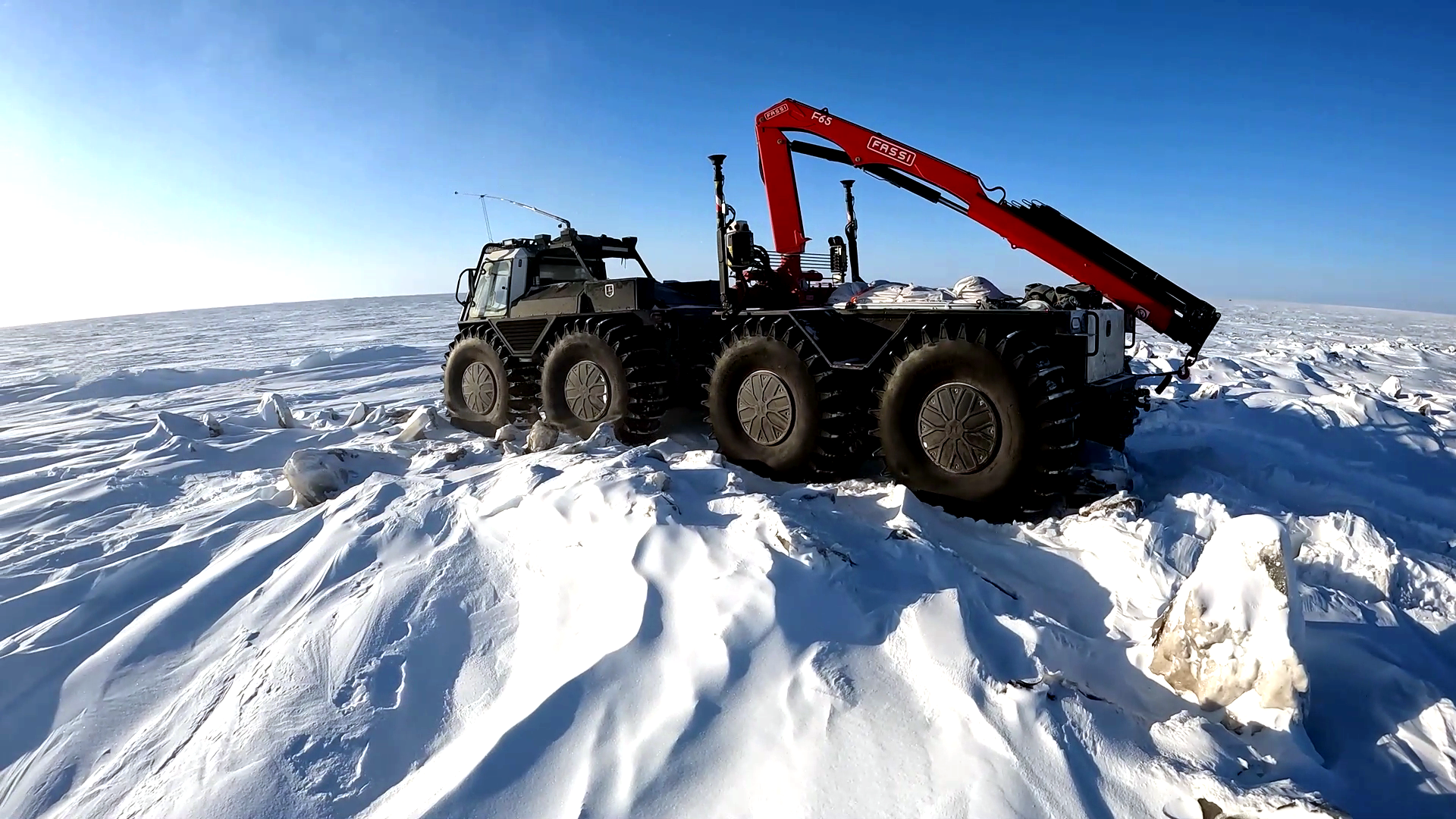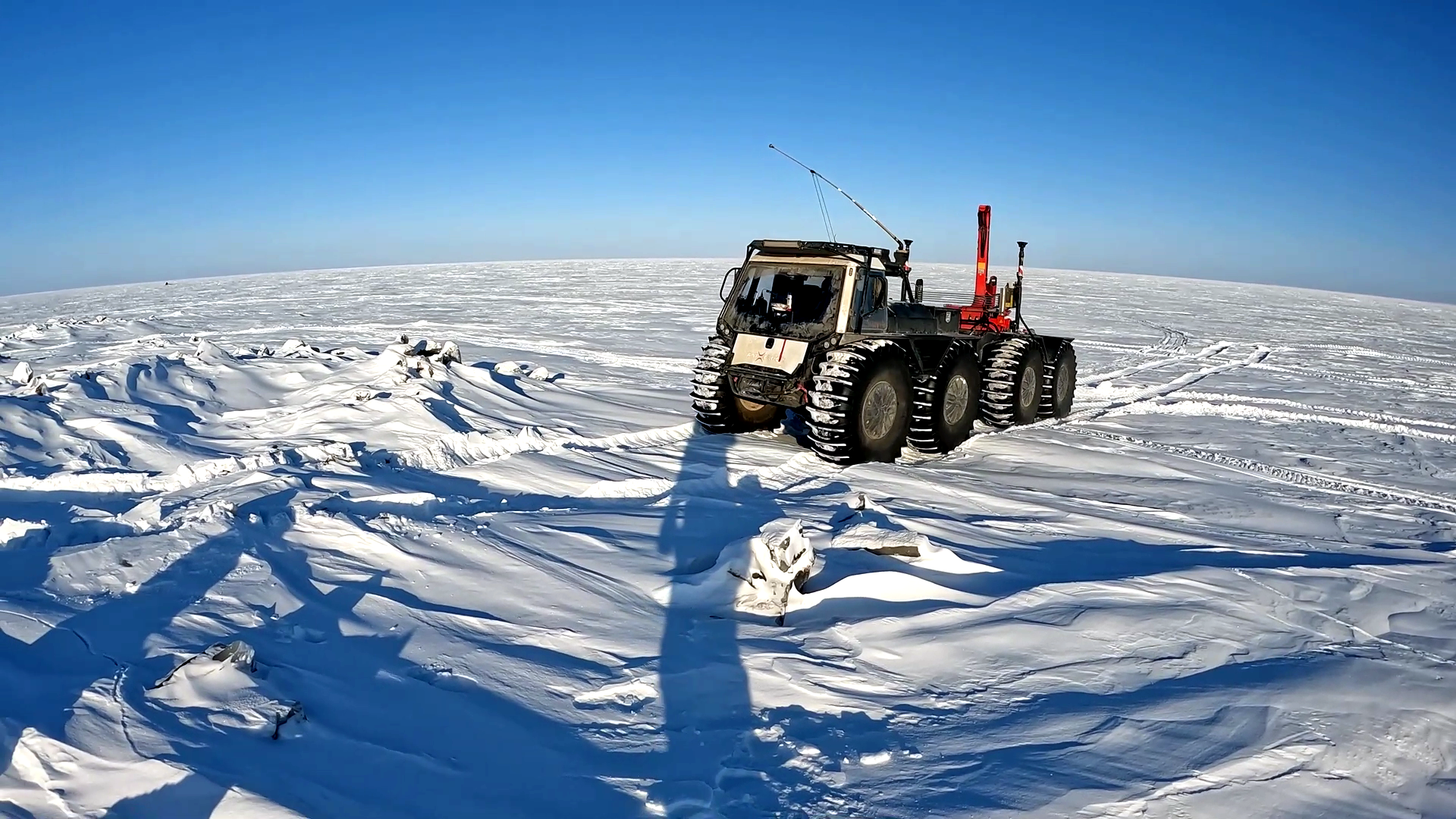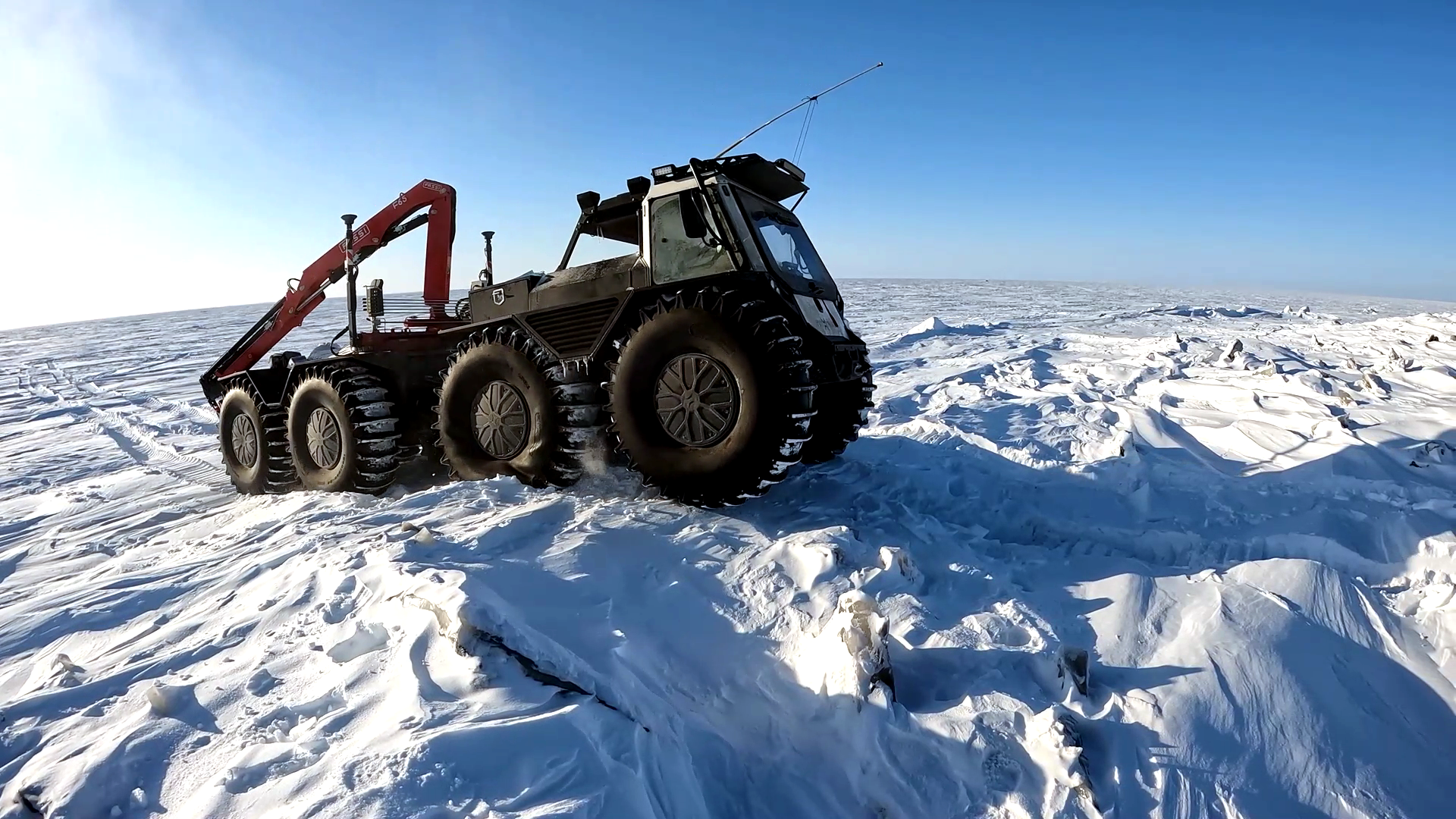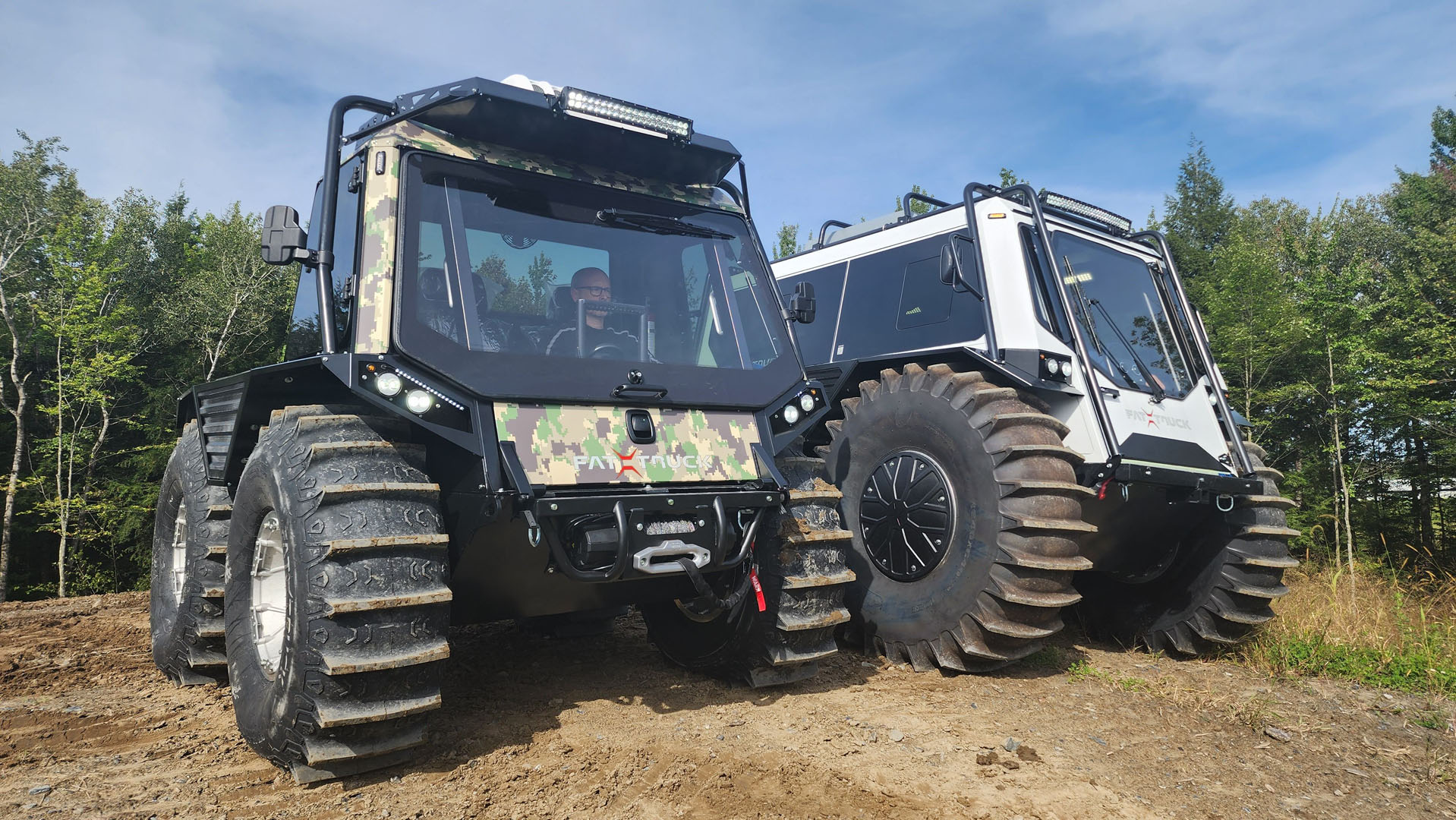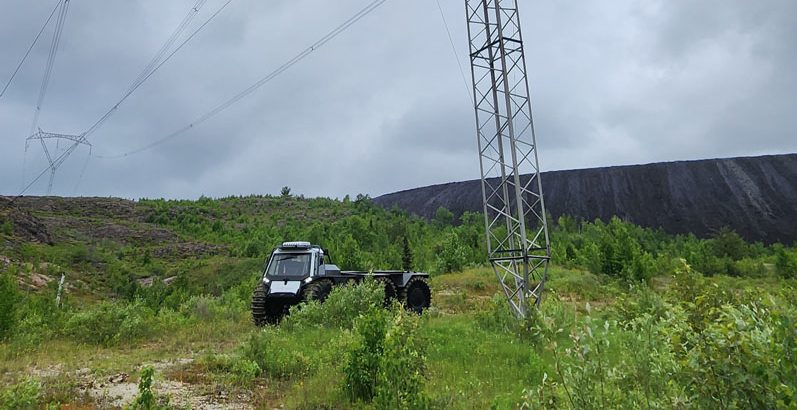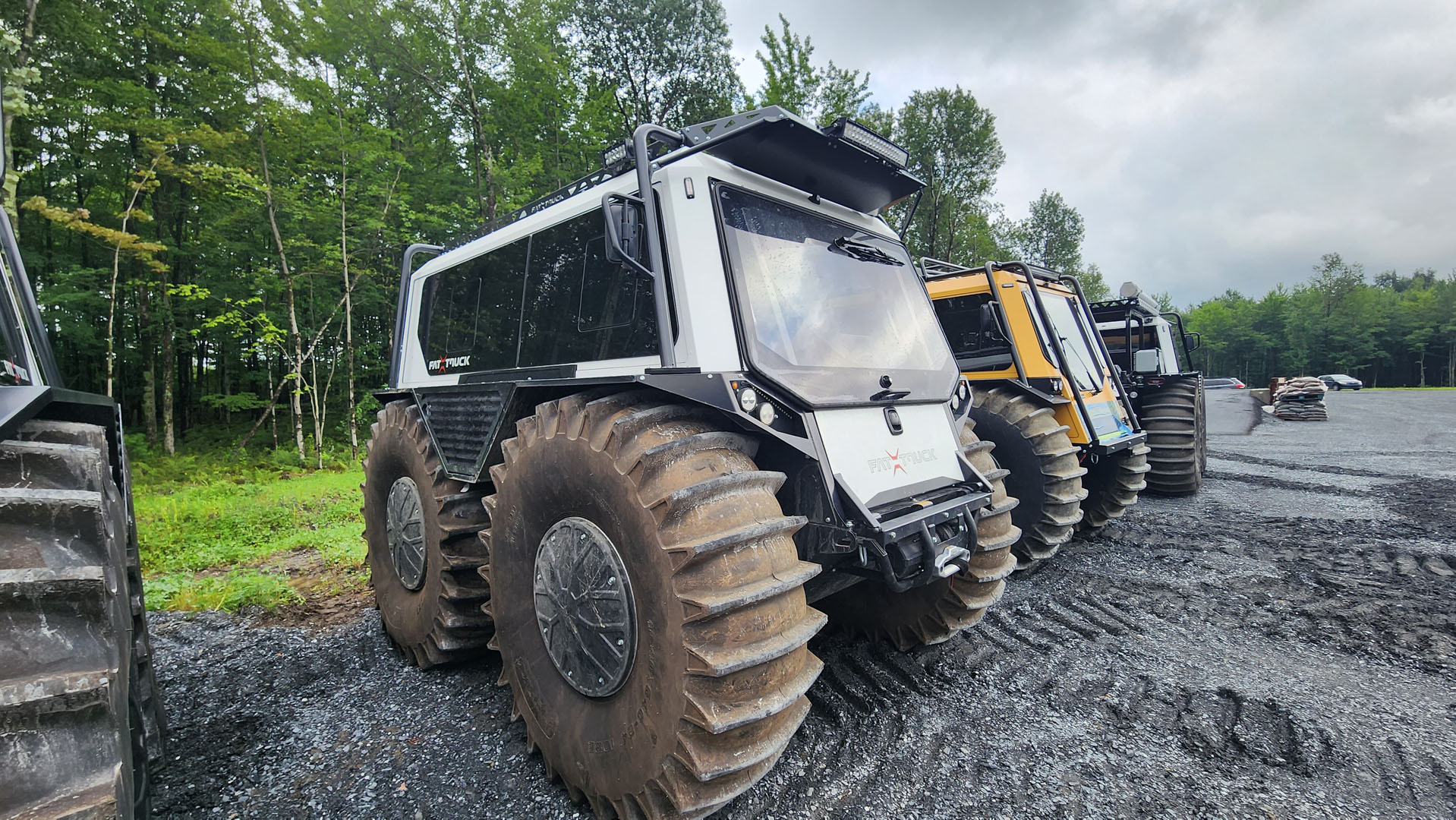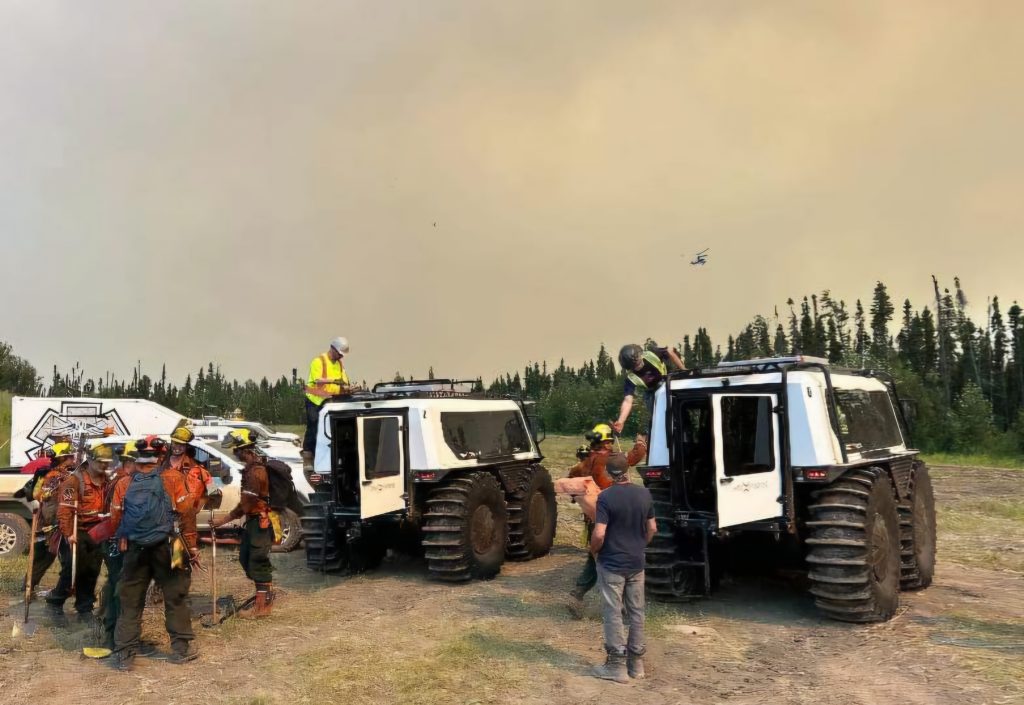
Getting a vehicle to a wildfire site is only half the problem. The other half, one that gets far less attention, is what happens once it’s there. Wildfire response often means delivering equipment, supplies, or fuel to locations with no roads, no infrastructure, and critically, no crane or lifting equipment to unload anything once a vehicle arrives.
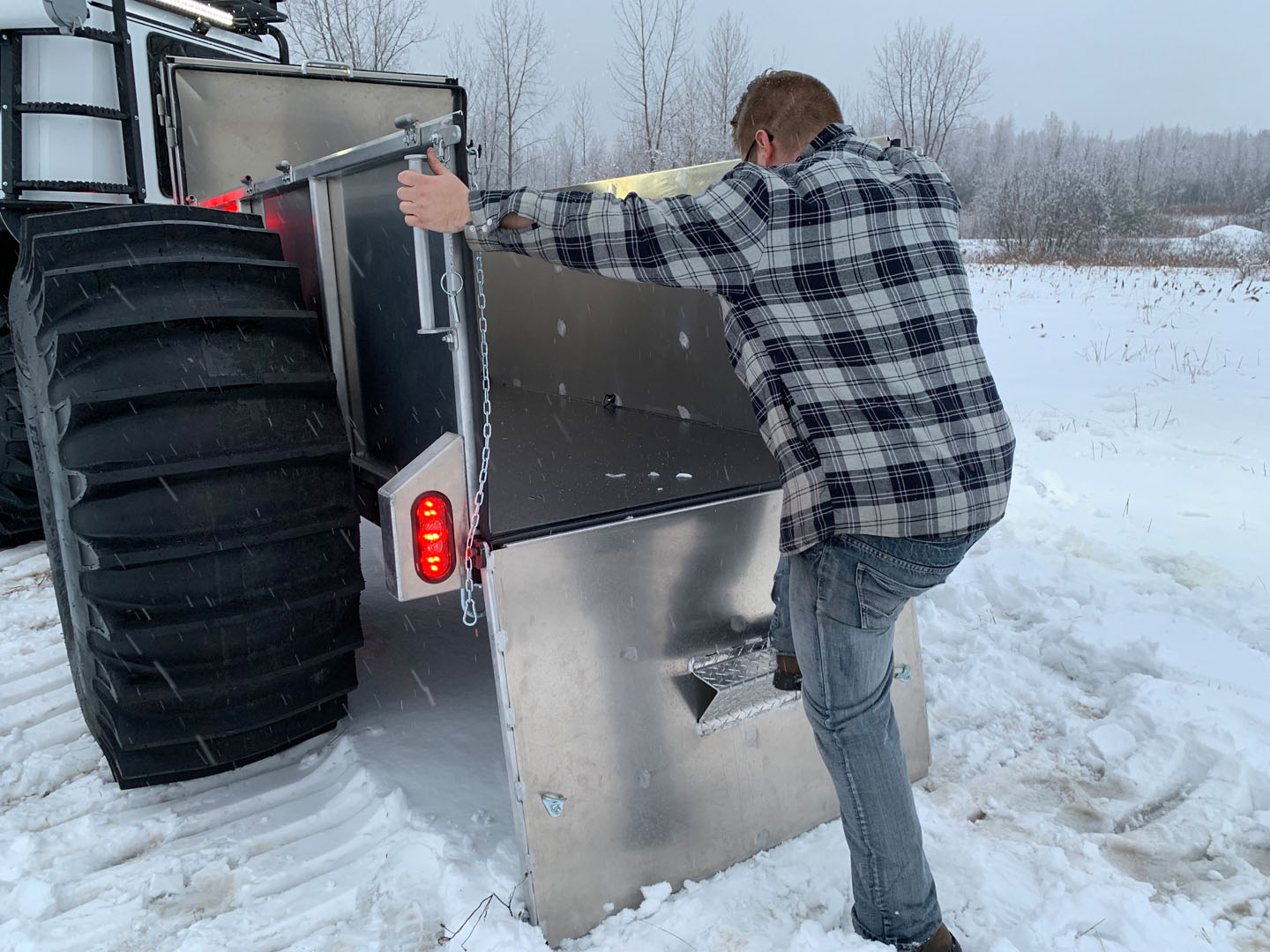
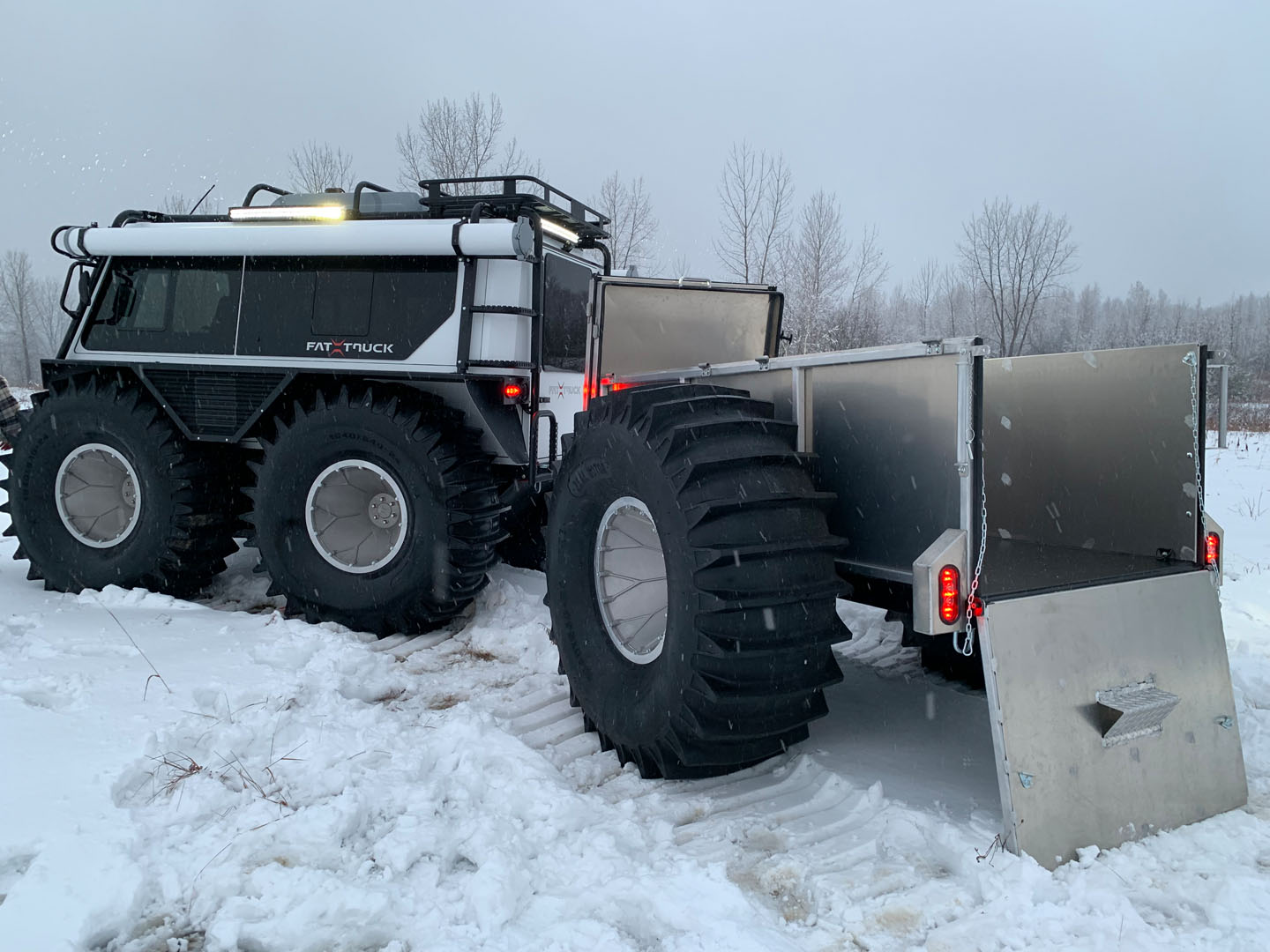
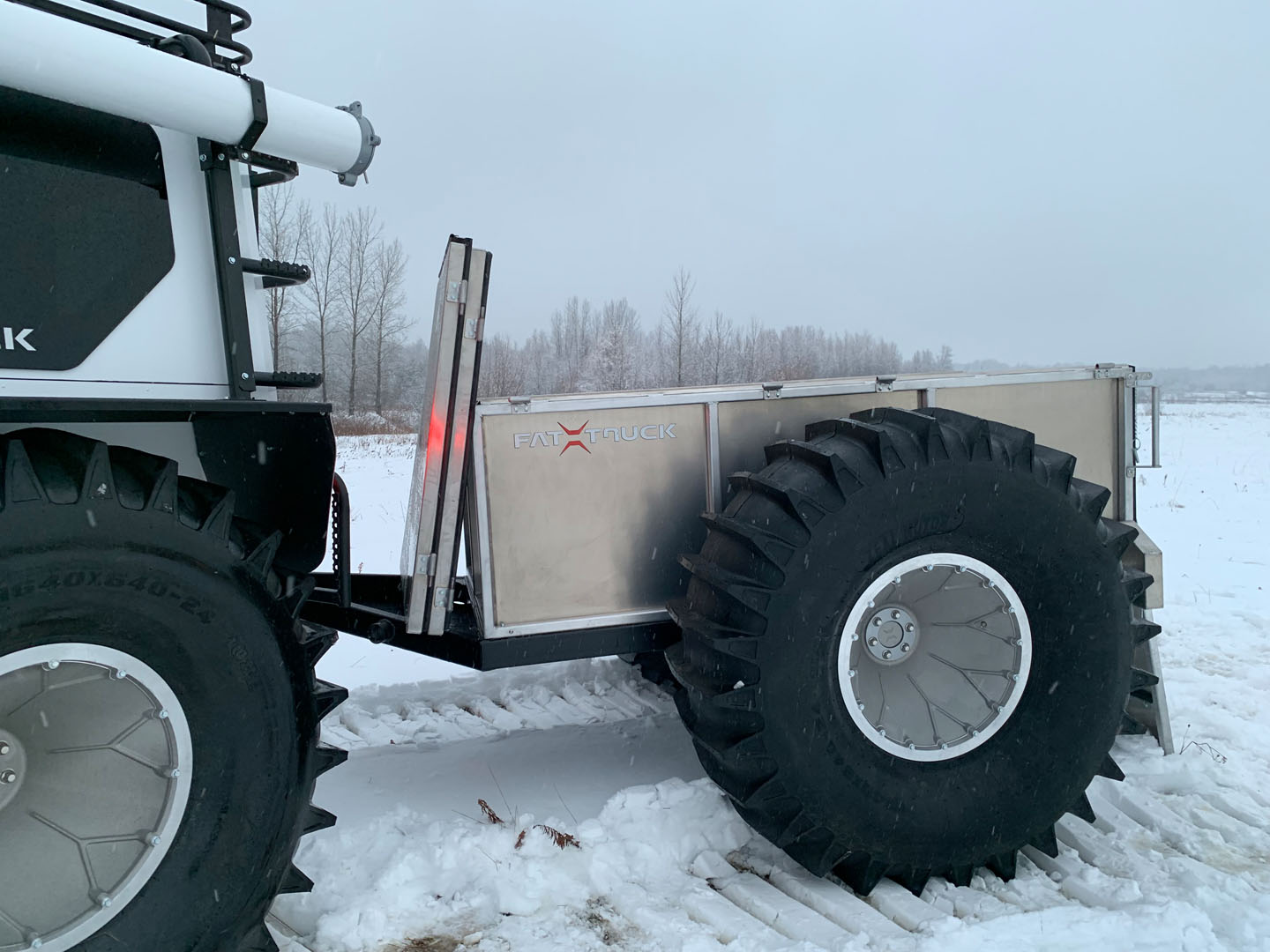
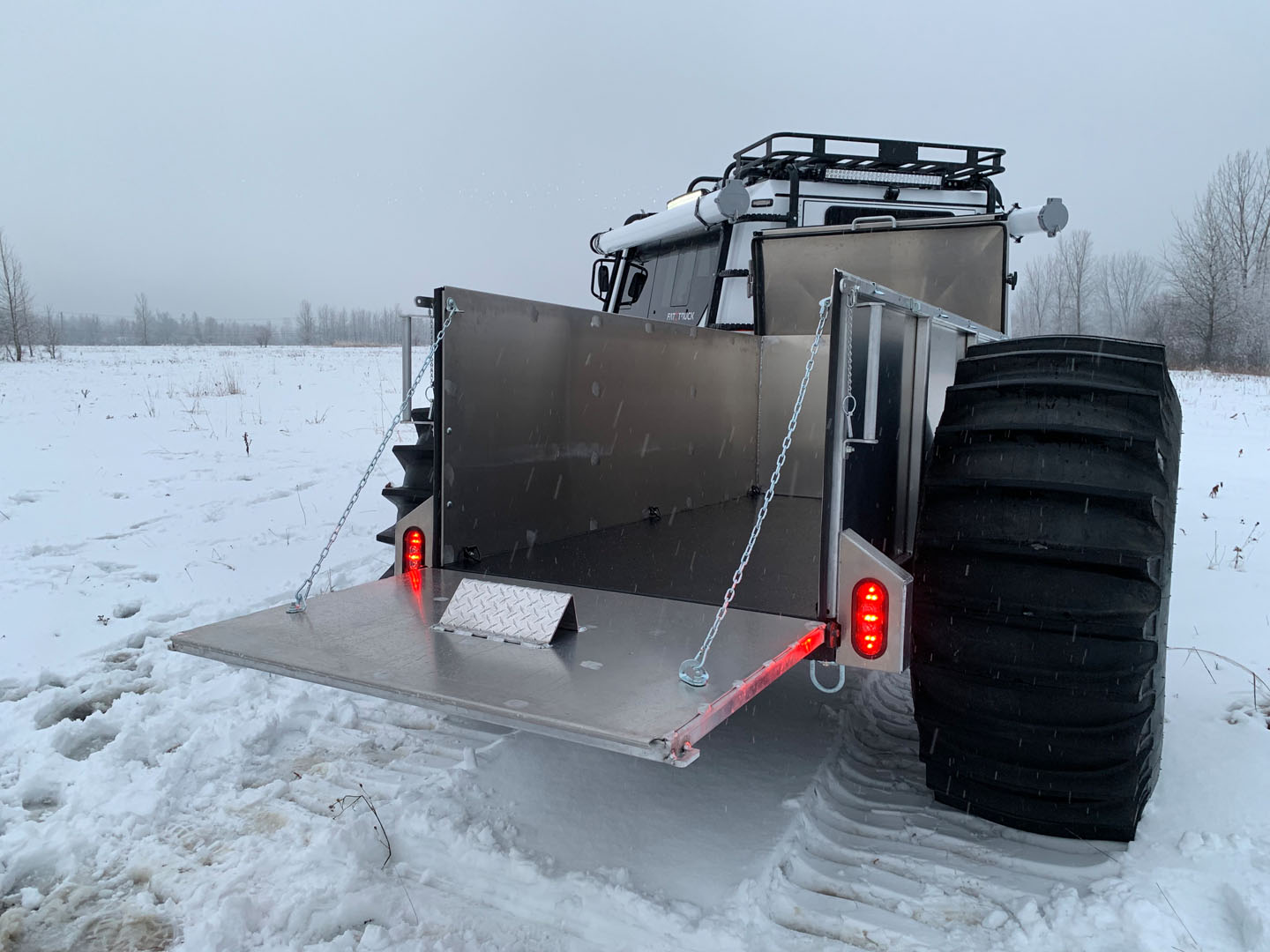
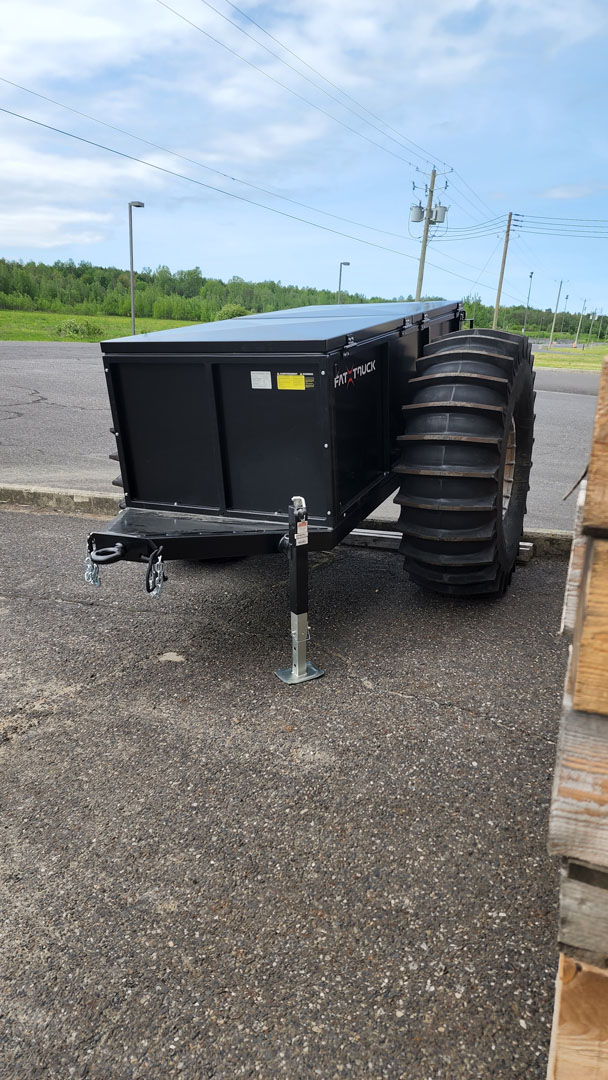
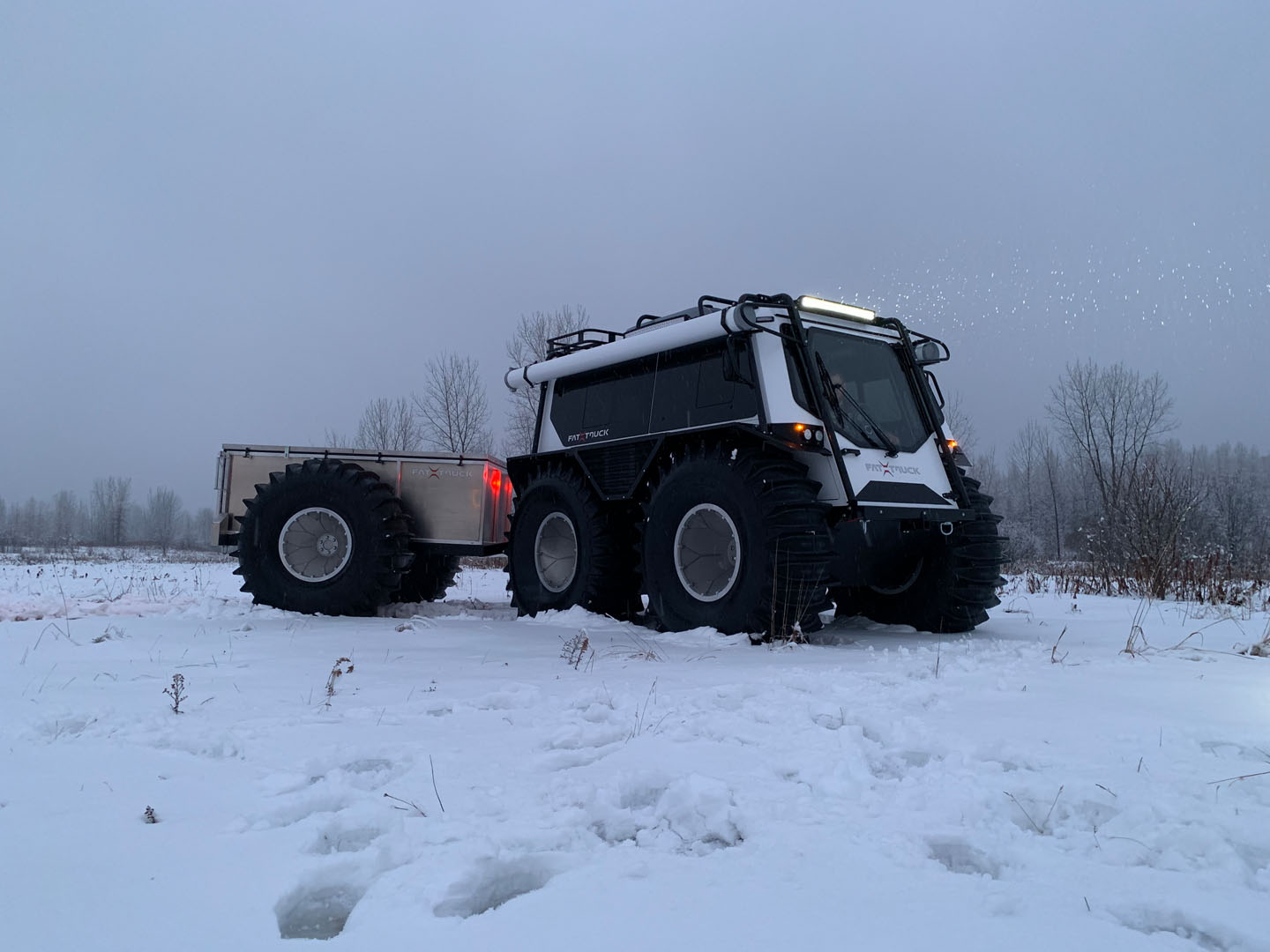
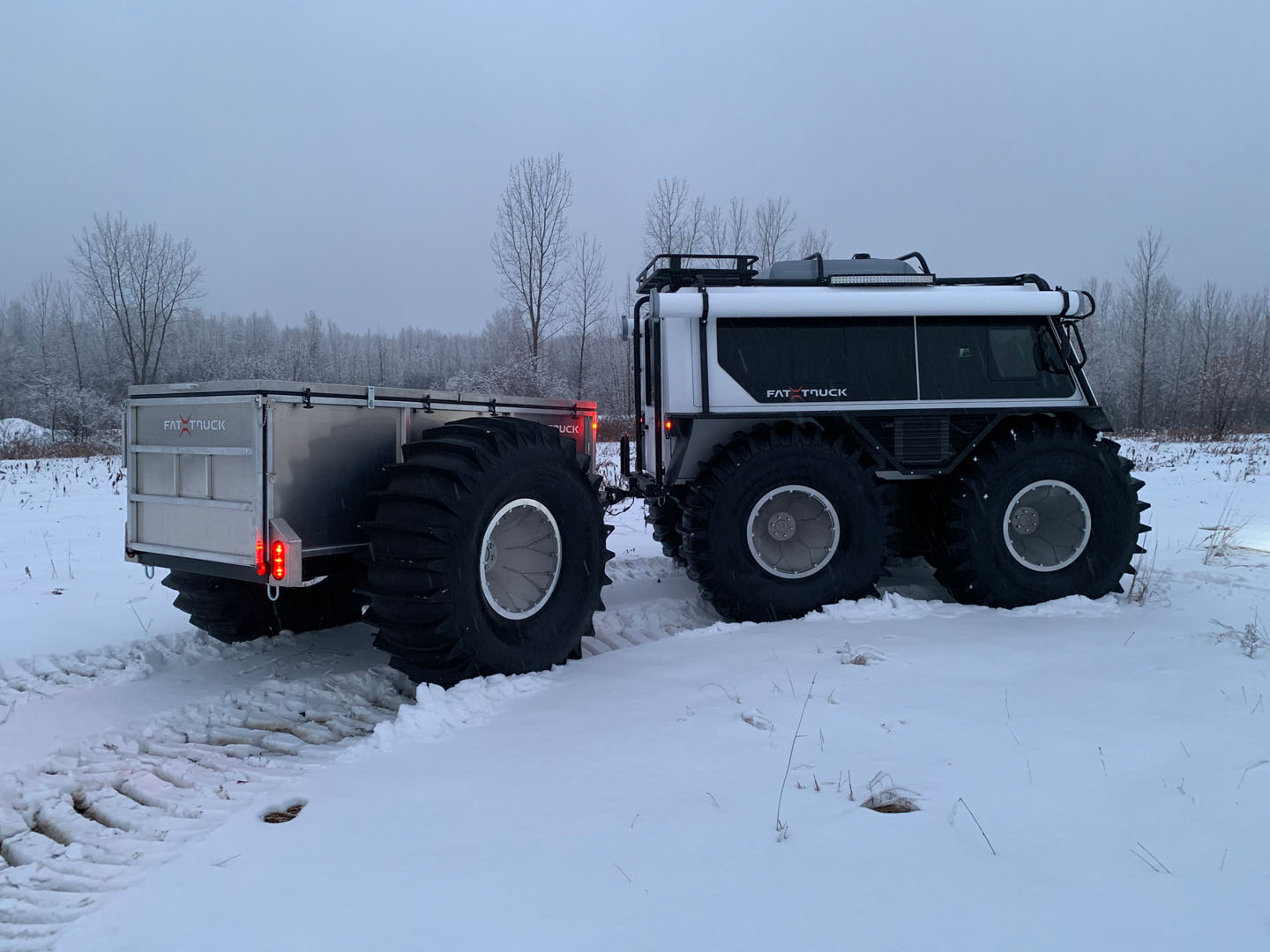
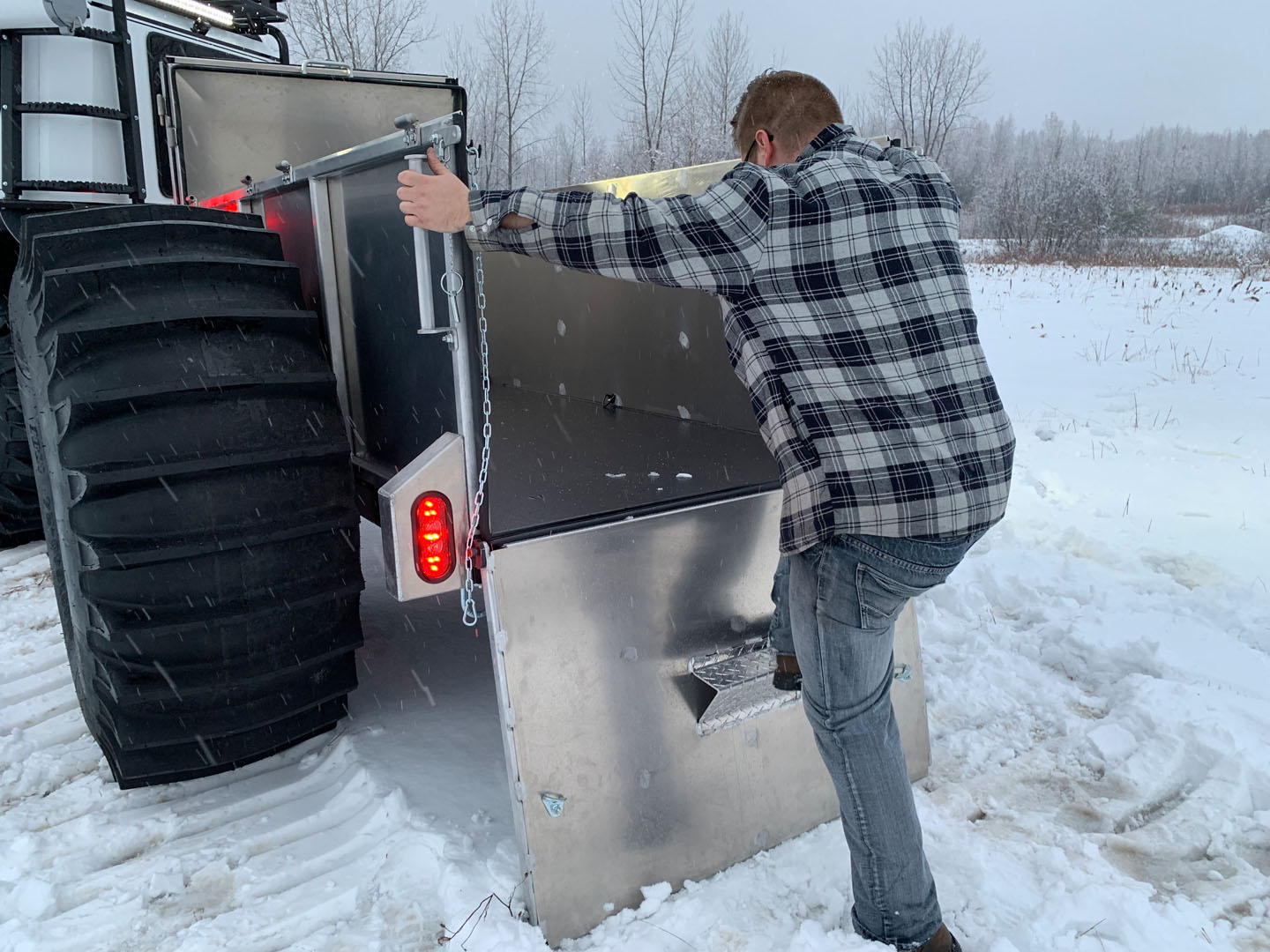
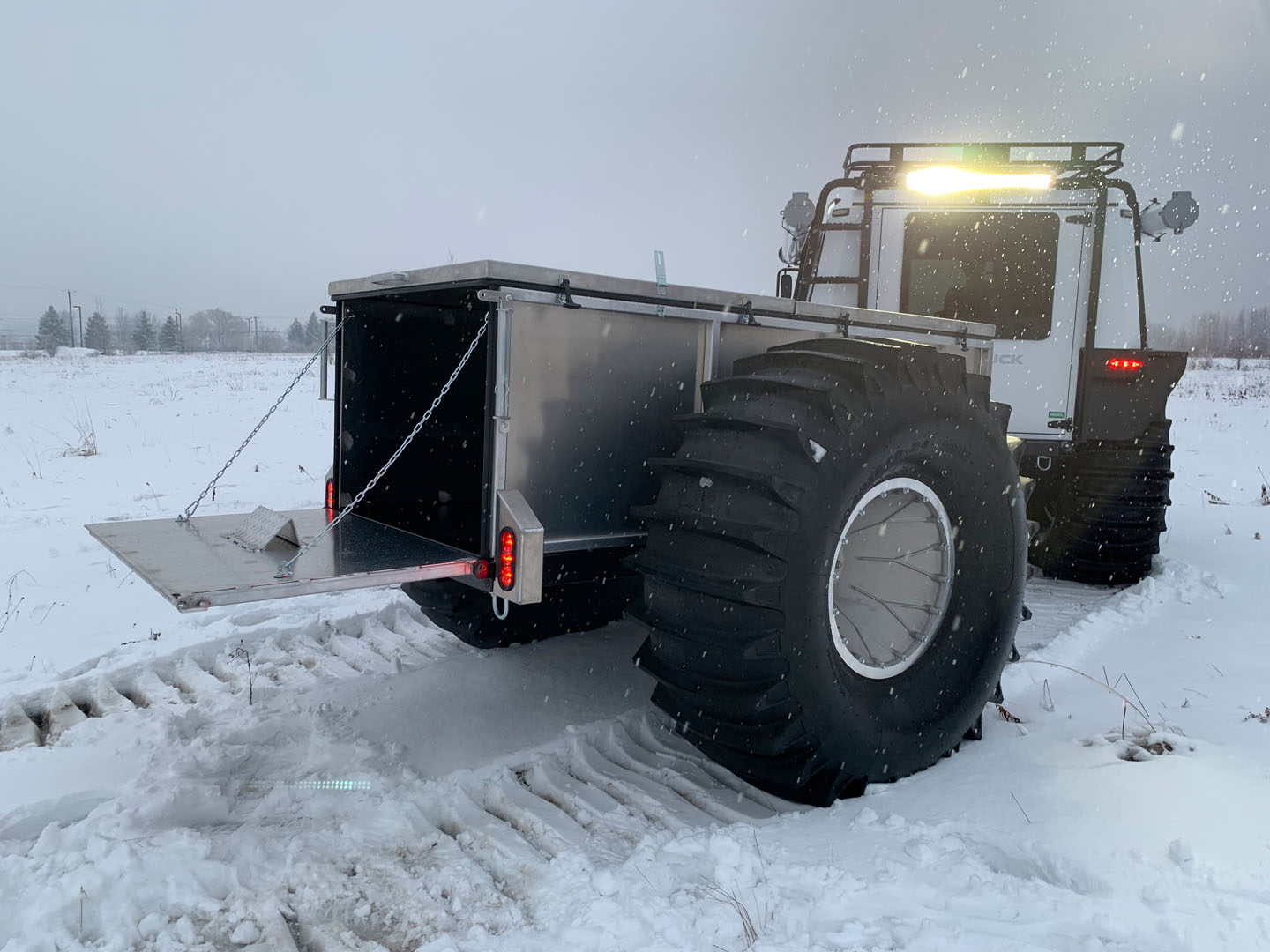
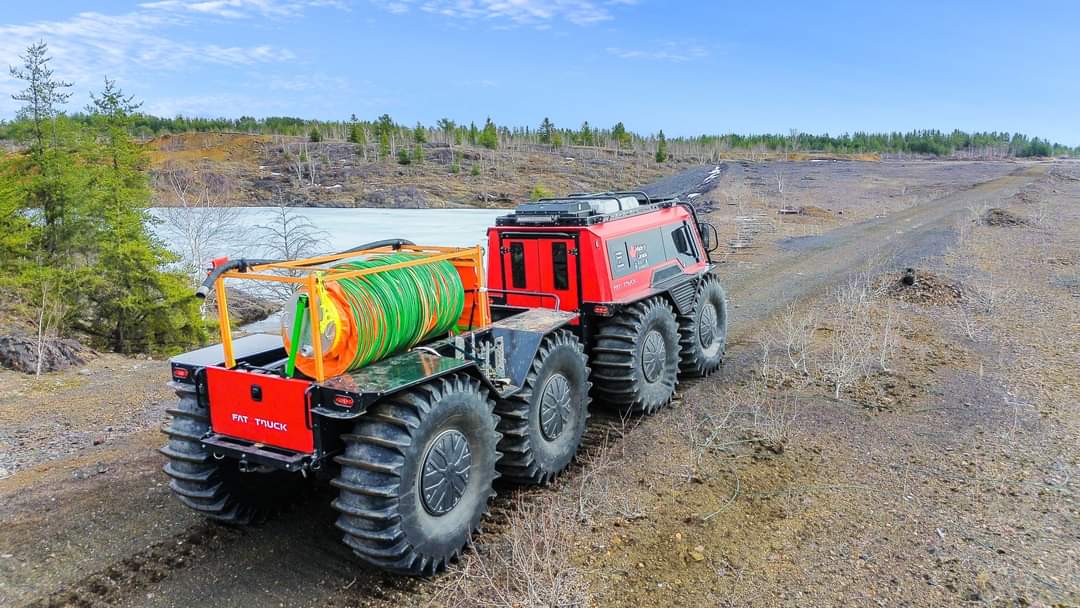
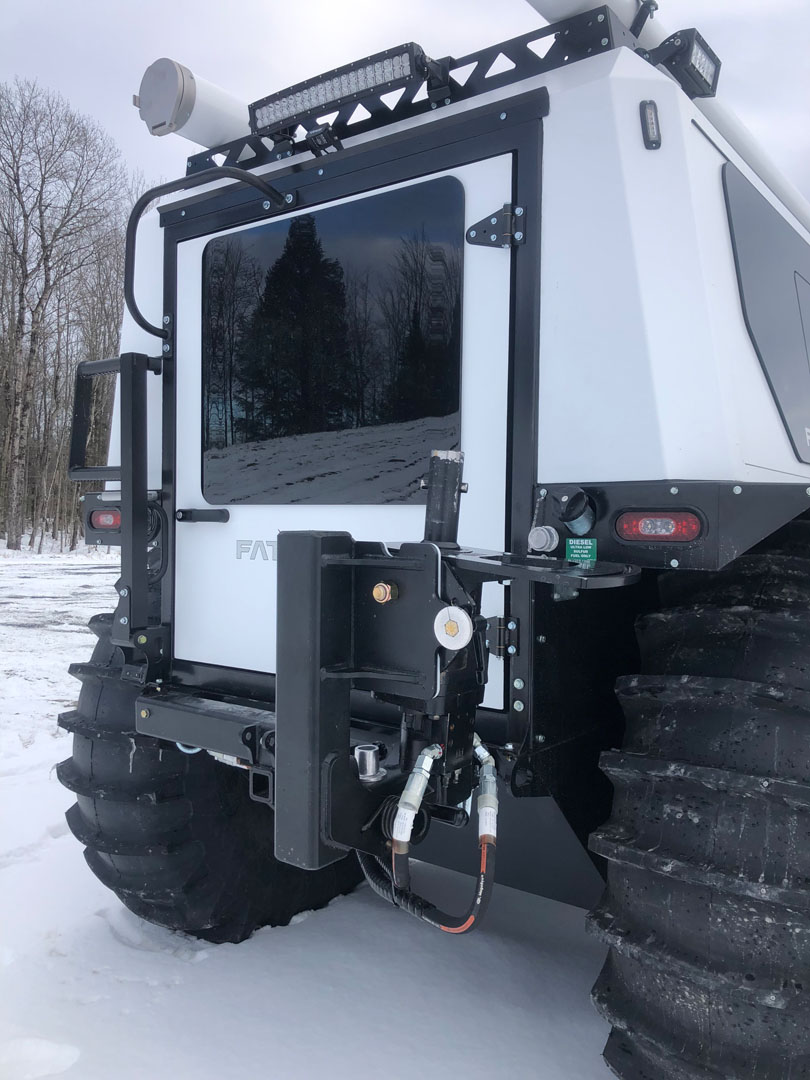
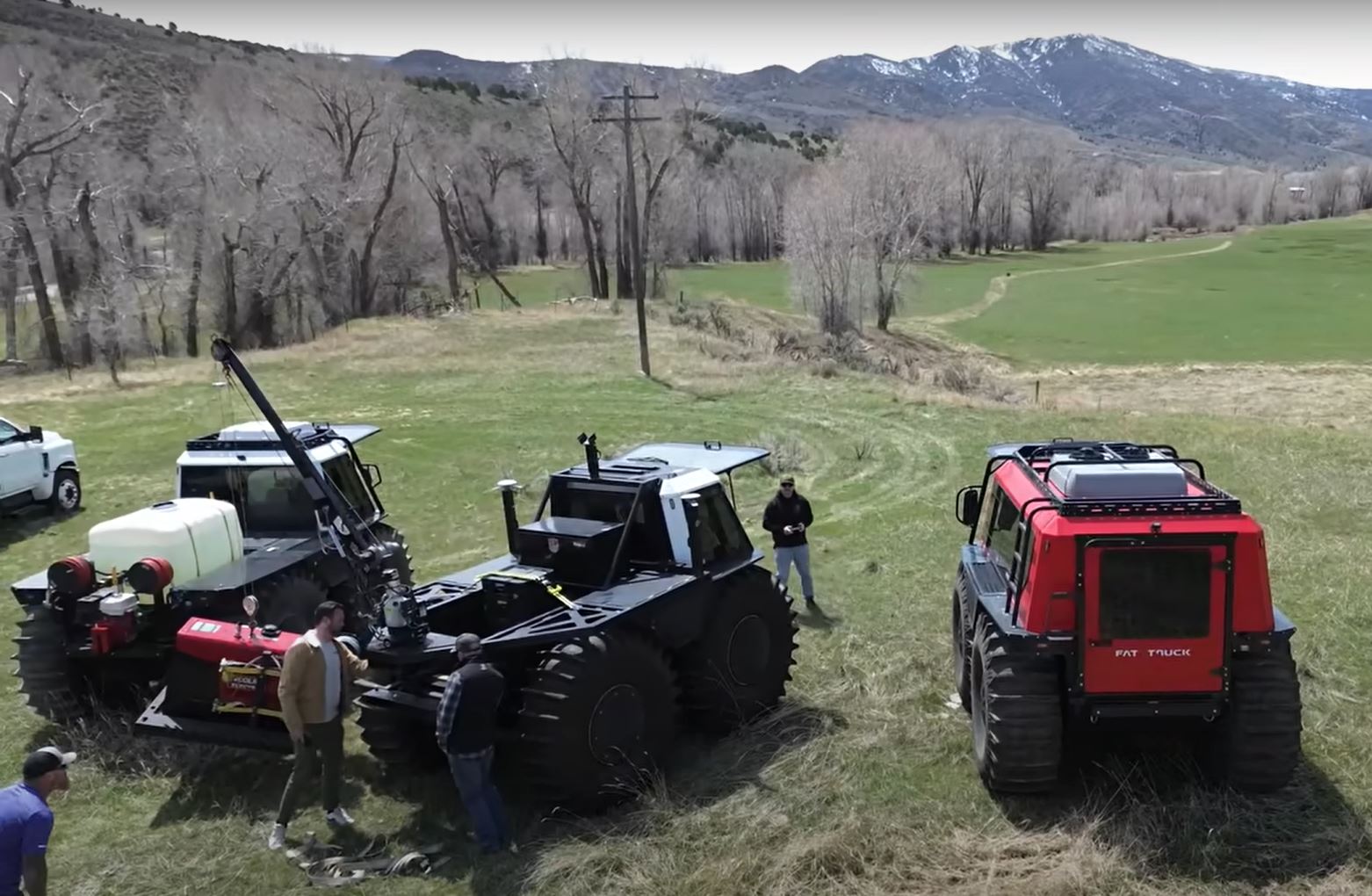
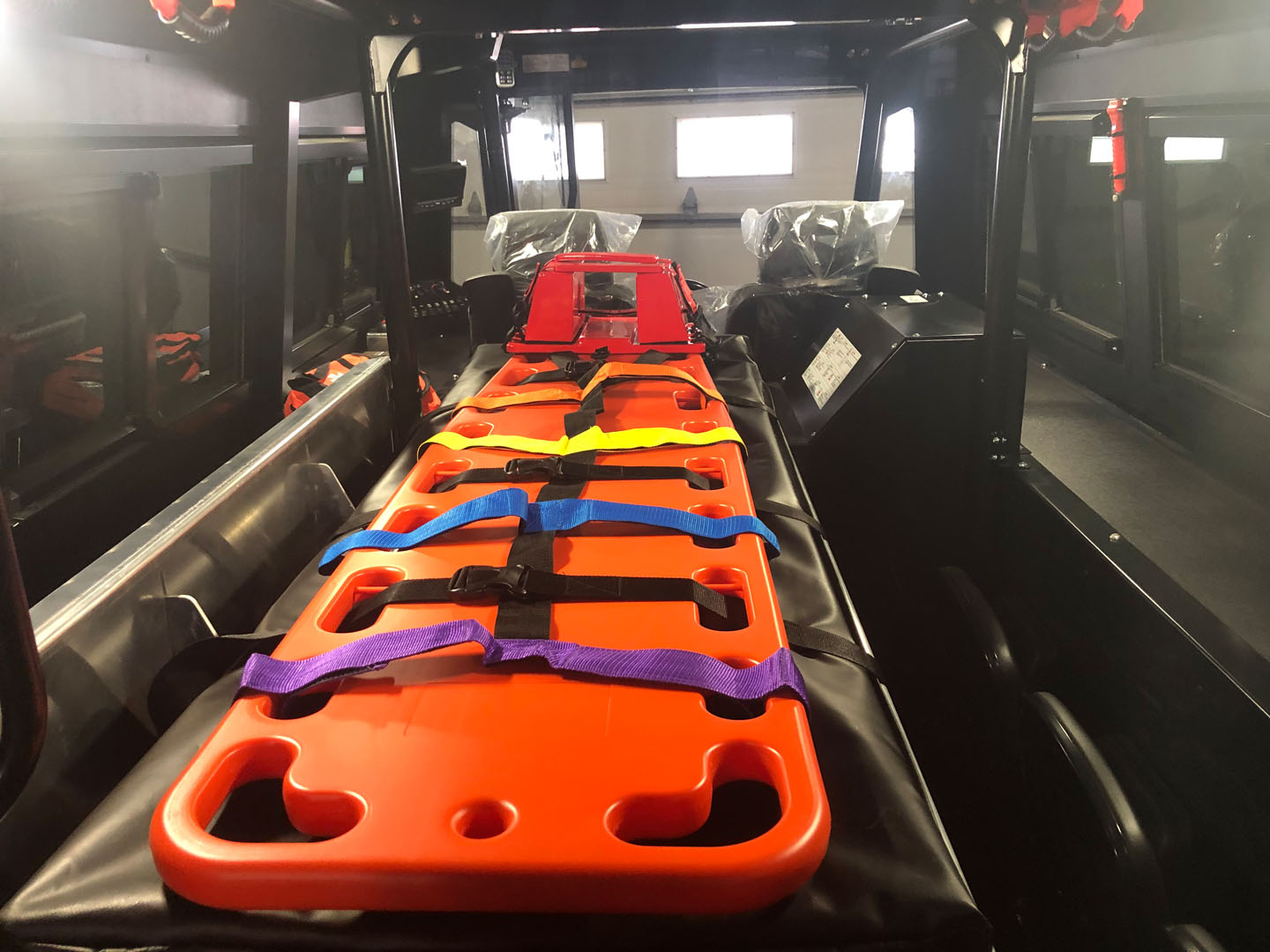
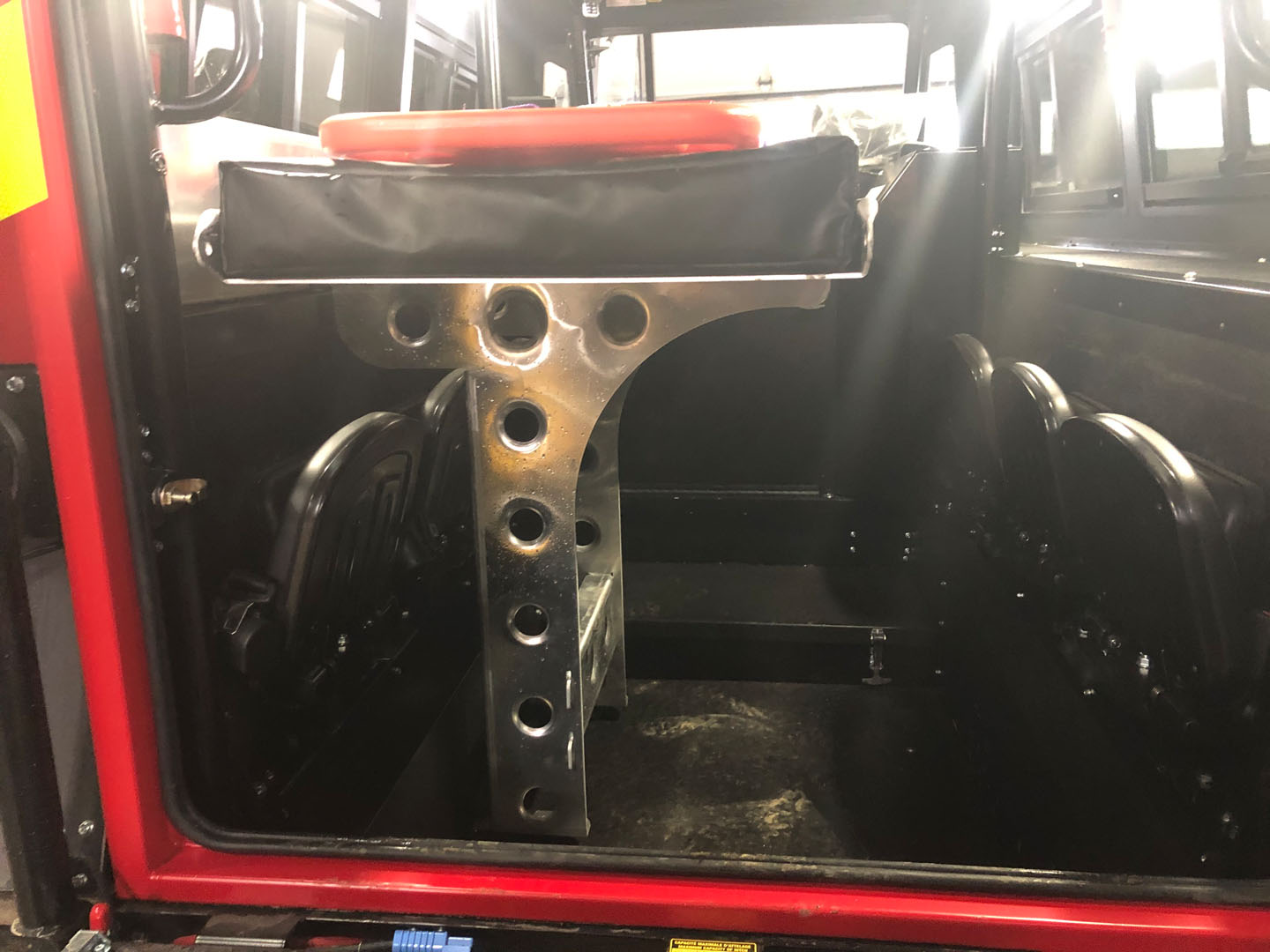
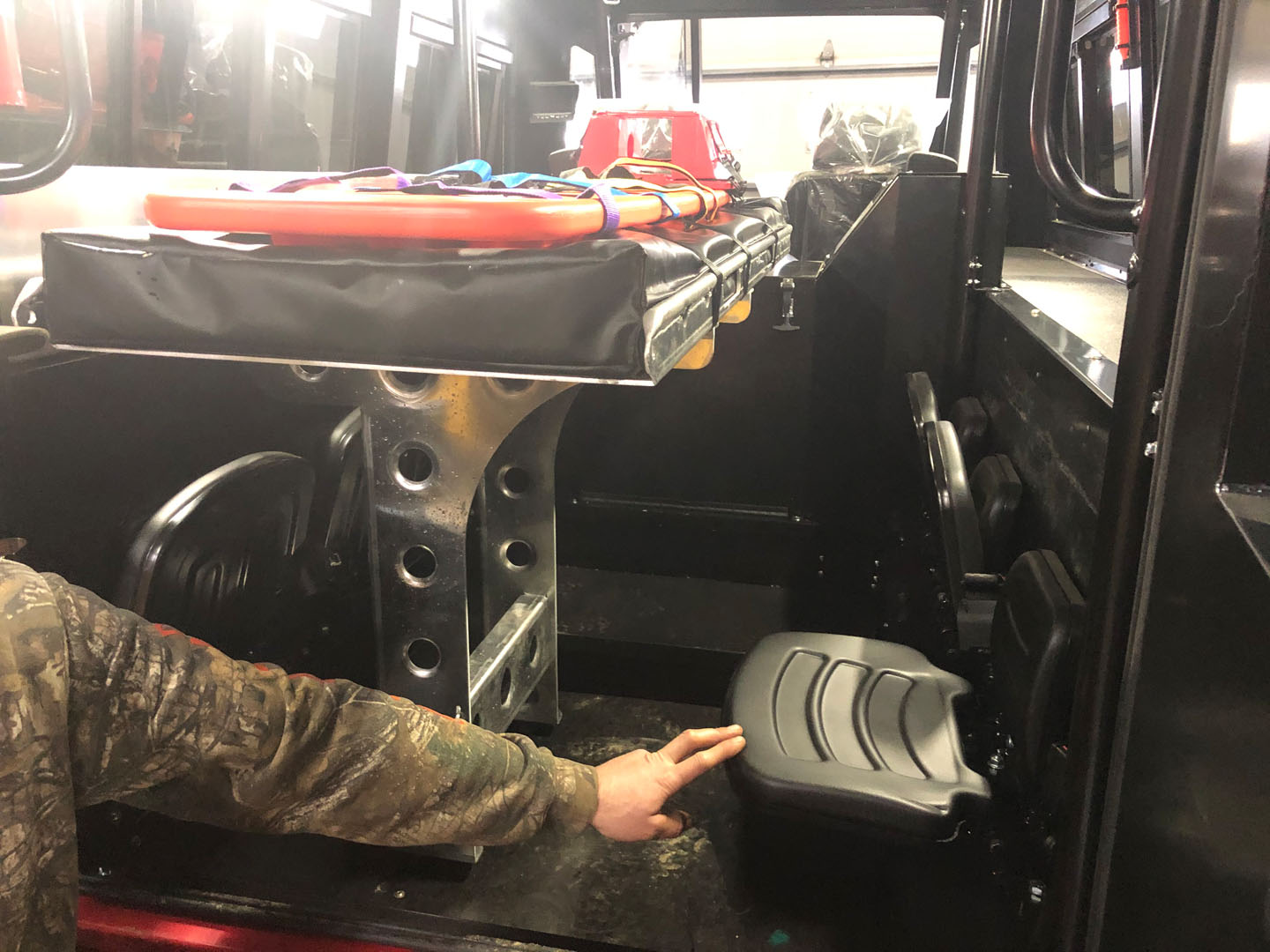
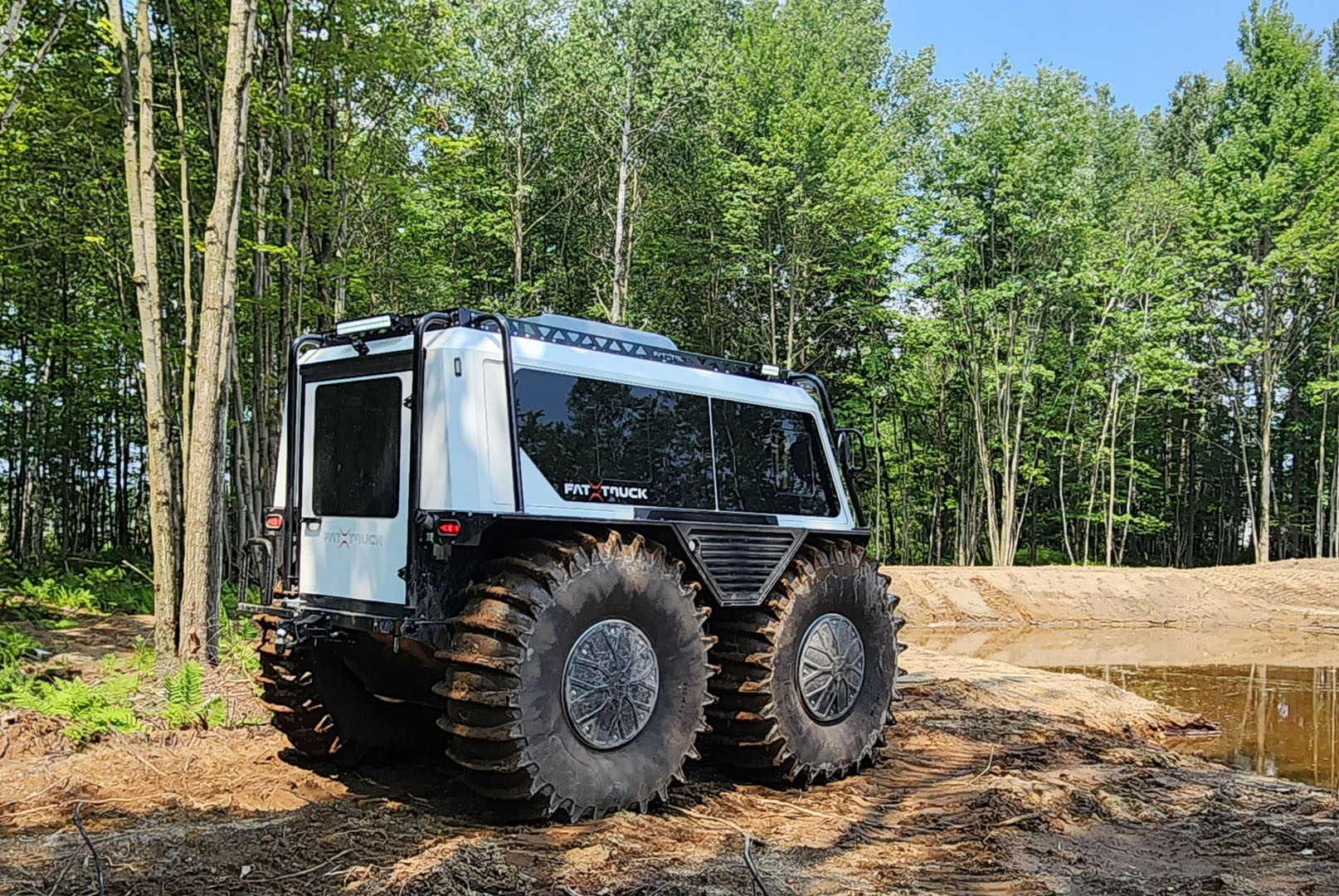
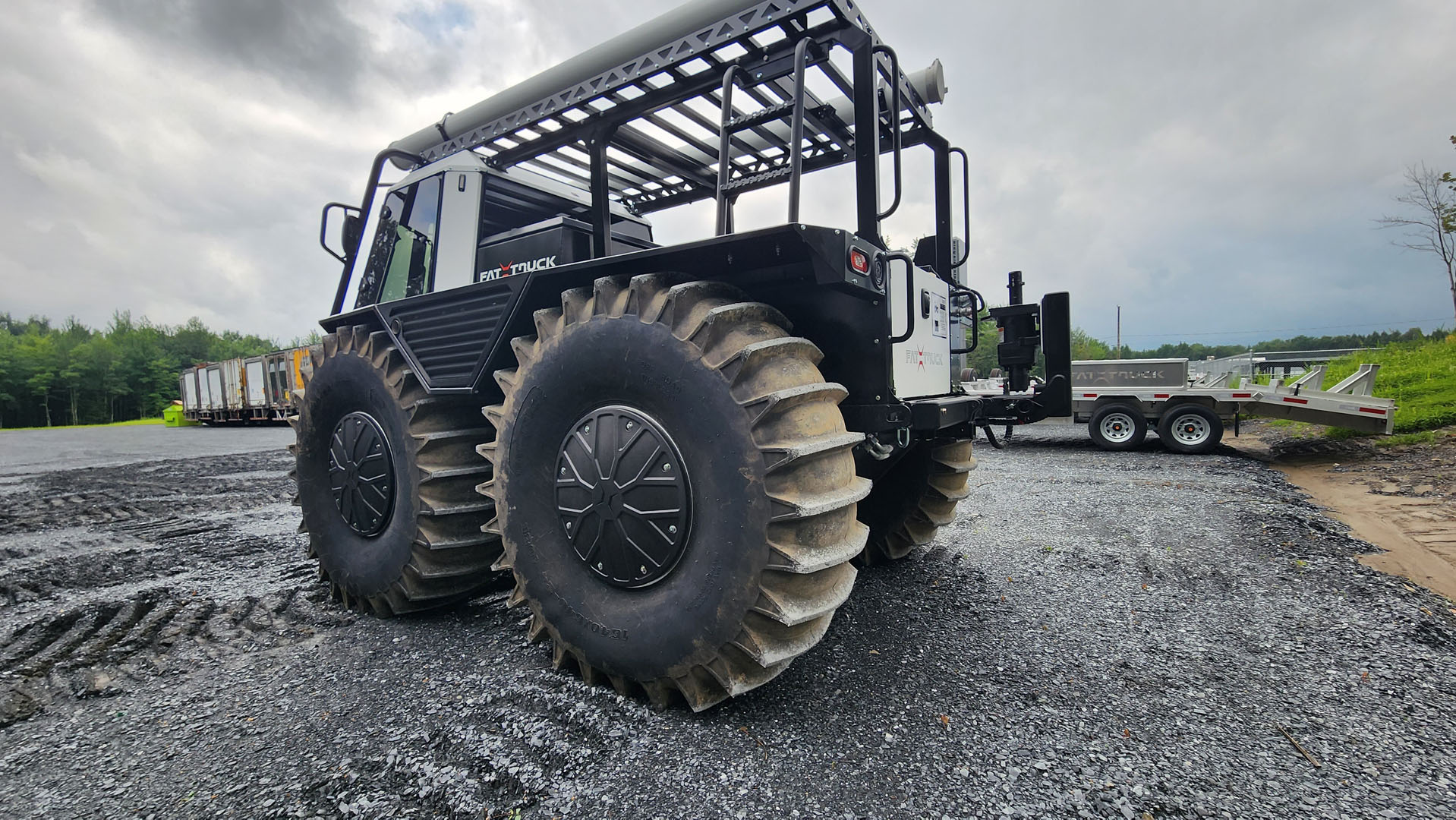
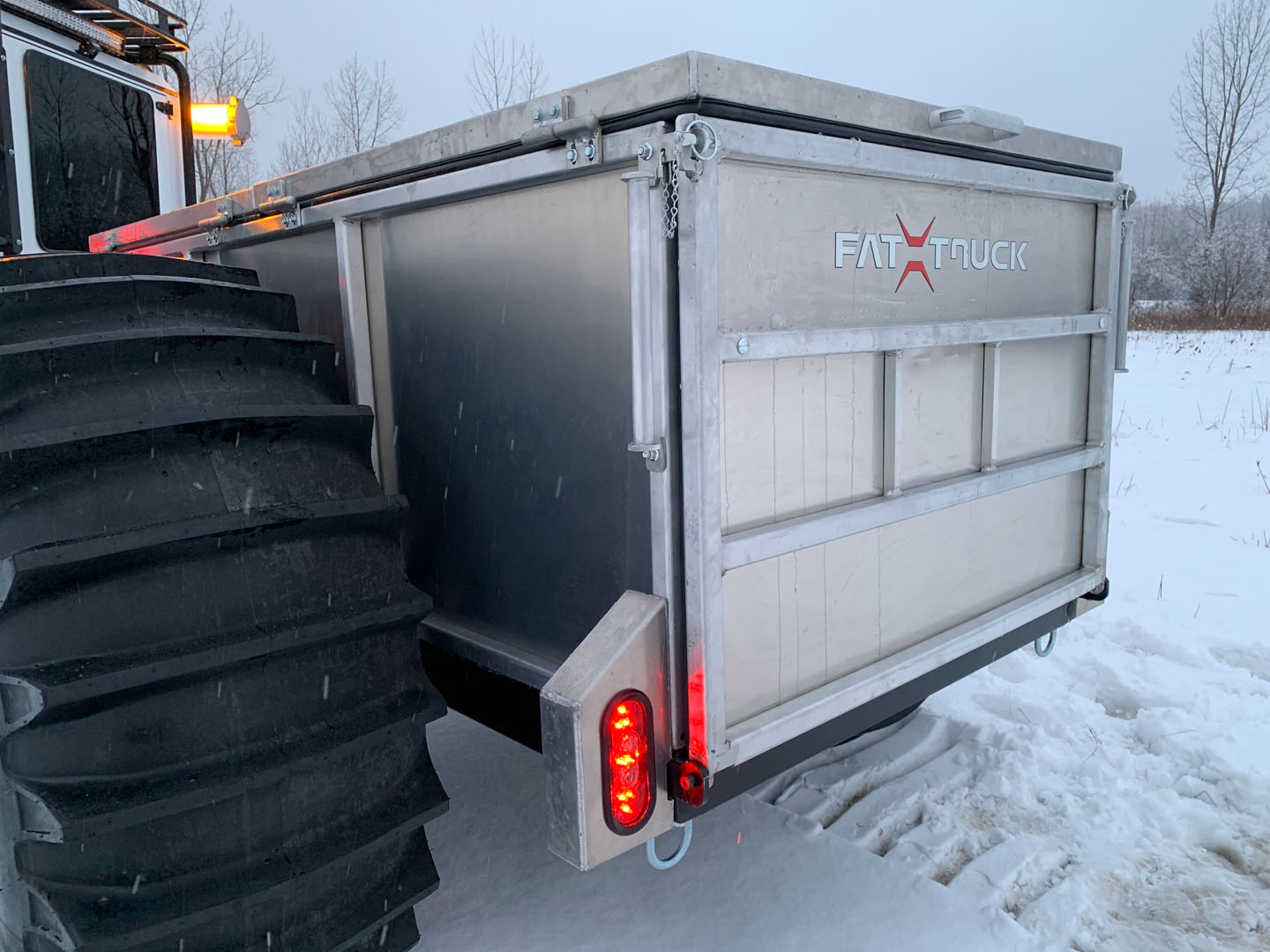
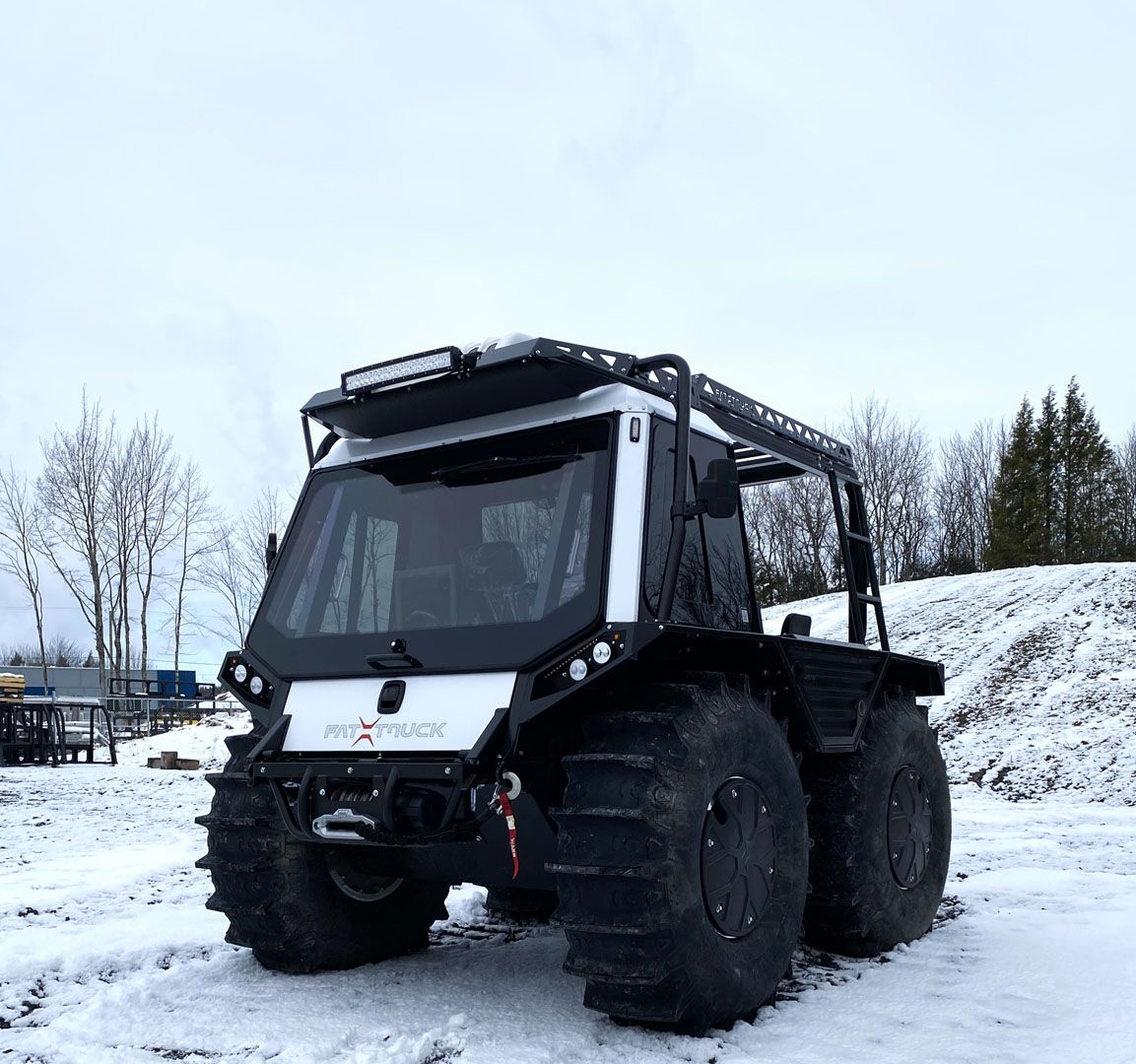
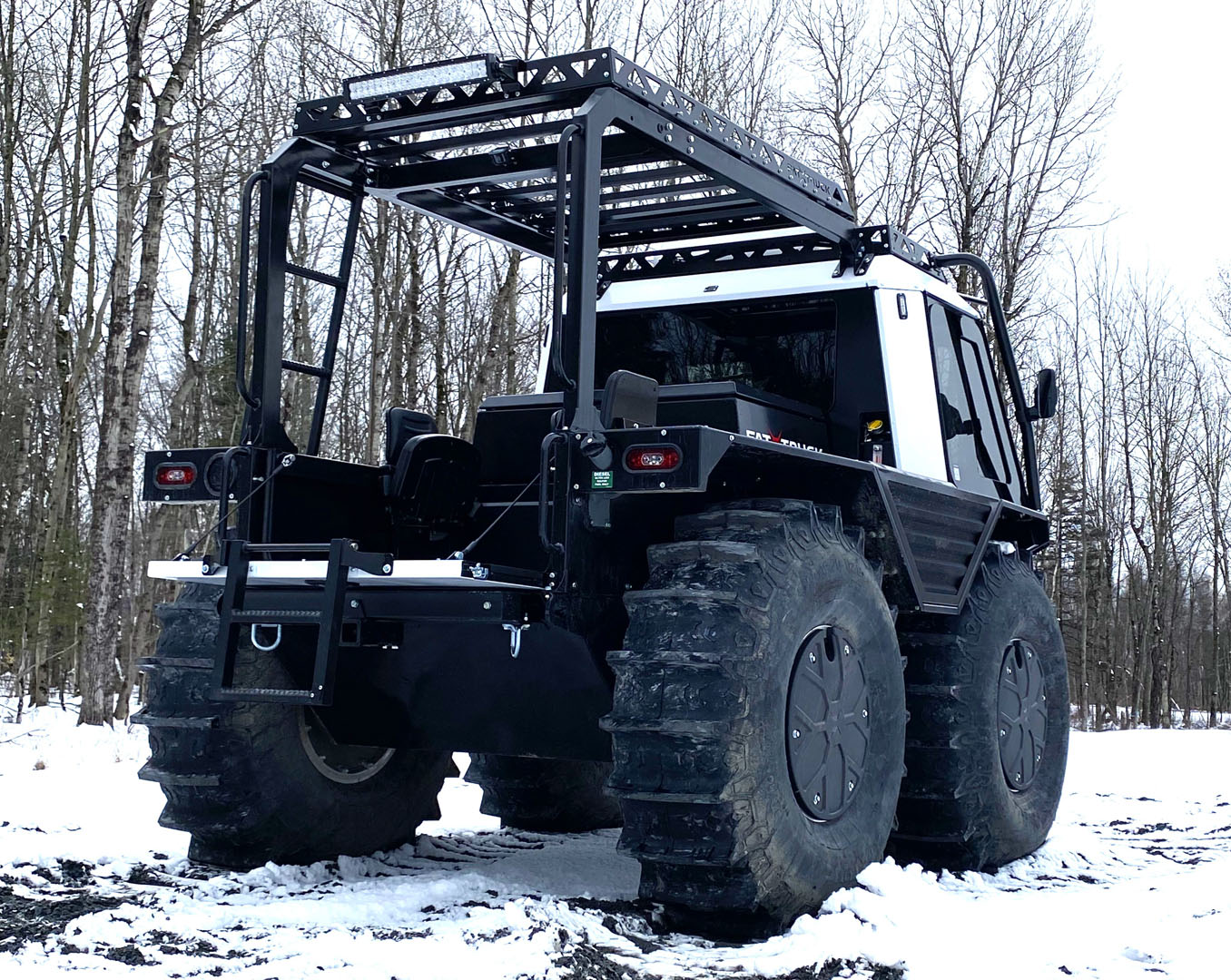
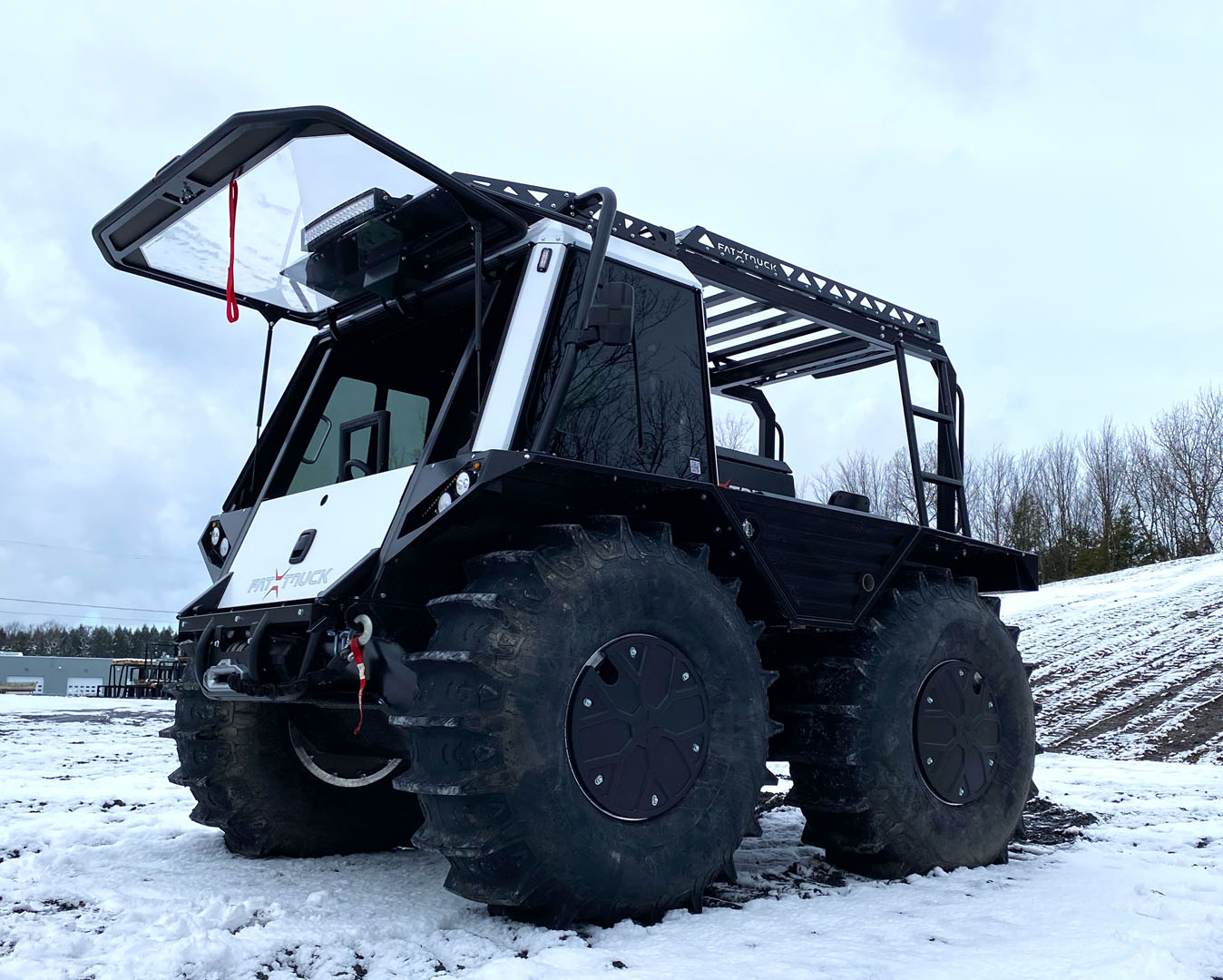
That gap is exactly what a new deployable platform, developed through a partnership between Sudbury-based Fat Truck dealer RufDiamond and Cambrian College, was built to close. The system allows a Fat Truck to carry a payload of up to 2,200 pounds, lift the platform off the vehicle itself, drive out from underneath, and lower the load to the ground – all without any external lifting equipment. For a wildfire response vehicle operating in terrain that’s inaccessible by conventional trucks in the first place, that self-contained unloading capability solves a problem that would otherwise require a second piece of equipment nobody can get to the site either.
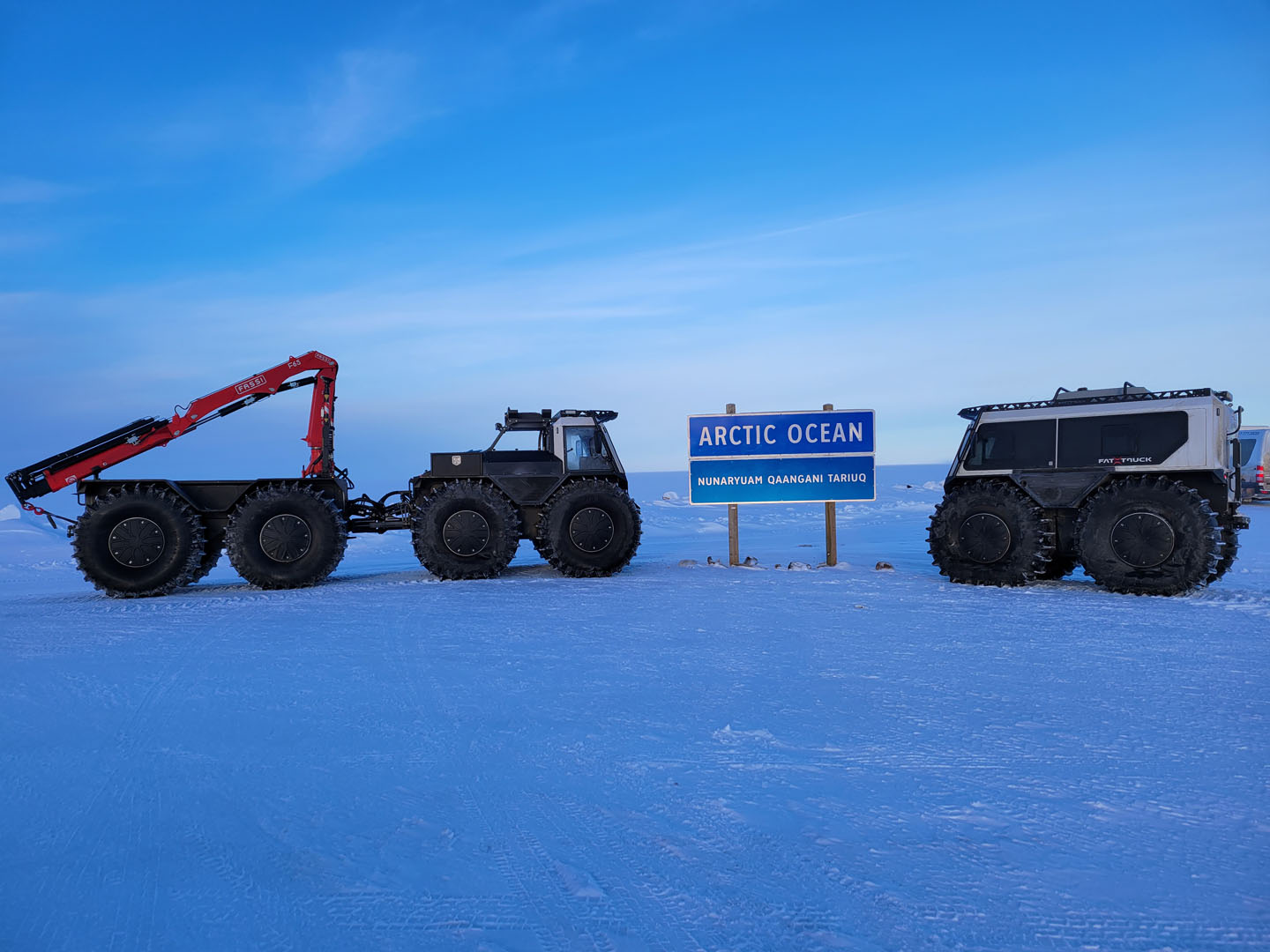
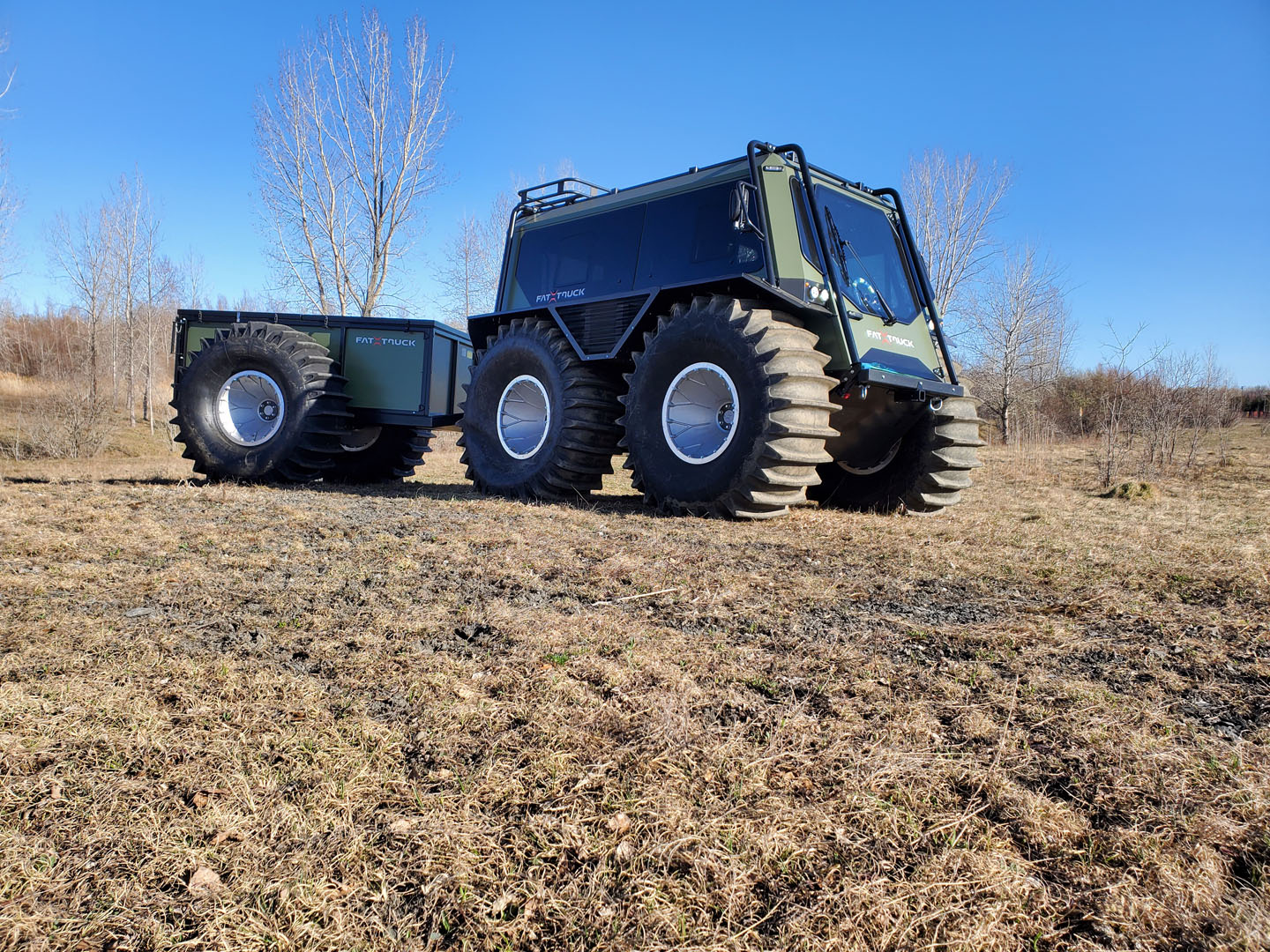
The project recently received $150,000 in funding from the Natural Sciences and Engineering Research Council of Canada (NSERC), aimed at using advanced materials and structural optimization to make the lifting system lighter and more energy-efficient, on top of RufDiamond’s own cash and in-kind contribution, bringing the total project value to $227,500 over two years. The same funding is also going toward a custom drag-behind toboggan for transporting supplies and equipment across Arctic terrain, extending the same access-and-delivery problem to cold-weather operations.
What makes this notable isn’t just the engineering, it’s the timing. As of a July 2026 press conference at Cambrian College, the platform was confirmed for deployment to the active wildfire crisis in Northwestern Ontario, moving directly from a funded research project into real operational use. That’s a fast path from prototype to field deployment, and it reflects a pattern that shows up across every sector Fat Truck serves: the vehicles that hold up best in emergency response are the ones built or adapted by the people actually doing the work, not just designed in a lab.
For wildfire response specifically, the lesson generalizes well beyond one platform. Reaching a remote fire line is necessary but not sufficient. Crews also need a way to move supplies, equipment, and fuel once they’re there, without waiting on infrastructure the location doesn’t have. Innovations like this one are a reminder that “access” and “logistics” are two separate problems, and solving only the first one leaves crews stranded on the second.
Built for the Job Ahead
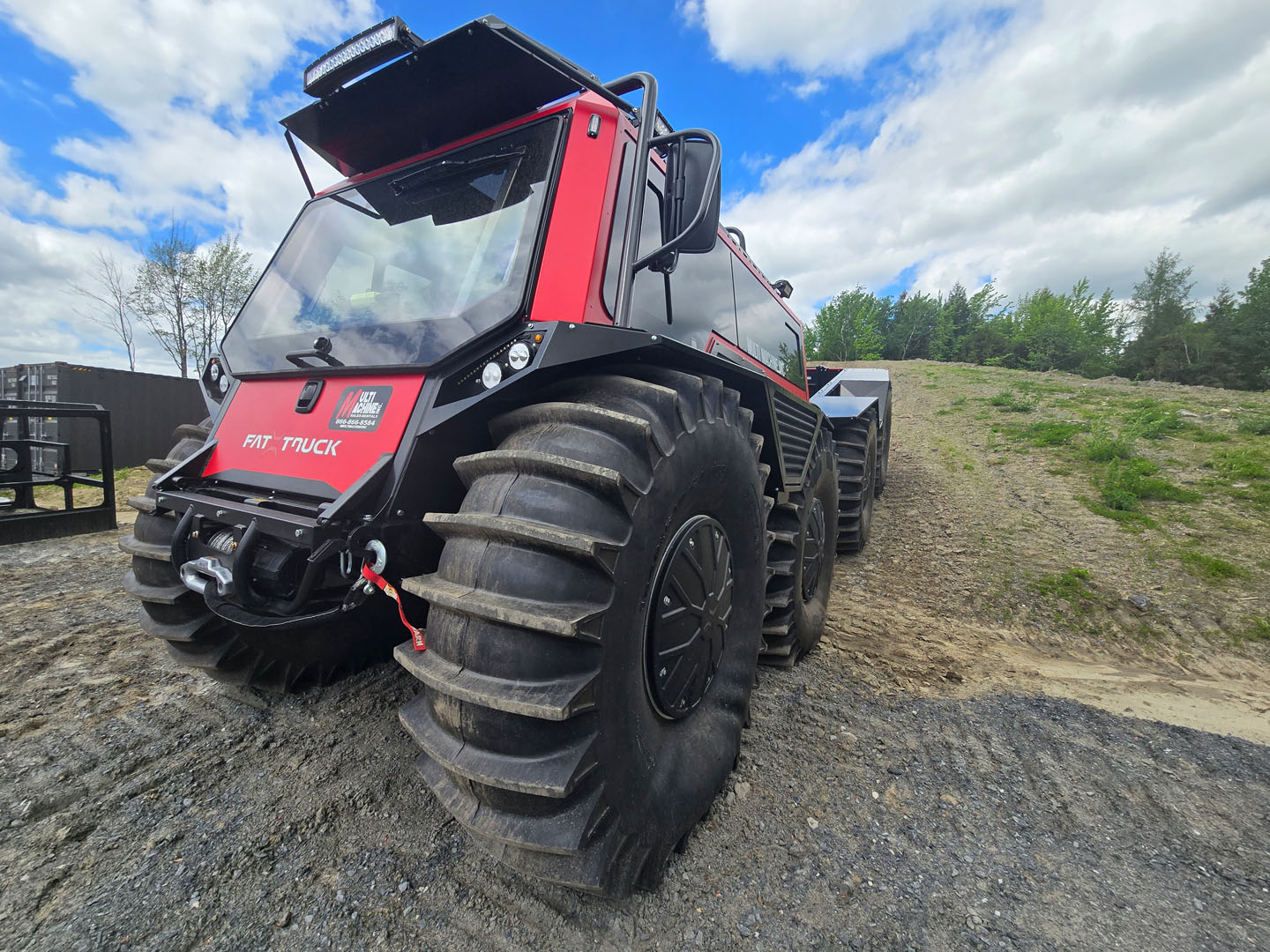
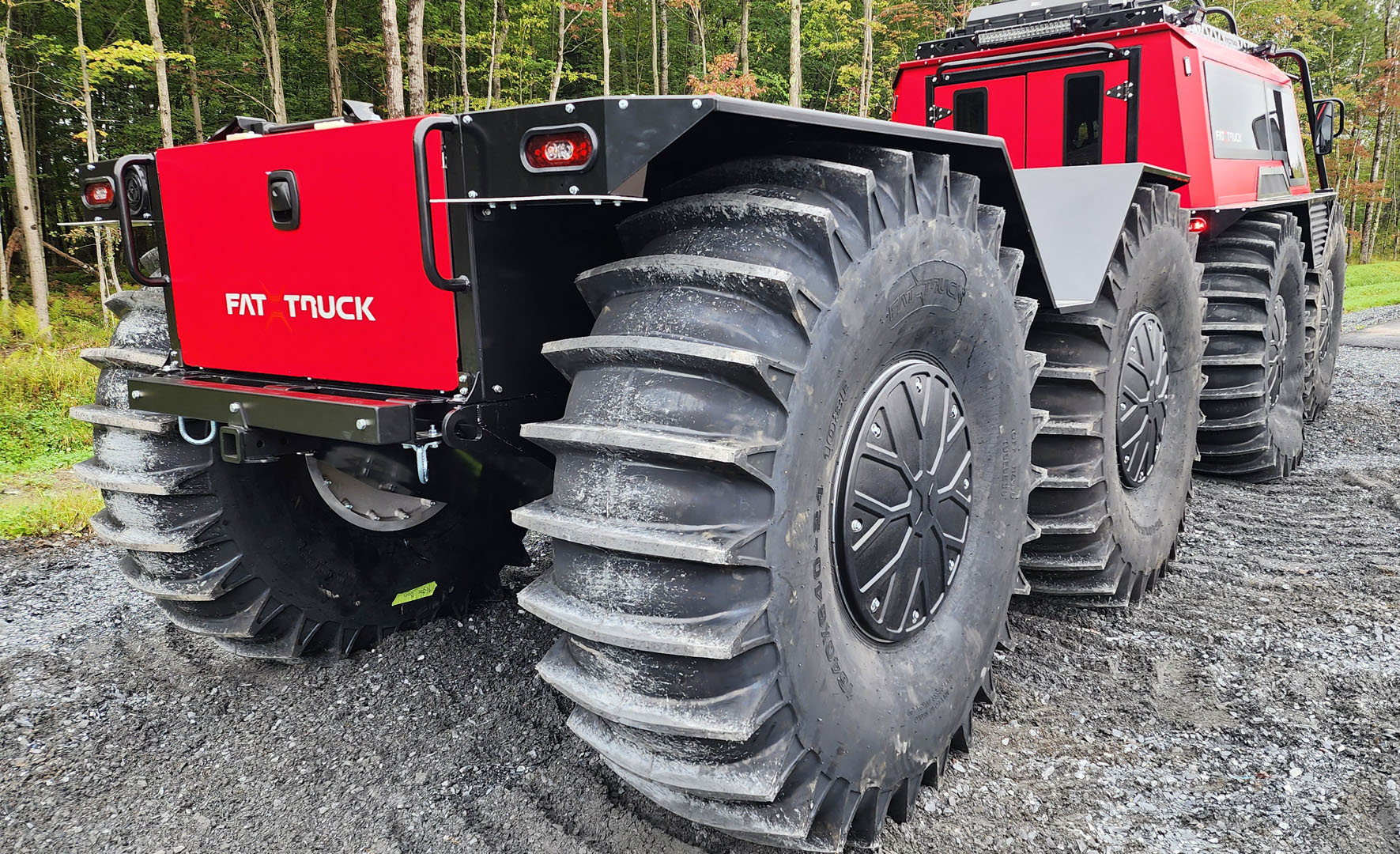
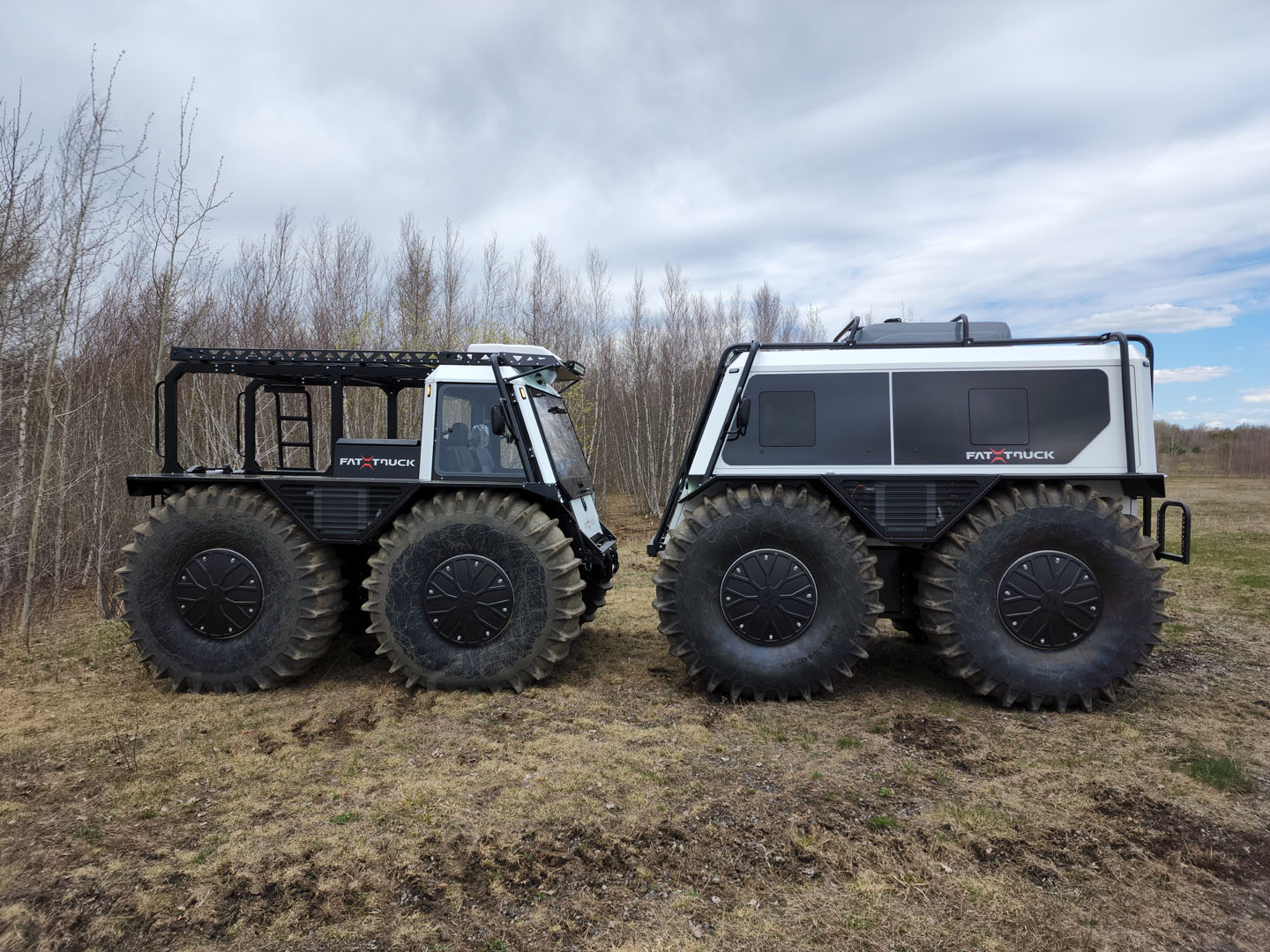
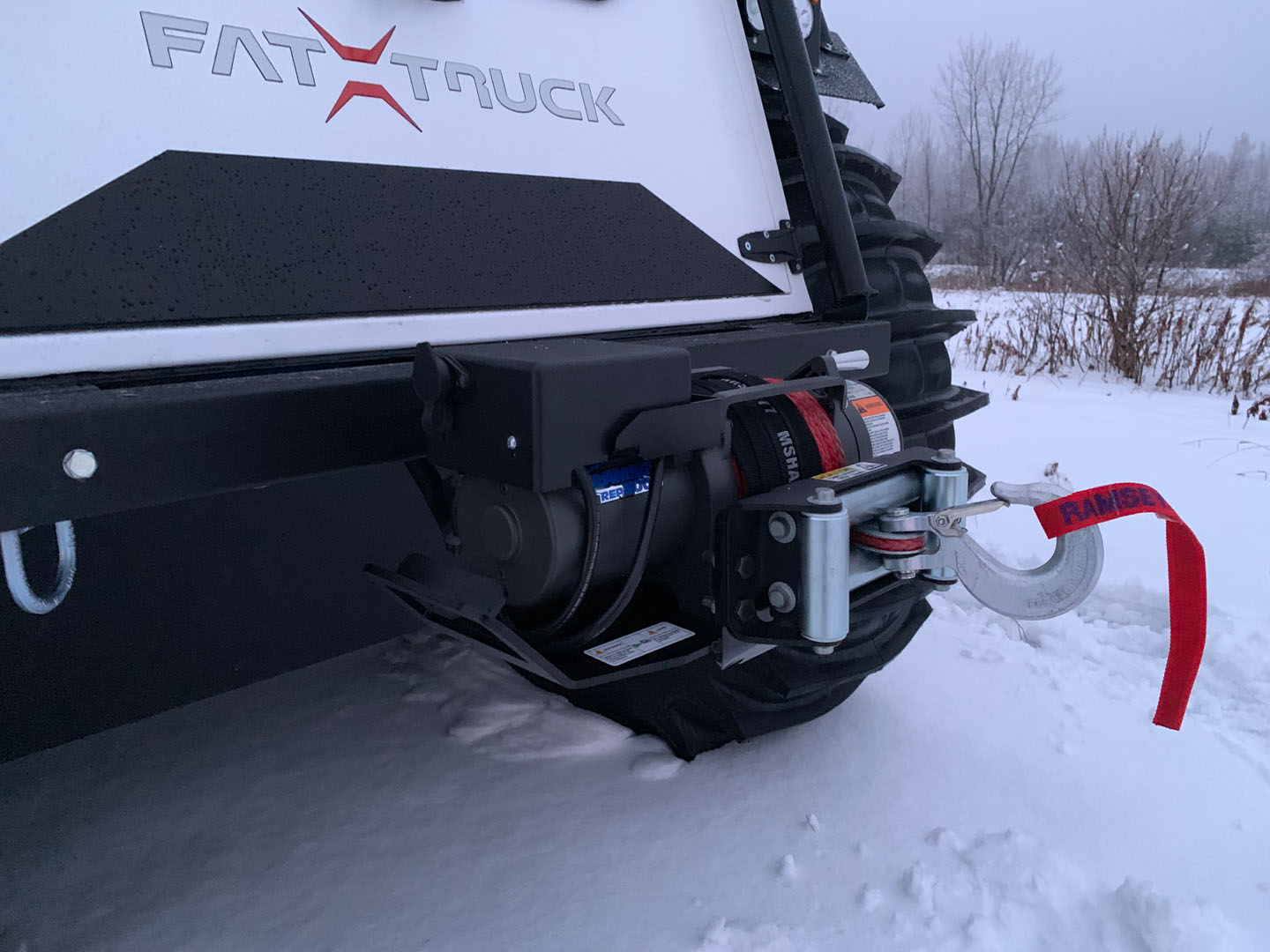
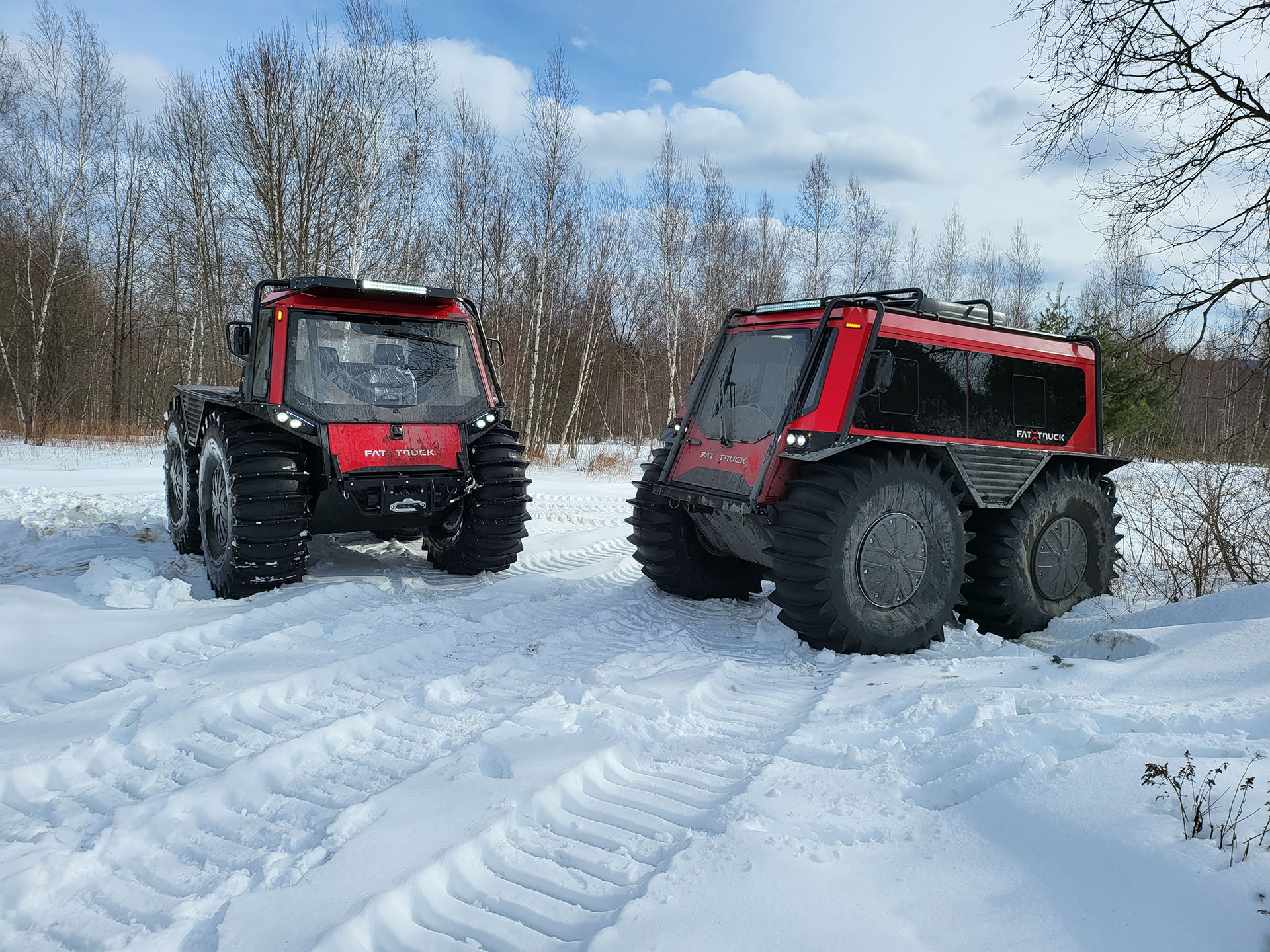
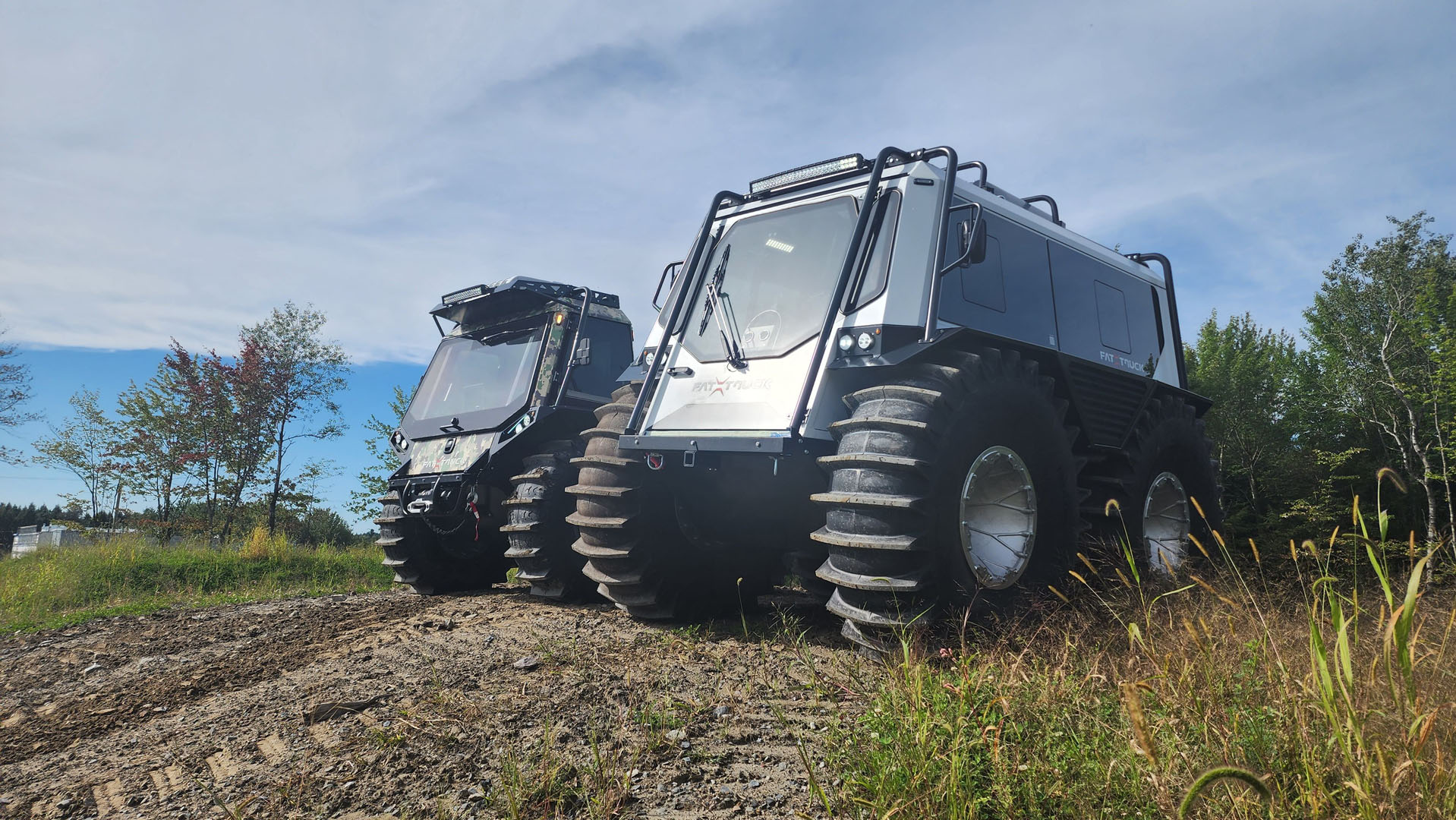
Every FAT TRUCK® can be built out for the job in front of it — winches, cold-weather gear, lighting packages, search and resuce. and more. Want to see how a FAT TRUCK® can be equipped for your own site conditions?