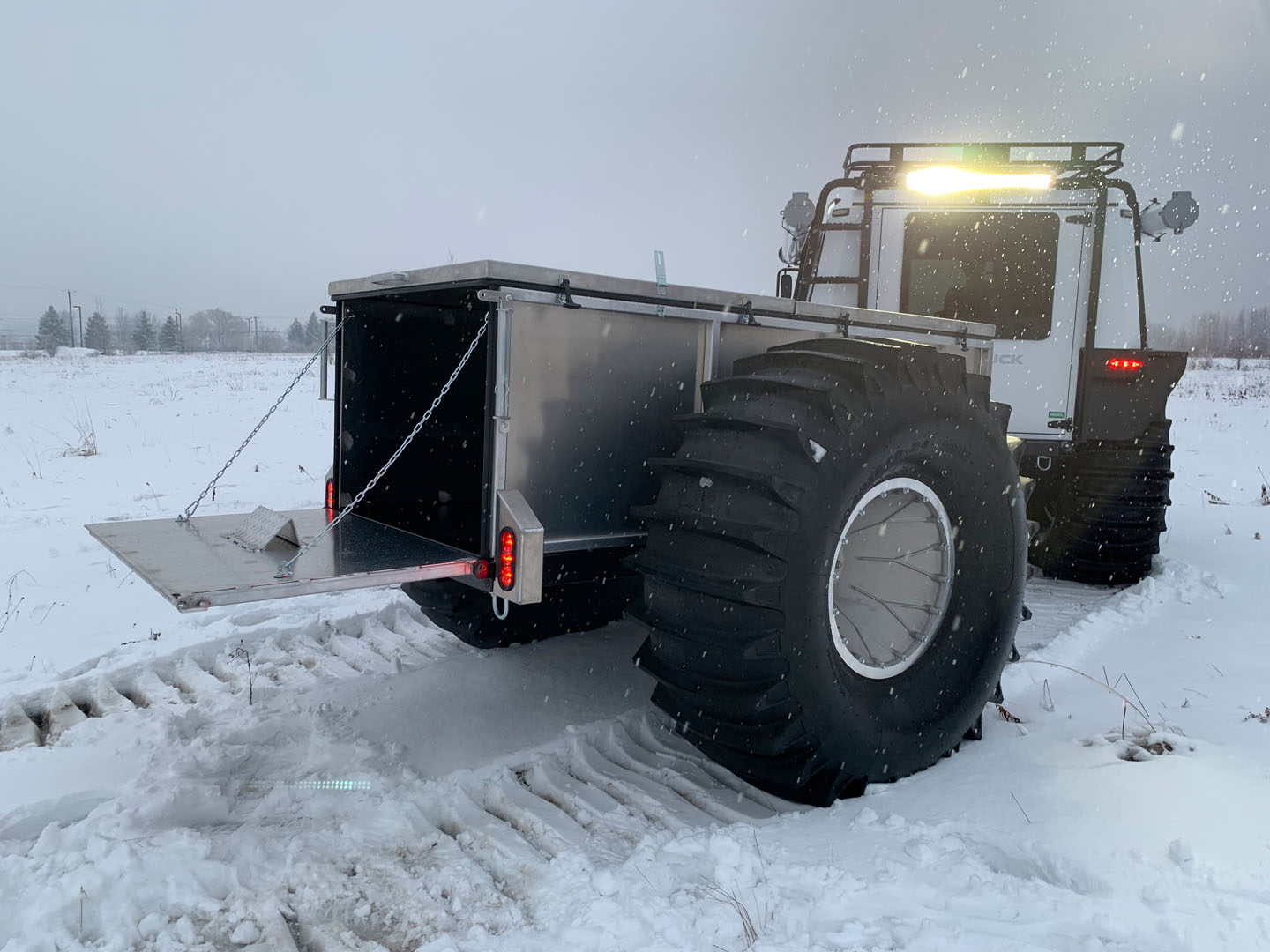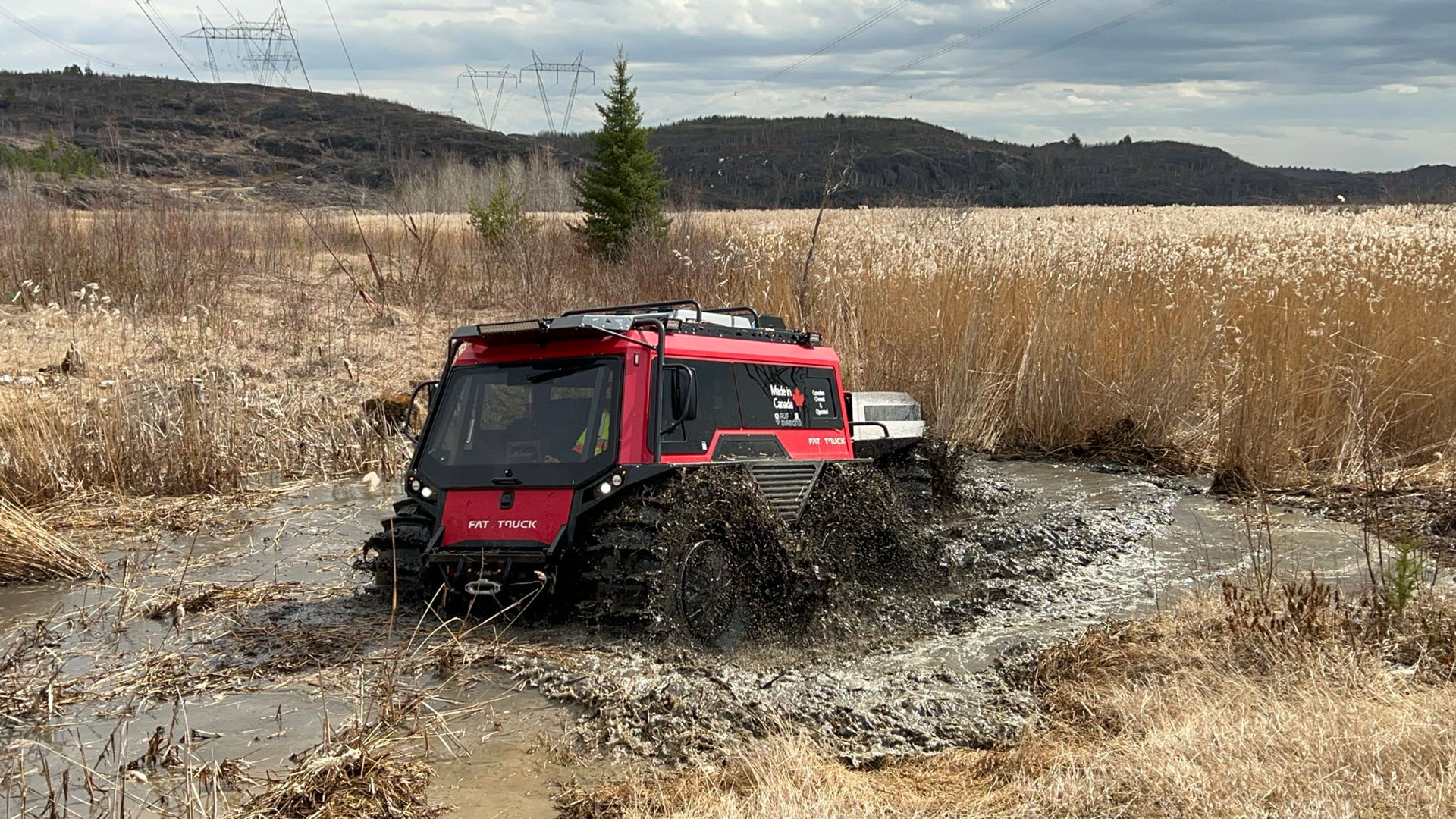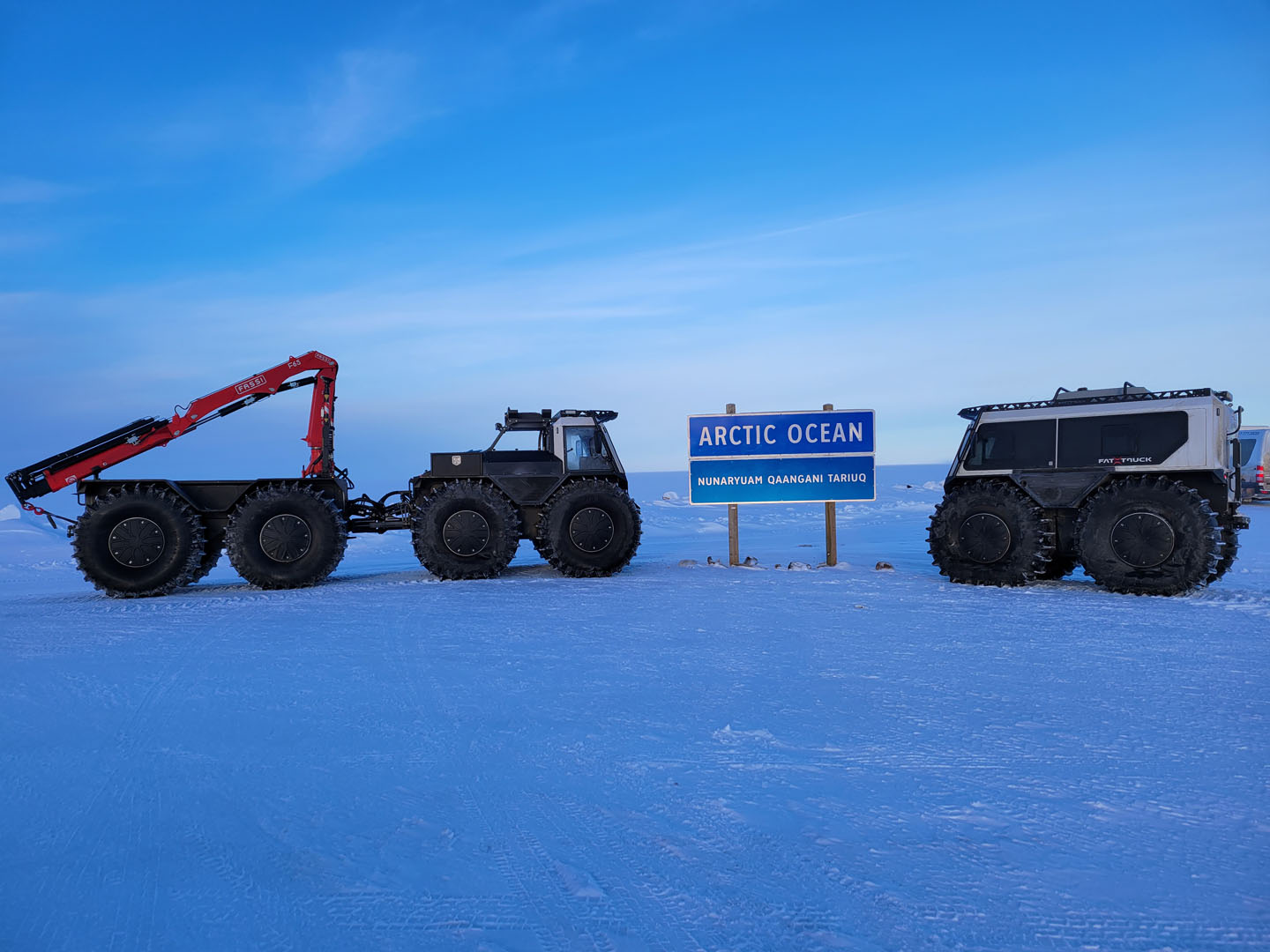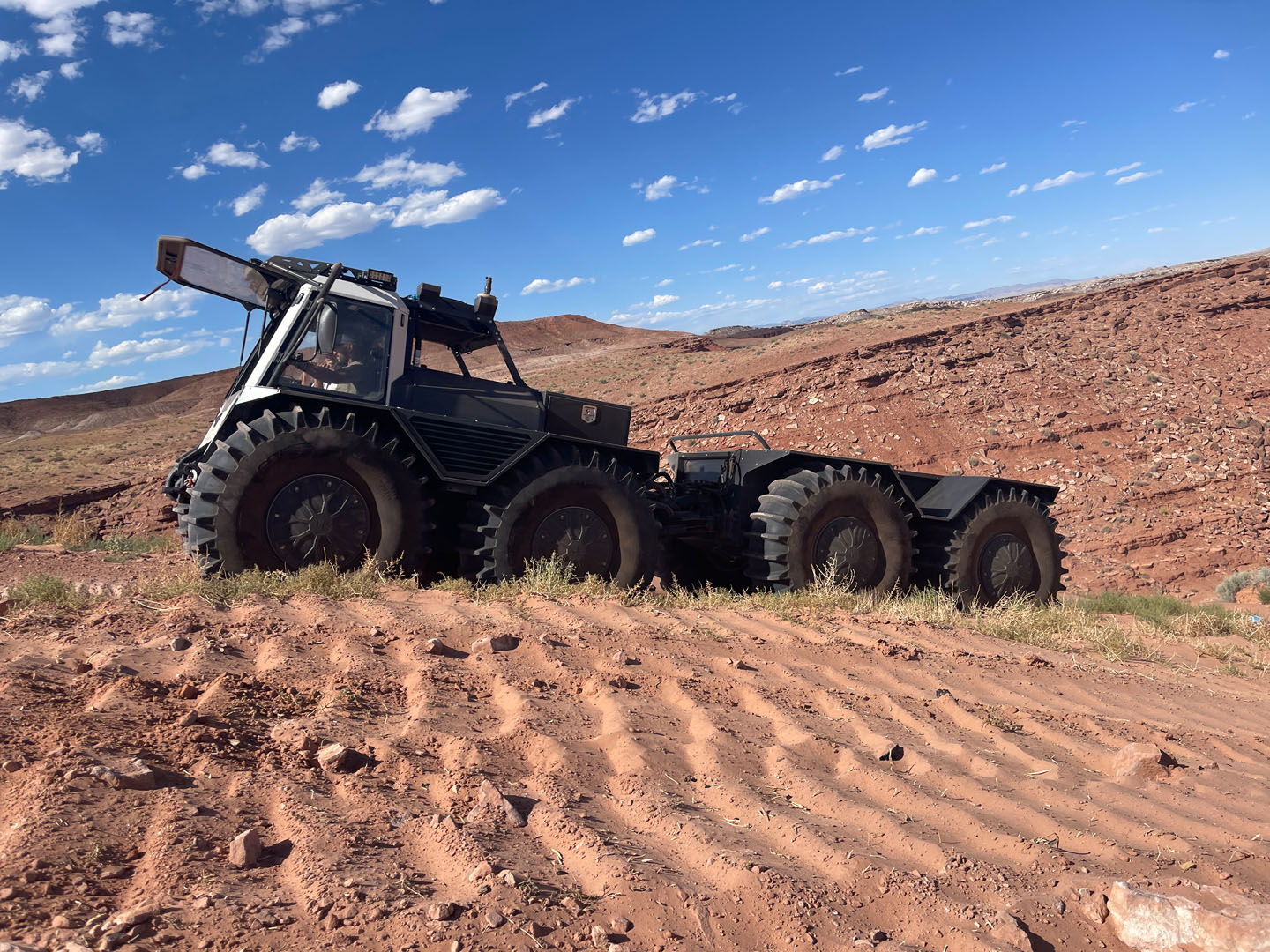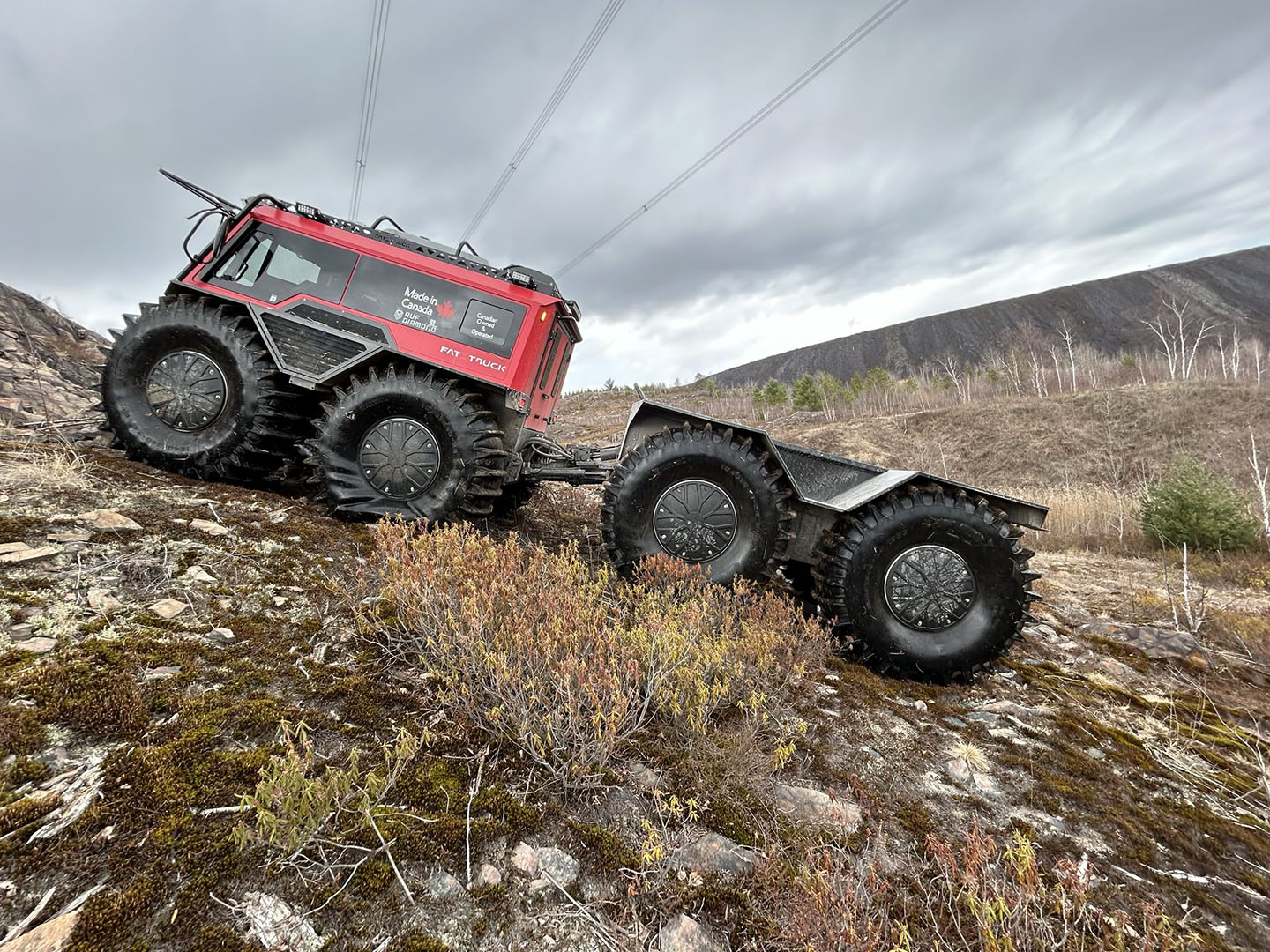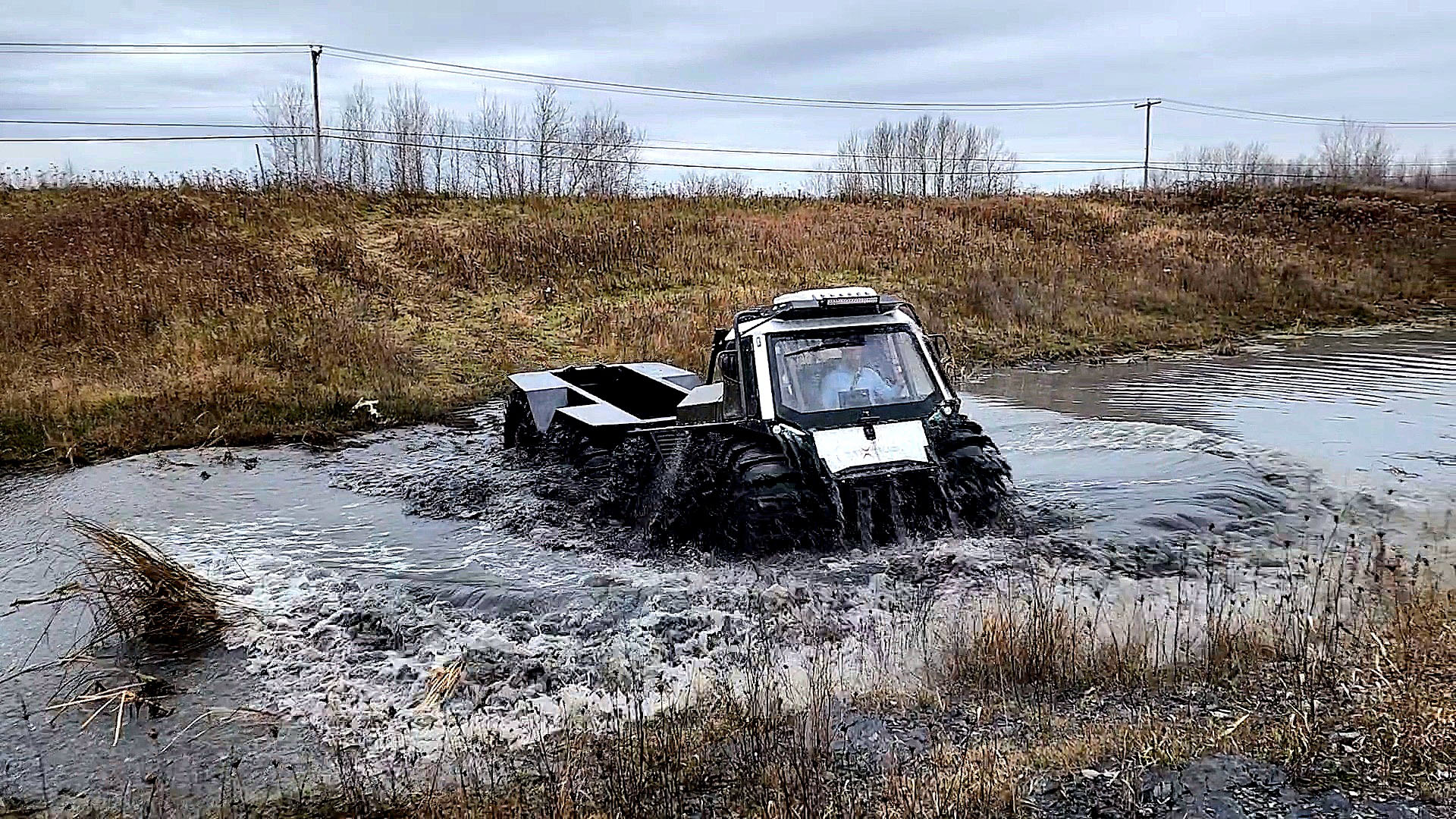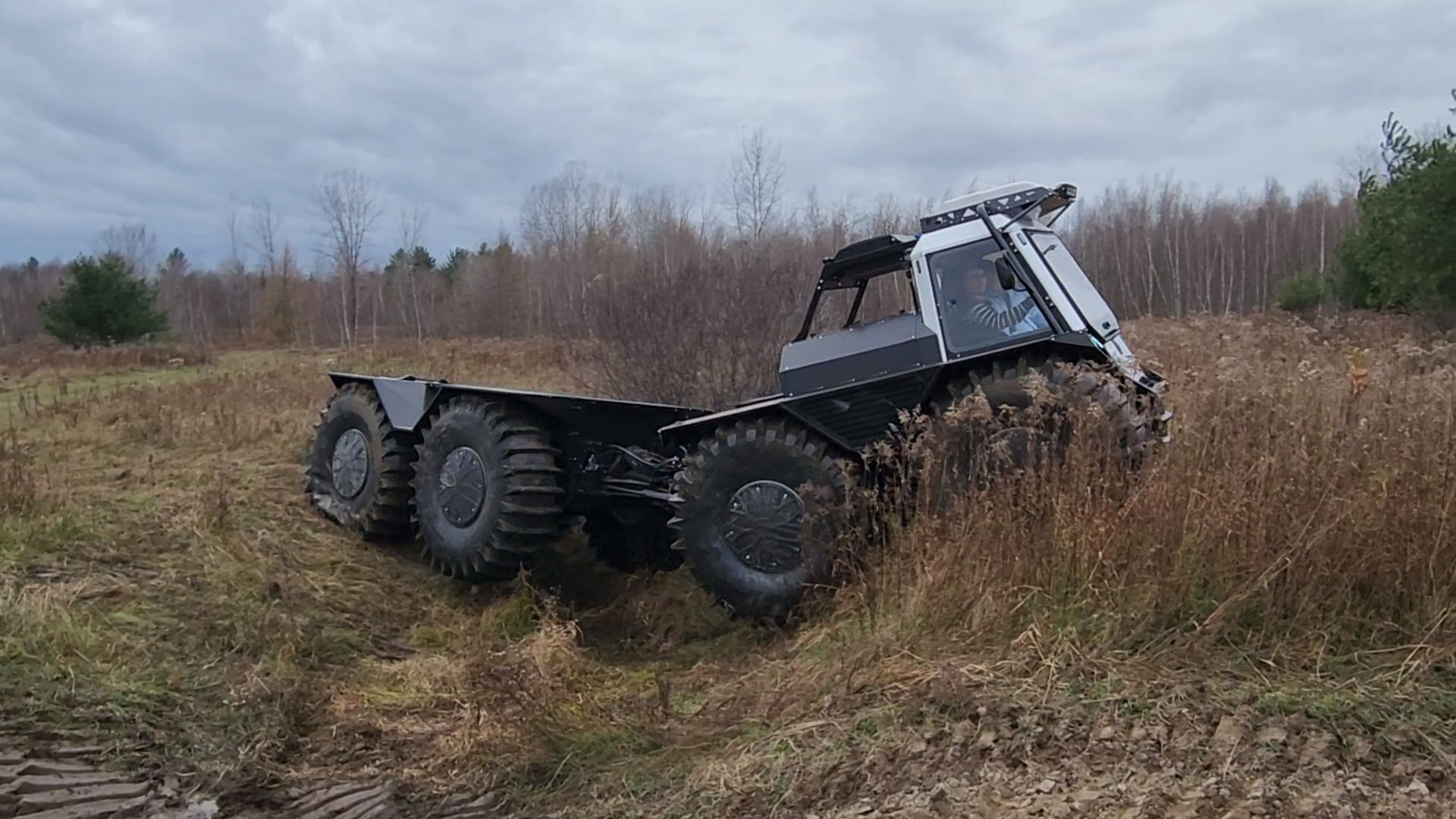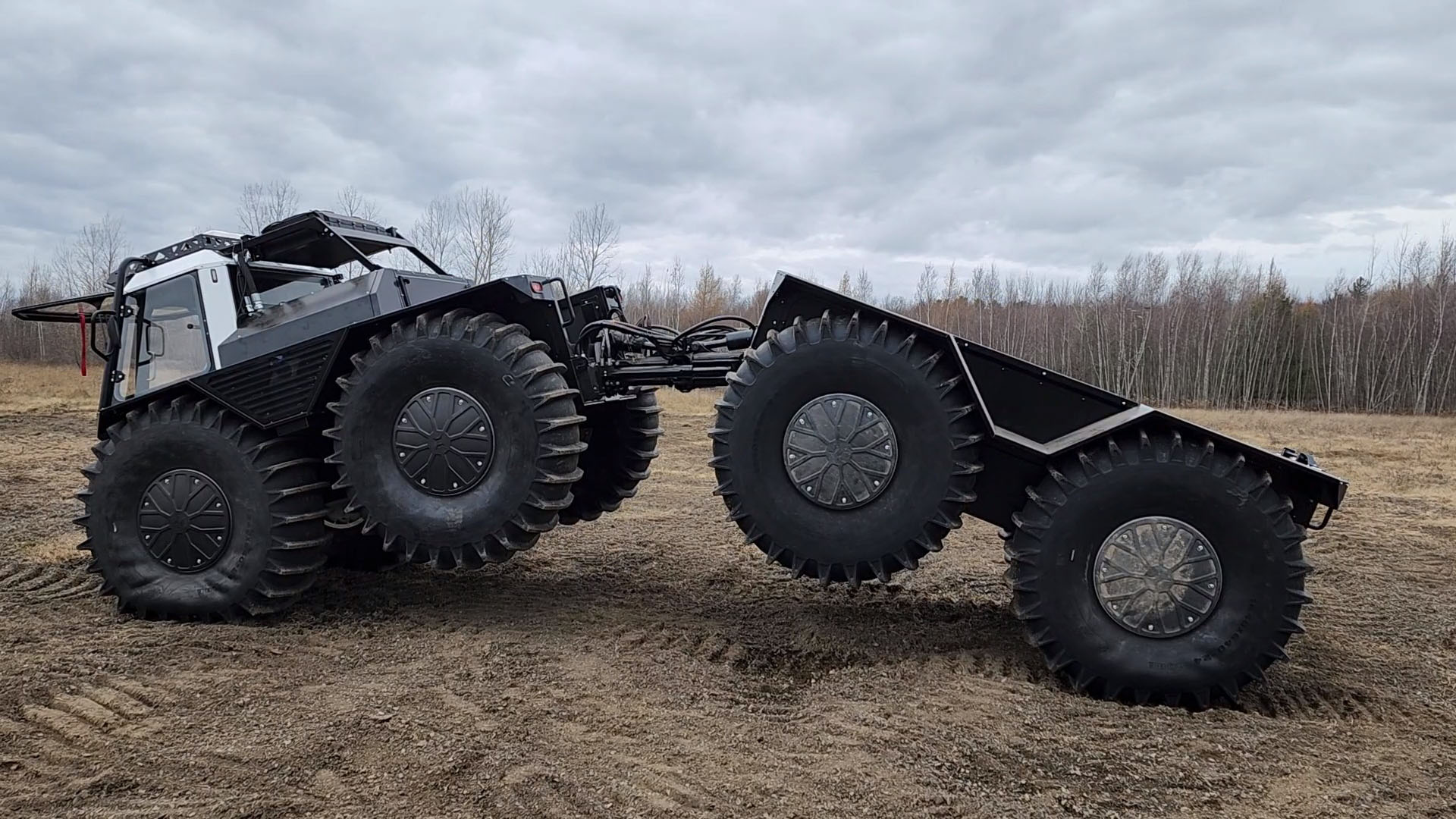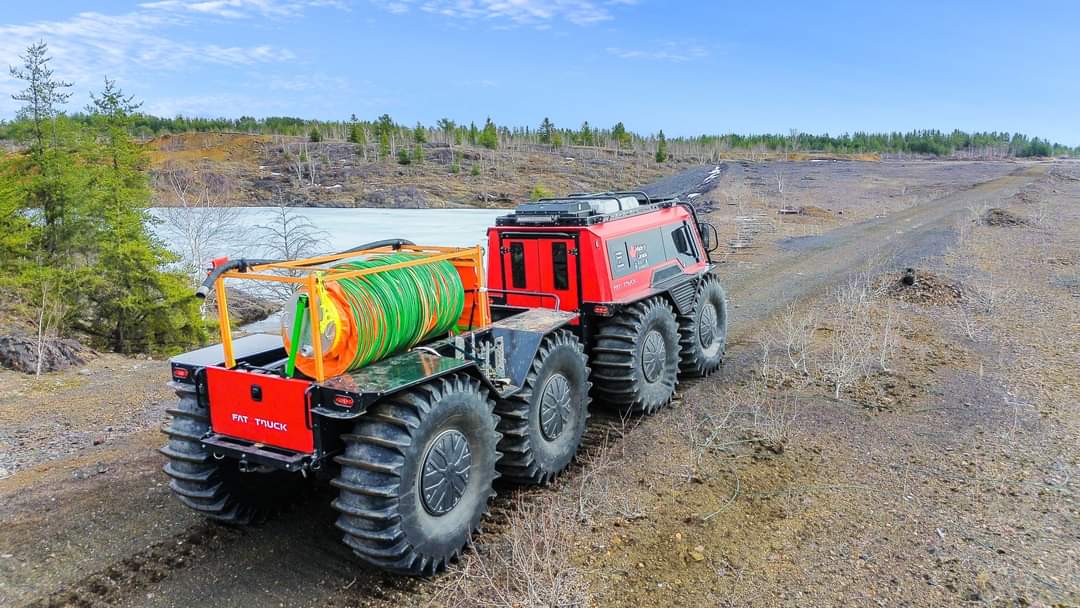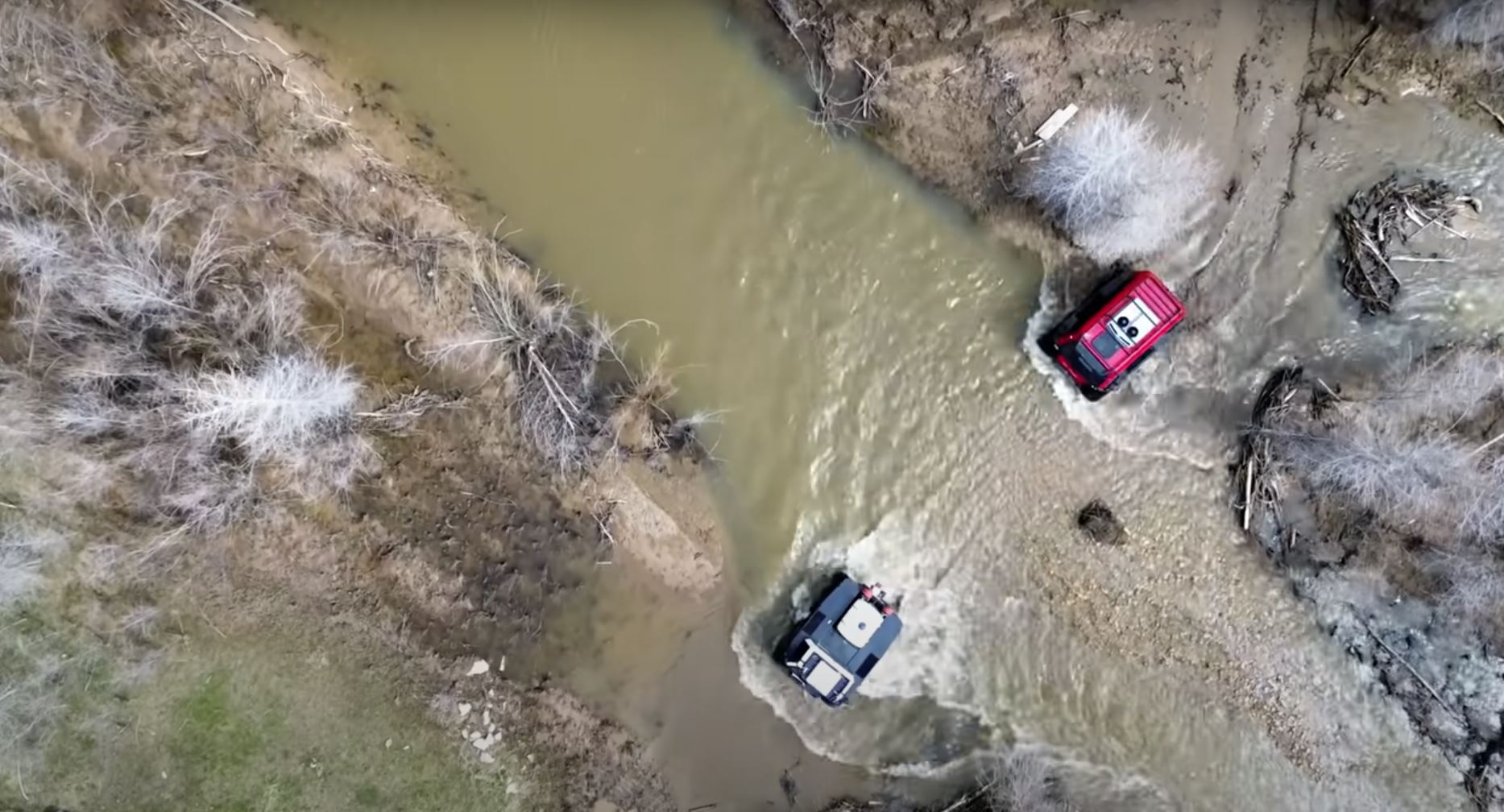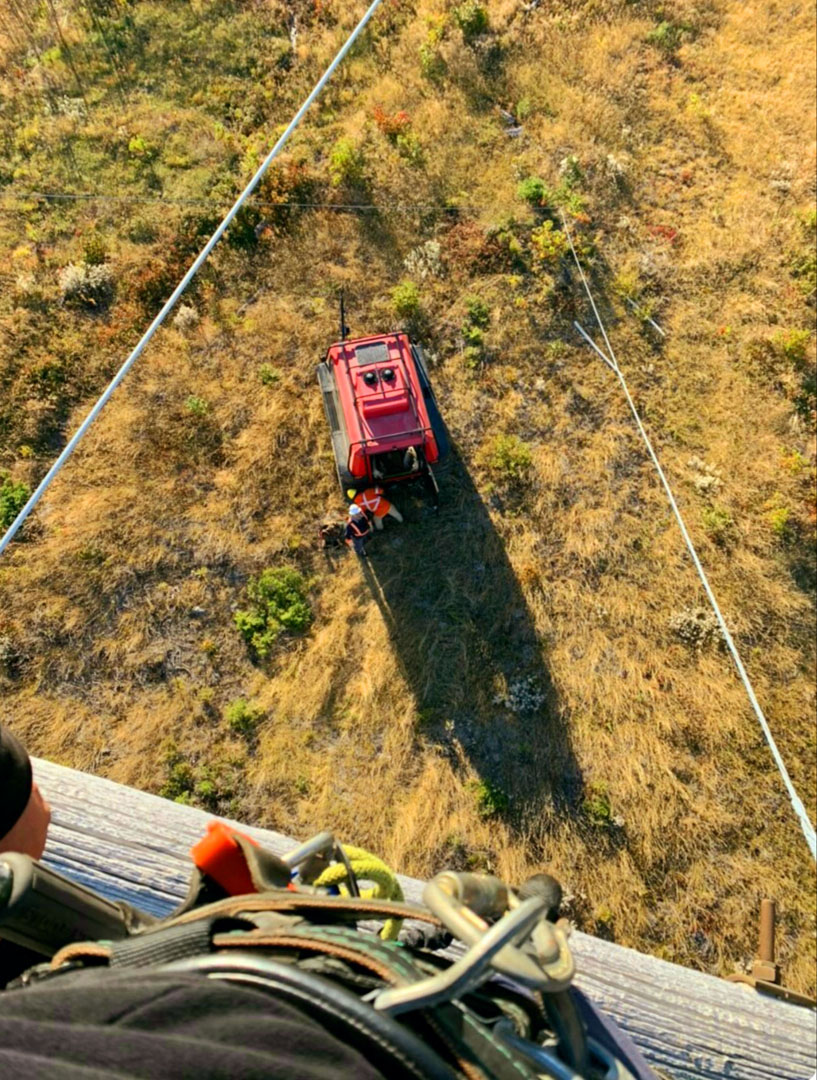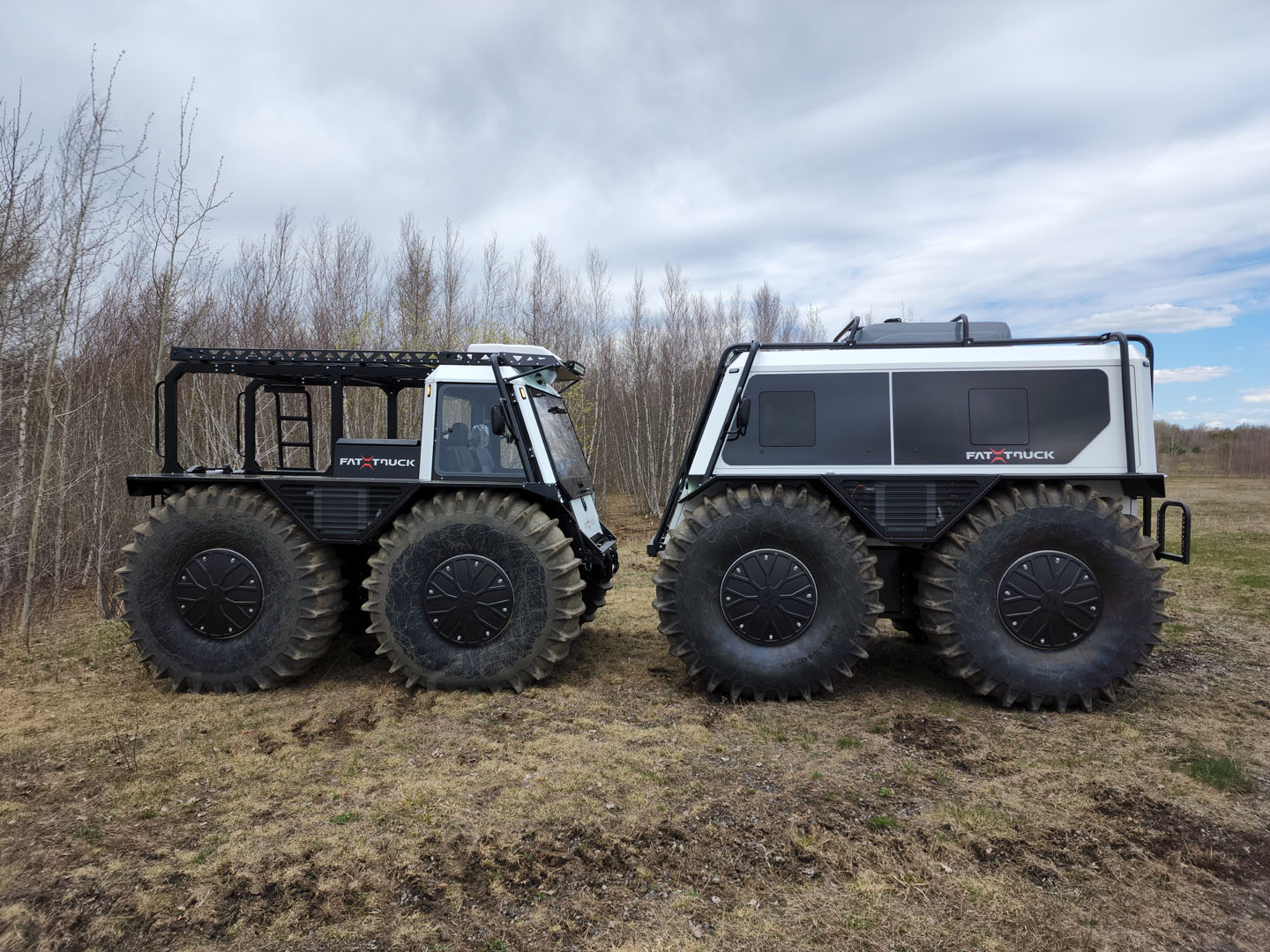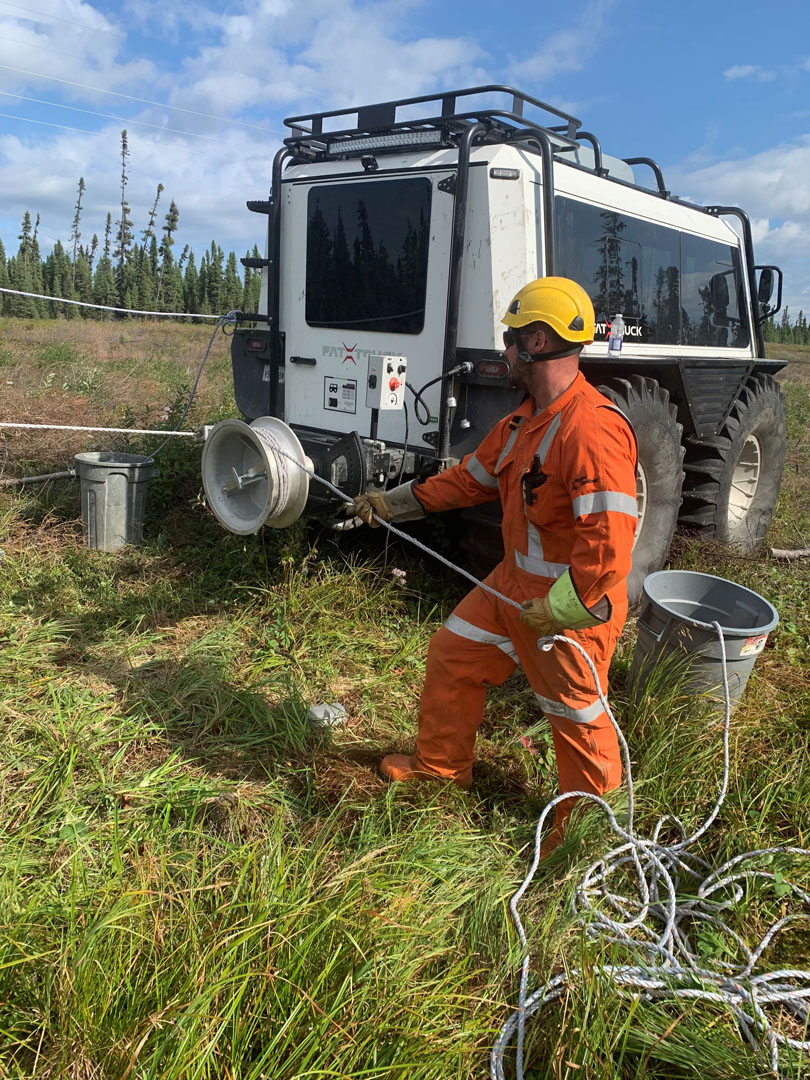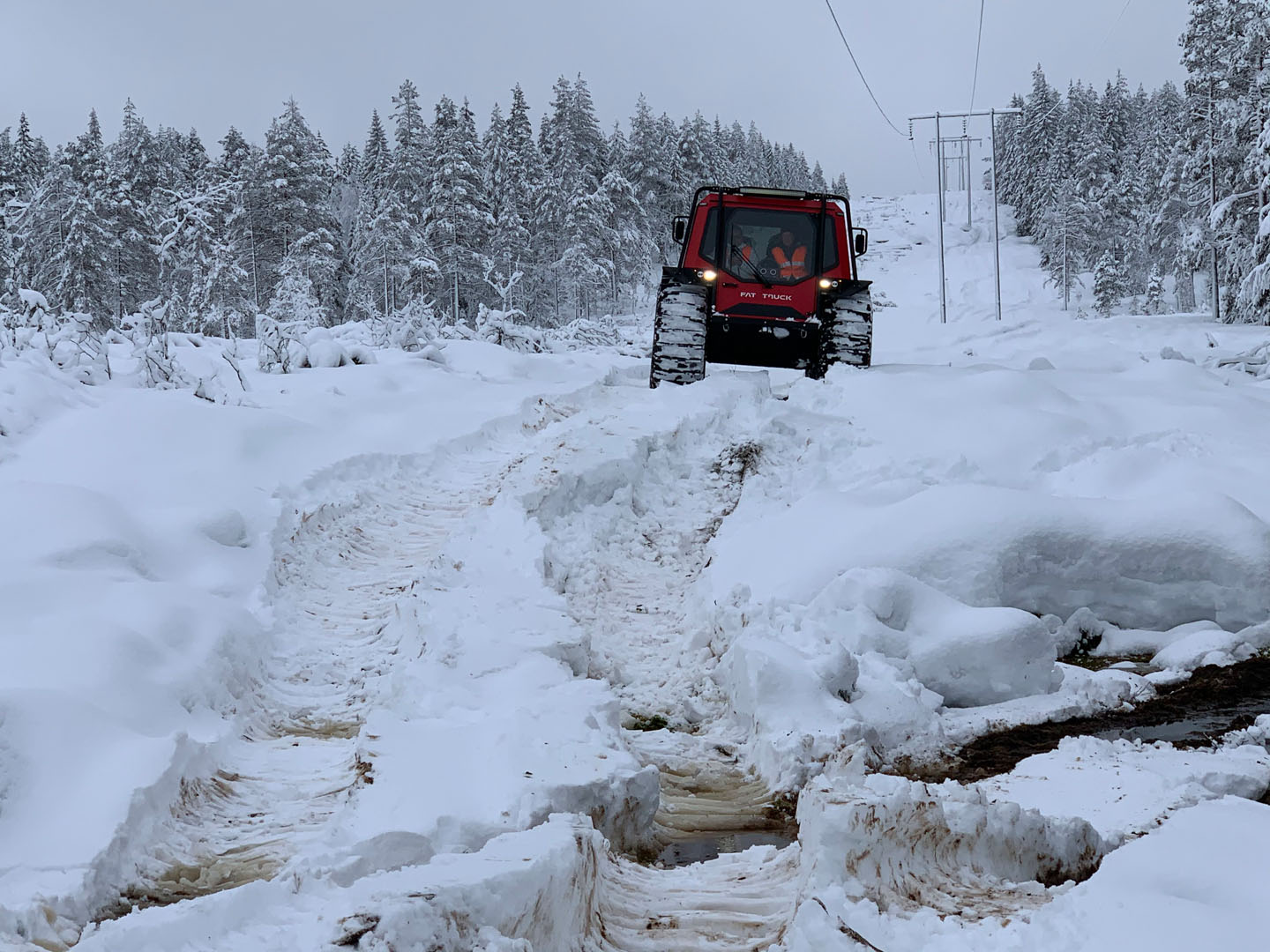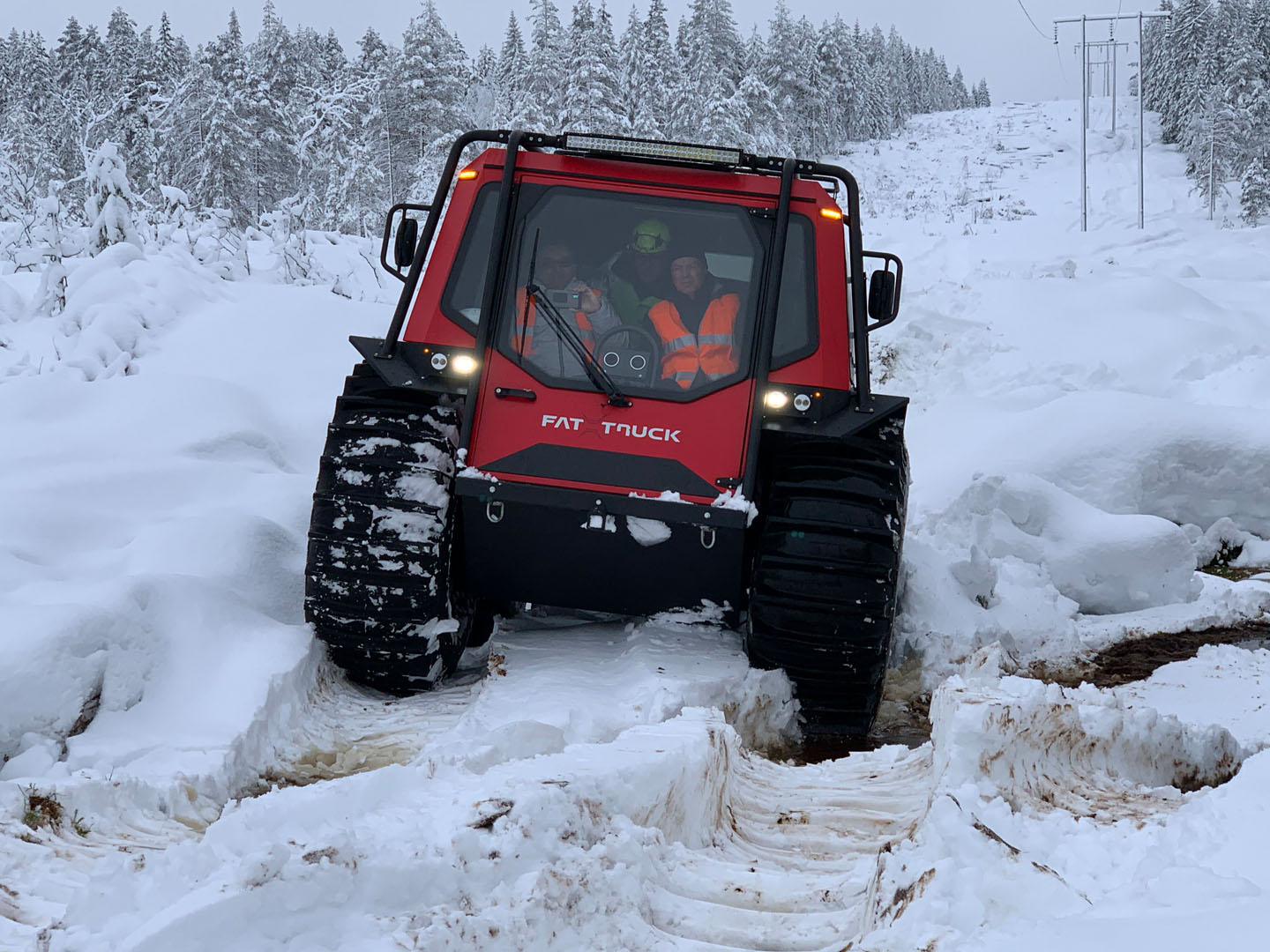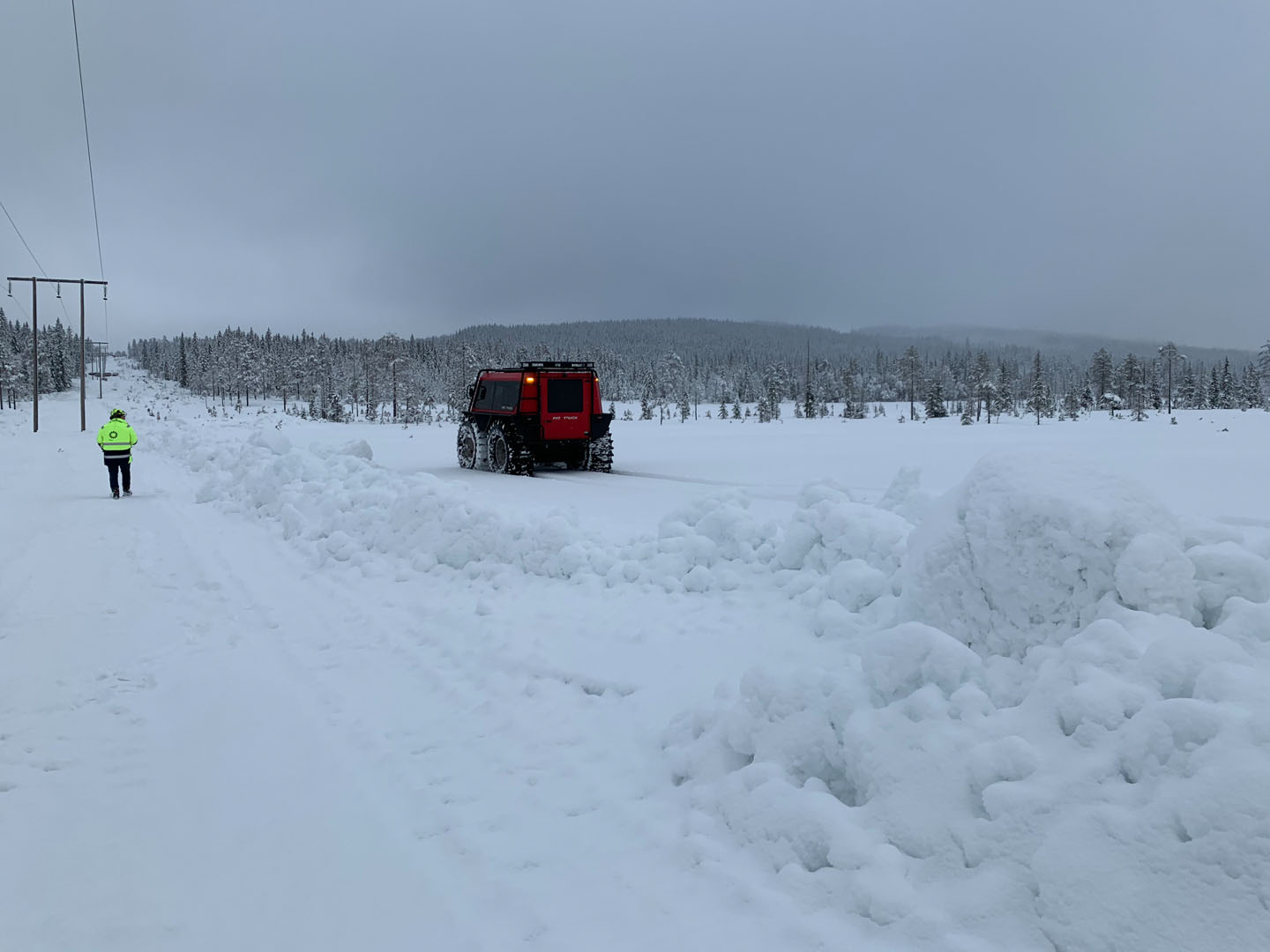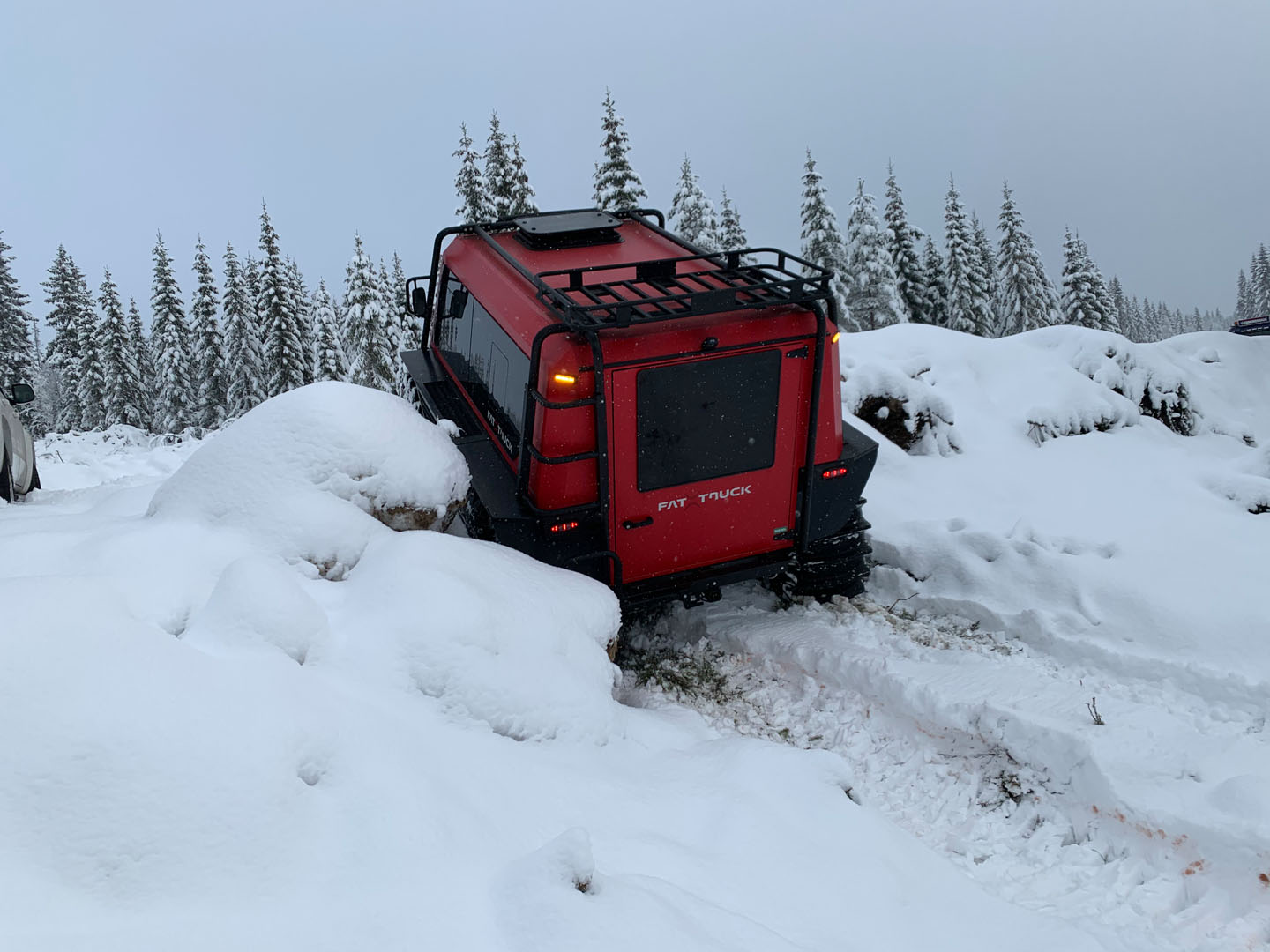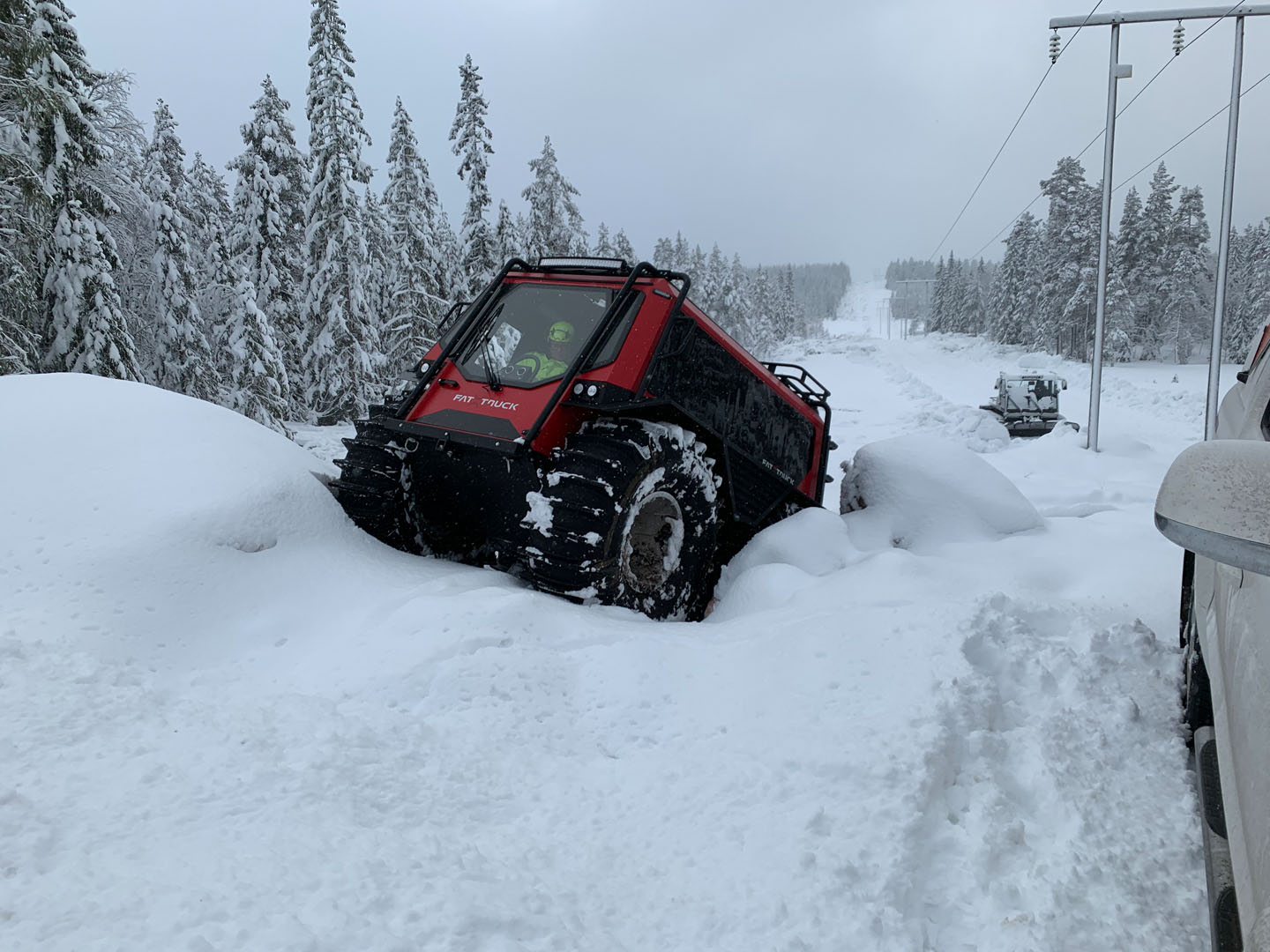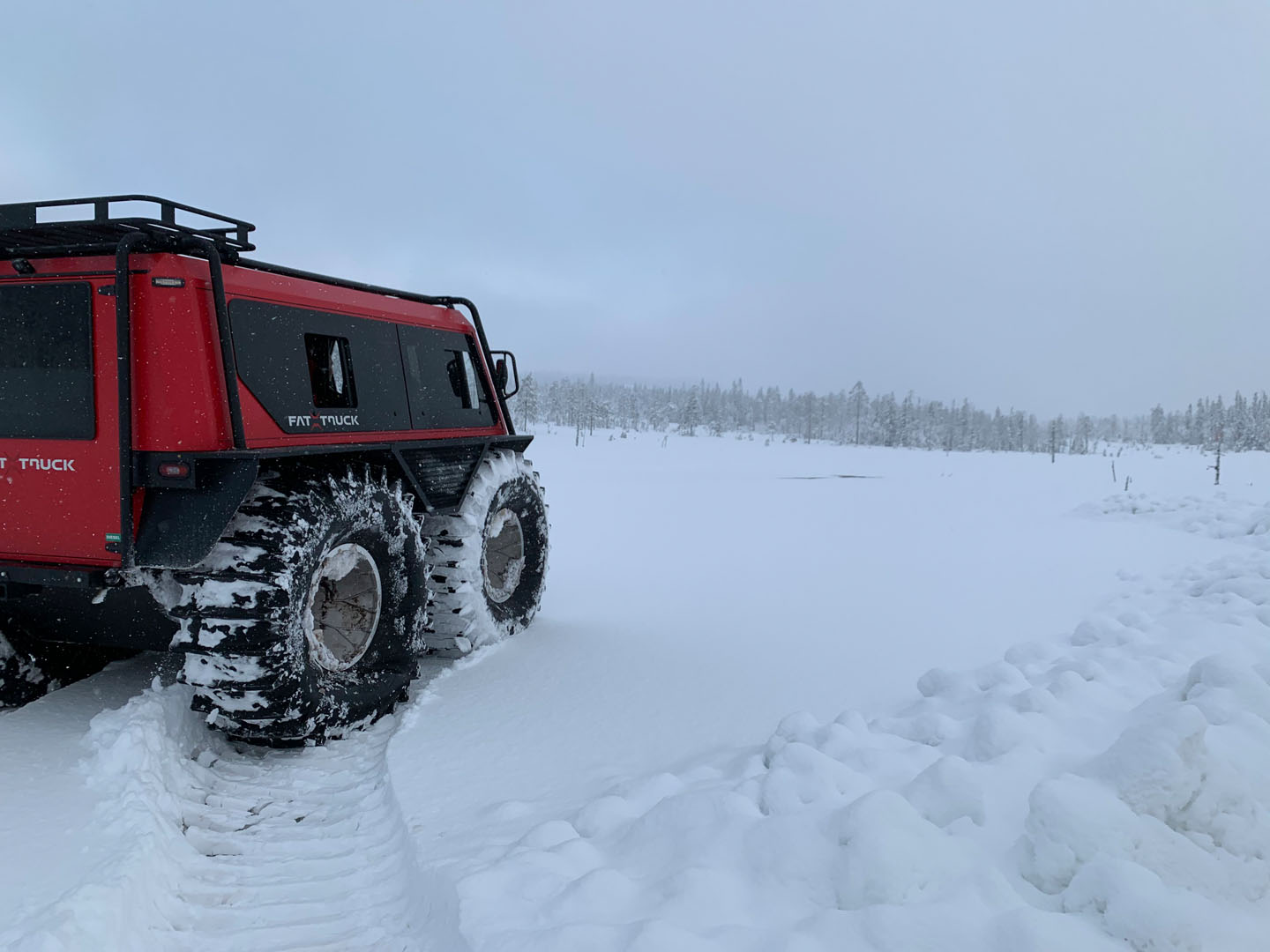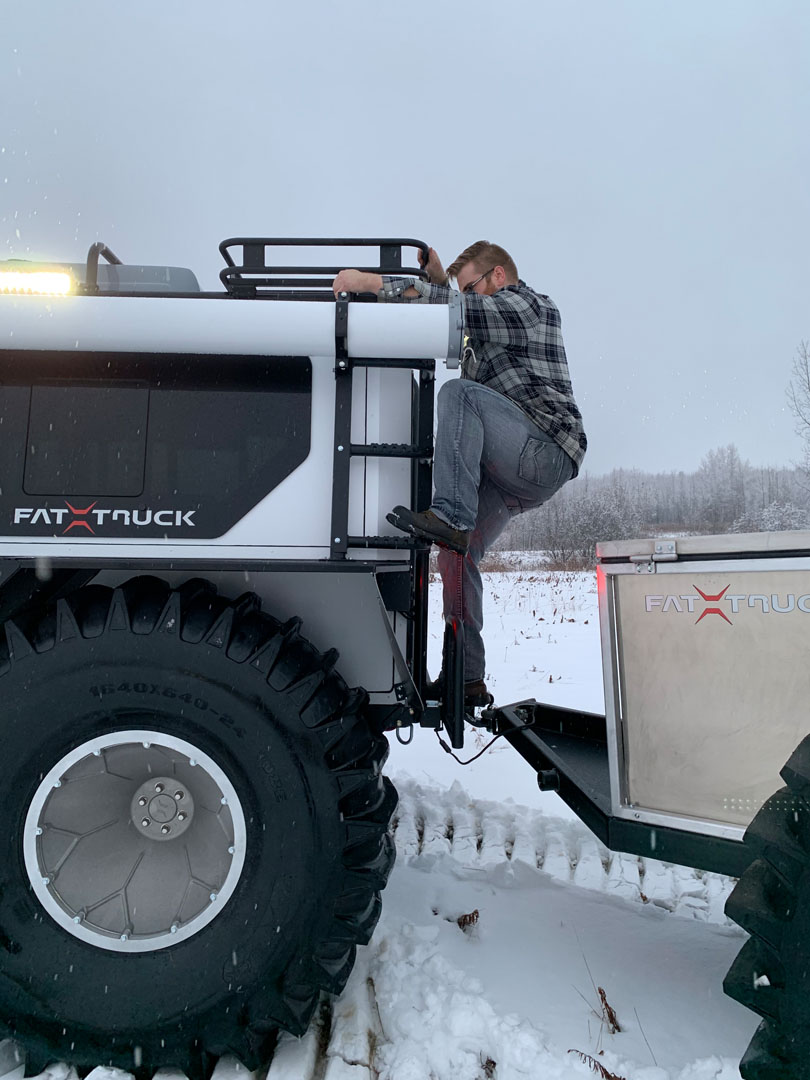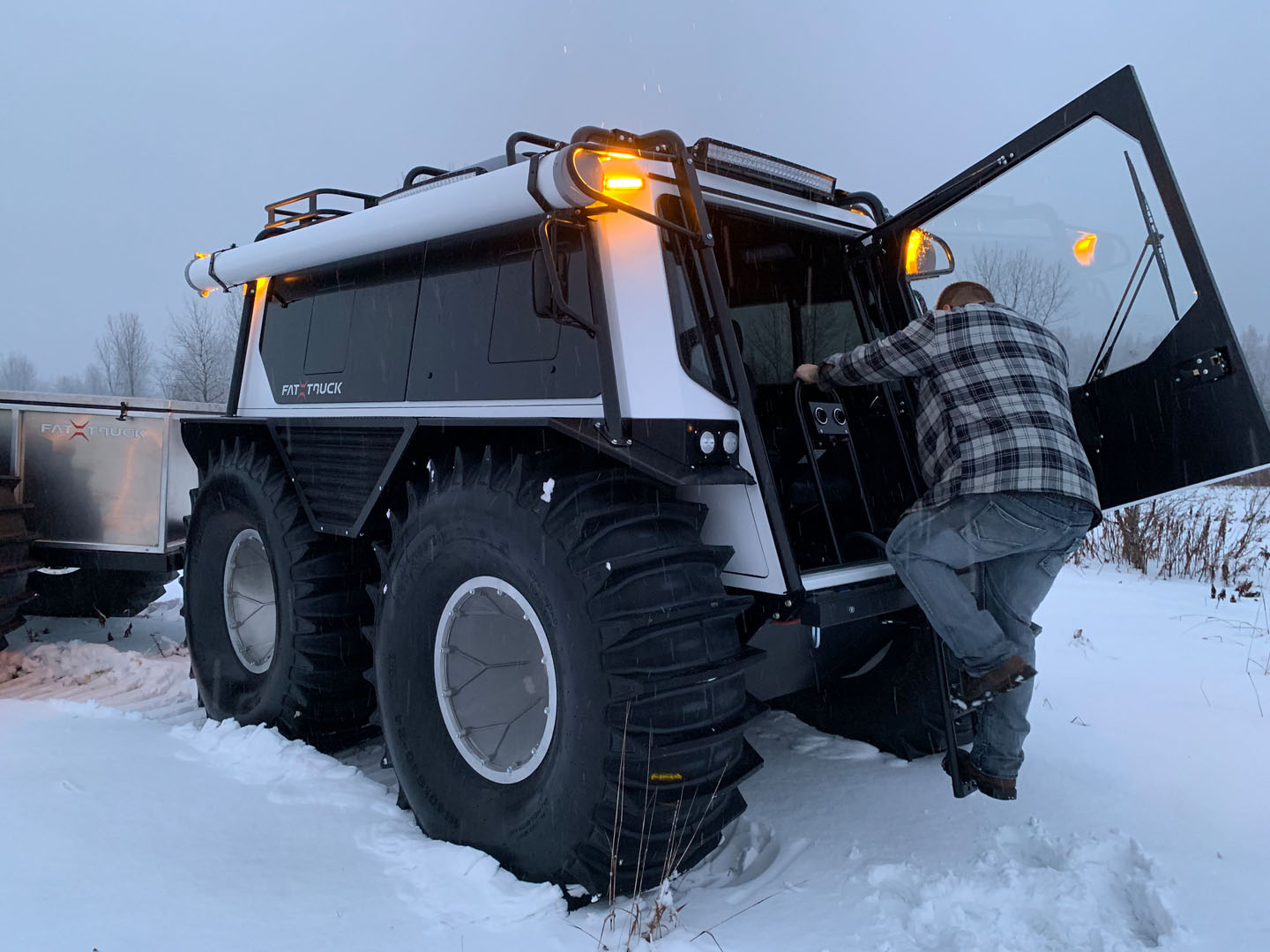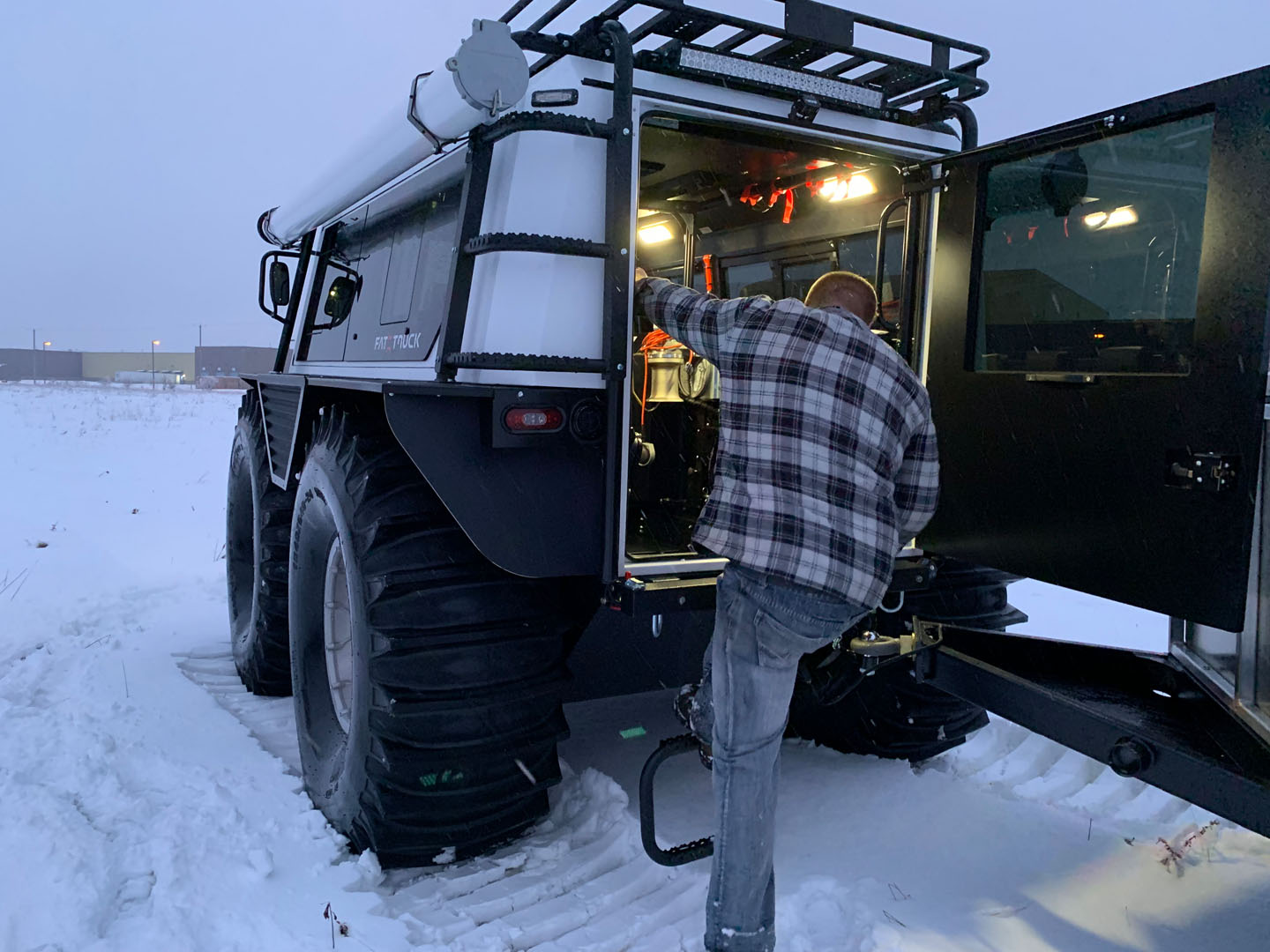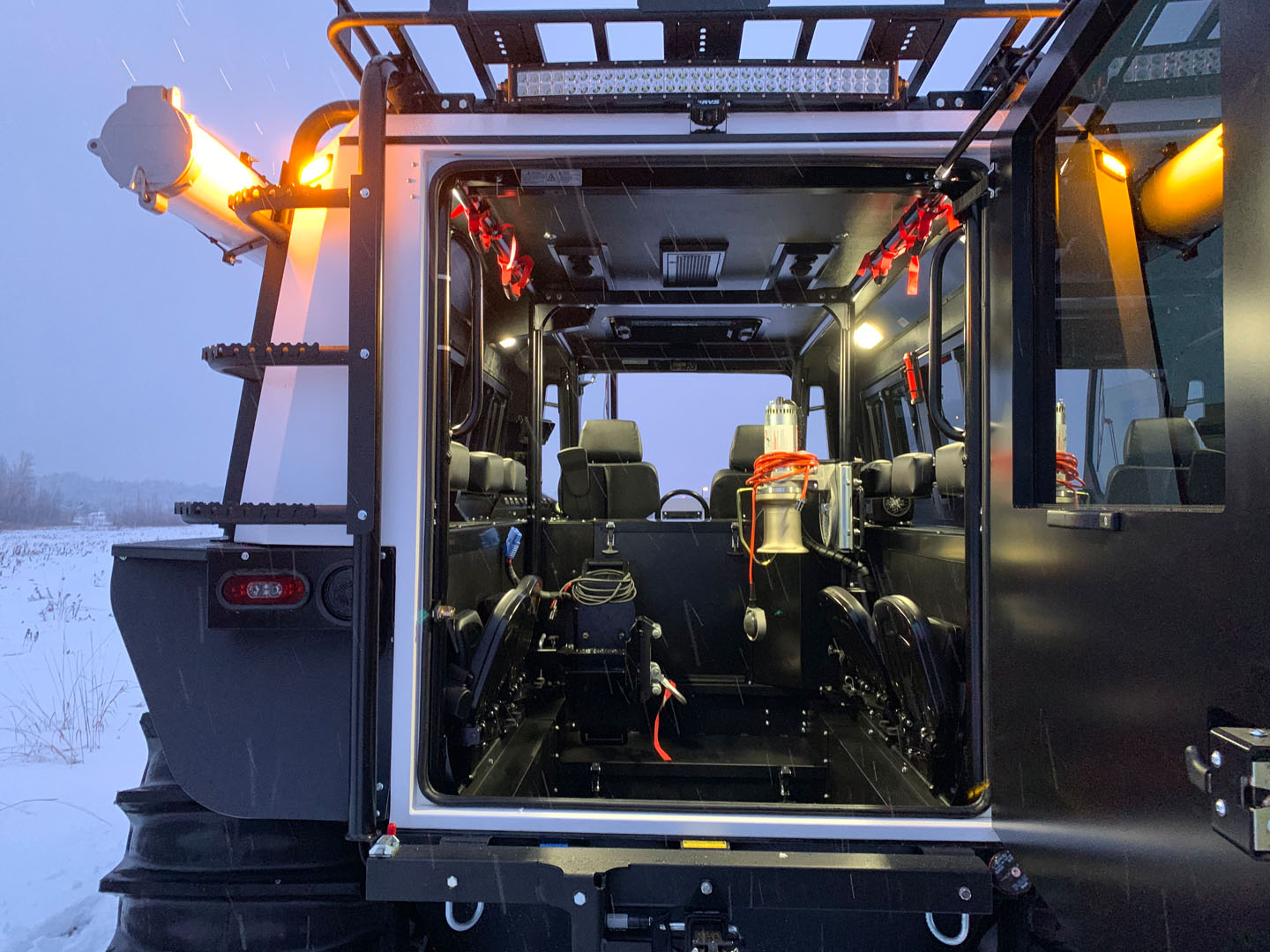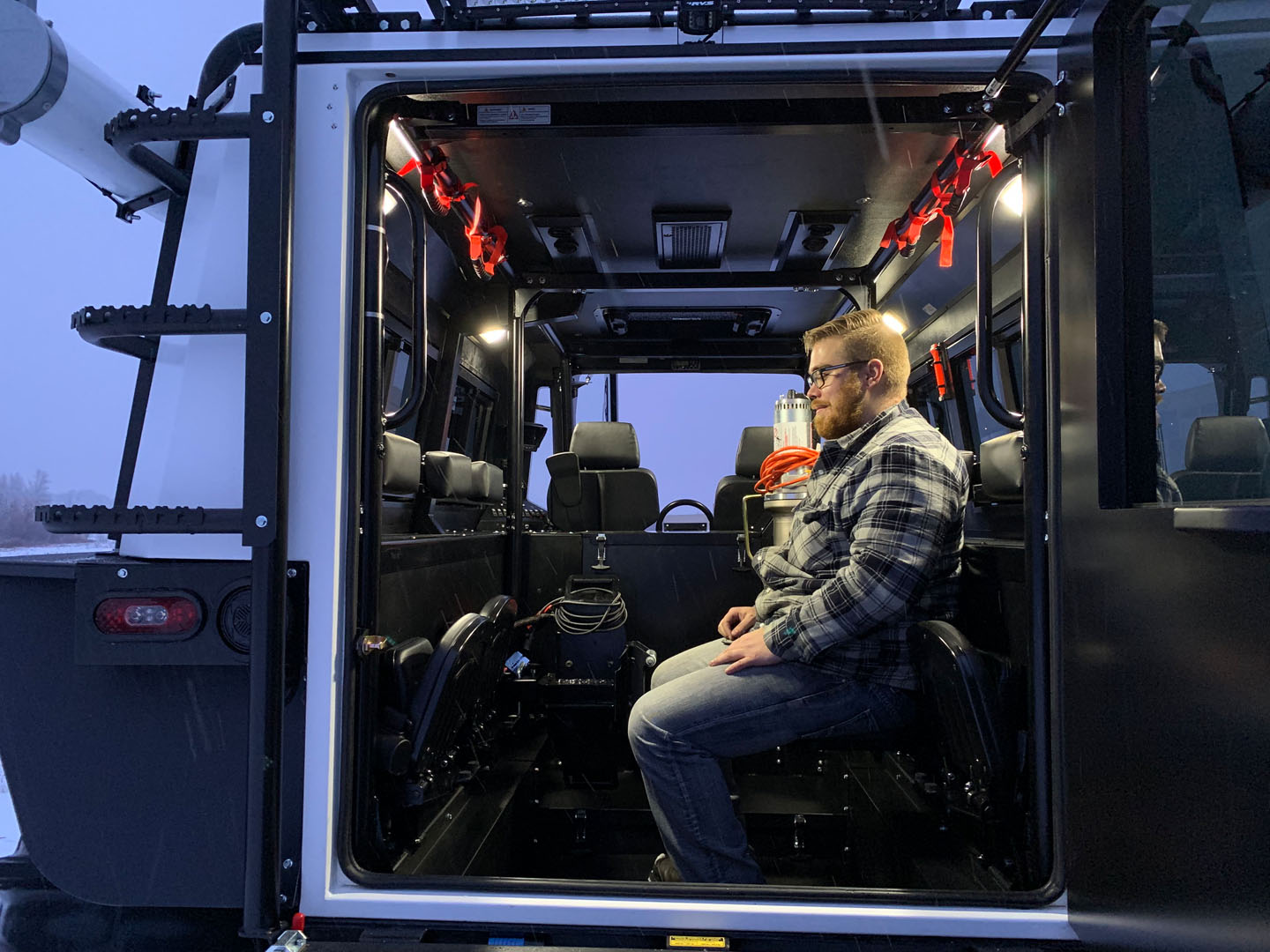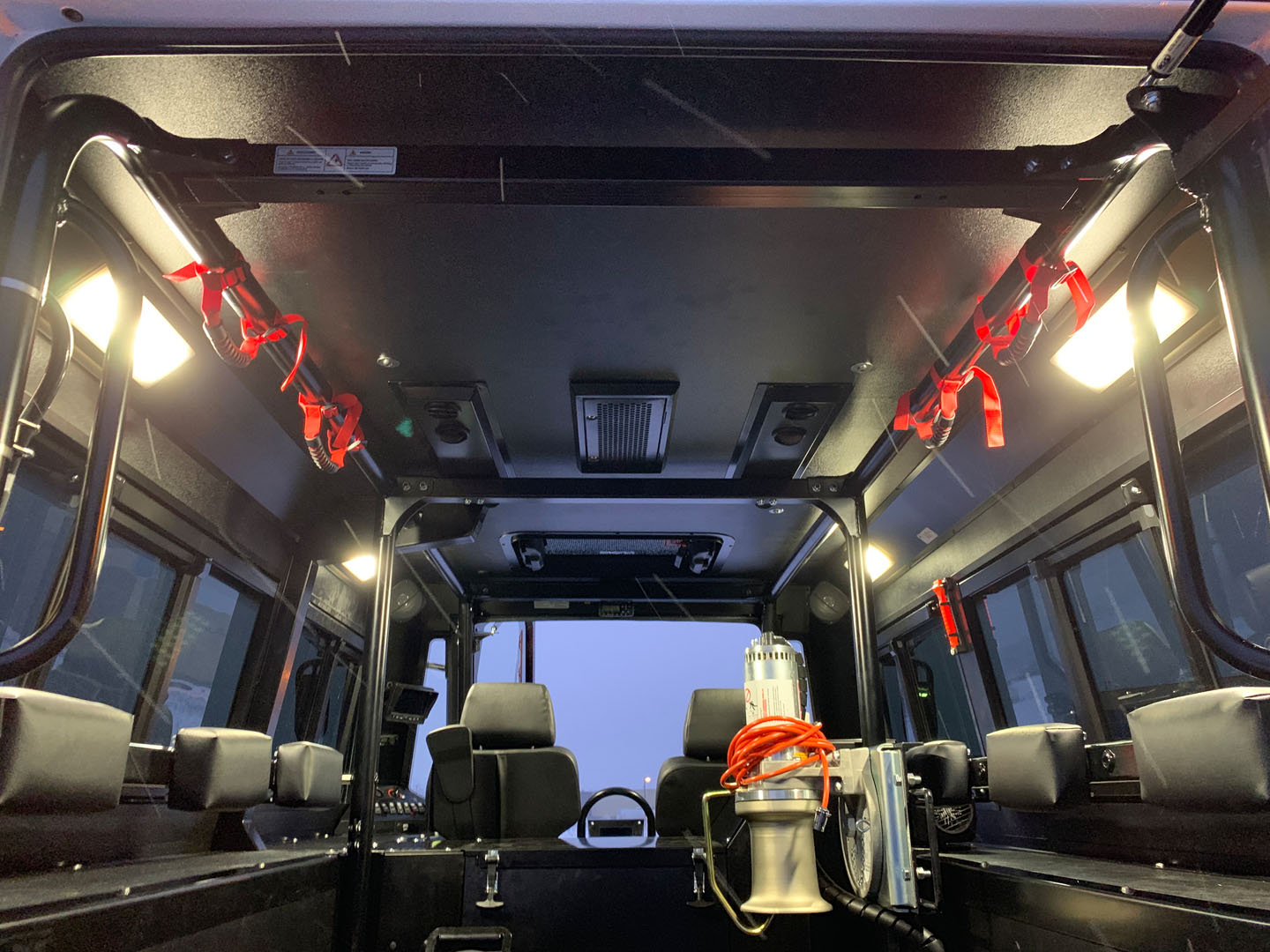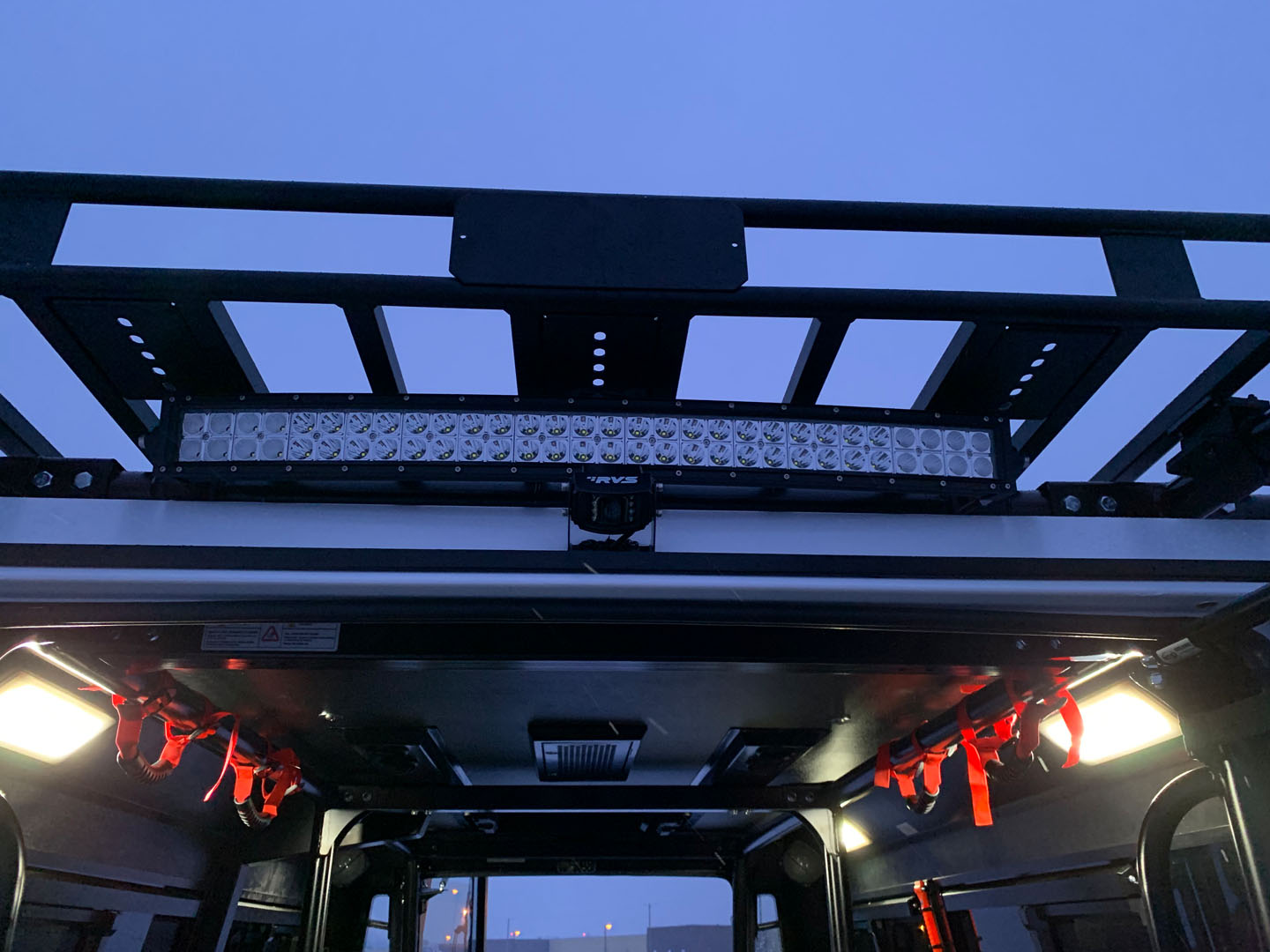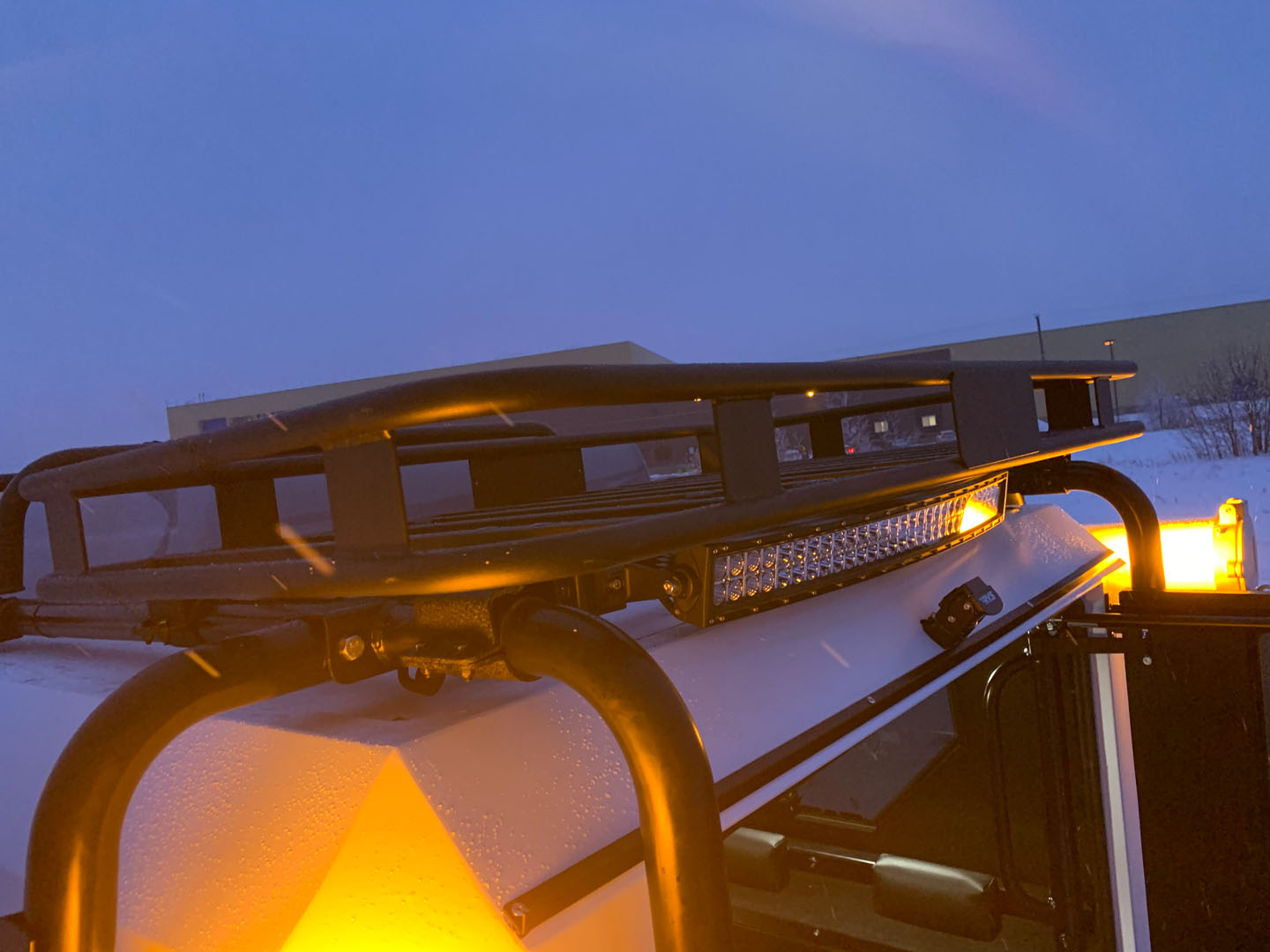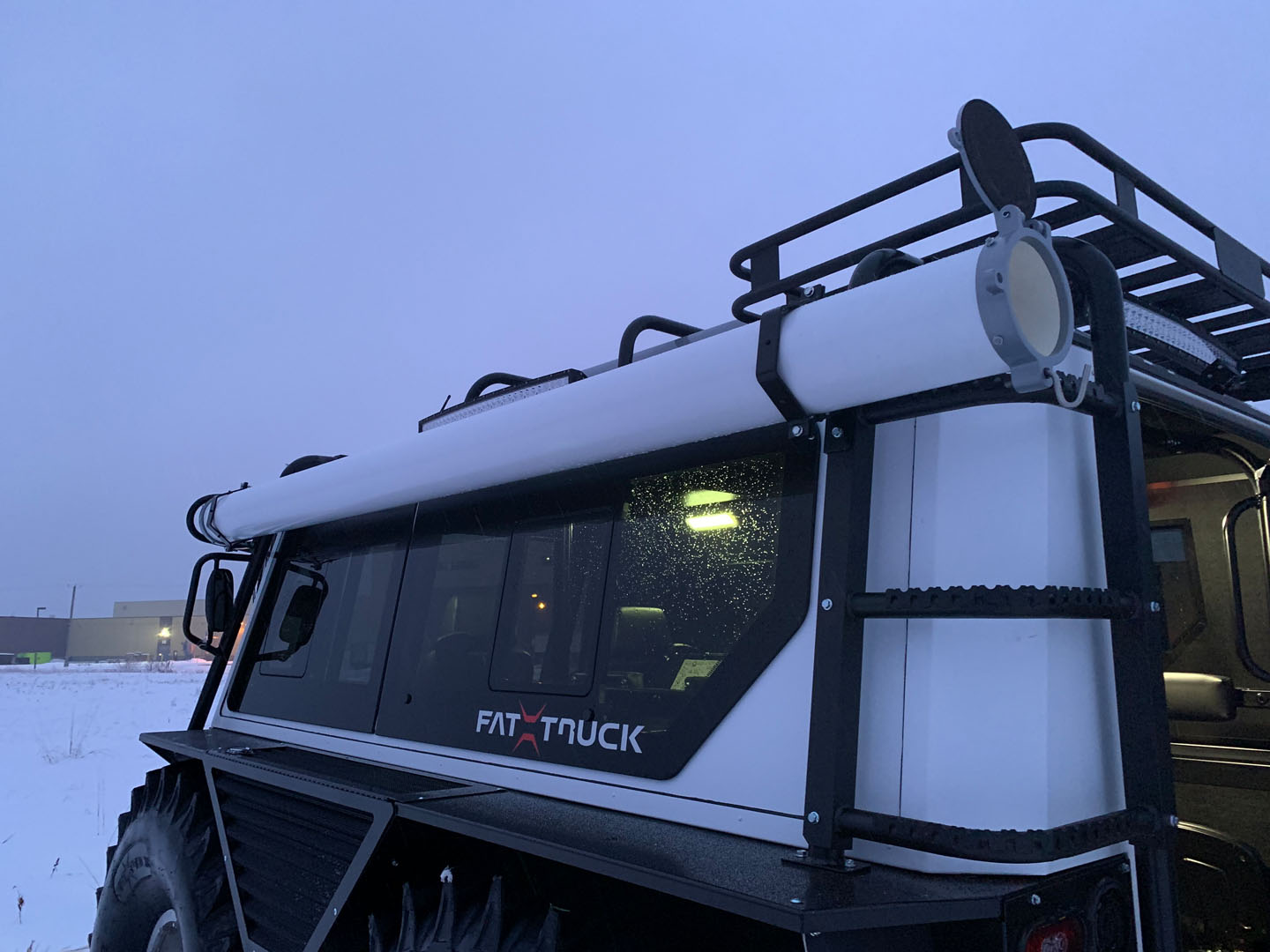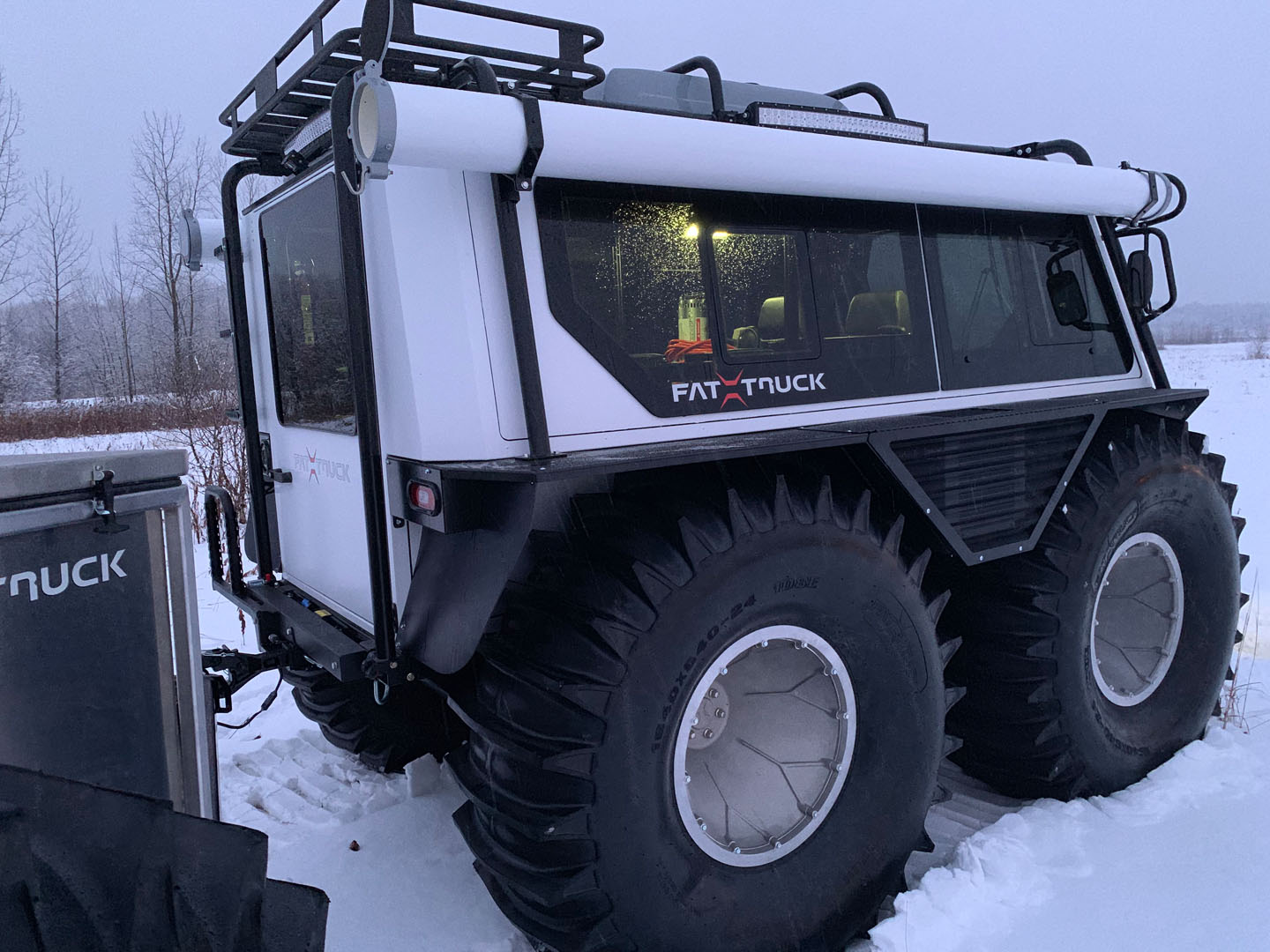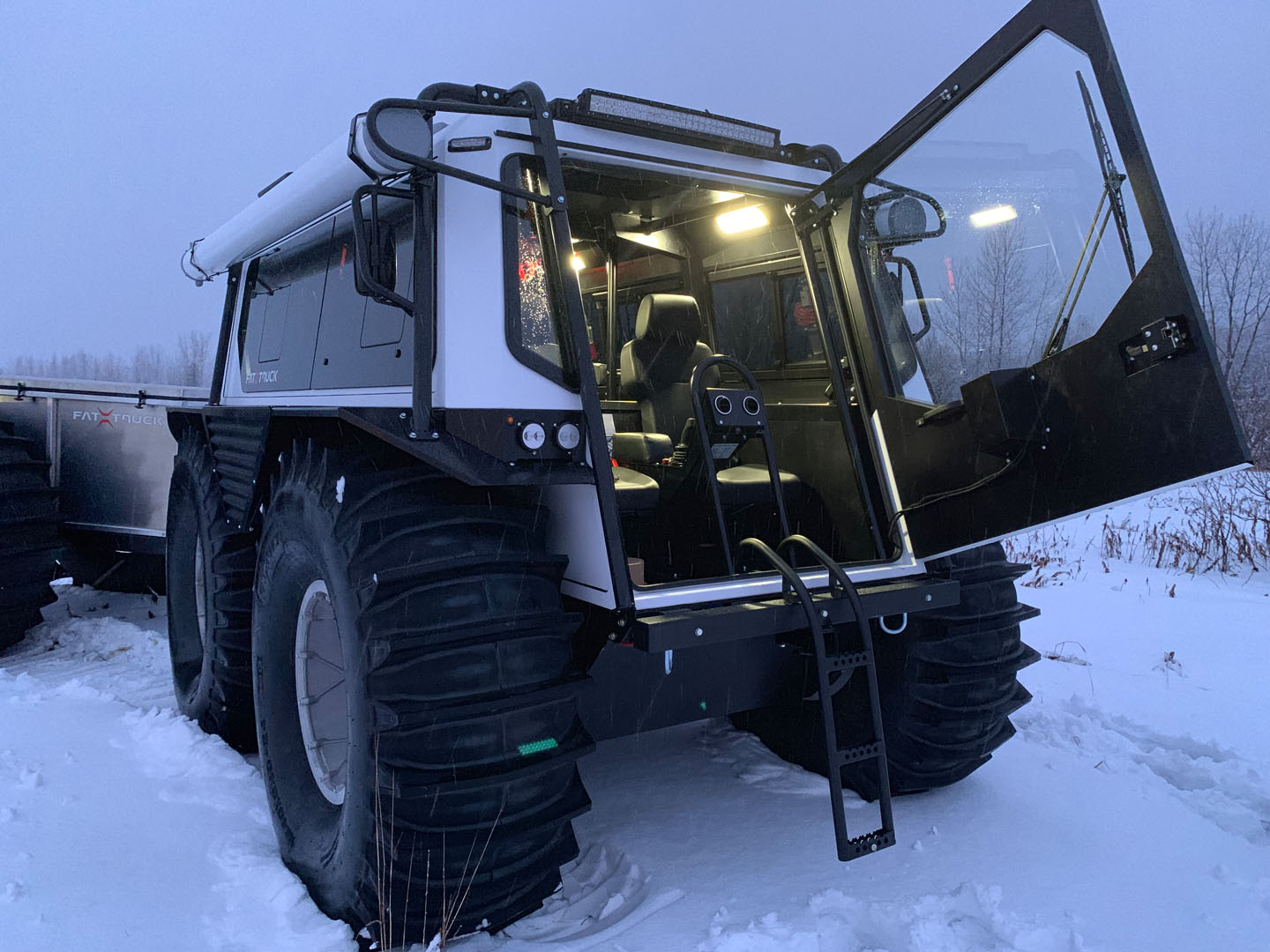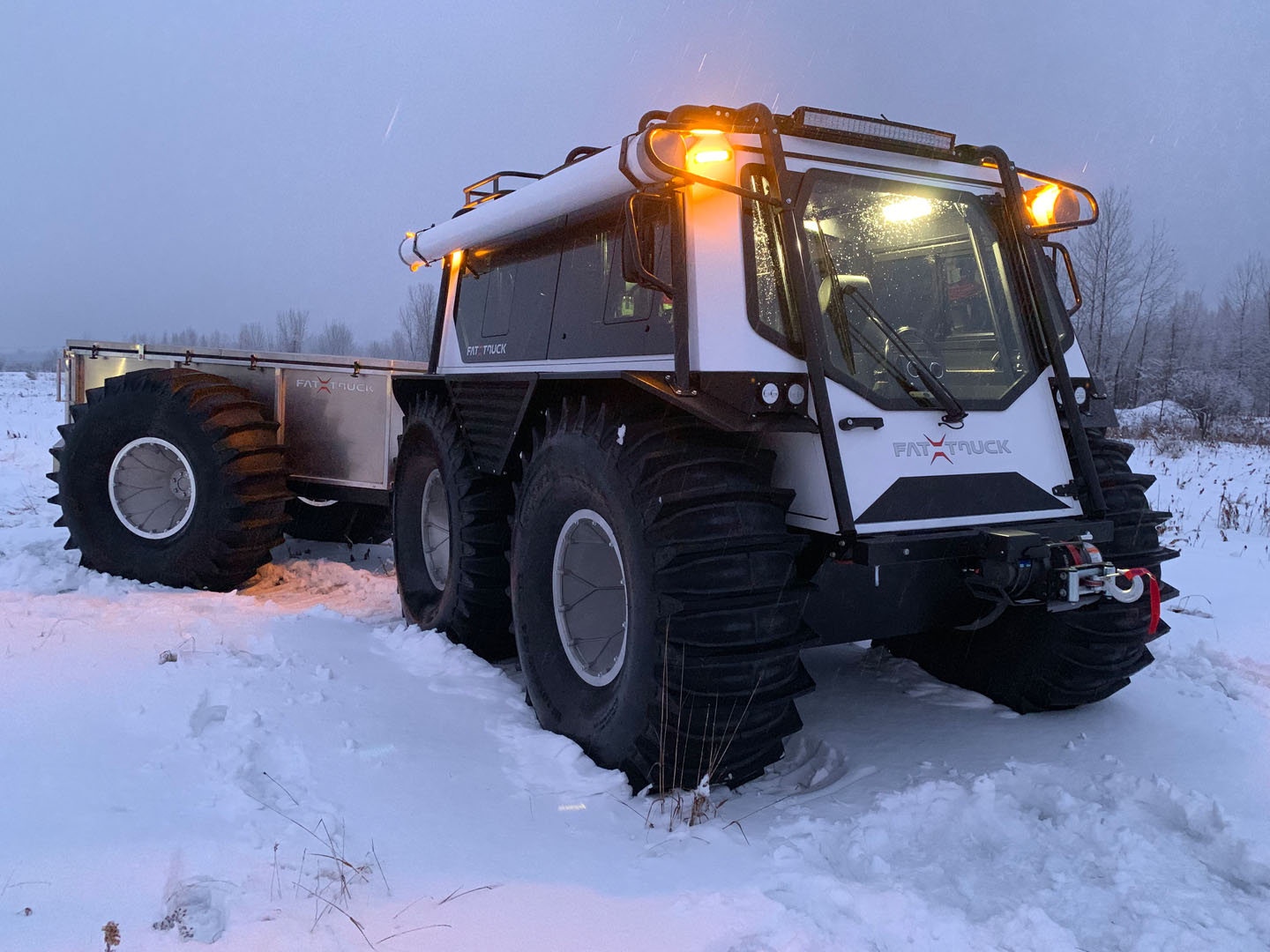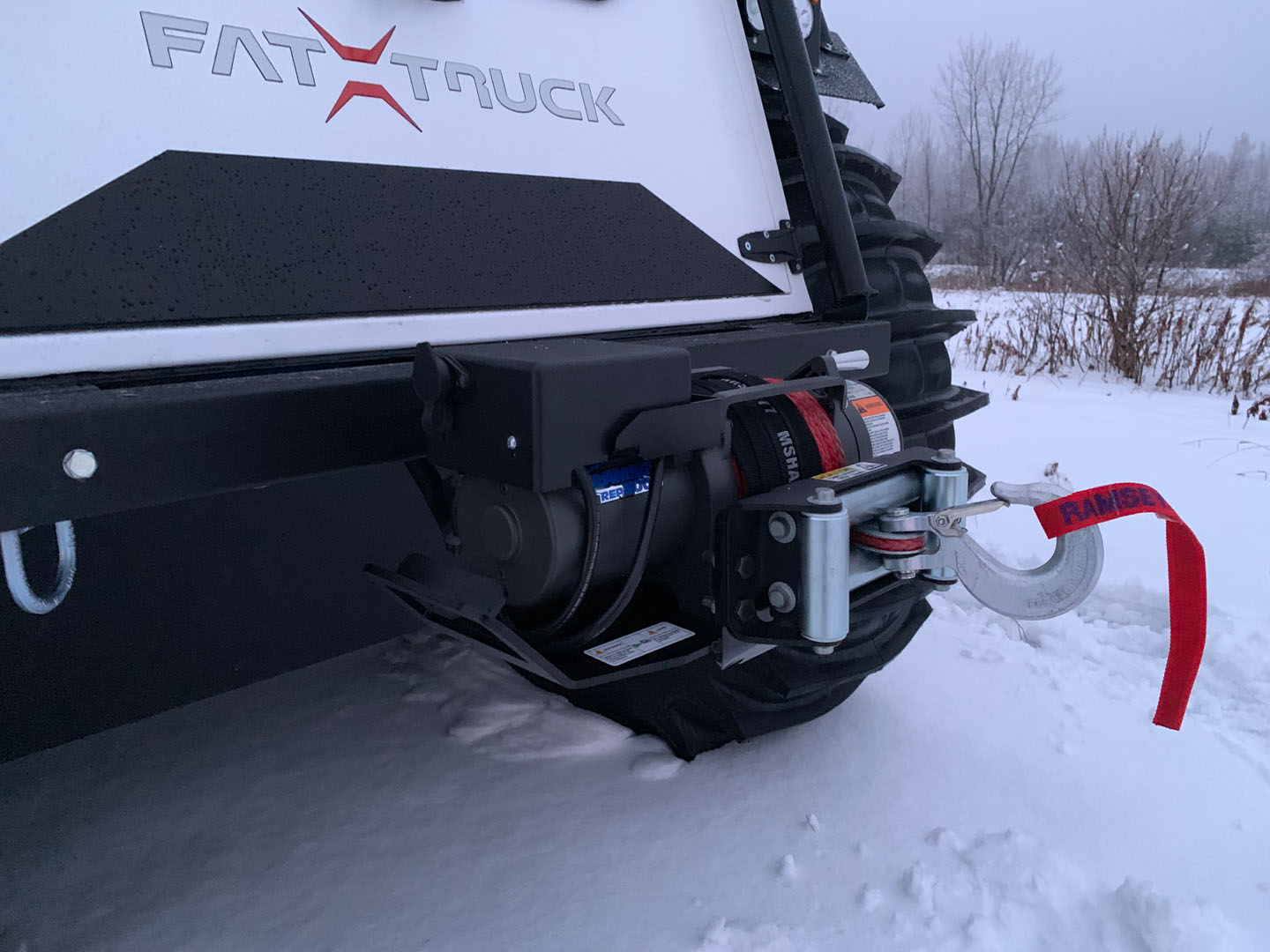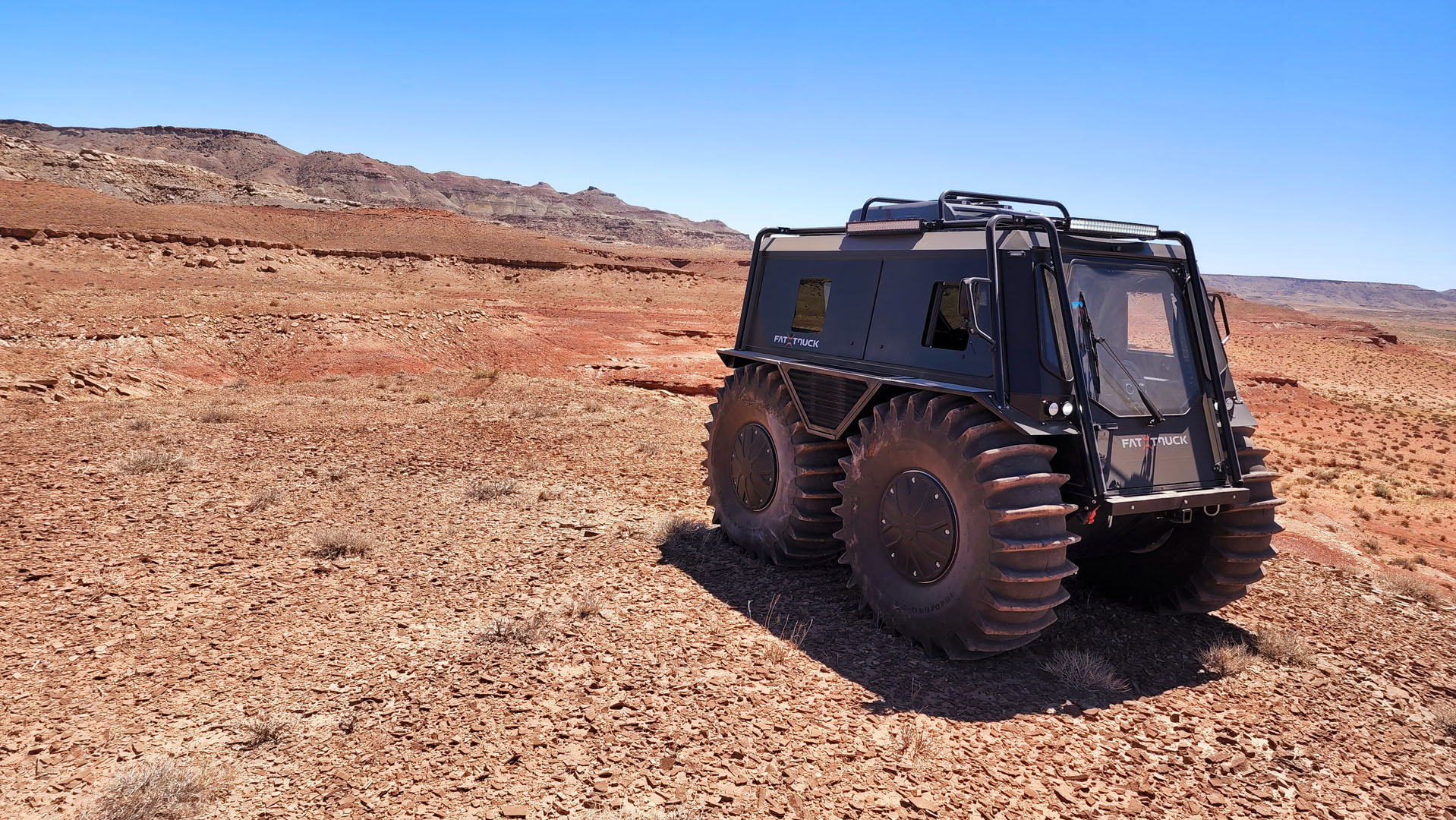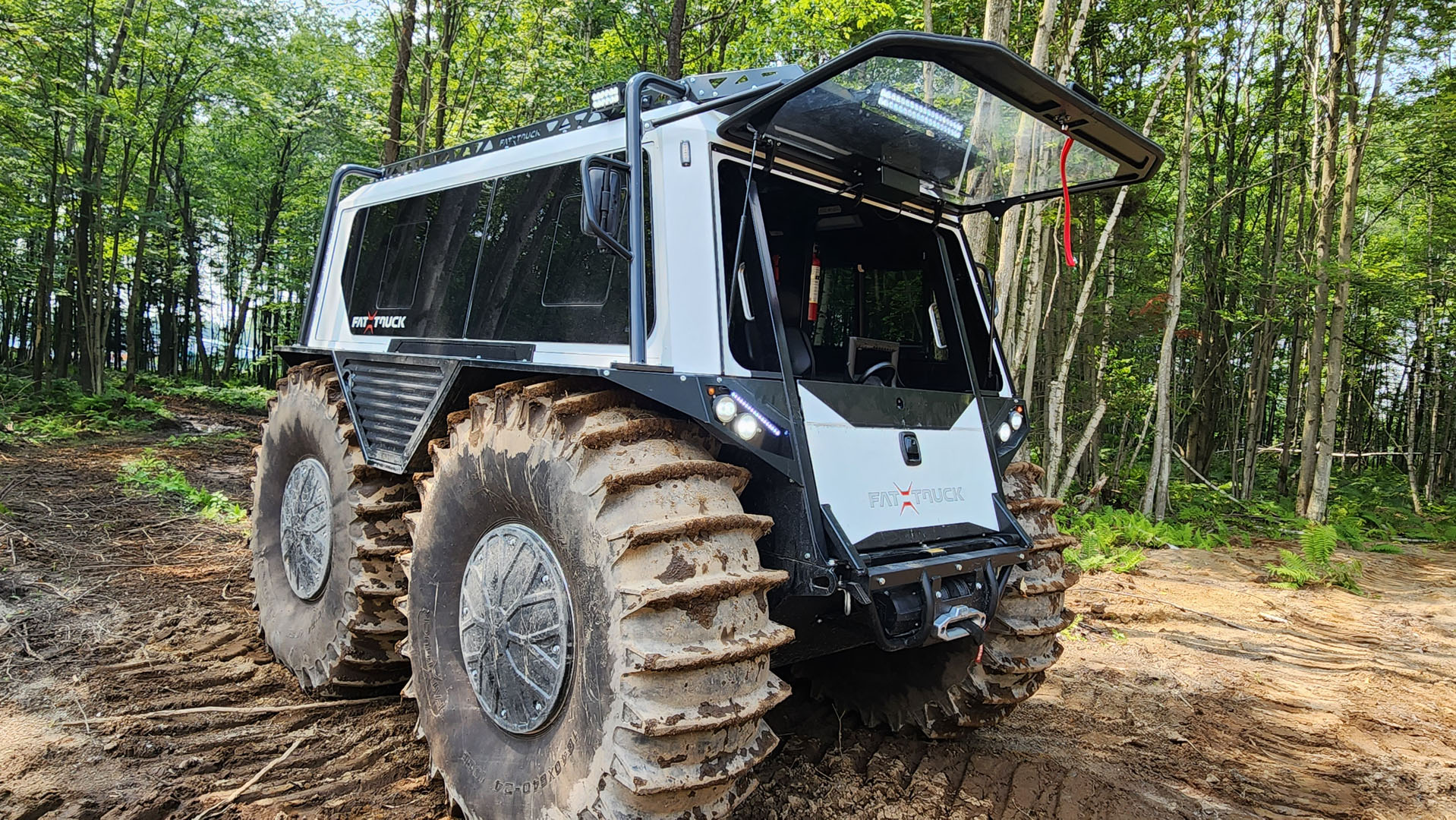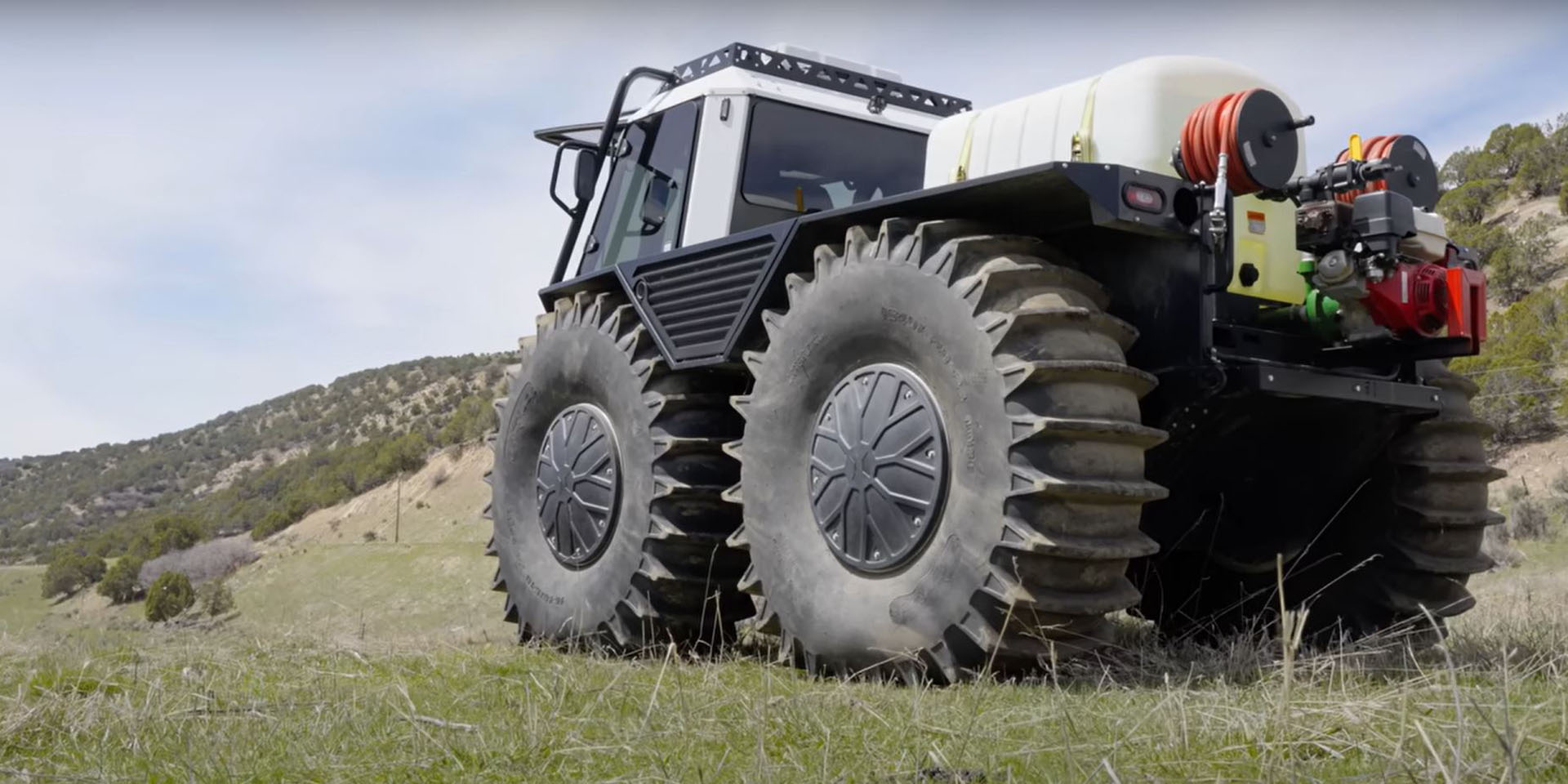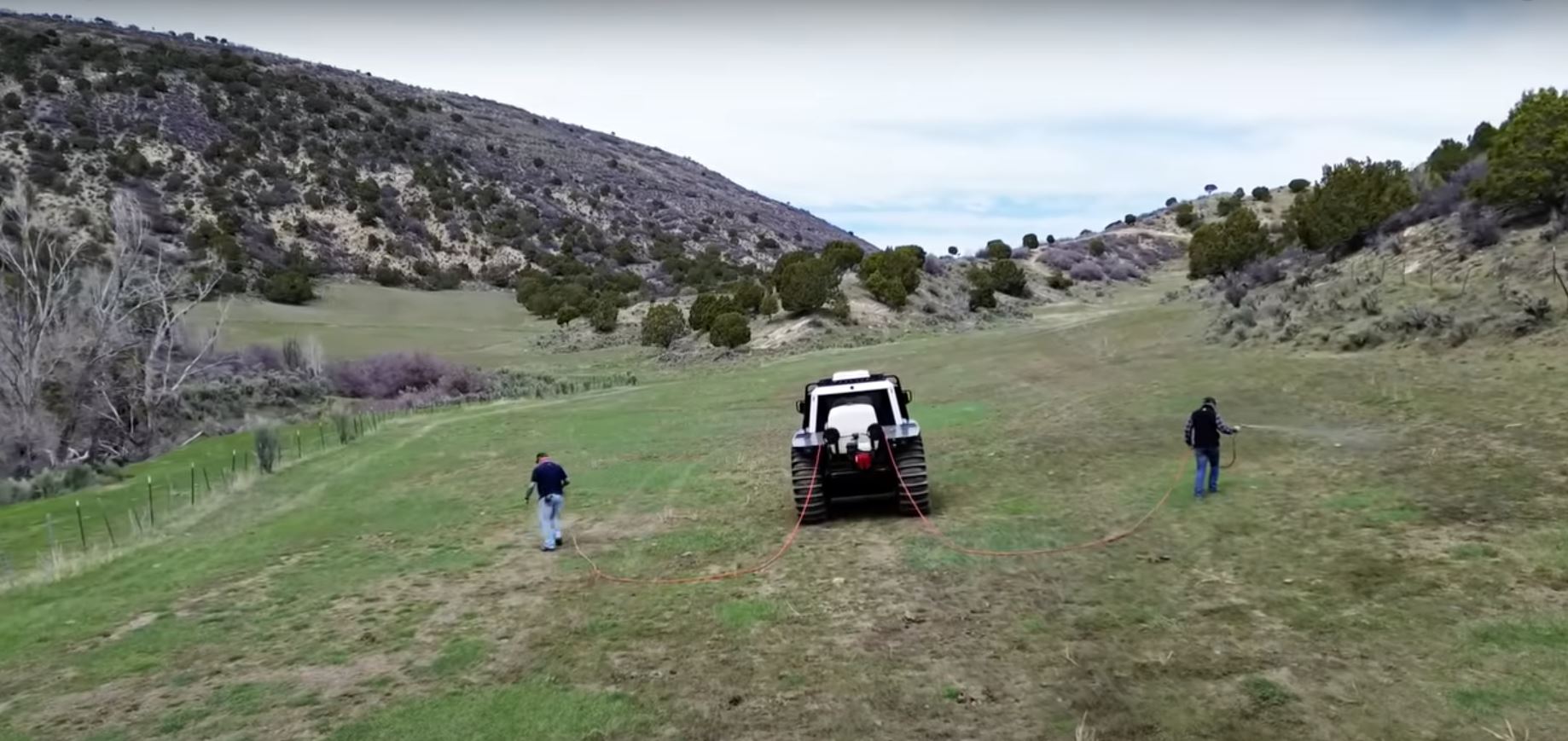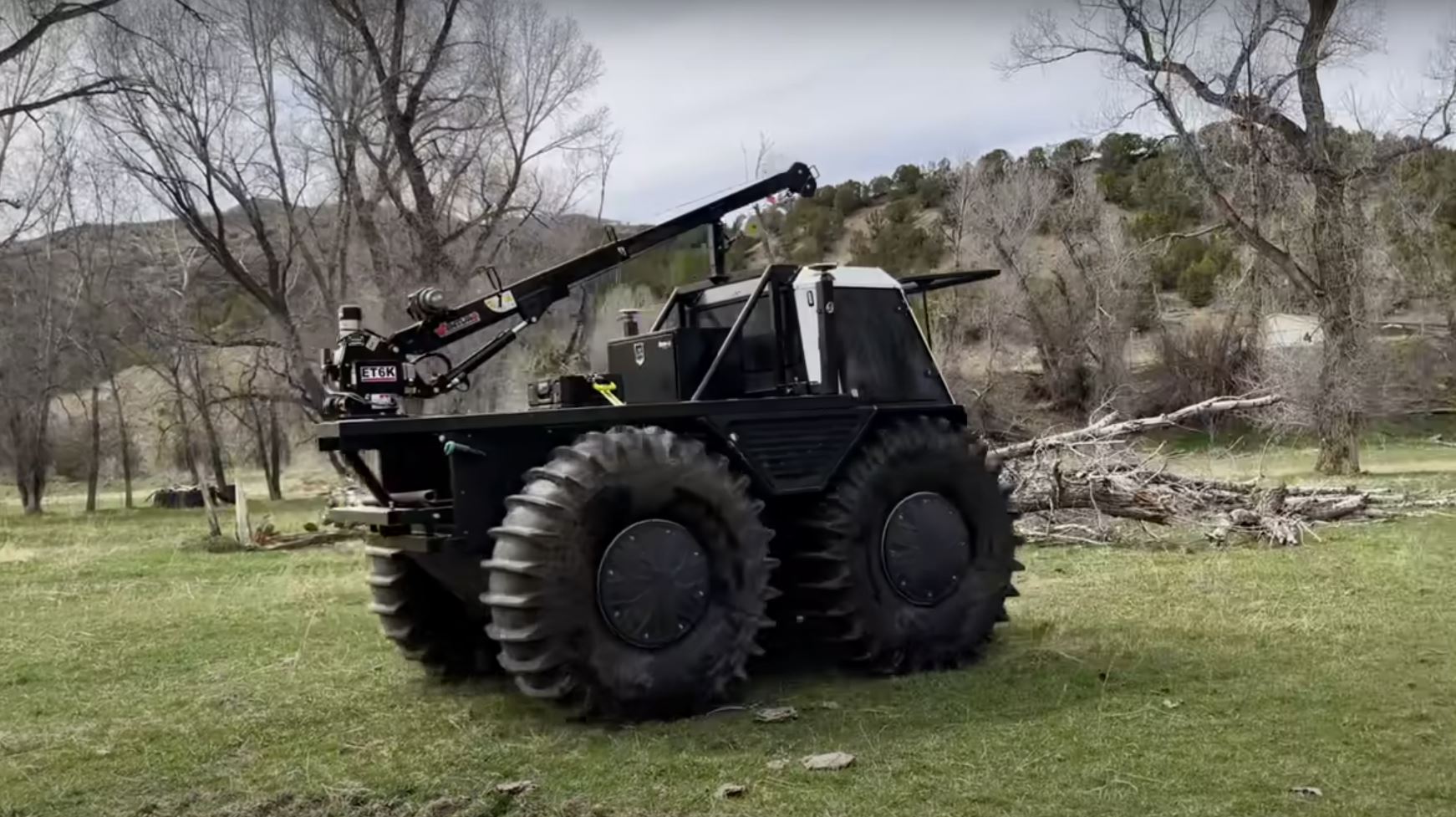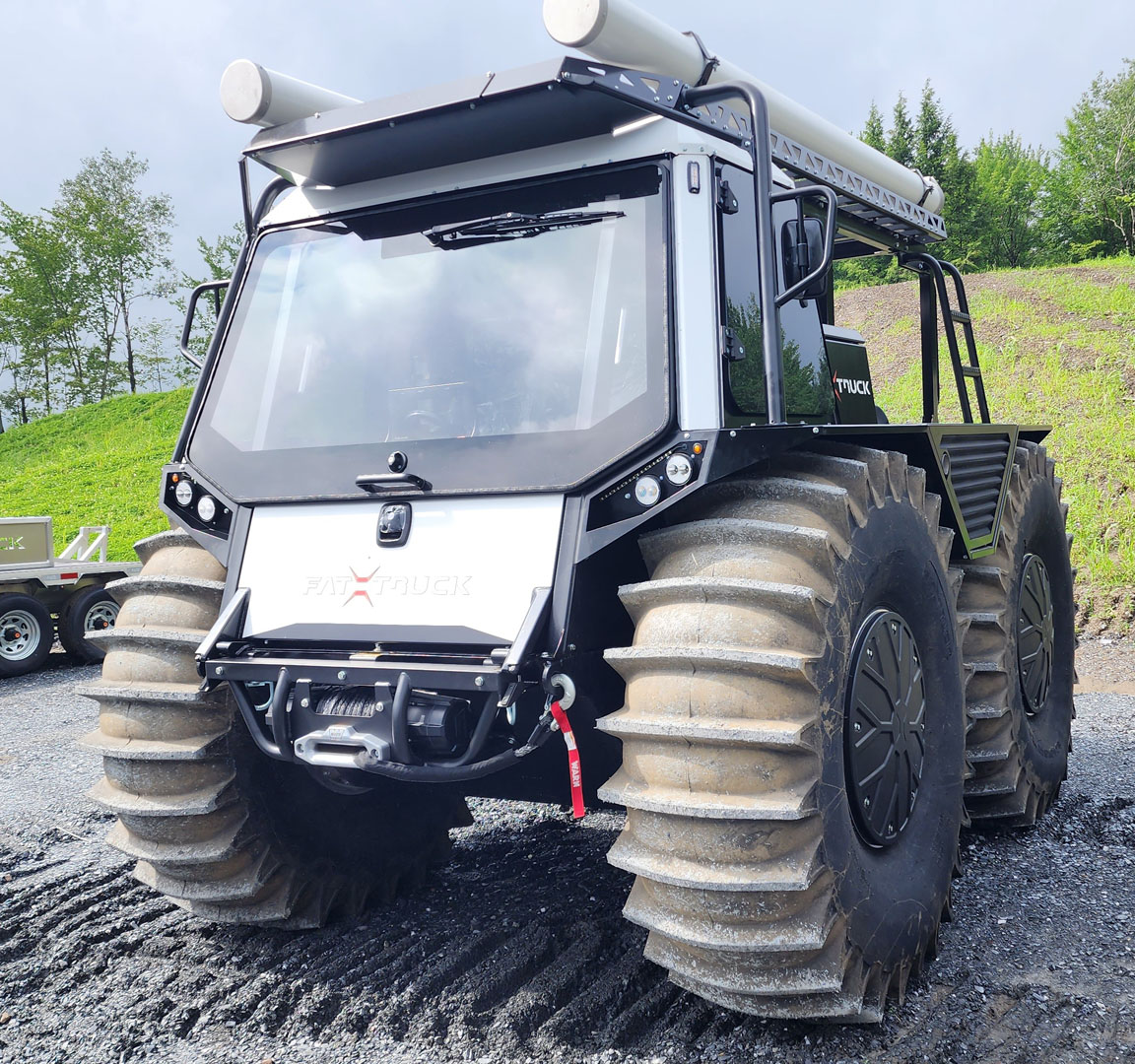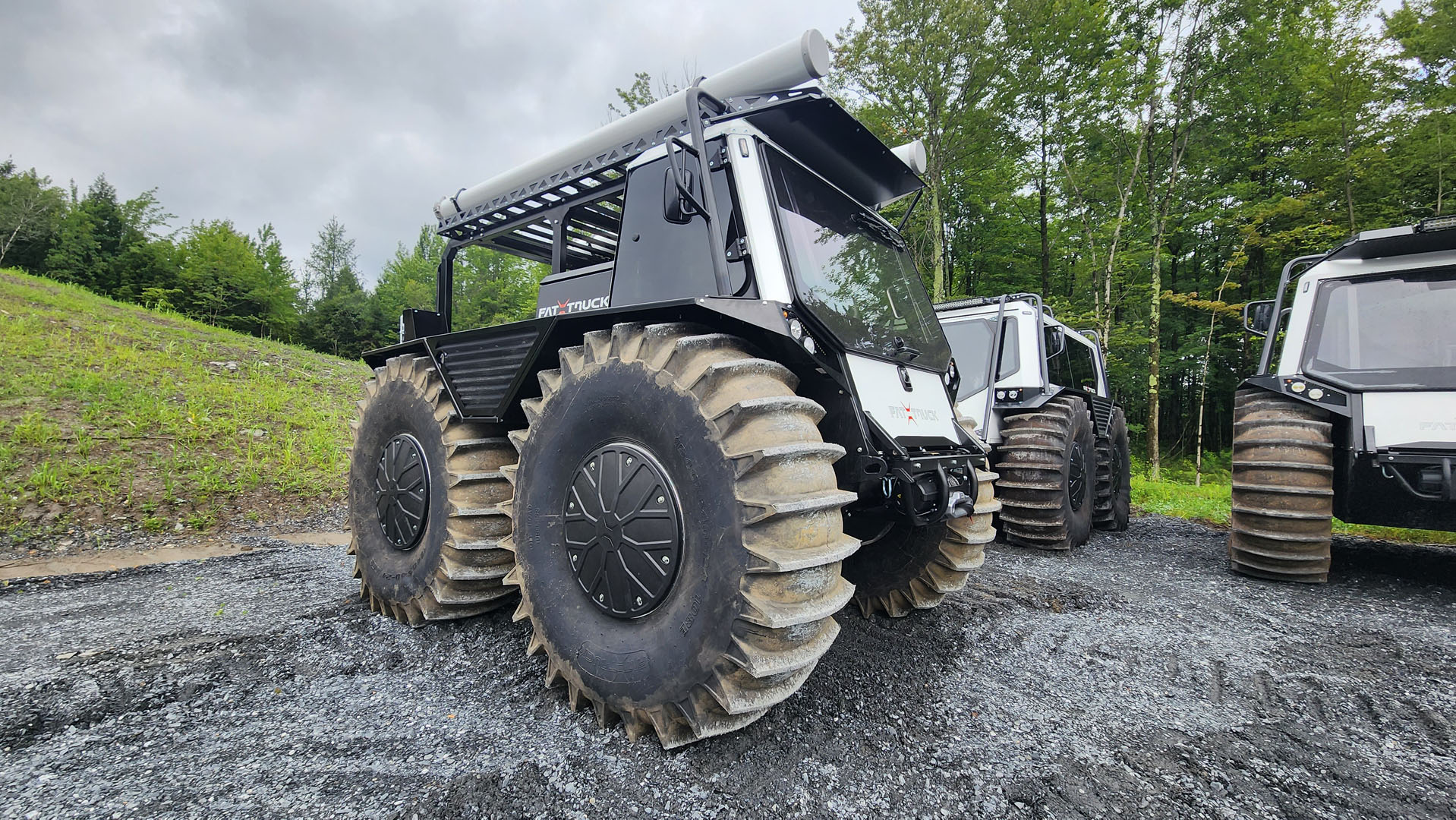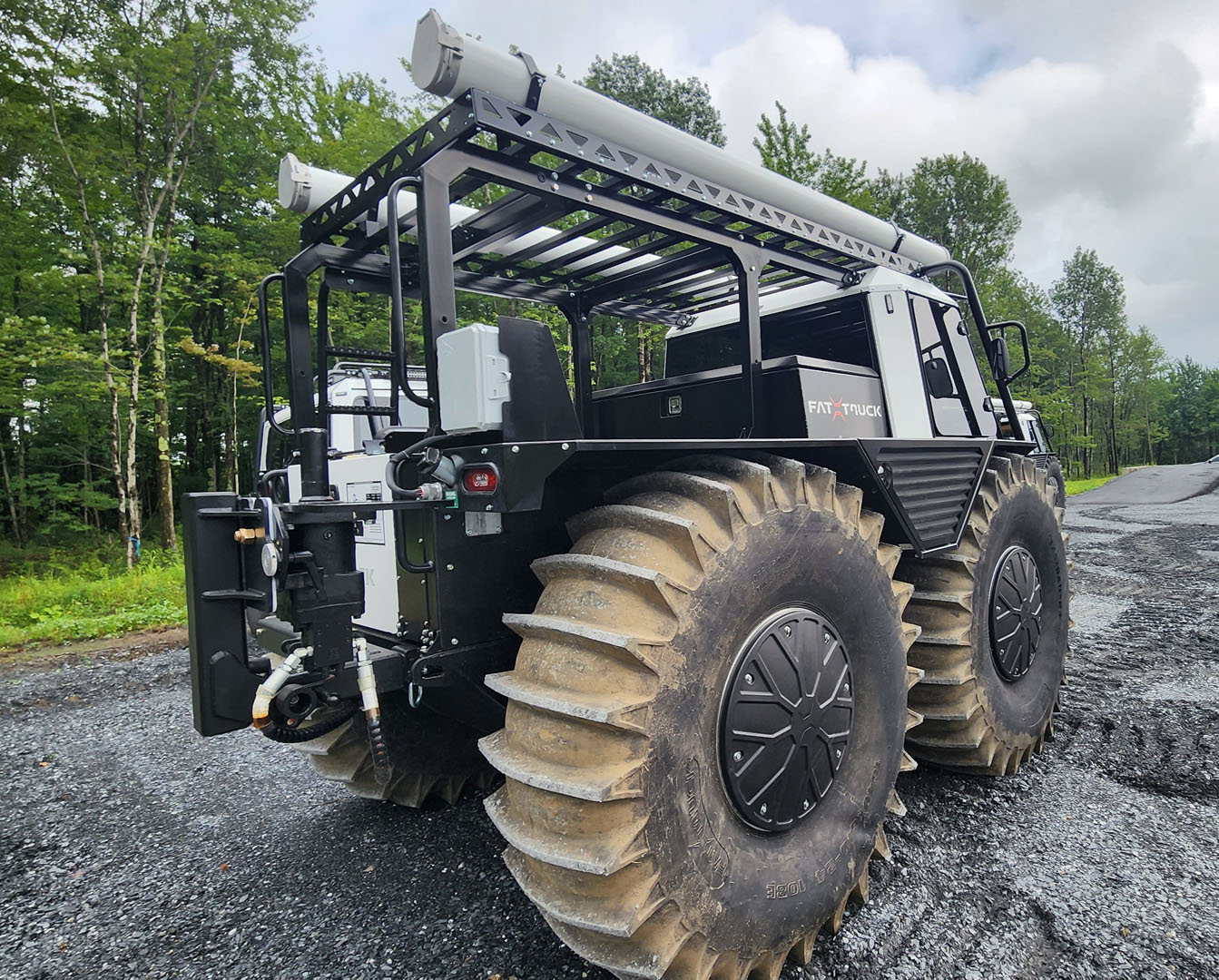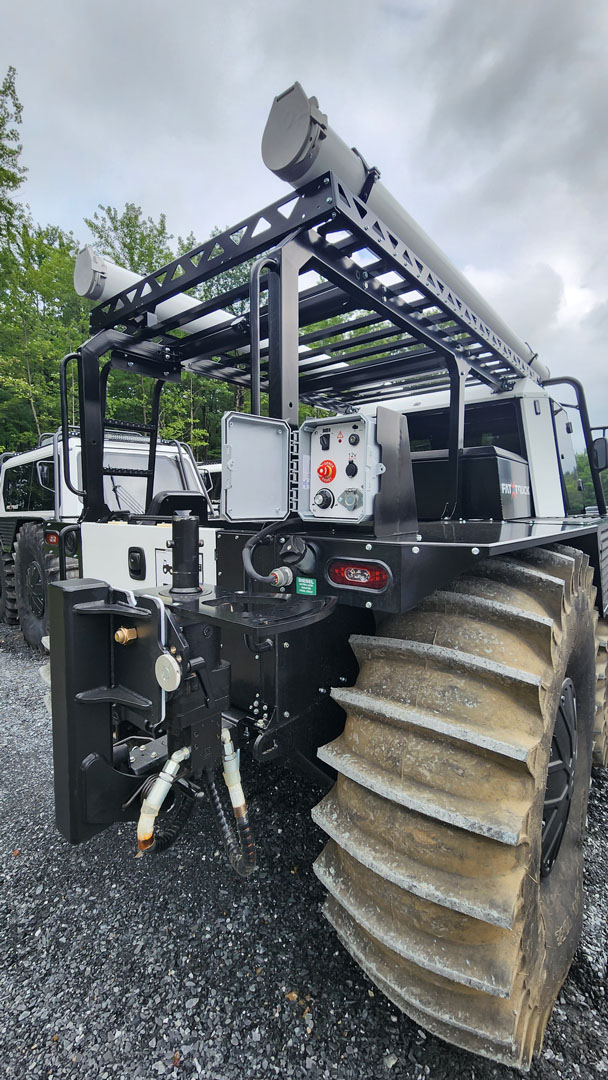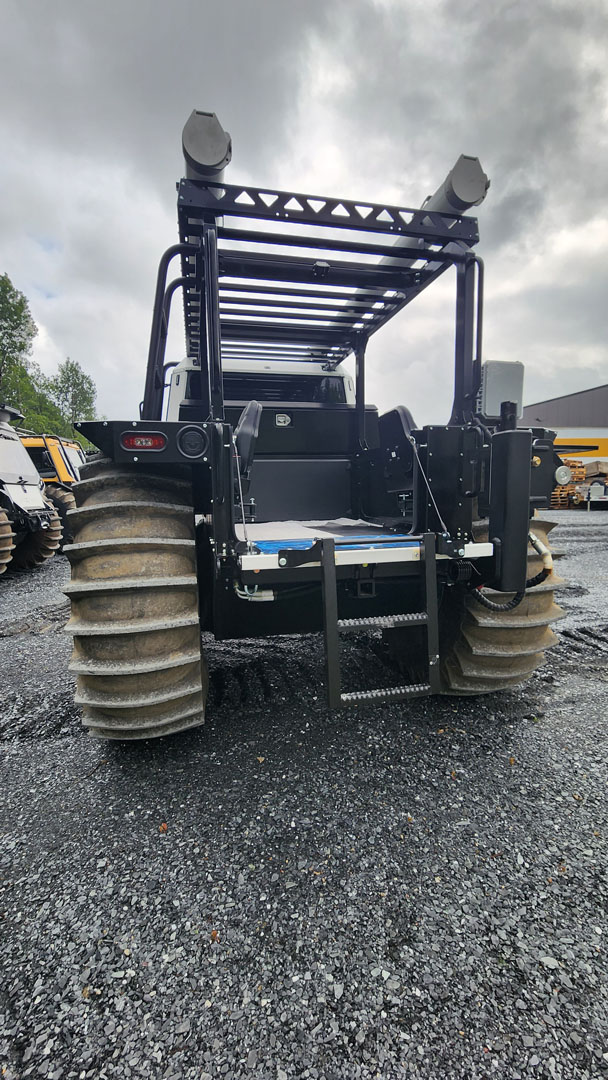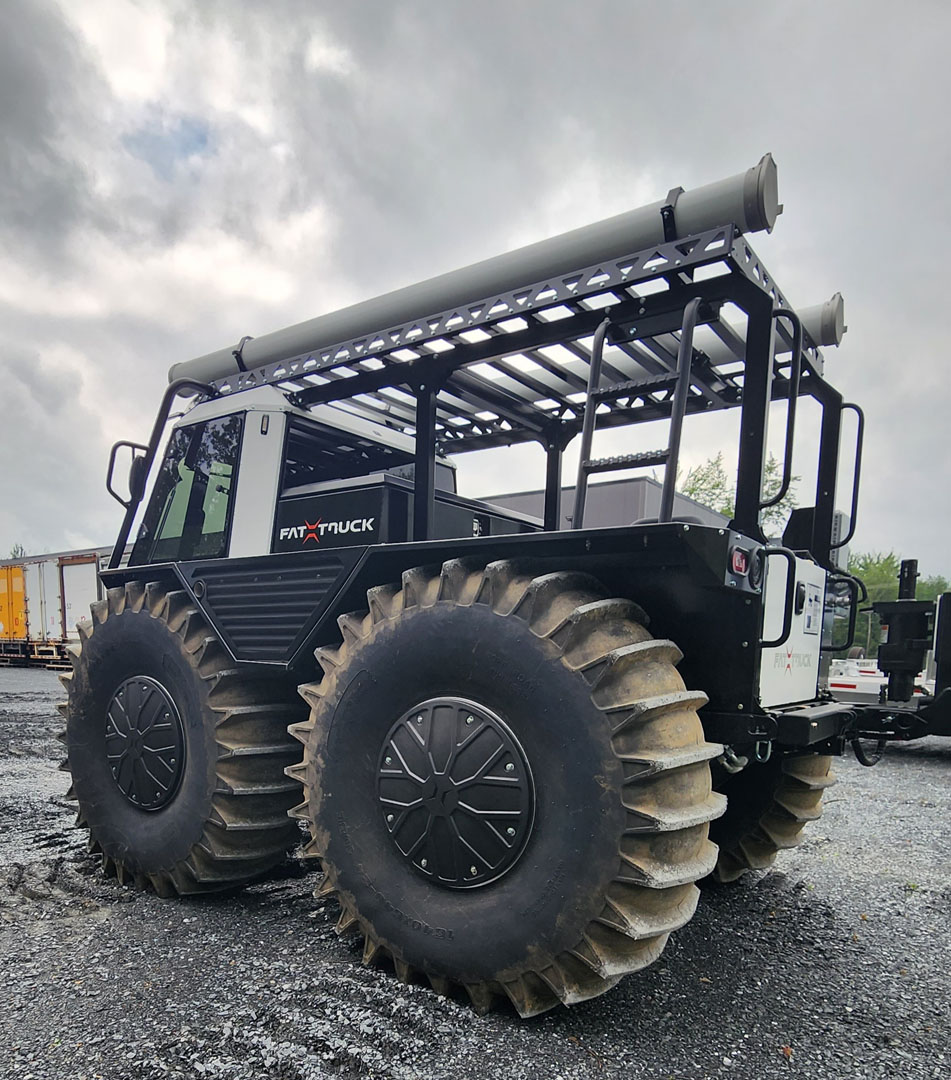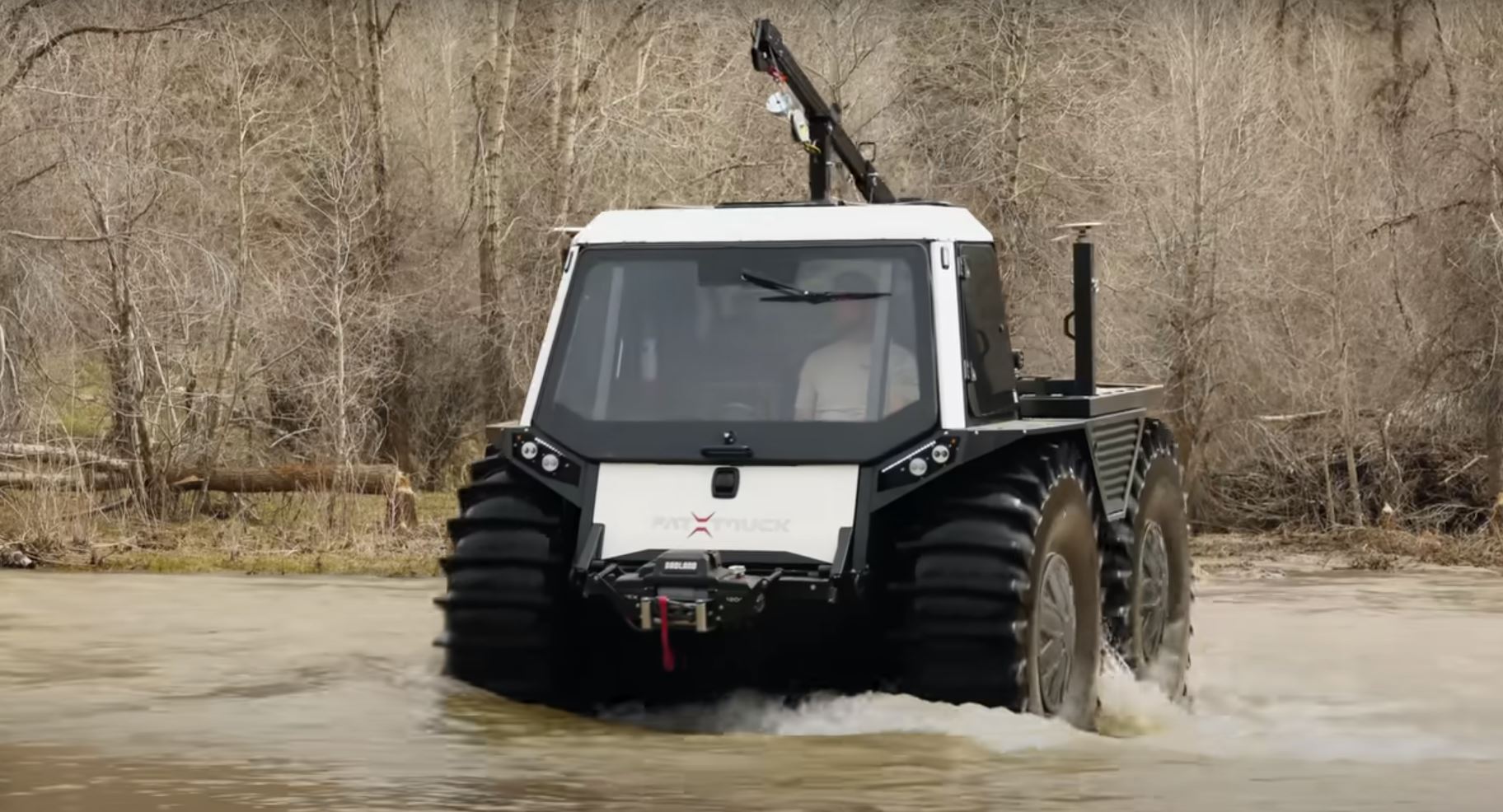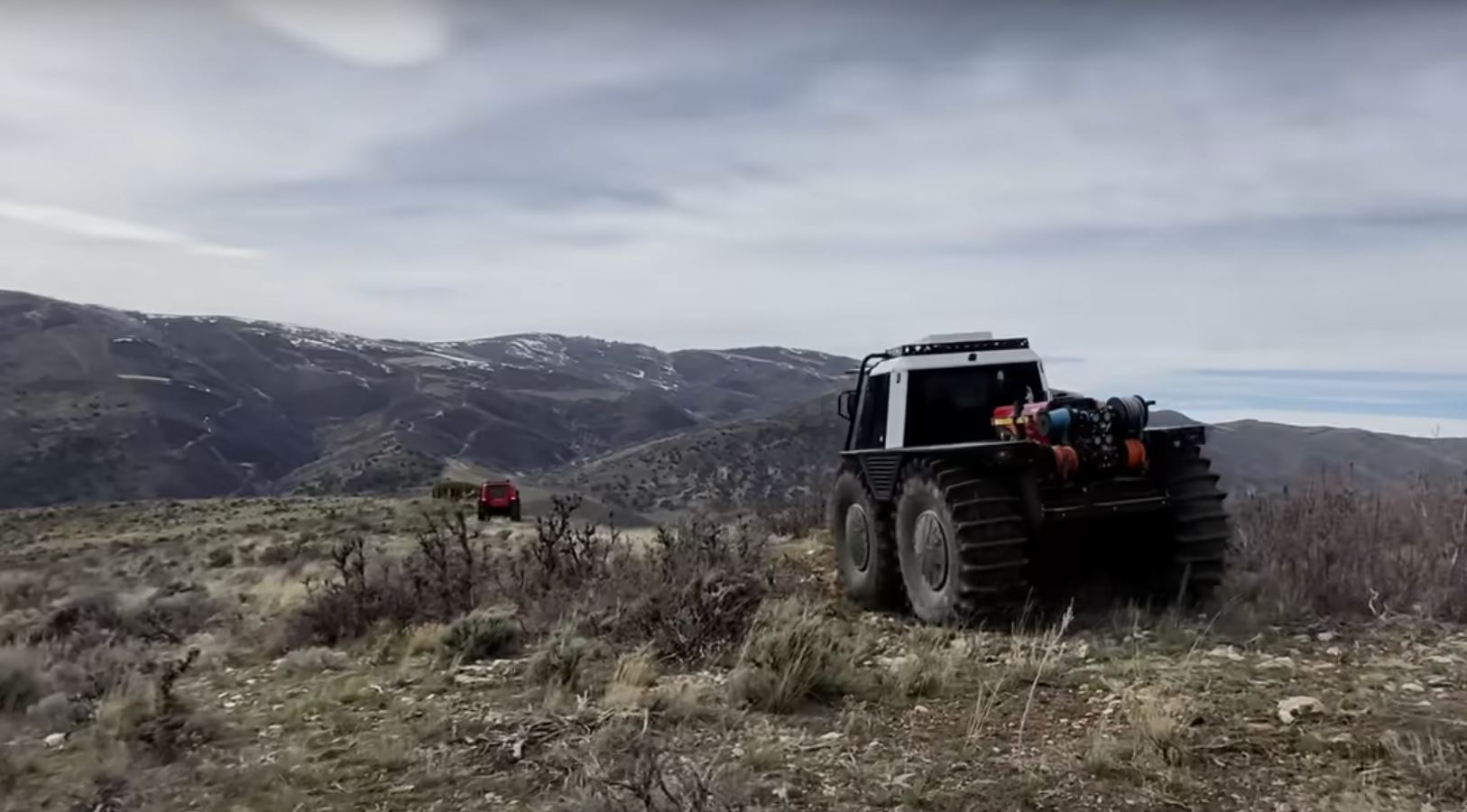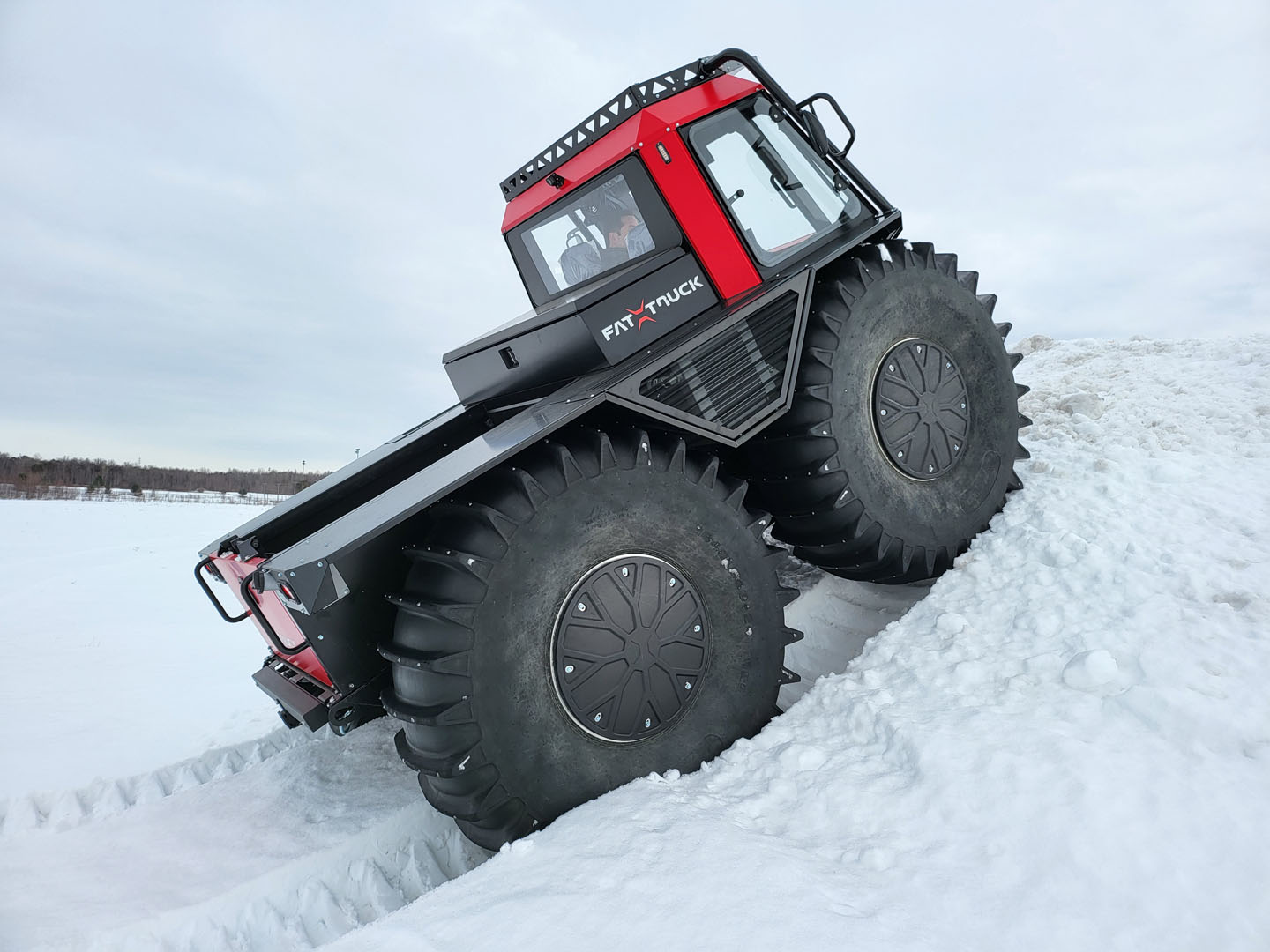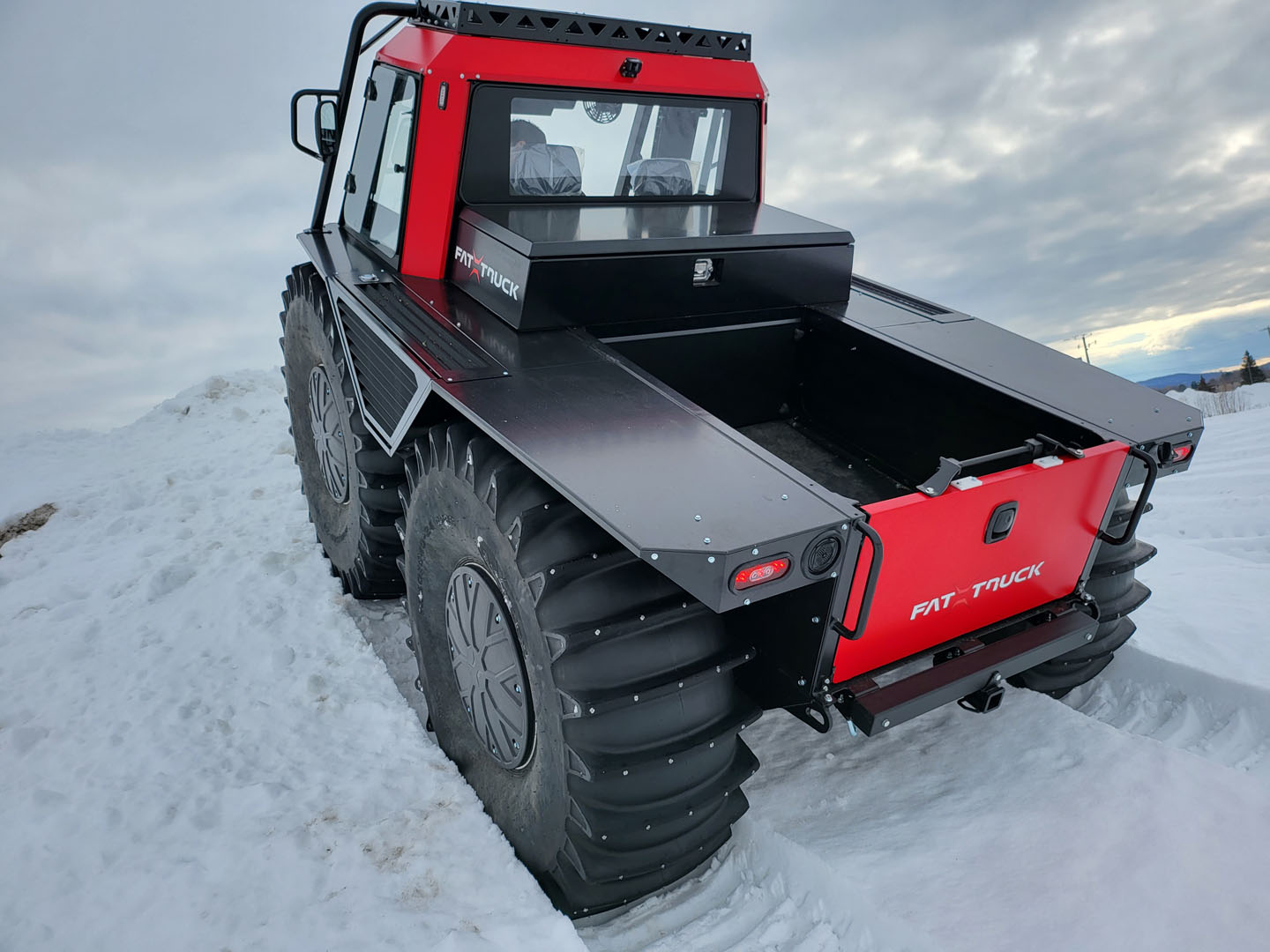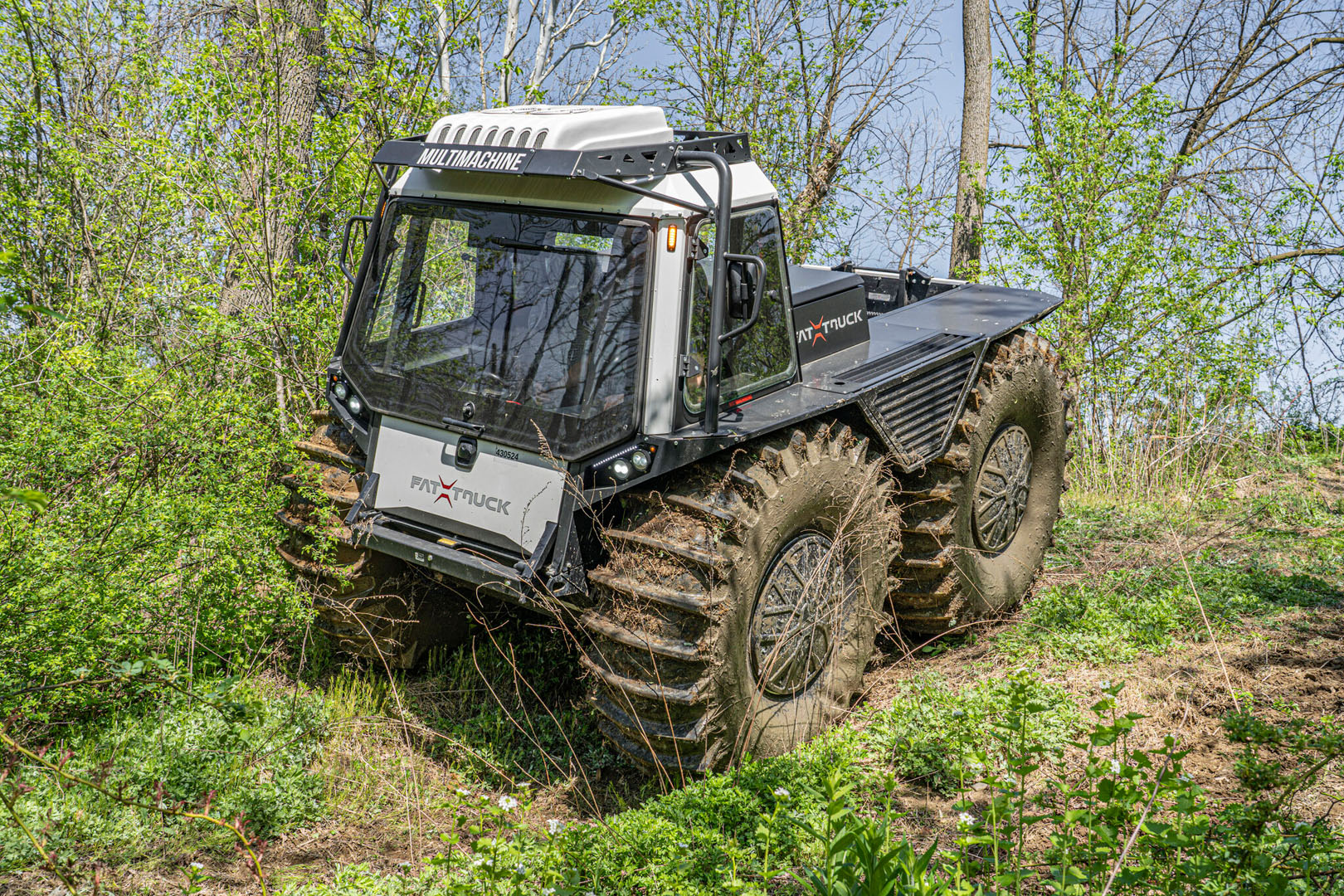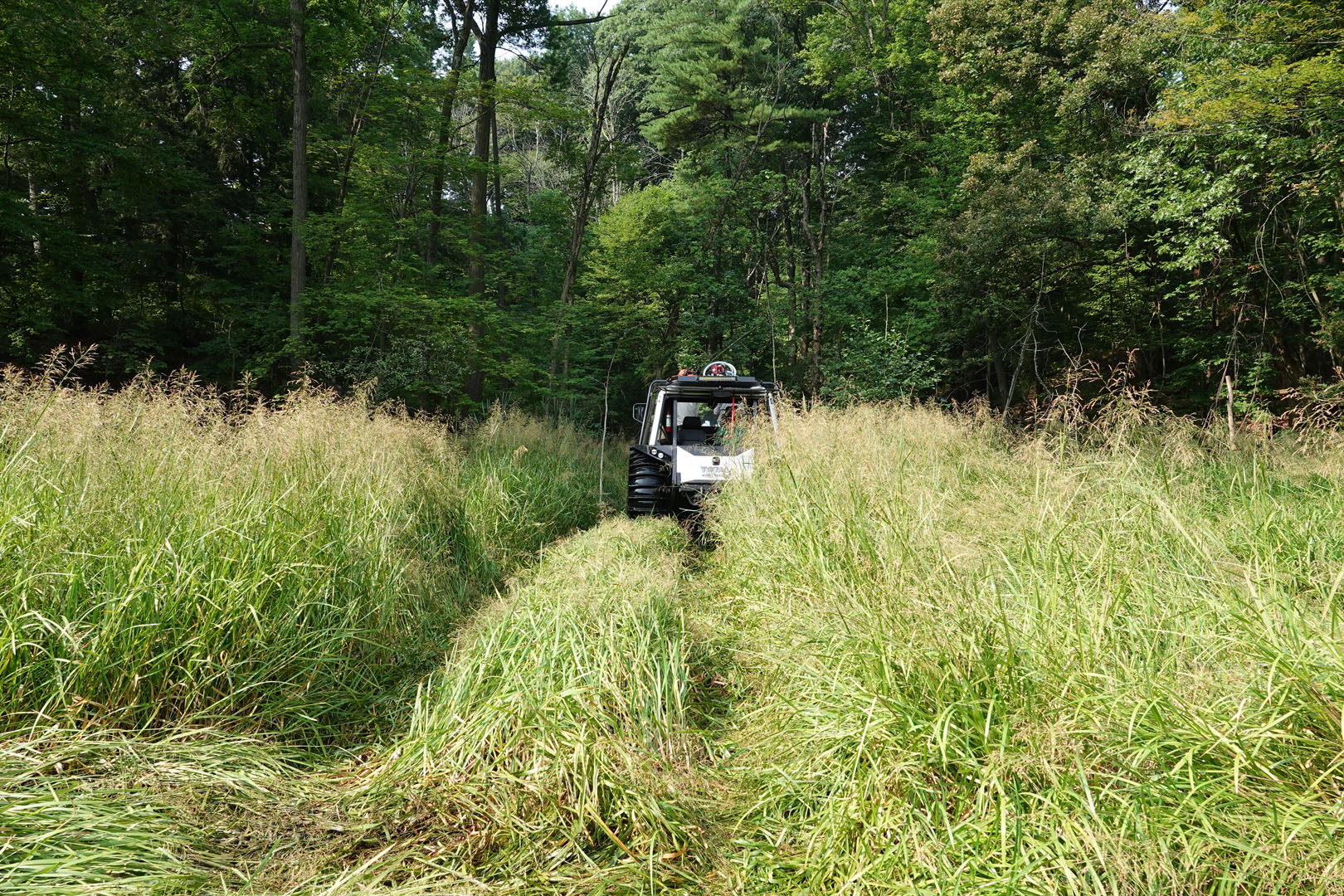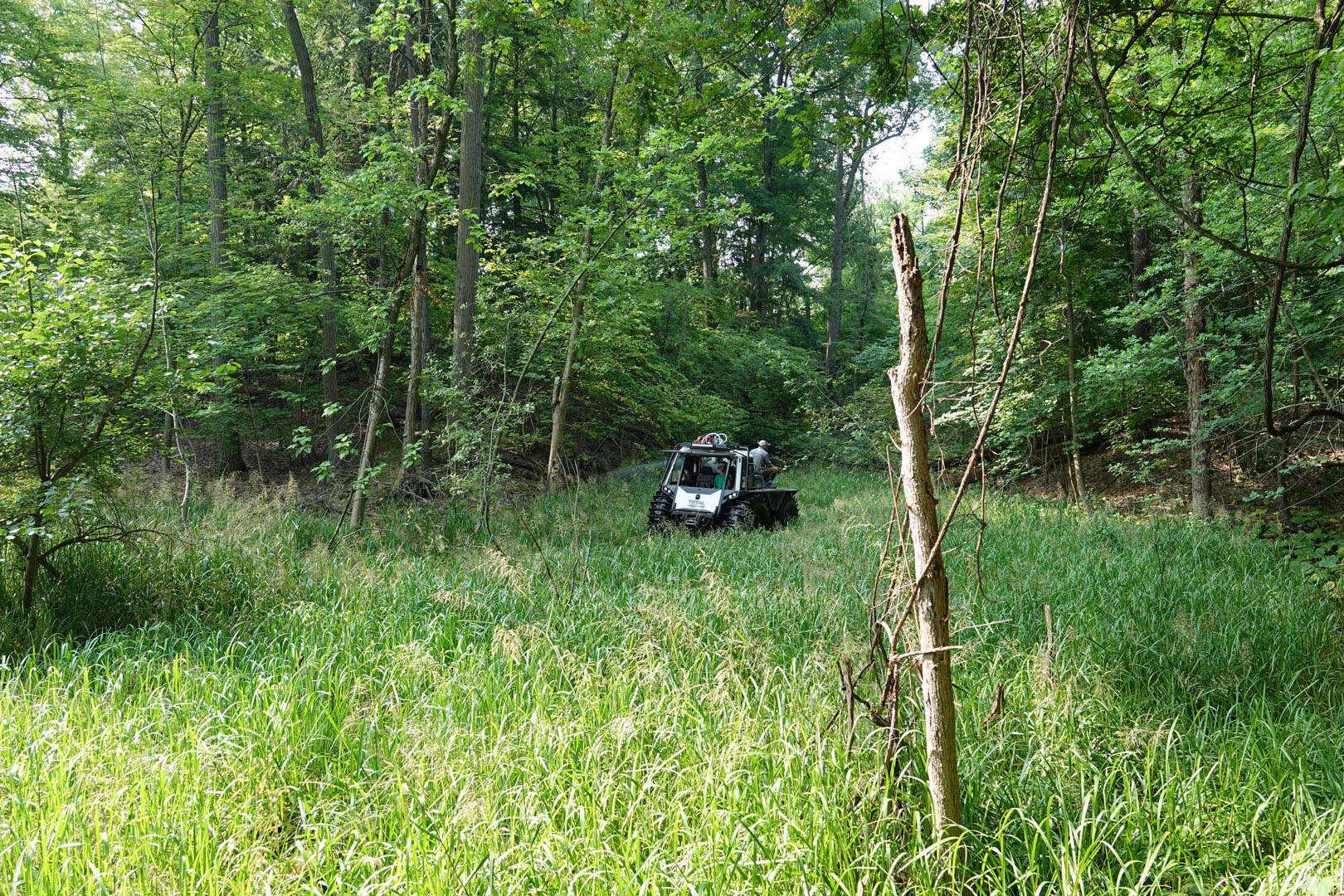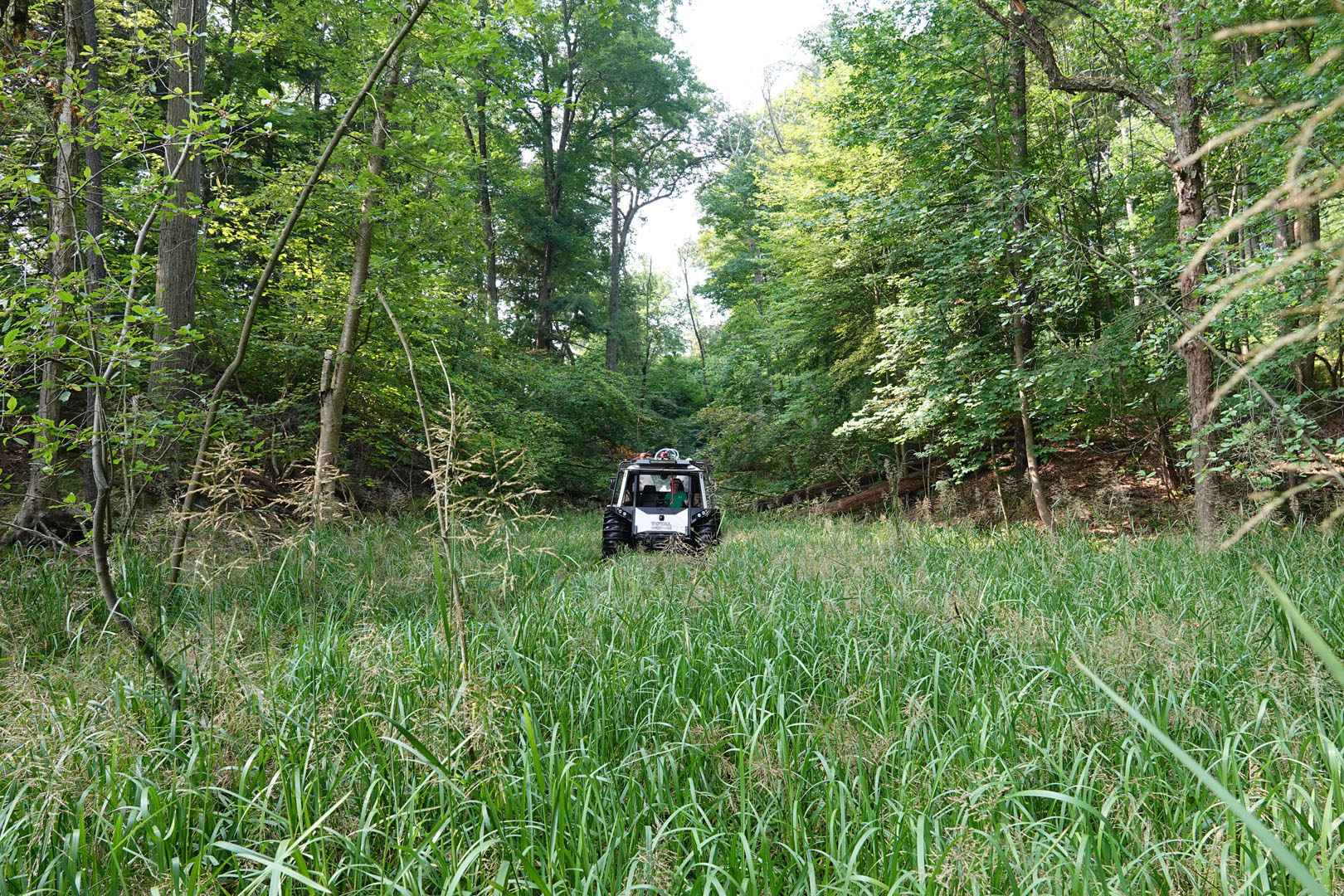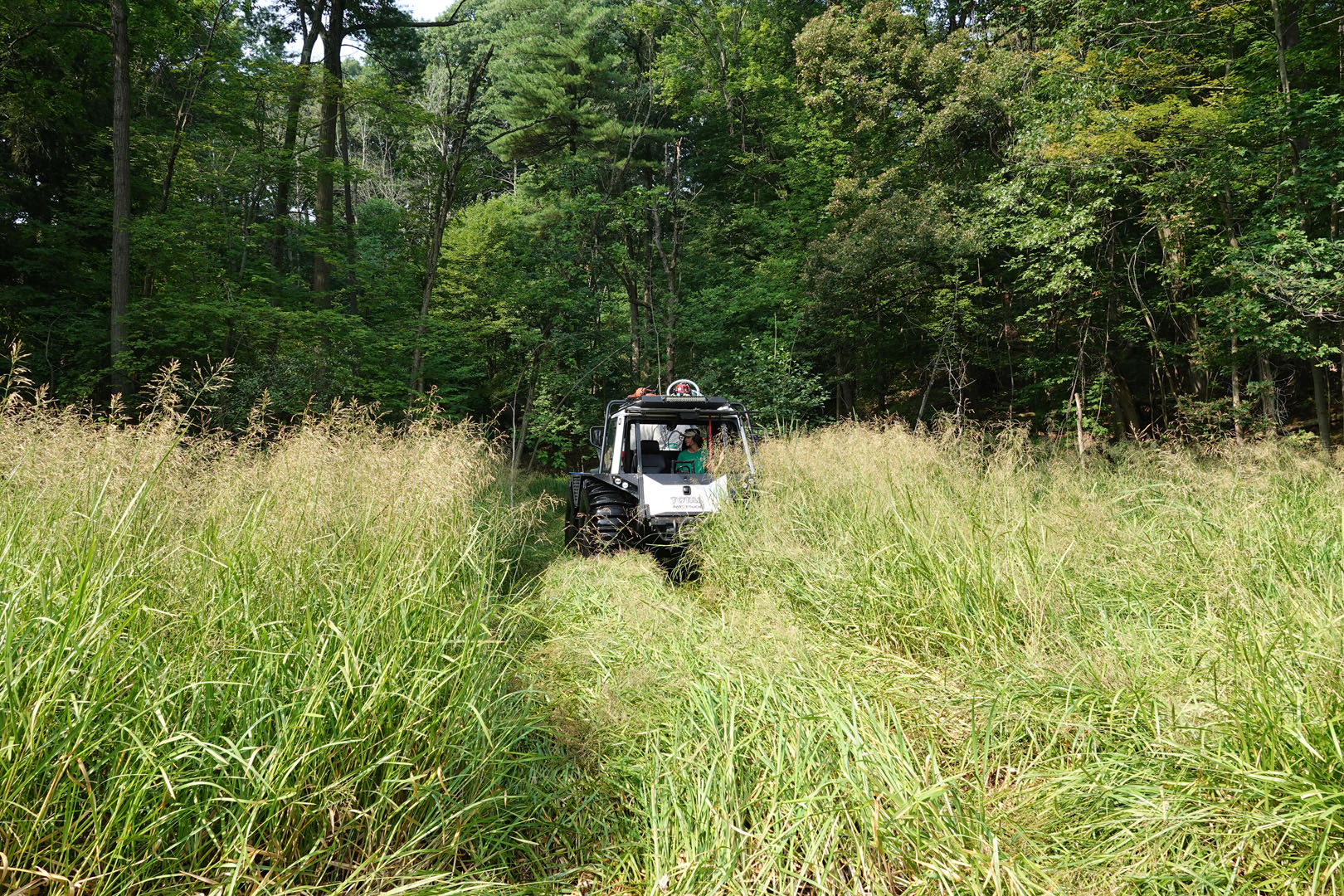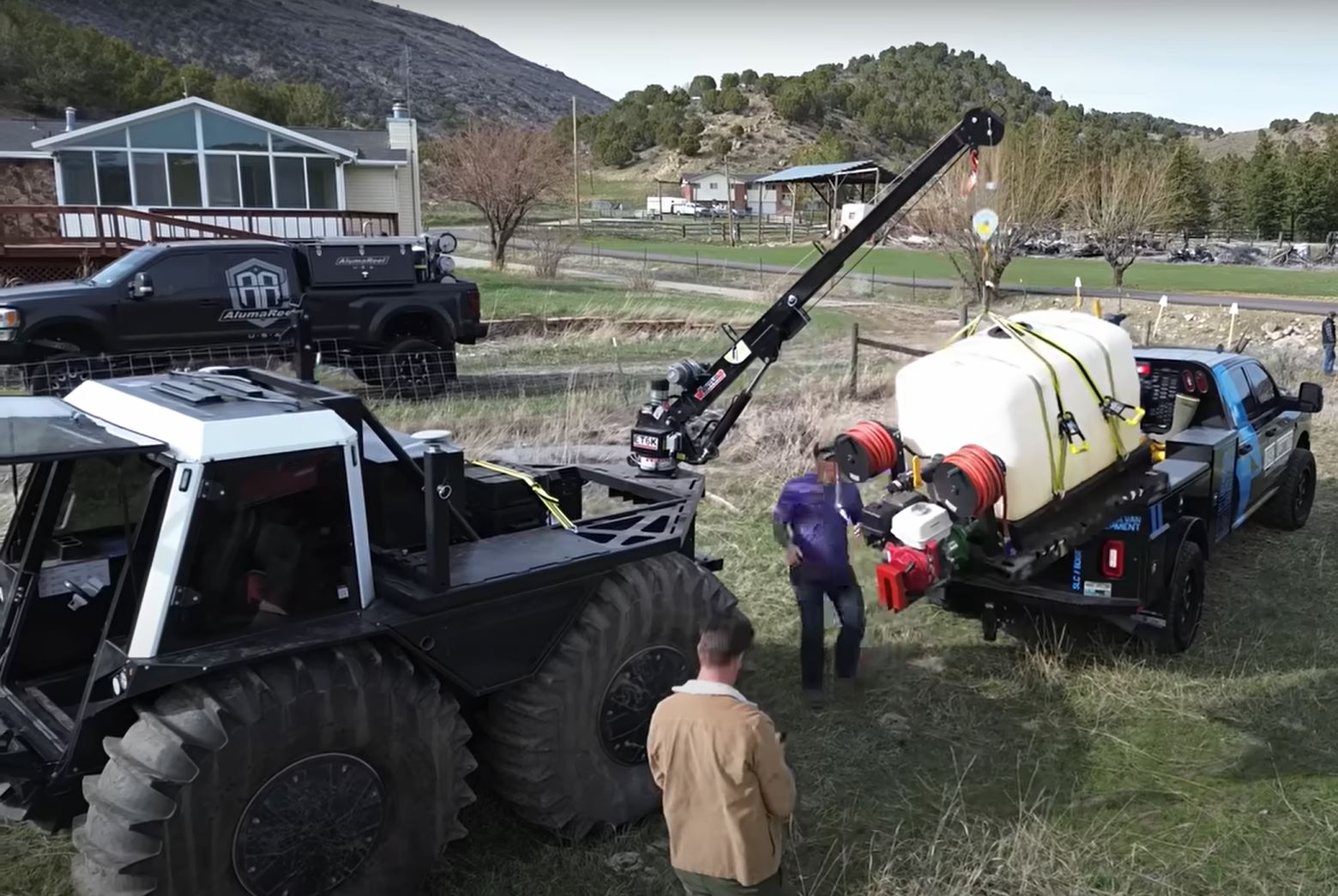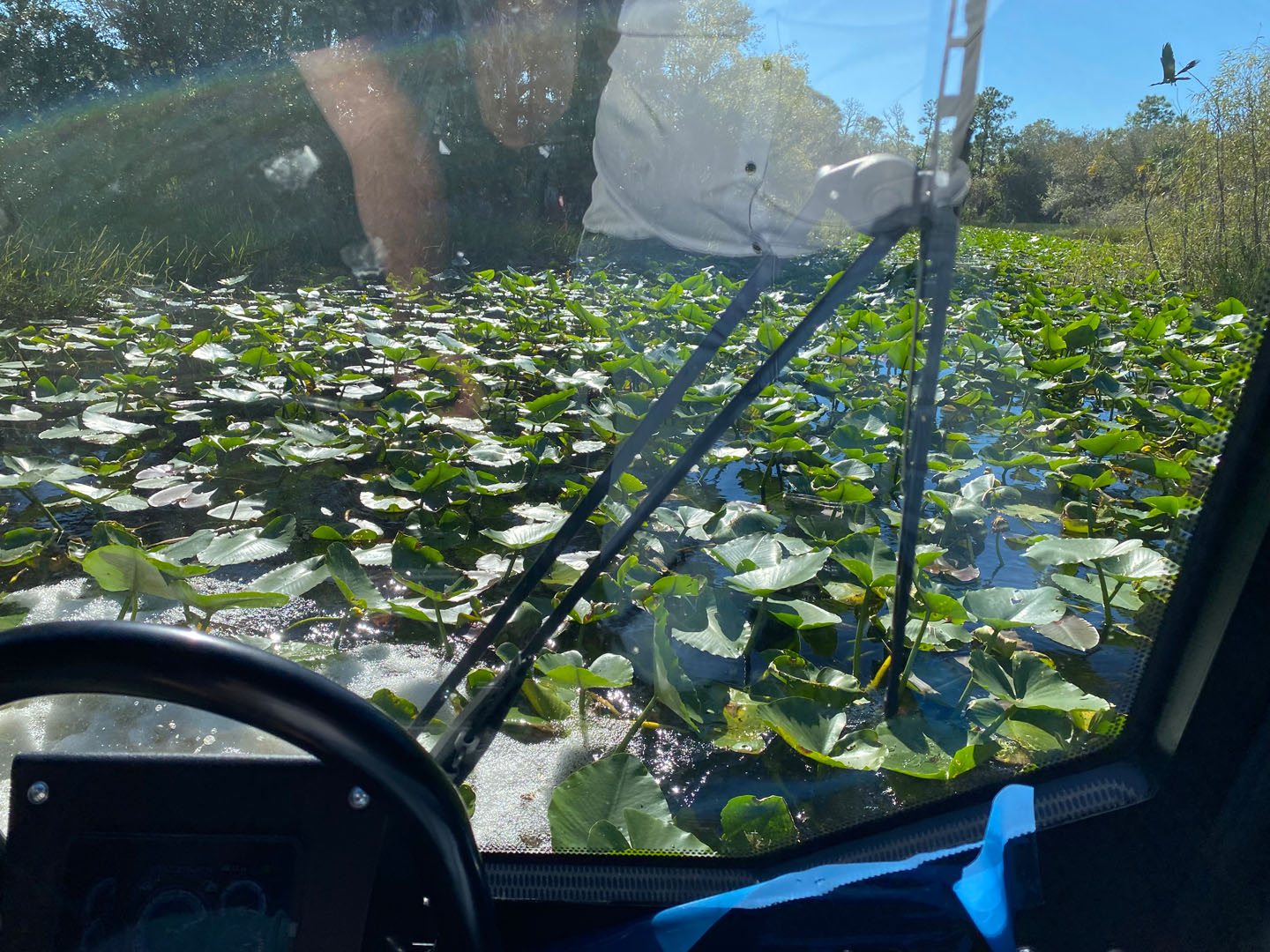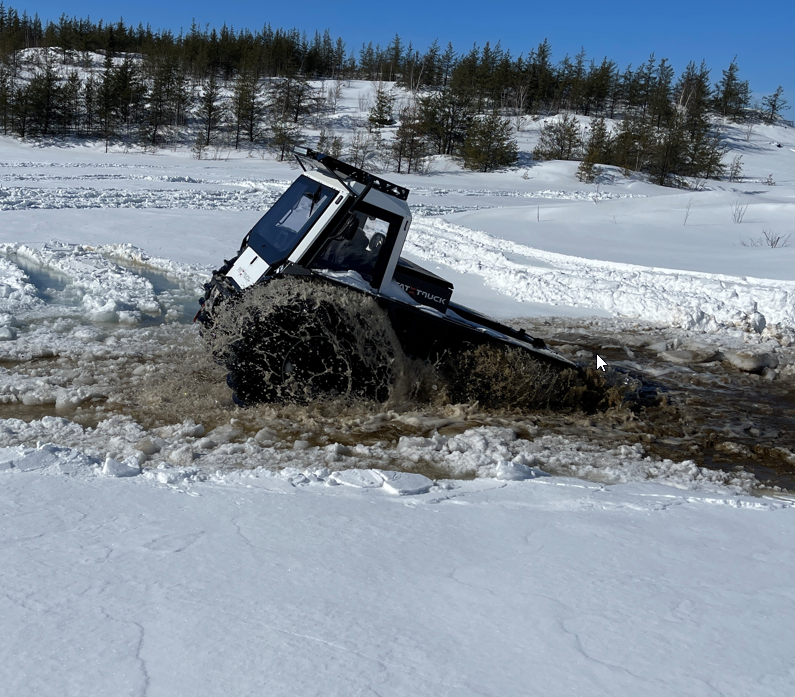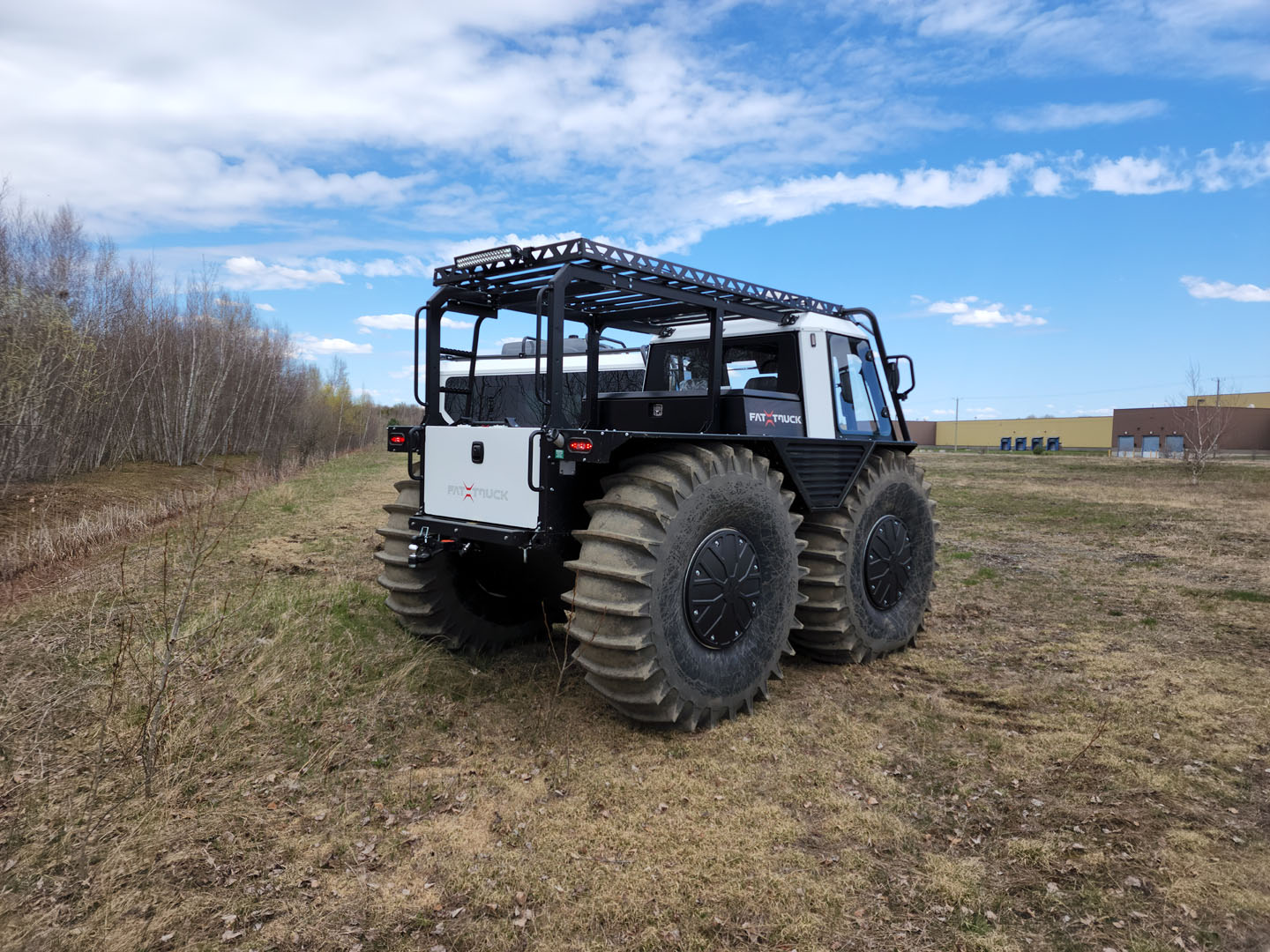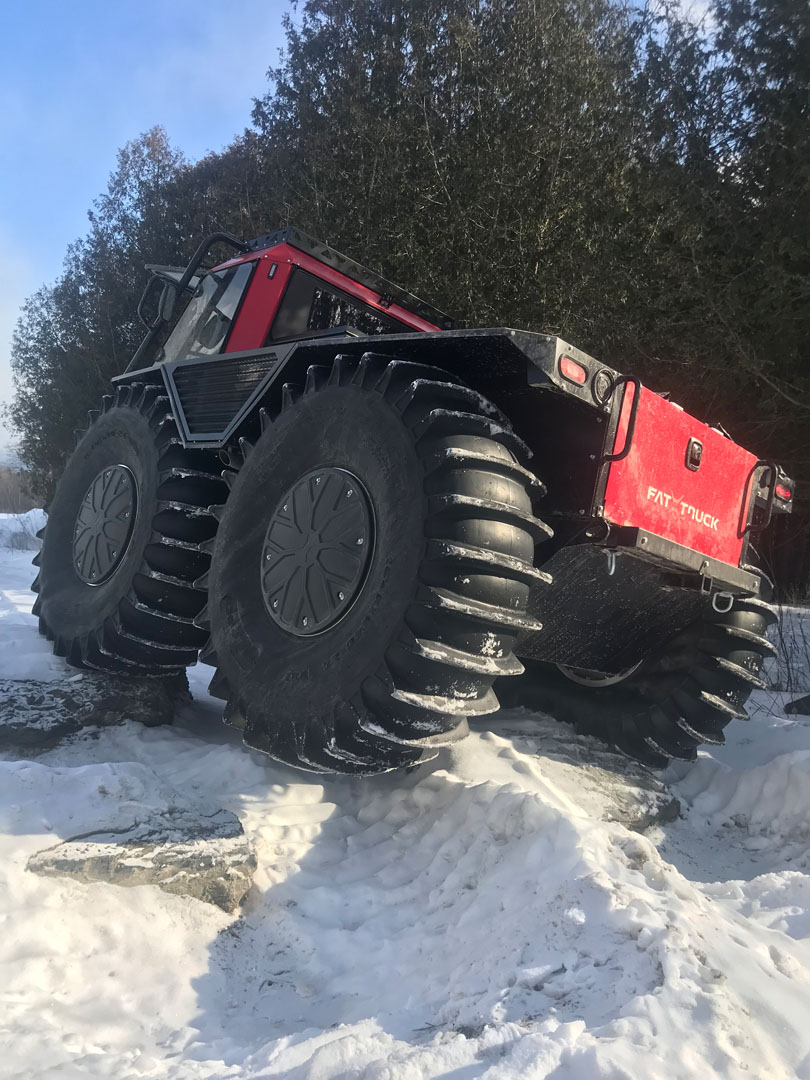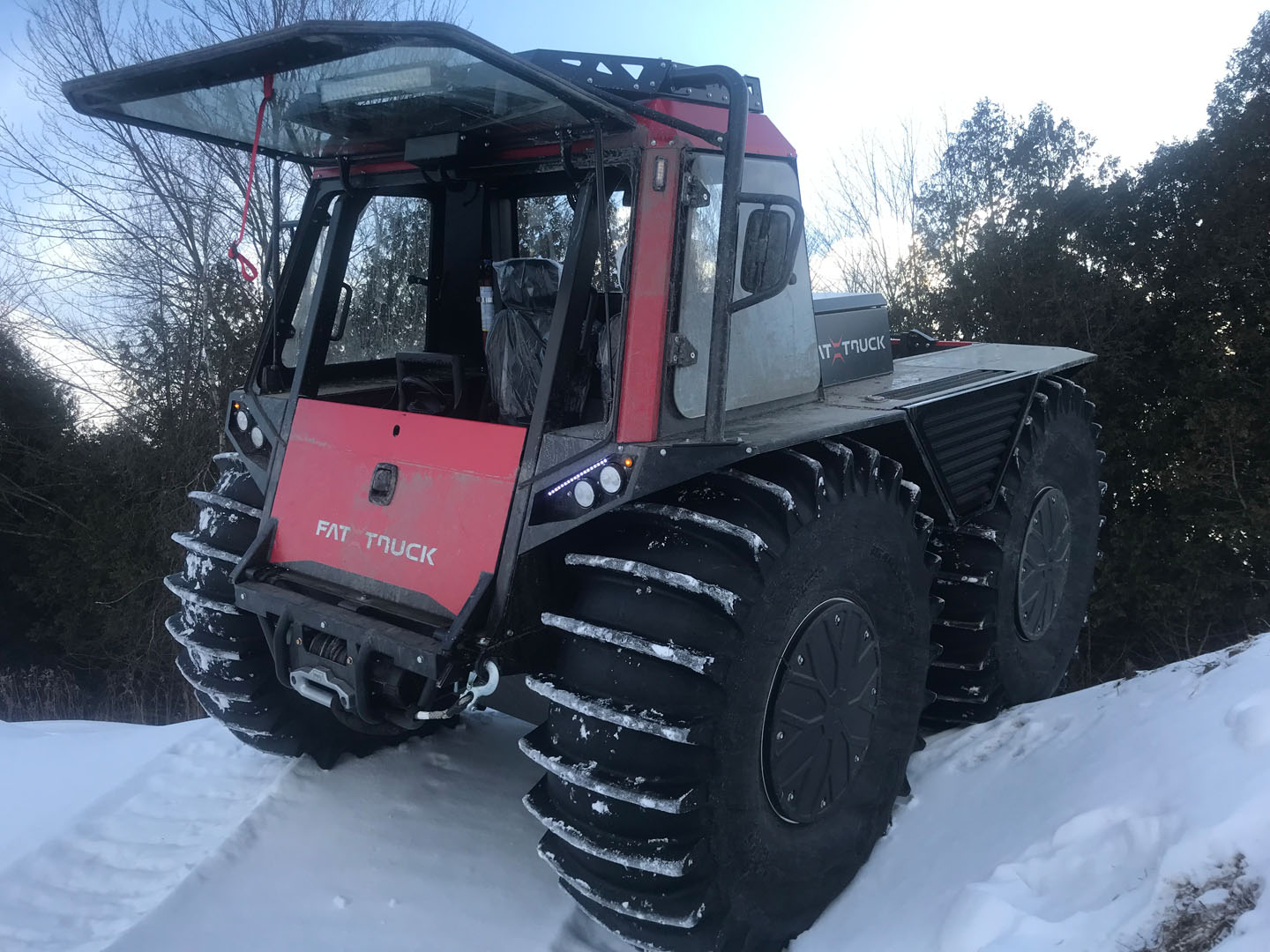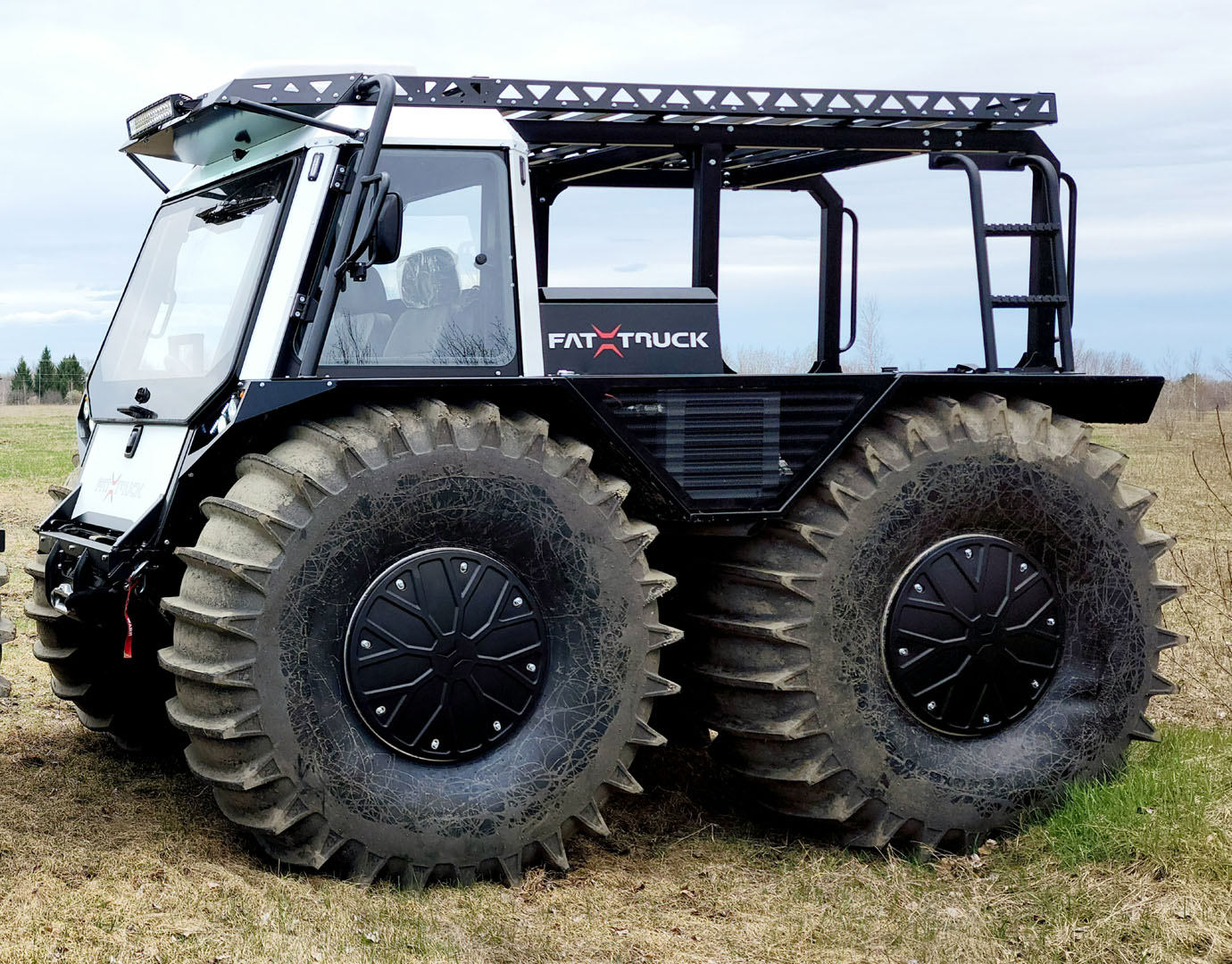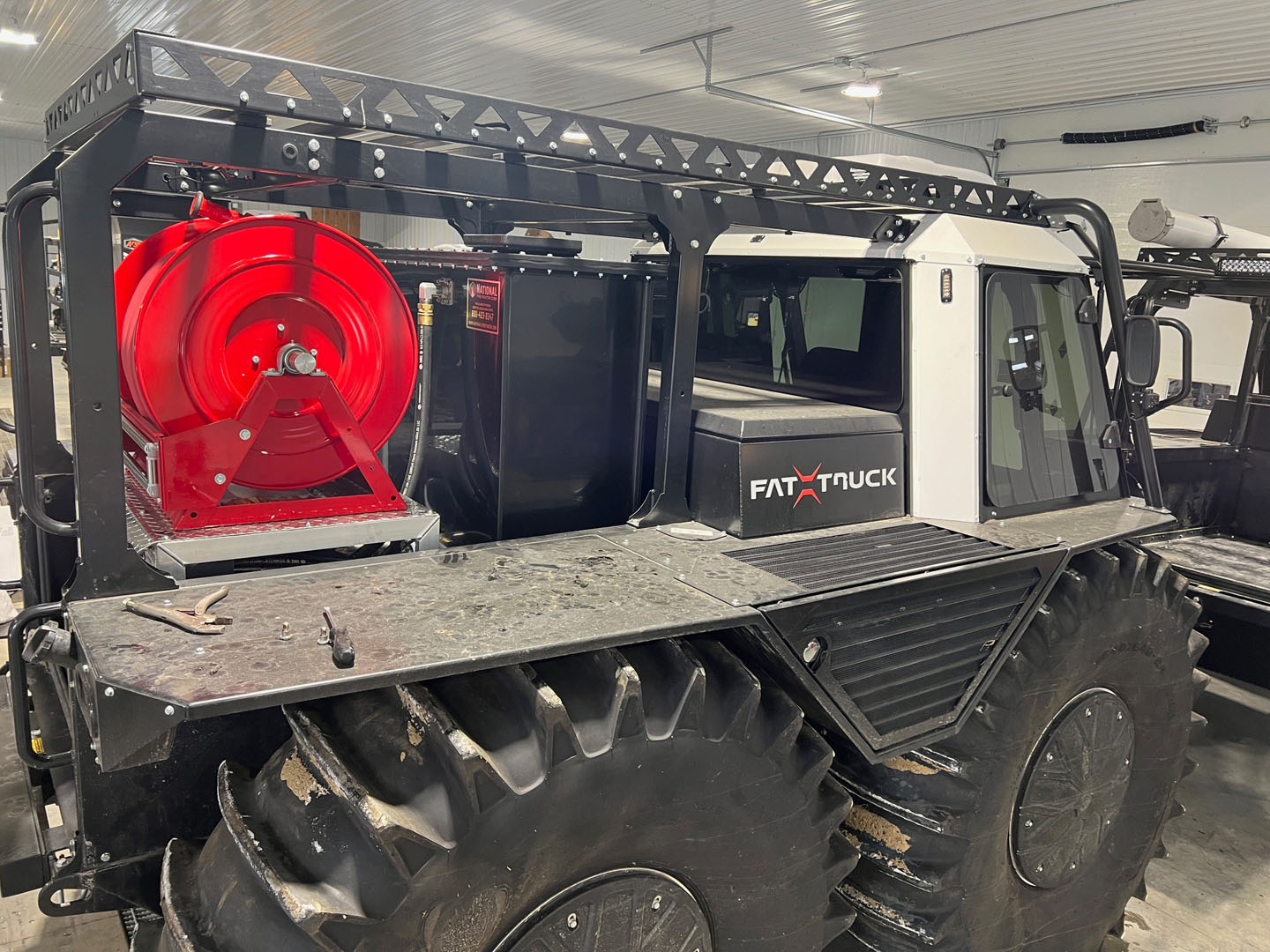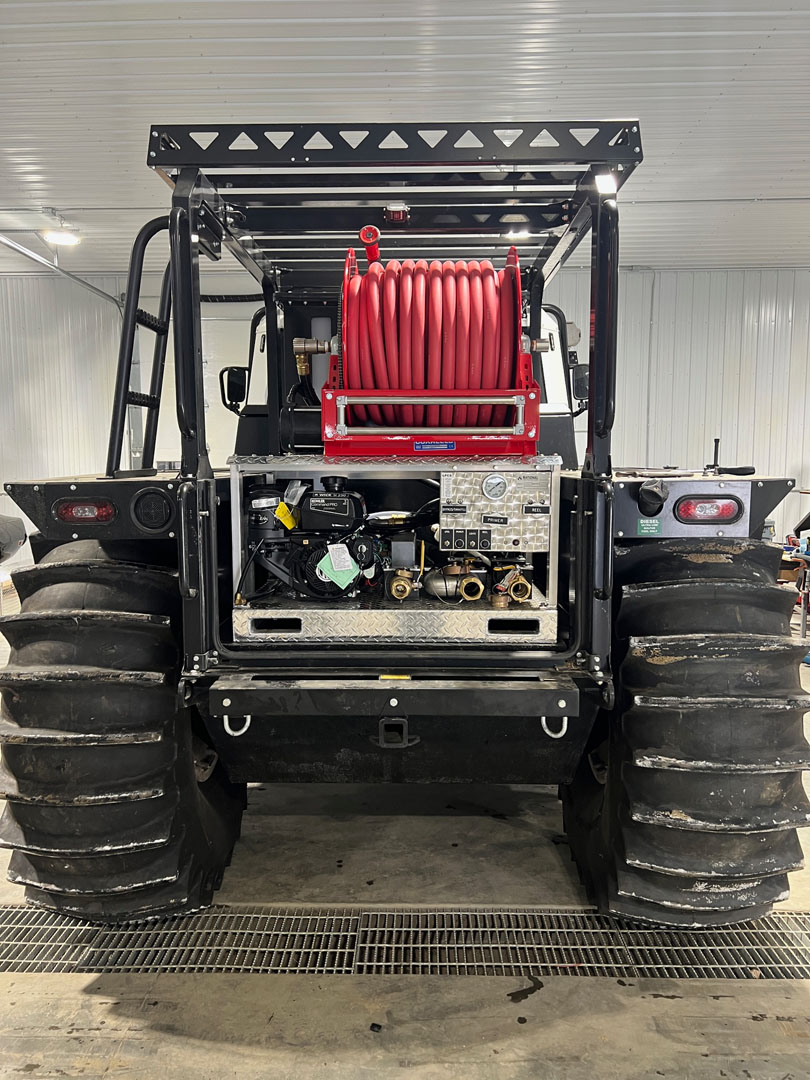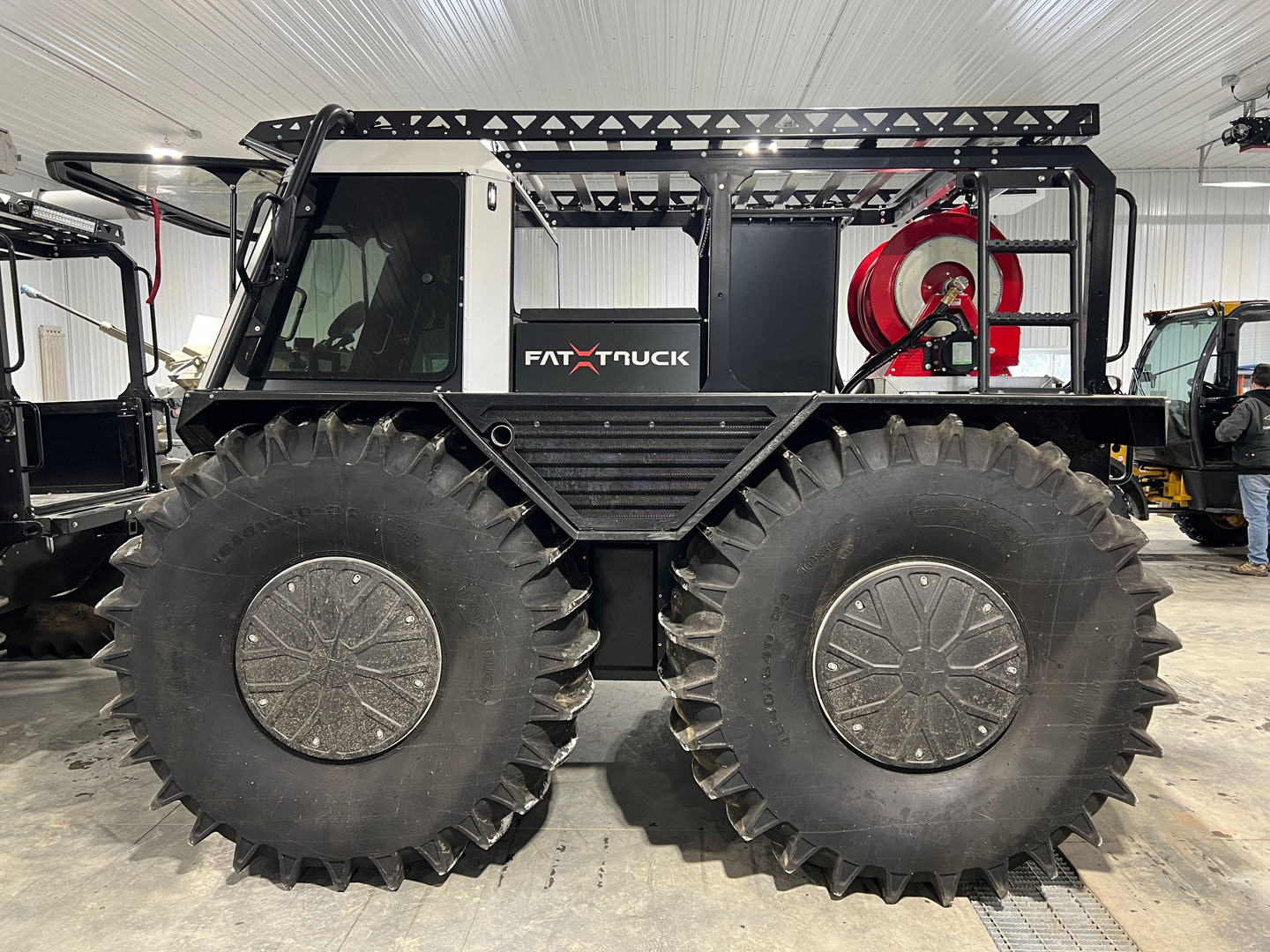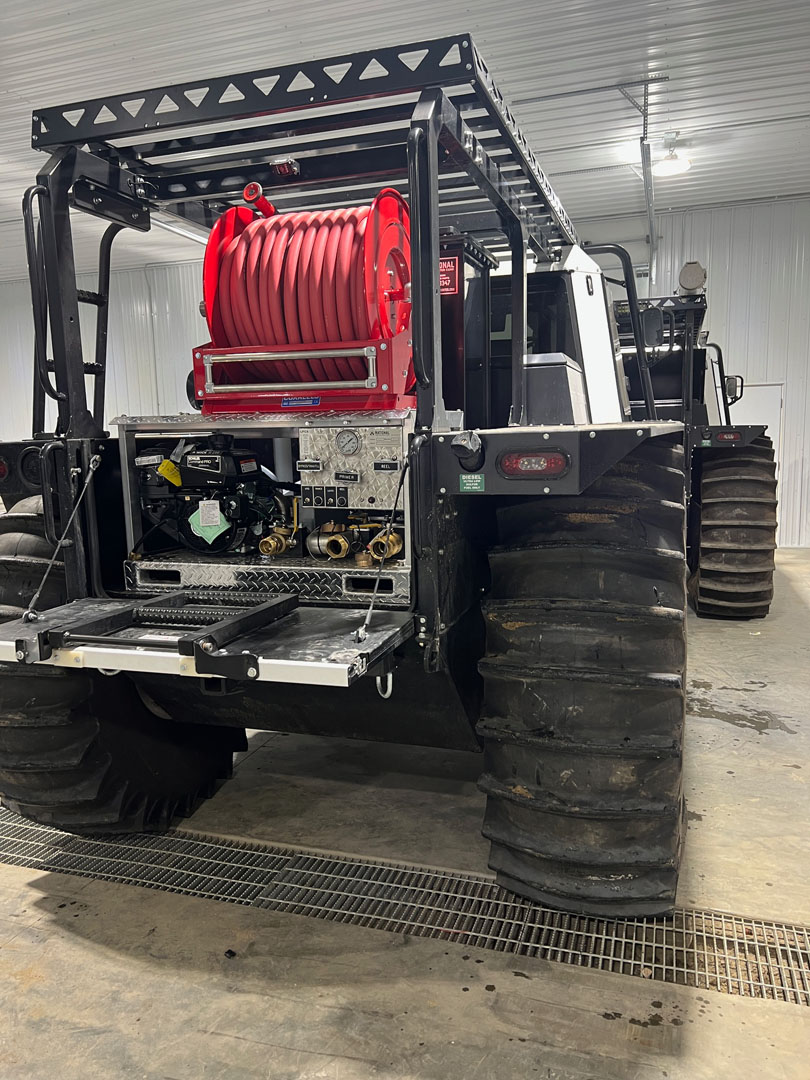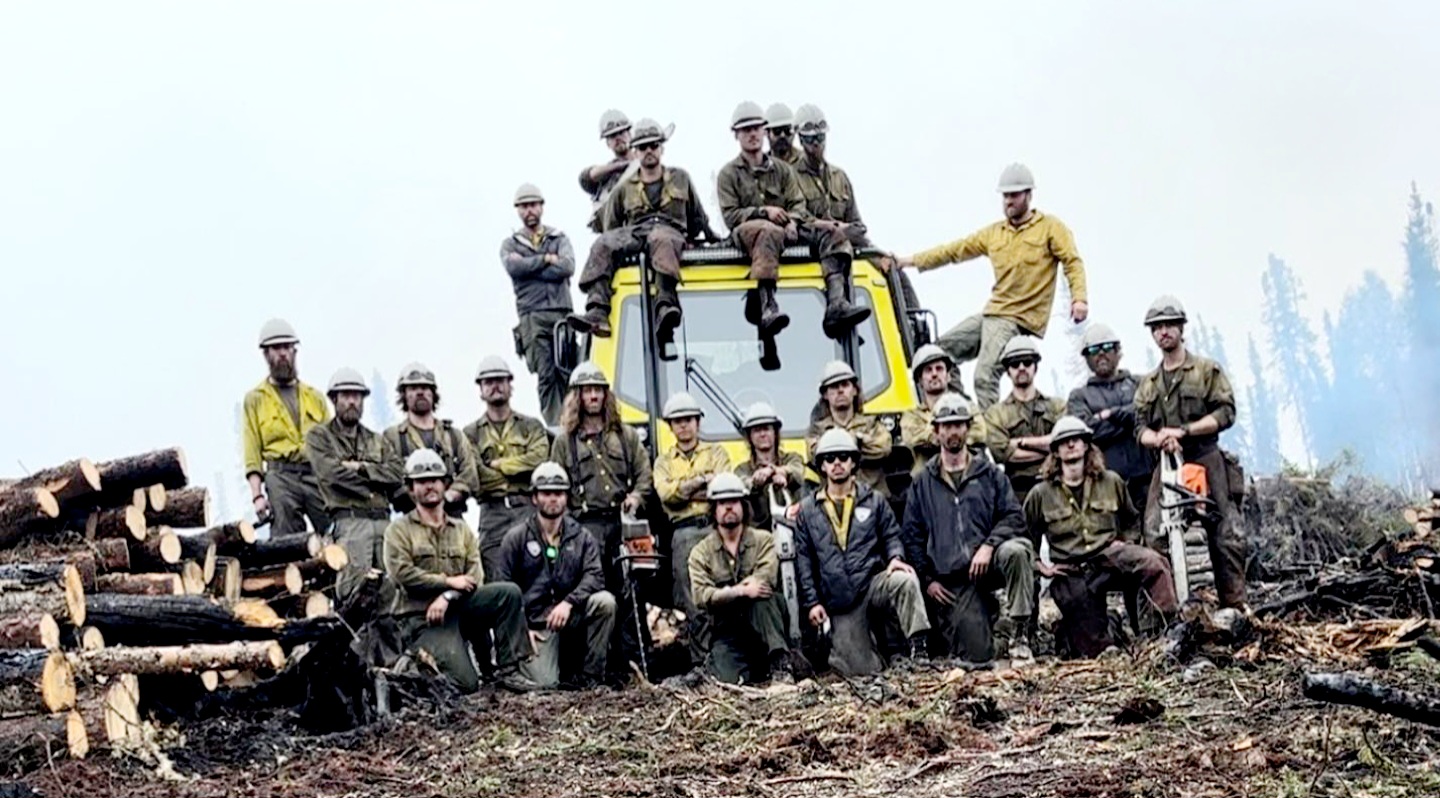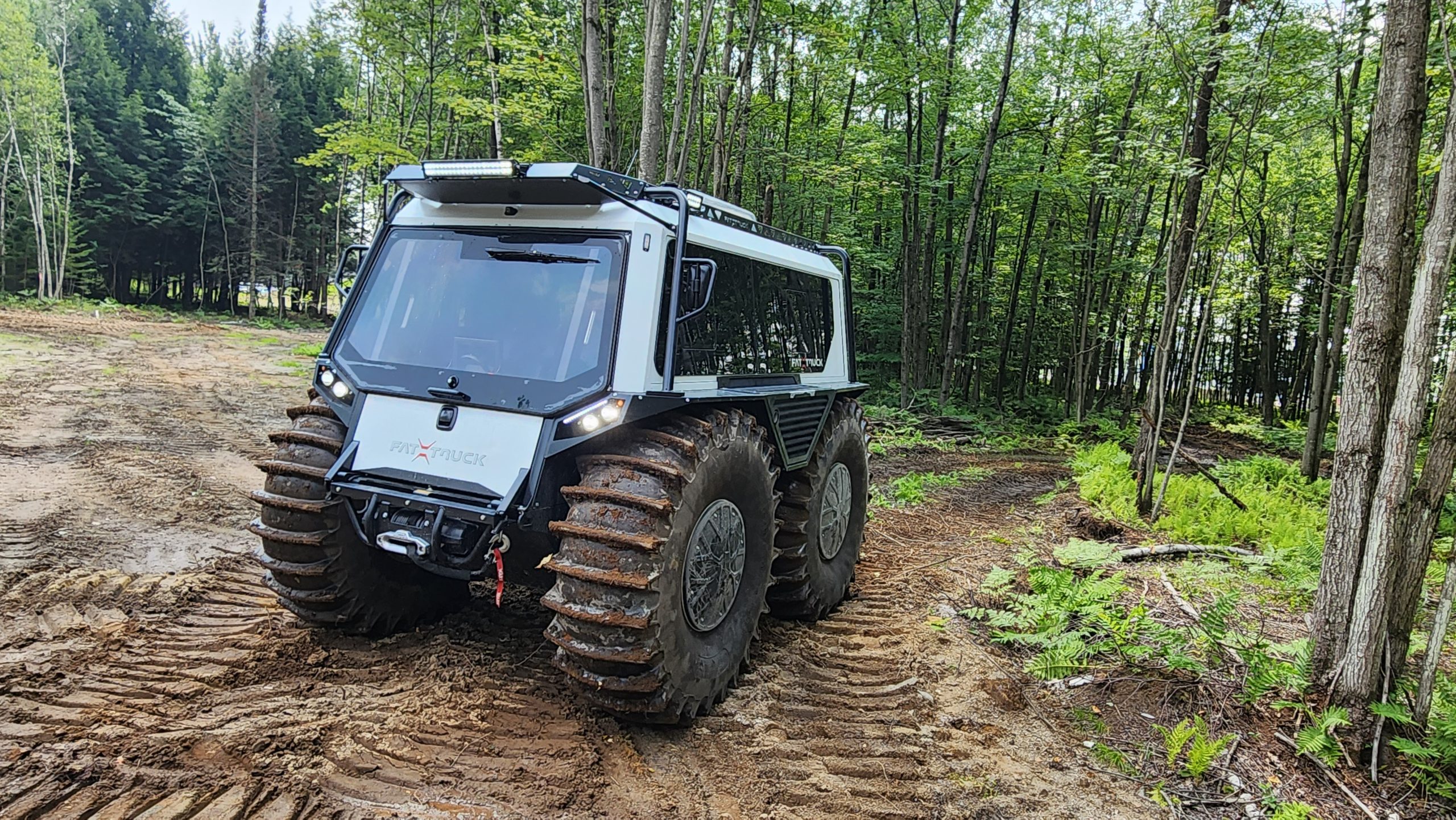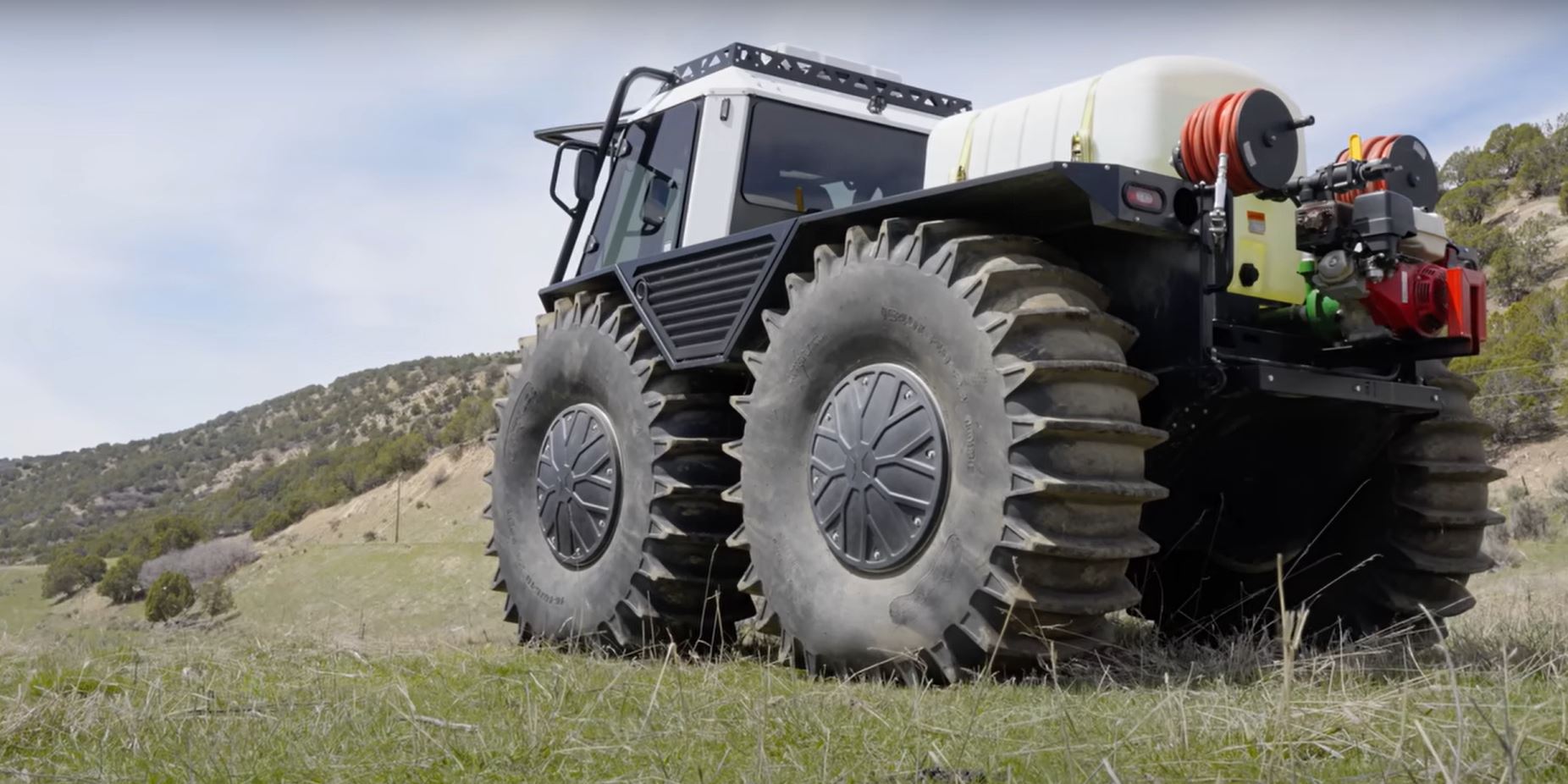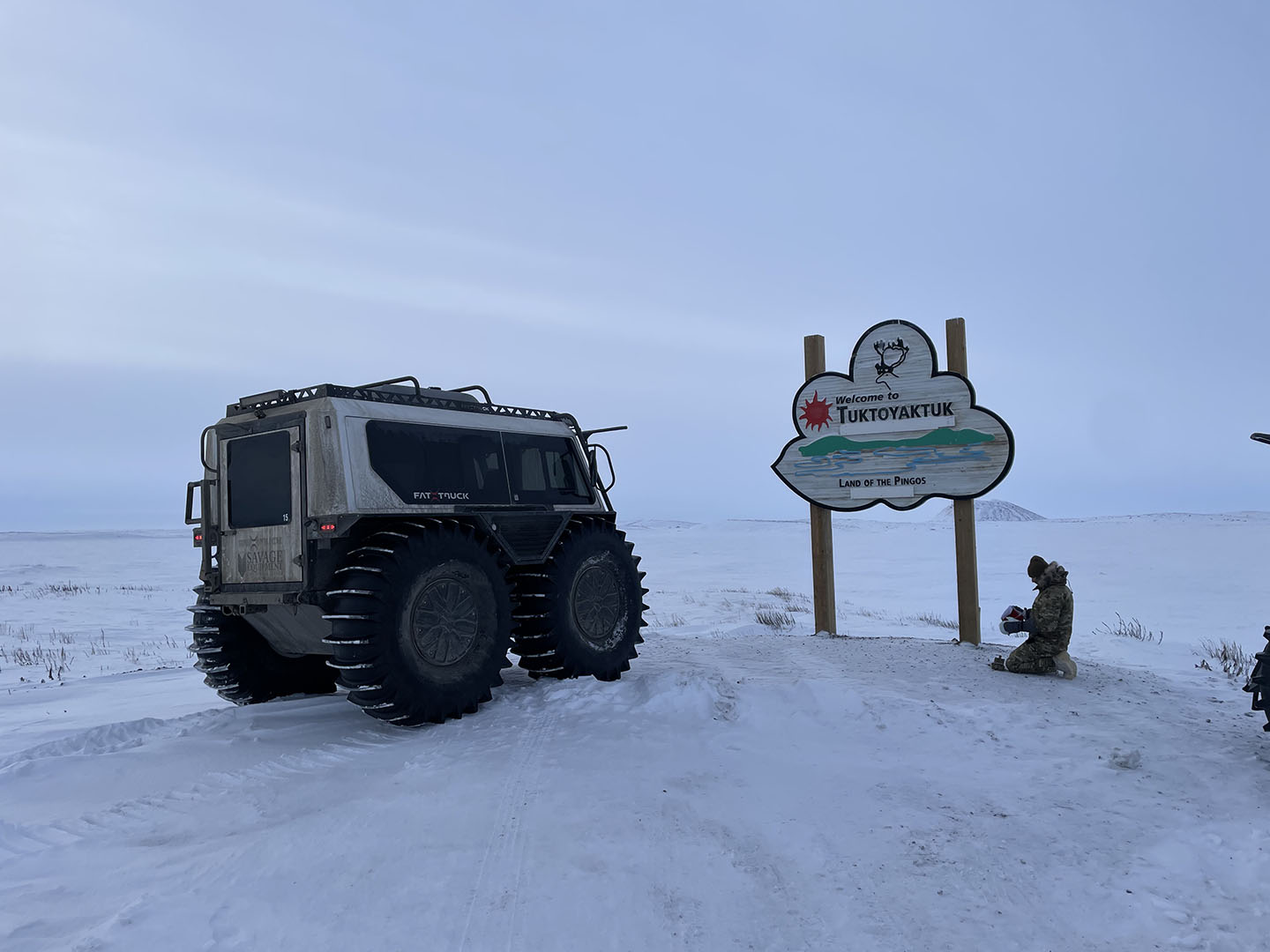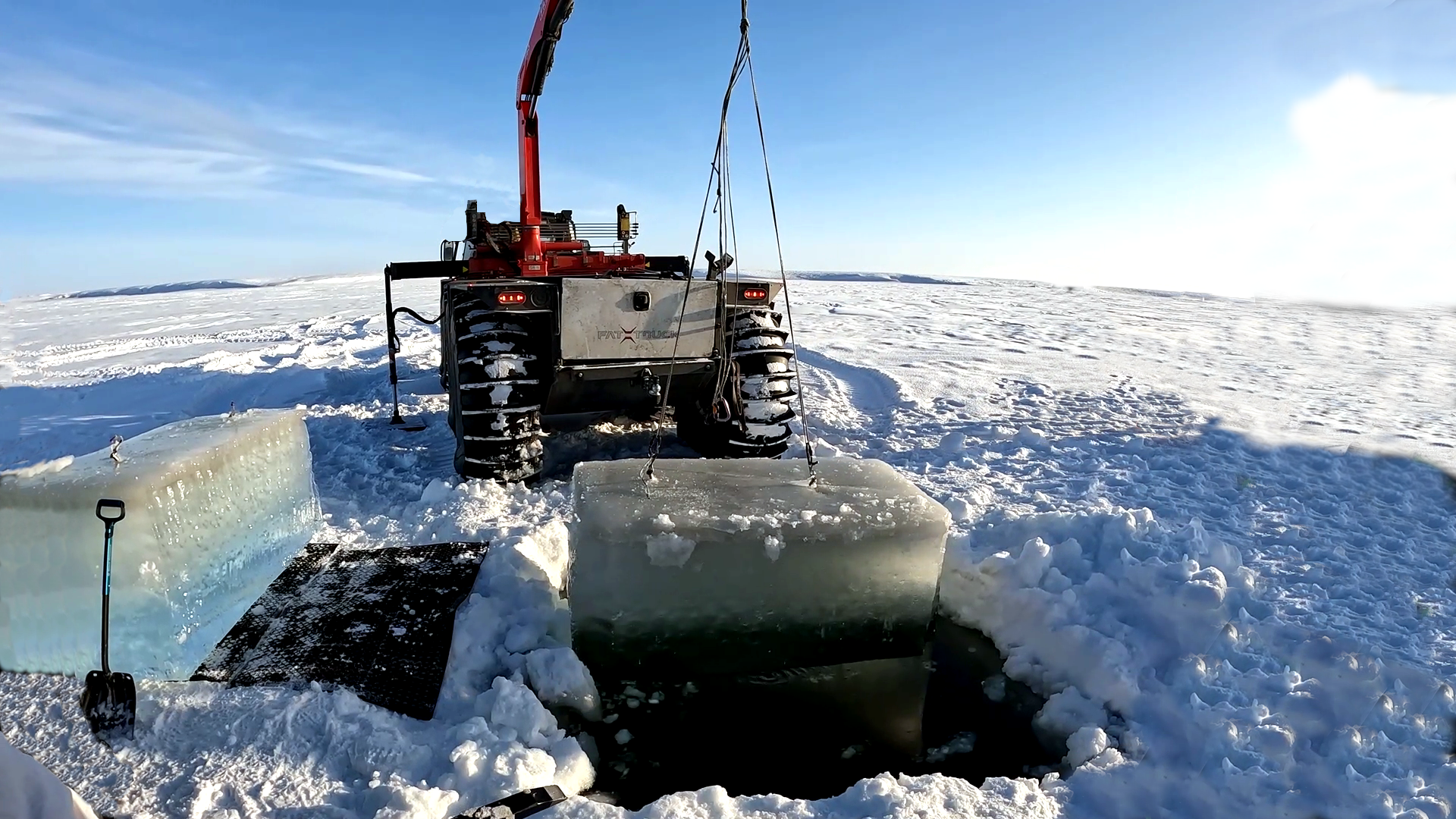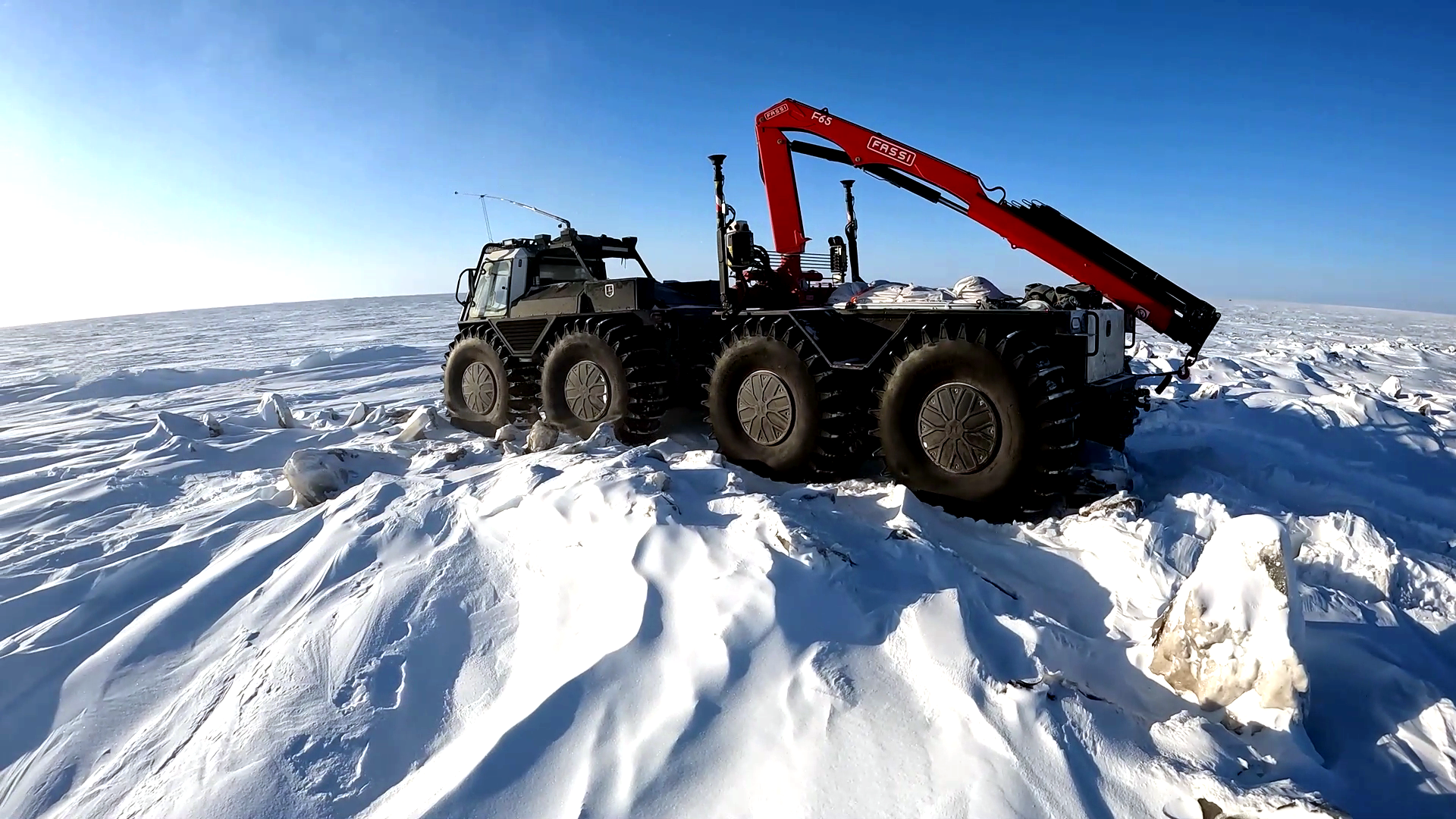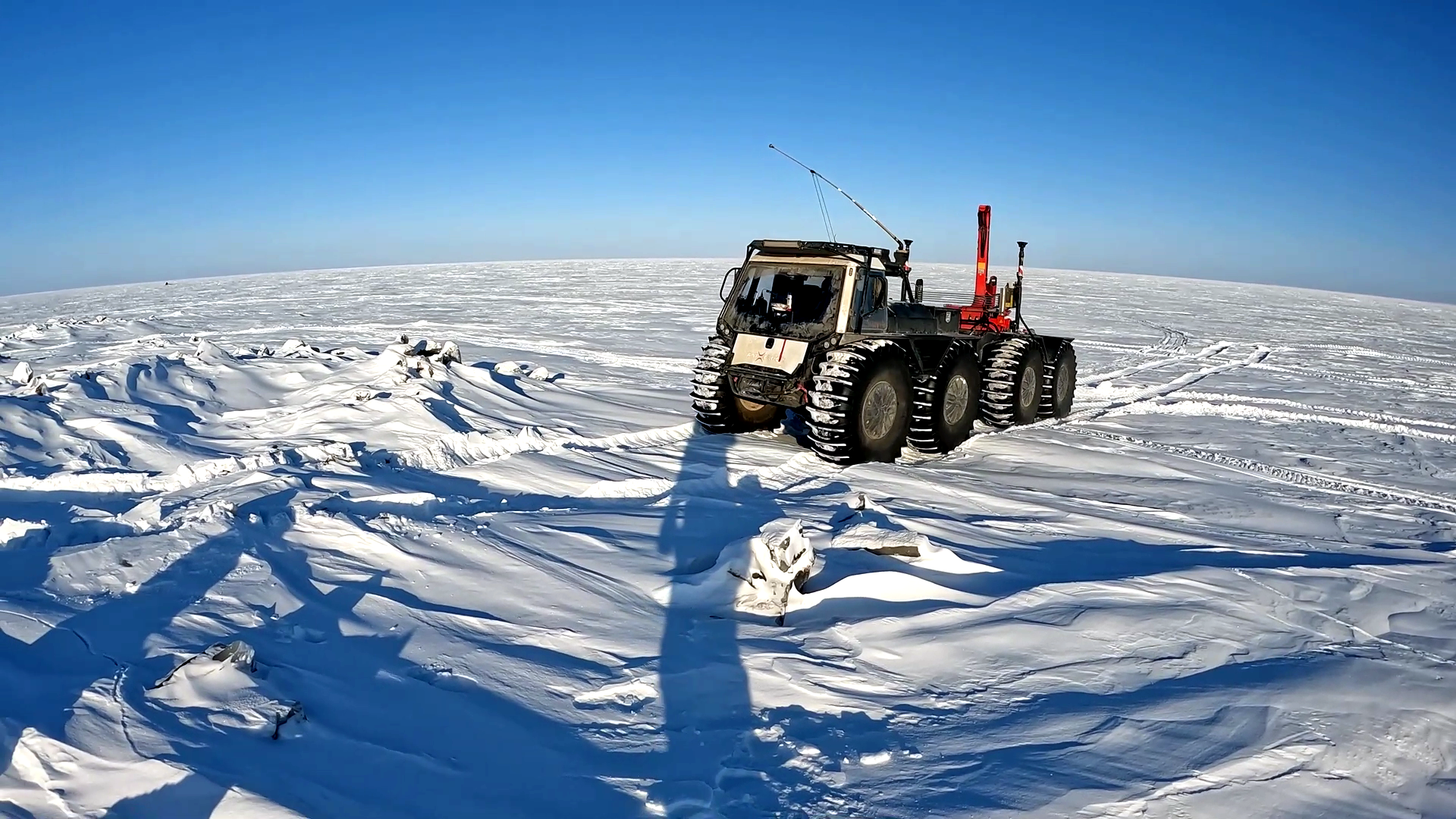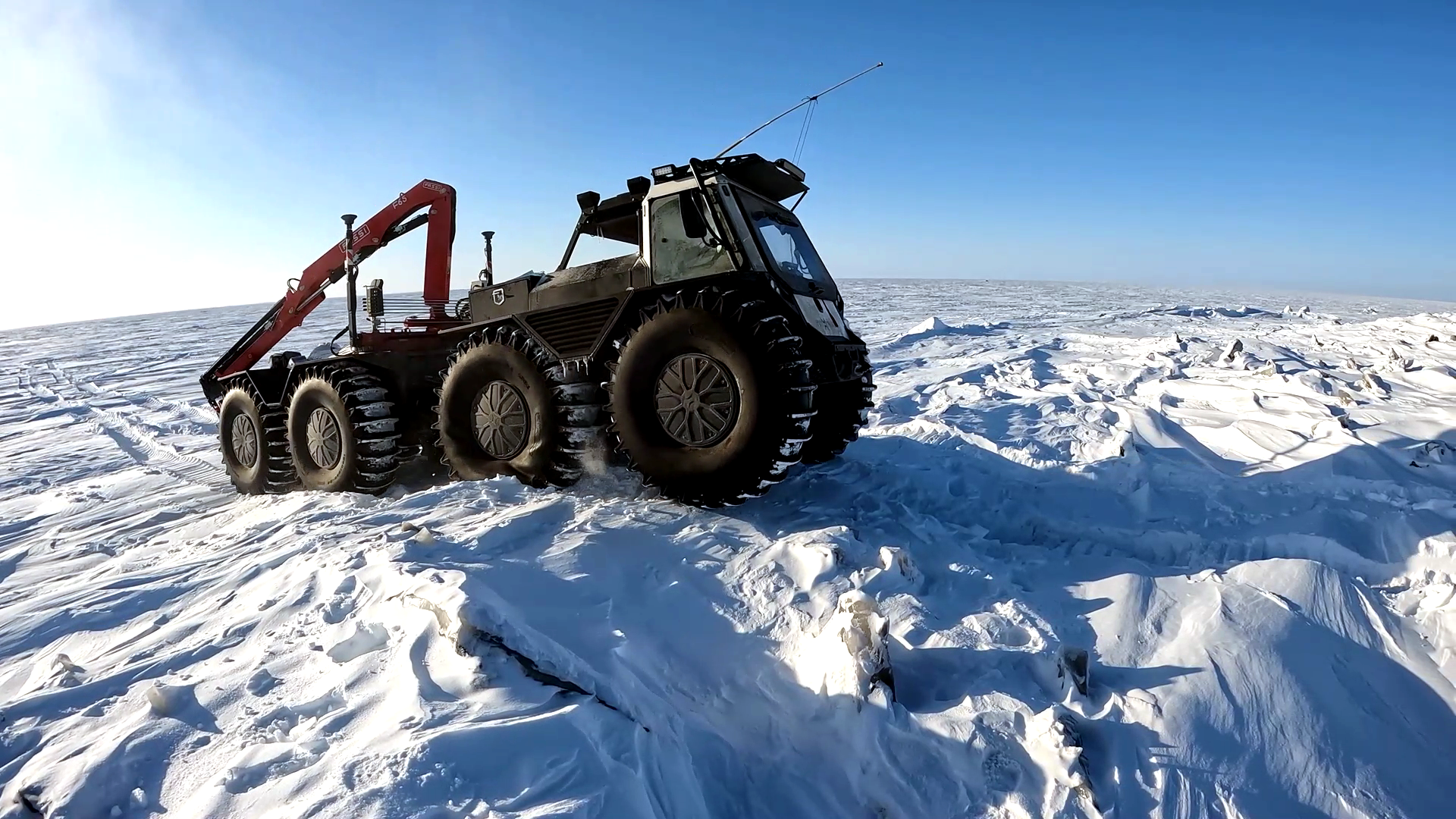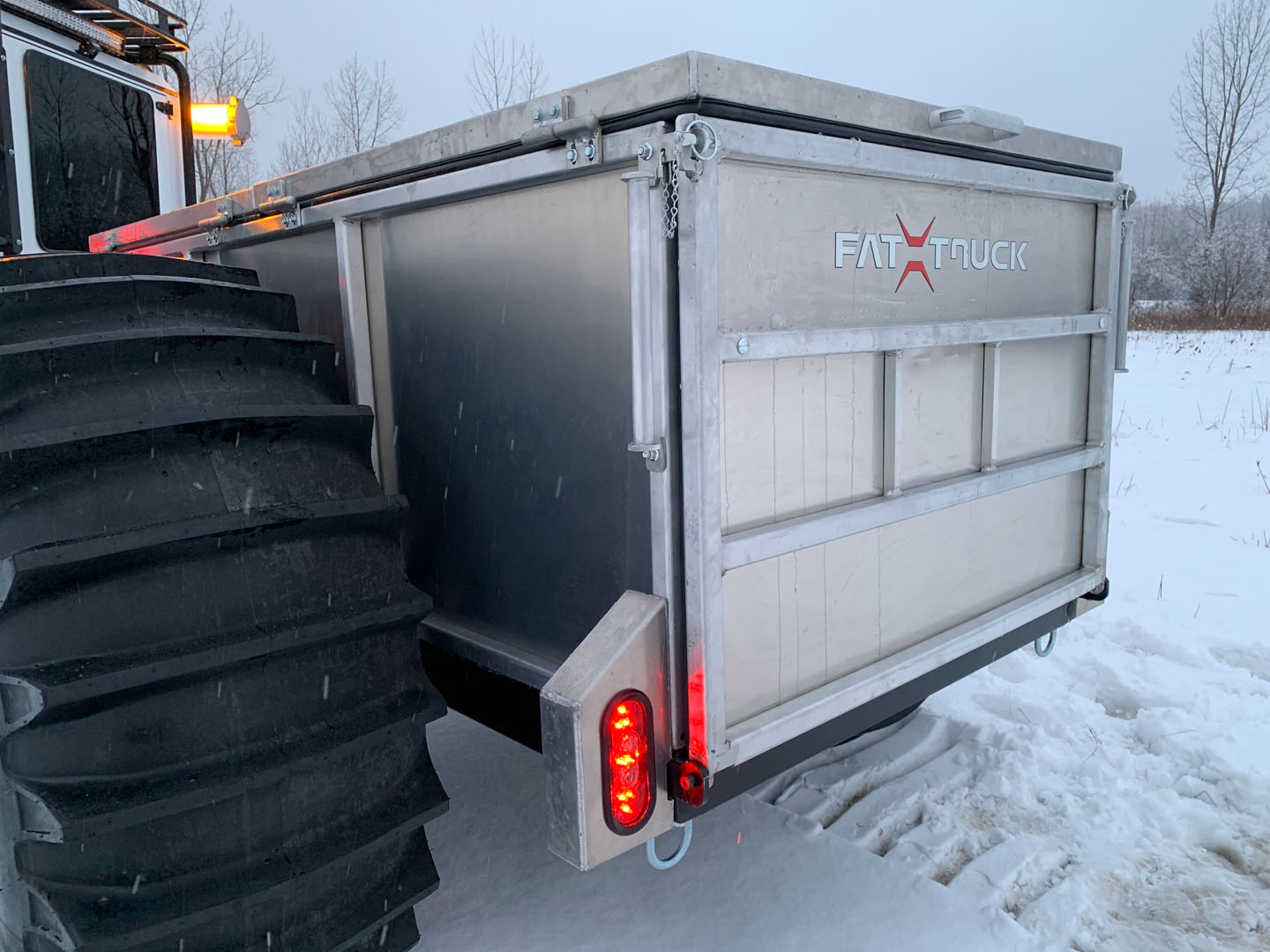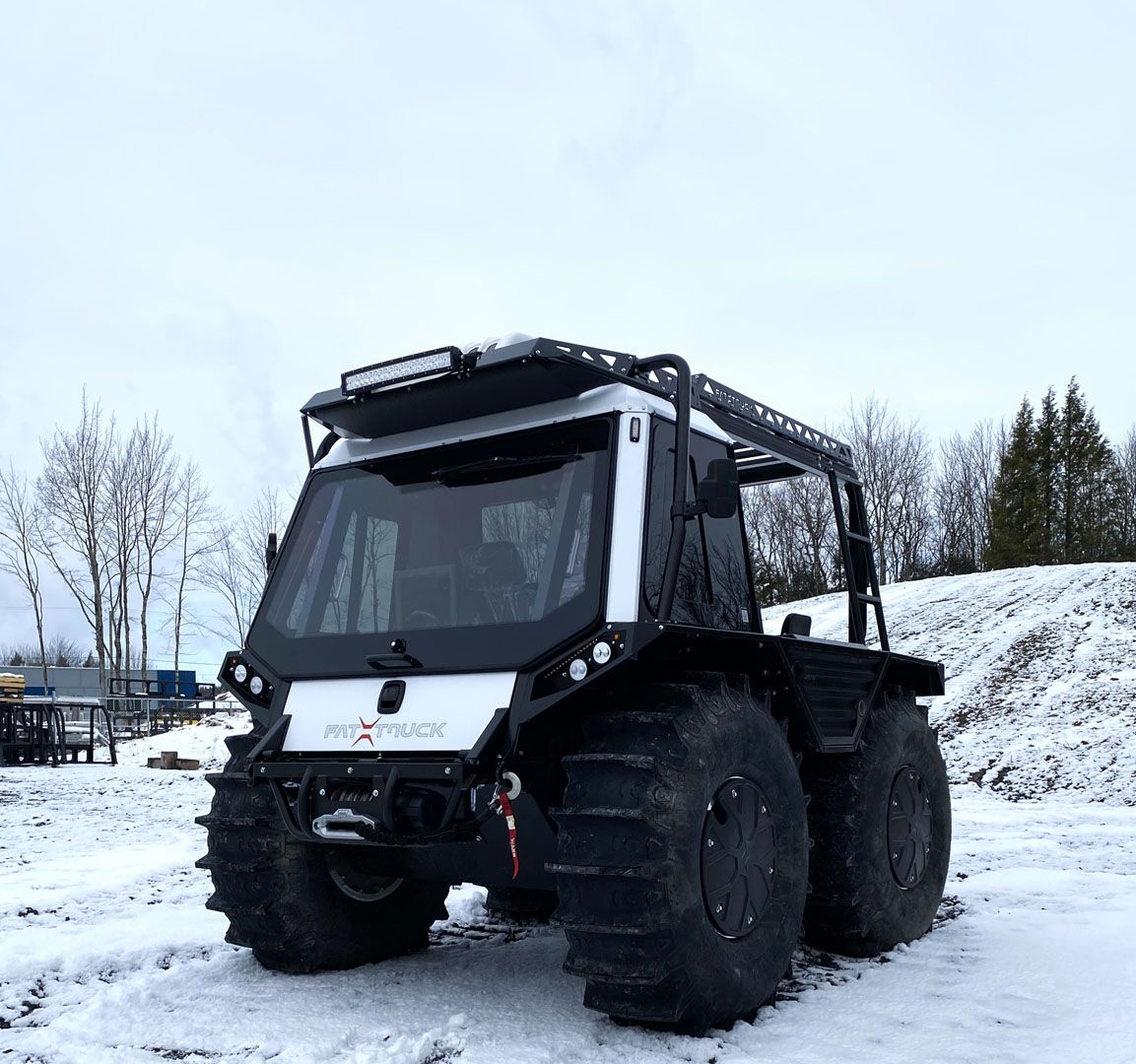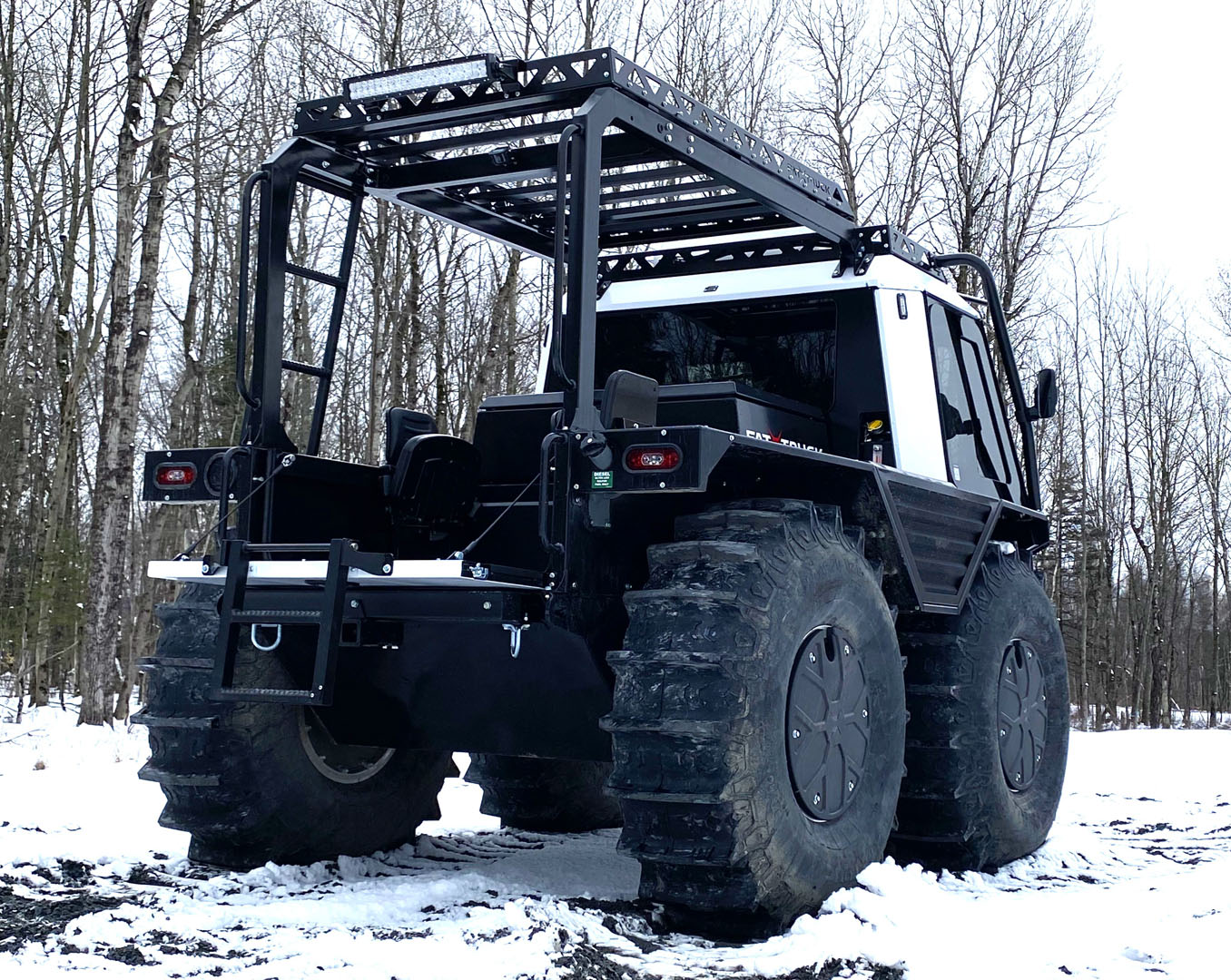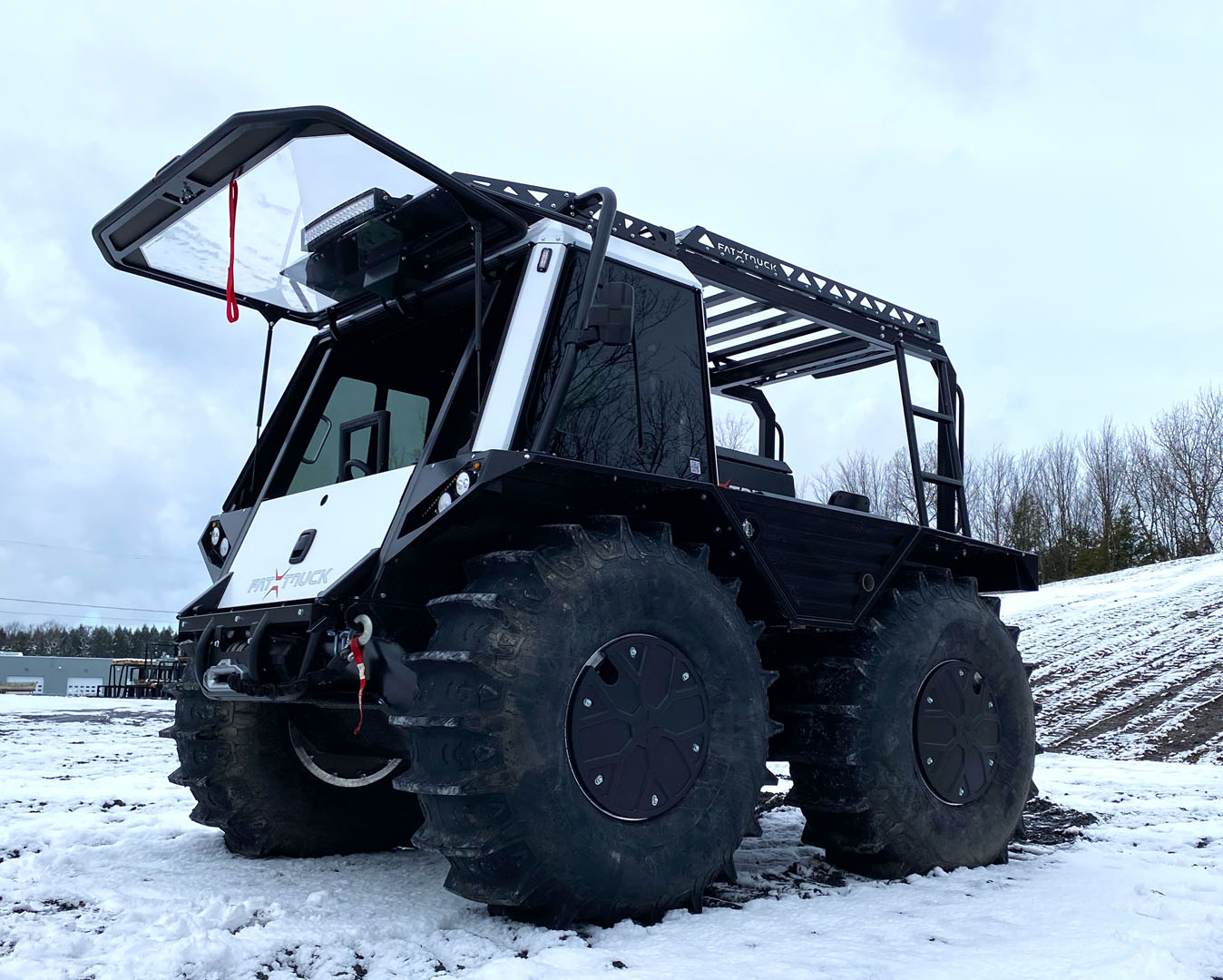
Duty cycles, maintenance intervals, and field-serviceability separate the vehicles that hold up from the ones that don’t
Ask around military and defence procurement circles long enough and you’ll hear the same frustration in different words: equipment that performs well in a spec sheet and a controlled trial often doesn’t hold up once it’s actually deployed. It’s not usually one catastrophic failure. It’s the accumulation of small ones, a seal that wasn’t rated for the temperature swing, a component that needs a specialist to replace instead of a field technician, or a maintenance interval that assumes conditions the vehicle will never actually see.
For procurement officers and program directors, the real question isn’t “does this vehicle work?”. It’s “does this vehicle keep working, on schedule, in the conditions we’re actually going to put it in?” That’s a different evaluation, and it calls for different questions during the RFP and trial process.
Start with the duty cycle, not the brochure
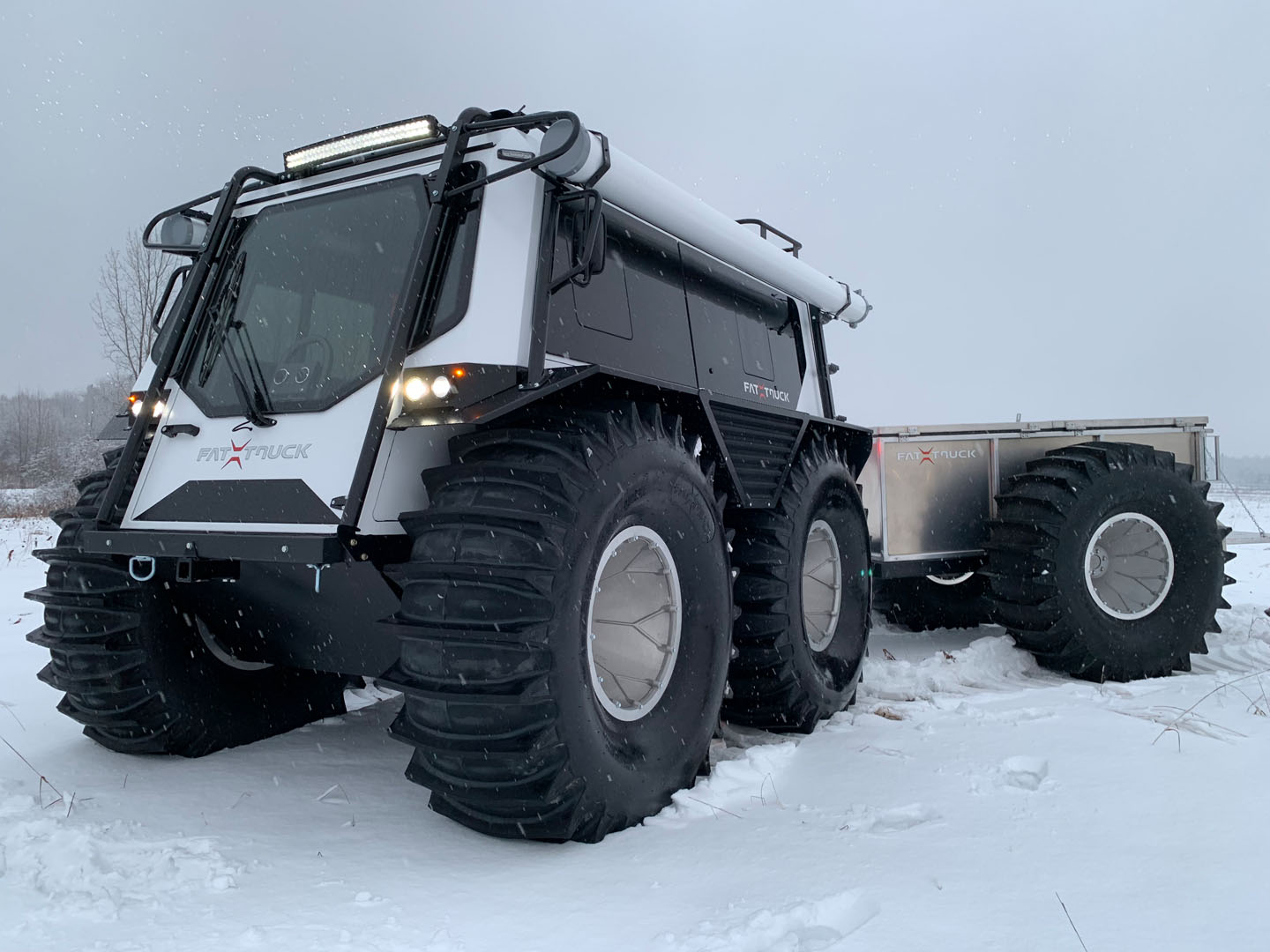
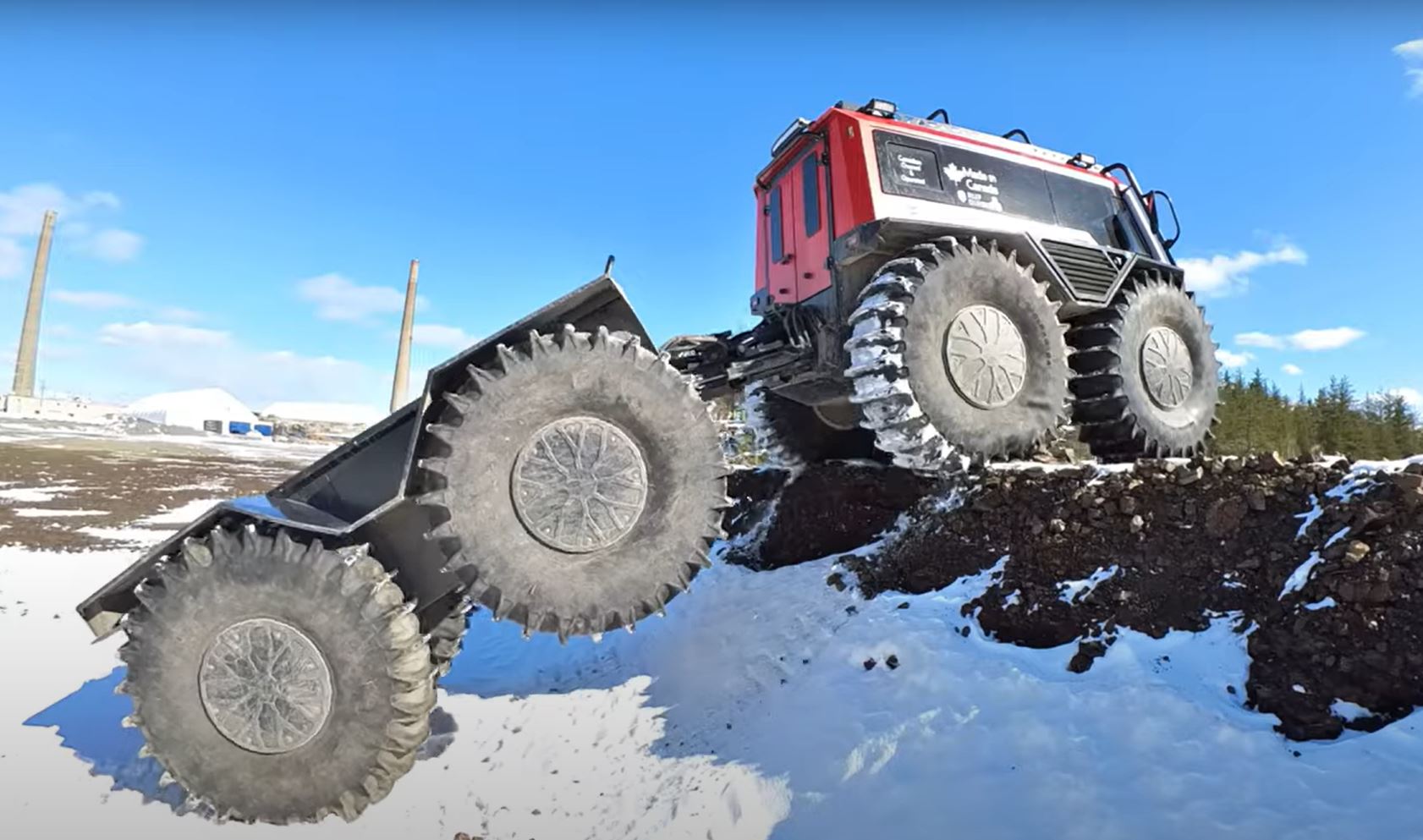
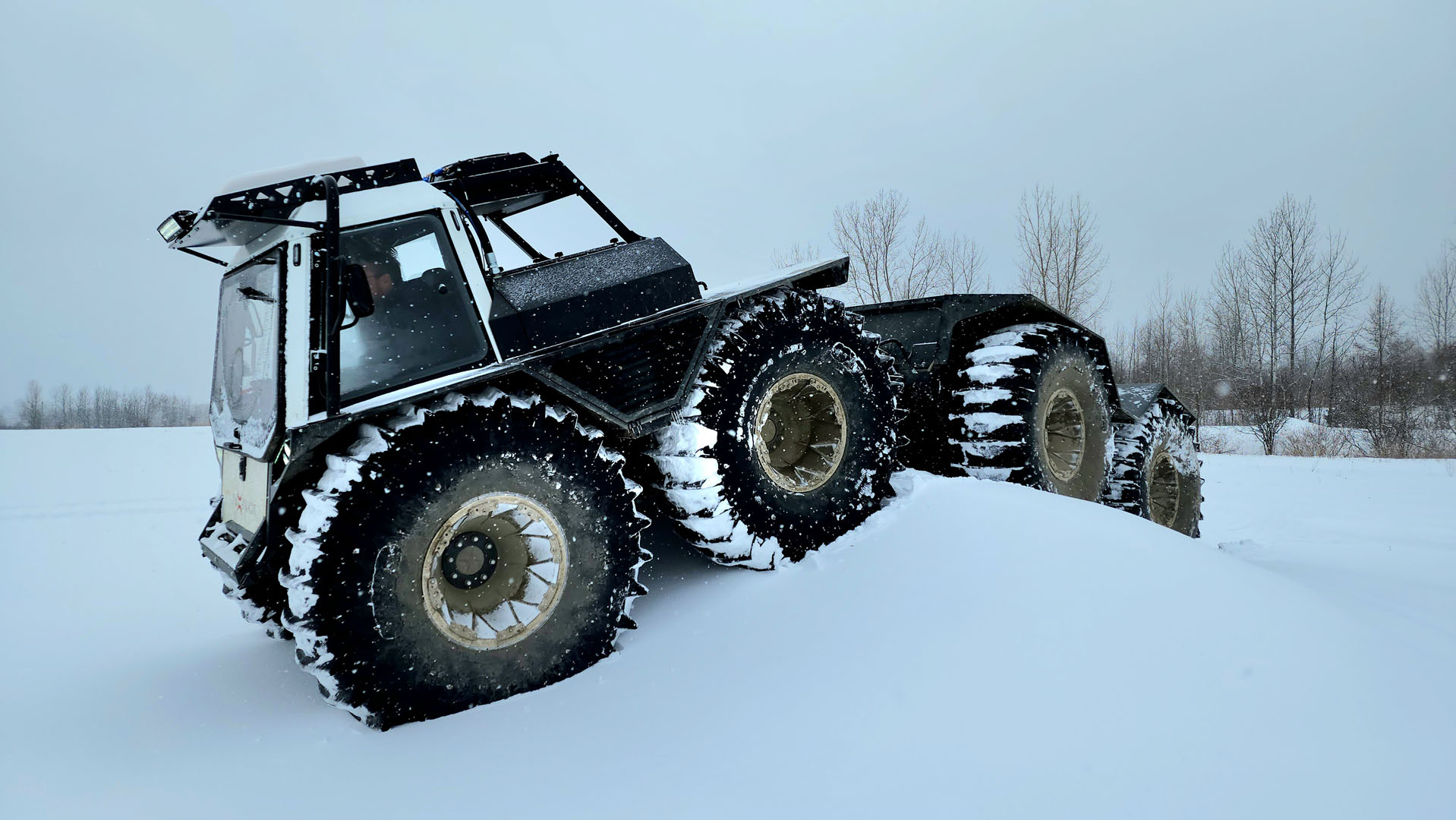
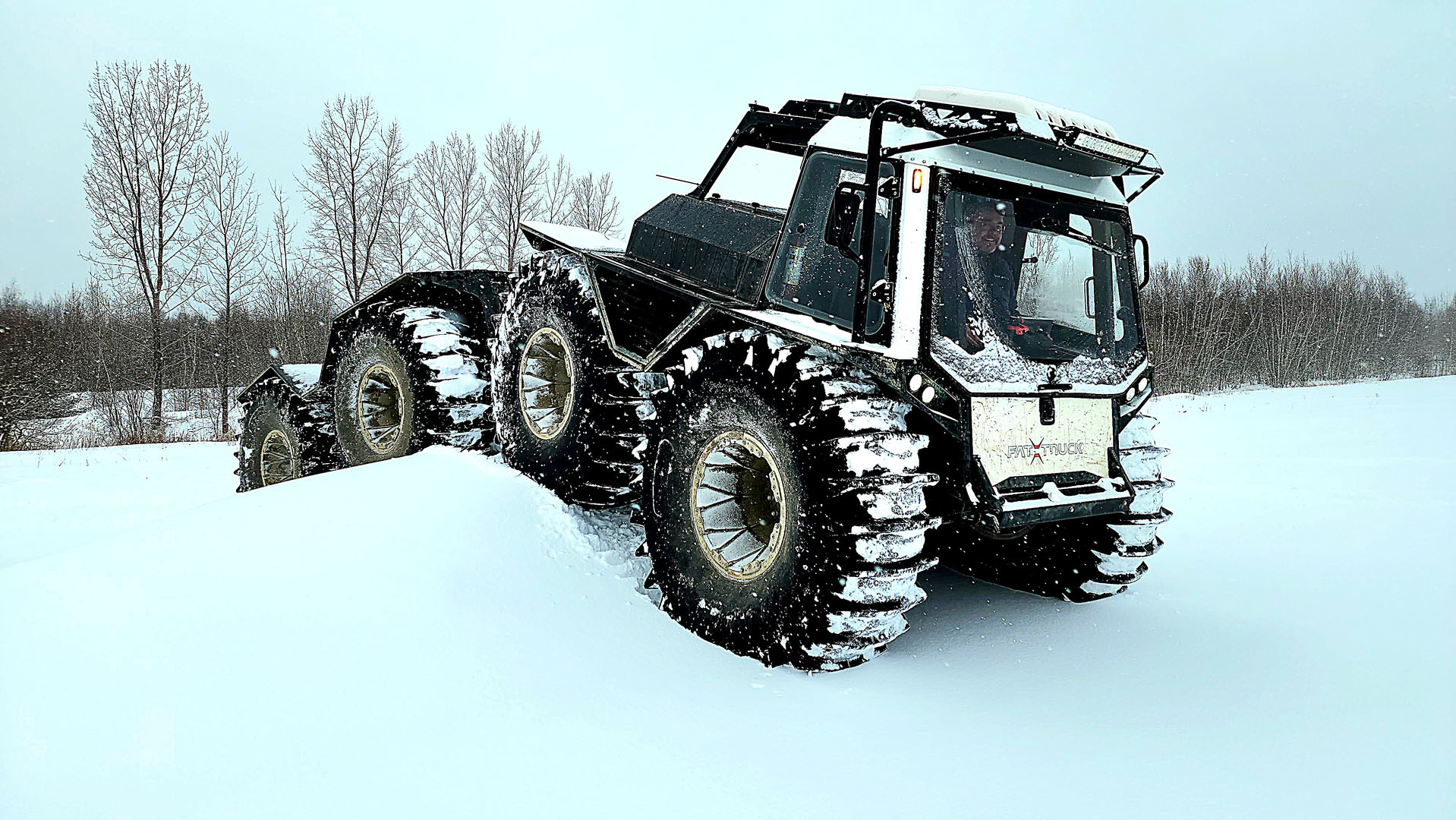
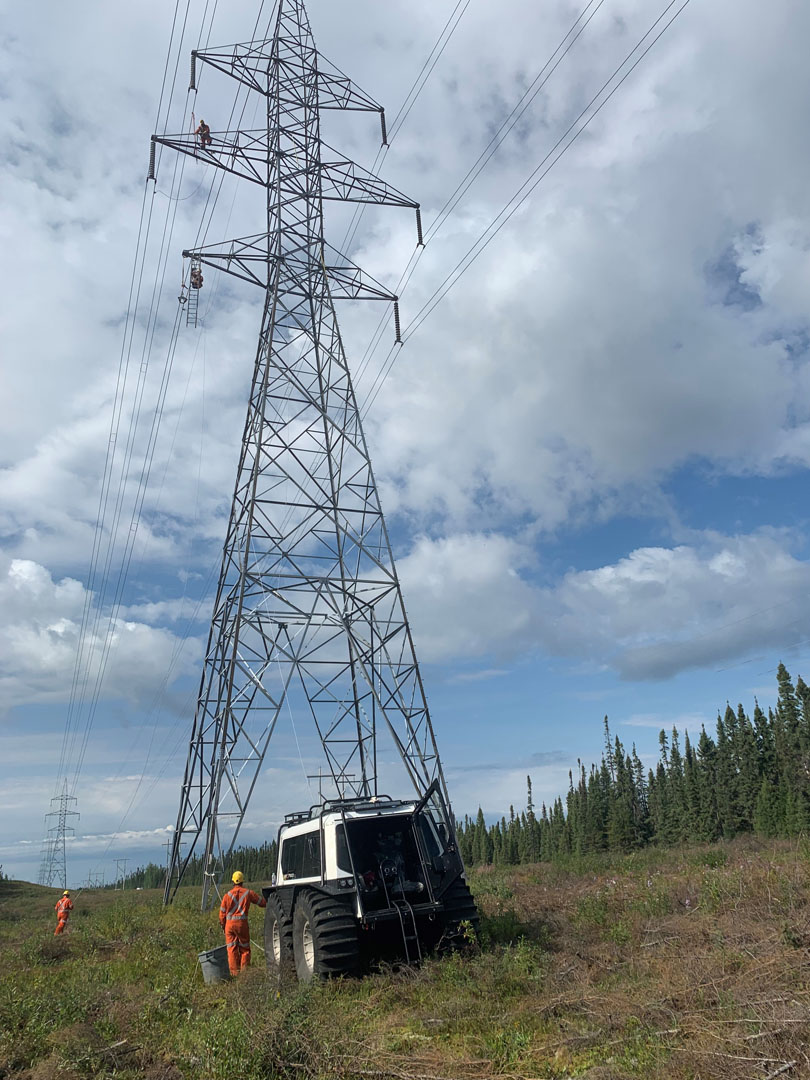
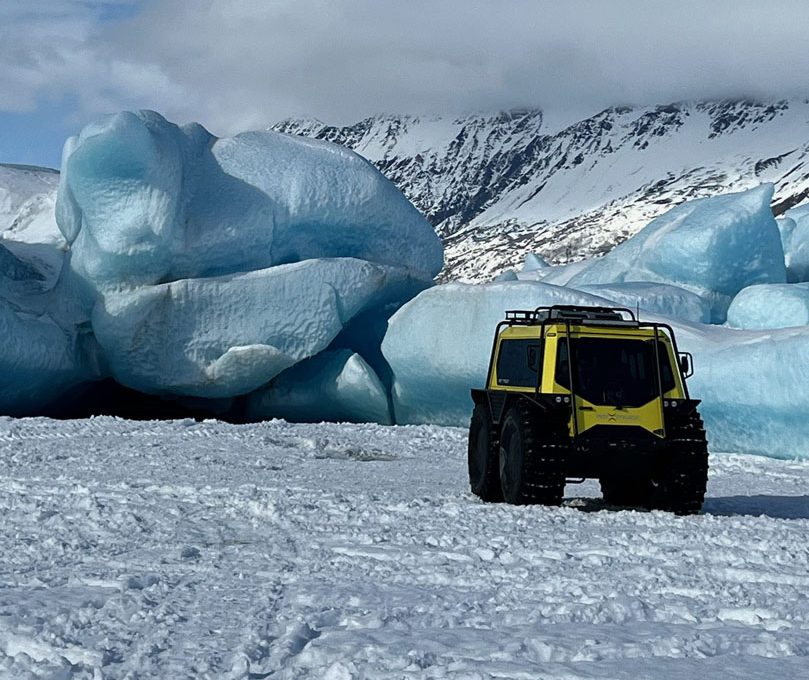
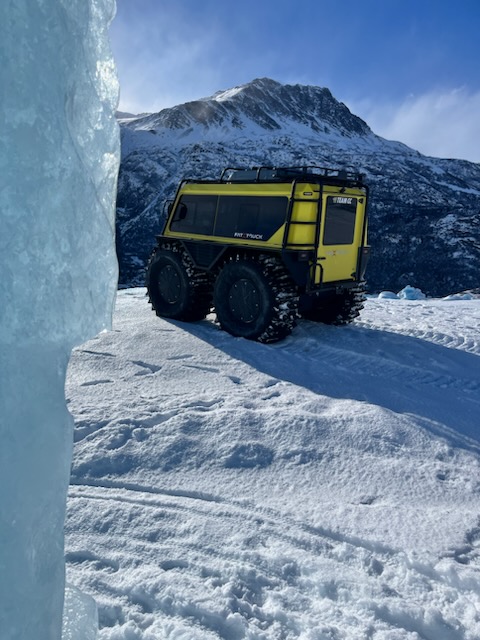
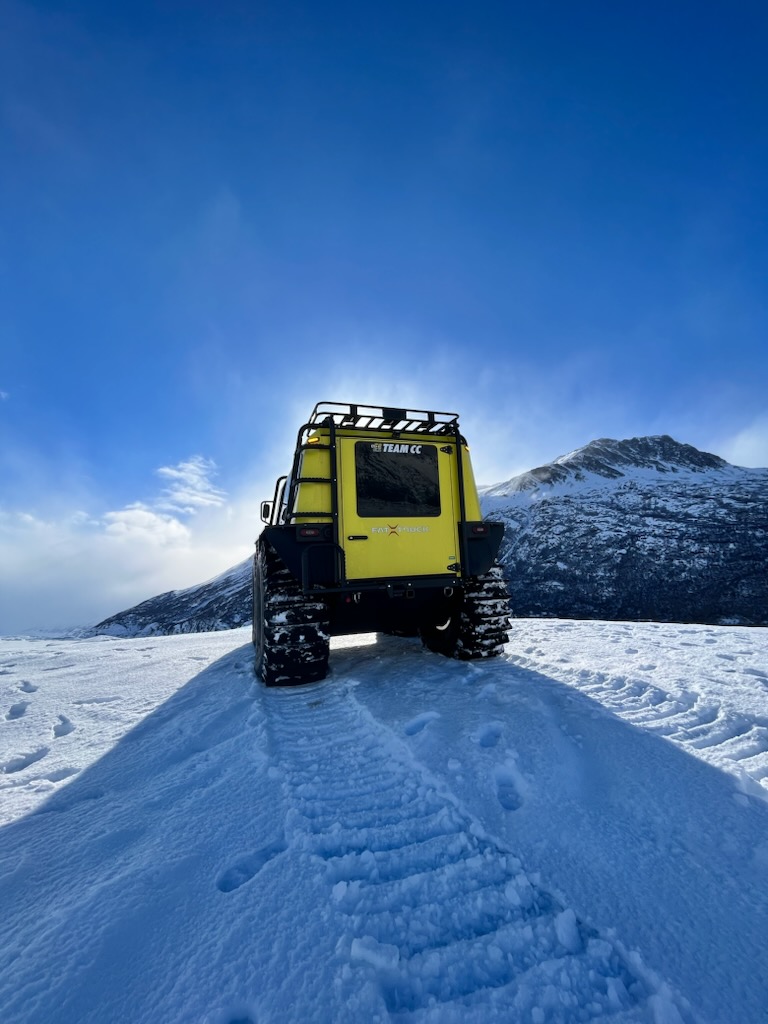
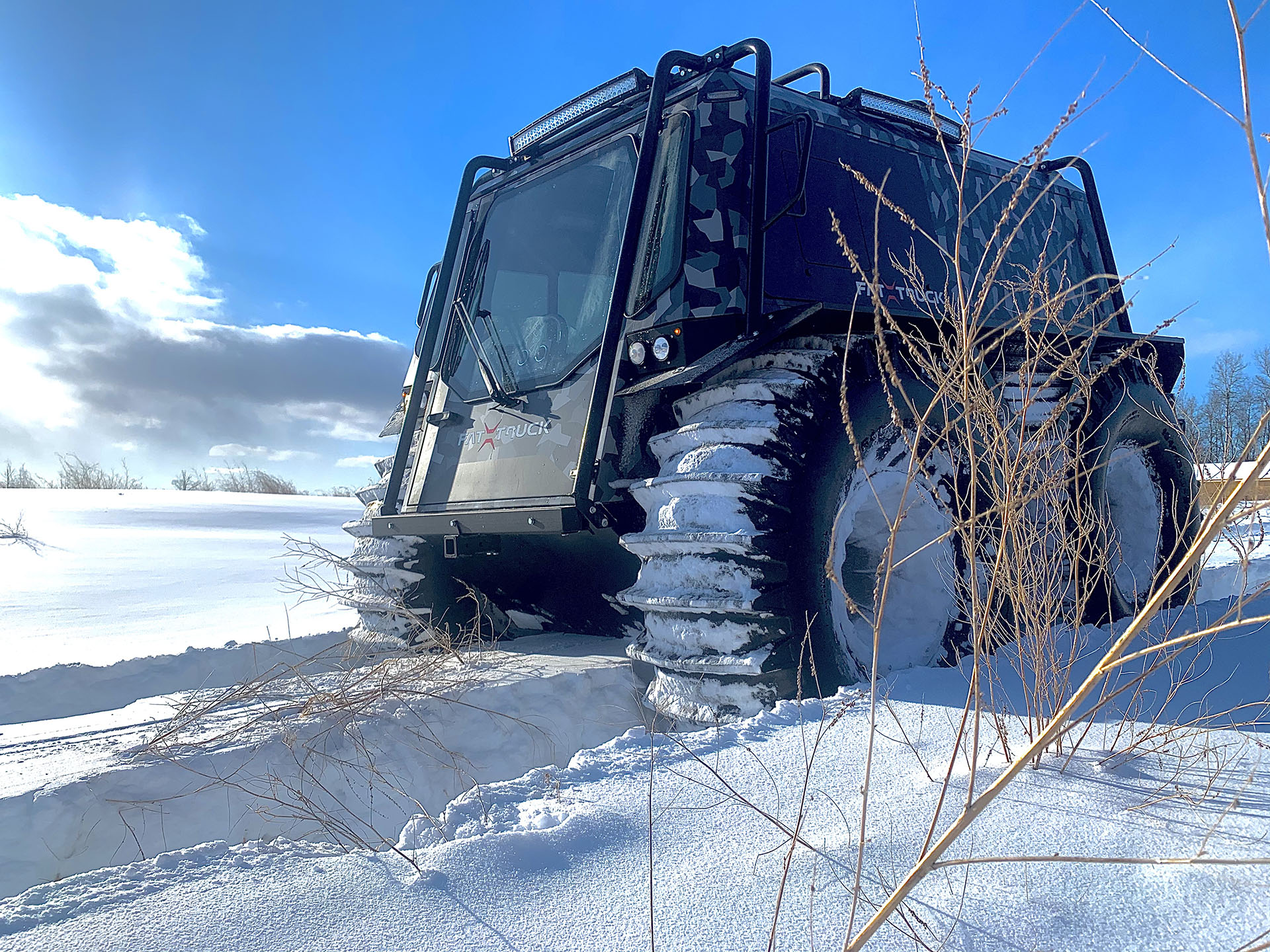
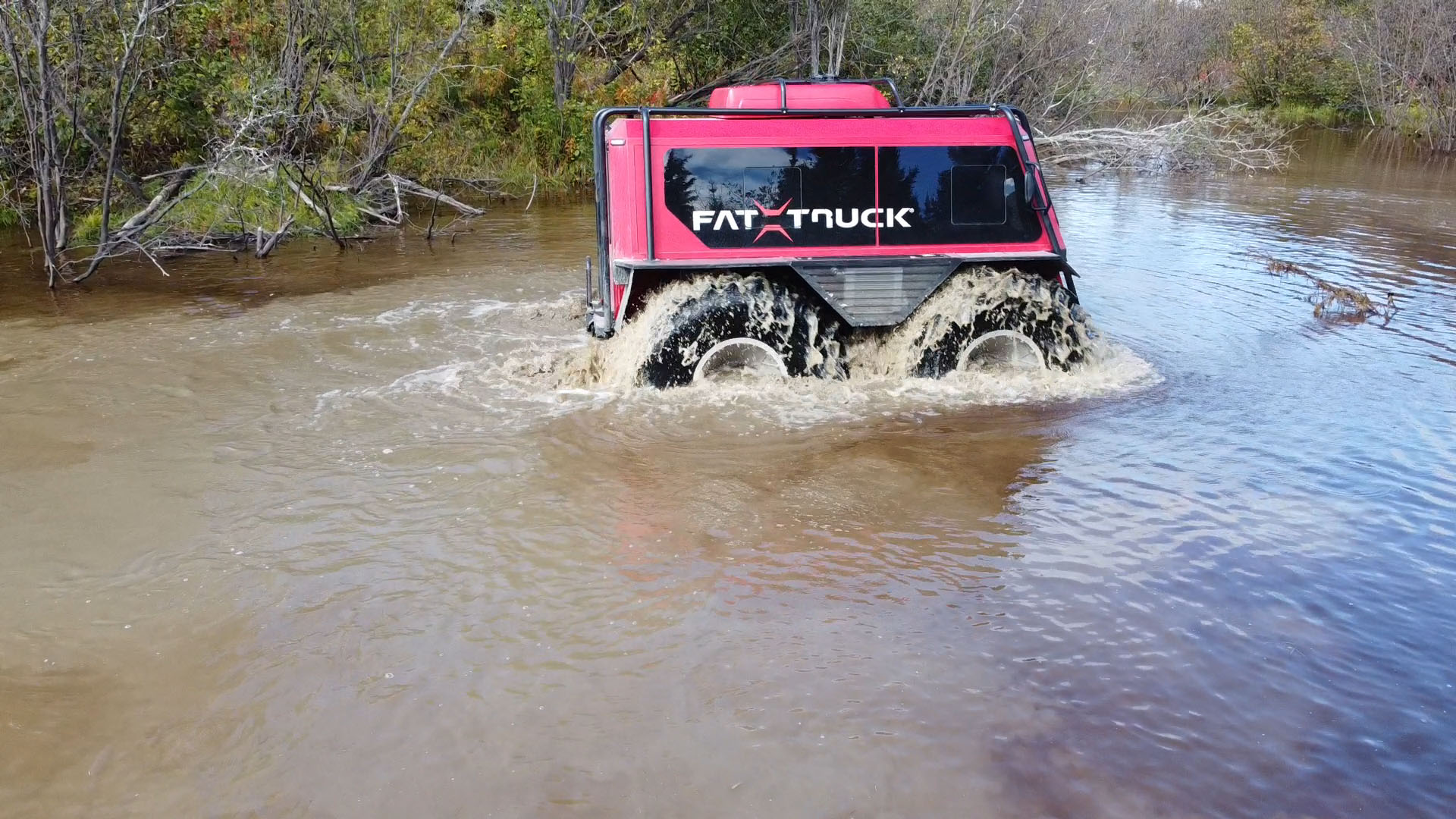
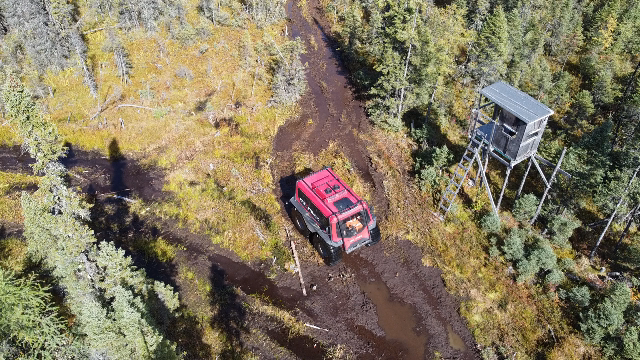
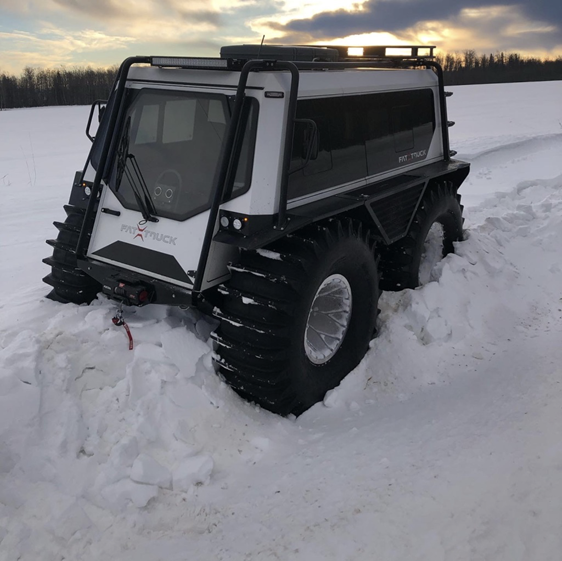
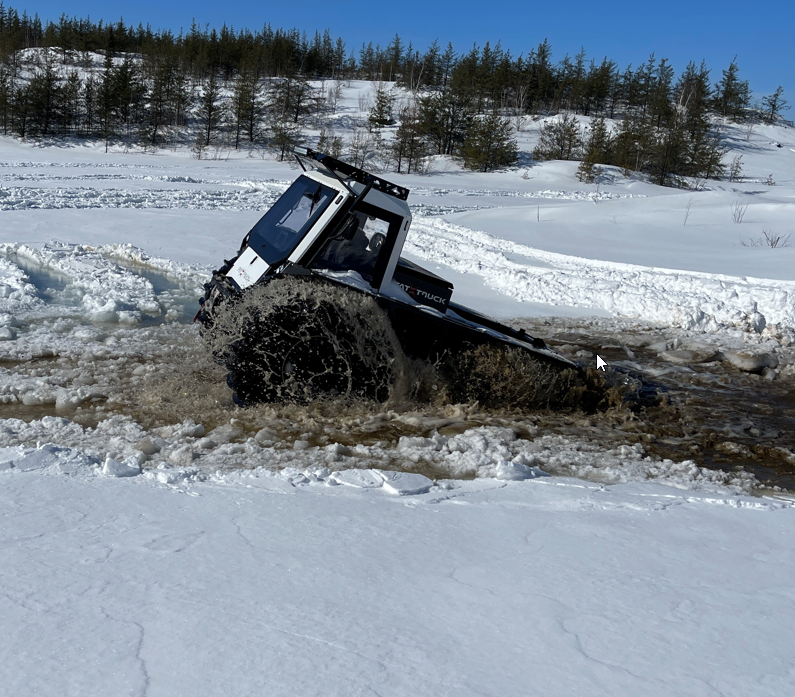
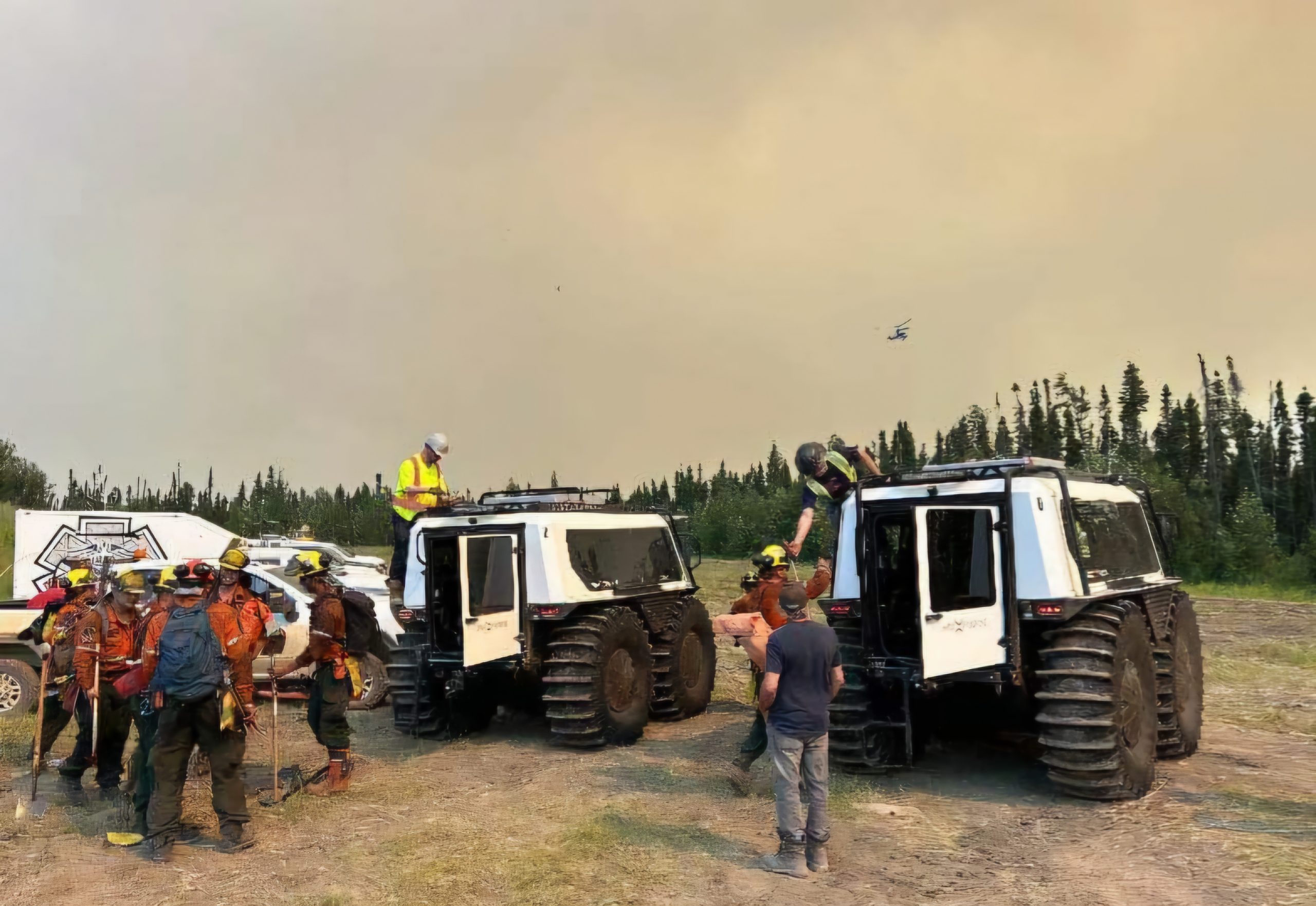
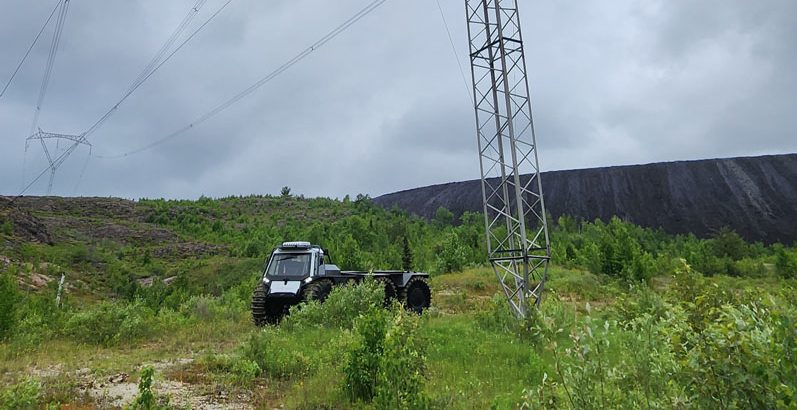
Every vehicle has a designed duty cycle; the combination of load, terrain, temperature range, and operating tempo it was engineered around. Problems start when a vehicle is deployed outside that envelope. A platform built and tested primarily for temperate climates and predictable terrain will show its weaknesses fast in sustained sub-zero operations or extended off-road use on tundra and muskeg.
Before evaluating any vehicle, procurement teams should ask for the actual tested operating range (not the marketing range) including cold-start performance, sustained low-temperature operation, and documented field data from comparable deployments. If a manufacturer can’t produce that data, that’s information in itself.
Maintenance intervals: theoretical vs. field-realistic
A maintenance schedule built around ideal shop conditions and predictable access to parts doesn’t translate to a forward operating environment. The questions worth asking during procurement:
- What’s the mean time between required maintenance under field conditions, not lab conditions?
- Which components require certified specialists versus a trained field technician with a standard toolkit?
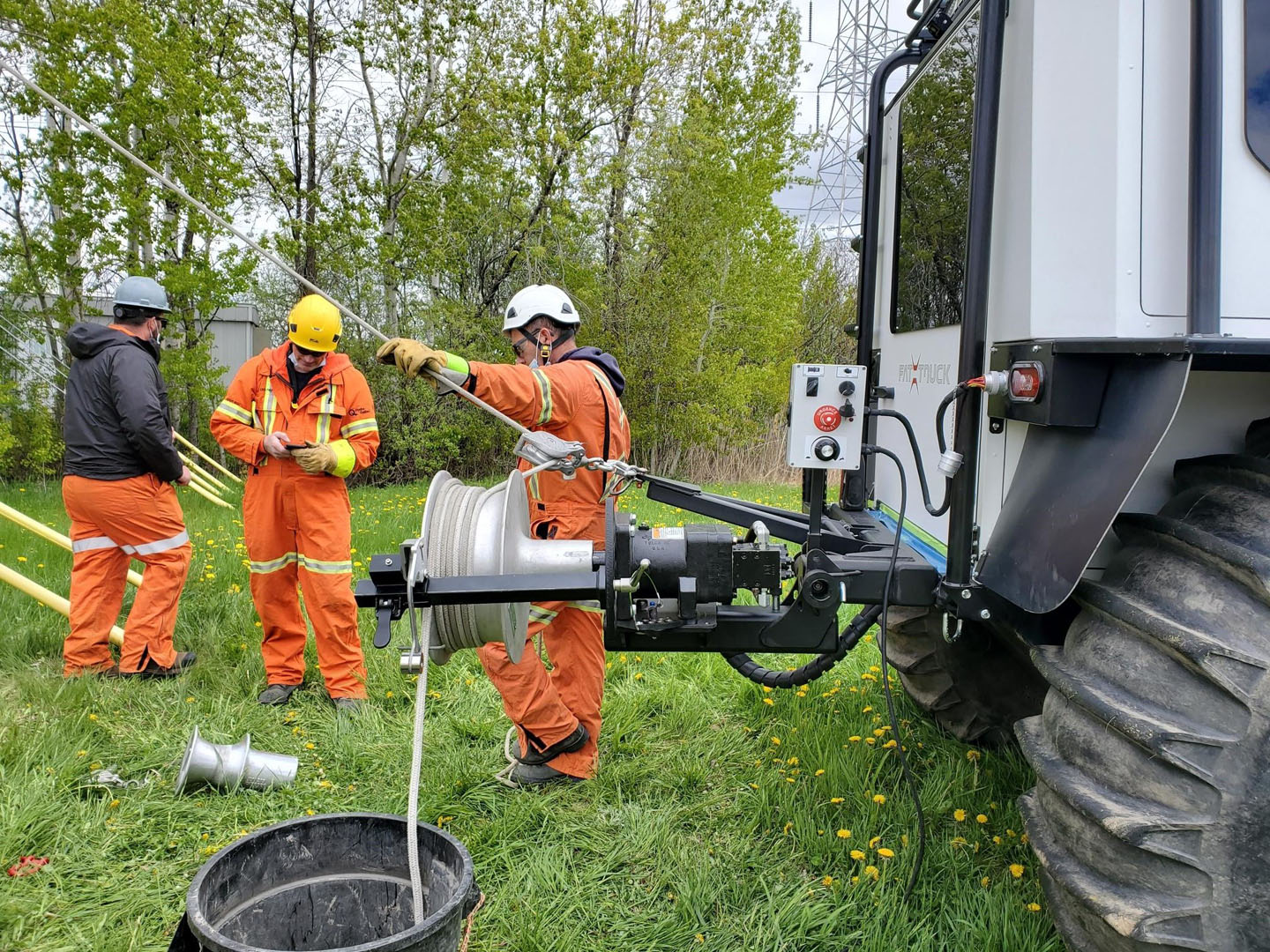
- How much of the vehicle’s critical maintenance can be performed without evacuating it from the field?
Vehicles designed with field-serviceability as a core requirement, rather than an afterthought, tend to hold up better over a deployment lifecycle, simply because minor issues get fixed before they become major ones.
Integration with existing fleets
Reliability problems compound when a new platform doesn’t integrate cleanly with existing logistics, parts inventory, and training pipelines. A vehicle that requires an entirely separate supply chain, a specialized fuel type, or a training program that doesn’t build on existing operator skills introduces risk that has nothing to do with the vehicle’s mechanical design but affects reliability all the same. A broken vehicle waiting on a part that isn’t stocked anywhere nearby is functionally the same as a vehicle that failed outright.
What to build into the RFP
Based on where reliability gaps tend to show up, procurement teams evaluating extreme-terrain platforms should request:
- Documented cold-weather and sustained-load test data, not just top-line specs
- A breakdown of field-serviceable vs. specialist-required maintenance items
- Parts commonality with existing fleet inventory where possible
- Third-party or independent reliability data, not only manufacturer-reported figures
Reliability isn’t a single attribute you can check off a spec sheet, it’s the sum of a lot of unglamorous engineering decisions made long before a vehicle reaches the field. Asking the right questions during procurement is how you find out which platforms made those decisions well.
Built to Keep Working, Not Just Work
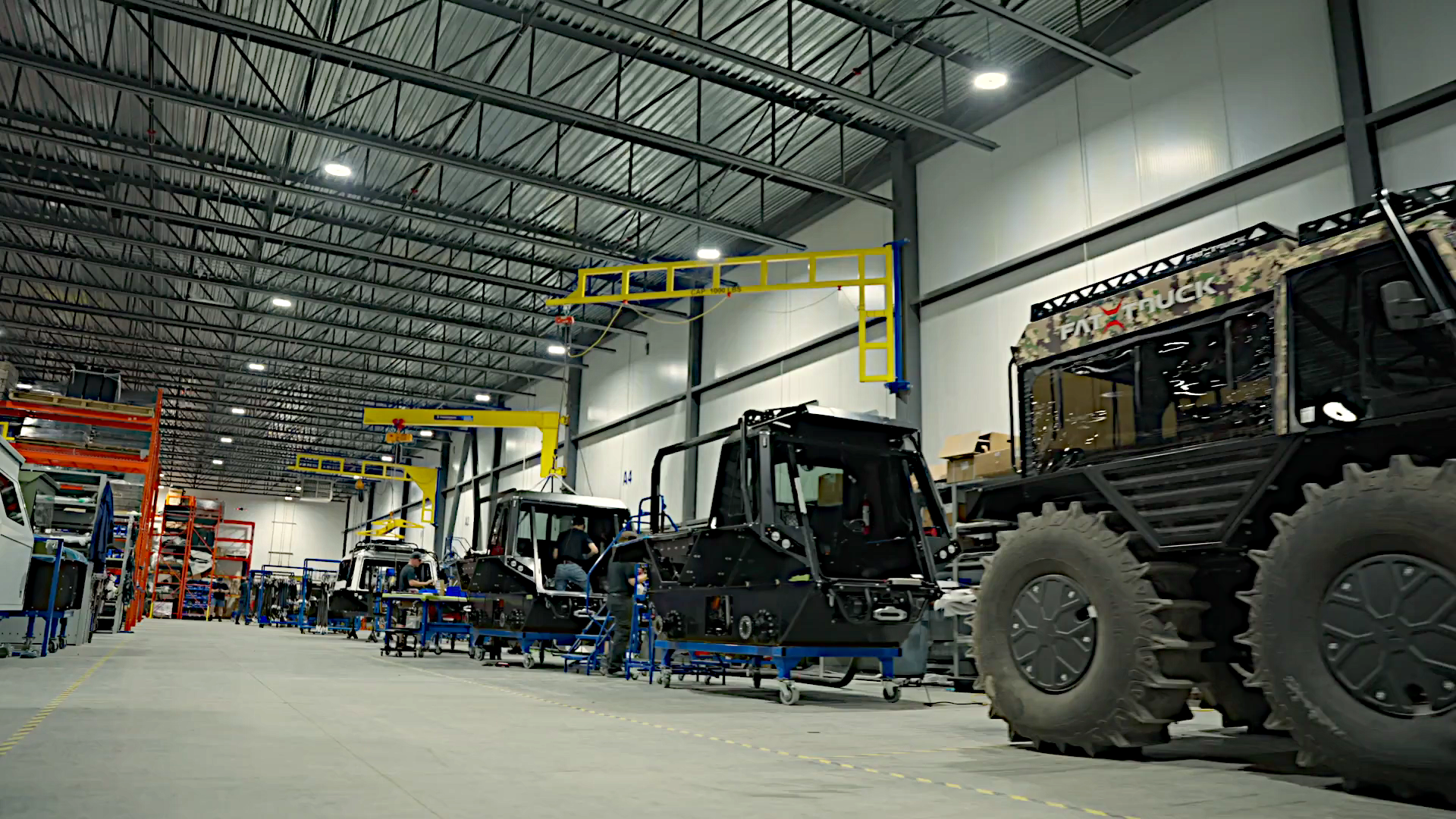
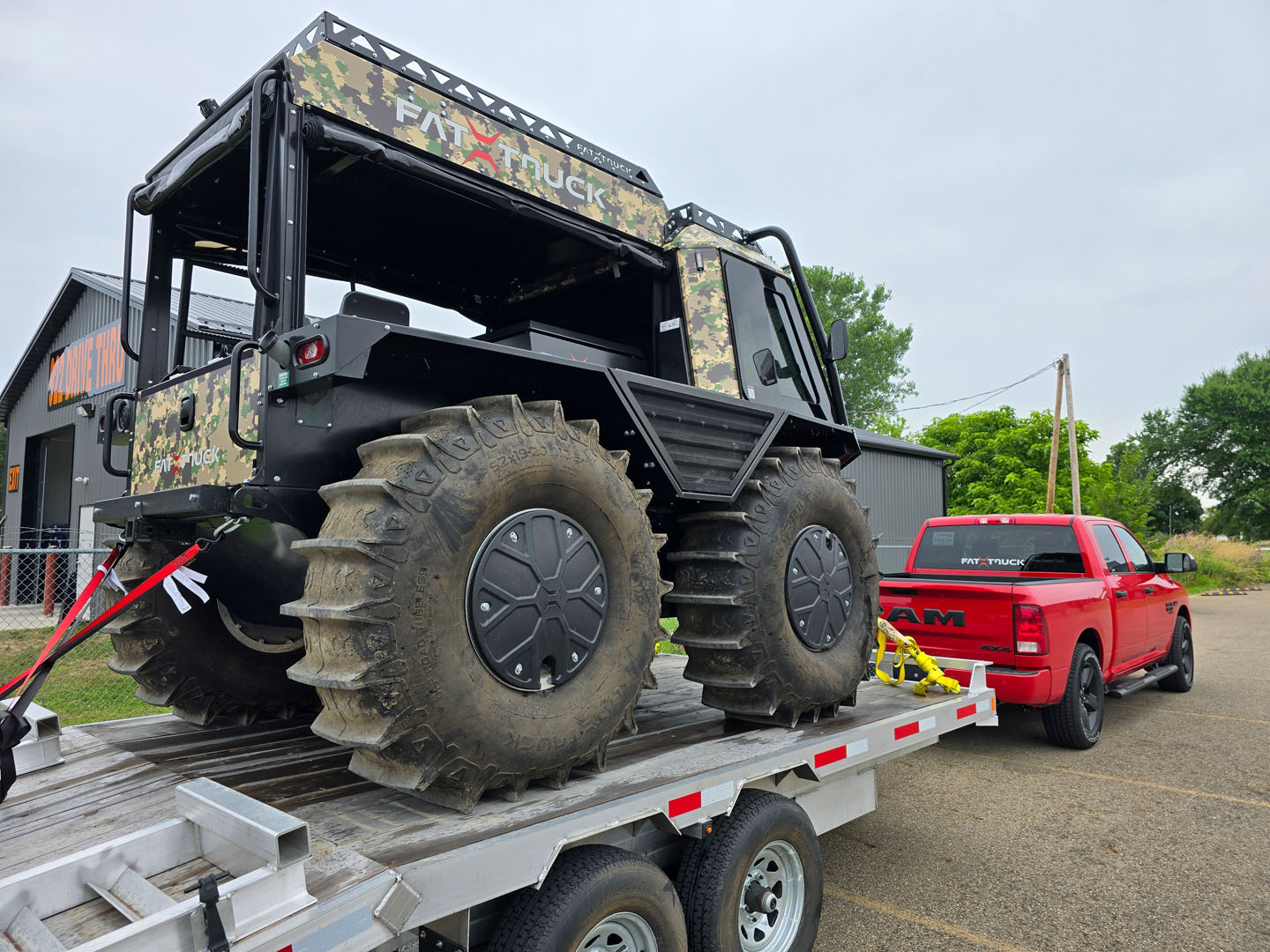
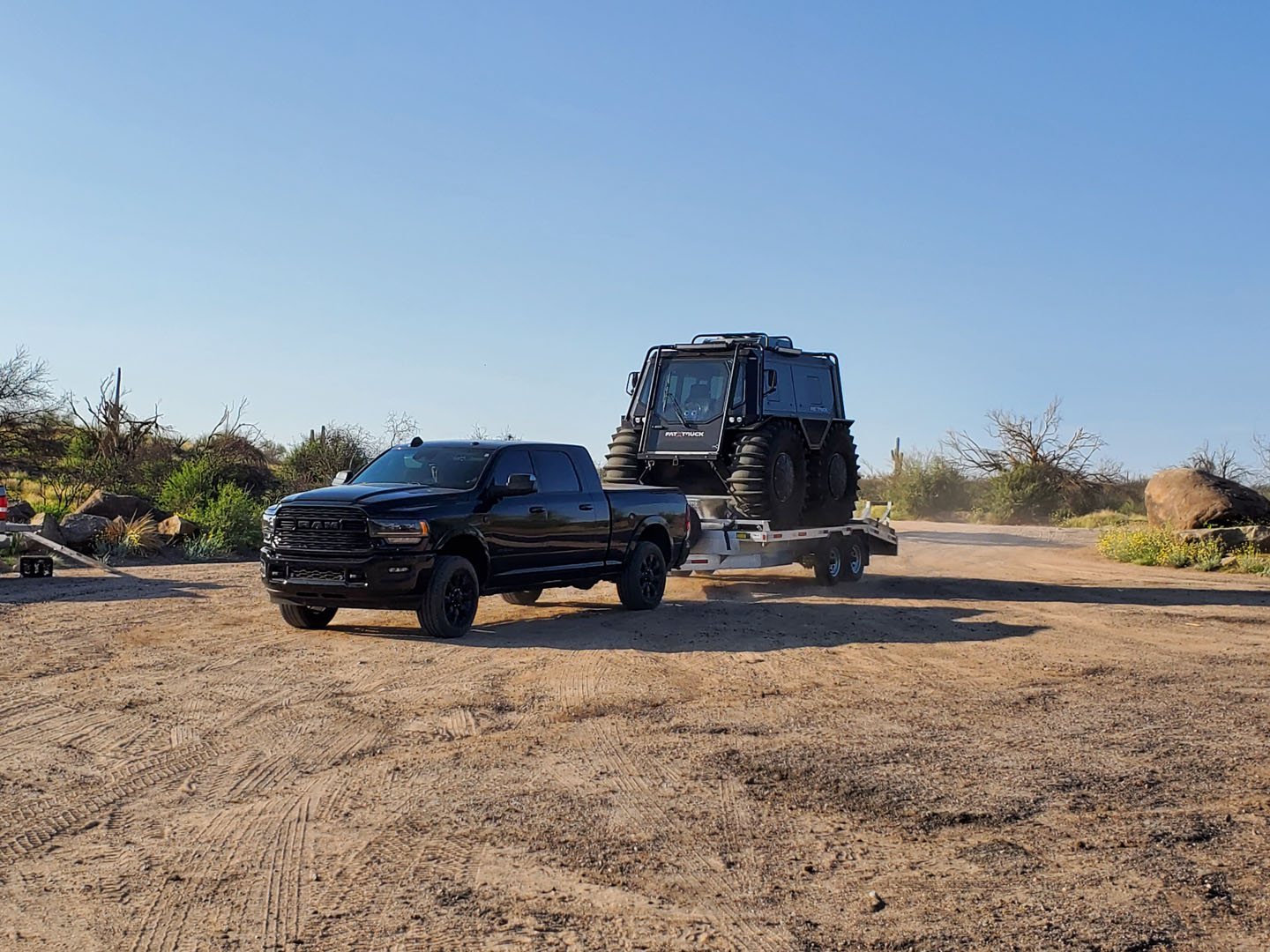
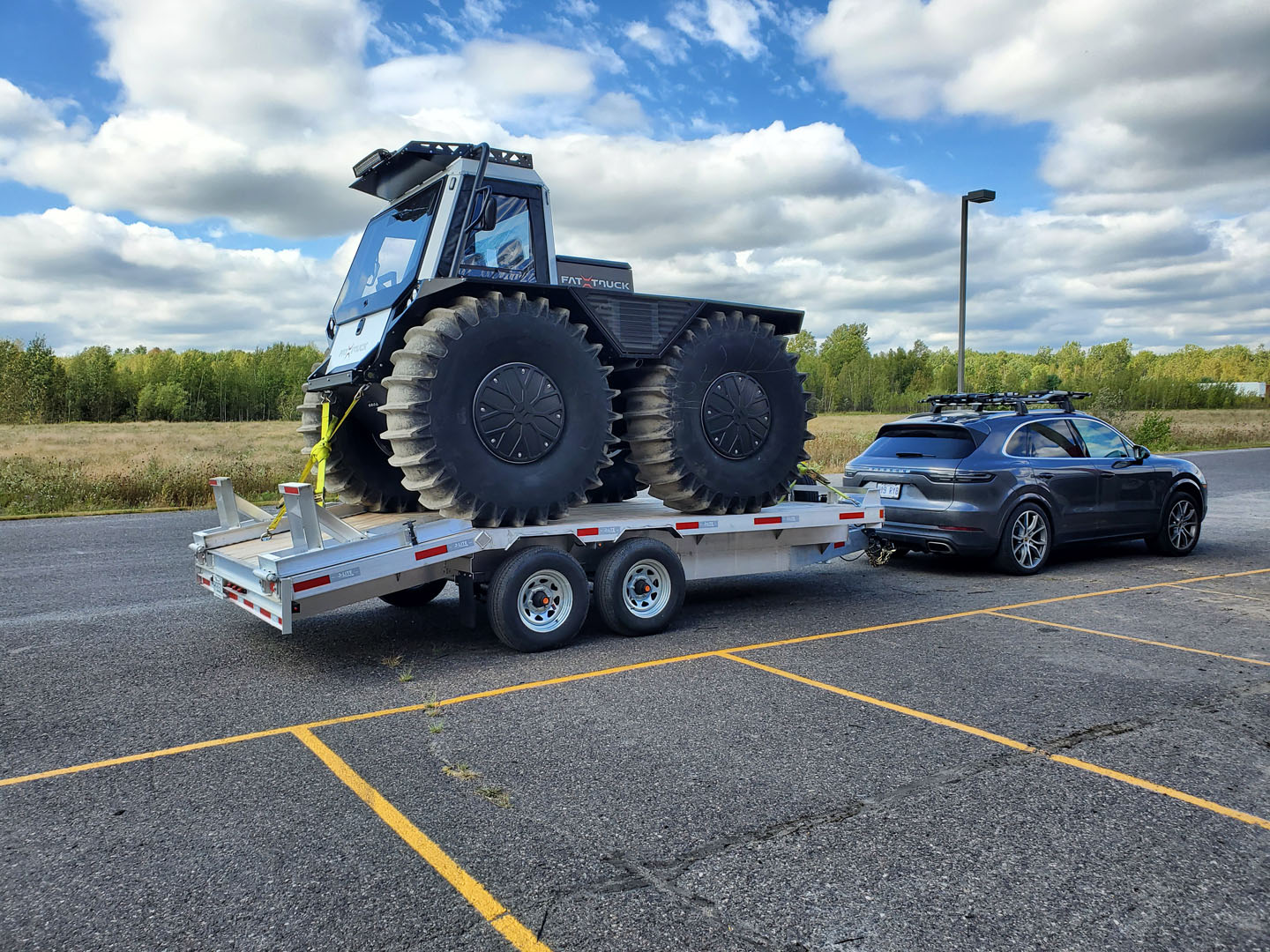
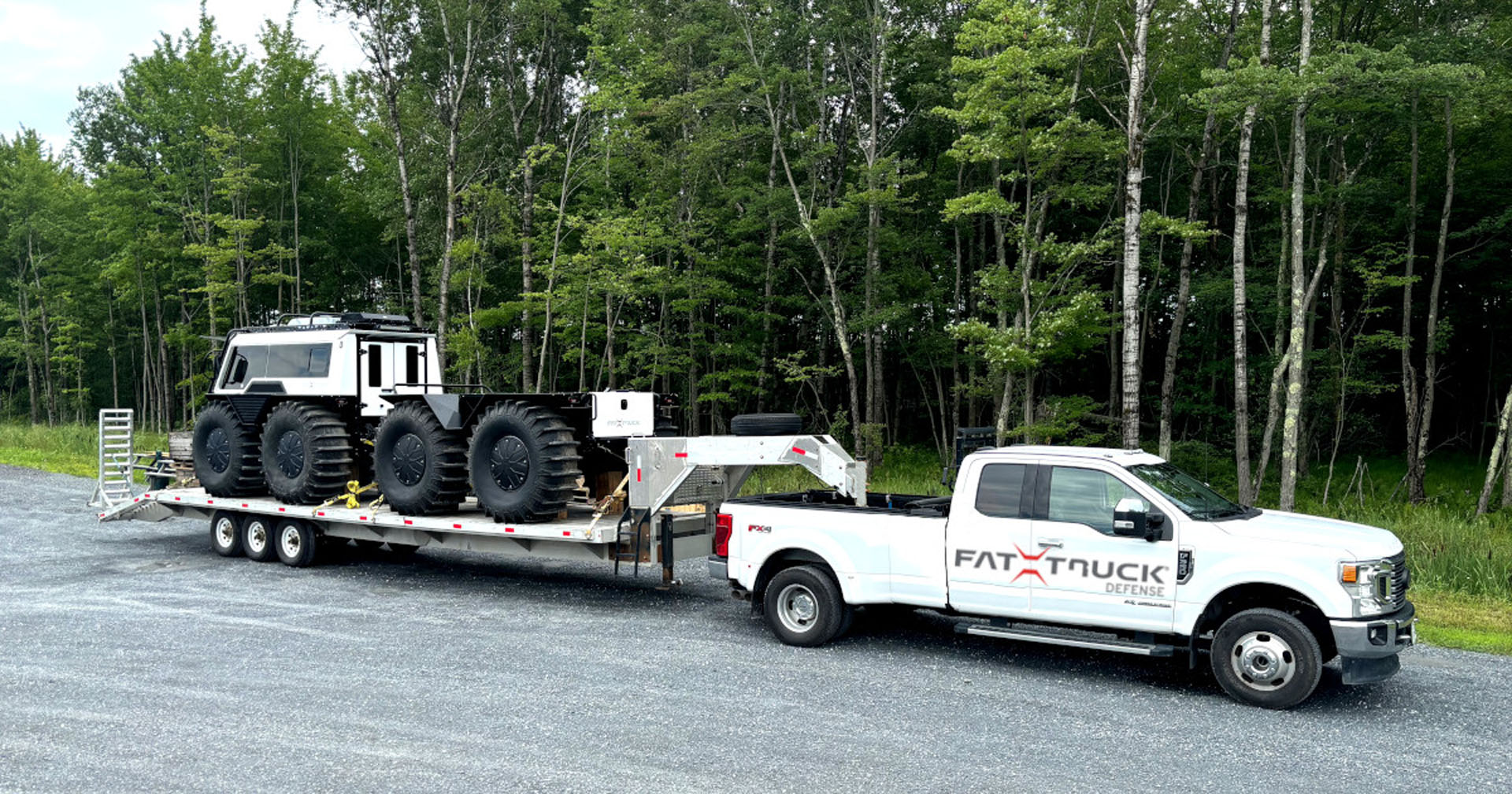
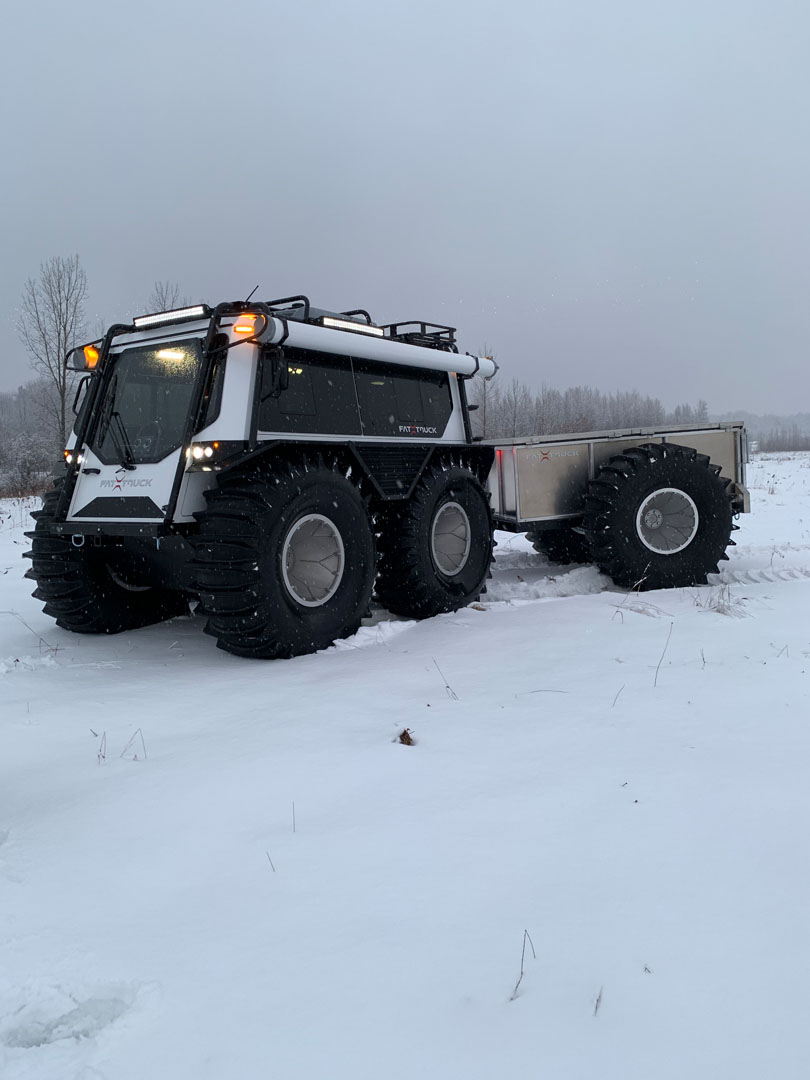
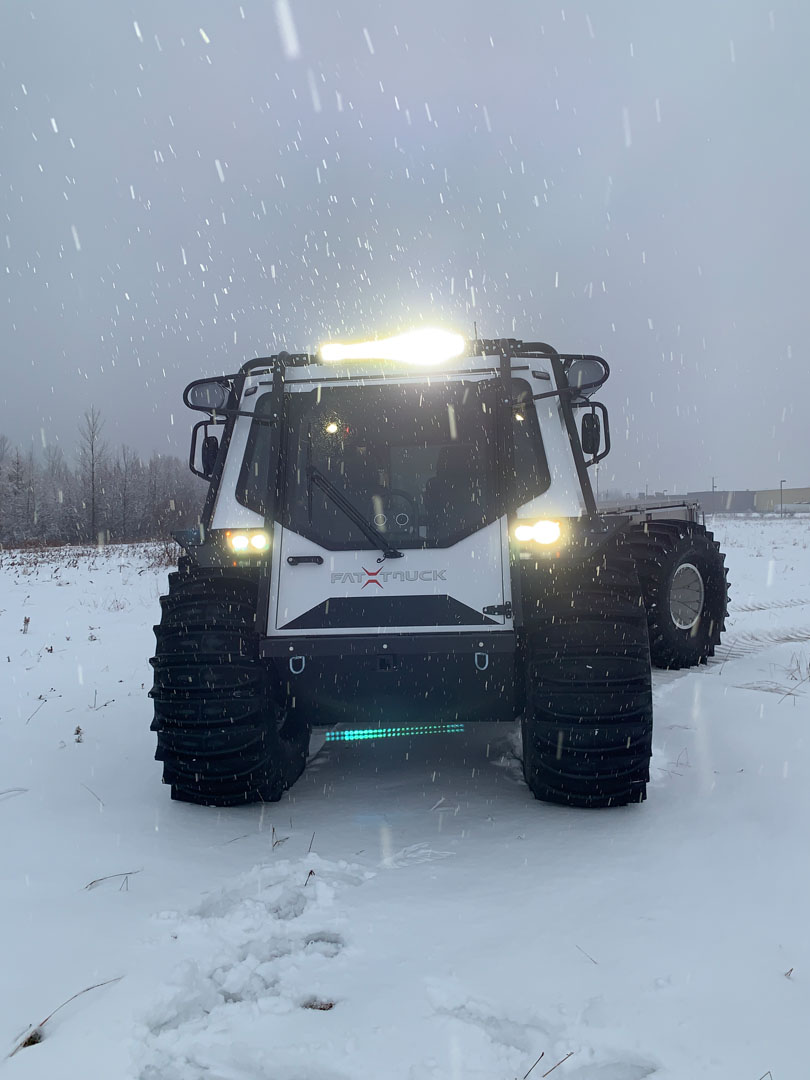
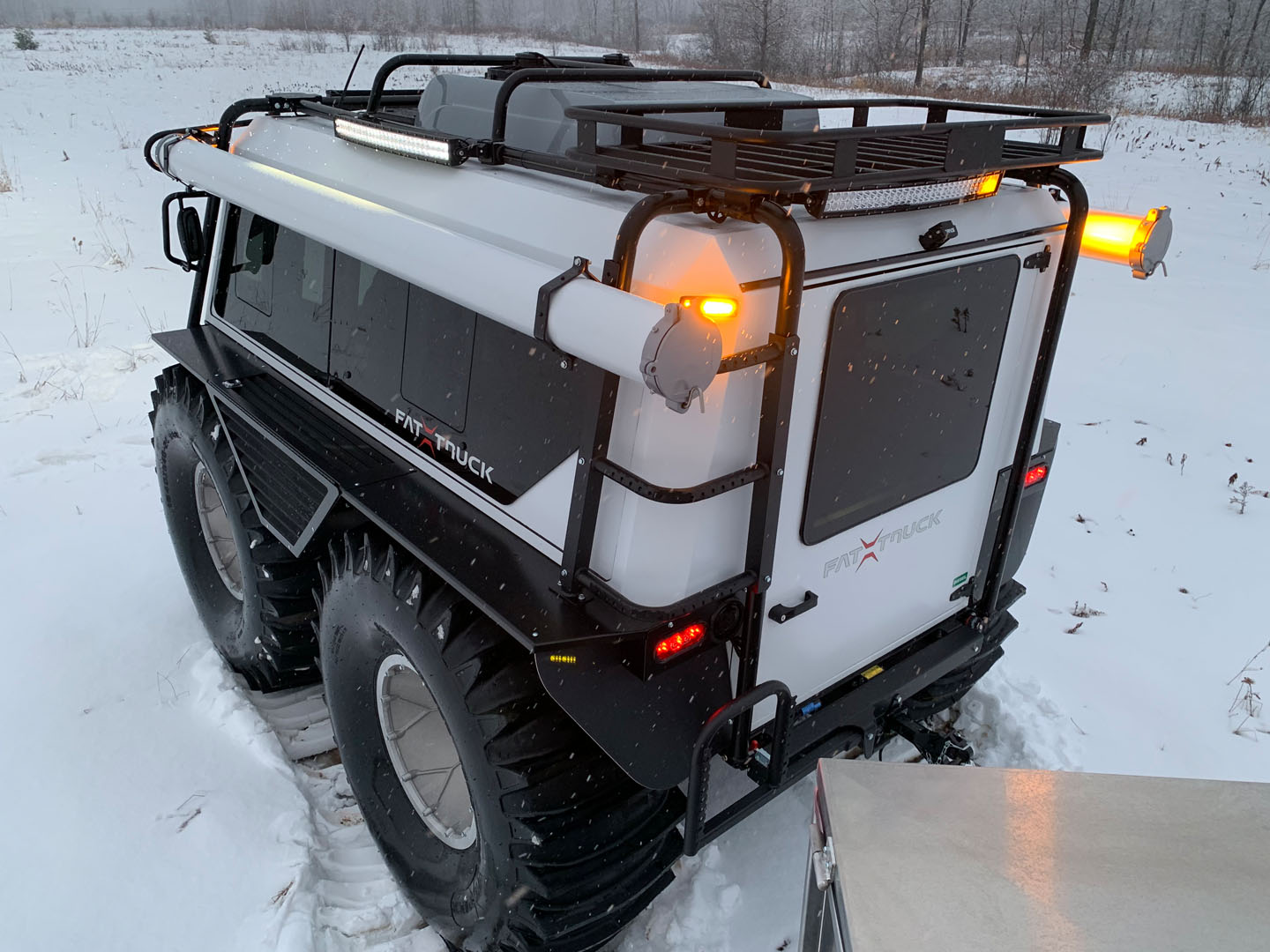
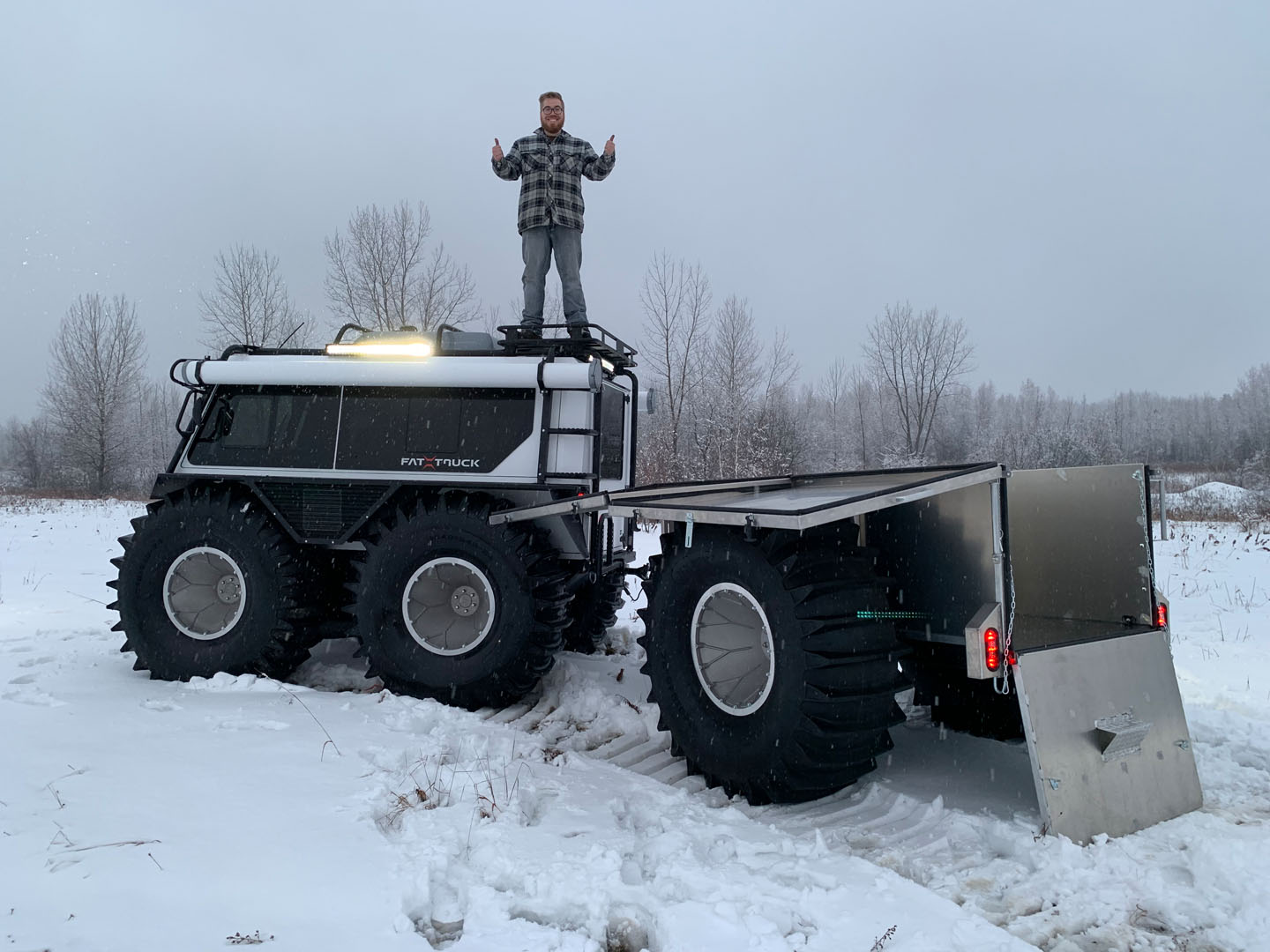
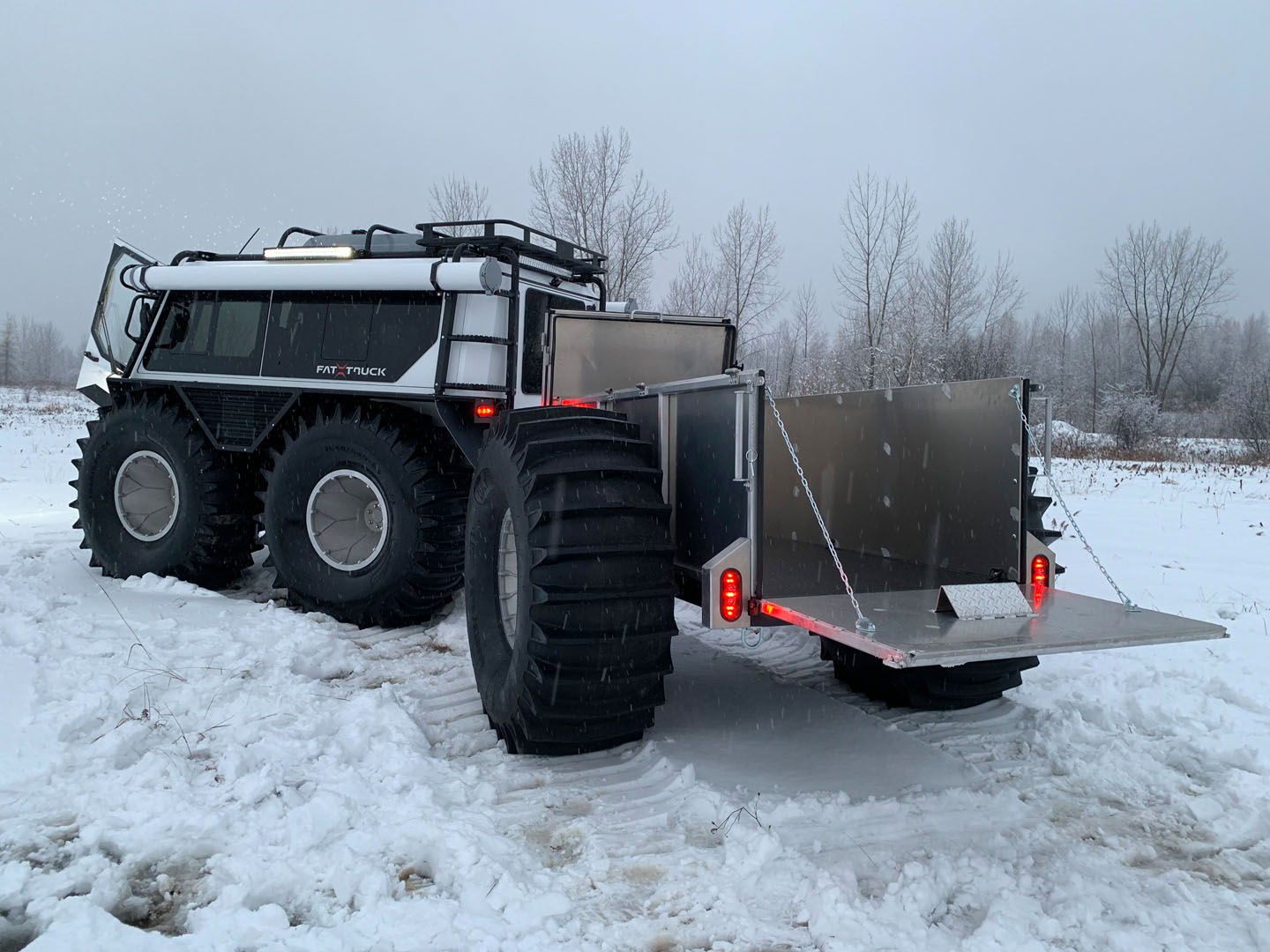
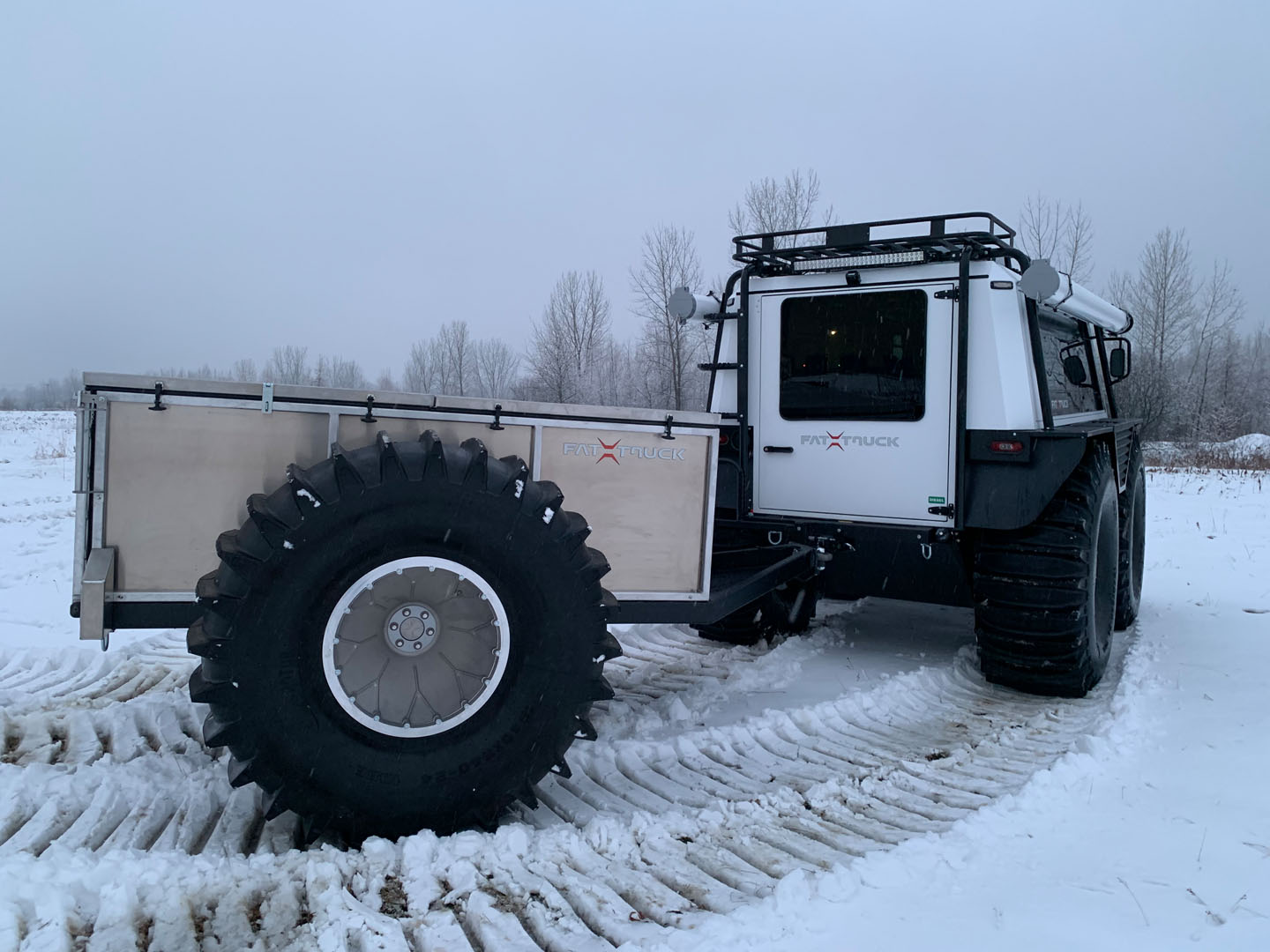
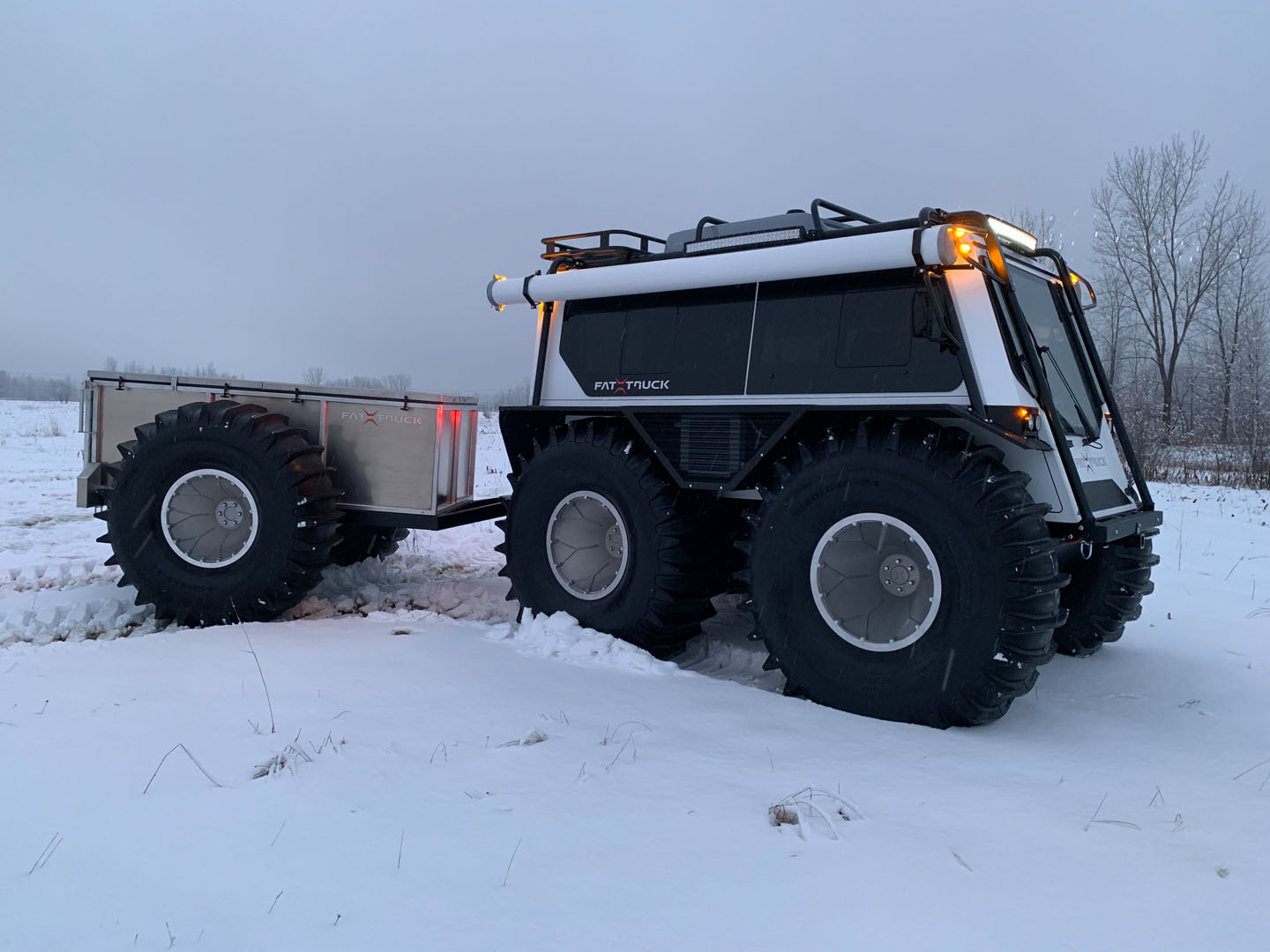
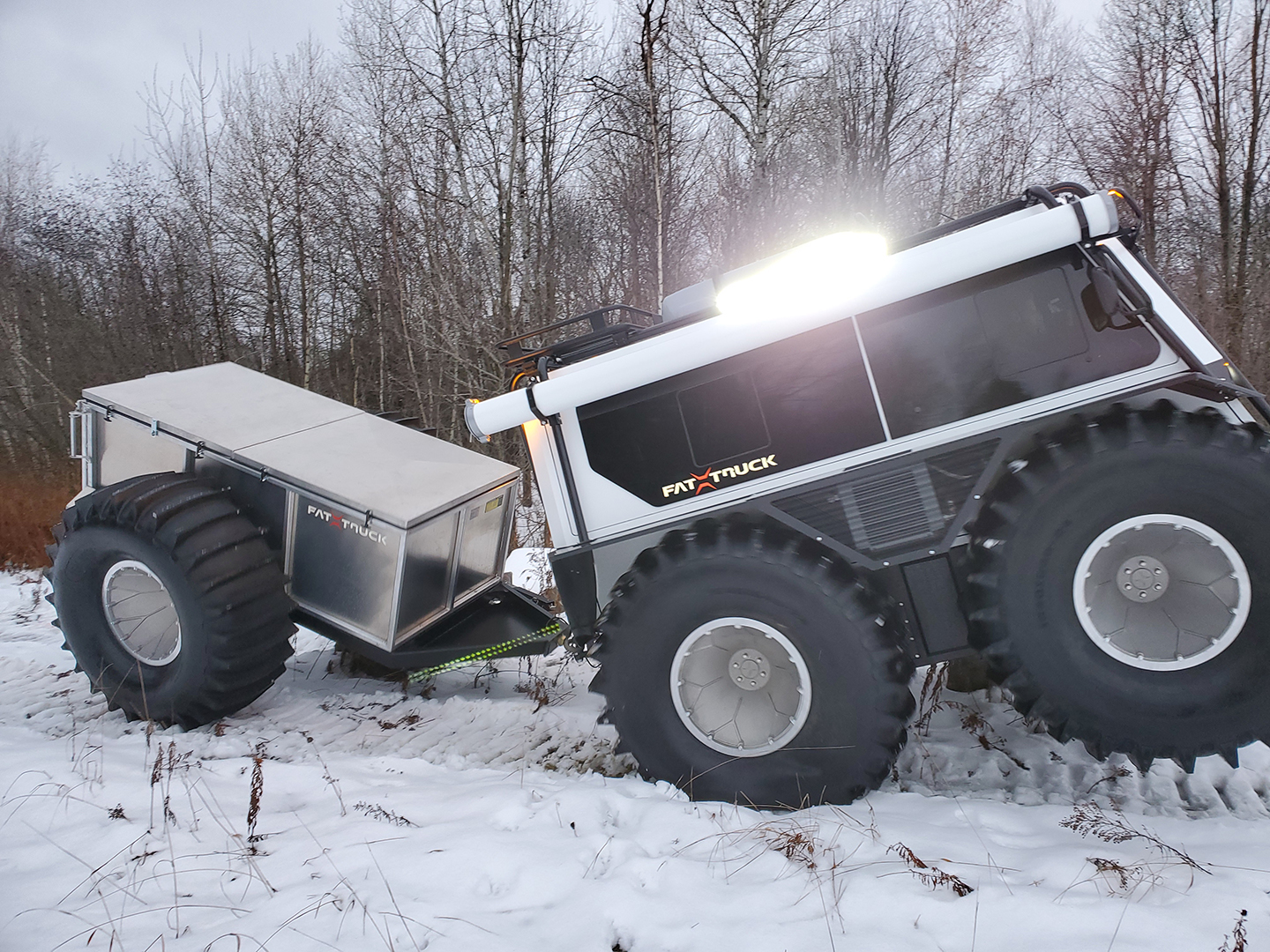
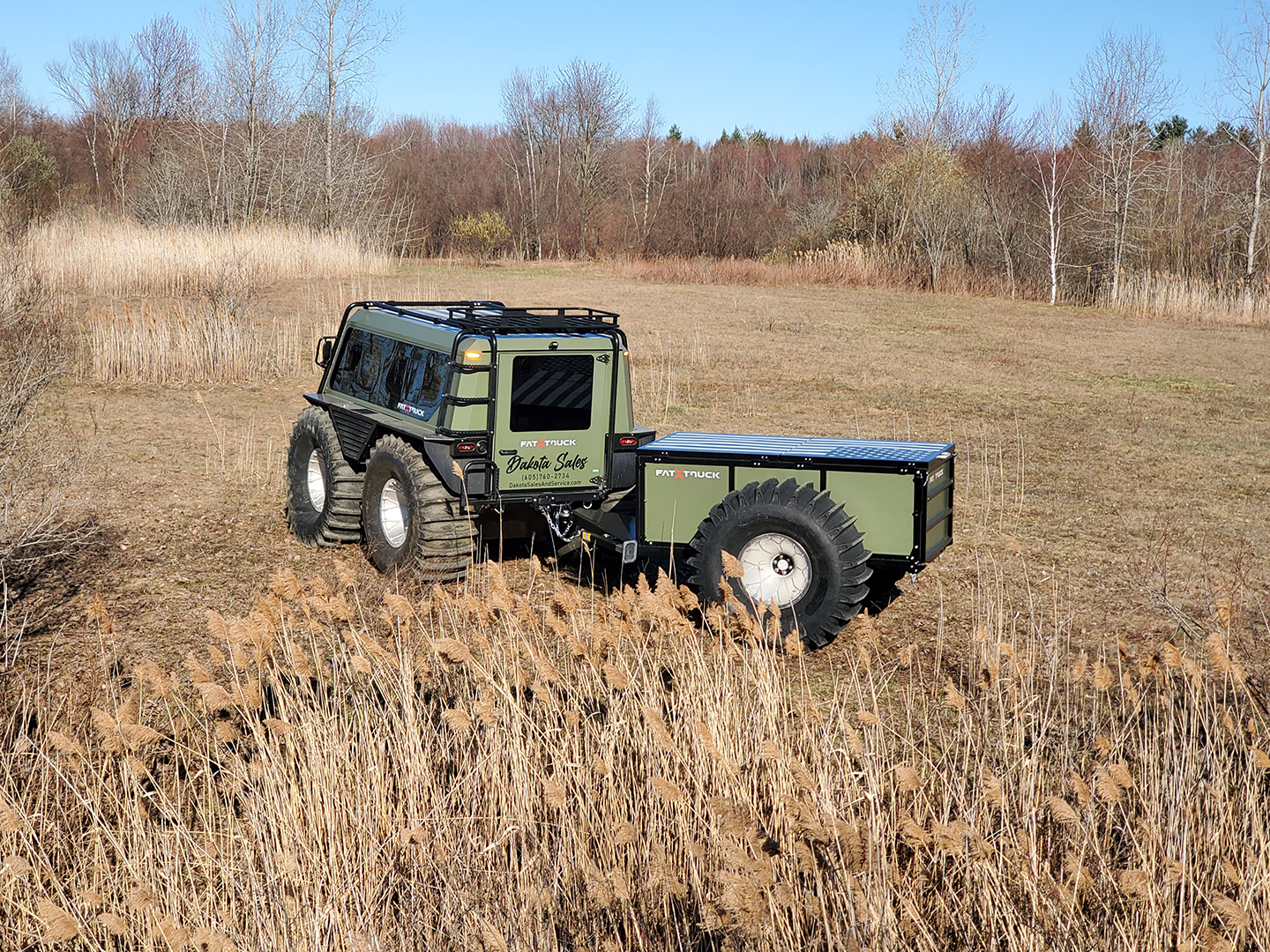
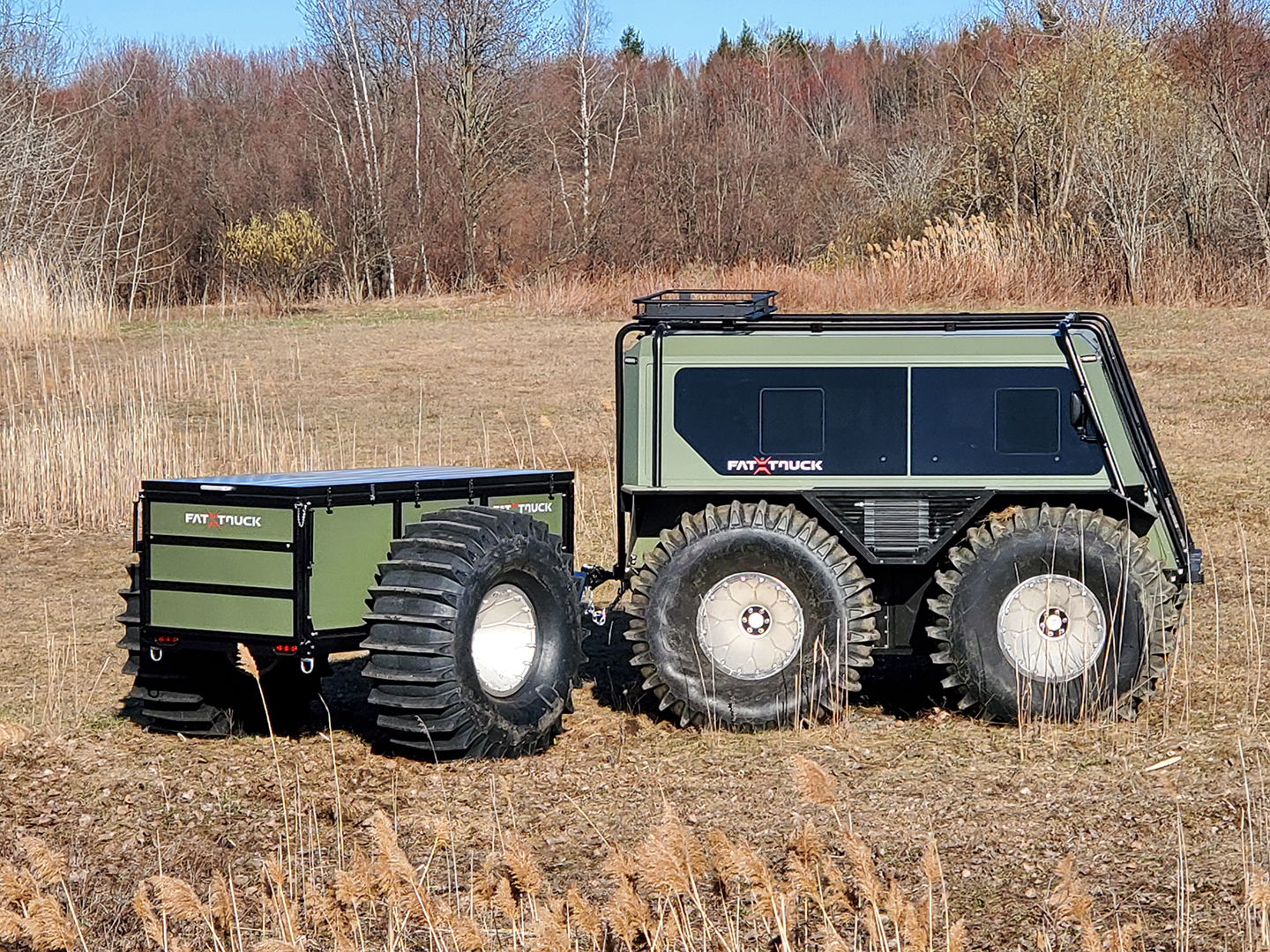
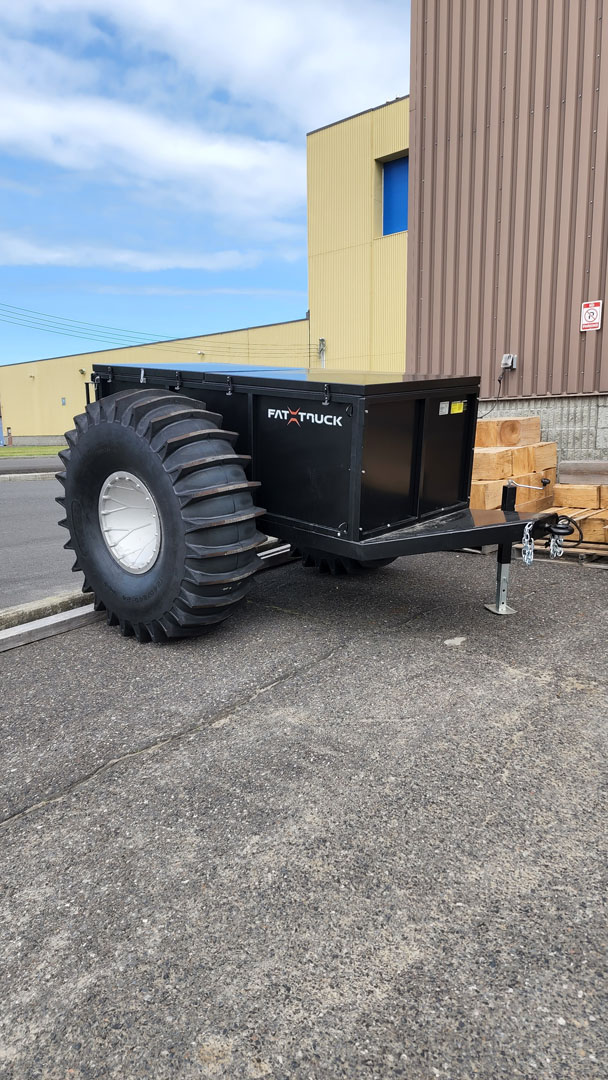
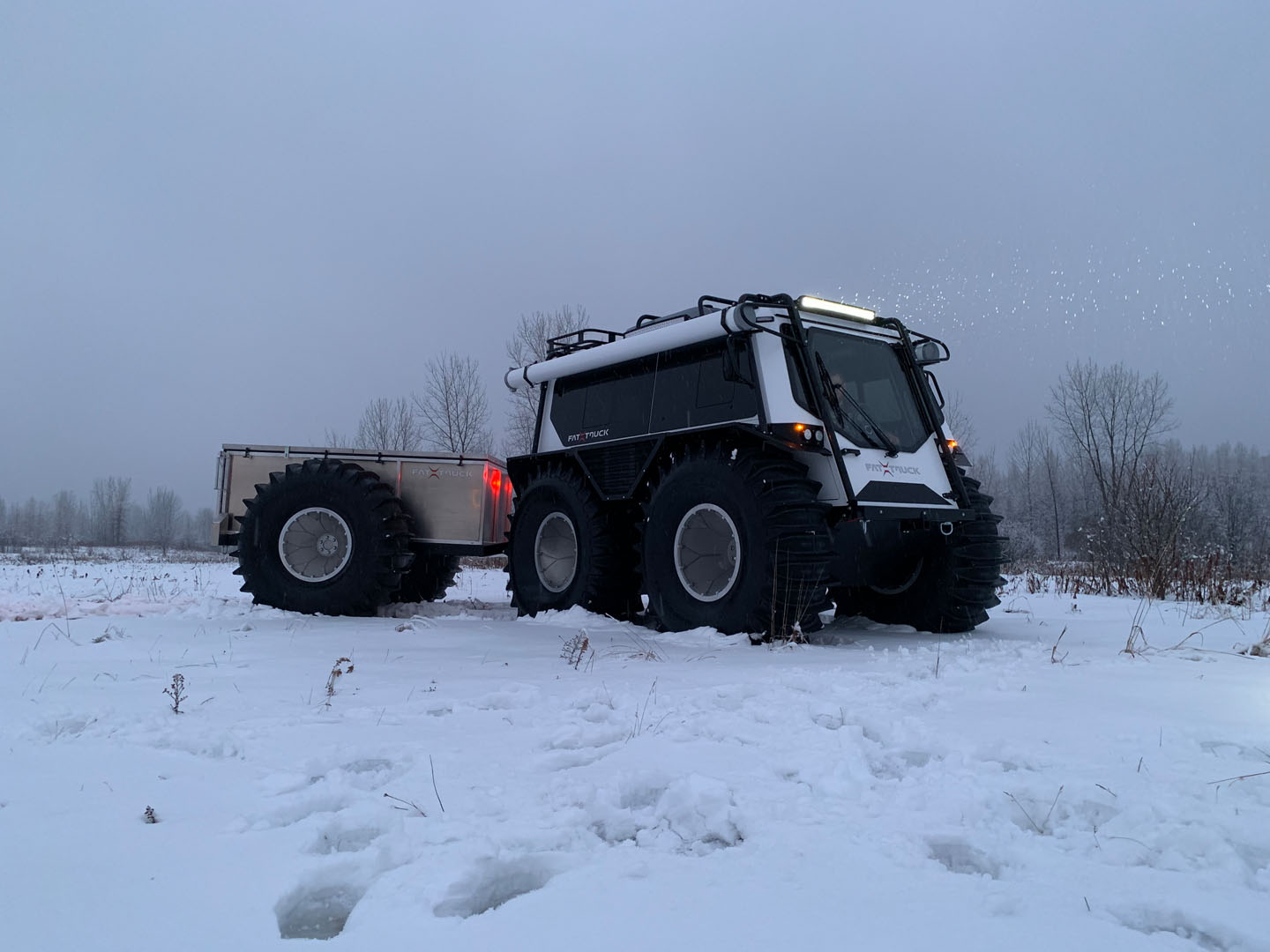
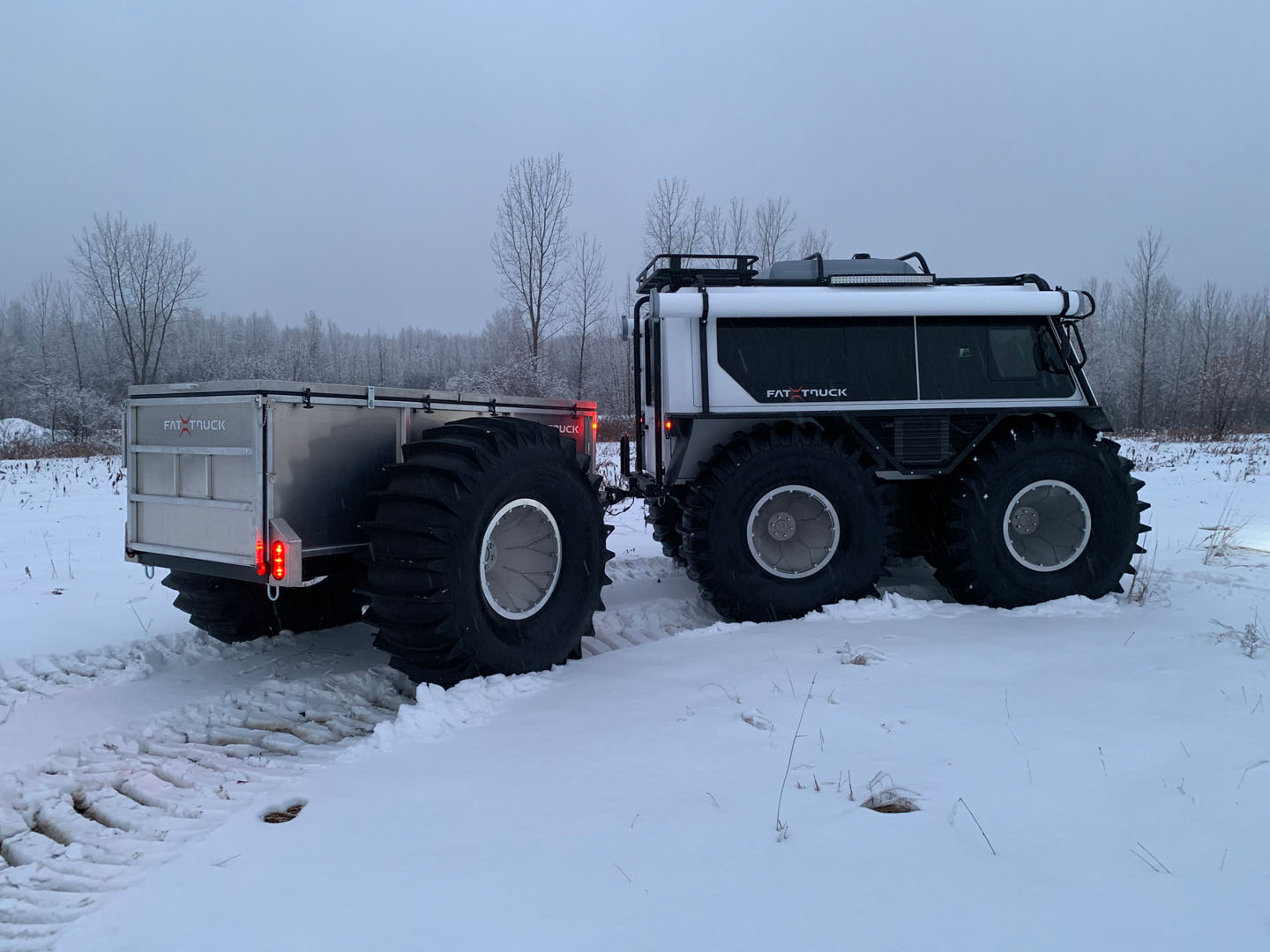
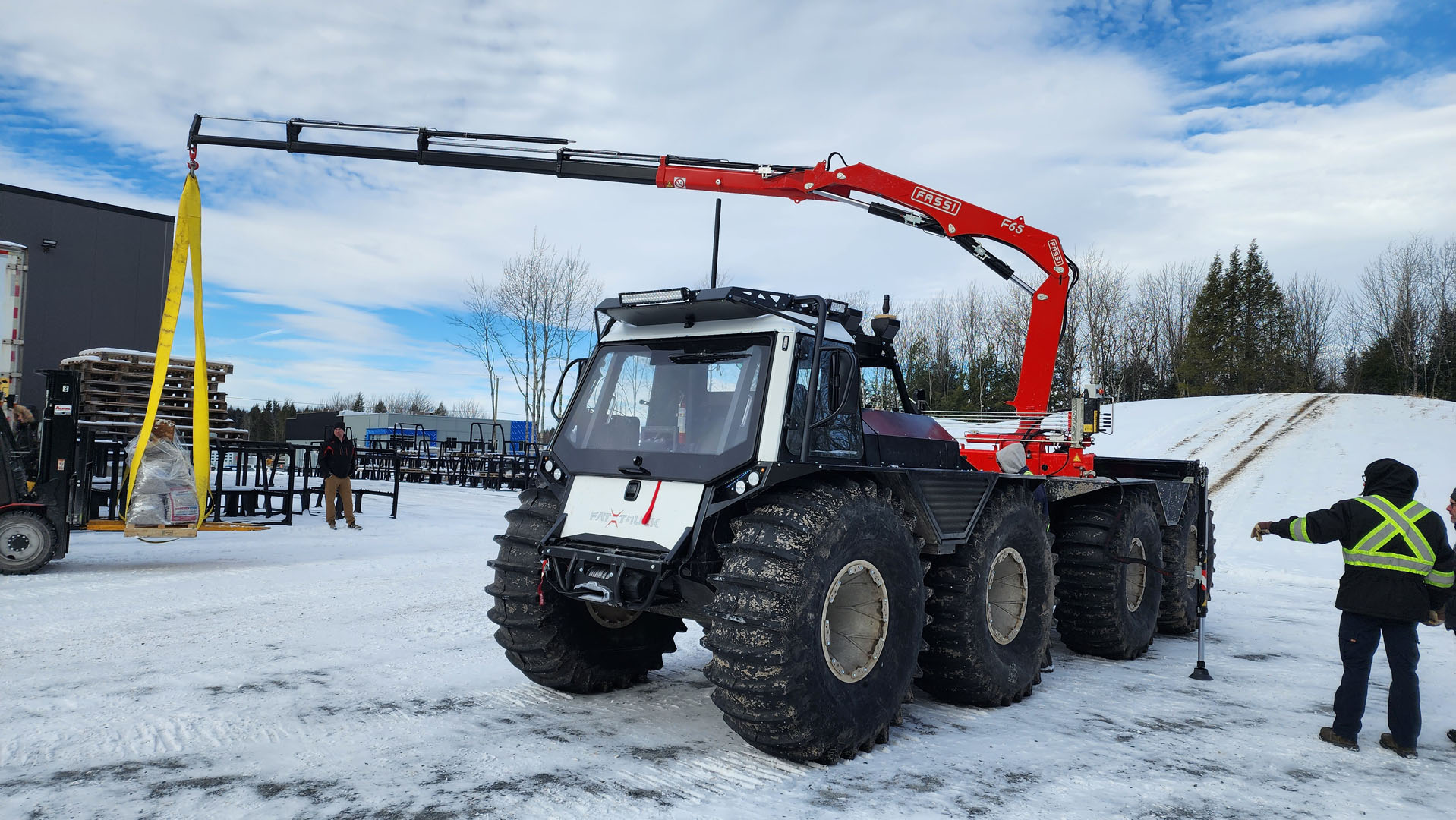
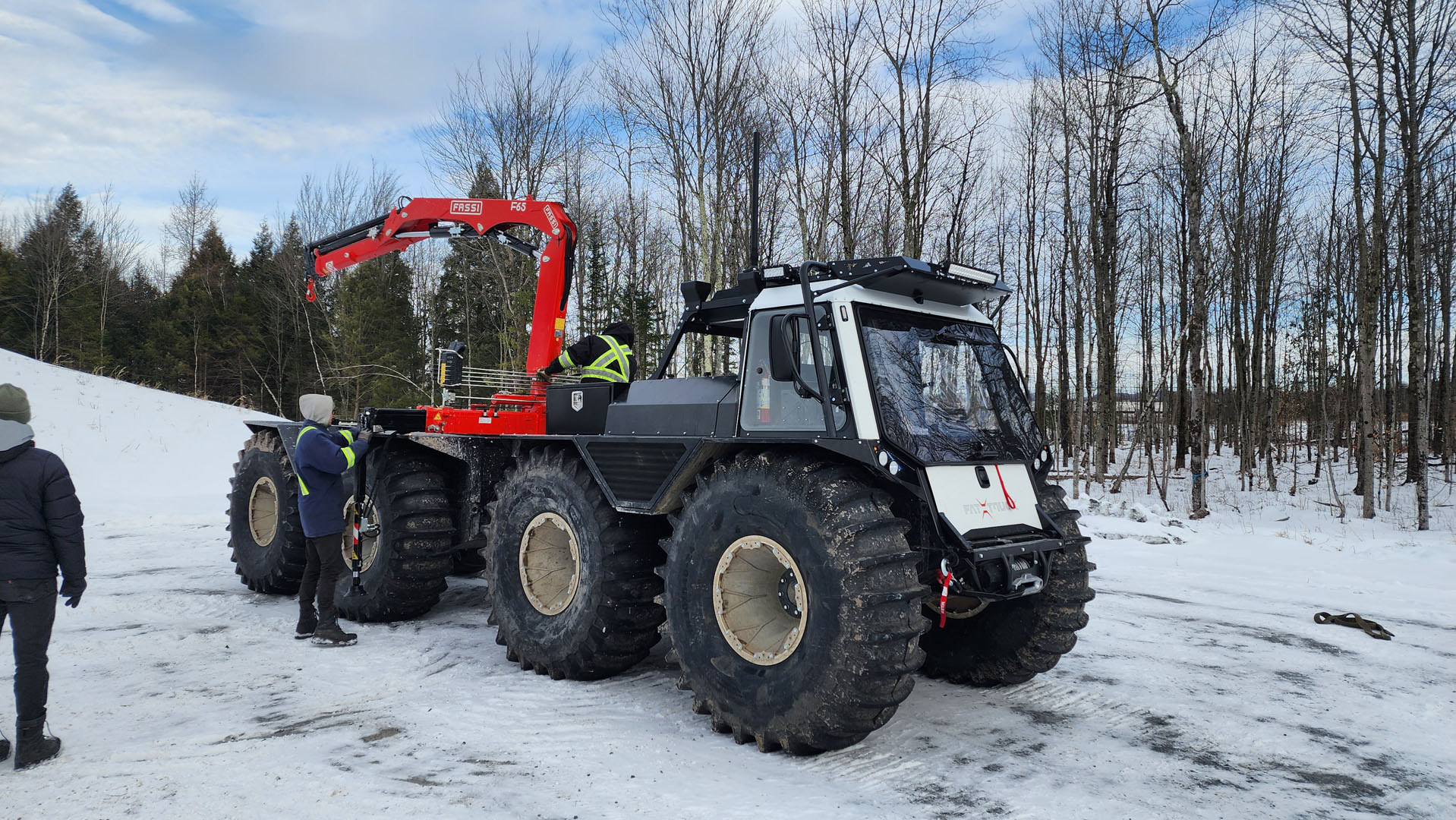
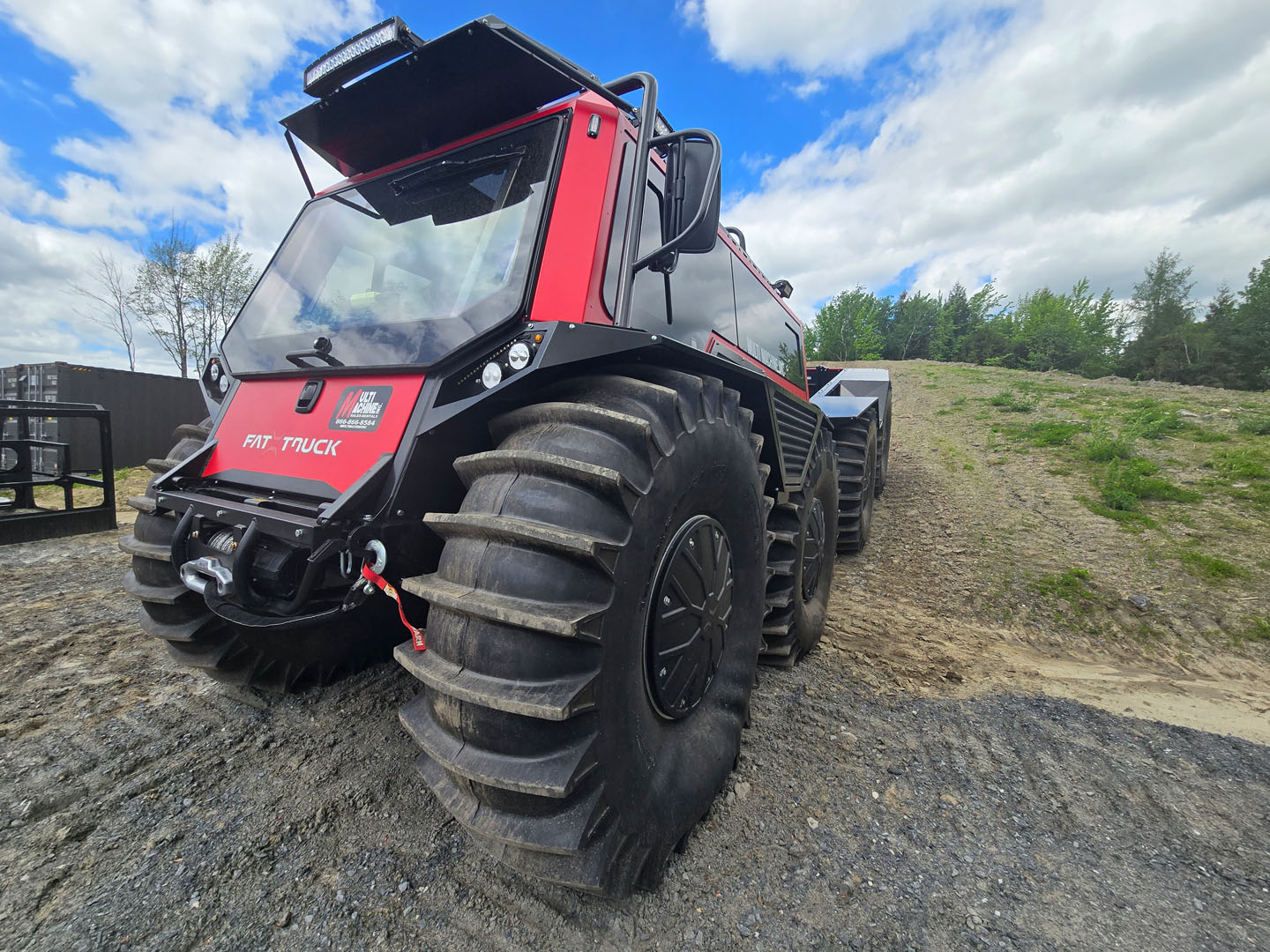
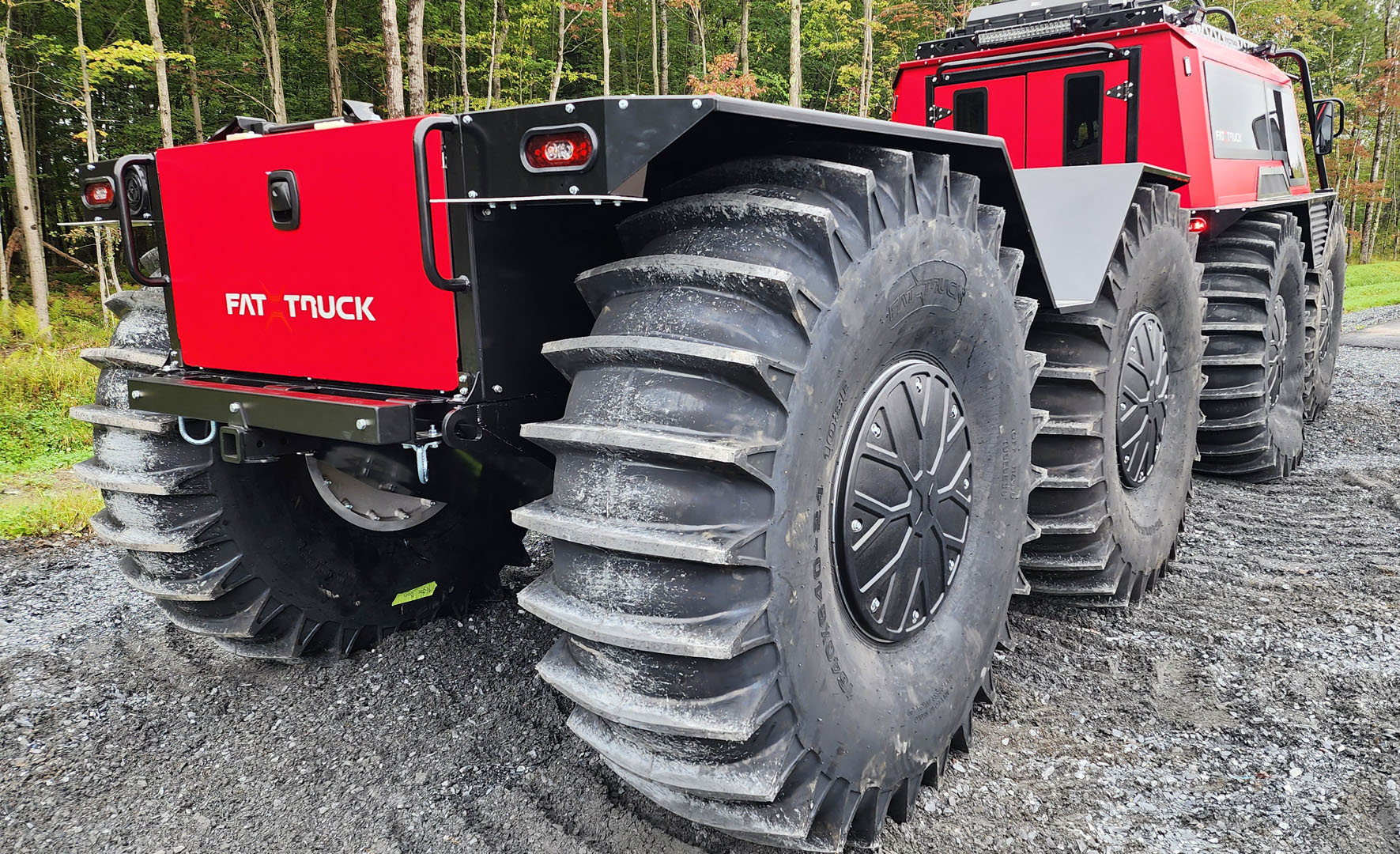
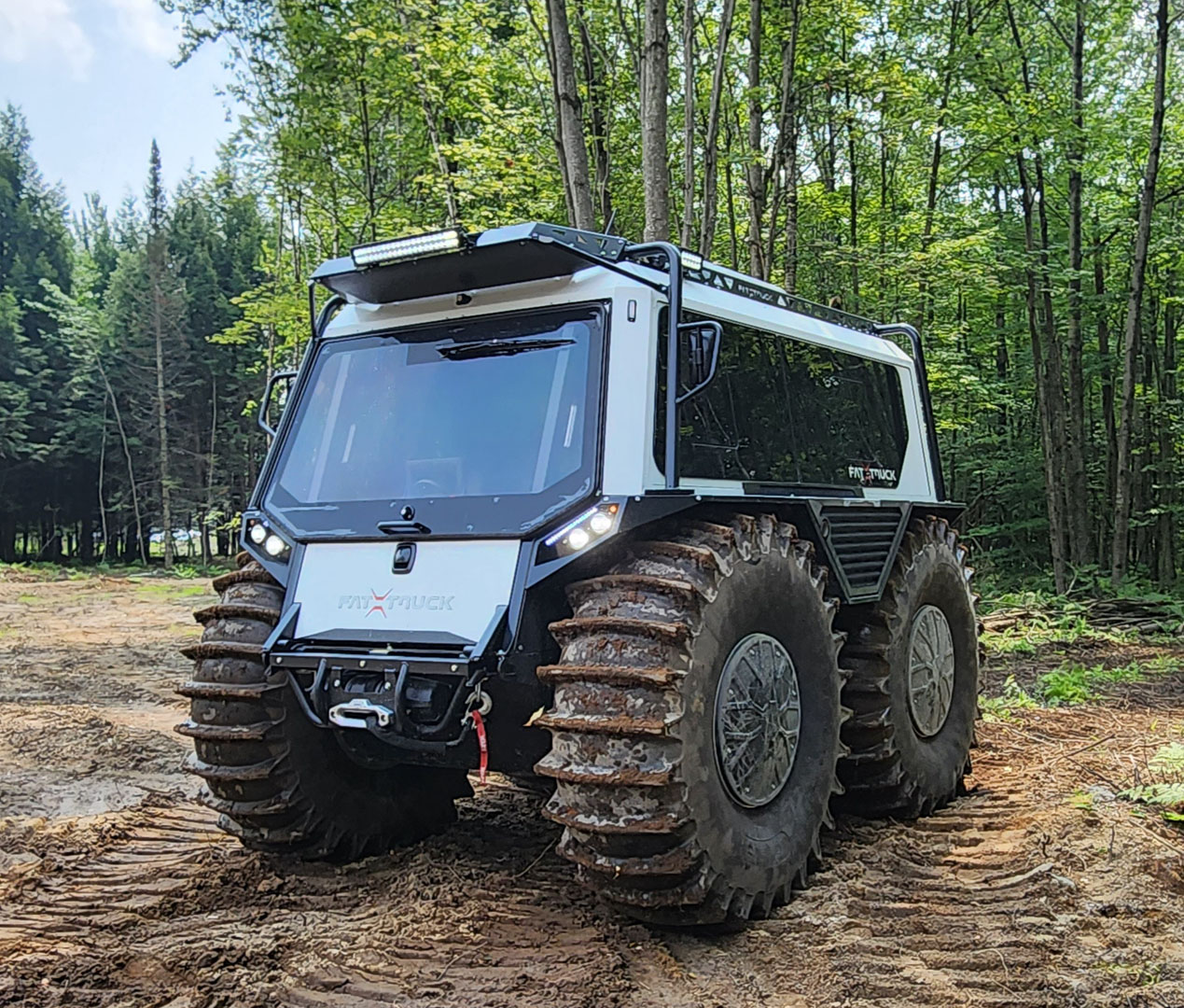
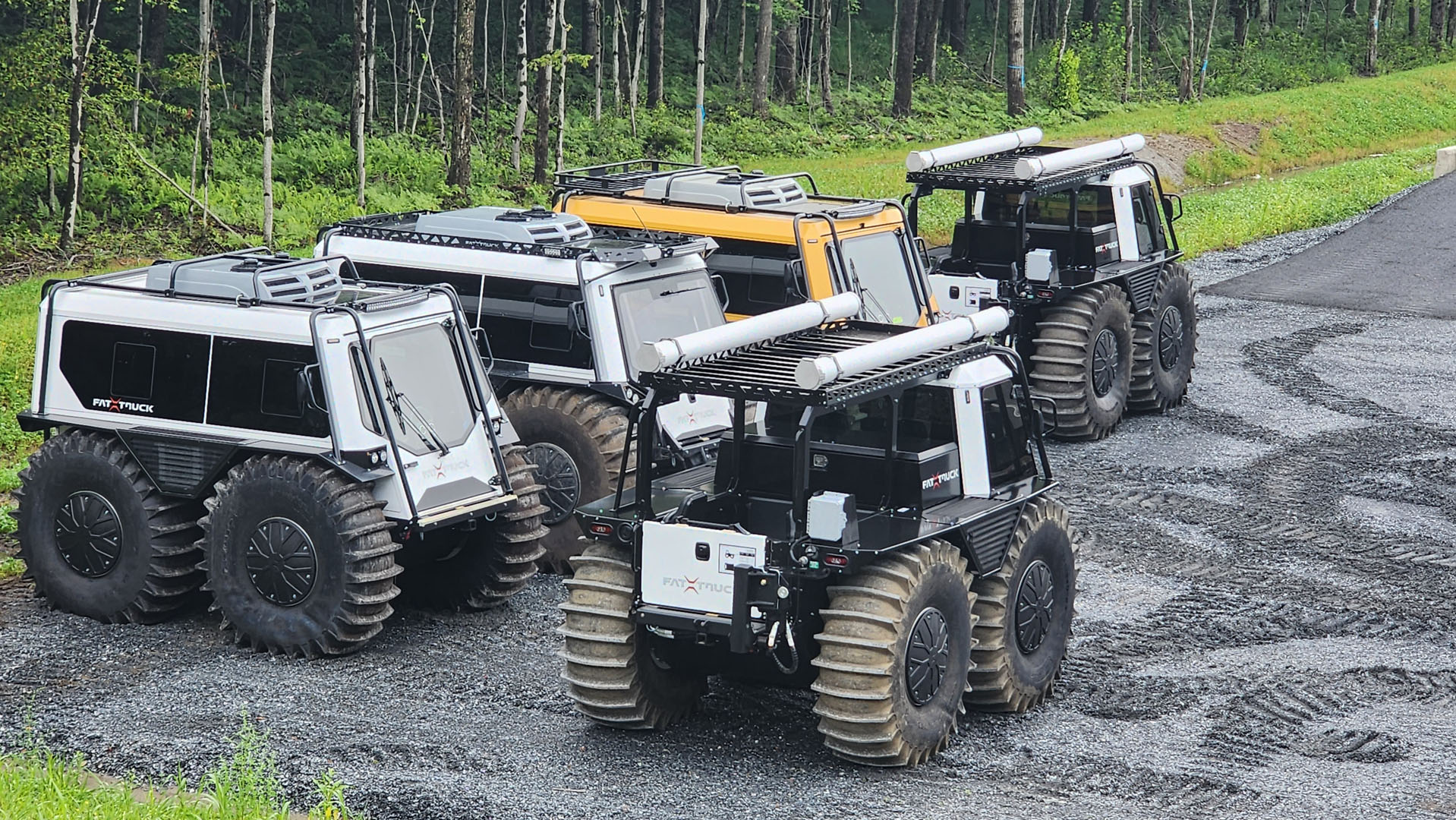
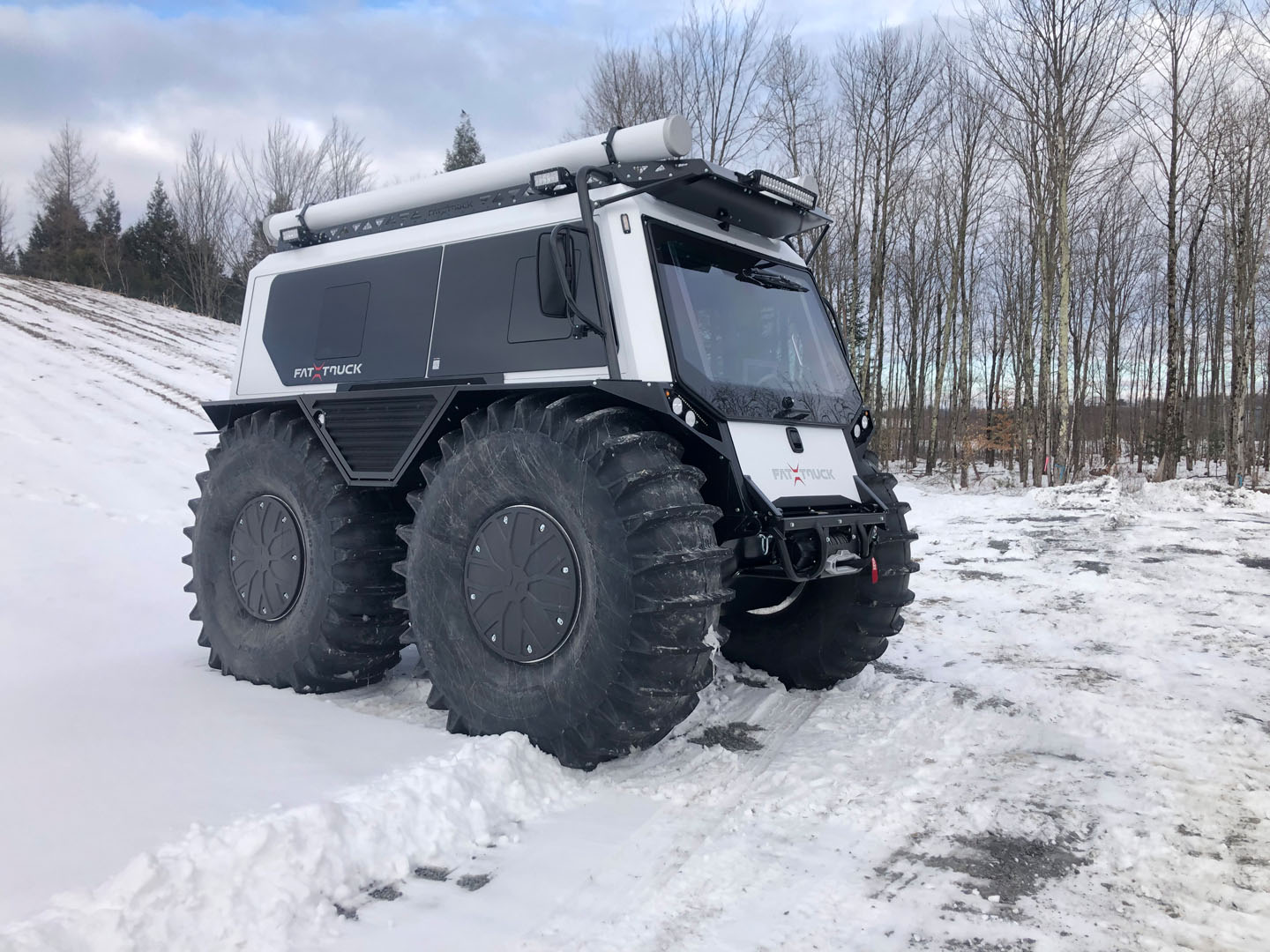
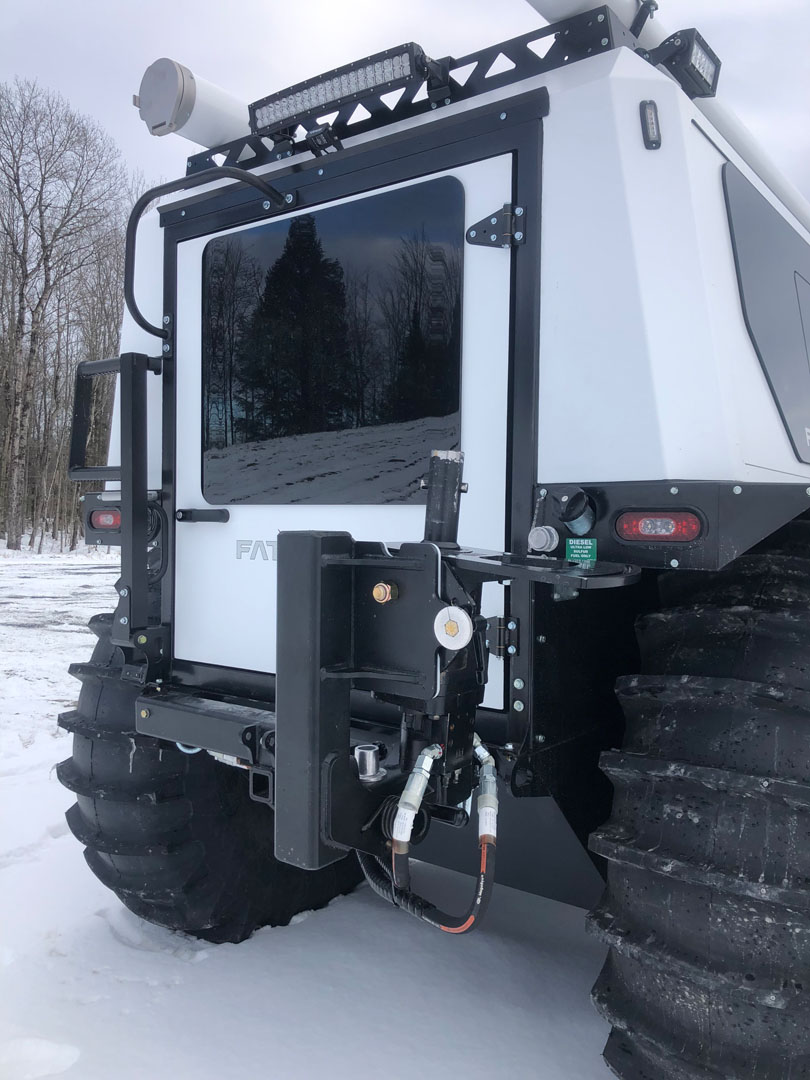
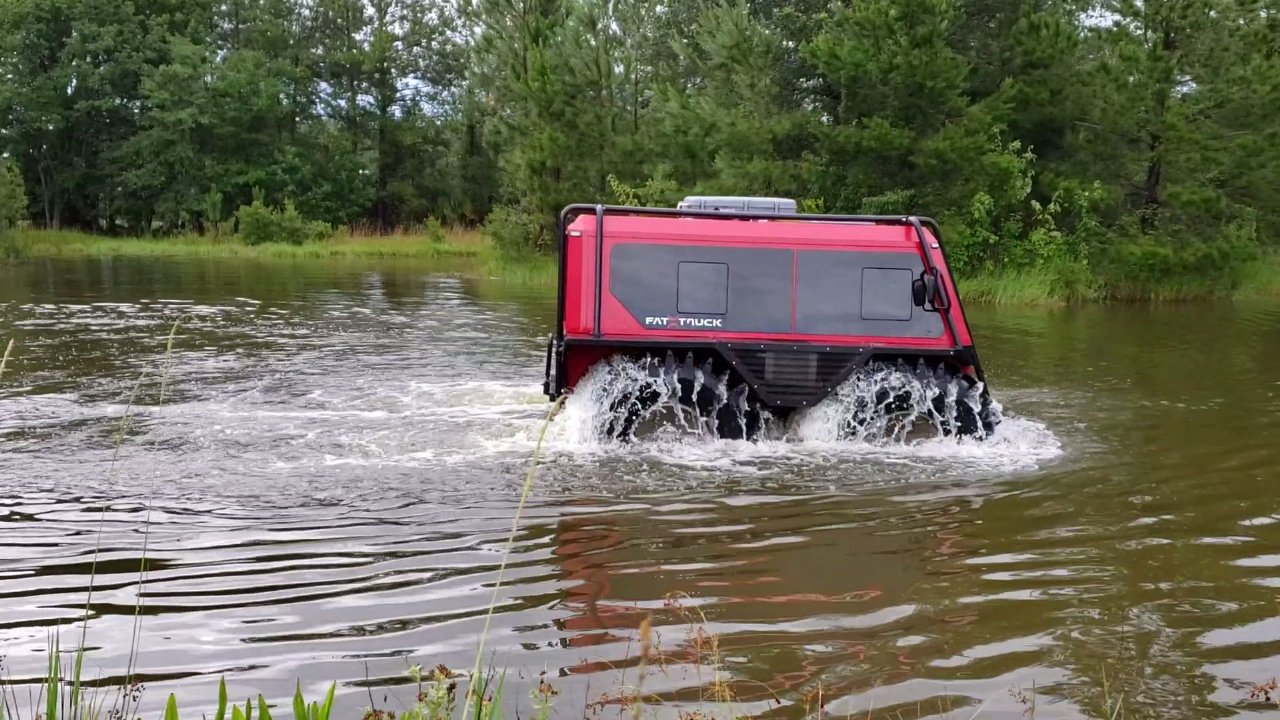
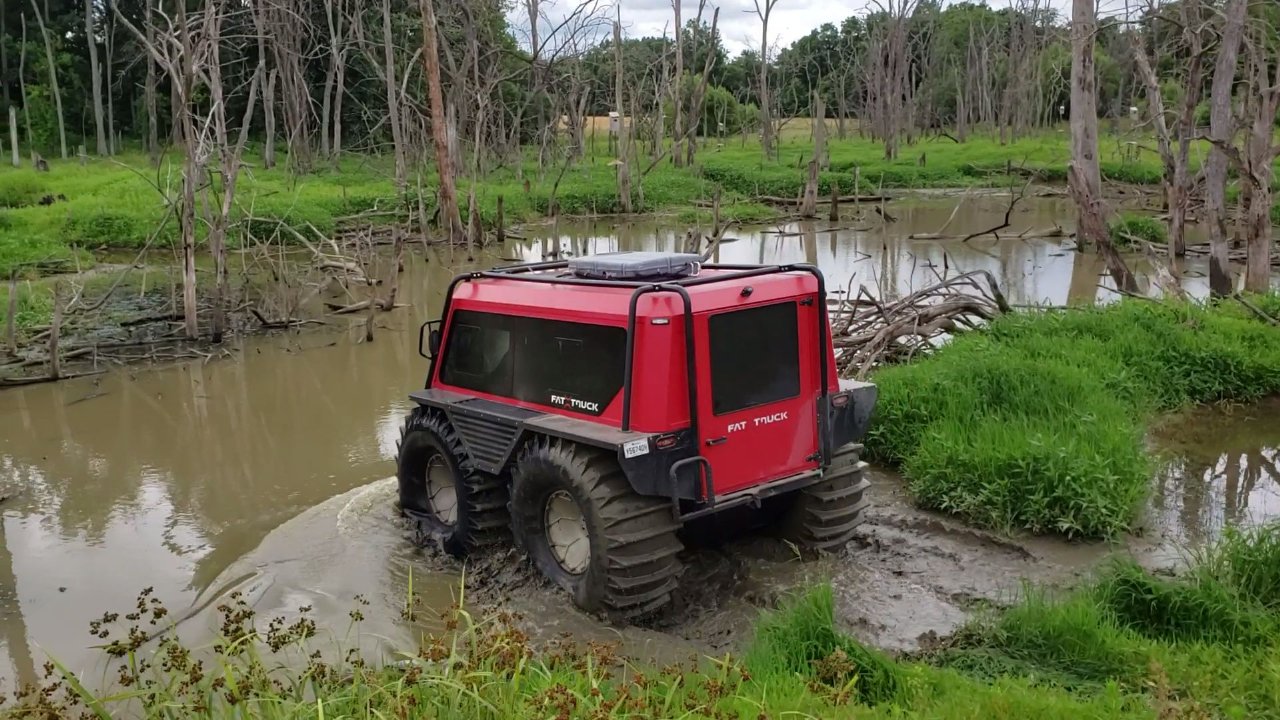
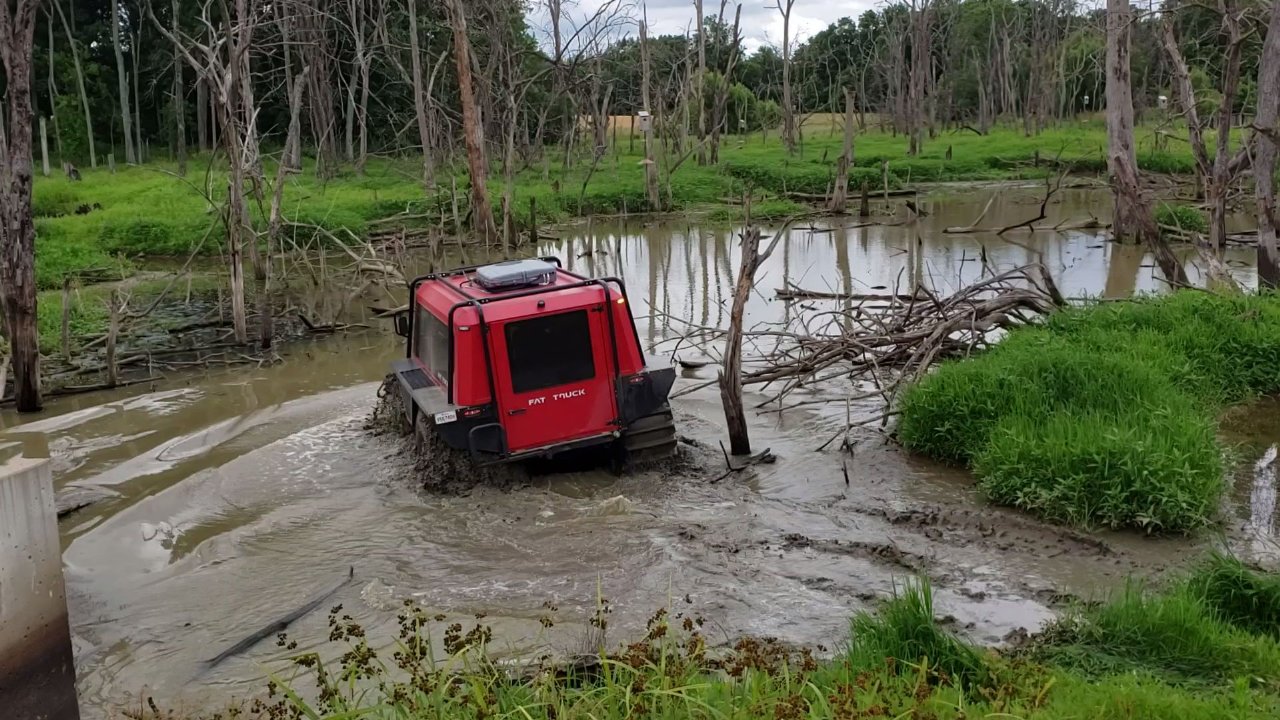
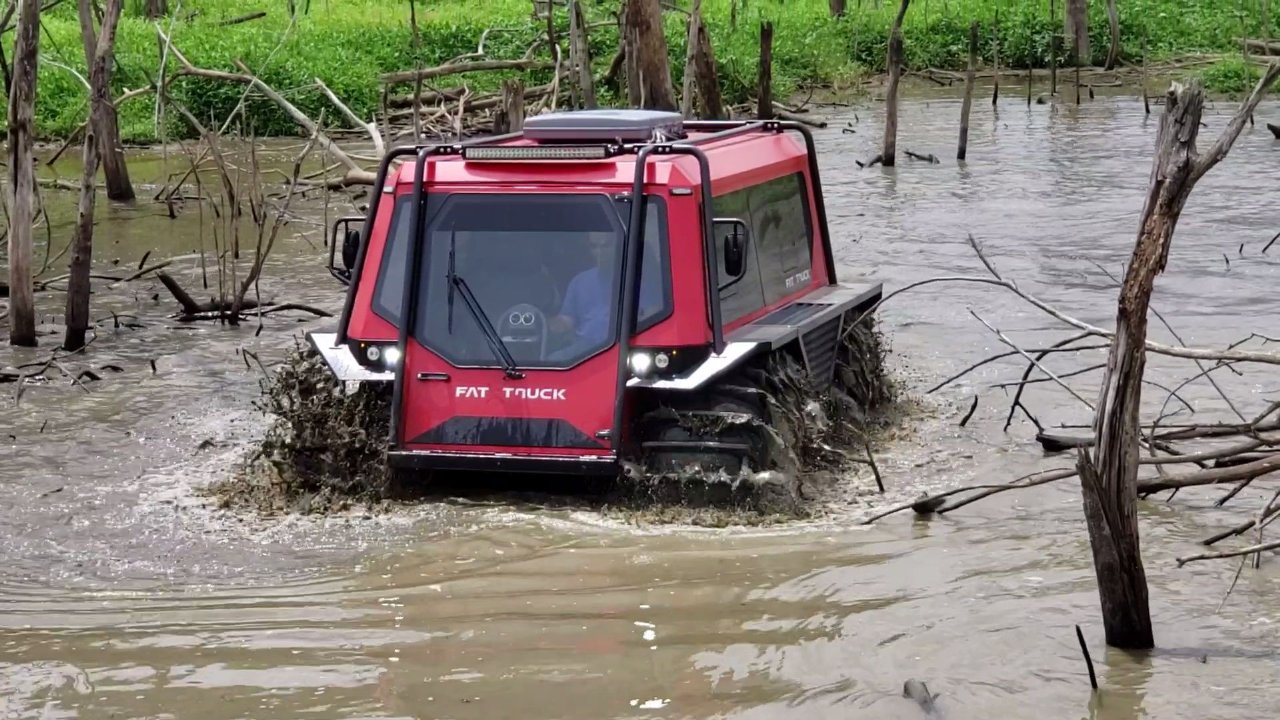
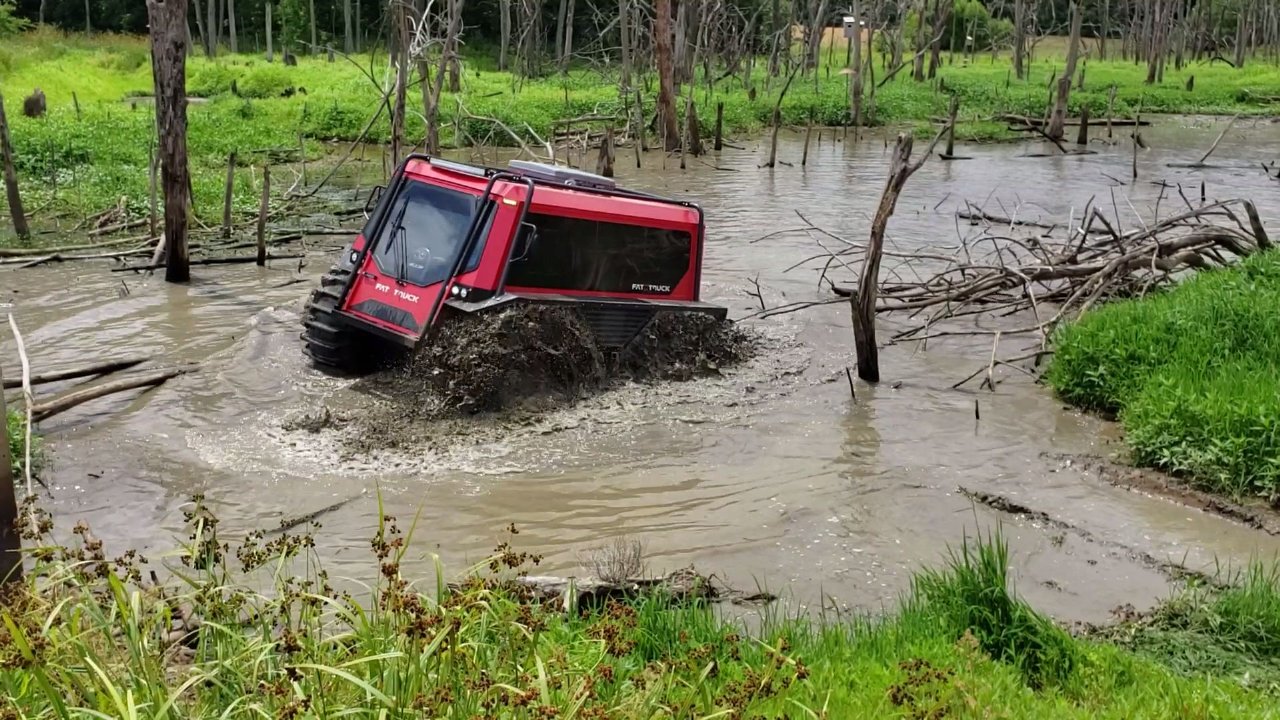
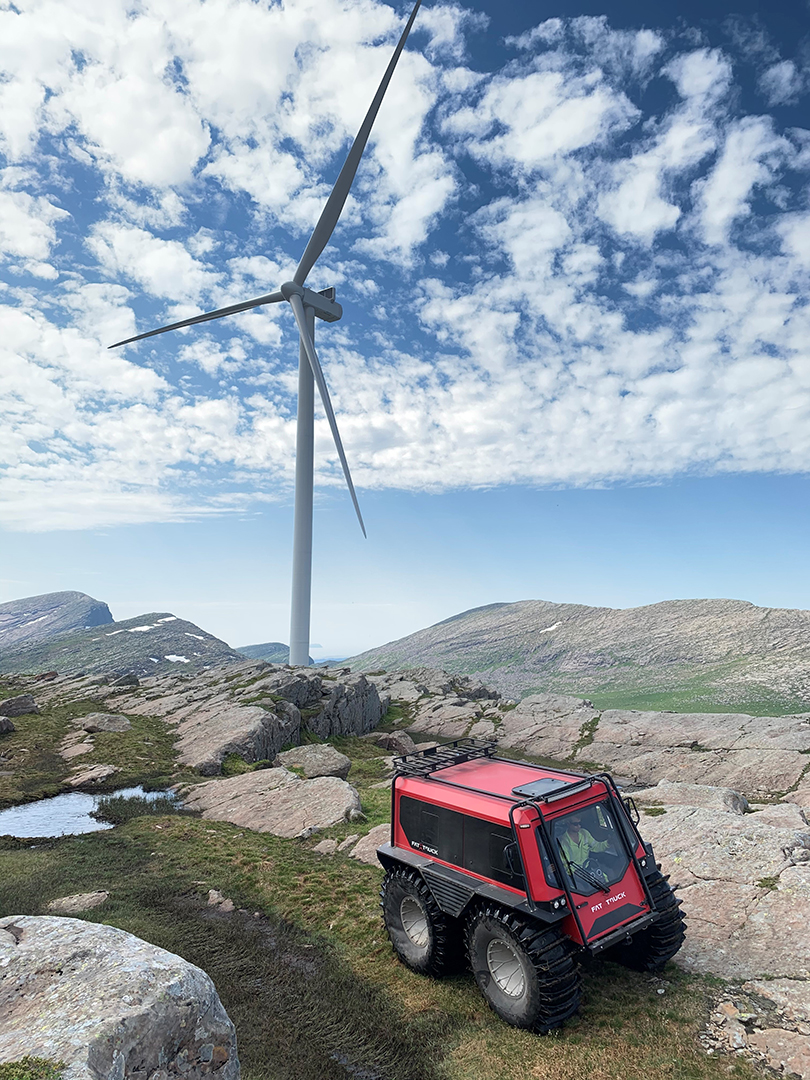
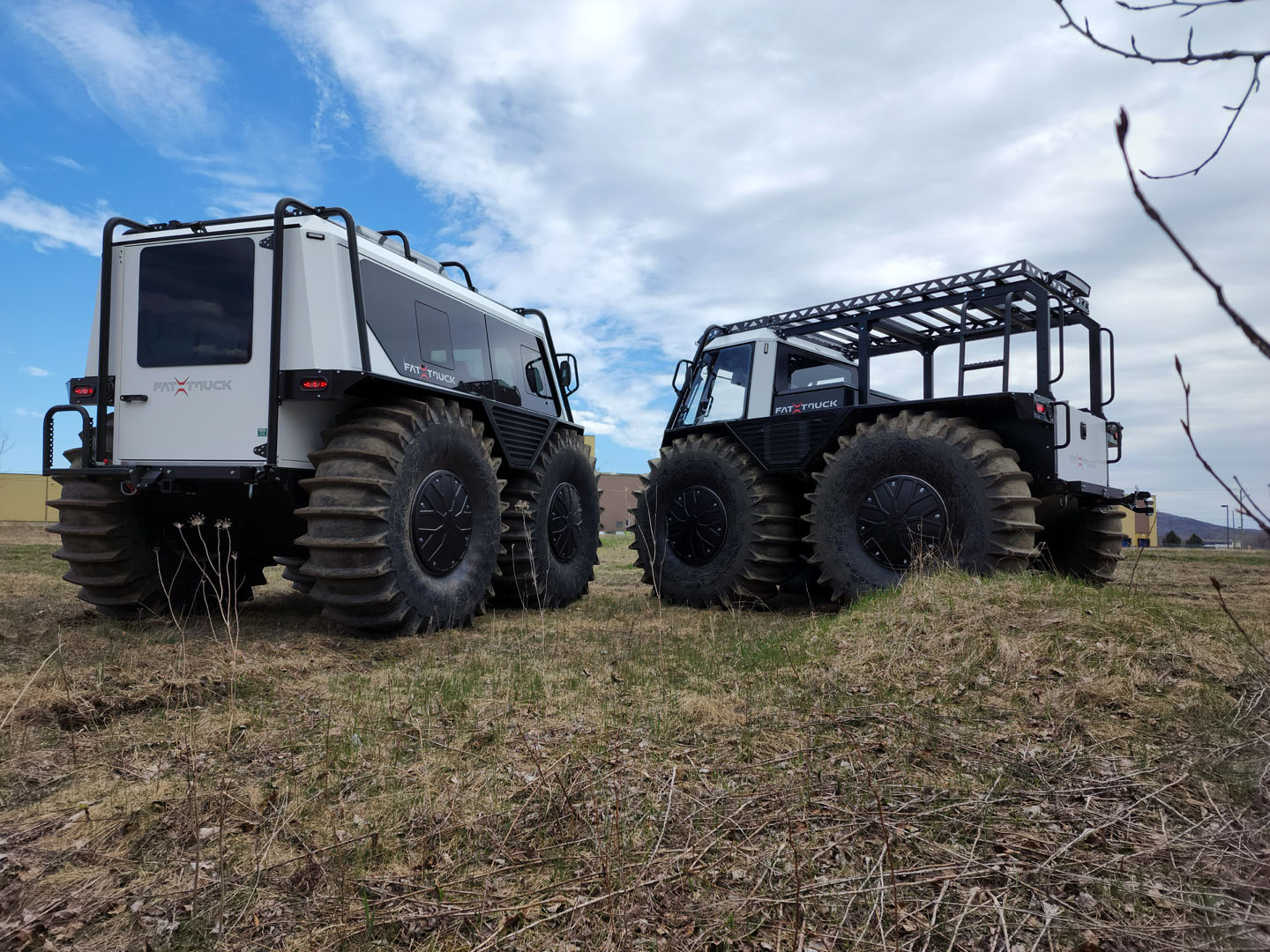
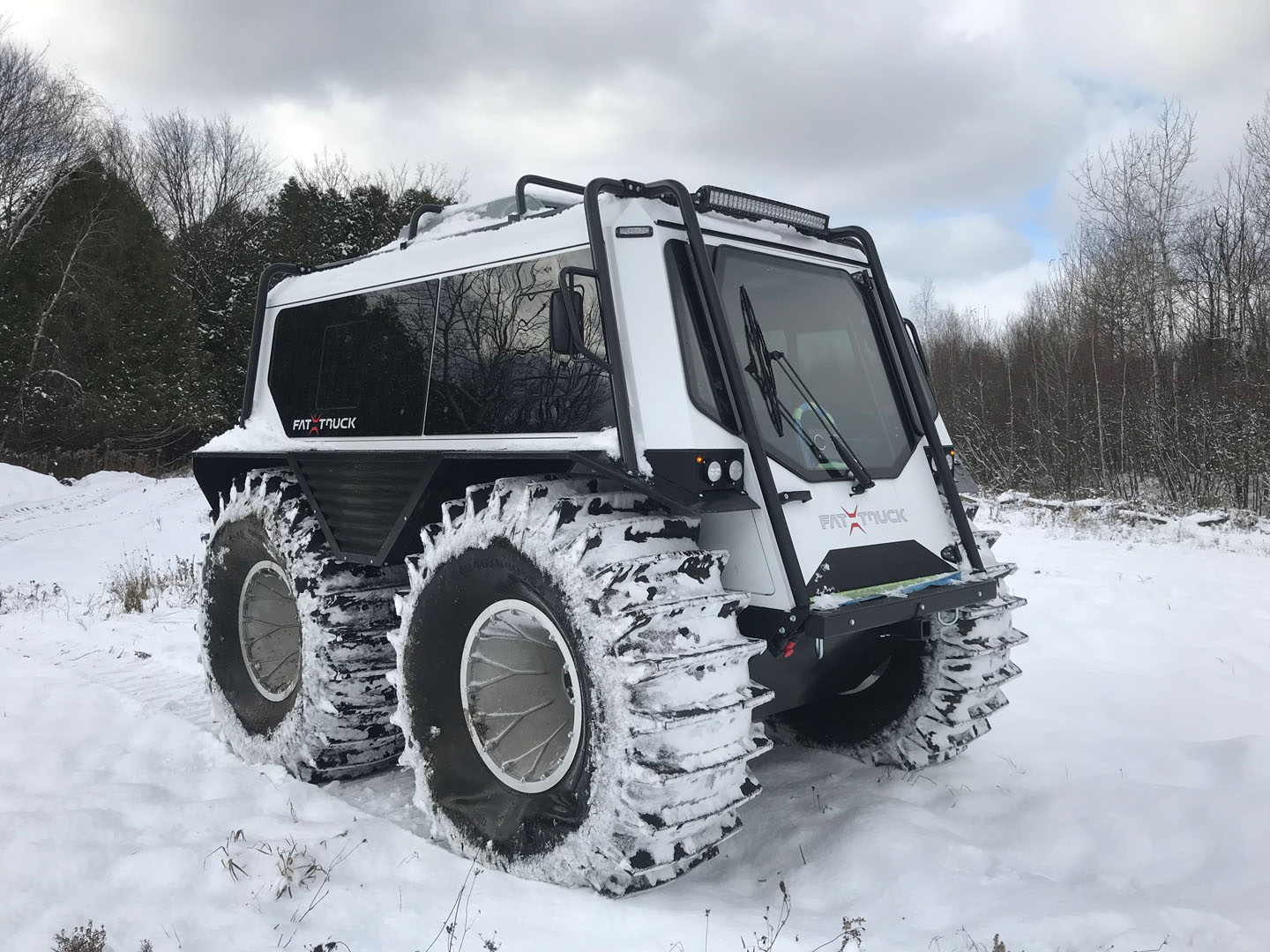
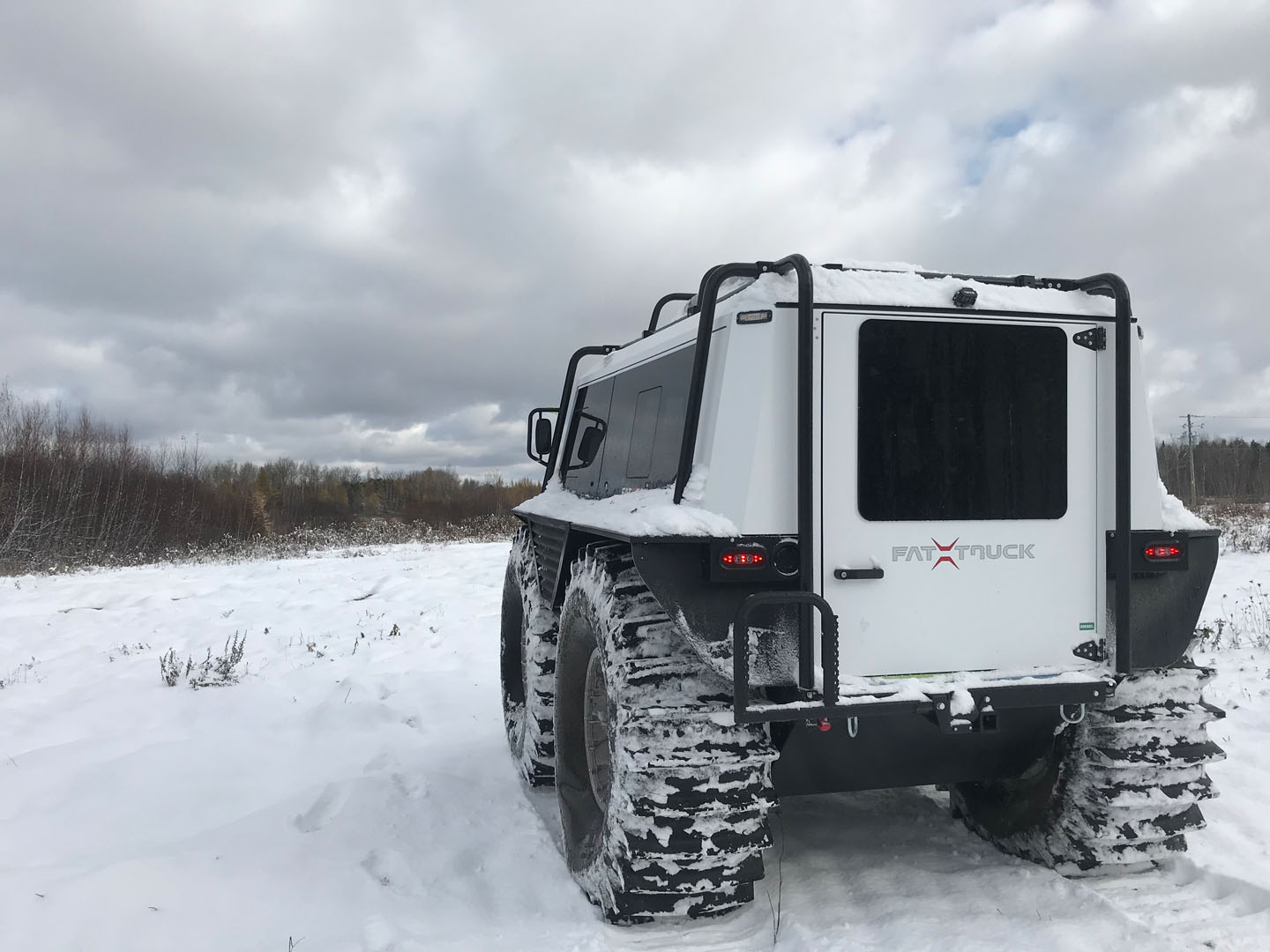
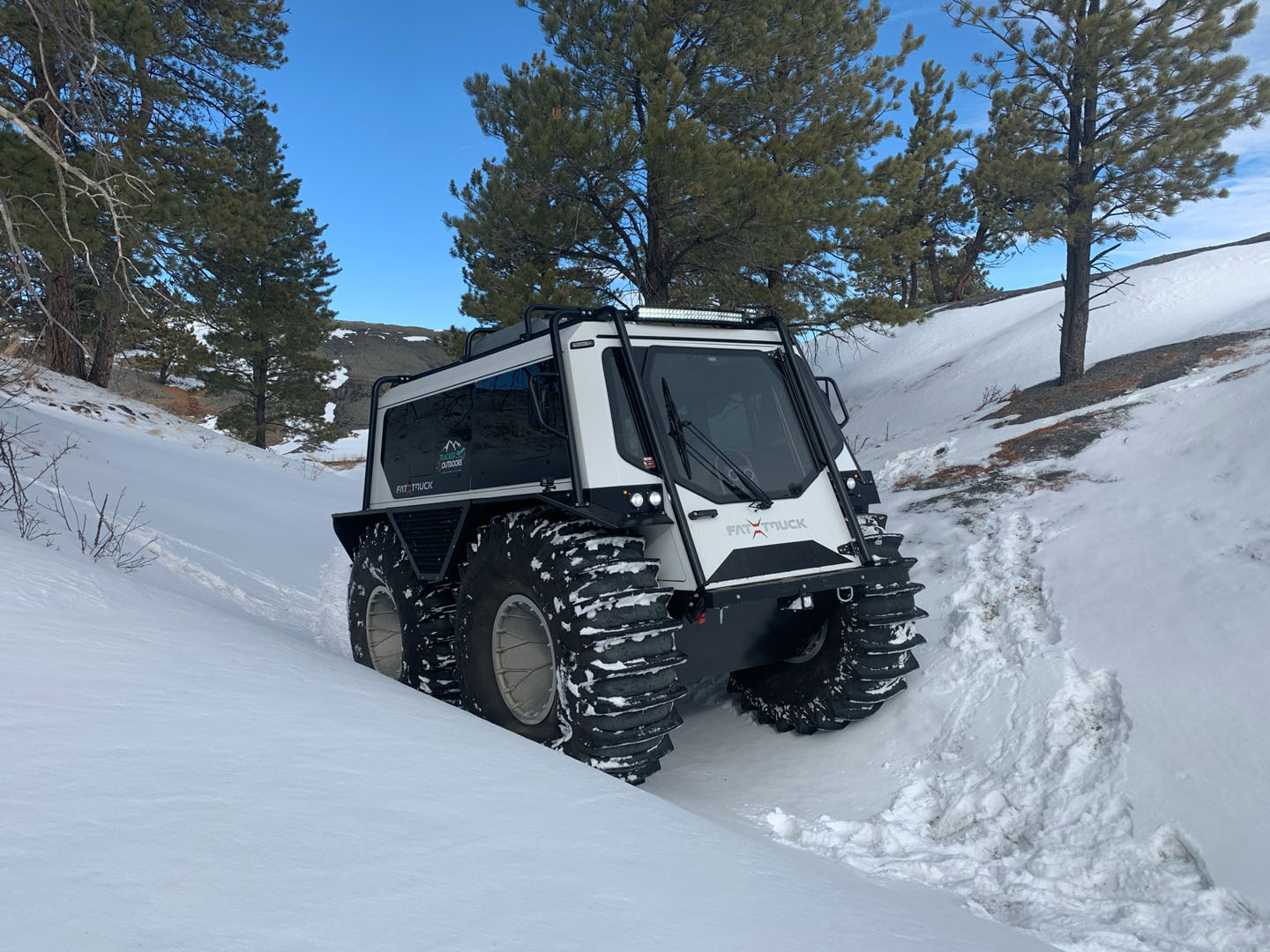
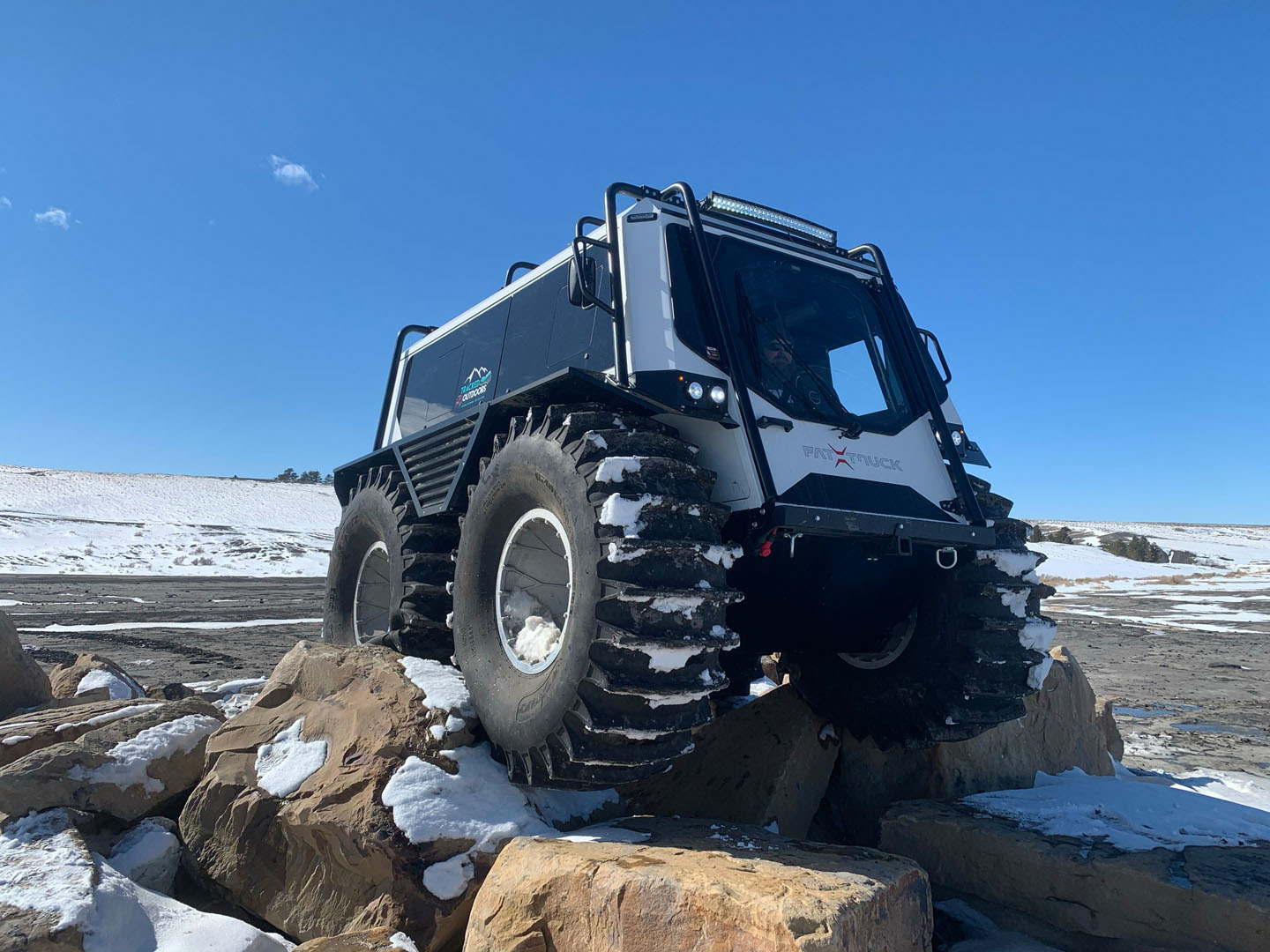
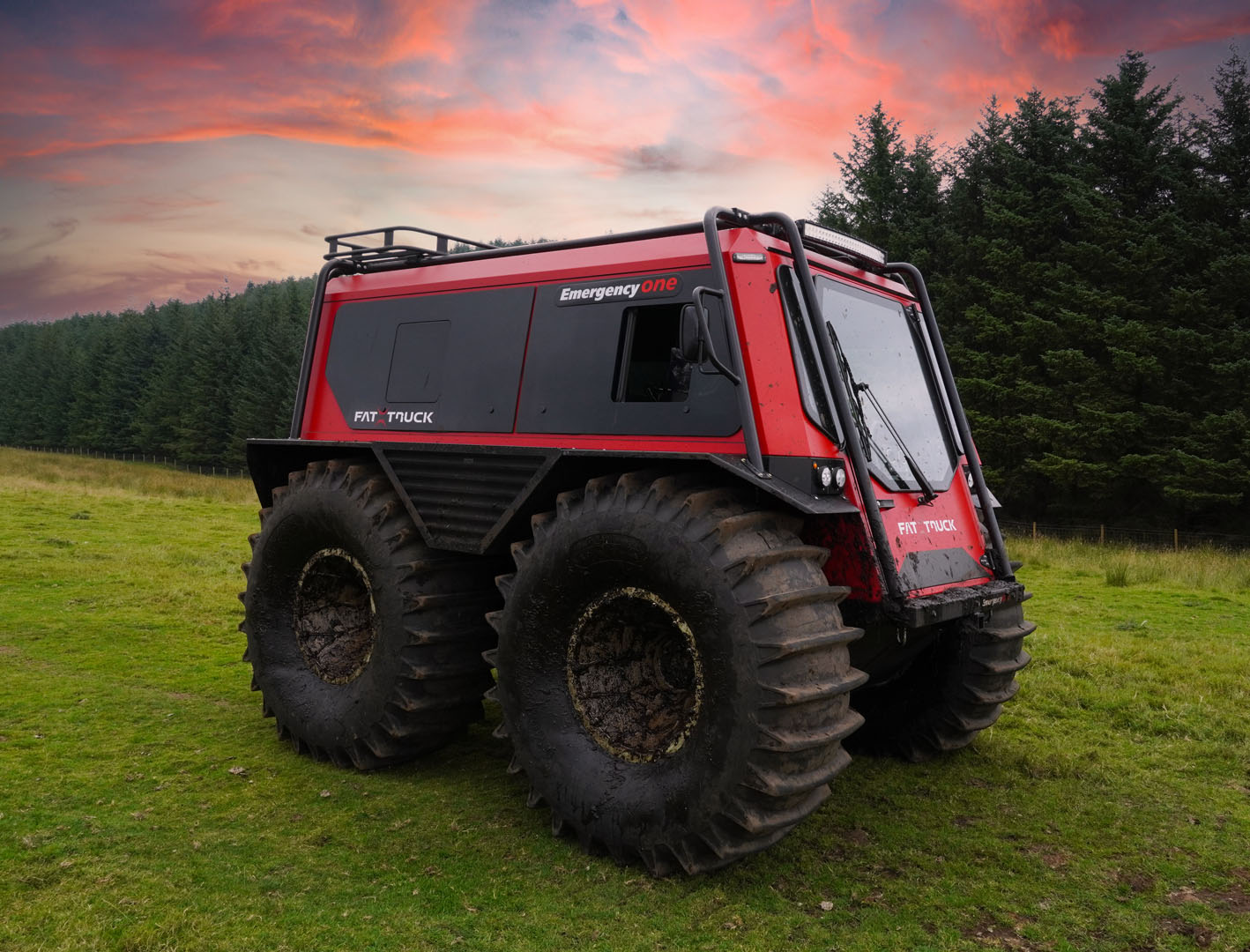
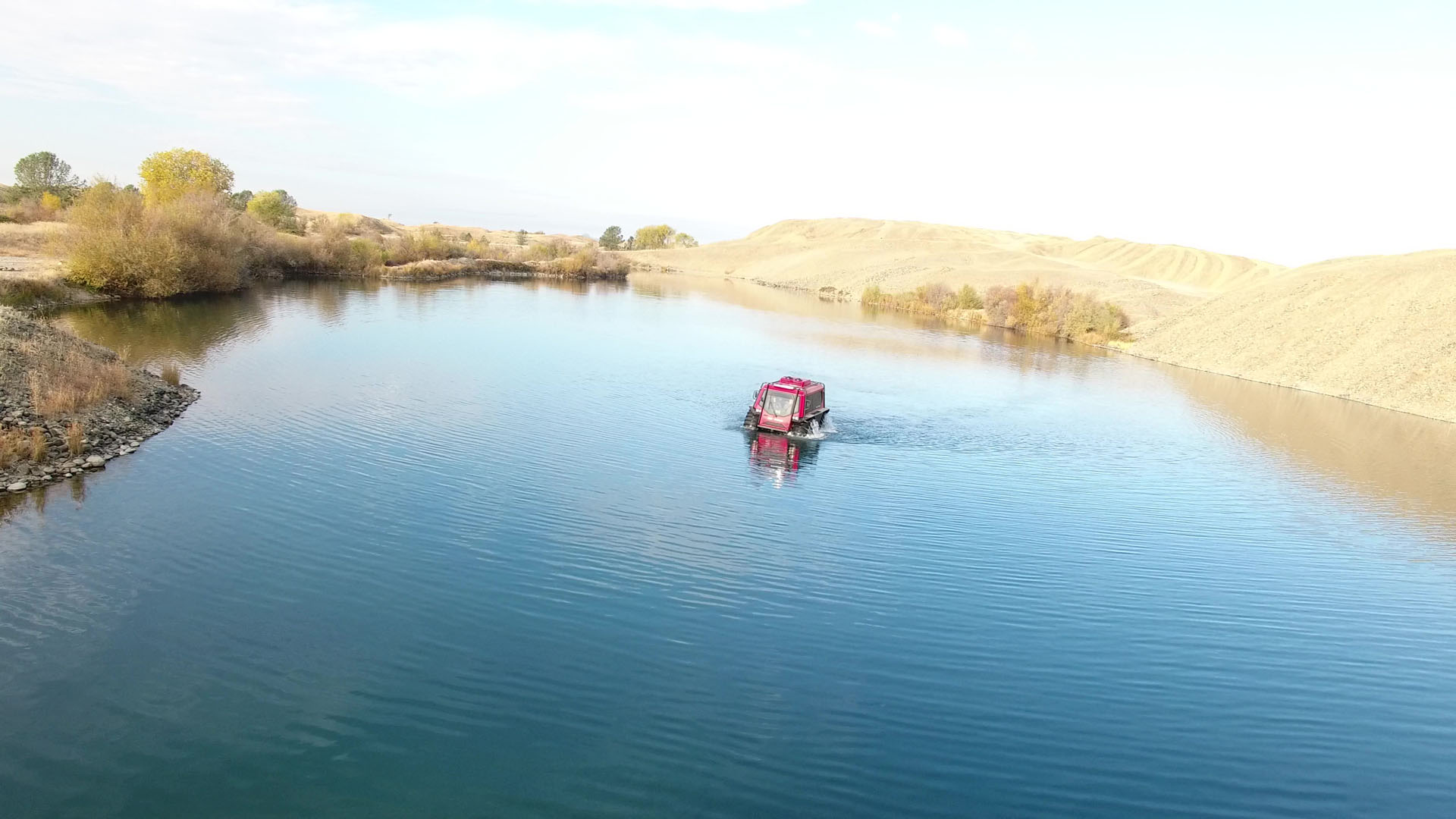
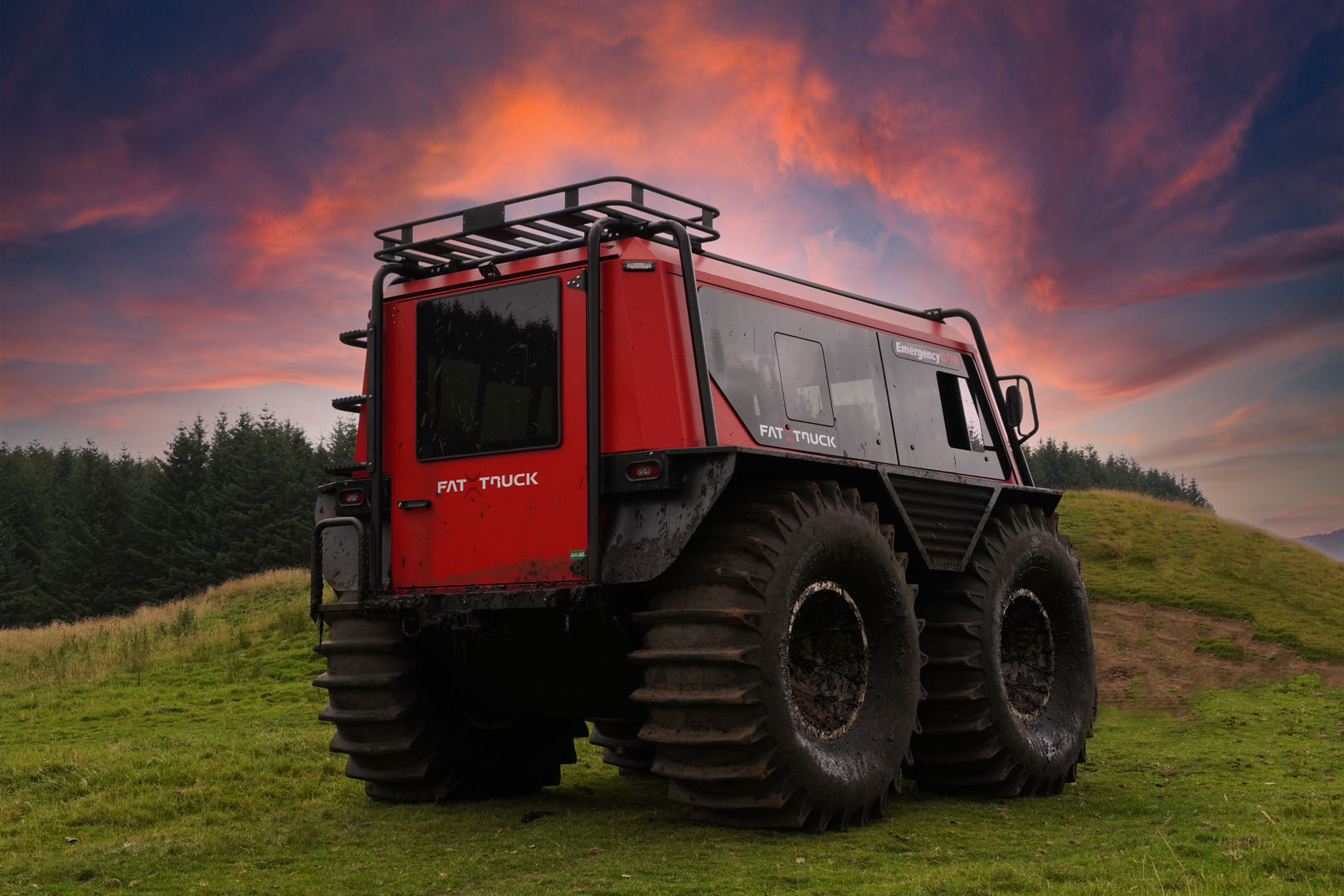
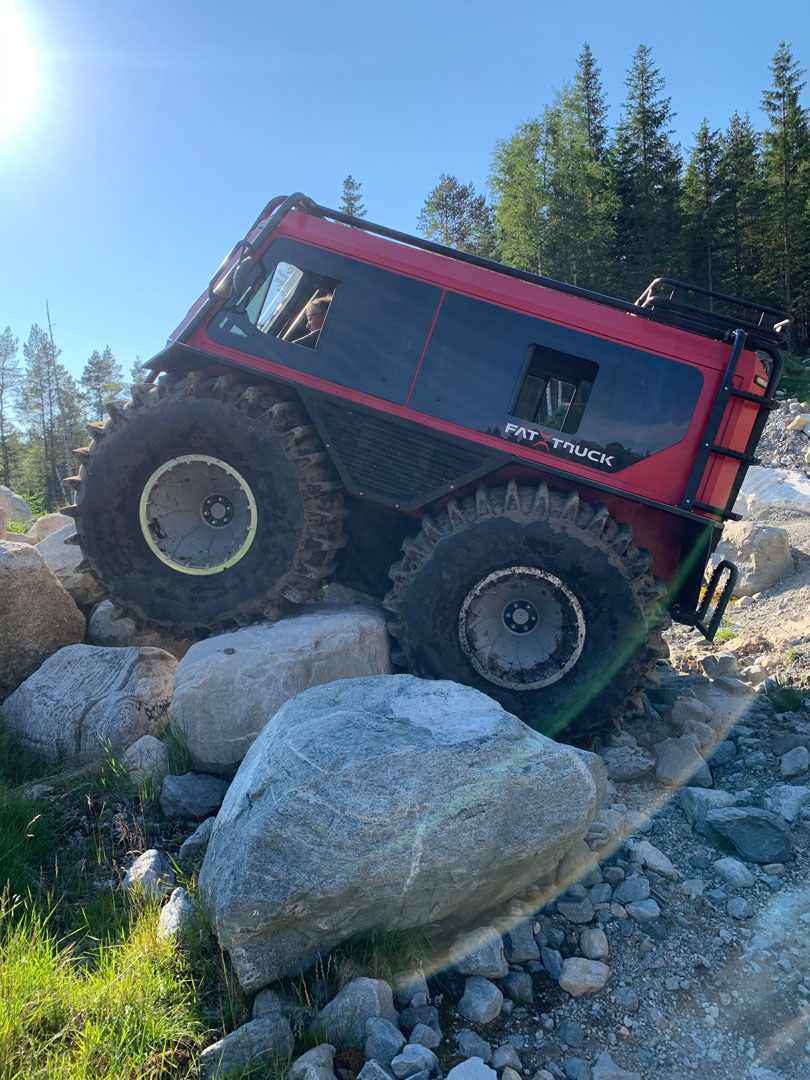
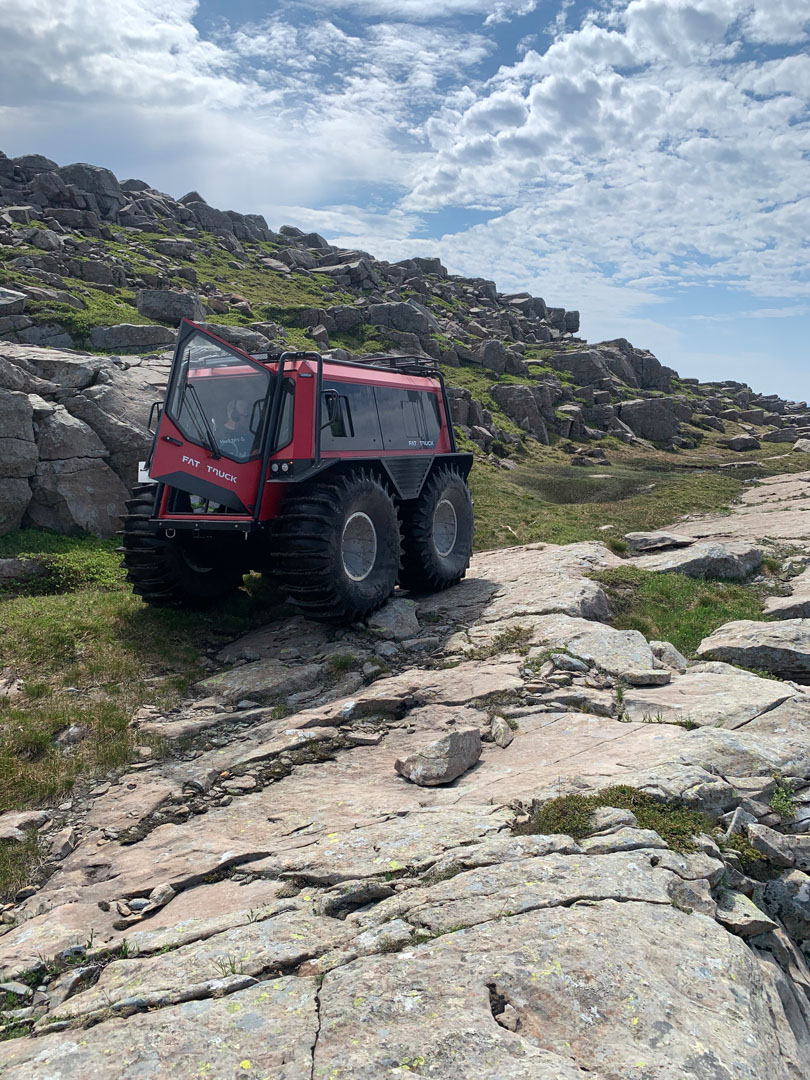
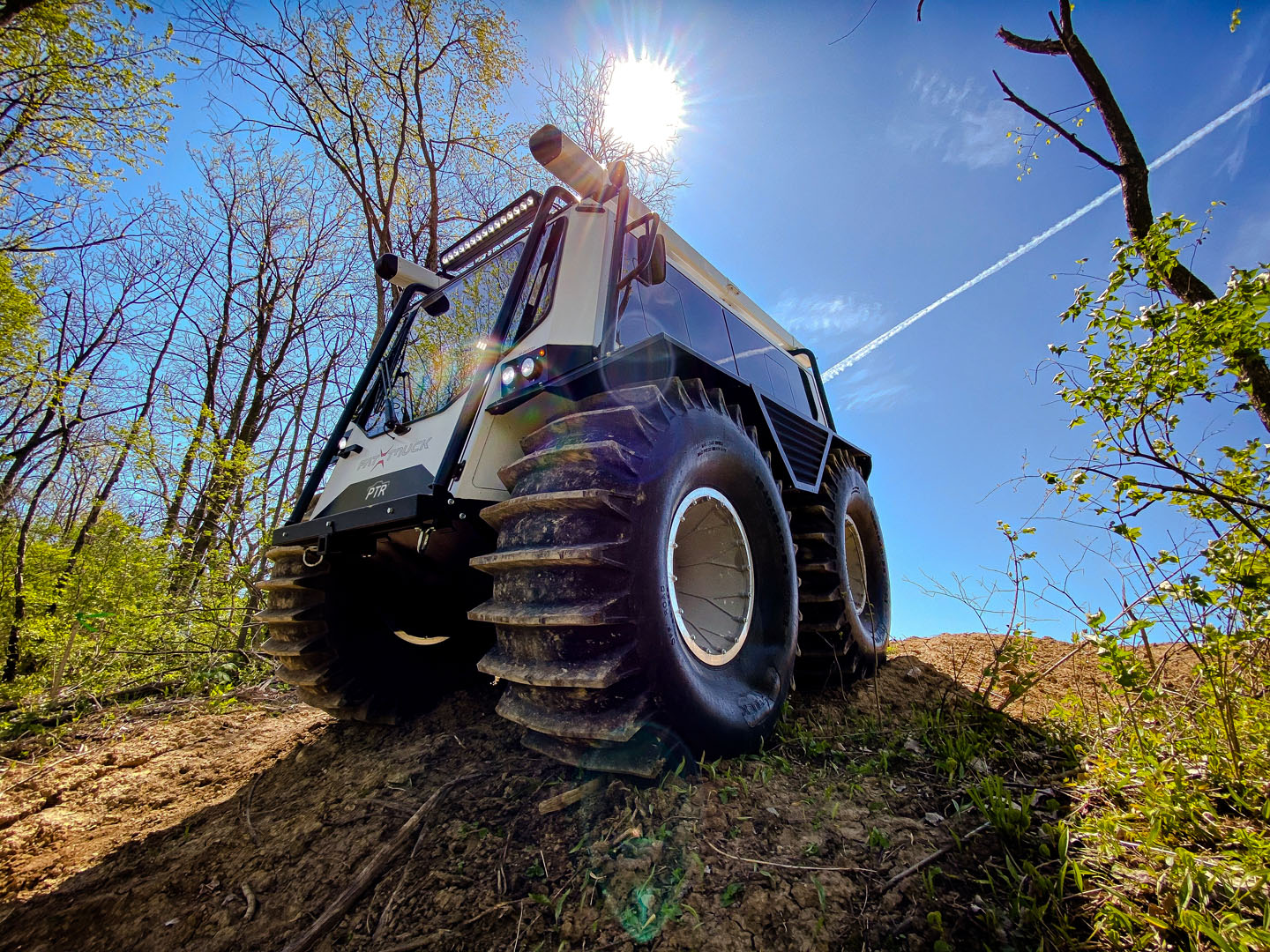
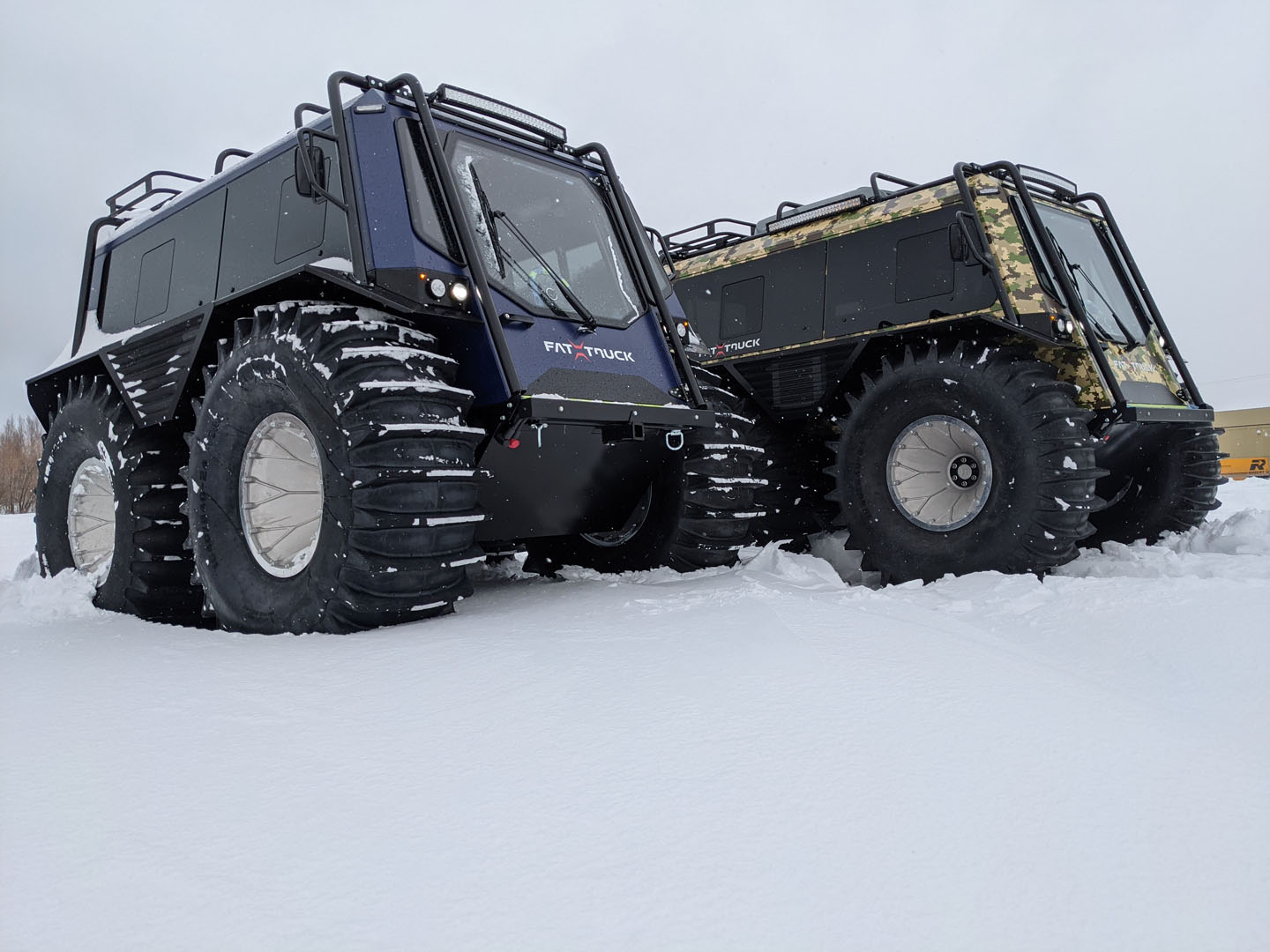
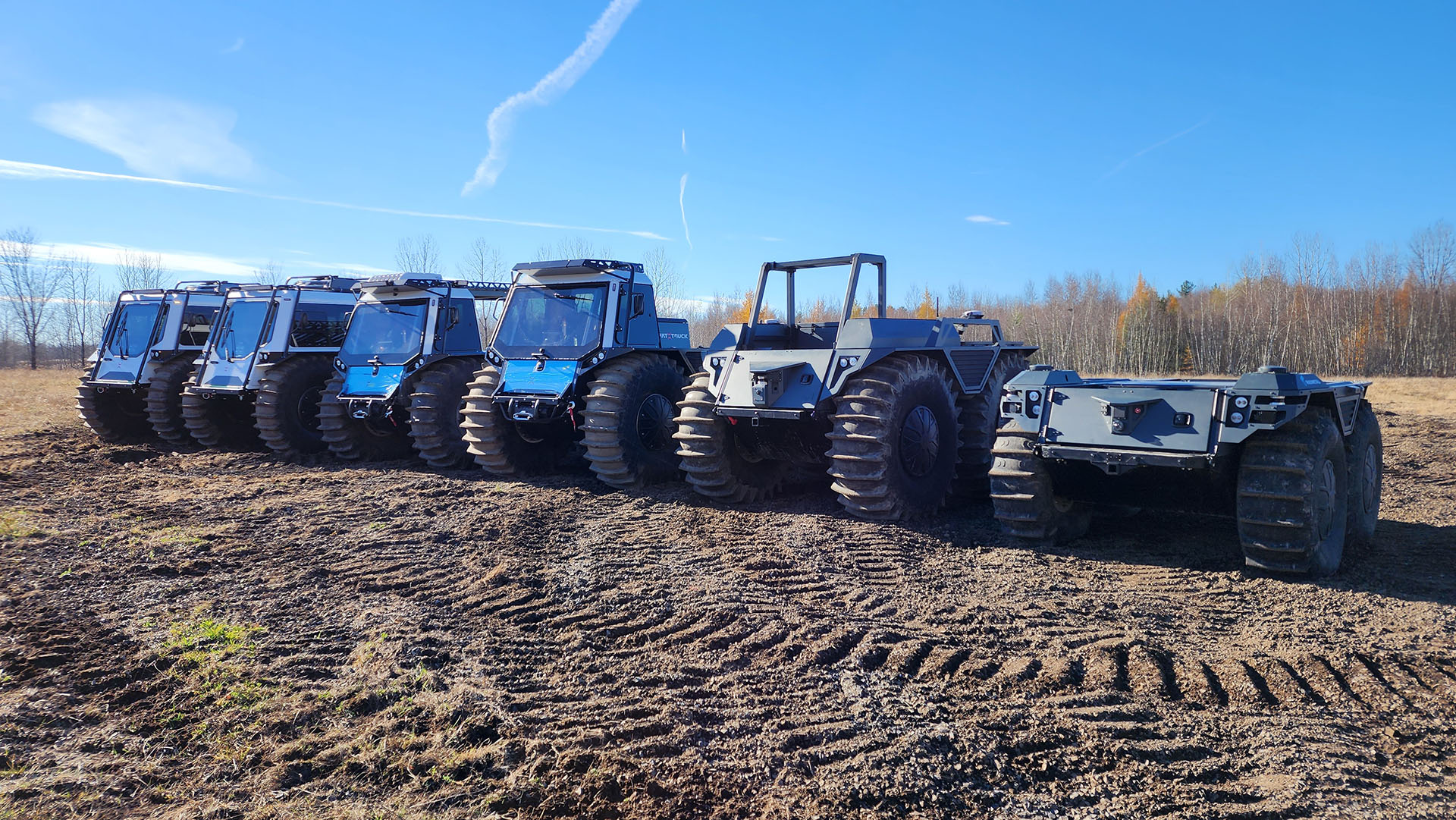
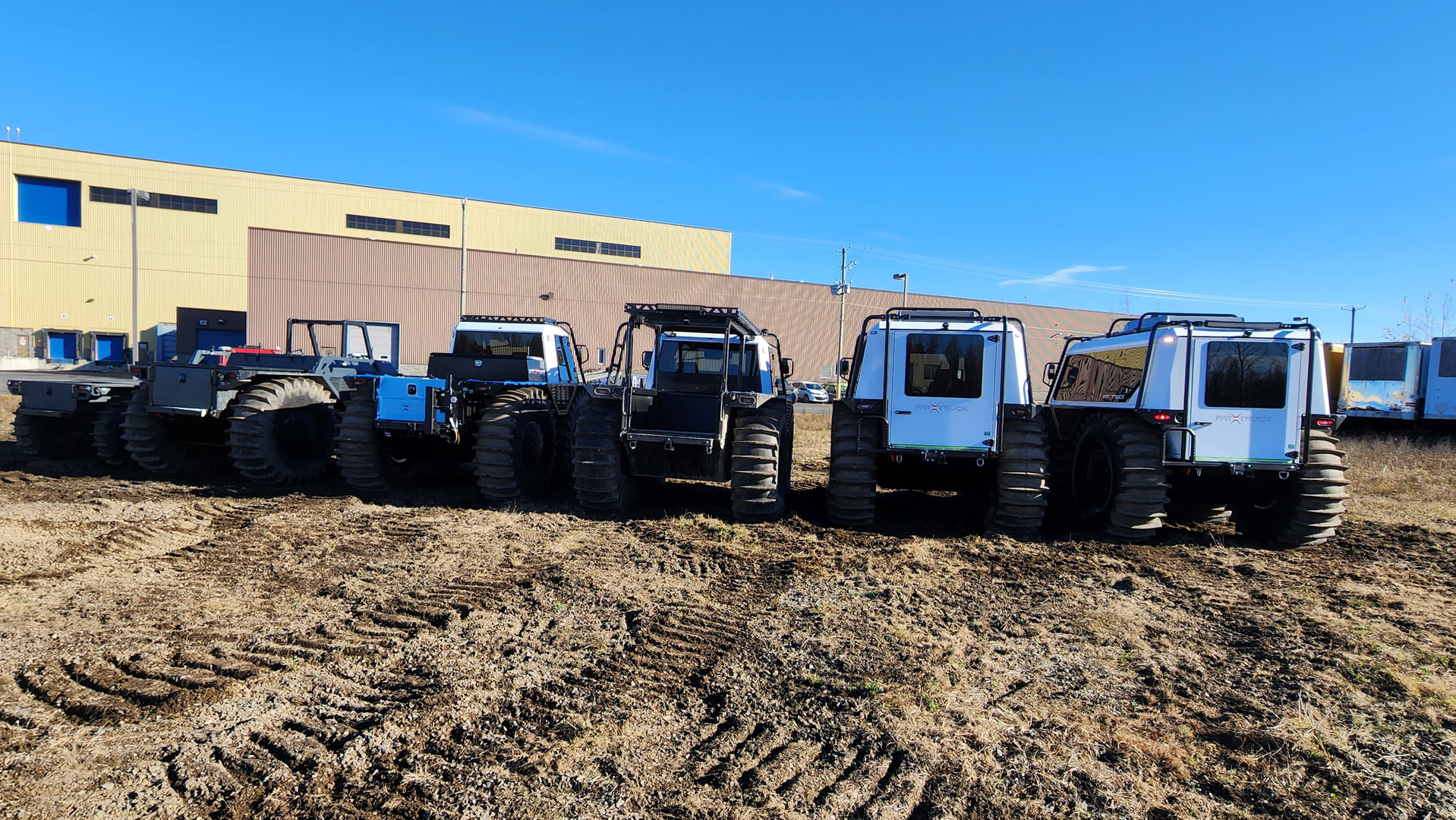
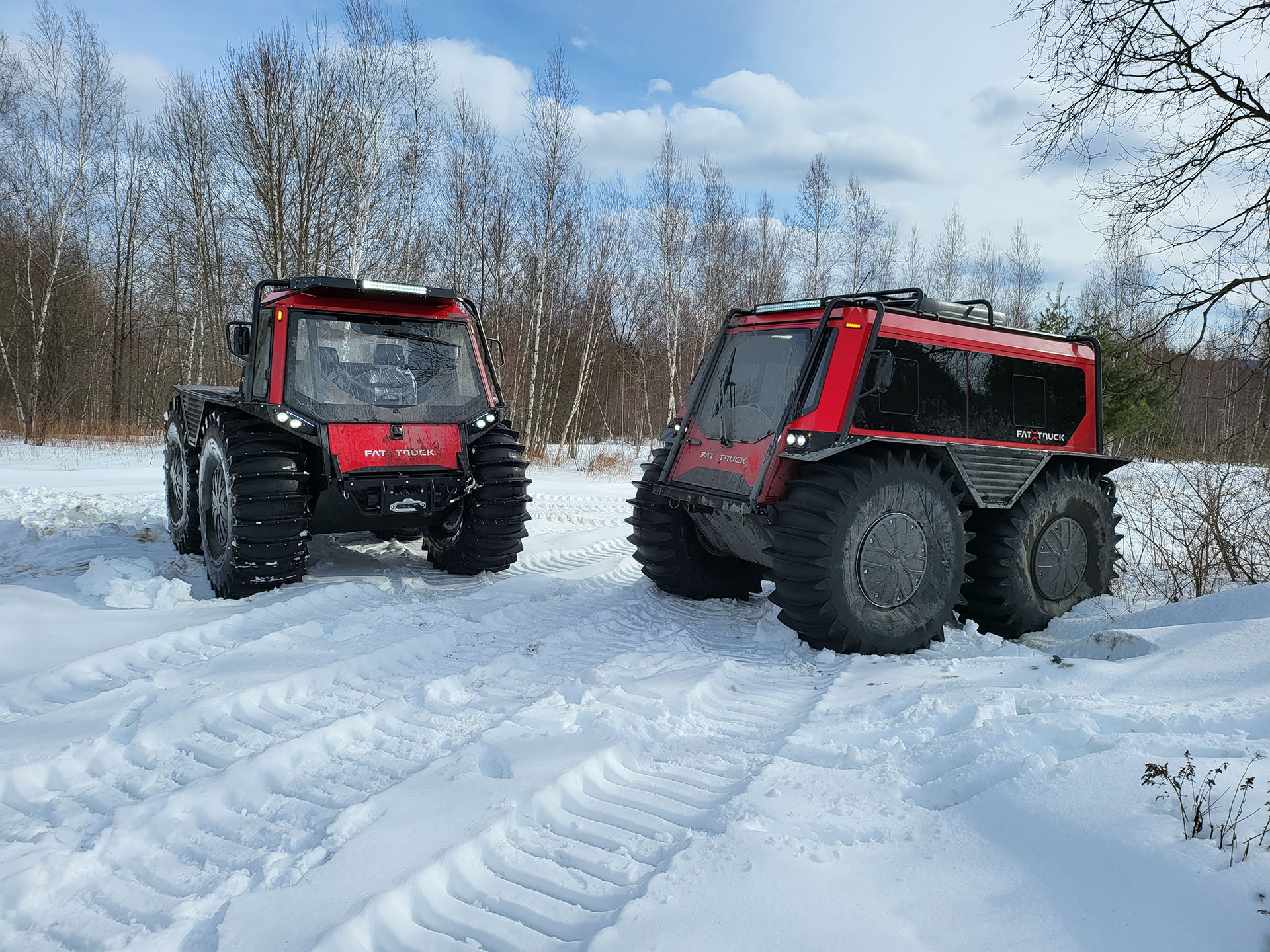
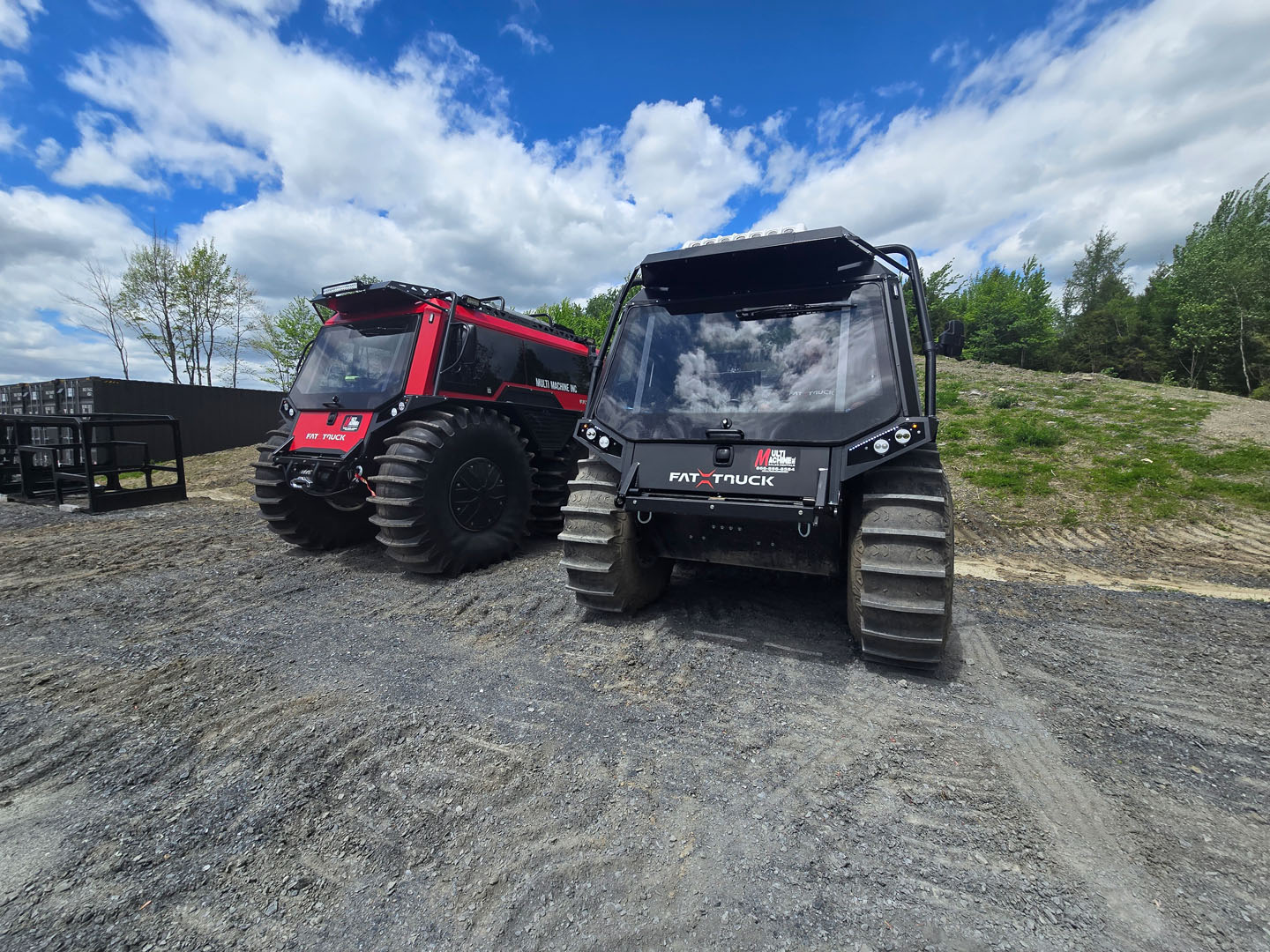
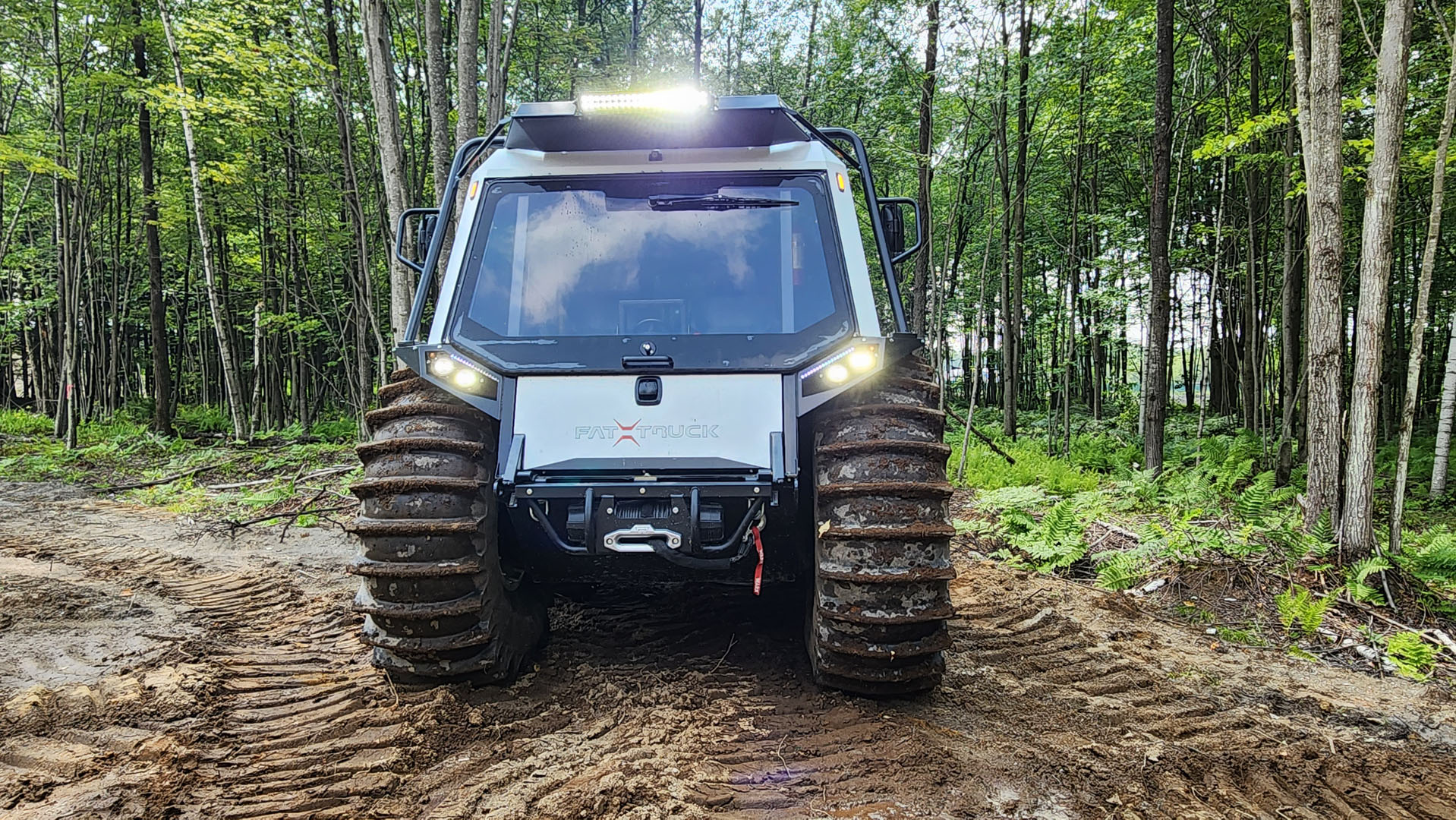
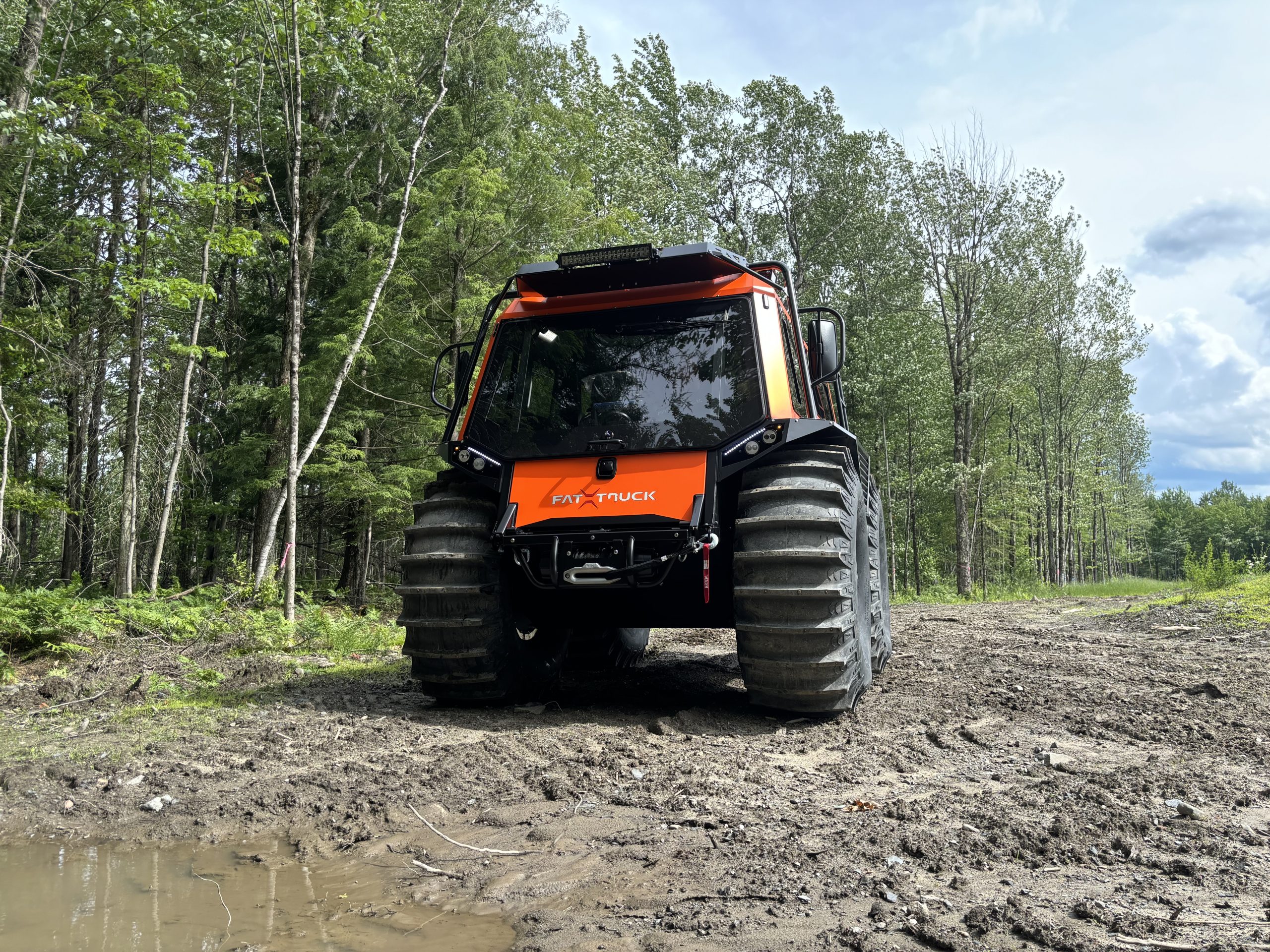
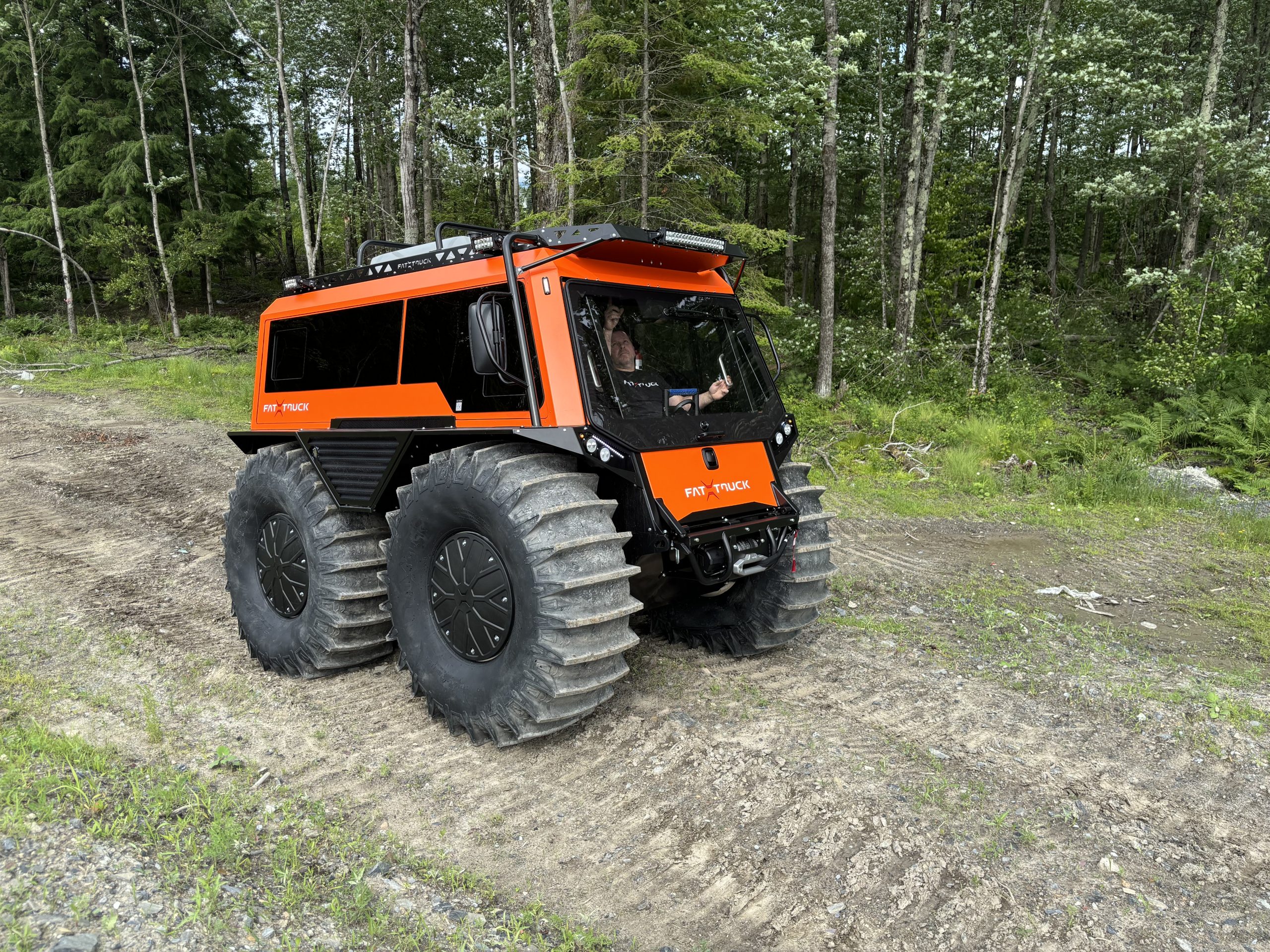
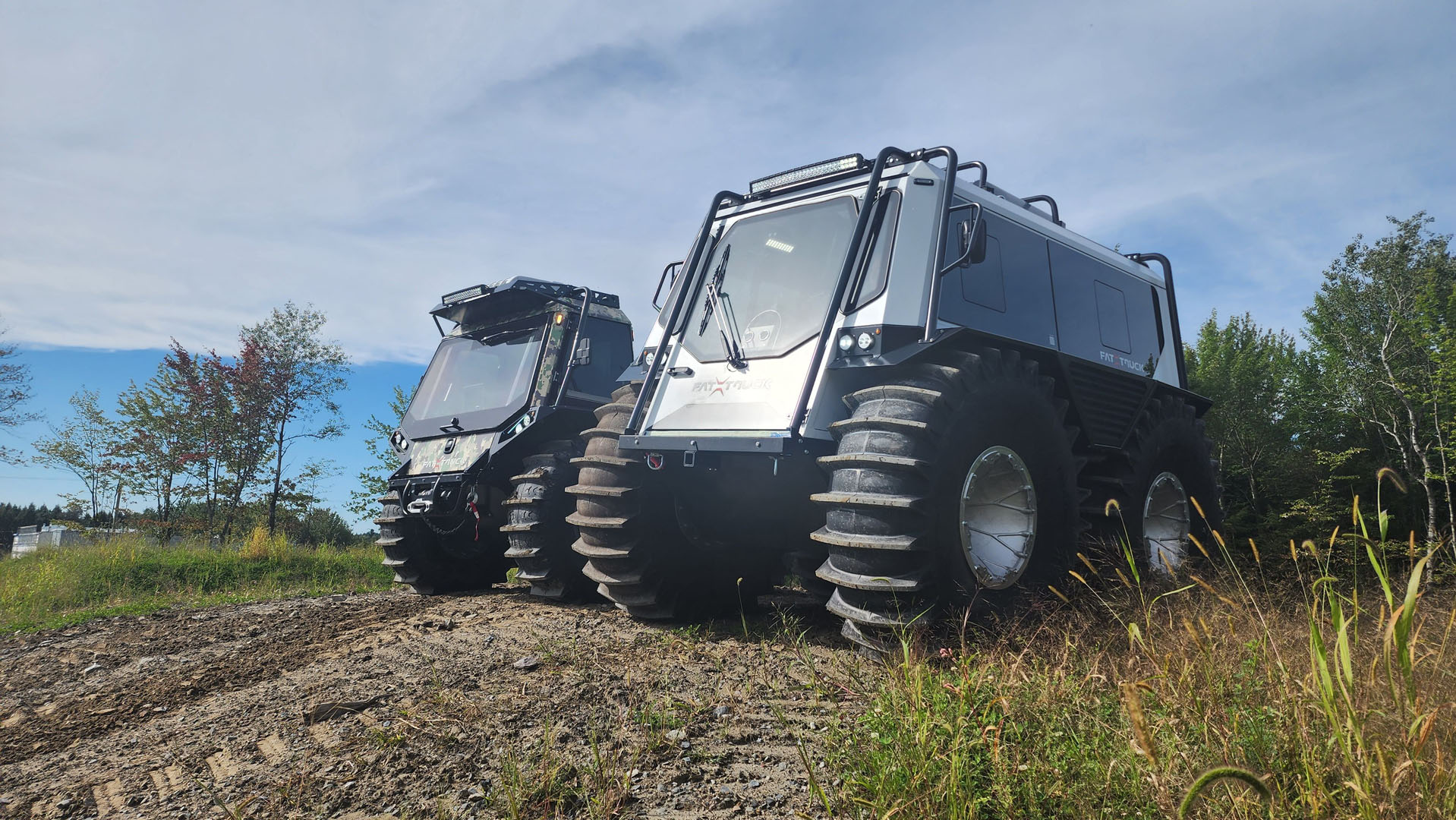
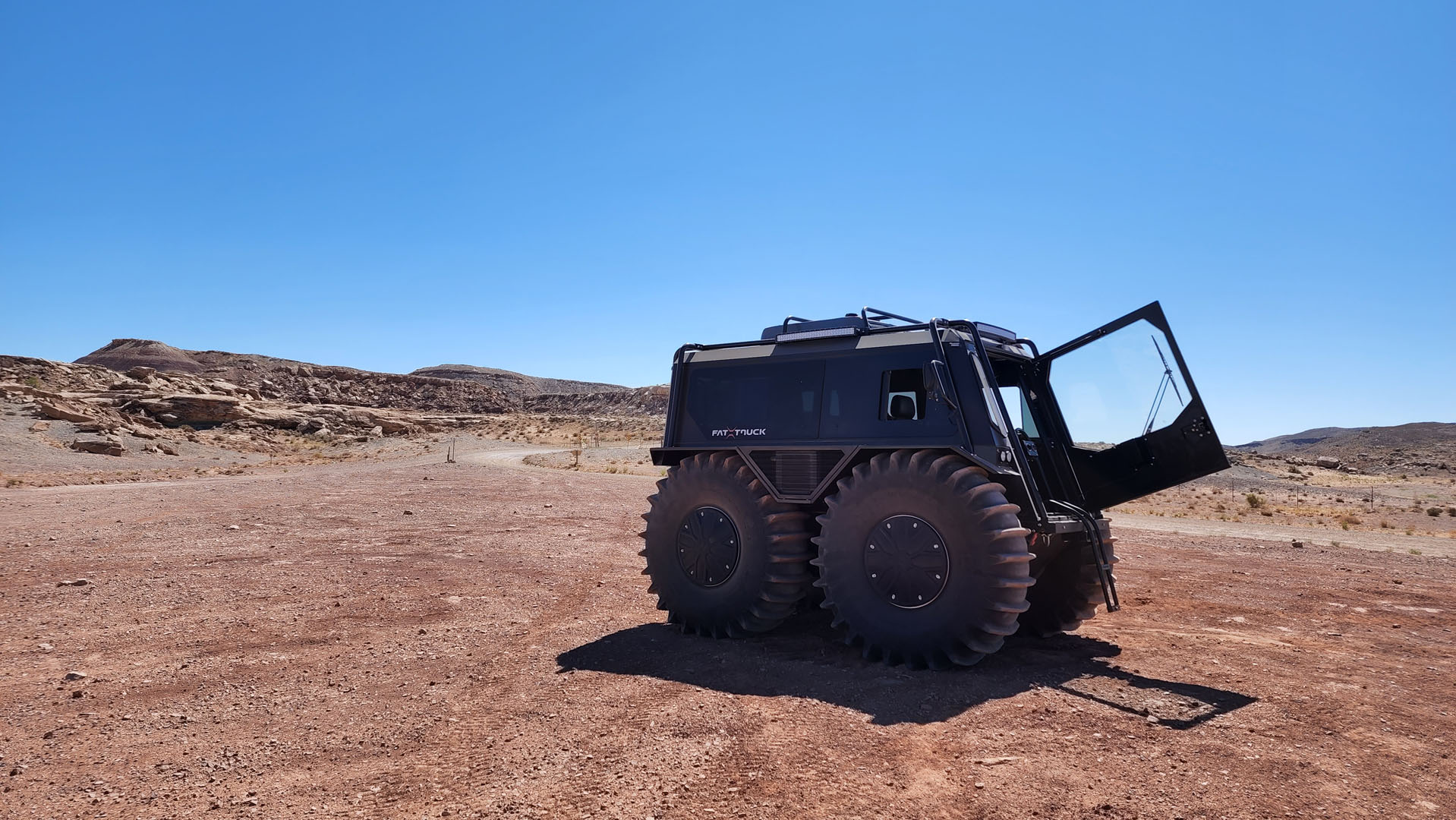
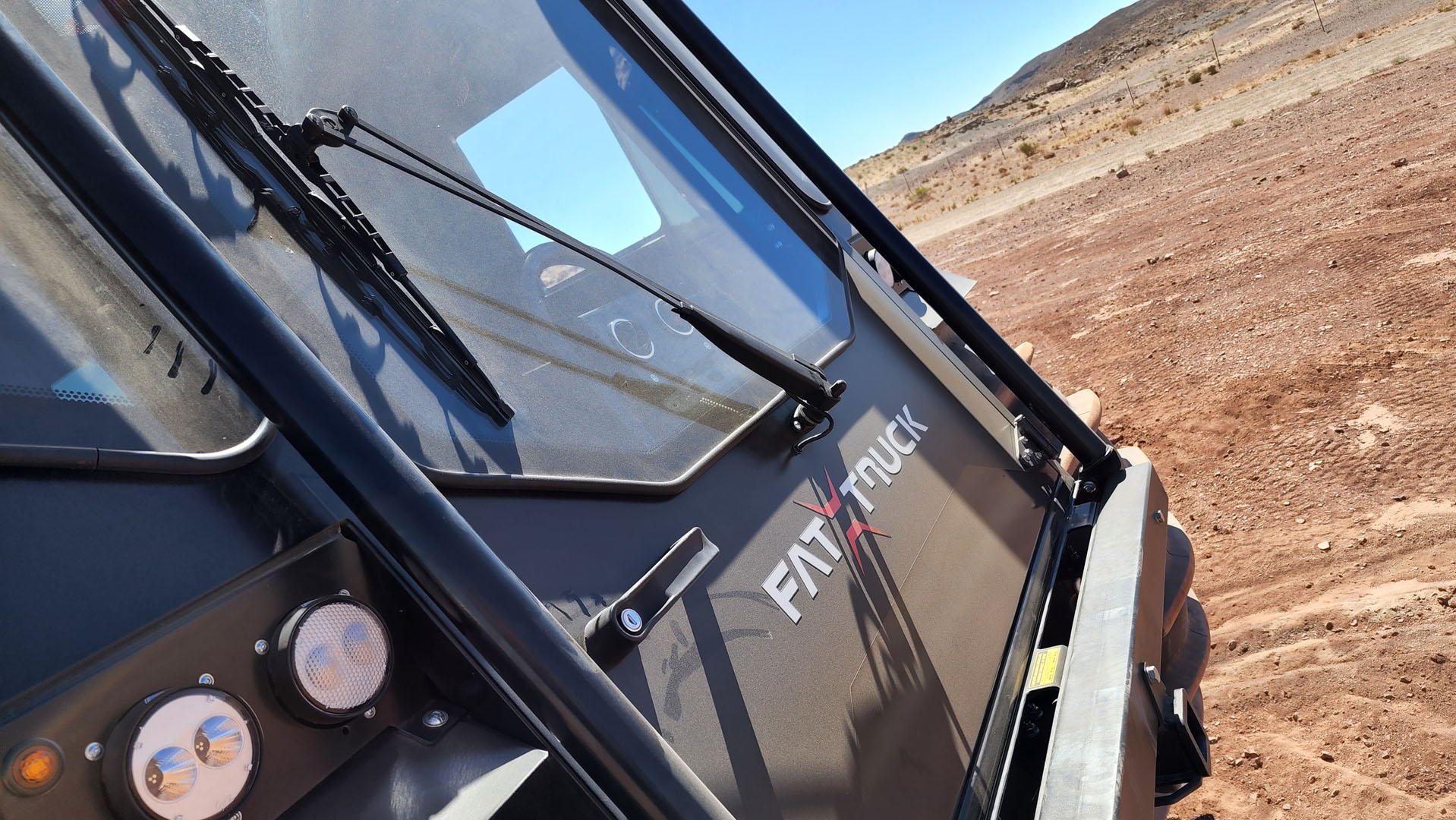
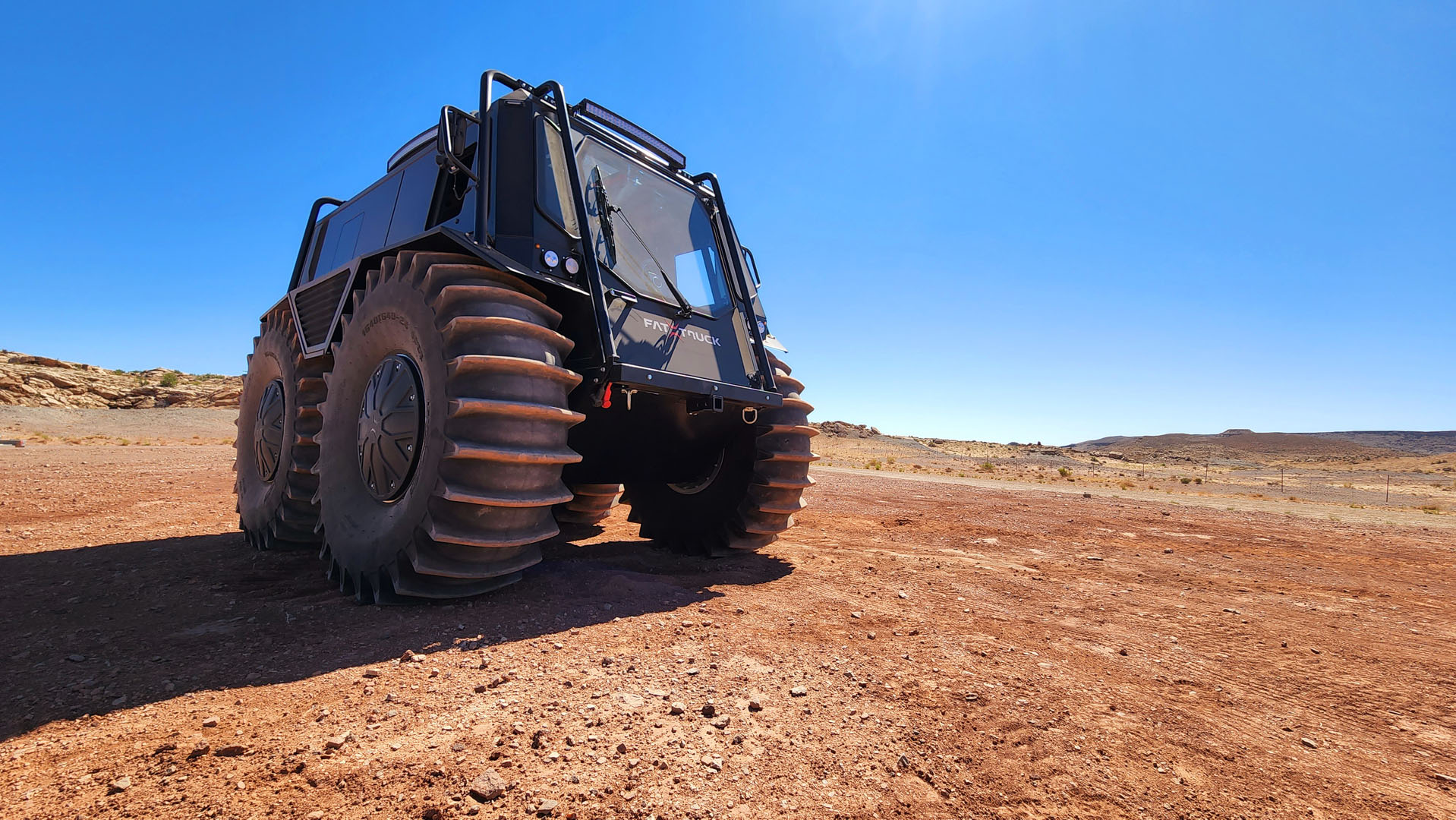
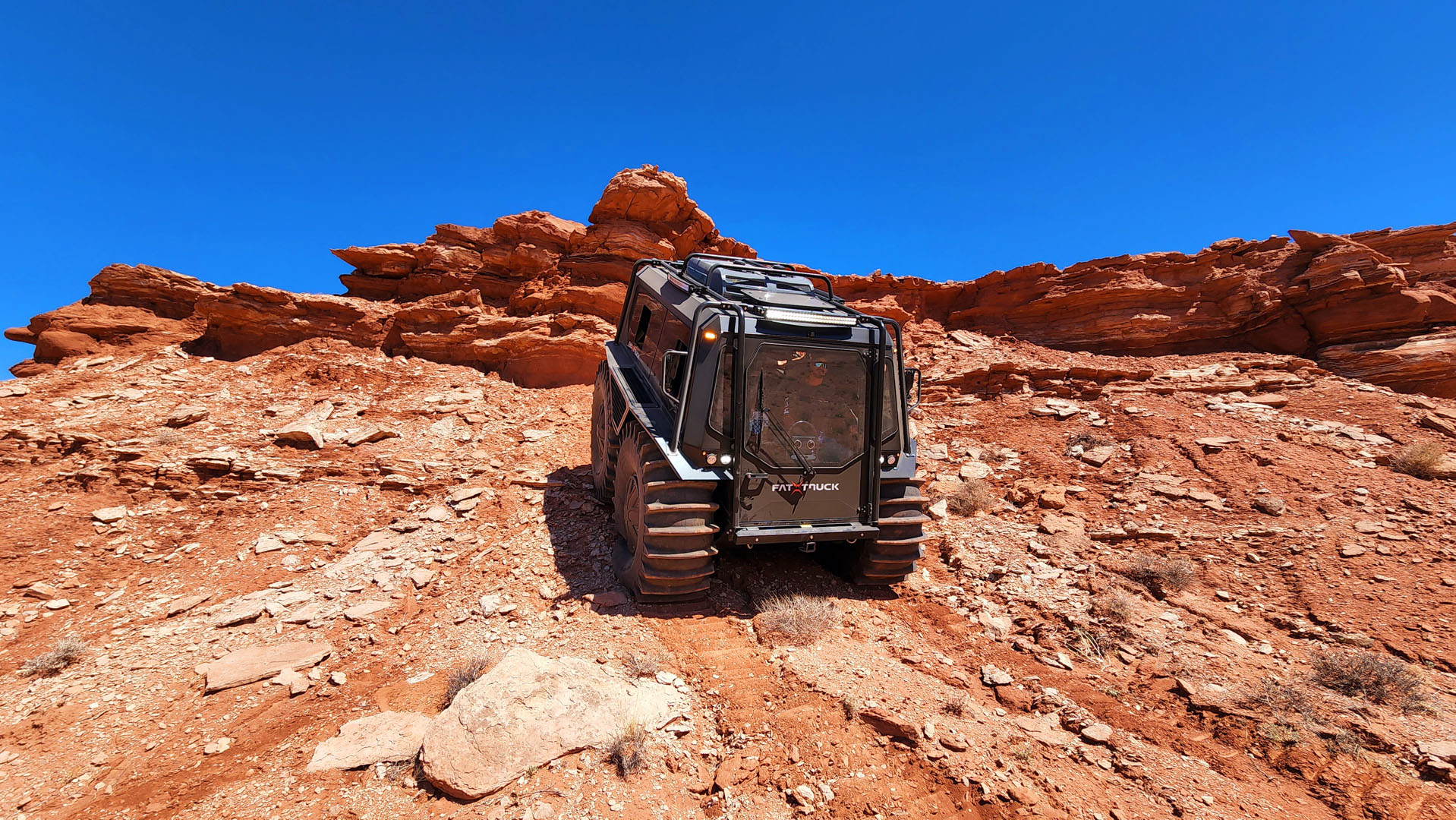
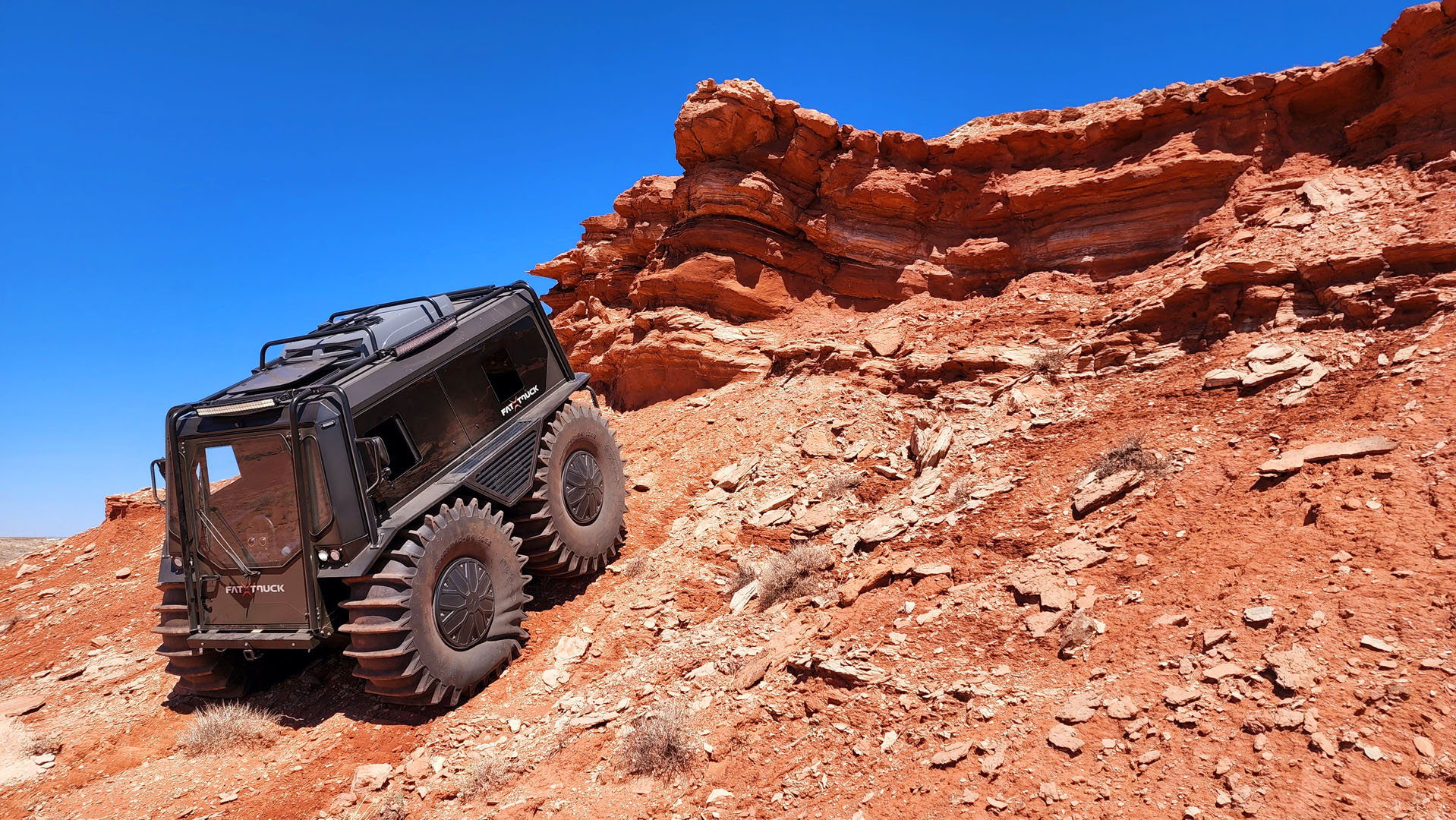
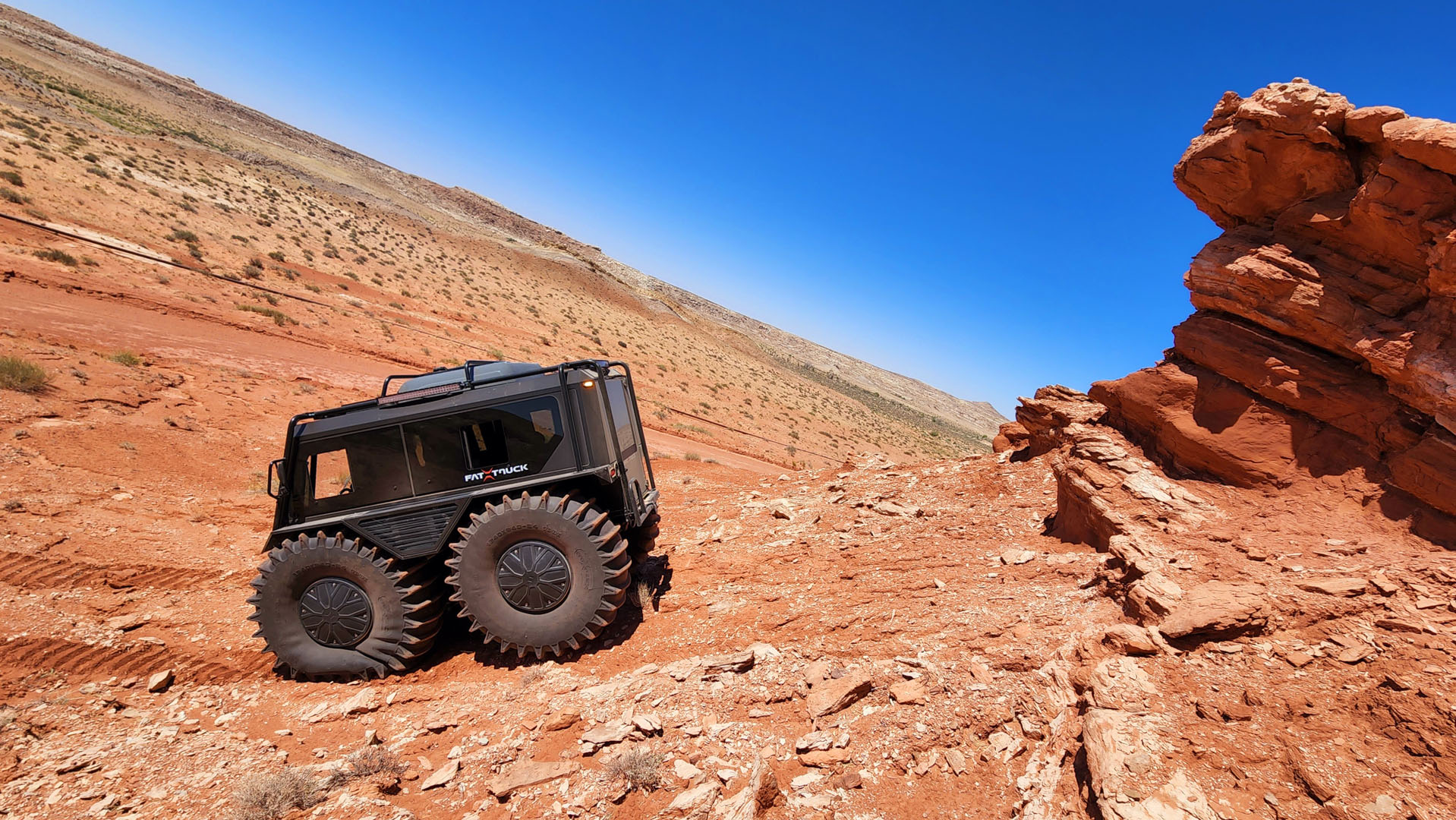
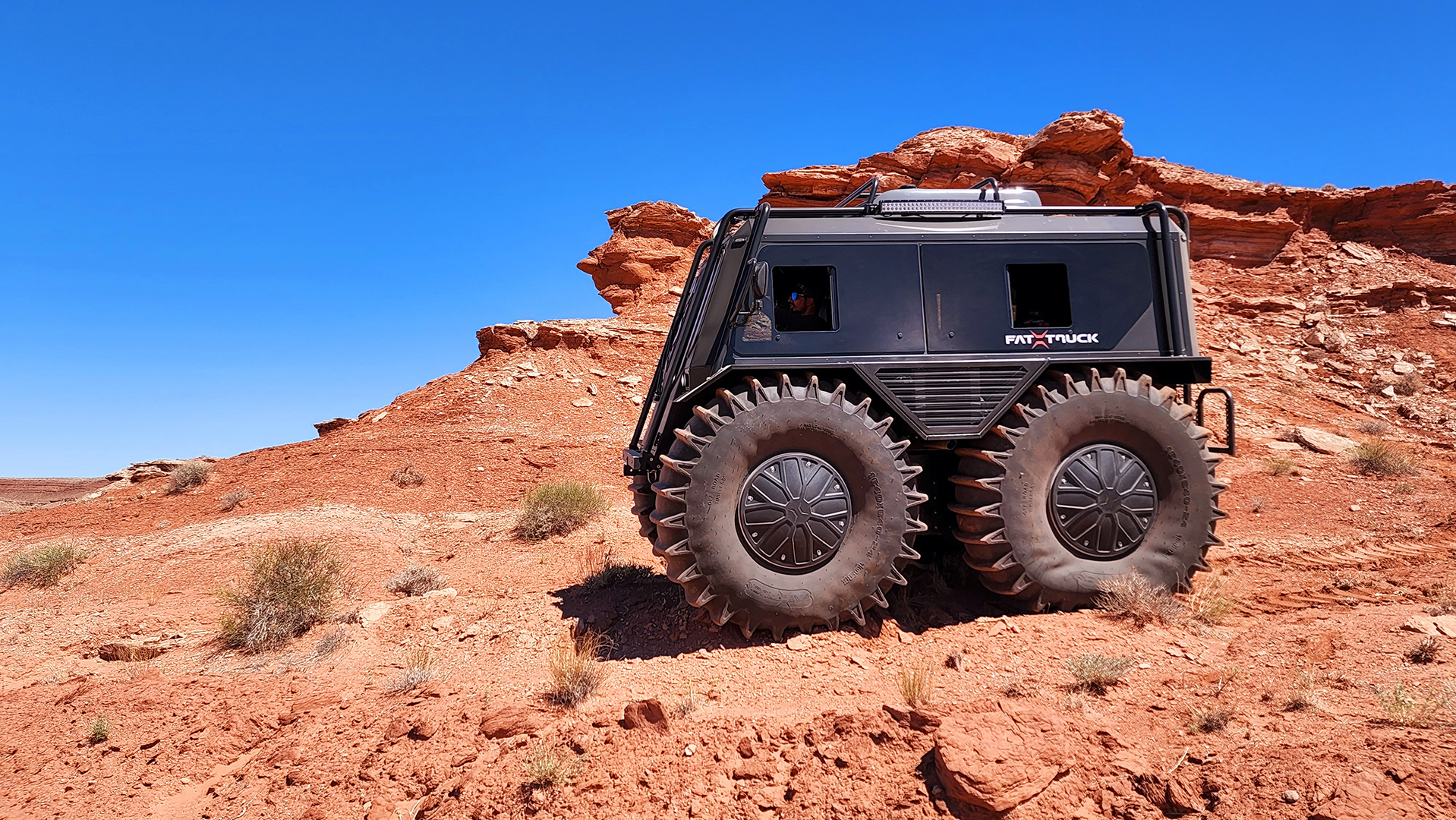
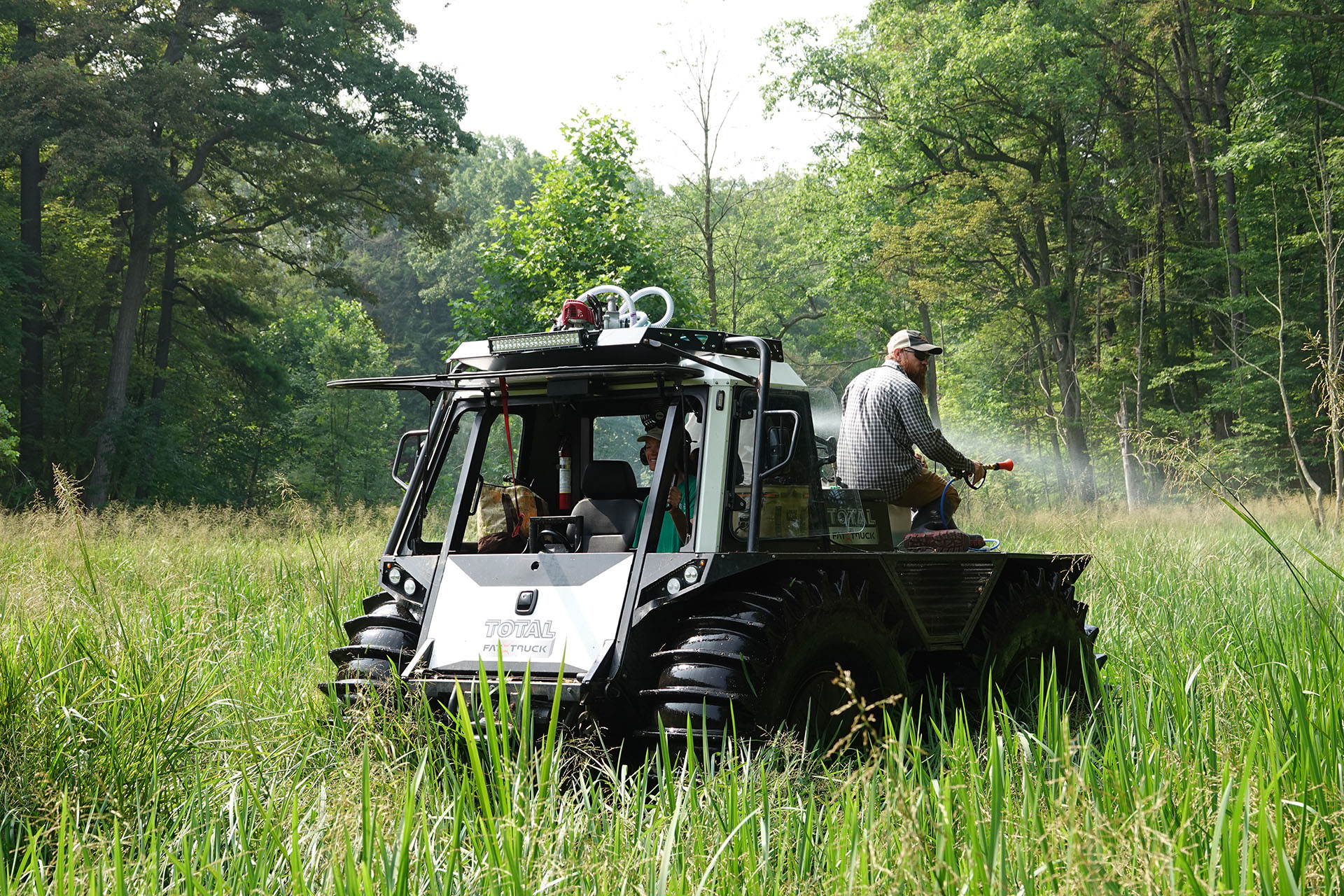
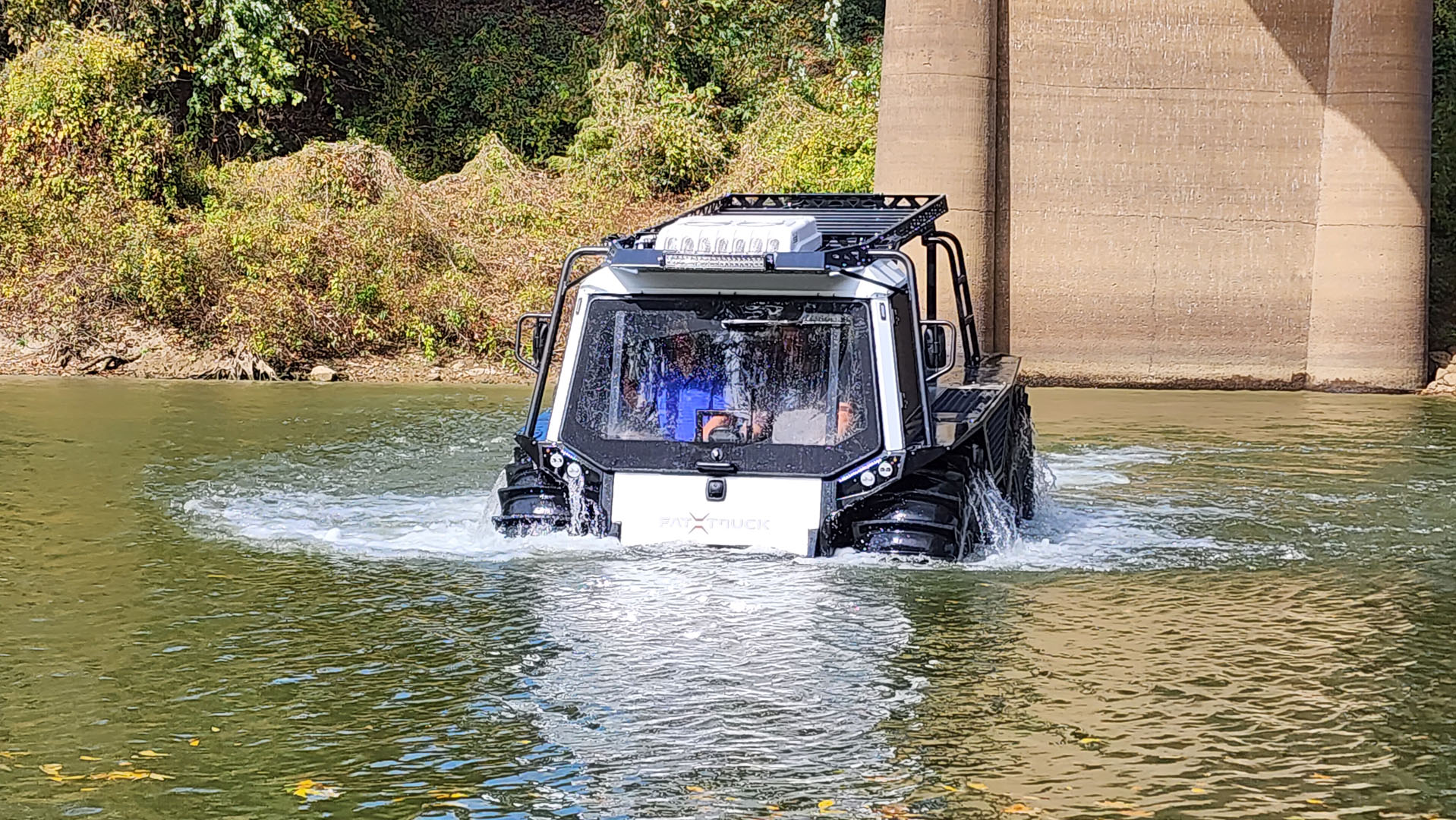
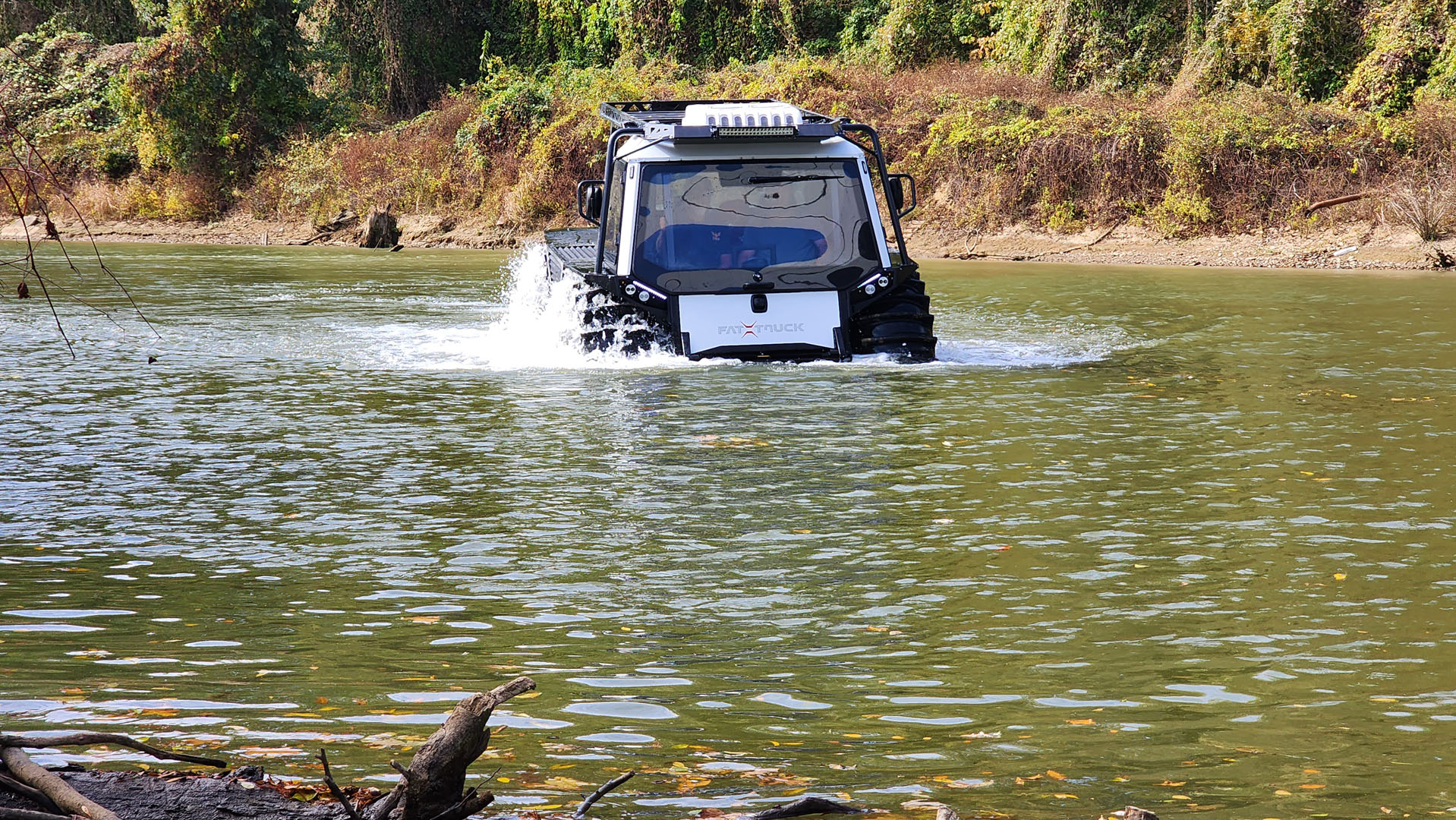
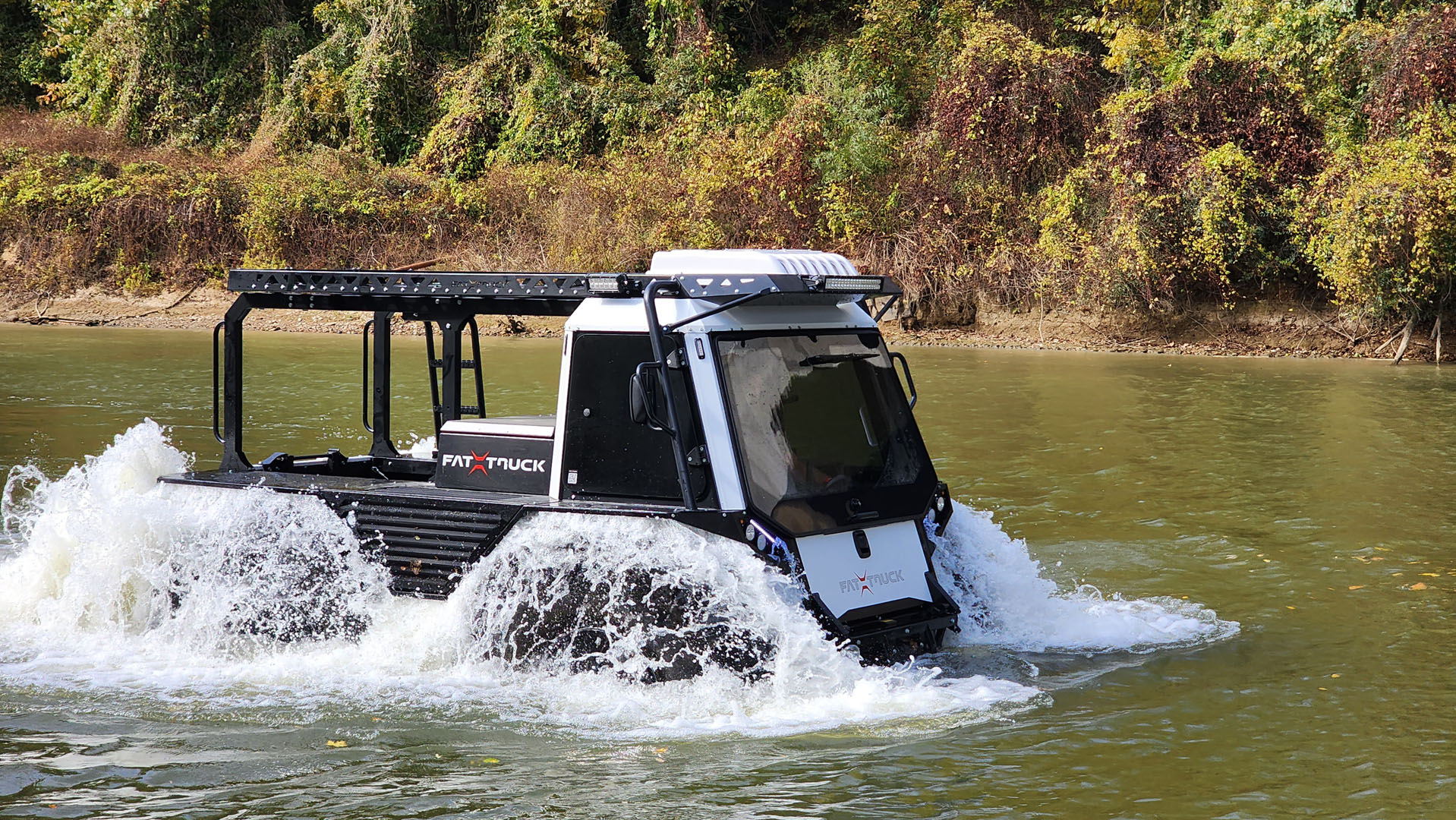
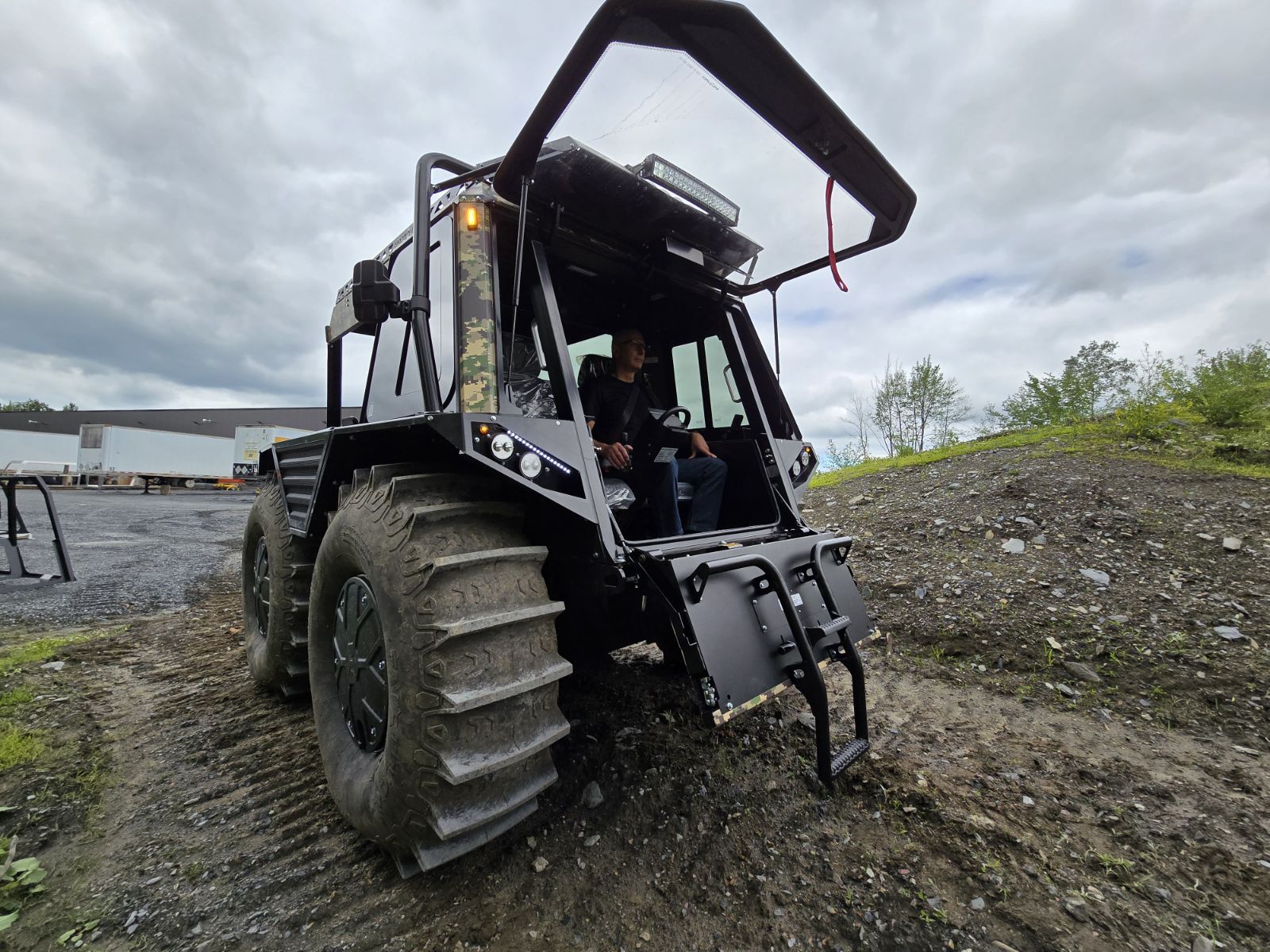
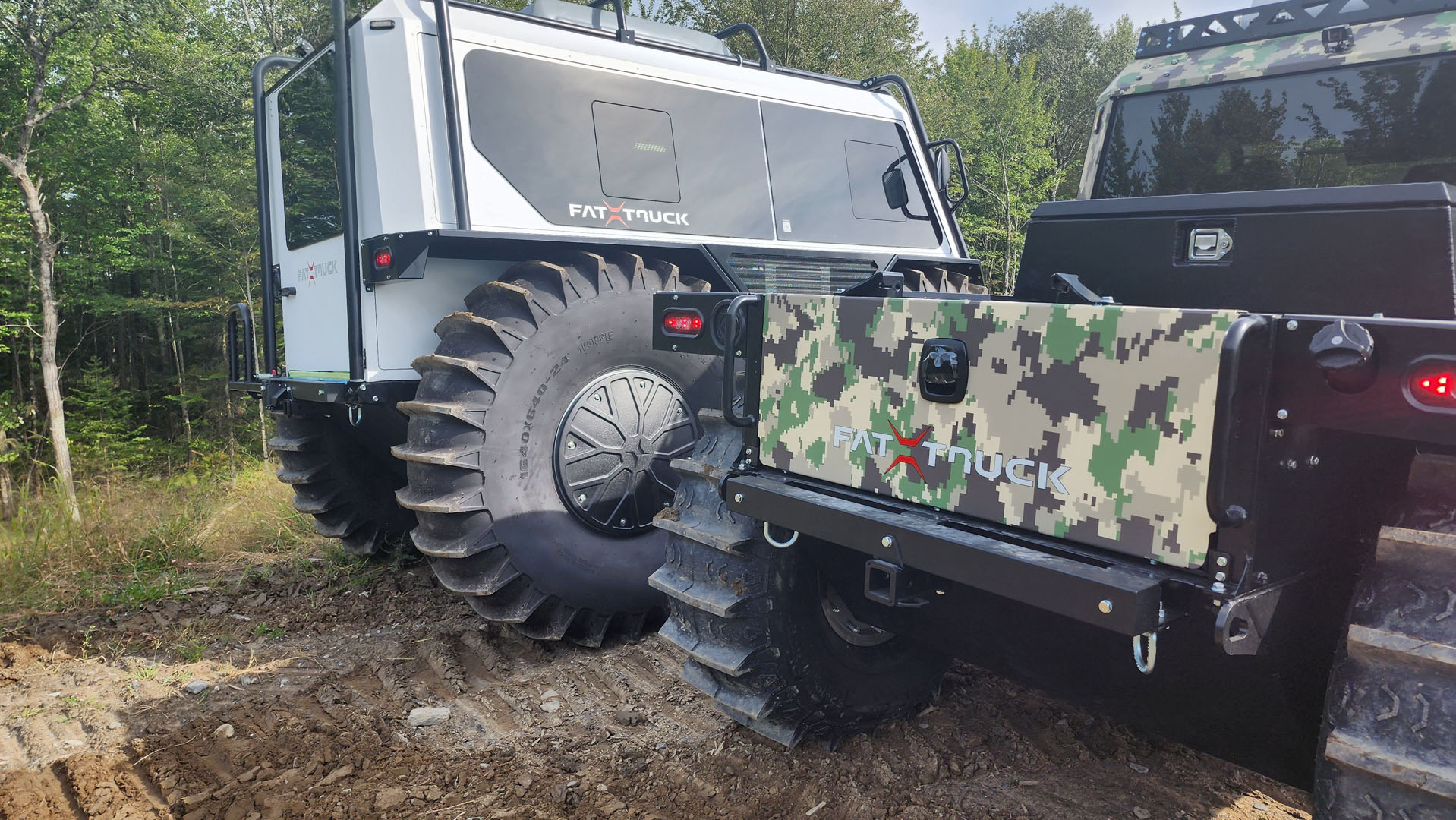
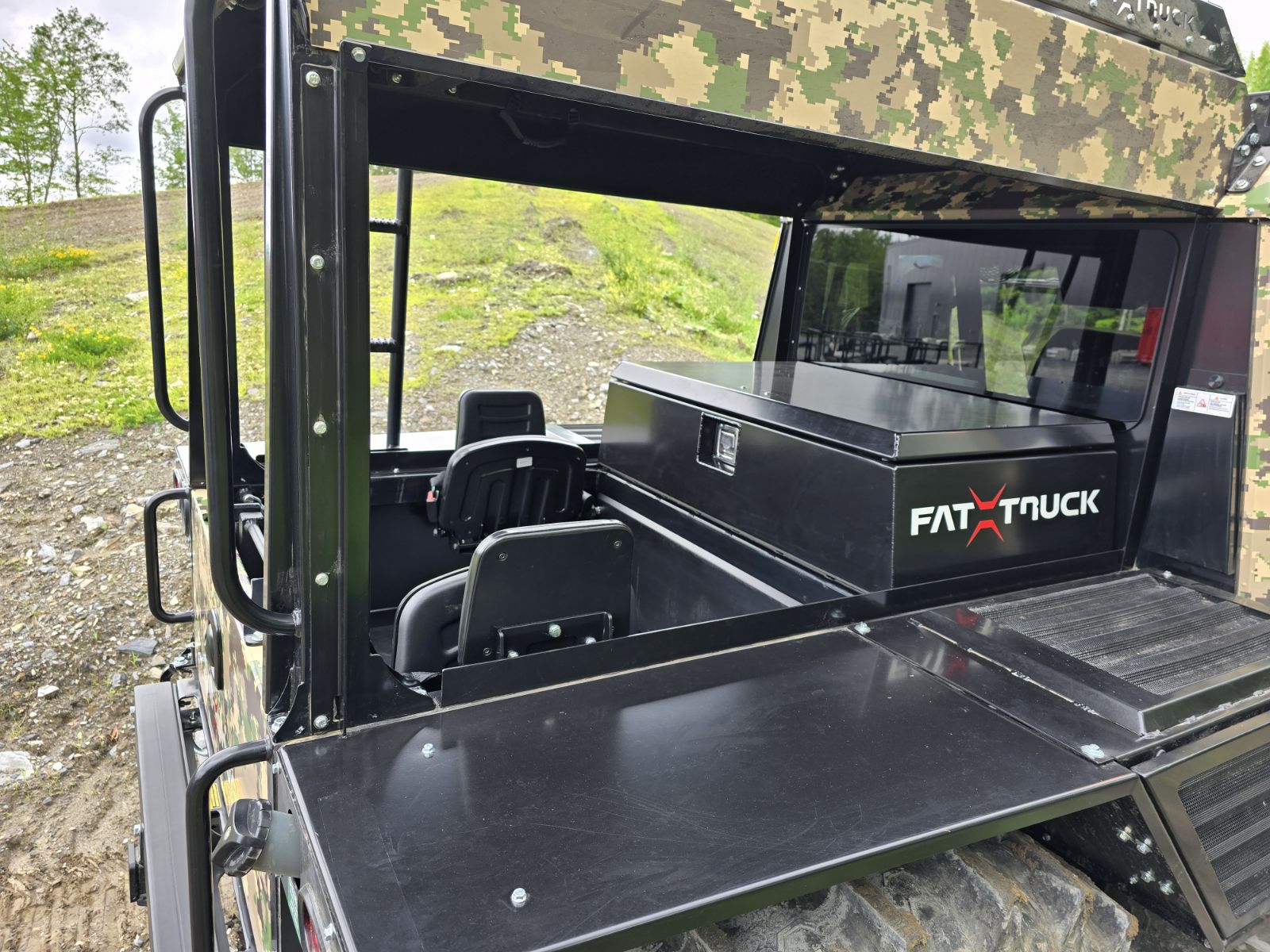
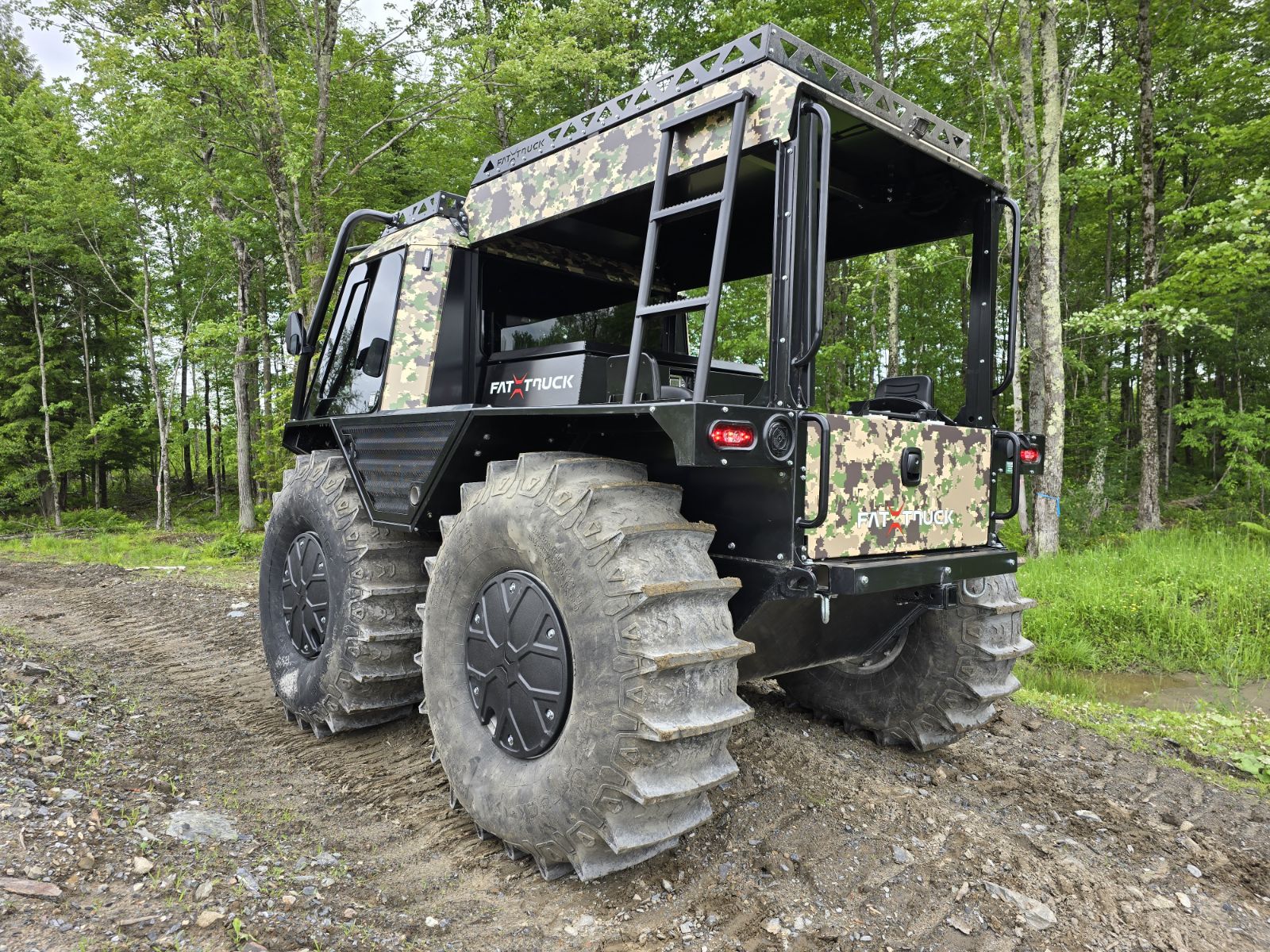
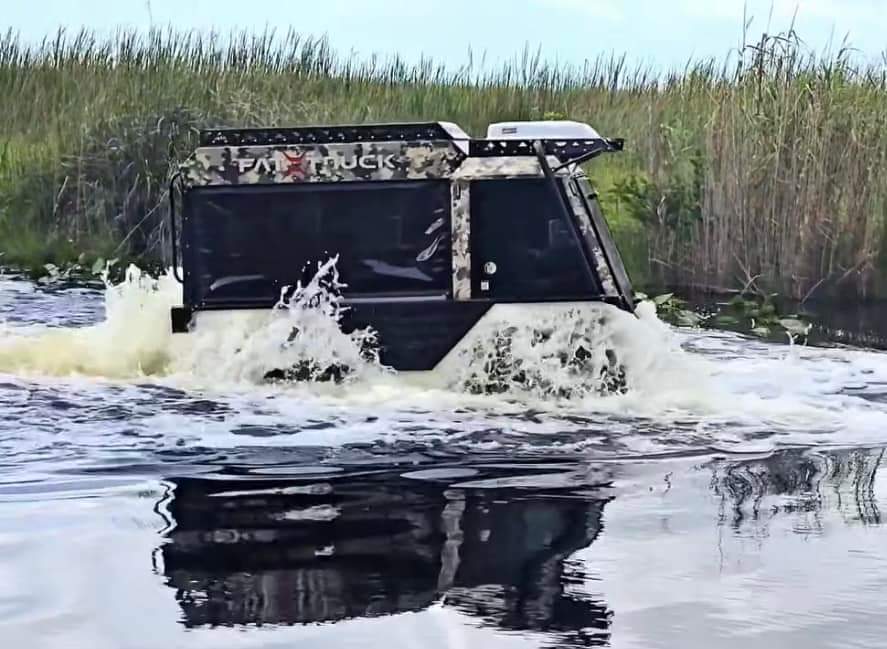
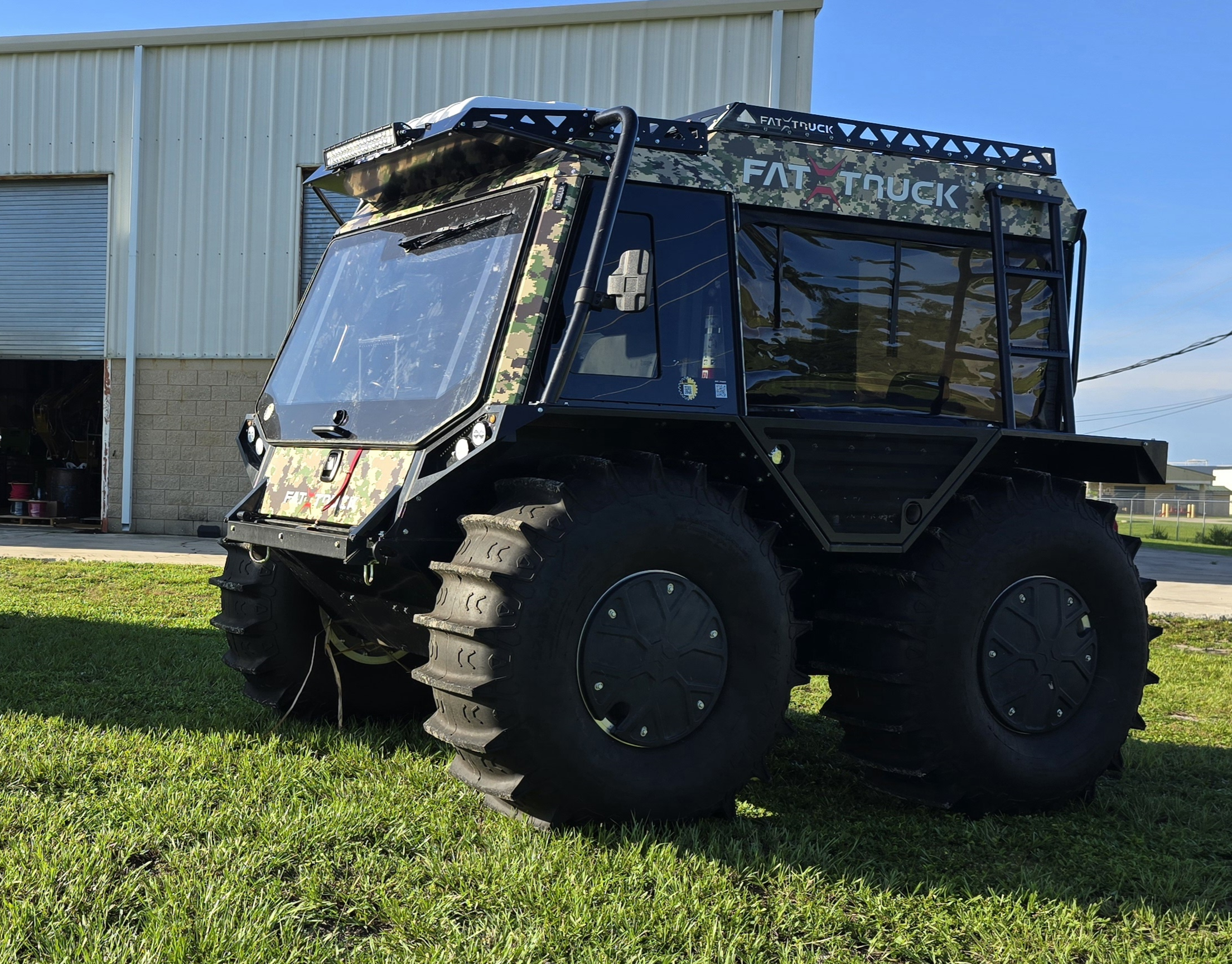
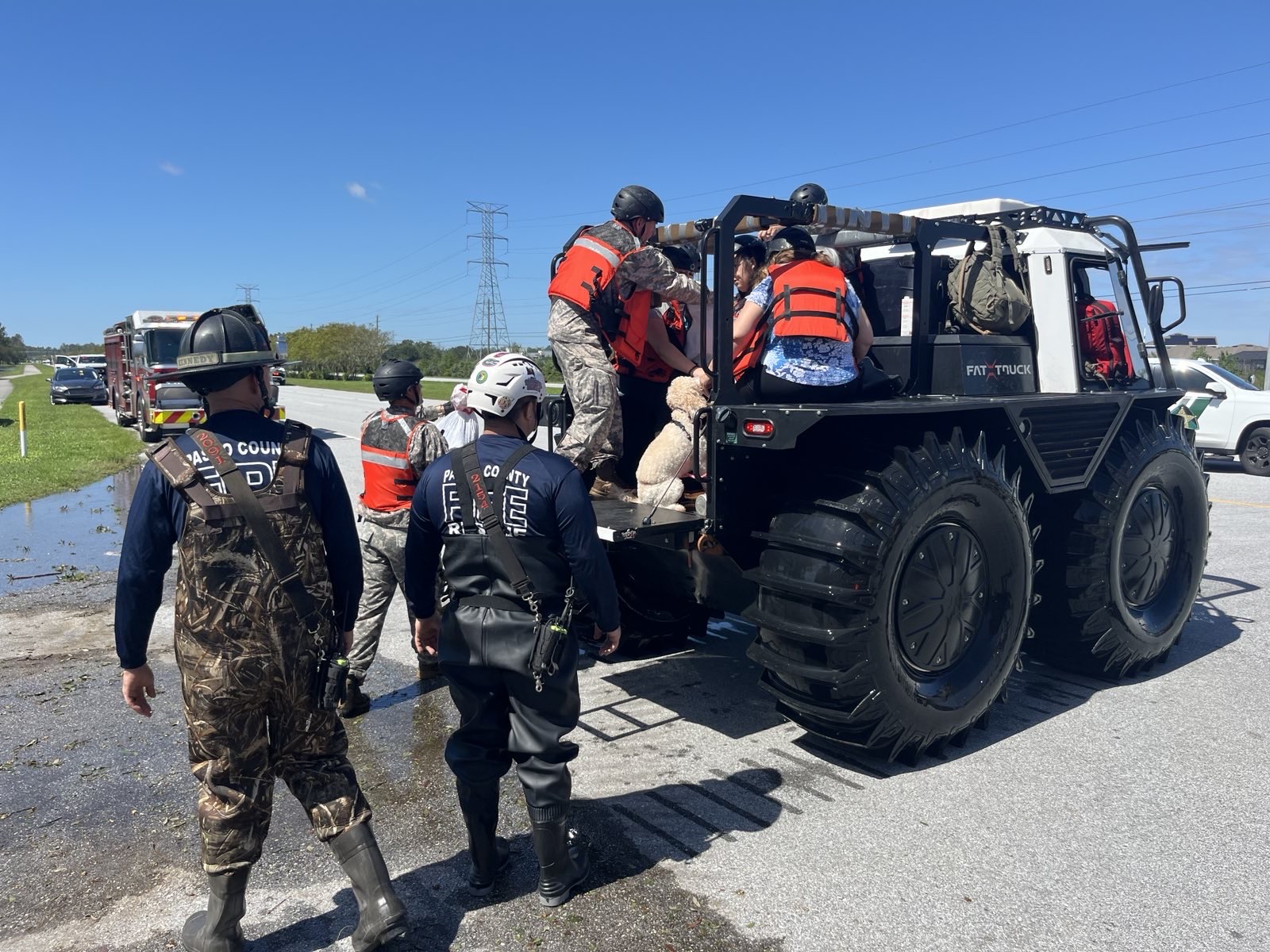
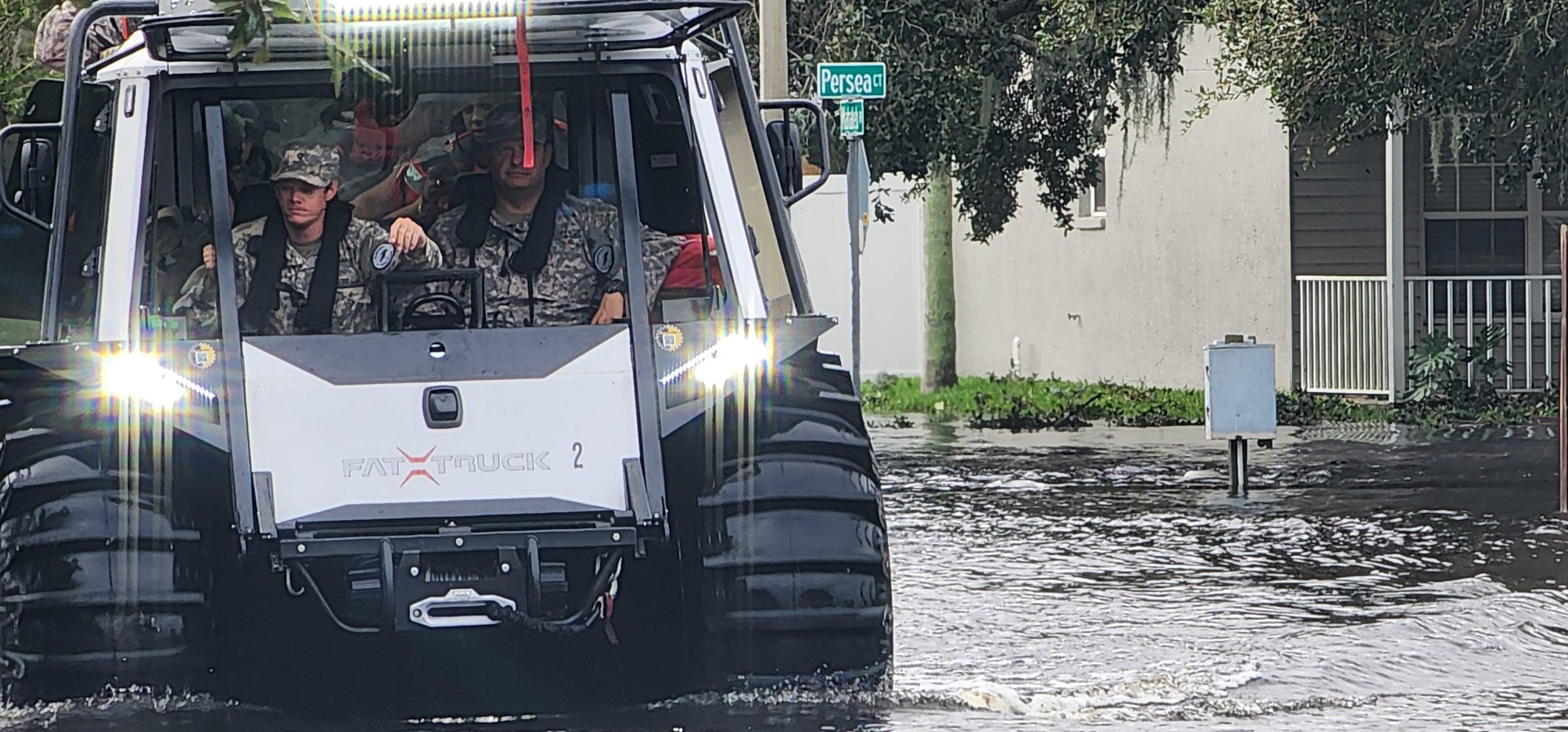
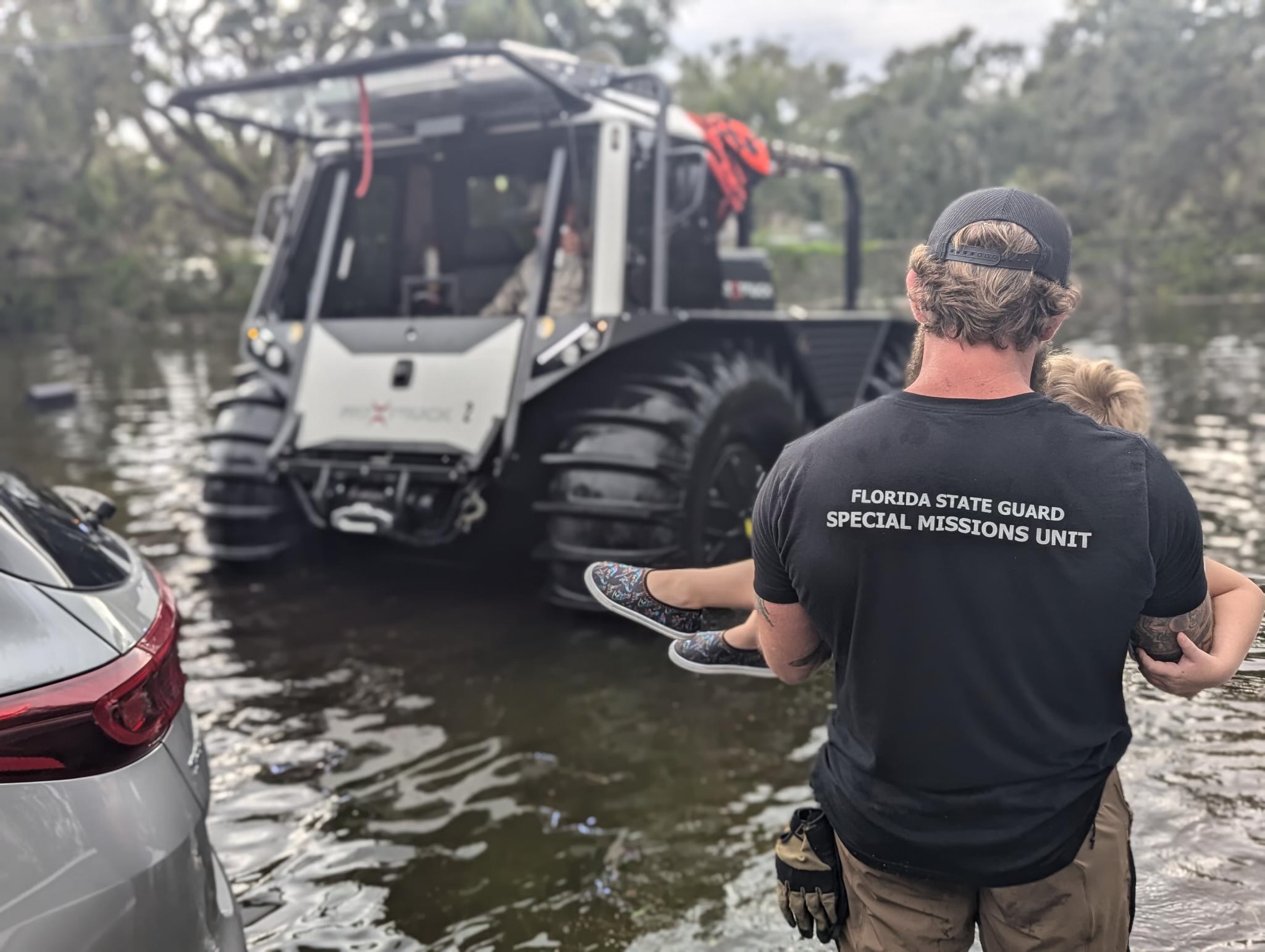
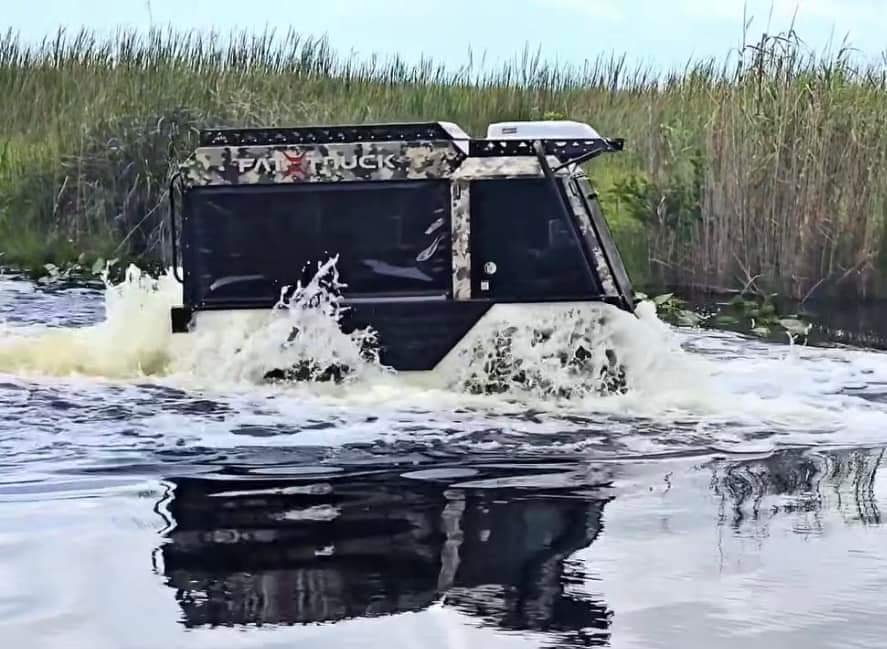
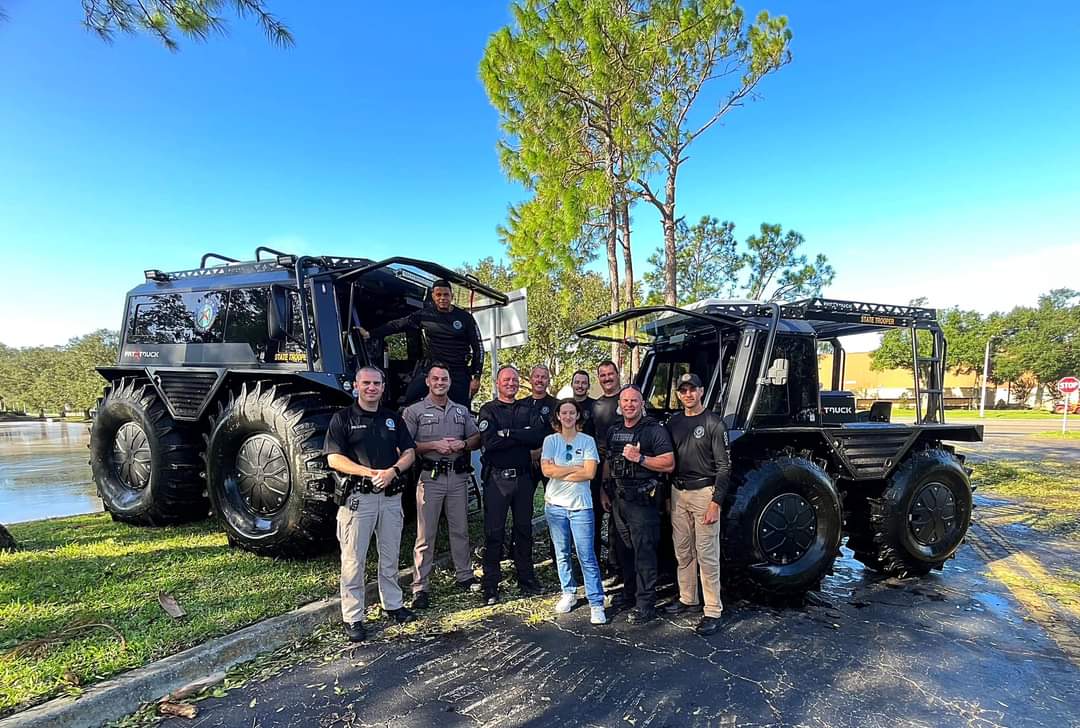
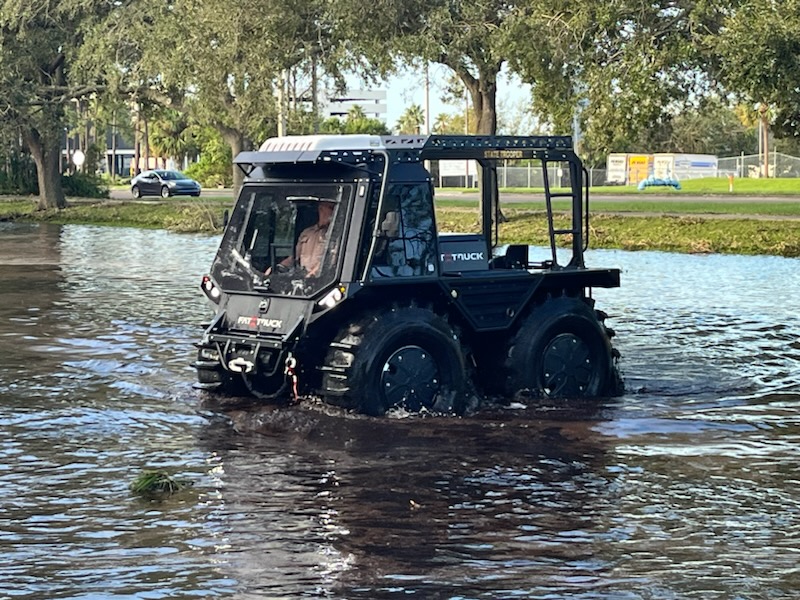
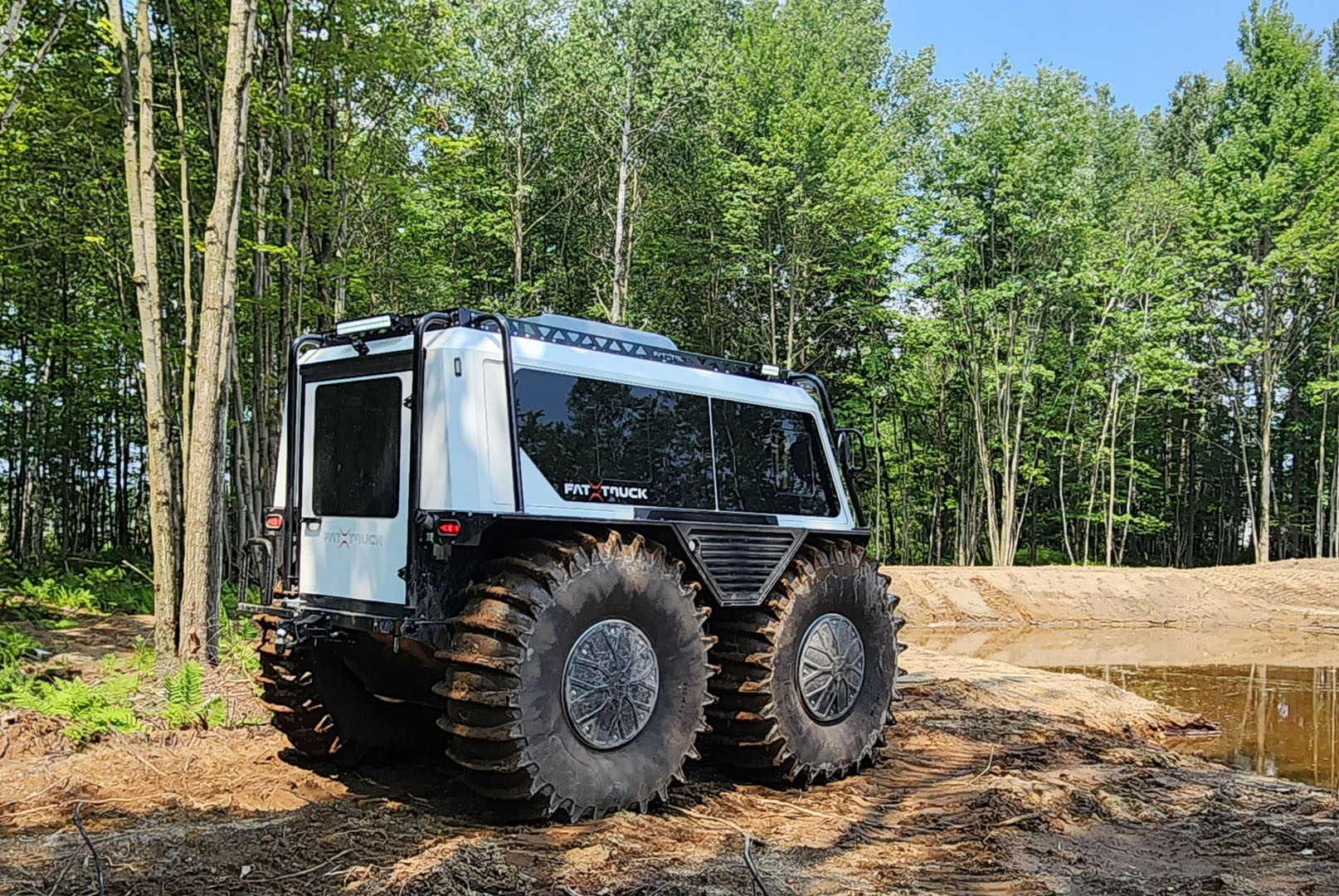
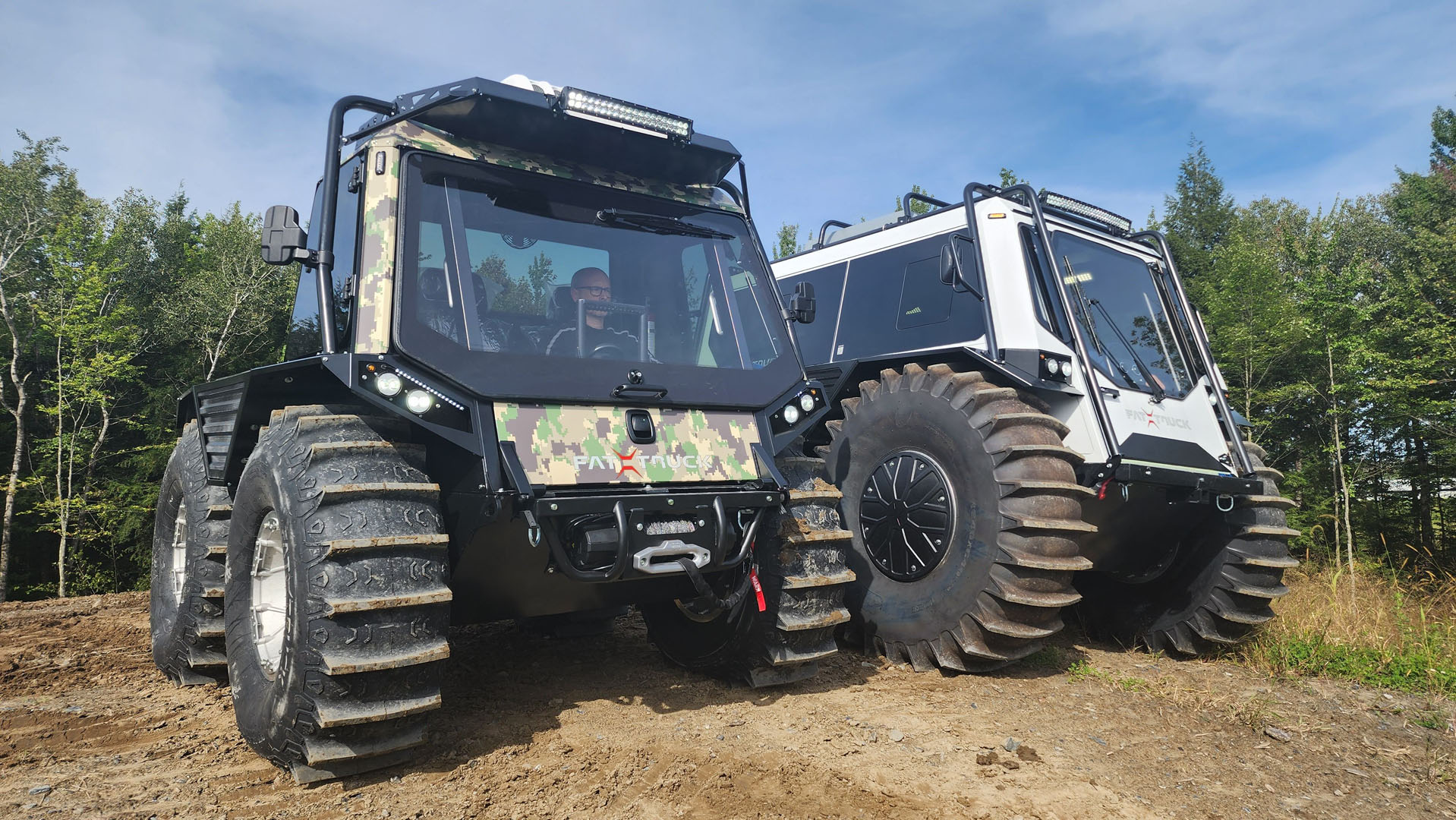
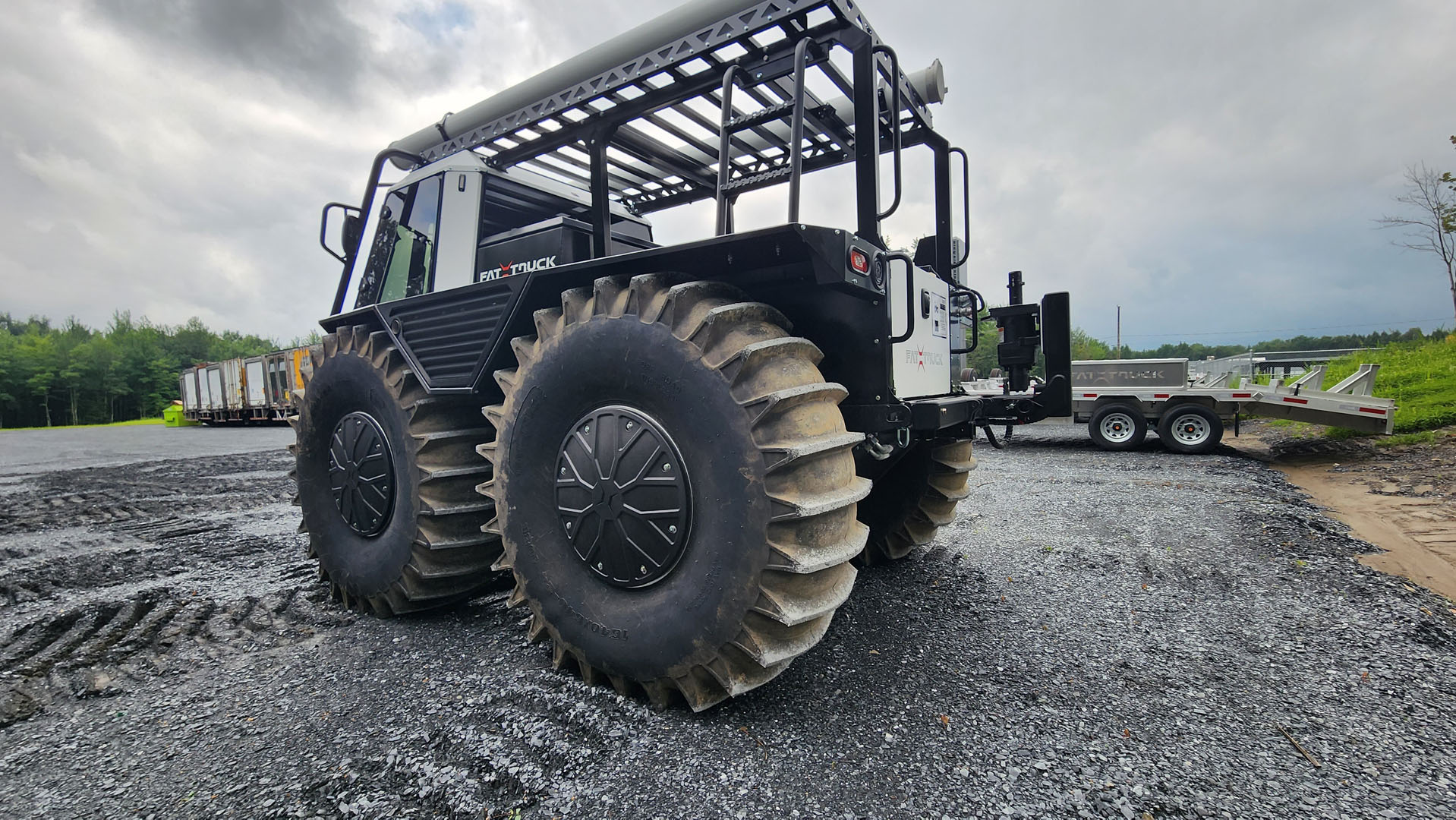
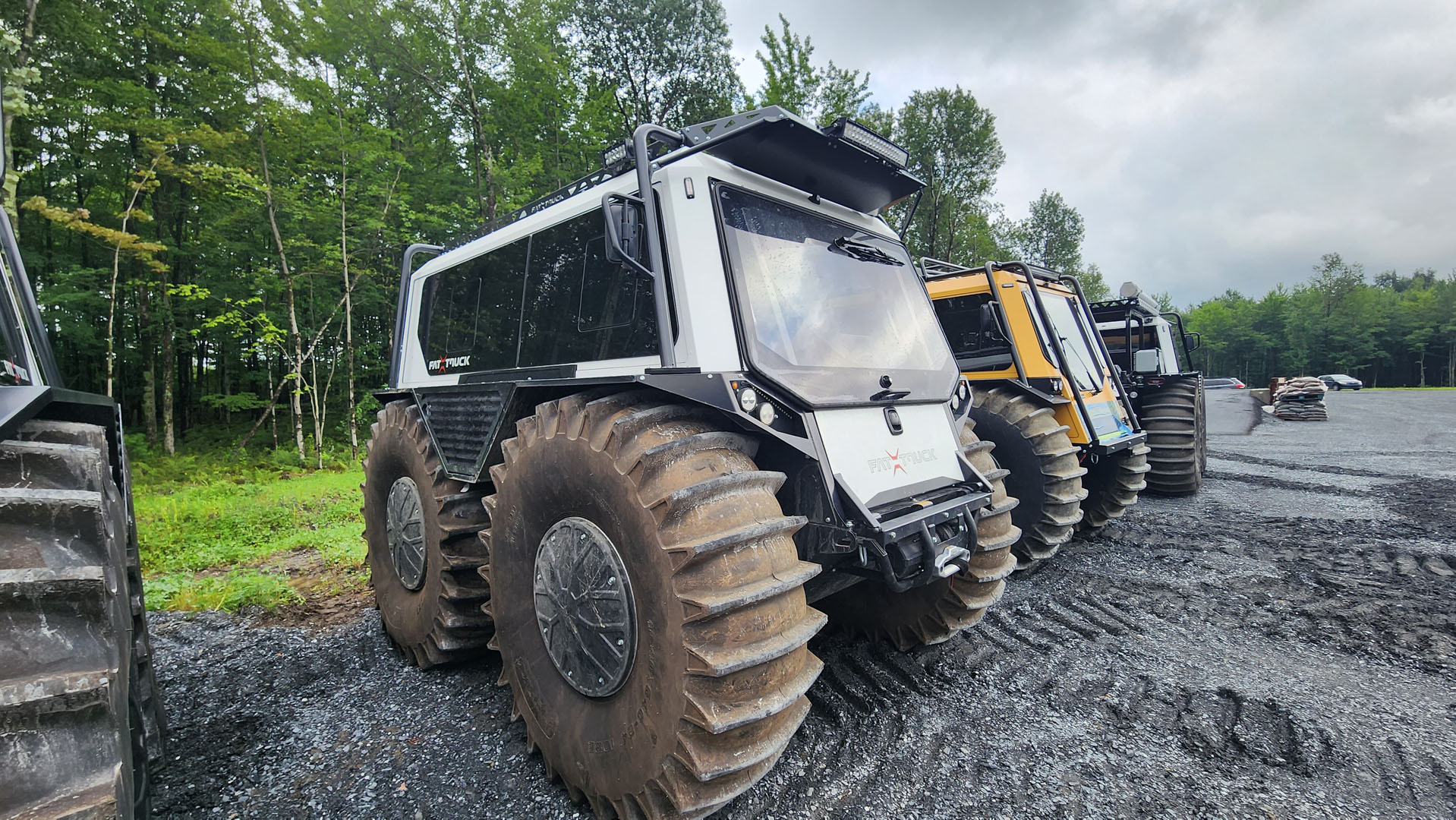
Reliability isn’t a spec sheet. It’s field-serviceability, cold-weather duty cycles, and maintenance intervals that hold up under real deployment conditions. See how FAT TRUCK® is engineered for the field, not the lab.