Why Amphibious Vehicle Ground Pressure Matters More Than Horsepower
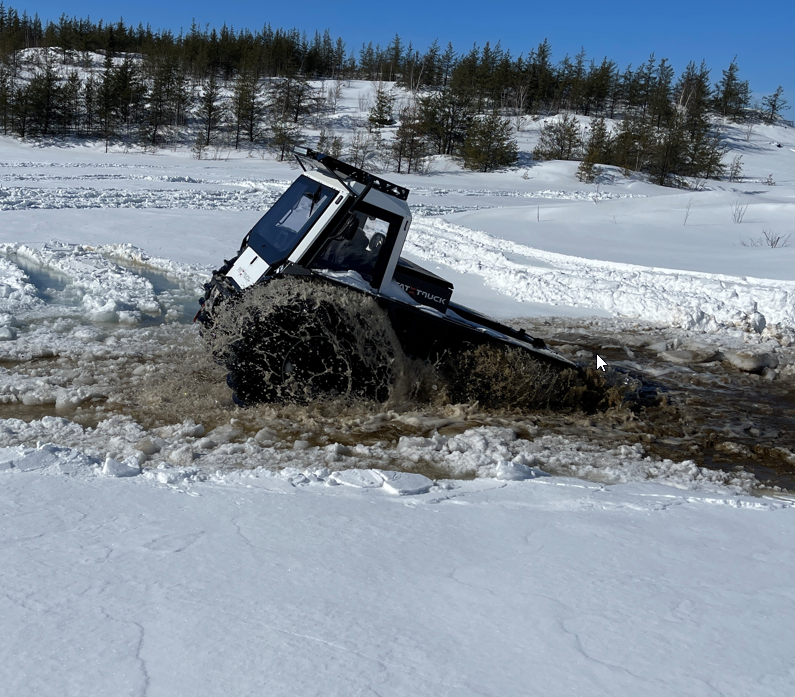
Ask anyone who’s tried to get a standard 4×4 pickup into a remote right-of-way in spring thaw, and you’ll hear the same story: the truck doesn’t fail because it lacks power. It fails because of ground pressure.
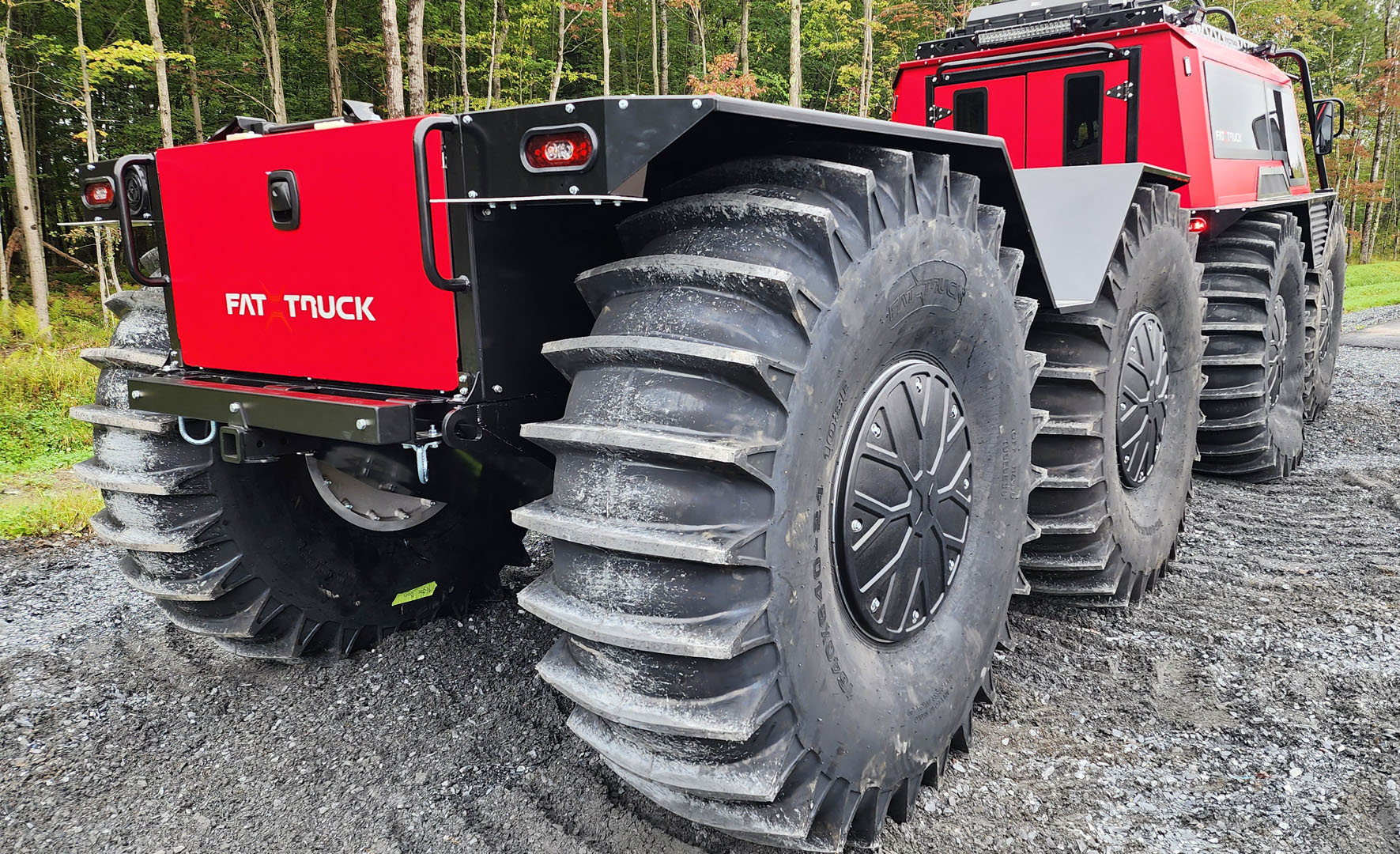
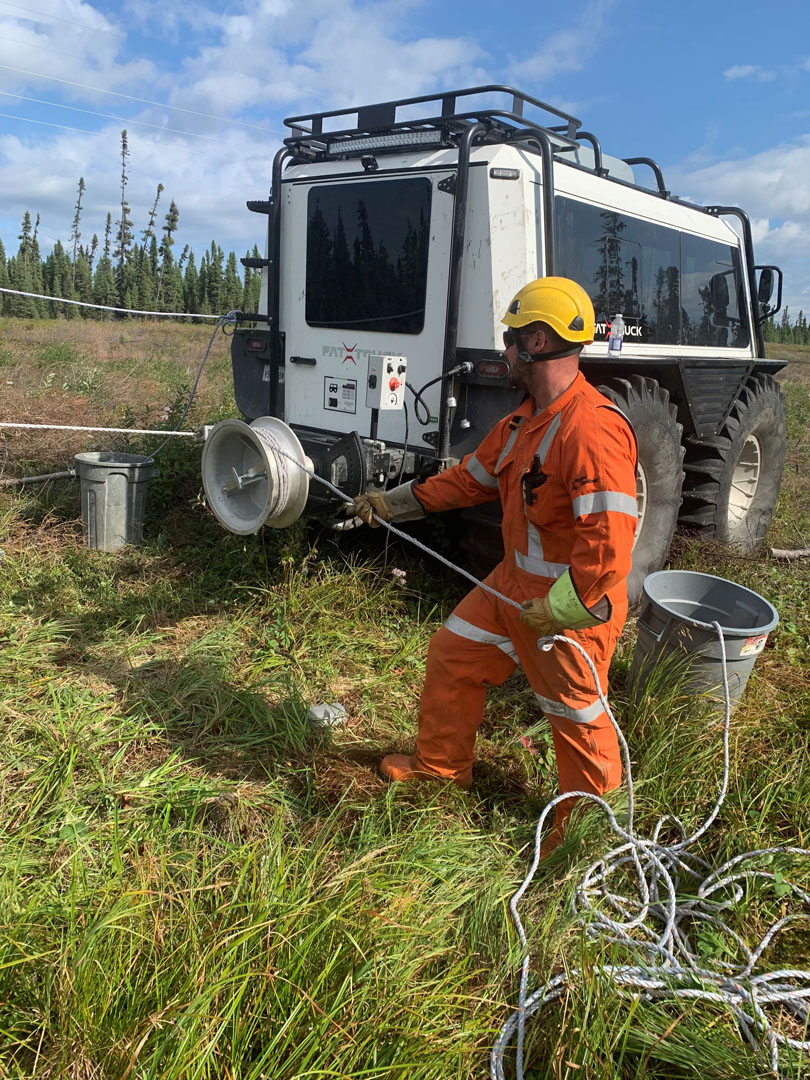
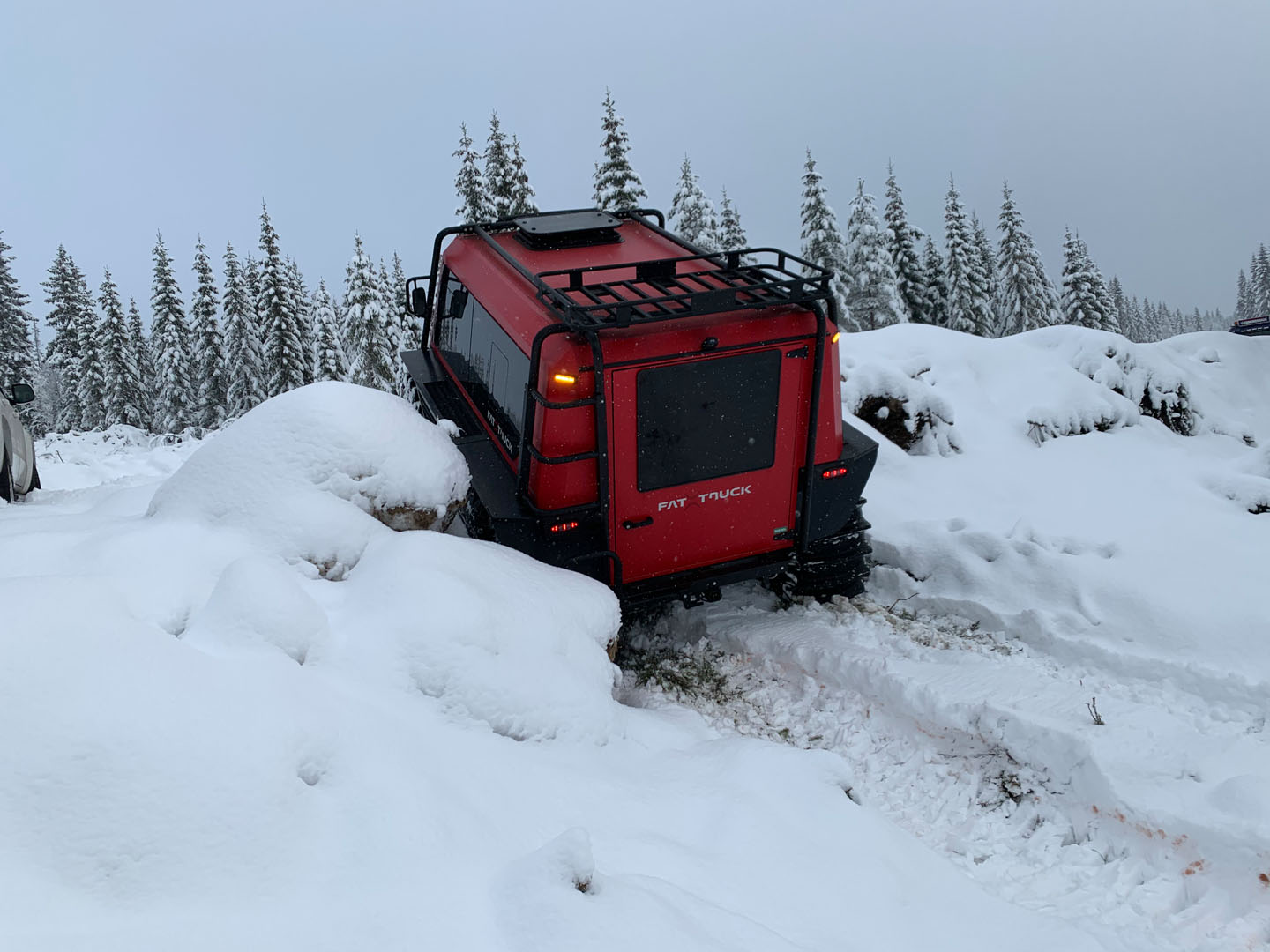
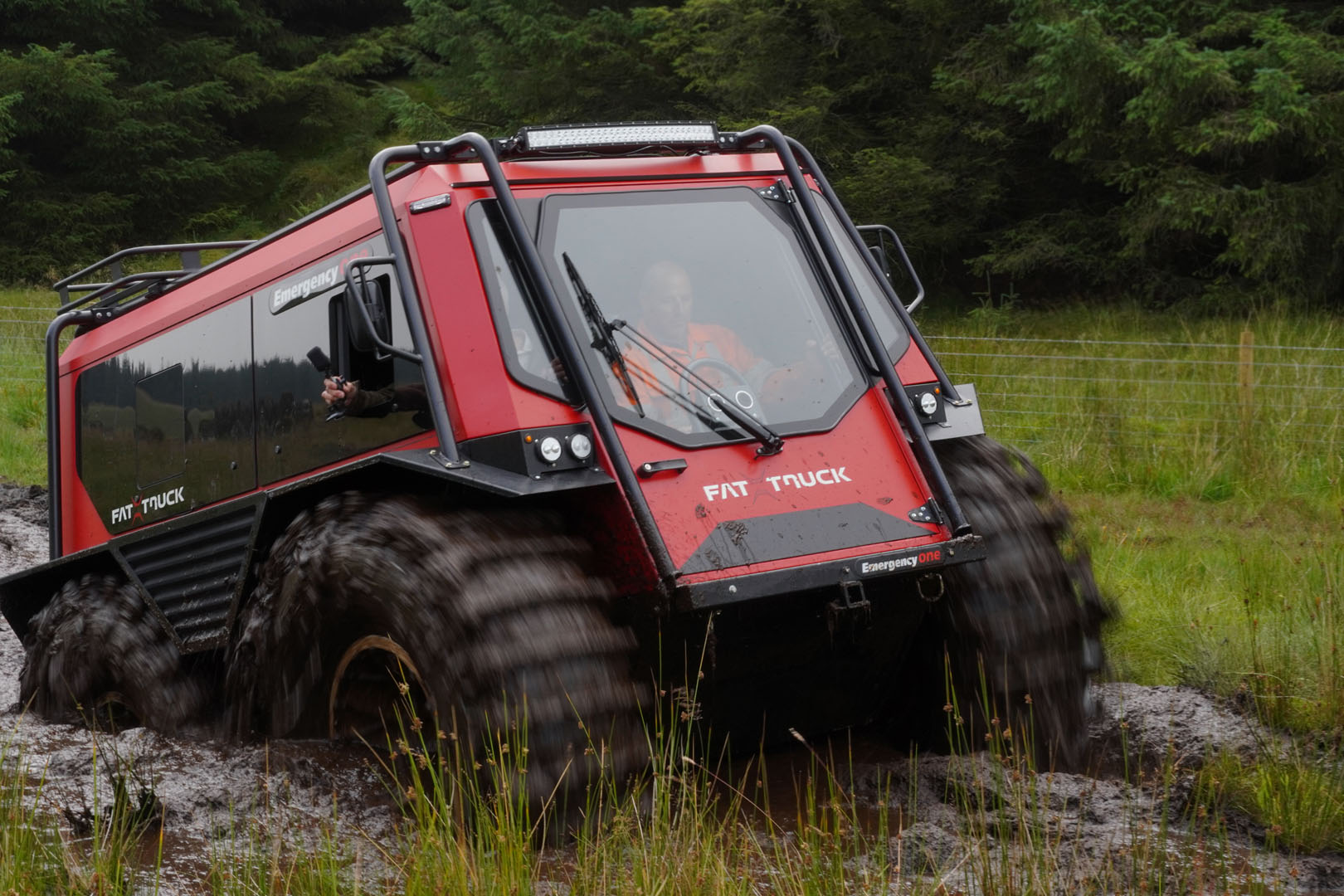
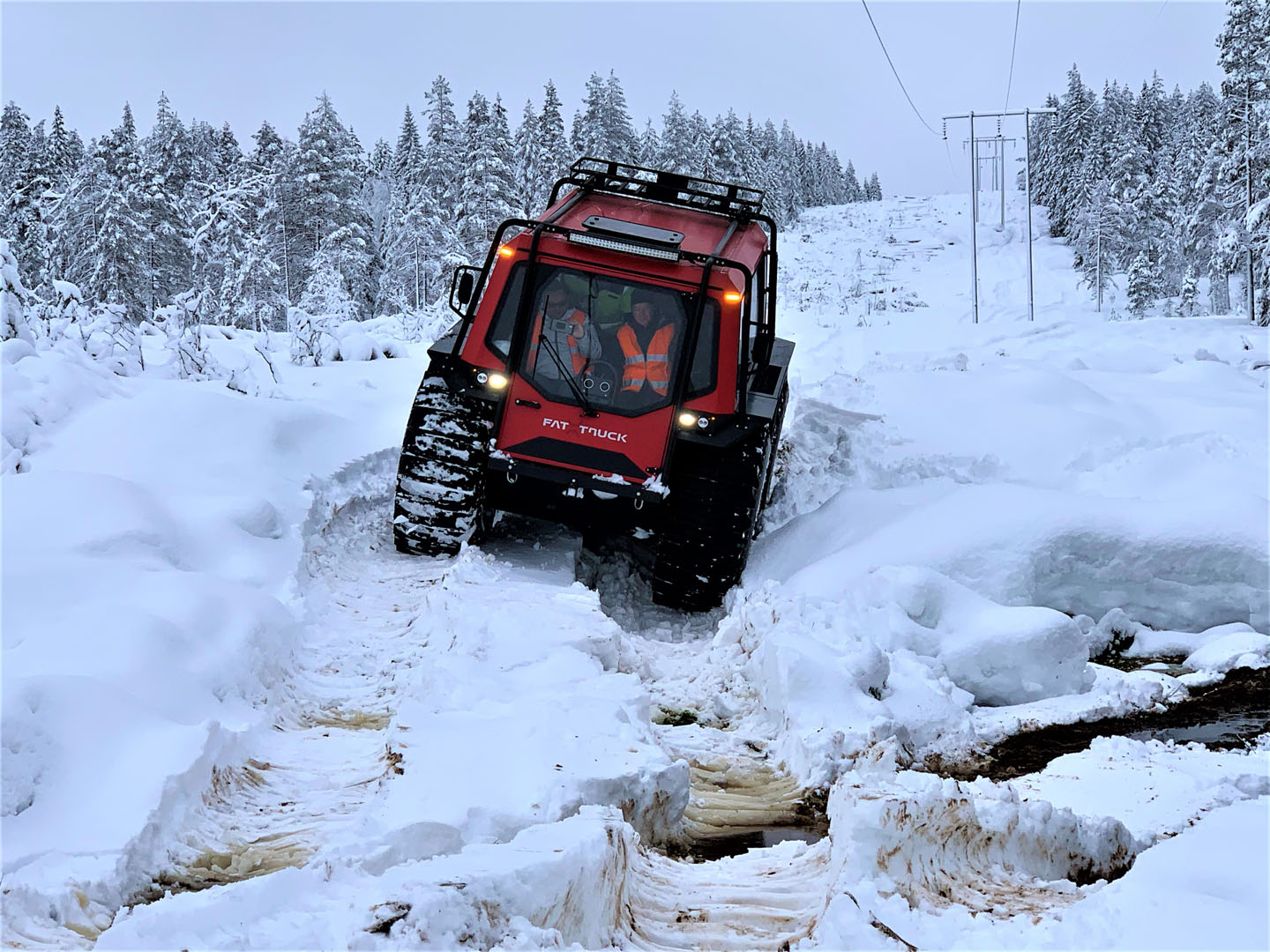
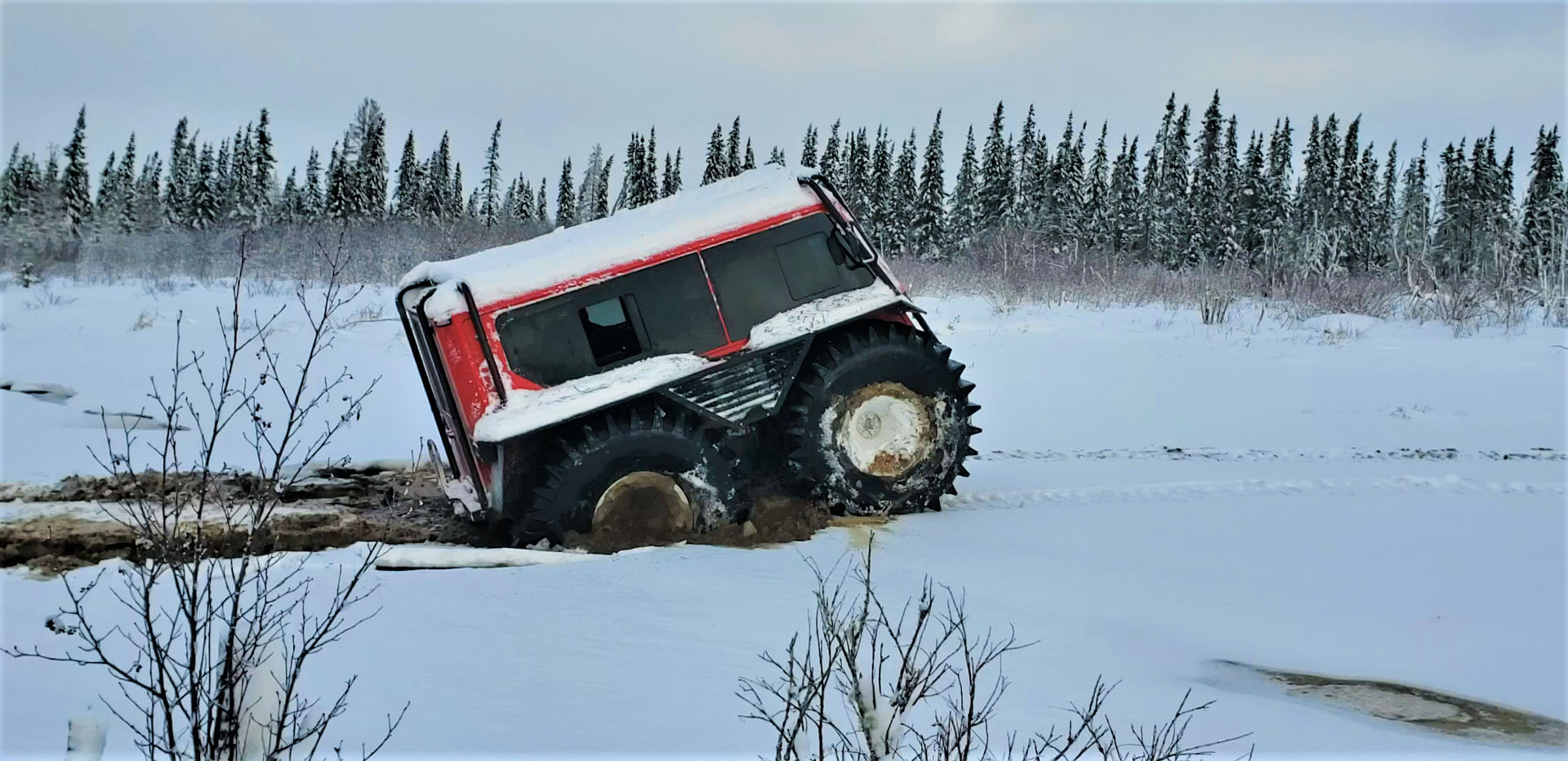
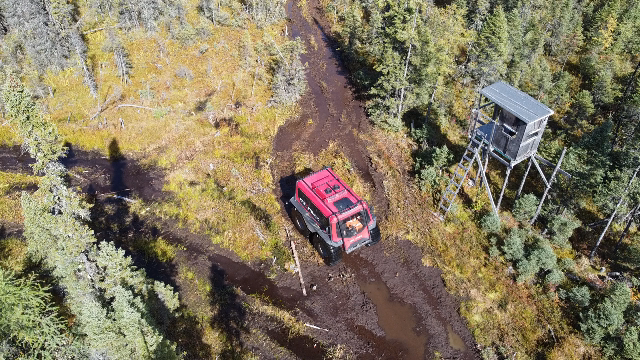
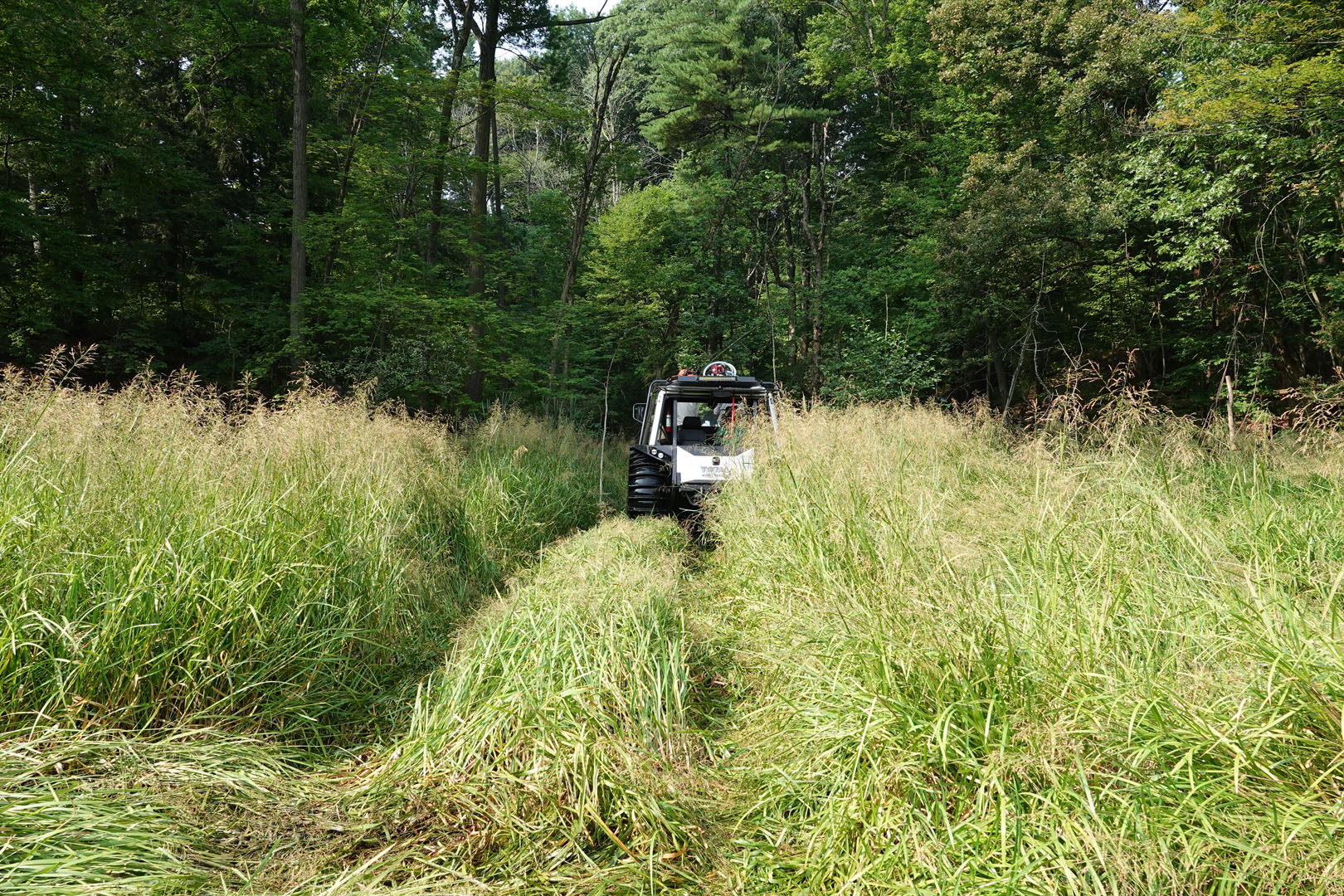
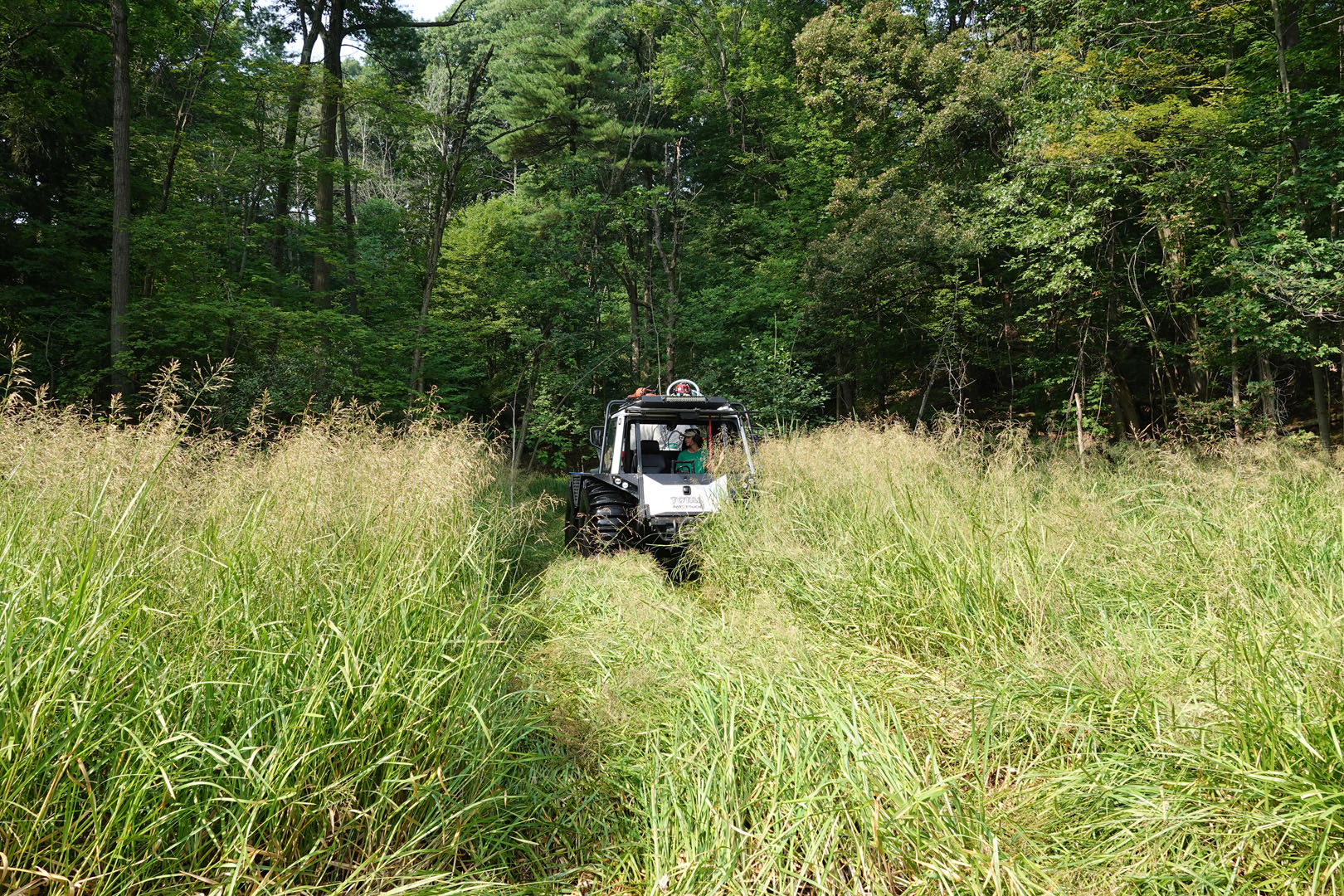
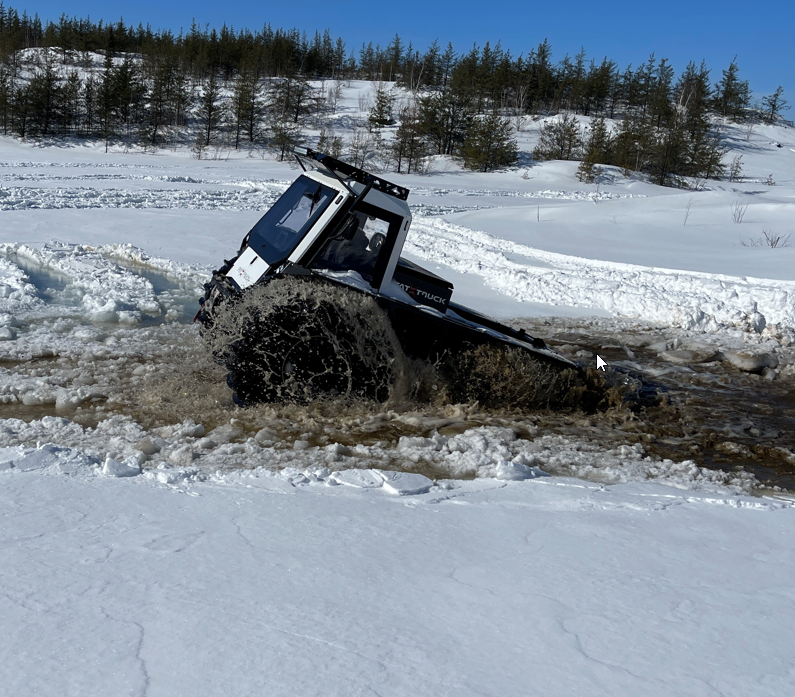
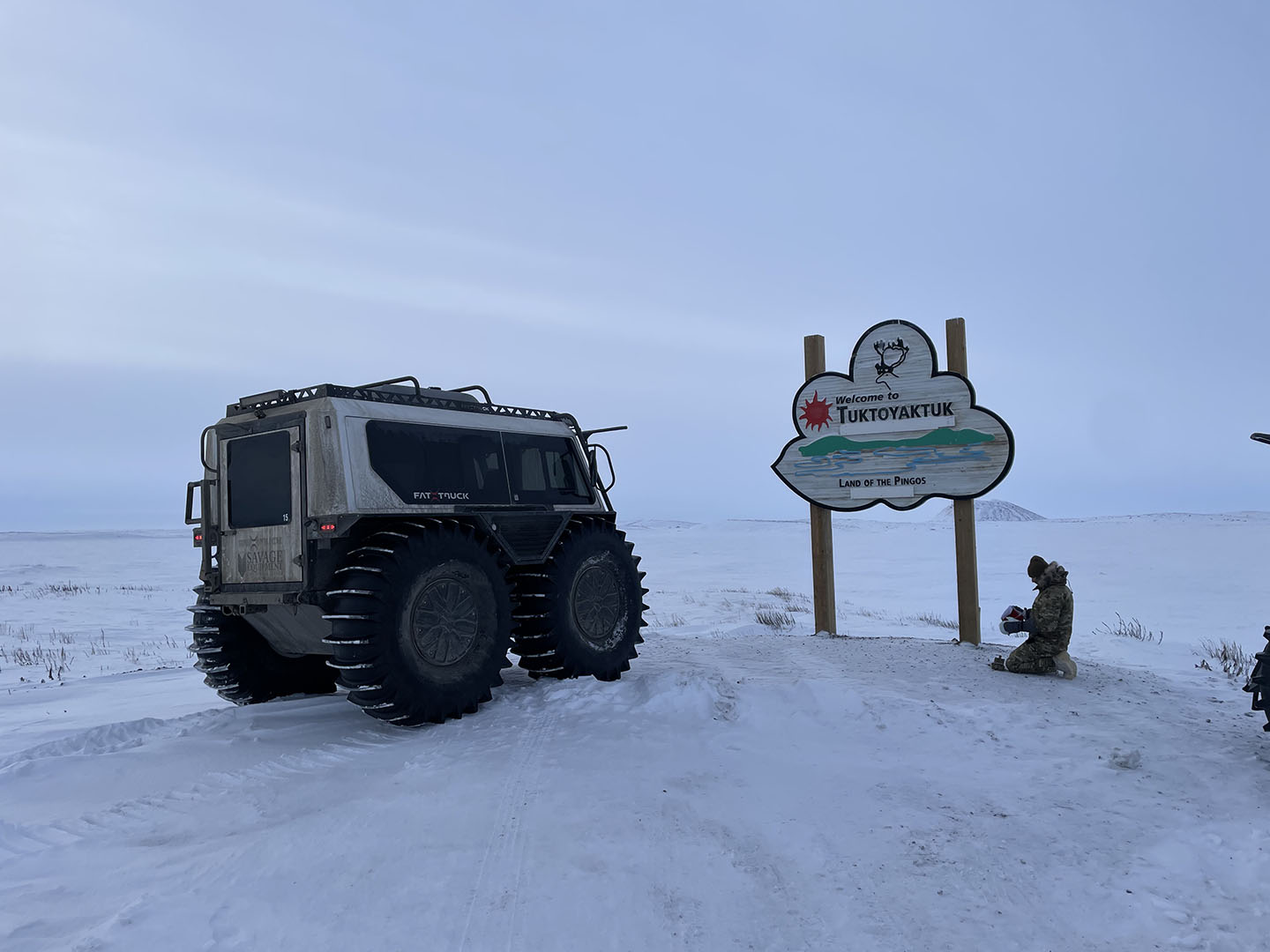
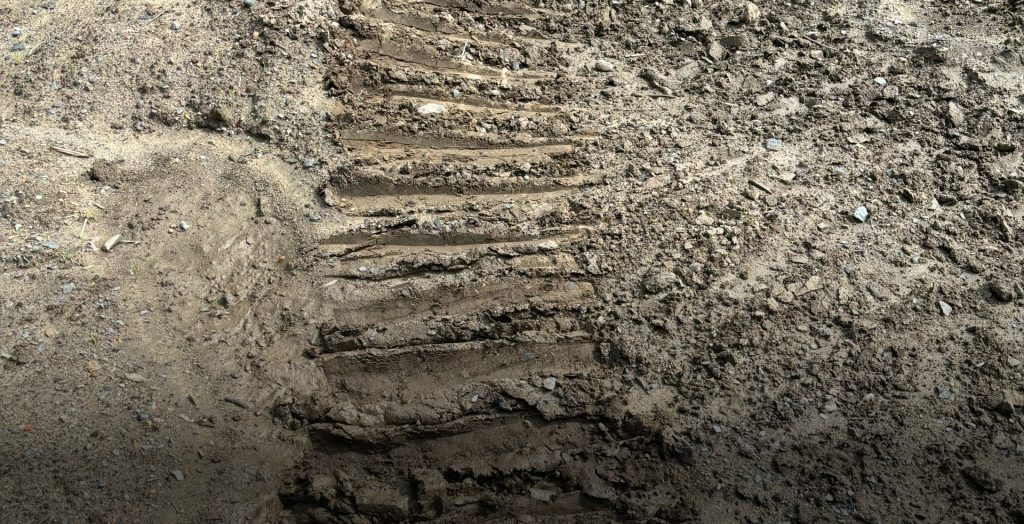
Ground pressure is the weight of the vehicle divided by the surface area of its footprint in contact with the ground. A pickup truck concentrates thousands of pounds onto four narrow tire contact patches. Push that onto muskeg, wet clay, or thawing tundra, and the ground simply can’t support it. The vehicle sinks, spins, and often causes exactly the type of rutting and environmental damage that utility, pipeline, and vegetation management crews are increasingly held accountable for avoiding.
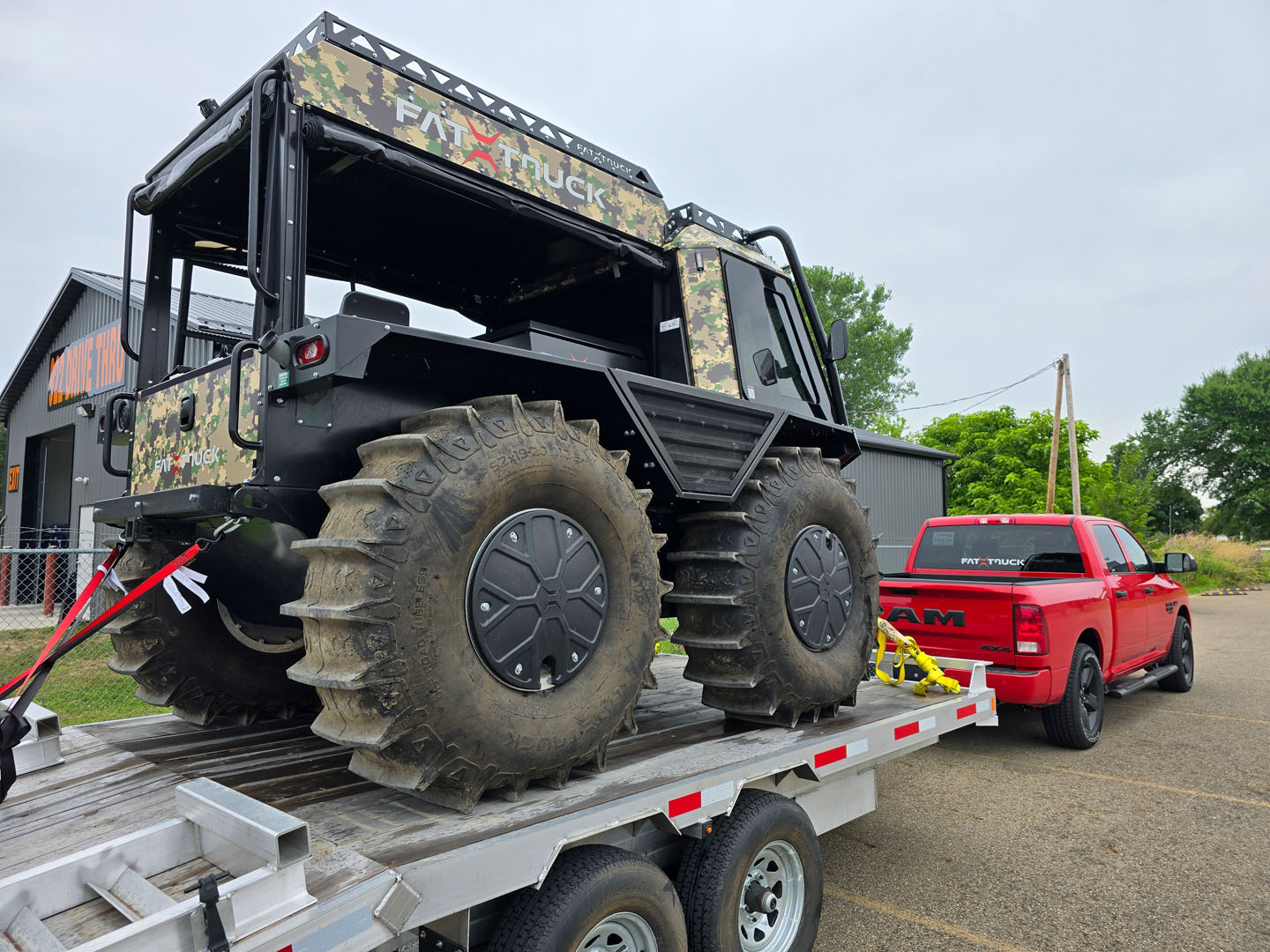
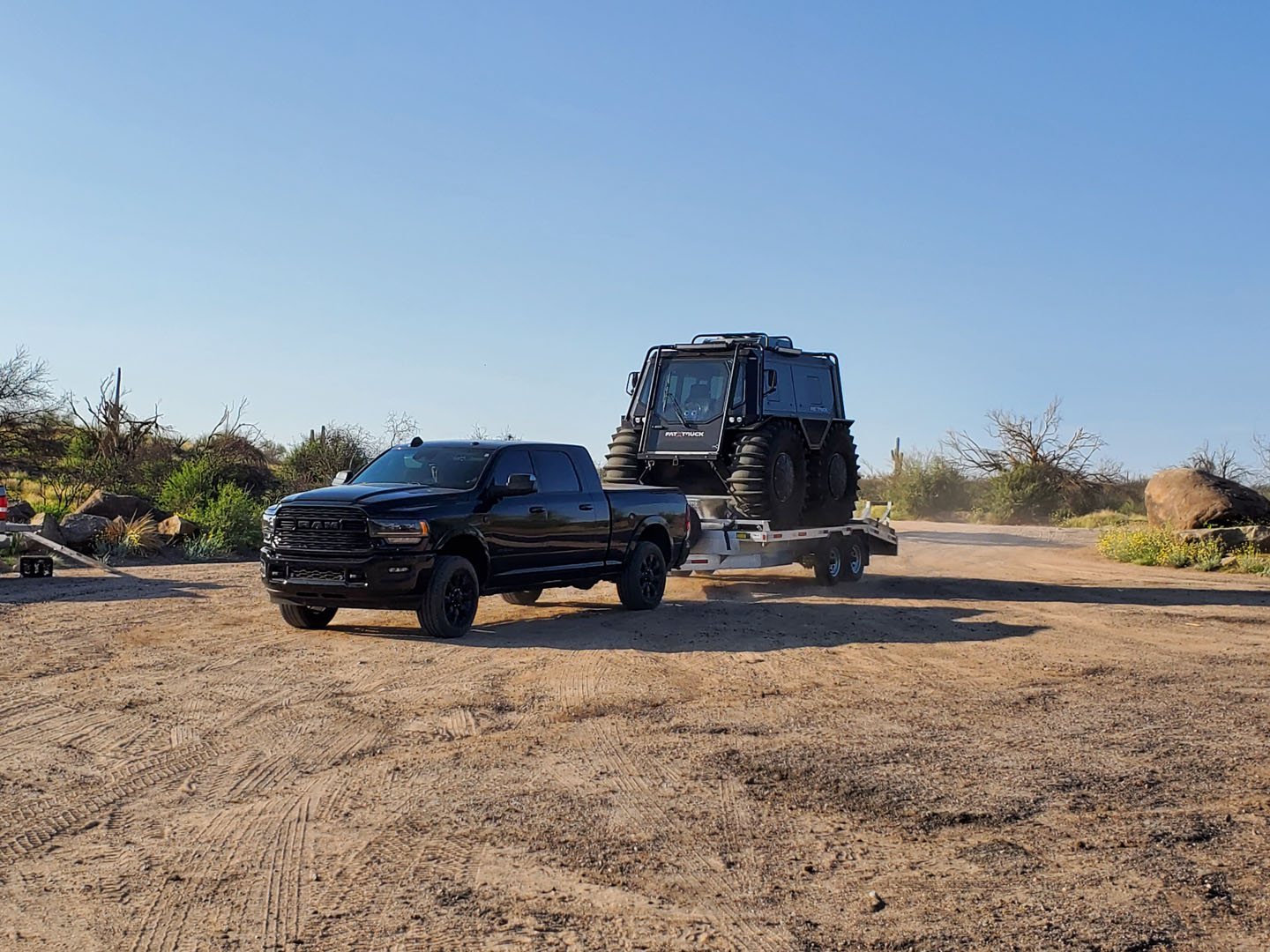
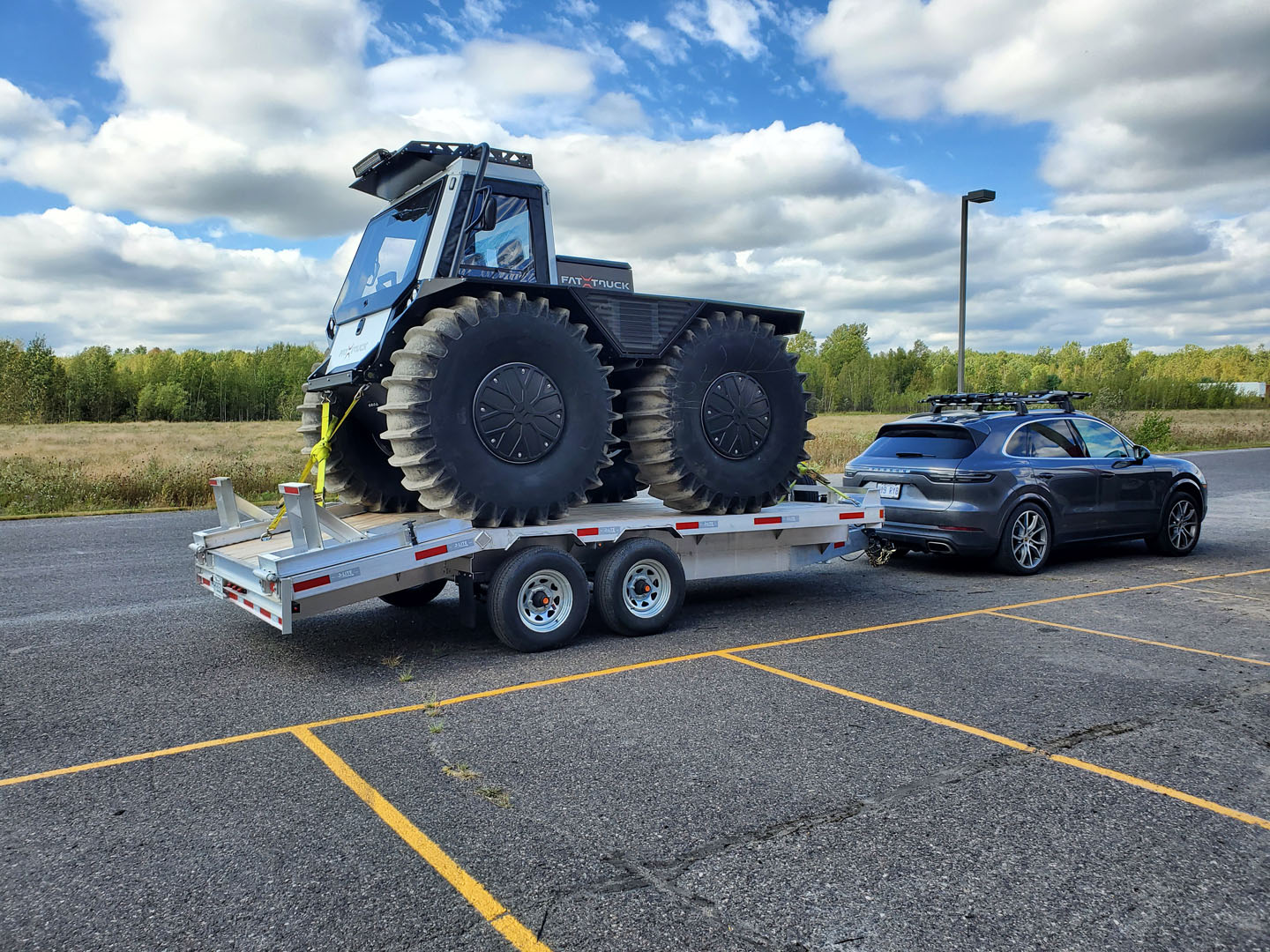
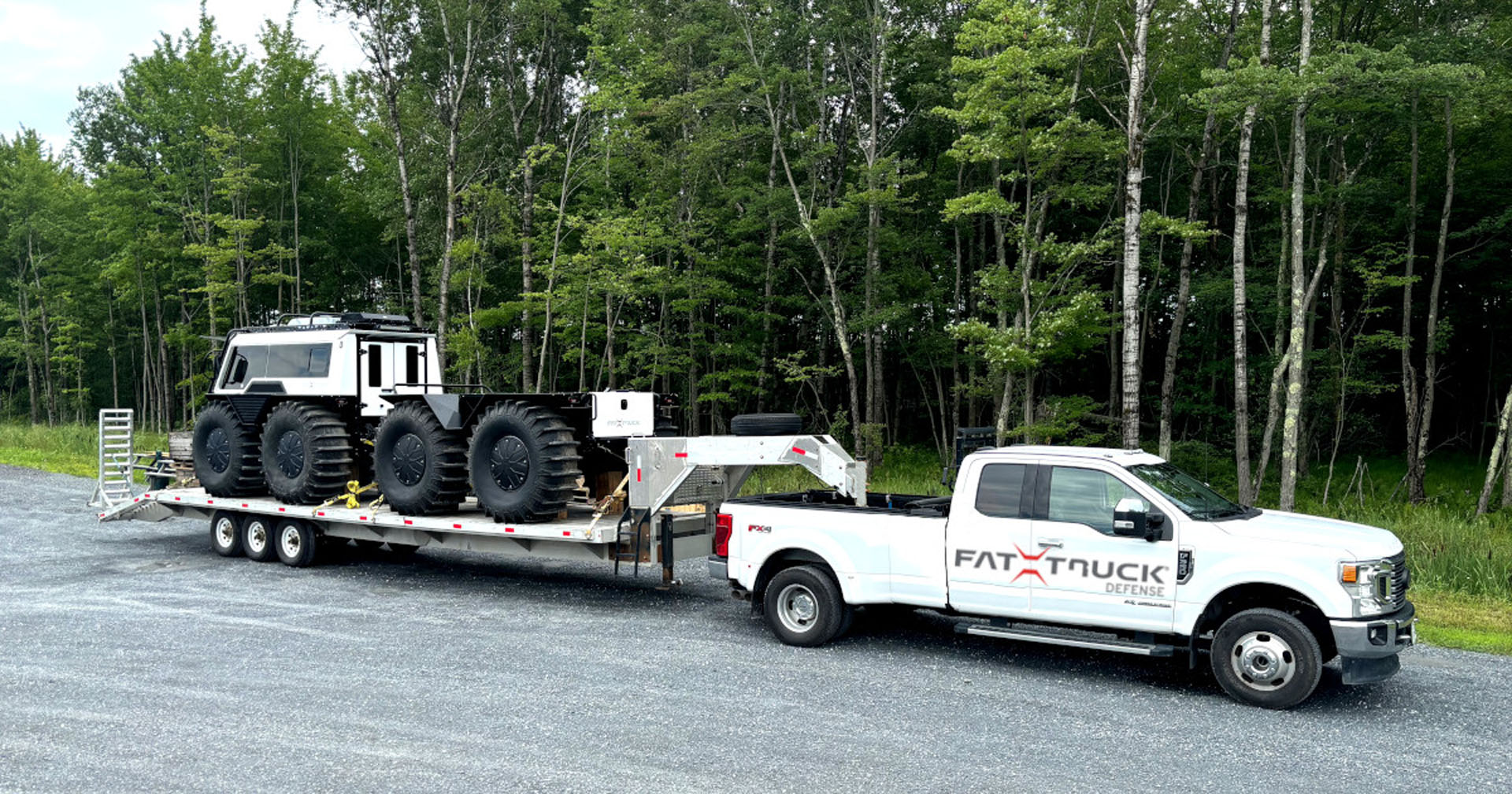
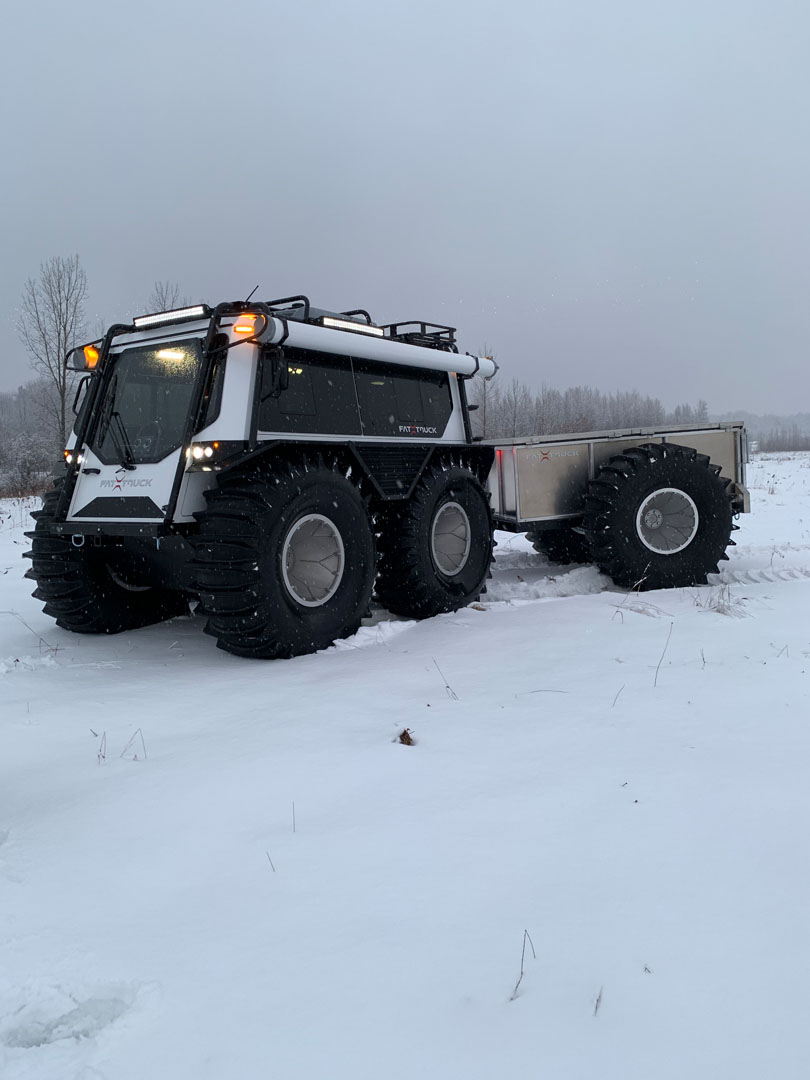
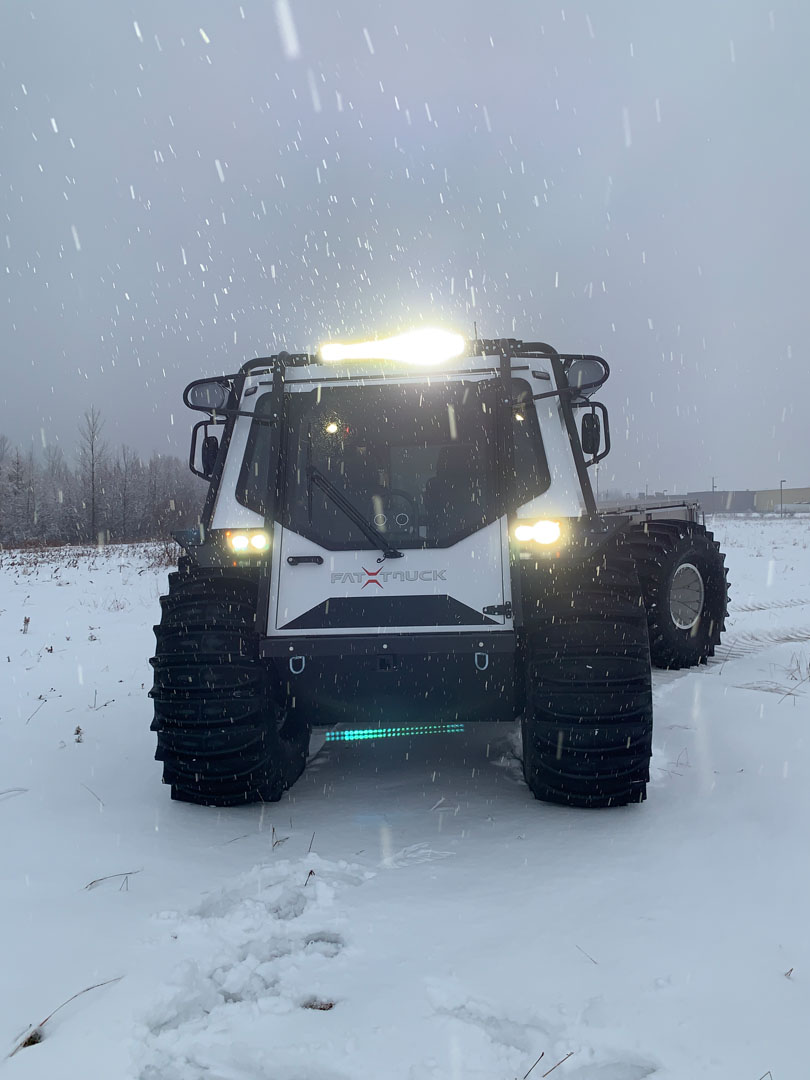
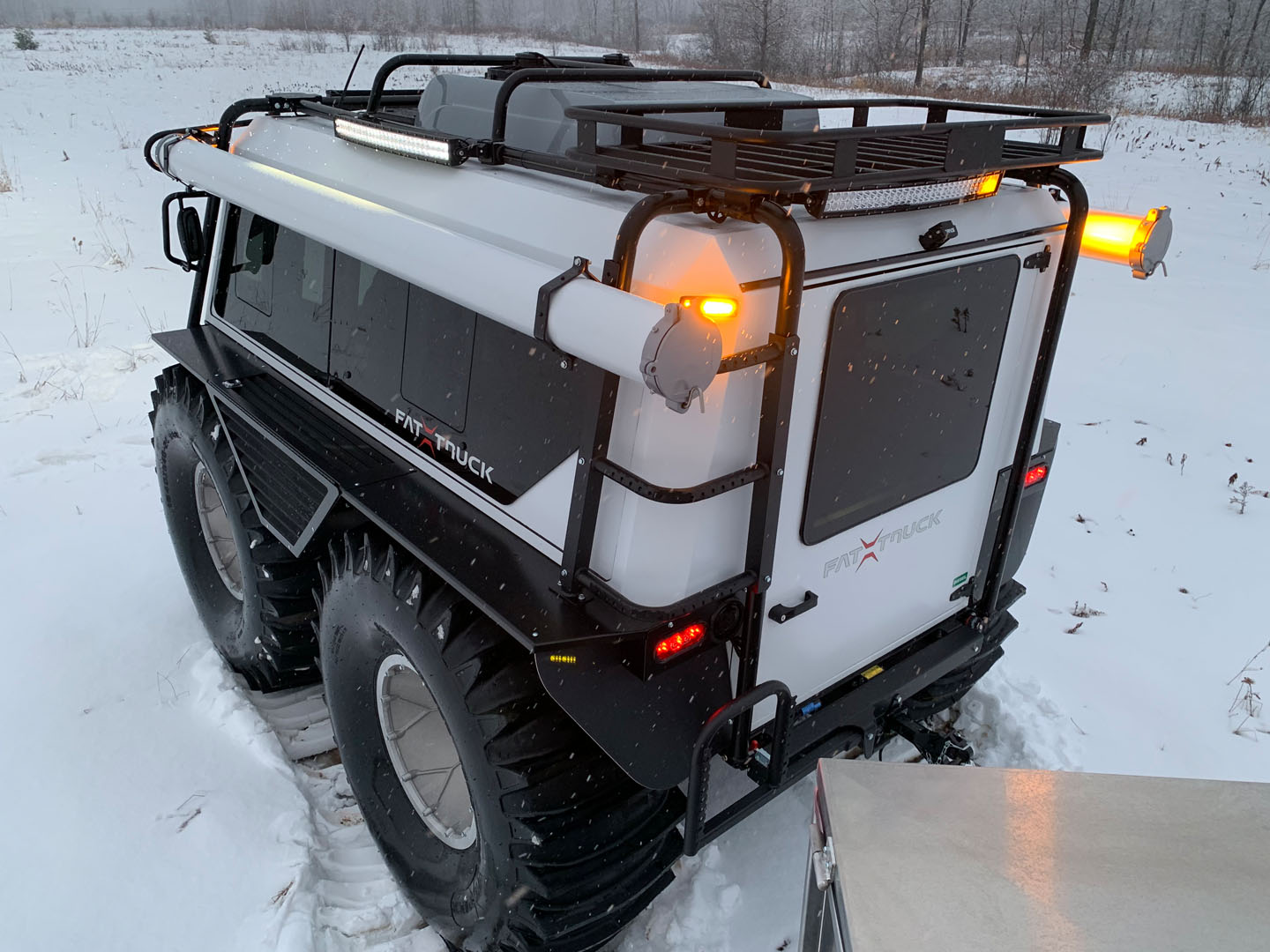
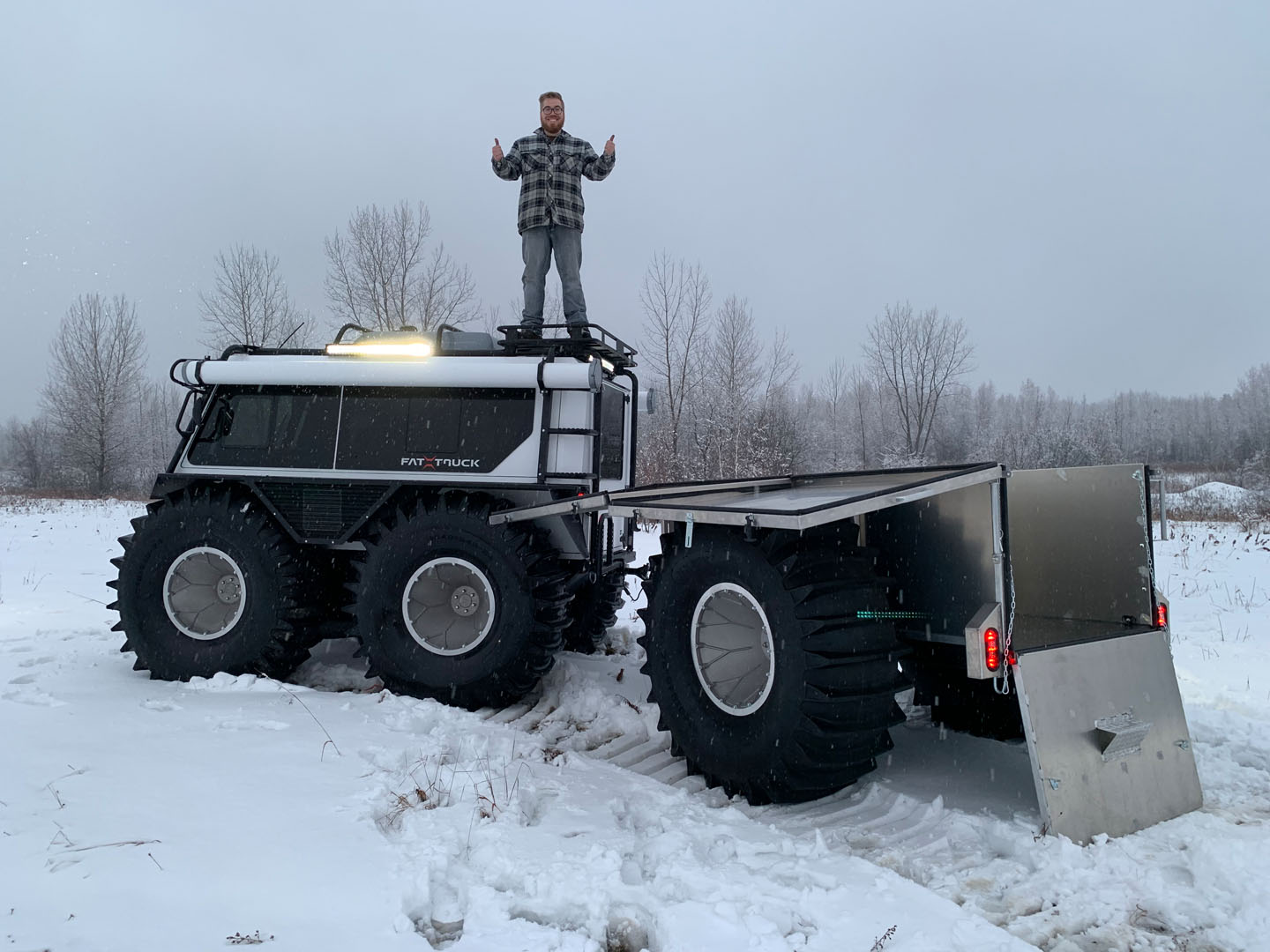
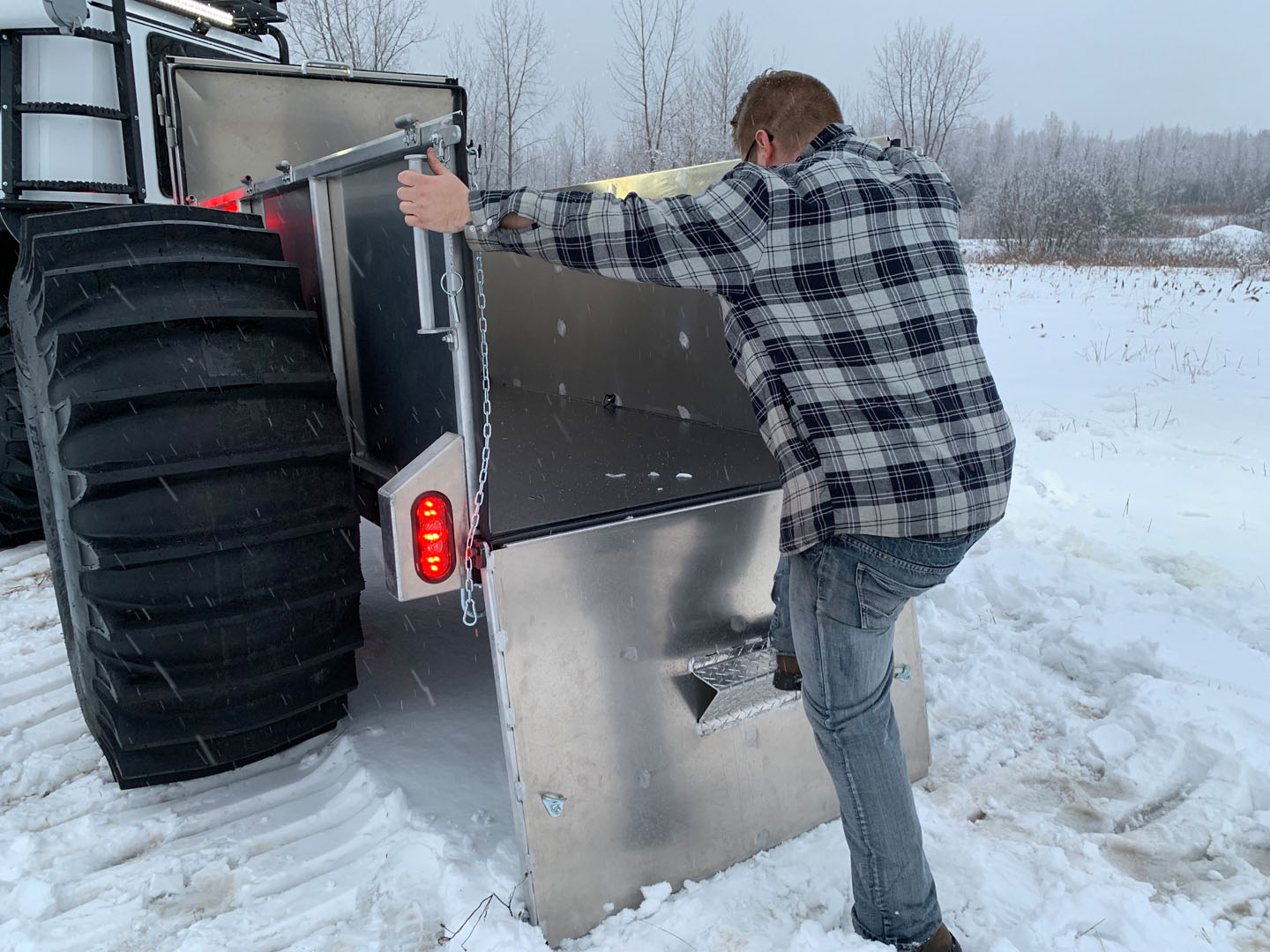
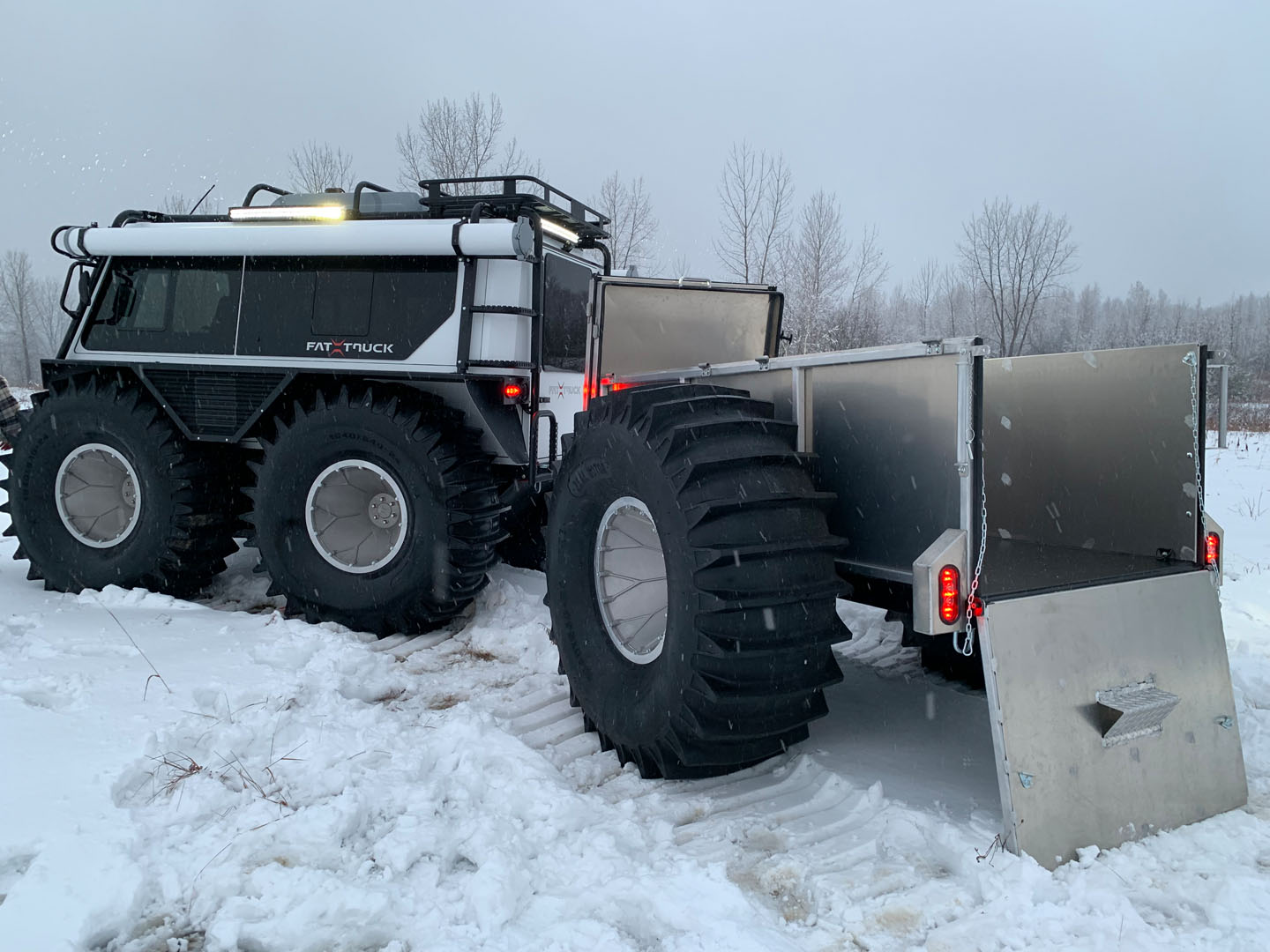
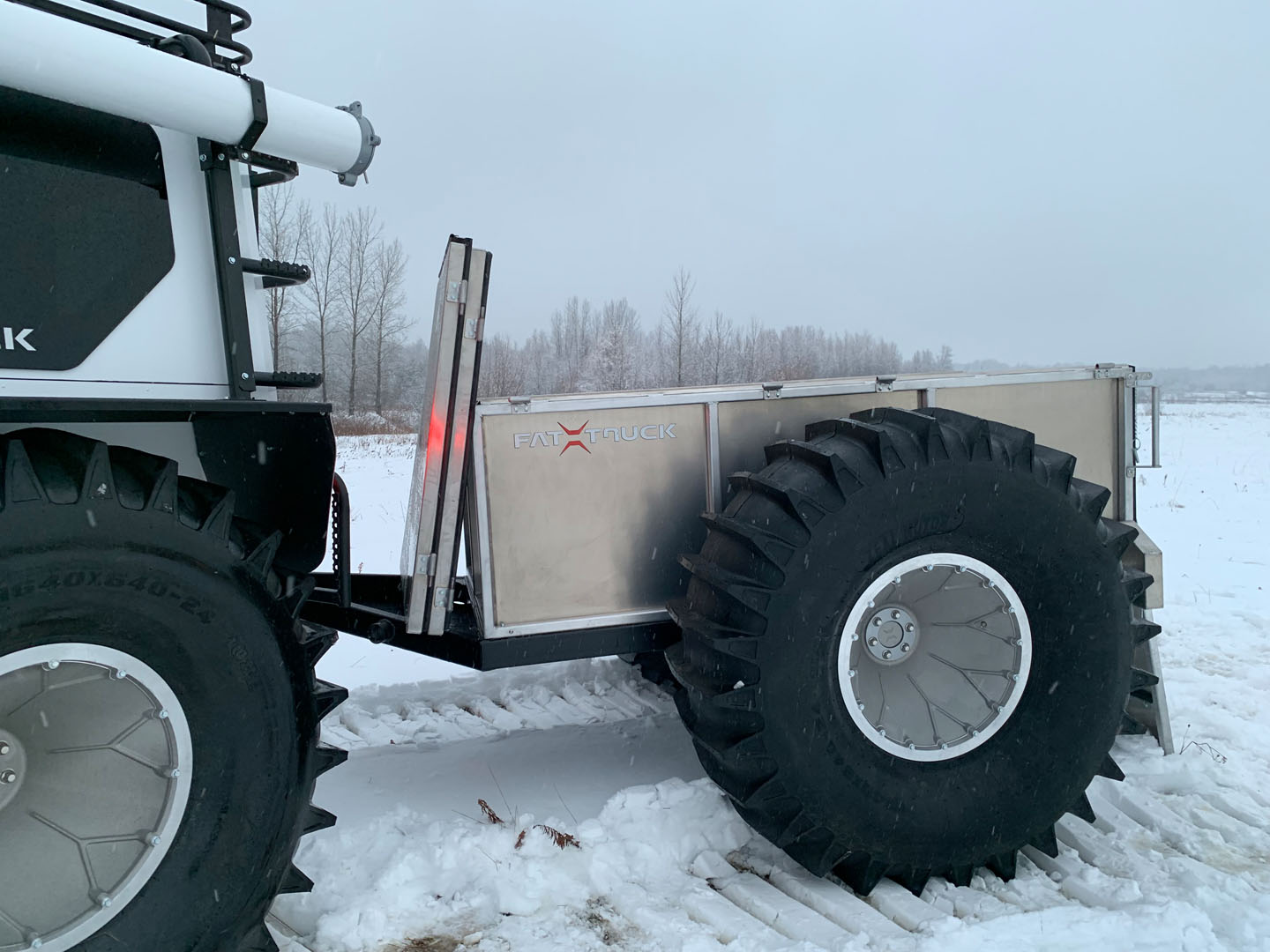
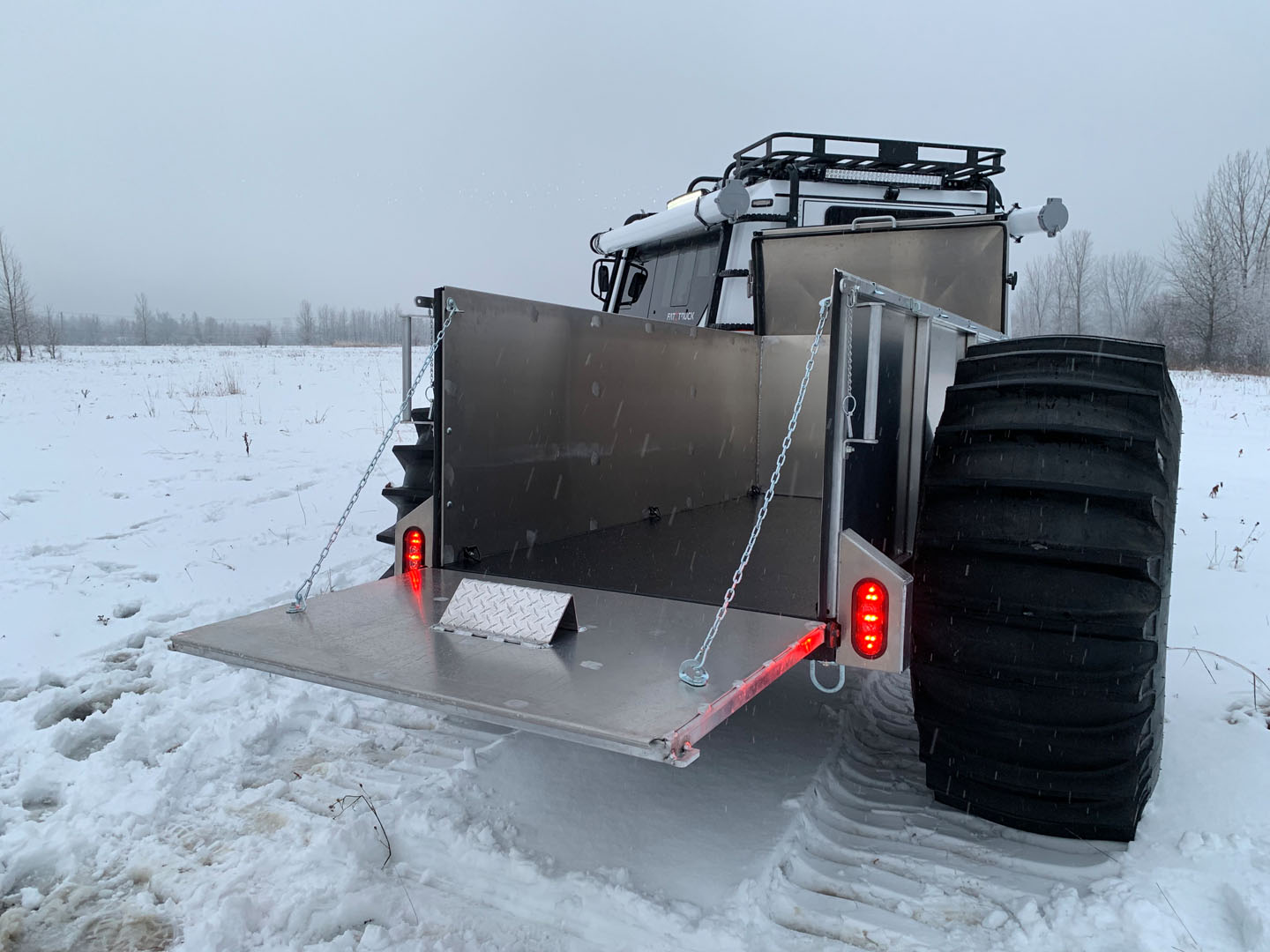
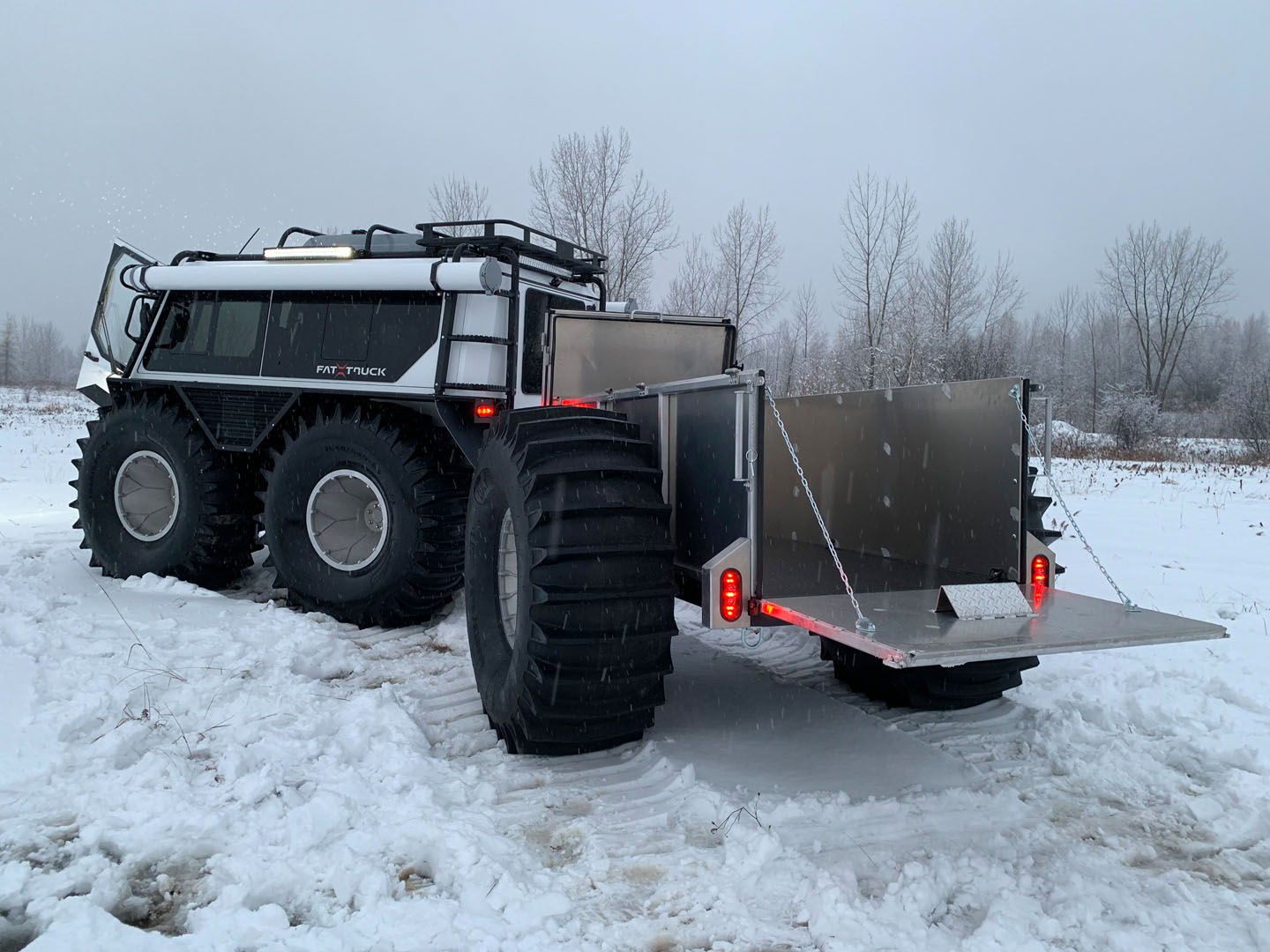
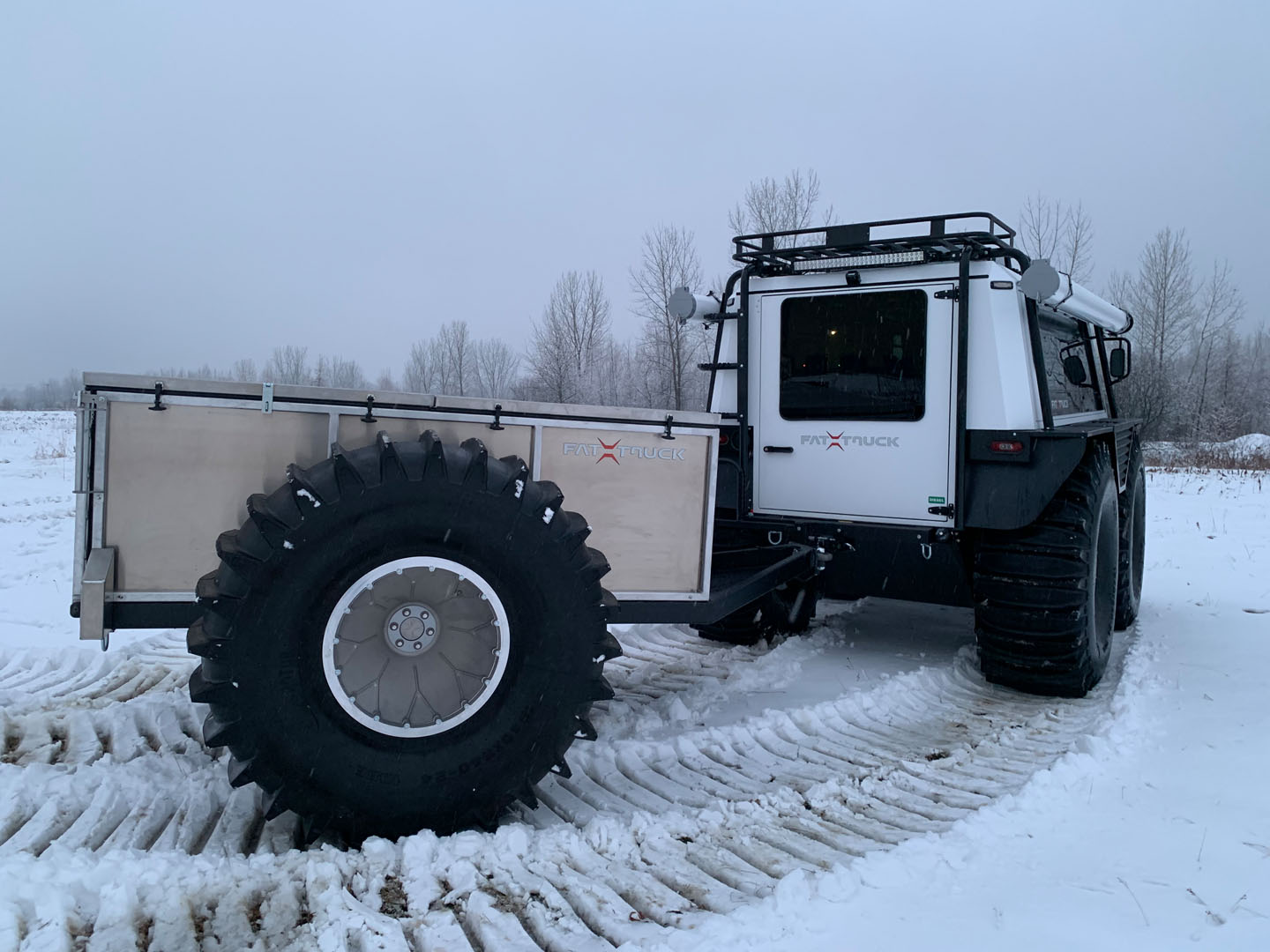
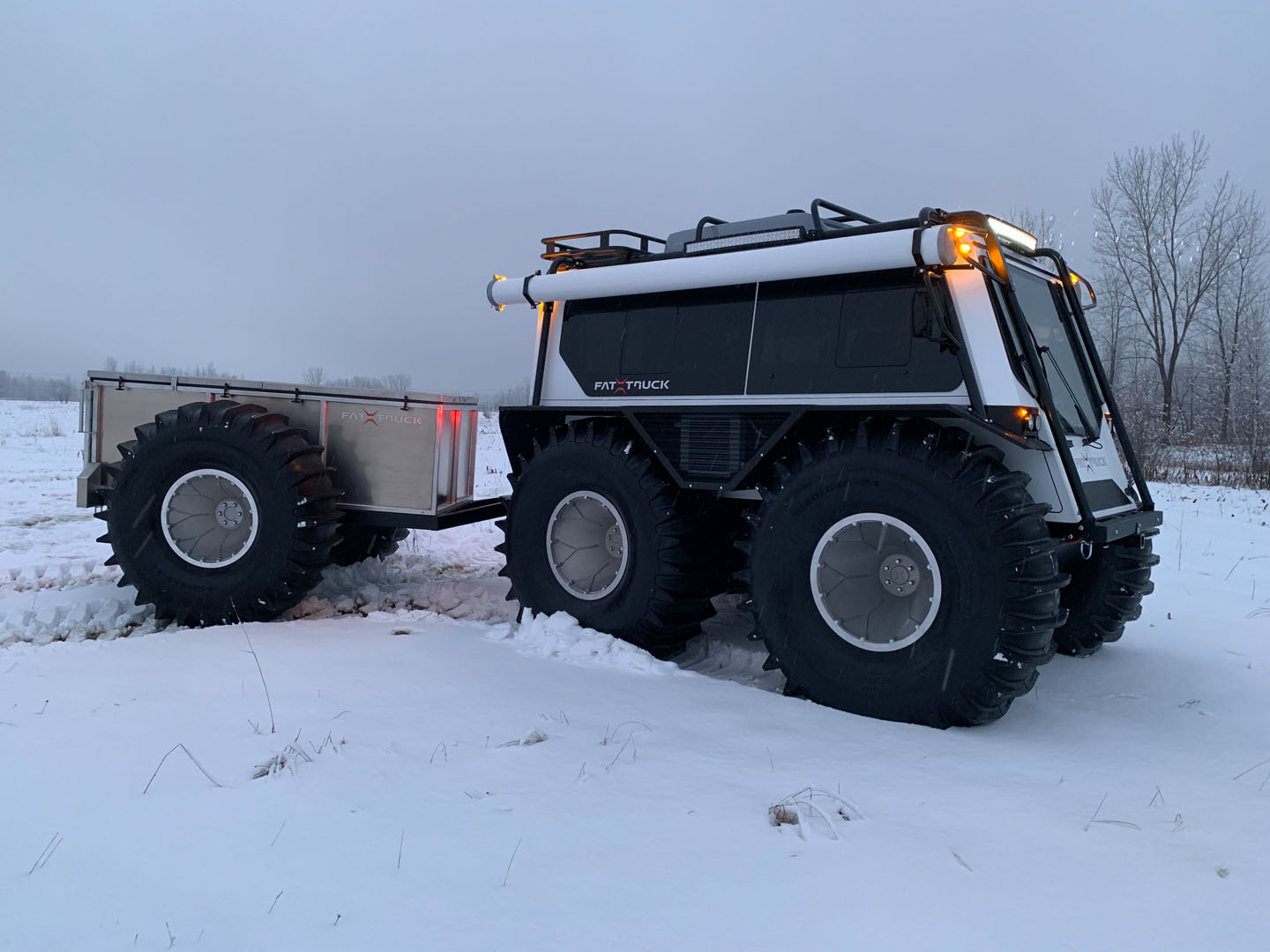
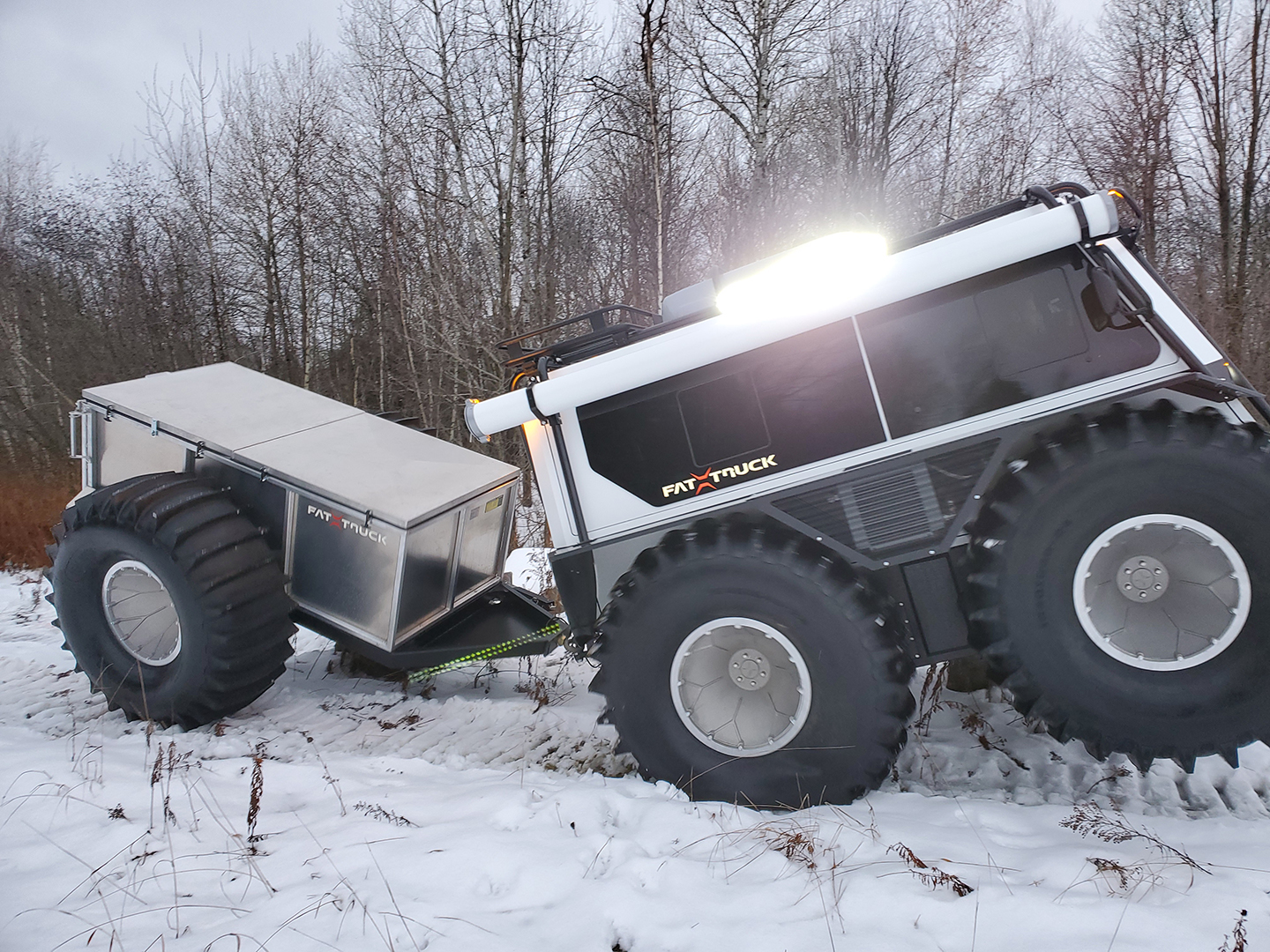
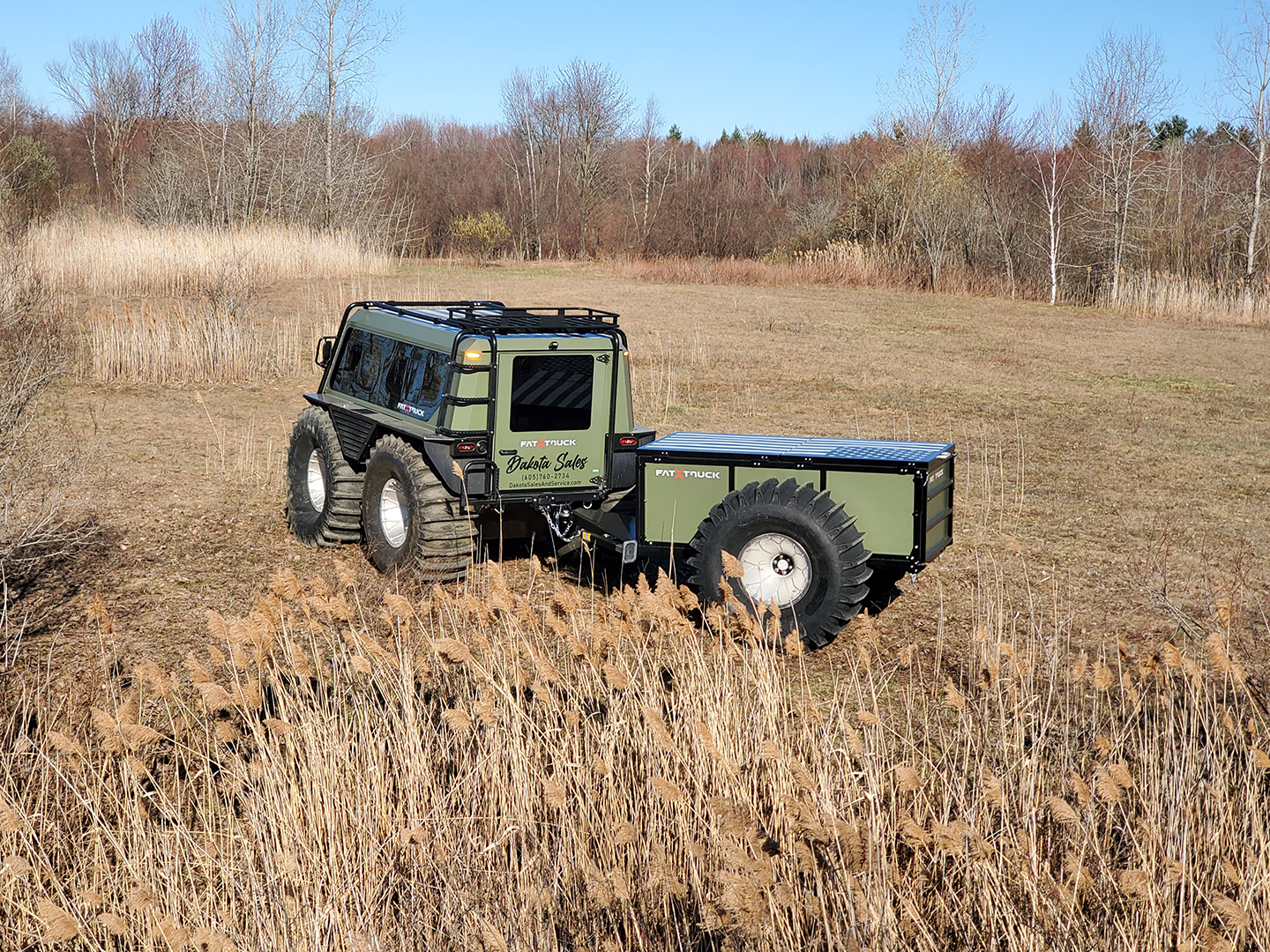
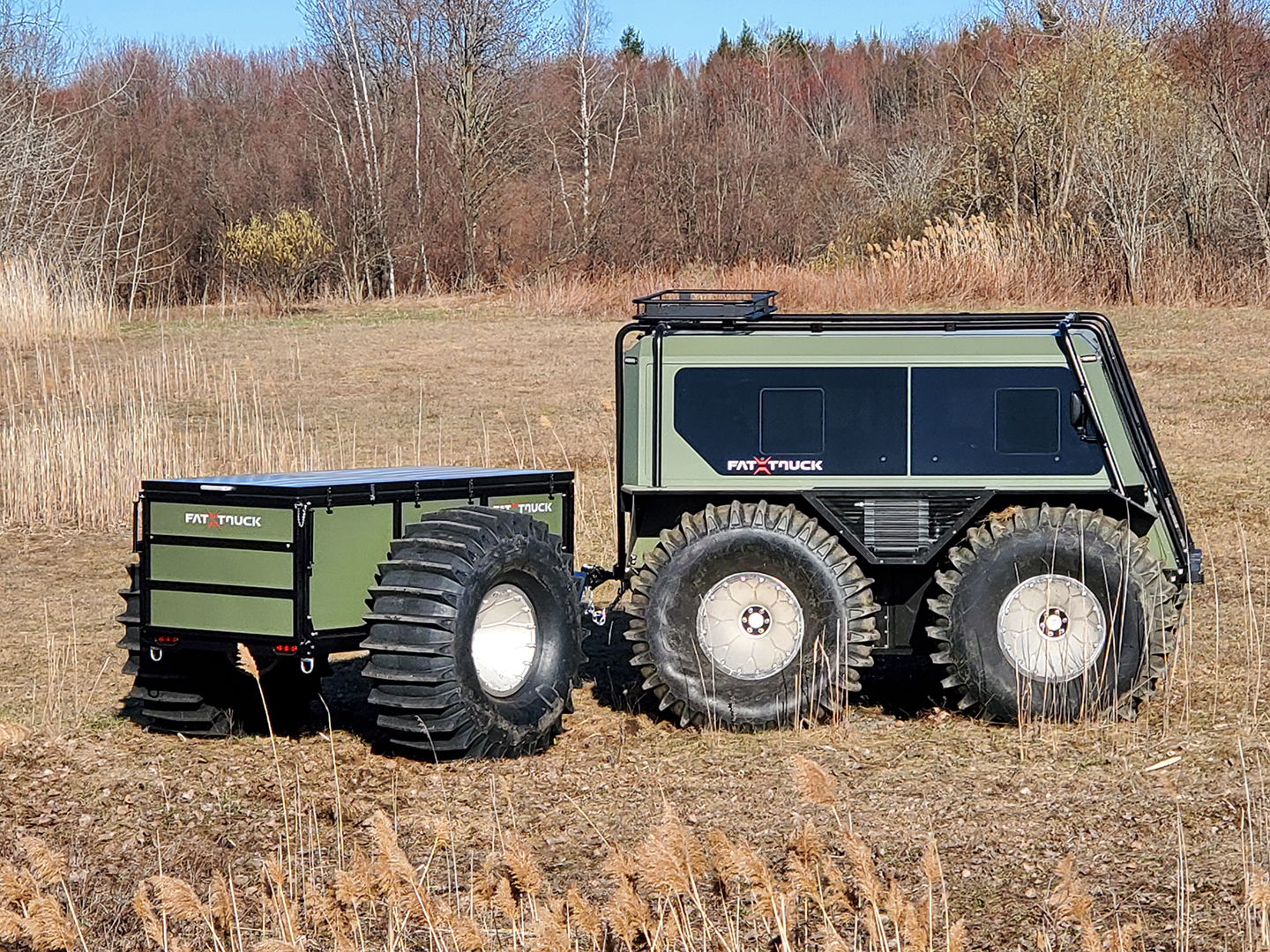
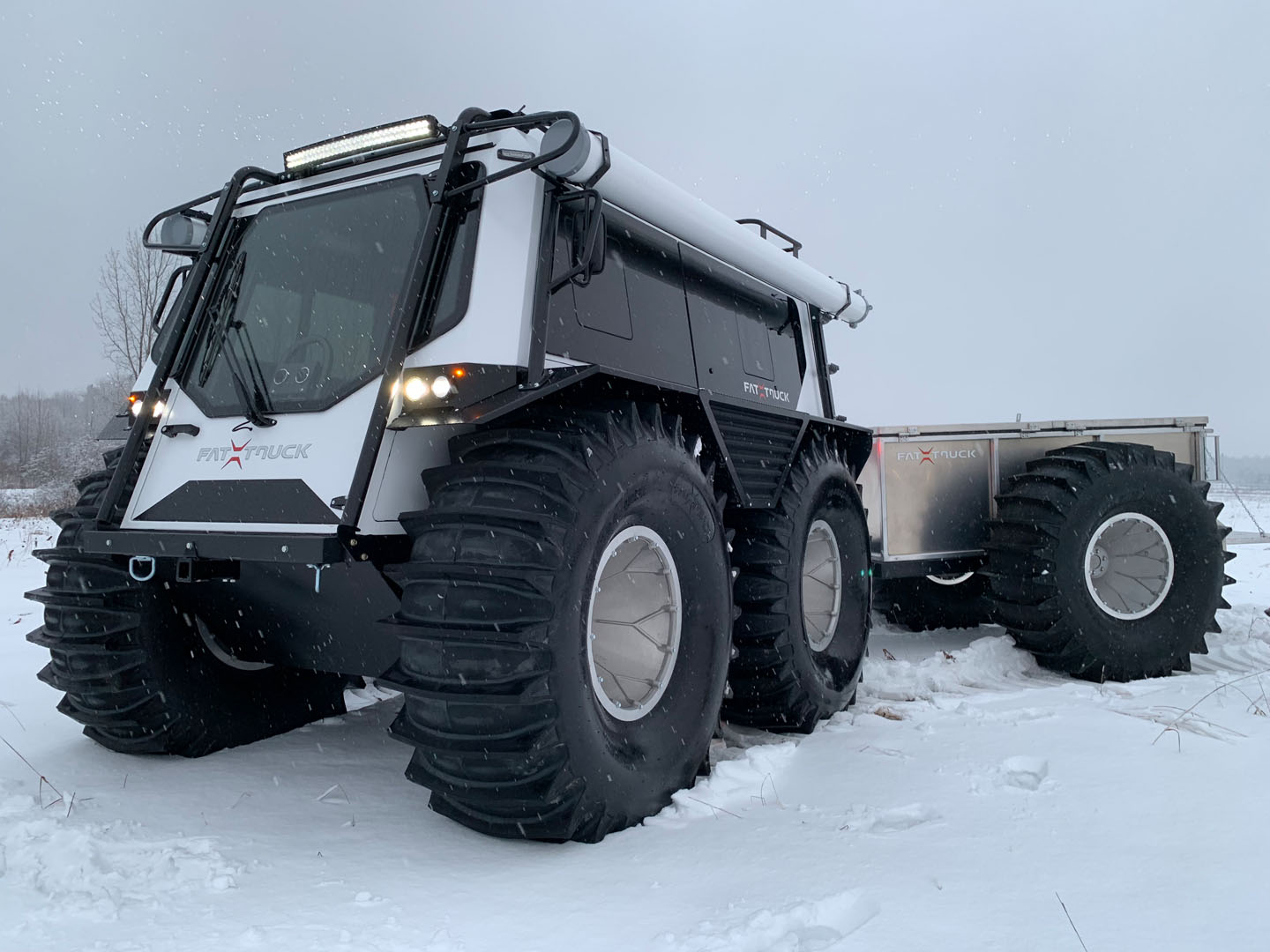
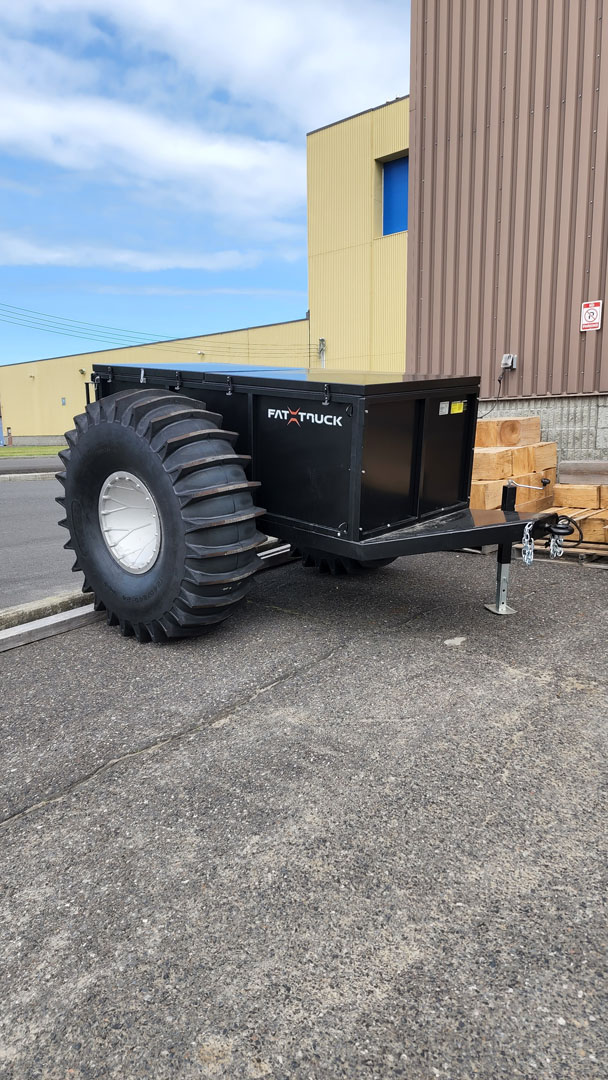
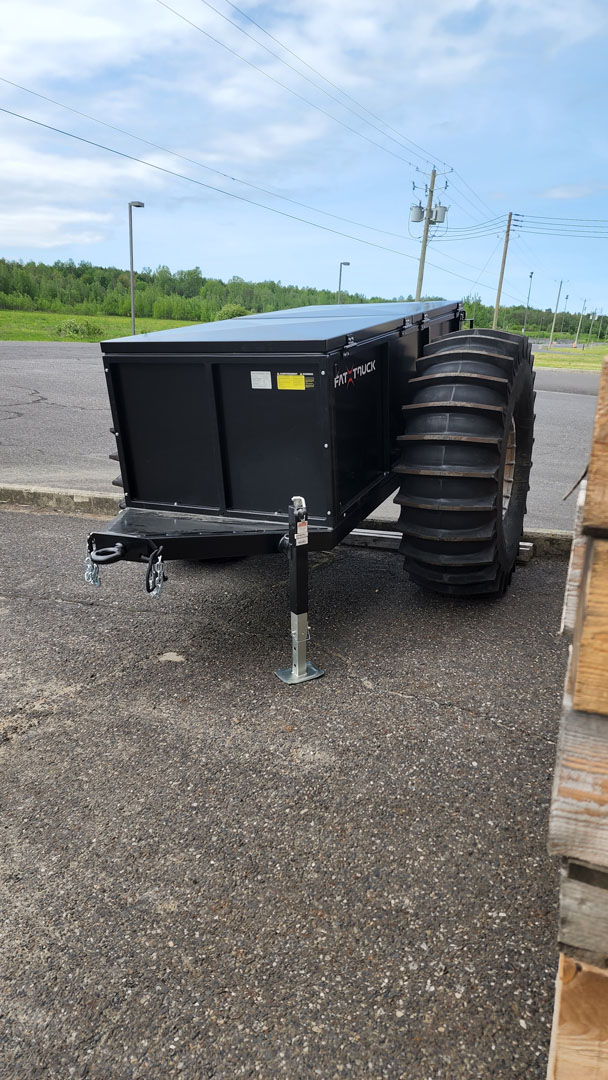
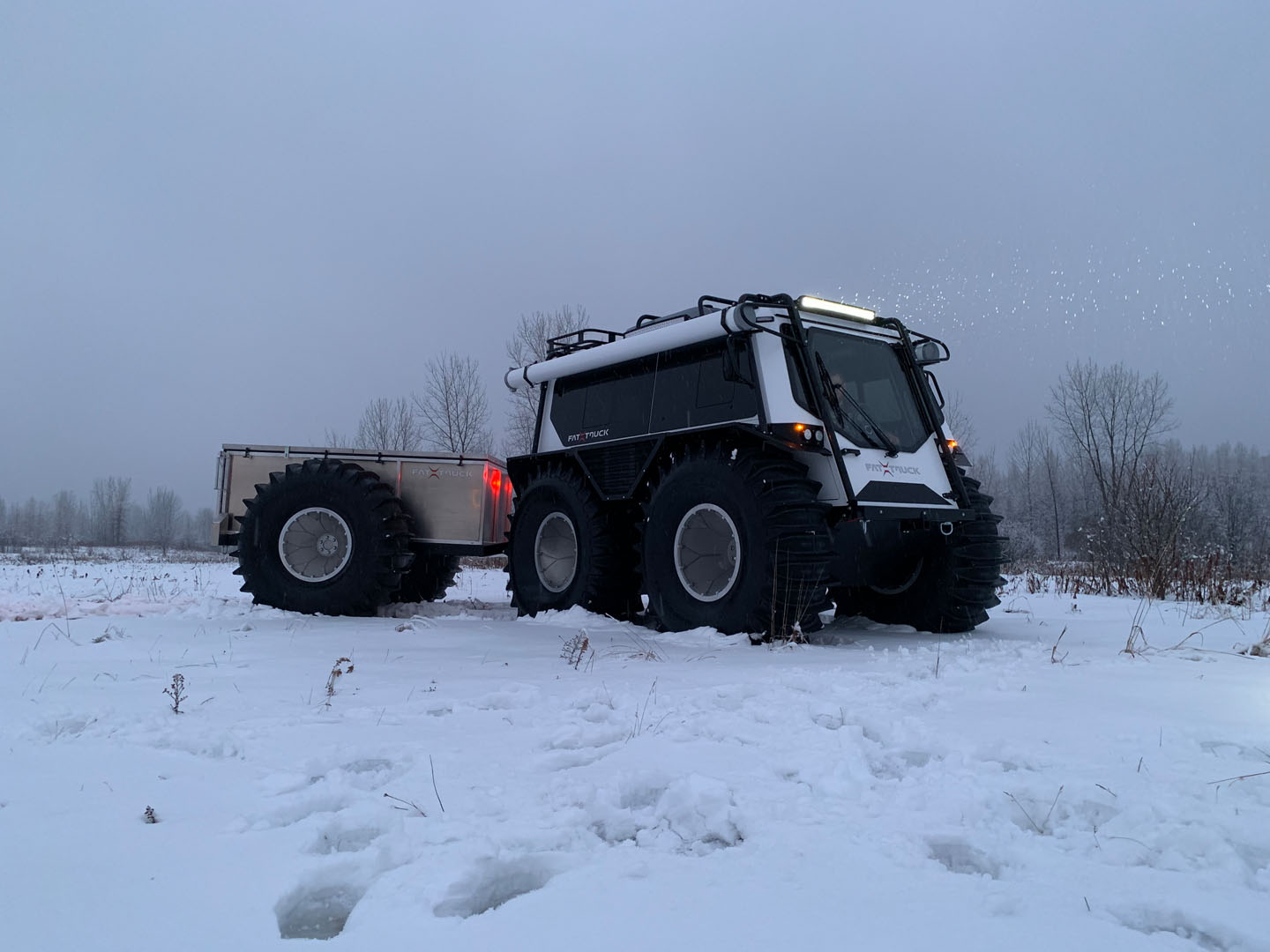
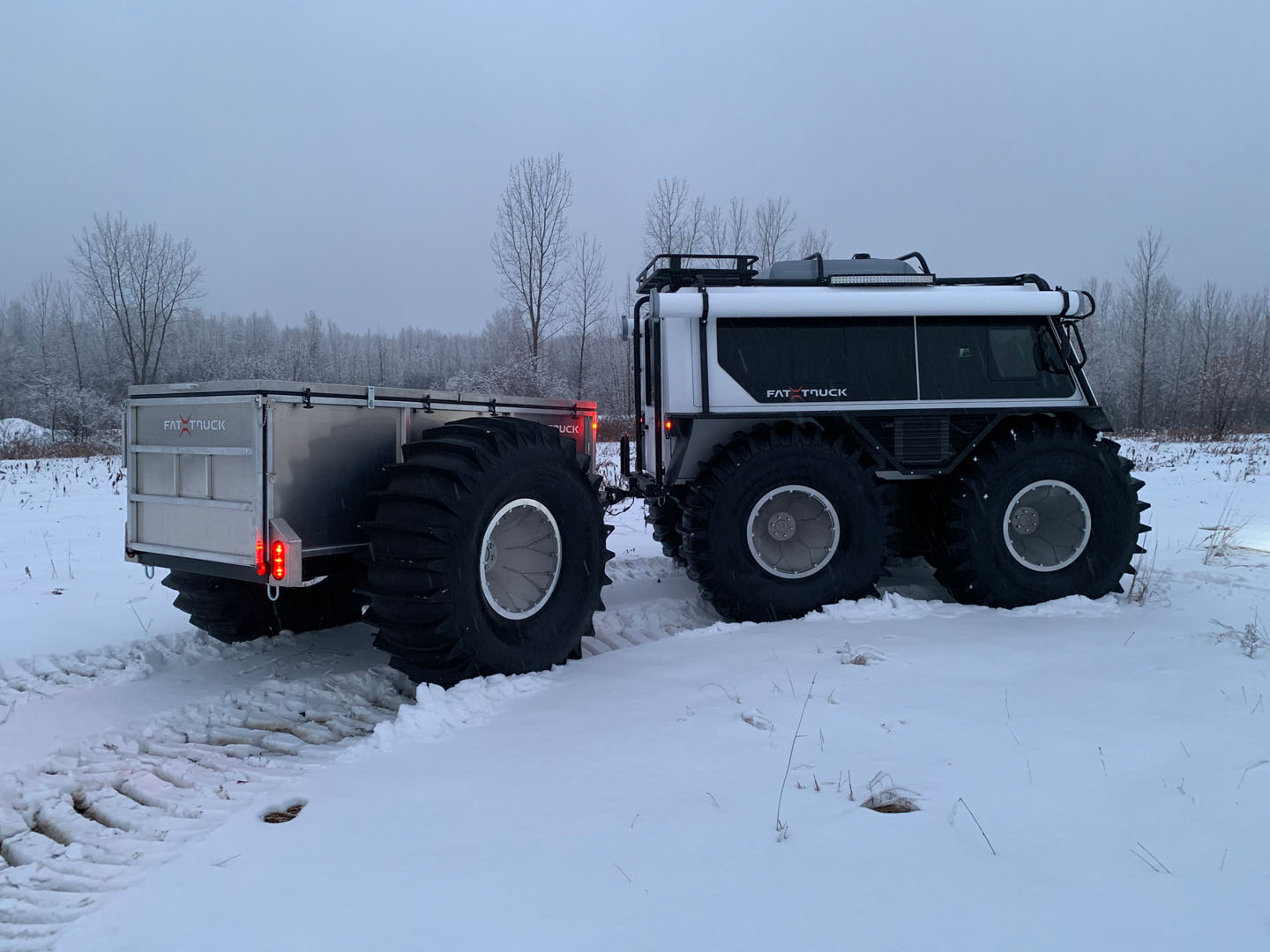
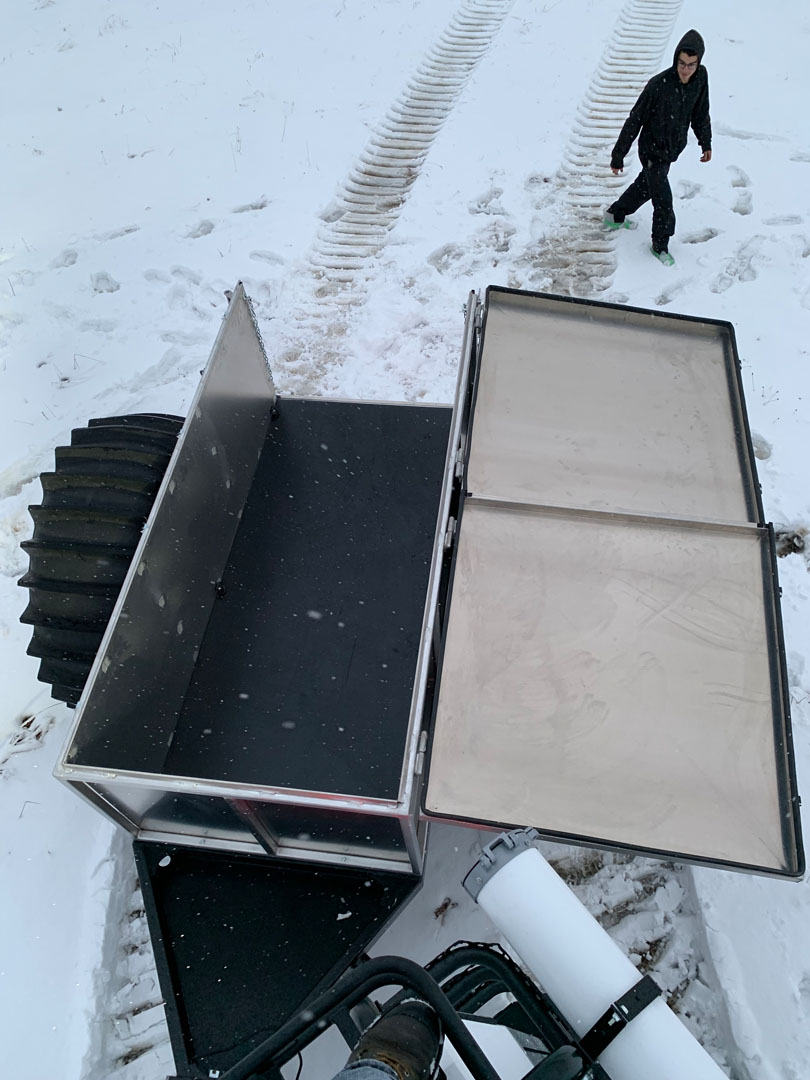
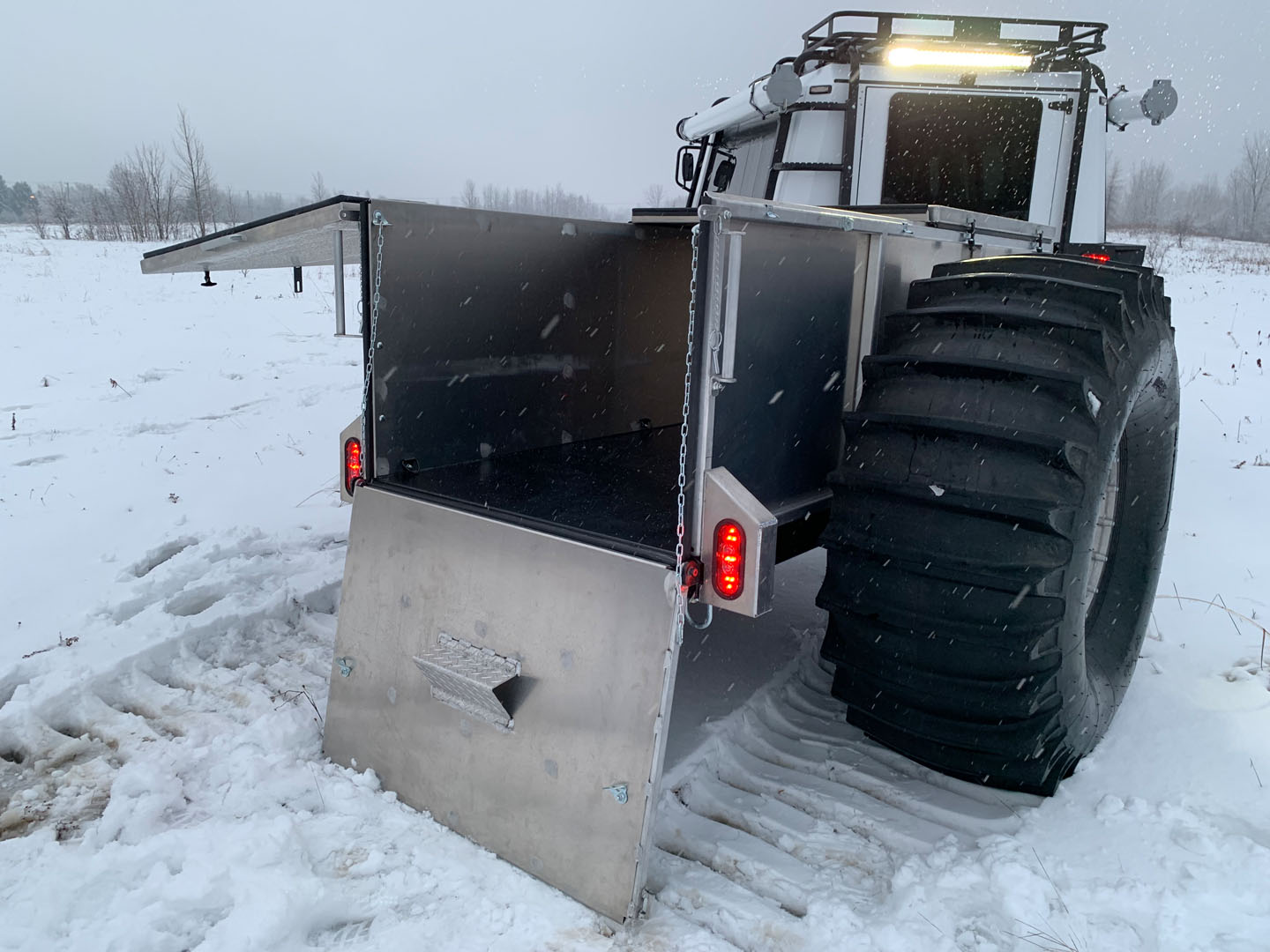
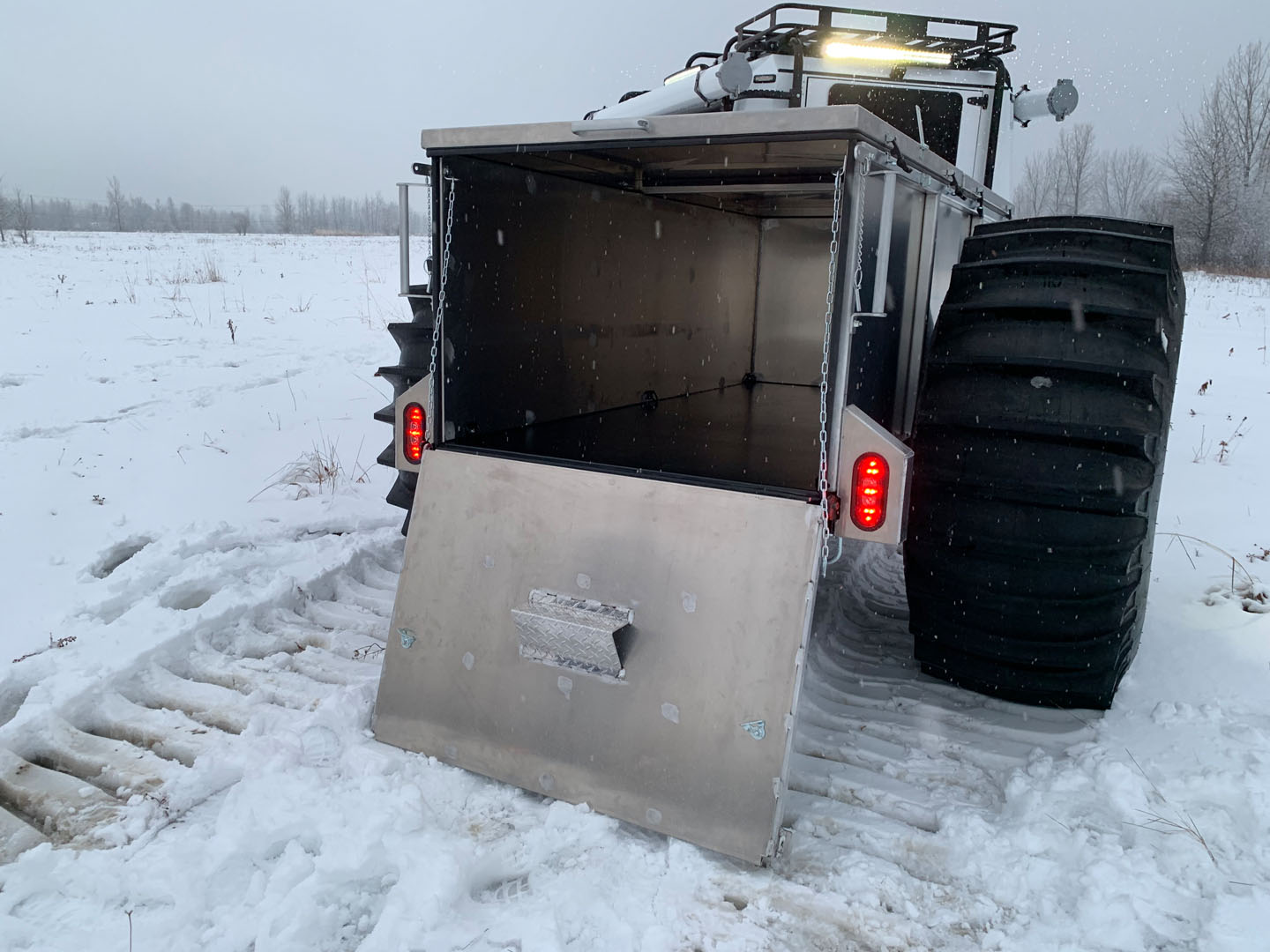
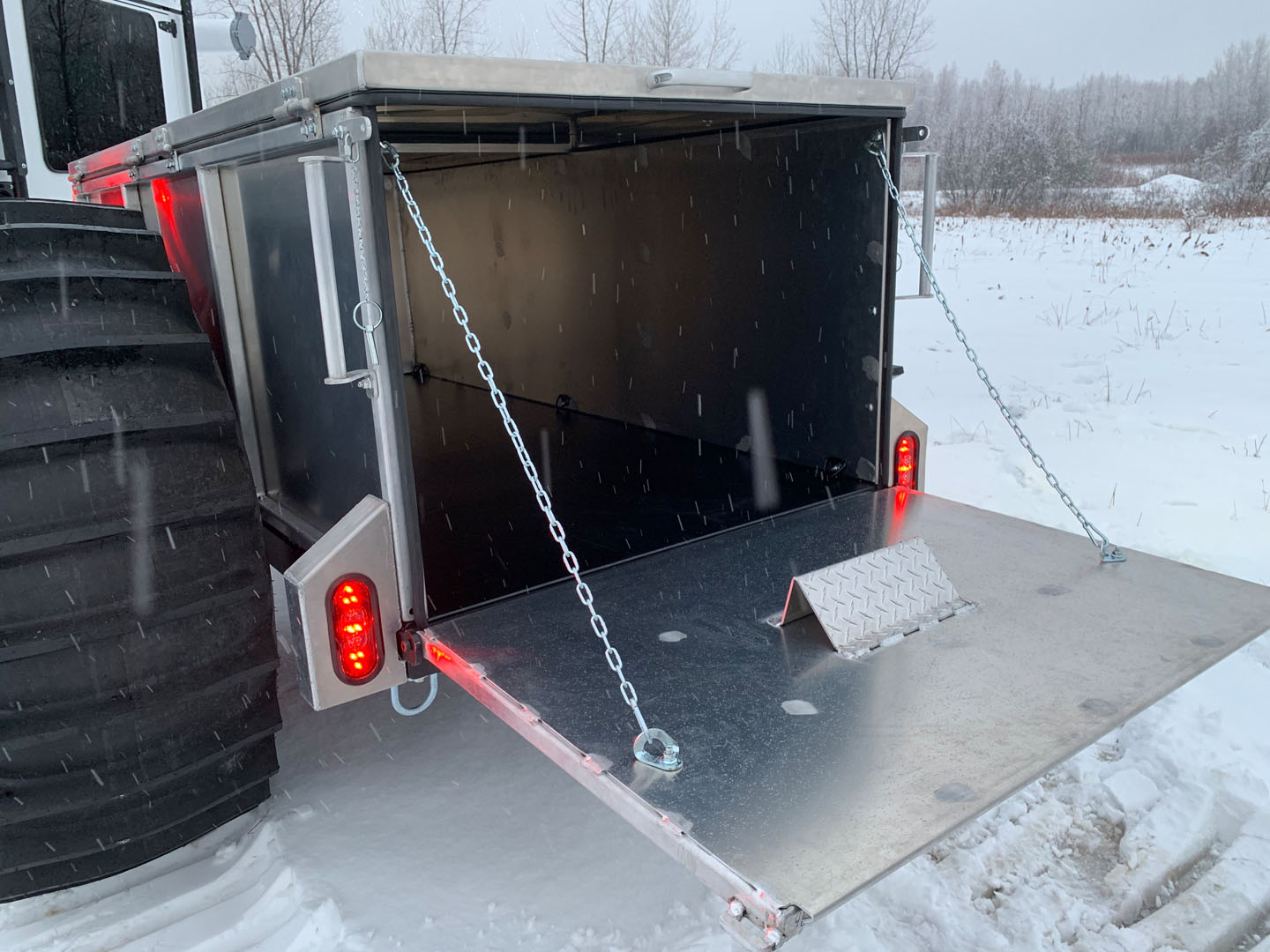
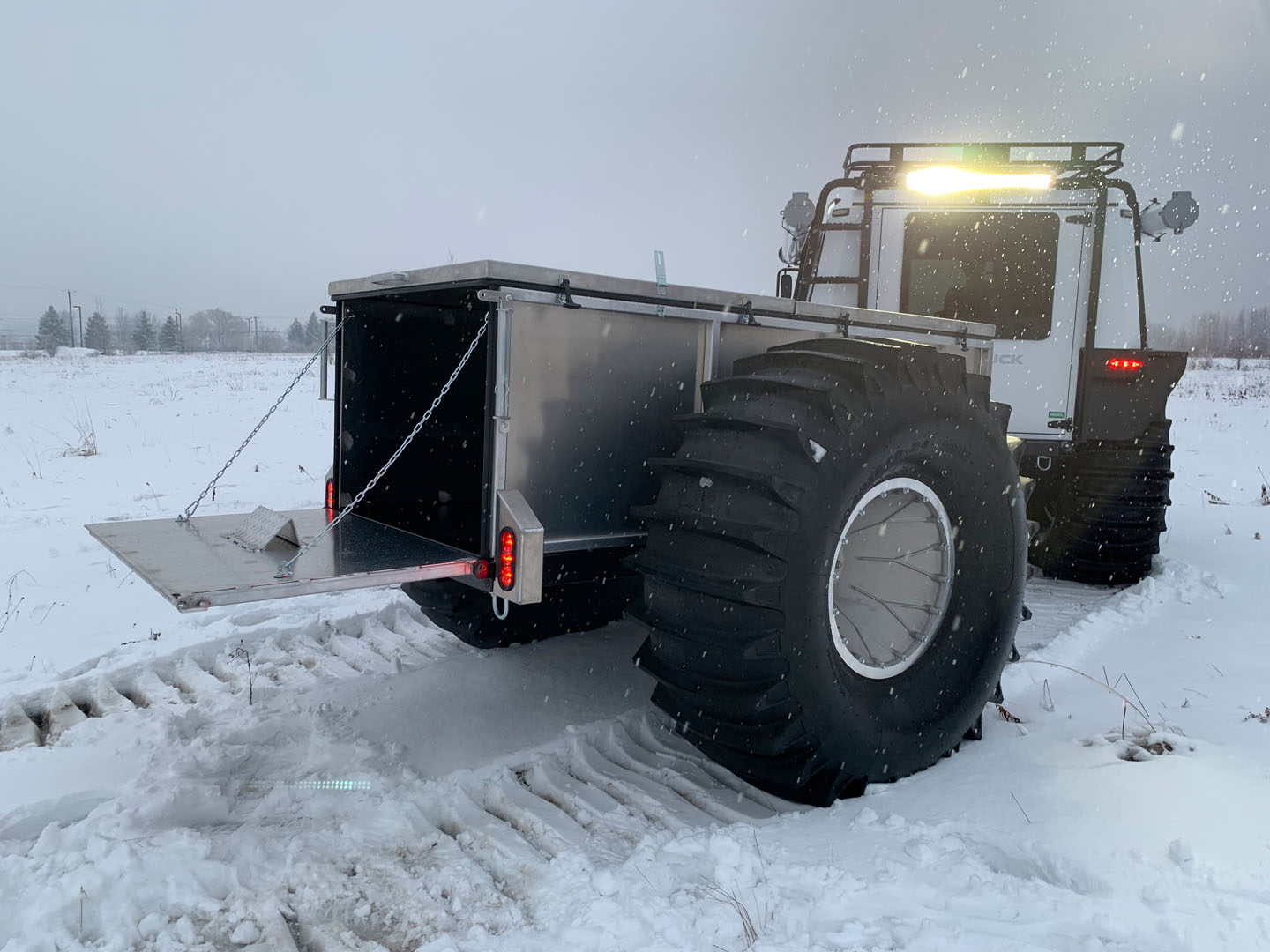
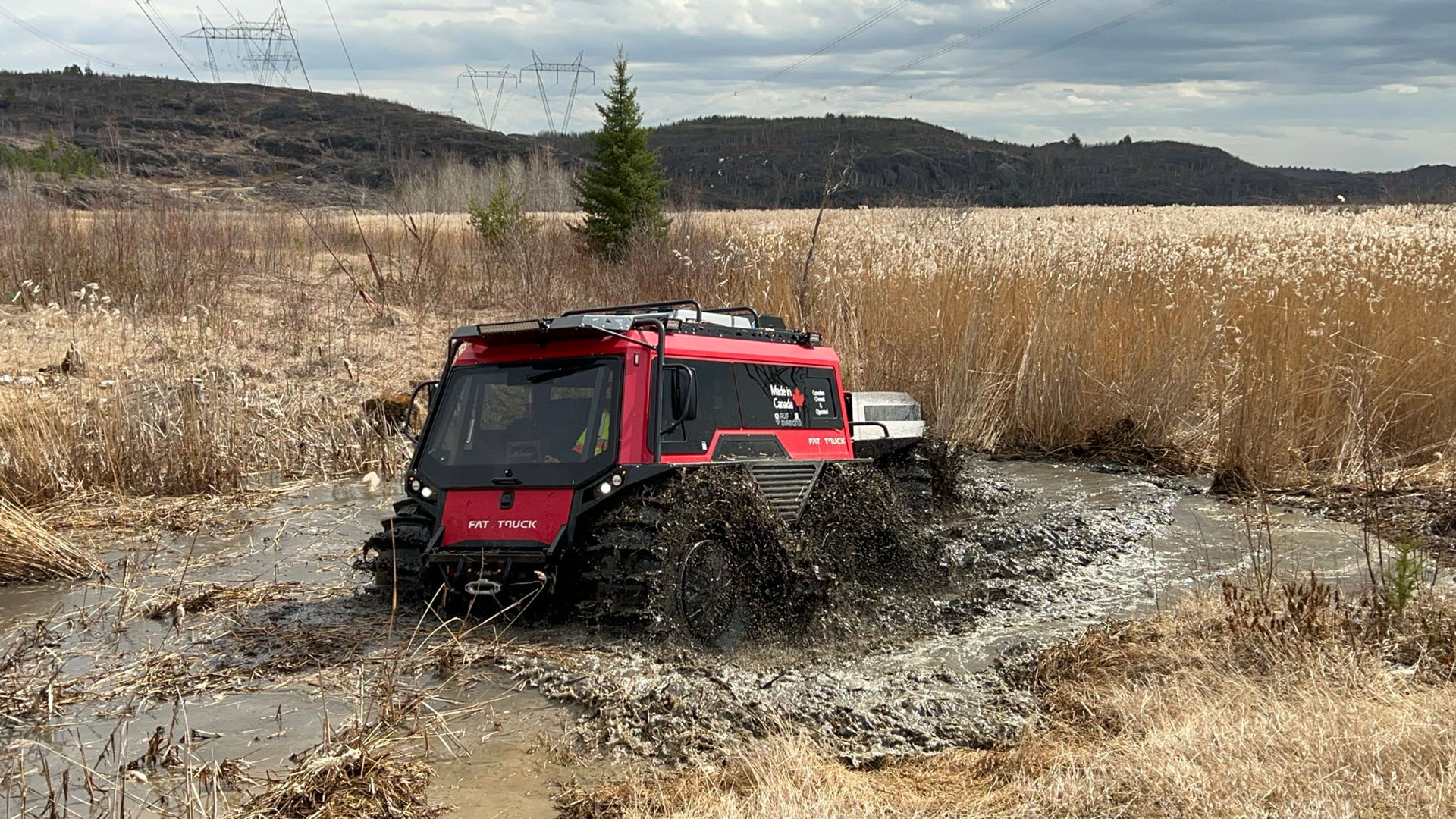
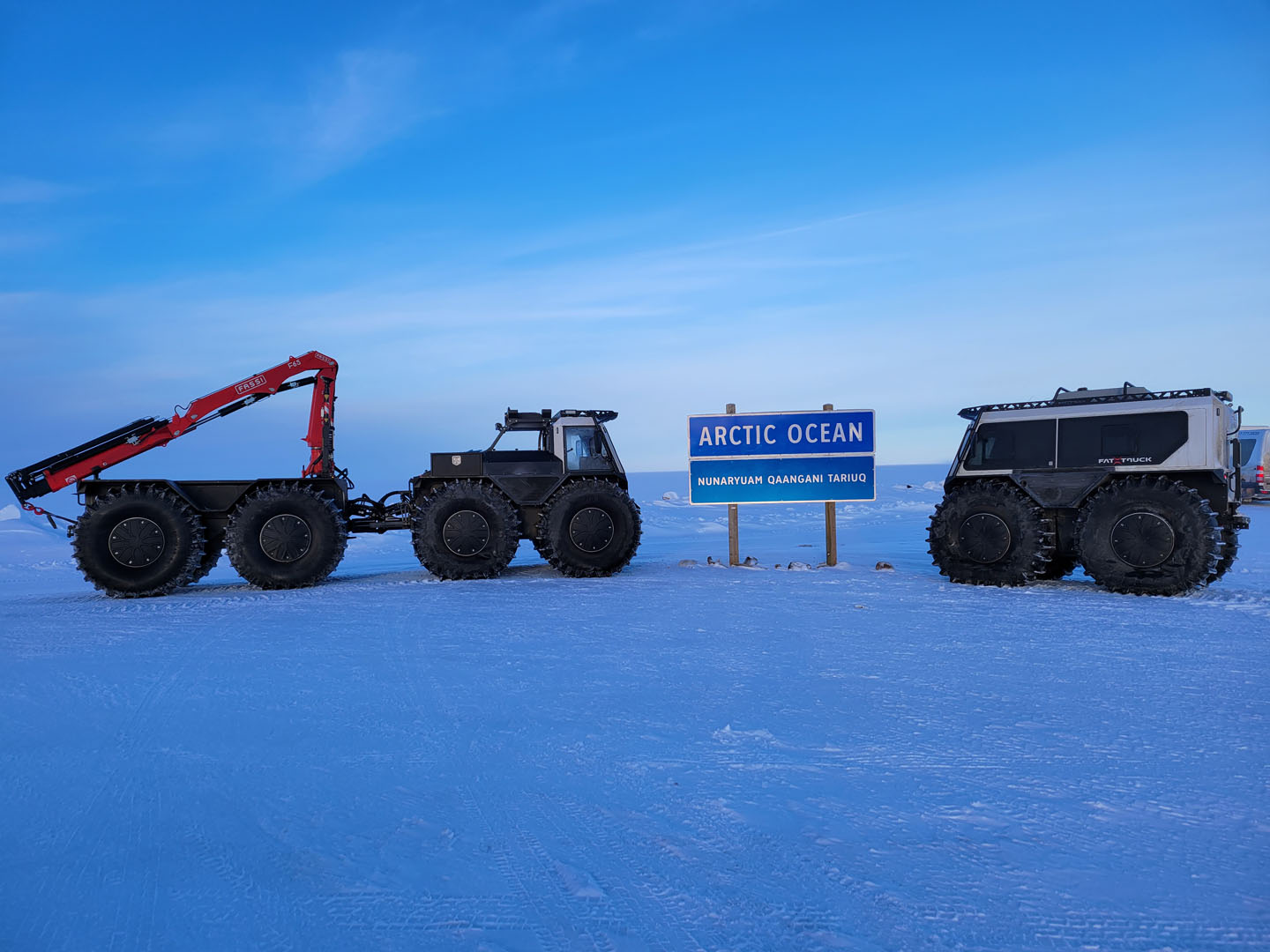
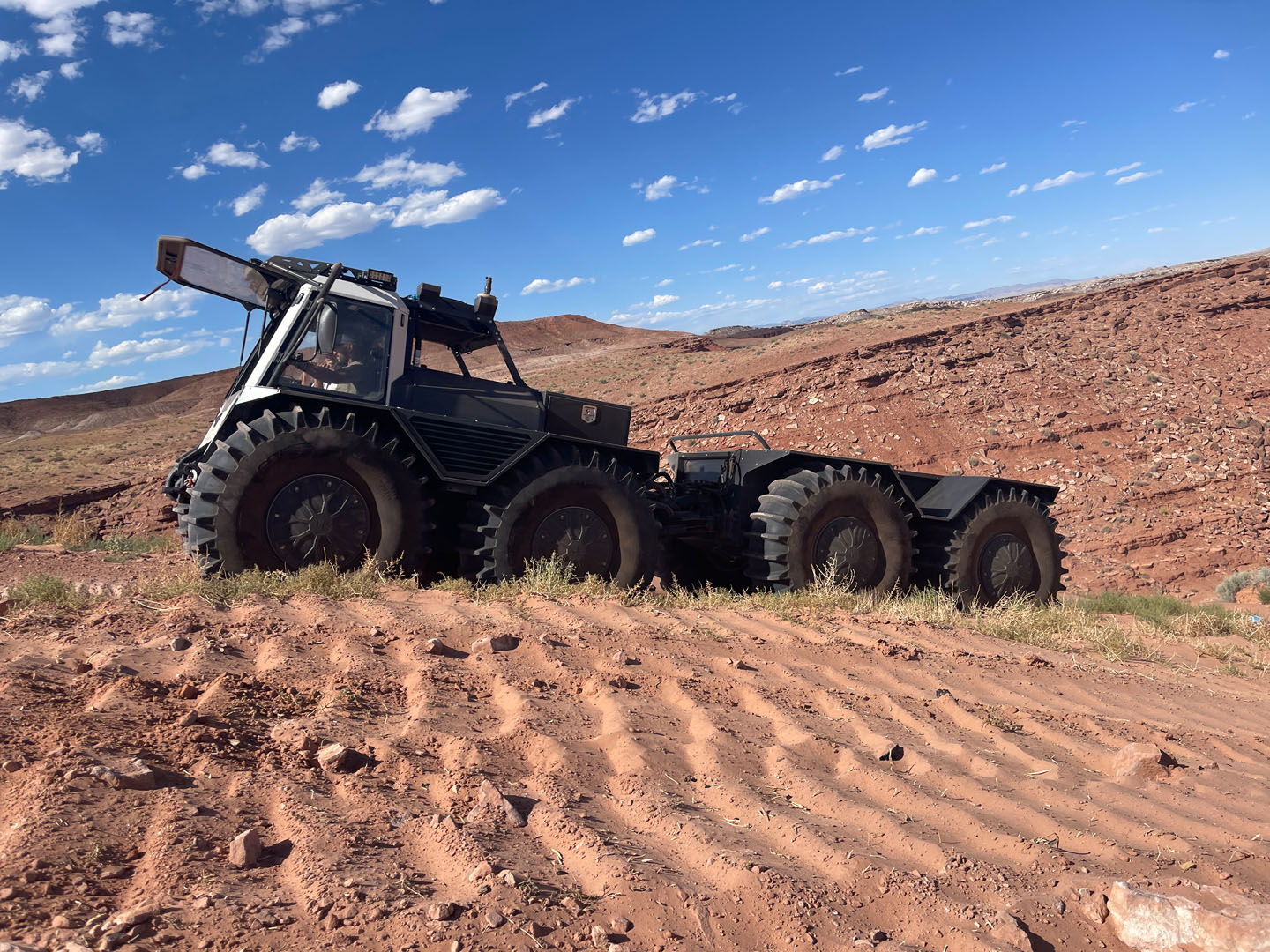
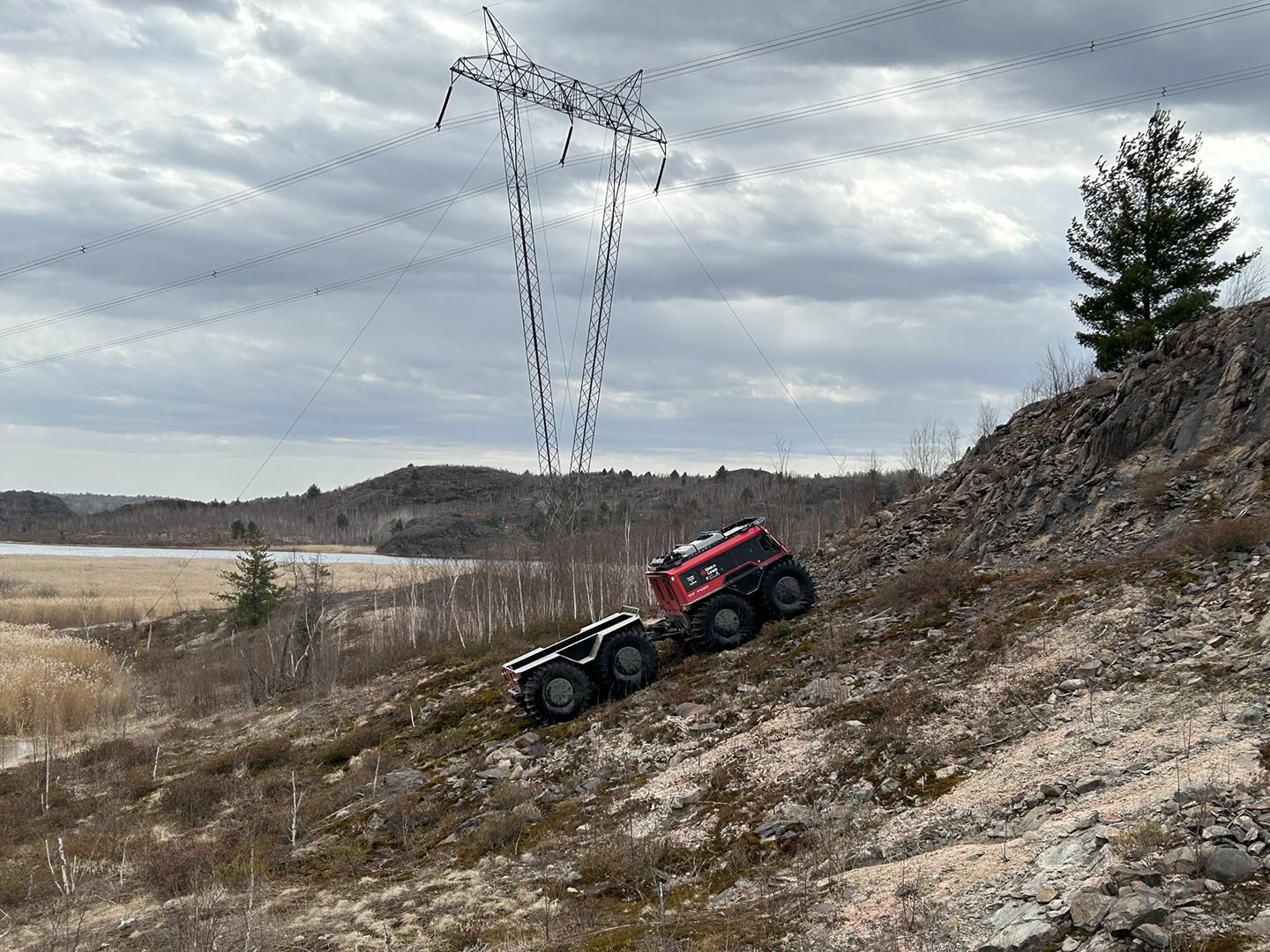
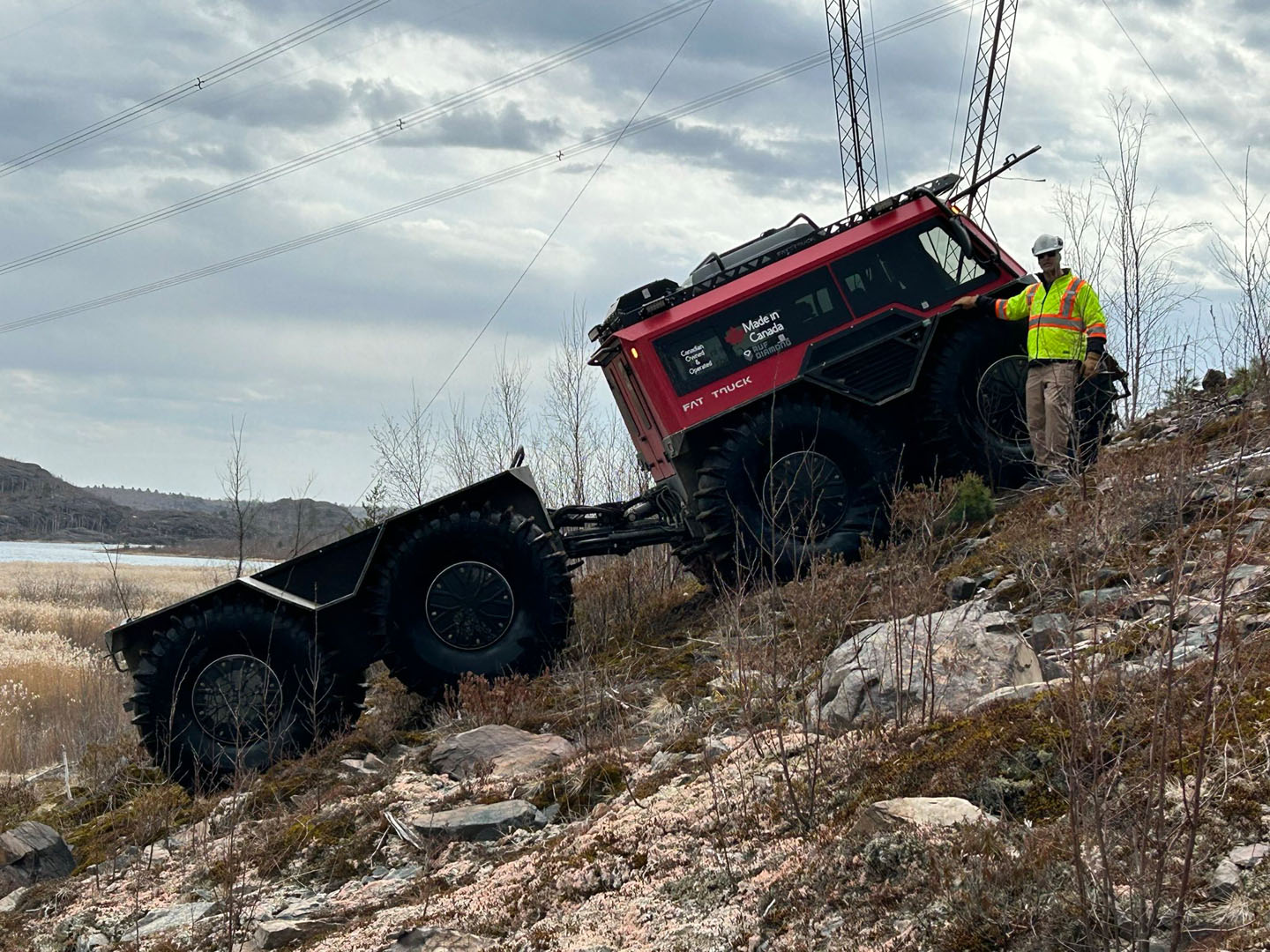
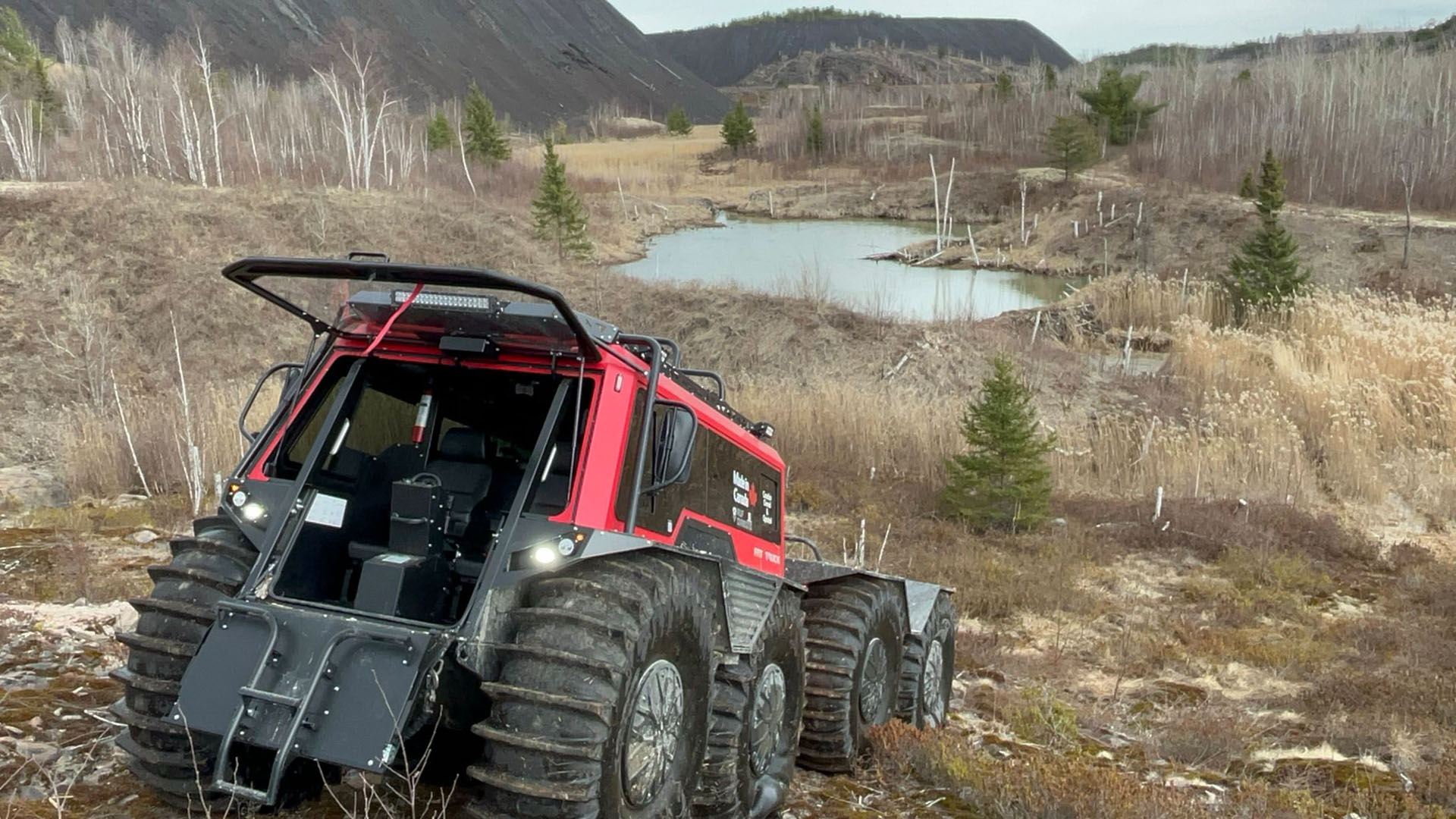
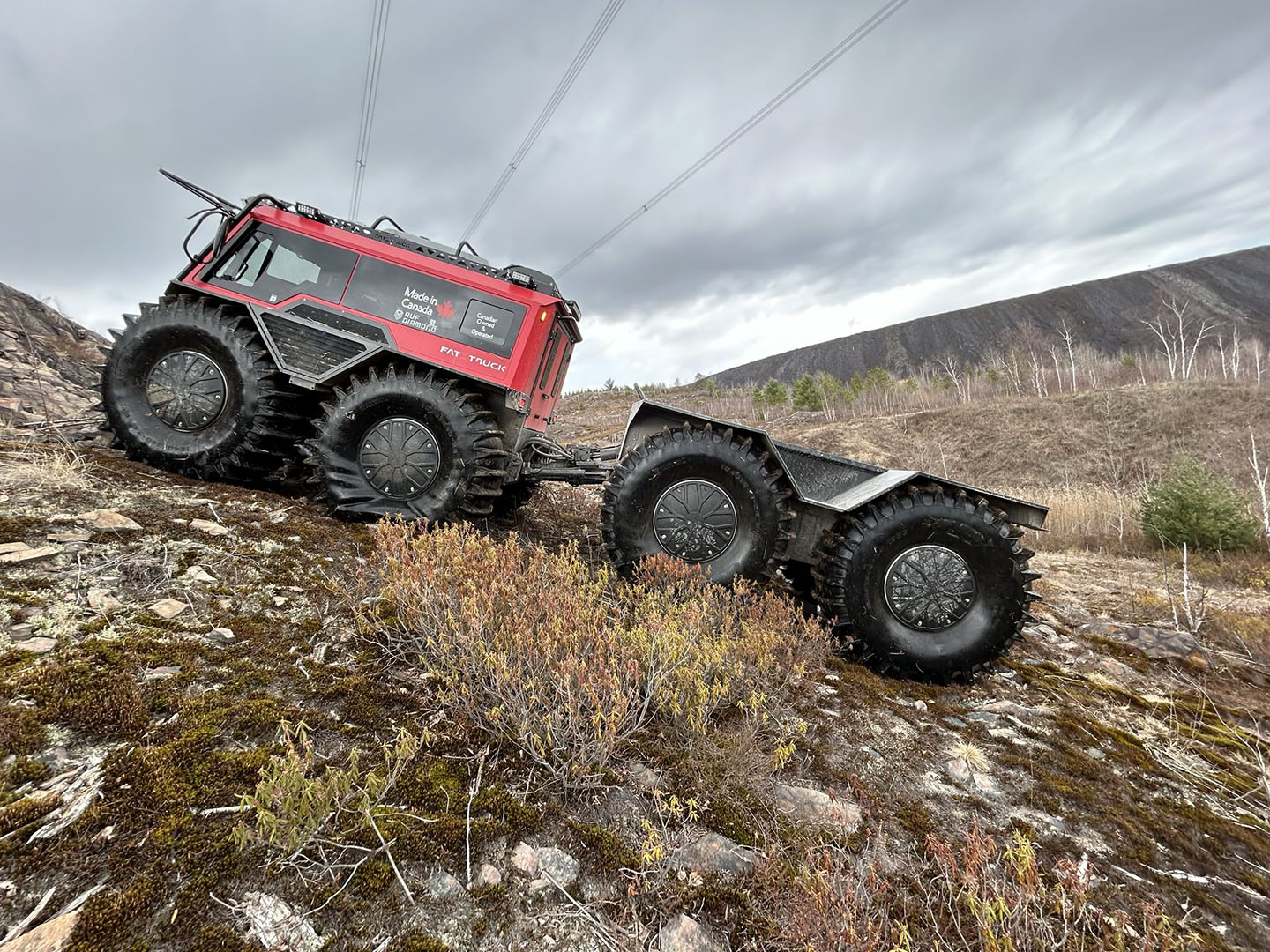
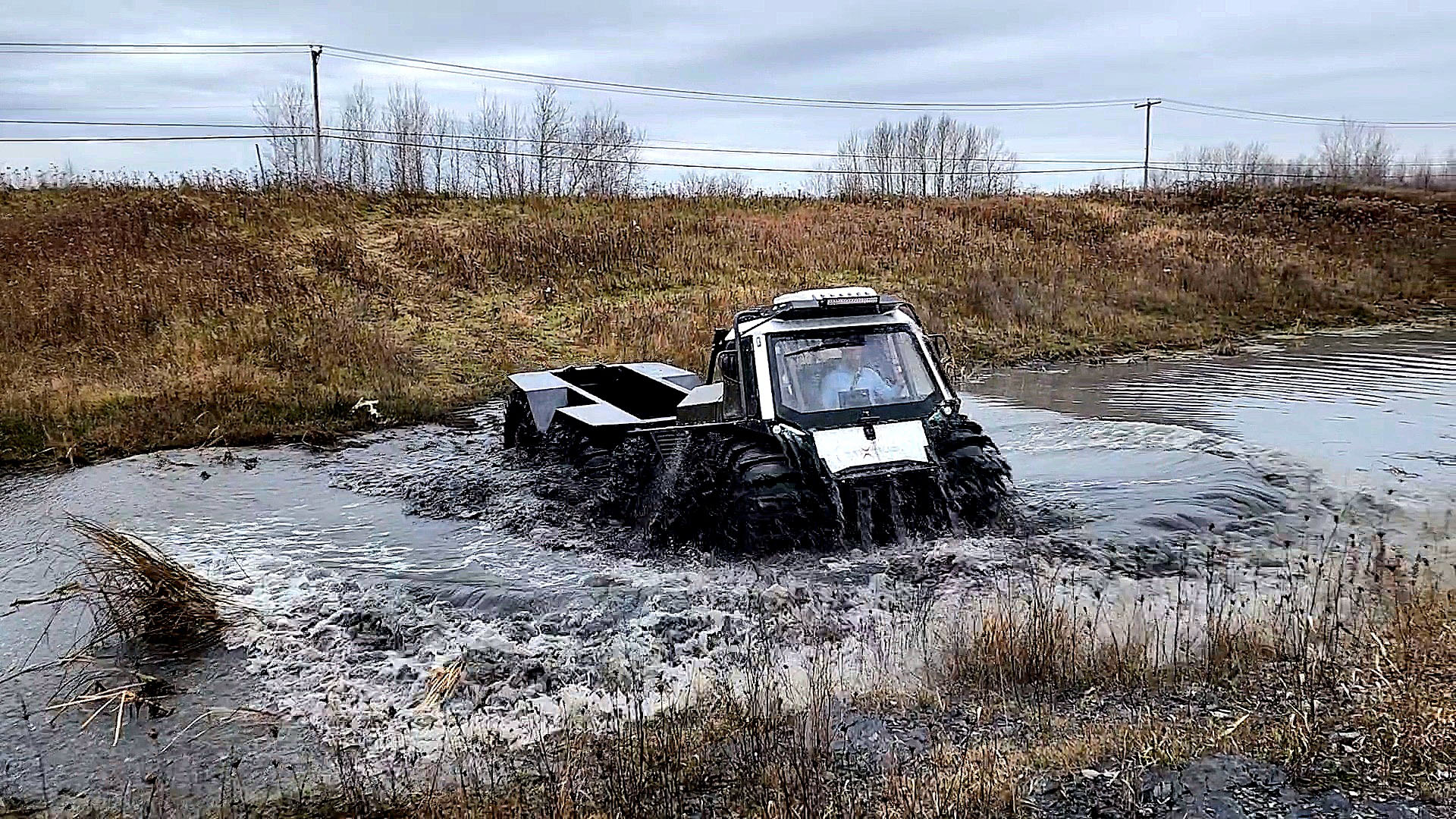
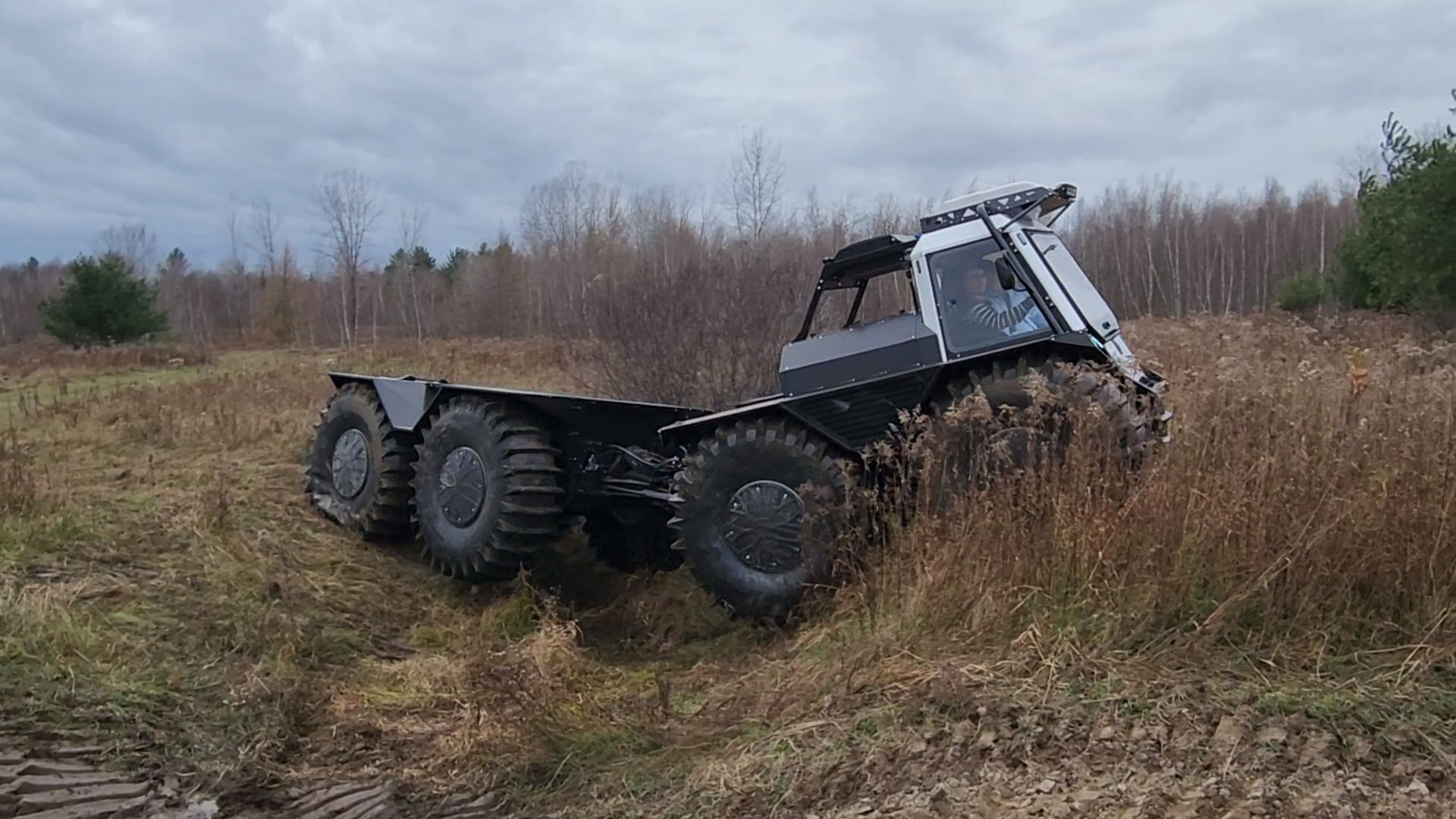
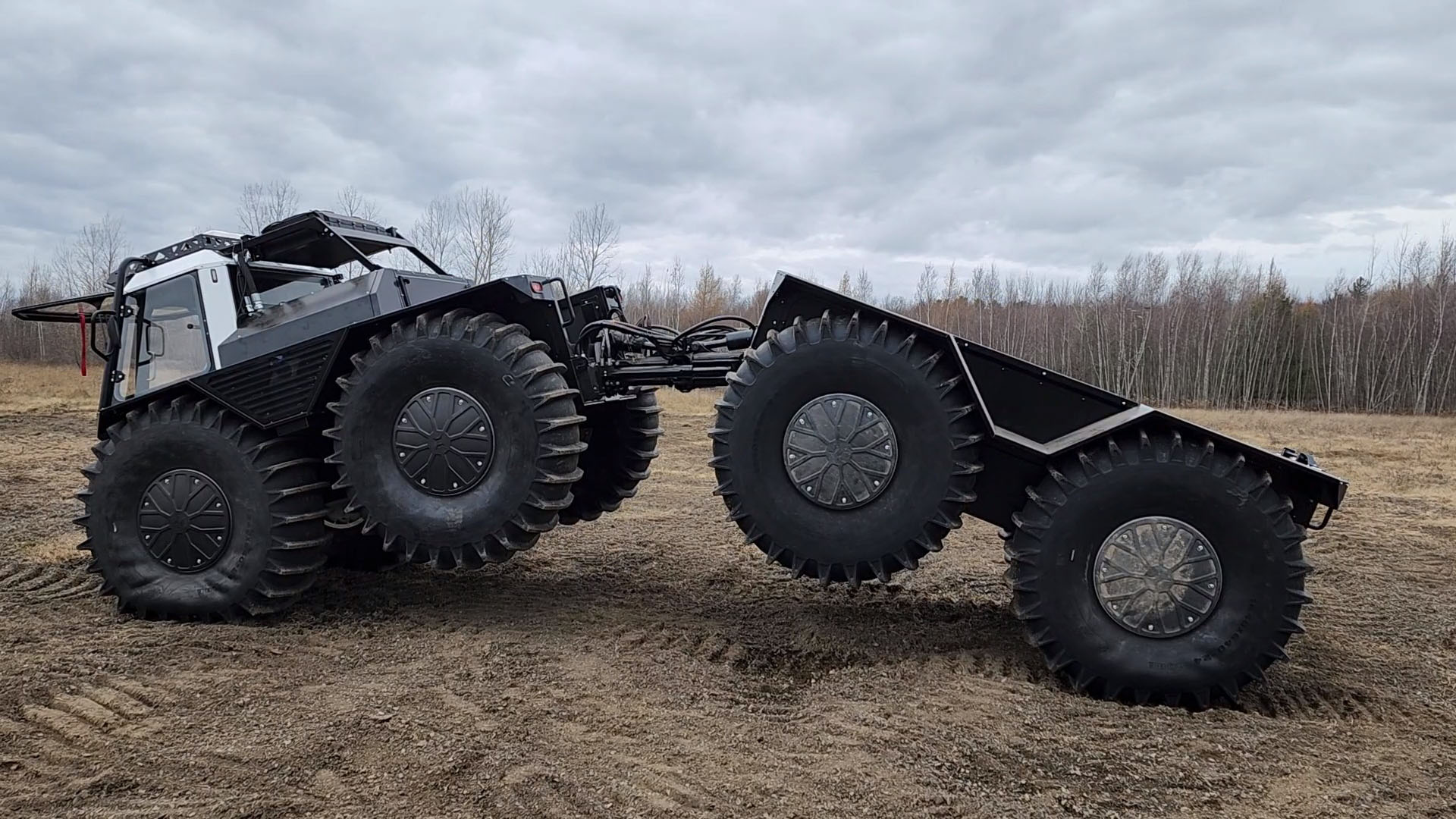
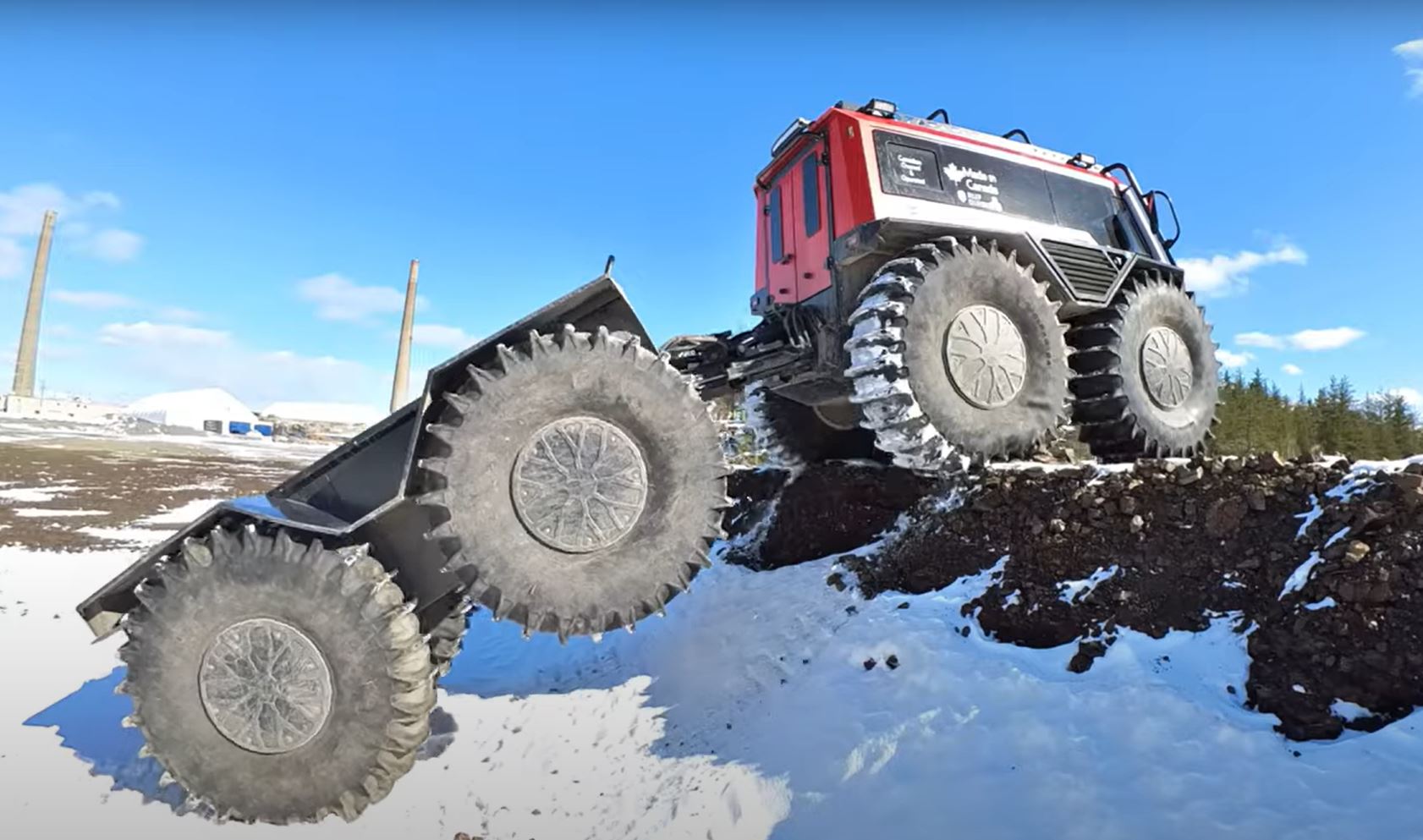
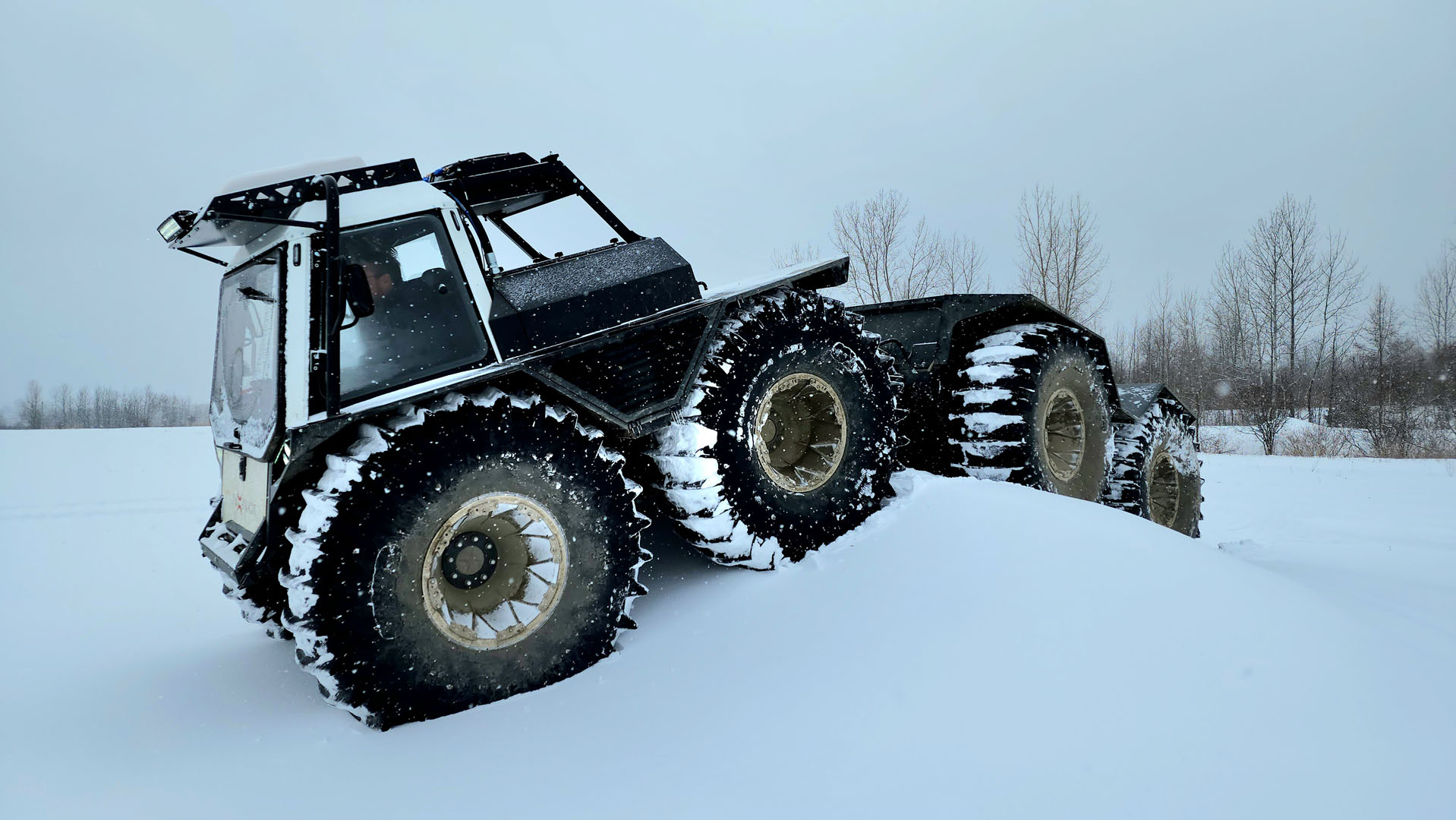
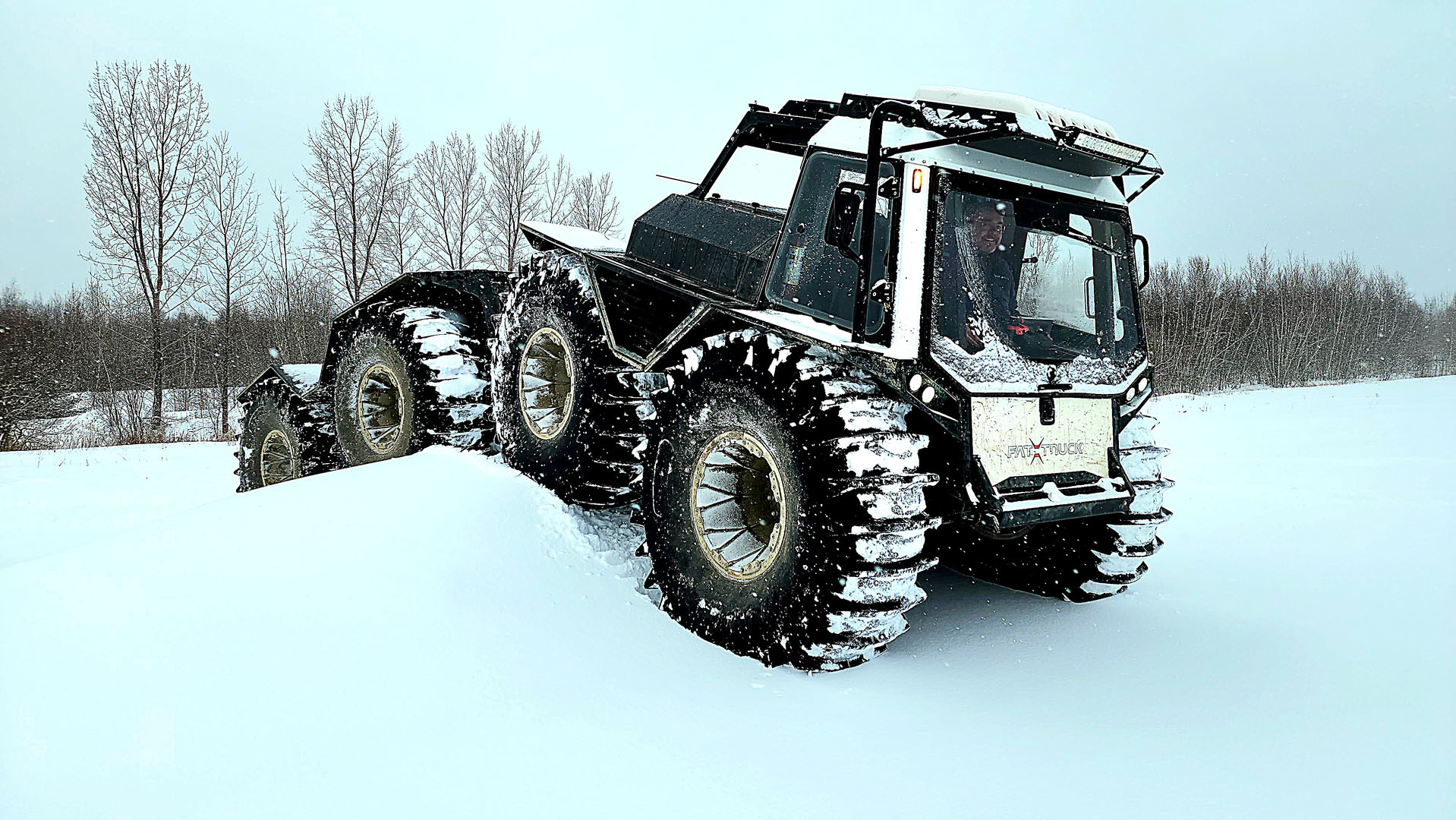
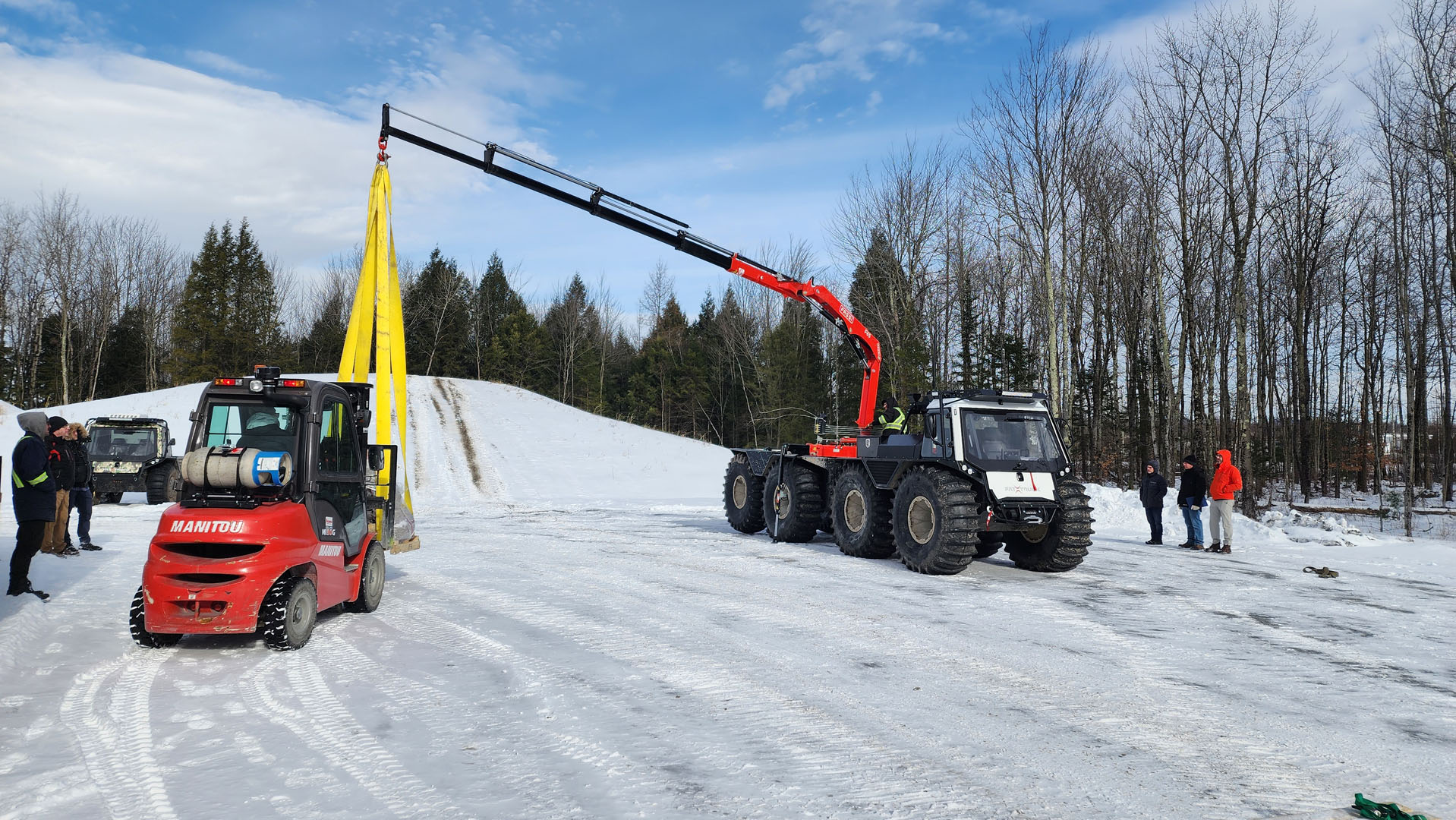
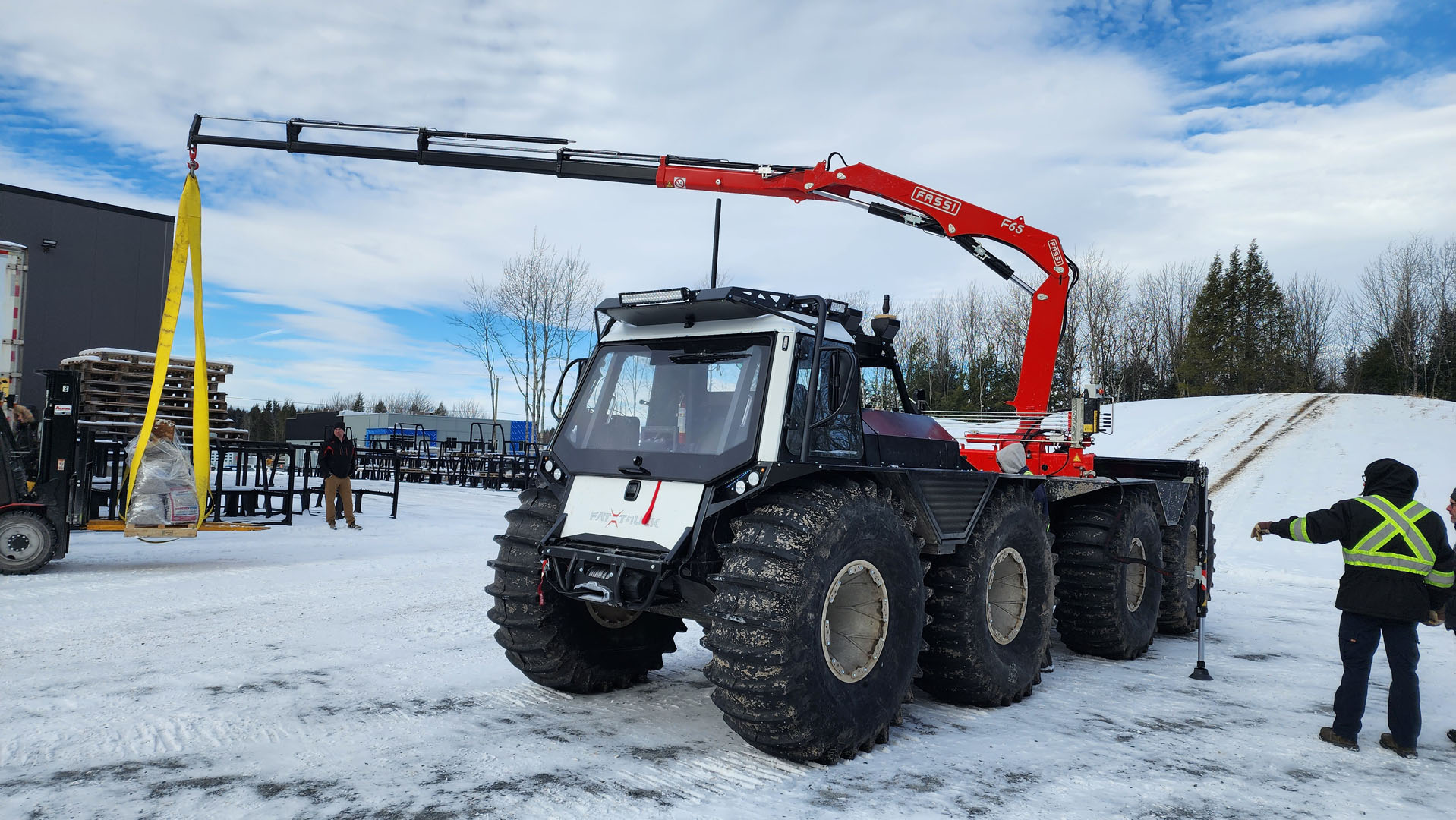
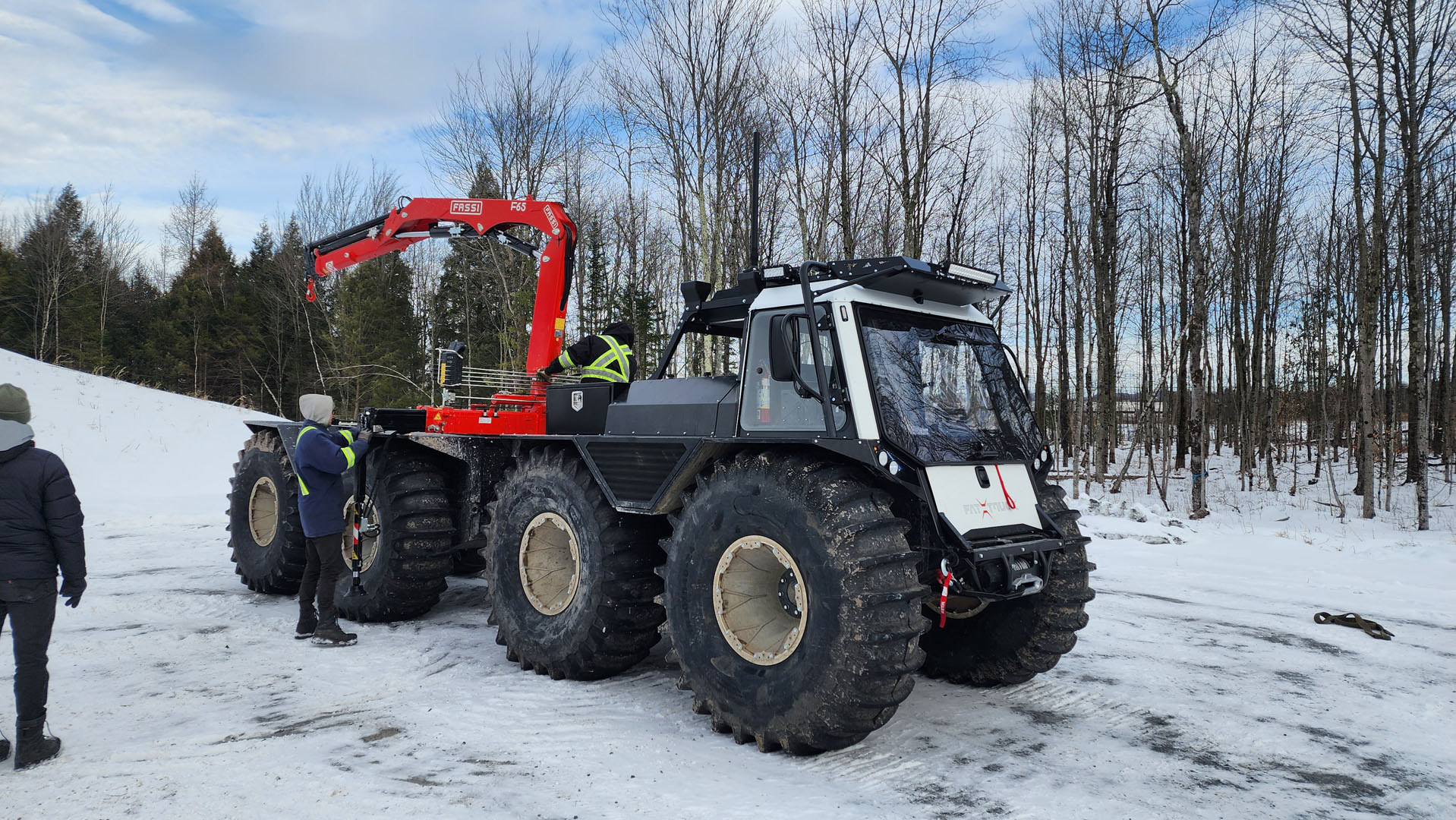
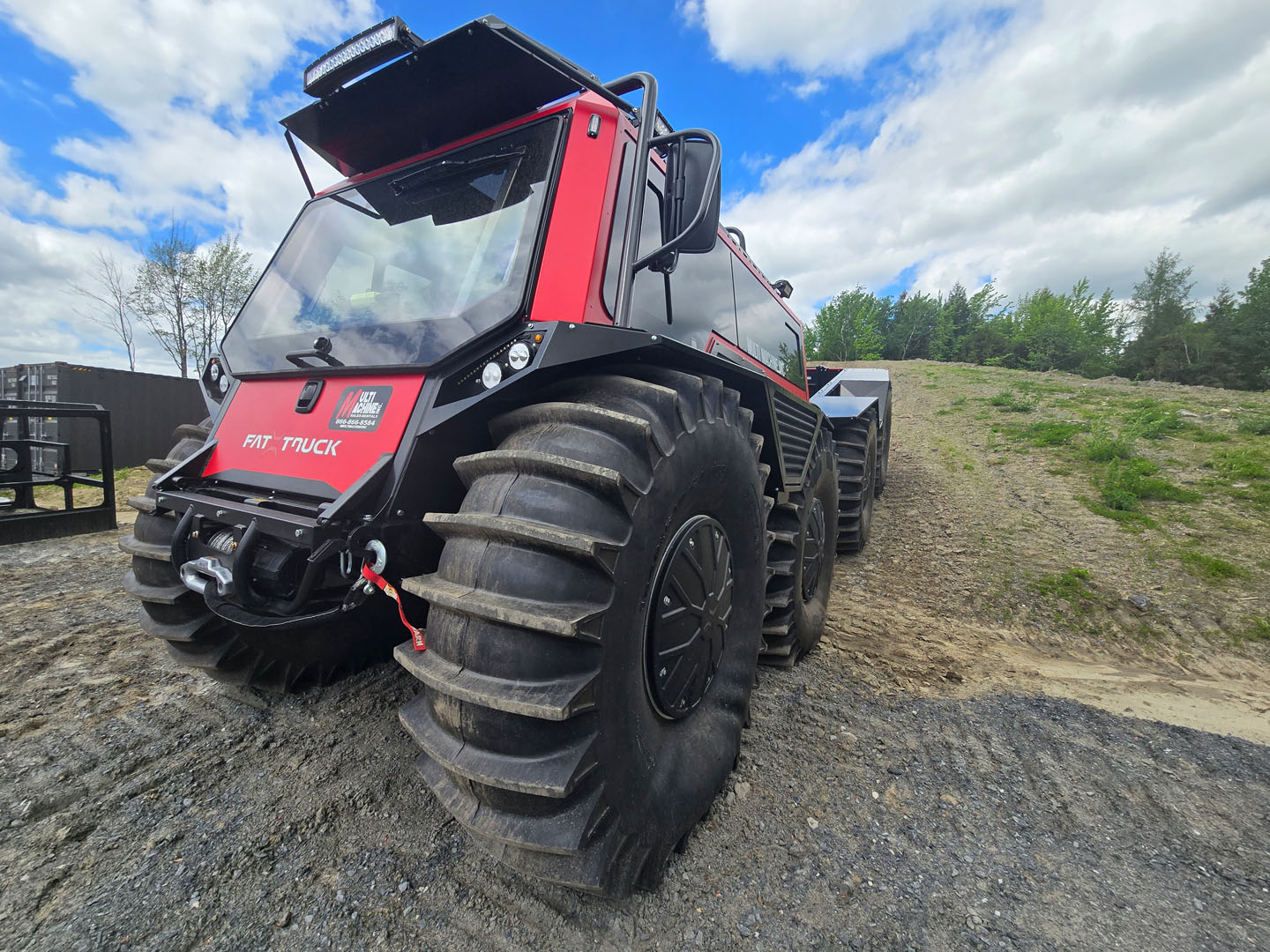
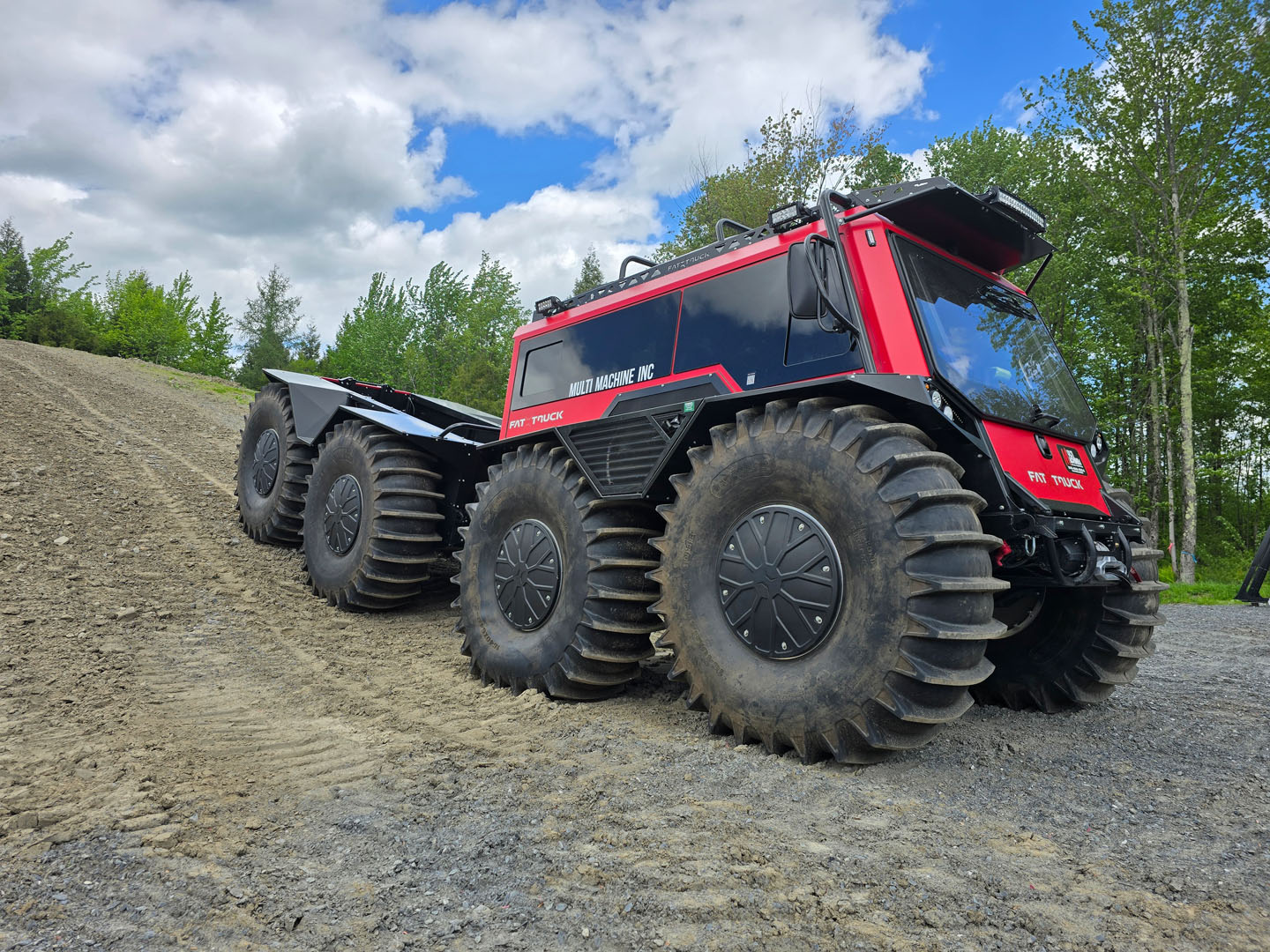
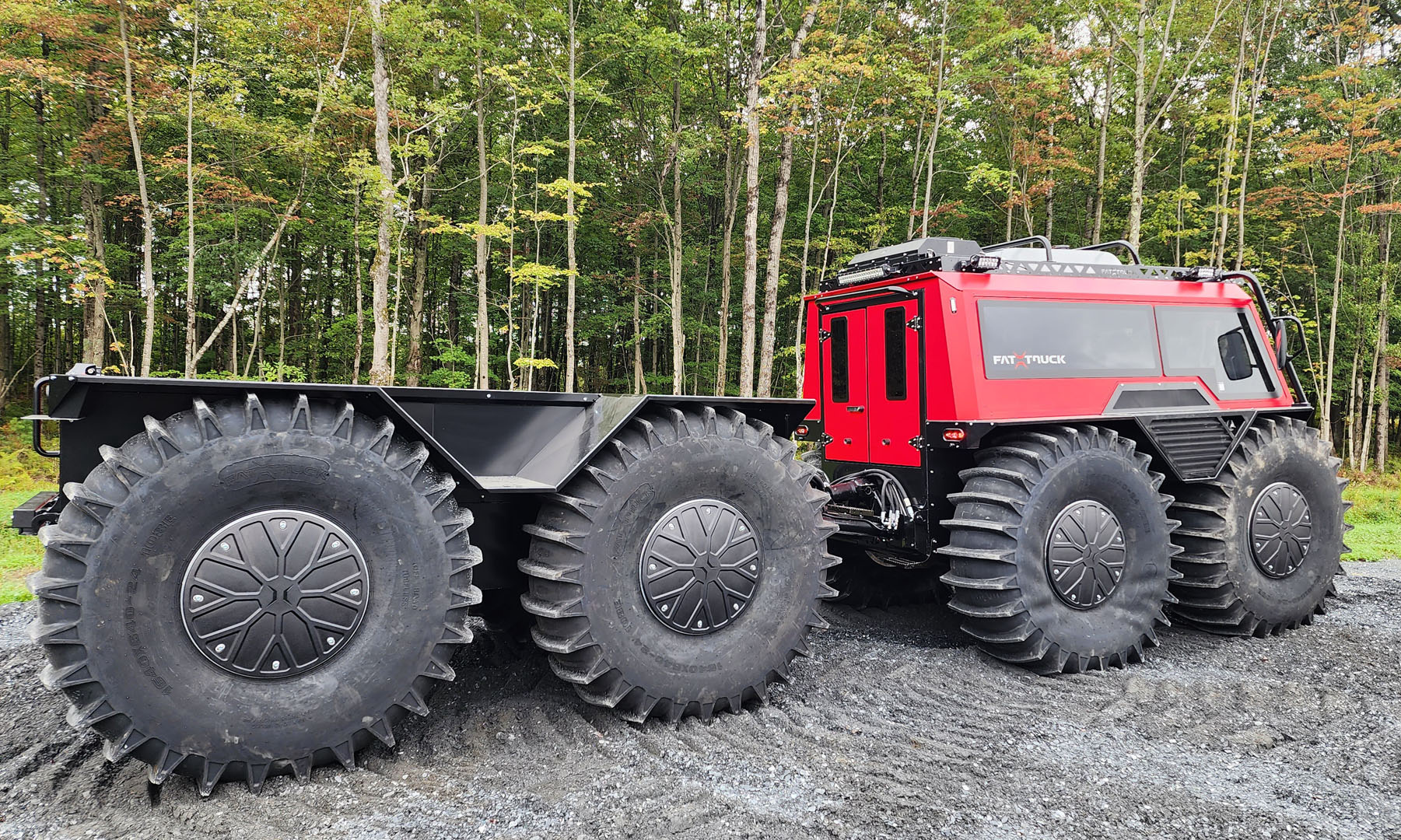
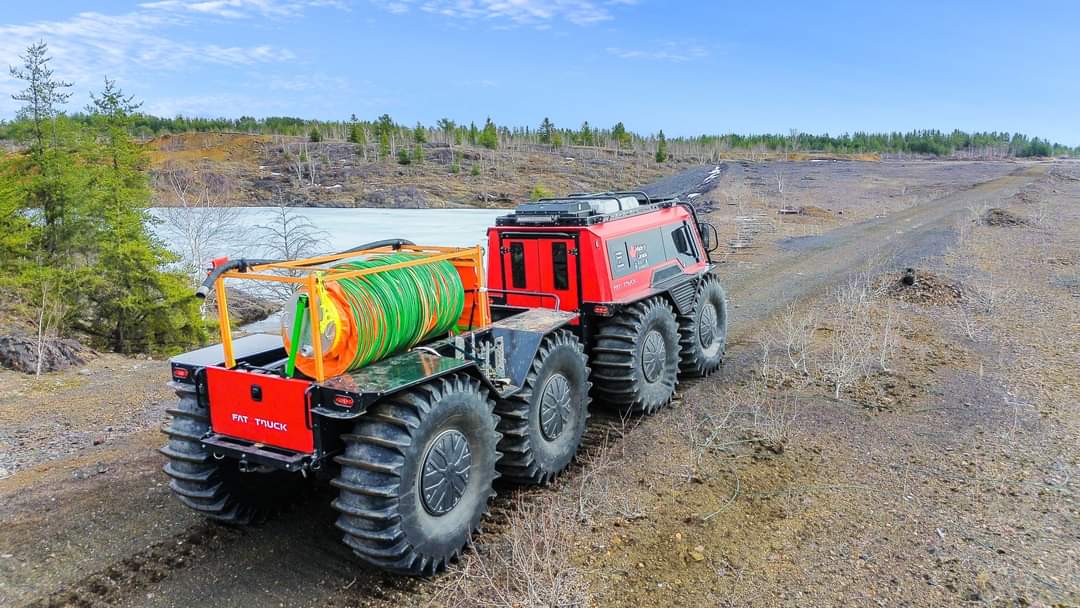
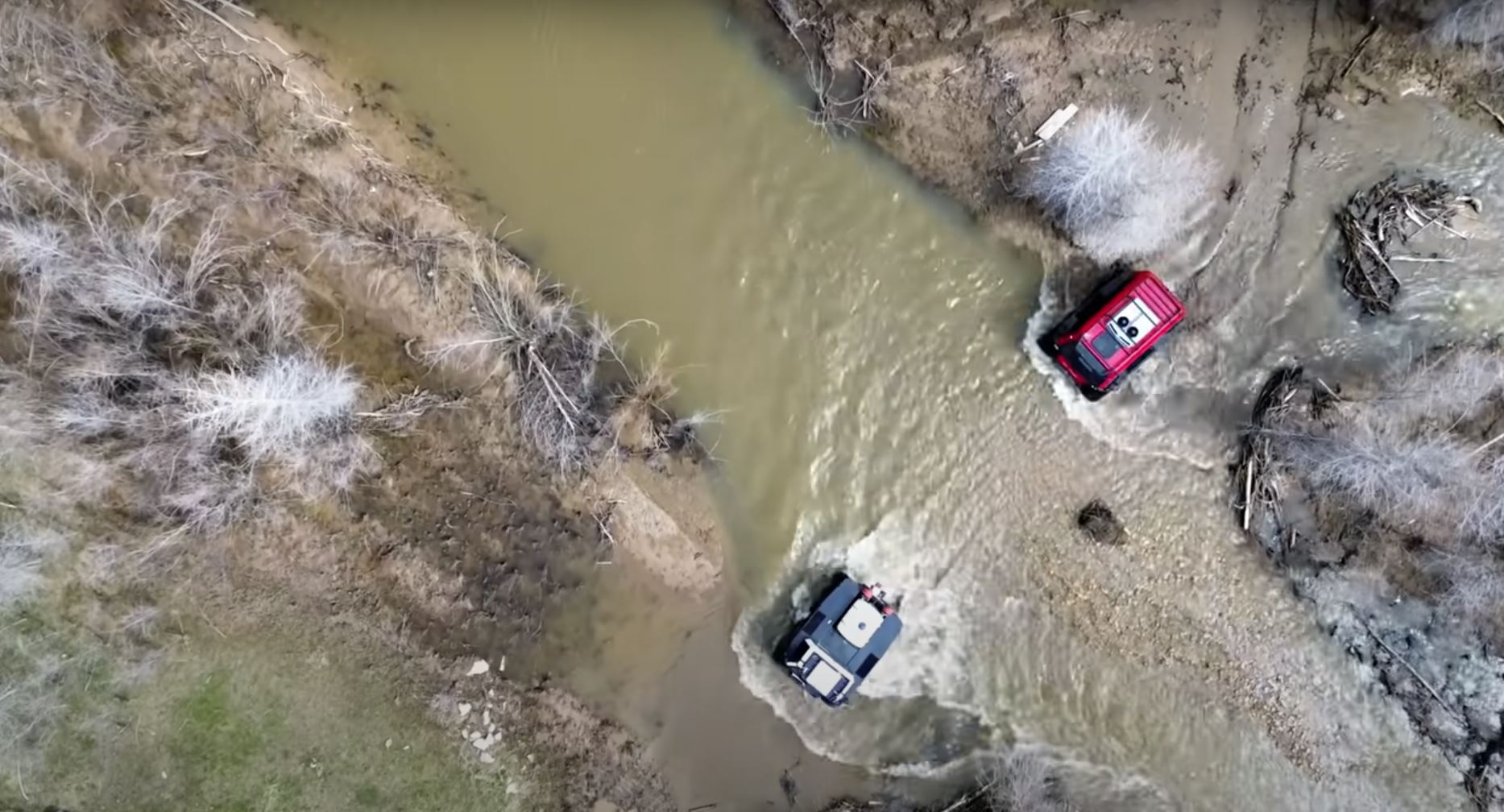
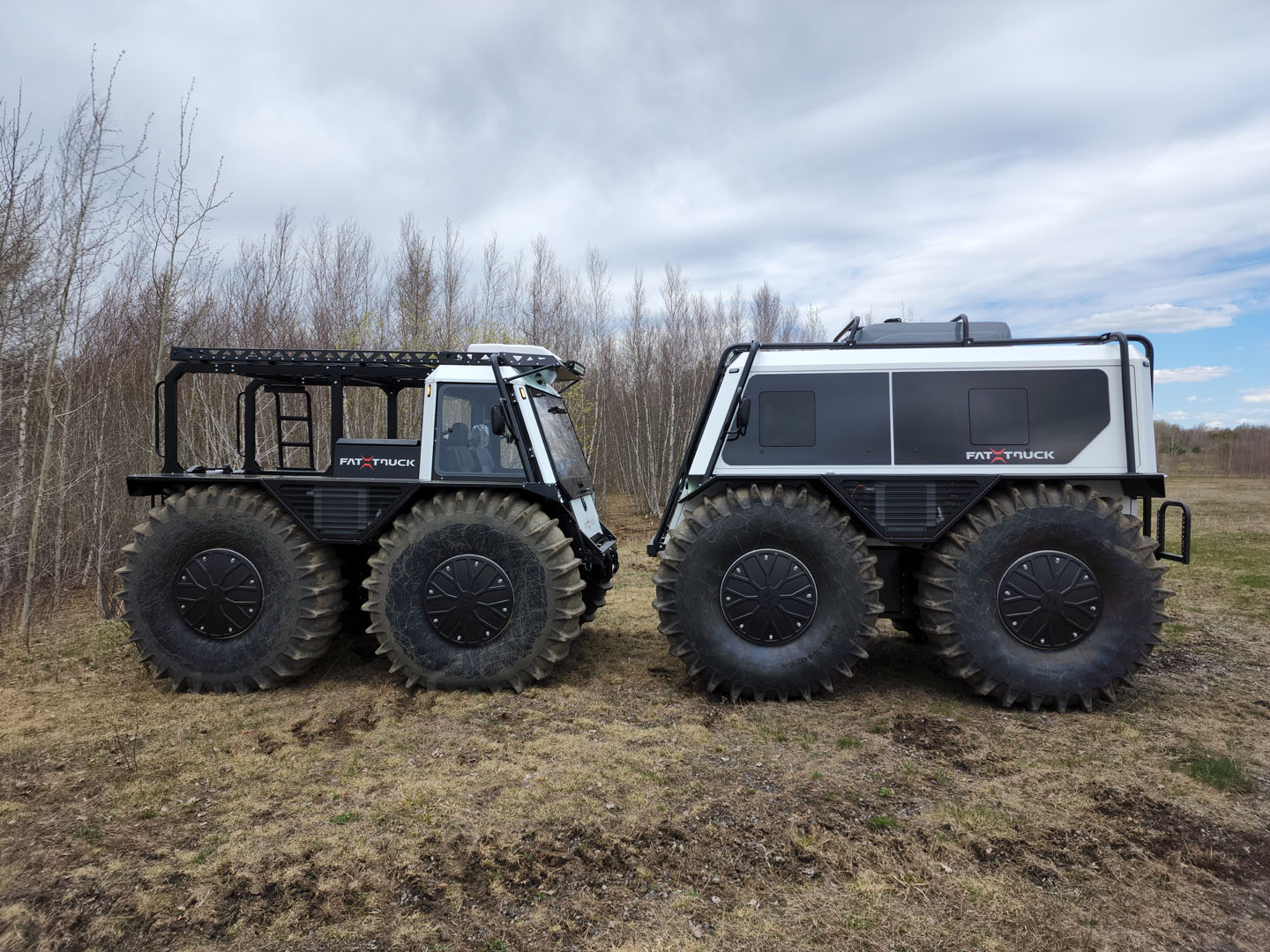
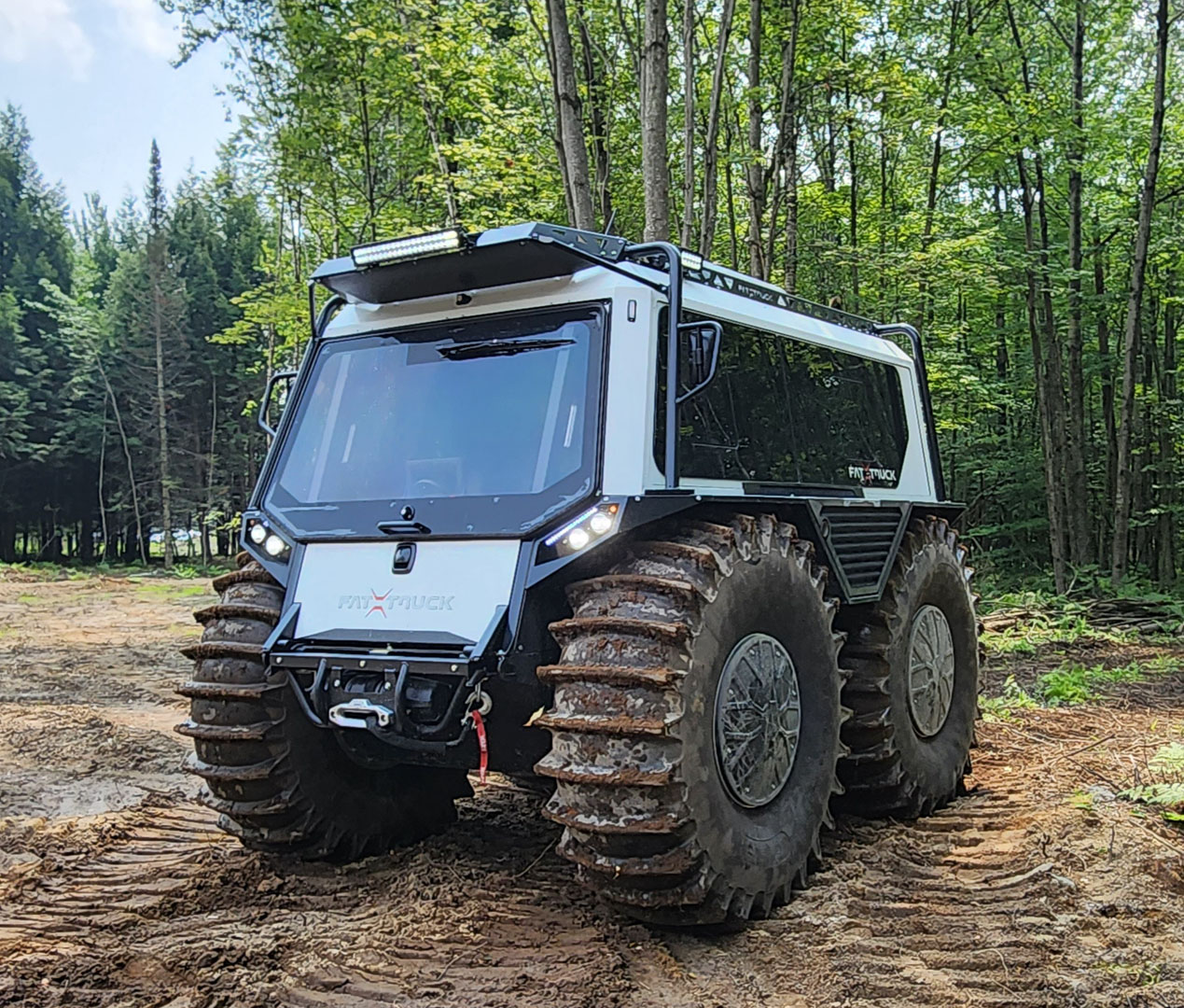
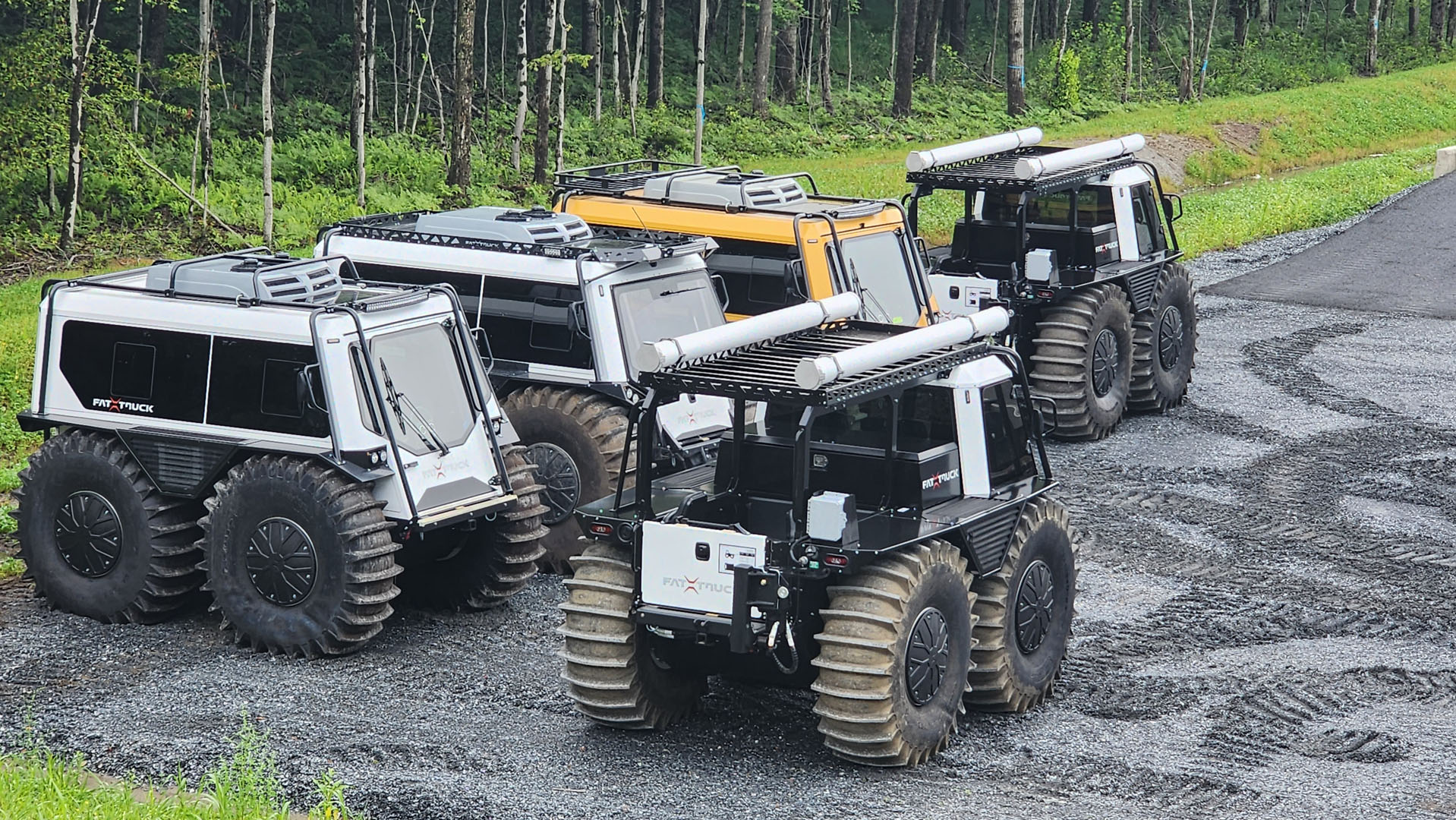
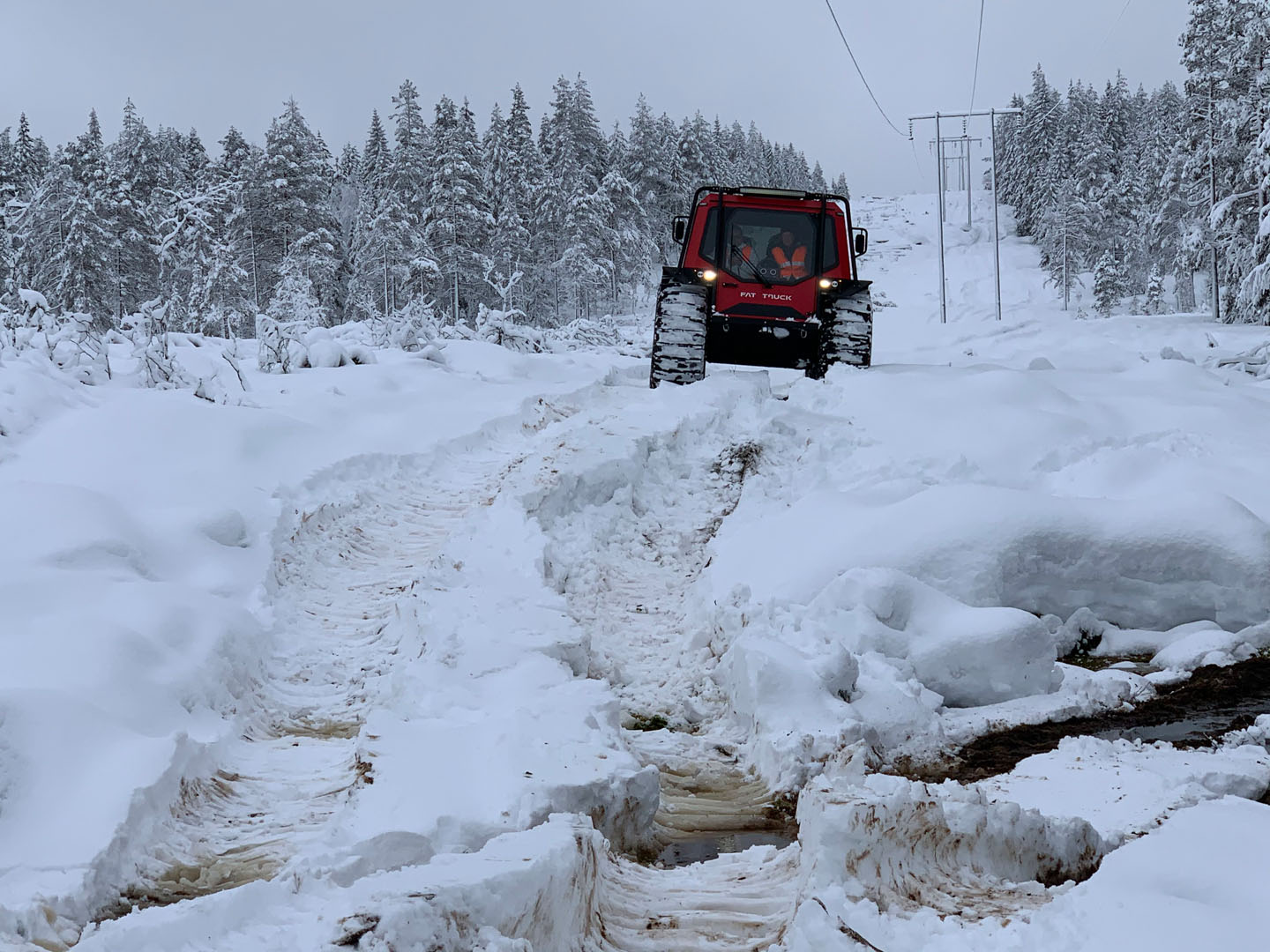
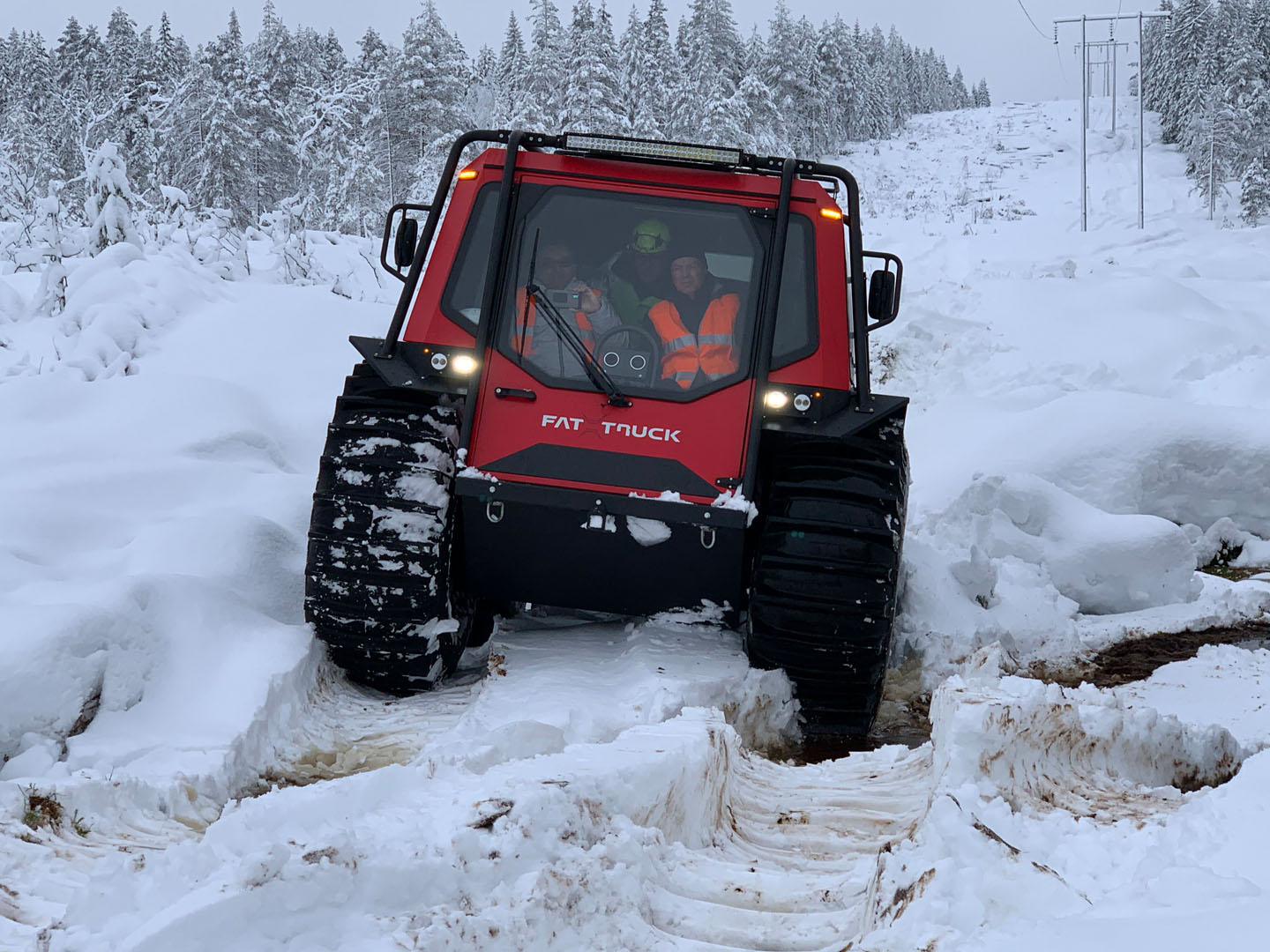
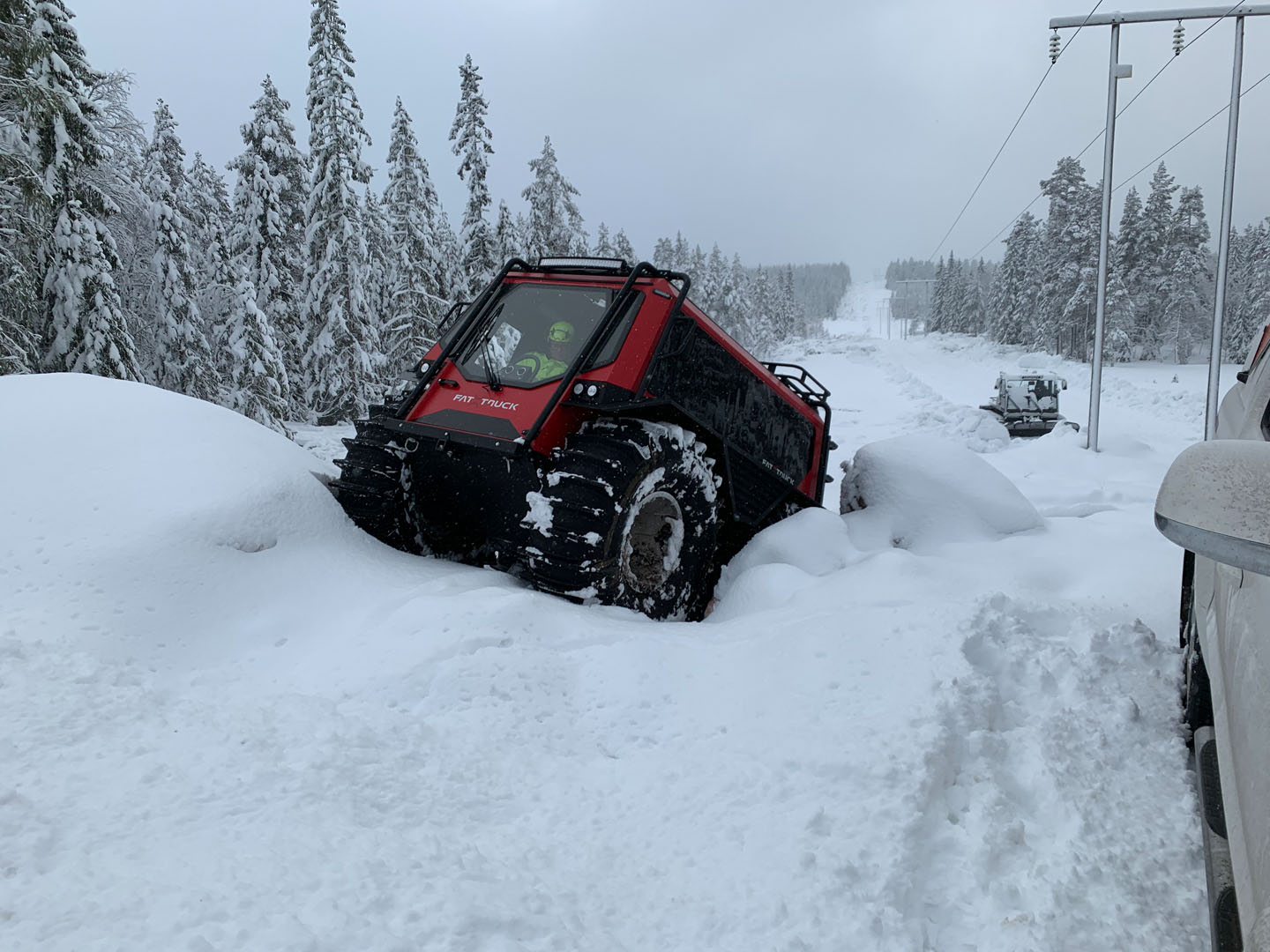
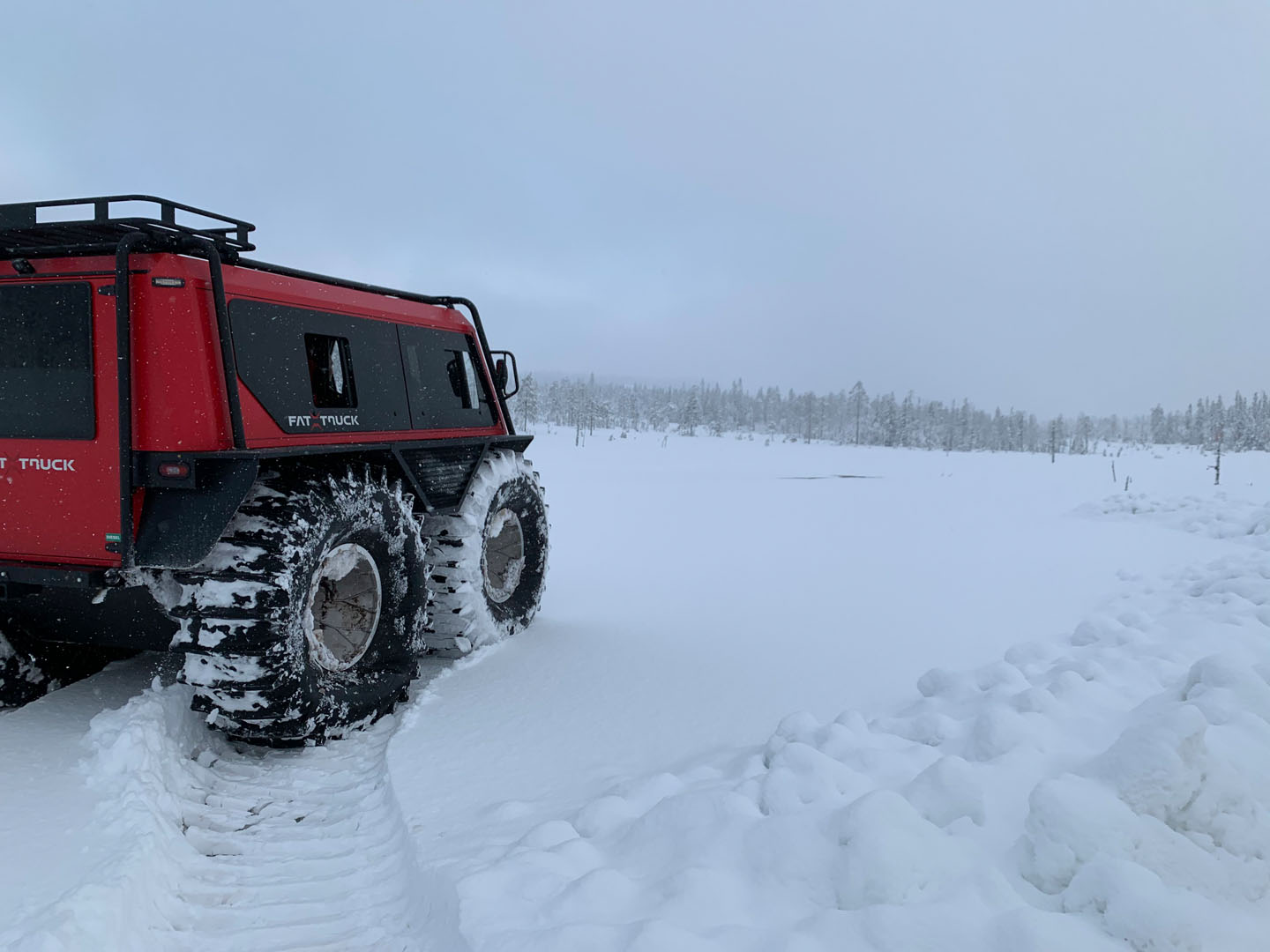
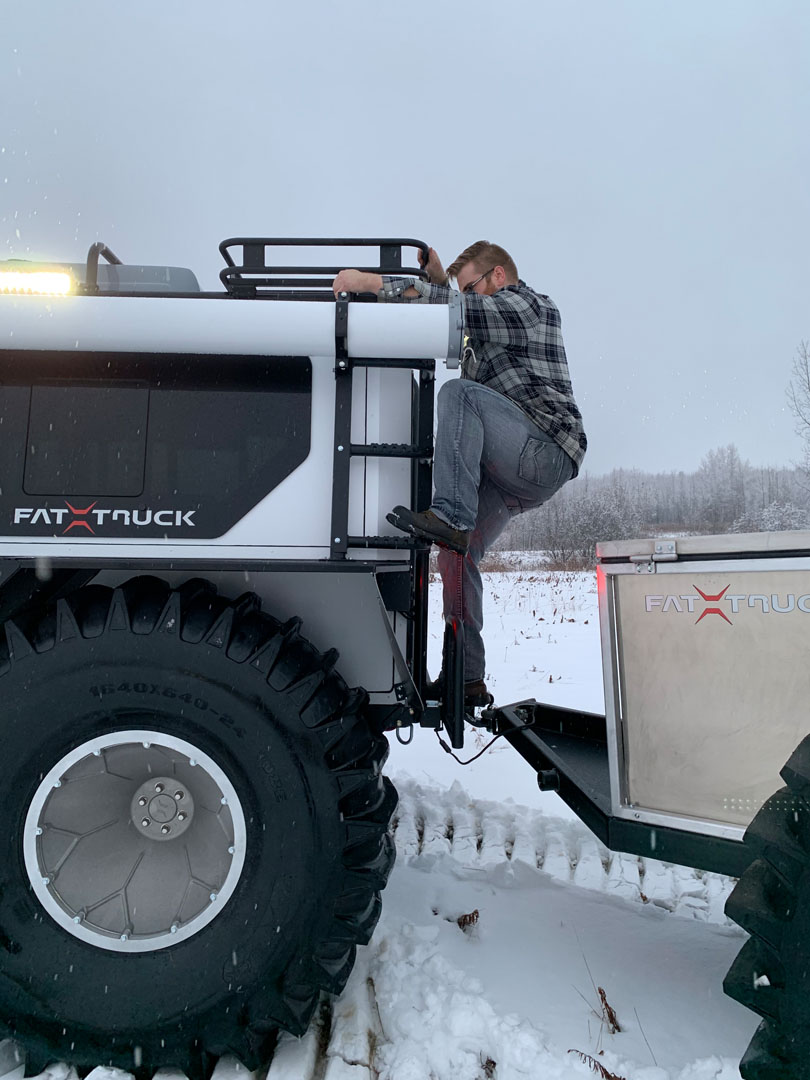
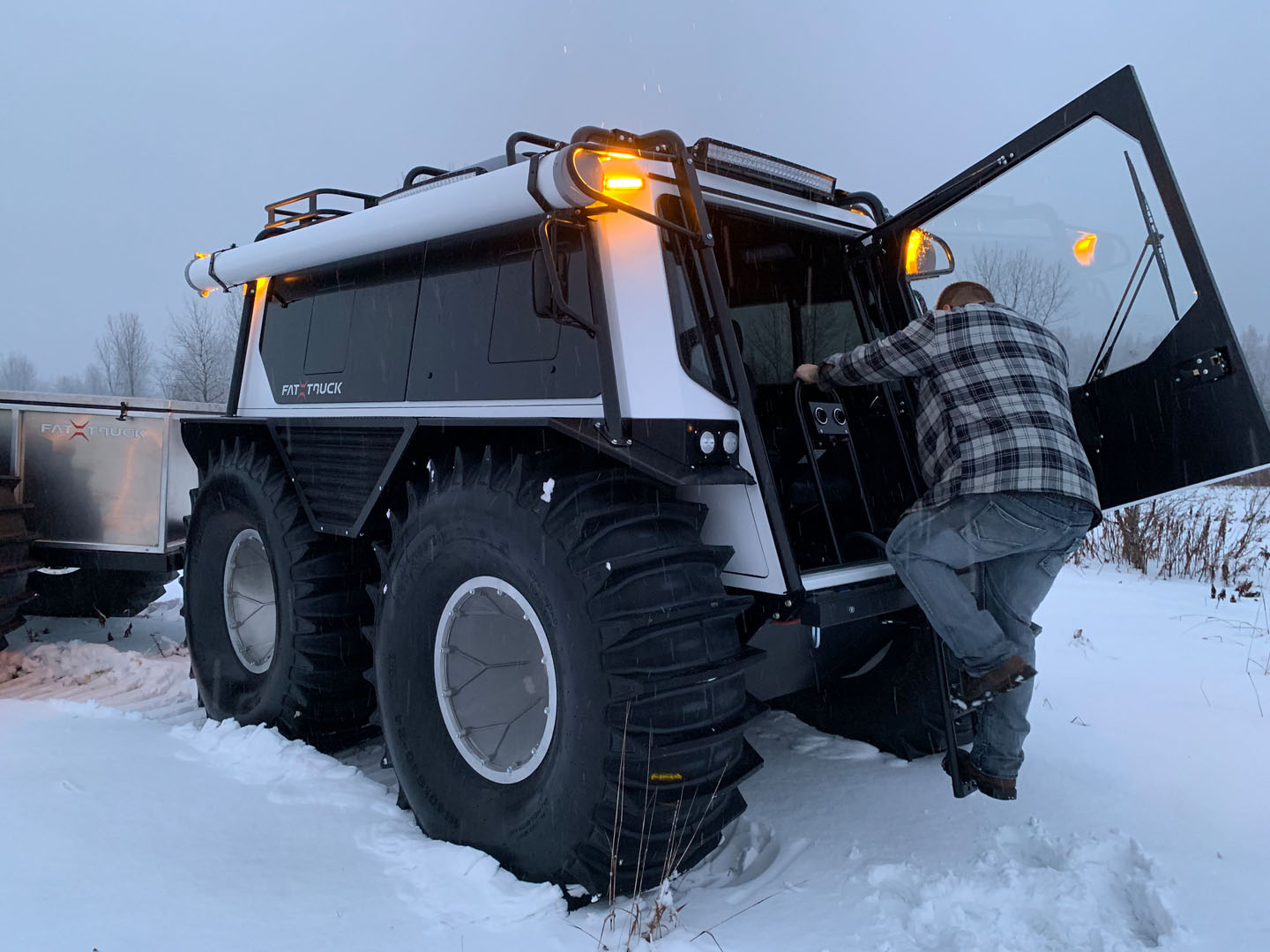
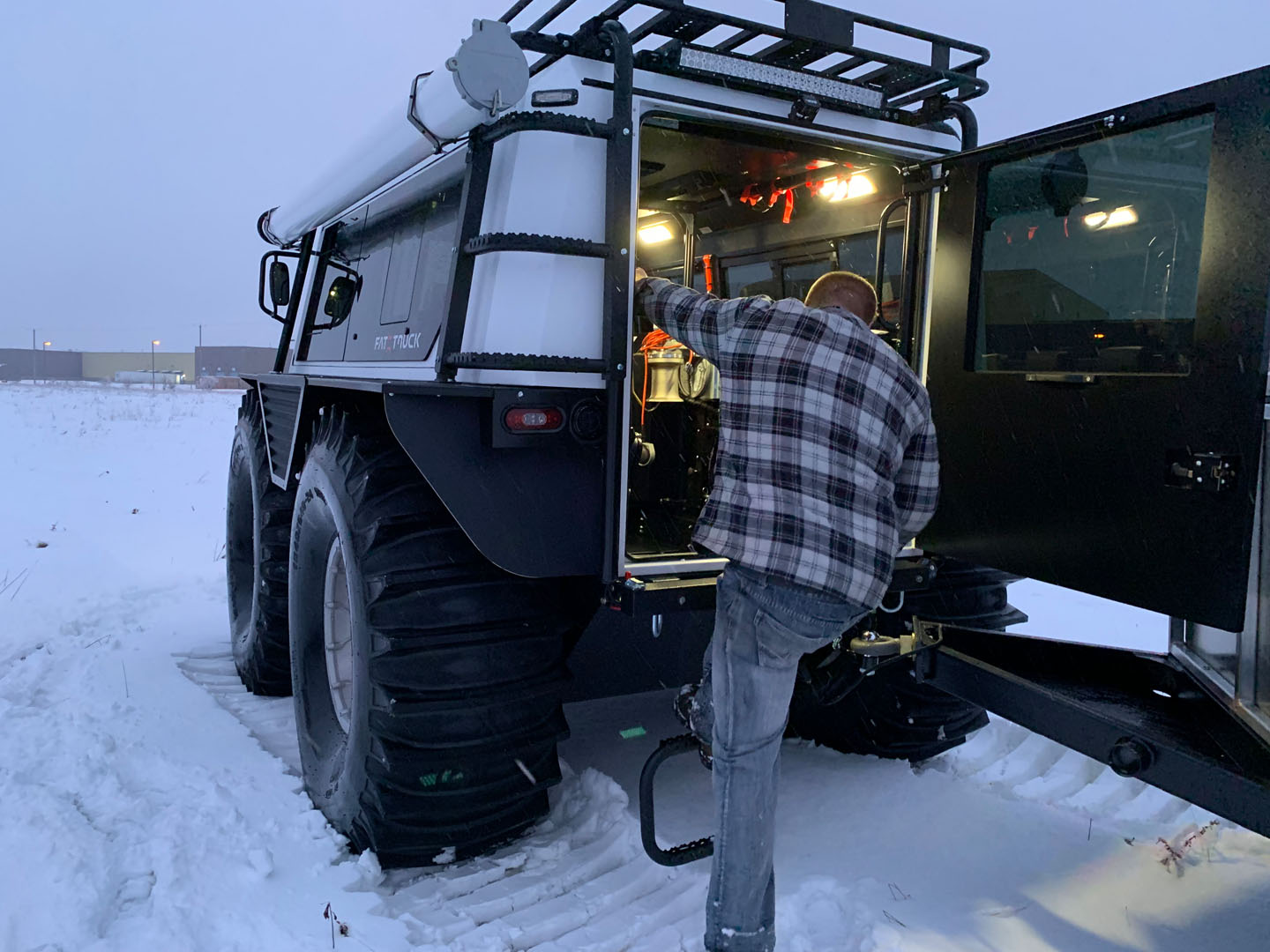
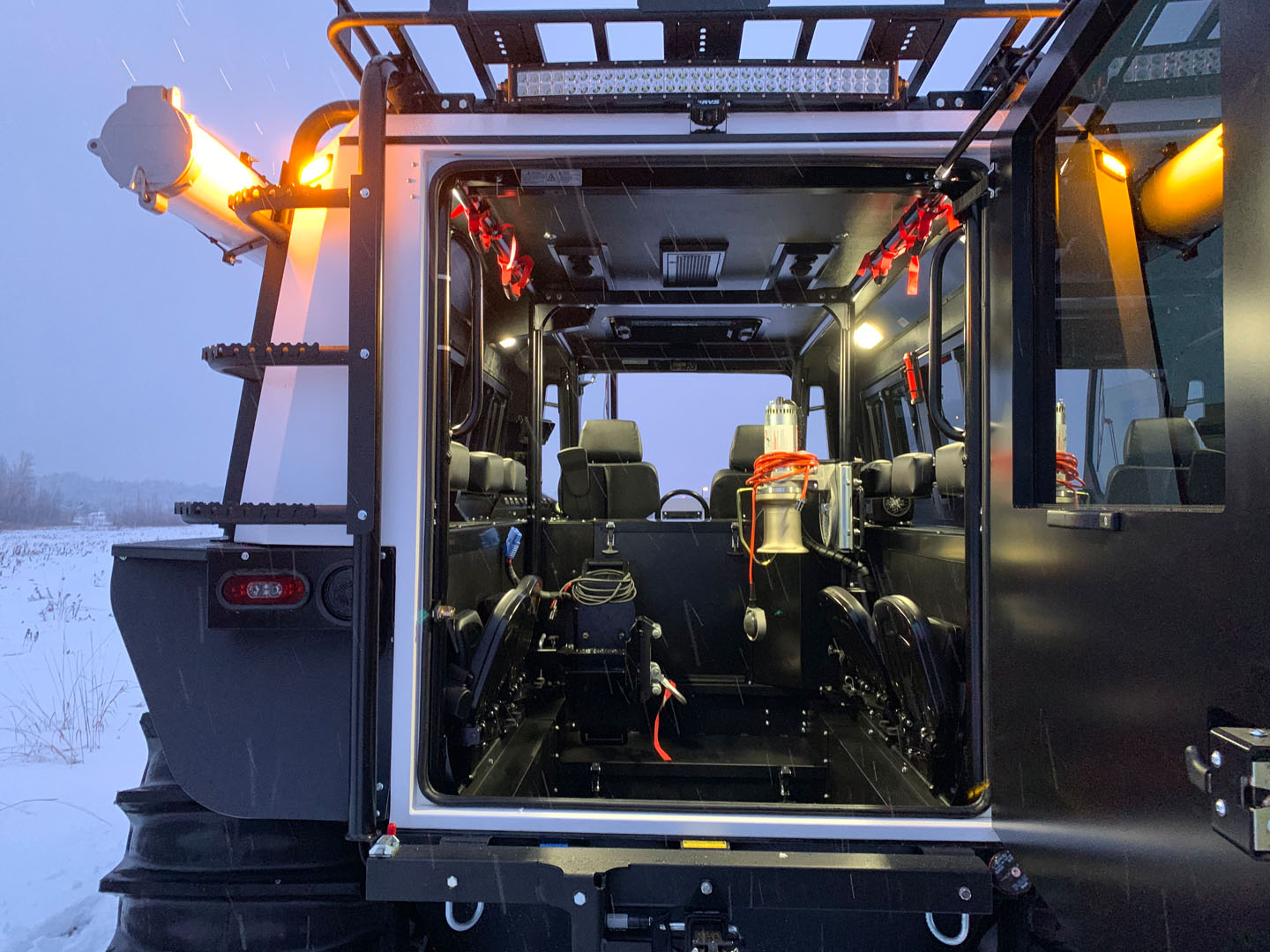
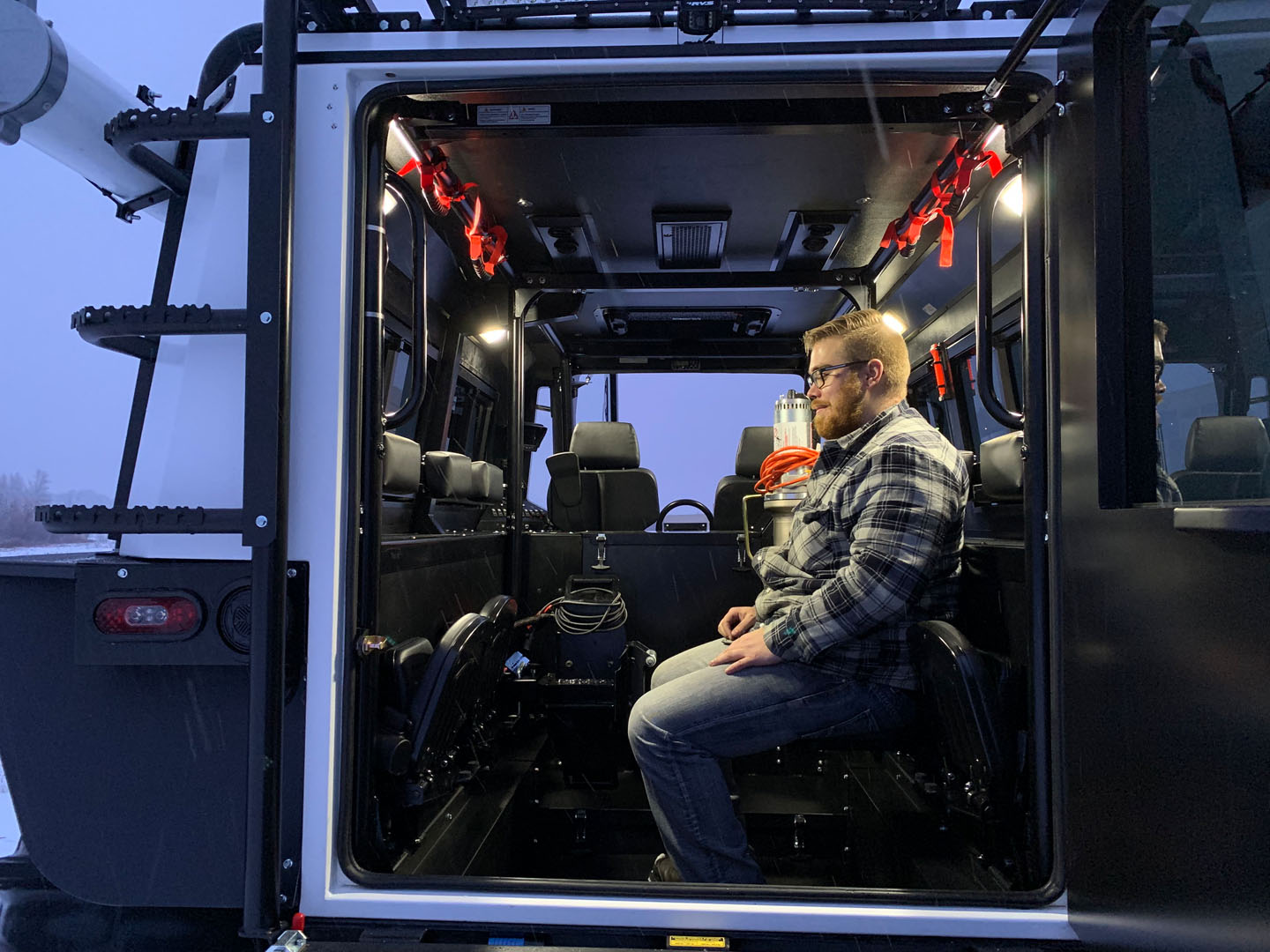
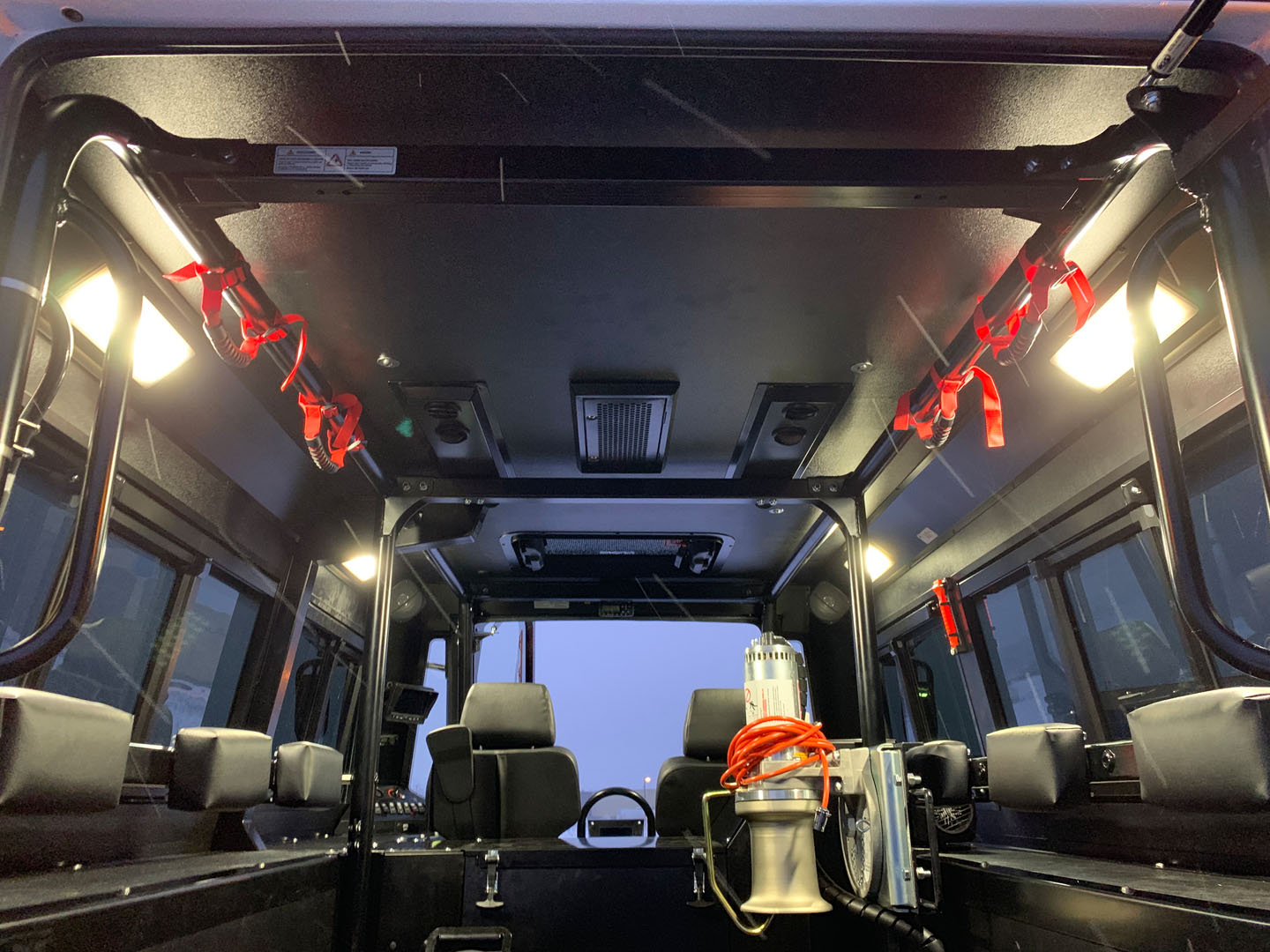
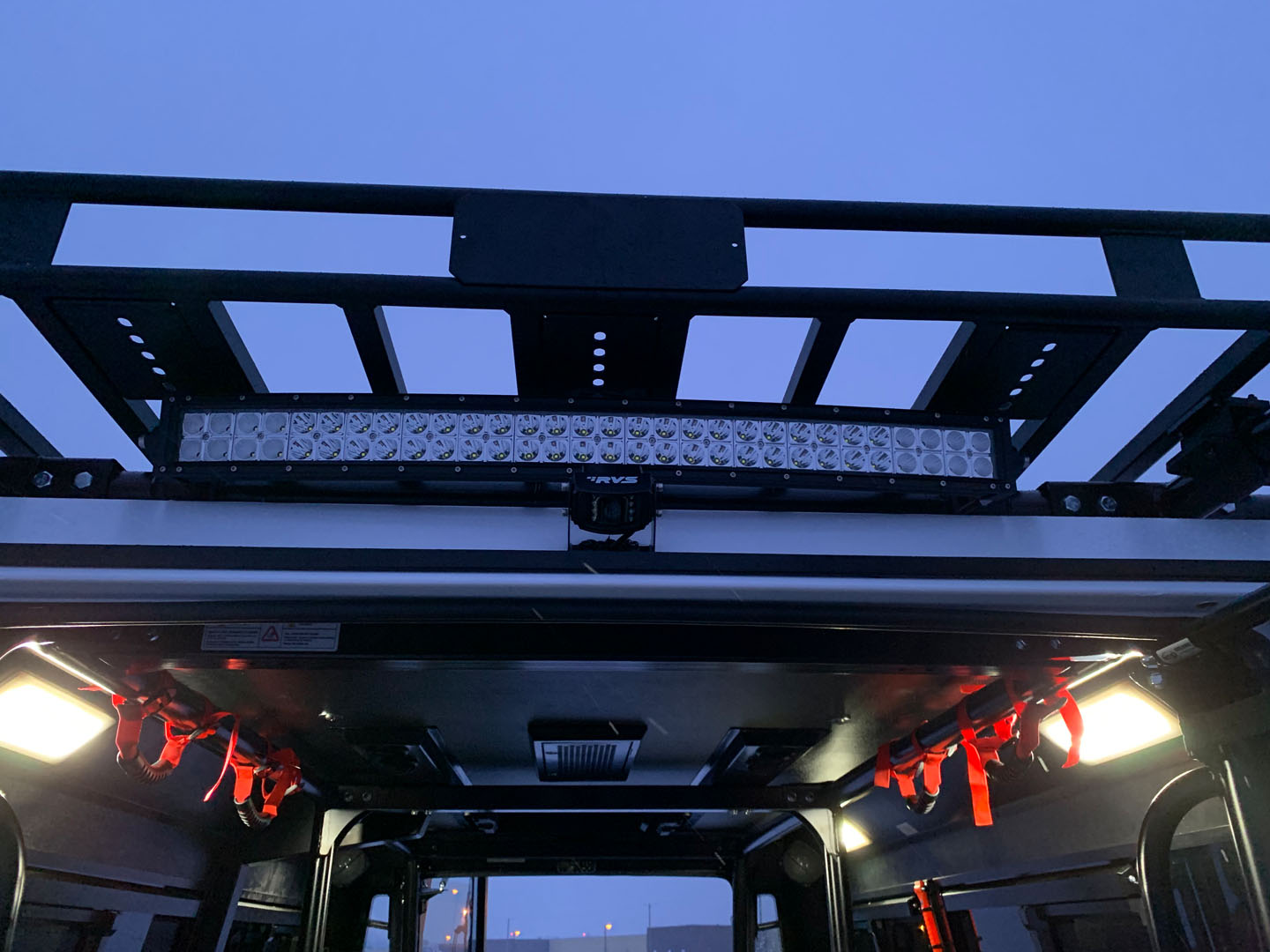
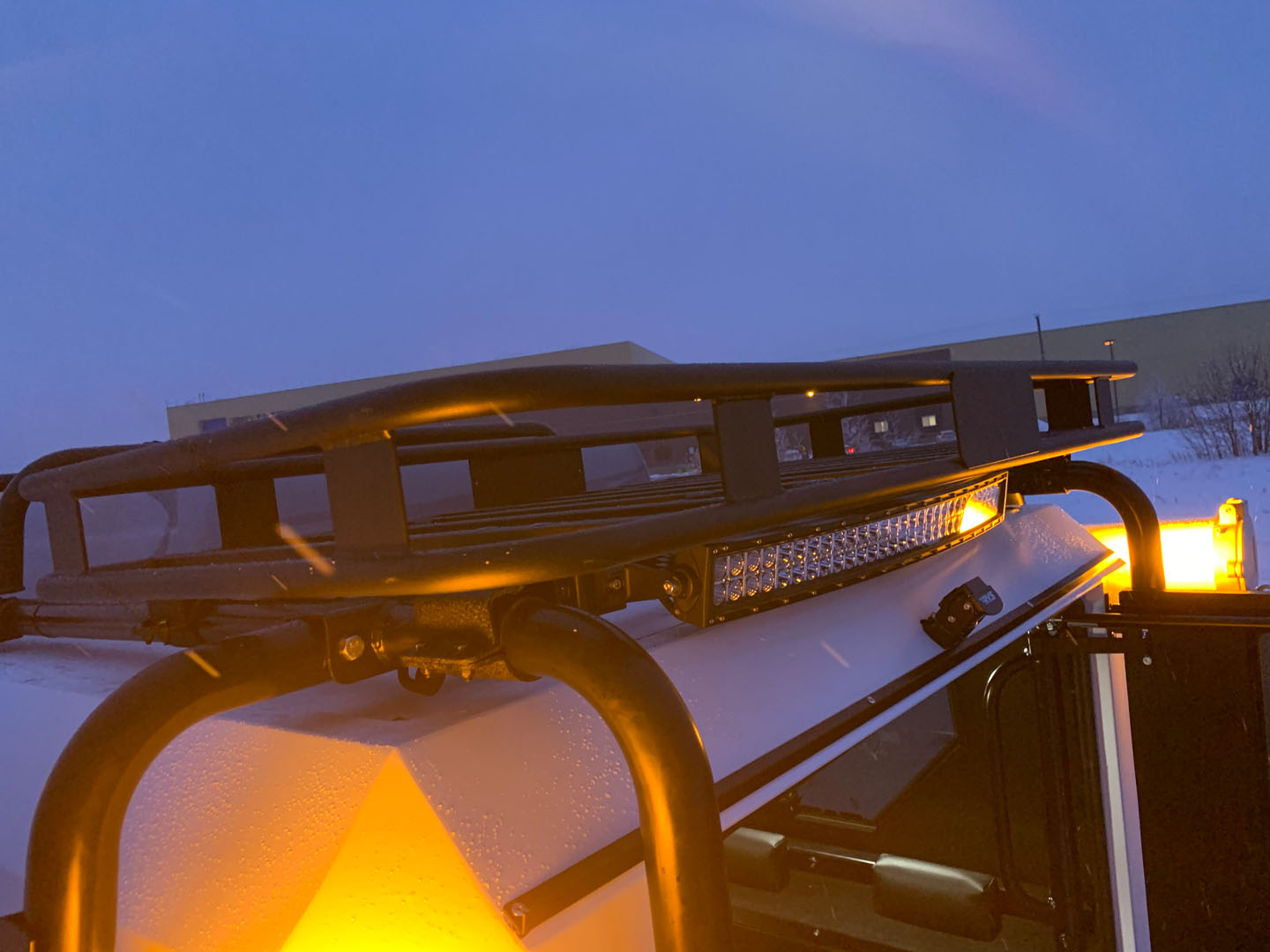
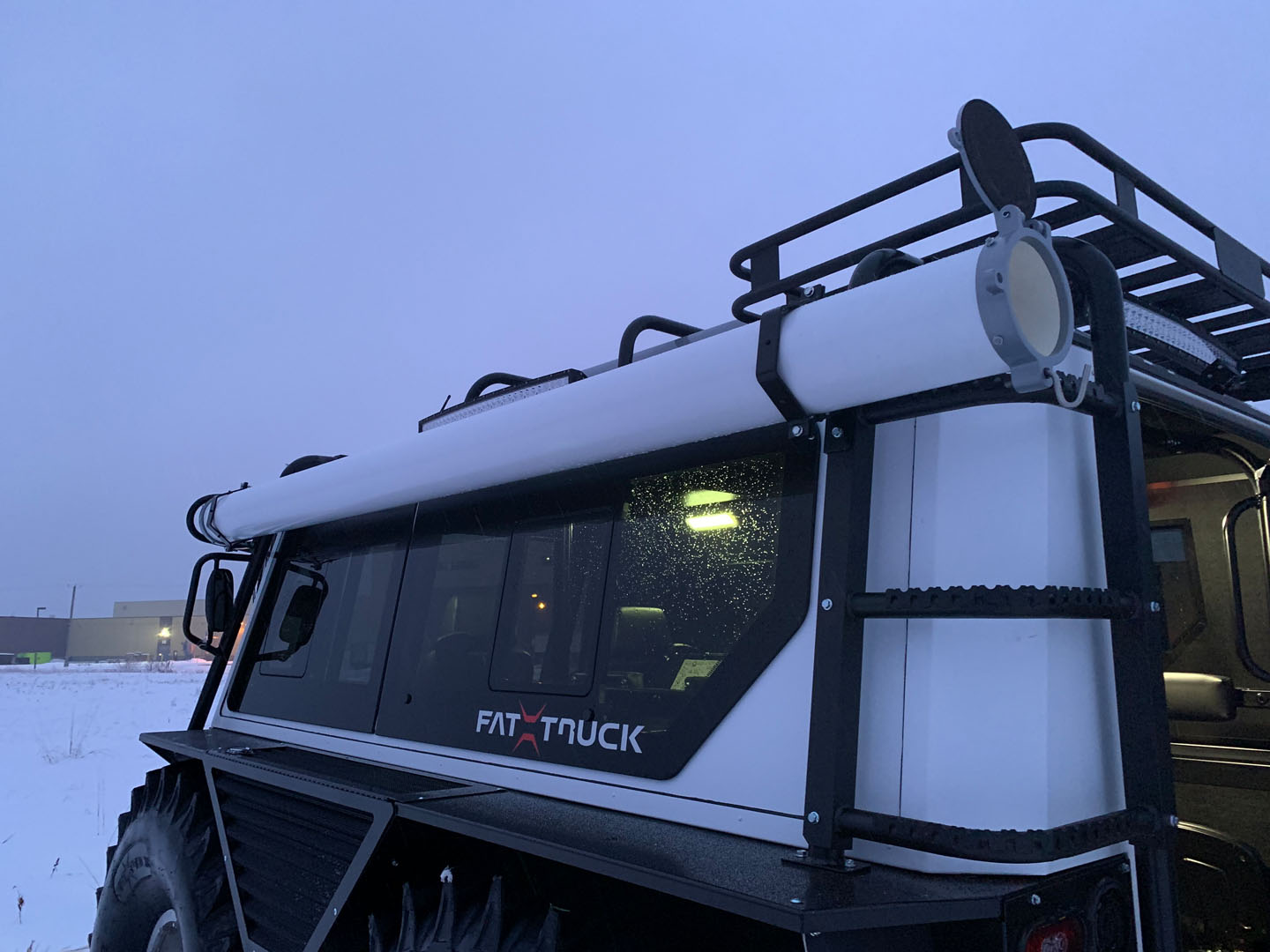
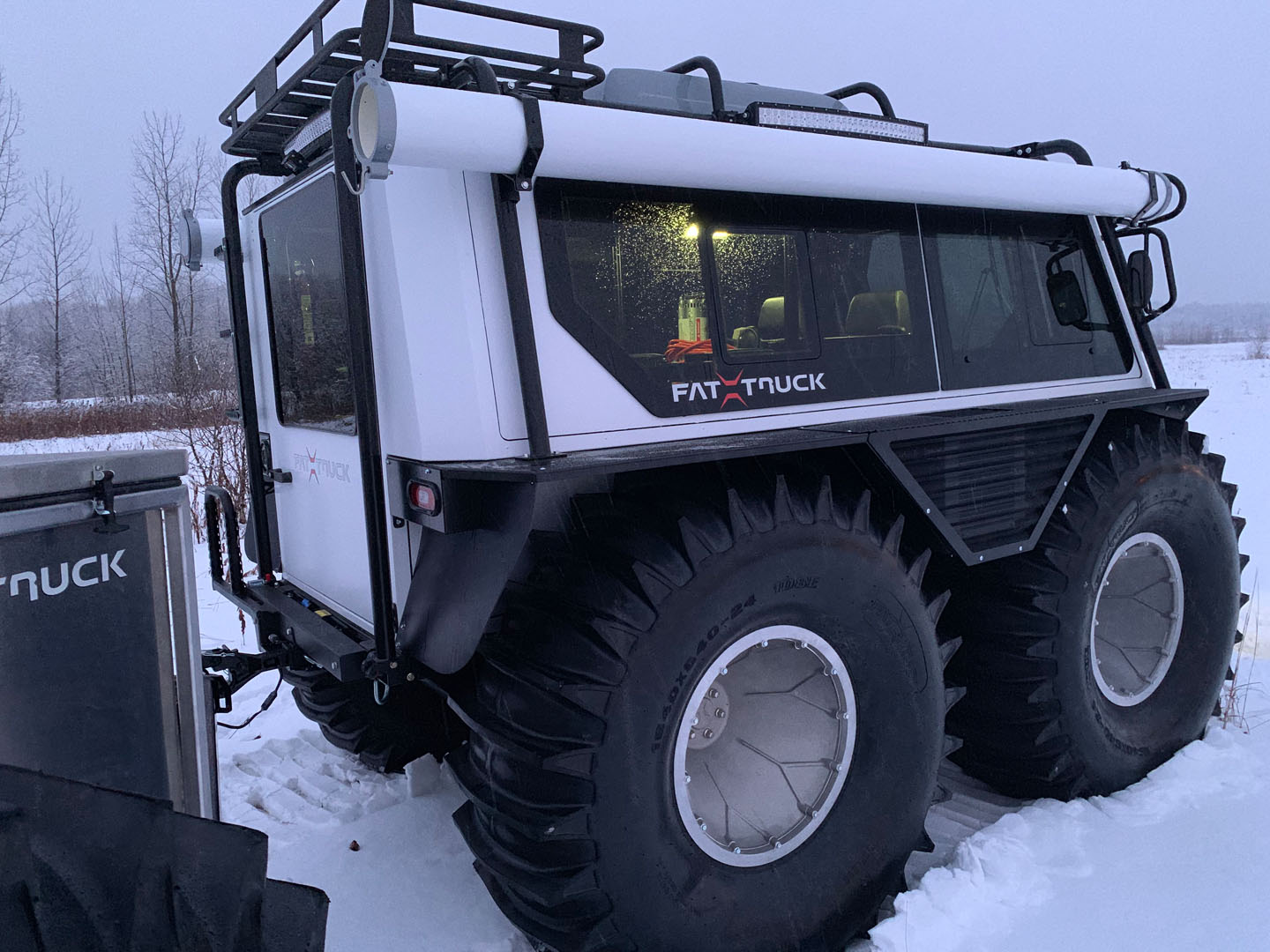
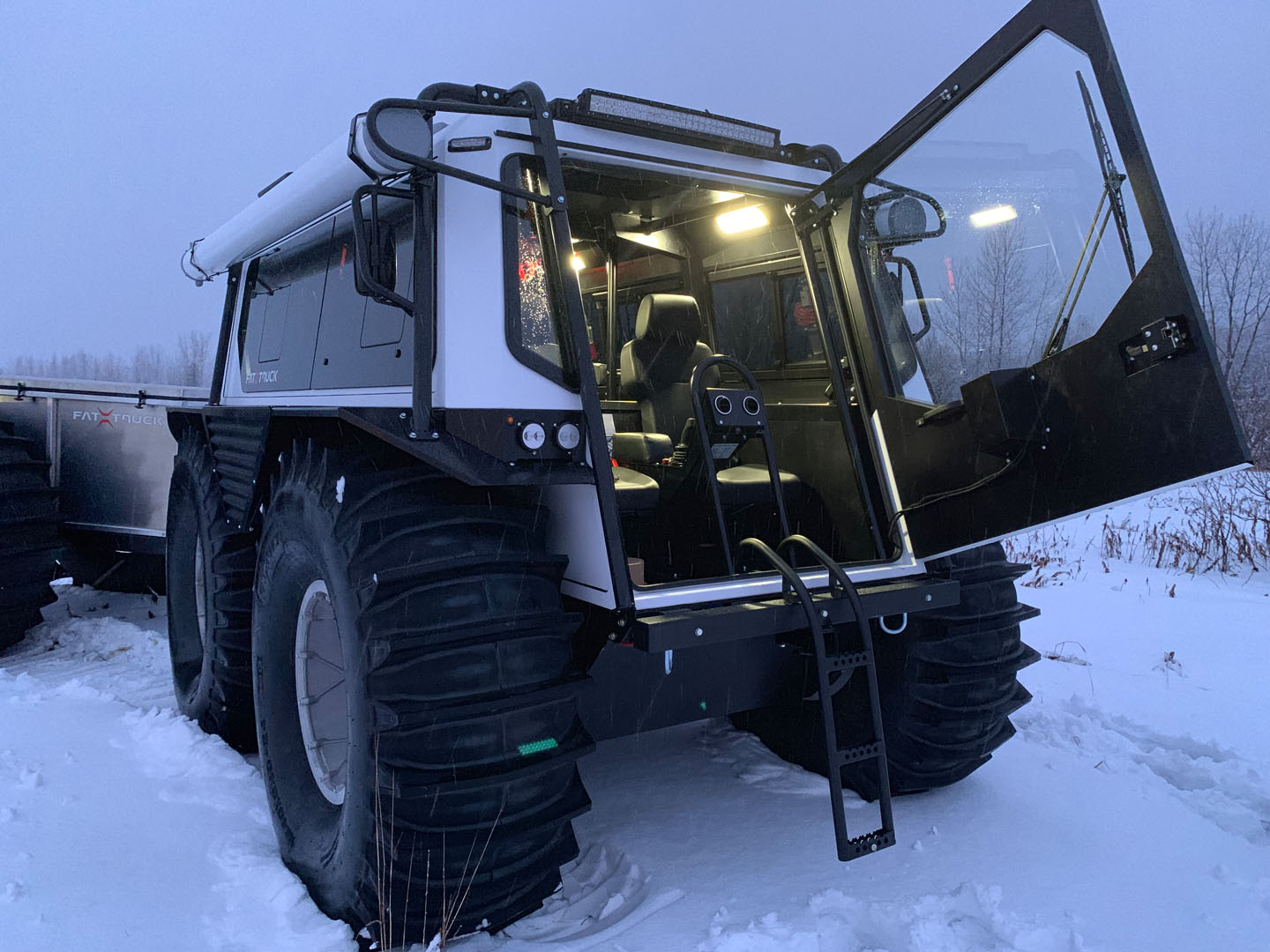
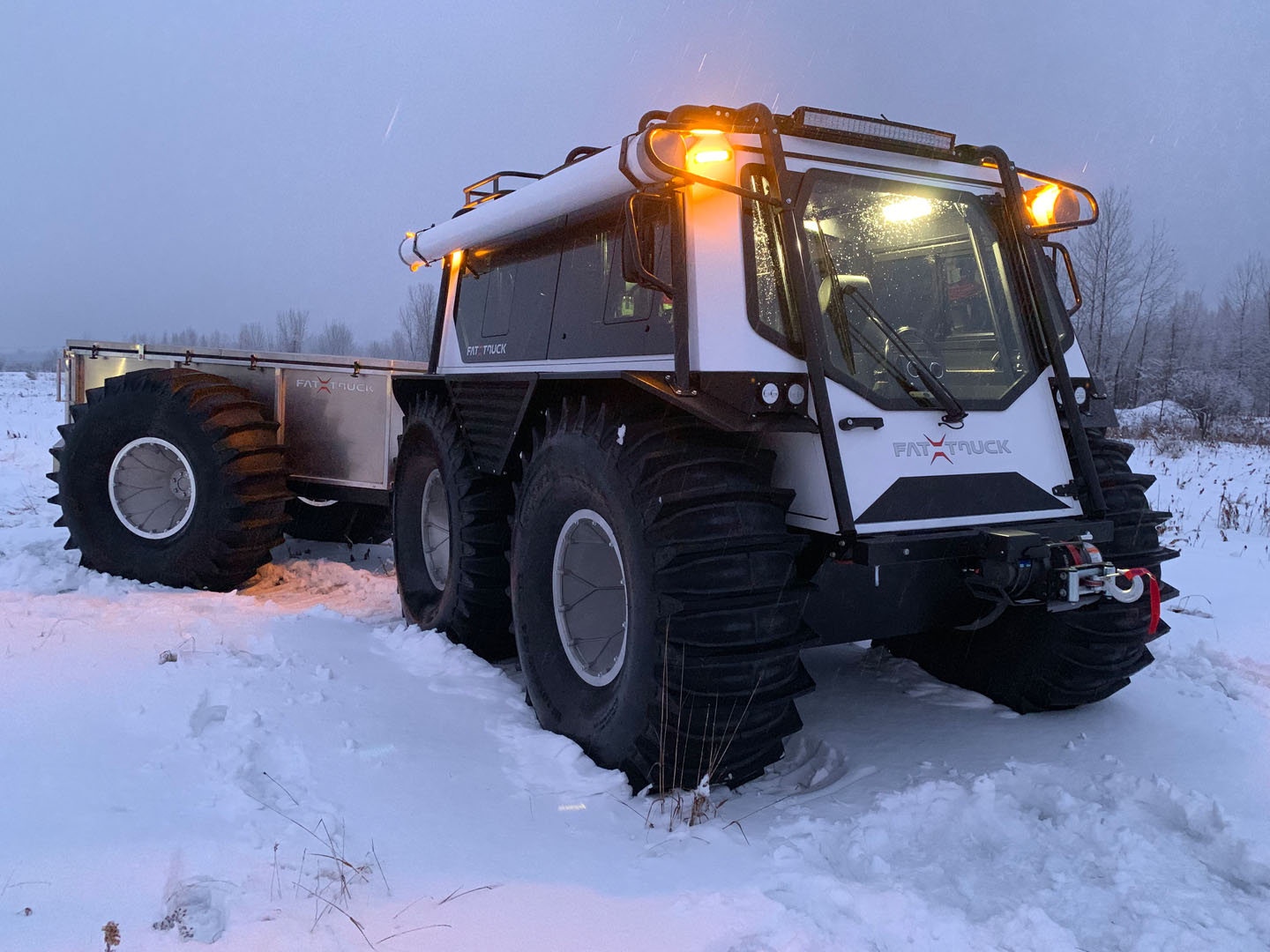
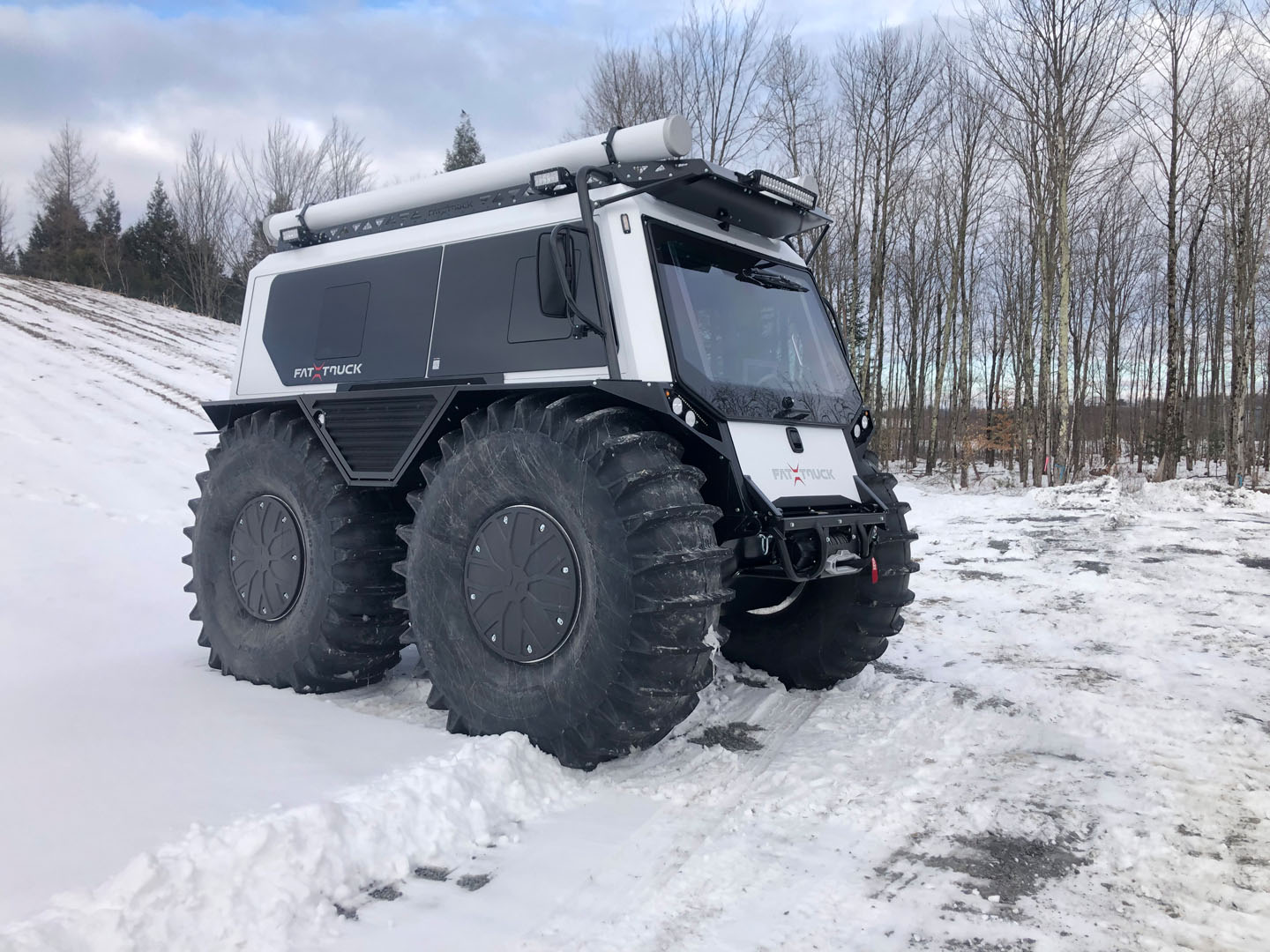
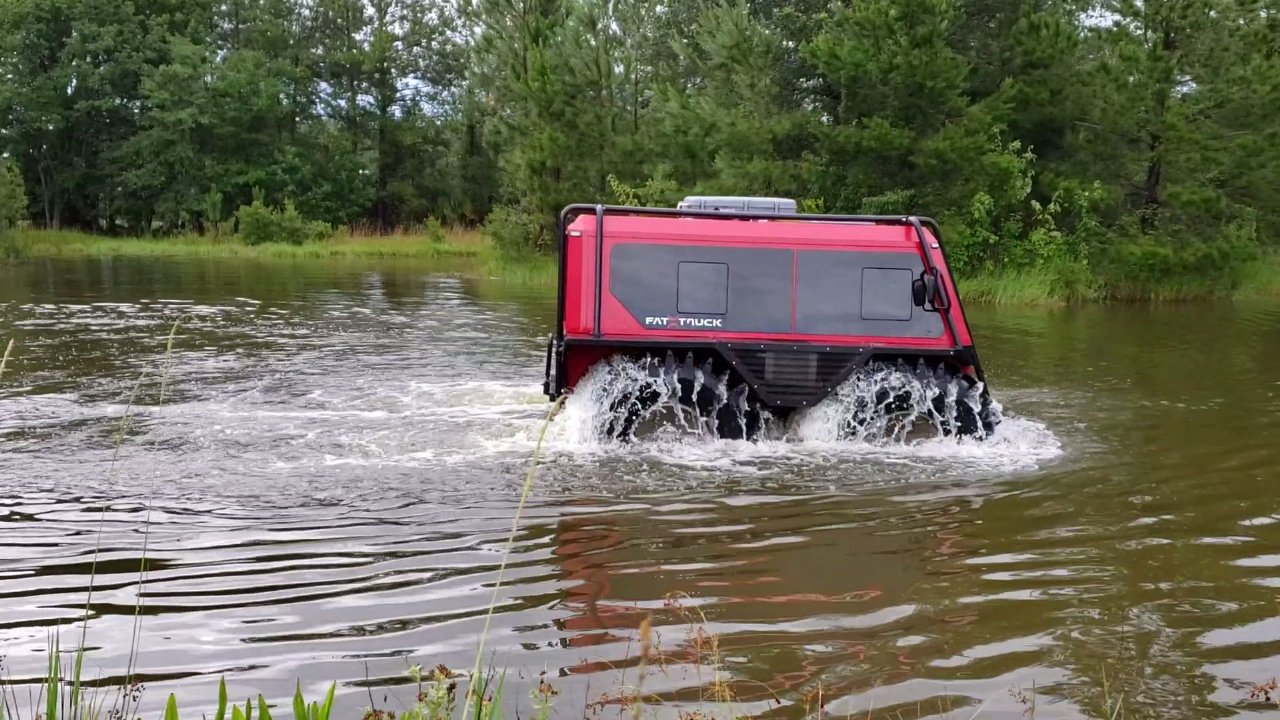
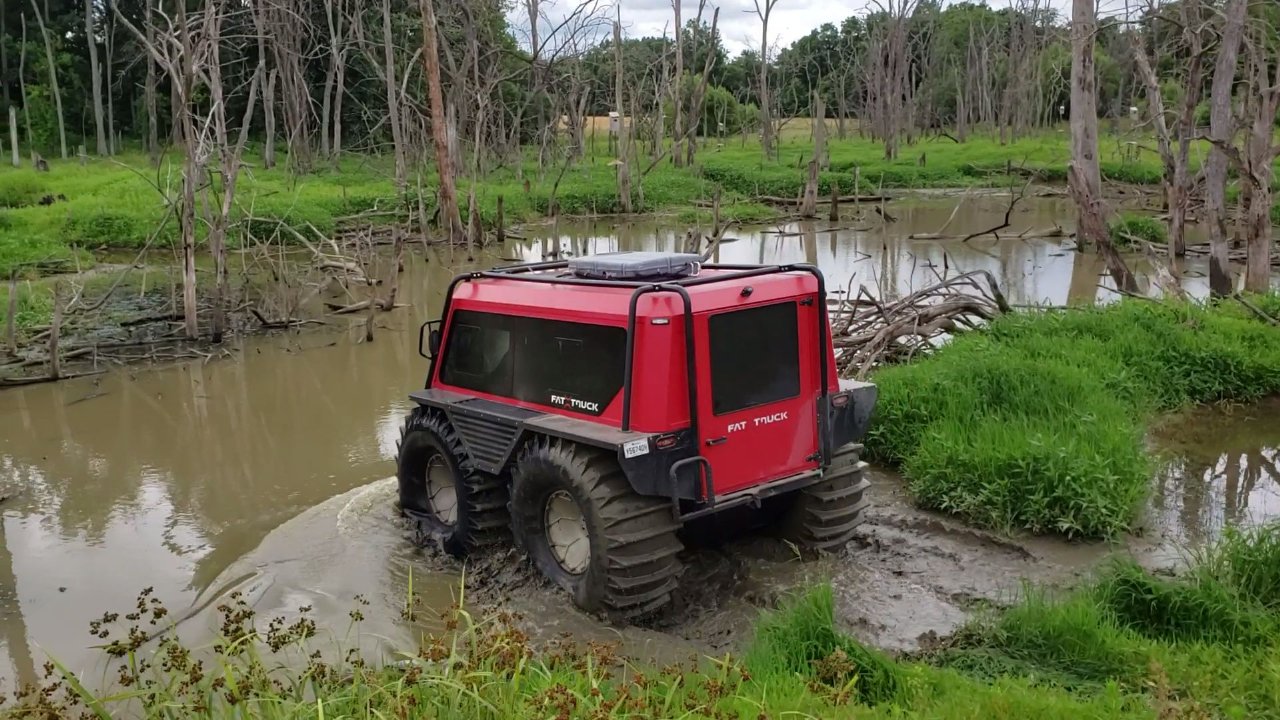
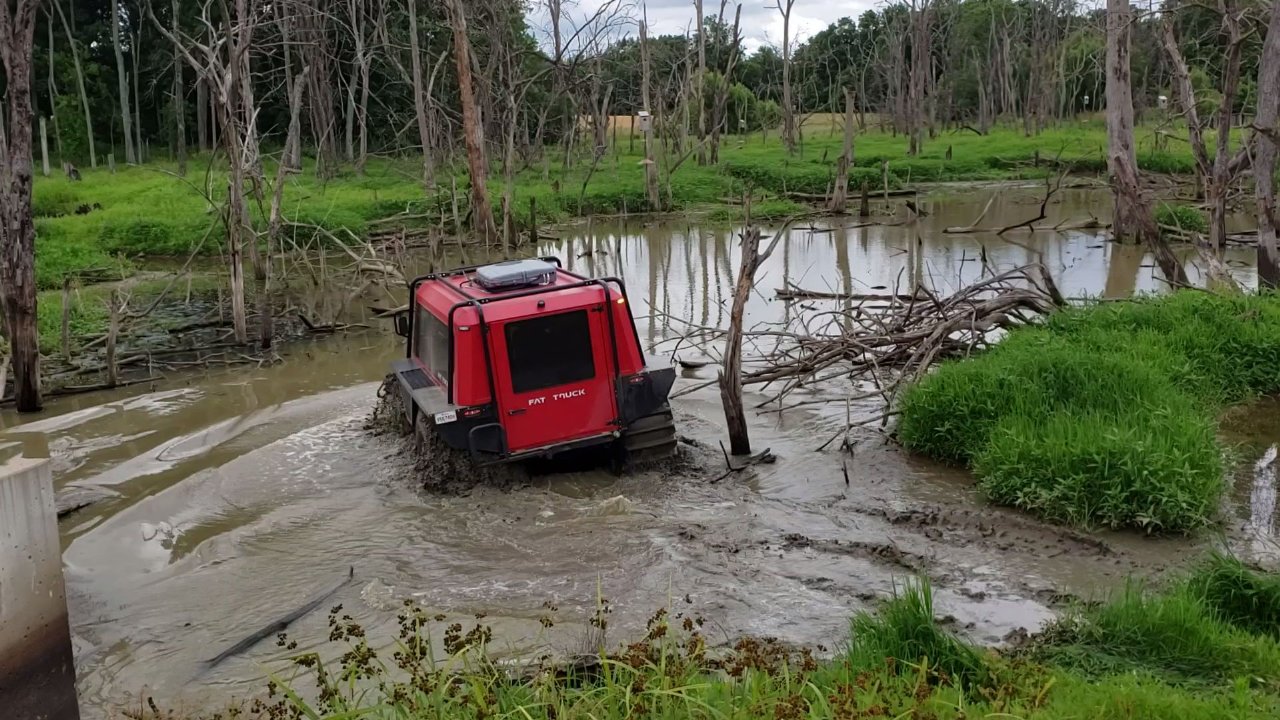
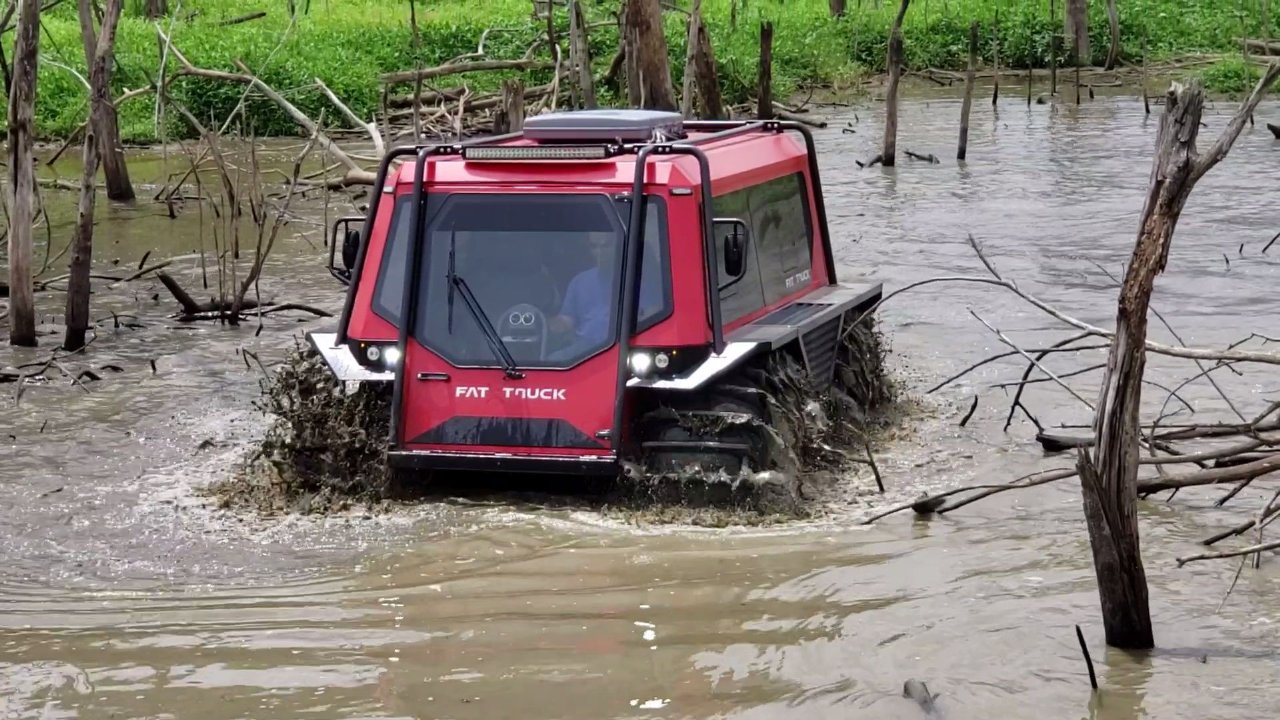
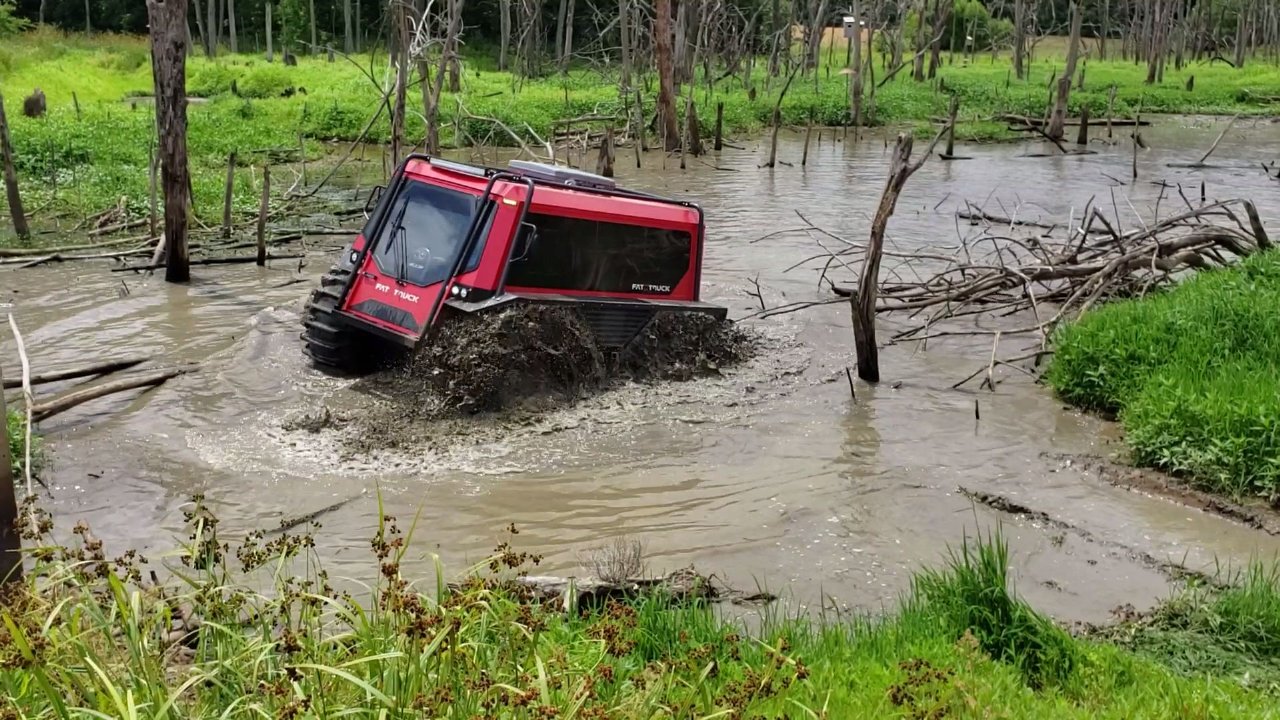
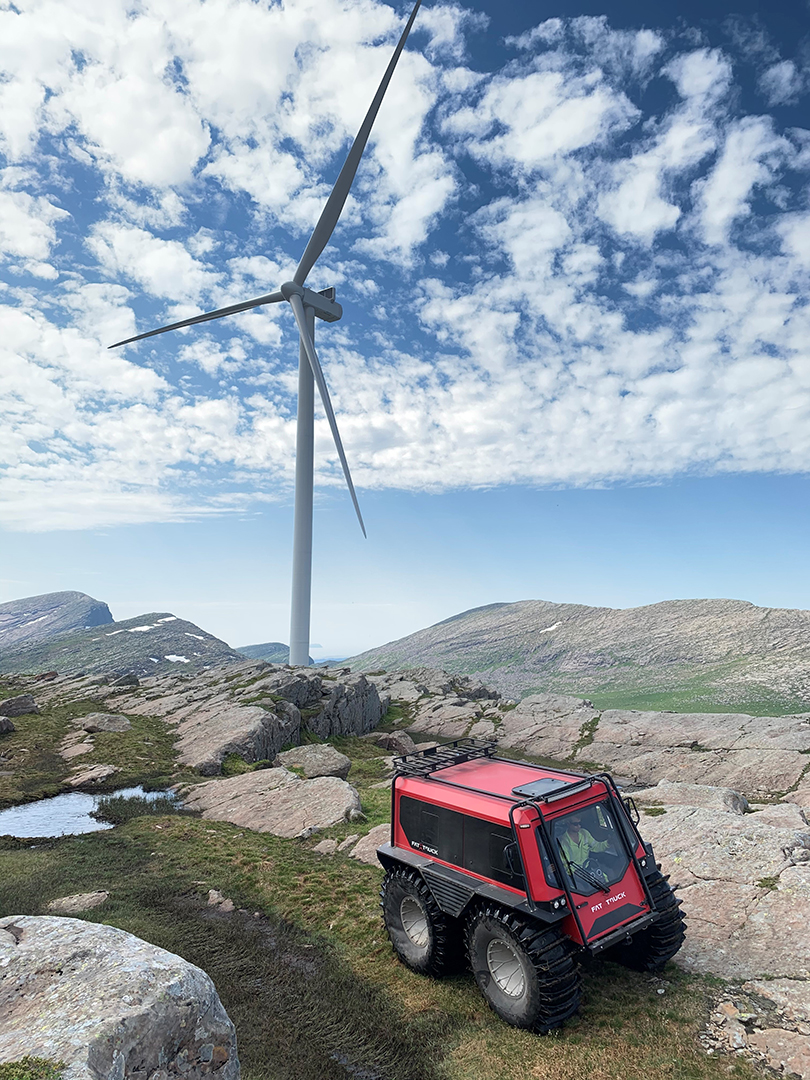
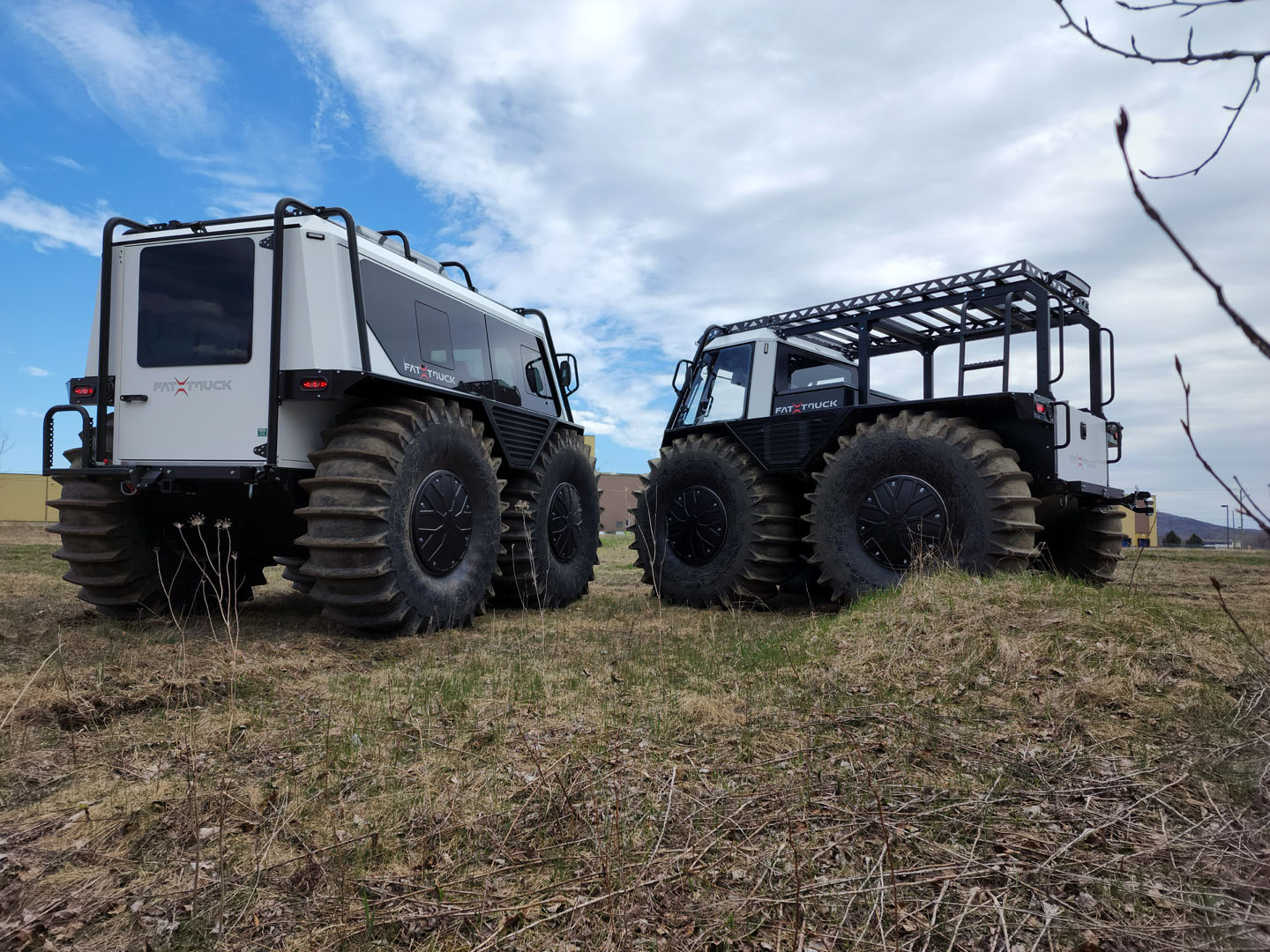
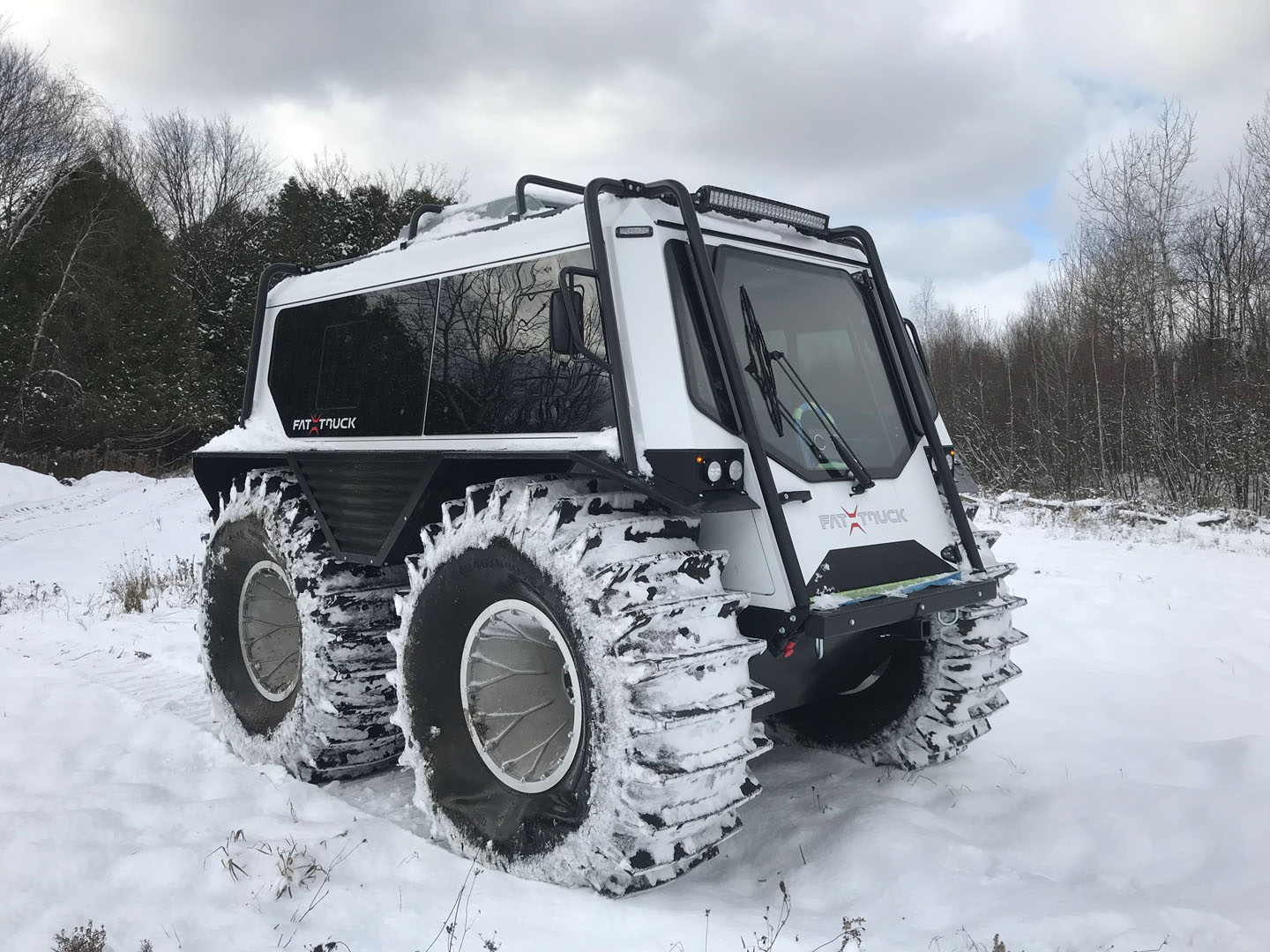
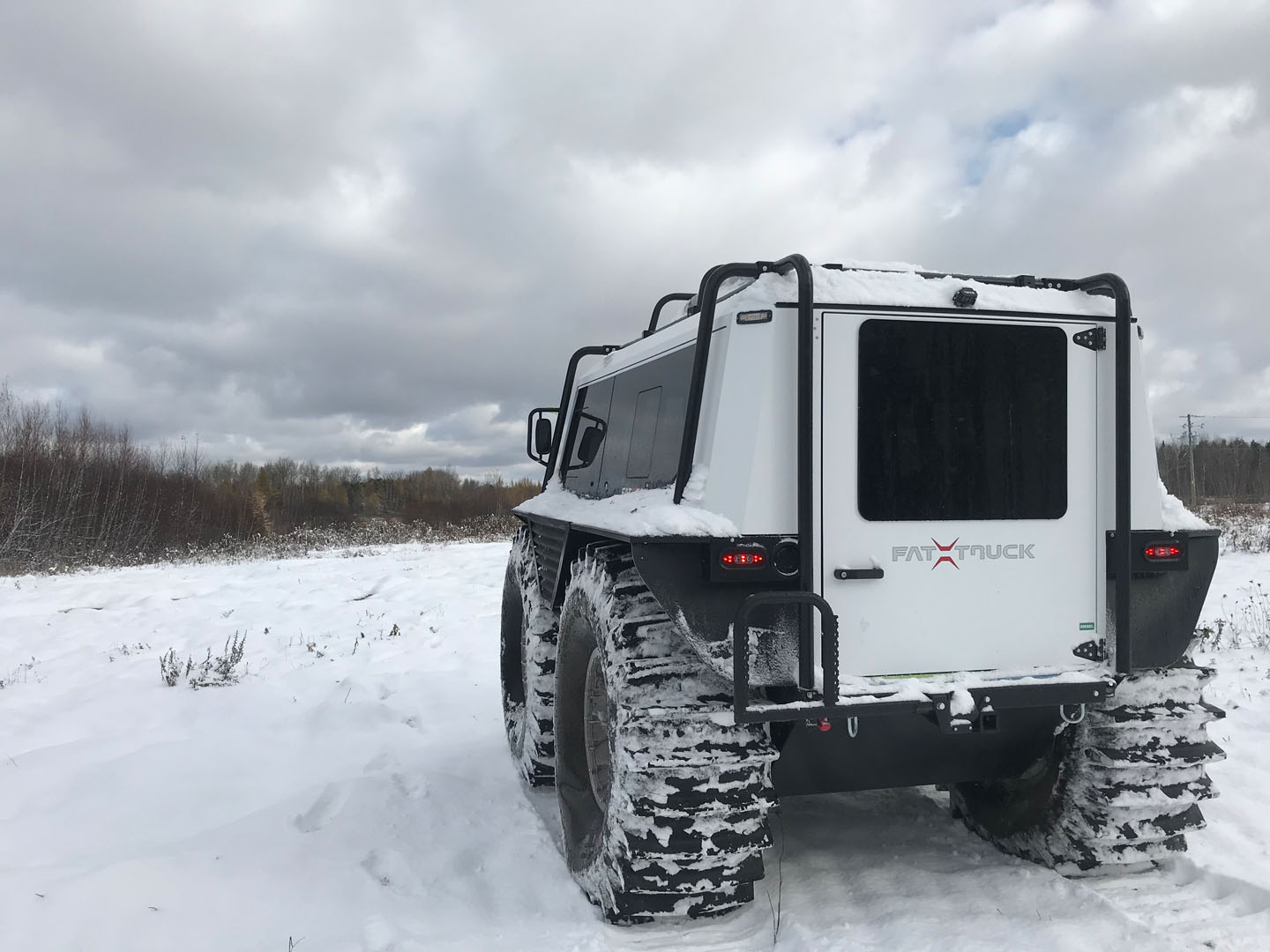
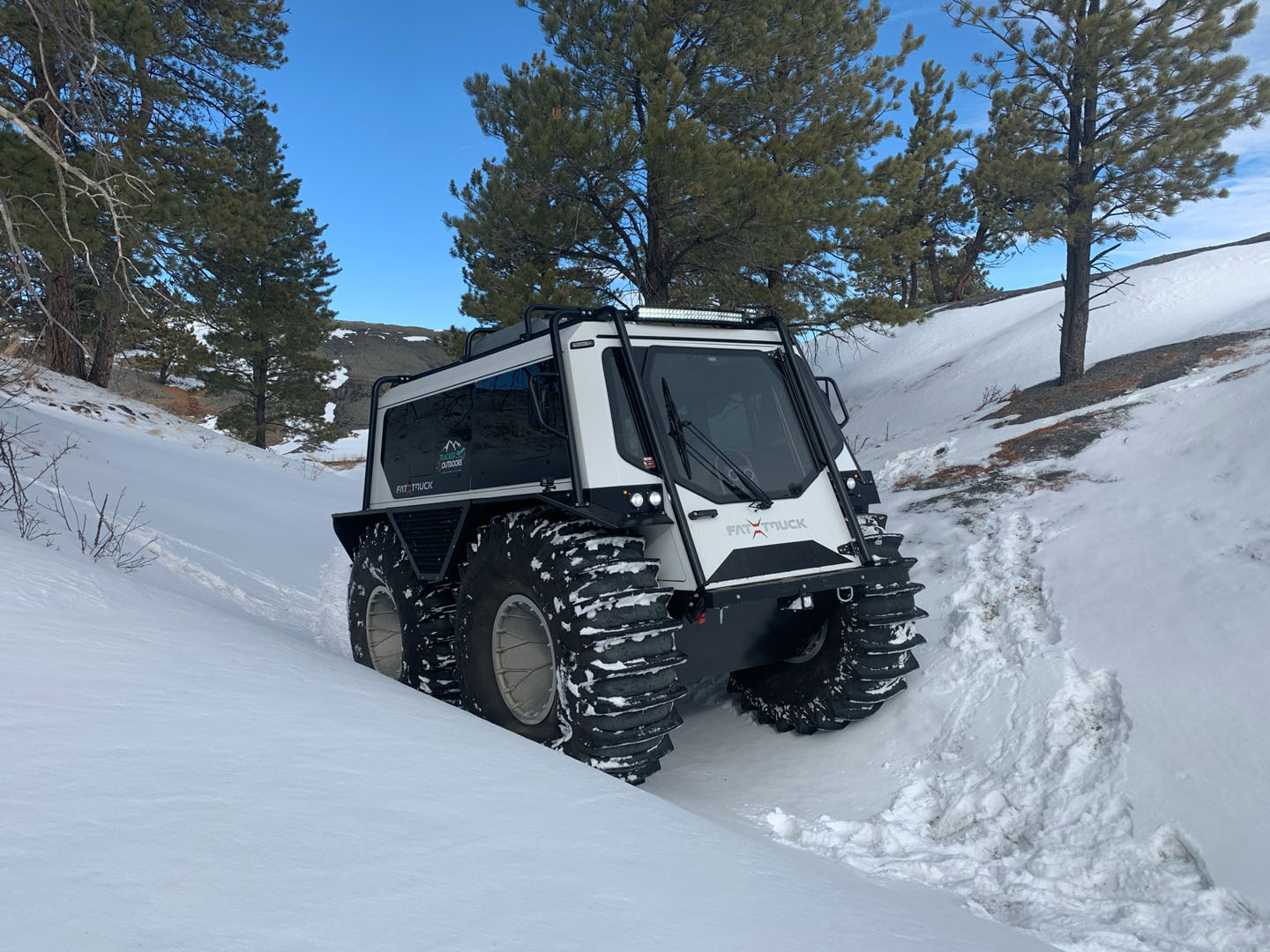
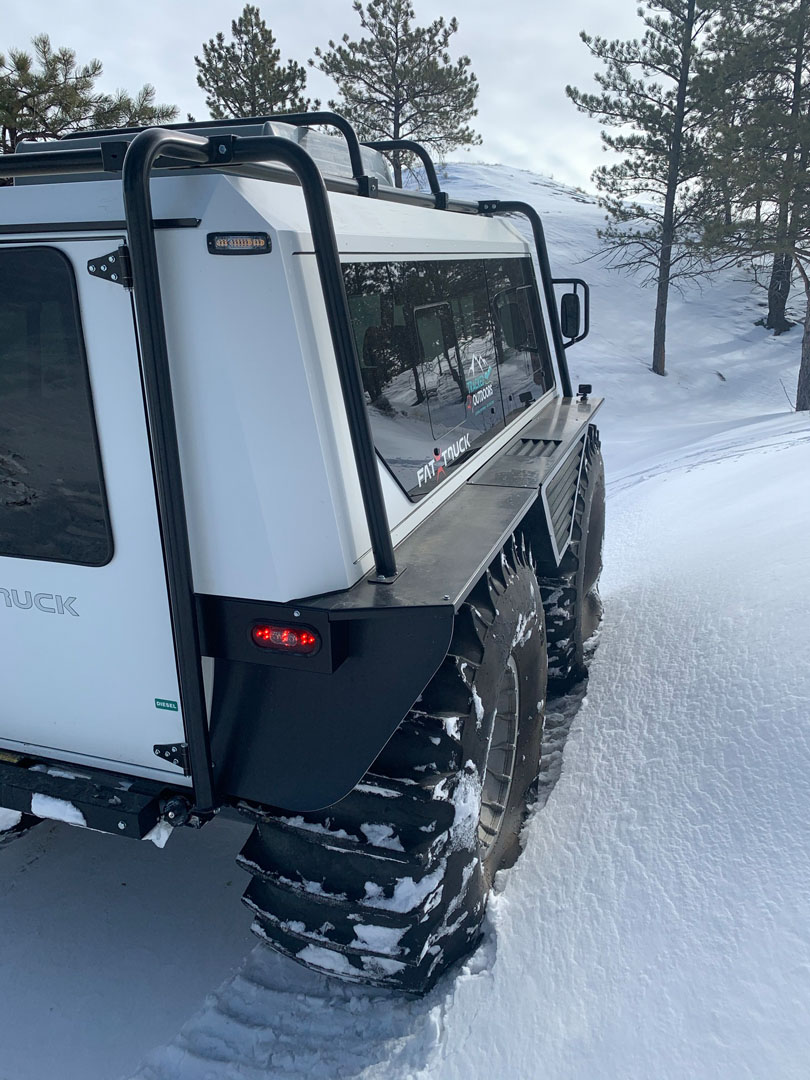
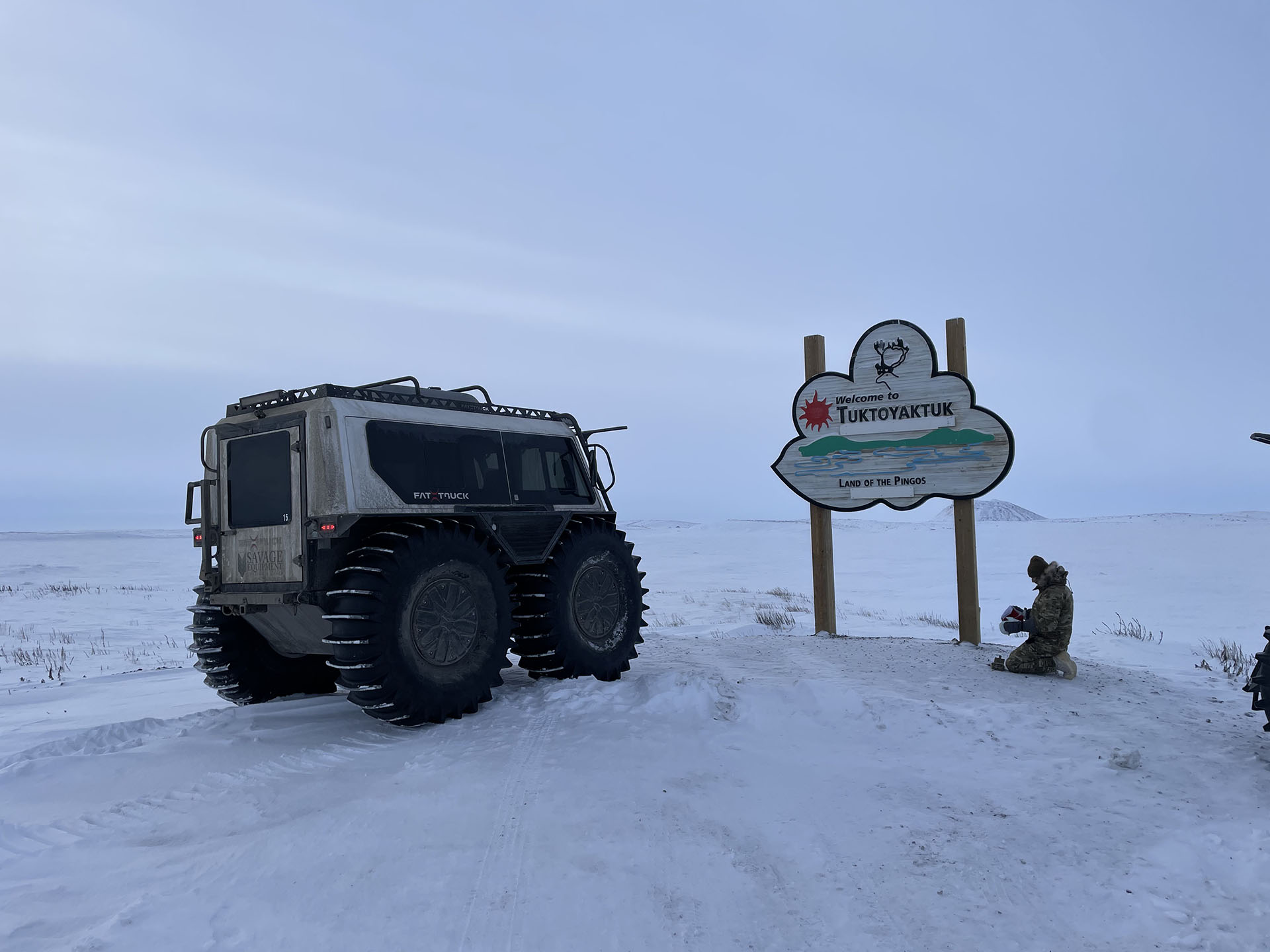
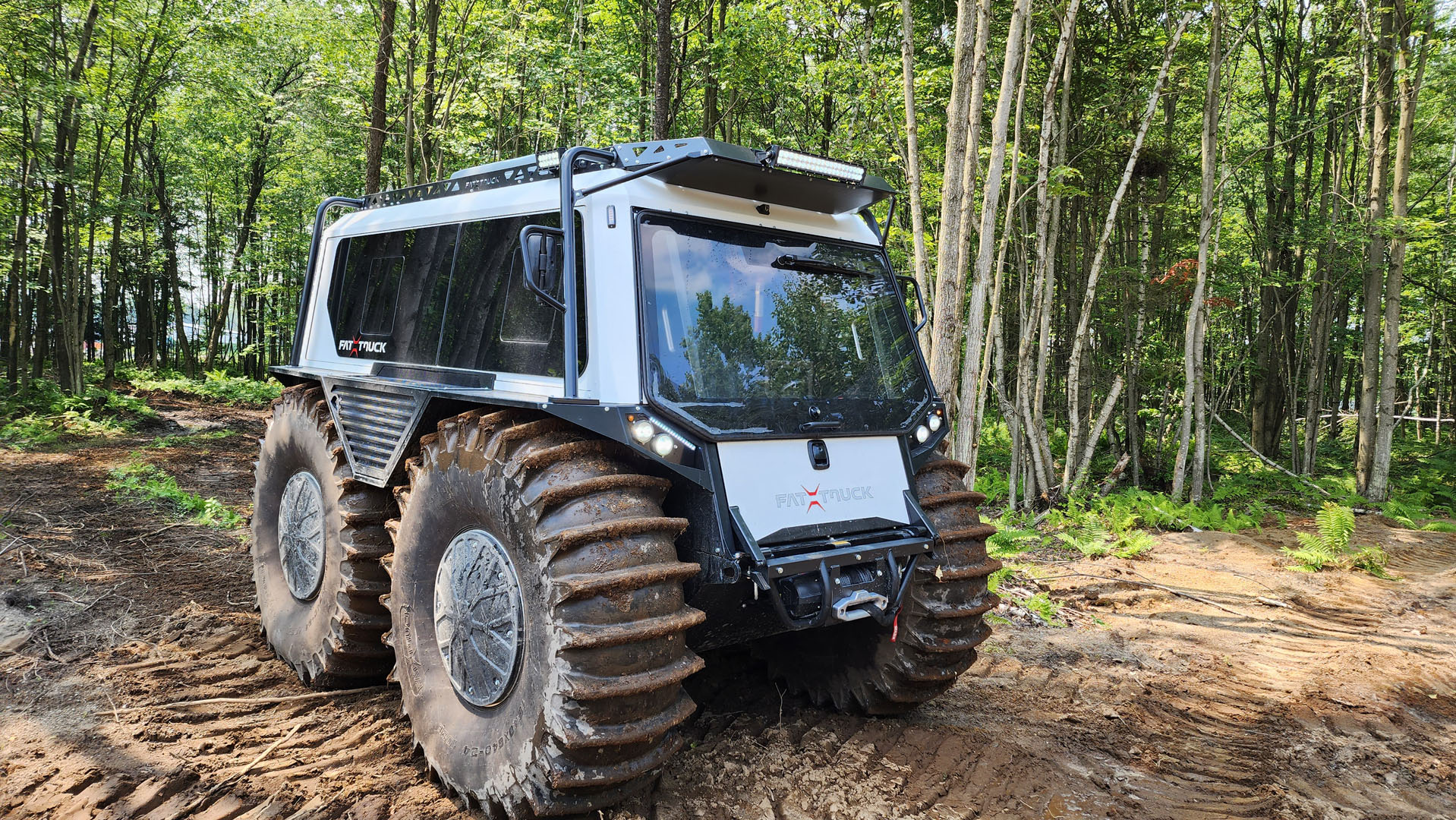
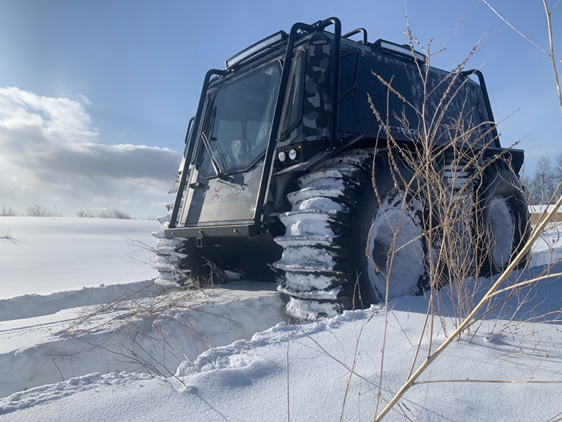
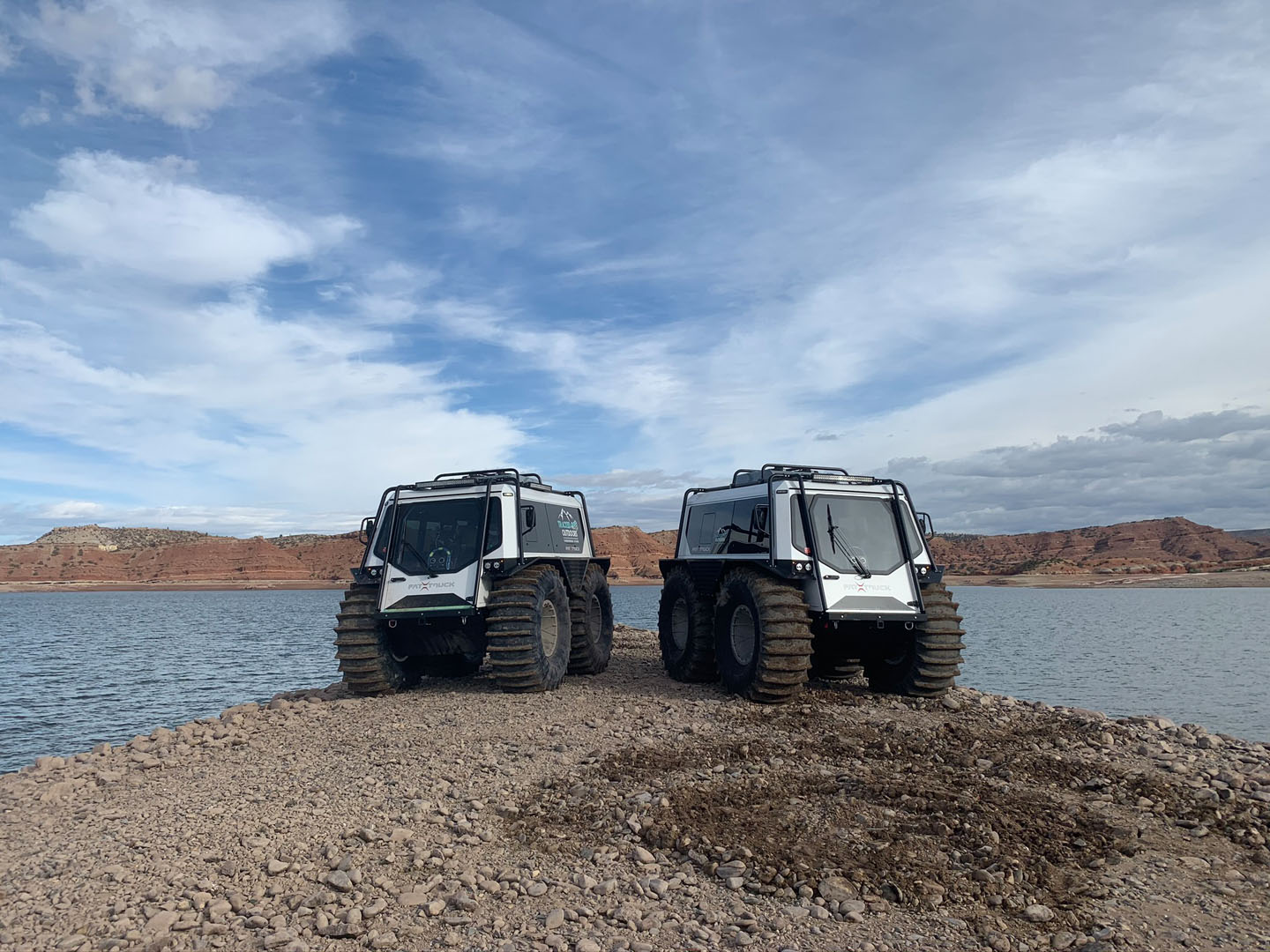
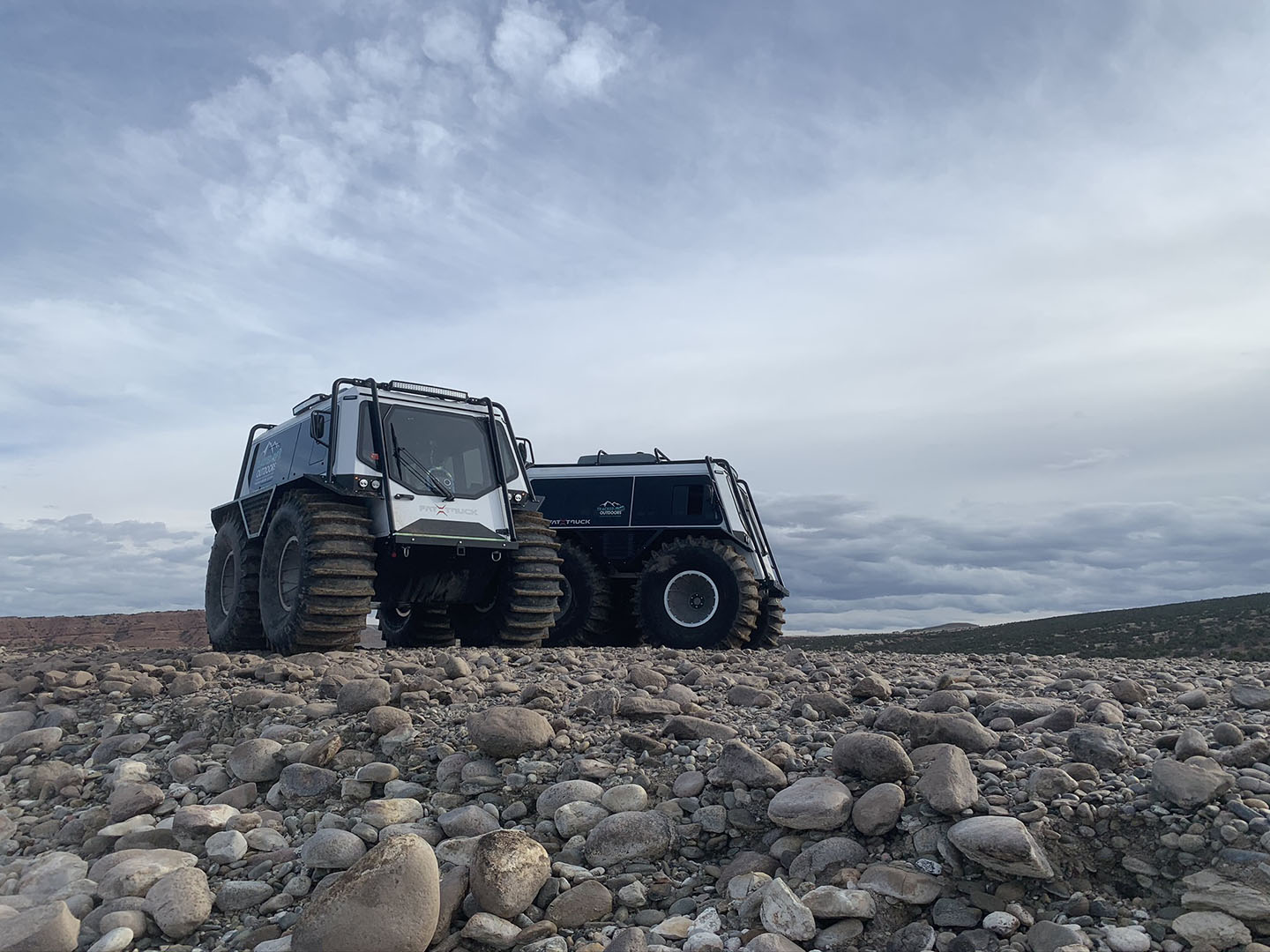
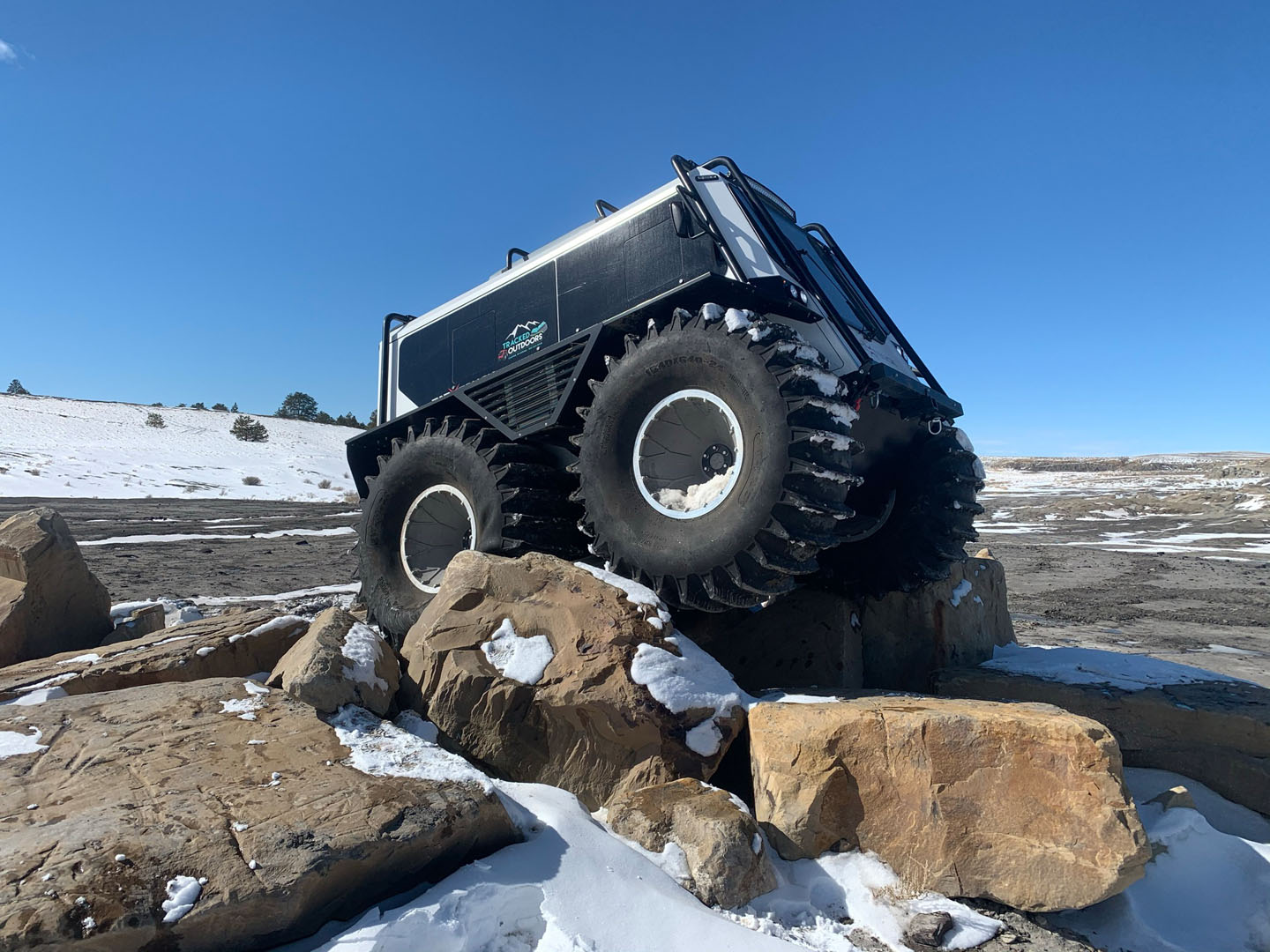
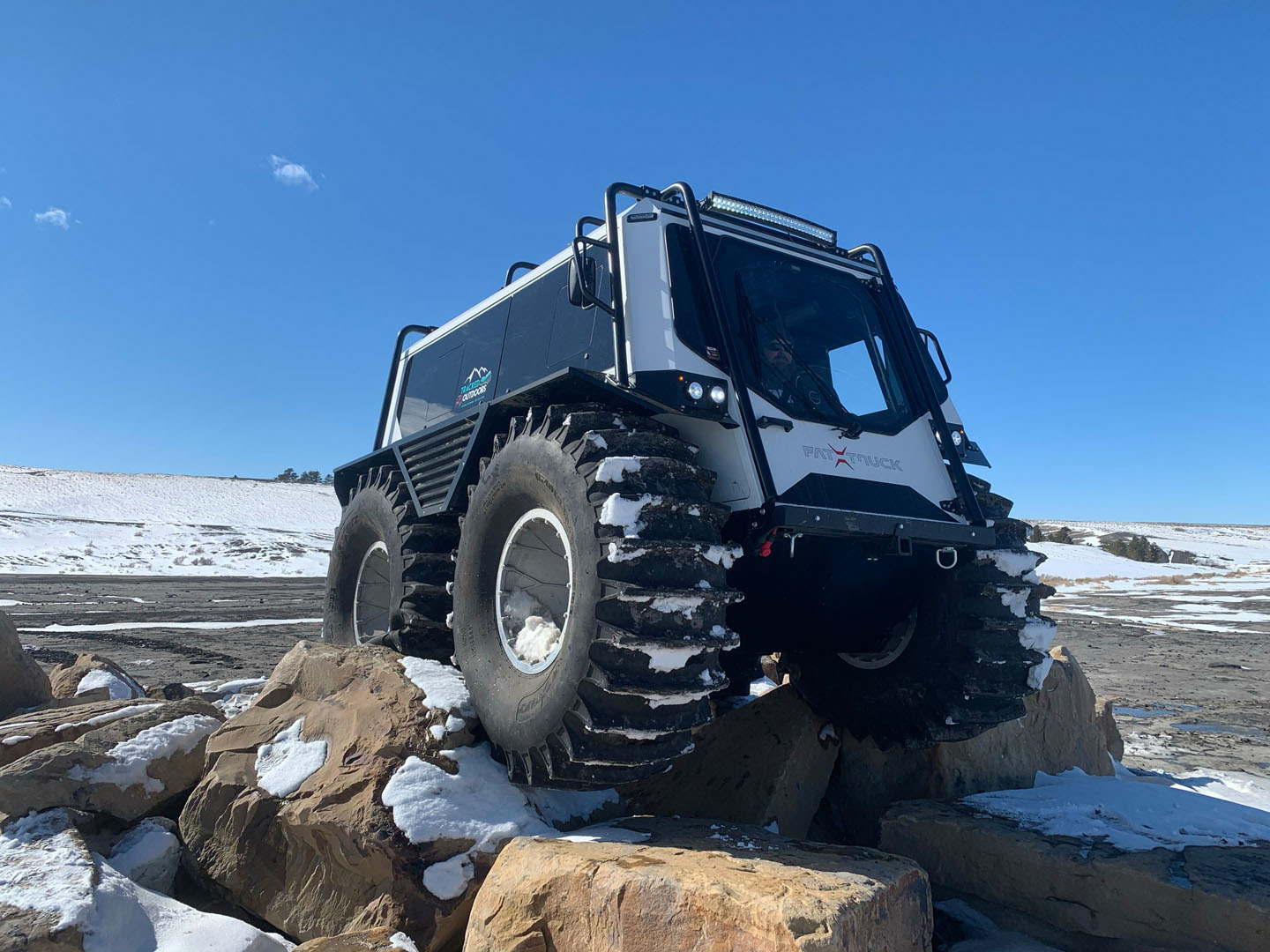
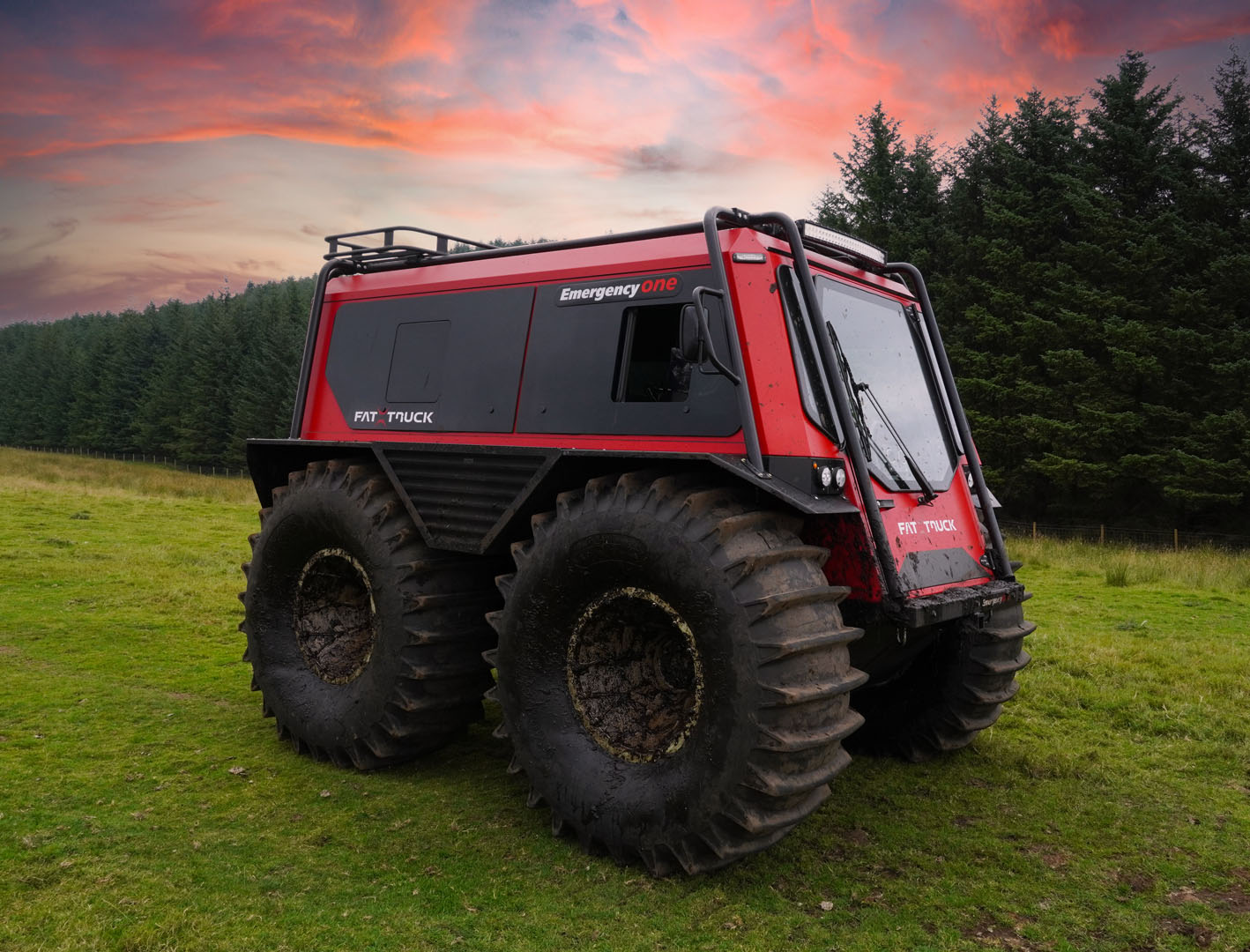
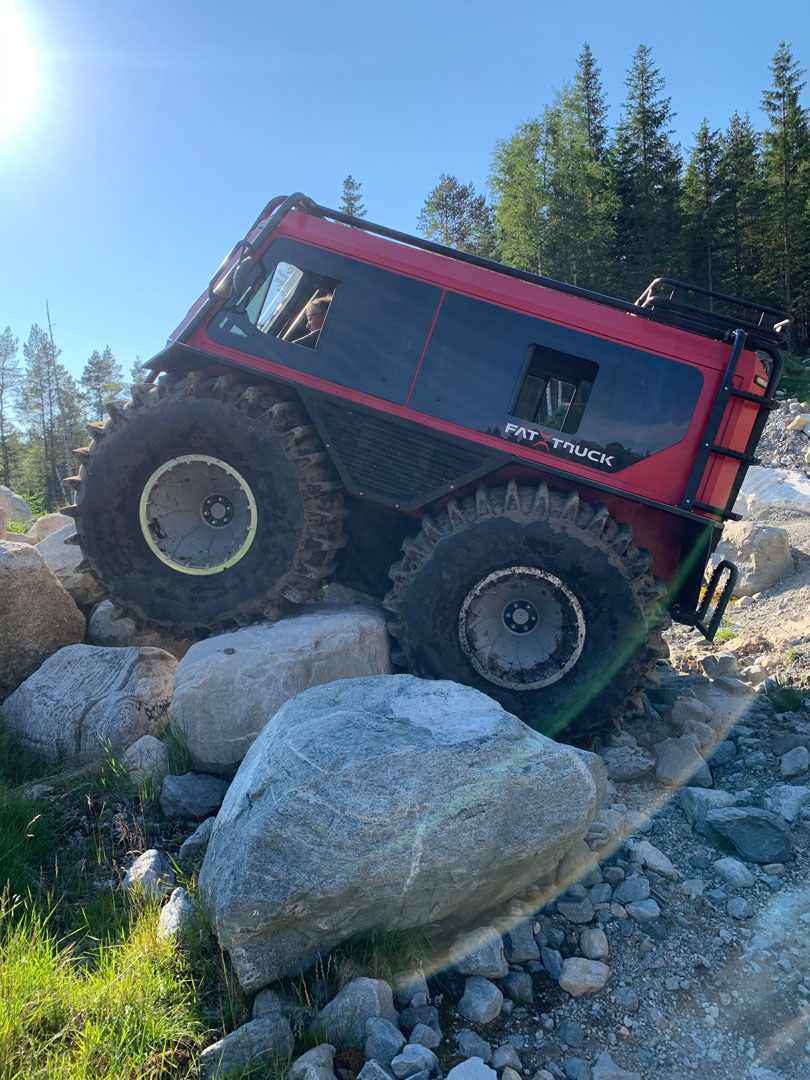
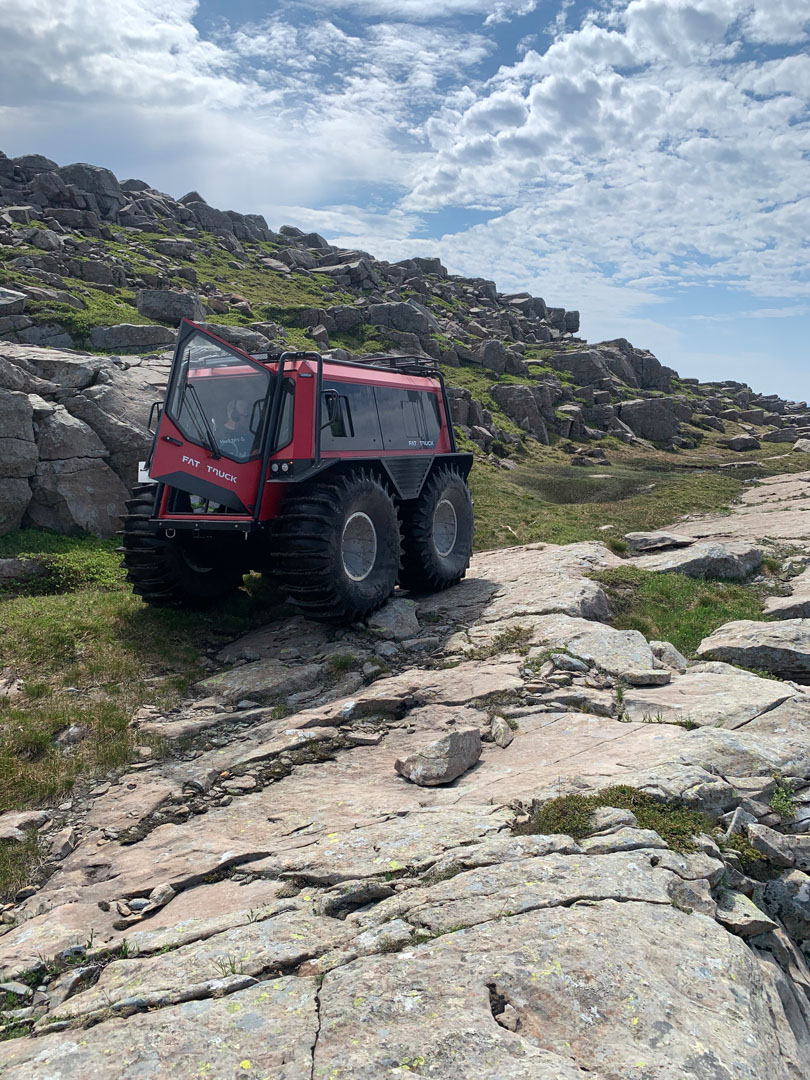
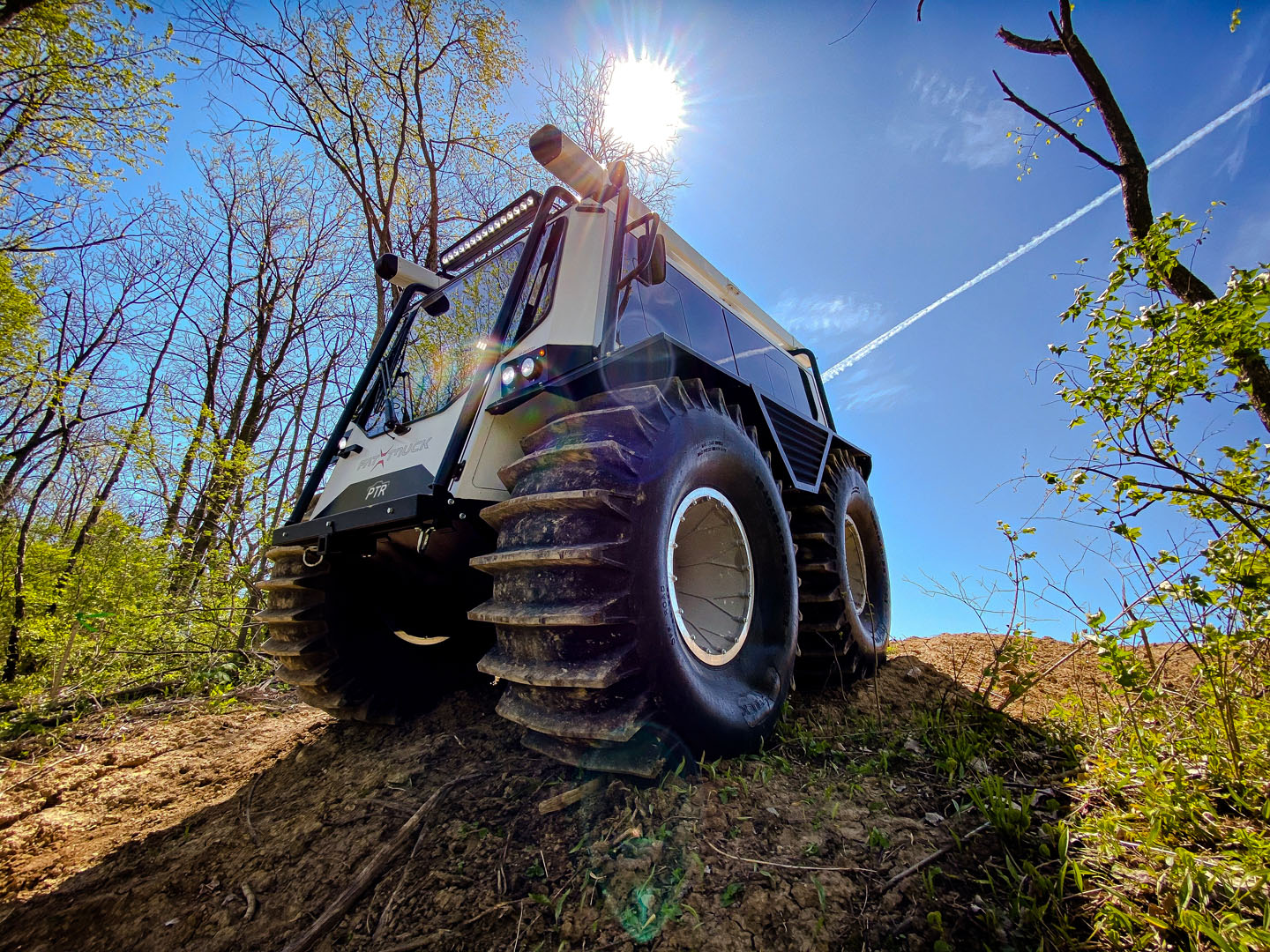
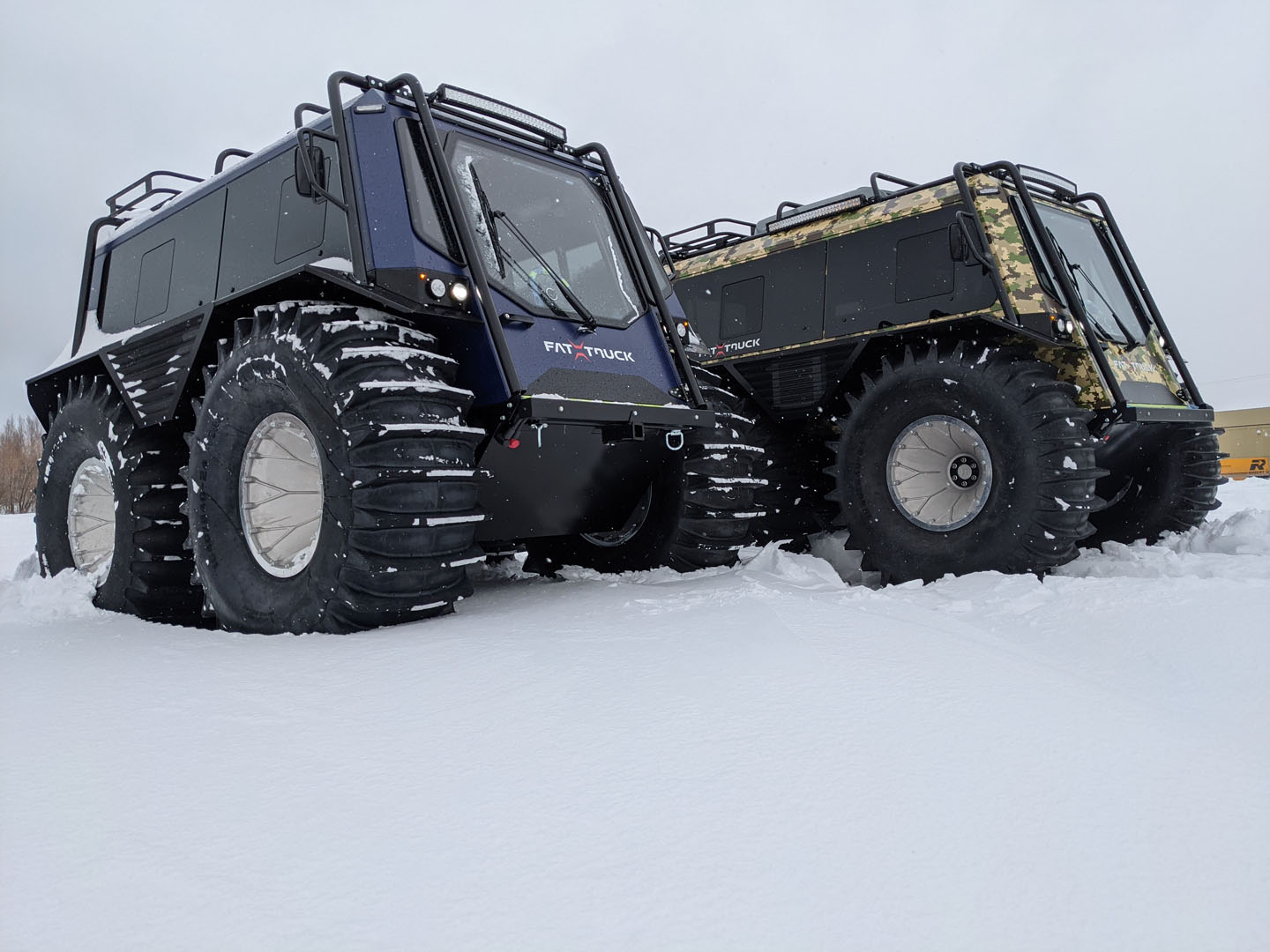
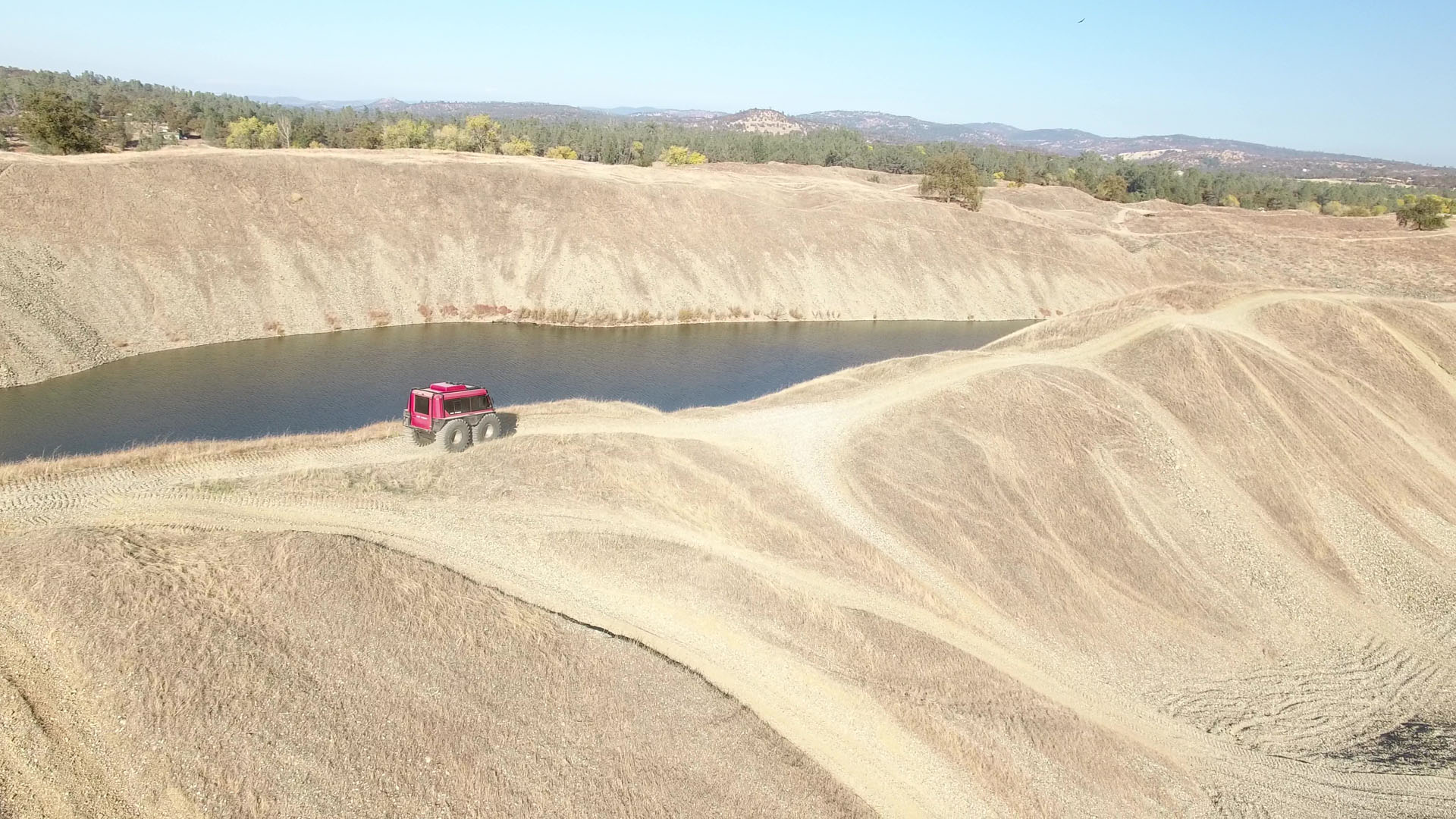
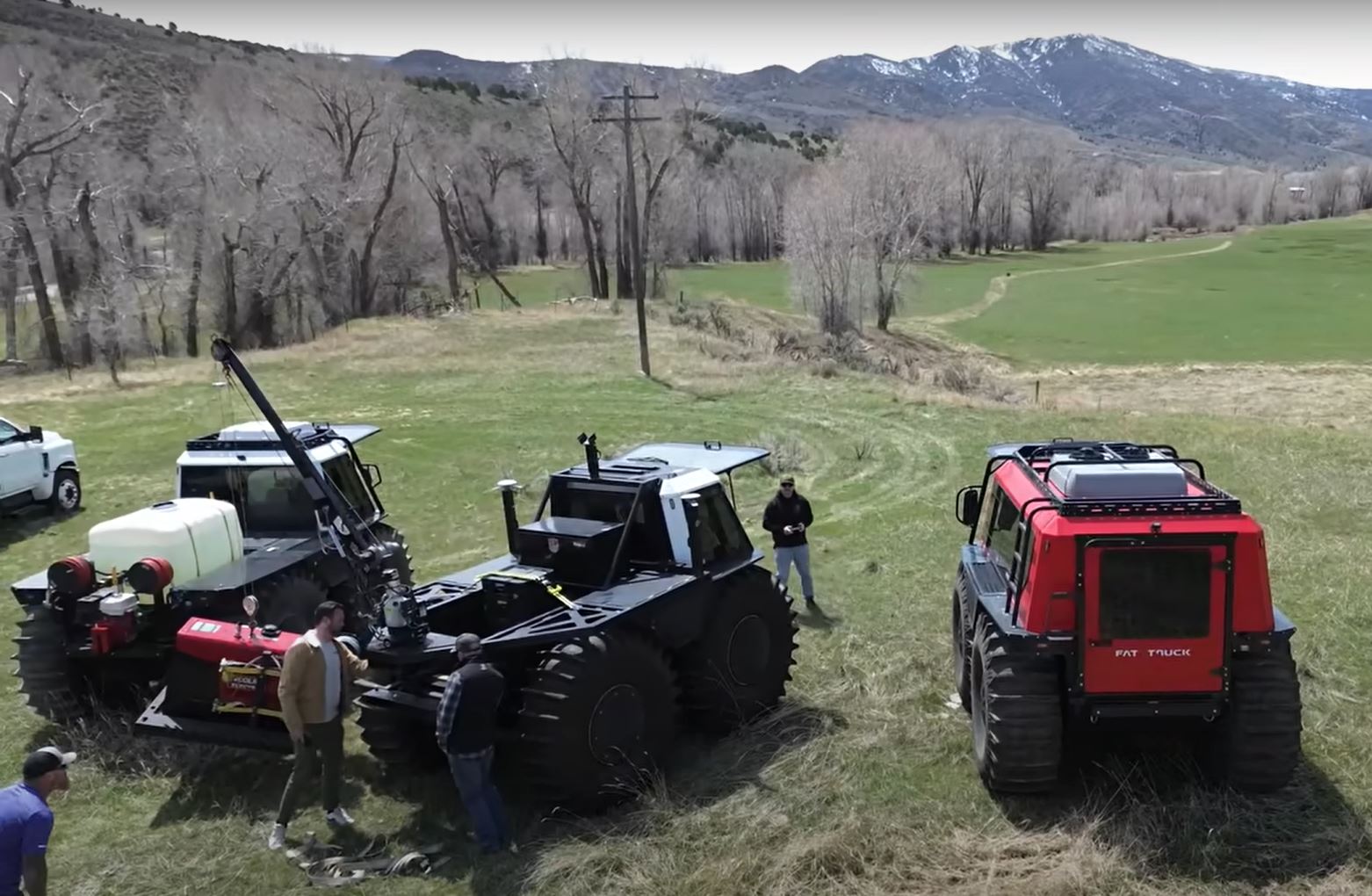
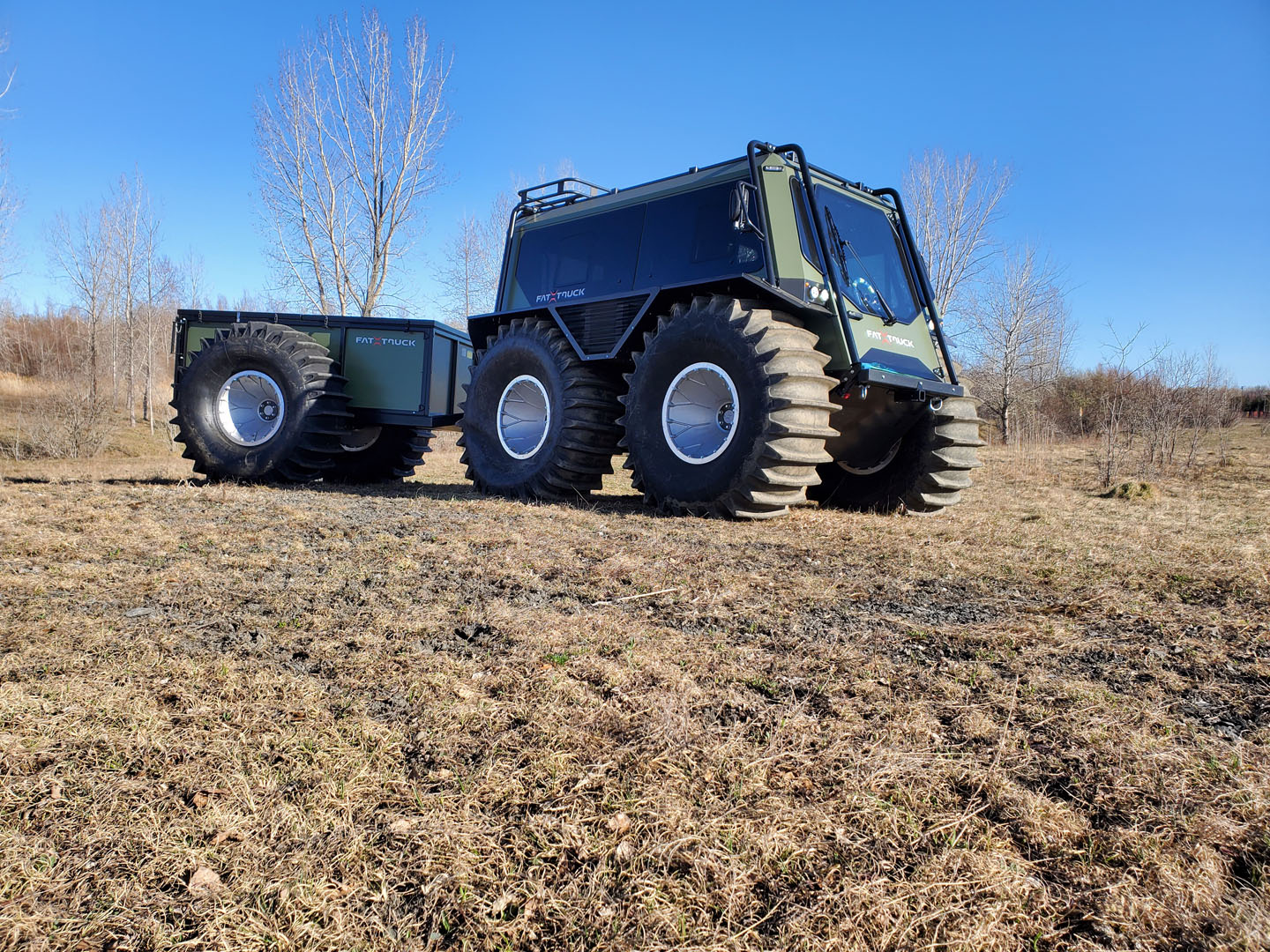
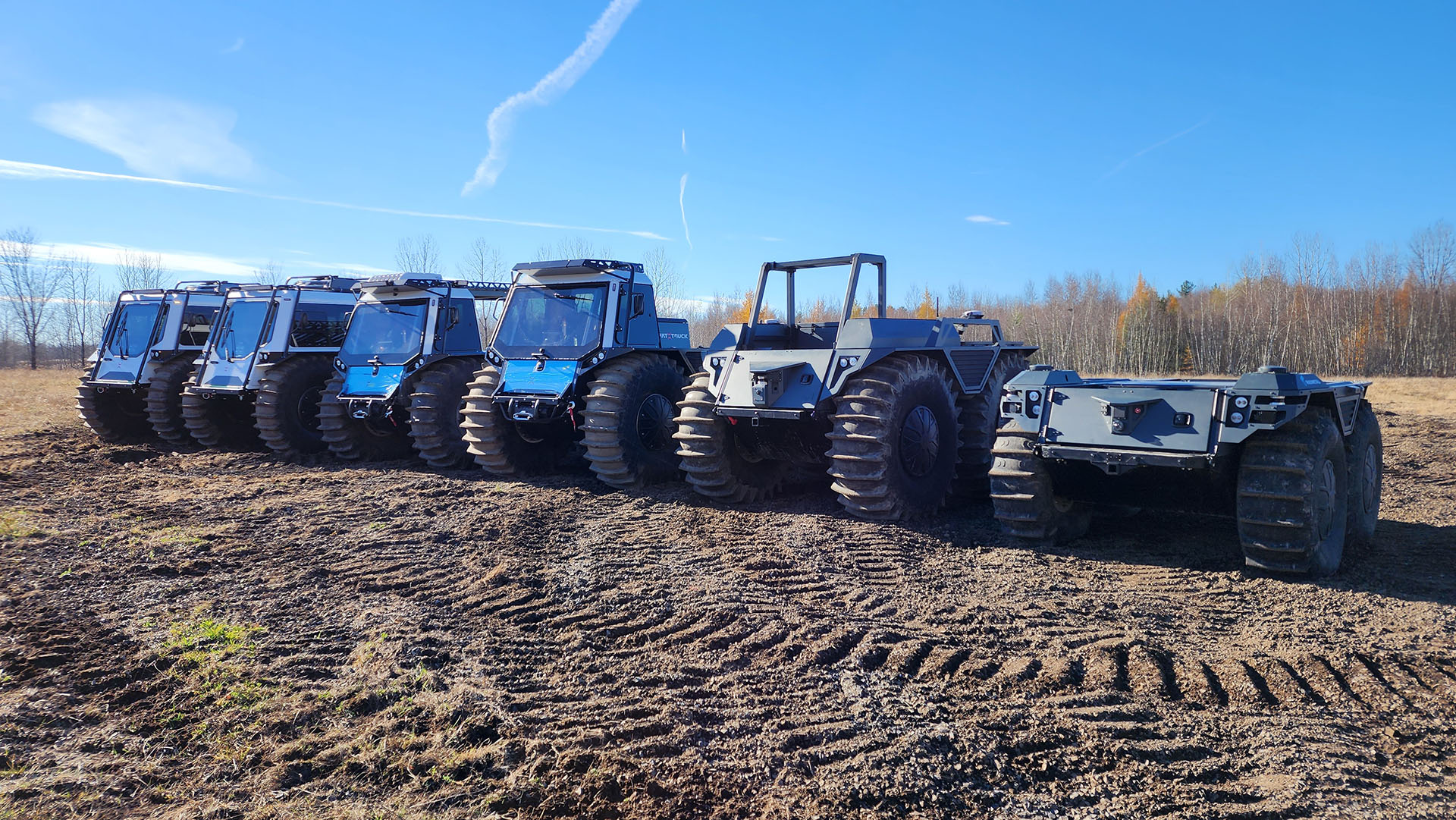
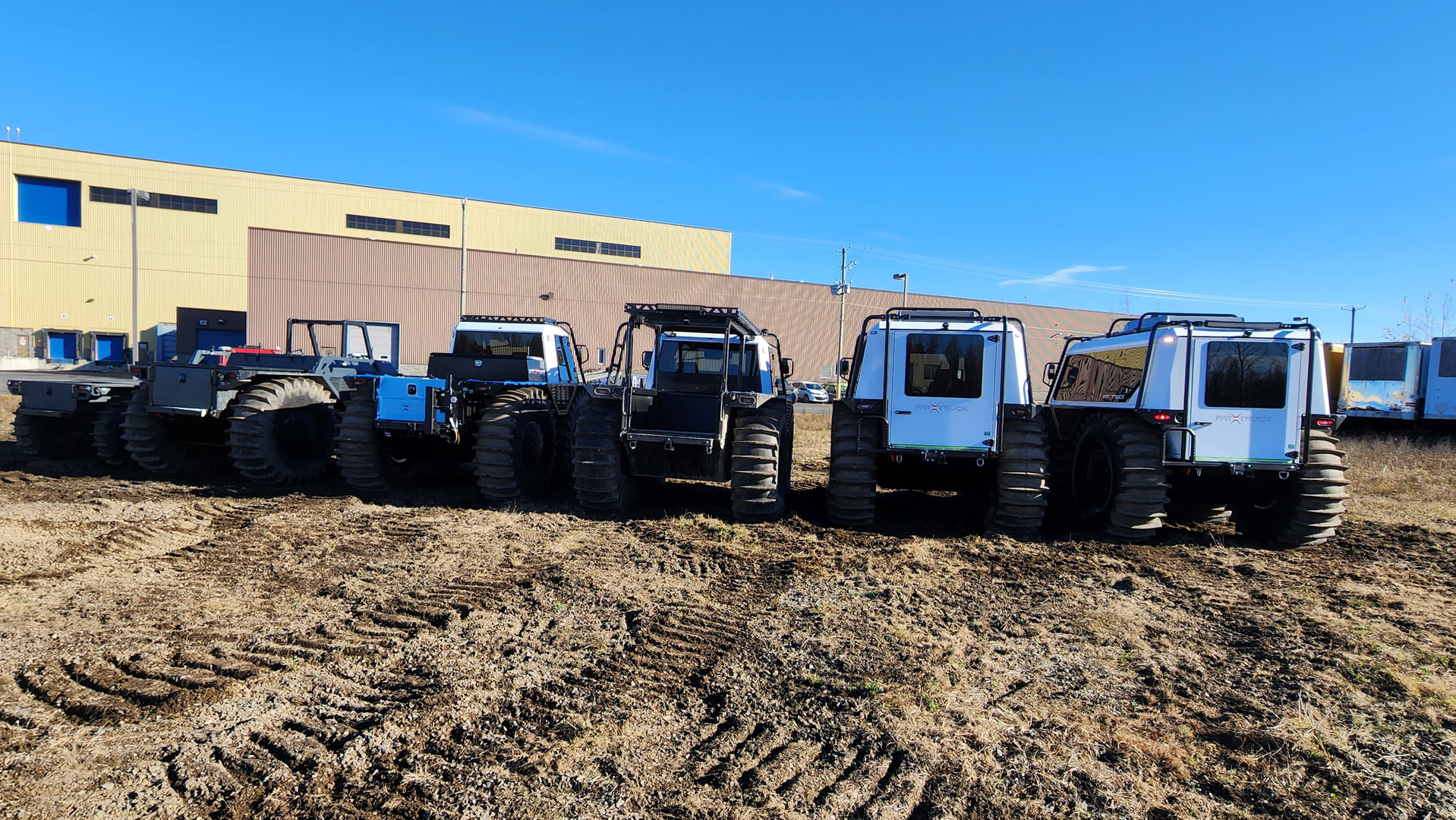
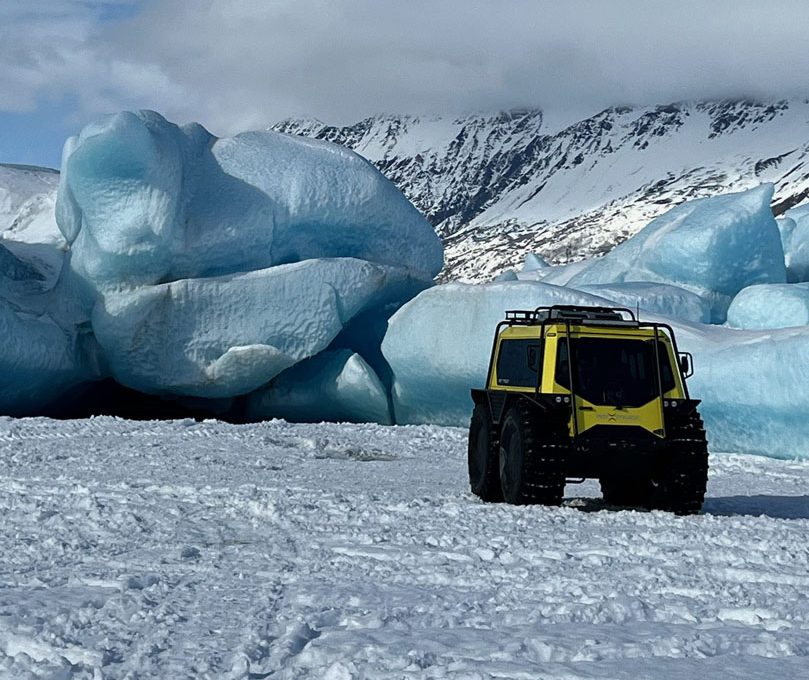
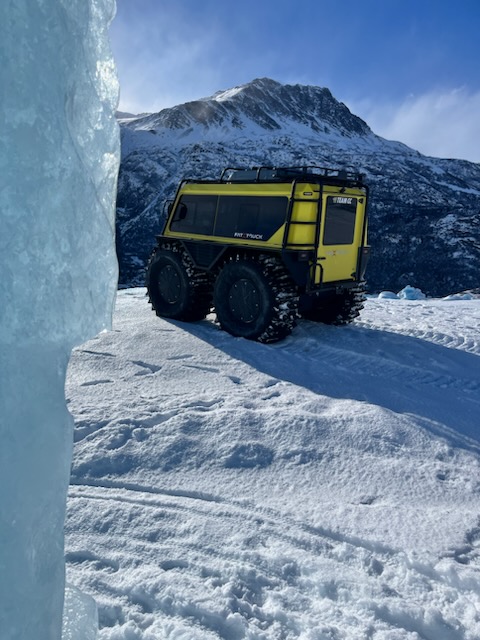
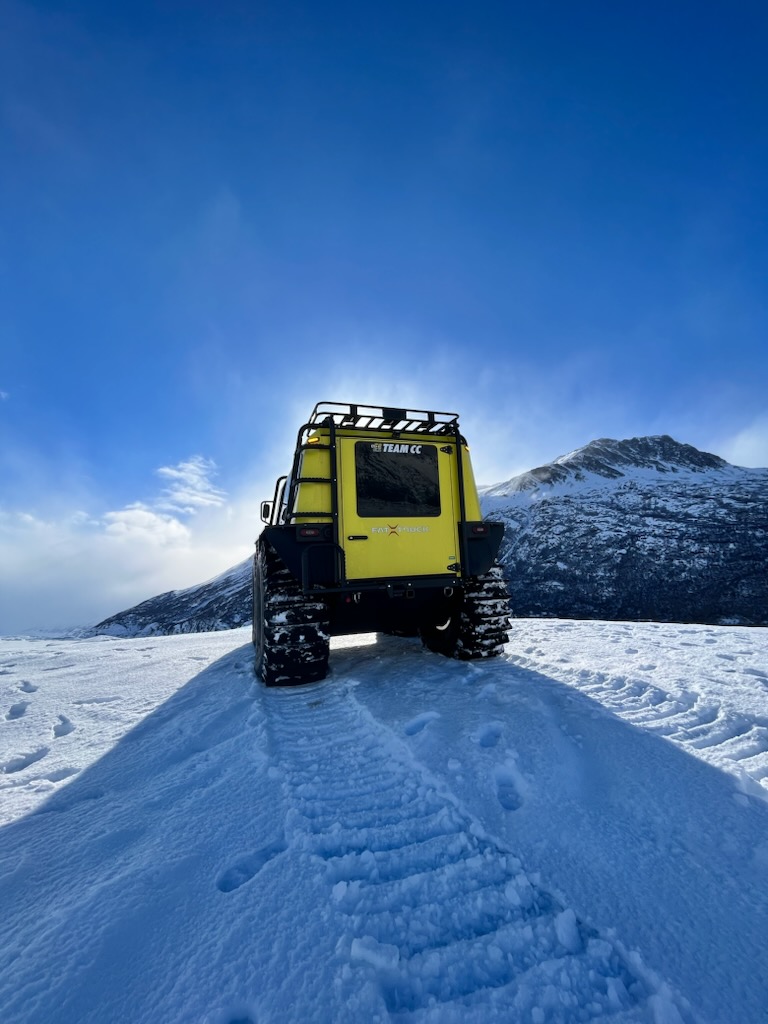
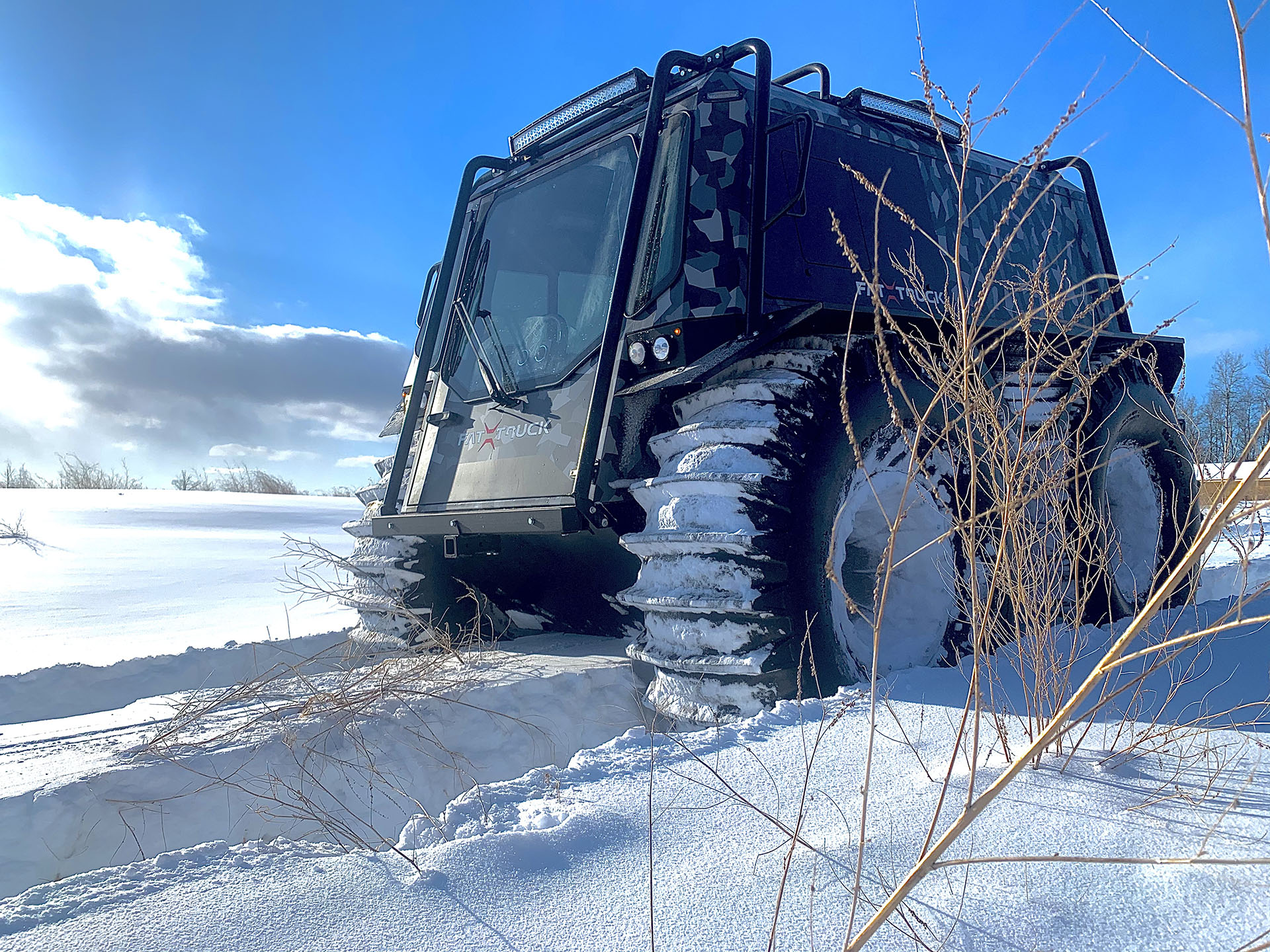
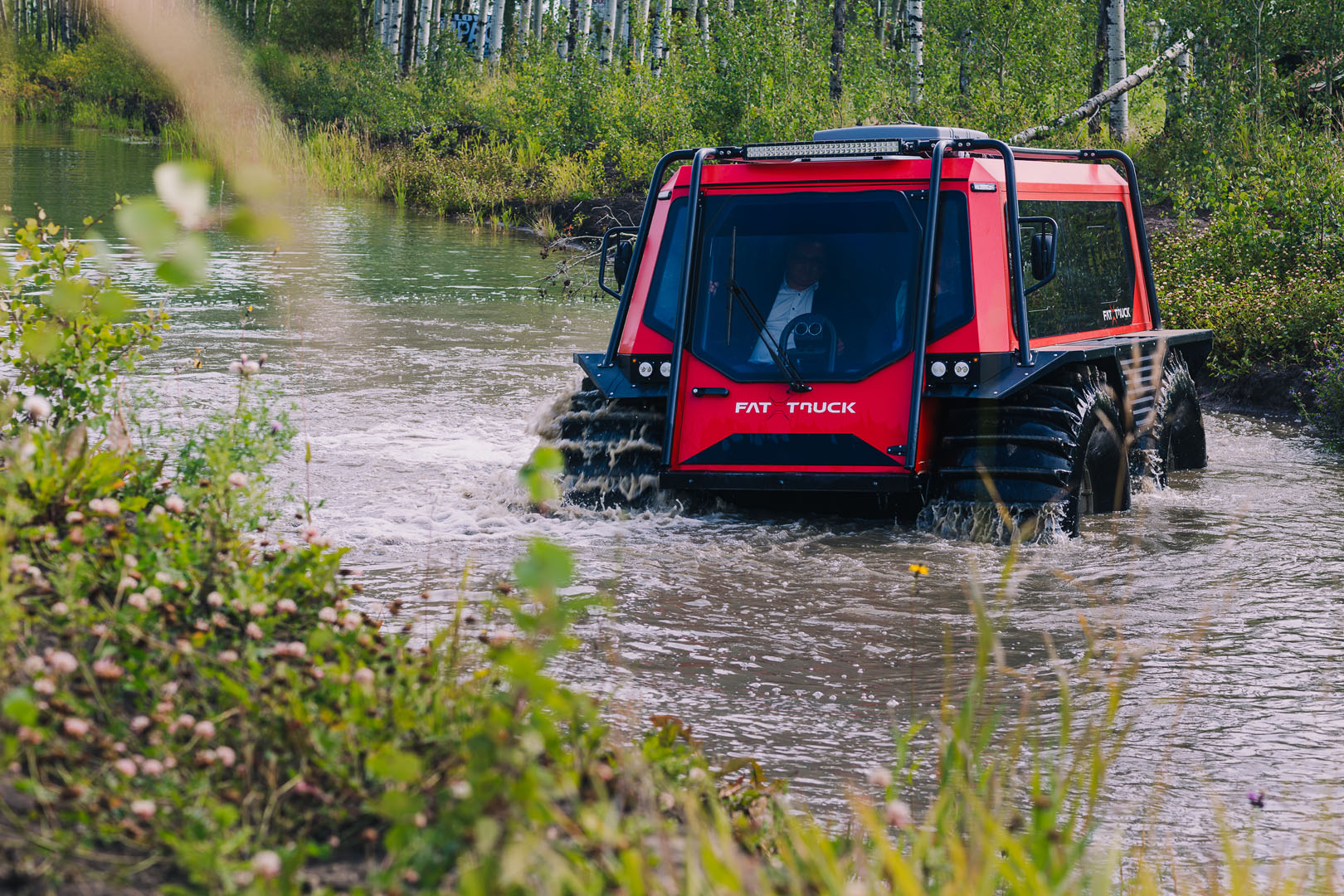
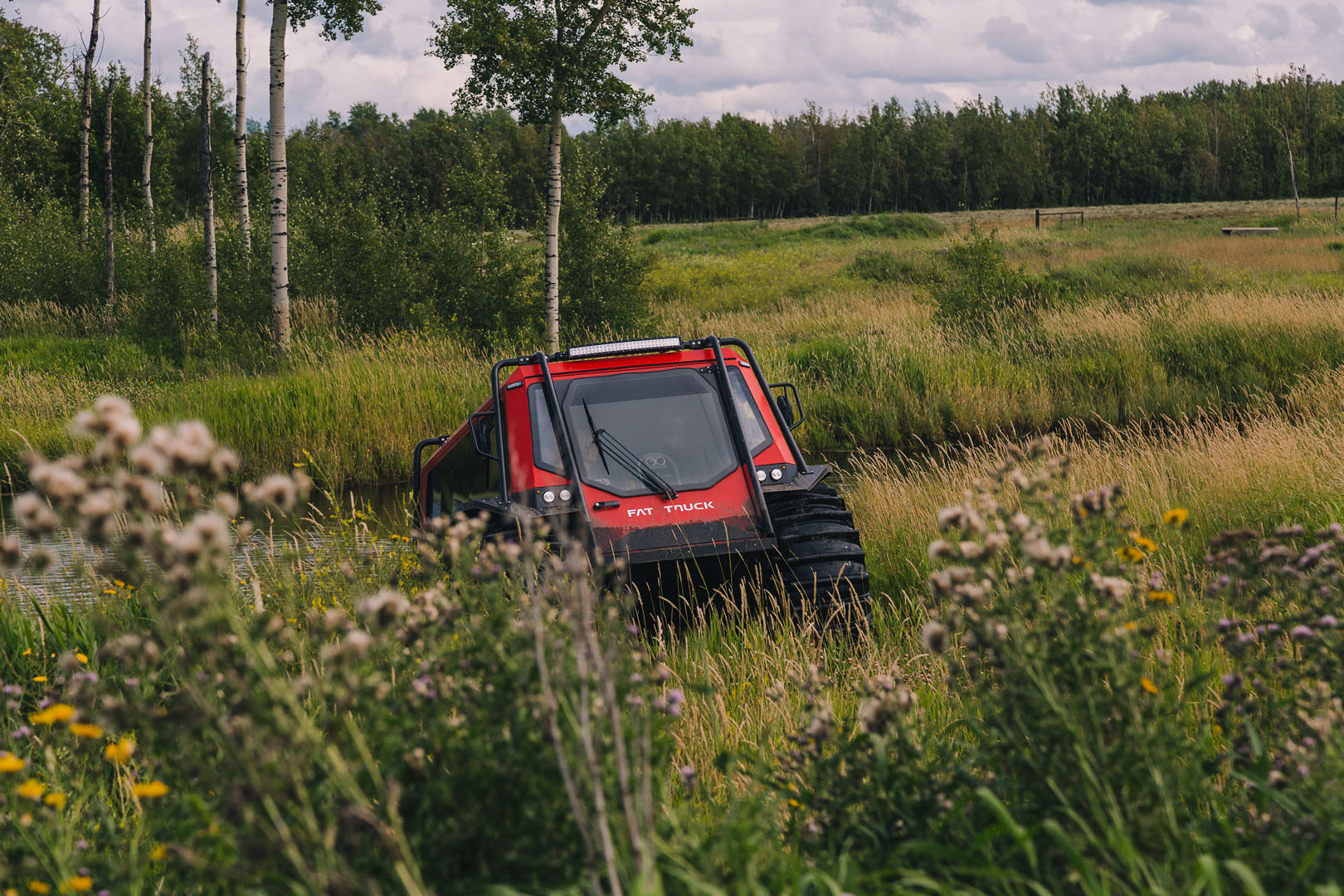
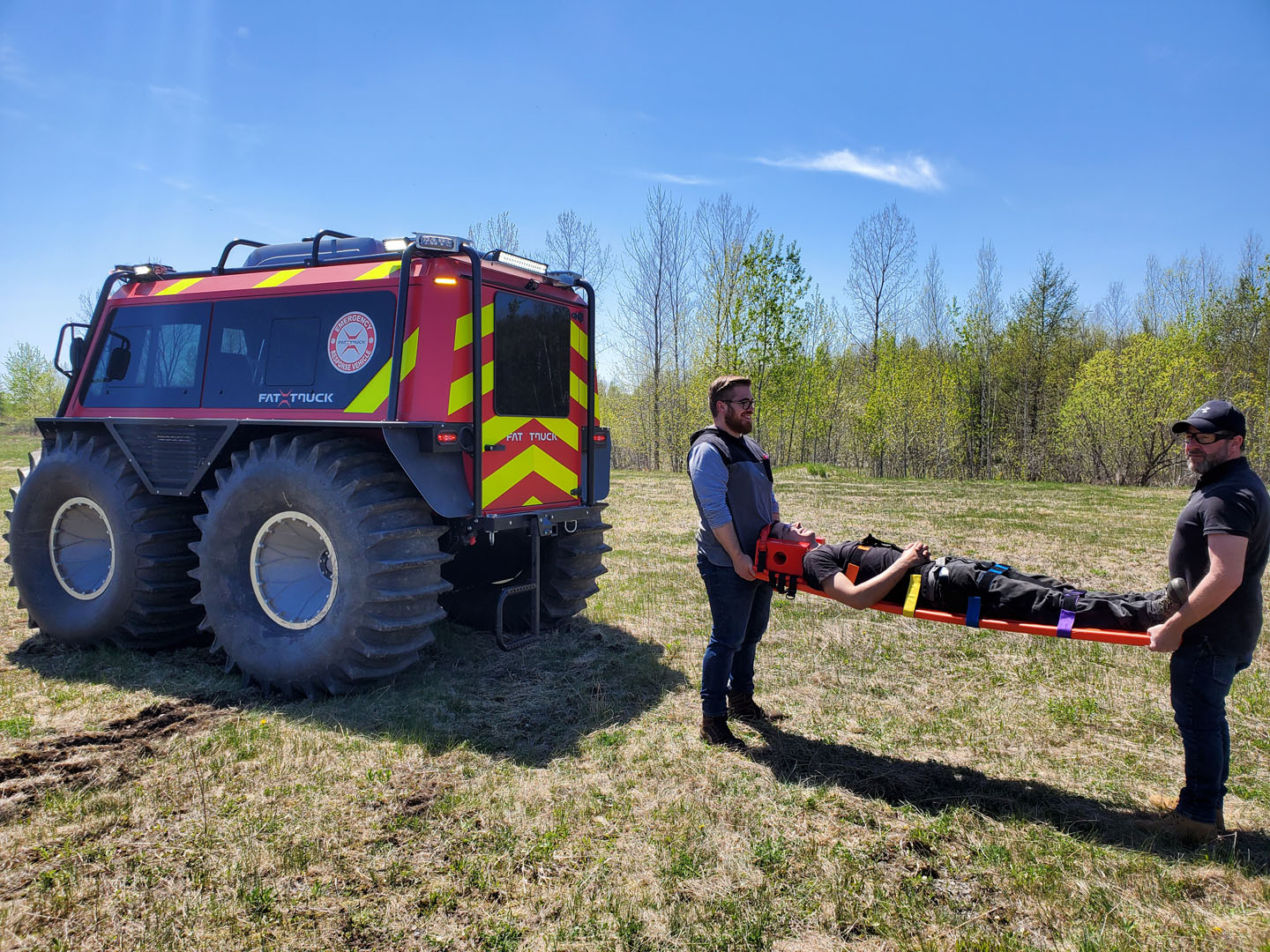
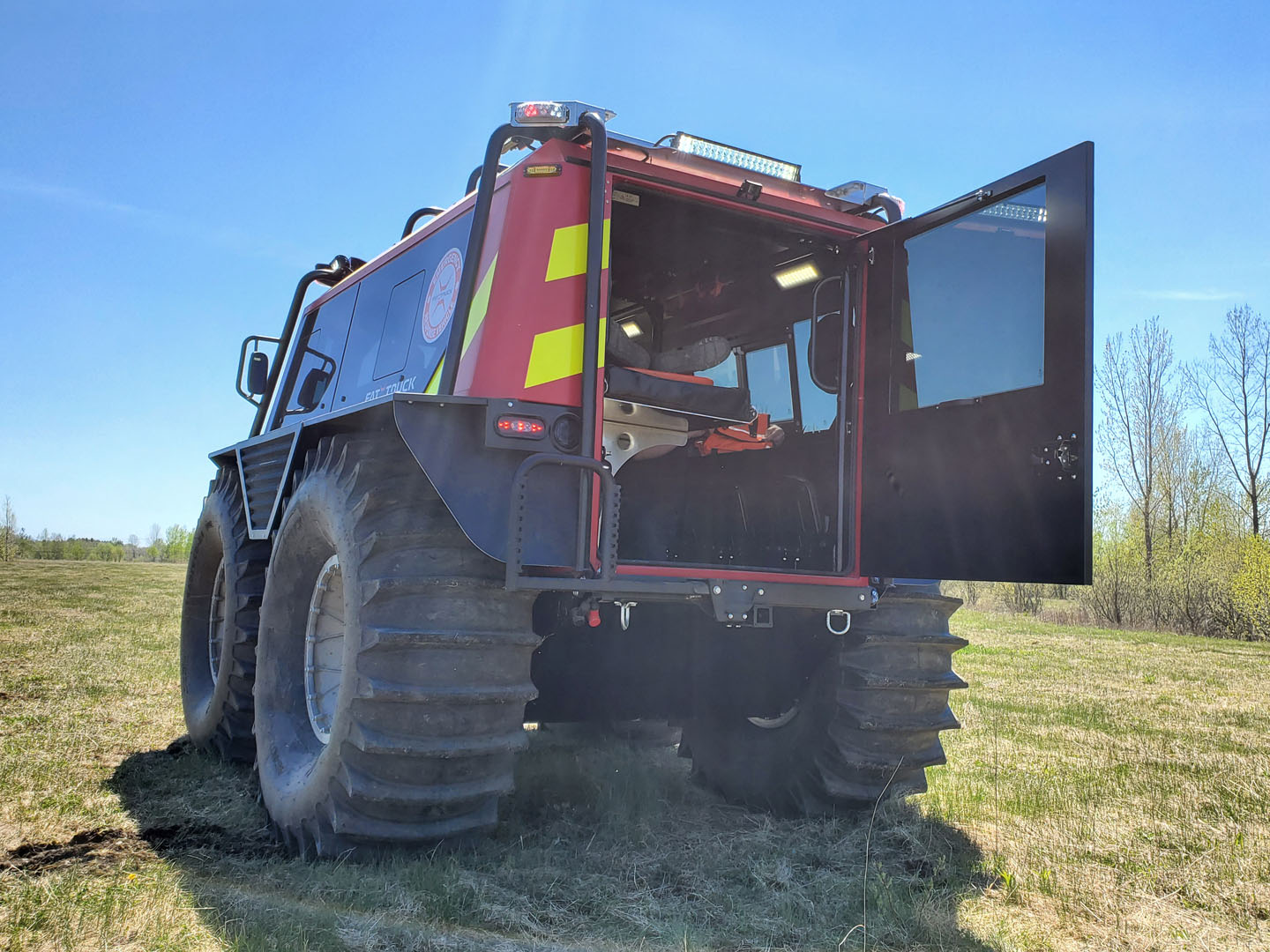
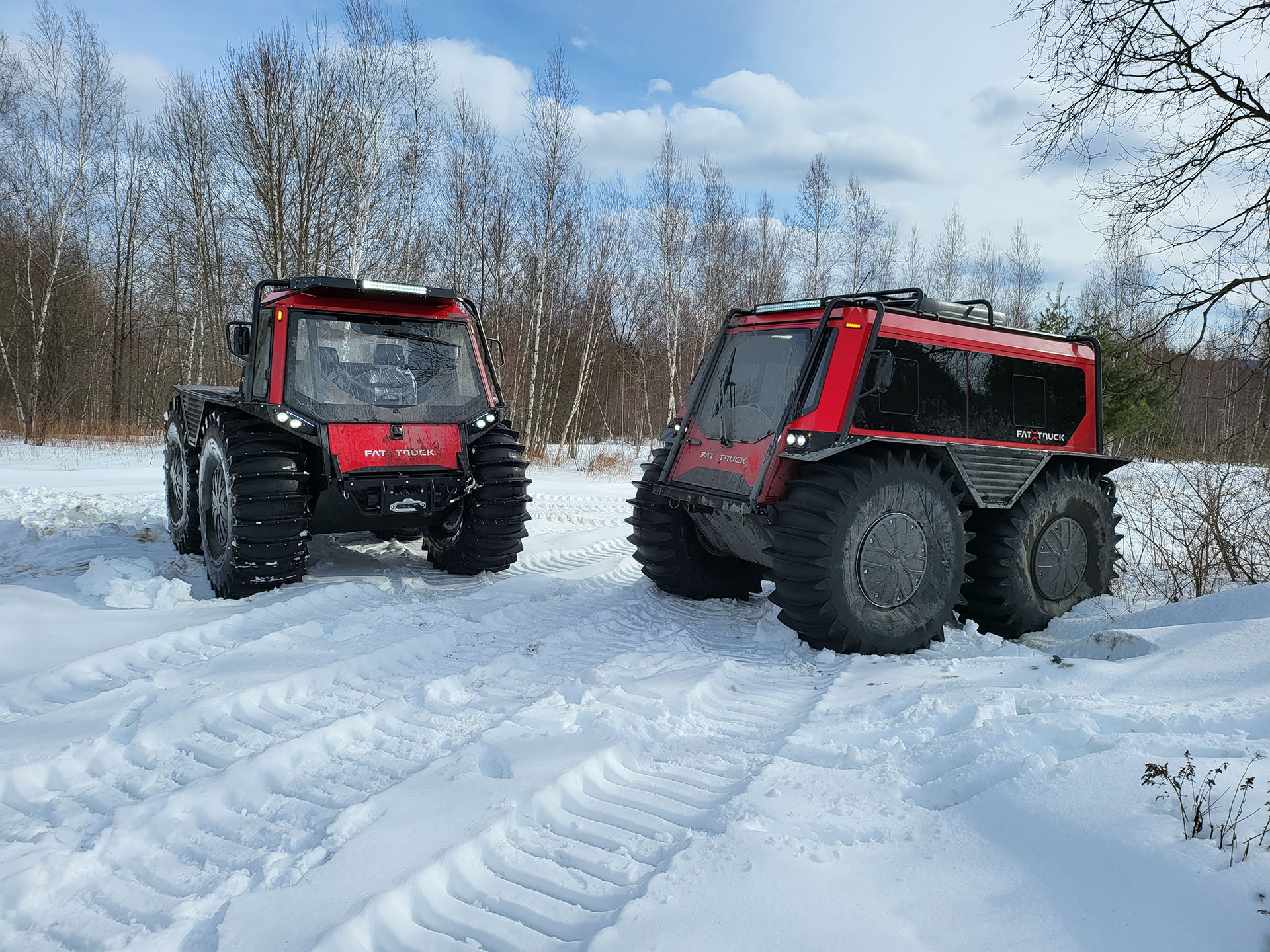
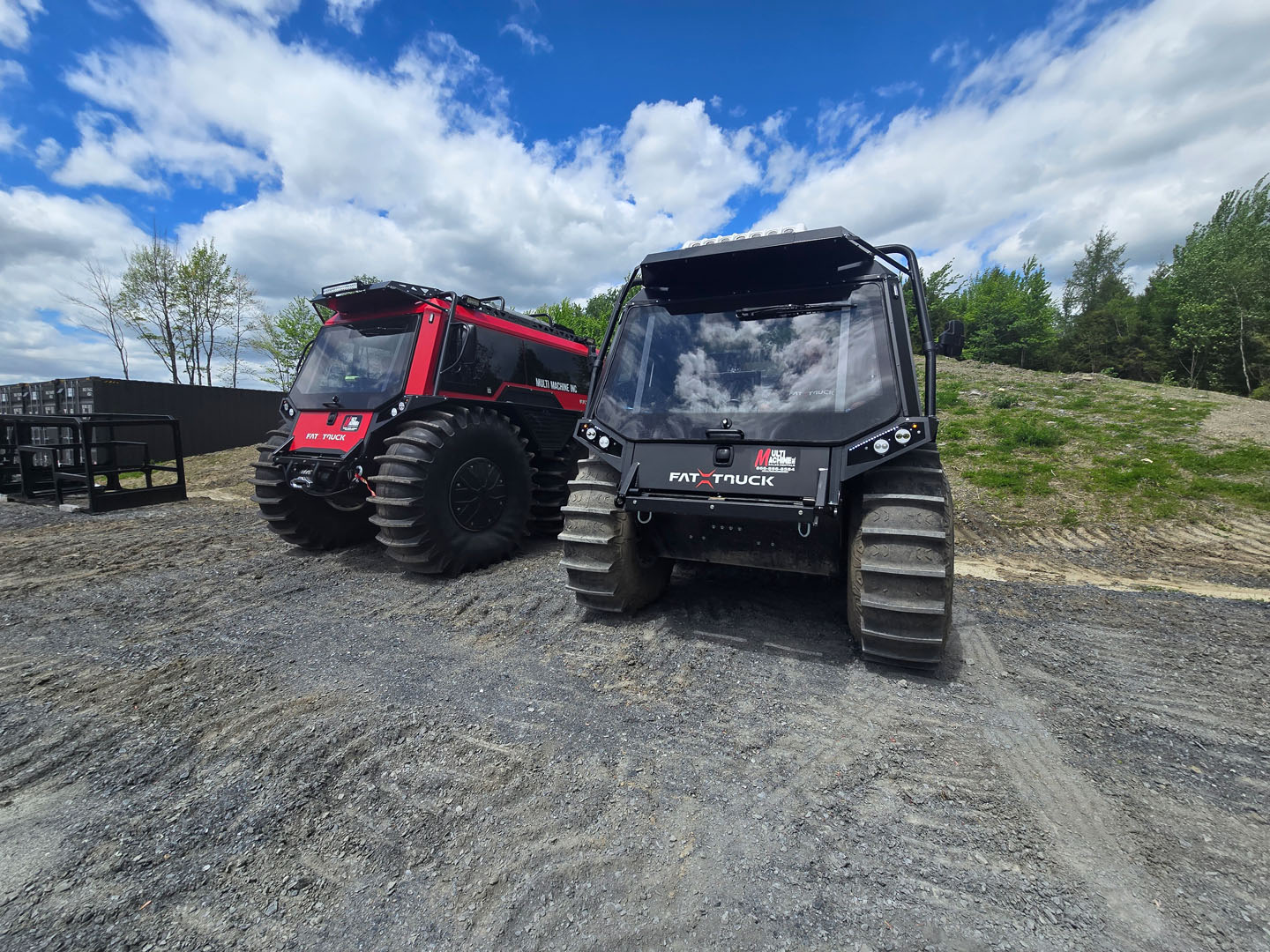
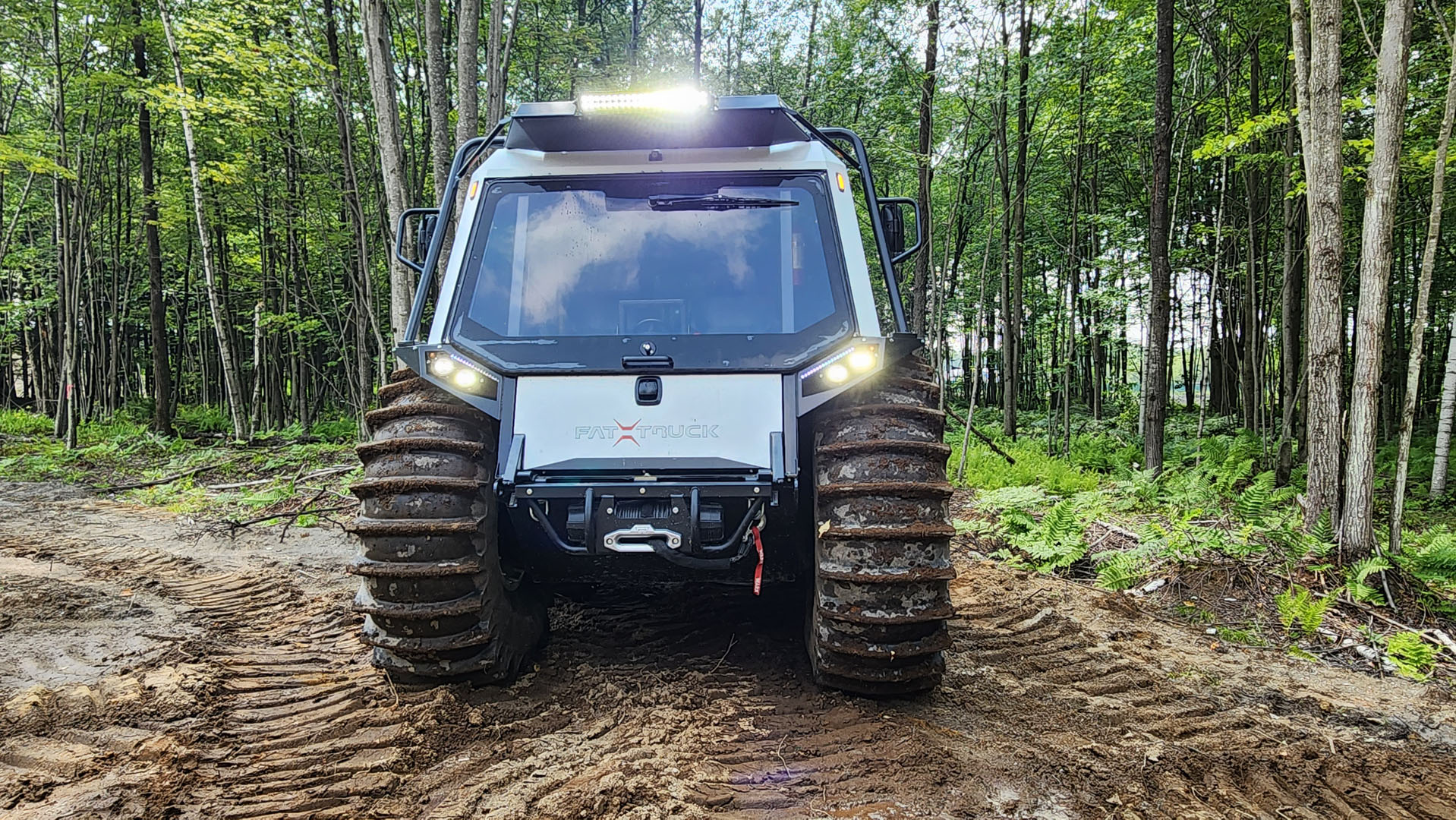
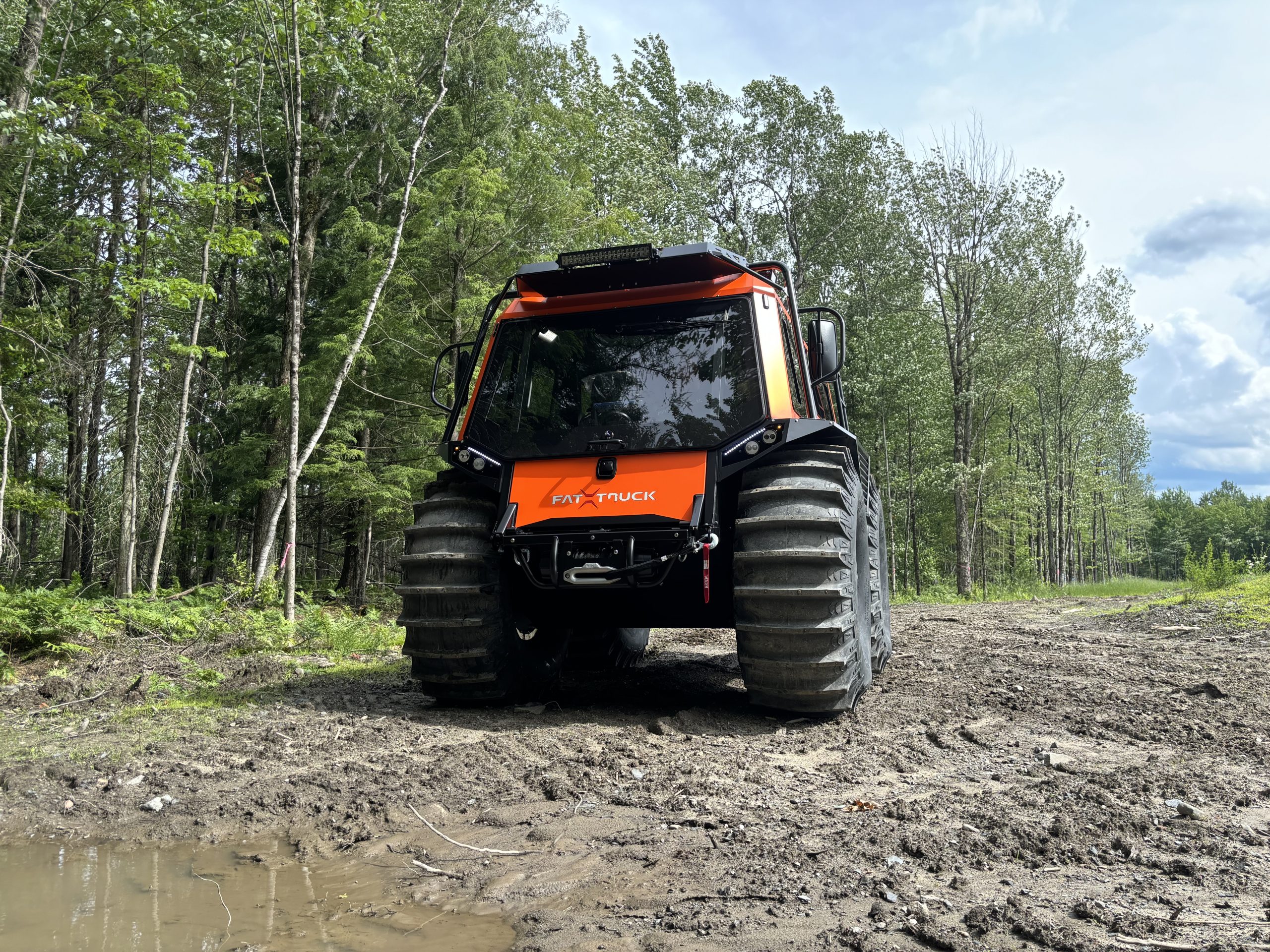
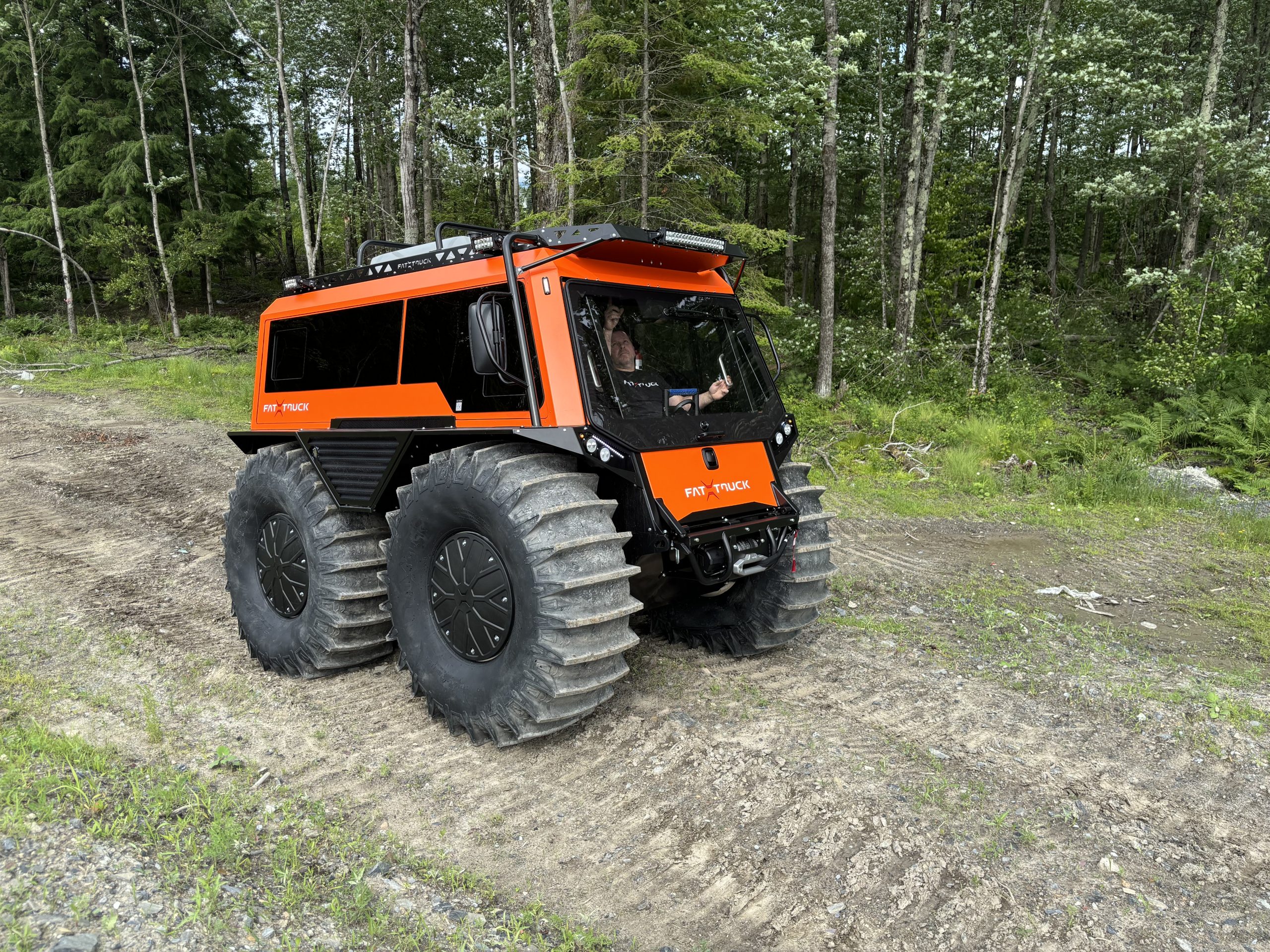
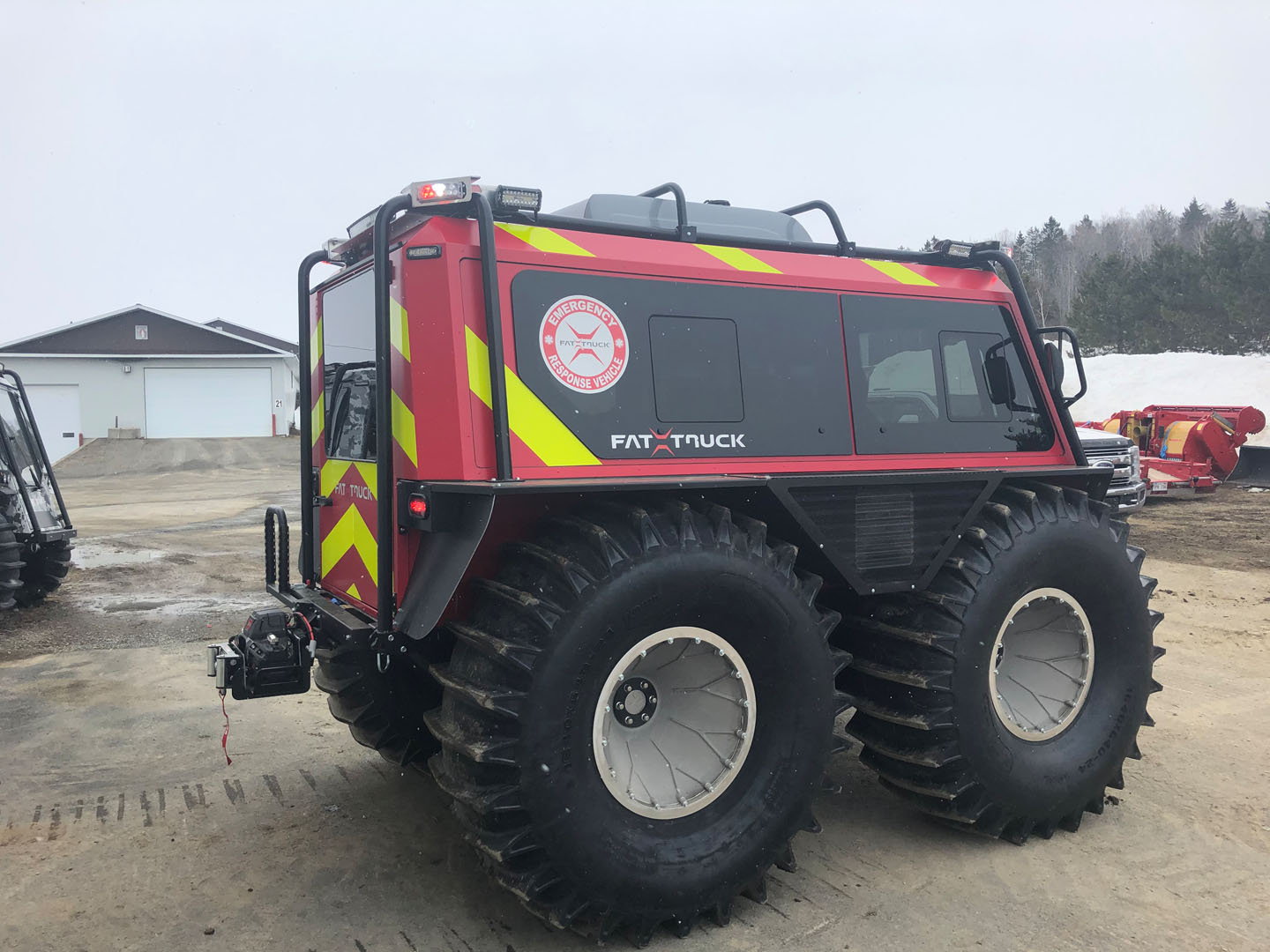
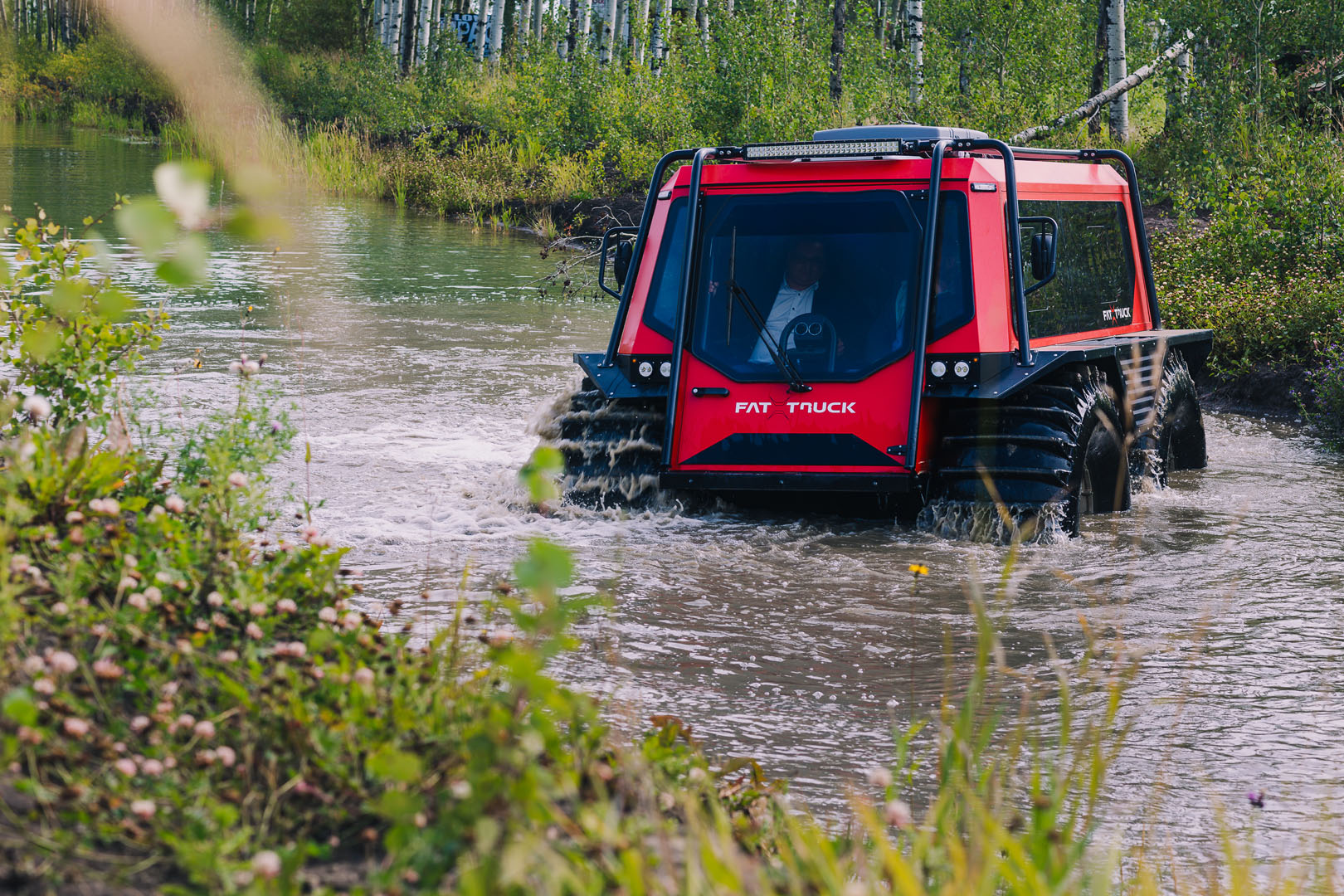
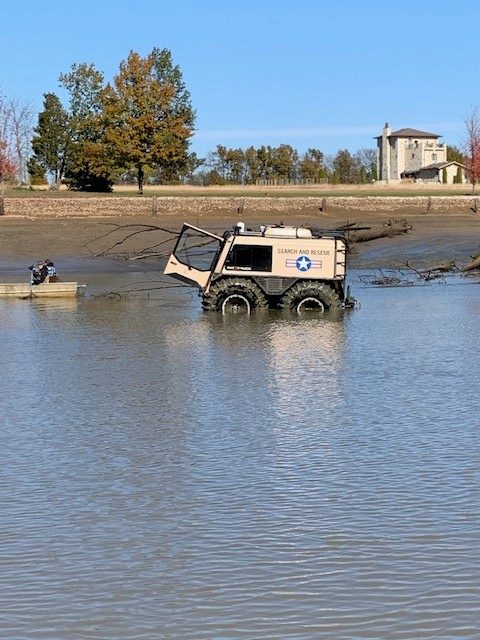
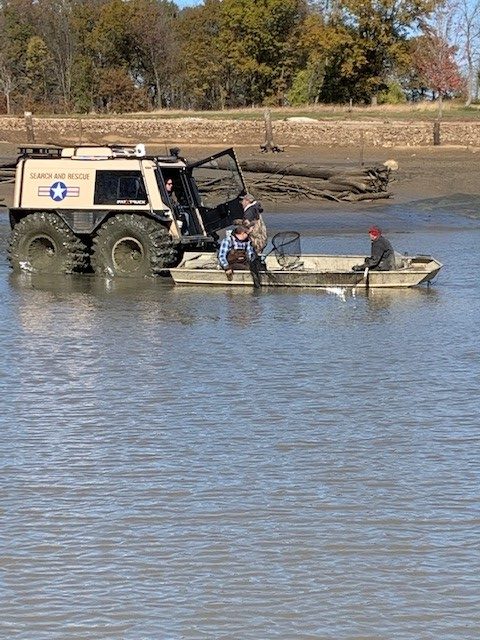
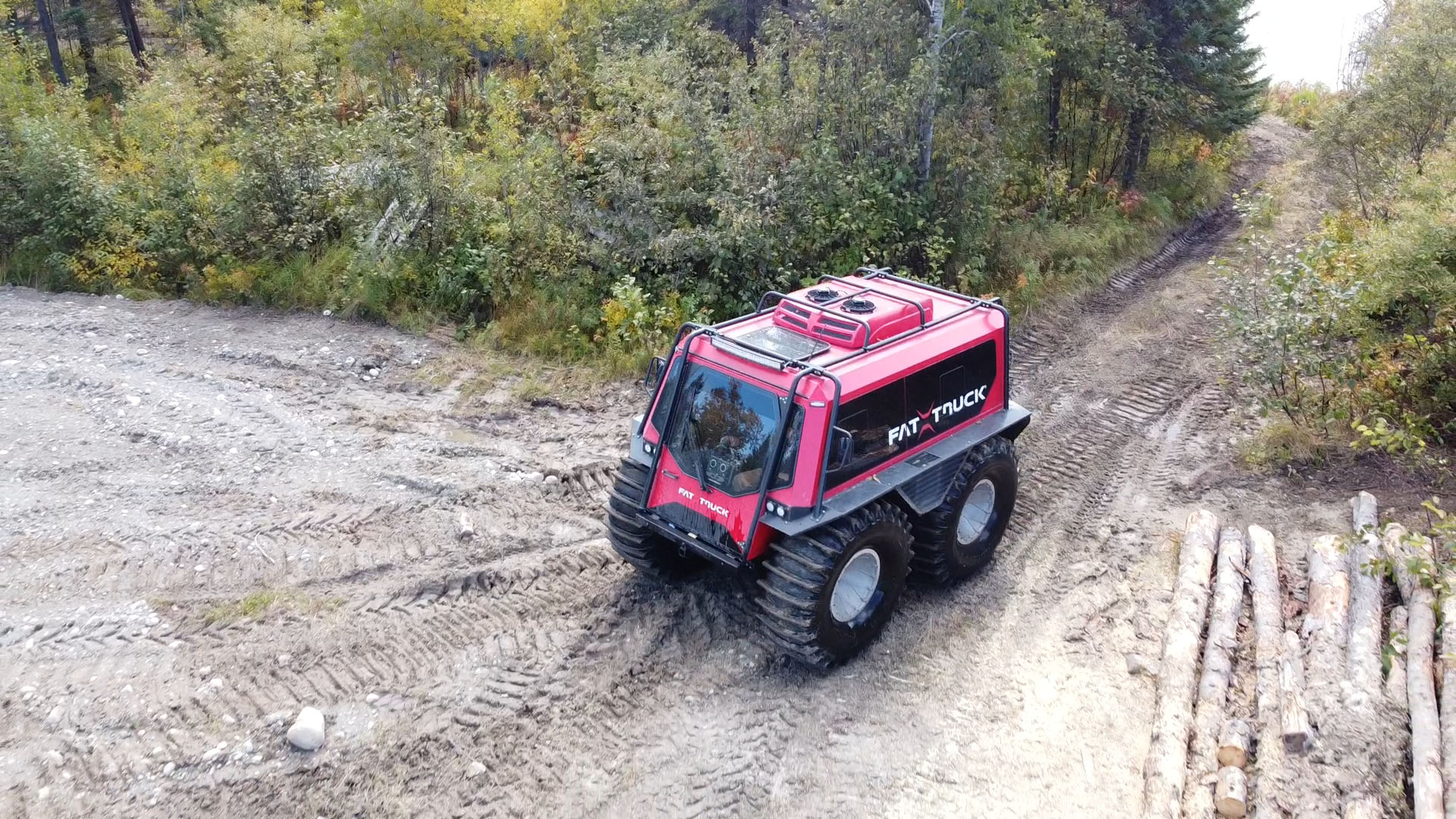
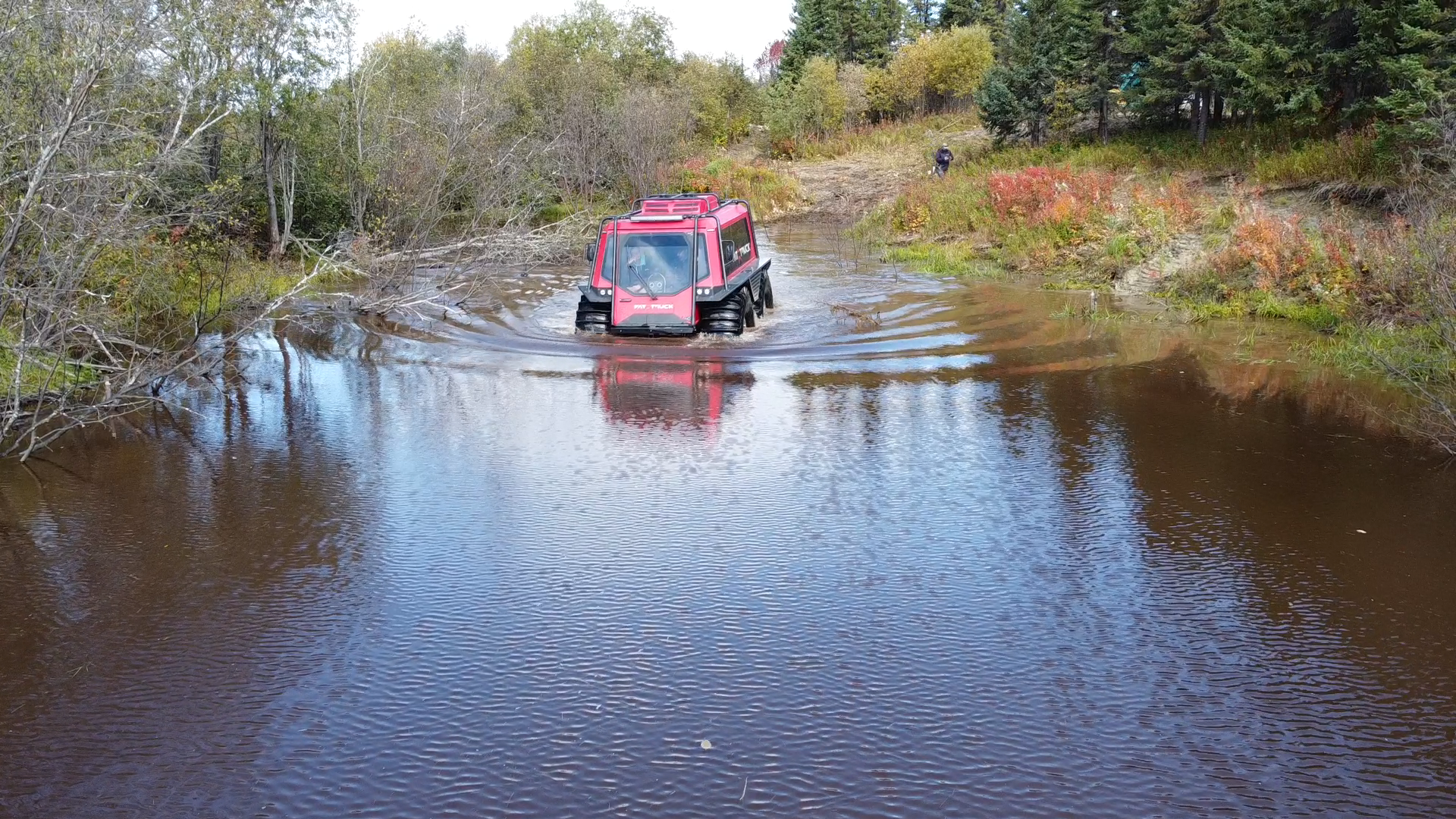
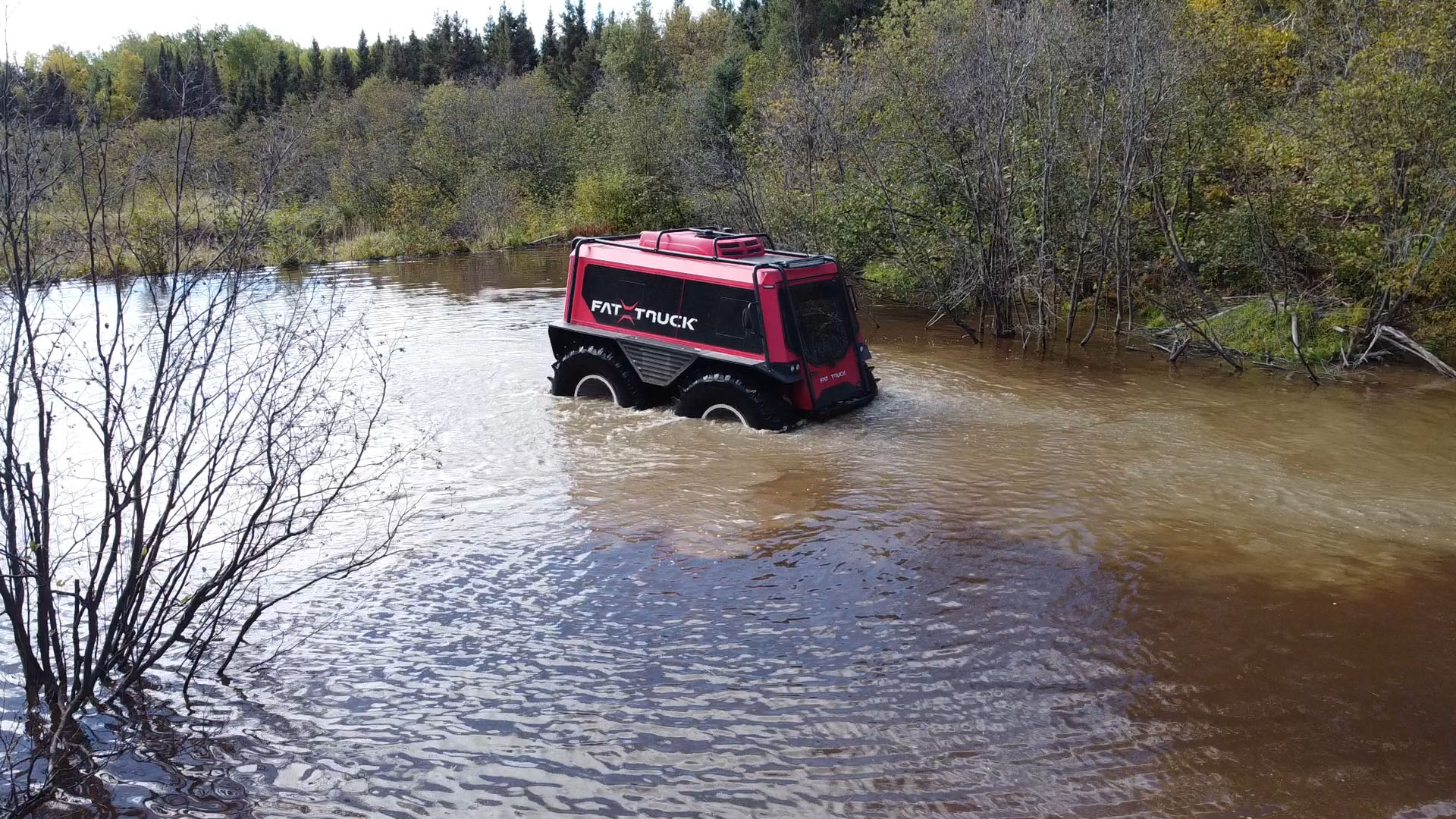
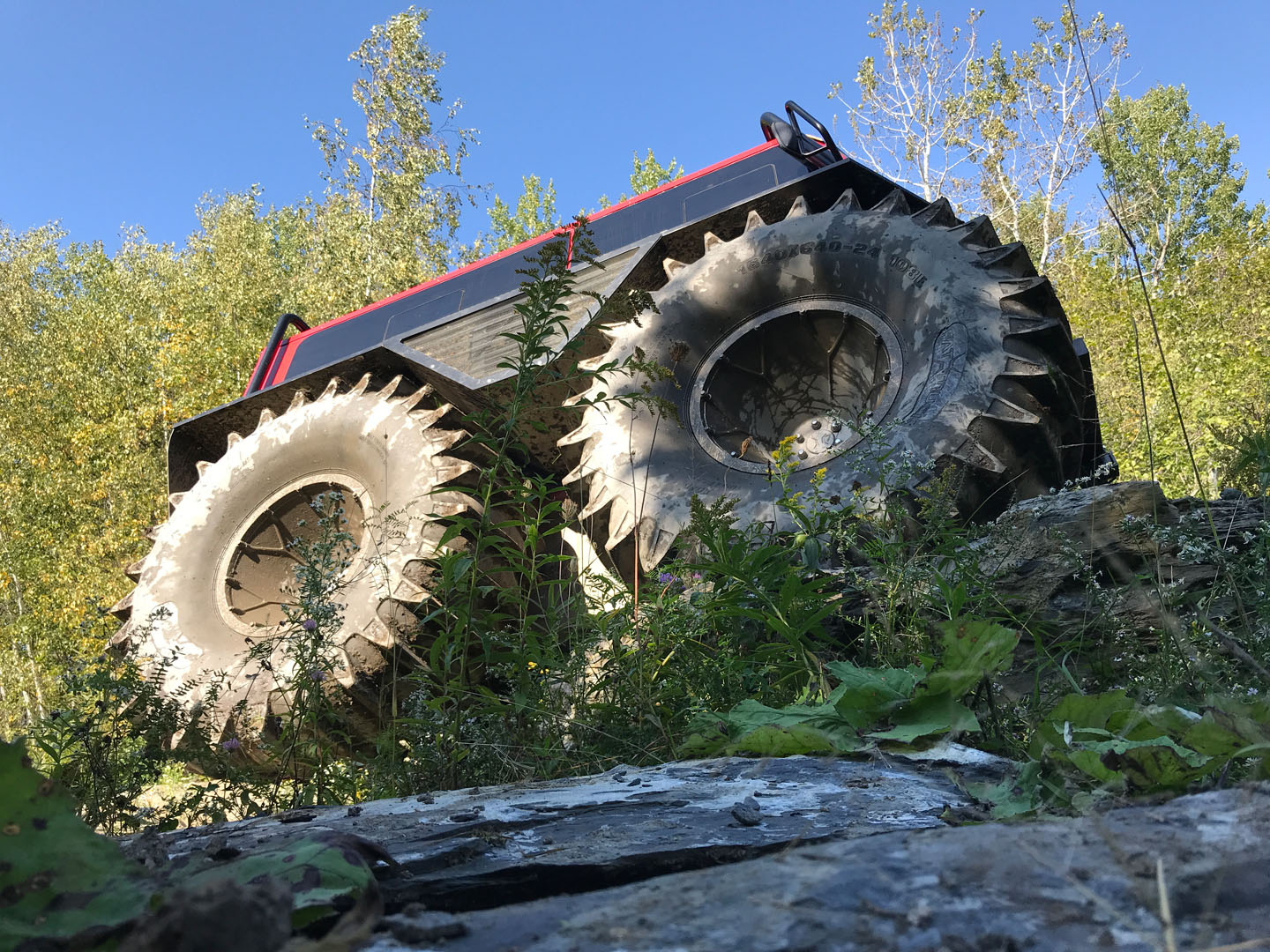
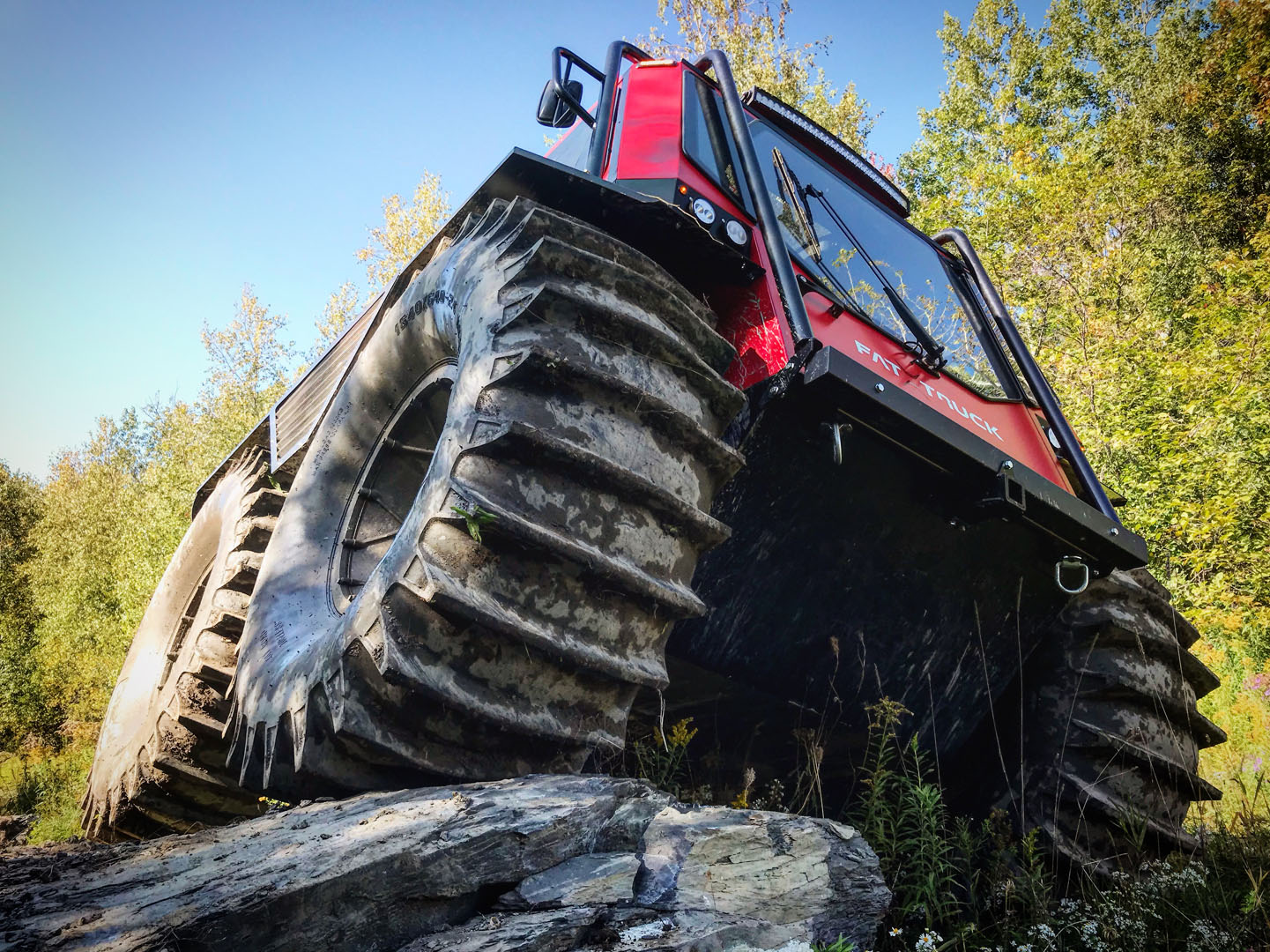
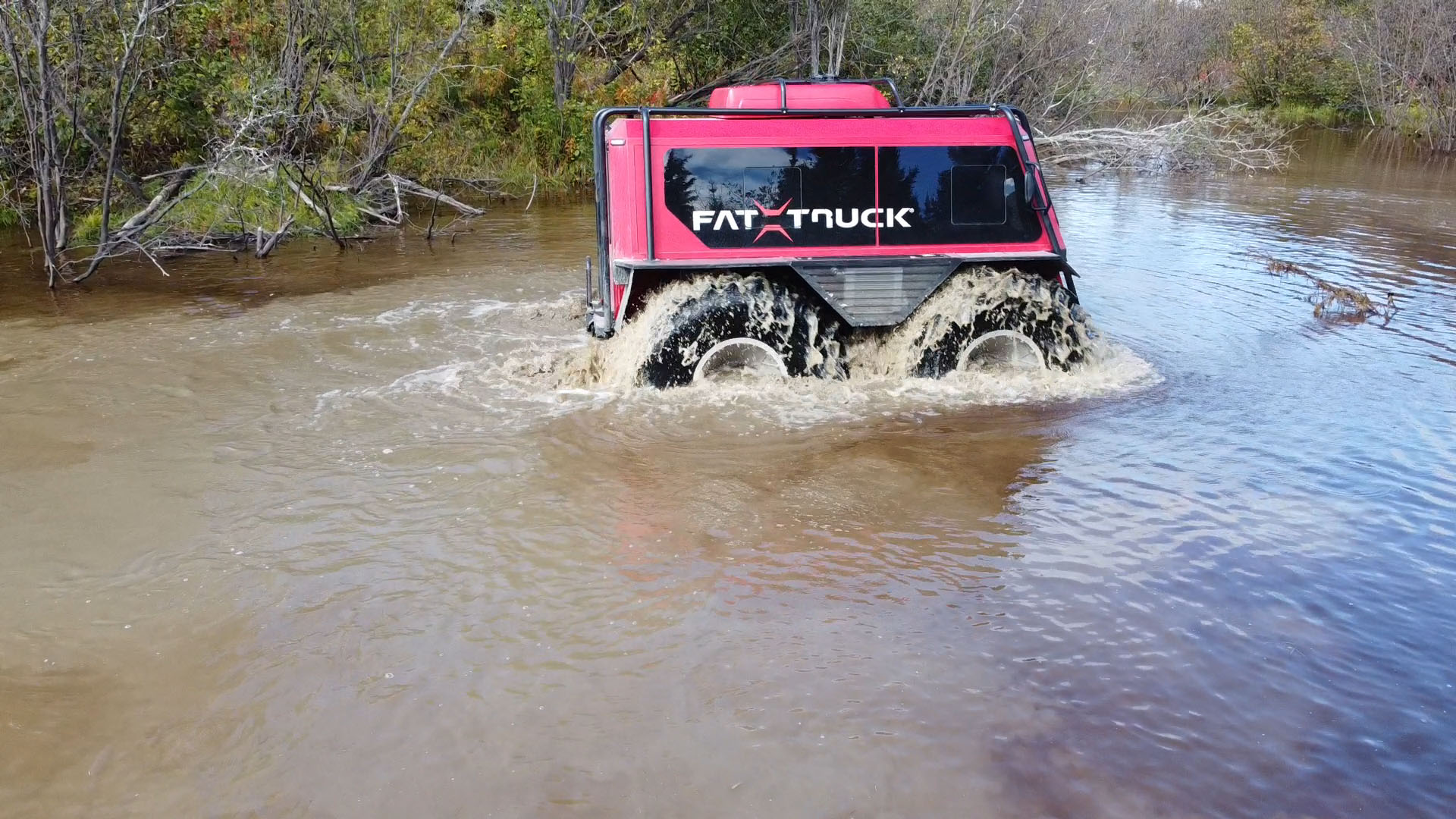
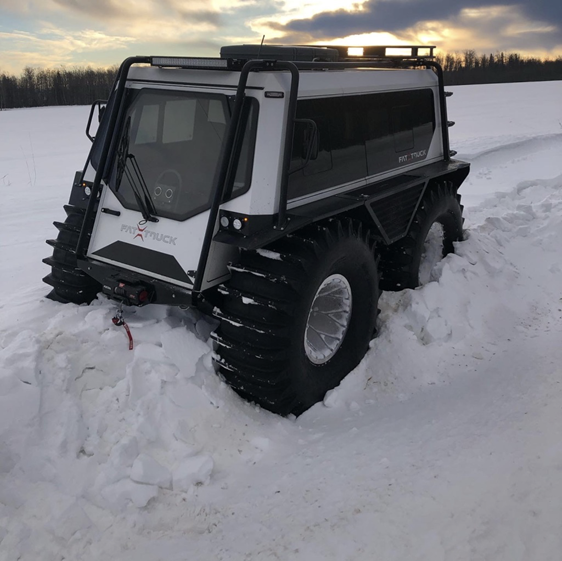
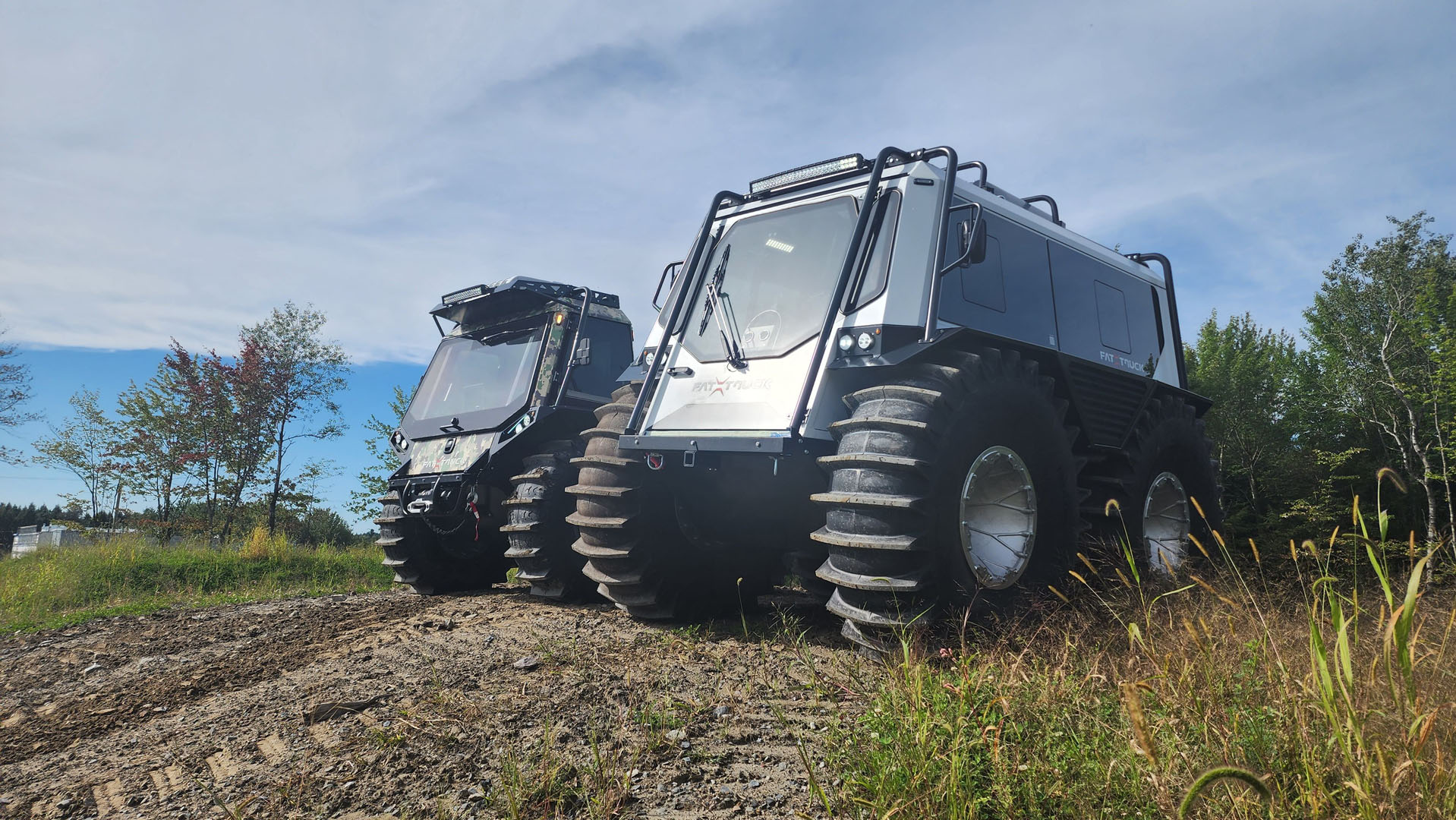
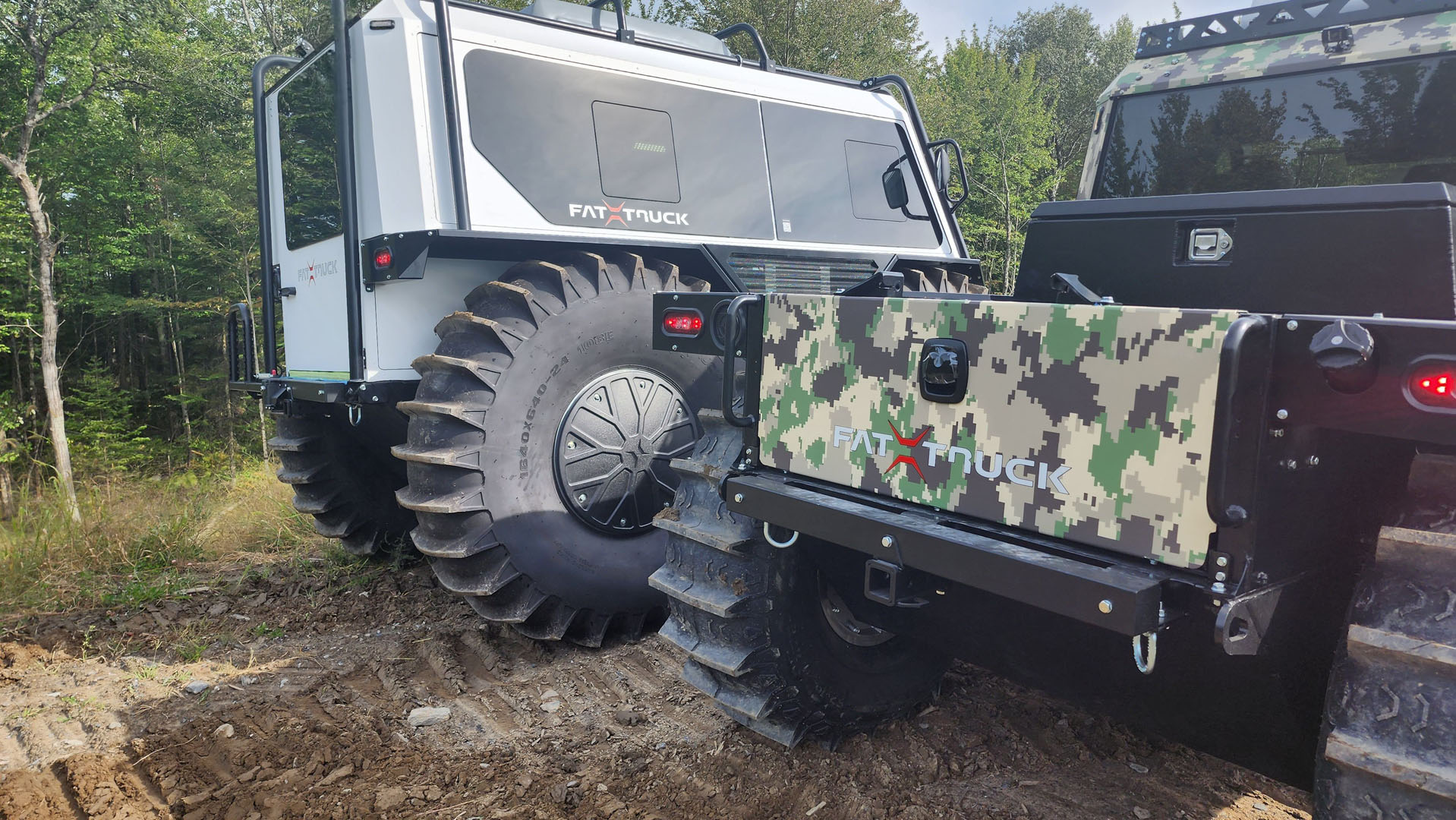
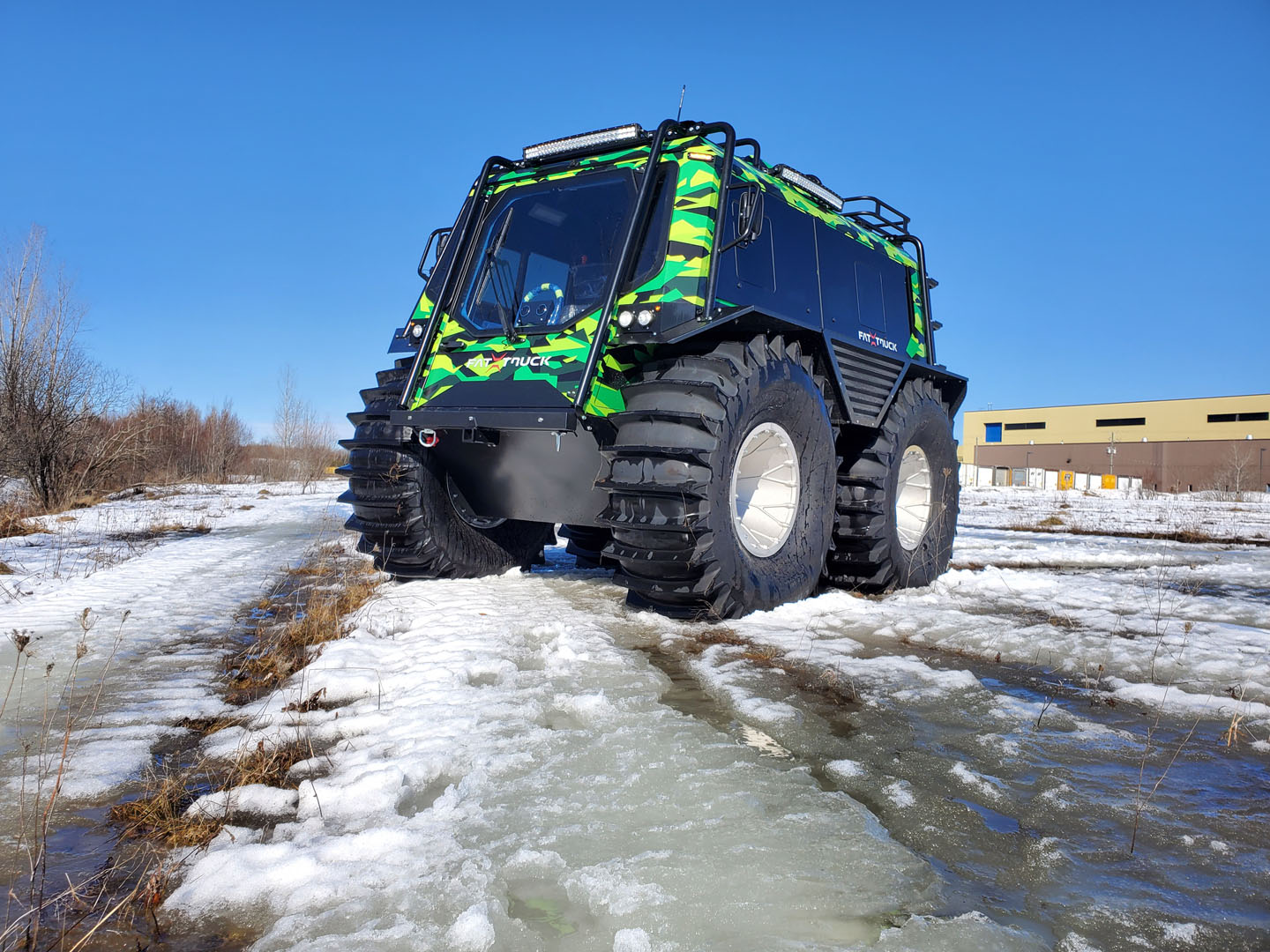
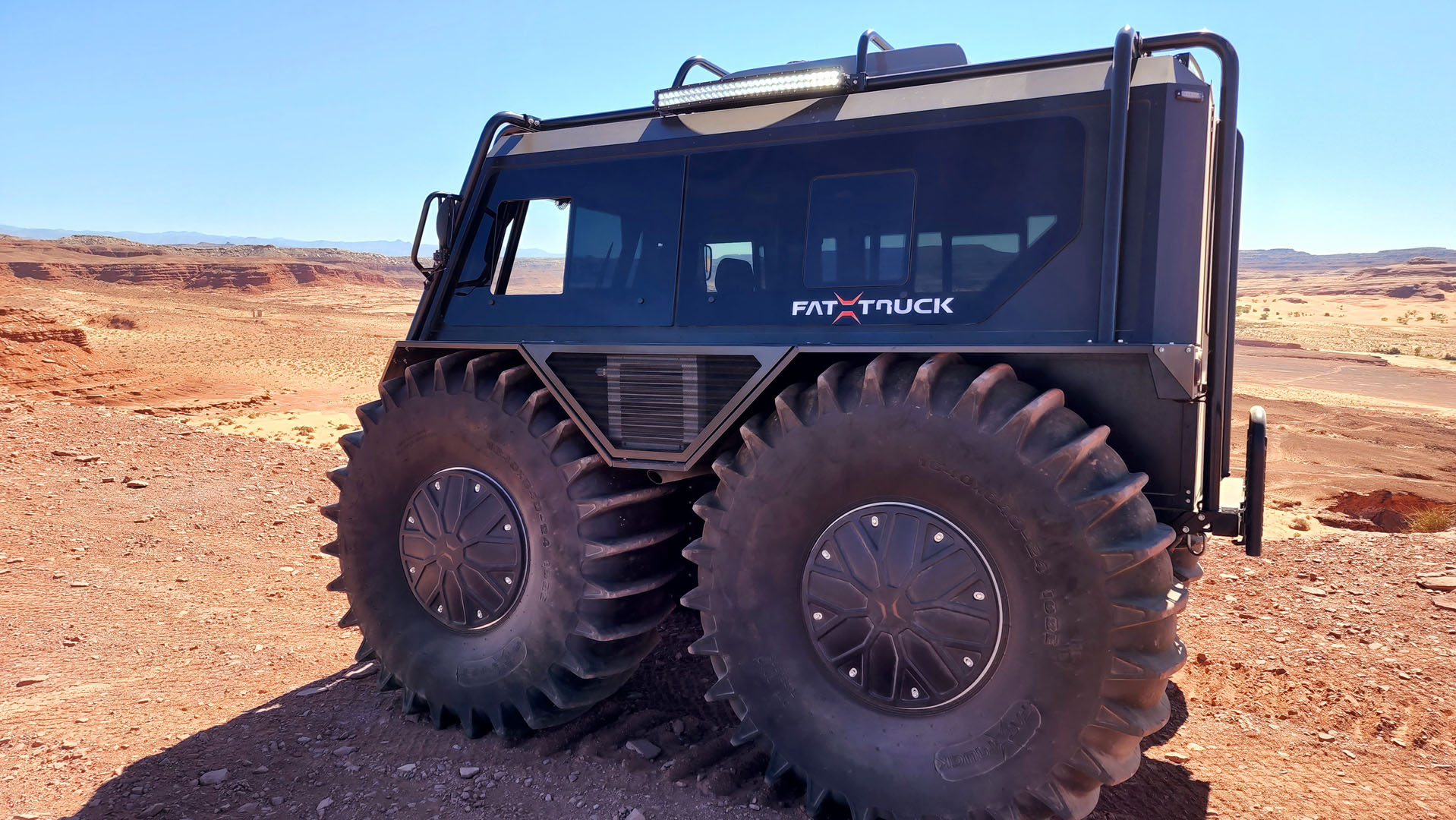
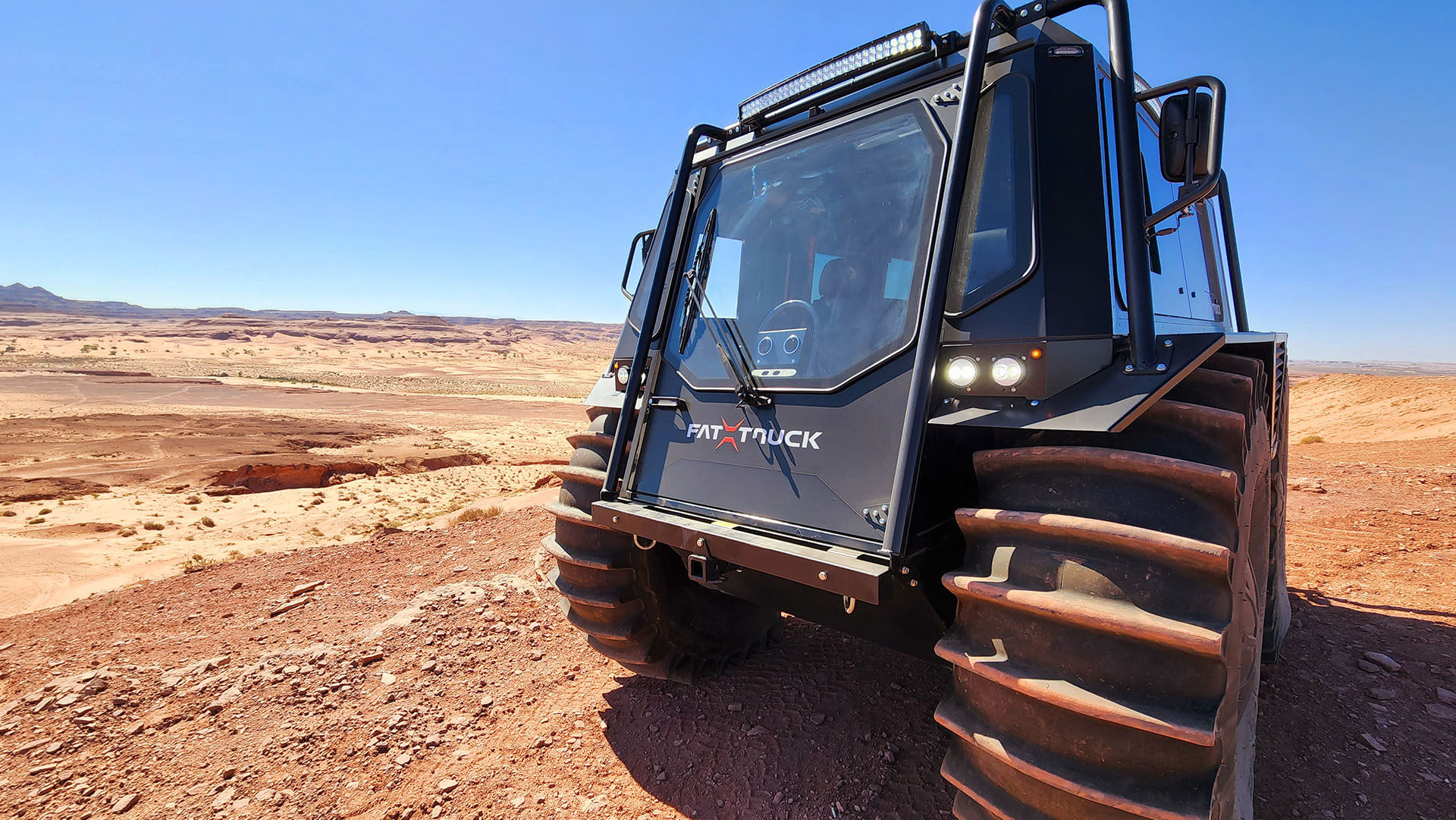
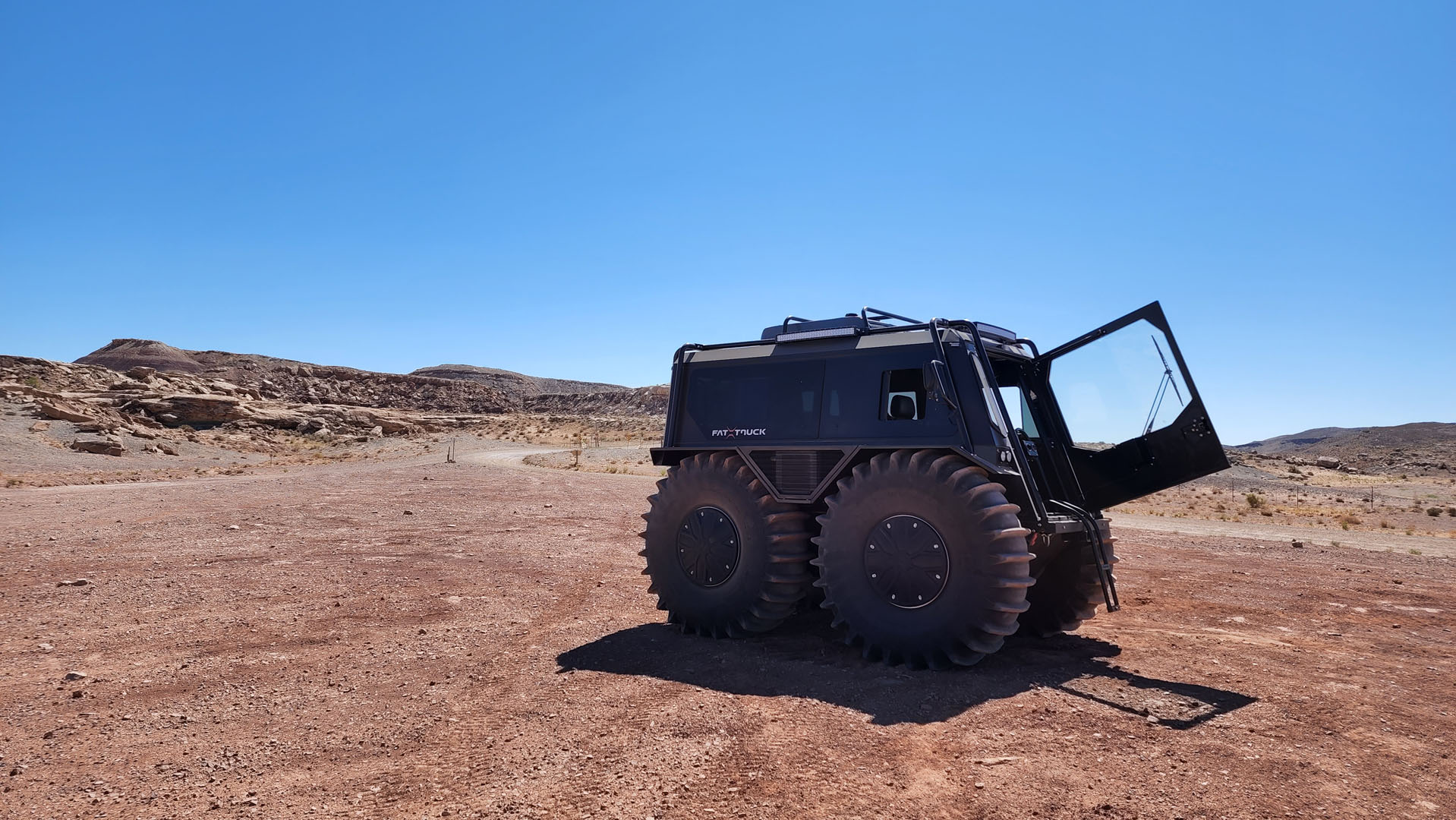
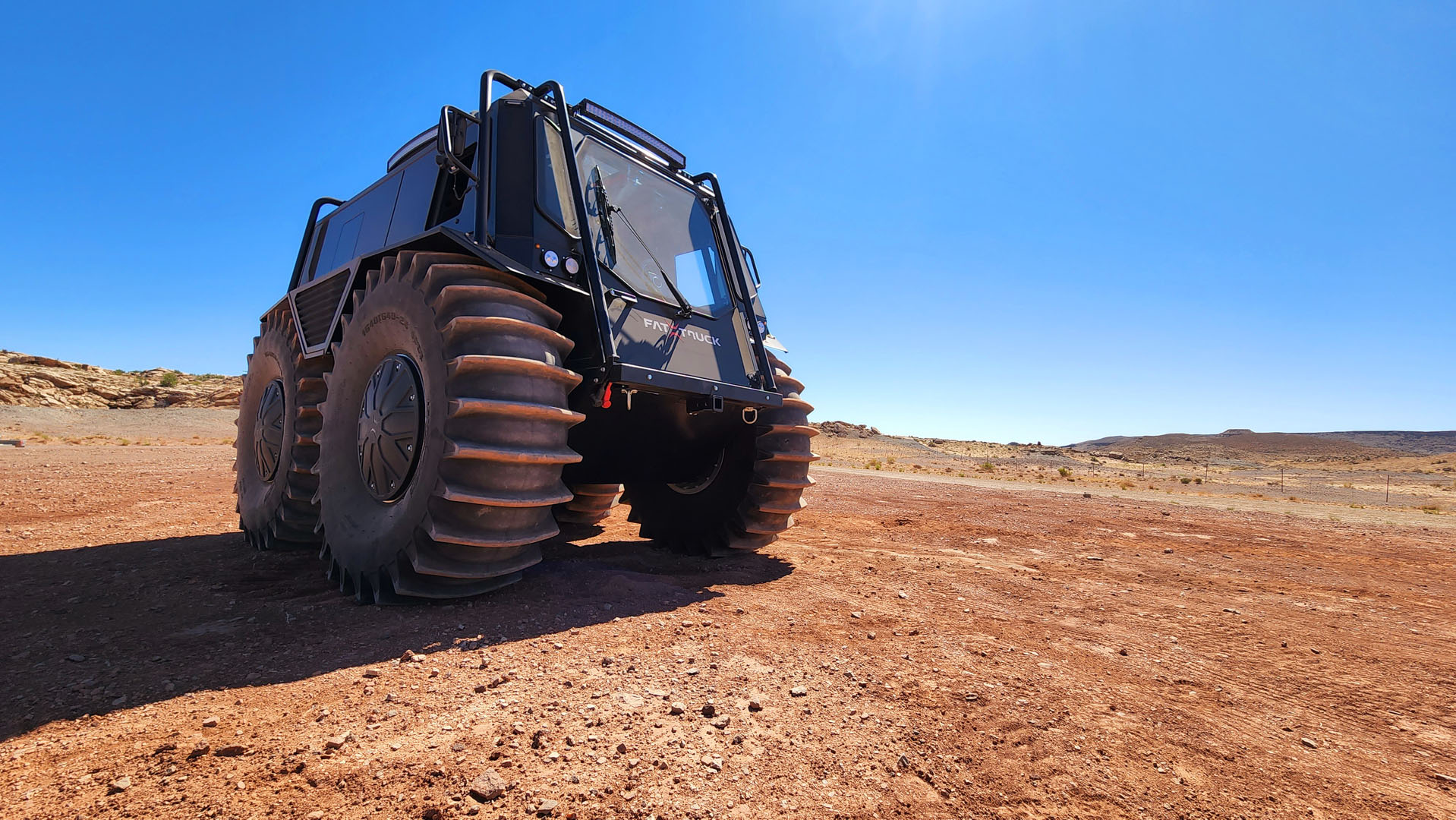
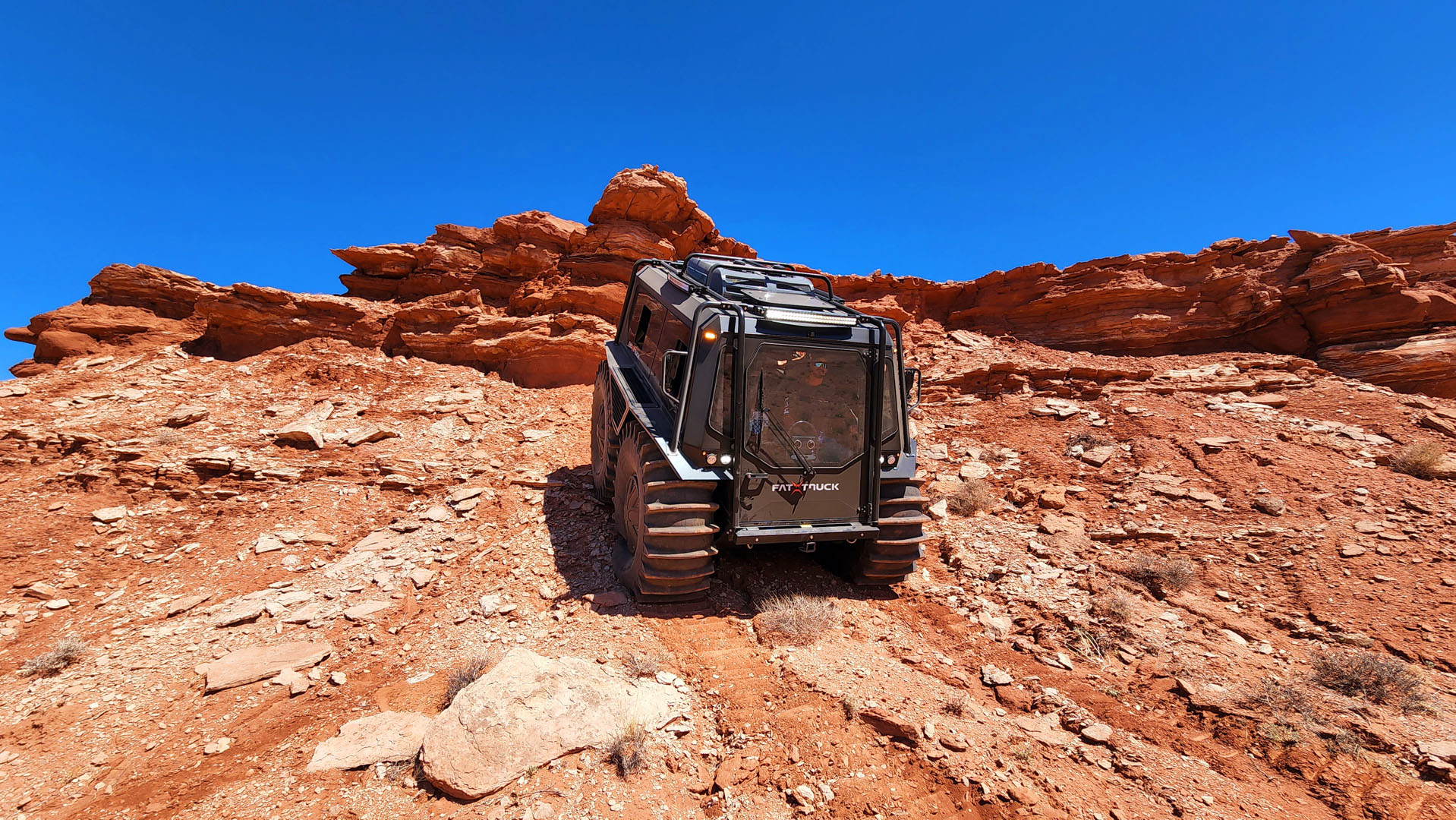
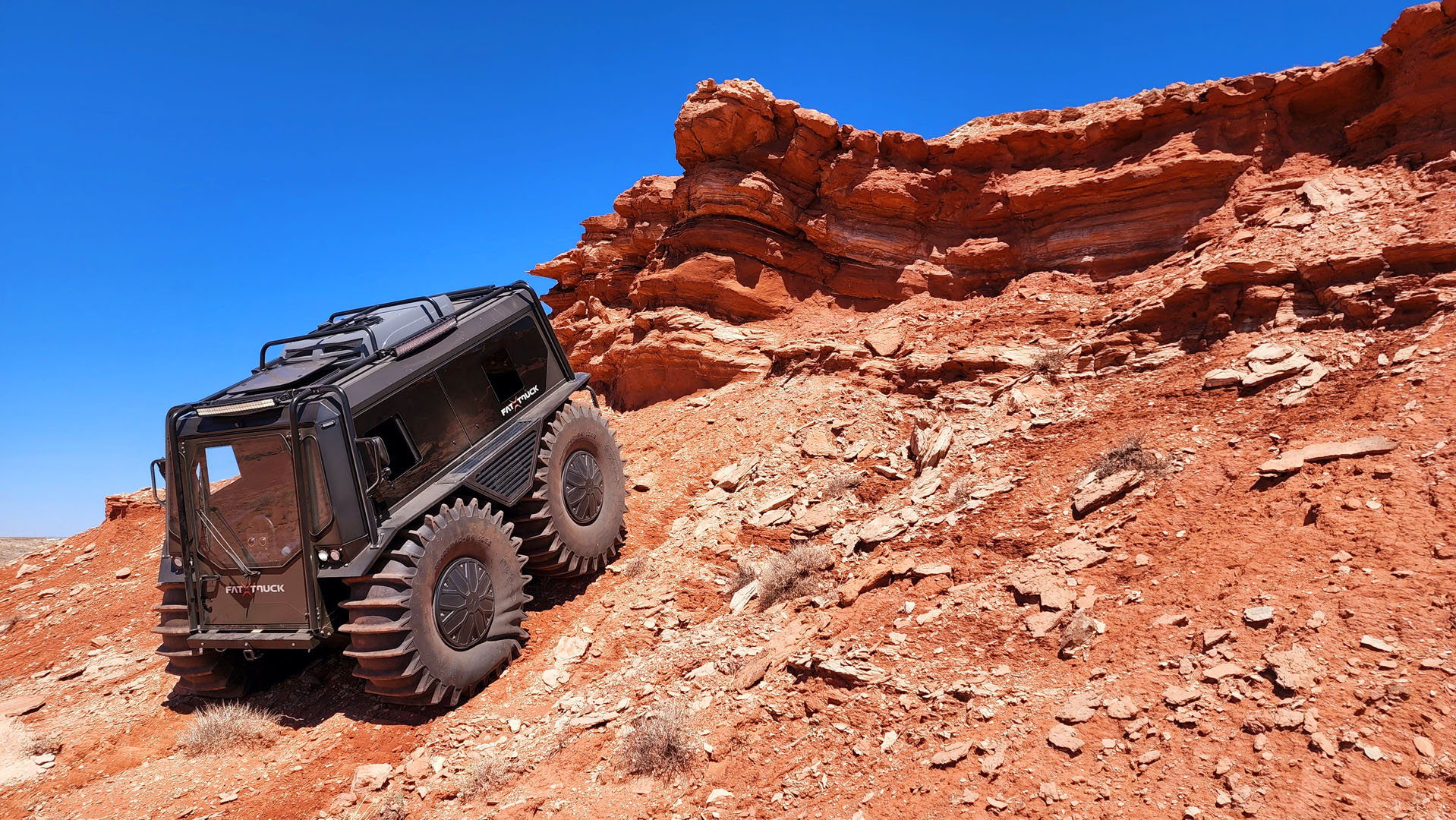
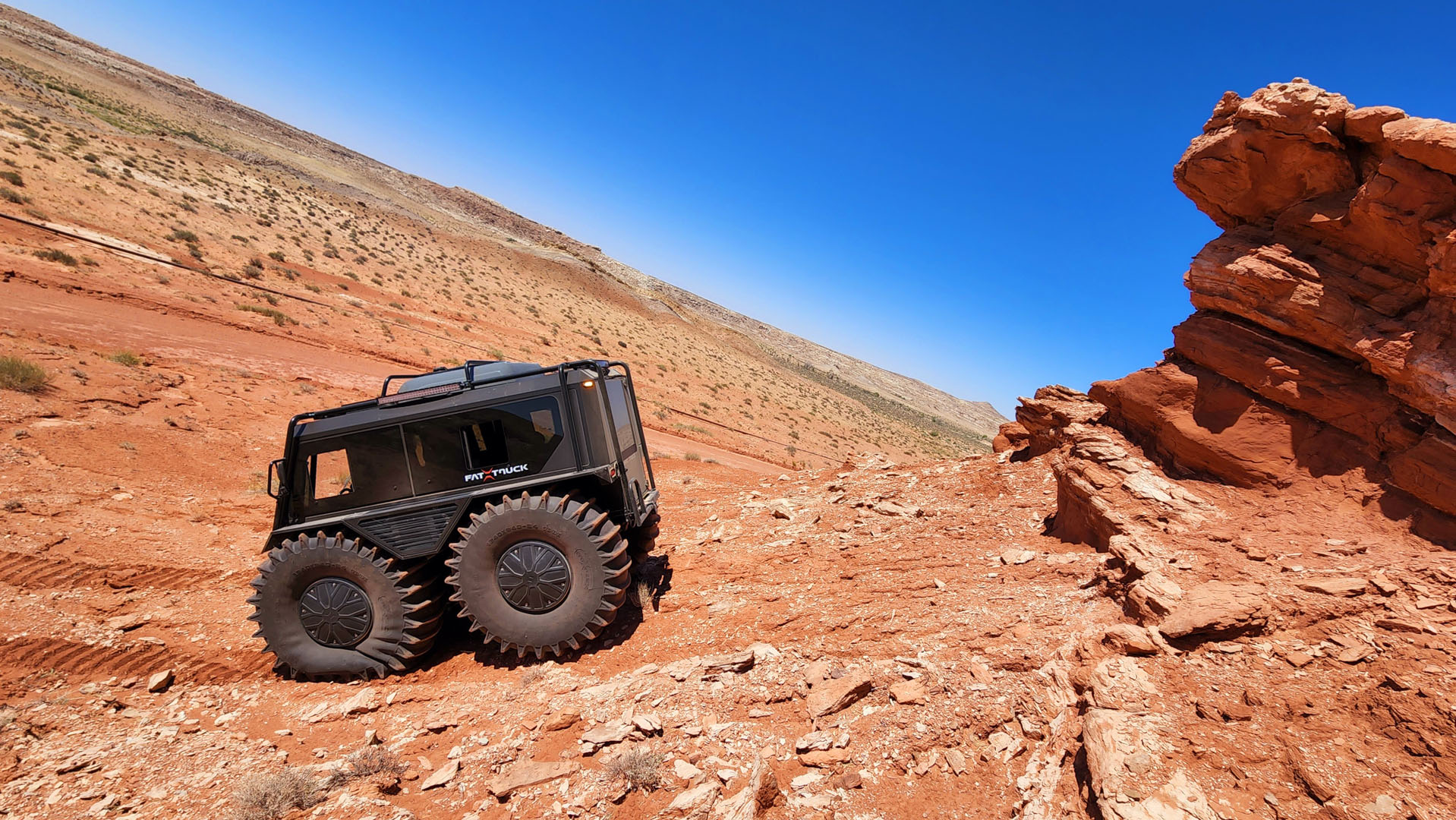
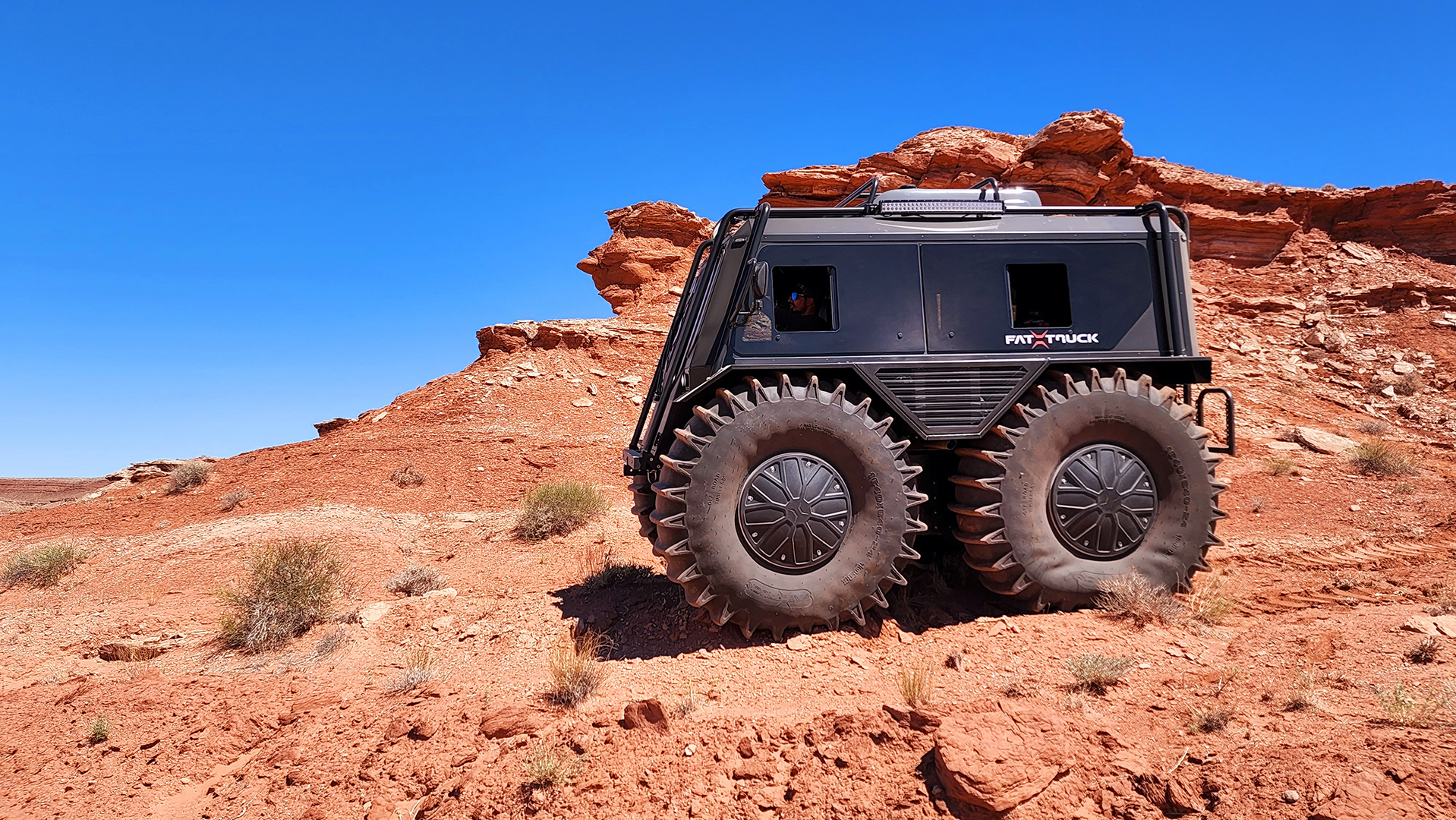
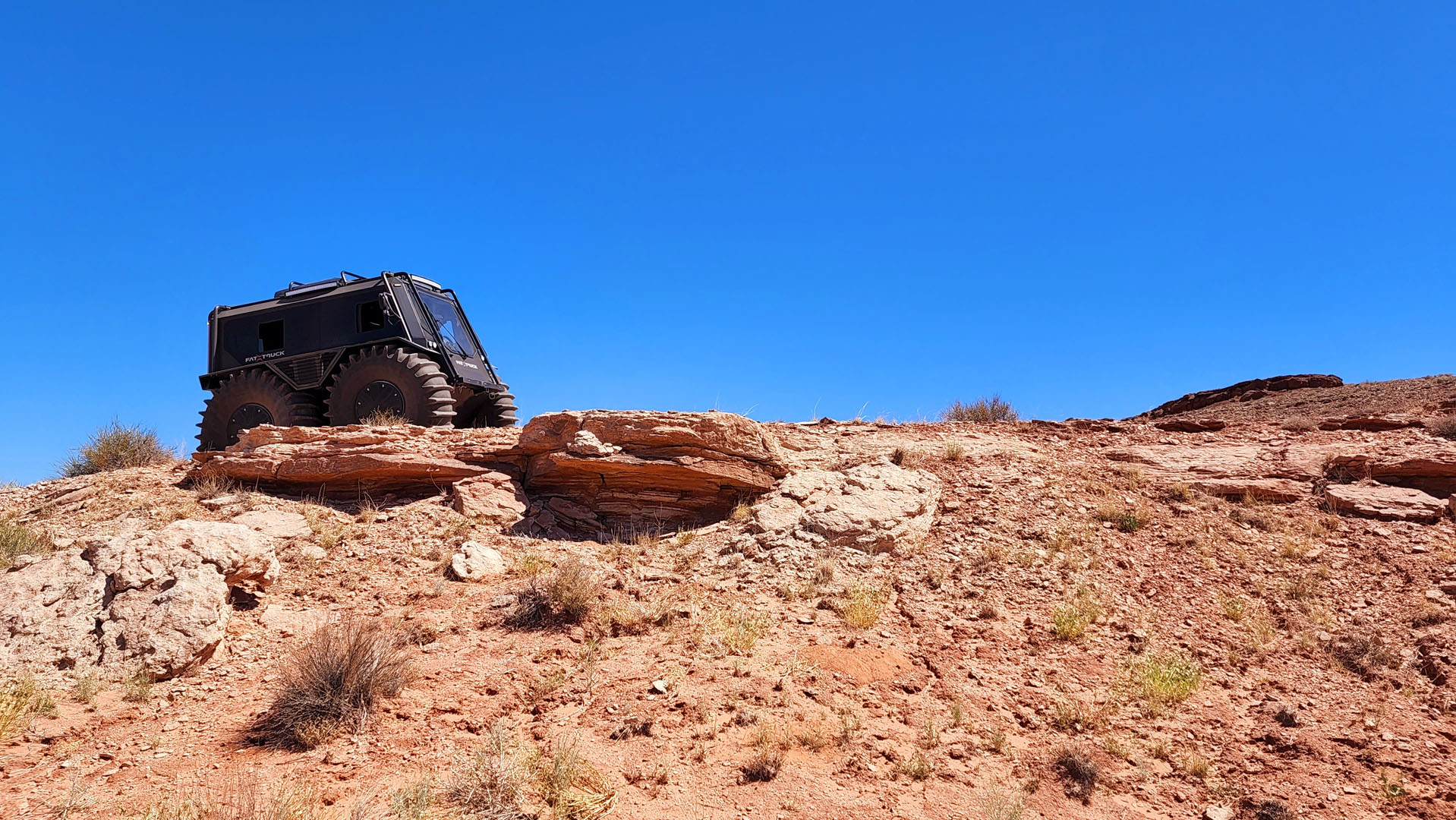
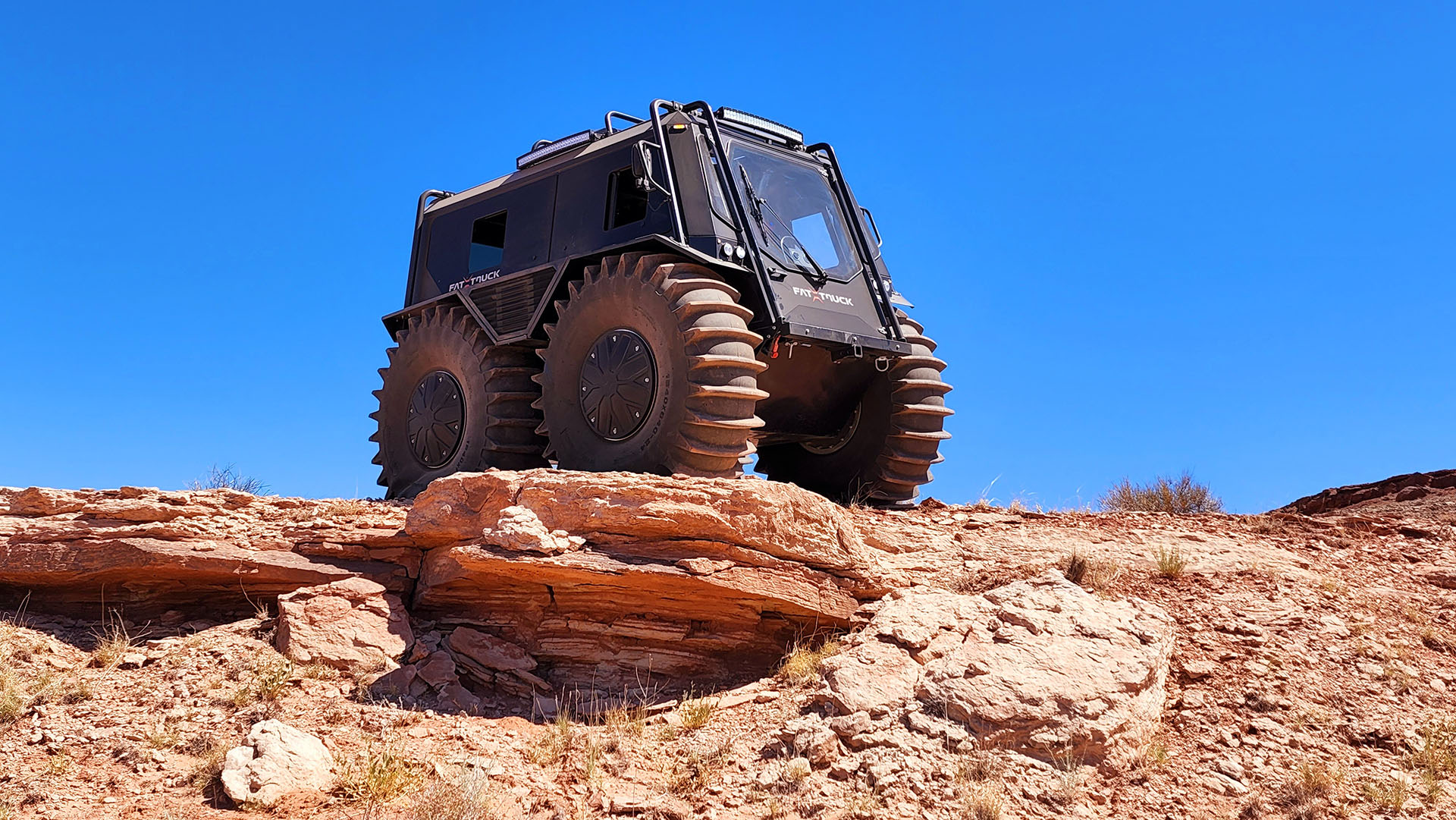
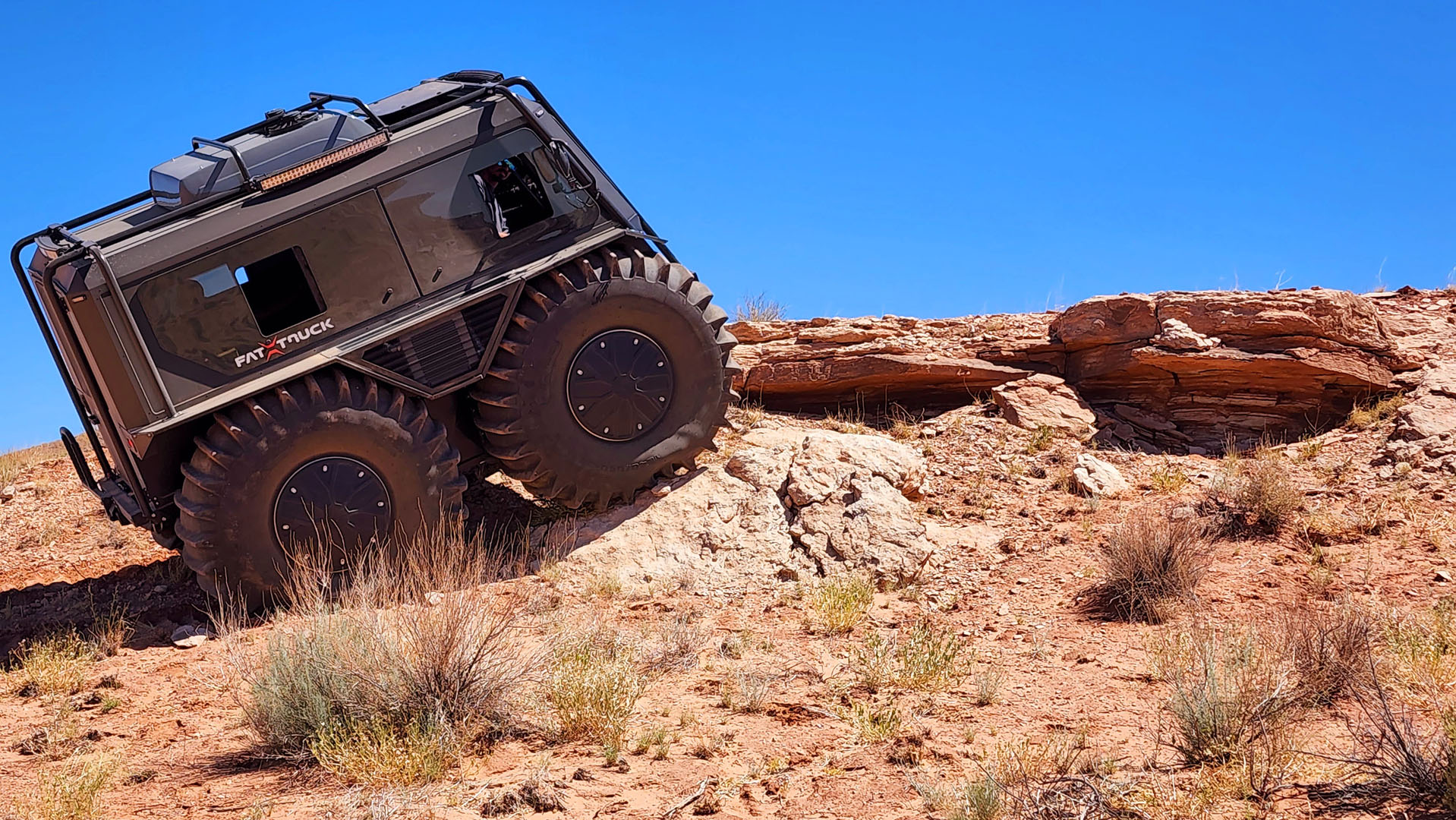
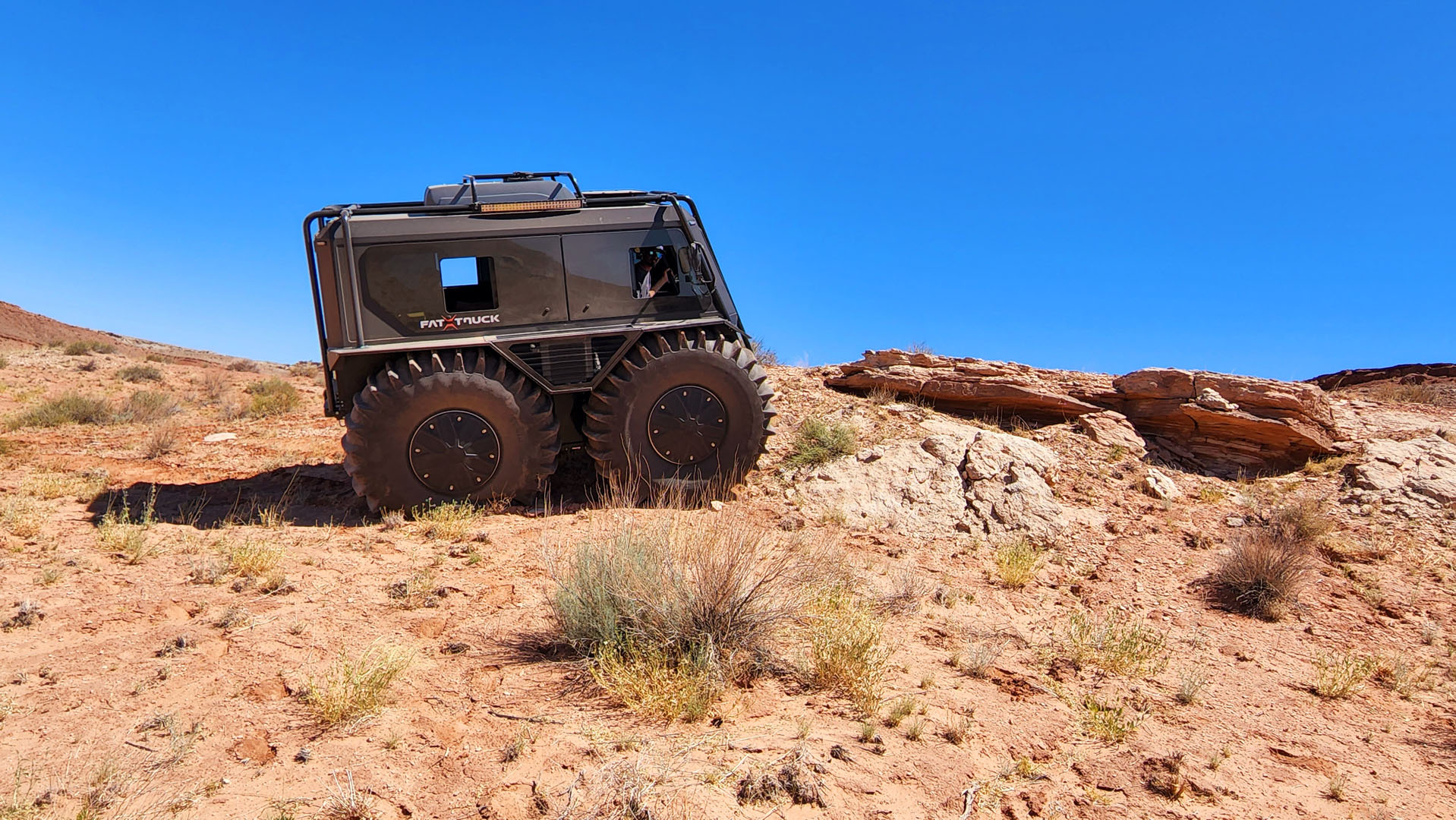
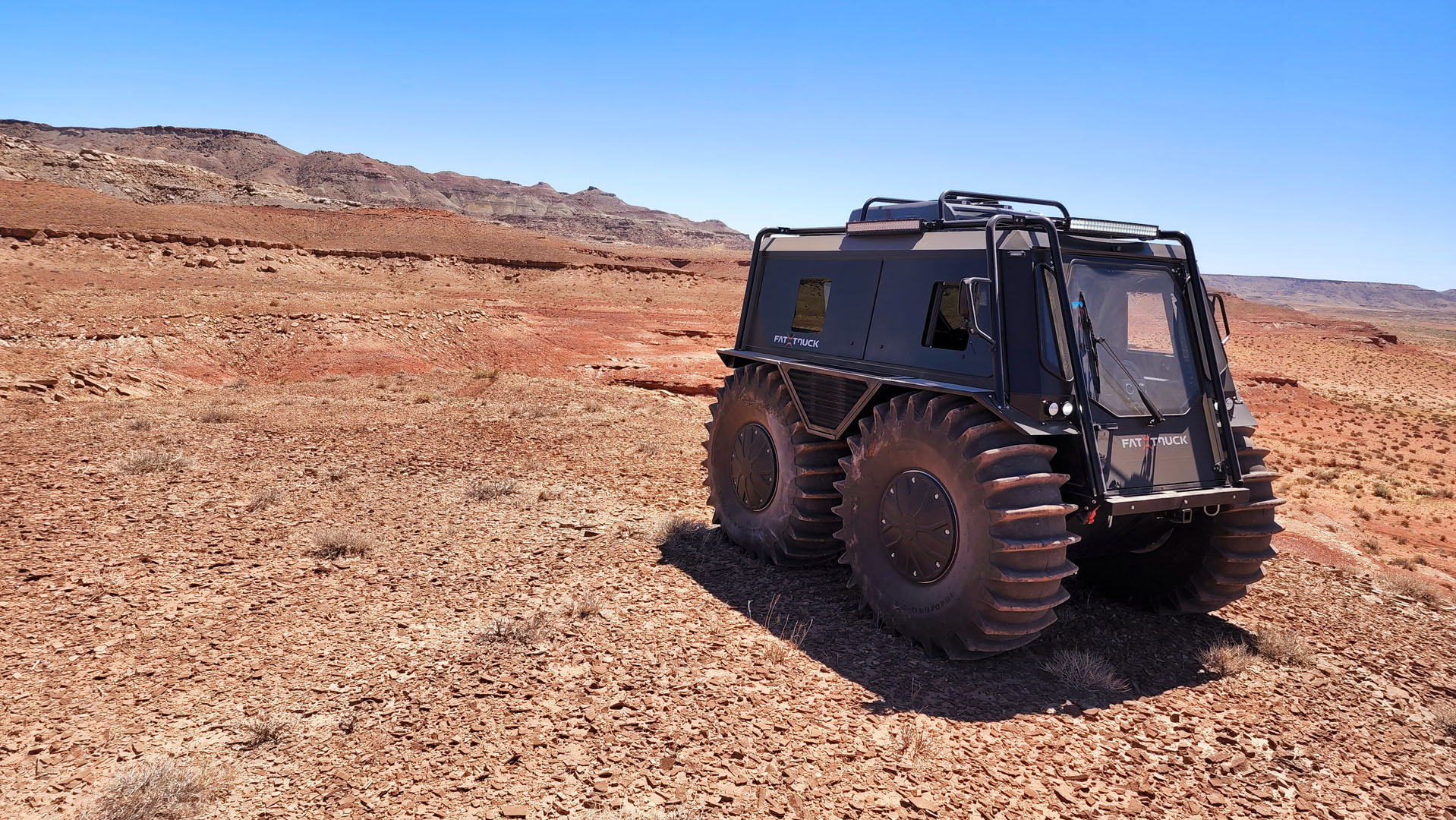
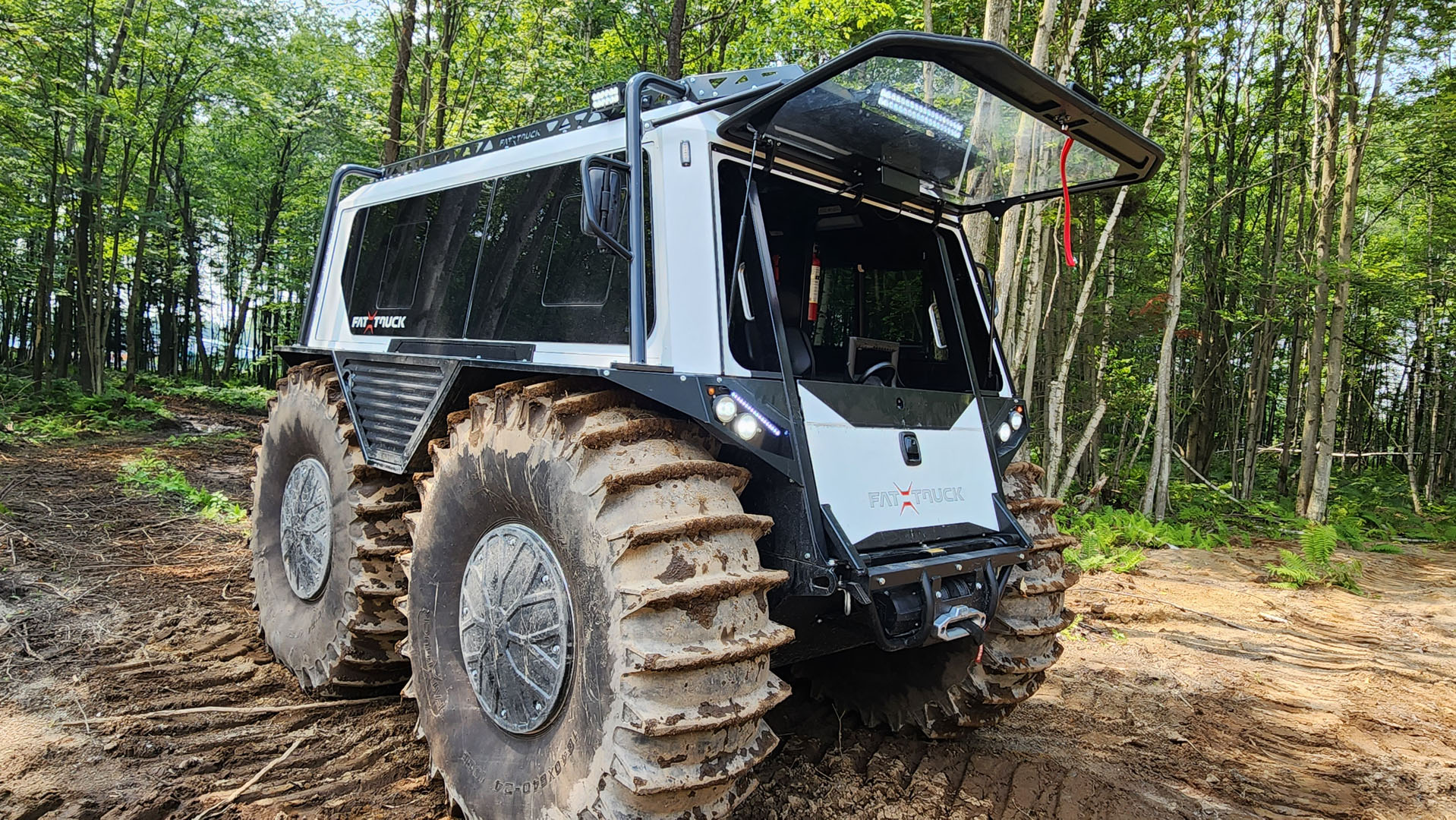
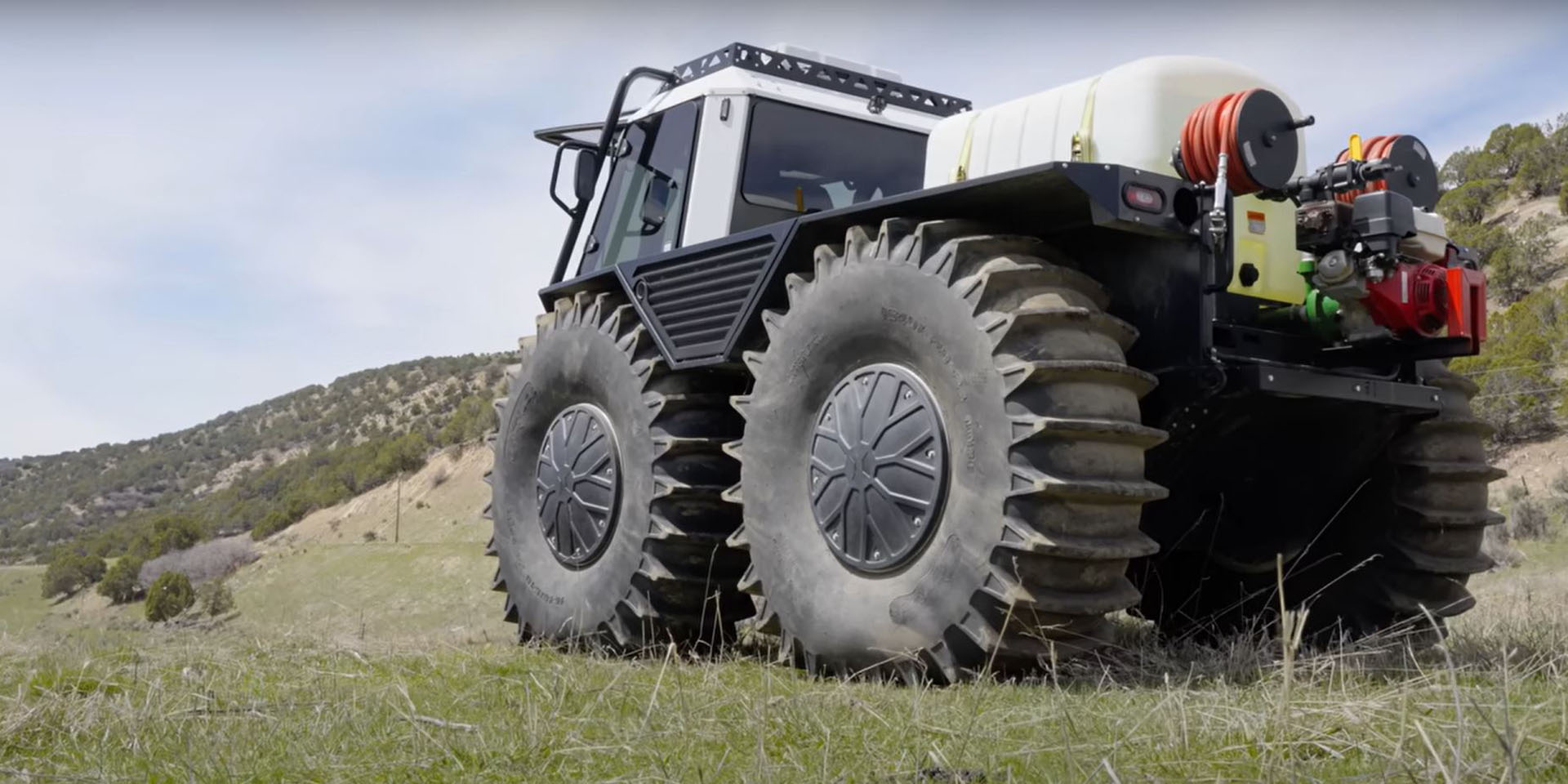
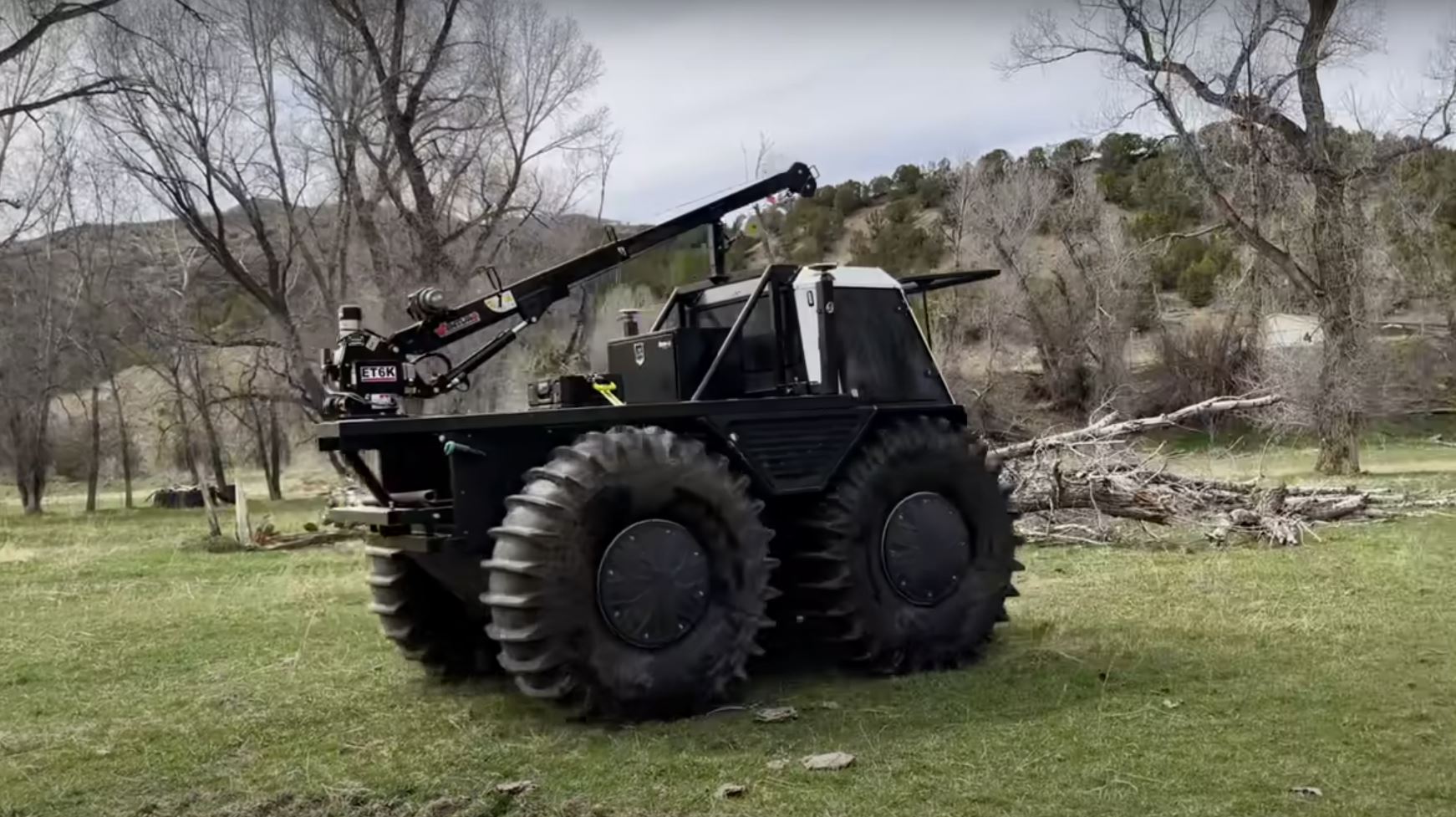
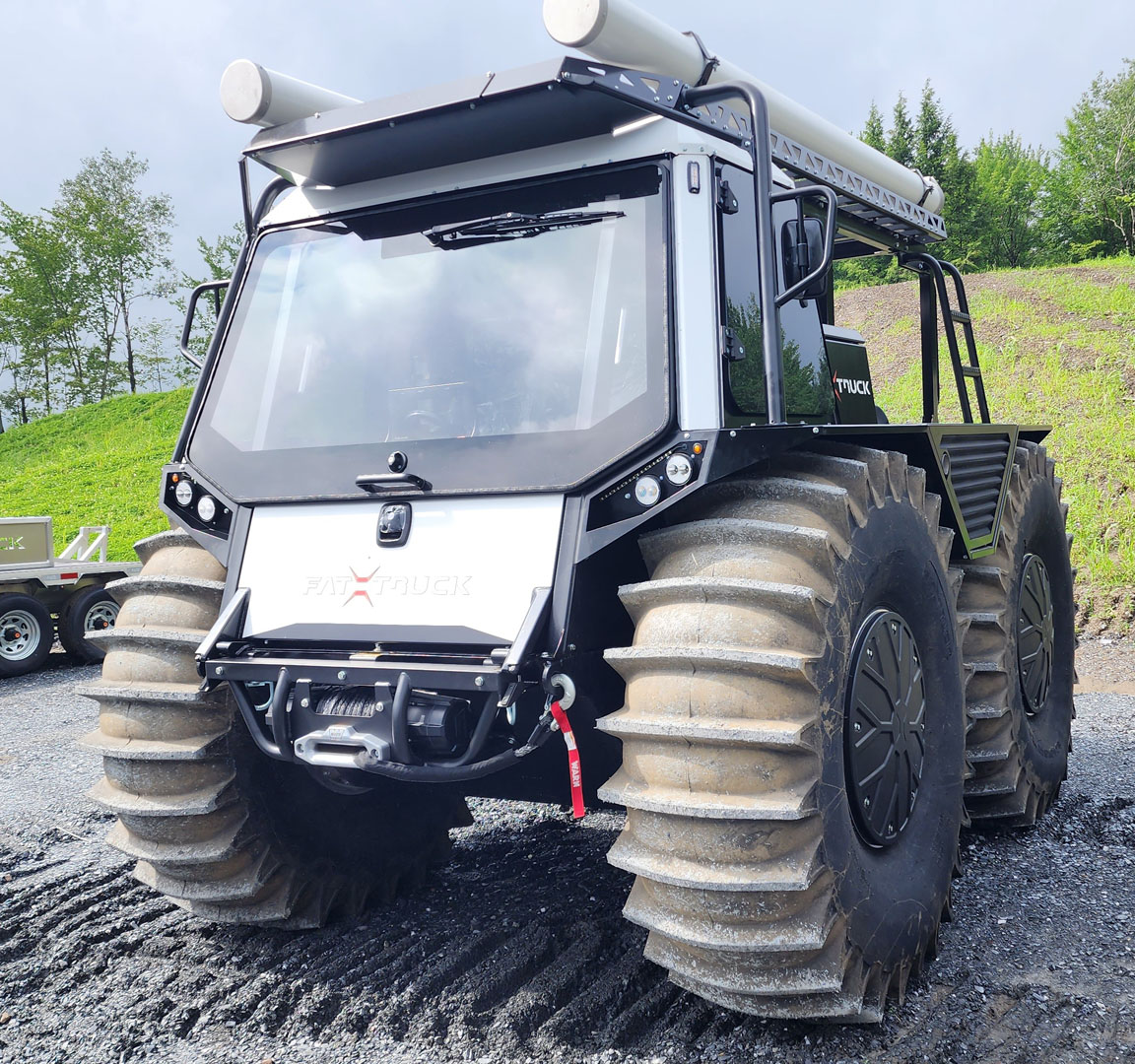
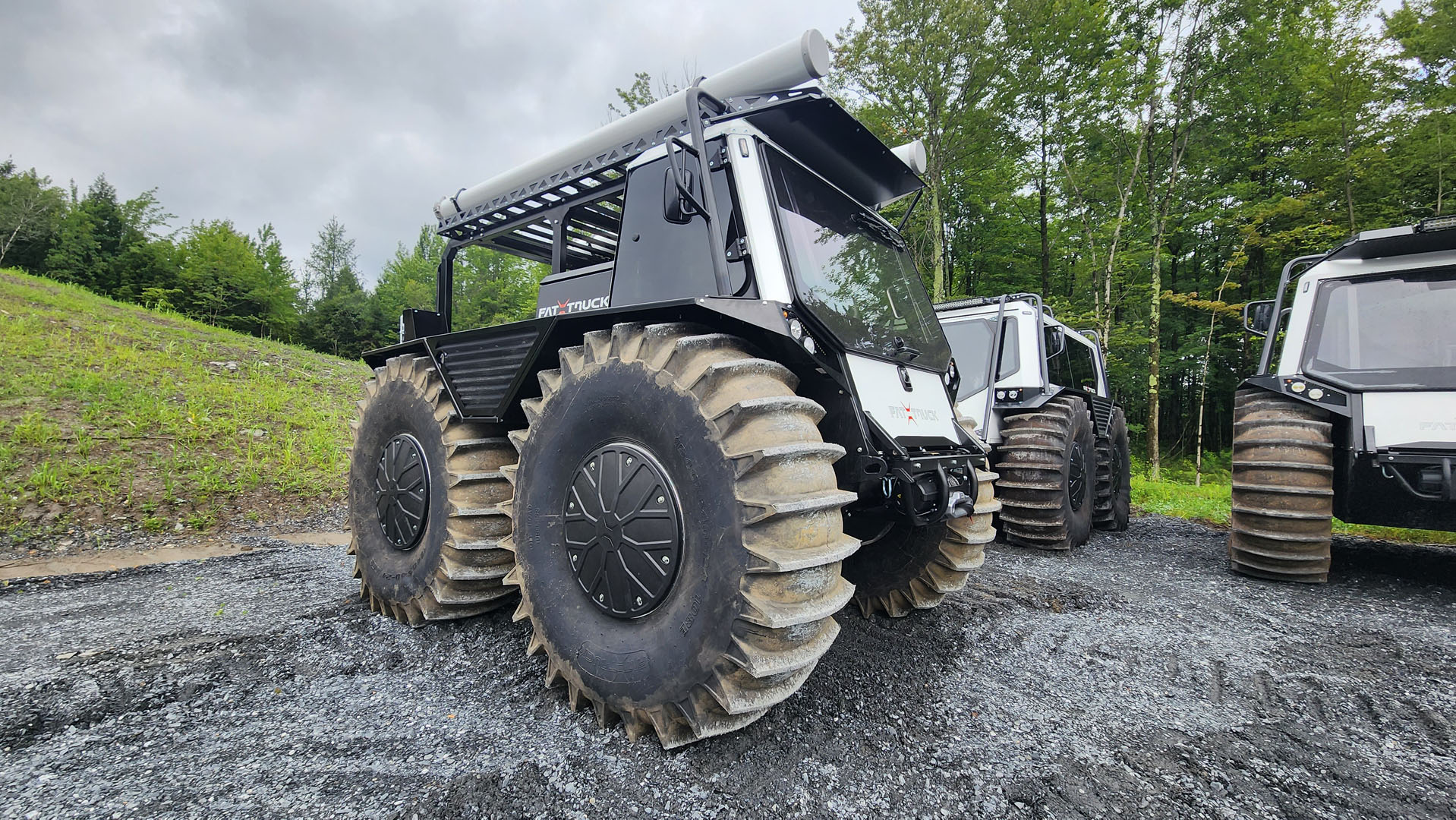
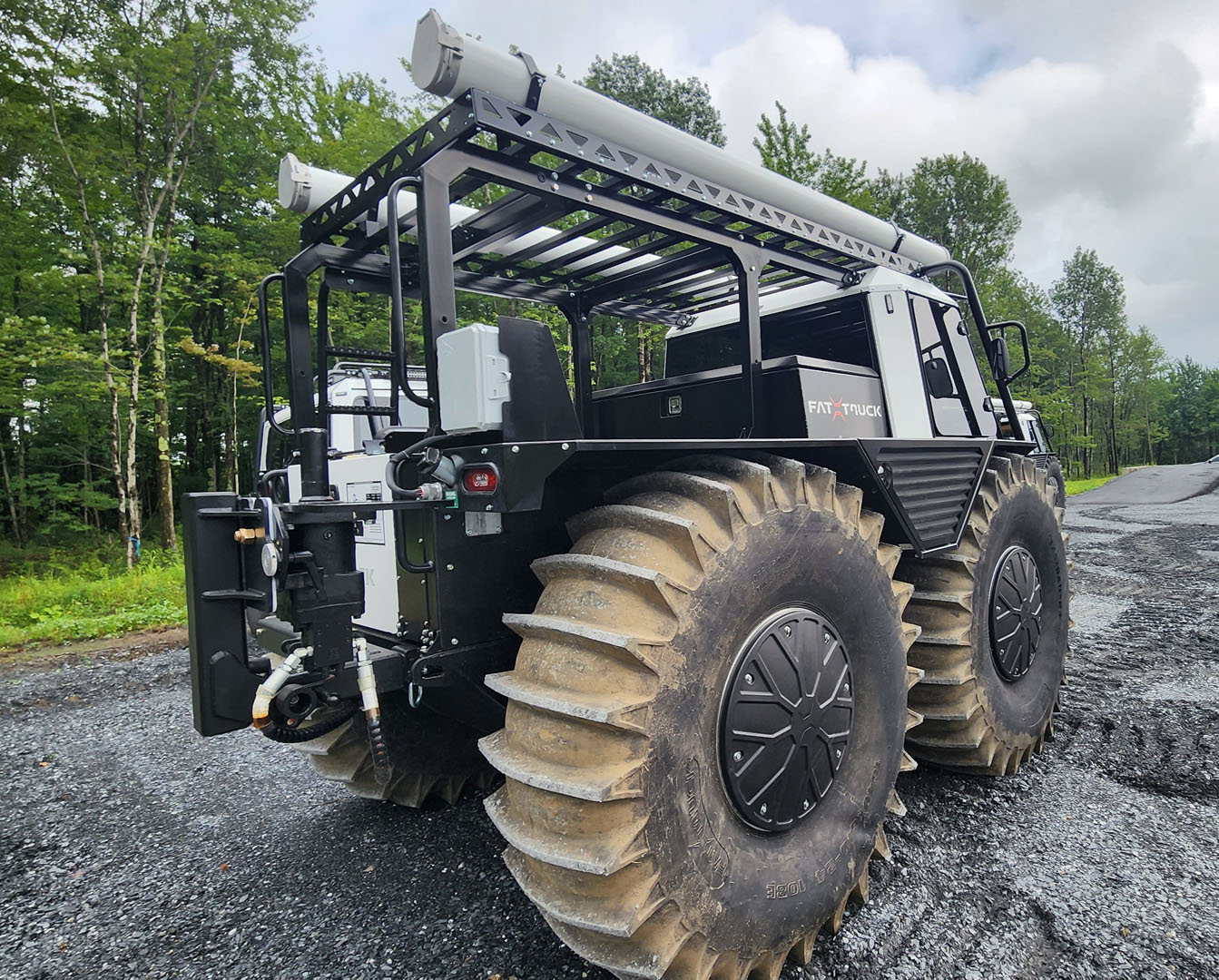
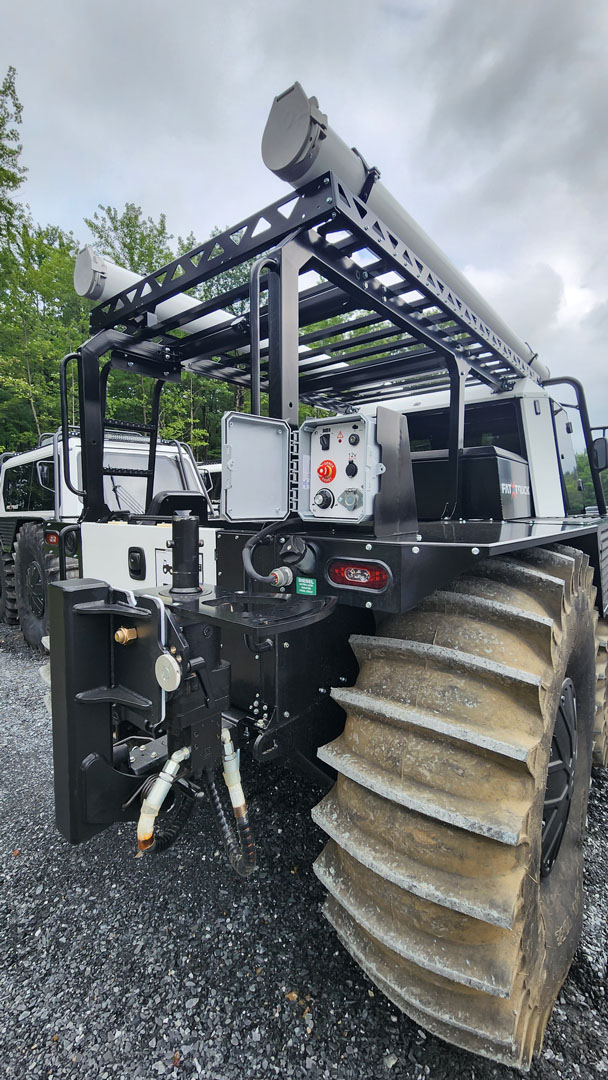
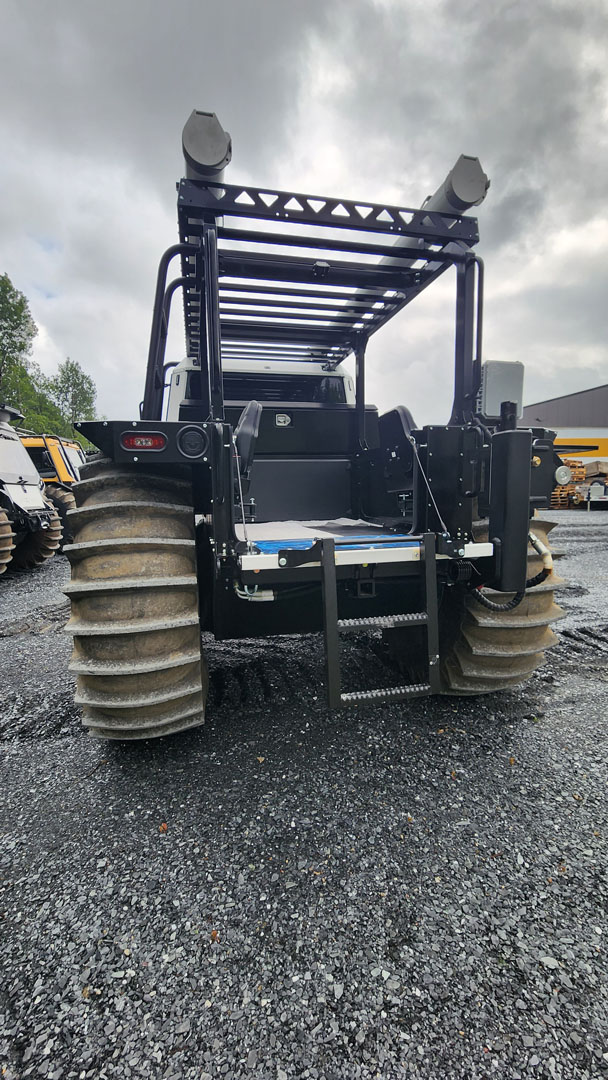
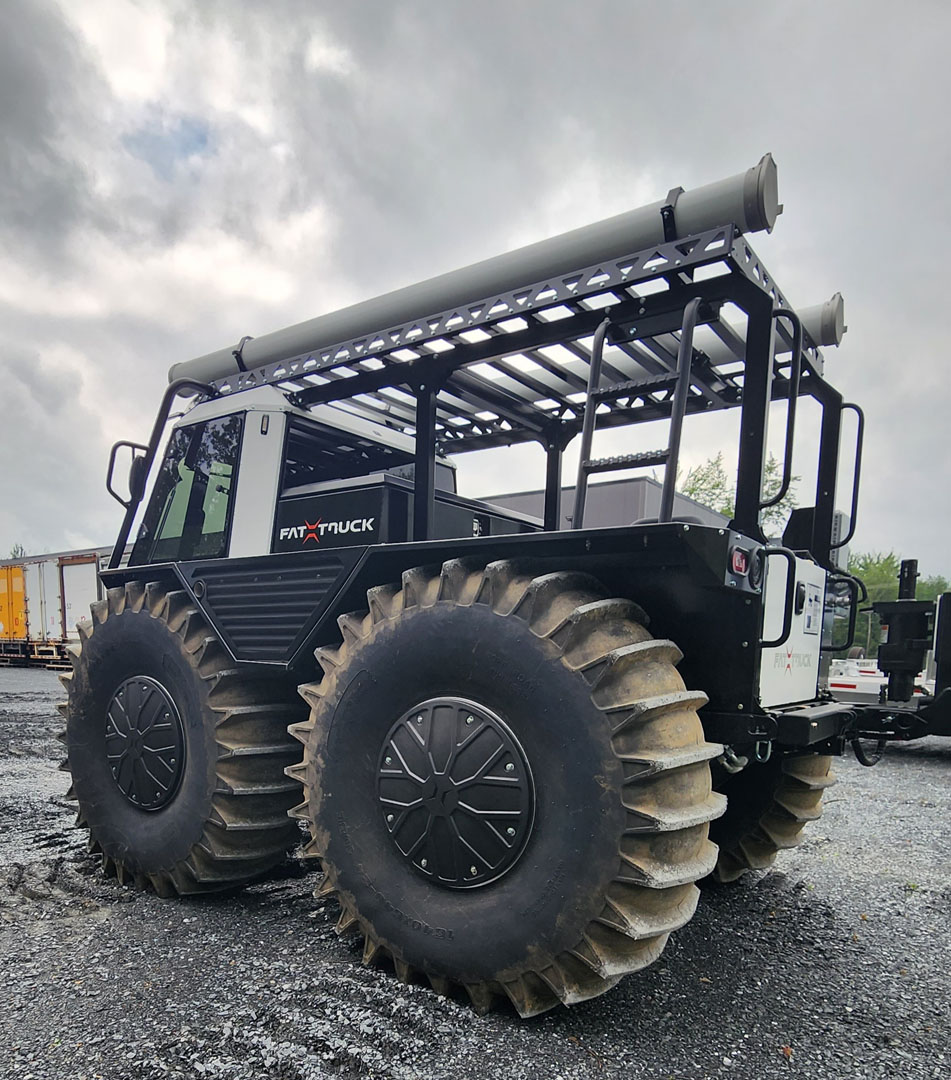
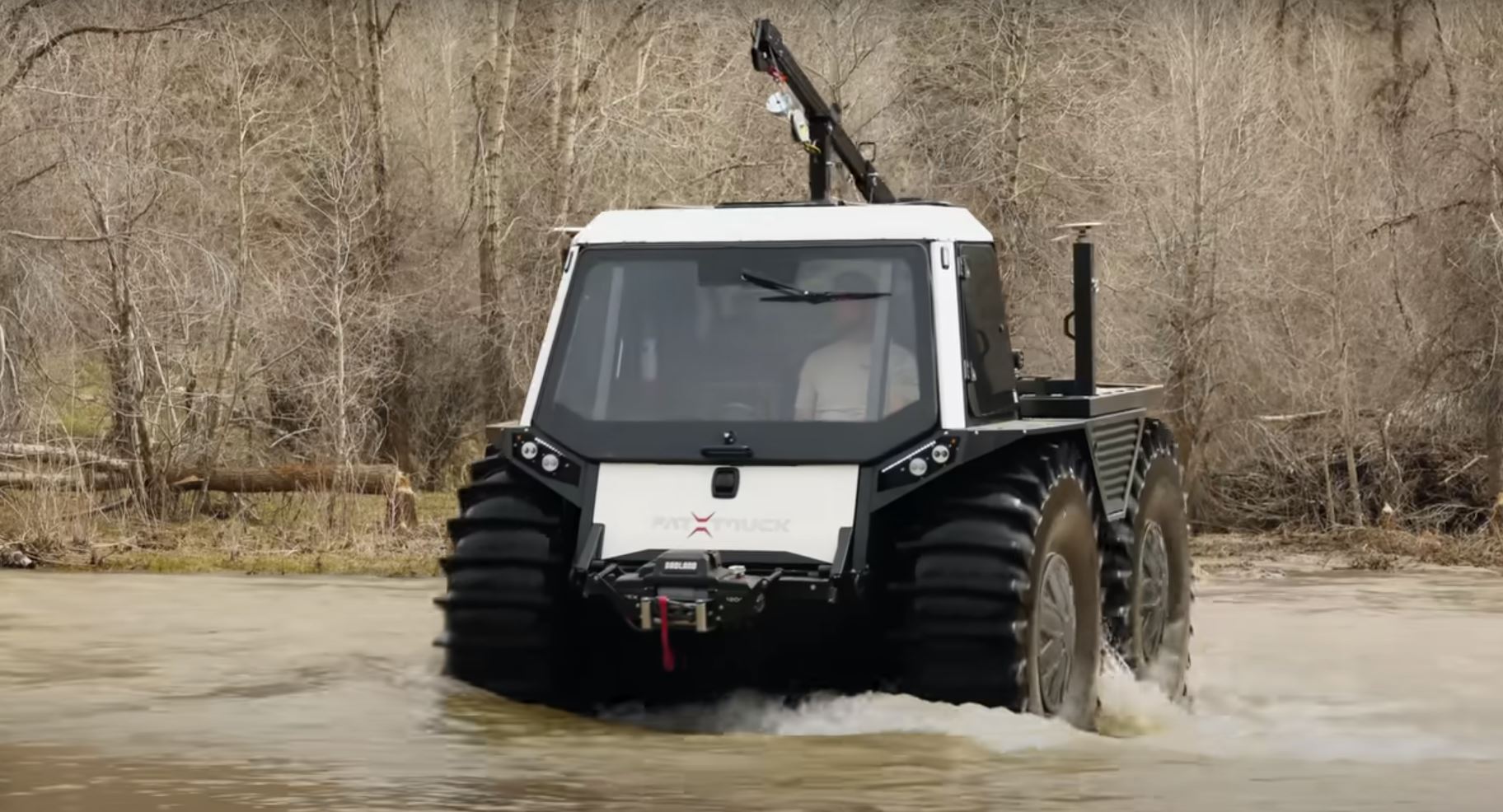
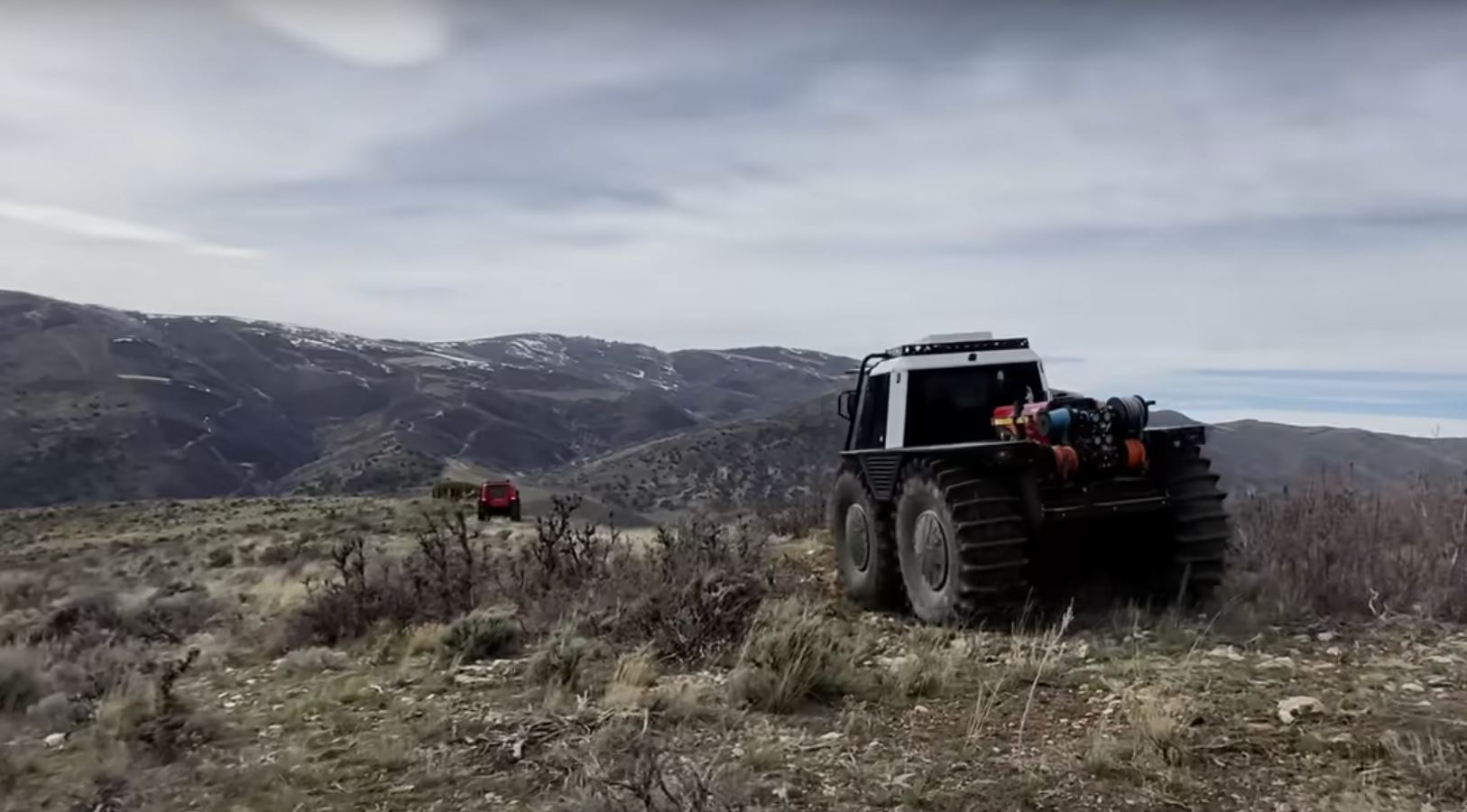
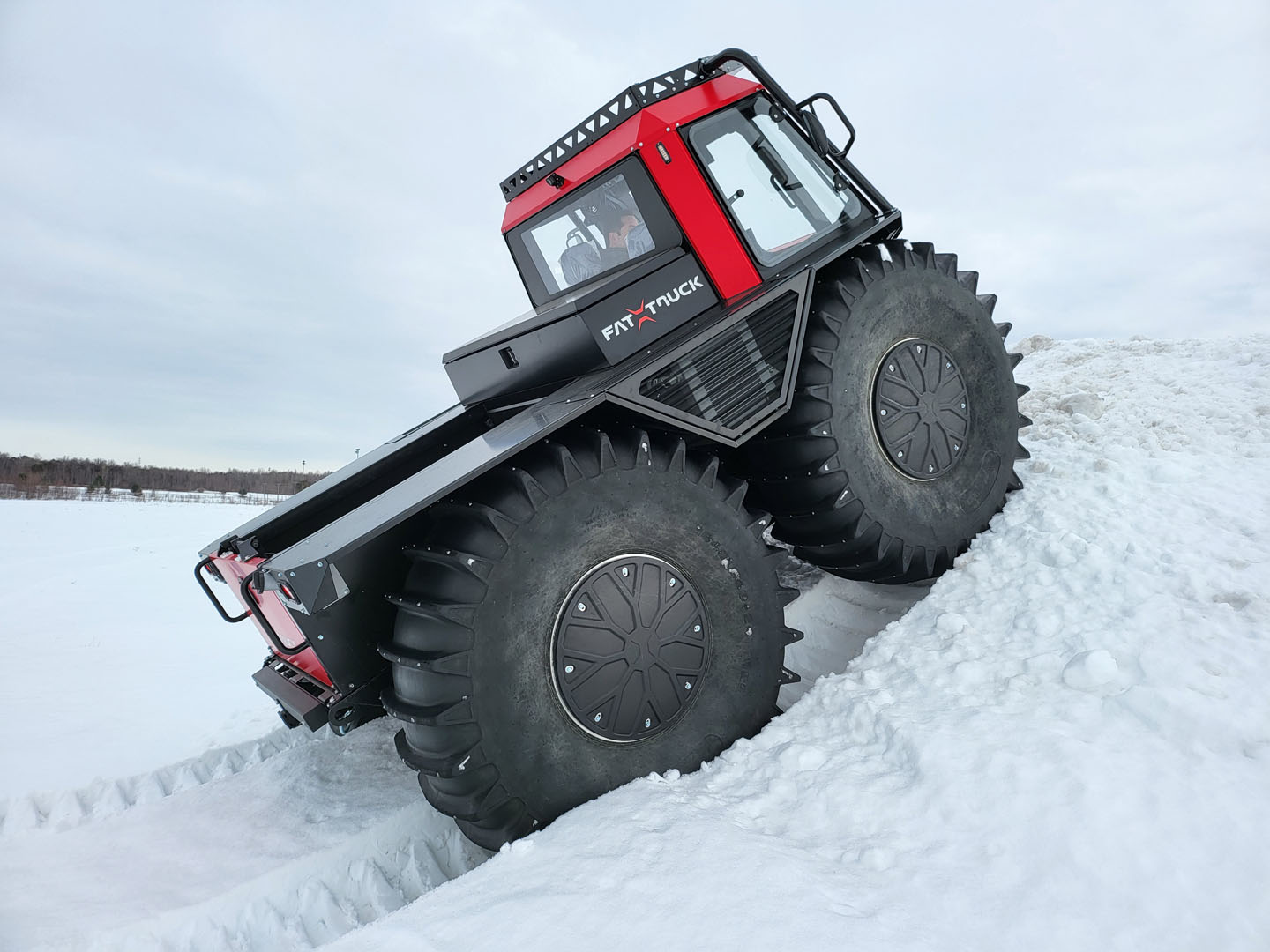
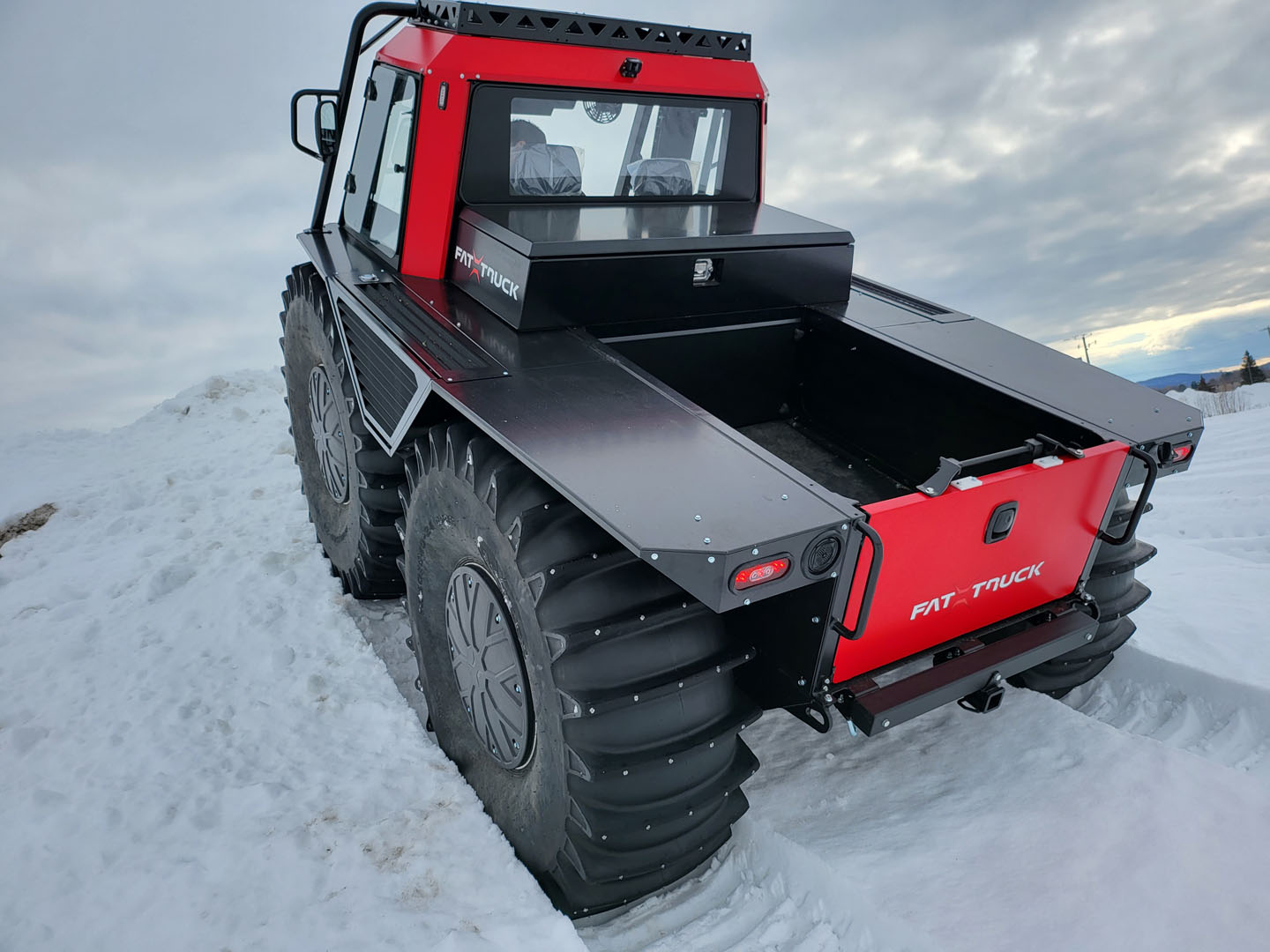
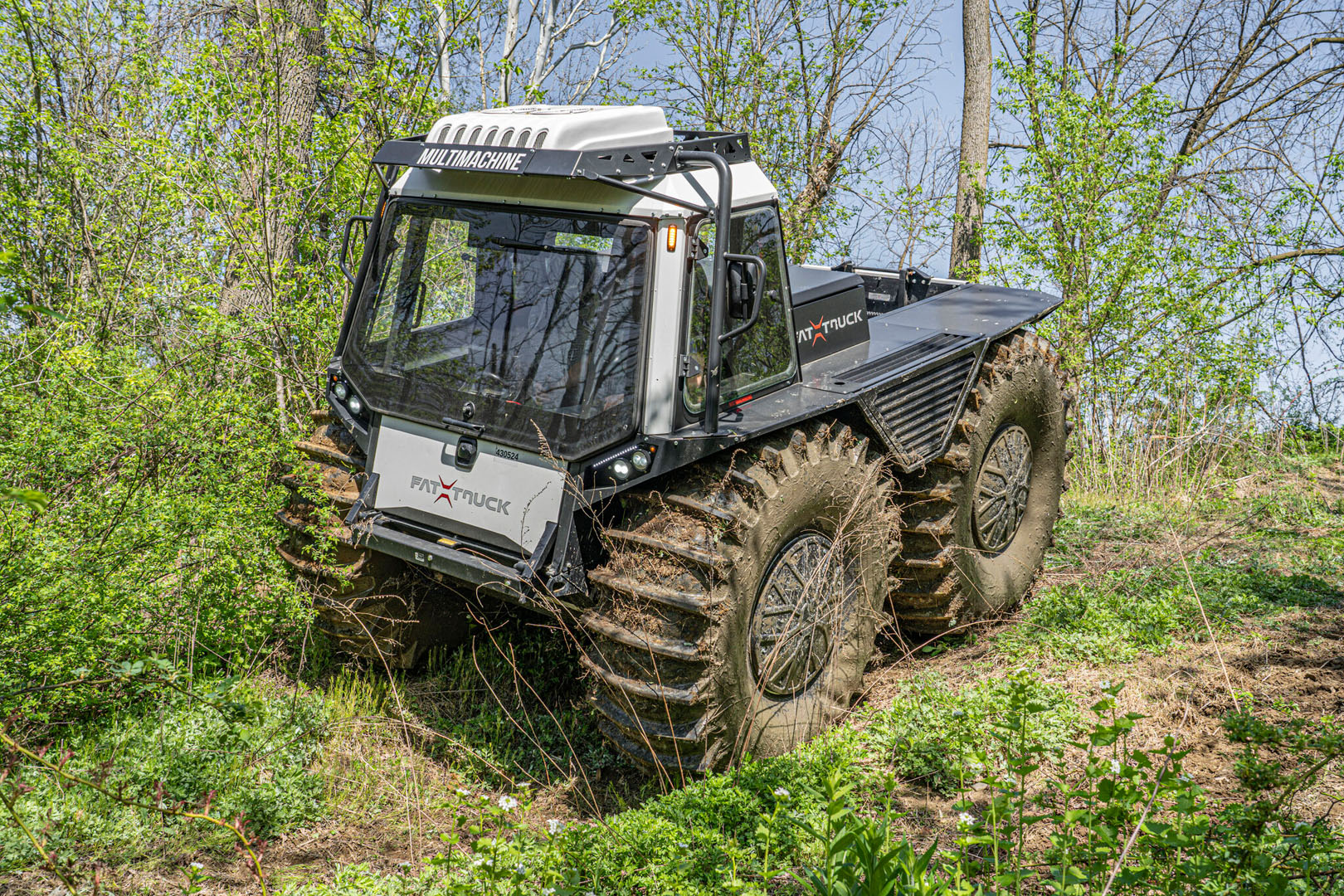
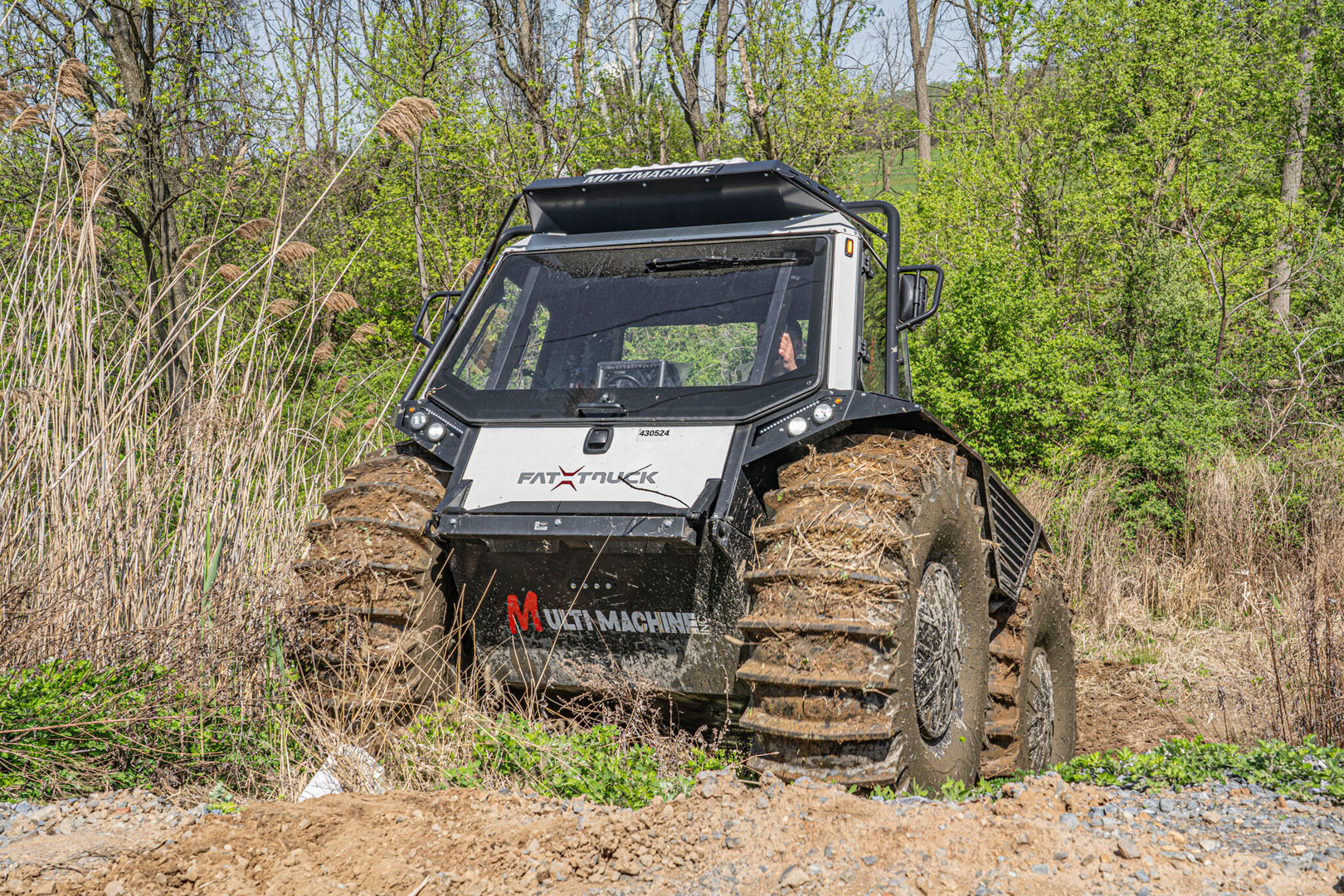
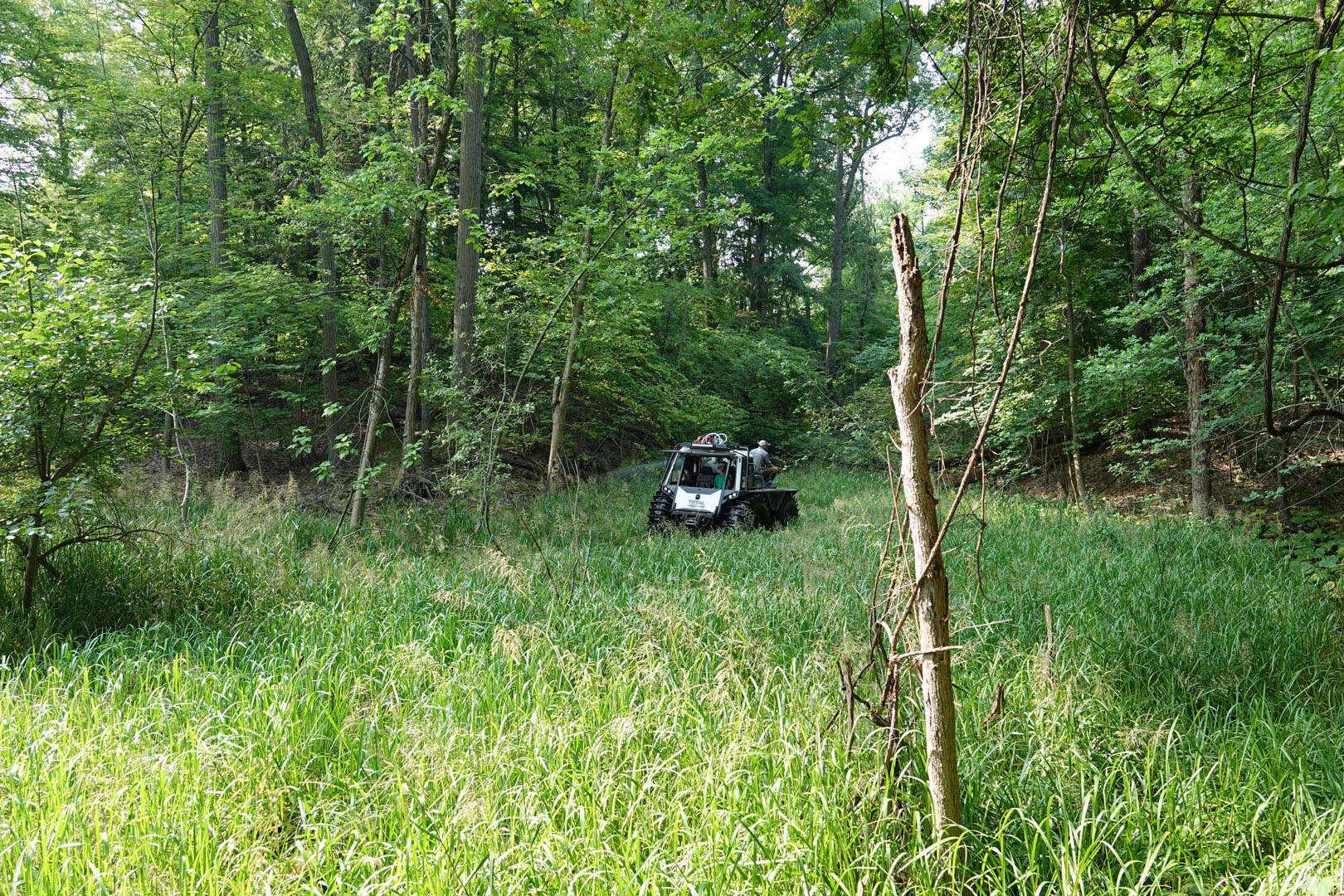
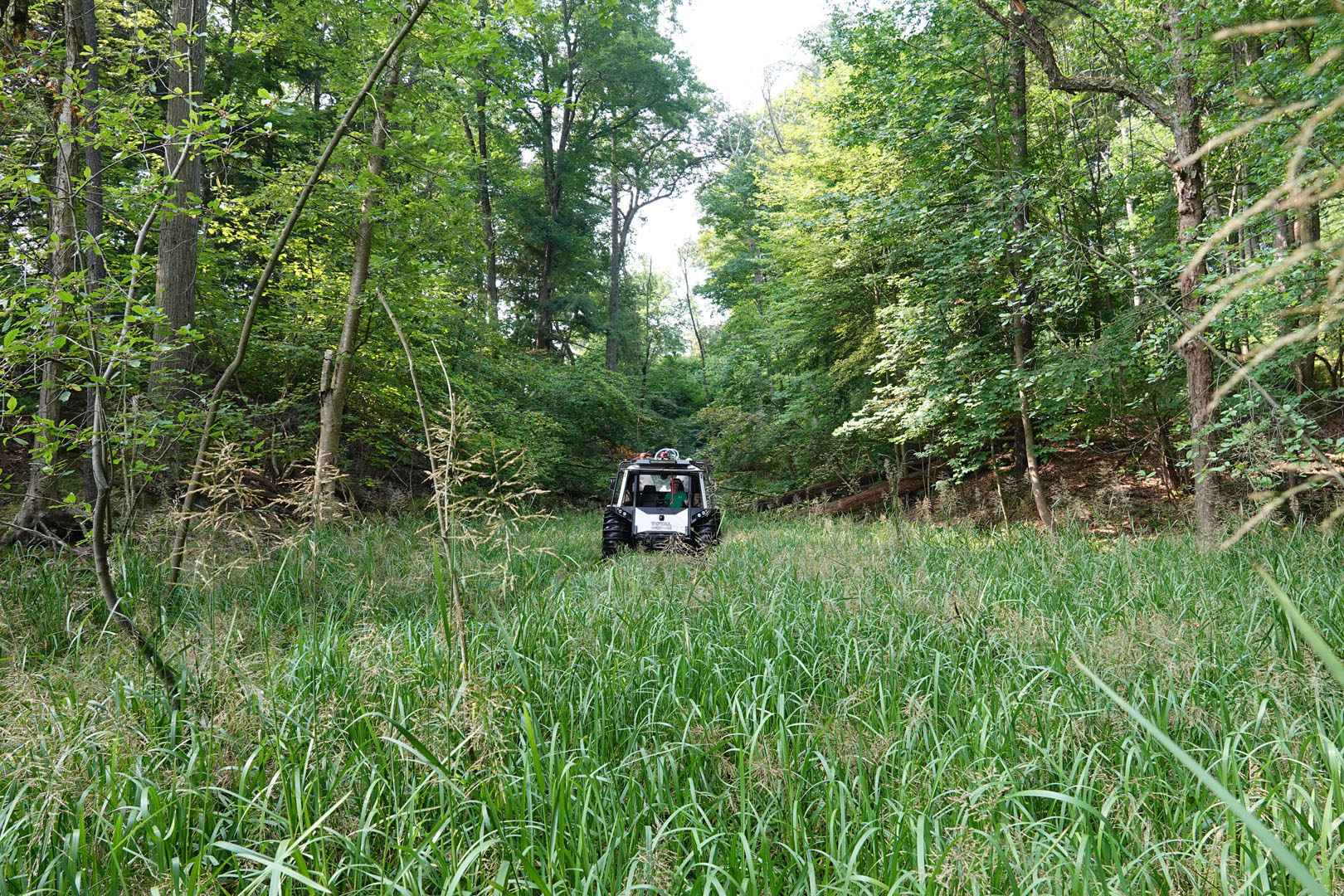
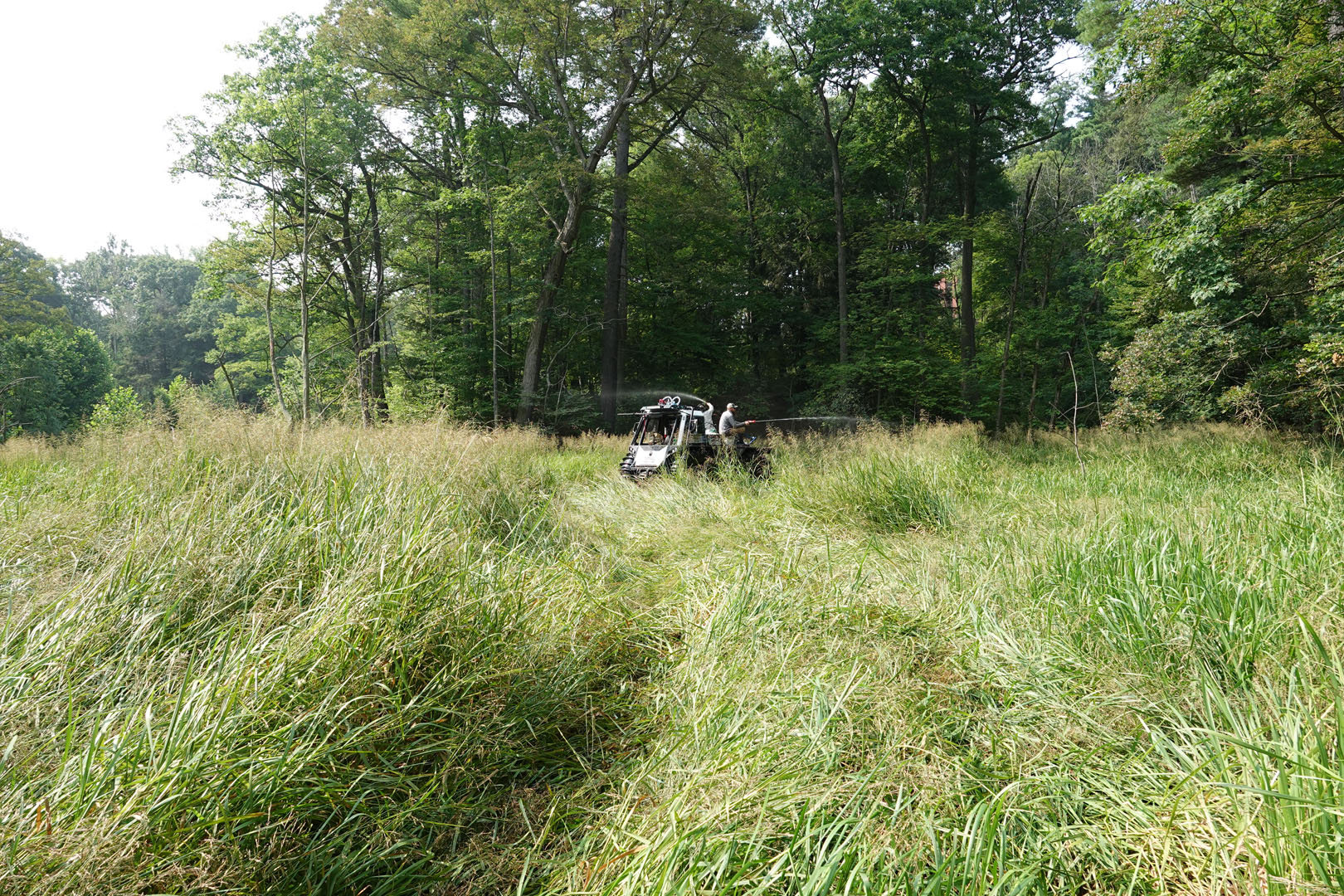
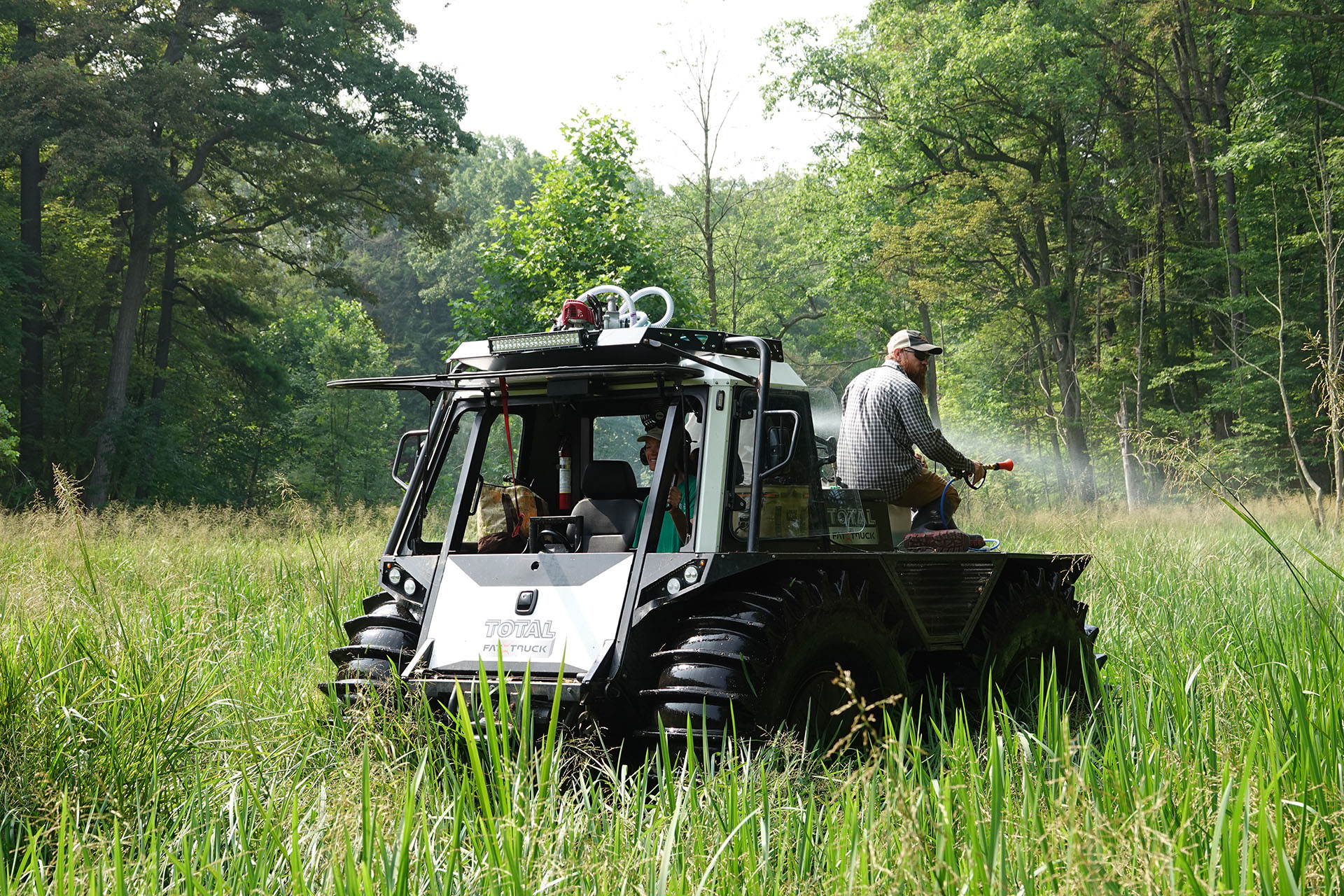
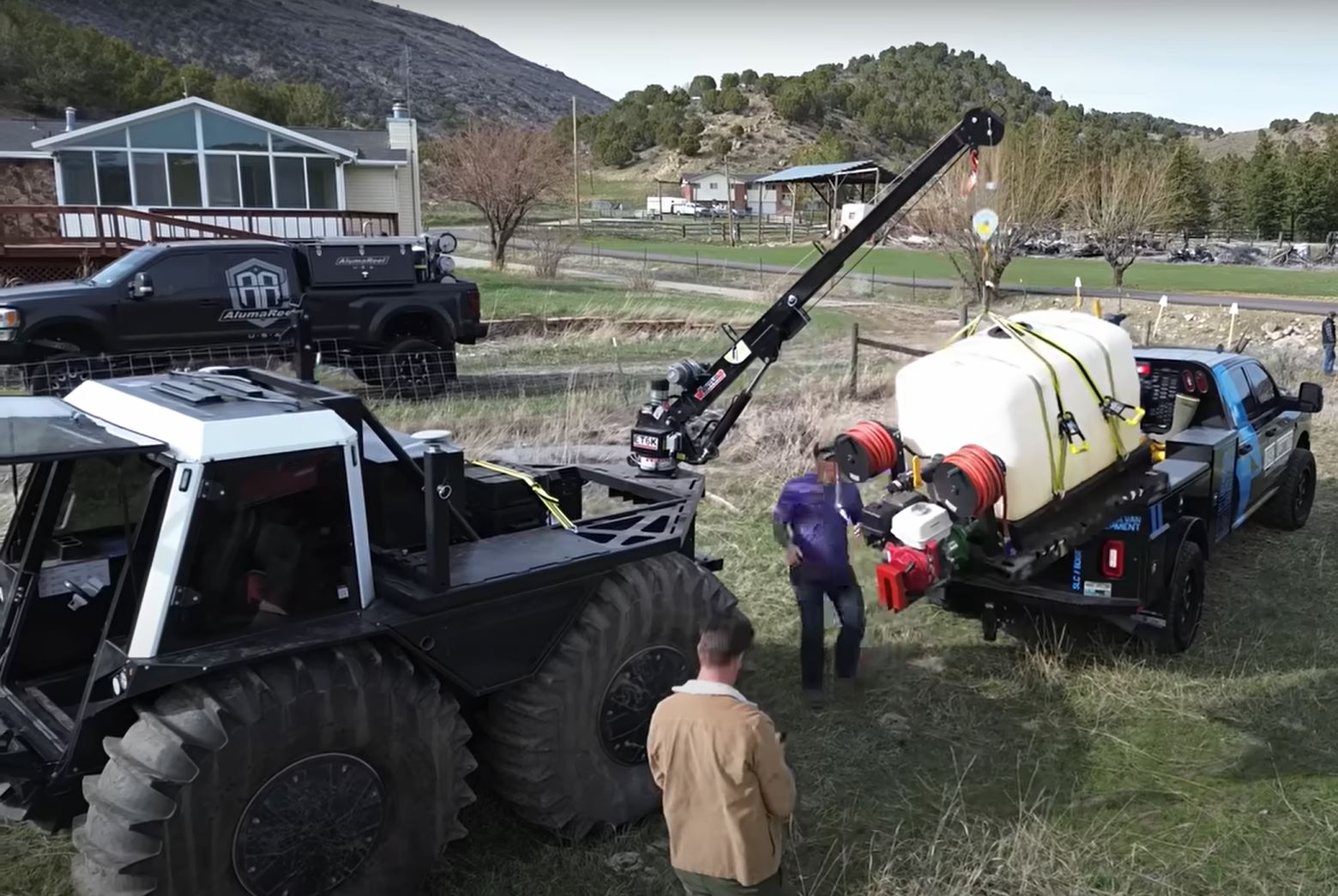
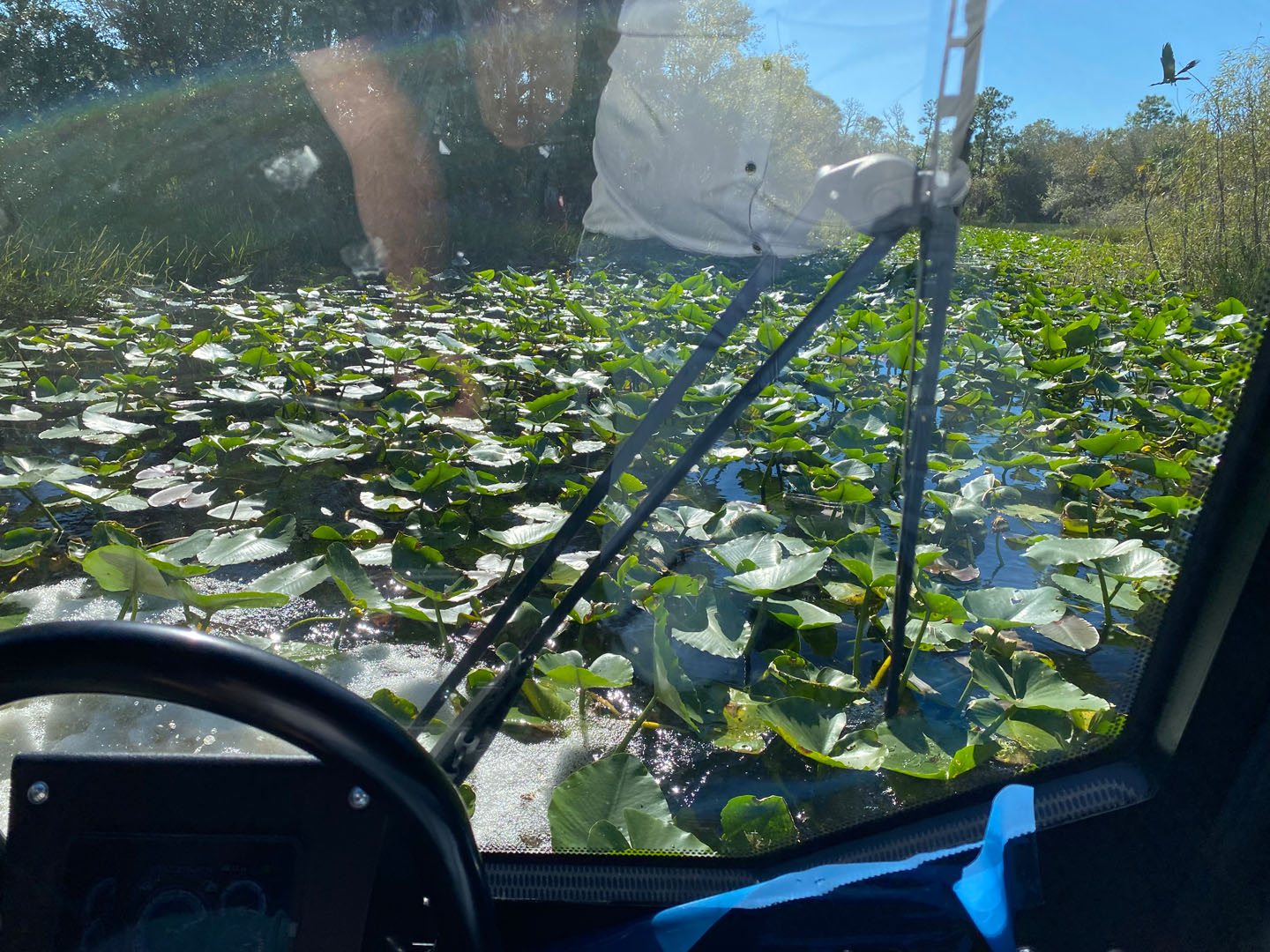
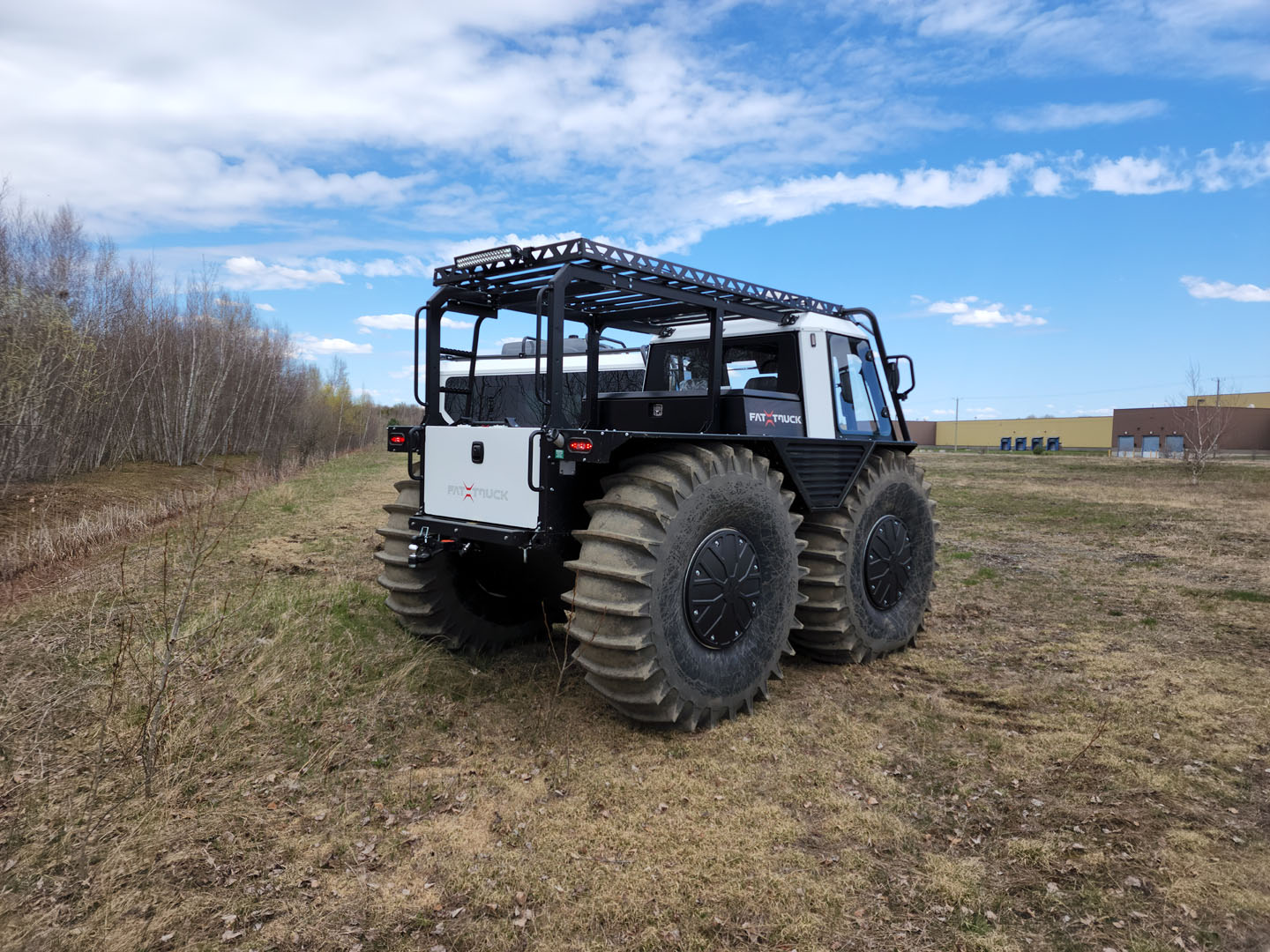
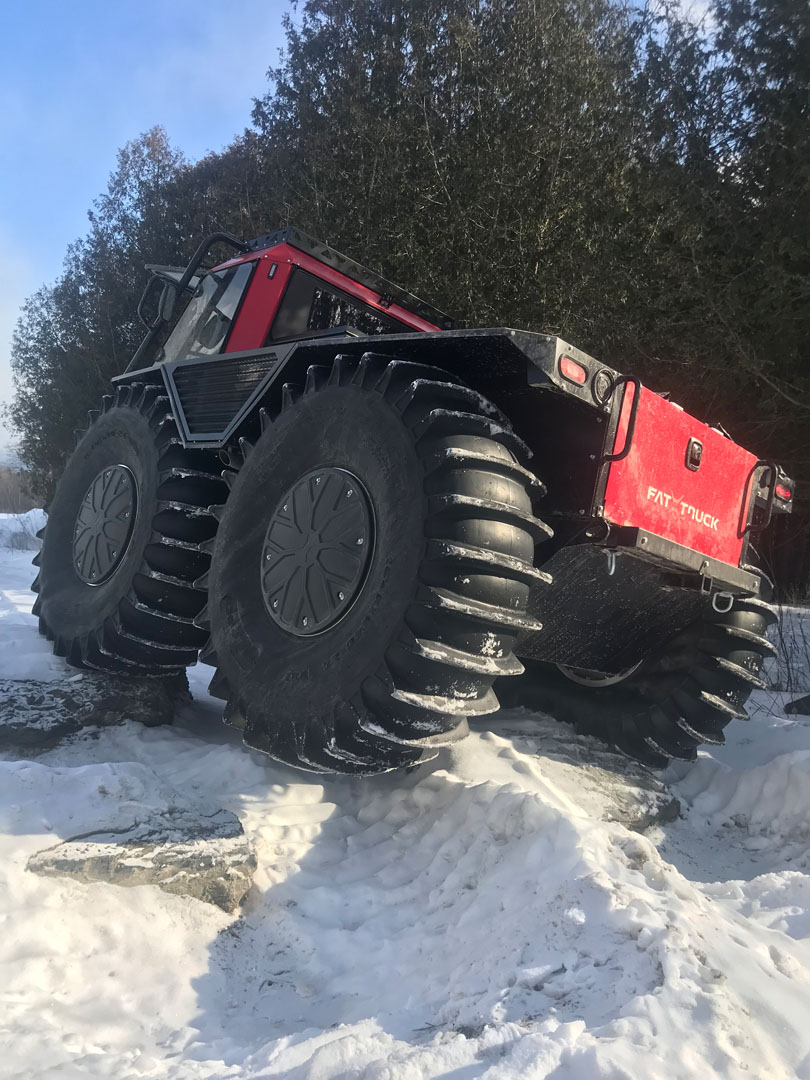
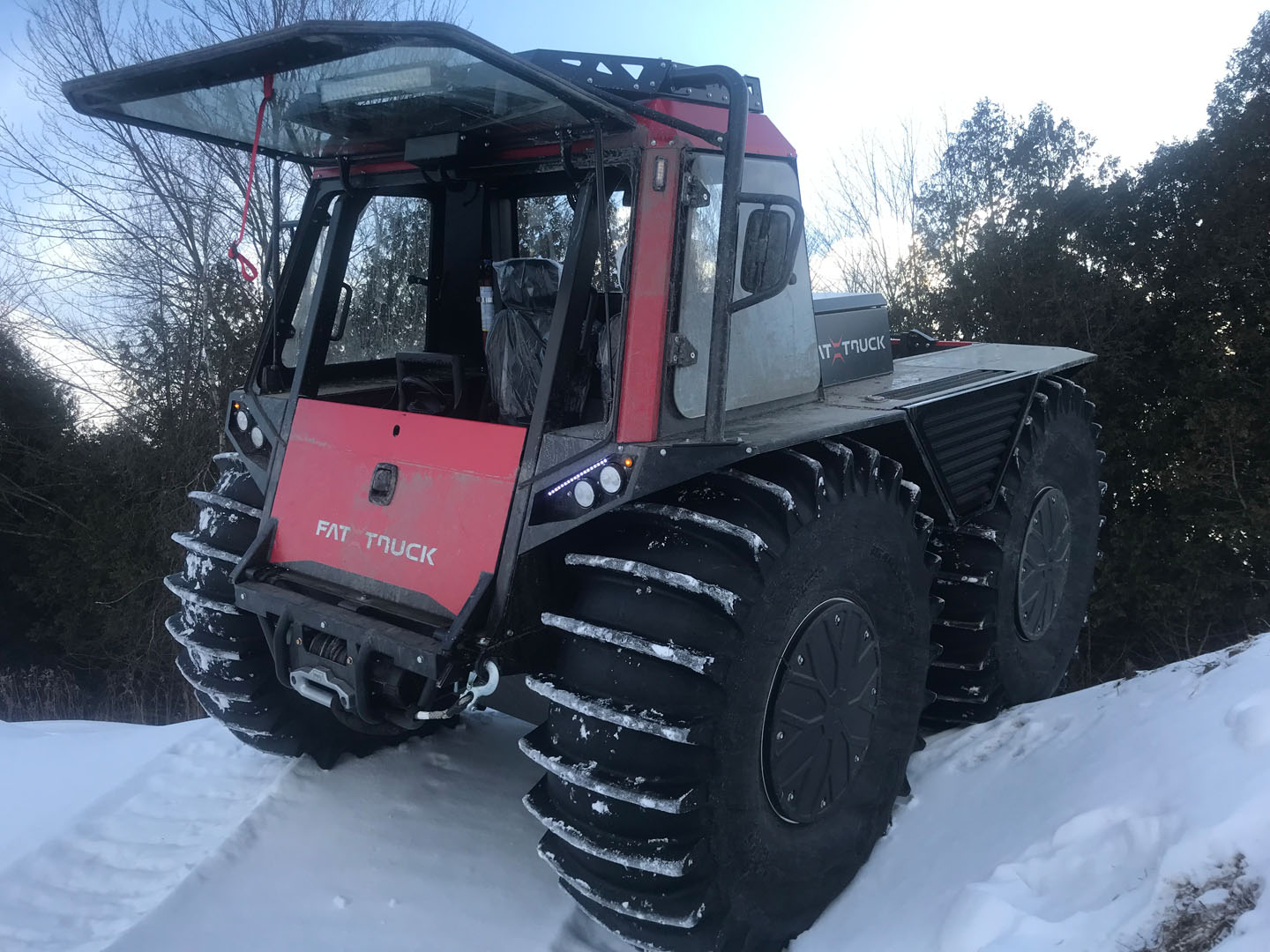
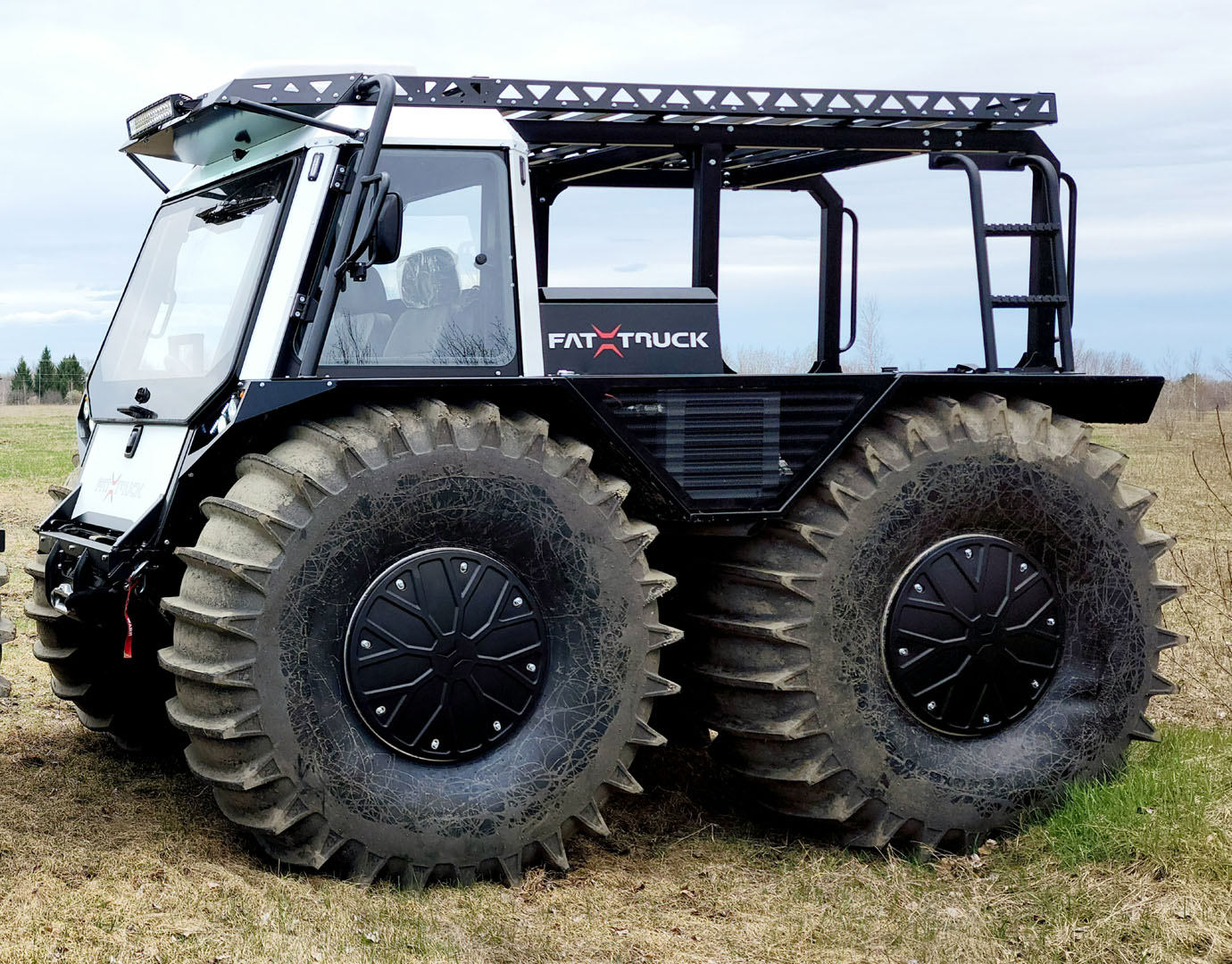
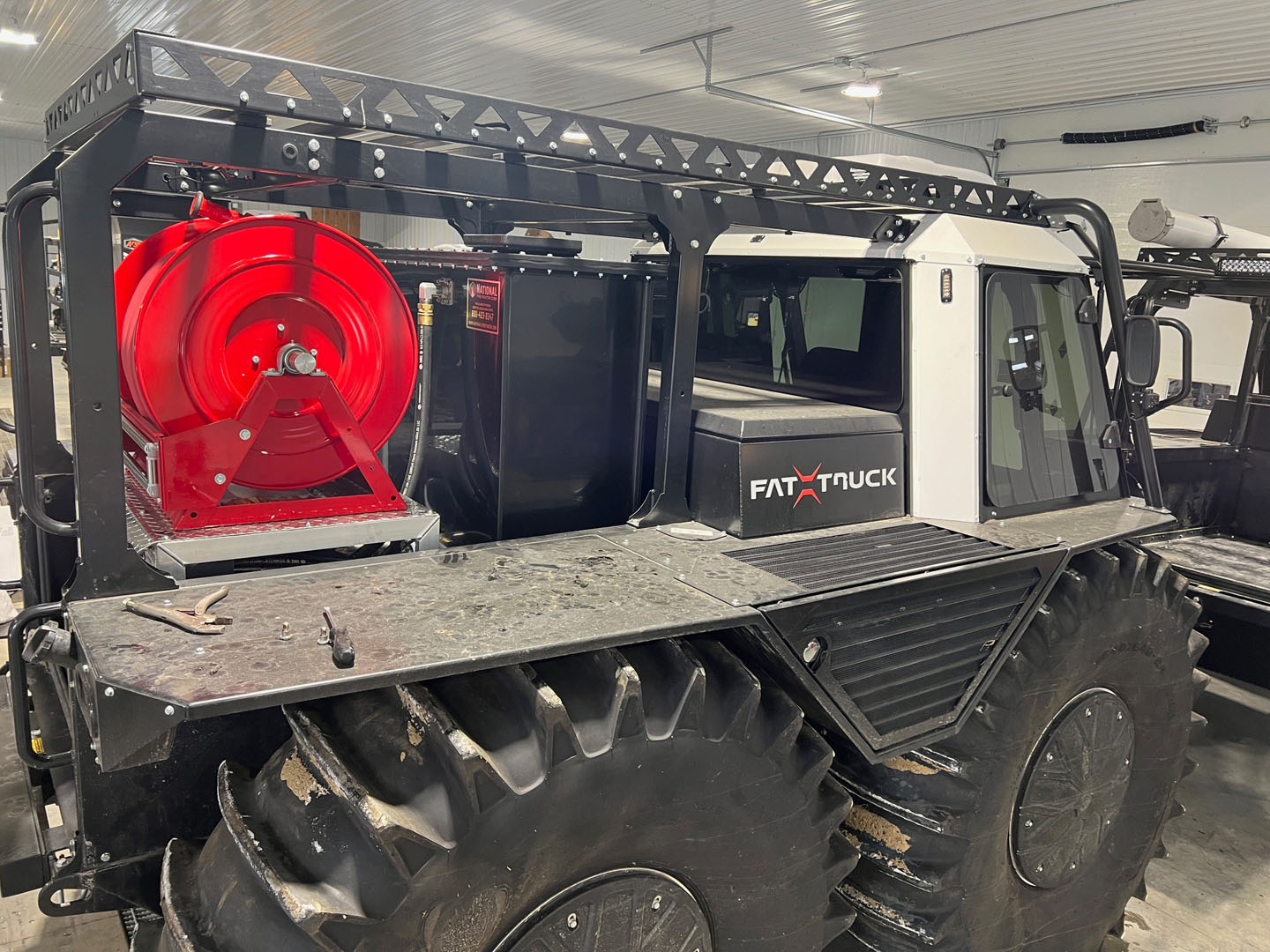
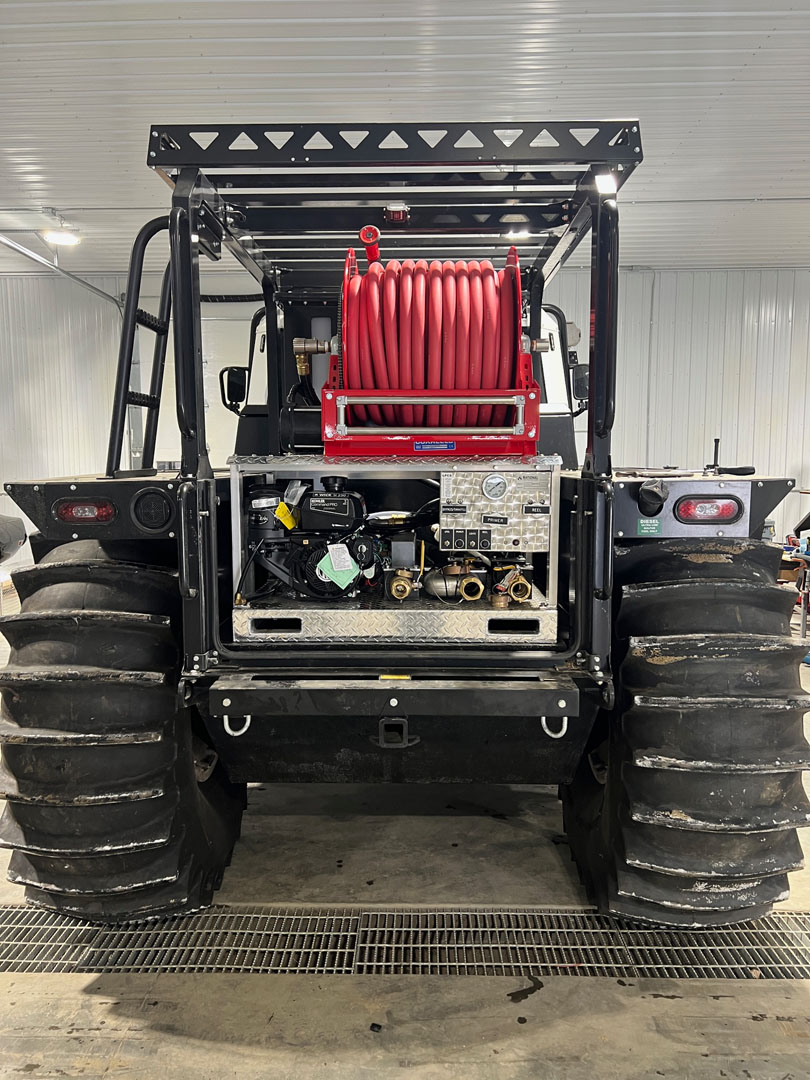
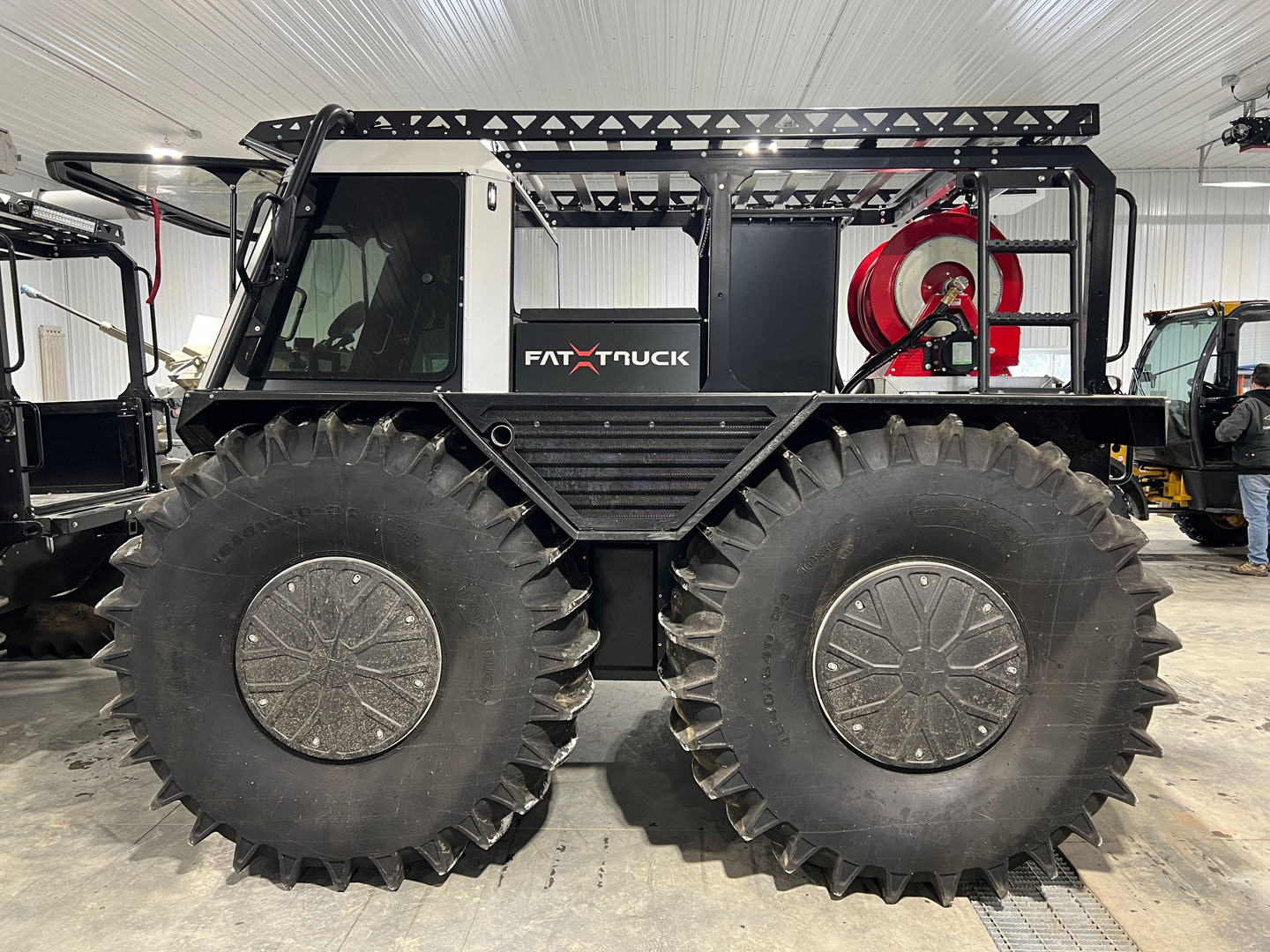
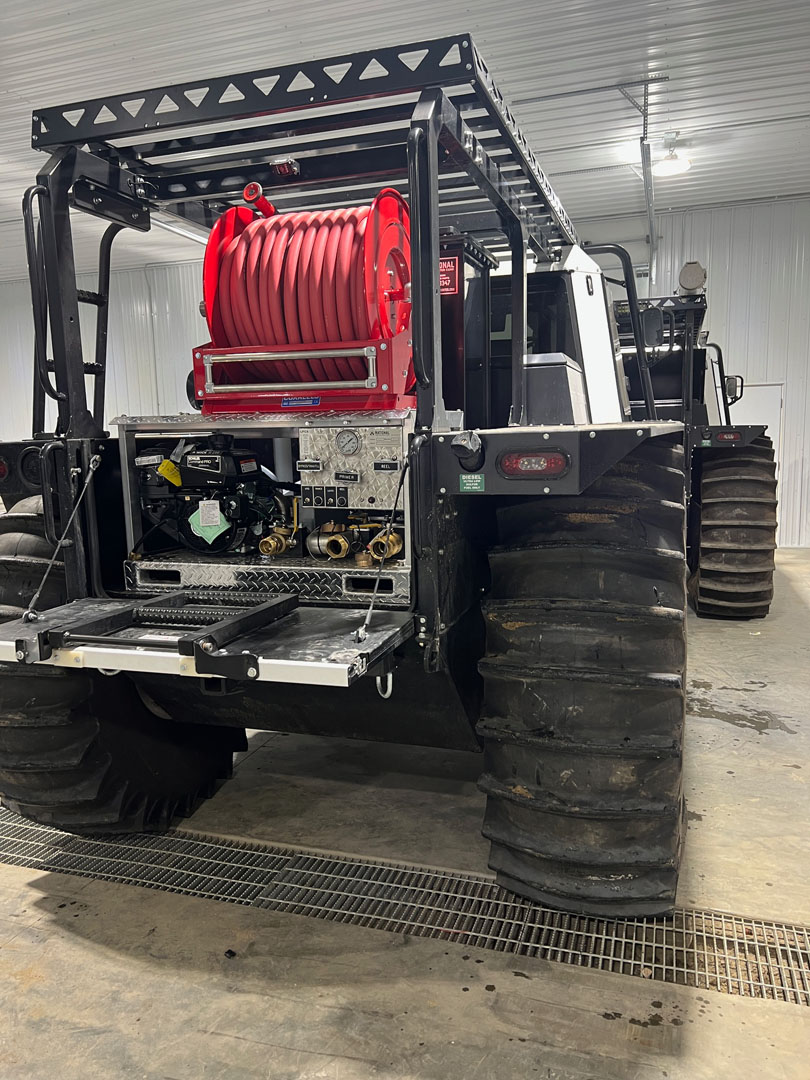
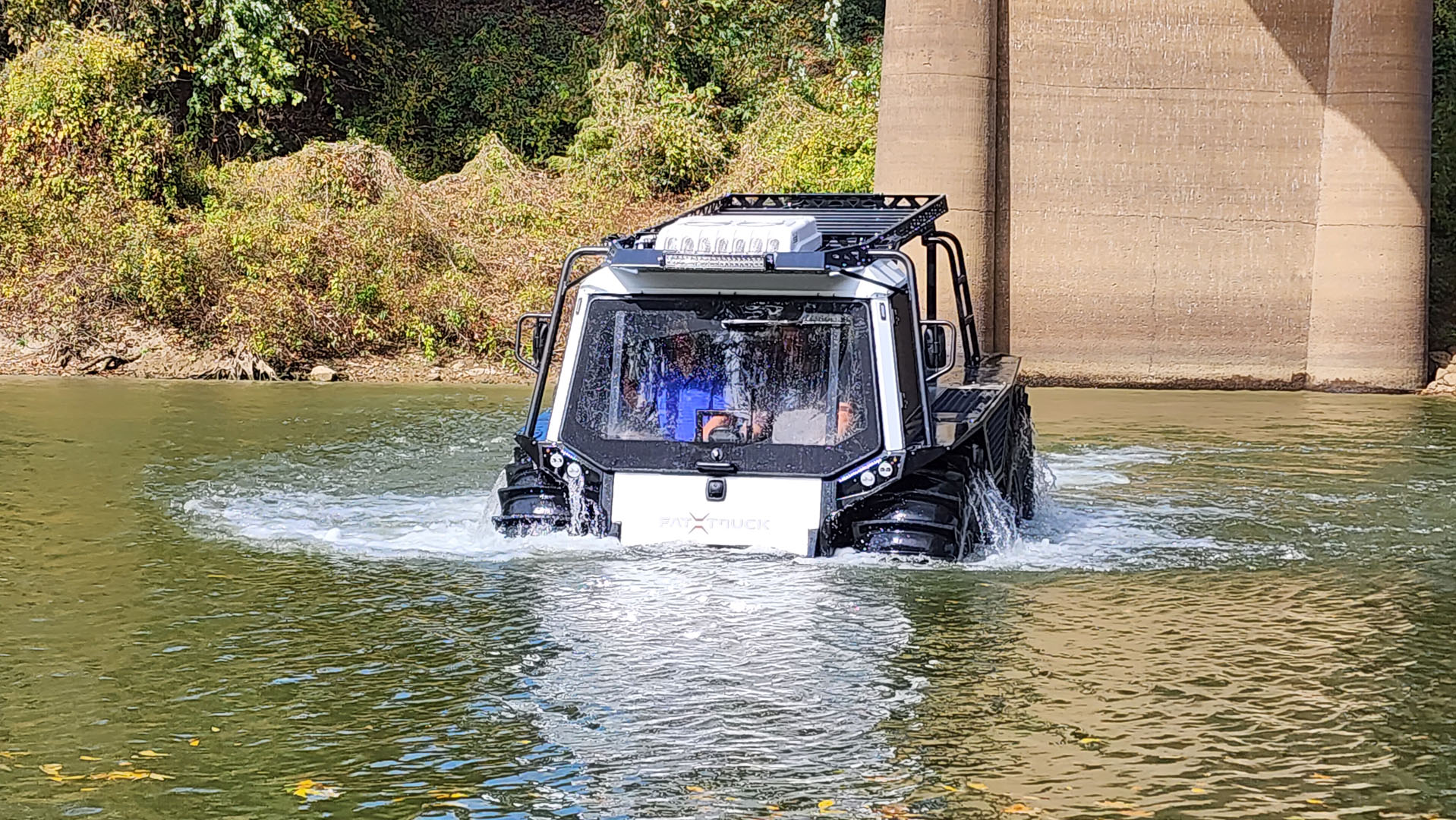
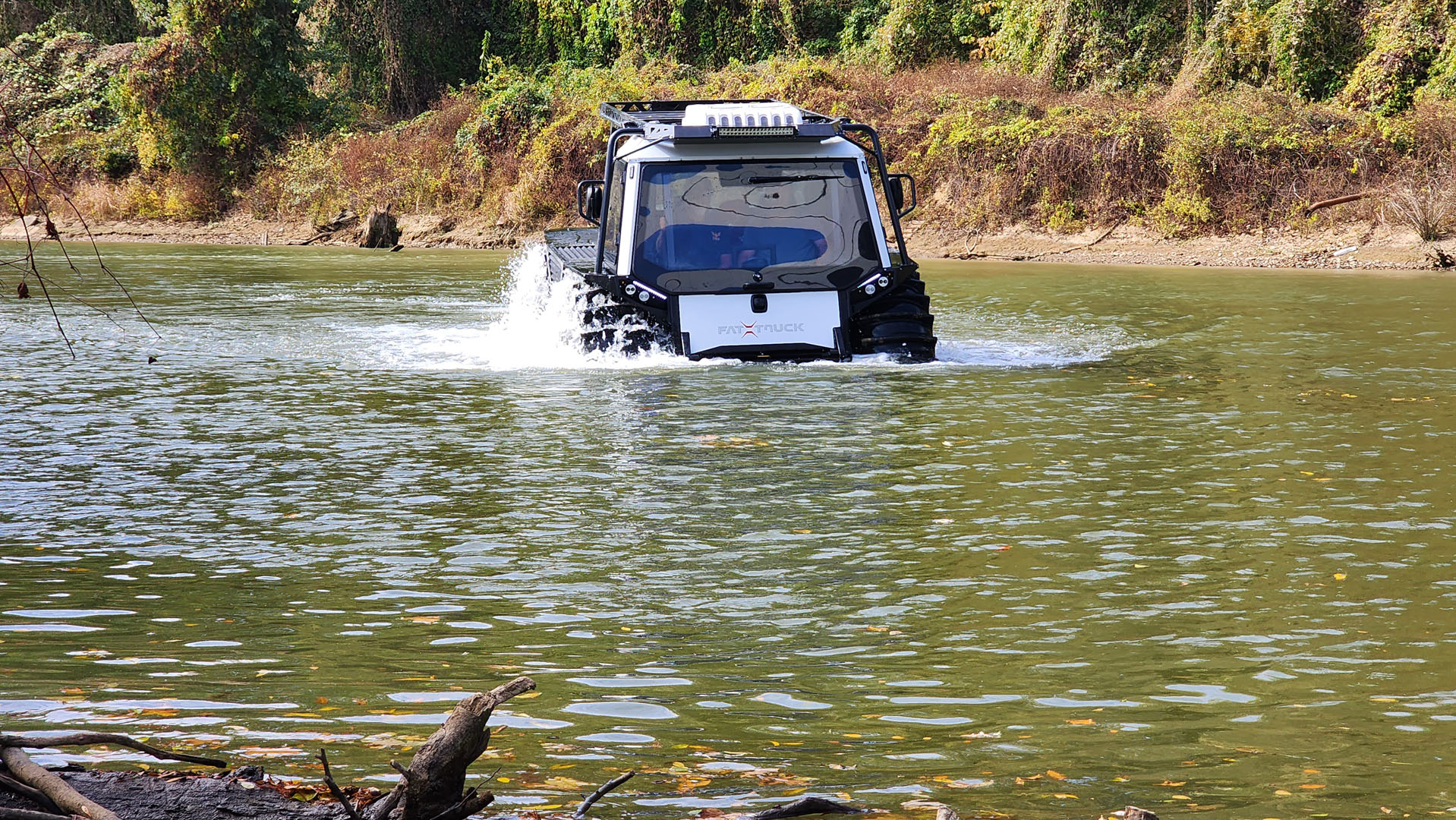
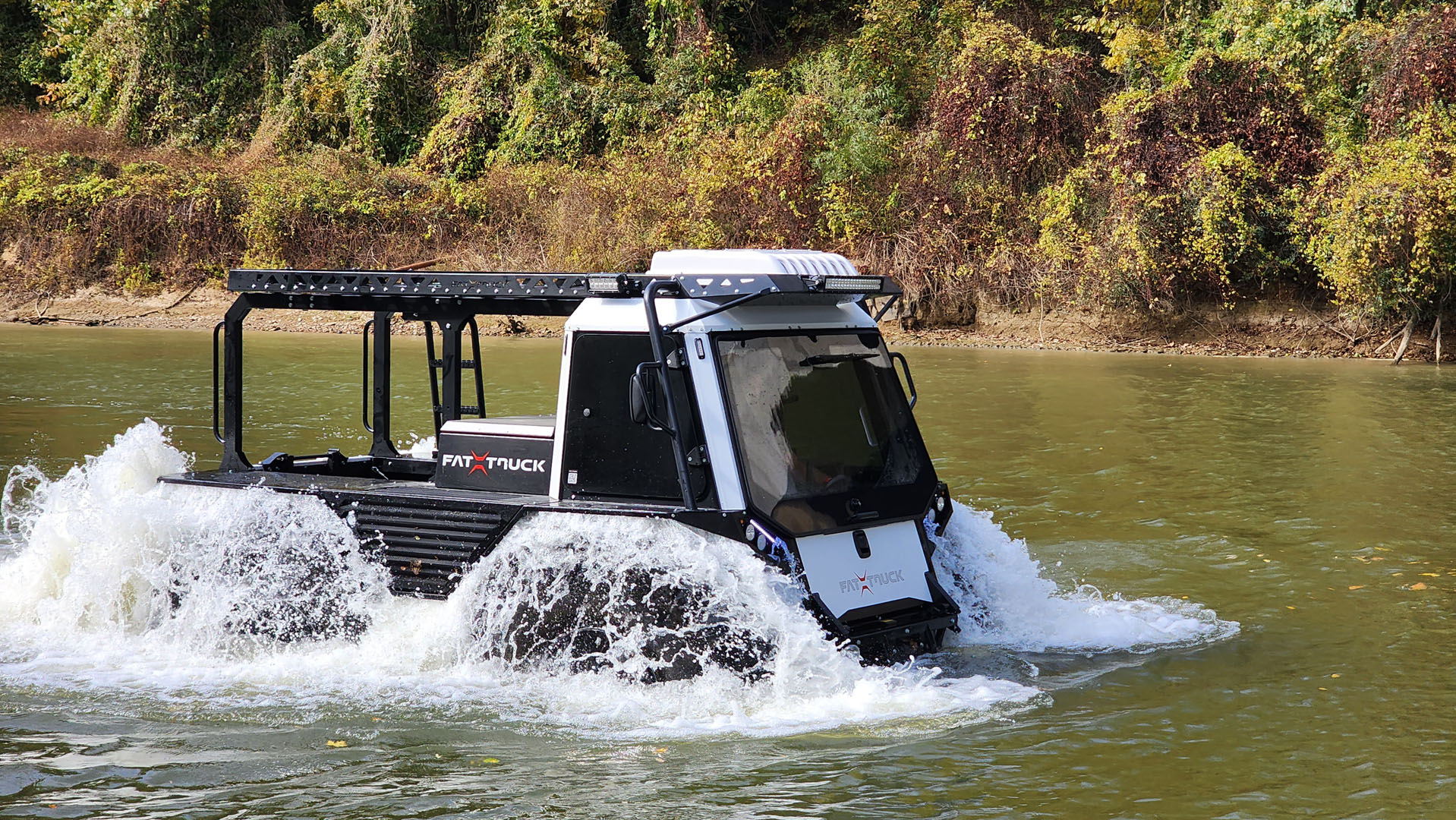
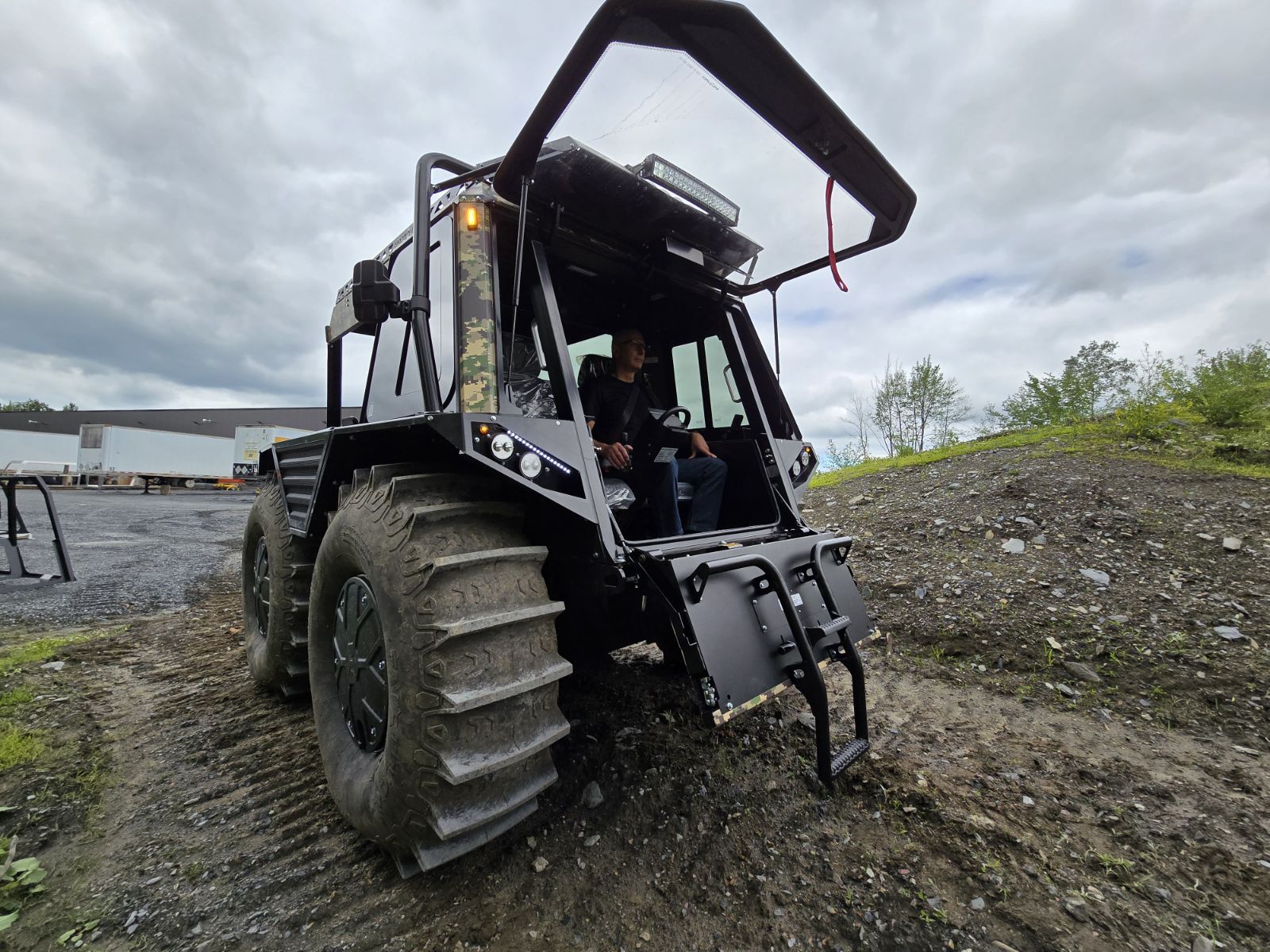
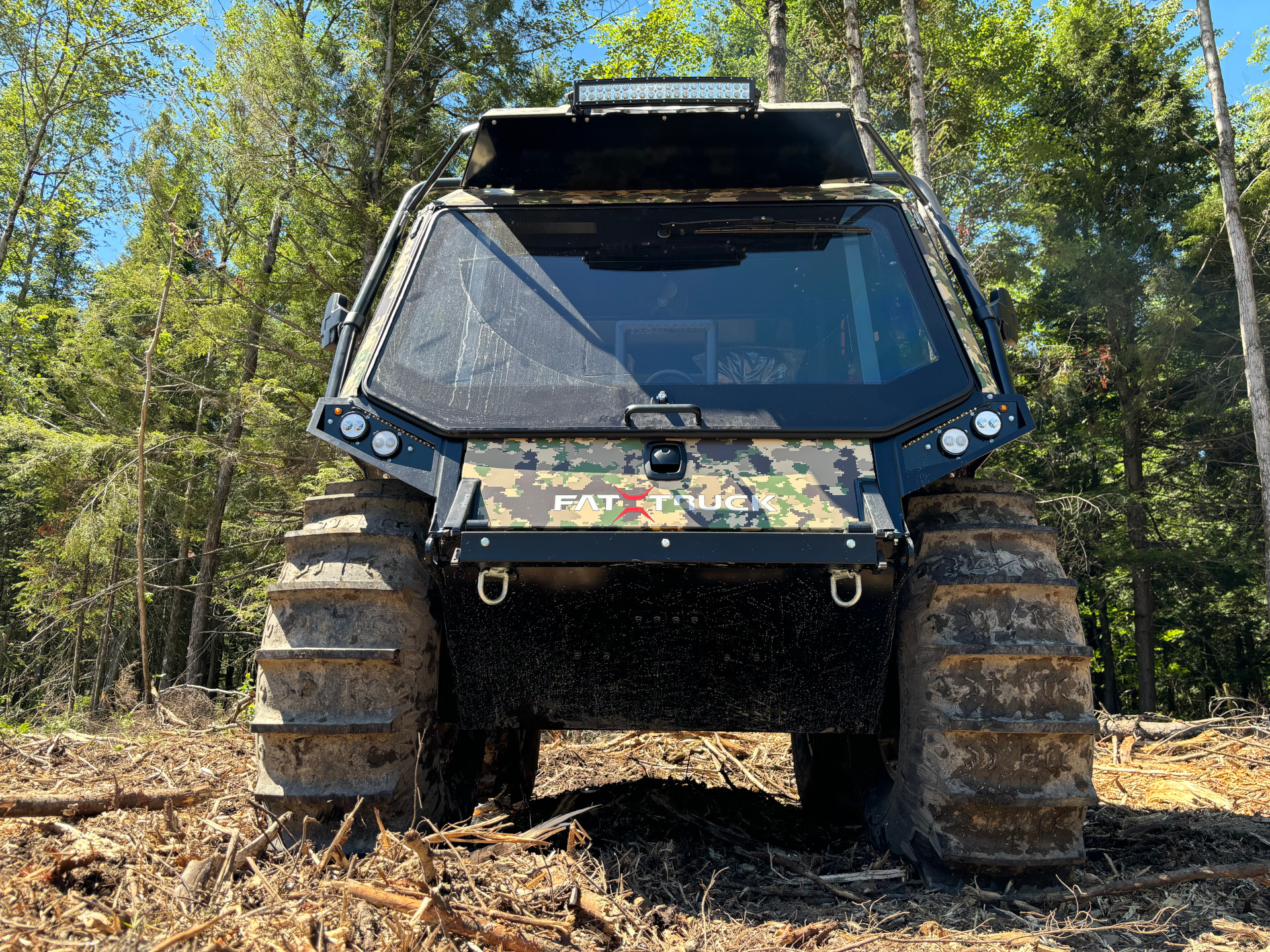
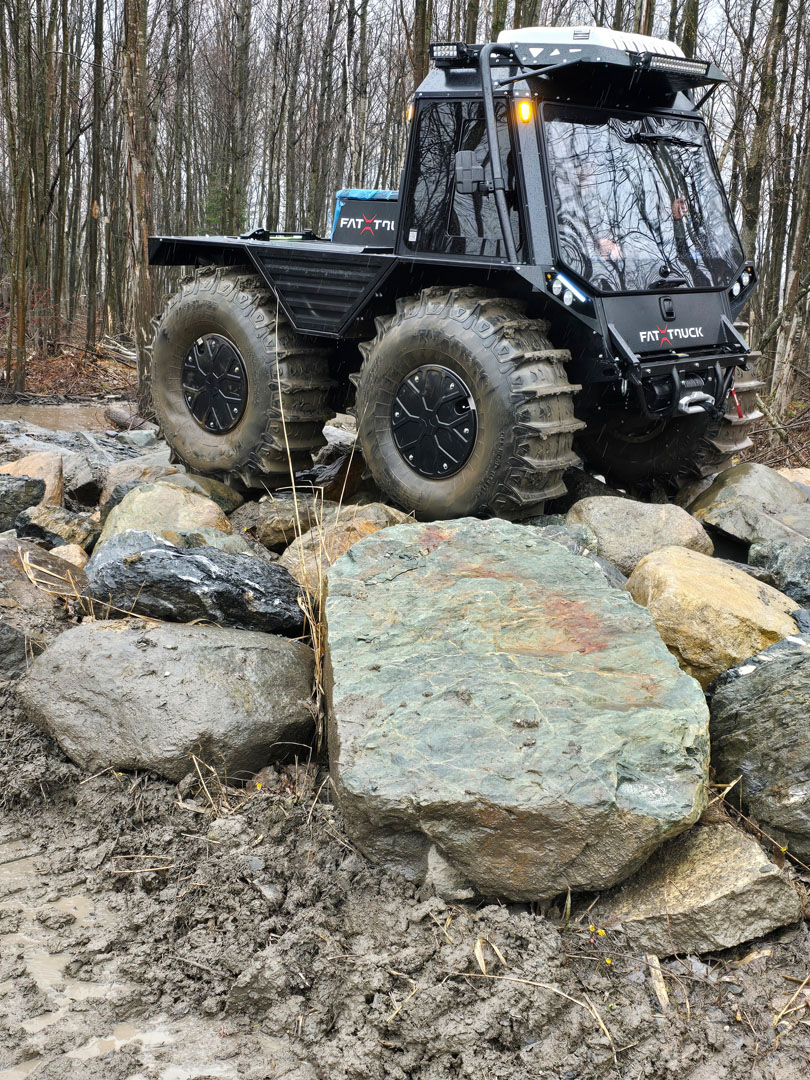
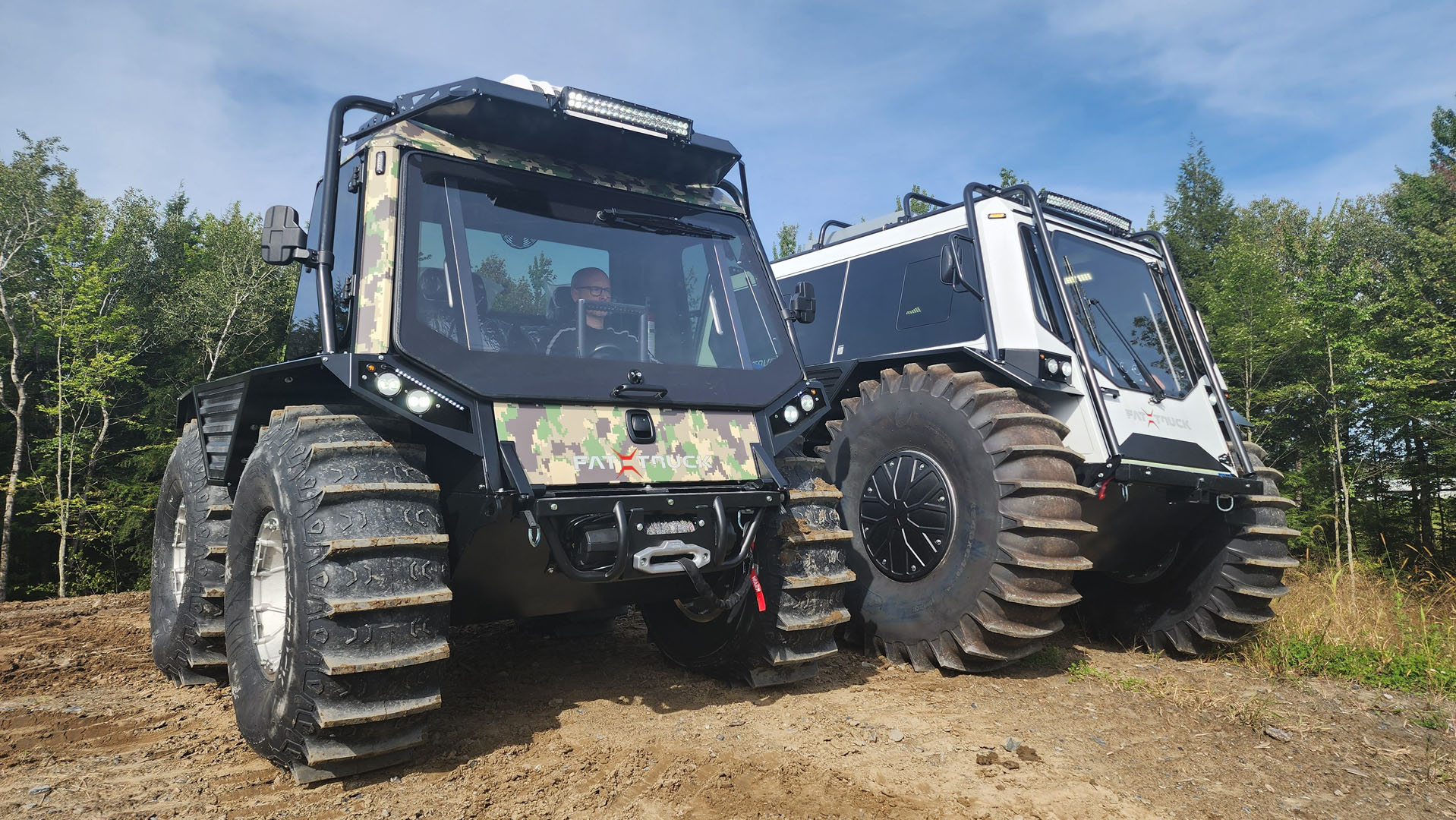
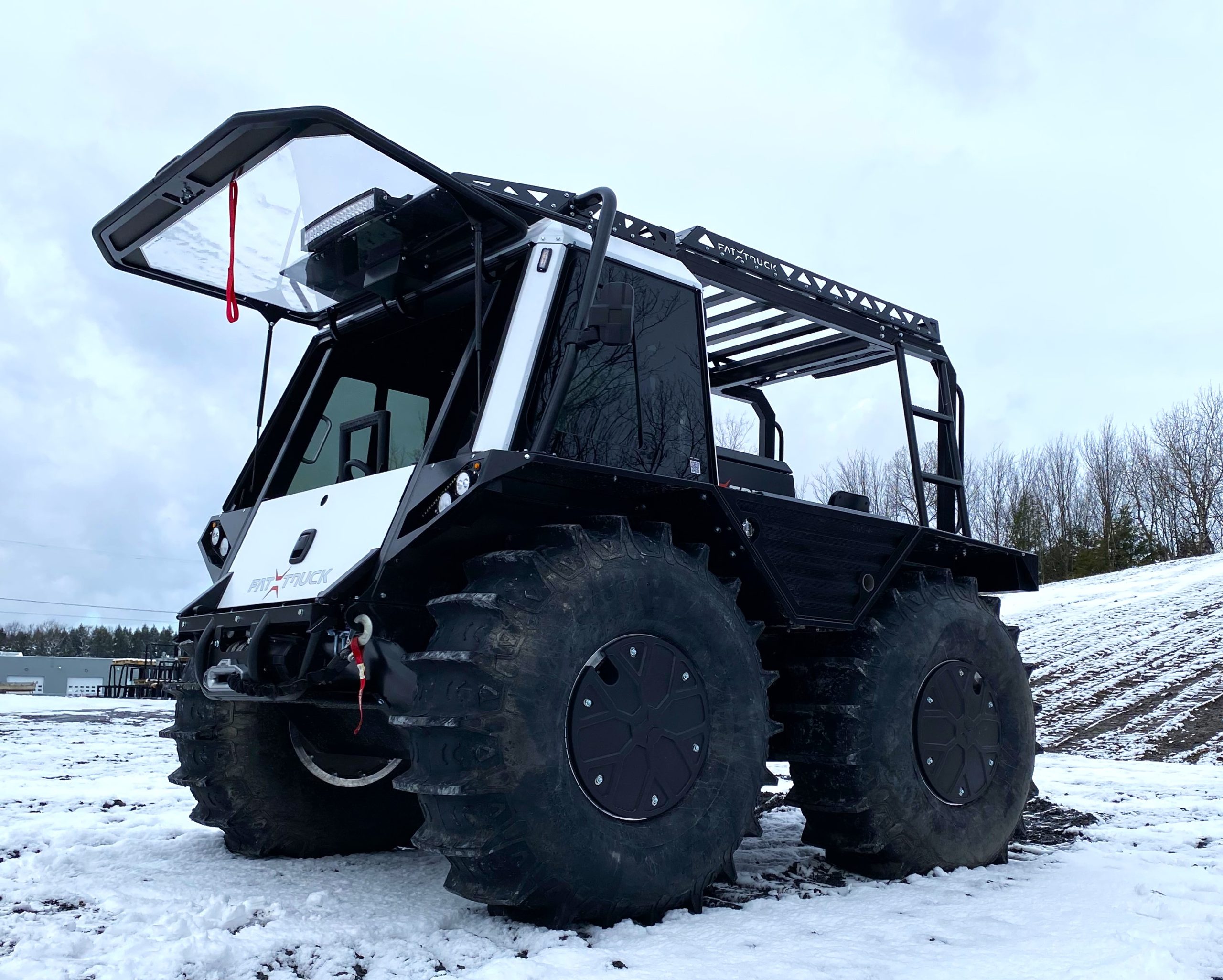
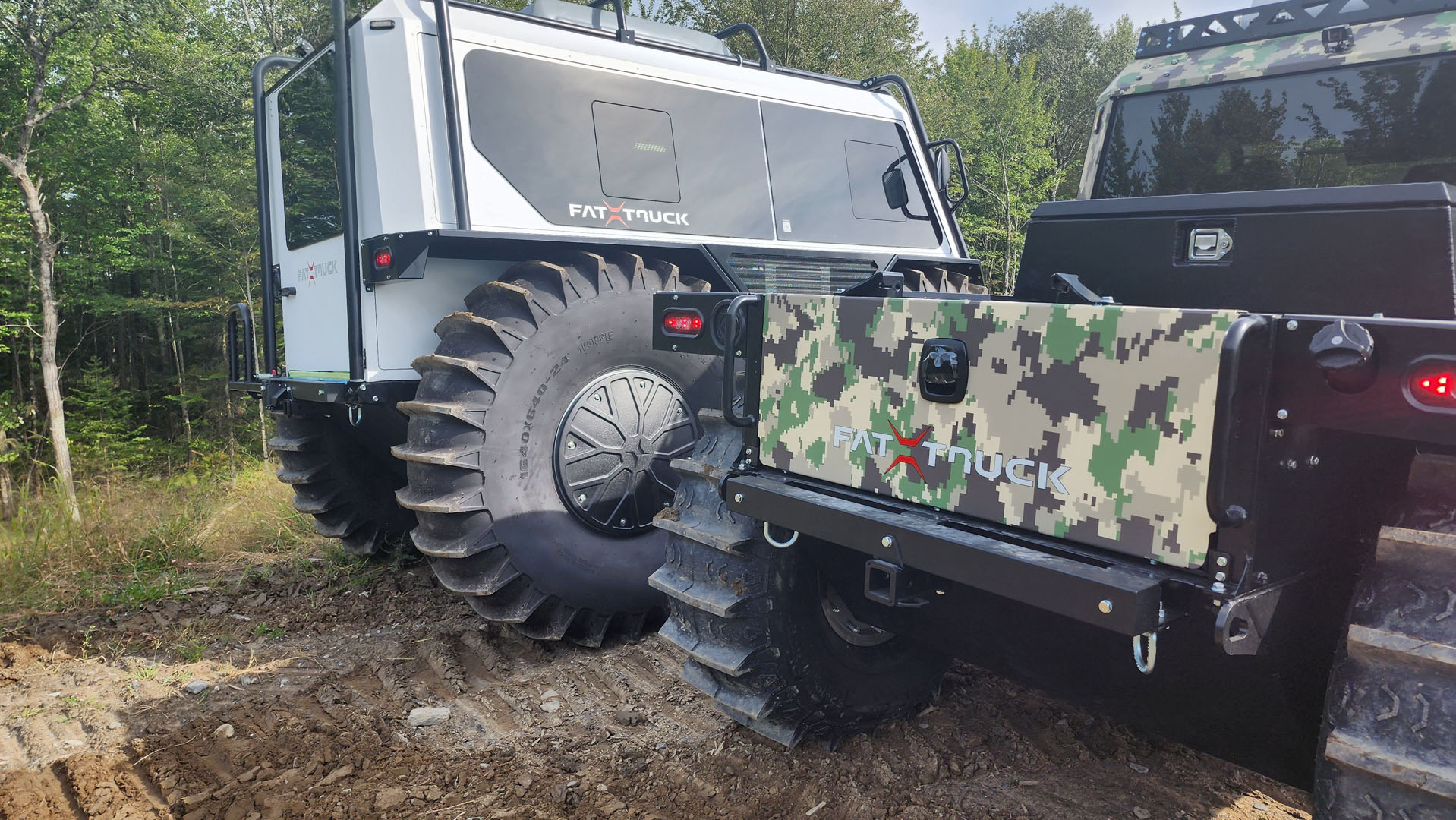
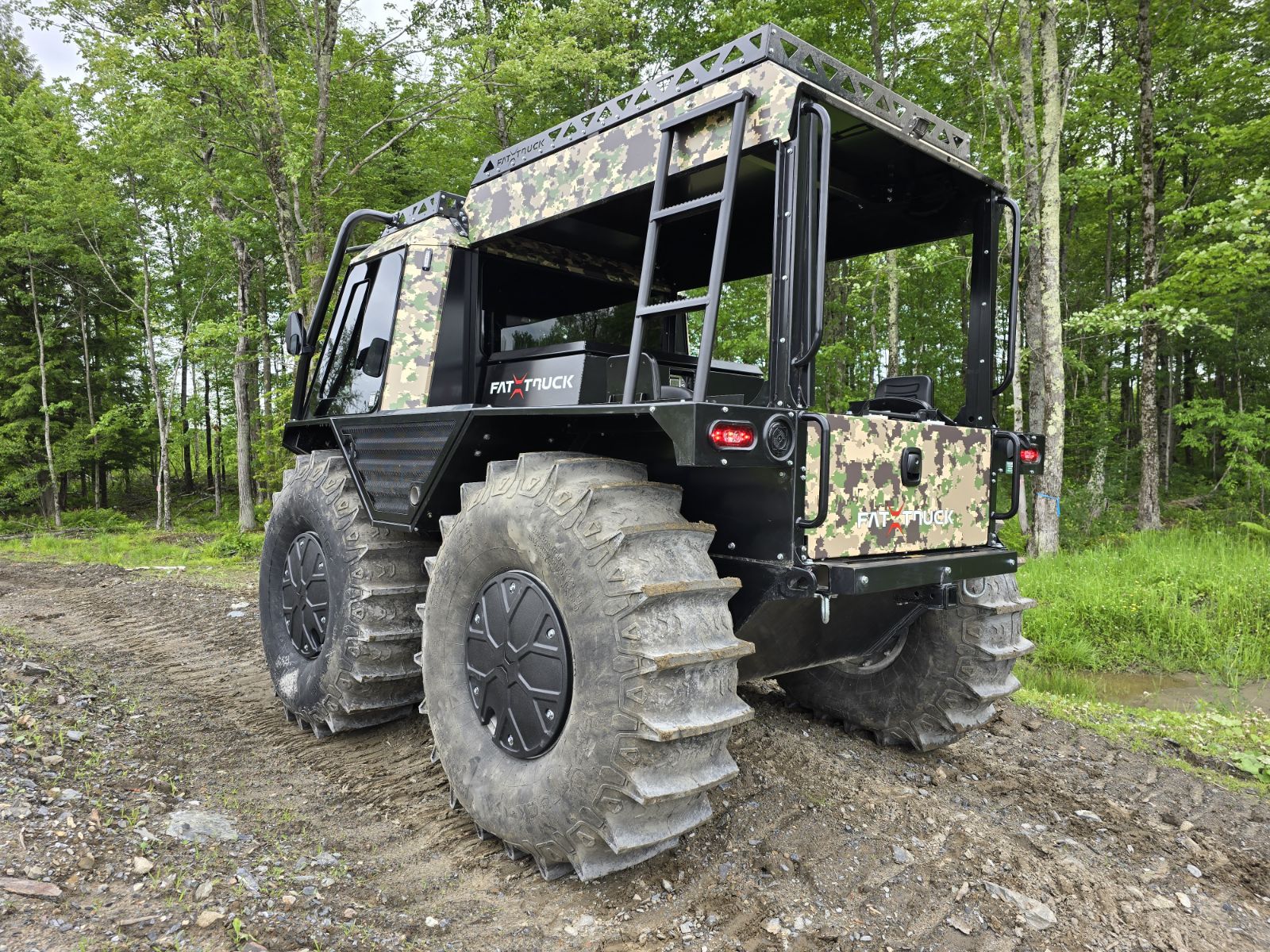
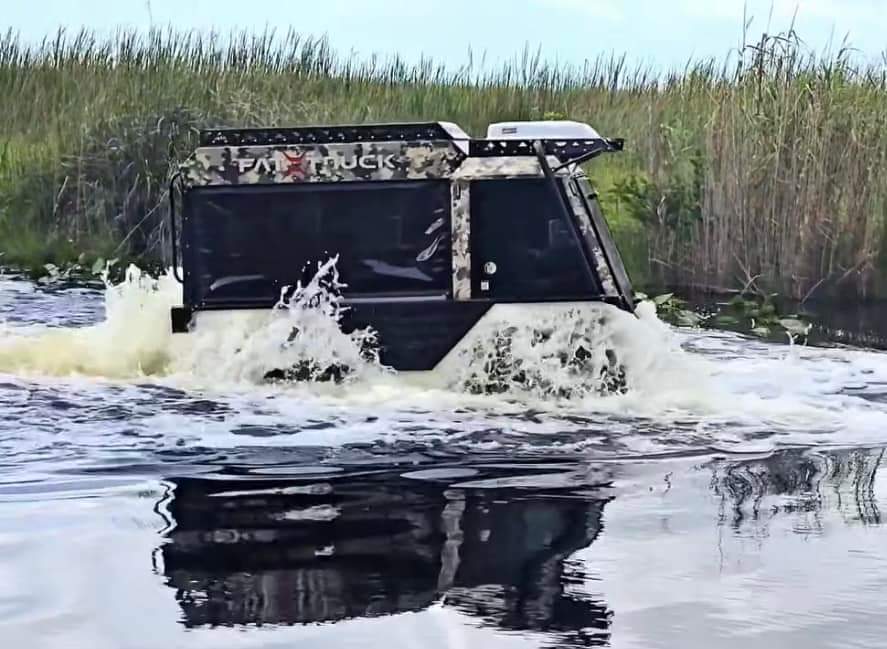
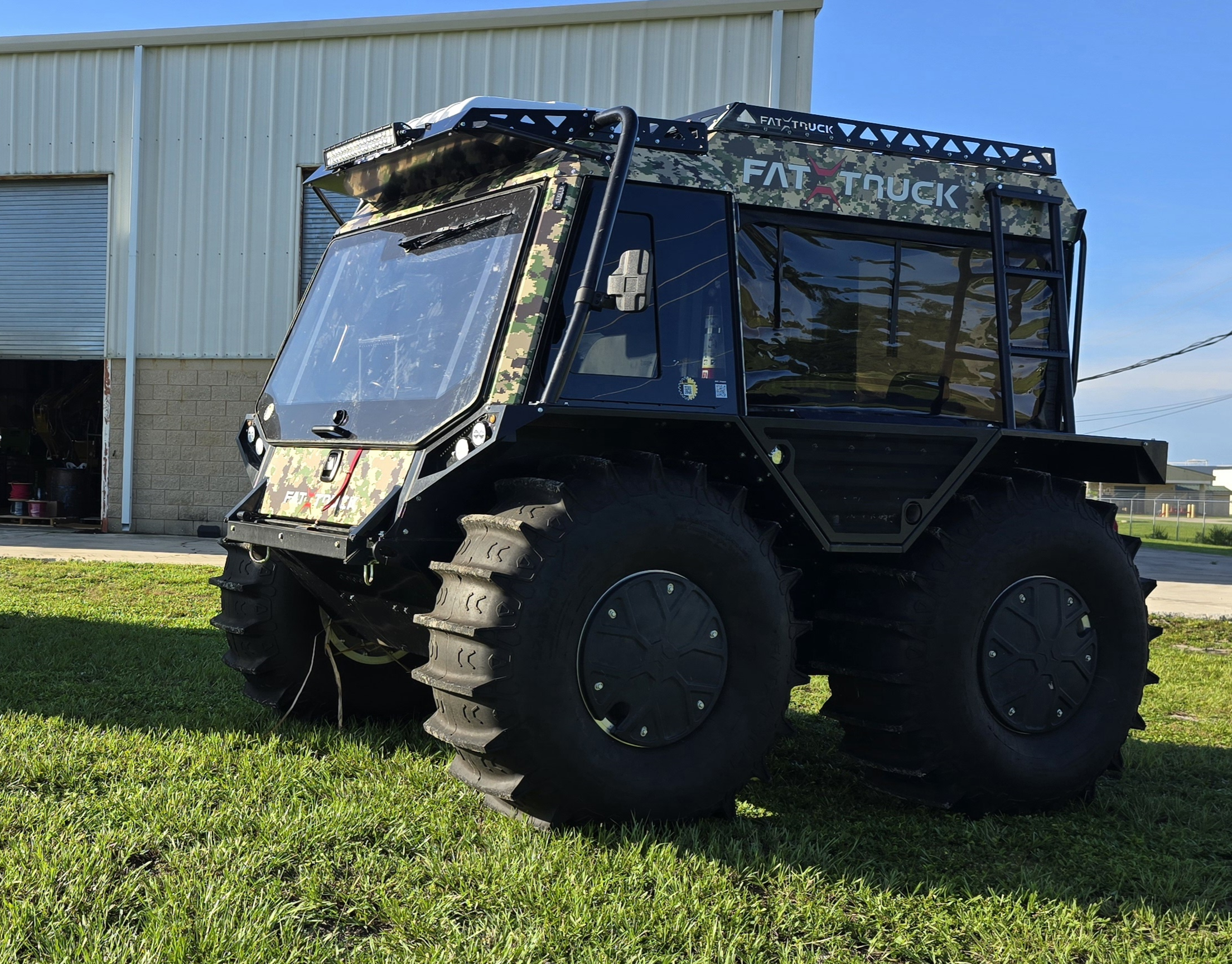
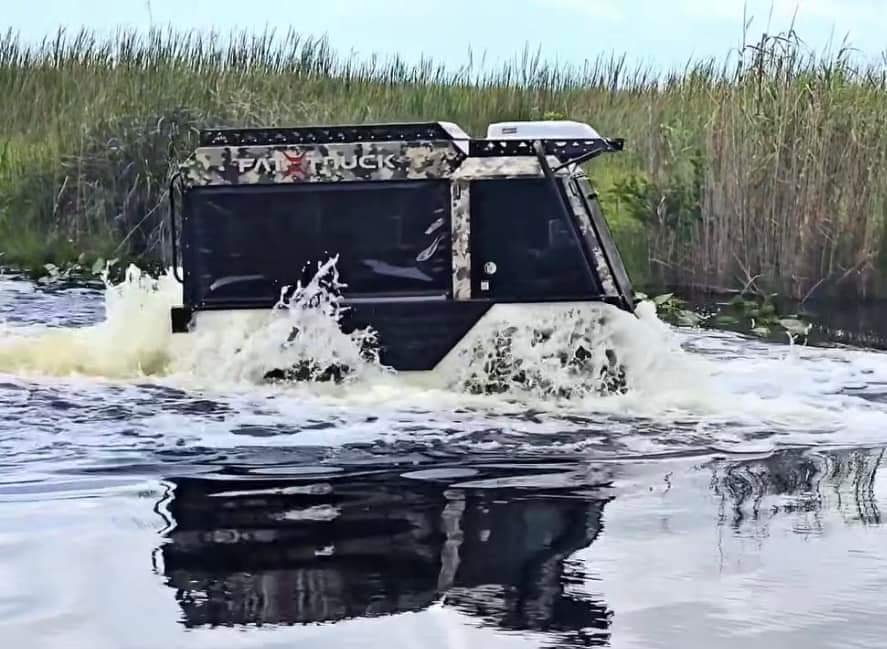
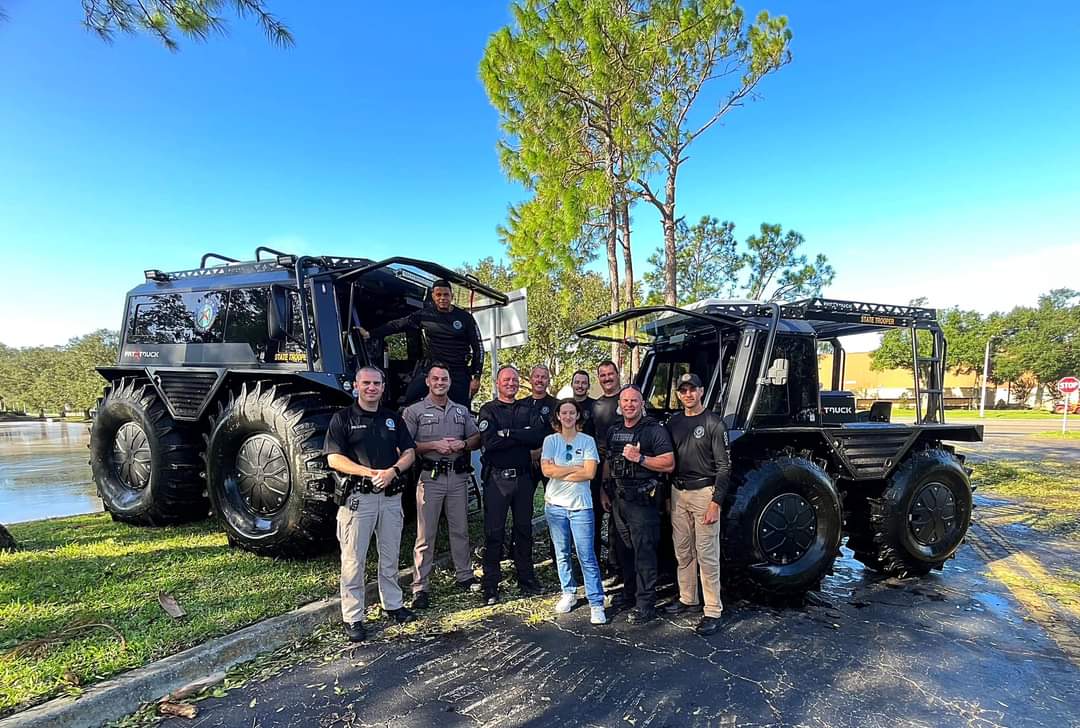
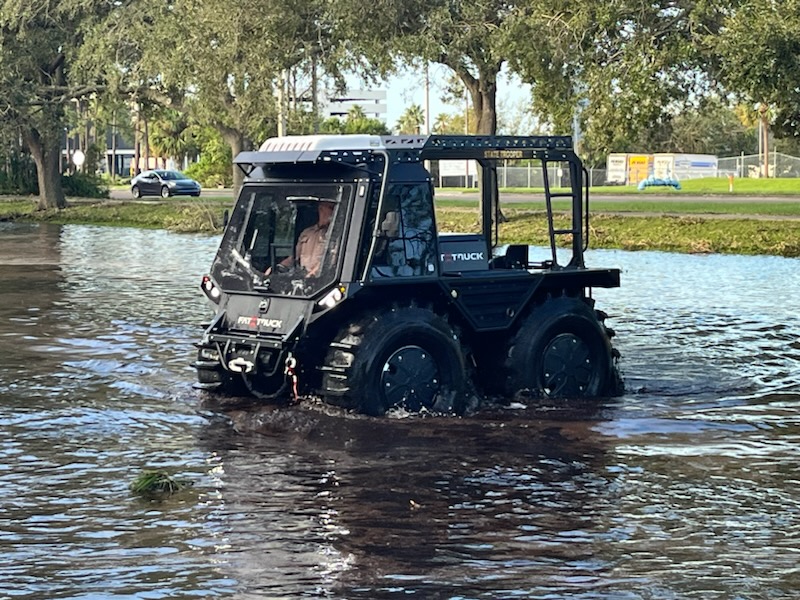
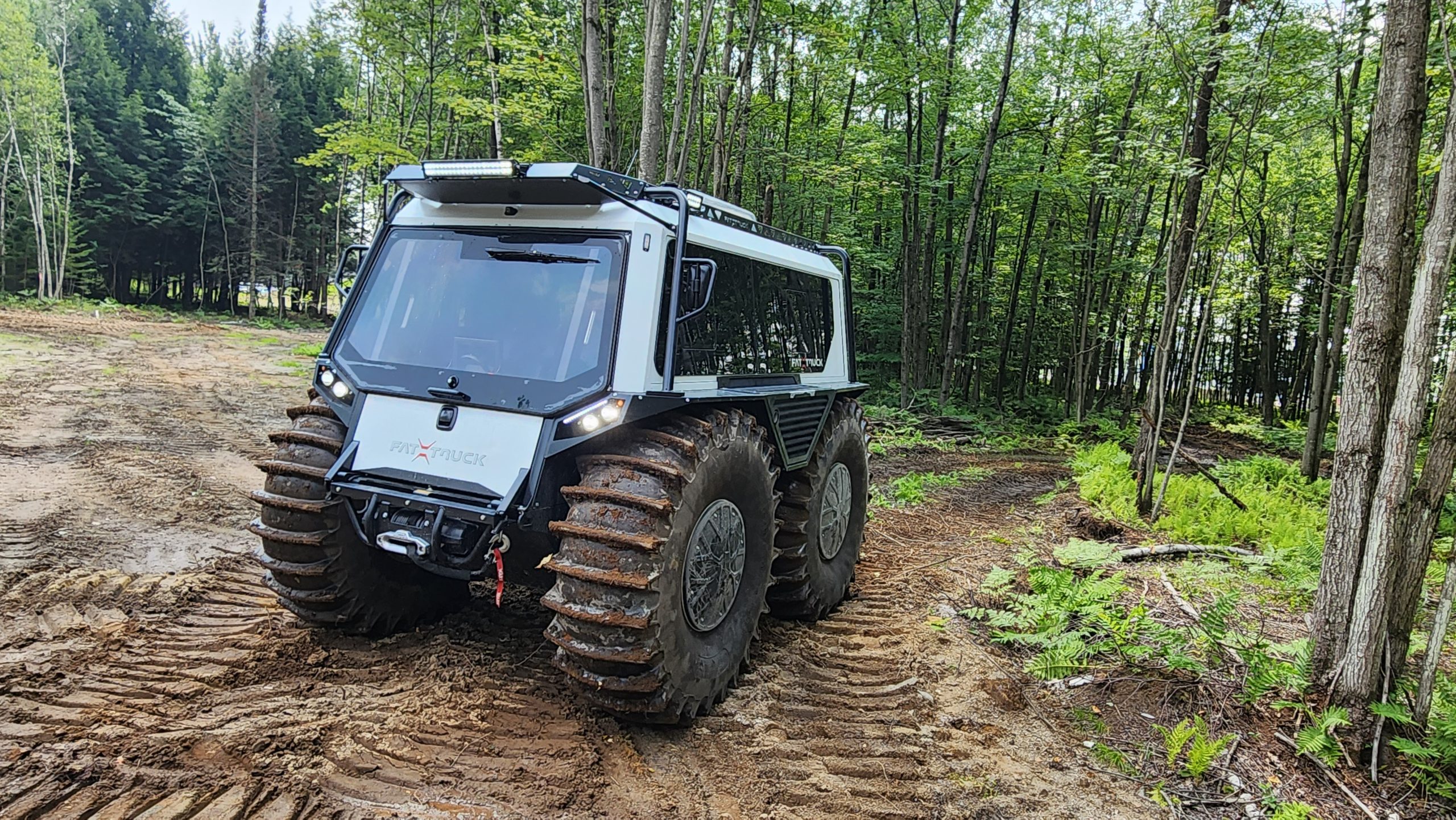
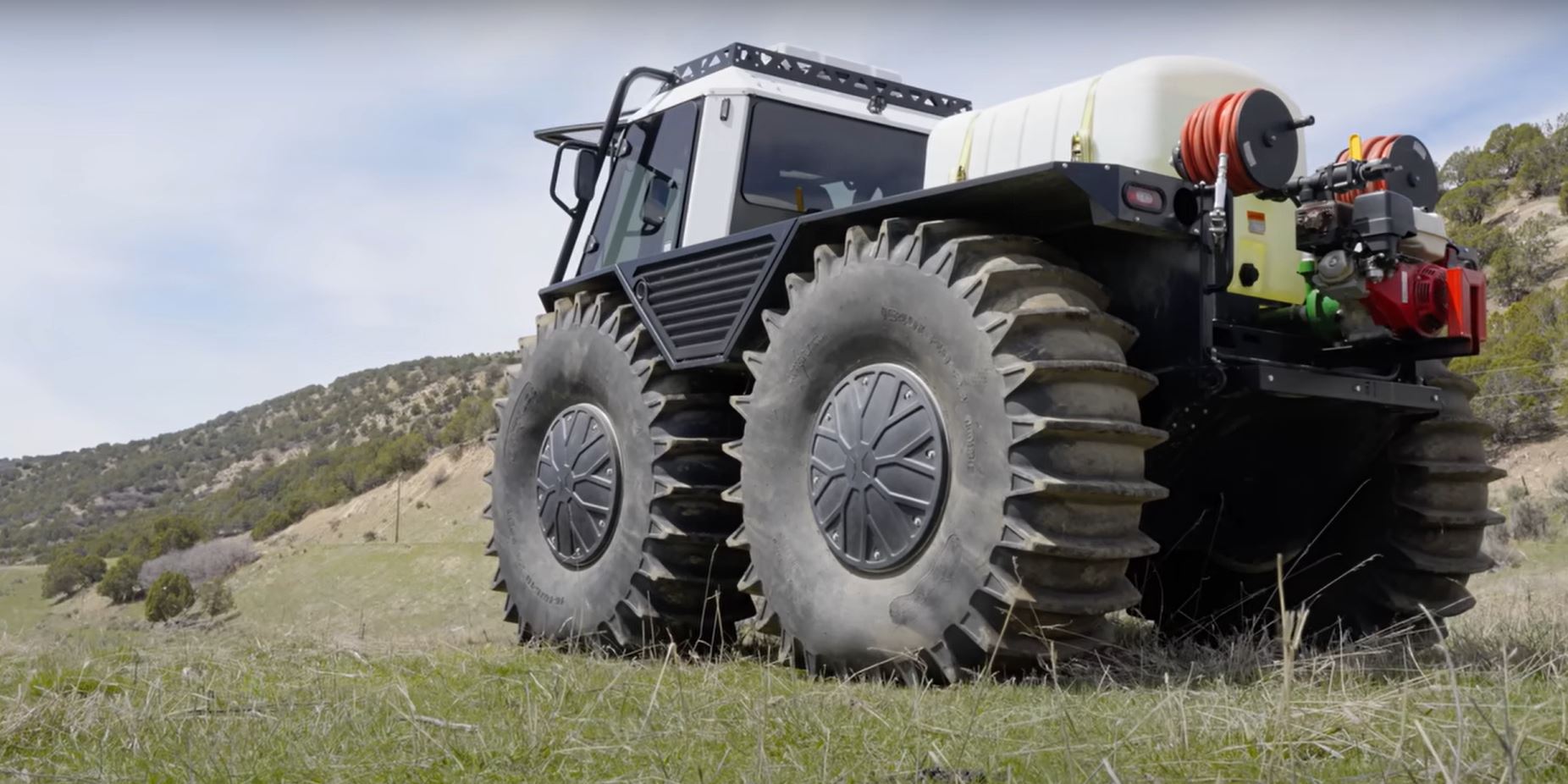
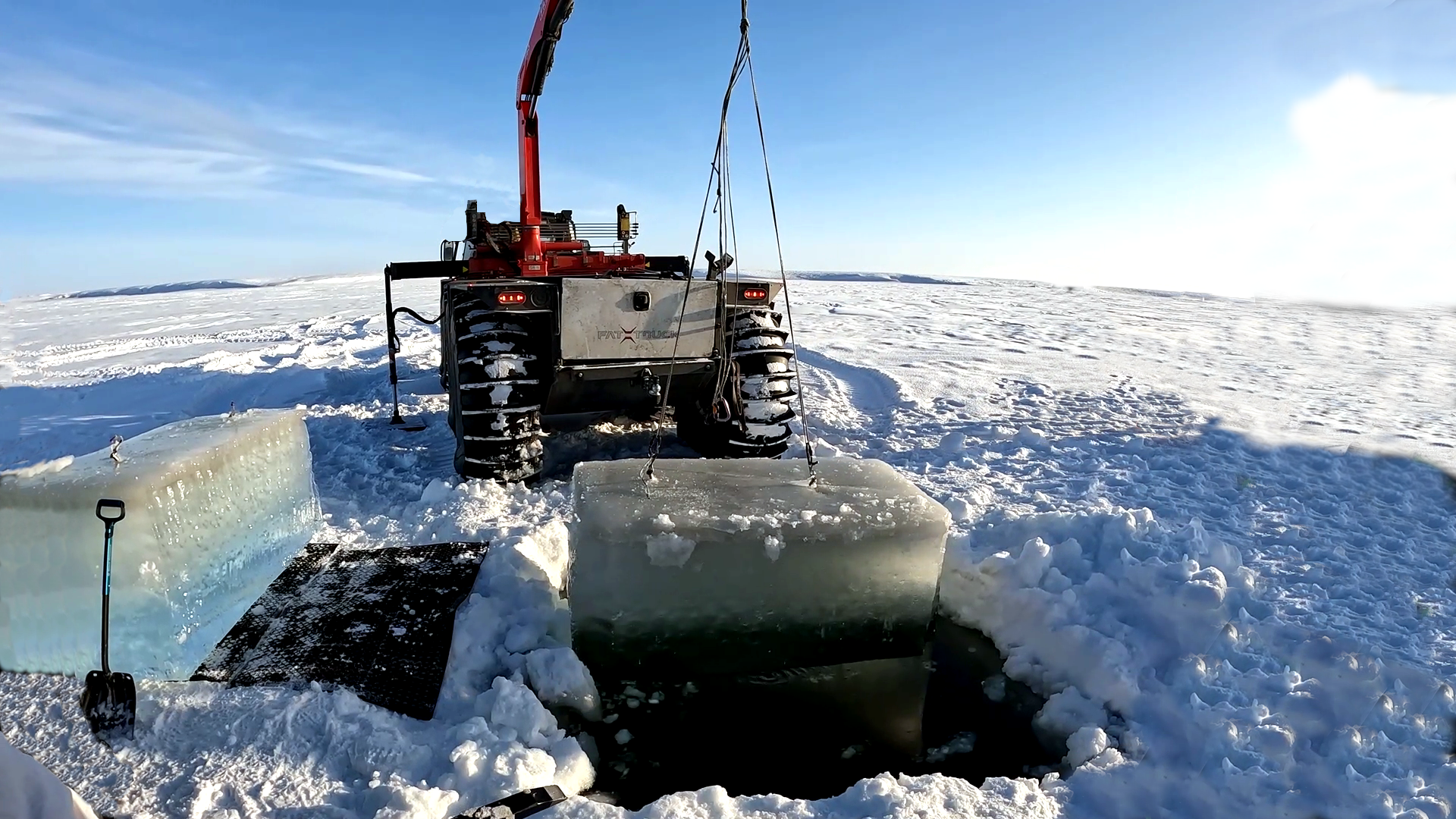
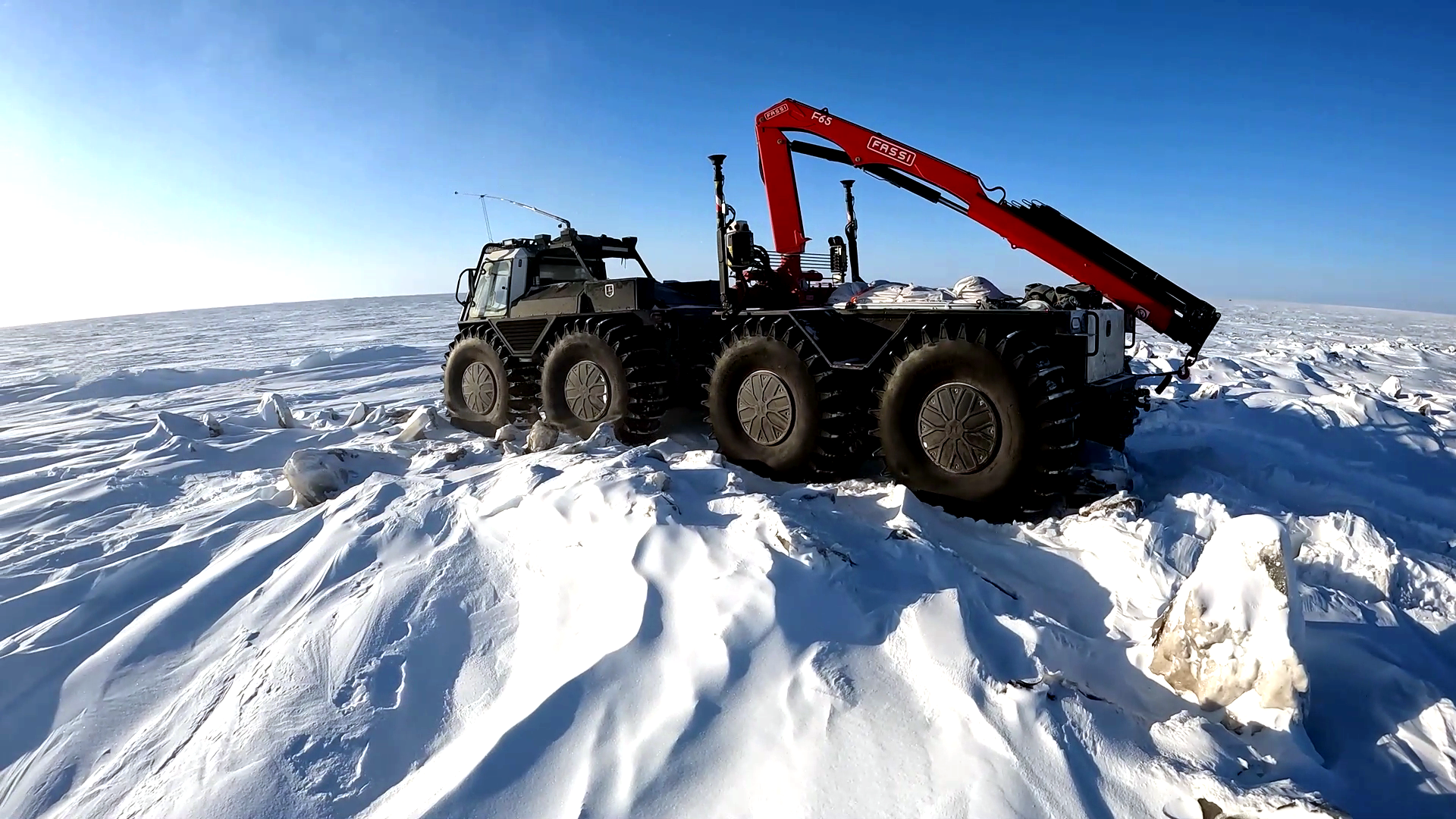
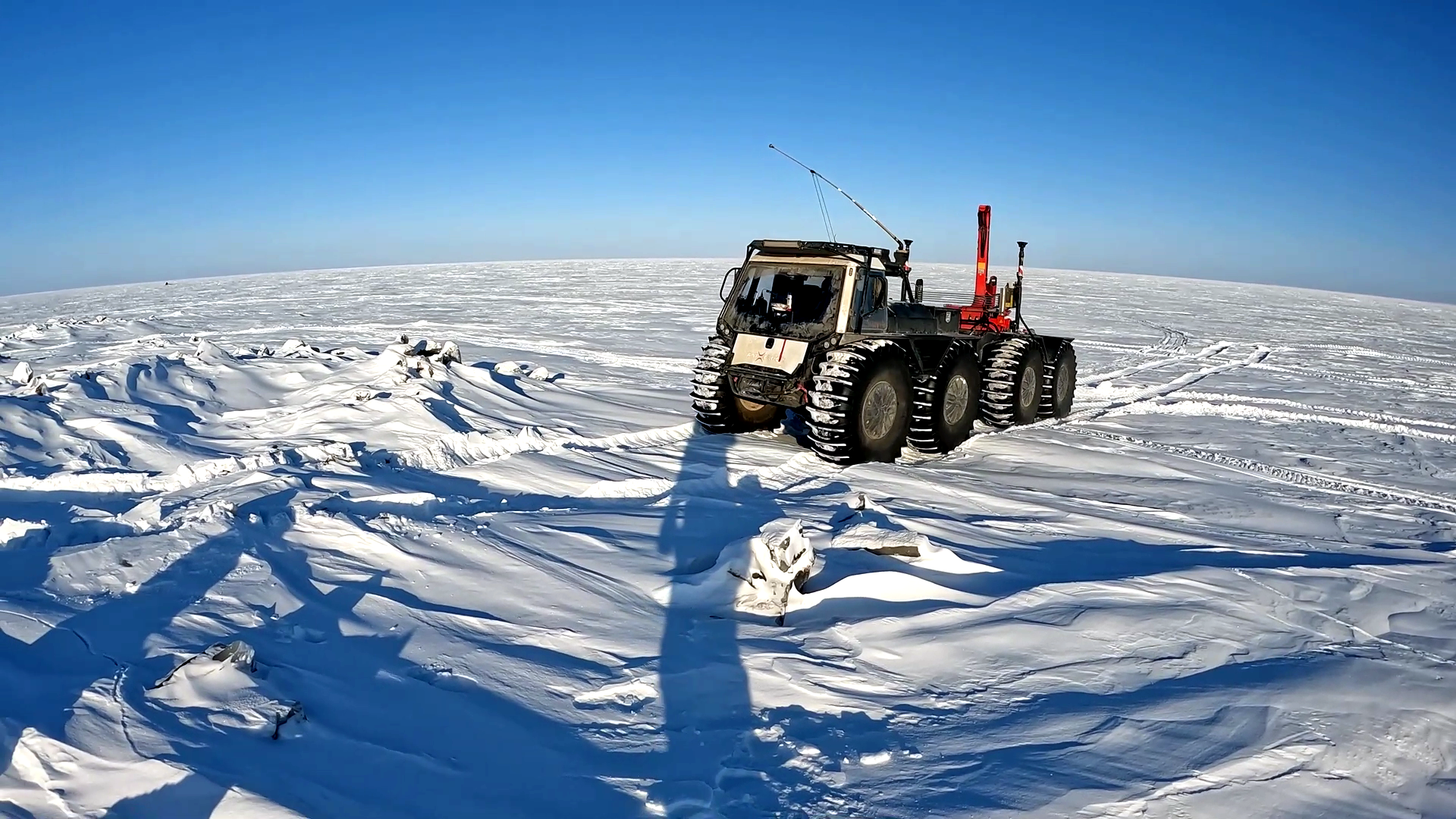
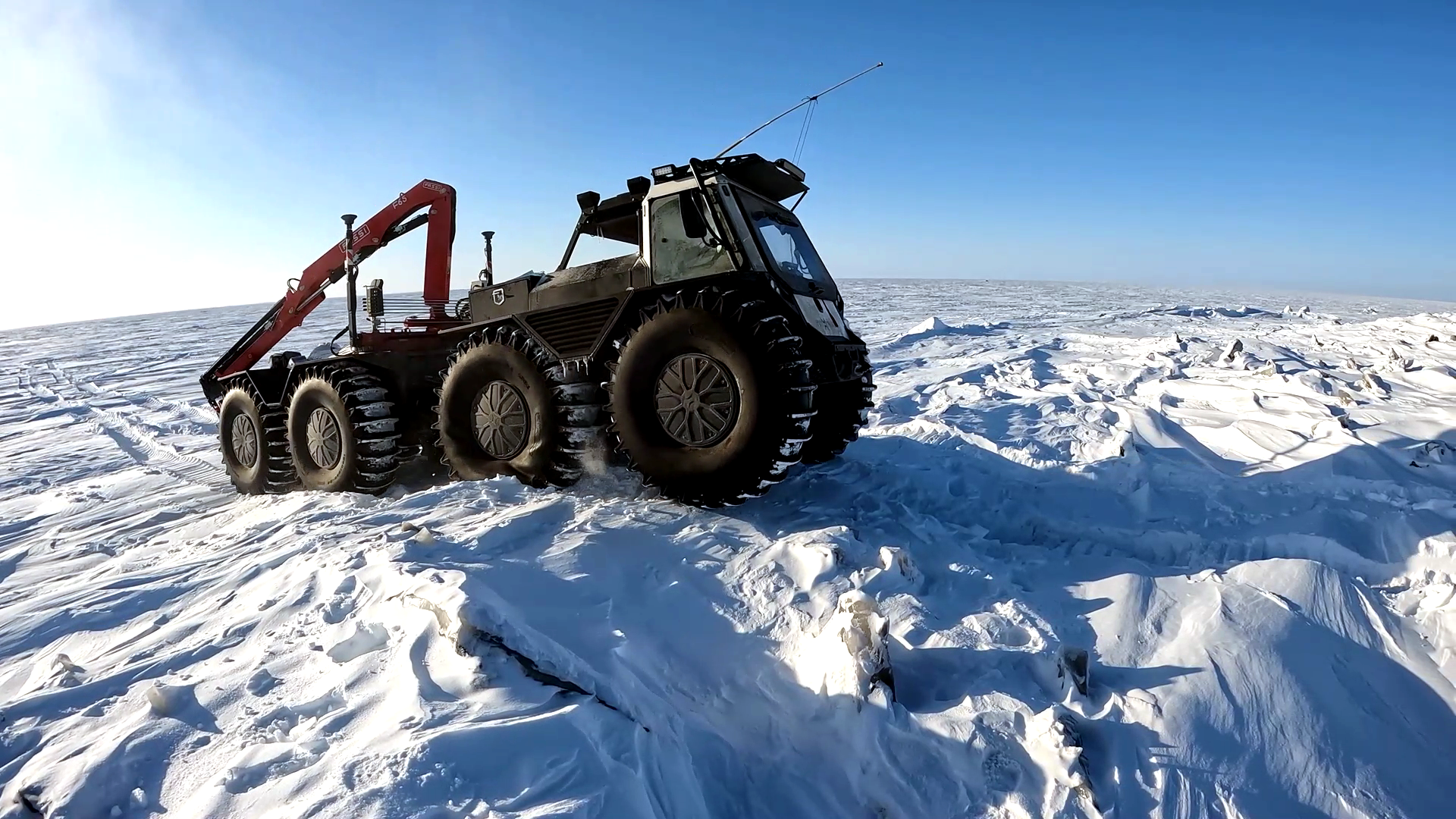
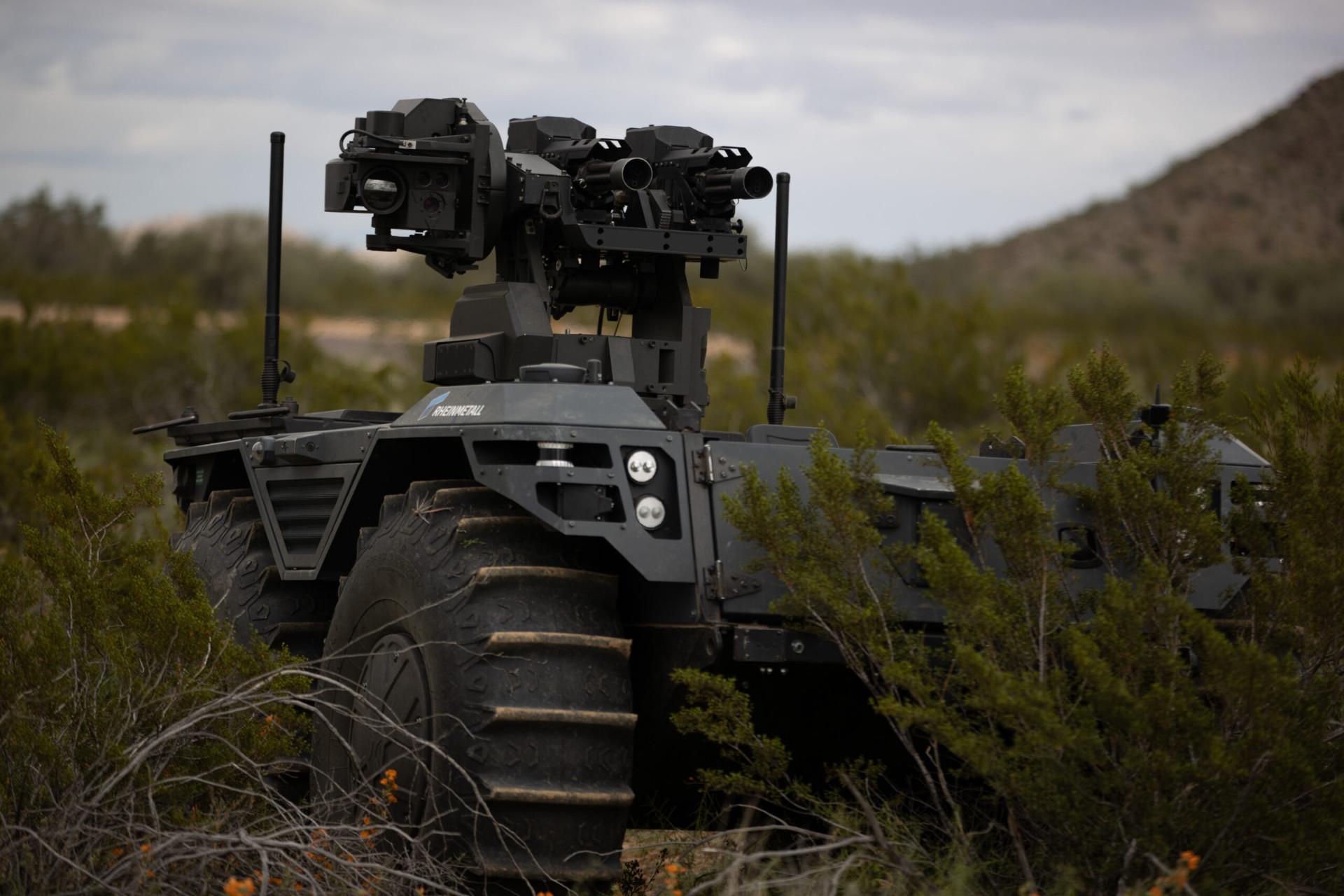
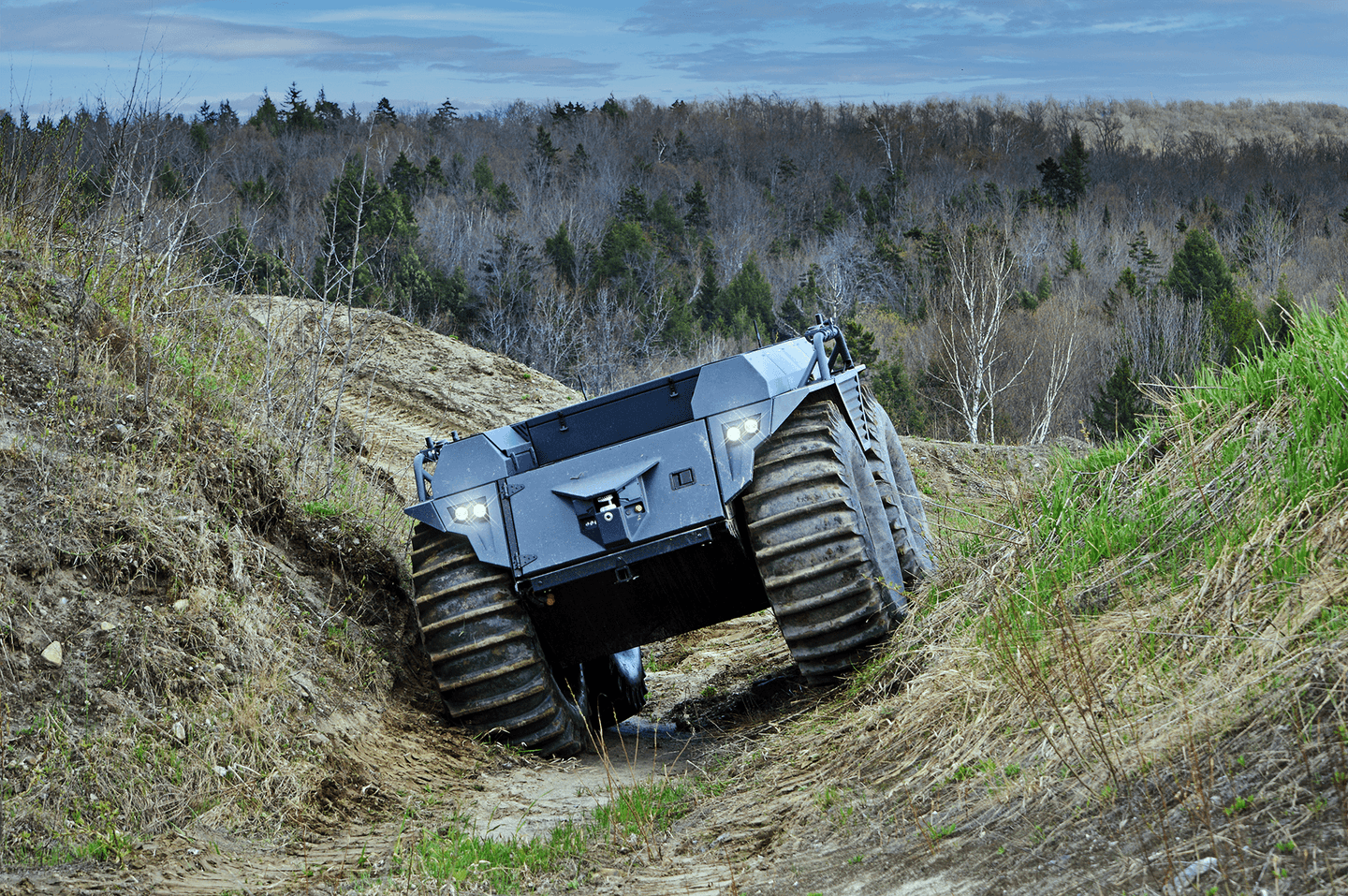
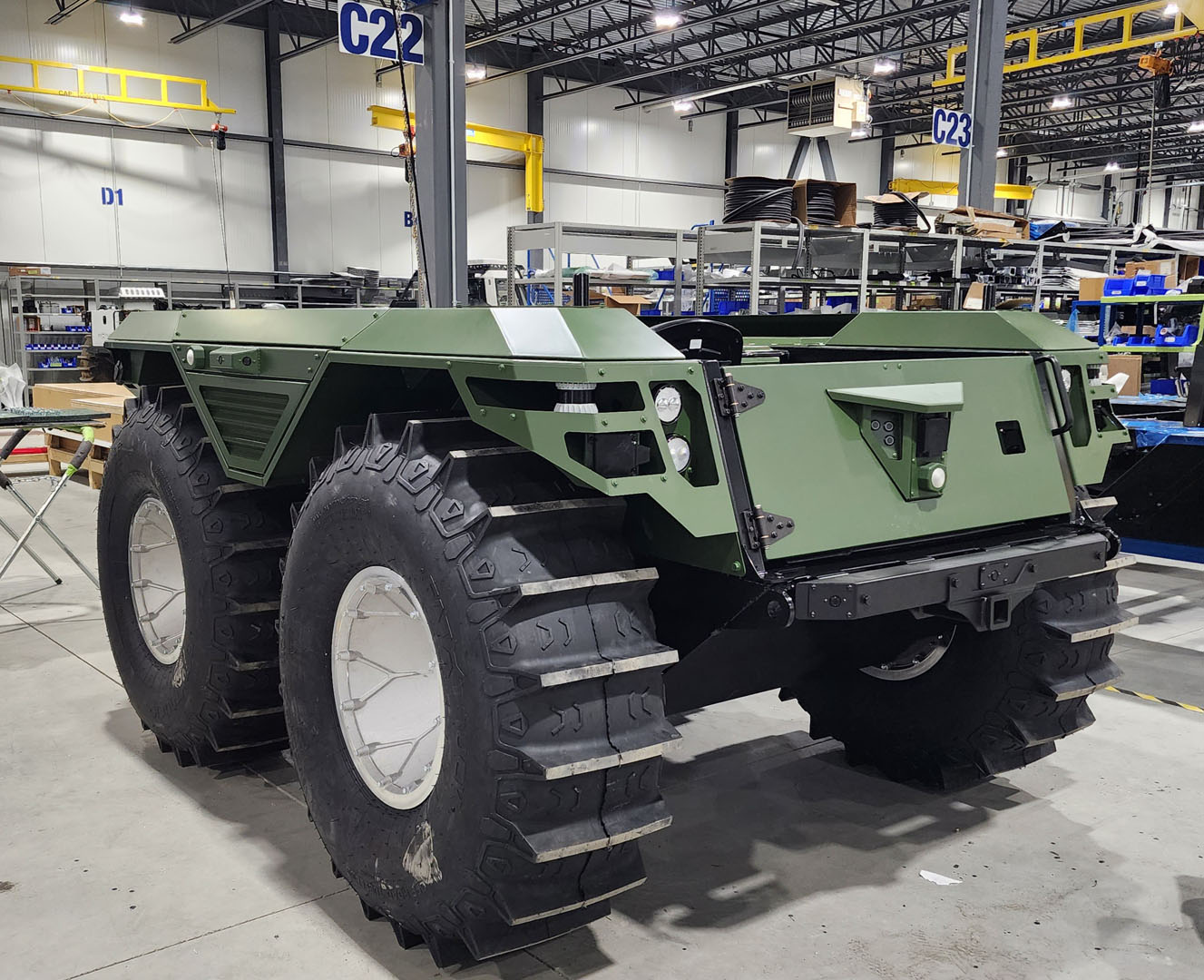
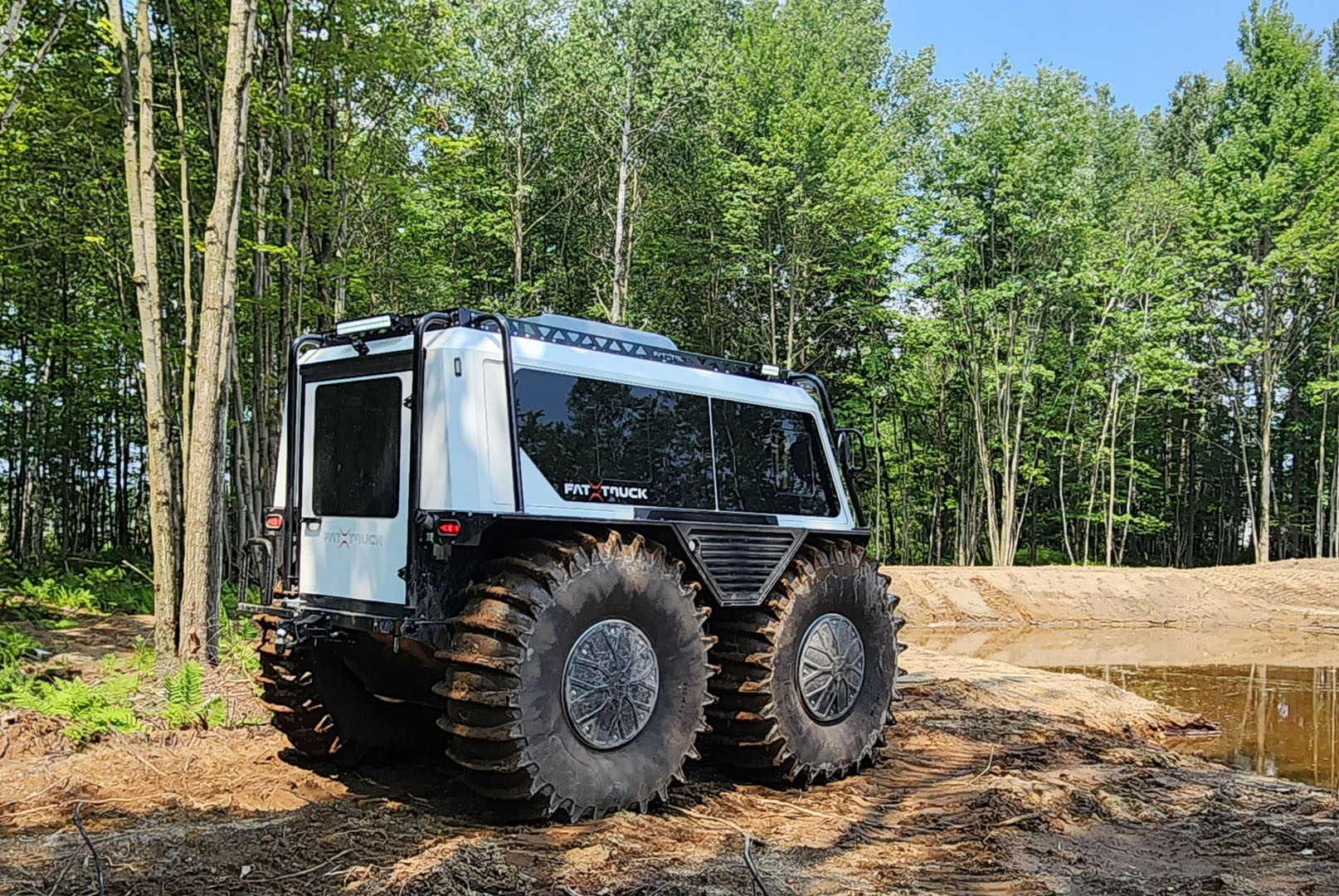
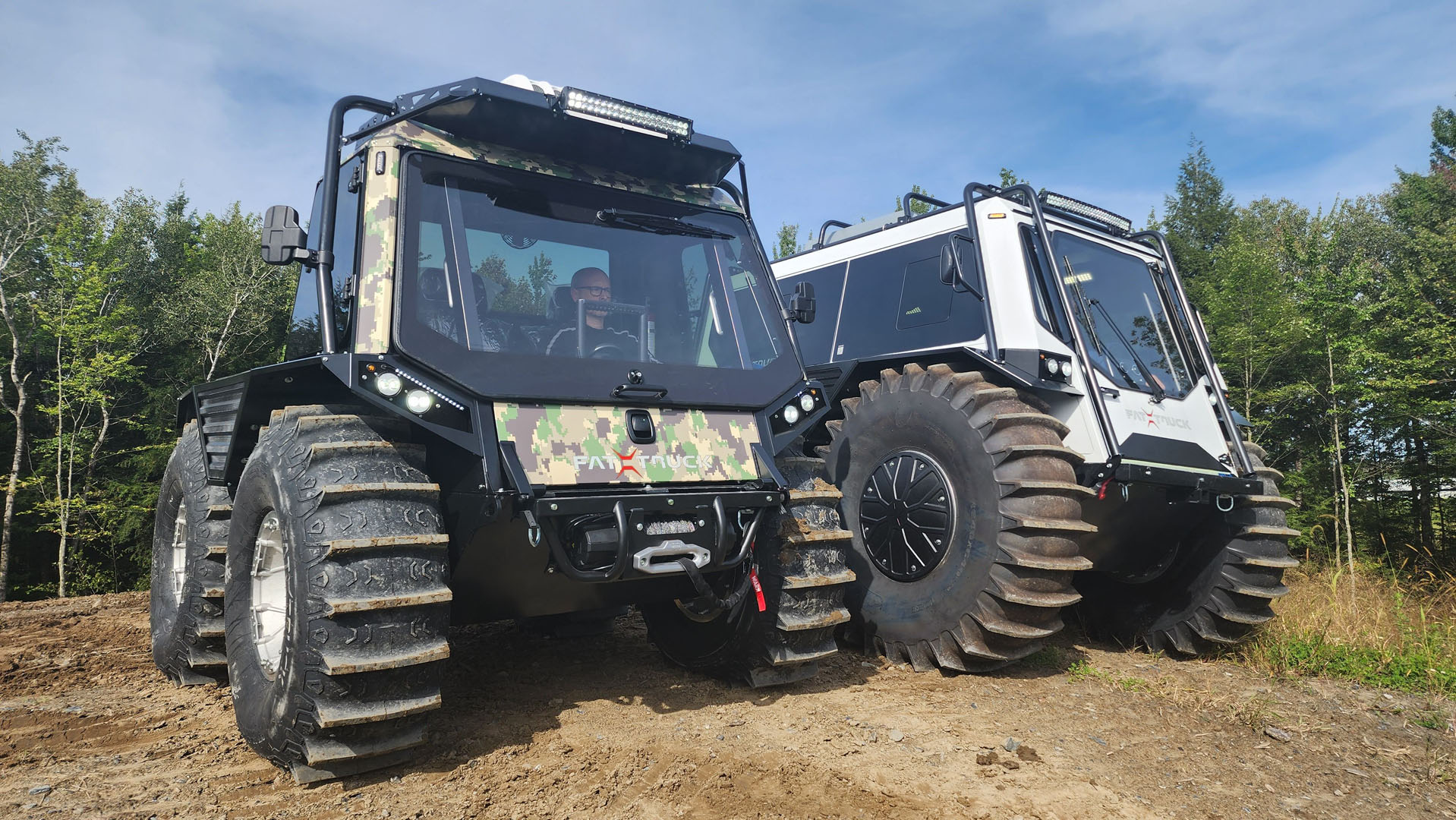
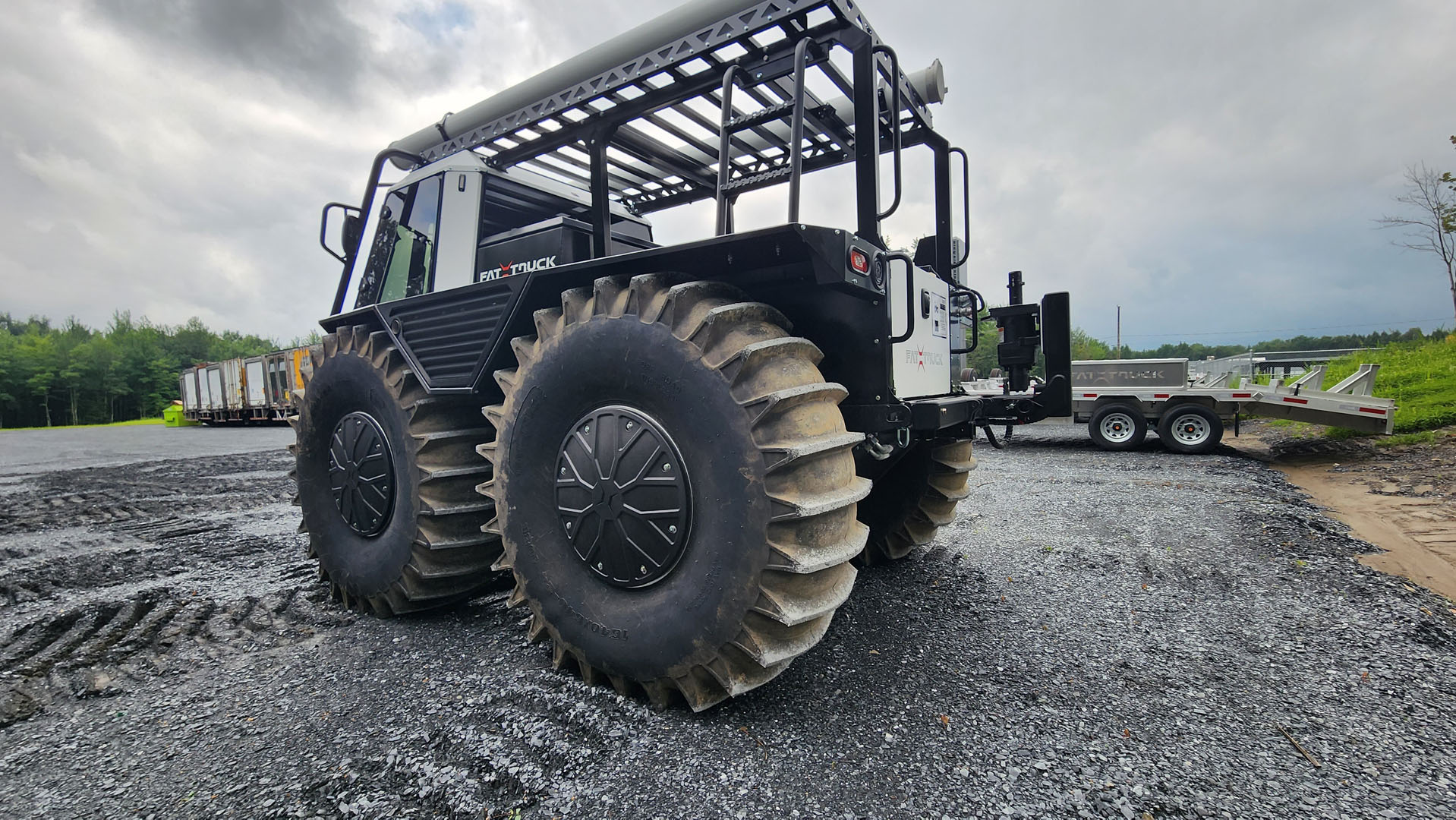
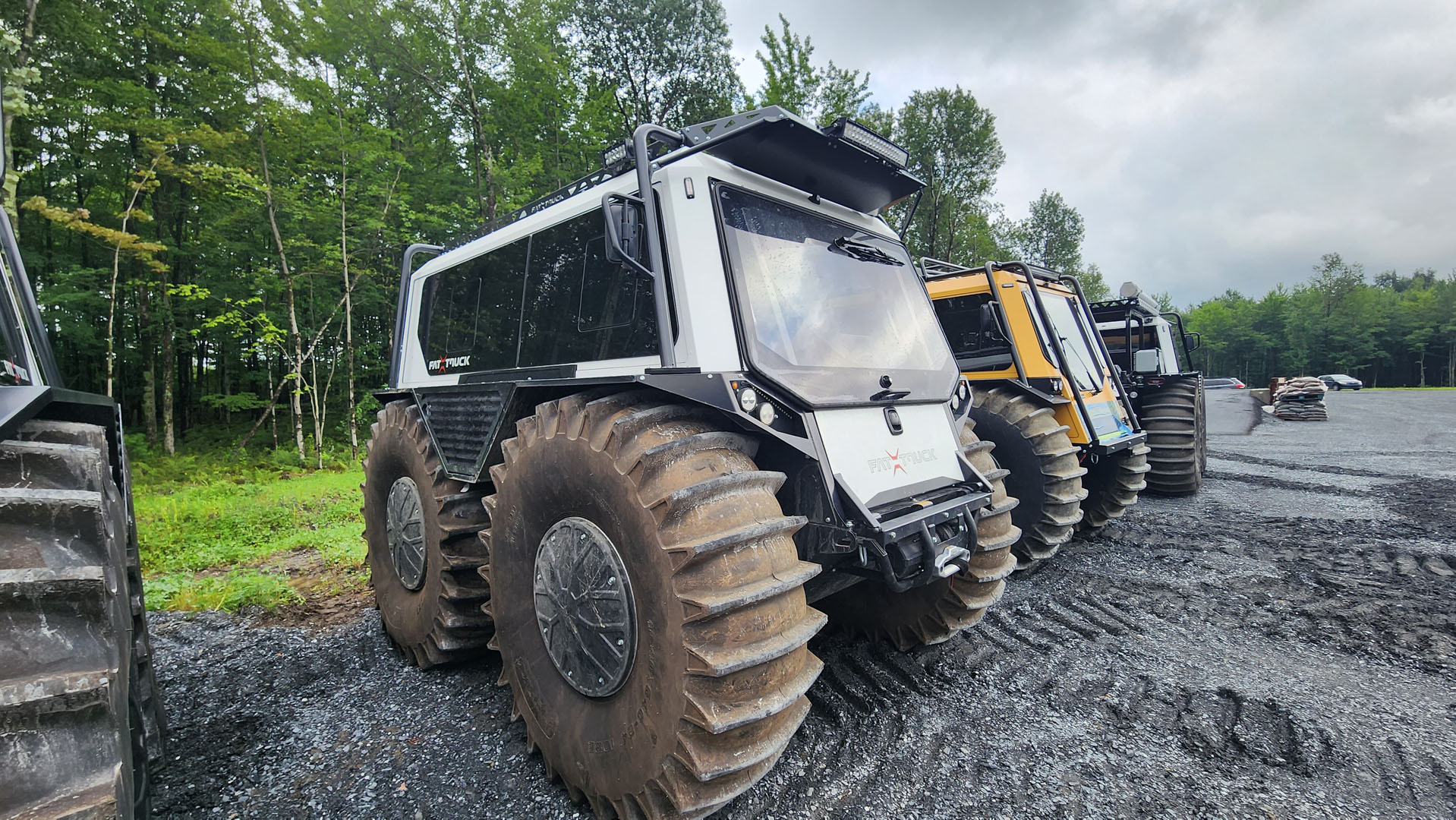
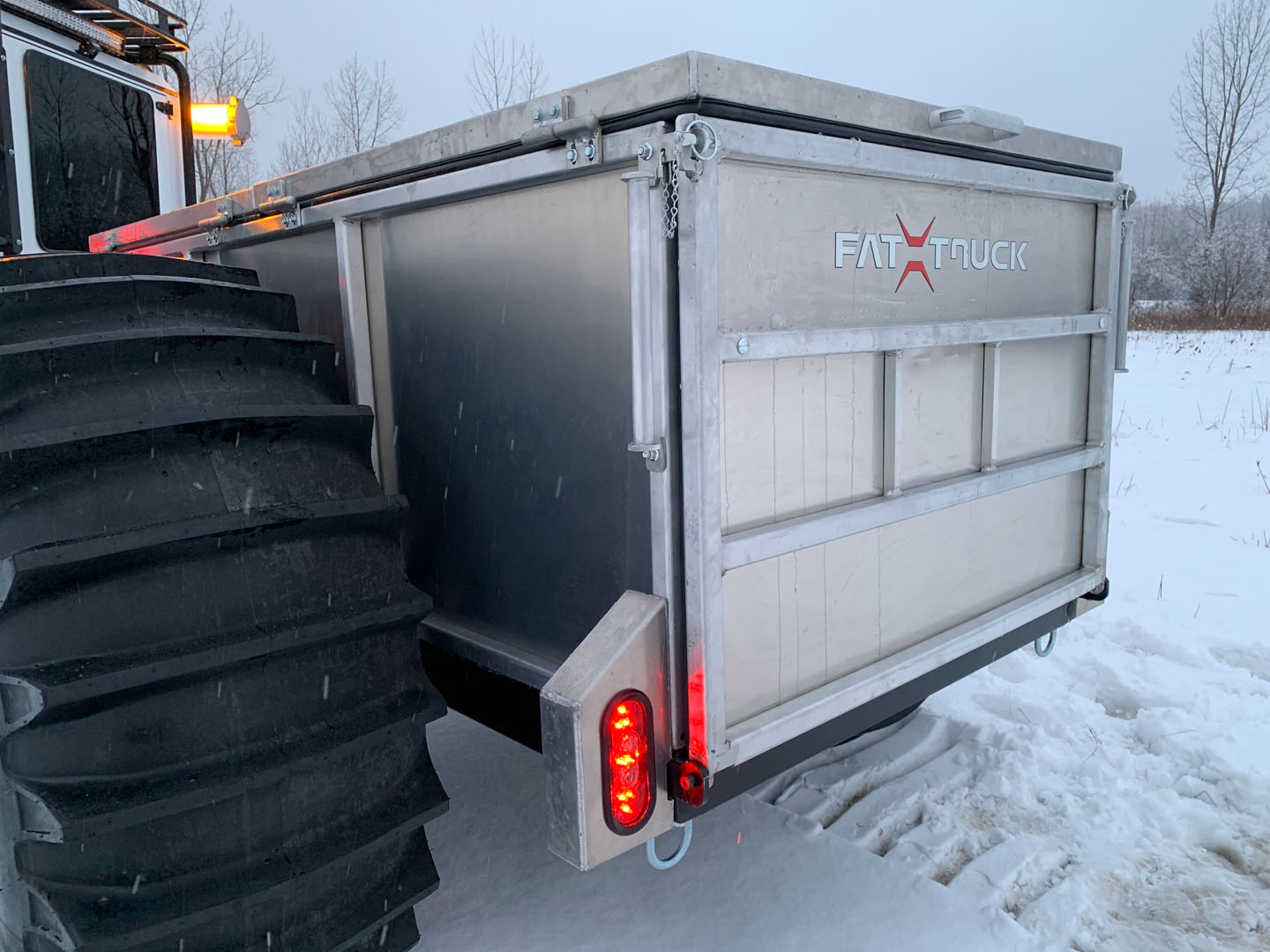
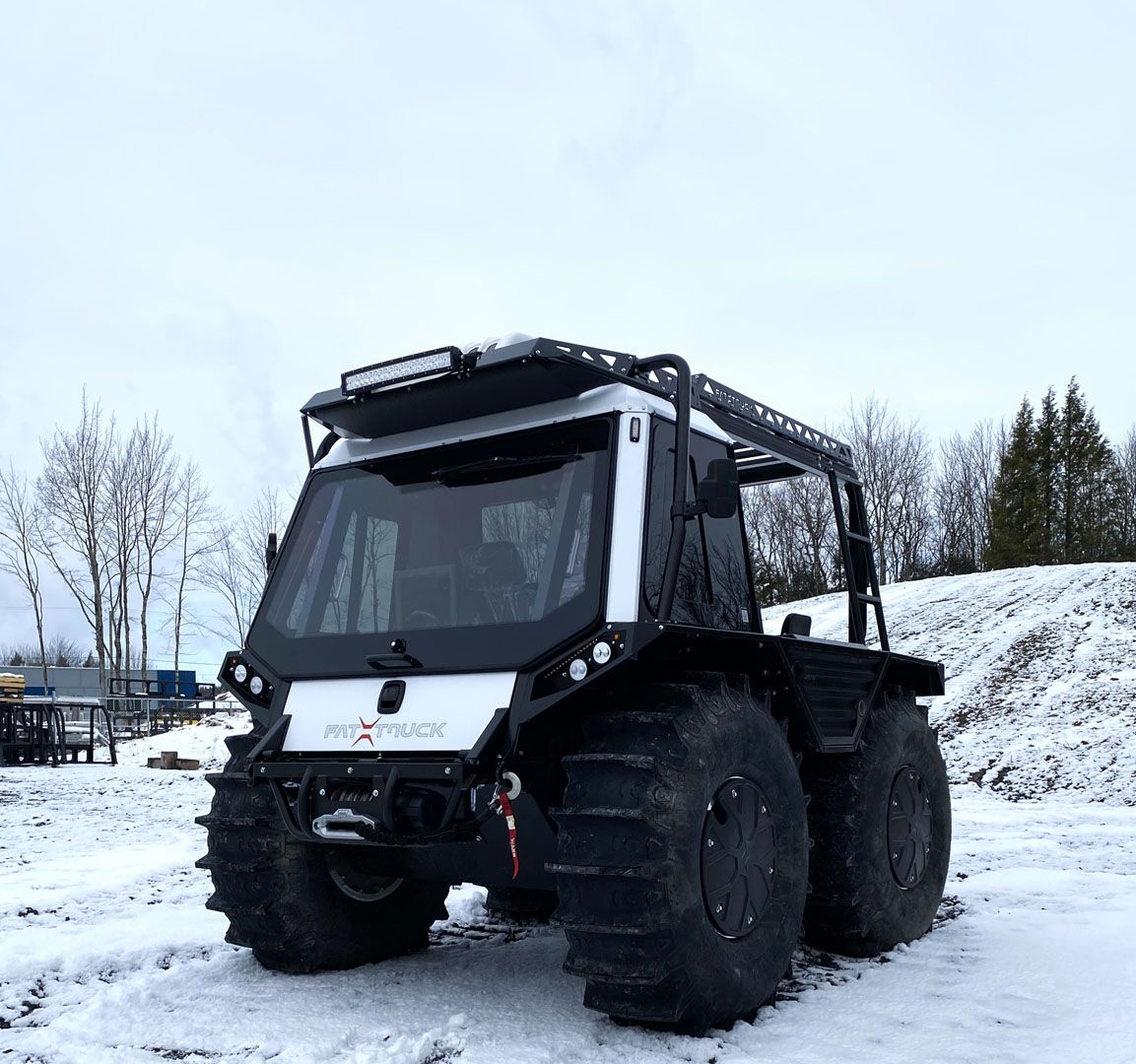
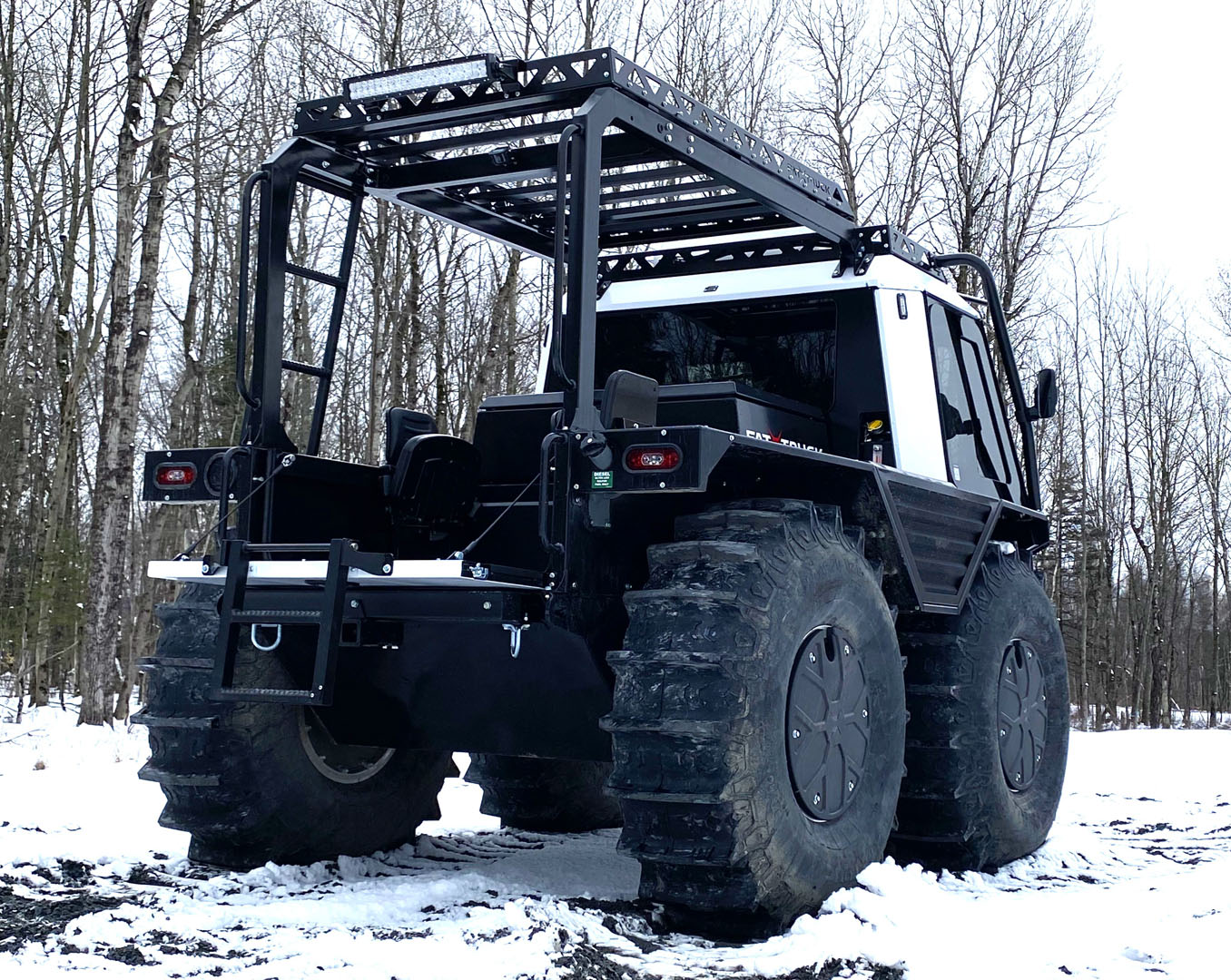
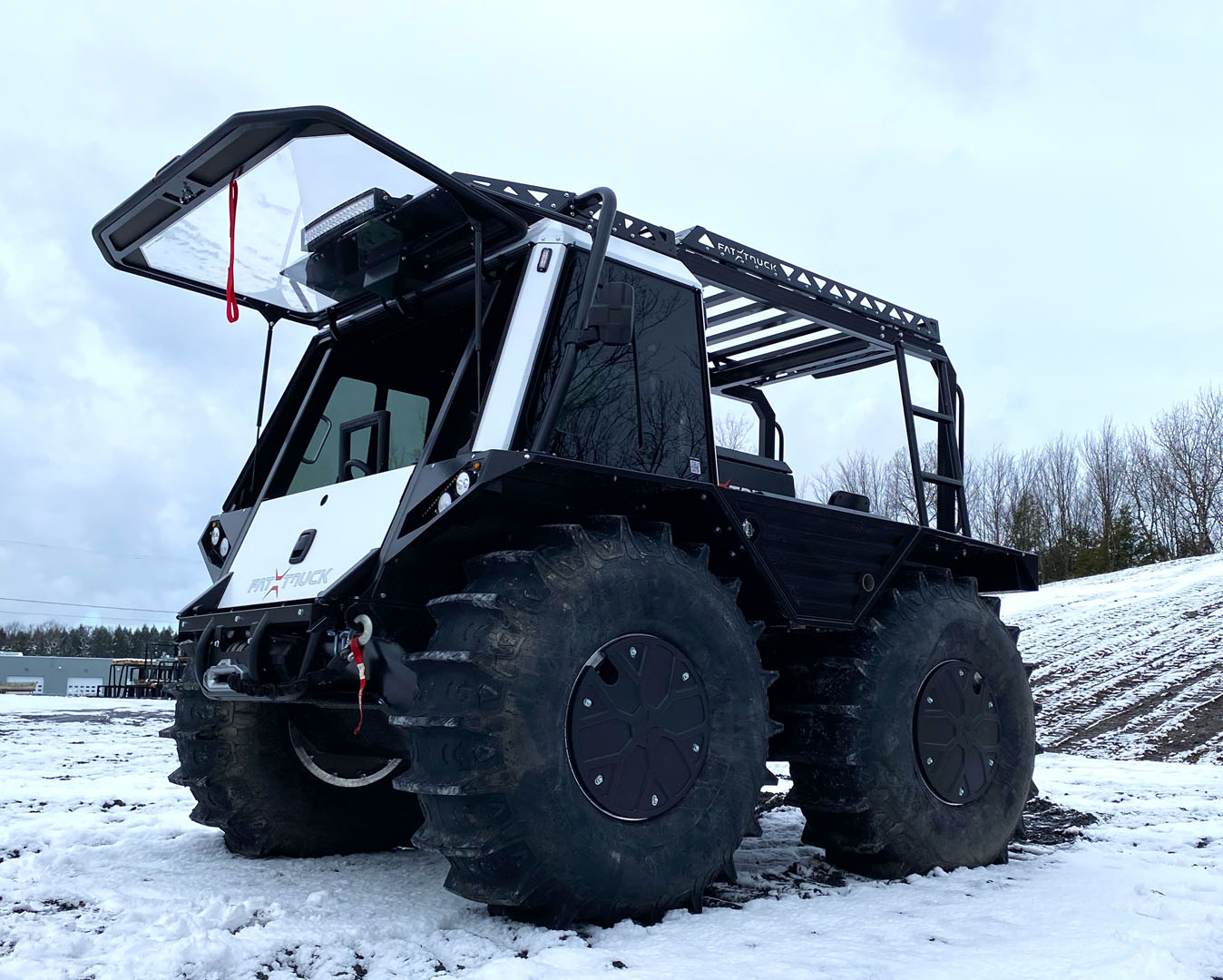
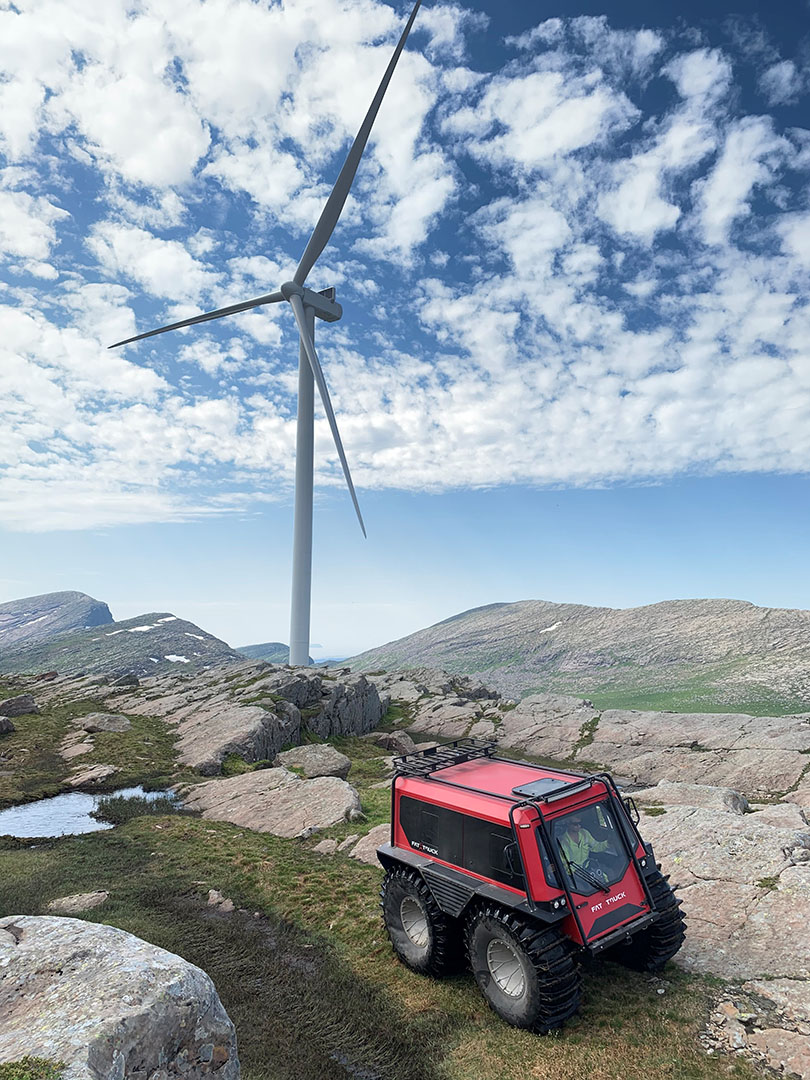
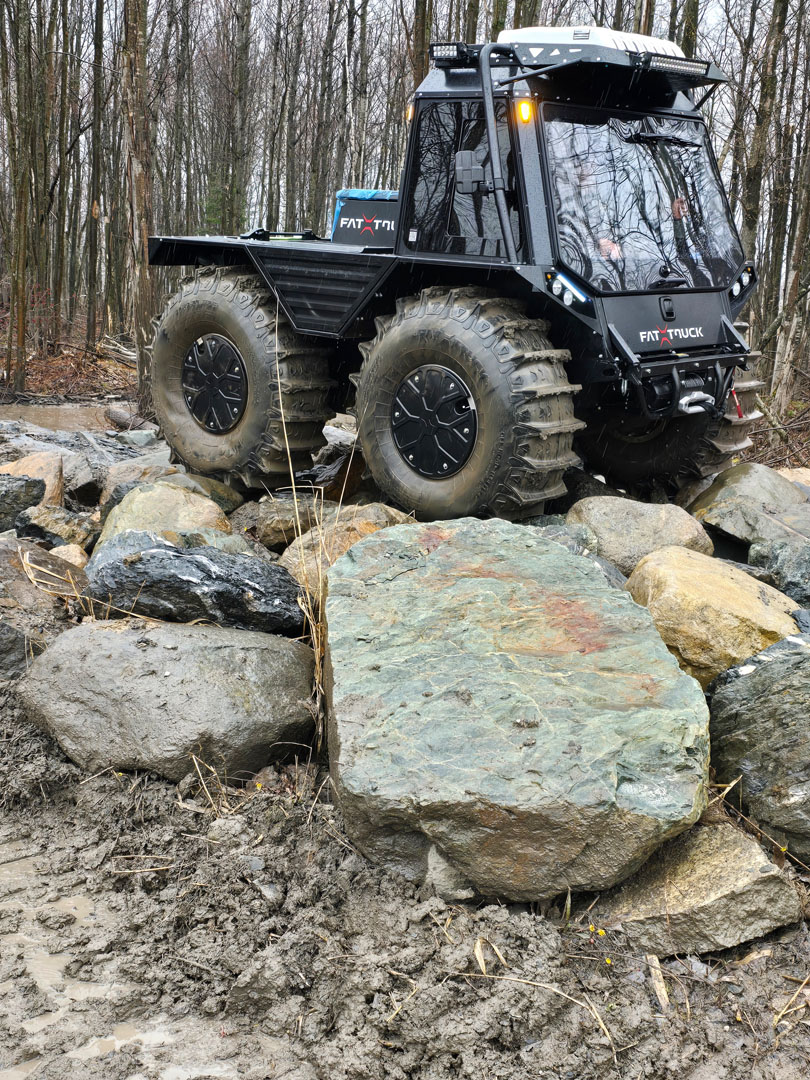
A purpose-built amphibious vehicle solves this by design, not by accident. Fat Truck’s full vehicle lineup runs at roughly 2 psi of ground pressure fully loaded; for comparison, a human footstep puts down around 10 psi. That’s the product of a wider footprint, low-pressure tires, and a chassis engineered to distribute weight evenly across every wheel position rather than concentrating it at two axles. The same engineering lets these vehicles climb 70% grade inclines and hold 40% sidehill capability, so the terrain that stops a standard vehicle isn’t just survivable, it’s routine. Larger models like the FT5 Hauler apply this same low ground pressure principle even at higher payload capacities.
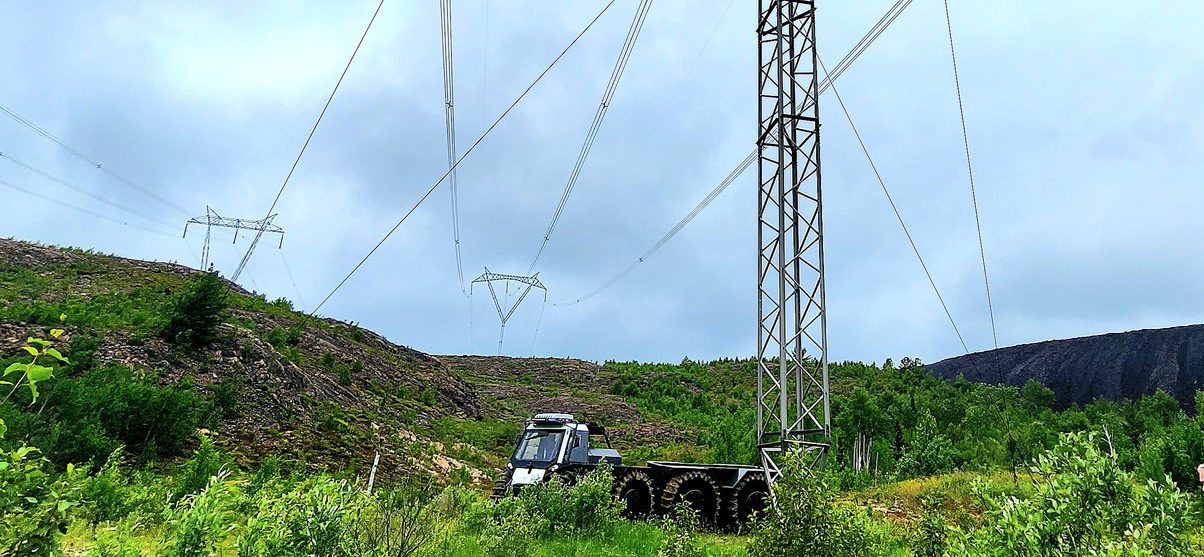
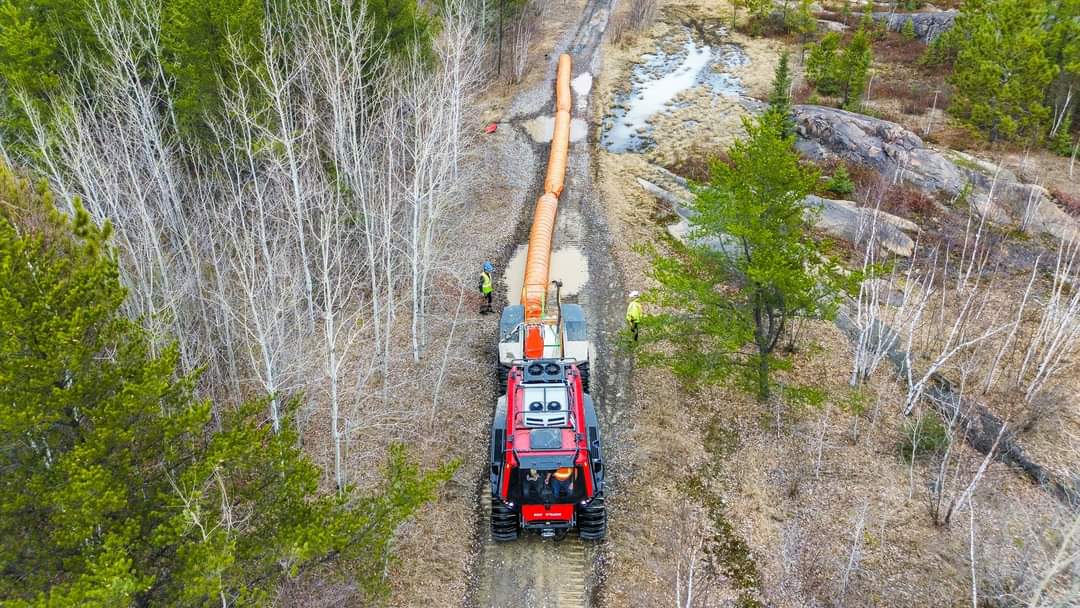
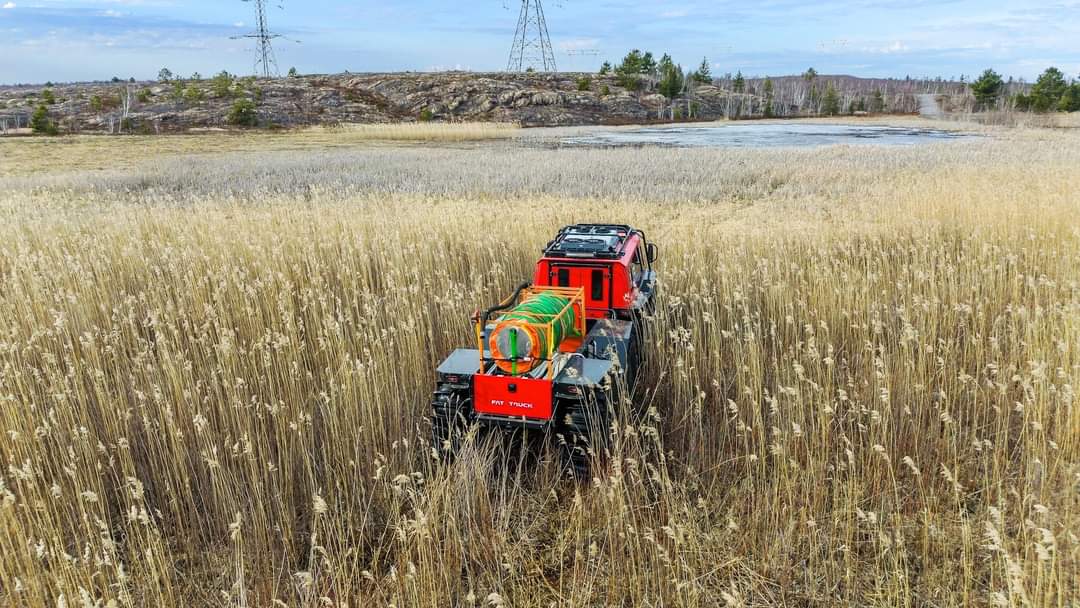
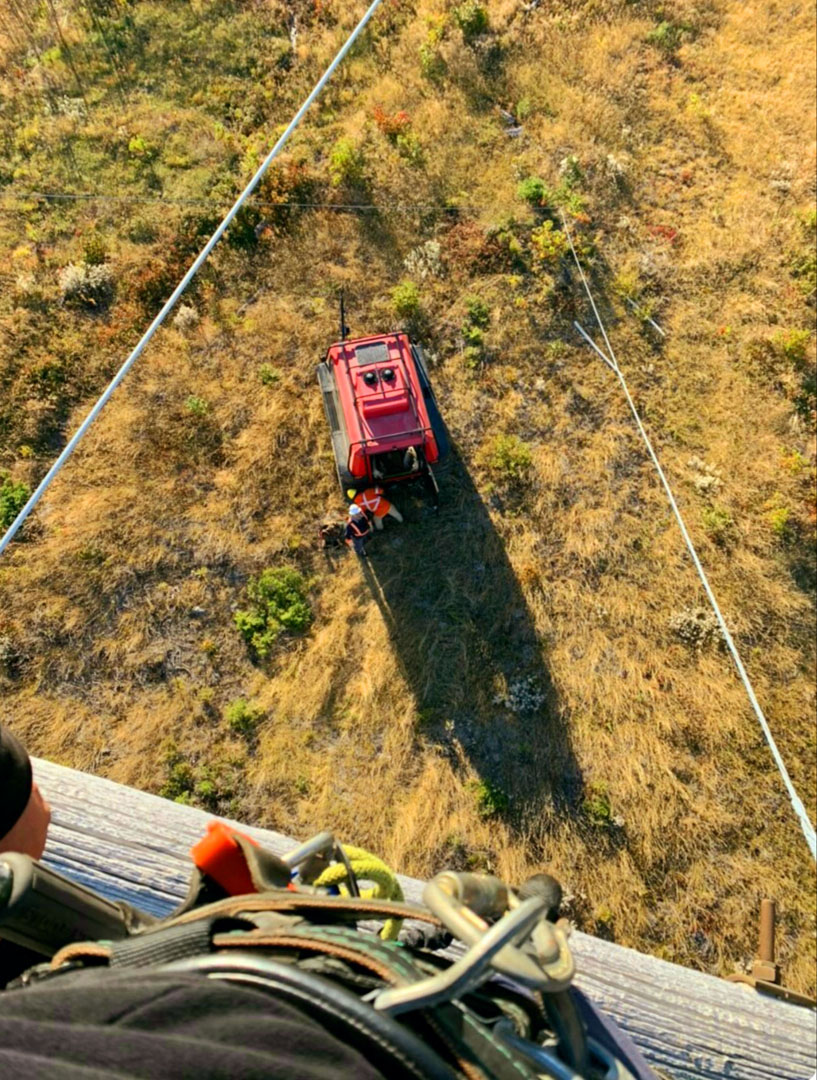
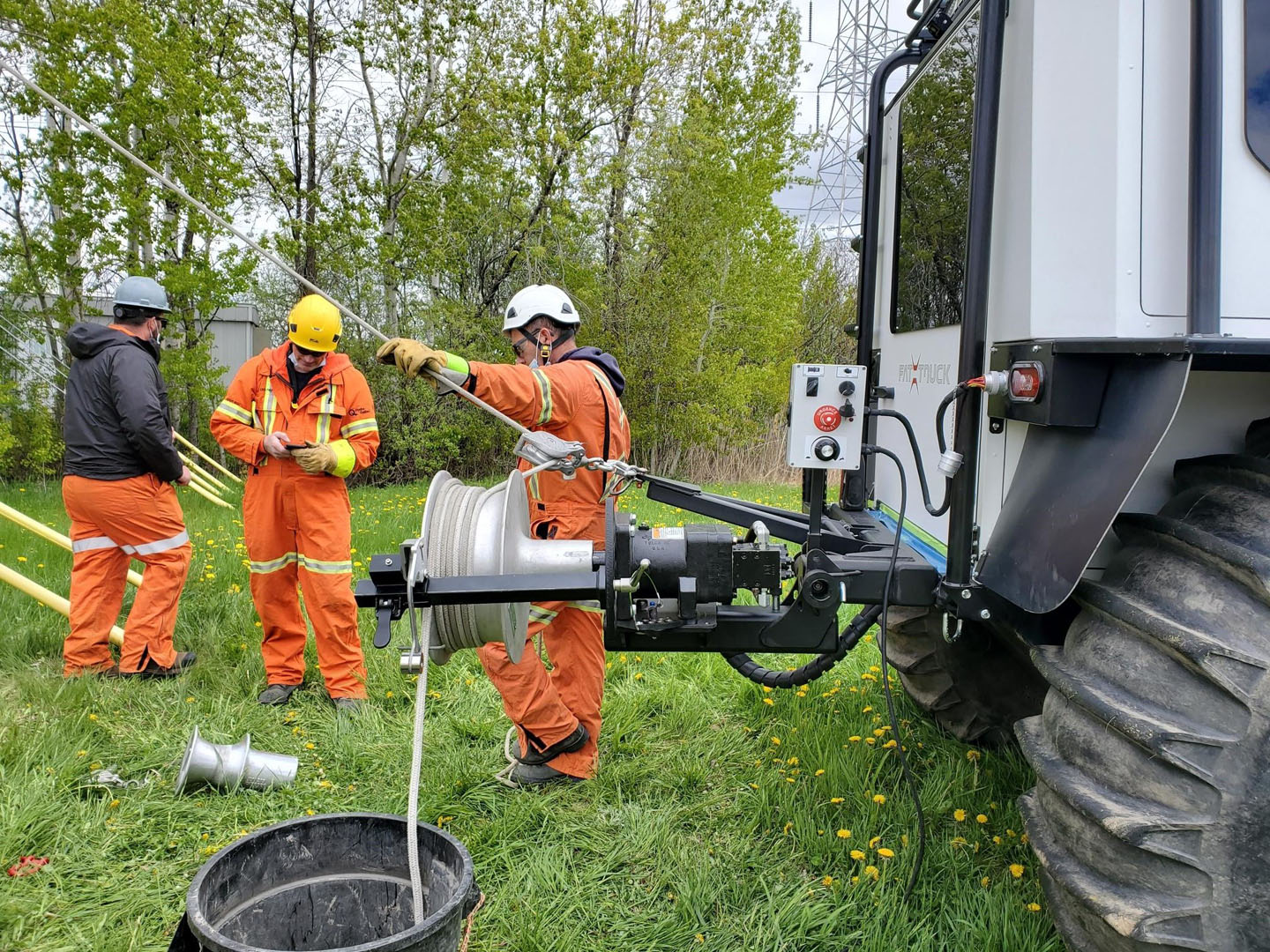
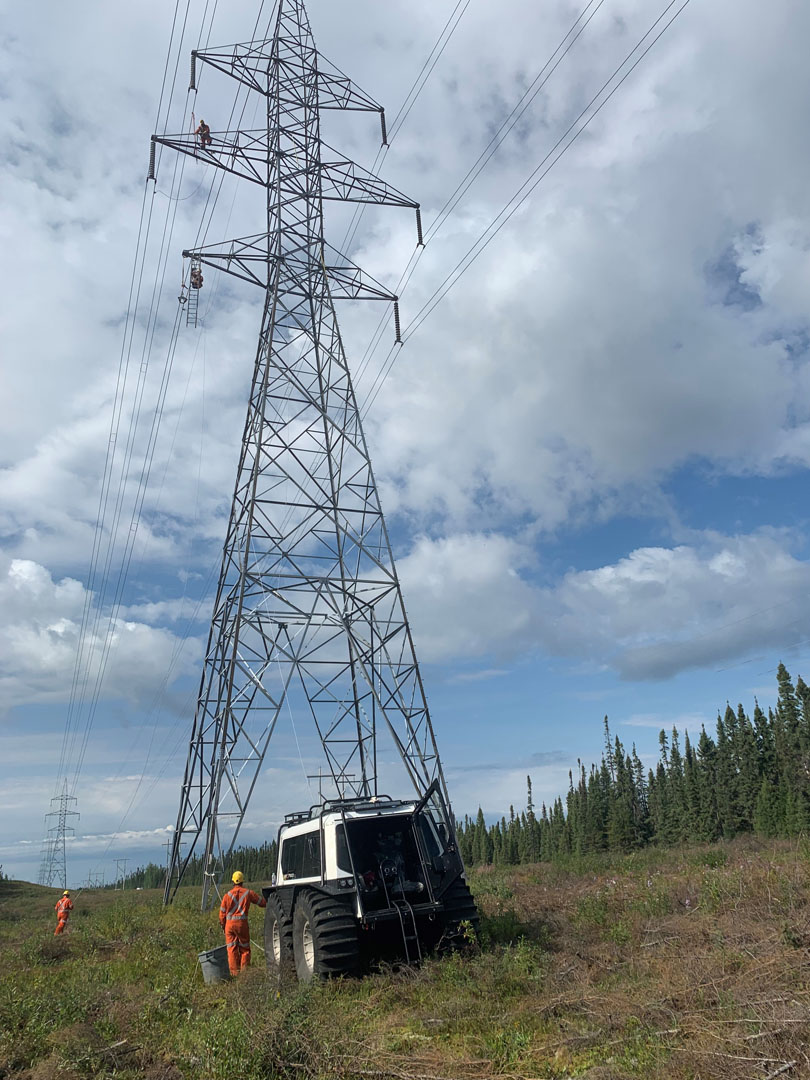
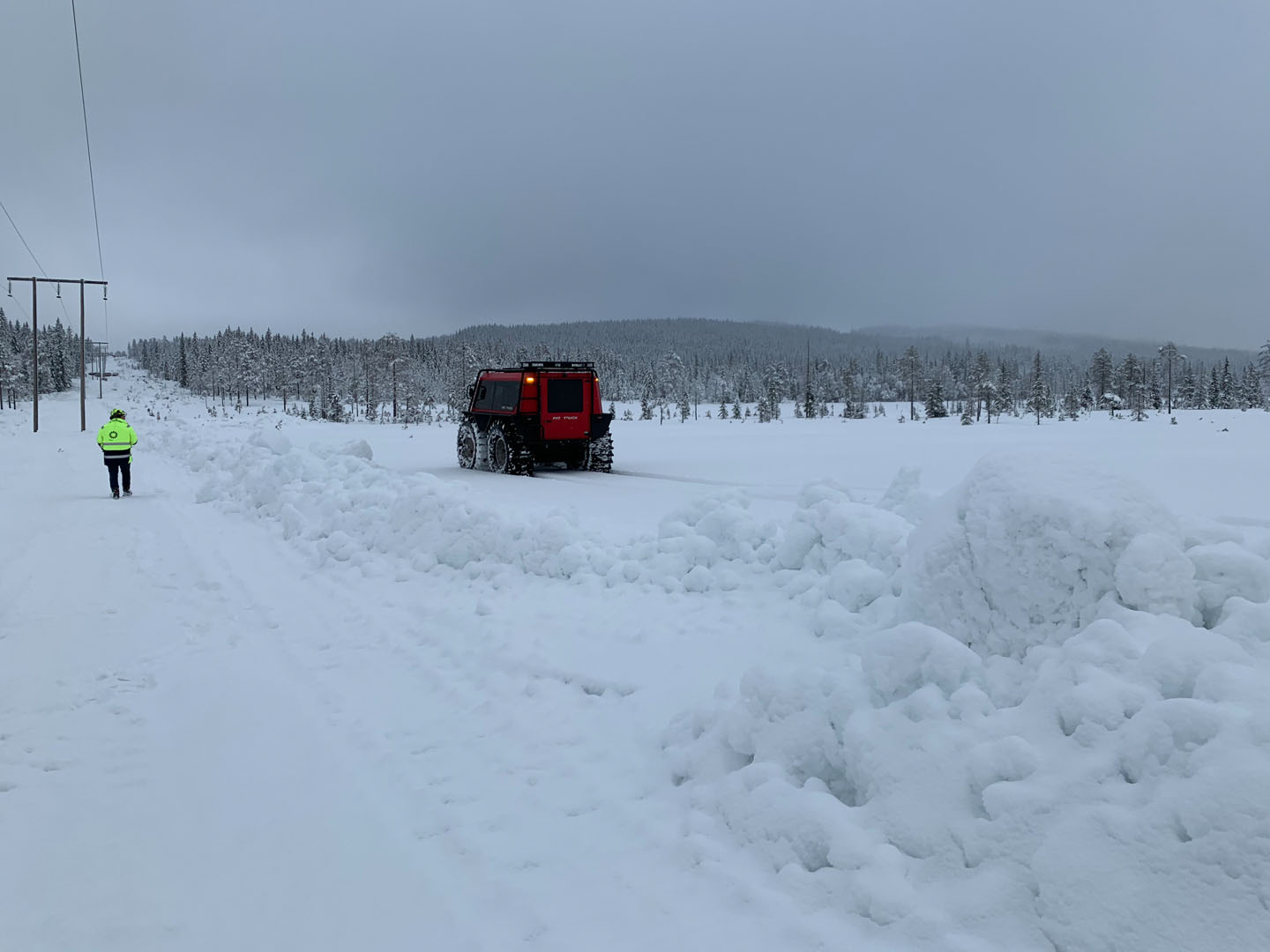
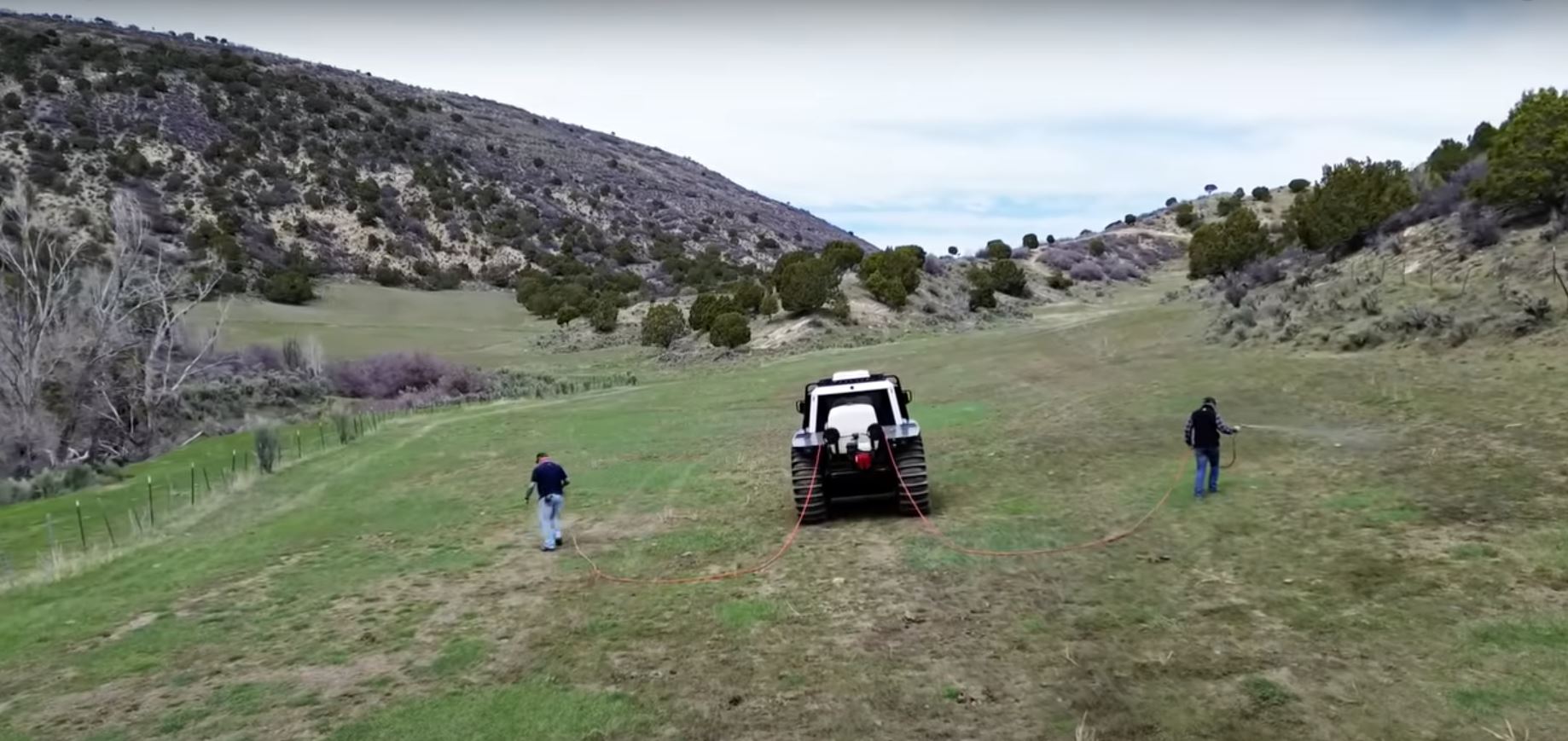
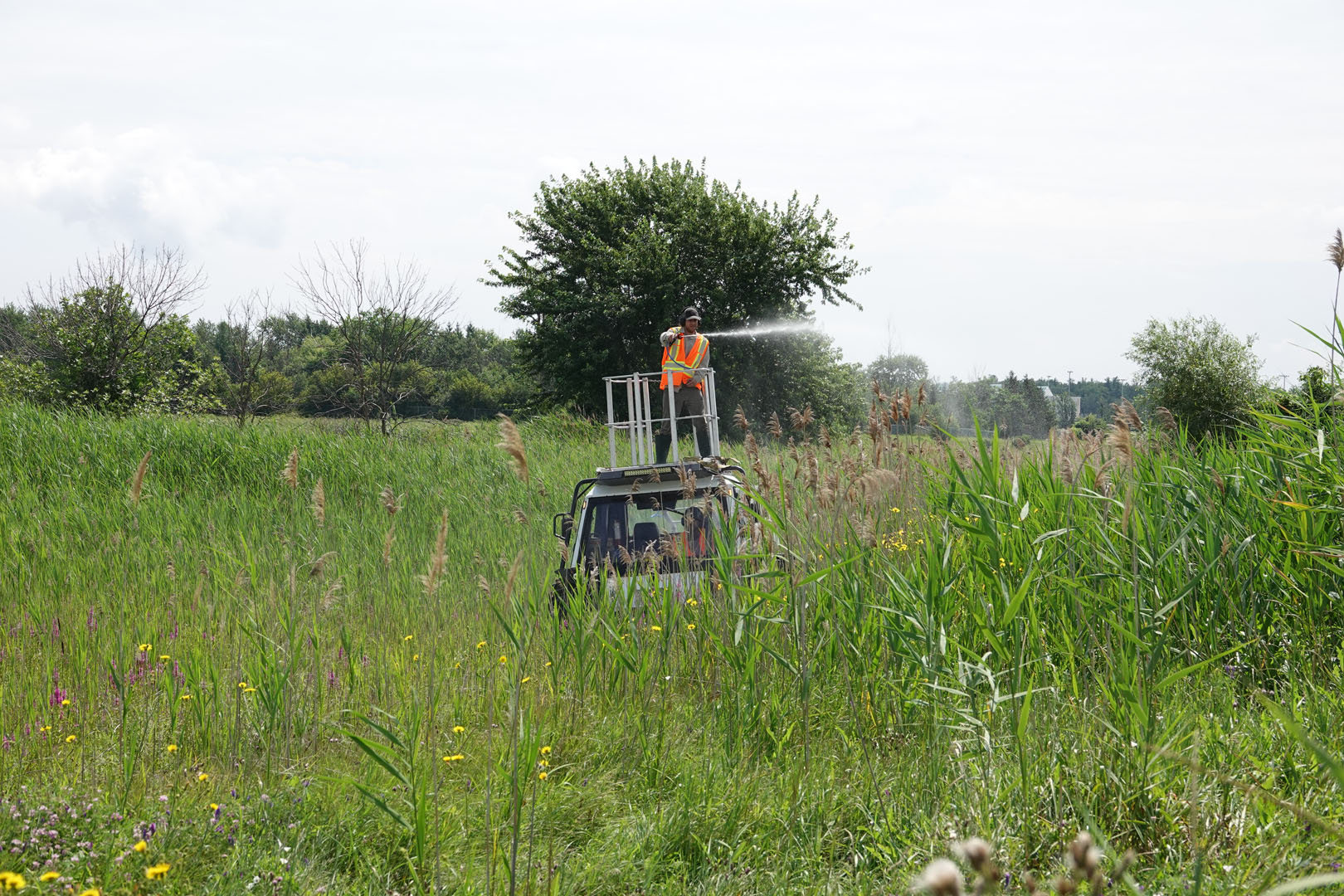
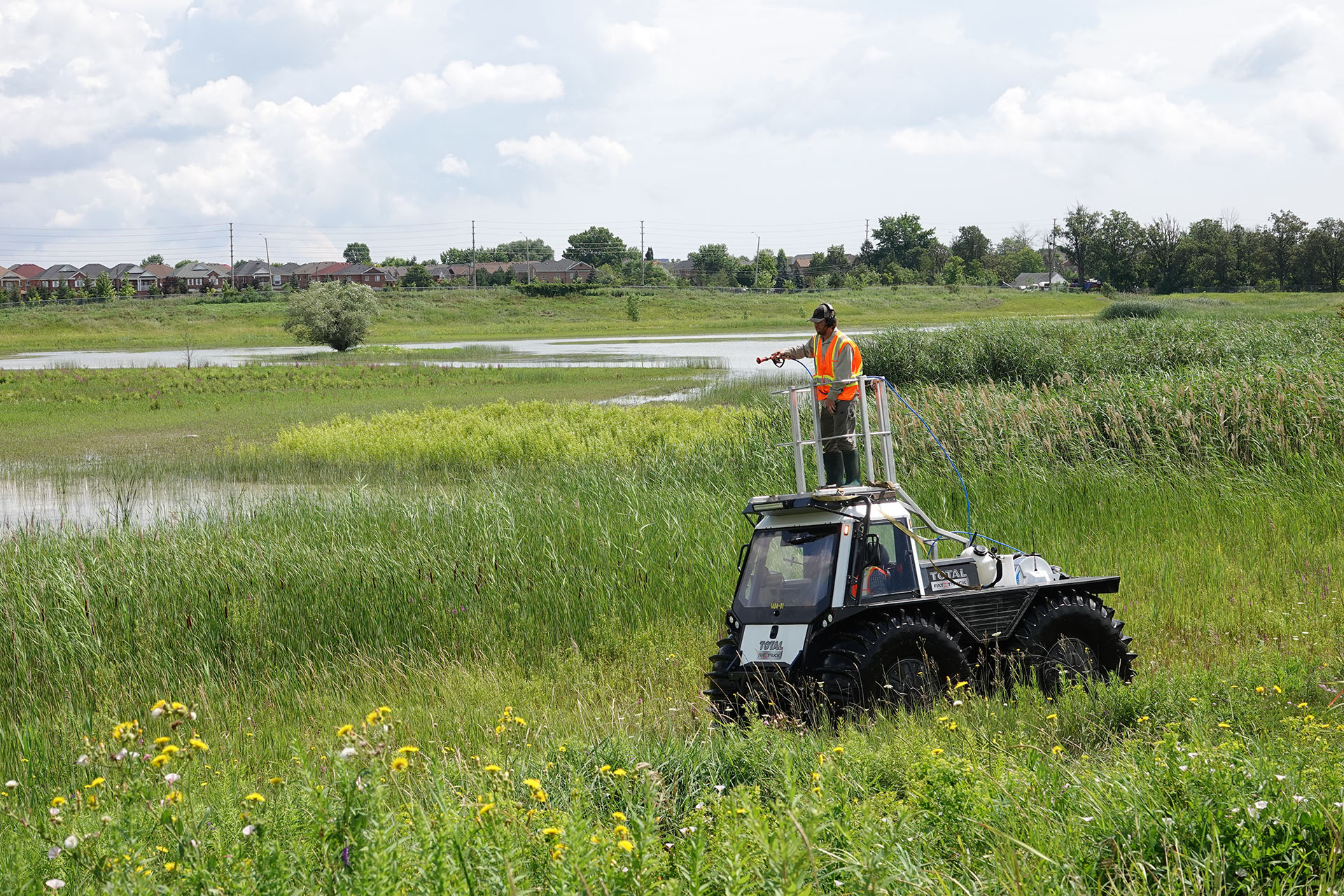
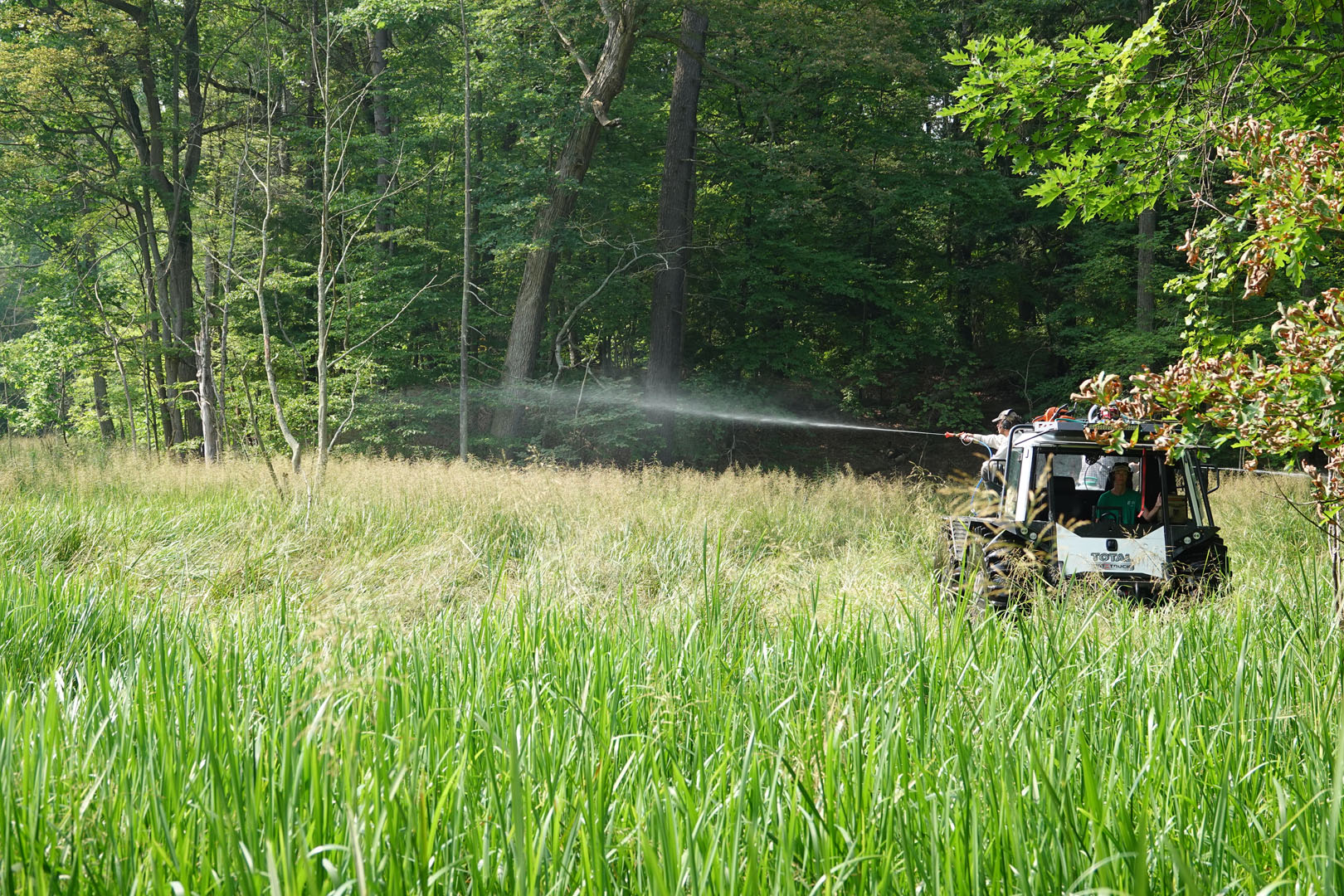
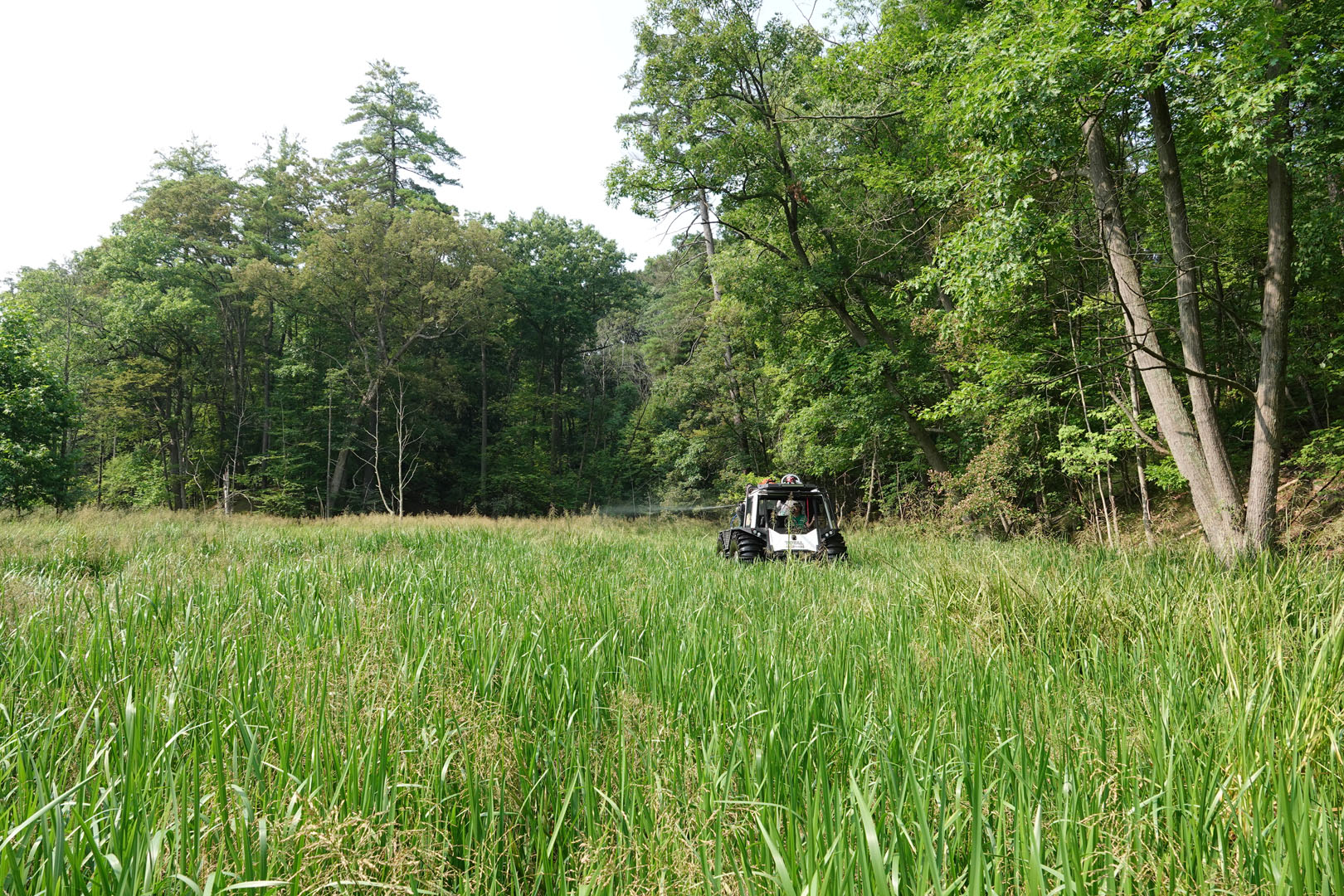
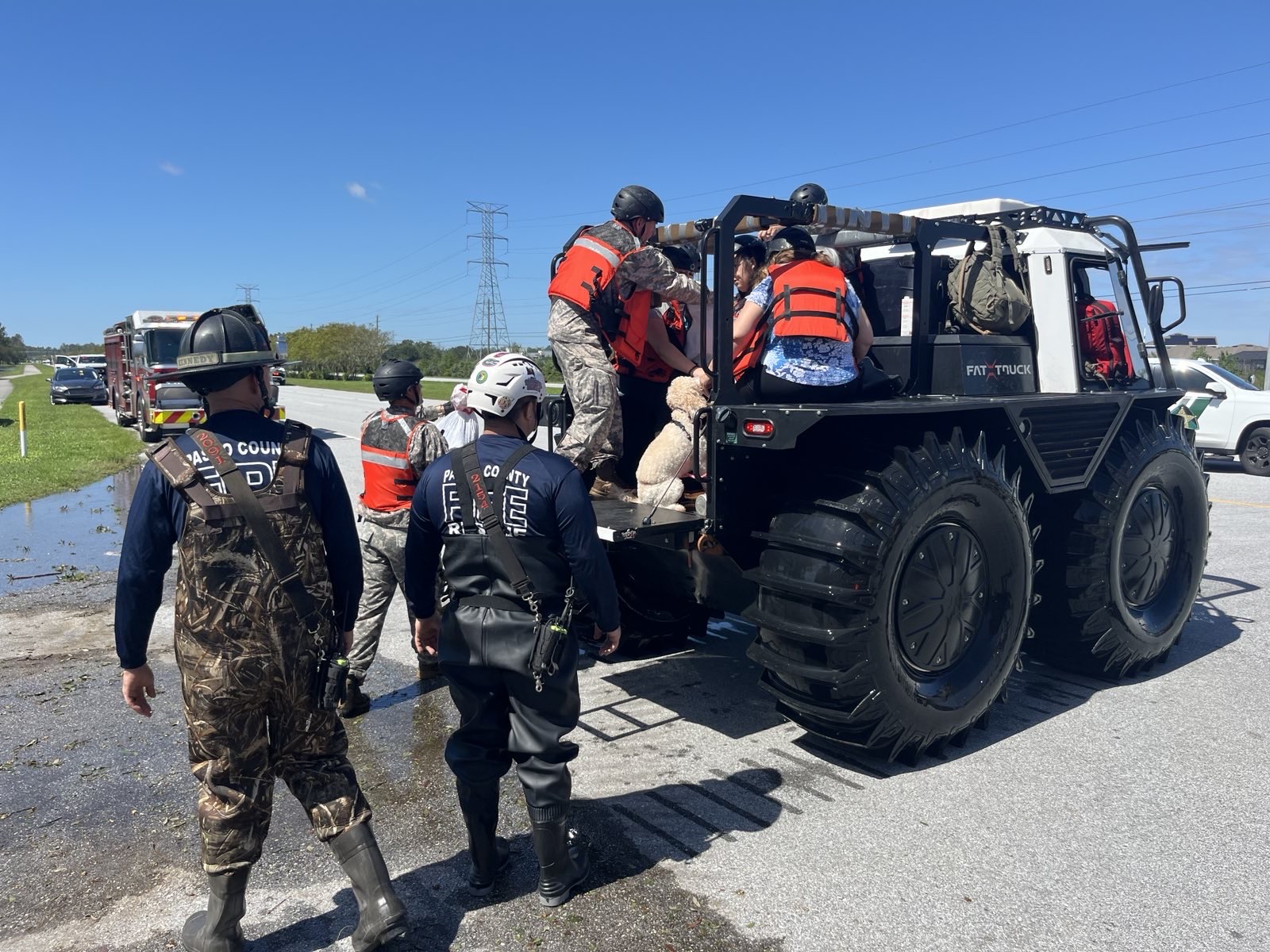
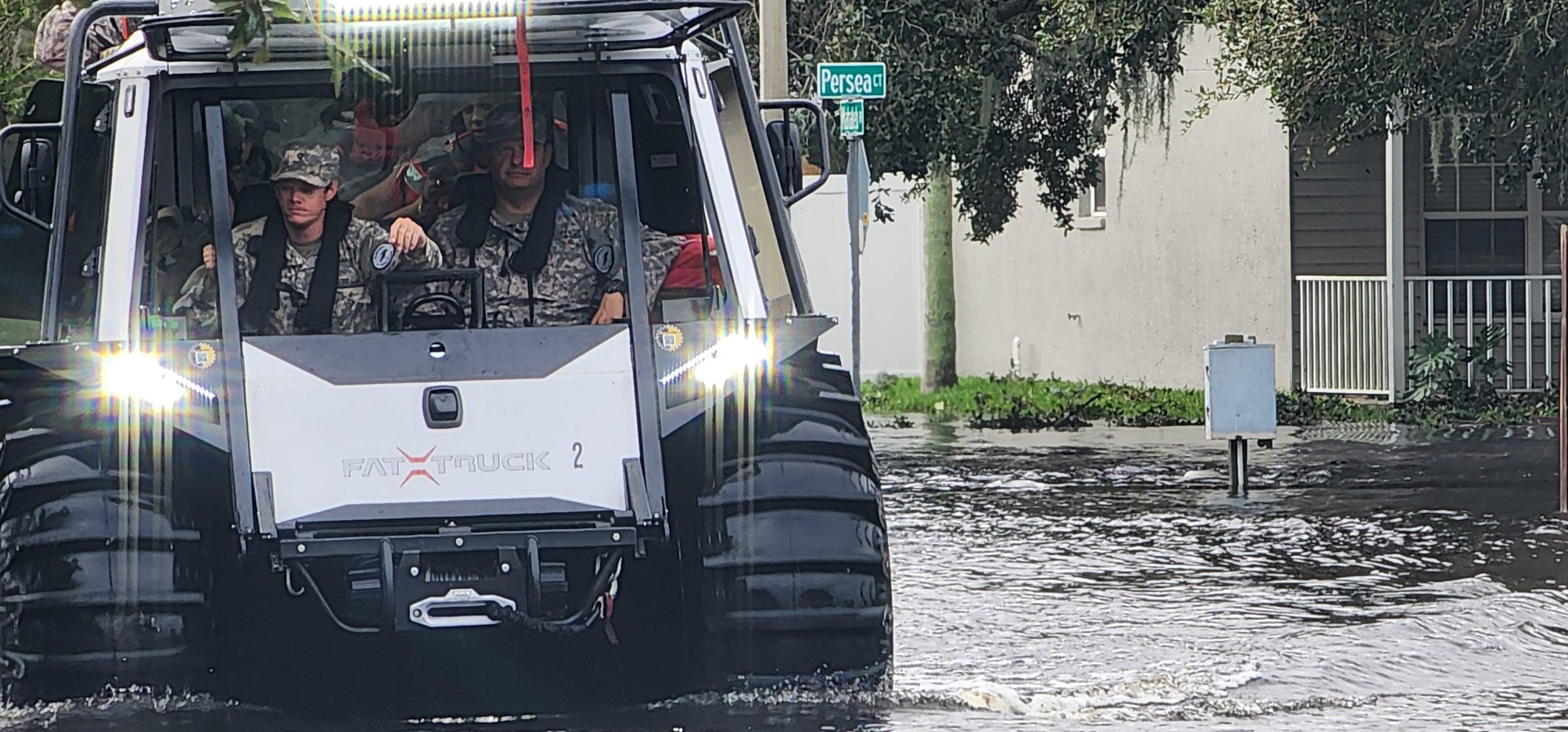
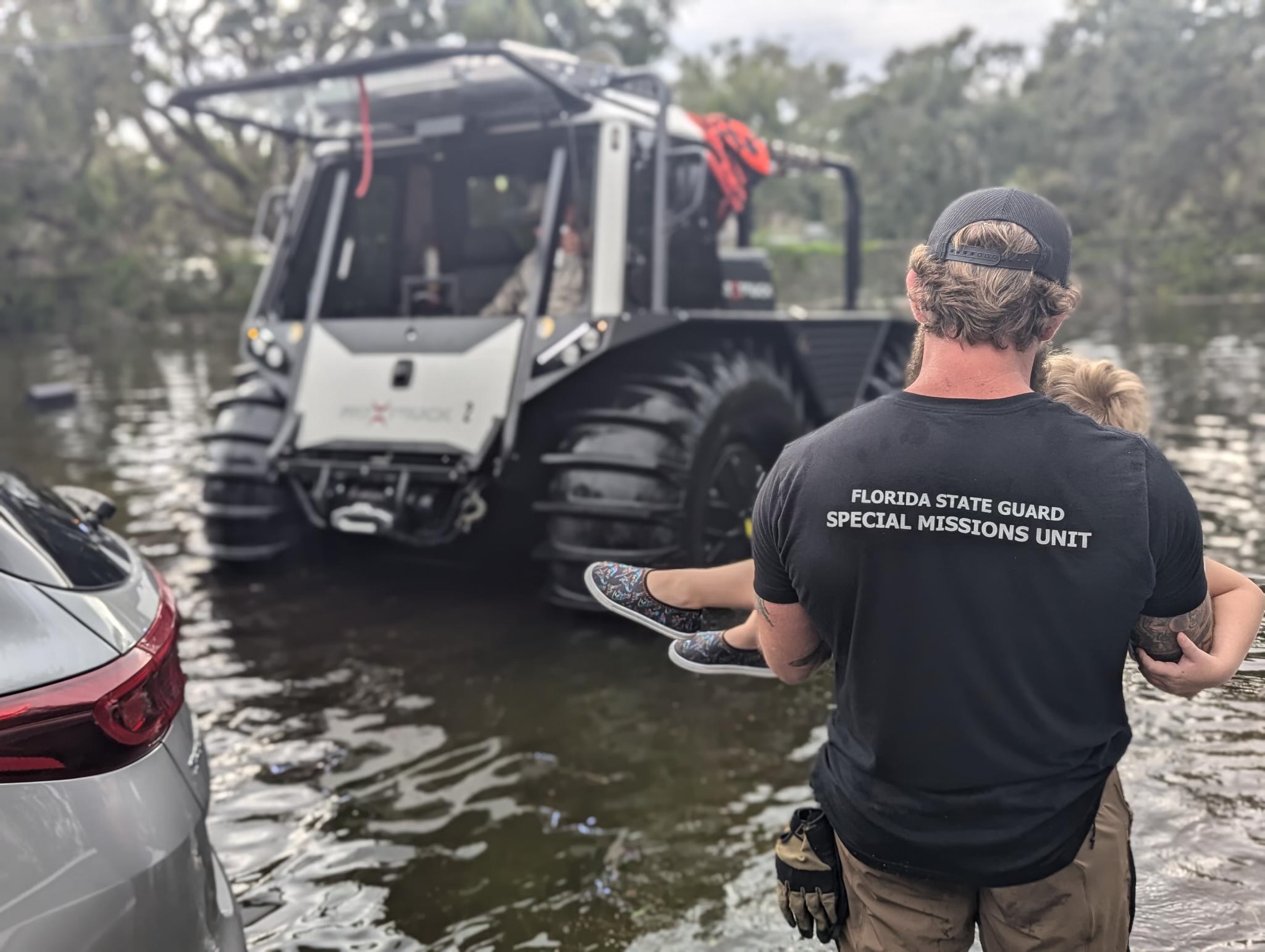
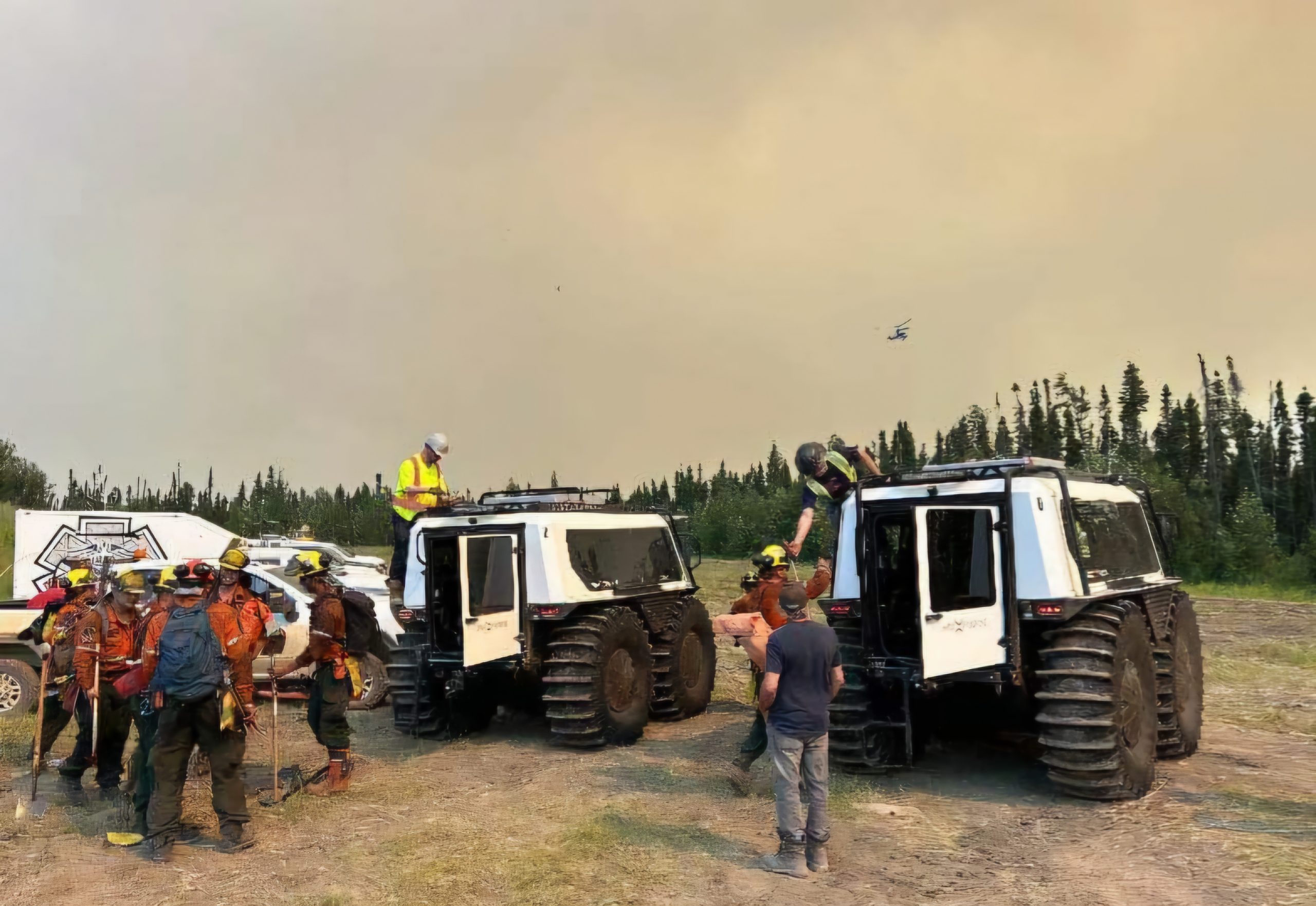
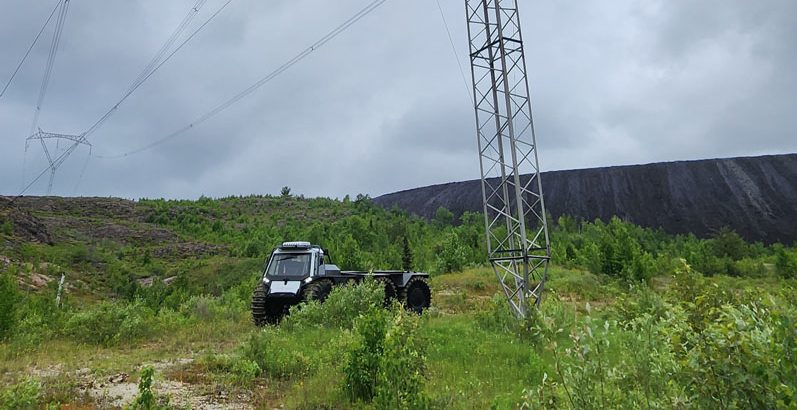
This matters most for the industrial verticals doing the most remote-access work today. Electric utility crews restoring power after storms often have to reach towers and substations through the same soft, washed-out ground that took the lines down in the first place. Oil and gas operations face similar constraints along pipeline right-of-way corridors, frequently under active regulatory monitoring for ground disturbance. And vegetation management work often happens in exactly the type of terrain where standard equipment struggles most.
The core principle holds regardless of vertical: a vehicle engineered for low ground pressure isn’t just about avoiding getting stuck. It’s about avoiding the fines, project delays, and environmental remediation costs that come with rutting sensitive terrain – costs that can easily outweigh whatever a cheaper, standard vehicle saved on the purchase price.
That’s why ground pressure deserves a real look before any remote-terrain vehicle gets approved. See our full feature breakdown for how this and other specs come together across the lineup.
Ready to see the numbers for yourself?
Ground pressure is just one spec that separates a Fat Truck from standard equipment. Browse the full vehicle lineup to compare payload, terrain capability, and configurations across every model.