A rollover protection structure is only as good as the standard it’s certified against. Here’s what to check
Rollover Protective Structure (ROPS) certification comes up constantly in off-road and industrial vehicle procurement, and for good reason! Rollovers are one of the most common causes of serious injury in off-road equipment operation. But “ROPS certified” isn’t a single, uniform claim. The strength of that certification depends entirely on which standard it was tested against, how the testing was conducted, and whether the certification is current and third-party verified. For procurement officers, knowing what to actually check is the difference between real protection and a checkbox.
What ROPS certification actually tests
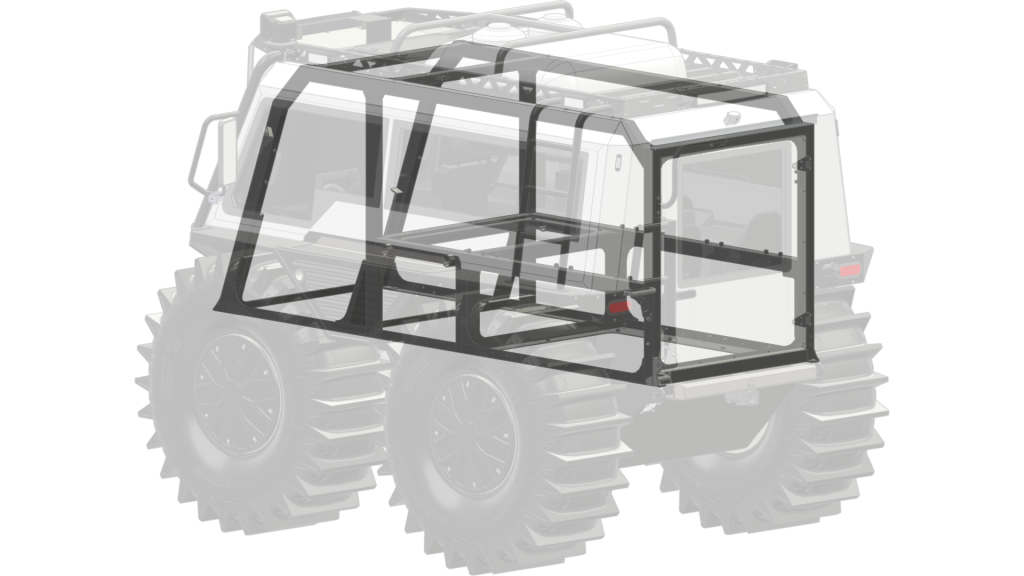
At its core, ROPS testing evaluates whether a vehicle’s protective structure can withstand the forces of a rollover without collapsing into the operator space, measured through standardized load and energy tests defined by international standards bodies like ISO. Certification typically covers:
- Lateral crush resistance (side-loading forces in a rollover)
- Vertical crush resistance (forces from the vehicle’s own weight during a roll)
- Longitudinal loading (front/rear impact forces)
- Deflection limits (how much the structure is permitted to deform before it’s considered a failure)
A structure that passes these tests is rated to protect the operator space under a defined set of conditions. That’s an important qualifier: ratings are tied to the vehicle’s specific weight and configuration, so a structure certified for one loadout isn’t automatically valid if the vehicle is modified or loaded differently.
Questions procurement officers should ask before signing off
- Which standard was the certification tested against, and by whom? Independent third-party testing carries more weight than manufacturer self-certification. Ask for the test report, not just a certificate stating compliance.
- Is the certification current for this specific vehicle configuration? A ROPS rating tied to a base model doesn’t necessarily transfer to a modified or accessorized version of the same platform.
- What’s the deflection limit, and how close did the tested structure come to it? A structure that barely passes leaves less margin than one that passes with room to spare.
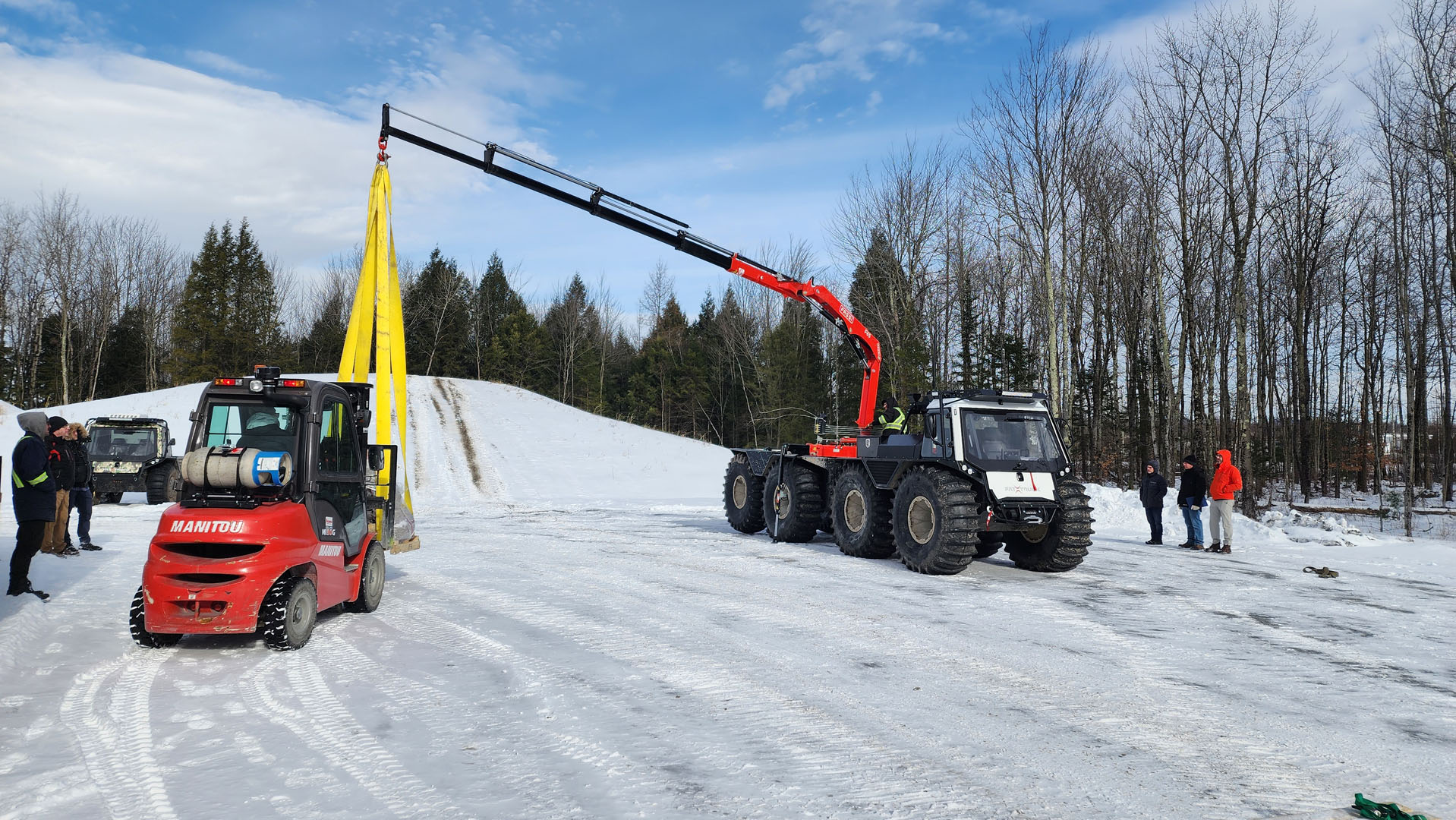
- Does the certification account for the vehicle’s actual operating weight, including mission-specific equipment loads? A rollover structure engineered around a stock curb weight may behave differently once radios, weapons mounts, medical equipment, or cargo are added.
Why this matters beyond the safety case
Non-compliant or under-documented ROPS certification isn’t just a safety risk — it’s a liability and procurement risk. Government and corporate buyers increasingly require documented, verifiable ROPS compliance as a condition of contract award, and gaps here can disqualify an otherwise strong bid or, worse, create liability exposure after a vehicle is already in service.
For engineers and procurement teams building requirements documents, the safest approach is to specify the exact standard, require third-party test documentation and confirm the certification applies to the vehicle’s actual in-service configuration and loadout, not just the base model as tested in a lab.
Rollover protection is one of those specs where “close enough” isn’t a real category. Either the structure is tested, documented, and verified for your actual use case, or it isn’t — and finding that out during procurement is a lot better than finding out in the field.
Certified. Documented. Verified.
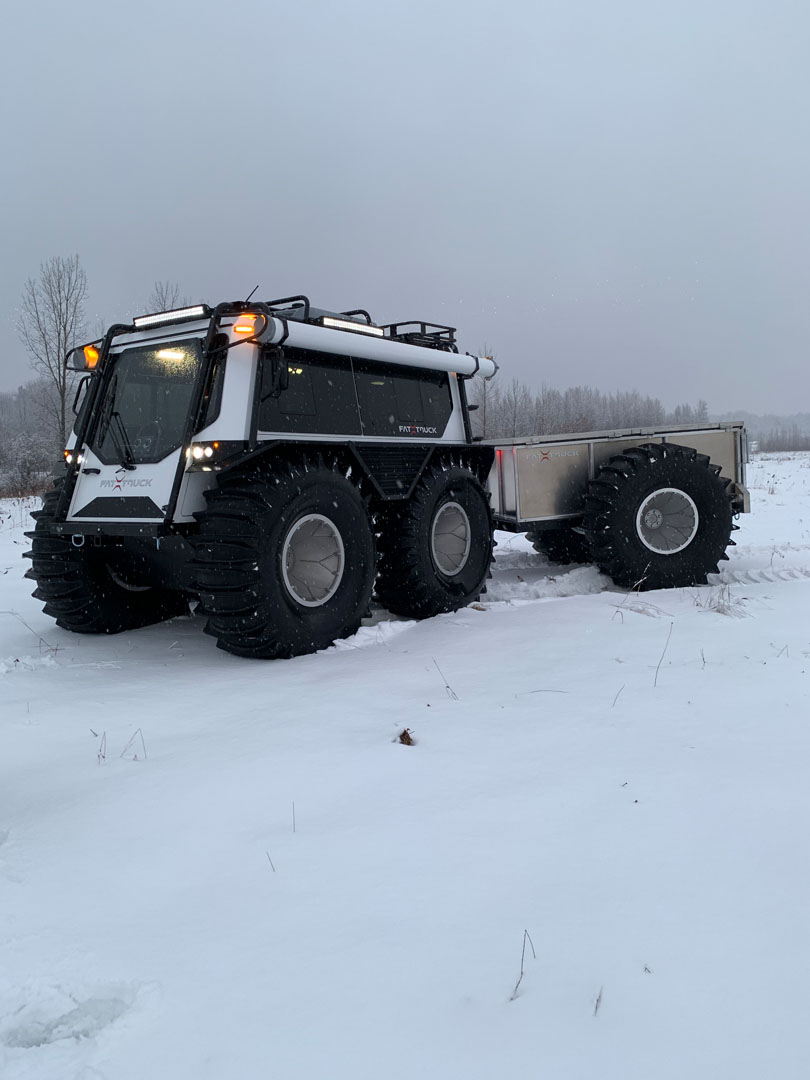
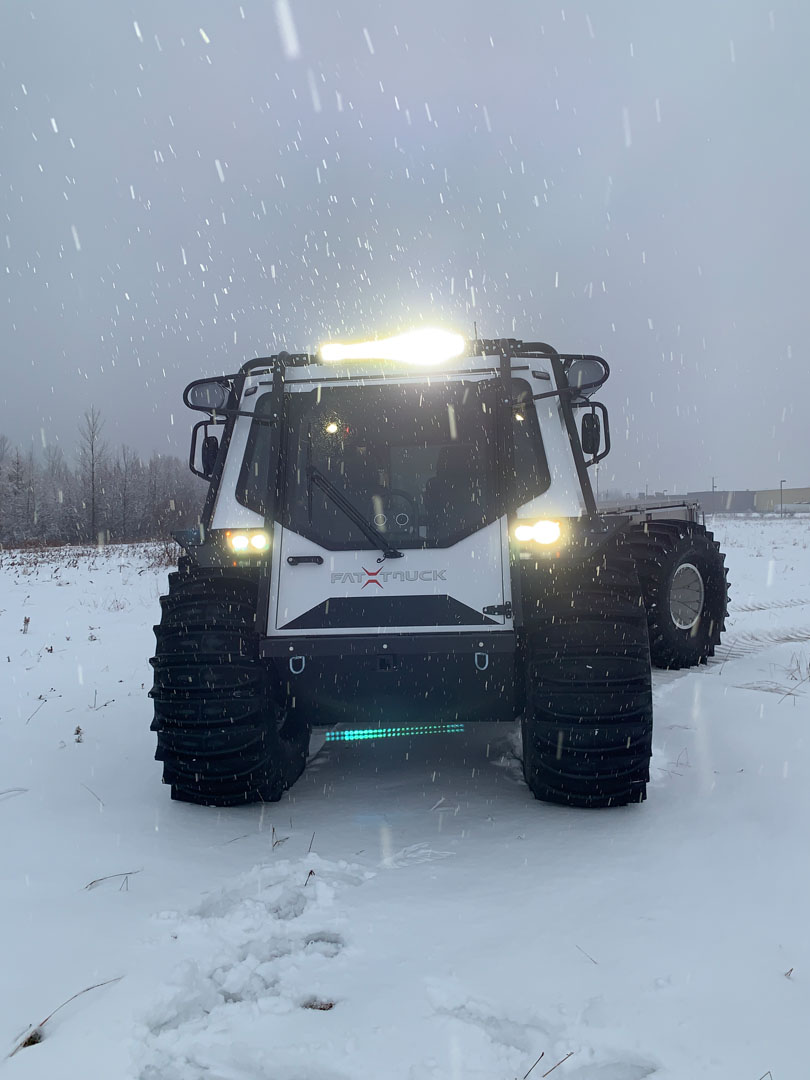
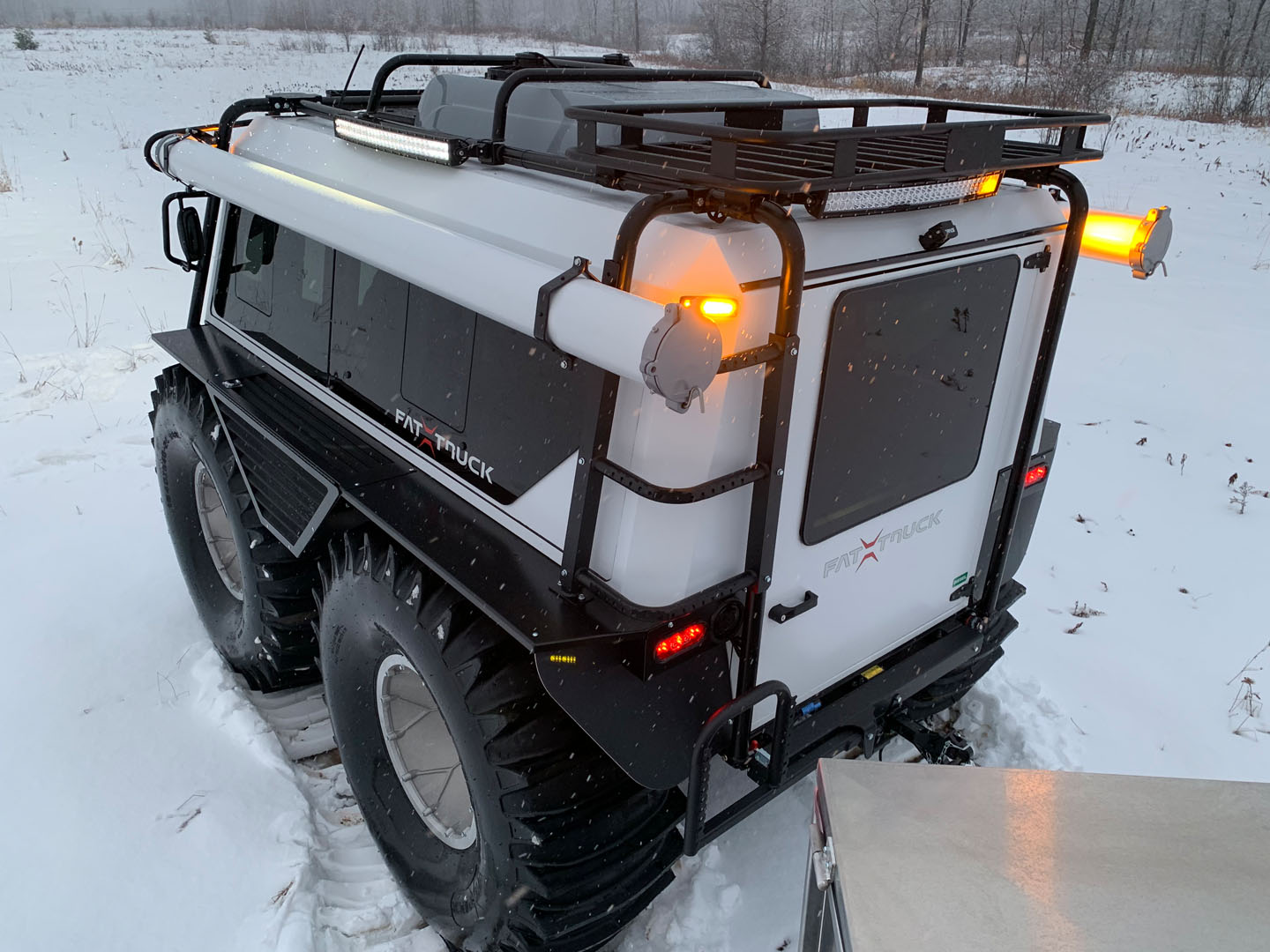
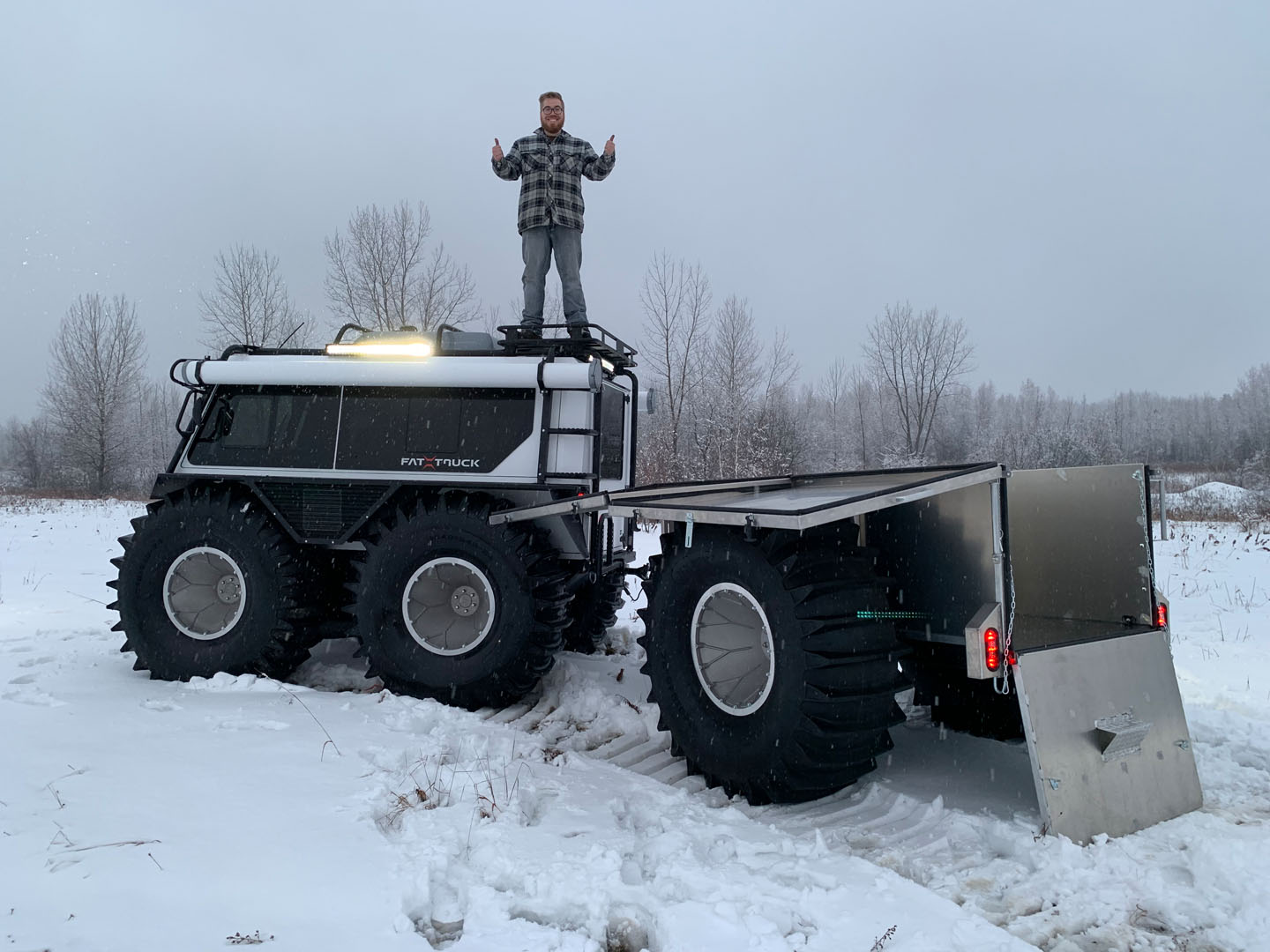
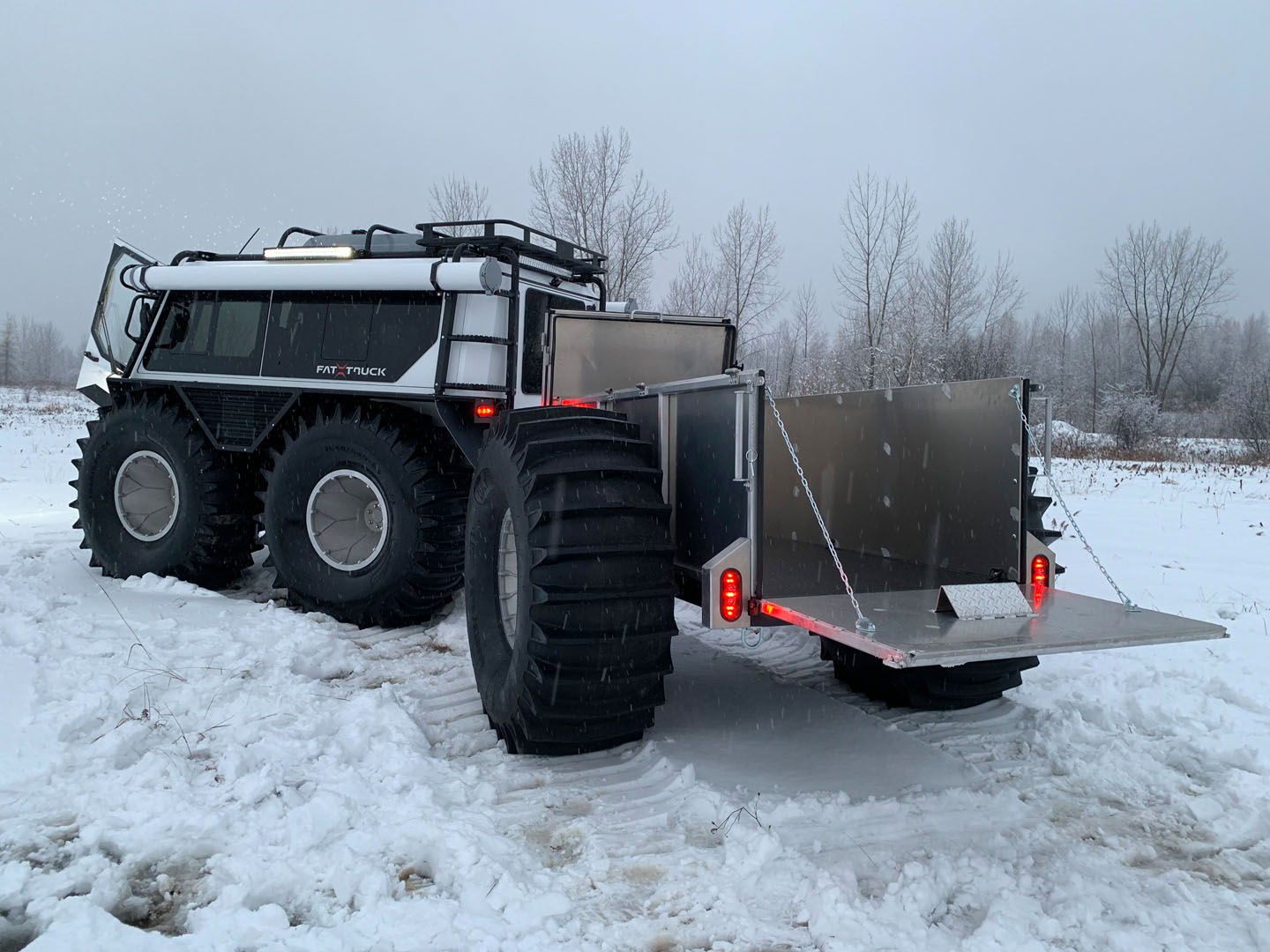
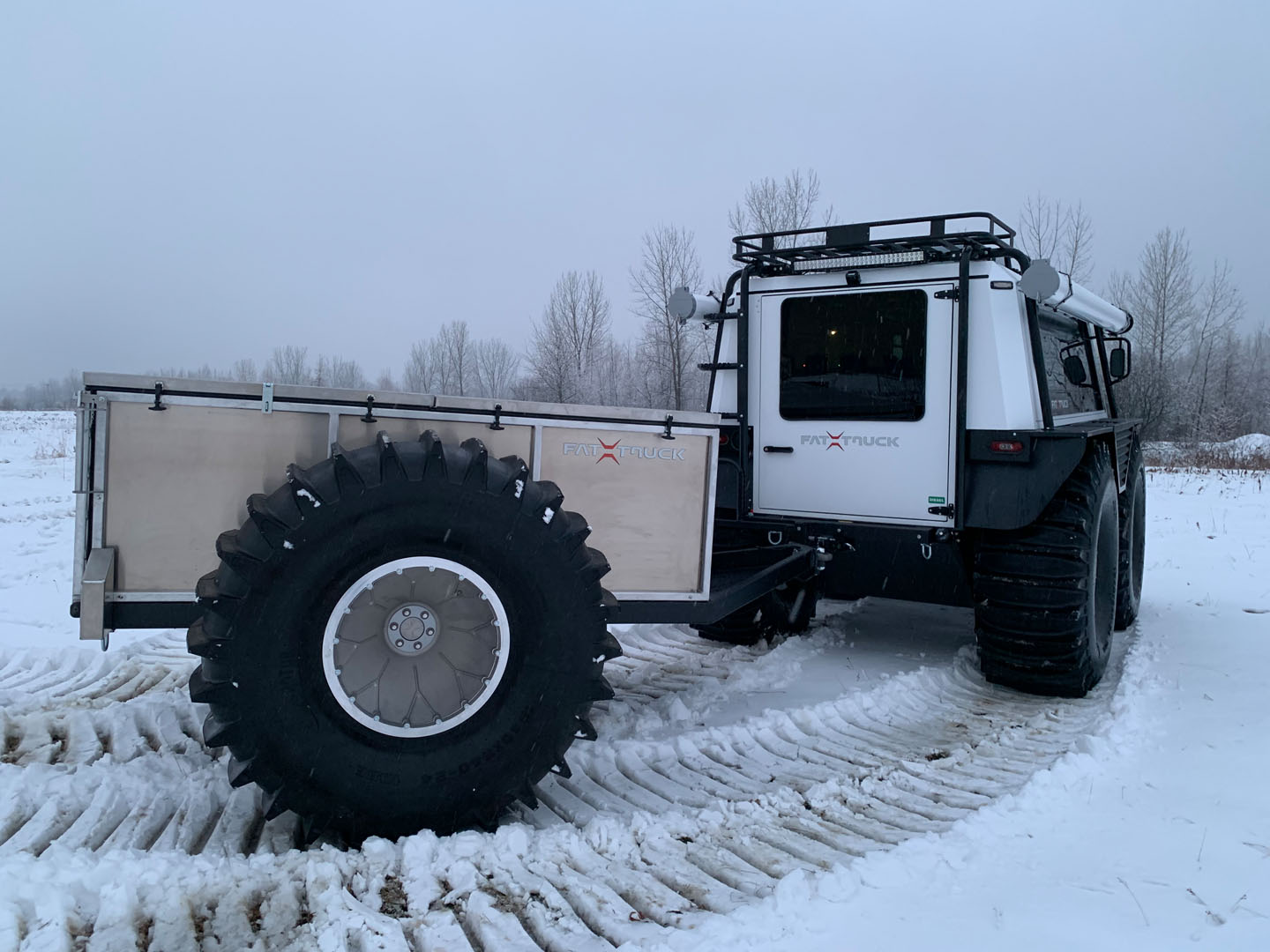
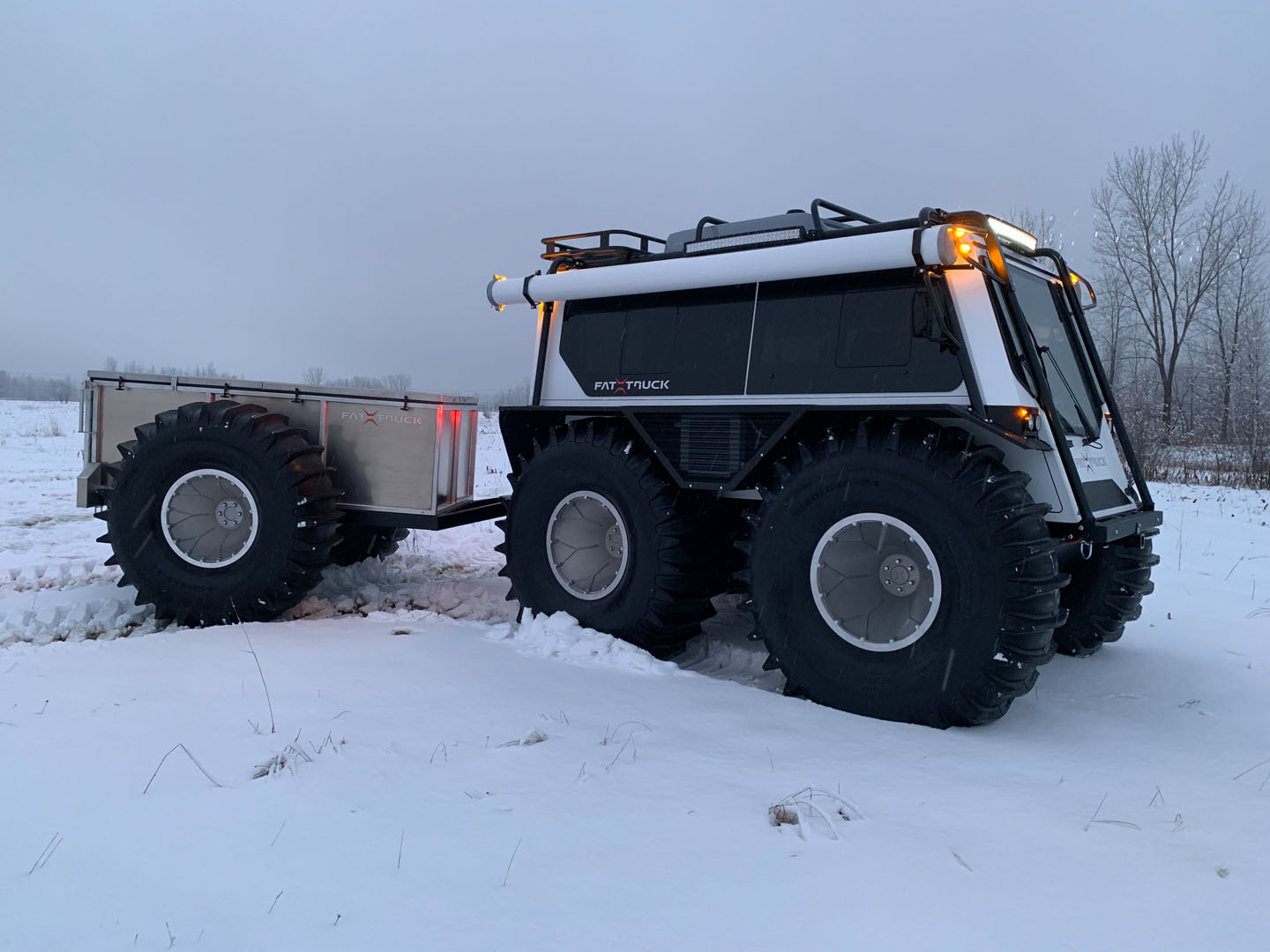
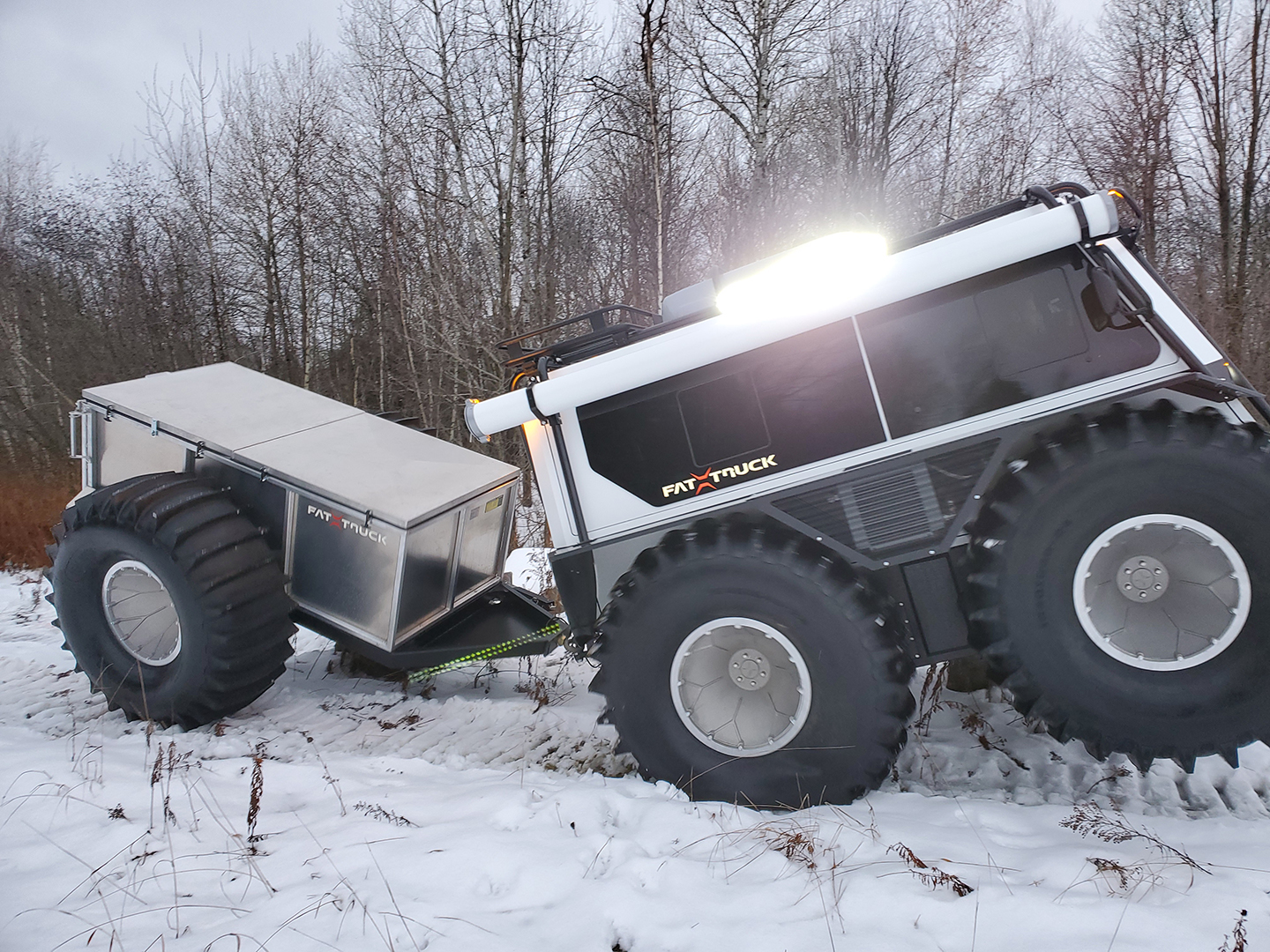
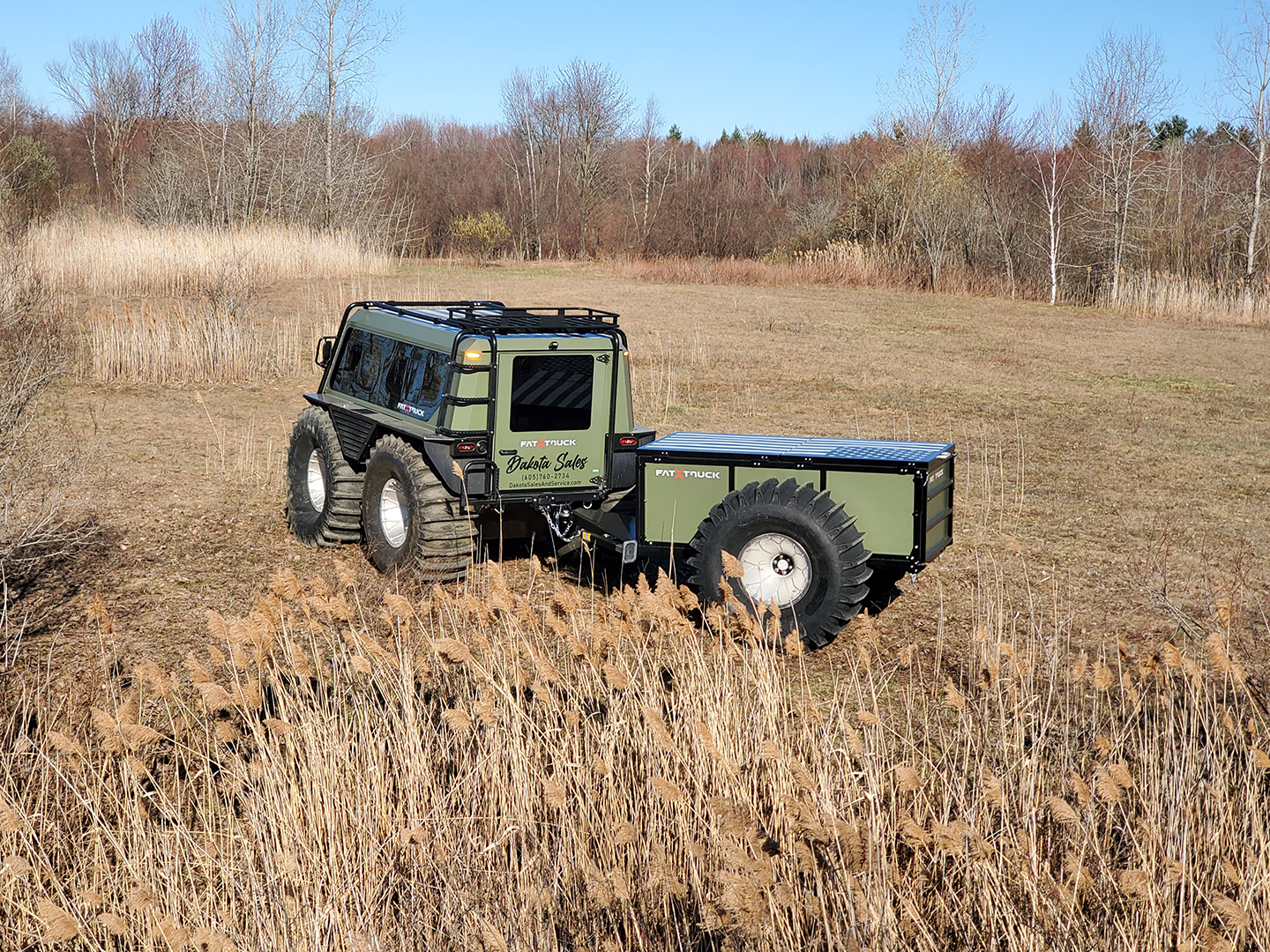
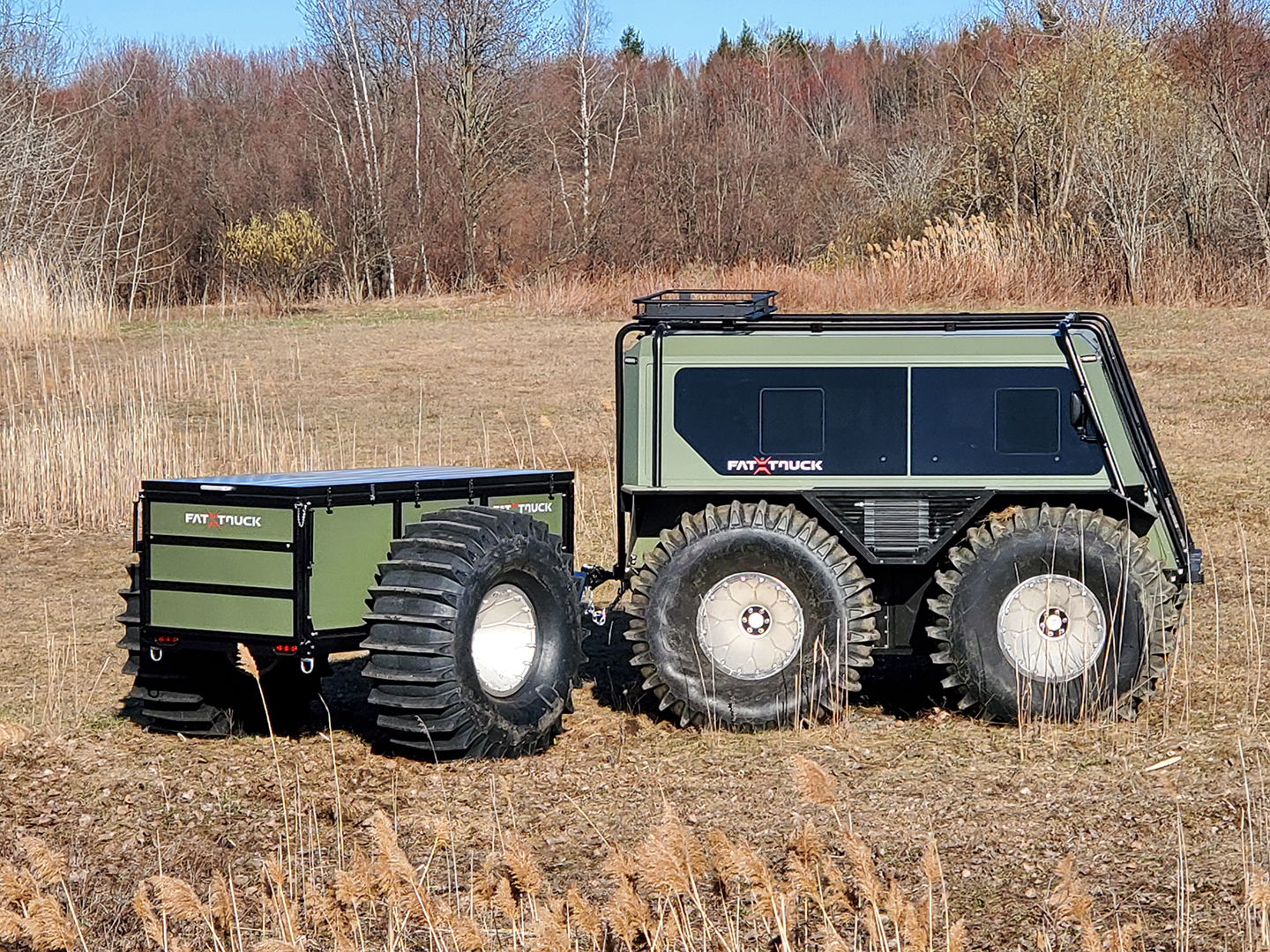
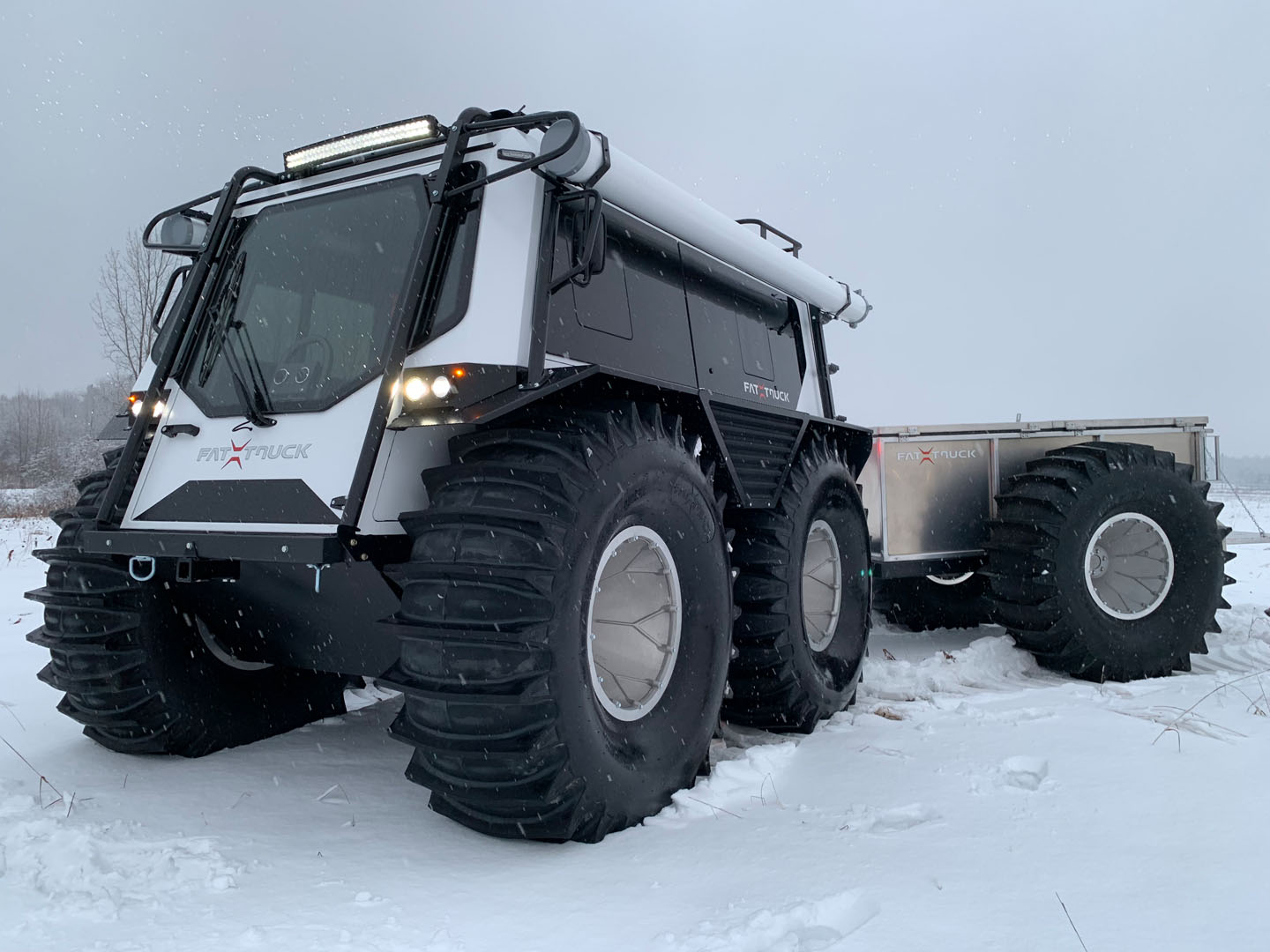
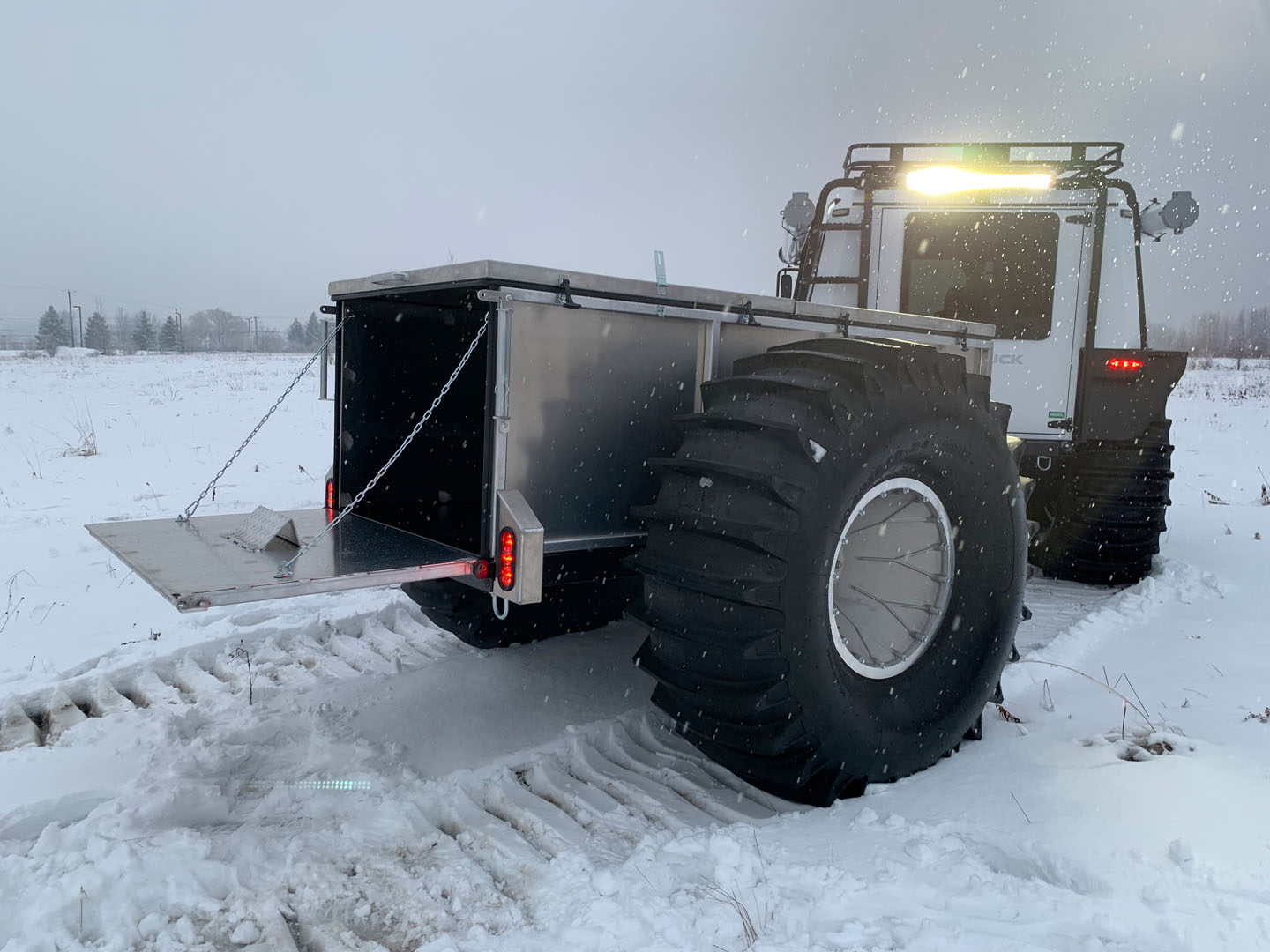
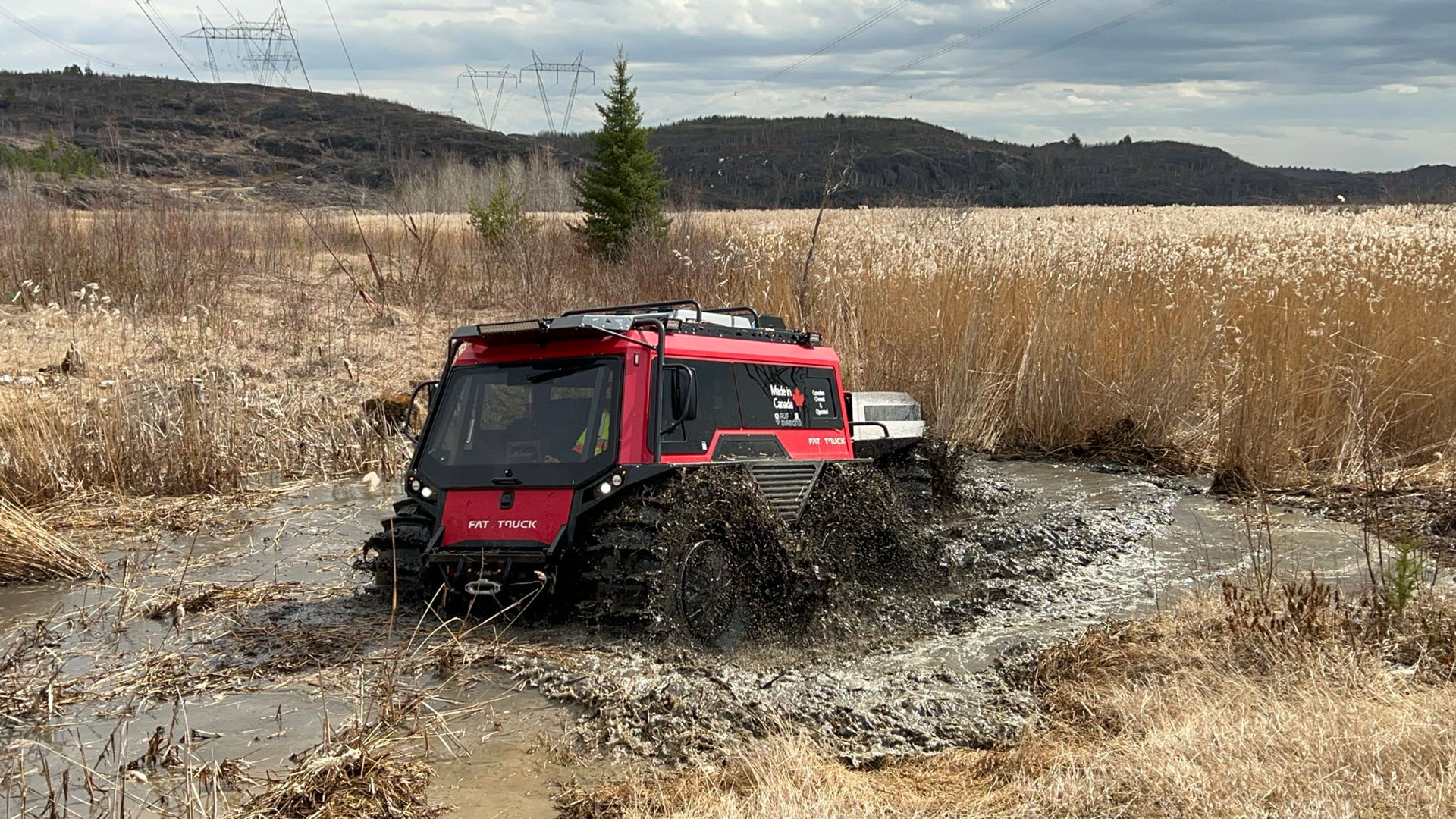
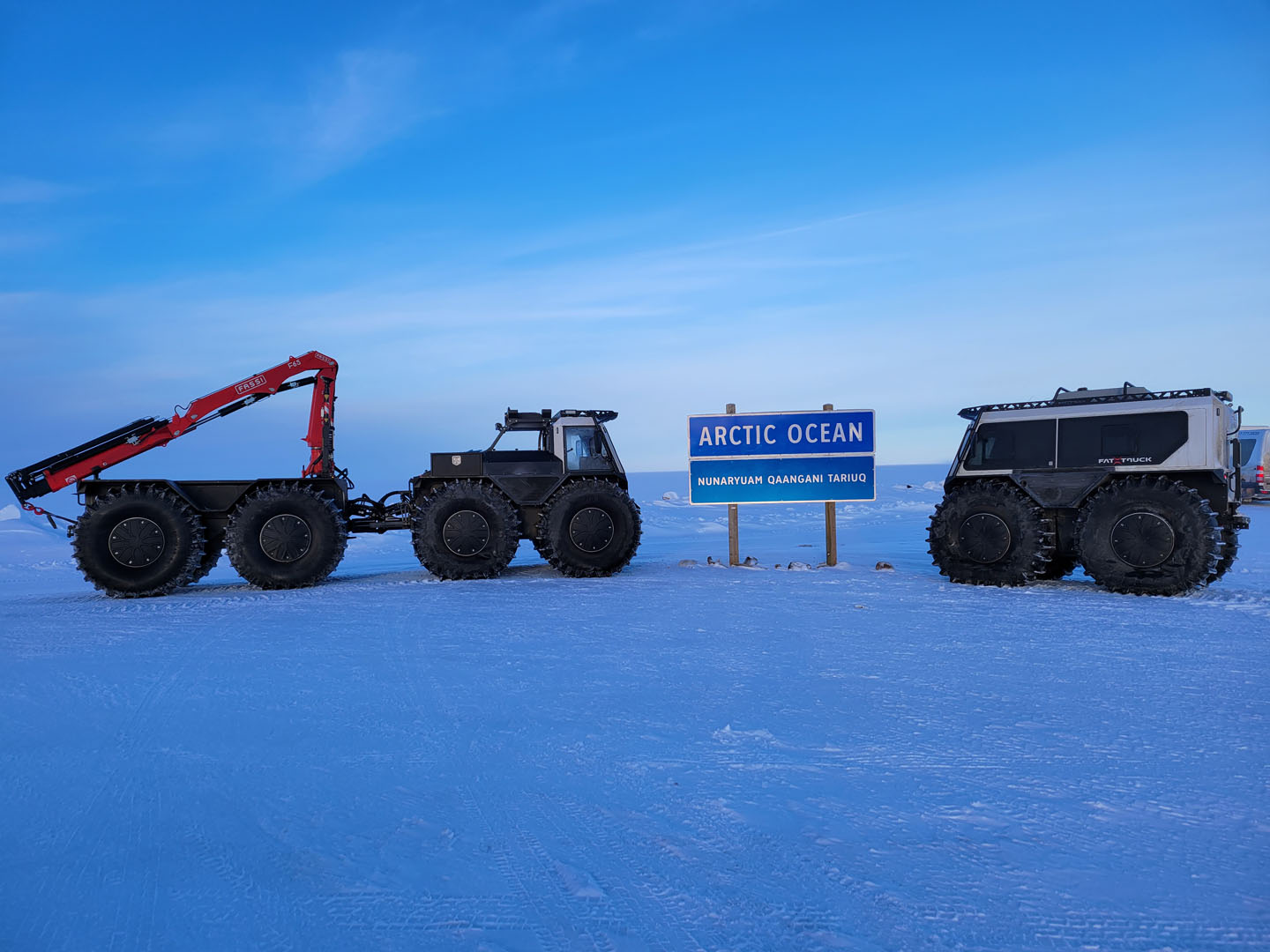
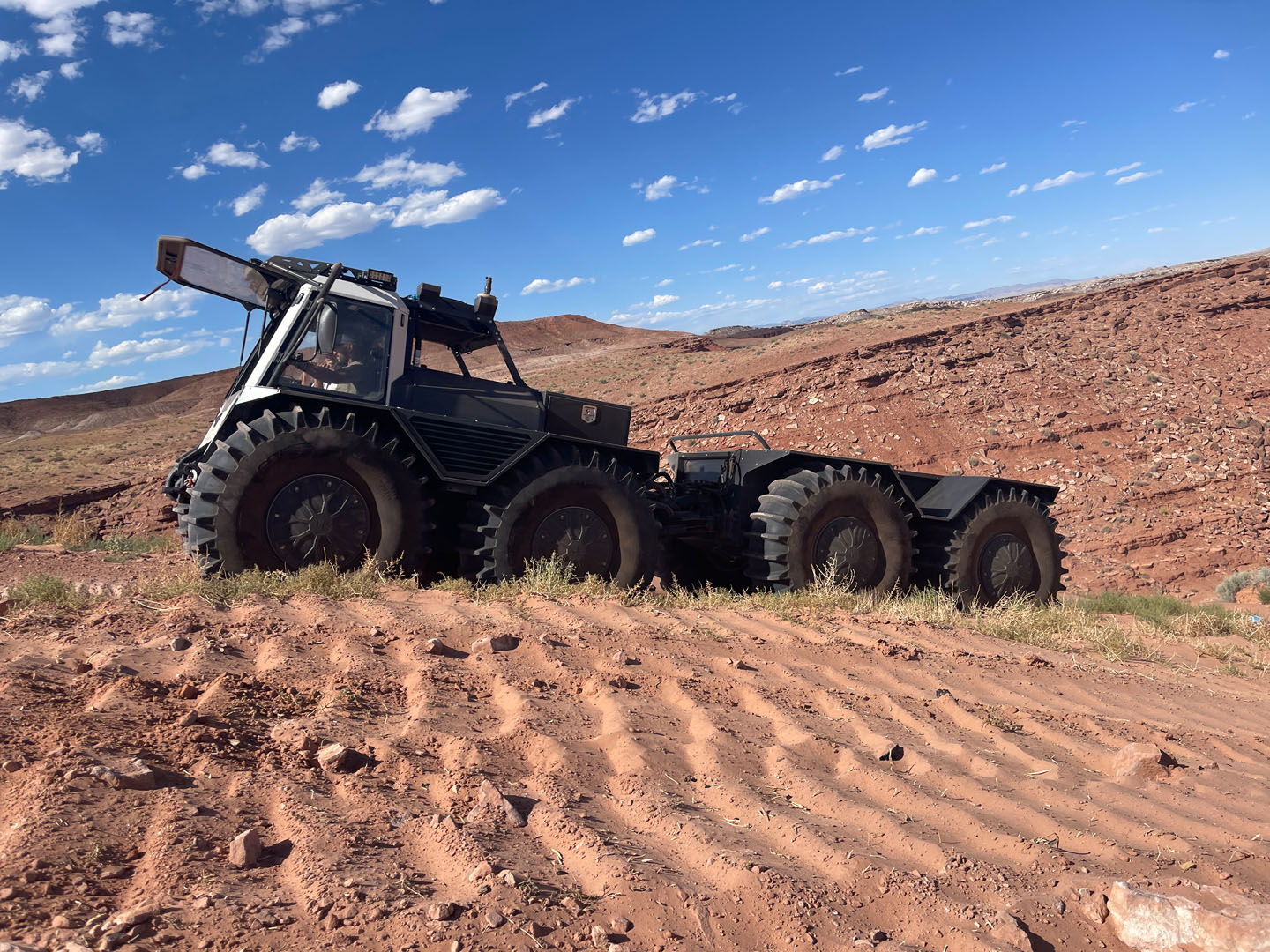
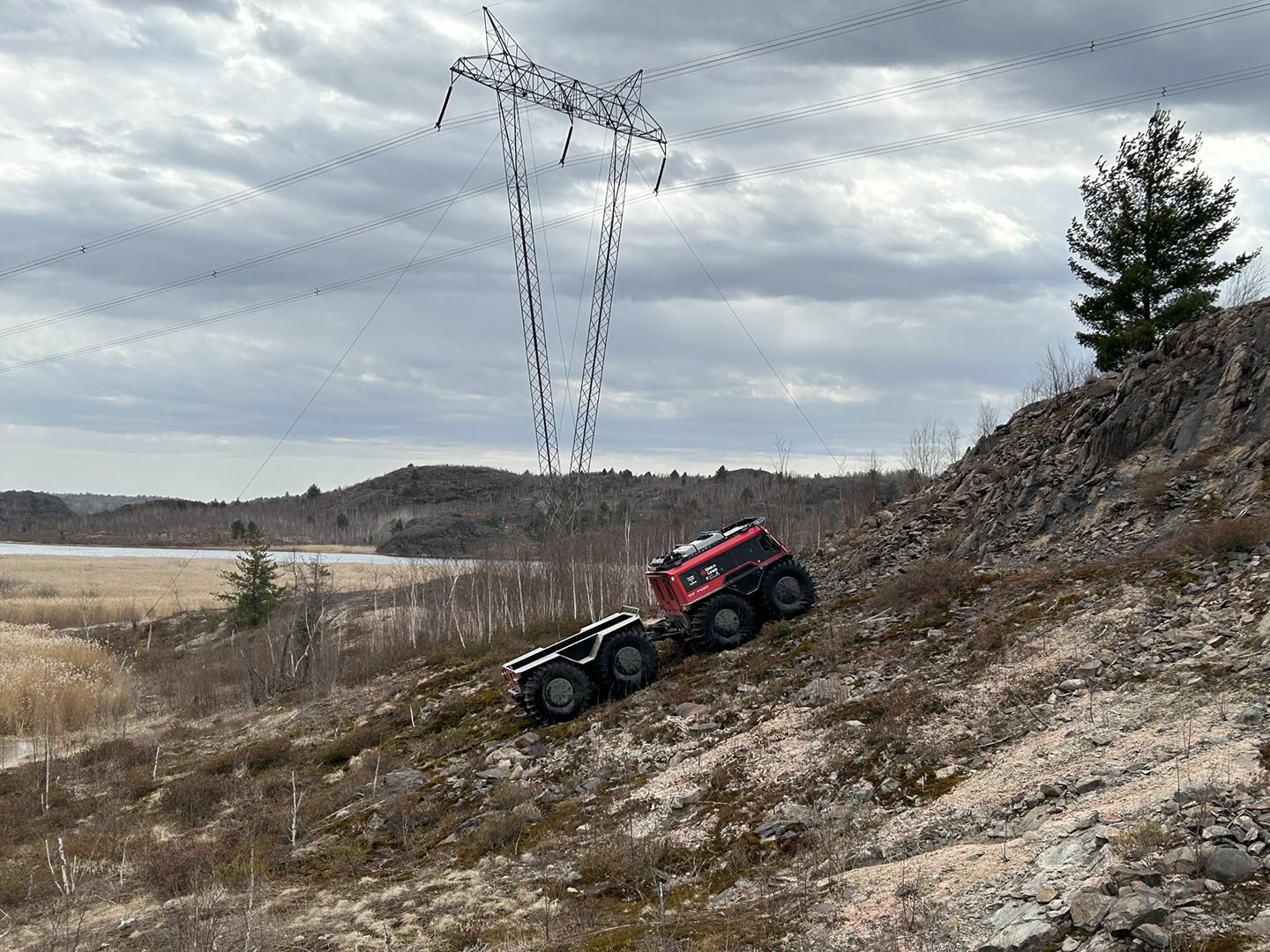
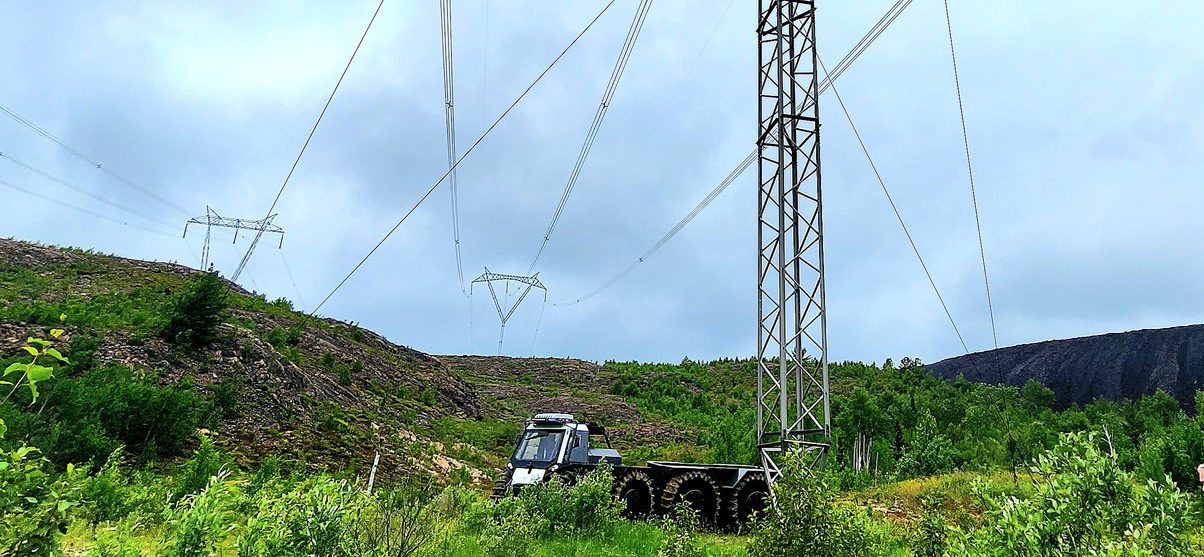
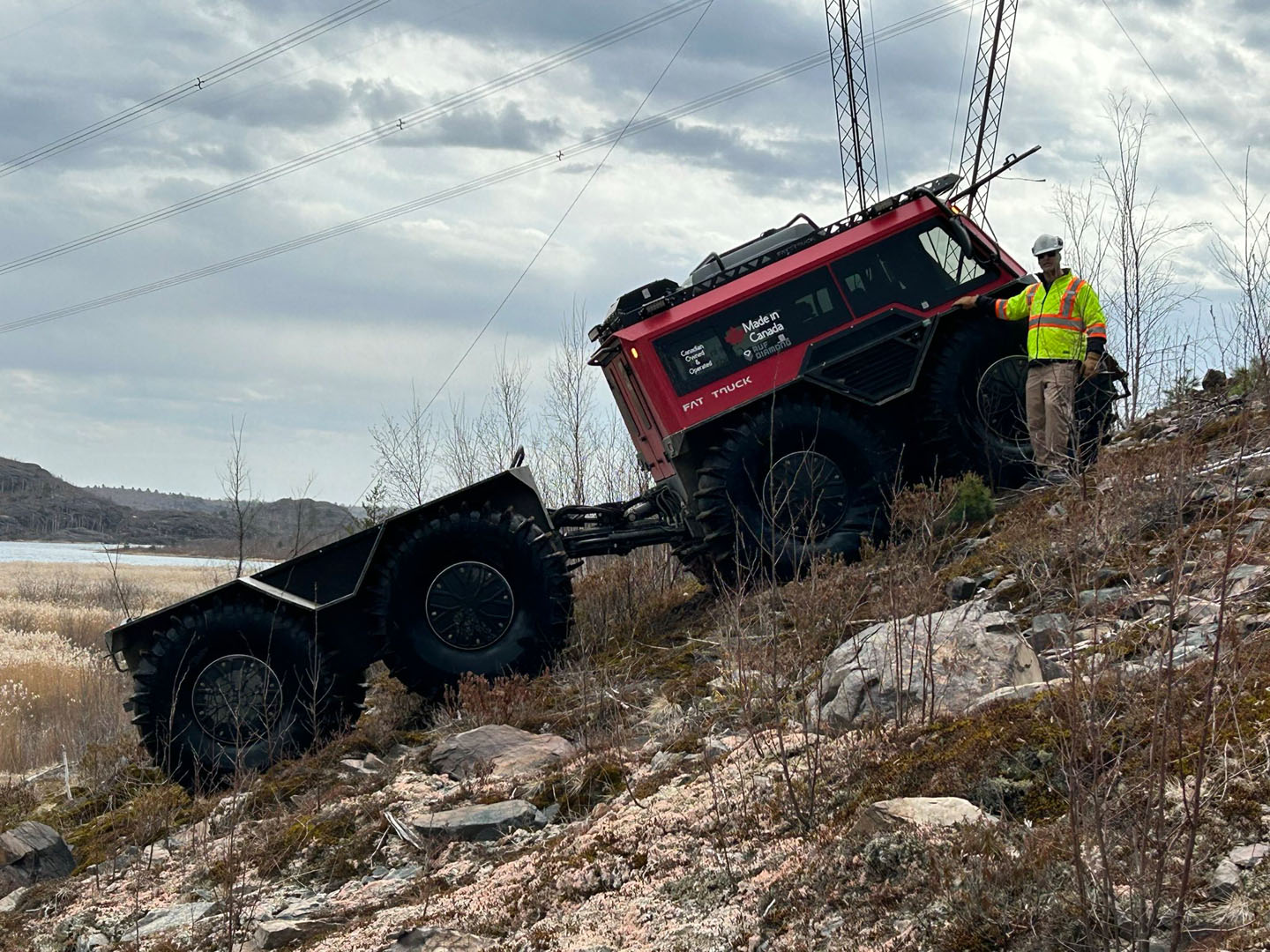
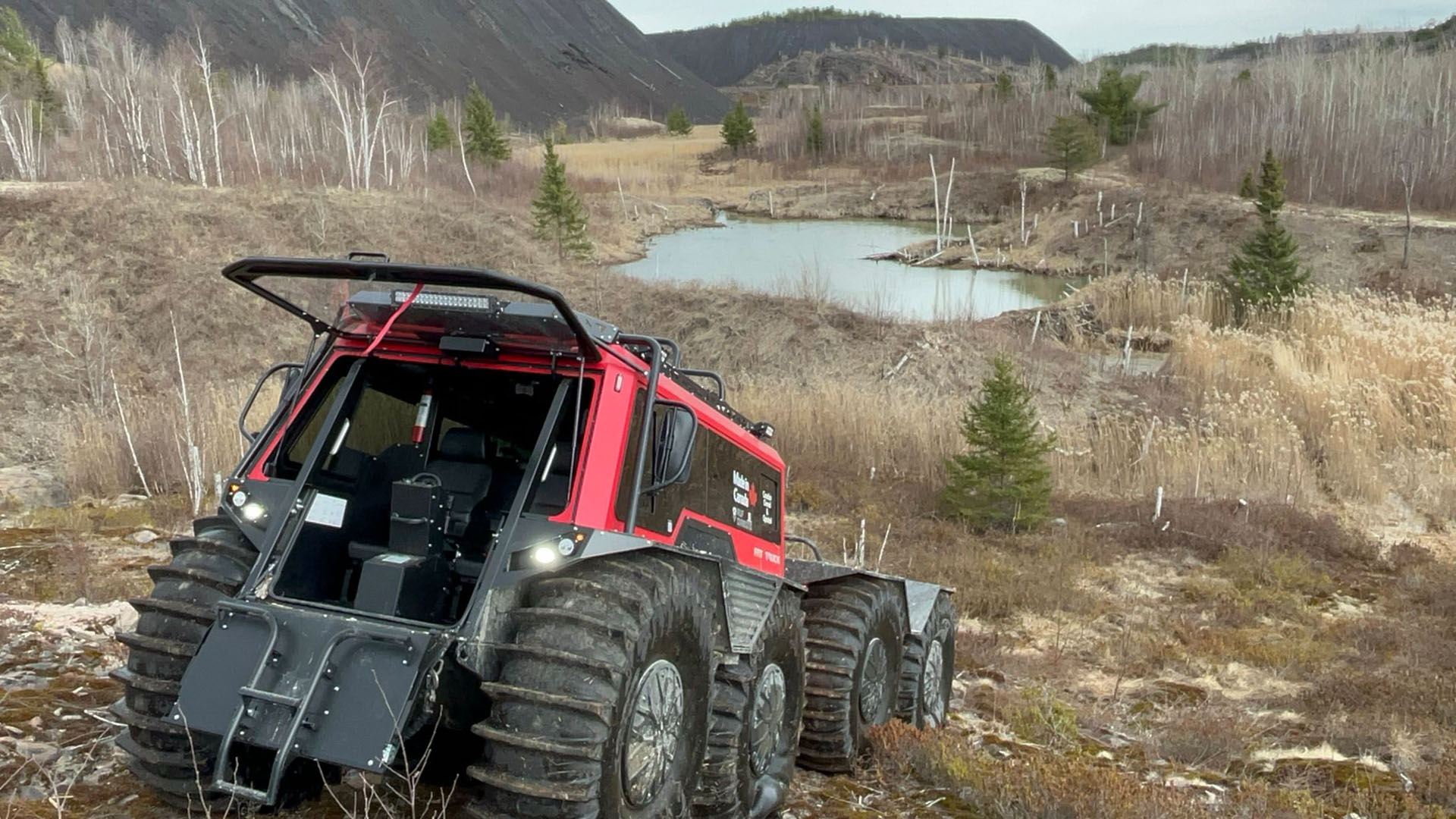
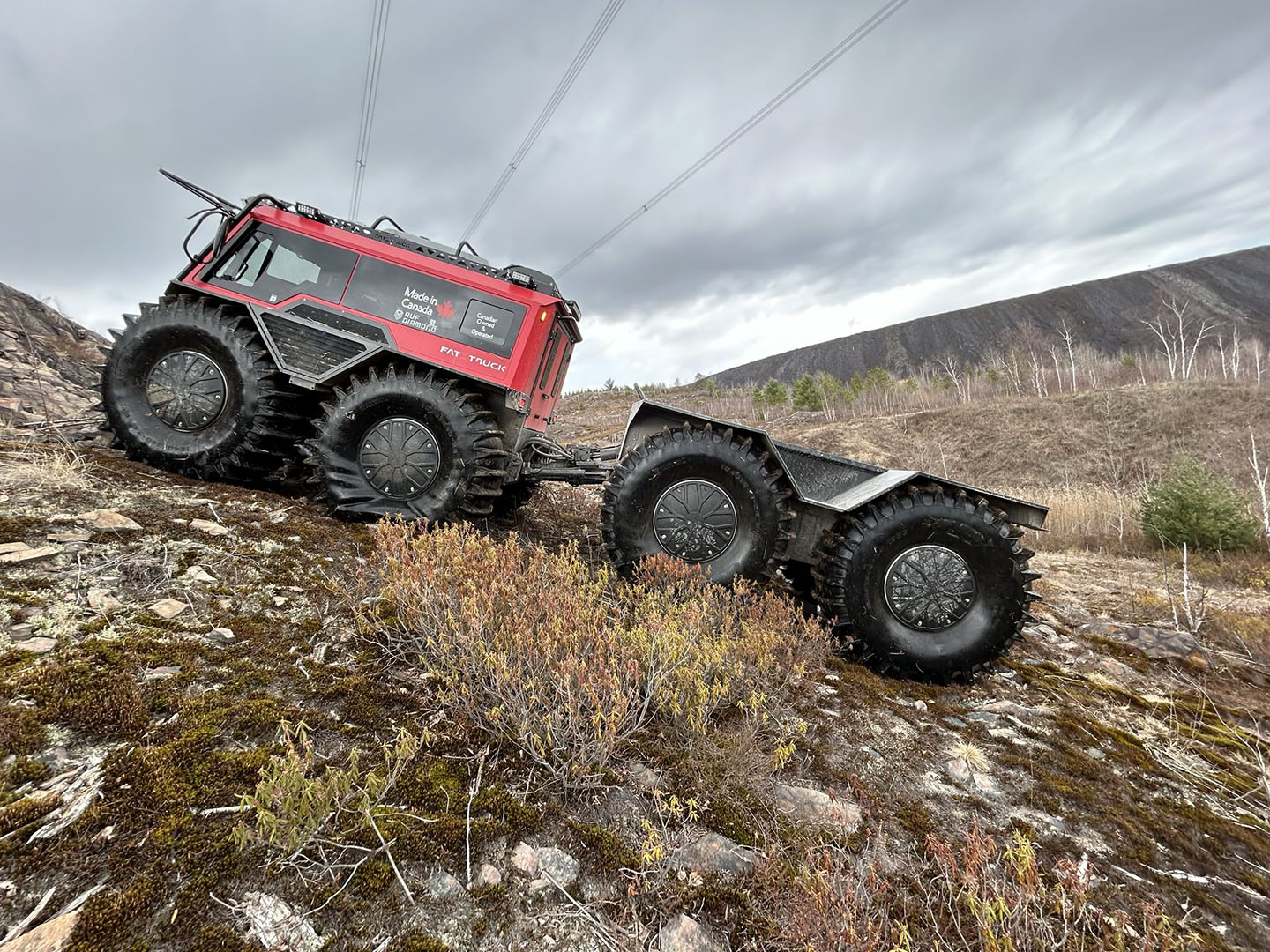
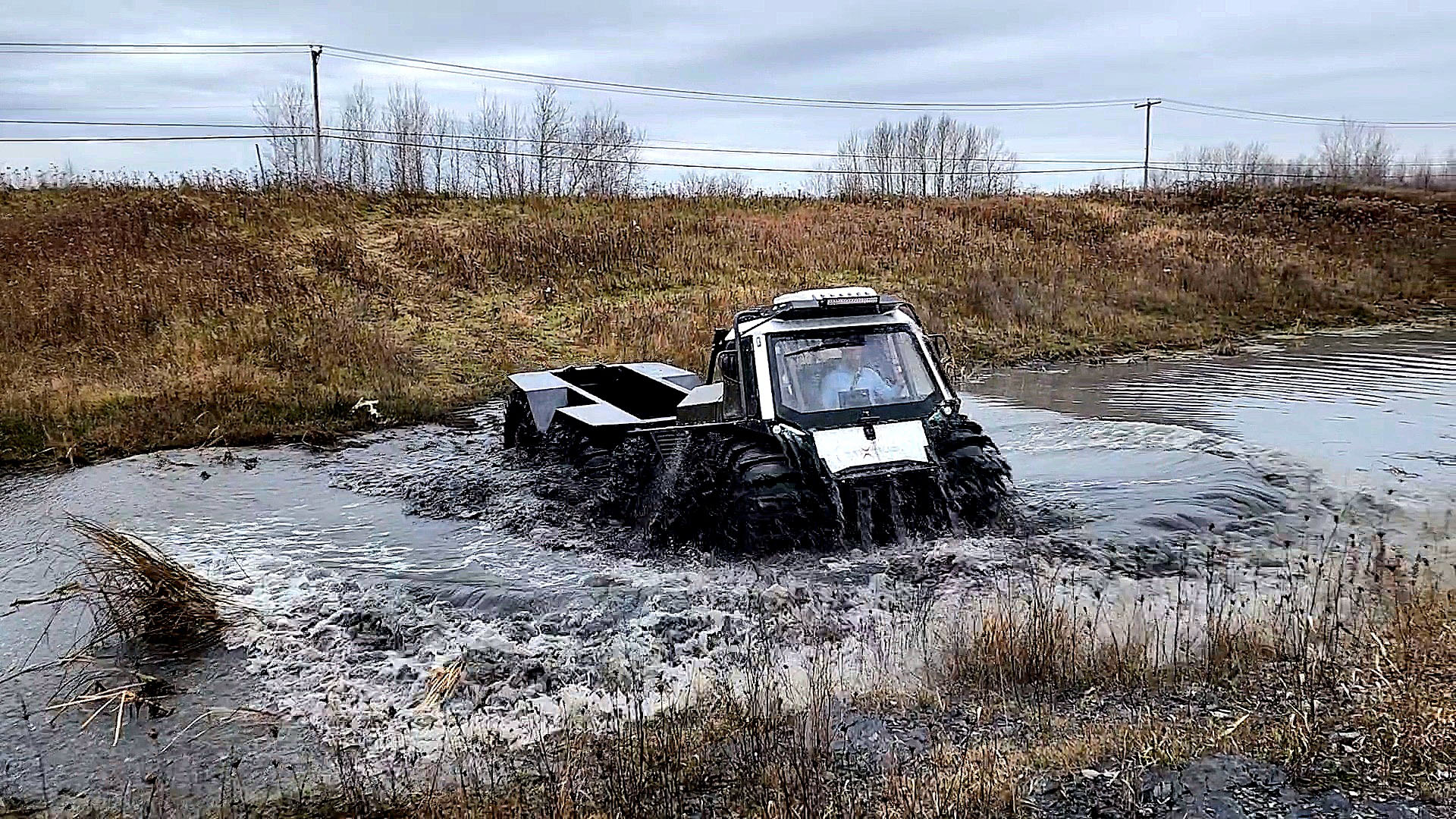
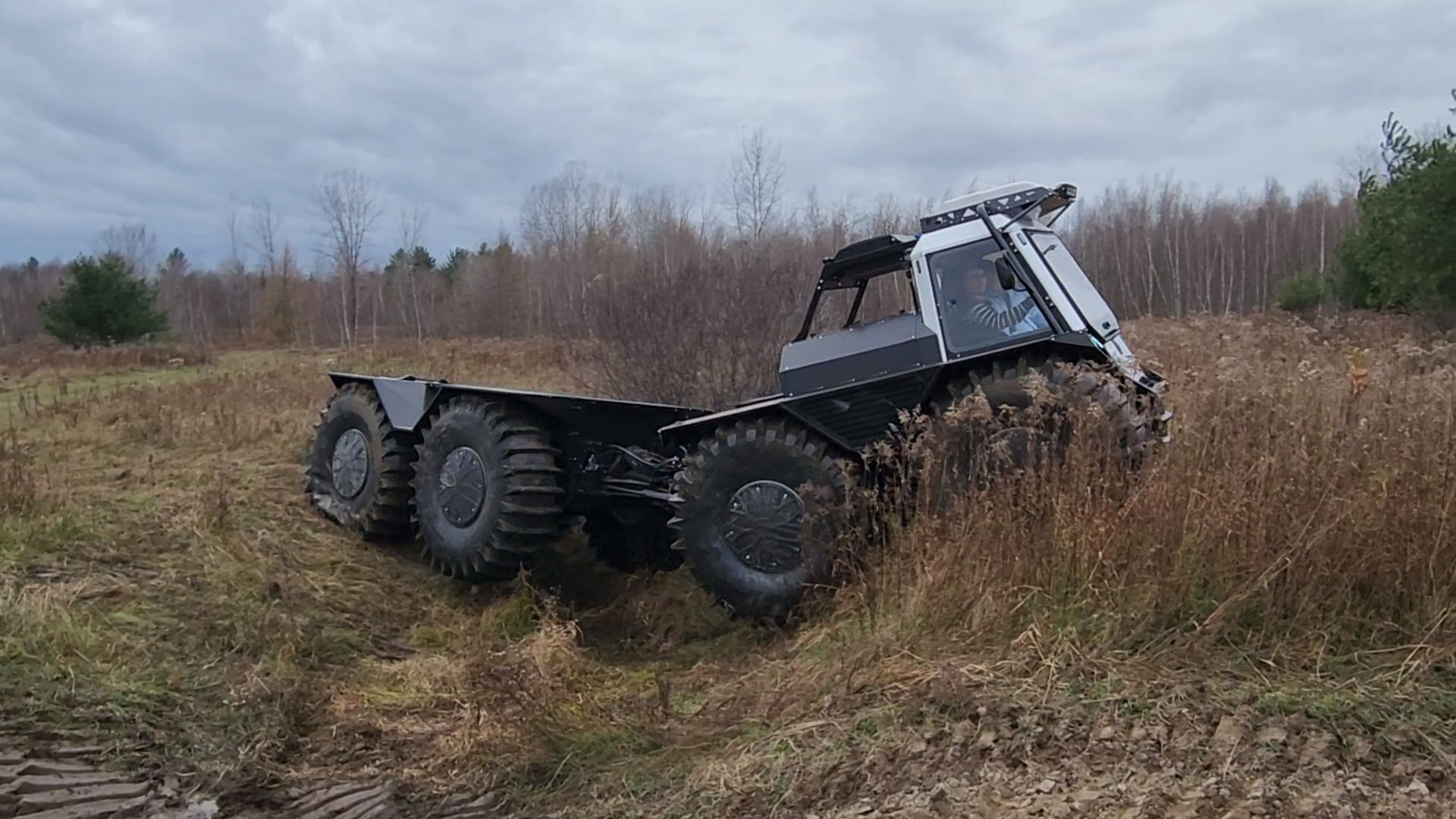
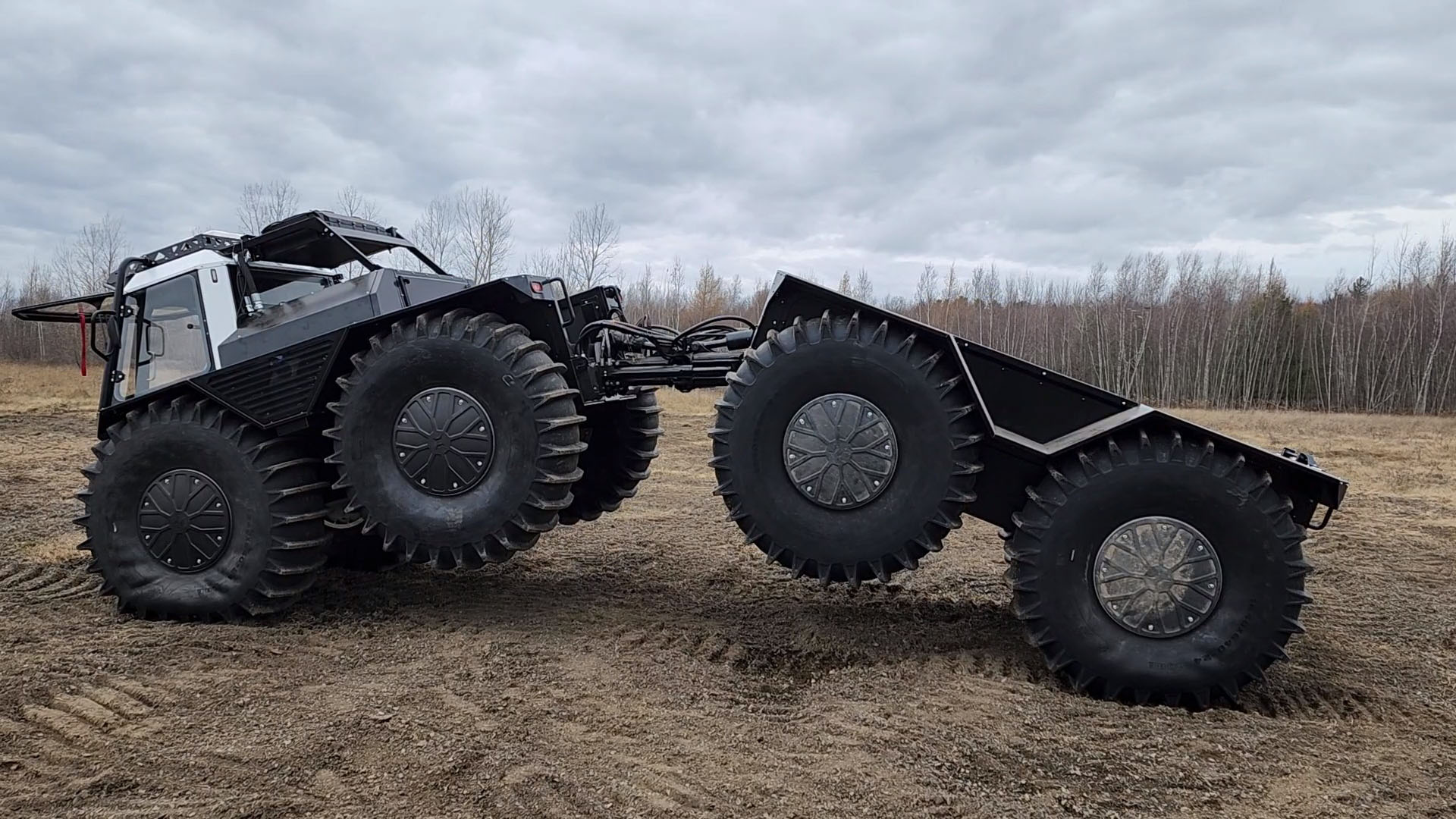
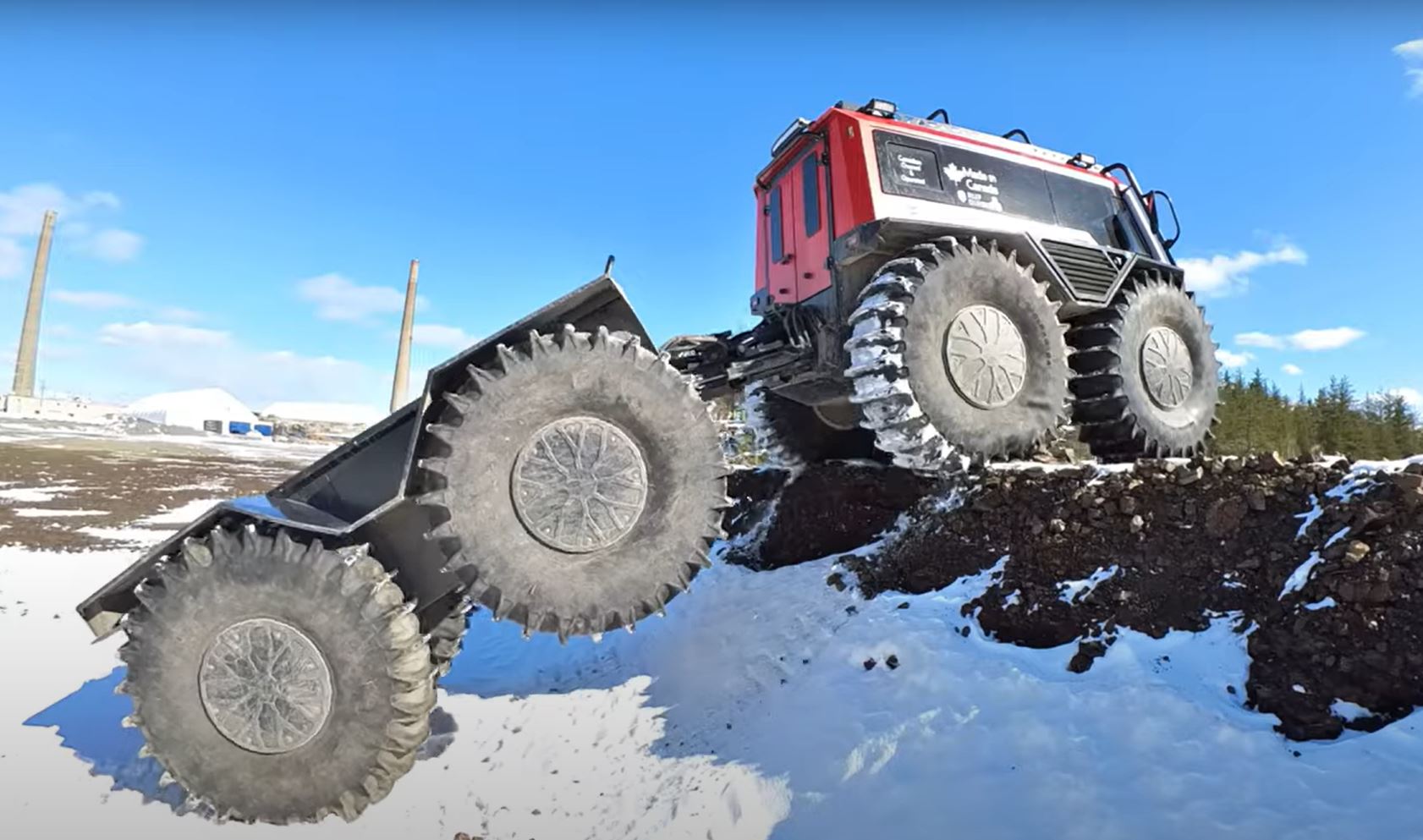
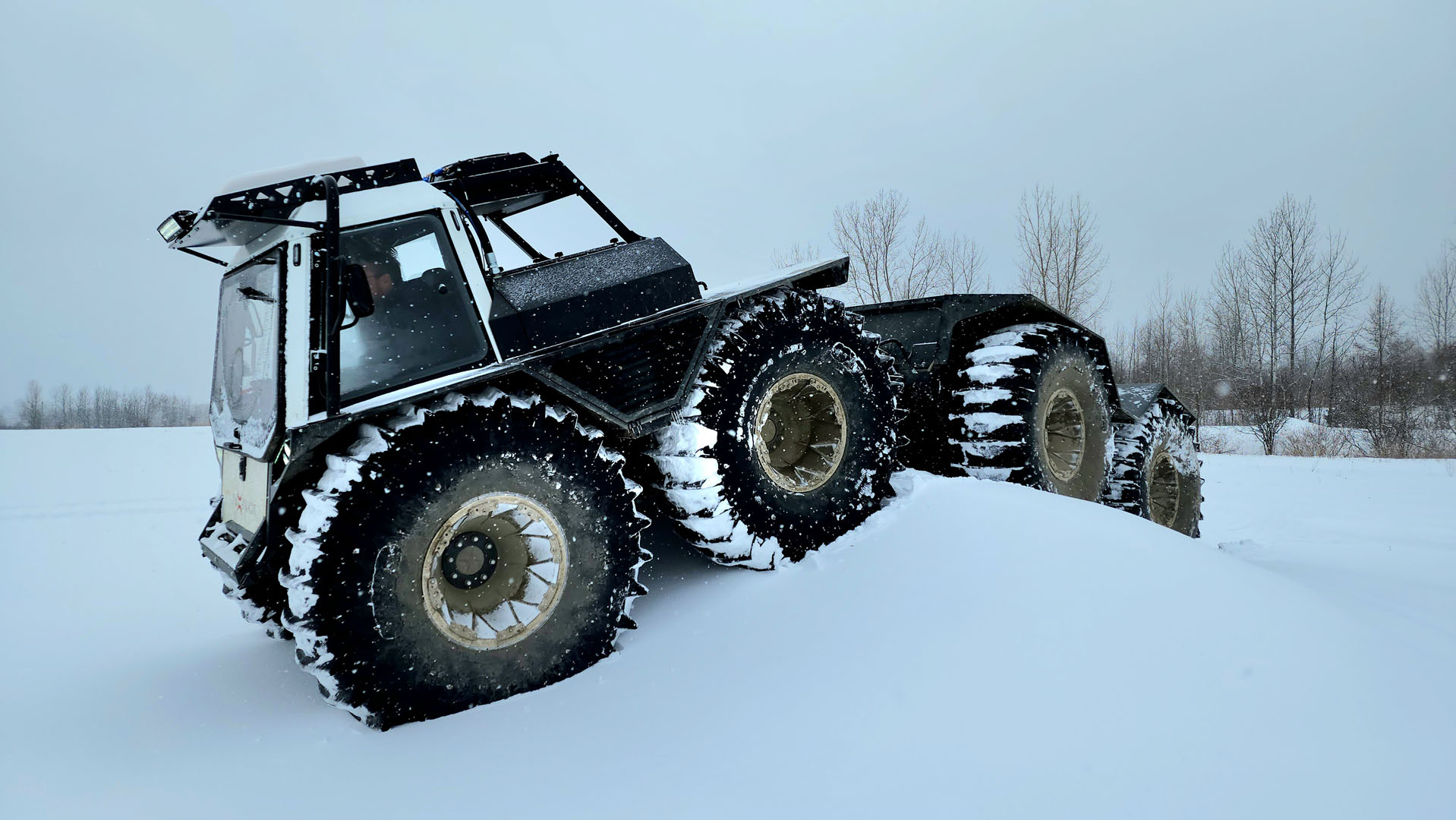
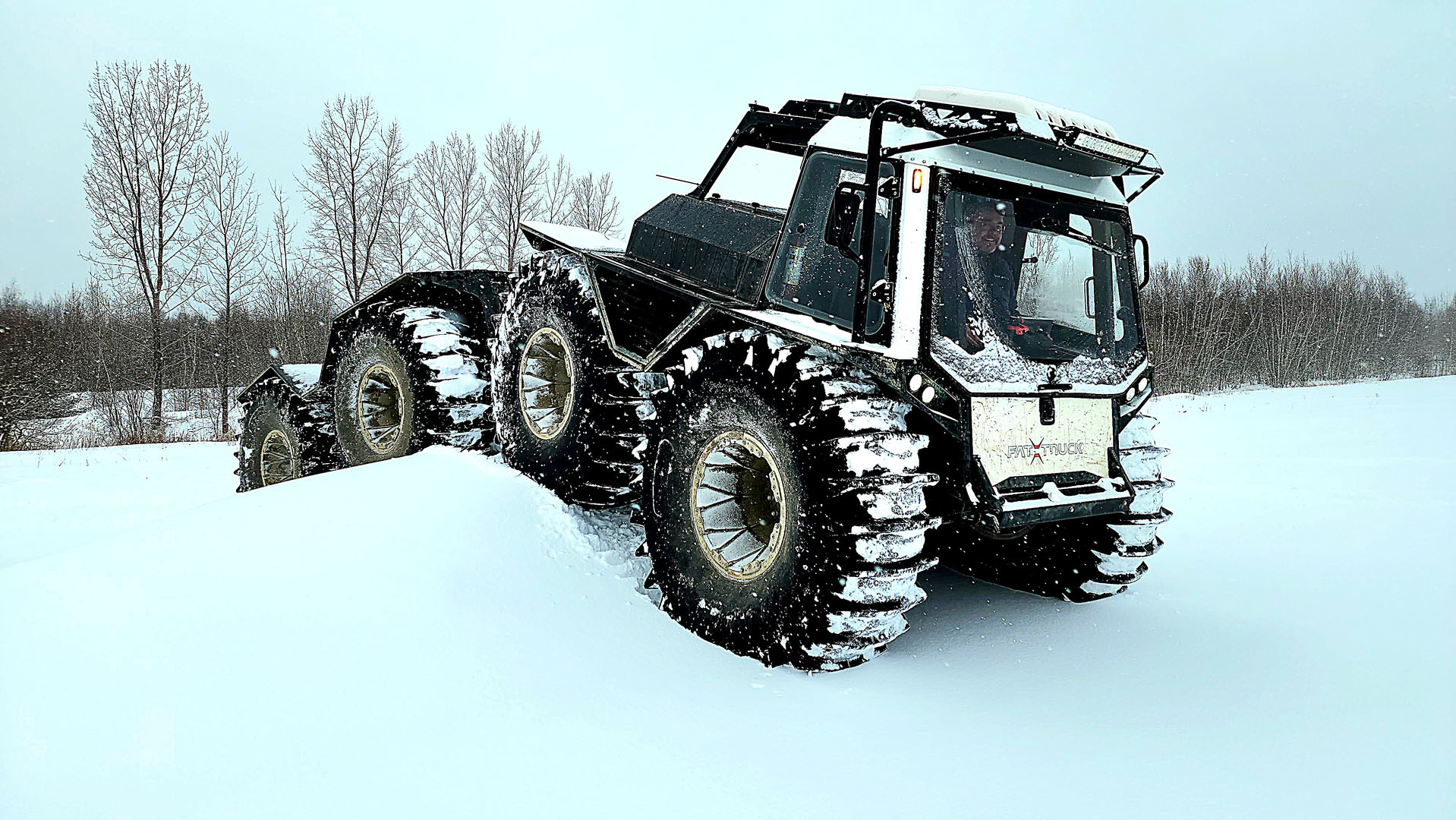
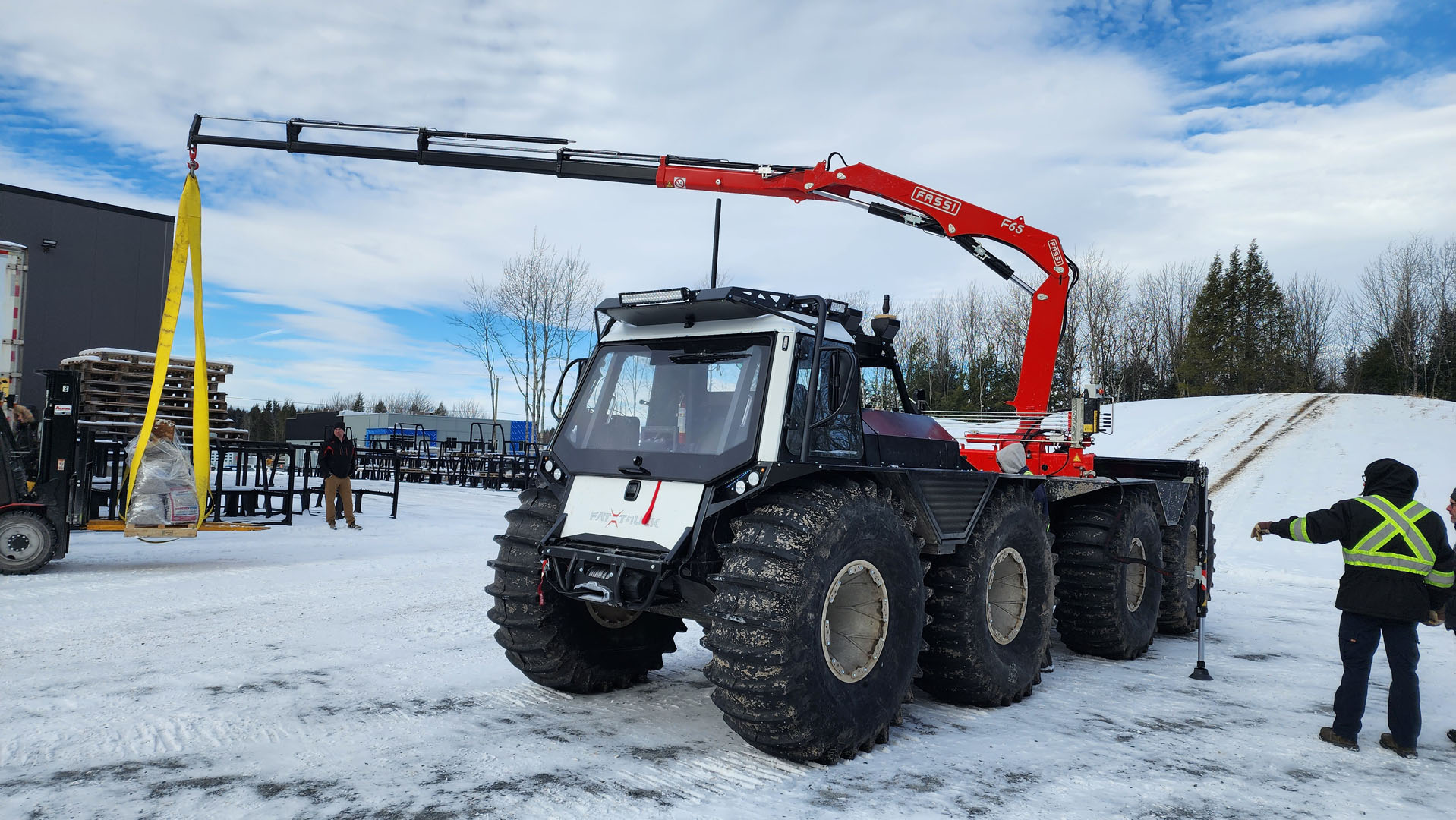
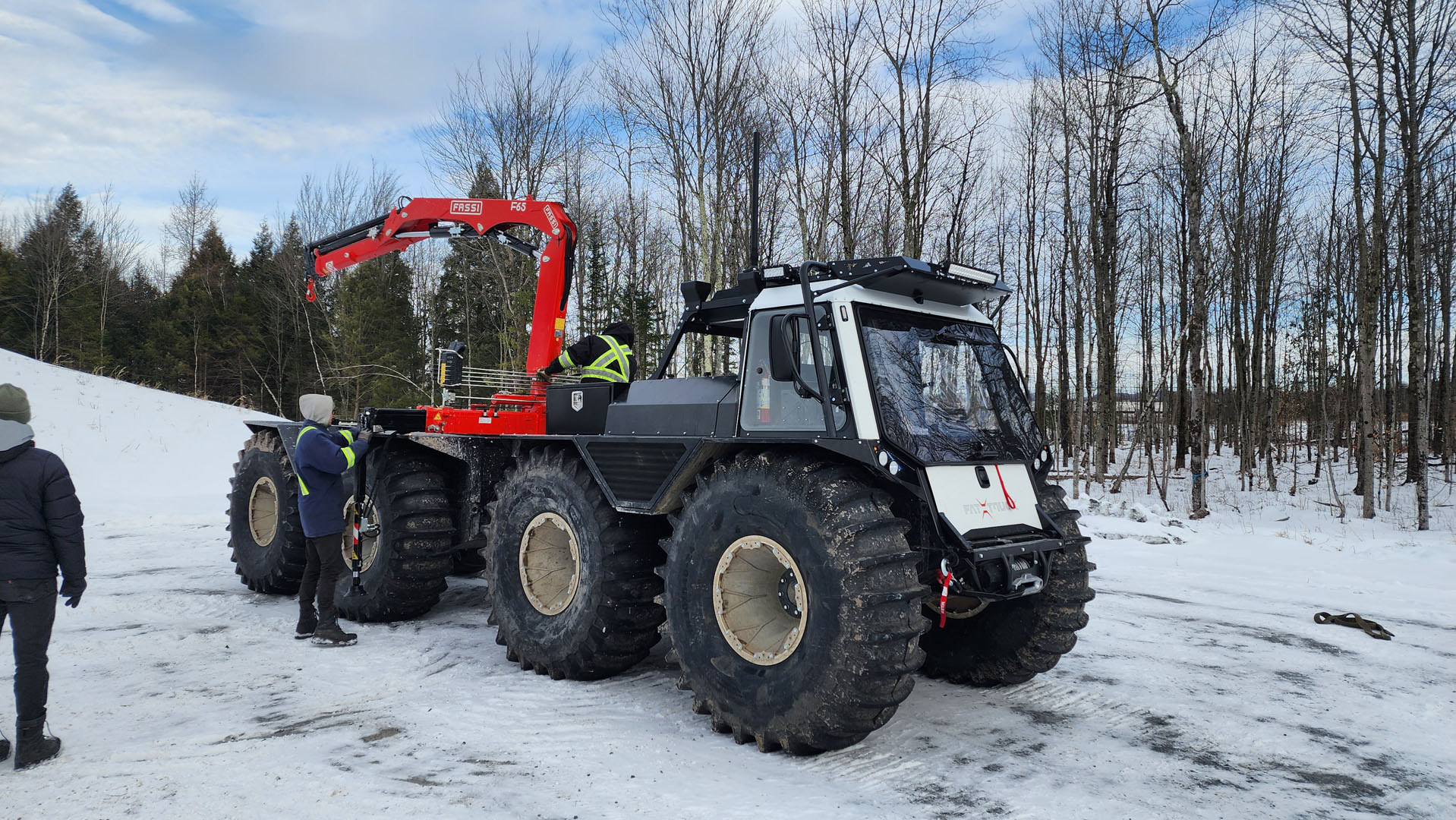
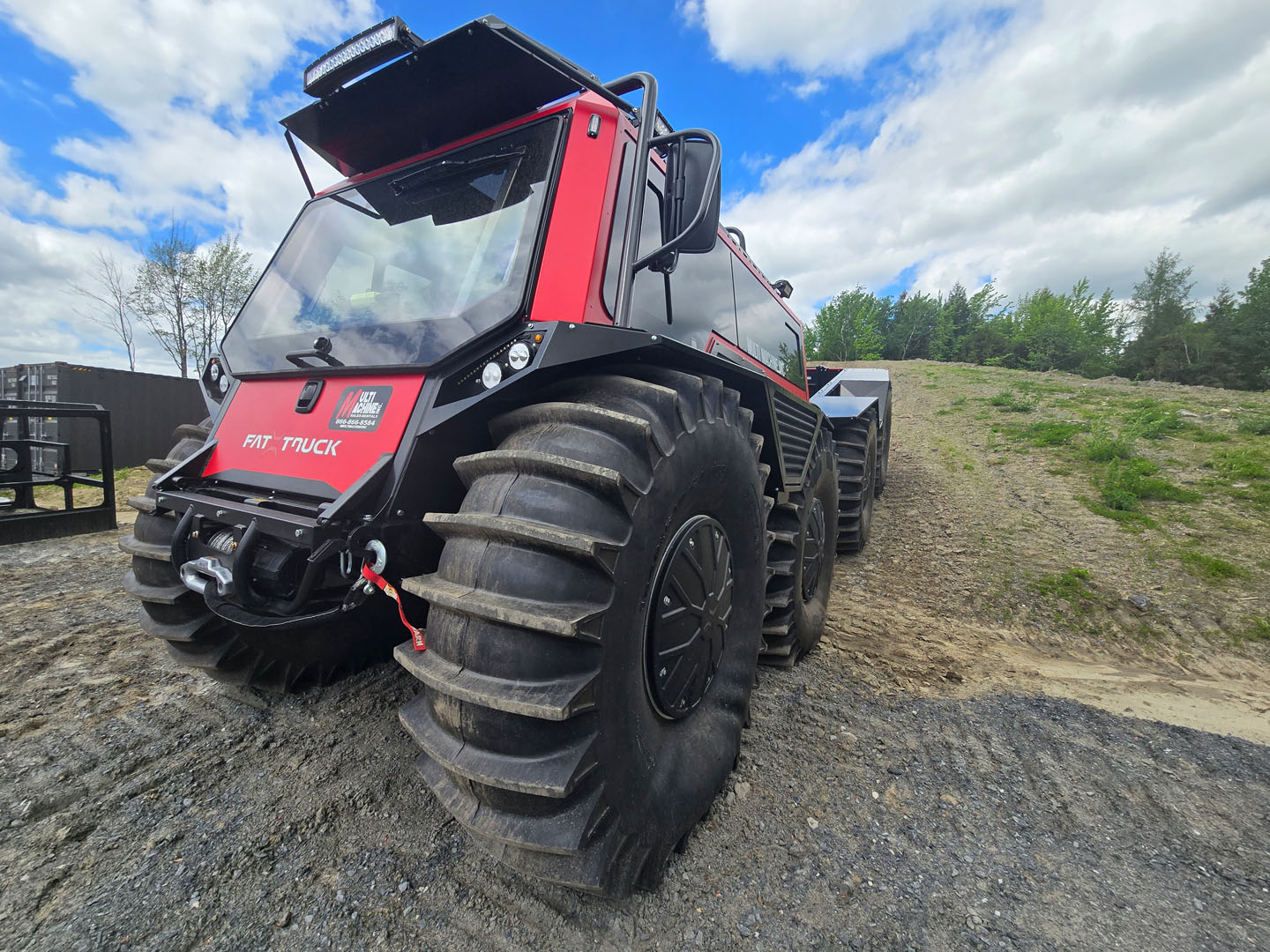
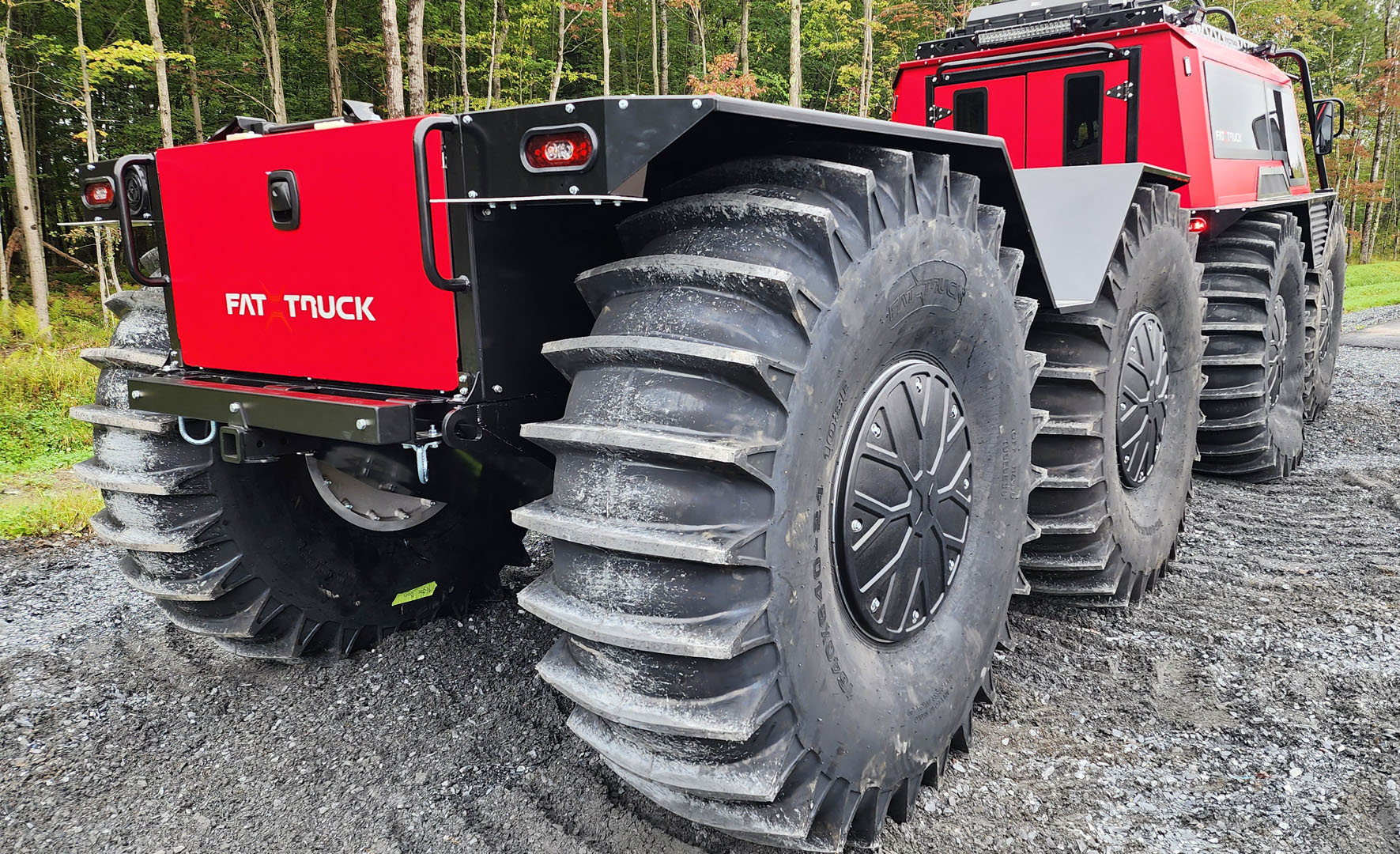
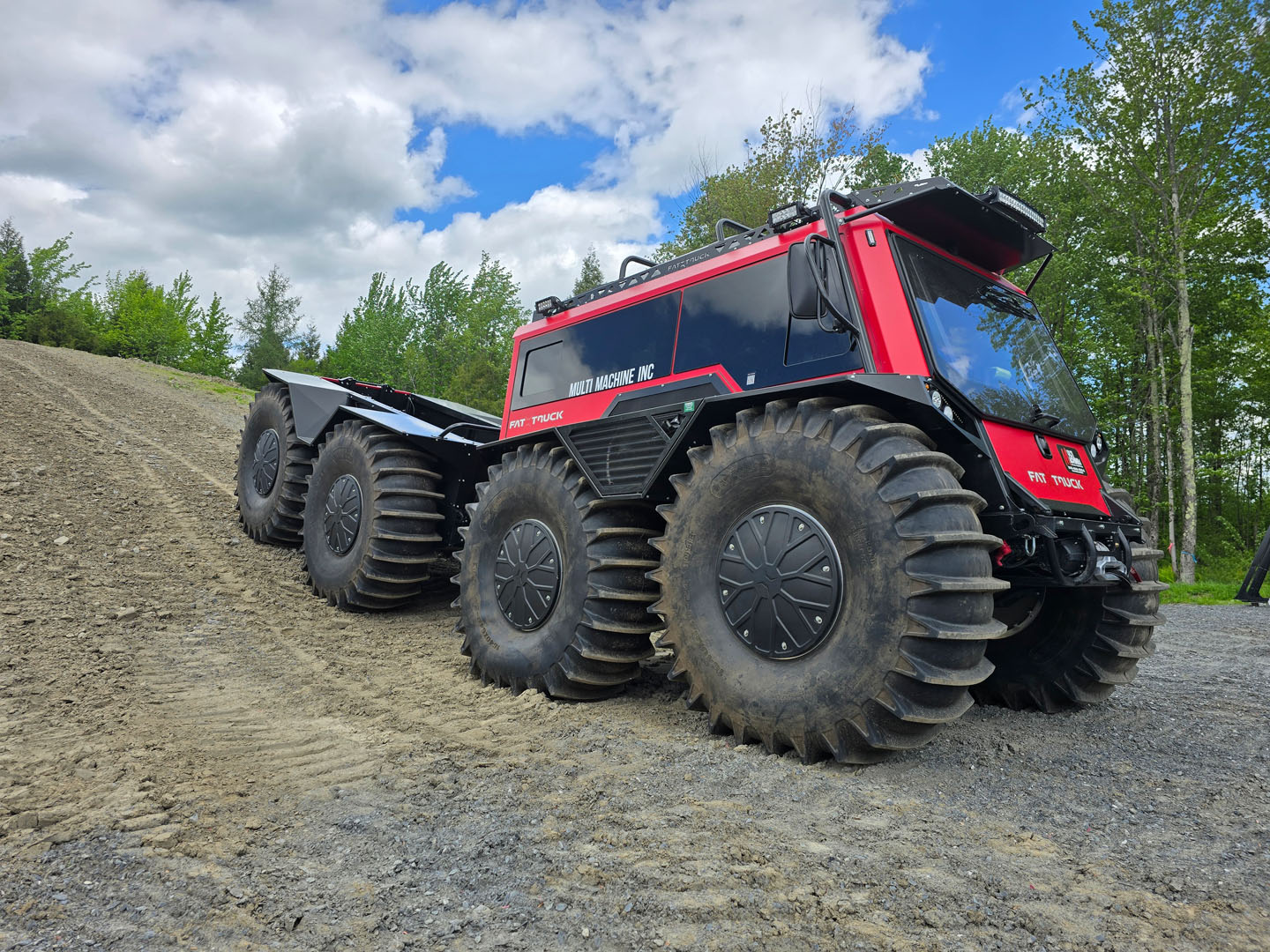
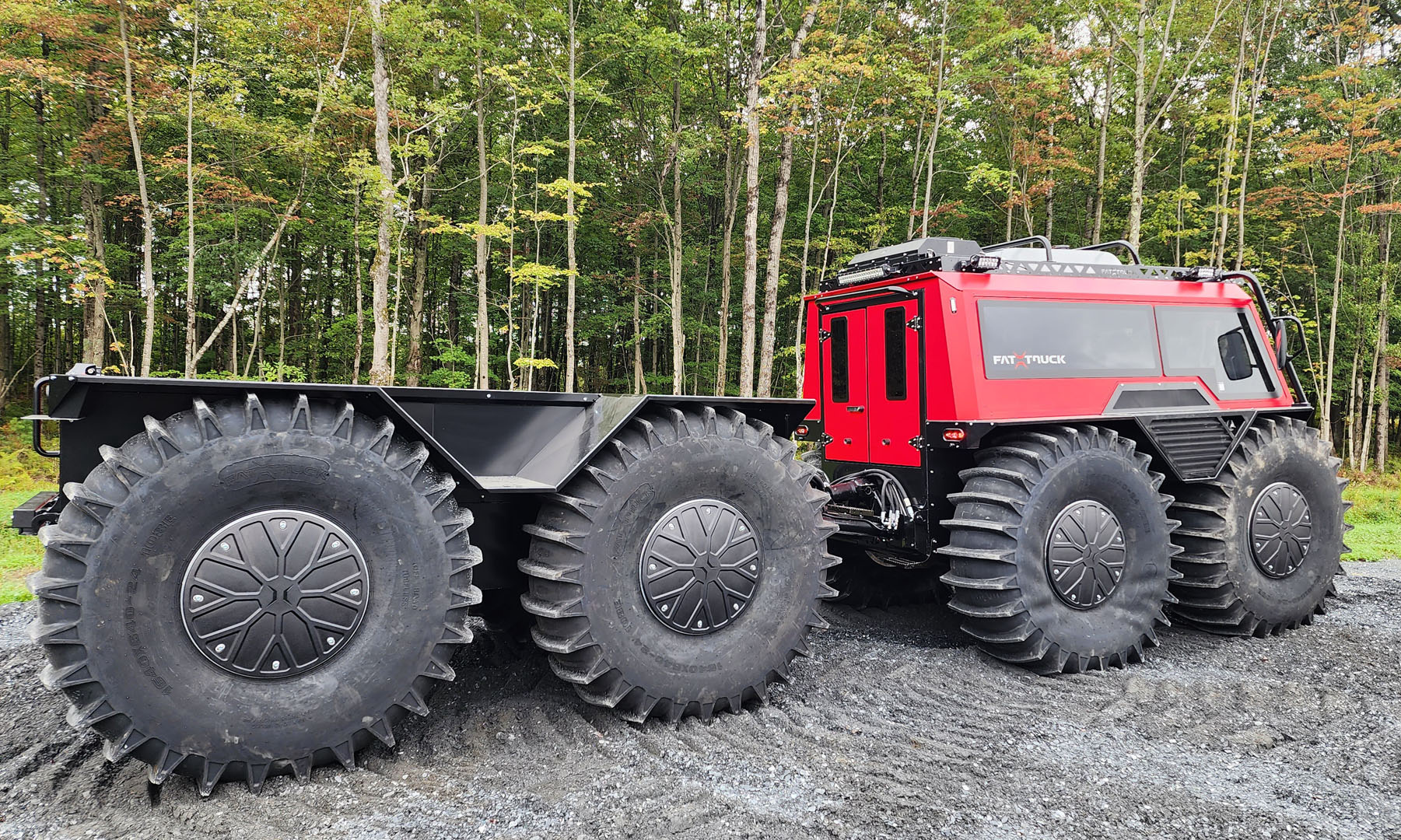
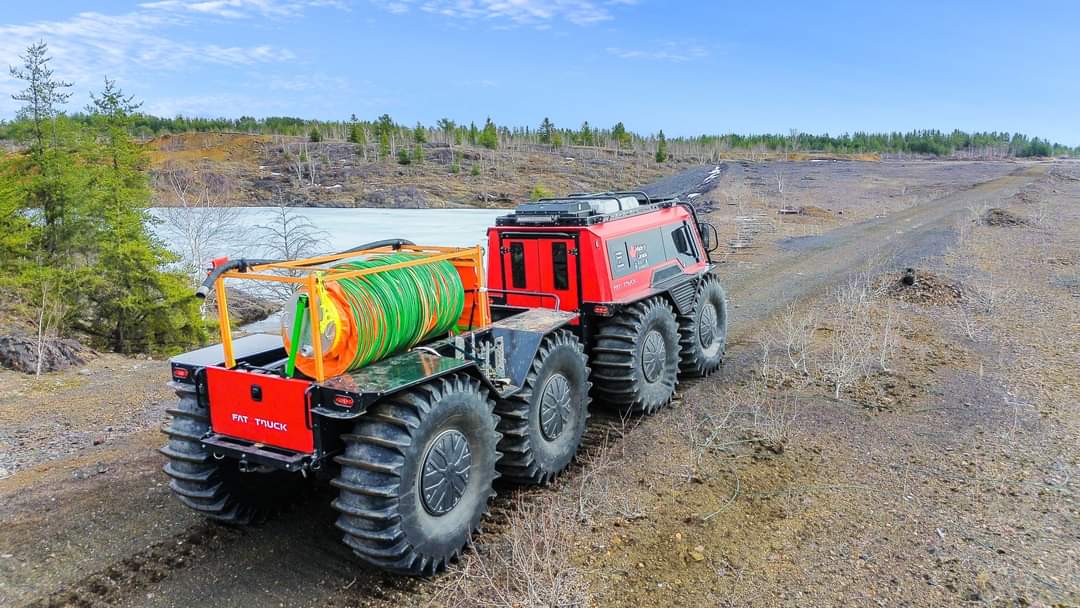
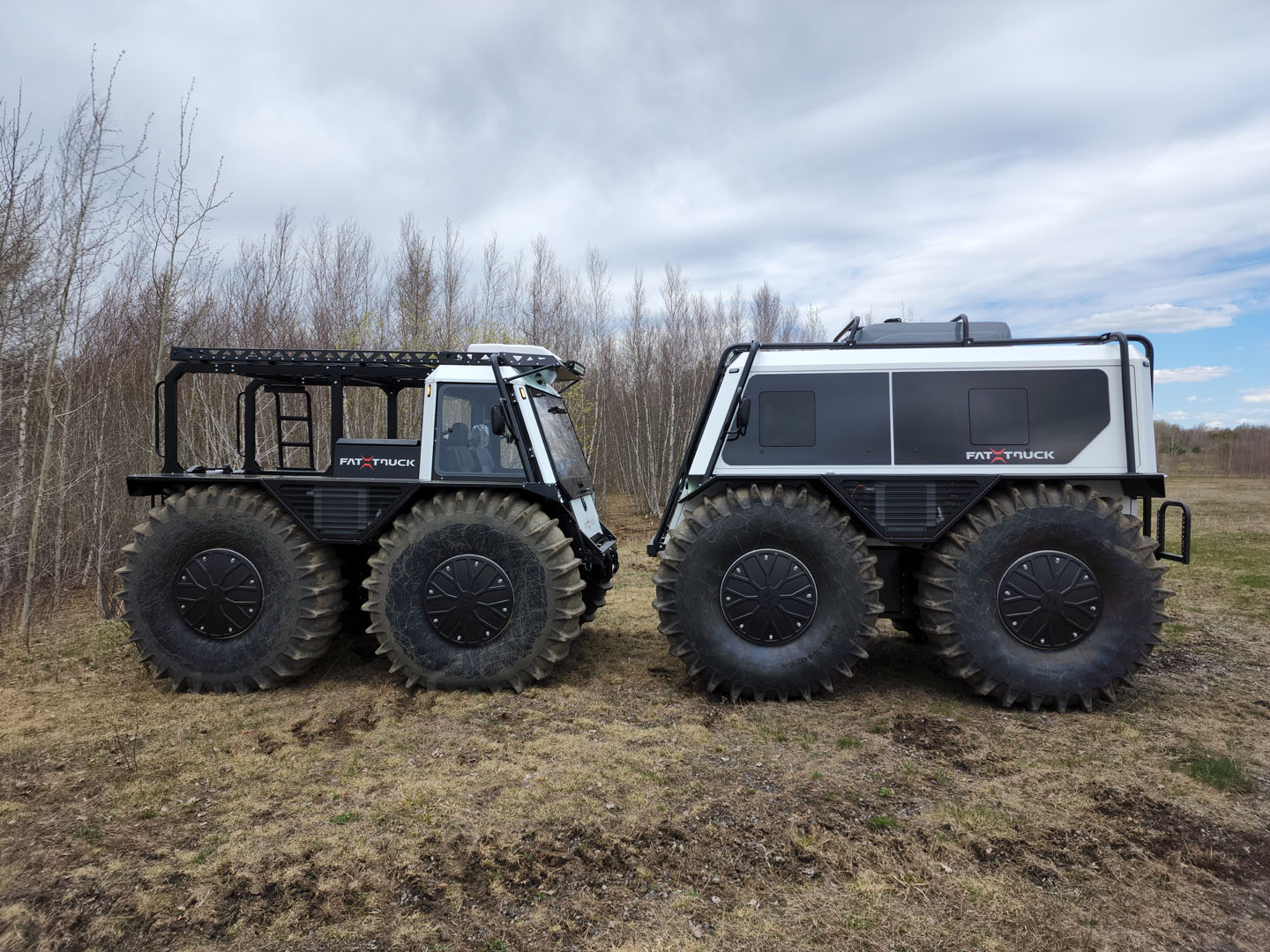
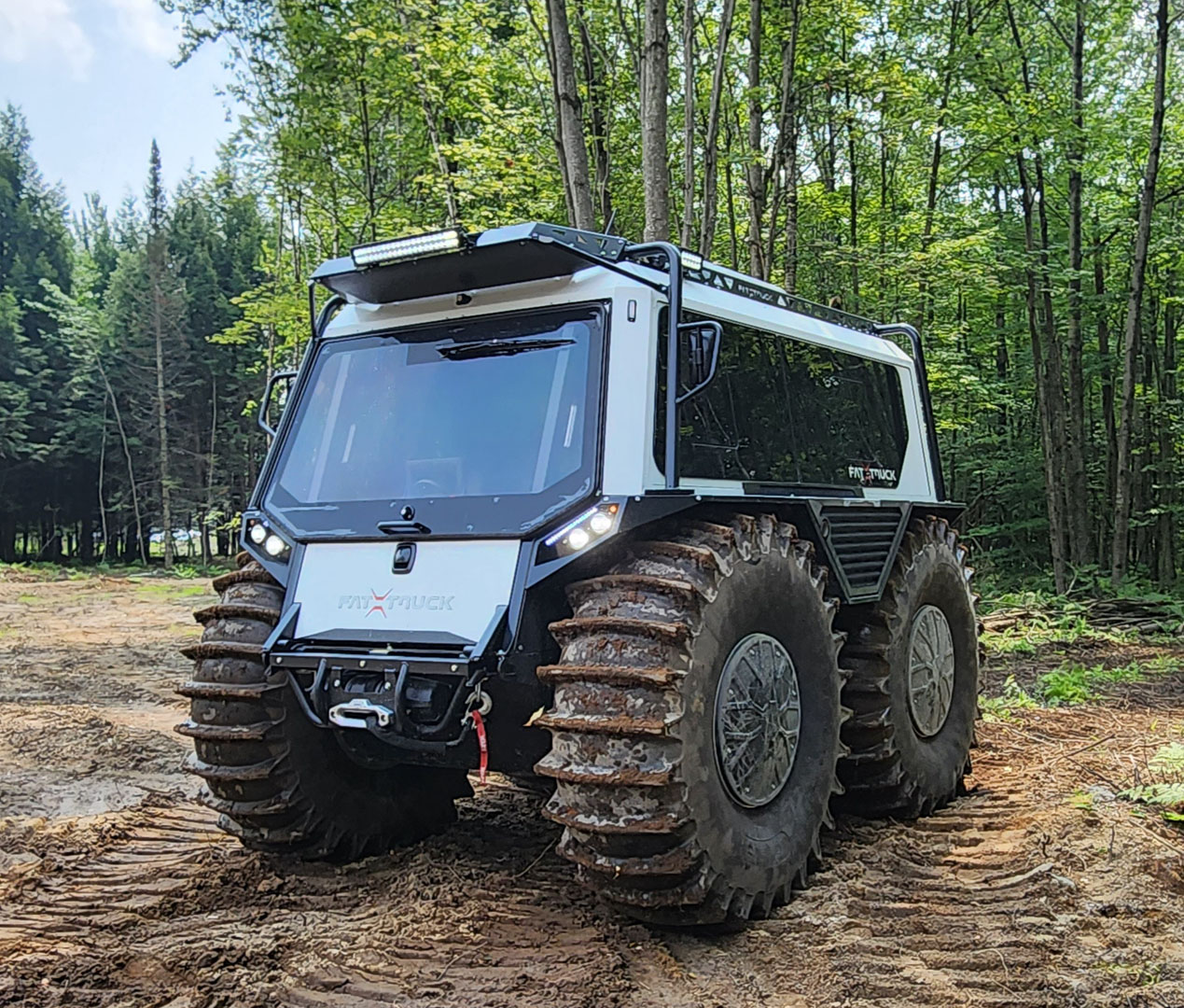
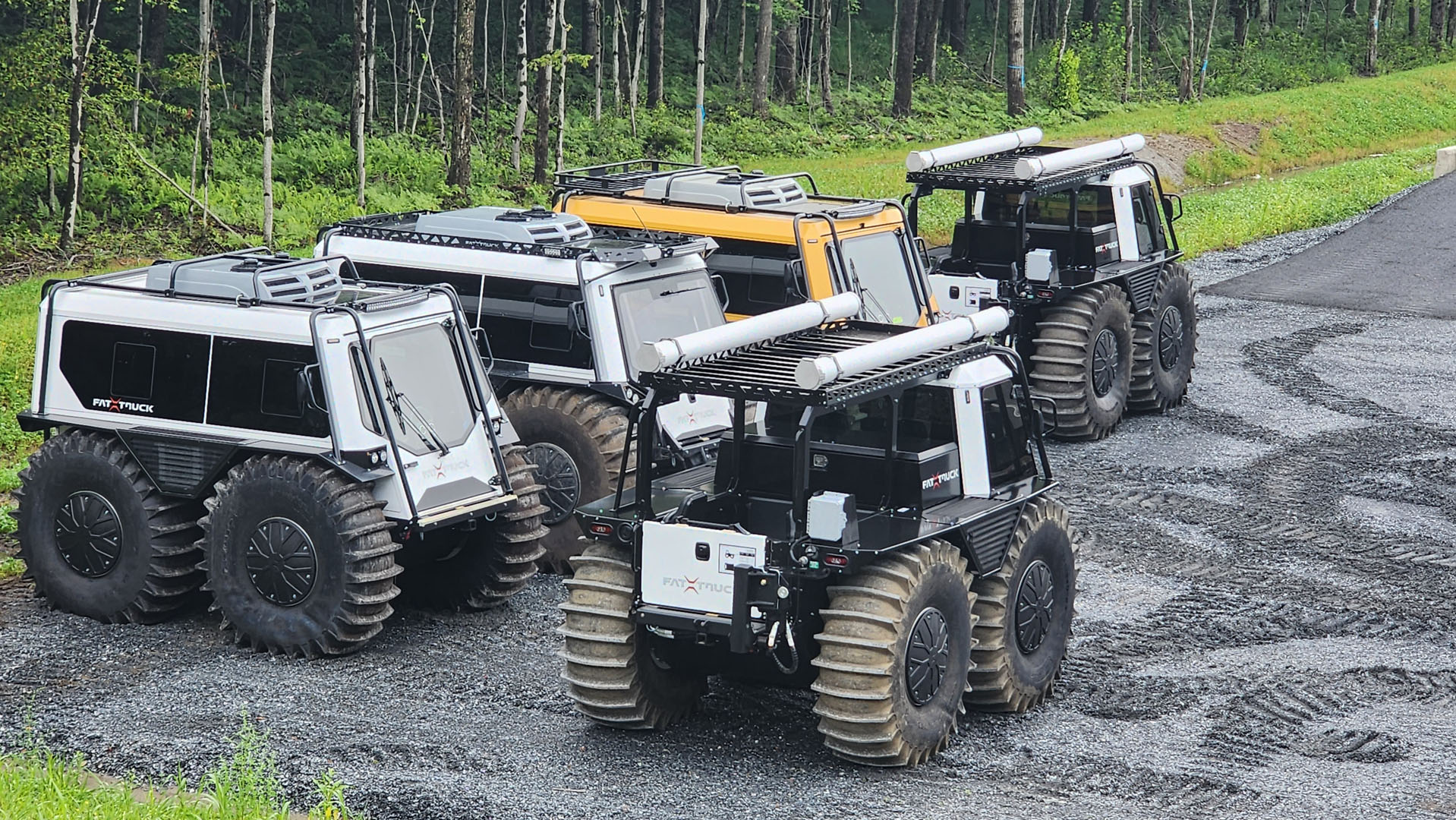
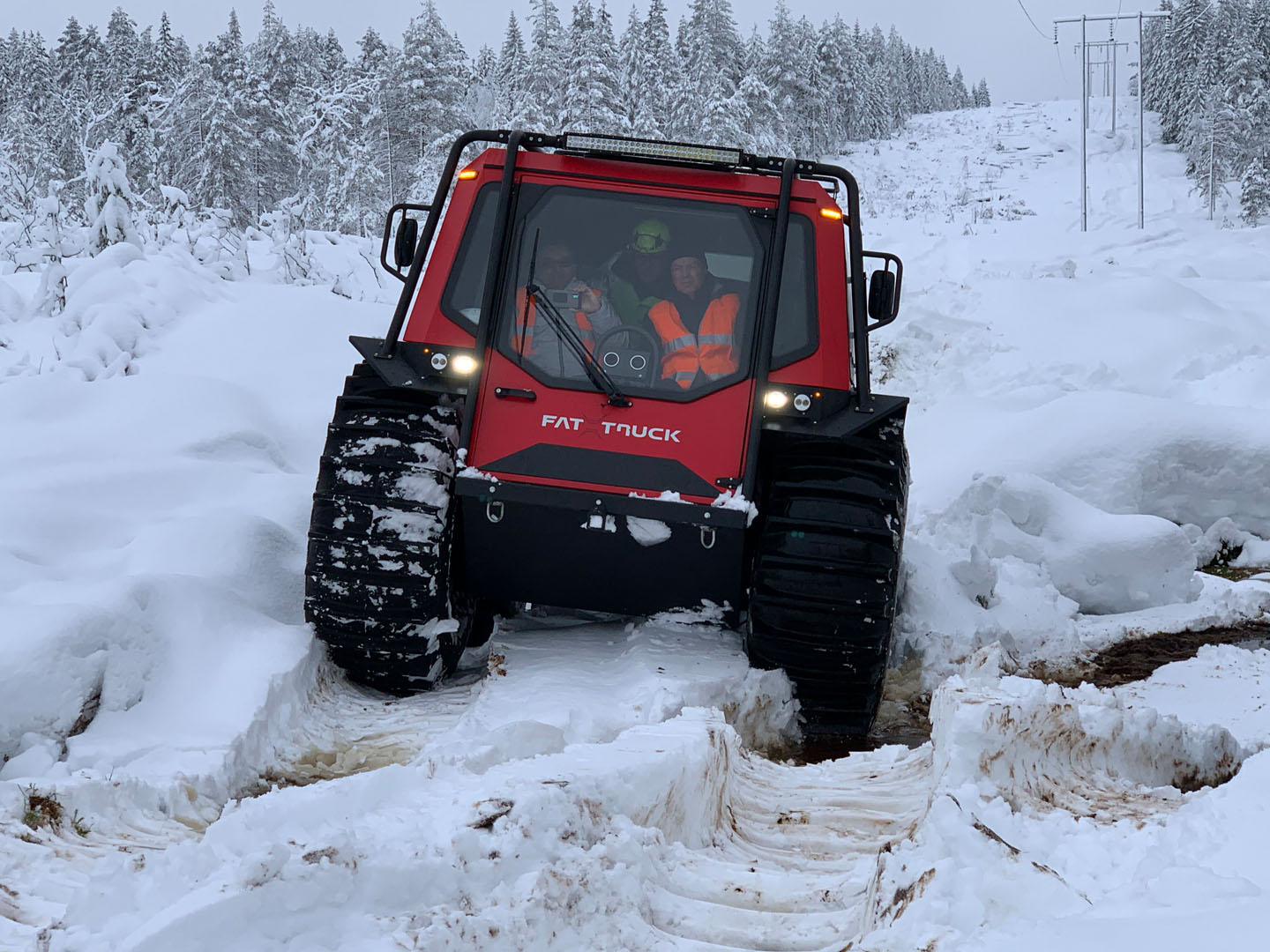
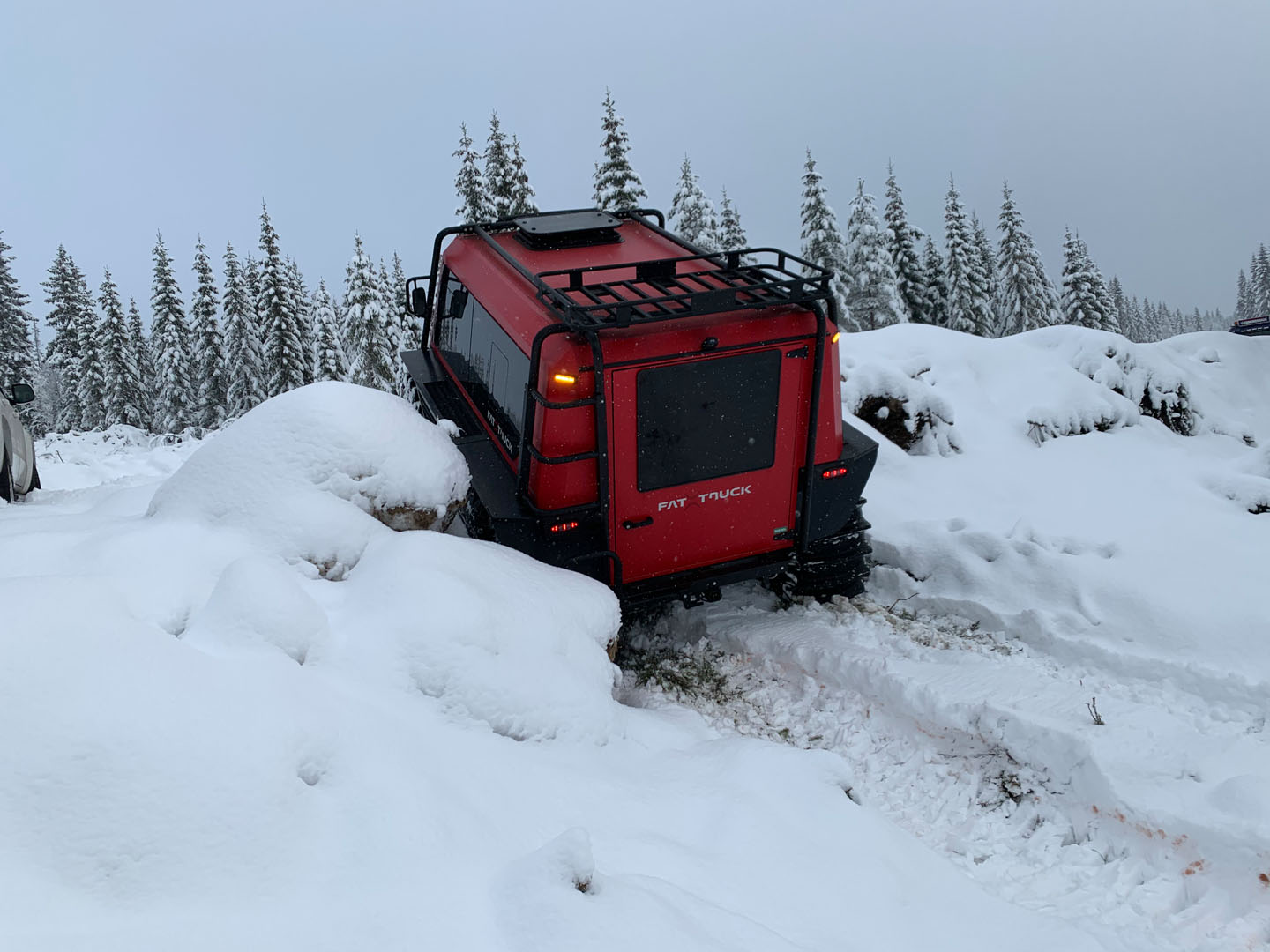
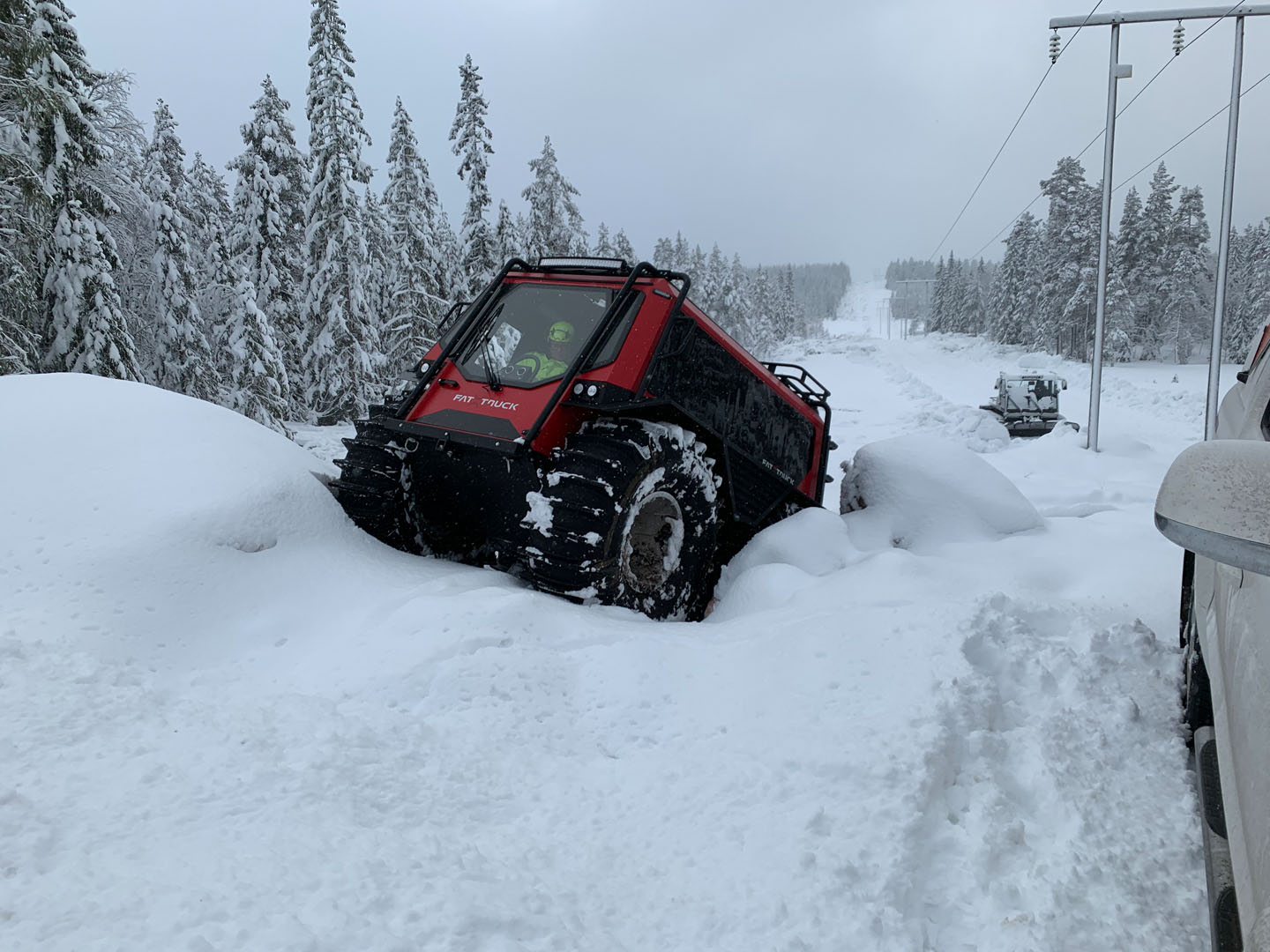
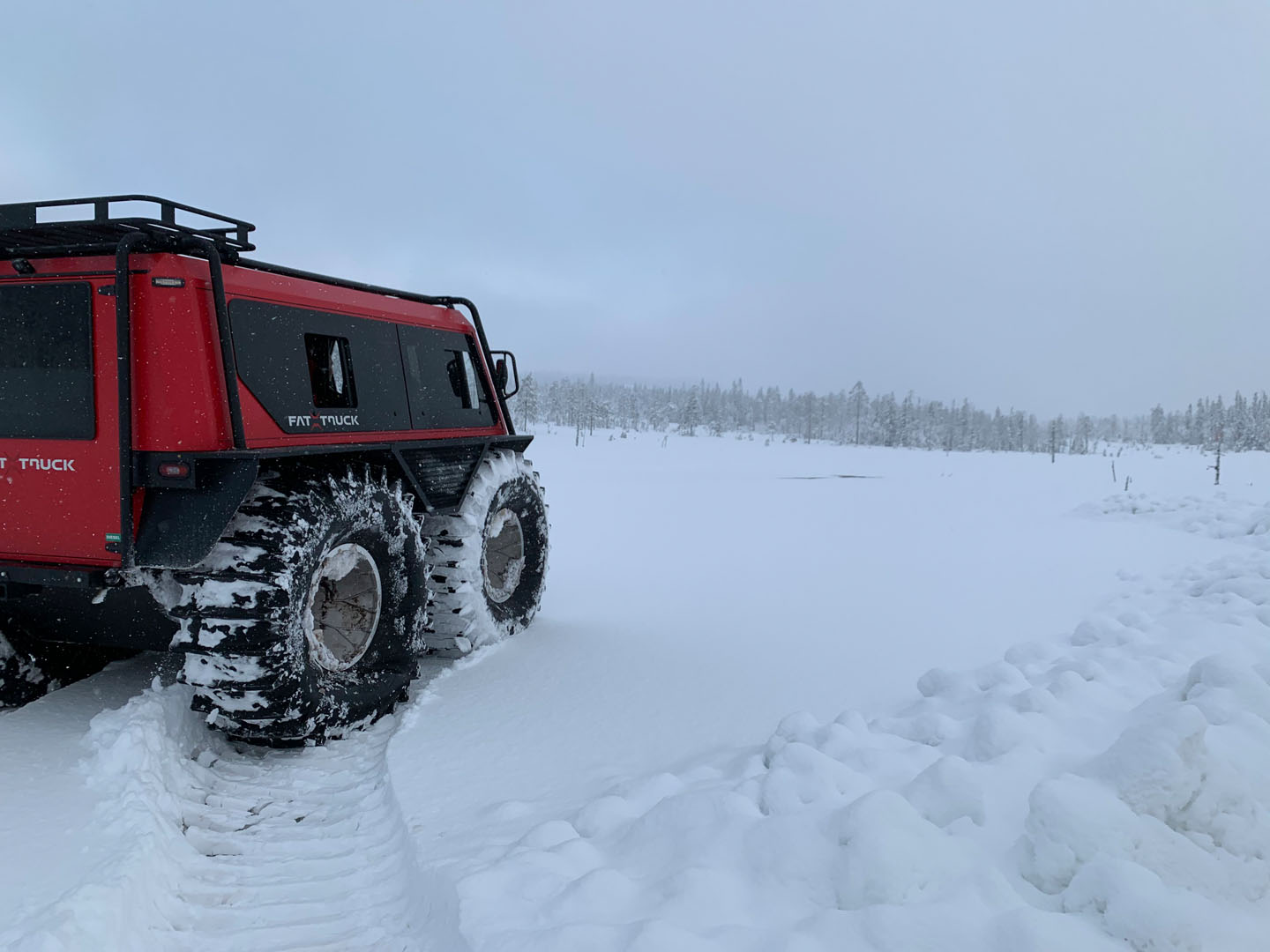
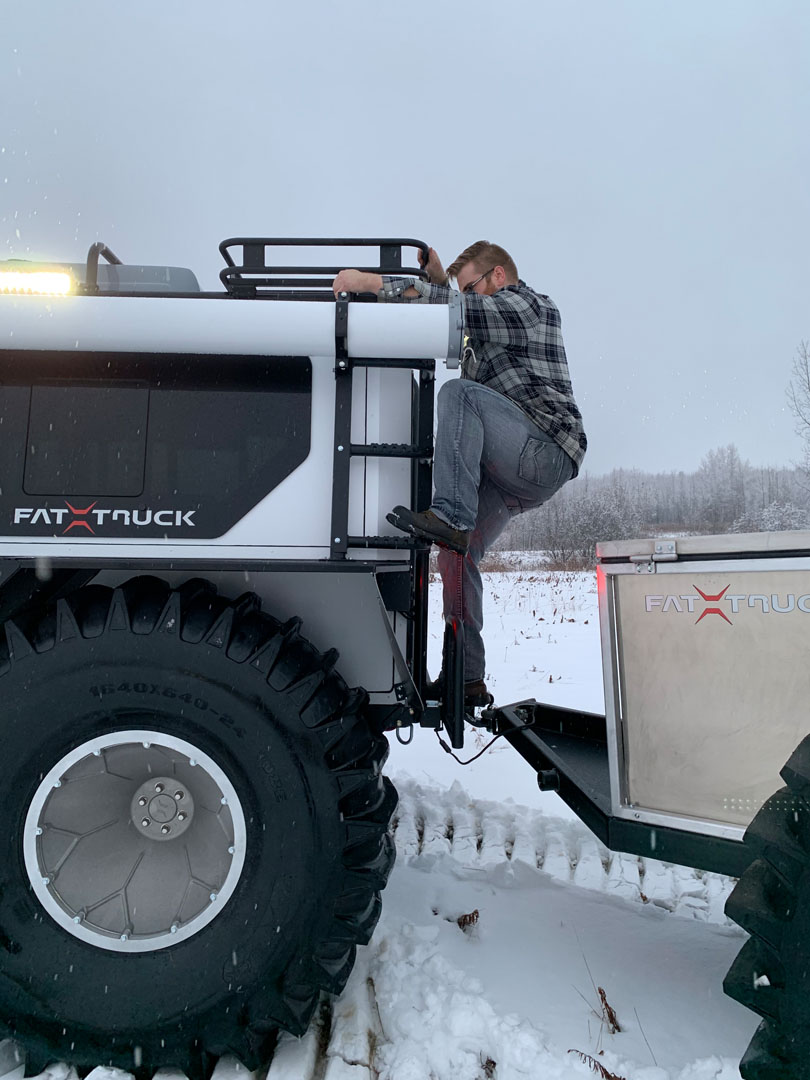
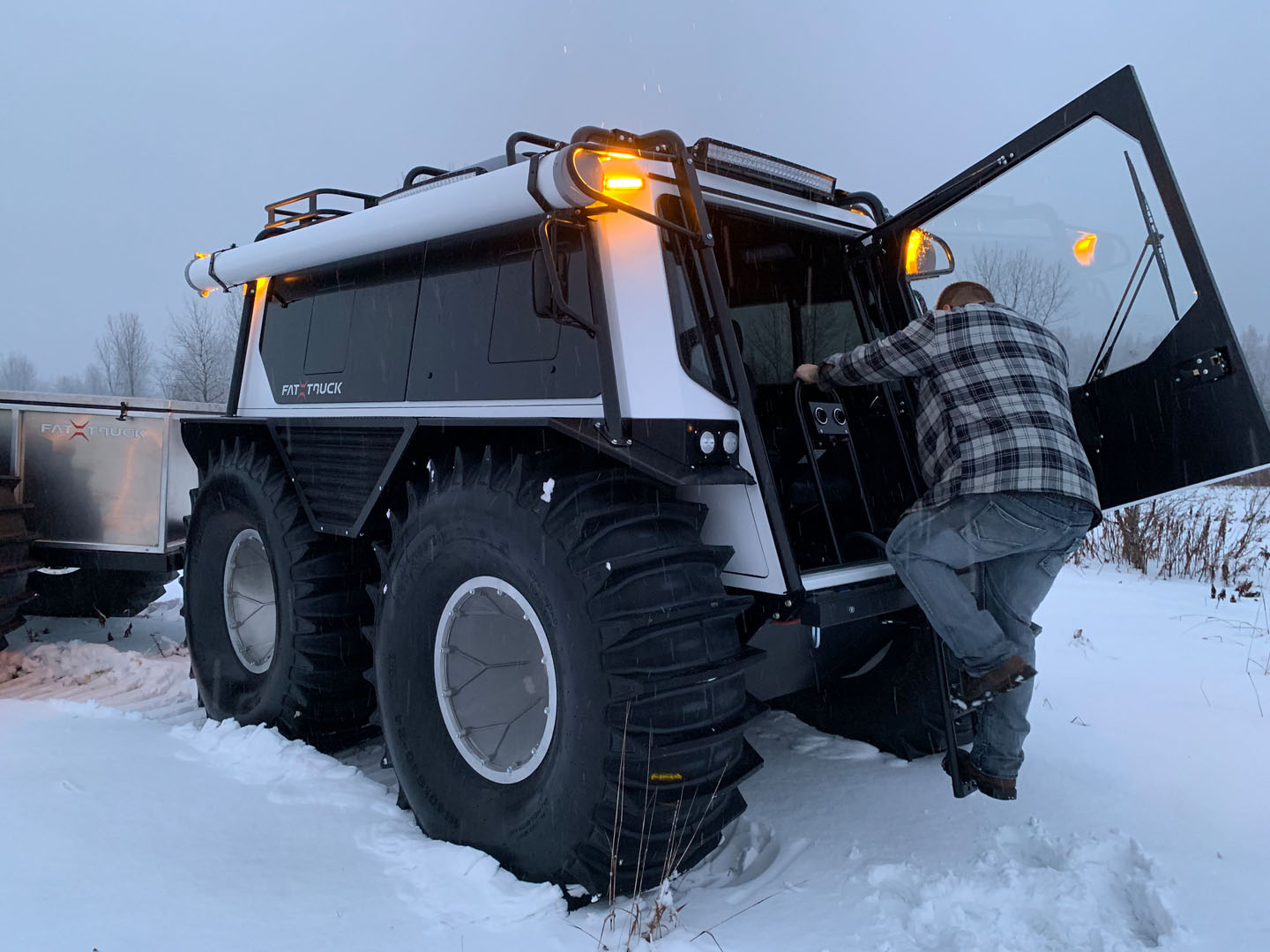
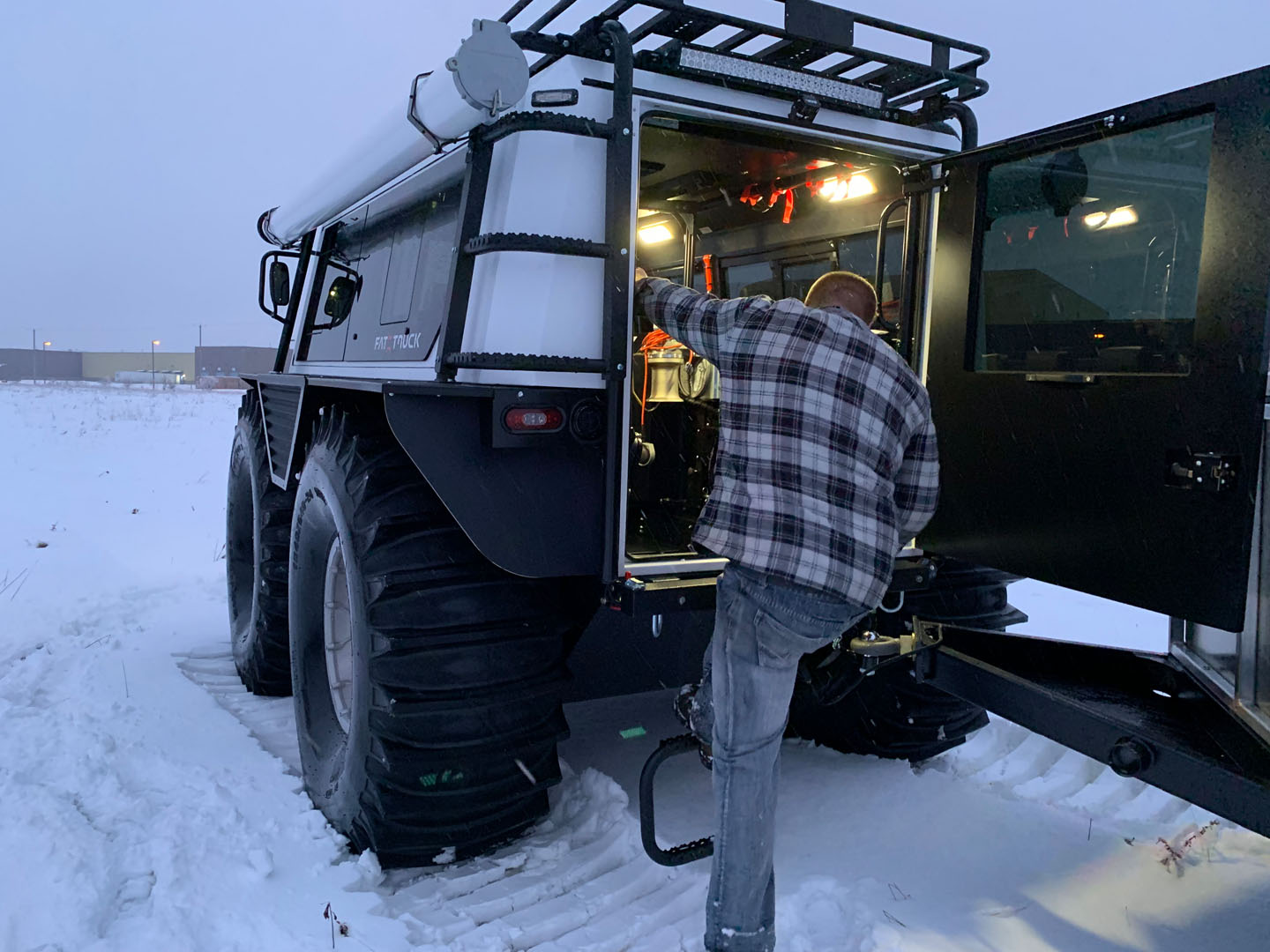
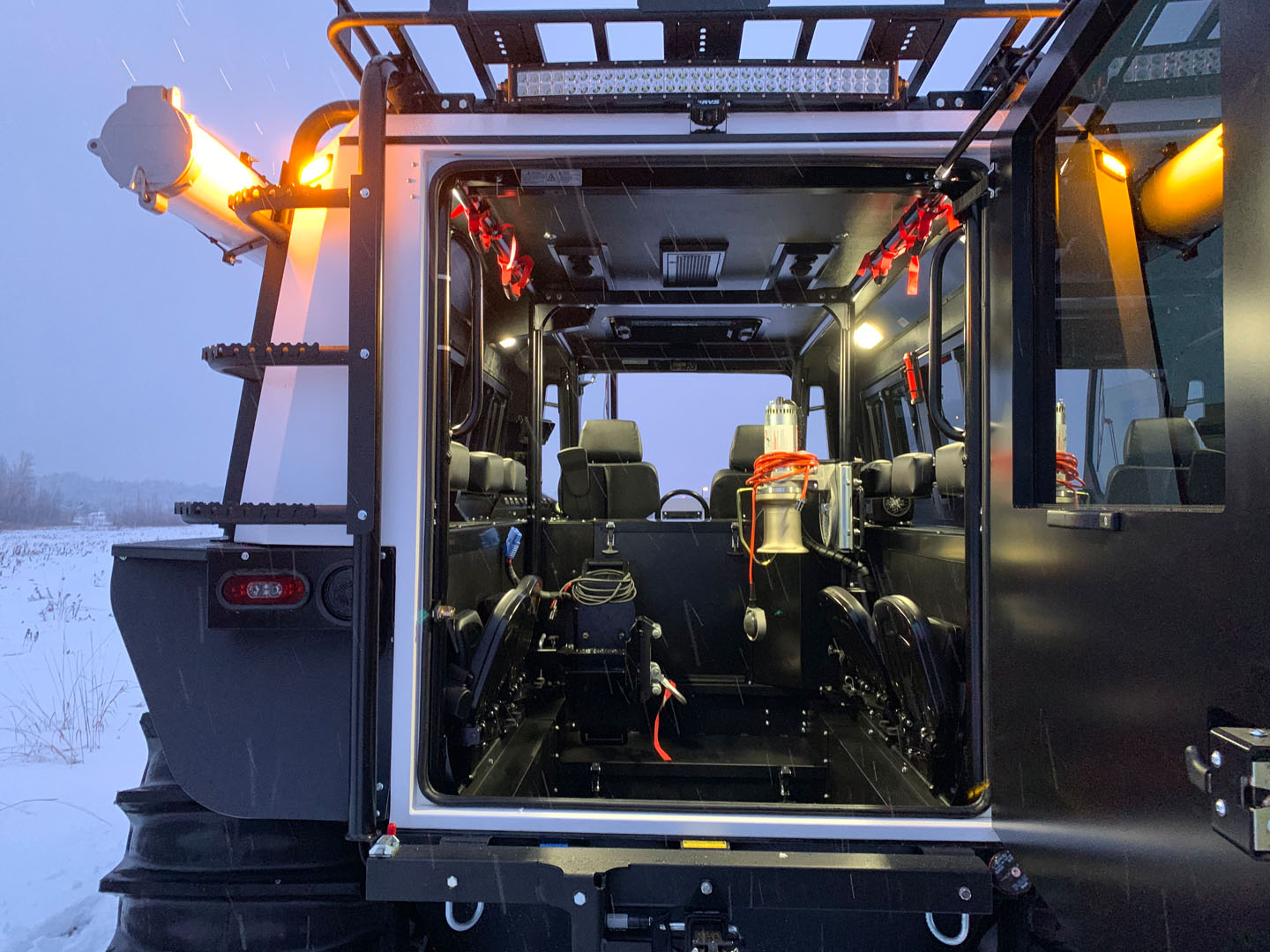
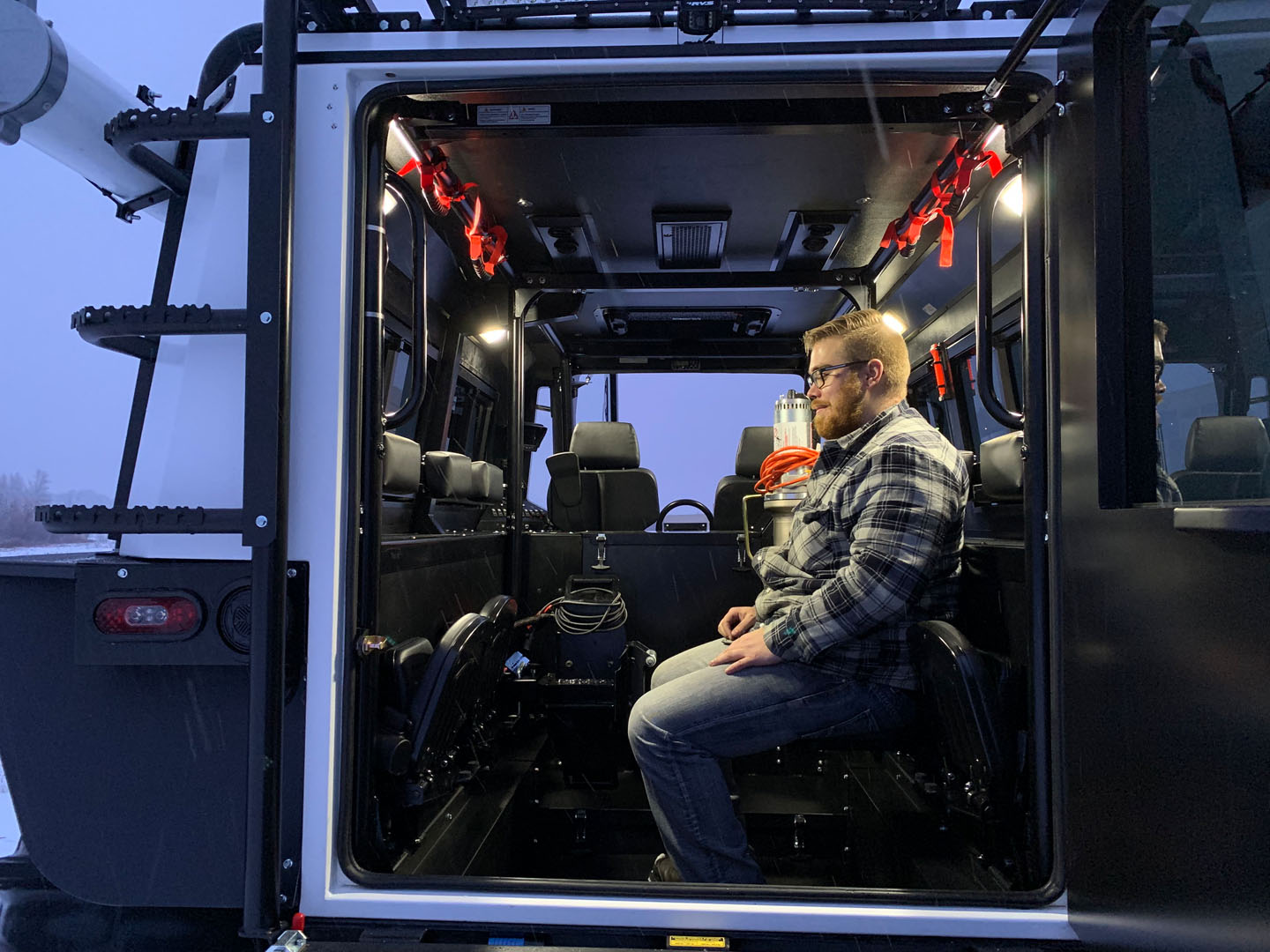
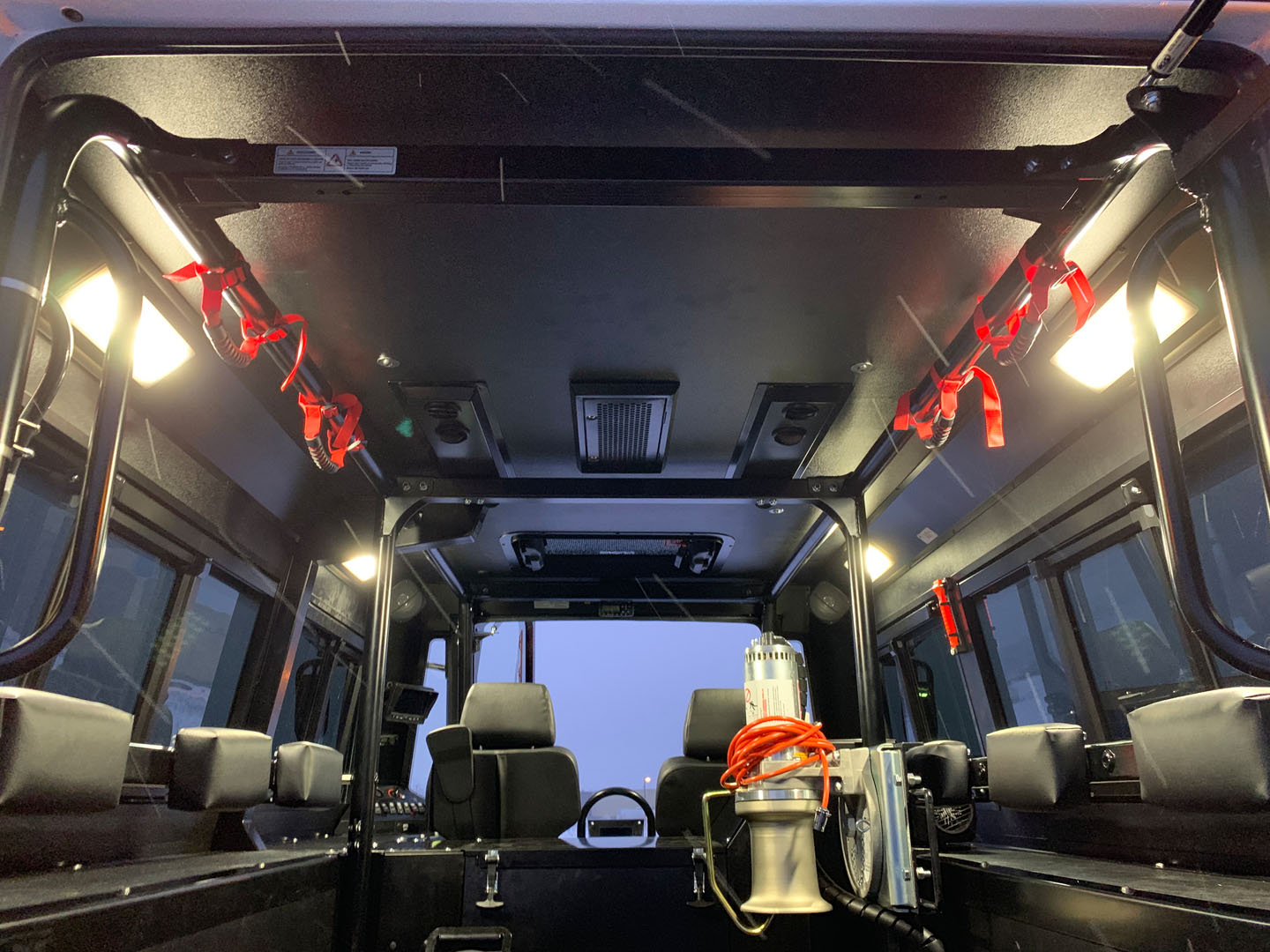
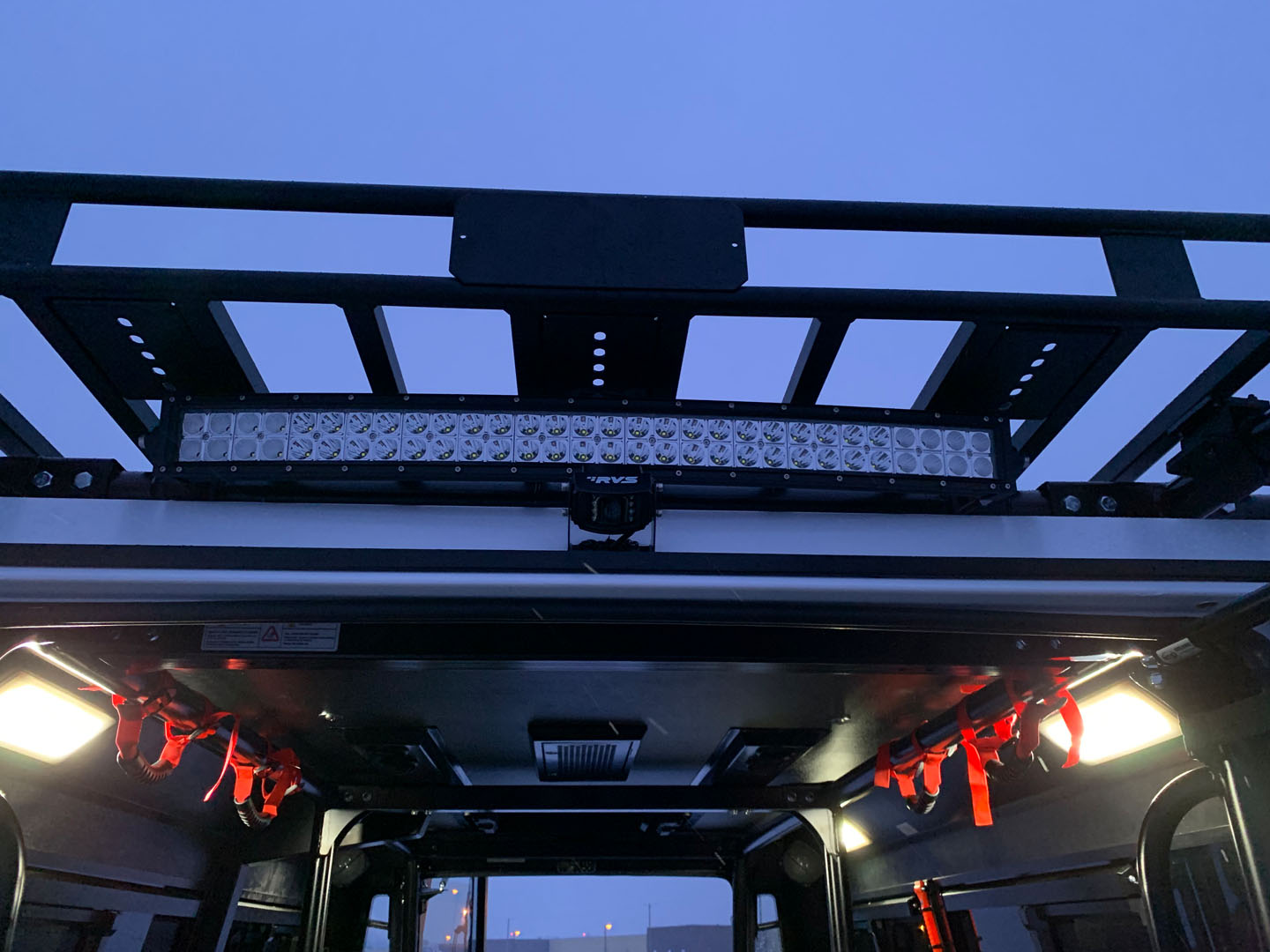
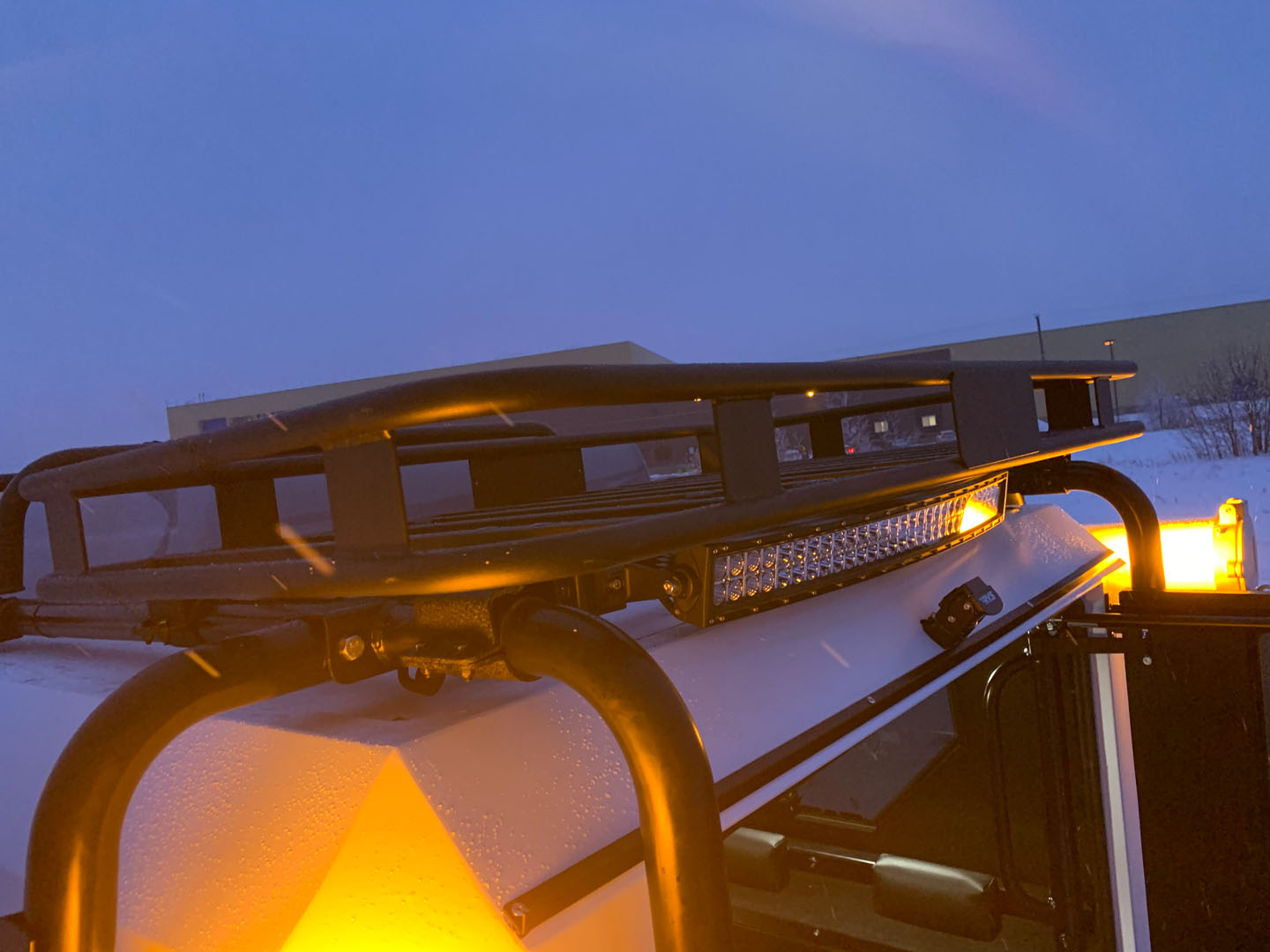
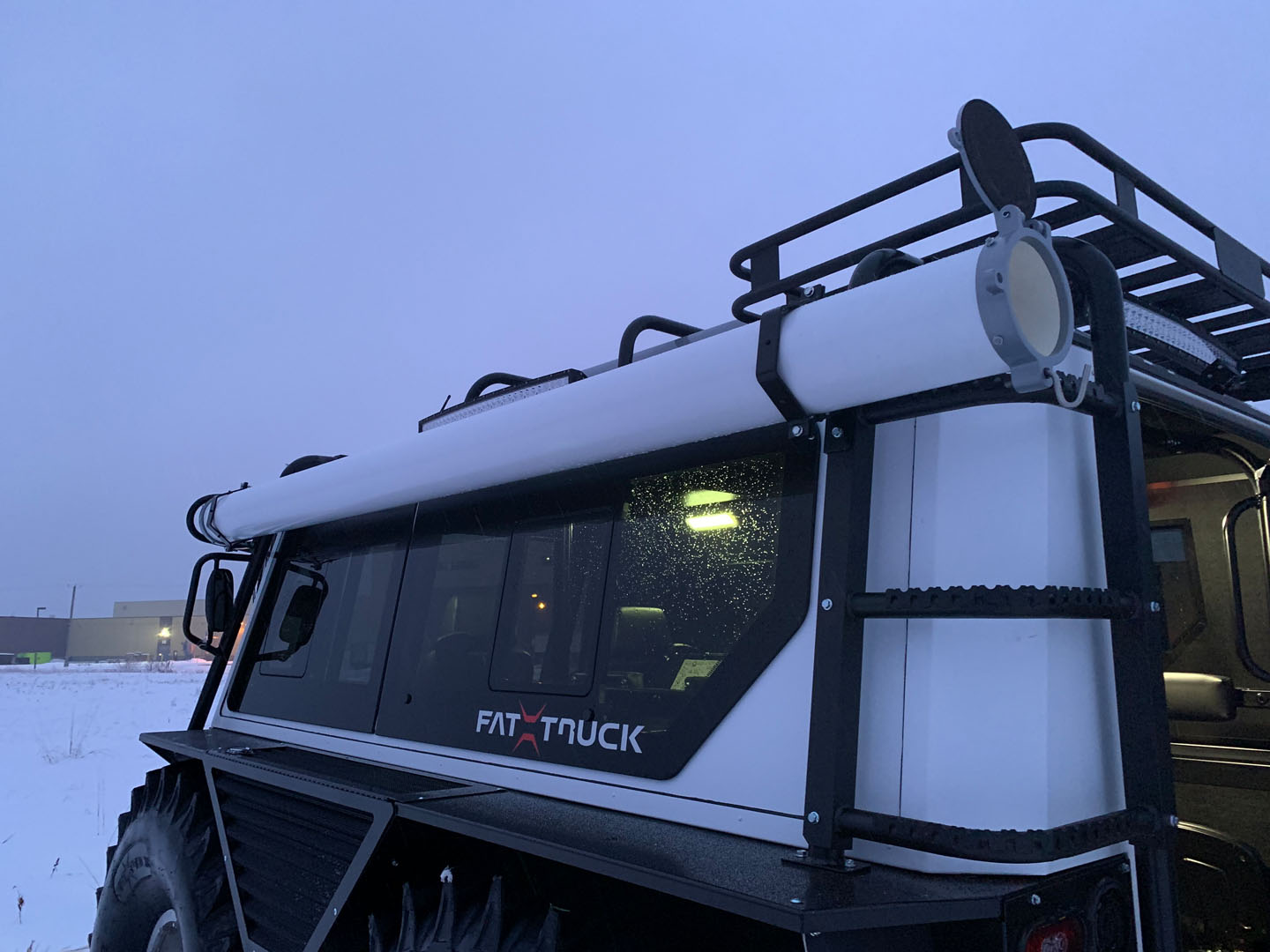
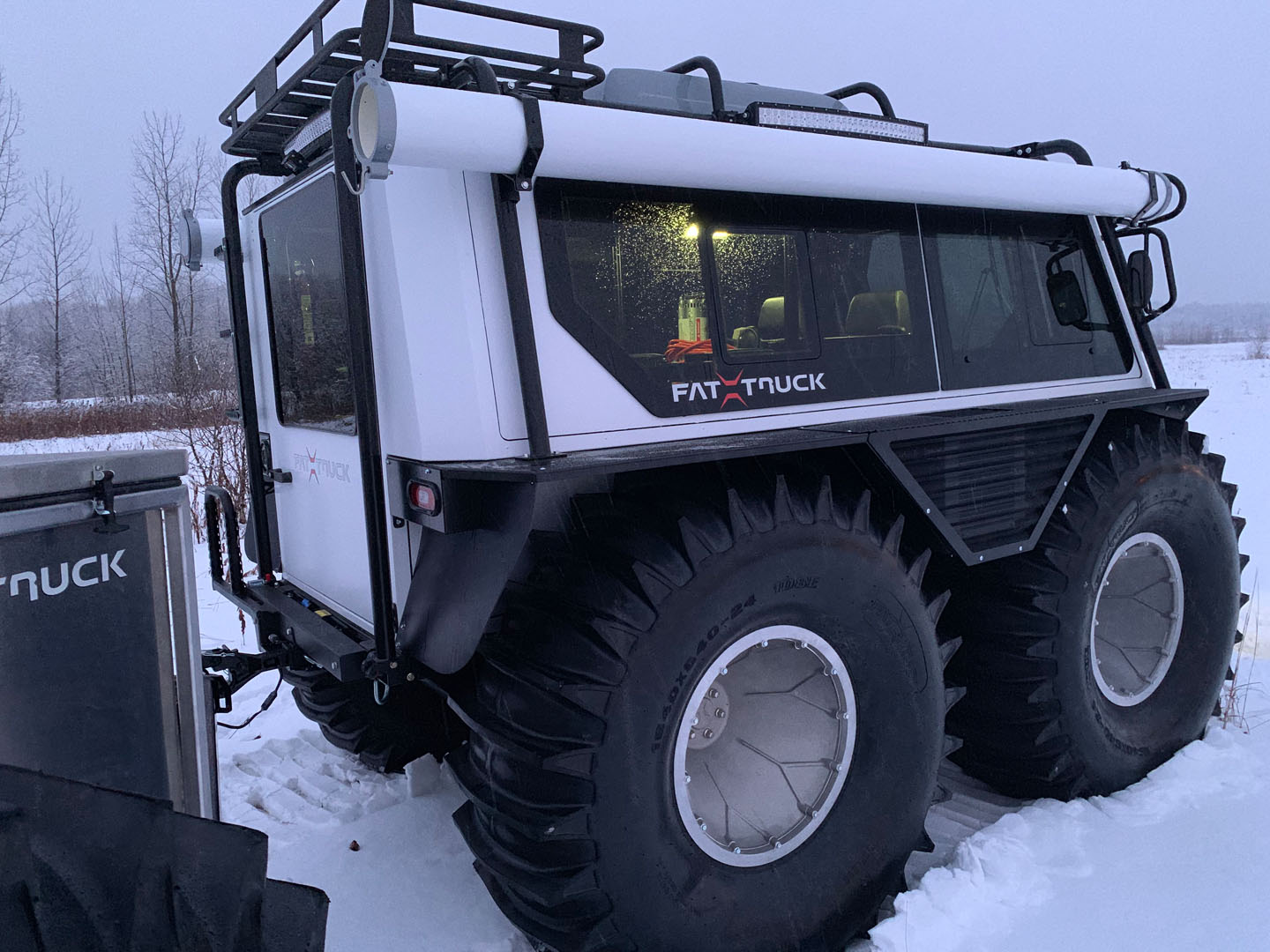
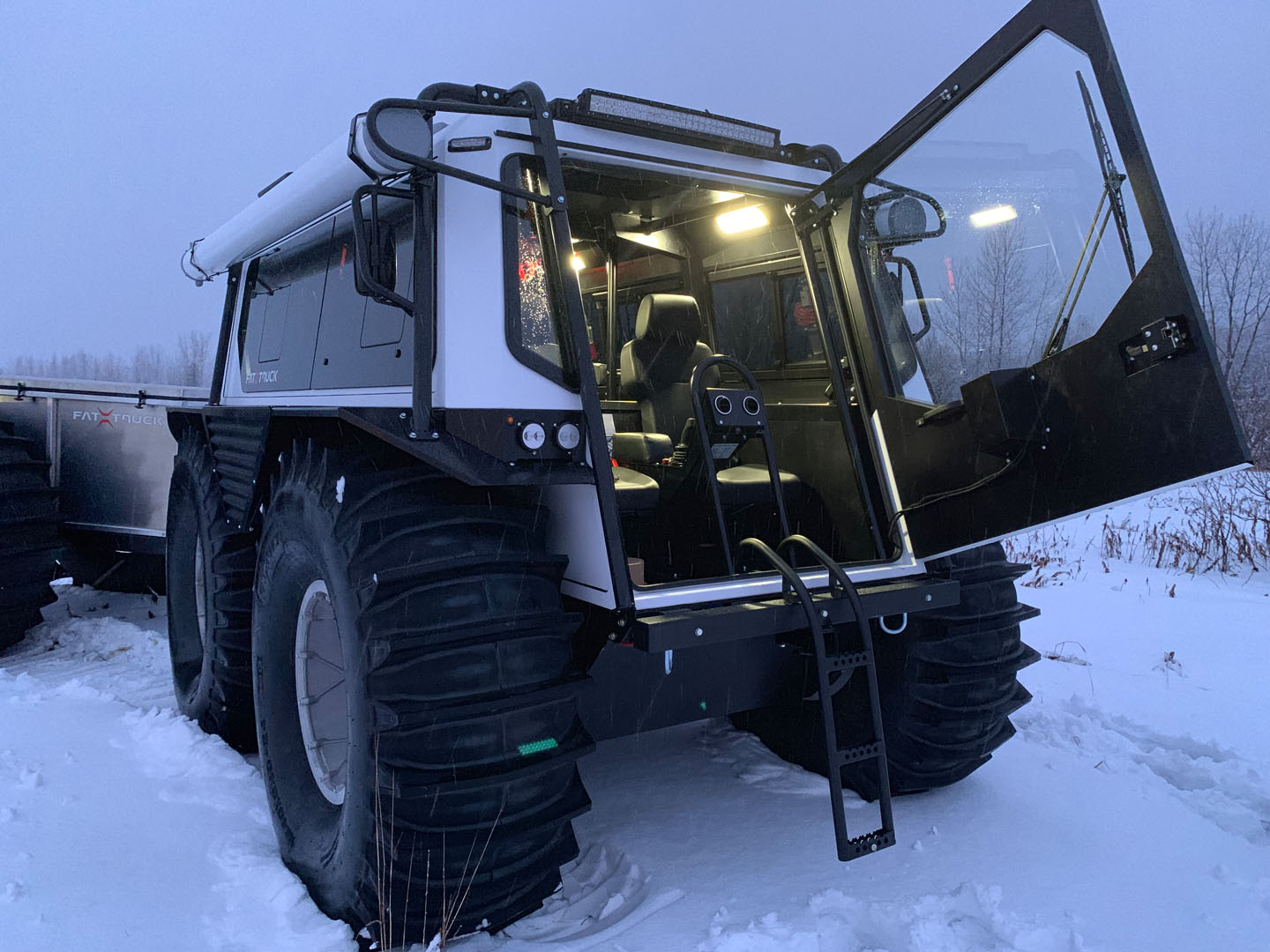
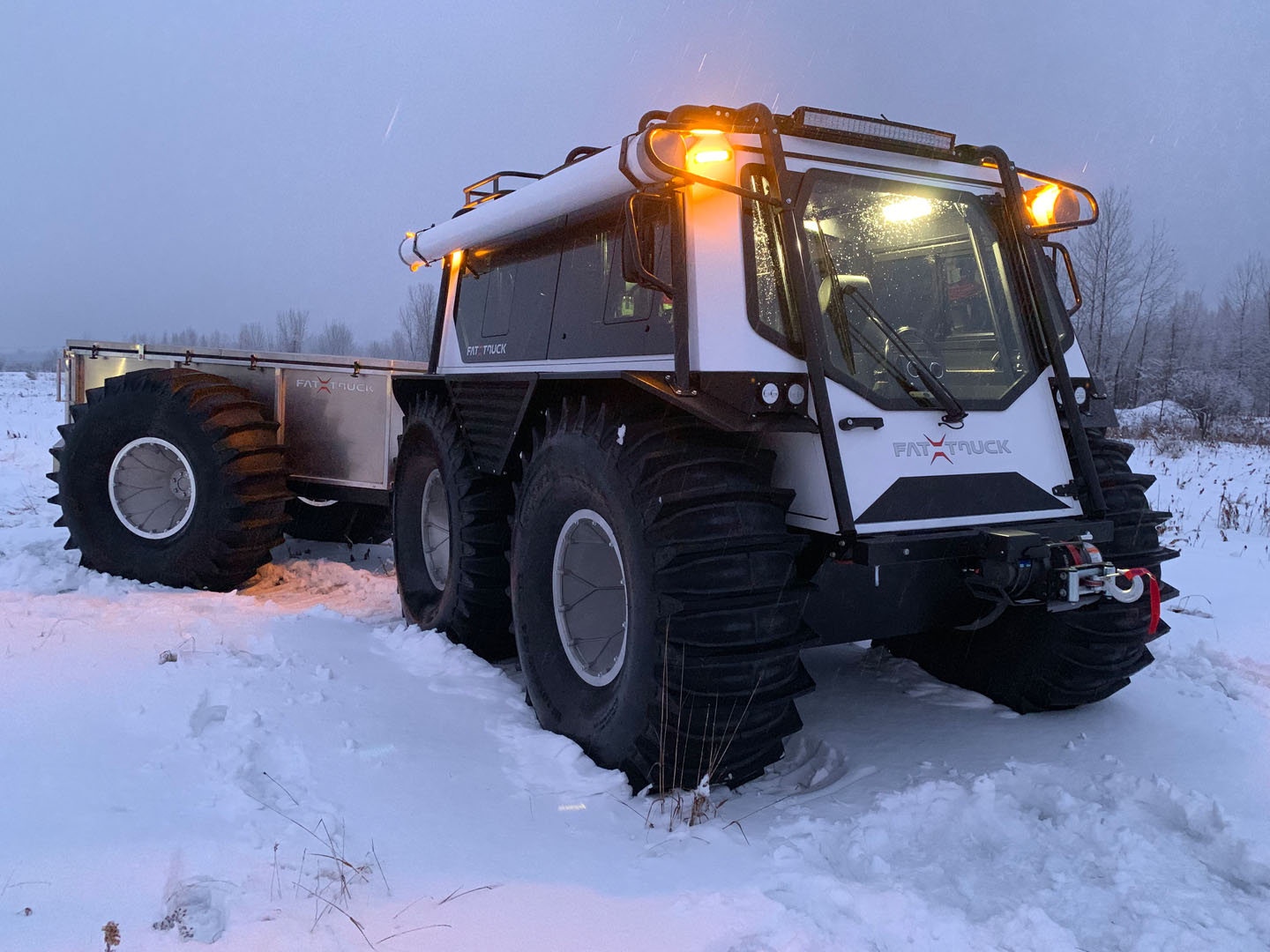
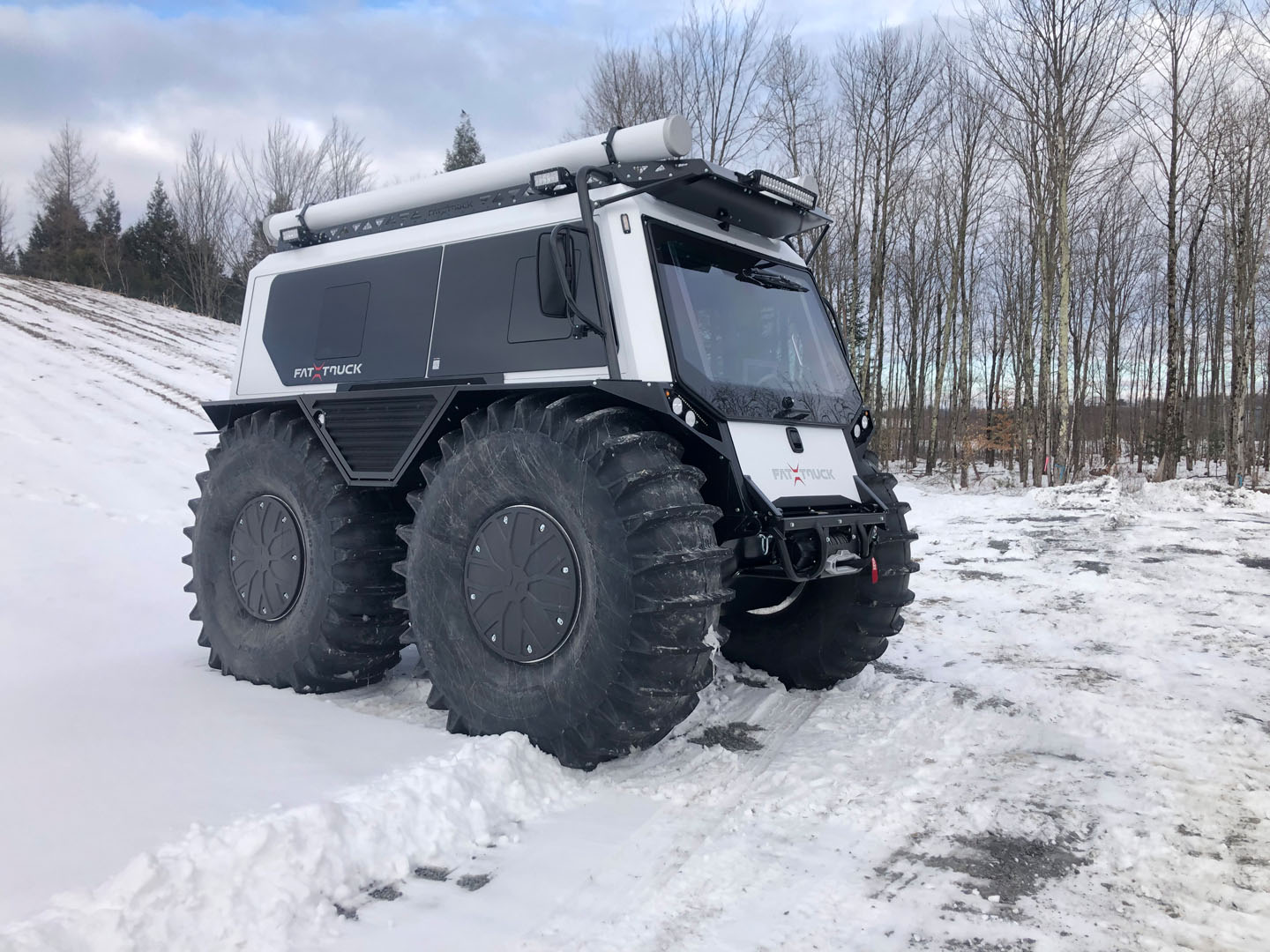
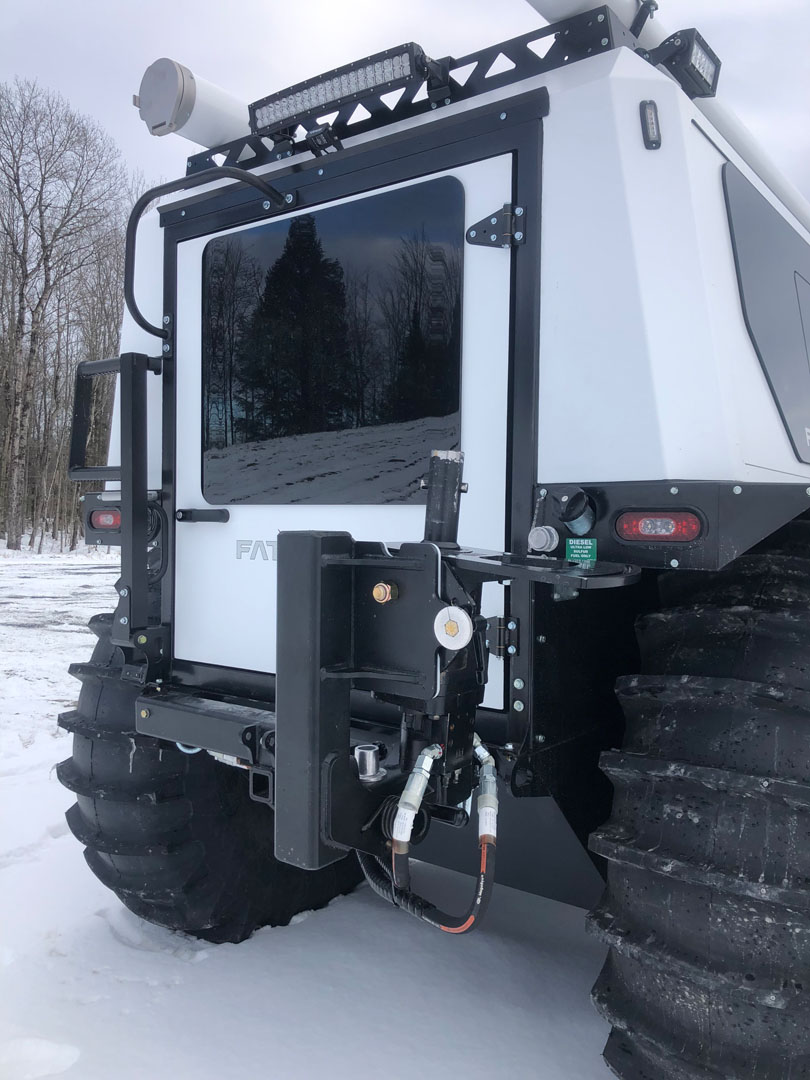
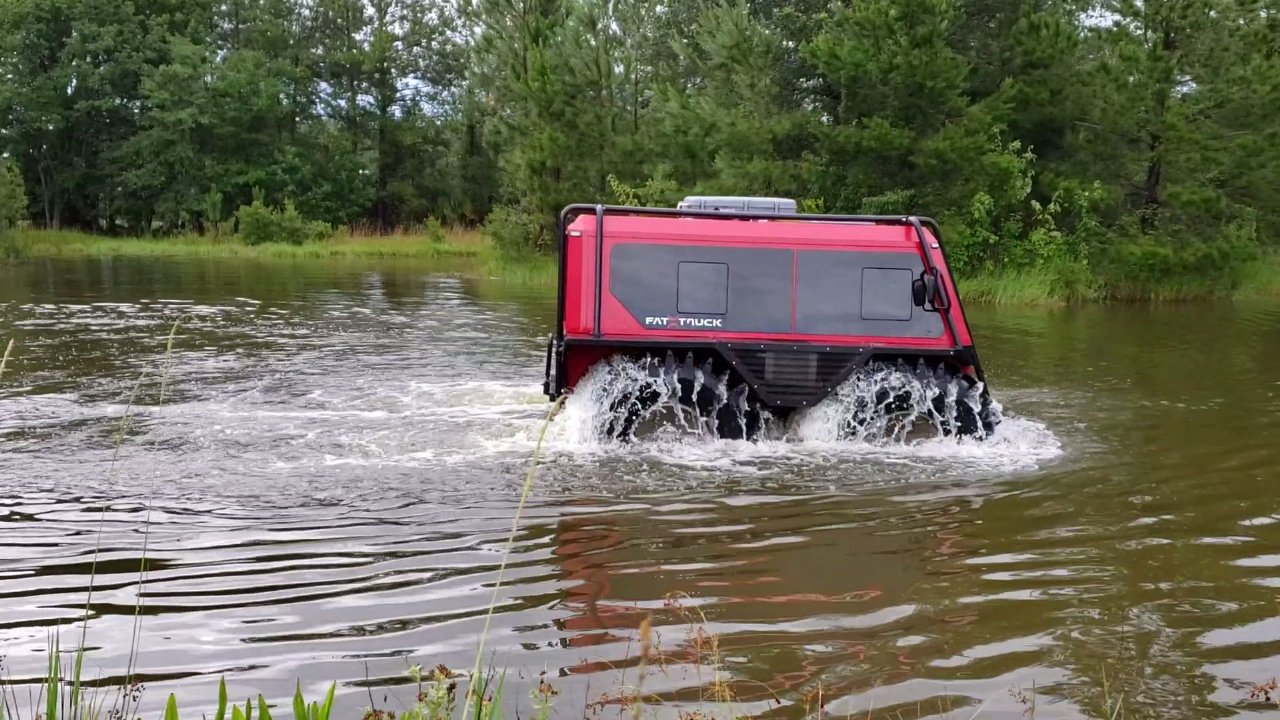
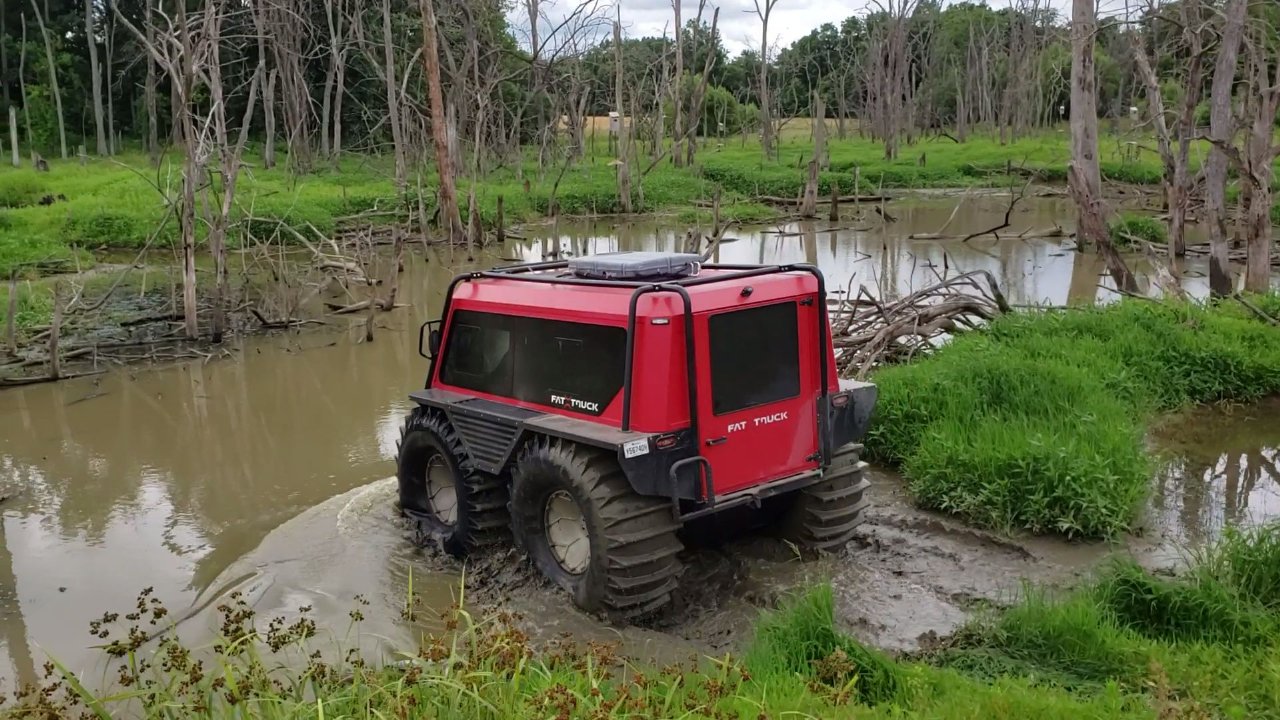
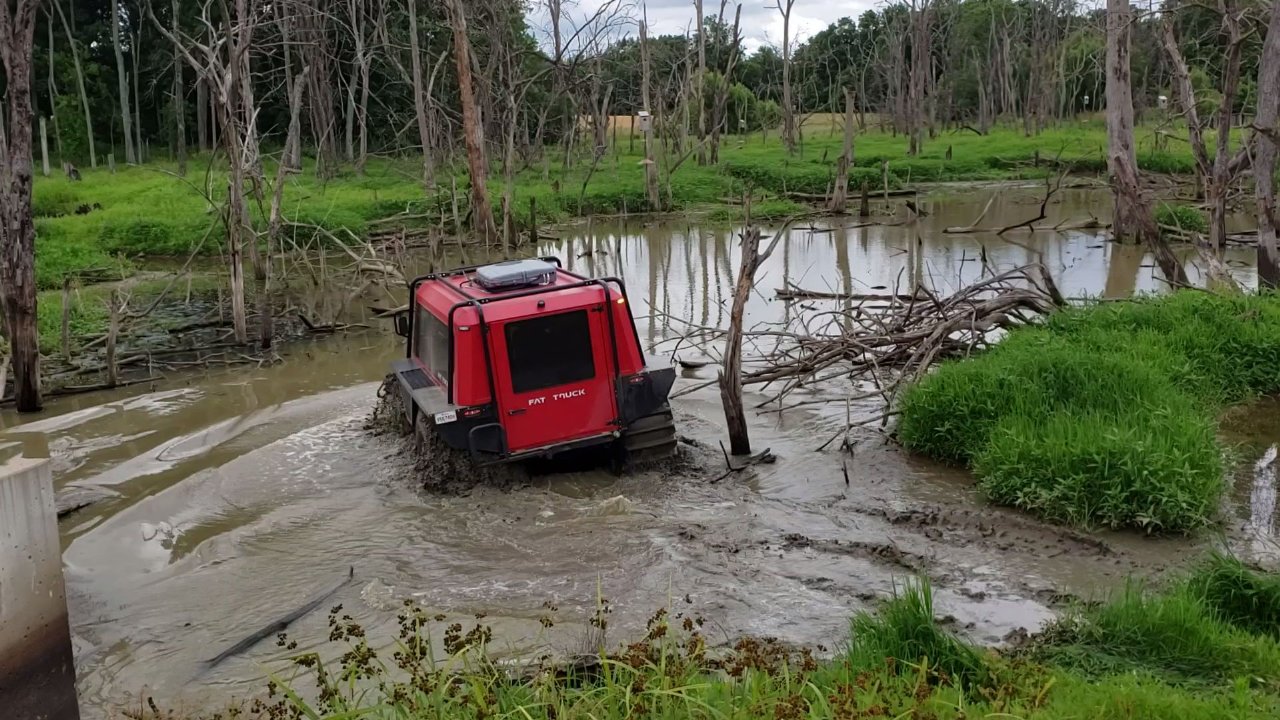
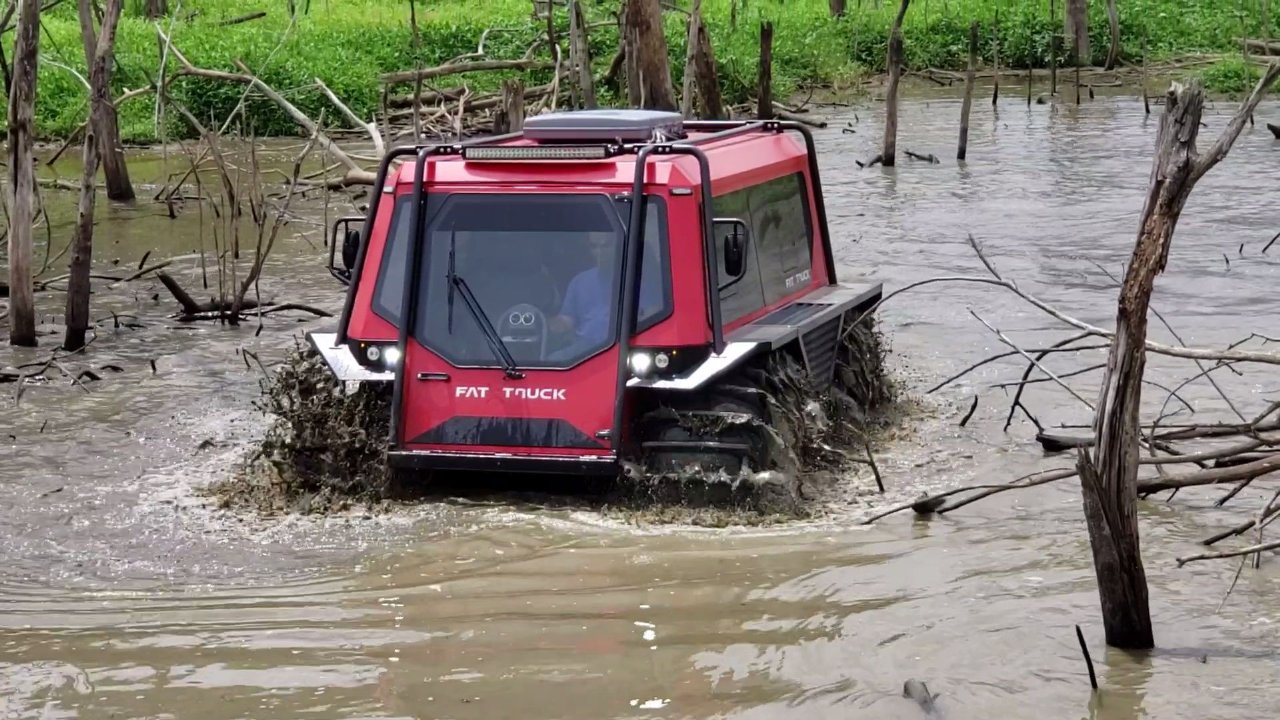
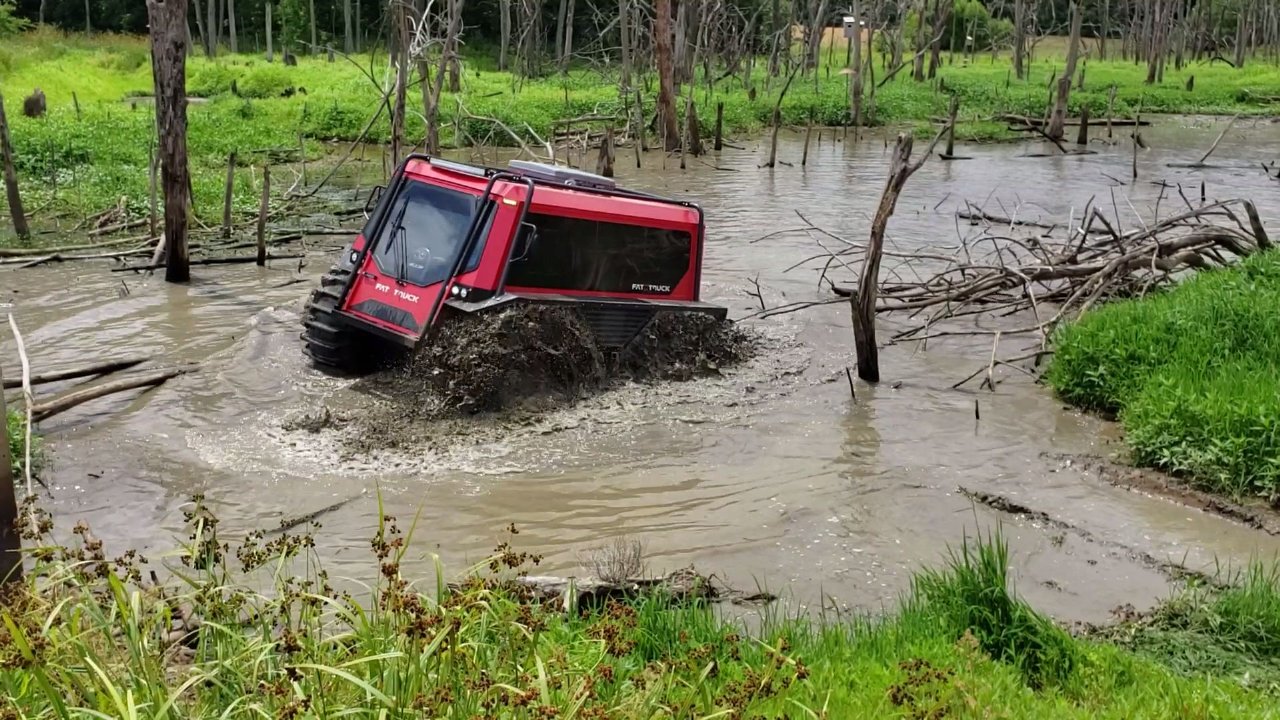
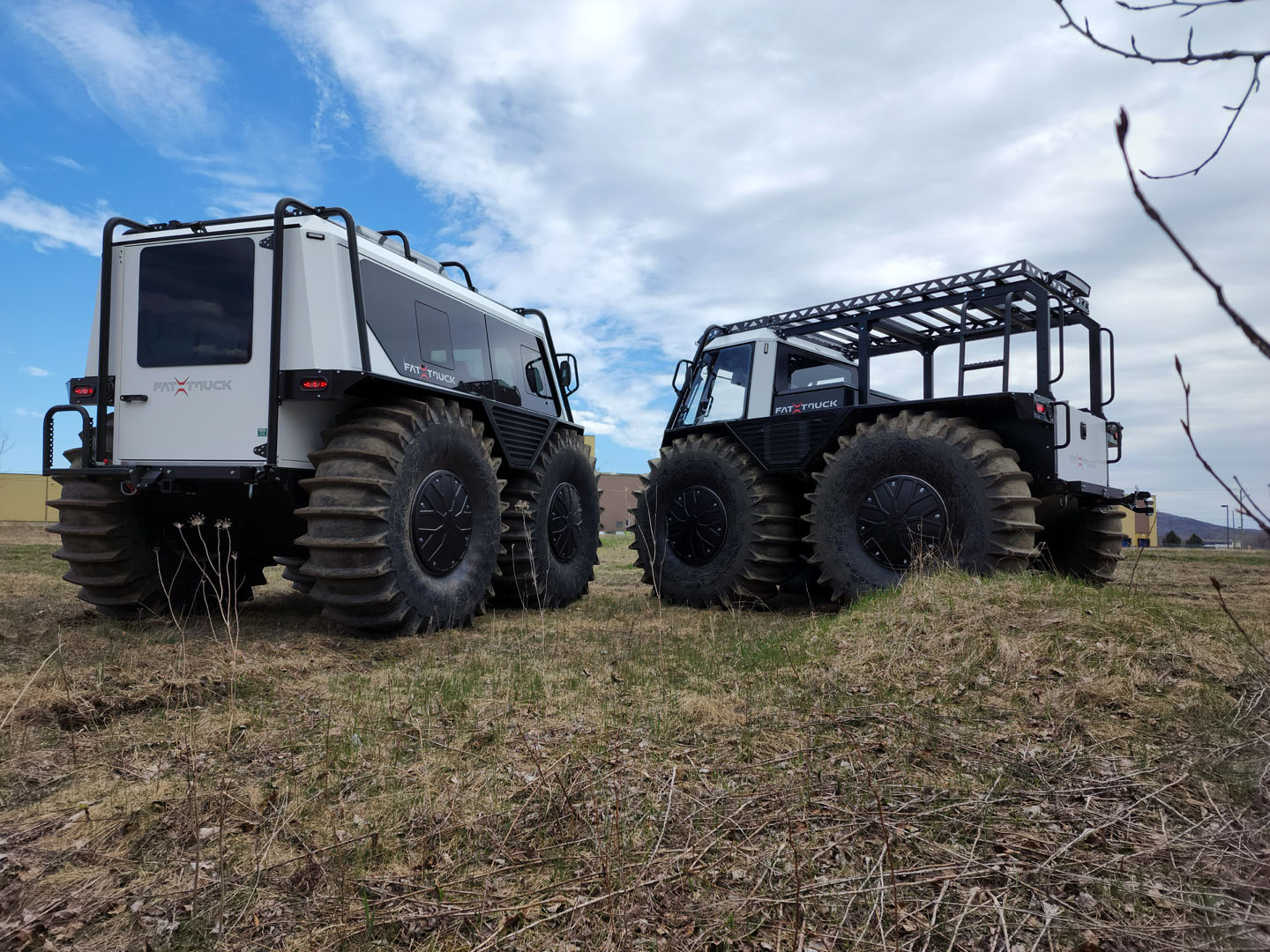
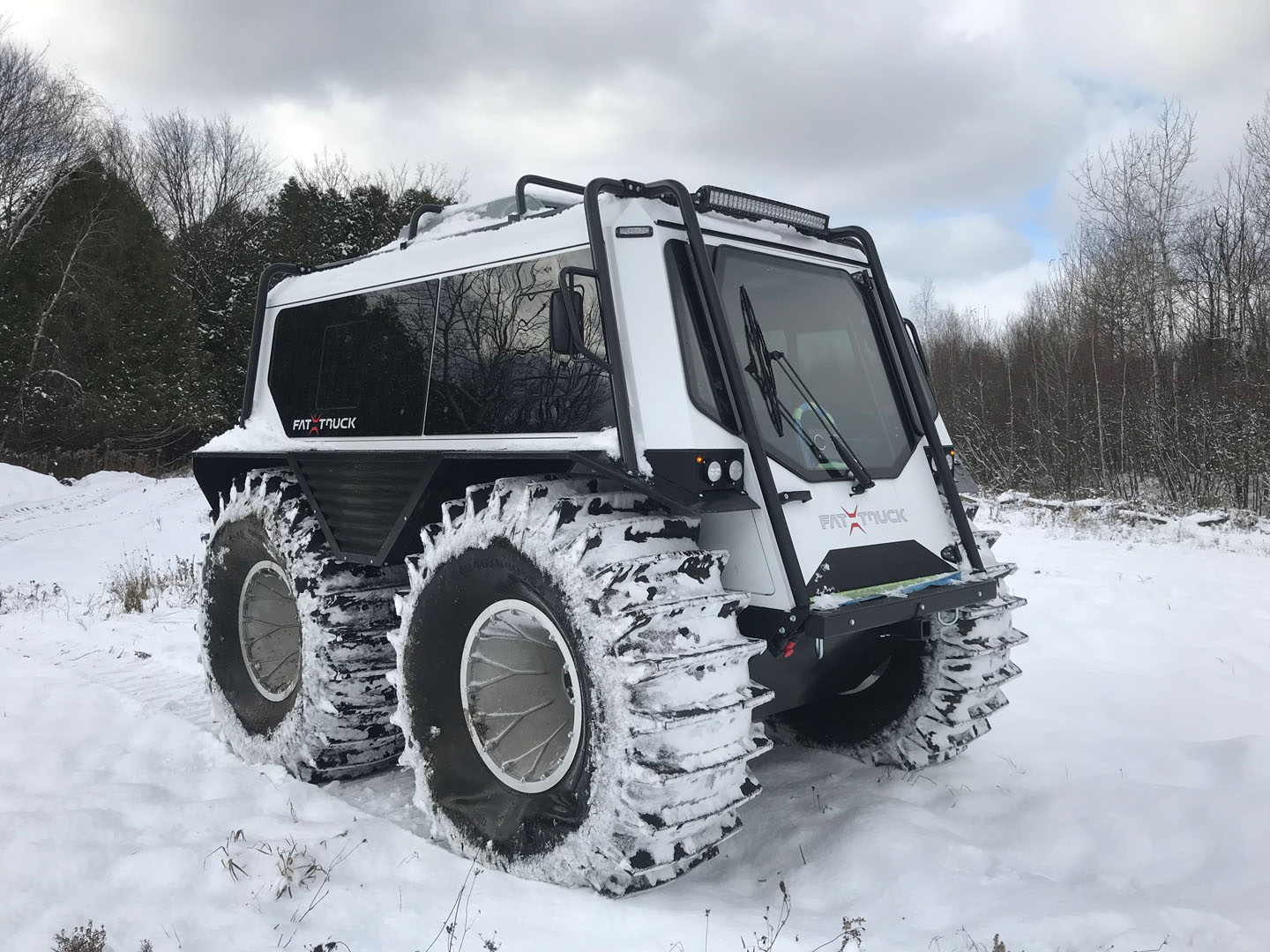
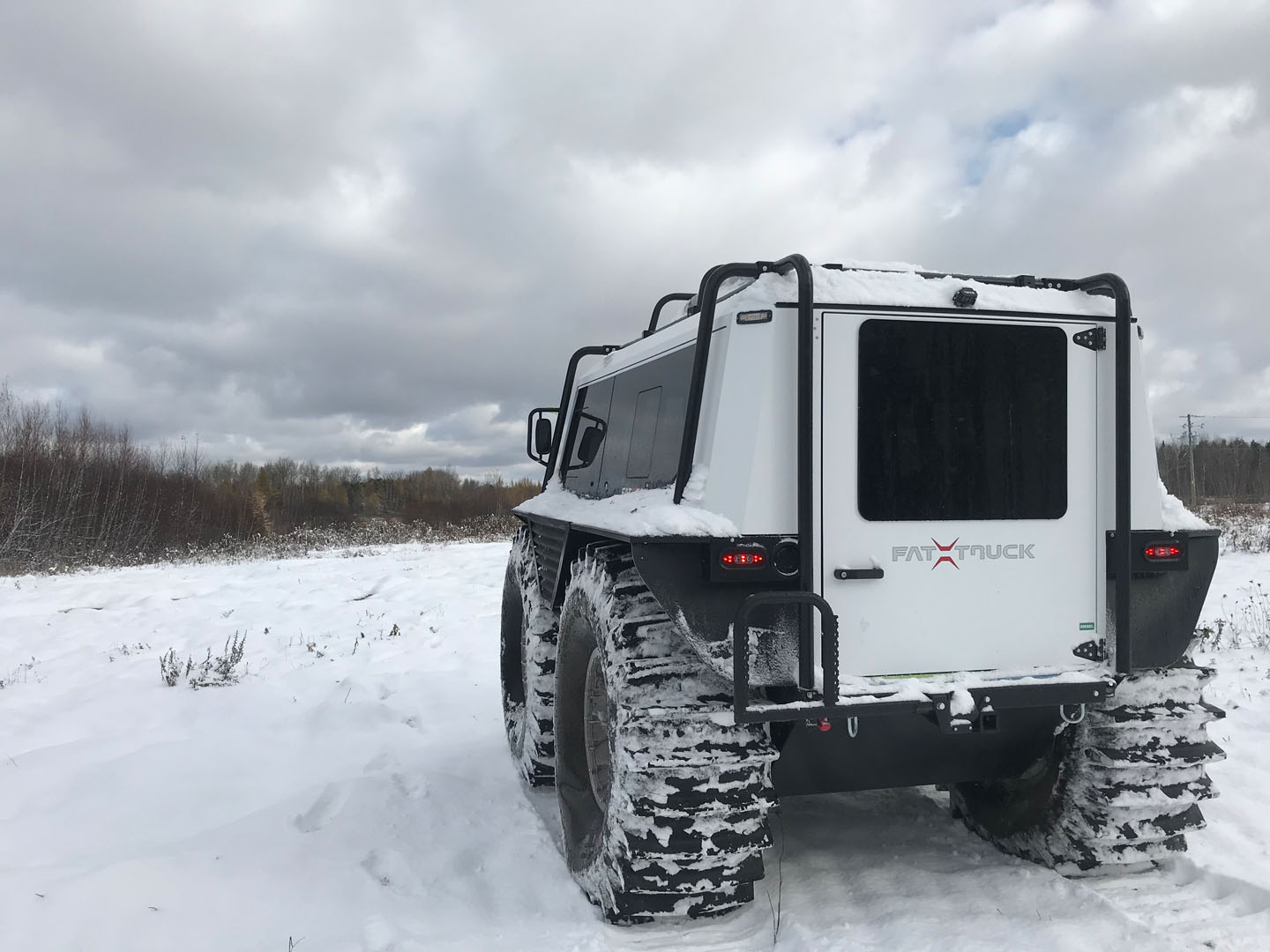
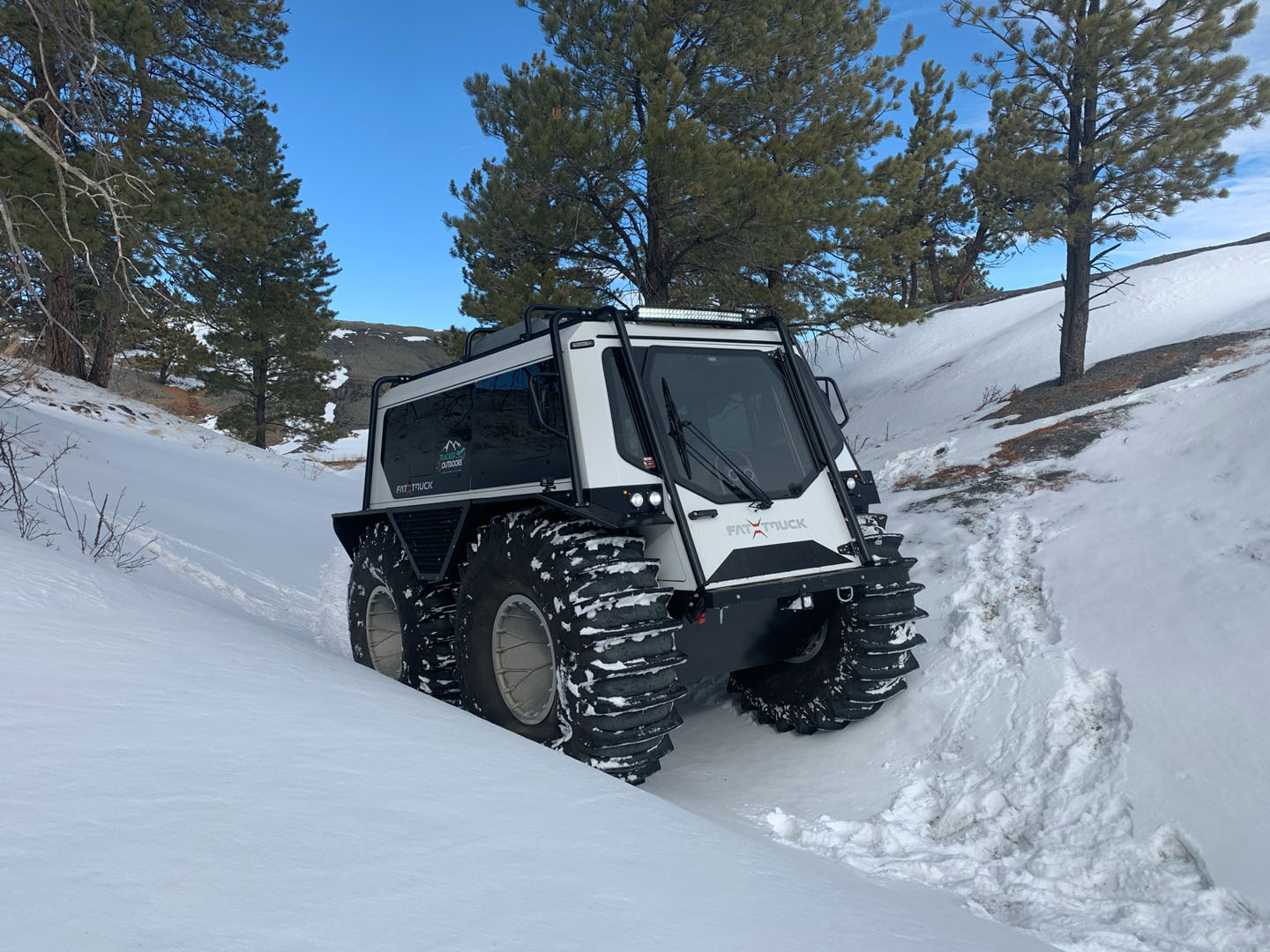
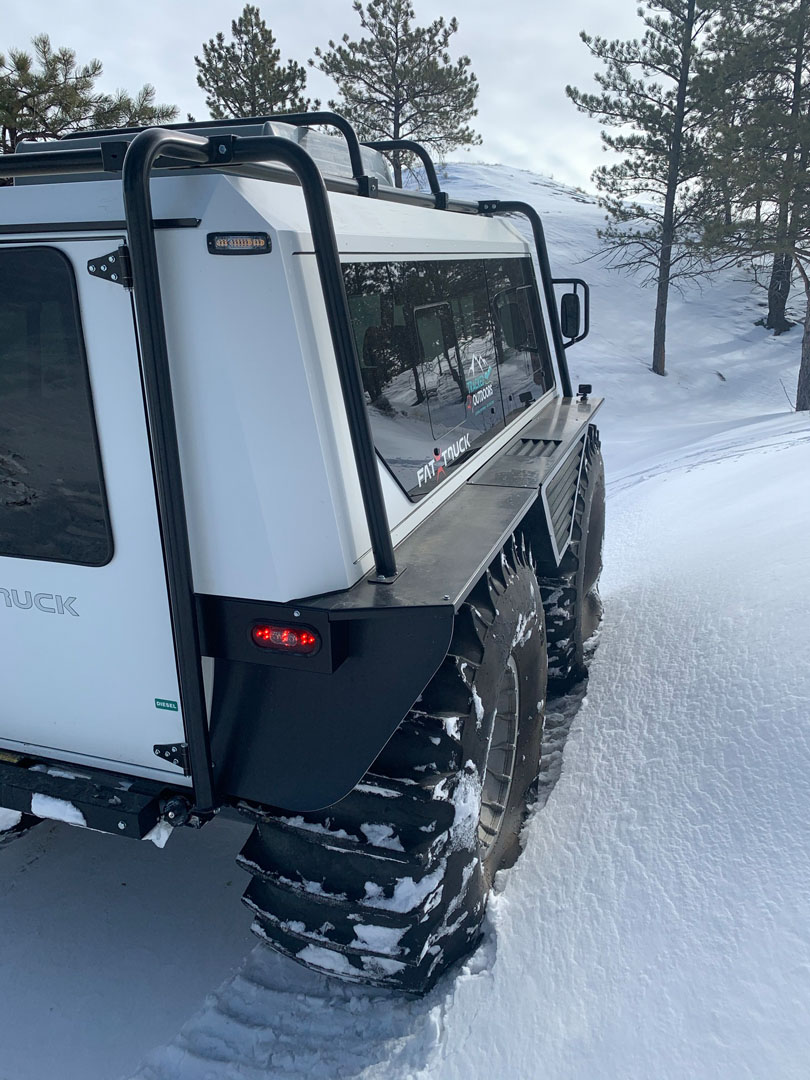
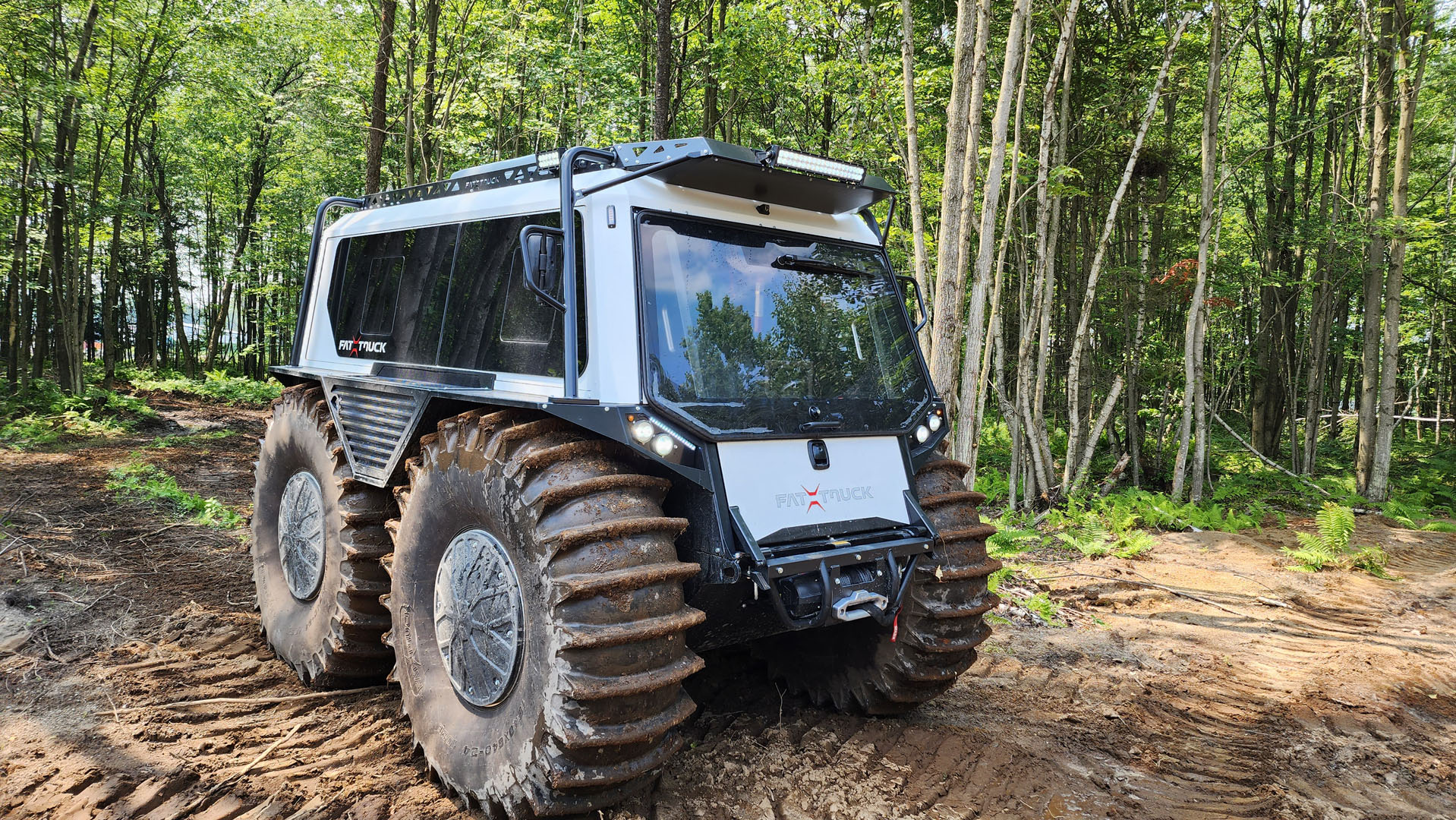
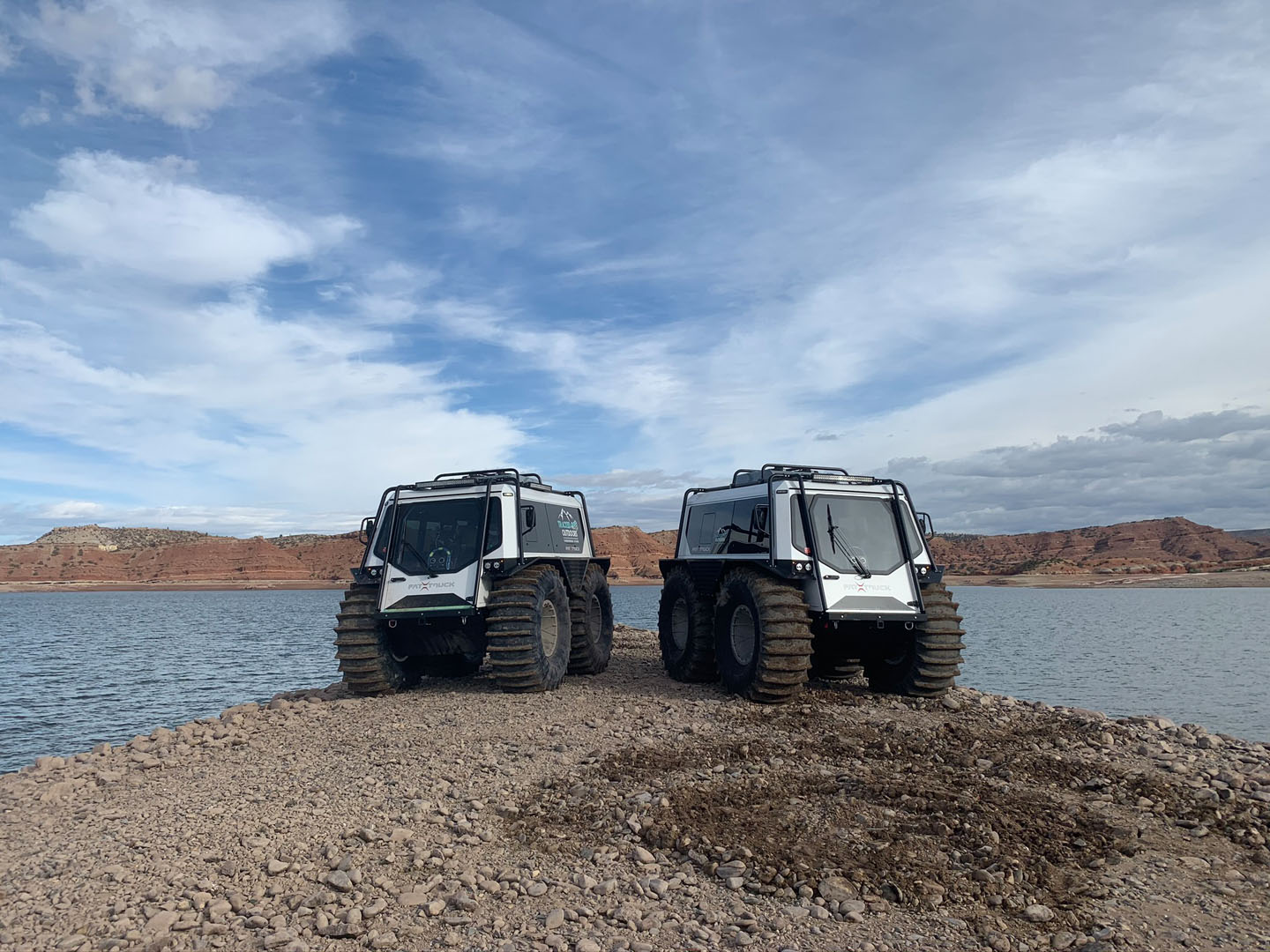
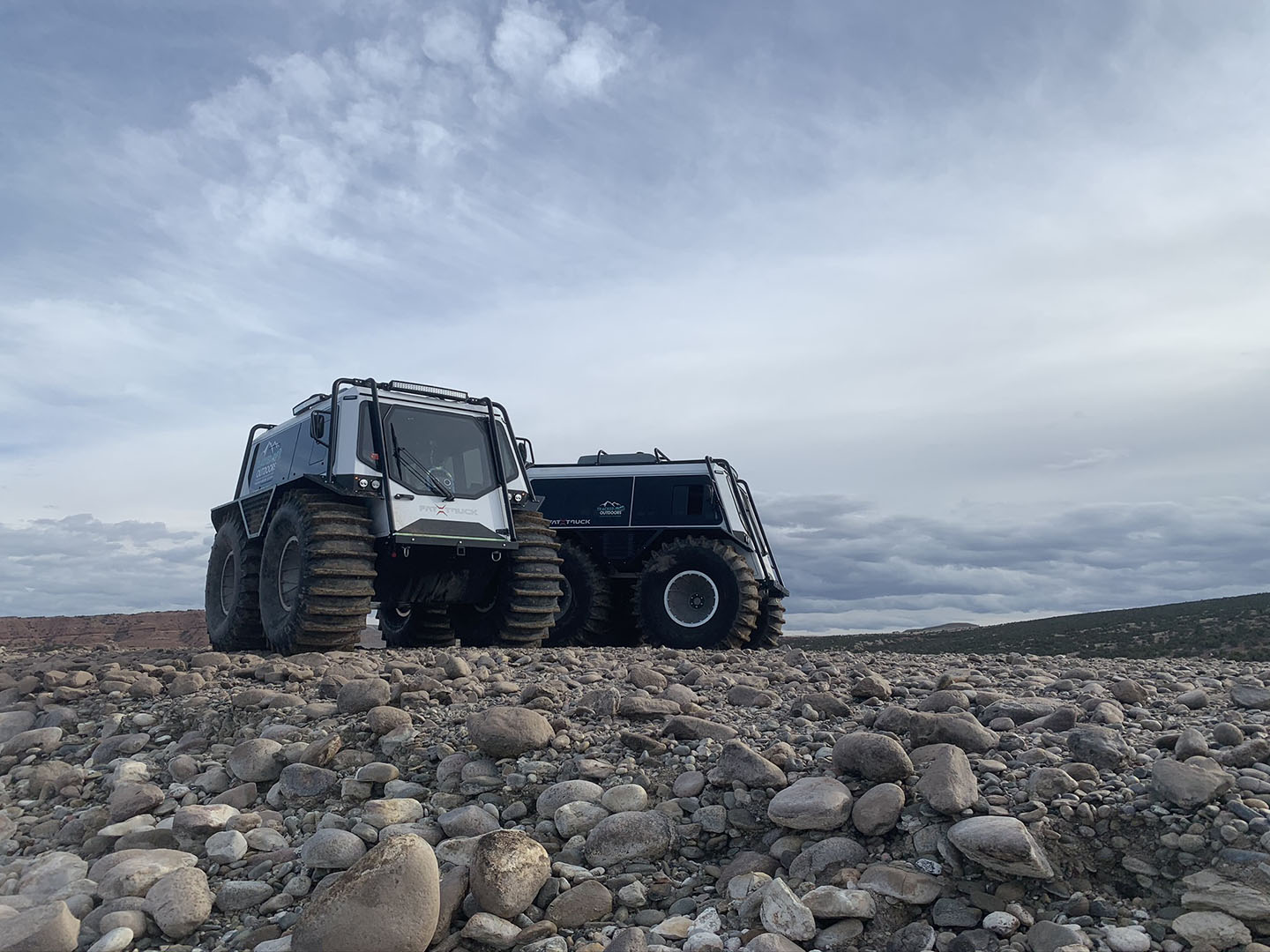
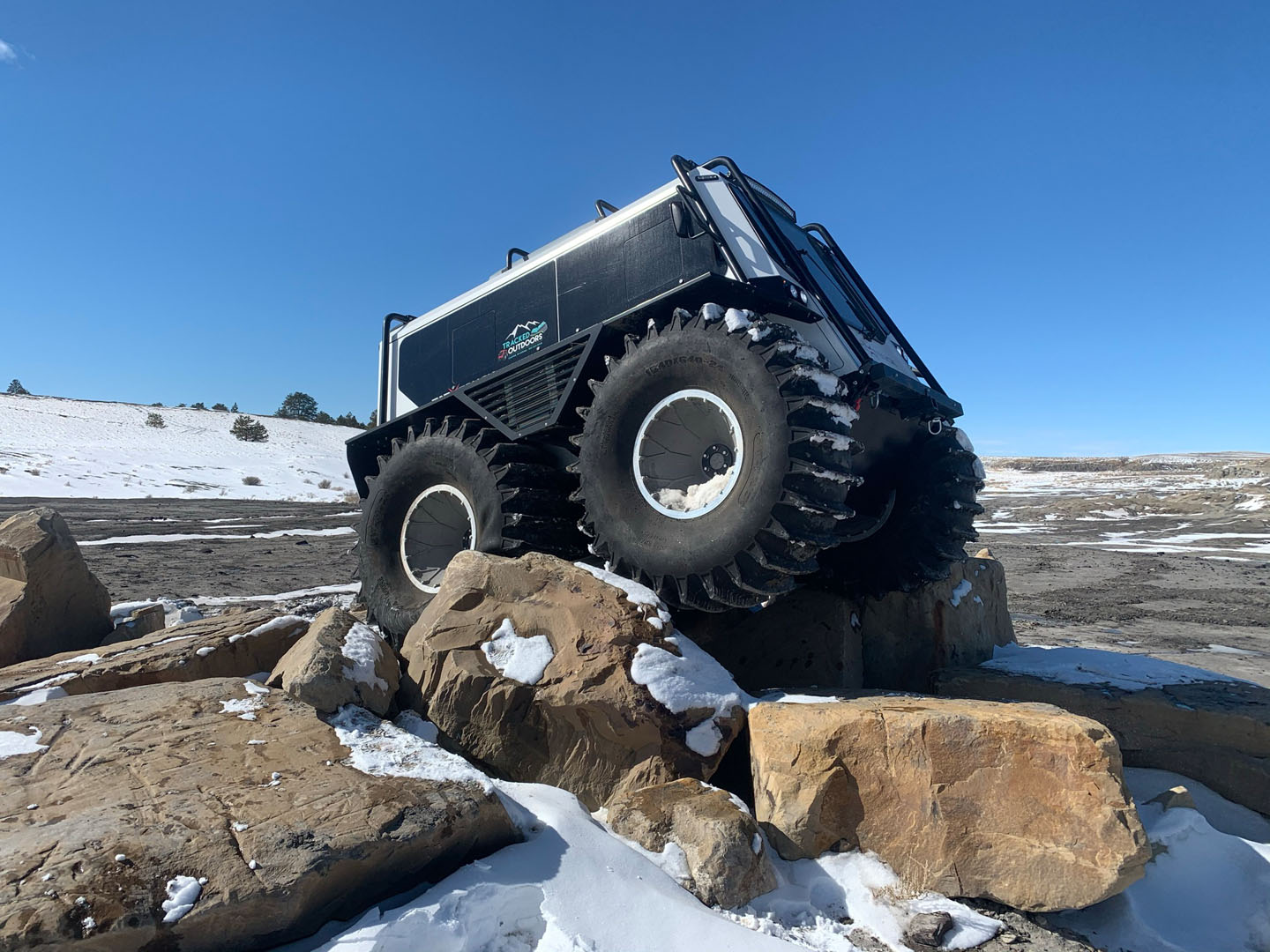
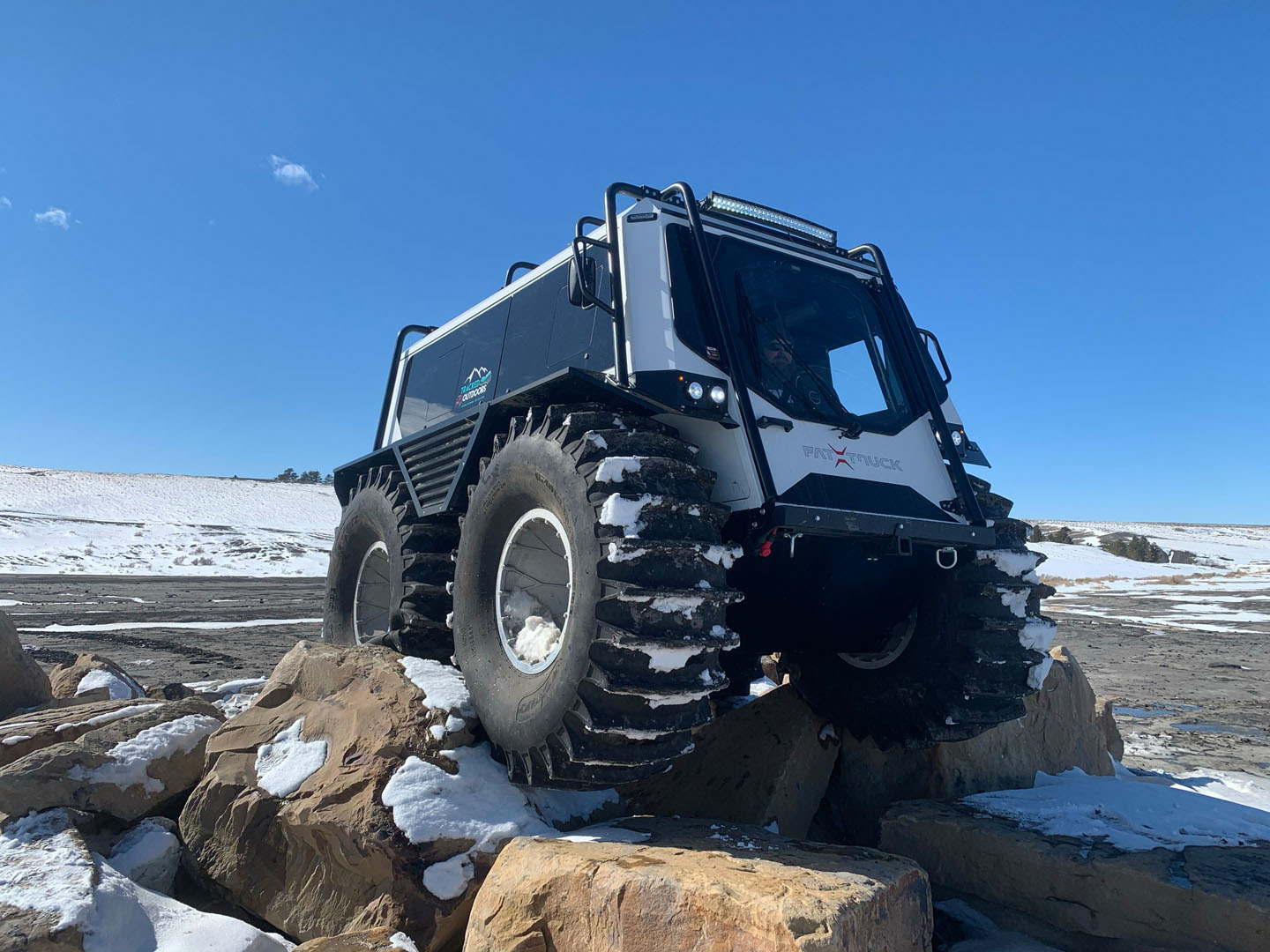
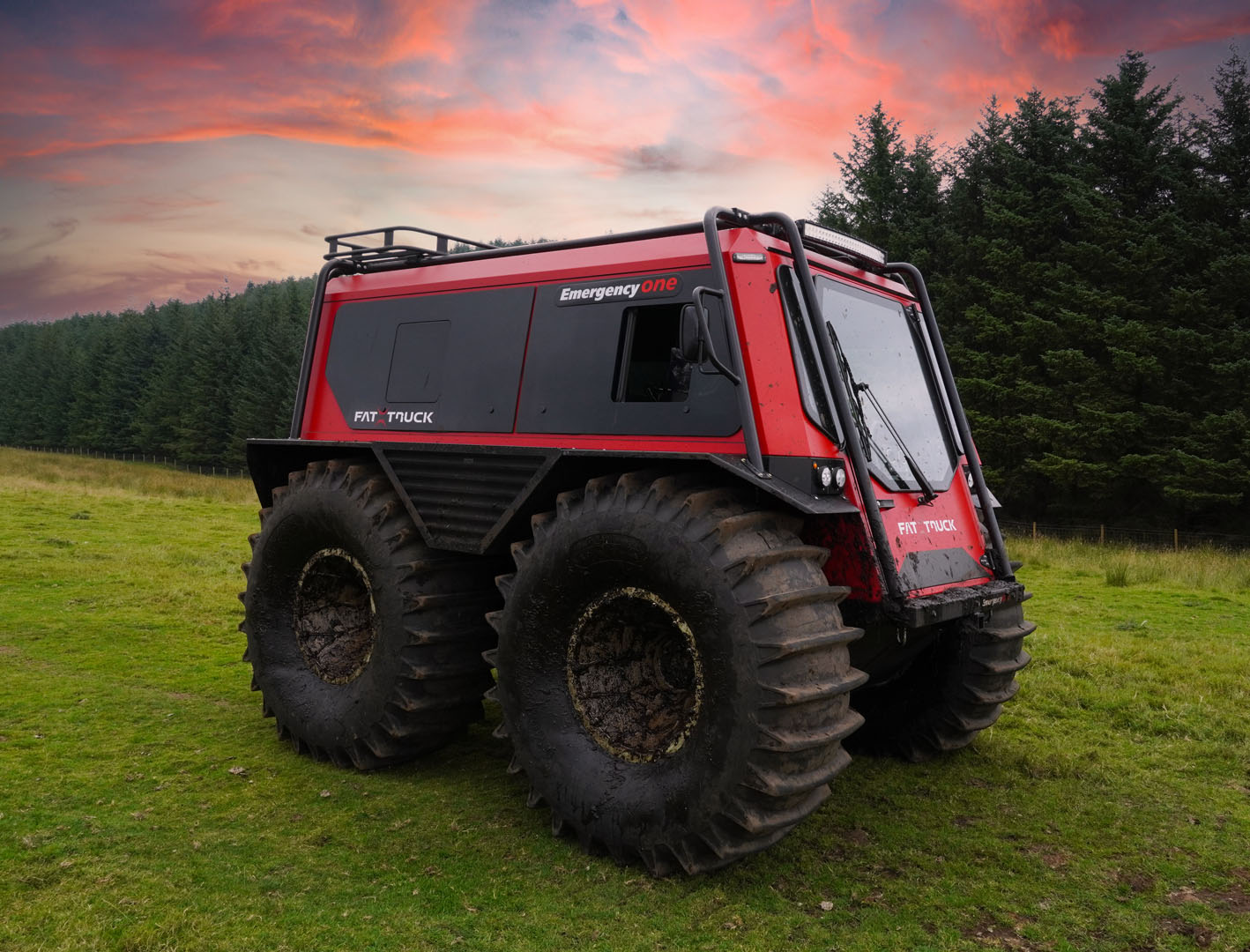
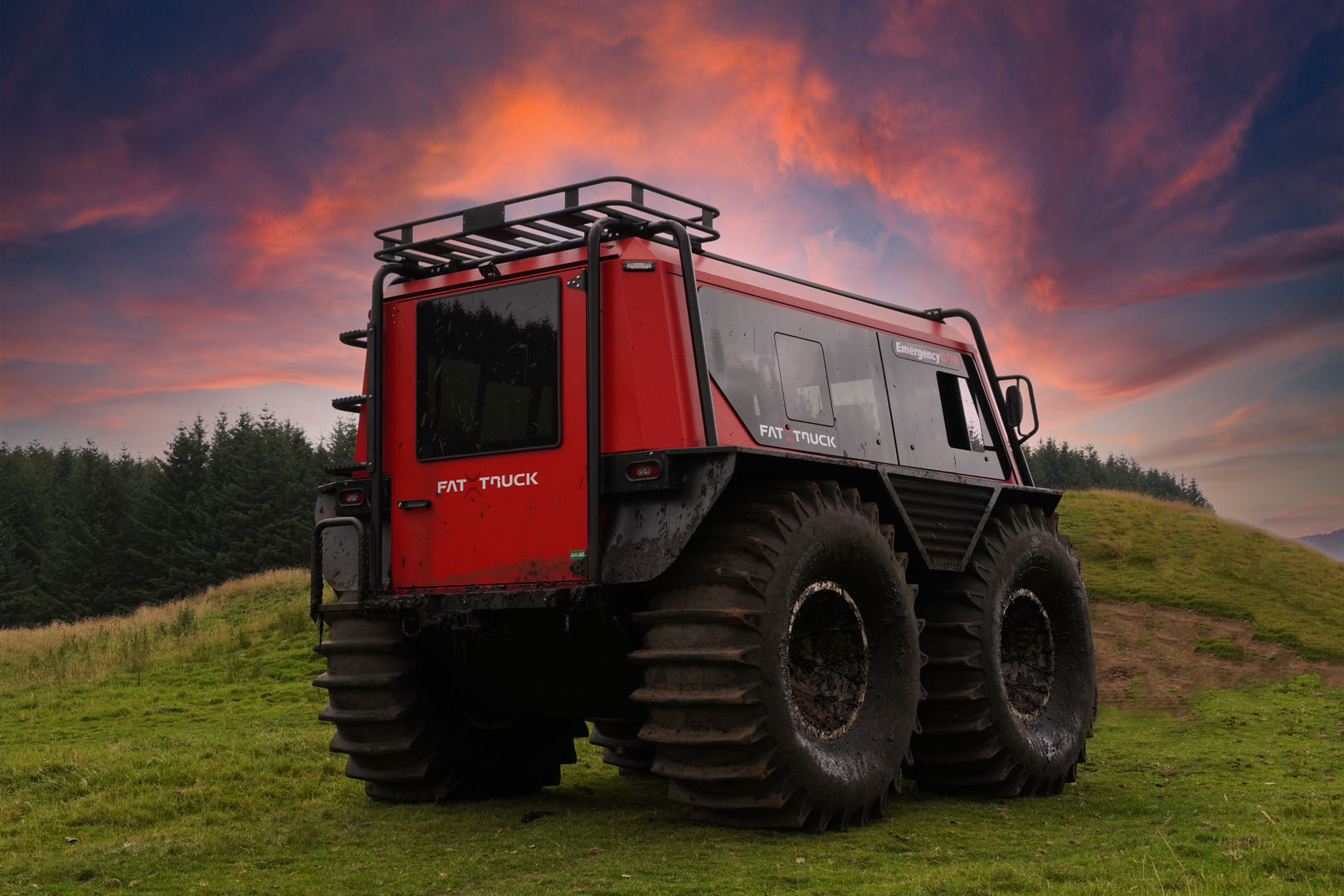
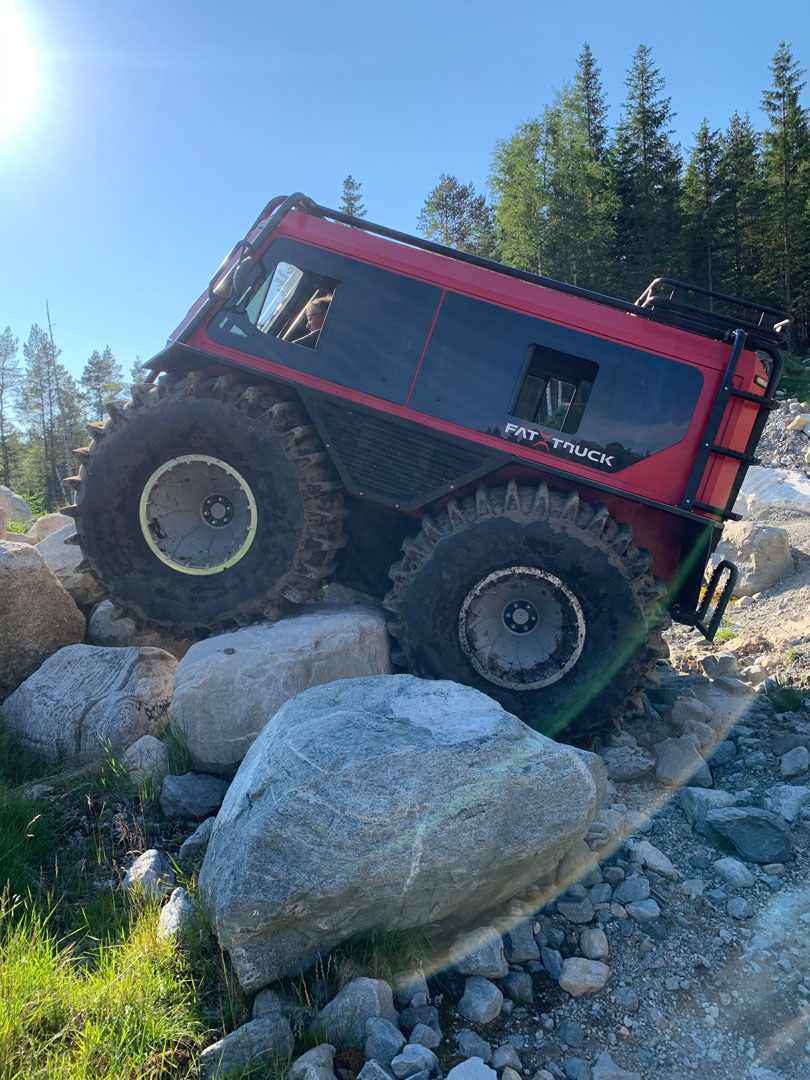
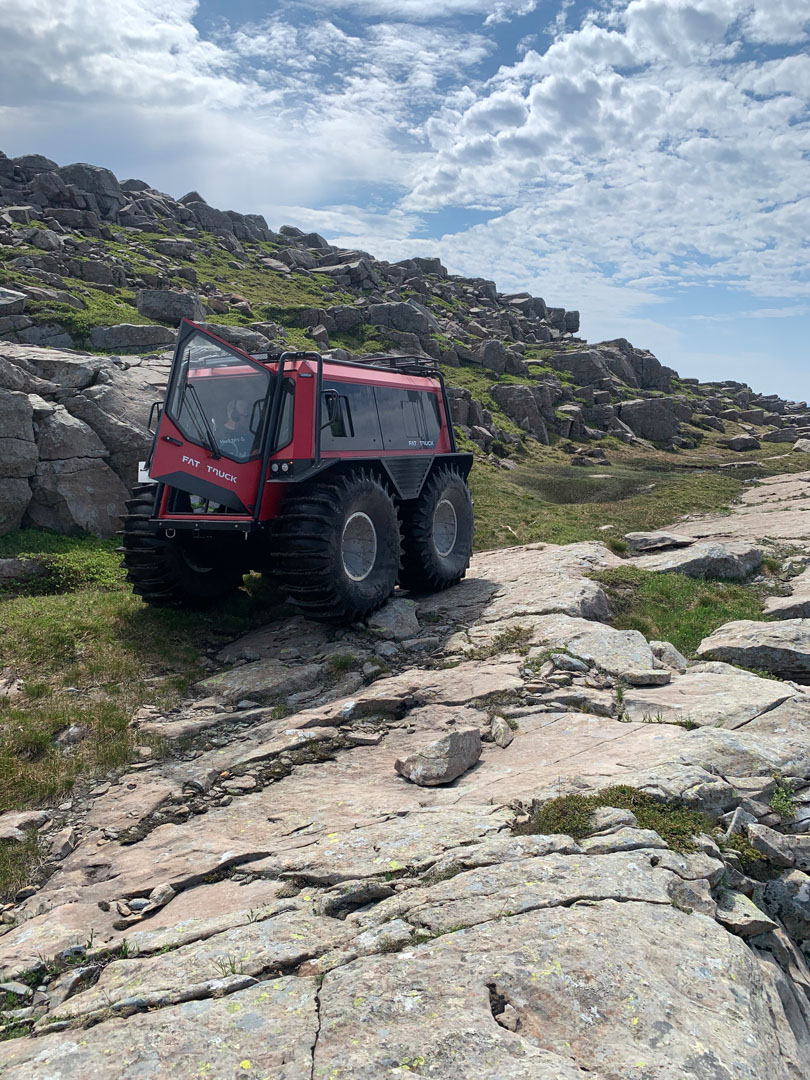
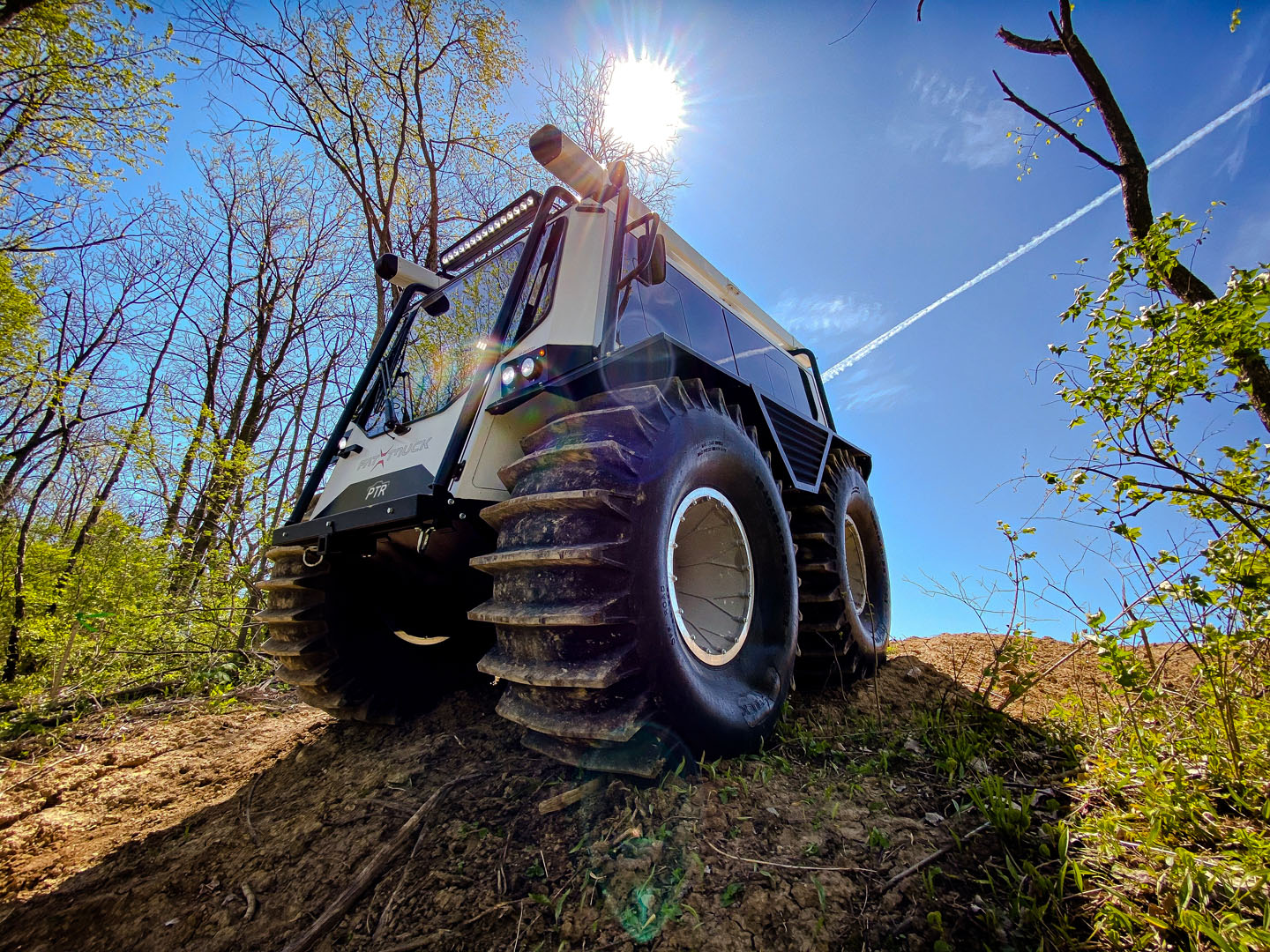
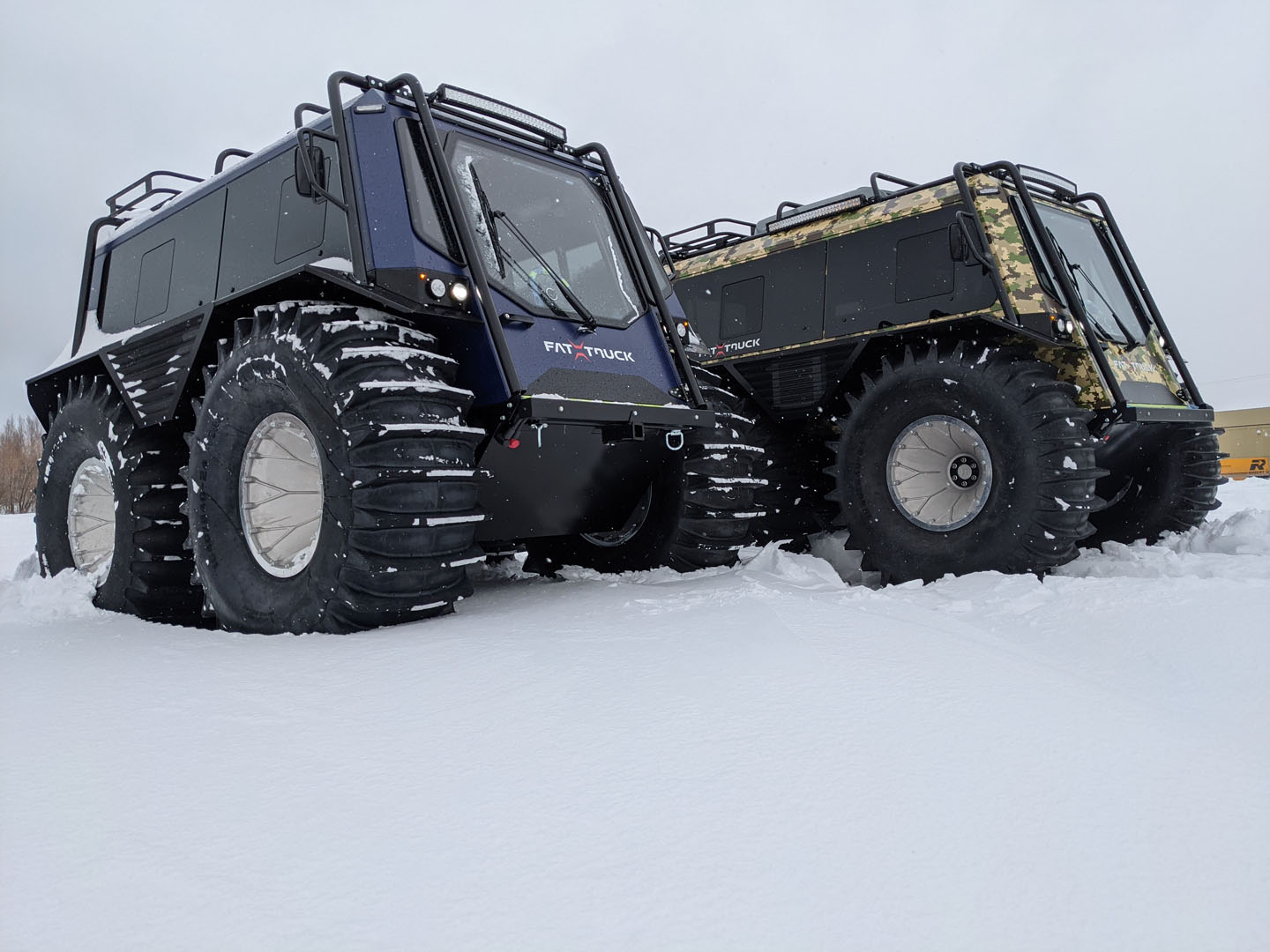
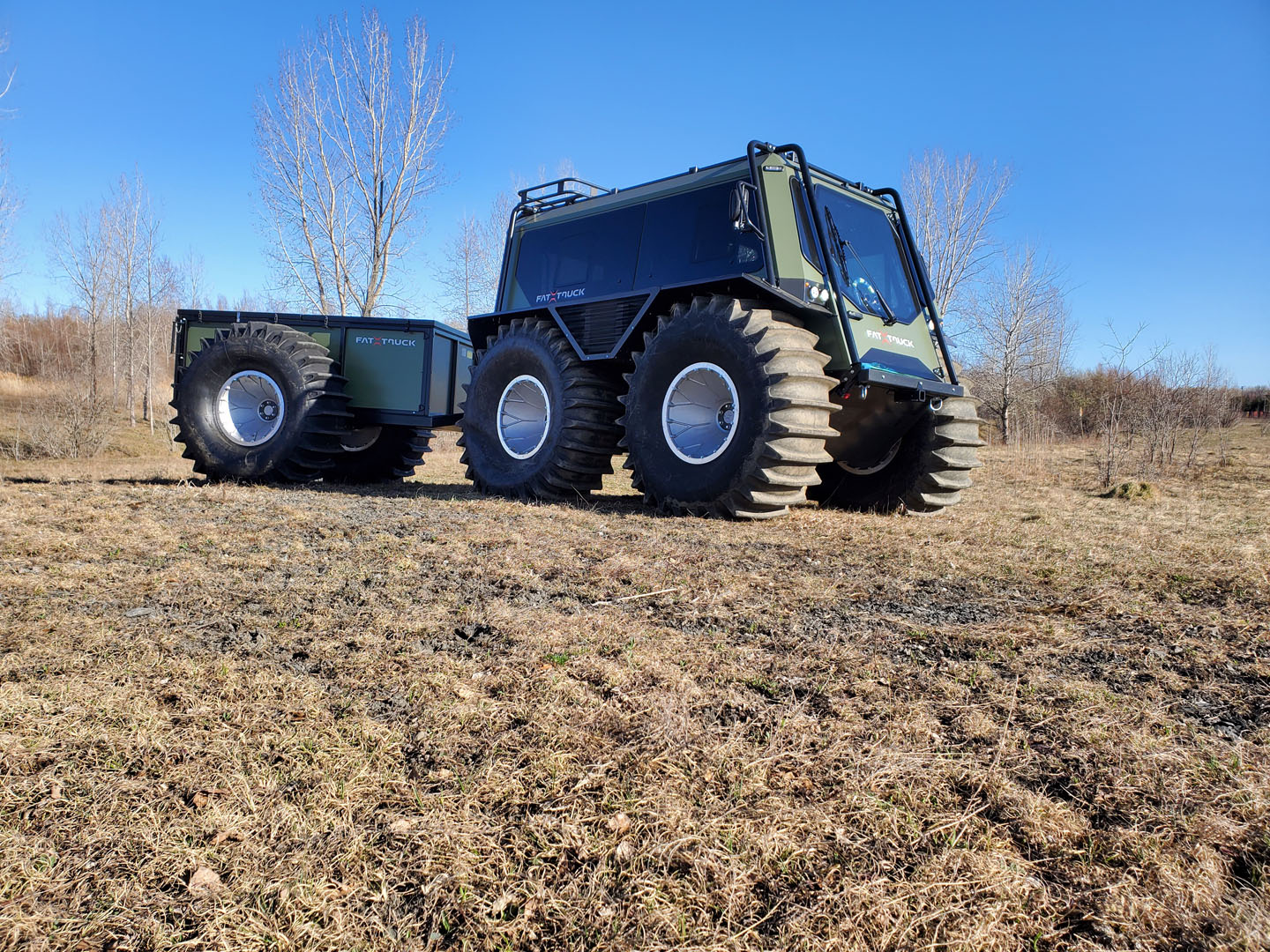
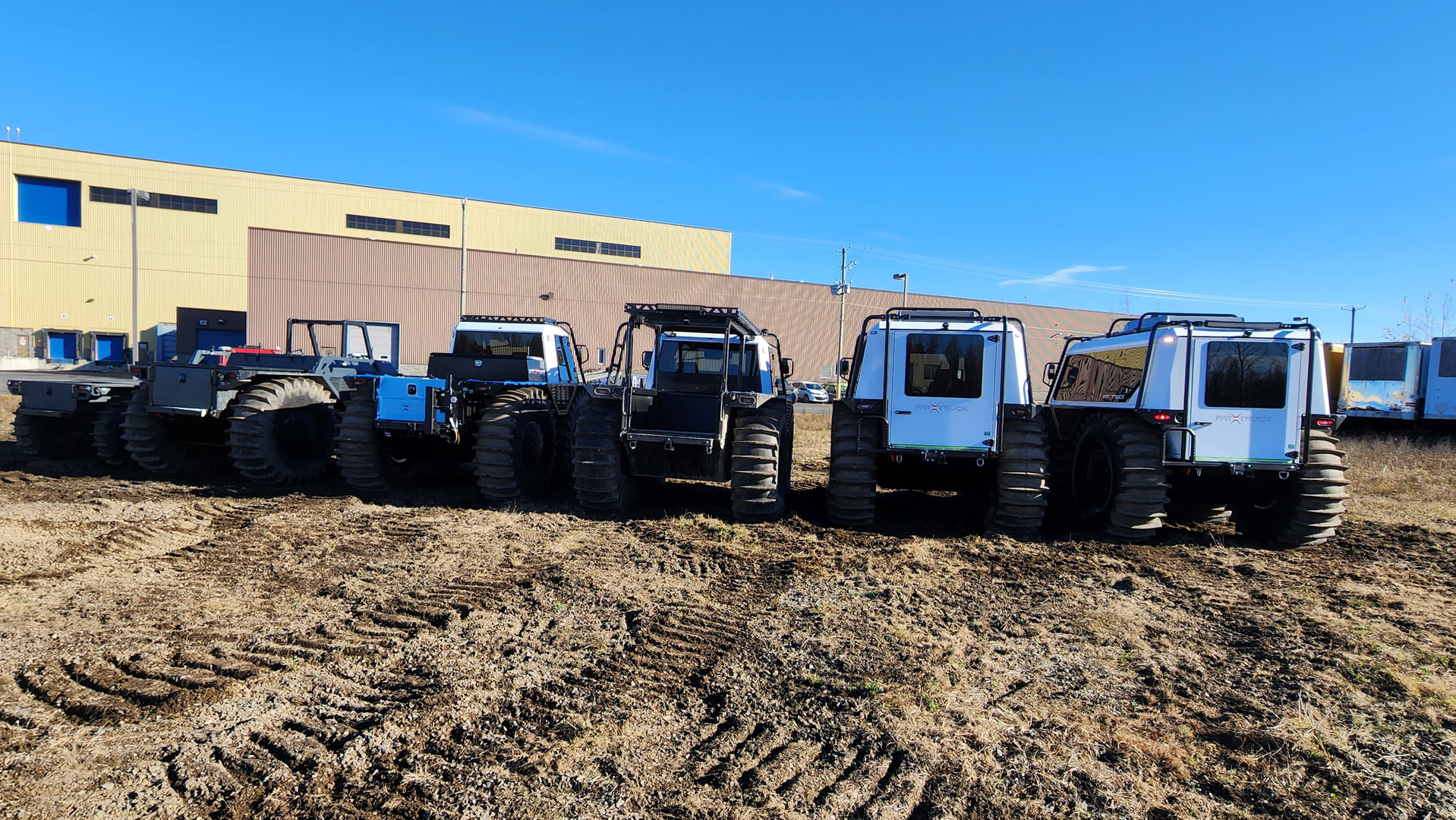
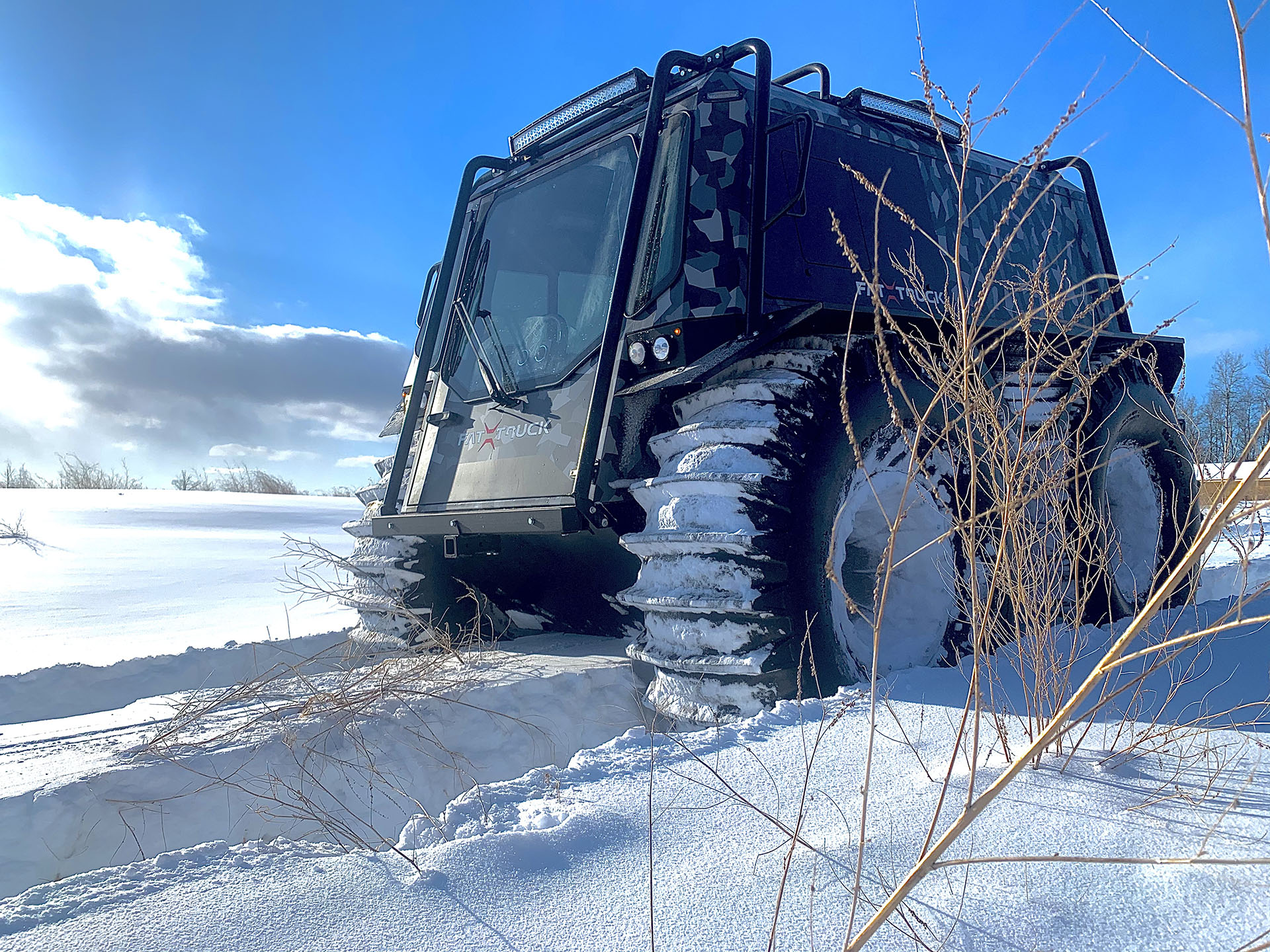
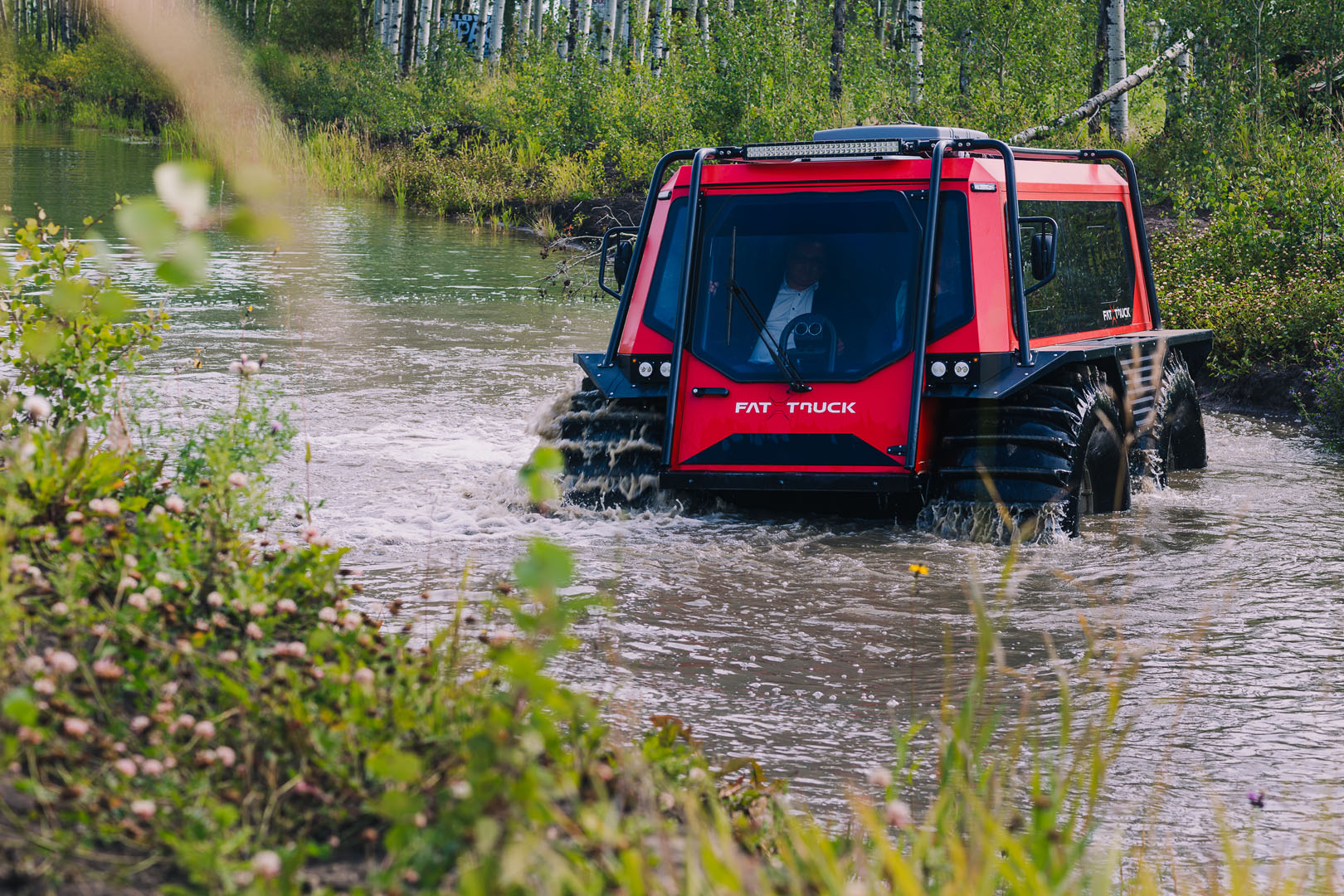
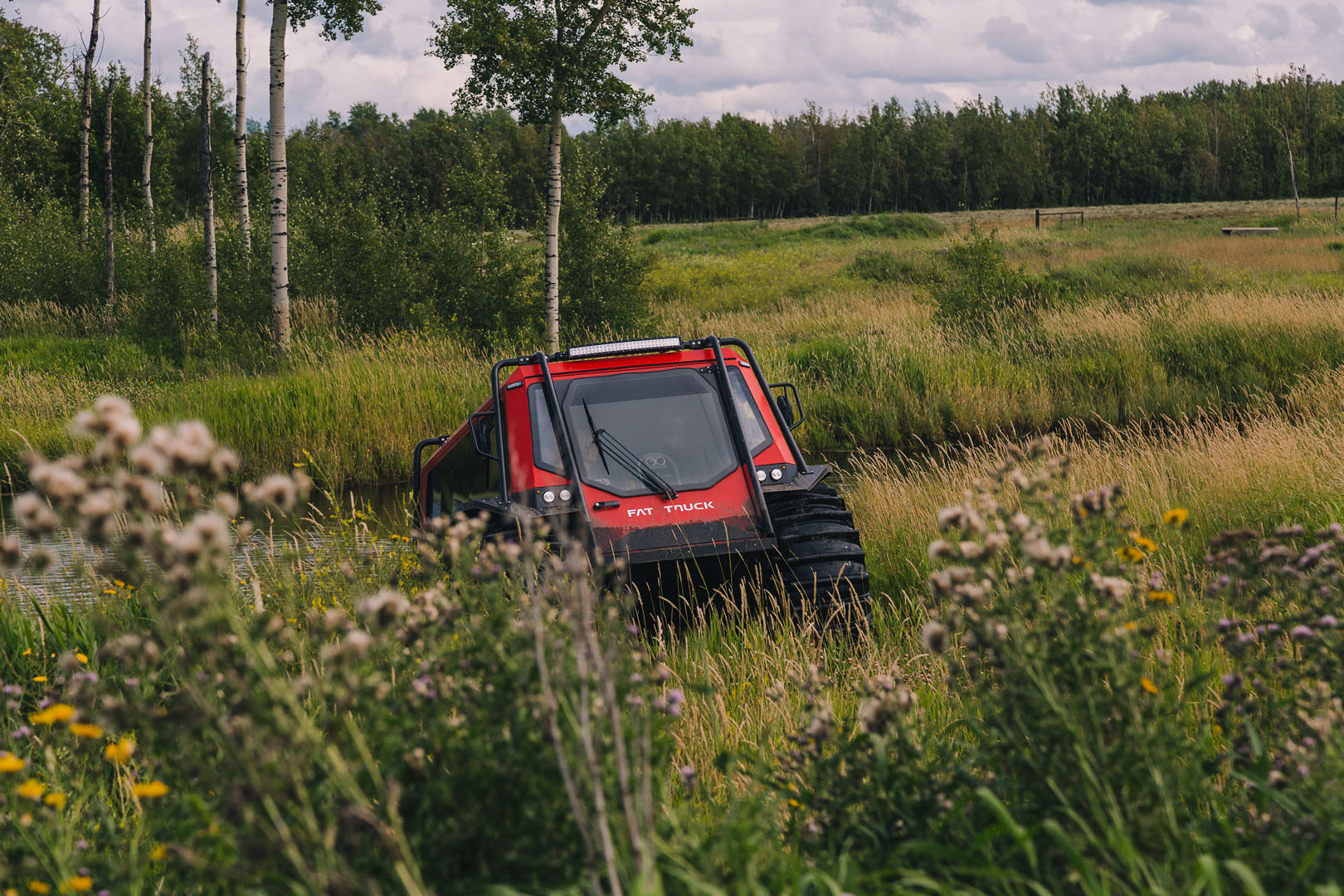
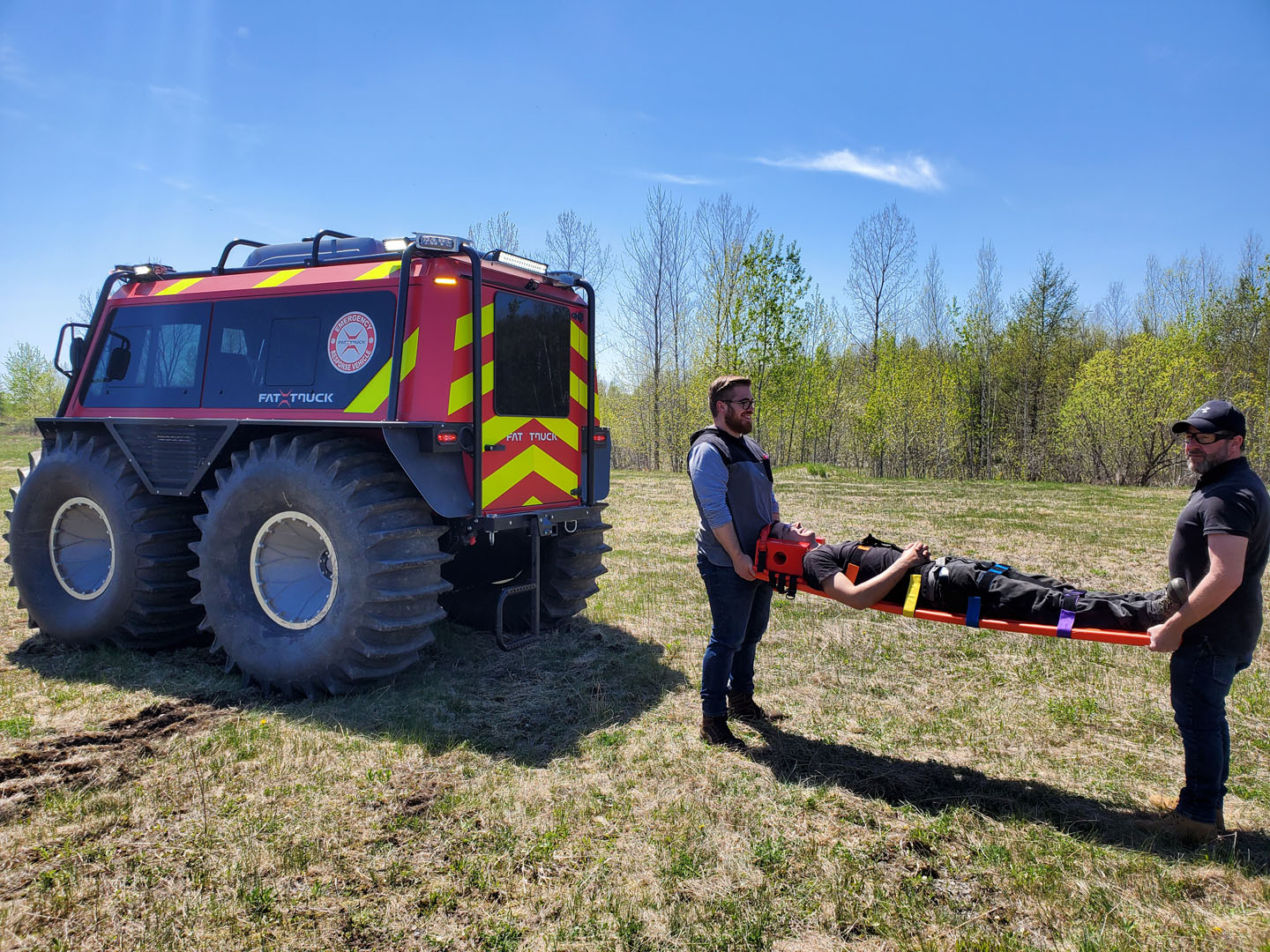
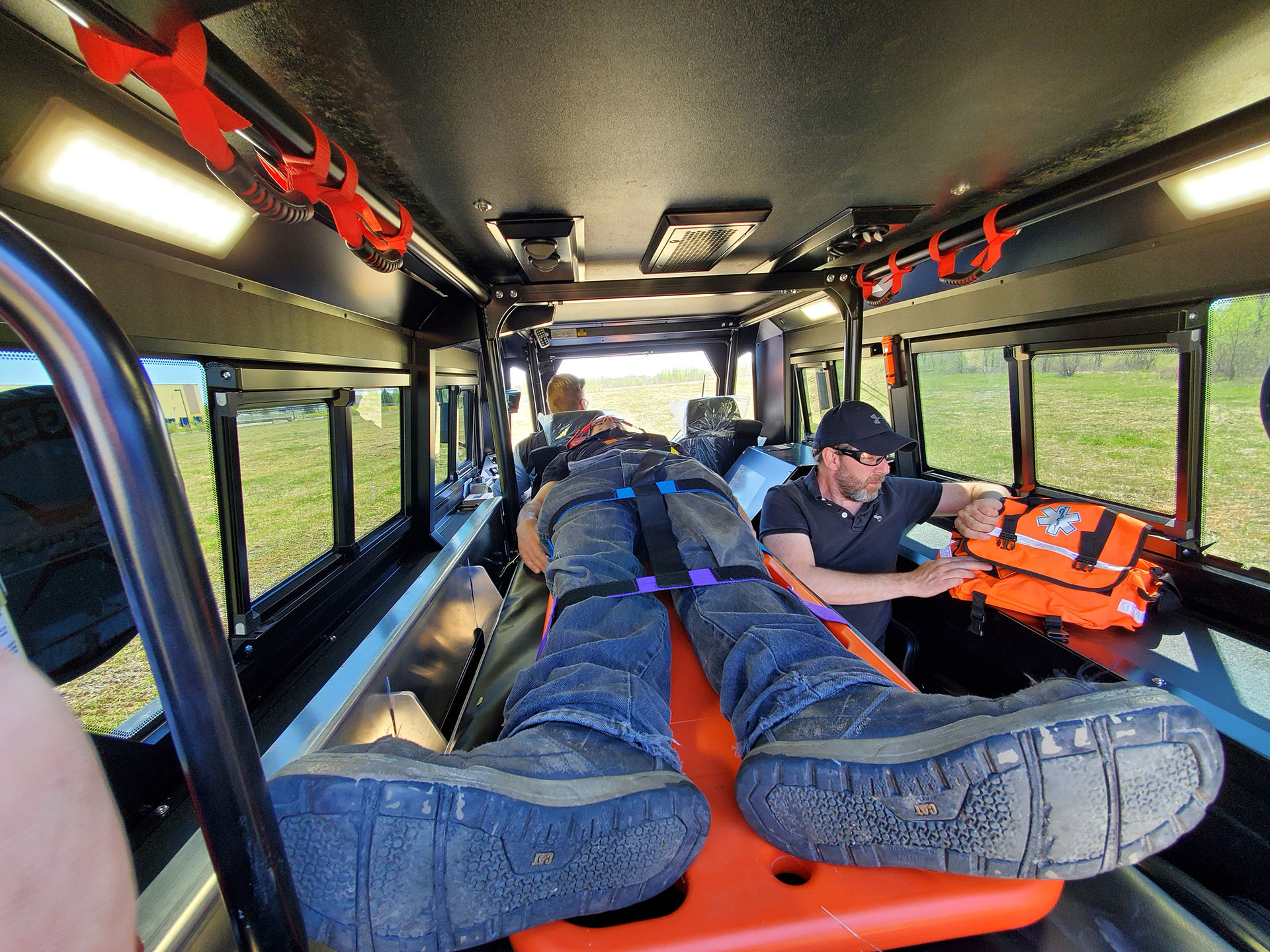
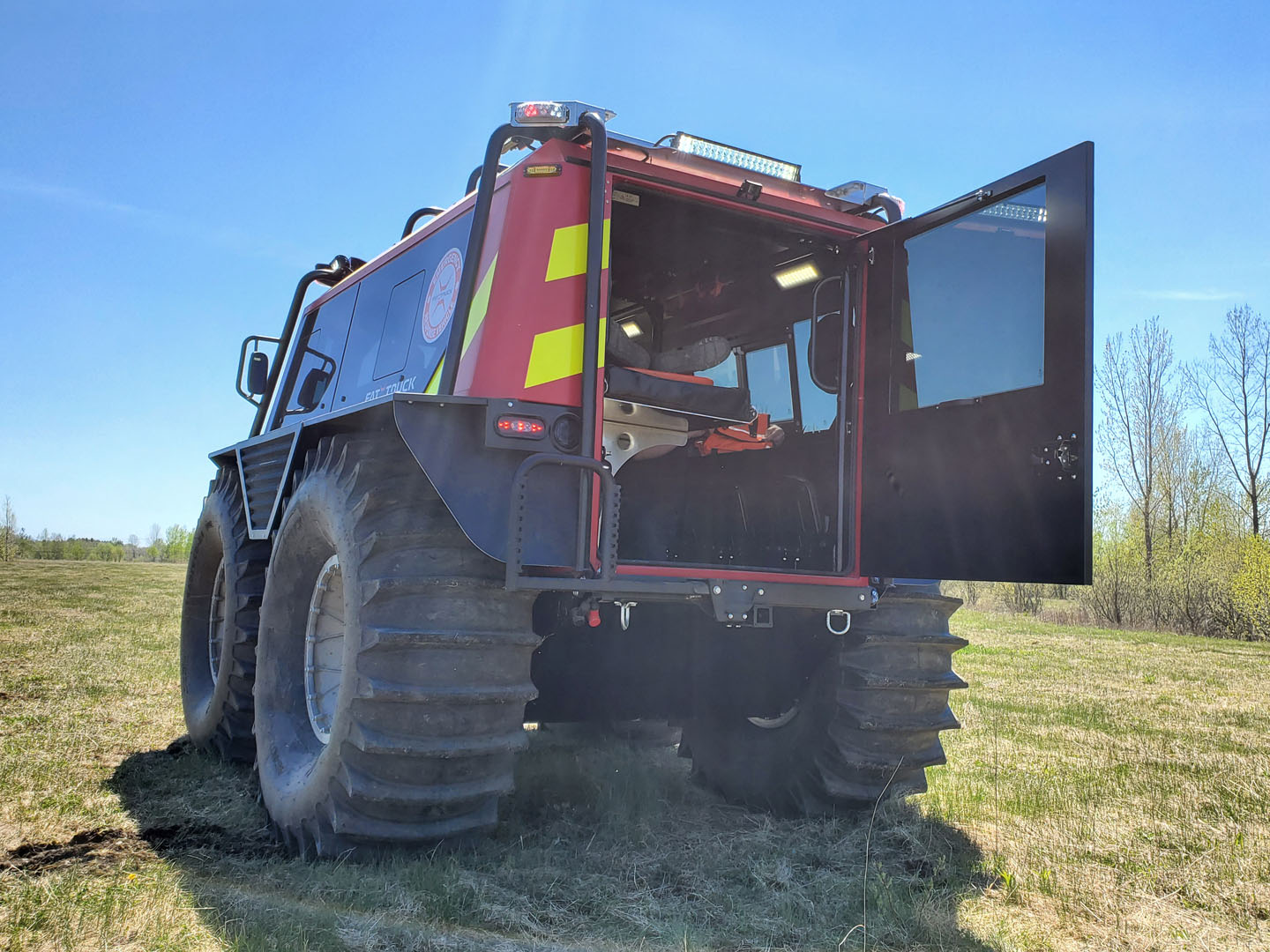
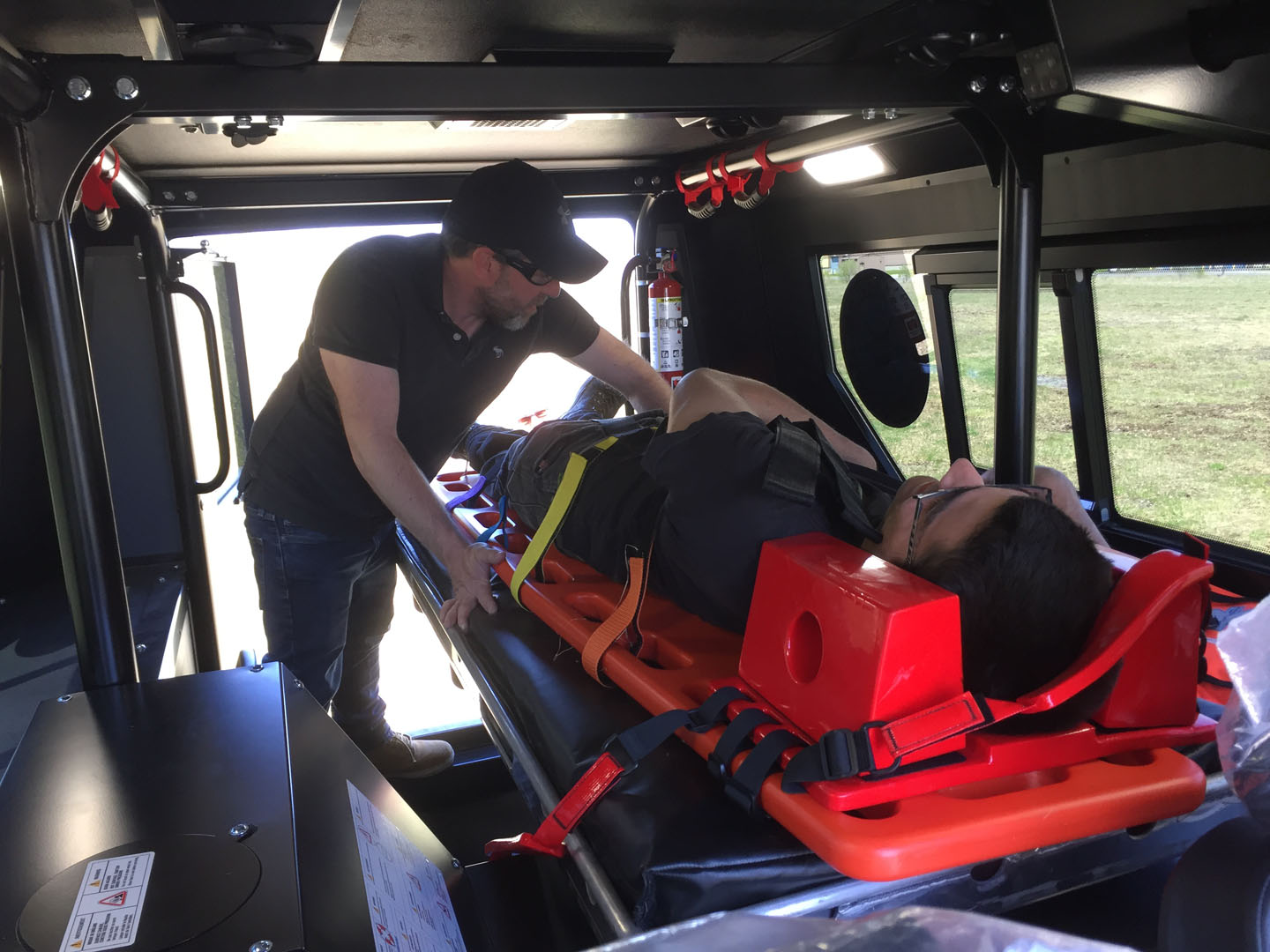
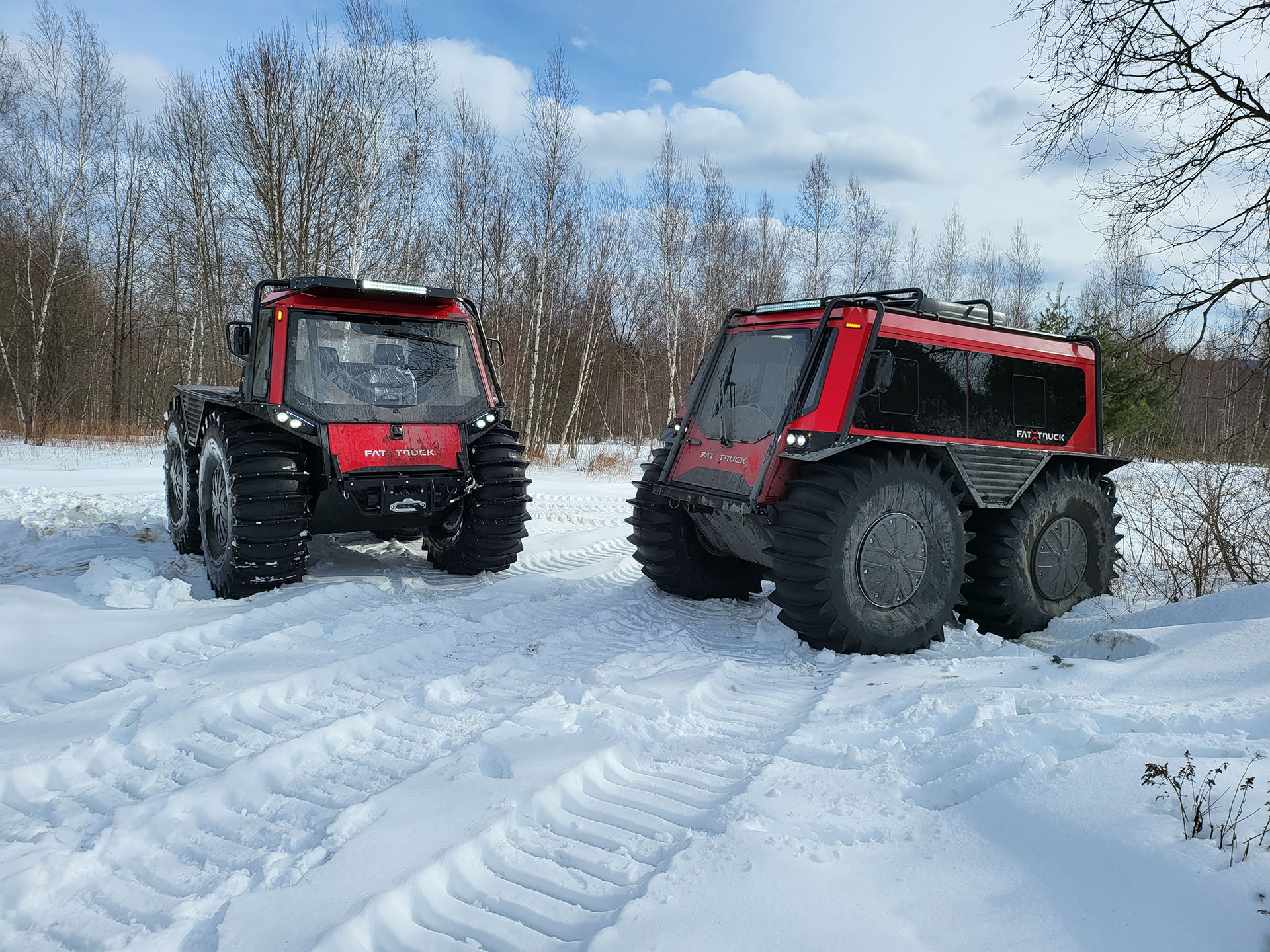
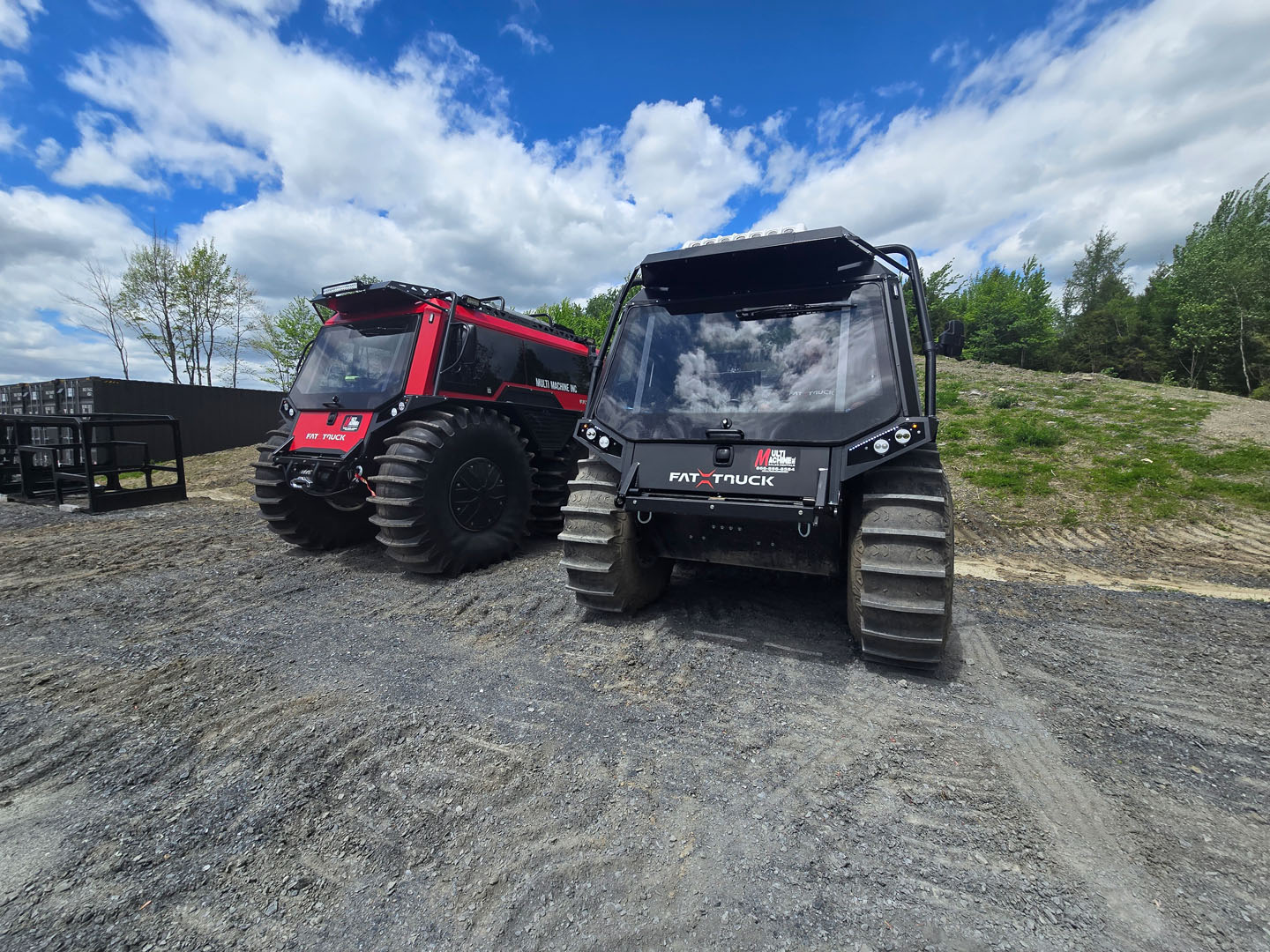
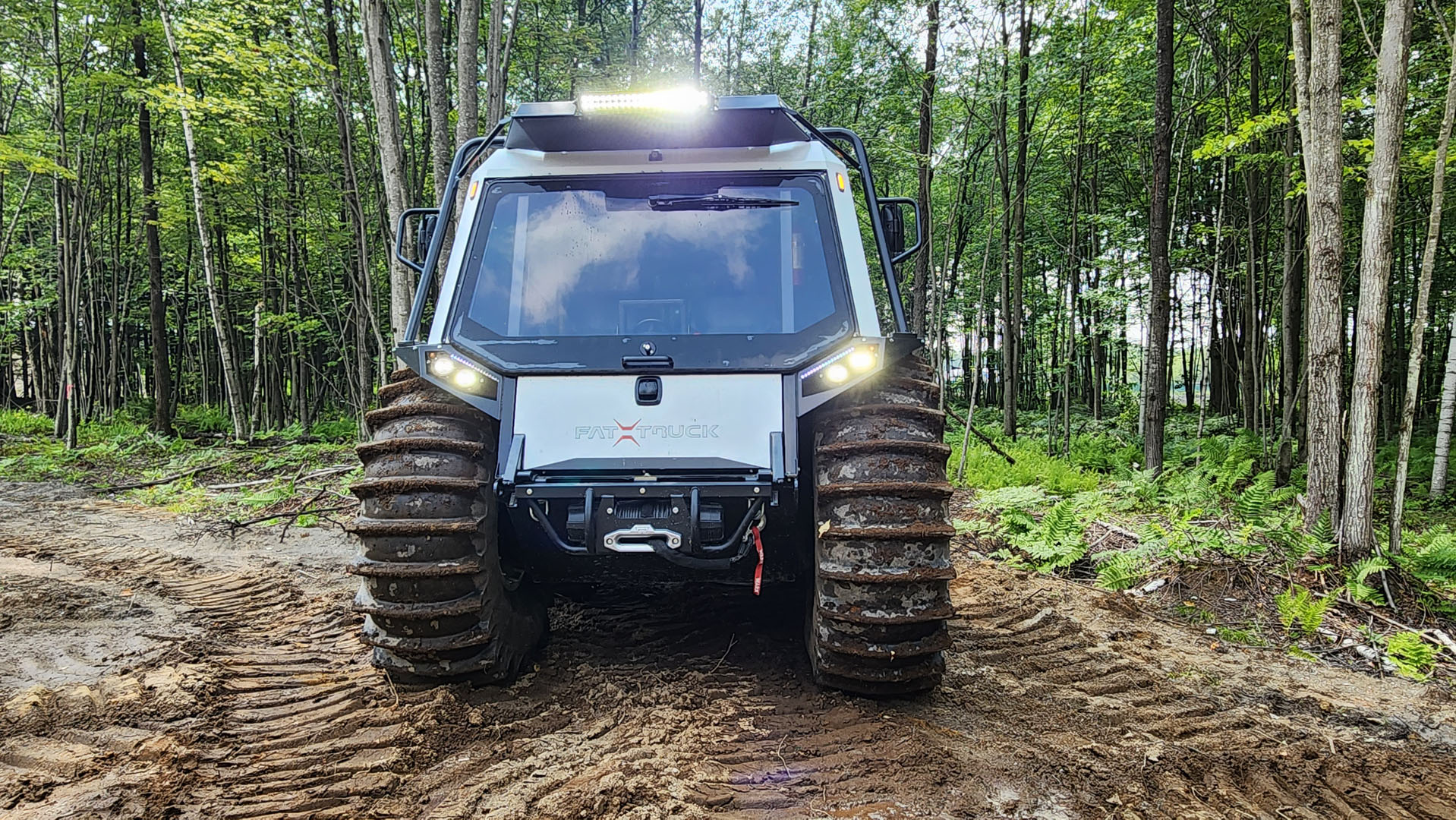
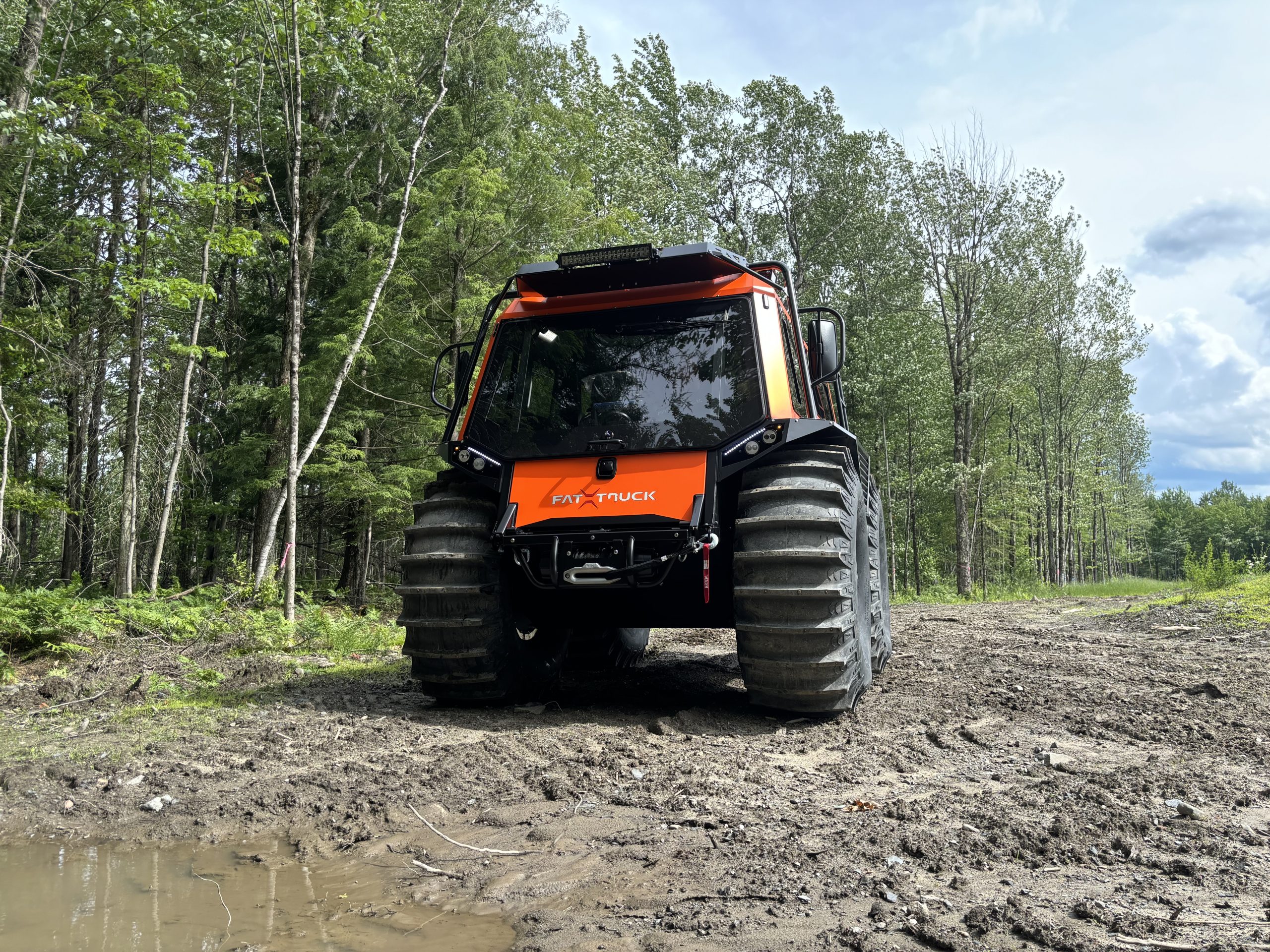
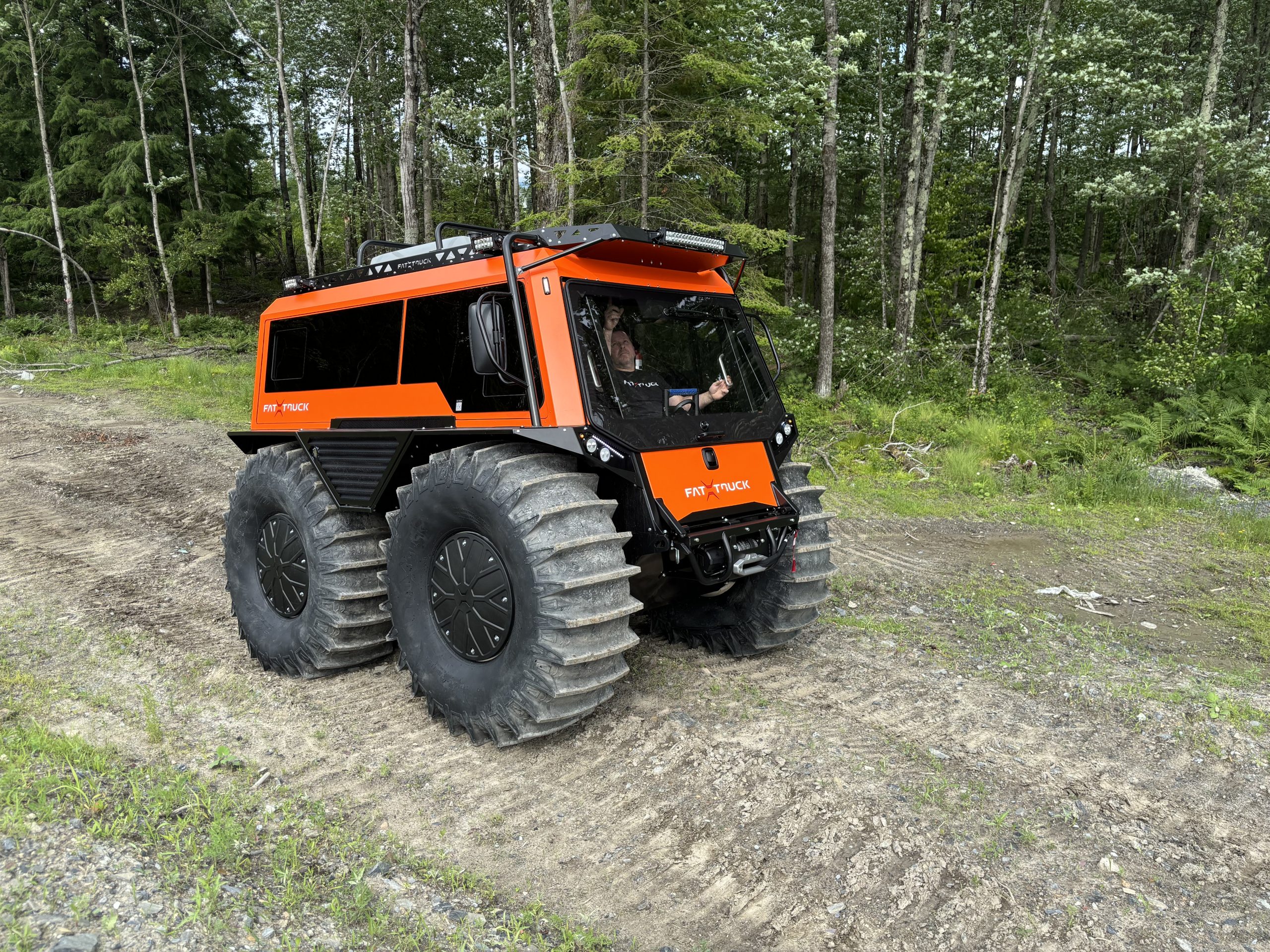
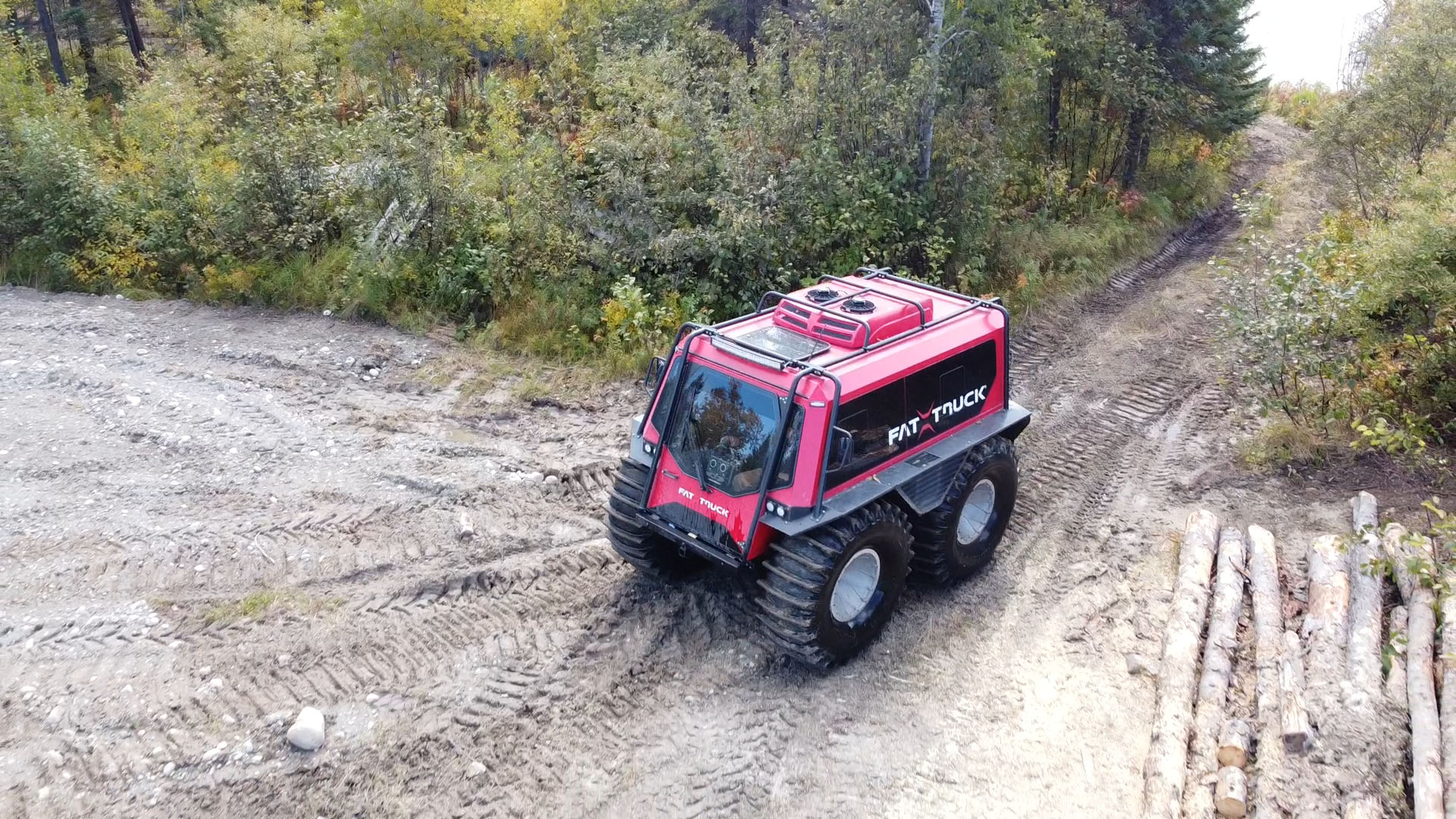
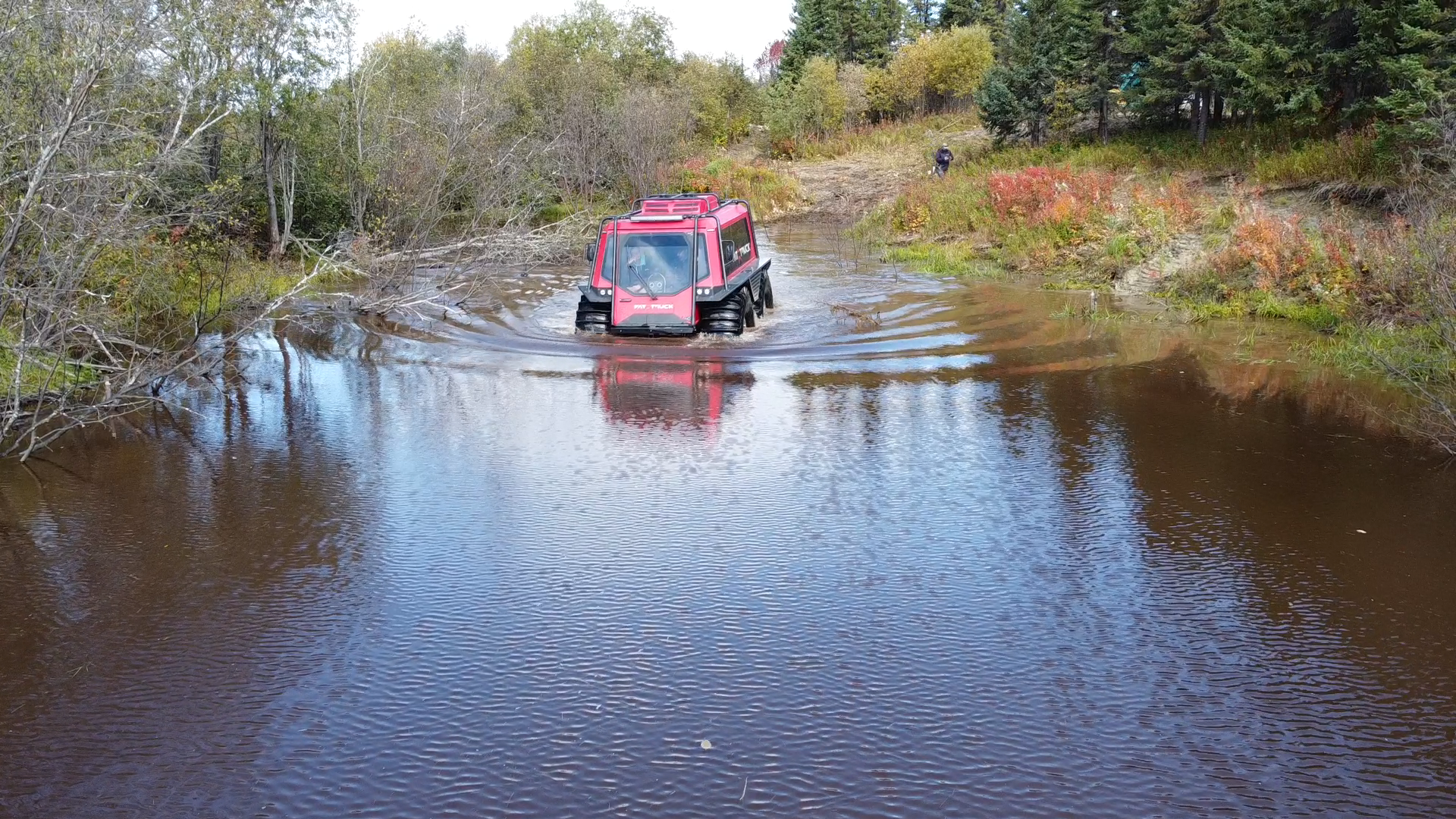
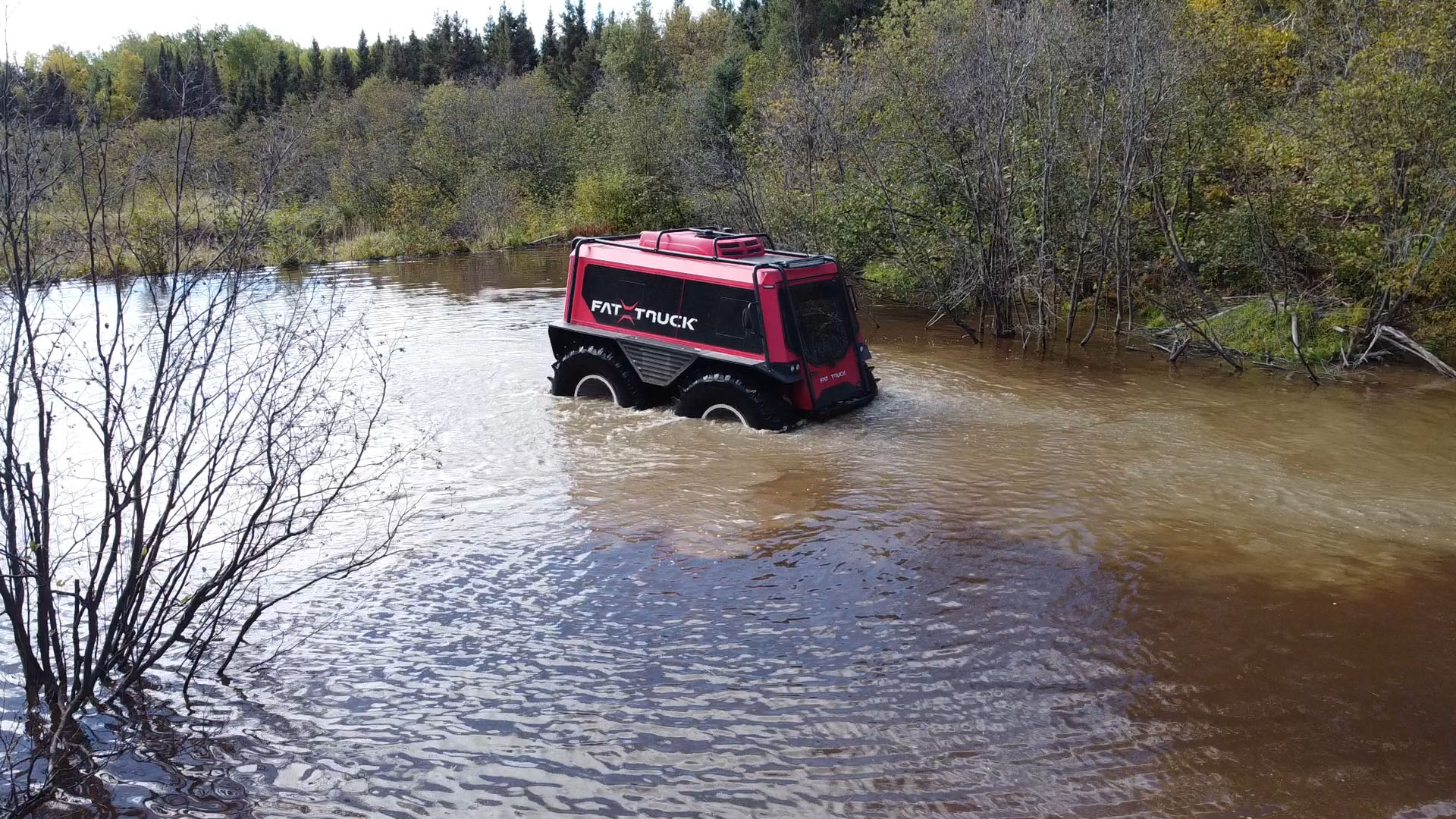
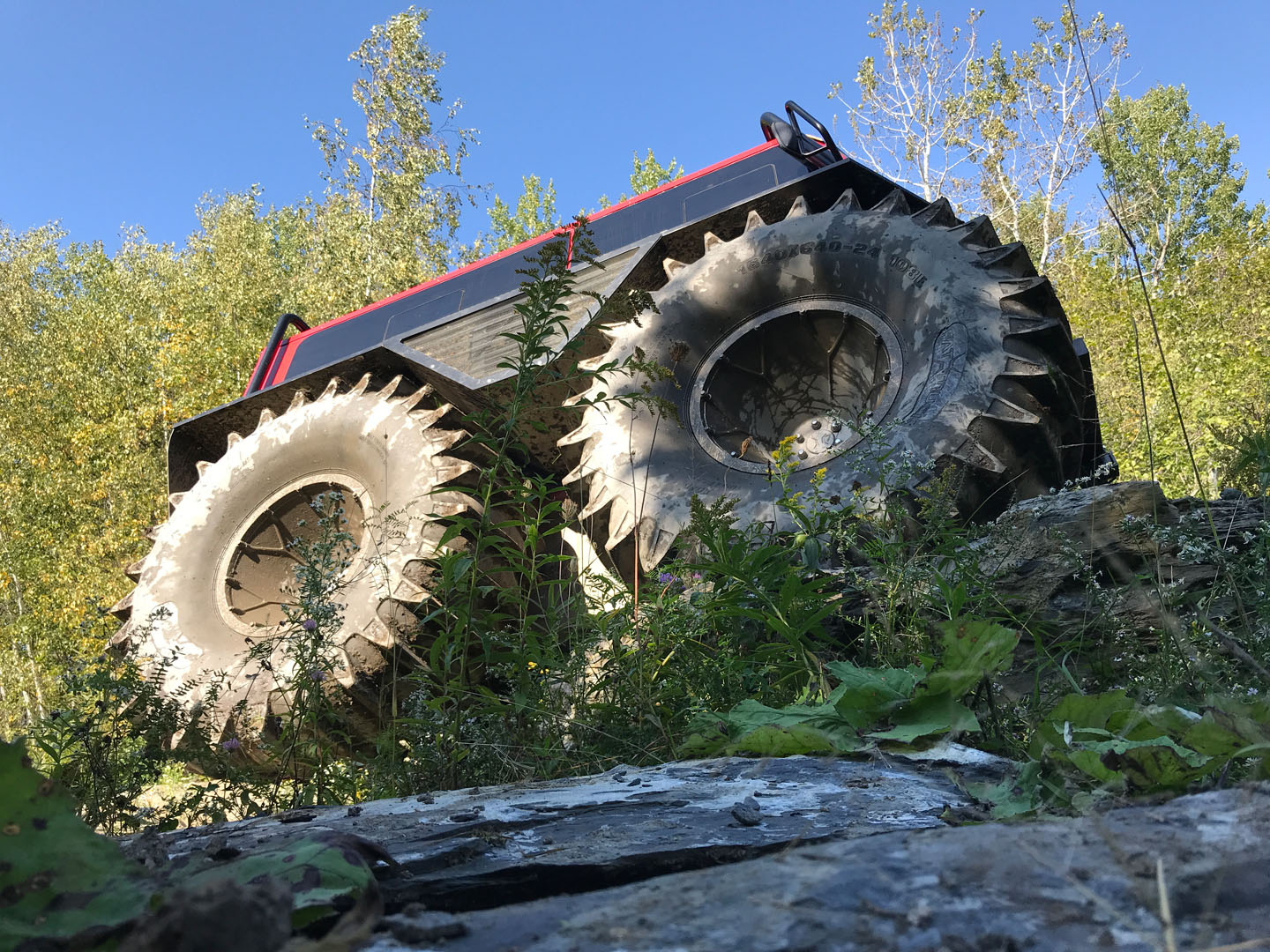
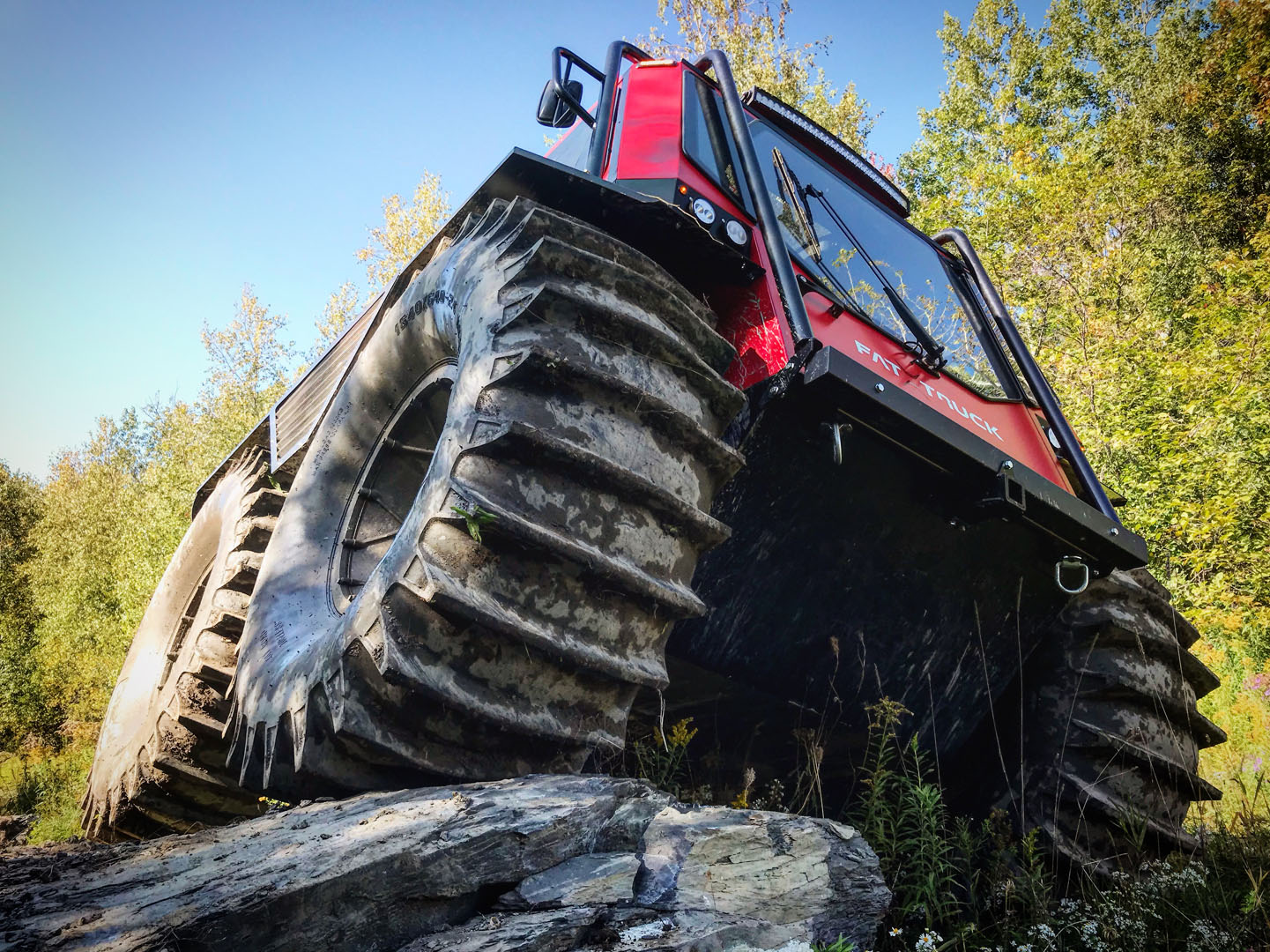
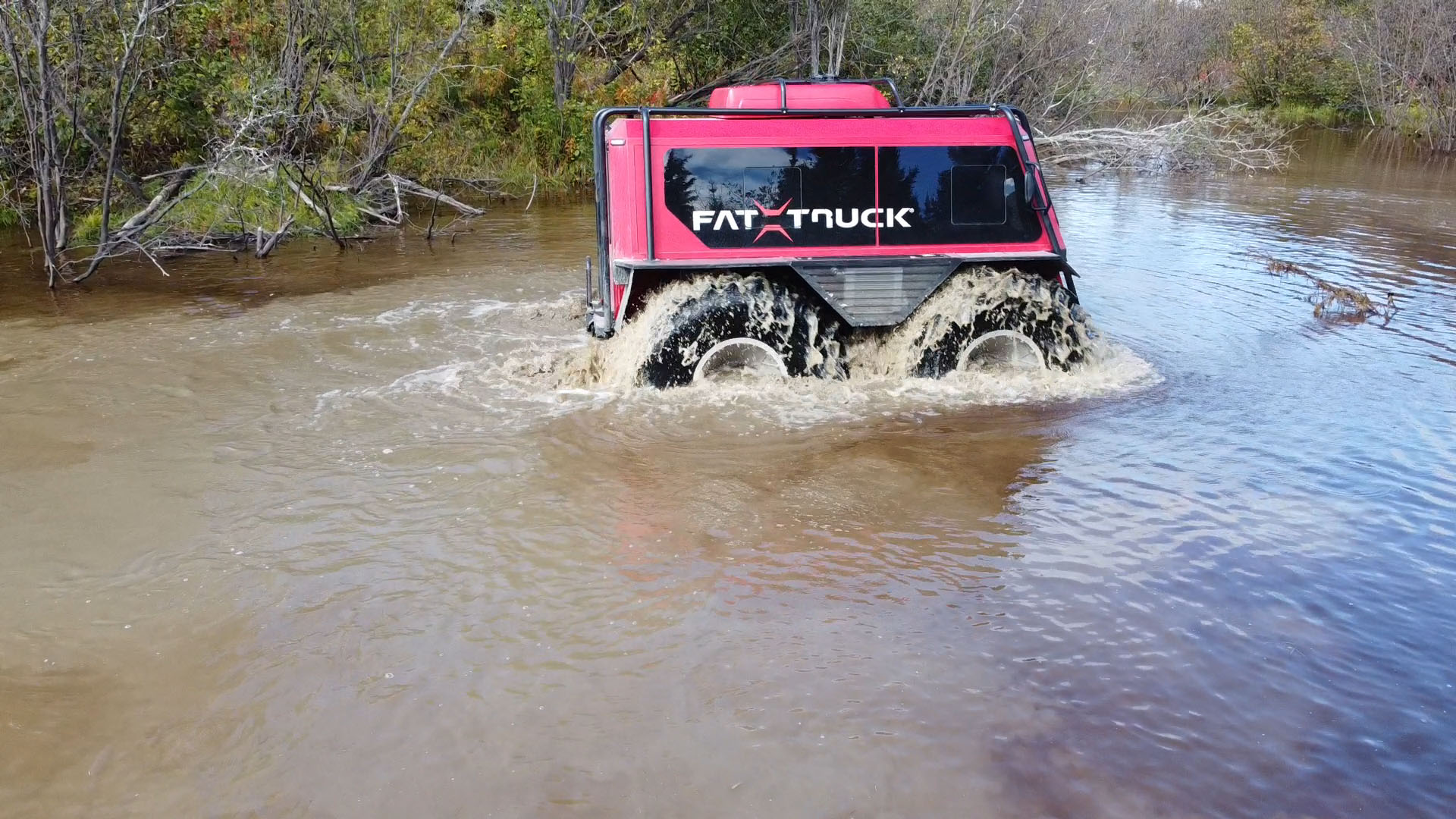
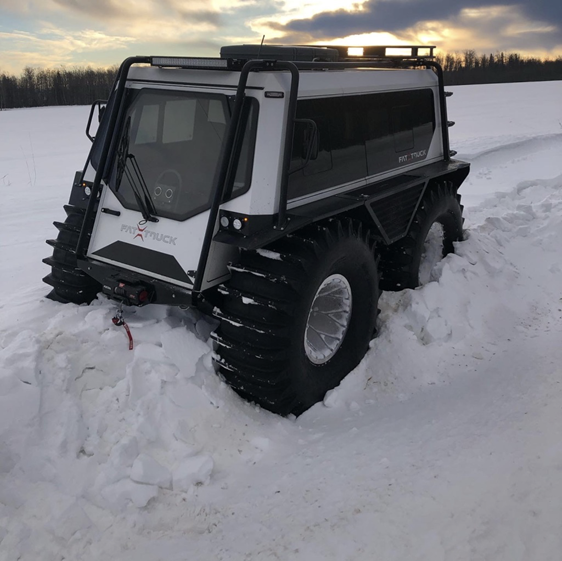
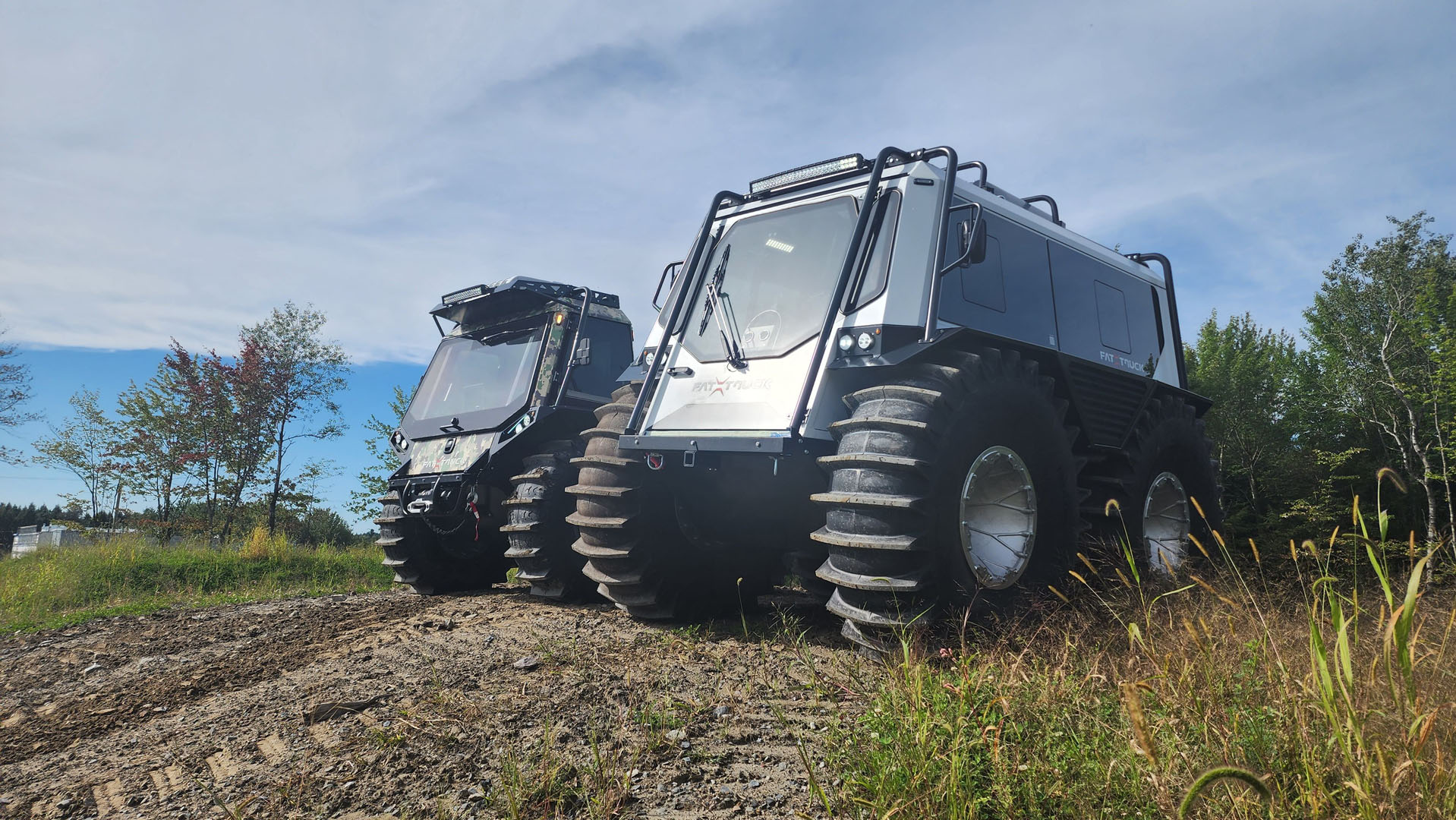
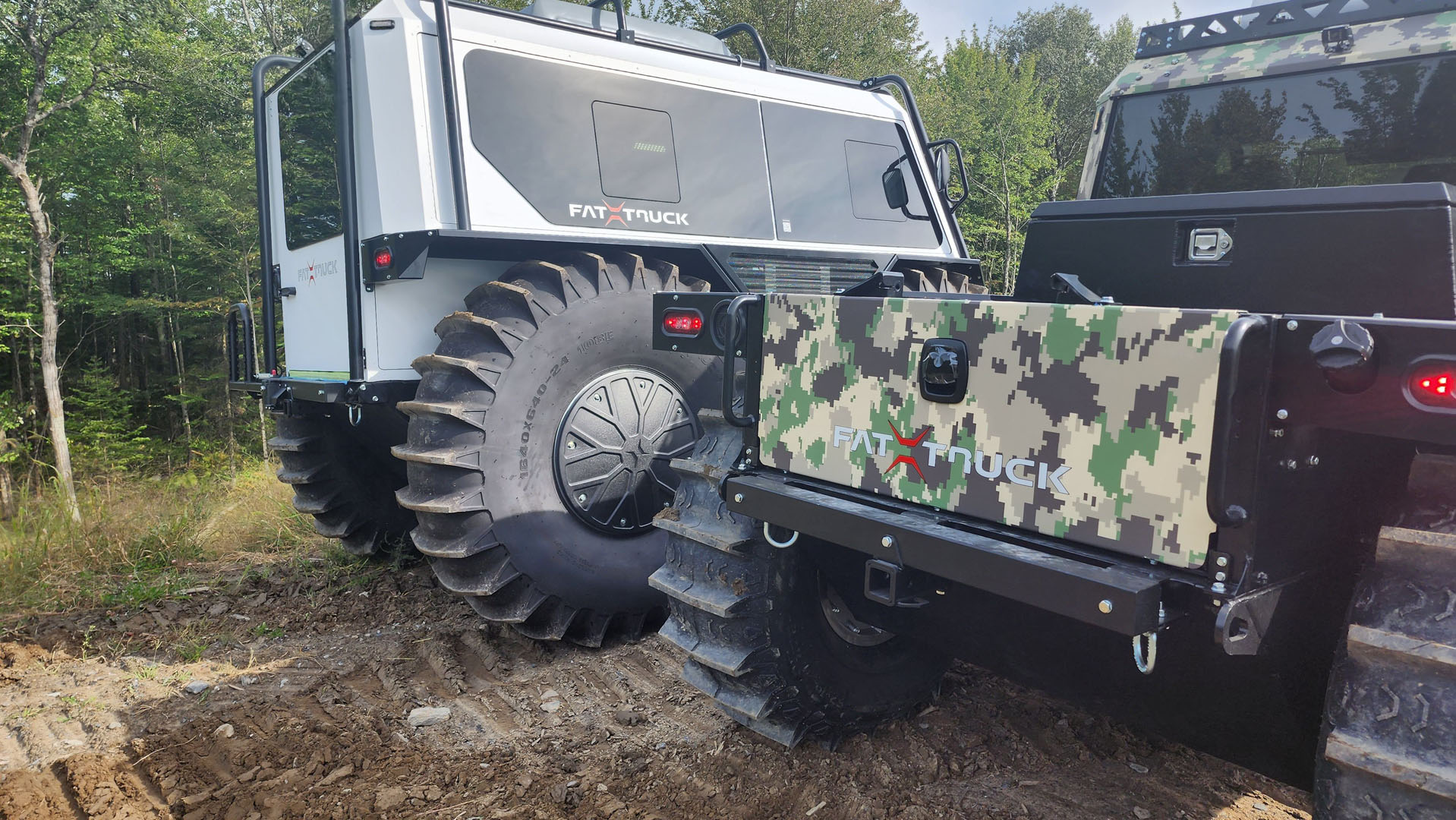
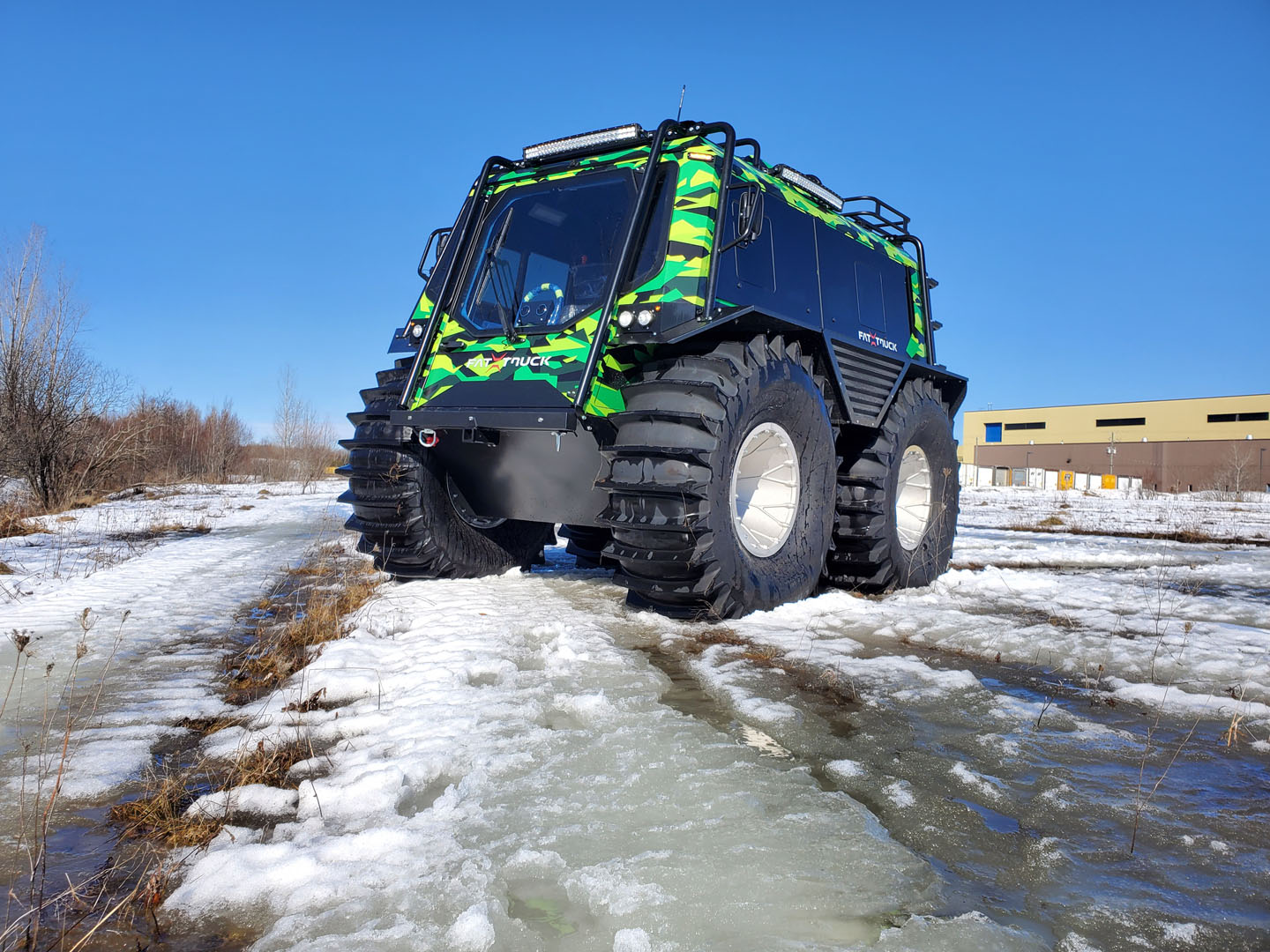
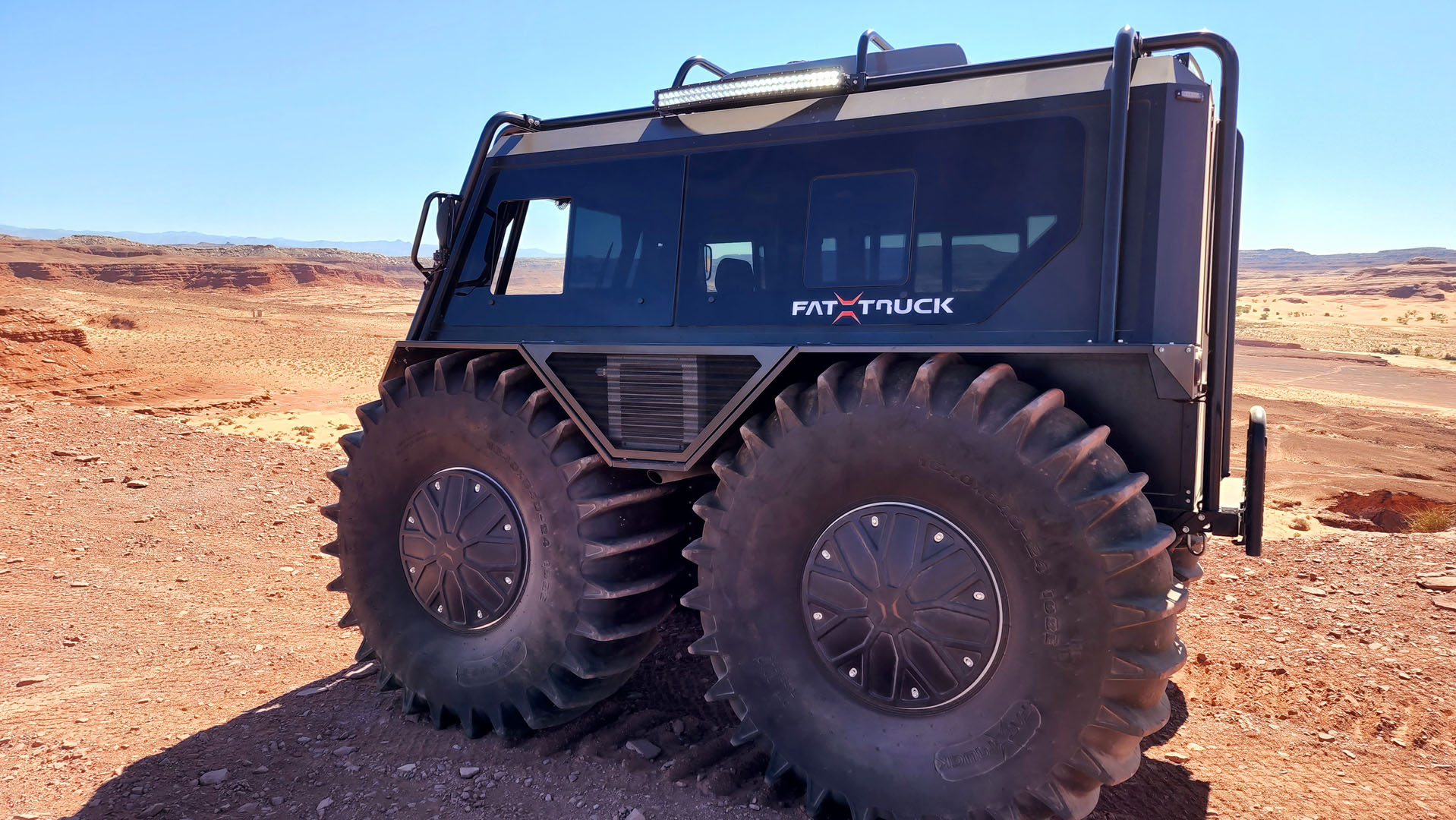
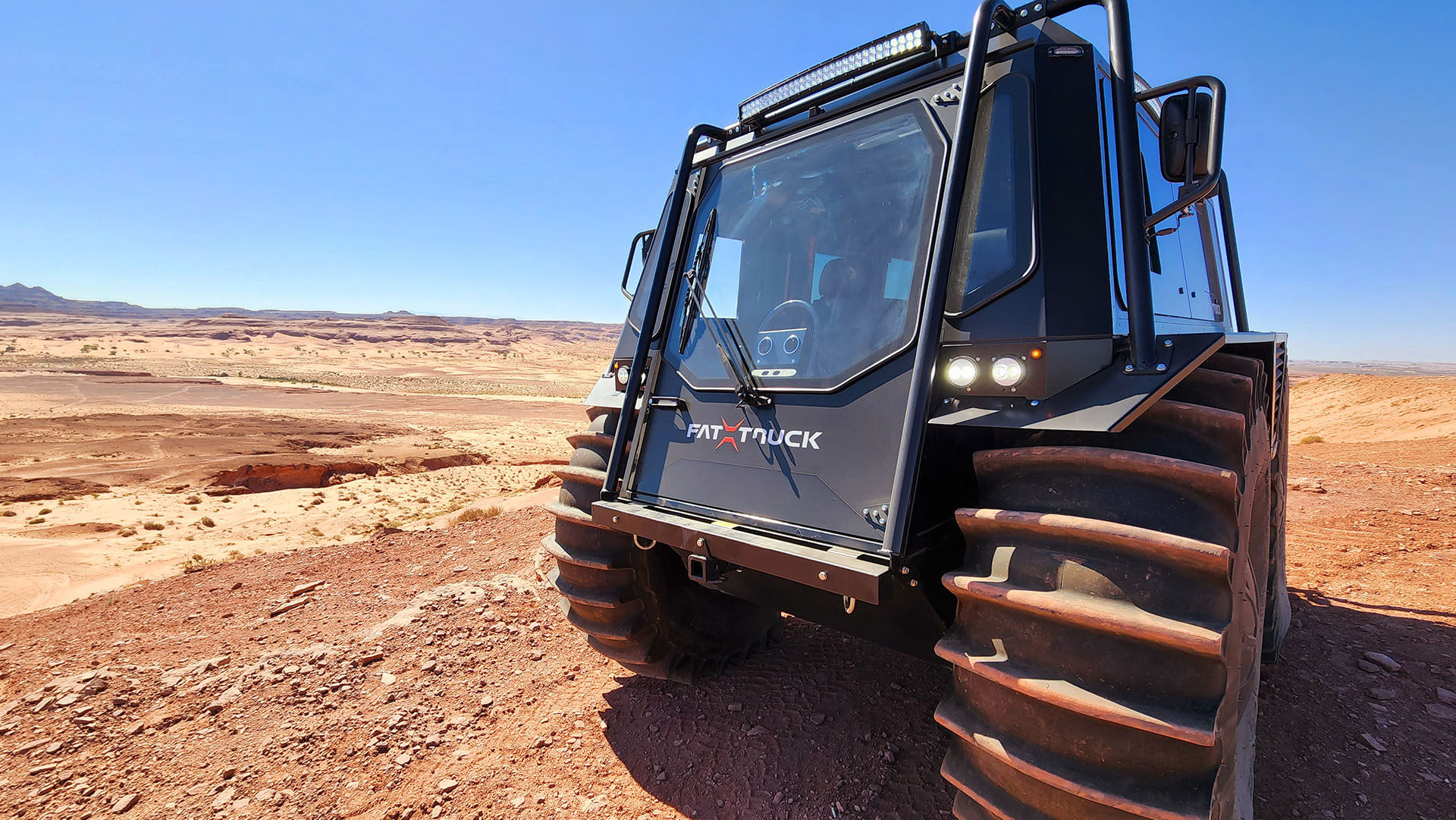
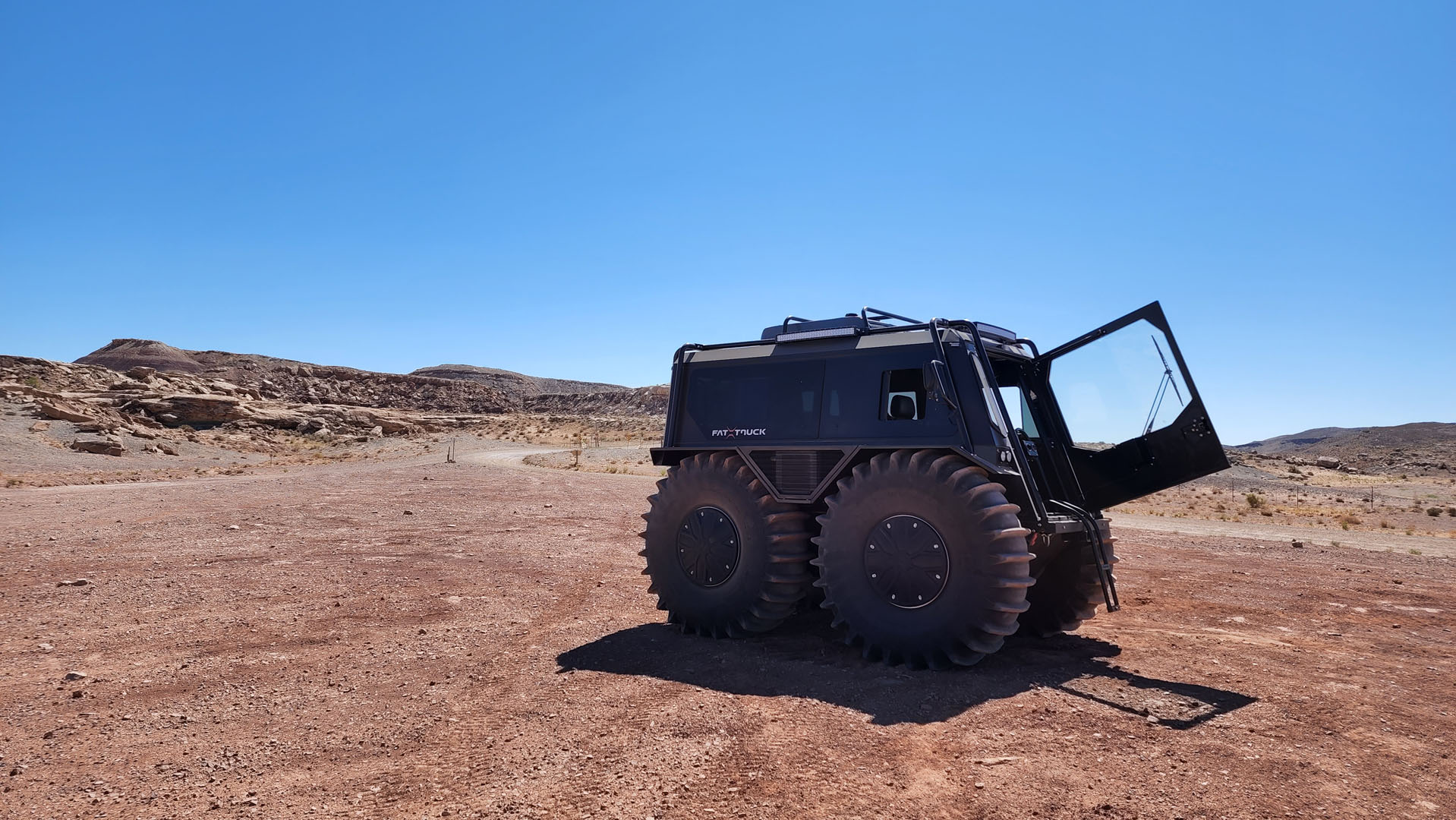
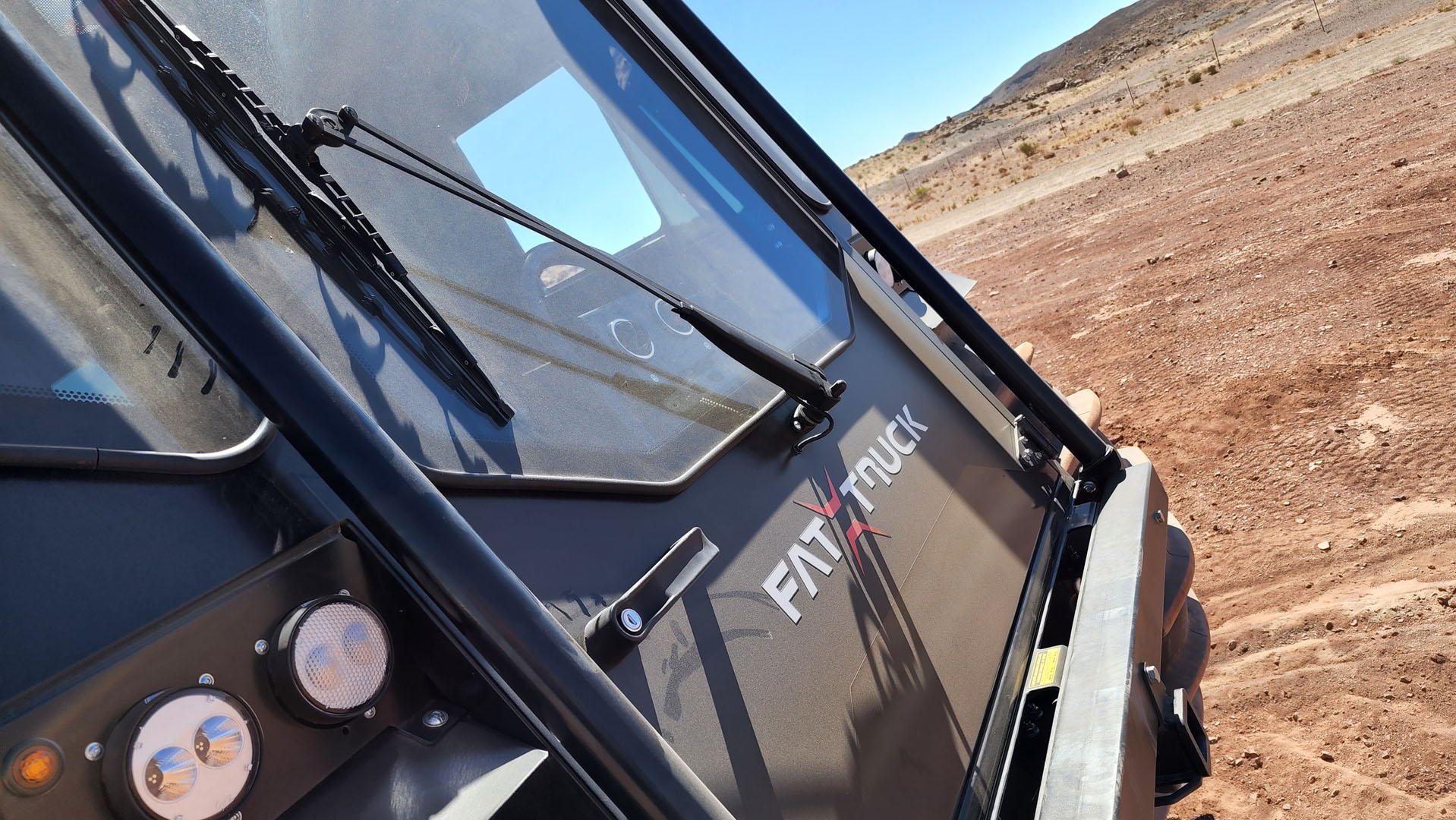
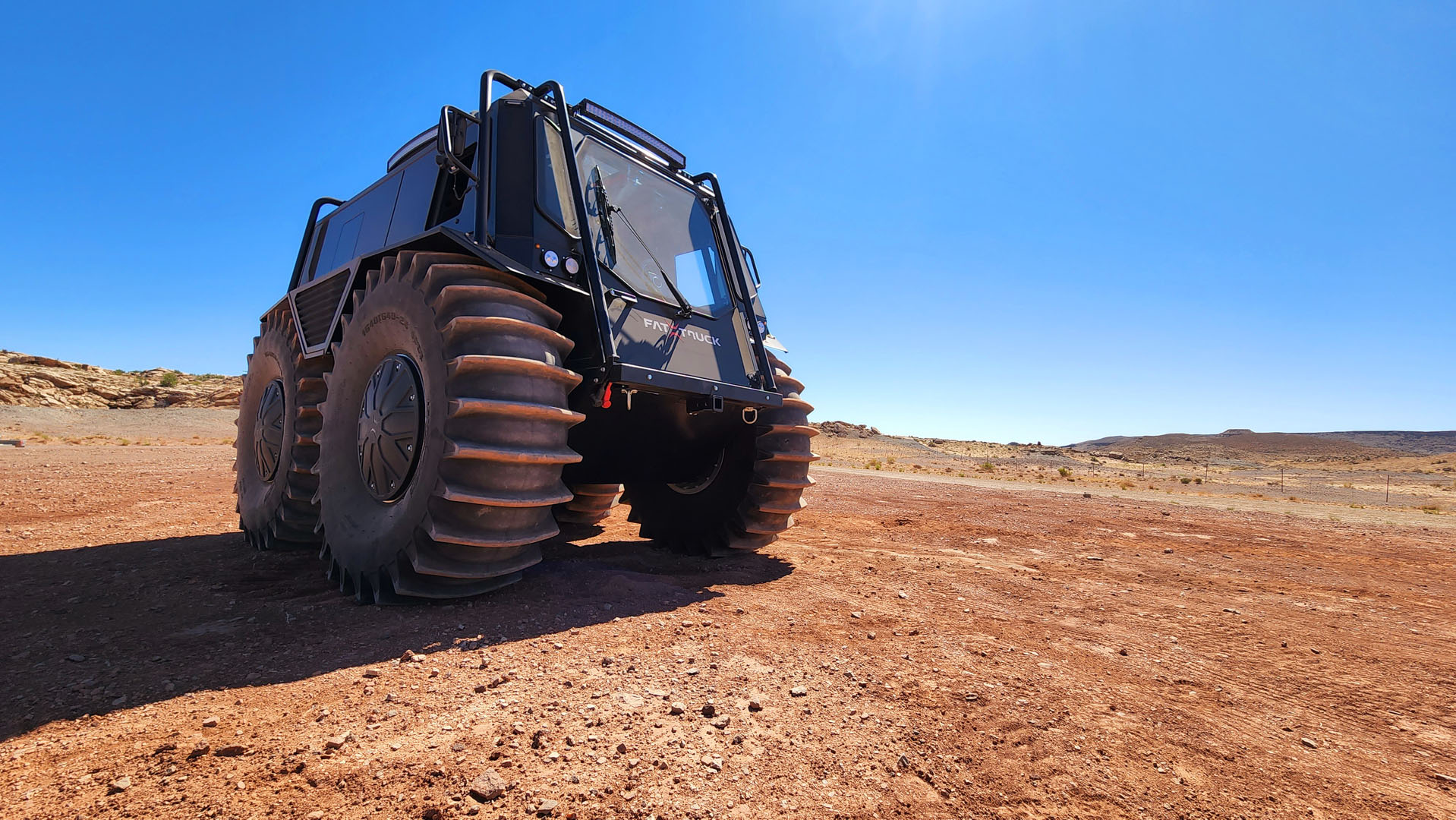
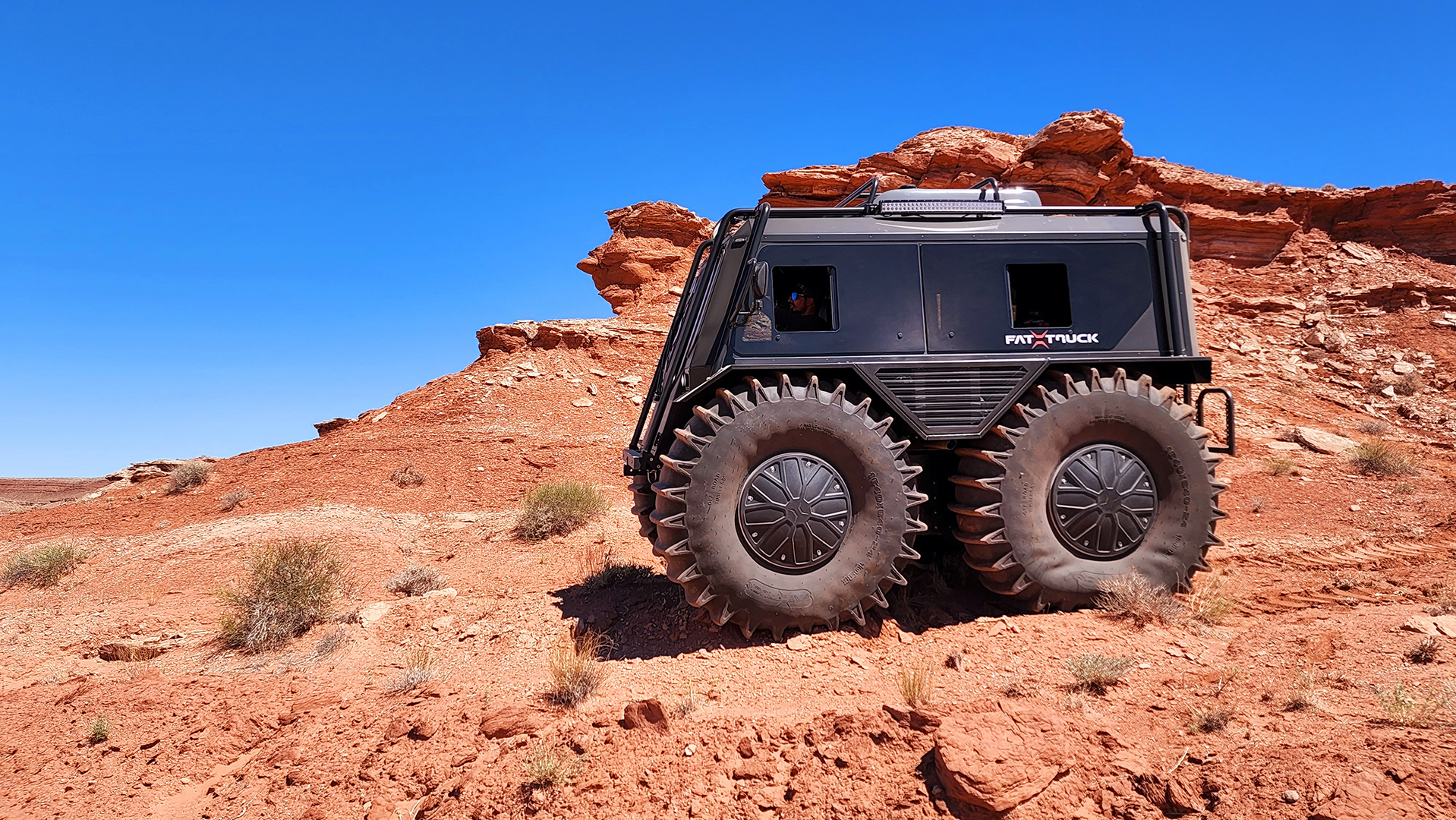
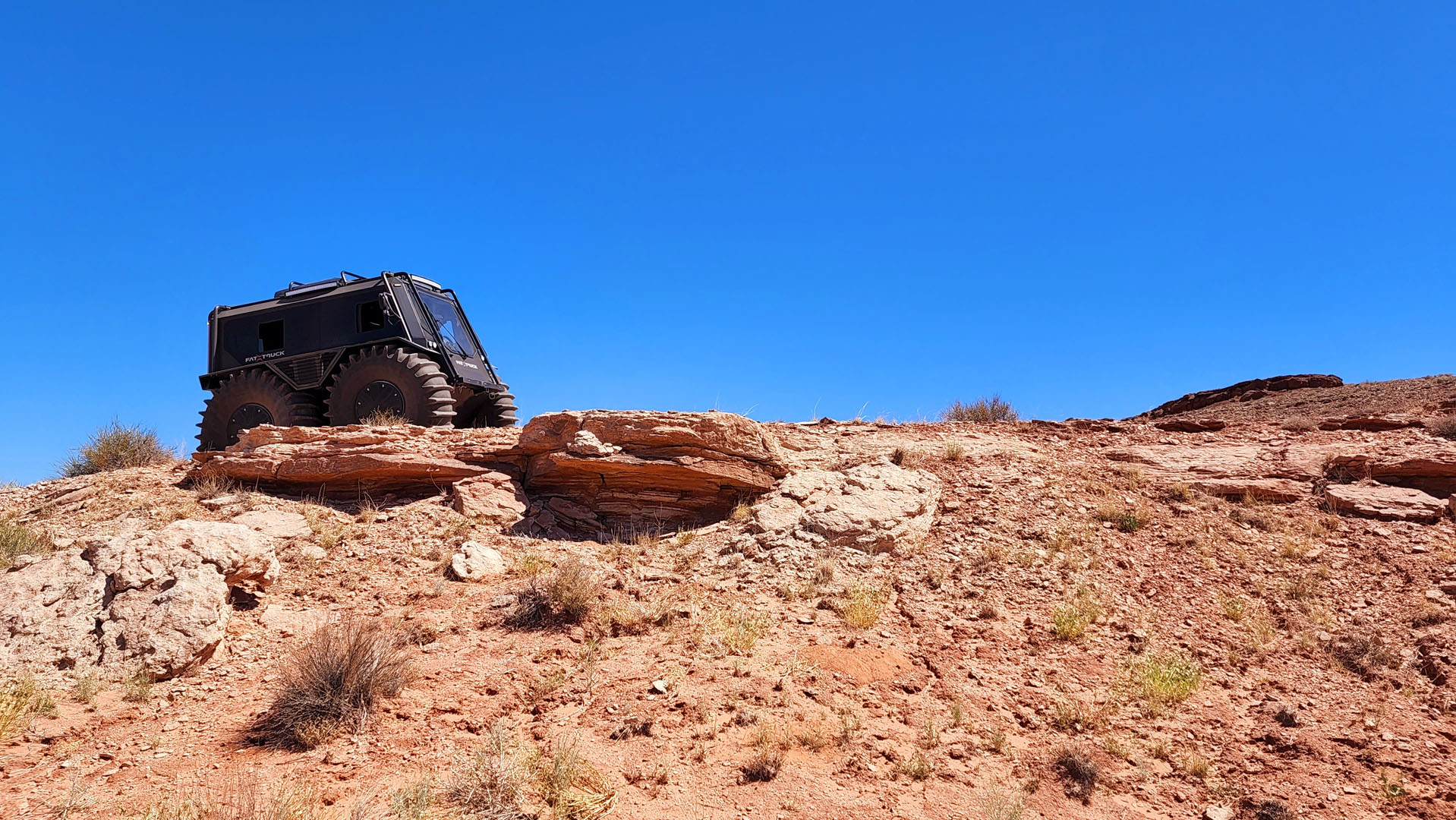
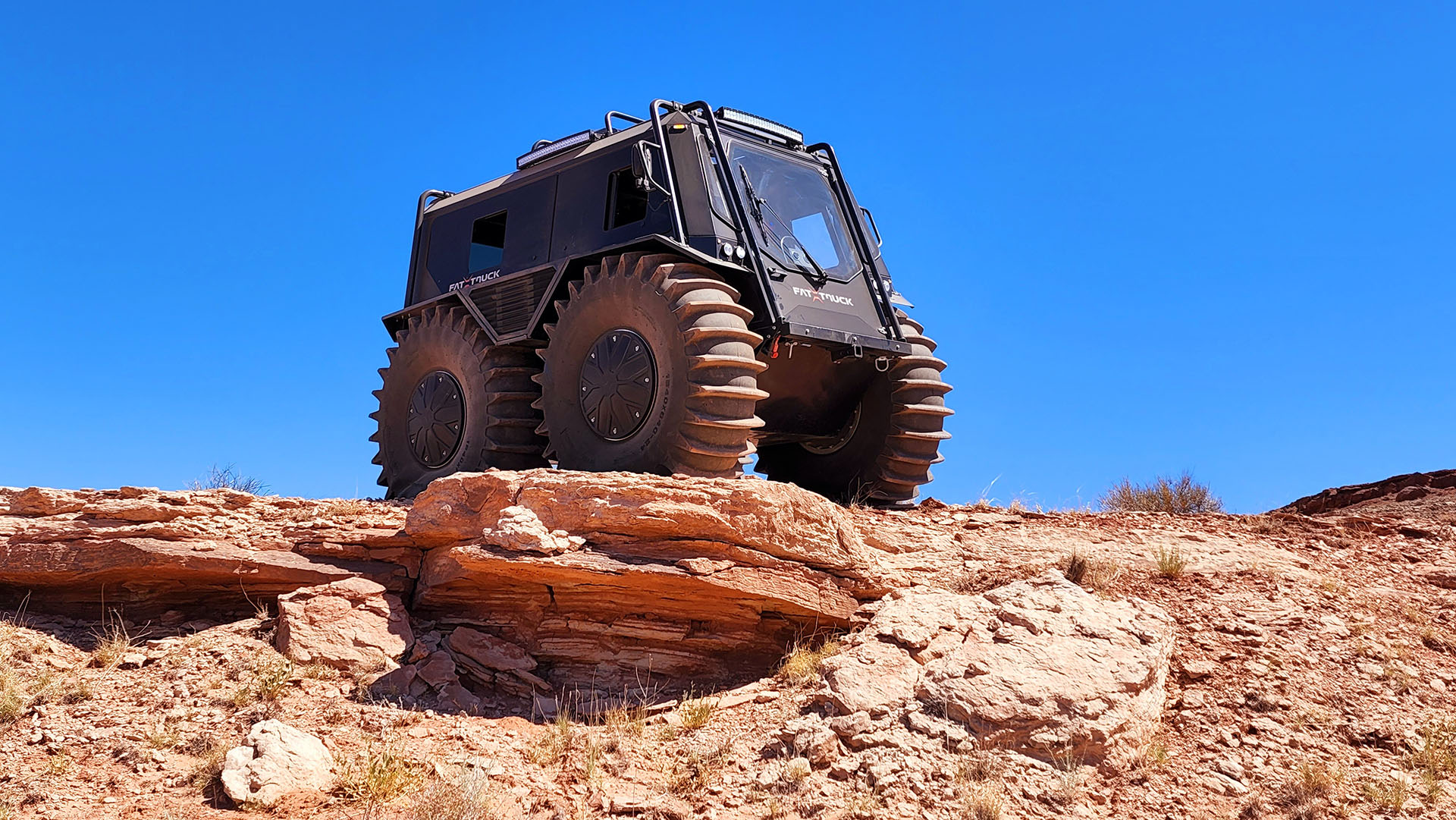
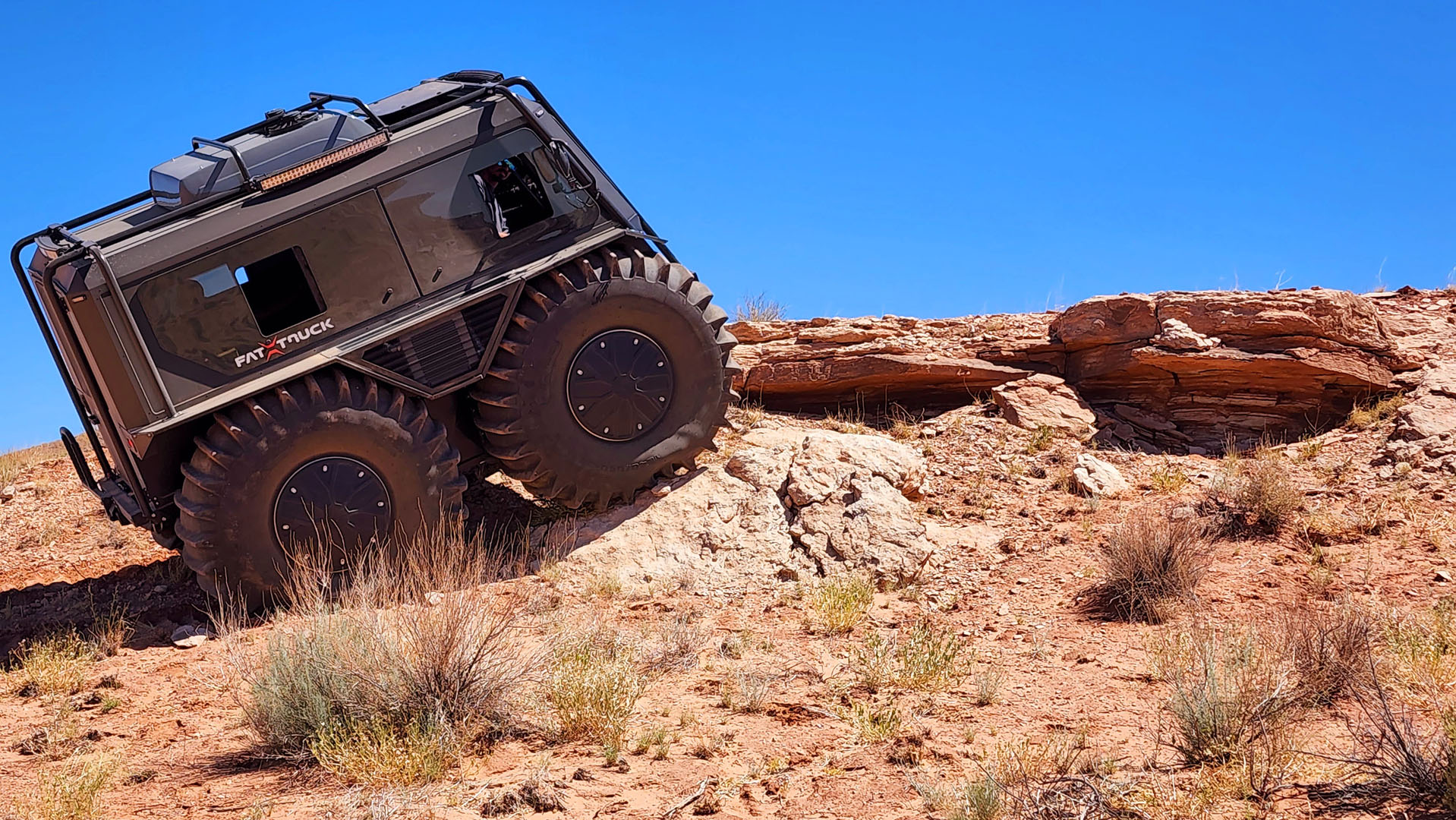
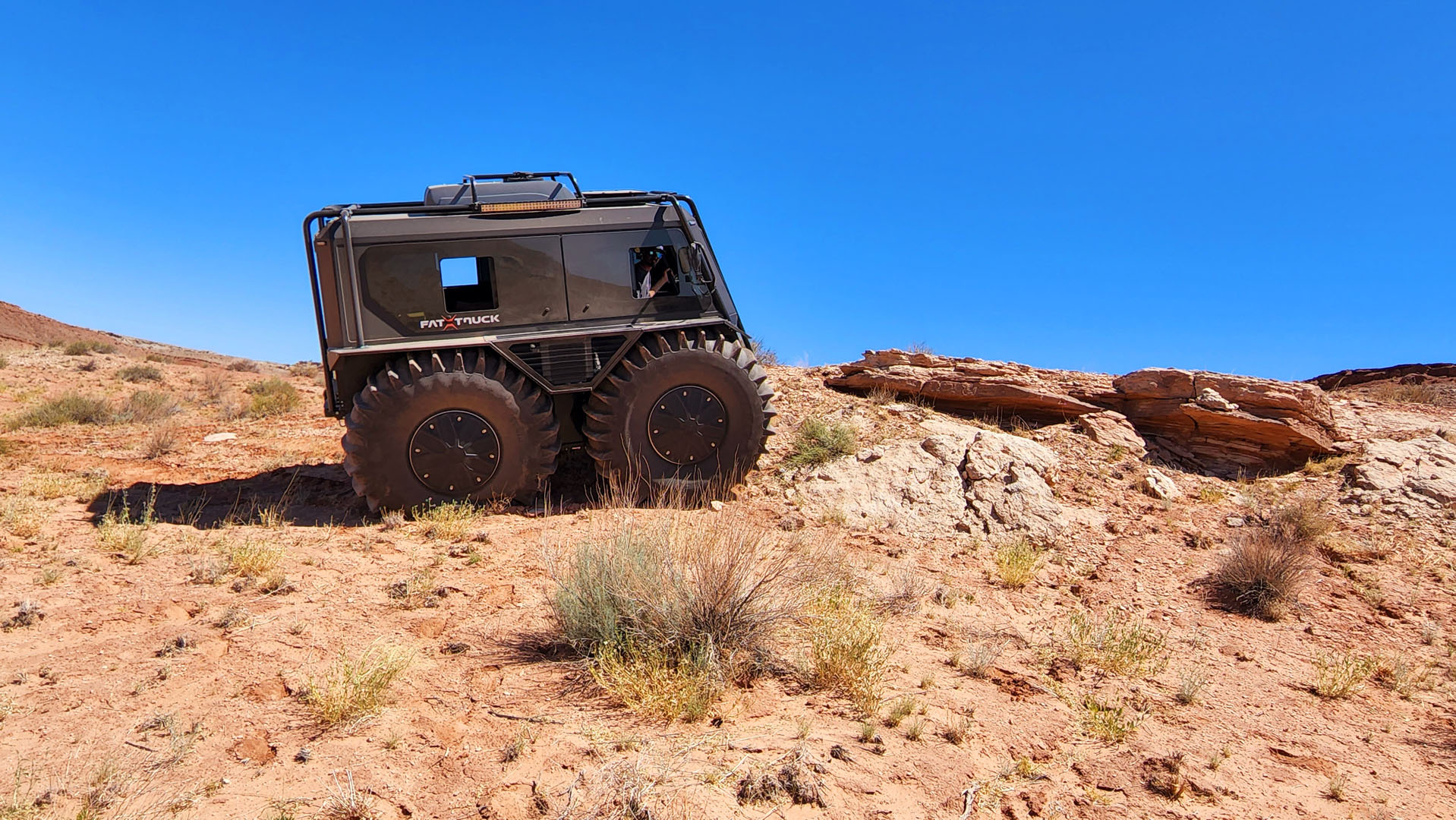
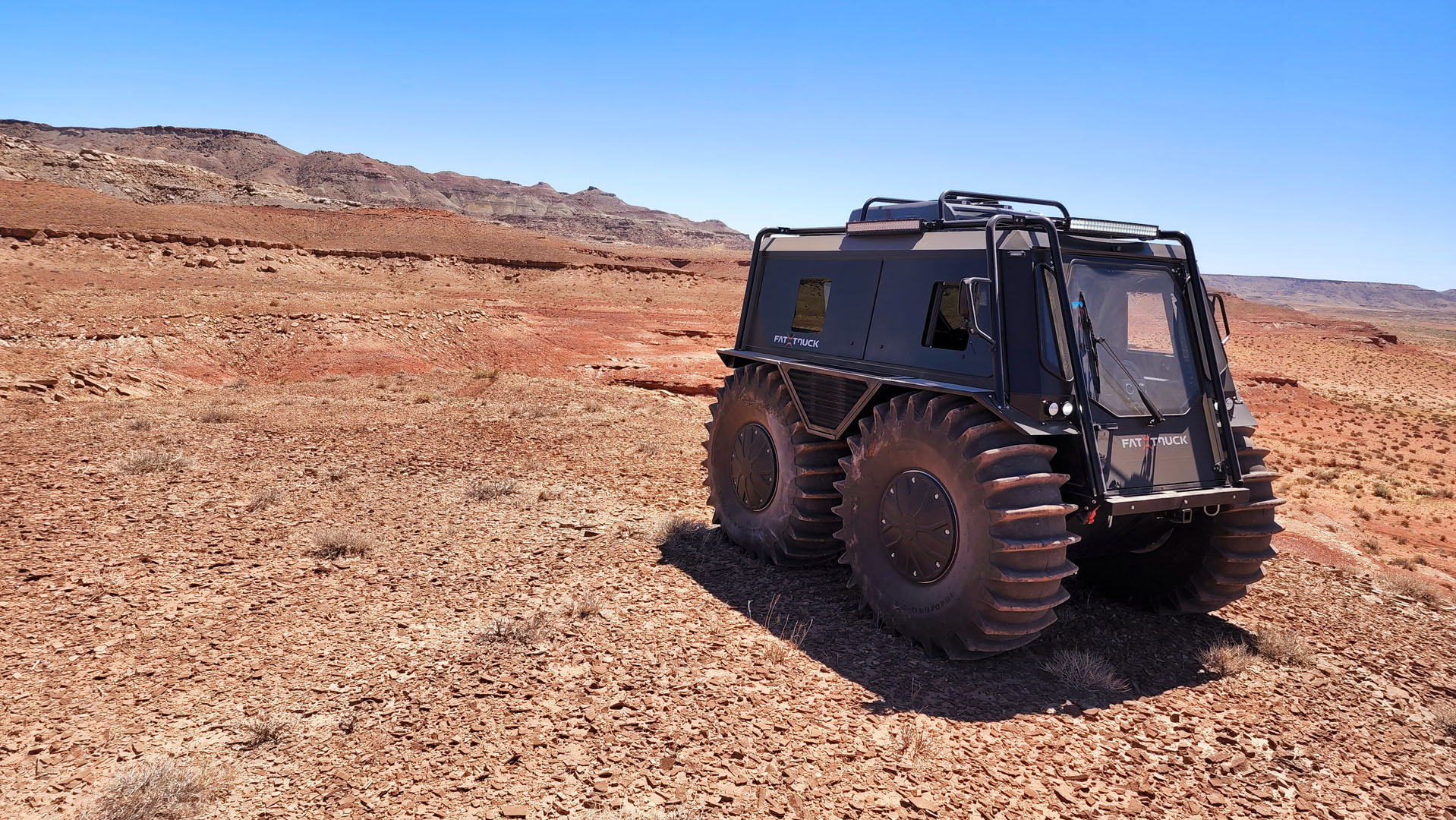
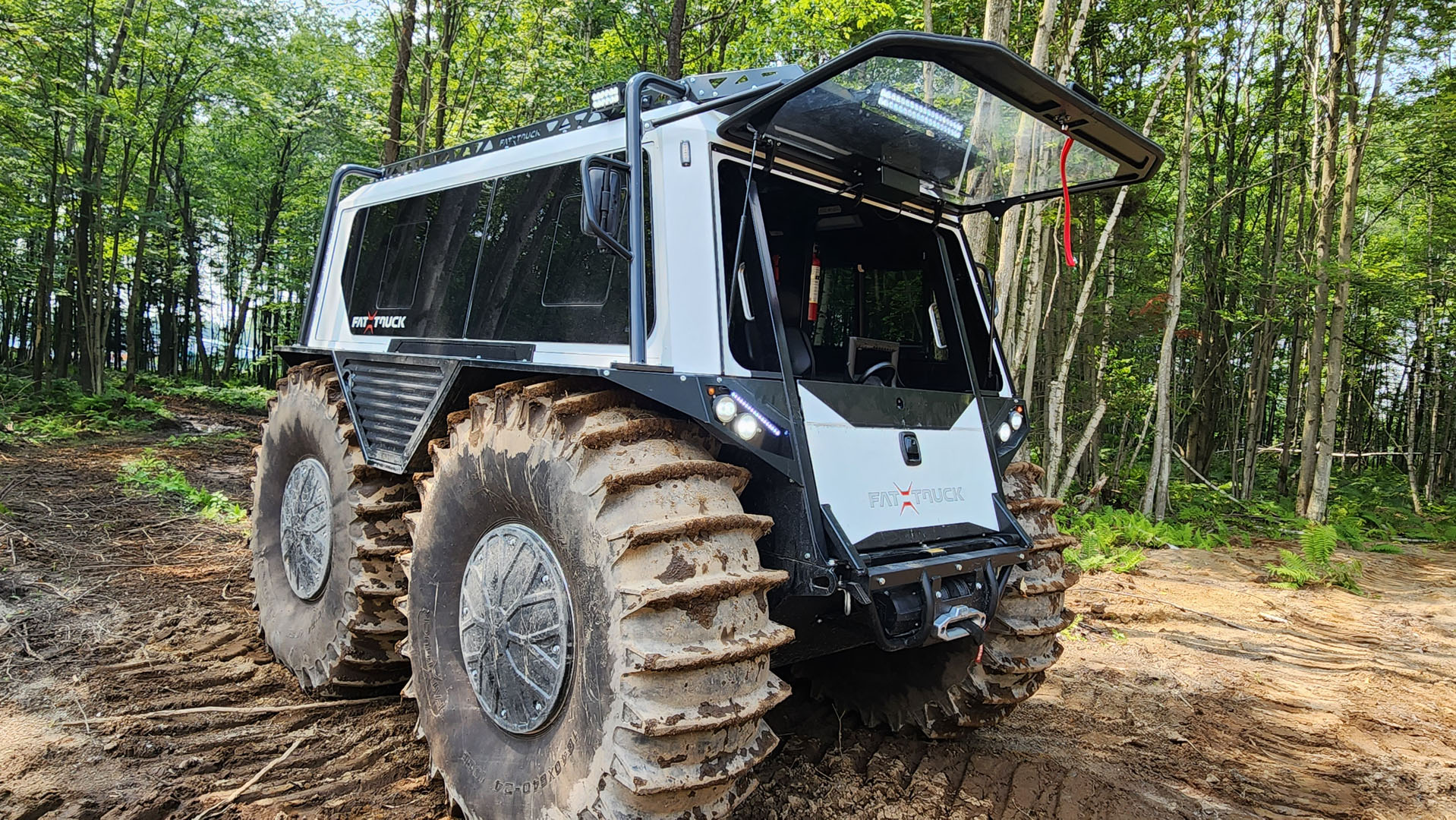
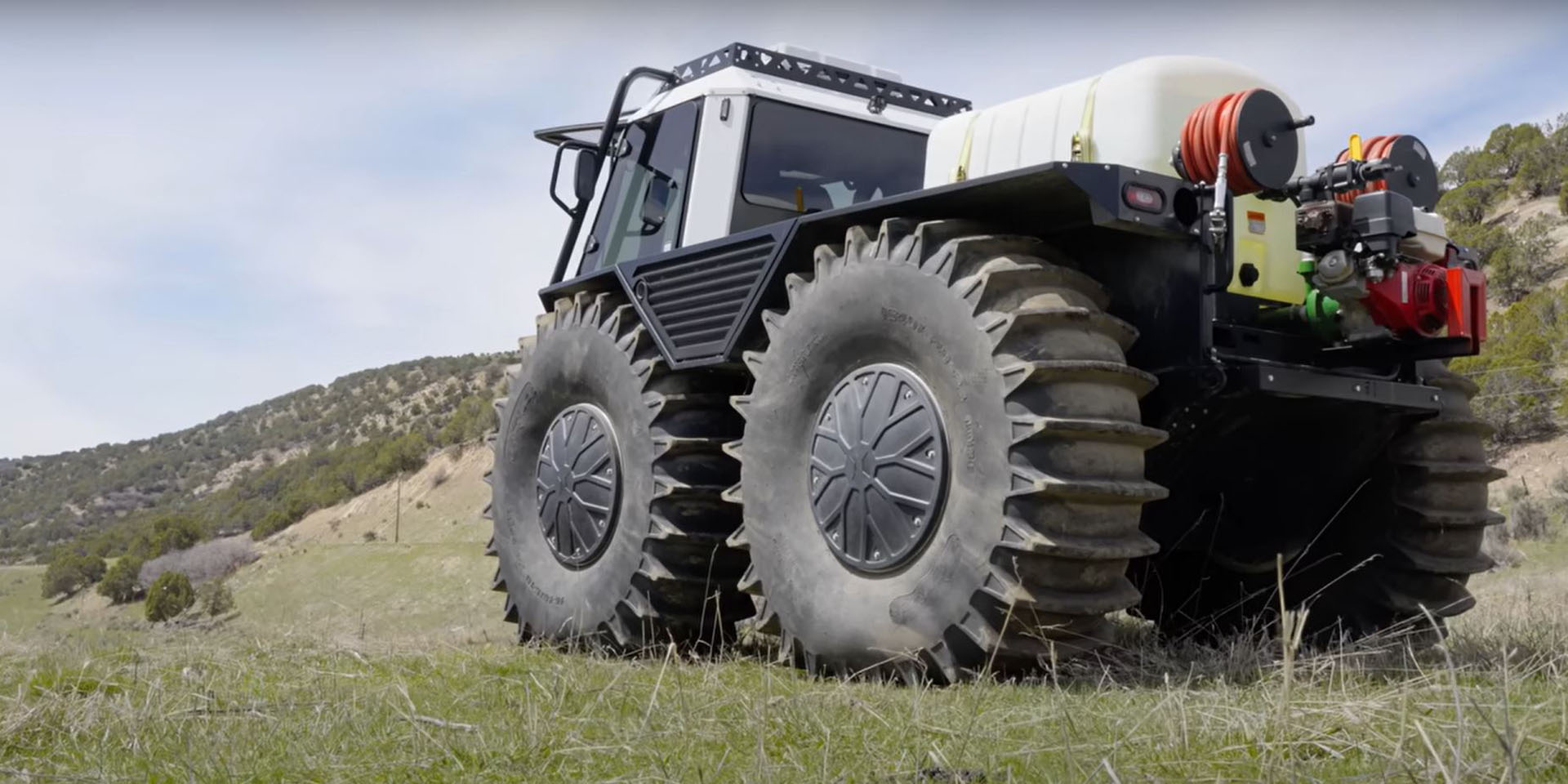
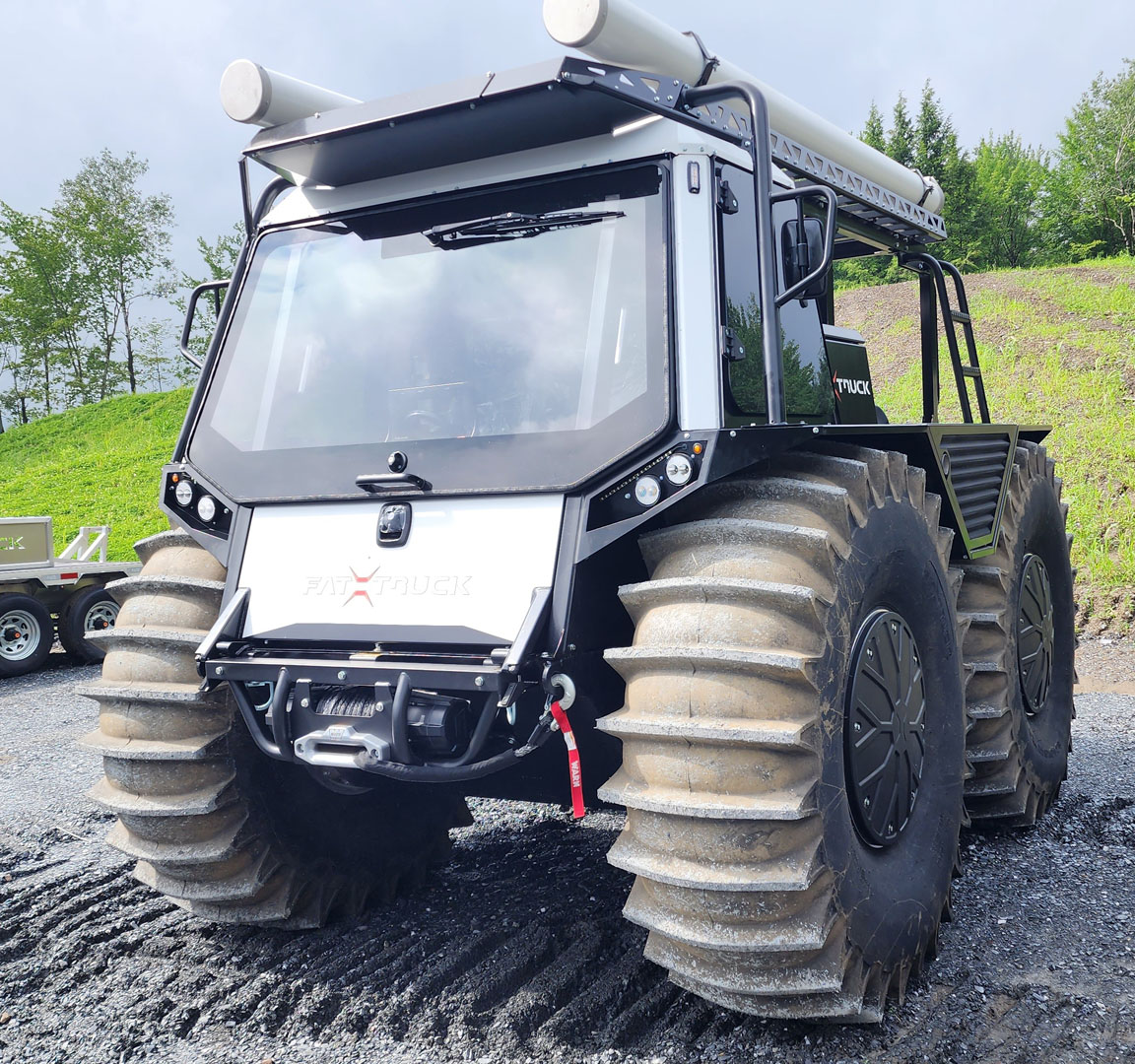
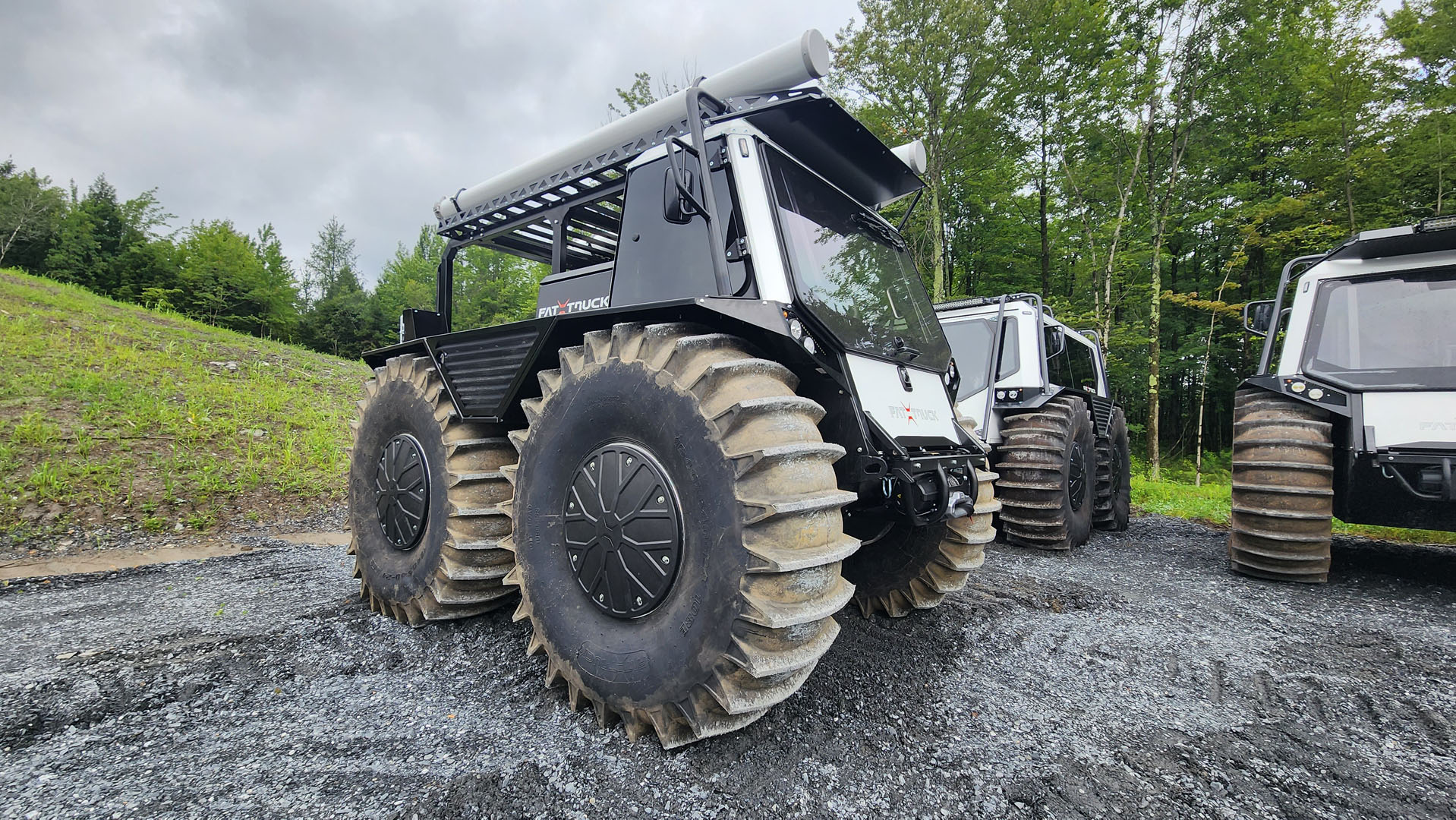
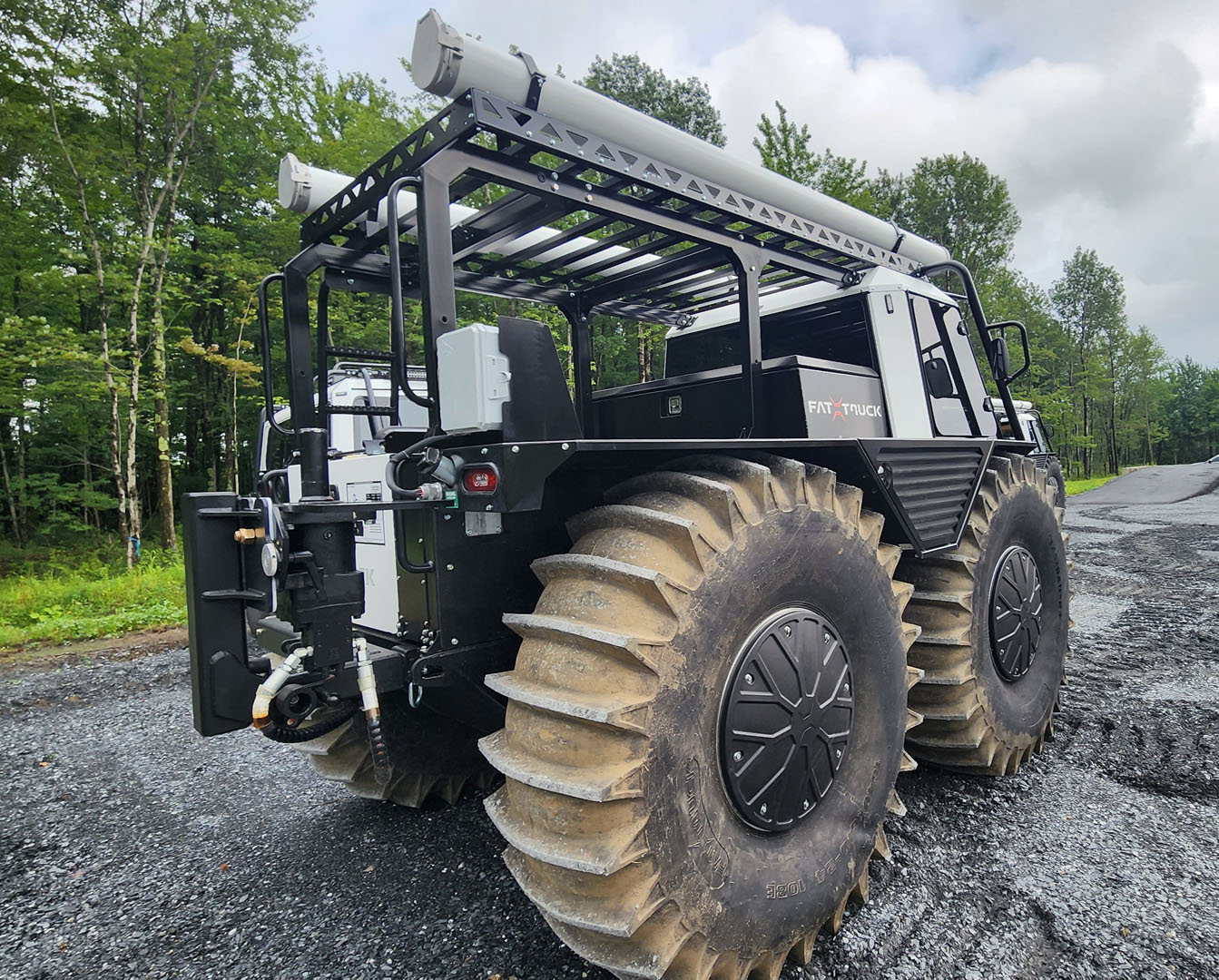
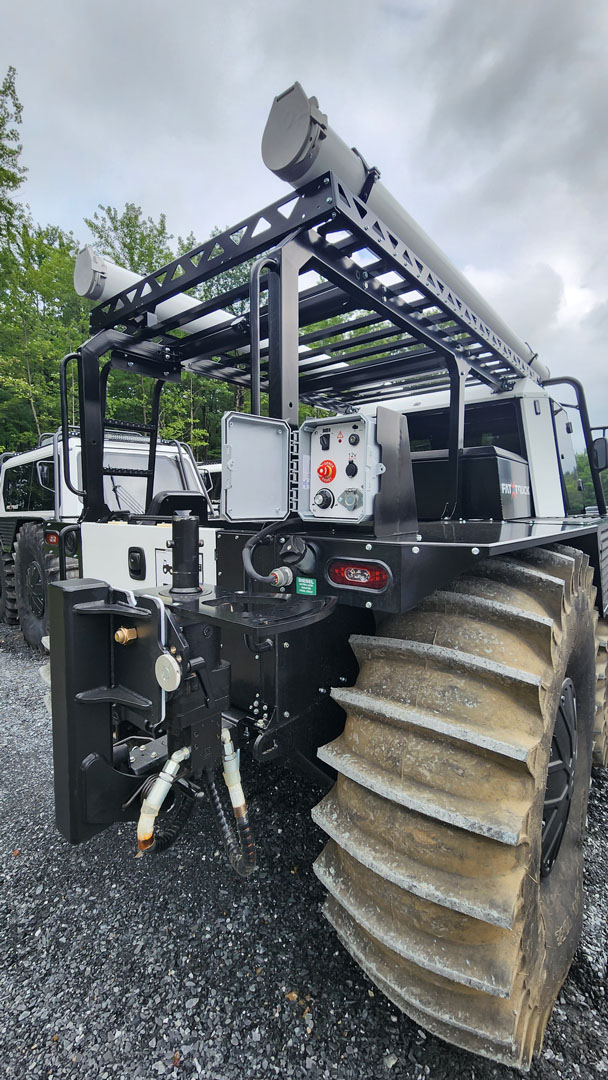
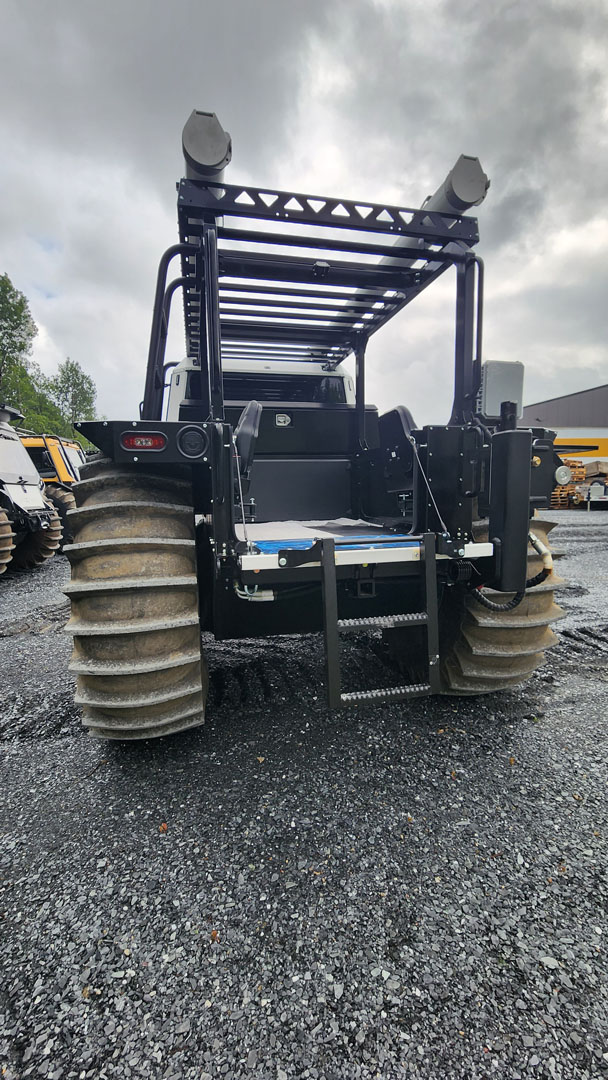
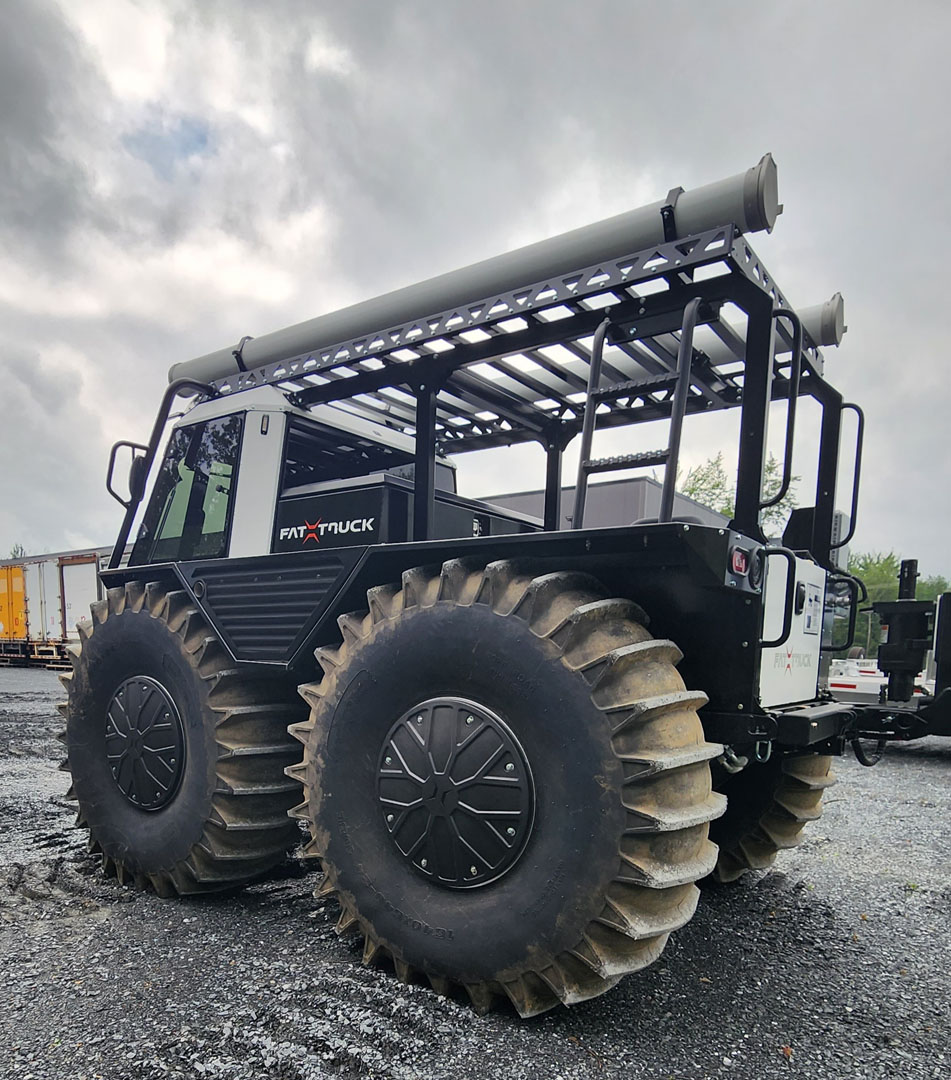
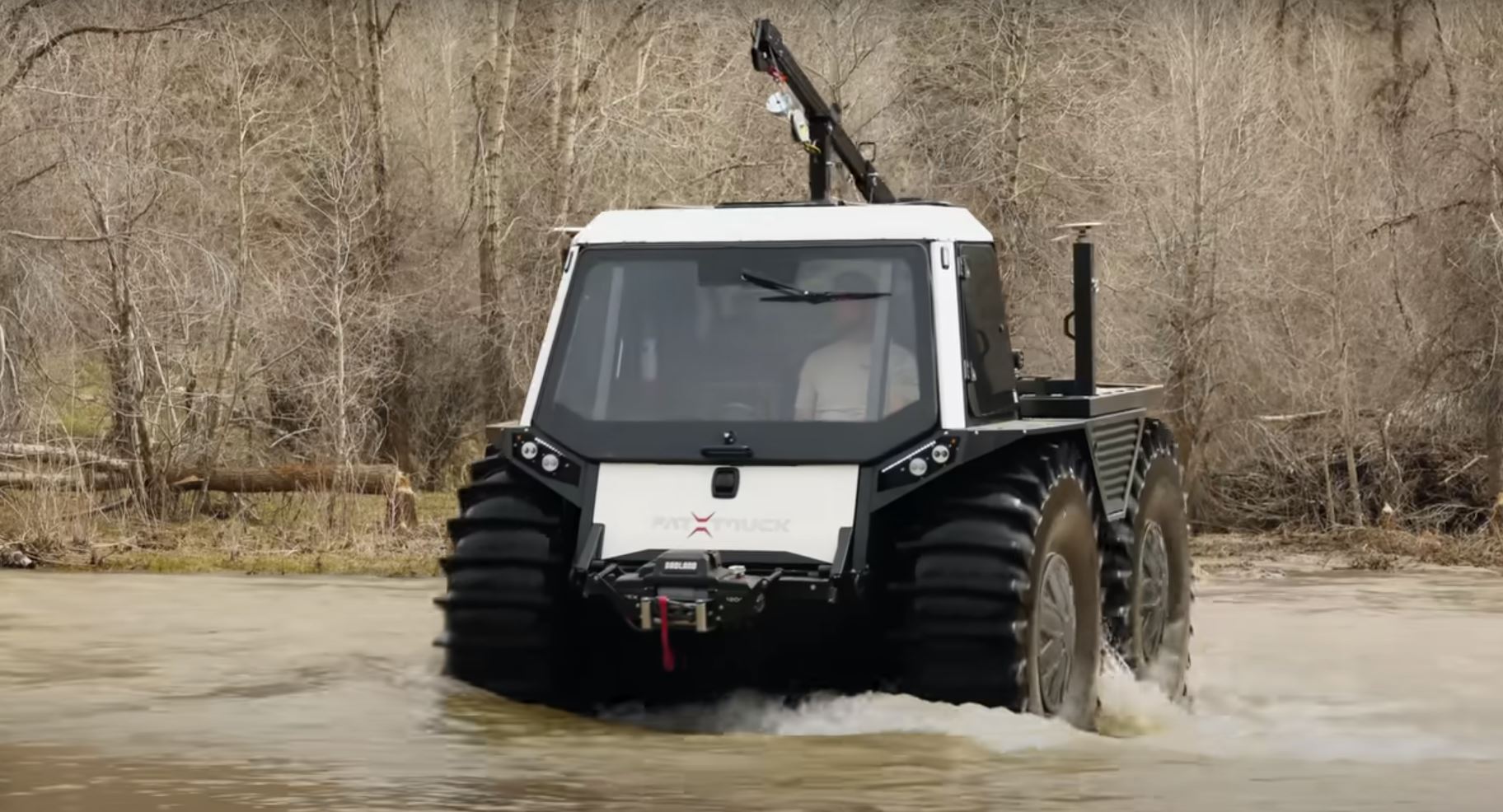
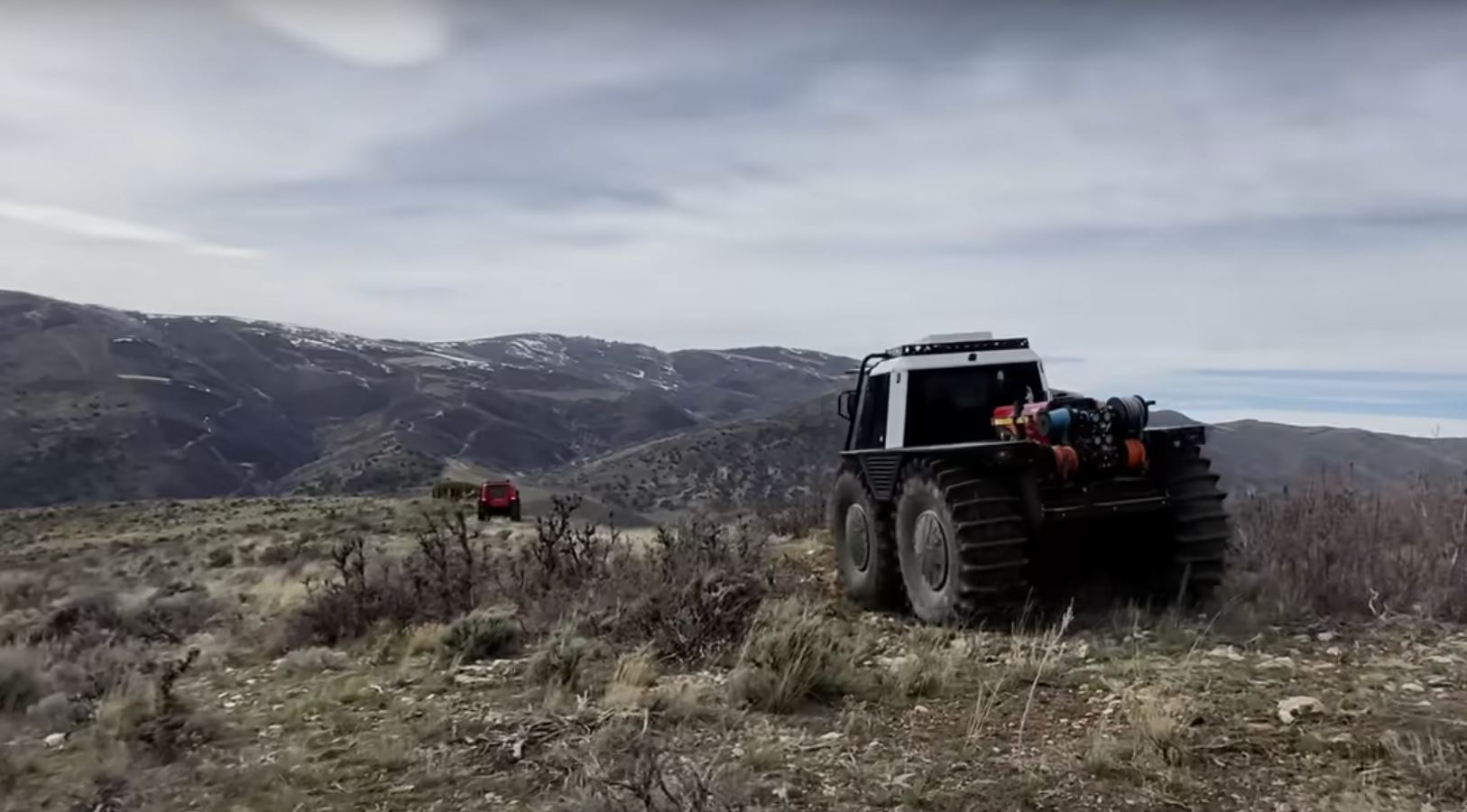
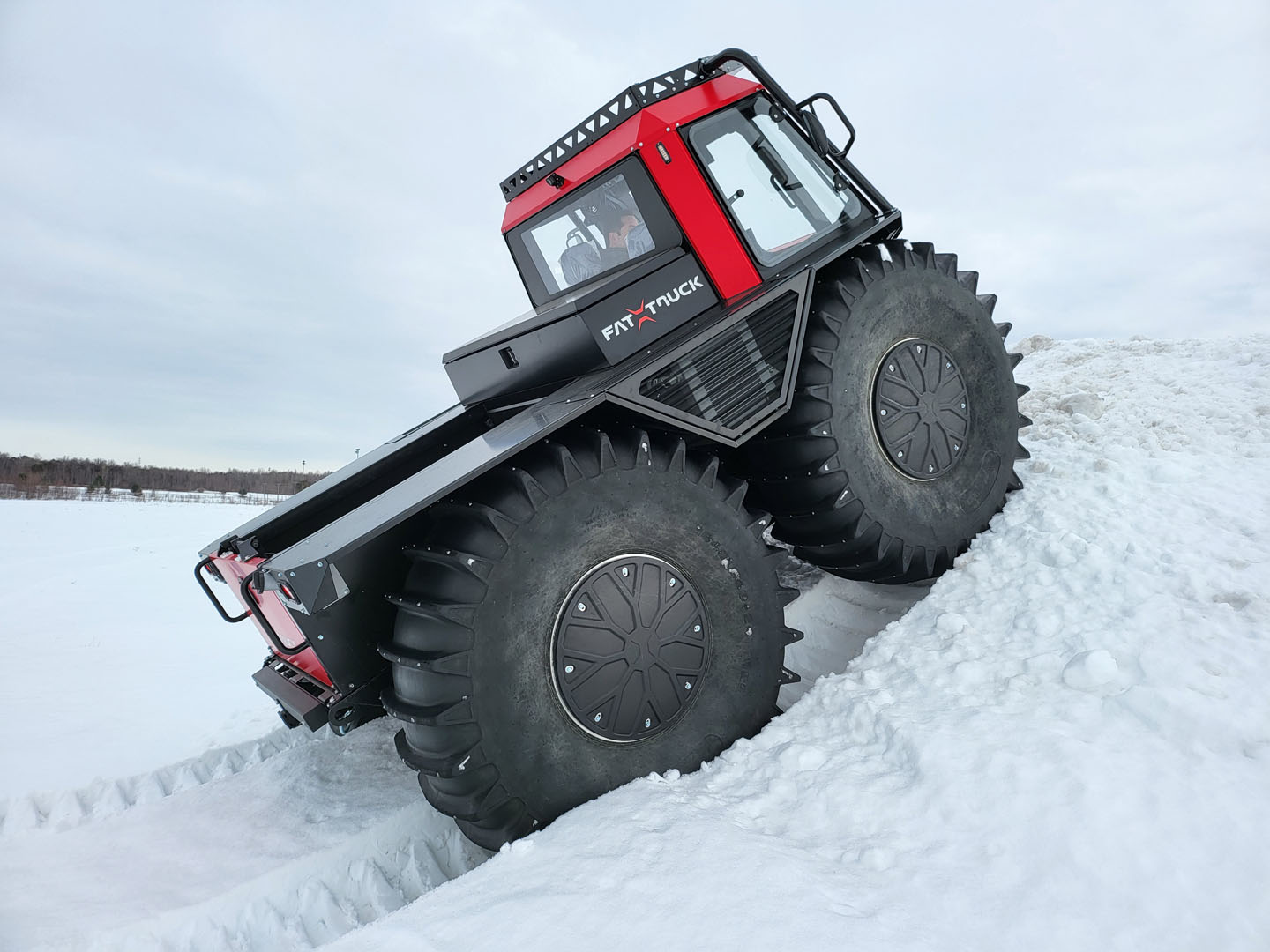
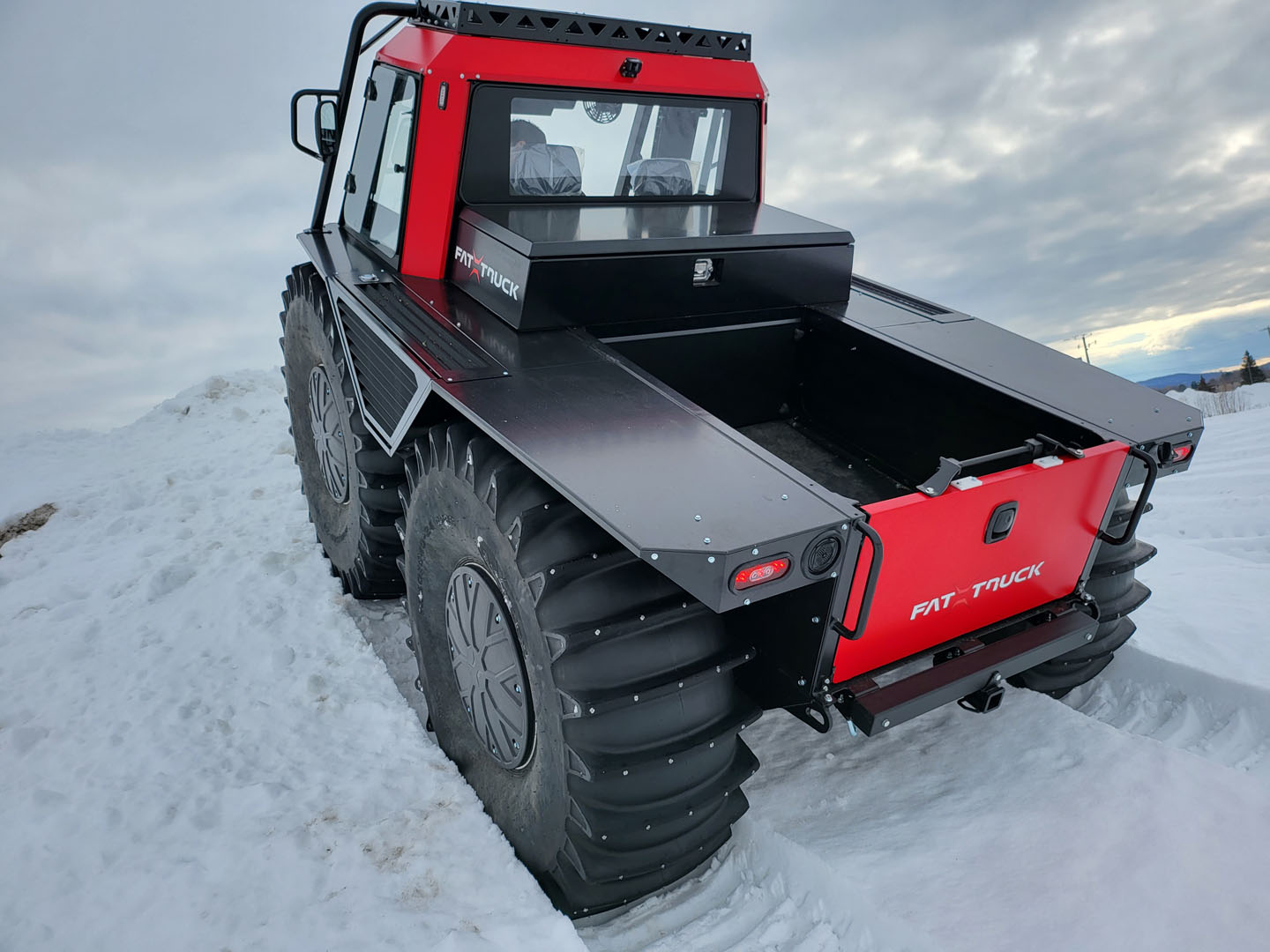
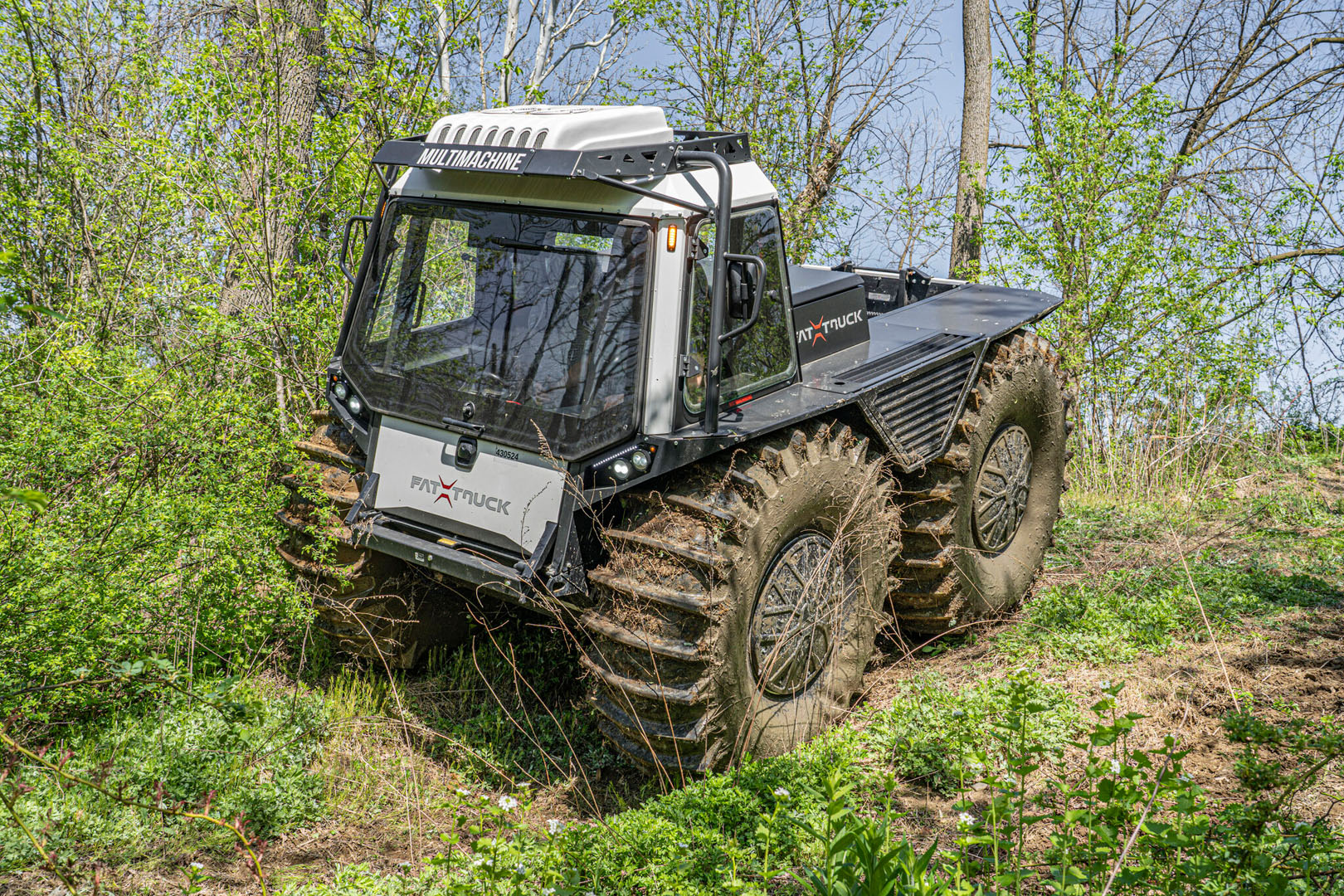
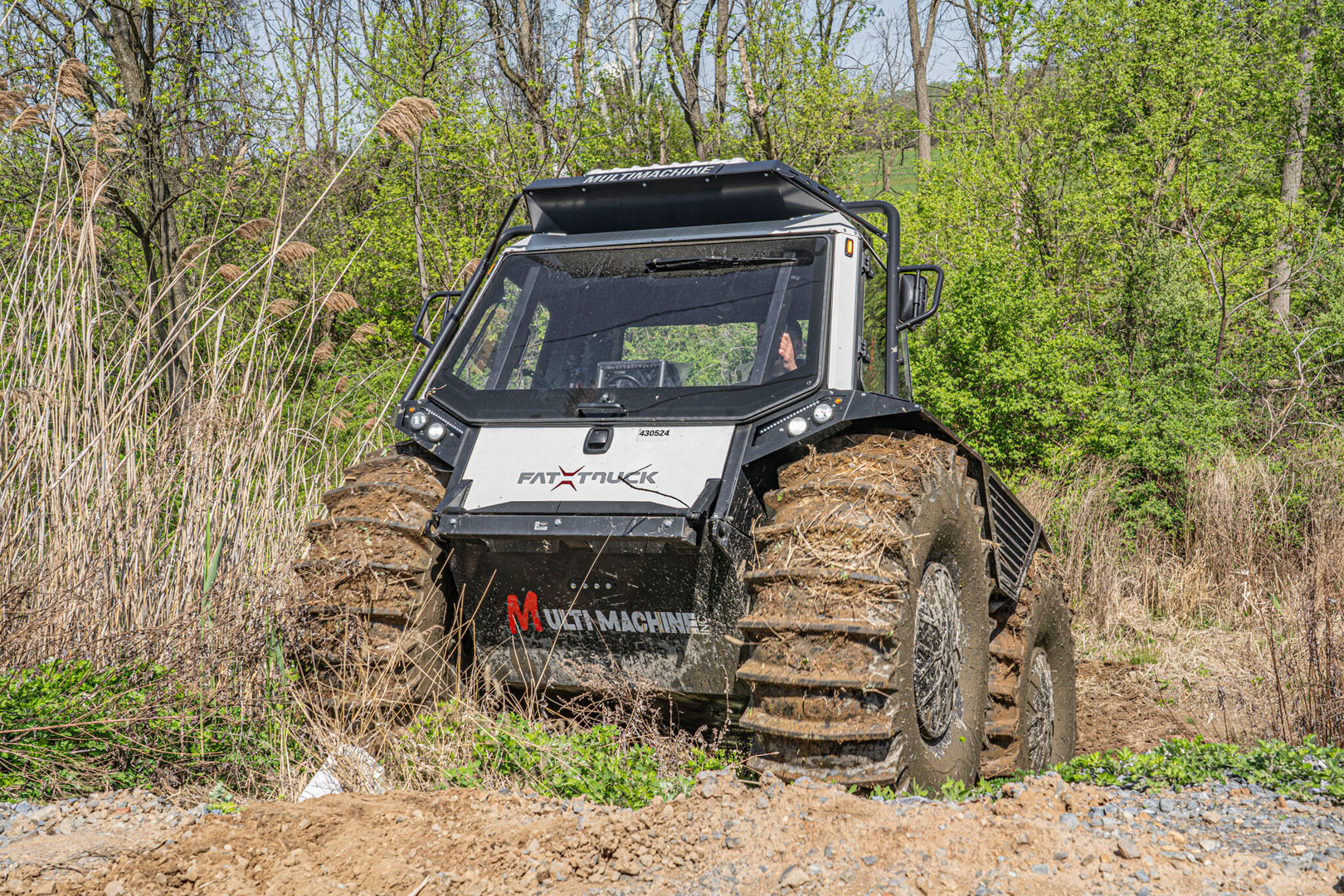
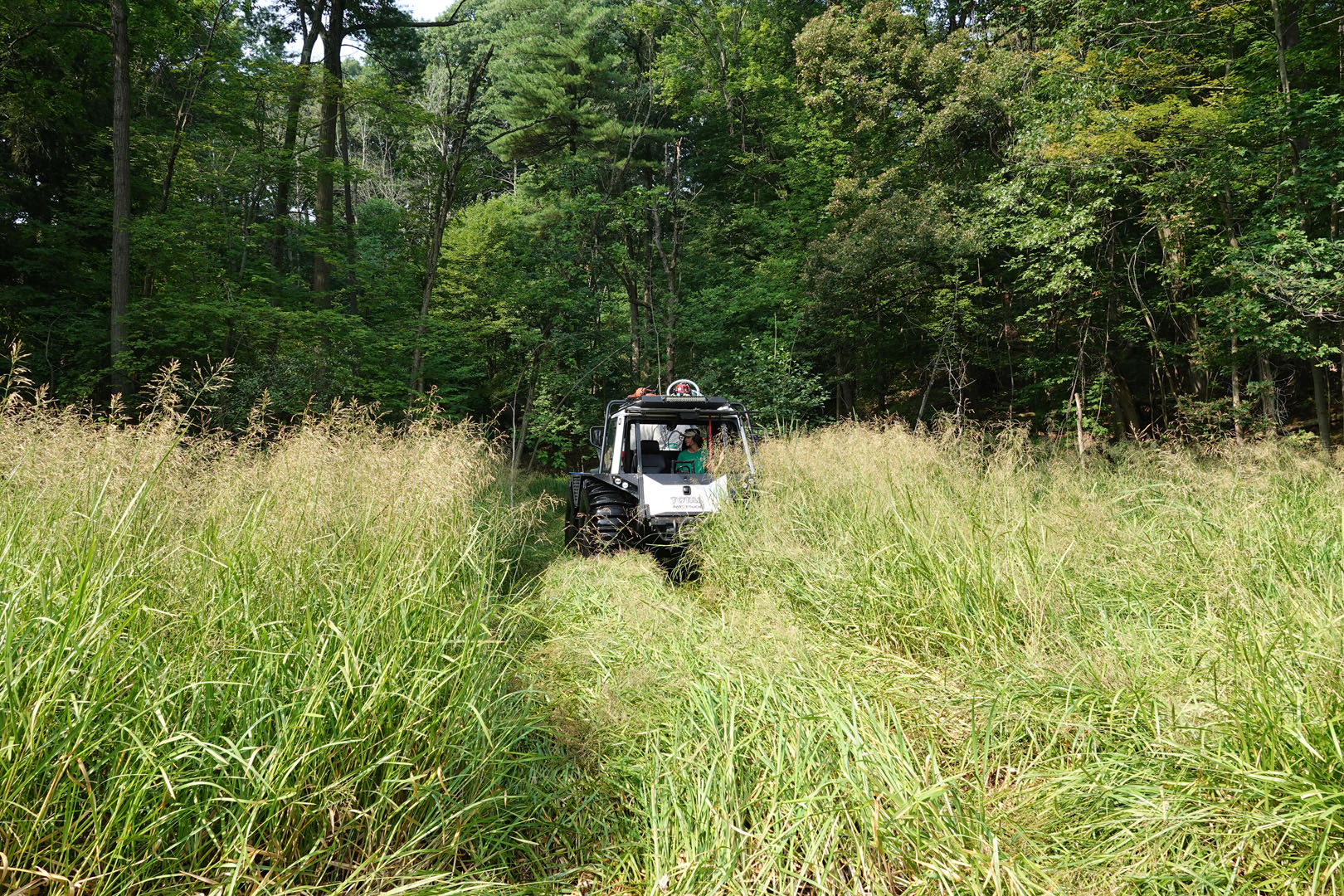
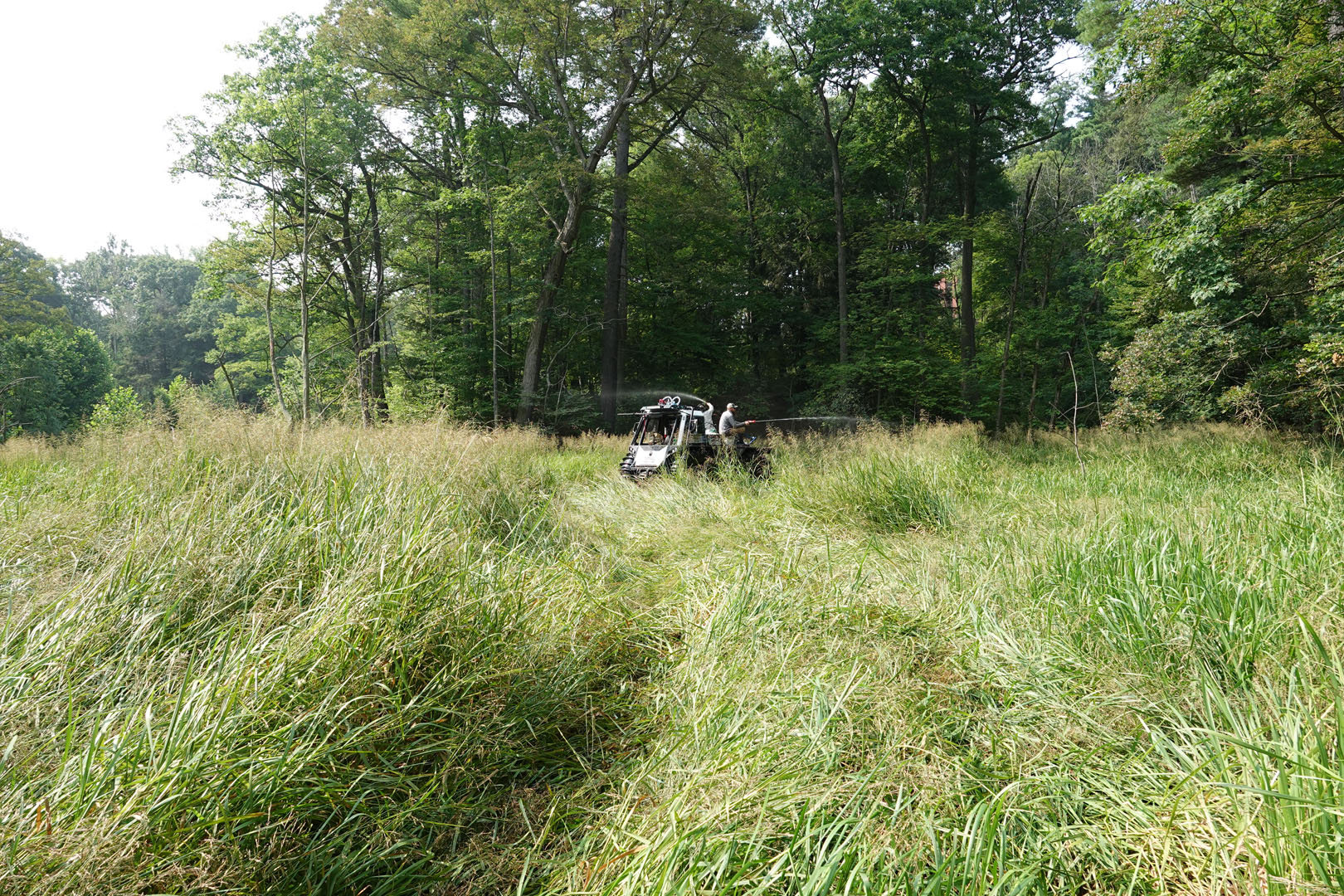
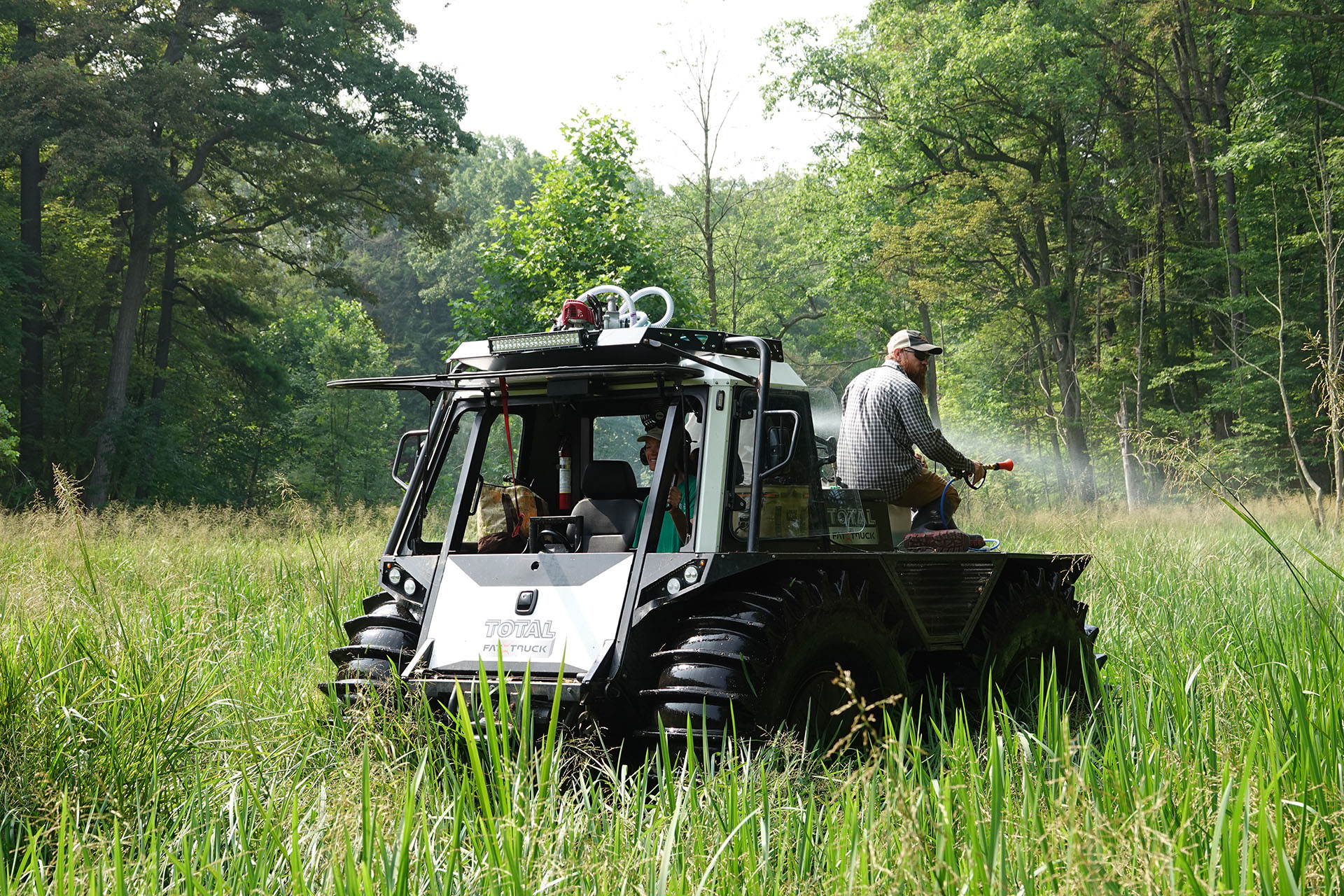
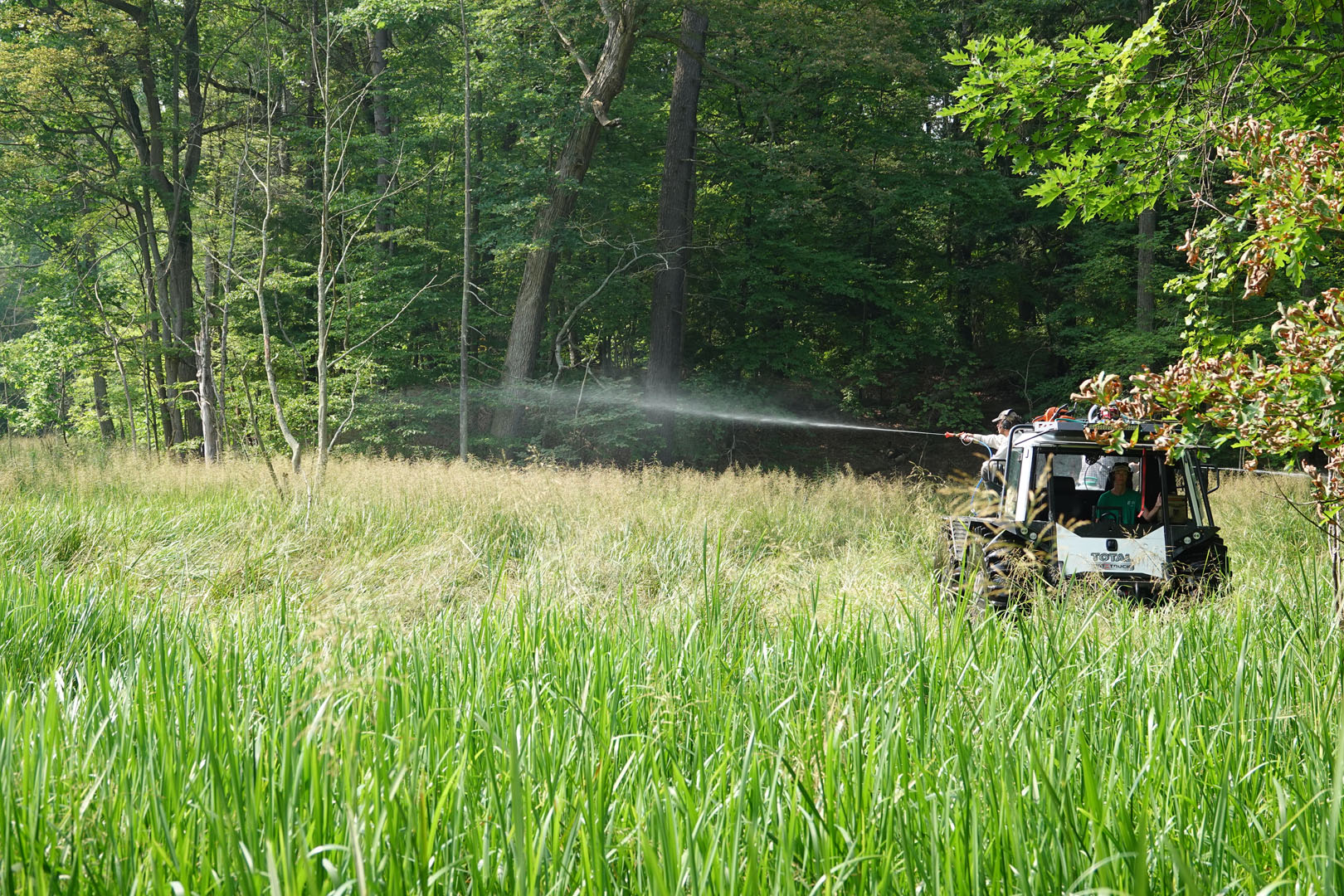
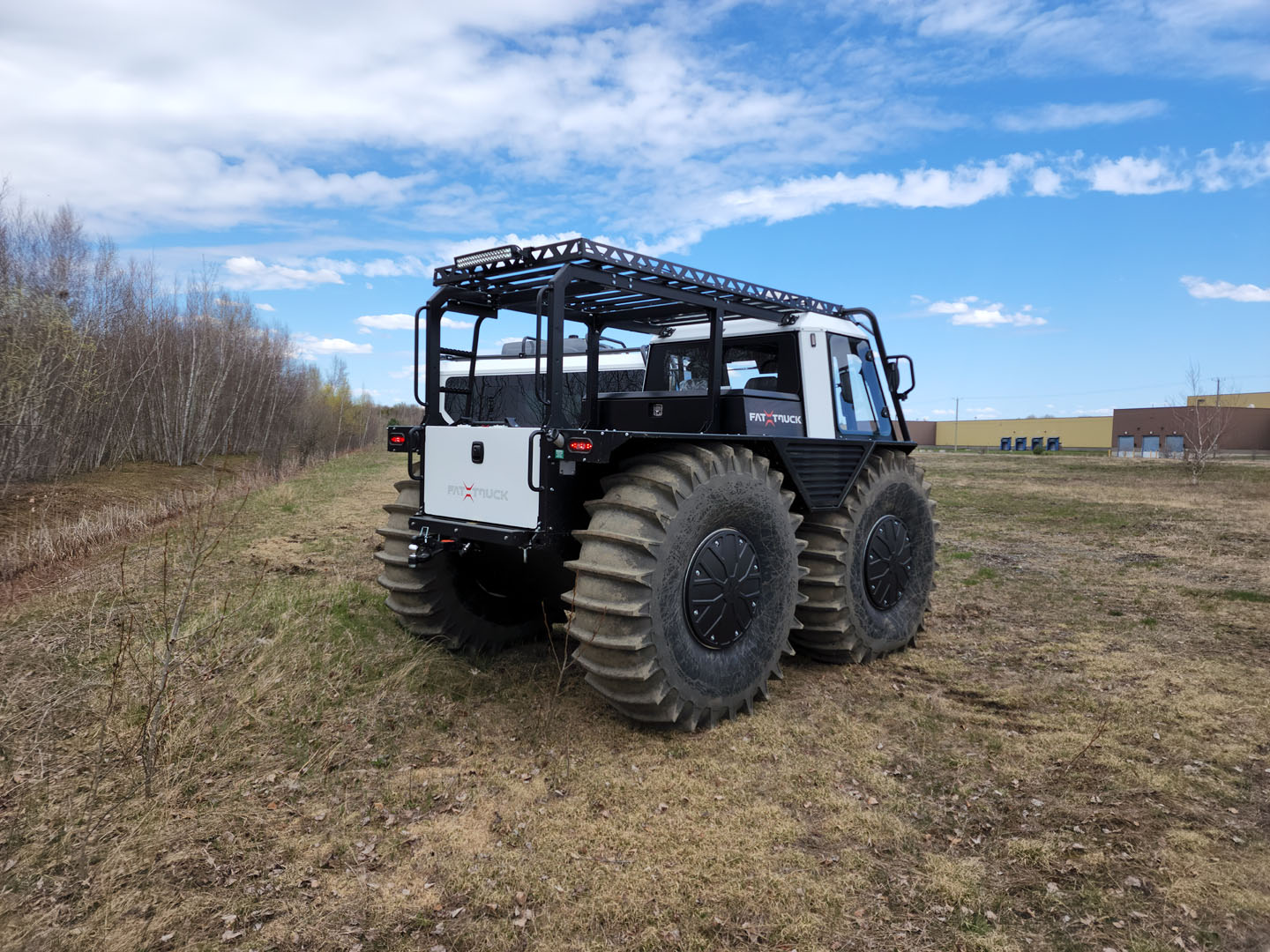
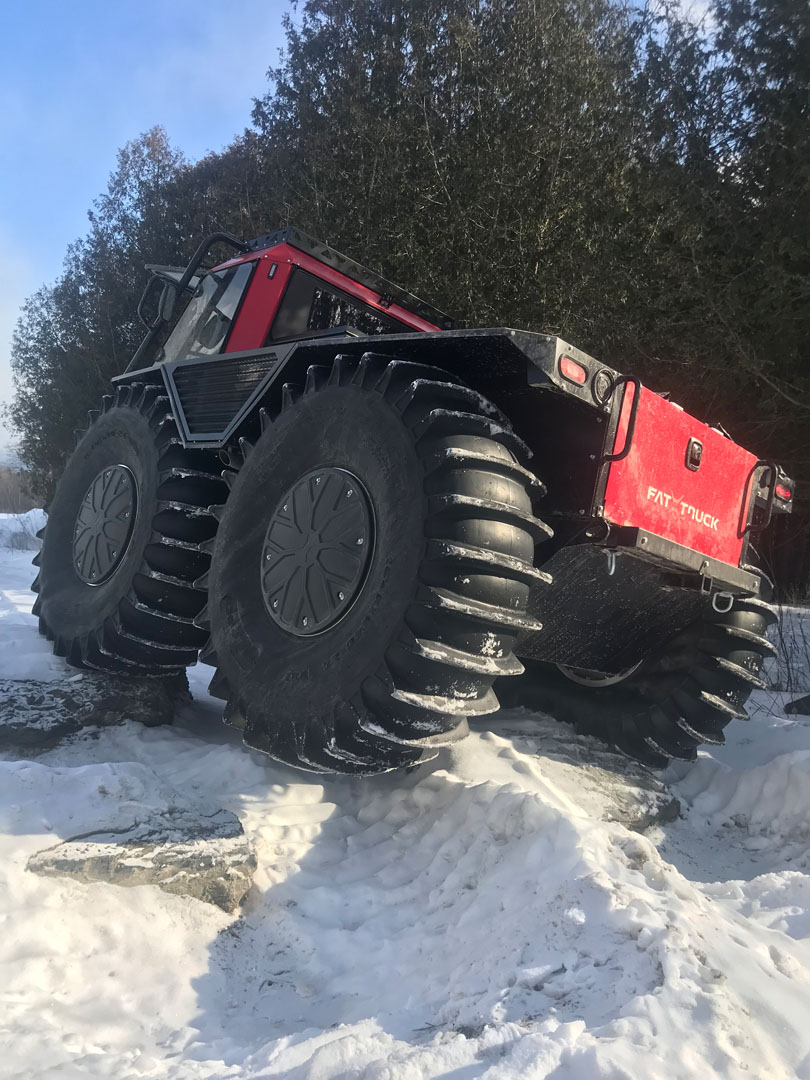
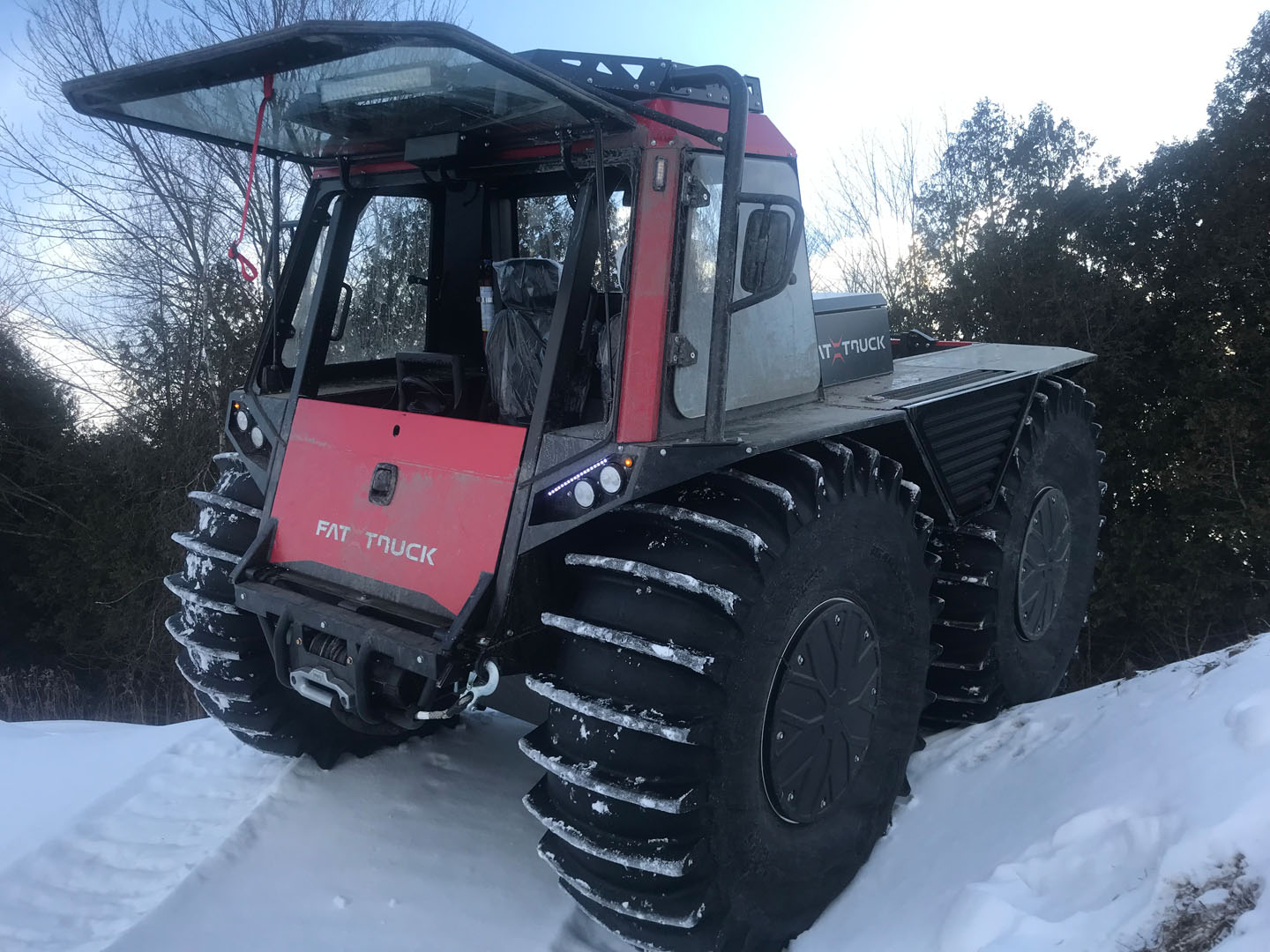
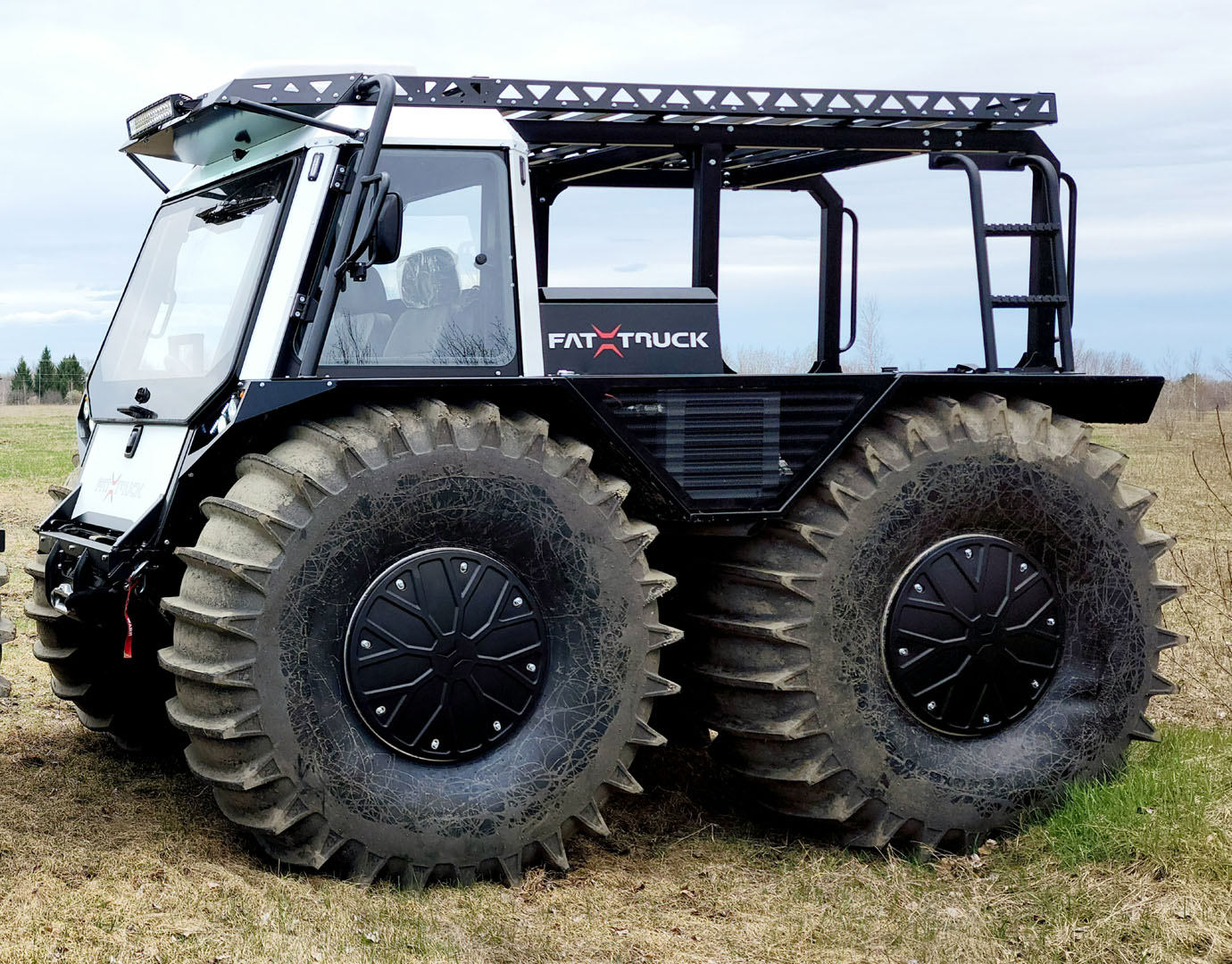
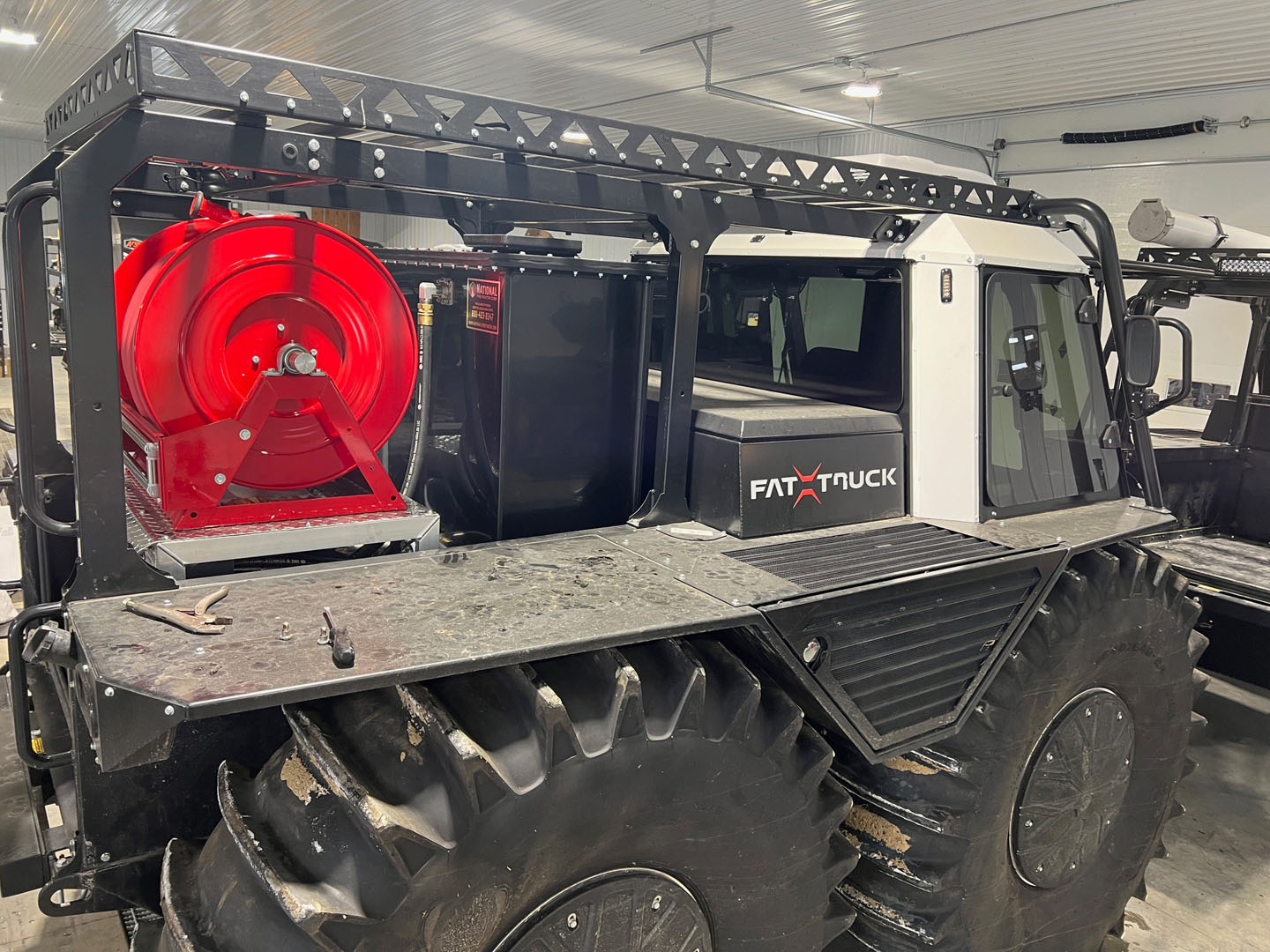
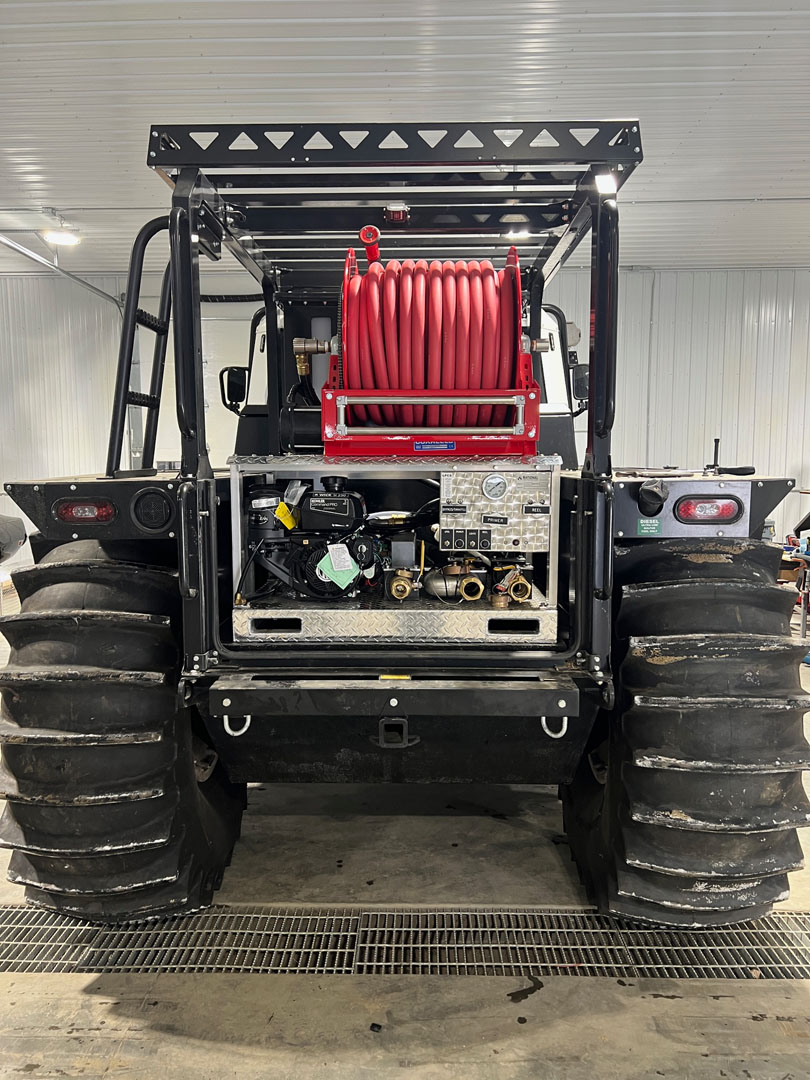
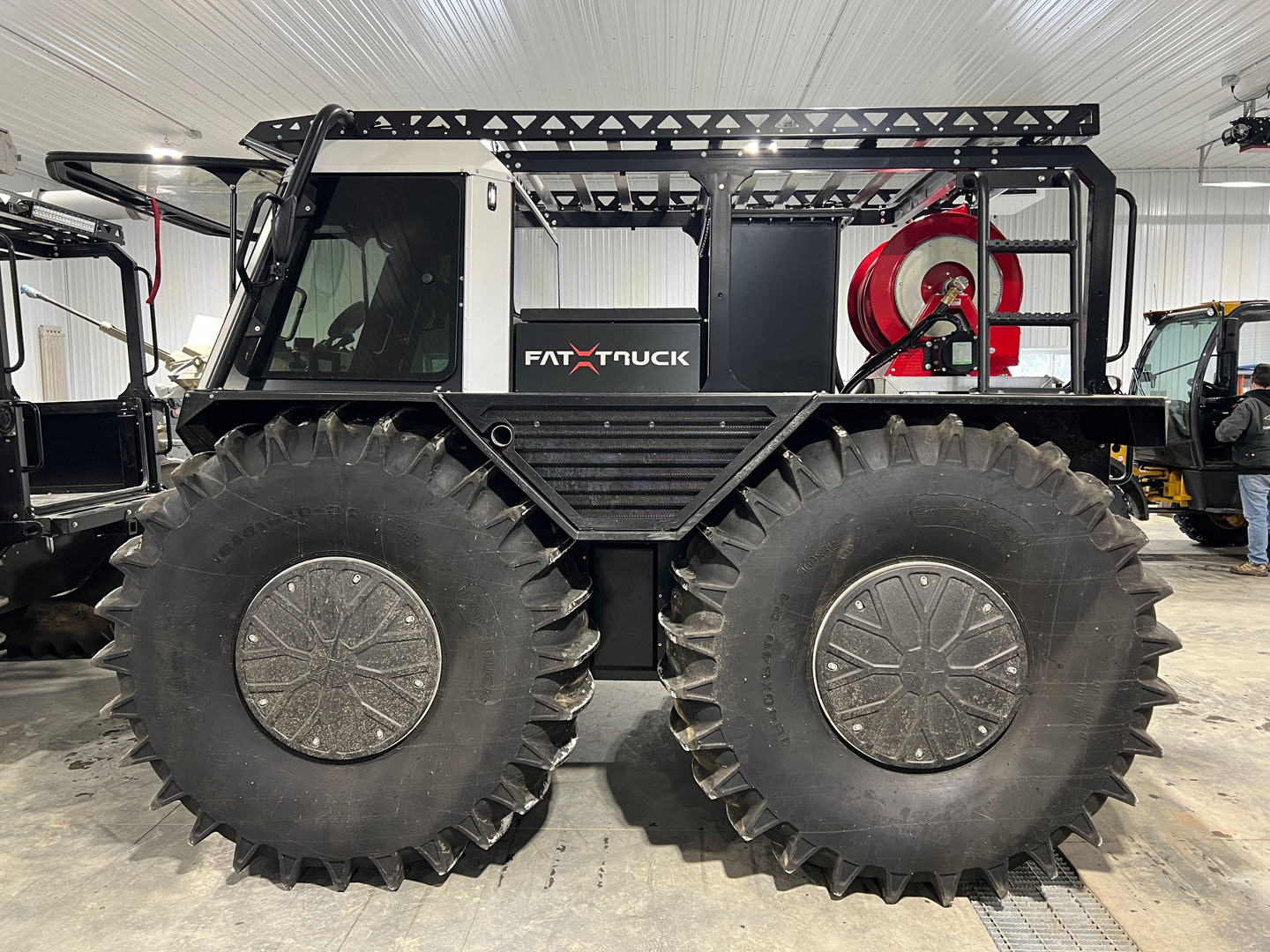
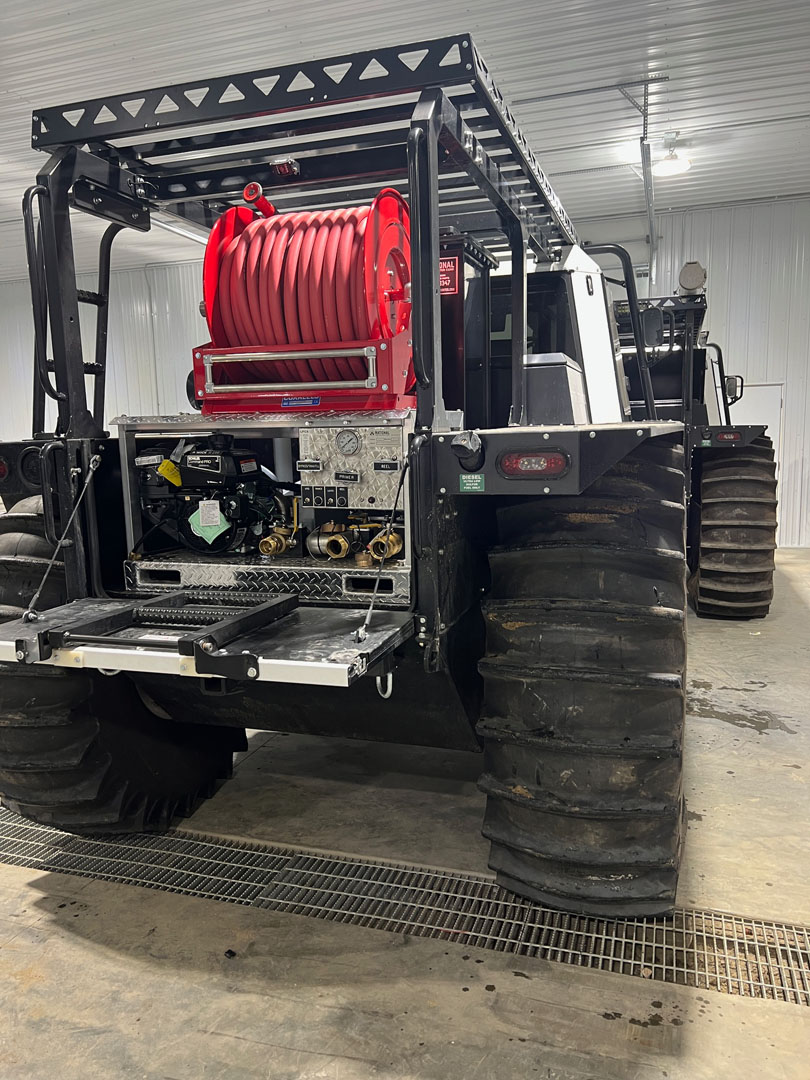
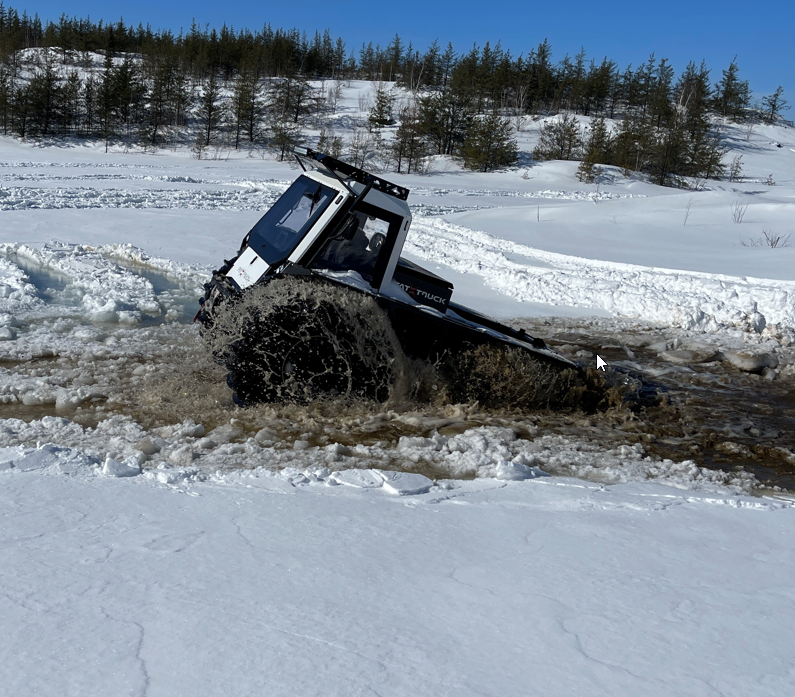
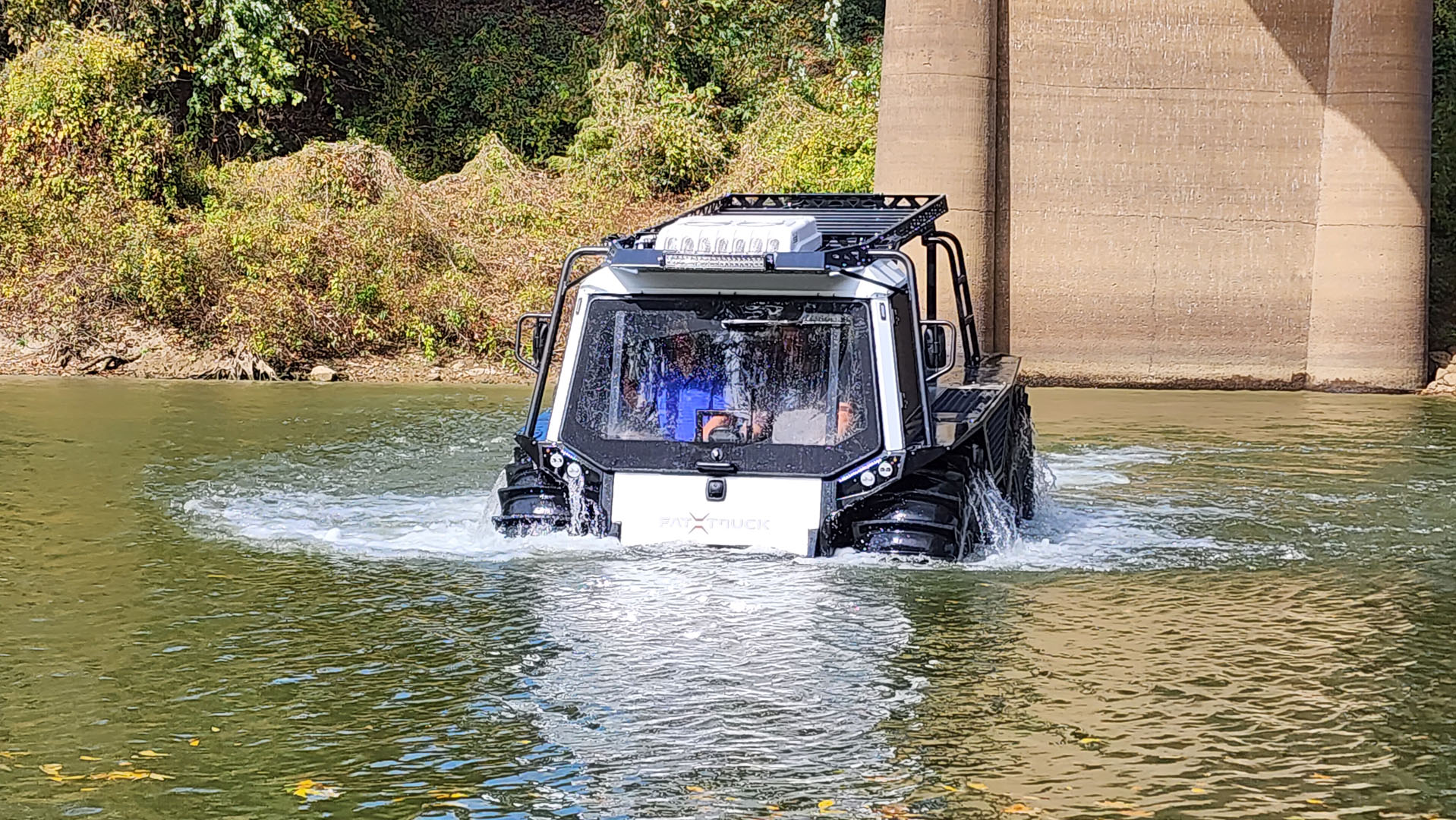
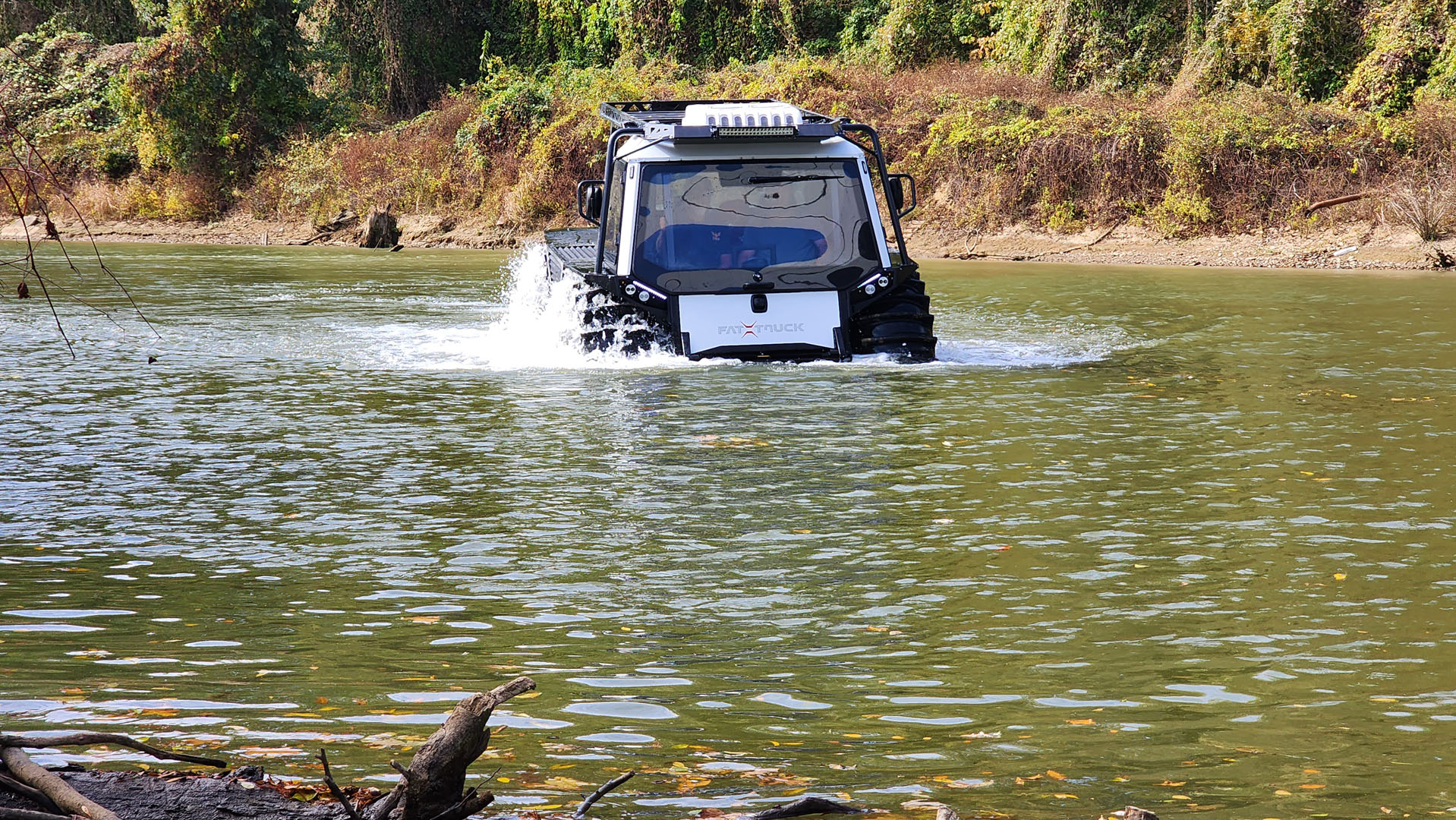
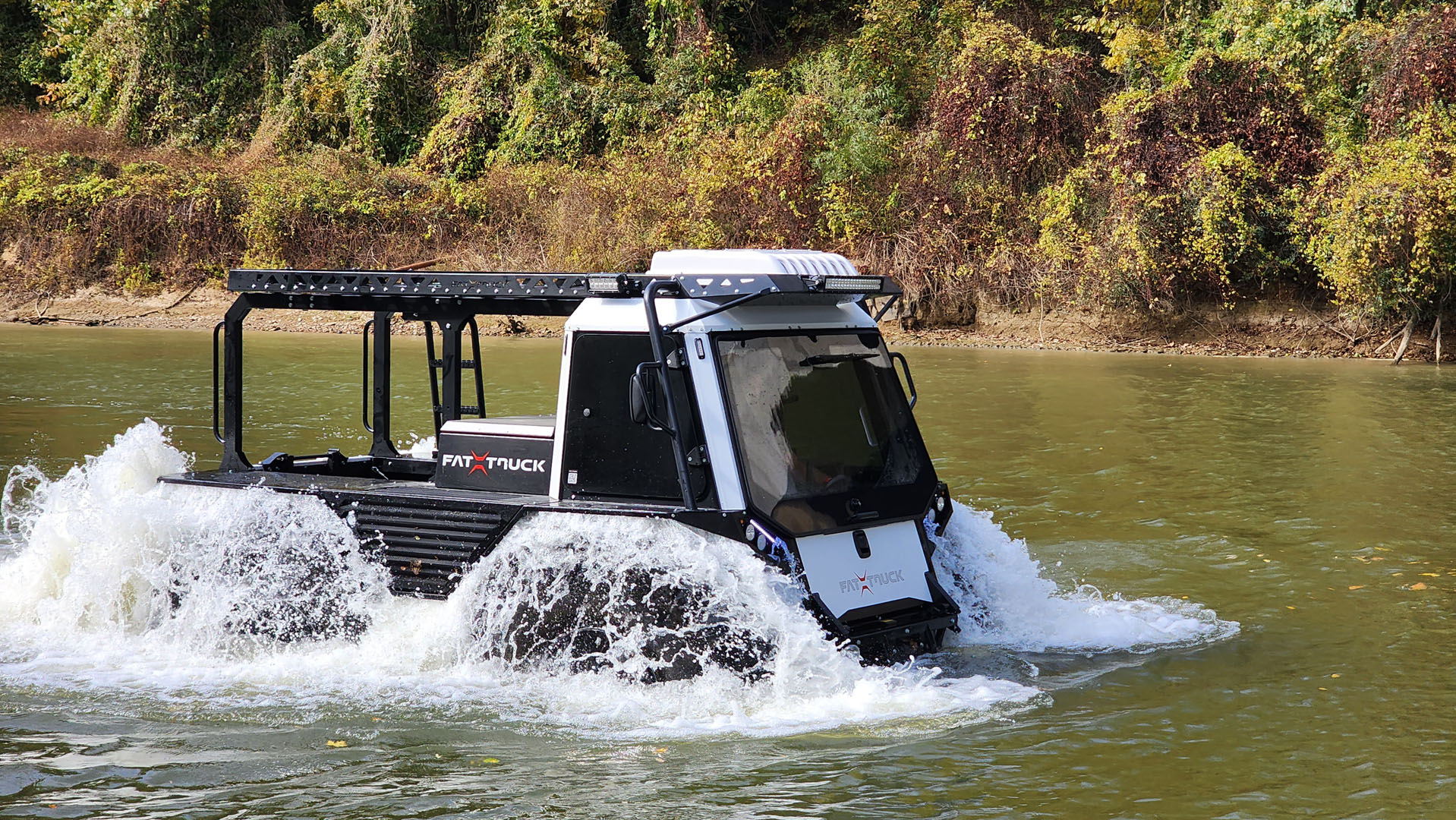
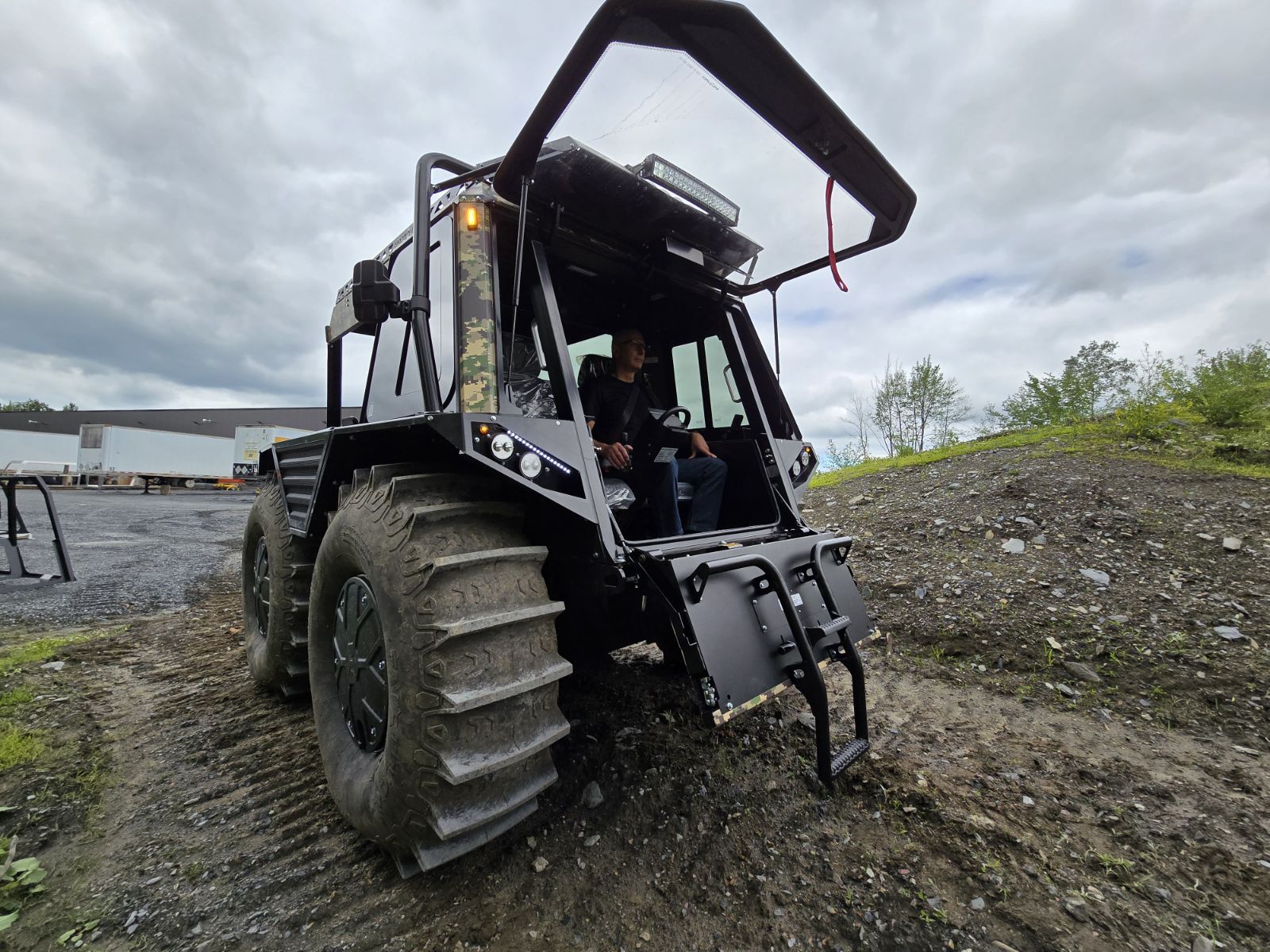
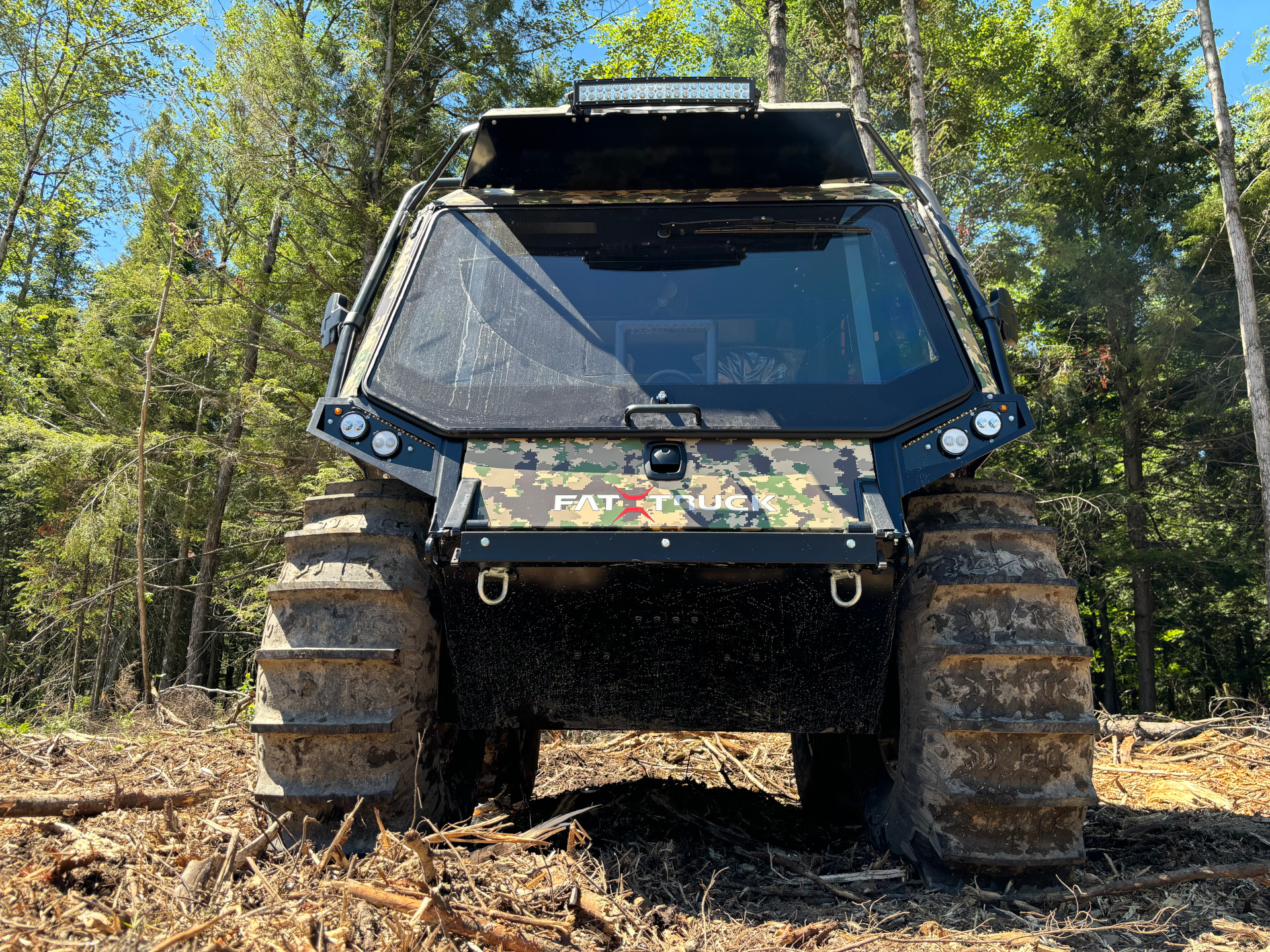
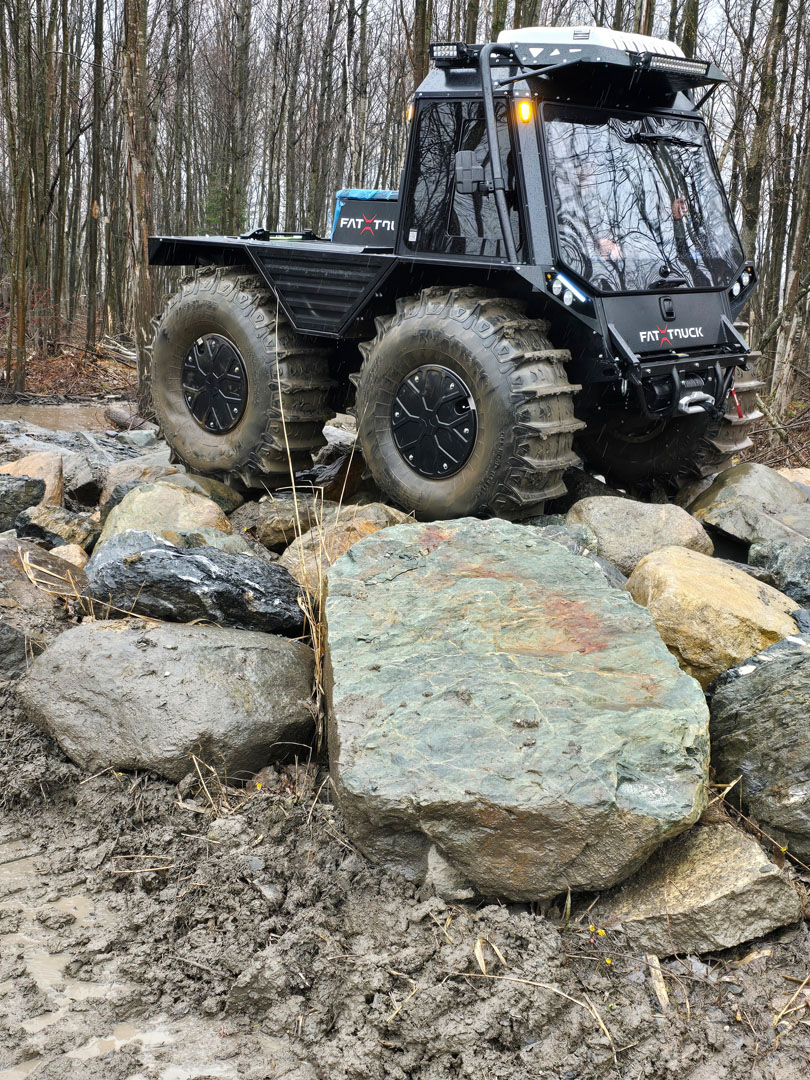
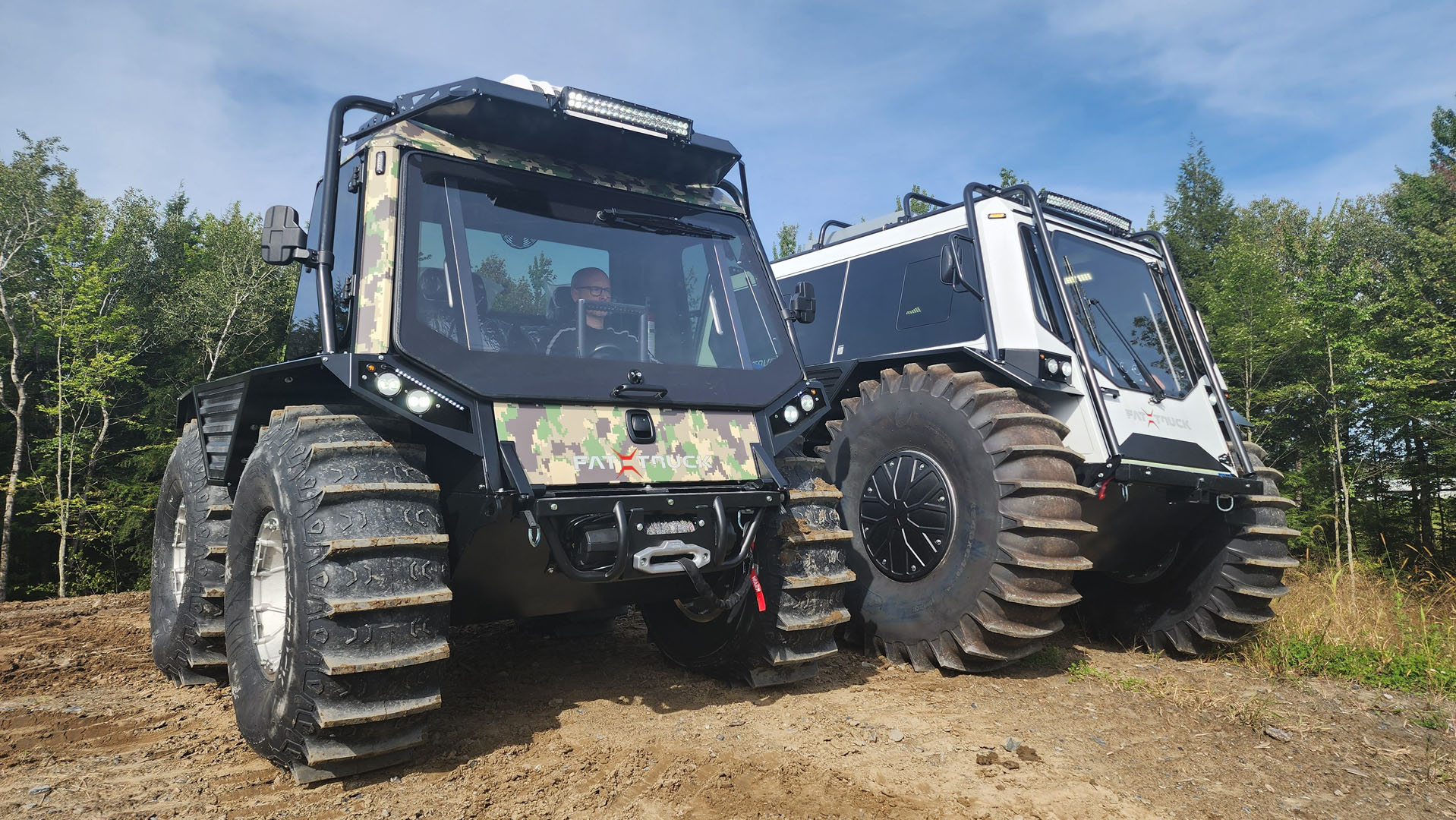
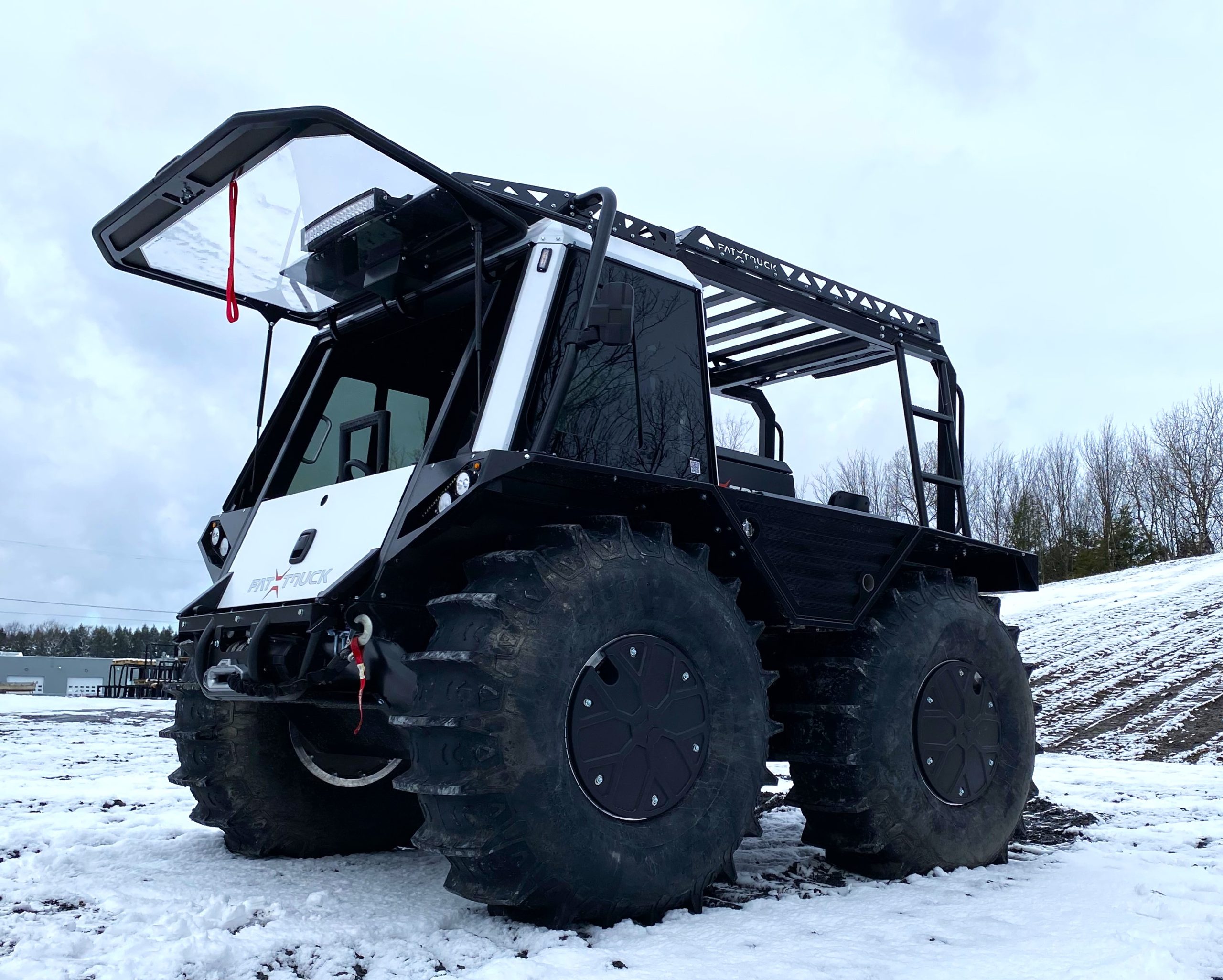
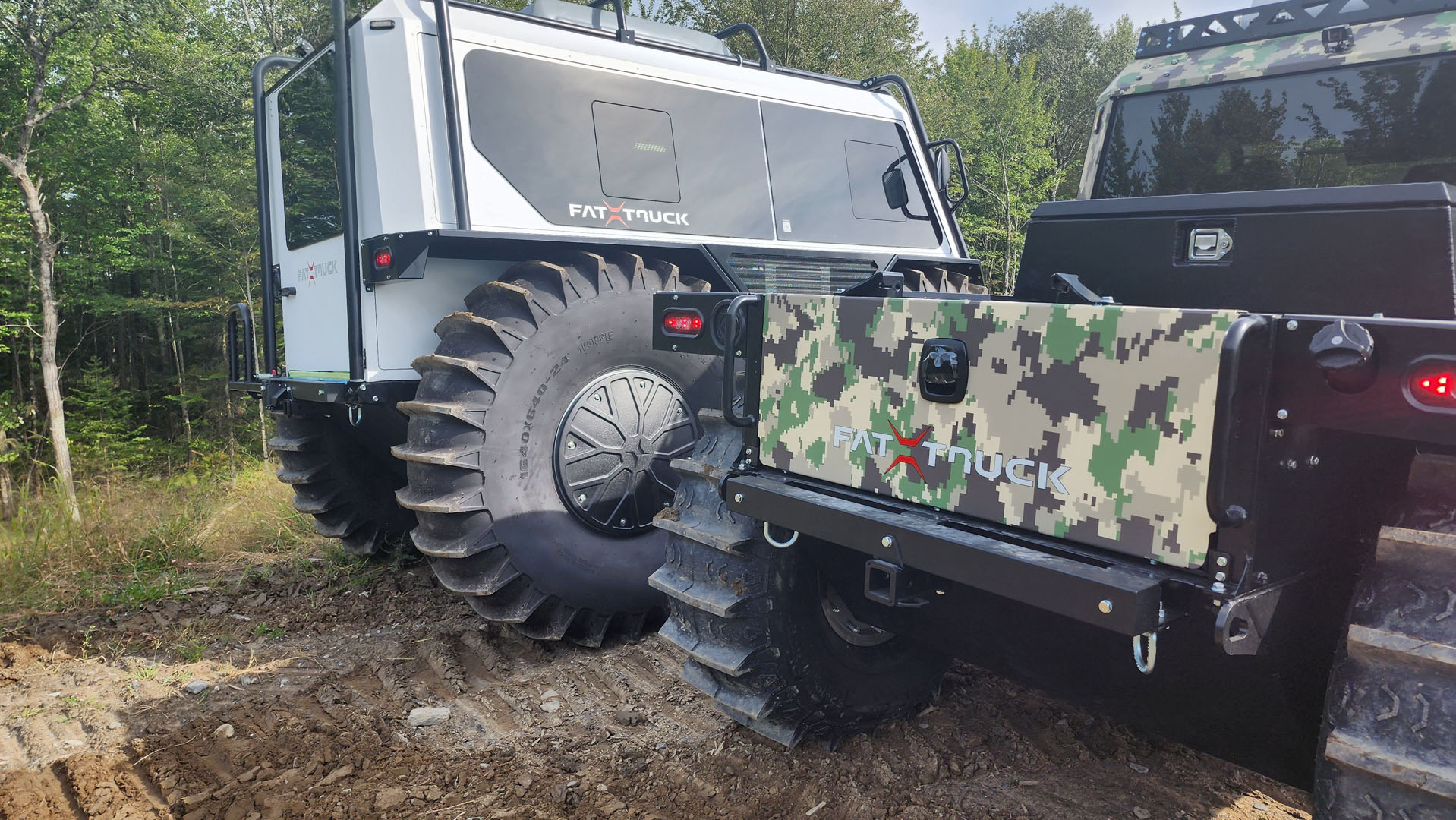
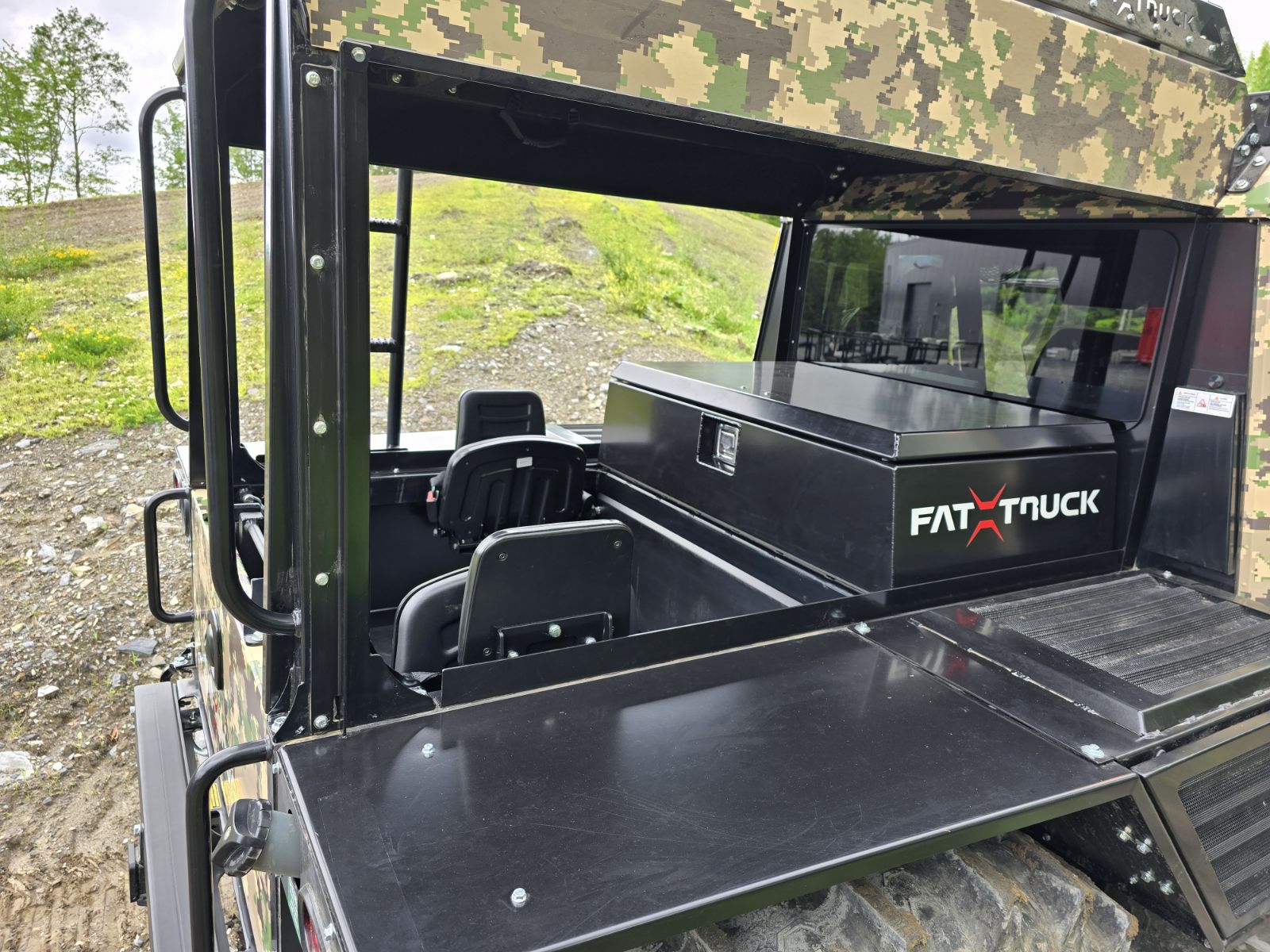
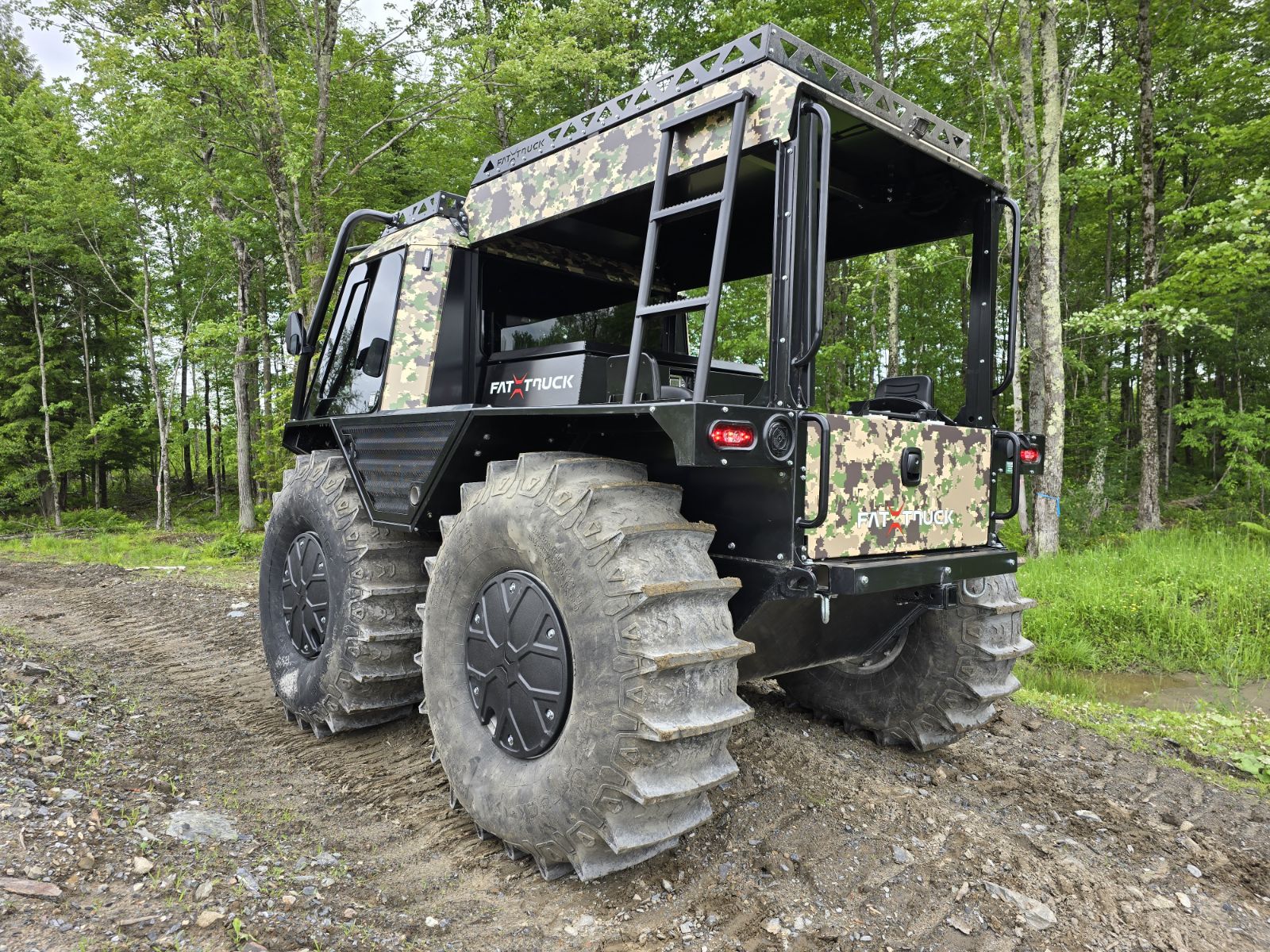
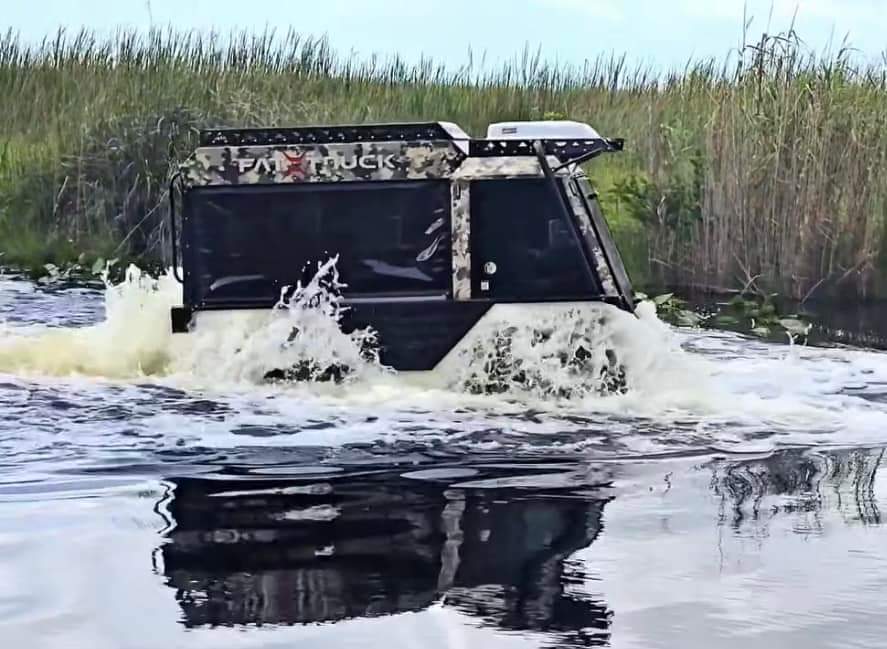
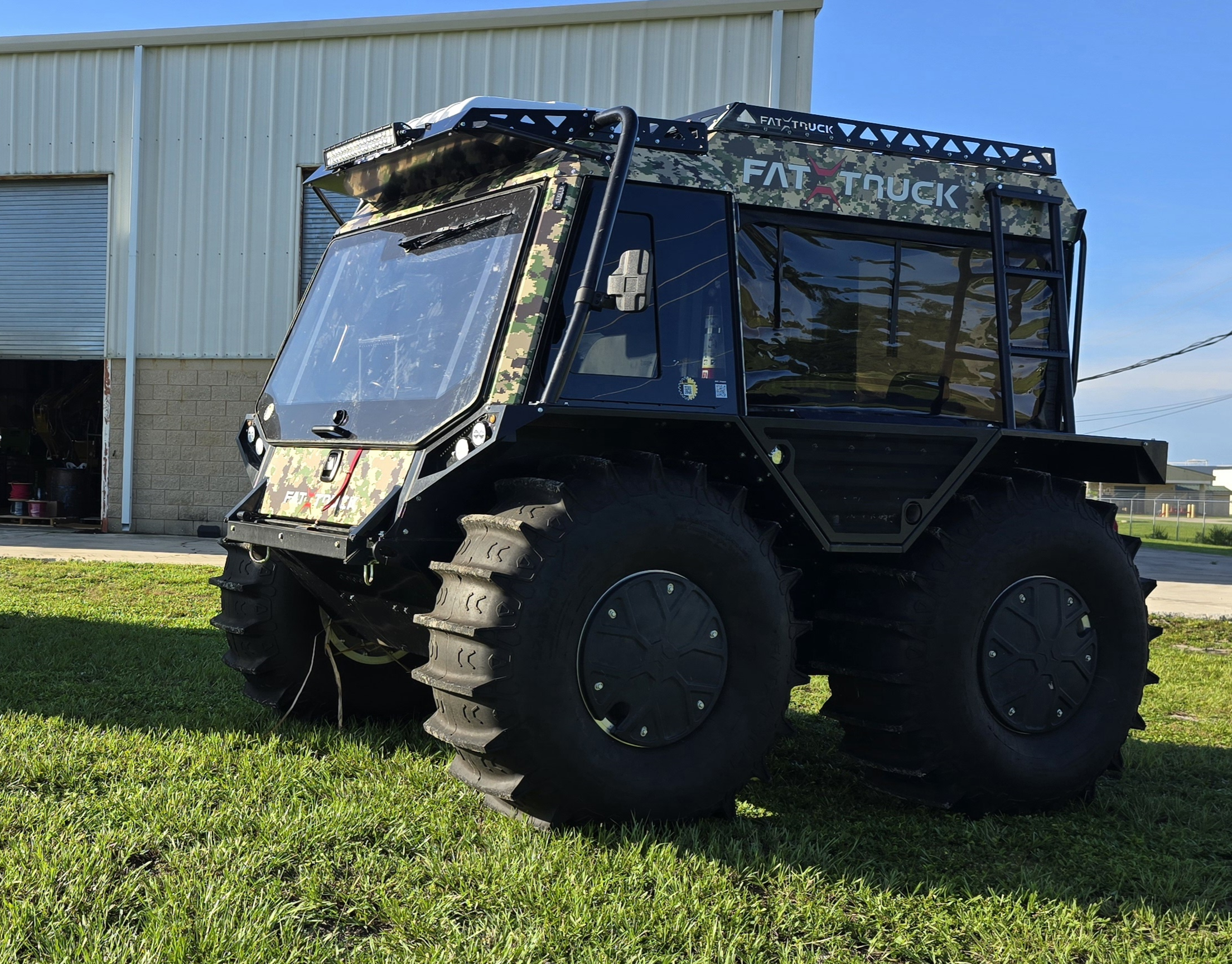
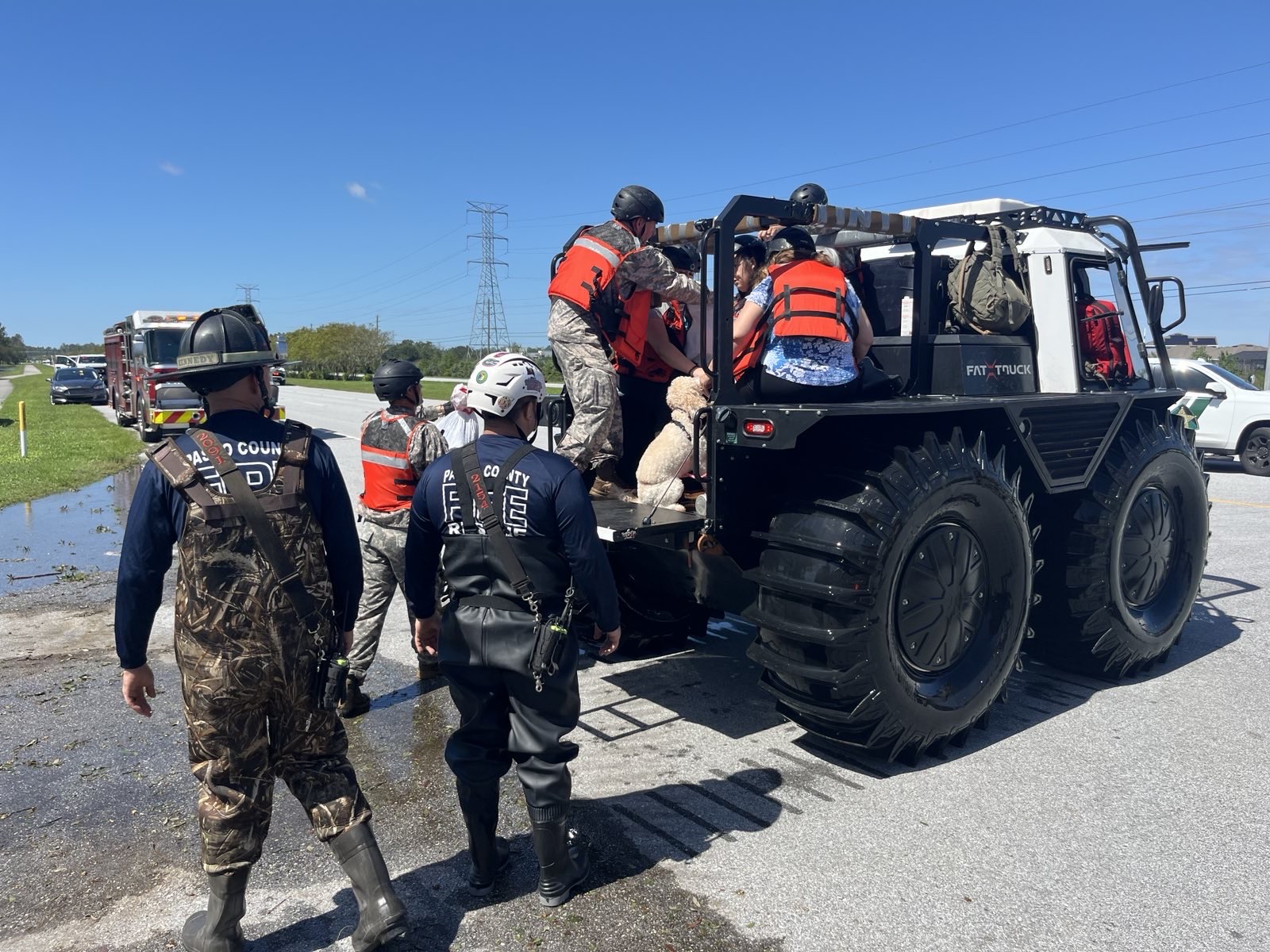
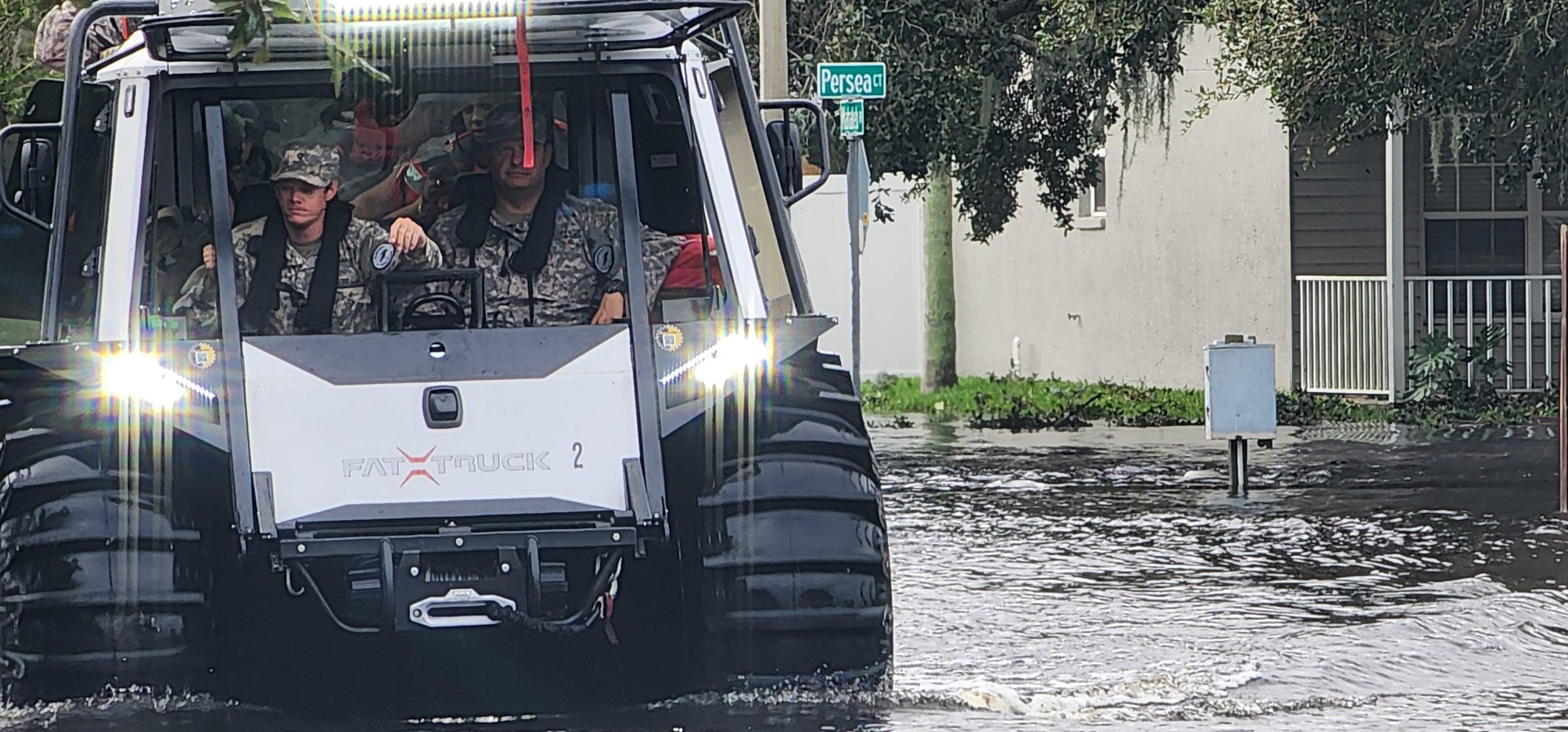
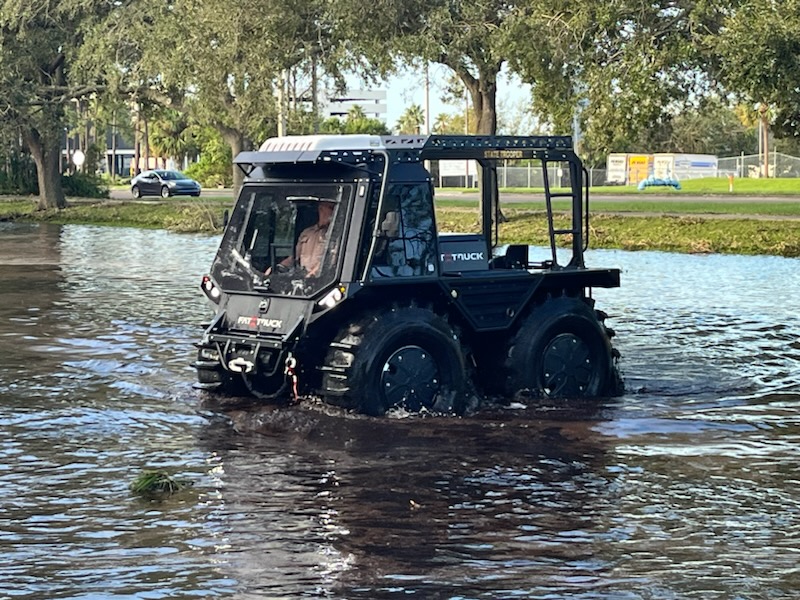
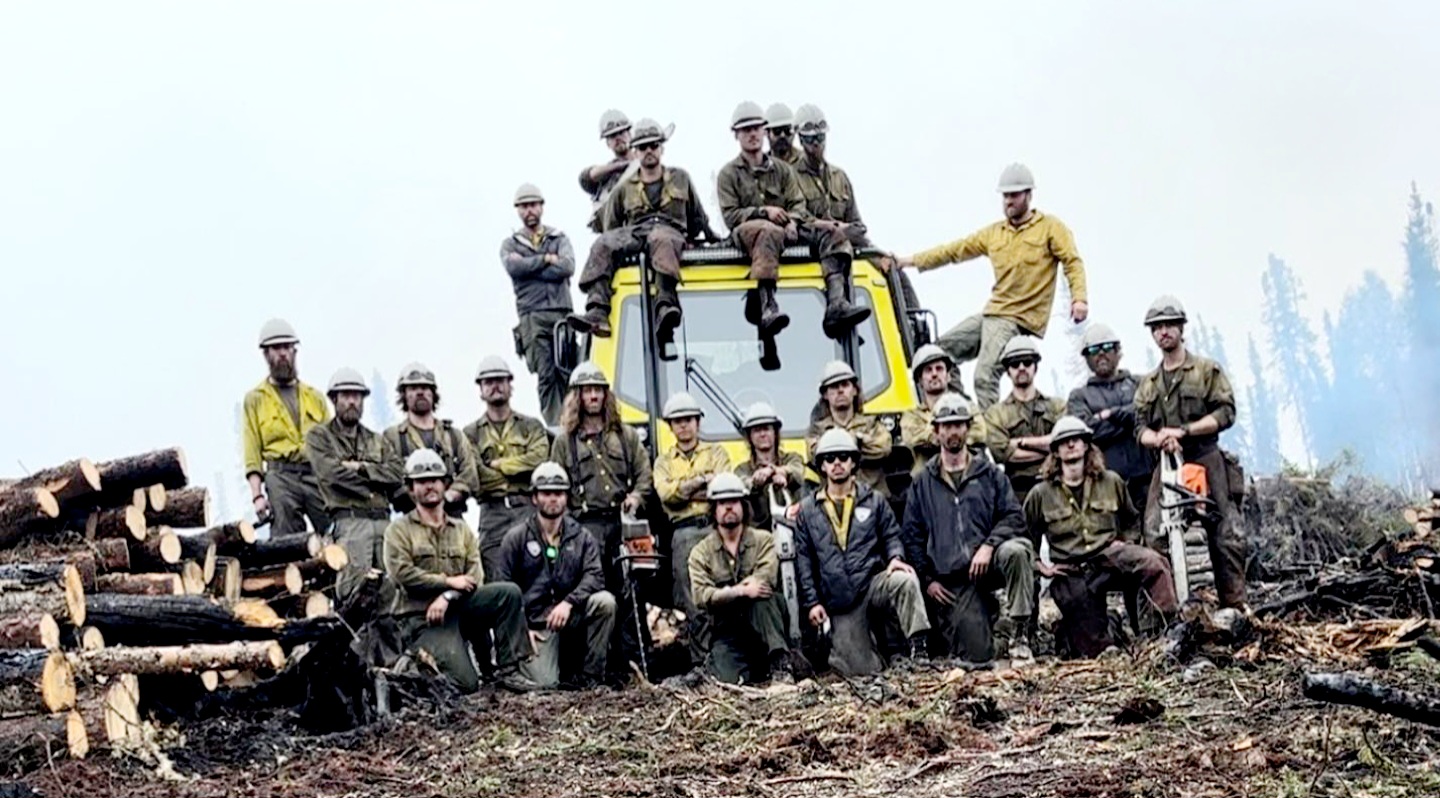
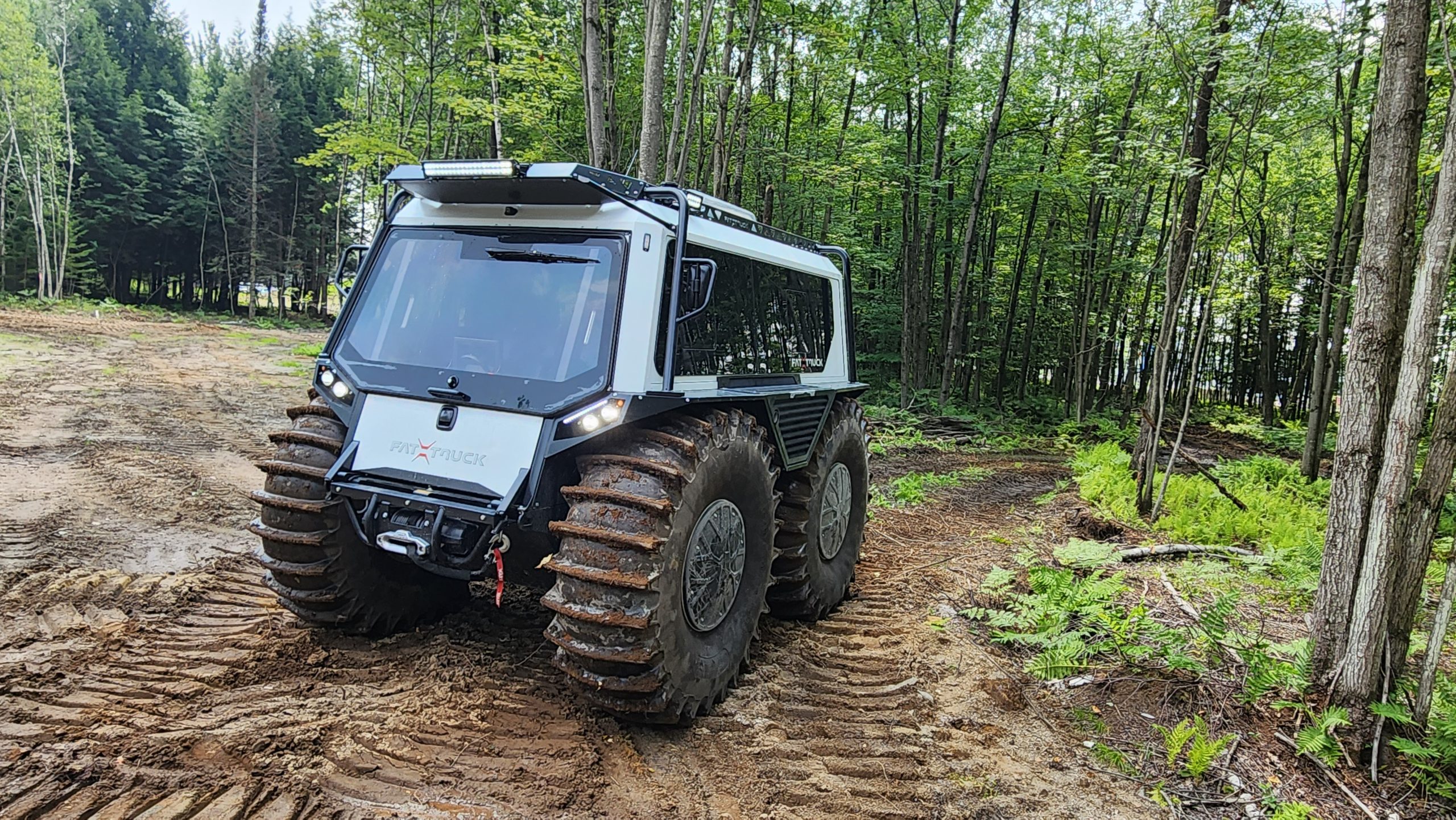
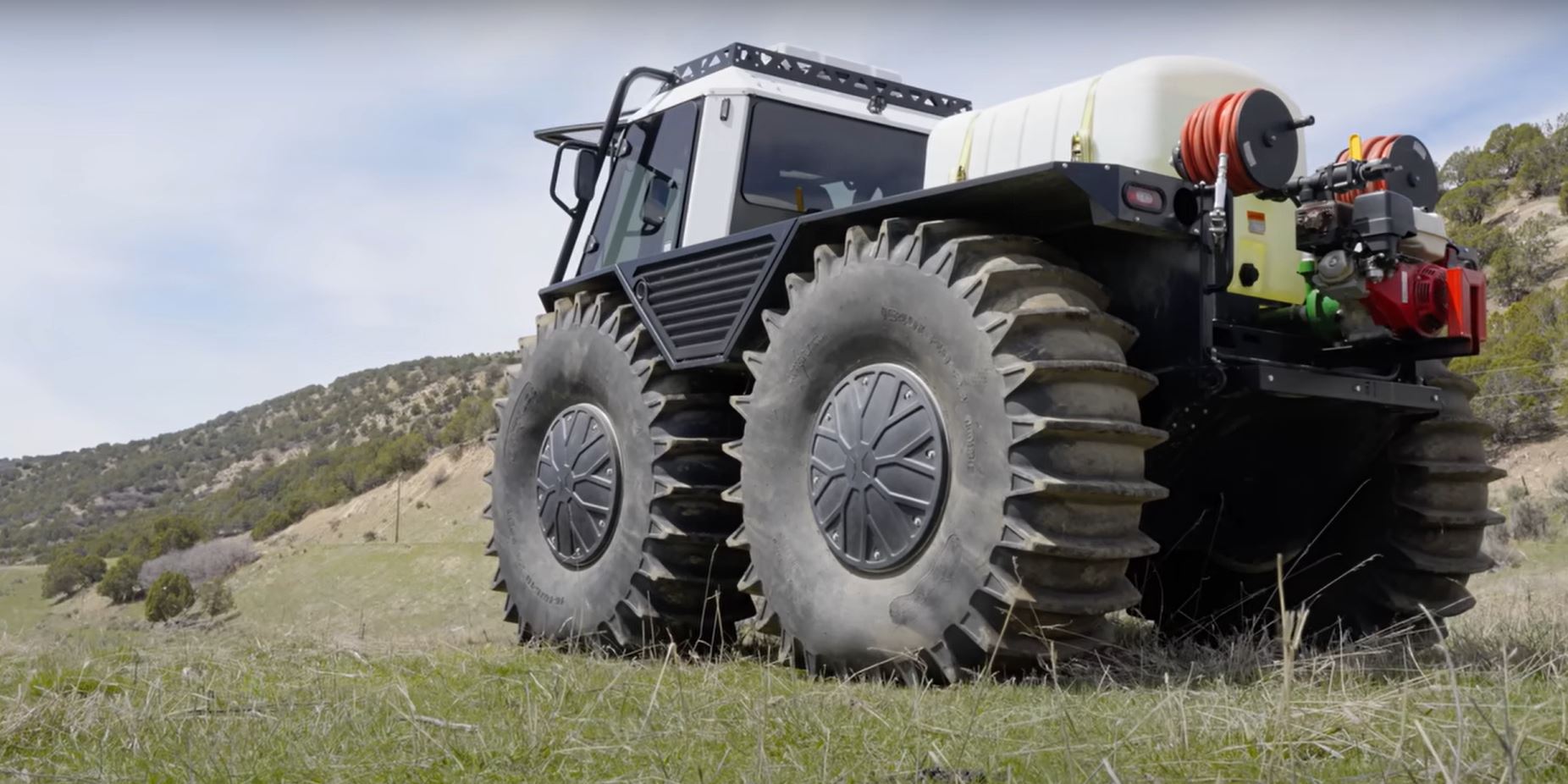
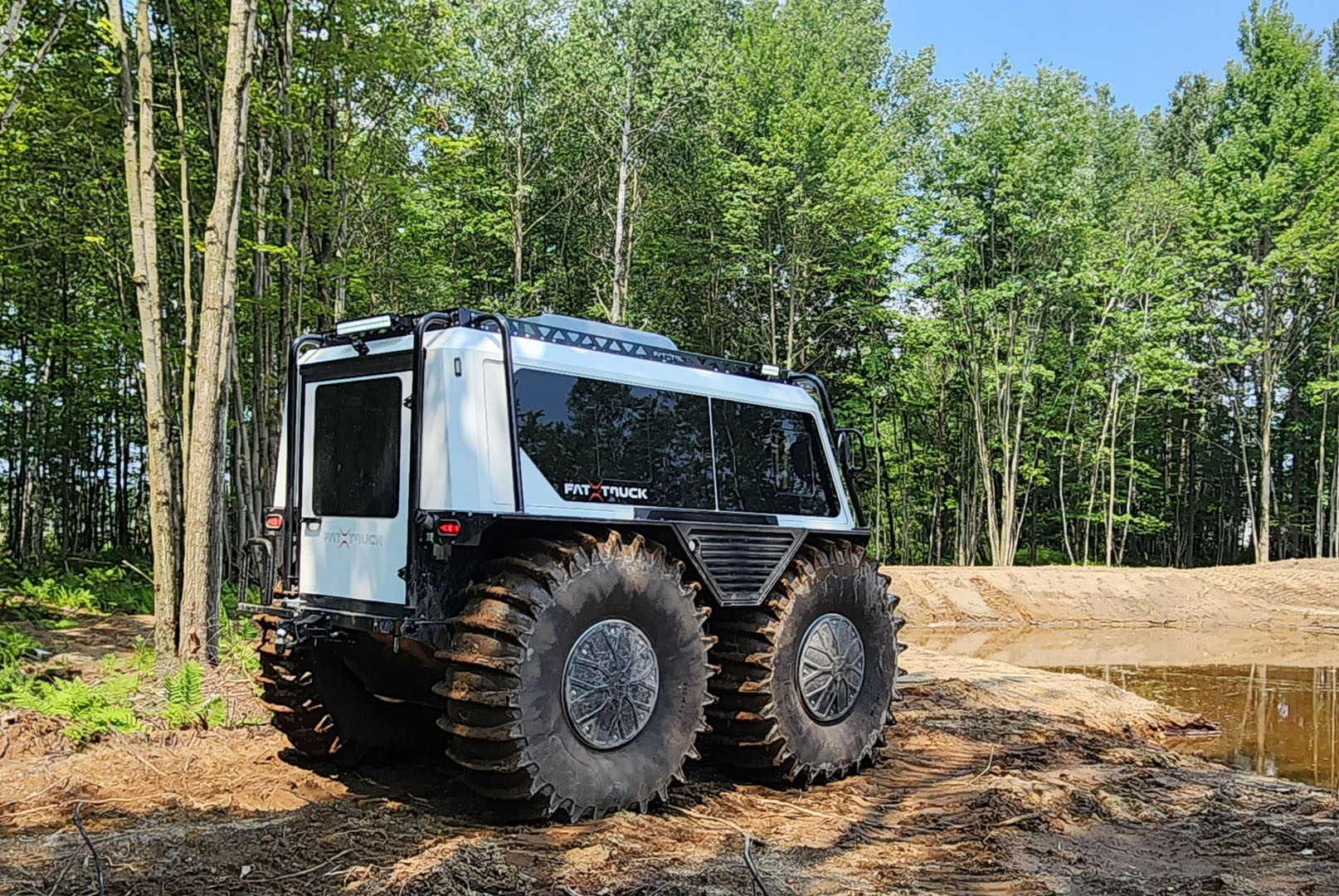
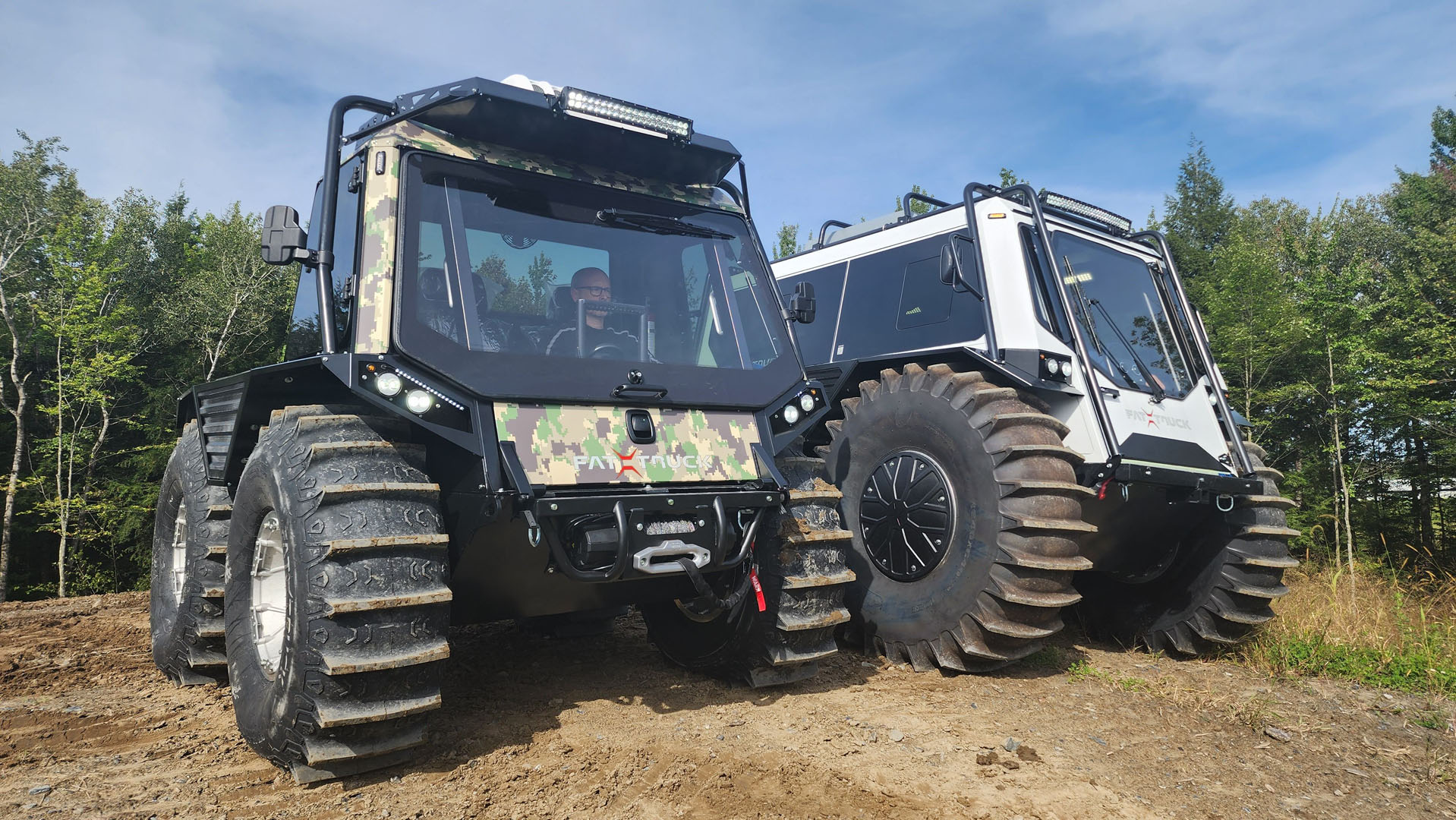
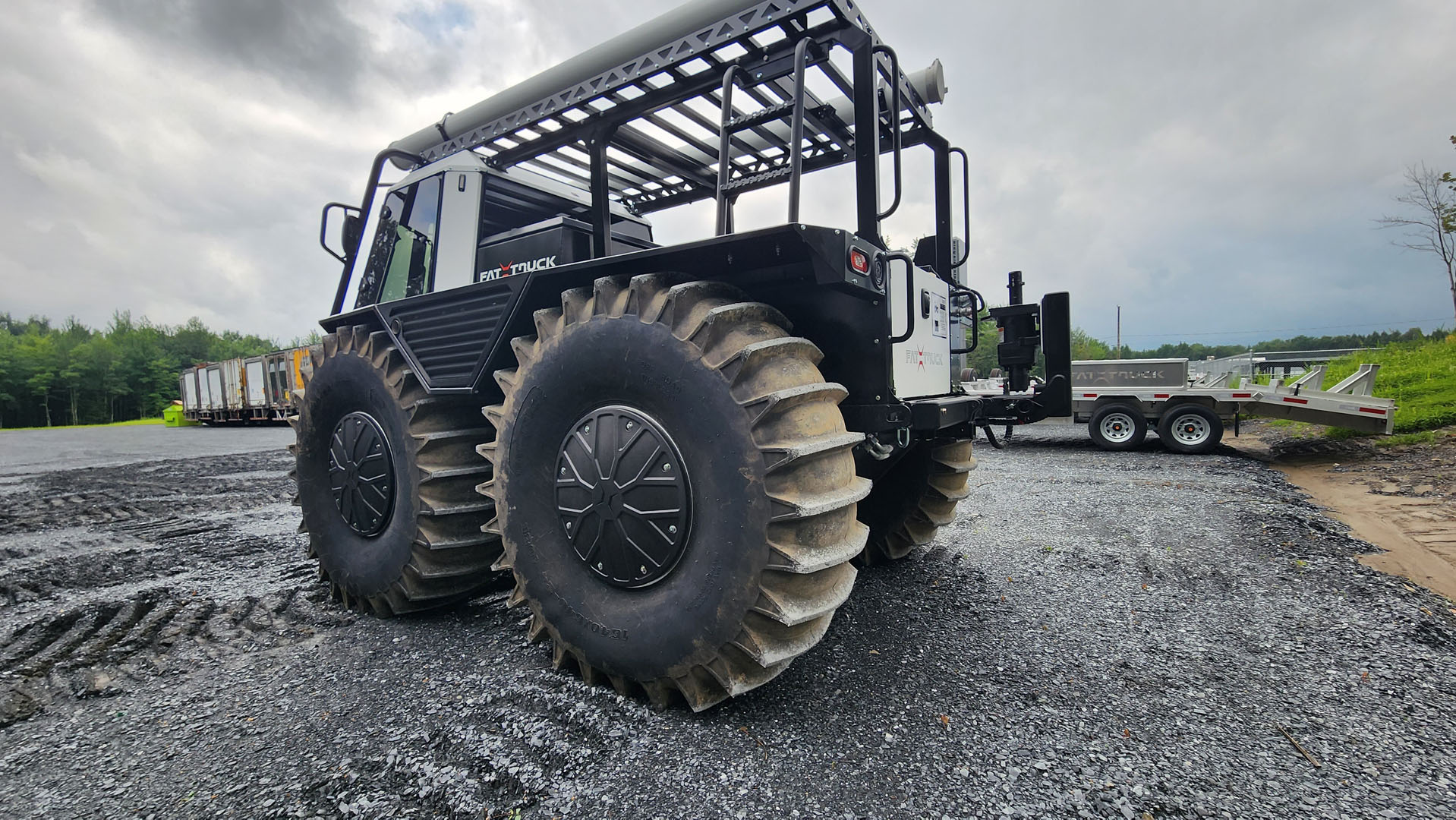
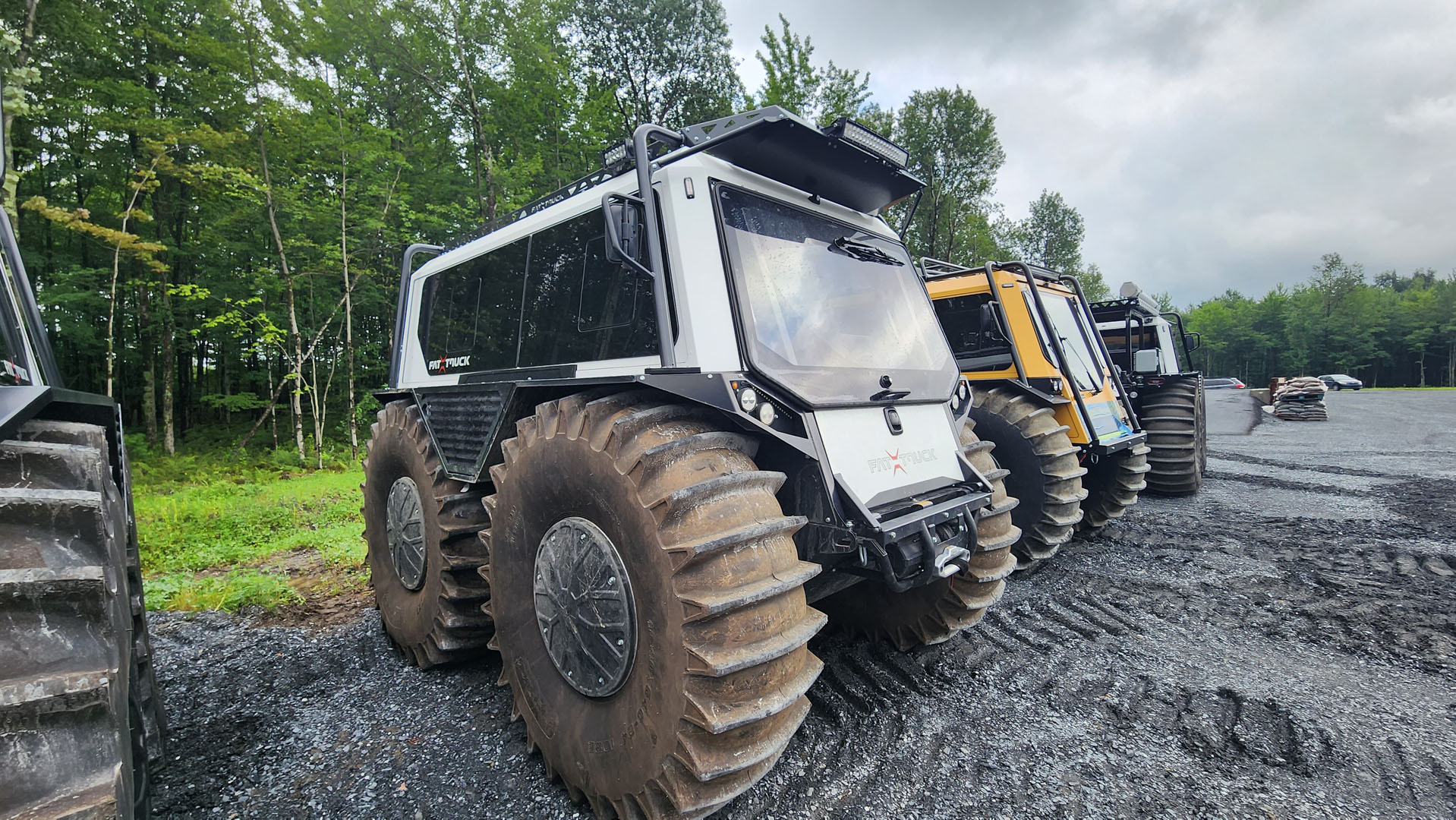
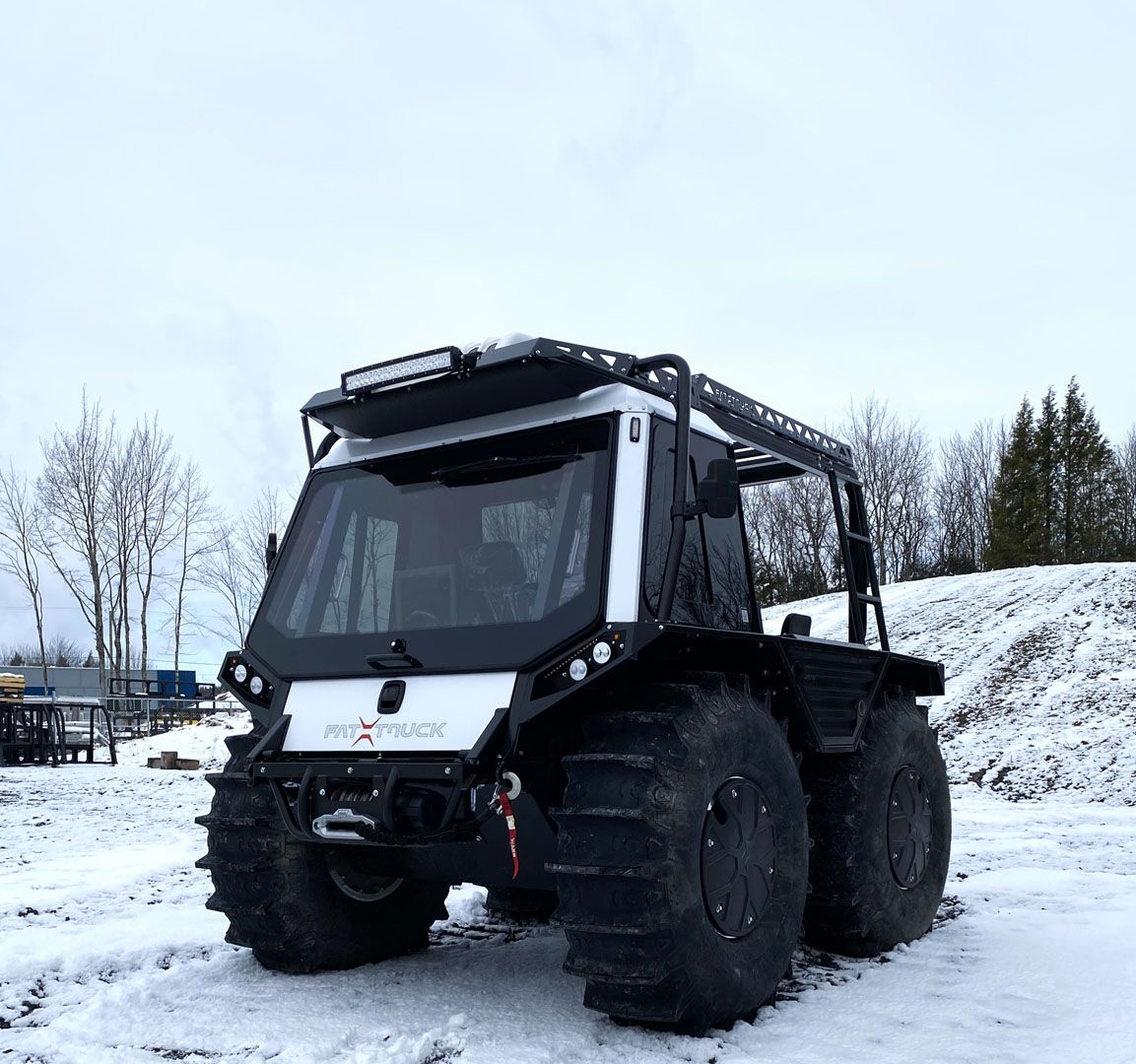
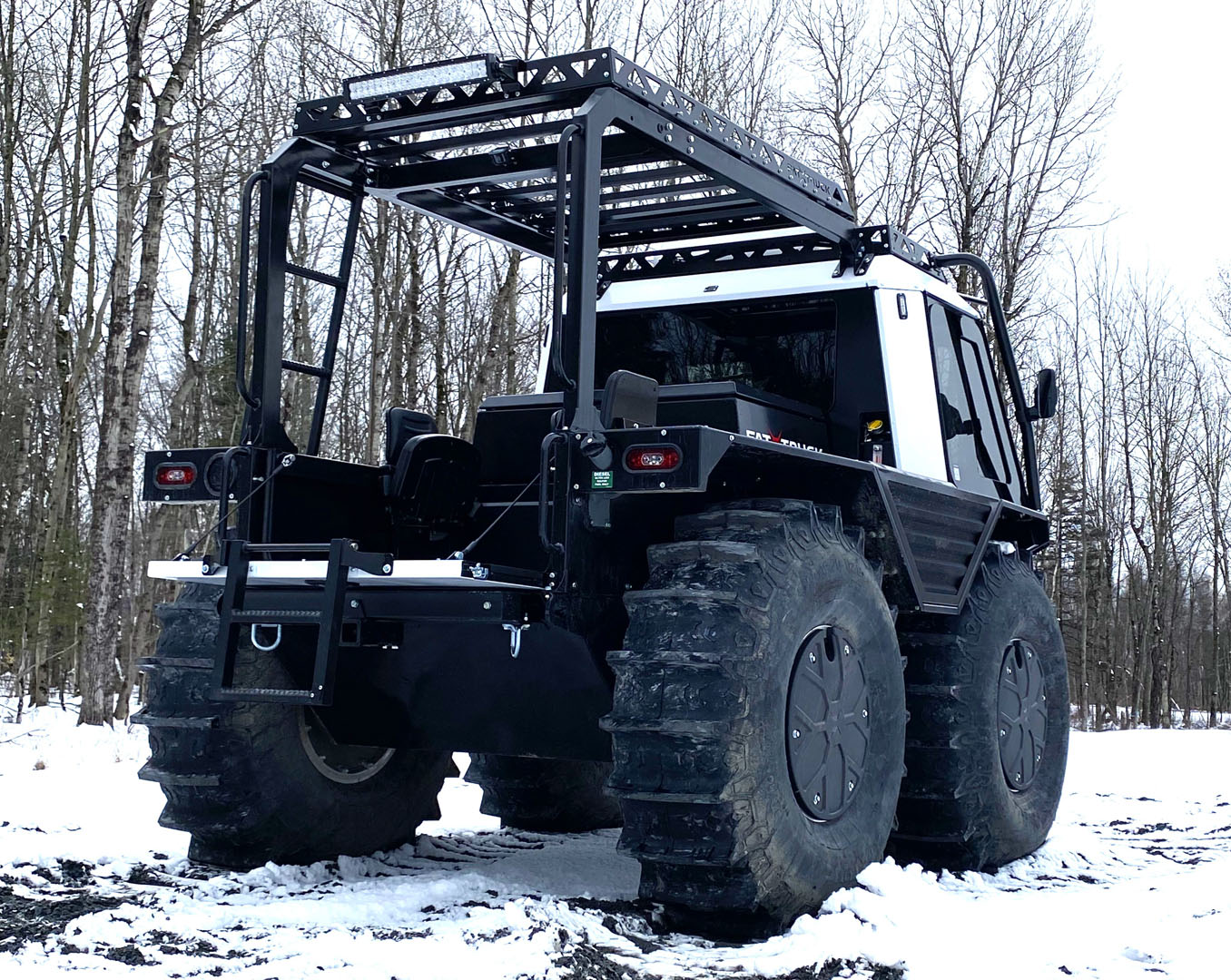
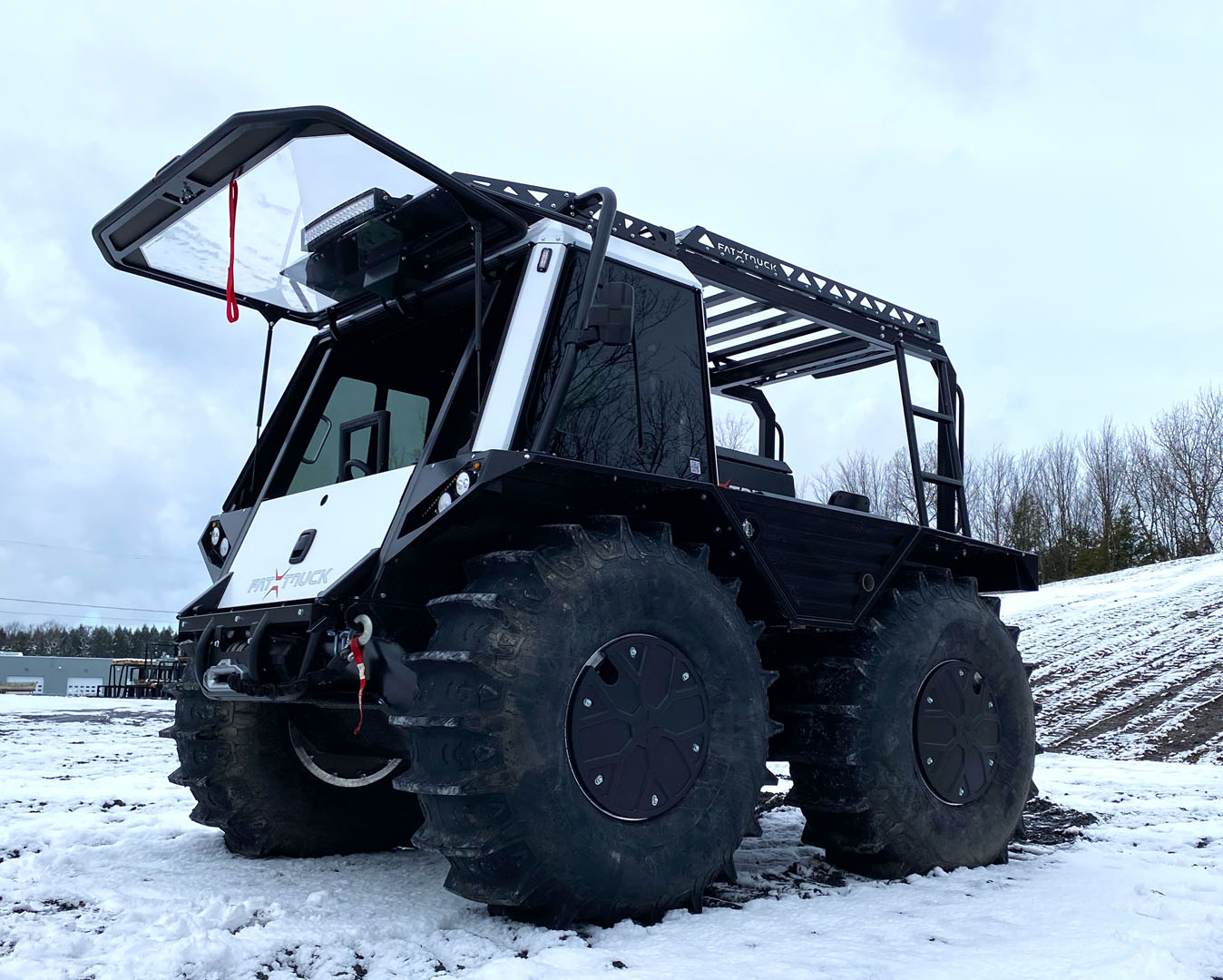
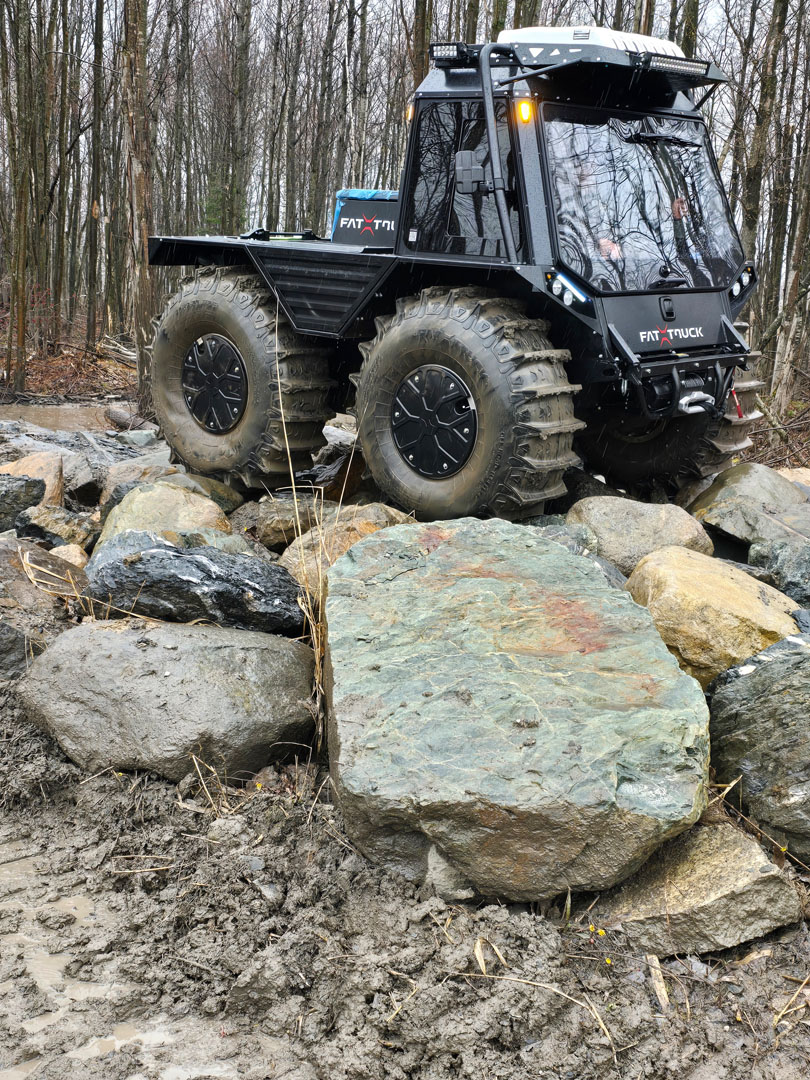
Every FAT TRUCK® ships with ISO-certified ROPS protection — tested, documented, and ready for your procurement file. Because “certified” should mean something you can verify.