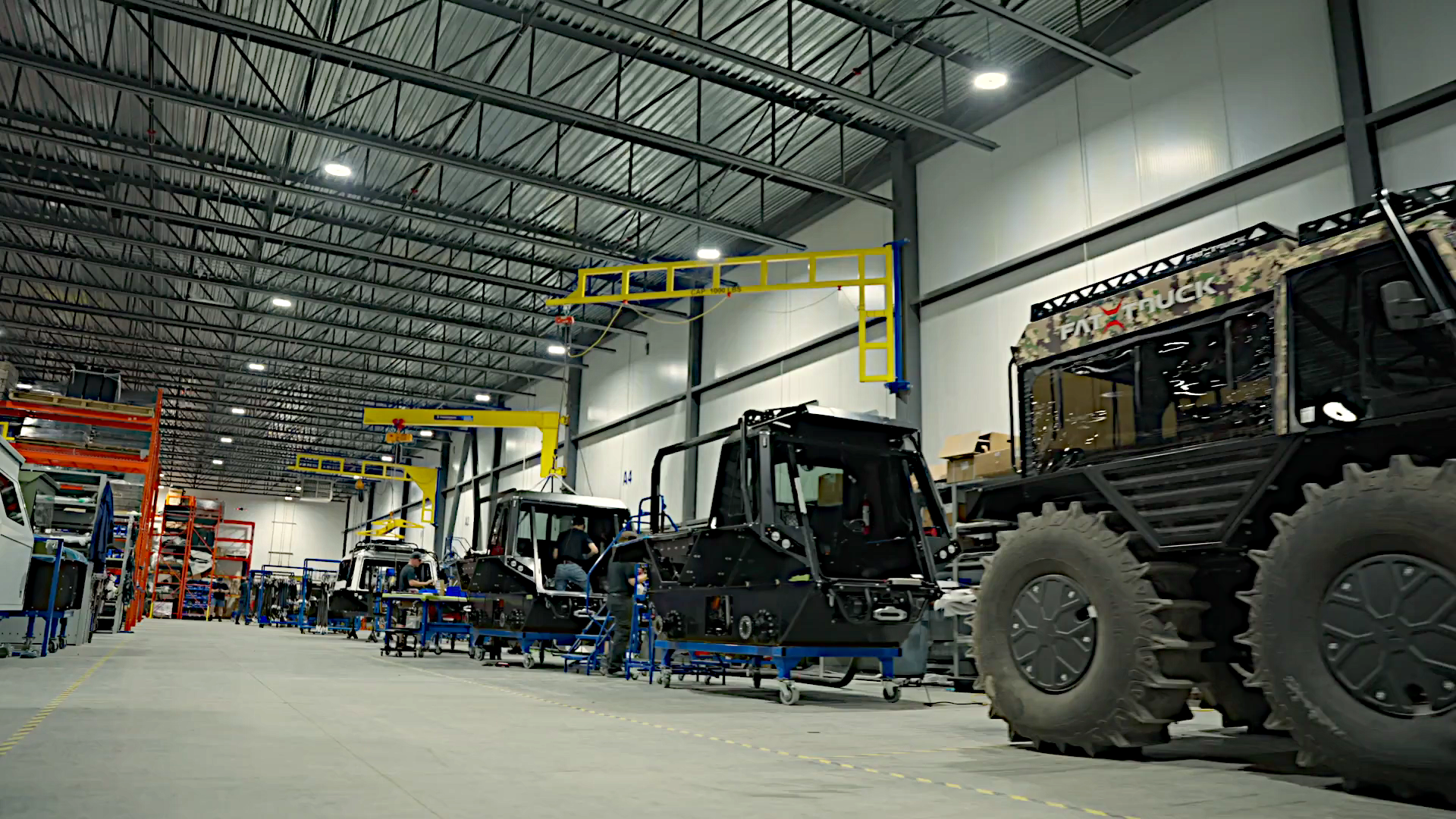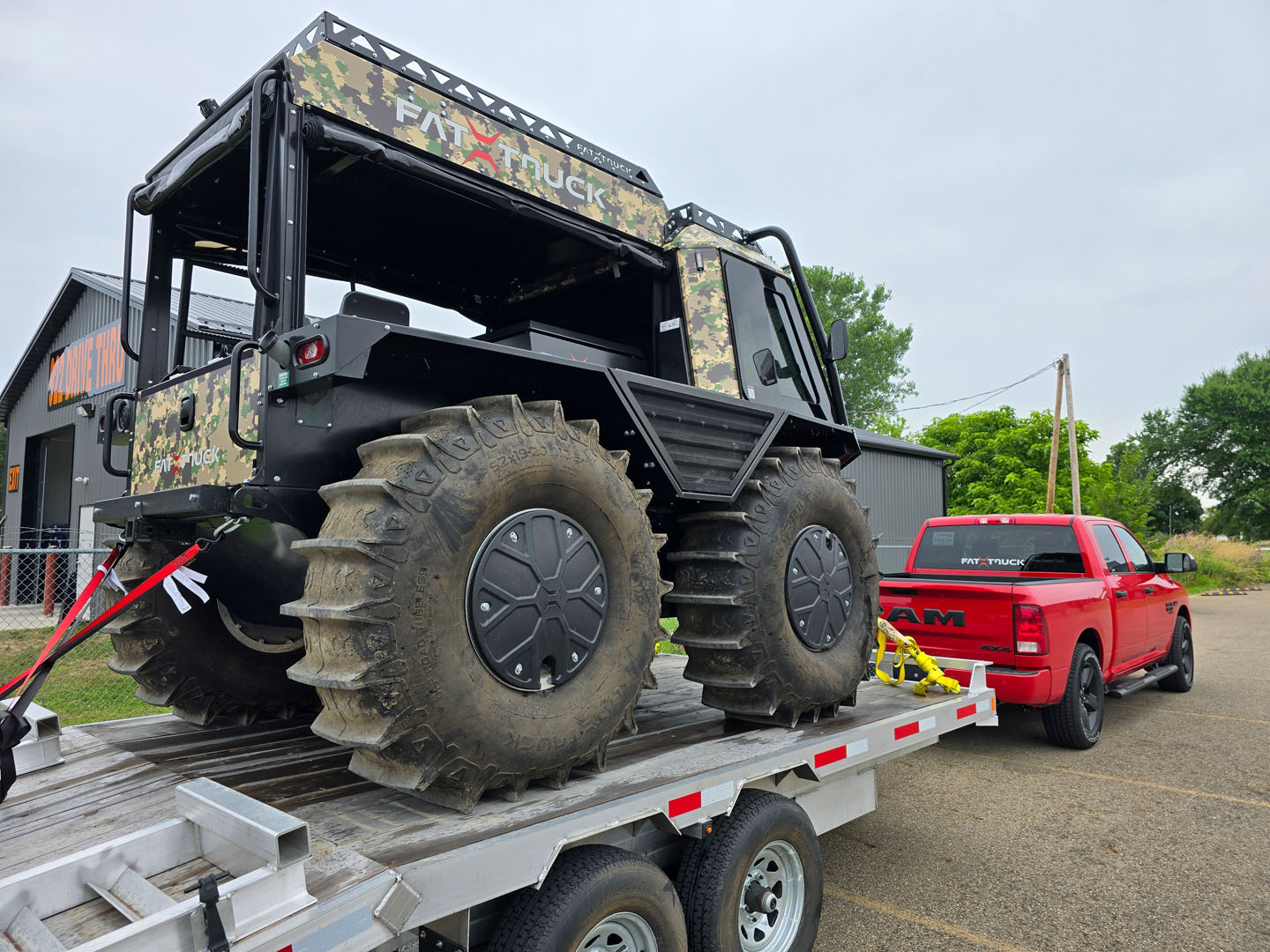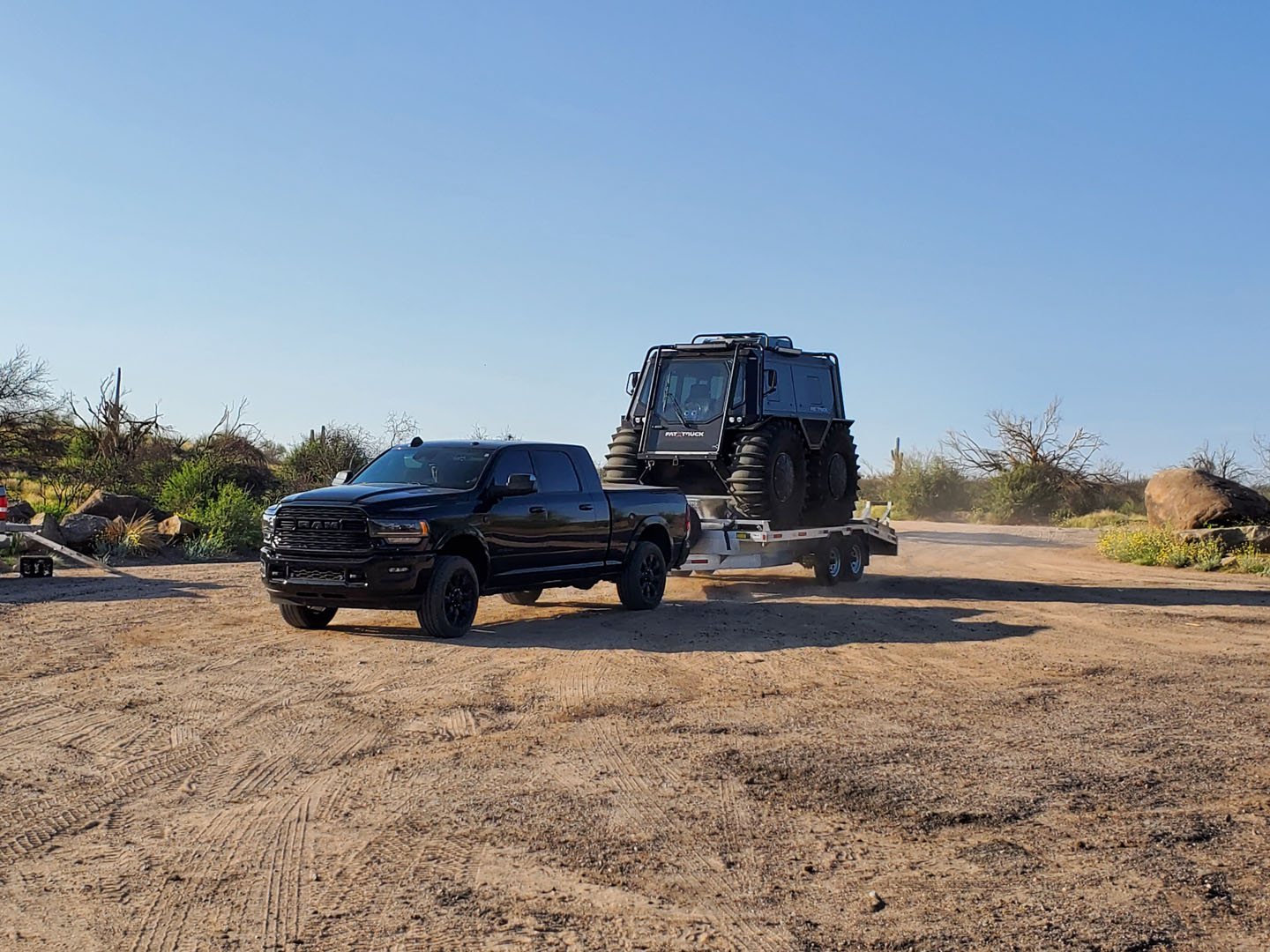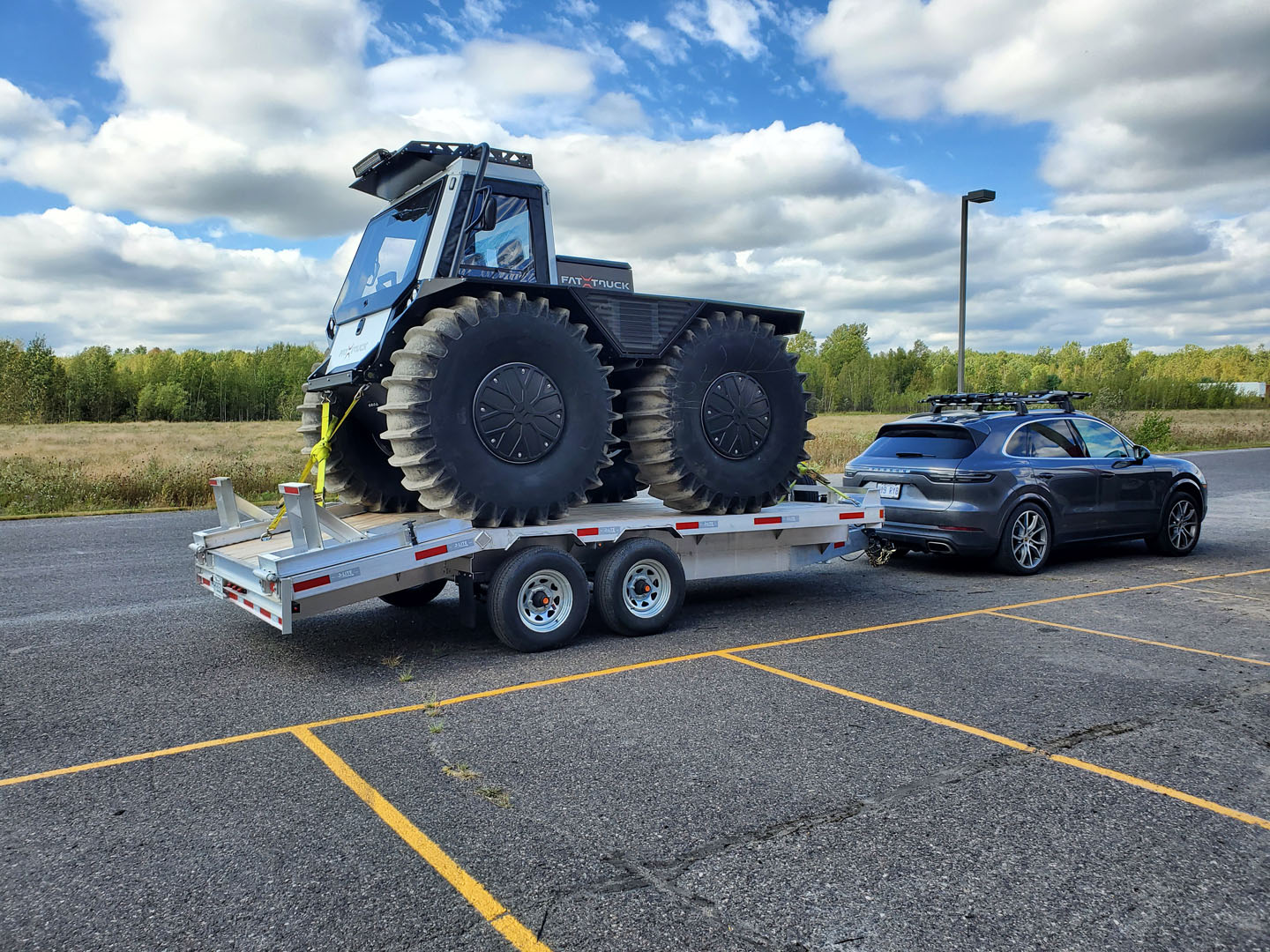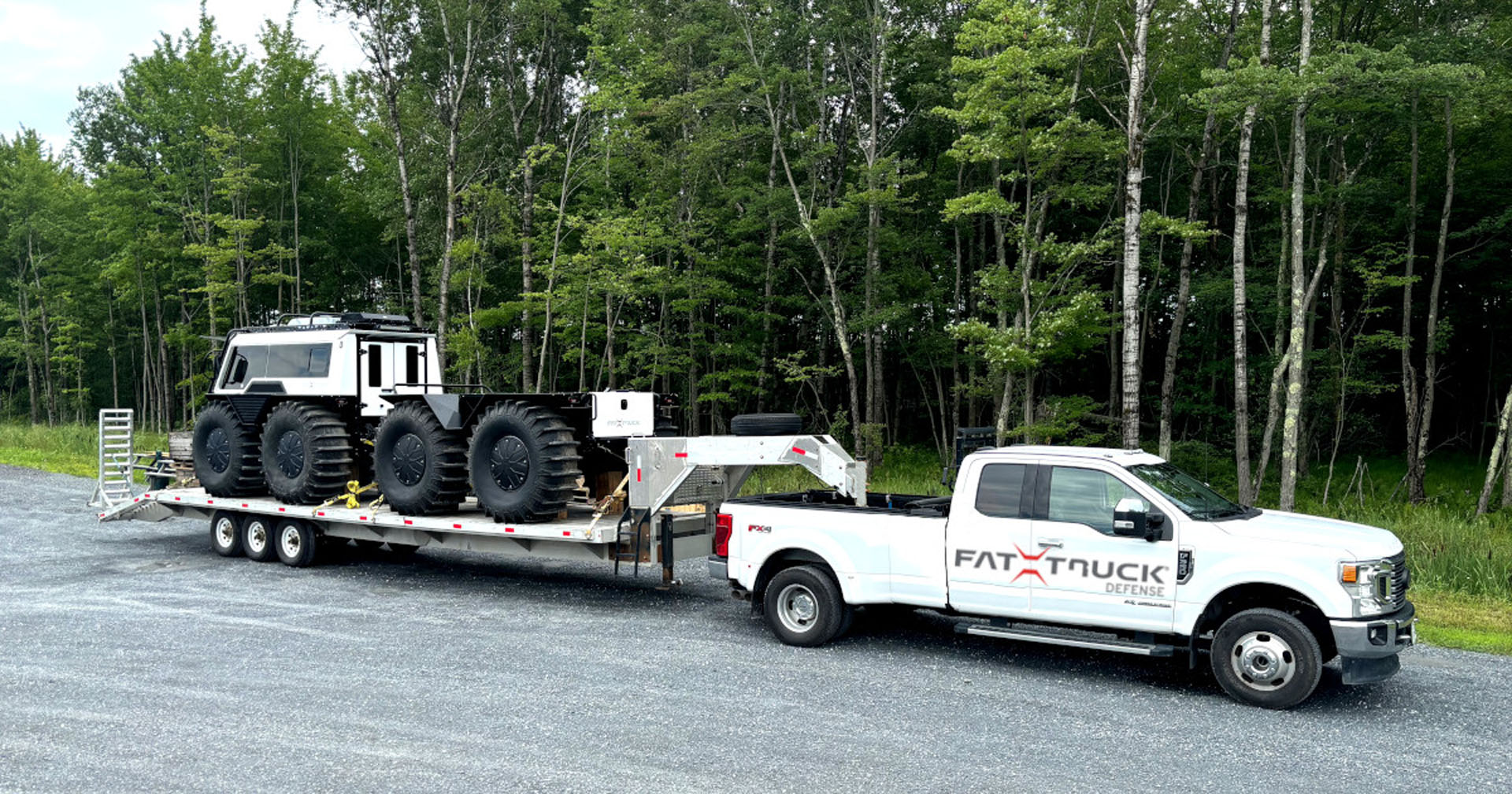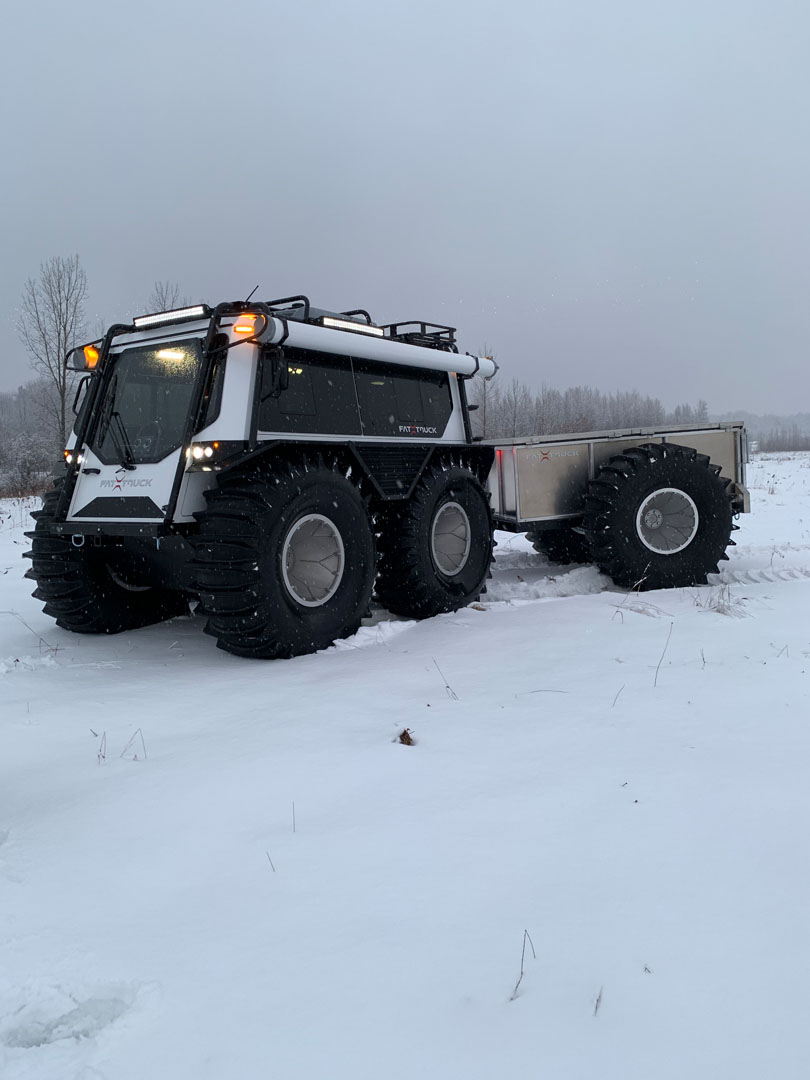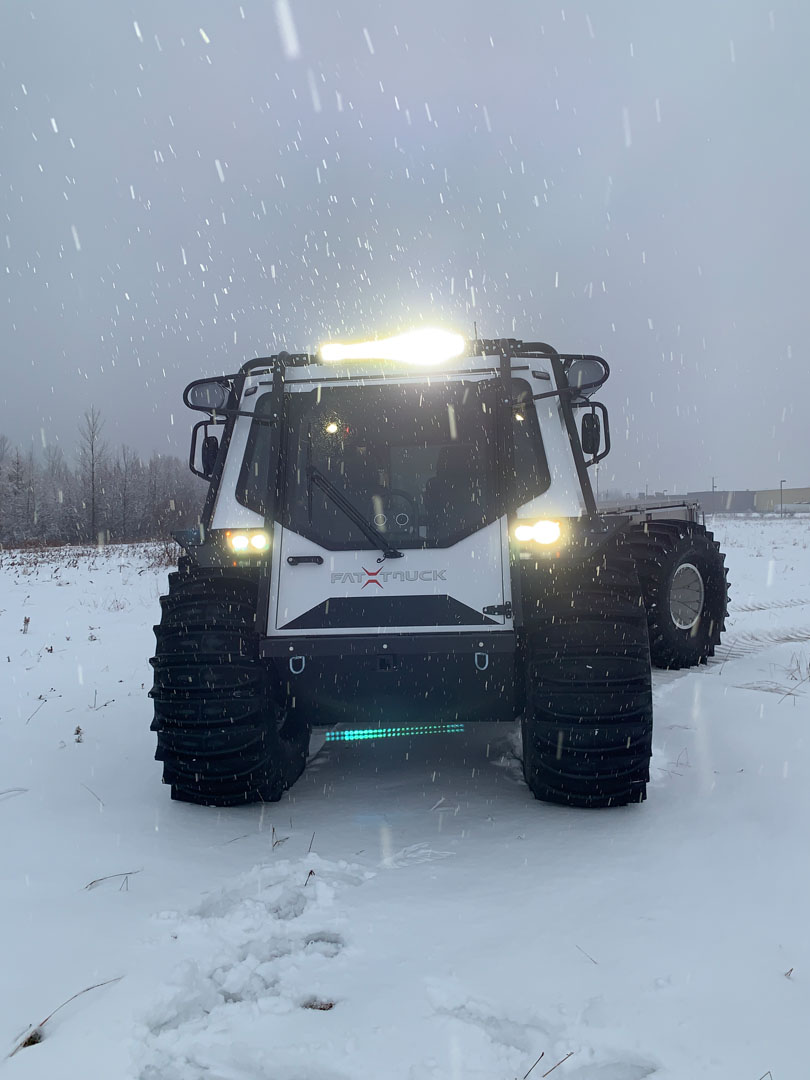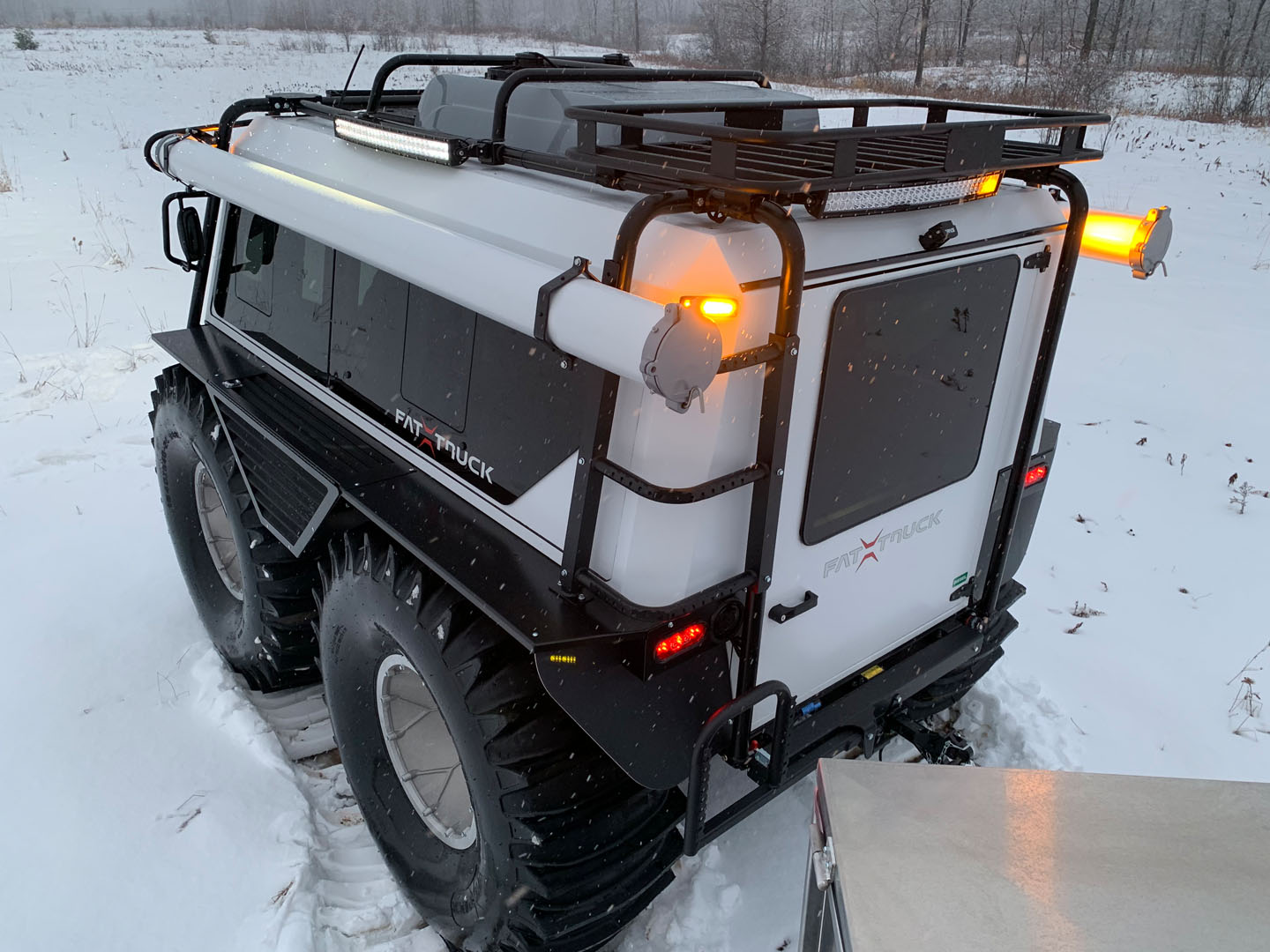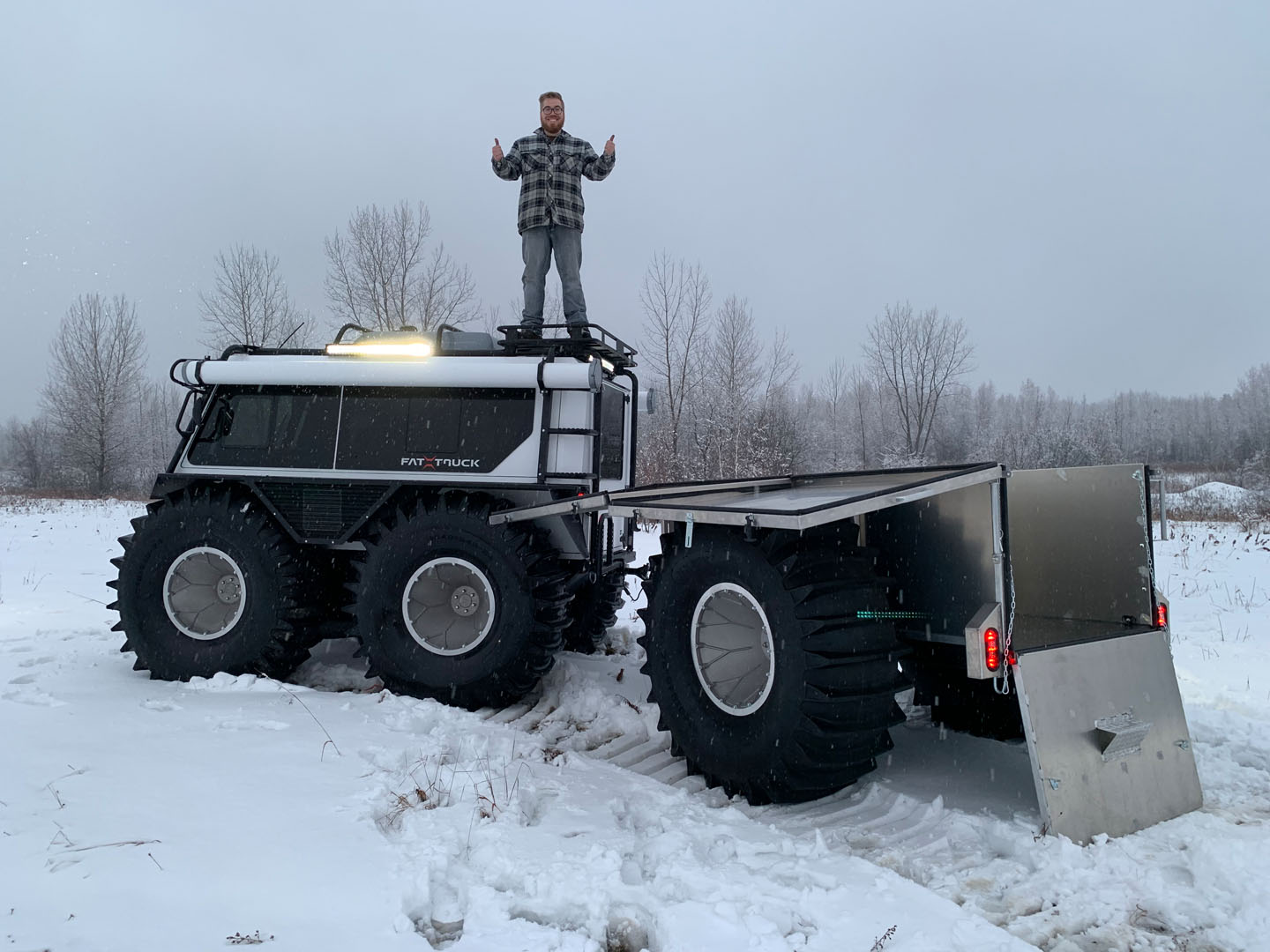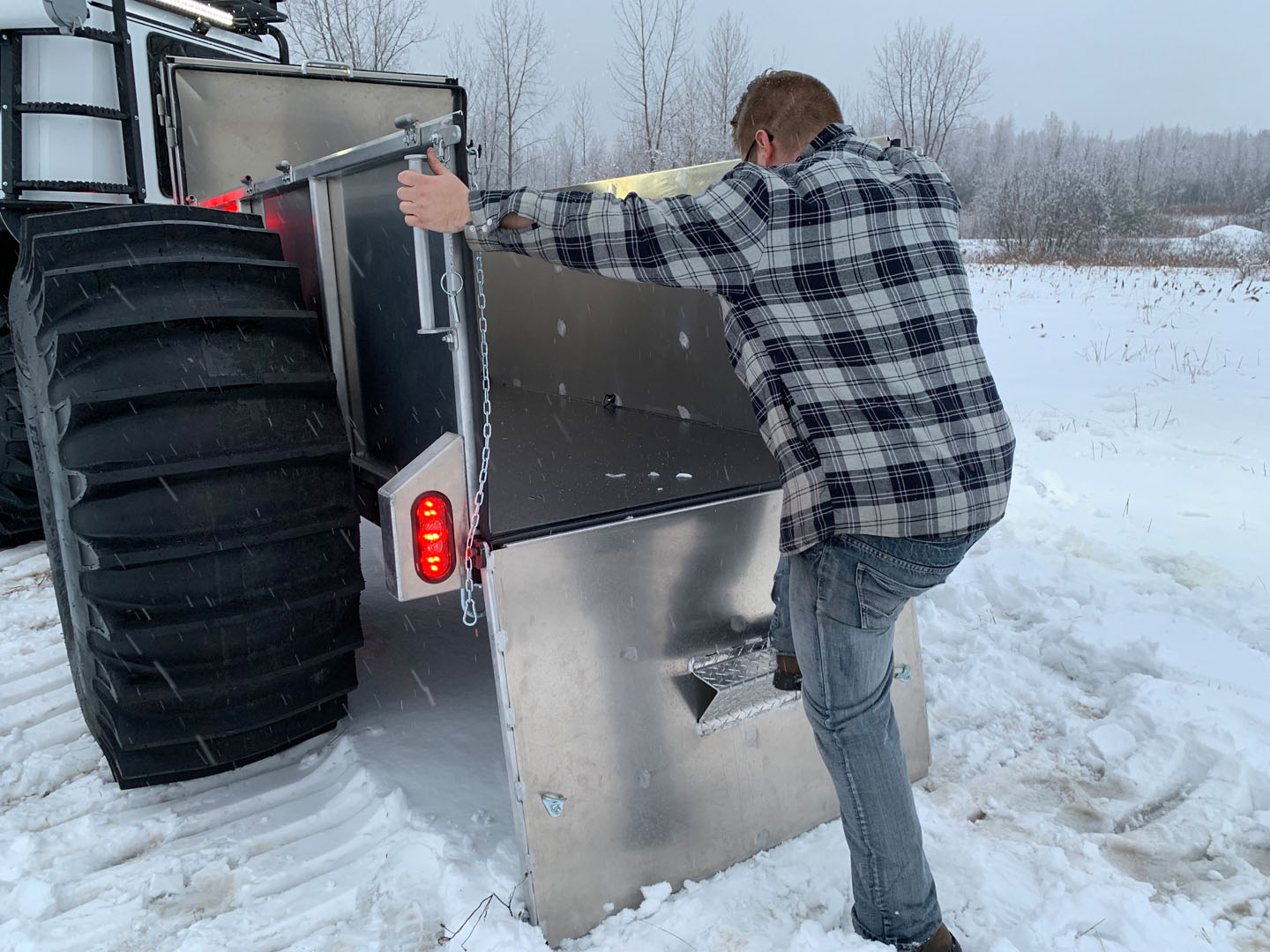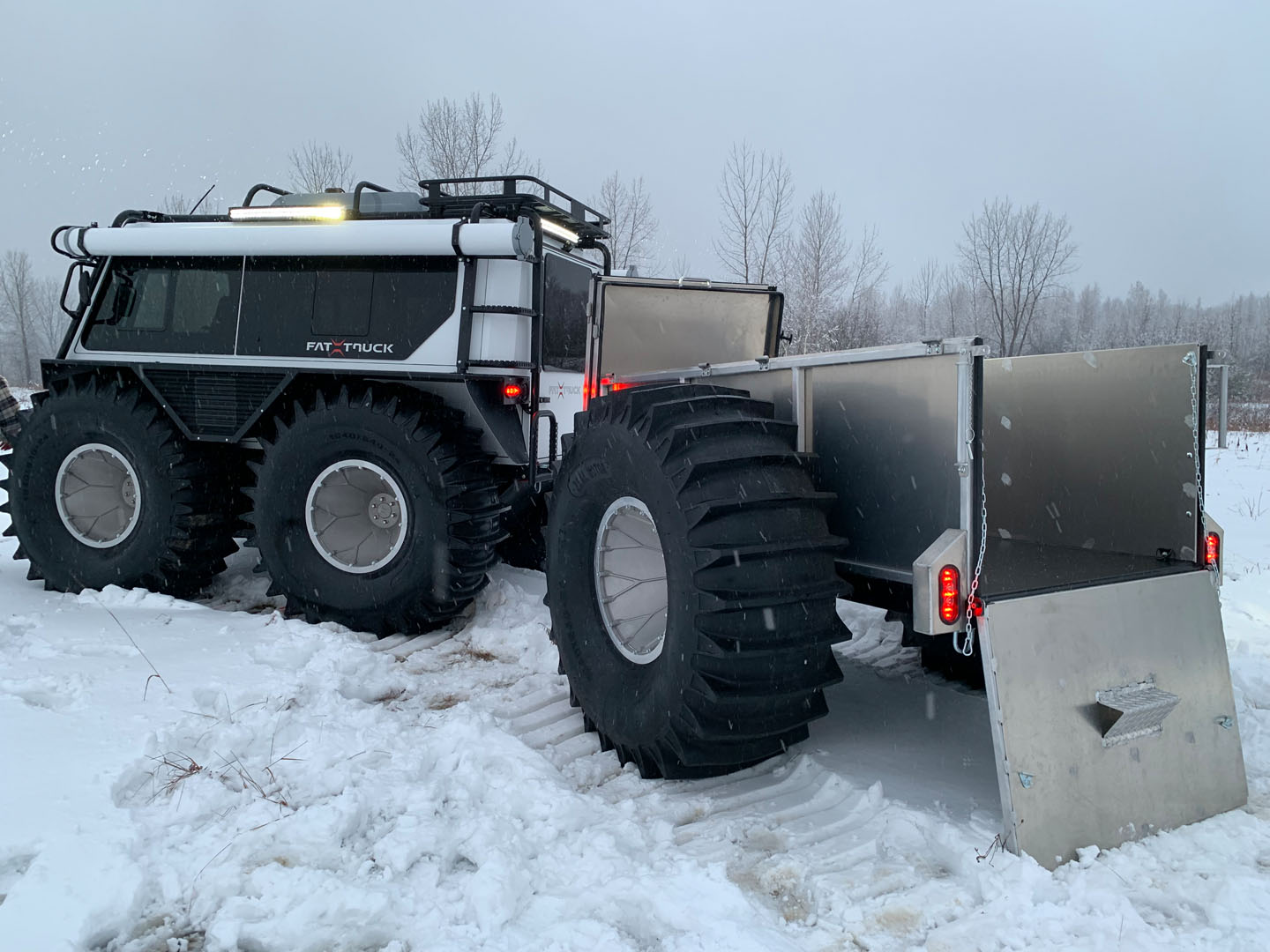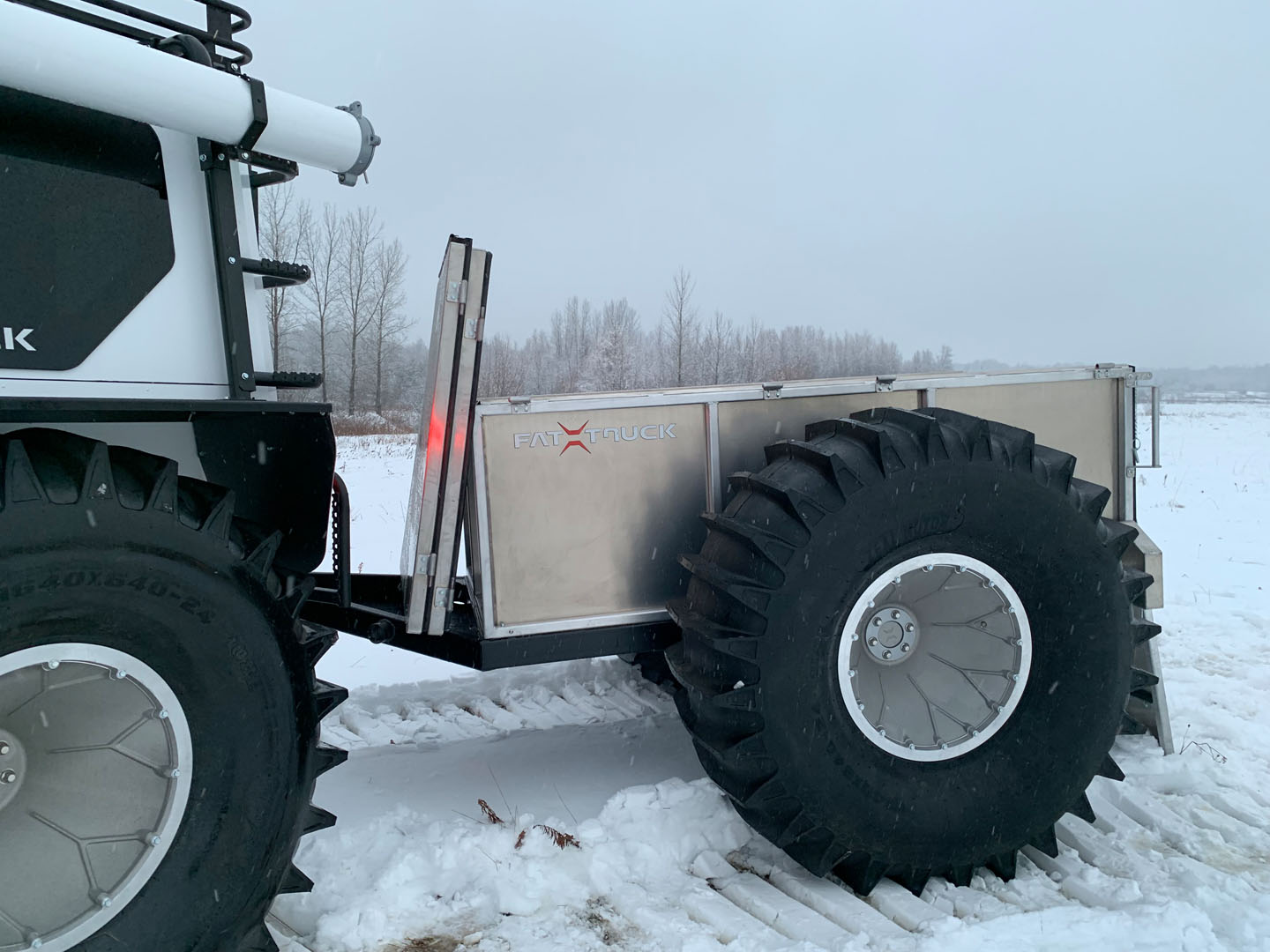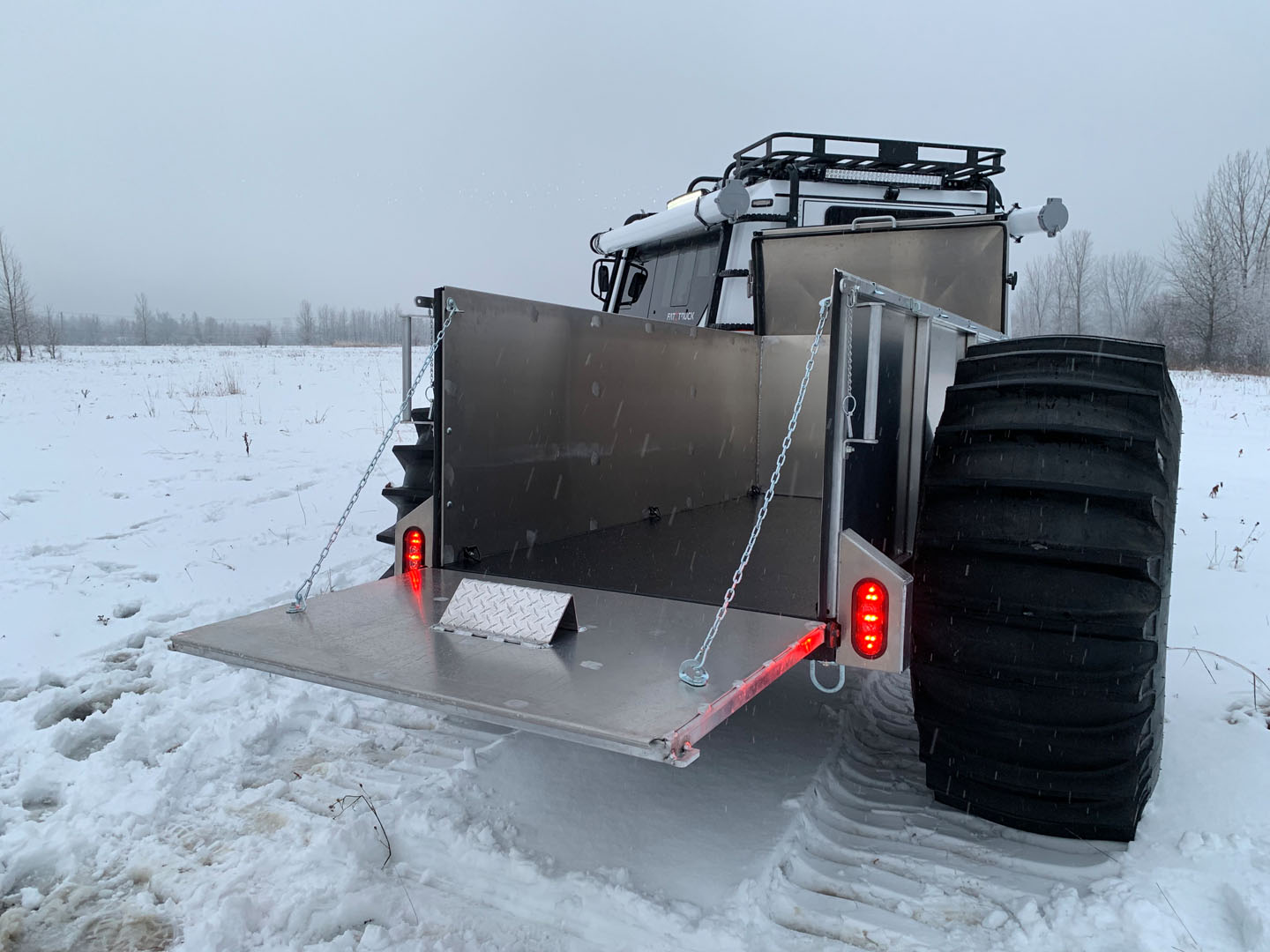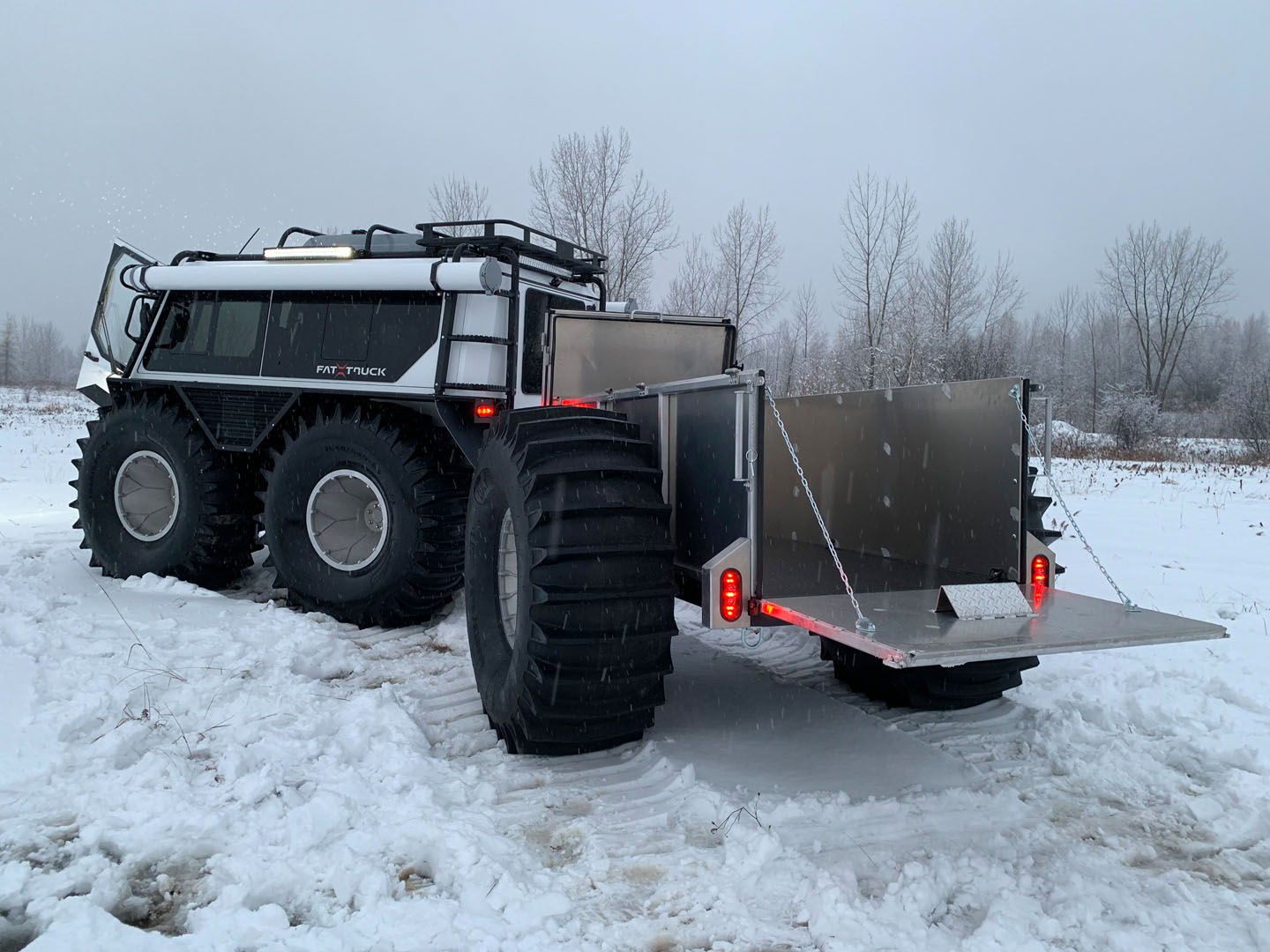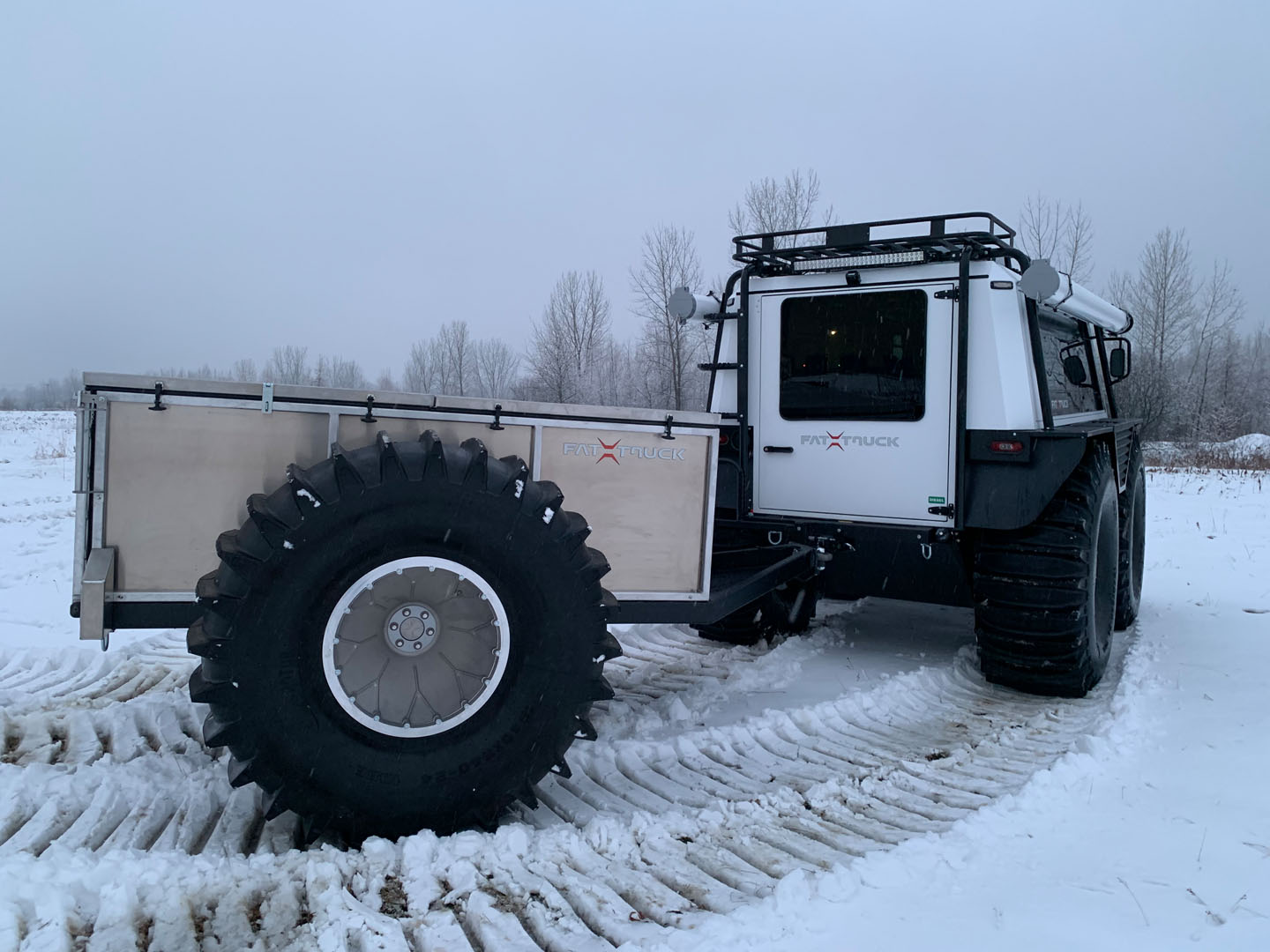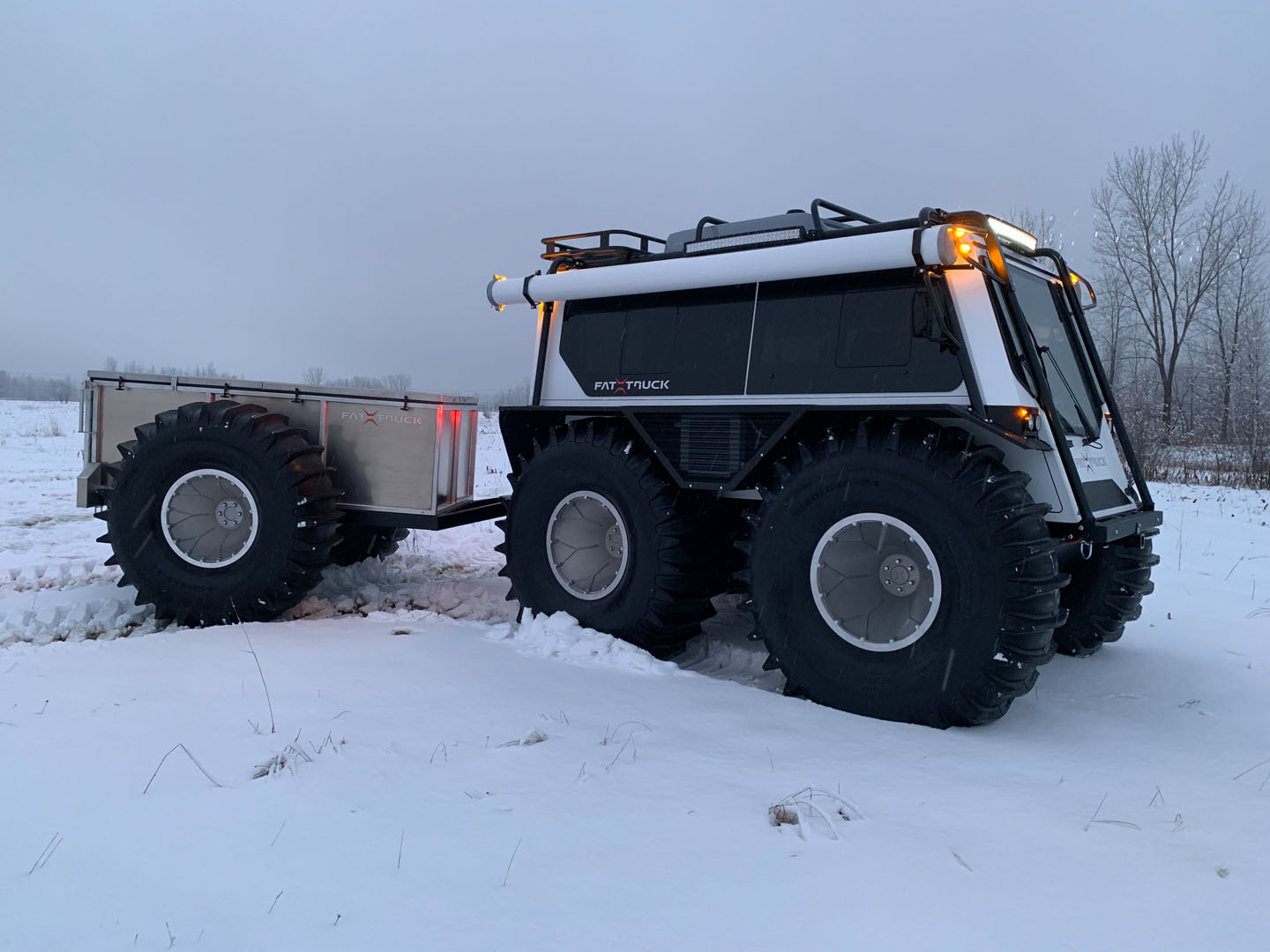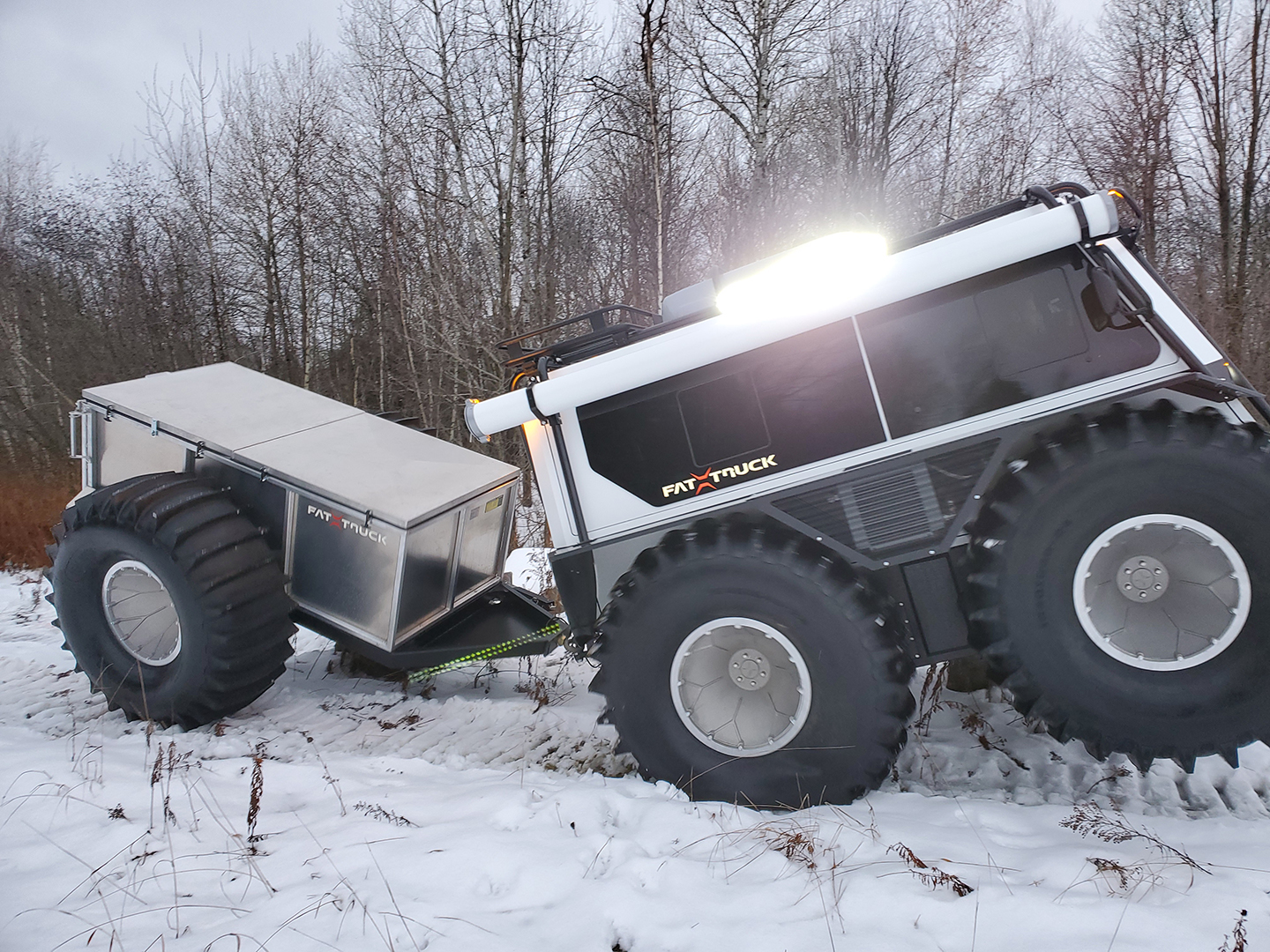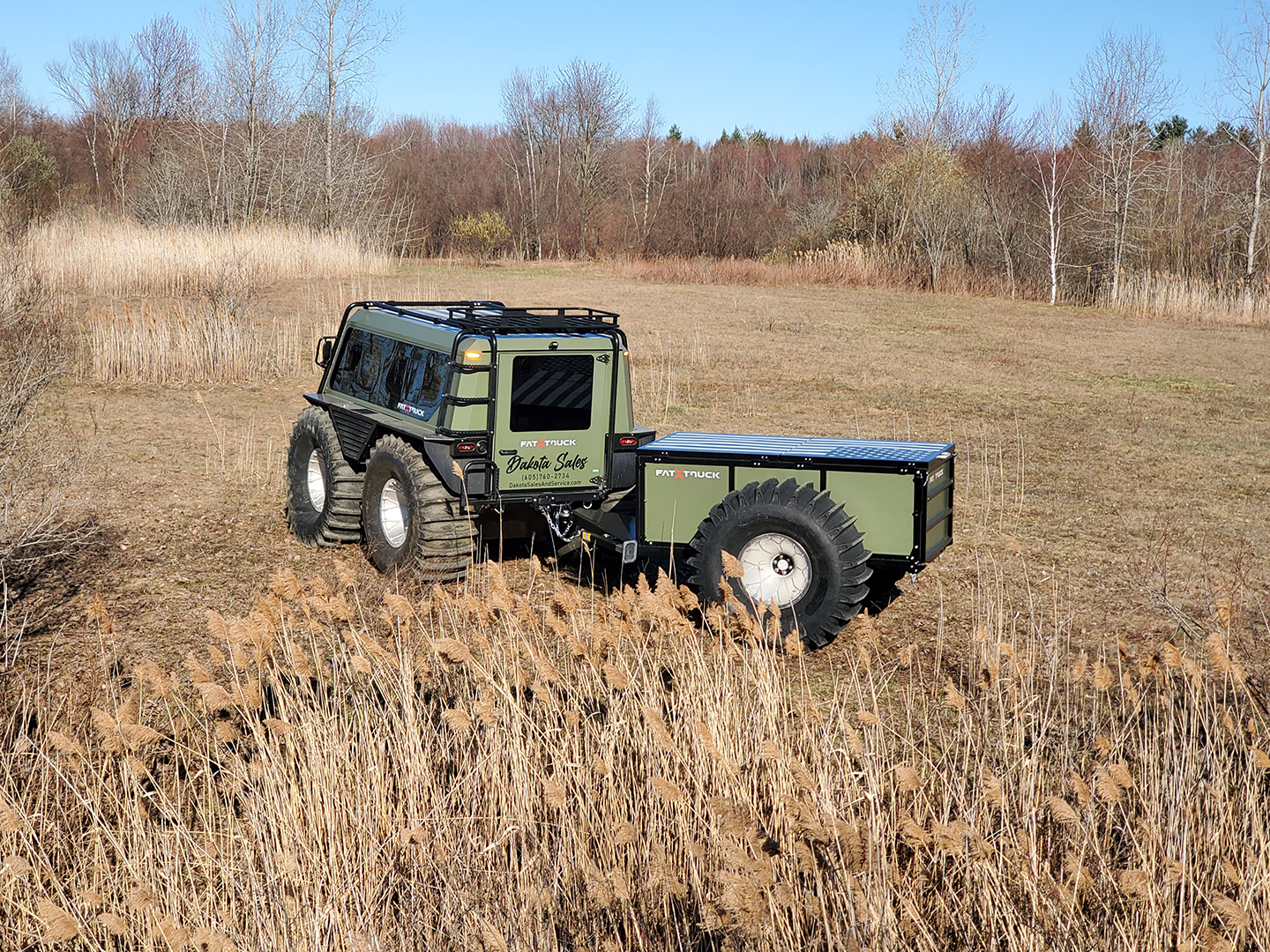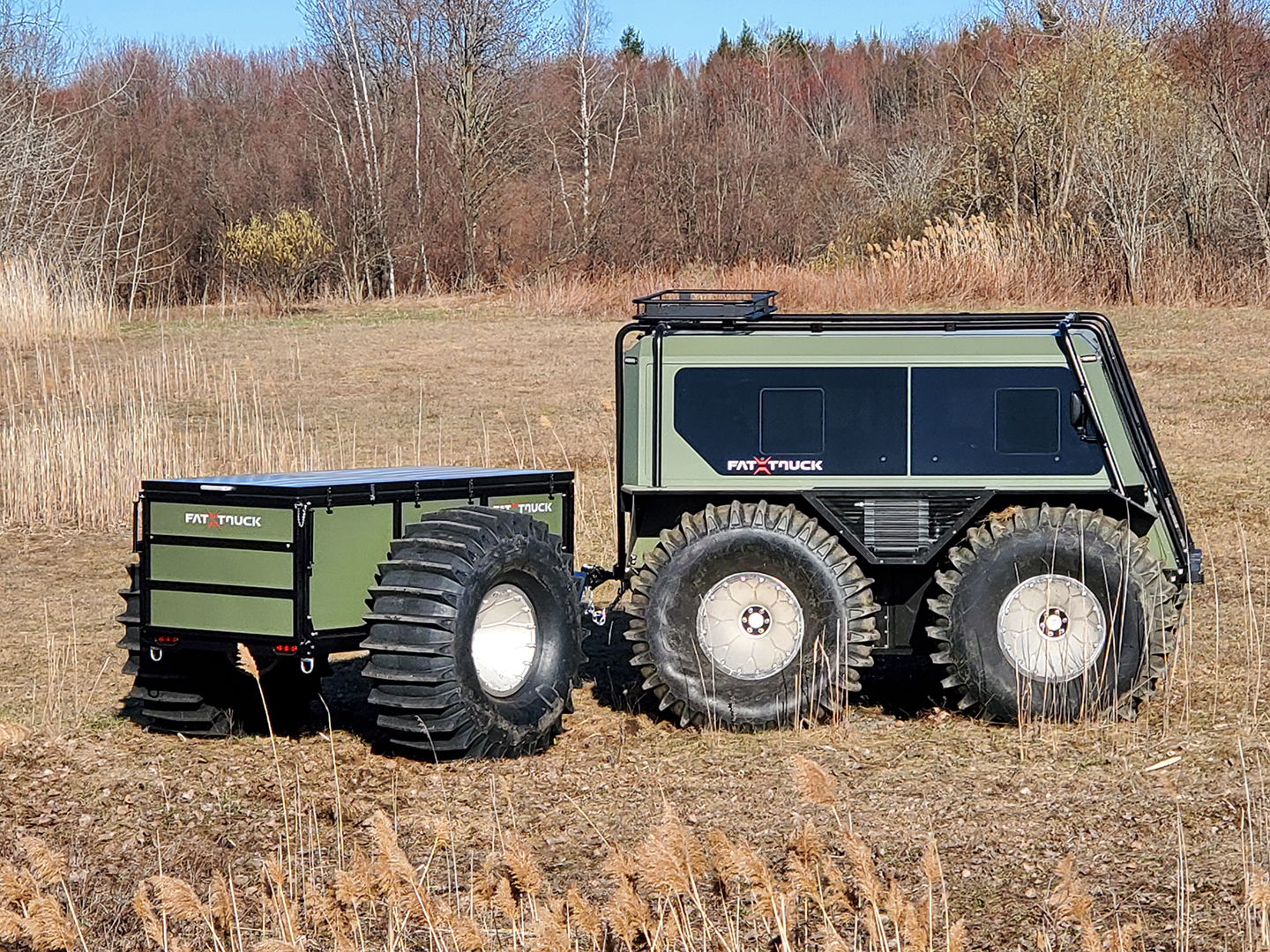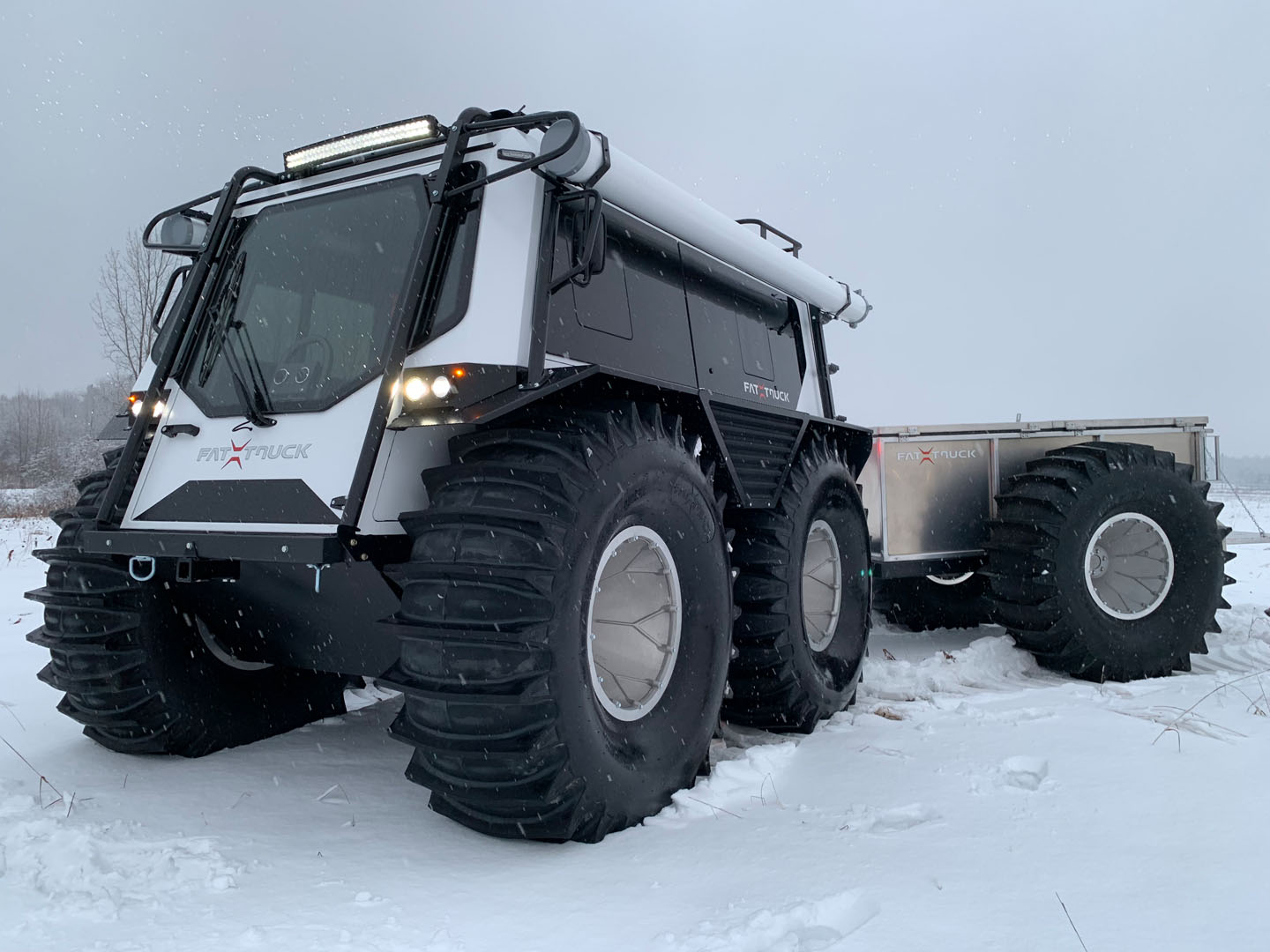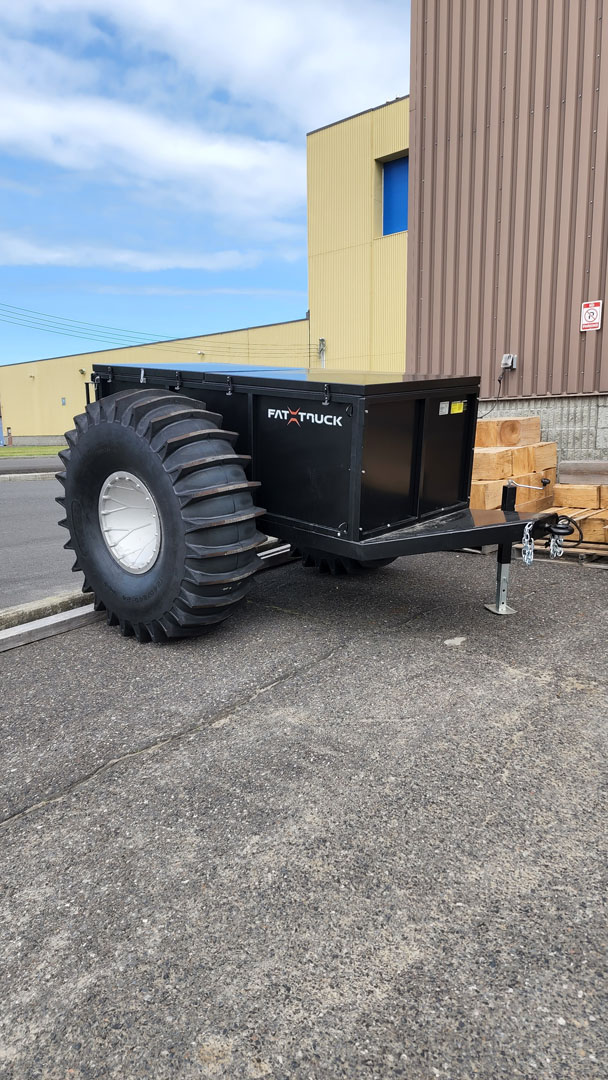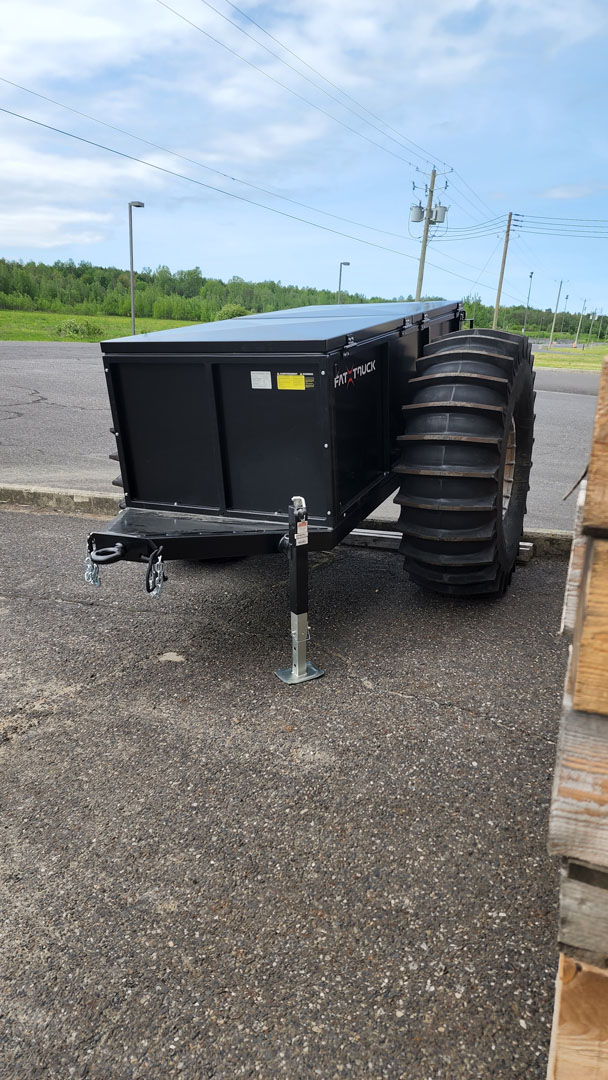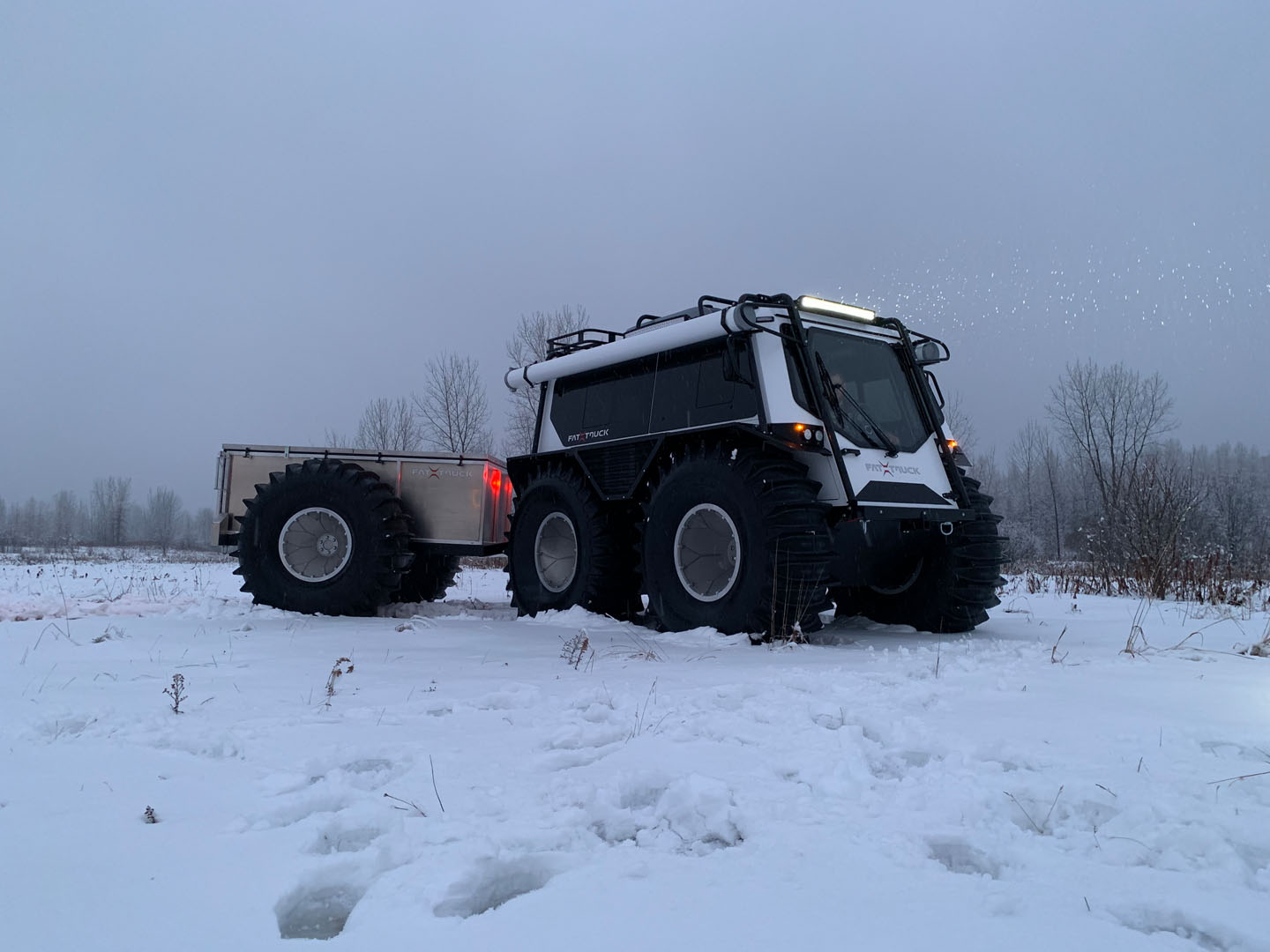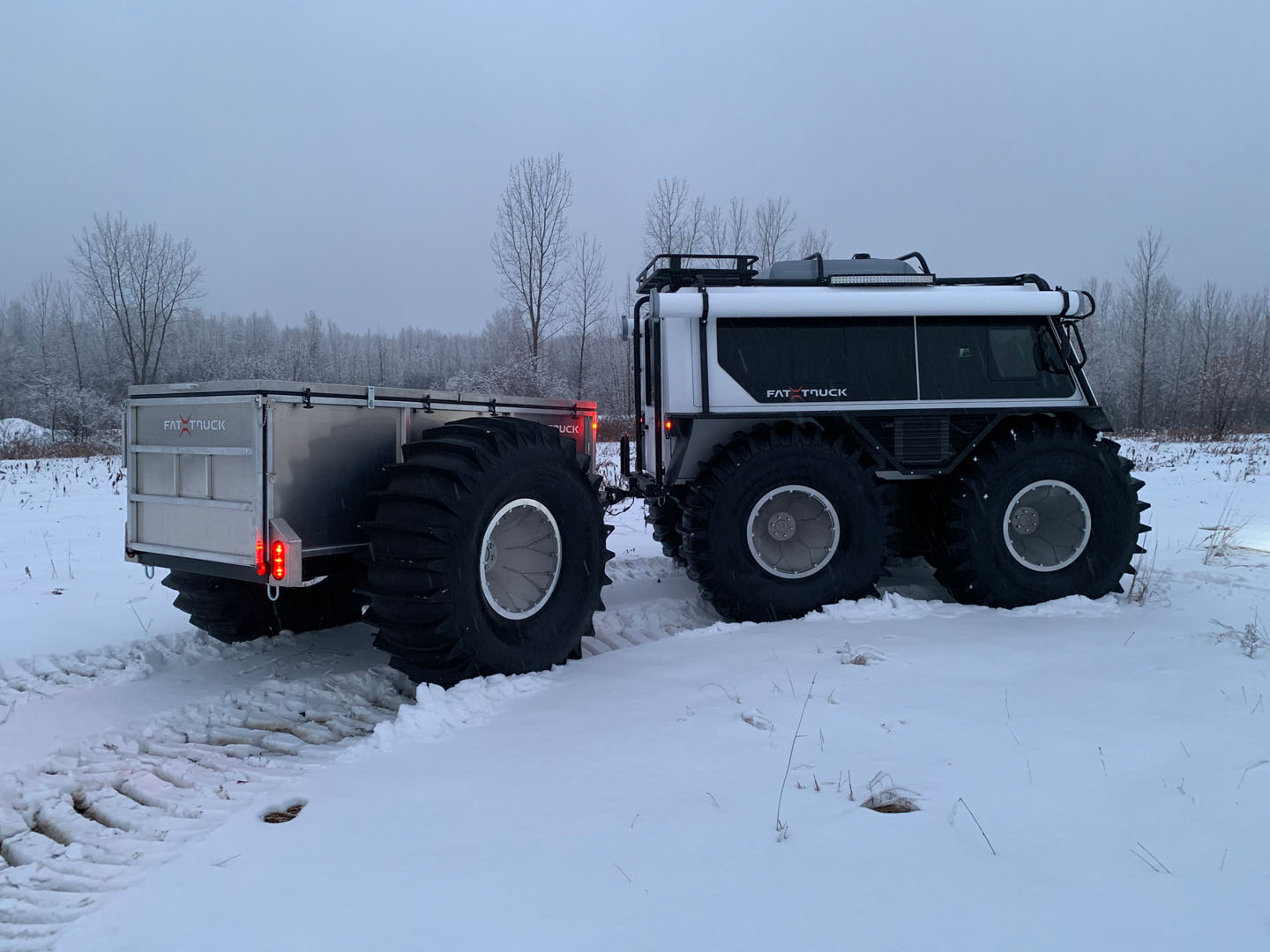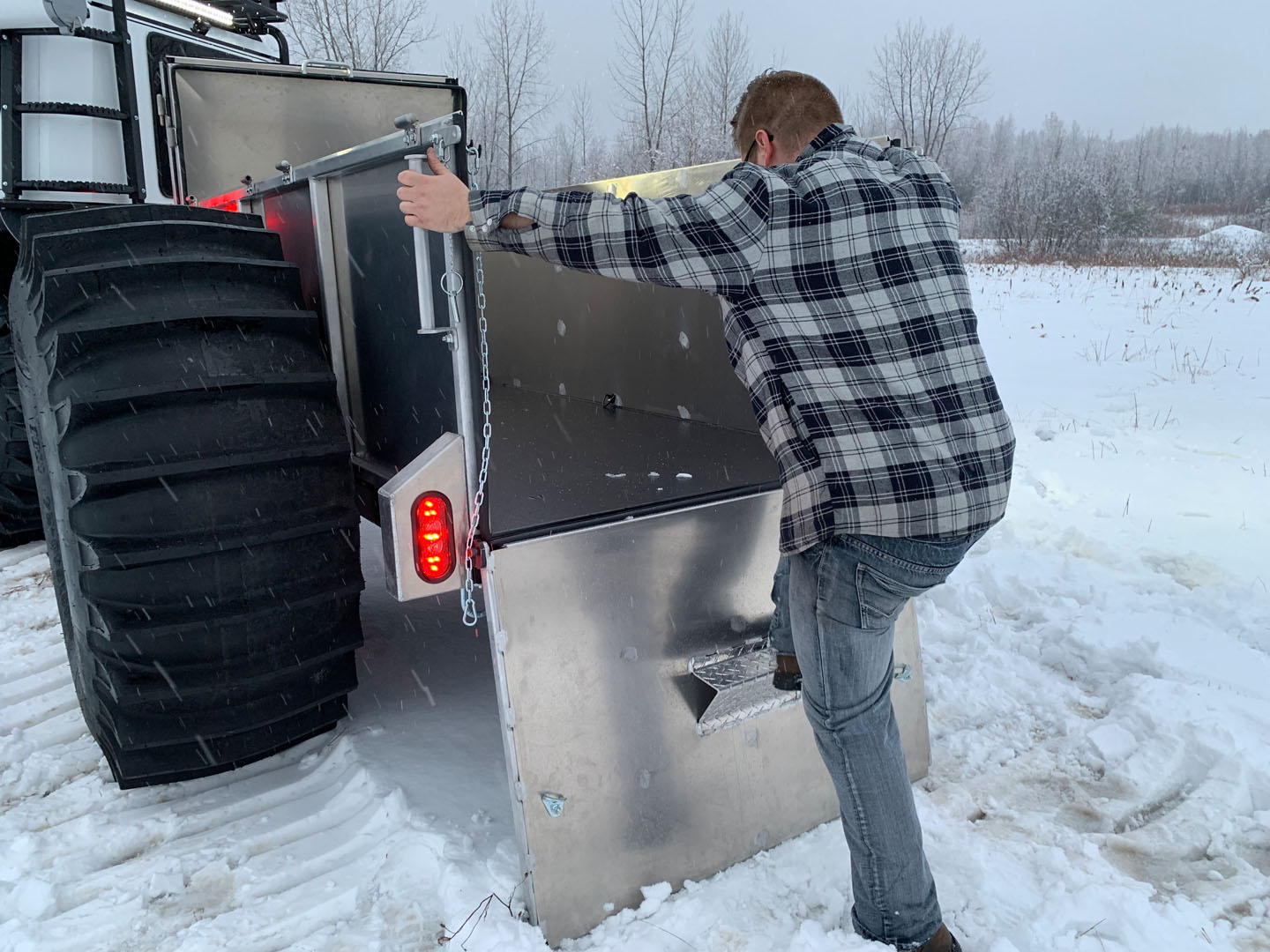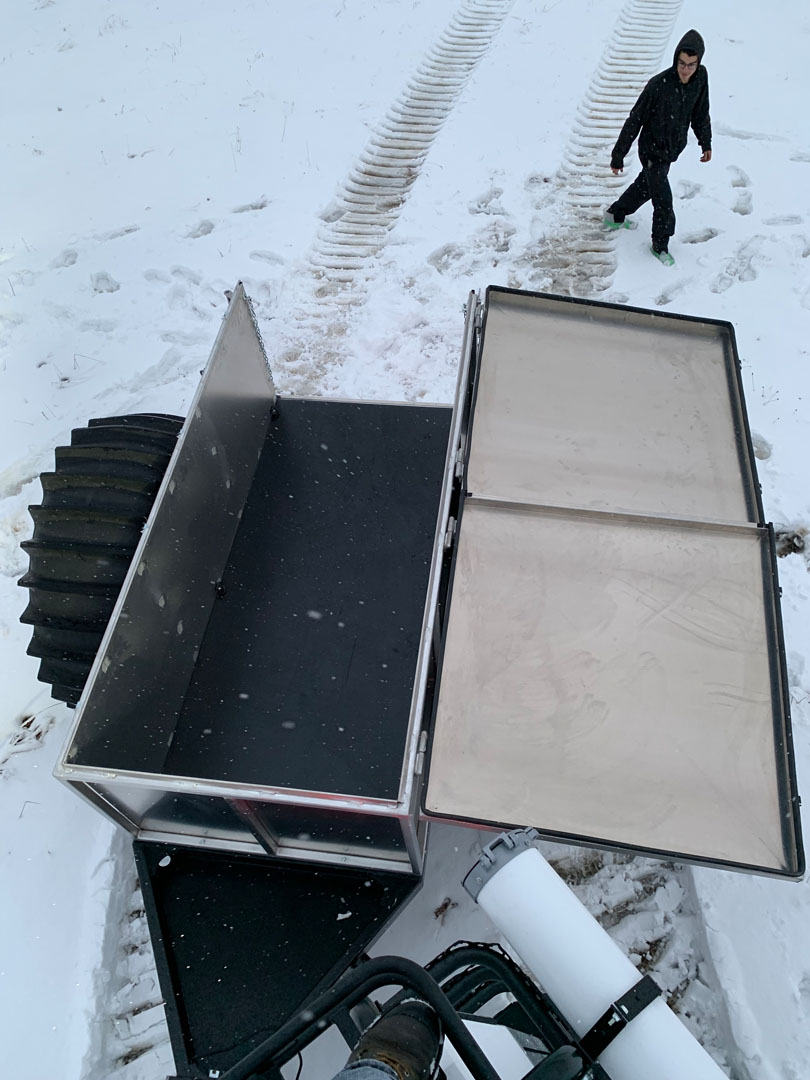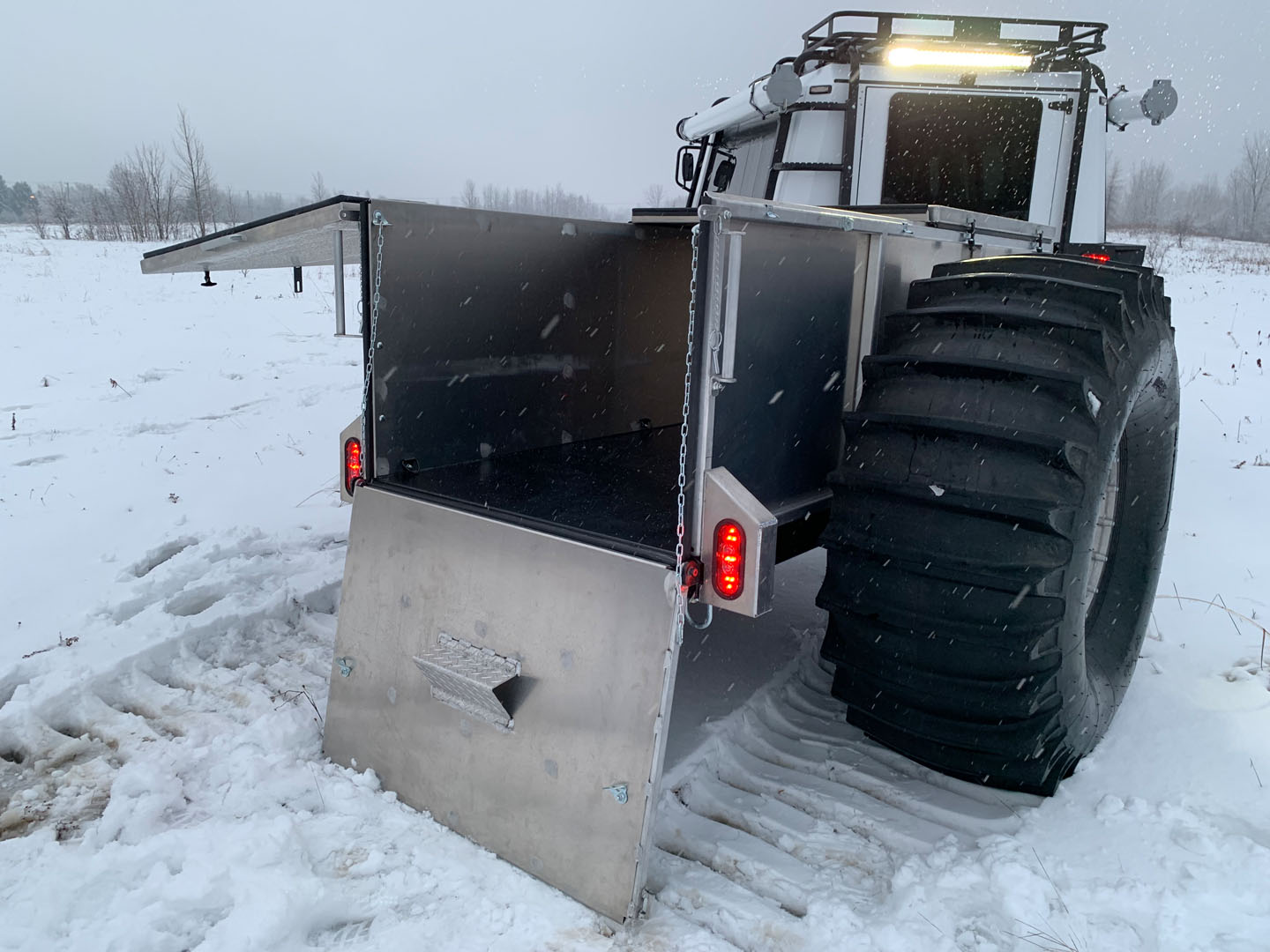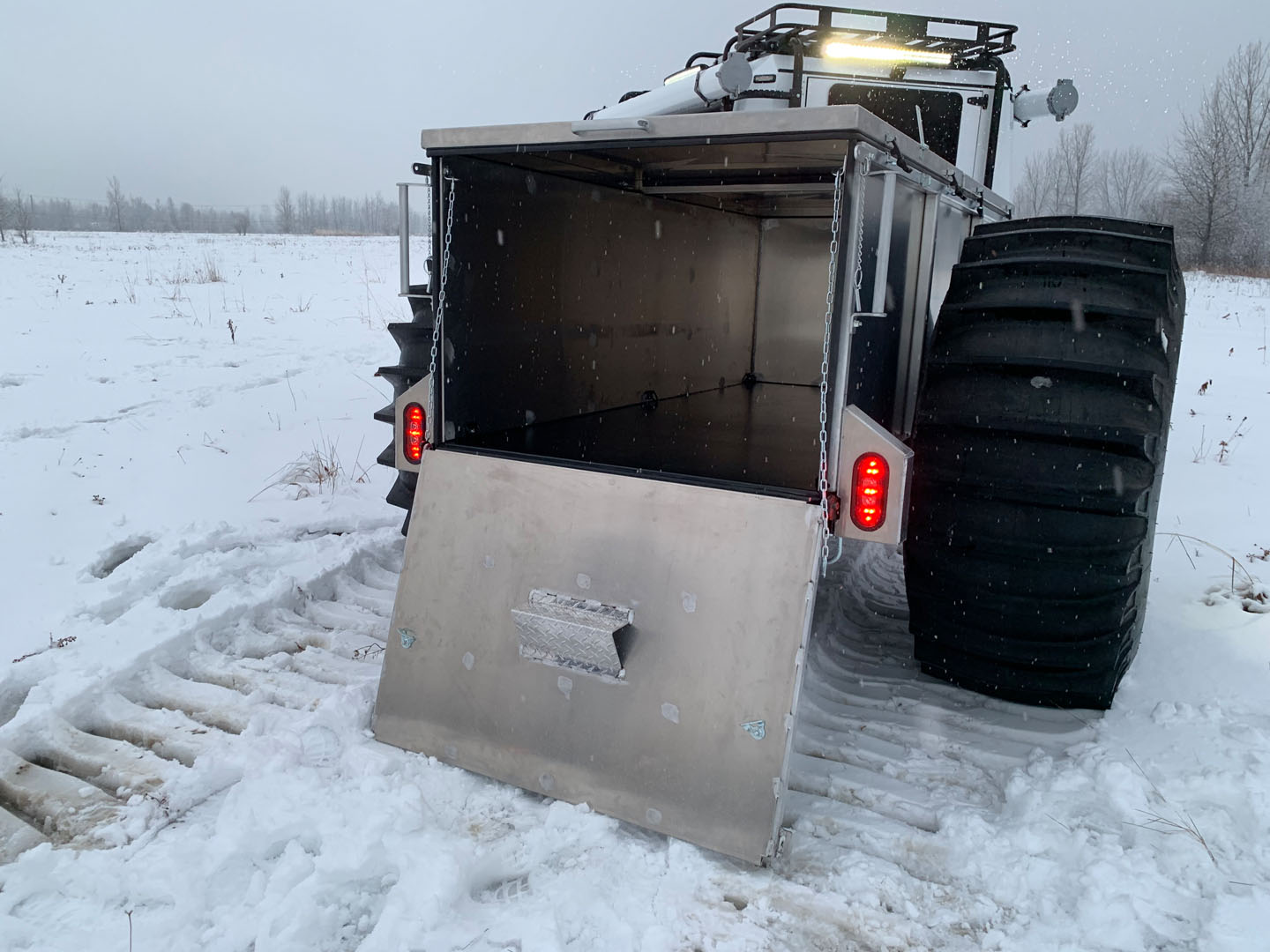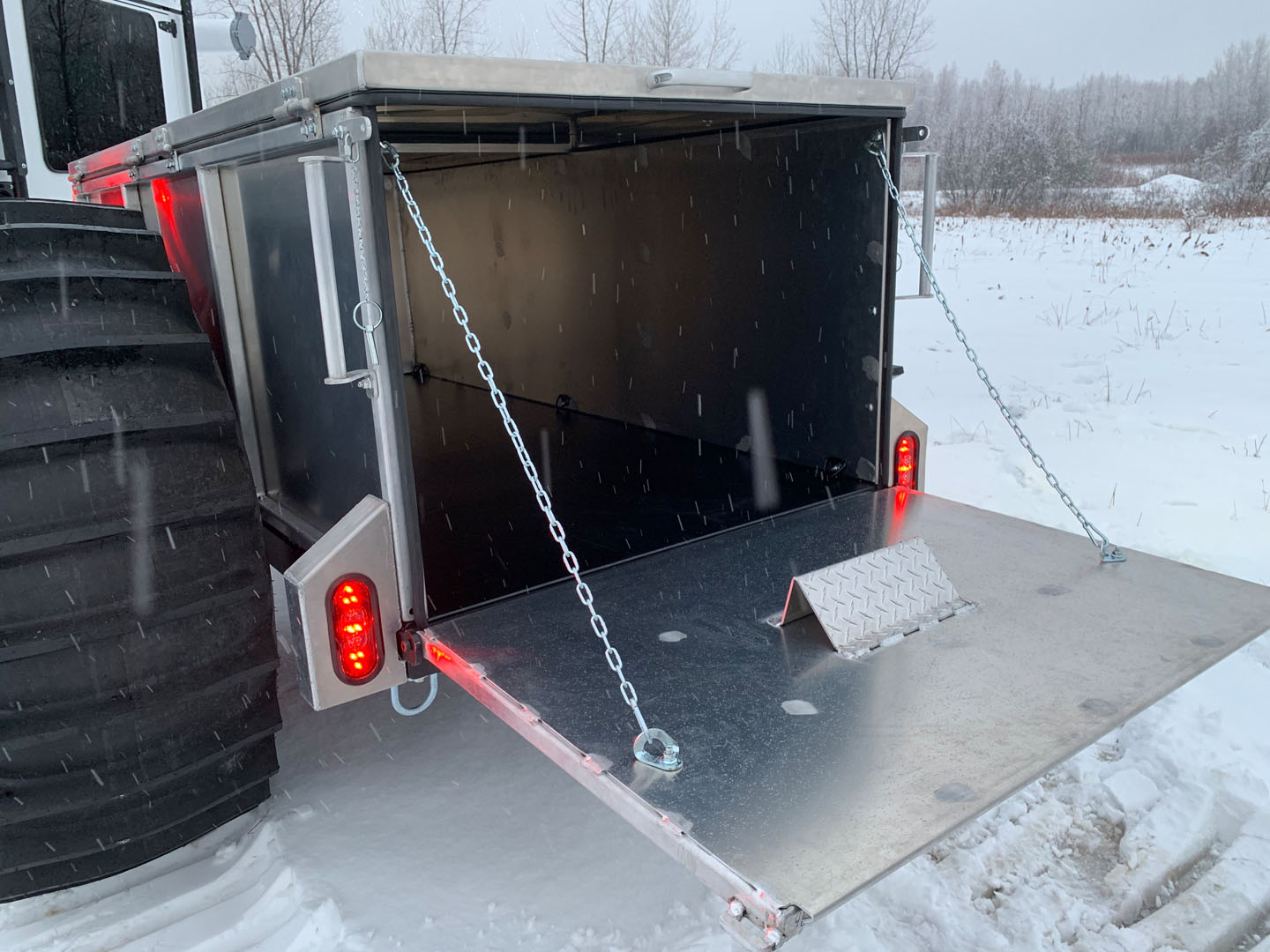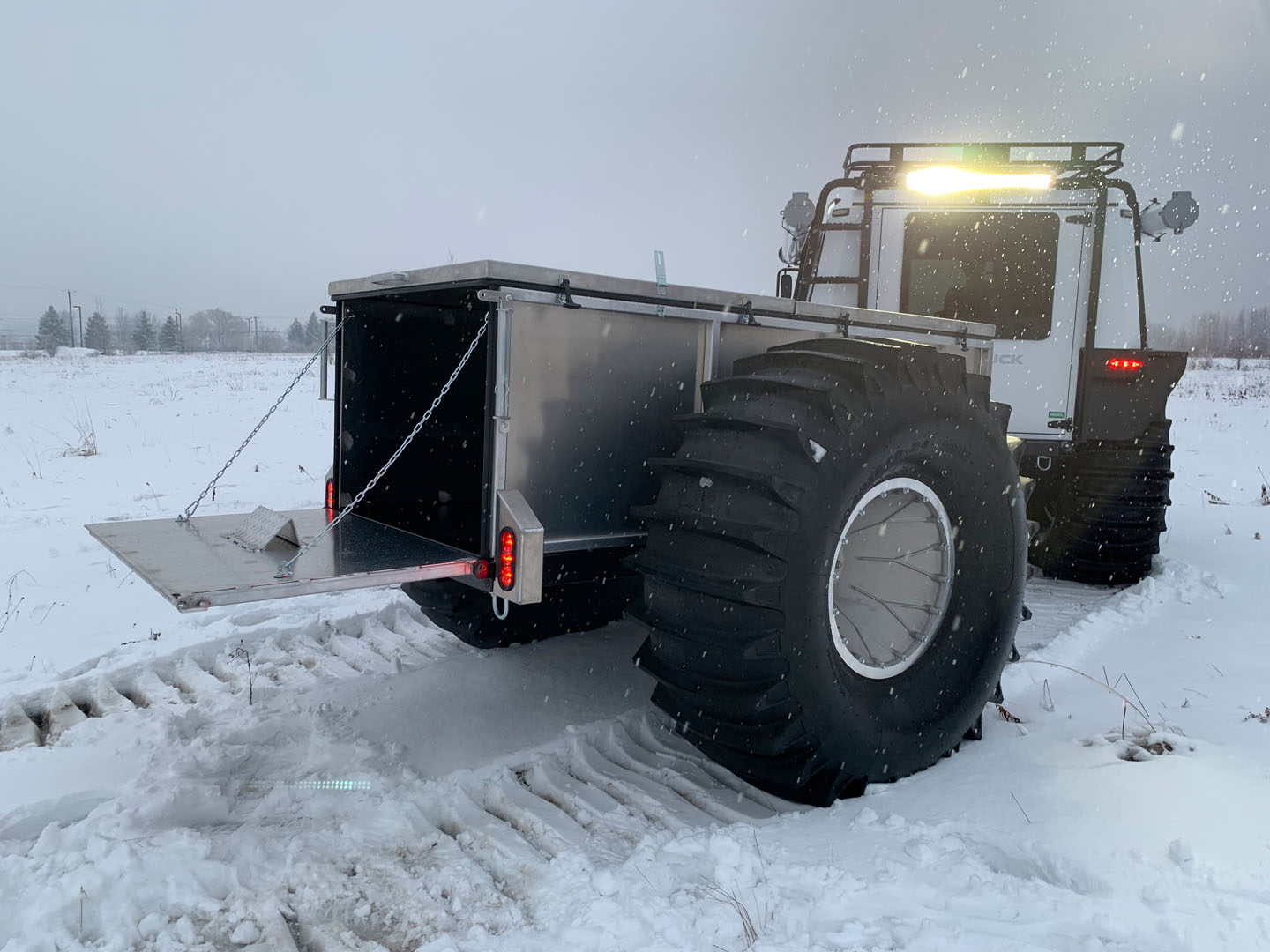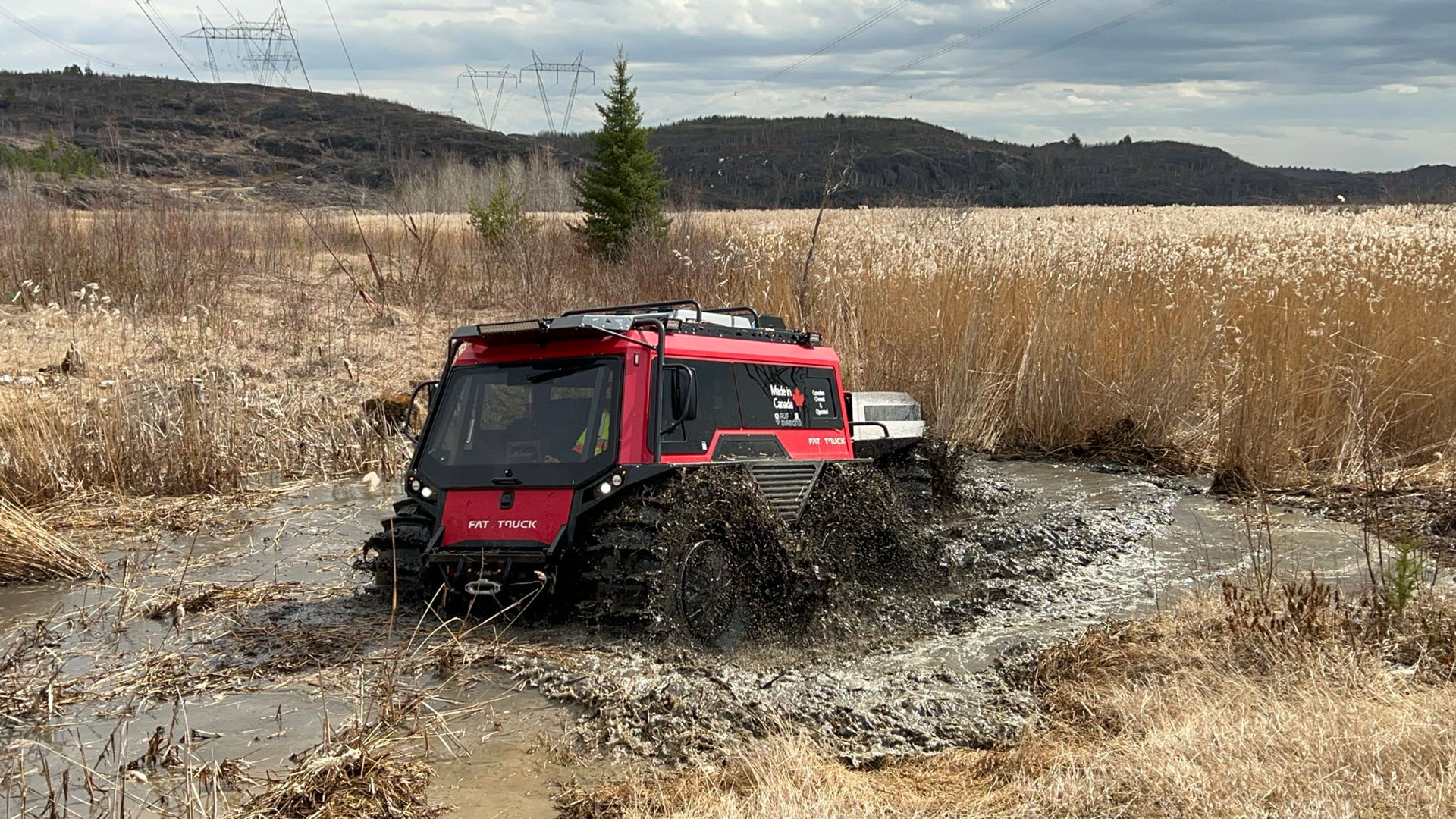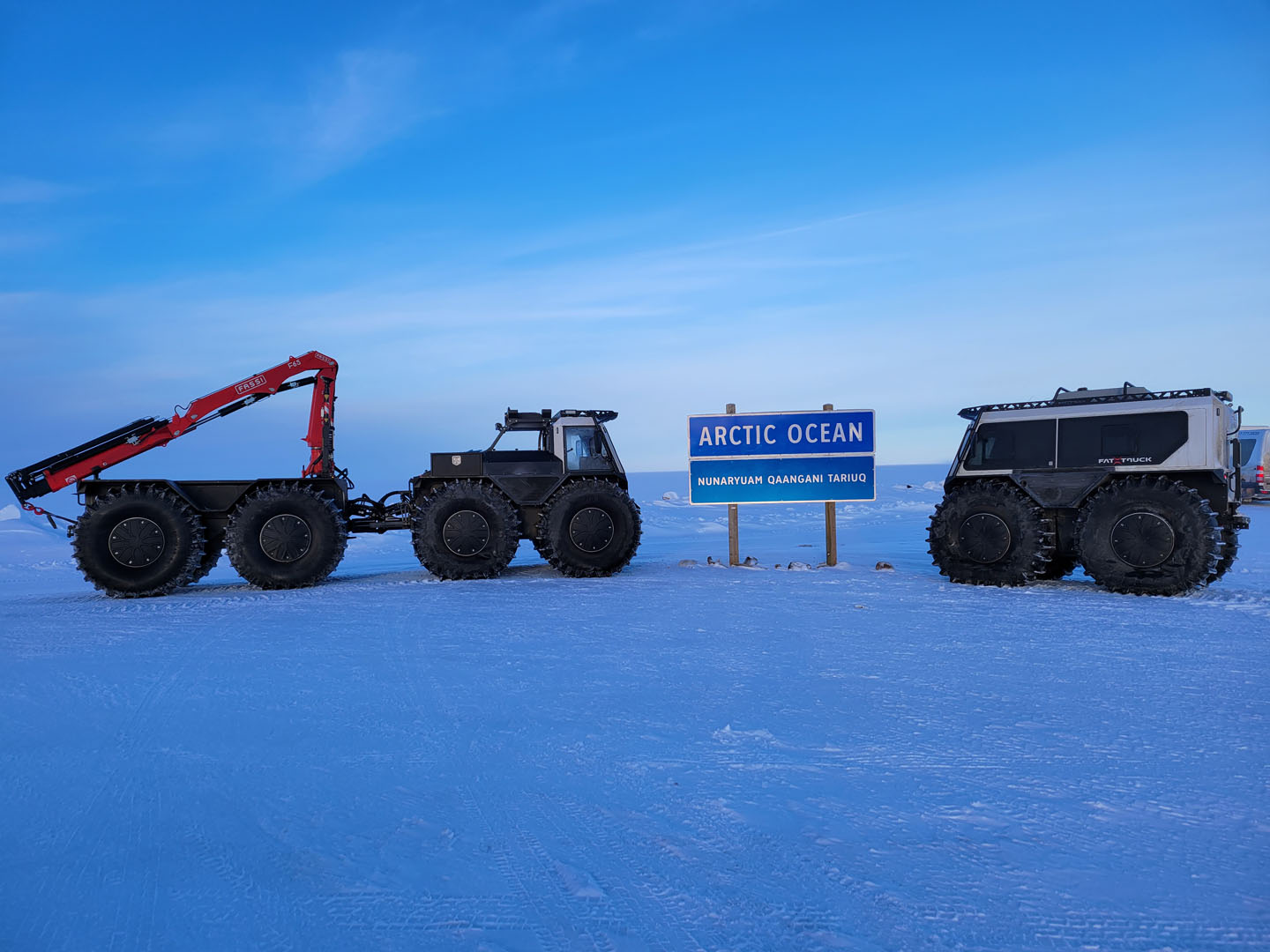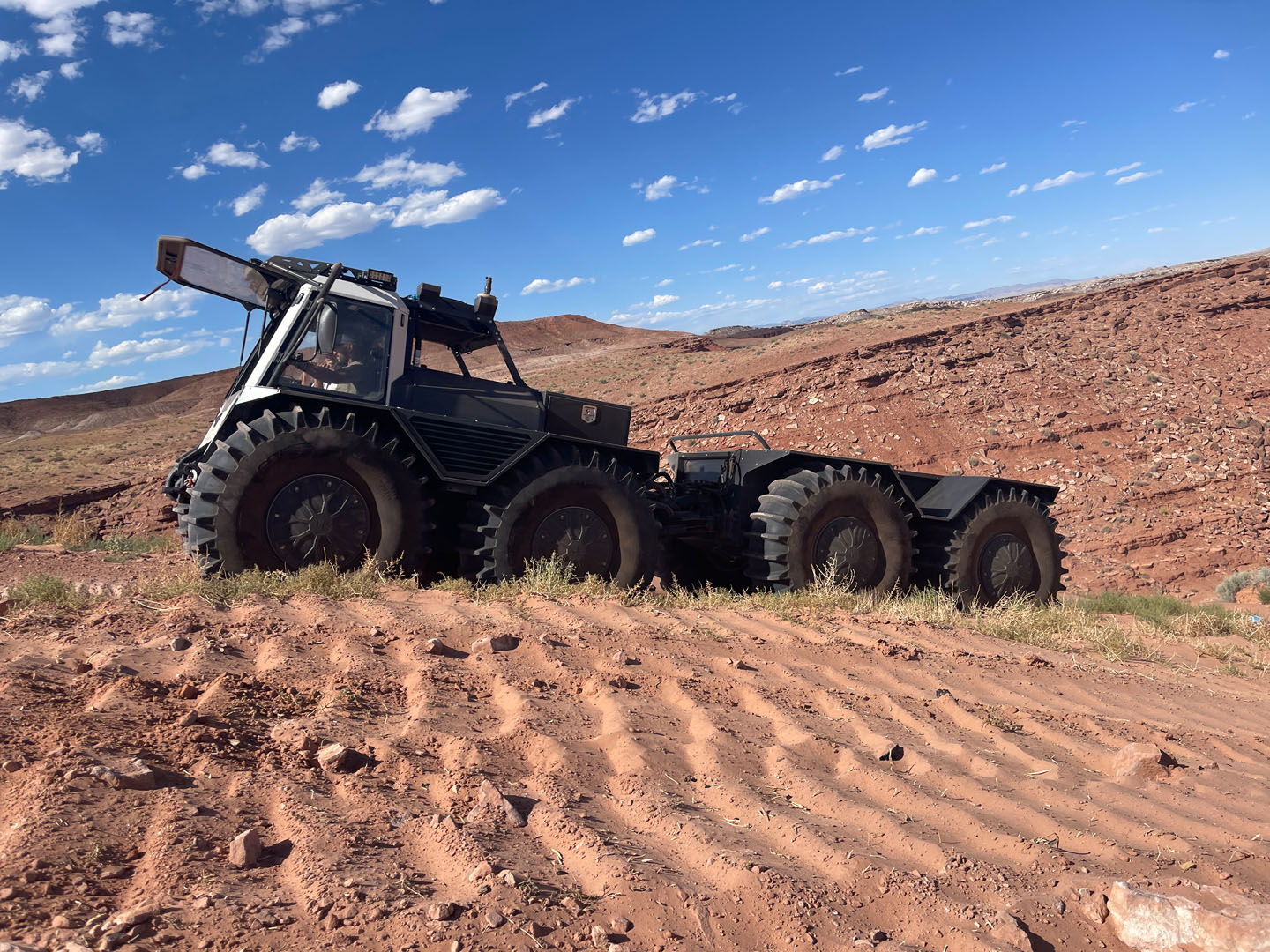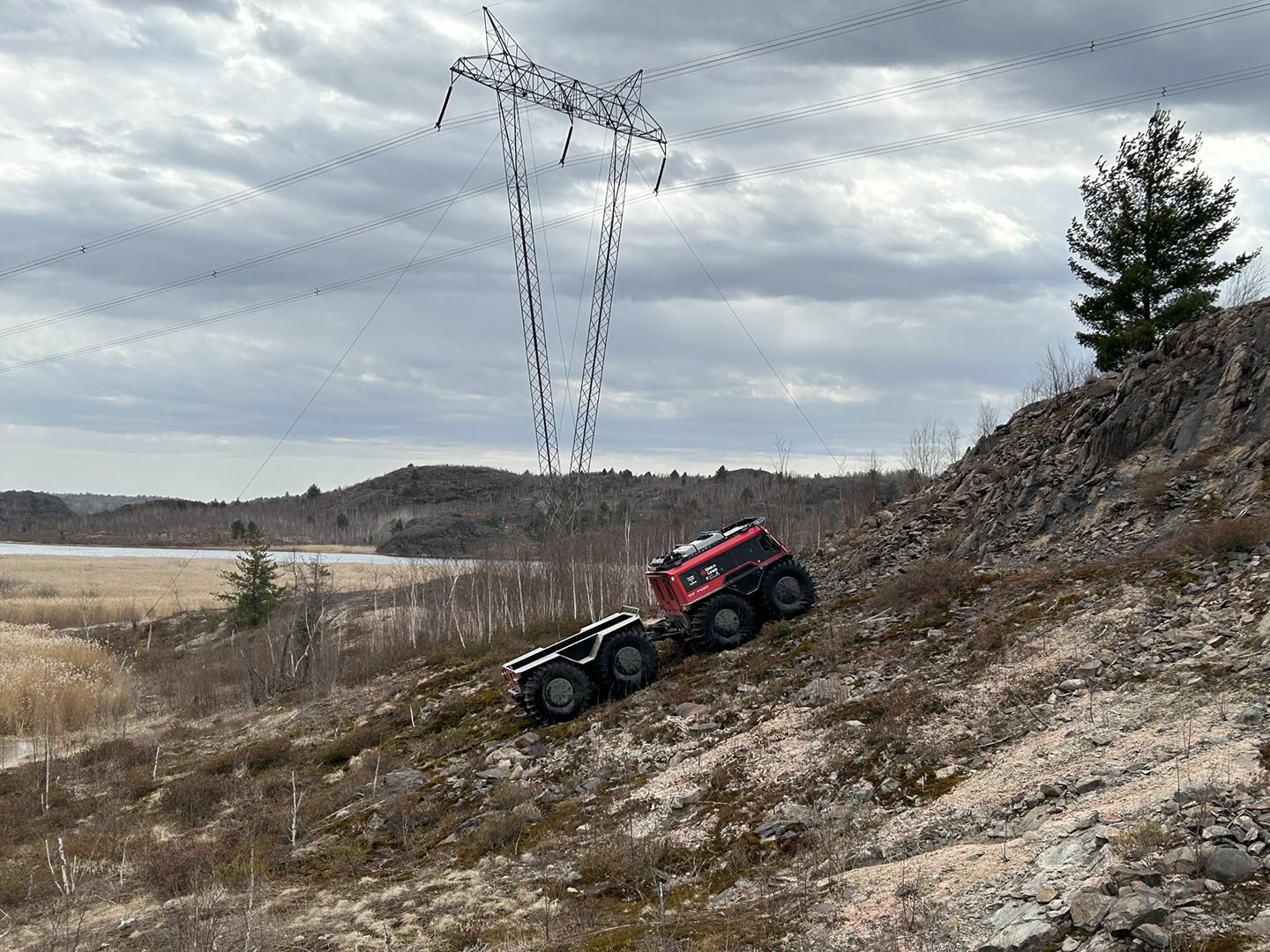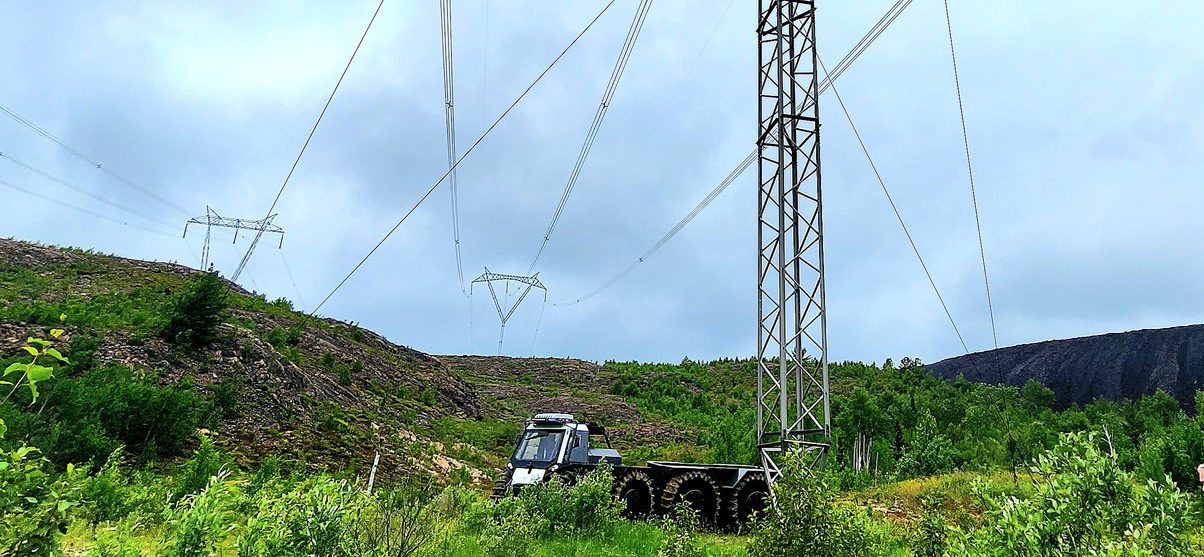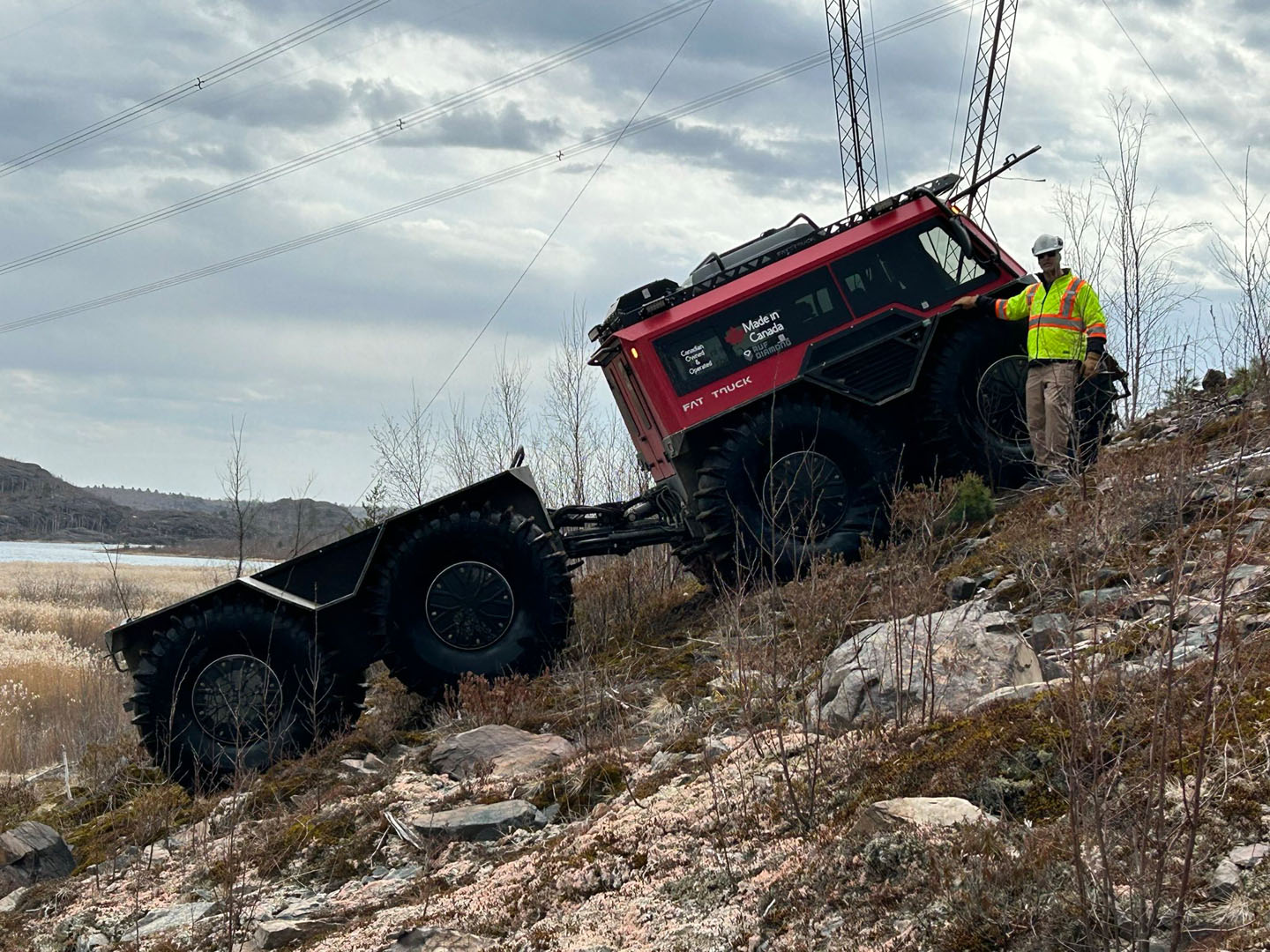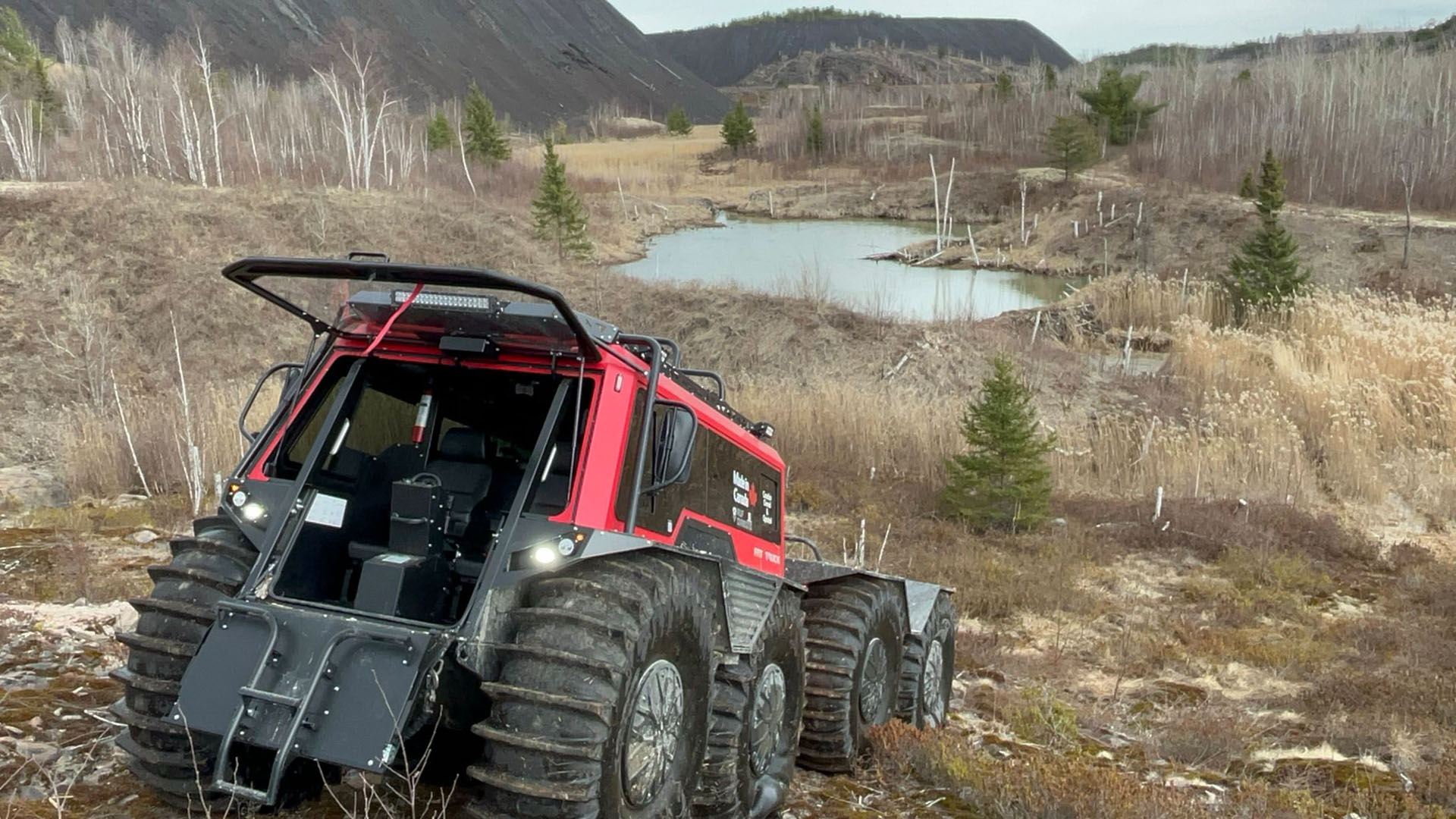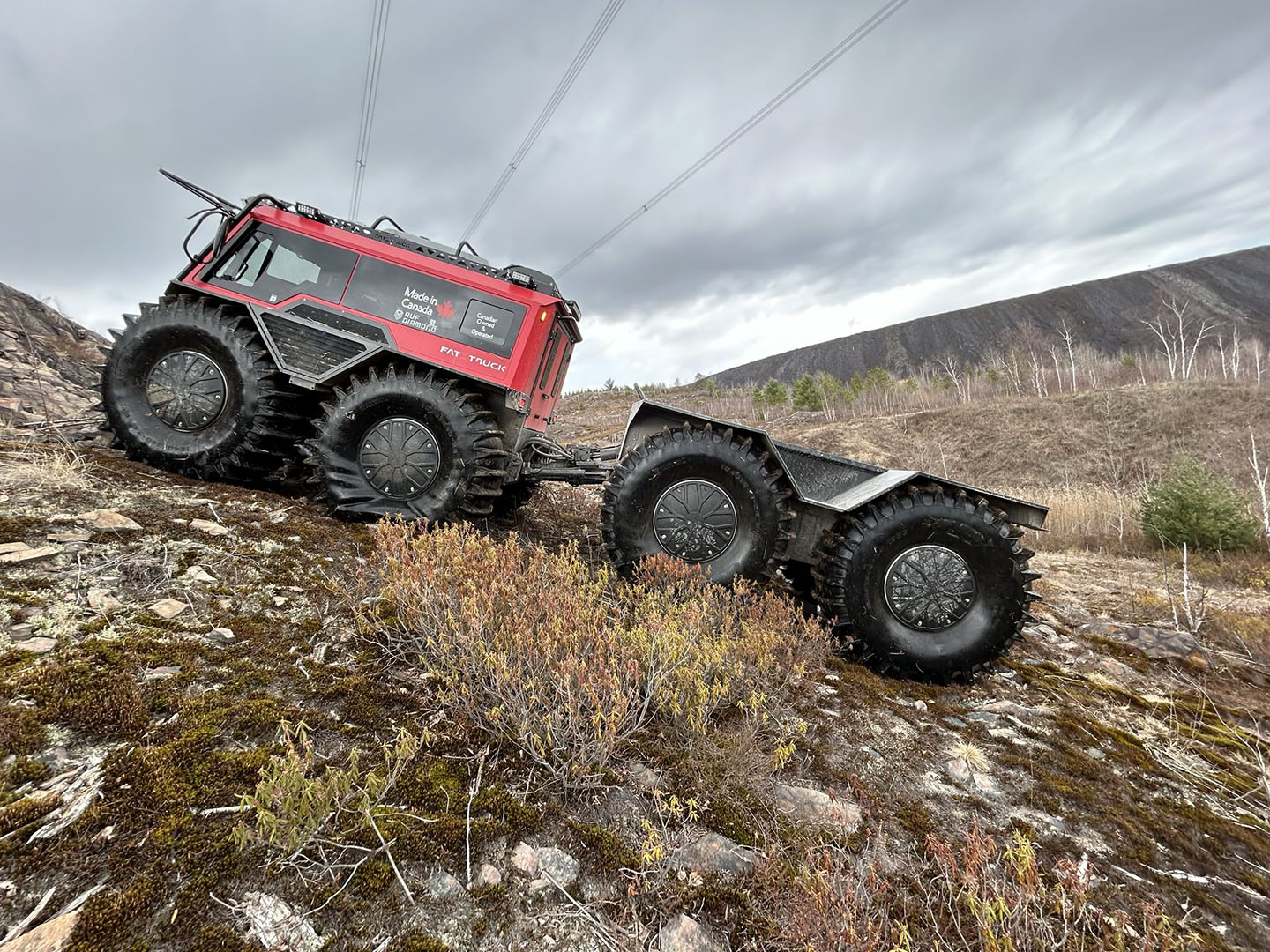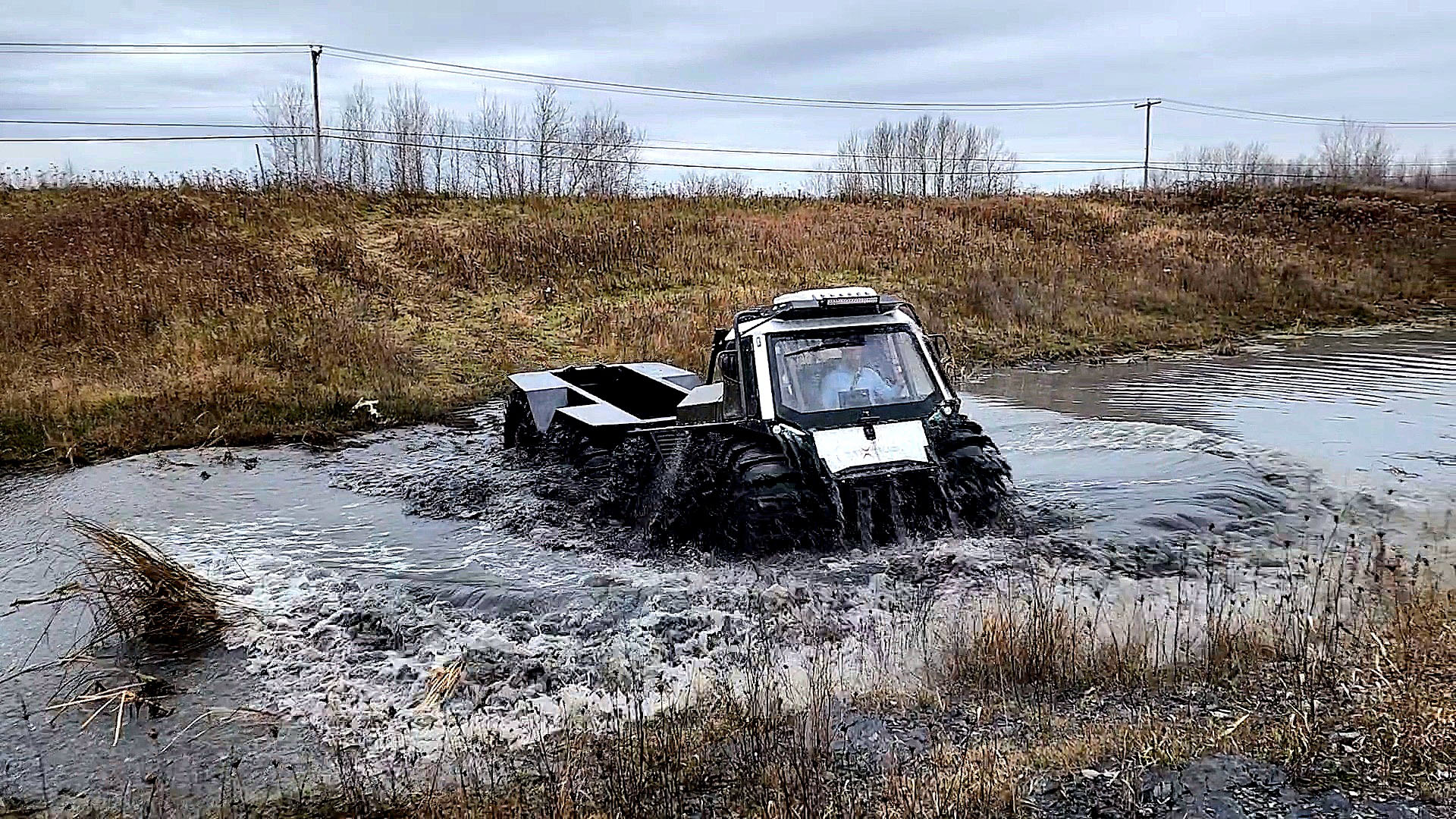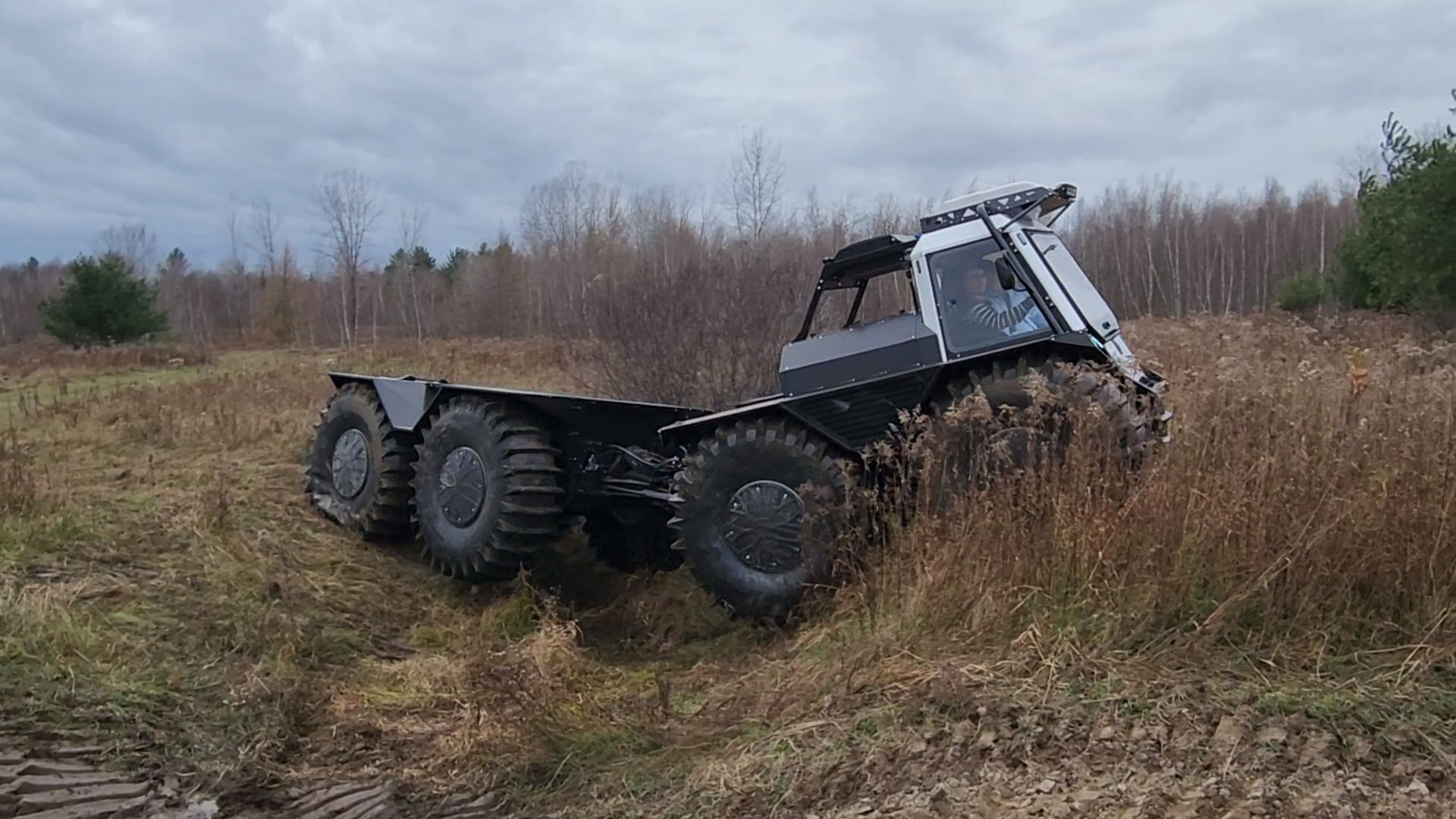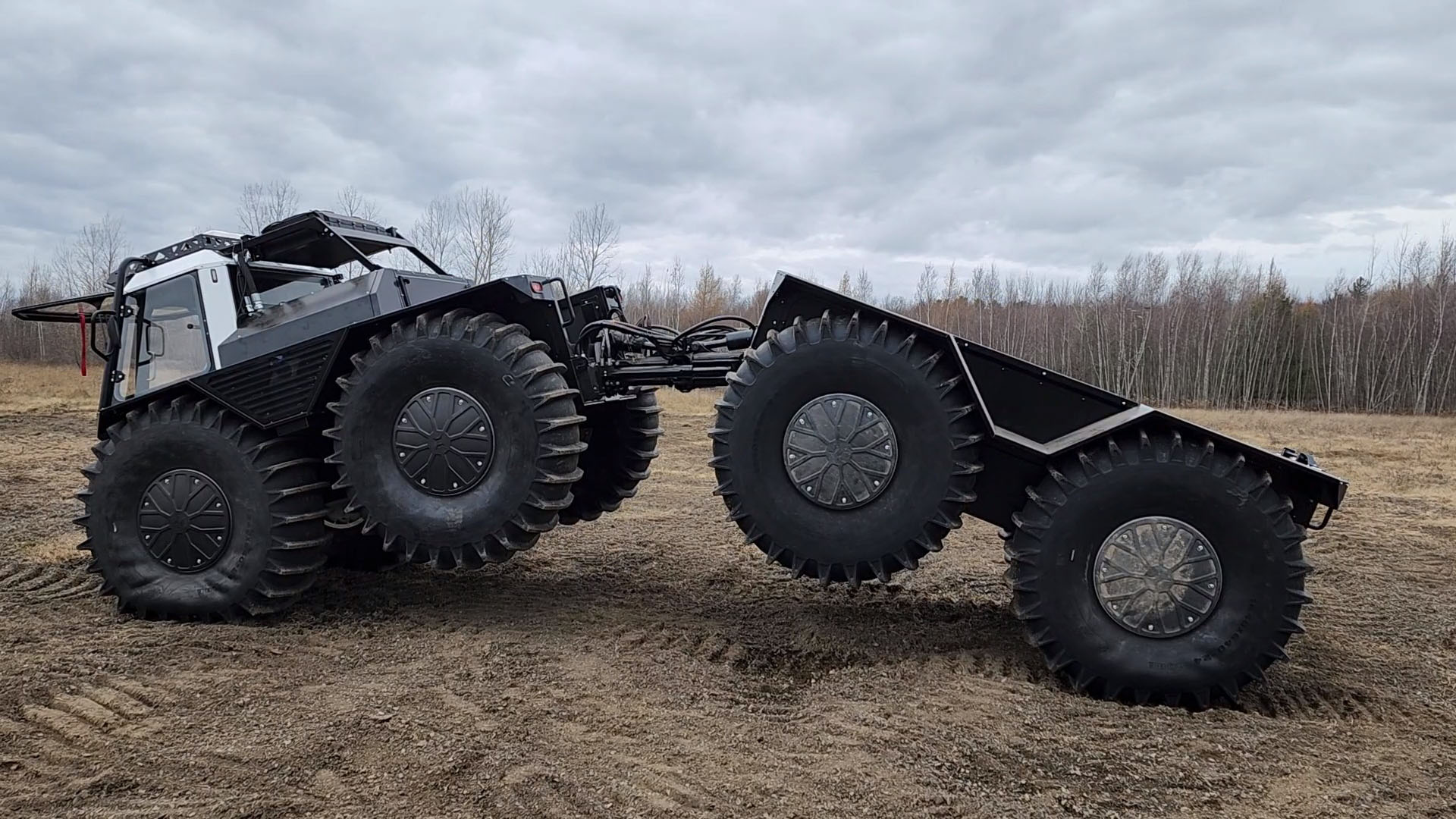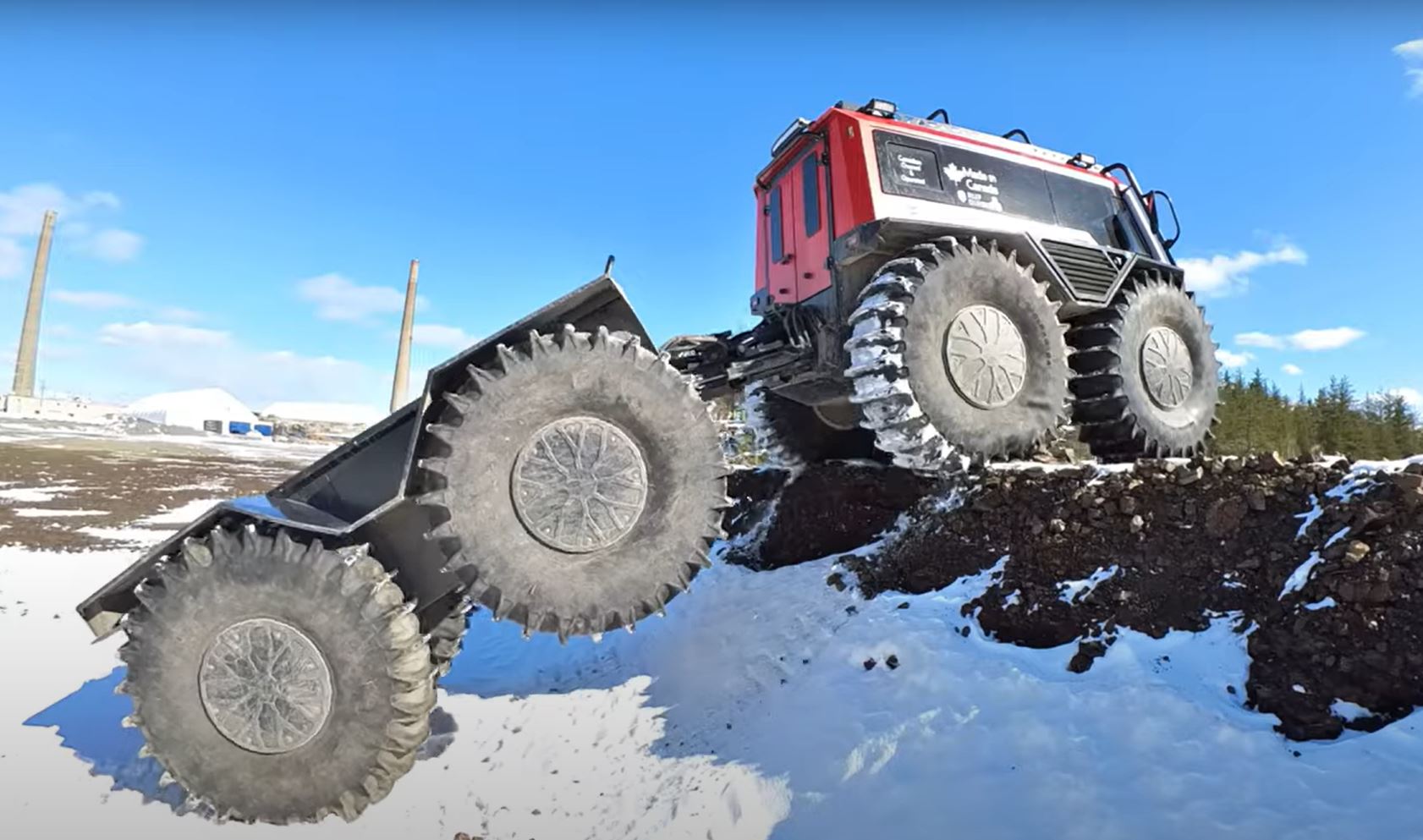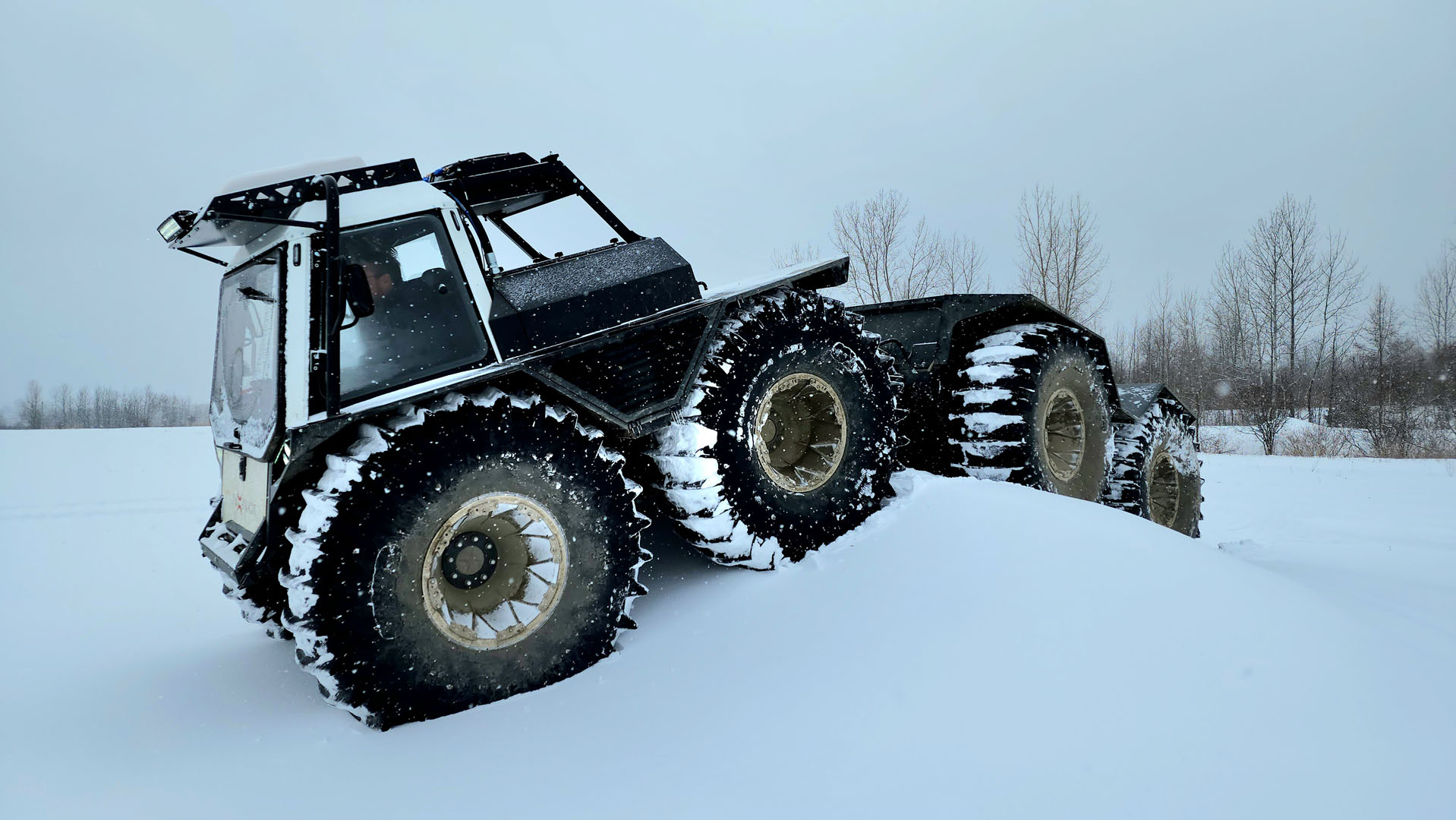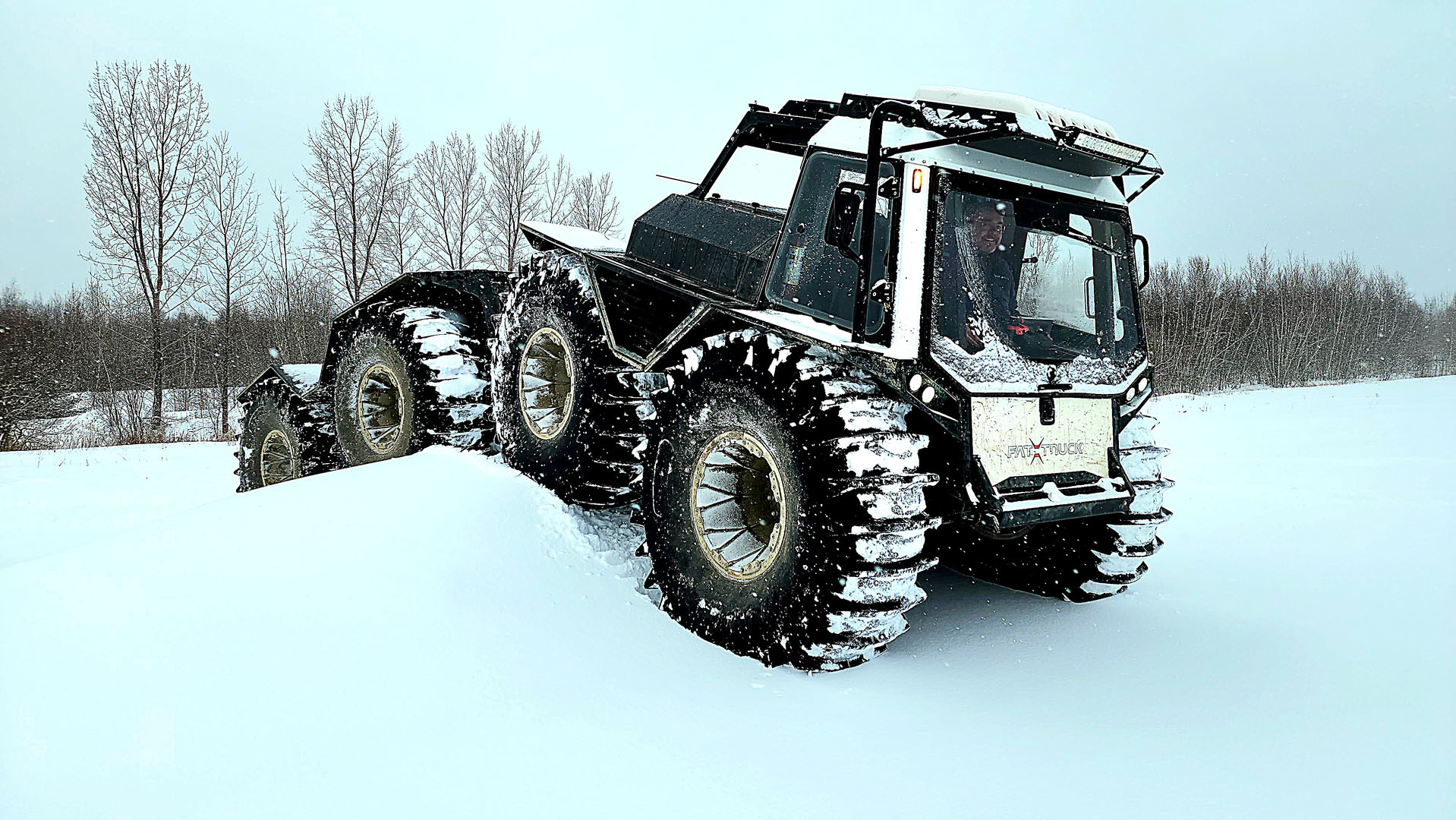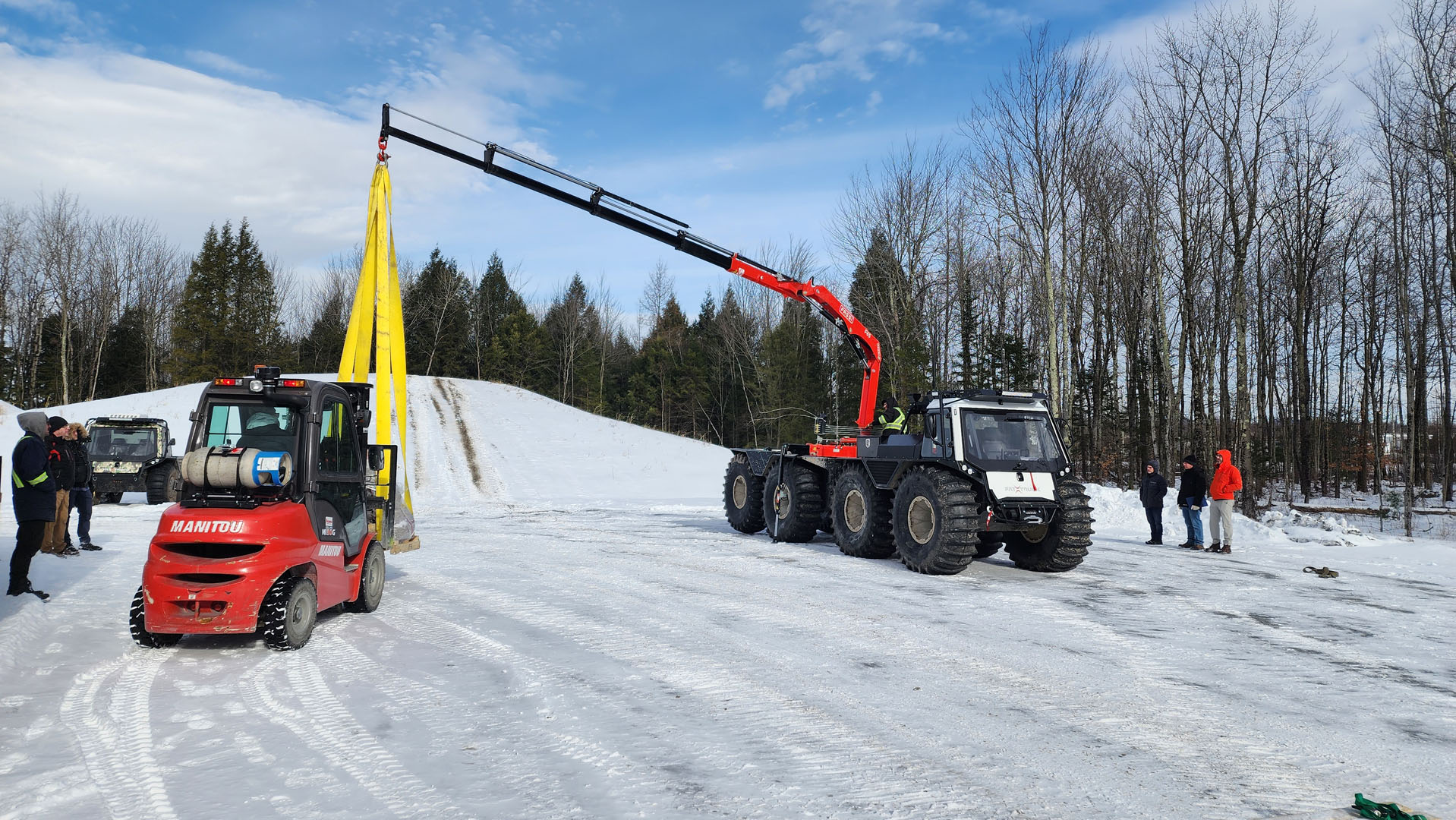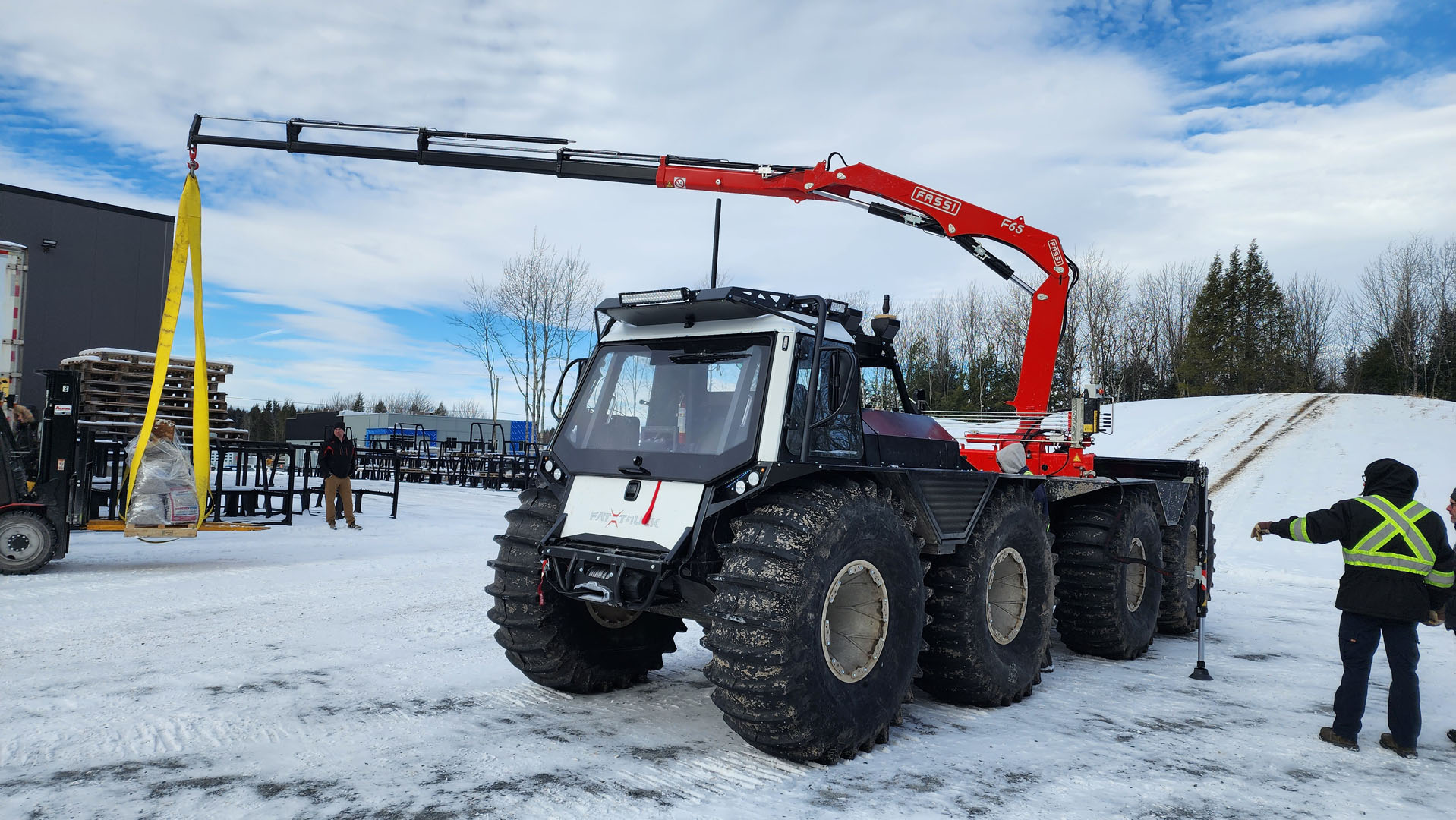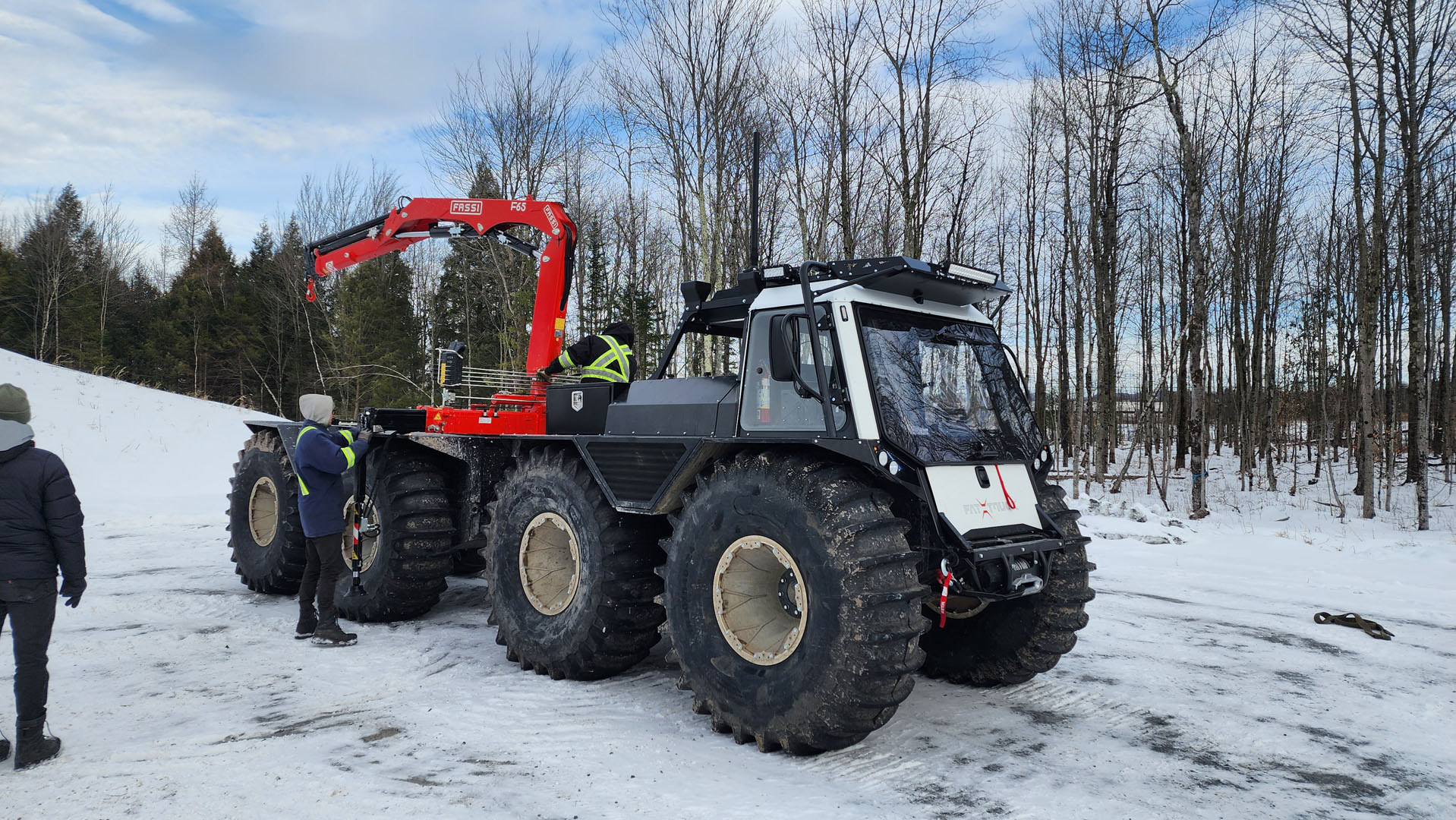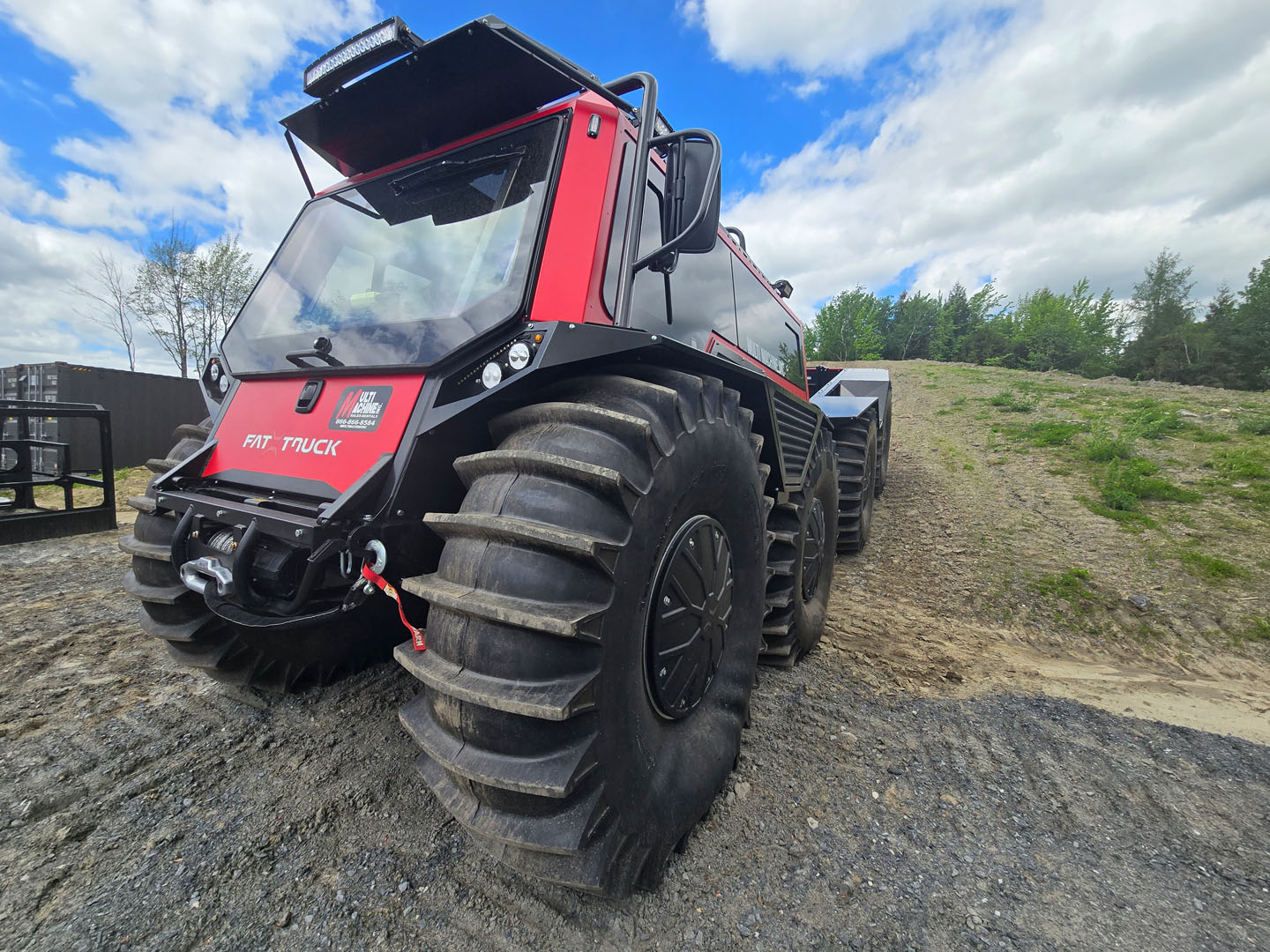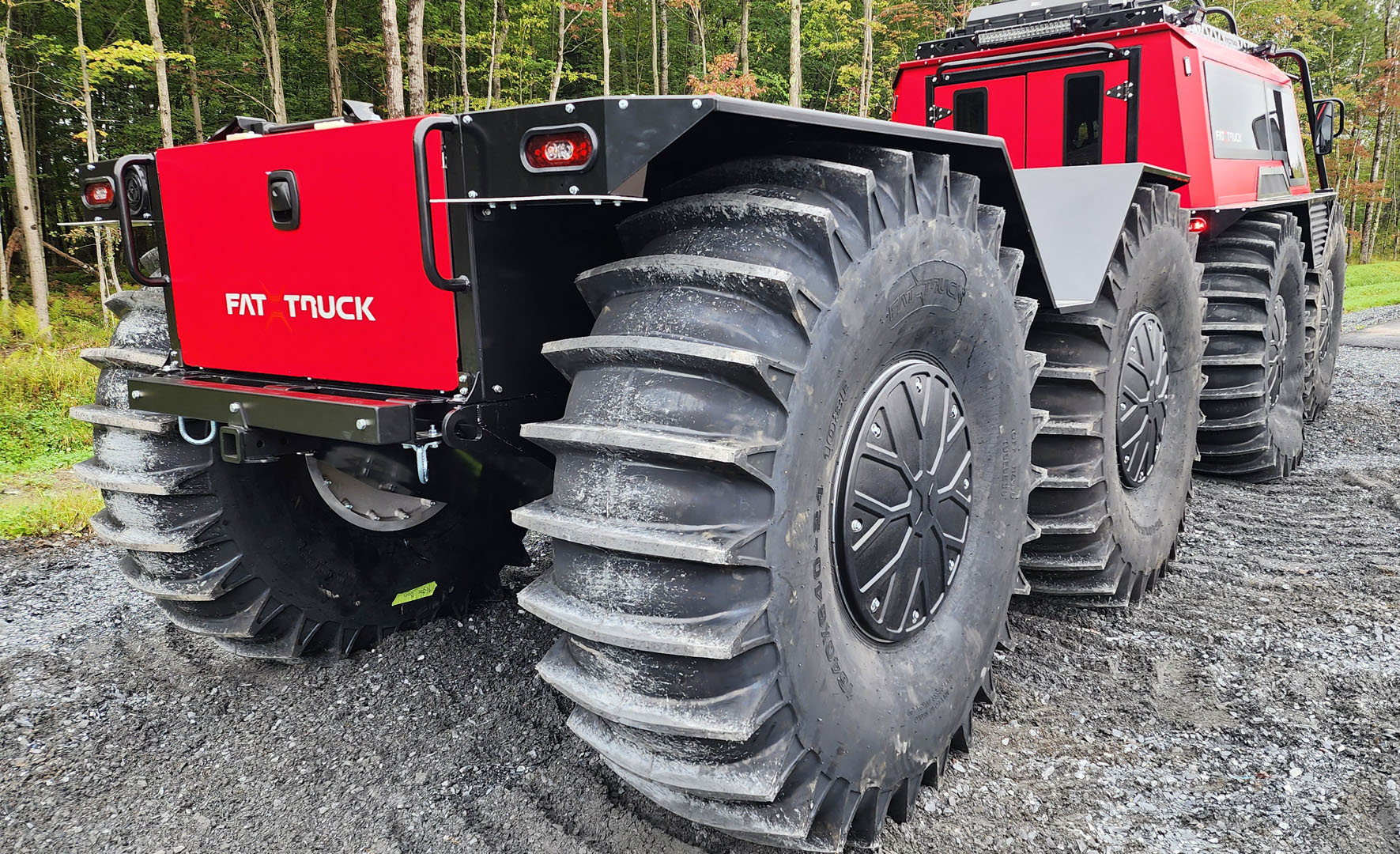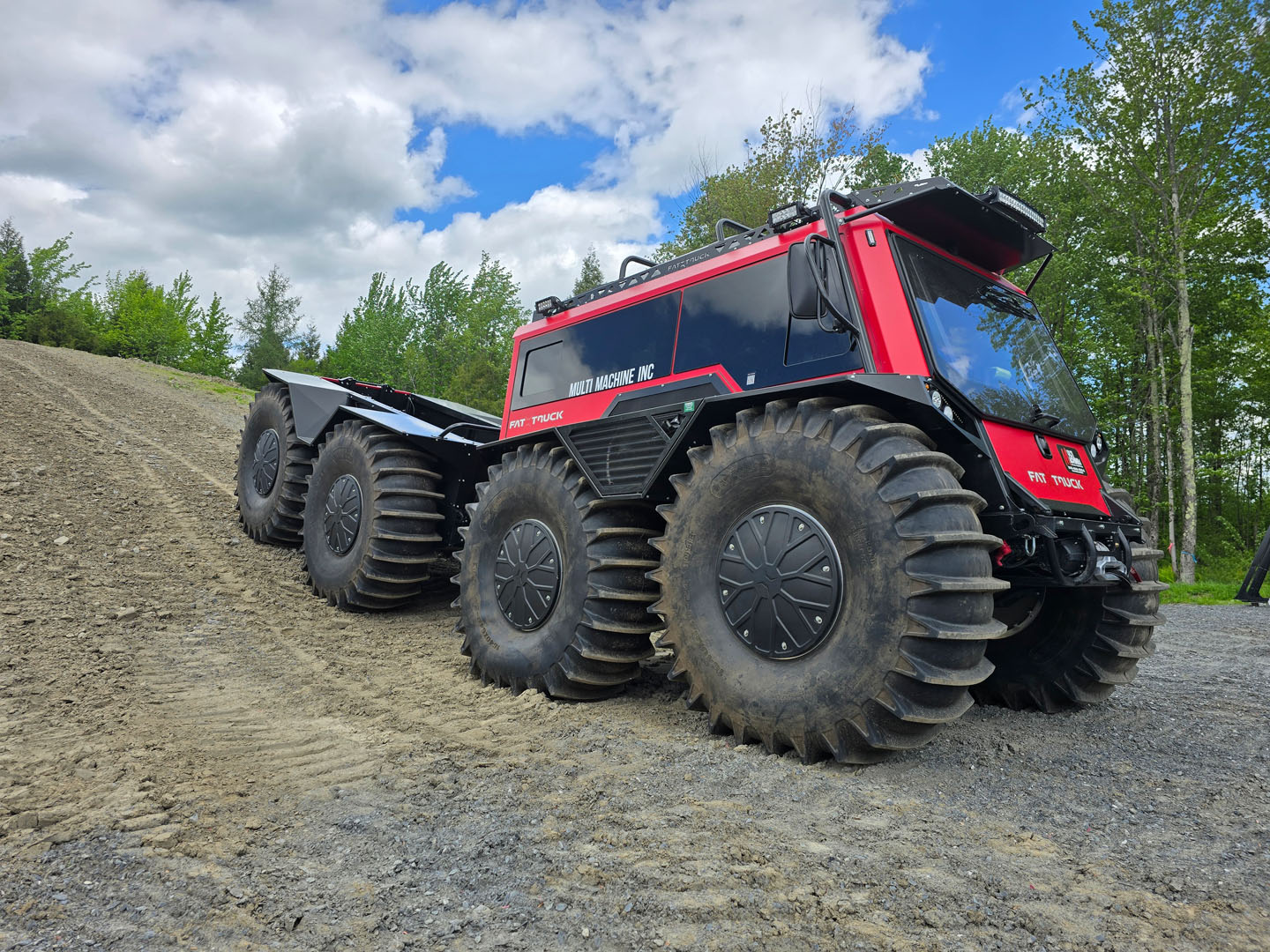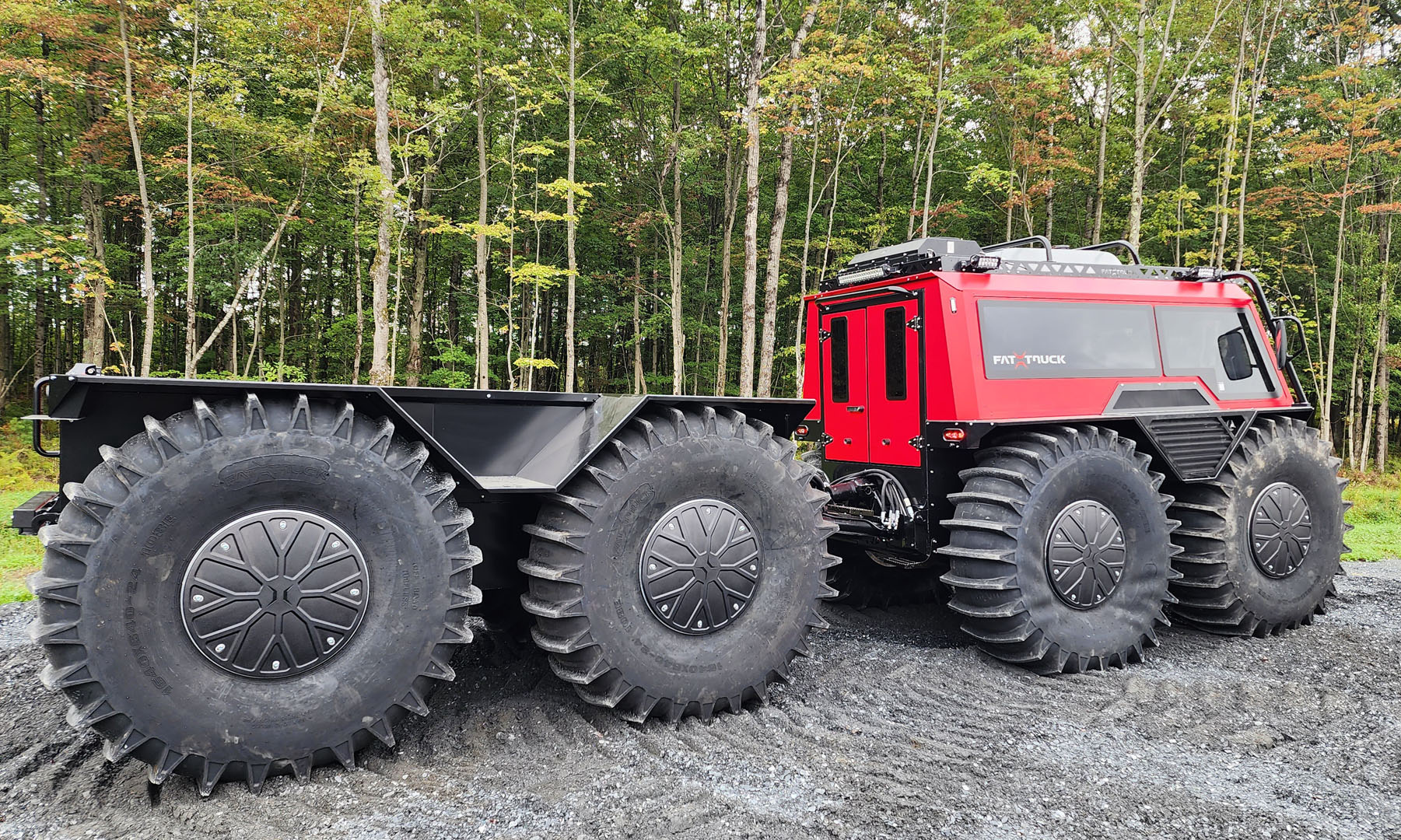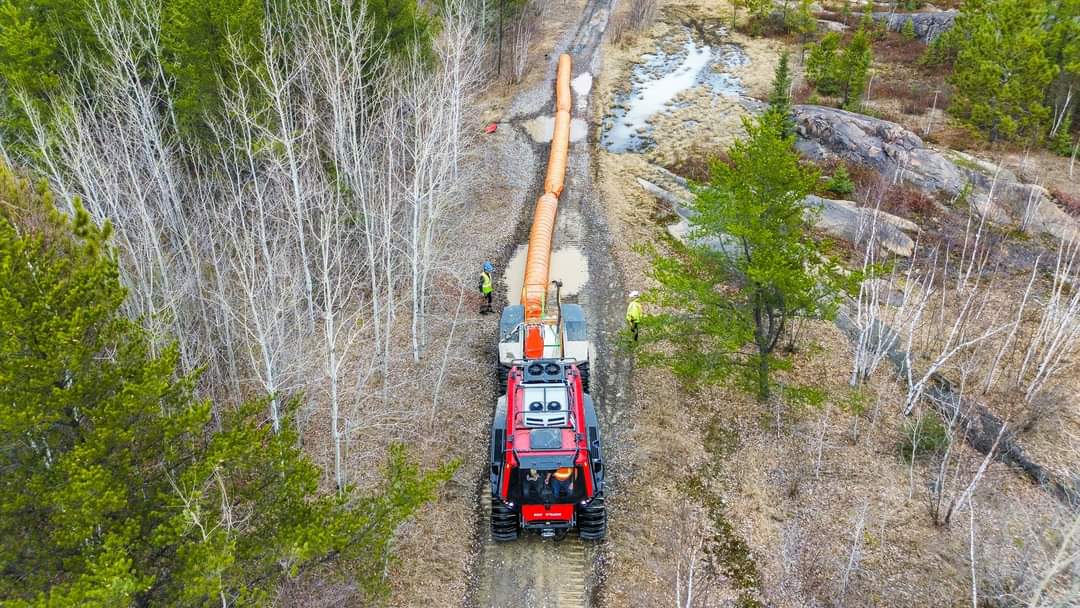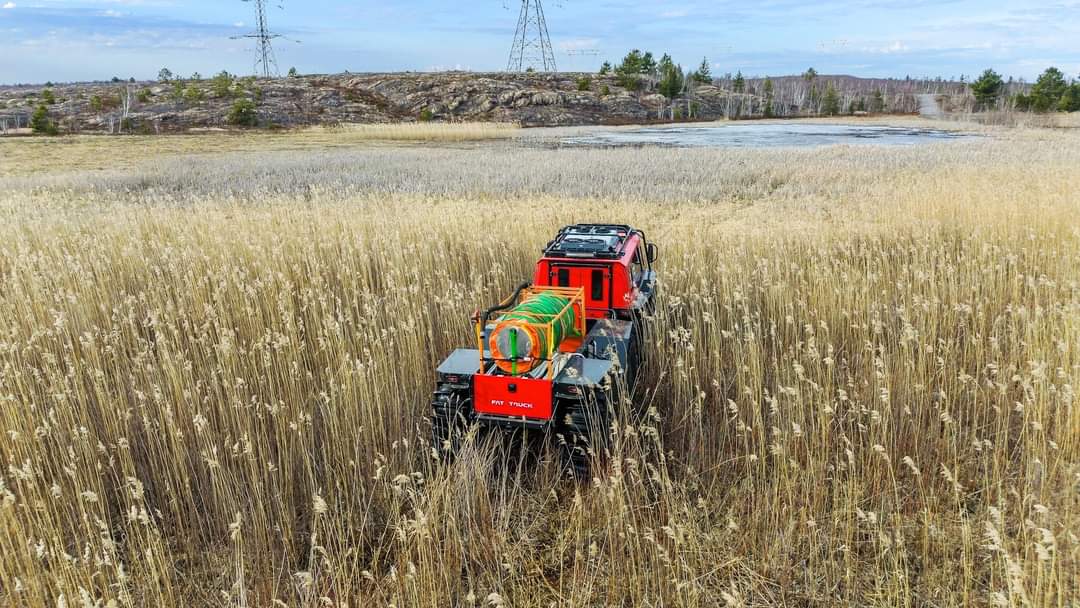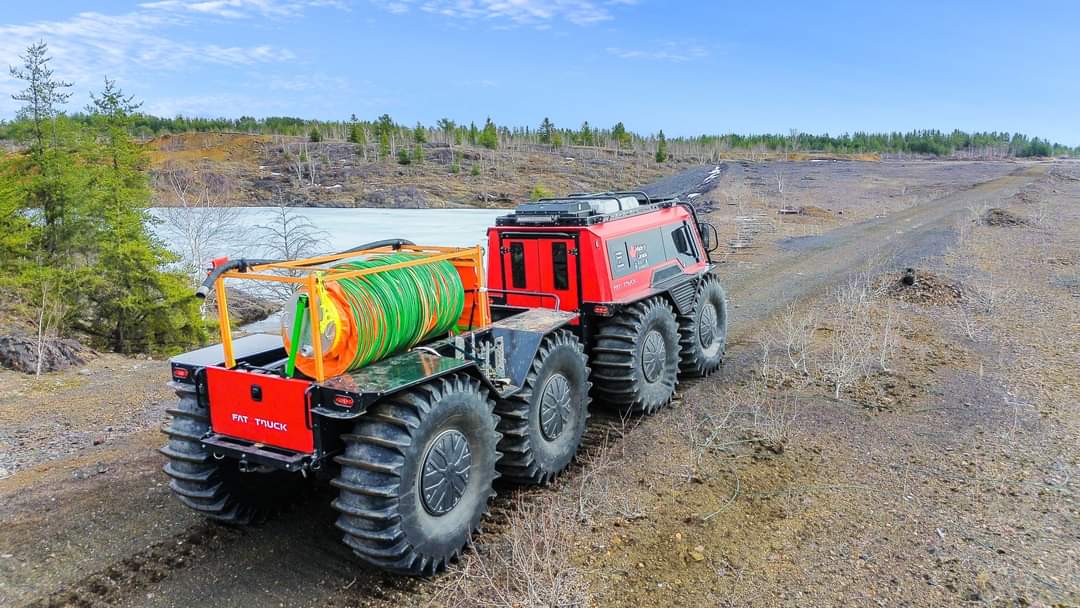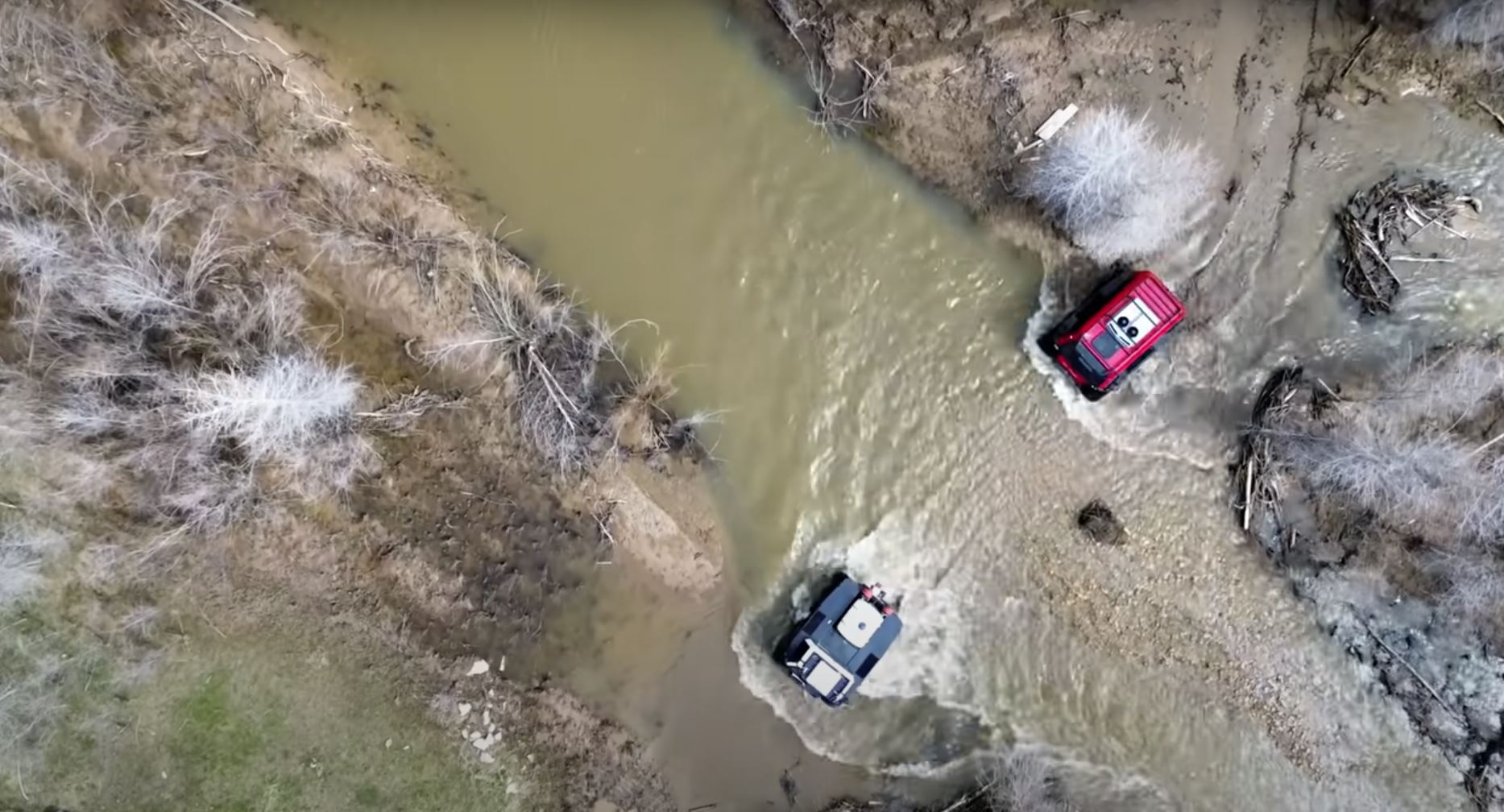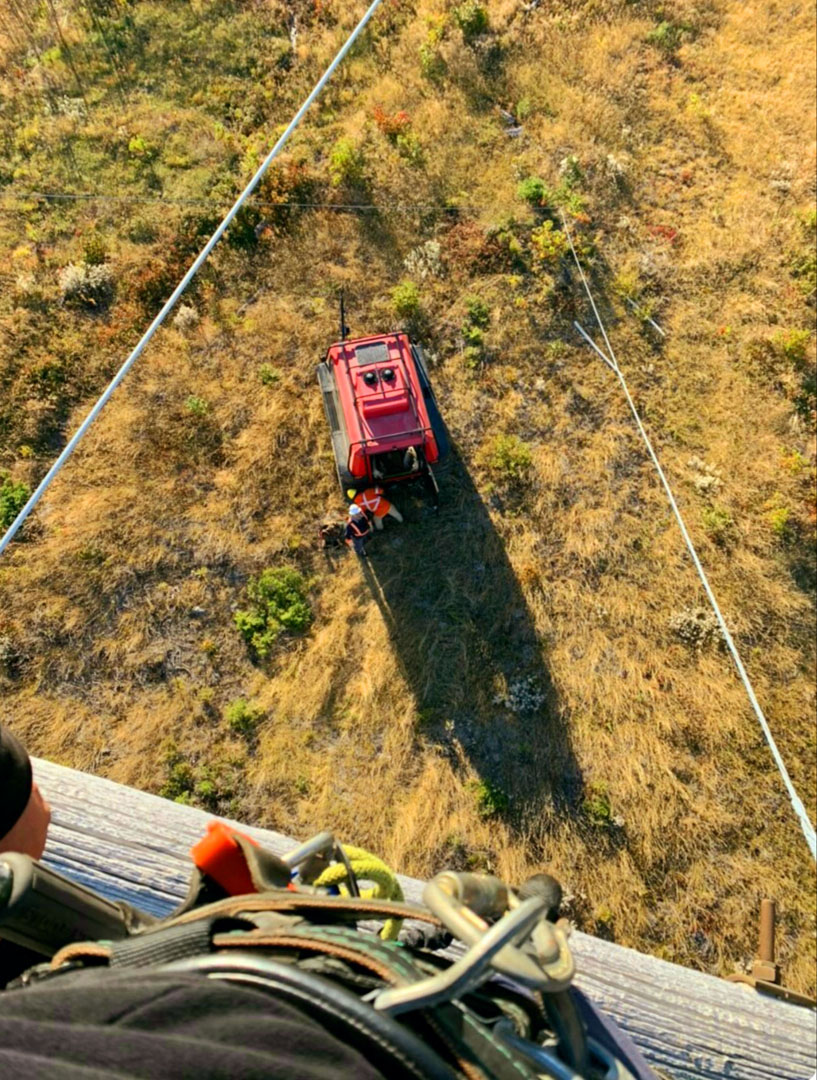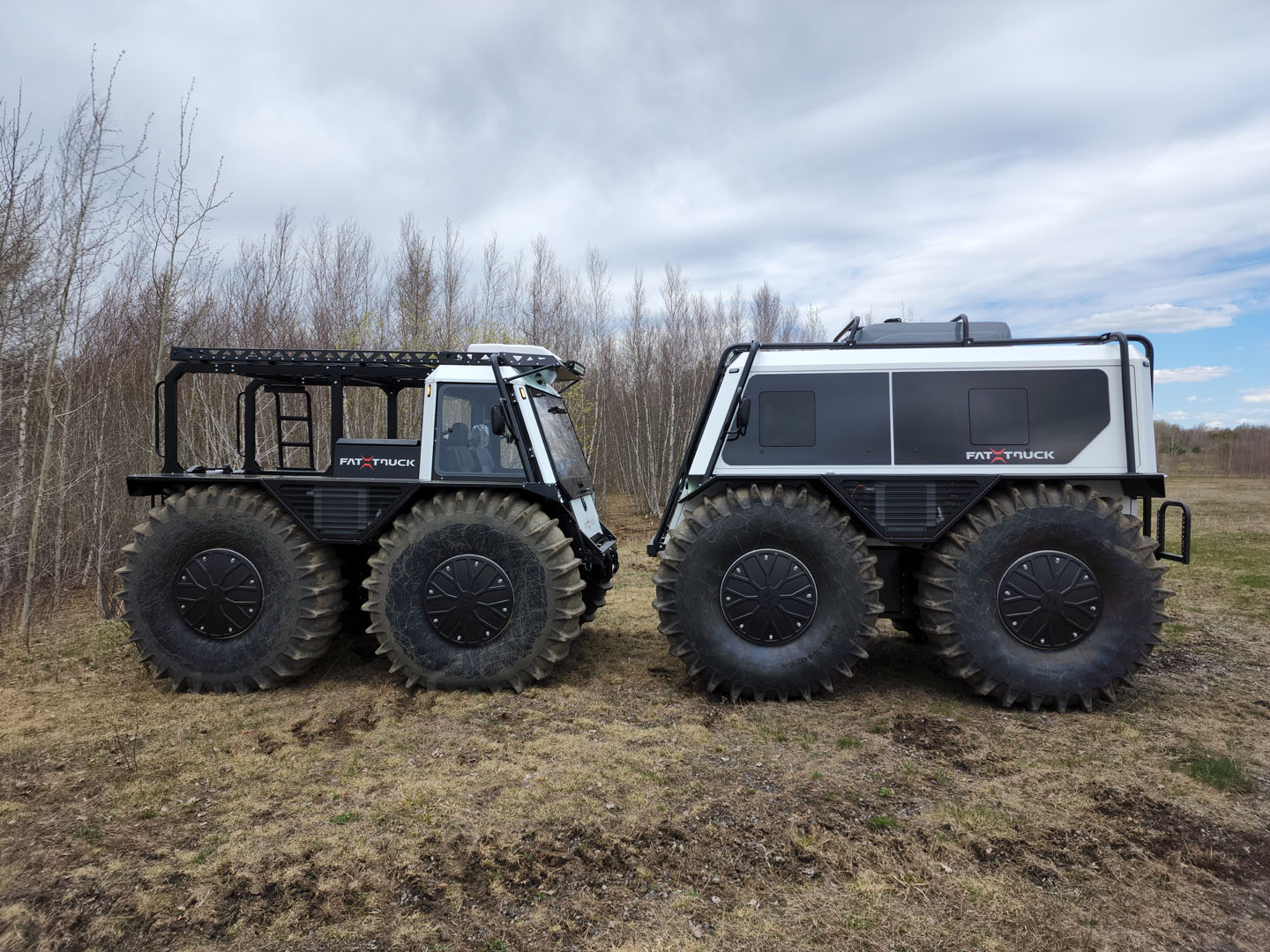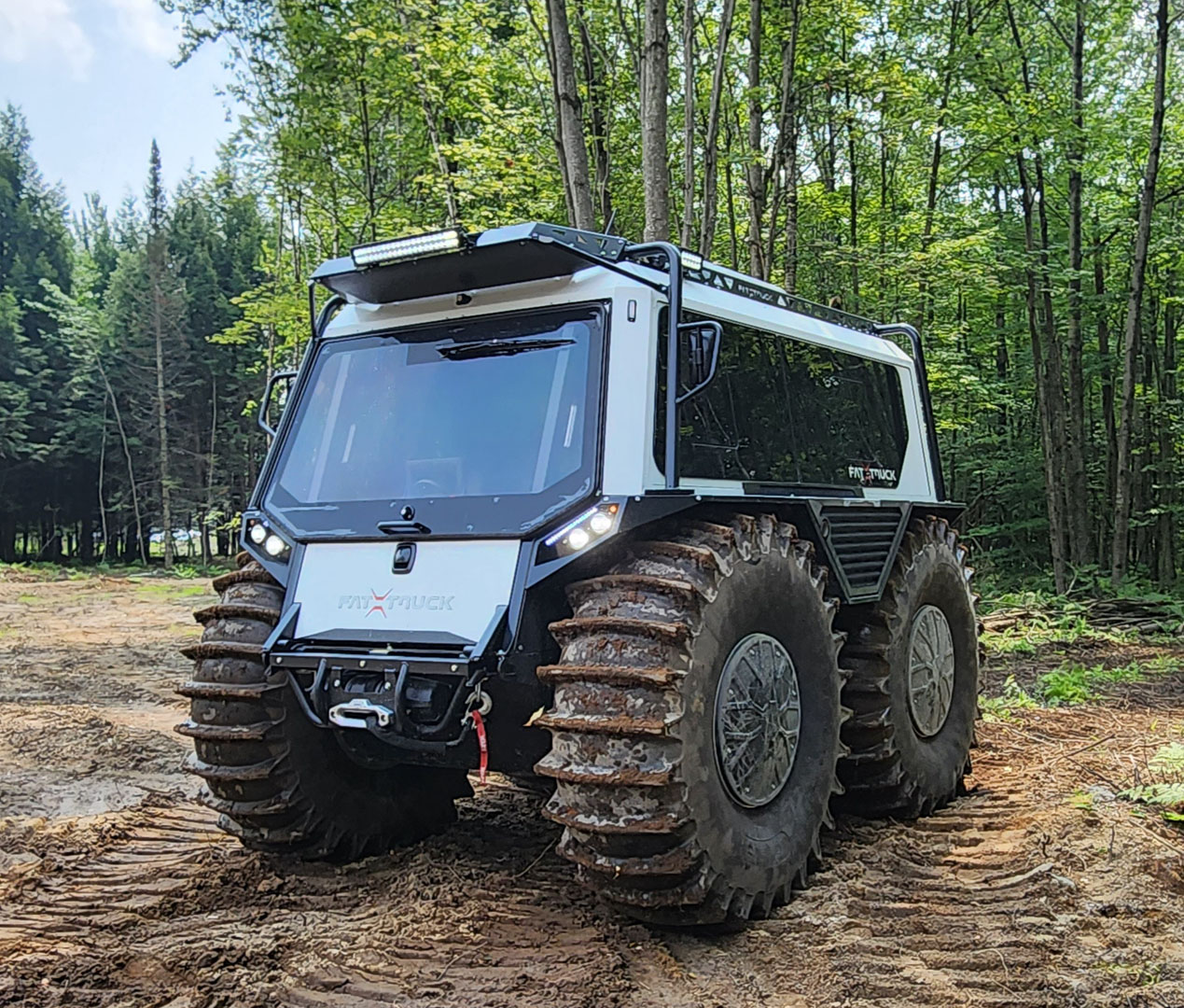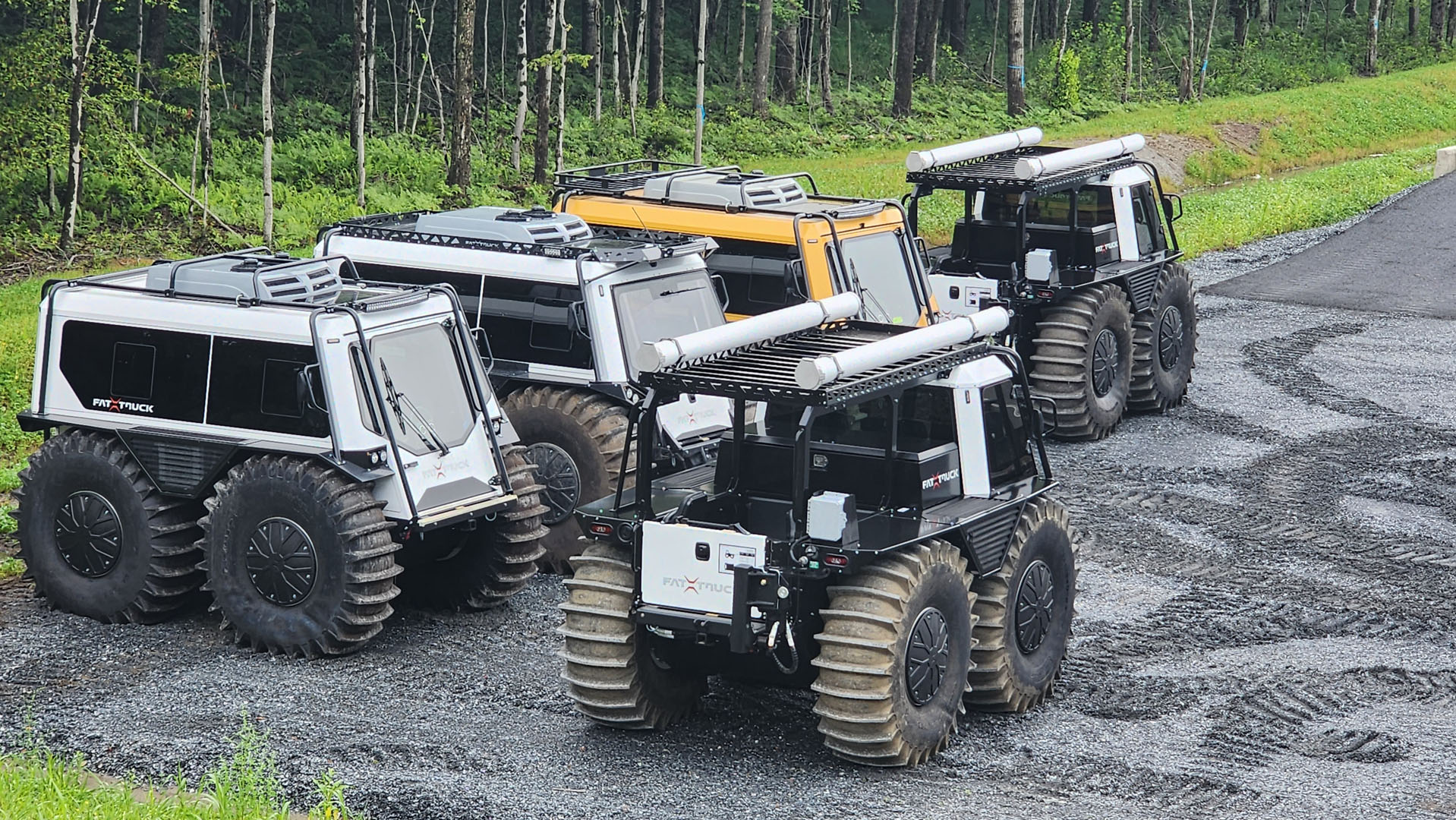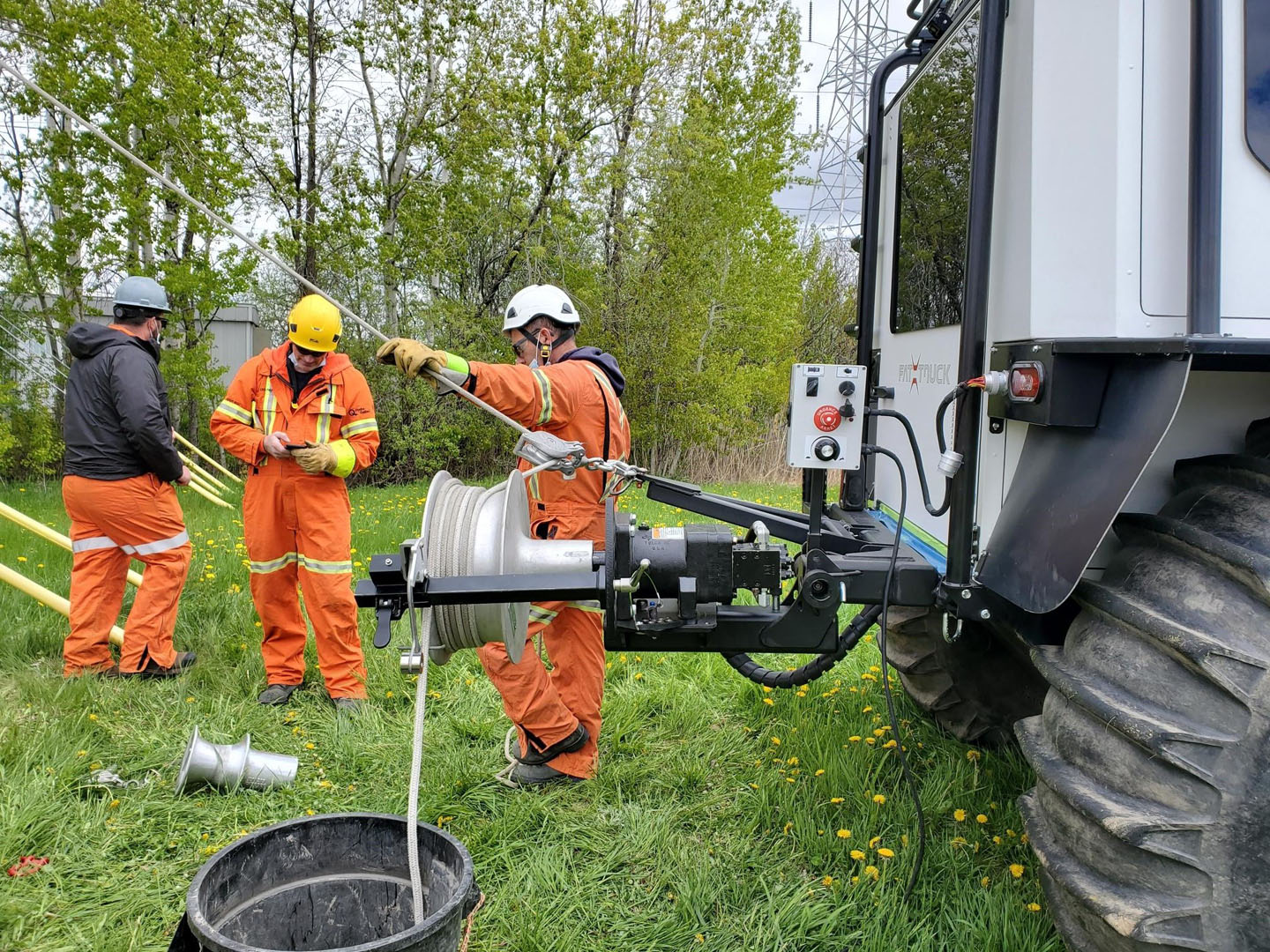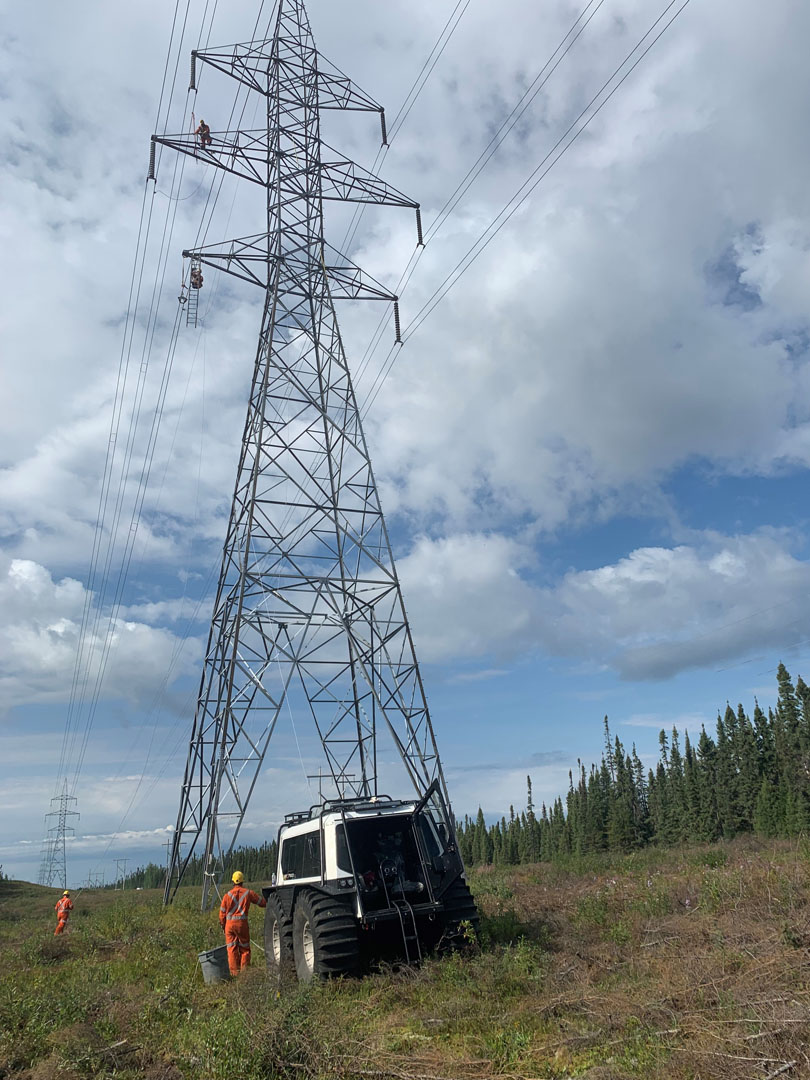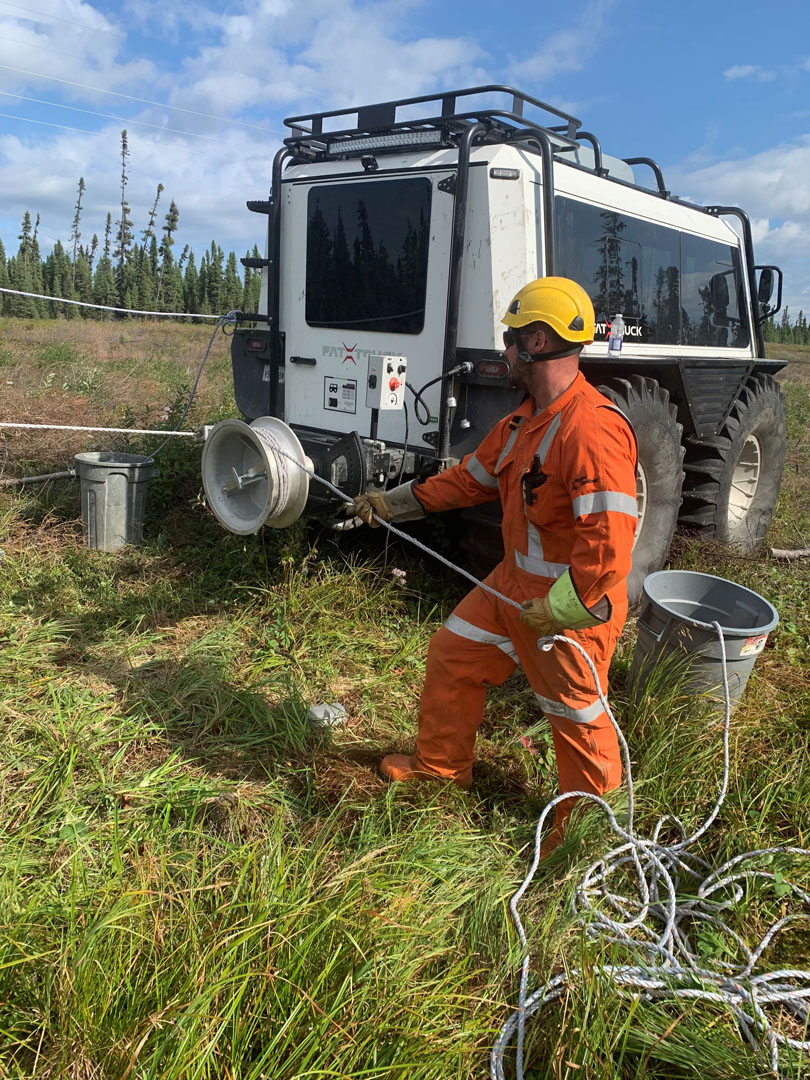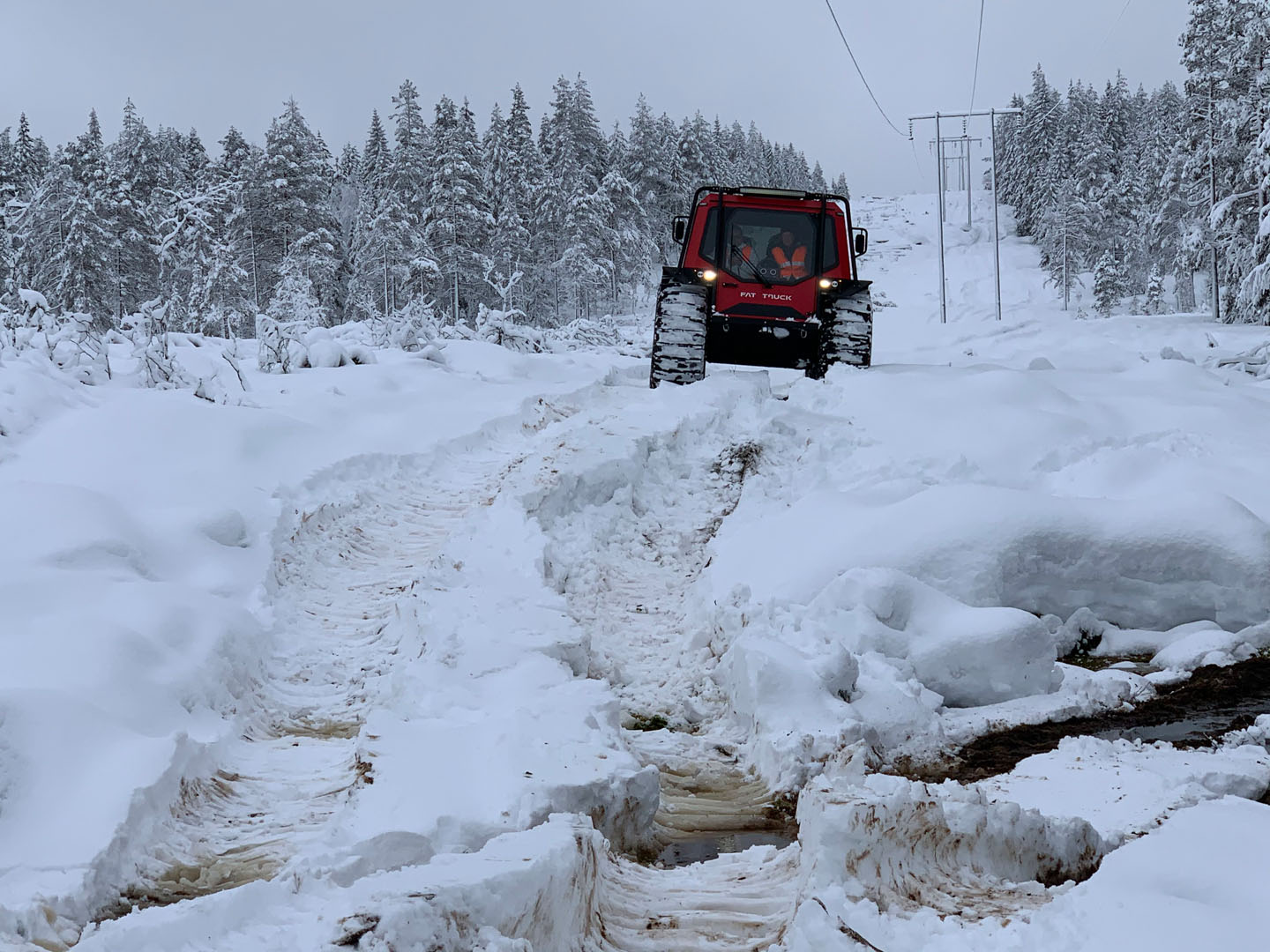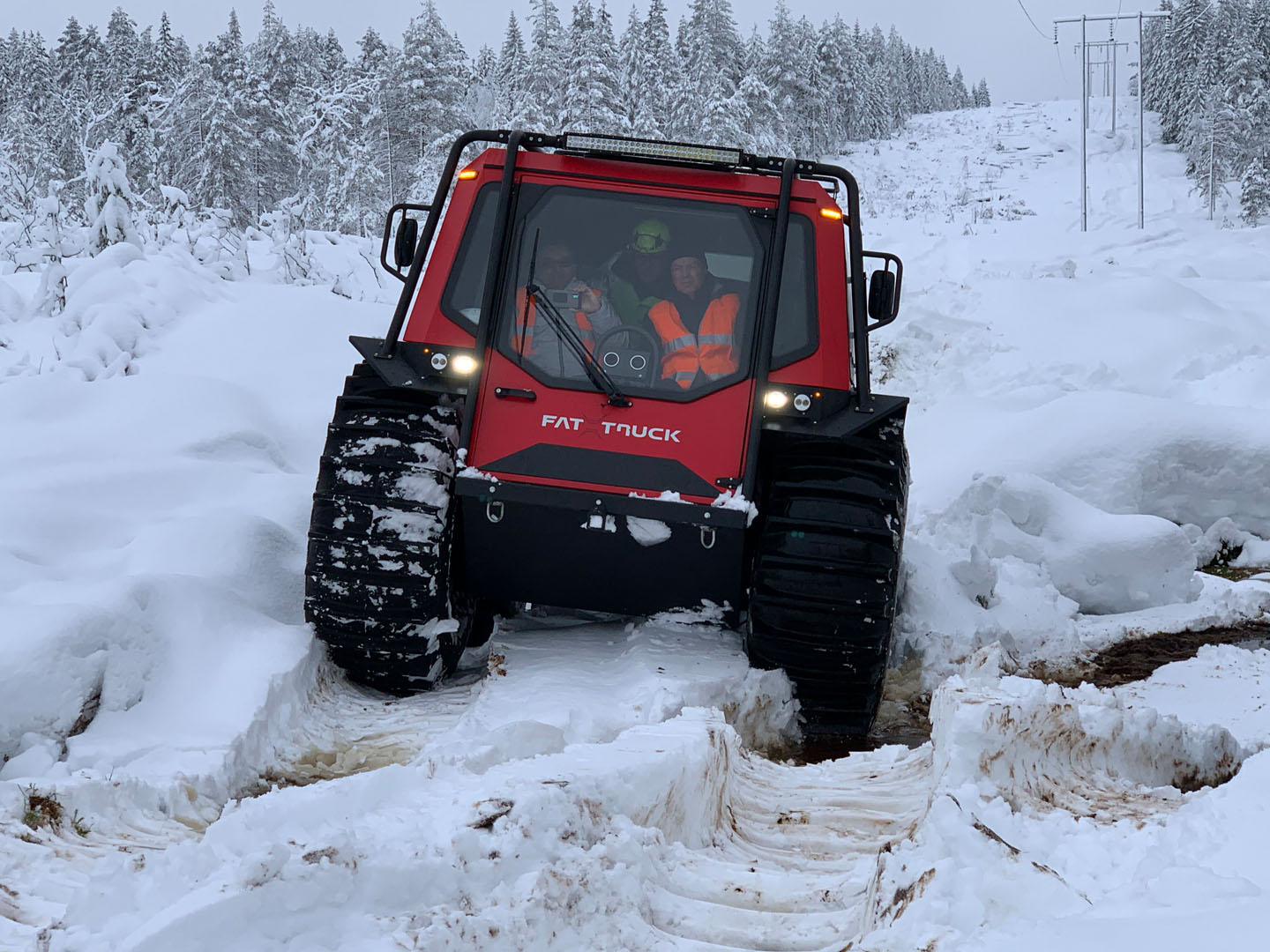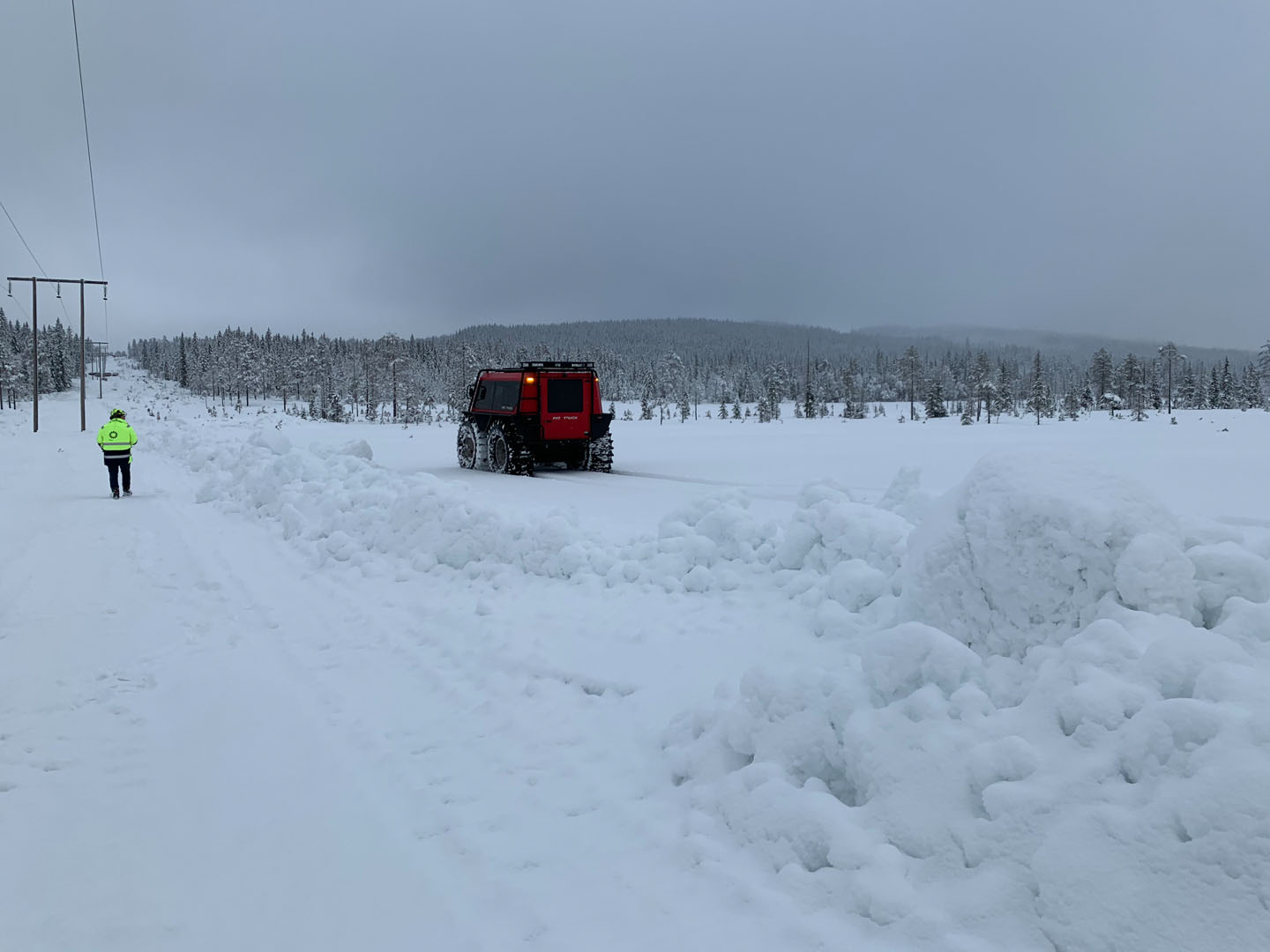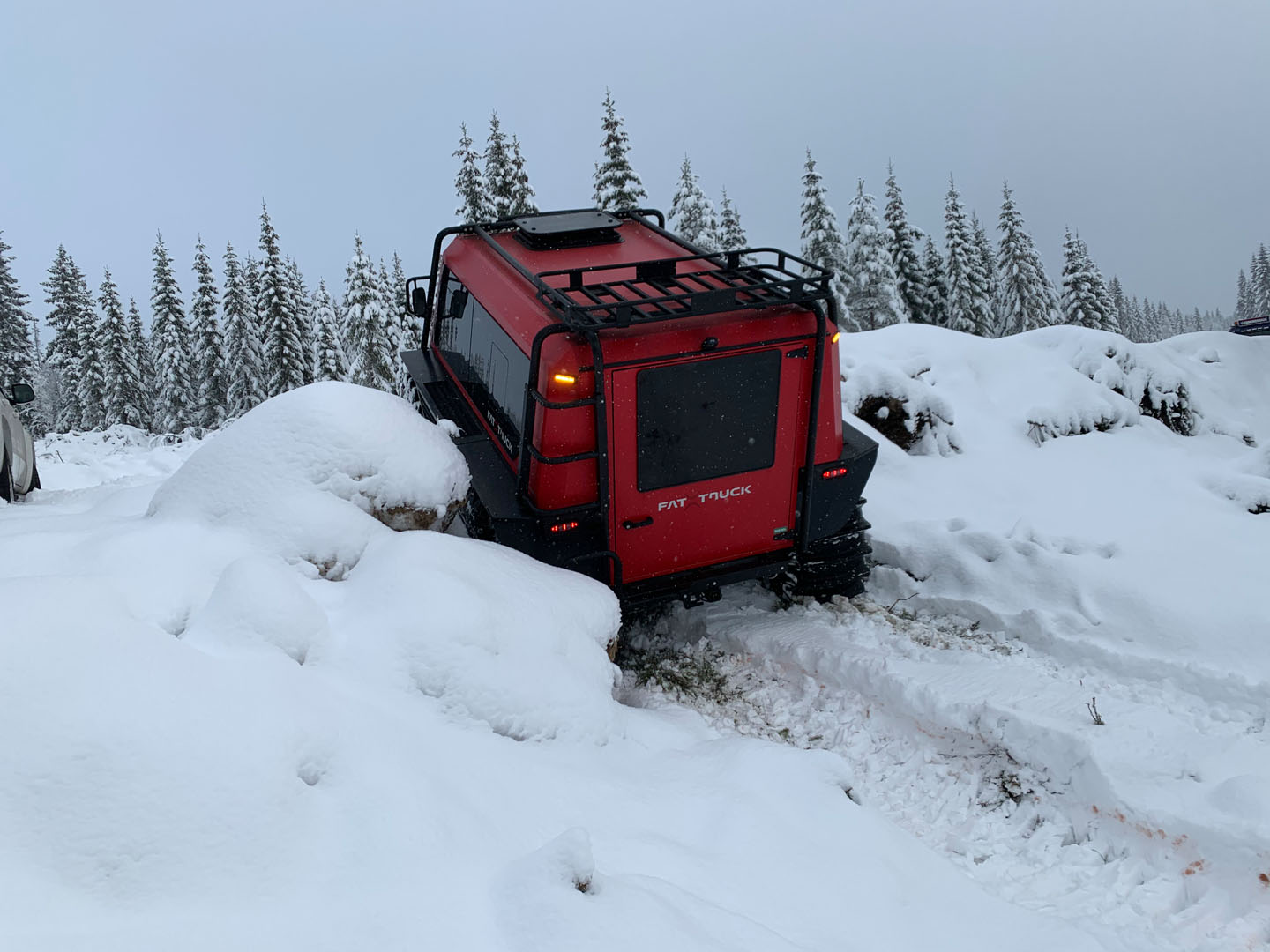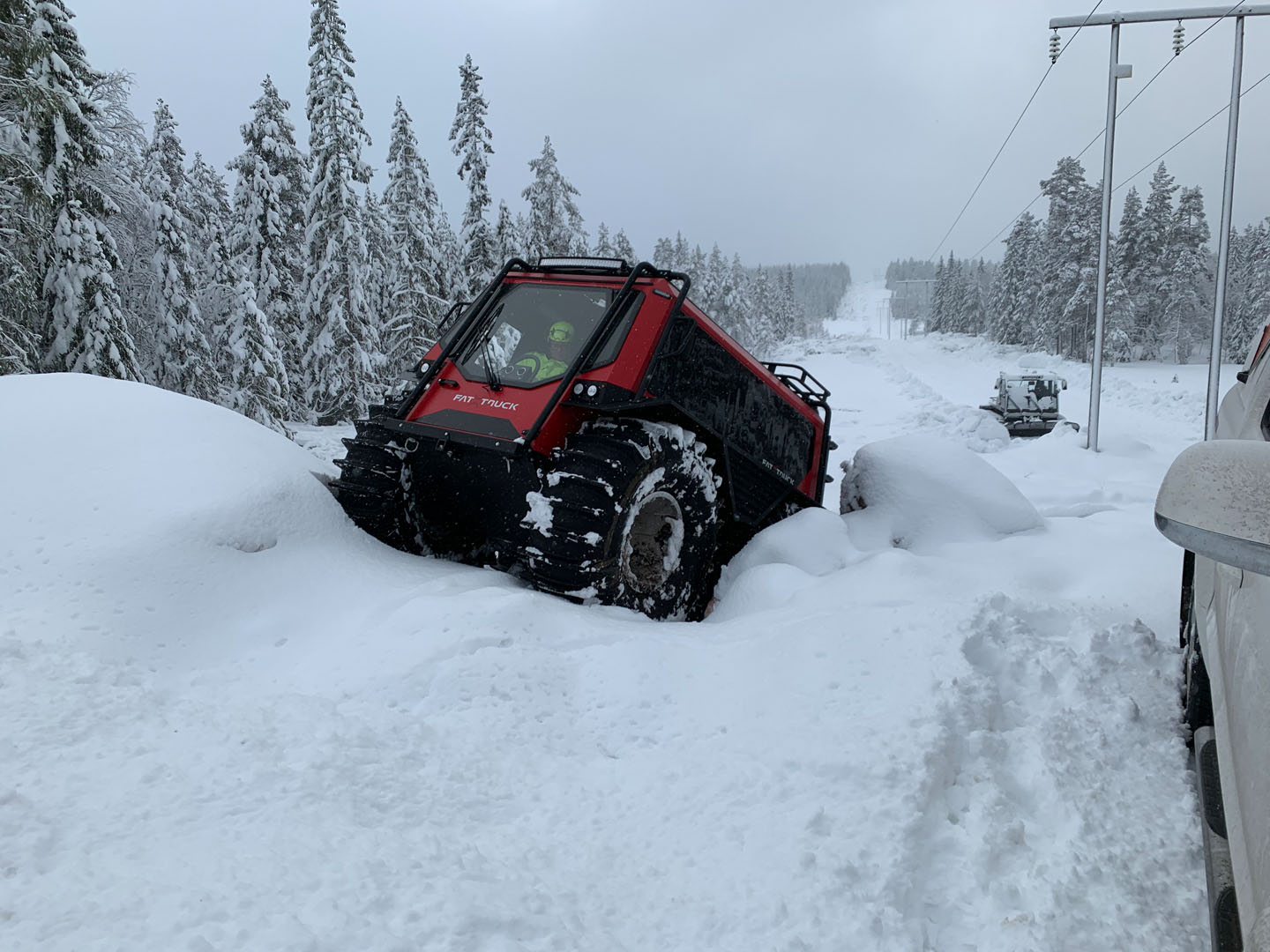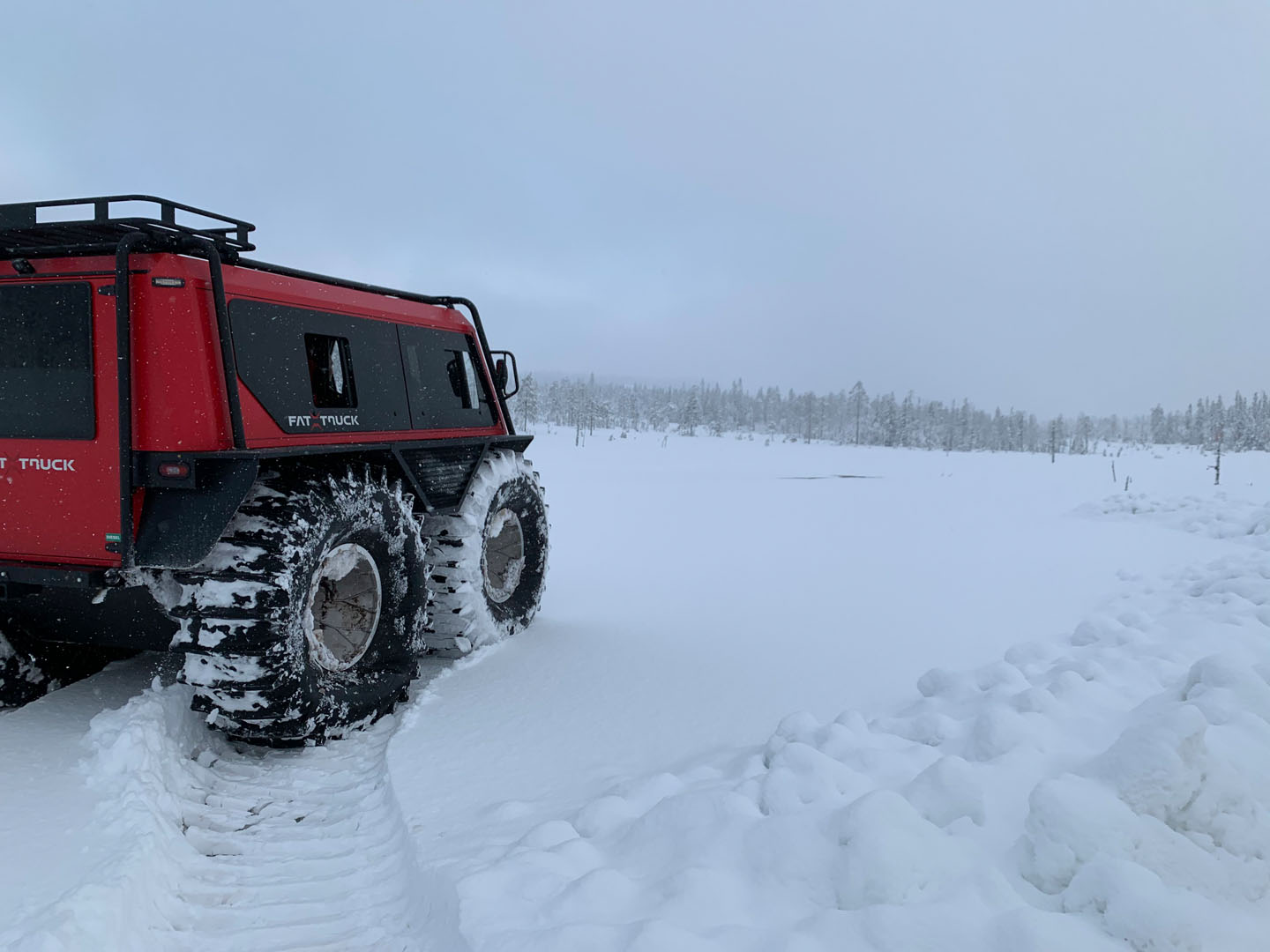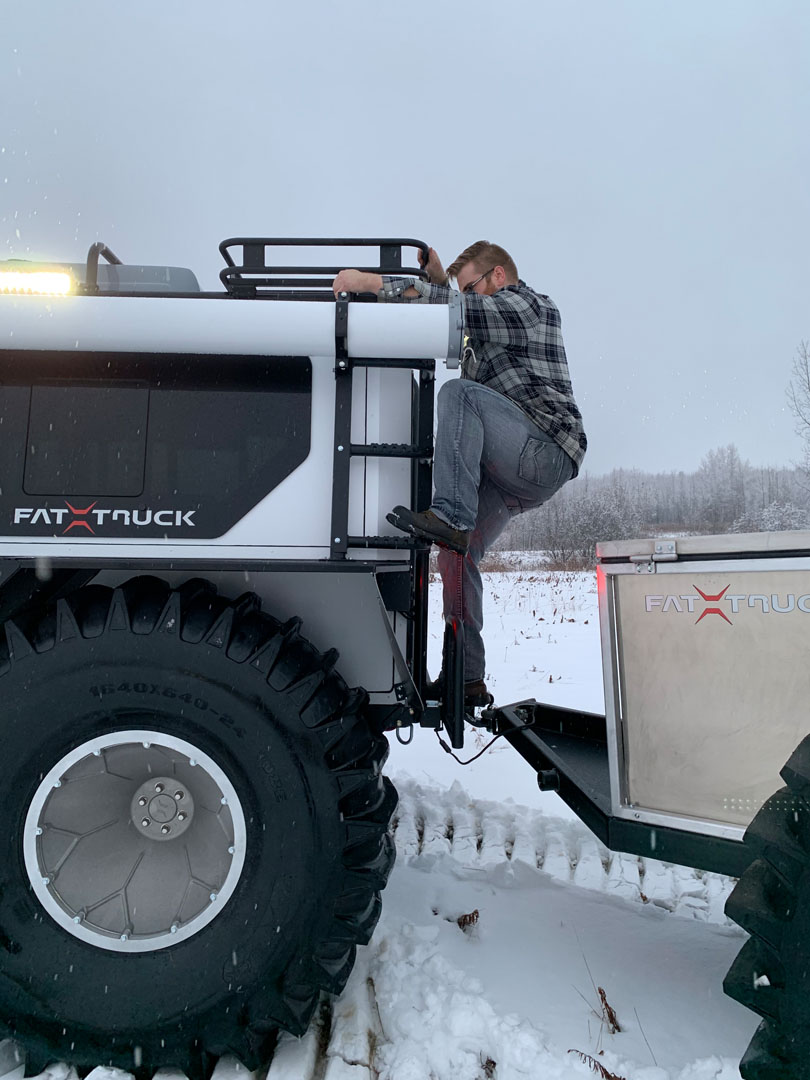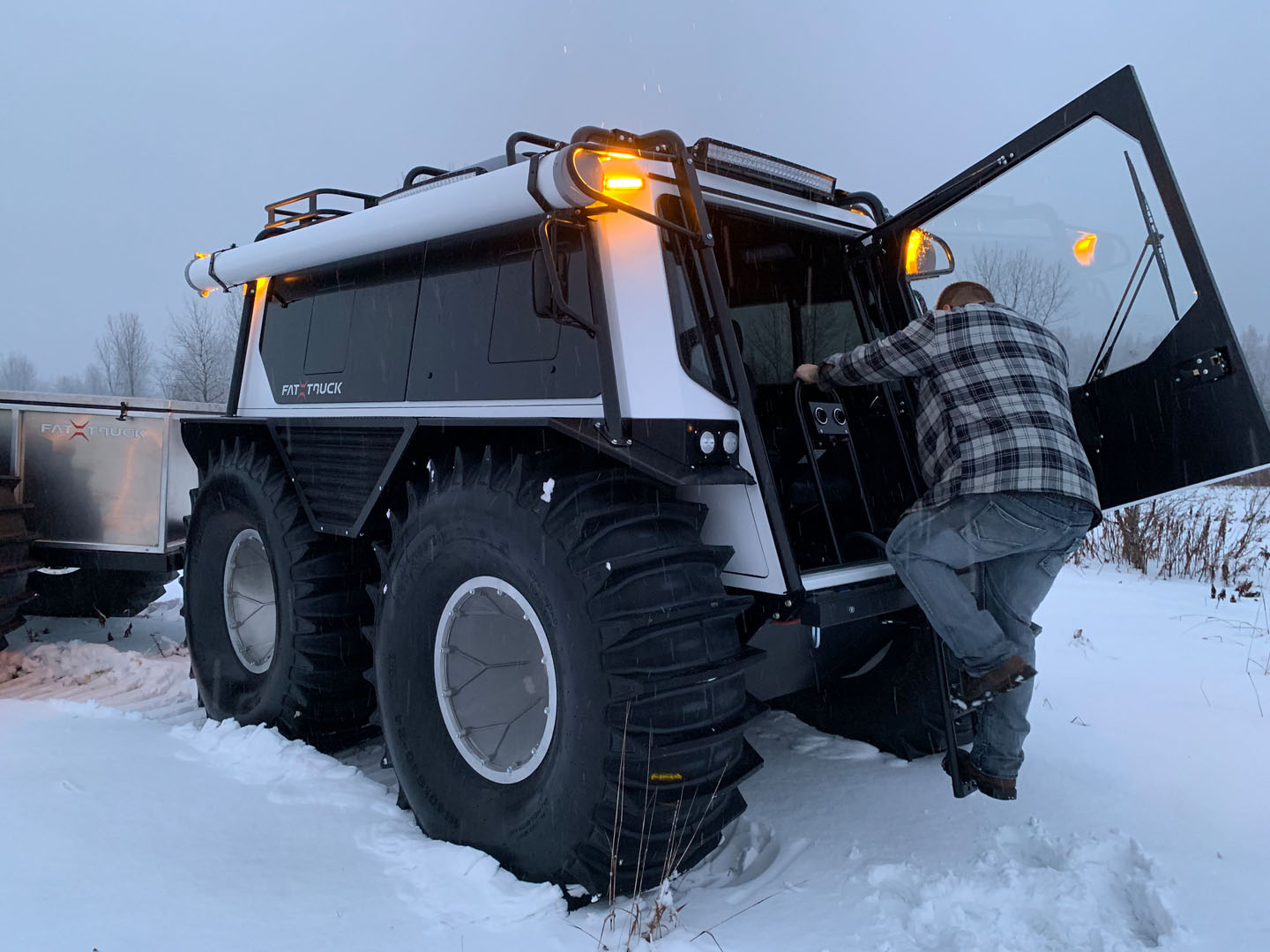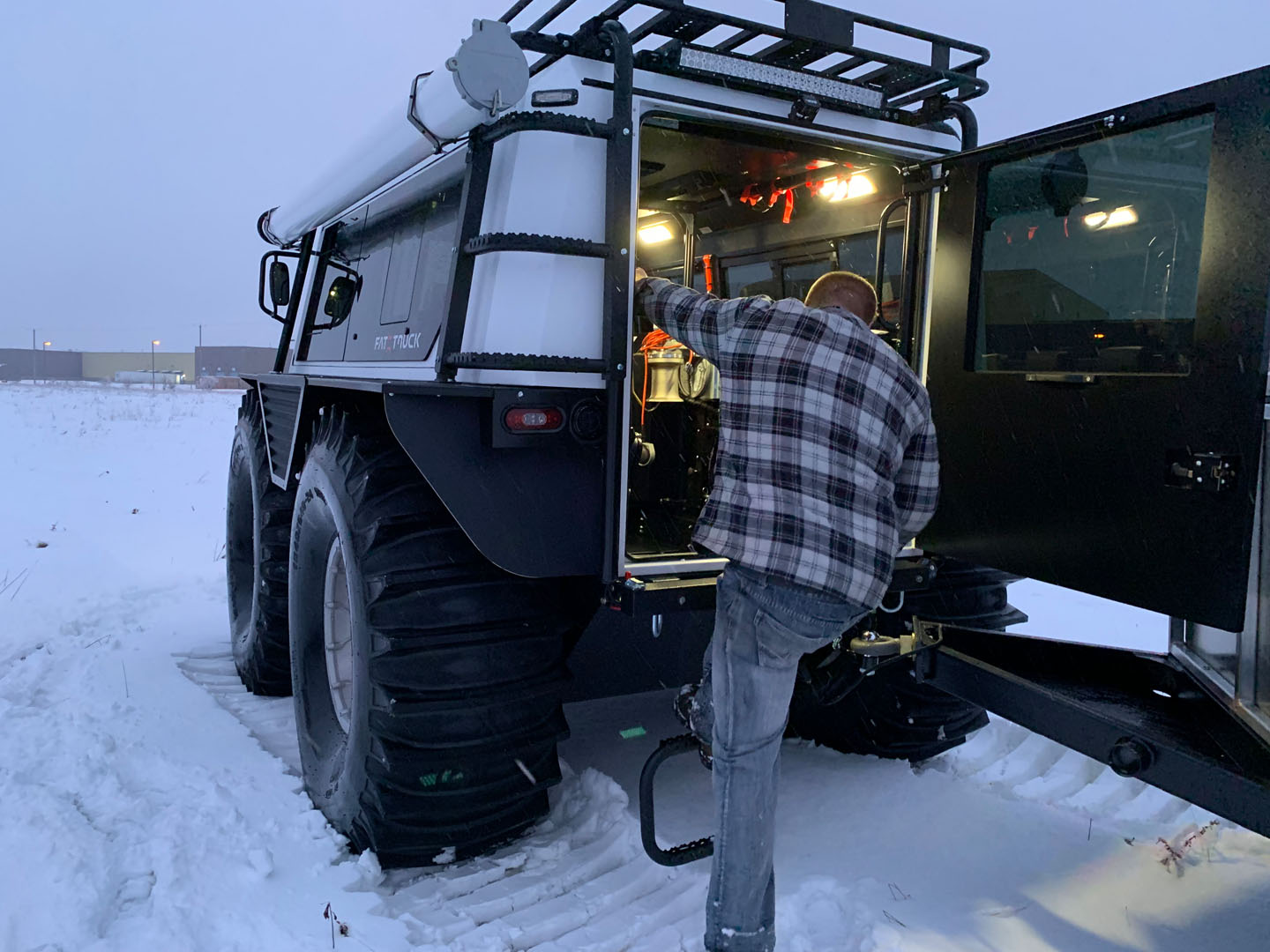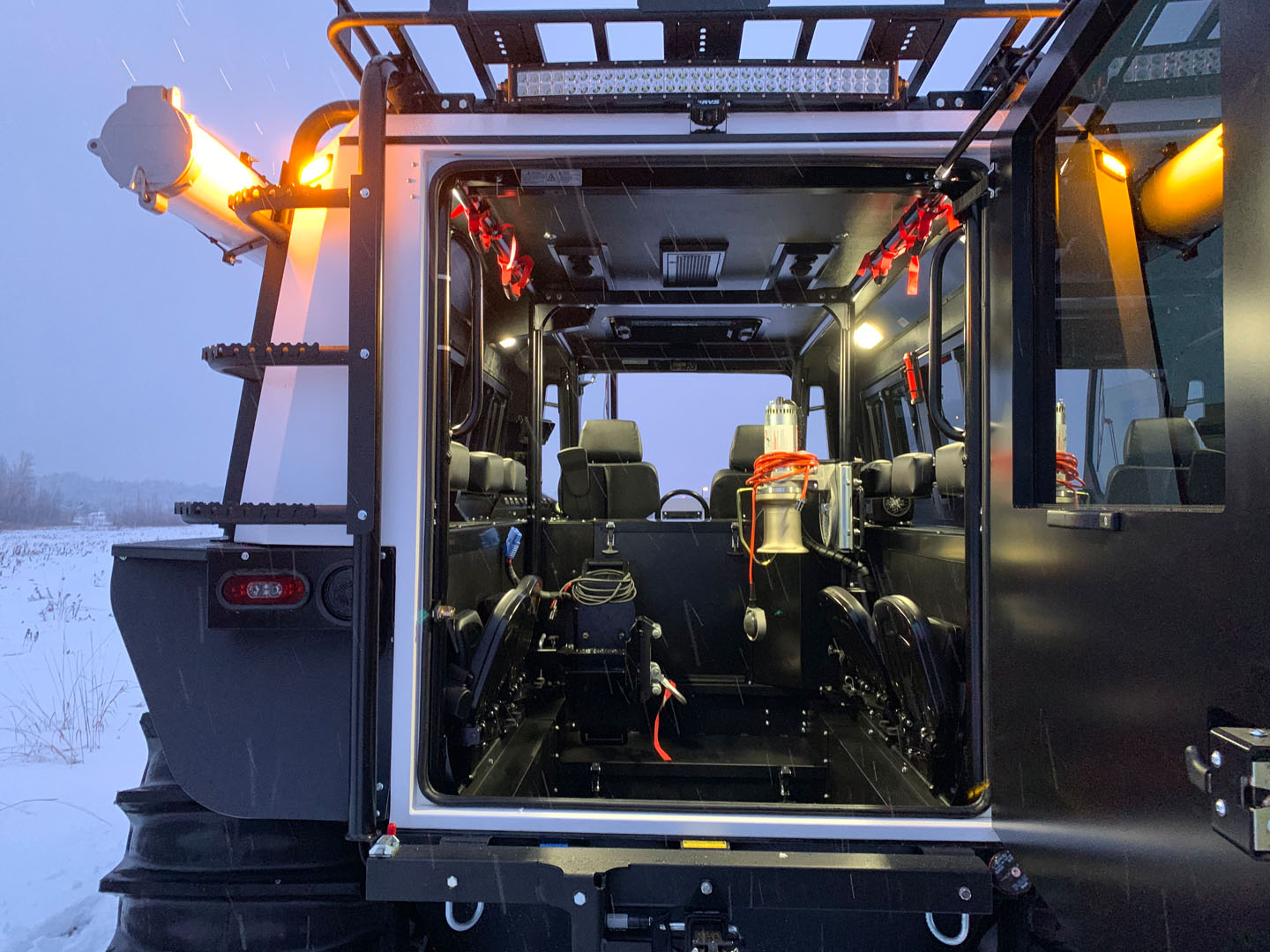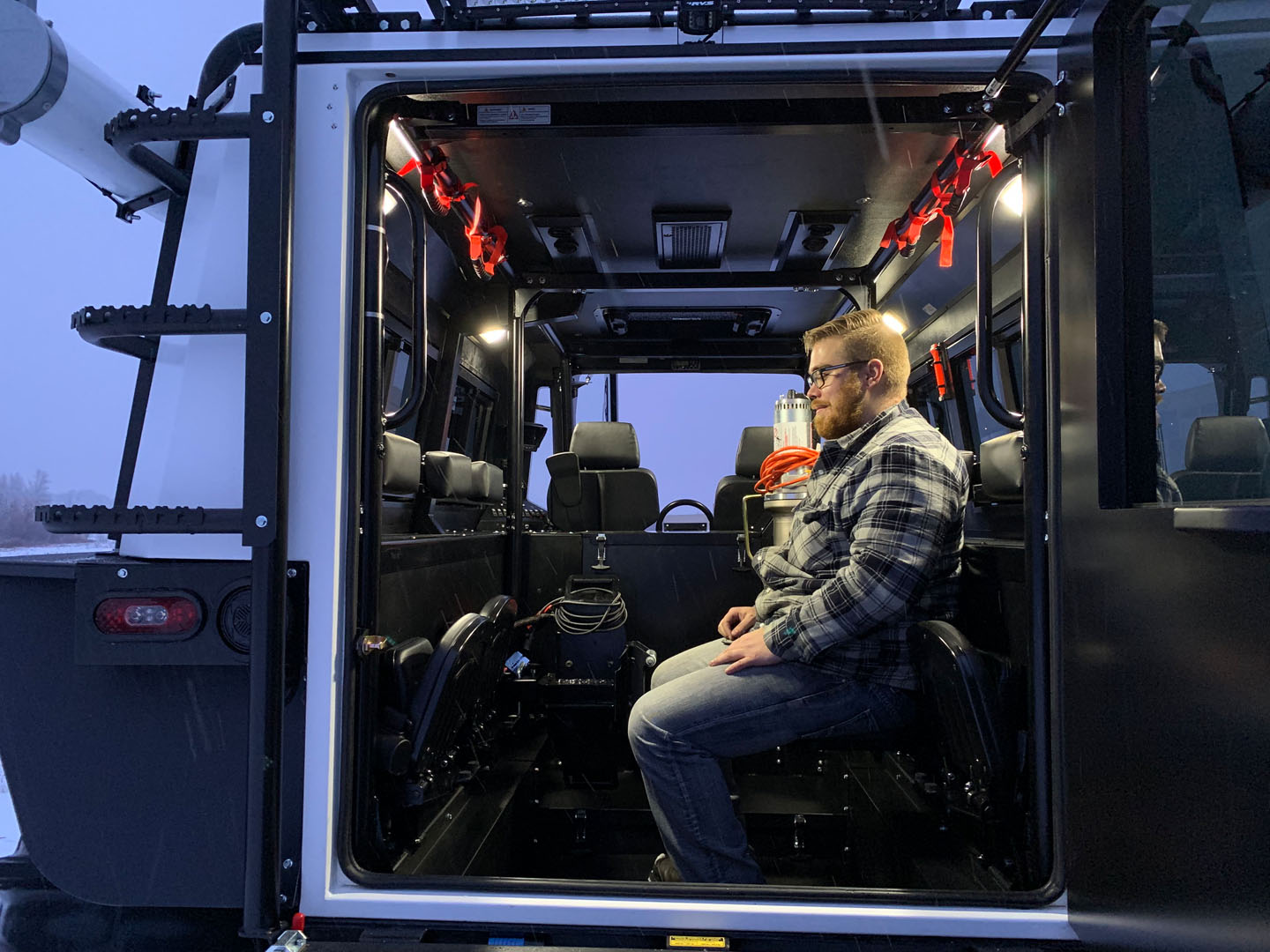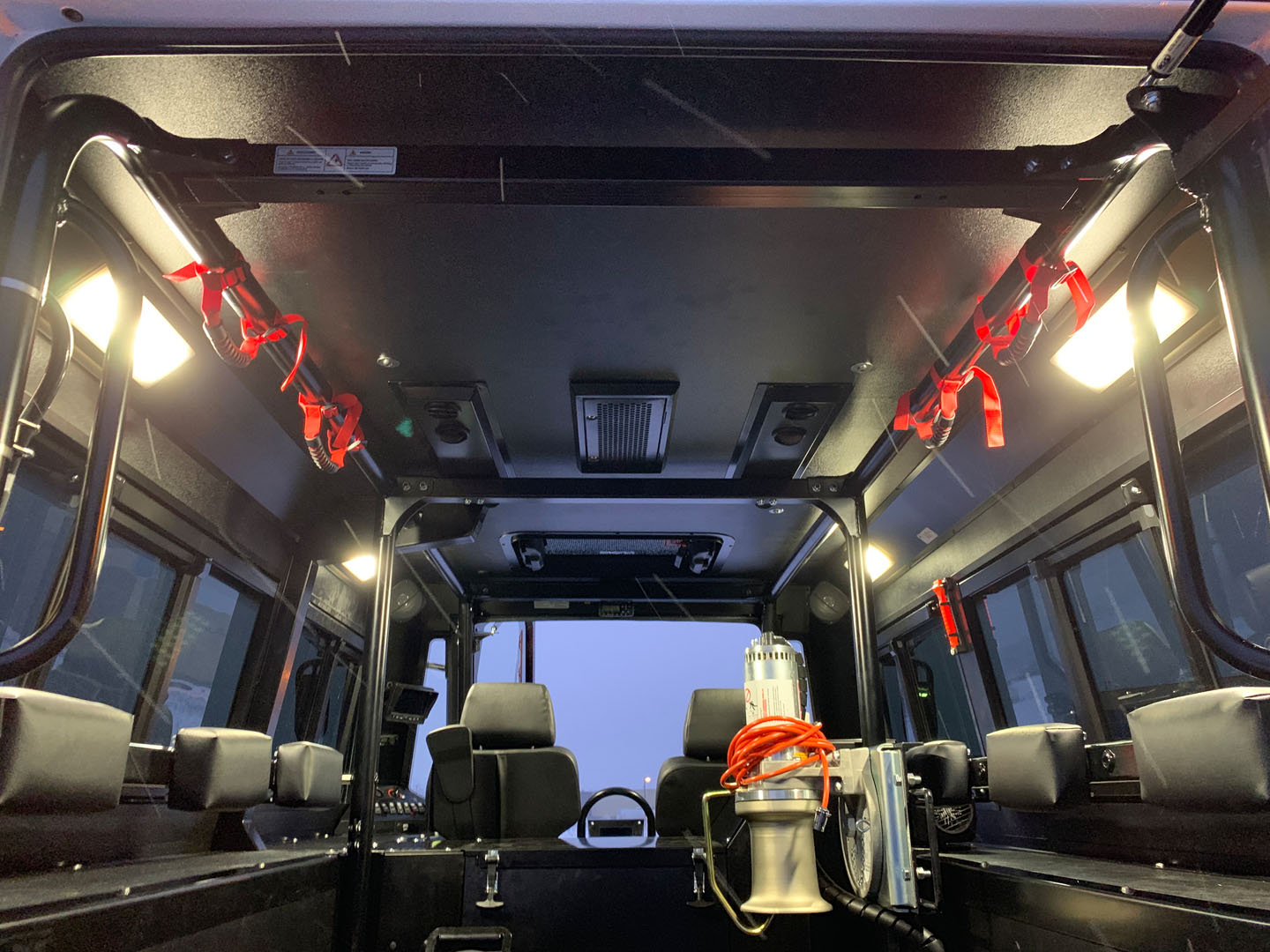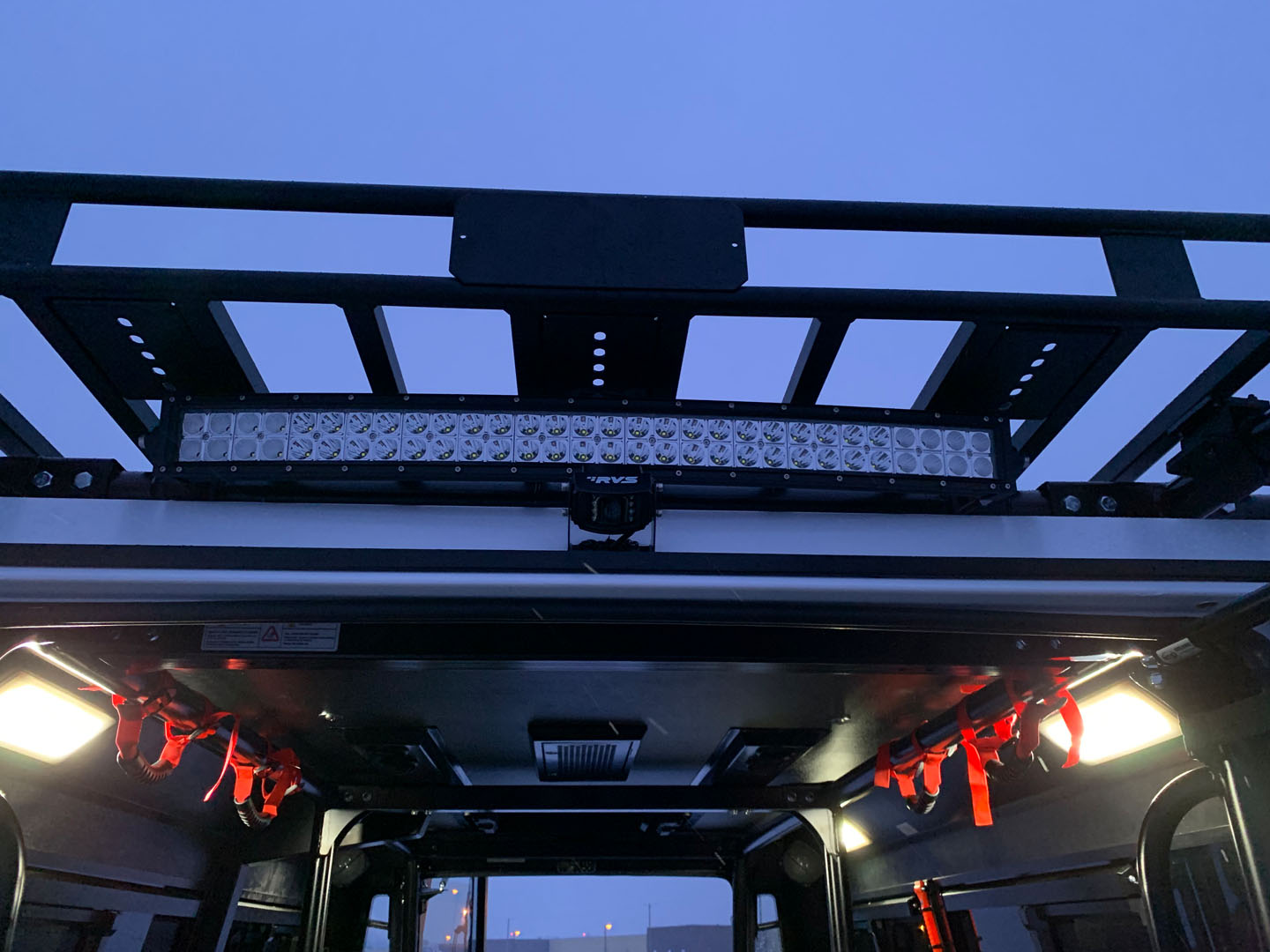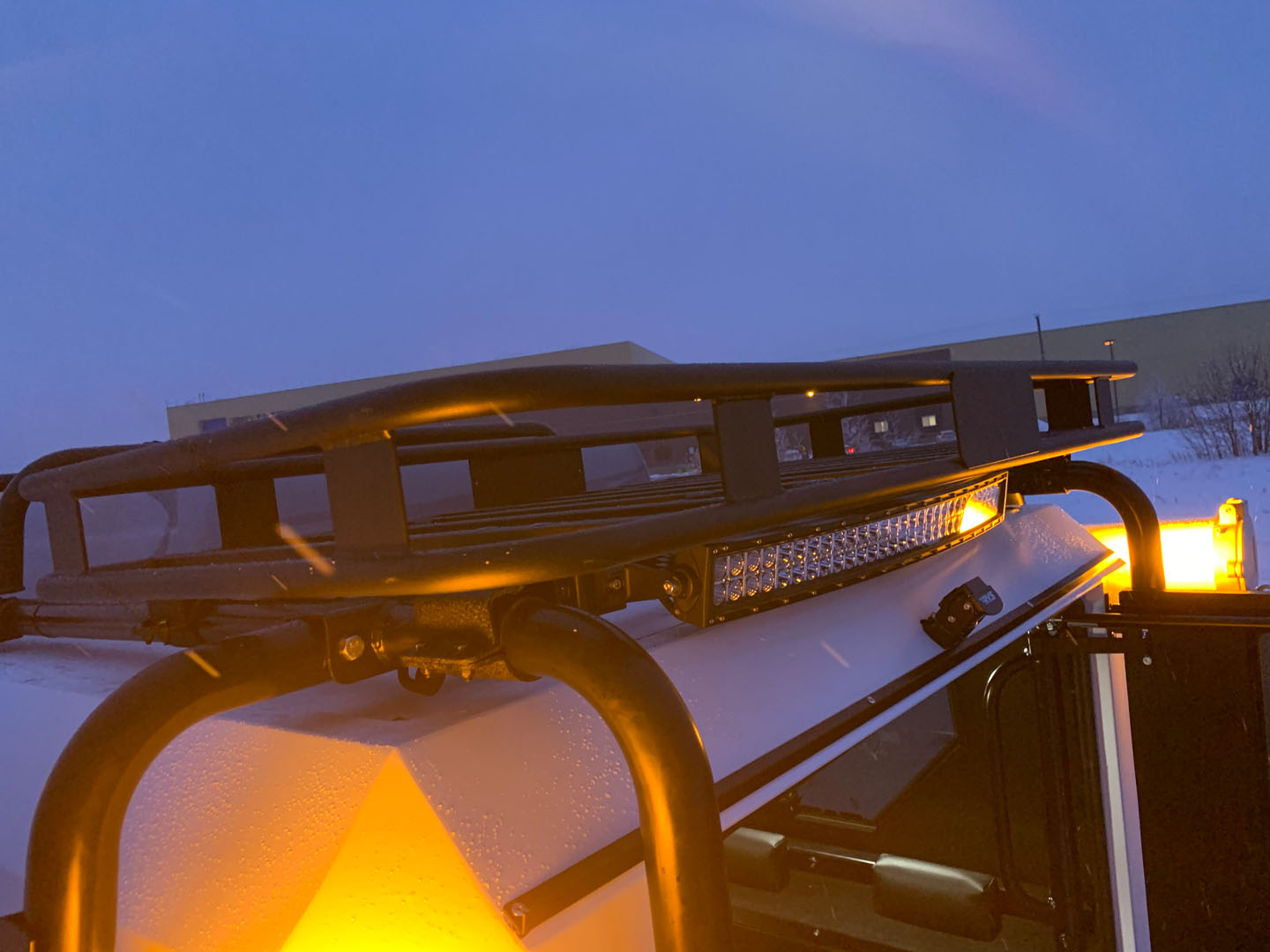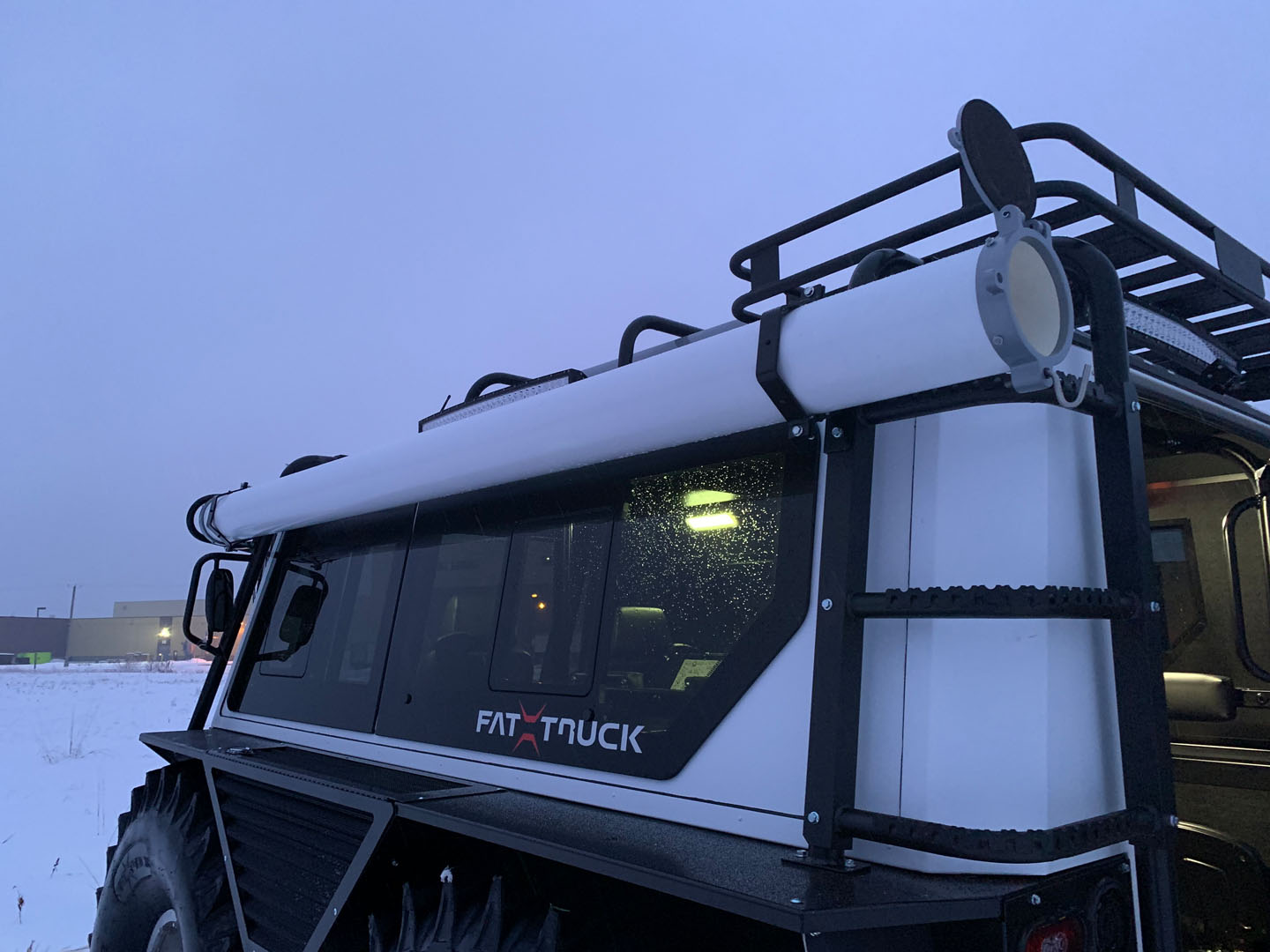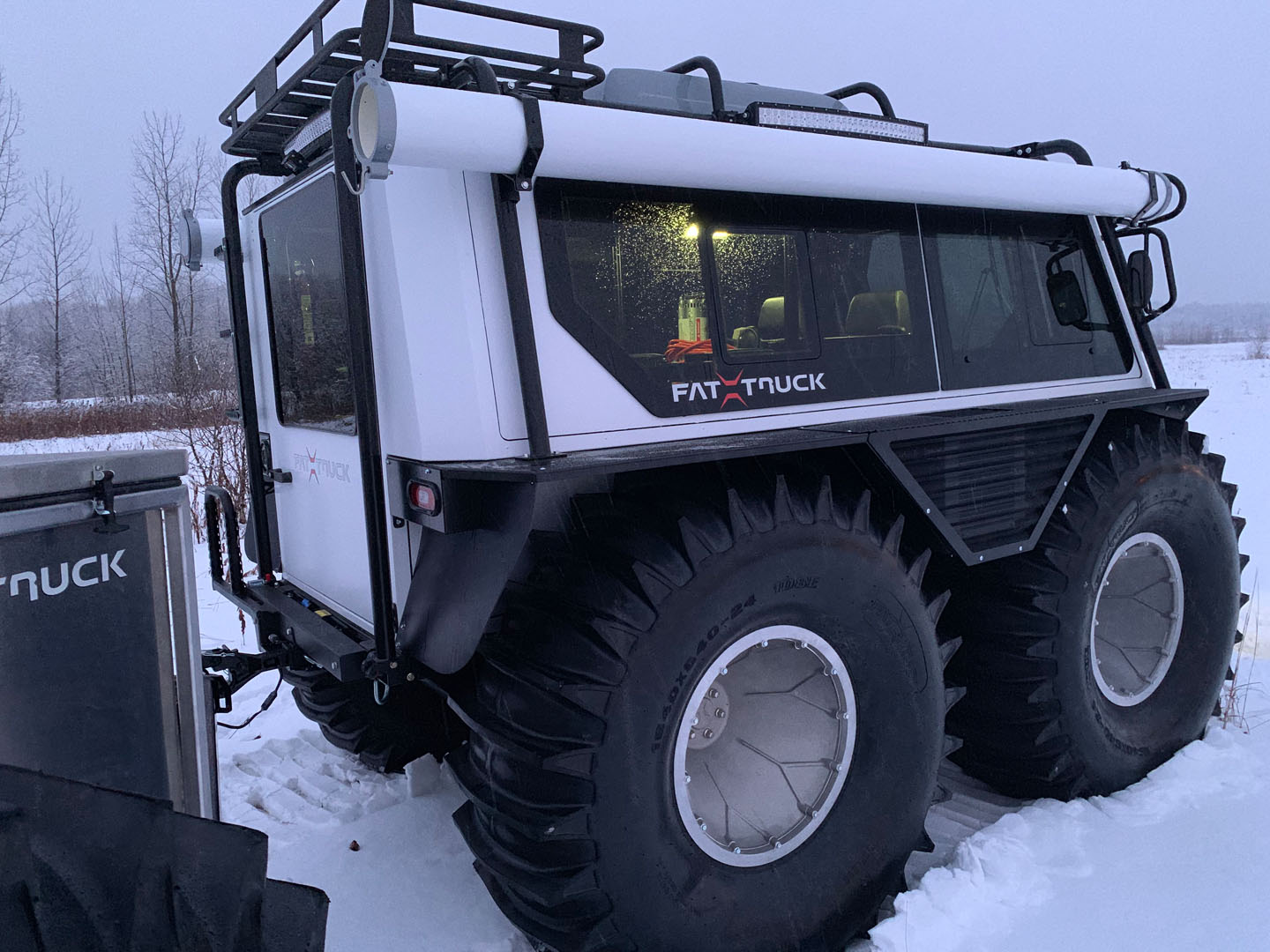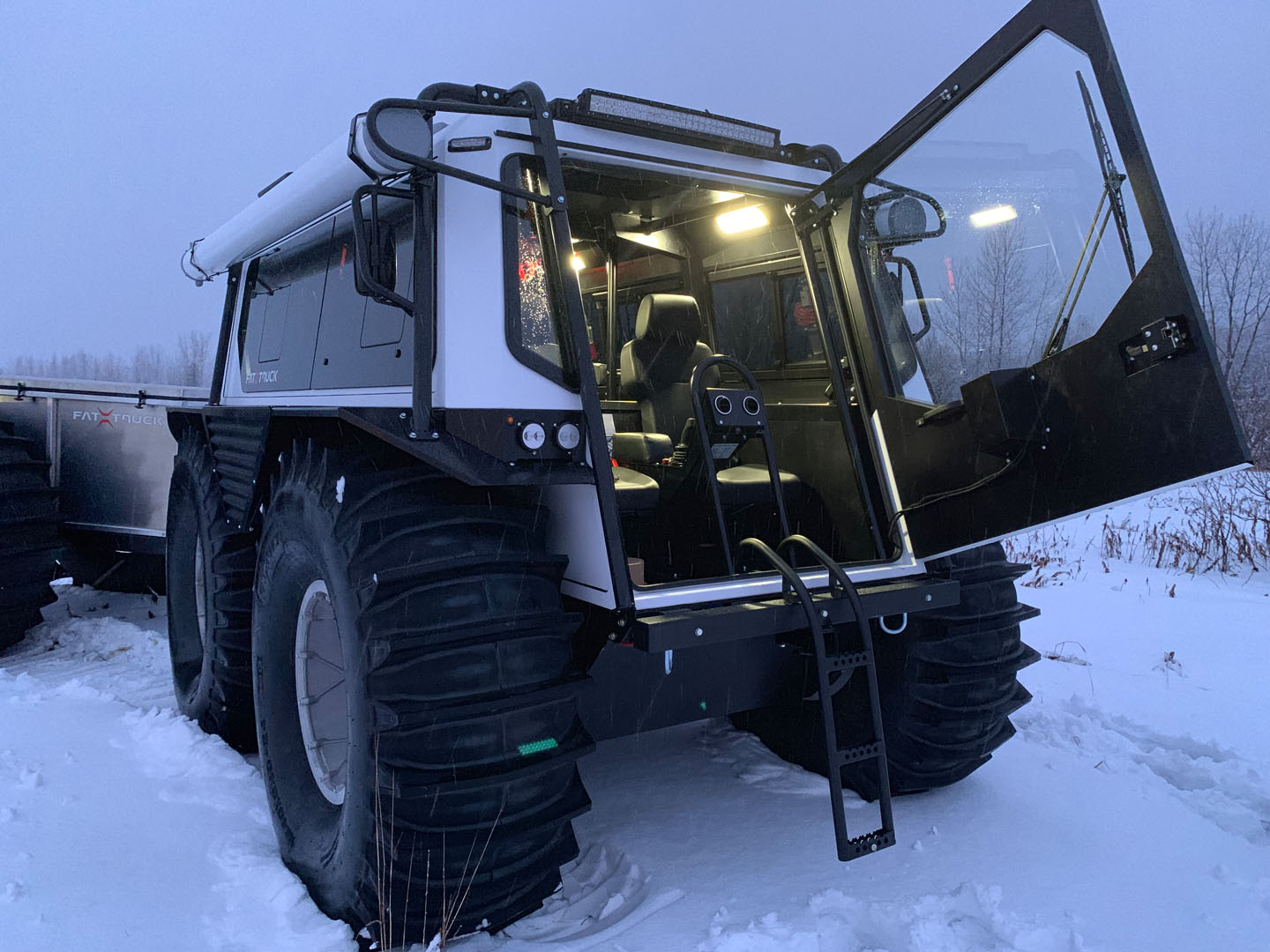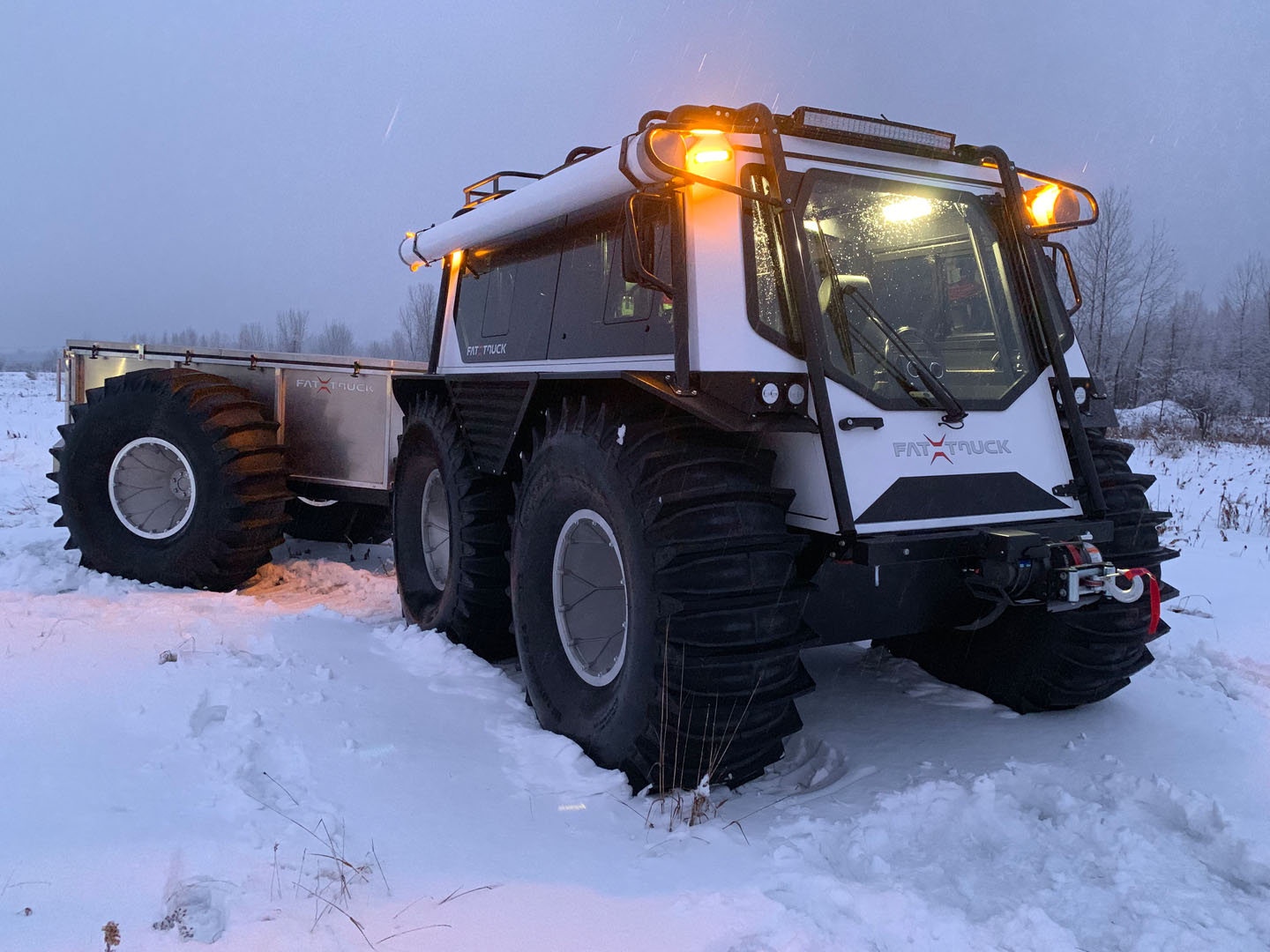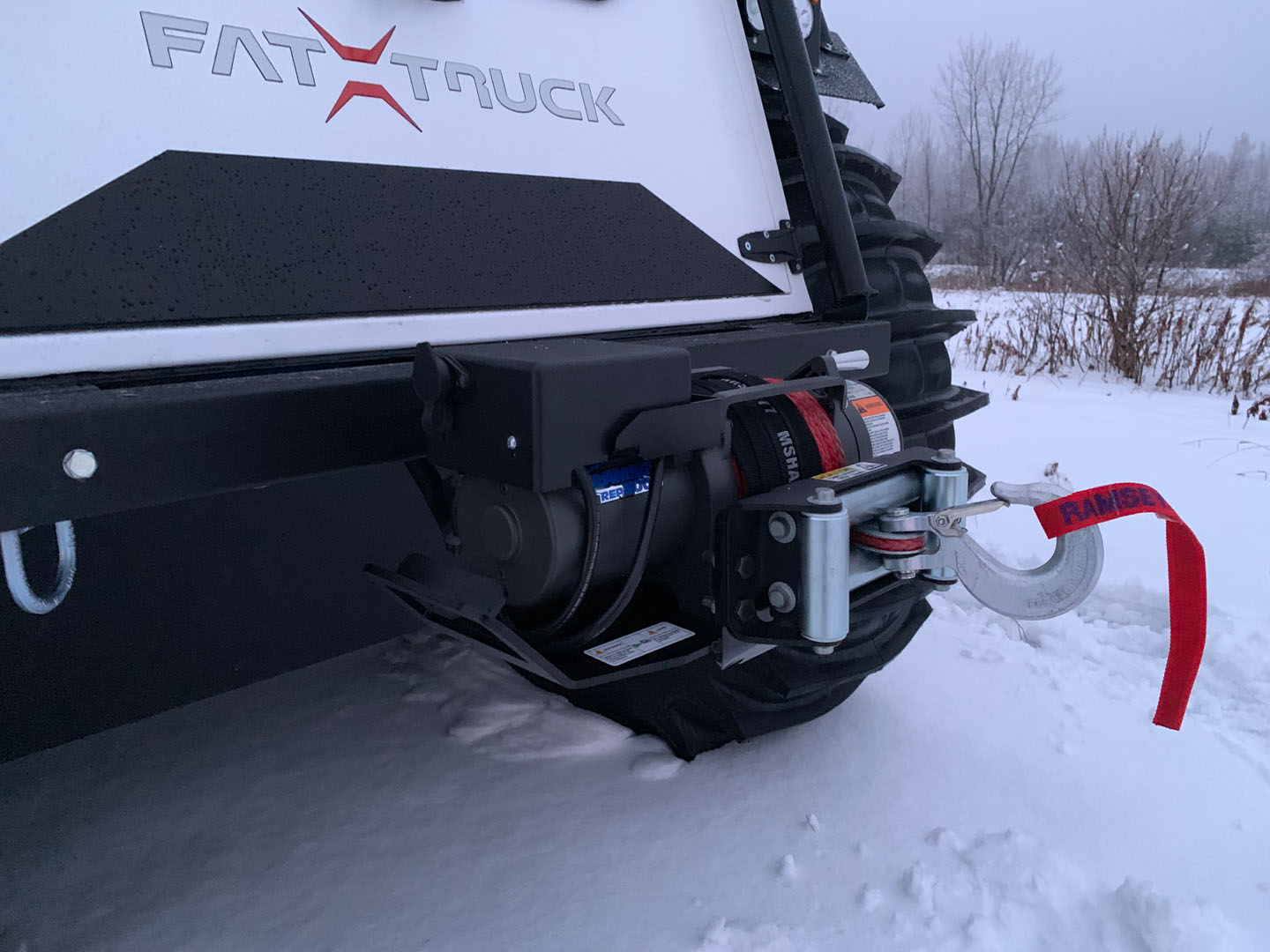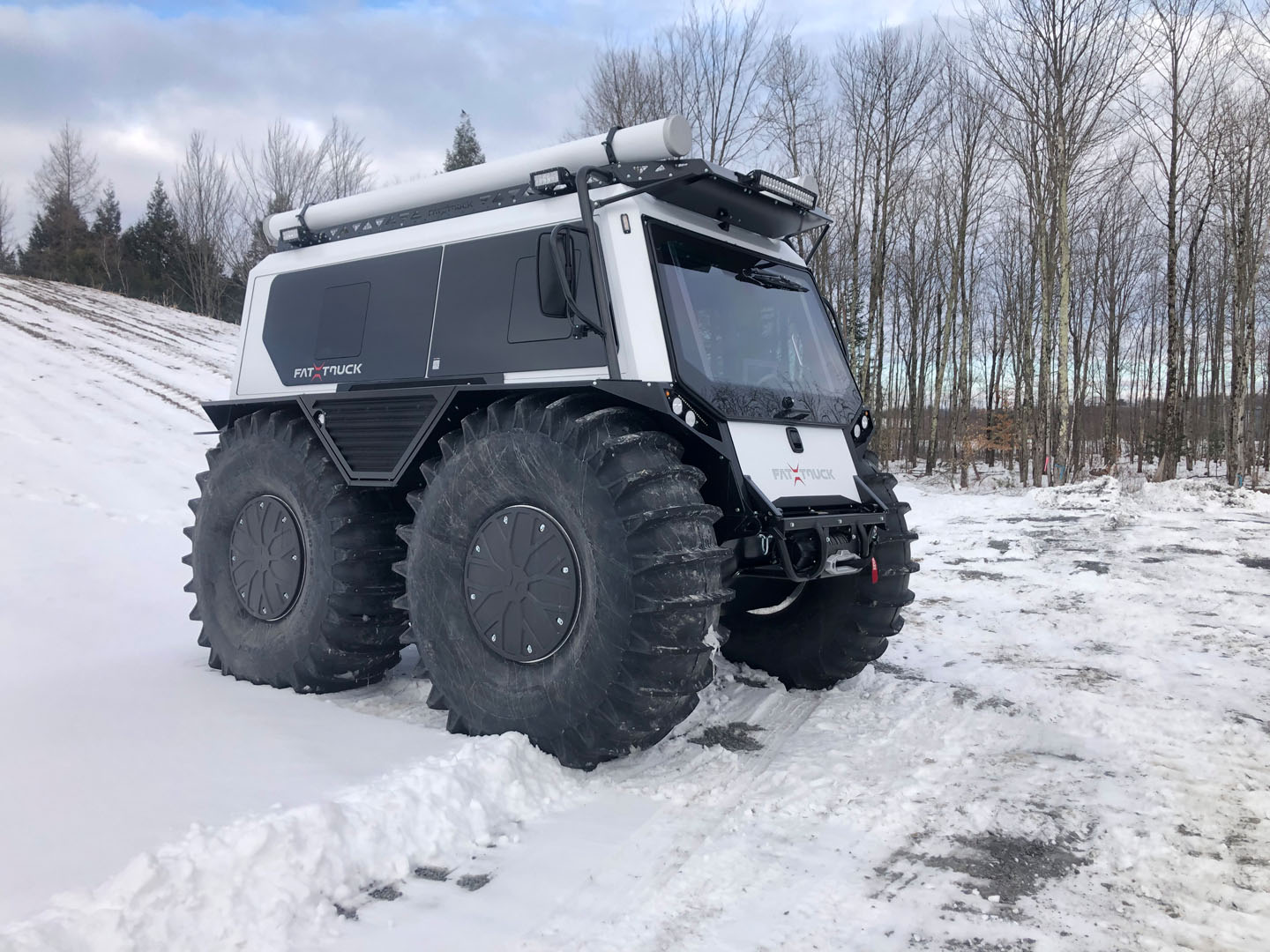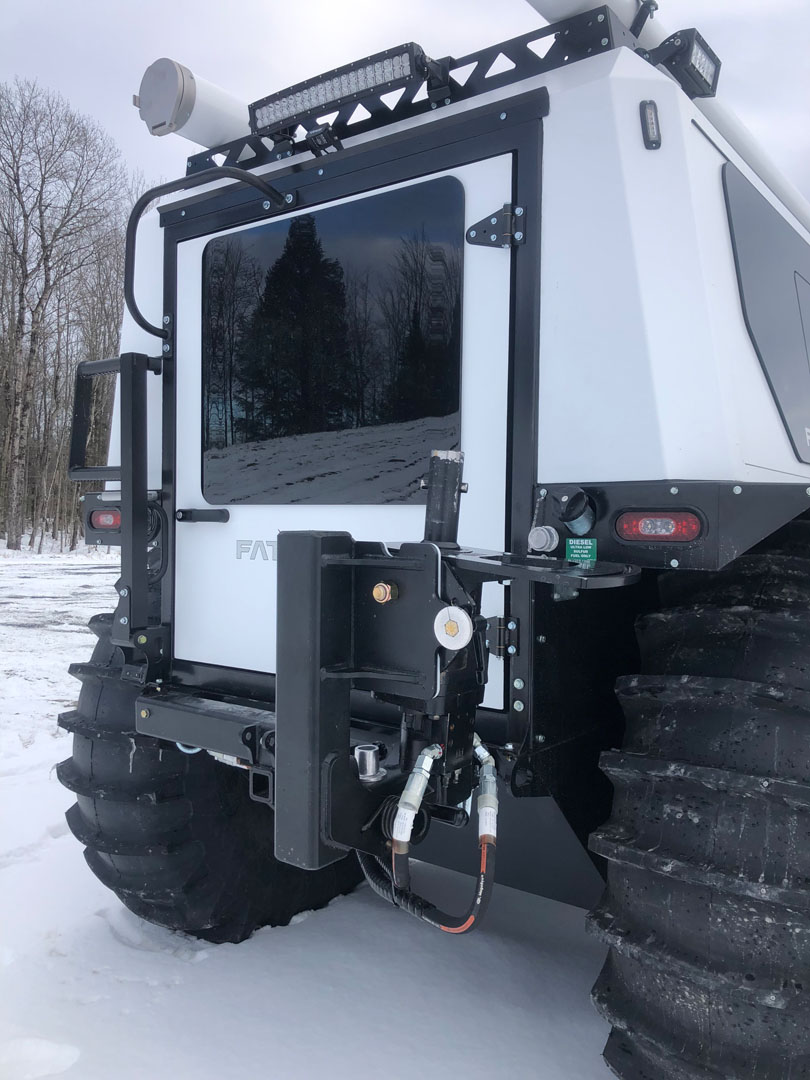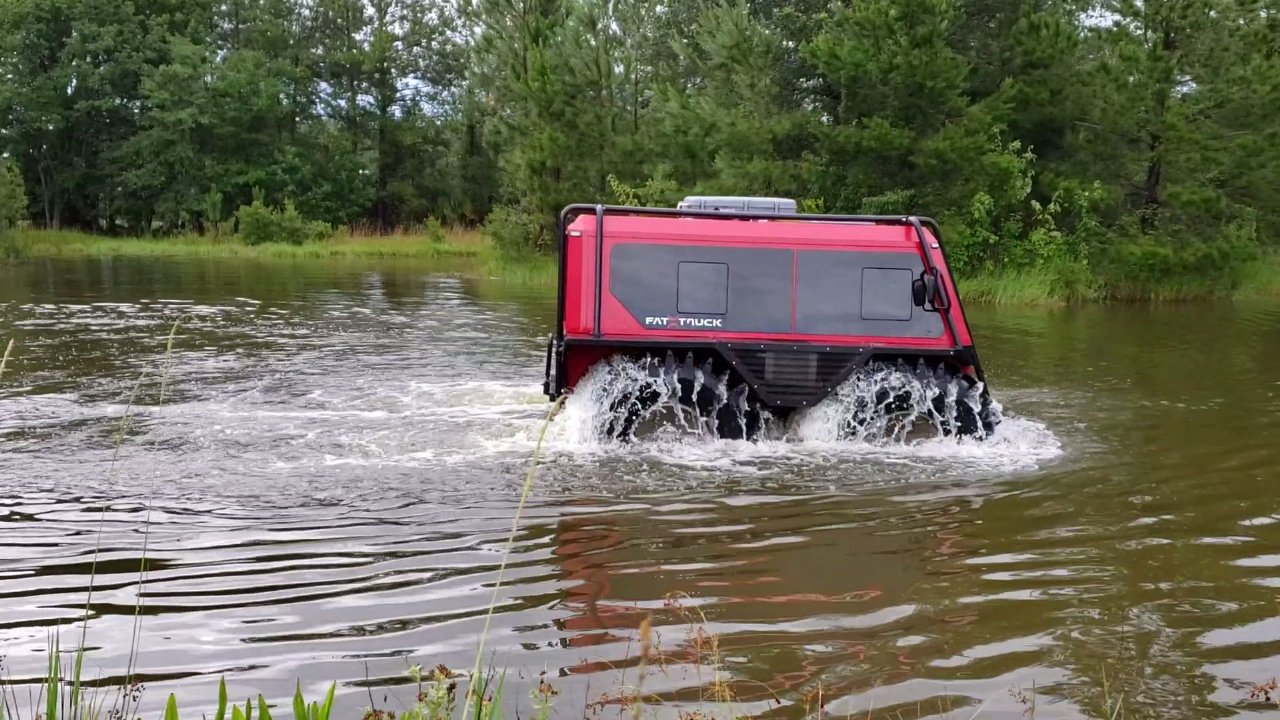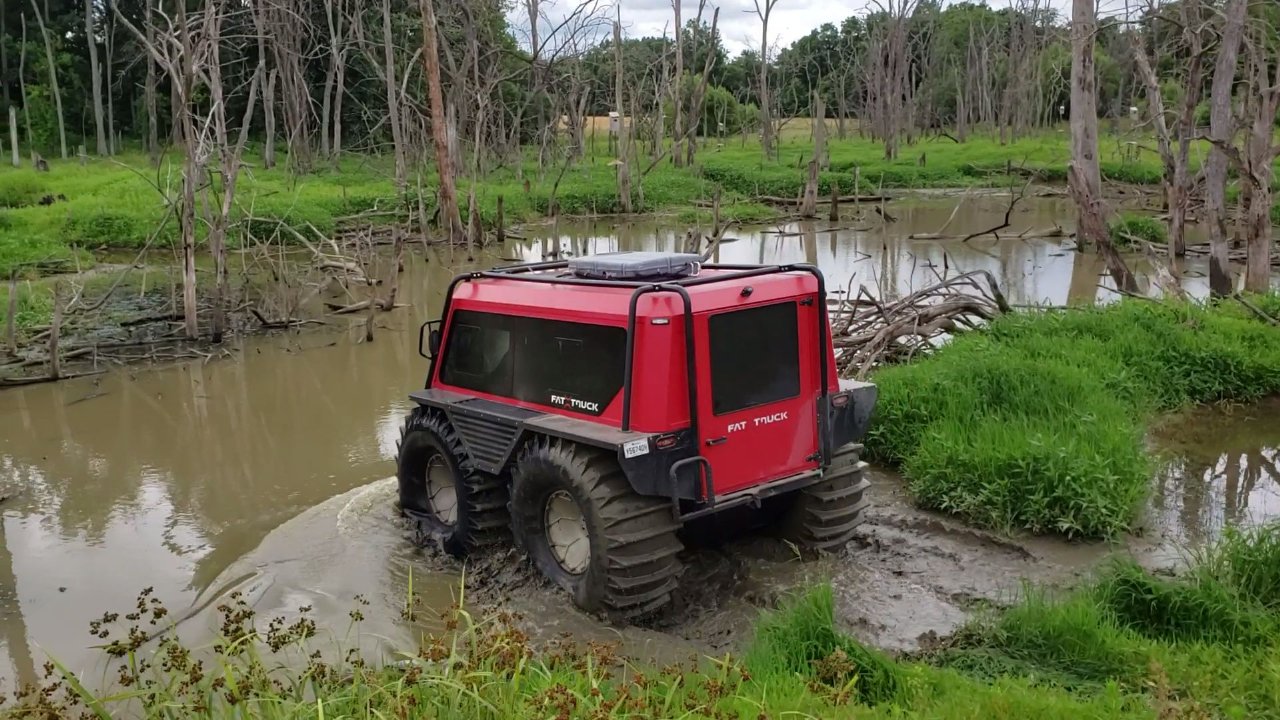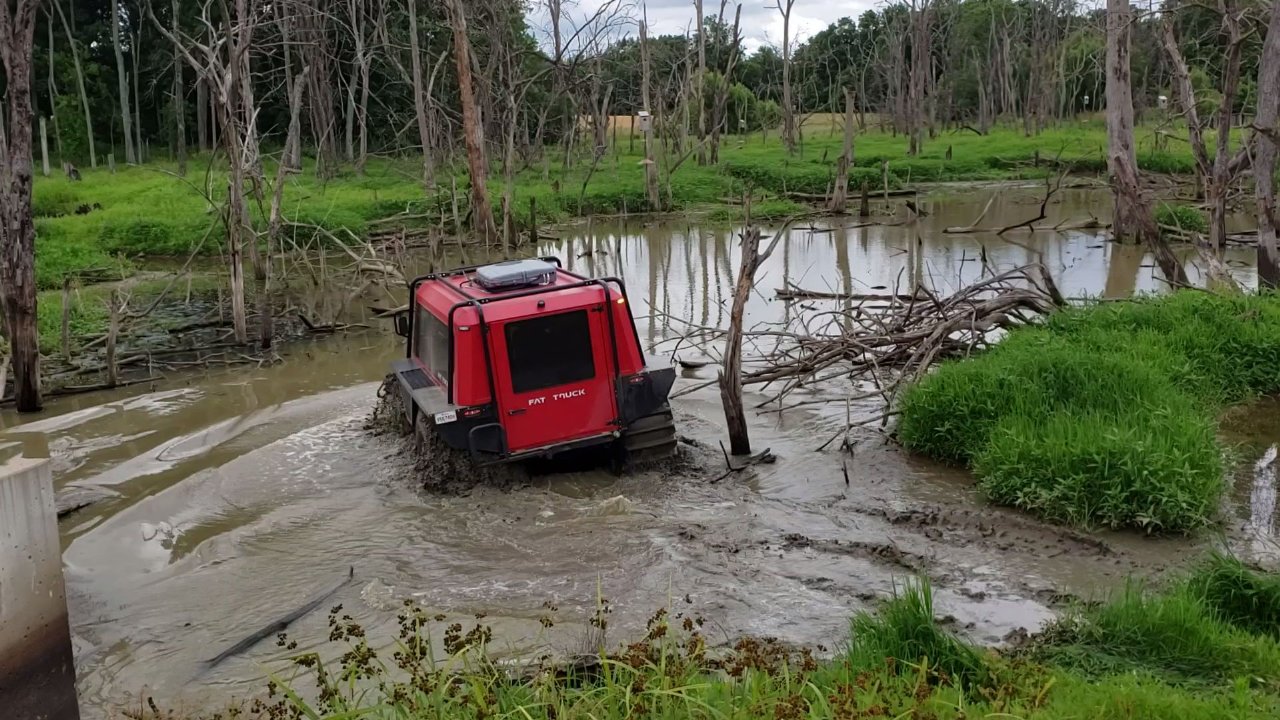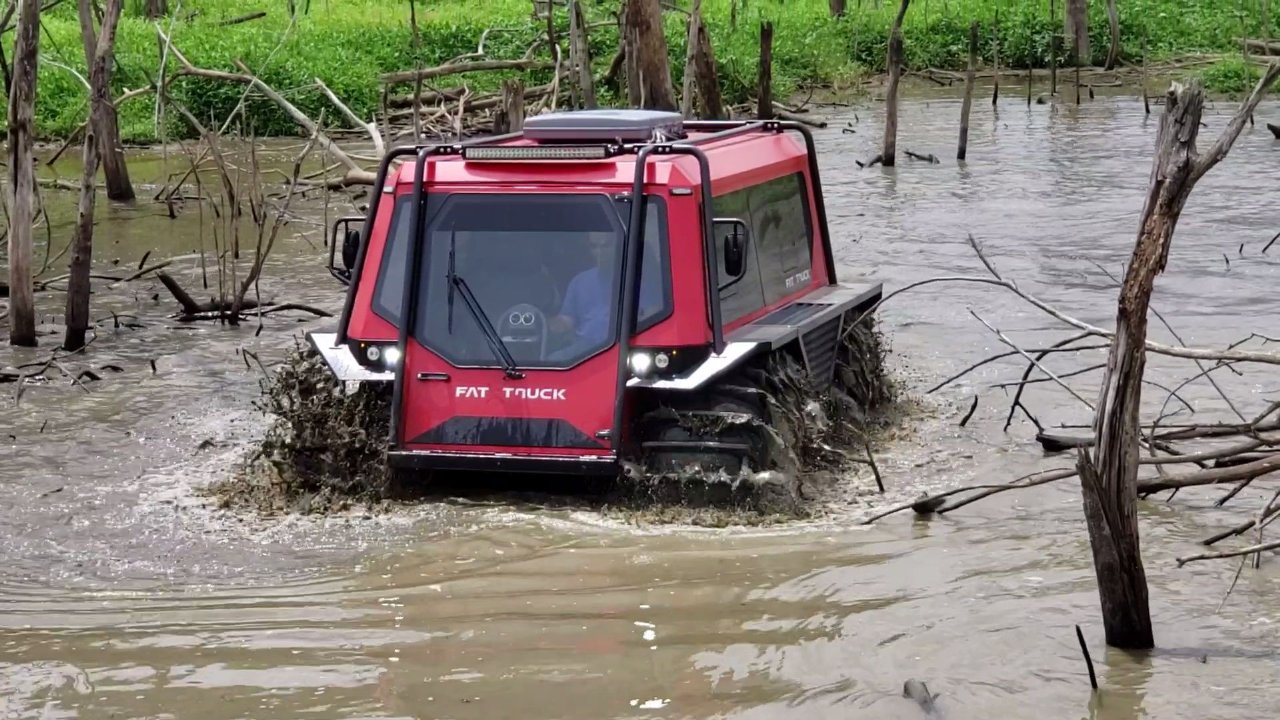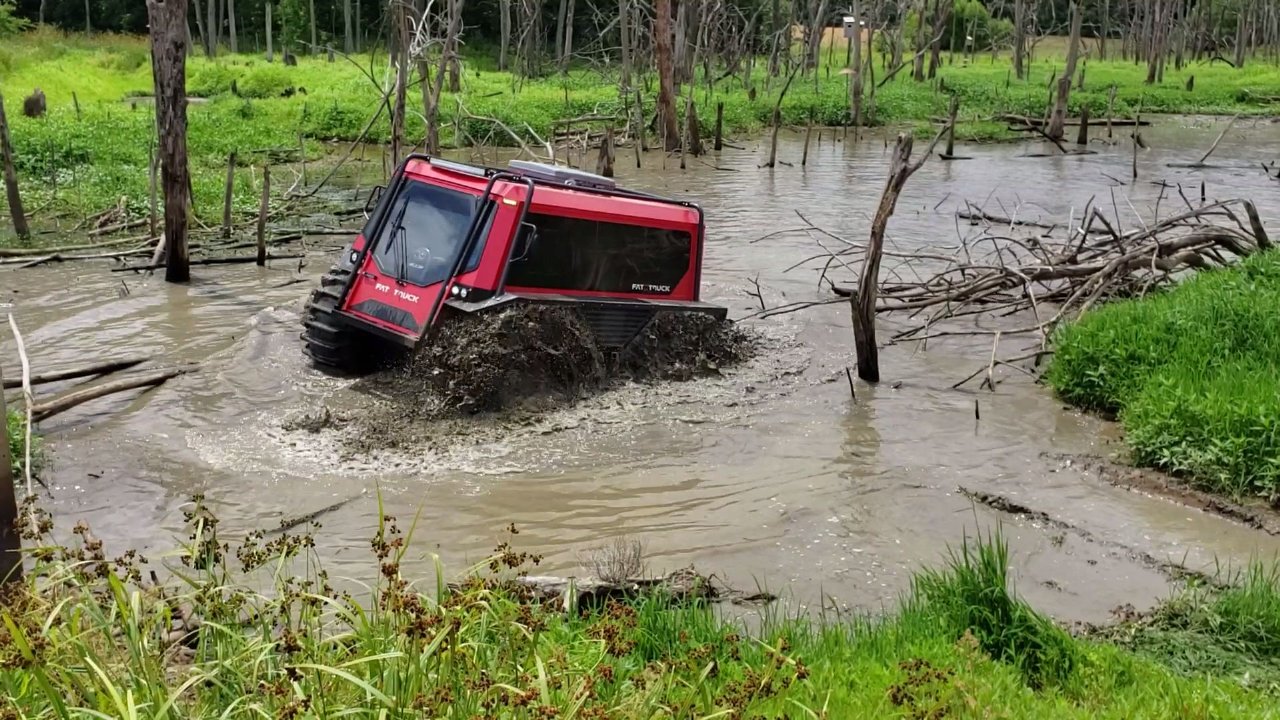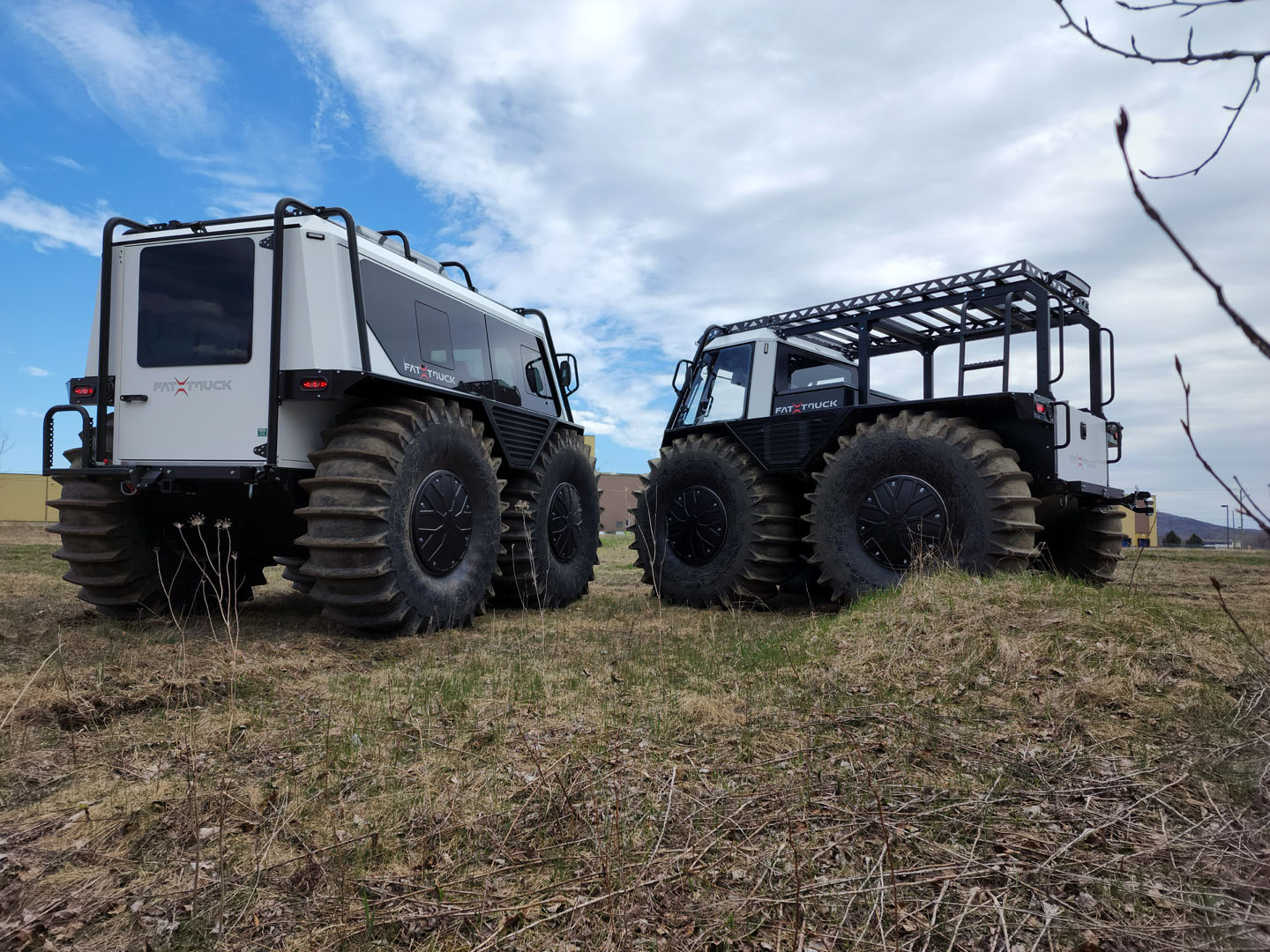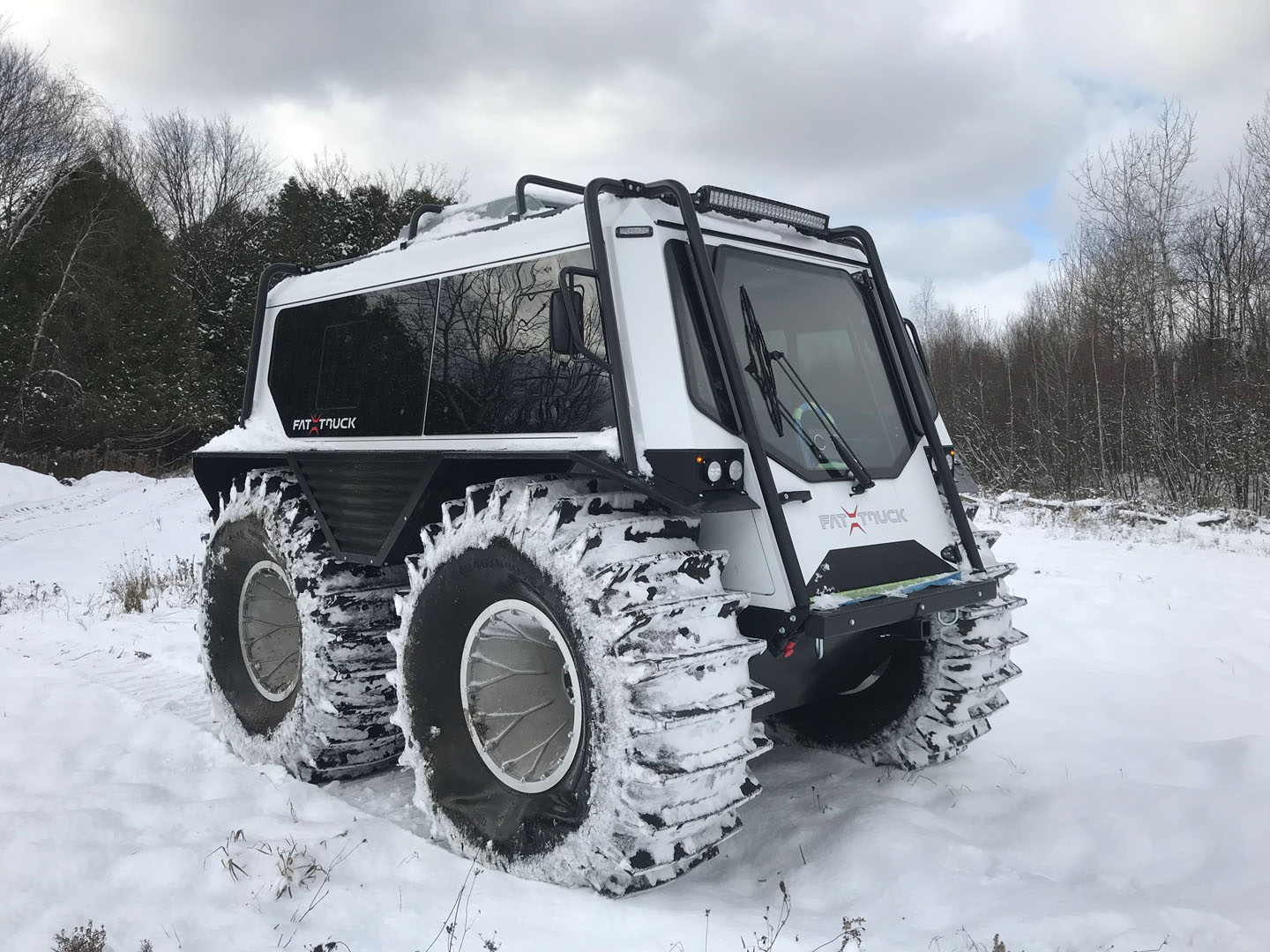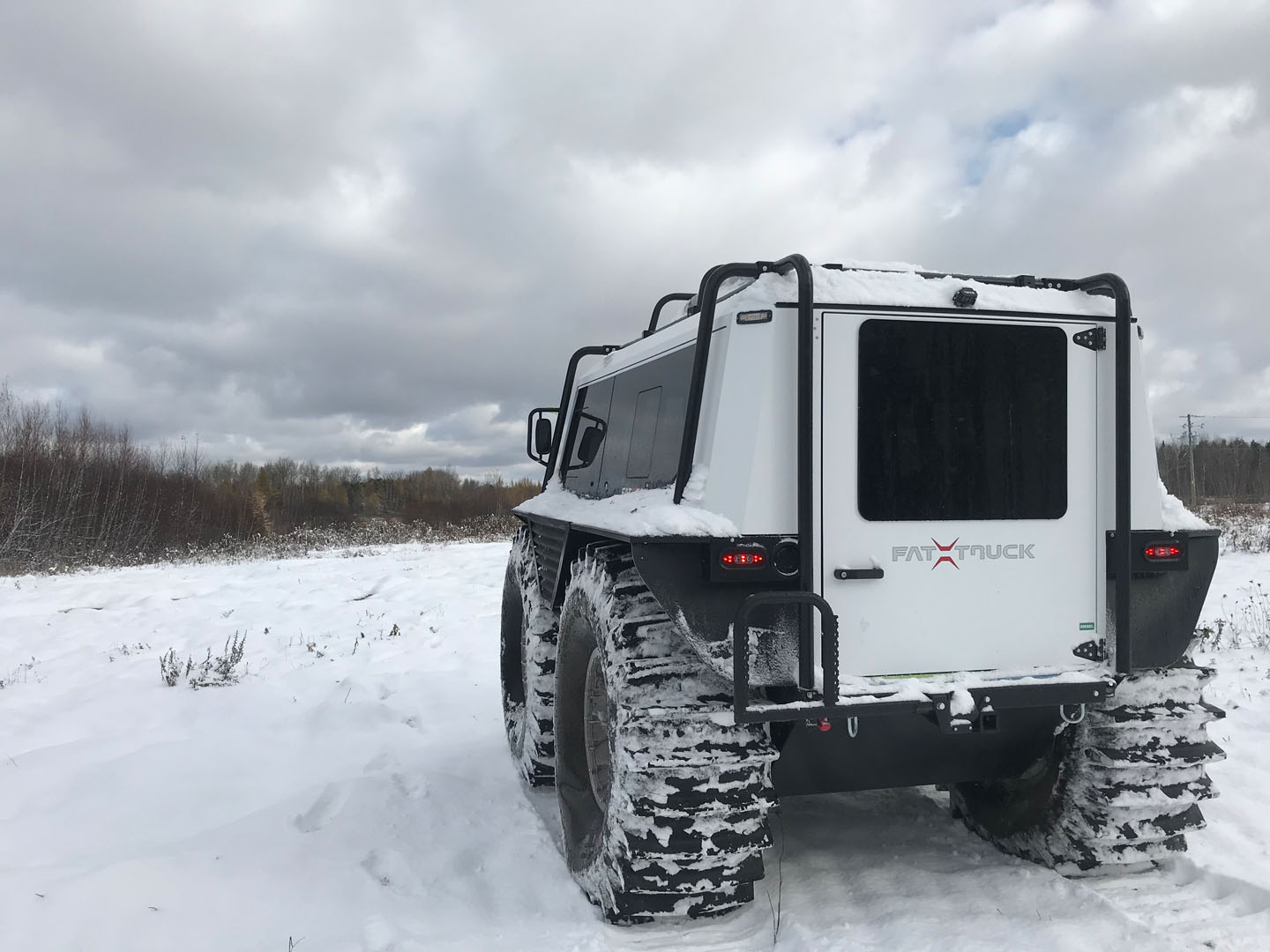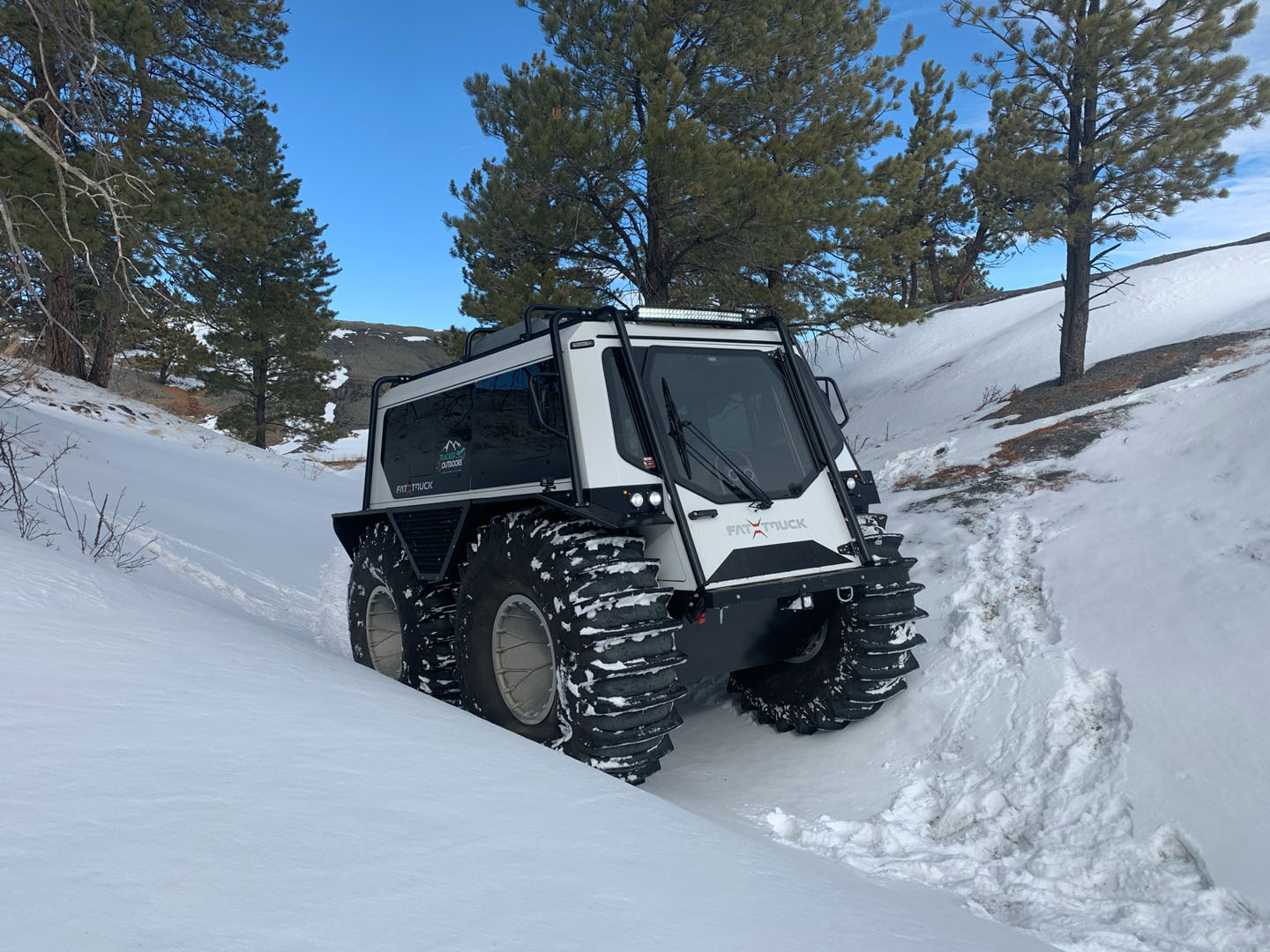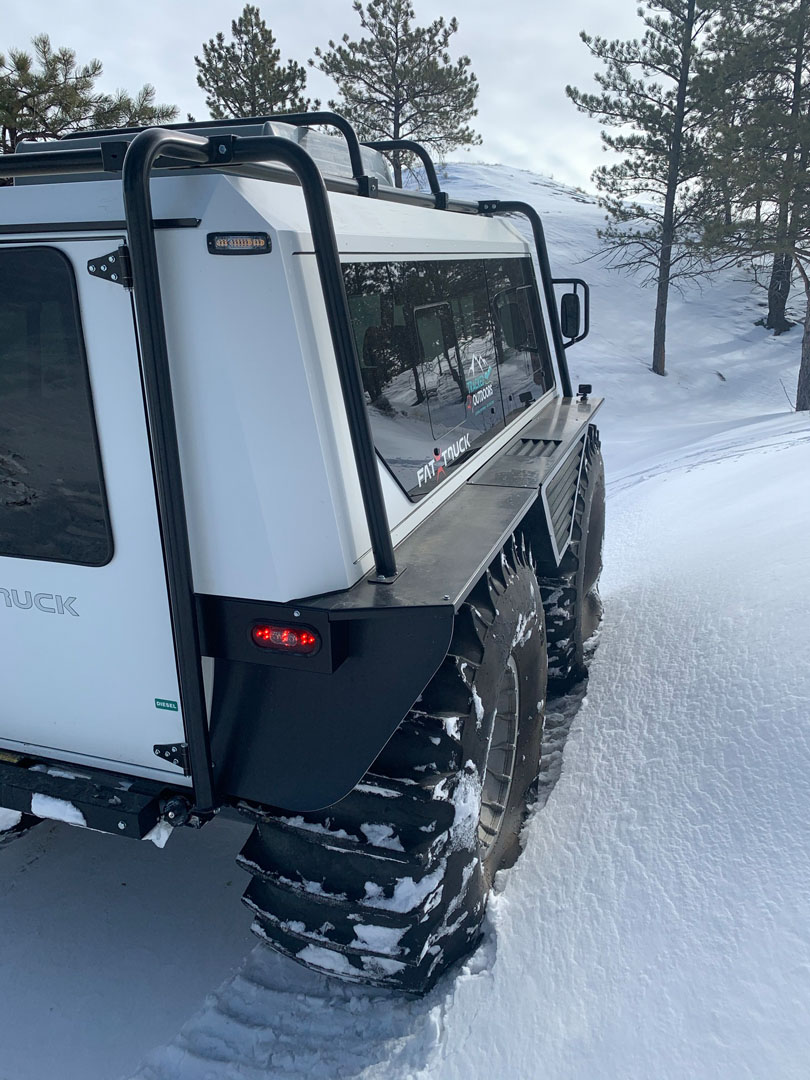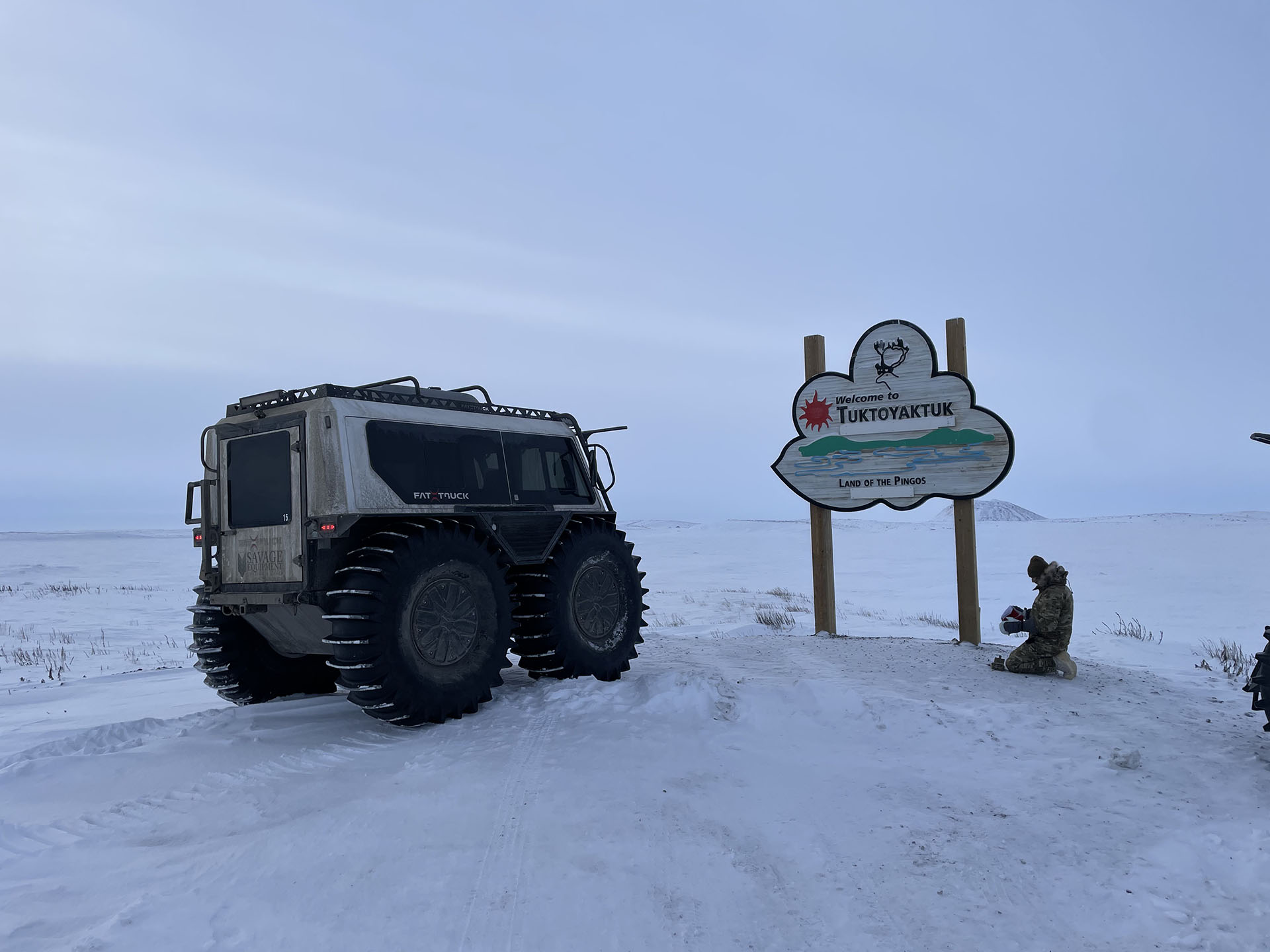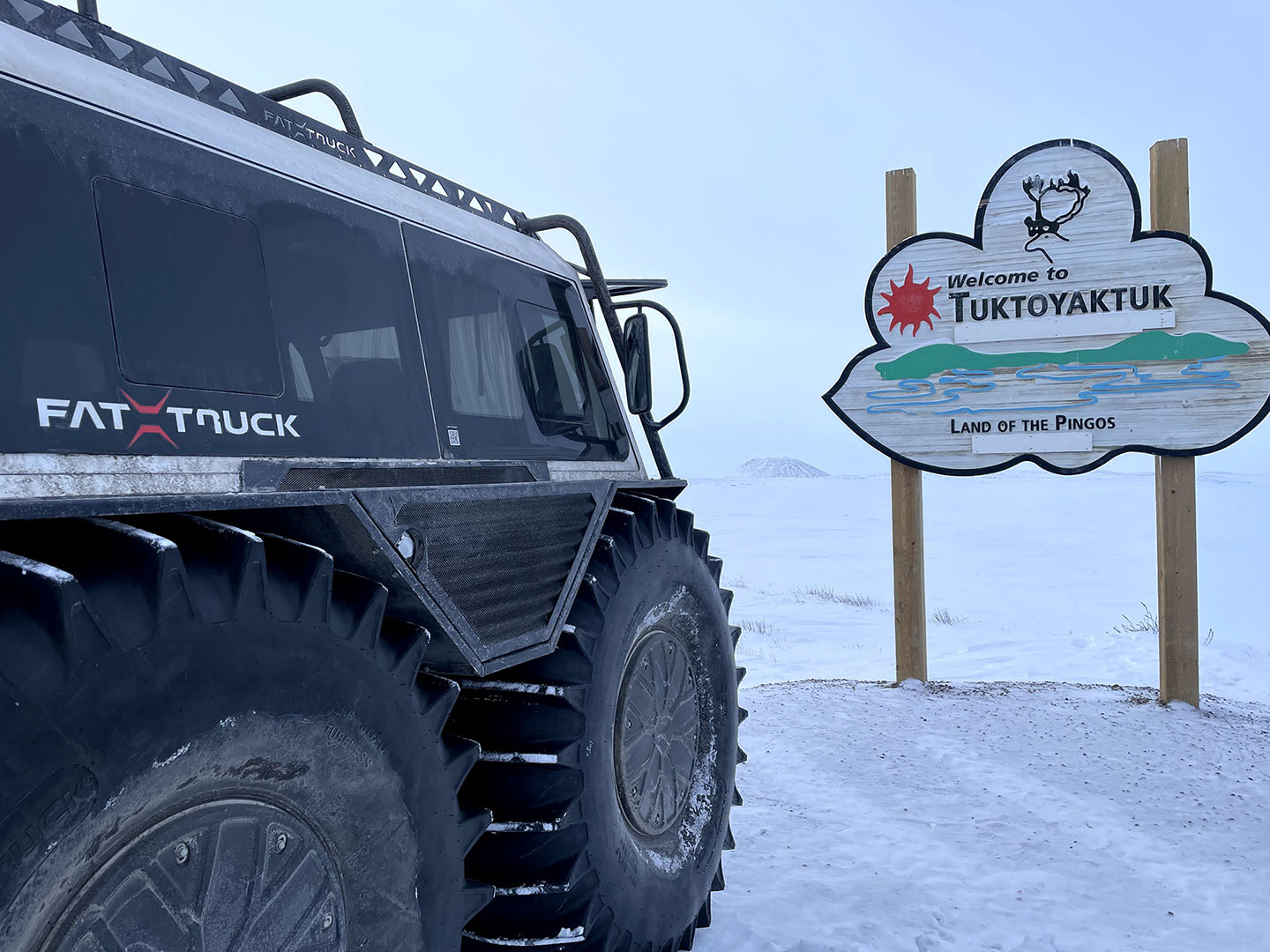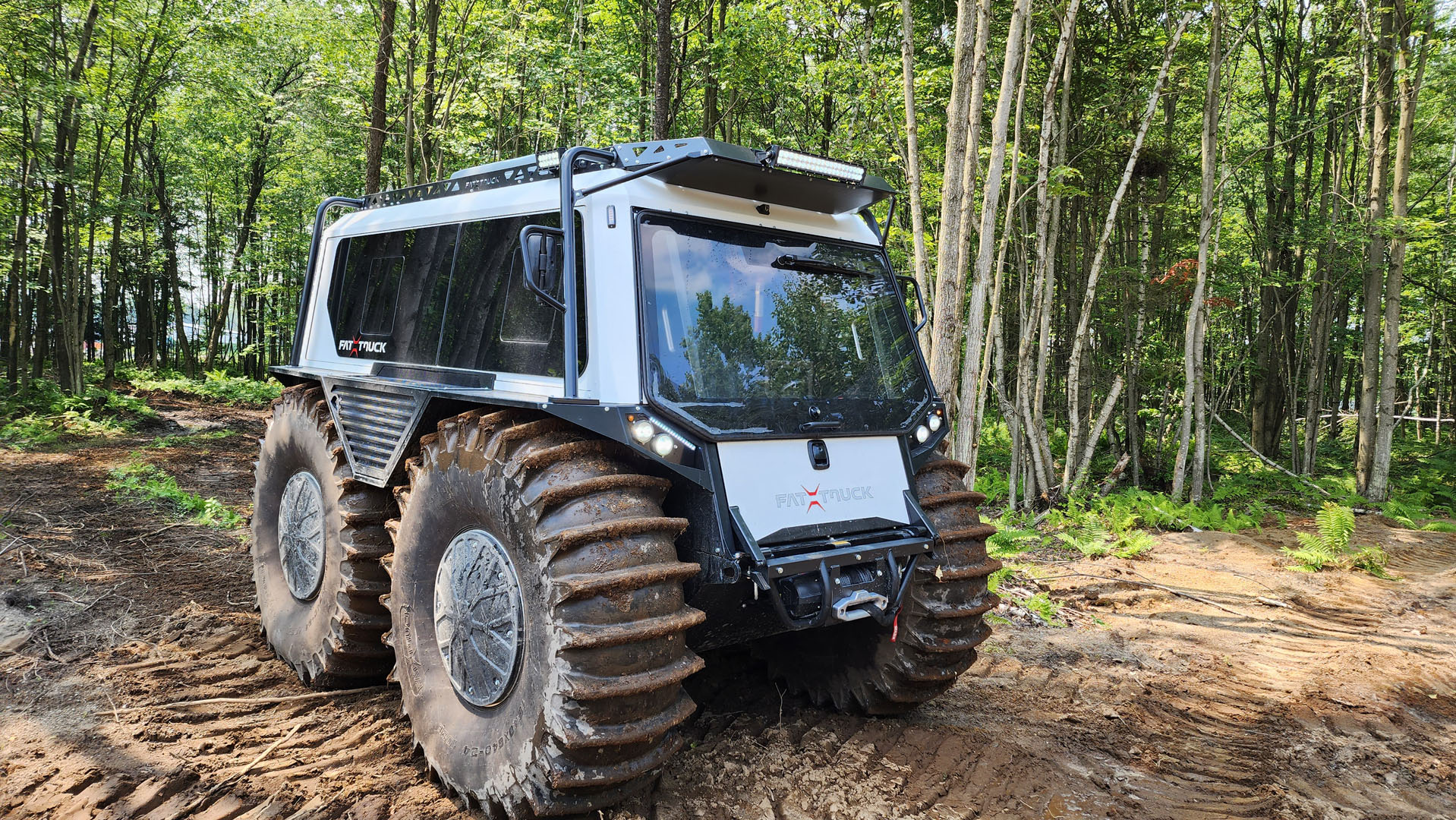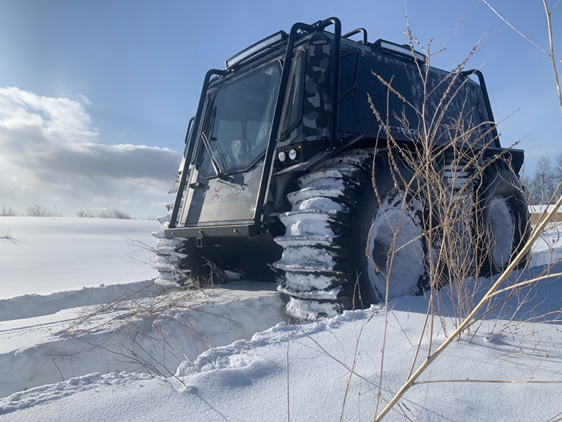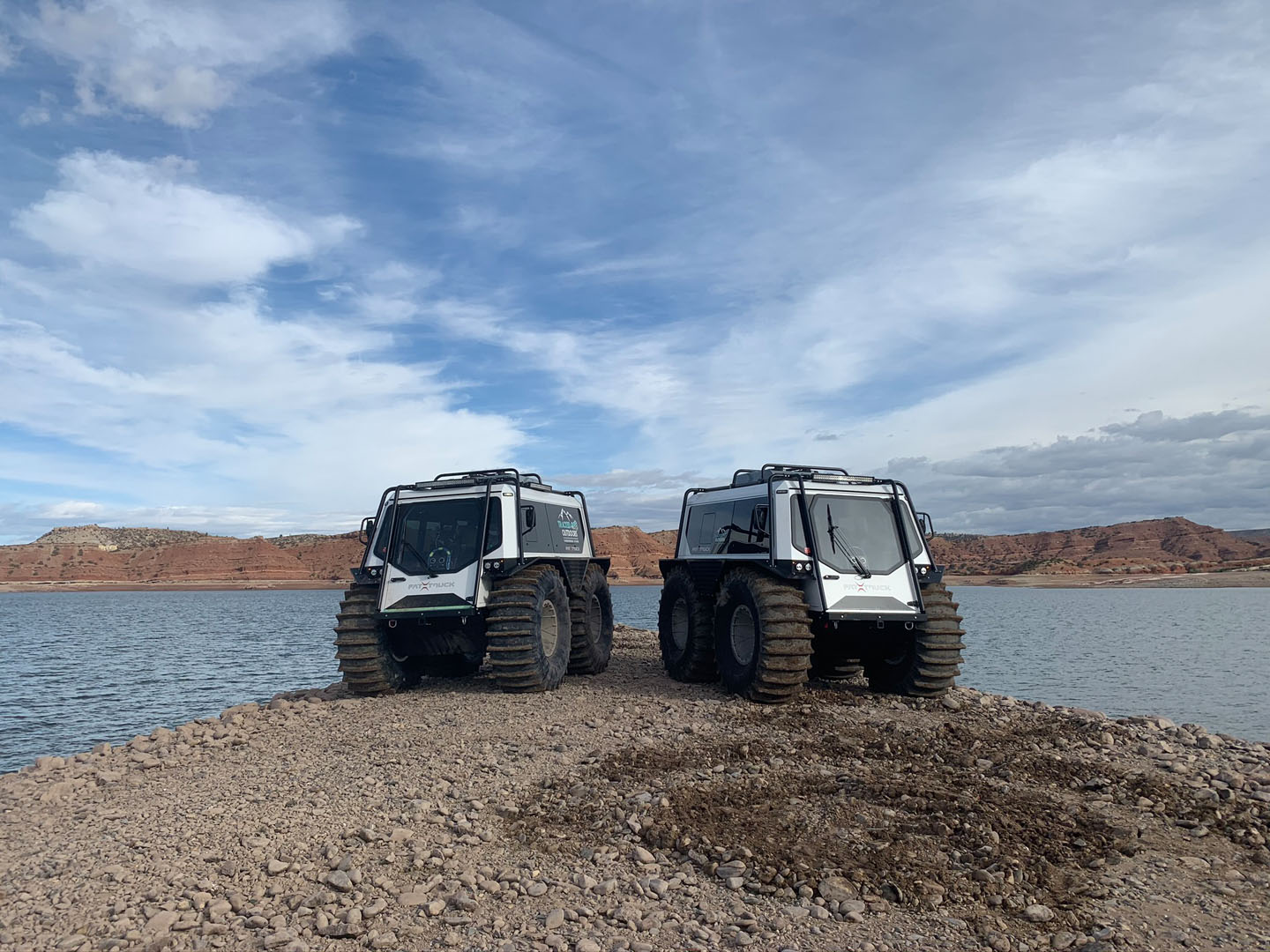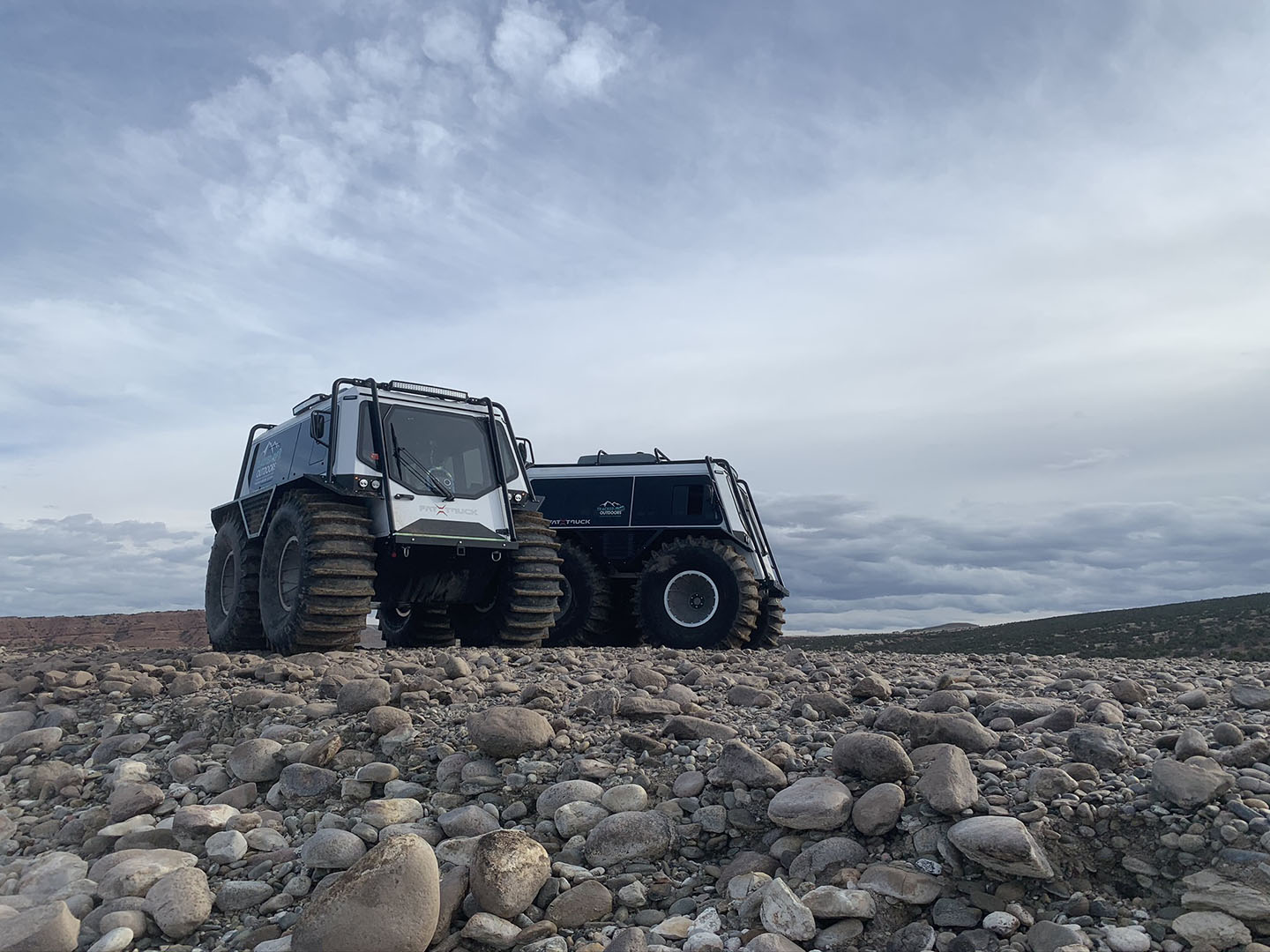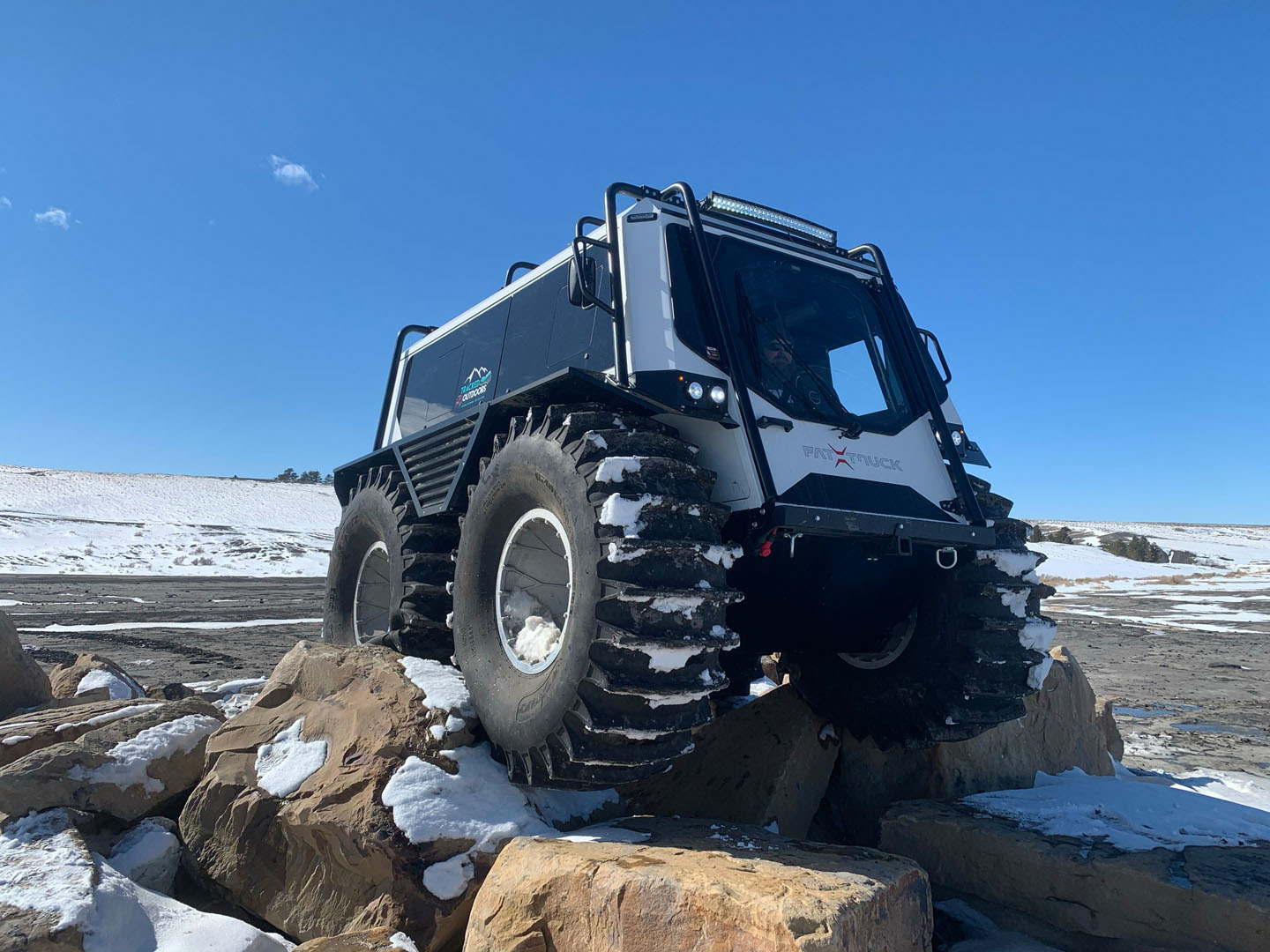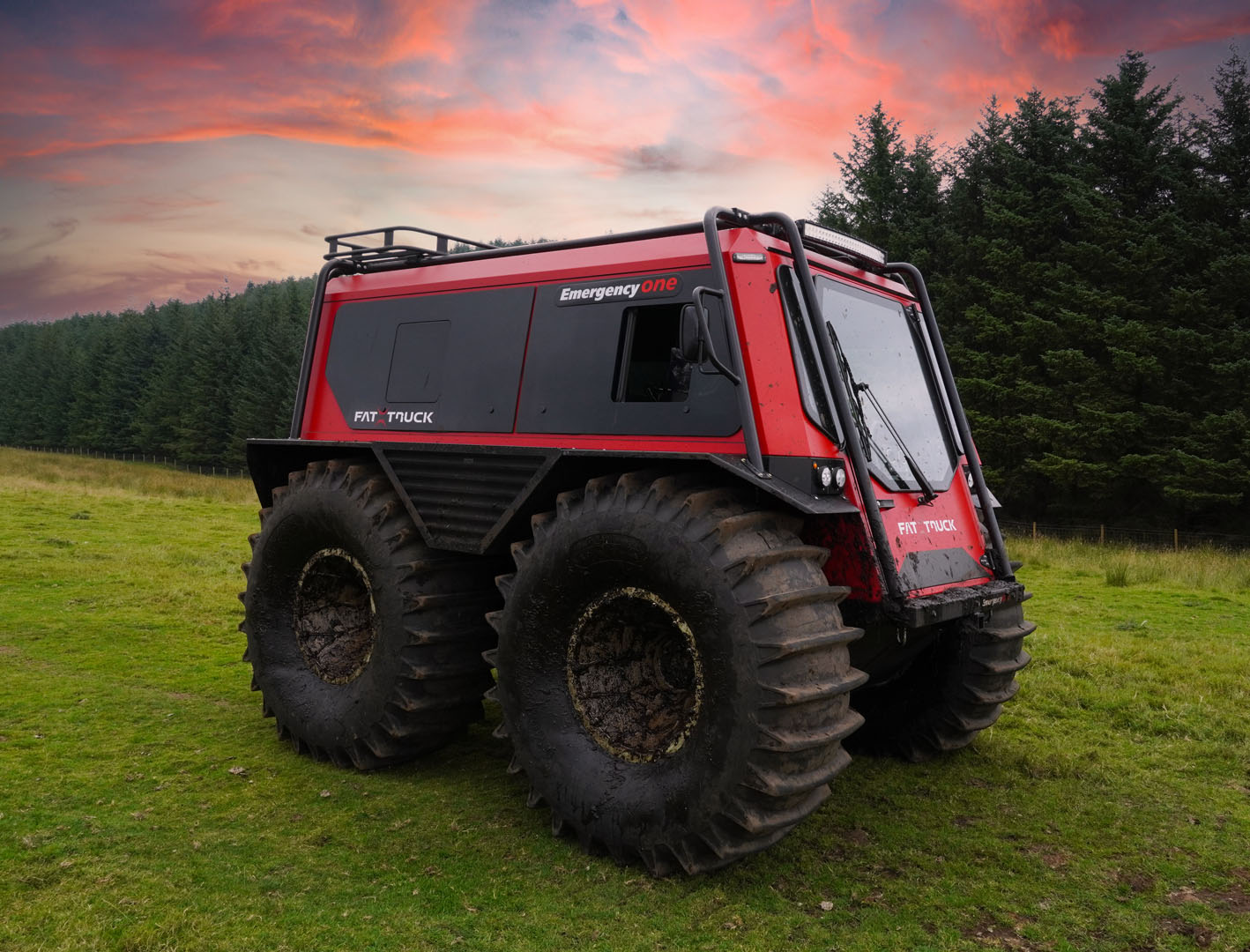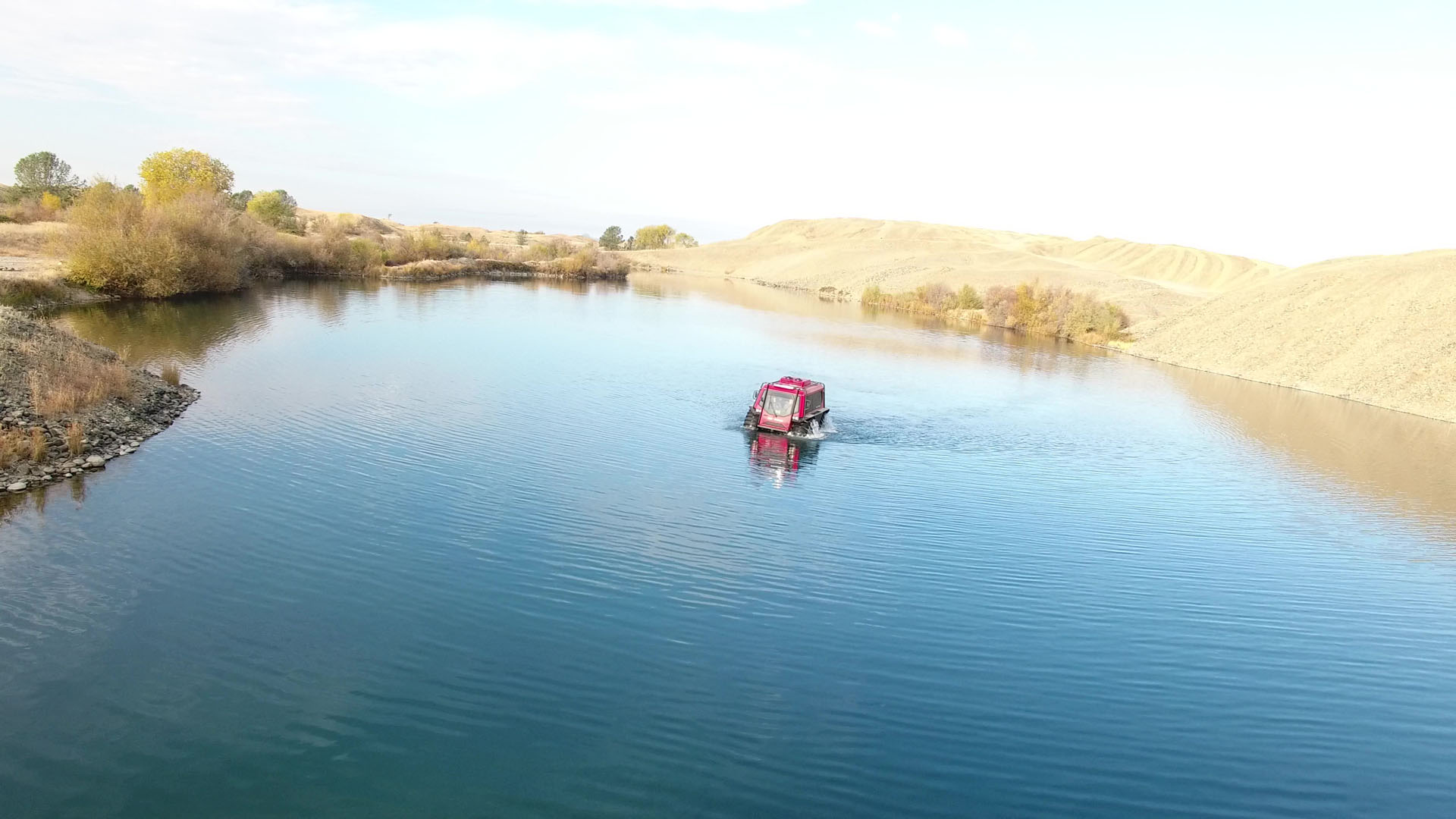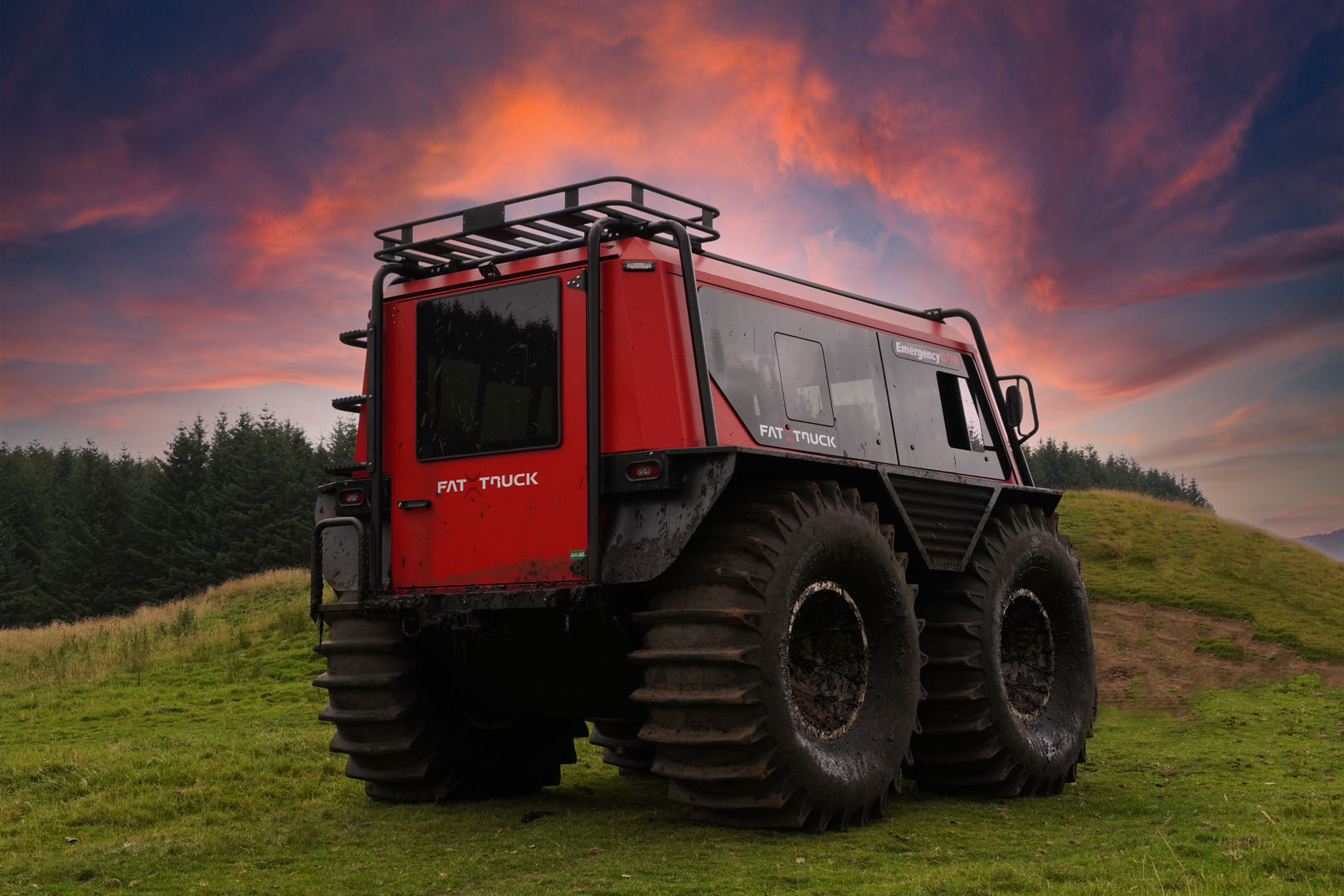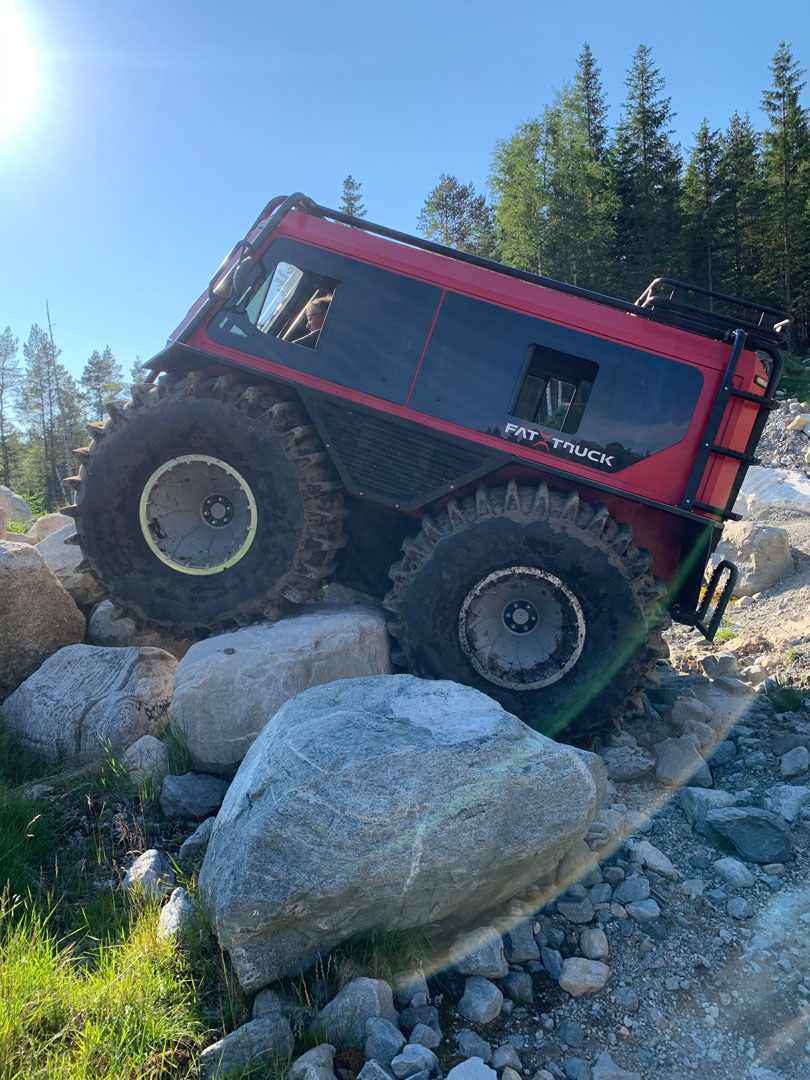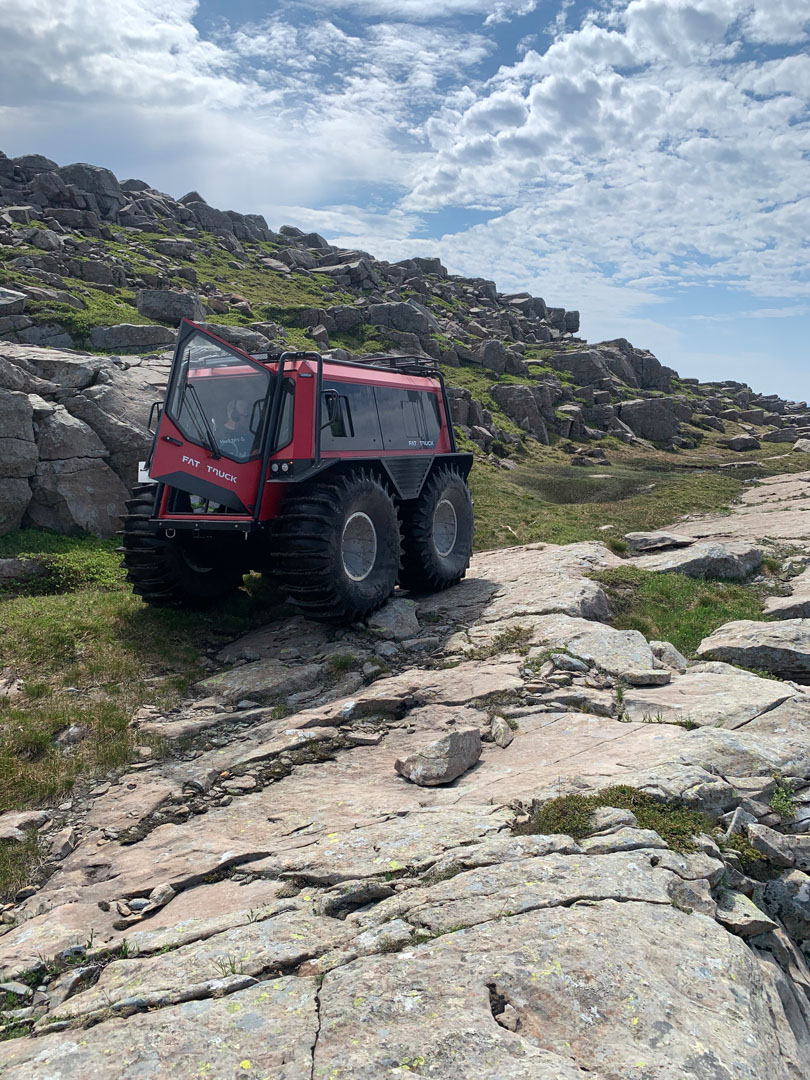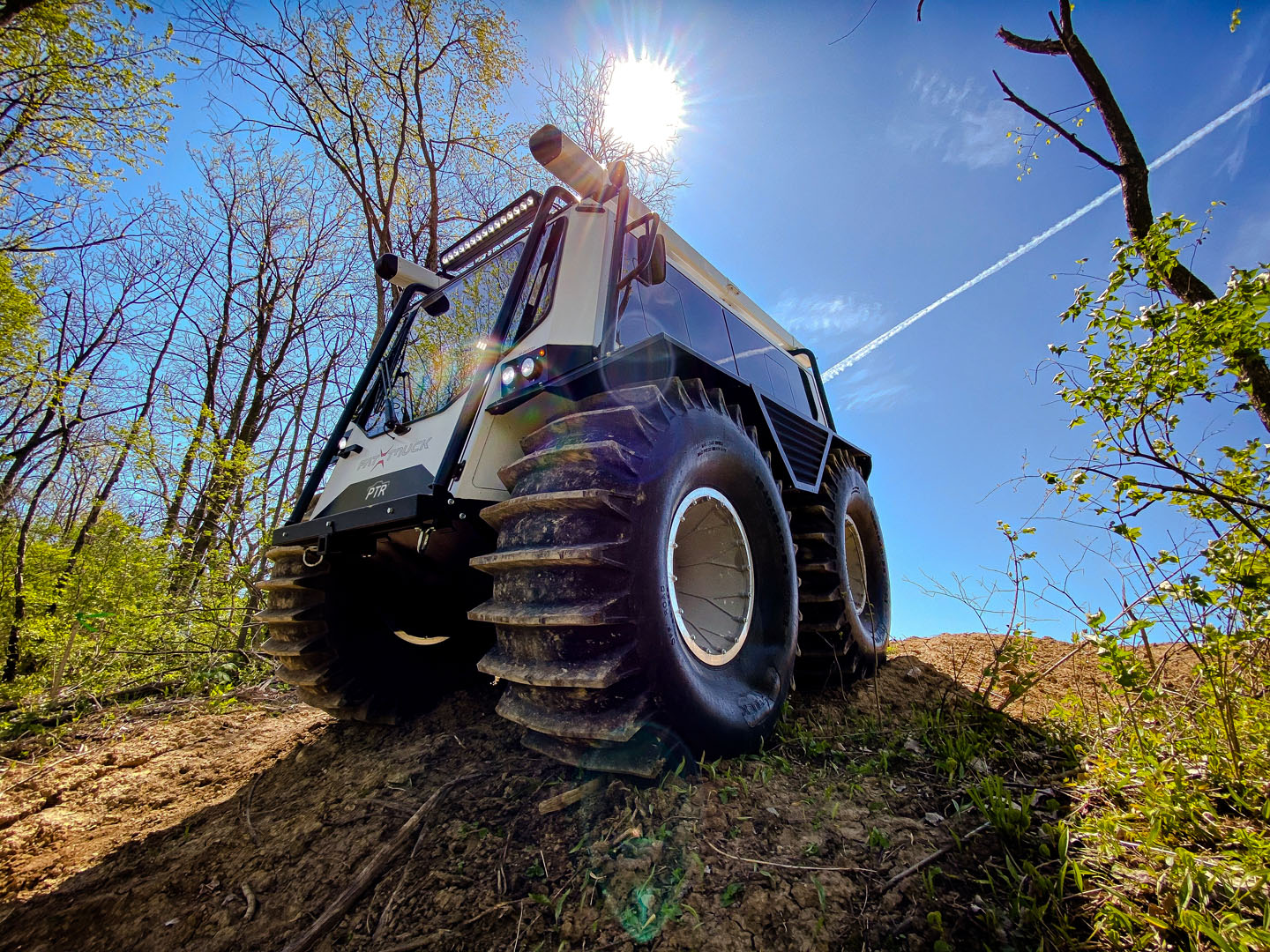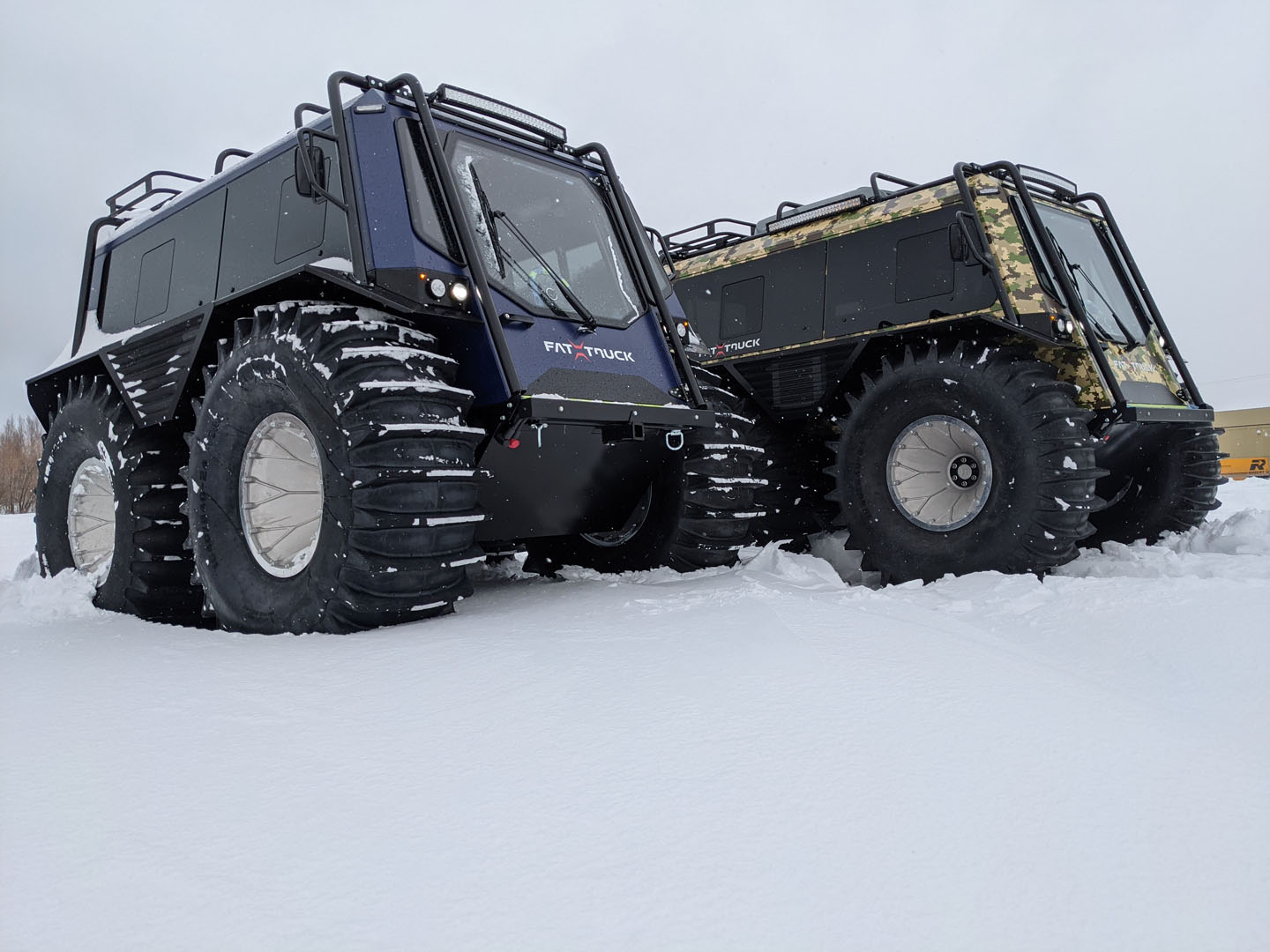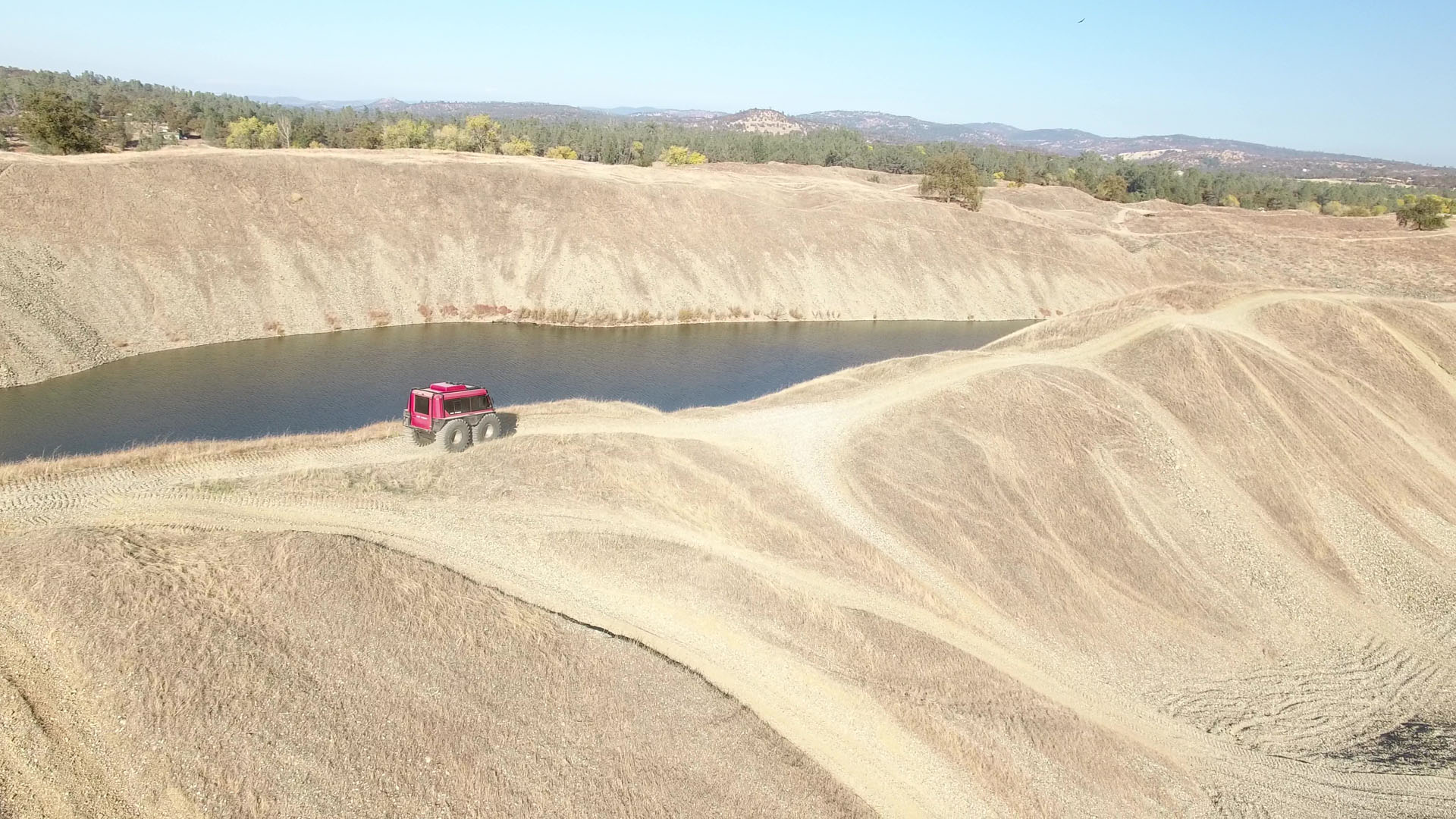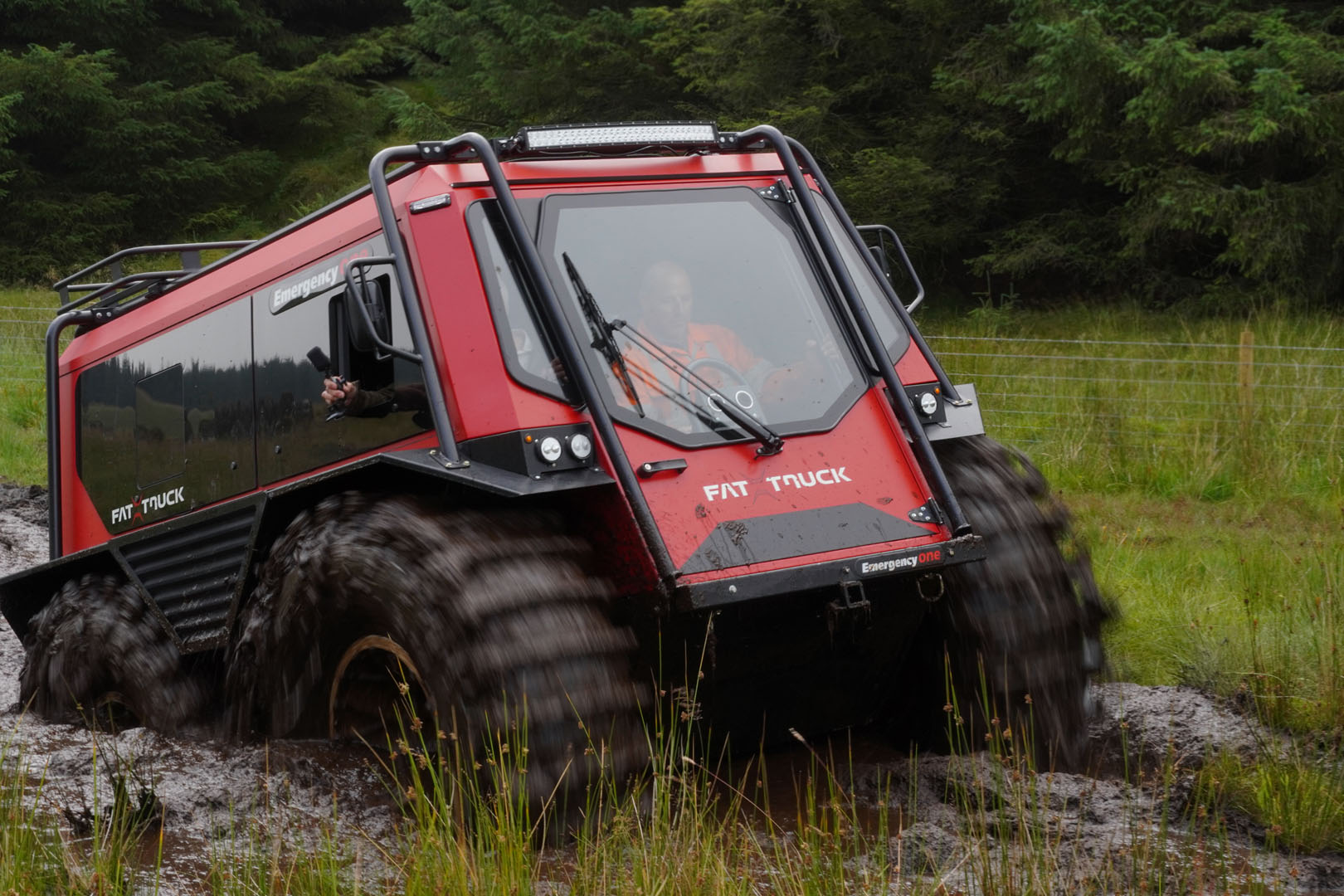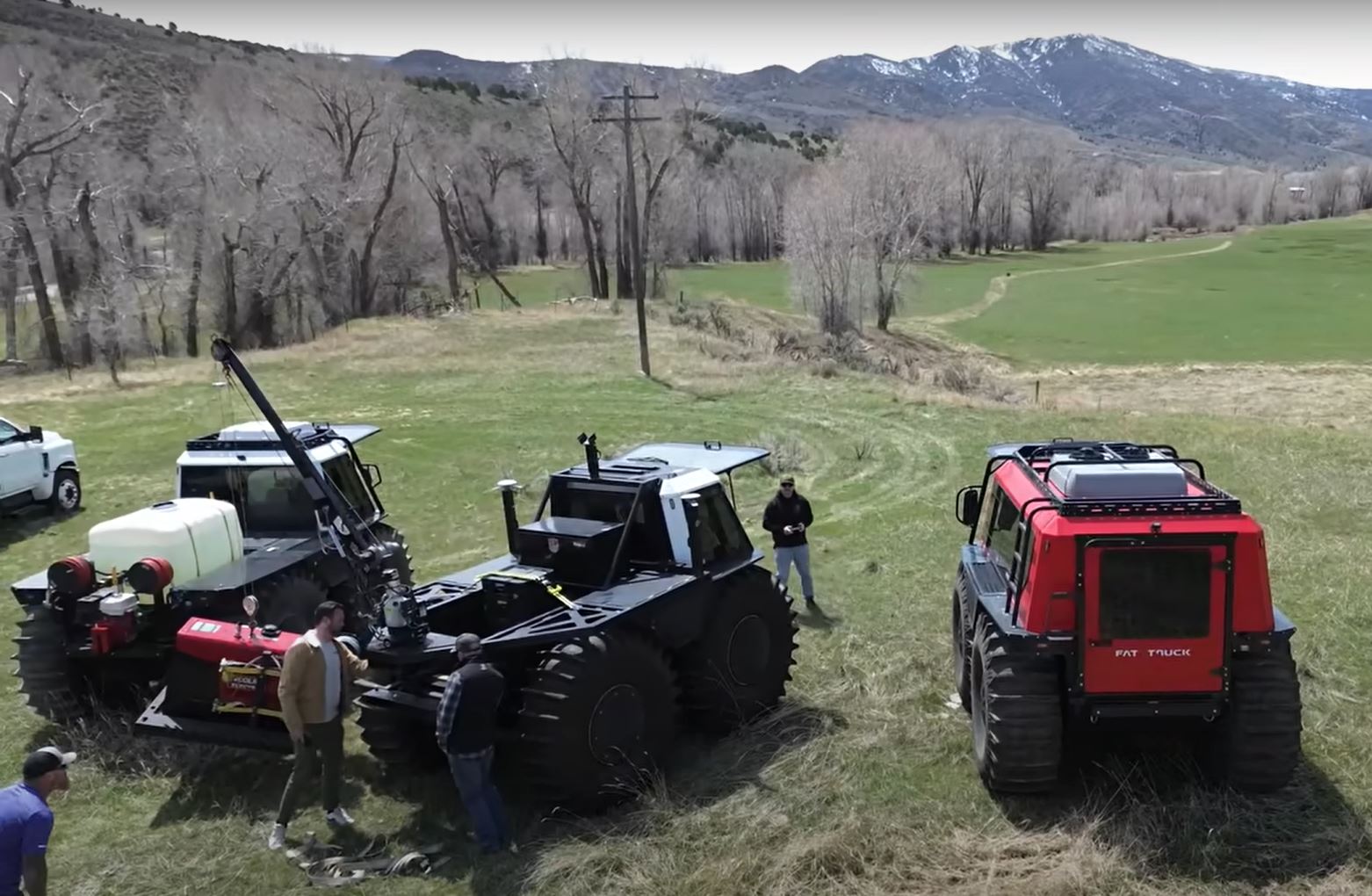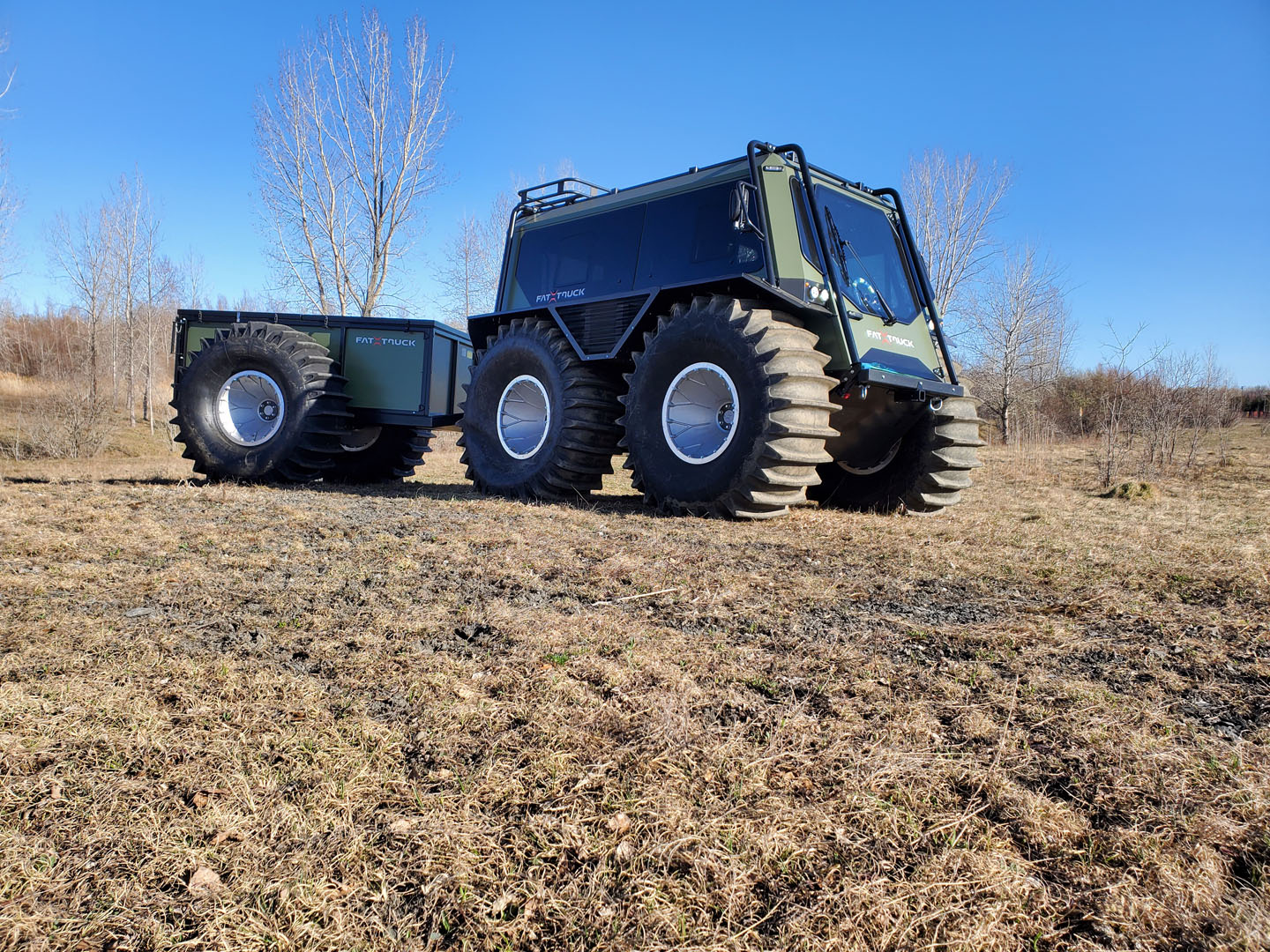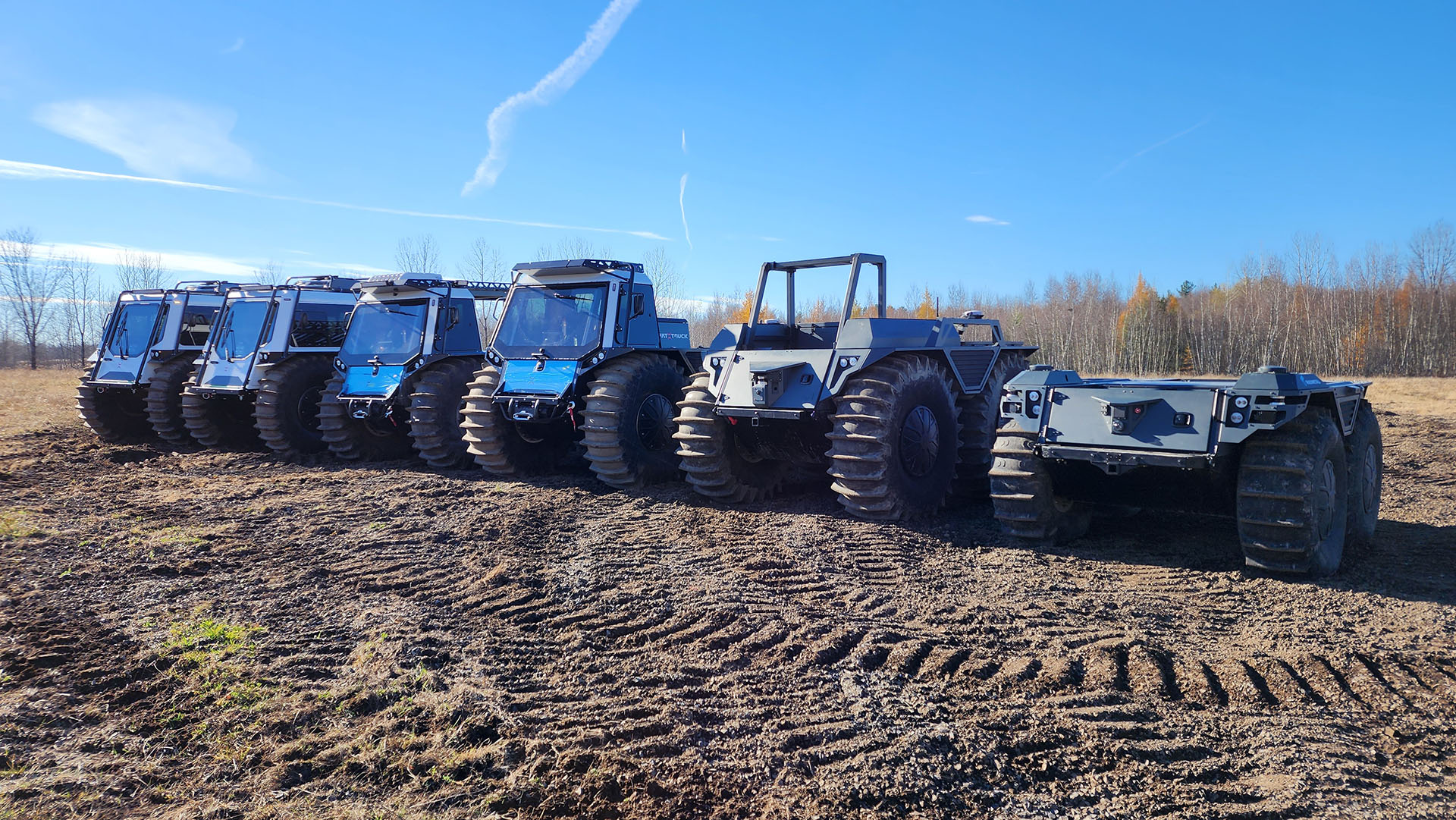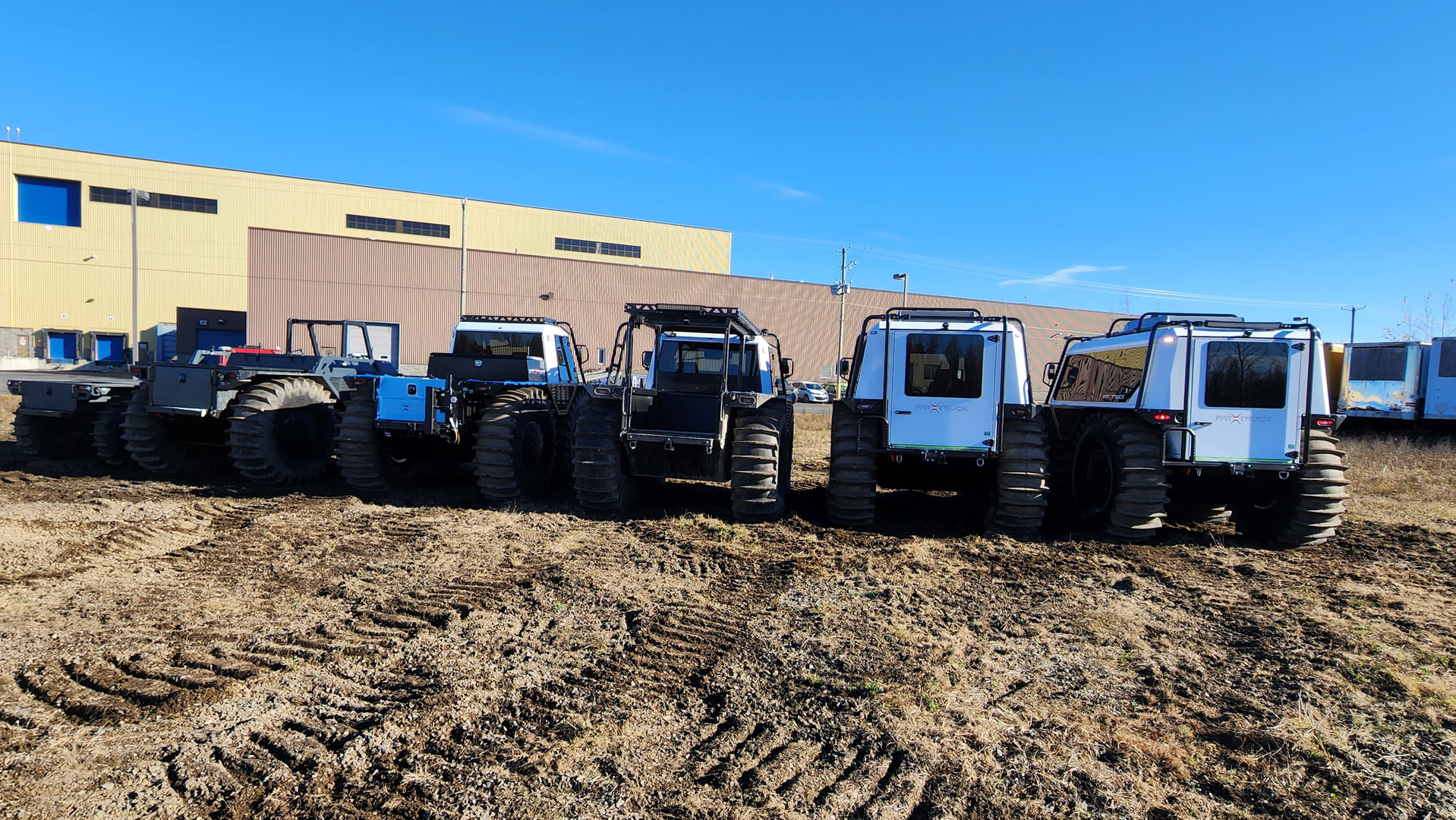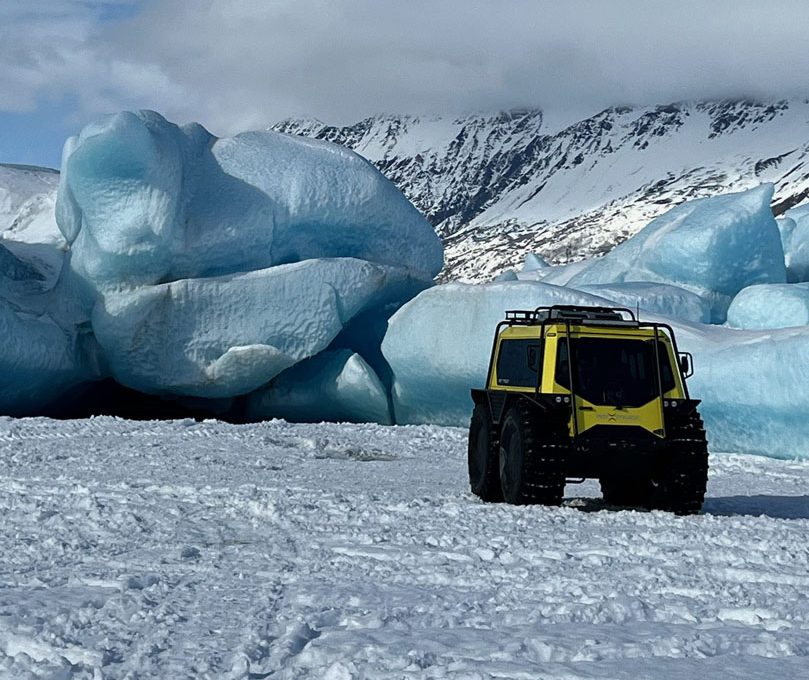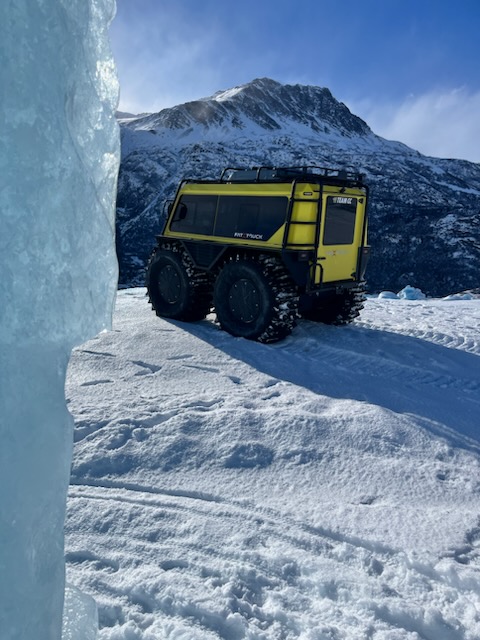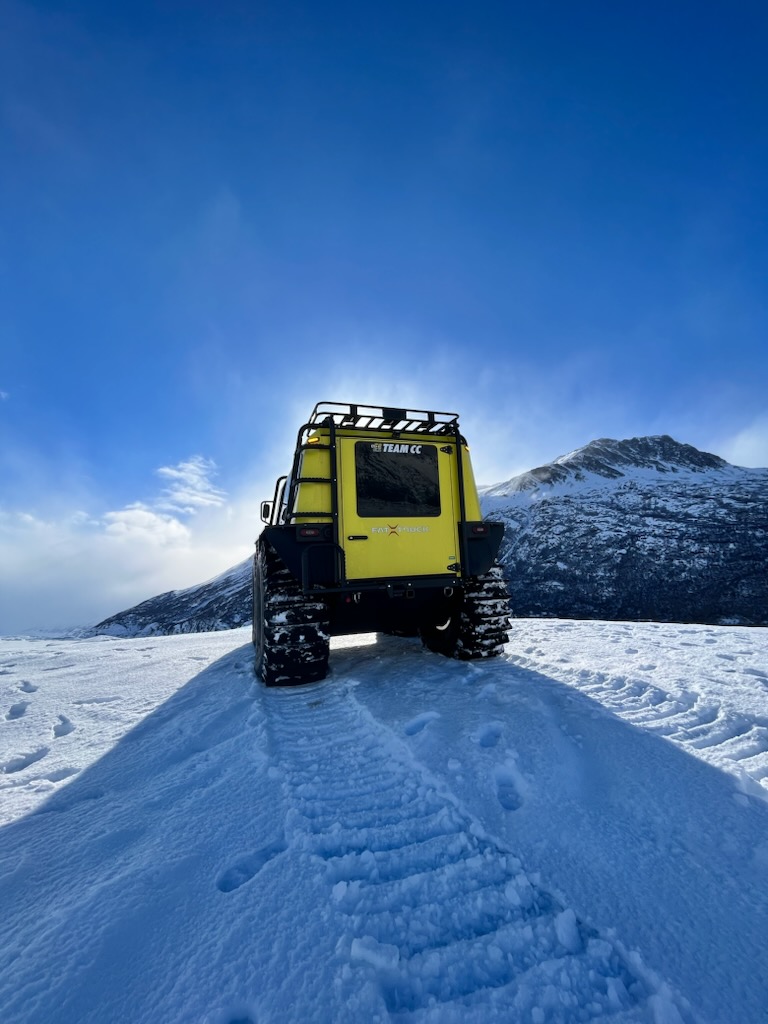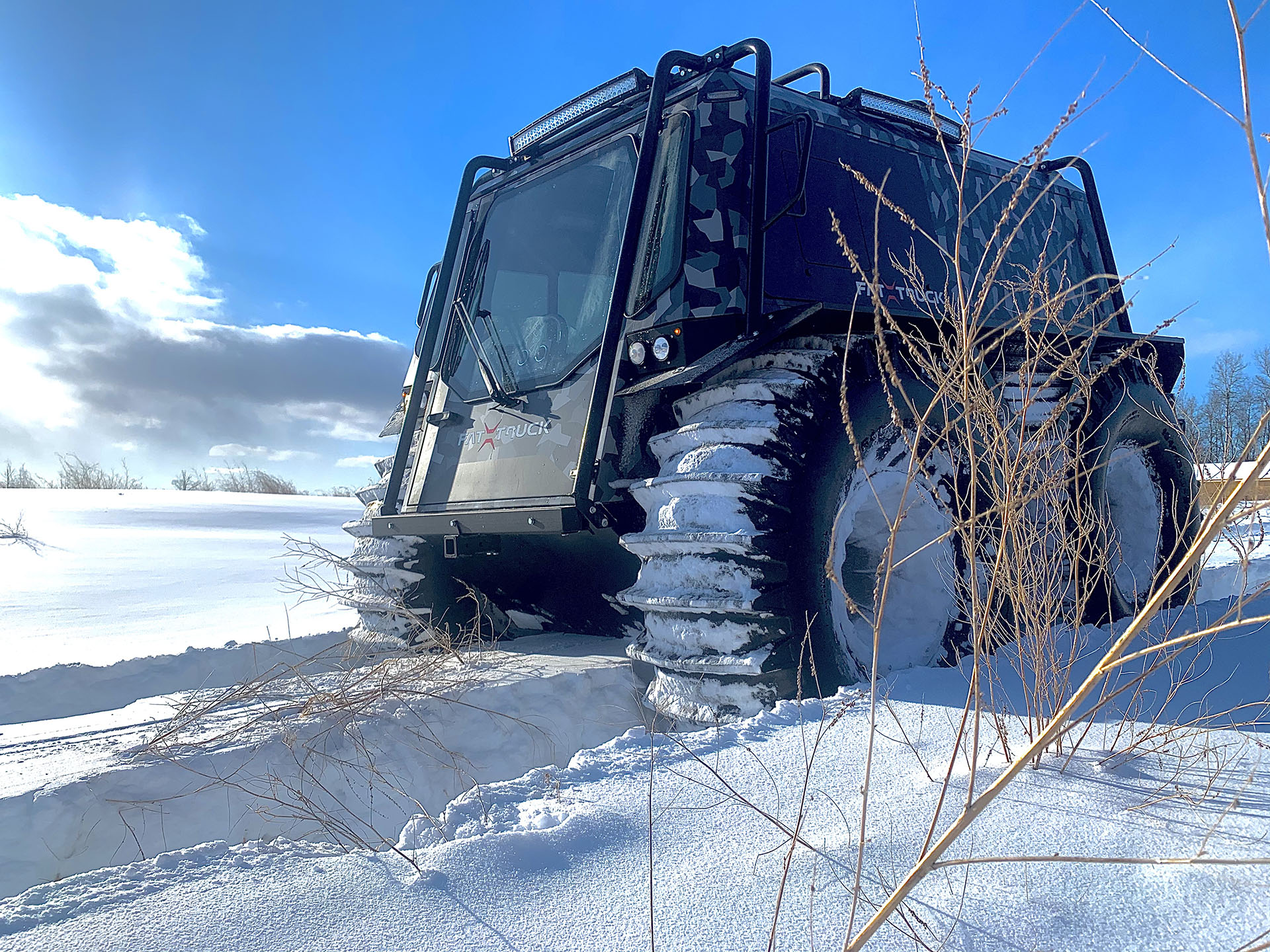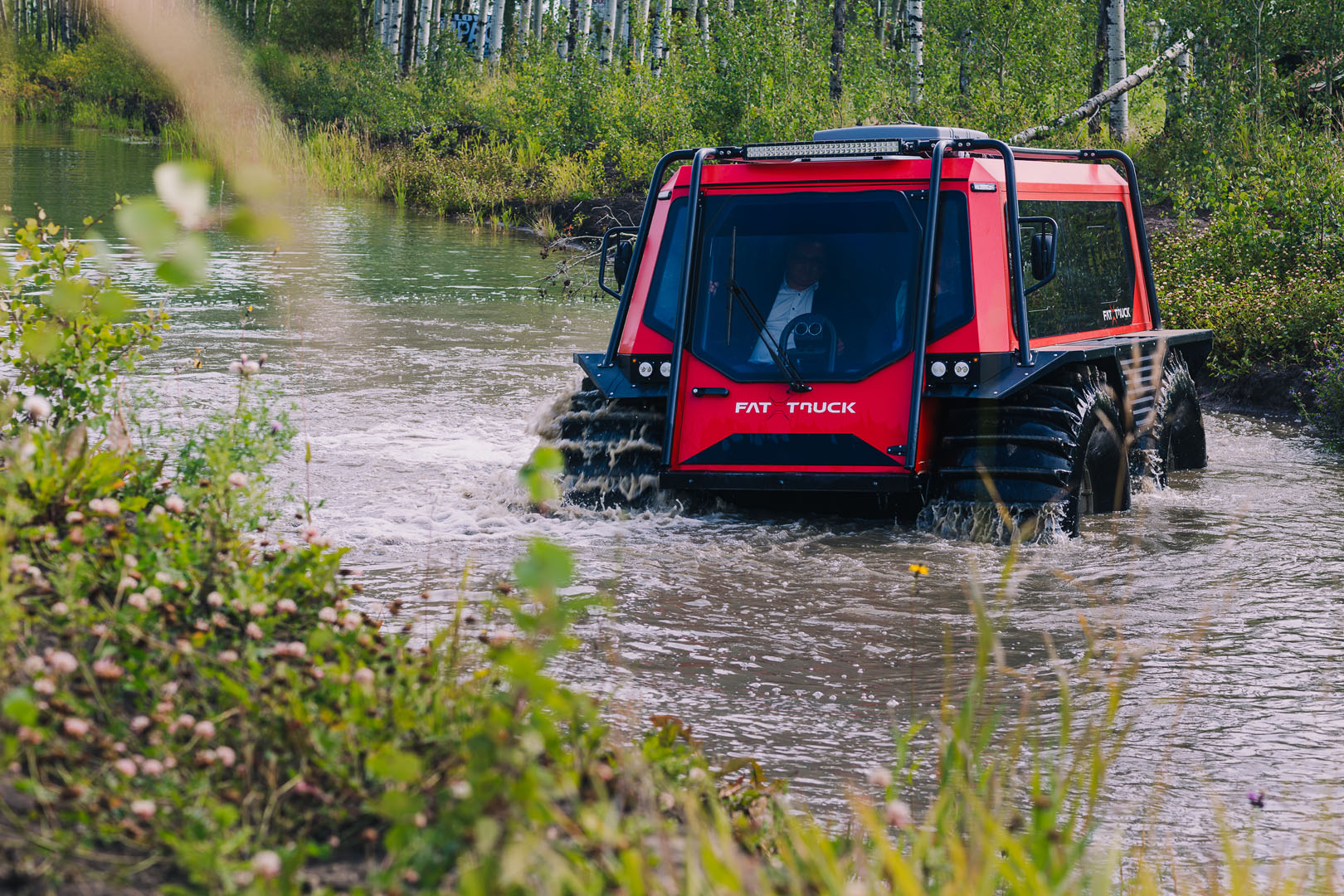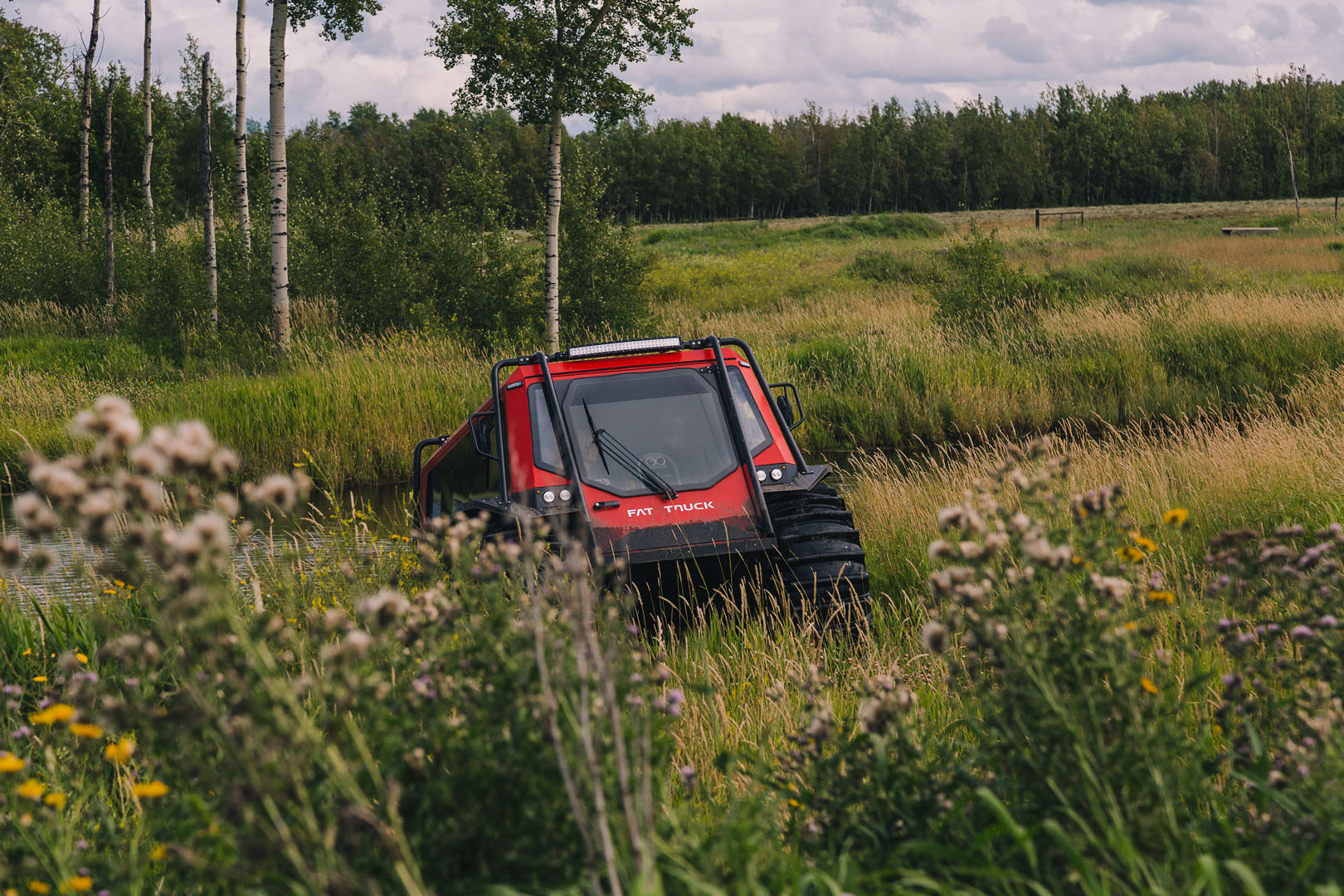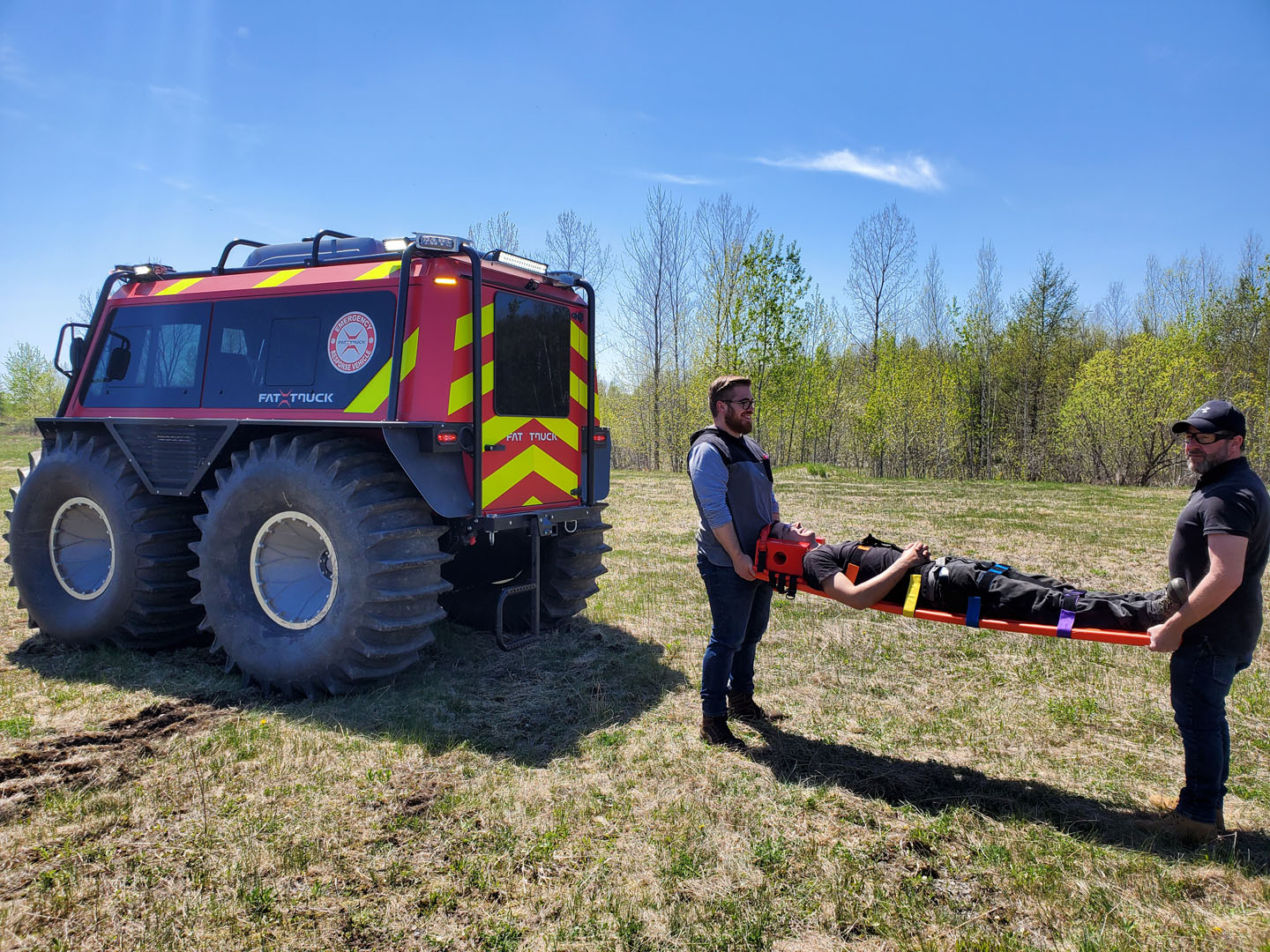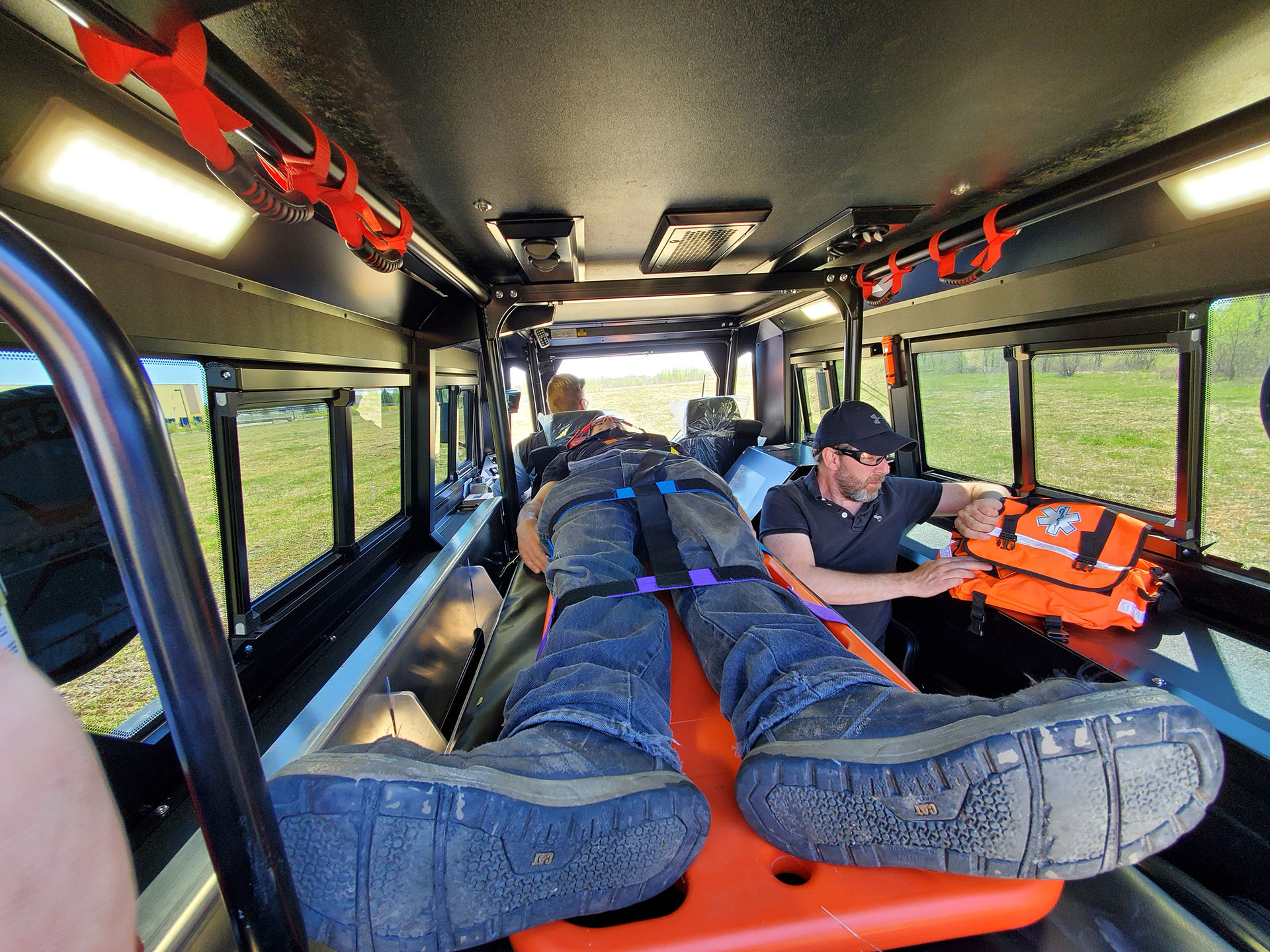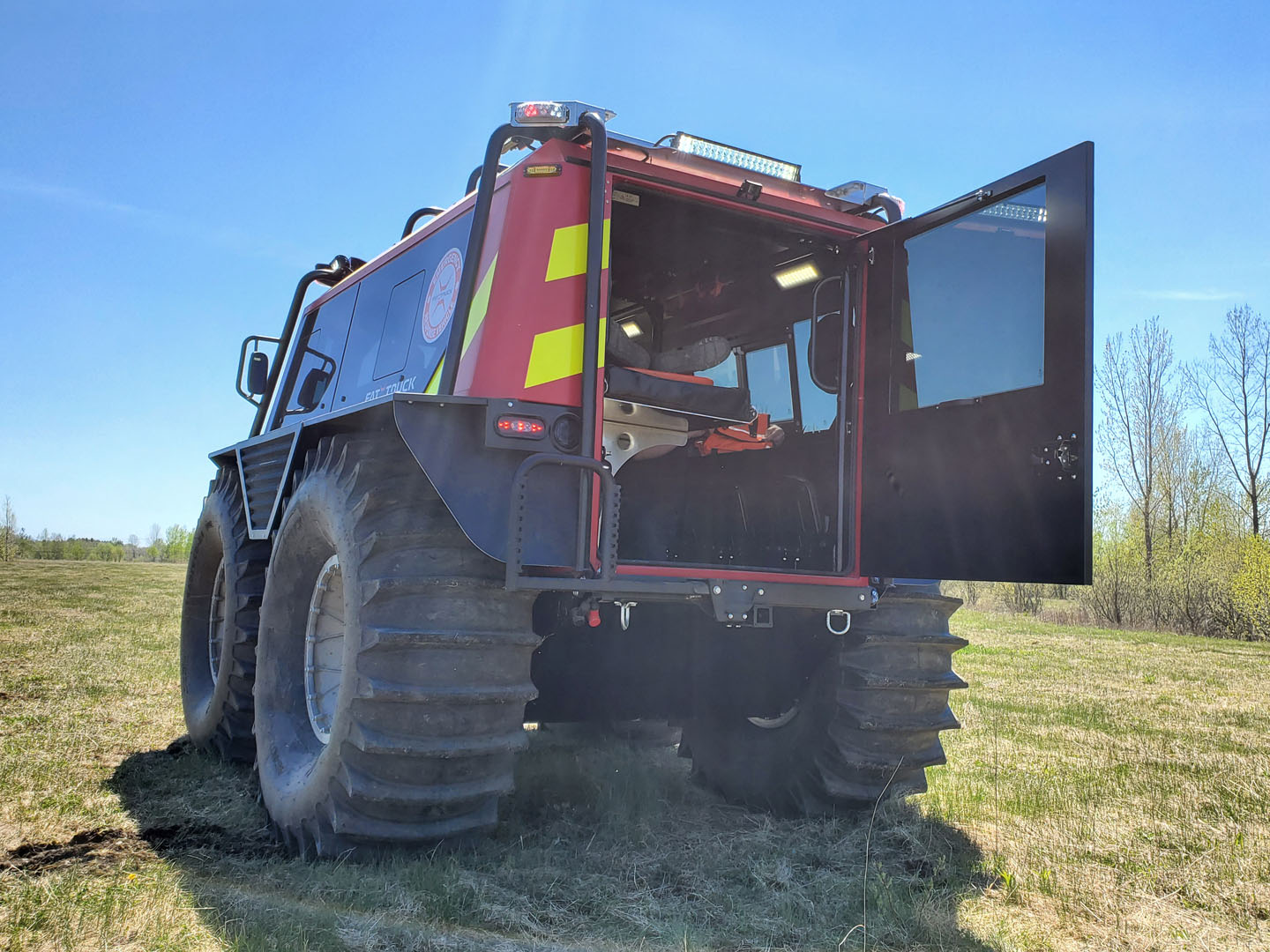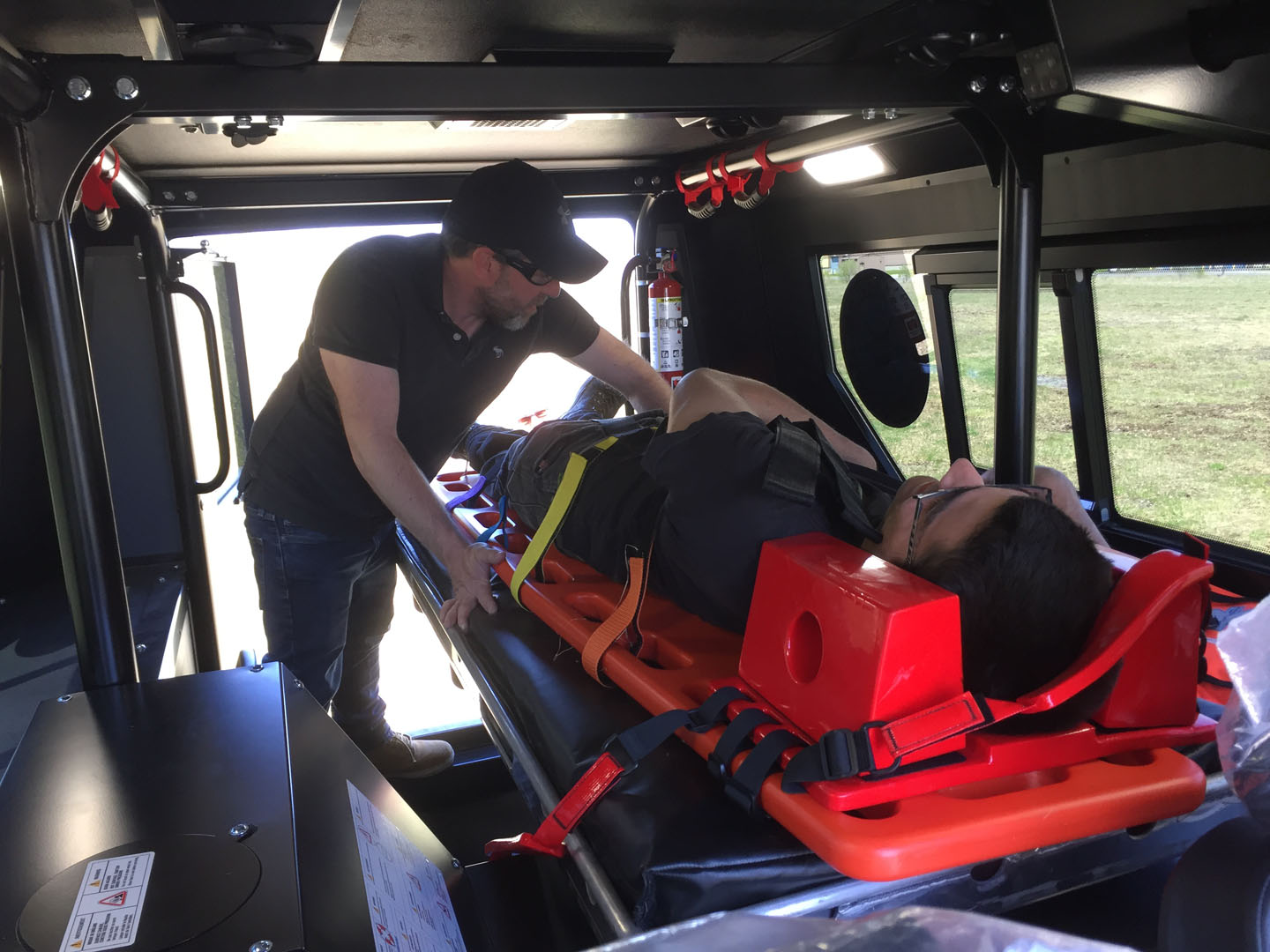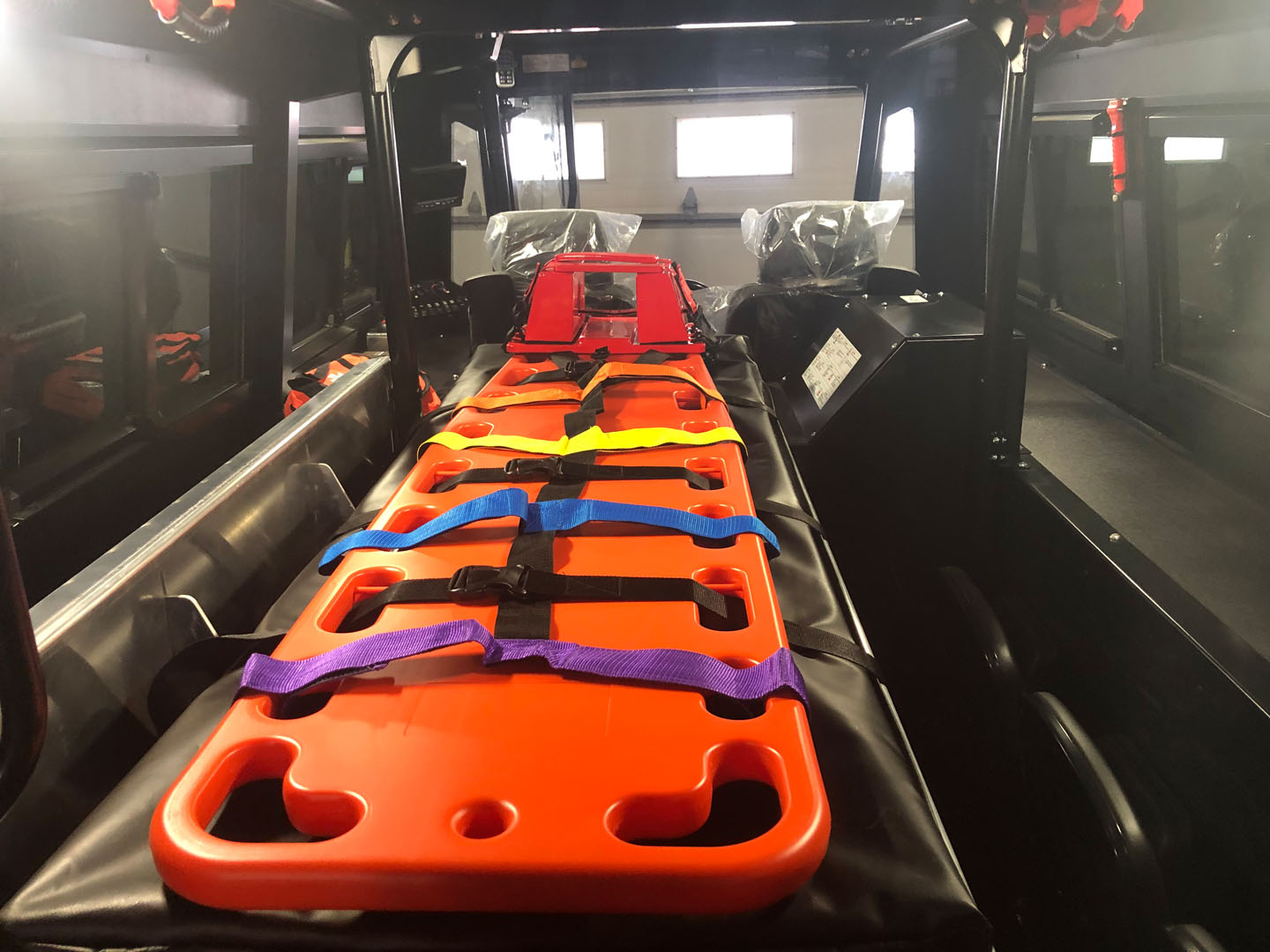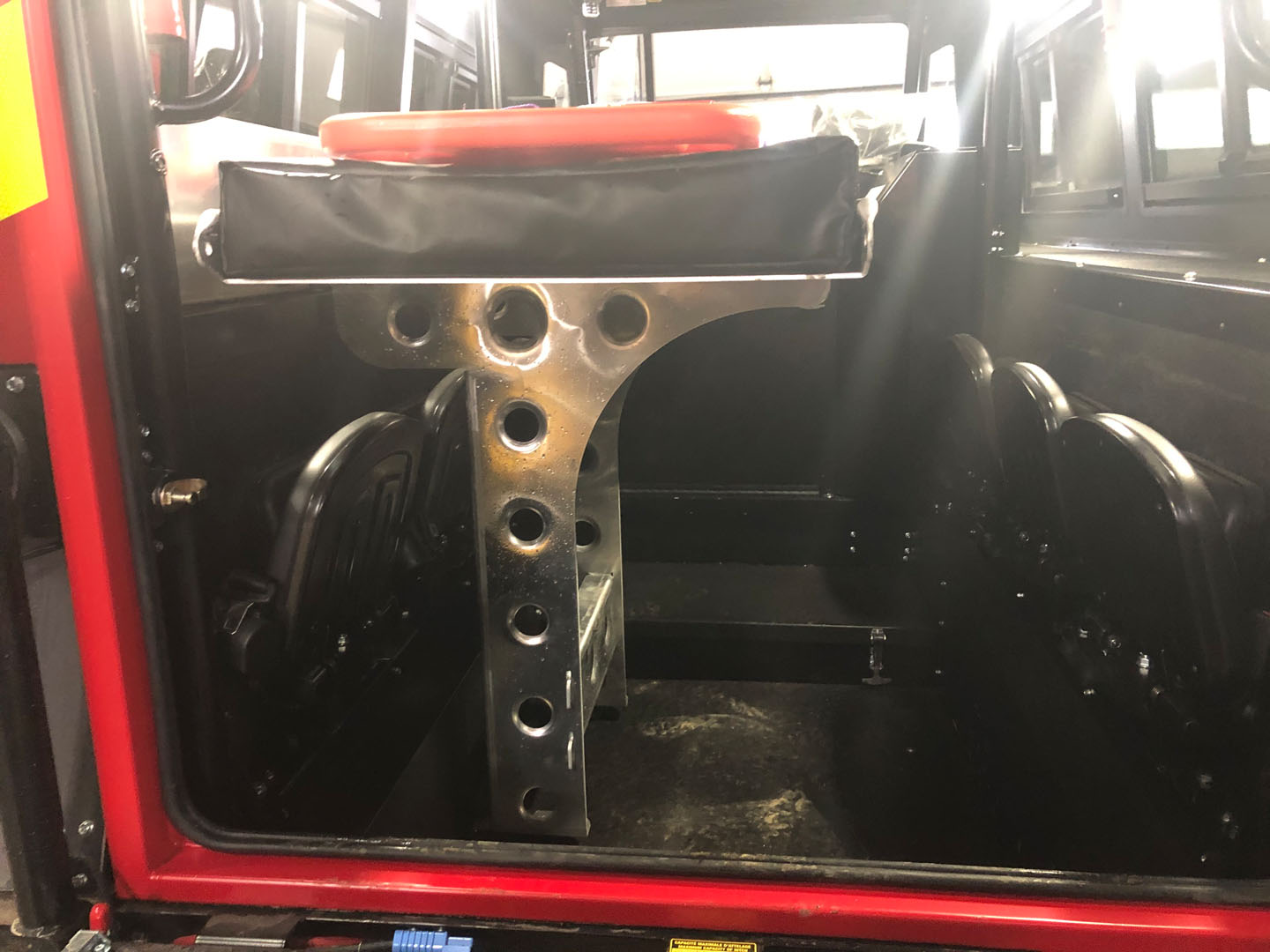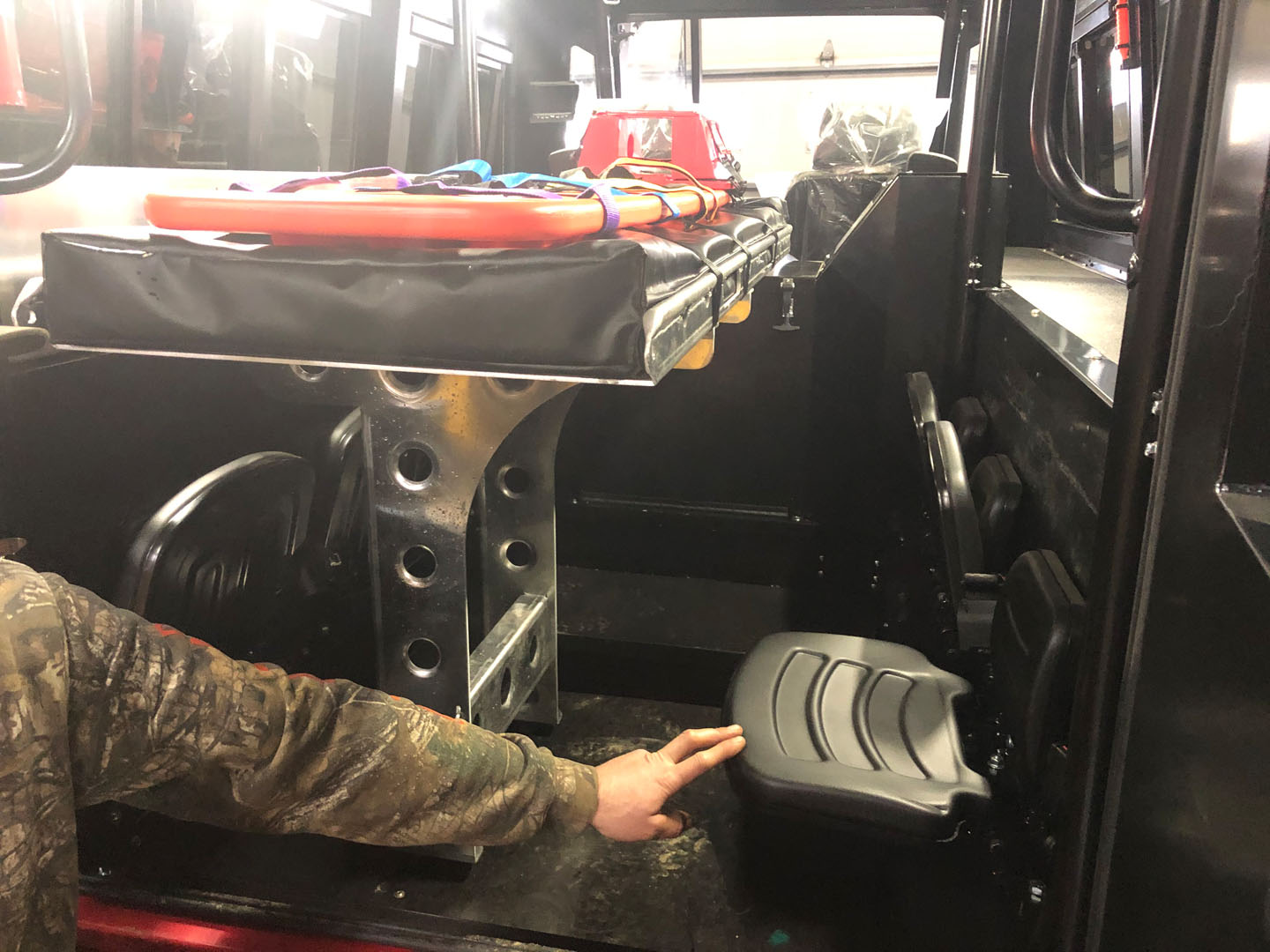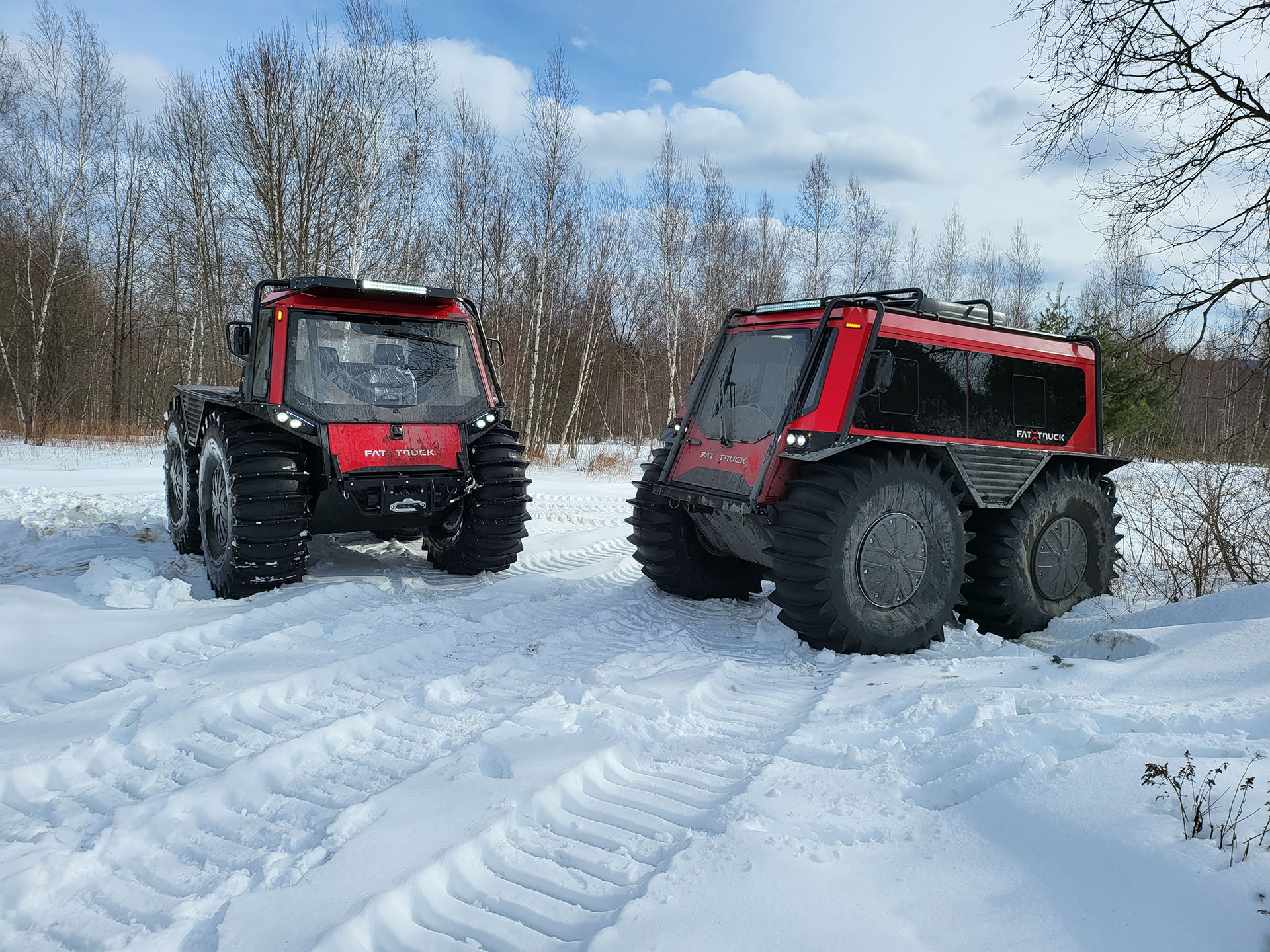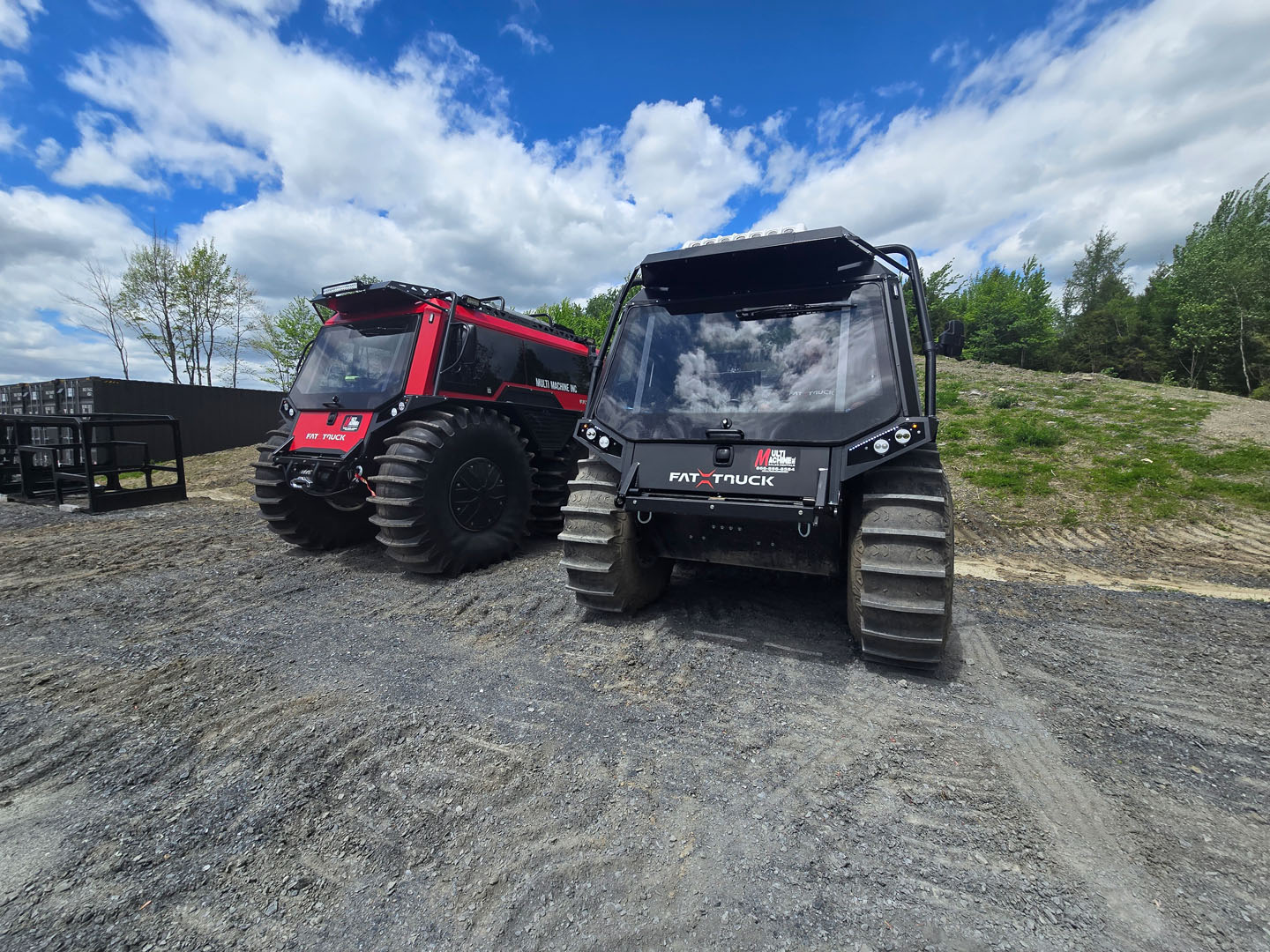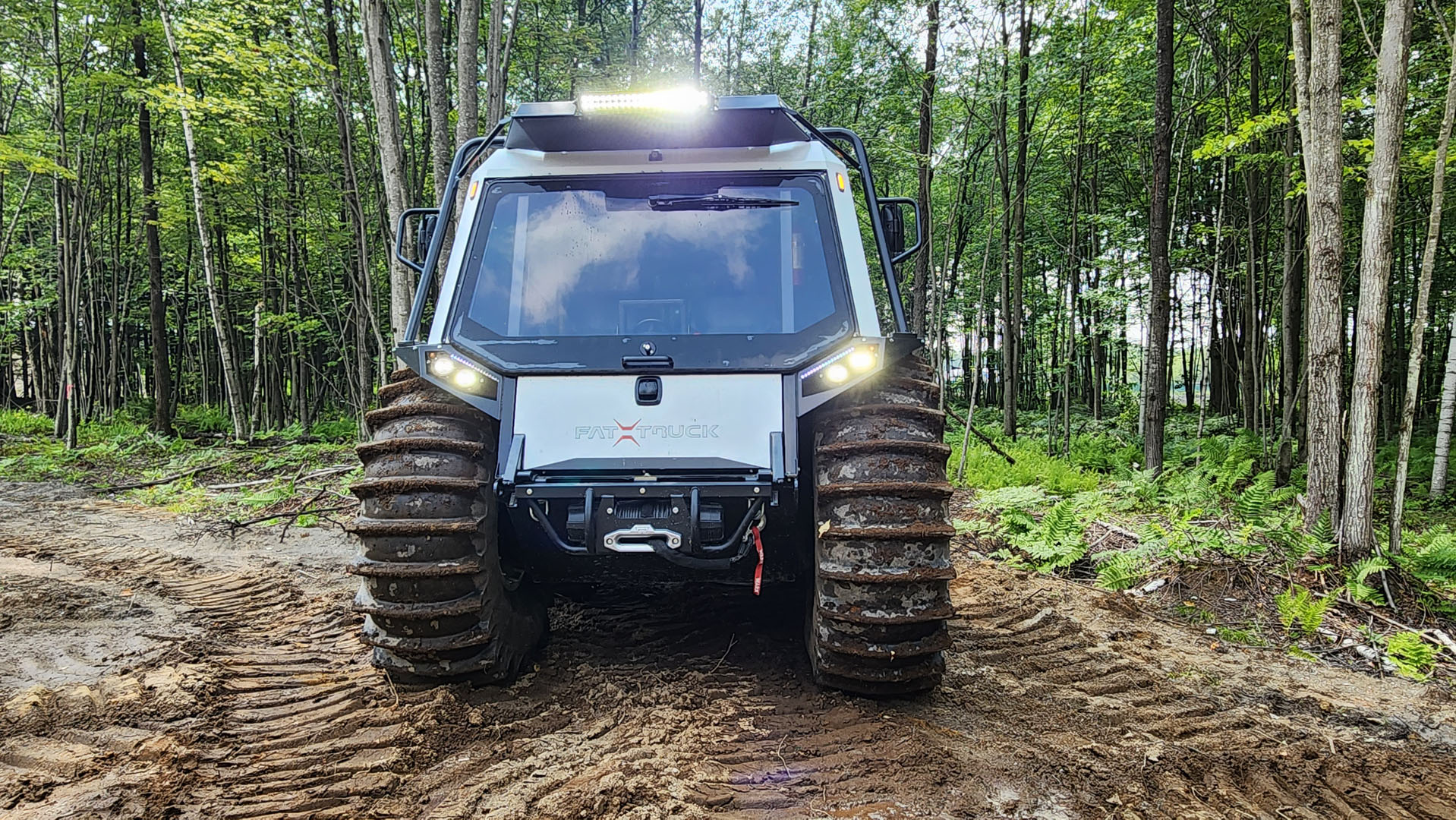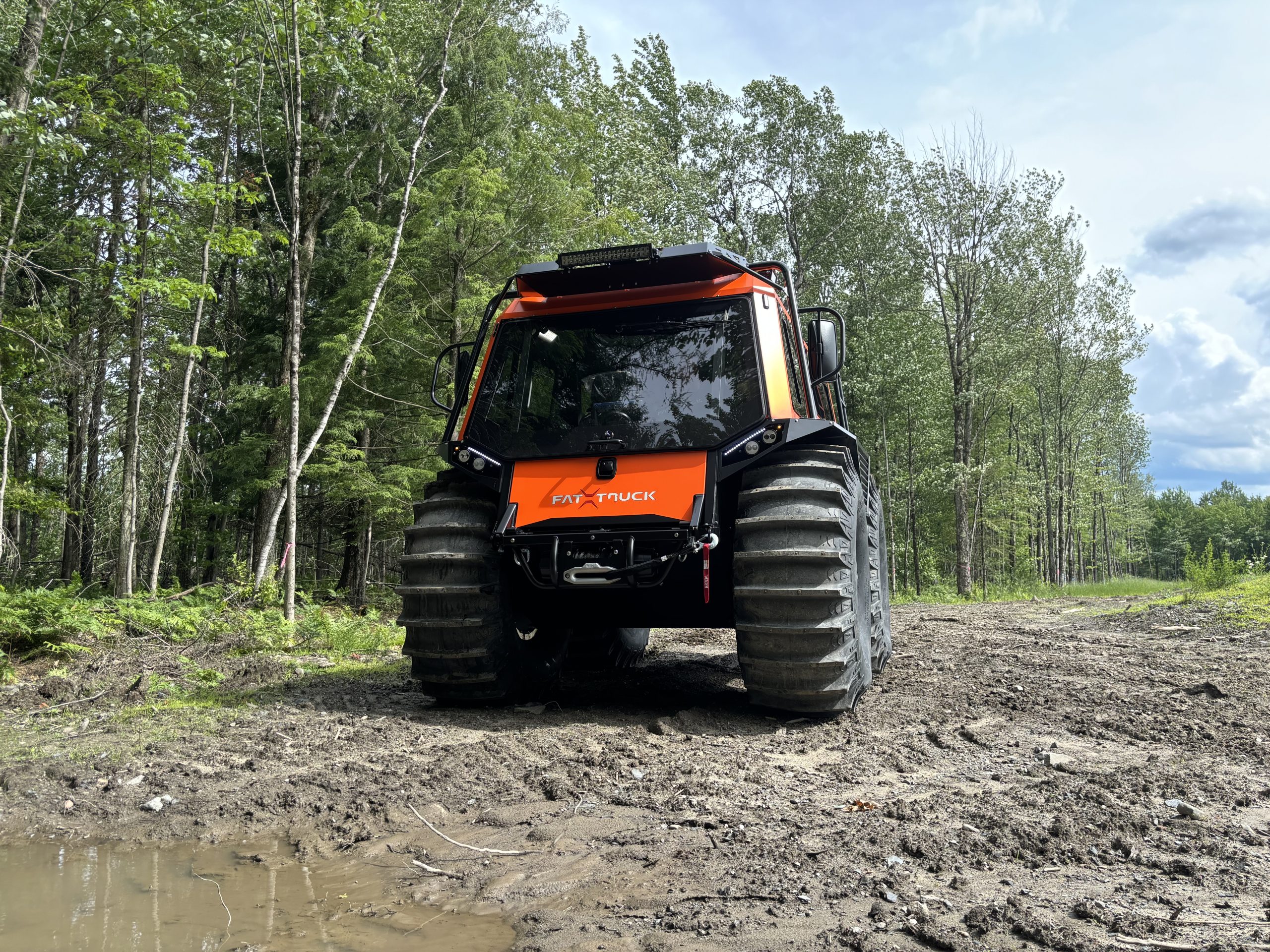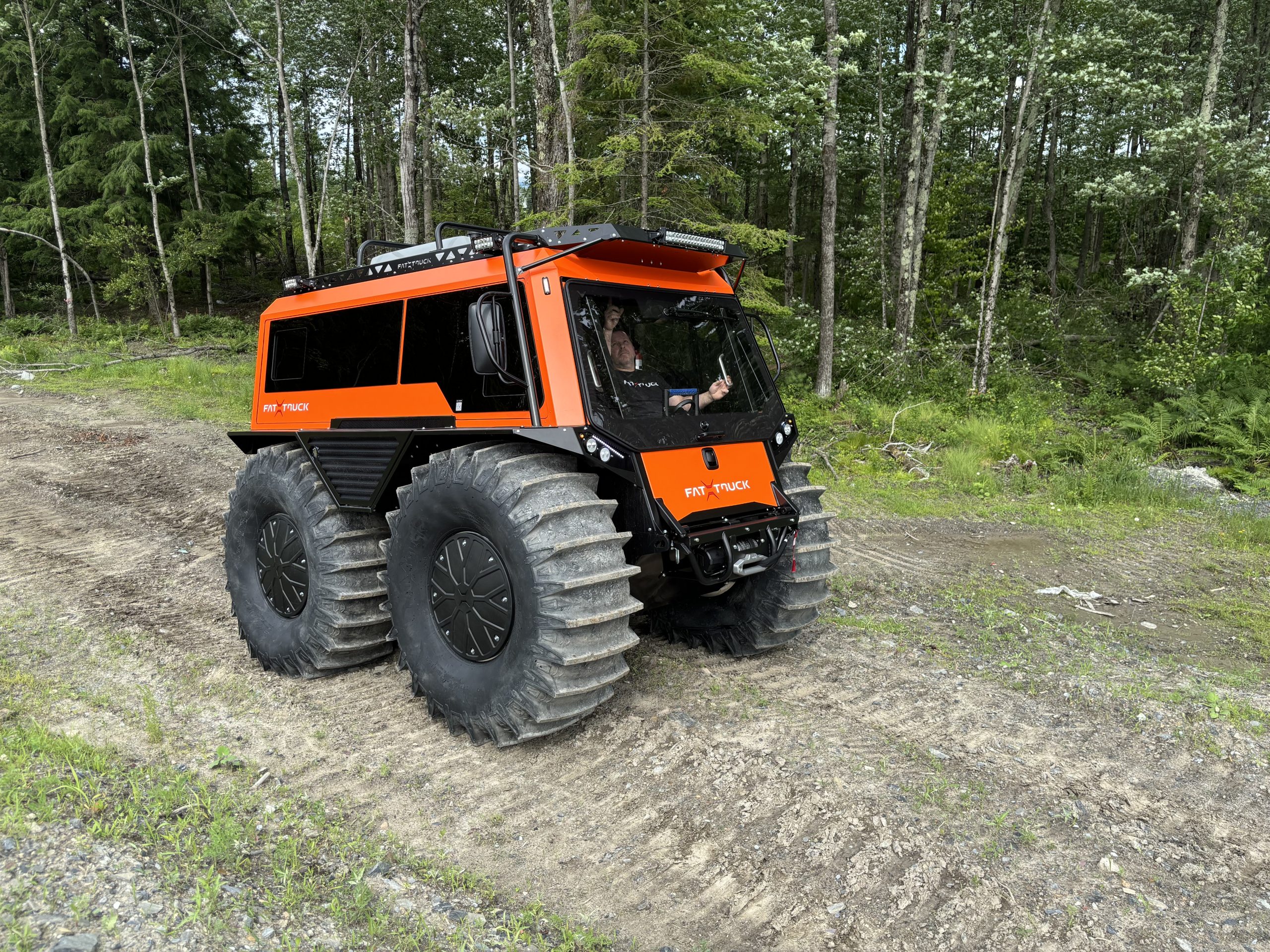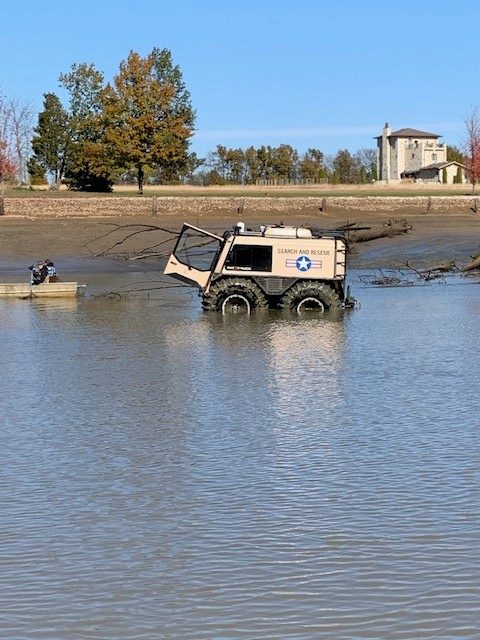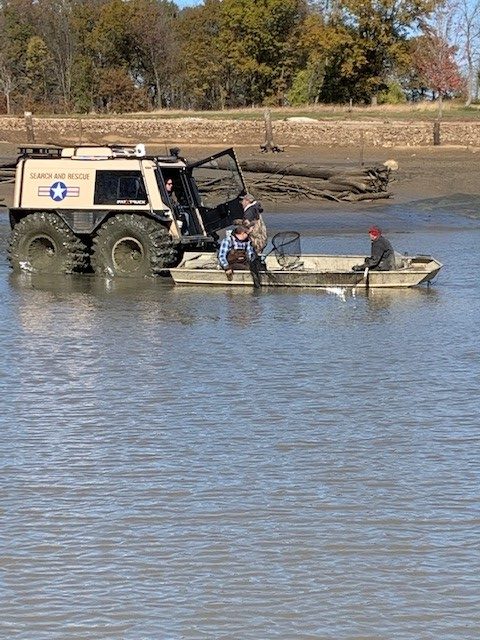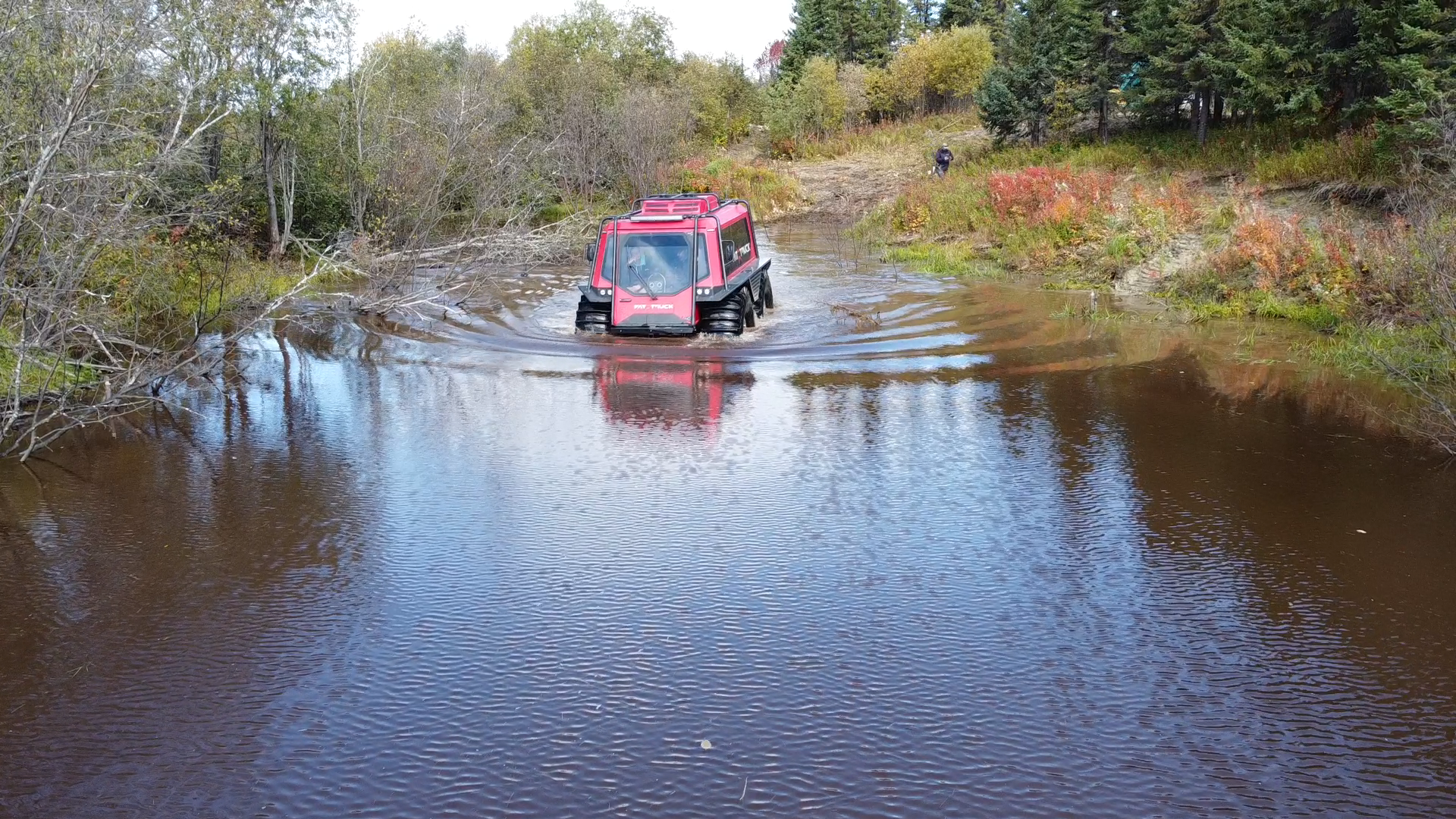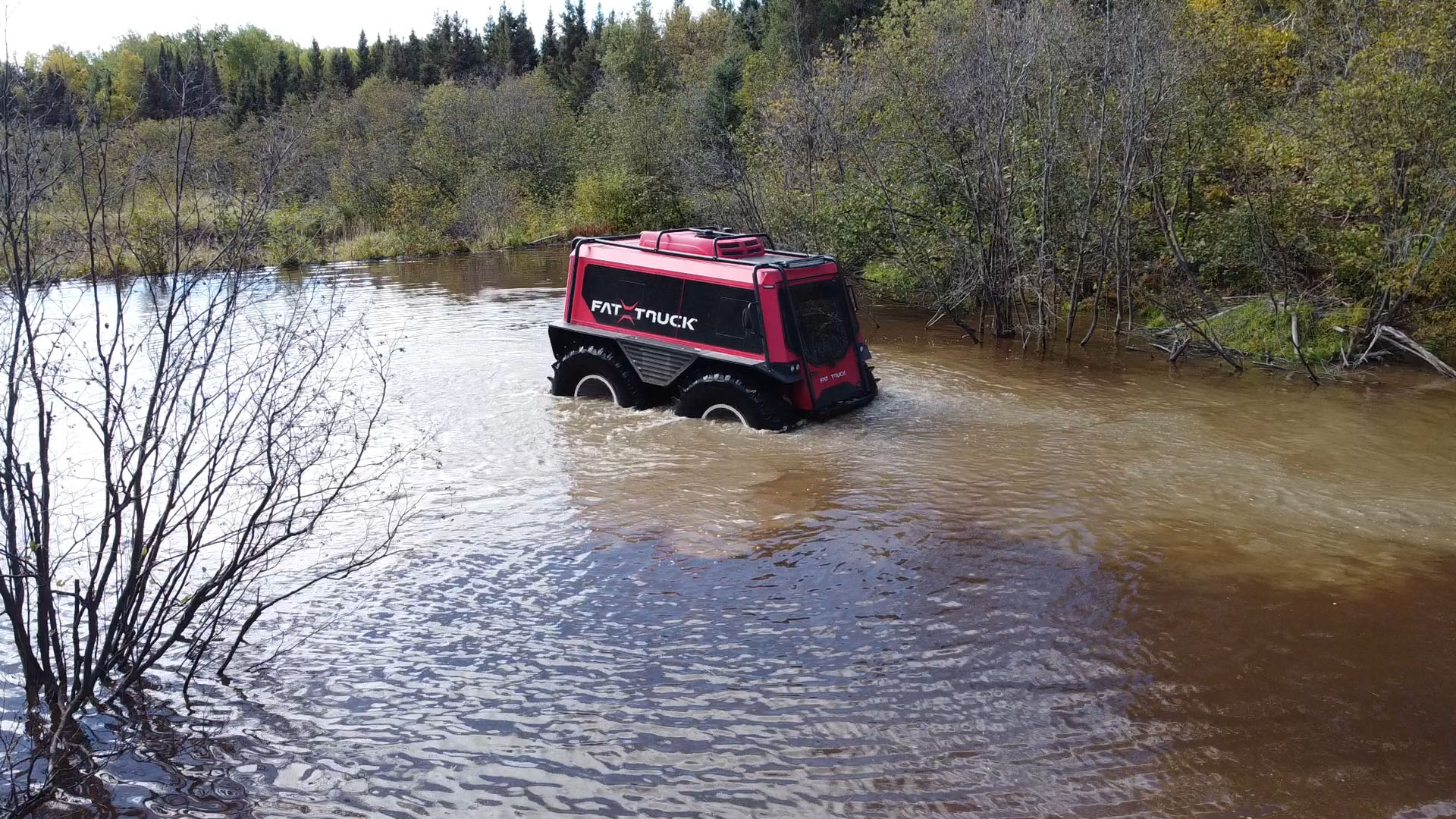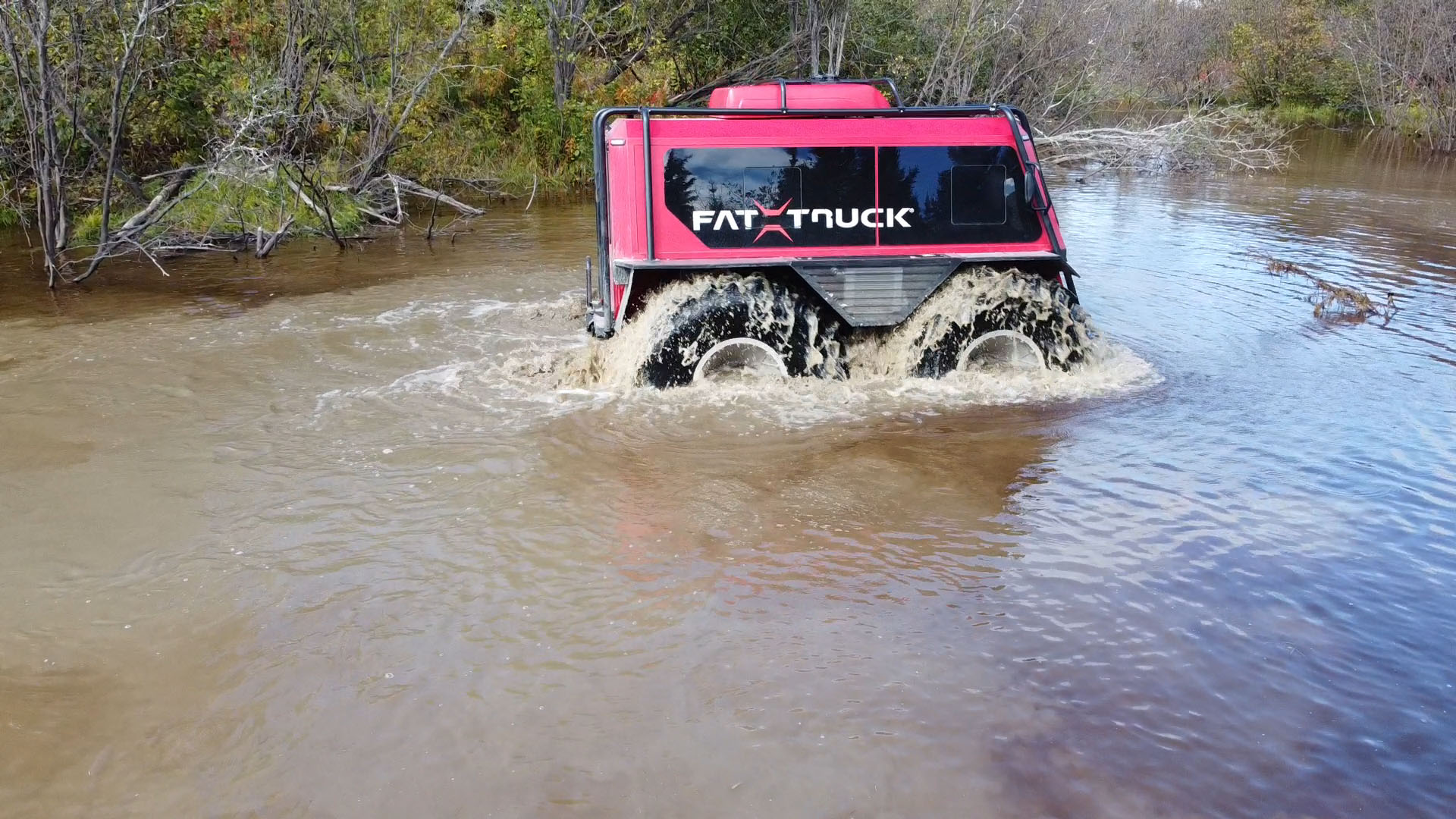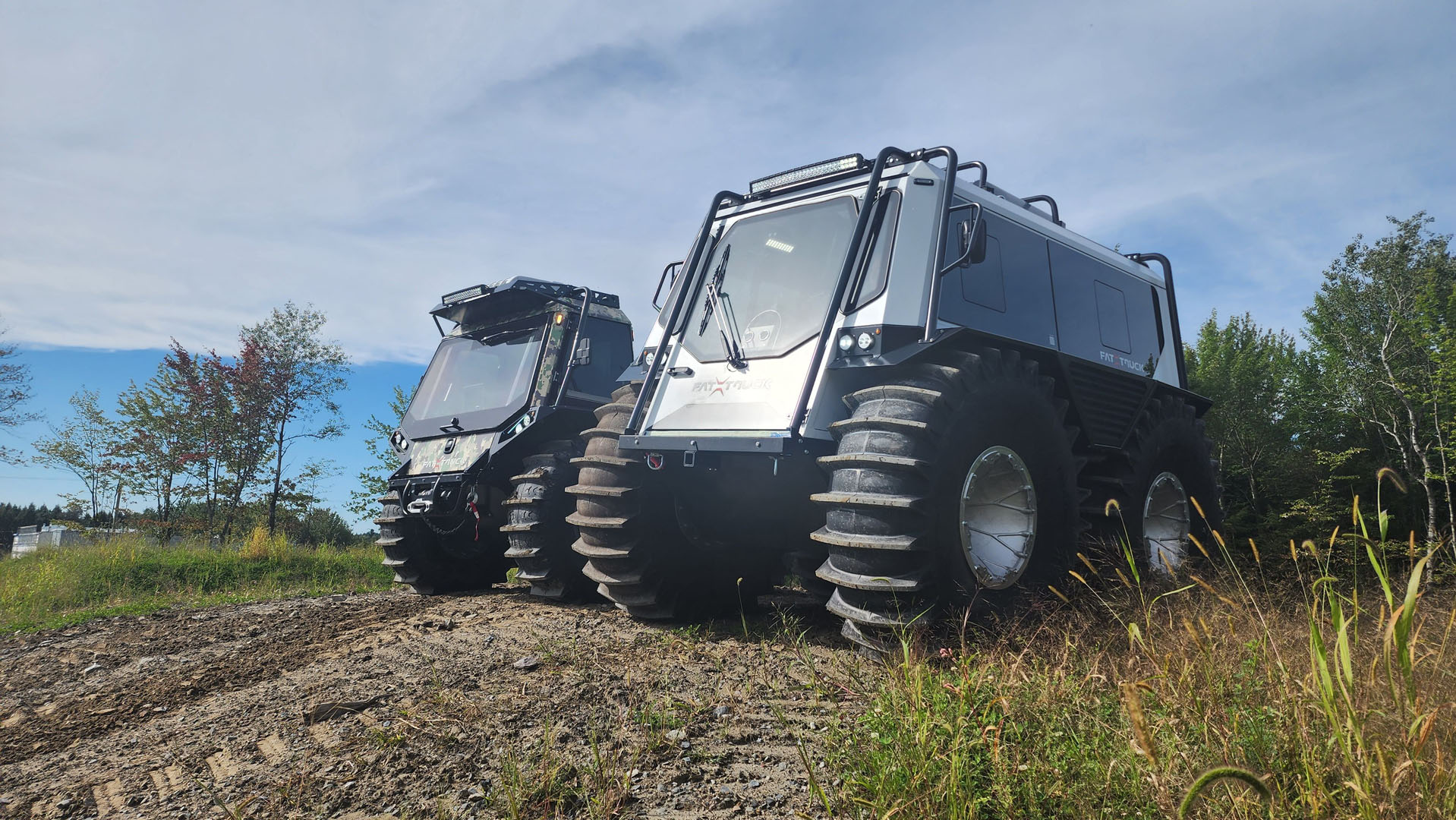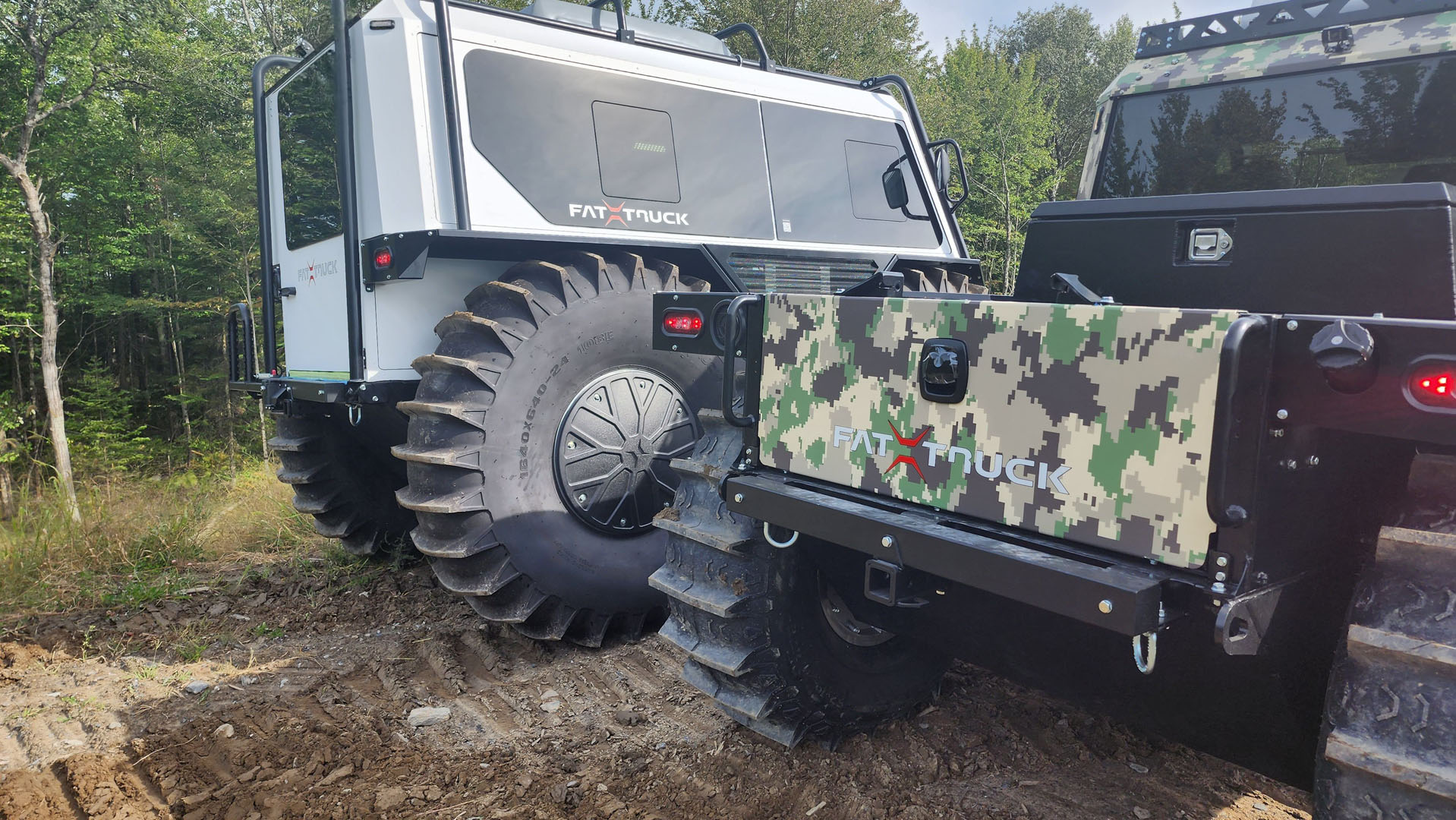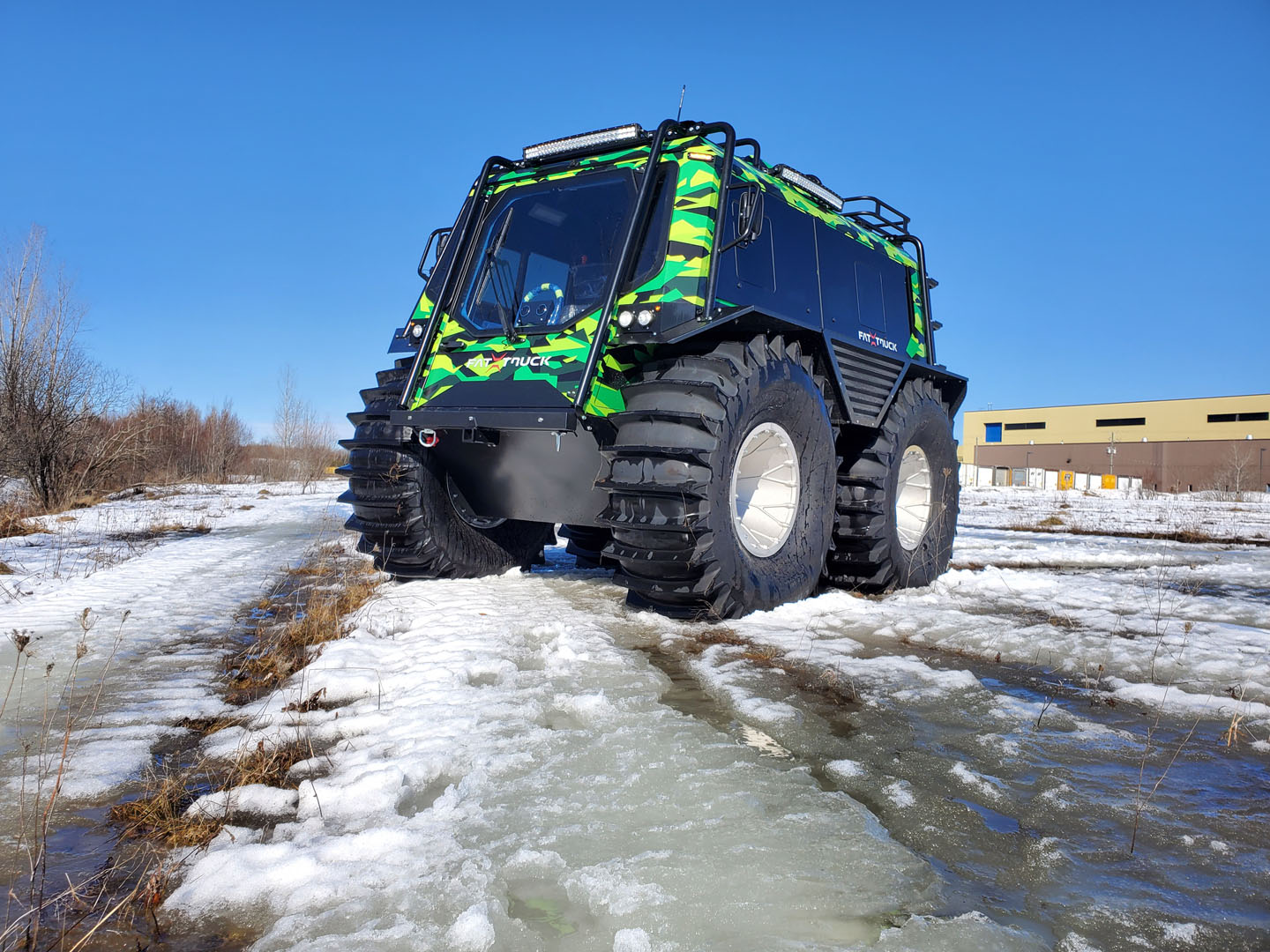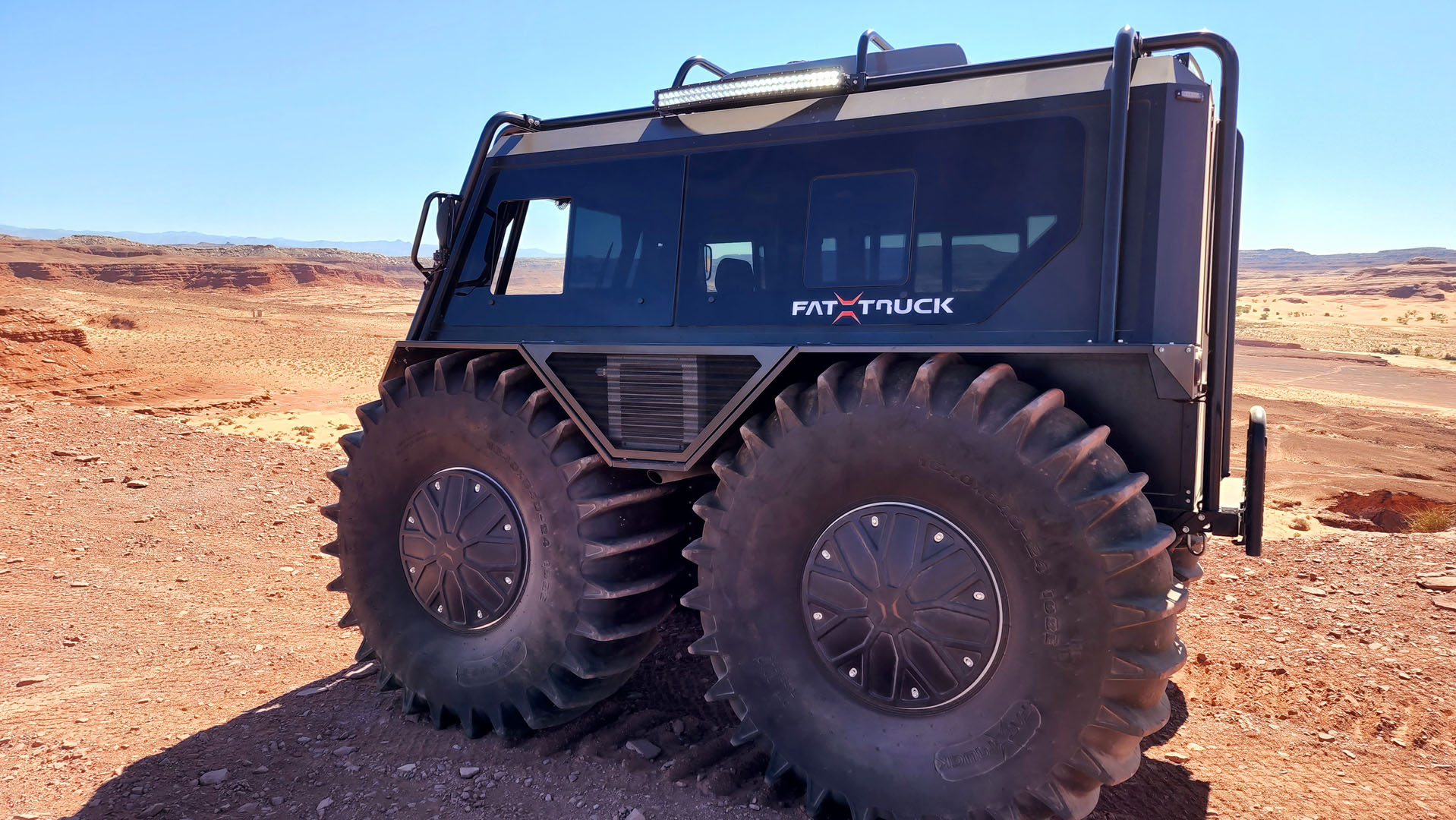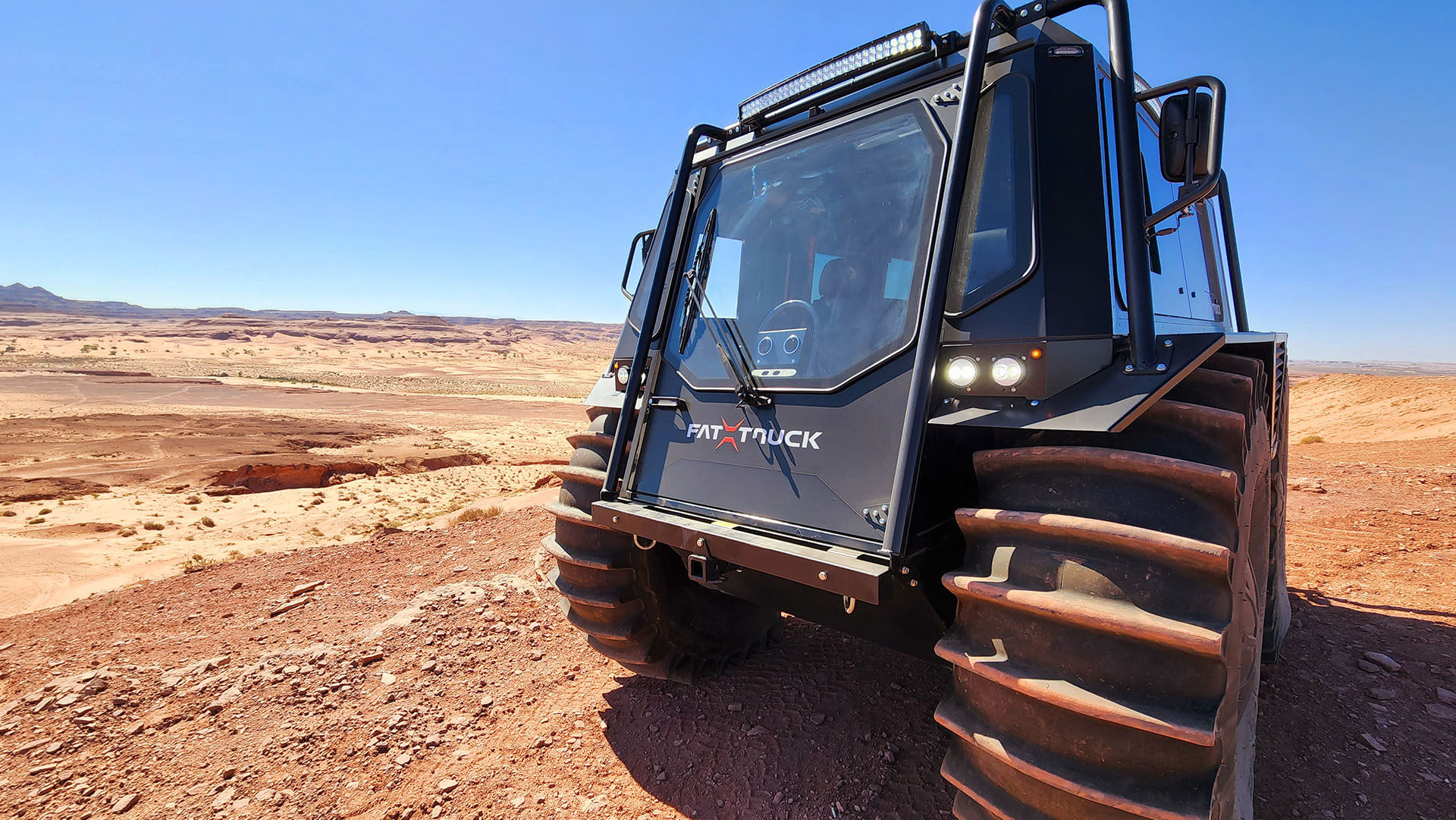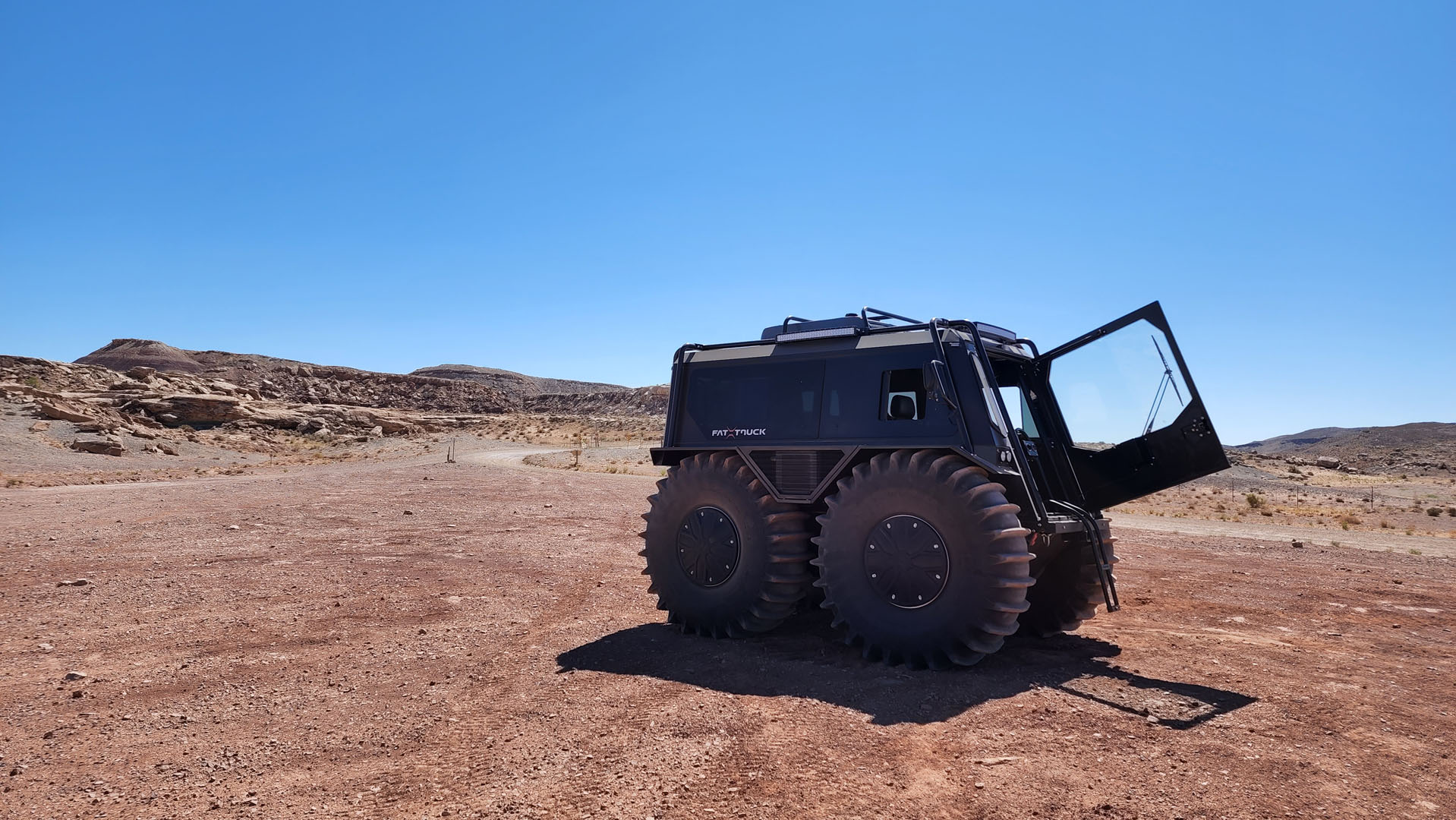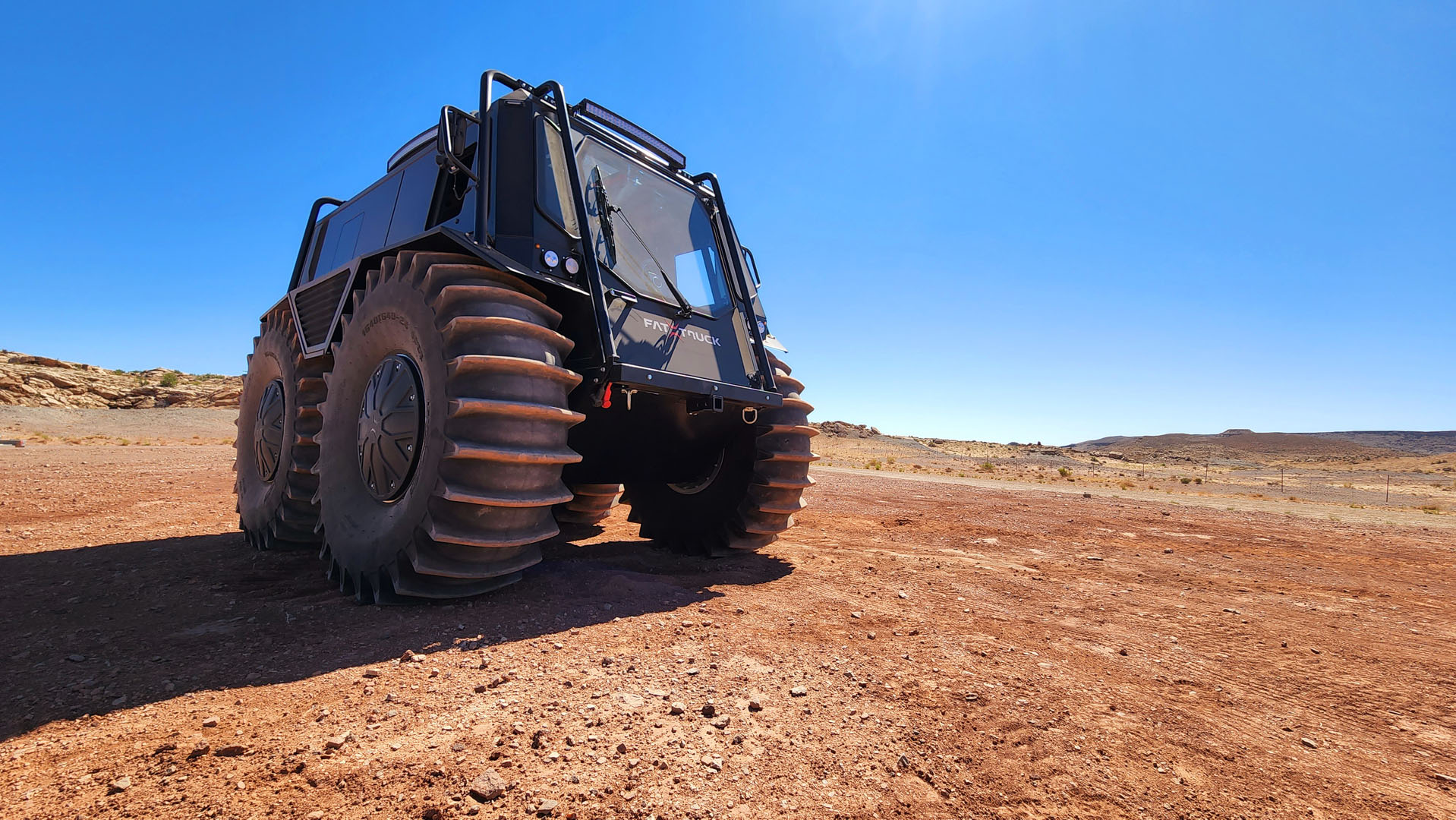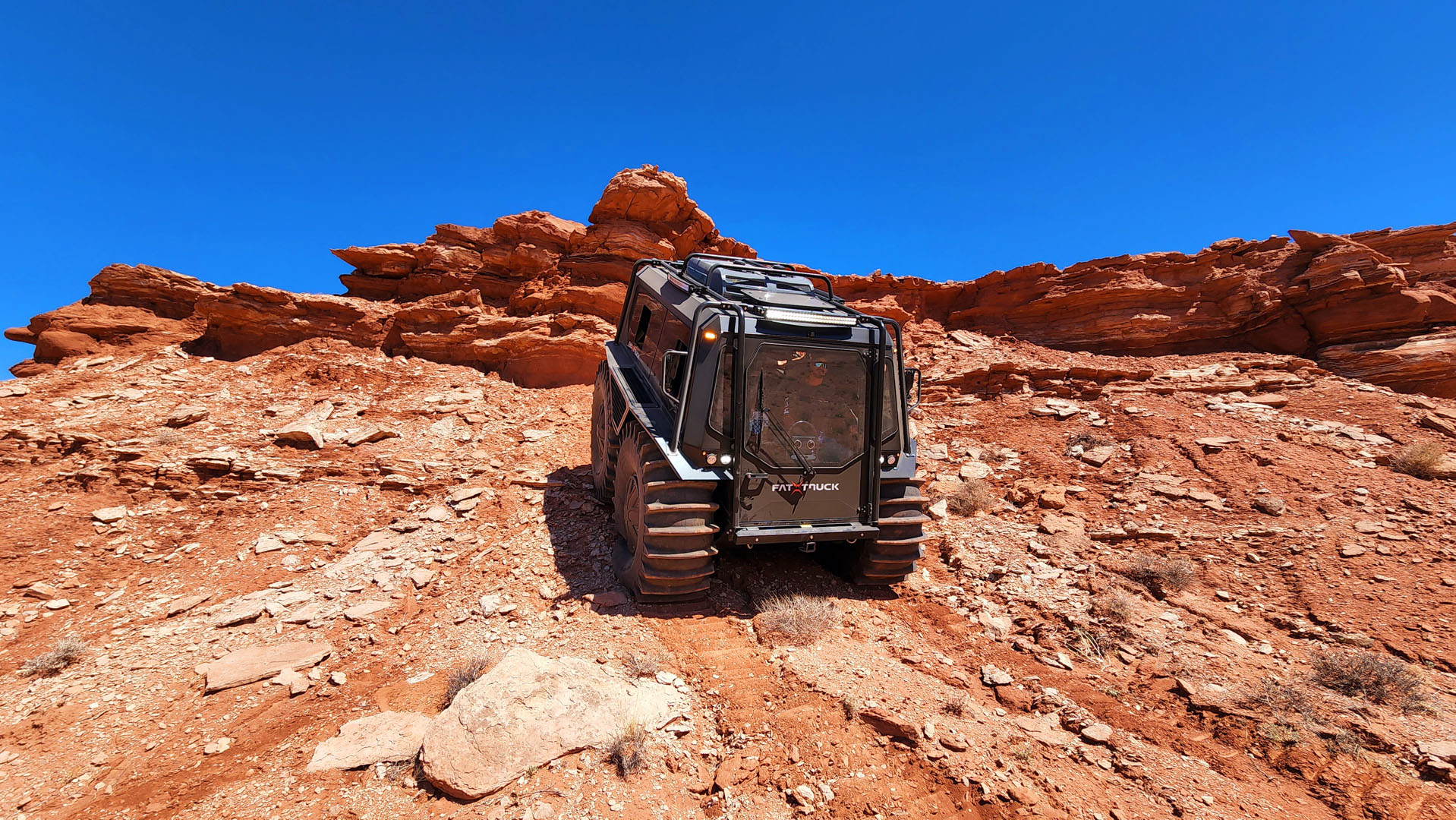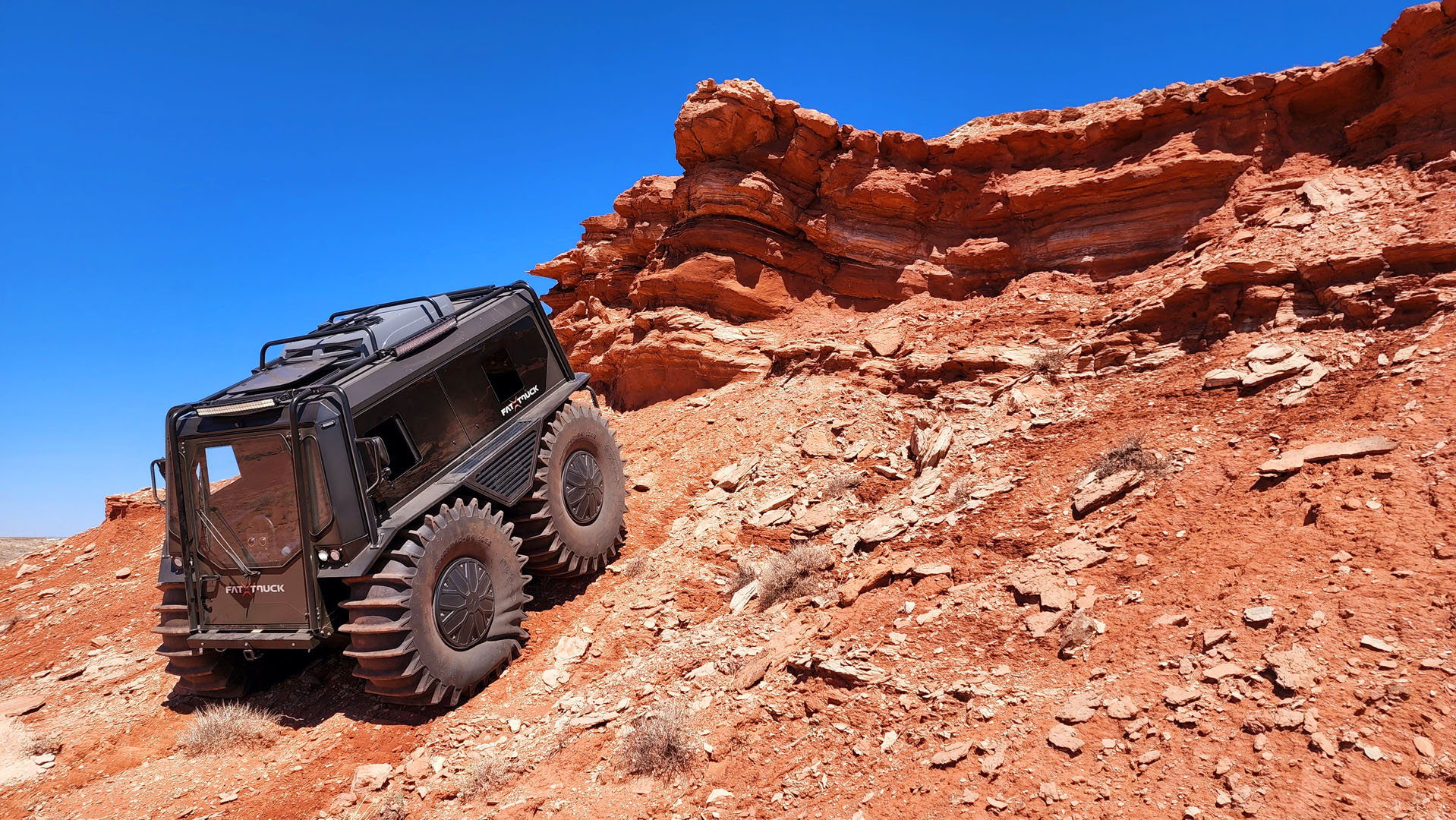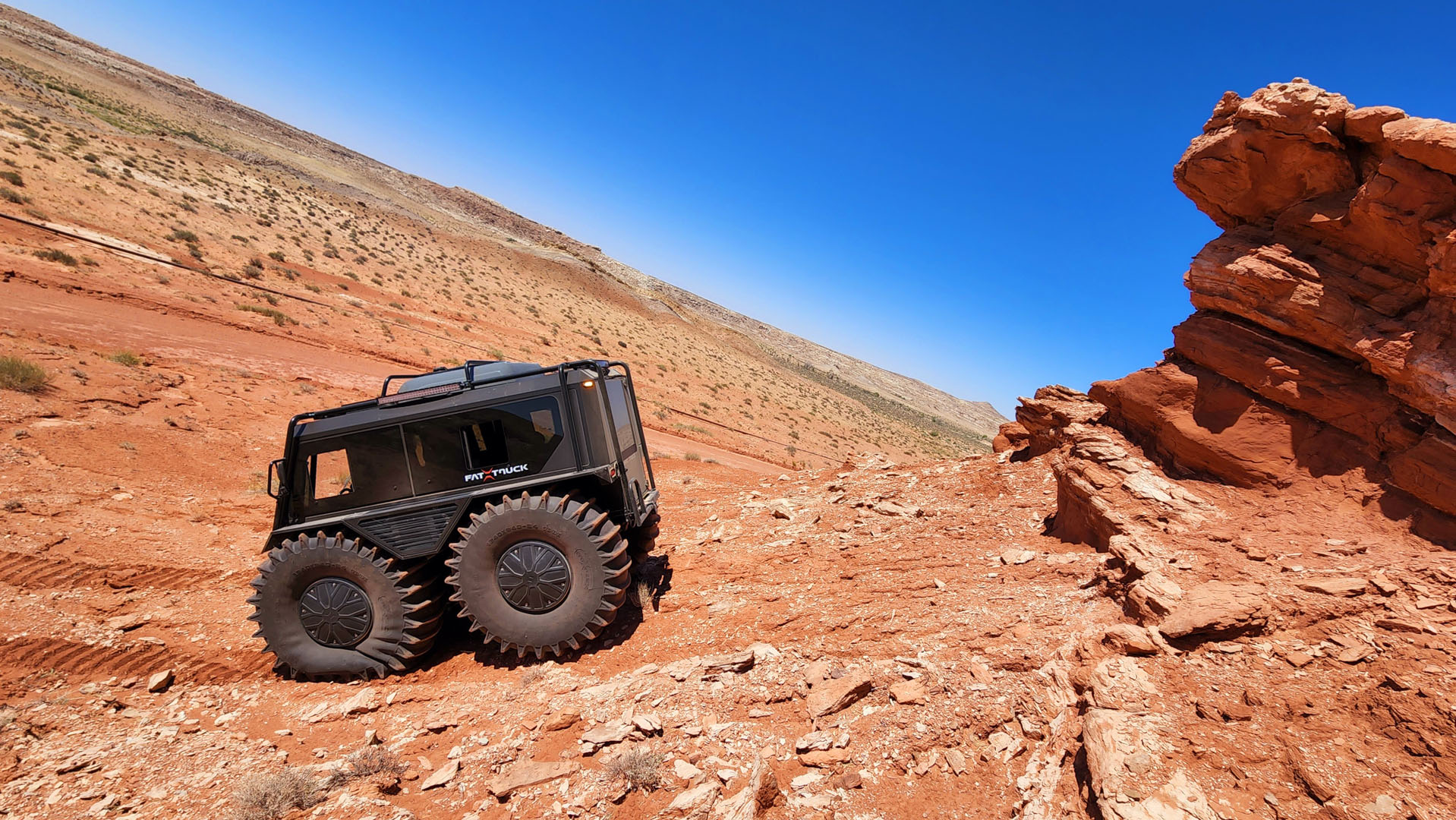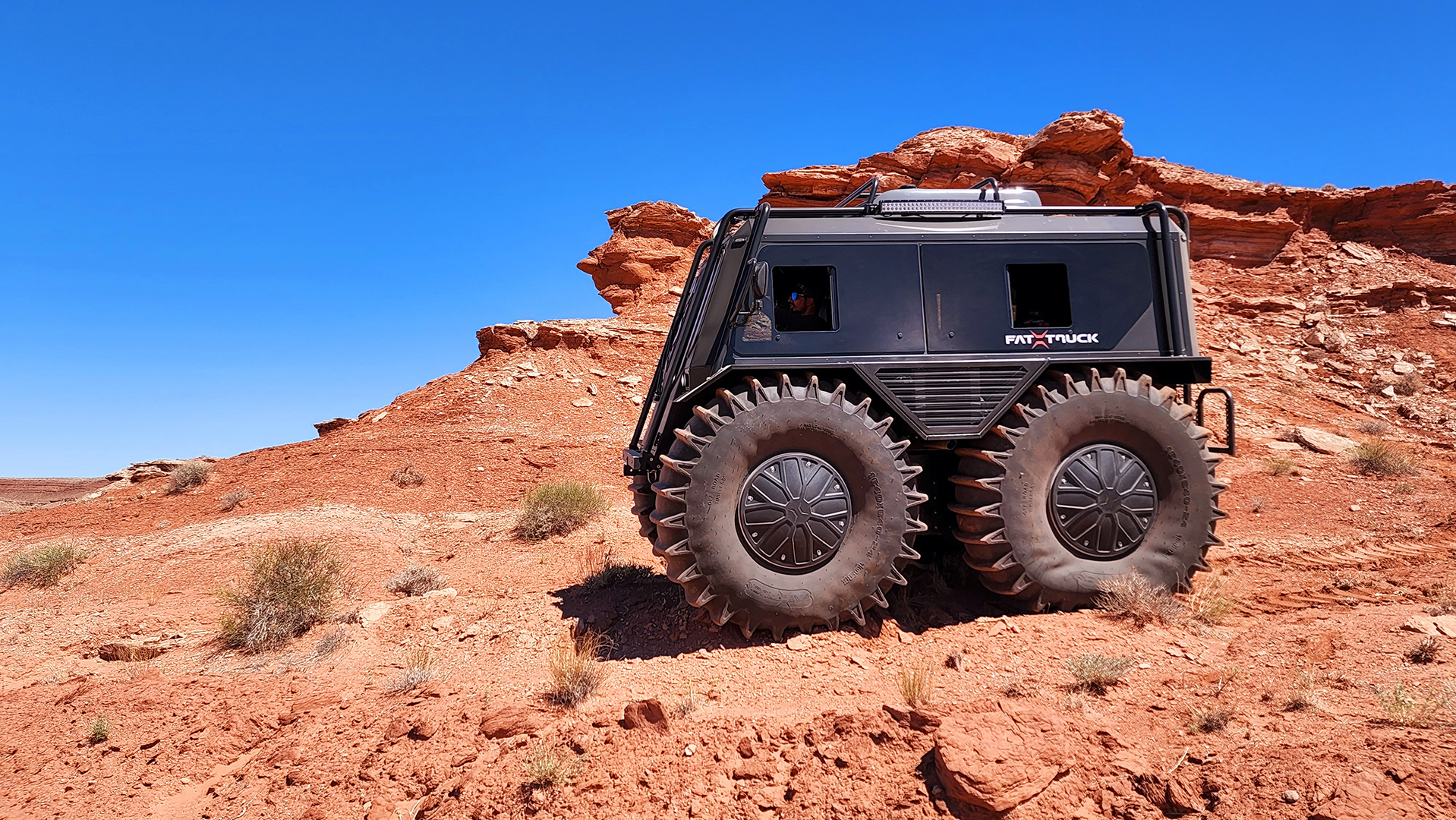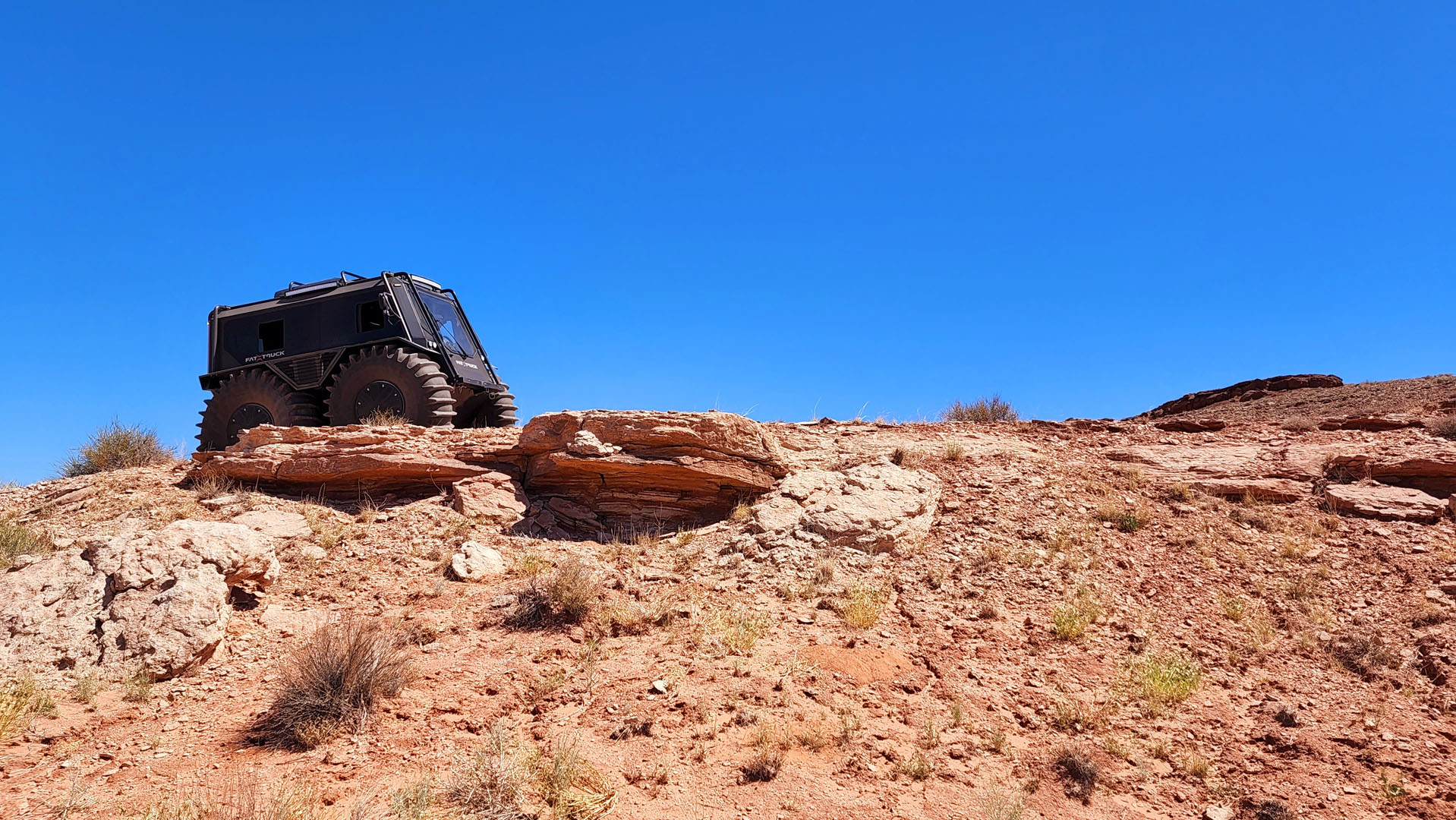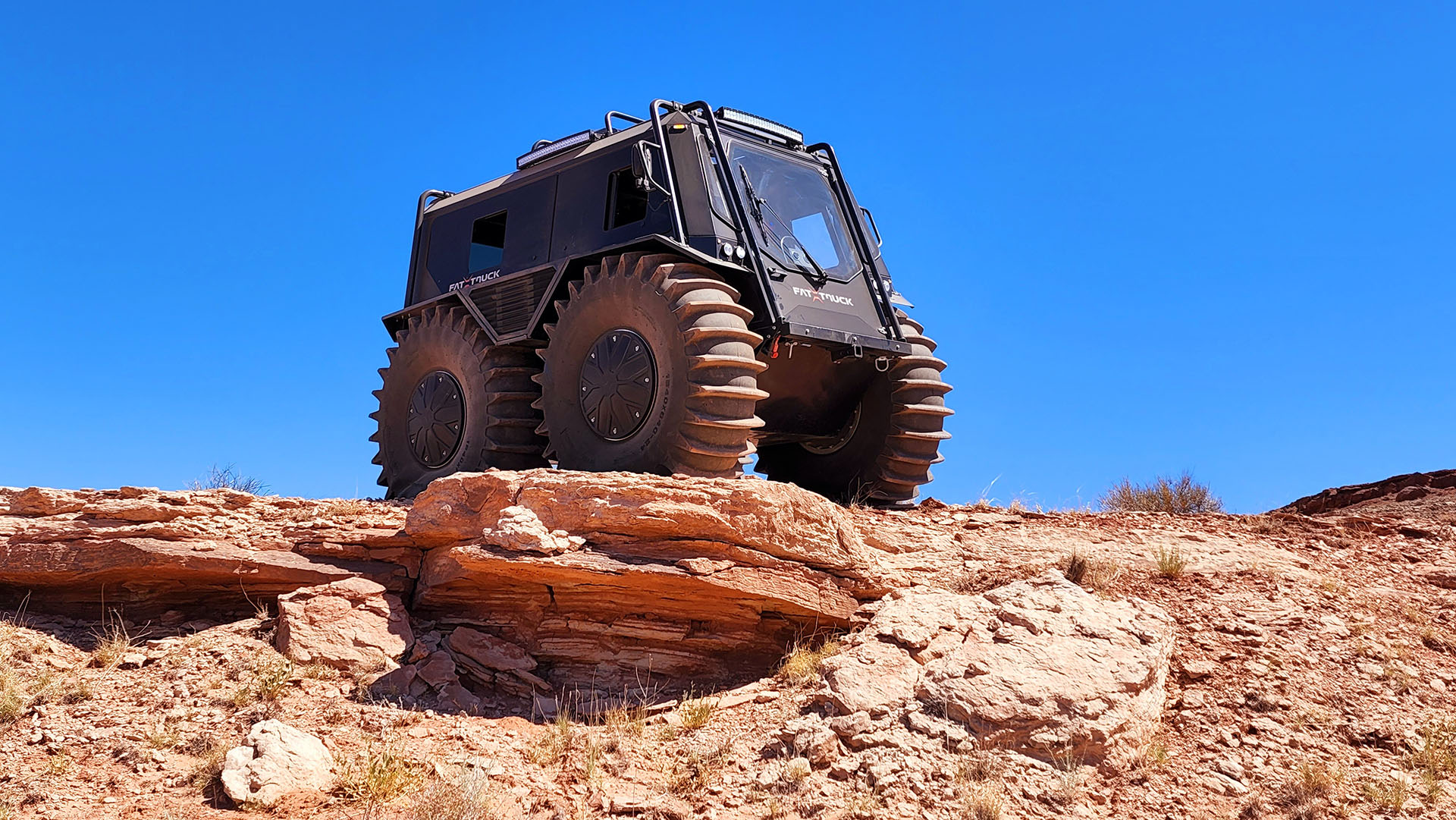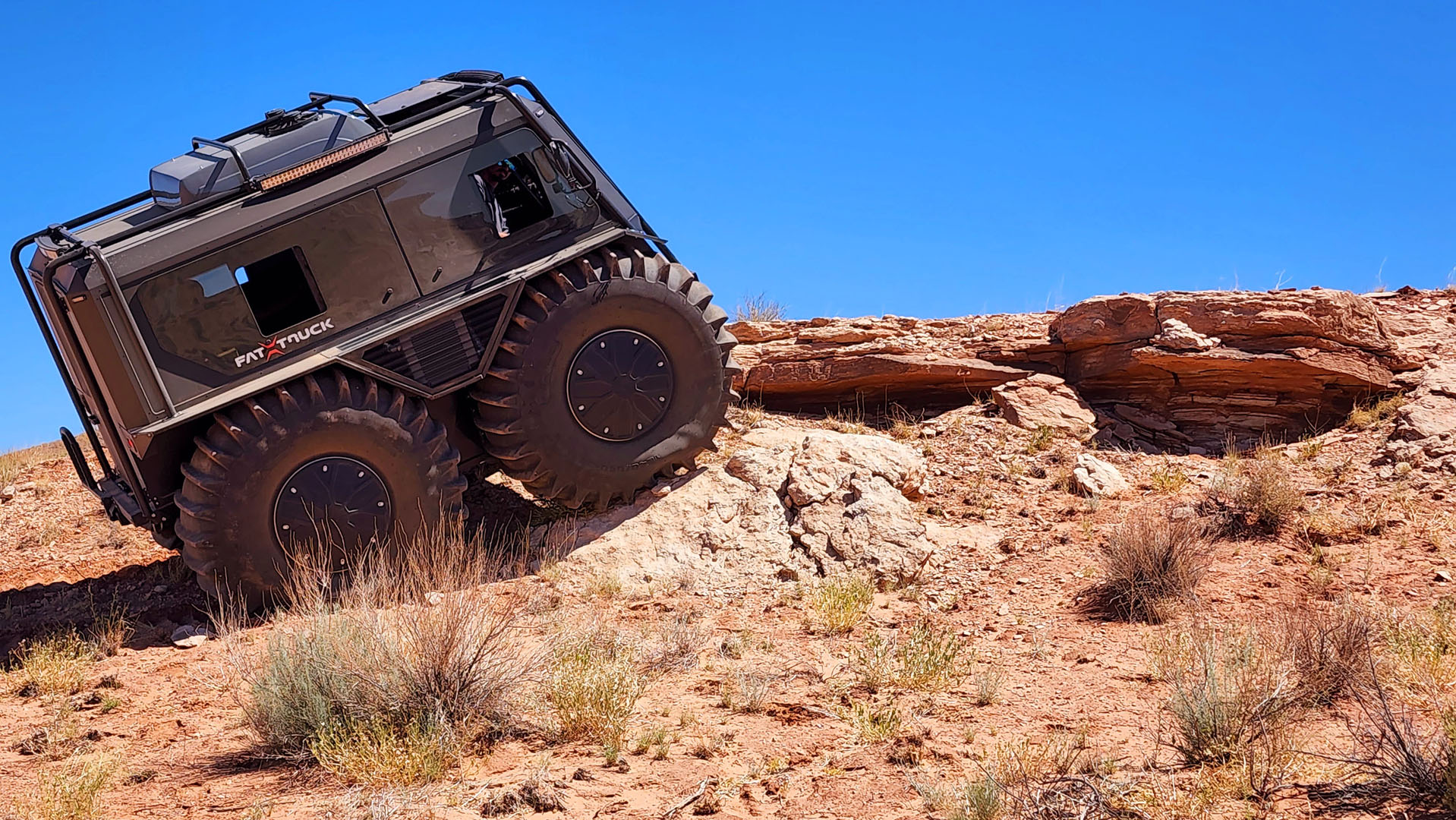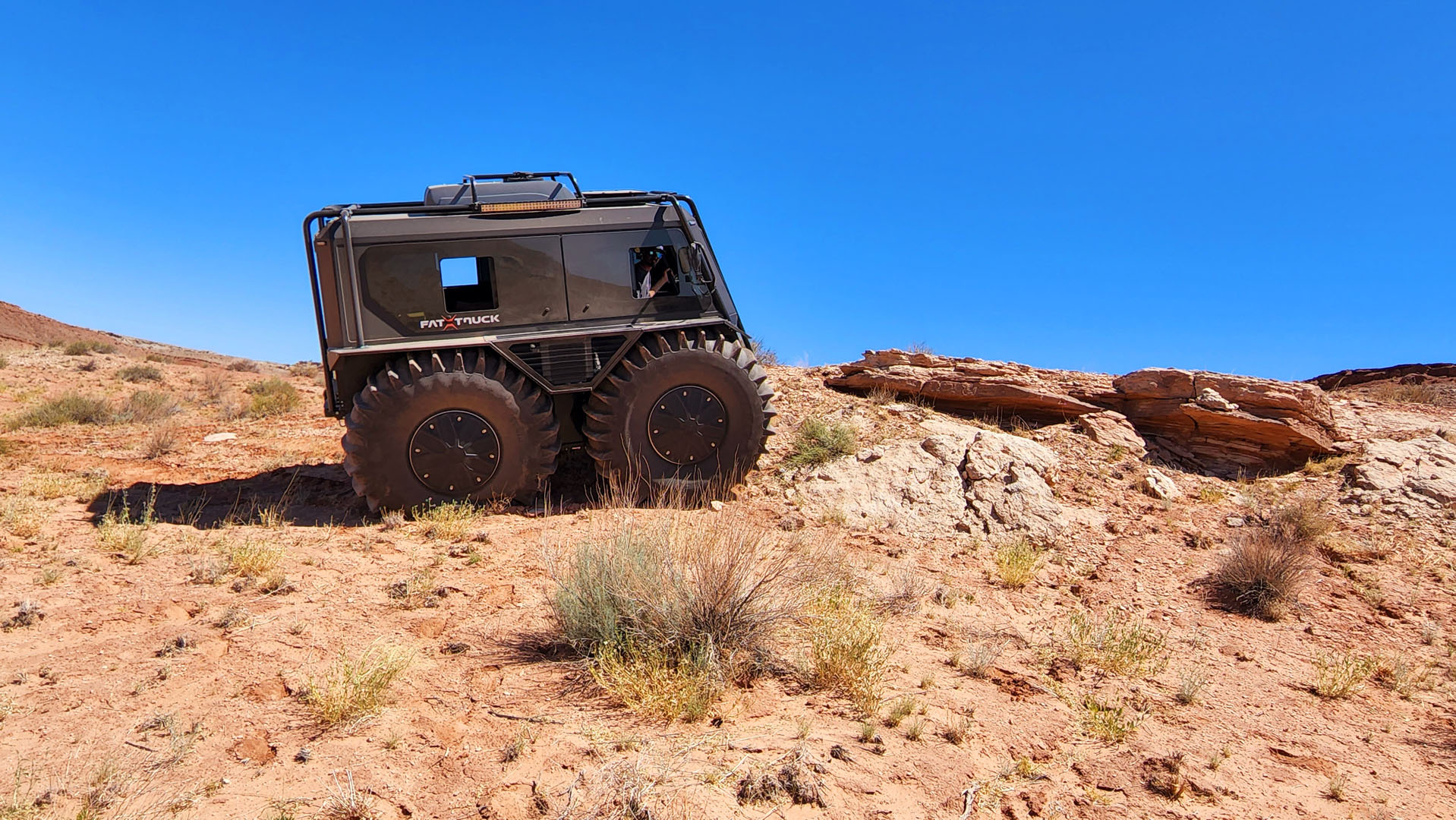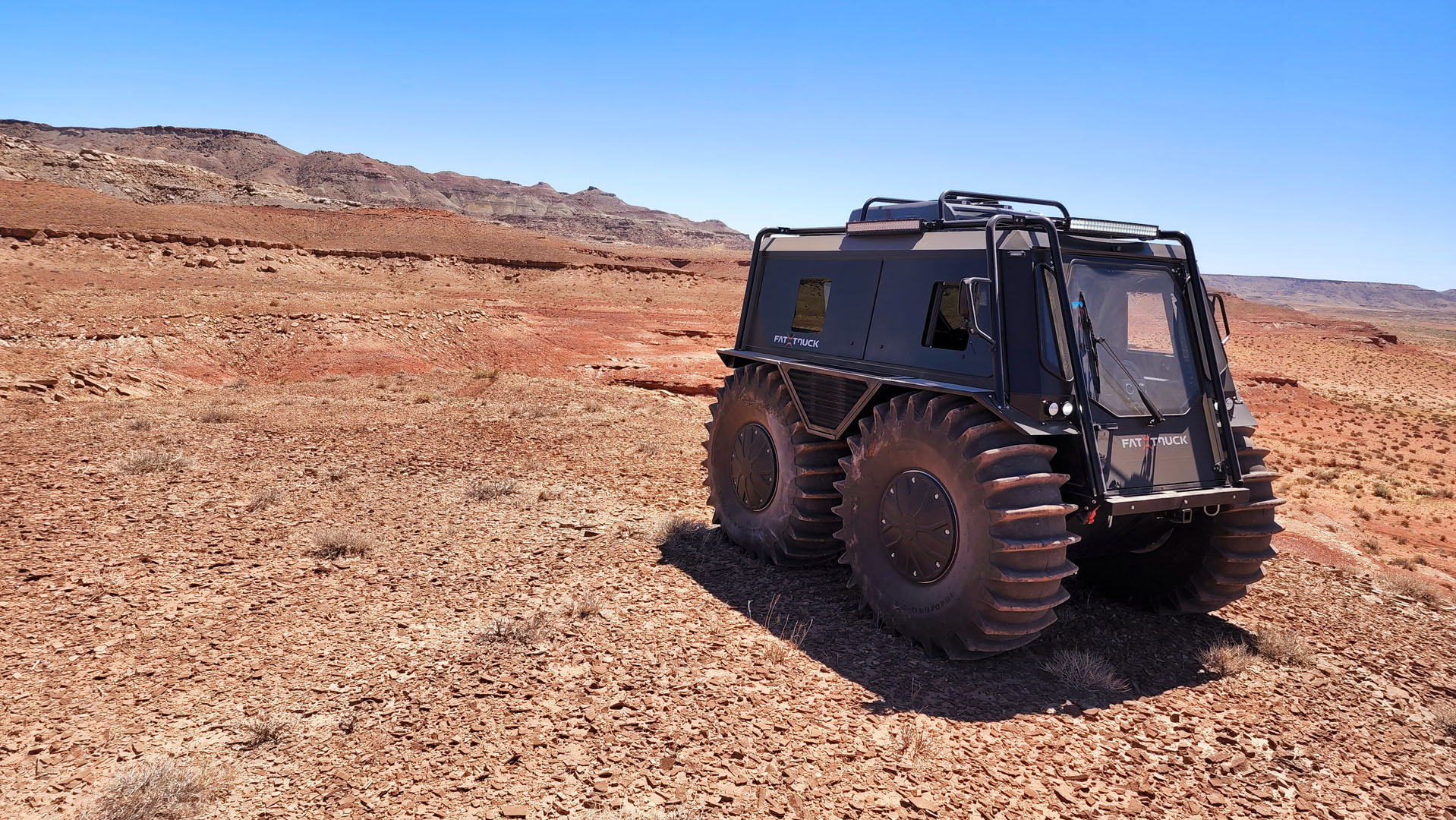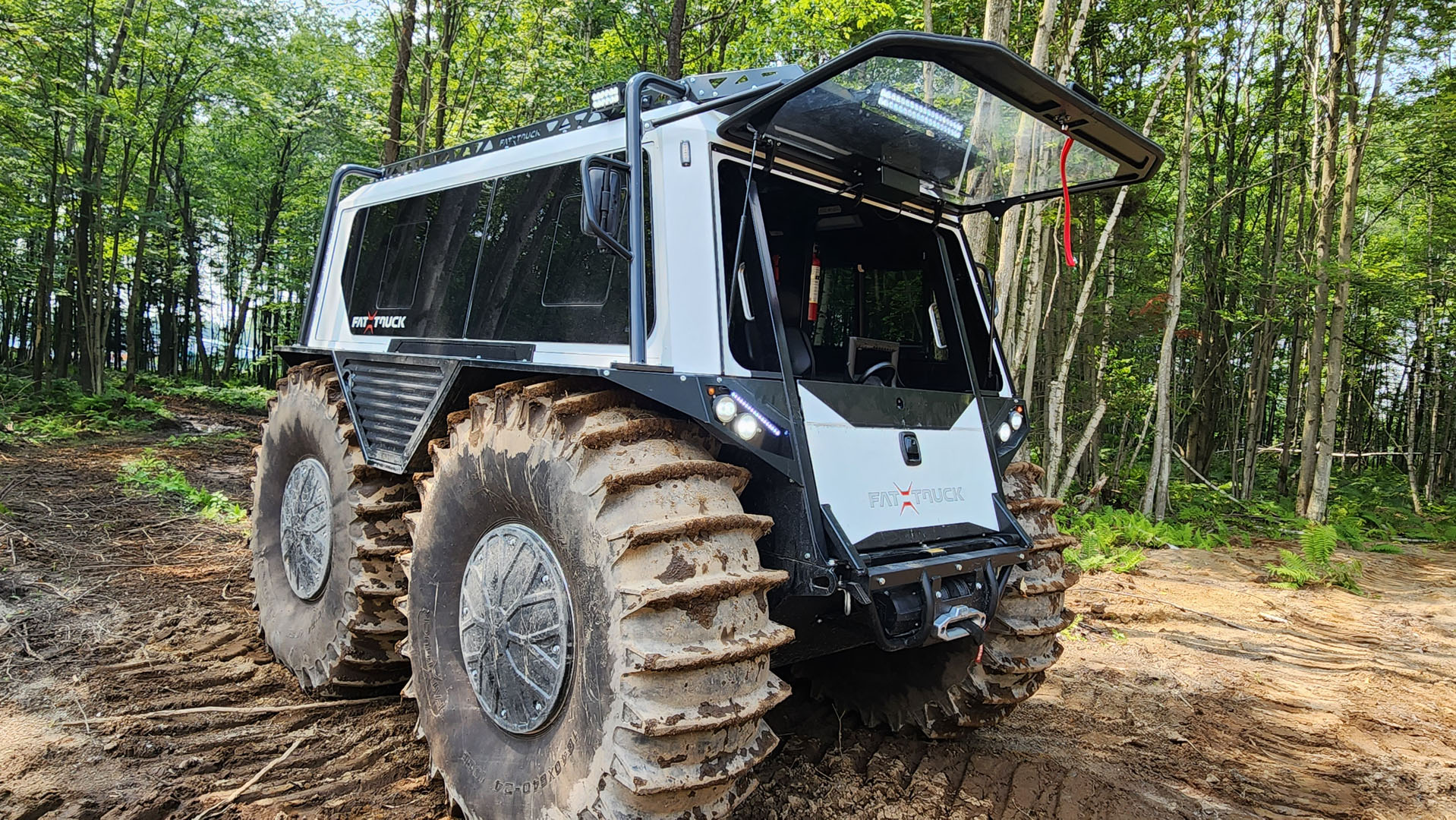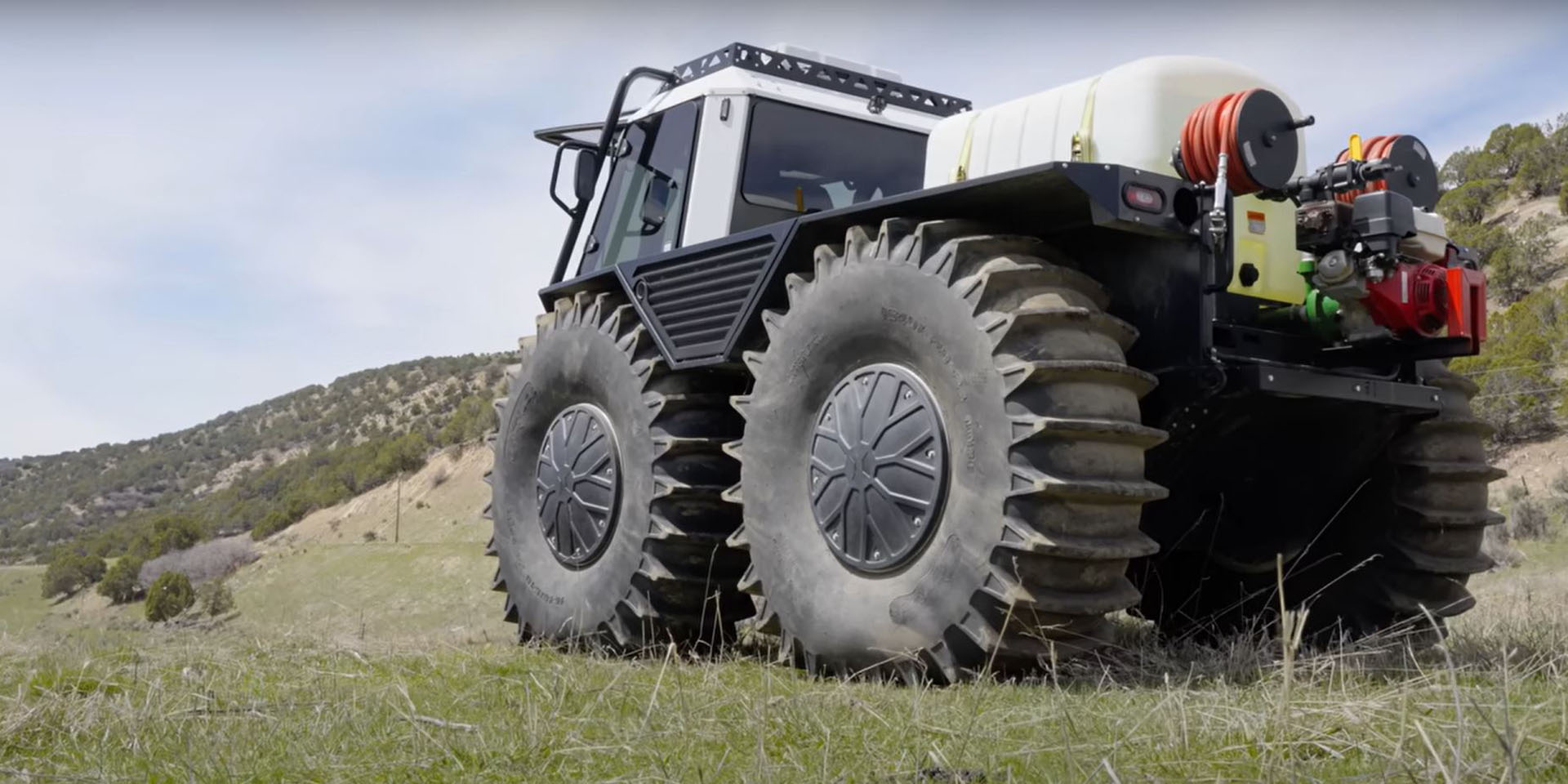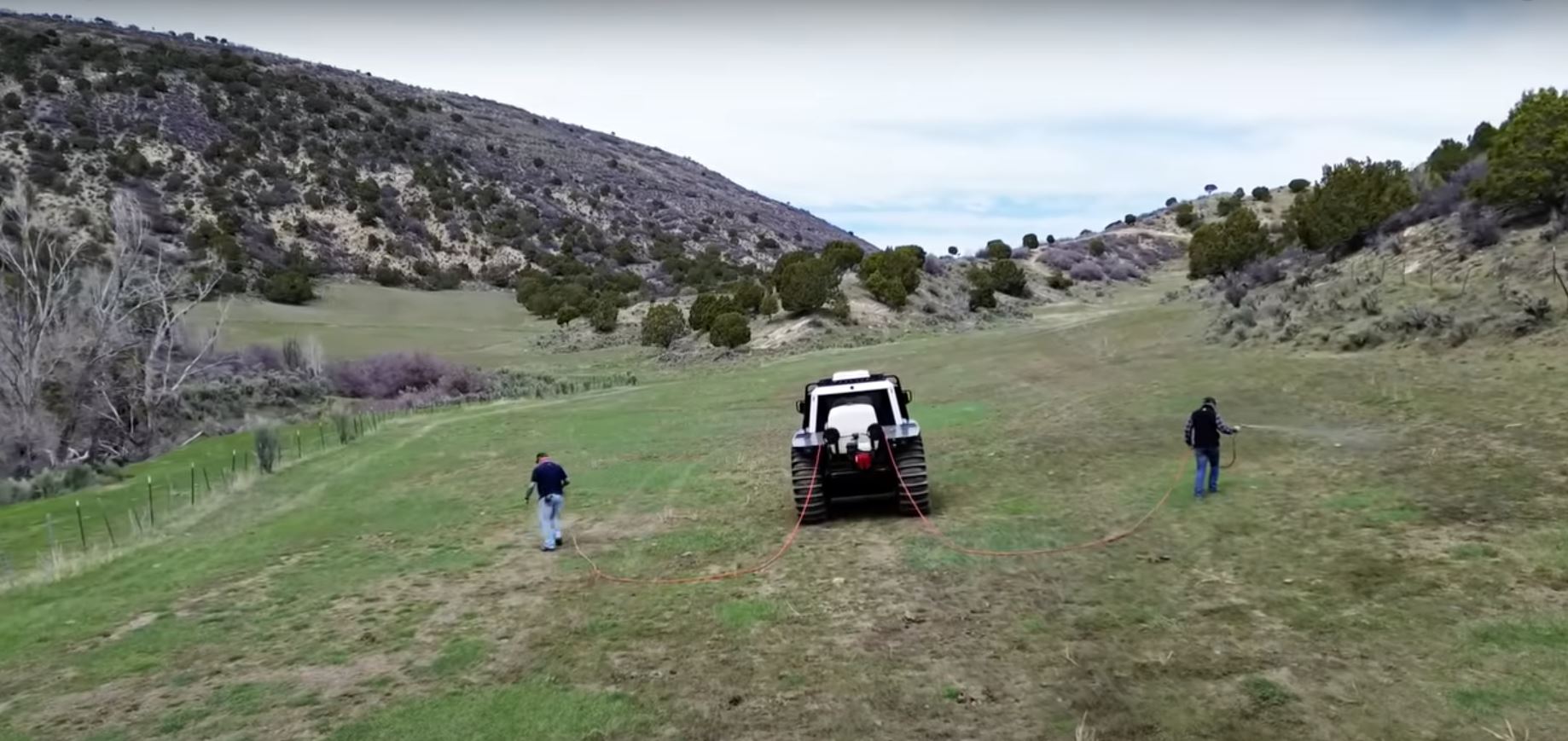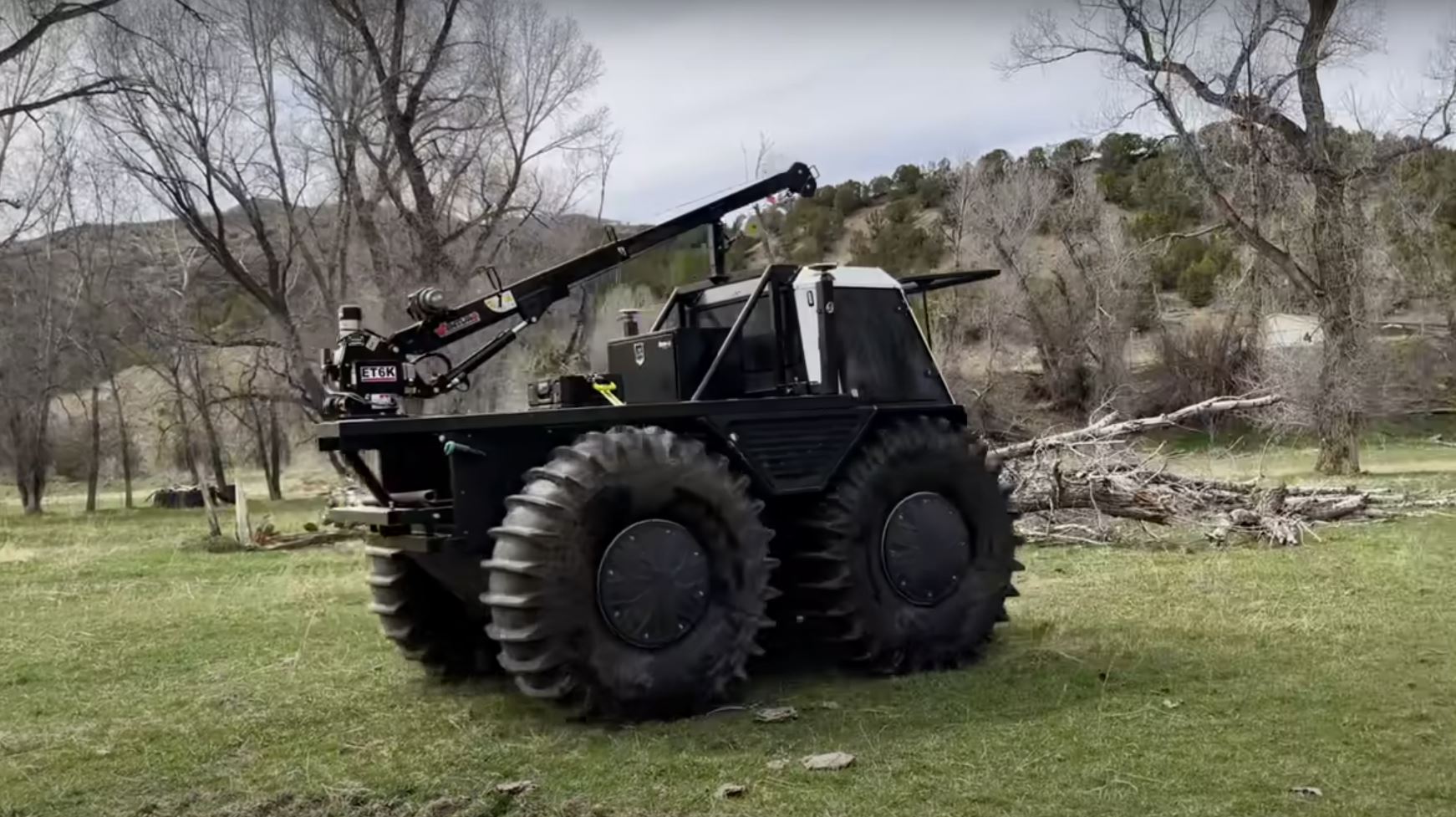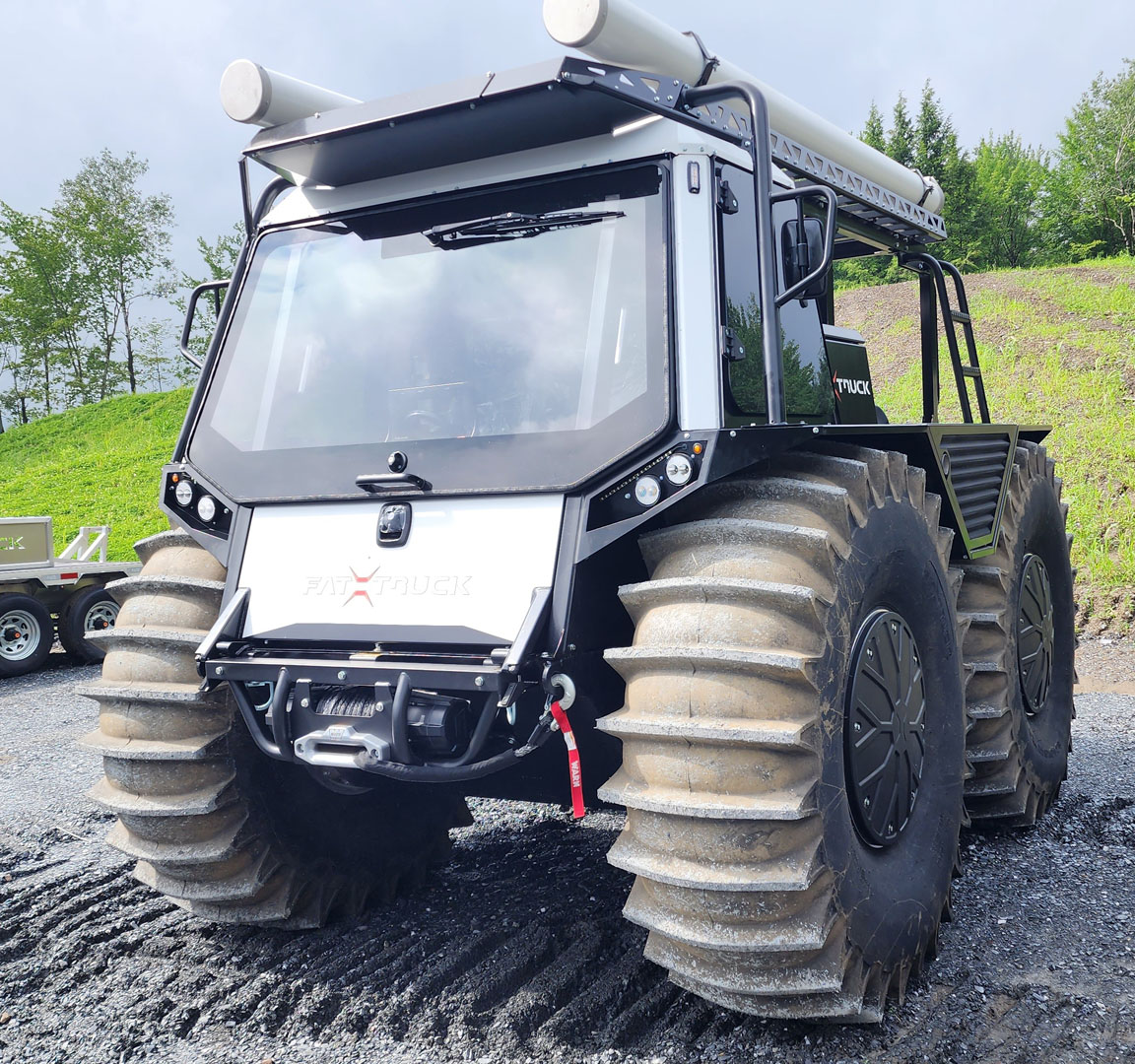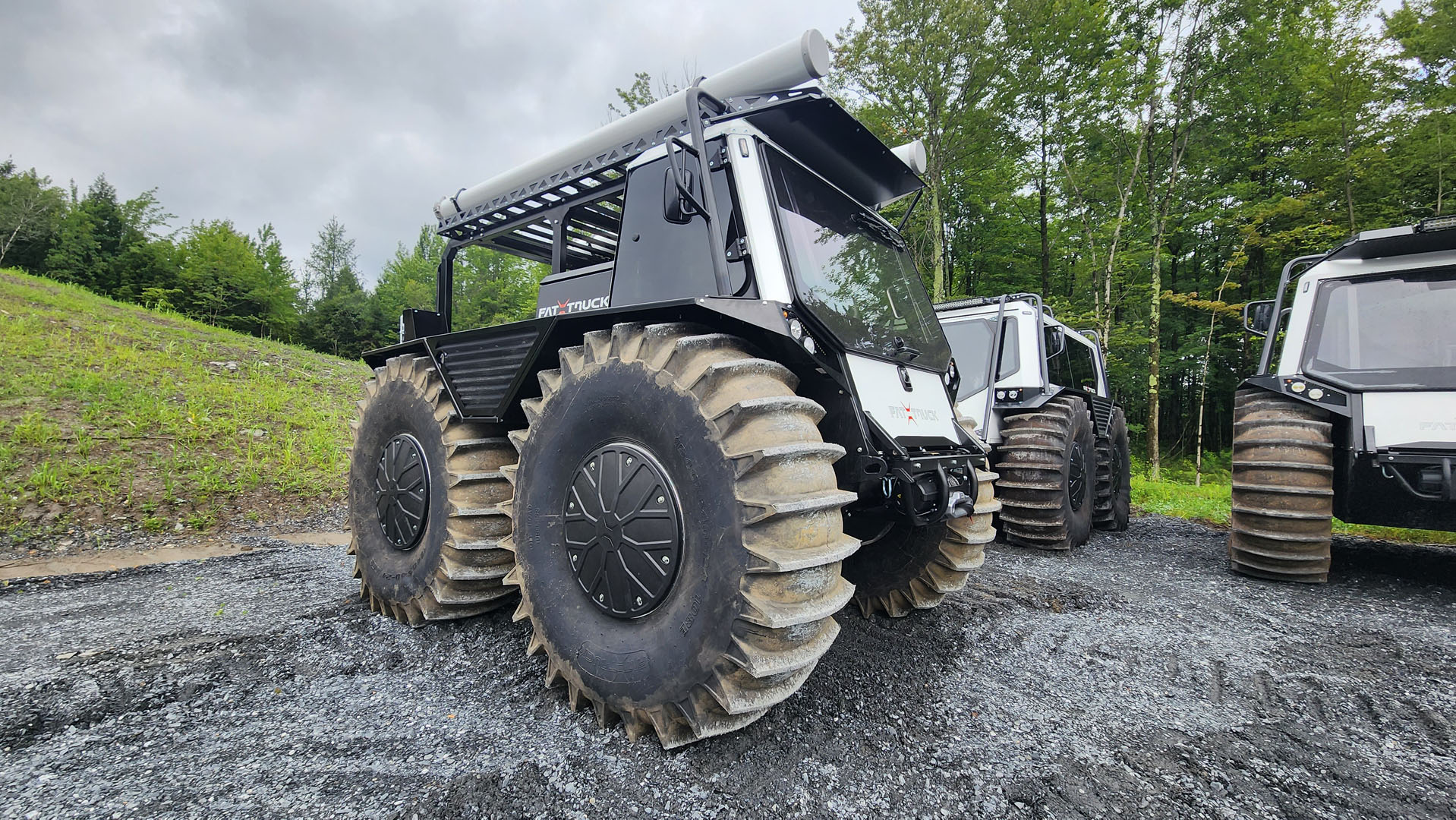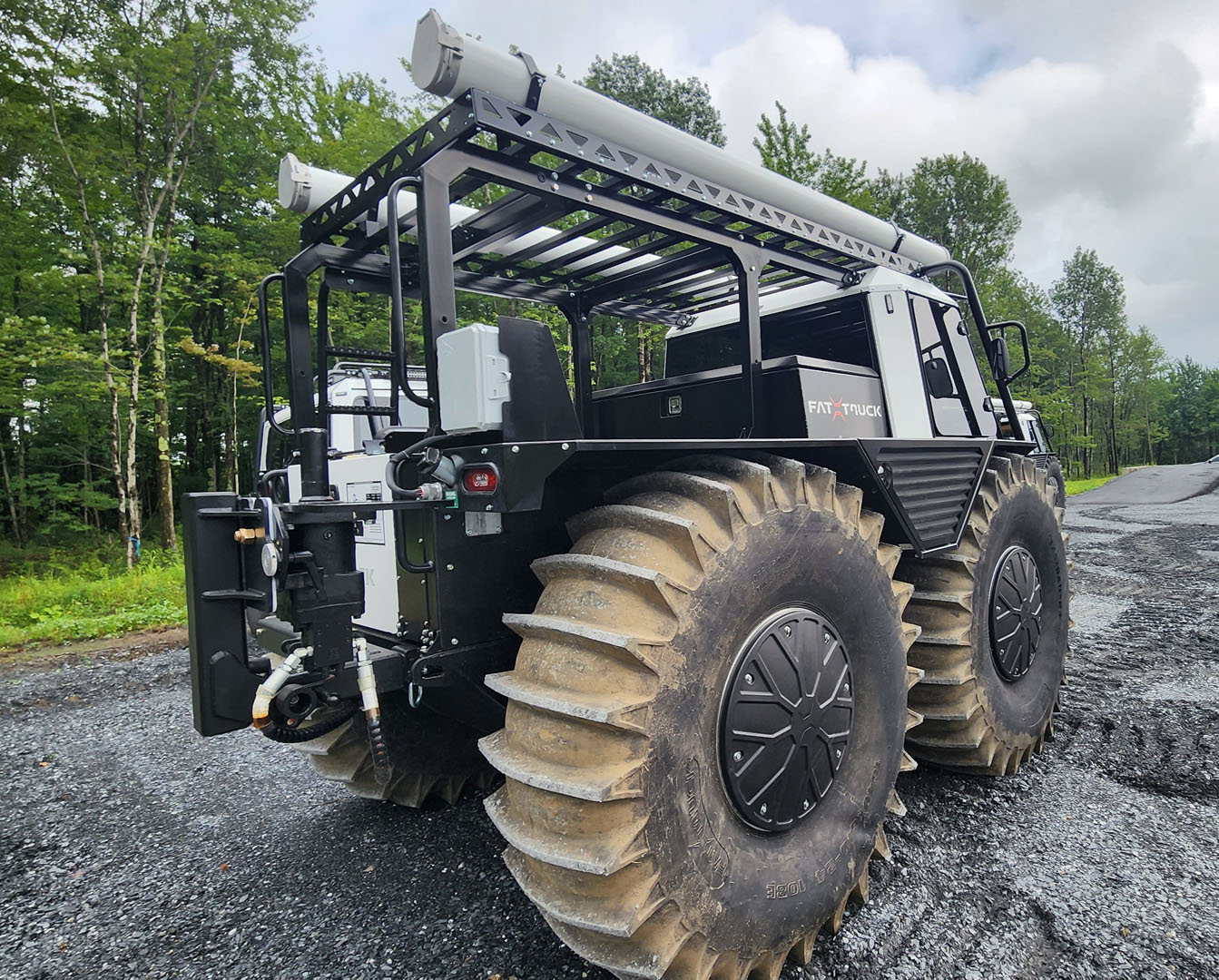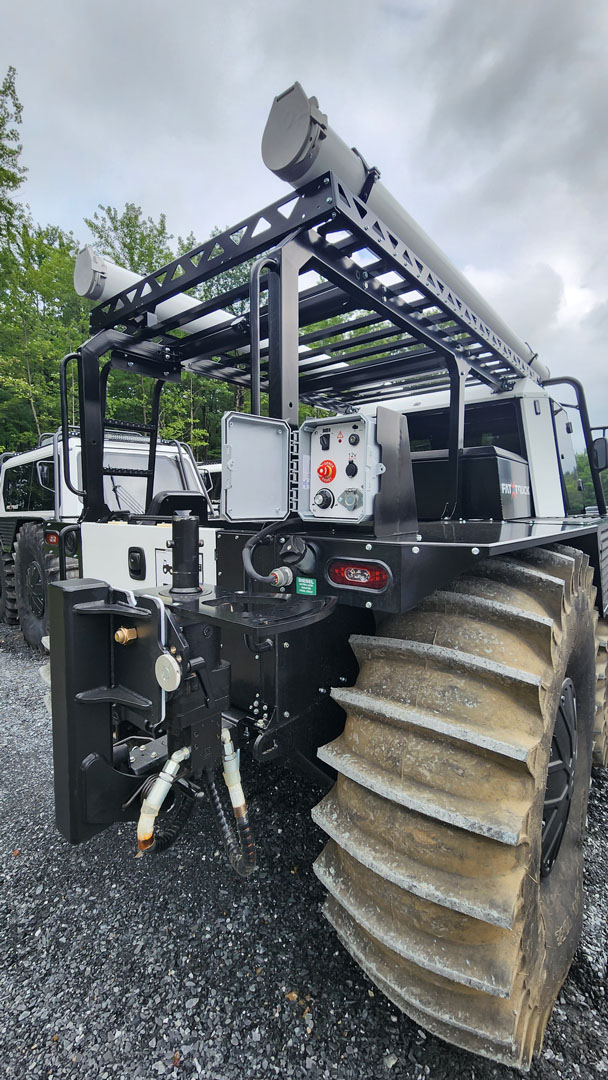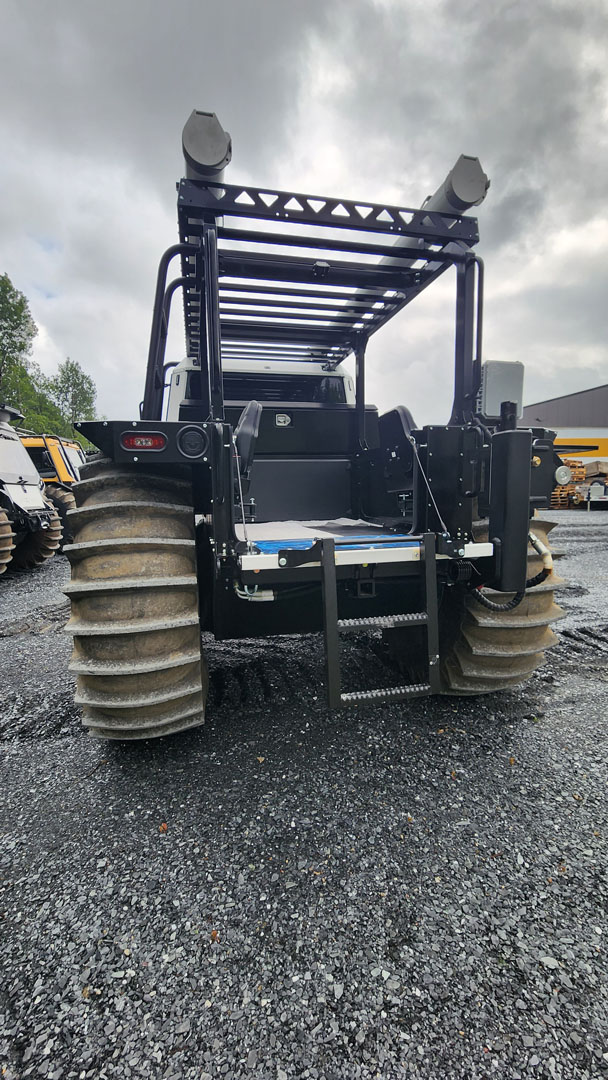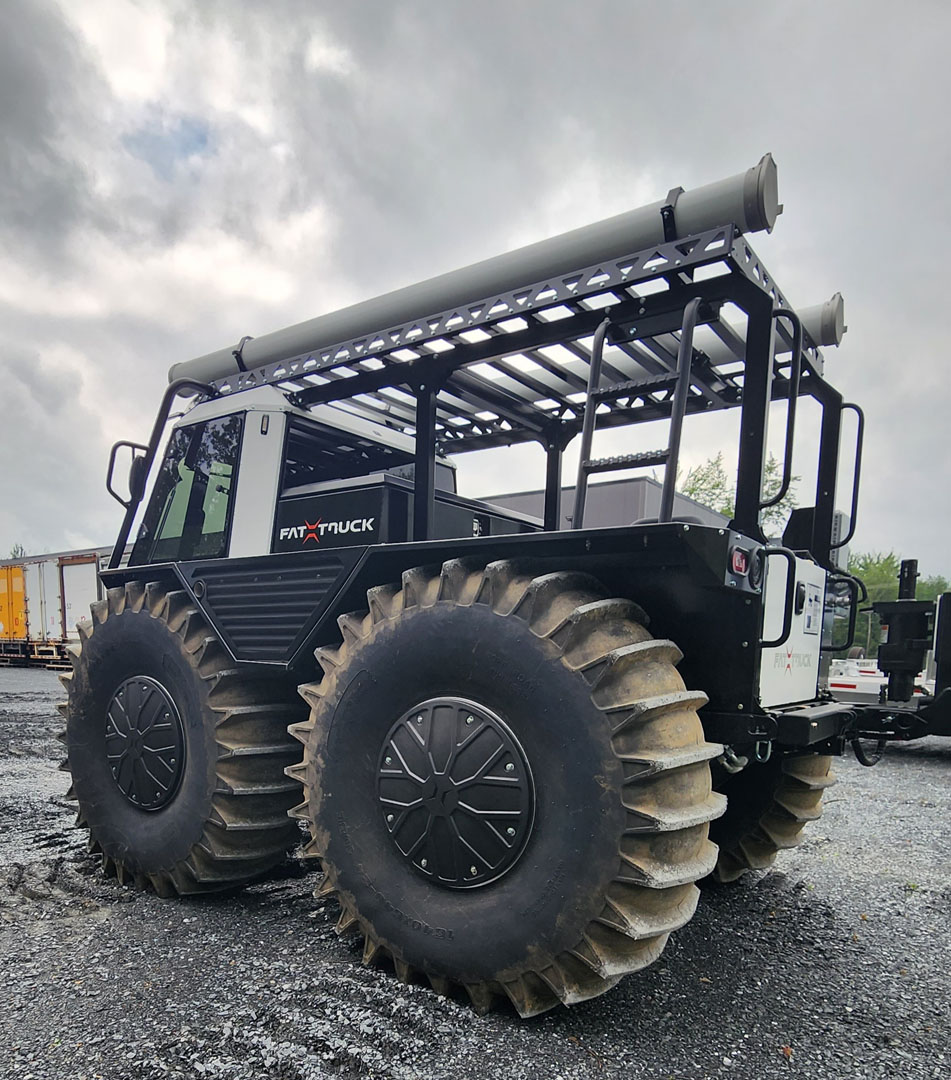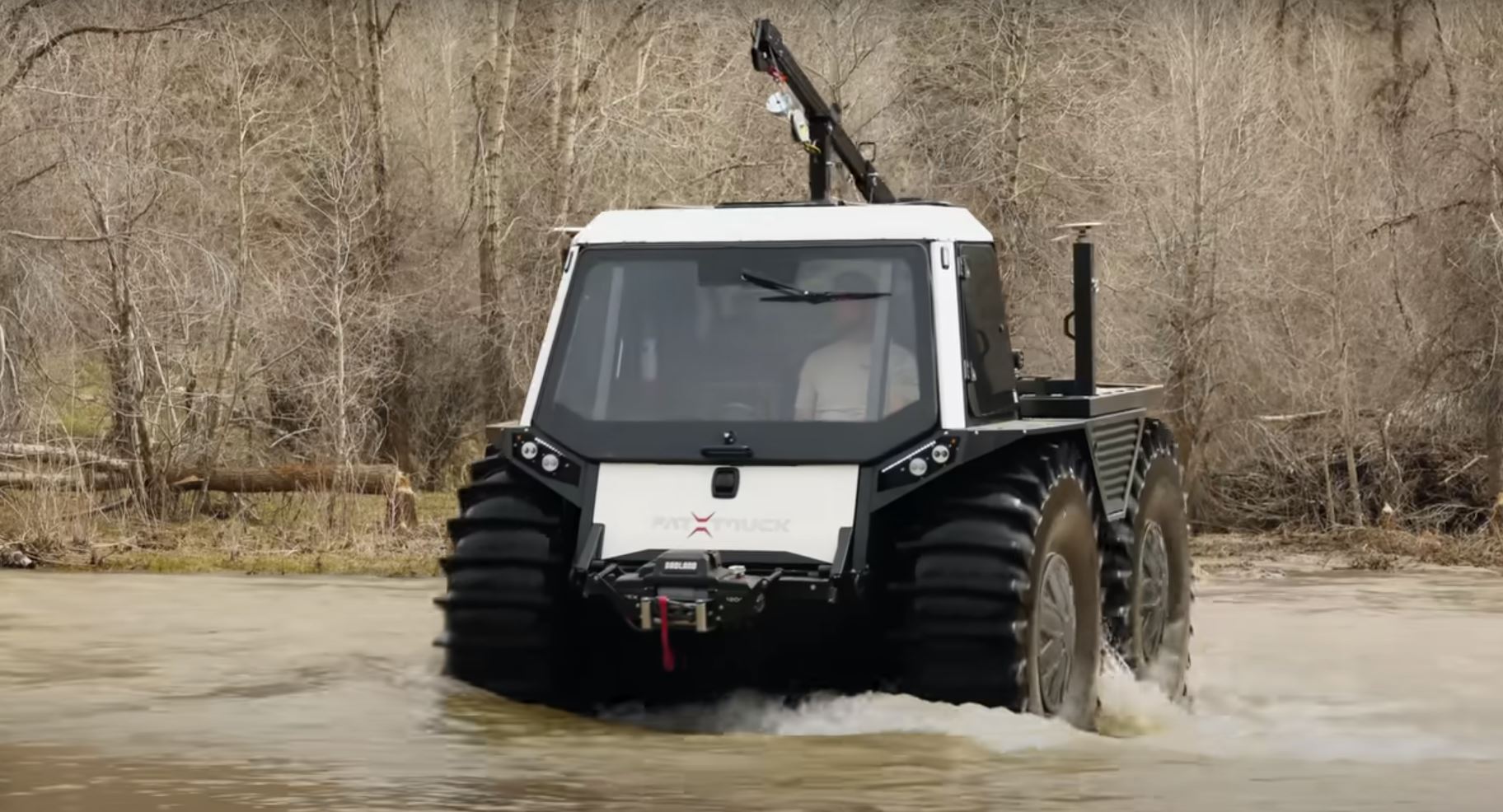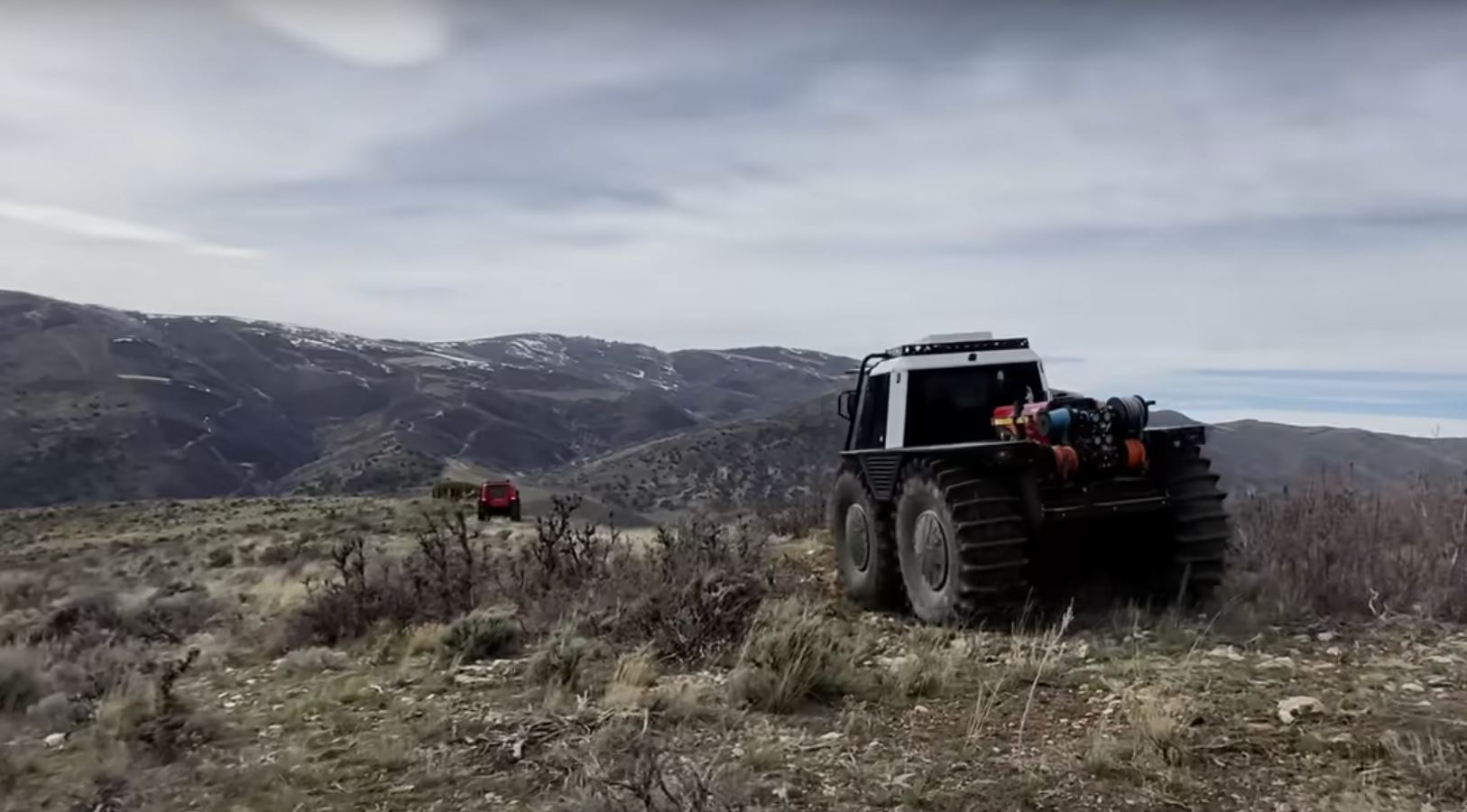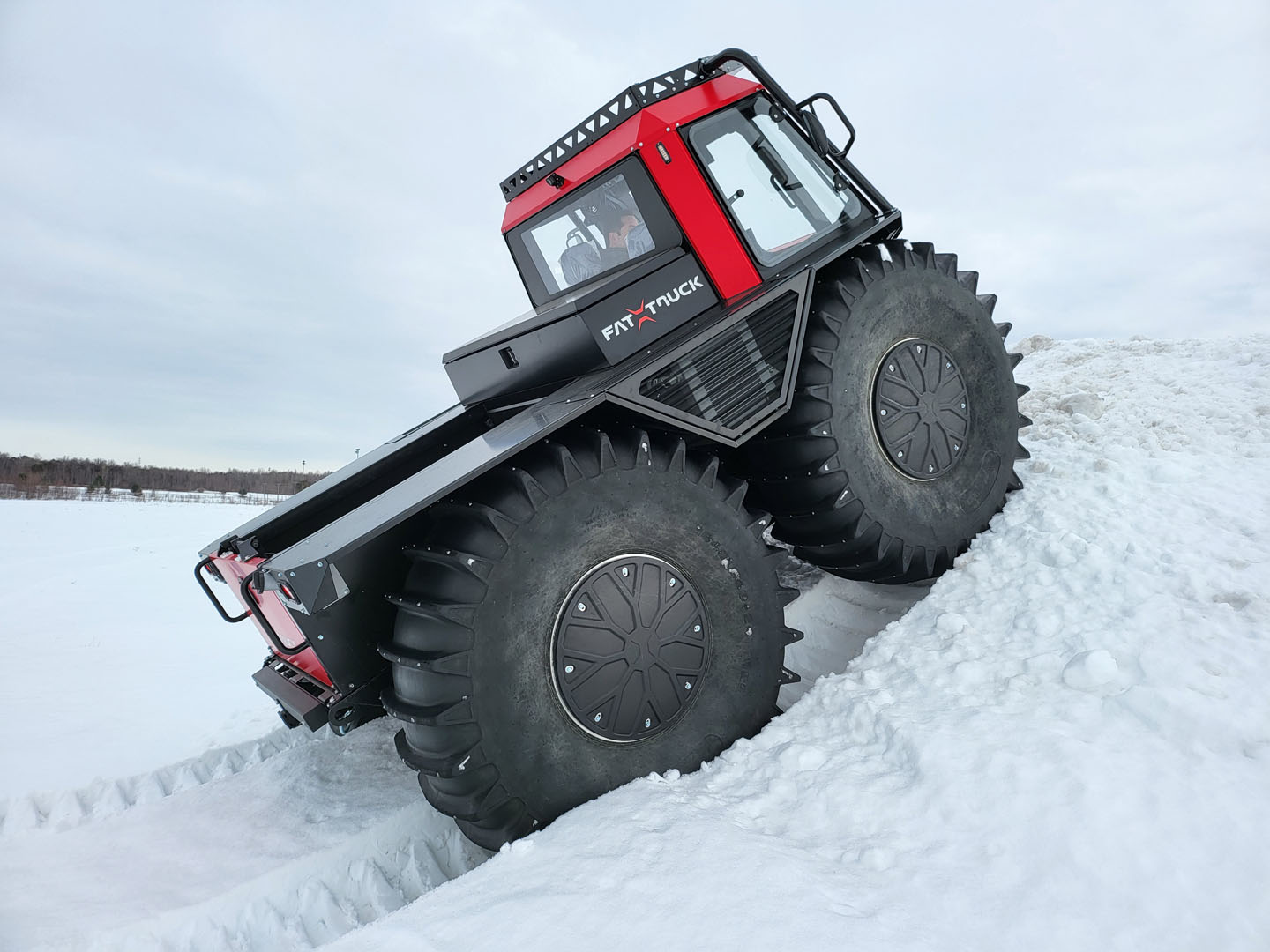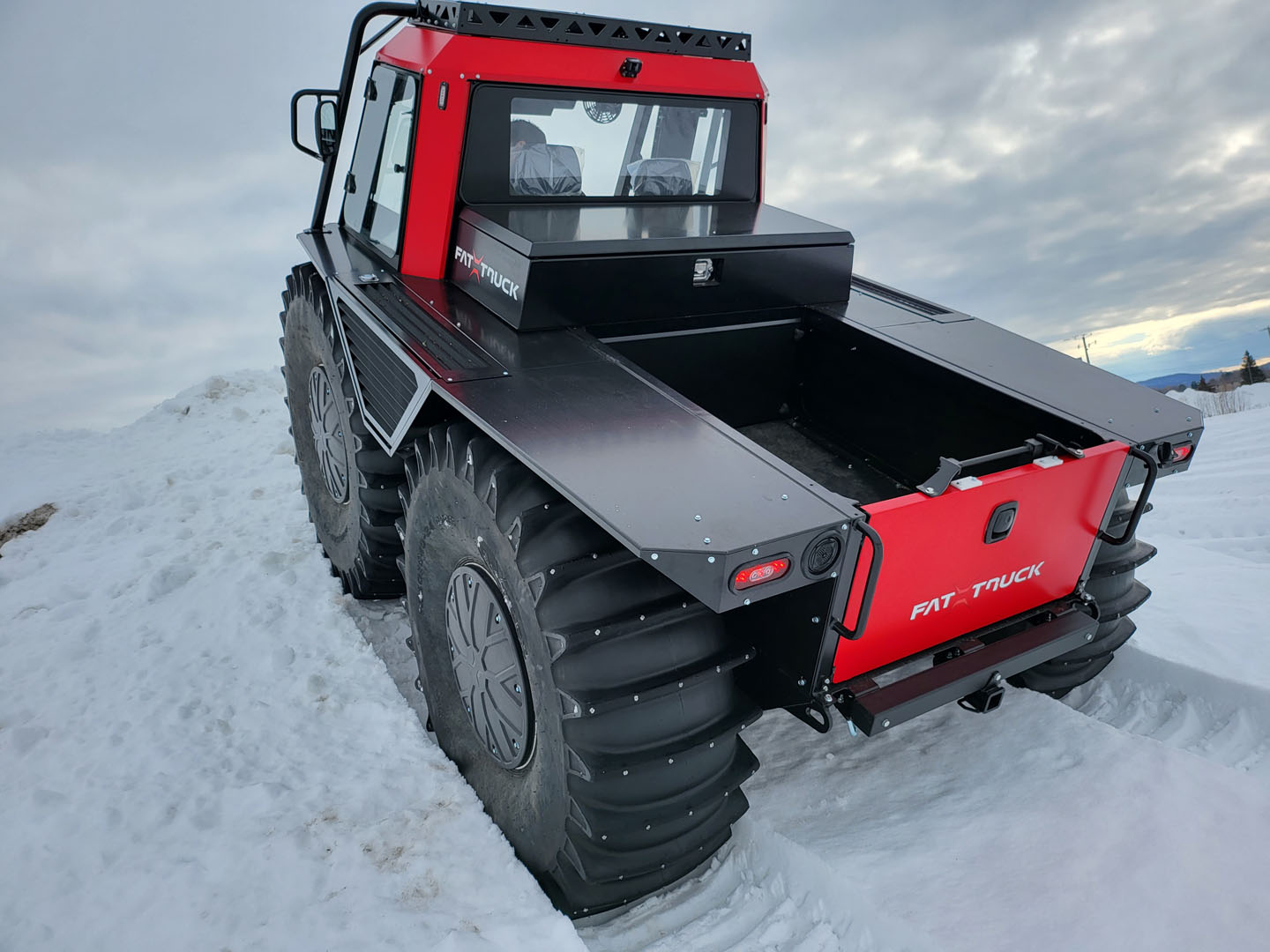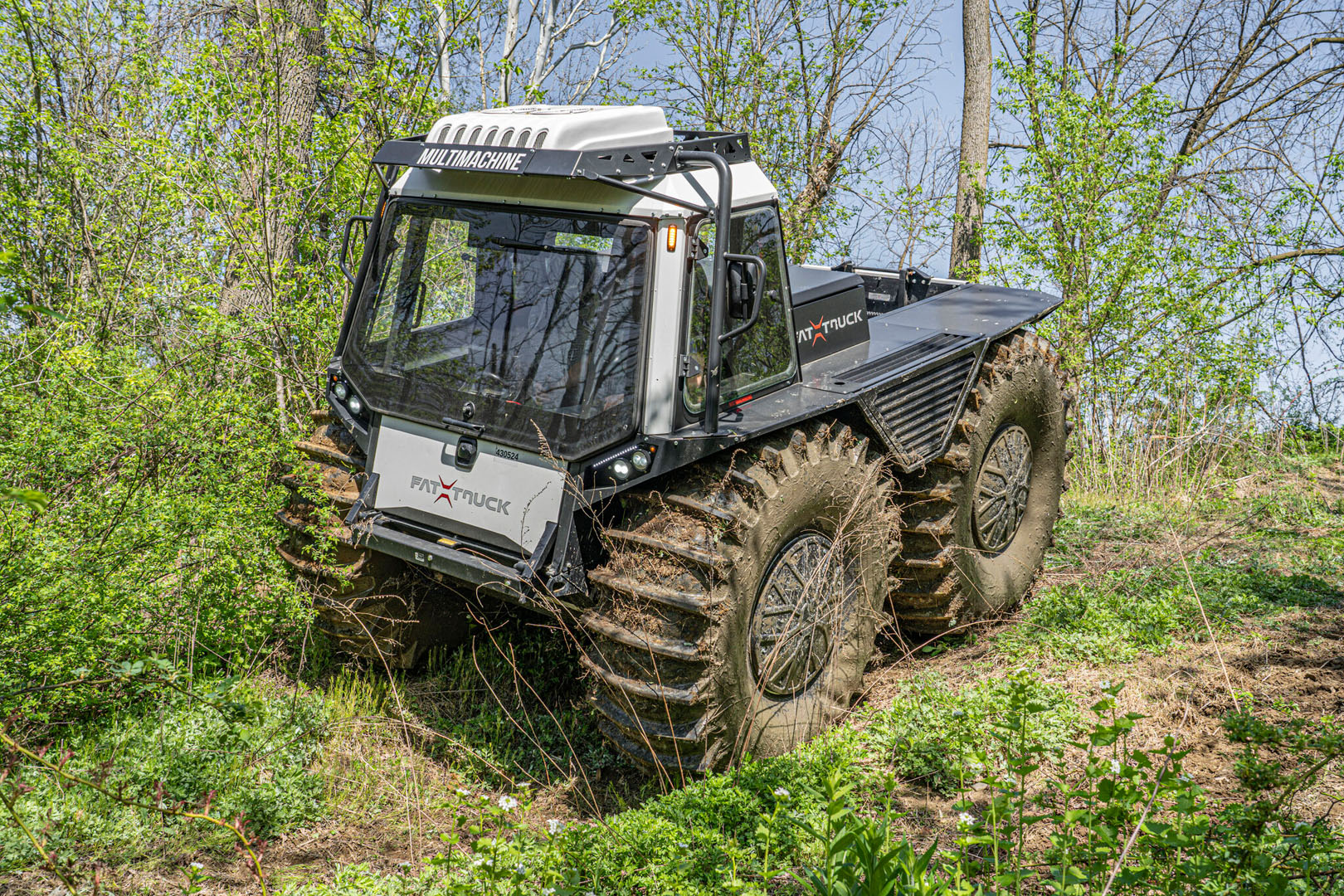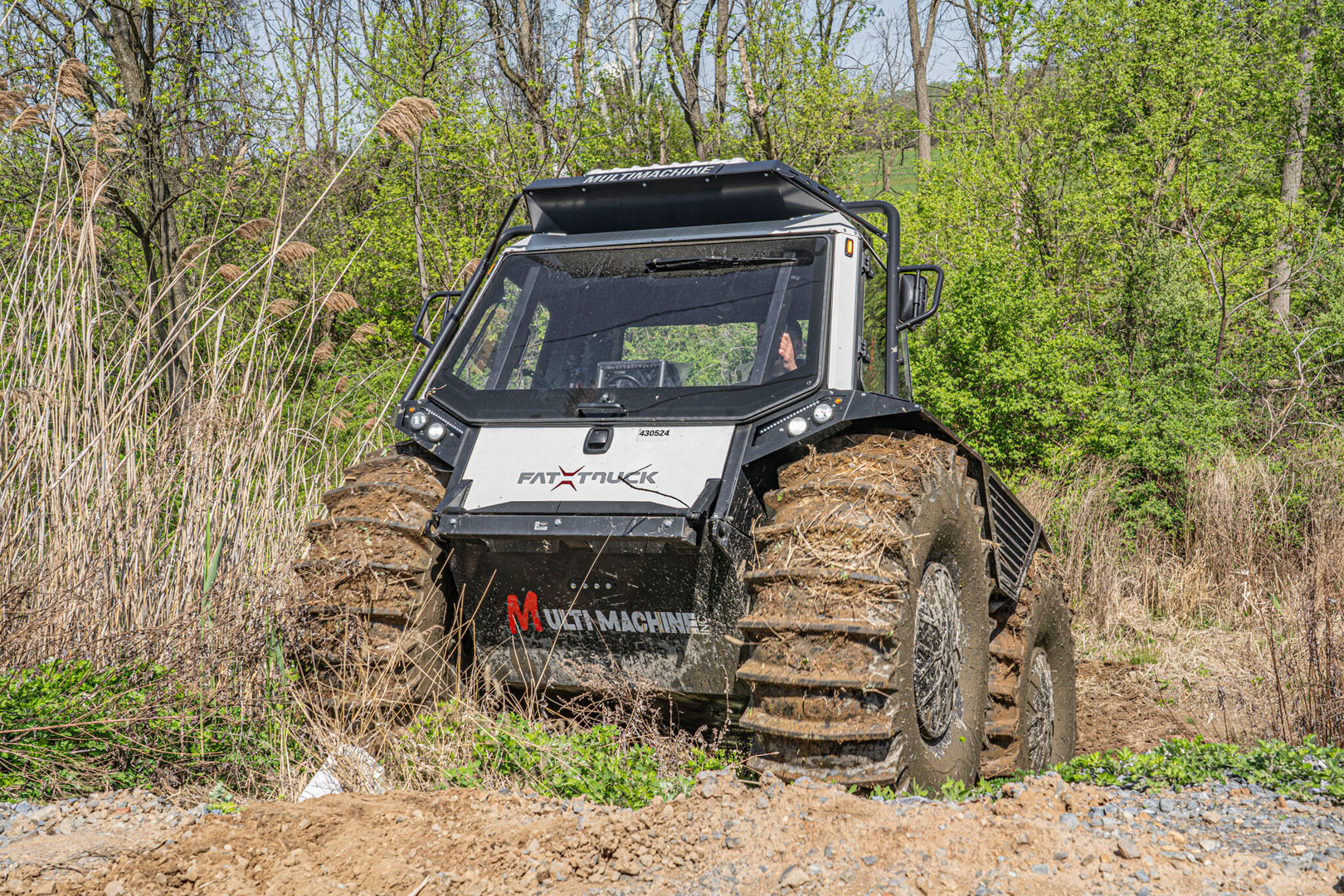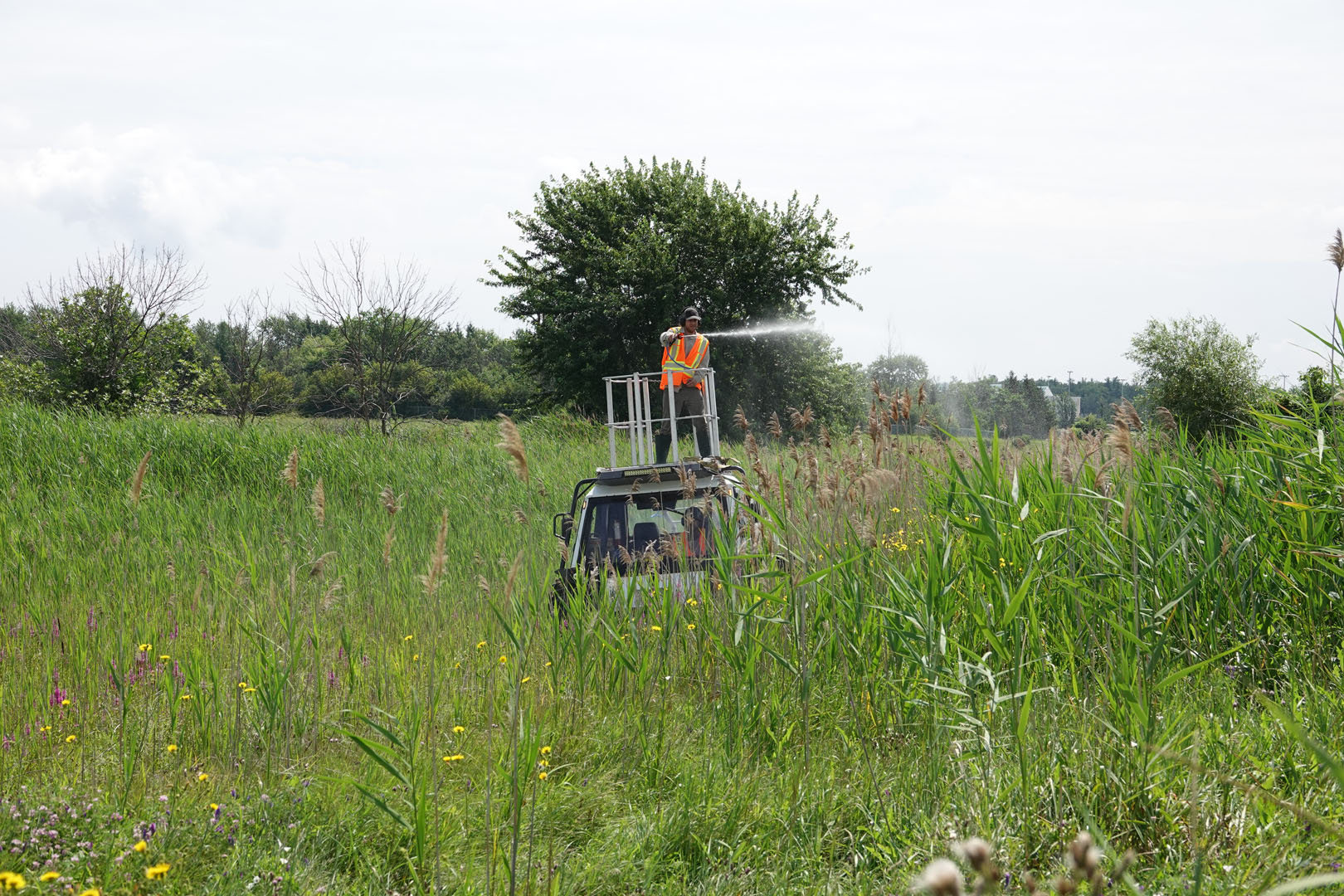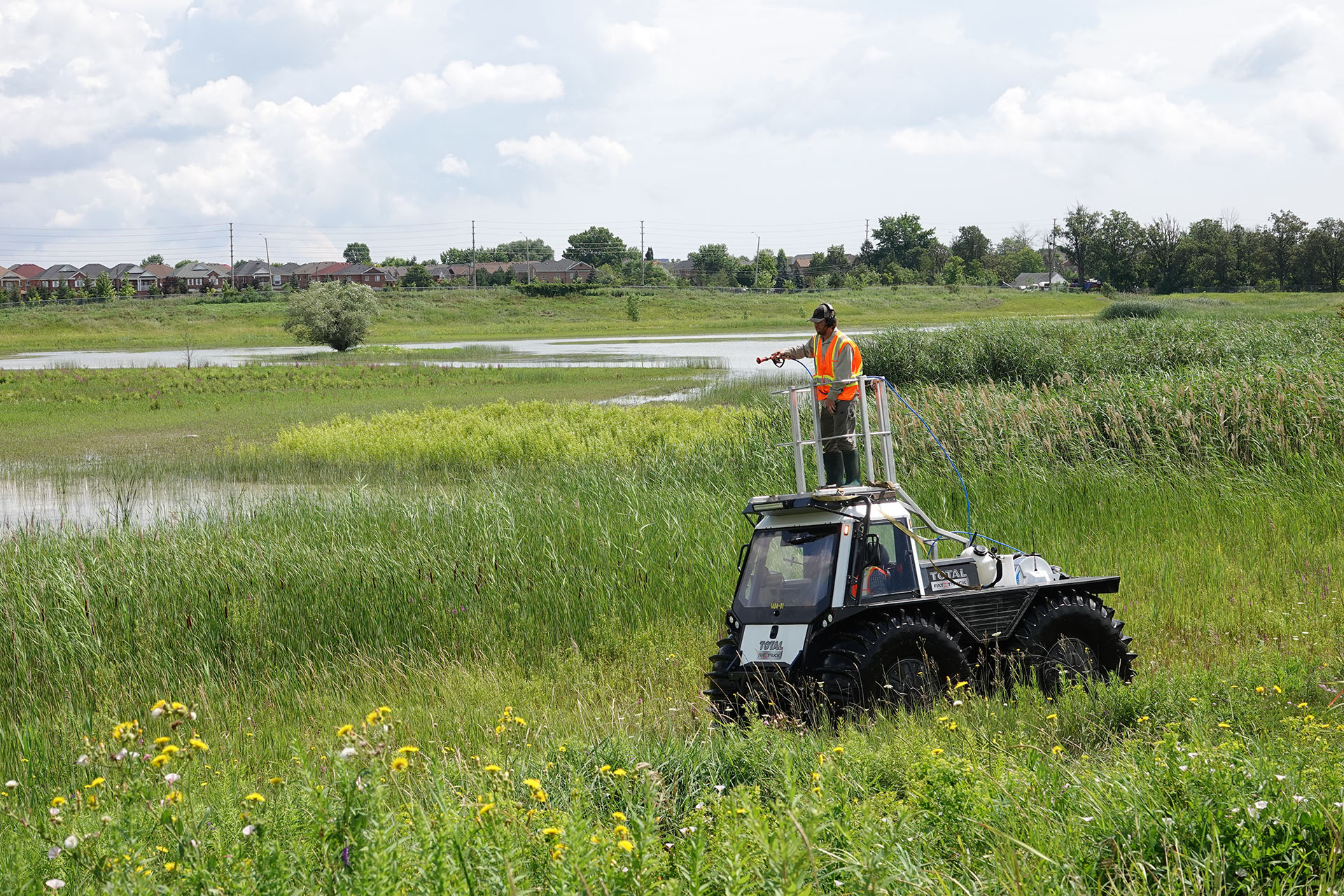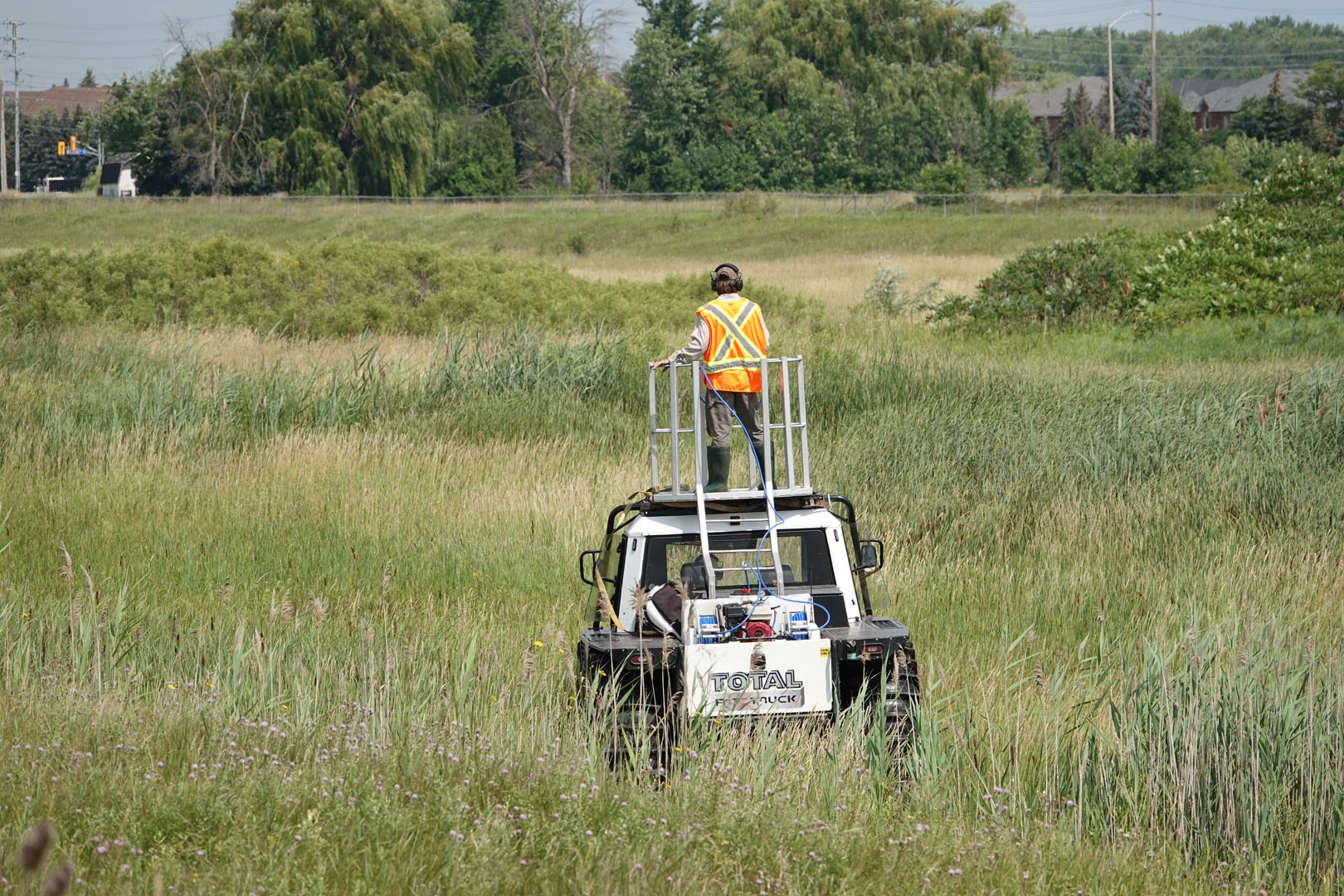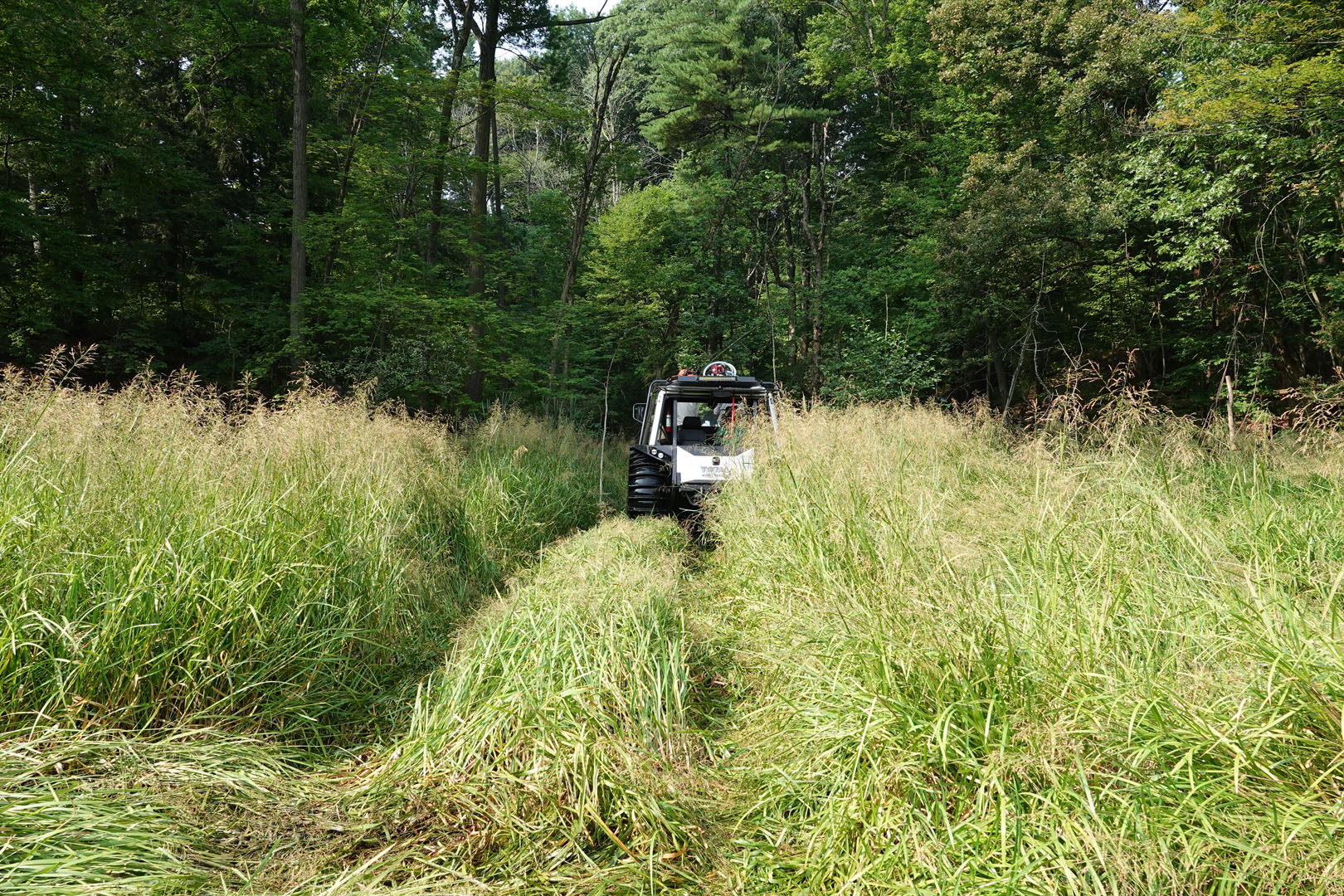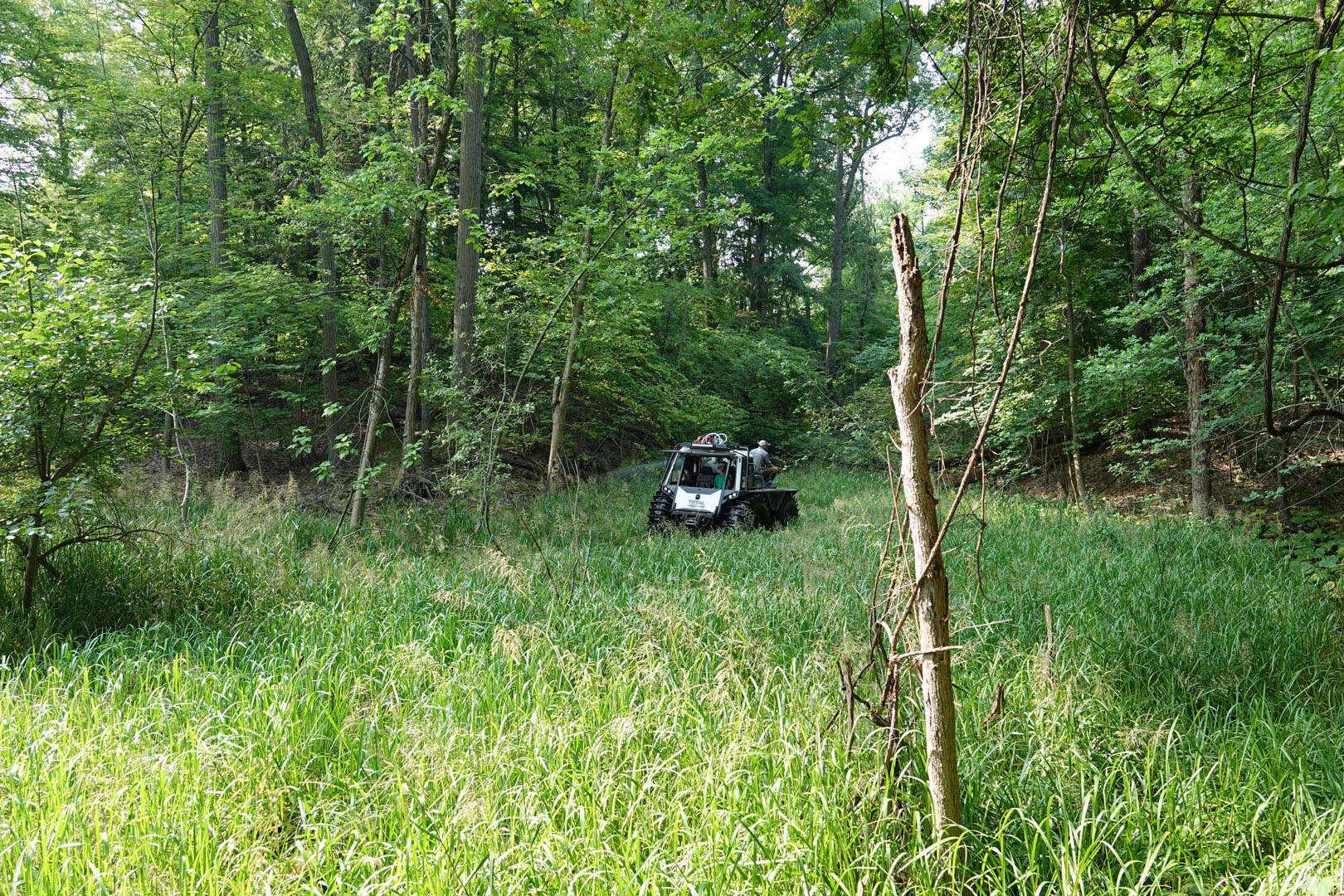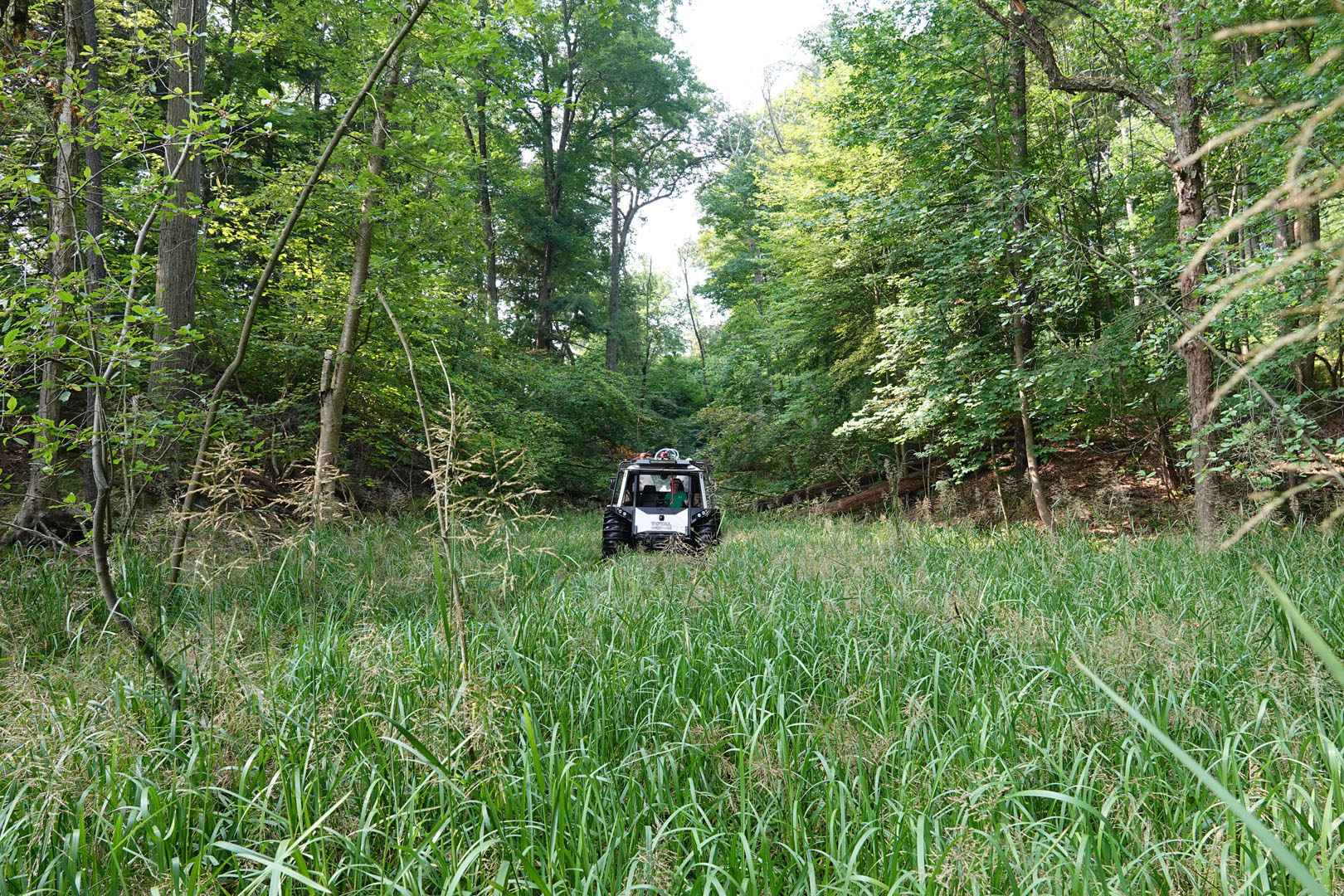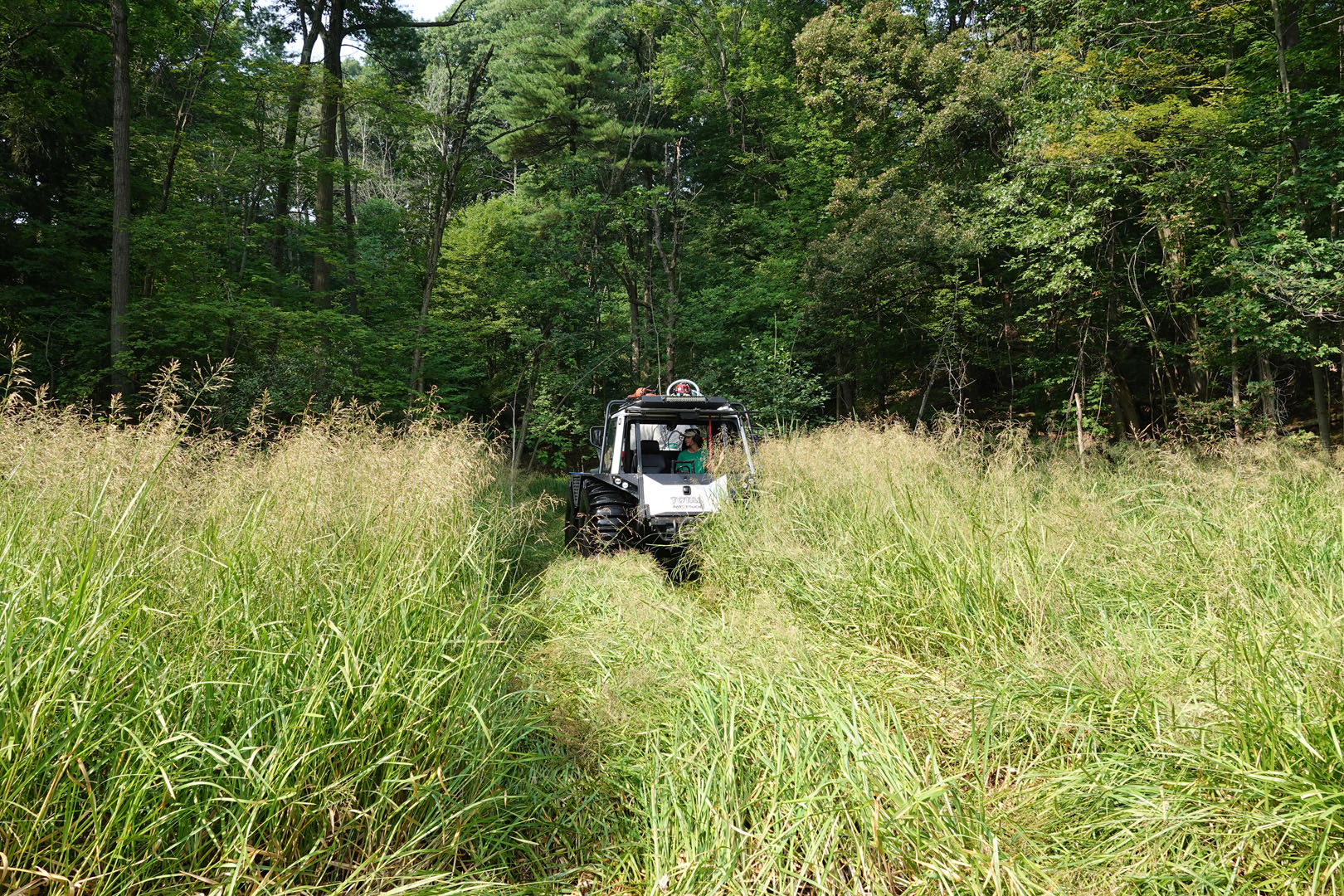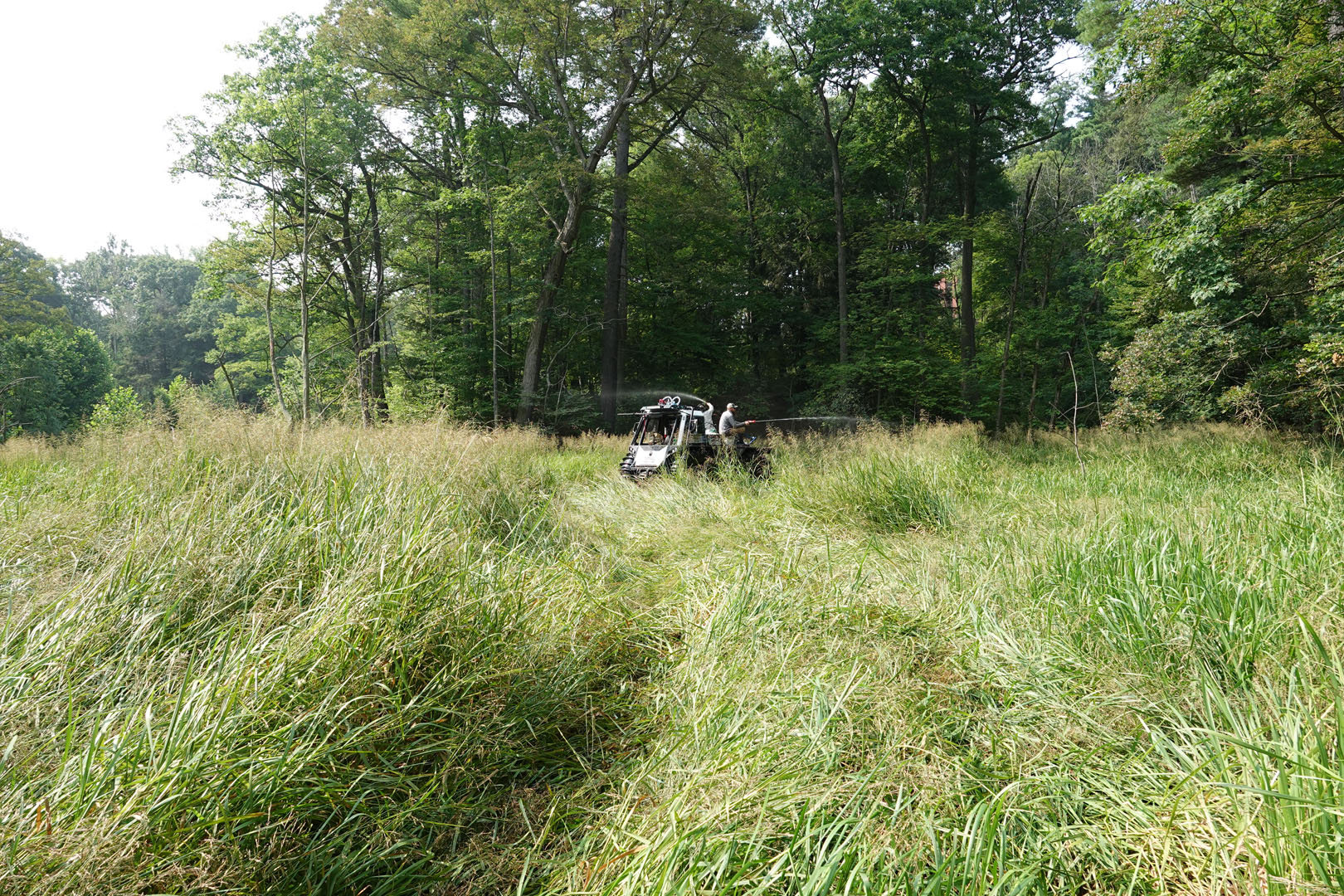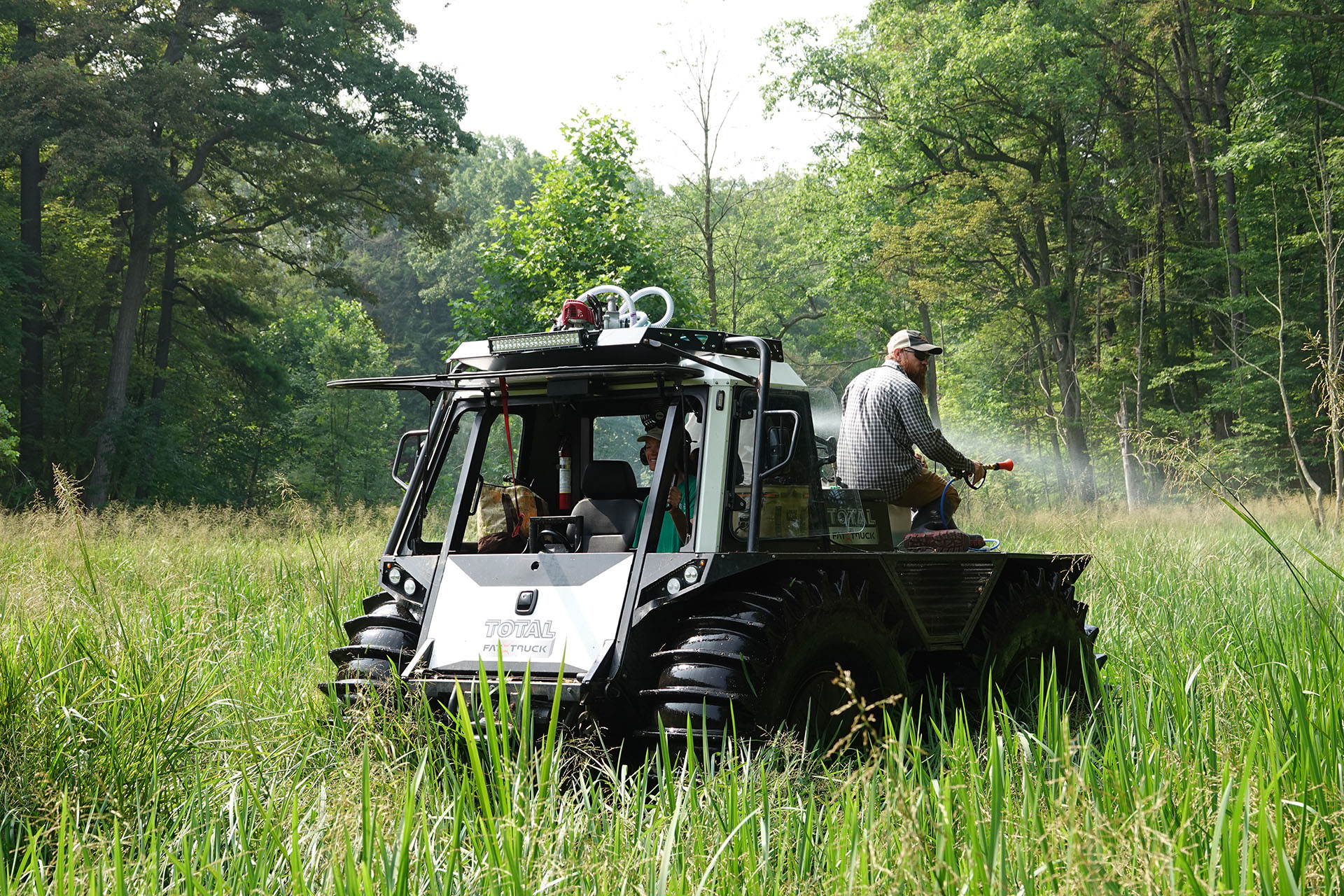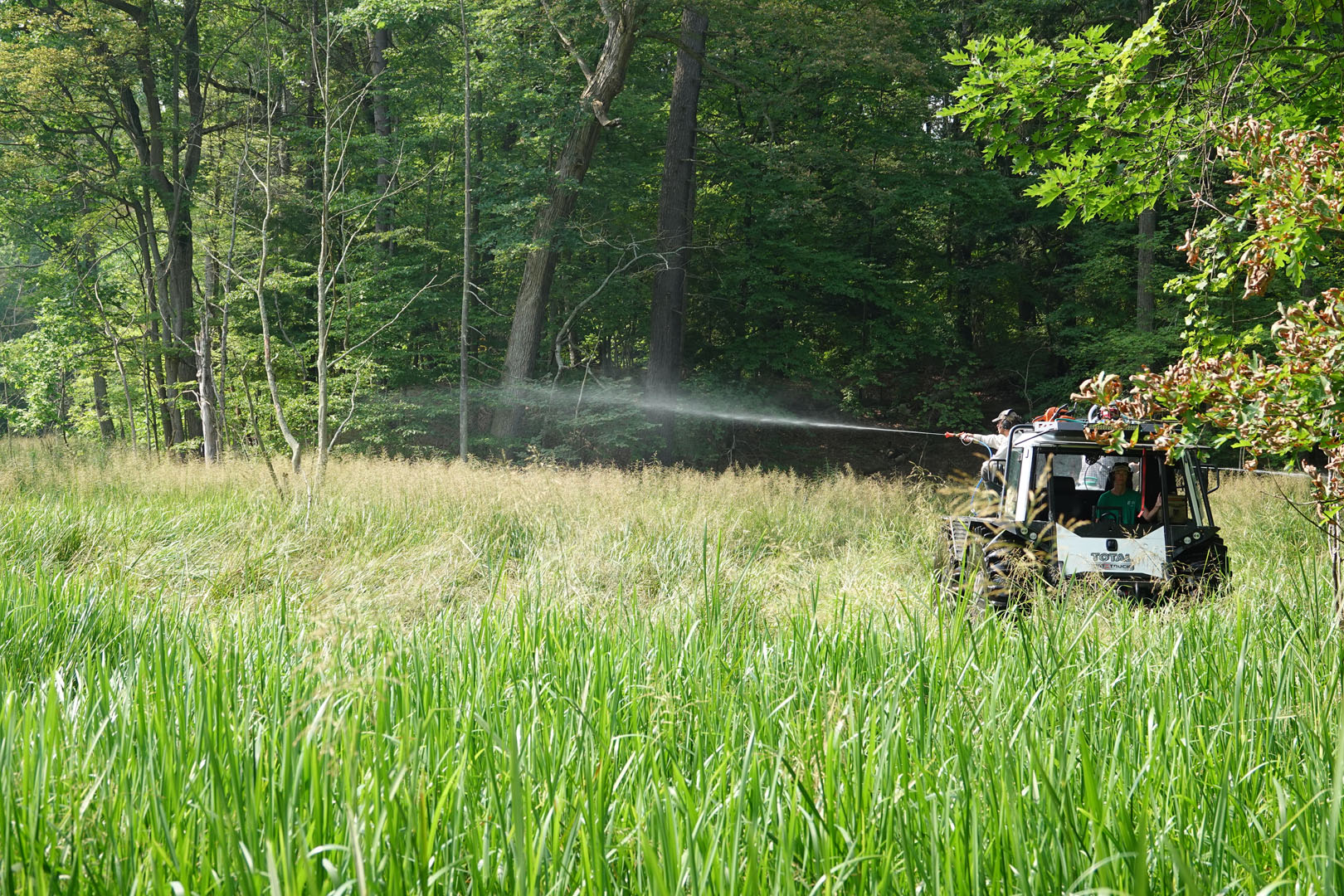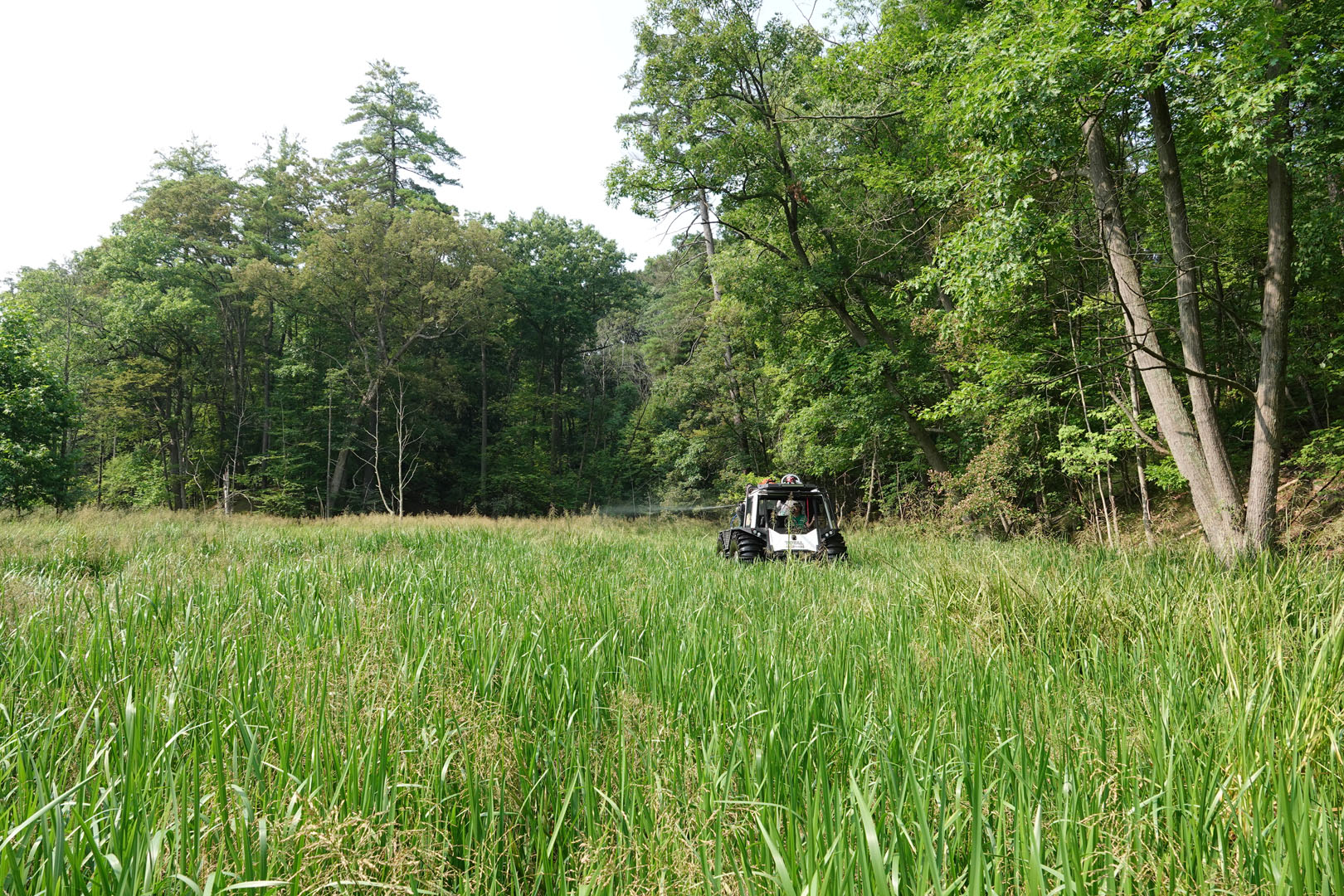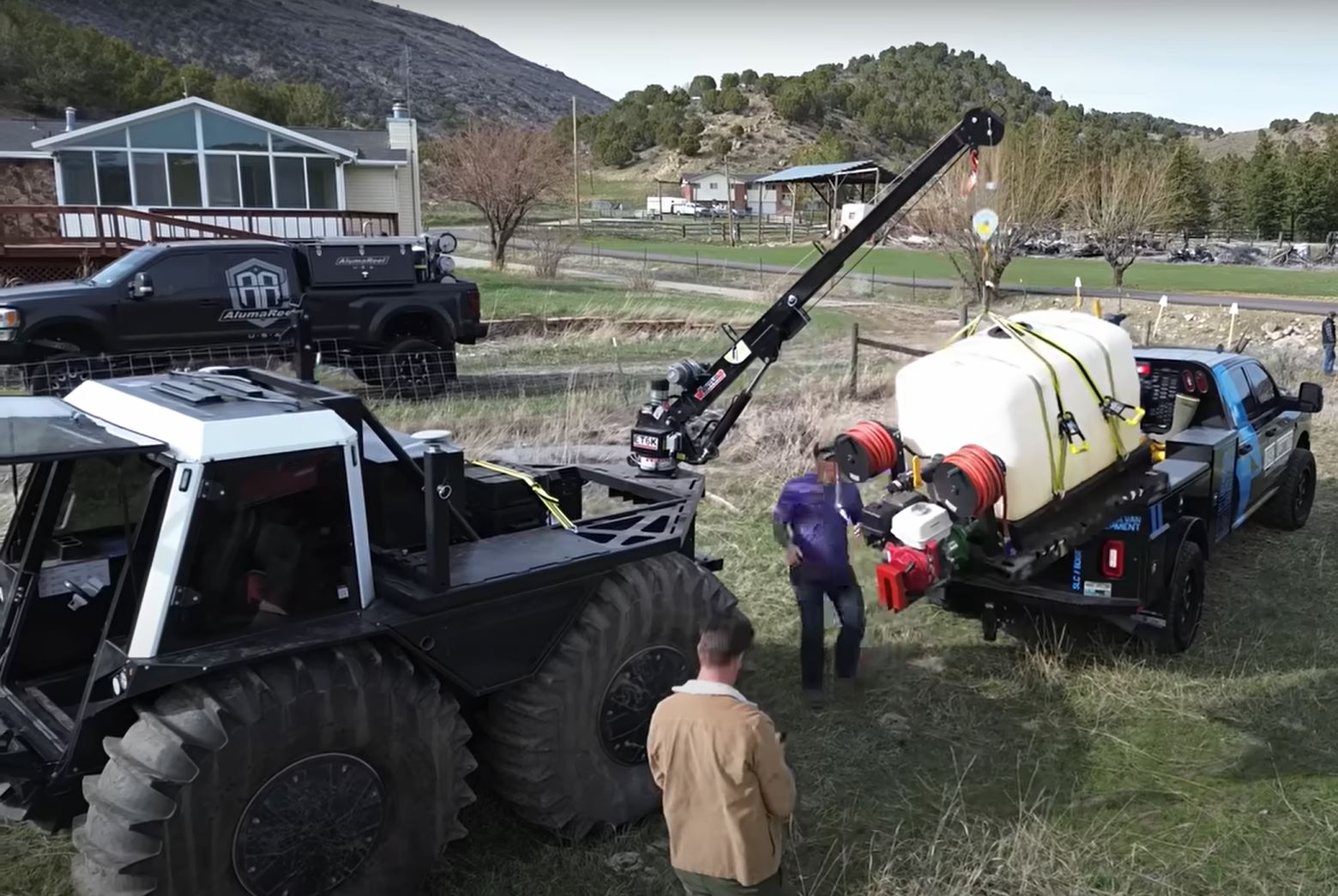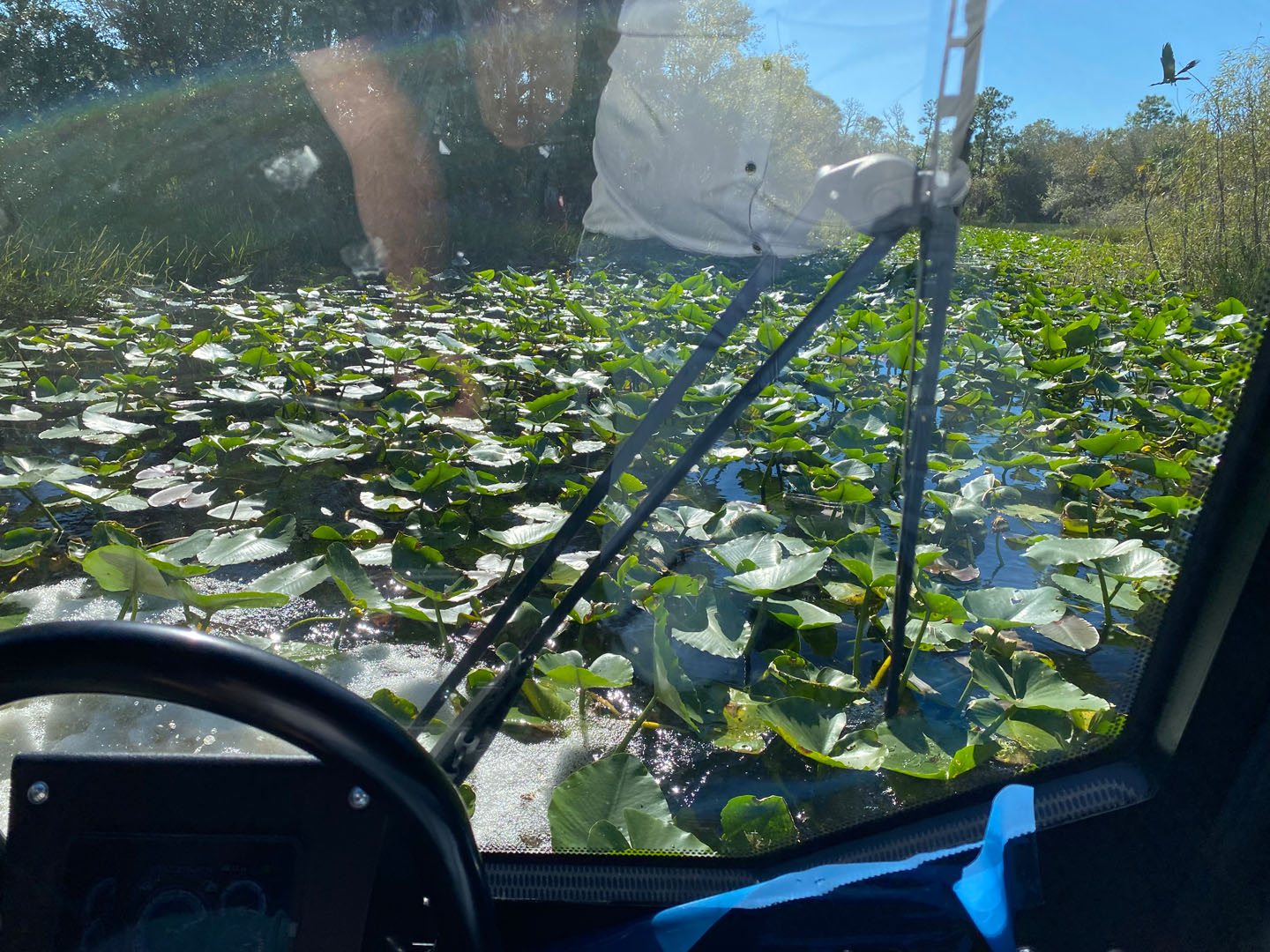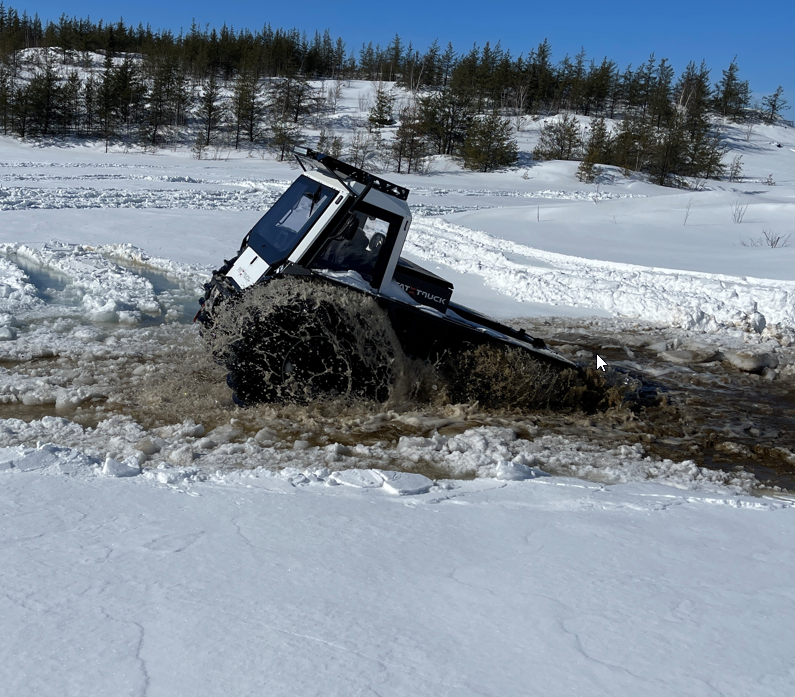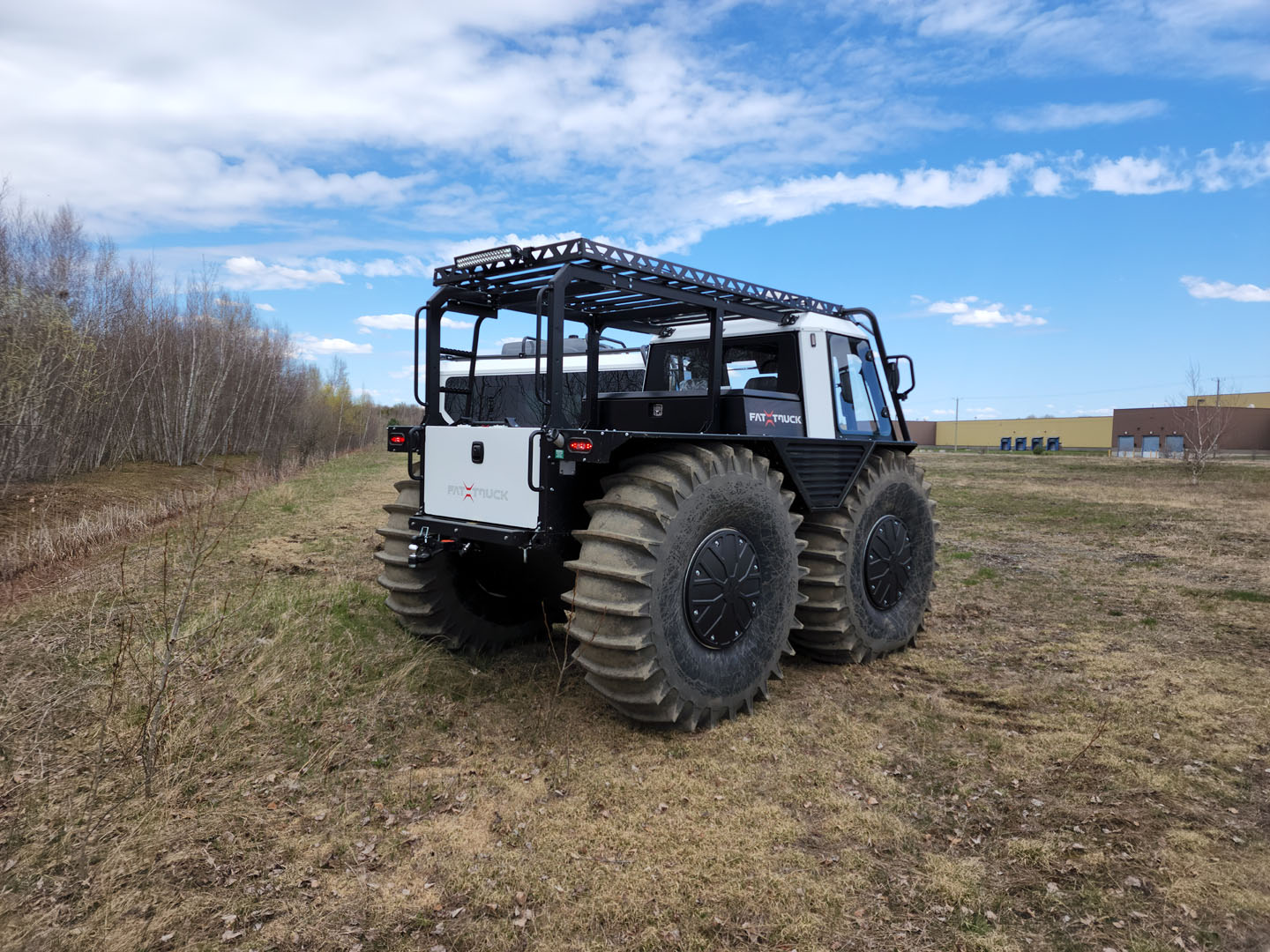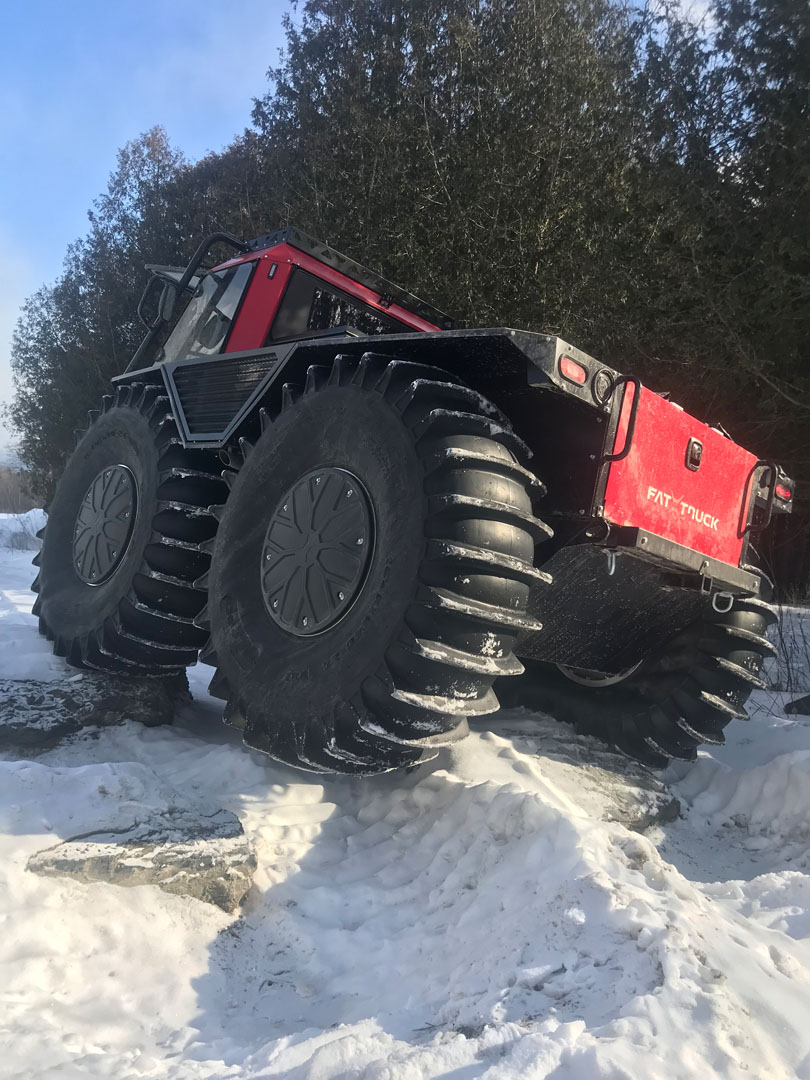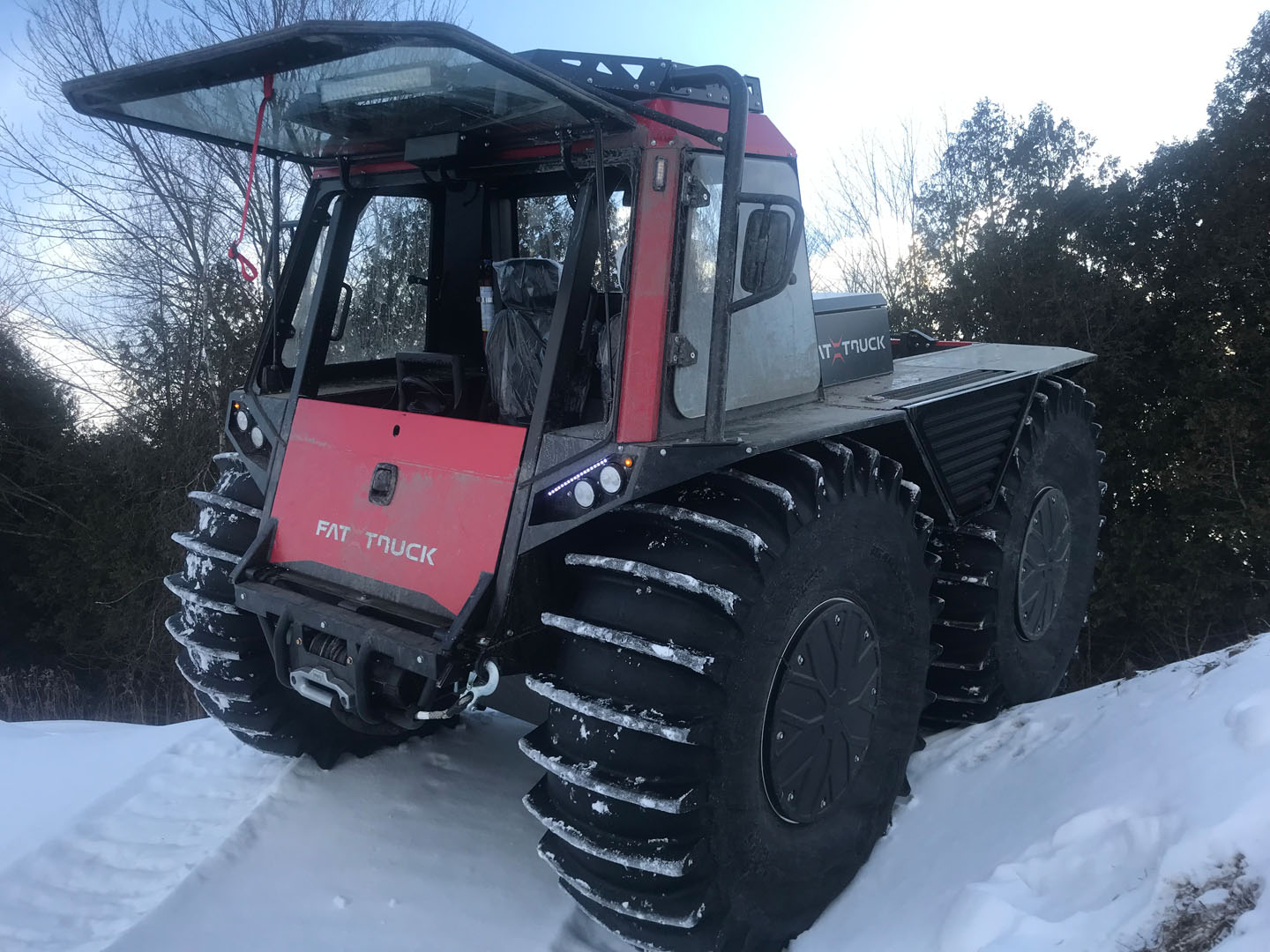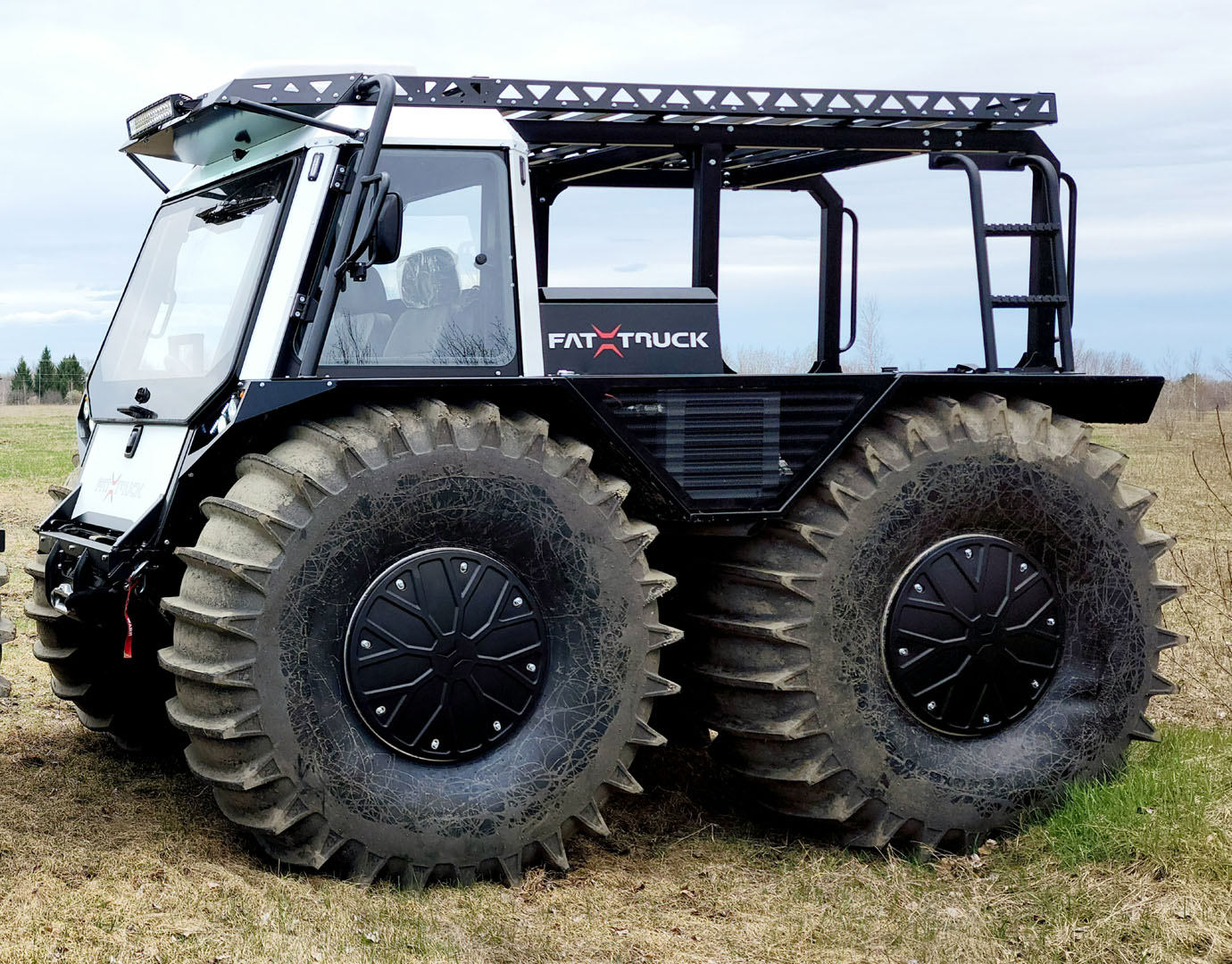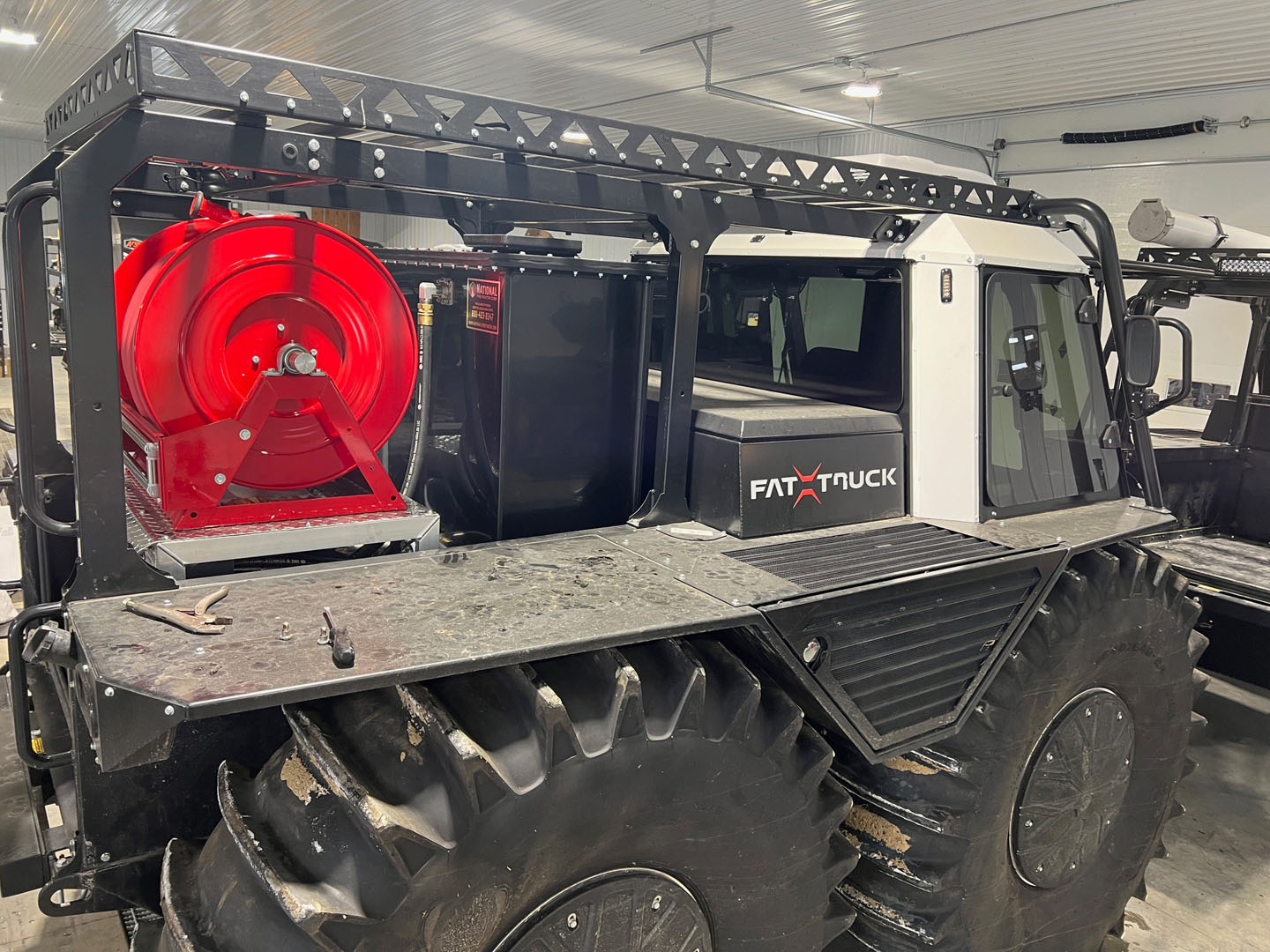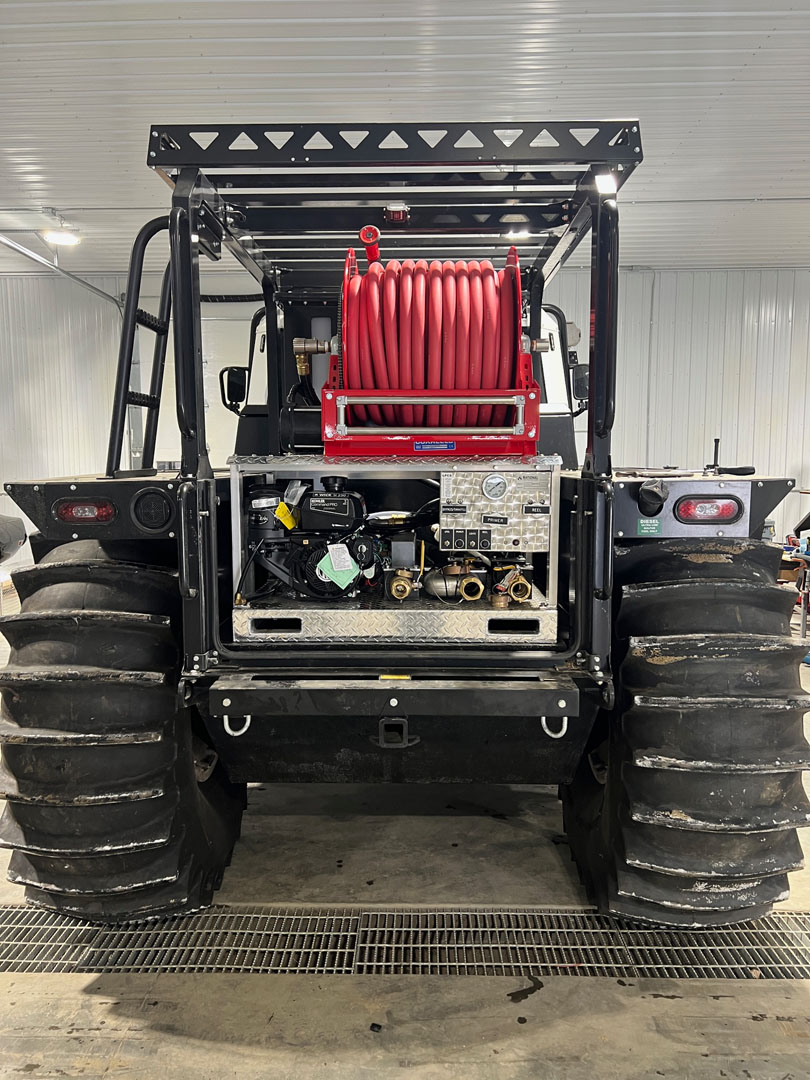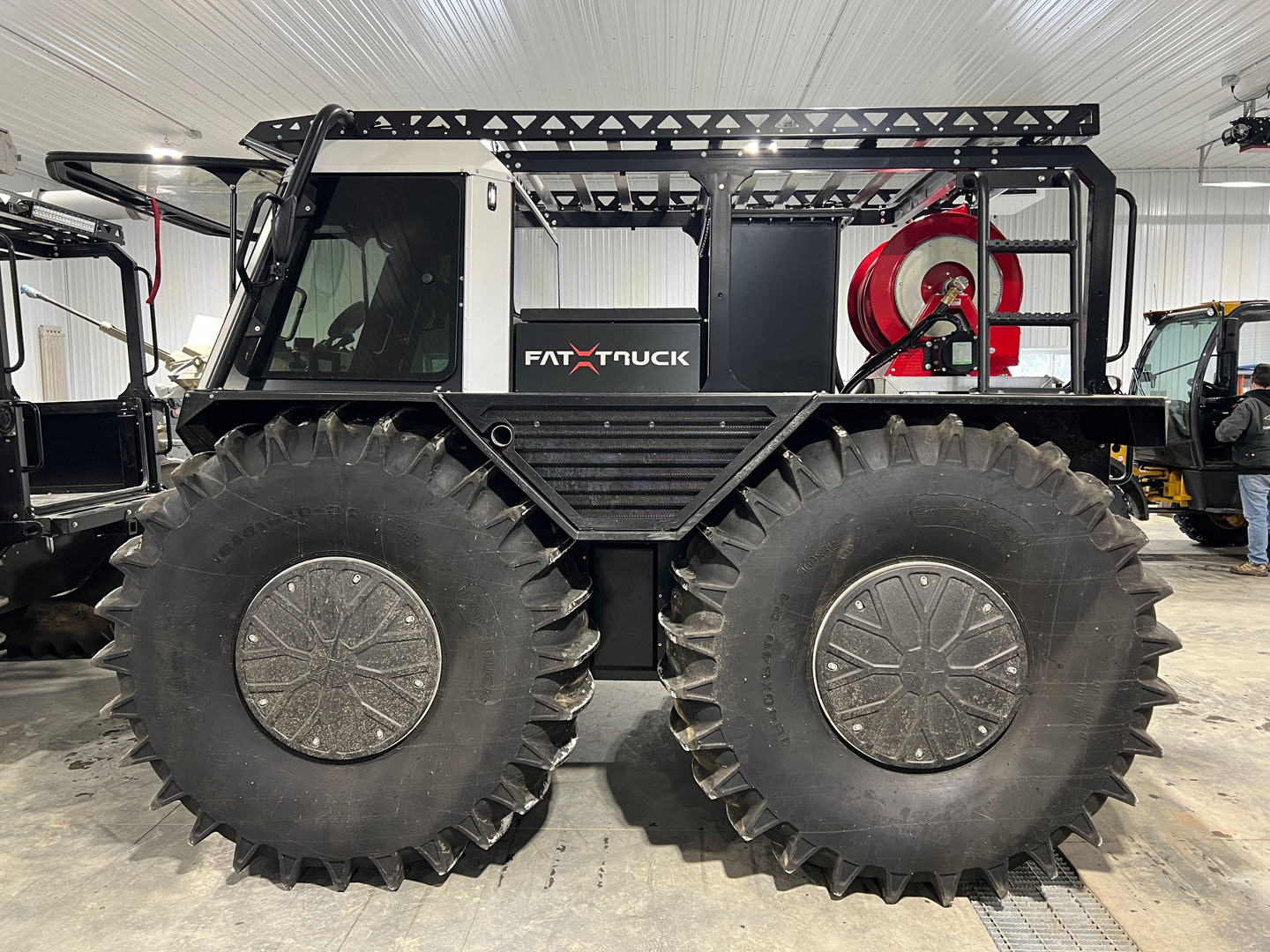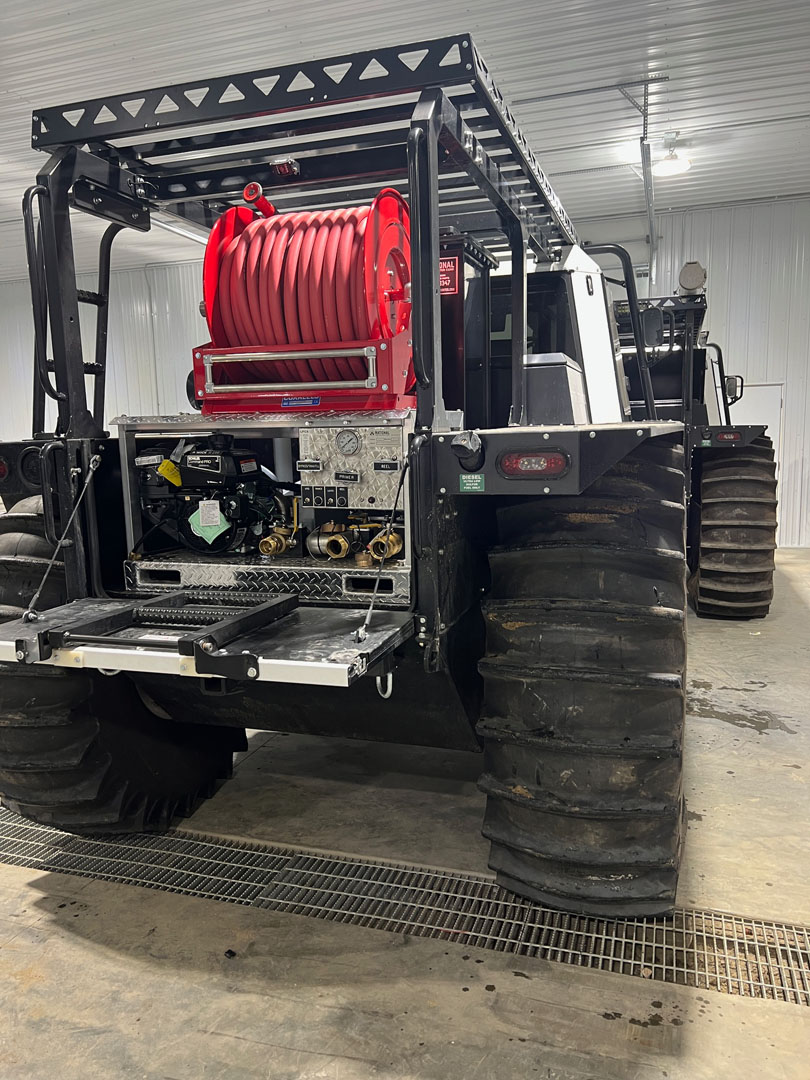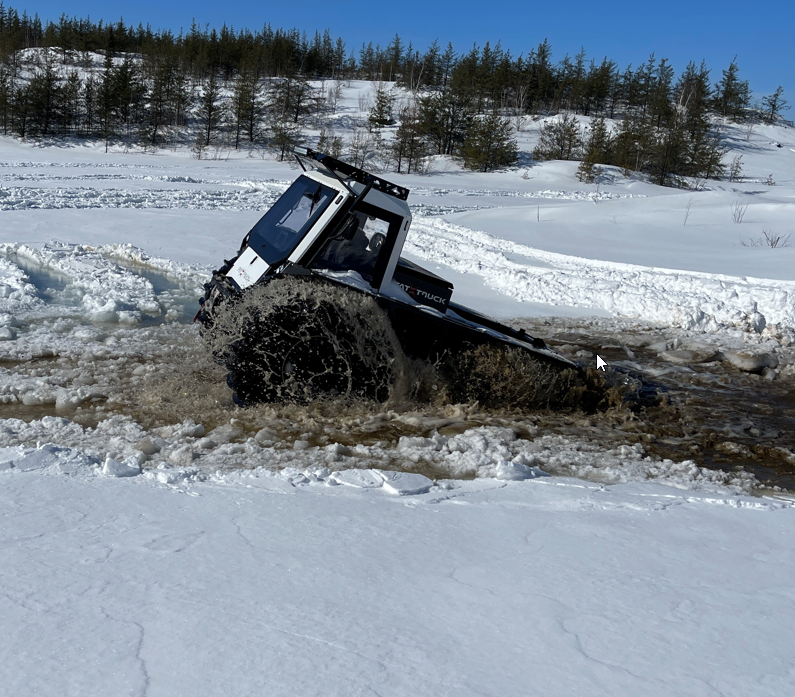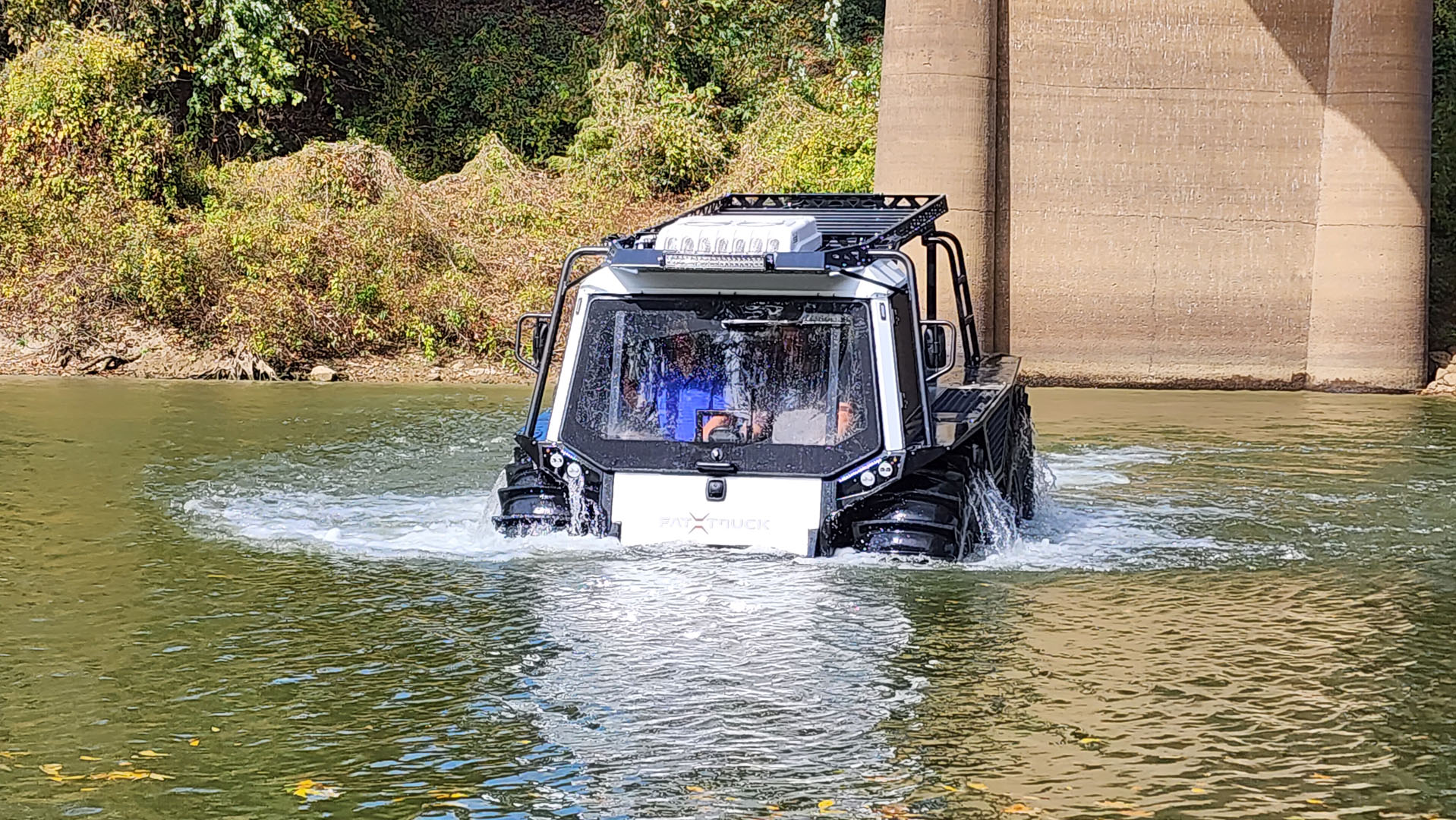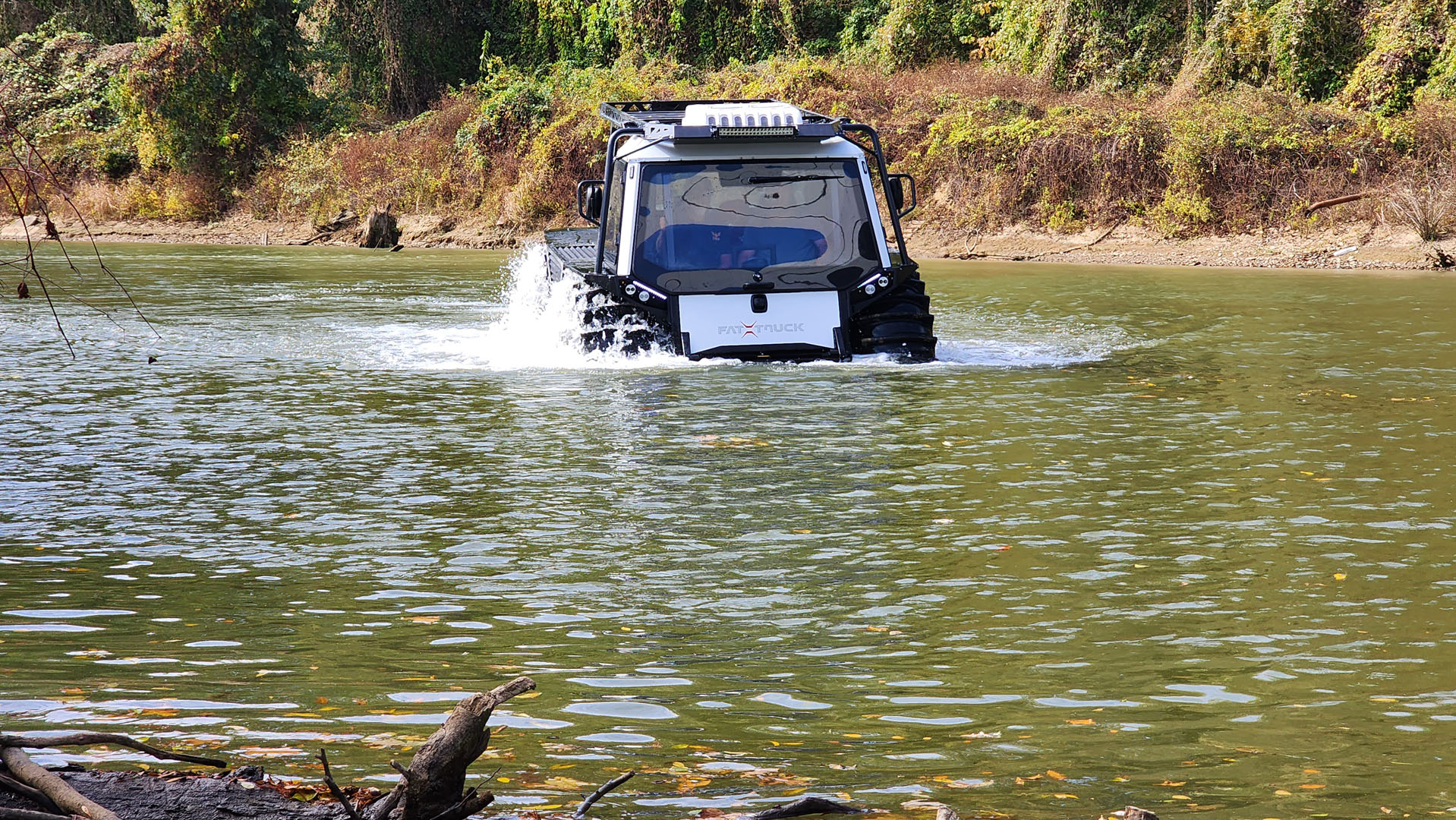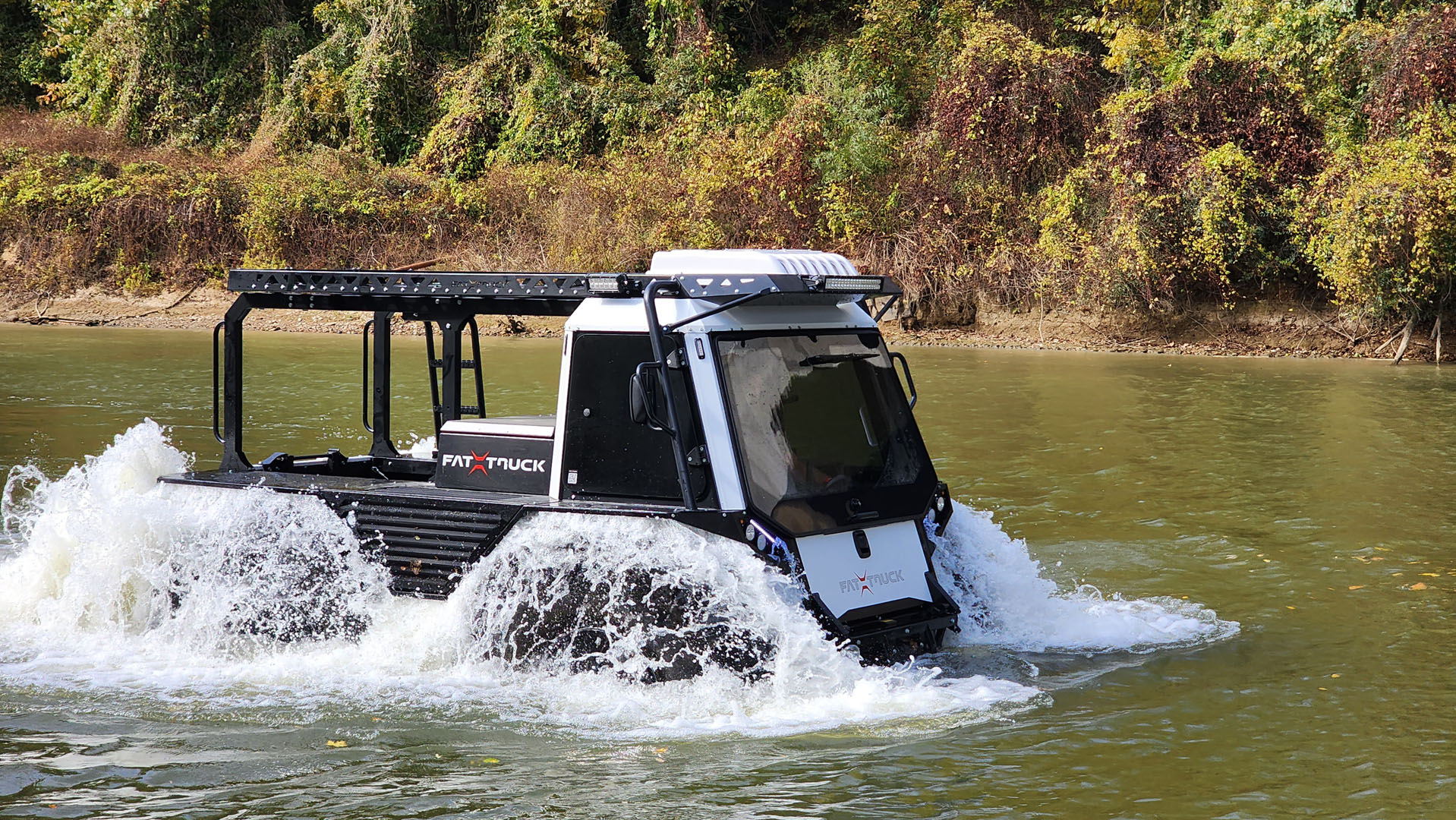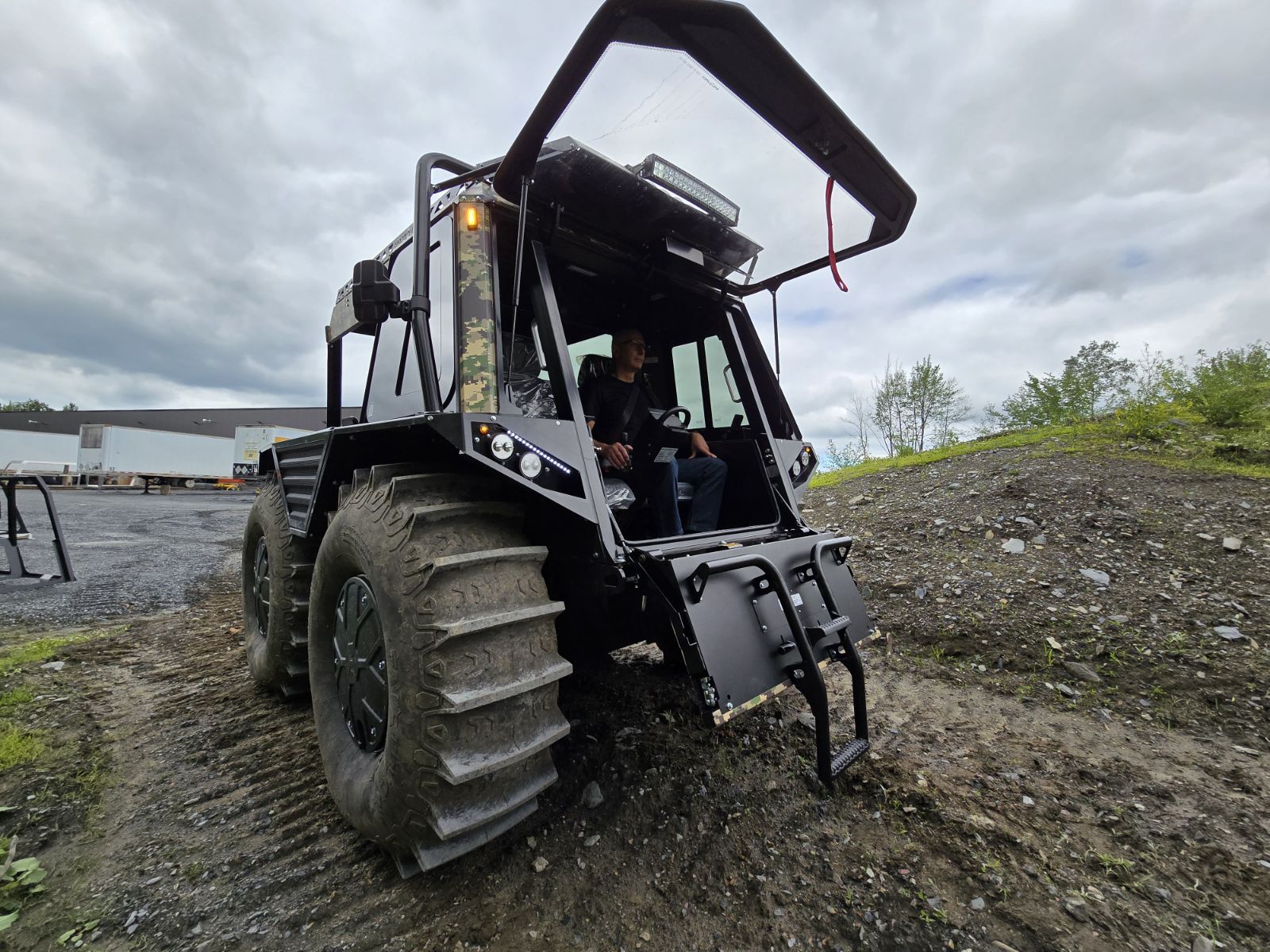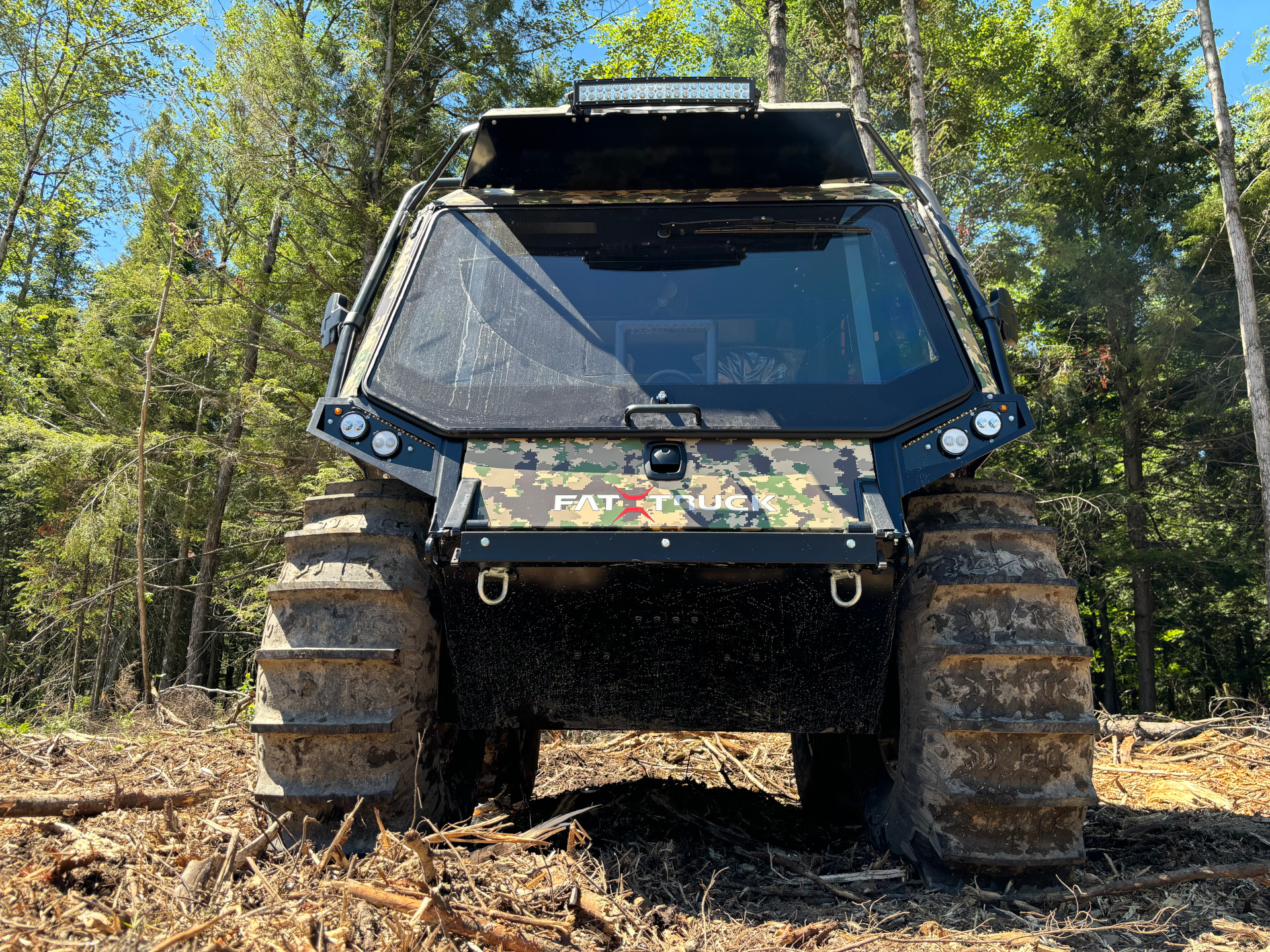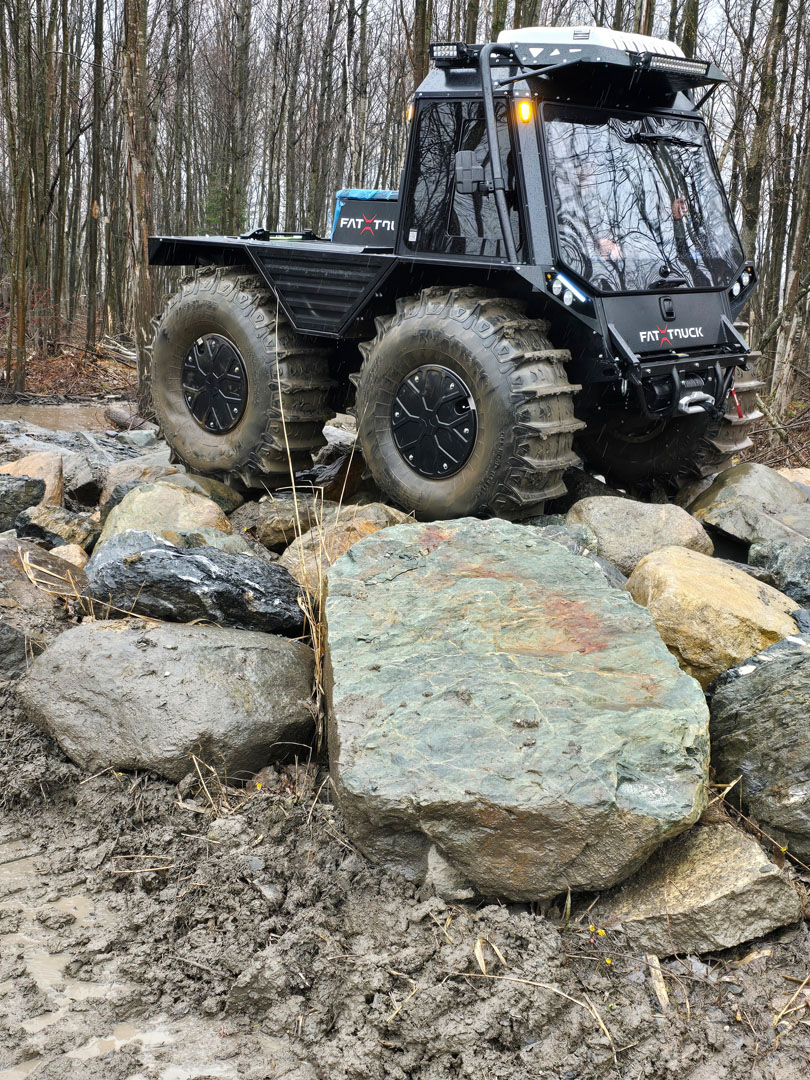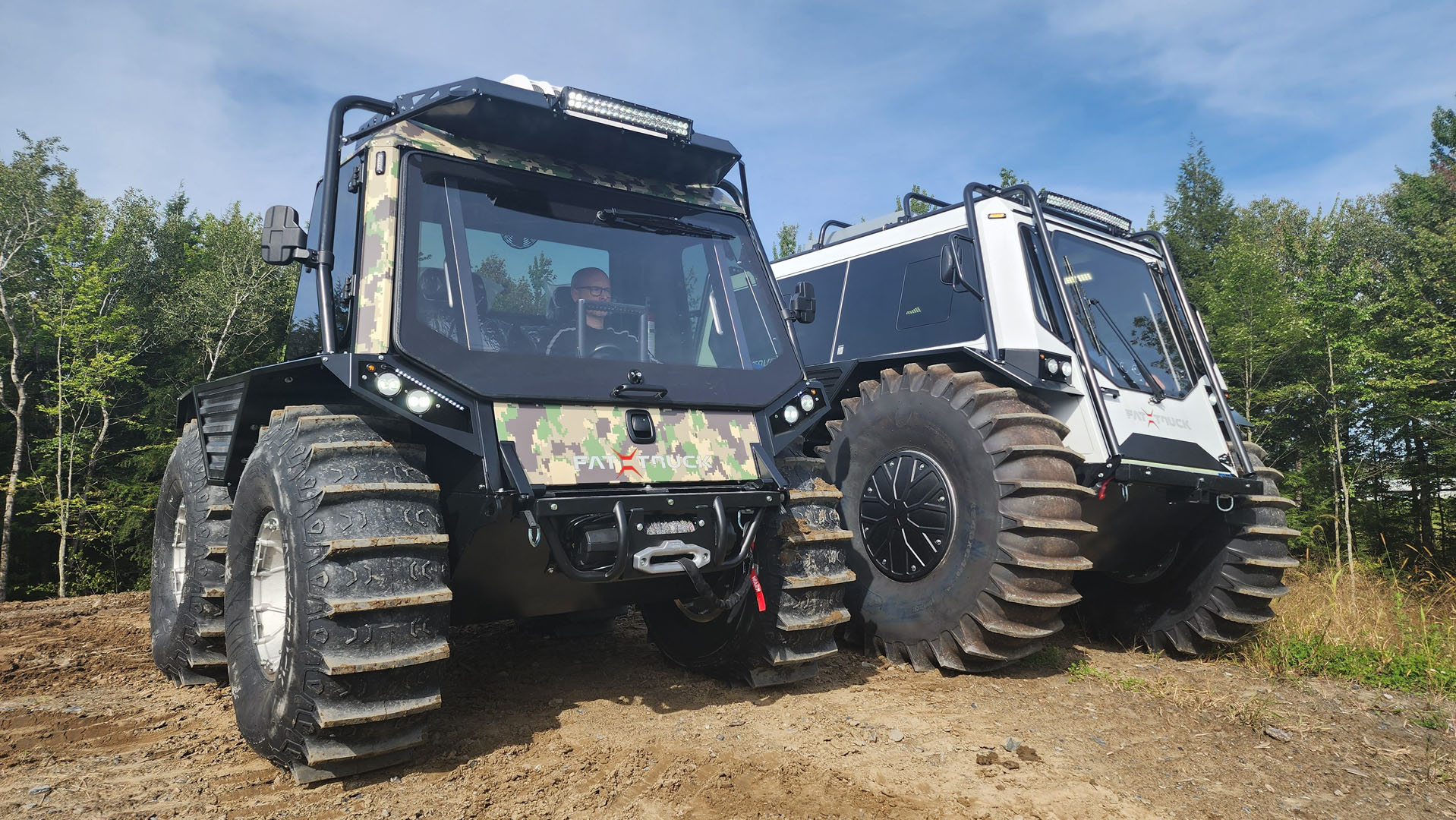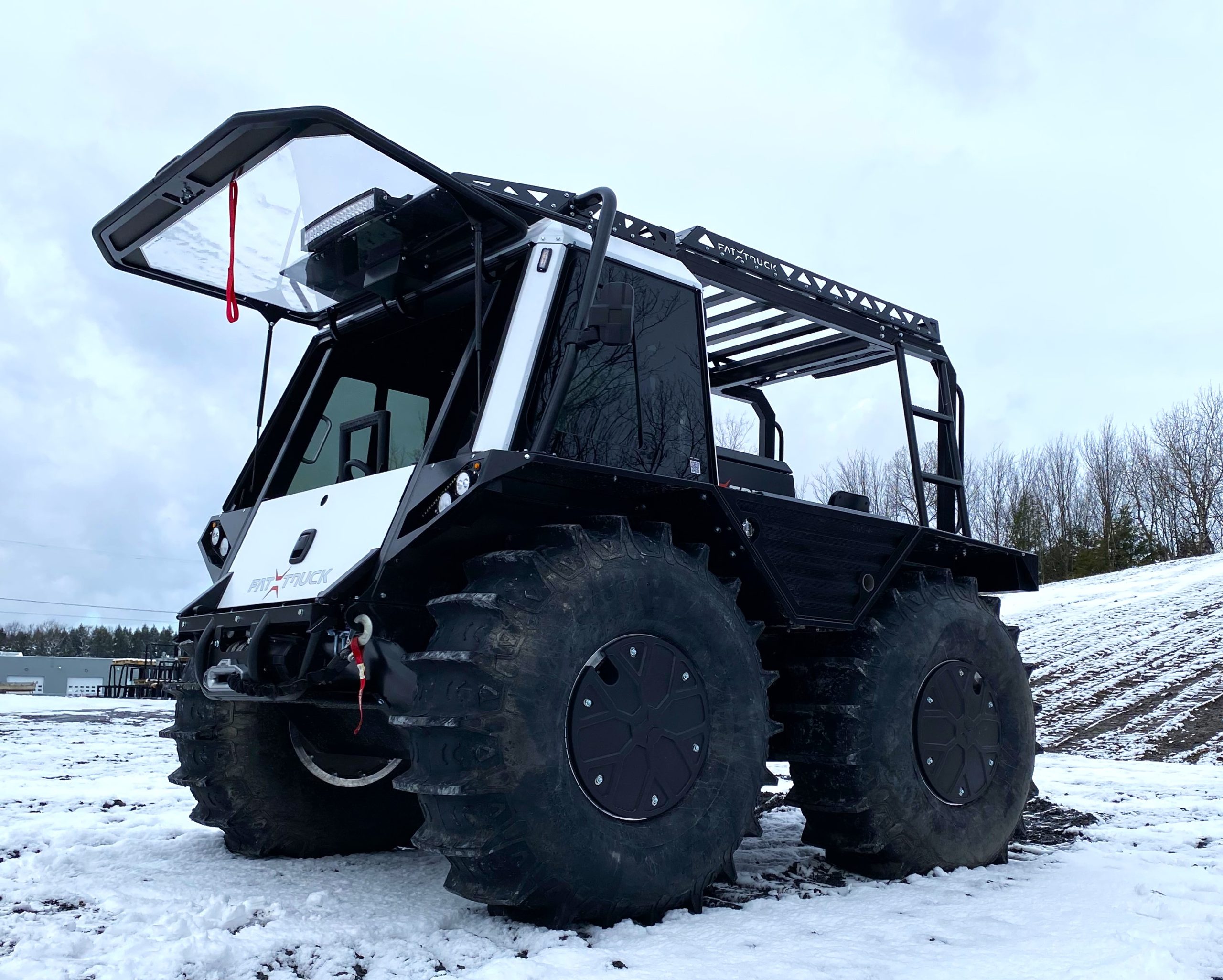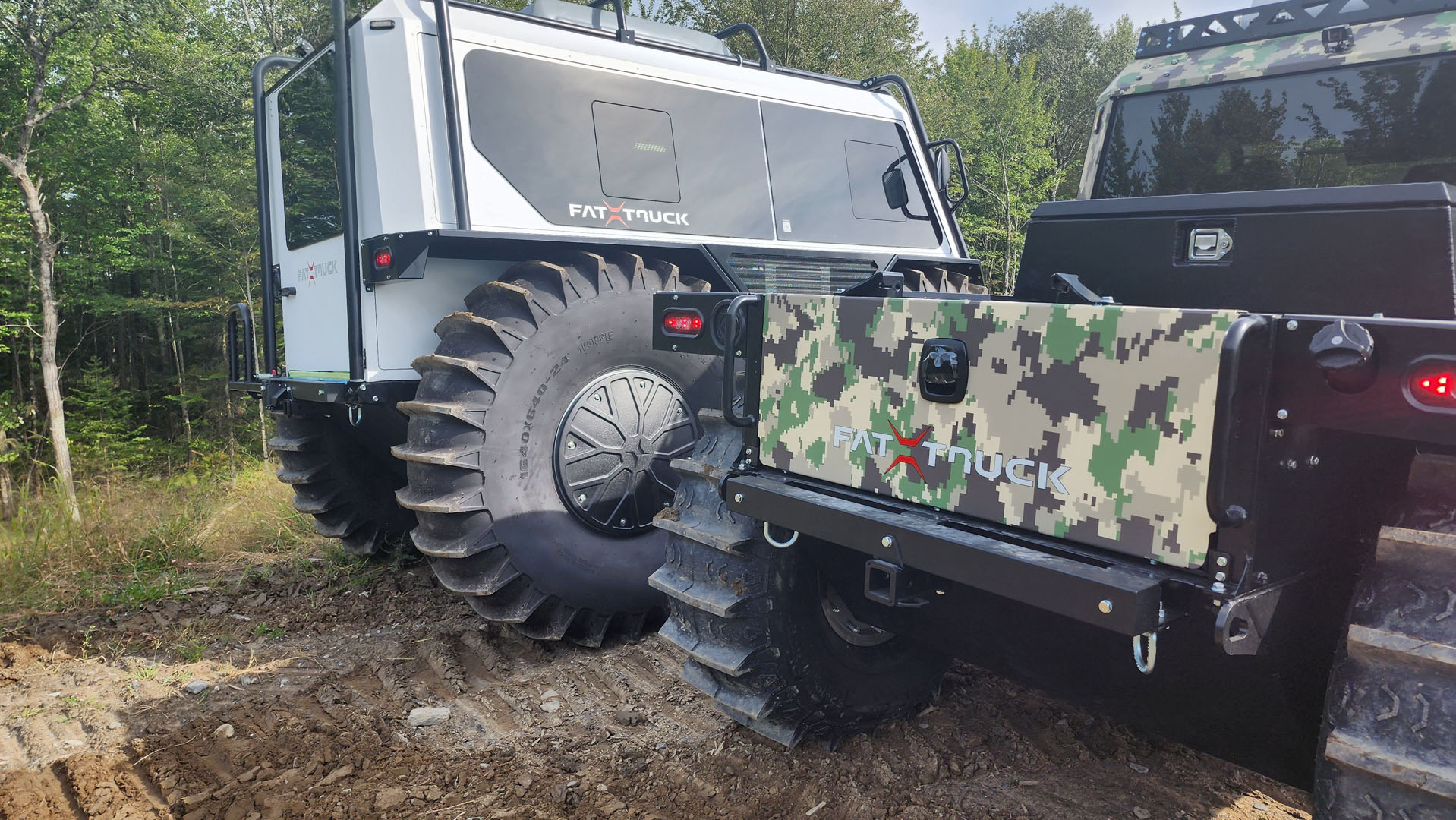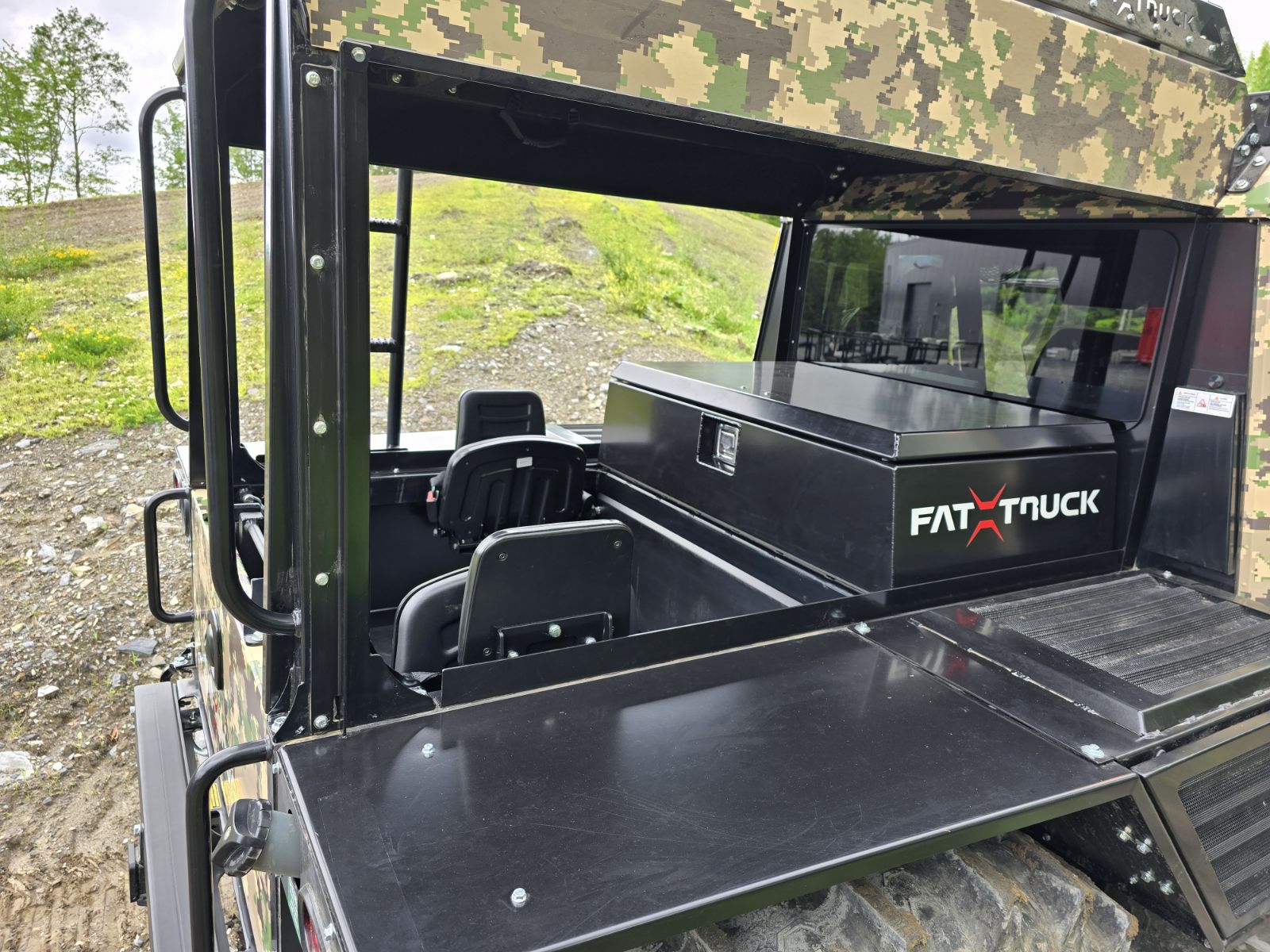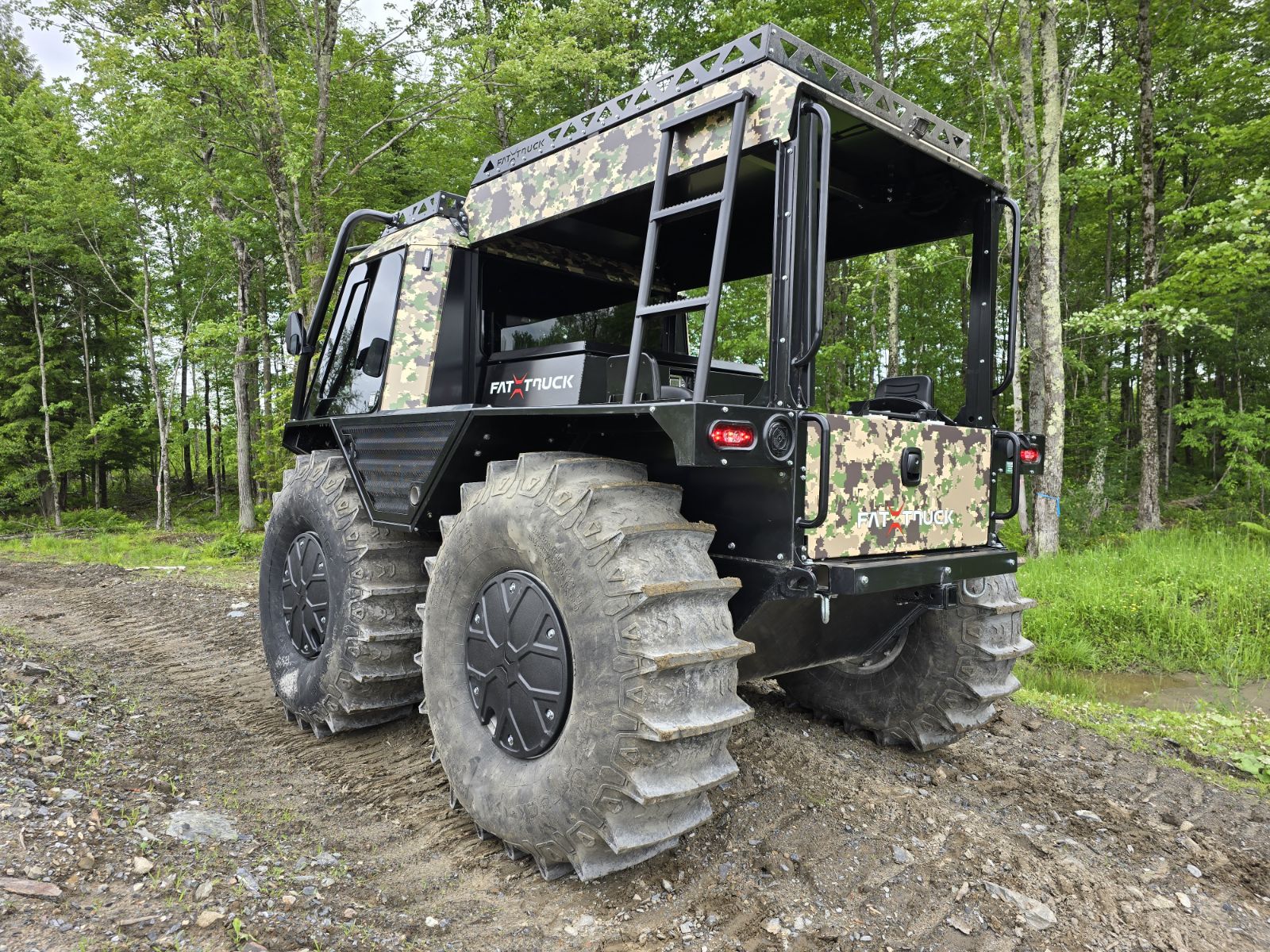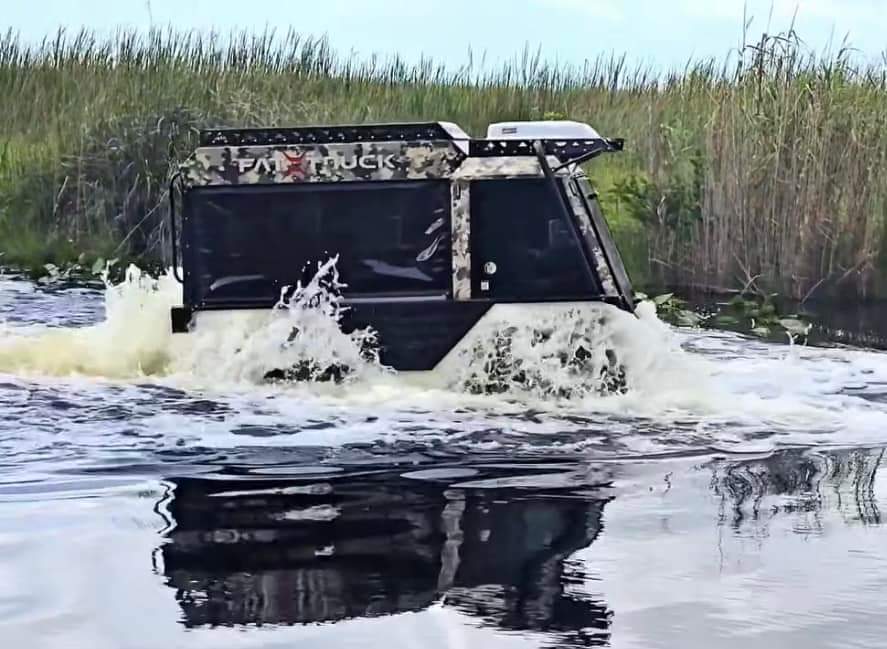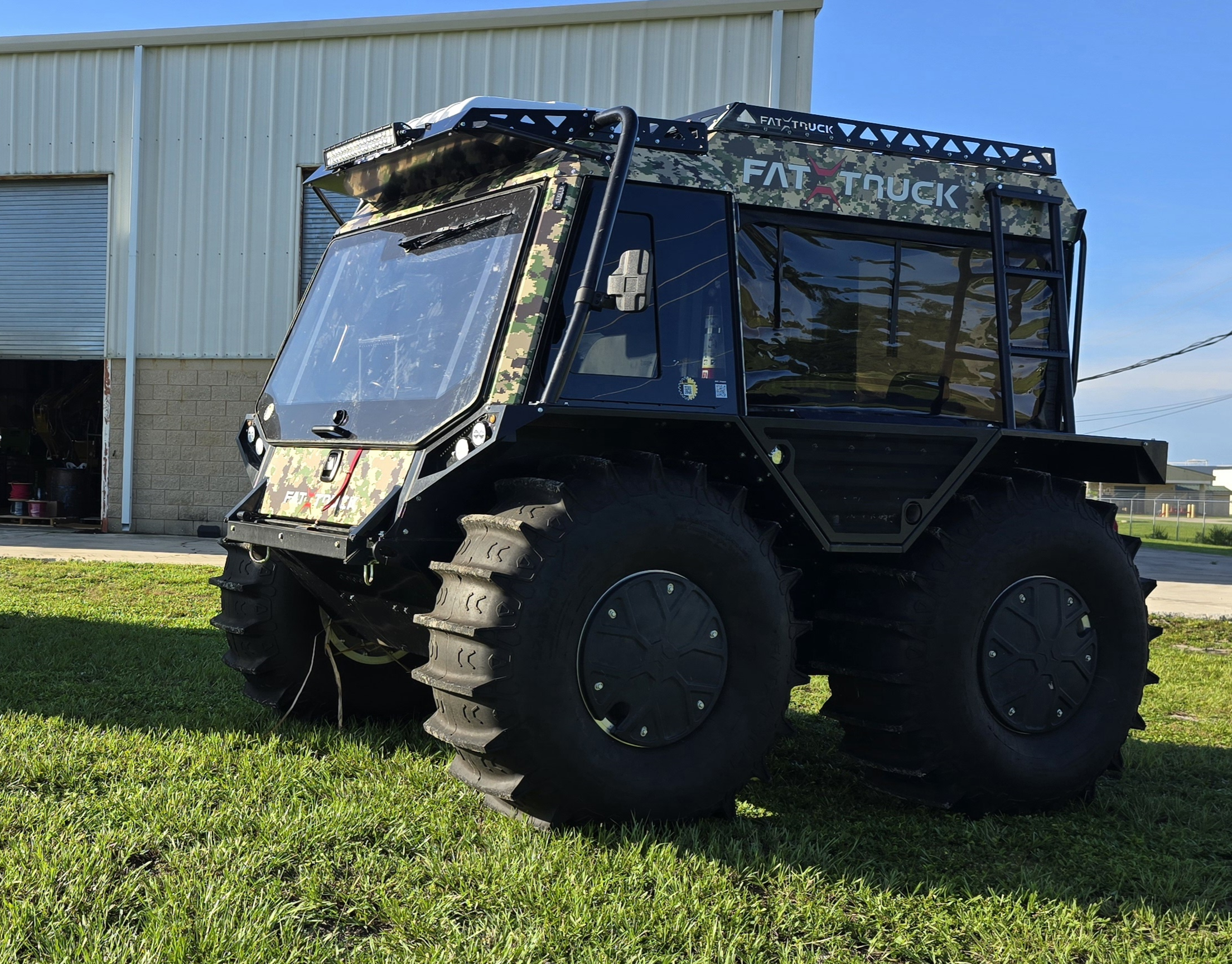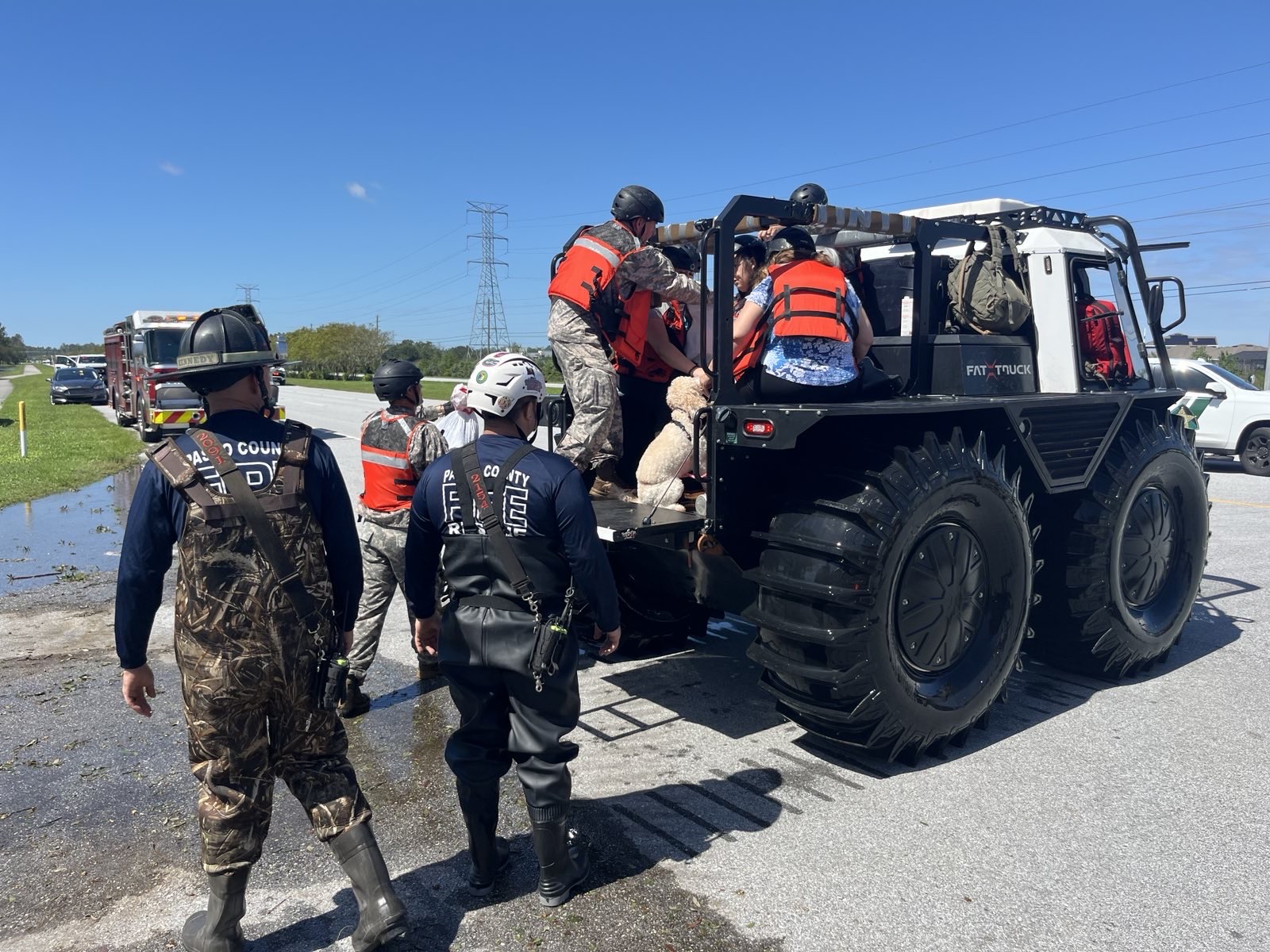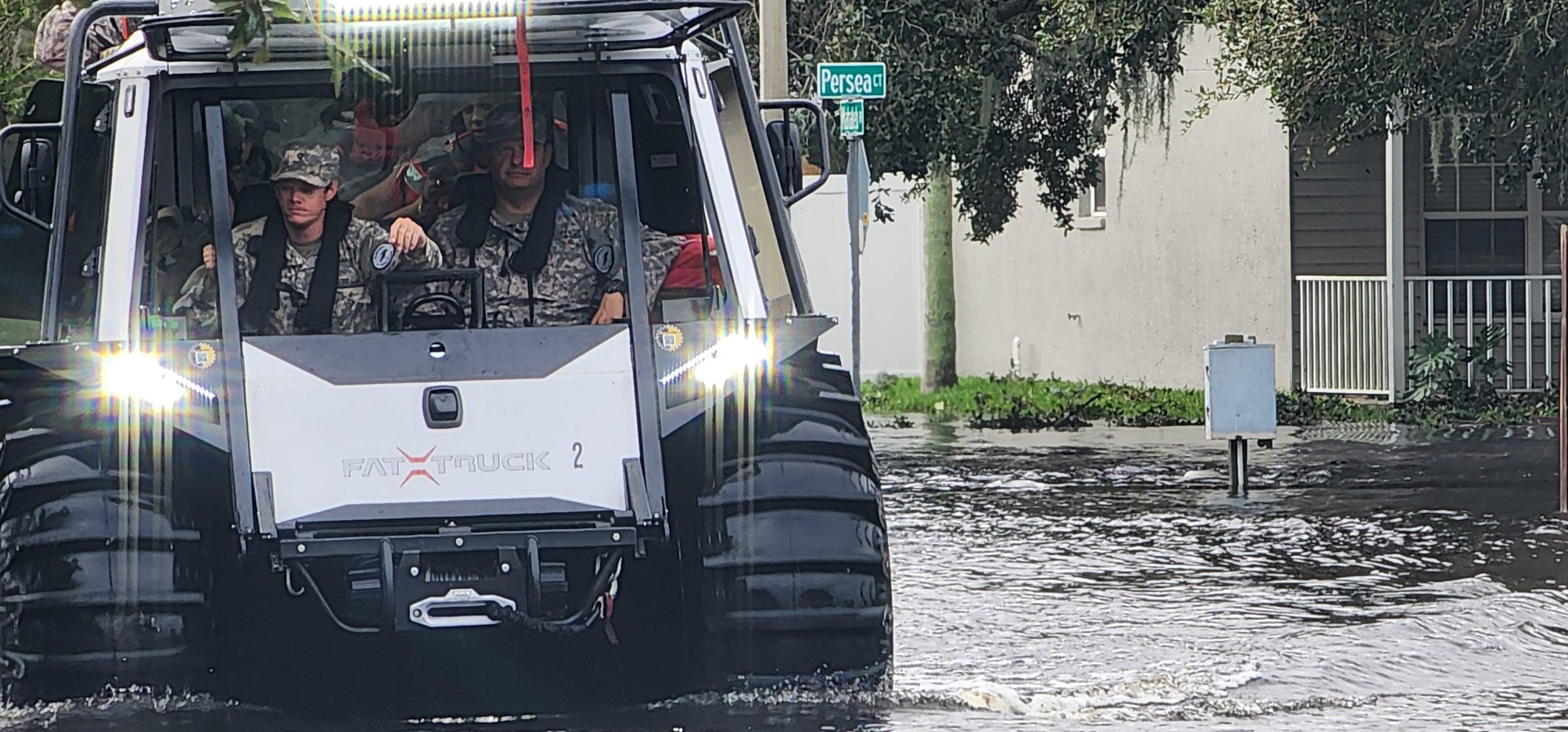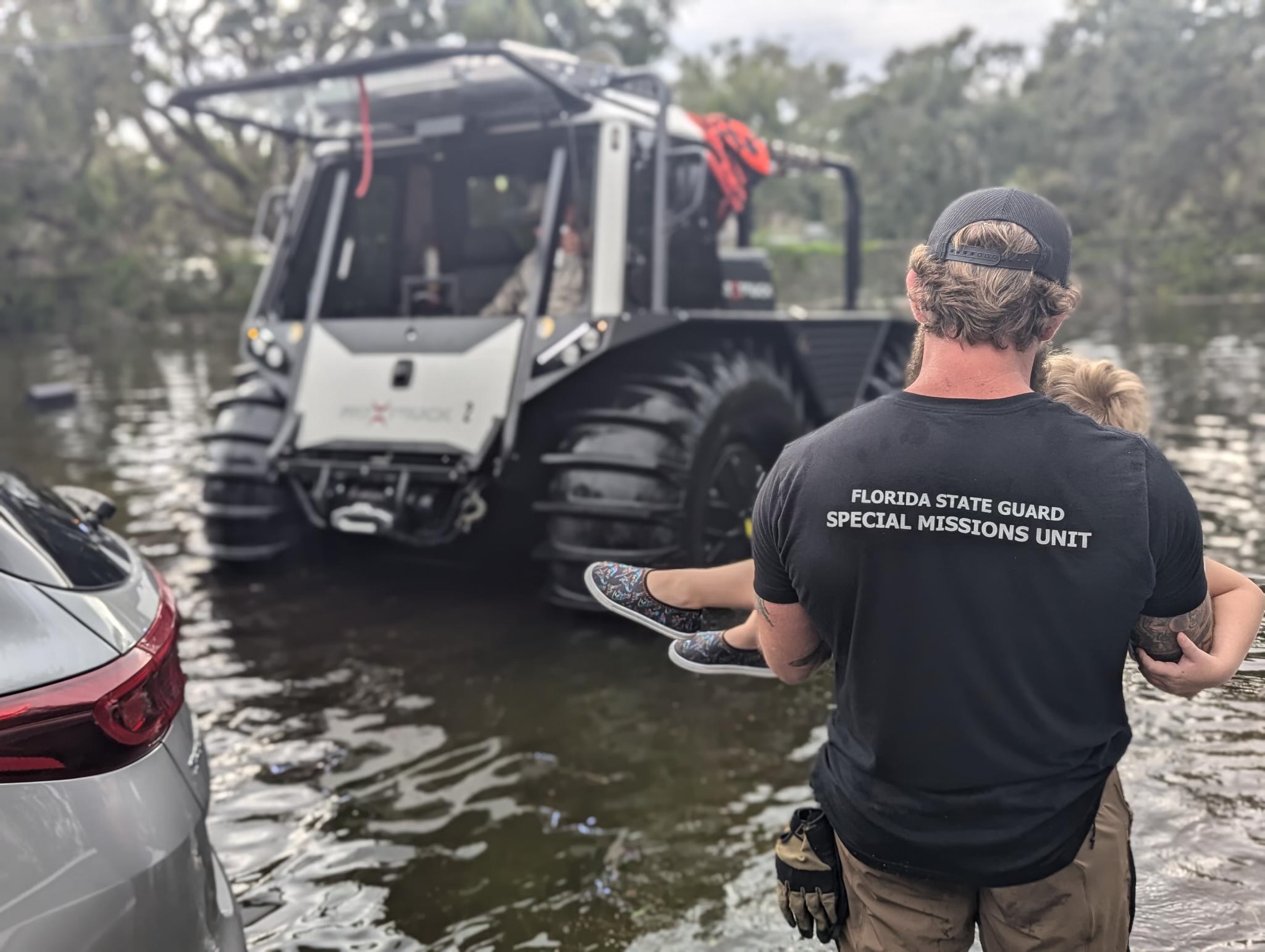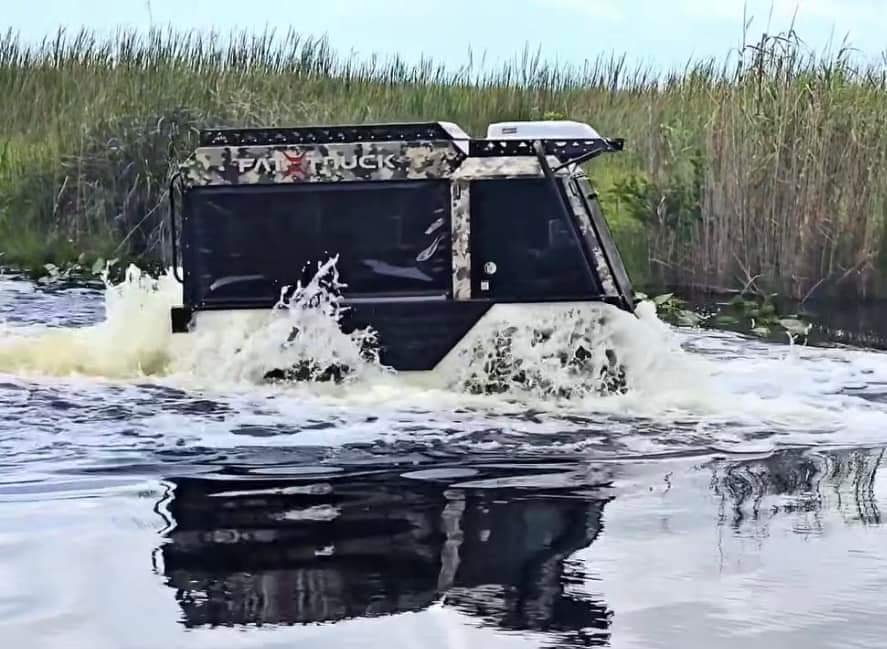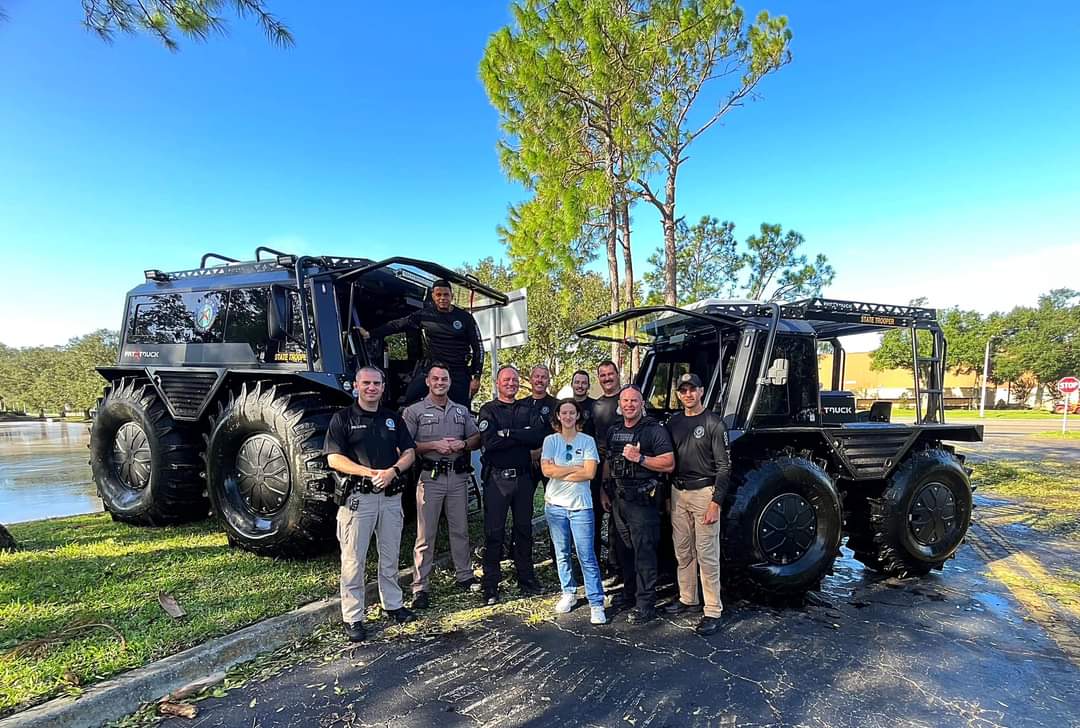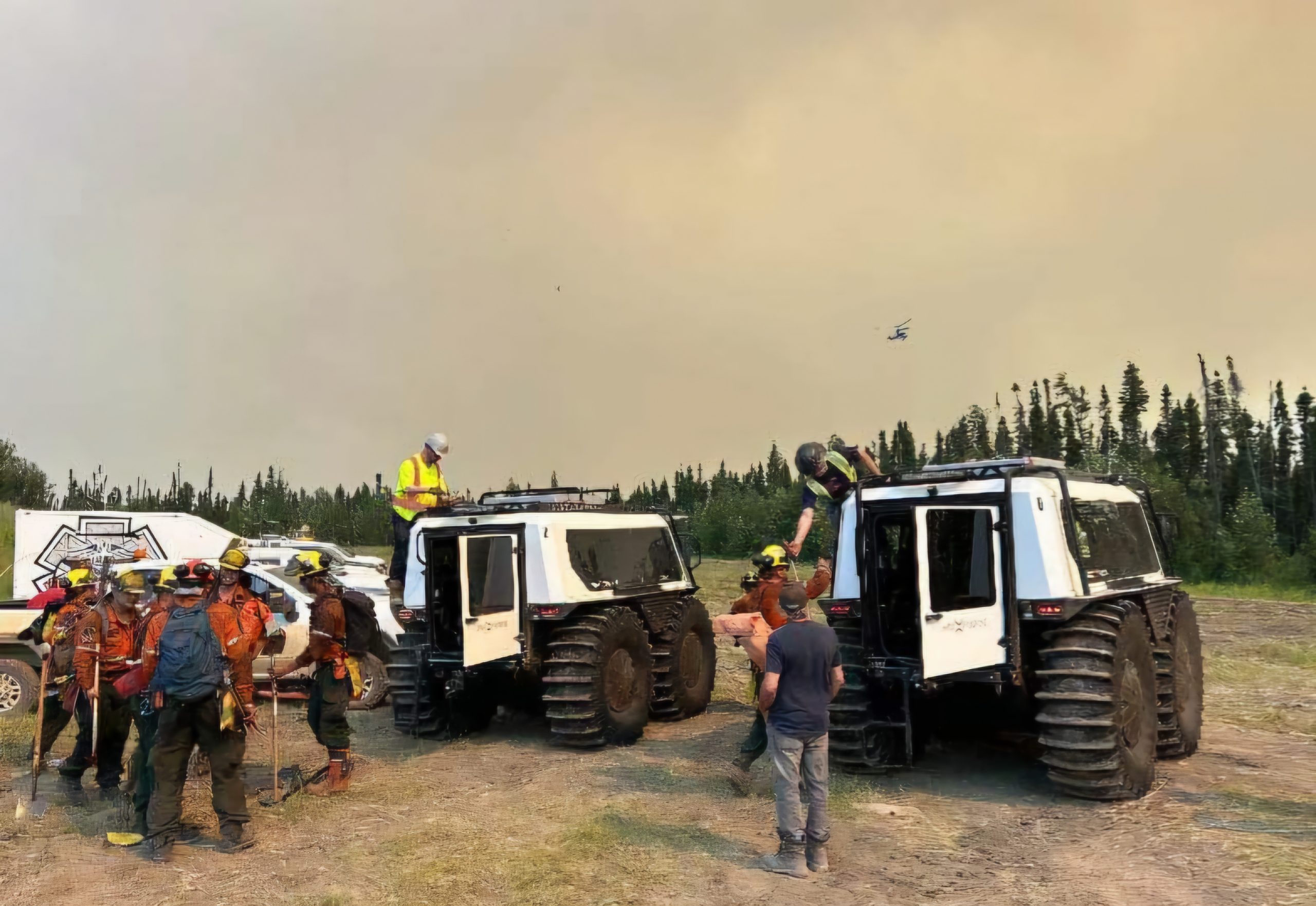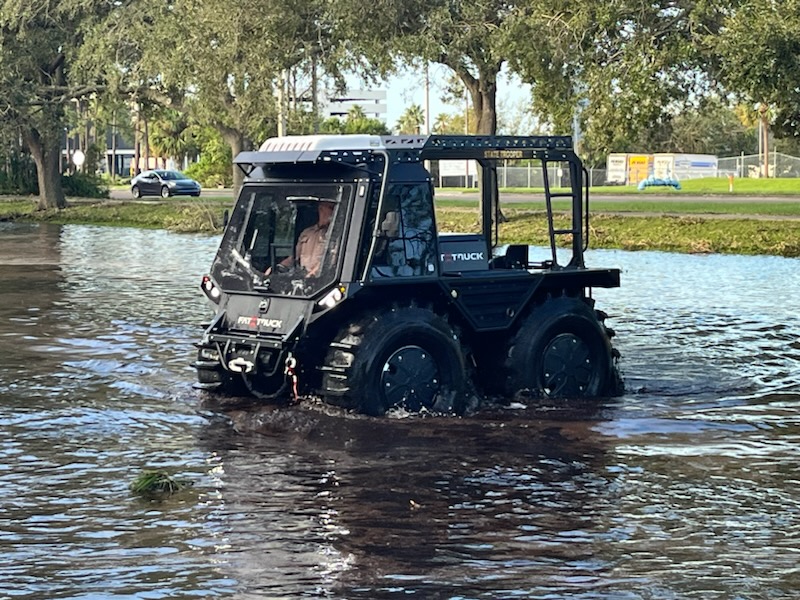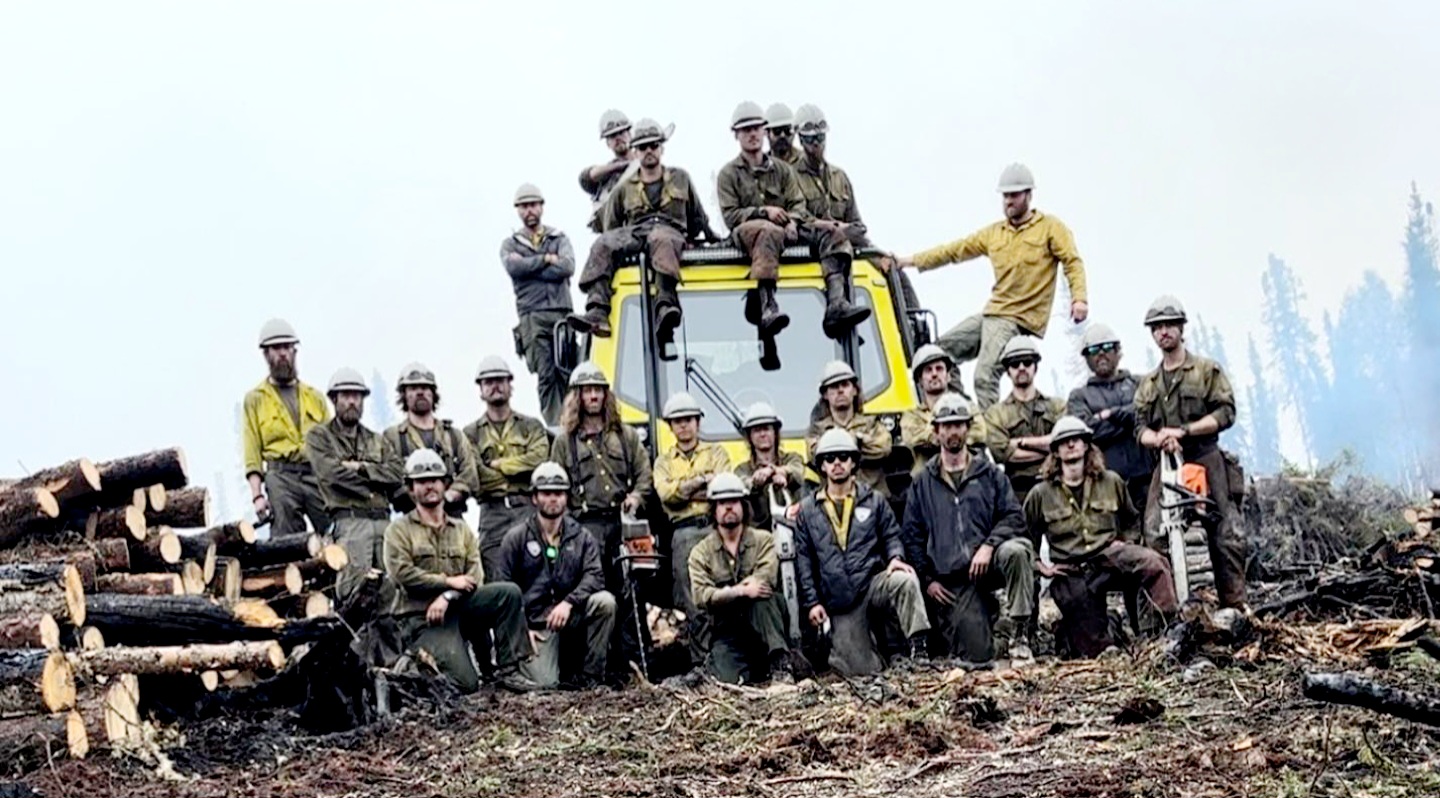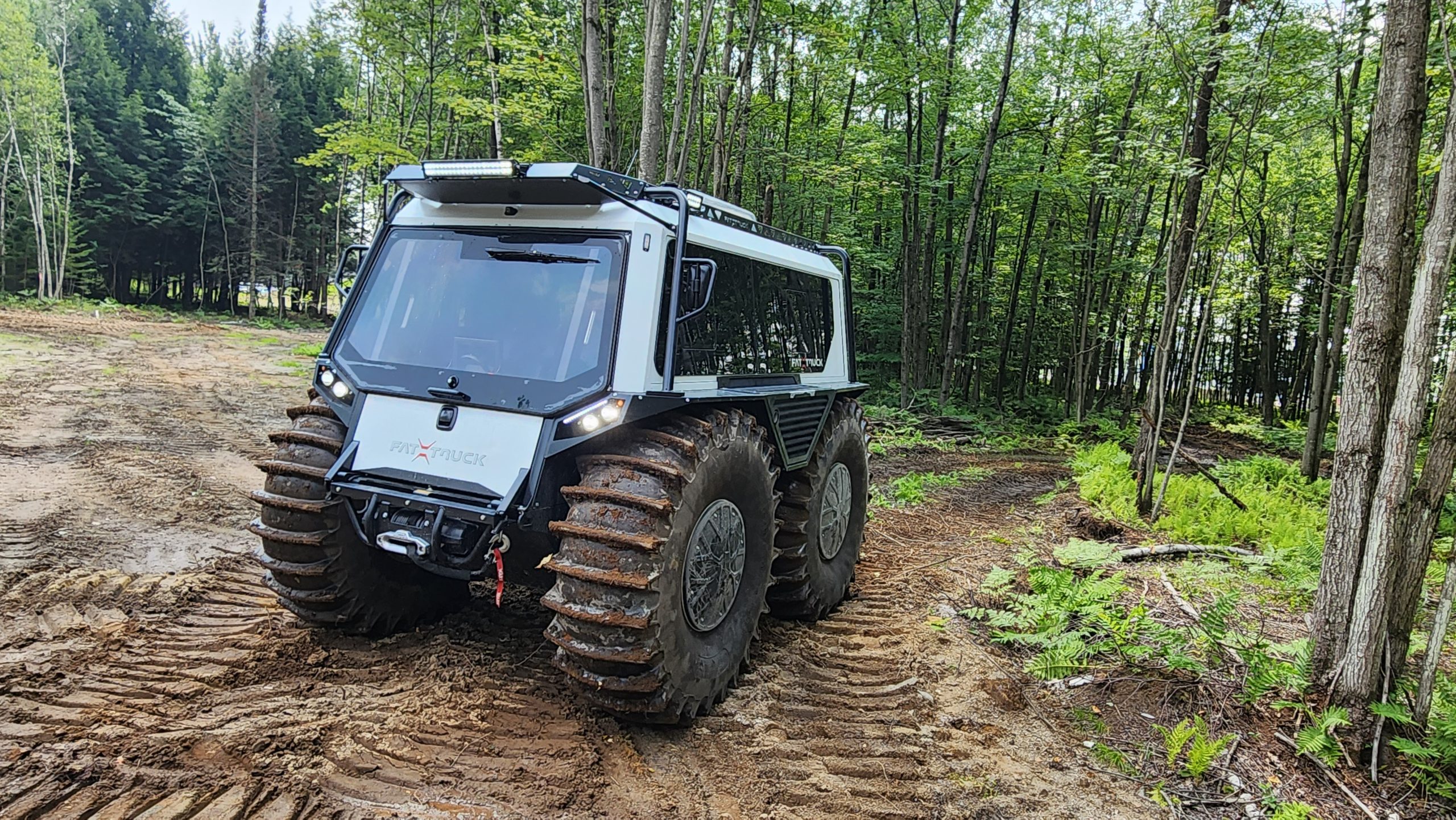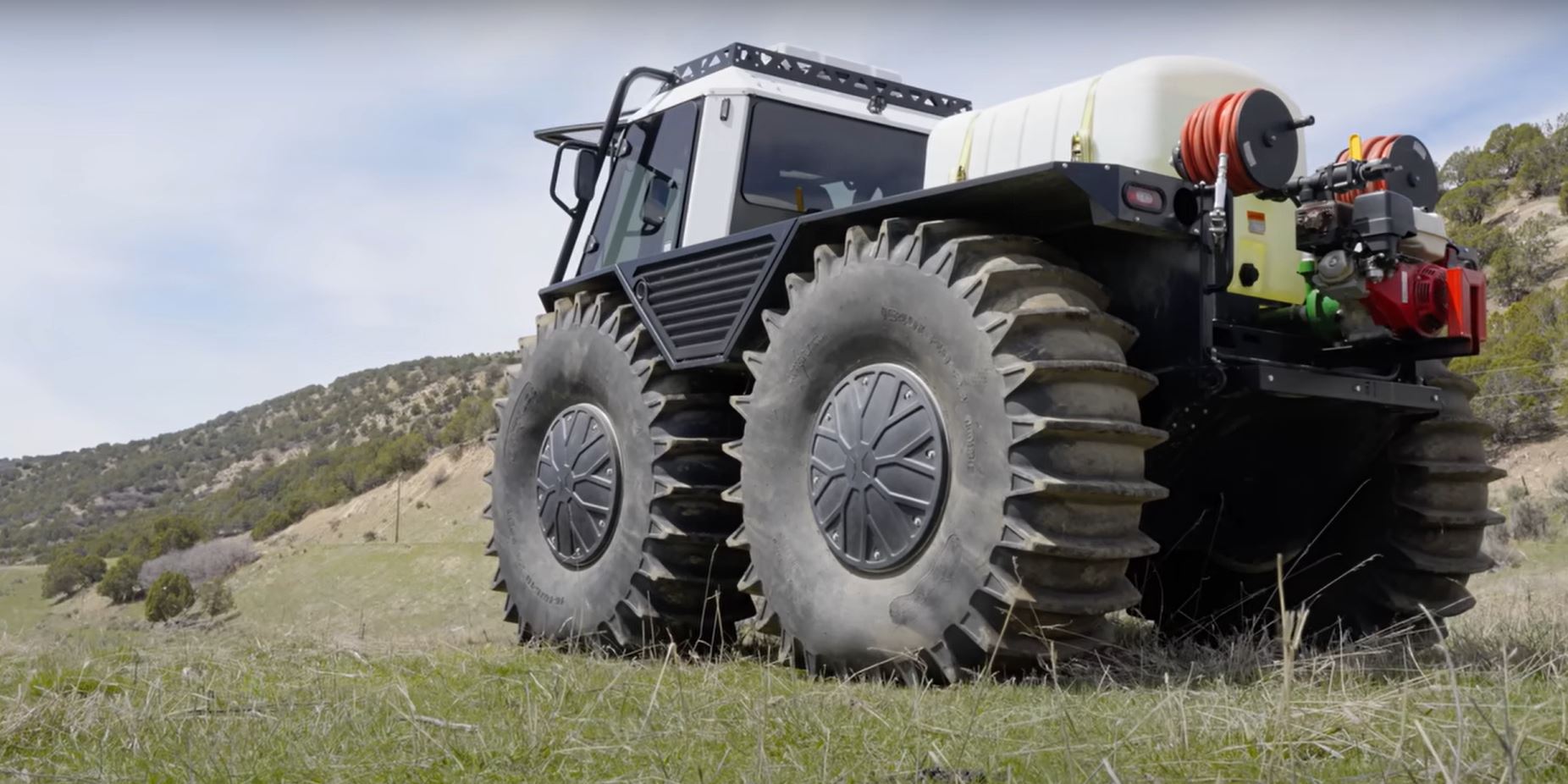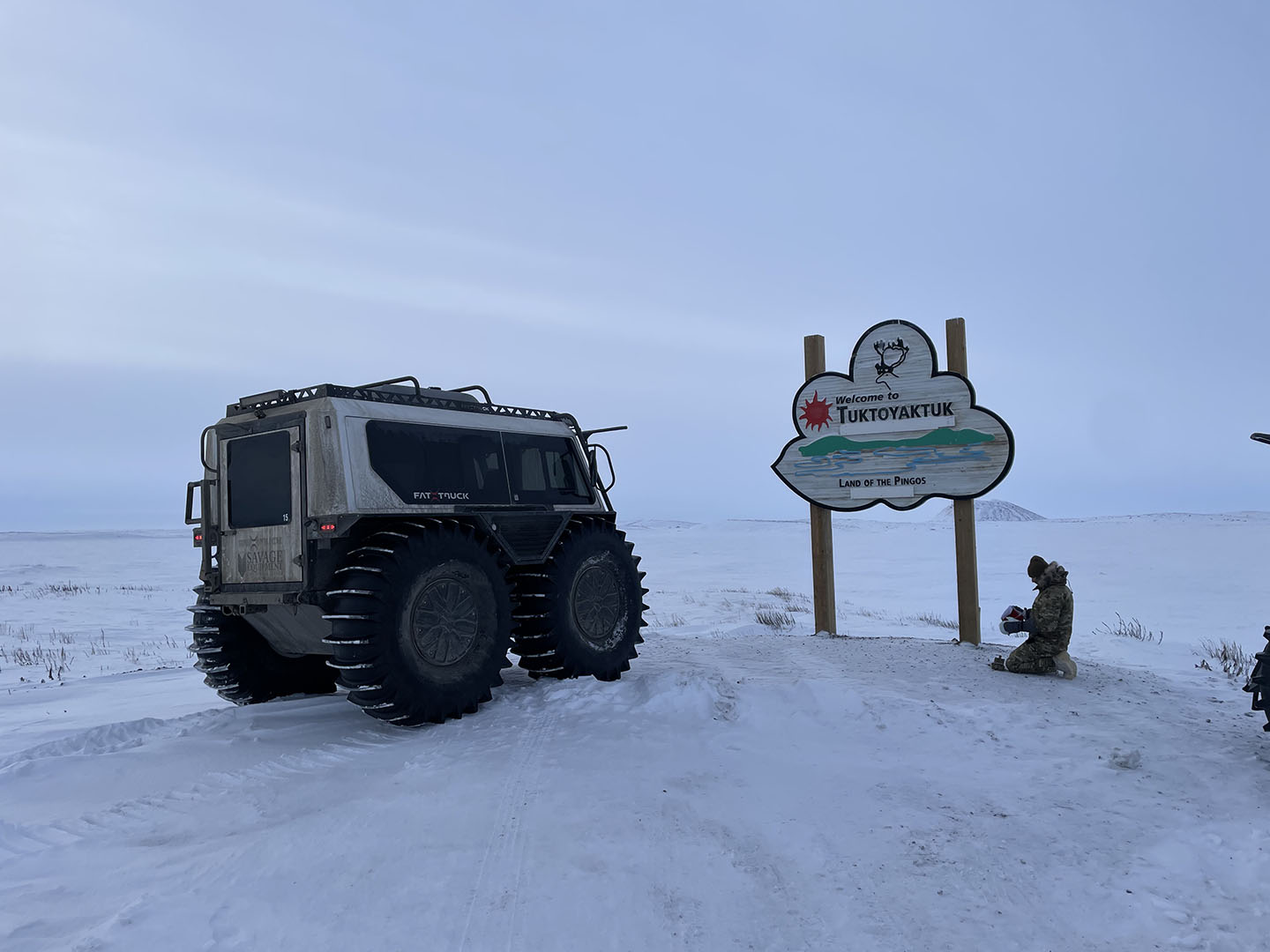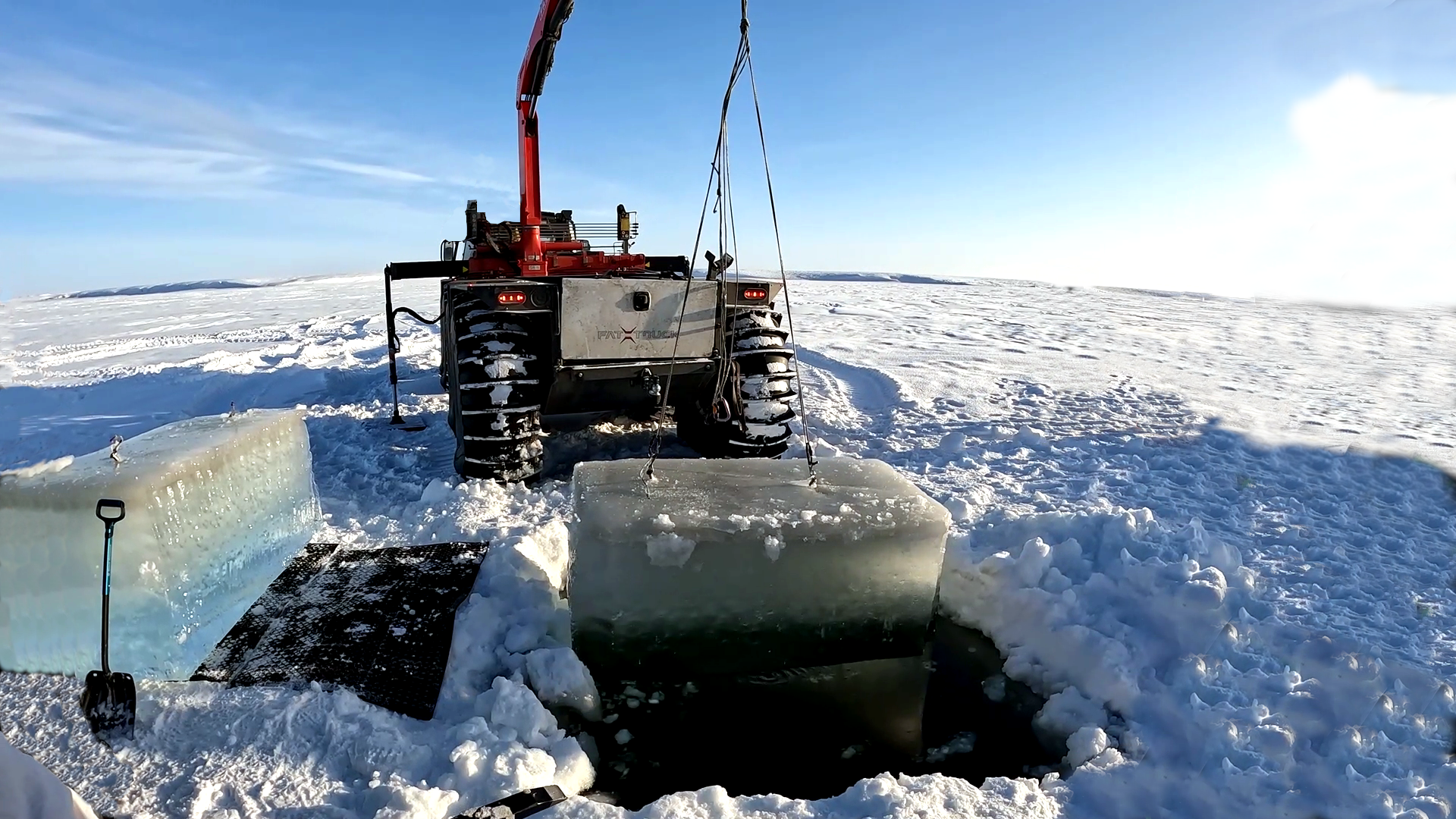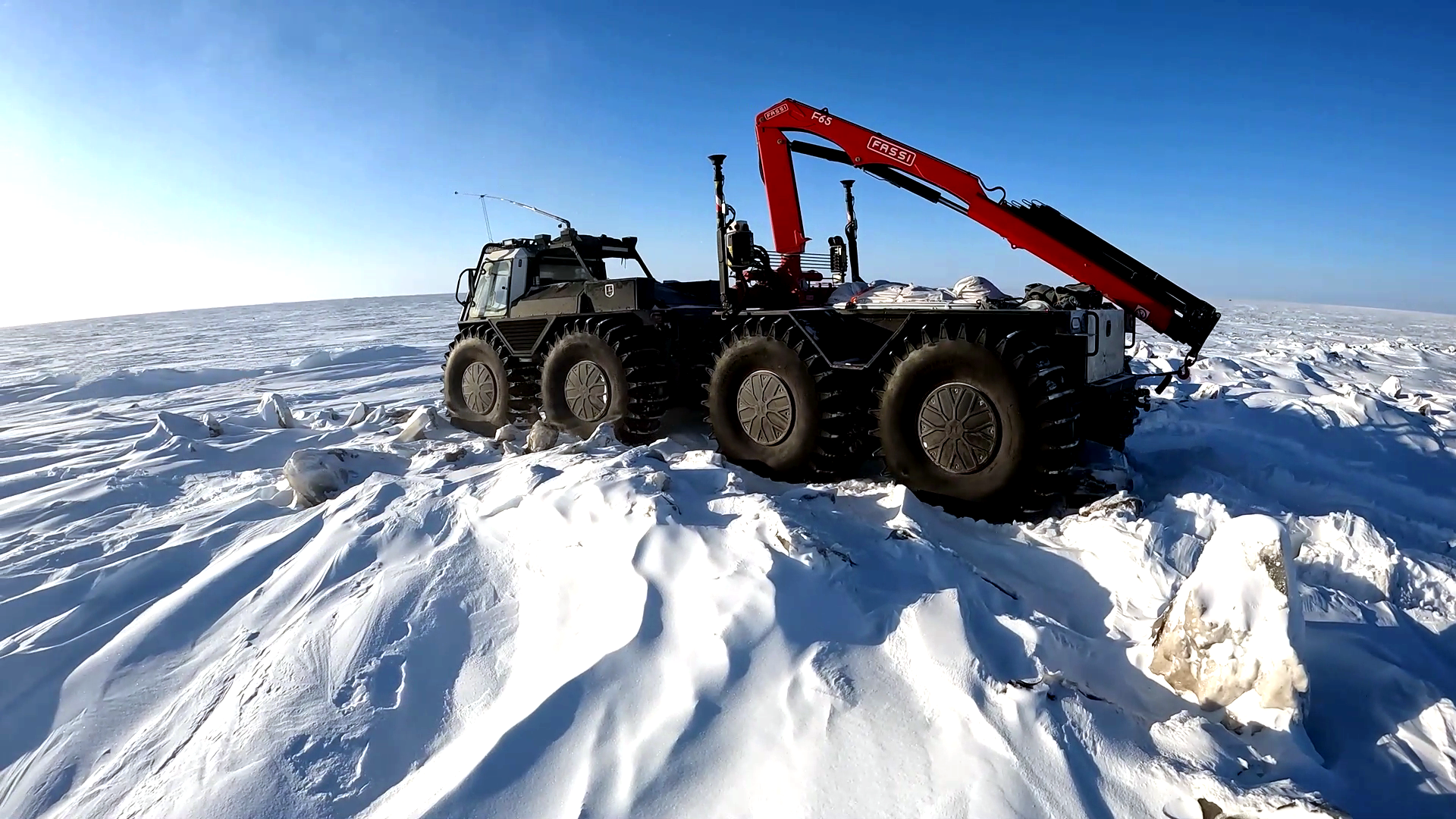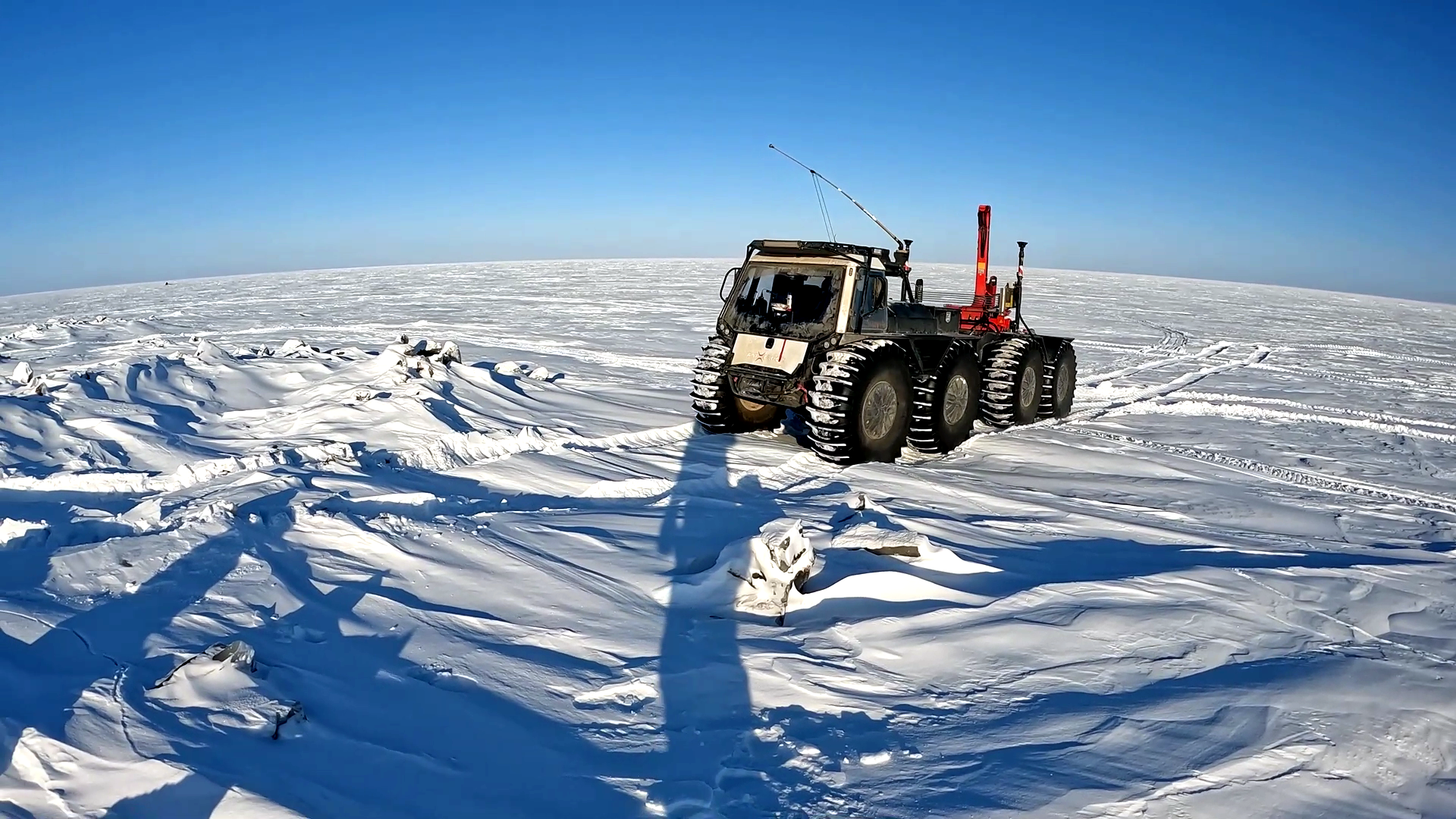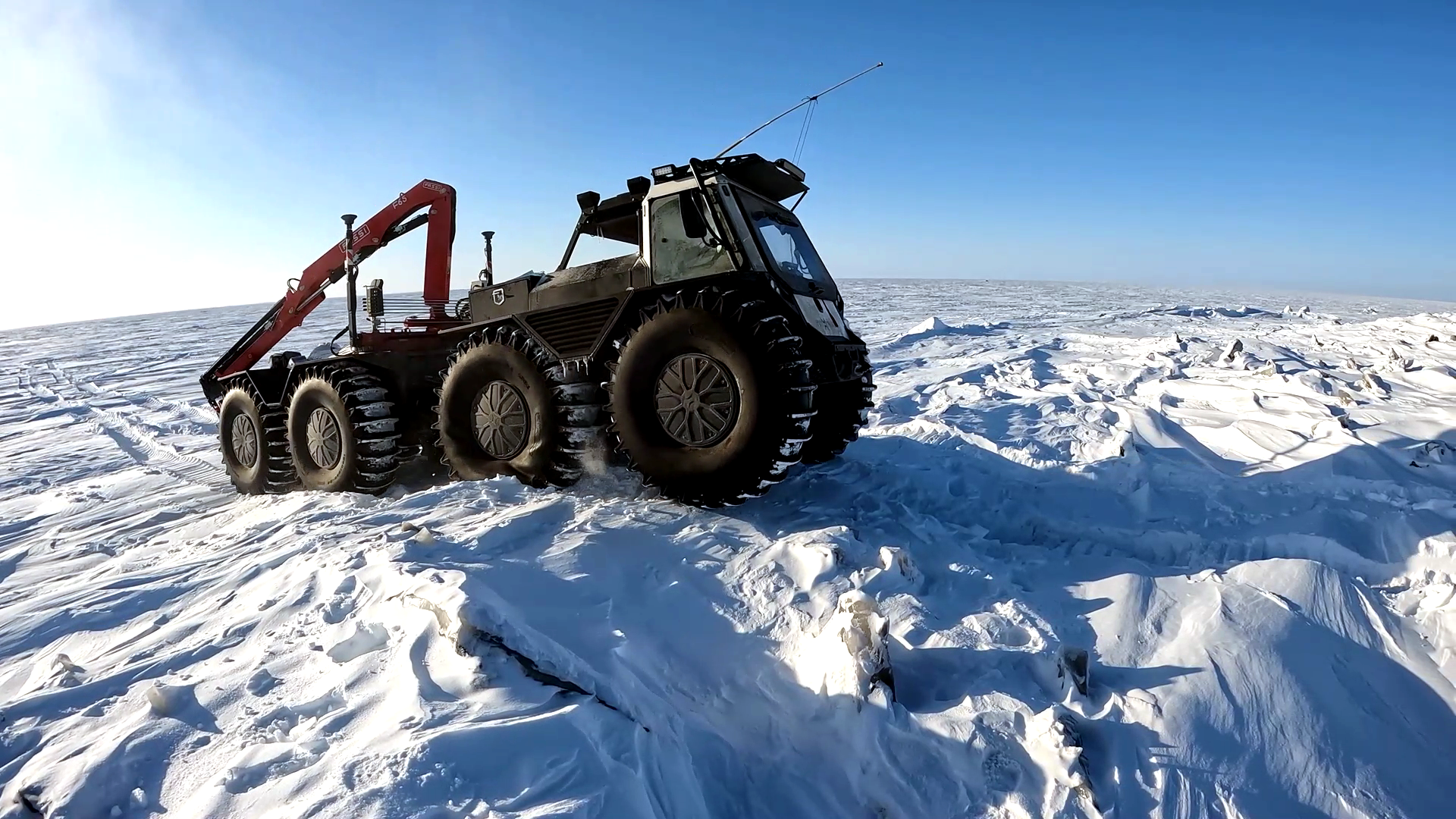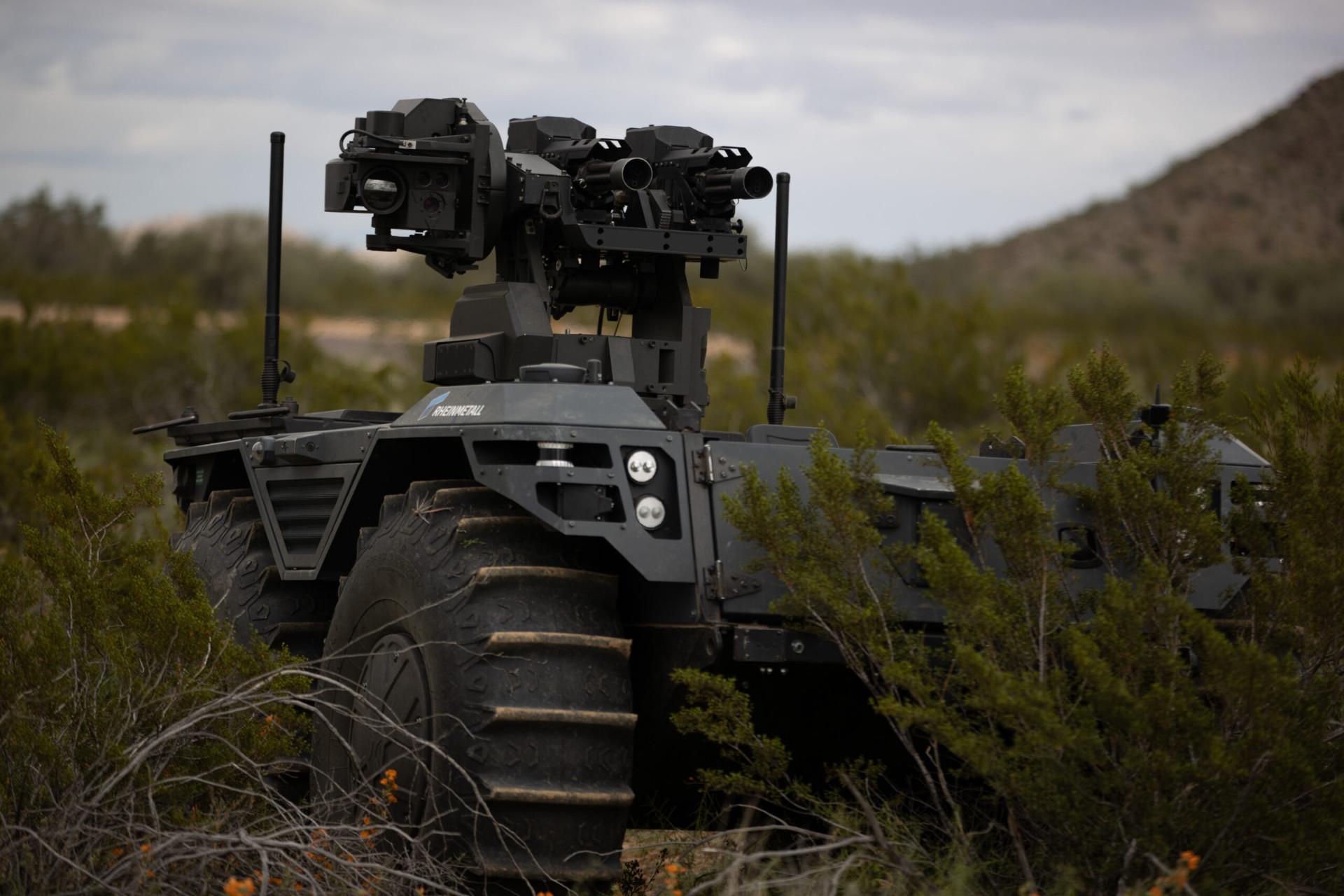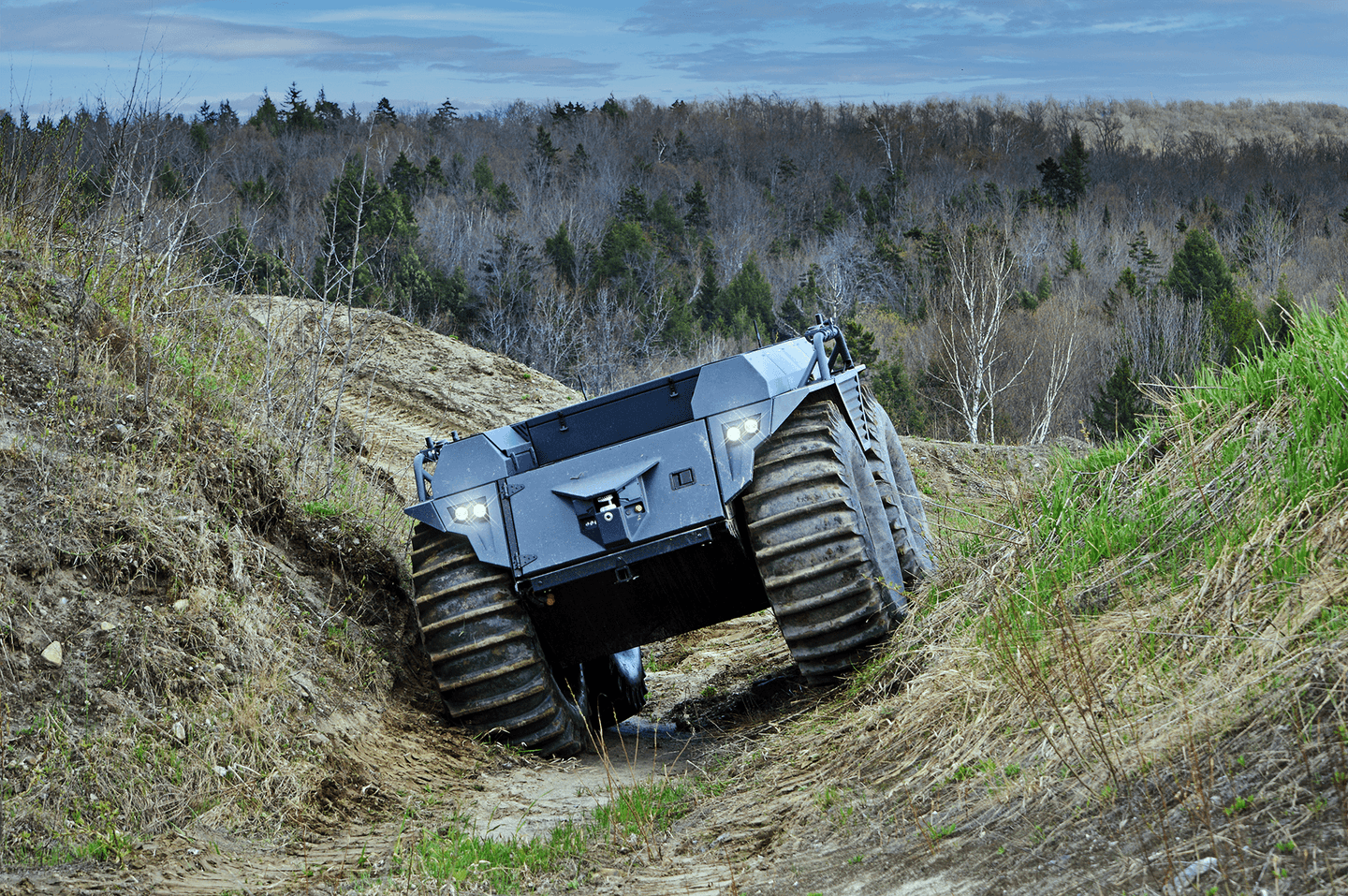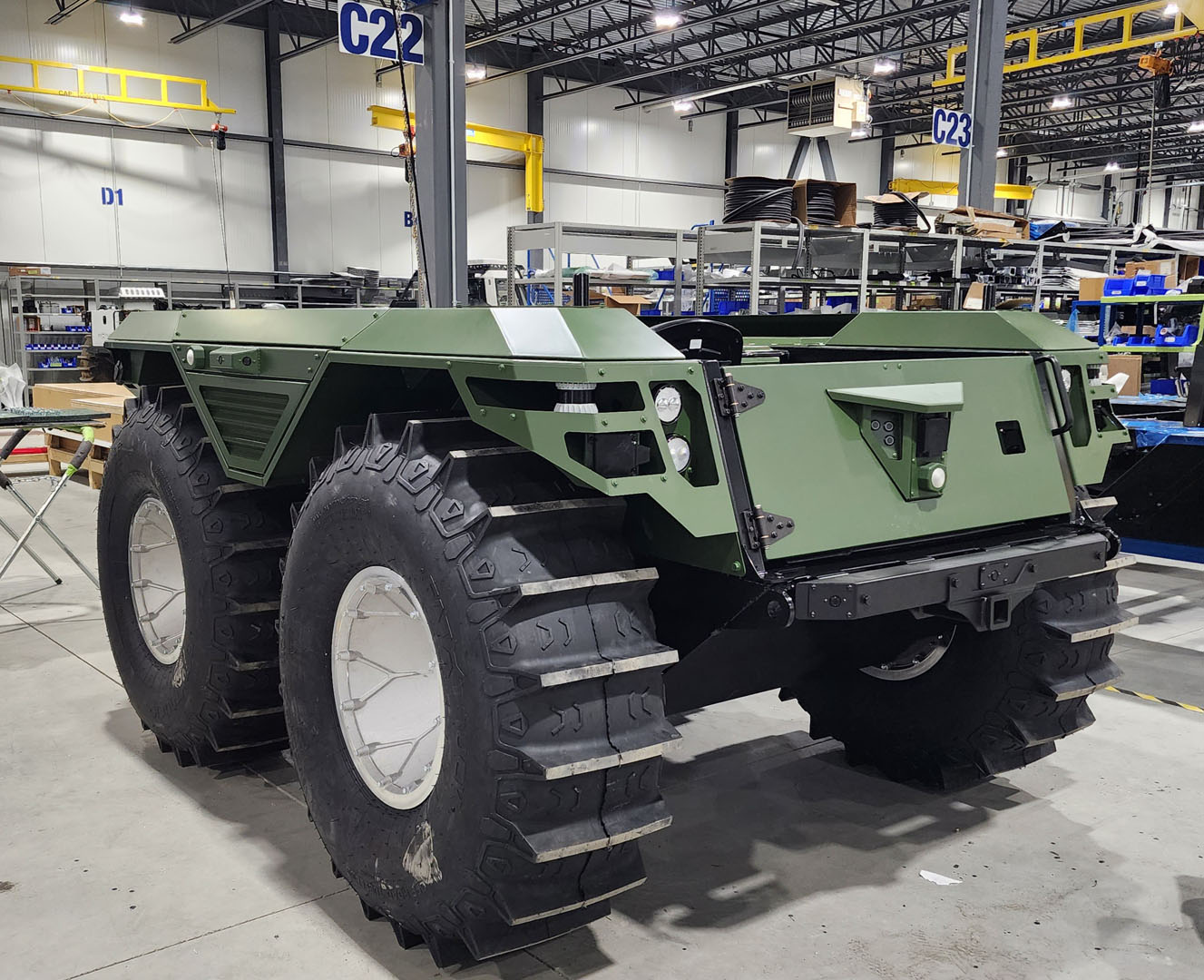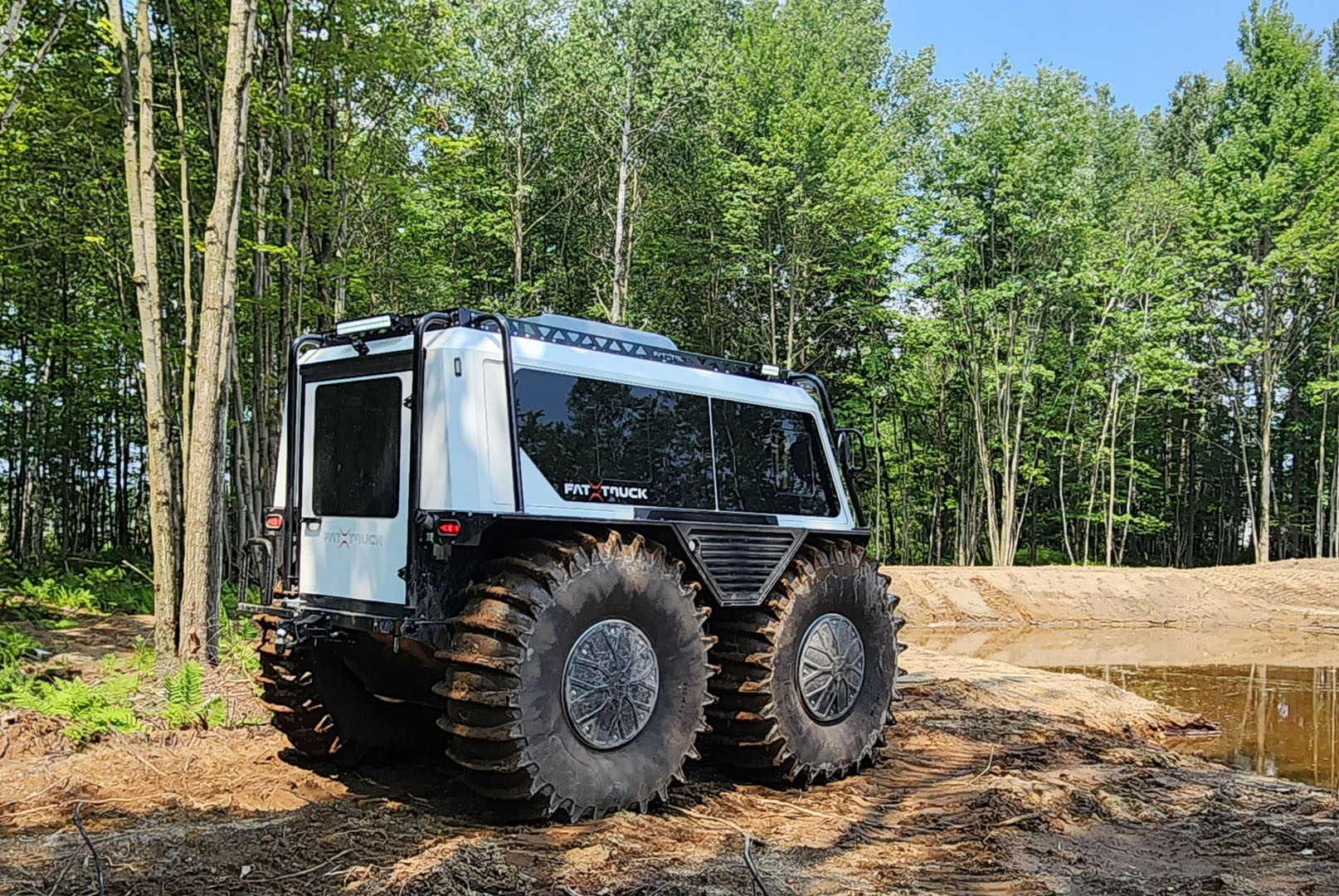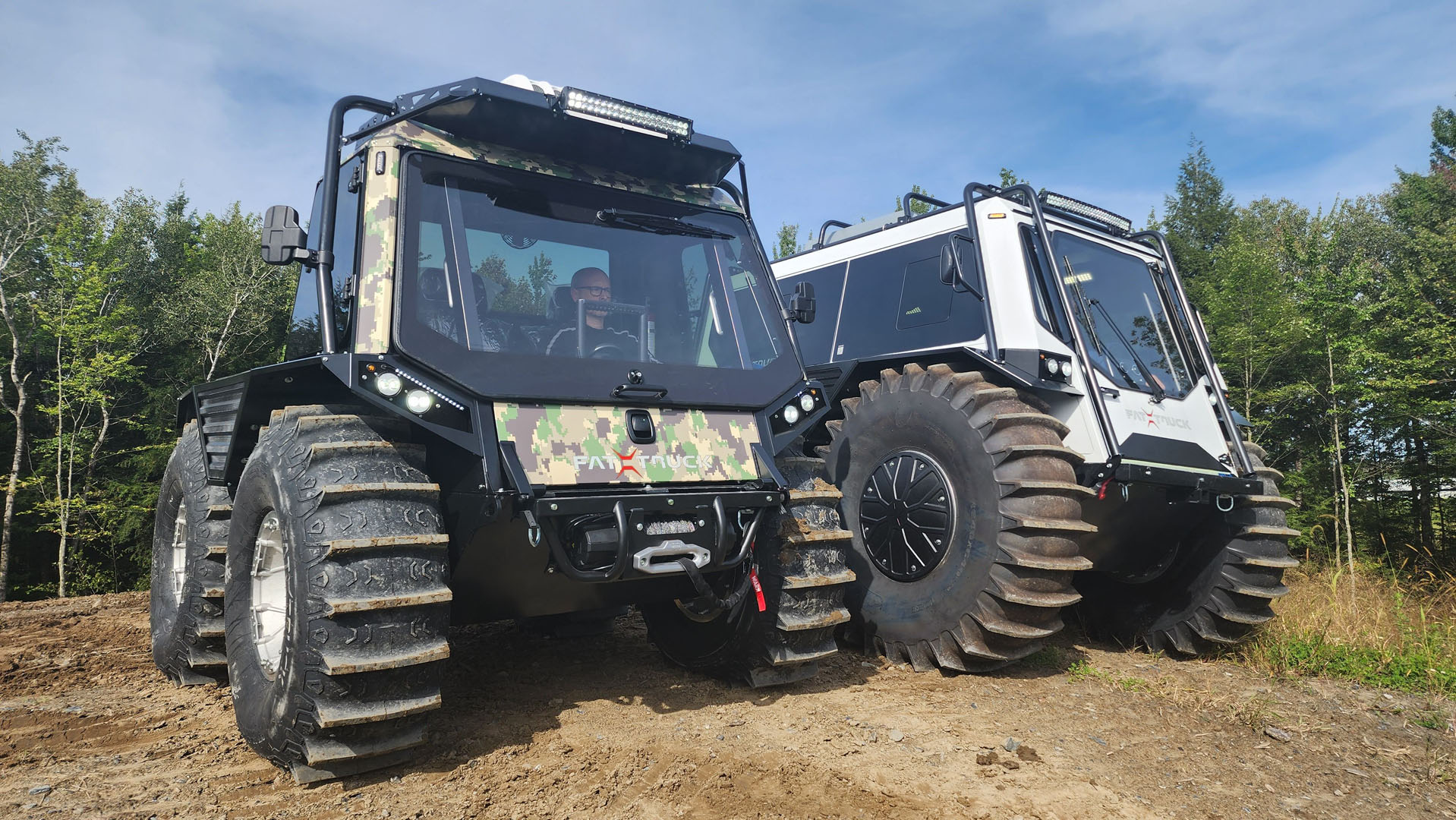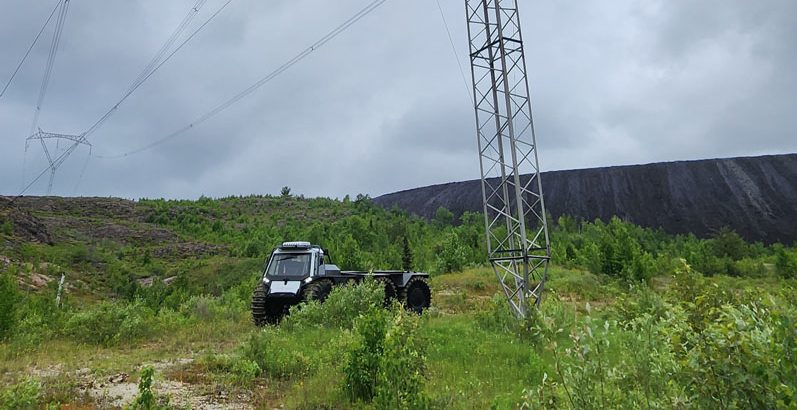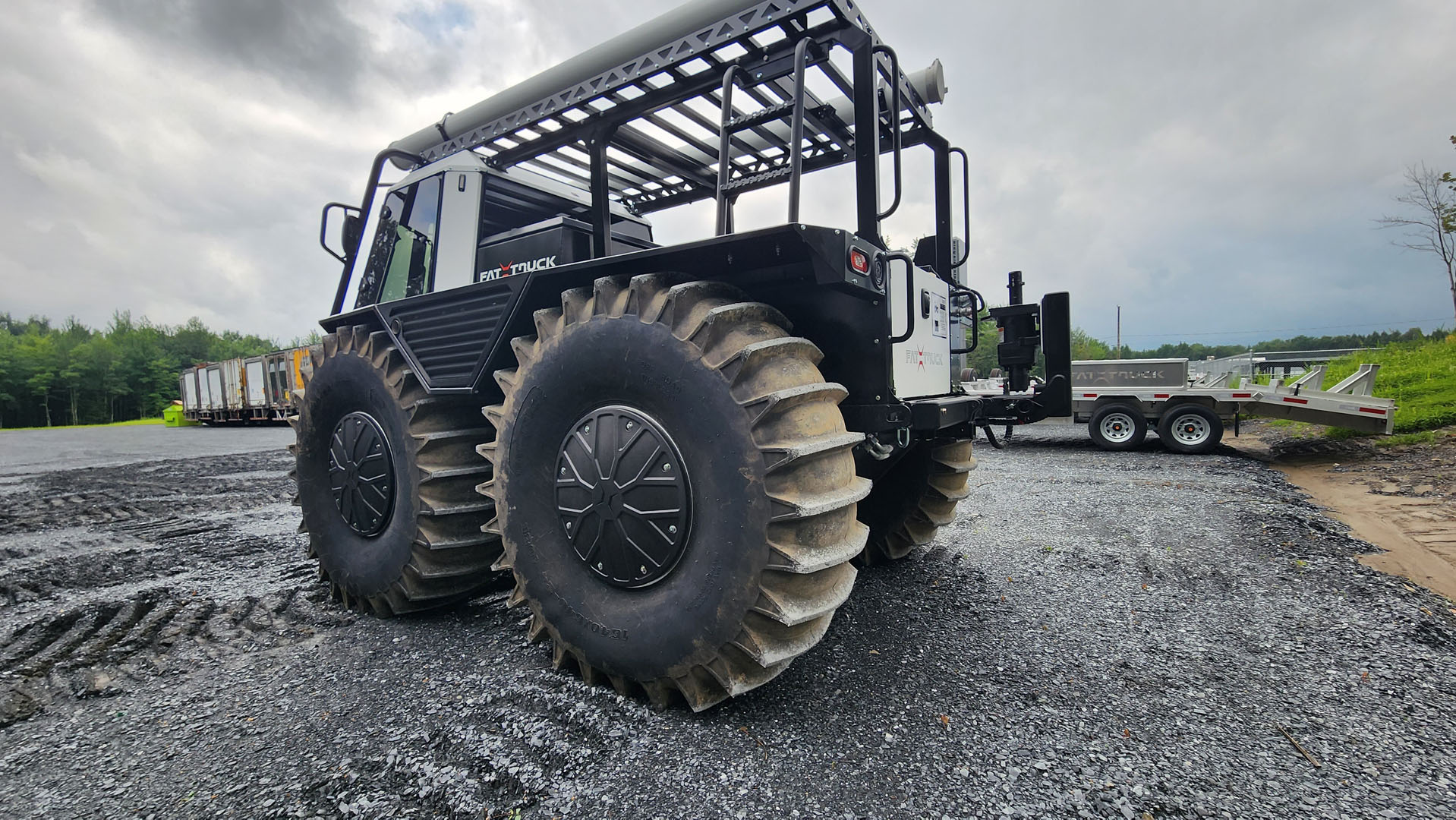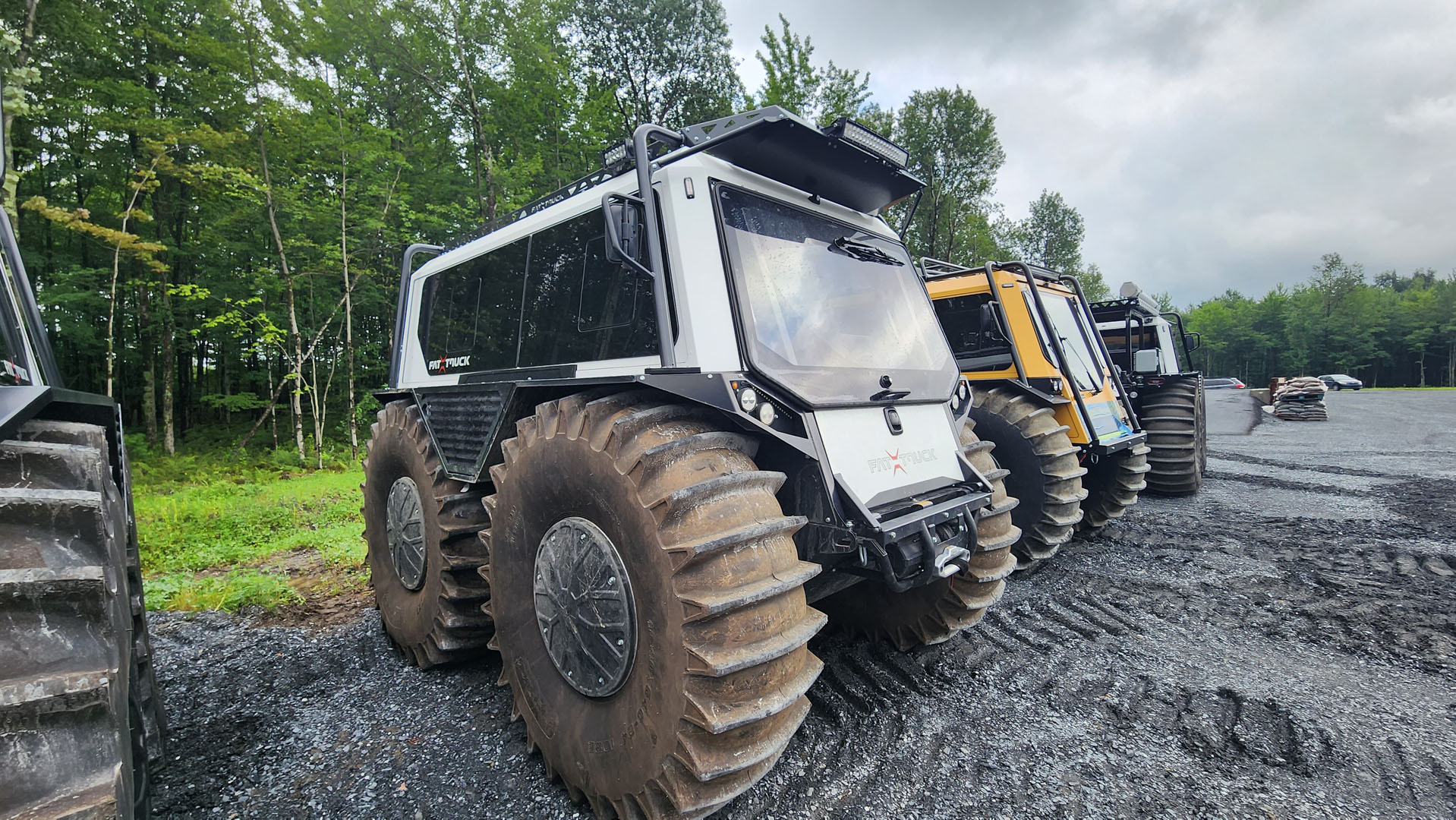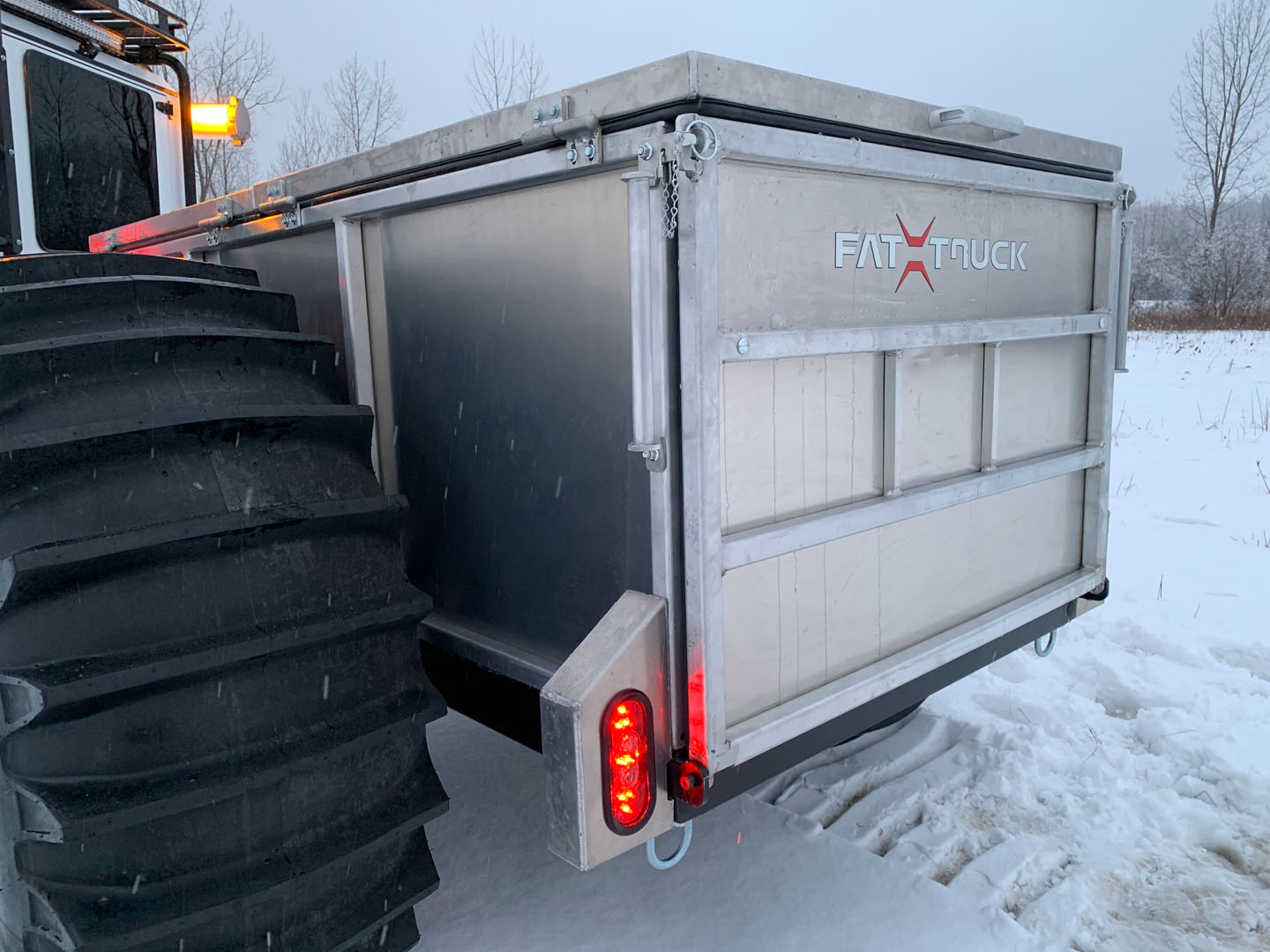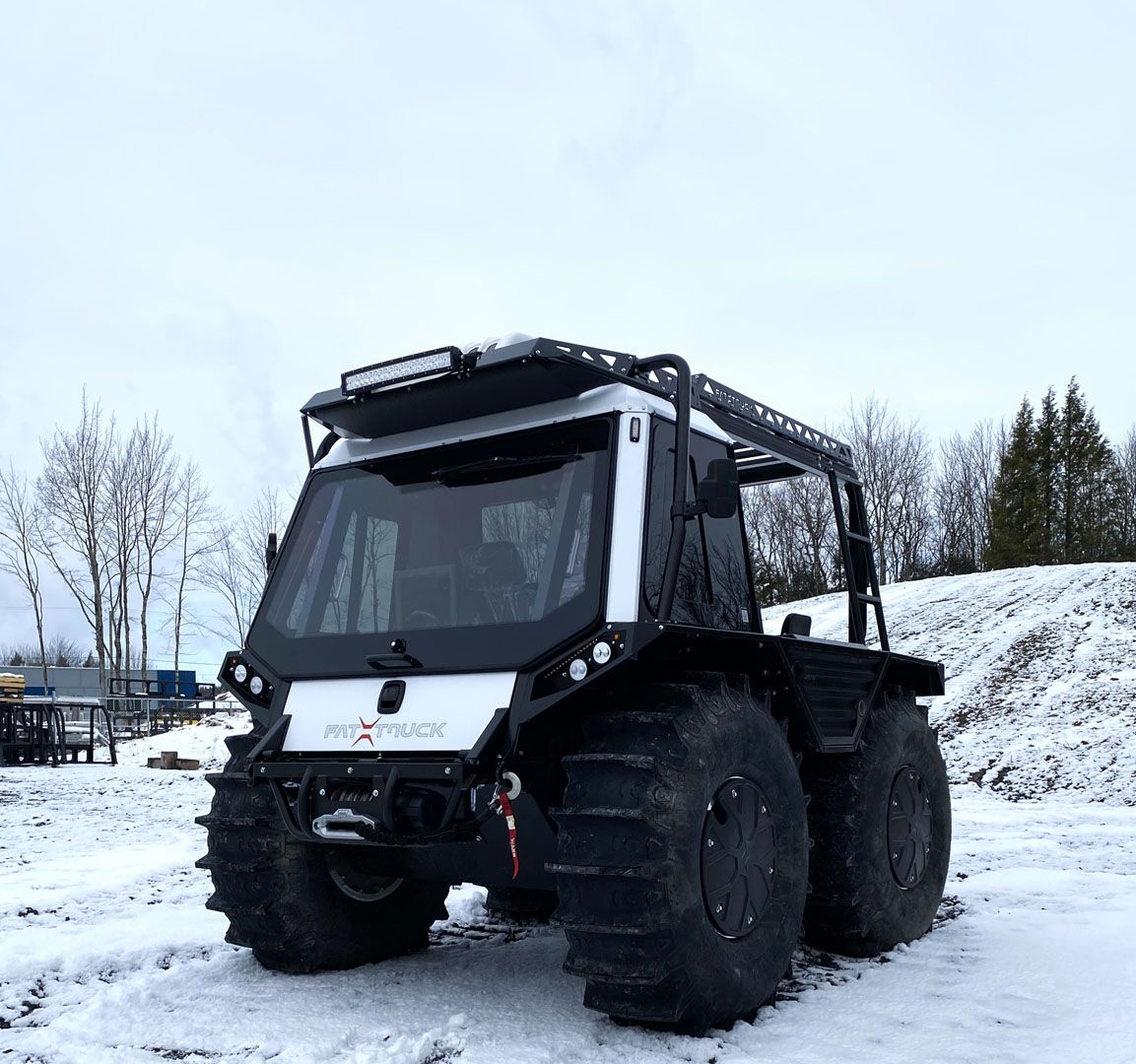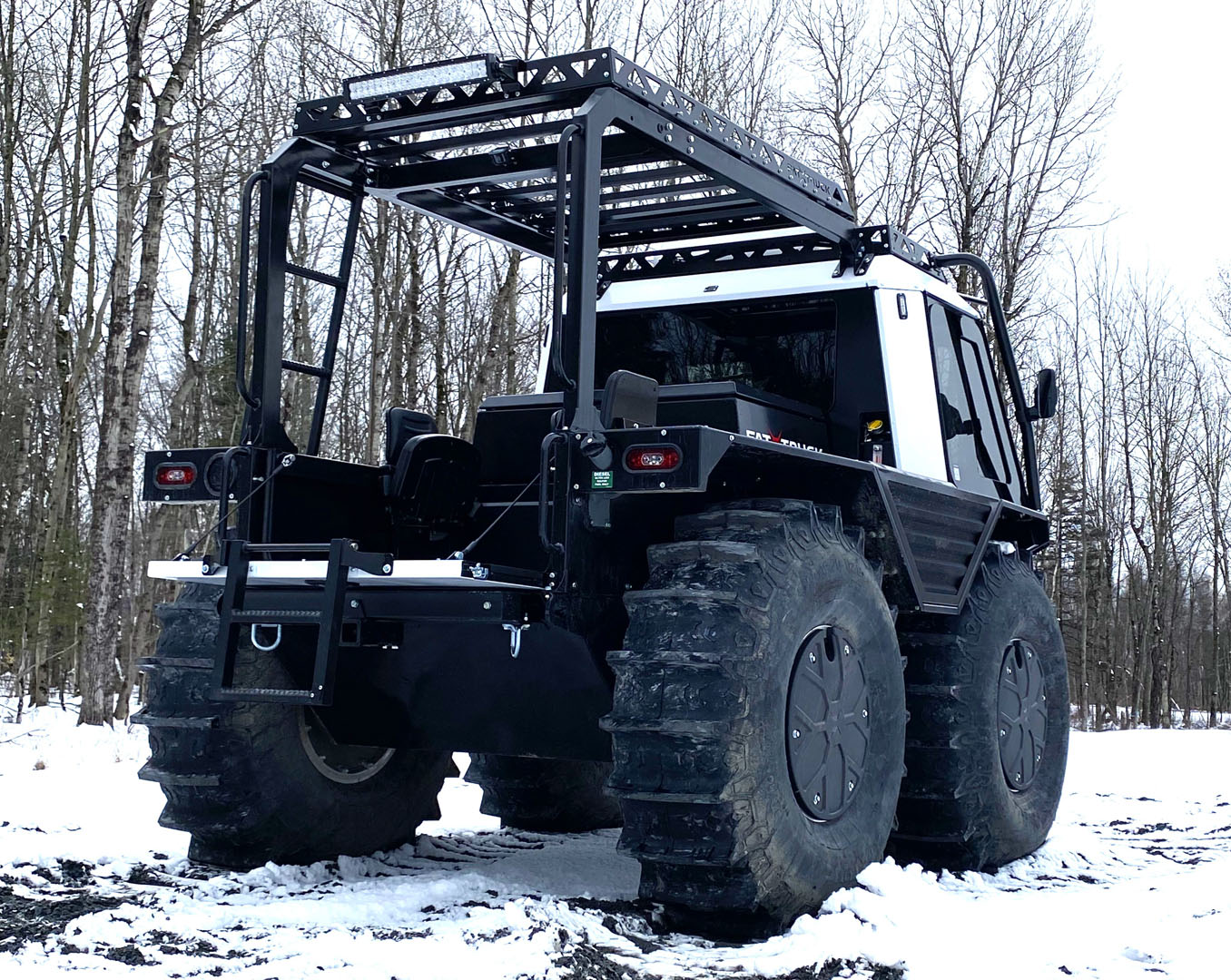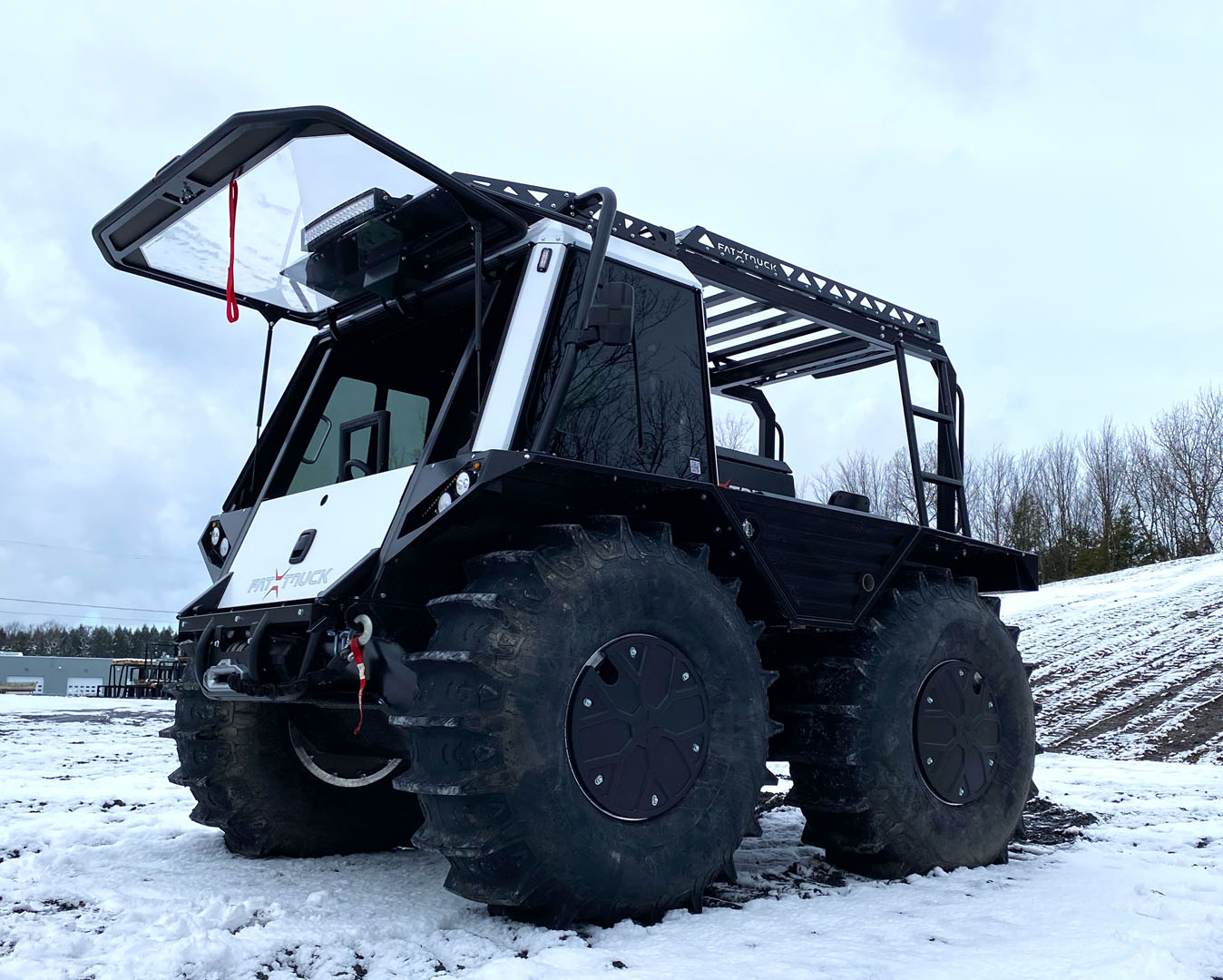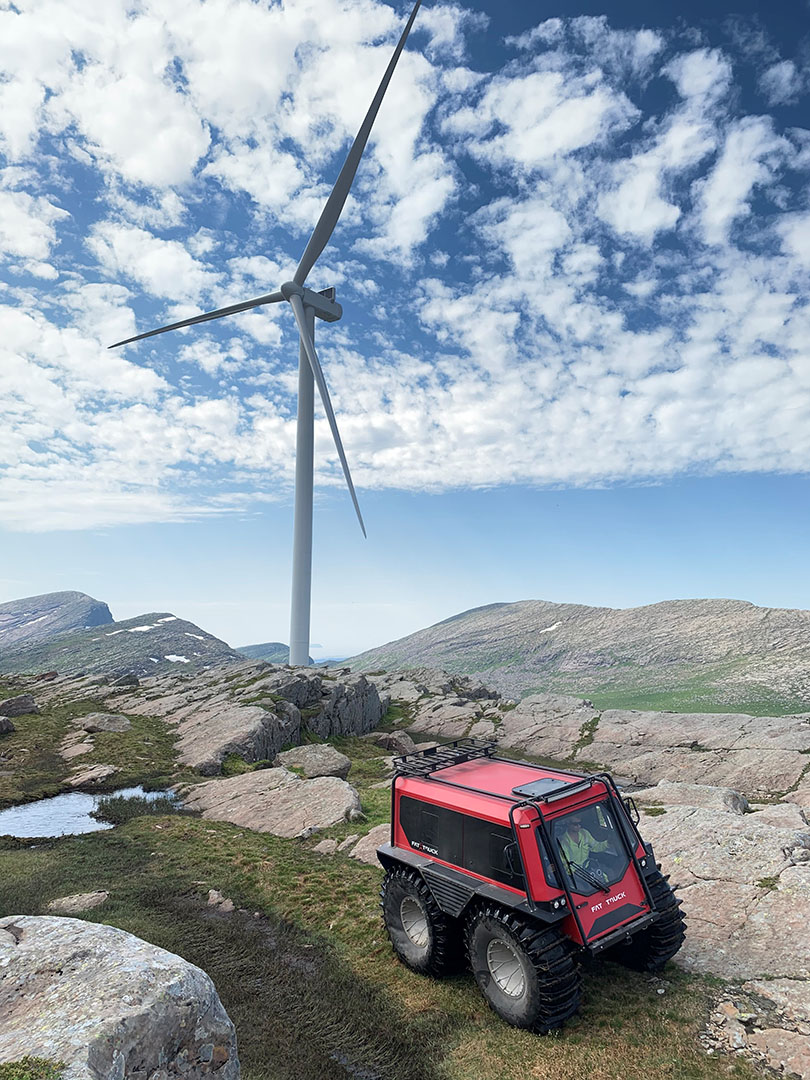
Response time during flood events often comes down to how quickly a vehicle can transition between terrain types
Flood rescue operations put a very specific demand on fleet equipment: the terrain a crew is operating in can change from solid ground to standing water and back again within the same response, often without warning. Fleet managers evaluating equipment for flood response have to think differently than they would for equipment used in more predictable, single-terrain-type operations.
Why the land-to-water transition matters more than either capability alone
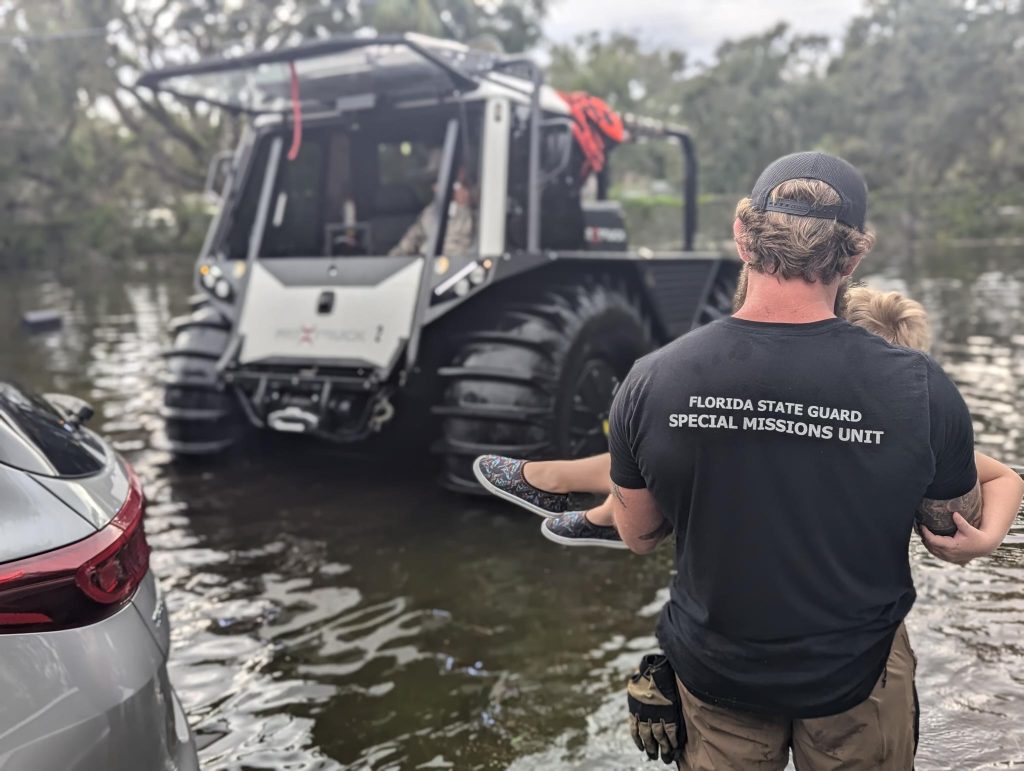
A lot of emergency response equipment is genuinely capable on land, and a lot of watercraft is genuinely capable on water. The gap that matters during an actual flood response is what happens at the transition: the boat ramp that’s underwater, the road that’s become a river, the property that’s only reachable by crossing both flooded and unflooded ground in the same approach. Deploying separate land vehicles and boats for a single rescue means staging equipment, transferring crew and gear between vehicles, and losing time exactly when time matters most.
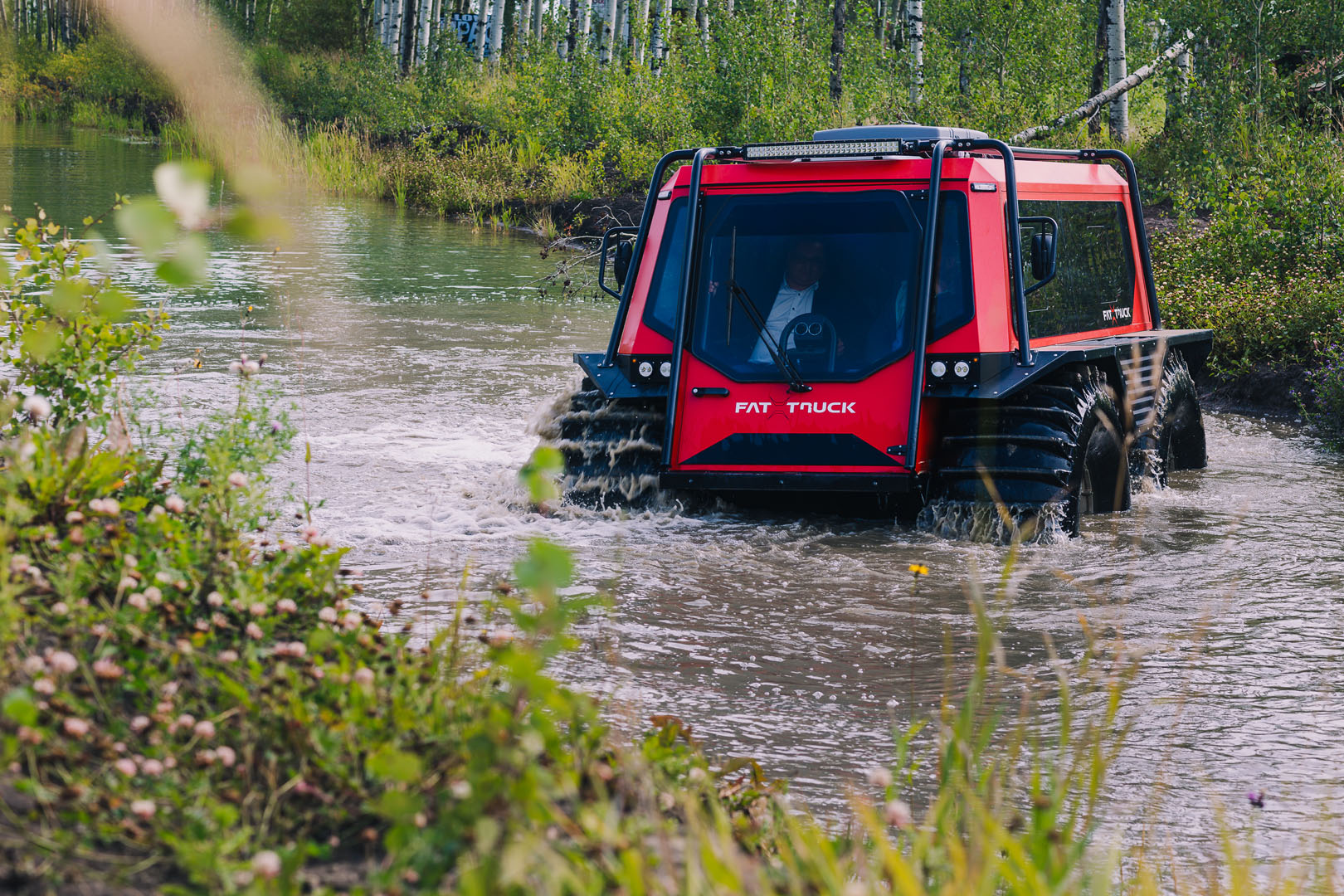
A vehicle capable of moving seamlessly between land and water eliminates that transition entirely. Crews can approach a scene, cross flooded terrain, reach open water, and return, all without a staging delay or an equipment swap partway through the response.
What “seamless” actually requires
Not every vehicle marketed as amphibious handles the transition equally well. Fleet managers evaluating options should look closely at:
- Buoyancy and stability margins, not just the ability to float: a vehicle that floats but handles poorly in moving floodwater current creates its own risk
- Transition speed: how much time and driver action is required to move from ground operation to water operation and back
- Load capacity in water mode: a vehicle that can carry rescue equipment and multiple passengers on land but has significantly reduced capacity on water limits its usefulness in an actual multi-person rescue
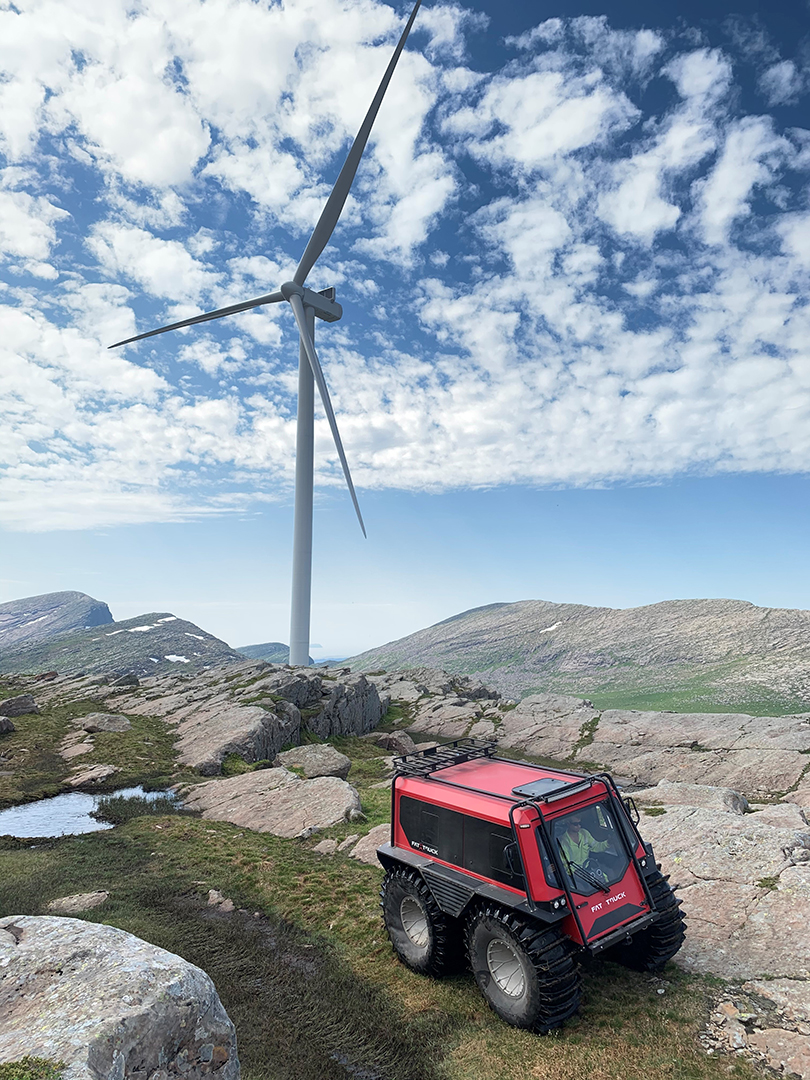
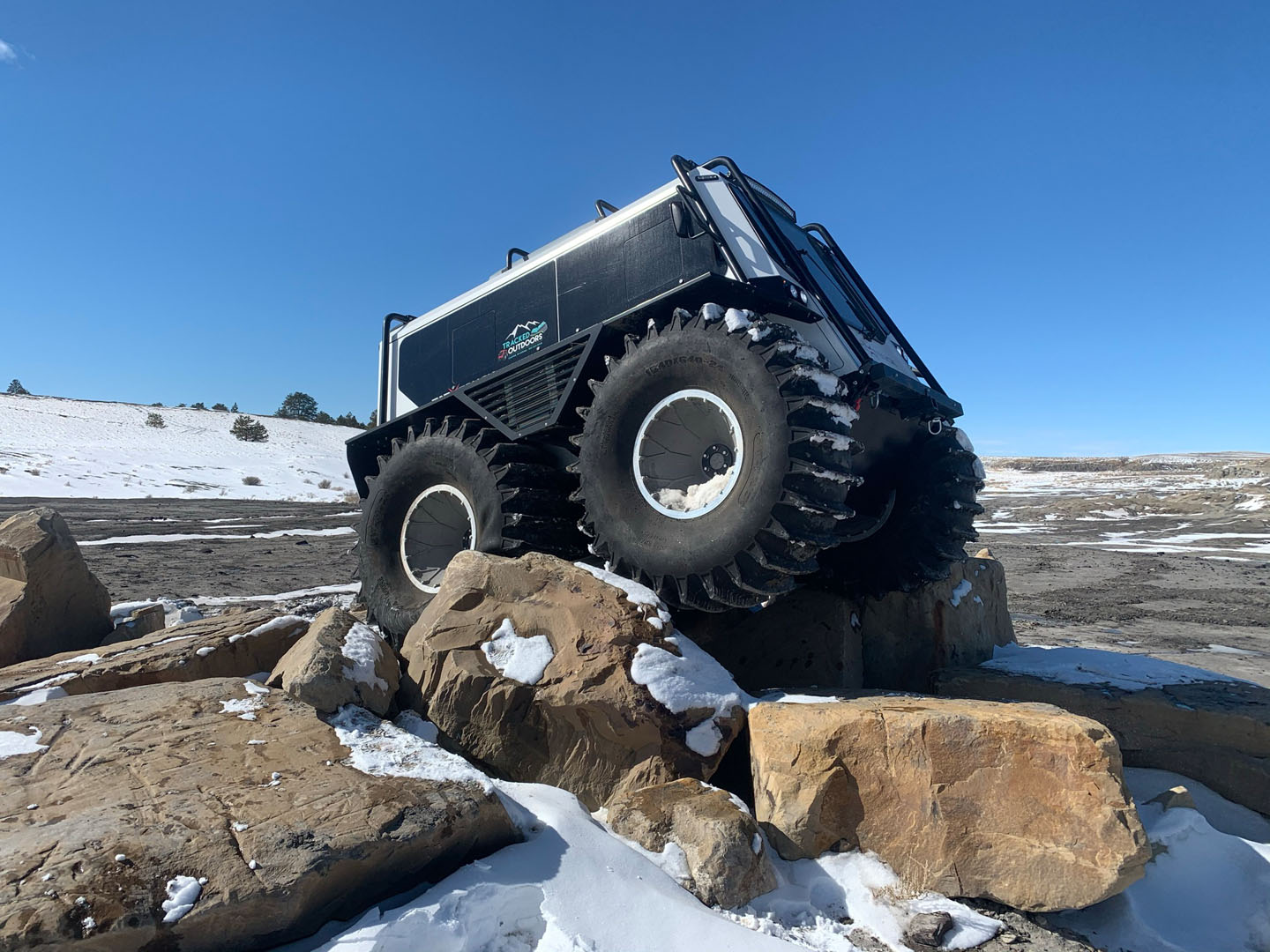
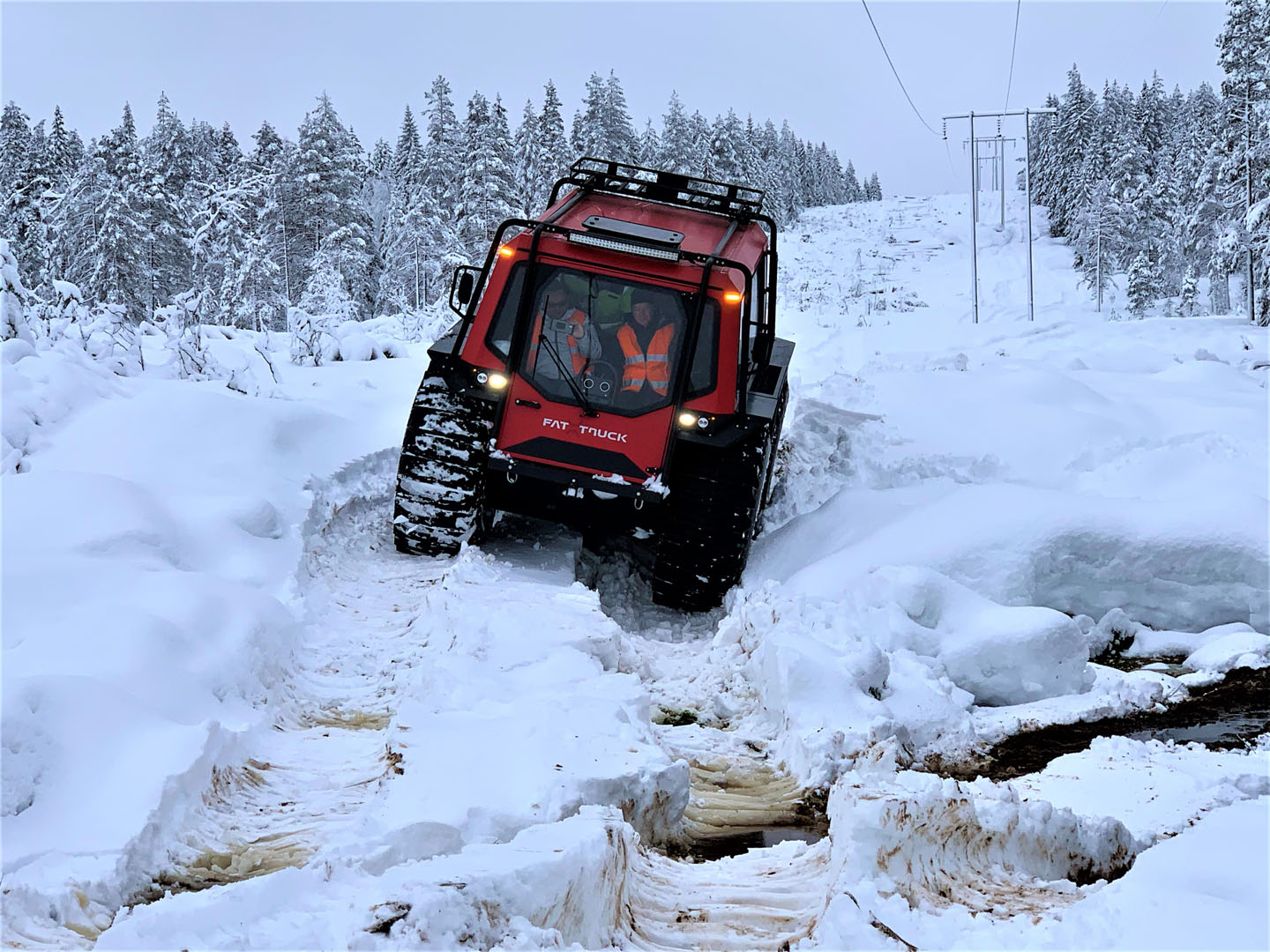
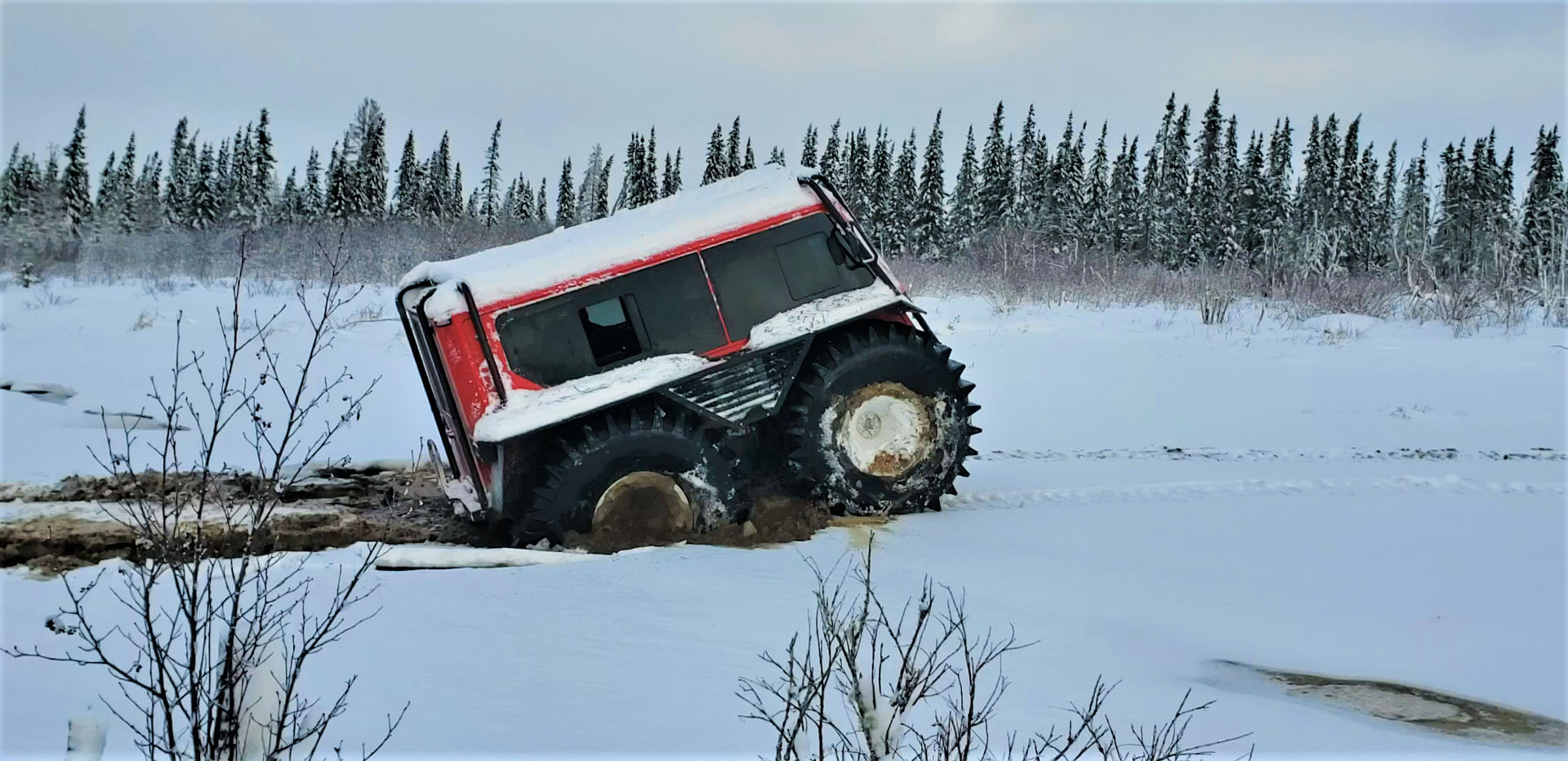
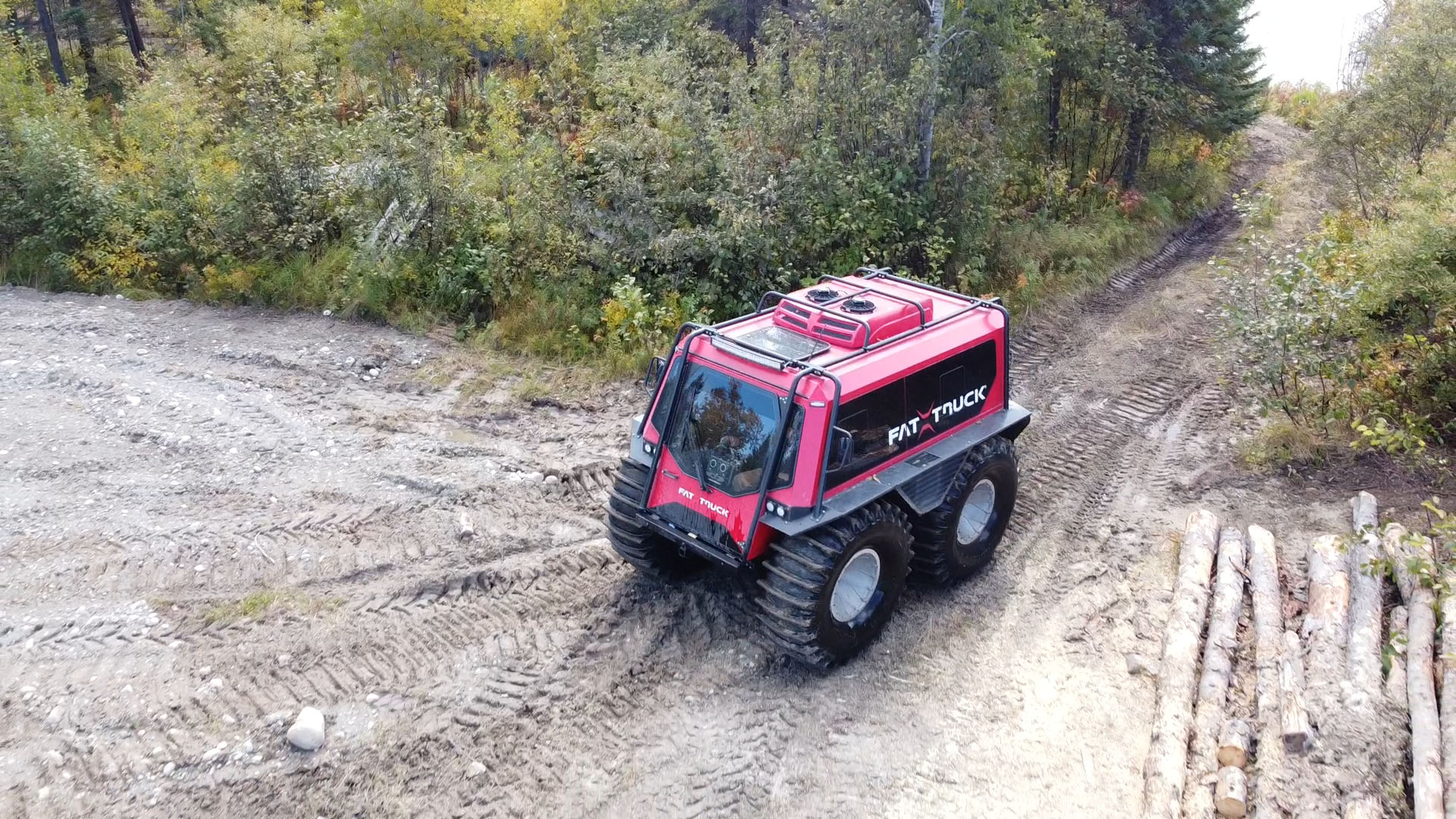
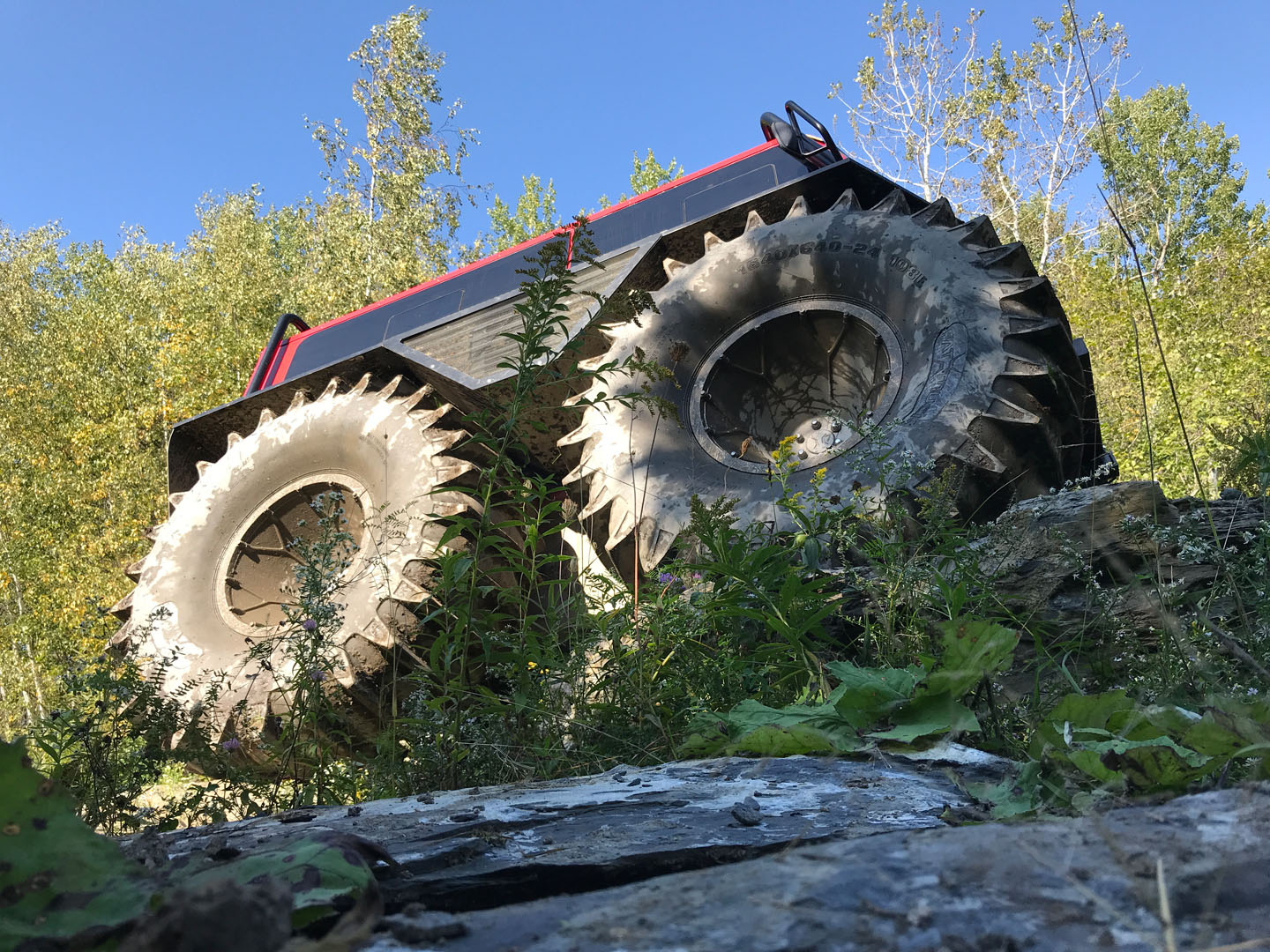
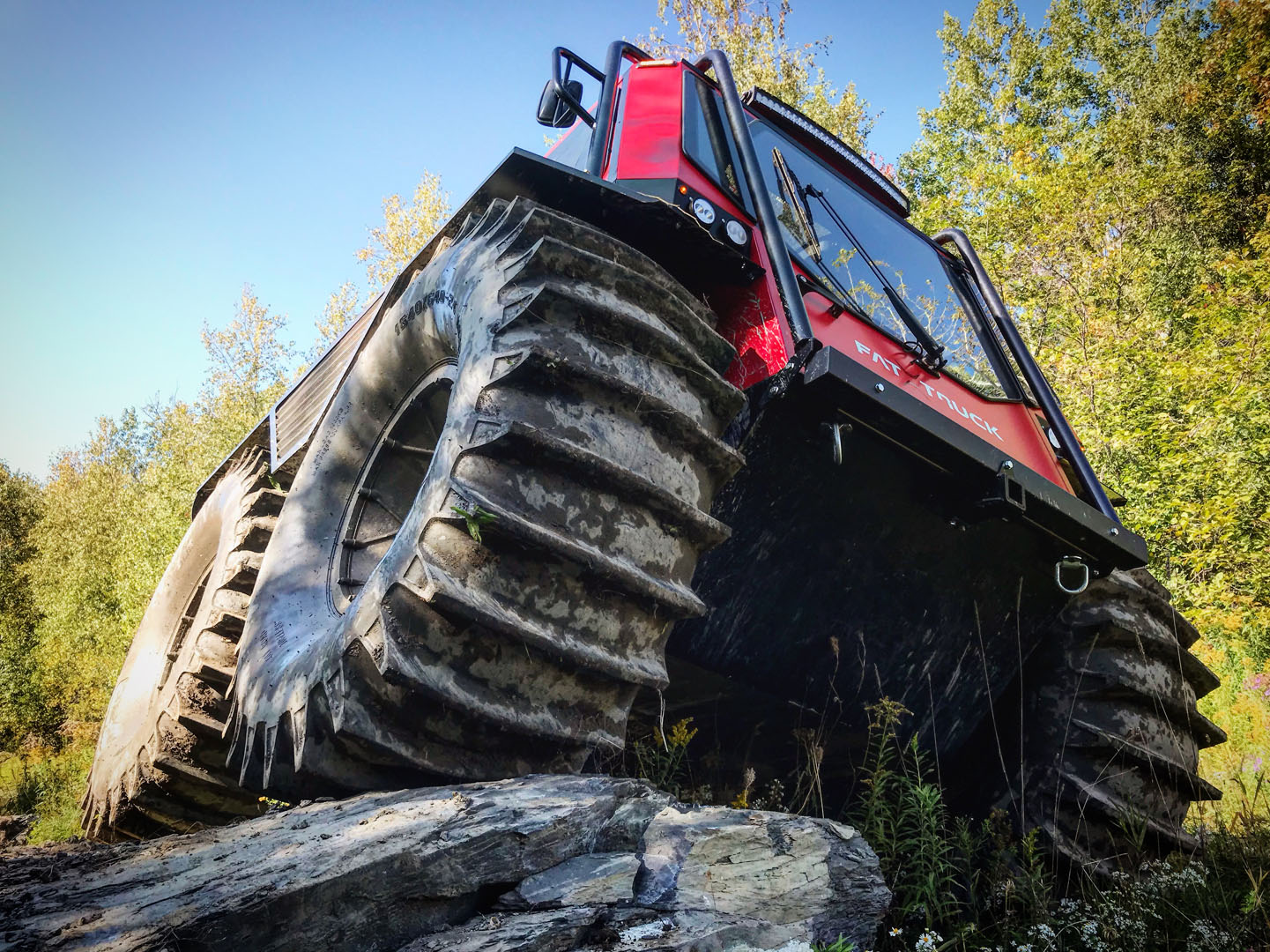
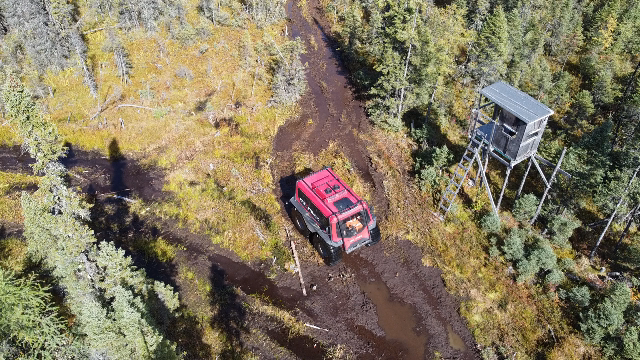
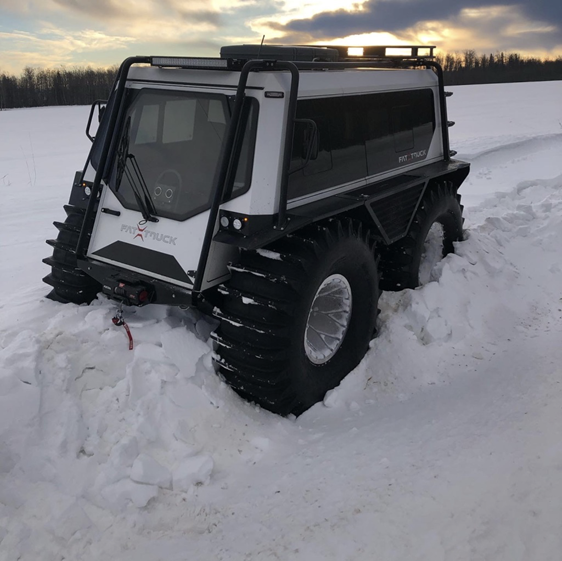
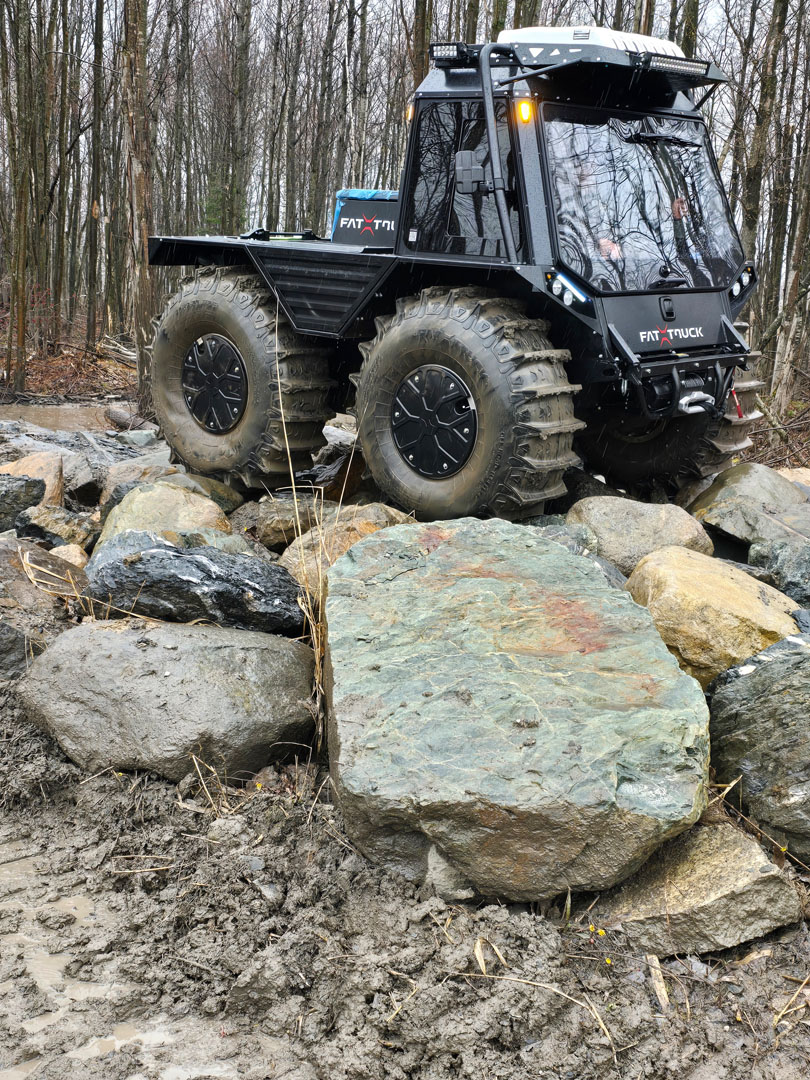
- Terrain versatility on the “land” side of the transition: flood approach routes are rarely clean pavement; the ability to cross muddy, debris-strewn, or partially washed-out ground matters as much as water performance
Response time and grant justification
For fleet managers building the case for new equipment (particularly when that case includes federal or provincial grant funding) response time improvement is one of the clearest, most defensible justifications available. A documented reduction in the time between dispatch and reaching a flood-isolated location, achieved by eliminating equipment transitions mid-response, is exactly the kind of operational outcome that grant reviewers and city councils responding to budget scrutiny want to see quantified.
Safety standards still apply
Amphibious capability doesn’t exempt a vehicle from the same operator and rollover safety standards fleet managers already evaluate for other apparatus. ROPS certification, stability under load, and documented safety testing remain essential parts of the evaluation. A vehicle that solves the land-to-water problem but introduces new safety gaps isn’t actually solving the fleet’s core problem.
The bottom line for fleet planning
Flood response capability isn’t just about whether a vehicle can go on land or go in water, it’s about how quickly and reliably it moves between the two without losing time or capability at the transition. For fleet managers building out flood response capacity, that transition performance deserves as much scrutiny as any other spec on the sheet, because in a flood rescue, the transition is often exactly where the clock is running fastest.
From Dry Ground to Open Water
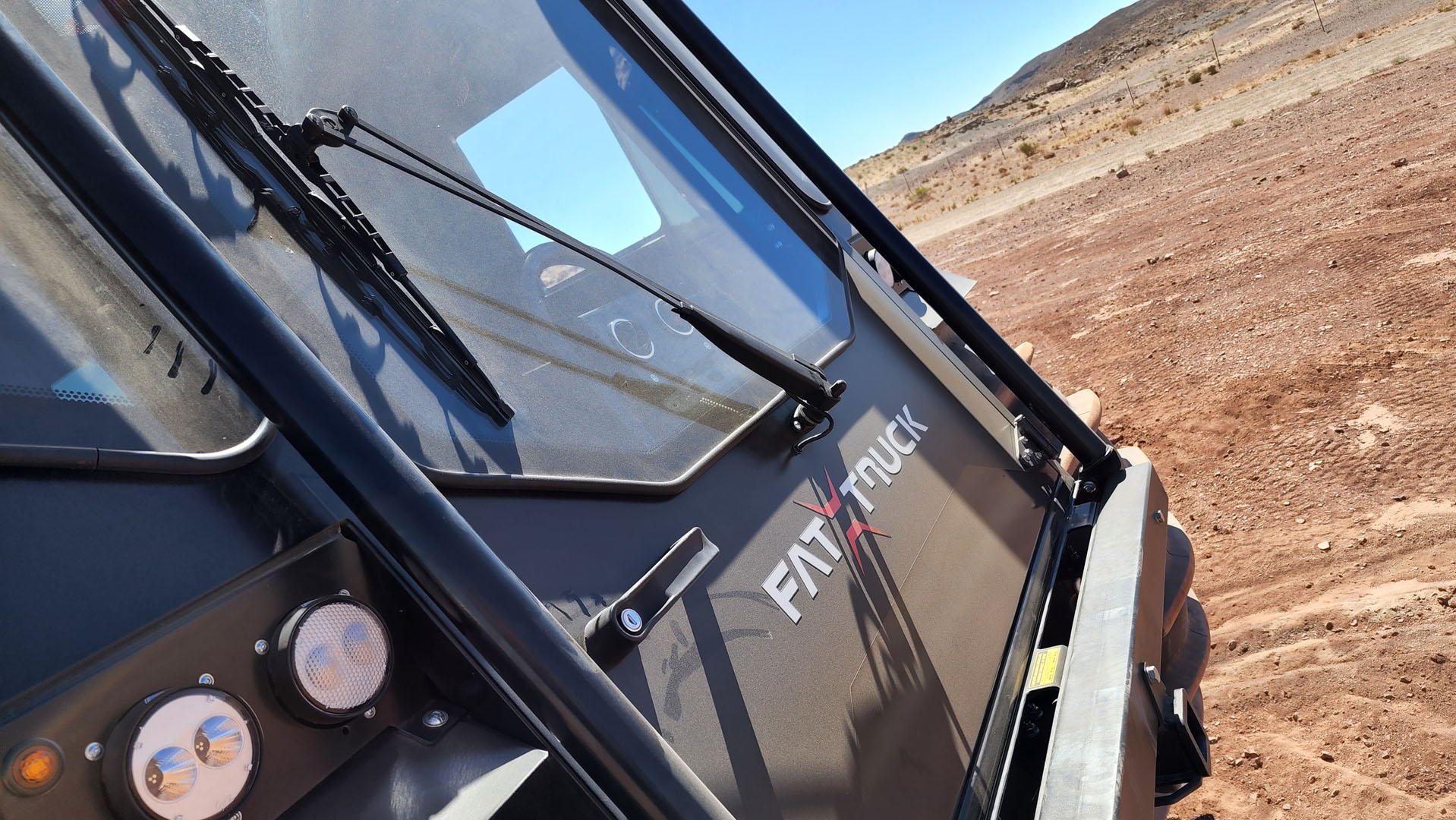
When floodwater changes the terrain mid-response, FAT TRUCK® moves with it. See how first responder fleets are closing the land-to-water gap.